



A good Pilates and strength schedule for women does not need to look dramatic on paper. It needs to survive a real week. The plans that stick are usually the ones that leave you feeling trained, not wrecked, and that’s a useful distinction because a lot of fitness advice still acts like soreness is a medal.
Pilates and strength training work well together for a plain reason: they ask your body to do different jobs. Strength work gives you load, muscle, and bone stimulus. Pilates gives you control, trunk stability, breathing, and the kind of cleaner movement that makes the loaded work feel better. If you’ve ever noticed that your squats feel smoother after a Pilates session, or that your lower back gets less cranky when your core work is more precise, you already know the basic idea.
The mistake I see most often is overcomplication. People stack hard leg days on hard leg days, sprinkle in random Pilates classes, then wonder why they feel flat by Thursday. Better plans are more boring, honestly. They repeat the right pattern often enough that your body can adapt, then they leave enough room for walking, sleeping, and all the other life stuff that fitness plans like to pretend doesn’t exist.
So the smart move is to pick a weekly structure that matches your actual energy, your equipment, and the part of your body you want to improve first. Some women need a gentler re-entry plan. Some want glutes and legs. Some need posture work after long desk hours. A few want the studio-to-home blend that keeps things interesting. The schedules below are built around those real situations.
1. Three Pilates Days and Two Strength Days
This is the schedule I’d hand to someone who wants to feel longer, stronger, and less beat up by Friday. It keeps strength work in the mix without turning every workout into a grind, and it gives Pilates enough space to do what it does best: clean up posture, control, and breath.
- Monday: Full-body strength, 45 to 60 minutes
- Tuesday: Mat Pilates, 30 to 40 minutes
- Wednesday: Walk or rest
- Thursday: Lower-body and upper-body strength, 45 minutes
- Friday: Pilates with core and mobility focus, 30 minutes
- Saturday: Optional reformer or mat Pilates, 25 to 35 minutes
- Sunday: Rest
The logic is simple. Two real strength sessions are enough to drive progress if you keep the exercises focused: squats or split squats, hinges like deadlifts or Romanian deadlifts, a push, a pull, and a carry if you have time. Pilates fills in the gaps with spinal mobility, deep core control, and better hip mechanics.
I like this split for women who sit a lot, lift moderately, or are coming back after a long break. It’s not flashy. It works because the hard days stay hard, the lighter days stay light, and your joints don’t start filing complaints by the middle of the week.
2. Two Strength Days, Two Pilates Days, and One Long Walk

Can you get stronger without living in the gym? Absolutely. This five-part week is the answer for a lot of people who want balance without undertraining.
- Monday: Strength, 50 minutes
- Tuesday: Pilates, 35 minutes
- Wednesday: Brisk walk, 45 to 75 minutes
- Thursday: Strength, 50 minutes
- Friday: Pilates, 30 to 40 minutes
- Saturday: Easy walk or full rest
- Sunday: Rest or gentle mobility
What makes it feel manageable
The long walk matters more than people think. It gives you extra movement volume, helps recovery, and keeps the week from feeling like a series of tests. If you’re doing compound lifts on Monday and Thursday, you don’t need another hard cardio day squeezed in just because the internet likes hard things.
Pilates works here as a reset, not a punishment. Keep one session focused on core and spinal articulation, and let the other one lean into hips, glutes, and shoulder control. That keeps the body from getting stiff in the same places that strength training tends to tighten up.
A good rule: if your strength days are heavy enough to require a little mental focus, your Pilates days should leave you feeling organized, not exhausted. That’s the sweet spot.
3. Four-Day Busy-Week Split That Still Builds Muscle
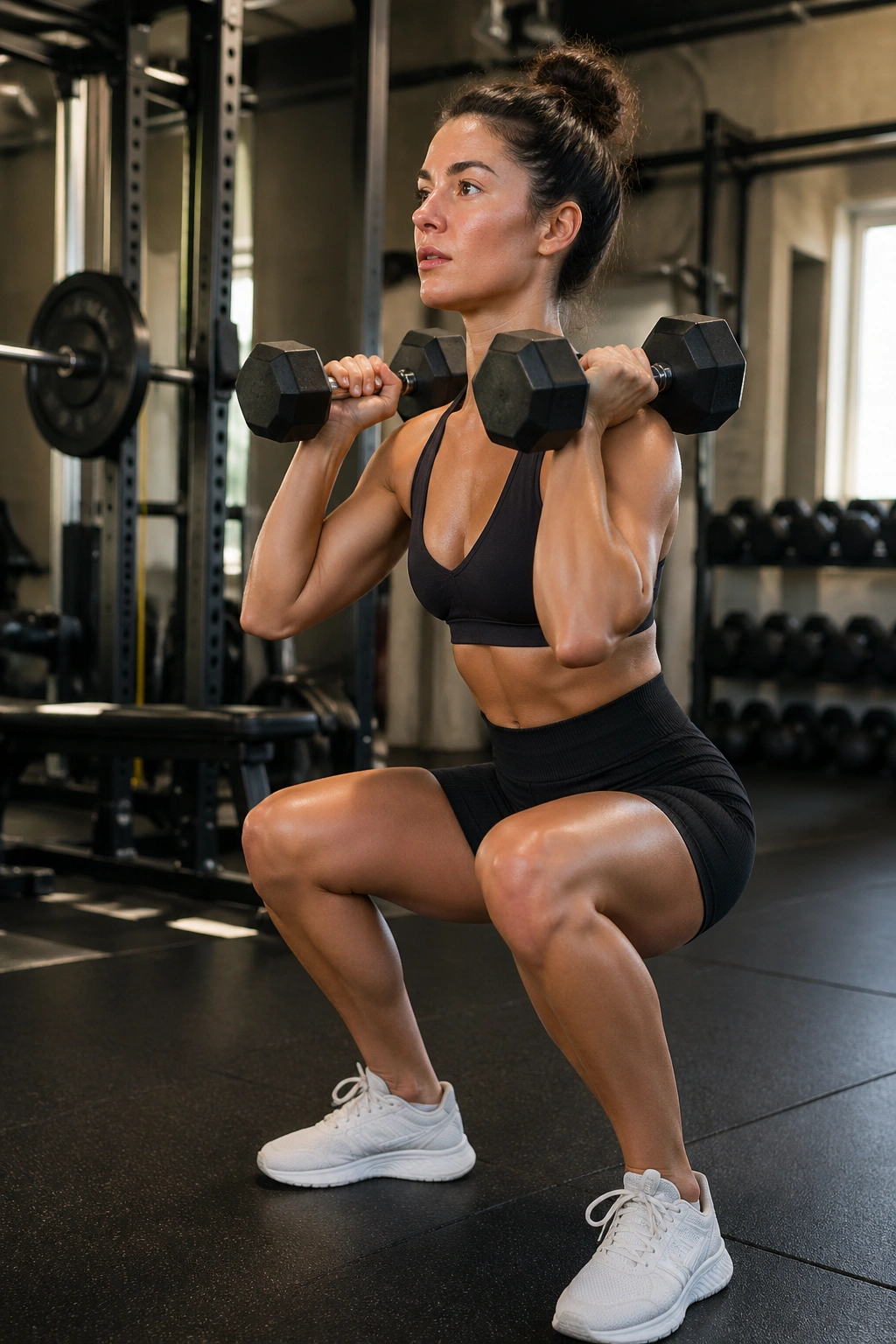
A lot of women do best with a short list of non-negotiables. Four workouts. No drama. No guilt spiral when life gets crowded.
Picture a week with work deadlines, school drop-off, a late dinner, and exactly one hour where you can hear yourself think. That’s when this plan earns its keep.
- Monday: Full-body strength, 40 minutes
- Tuesday: Pilates, 25 minutes
- Thursday: Full-body strength, 40 minutes
- Saturday: Pilates, 30 minutes
- Daily: 20 to 30 minutes of walking when possible
The strength sessions should be concise and focused. Pick one lower-body move, one upper-body push, one upper-body pull, and one core drill. Three rounds is often enough. You do not need a circus of exercises to make progress.
Pilates keeps the week from feeling blunt. One session can be all about control and breathing, the other can lean into mobility and glute activation. That second piece matters more than people admit. If you’re only lifting twice a week, better movement quality makes those two sessions count.
How to keep it tight
Use a timer. Rest 45 to 90 seconds on strength moves, 20 to 30 seconds between Pilates flows, and stop chasing fatigue for its own sake. The goal is a week you can repeat, not a week that wipes you out so badly you disappear for ten days.
4. Two Lower-Body Strength Days and One Upper-Body Anchor
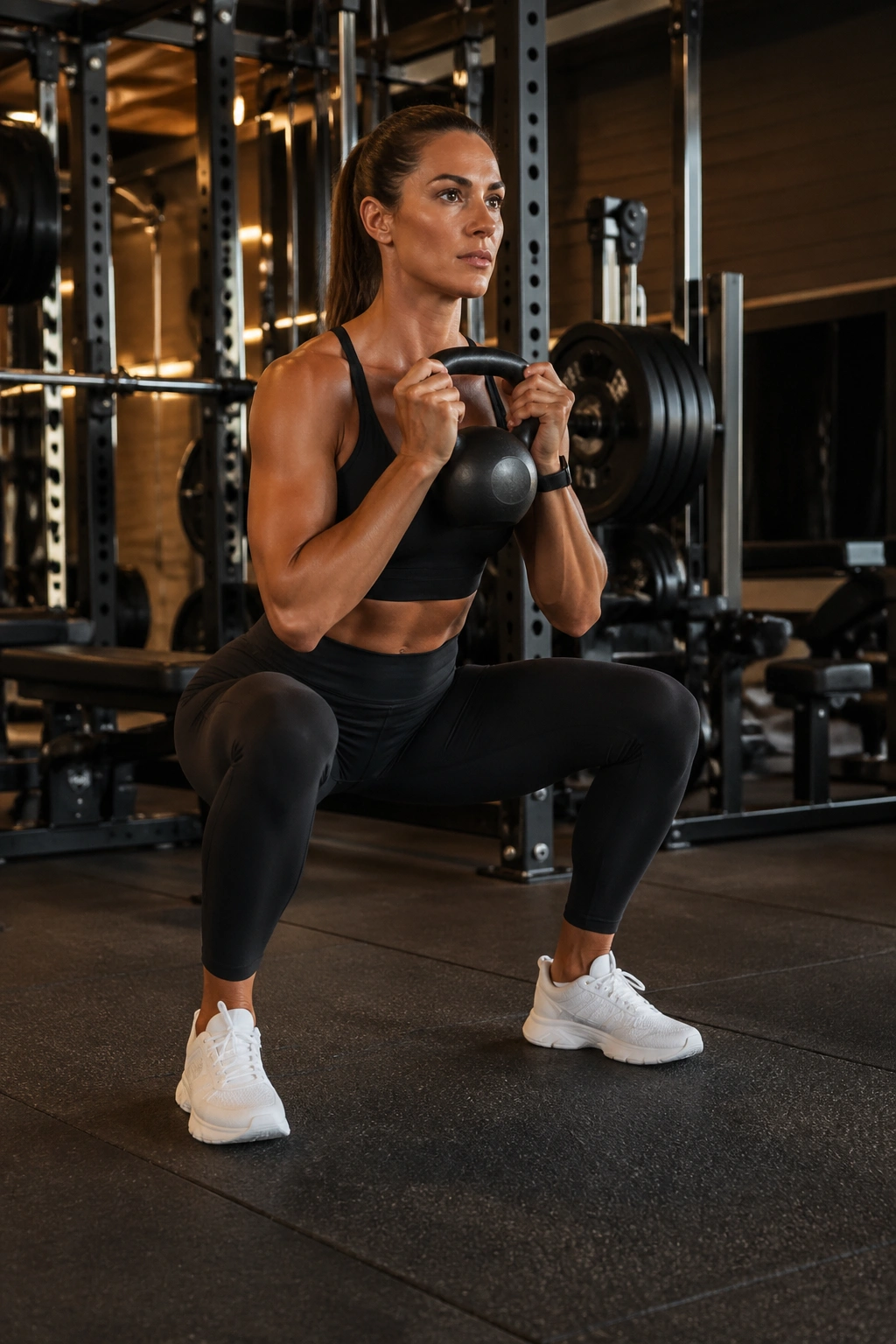
If your main goal is glutes, legs, and a stronger lower half, you do not need to hammer your legs every day. That usually backfires. The body gets tired, the form gets sloppy, and the actual muscle stimulus drops.
This schedule puts the important work where it belongs:
- Monday: Lower-body strength
- Tuesday: Pilates with hip and core focus
- Wednesday: Upper-body strength
- Thursday: Rest or walk
- Friday: Lower-body strength
- Saturday: Pilates or mobility
- Sunday: Rest
What I like here is the rhythm. The lower-body sessions are spaced out enough that you can push them with real intent. Think split squats, hip thrusts, deadlifts, step-ups, and hamstring work. You get better results from those lifts when your legs are fresh enough to load properly.
The exercises that pay off fastest
- Squat pattern: goblet squat, front squat, or leg press
- Hinge pattern: Romanian deadlift or trap-bar deadlift
- Single-leg pattern: Bulgarian split squat or step-up
- Glute isolation: cable kickbacks, band walks, or hip thrusts
- Core support: dead bug, side plank, Pallof press
Pilates on the off days helps keep the pelvis, ribs, and spine moving well. That matters because heavy lower-body work can make everything feel compressed if you never add length and rotation back in. Tiny correction. Not just “feel compressed.” It does change how you move.
5. Upper-Body and Posture-Focused Week
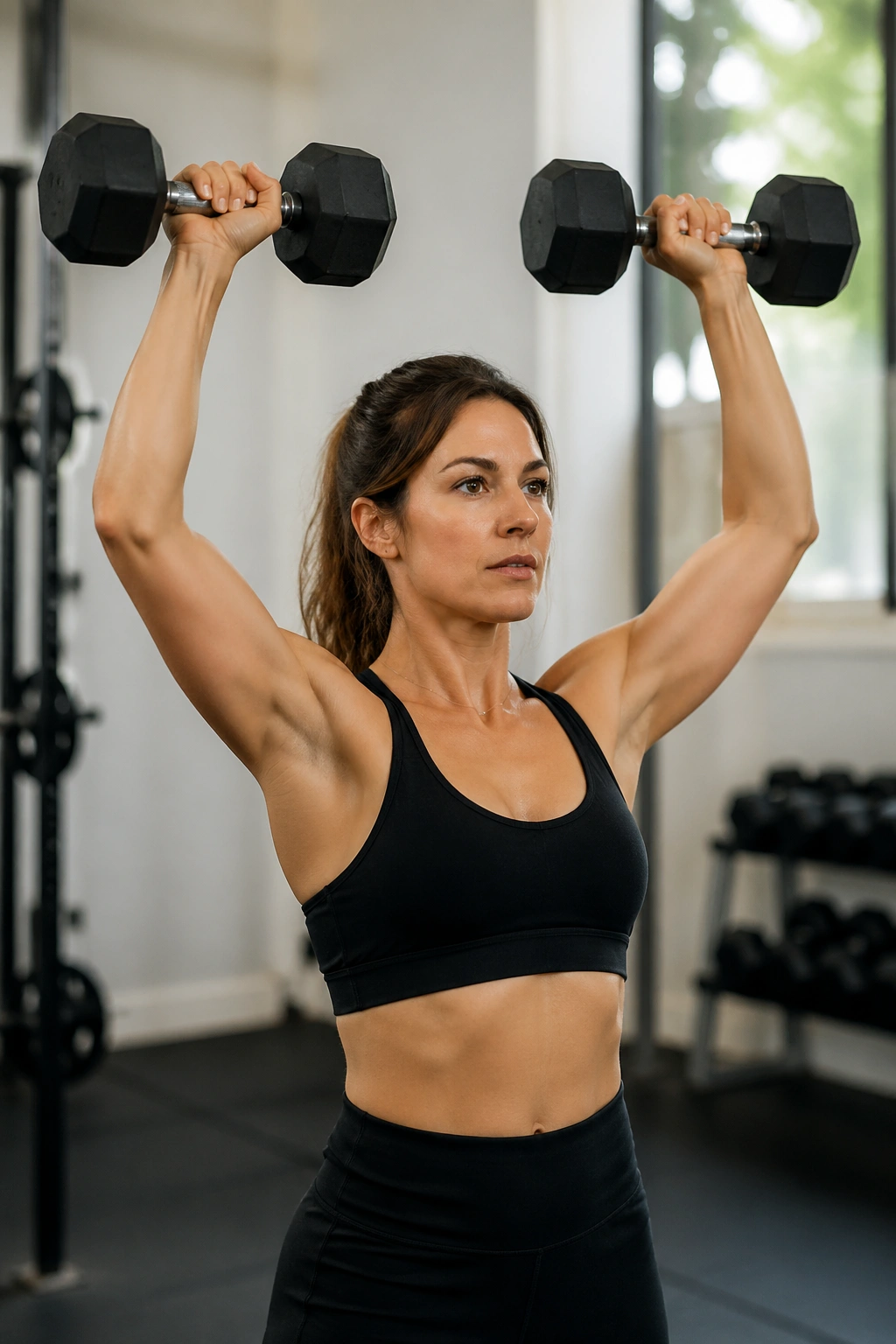
Rounded shoulders do not come from weakness alone. They come from sitting, reaching, carrying, typing, and training without enough pulling, opening, and thoracic extension work. This schedule is built for that.
- Monday: Upper-body strength
- Tuesday: Pilates for posture and mobility
- Wednesday: Lower-body strength
- Thursday: Rest or walking
- Friday: Upper-body strength
- Saturday: Pilates with spine and shoulder work
- Sunday: Rest
What to lift on the upper days
Use rows, lat pulldowns or pull-ups, dumbbell presses, overhead presses, and rear-delt work. Keep the pulling volume at least equal to the pushing volume. I’d even lean a little higher on rows if your shoulders sit forward most of the day.
Pilates fits beautifully here because it asks you to stack ribs over pelvis, control the shoulder blades, and move the spine without dumping into the neck. That’s a fancy way of saying your body learns to stop cheating. Which is useful.
If you want your posture to change, don’t treat Pilates as a stretch class and strength as a separate event. They should talk to each other. The best upper-body weeks make you feel taller, but more than that, they make overhead work and rows feel smoother by the second or third round.
One more thing. Don’t chase heavy presses if your upper back is doing all the work to stabilize. Fix the base first. Then load it.
6. Six Days of Alternating Work and Recovery
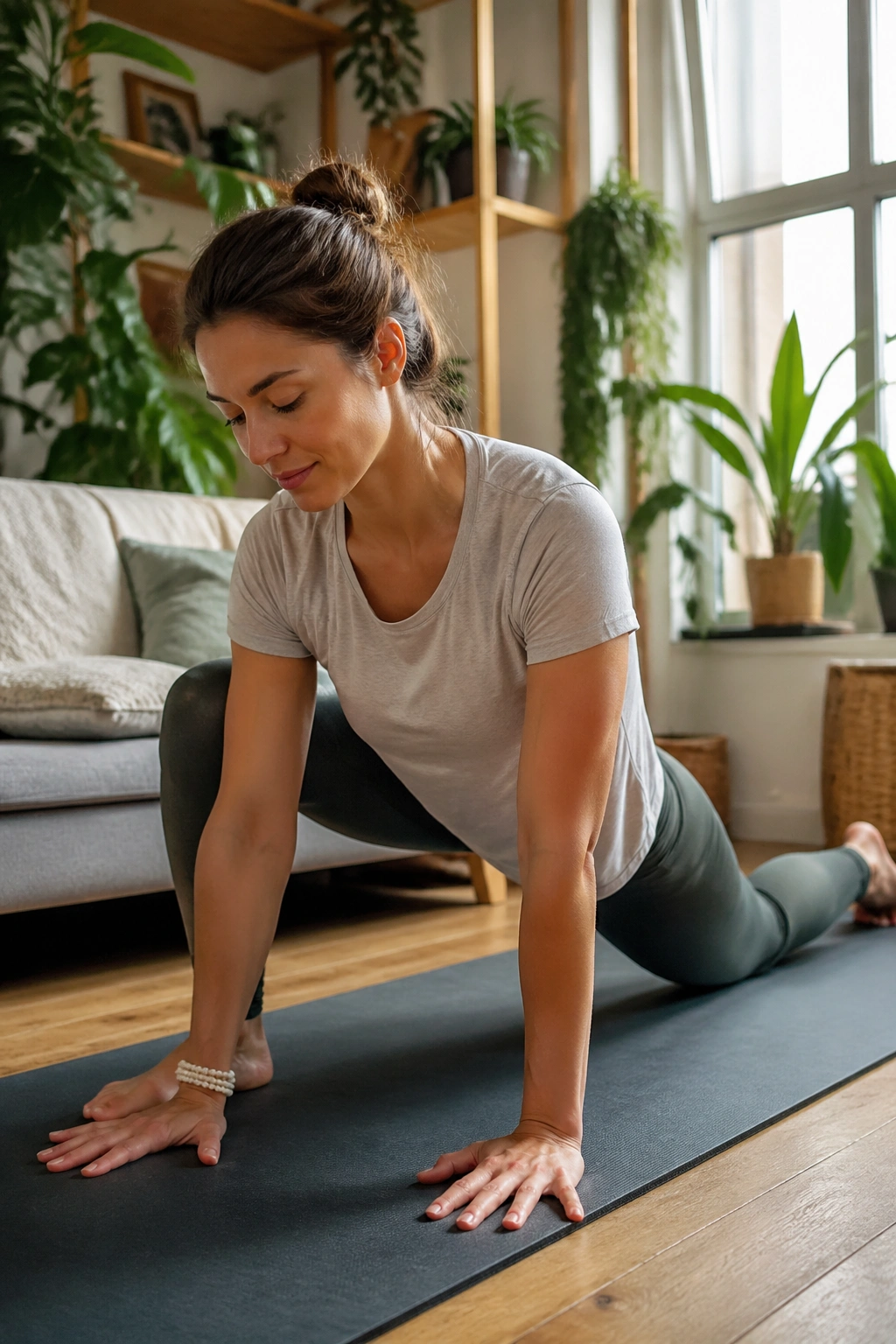
Six days can work. Barely. Only if the intensity is controlled and the schedule has some restraint.
- Monday: Strength
- Tuesday: Pilates
- Wednesday: Strength
- Thursday: Pilates
- Friday: Strength
- Saturday: Pilates or mobility
- Sunday: Full rest
This is the plan for women who like routine, like frequent movement, and do not want long gaps between sessions. The trick is that not every workout should feel like a test. Keep one strength day heavier, one moderate, and one lighter or more focused on weak spots. The Pilates days should vary too: one core-heavy, one mobility-heavy, one recovery-heavy if you’re including Saturday.
What to watch for
If your sleep gets worse, your legs feel dead on warm-up sets, or you start dreading the fifth day in a row, pull the volume back. That’s not failure. It’s feedback.
The six-day split works best when you keep the sessions shorter. Thirty-five to fifty minutes is plenty. More than that, and the week starts to sprawl. No one needs a sprawling week. That’s how good intentions turn into snacky half-efforts.
I like this split for intermediate exercisers who already know their form and don’t need a lot of hand-holding. It’s rhythm. That’s the real benefit.
7. The 30-Minute Lunch Break Schedule
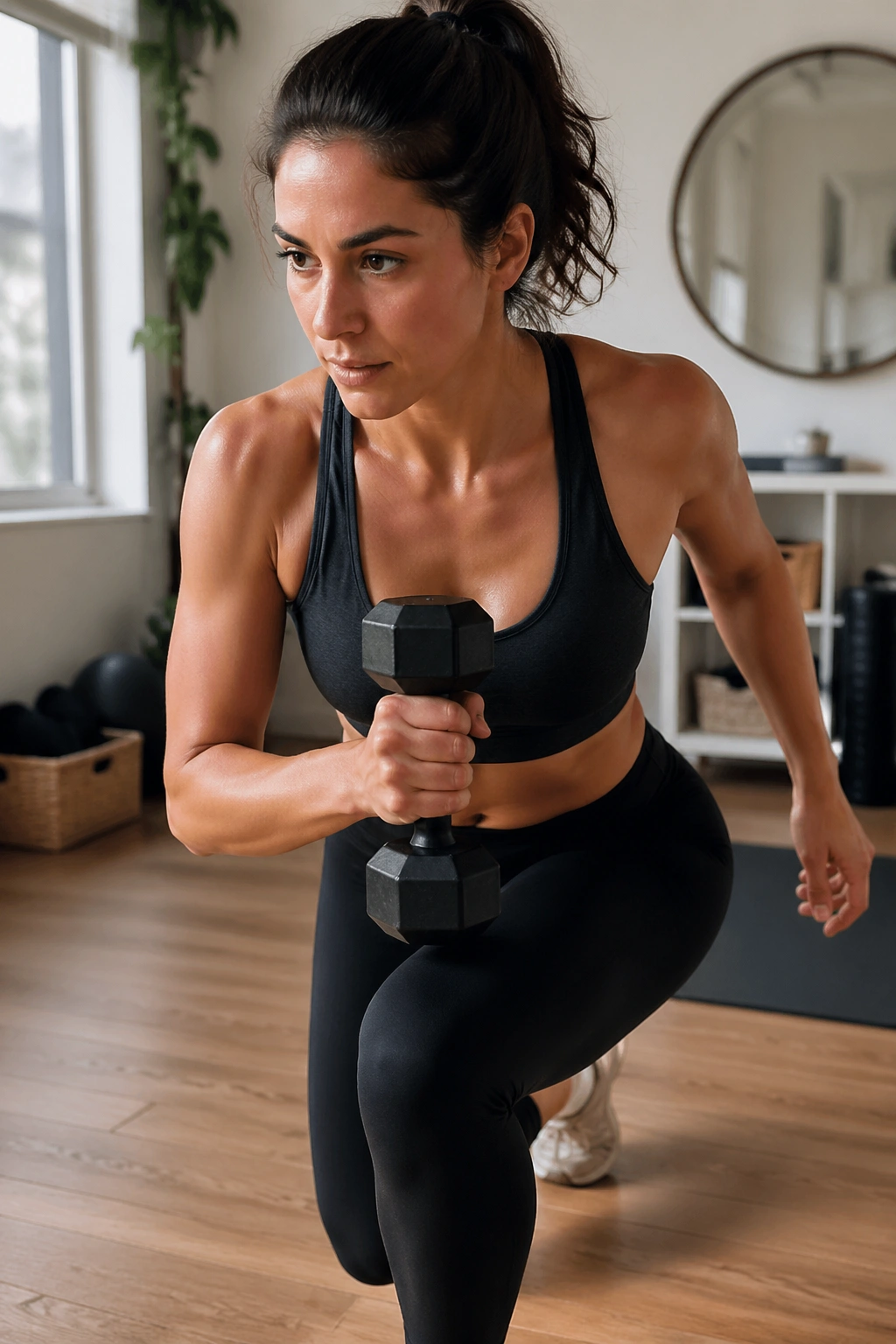
A lot of training advice assumes you can disappear for 90 minutes and come back glowing. Most people cannot. This is the schedule for the rest of us.
A realistic weekly rhythm
- Monday: 30-minute full-body strength
- Tuesday: 30-minute mat Pilates
- Wednesday: Walk
- Thursday: 30-minute lower-body strength
- Friday: 30-minute Pilates flow
- Saturday: Optional walk or short mobility work
- Sunday: Rest
What makes this work is the lack of fluff. Strength sessions should be built around supersets: squat plus row, hinge plus press, lunge plus pull. You move, you rest briefly, you move again. Pilates sessions should stay crisp too, with 6 to 8 exercises done cleanly instead of a long wandering sequence.
How to get the most from short sessions
- Warm up for 4 to 5 minutes with joint circles and bodyweight squats
- Use one moderate load you can control for 8 to 12 reps
- Keep transitions quick, but never sloppy
- End with 2 minutes of breathing or spinal mobility
Short workouts can feel almost suspiciously small, and then they work. That’s usually because they cut out the part most people secretly do not need: ten extra minutes of deciding what to do next.
8. Reformer Pilates and Dumbbell Strength in One Week
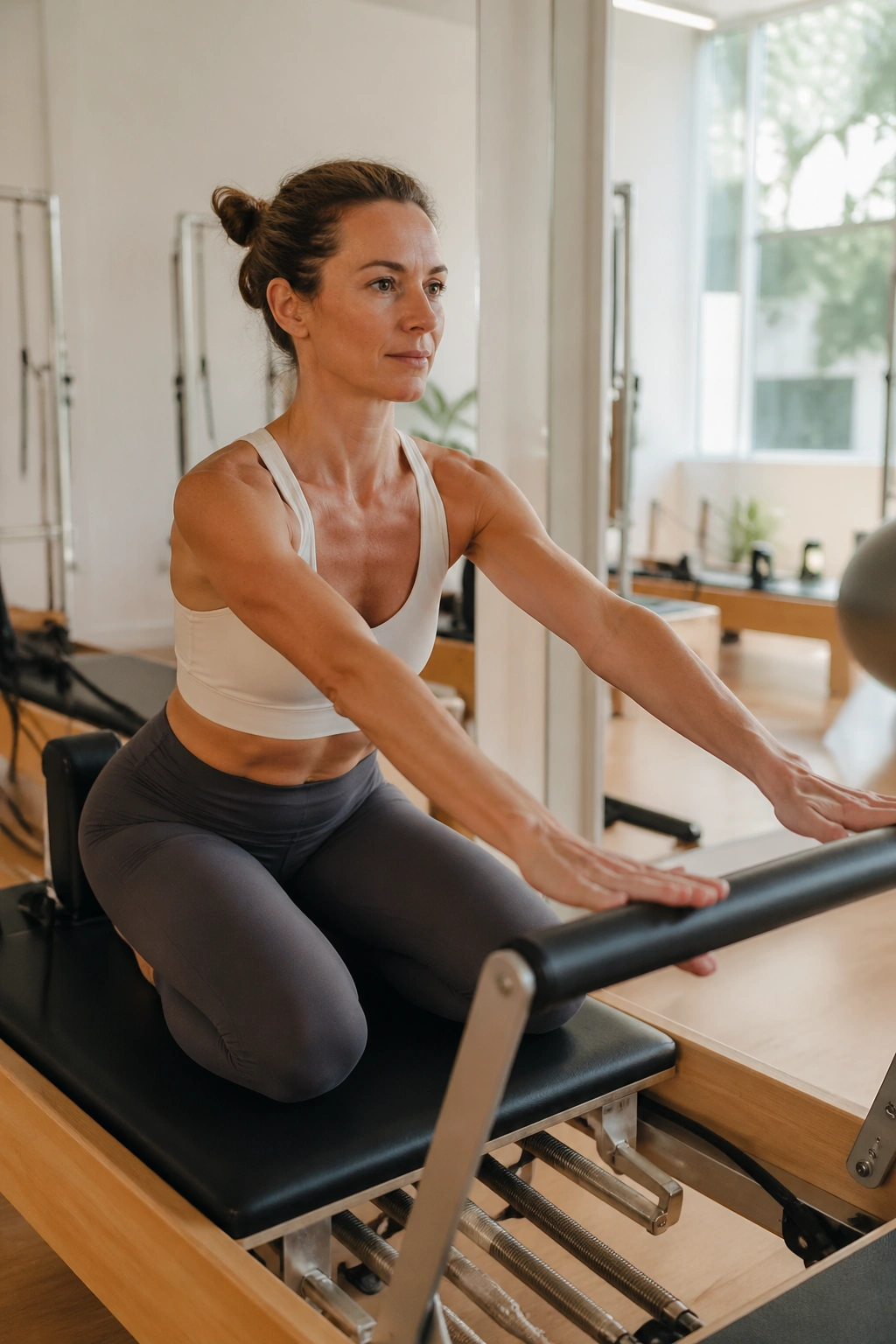
Mixing studio Pilates with home strength work beats trying to force one tool to do everything. Springs are not dumbbells, and dumbbells are not springs. That difference is exactly why the combination works.
- Monday: Dumbbell strength, 45 minutes
- Tuesday: Reformer Pilates, 40 minutes
- Wednesday: Rest or walk
- Thursday: Dumbbell strength, 45 minutes
- Friday: Reformer Pilates, 40 minutes
- Saturday: Optional walk or mobility
- Sunday: Rest
Reformer Pilates shines when you want controlled resistance through long ranges of motion. It’s excellent for glute work, trunk stability, and shoulder control, especially if you like guided movement. Dumbbells bring the heavier load and the clearer progression. Together, they cover a lot of ground without making the week feel repetitive.
Who this schedule suits
It’s a strong fit if you enjoy classes but still want measurable strength gains. It also works well for women who prefer lower-impact training but do not want to lose the muscle-building side of exercise. Springs keep joints happier for many people, but they do not replace progressive overload. Dumbbells handle that part.
This is also just a more interesting week. And yes, that matters. If a schedule bores you into skipping sessions, the best programming in the world is useless.
9. Core Control and Pelvic Floor-Friendly Training
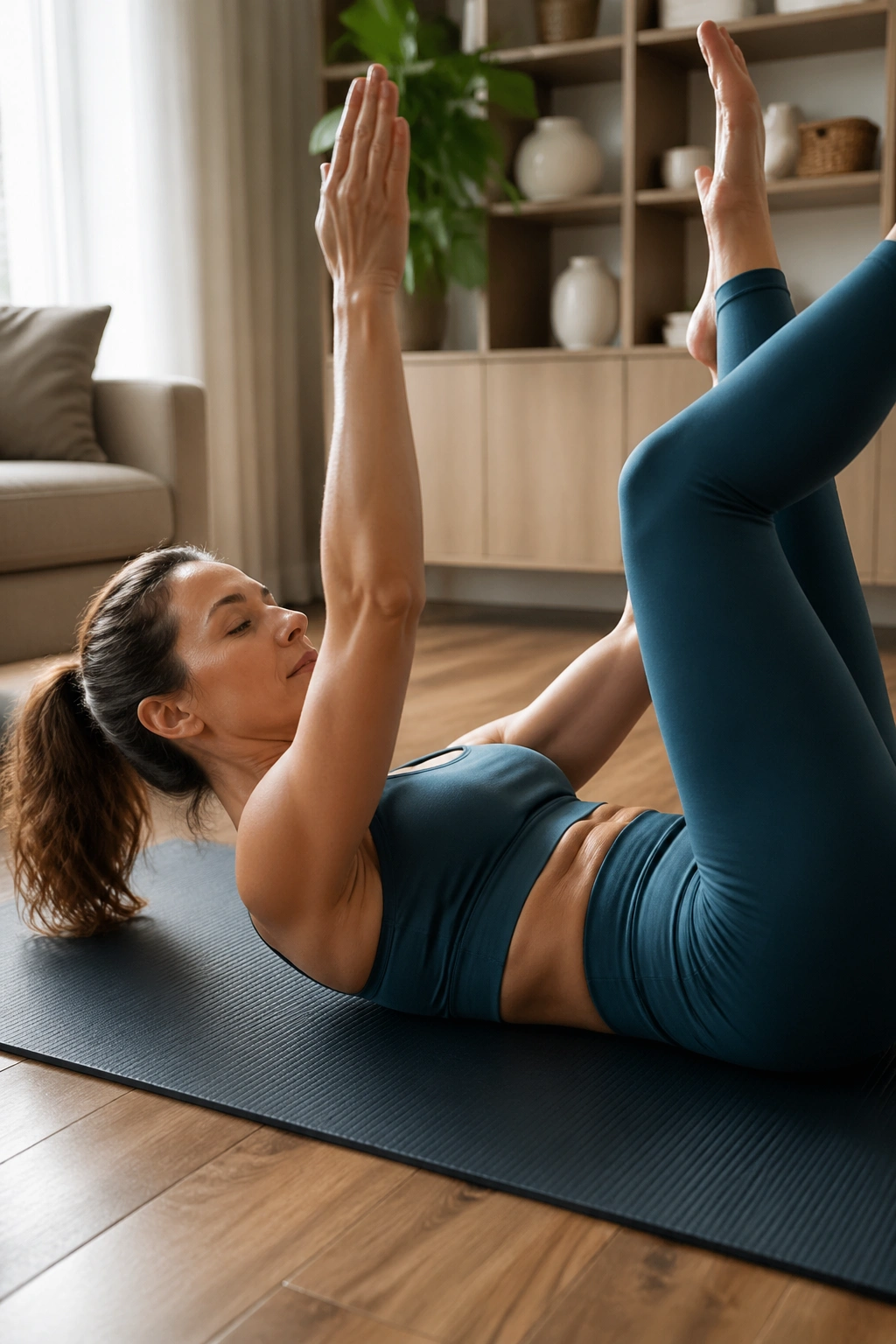
If crunches leave your midsection shaky or you feel pressure downward during hard lifts, your week needs a little more care. Not less movement. Care.
The safest place to start is with breathing, pressure control, and slower transitions. Pilates is useful here because it teaches you how to stack the ribs, pelvis, and breath before you start loading harder. Strength still belongs in the plan, but the exercises need to be chosen with intention.
A steadier weekly layout
- Monday: Light full-body strength
- Tuesday: Pilates with breath and deep core work
- Wednesday: Walk
- Thursday: Moderate strength with more unilateral work
- Friday: Pilates focused on alignment and control
- Saturday: Rest or gentle mobility
- Sunday: Rest
What to avoid, at least for now
- Breath-holding through heavy reps
- Endless sit-ups and high-pressure ab work
- Jumping into heavy barbell work before you can control bracing
- Fast transitions that make your form sloppy
What usually helps
- Exhale on effort
- Use dead bugs, heel slides, bird dogs, and side planks
- Keep loads moderate until your brace feels steady
- Ask a pelvic floor physical therapist or qualified coach if symptoms keep showing up
This is one of those areas where impatience costs more than it gives. Slower progress is still progress. Sometimes it is the better kind.
10. A Fat-Loss Support Schedule That Preserves Muscle

The schedule that keeps people leanest over time is usually the one that protects muscle while keeping daily movement high. That means you need enough strength work to hang on to your shape, and enough Pilates or walking to keep the week active without overcooking recovery.
- Monday: Strength
- Tuesday: Pilates
- Wednesday: Walk
- Thursday: Strength
- Friday: Pilates
- Saturday: Strength or long walk
- Sunday: Rest
Why this pattern works
Strength training is the anchor. Without it, people often lose muscle along with fat, and the result is a smaller version of the same body composition problems. Pilates helps by keeping movement quality high and making it easier to stay active on the days you are not lifting. Walking does a quiet amount of work here too. Underappreciated, frankly.
I’d keep the strength sessions full-body and fairly efficient. That means 4 to 6 exercises, 3 sets each, with enough load to feel the last 2 reps. Pilates can stay lower intensity and still matter. The job is not to make you drenched. The job is to keep you moving well so you can stay consistent.
If your only goal is scale change, you may be tempted to pile on cardio and skip the lifting. That’s usually the wrong trade.
11. Beginner Re-Entry Without the Sore Everything Problem
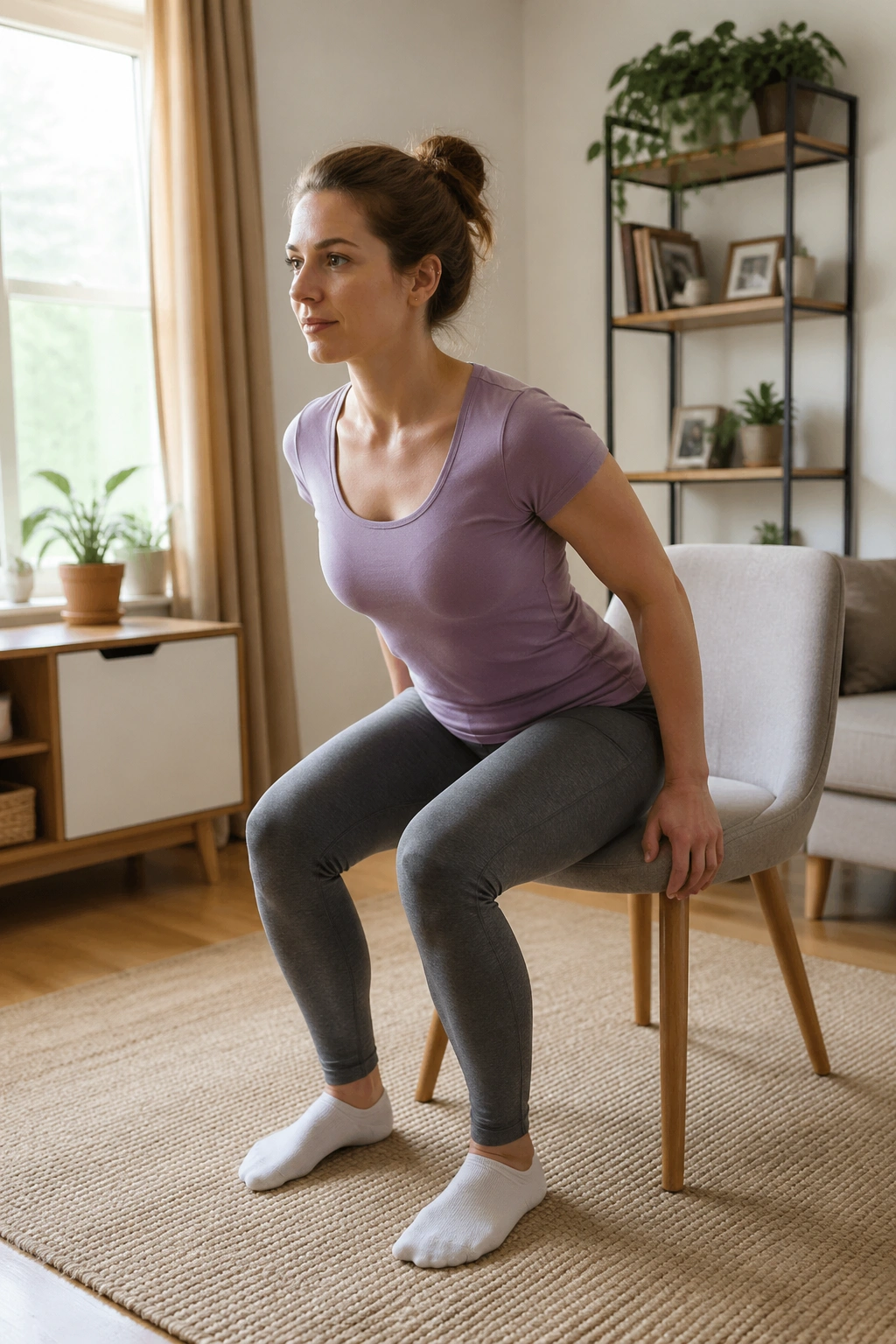
More sessions are not always the fix. For many women coming back after a break, the right plan is the one that feels almost too easy for the first two weeks.
- Monday: Light strength, 30 to 40 minutes
- Tuesday: Pilates, 20 to 30 minutes
- Wednesday: Rest
- Thursday: Light strength, 30 to 40 minutes
- Friday: Pilates, 20 to 30 minutes
- Saturday: Walk
- Sunday: Rest
Why beginners usually get stuck
They do too much on day one. Then every stair becomes a negotiation. Then they miss the next workout because soreness feels like failure. It’s a bad loop, and it’s avoidable.
Keep the strength work simple: sit-to-stand squats, supported lunges, dumbbell rows, incline push-ups, glute bridges. Keep Pilates basic too. Your first goal is to learn positions, breathe, and move cleanly through a full range without rushing.
A small but useful rule
Stop every set with two good reps left in the tank. That buffer keeps the schedule sustainable and cuts the chance of feeling trashed for three days. Later, you can add load. First, build the habit.
This kind of plan looks modest. That’s why it succeeds.
12. Energy-Based Training for Fluctuating Weeks

What if your week does not cooperate? Good news: it does not have to. A flexible schedule can still be structured.
Use three labels.
- Green day: heavy or moderate strength
- Yellow day: Pilates, mobility, or lighter strength
- Red day: walk, breathing, recovery work, or full rest
Here’s a sample setup:
- Monday: Green day, strength
- Tuesday: Yellow day, Pilates
- Wednesday: Red day, walk
- Thursday: Green day, strength
- Friday: Yellow day, Pilates
- Saturday: Green or yellow depending on energy
- Sunday: Red day
This works especially well if your sleep, work load, or family schedule changes a lot. Instead of forcing the same intensity every time, you assign a job to the day. Heavy days get the hard lifting. Yellow days clean things up. Red days keep you from digging a recovery hole.
Pilates is useful on yellow days because it gives you movement without the mechanical cost of another hard lift. And if a green day turns into a yellow day because life happened, that is fine. The structure still holds.
13. The Home-Only No-Equipment Week
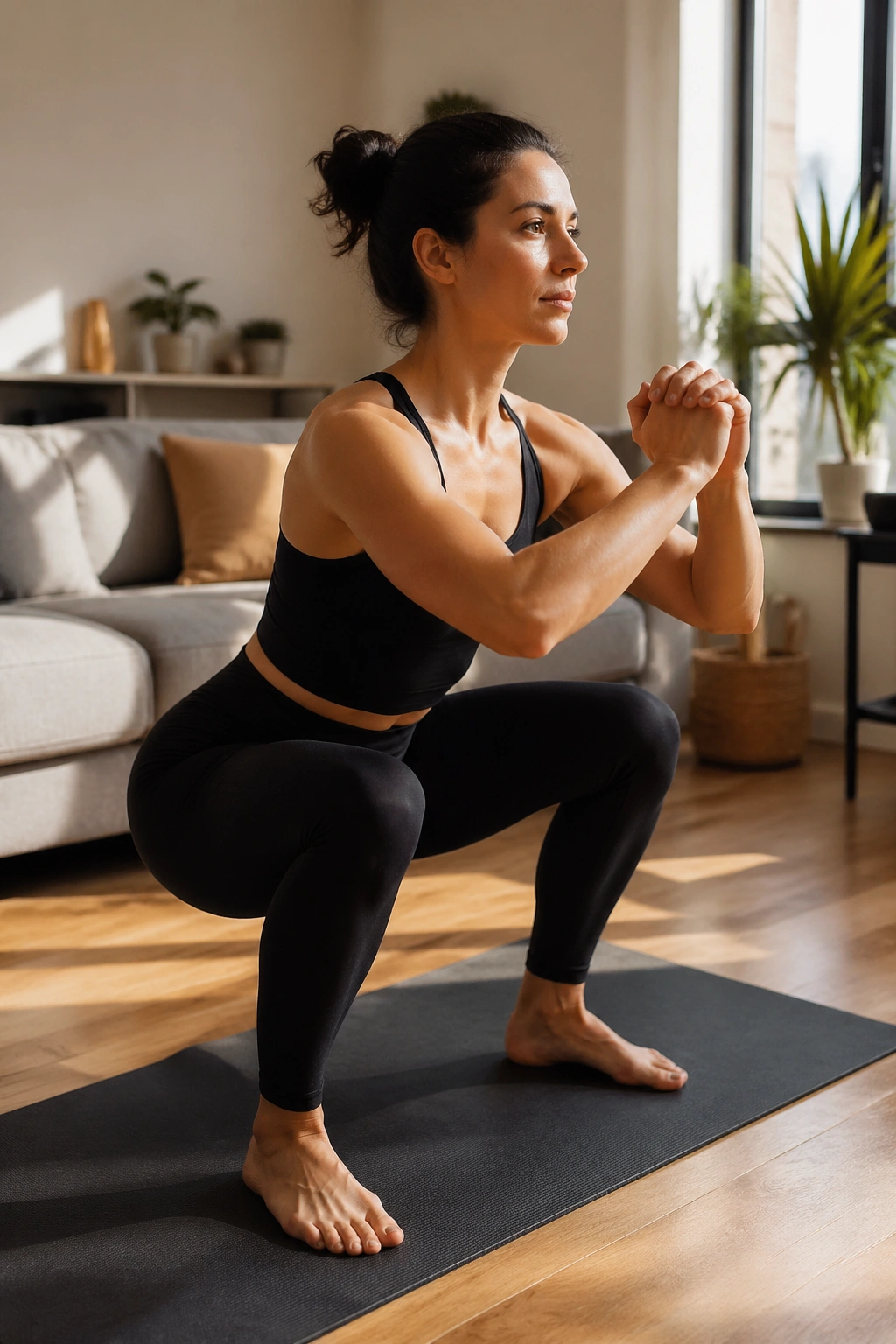
A mat, a pair of light dumbbells, and maybe a loop band can carry an entire week. People act as if home training is a compromise. It can be, but it does not have to be.
- Monday: Full-body dumbbell strength
- Tuesday: Mat Pilates
- Wednesday: Walk or rest
- Thursday: Lower-body dumbbell strength
- Friday: Mat Pilates with core work
- Saturday: Optional banded glute session or walk
- Sunday: Rest
What to focus on
Use slow tempo work on the strength days. A three-second lowering phase on squats or Romanian deadlifts makes light dumbbells feel much heavier. That’s not magic. It’s physics. Pilates then balances that slower loading with controlled spinal movement and deep core work.
This schedule is good for women who want privacy, convenience, or a lower barrier to entry. No commute. No waiting for equipment. No studio schedule to negotiate. You can still make real progress if you stick to movements that scale well at home: split squats, hip bridges, push-ups from a bench or wall, rows, side planks, and dead bugs.
A useful caution
Home training gets sloppy when people keep buying new gear instead of adding reps, tempo, or range. Save your money. Use the tools you already have more intelligently first.
14. A Studio-Heavy Plan for Serious Progression
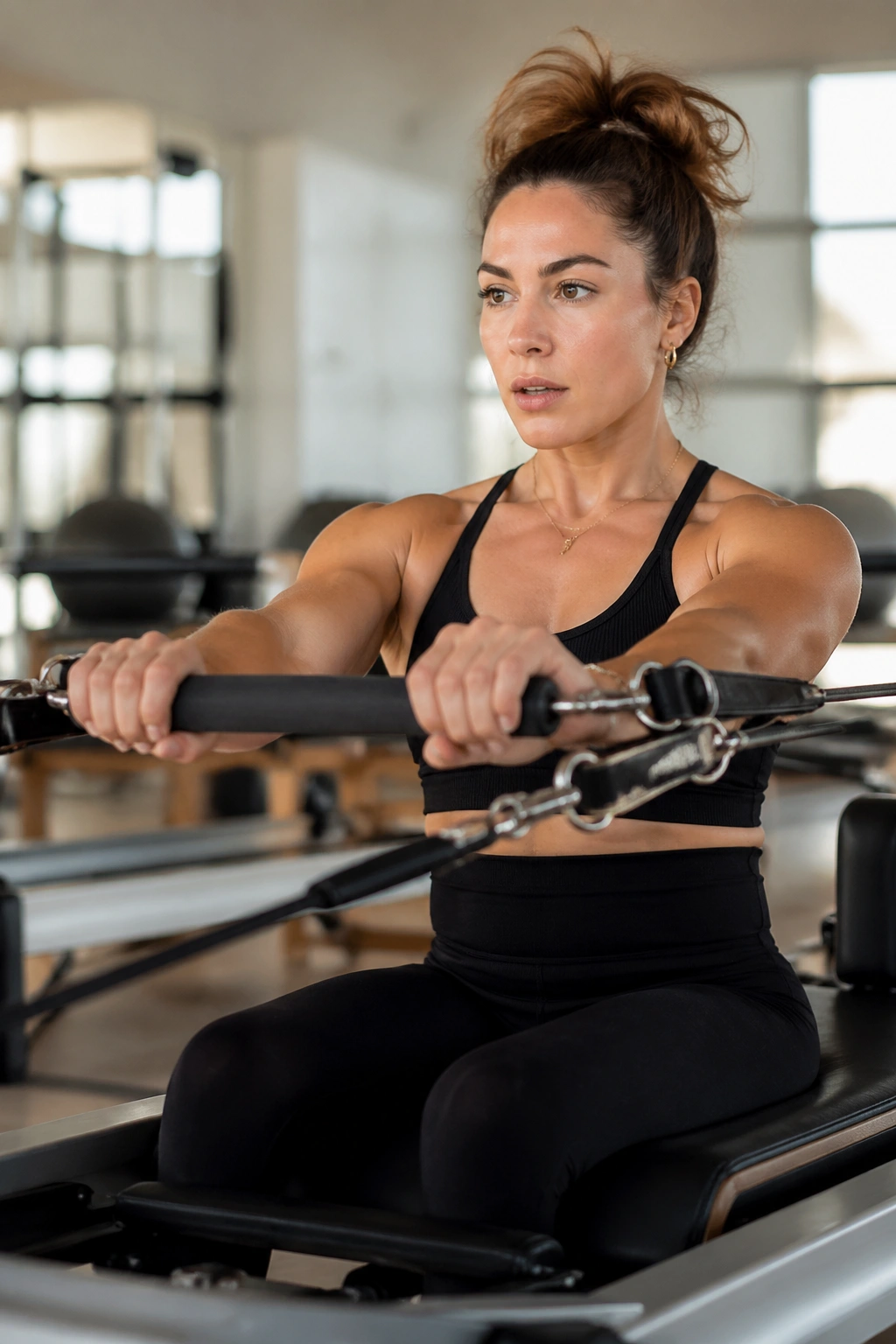
If you like structure and you respond well to guided work, a studio-heavy schedule can be excellent. The combination of reformer Pilates and properly loaded strength sessions gives you feedback in both directions.
- Monday: Strength, 50 minutes
- Tuesday: Reformer Pilates, 40 minutes
- Wednesday: Rest or walk
- Thursday: Strength, 50 minutes
- Friday: Reformer Pilates, 40 minutes
- Saturday: Light mobility or easy walk
- Sunday: Rest
This is different from the home-only plan because the studio gives you resistance through the full range of motion, while the strength work handles the heavier loading and cleaner progression. If you like being coached, this setup is hard to beat.
Where people get it wrong
They treat Pilates as if it should replace all other training. It shouldn’t. The reformer is a powerful tool, but dumbbells, barbells, and machines still matter if you want measurable changes in strength. Use both. That’s the point.
I’d suggest keeping one strength day lower-body biased and the other more balanced. Then let the Pilates days clean up the details: core, hips, shoulders, breath, posture. You’ll usually feel the benefit in the first two or three weeks, but the bigger payoff comes later, when your movement stops looking as effortful.
15. Maintenance Mode for Keeping Results Without Burning Out
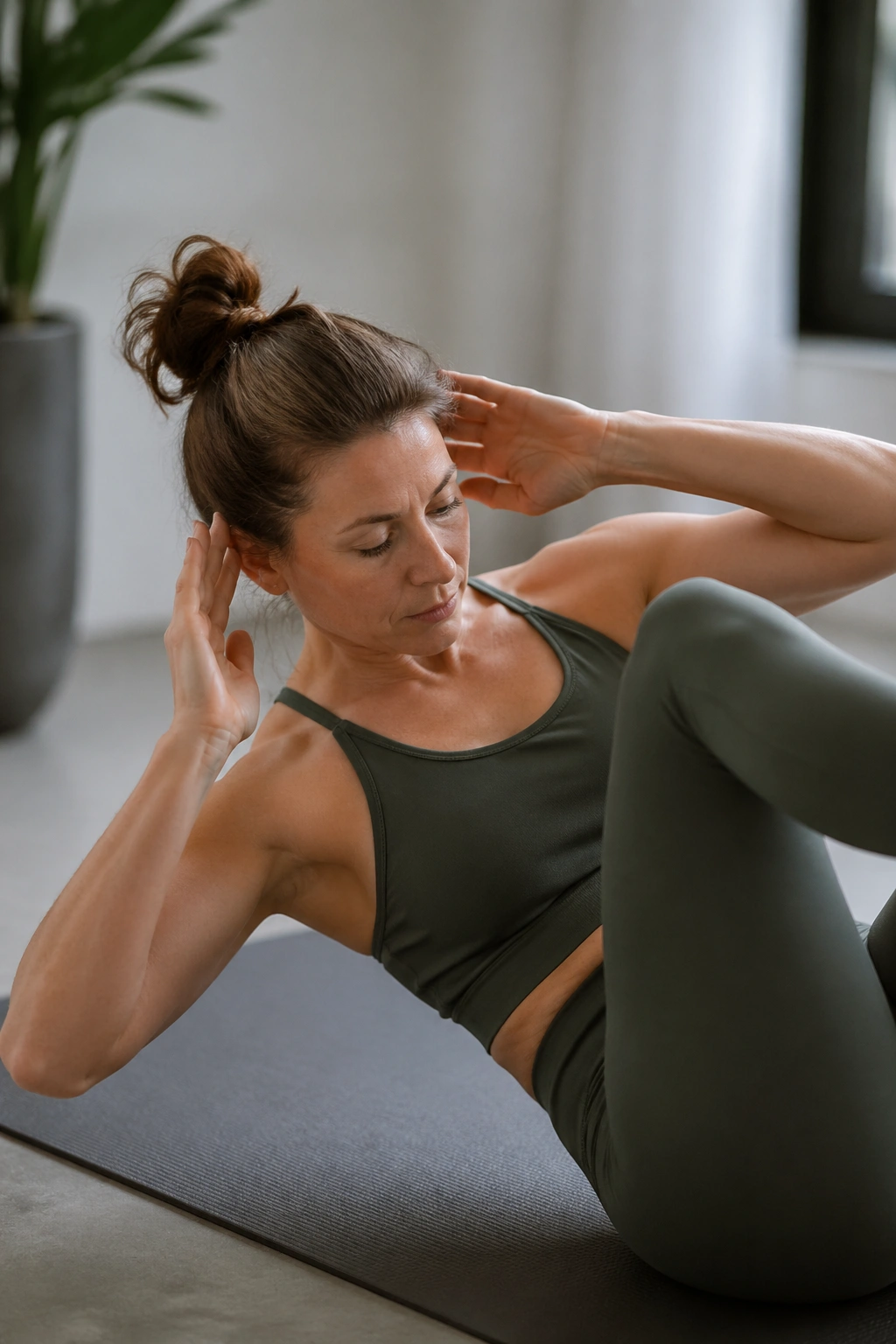
There’s a schedule for building momentum, and there’s a schedule for keeping it. This one is for the second phase, which people ignore until they get tired and lose the habit.
- Monday: Full-body strength, 45 minutes
- Wednesday: Pilates, 30 minutes
- Friday: Full-body strength or machine-based lift, 45 minutes
- Saturday: Pilates or a long walk
- Other days: Walk, stretch, or rest
Why this is the schedule I trust long-term
It is enough work to preserve muscle and movement quality, but not so much that every week feels like a negotiation with your calendar. That matters more than people admit. A plan you can repeat for months is worth more than a plan that looks clever for two weeks.
If you are maintaining after a stronger training phase, keep the strength sessions heavy enough to matter. That means a few compound lifts, not a dozen random exercises. Keep Pilates honest too. Use it for control, not as an excuse to drift through class thinking about groceries.
This is also the split I’d reach for during travel-heavy periods, stressful work stretches, or any time you want the lowest friction version of a solid fitness routine. It keeps the thread intact.
The Bottom Line
The best Pilates and strength schedule for women is the one that matches the season of life you’re in and the kind of work your body actually needs. Some weeks call for more lifting. Some call for more control and mobility. Most call for a mix.
If you want the simplest rule, here it is: keep strength training as the anchor, use Pilates to clean up how you move, and leave enough space for walking and recovery. That combination holds up better than chasing intensity every day.
The fancy version of fitness planning is often less useful than the plain version done well. Pick a structure that looks almost boring on paper. Then repeat it long enough to let your body answer back.
