



A hundred crunches can make your abs tired and your waist look unchanged.
Belly fat gets stubborn when the plan is built around feeling busy instead of creating a real calorie deficit, keeping muscle, and staying out of the snack trap. The workout itself matters, sure. So does everything around it — sleep, steps, protein, stress, and whether you keep making the same self-defeating choices after the gym.
That is the trap.
A lot of weight loss workouts fail for a plain reason: they burn some calories, then quietly create enough hunger, fatigue, or false confidence to cancel the work. You train hard, eat a little more than you think, sit too long, sleep too little, and wonder why the midsection is the last place to change.
The fixes are not glamorous. They are steady, a little boring, and much more effective than chasing sweat.
1. Treating Crunches Like a Belly Fat Cure
A crunch can make your abs stronger. It cannot pick the fat off your waist.
That sounds obvious once you say it out loud, but people still build entire routines around it. The stomach muscles sit under the fat layer, so if your body fat is still high, all the crunches in the world will just give you tired hip flexors and a sore neck. The muscle is there. You just cannot see it yet.
What crunches actually do
Crunches train the rectus abdominis, the muscle that runs down the front of your torso. That can help your core look firmer once fat drops, and it can help with bracing during squats, carries, and deadlifts. What it will not do is melt the fat sitting on top.
A better move is to keep some direct core work in the plan, but stop treating it like the main event. Two or three core sessions a week is plenty for most people if you are also lifting, walking, and eating for fat loss.
- Use dead bugs, planks, reverse crunches, and cable chops instead of endless floor crunches.
- Pair core work with full-body strength training so more muscle is involved.
- Keep a calorie deficit that is small enough to live with.
- Add daily walking, because the waistline responds to total activity more than a thousand tiny reps.
One good ab move beats fifty rushed ones.
2. Only Doing Long Cardio and Nothing Else

Long, slow cardio feels honest. You sweat, you breathe hard, and the treadmill clock looks impressive when it finally hits 45 minutes. The problem is that cardio alone can leave you hungrier, flatter, and weaker if you never give your muscles a reason to stay.
A steady walk, bike ride, or jog has a place. It helps burn calories, improves work capacity, and is easy to repeat. But if the entire plan is built around long cardio sessions, you can drift into a weird middle ground where you are burning some energy and losing muscle at the same time. That is not the look most people want when they say they want a smaller waist.
Strength training changes the picture. Muscle is costly tissue. Keeping more of it helps your body look tighter as body fat falls, and it also makes the same daily movement burn a little more energy. You do not need to turn into a powerlifter. You do need something heavier than a pink dumbbell and a hope.
A better rhythm is plain: two to four strength sessions a week, two to three cardio sessions, and a daily step count that keeps you out of chair mode for the whole day. If you love long walks, keep them. If you hate pounding runs, do not force them. The best fat-loss workout is the one you can repeat without dreading your life.
3. Training Harder Than You Recover

Are your workouts leaving you fried for the rest of the day?
That is not the badge of honor people think it is. When every session turns into a war, recovery gets shoved aside, and the next workout is weaker because you never actually rebuilt. Fat loss can stall for boring reasons here: you move less outside the gym, you crave more junk, and you start skipping sessions because your body feels beat up.
Signs you are under-recovered
- Your sleep feels lighter or more broken after hard training days.
- The same weights feel heavier than they should.
- You stay sore for too long.
- Your mood gets snappier and your patience runs thin.
- You want to sit down the second the workout ends.
One hard session can be useful. Three or four in a row, stacked with poor sleep and too little food, can turn into a mess. Your body does not need to be crushed to adapt. It needs a stress-recover-repeat cycle that you can actually sustain.
How to dial it back
Keep a couple of true hard sessions each week, then let the other days breathe. Walk, lift with decent form, and stop a rep or two before your technique falls apart. If your numbers have been flat for weeks and your waist is stuck, the answer is not always “push harder.” Sometimes it is sleep more, eat a little better, and stop turning every workout into a personal emergency.
4. Lifting Without Getting Stronger

If you keep using the same 20-pound dumbbells for months, your body has no reason to change much.
That is the part people miss. Lifting weights is not magic by itself. The muscles adapt when they are asked to do more over time — more load, more reps, better control, or more total work. If nothing changes, your body settles in. You can sweat through an hour and still avoid the kind of adaptation that helps reshape your midsection.
Progressive overload sounds technical, but the day-to-day version is simple. Track what you lift. Track how many reps you get. Try to beat one of those numbers over time without turning the workout into chaos.
A simple progression rule
- When you can hit the top of a rep range for all sets, add 2.5 to 5 pounds next time.
- If the dumbbells jump too much, add one rep per set instead.
- If the exercise is bodyweight, slow the lowering phase to 3 seconds.
- Rest long enough to keep form clean, usually 60 to 120 seconds for most movements.
- Use compound lifts like squats, presses, rows, and hinges as the backbone.
A stronger body tends to look tighter even before the scale does anything dramatic. That is one reason people who lift consistently often look leaner at the same weight. Their shape changes. Their waist usually follows.
5. Eating Back Every Workout
You finish a 40-minute spin class and suddenly you “earned” a giant latte, a breakfast sandwich, and a pastry because you worked hard.
That is one of the fastest ways to erase a workout. Exercise burns calories, but not nearly as many as the hungry brain likes to imagine. A solid session might burn a few hundred calories. A drink, snack, and big post-workout meal can wipe that out before lunch.
This mistake often hides in plain sight. You train, feel virtuous, and become loose with food for the rest of the day. Or you decide that hard training means the rules no longer apply. They still apply. They just get easier to ignore when you are tired.
The fix is not to starve after exercise. It is to decide on the post-workout meal before the workout ends. Keep protein at the center, add carbs if you need them, and do not turn training into permission to graze for six hours.
A decent pattern looks like this:
- protein first
- a measured carb portion
- vegetables or fruit
- water before anything sweet
That is much cleaner than “I earned this.” The body does not hand out edible rewards for effort, sadly.
6. Drinking Calories After Training

Liquid calories are sneaky.
They slide past hunger signals better than solid food, and after training you are already primed to say yes to something cold, sweet, or fizzy. A big smoothie can look healthy and still carry the same energy as a meal. A fancy coffee can do the same. Alcohol is worse, because it brings calories and tends to loosen food choices for the rest of the evening.
This is one of those mistakes that feels small until you add it up. Two sweet drinks a day can crowd out the deficit you thought you created with your workouts. The waistline does not care that the calories came through a straw.
Water handles most situations just fine. If you want flavor, go for sparkling water, unsweetened tea, or black coffee. If you need recovery after a hard session, a simple protein shake with 20 to 30 grams of protein is far more useful than a sugar bomb with a fitness label slapped on it.
A smoothie can still fit. Just build it like a meal, not a dessert:
- measured fruit
- protein powder or Greek yogurt
- no syrup
- no extra spoonfuls of nut butter unless you mean it
Small choices. Big difference.
7. Sitting the Rest of the Day

Did you train for 45 minutes and then sit for 10 hours?
That combo is common, and it is one reason people feel like their workouts are not doing much for belly fat. The gym session matters, but the rest of the day matters too. Daily movement — the boring walking, standing, fidgeting, stairs, errands, all of it — burns a surprising amount of energy over time.
How to break up the sitting
- Take a 5-minute walk after meals.
- Stand during phone calls.
- Park a little farther away.
- Use stairs once or twice a day.
- Get up every hour and move for 2 to 3 minutes.
A lot of people do well somewhere around 7,000 to 10,000 steps a day, but the exact number is not holy. The real point is to stop treating a workout like a hall pass for the rest of the day. A standing desk is fine. A standing desk is not a workout.
This mistake also affects appetite. People who barely move outside the gym often feel hungrier after intense sessions and then eat more to compensate. Walking is not flashy. It is also one of the cleanest fat-loss tools on the table.
8. Treating Sleep Like a Bonus

Bad sleep shows up in the mirror.
Your face looks puffier, your appetite gets louder, and your patience for basic food decisions falls apart. A late night does not just make you tired. It makes workouts worse, recovery slower, and cravings louder the next day. That is a messy combination when you are trying to trim your waist.
Most adults do better with about 7 to 9 hours of sleep. Some need a bit more. What matters is not chasing a perfect number like it is a trophy. It is getting enough good sleep often enough that your training and food choices stop wobbling.
One practical thing: stop treating bedtime like dead time. Give yourself a wind-down that does not involve bright screens and random snacking. Keep the room dark, cool, and quiet. If caffeine hits you hard, cut it off earlier than you think you need to.
- Keep the same bedtime most nights.
- Eat your last big meal with enough time to digest.
- Use light stretching or reading instead of doom-scrolling.
- Do not turn the last hour into a second work shift.
Poor sleep makes belly fat harder to lose because it drags on everything else. Your body is not being dramatic. It is responding to the mess.
9. Using HIIT as a Daily Hammer

High-intensity intervals are useful. Living there is not.
A lot of people get hooked on the feeling of “I survived that,” then repeat it five or six times a week. The problem is that very hard cardio can chew up recovery, leave you ravenous, and interfere with strength work. If you are always exhausted, your overall output drops, your walking drops, and your body starts acting like it is under threat.
What a sane HIIT week looks like
- 1 to 3 interval sessions
- each one around 12 to 20 minutes of hard work
- a proper warm-up first
- at least one easier cardio day between hard ones
- strength training on separate days, or at least with enough recovery between them
That setup gives you the calorie burn and conditioning benefits without making the rest of your life miserable. Daily all-out sprints are usually too much for people who also have jobs, families, and bones they would like to keep intact.
If you enjoy the brutality of intervals, keep them. Just stop using them as the whole plan. A sensible mix of lifting, walking, and a little hard cardio works better than one savage session repeated until you hate your own schedule.
10. Chasing Sweat, Not Output

Hot room, soaked shirt, and almost no actual work.
That is the trap with sweat-based thinking. People assume that if they are drenched, they must be burning more fat. Sweat is just your body trying to cool itself down. It does not mean the workout was better, longer, or more useful for belly fat.
Sauna suits, hot yoga, and extra layers can make you feel cooked. Fine. If you enjoy them, use them. Just do not confuse dehydration with fat loss. The scale may drop after a sweaty session, but a lot of that is water and it comes back fast once you drink.
What matters is output:
- load on the bar
- pace you can sustain
- reps completed with clean form
- distance covered
- time under tension
If you want a hard session, make the work hard on purpose. A 30-minute incline walk at a brisk pace, a set of heavy goblet squats, or intervals that actually push your breathing will do more than sweating in a warm room while coasting through the motions. Sweat can show effort. It is not the score.
11. Skipping Protein and Fiber

A workout can be fine and your food can still wreck the day.
Low protein leaves you hungry sooner, and low fiber does the same thing from another angle. Together, they make it much easier to overshoot calories without feeling satisfied. That is bad news for belly fat, because the waistline responds to what you can repeat, not what you can endure for one heroic afternoon.
Protein helps preserve muscle while you lose fat. Fiber slows digestion and helps meals feel complete. That combination matters more than people like to admit, especially if your workouts are pushing appetite up. You do not need perfect macro tracking to get this right. You do need enough protein at each meal and enough plants on the plate.
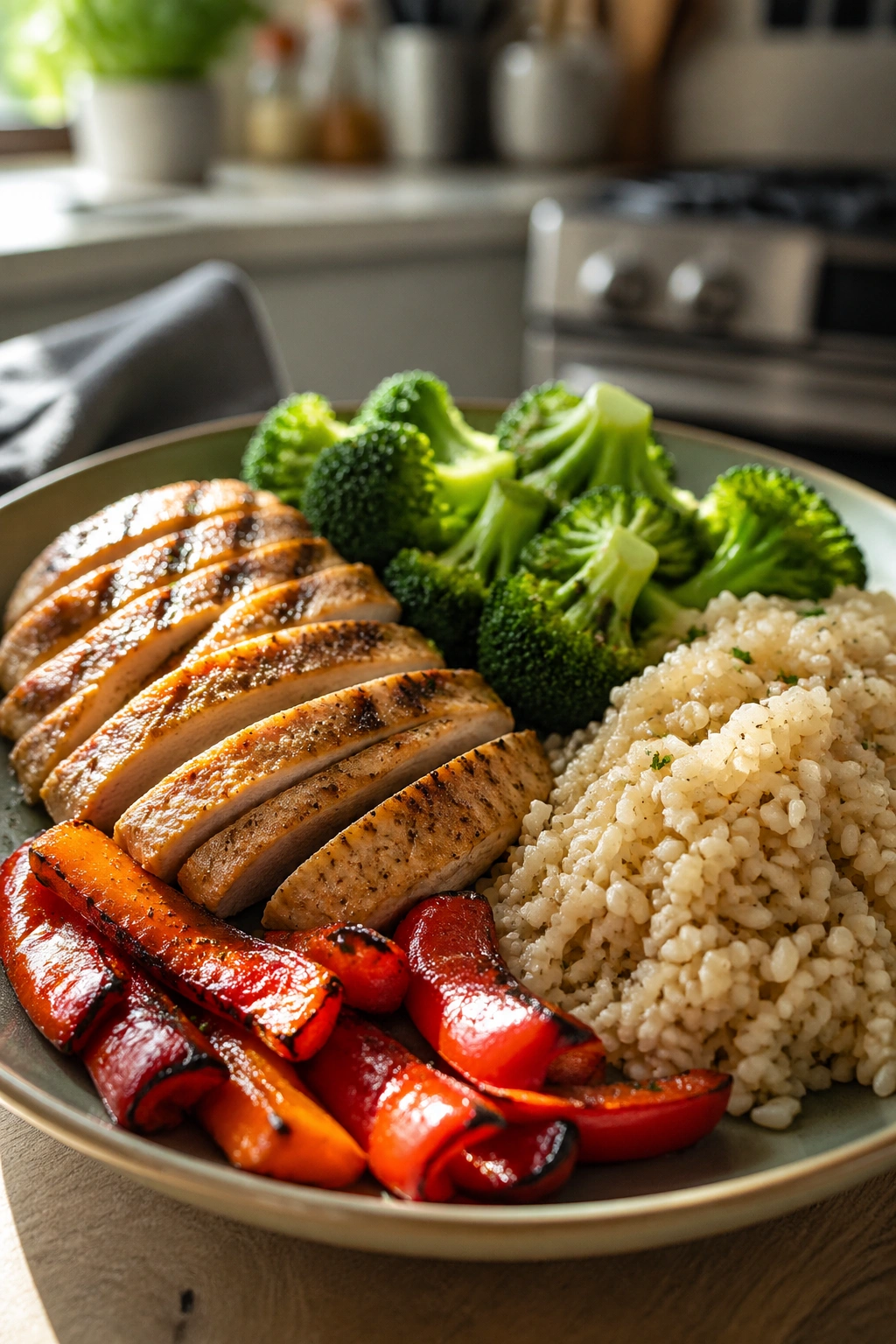
Easy post-workout plates
- eggs, Greek yogurt, and berries
- chicken, rice, and roasted vegetables
- tofu, quinoa, and a big salad
- tuna on whole-grain toast with tomato and cucumber
- beans, lean meat, or lentils in a bowl with greens
A practical target for many people is 20 to 40 grams of protein per meal, then a daily fiber intake somewhere around 25 to 35 grams. You can hit that with ordinary food. No shaker bottle magic required.
12. Doing Ab Work With Bad Form
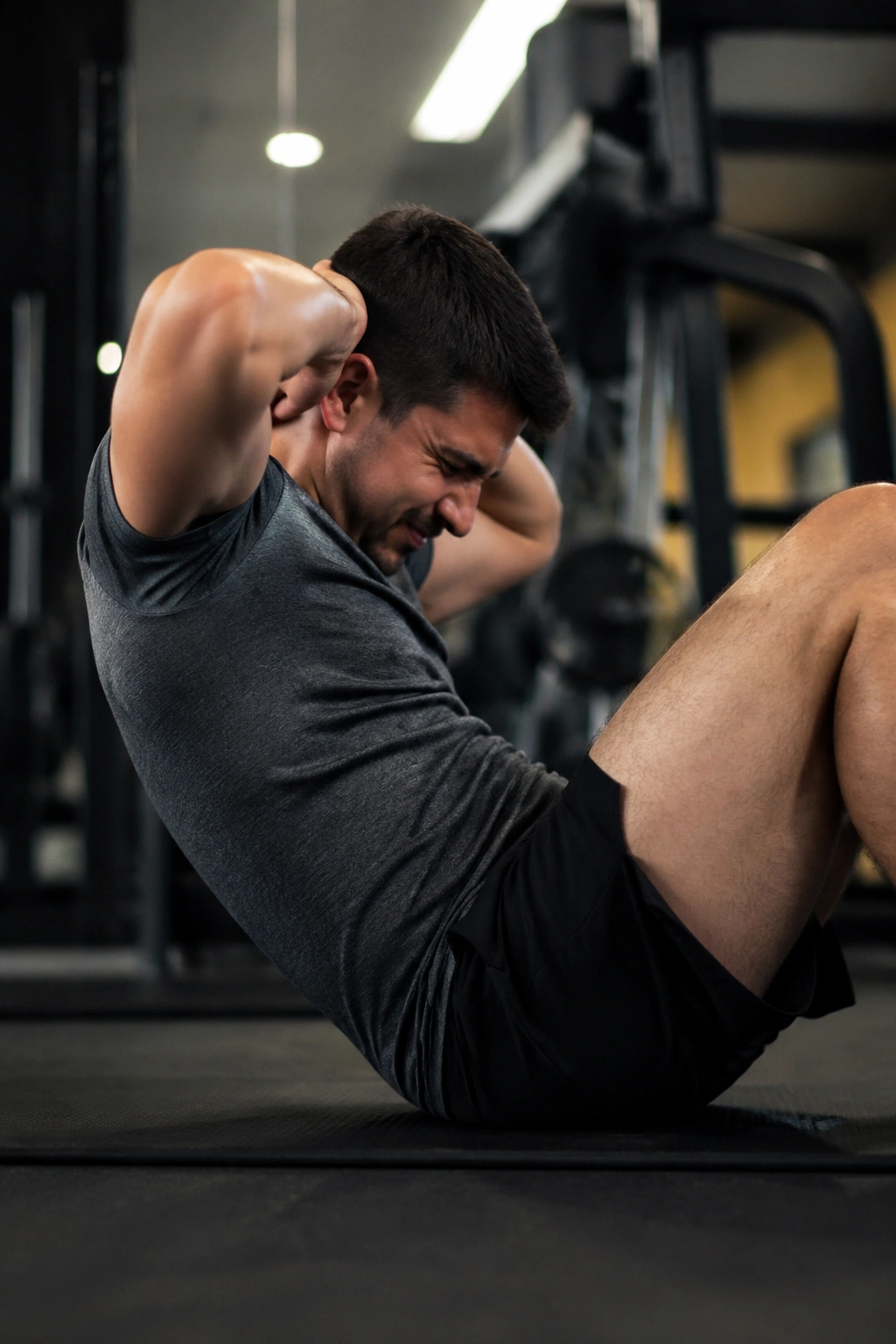
Why does your neck hurt after core work?
Because your abs are not the only thing doing the job. When form slips, hip flexors start stealing work, the neck tenses up, and the movement turns into a tug-of-war instead of a core exercise. That does not help fat loss, and it can make you hate ab training for no good reason.
What good core work feels like
Good core work feels tight, controlled, and a little boring. You should feel your midsection brace while the rest of you stays calm. If your lower back is arching wildly or your neck is doing half the job, the set is gone.
- Keep ribs down and exhale through the hard part.
- Slow the lowering phase.
- Stop before your lower back takes over.
- Use planks, dead bugs, Pallof presses, and reverse crunches before fancy stuff.
Direct ab work is useful, especially for posture and bracing under load. It just does not erase fat. The best core move for a smaller-looking waist is still the one that helps you train harder on squats, hinges, carries, and presses without your trunk folding like a lawn chair.
13. Ignoring the Waistline, Scale, and Photos

If the scale drops 2 pounds and your belt feels the same, or the other way around, you need better feedback.
Body weight bounces around for normal reasons. Water, sodium, food volume, hard training, and hormones can all move the number by a few pounds without meaning much. If you only check the scale, you will think nothing is happening one week and that everything is fixed the next. Both reactions can be wrong.
A better method is dull but useful. Measure your waist at the navel once a week, same time, same conditions. Take front and side photos every 2 to 4 weeks. Keep an eye on how your lifts feel and whether you are doing more work with the same effort.
That gives you a much cleaner picture of belly fat loss than one noisy weigh-in after a salty dinner.
- Waist measurement: once a week, relaxed, not sucked in
- Scale: several mornings, then use the average
- Photos: same lighting and pose
- Performance: note reps, load, and energy
The waistline is one of the best real-world markers you have. It tells the truth more calmly than the scale does.
14. Weekend Blowouts That Undo the Week

Five clean weekdays and two chaotic nights can land you right back where you started.
That is why so many people swear they are “doing everything right” and still cannot lose belly fat. Monday through Friday looks disciplined. Friday night through Sunday turns into restaurant meals, drinks, snacks, late dessert, and a lot of polite self-deception. A surplus does not care how tidy the rest of the week was.
I am not against dinner out. I am against pretending it has no calories. A single big meal with cocktails, fries, and dessert can carry more energy than a couple of home-cooked weekday meals combined. If that becomes the habit, the weekly deficit disappears.
A calmer approach works better:
- Pick one meal out, not one entire day.
- Keep protein high before going out.
- Limit drinks if you know snacks follow them.
- Walk more the next day instead of writing the week off.
- Keep breakfast and lunch ordinary, not “I deserve it” meals.
You do not need to be the person who orders salad forever. You do need a plan for the hours that usually blow everything up.
15. Having No Simple Plan

A plan with no rules makes belly fat the winner.
That sounds blunt because it is true. Random workouts, random meals, random sleep, random weekends — the body does not reward that with steady fat loss. It rewards consistency, even when the plan is plain enough to feel almost too easy.
A plain plan that works
- Lift 3 to 4 times a week with progressive overload.
- Walk every day, even if it is only 20 to 30 minutes at first.
- Do 1 to 3 cardio sessions based on recovery and preference.
- Hit protein at every meal.
- Keep sleep near 7 to 9 hours.
- Measure your waist once a week and adjust if nothing moves for a few weeks.
That is not sexy. It does not sound like a secret. It works because it closes the most common leaks: too little movement, too little muscle stimulus, too much food reward, and too much fatigue.
The best fat-loss workout is rarely the hardest one in the room. It is the one you can still repeat when life gets ordinary, which is most of life.
