



The first week of exercise can feel louder than it should. There are dumbbells clanking, screens flashing numbers, strangers who seem to know where everything is, and your own brain asking whether you’re doing any of it correctly.
Most exercise tips for beginners sound plain because the useful ones are plain. Start smaller than your pride wants. Repeat it often. Leave room to recover. That’s the spine of a plan that actually survives a bad commute, a sleep-deprived Tuesday, or the first time your legs complain on the stairs.
That part matters.
A beginner does not need punishment. A beginner needs a routine that can be done again next week without bargaining, skipping, or limping around the house like a movie extra. The advice you hear from trainers, physical therapists, and the boring but sensible side of public-health guidance keeps circling back to the same habits: move regularly, build gradually, and stop treating every workout like a test.
1. Start with Walking Before You Chase a Full Workout
Walking looks too plain to matter, which is exactly why it works so well. It wakes up your joints, raises your heart rate, and gives you a way to build the habit of moving without needing a gym wall full of equipment. Easy is the point.
Why Walking Beats Overthinking
A lot of beginners spend more energy choosing a program than doing one. Walking cuts through that nonsense. If you can walk 20 to 30 minutes, three to five days a week, you already have a base that can support strength work, cardio, and a long-term routine.
The nice thing is that walking scales up without drama. Add a little pace. Add hills. Add a backpack with a few pounds if you want more challenge. No ceremony.
- Start with 10 minutes if that’s all you can spare.
- Aim for a pace where you can talk, but you would not want to sing.
- Use a real route, not just laps around the kitchen.
- Keep one pair of shoes you like enough to wear often.
Pro tip: put walking on the calendar like it matters, because if it only lives in your head, it will vanish.
2. Exercise Tips for Beginners: Pick Days You Can Actually Keep
A workout on Tuesday and a mystery on Friday is not a plan. It’s a wish with sneakers on.
The better move is to pick a weekly rhythm you can defend. Two strength days and two walking or cardio days is plenty for a beginner. Three short sessions beat one heroic session that leaves you wrecked and suspicious of fitness forever. That rhythm gives your body something to adapt to, and your brain something predictable to stop arguing with.
The best schedule is often a boring one. Same days, same time, same rough order. Morning before work, lunch break, after dinner — any of those can work if you can repeat it without turning it into a life project.
And yes, a missed workout happens. Fine. Just move the session, don’t erase the week.
3. Warm Up Like Your Joints Matter
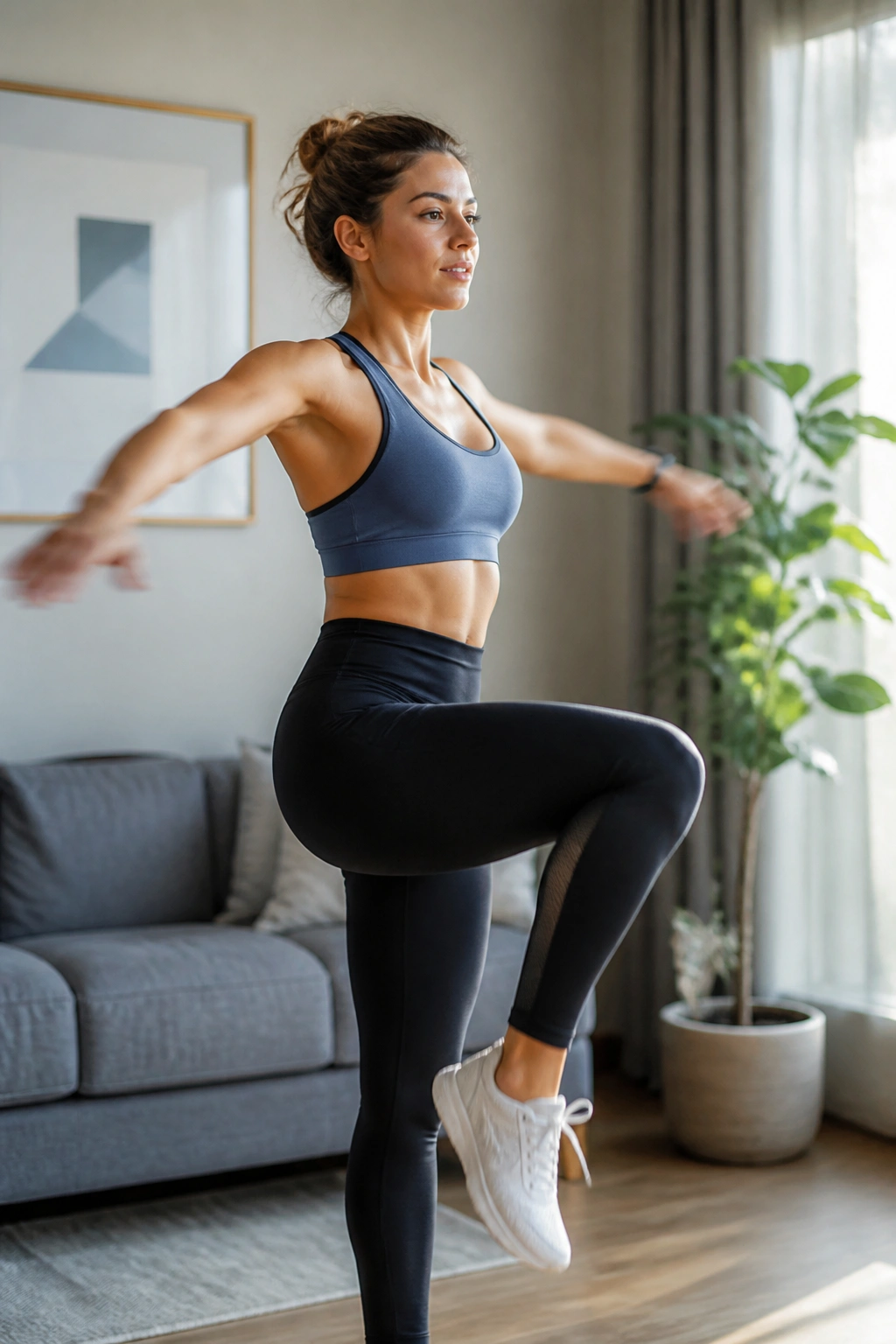
Why spend ten minutes warming up for a twenty-minute workout? Because cold joints and sleepy muscles lie to you. They make simple movements feel clumsy, and clumsy movement is where beginners pick up little annoyances that become big ones.
A Five-Minute Warm-Up That Works
Start with easy movement, not fancy mobility drills you found in a video with dramatic music. March in place. Walk briskly. Do ten bodyweight squats. Roll your shoulders. A few arm circles. That’s enough to raise temperature and remind your nervous system what’s coming.
Then do one or two lighter practice sets before the real work. If you’re doing goblet squats, squat with no weight first. If you’re pressing a dumbbell, press a very light dumbbell first. You want the movement to feel familiar before load shows up.
- 2 minutes brisk walking or marching
- 8 to 10 bodyweight squats
- 8 arm circles each way
- 5 slow hinges or hip bows
- 1 light set of the first exercise
Do not skip this because you’re short on time. Skipping the warm-up is a false economy.
4. Learn the Big Movement Patterns First
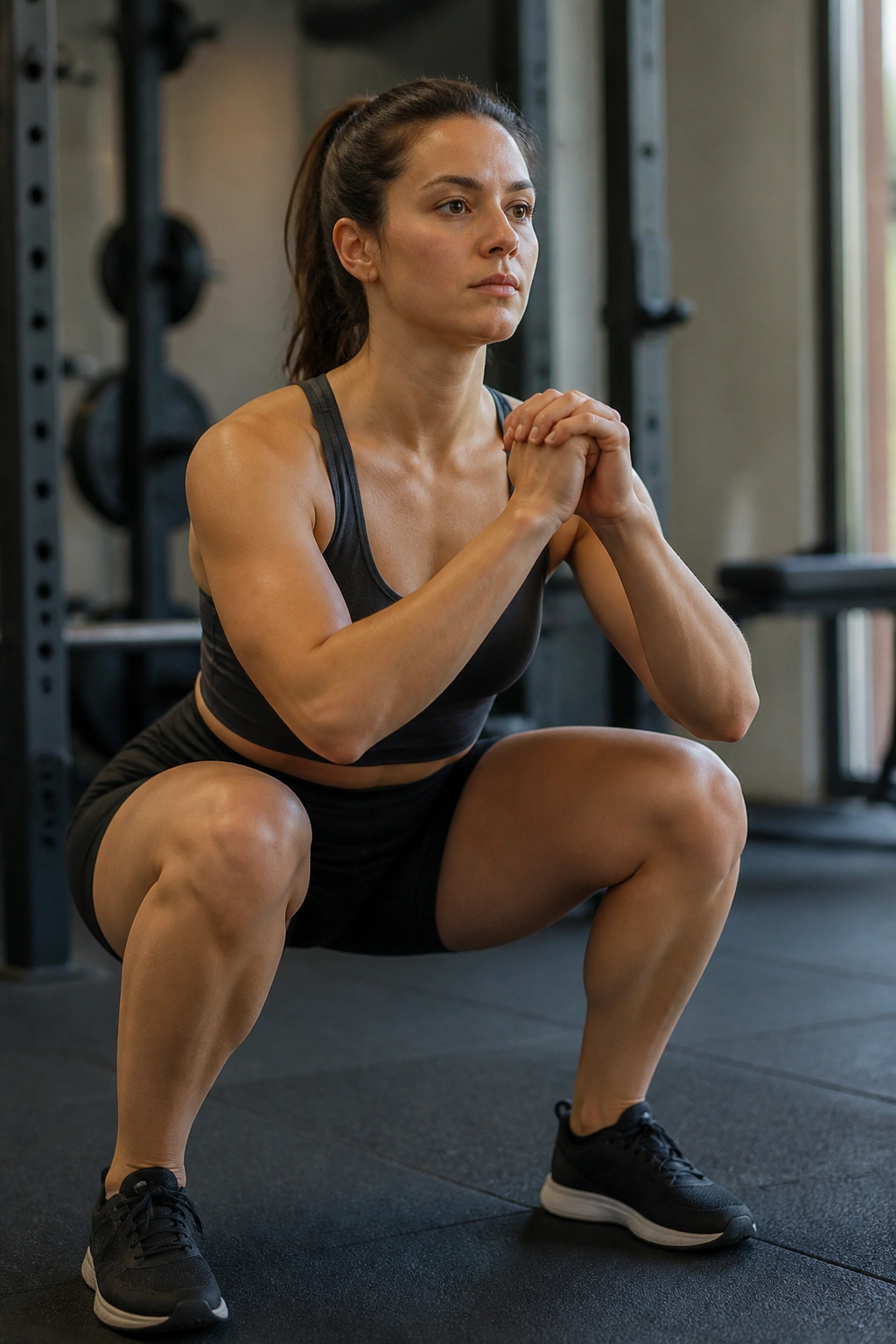
A beginner who learns to squat, hinge, push, pull, and carry can build a solid routine without guessing every day. That’s the part most people miss. They chase a random exercise list when they really need a few basic patterns done well.
Squat means sitting down and standing up under control. Hinge means bending at the hips, like a deadlift or Romanian deadlift. Push covers push-ups and presses. Pull is rows and pulldowns. Carry is moving weight while you walk.
The Five Patterns to Practice
- Squat: bodyweight squat, goblet squat, leg press
- Hinge: hip hinge drill, Romanian deadlift, kettlebell deadlift
- Push: wall push-up, incline push-up, dumbbell press
- Pull: band row, seated row, dumbbell row
- Carry: farmer’s carry with dumbbells or kettlebells
You do not need to master every version on day one. You need to recognize the pattern, feel the shape, and repeat it until it stops feeling strange. That’s enough to keep you from living on machines you don’t understand or copying workouts you can’t recover from.
5. Keep the First Workouts Shorter Than Your Ego Wants

Short workouts are not watered-down workouts. They are a smart way to keep a beginner from turning day one into a public failure.
A 20- to 35-minute session can teach your body plenty. Three exercises, two or three sets each, and a little walking or stretching afterward is a lot for someone who is still figuring out where the bench is, how the dumbbells work, and why their shoulders feel weird after rows. If you leave the gym with some energy left, good. That means you can come back.
The trap is thinking every session needs to be long enough to “count.” Nonsense. The workout counts if you did it. A shorter session done consistently beats a long one that turns into a once-a-month punishment ritual.
I’d rather see you finish a session wanting a little more than crawl out the door swearing off fitness for three days.
6. Use the Talk Test to Set Your Intensity

The talk test is old, simple, and useful. If you can speak in short sentences while exercising, you’re probably in a moderate zone. If you can barely get out a word, you may be pushing too hard for a beginner session.
How Hard Should It Feel?
For cardio, a beginner usually does best at a pace that feels brisk but controllable. You should breathe harder. You should feel your body working. You should not feel like you’re hanging on for dear life after four minutes.
That same idea helps with strength training. The last rep should be challenging, but your form should not fall apart like a folding chair. A useful rule is to stop with one or two reps left in the tank on most sets. Save the all-out effort for later, and maybe not even then.
If you own a heart-rate monitor, fine. If not, don’t panic and buy one just to feel official. Your breathing, your legs, and your sense of effort tell you enough.
What to Watch For
- You can talk, but you pause for breath.
- Your shoulders stay relaxed instead of creeping up to your ears.
- Your pace feels steady, not frantic.
- You recover within a minute or two after the set.
7. Protect Your Form Before Adding Weight

Bad form is sneaky. It often looks fine for three reps, then the fourth rep turns into a back swing, a shoulder shrug, or a half-rep that your ego pretends not to notice. Don’t let it slide.
Two Signs Your Form Is Slipping
If you’re twisting, bouncing, or cutting the movement short to make the weight move, the load is too heavy or the set is too long. That’s not a moral failure. It’s data. Use it.
Another clue: if you can’t repeat the movement the same way from rep one to rep five, you’re trying to do more than your body is ready for. Lower the weight. Slow the tempo. Or stop the set earlier. Clean reps build skill and muscle; ugly reps build habits you will have to unlearn.
How to Fix It
Film one set from the side. Keep the video short. Ten seconds is enough.
- Use a mirror only as a check, not a crutch.
- Start with lighter dumbbells than you think you need.
- Move slowly on purpose for the first few sessions.
- Ask one simple question: does the rep look the same from start to finish?
A lighter weight with tidy form beats a heavier weight that turns into guesswork.
8. Rest Days Are Part of Training

Rest days are not laziness. They’re where a beginner’s body actually starts adapting.
Muscles, joints, tendons, and even your nervous system need time to settle after a new stress. That doesn’t mean you have to sit on the couch like a statue. A rest day can be a walk, some easy stretching, a few errands on foot, or a light bike ride. The point is to give your body a break from hard work while still keeping blood moving.
If you train hard every day as a beginner, you often get less progress, not more. Fatigue hides gains. Soreness piles up. Motivation gets cranky. Then one skipped session starts looking like the beginning of the end, and that’s ridiculous.
A simple pattern works: train, recover, train, recover. Sometimes that means an extra rest day. Take it.
9. Choose Exercises You Don’t Hate

If you hate an exercise, you will start bargaining with your alarm. That’s how people end up “meaning” to work out for months and doing nothing.
A beginner routine should include movements you can tolerate on a tired day. That may mean a leg press instead of barbell squats. It may mean a stationary bike instead of running. It may mean dumbbell presses instead of push-ups off the floor. None of that is weak. It’s practical.
A Useful Test
Pick exercises that meet three conditions:
- You can learn them in a week.
- You can repeat them without dread.
- They leave you feeling worked, not wrecked.
If you hate the movement, the odds of sticking with it drop fast. Keep one or two exercises that feel comfortable and one that feels like a challenge. That mix tends to keep beginners honest without making every session miserable.
And yes, your preferences can change. Good. That means you’re learning what your body likes.
10. Exercise Tips for Beginners: Write Down Sets, Reps, and Effort

A notebook fixes more beginner problems than people want to admit. Memory is fuzzy after the third set, and “I think I did okay” is not a useful training record.
Write down the exercise, the weight, the reps, and a quick note on how it felt. That can be as basic as “goblet squat, 20 lb, 2 x 8, hard but clean.” You don’t need a fancy app unless you enjoy one. A paper notebook works. So does a notes app. The format matters less than the habit.
What to Track
- Exercise name
- Weight used
- Sets and reps
- Short note on effort or form
- Any pain, fatigue, or weirdness
Tracking keeps you from guessing whether you’re improving. It also stops the classic beginner mistake of doing different workouts every time and wondering why nothing changes. If you can see the numbers, you can make better choices next session.
11. Add Only One Hard Thing at a Time

A beginner does not need a new exercise, a new diet, a new sleep routine, and a new cardio schedule all at once. That’s too many levers. Something will slip.
If your current plan is working, add one small challenge. More reps. A little more weight. One extra set. A slightly longer walk. Not all four. One. The body likes gradual pressure. It does not enjoy surprise ambushes.
The same rule applies to life stress. If work is hectic, the kids are sick, or sleep has fallen apart, keep the workout simpler. Don’t punish yourself for being human. A lighter week still counts, and often it keeps the habit alive when a bigger plan would have cracked.
Slow progress is still progress. Fast burnout is just noise.
12. Machines Are Not a Cop-Out
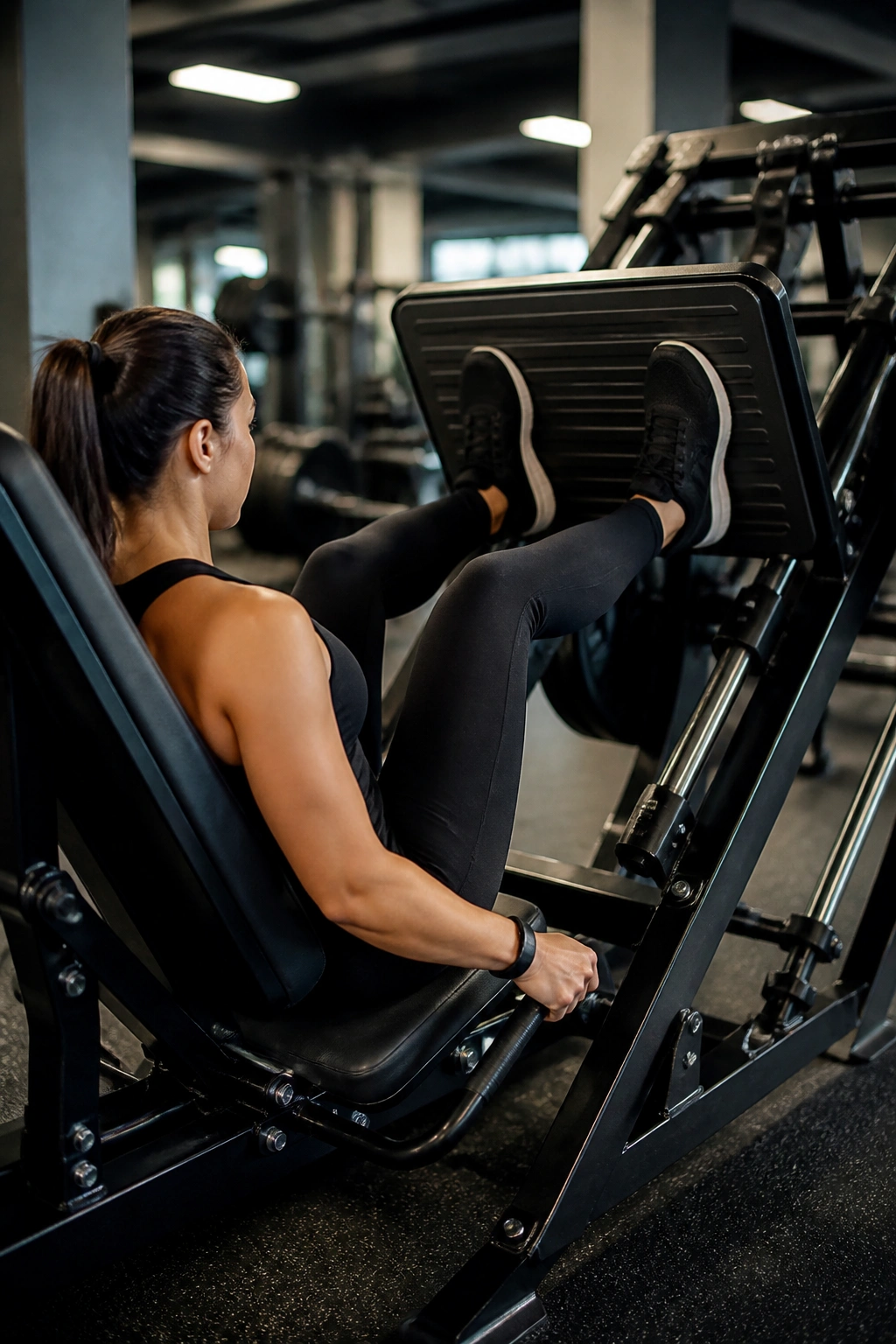
Machines get shrugged off by fitness snobs. Fine. They still work.
For a beginner, machines can make a workout feel much less chaotic. The path is fixed. Balance is less of a fight. The equipment is easier to learn, which means you can spend your attention on effort and control instead of worrying about wobbling under a dumbbell or barbell.
Where Machines Shine
- Leg press for lower-body strength
- Seated row for back work
- Chest press for push strength
- Lat pulldown for pulling strength
- Leg curl for hamstrings
Free weights have their place, too. They train balance and coordination in a different way, and they’re easier to use at home. But if you are walking into a gym for the first time and feel overwhelmed, machines are a sensible starting point, not a downgrade.
13. Pair Strength Work and Cardio Without Wrecking Either One

Can you do both in the same week without feeling flattened? Yes. You just need to stop treating every session like a contest for suffering.
Strength and cardio do different jobs. Strength helps you keep muscle, get stronger, and make daily life feel easier. Cardio helps your heart, lungs, and stamina. Beginners usually do best when they build both, but not in a way that turns every session into a test of grit.
A Simple Split
- 2 days strength: full-body sessions, 30 to 45 minutes
- 2 to 3 days cardio: walking, cycling, incline treadmill, or easy jogging
- 1 to 2 rest or recovery days: lighter movement only
If you do cardio after strength, keep it easy at first. If you do both on separate days, even better. You don’t need a perfect split. You need a repeatable one.
14. Eat Enough to Recover and Get Stronger

Food matters more than the mirror-ball advice around it. If you train and then under-eat all day, your energy tanks, your recovery drags, and every workout feels harder than it should.
Beginners often don’t need a complicated diet. They need regular meals with protein, carbs, and some fat. A palm-sized serving of protein at meals helps. Eggs, yogurt, chicken, tofu, fish, beans — pick what you actually like. Carbs are not the enemy here. Rice, potatoes, oats, fruit, bread, pasta. They refill the tank.
A lot of people also wait too long to eat after training. You do not need a stopwatch, but it helps to have a meal or snack within a couple of hours, especially if you trained hard or had a long gap since breakfast. A banana and yogurt. Turkey sandwich. Rice and eggs. Nothing fancy.
If you’re always hungry, always flat, or always sore, food may be the missing piece.
15. Drink Water Before You Feel Thirsty

Thirst is a late warning. By the time you feel it hard, you’re already behind a bit.
A simple habit beats guessing. Have water before you train, sip during longer sessions, and drink afterward. For many people, a bottle that holds about 500 to 750 ml is enough for a normal workout. If you sweat a lot, train in heat, or work out for longer than an hour, you may need more.
What to Drink
Plain water works for most beginner sessions. If you’re doing a longer, sweatier workout, an electrolyte drink can help, especially if you leave the gym with a headache or heavy fatigue. You do not need a neon sports drink for a 25-minute lift.
What to Avoid
- Chugging a giant bottle right before squats
- Treating coffee as your only fluid
- Ignoring headaches, cramps, or a dry mouth
- Waiting until you’re dizzy to drink
Hydration does not need a spreadsheet. It does need a little attention.
16. Learn the Difference Between Soreness and Pain

Soreness and pain are cousins, not twins.
The dull ache that shows up a day or two after a new workout is usually normal. It often feels spread out, both sides of the body, and it eases as you move around. Pain is sharper, more specific, and more likely to change how you walk, lift, or breathe. If something pinches, stabs, burns, or gets worse as you warm up, take it seriously.
What Soreness Usually Feels Like
- Dull, even ache
- Shows up after a new or harder session
- Improves with light movement
- Fades over a few days
What Pain Usually Feels Like
- Sharp or local
- Gets worse with repetition
- Makes you alter your motion
- Keeps hanging around in the same spot
A beginner should not try to “push through” pain because a podcast said toughness matters. Toughness is not the same as ignoring a warning sign. If you’re not sure, back off and get help from a qualified professional.
17. Keep a Backup Workout for Messy Days
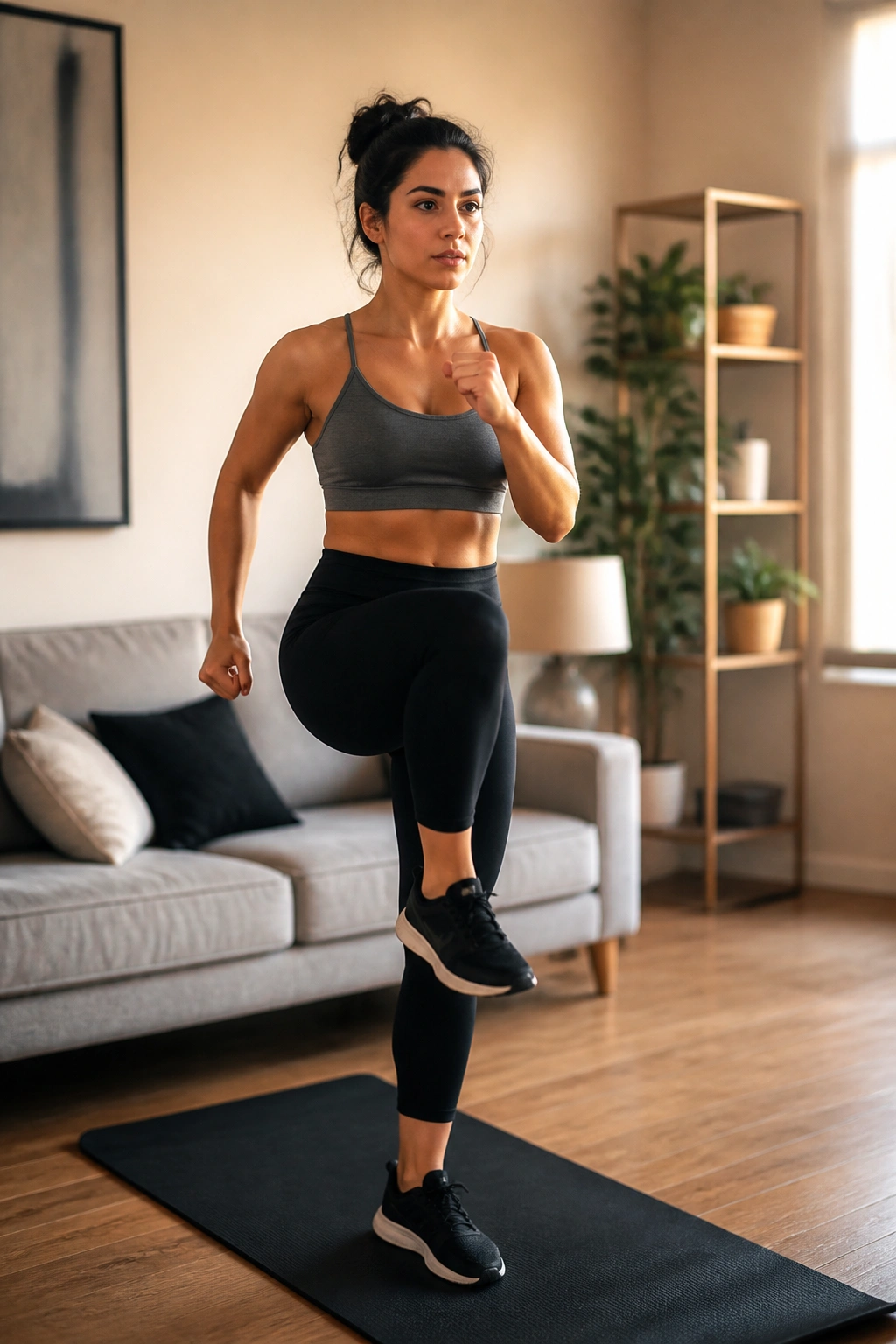
Messy days happen. The secret is not avoiding them. It’s having a plan for them.
A backup workout should be short, simple, and easy to start when your mood is low. Think 10 to 15 minutes. No complicated setup. No equipment that takes three trips to gather. If the plan feels too easy, good. That’s the point.
A Solid Fallback Session
- 5 minutes brisk walking or marching
- 2 rounds of 10 bodyweight squats
- 2 rounds of 8 incline push-ups
- 2 rounds of 10 hip hinges
- 30 to 60 seconds of plank or dead bug work
You can do that in a living room, a hotel room, or next to a treadmill you’re not using. It keeps the habit alive when real life gets messy. And sometimes, once you start, you do a little more. Nice bonus. Not required.
18. Exercise Tips for Beginners: Judge Progress by Patterns, Not Single Sessions
Single workouts lie. Patterns tell the truth.
One rough day means almost nothing. Maybe you slept badly. Maybe the room was hot. Maybe lunch was too small. The useful question is what happens over two or three weeks. Are your reps cleaner? Is the same weight feeling lighter? Are you less winded on the walk to the store? That’s progress.
What Real Progress Looks Like
- You recover faster between sets.
- You need less time to warm up.
- A weight that felt clumsy starts feeling normal.
- Stairs stop ruining your day.
If you want a sharper sign, compare today’s session with the one from two weeks ago, not the one from this morning. That keeps you from getting moody about one off day and lets you notice the quiet wins. Quiet wins are the good ones. They stack.
The Bottom Line

Beginners do not need a perfect plan. They need a repeatable one. Walking, short workouts, good form, rest, and basic tracking will carry you farther than a pile of random routines ever will.
Pick a few of these exercise tips for beginners and actually live with them for a couple of weeks. That part matters more than reading more advice. Three changes done well will beat eighteen changes done once.
Boring routines are often the ones that stick. And sticking is where the progress lives.
