



Most lower-body training fails for a boring reason: people do too many movements that feel hard and too few that actually build strength. Your legs can be shaking, your lungs can be on fire, and the workout can still miss the point if the load is light, the range is sloppy, or the movement never asks the hips, knees, and ankles to work together.
That’s why lower body exercises to build strength need more than just effort. They need good patterns. Squat, hinge, lunge, step, bridge, and raise — those are the shapes that keep showing up because they work when you load them well and keep getting a little better at them.
The tricky part is that no single exercise covers everything. A back squat hits the body differently from a Romanian deadlift. A split squat demands balance that a hip thrust never will. Calves, adductors, hamstrings, quads, and glutes all deserve a turn, and they do not all respond to the same rep range or stance. That’s the part many people miss.
So the list below isn’t random leg-day filler. It’s a practical set of movements that can make your lower body stronger, more stable, and harder to knock off balance — in the gym and out of it.
1. Back Squat for Lower Body Strength
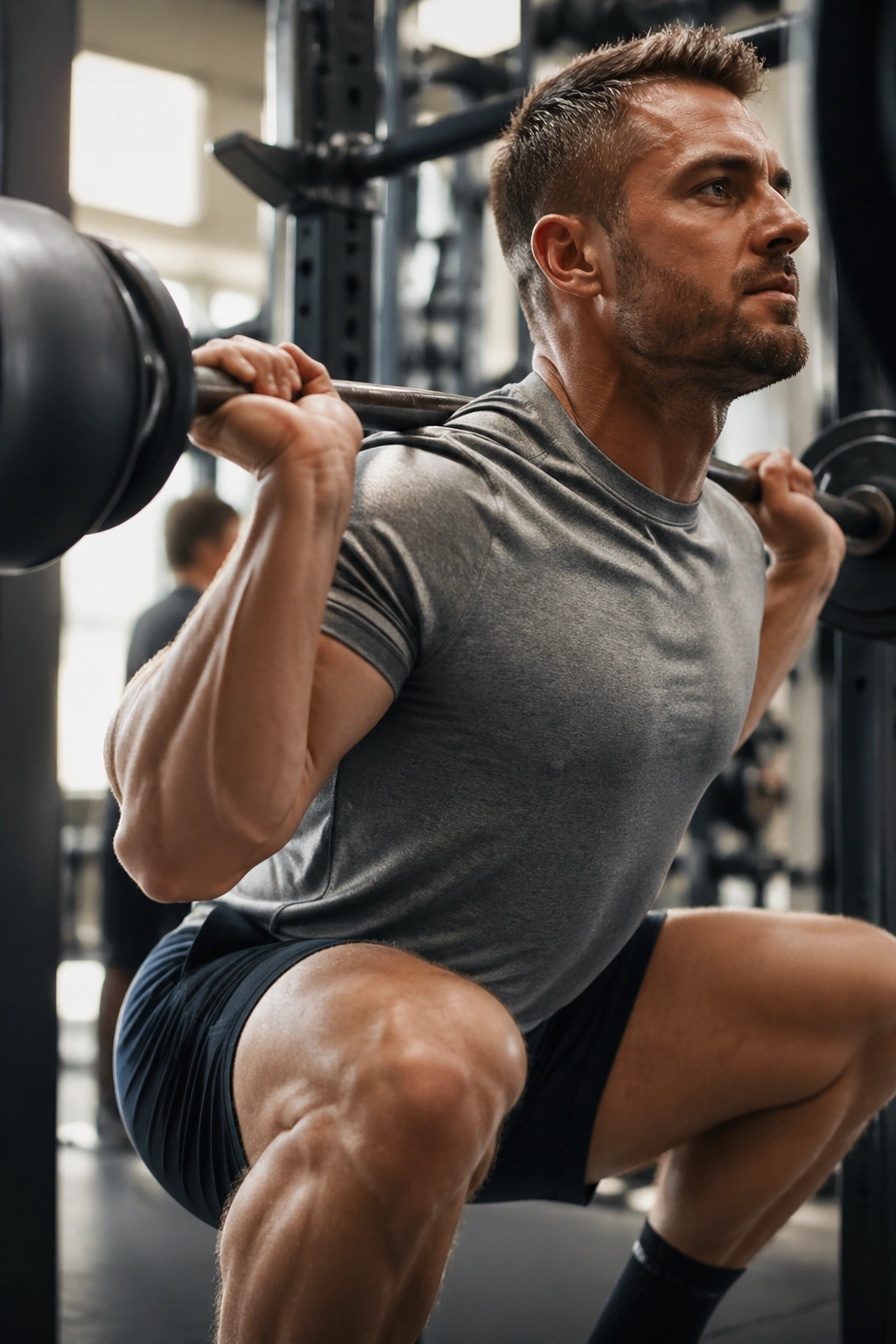
A back squat is still one of the cleanest ways to build lower body strength because it asks a lot of muscle groups to work together under a barbell. Quads, glutes, adductors, spinal erectors, and even your upper back have to stay organized while the load gets heavier. That full-body demand is what makes the lift so useful.
Why It Earns Its Spot
The bar sits on your upper back, which means the torso has to brace hard and stay stacked over the feet. If the brace leaks, the whole lift gets messy fast. If the depth is too shallow, the legs never do enough work; if the depth is too deep for your current mobility, the lift can collapse at the bottom.
A solid squat usually starts with feet rooted into the floor, ribs down, and the bar moving in a smooth vertical path. You do not need a fancy stance. You need repeatable reps.
Common Mistakes Worth Fixing
- Letting the knees cave inward on the way up.
- Dumping the chest forward and turning it into a good-morning.
- Bouncing out of the bottom with no control.
- Going heavier before you’ve nailed consistent depth.
Best use: 3 to 5 sets of 3 to 6 reps if strength is the main goal. Go heavier, rest longer, and keep the reps crisp. If the last rep looks like a rescue mission, the set was too heavy.
2. Romanian Deadlift for Hamstring and Glute Strength
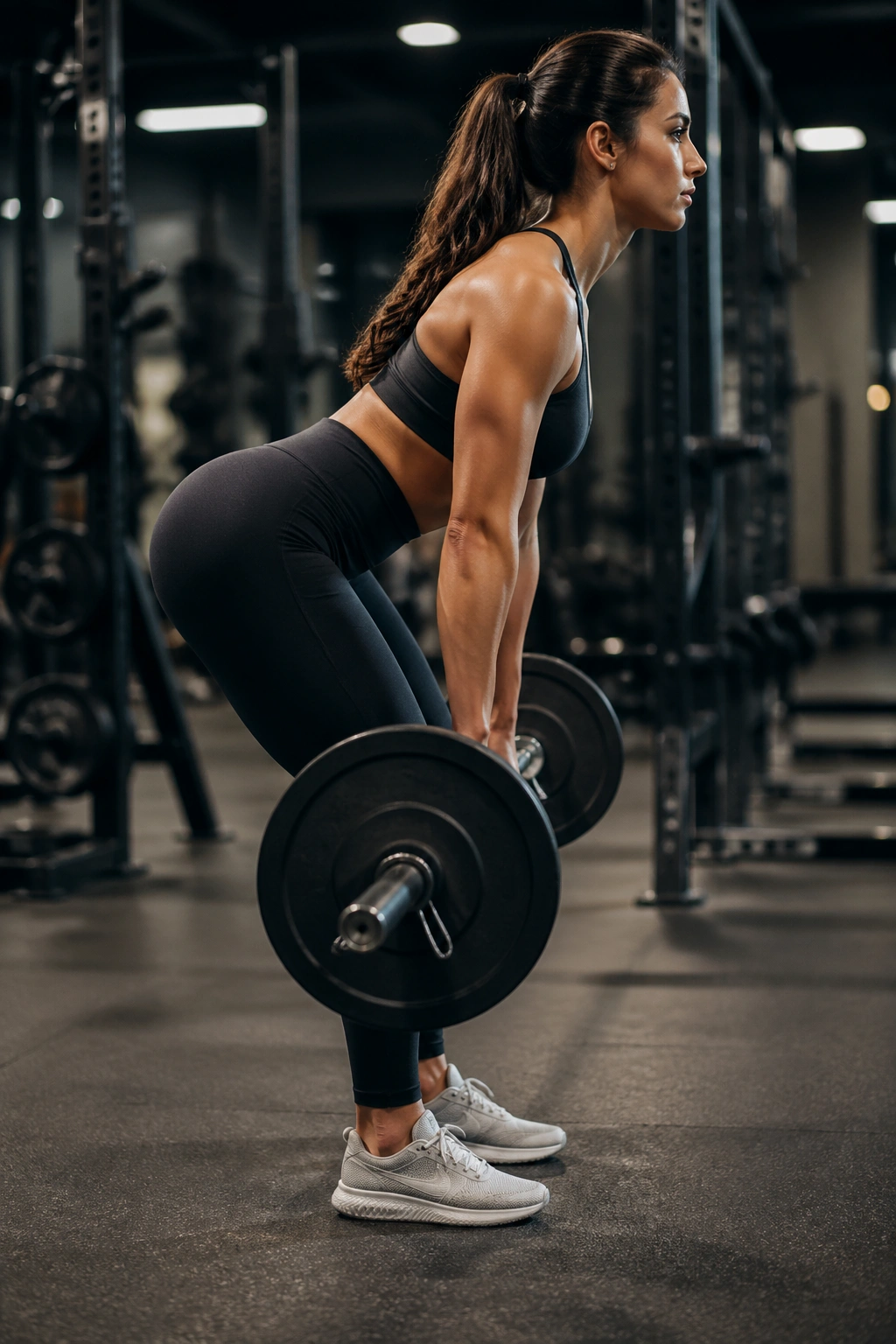
Want stronger hamstrings without turning every rep into a lower-back gamble? The Romanian deadlift is the move. It loads the back of the legs in a long, controlled stretch, which is exactly where a lot of people are weak.
The key difference from a regular deadlift is simple: you keep a slight bend in the knees and push the hips back instead of dropping straight to the floor. The bar stays close to the legs, and the descent stops when your hamstrings say, that’s enough — usually around mid-shin for most lifters.
How to Hinge Without Guessing
- Stand tall with the bar in front of your thighs.
- Unlock the knees a little.
- Push the hips back until you feel tension in the hamstrings.
- Keep the bar close enough that it almost brushes the legs.
- Drive the hips forward to stand.
That stretch matters. A lot. If you rush the lowering phase, you miss the whole point.
Heavy RDLs build the hamstrings, yes, but they also teach control. The lift gets cleaner when you stop thinking about “reaching the floor” and start thinking about “moving the hips back while the torso stays long.” That little shift changes everything.
3. Bulgarian Split Squat for Single-Leg Leg Strength
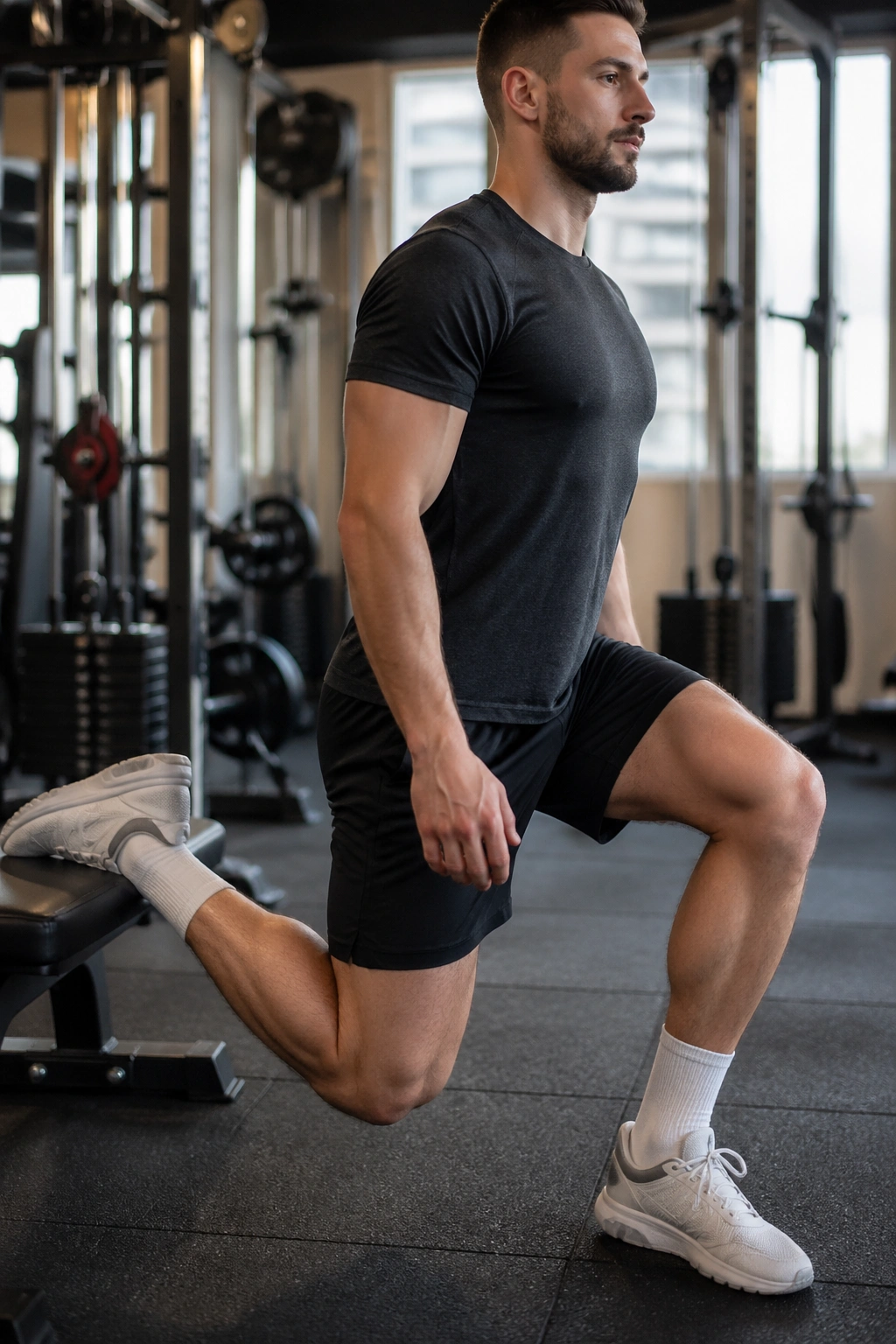
One leg on the floor. One foot behind you on a bench. That setup looks awkward until the first rep lands, and then you understand why the Bulgarian split squat shows up in serious leg programs all the time.
It’s brutal in a useful way. The front leg has to do most of the work, which means the quads and glutes get a deep dose of tension without needing a barbell on your back. It also exposes weak links fast. If one hip is tighter, one ankle stiffer, or one side weaker, this lift tells the truth.
What Makes It So Effective
- It gives the working leg a long range of motion.
- It doesn’t let the stronger side hide.
- It forces balance, which turns into better control in other lifts.
The setup matters more than people think. A slightly longer stance usually feels better for the glutes. A shorter stance usually lights up the quads more. Keep the front foot flat, let the knee travel forward if your ankle allows it, and don’t bounce through the bottom.
One honest warning: this exercise can humble you with surprisingly light dumbbells. That is normal. Start with bodyweight or 10 to 20 pound dumbbells and earn the right to load it harder.
4. Barbell Hip Thrust for Glute Power
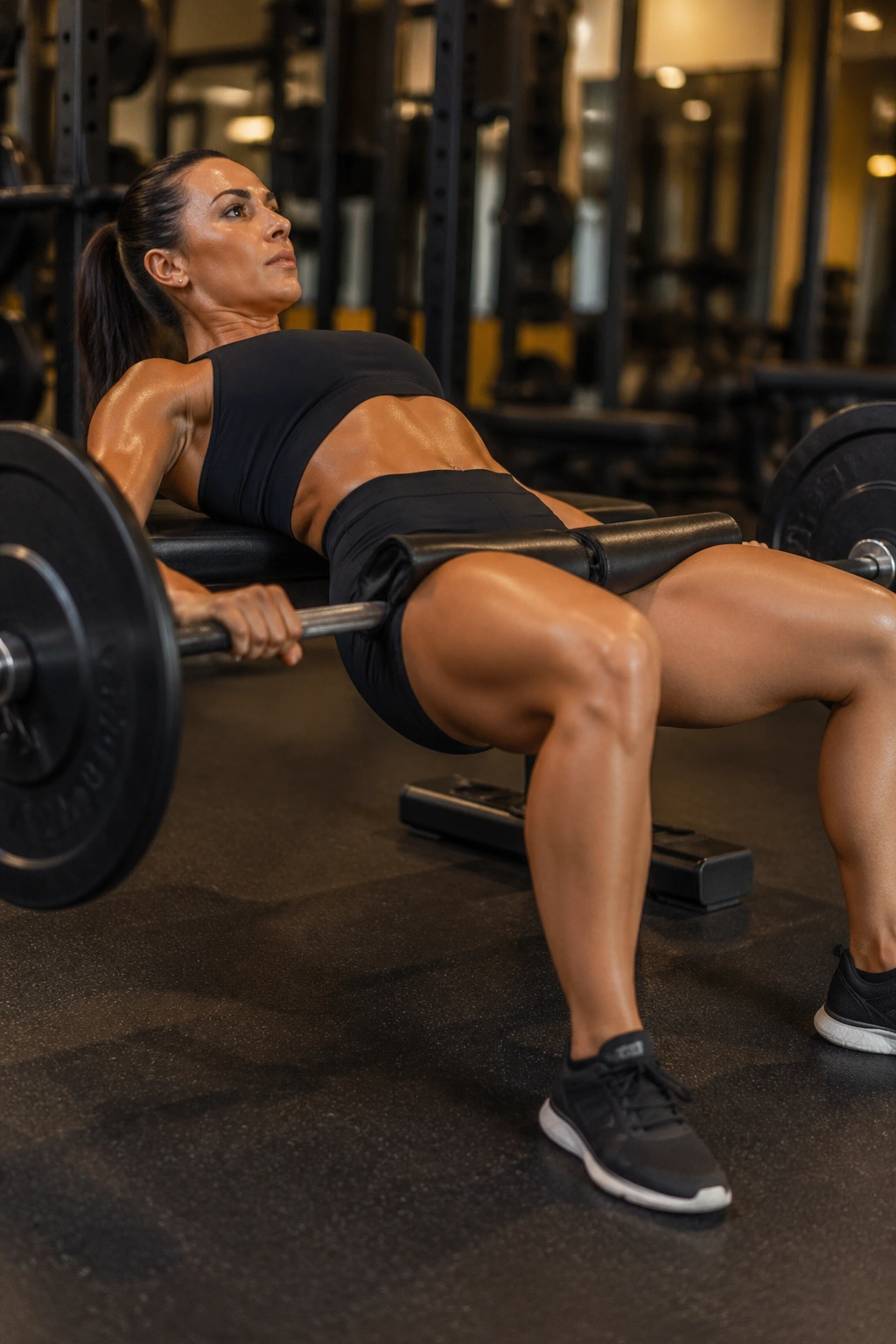
The hip thrust is one of the simplest ways to put a lot of tension straight onto the glutes. That’s not marketing fluff. It’s just a short range, a stable setup, and a strong contraction at lockout — which is exactly why it works so well.
The shoulders rest on a bench, the feet stay planted, and the bar drives the hips upward. At the top, the torso should look roughly parallel to the floor, the shins close to vertical, and the glutes squeezed hard without turning the lower back into the main mover. If your ribs flare up and your lower back arches like a bridge, you’ve lost the point.
Small Details That Matter
- Put the bar in the crease of the hips with a pad if needed.
- Keep the chin tucked slightly.
- Think about driving through the heels and midfoot.
- Pause for 1 full second at the top when the load is manageable.
Hip thrusts pair well with squats and deadlifts because they train hip extension from a different angle. You get a lot of glute work with less spinal fatigue than a heavy hinge. That makes them useful on both heavy days and volume days.
5. Goblet Squat for Better Squat Mechanics
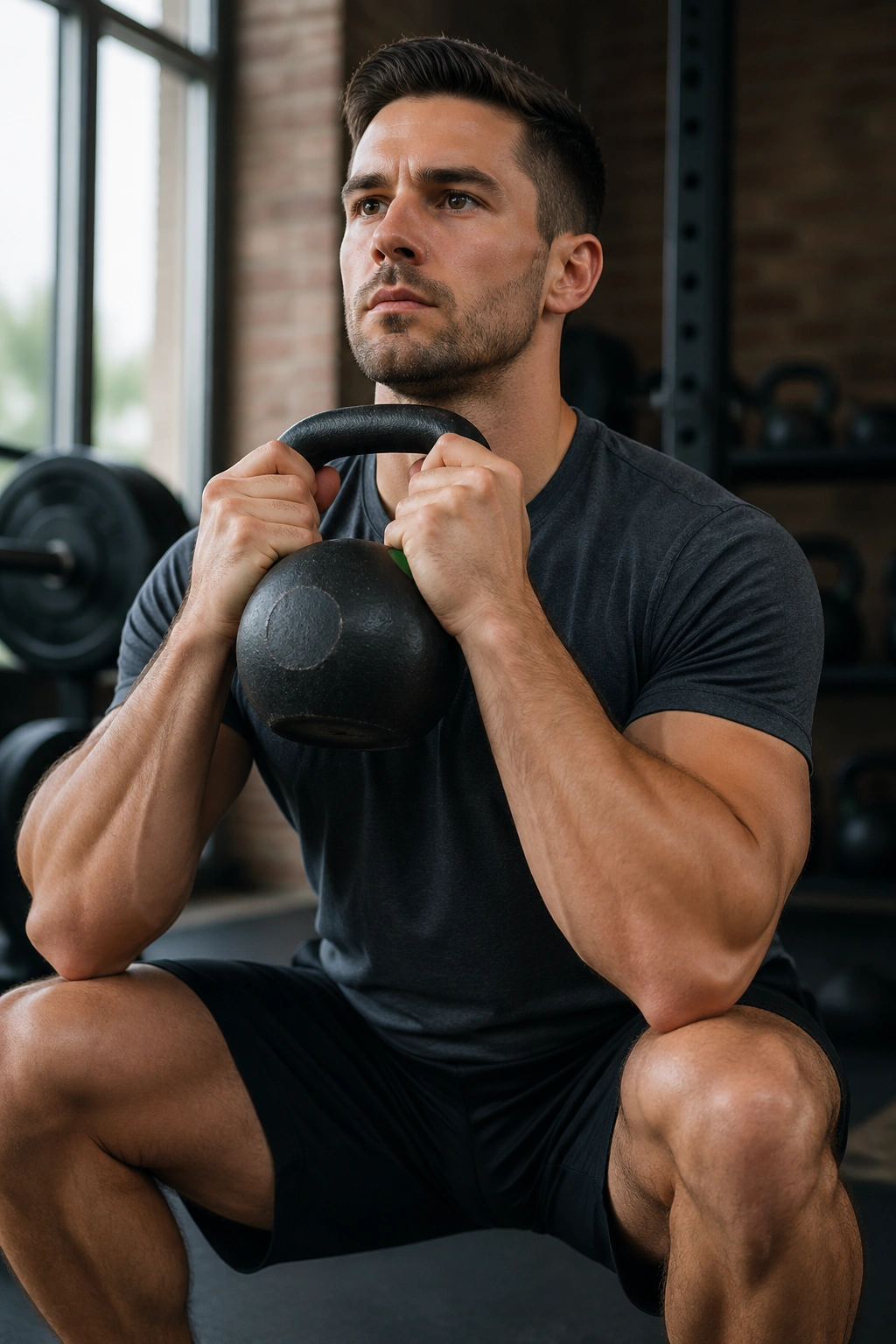
A goblet squat looks too simple to matter. Then you do it correctly, and it quietly fixes half the problems people have with squatting.
Holding a dumbbell or kettlebell at chest height acts like a counterbalance. That lets you stay more upright, sit between the hips, and learn a cleaner squat path without the barbell complexity. For new lifters, it’s one of the best ways to build the pattern. For experienced lifters, it’s a good way to warm up or add volume without beating up the spine.
What It Teaches
The front-loaded weight encourages the torso to stay tall. That helps the knees travel forward in a controlled way and keeps the heels planted. The load also makes it easier to feel the bottom position, which is where many people lose tension.
A few cues help:
- Hold the bell close to the chest.
- Keep elbows pointed down, not flared wildly outward.
- Sit between your heels, not straight back like you’re reaching for a chair.
- Keep the entire foot in contact with the floor.
Goblet squats are especially useful if your back squat depth is inconsistent. They’re also handy when you want decent leg work but don’t have access to a rack. Nothing fancy. Just a clean squat with a load that doesn’t let you cheat.
6. Step-Up for Knee Drive and Glute Strength
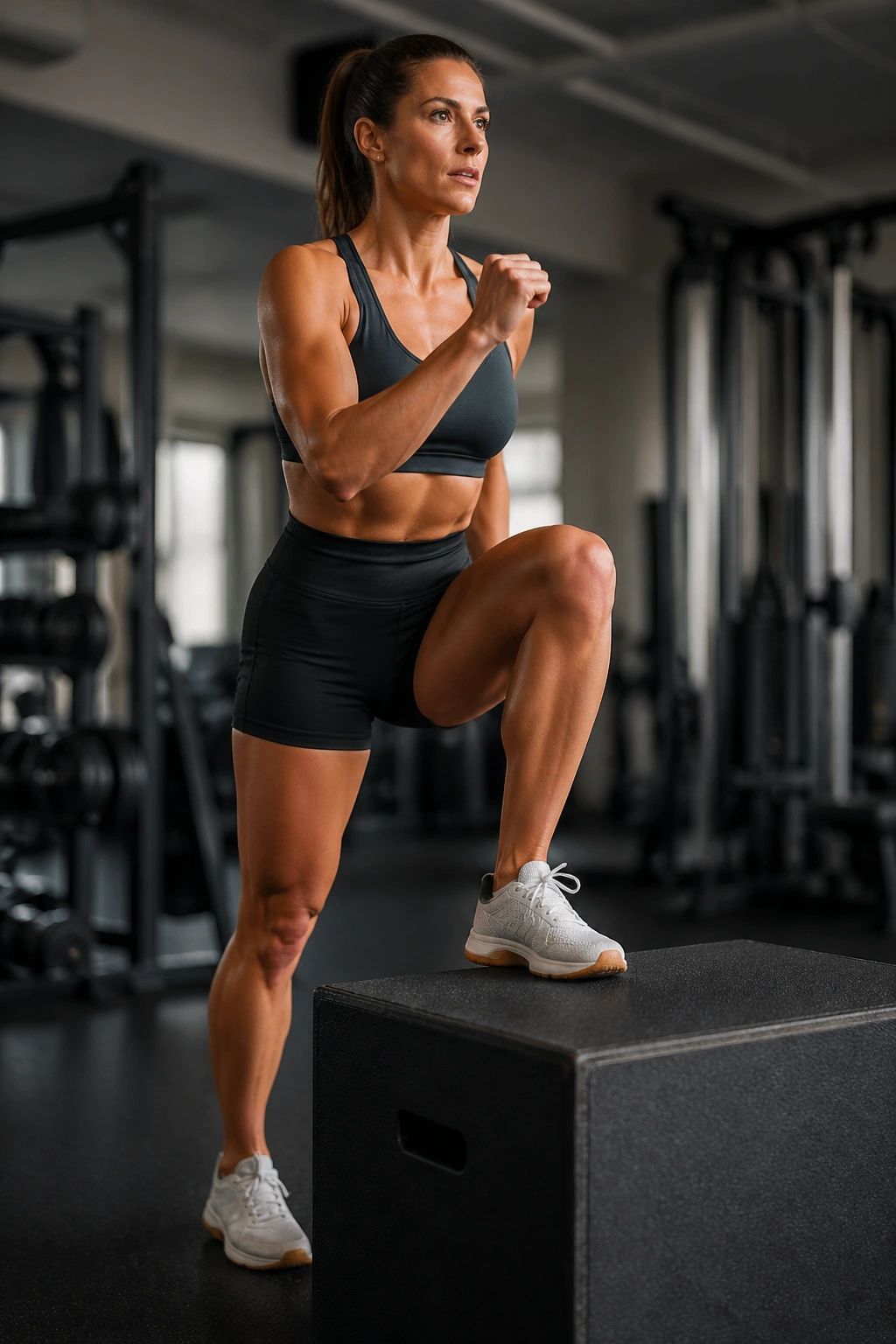
A step-up looks almost too ordinary to be a serious strength exercise. That’s part of the charm. You need a box, a bench, or a sturdy platform, and suddenly one leg has to lift your body with control while the other leg stays out of the way.
The box height changes the feel a lot. A lower box is easier on the hips and knees and lets you drive through the working leg more cleanly. A higher box makes the glutes work harder, but only if you can keep the pelvis square and avoid pushing off with the trailing leg.
How to Do It Without Turning It Into a Jump
- Place the whole foot on the box.
- Lean forward slightly from the hips.
- Drive through the working leg.
- Stand tall at the top without overextending the lower back.
- Lower under control instead of dropping.
That last part matters. The lowering phase teaches control and often exposes the weak side more than the lift up does.
Step-ups are excellent for people who need better single-leg strength without the soreness that sometimes follows lunges. They also carry over well to running, climbing stairs, and any sport that asks one leg to absorb force while the other prepares to move.
7. Conventional Deadlift for Full Lower Body Strength
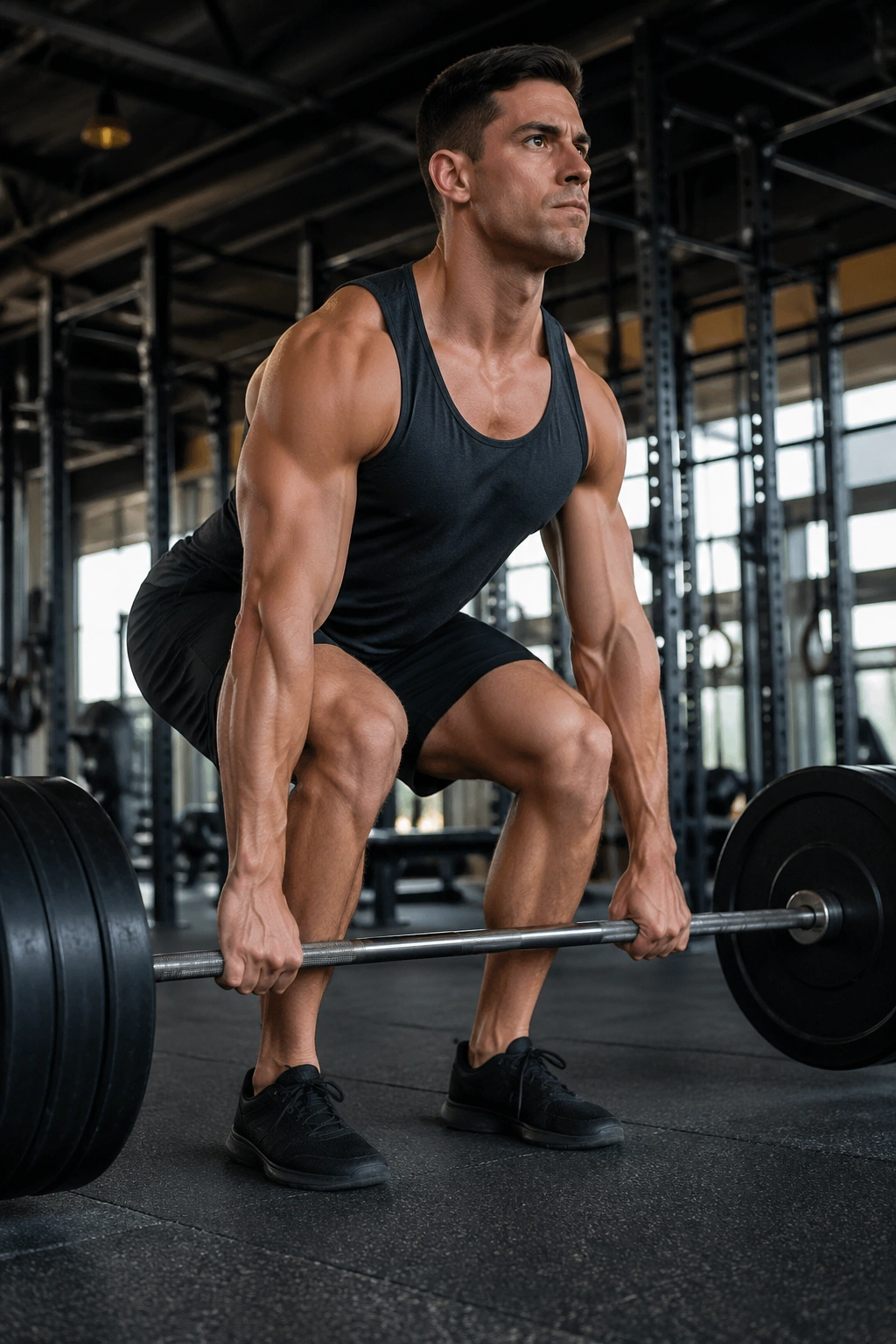
Heavy deadlifts earn their reputation because they load the whole lower body while demanding brutal bracing. The bar starts on the floor. You have to make it move. No bounce. No shortcut. Just tension, position, and patience off the floor.
The conventional deadlift hits the glutes, hamstrings, quads, upper back, and grip at the same time. It is not the most isolated lower body exercise, and that’s exactly why many lifters keep it in the rotation. It teaches you how to produce force from a dead stop.
The Setup That Saves Reps
A good pull starts before the plates leave the ground.
- Feet about hip-width apart.
- Bar over the midfoot.
- Shins close enough to touch the bar without rolling it forward.
- Chest proud, but not overarched.
- Lats tight, as if you’re trying to bend the bar toward you.
The bar should rise close to the legs, not drift forward. Once it leaves the floor, the body should come up as one unit. If the hips shoot up before the bar moves, the position was off.
Deadlifts can be demanding on recovery, so they usually work best as a lower-volume strength lift. Think 2 to 5 reps per set, not marathon sets that turn your form into soup.
8. Walking Lunge for Strength That Carries Over
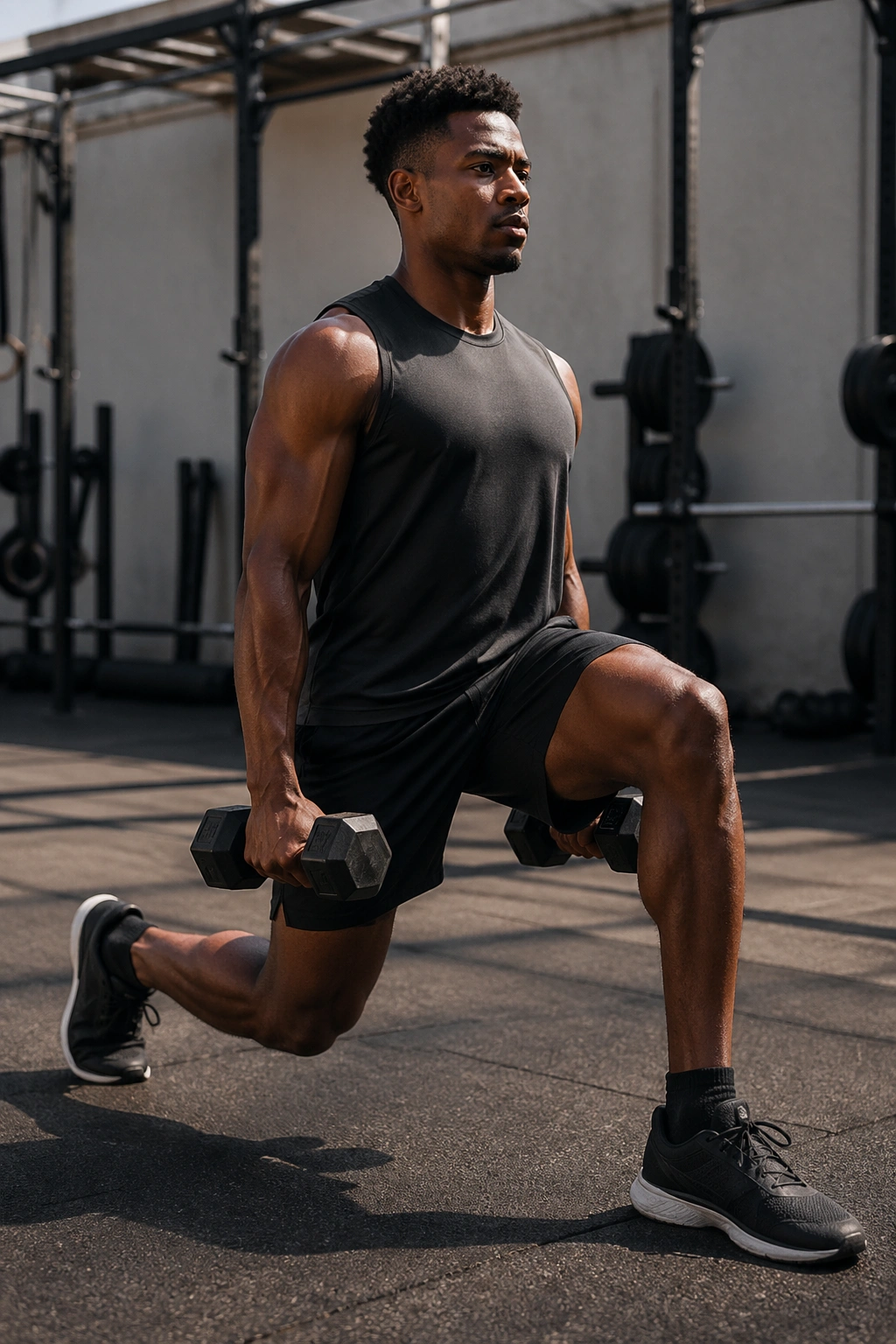
Walking lunges are the sort of exercise people love to hate. They’re a little clumsy, a little uncomfortable, and extremely useful. Each step asks the front leg to accept load, stabilize, and push back out again while the body keeps moving forward.
That forward motion changes the exercise. Compared with a static split squat, the walking lunge asks for more rhythm and more control through transition. You can’t just sink and stand. You have to manage your balance, your stride length, and your torso position from rep to rep.
A longer step tends to bias the glutes and hamstrings a bit more. A shorter step usually puts more work on the quads. Both versions have a place.
What To Watch For
The front knee should track over the middle toes, not cave inward. The back knee should drop under control, not crash into the floor. And the torso should stay tall enough that you do not turn the whole thing into a tipping contest.
Walking lunges are especially good if you want leg strength that feels useful outside the gym. They build coordination under load. They also tell you quickly whether one hip is carrying more of the work than the other.
9. Glute Bridge for Simple, Heavy Hip Extension
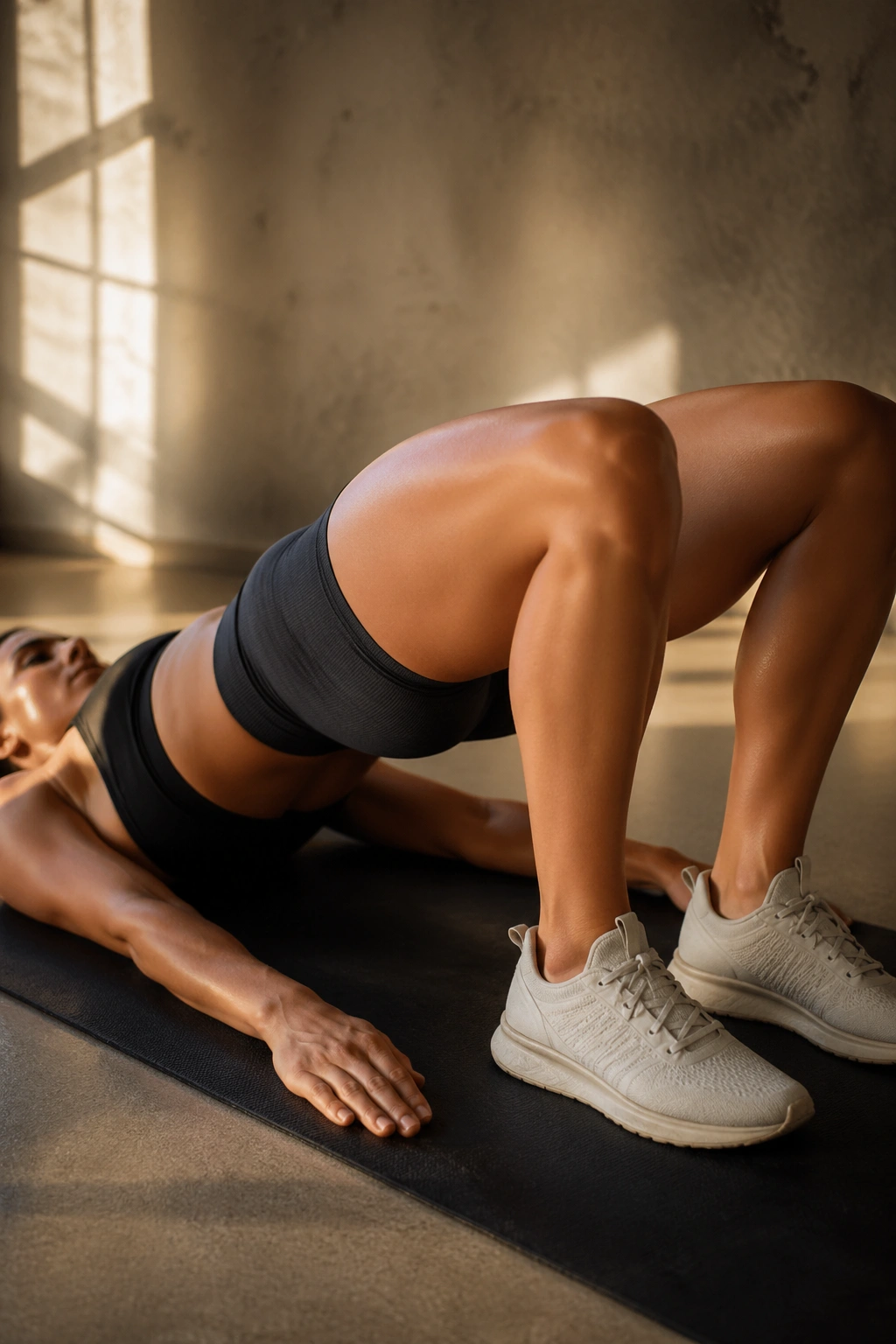
Not every strength move needs to look dramatic. The glute bridge is a floor-based hip extension exercise that strips away a lot of noise and leaves you with a clean, honest squeeze of the glutes.
Because your shoulders stay on the ground, the bridge has a shorter range of motion than the hip thrust. That makes it a nice option for beginners, people with limited equipment, or lifters who want more glute work without the setup hassle of a bench. It also plays well as a warm-up, accessory lift, or finisher with a pause at the top.
A Cleaner Bridge Starts Here
- Feet flat, about hip-width apart.
- Heels close enough that you can touch them with your fingertips.
- Posterior pelvic tilt before you lift.
- Drive through the heels and midfoot.
- Stop at the top when the glutes are squeezed, not when the lower back takes over.
The pause matters. A 2-second hold at the top often teaches more than another sloppy set of fast reps.
Glute bridges are underrated because they look easy. Load them with a plate, dumbbell, or barbell, and they stop being easy fast. They’re also a smart choice on days when your lower back is tired but you still want direct glute work.
10. Front Squat for Quads, Core, and Upright Strength
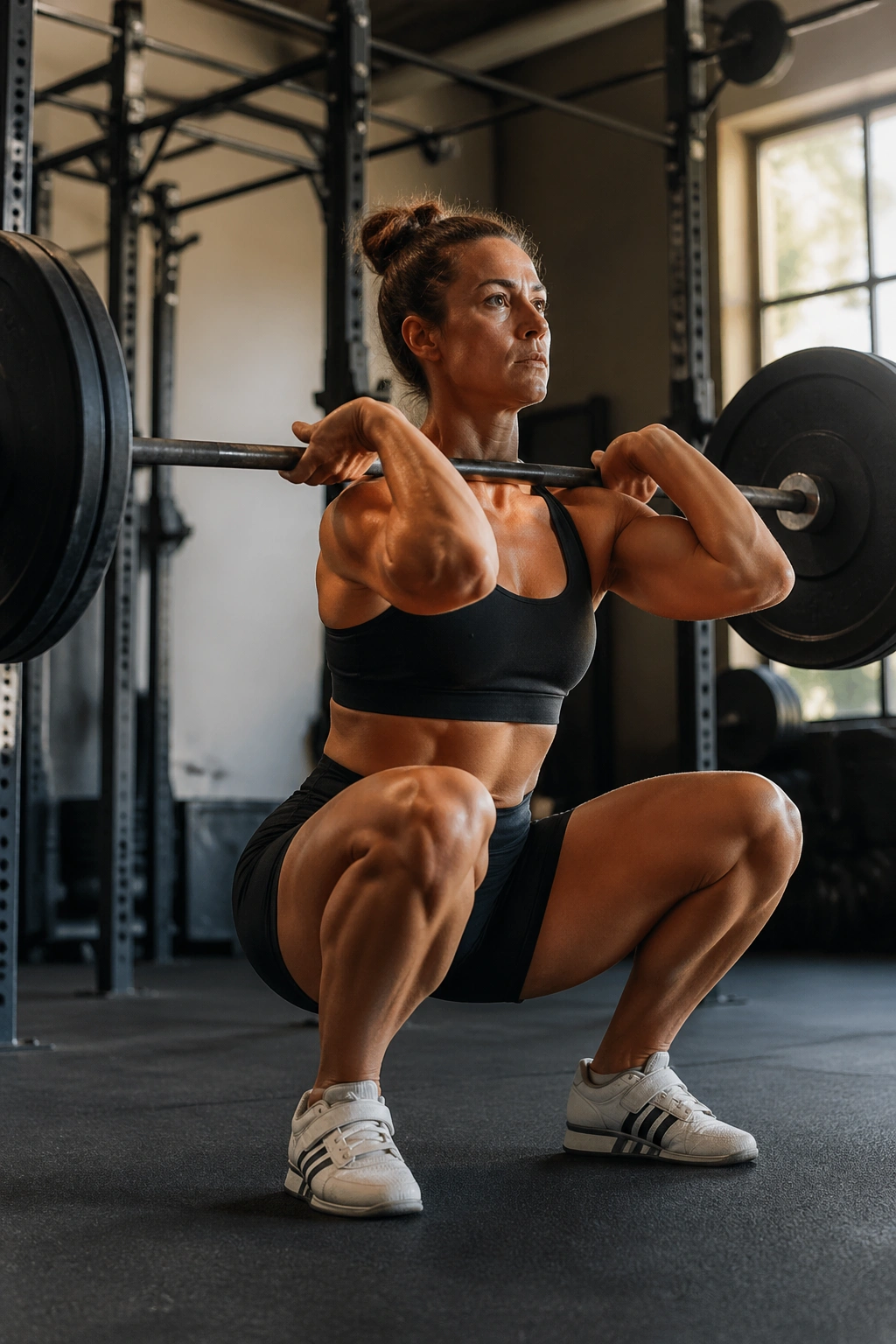
Front squats change the feel of squatting in a way that many lifters notice immediately. The bar sits in front of the body, so the torso has to stay more upright and the quads pick up more of the workload. The upper back and midsection also have to fight harder to keep the chest from folding forward.
That upright demand makes front squats valuable. They punish lazy posture. They also reward clean rack position, solid ankle mobility, and patience out of the bottom.
Why the Front Rack Changes Everything
A front rack position — whether it’s a clean grip, crossed arms, or straps — shifts the center of mass forward. That means the knees usually travel a bit more, the torso angle stays taller, and the load feels brutally honest. You can’t fake a front squat the way you sometimes can fake a back squat.
A few useful cues:
- Keep the elbows high.
- Let the upper back stay tight.
- Stay tall through the chest.
- Drive straight up, not forward.
Front squats are not the easiest lift in the room. No one confuses them with a relaxed day. But if your goal is stronger quads and better upright leg strength, they deserve a place in the rotation.
11. Single-Leg Romanian Deadlift for Balance and Hamstring Control
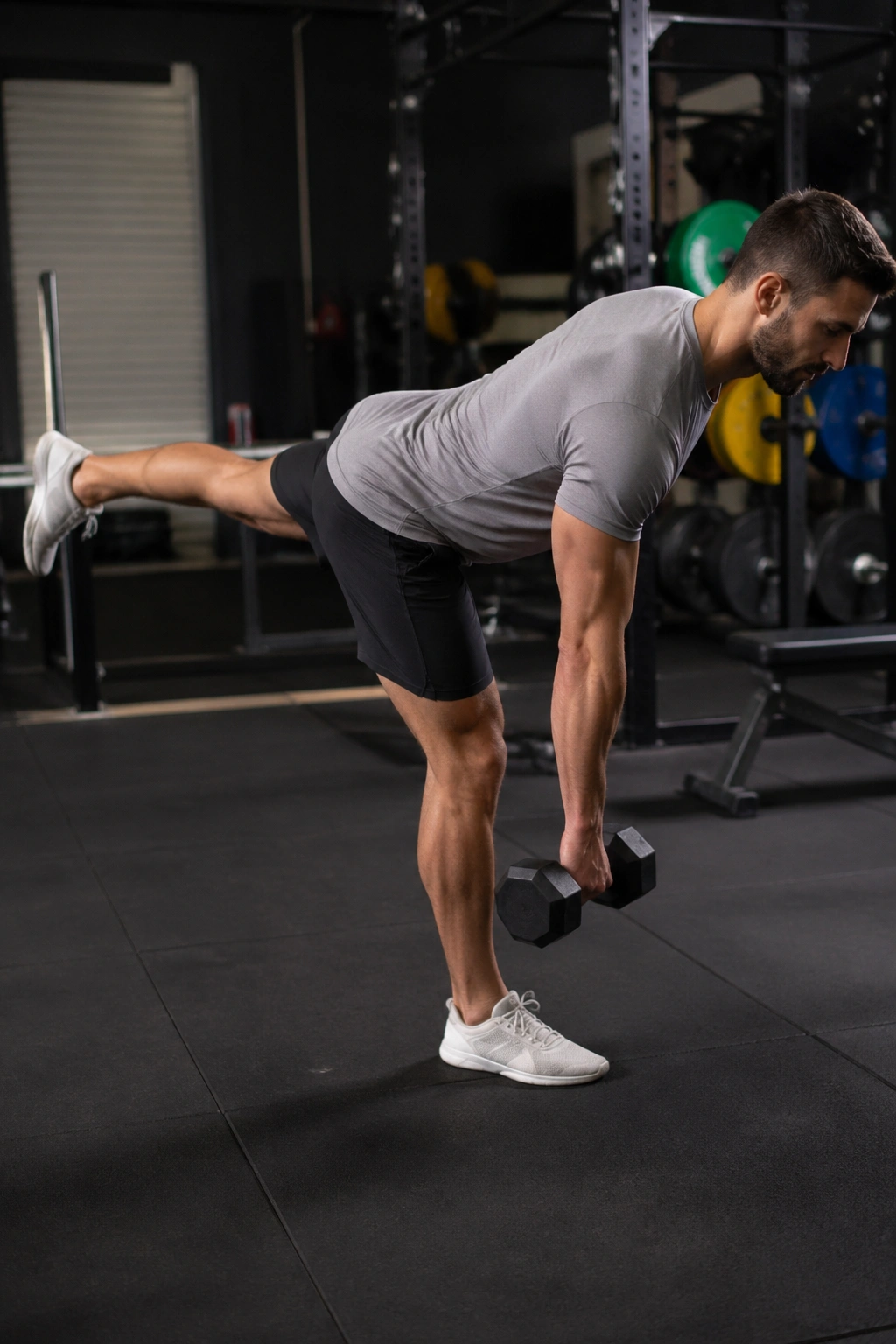
This lift looks calm from a distance. Up close, it demands more control than people expect. One leg stays planted, the other reaches back, and your torso tips forward just enough to load the hamstrings without turning the move into a circus act.
Single-leg Romanian deadlifts are excellent for fixing side-to-side differences. They also teach the hip to stay level while the torso moves. That matters more than most lifters realize. A weak or unstable hip shows up everywhere — in squats, in lunges, in running, even in how you walk up stairs.
What You Should Feel
The standing leg hamstring should lengthen under control. The glute on the working side should stay engaged. The pelvis should remain square to the floor instead of twisting open like a door.
Use a wall or a dowel for balance if needed. That is not cheating. It is smart. The goal is to own the hinge pattern on one leg before adding load that turns your form into guesswork.
Start with a dumbbell in the opposite hand of the standing leg. A light load often tells you more than a heavy one. If the free leg is flopping around and the back is rounding, the weight is too much.
12. Lateral Lunge for Adductors and Side-to-Side Strength
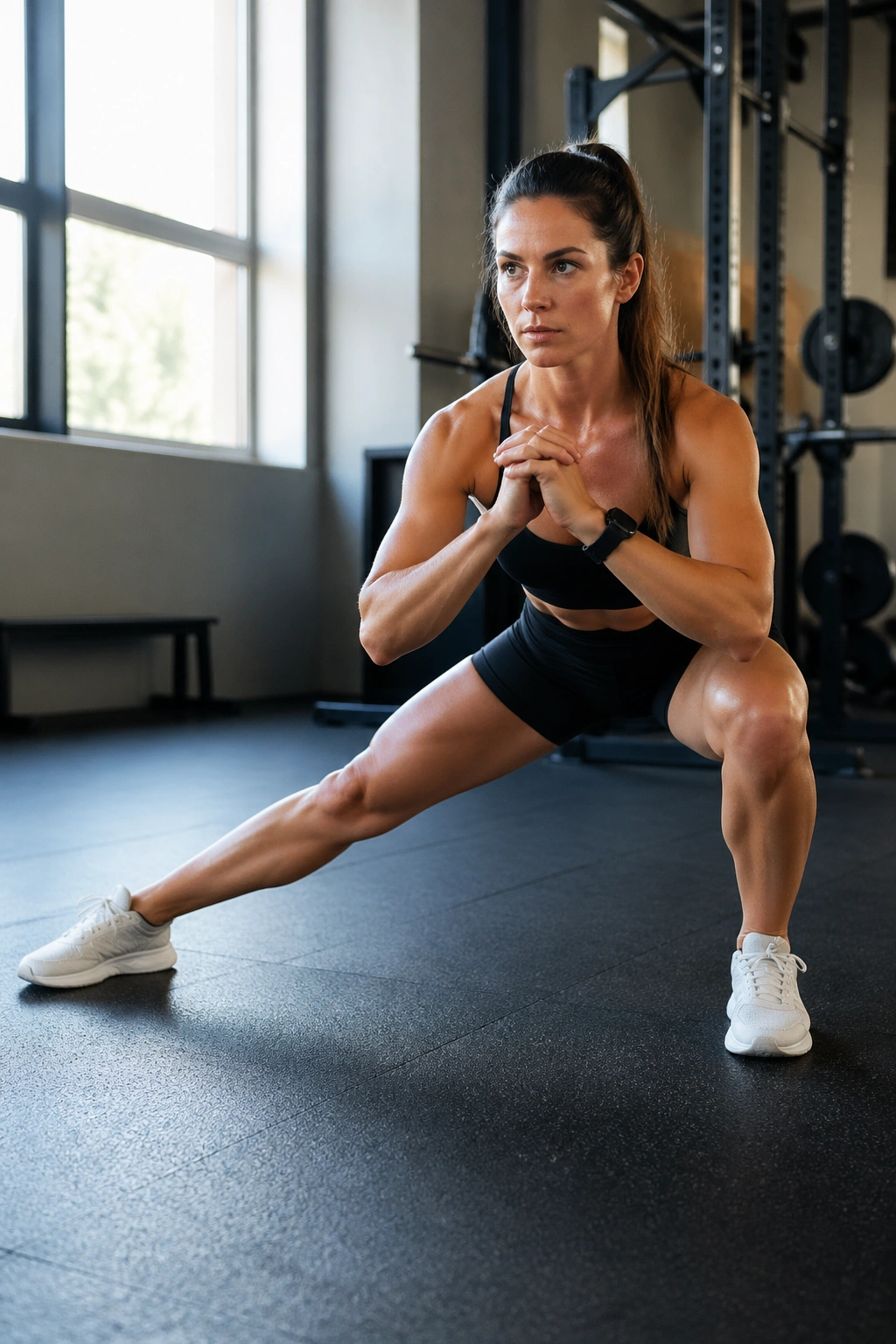
Side-to-side strength gets neglected all the time, and the body notices. The lateral lunge helps fill that gap by loading the inner thigh, glute, and quad in a plane most people barely train. That’s useful whether you play sport, walk uneven ground, or just want legs that are more complete than front-and-back machines can make them.
The movement is simple enough to sound harmless: step to the side, sit into one hip, keep the other leg straighter, then push back to center. In practice, it asks for hip control, ankle mobility, and patience. Rush it, and the knee collapses inward or the torso pitches too far.
How to Make It Feel Right
- Take a step wide enough to sit into one hip.
- Keep the planted foot flat.
- Let the hips go back.
- Keep the chest long.
- Push the floor away to return to center.
A lateral lunge usually feels most productive when you slow the descent a bit. That gives the adductors time to load and keeps you from falling into the bottom.
If your normal leg training is all squats and deadlifts, this is a nice correction. It brings a different kind of strength into the mix — one that matters when life stops moving in a straight line.
13. Hamstring Curl for Direct Hamstring Work
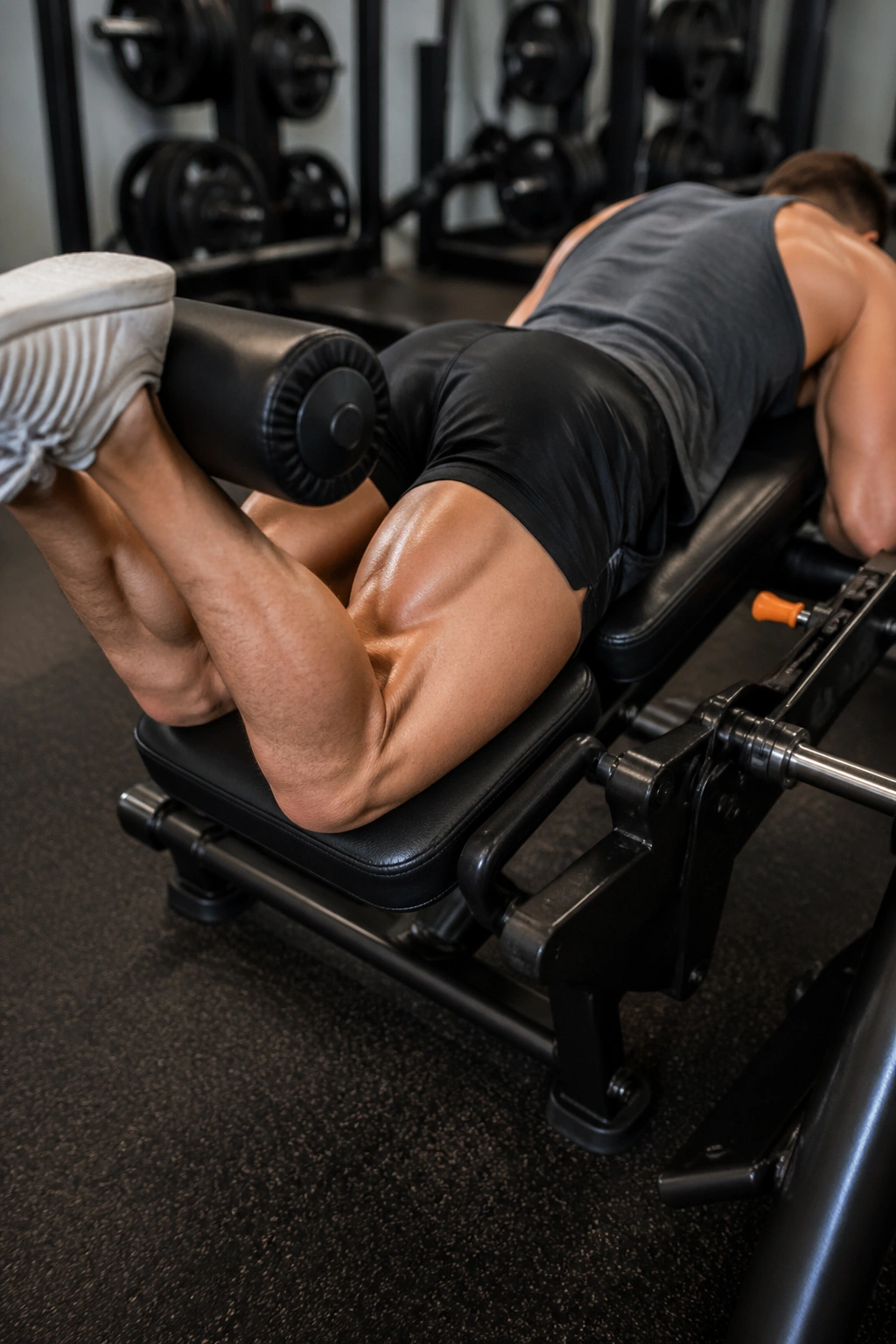
Here’s the thing about hamstrings: they do more than help with hinges. They also flex the knee, and if you never train that function directly, you leave strength on the table. A hamstring curl fills that gap better than almost anything else.
Whether you use a lying machine, seated machine, stability ball, or sliders on the floor, the idea is the same. Bend the knee against resistance. That direct knee-flexion work complements deadlifts and Romanian deadlifts nicely, which hammer the hip-extension side of the hamstrings.
A Better Curl Is Usually Slower
A lot of people rush curls and turn them into a sloppy bounce. Don’t. Lower the weight or slide back slowly, then pull in with control. The eccentric — the lowering phase — matters because the hamstrings have to control that return.
A few practical notes:
- Keep the hips down if you’re on a machine.
- Don’t yank with momentum.
- Pause briefly in the shortened position.
- Use a range of motion you can own without the pelvis lifting.
If you train at home, slider curls on a towel or furniture sliders can be brutally effective. They’re cheap, simple, and far harder than they look. That’s usually how good leg exercises behave.
14. Sumo Deadlift for Adductors, Glutes, and Heavy Pulling
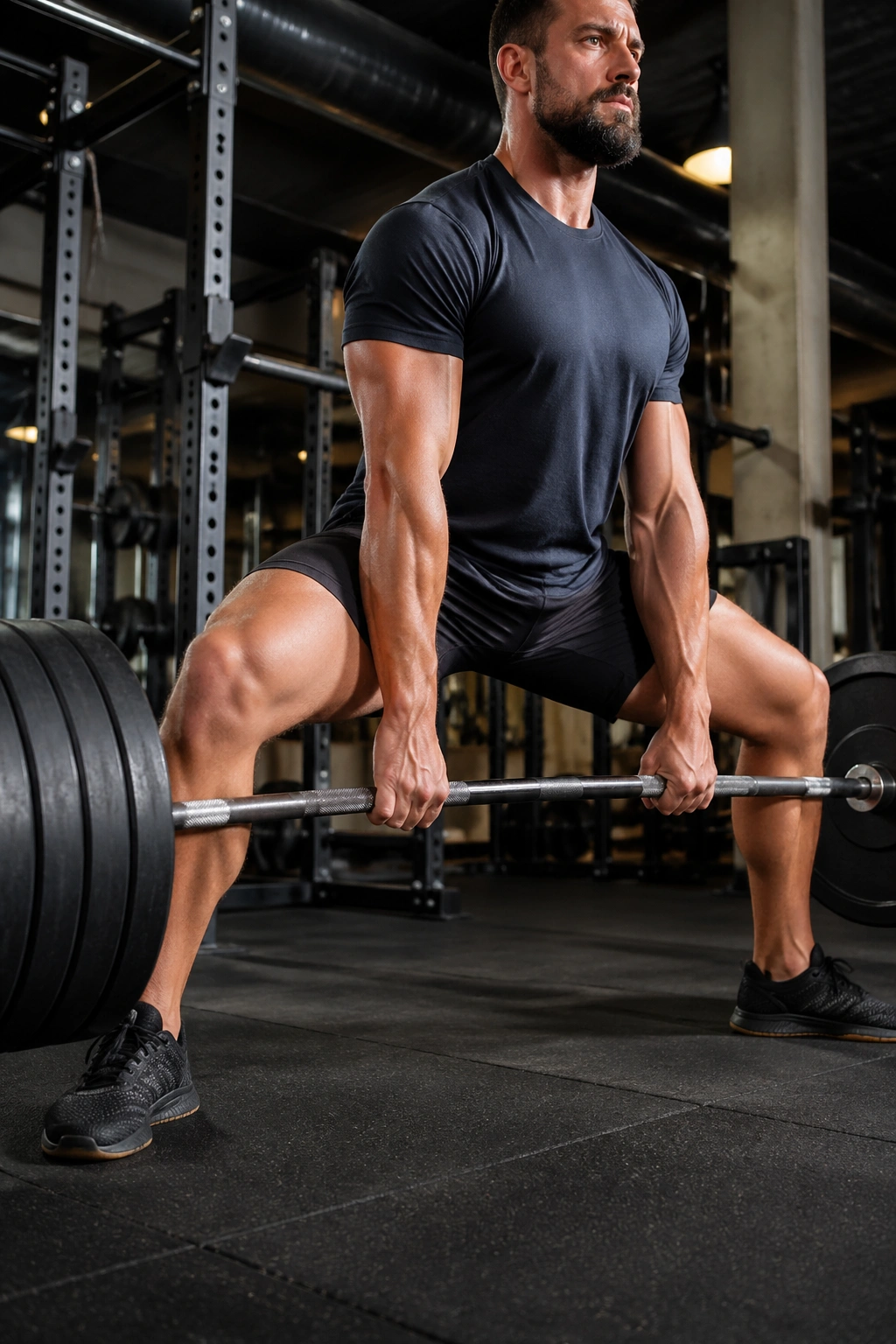
The sumo deadlift looks different from the conventional pull because the stance is wider and the hands stay inside the legs. That wide base changes the mechanics in a useful way. The torso often stays a bit more upright, the adductors get more work, and some lifters find the start position easier on the lower back.
The lift still demands strong bracing and a solid start off the floor. It is not a shortcut. It is a different shape with different strengths.
Who Usually Likes It
Lifters with good hip mobility often take to sumo quickly. People with long torsos sometimes like the more upright start. Others just prefer how the bar path feels. Fine. Use the version that lets you produce force cleanly.
The setup should feel deliberate:
- Feet wide enough that the shins can track inside the arms.
- Toes slightly turned out.
- Knees pushed out over the feet.
- Chest tall.
- Pull the slack out of the bar before it leaves the floor.
The main mistake is letting the hips shoot up too high before the pull starts. Once that happens, the lift becomes a weird, ugly hybrid instead of a proper sumo deadlift.
If conventional deadlifts beat up your back or feel awkward off the floor, sumo is worth serious attention.
15. Standing Calf Raise for Lower Leg Strength
Calves get ignored because they are small, and that is exactly why people keep undertraining them. Strong calves matter more than gym culture likes to admit. They help with force transfer, ankle stiffness, balance, and the final push in walking, running, jumping, and heavy lifting.
The standing calf raise targets the gastrocnemius, the bigger calf muscle that crosses the knee and ankle. The seated version hits the soleus more, which is useful too, but the standing variation deserves a place in any lower body strength plan because it trains the calves with the knee straight and the body upright.
The Part Most People Skip
The stretch at the bottom. That is where many lifters cheat.
Drop the heel under control, pause for a beat in the stretched position, then rise all the way up onto the ball of the foot. At the top, hold the contraction for 1 second instead of bouncing through it like a pogo stick. Use a full range of motion before you chase load.
A few cues make the lift better:
- Keep the ankles moving straight up and down.
- Don’t roll outward onto the pinky toe.
- Use a slow lowering phase.
- Load it enough that the last few reps still look clean.
If you want stronger lower body training, calves cannot stay an afterthought. Pair standing calf raises with one heavy squat pattern, one hinge, and one single-leg movement twice a week, and they’ll stop feeling like a decorative muscle. They’re not decorative. They just need to be trained like they matter.
