



Most people train their glutes by simply doing heavy squats and hoping for the best. That approach usually leaves you with big quads, a sore lower back, and glutes that refuse to wake up. The glutes are the largest muscle group in your body, acting as the primary engine for walking, running, and lifting. If you ignore the nuance of how they actually function—specifically their role in hip extension and abduction—you are essentially driving a high-performance vehicle in first gear. You need variety, specific angles, and consistent tension to force growth and strength.
Treat these routines as templates. Some are built for heavy mass, others for metabolic fatigue, and a few for correcting imbalances that cause knee or back pain. The goal isn’t just to accumulate volume but to move with intention. If you aren’t feeling a deep contraction in the gluteus maximus or the gluteus medius during these movements, you are likely using momentum rather than muscle. Slow down.
1. The Fundamental Bodyweight Activation Routine
You do not need a gym to build a foundation. This routine is designed for high-repetition, time-under-tension work that forces your glutes to fire without heavy external loading. It serves as an excellent warm-up or a standalone session for days when you cannot reach the squat rack.
The Movements
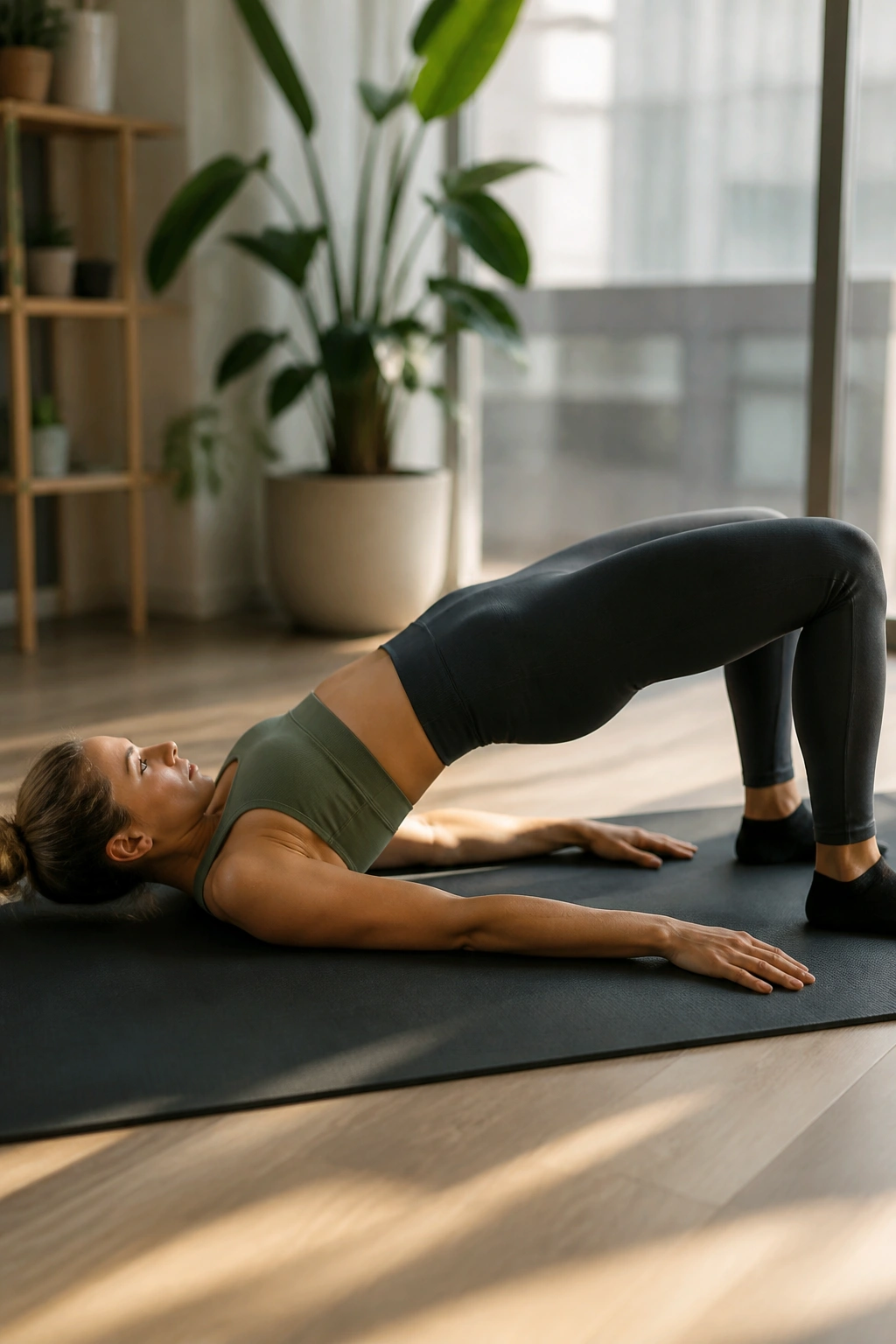
- Glute Bridges: 3 sets of 20 reps. Focus on the peak contraction at the top.
- Bird-Dogs: 3 sets of 15 per side. Keep your back flat—don’t arch.
- Bodyweight Reverse Lunges: 3 sets of 12 per leg. Lean your torso forward slightly to target the glutes over the quads.
- Lateral Band Walks: 3 sets of 20 steps each way.
Pro Tip: For every single rep of the glute bridge, hold the top position for two full seconds. If your hamstrings start cramping, that is a sign you are not engaging the glutes enough. Adjust your foot position closer to your hips to take the hamstring out of the equation.
2. Dumbbell Hypertrophy Strength Session
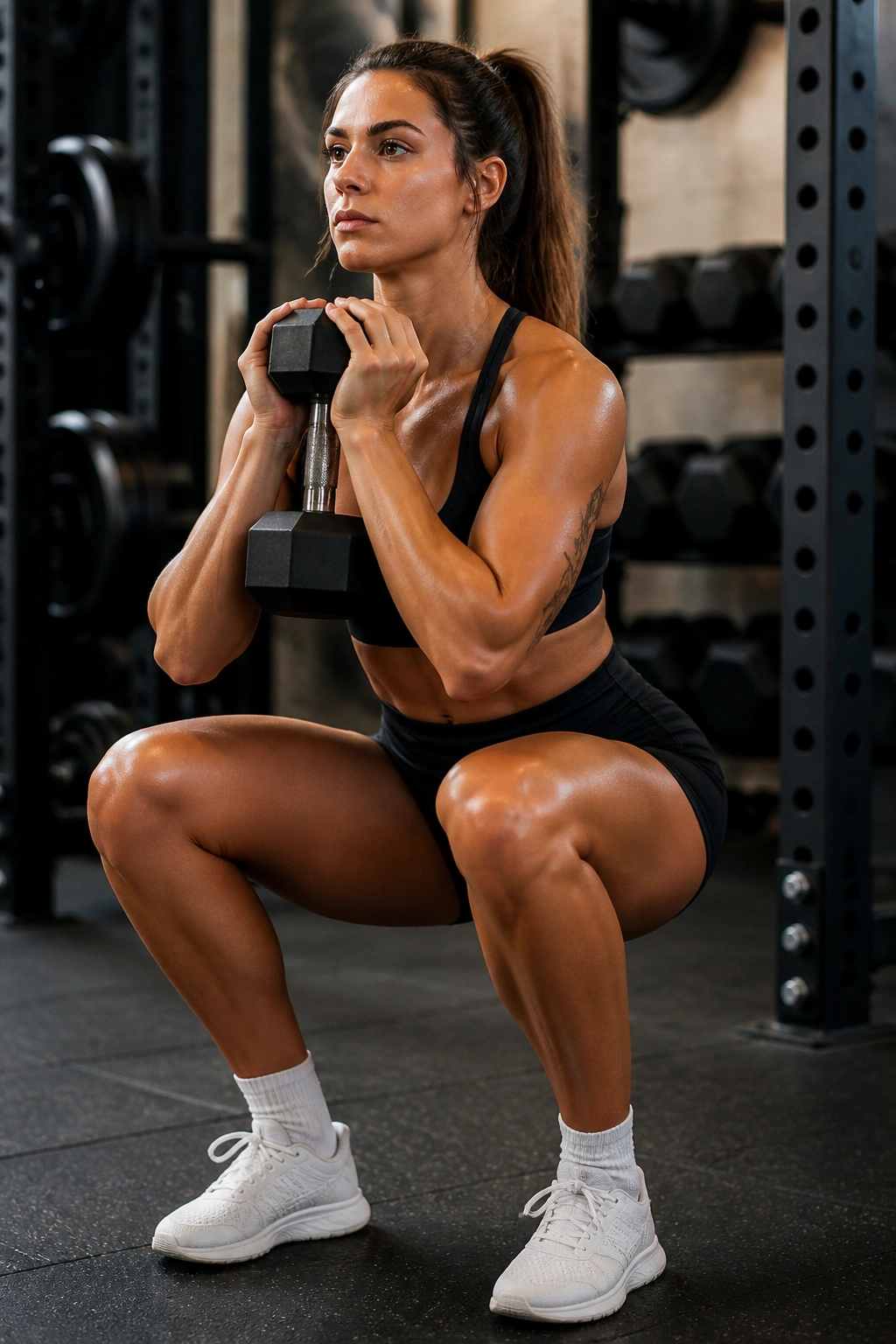
Dumbbells allow for a greater range of motion than a barbell, which is critical for hitting the glute fibers from different angles. This routine prioritizes the stretch portion of the movement, which research consistently shows is a primary driver of muscle growth.
How to Structure It
Start with heavy Goblet Squats—the weight in front of your chest forces you to stay upright, putting the tension directly on the glutes. Move into Dumbbell Romanian Deadlifts (RDLs). The key here is the hinge. Push your hips back as if you are trying to close a door behind you with your glutes.
The Routine
- Goblet Squats: 4 sets of 10. Go slow on the way down.
- Dumbbell RDLs: 4 sets of 12. Keep the dumbbells glued to your shins.
- Split Squats: 3 sets of 10 per leg.
- Weighted Glute Bridges: 3 sets of 15. Place the dumbbell across your hips.
3. Kettlebell Explosive Power Routine
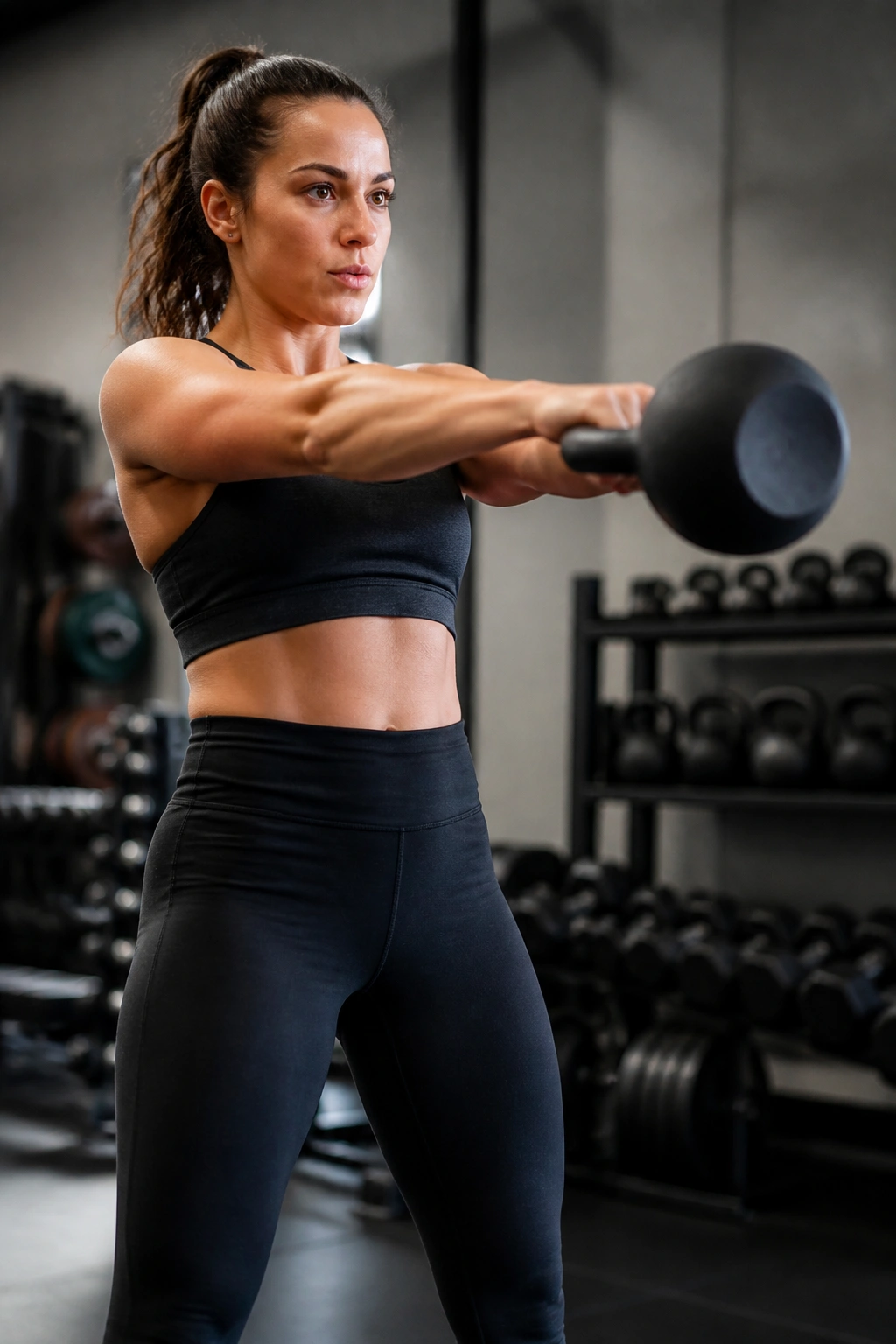
The kettlebell swing is perhaps the most efficient exercise for glute power, but many people treat it like a squat. It is a hinge, not a squat. This routine focuses on the explosive hip snap that builds the “shelf” look and athletic functionality.
Why This Works
The swing teaches your glutes to generate force quickly. By combining this with slow, controlled movements, you get the best of both worlds: athletic snap and aesthetic hypertrophy.
- Kettlebell Swings: 5 sets of 20. Focus on snapping the hips forward with aggression.
- Kettlebell Sumo Deadlift: 4 sets of 10. The wide stance shifts the focus to the inner glutes.
- Single-Leg Kettlebell RDL: 3 sets of 12 per side. This adds a stability component that forces the glute medius to work overtime.
4. Resistance Band Isolation Burnout
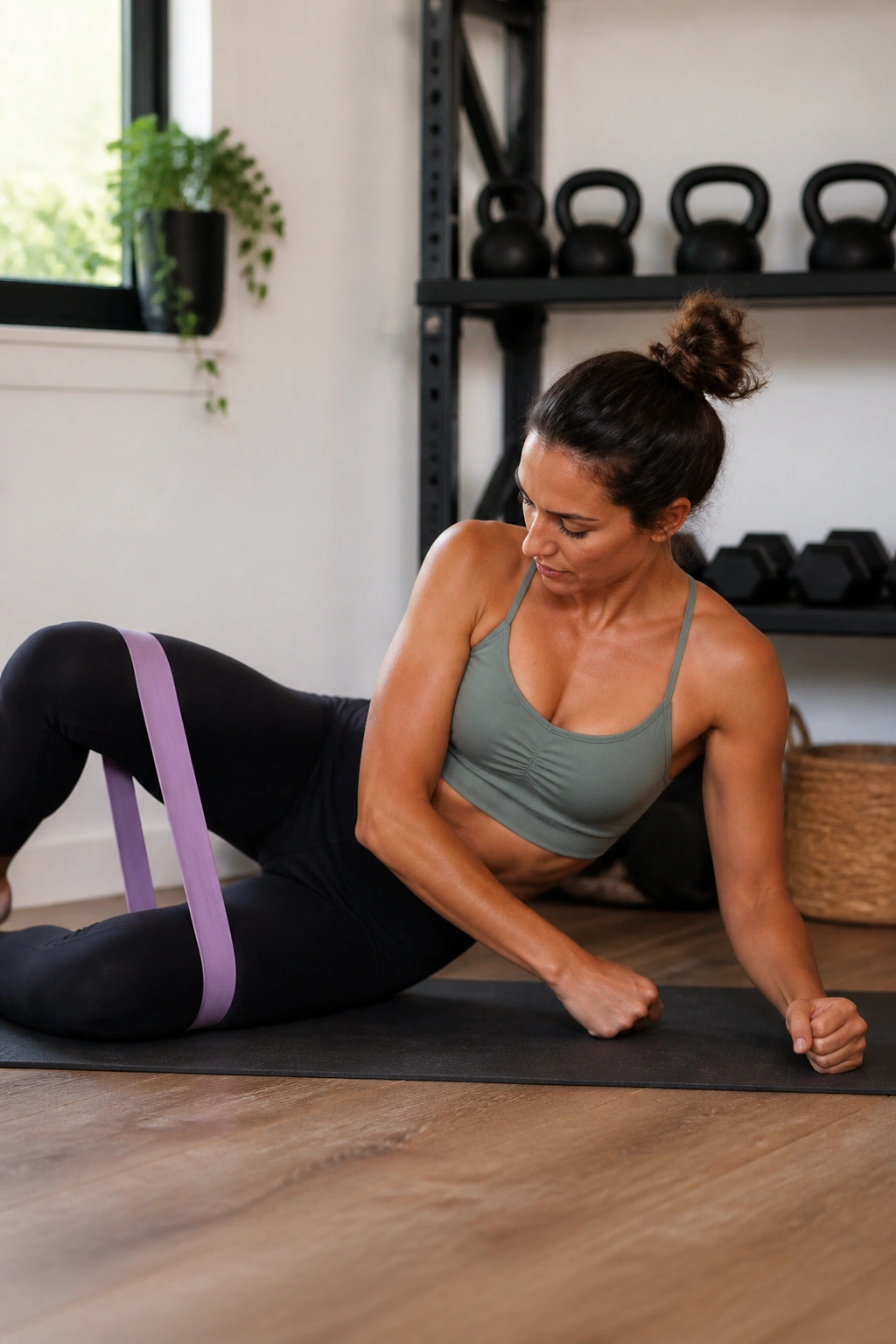
Sometimes the glutes need to be isolated to the point of failure. Resistance bands provide constant tension throughout the entire movement, meaning there is no “resting” point at the bottom or top of the rep.
The Focus
Use light-to-medium tension bands. You are not going for max weight; you are going for the deepest, most painful pump you can generate. This is the “finisher” routine, perfect for ending a longer workout or doing at home.
- Banded Clamshells: 3 sets of 20 per side.
- Banded Donkey Kicks: 3 sets of 20 per side.
- Banded Seated Abduction: 4 sets of 30. Lean forward slightly to intensify the burn.
5. Heavy Barbell Foundation Session
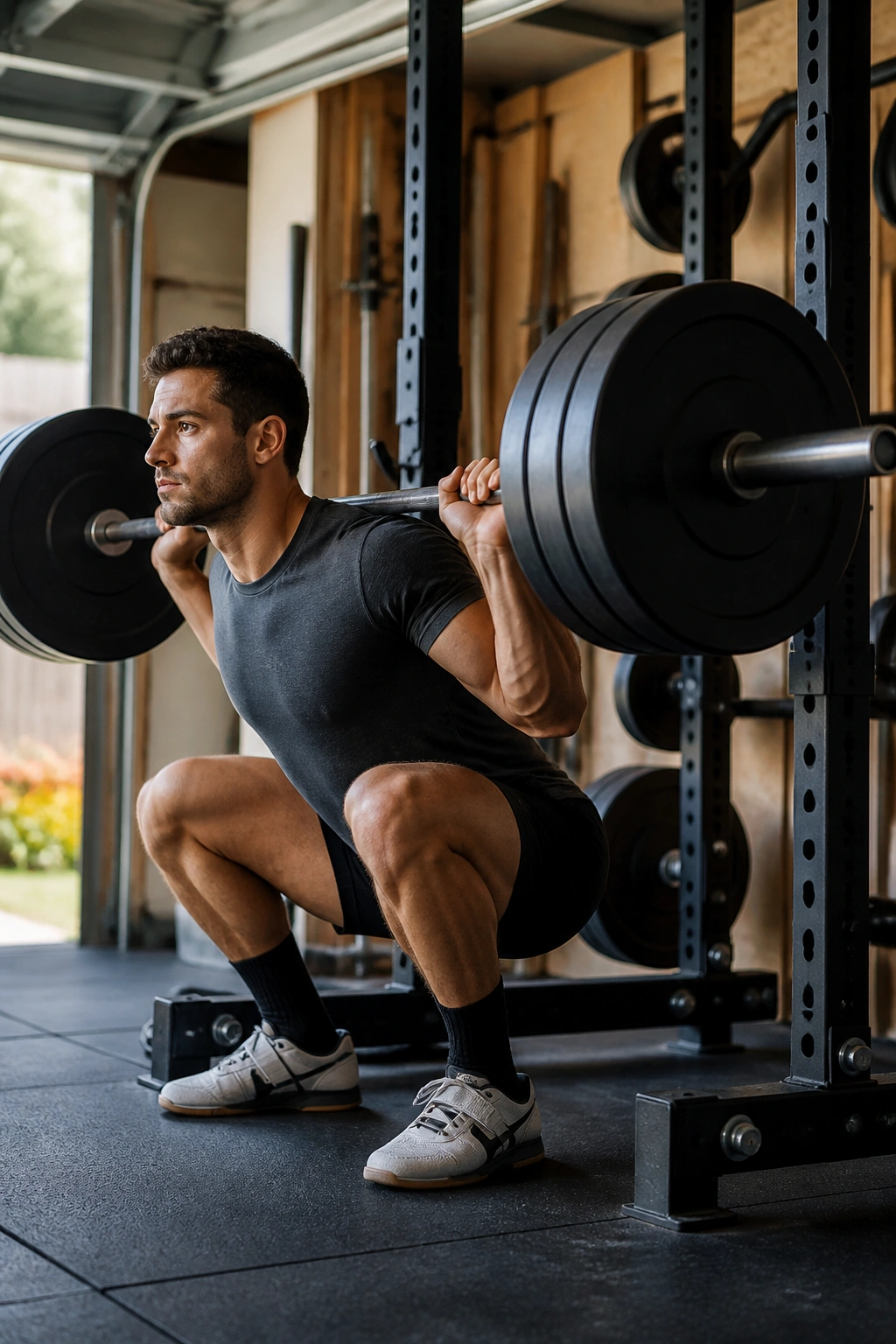
If you want size, you have to move significant weight. This routine is centered around the barbell, the king of mass-building tools. You need to be methodical here; form should never break for the sake of adding another five pounds.
Important Considerations
Before you load the bar, ensure your spine is neutral. If your lower back rounds during a deadlift, your glutes are not carrying the load. Do not ego lift. The glute muscles are large, but they are not bulletproof.
- Barbell Back Squat: 5 sets of 5. Rest 3 minutes between sets.
- Barbell Deadlift (Conventional or Sumo): 4 sets of 6.
- Barbell Hip Thrust: 4 sets of 8. Hold the top for 3 seconds.
6. Cable Machine Sculpting and Shaping
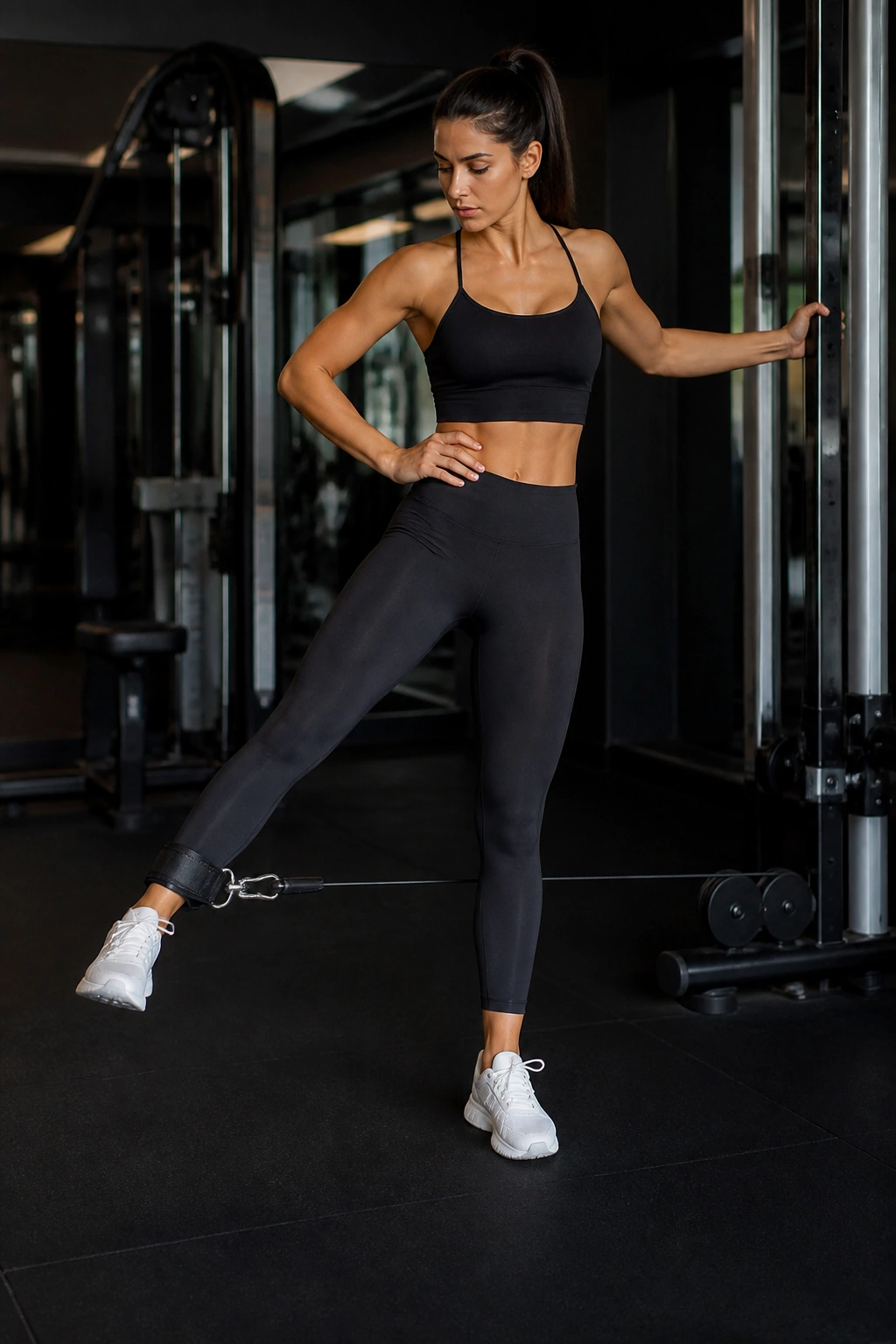
Cables offer a unique advantage: the line of resistance is always pulling against you. Unlike gravity, which pulls straight down, cables allow you to angle your pull to hit the glutes from lateral or diagonal positions.
Routine Overview
- Cable Kickbacks: 4 sets of 15 per leg. Keep the cable attachment low.
- Cable Pull-Throughs: 4 sets of 15. Stand facing away from the machine, legs wide.
- Standing Cable Hip Abduction: 3 sets of 15 per side. This is vital for that side-glute curve.
7. Bench and Box Plyometrics
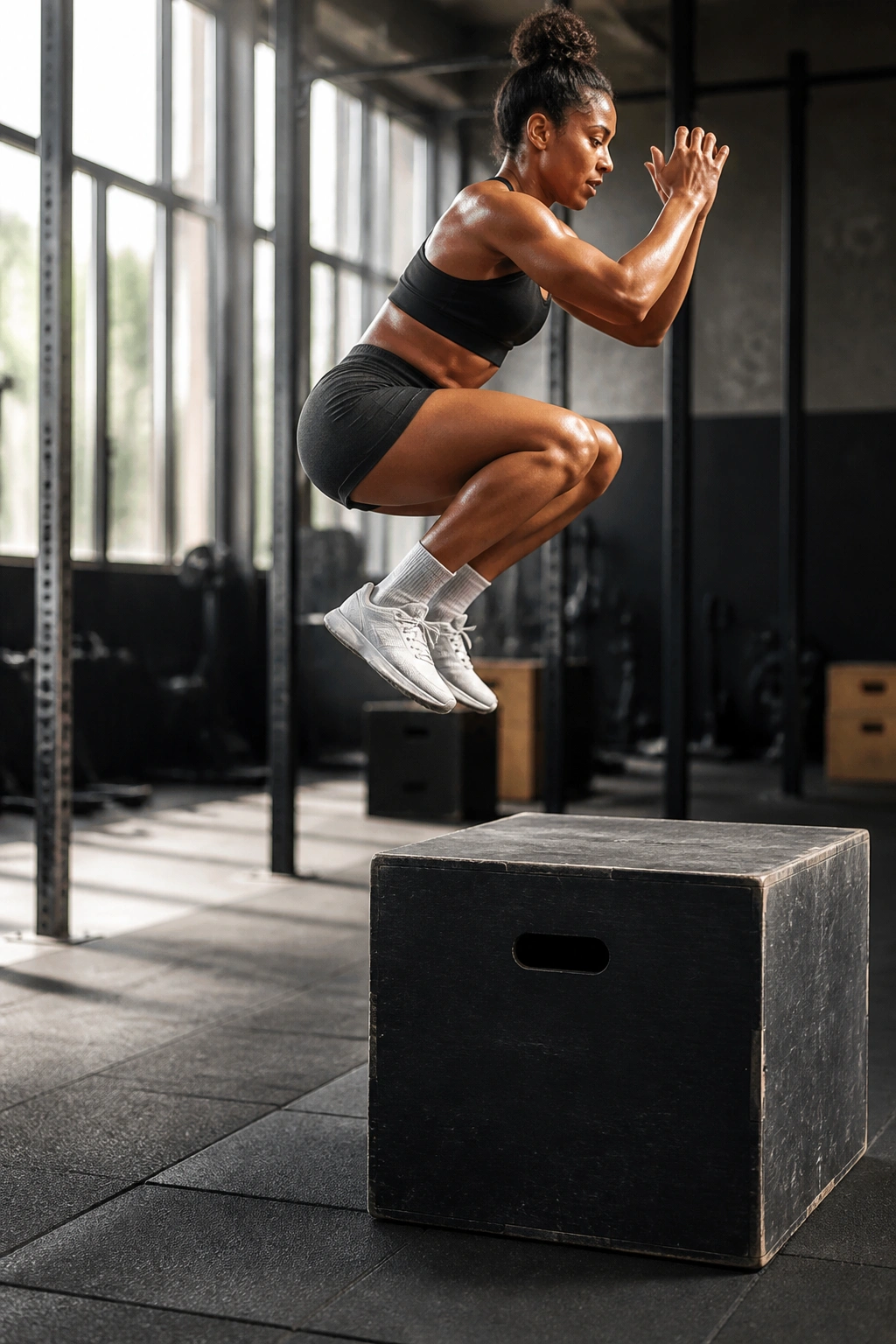
Explosive movement recruits high-threshold motor units in the glutes. By jumping onto a bench or box, you force your body to generate maximum force in a fraction of a second. This is not for beginners; ensure your joint stability is sound before adding height.
- Box Jumps: 5 sets of 5. Focus on soft landings.
- Step-Ups: 4 sets of 10 per leg. Do not push off with the bottom foot; use only the leg on the bench.
- Depth Jumps: 3 sets of 5. Step off a box and immediately jump upon landing.
8. Stability Ball Activation Complex
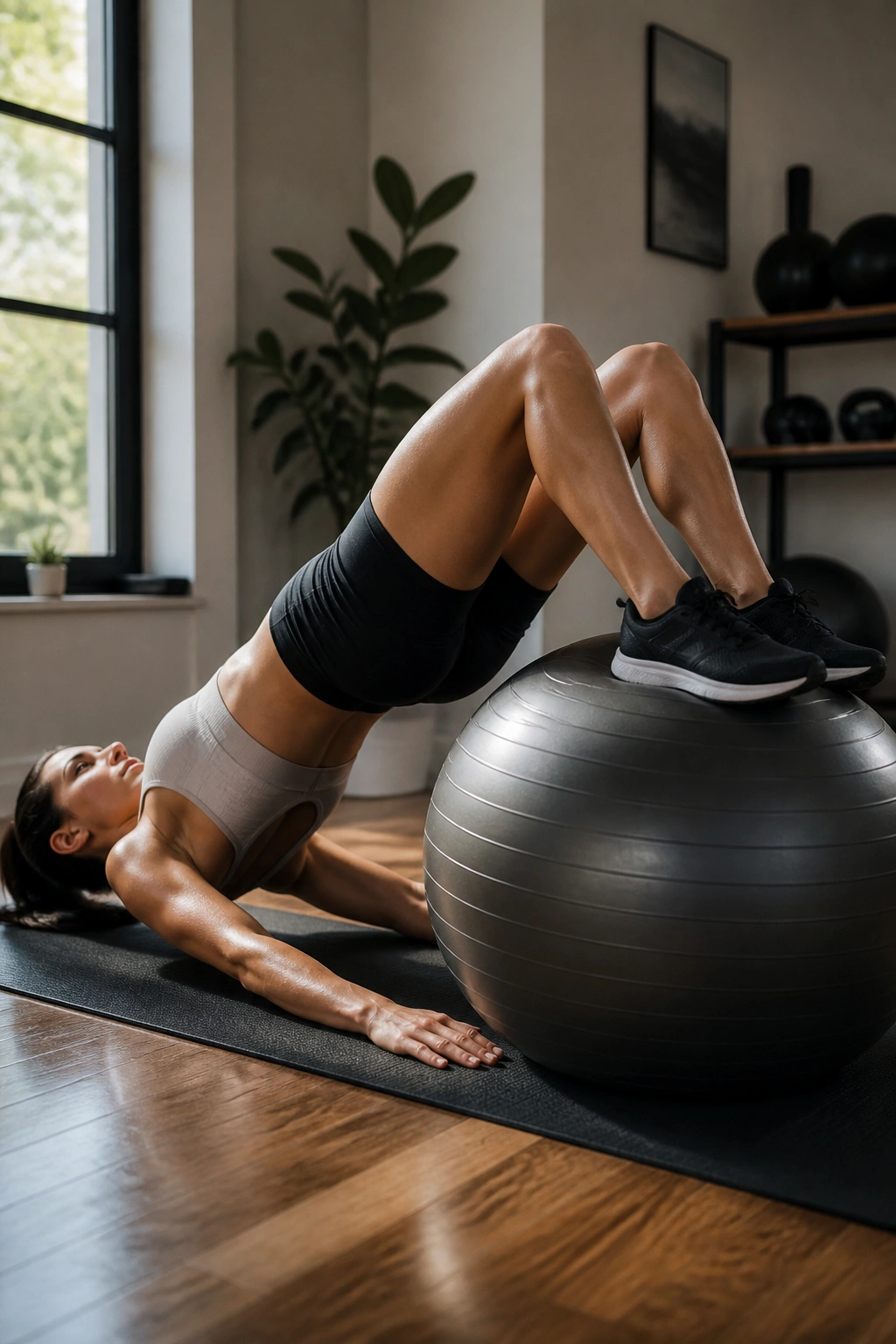
Glute training is often derailed by poor core stability. If your core is weak, your pelvis tilts, and your glutes lose their leverage. Using a stability ball forces your core to engage, which makes the glute work significantly more effective.
Key Exercises
- Stability Ball Leg Curls: 3 sets of 12. This hits the hamstrings and the glute tie-in.
- Stability Ball Glute Bridges: 3 sets of 15. These are much harder than floor bridges due to the instability.
- Stability Ball Wall Sits: 3 sets of 45 seconds.
9. Low-Impact Joint-Friendly Routine
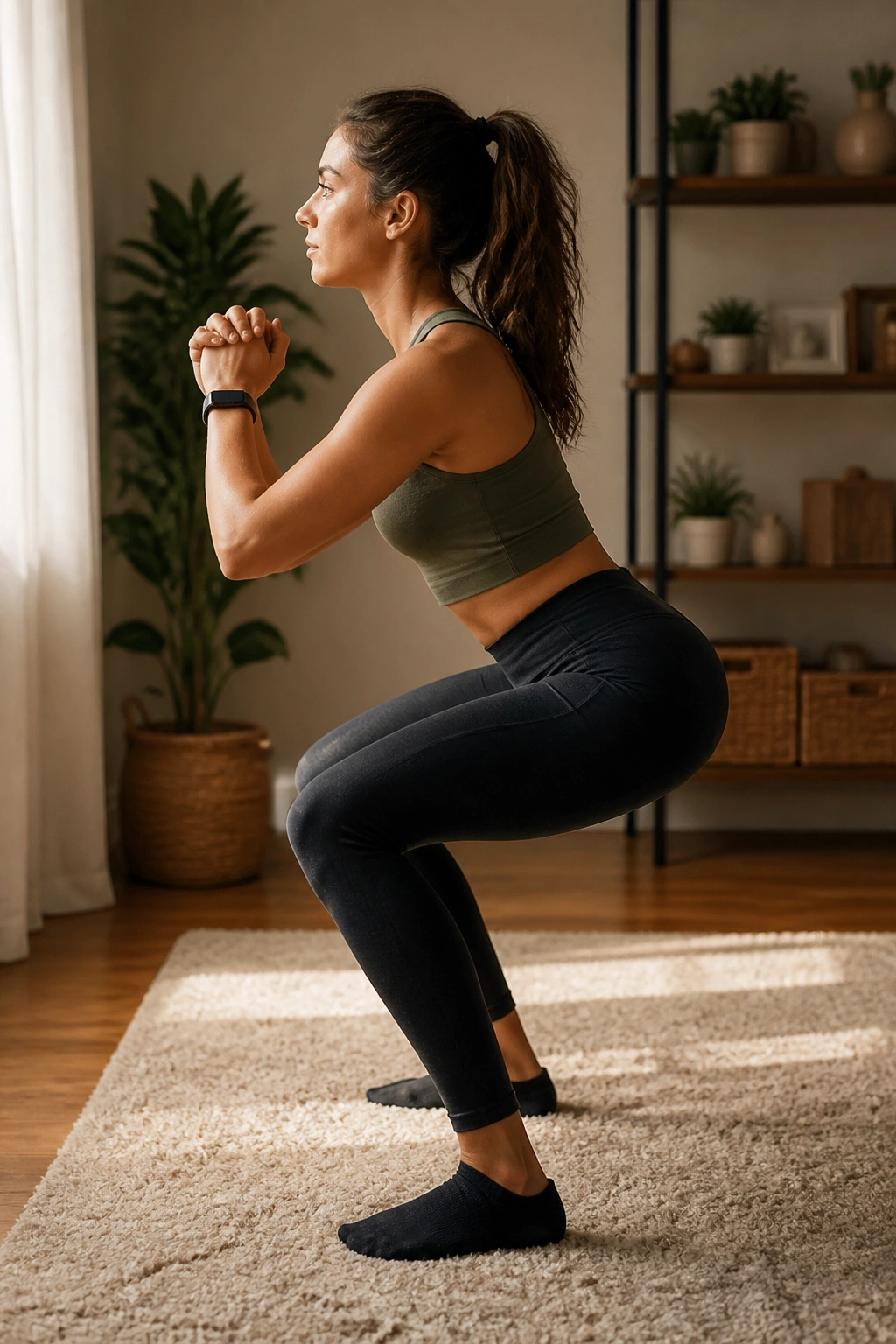
You don’t need heavy loading to wreck your glutes. If you have knee issues or simply want to deload your spine, this routine utilizes slow eccentric movements to create massive damage (the good kind) to the muscle fibers.
The Method
Take 4 seconds to lower yourself on every rep. The “negative” portion of the lift is where the real growth happens.
- Slow-Tempo Bodyweight Squats: 4 sets of 15.
- Side-Lying Leg Lifts: 3 sets of 20 per side.
- Glute Bridge Marches: 3 sets of 20. Keep your hips locked in the air while you march.
10. EMOM Glute Blaster
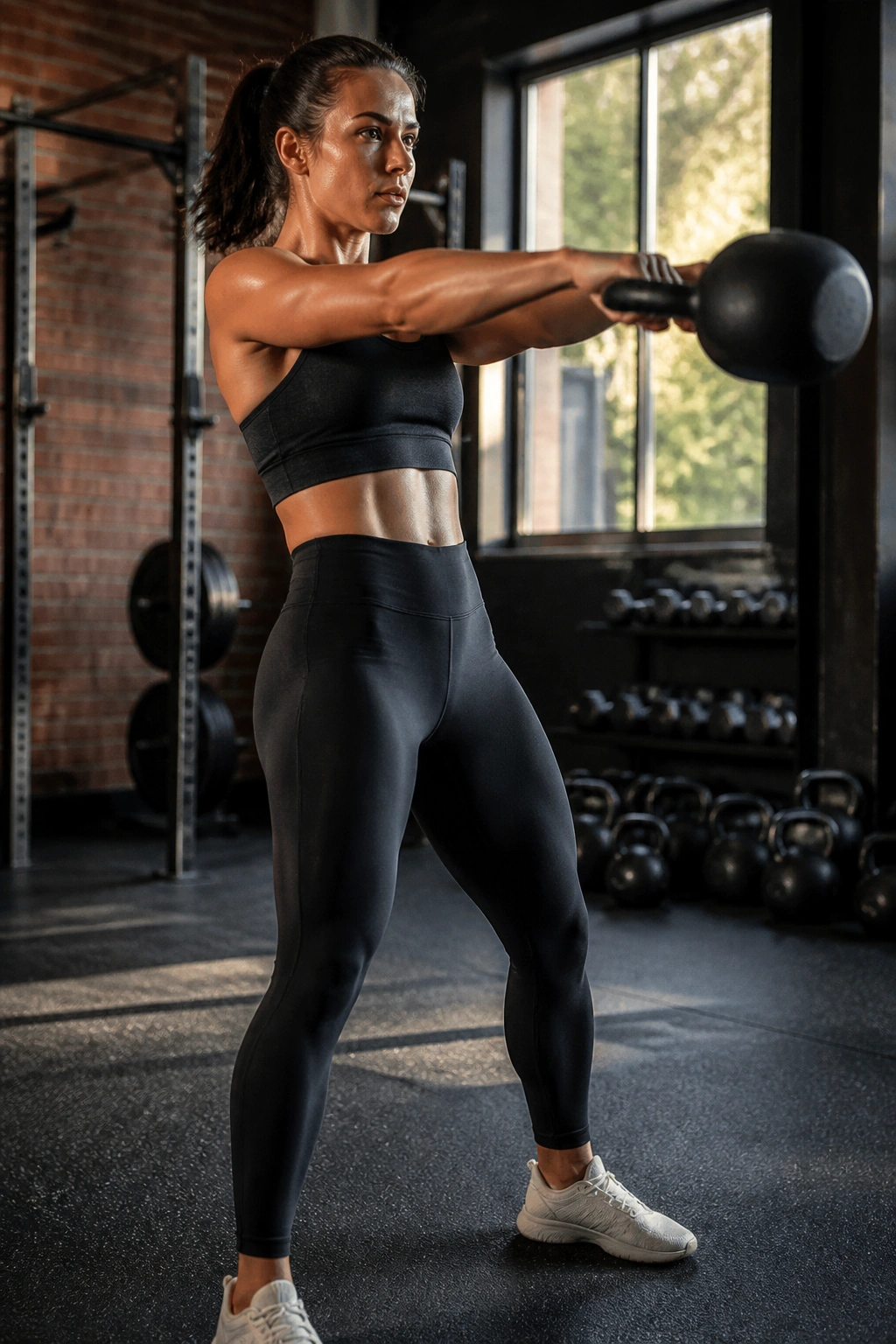
EMOM stands for “Every Minute on the Minute.” You have a set task to finish within 60 seconds; whatever time is left in that minute is your rest. If you finish in 40 seconds, you get 20 seconds of rest. It builds conditioning and glute endurance.
The Breakdown
- Minute 1: 15 Kettlebell Swings.
- Minute 2: 10 Goblet Squats.
- Minute 3: 20 Glute Bridges.
- Minute 4: Rest.
- Repeat for 4 rounds (16 minutes total).
11. The Glute Medius “Fixer”
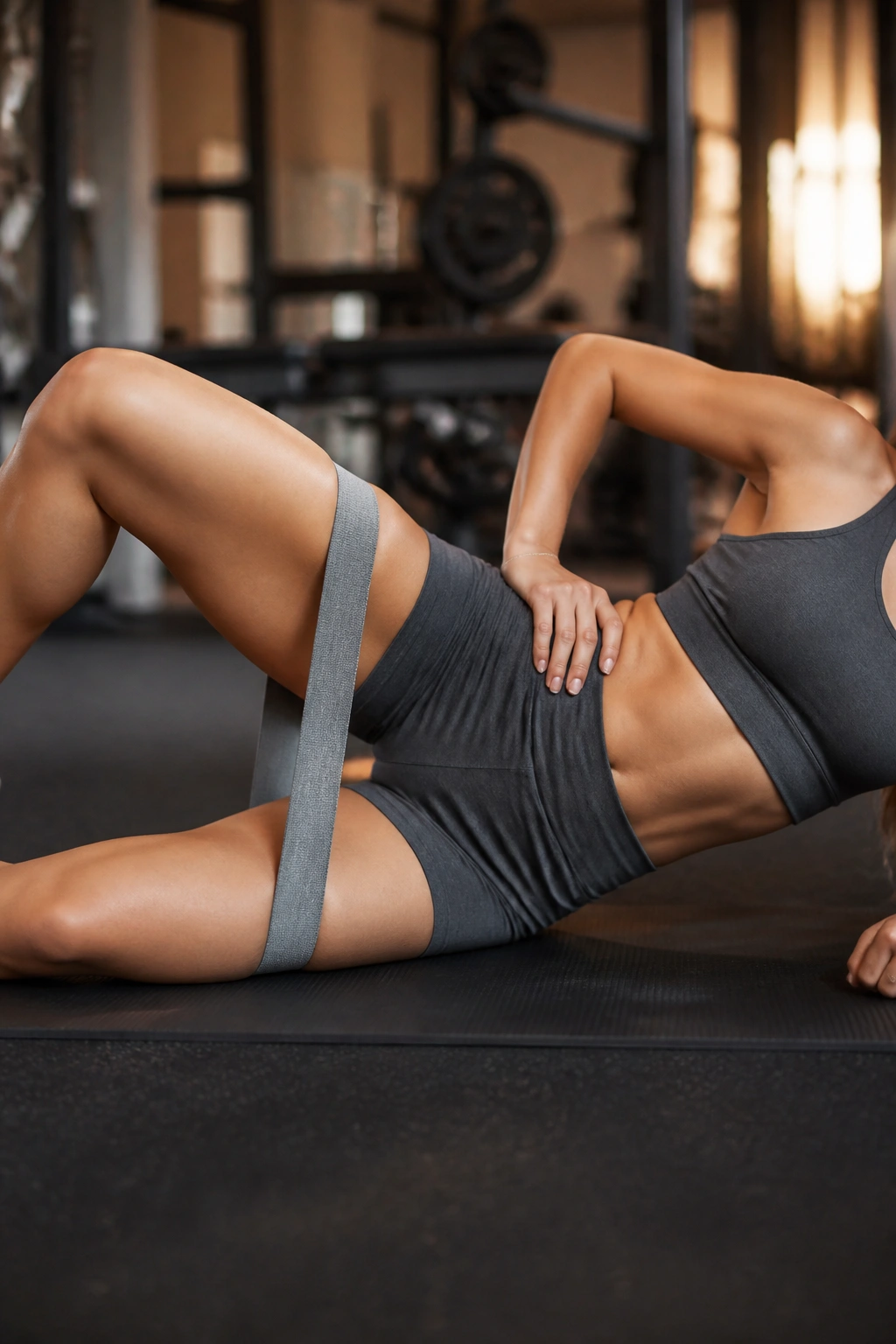
Most people have strong glute max (the big part) but weak glute medius (the side part). This creates an imbalance that leads to knee valgus—where the knees cave in during squats. This routine fixes that.
Exercises
- Clamshells: 3 sets of 20 per side. Use a band.
- Lateral Band Walks: 4 sets of 20 steps.
- Single-Leg Balance: 3 sets of 45 seconds per leg. Just standing on one leg with a slight bend in the knee engages the medius heavily.
12. Ankle Weight Sculpting
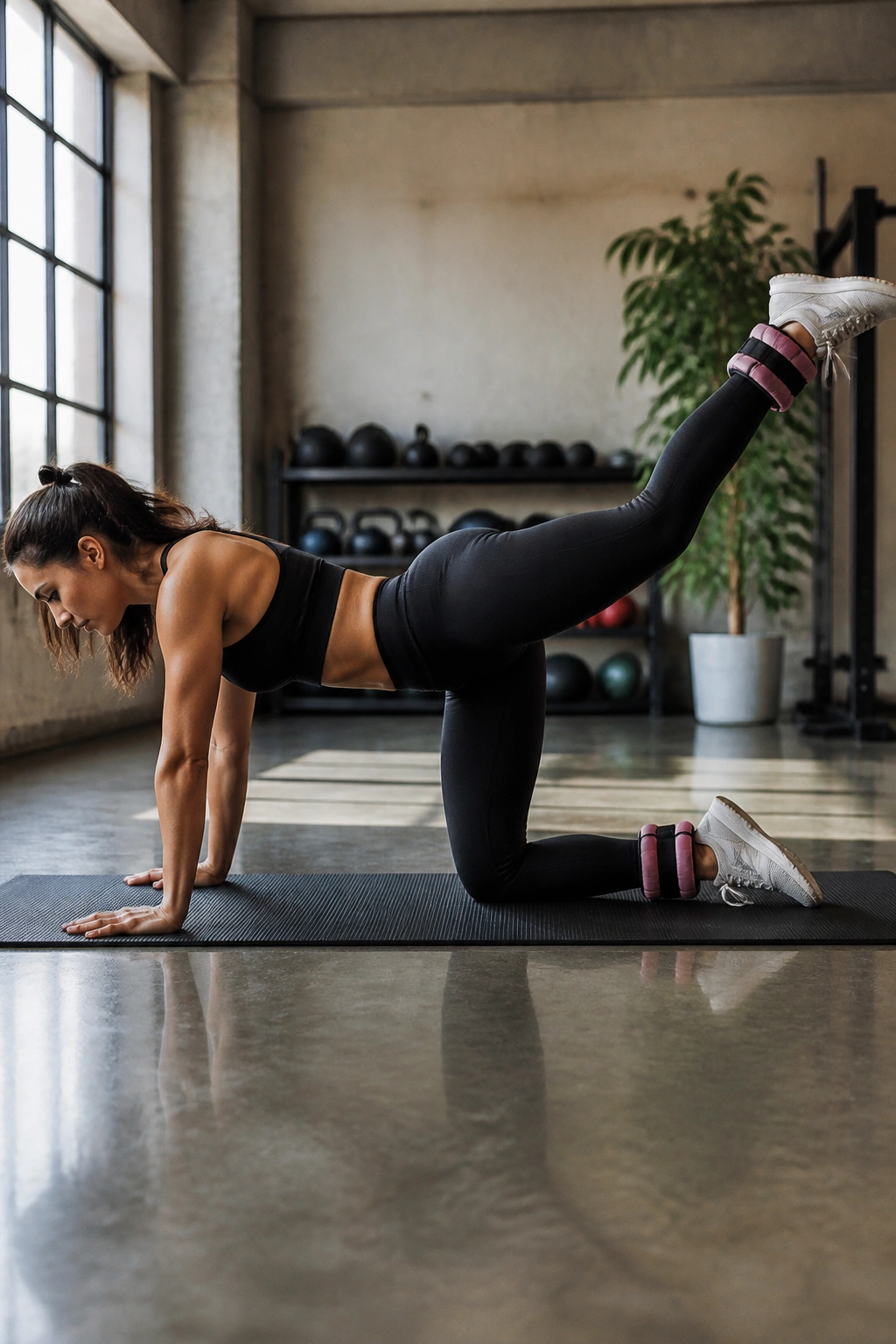
Sometimes simple is better. Wearing ankle weights allows you to perform isolation movements that are impossible with heavy gym equipment. It’s effective for high-rep work and mind-muscle connection.
- Donkey Kicks: 4 sets of 20 per leg.
- Fire Hydrants: 4 sets of 20 per leg.
- Standing Straight-Leg Kickbacks: 3 sets of 15. Keep your leg locked straight.
13. The Superset Glute Pump

Supersets involve doing two exercises back-to-back with no rest. This creates metabolic stress, which is one of the three main drivers of hypertrophy. You will feel a significant “pump” in your glutes after these.
The Pairings
- Superset A: Dumbbell Squats (10 reps) + Banded Glute Bridges (20 reps).
- Superset B: RDLs (10 reps) + Lateral Walks (20 steps).
- Superset C: Split Squats (10 reps per leg) + Frog Pumps (30 reps).
14. Barbell Hip Thrust Specialist
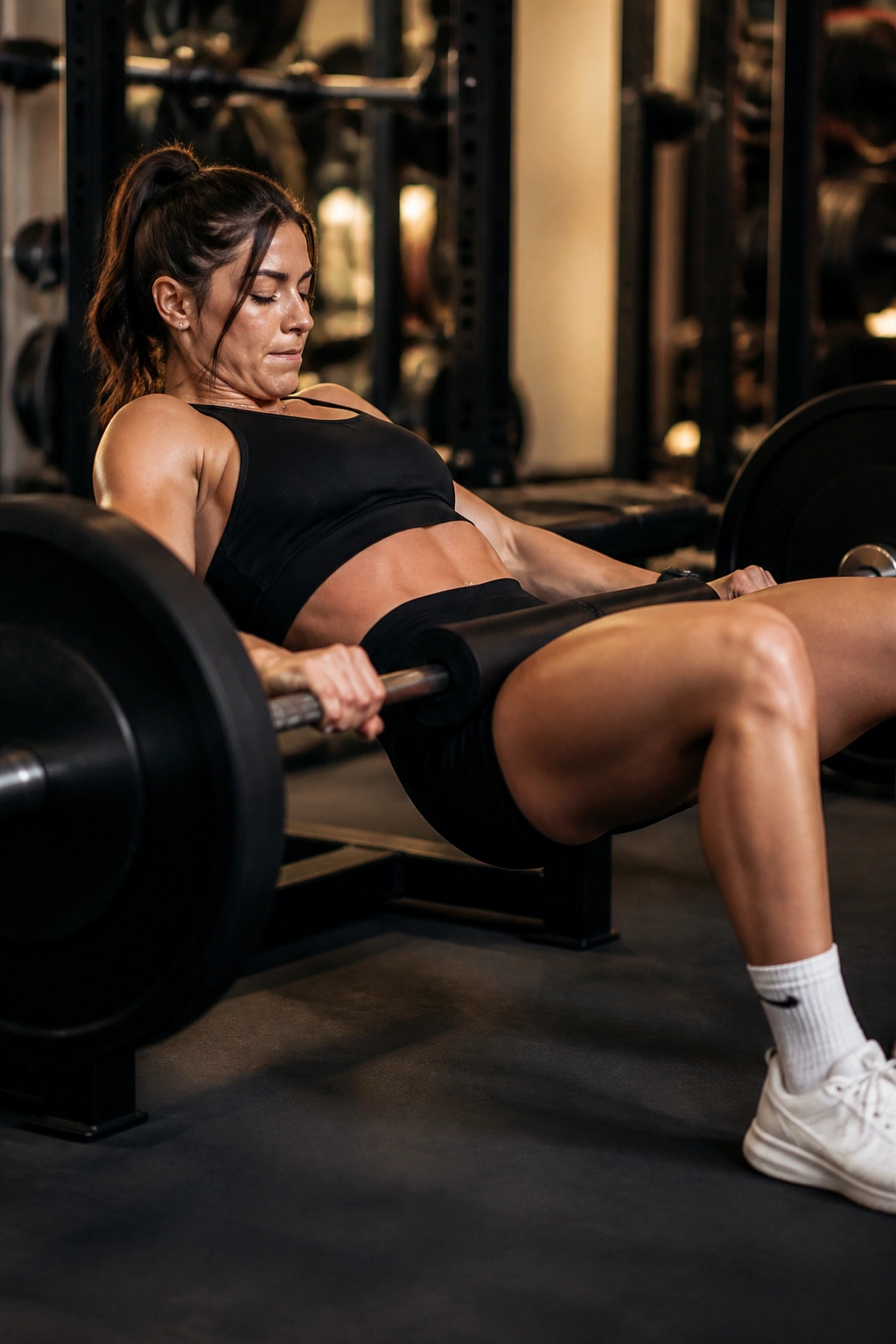
The hip thrust is the absolute king of glute isolation. It puts the glutes in their most shortened position at the top of the movement. If you want glute size, this is the one exercise you cannot skip.
The Strategy
Load heavy, but not so heavy that you lose your form. Your torso must remain rigid. Your chin should be tucked toward your chest to prevent your ribcage from flaring out.
- Warm-up set: 20 reps (empty bar).
- Working sets: 5 sets of 8-10 reps.
- Final set: Drop-set. Remove 20% of the weight and go to failure immediately after your last working set.
15. Sandbag Functional Glutes
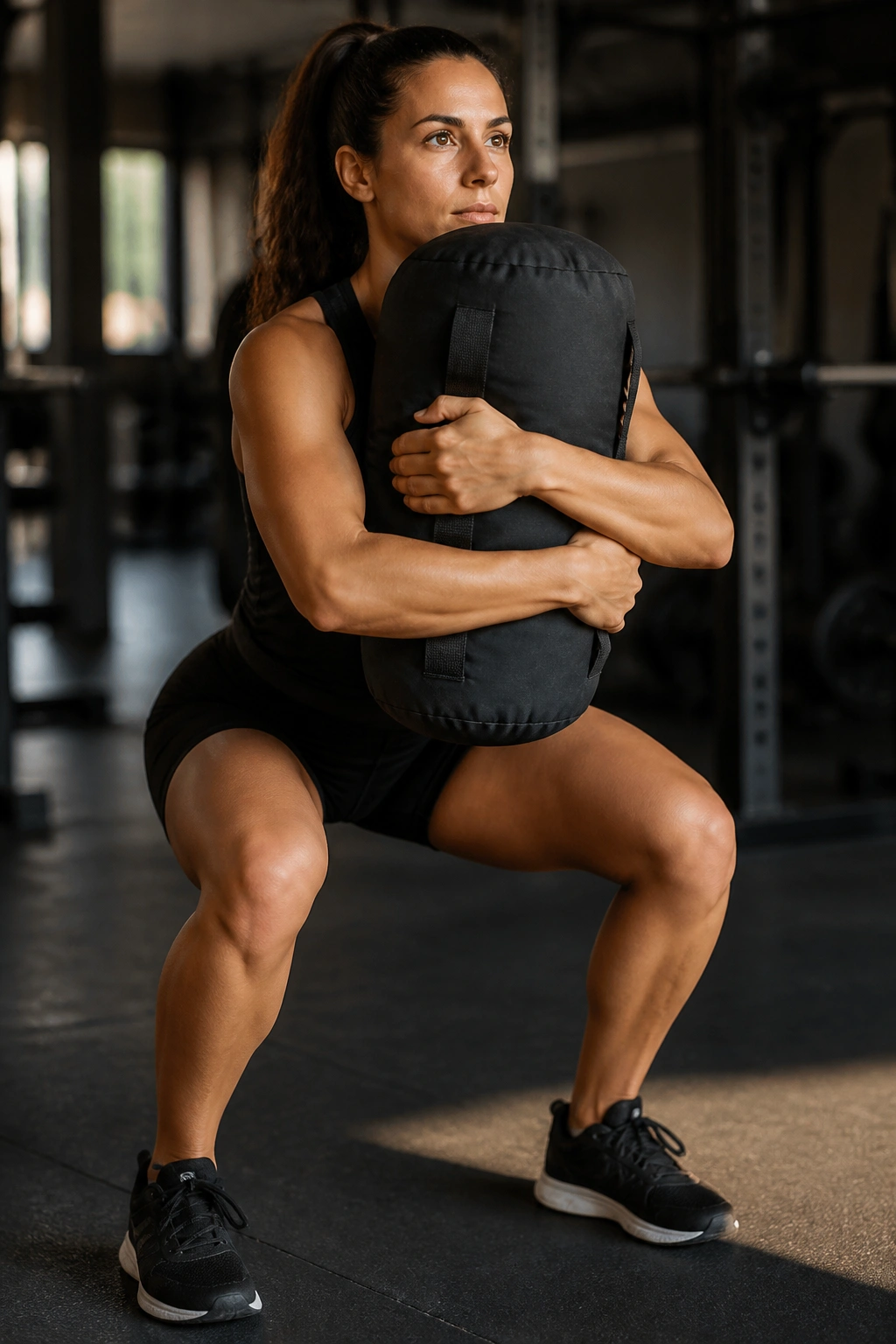
Sandbags are awkward. That’s the point. They shift, forcing your stabilizer muscles—the glutes—to work twice as hard to keep you balanced. It’s a more “real-world” style of training than barbells.
Moves to Try
- Sandbag Bear Hug Squats: 4 sets of 12. Keep the bag tight to your chest.
- Sandbag Lunges: 3 sets of 10 per leg. Carry the bag on your back or over one shoulder to create uneven loading.
- Sandbag Deadlifts: 3 sets of 10. The wider grip hits different fibers.
16. Pre-Exhaustion Routine
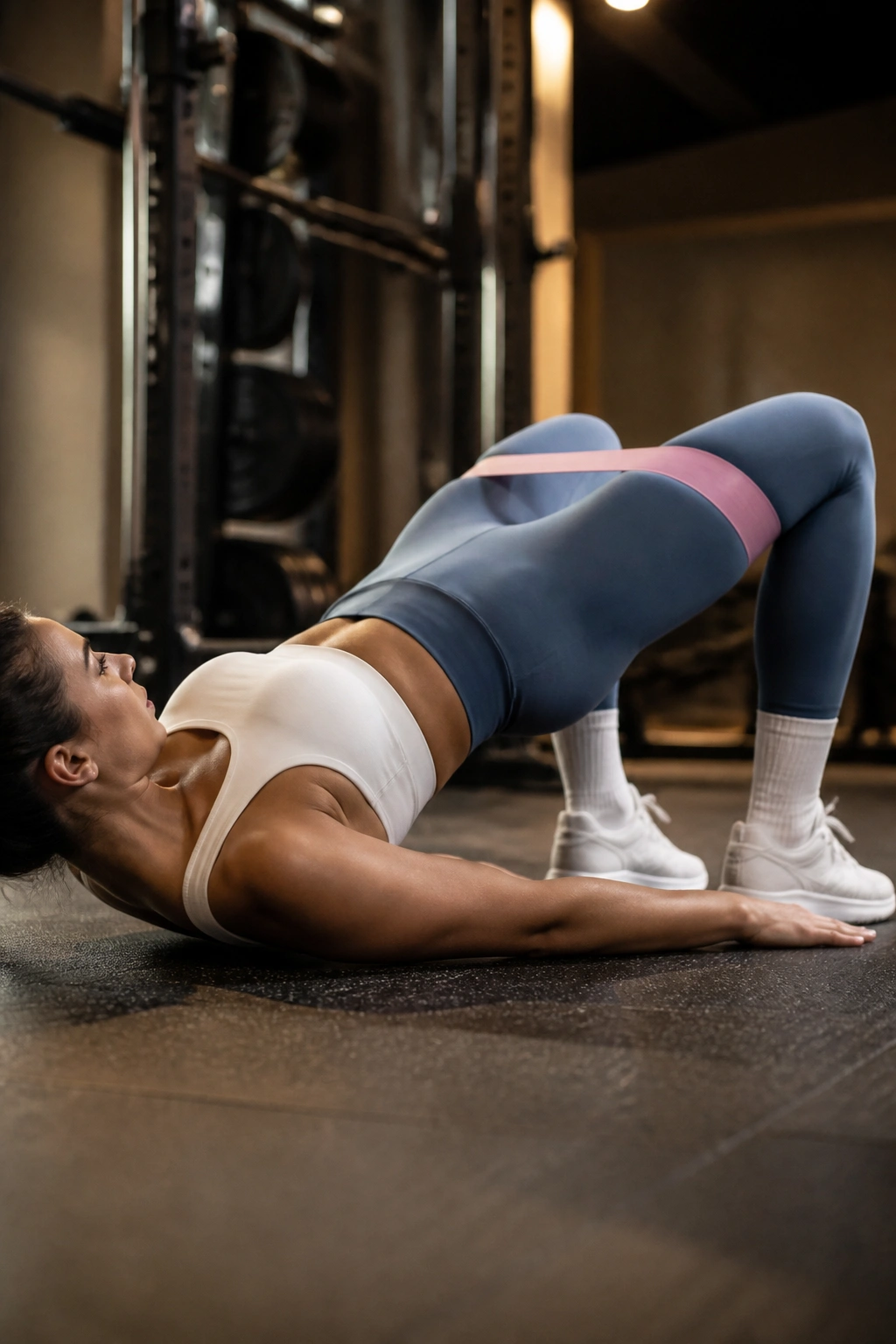
This is a technique used by bodybuilders. You perform an isolation movement first to tire out the glutes, then perform a heavy compound movement. By the time you get to the compound move, your glutes are already “pre-exhausted,” meaning they will work harder than your quads or back.
- Step 1: Banded Glute Bridges (3 sets of 20).
- Step 2: Heavy Barbell Squats (4 sets of 8).
- Step 3: Cable Kickbacks (3 sets of 15).
17. Sliding Disc Glute Glides
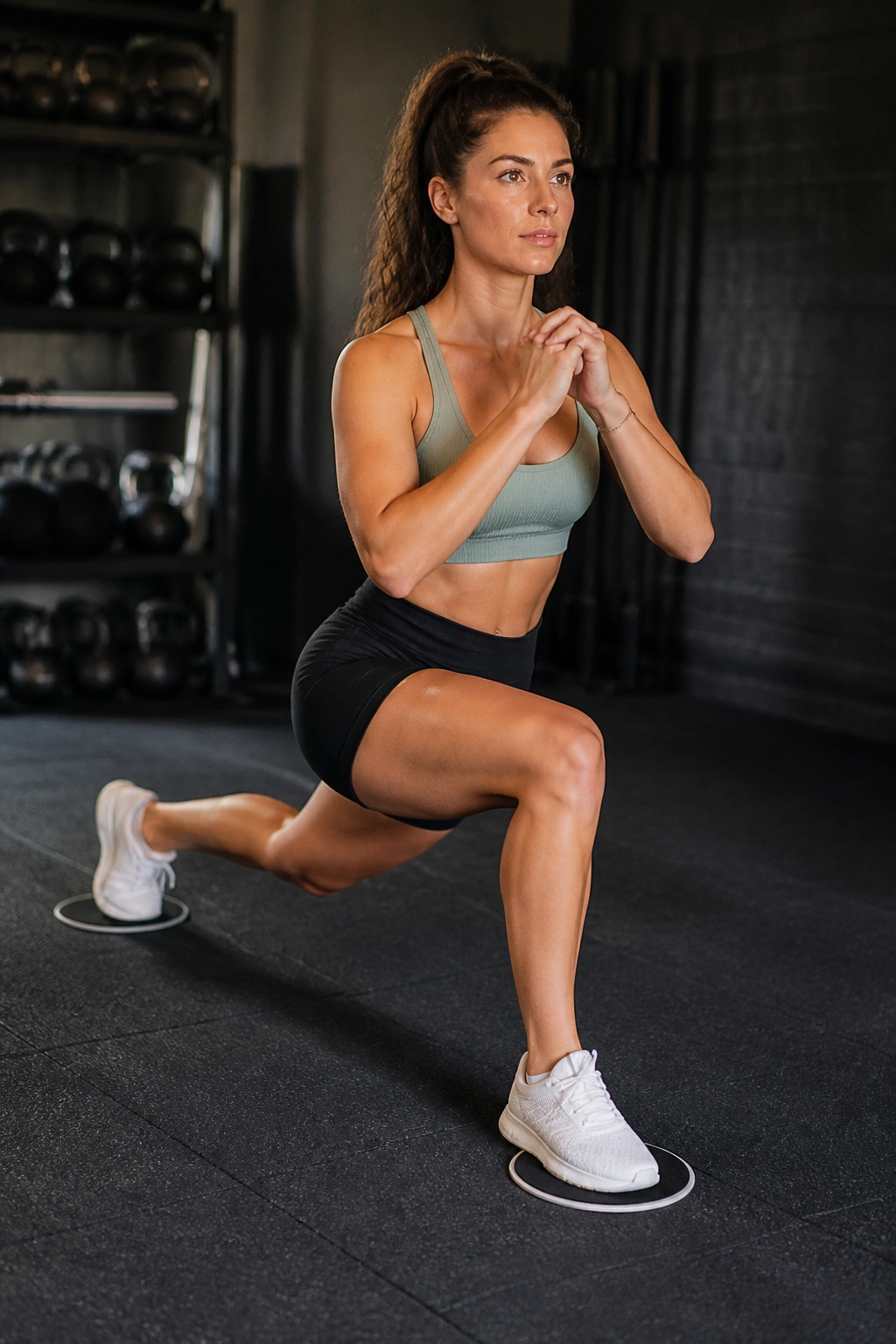
Sliding discs create an environment of continuous tension. You never really get a chance to “rest” the muscle because you are fighting the slide the entire time. It is brutal but effective.
- Reverse Lunges with Sliders: 4 sets of 12 per leg. Slide the non-working leg back slowly.
- Slider Hamstring Curls: 3 sets of 12. Keep your hips up the entire time.
- Lateral Slider Lunges: 3 sets of 10 per leg. Push the slider out to the side while keeping your weight on the stationary leg.
18. The Glute Finisher Complex
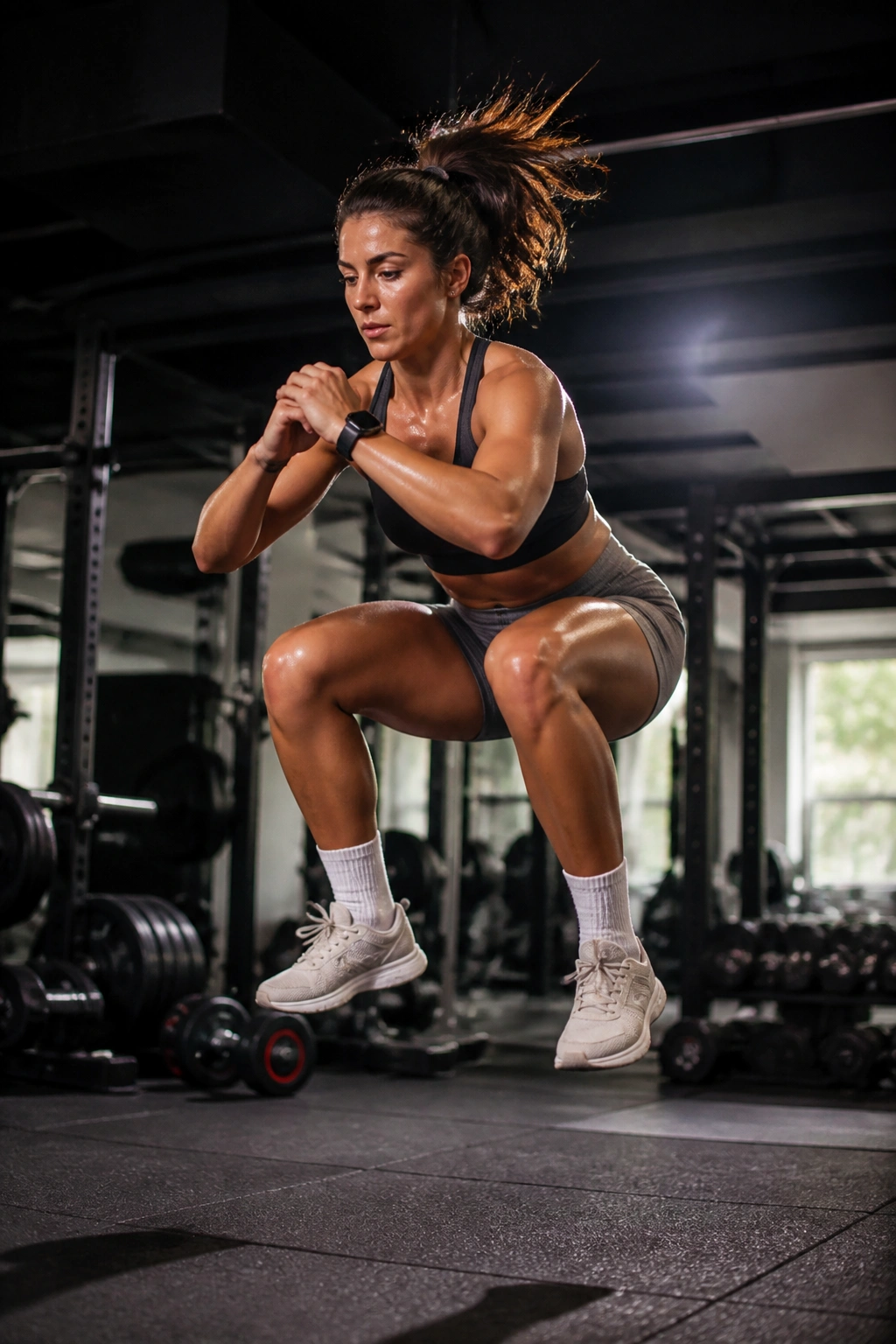
This is for the end of a session when you have absolutely nothing left in the tank. It’s a circuit. Do not rest between exercises. Rest 90 seconds after completing the full round.
The Circuit
- 20 Air Squats.
- 15 Jump Squats.
- 20 Banded Clamshells (each side).
- 10 Burpees.
- Repeat 3 times.
It seems simple, but by the third round, your glutes will feel like they are on fire. That is the goal.
Final Thoughts
Building glutes is a slow process that rewards consistency over intensity. You do not need to do 18 different routines in a single week; pick two or three that fit your equipment and recovery needs and stick with them for at least a month. Progressive overload—adding a bit more weight or one more rep every week—is what changes your physique, not the variety of the movements themselves.
Listen to your body. If you finish a workout and your lower back is fried but your glutes feel fresh, you need to revisit your form. Slow down your reps, engage your core, and stop using momentum. The glute muscle responds to stretch and tension. Master the movement, stay consistent, and the results will eventually show.
