



If your glutes grow in every direction except the one you actually want, the problem is usually not effort. It’s angle, load, and exercise choice.
A rounder lift comes from training the glute max through hip extension, the glute med and minimus through abduction, and the legs in positions where the glutes have to do real work. The gym makes that easier than home because barbells, cables, Smith machines, and leg machines let you add load without turning every set into a balance test.
The boring truth? A pile of light kickbacks won’t do much if the weight never moves. You need a few heavy lifts, a few single-leg exercises, and a few finishers that make the muscle work in shorter ranges. That mix is what fills out the back view and the side view.
These 15 glute workouts are the ones I’d keep in a plan without apology. Some are heavy, some are ugly in a good way, and one or two are there because they hit the side glute that people ignore until their hips look narrow from behind. Start with the first one, then work through the rest with honest weight and clean reps.
1. Barbell Hip Thrust
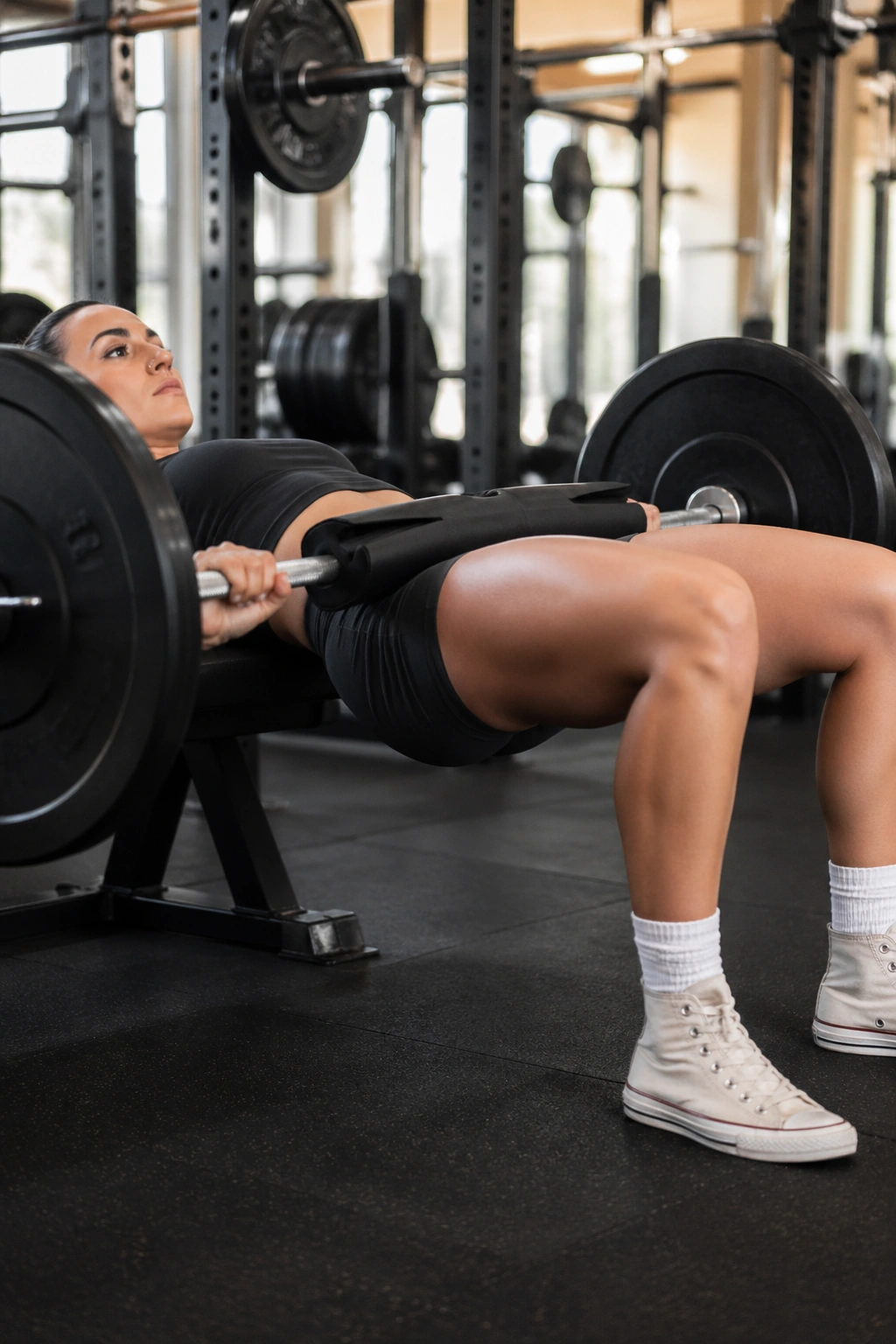
Barbell hip thrusts earn the top spot because they load the glutes where they matter most: at full hip extension. That’s the squeeze at the top, the part people love to rush through. Don’t.
Why it works so well
Set your upper back on a bench, plant your feet so your shins are close to vertical at the top, and drive the bar up until your torso and thighs make a strong line. The glutes should do the hard part, not your lower back. If you feel your spine taking over, the setup is off.
- Use a bench that hits around the bottom of your shoulder blades.
- Keep your chin tucked so your ribs do not flare.
- Pause for 1 full second at the top.
- Finish each rep by tilting the pelvis slightly under, not by arching your back.
A lot of lifters can handle more weight here than they expect. Good. That’s the point. Aim for 3 to 5 sets of 6 to 12 reps, rest 90 to 120 seconds, and add load when all reps stay crisp. This is one of the few glute lifts where chasing strength pays off fast.
2. Romanian Deadlift
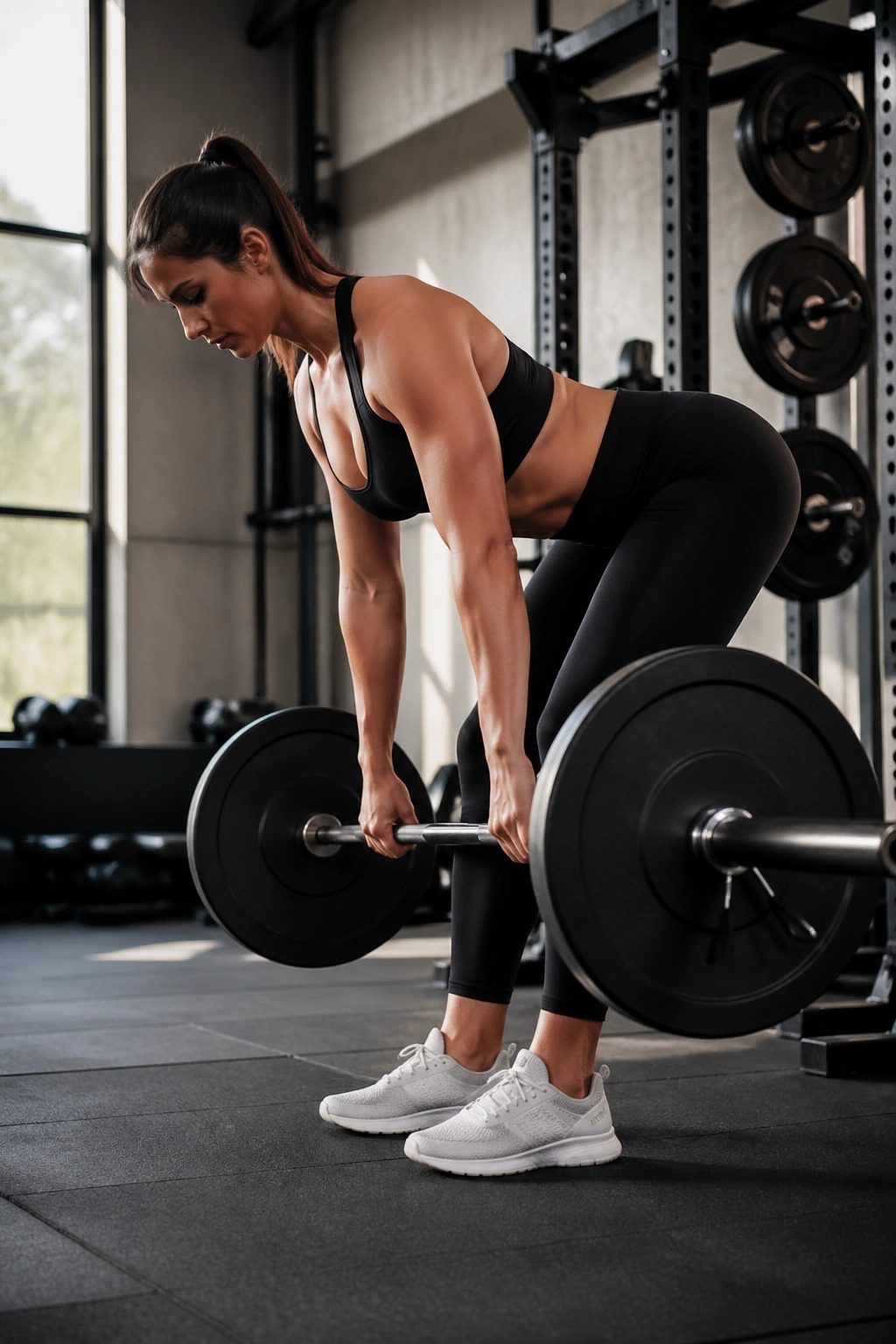
The Romanian deadlift gives you something hip thrusts can’t: a long, loaded stretch. That stretched position is gold for glute growth, and it’s one reason this lift belongs in almost any serious glute day.
Keep the bar close, unlock the knees a little, and push your hips back until you feel the hamstrings and glutes lengthen. The bar should slide down your thighs, not drift away from you. If it ends up near your shins but your back is still flat and braced, that’s fine. If your spine rounds, you went too far.
Do not turn it into a squat. That’s the common mess. Hips back, ribs down, neck long. The whole lift should feel like a hinge, not a knee bend with extra steps.
I like these for 3 or 4 sets of 6 to 10 reps with a controlled lower of about 2 to 3 seconds. You want tension, not speed. If grip limits you before your glutes do, straps can help. No shame there. The glutes don’t care what your hands are doing.
3. Bulgarian Split Squat
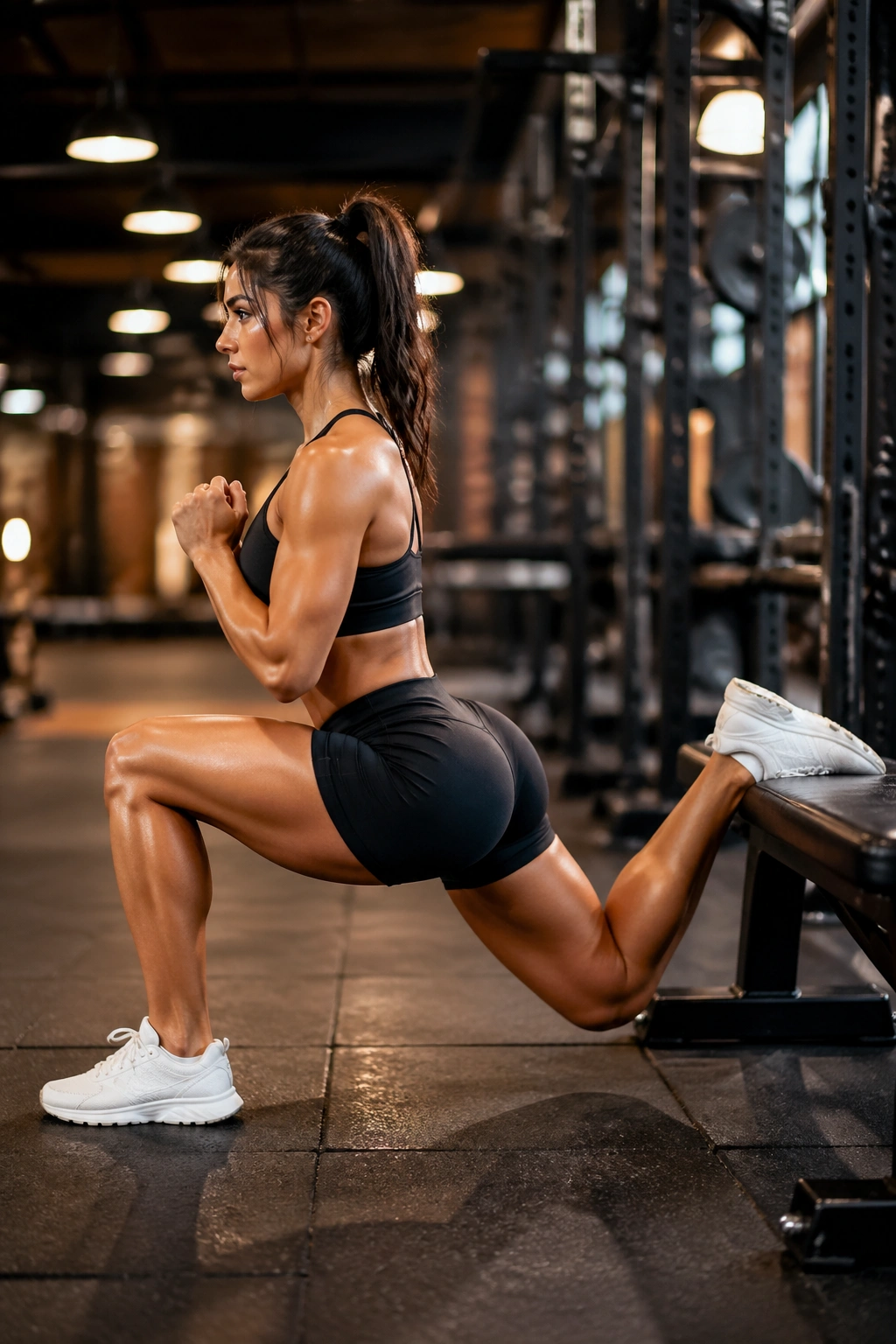
Why does the Bulgarian split squat show up in so many glute plans? Because one leg has to do the work while the other one mostly minds its business.
What makes it a glute move
Set your front foot far enough forward that the front shin stays fairly vertical at the bottom. Then lean the torso a little forward and drop under control until the back knee gets close to the floor. That forward torso angle matters. It shifts more work into the glute and away from pure quad dominance.
- Hold dumbbells at your sides or use a Smith machine for more stability.
- Keep the front heel down the whole time.
- Drive through the full foot on the way up.
- Stop bouncing at the bottom. That steals tension.
Two things usually go wrong here. First, the front foot is too close, so the knee takes over. Second, people rush the rep and wobble through it like they’re on a tightrope. Slow down. Use 8 to 12 reps per leg and make the last two reps feel like work, not decoration.
4. Cable Glute Kickback
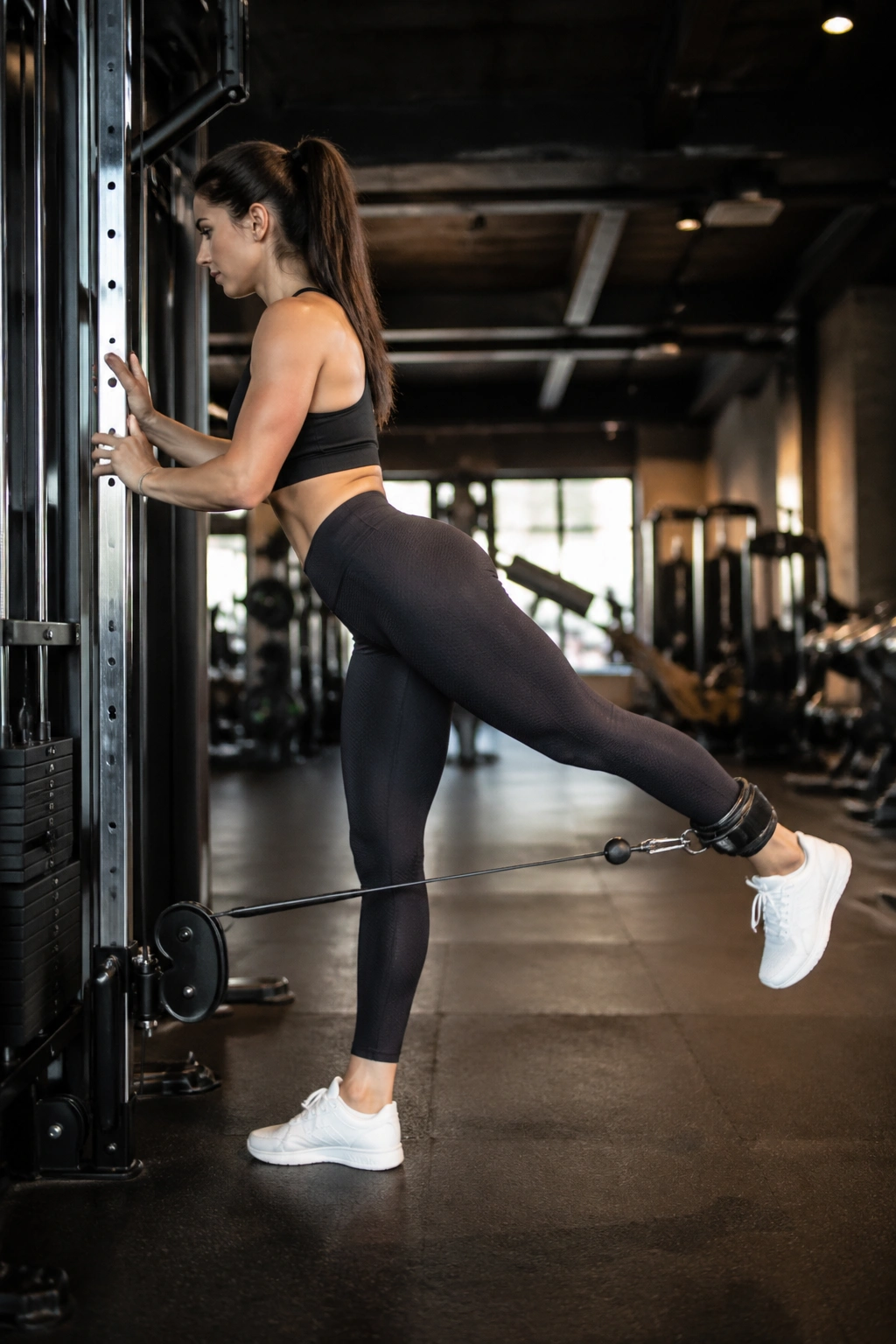
A cable kickback is not a main lift. It does not need to be. It’s a clean way to isolate the glute max after the big stuff has already done the heavy lifting.
Picture this: the heavy sets are done, your legs are warm, and you want to chase the glute without frying your lower back. That’s where the cable earns its keep. Set the ankle strap, lean slightly forward, brace your trunk, and kick the working leg back in a smooth arc. Keep the pelvis square. If your whole body twists, the set turns messy fast.
A tiny pause at the top helps a lot here. The range of motion is short, so you need honesty. No swinging. No heaving. Just a controlled extension and a slow return.
These shine in 12 to 20 rep sets, sometimes even higher. Use them as a finisher, or between bigger lifts if you need a quick pump. The burn can be rude. That’s fine. It should be.
5. Smith Machine Glute Bridge
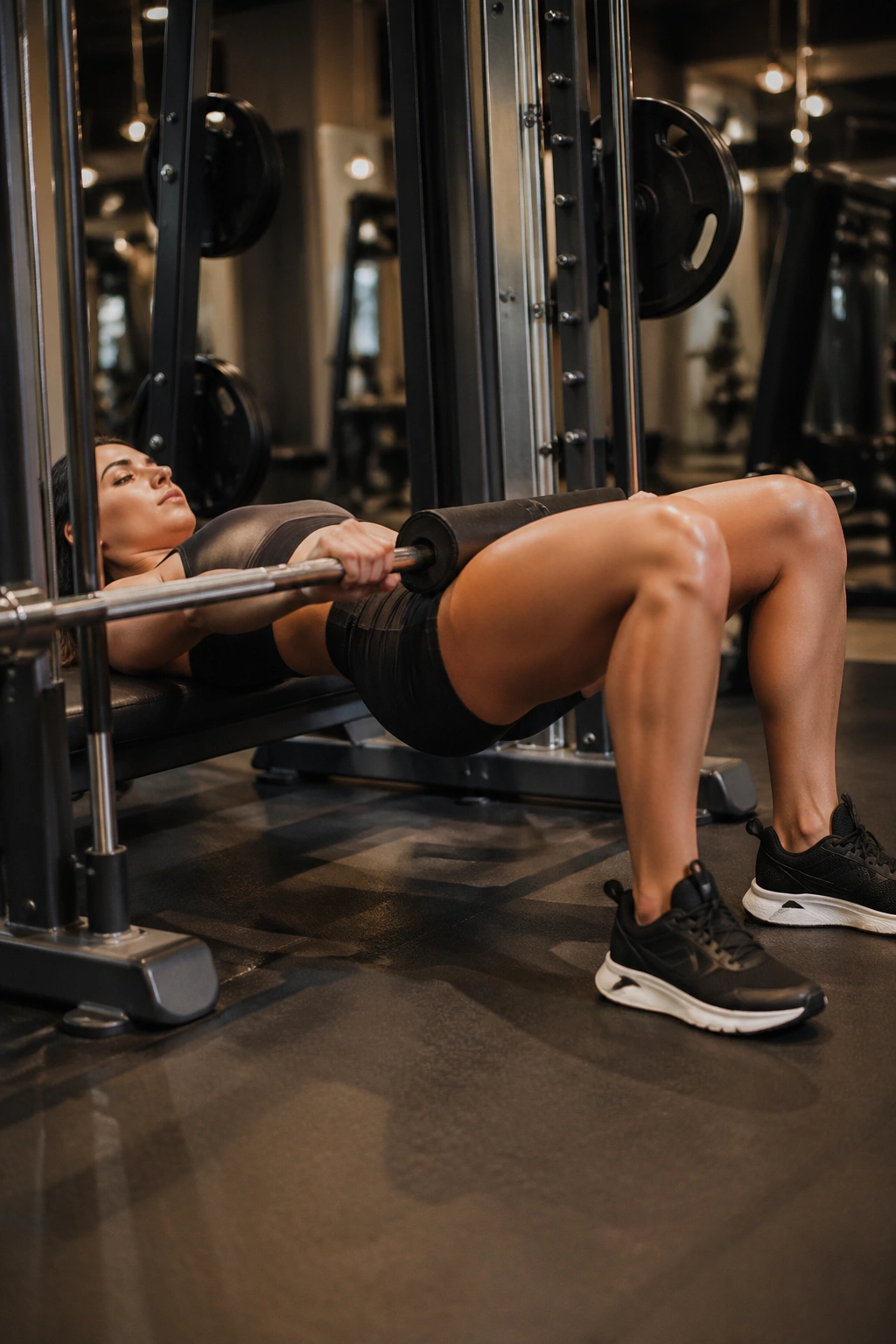
The Smith machine glute bridge is one of those exercises people skip because it looks too simple. Then they try it with real load and discover how nasty it can be.
You’re on the floor, the bar is fixed, and that stability lets you focus on hard glute contraction instead of balancing the weight. Place your feet a bit farther from your hips than you would in a hip thrust, press through the heels and midfoot, and raise the hips until the glutes squeeze hard at the top. The difference from a hip thrust is the body position. You lose a little range, but you gain a very clean lockout.
One good rep should feel thick through the back of the hips. If your hamstrings cramp, your feet are probably too close. If your low back takes over, stop arching and tuck the pelvis a bit more at the top.
I like this one for 8 to 15 reps with a brief pause. It is especially useful when you want to train glutes hard without another day of heavy spinal loading. Plain and simple.
6. Walking Lunges
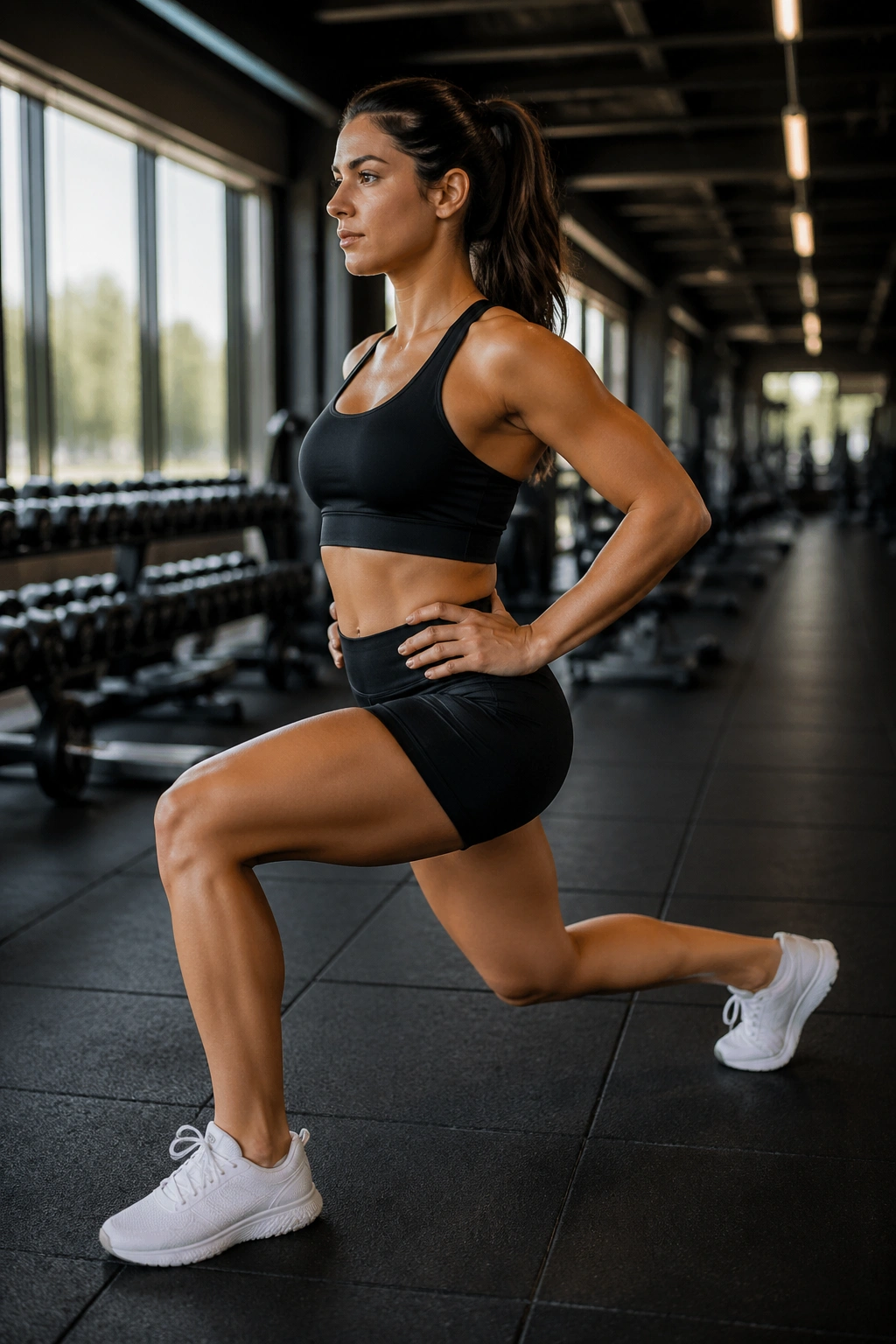
Walking lunges are messy in the best way. They make you stabilize, step, lower, and drive forward while each glute has to keep the hips from collapsing.
The trick is stride length. Take a longer step than you think you need, and keep a slight forward lean through the torso. That gives the front leg more hip work and less knee-dominant chatter. Short steps turn the move into a quad drill. Long steps turn it into a glute-and-leg burner.
I prefer these after a hinge or thrust, not before. Once the glutes are already awake, the lunge finds them fast. If you’re doing them with dumbbells, stay honest about the load. Too light and they become cardio. Too heavy and your steps get sloppy. There’s a narrow sweet spot.
Use 10 to 16 steps per leg and keep the descent smooth. You should feel the front hip working on the way down and the glute finishing the rep on the way up. If your balance is shaky, start with a shorter walking path or use a Smith machine reverse lunge first.
7. Seated Hip Abduction
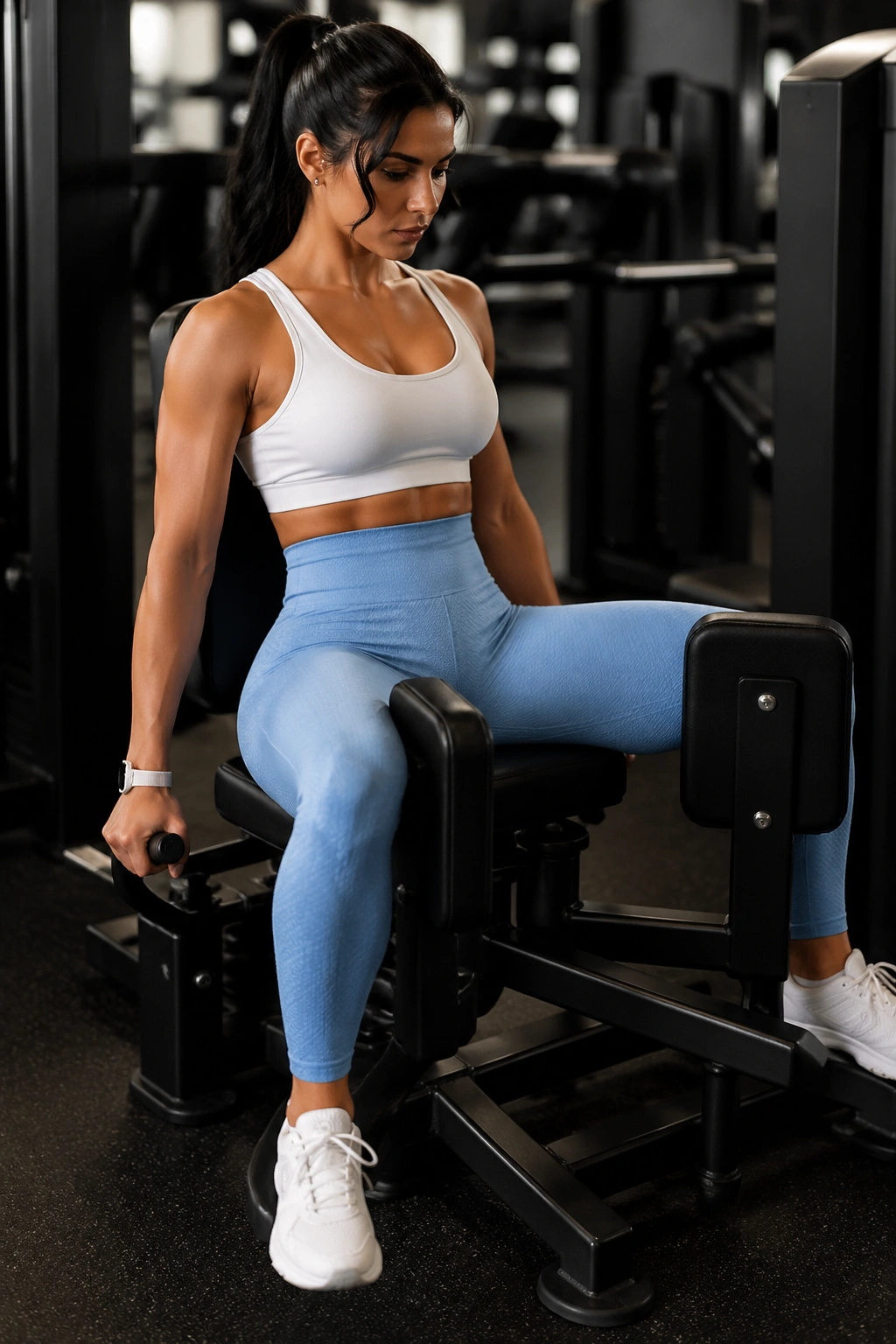
The seated hip abduction machine is where the side glute gets its due. And yes, that matters. The glute medius and minimus help build the outer curve that makes the whole shape look fuller from behind.
Why does this work when band walks often feel too easy? Because you can actually load it. Hard. Sit tall, or lean your torso slightly forward if the machine allows it, press the pads out, and hold the open position for a beat. Then bring the legs back under control. The return matters almost as much as the push.
A few details that change the feel
- Use a 2- to 3-second return phase.
- Don’t slam the stack.
- Keep the hips pinned to the seat.
- Start with 15 to 25 reps and chase a deep burn.
This is not flashy. It’s effective. If you want a rounder look from the back and side, you need this kind of work somewhere in the week. Skipping it is one of those small mistakes that adds up.
8. Step-Up
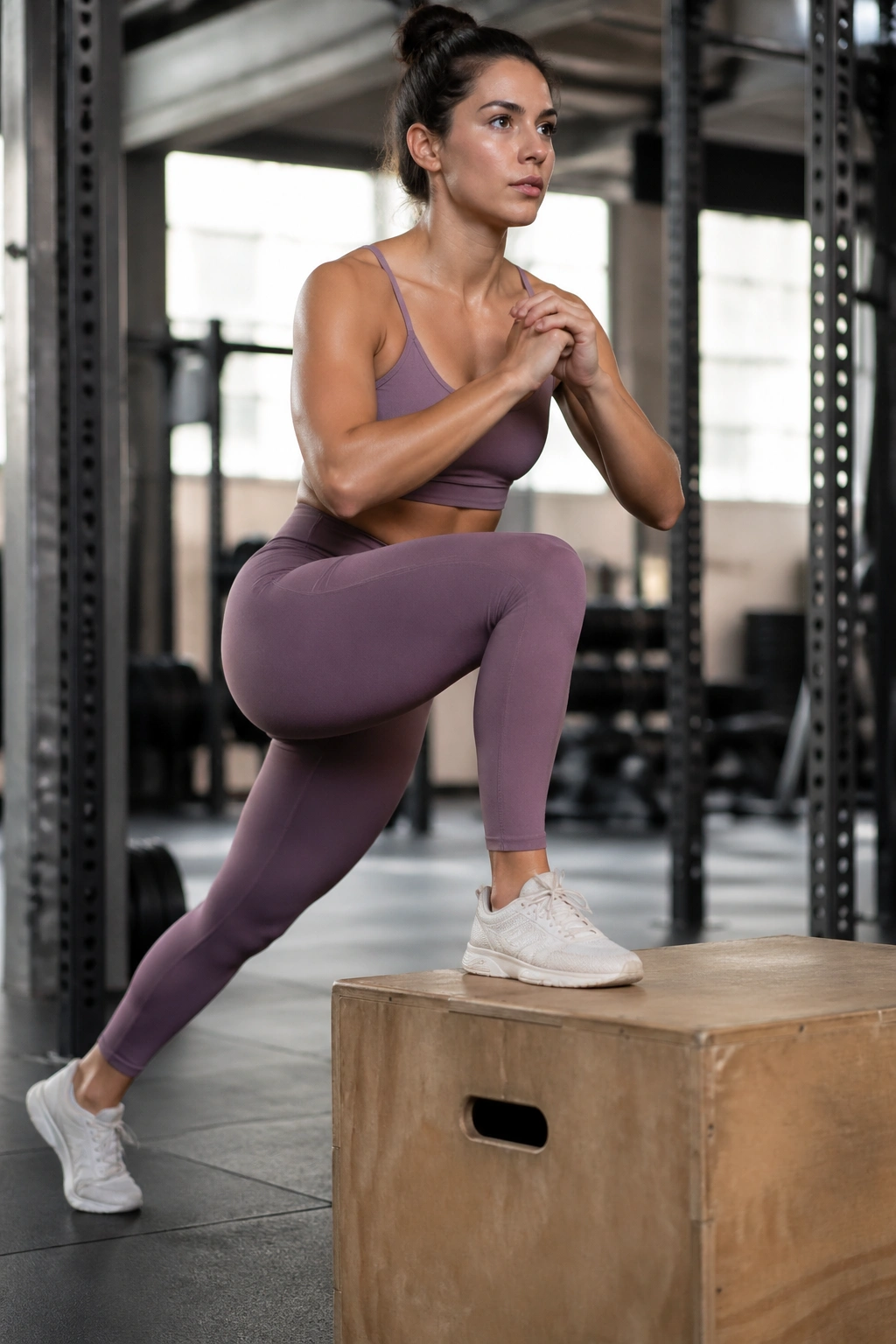
A step-up looks harmless until you choose a box that makes your glute light up and your heart rate jump at the same time.
The height matters. If the box is too low, the movement turns into a lazy march. If it’s too high, your pelvis twists and your knee sulks. Aim for a box that puts your working thigh around parallel or a touch above it. Plant the entire foot, lean the torso slightly forward, and drive straight through that leg. The back leg should help balance, not launch you upward.
What to watch for
You should feel the front glute taking charge on the way up and the hip controlling the descent. If you push off hard with the back foot, you steal the work from the front leg. Bad trade.
A nice way to use step-ups is in the middle of a workout, after your main lift but before you’re cooked. 8 to 12 reps per leg is a strong starting point. Dumbbells work well. A barbell makes it more awkward. Sometimes awkward is good, but not here.
9. 45-Degree Back Extension
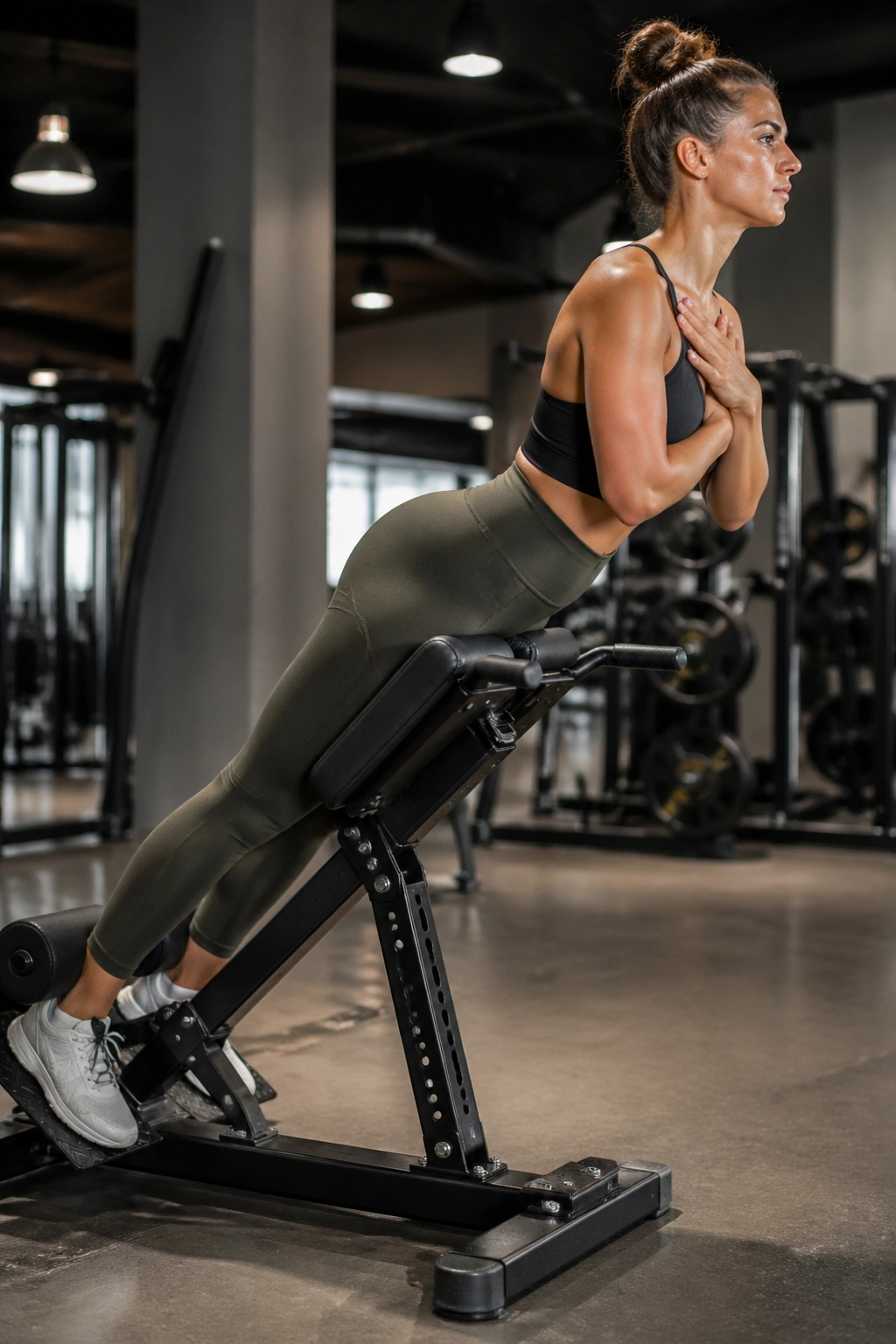
People think back extensions are for the lower back because that’s how most people do them. They’re missing the better version.
Set up on the 45-degree bench so your hips can hinge freely, then think about bending at the hips and squeezing the glutes to bring your body back up. The movement should look controlled, not jerky. If you keep the trunk from overextending at the top and finish with a strong glute squeeze, the exercise shifts away from the spinal erectors and toward the hips.
A small plate hugged to the chest can make these mean in a good way. So can a dumbbell. Keep the neck in line, move under control, and stop before the low back starts to crank.
This is one of my favorite “I don’t feel like doing much, but I still want a lot of glute work” exercises. It’s not glamorous. It gets the job done. Use 10 to 15 reps and make the top position deliberate.
10. Sumo Deadlift
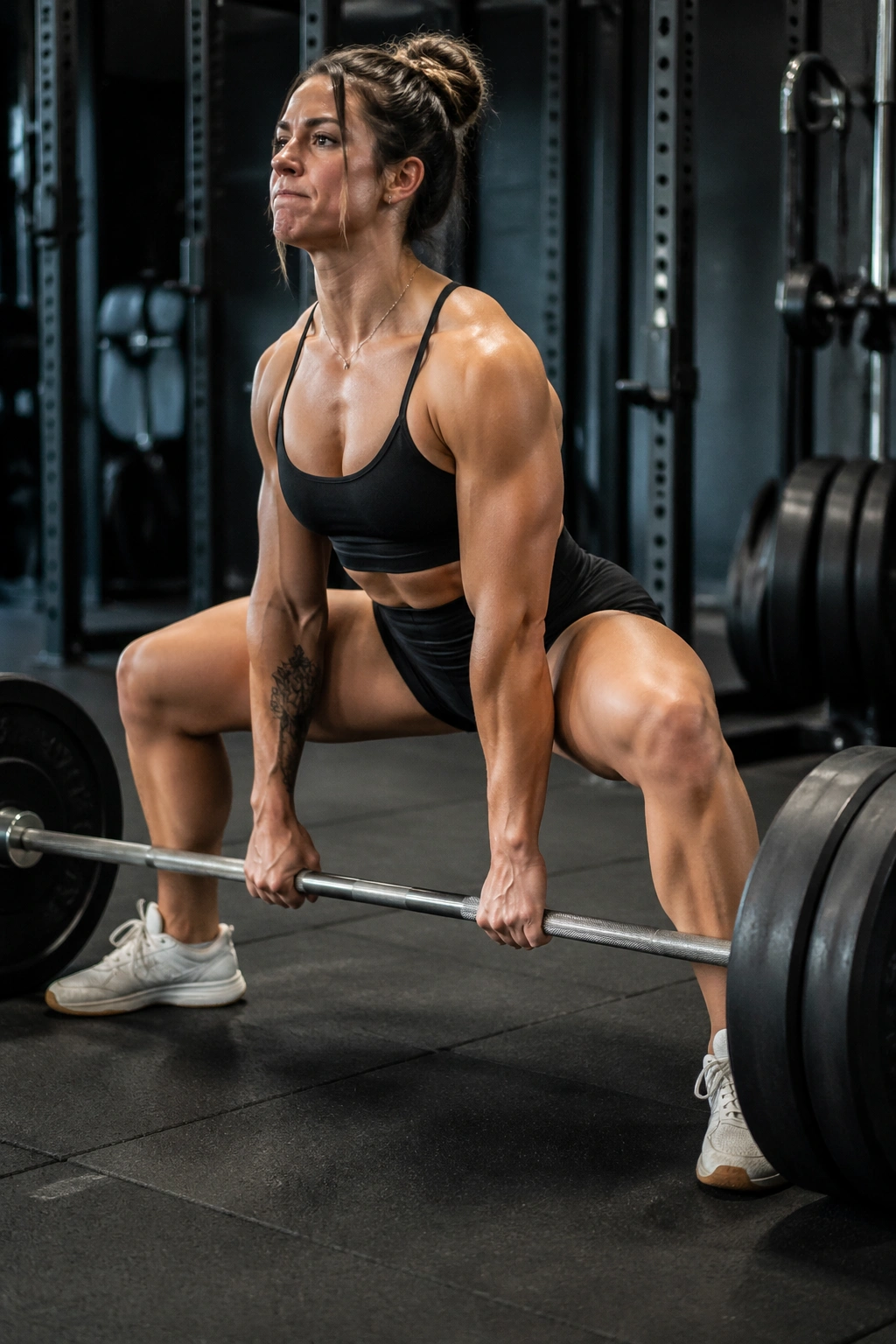
The sumo deadlift is not a magic glute builder. It’s a heavy lower-body lift that can hammer the glutes when set up well. That distinction matters.
Compared with a conventional deadlift, the wider stance changes the hip angle and often lets the glutes and adductors contribute more from the floor. Stand with toes angled out, take the bar close, and brace hard before you pull. The chest stays proud enough to keep the back flat, but not so lifted that your ribs pop up and the bar drifts.
Some lifters feel sumo deadlifts more in the hips than the glutes. That’s still useful. Heavy hip work is heavy hip work. If your mechanics are clean and your recovery is good, this lift can sit near the top of a strong lower-body day.
Use it for 3 to 5 sets of 3 to 6 reps. That lower rep range keeps the form sharp and the load meaningful. Go after crisp starts from the floor, not ugly grinders.
11. Cable Pull-Through
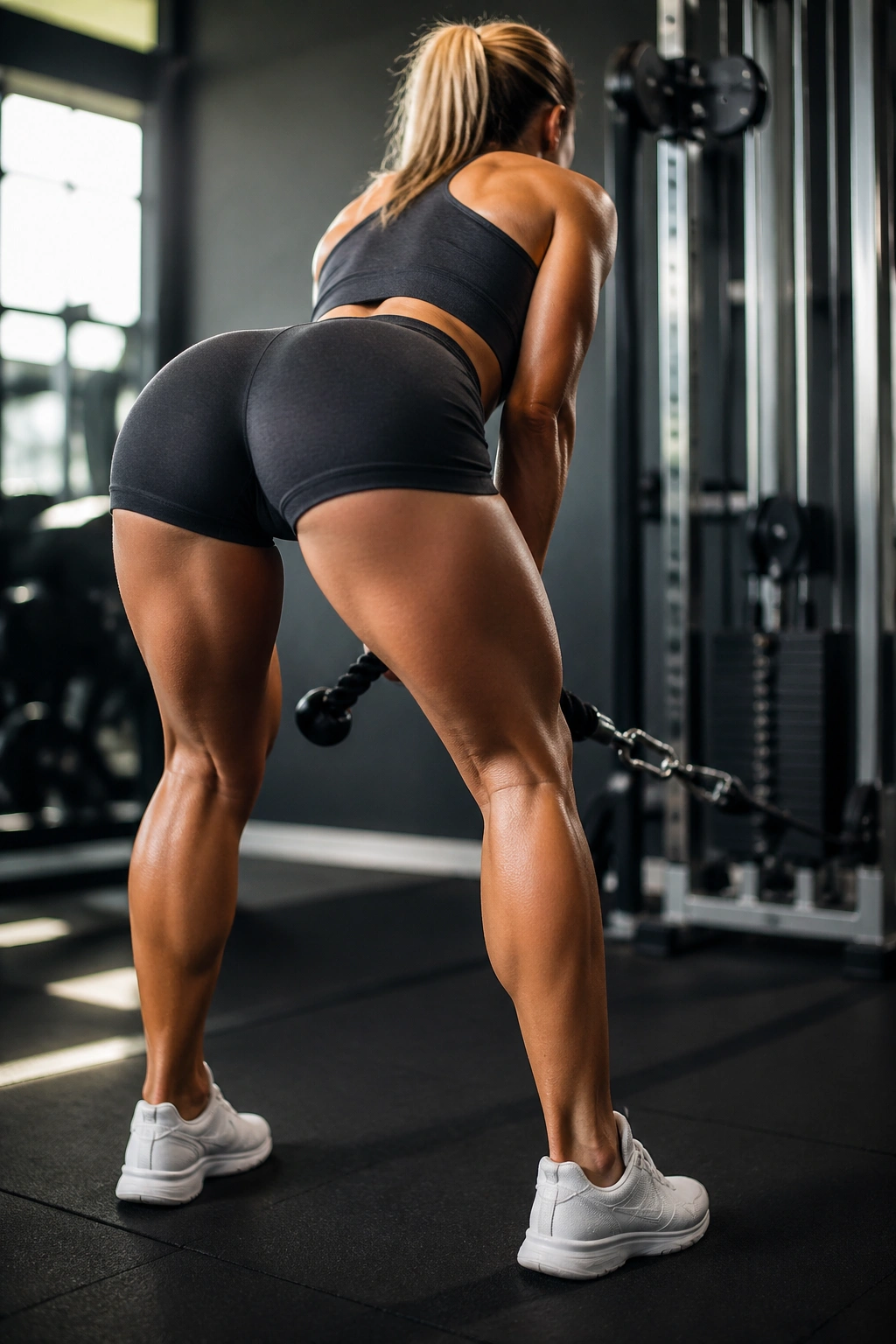
The cable pull-through is one of the easiest ways to train a hinge without loading the spine the way a barbell sometimes does. That alone makes it worth keeping around.
Face away from the cable stack, grab the rope between your legs, and walk far enough forward that the weight pulls your hips back into a good hinge. Then drive the hips forward by squeezing the glutes, not by throwing the chest up. If you stand up by arching your lower back, you missed the point.
It sounds simple because it is simple. That’s part of its charm. You can feel the glutes load at the bottom and finish hard at the top without needing a complicated setup or a spotter hovering nearby.
I like these between heavier lifts or near the end of a session. 12 to 20 reps works well. If the stack bangs loudly every rep, you’re probably rushing the return. Slow that part down. The tension is in the lowering, too.
12. Reverse Lunge
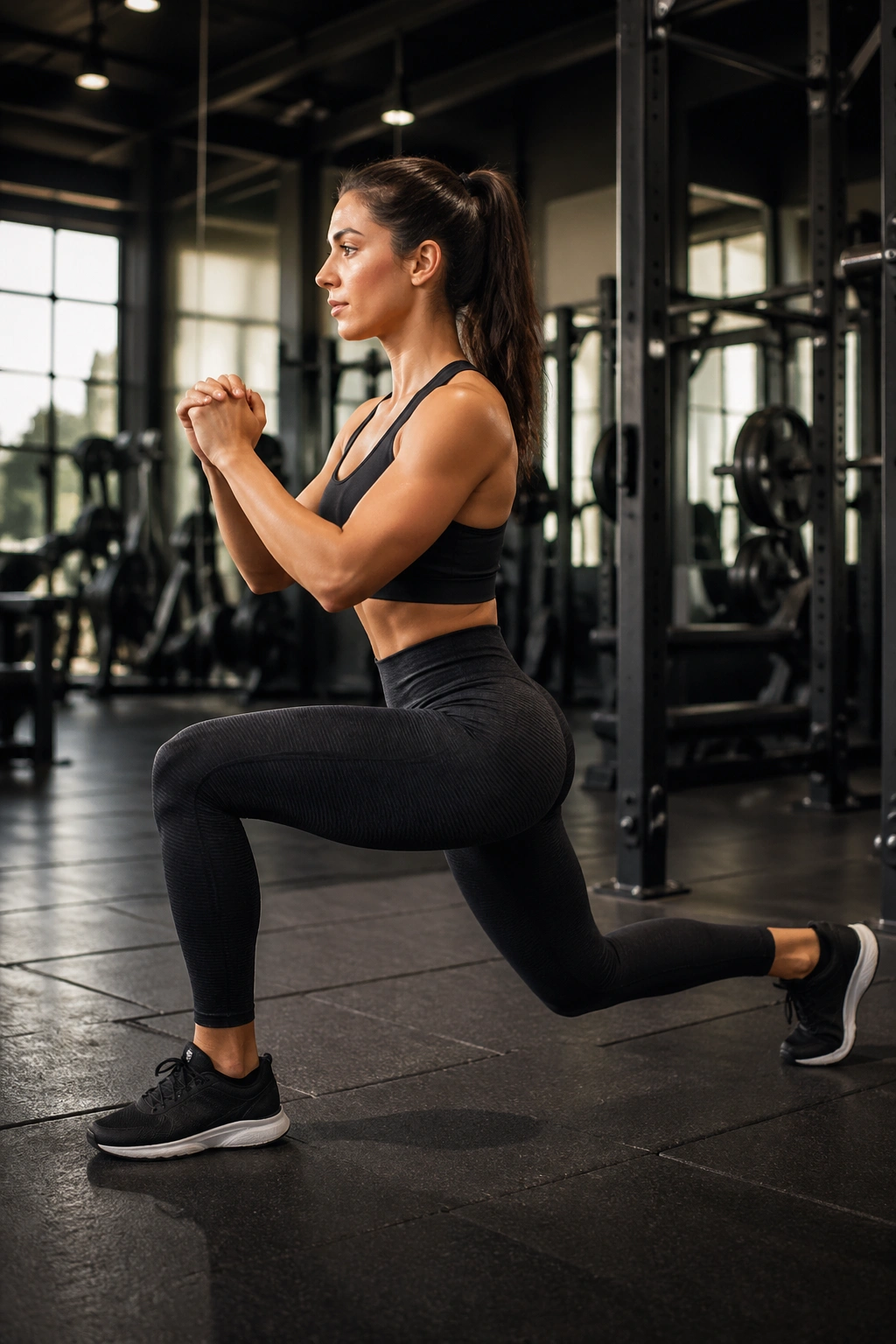
Reverse lunges are easier on the knees for many lifters and often more glute-friendly than forward lunges. The step back creates a cleaner hip drive and gives you a little more control.
Take a long enough step that the front foot can stay planted while the back knee drops toward the floor. Keep the front torso slightly forward, stay tall through the chest, and drive up through the front heel and midfoot. The front glute should feel like it’s pulling you out of the hole.
What to remember
- A shorter step makes this more quad-heavy.
- A longer step shifts more work to the glute.
- Dumbbells are usually the best place to start.
- Don’t rush the switch from one leg to the next.
Reverse lunges are a nice choice when your legs feel beat up and you still want quality work. They’re also easy to progress. Add a rep. Add a little weight. Then do it again. That beats chasing some wild variation you saw once and never quite felt again.
13. Frog Pump
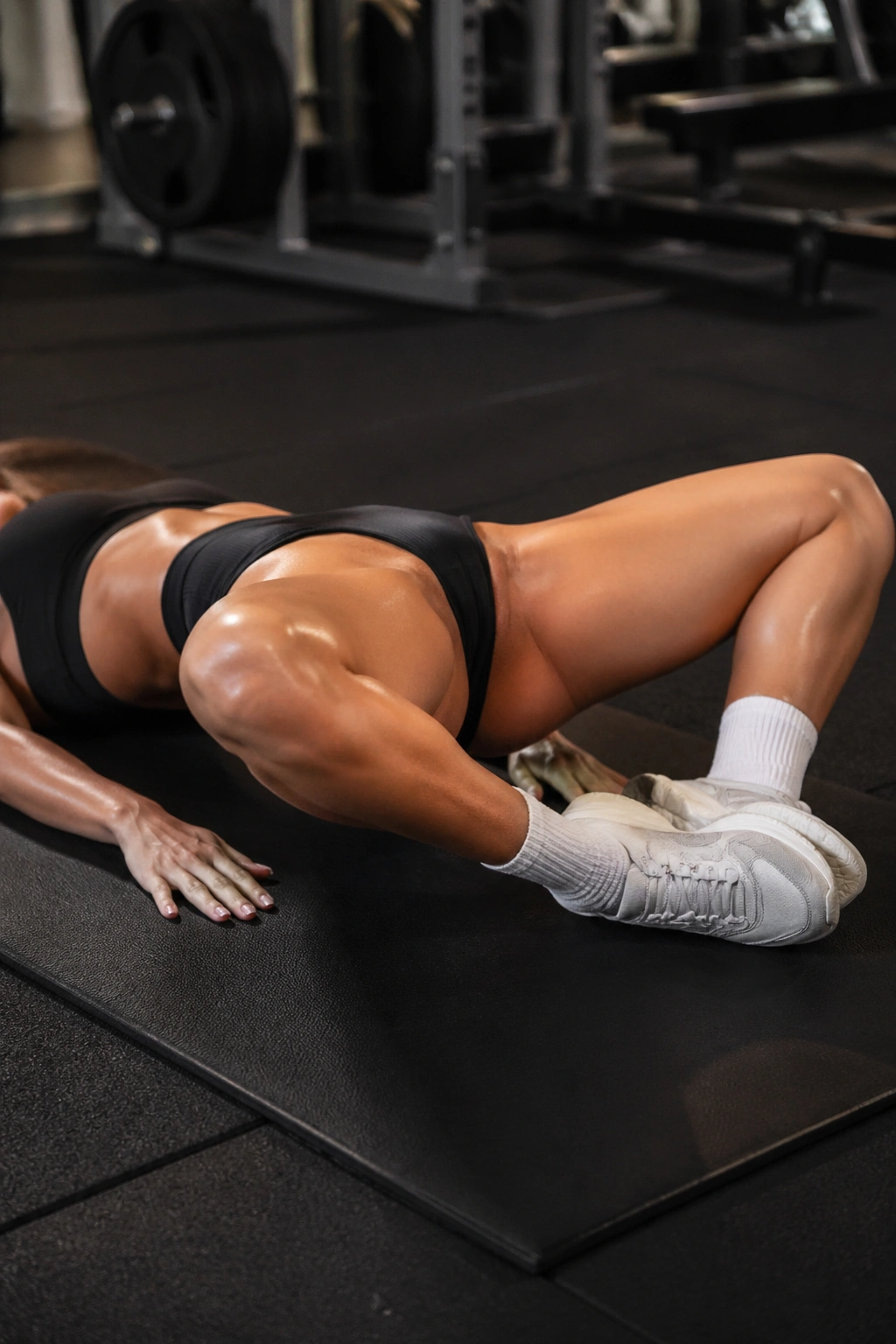
Frog pumps look silly until the glutes start shouting. Then the joke ends.
Lie on the floor with the soles of your feet together, knees falling out wide, and a dumbbell or plate resting on the hips if needed. From there, tuck the pelvis slightly and pump the hips up through a short range. The whole point is to hammer the glute in a shortened position where it can contract hard without much help from the quads or back.
This is a finisher, not a foundation. Use it after your main lifts when the muscle is already warm and you want more local fatigue. That’s where it shines. A set of 20 to 40 reps can feel much nastier than it sounds, especially if you hold the top for a half second on each rep.
I like frog pumps because they’re brutally simple. No setup drama. No fancy equipment. Just tension, range, and a burn that arrives fast.
14. Hack Squat with a Glute Bias
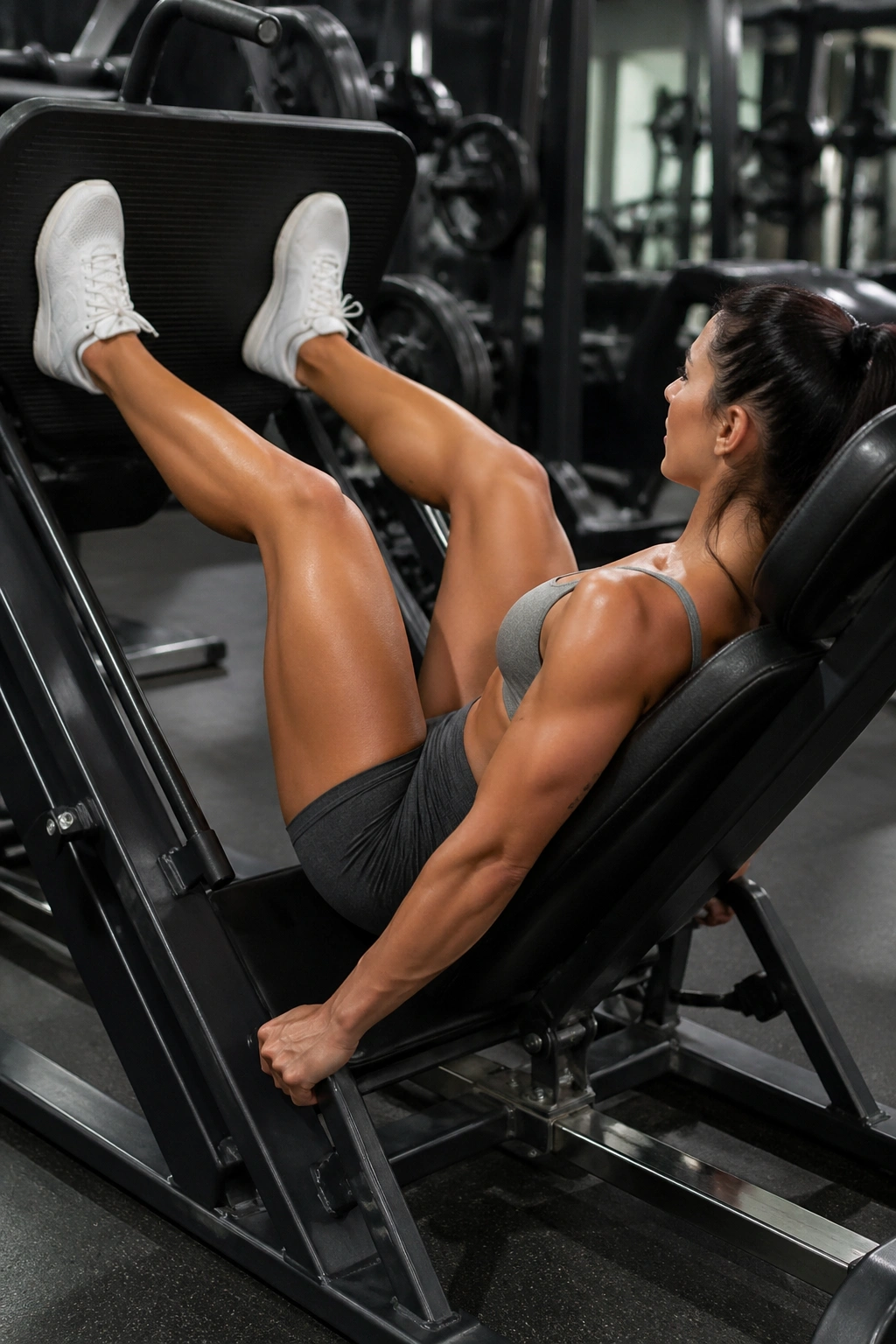
The hack squat machine can turn into a glute lift if you set it up with intent. Feet too low and close? Quads take over. Feet higher and a little wider? Different story.
Place your feet high on the platform, about shoulder width or a touch wider, and descend as deep as you can while keeping the pelvis controlled. That deeper hip bend is what brings more glute into the picture. The machine handles the stability, so you can focus on getting through a large range without wobbling.
Why this one earns a spot
The support makes it easier to load hard, and that matters if you’re trying to grow. You can push the set without worrying about a bar on your back or balance issues stealing the work. Use a controlled descent, then drive up through the midfoot and heel. Do not bounce out of the bottom.
For many lifters, this is a strong middle-ground movement: more stable than a free squat, more loadable than a lot of single-leg work. 8 to 12 reps is a good zone. If your lower back rounds hard at the bottom, cut the depth a little and own the rep you can control.
15. Glute-Biased Leg Press
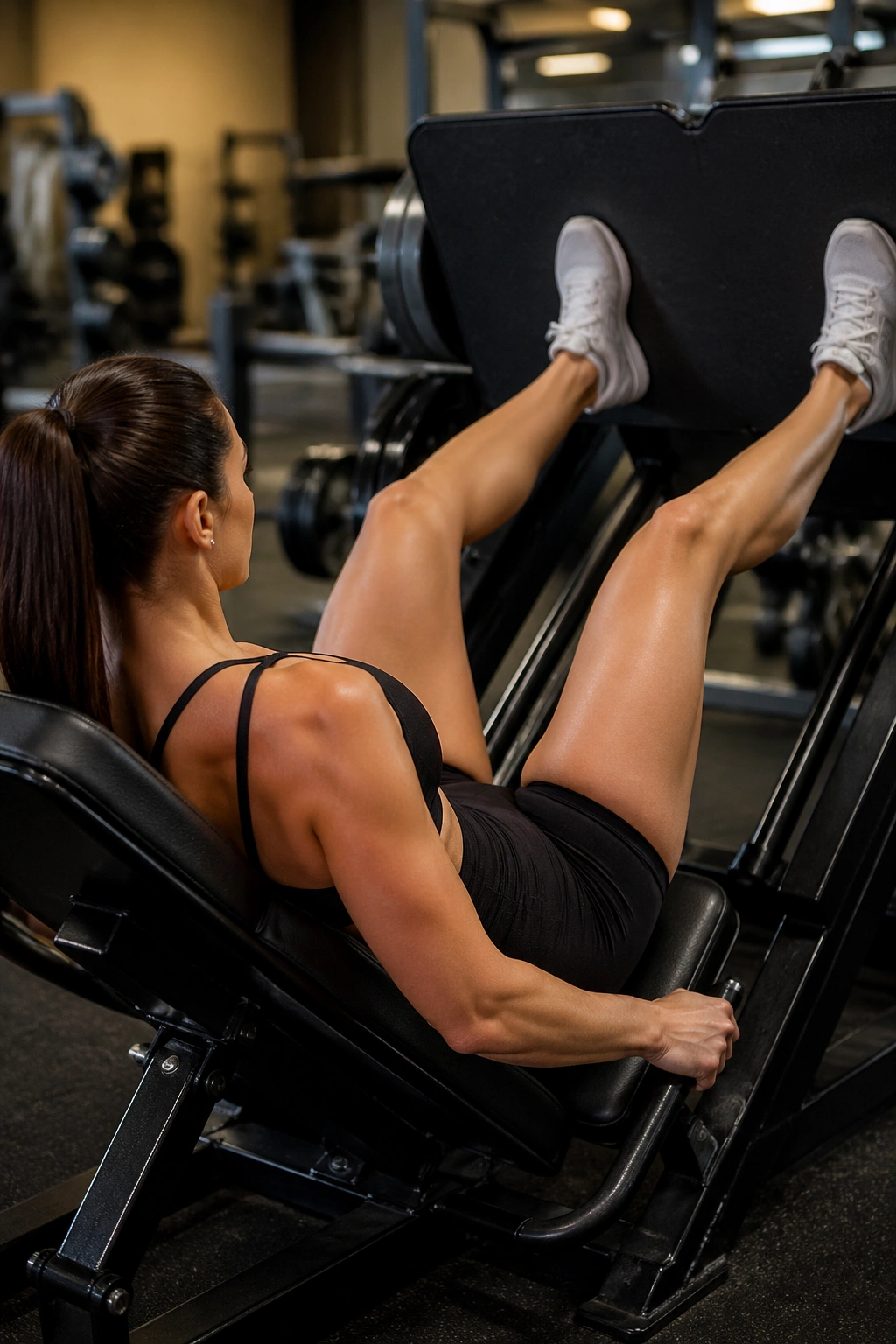
The leg press is one of the easiest places to add honest volume, and when the feet are set high and a bit wider, the glutes get a bigger say in the rep.
Slide your feet toward the upper half of the platform, keep your knees tracking over your toes, and lower until you can still keep your back flat on the pad. That last part matters. If your pelvis tucks and your lower back peels off the seat, the range has gone too far. Cut it back a touch and keep the tension where you want it.
I like the leg press for people who want more glute work without another free-weight balancing act. It’s also useful at the end of a workout when the heavy lifts are done and you just want to pile on quality sets. The machine lets you do that without turning the session into chaos.
Use 10 to 15 reps with a short pause near the bottom. If you want a rounder look, this is a boring move that pays off. Boring is fine. Boring with load is how a lot of shape changes happen.
A strong glute plan doesn’t need every exercise under the sun. It needs a few lifts you can push hard, repeat often, and recover from without wrecking your lower back or your schedule. If you train these with enough effort, twice a week is plenty for most people. Pick one heavy thrust or bridge, one hinge, one single-leg move, and one abduction exercise, then add weight or reps before you go hunting for the next shiny variation.
