



People search for workouts for arms that tone without bulking because they want shape, not sleeves that feel tight after every upper-body day. That goal is more common than bodybuilders would like to admit. Arms can look firmer with moderate resistance, clean reps, and a little patience.
The part that gets missed most often is this: tone is not a magic exercise category. It’s muscle showing through, plus not carrying a lot of extra fat over the top, and that means arm curls alone won’t do the whole job. If every set turns into a heave, you’ll just train momentum and annoy your elbows.
I like arm work that feels crisp. Slow curls, triceps moves that keep tension on the muscle, bodyweight pushes, and a few posture drills that stop your shoulders from rolling forward — that’s the lane. Keep the weights modest, keep the reps clean, and these 15 workouts will do the kind of work people usually want from arm training.
1. Standing Dumbbell Curls That Tone Without Bulking
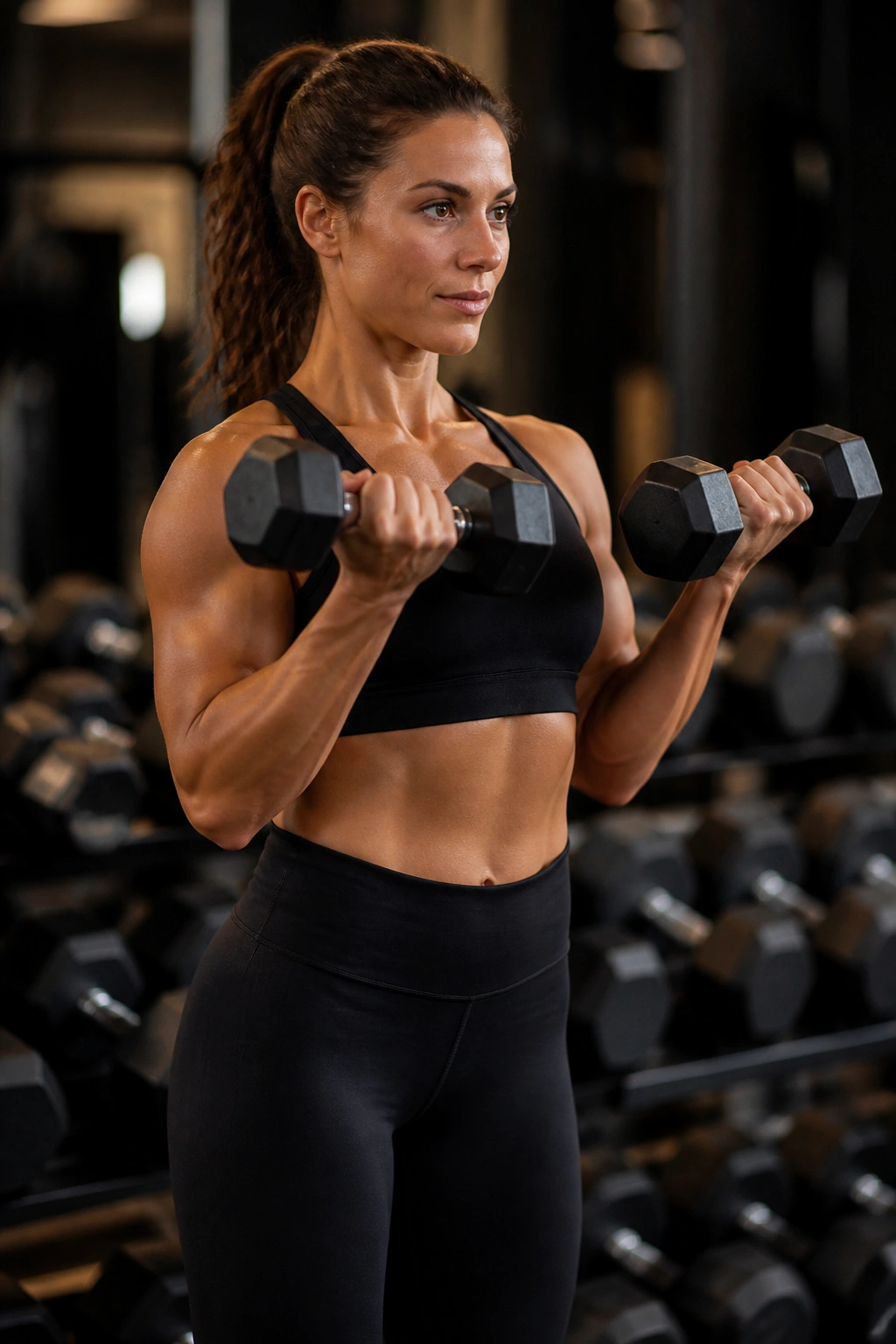
A standing curl only looks basic. Done well, it’s one of the cleanest ways to build shape in the front of the arm without chasing huge loads.
The trick is tempo. Curl the weight up in about one second, squeeze for a beat at the top, then lower it for two to three seconds. That slower lowering phase is where a lot of the useful work happens, and it keeps you from turning the movement into a hip swing.
What to focus on
- Stand tall with your ribs stacked over your hips.
- Keep your elbows close to your sides.
- Use a weight you can control for 12 to 15 reps.
- Stop if your shoulders drift forward or your back starts leaning back.
Cheating steals the work. If you have to throw the dumbbells up, they’re too heavy for this goal.
I also like this move because it’s easy to scale. Newer lifters can use very light dumbbells and still get a real burn. More experienced lifters can slow the lowering even more or add a brief pause at the top, and that changes the feel fast without needing heavier and heavier iron.
2. Hammer Curls for a Cleaner Upper-Arm Line
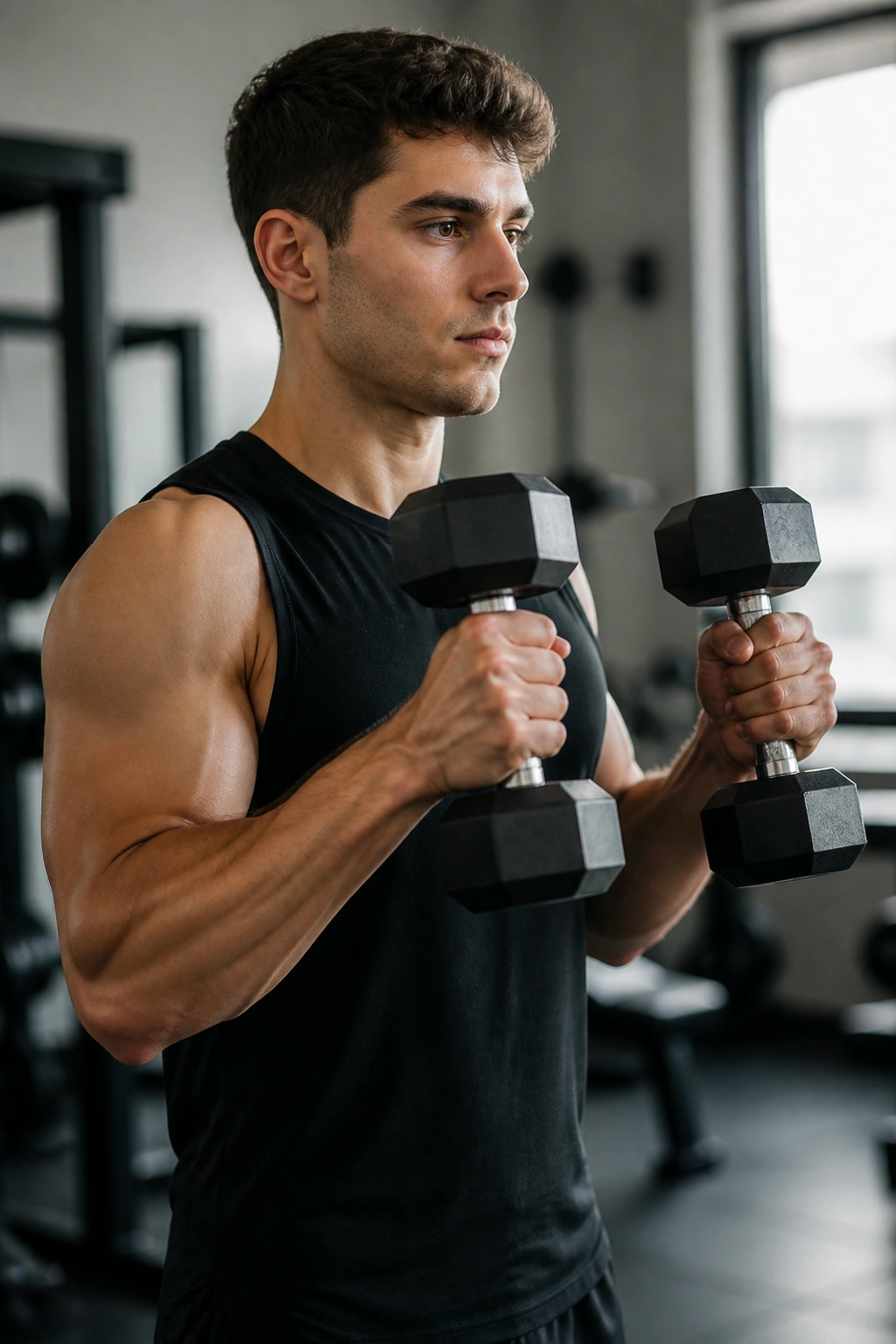
Hammer curls hit the arm differently because your palms stay facing each other. That neutral grip brings the brachialis and forearm into the picture, which helps the upper arm look fuller and more defined without putting all the emphasis on the classic biceps curl shape.
They’re also kinder to wrists than a lot of other curling styles. If regular curls make your wrists feel cranky, hammer curls often feel smoother right away. Small detail, big difference.
The version I like best is a slow, alternating hammer curl. One arm works while the other rests, which keeps the movement tidy and lets you notice when you start to rush. Use enough weight to feel challenged for 10 to 12 controlled reps per arm, not enough to jerk the dumbbell halfway across the room.
Hammer curls are one of those moves that don’t look flashy in a gym mirror, but they add up. The forearm tie-in near the elbow starts to look sharper over time, and that matters more than people think.
3. Triceps Kickbacks With a Slow Lowering Phase
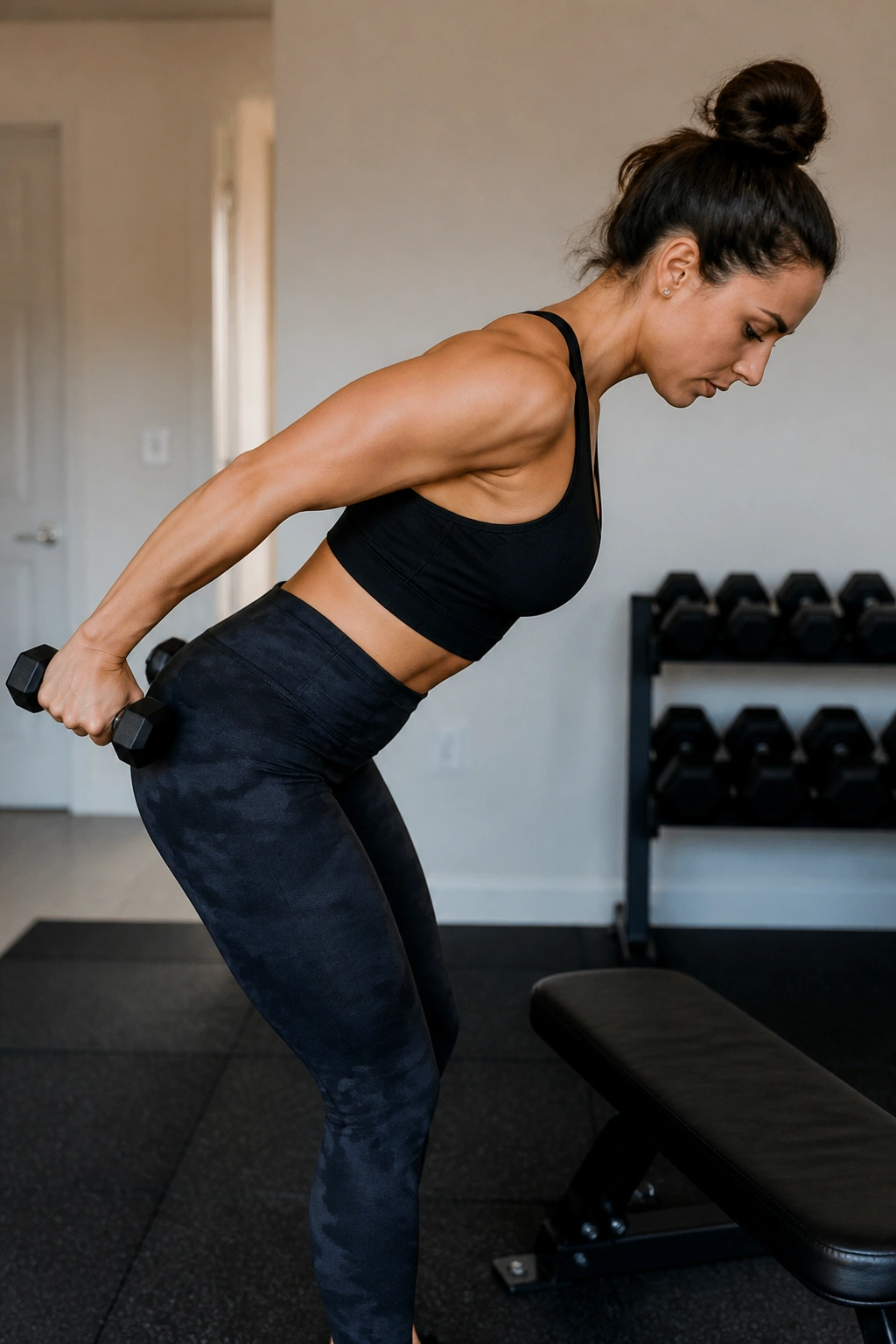
Triceps kickbacks look tiny. They are not tiny when you do them right.
The whole point is tension. You hinge forward at the hips, keep the upper arm pinned near your rib cage, and extend the forearm straight back until the elbow locks out softly. The moment your upper arm starts swinging, the set gets sloppy and the triceps stop doing the job.
How to keep the elbow frozen
- Set one hand on a bench or sturdy chair.
- Hinge until your torso is about 45 degrees to the floor.
- Keep the upper arm parallel to your side.
- Extend and lower in a smooth path, not a snap.
A weight that feels laughably light at first is often the right one here. 3 to 8 pounds is plenty for a lot of people, especially if you’re holding the top for a beat and lowering slowly.
Kickbacks are great when you want that back-of-arm burn without beating up your joints. They are also honest. No momentum, no hiding.
4. Overhead Triceps Extensions That Reach the Long Head
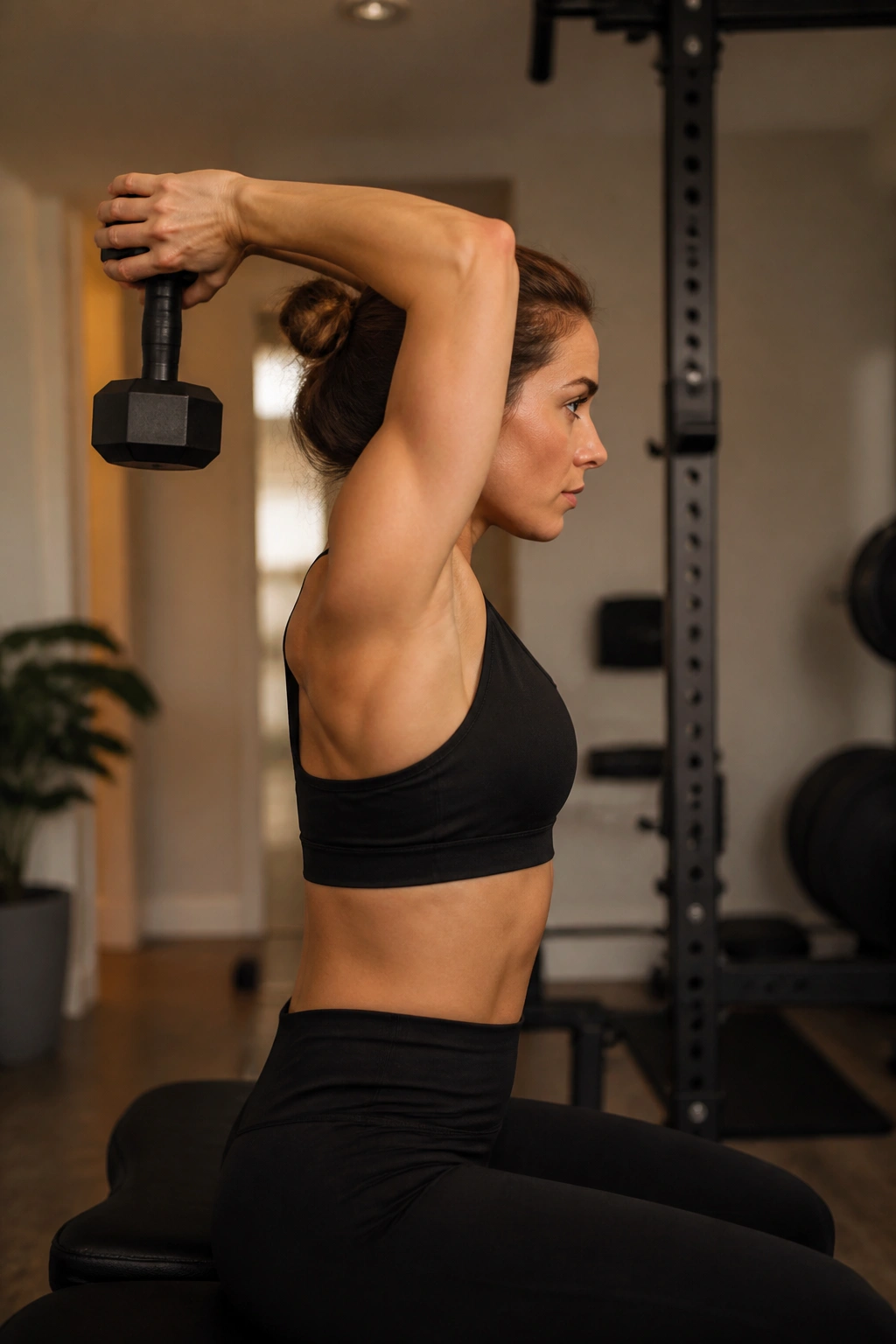
Overhead triceps extensions earn their spot because they stretch the triceps in a way a lot of other arm moves do not. That long head of the triceps crosses the shoulder joint, so reaching overhead changes the feel in a useful way.
You can use one dumbbell with both hands, a cable rope, or a resistance band. I usually like the one-dumbbell version for home workouts because it’s simple and easy to repeat with good form. Keep your elbows pointed forward, not flared wide, and lower the weight behind your head until you feel a real stretch without arching your lower back.
Ribs down. That’s the cue.
If your back arches, sit down or brace one foot slightly in front of the other. A seated version often helps people keep the movement honest. Work in the 10 to 15 rep range and stop before your elbows start wandering all over the place.
This one is quietly powerful. It feels modest at first, then the triceps start complaining around rep eight, which is usually a sign you found the right load.
5. Close-Grip Incline Push-Ups for Bodyweight Arm Work
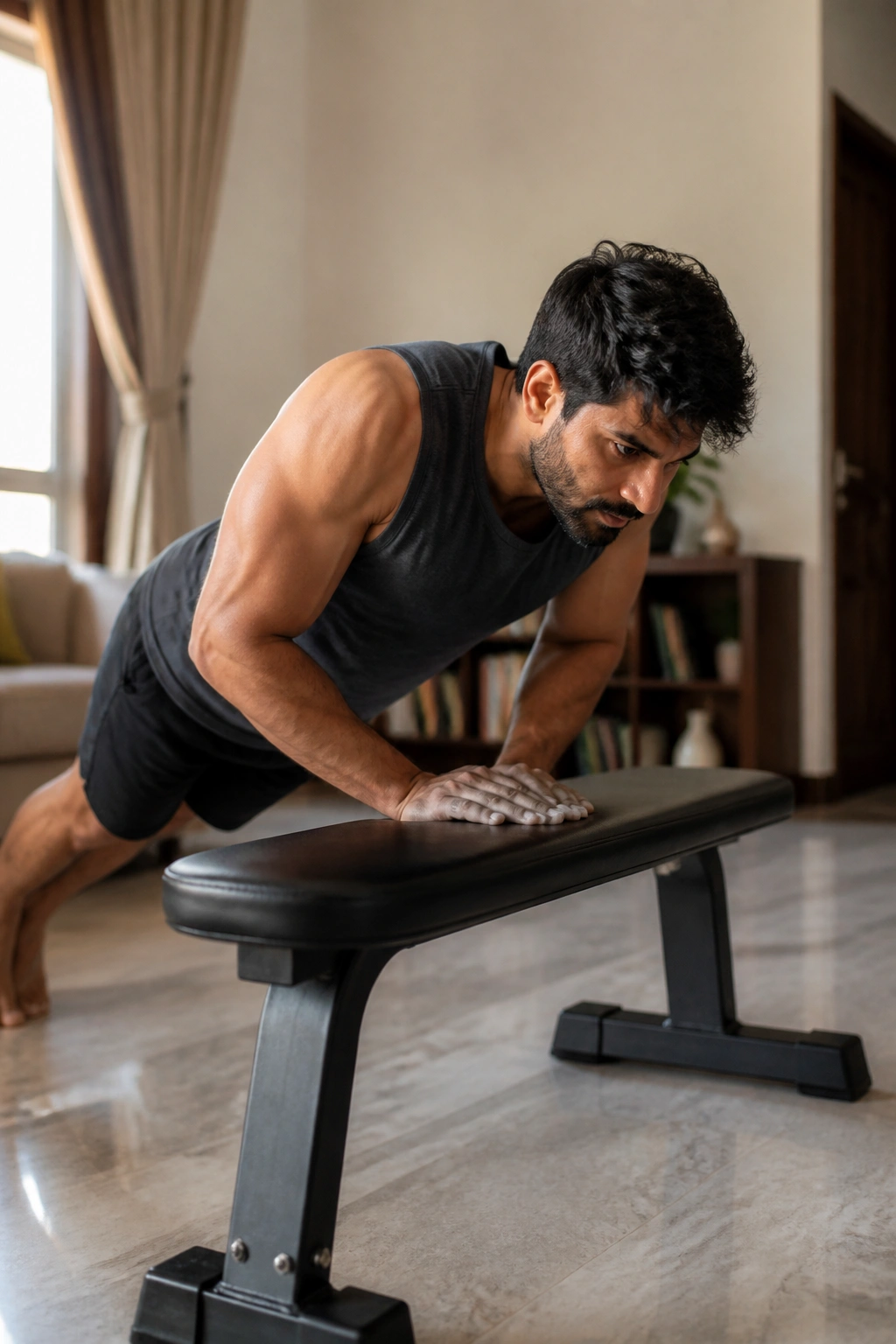
Can a push-up shape the arms? Absolutely. You just need to make it more triceps-heavy and a little more controlled.
A close-grip incline push-up is my favorite starting point because it gives you the triceps work without asking your shoulders to do anything dramatic. Put your hands on a bench, counter, or sturdy table, keep them under your chest rather than spread wide, and let your elbows track about 30 to 45 degrees from your body. That hand position shifts more work into the arms.
A simple progression
- Wall: easiest, good for learning the line of the body.
- Counter or desk: solid middle ground.
- Bench: more load, more arm work.
- Floor: hardest version in this group.
Do 8 to 12 reps with a smooth lowering phase. Chest toward the edge, then press away without locking your shoulders up near your ears.
One thing I like here: you get arm work without having to hold a dumbbell at all. That makes this move perfect on days when your grip is tired or you want to keep the session simple.
6. Chair Triceps Dips Done With a Short, Safe Range
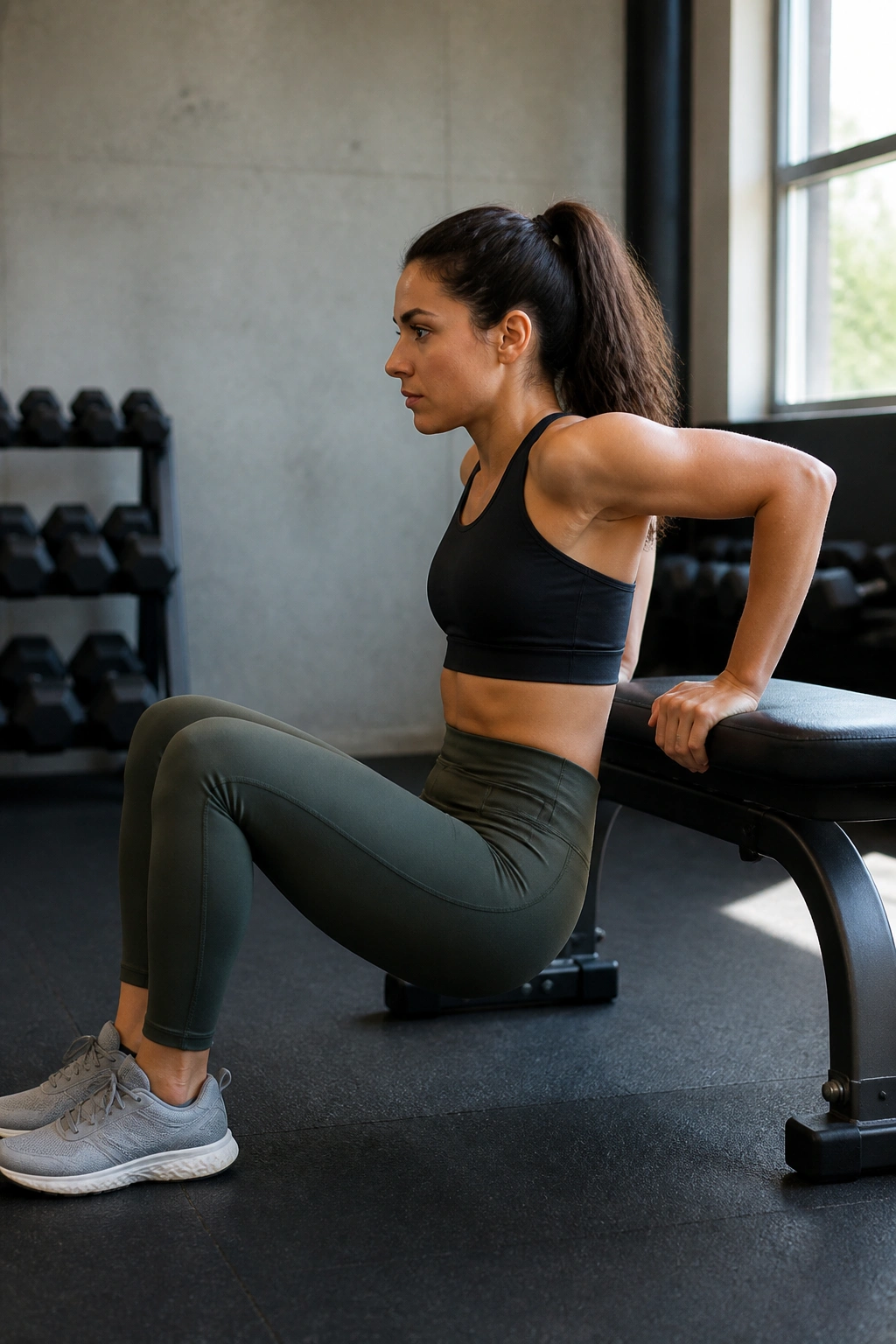
I like dips, but only when they’re done with restraint.
People get into trouble with deep bench dips because they chase depth instead of tension. For a safer version, use a sturdy chair or bench, keep your hands next to your hips, and lower only until your upper arms are about parallel to the floor. That shorter range usually gives enough triceps work without that pinchy feeling in the front of the shoulder.
Skip deep dips if your shoulders complain.
Feet closer to you makes the move easier. Feet farther out makes it harder. That’s the lever you can play with before you add more work. I’d rather see someone do 2 or 3 sets of 8 clean reps than grind through ugly reps for the sake of the burn.
If you want one honest test, here it is: your shoulders should feel stable and down, not jammed upward. If the movement feels like a shoulder exercise wearing a triceps costume, back off the depth and reset.
7. Zottman Curls for Biceps and Forearms
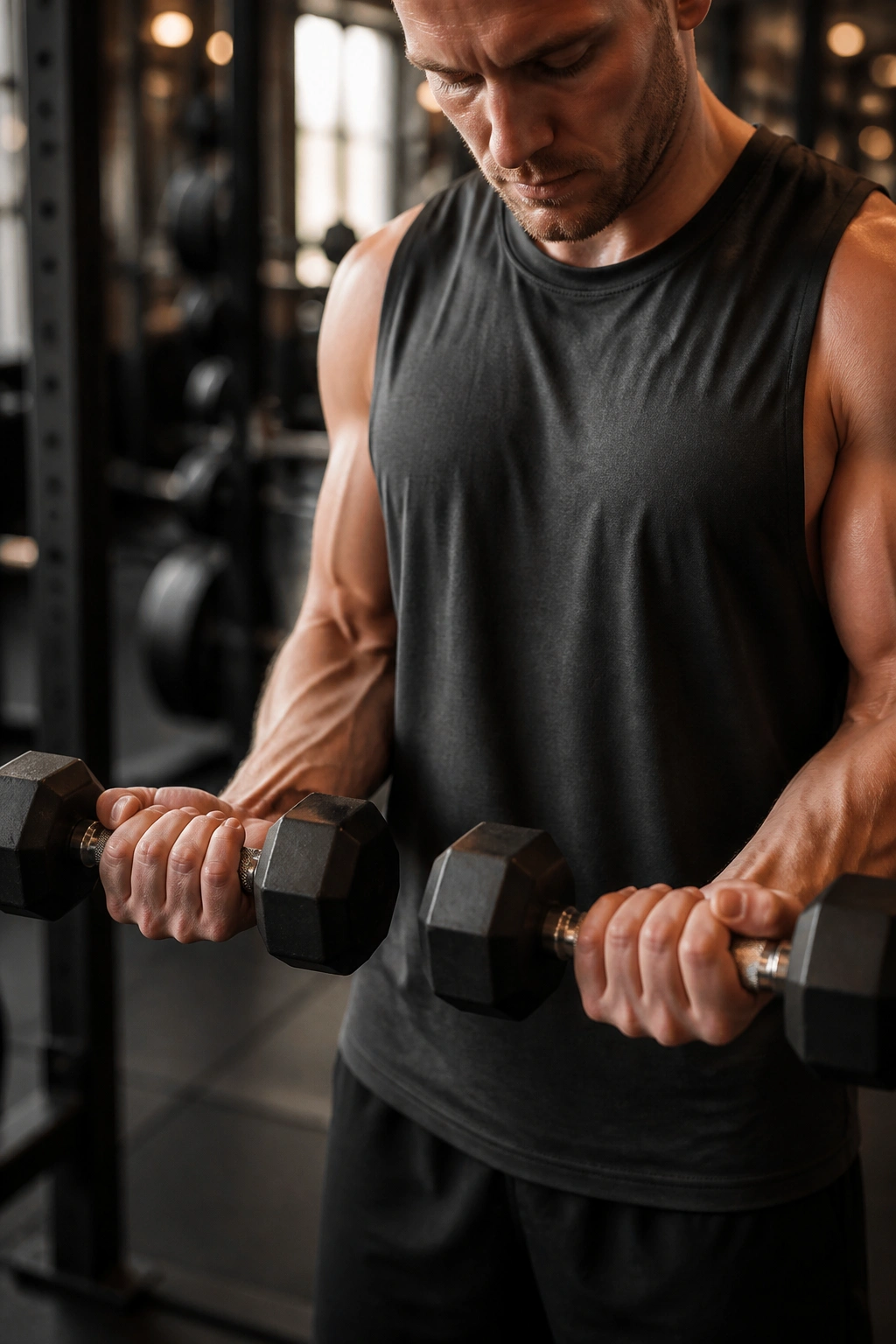
This is the kind of move that looks like a trick until your forearms start barking.
A Zottman curl mixes two actions in one rep. You curl up with your palms facing forward, rotate your wrists at the top, then lower the dumbbells with your palms facing down. That lower phase lights up the forearms more than a regular curl, which is why this exercise earns so much respect from people who actually do it.
Why it stands out
- It trains the biceps on the way up.
- It challenges the forearms on the way down.
- It forces control, which keeps the reps clean.
- It punishes sloppy form fast.
Use lighter dumbbells than you would for a normal curl. 8 to 12 reps is plenty, and if your wrist rotation feels awkward at first, slow it down and use very light weights until the pattern feels smooth.
I like Zottman curls because they give you more arm work without piling on more load. That makes them a smart choice for anyone who wants a defined look rather than a bigger-and-heavier feel.
8. Lateral Raises That Build Shape, Not Bulk
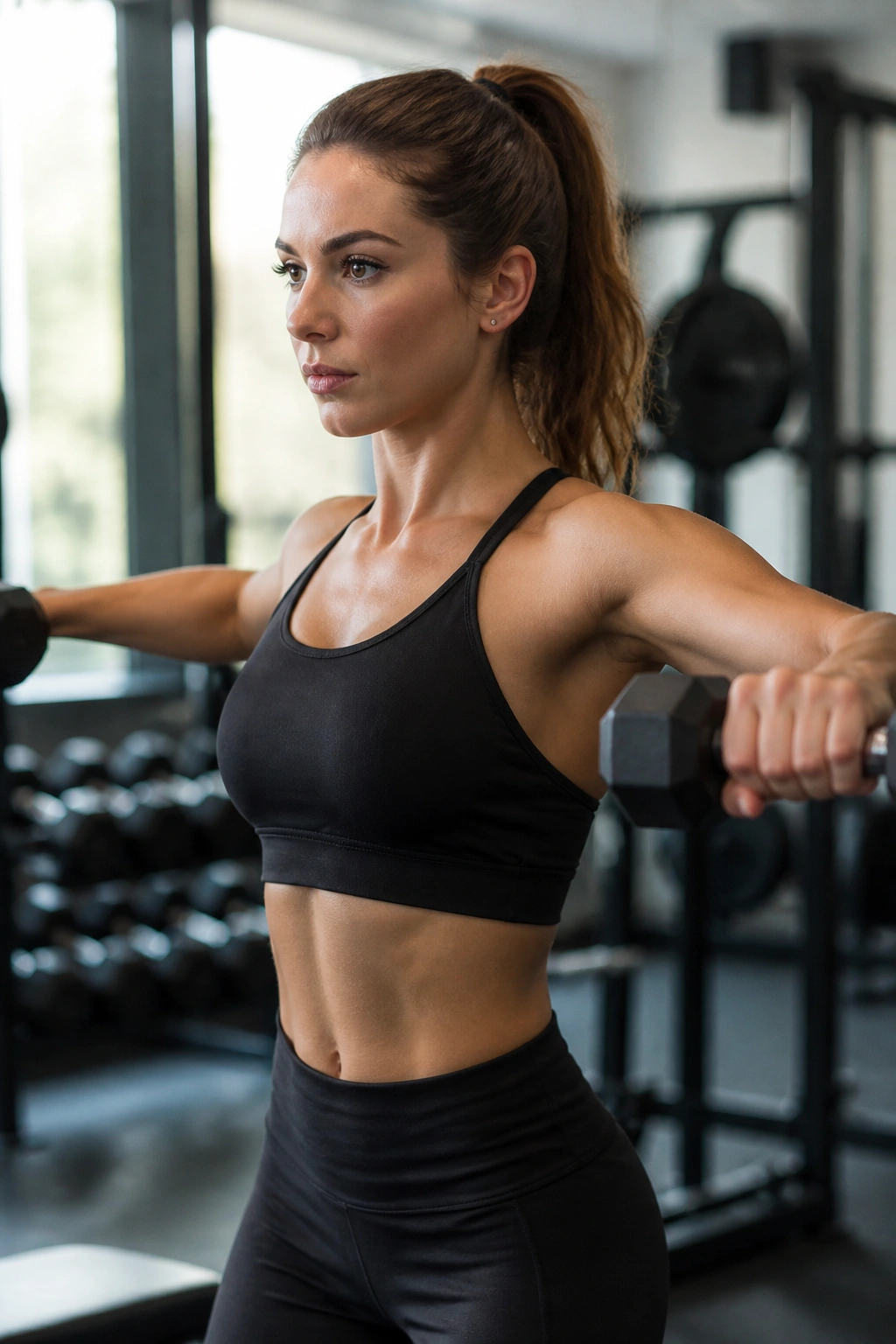
If you want your arms to look more sculpted from the side, don’t ignore your shoulders.
Lateral raises work the side delts, which are not the same as the arm muscles, but they change the outline of the whole upper body. A little shoulder width makes the upper arm look cleaner and more balanced. That matters if you want the arm to read as firm rather than soft.
Tiny weights are enough. Seriously. 2 to 8 pounds can be plenty when the movement stays strict, the lift stops around shoulder height, and the lowering phase doesn’t get rushed. Keep a soft bend in the elbow and lead with the elbows, not the hands.
A lot of people shrug through this exercise and then wonder why their neck is sore. Don’t do that. Your shoulders should stay down while the arms float outward and back under control.
This is a classic “less weight, better result” move. Chase control, not numbers.
9. Single-Arm Front Raises for Shoulder Detail
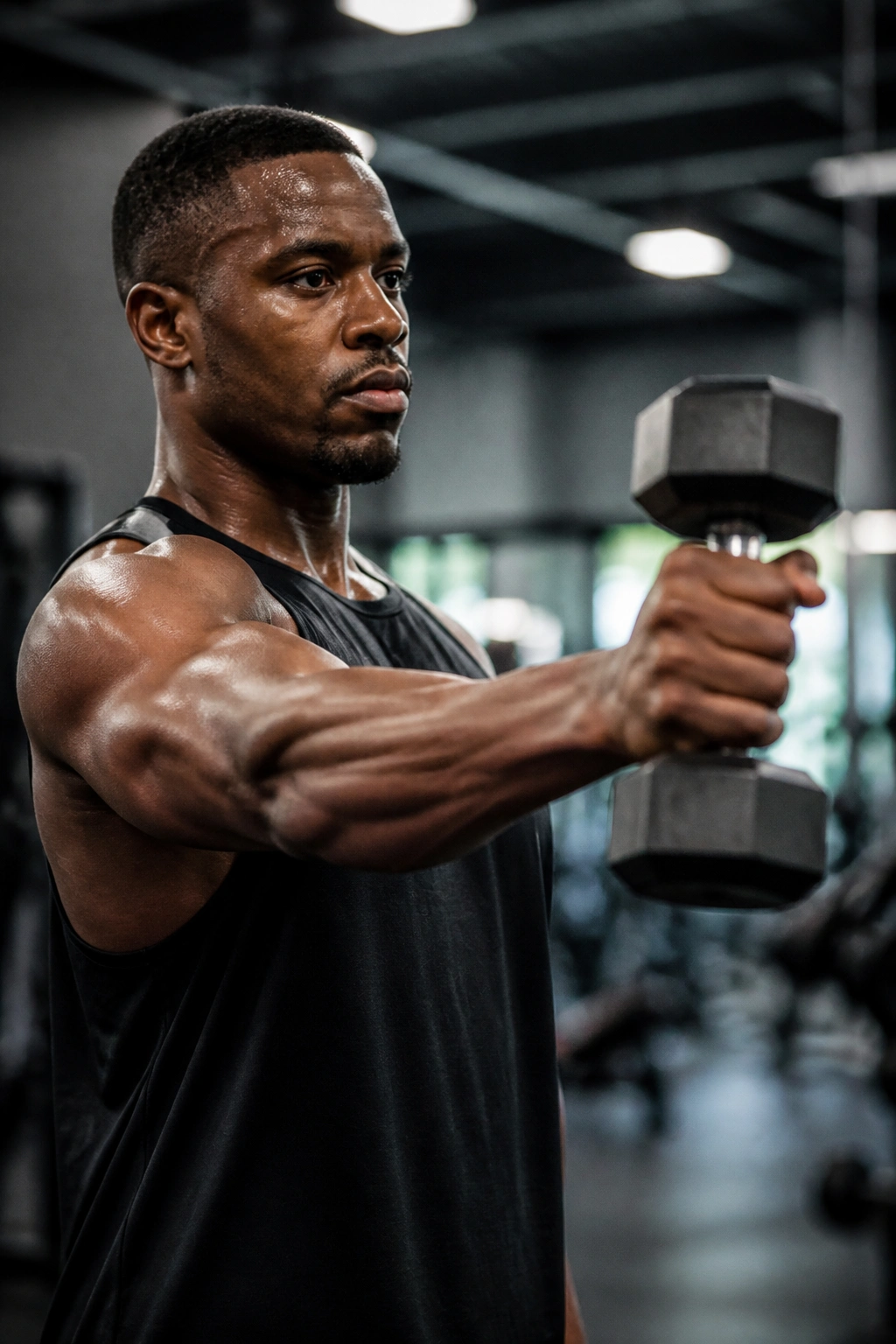
Front raises are often treated like an afterthought, which is a shame. Done carefully, they help the front of the shoulder carry a bit more shape and support pressing strength.
I prefer the single-arm version because it keeps momentum honest. One arm lifts while the other stays still, and that forces you to notice any swing or torso lean. Hold a dumbbell or small plate with a slight bend in the elbow, lift to shoulder height, pause for a beat, then lower slowly.
Unlike lateral raises, front raises tend to feel more direct in the front delt and upper arm tie-in. That makes them a nice complement, not a replacement. Use 8 to 12 reps per side and keep the weight modest enough that your rib cage doesn’t flare to help out.
A simple cue helps here: thumb slightly up, palm slightly in. That keeps the shoulder feeling more comfortable for a lot of people.
If your front delts already get plenty of work from pressing, you may not need a ton of this. A small dose goes a long way.
10. Renegade Rows for Arms, Back, and Core
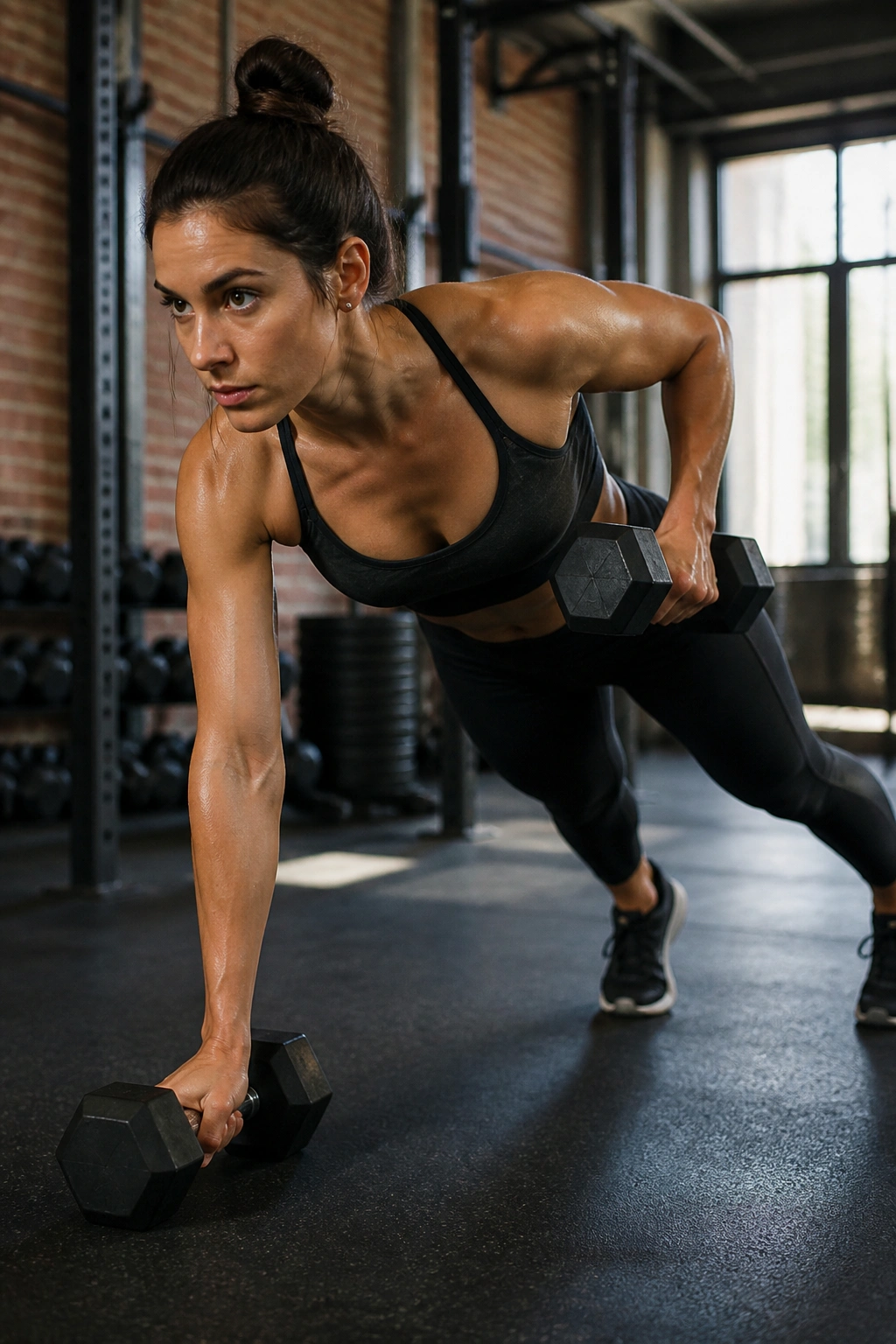
If ordinary curls bore you, rows are the antidote.
Renegade rows are part arm exercise, part core test, part posture reset. You start in a high plank with your hands on dumbbells or push-up handles, feet set wider than you think you need, and row one weight toward your hip without letting the body twist. The biceps and triceps stabilize the movement while your upper back does its share.
What makes them different
- They train the arm while the core keeps the body steady.
- They discourage sloppy, rushed reps.
- They reward control more than brute force.
- They make you work for every single repetition.
Use hex dumbbells if you can; they stay put better than round ones. Aim for 6 to 10 reps per side and keep the hips level. If you have to swing the torso to finish the row, the weight is too heavy.
This is not a move for ego lifting. It’s a move for people who want their arms to look useful, not just pumped for five minutes after a set.
11. Plank Shoulder Taps for Arm Stability
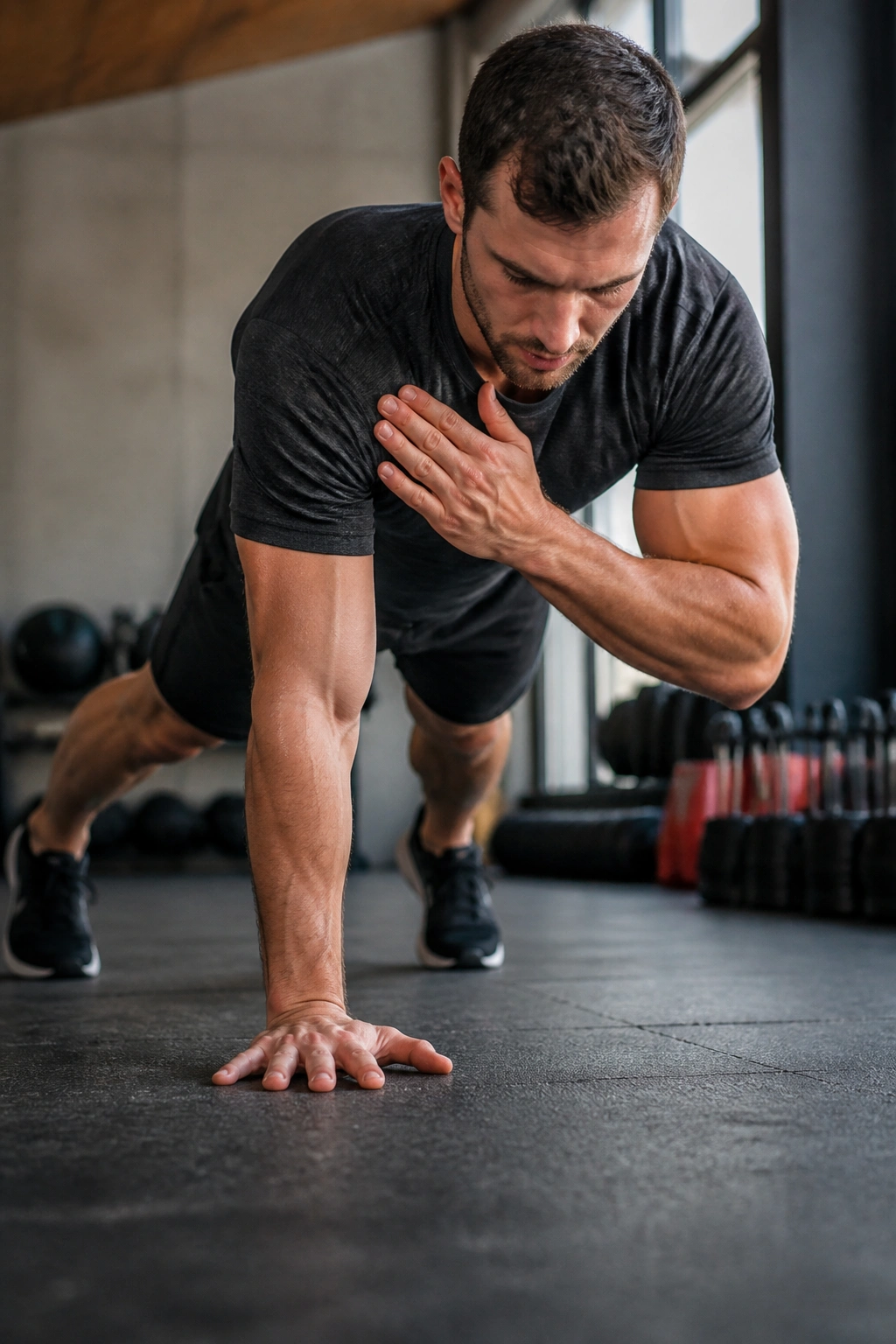
Why do shoulder taps belong in an arm list? Because one arm has to support your body while the other moves, and that taxes the shoulders, triceps, and the small stabilizers that keep everything tidy.
Get into a high plank with your feet a little wider than hip-width. Tap one shoulder with the opposite hand, then switch sides without letting your hips rock all over the place. The slower you go, the harder it gets. That’s the whole joke.
Slow is the point.
I like to count 20 to 30 taps or 20 to 40 seconds rather than rushing through a fixed number. If the lower back sags or the hips swing side to side, widen the feet or elevate your hands on a bench. You still get the benefit, and your form stays cleaner.
There’s a good carryover here for anyone who wants lean-looking arms that also feel steady in daily life. Carry groceries, push doors, reach overhead — all of that gets easier when the shoulders and triceps stop wobbling.
12. Band Pull-Aparts and Face Pulls for Better Posture
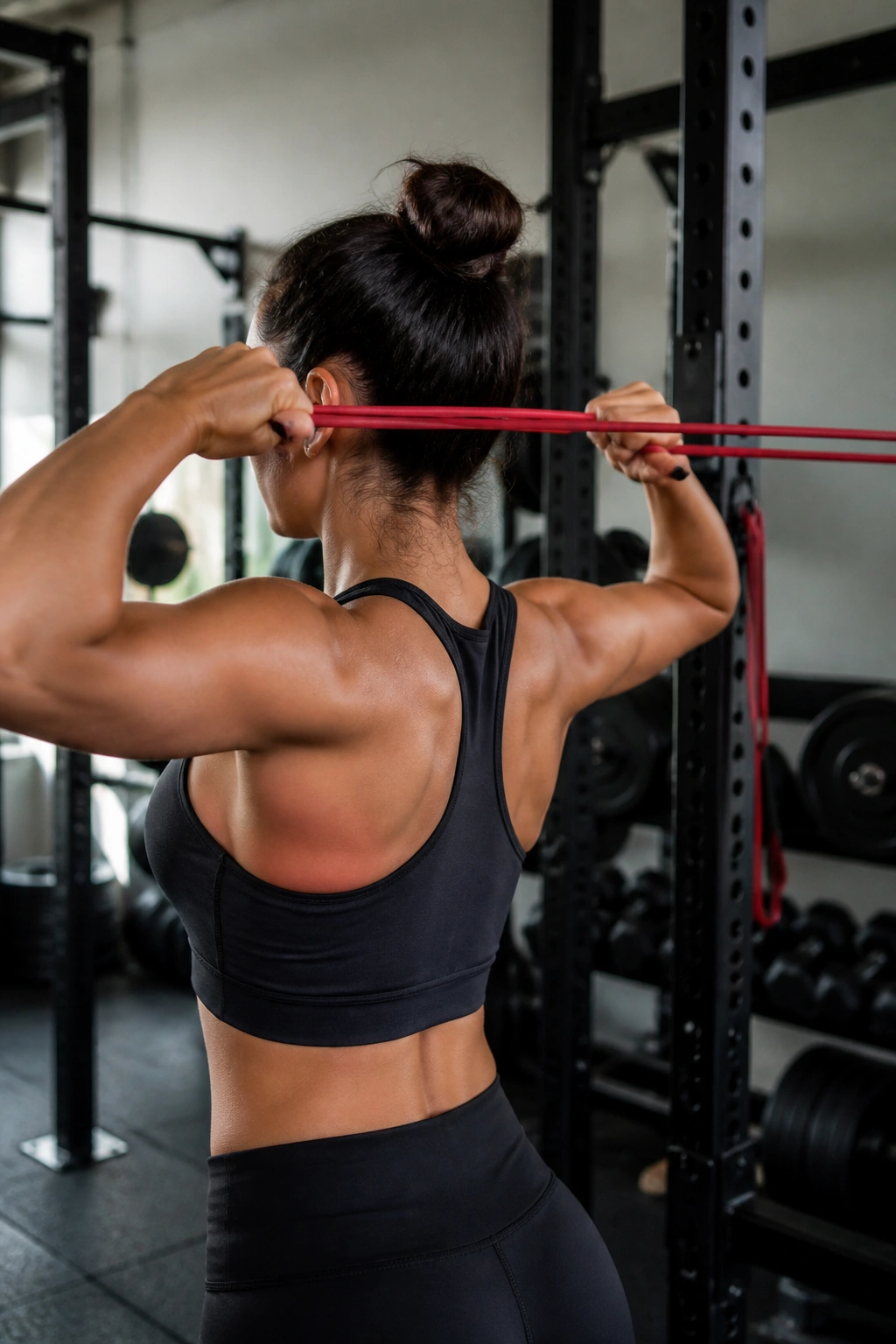
Posture matters more than people want to admit.
When the upper back is weak and the shoulders drift forward, the arms often look shorter and heavier than they really are. Band pull-aparts and face pulls help fix that by working the rear delts, upper back, and the small muscles around the shoulder blade. That support makes the whole arm line look cleaner.
How to use them
For pull-aparts, hold a light resistance band at chest height, arms straight but not locked. Pull the band apart until it touches your chest, pause, and return slowly. For face pulls, anchor the band at eye level and pull toward your face with elbows high and wrists outside your cheeks.
- Pull-aparts: 15 to 25 reps.
- Face pulls: 12 to 20 reps.
- Keep the ribs quiet.
- Let the shoulder blades move, but not the whole torso.
This section may not scream “arm workout” at first glance, but it earns its place. If your shoulders sit better, your arms often look better too. Simple. Annoyingly simple.
13. Shadow Boxing With Light Hand Weights
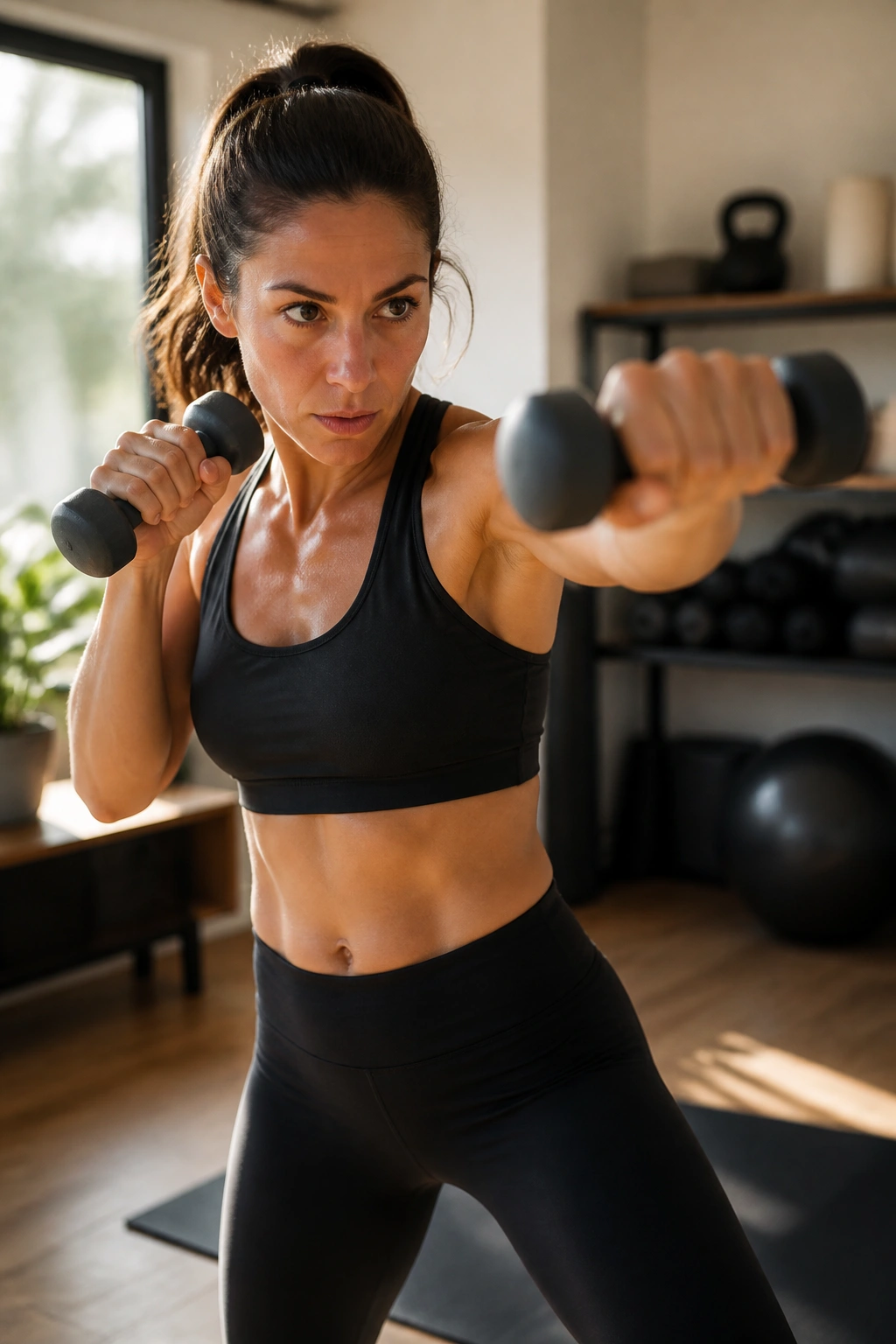
This is arm conditioning disguised as cardio.
Shadow boxing with very light weights — or no weights at all — gives the shoulders, biceps, and triceps a fast-twitch endurance challenge without the slow grind of heavier lifting. Jab, cross, hook, reset. Keep the hands moving, the shoulders relaxed, and the punches crisp.
Heavy dumbbells are a bad idea here.
Half-pound to 2-pound weights are more than enough for most people. If your shoulders tighten or your wrists start collapsing, drop the weights and keep the punches. The movement itself is the work. A lot of people get more benefit from 30 seconds of clean punches than from two sloppy minutes with weights that are too heavy.
A good round looks like this:
- 30 to 45 seconds of jabs and crosses
- 15 to 20 seconds of hooks or uppercuts
- short rest
- repeat for 3 to 5 rounds
I love this one on days when the usual curl-and-extend routine feels stale. It brings a bit of sweat into arm training, and the shoulders tend to look a little more alive afterward.
14. Pilates-Style Arm Circles and Tiny Pulses
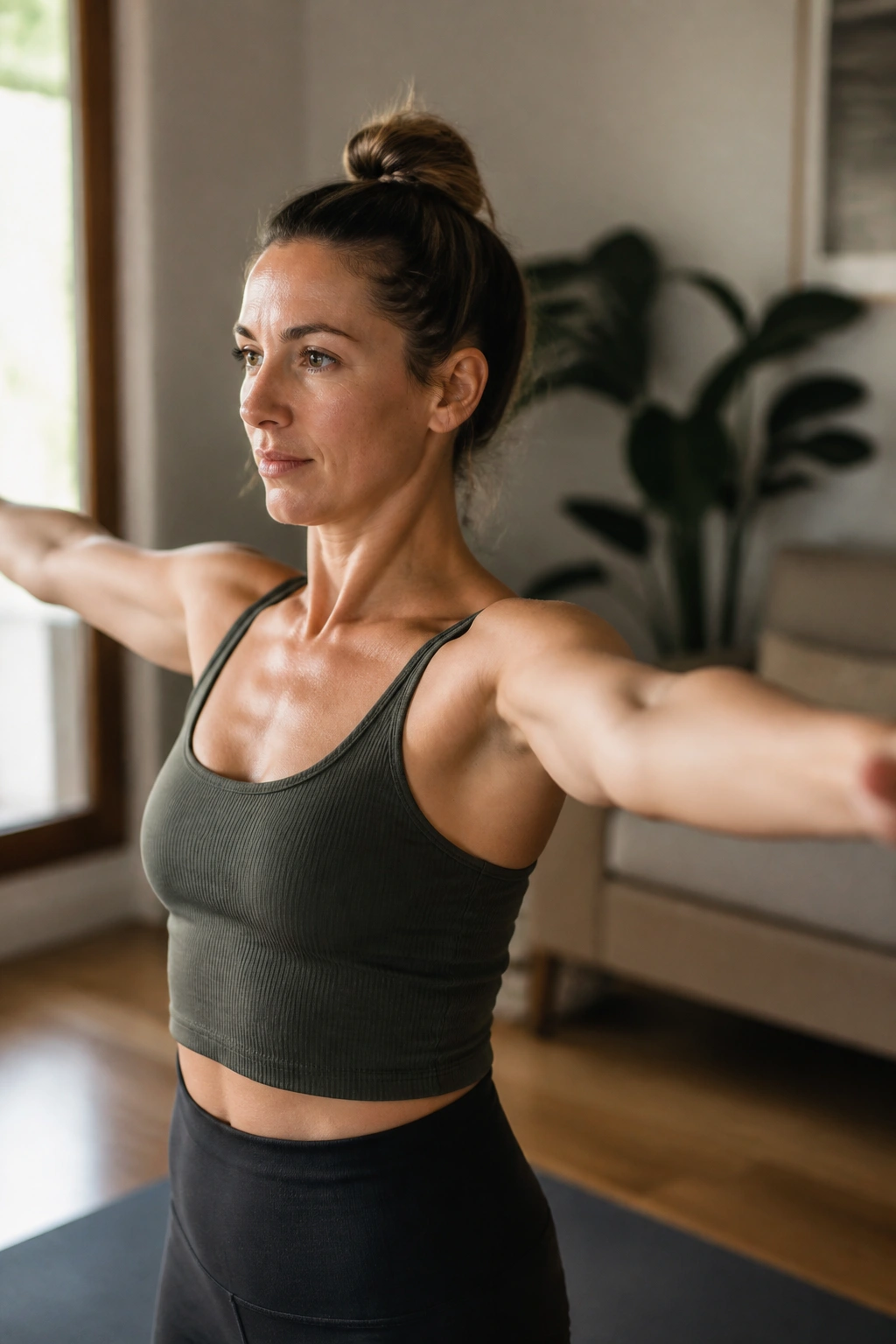
Not glamorous. Still useful.
Pilates-style arm circles and pulses work because the muscles never really get to relax. You hold the arms out, keep the movement small, and burn through the set with almost no momentum. That kind of constant tension wakes up the shoulders and triceps fast, especially if you choose a light weight or none at all.
I’d start with 20 to 30 seconds of forward circles, then the same amount backward, then a final round of tiny pulses at shoulder height. A 1 to 3 pound dumbbell can make it spicier, but you do not need to chase load here. You need control and patience, which is a less sexy answer and usually the correct one.
This works well in home workouts because the space needed is tiny. No bench. No rack. No drama. If you want a short finisher after a longer upper-body session, this one fits neatly at the end.
A useful cue: keep the neck long and the shoulders down, even when the burn gets annoying. The burn passes. The shoulder shrug habit tends to stick around if you let it.
15. A 10-Minute Arm Circuit That Finishes Strong
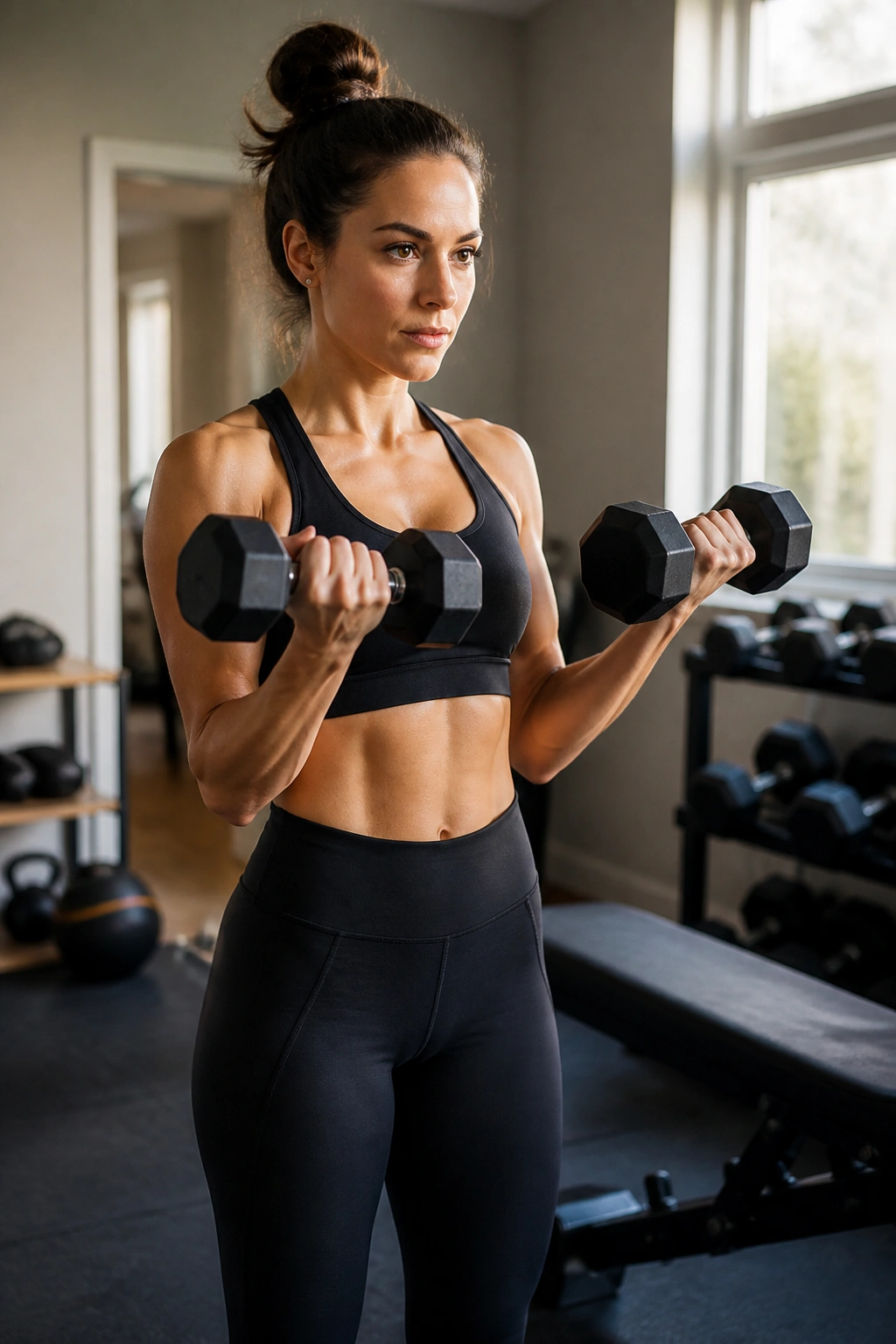
If you want a no-nonsense way to string these ideas together, use a small circuit and keep the weights modest.
Start with a curl, move to a triceps exercise, add one shoulder move, then finish with a stability drill. That mix gives you biceps, triceps, delts, and a little posture work without turning the session into a marathon. You get the pump, the burn, and a little conditioning on the side.
Simple 10-minute circuit
Do the following for 2 to 3 rounds:
- 40 seconds standing dumbbell curls
- 20 seconds rest
- 40 seconds triceps kickbacks
- 20 seconds rest
- 40 seconds lateral raises
- 20 seconds rest
- 40 seconds plank shoulder taps
- 40 to 60 seconds rest before the next round
Keep each weight light enough that your form stays neat through the last 10 seconds. If the shoulders start shrugging or the curls turn into a sway, cut the load and keep moving. The circuit should feel challenging, not messy.
This is the easiest way to turn arm training into a habit. Pick 3 or 4 days a week, rotate different moves from the list, and don’t try to smash every workout with the heaviest dumbbells in the room. Better reps. Better posture. Better-looking arms over time.
And that’s the real point. Arms that look toned usually come from consistent, controlled work that your joints can live with. Not from one brutal session, not from mindless volume, and not from trying to outlift everybody else in the room.
