



Most people make the mistake of thinking that burning fat requires suffering. They assume you need to sprint until you’re breathless, starve yourself, or join a cult-like studio where the instructor yells at you to push harder. The truth is much simpler. Fat loss, at its physiological core, is about energy balance and consistency. You do not need to be an athlete to start burning calories; you just need to move your body in ways that keep your heart rate up and your muscles engaged.
The fitness industry thrives on complicating things. They sell “shock” workouts, complex supplements, and expensive equipment designed to make you feel like you are doing something revolutionary. Forget that. Real progress comes from the mundane, repetitive, and reliable movements that you can actually stick with for weeks, months, and years. When you are just starting out, the best workout is the one you can finish without feeling so drained that you want to quit the next day.
It comes down to simple physics: if you move more than you did yesterday, you are creating a demand for energy. Your body responds by dipping into its reserves. That is fat burning in practice. Below, I have pulled together twenty accessible, effective methods to get that process moving. Some are low impact, some involve resistance, and others are pure cardio, but all of them are designed for the person who is just beginning their fitness journey.
1. Walking at an Incline
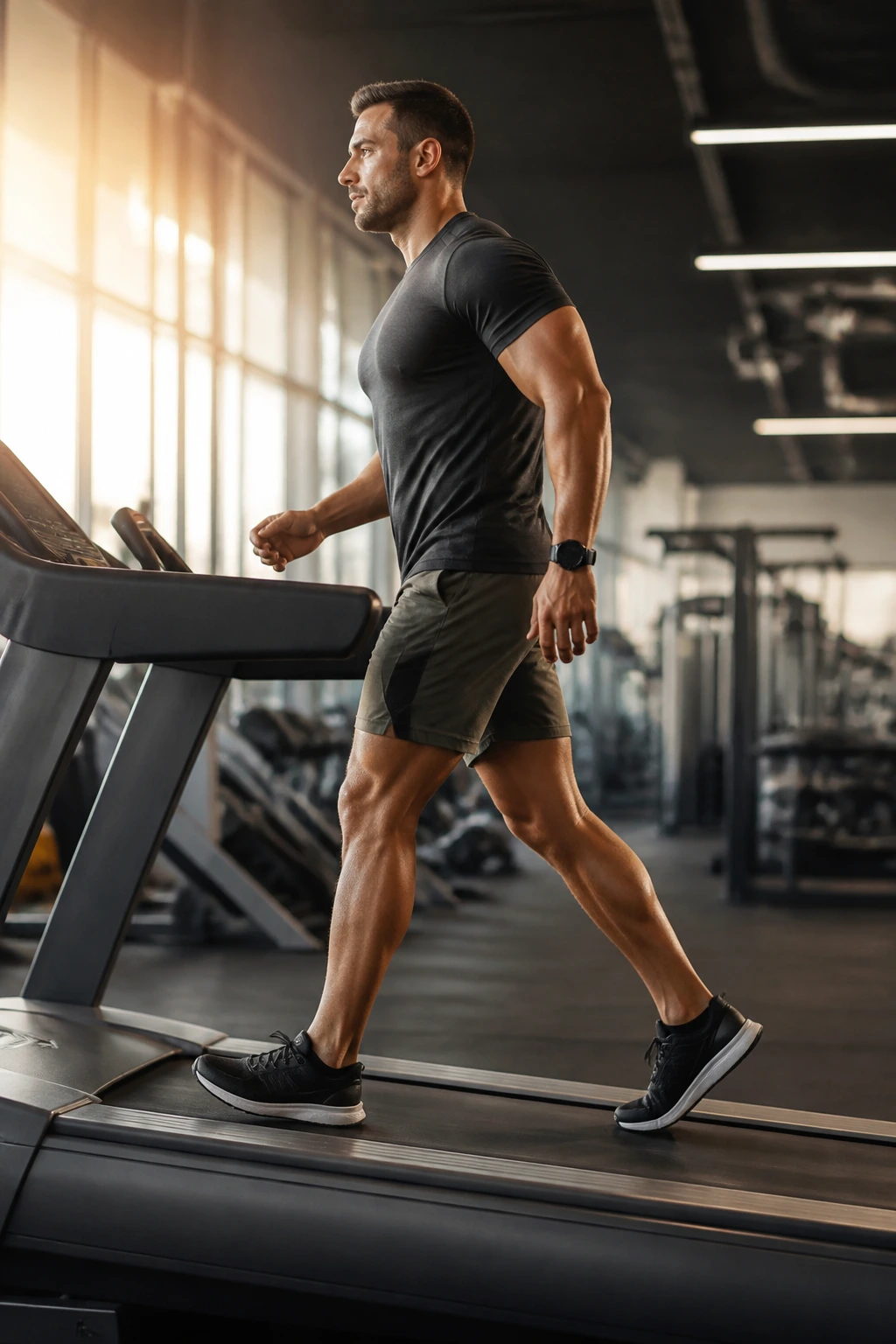
Walking is the most underrated fat burner on the planet. Everyone knows how to walk, but most people do it casually, like they’re window shopping. To turn this into a genuine workout, you need to introduce an incline. Whether you are using a treadmill at the gym or finding a hilly route in your neighborhood, that extra angle forces your posterior chain—your glutes, hamstrings, and calves—to work significantly harder than they would on flat ground.
Why It Works
The primary advantage here is the intensity-to-impact ratio. You get a heart rate spike similar to running, but you are not subjecting your joints to the high-impact pounding of pavement strikes. It is steady-state cardio that burns fat without spiking cortisol to a degree that might lead to burnout.
How to Do It Properly
- Set the incline: If on a machine, start at 3% or 4%. Do not hold onto the handrails, as this ruins your posture and cuts the calorie burn by half.
- Maintain speed: You should be walking fast enough that you cannot sing a song, but you can still hold a broken conversation.
- Focus on the heel-to-toe roll: Plant your heel, roll through the foot, and push off with your toes. This engages the calves.
Pro tip: If you are outdoors, find a long, steady hill. Walk up for 30 minutes, turn around, and walk down. The descent works your quads differently and adds a nice stability challenge.
2. Bodyweight Squats
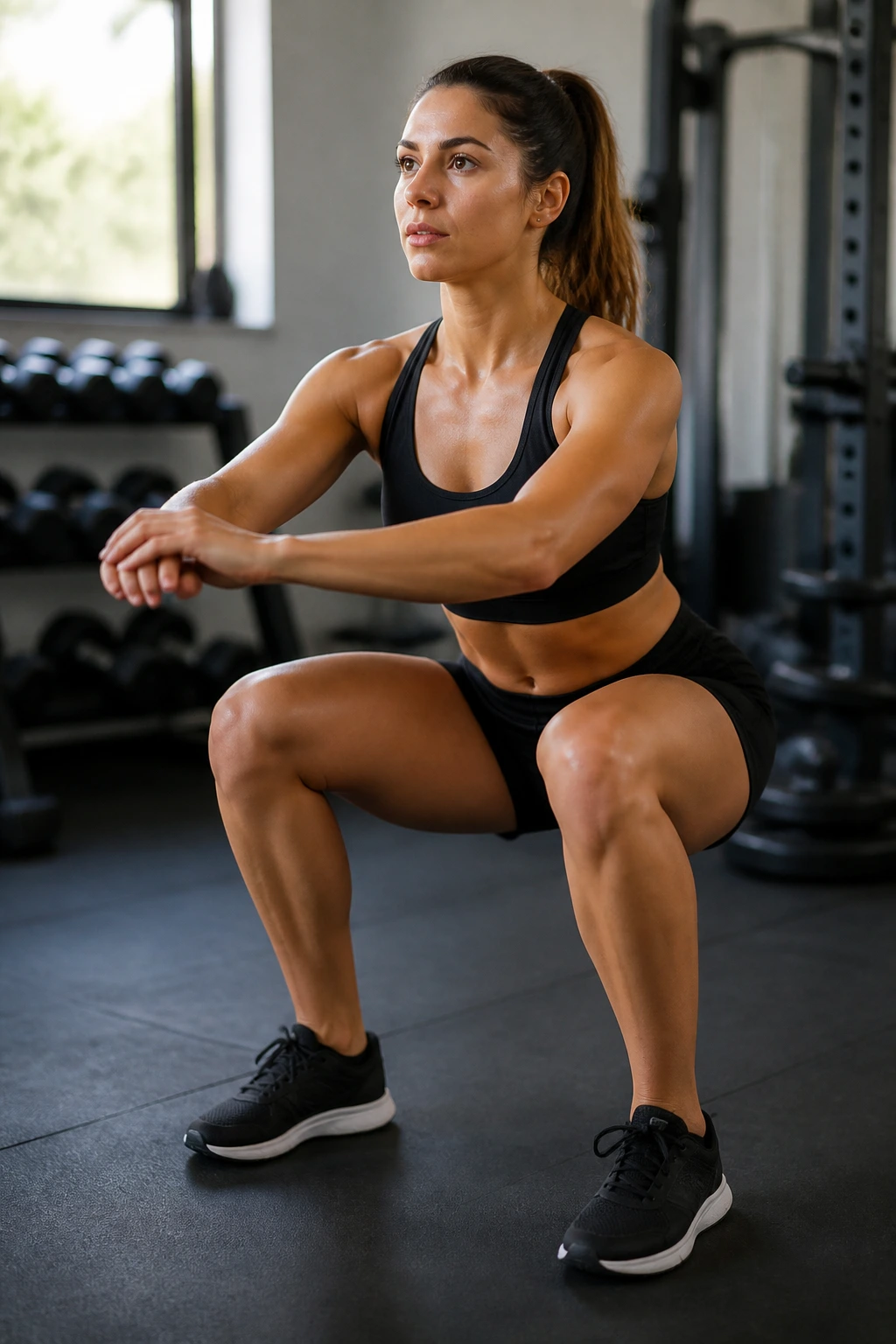
The squat is a foundational movement pattern that humans have been doing for thousands of years. It is effective because it targets the largest muscles in your body. When you work your quads, glutes, and core simultaneously, your body requires a massive amount of oxygen and fuel, which keeps your metabolism humming long after you leave the gym.
The Mechanics of the Movement
Many beginners get this wrong by shifting their weight to their toes or letting their knees cave inward. Stand with your feet shoulder-width apart. As you descend, think about sitting back into a chair that is slightly behind you. Keep your chest up and your gaze forward. If your heels lift off the ground, your weight is too far forward.
Scaling the Intensity
- Assisted: If you struggle with balance, perform squats while holding onto the back of a sturdy chair or a doorframe.
- Standard: Just your body weight, focusing on reaching parallel depth.
- Tempo Squats: Lower yourself for a count of three, pause at the bottom for one, and explode up for one. This increases “time under tension,” which is a fancy way of saying you are making the muscle work harder for longer.
3. Jump Rope
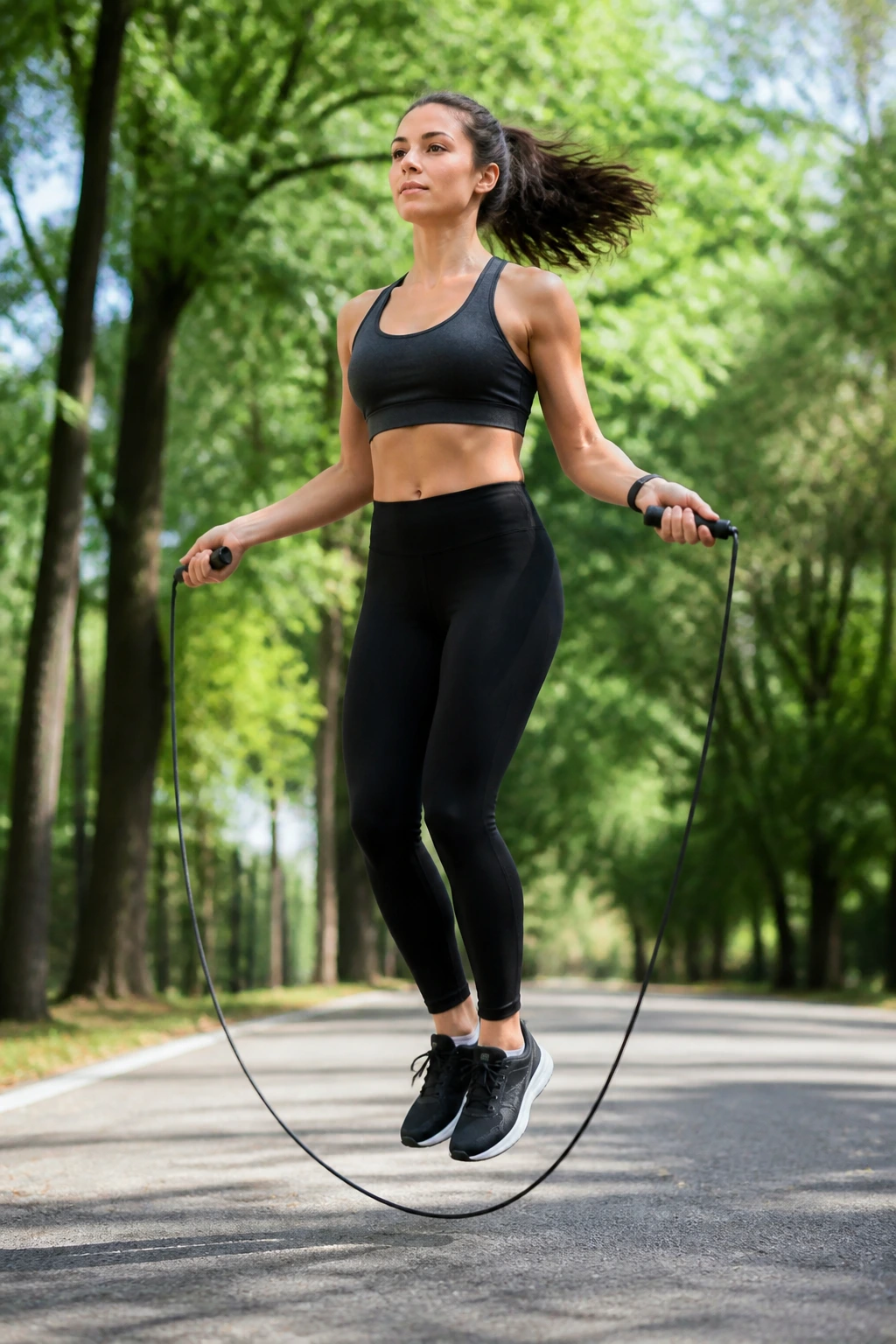
Jumping rope is not just for boxers and children in playgrounds. It is an incredibly efficient calorie burner that demands coordination, timing, and endurance. The best part is that you can do it anywhere with a ten-dollar piece of equipment. It forces you to stay light on your feet, which builds calf strength and core stability, two things you absolutely need for long-term fitness.
How to Get Started
Do not try to do double-unders or fancy tricks immediately. Just focus on a basic bounce. Keep your elbows tucked in close to your ribs—do not swing your arms wildly. The rotation should come from your wrists, not your shoulders. If you are whipping your arms around in big circles, you will tire out in thirty seconds and be frustrated.
Common Mistakes
- Jumping too high: You only need to clear the rope by an inch or two. Anything more is wasted energy.
- Stiff knees: Keep a slight, soft bend in your knees when you land. It saves your joints from unnecessary shock.
4. Swimming Laps
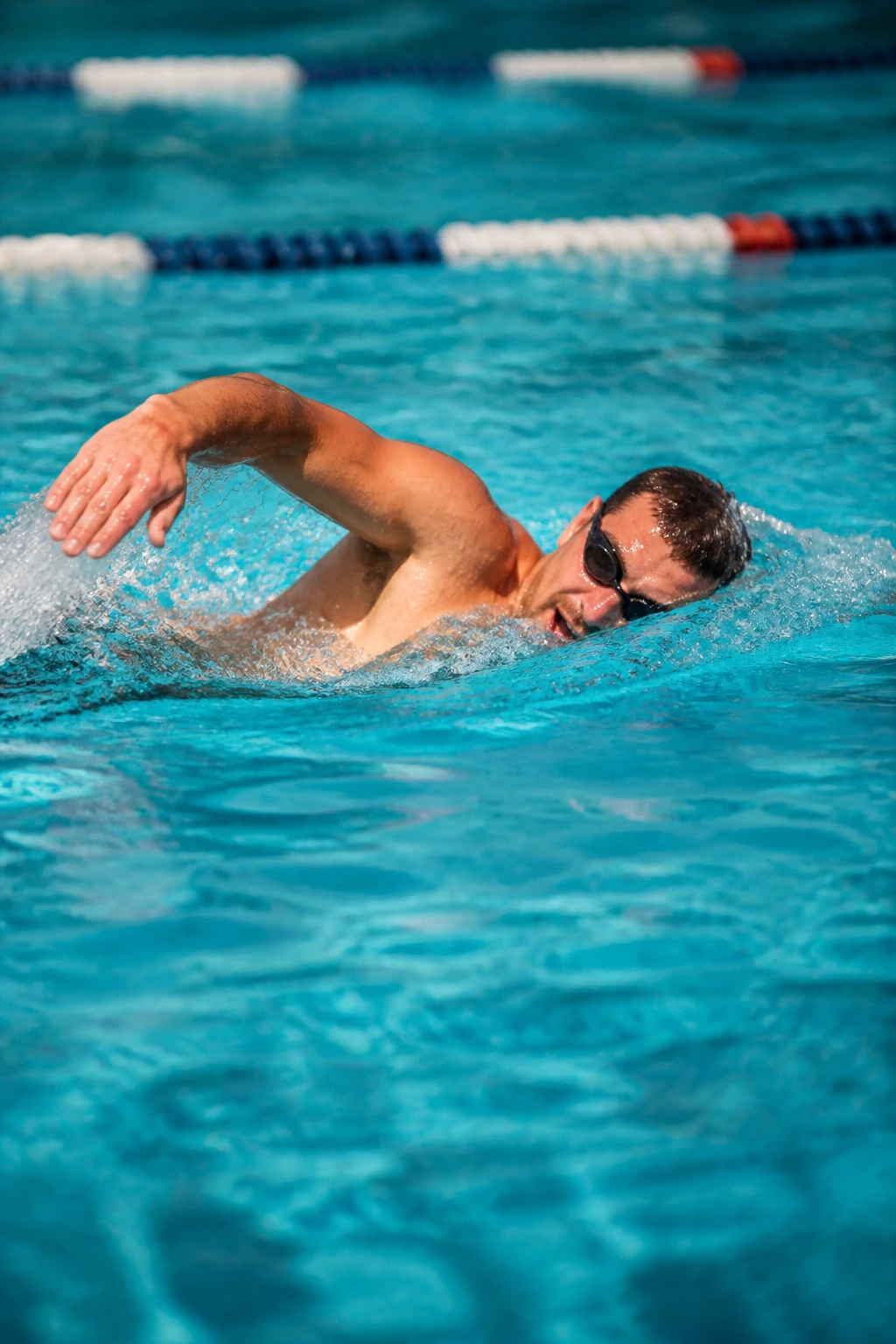
If you have access to a pool, you have access to the ultimate low-impact fat-burning machine. Water provides natural resistance in every direction, meaning you are working your muscles throughout the entire movement. It is excellent for beginners who might have heavy joint pain or carry significant extra weight that makes running or jumping difficult.
The Full-Body Effect
When you swim, you are using your arms to pull, your legs to kick, and your core to rotate. It is a full-body workout. Even a slow, steady pace in the water burns a significant number of calories because you are fighting the density of the water.
What to Expect
You will be hungry after a swim. This is normal. The temperature regulation of your body in the water, combined with the physical effort, spikes your metabolic demand. Focus on the breathing rhythm rather than speed. If you are struggling, grab a kickboard and focus on your lower body for the first few sessions.
5. Stationary Cycling
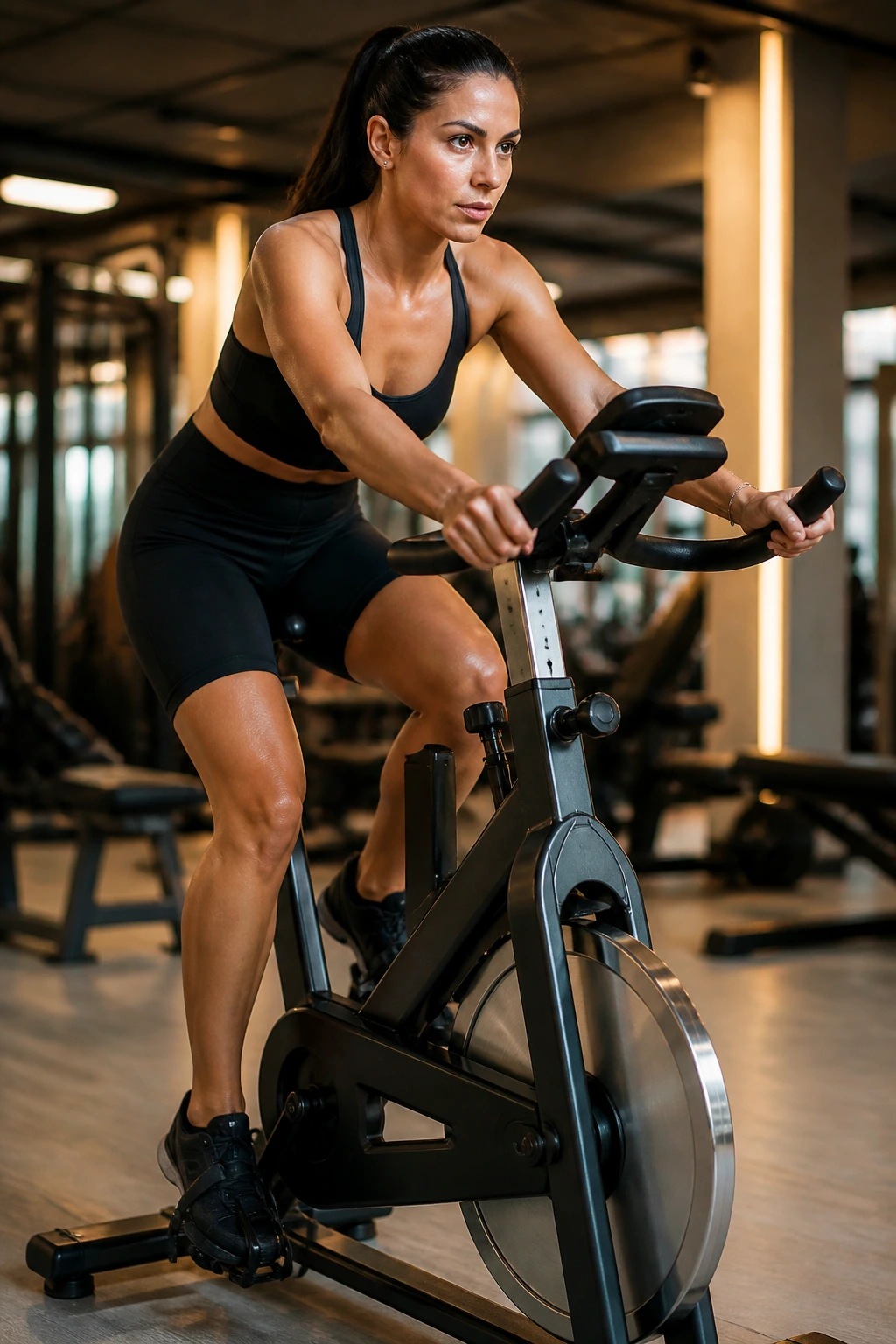
Cycling is the gold standard for indoor cardio because it is repeatable and requires zero technical skill. Whether you are using a spin bike or a recumbent, you can control the intensity. For a beginner, the goal is to keep the cadence consistent. You don’t need to stand up and sprint; simply pedaling at a steady, moderate pace for 45 minutes can burn a substantial amount of energy.
Dialing in Your Setup
The most common mistake beginners make is having the seat too low. If your seat is too low, you are not extending your leg properly, which puts undue stress on your knees and makes the ride feel much harder than it needs to be. Your leg should be almost fully extended at the bottom of the pedal stroke, with just a slight bend in the knee.
The Mental Game
Watching a show or listening to a podcast is perfectly fine when you are starting. The objective is simply to keep the wheels turning. If you feel bored, increase the resistance by half a turn. That small change will immediately force your muscles to work harder, keeping your heart rate in that “fat-burning” zone.
6. Dance Cardio
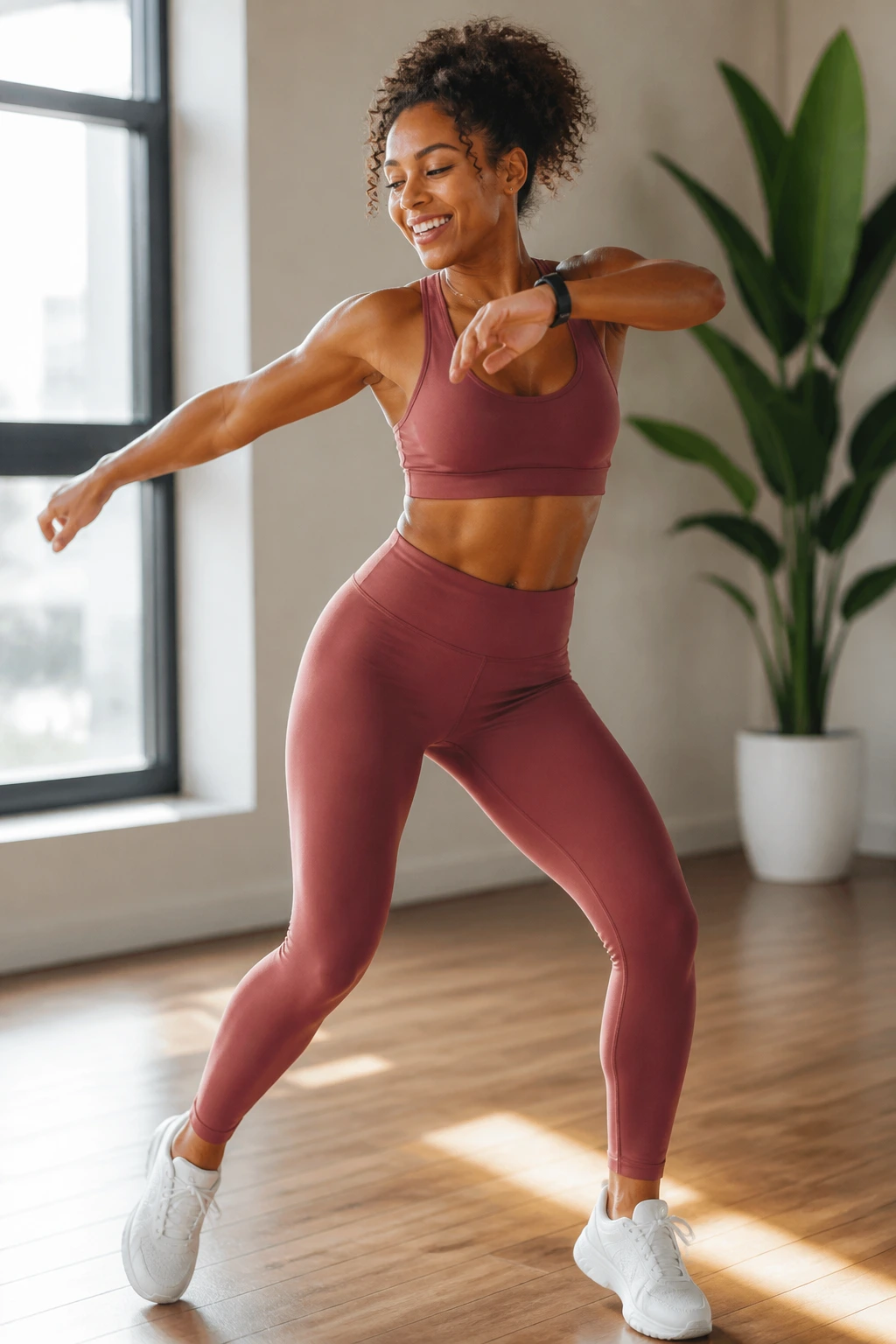
Dance cardio is essentially high-intensity interval training disguised as a fun activity. It doesn’t matter if you have “two left feet.” The goal is movement, not choreography perfection. When you are dancing, you are shifting your center of gravity constantly, moving in different planes of motion, and keeping your heart rate elevated through rhythm and tempo.
Why It Works
It breaks the monotony of traditional exercise. If you are having fun, you are likely to work out for longer without realizing it. Most dance-based workouts involve lateral movements—side-to-side steps and twists—which utilize stabilizer muscles that typical treadmill walking completely ignores.
Getting Started
Find a beginner-friendly class online. Don’t worry about looking cool. Focus on keeping your arms moving and your legs stepping. Even if you miss a beat, just keep moving until the music ends. That consistency is exactly what your body needs.
7. Kettlebell Swings
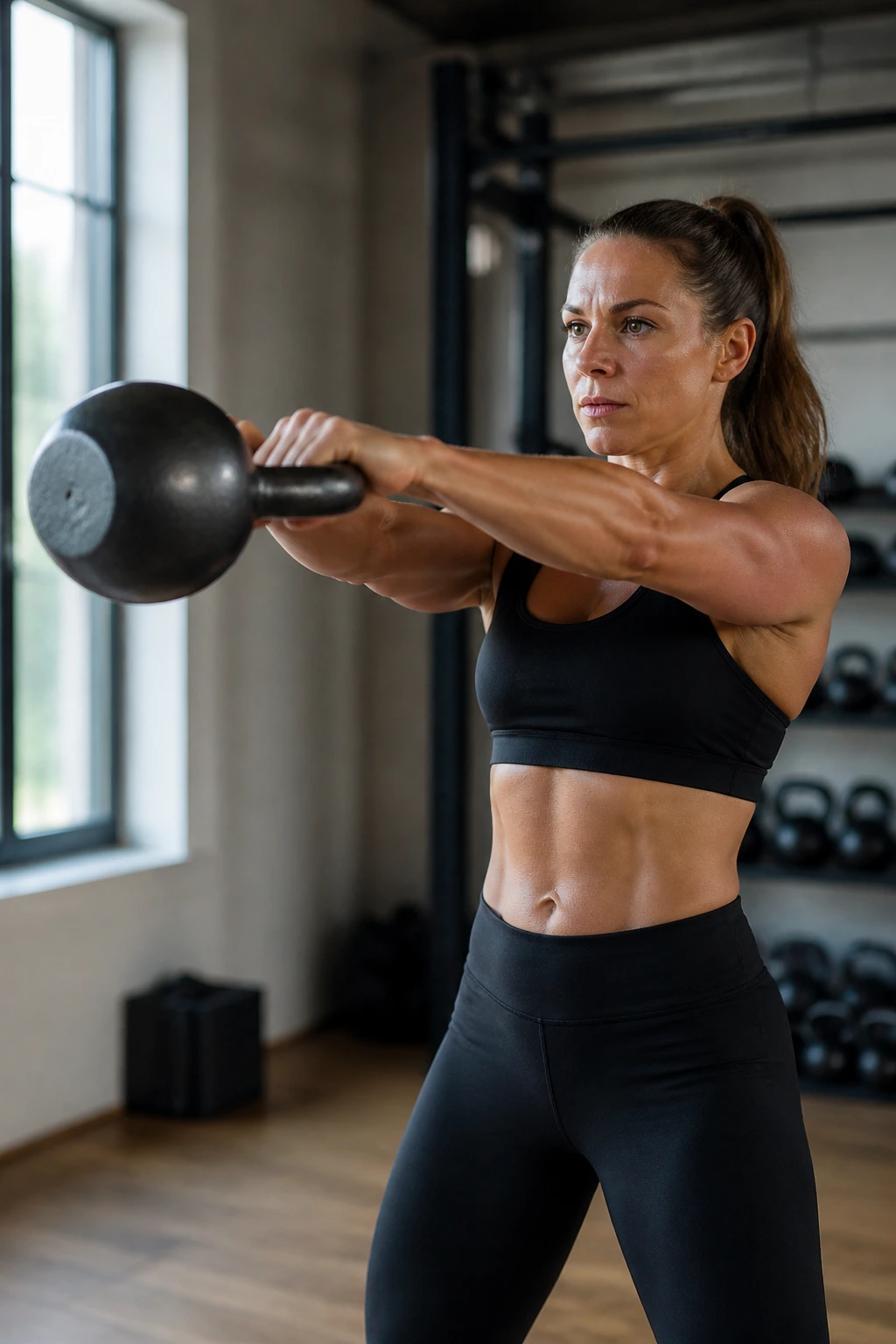
The kettlebell swing is a hinge movement. It is not a squat. It is all about the power of your hips, glutes, and hamstrings. This exercise is incredibly efficient for fat loss because it creates a massive metabolic demand in a short amount of time. You aren’t just moving weight; you are accelerating it.
Perfecting the Hinge
Stand with feet shoulder-width apart, kettlebell on the floor in front of you. Hinge at your hips—pushing your butt backward as if you’re trying to close a car door with your glutes. Grasp the handle. With a flat back, pull the bell between your legs, then snap your hips forward to swing it to chest height.
Important Safety Note
Never use your back to lift the bell. If you feel this in your lower back, you are likely lifting with your spine instead of snapping with your hips. Start with a light weight—10 to 15 pounds is plenty for a beginner—and master the hip snap before moving heavier.
8. Box Steps (Step-Ups)
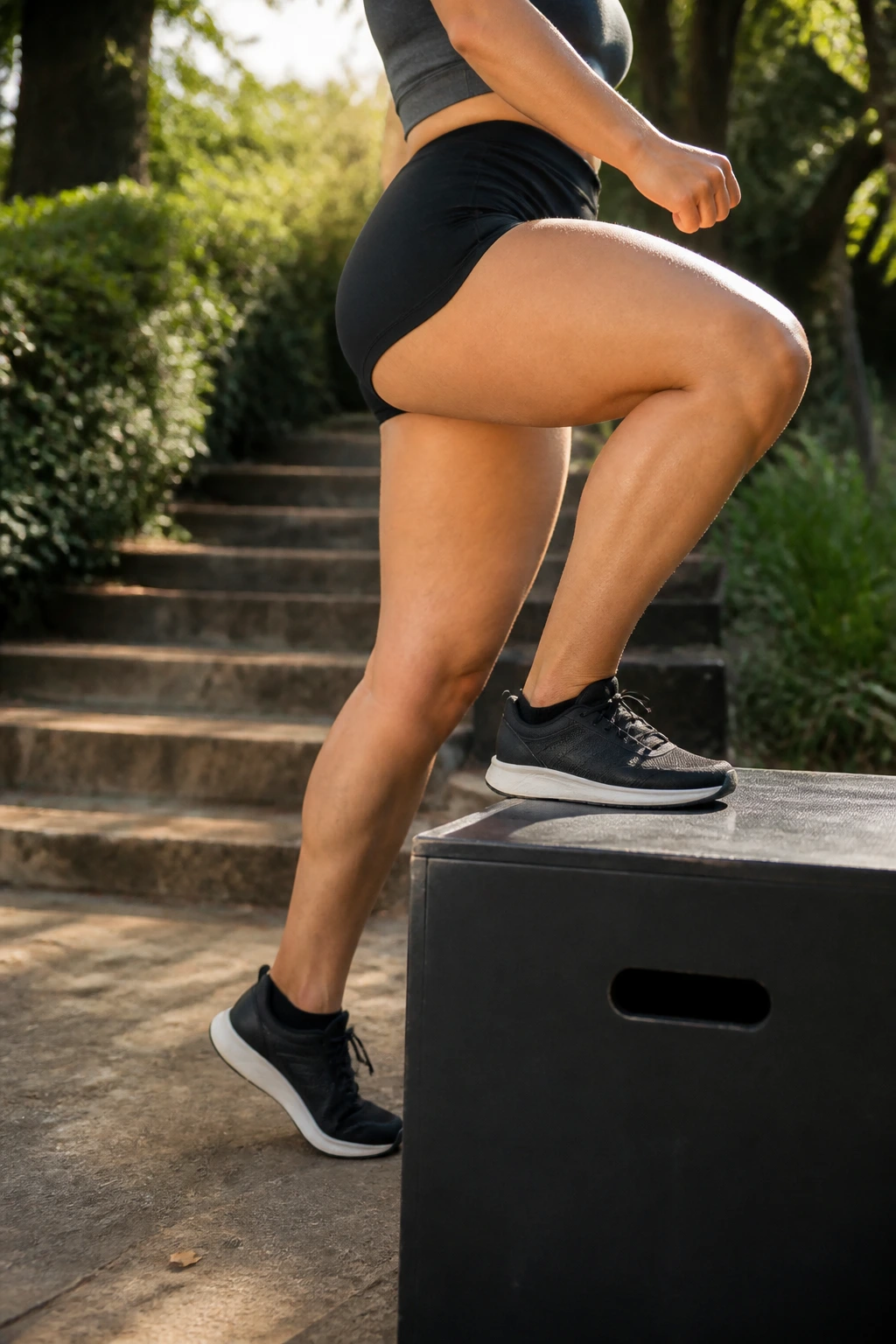
Box steps are incredibly simple, yet most people neglect them. Find a low platform—a sturdy bench, a sturdy box, or even a bottom stair. Step up with one foot, bring the other to meet it, and step down. Repeat. It sounds basic, but do it for 10 minutes straight and your legs will be screaming.
Muscle Engagement
This targets the quads and glutes specifically. Because you are working against gravity with each step, it’s a high-intensity movement that is still easy on the joints if you keep the box height low—think mid-shin height to start.
Why It’s Great for Beginners
It is a functional movement. You perform step-ups in real life every time you climb stairs or get into a truck. By training this movement, you are building strength that directly translates to easier everyday life.
9. Shadow Boxing

You don’t need a heavy bag or a ring to get a boxer’s workout. Shadow boxing involves throwing punches at the air, keeping your feet moving, and maintaining a high level of intensity. It is fantastic for burning calories because it requires constant core engagement to rotate your torso for every punch.
Creating the Workout
Set a timer for three minutes. Spend those three minutes throwing jabs, crosses, and hooks, while constantly bobbing and weaving your head. Treat it like a fight—stay light on your toes. Take a one-minute rest, then repeat.
The Benefit
It’s great for coordination and stress relief. Punching the air helps release tension, and the constant bouncing movement is excellent for cardiovascular conditioning. It’s also a workout that you can do in a hotel room, your living room, or a park.
10. Yoga Flow
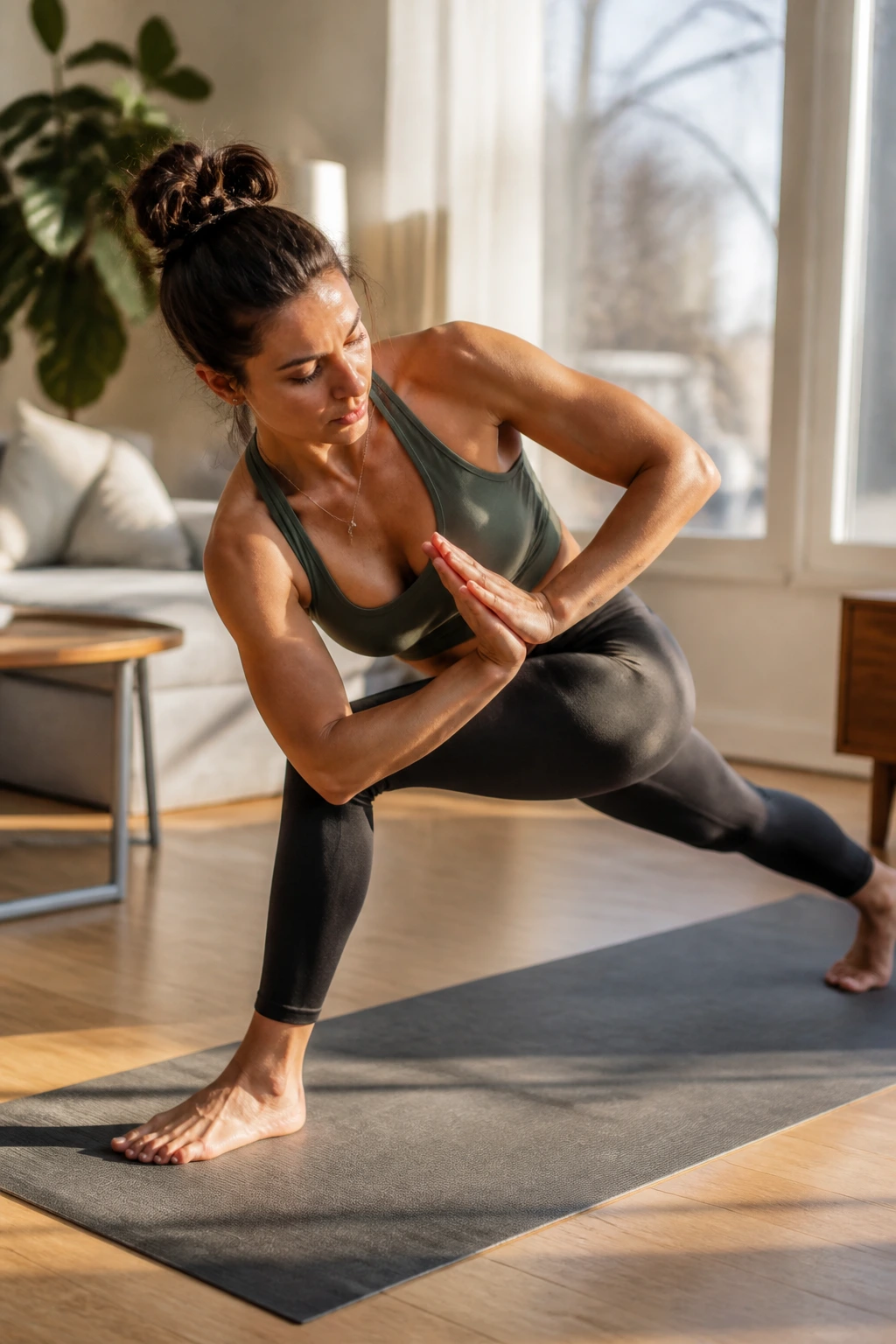
Yoga often gets a bad reputation as being “too easy” or “just stretching.” A dynamic Vinyasa flow, however, is a legit workout. It forces you to control your body weight, hold challenging positions, and move through transitions that keep your heart rate up. It is especially good for beginners who are worried about high-impact stress on their joints.
Finding the Right Intensity
Look for “power” or “flow” classes. You want movement, not just holding poses. The transition from a plank to a downward dog to a lunge requires significant muscular engagement.
The Metabolism Connection
By engaging your muscles across long durations—holding a pose while breathing deeply—you are training your body to use fuel efficiently. It also does wonders for your flexibility, which allows you to perform other exercises with better form later on.
11. Pilates
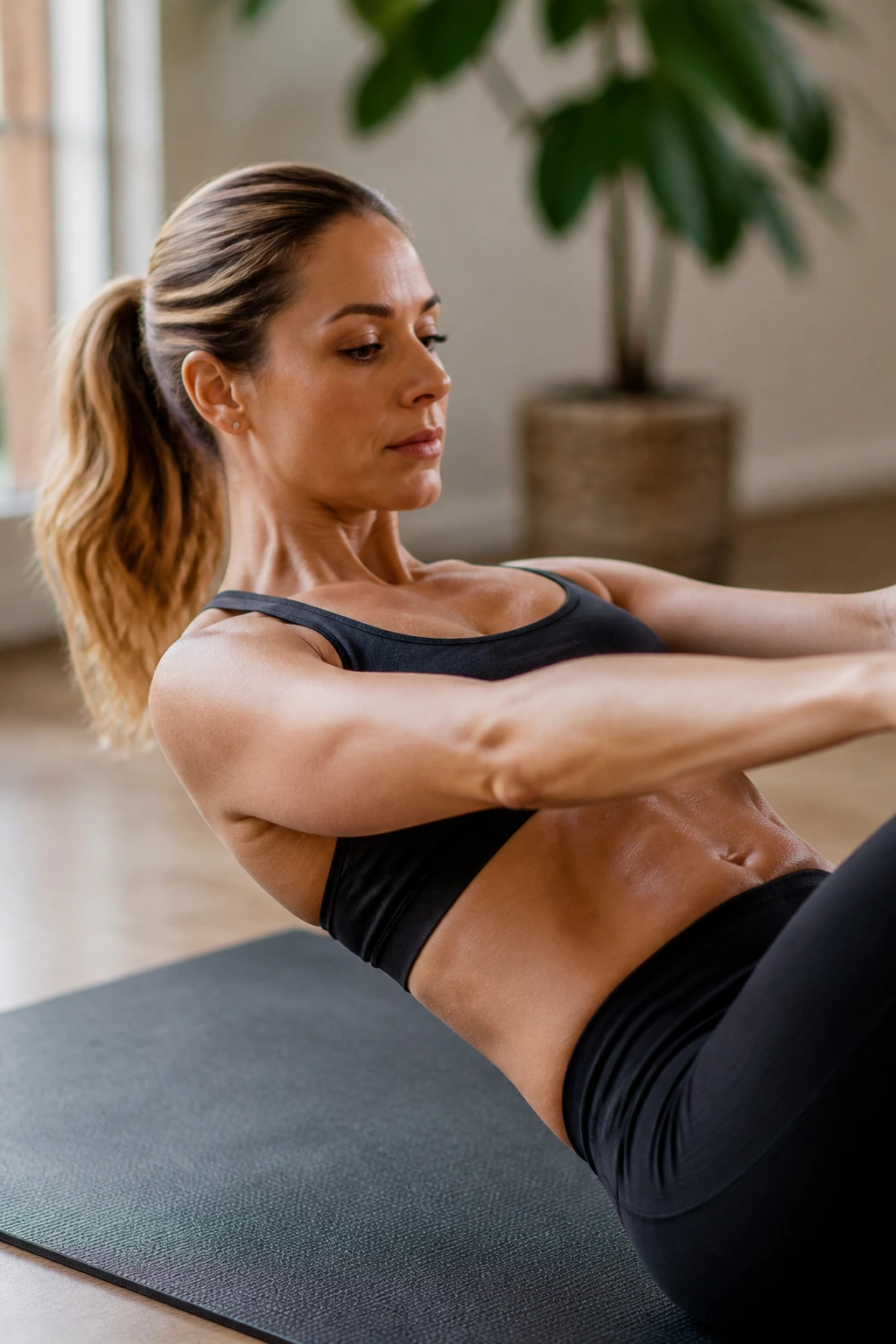
Pilates focuses on the powerhouse: your core. A strong core is essential for any other exercise you want to do. By targeting the transverse abdominis, glutes, and obliques, you create a solid foundation for burning fat. Pilates is usually lower intensity than sprinting, but the constant, controlled movements will leave your muscles fatigued.
Consistency is Key
Pilates is all about form. A single, perfectly executed movement is worth more than ten sloppy ones. Focus on your breathing—inhale through the nose, exhale through the mouth as you exert force. This helps stabilize the core.
Equipment
Most beginners can start with just a mat. As you progress, you might add a resistance band or a small yoga ball to increase the difficulty, but never underestimate the power of pure bodyweight Pilates.
12. Hiking

Hiking is simply walking with a reward. The benefit of hiking over walking on a treadmill is the terrain. The ground is uneven, which forces your feet, ankles, and stabilizing muscles to work overtime. You aren’t just walking; you are balancing, stepping over roots, and navigating slight inclines.
Calorie Burn
Because of the variance in terrain, hiking often burns more calories than a treadmill walk at a steady pace. You are constantly adjusting your stride length and body position.
Pro Tips for Beginners
- Bring water: Even on a short hike, you will lose more moisture than you realize.
- Wear proper shoes: If you’re on a trail, don’t wear flat-soled fashion sneakers. You need support to prevent ankle rolls.
13. Stair Climbing
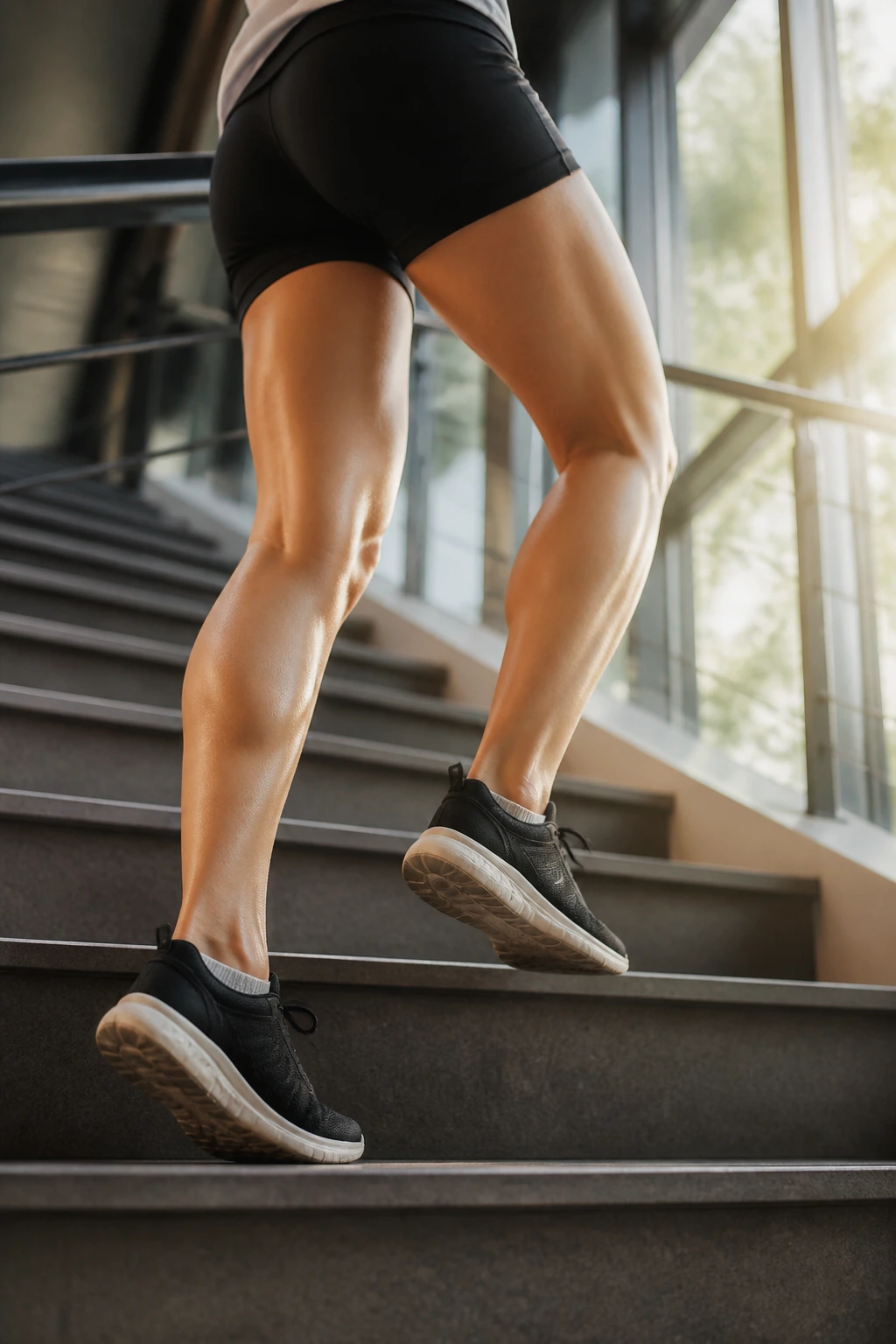
Stairs are a nightmare for many, which is exactly why they are so good for fat loss. They force you to lift your entire body weight against gravity with every single step. It is essentially a high-intensity lunging exercise.
How to Survive
Do not try to run up them. Walk up slowly, one step at a time. If you are doing this in a building, take the stairs instead of the elevator. If you are doing this in a gym on a StairMaster, keep a tall posture. Do not lean your full body weight on the handrails; use them only for balance.
The Result
The burn in your glutes and quads will be intense. That is the feeling of progress. It is one of the fastest ways to spike your heart rate and get a solid cardiovascular workout in under 20 minutes.
14. Rowing
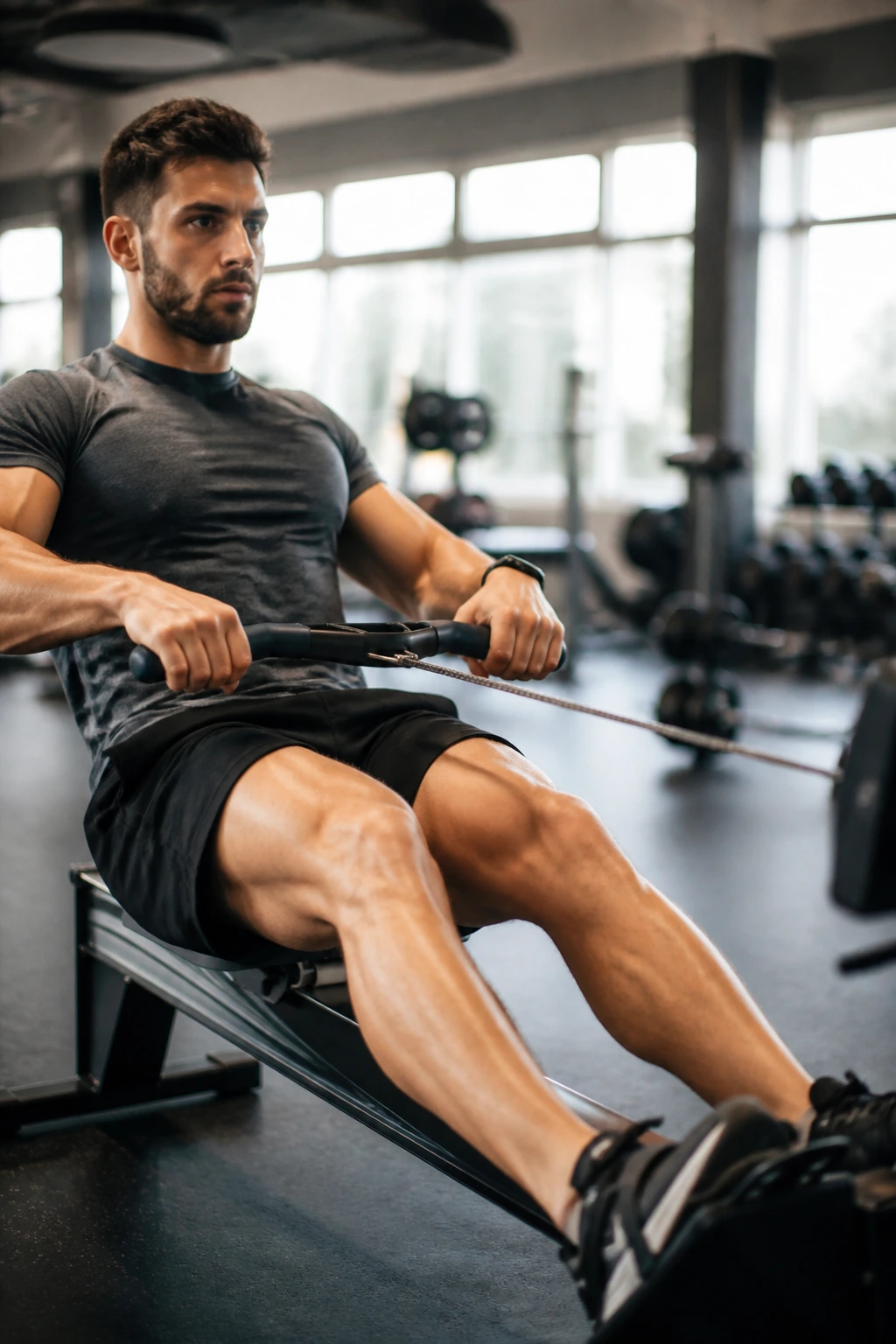
Rowing is arguably one of the best full-body workouts in existence. It utilizes your legs, back, arms, and core in one fluid motion. Most people think rowing is all about the arms, but it is actually about 60% legs. You push with your legs first, swing your torso, and then pull with your arms.
Technique Matters
If you are at a gym, ask someone to show you the proper form on the rowing machine. You want to avoid “rushing the slide,” which is moving too fast on the return. It’s a rhythmic, meditative motion once you get the hang of it.
Why It’s Great
It is low impact, so it’s safe for your knees and hips, but it provides massive cardiovascular demand. Because you are using so many muscle groups at once, the energy requirement is sky-high.
15. Elliptical Training
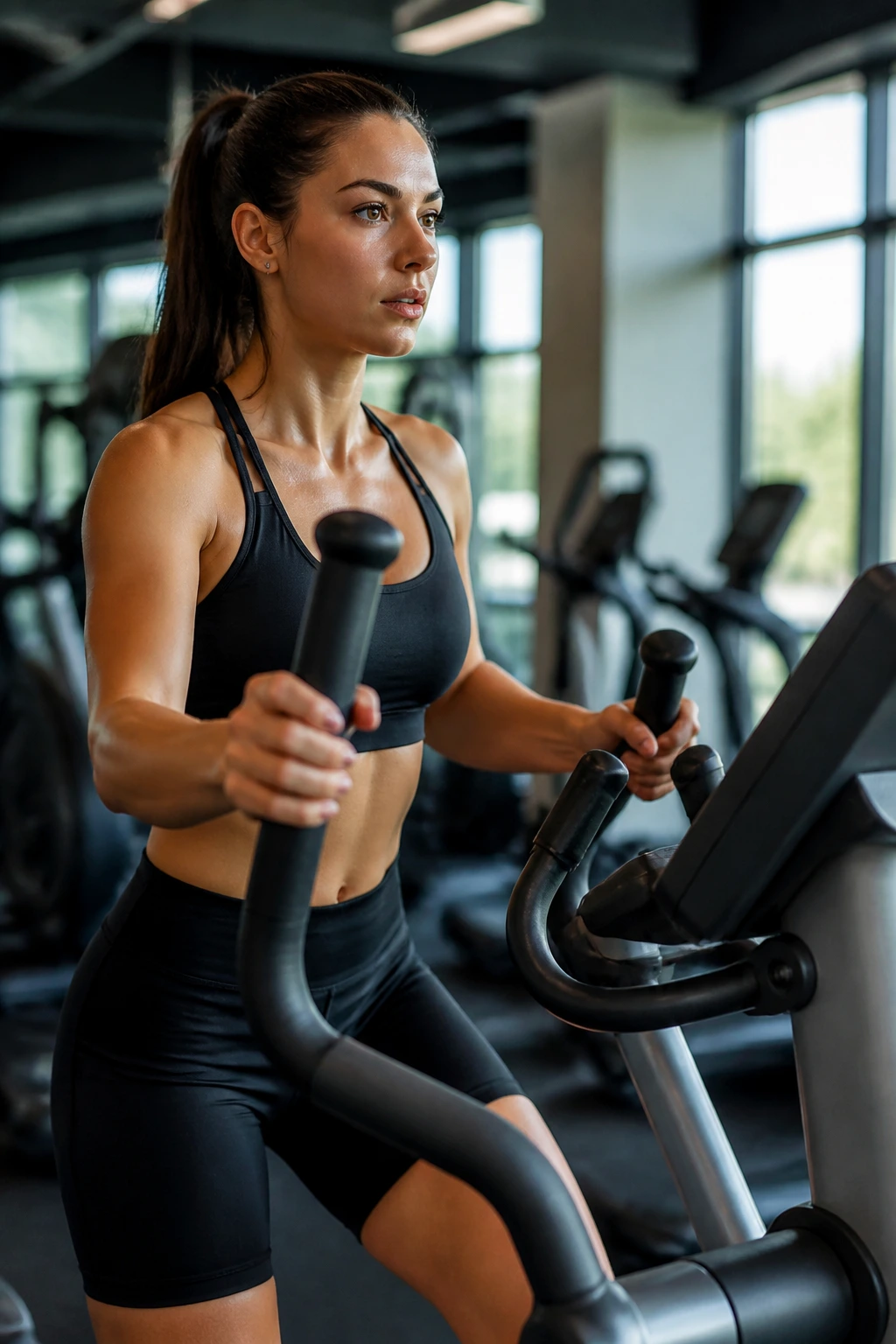
The elliptical machine is often mocked by gym-goers, but for a beginner looking to burn fat, it is a fantastic tool. It mimics the motion of running without the joint impact. You can use the handles to involve your upper body or let go to focus on your core balance.
Changing Resistance
Don’t just mindlessly pedal. Use the resistance settings to make it feel like you are going uphill. This will increase the calorie burn significantly.
Variability
Try to go in reverse for a minute or two. It changes the focus to your hamstrings and glutes in a way that feels surprisingly different and effective.
16. Battle Ropes
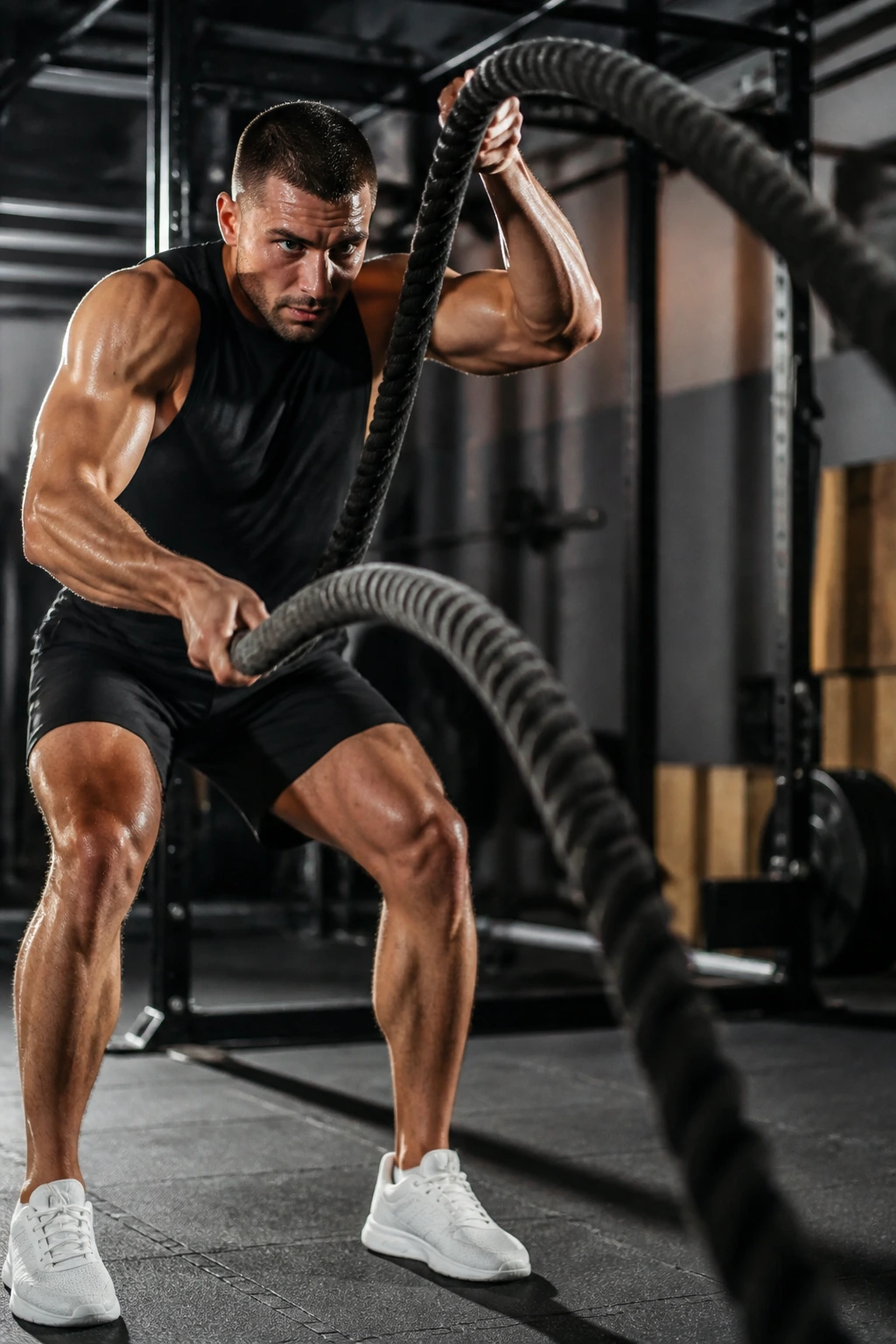
If you want to feel the burn in your shoulders and core while jacking up your heart rate, battle ropes are the answer. They look simple—just two heavy ropes—but slamming them down for 30 seconds straight is incredibly taxing.
Why It Works
It is a metabolic conditioning tool. You are creating continuous movement against resistance. It’s great because it is low impact—you are standing in one place—but the intensity is high.
How to Use Them
Keep a slight bend in your knees and engage your core. Don’t just use your arms; use your whole body to generate the wave. If the waves aren’t reaching the anchor point, adjust your stance. It is a fantastic finisher for any workout.
17. HIIT Tabata
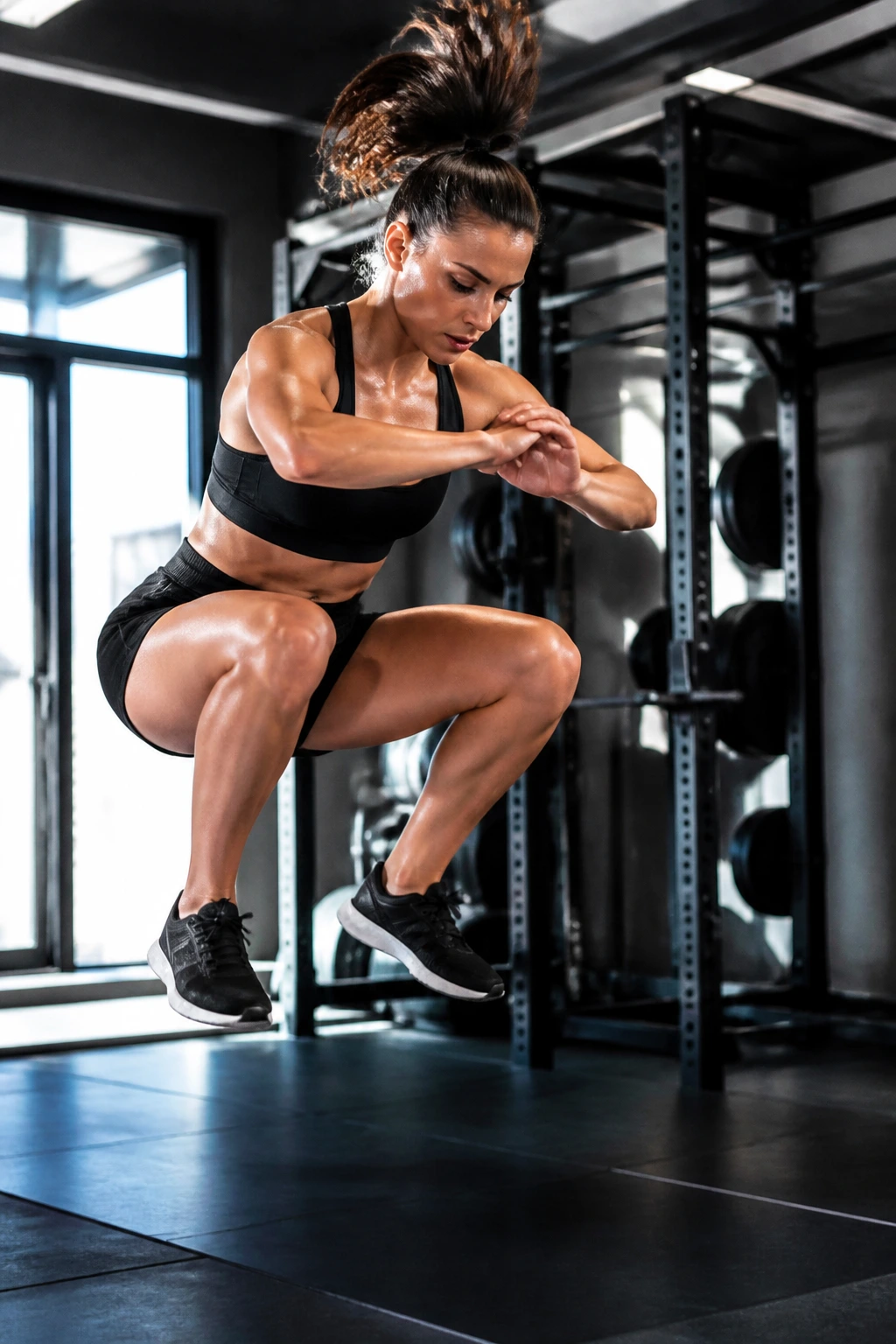
Tabata is a specific type of HIIT (High-Intensity Interval Training) that follows a strict 20-seconds-on, 10-seconds-off structure. It is intense, but the beauty is that it is over quickly. You can do this with almost any movement—jumping jacks, squats, burpees, or even running.
The Strategy
The “high intensity” part is the key. Those 20 seconds need to be at nearly your maximum effort. You are pushing your heart rate to its upper limit, then giving yourself just enough time to barely catch your breath before going again.
Warning
Do not do this every day. It is highly taxing on your central nervous system. Once or twice a week is plenty for a beginner. Always prioritize form over speed, even when the timer is ticking down.
18. Aqua Aerobics
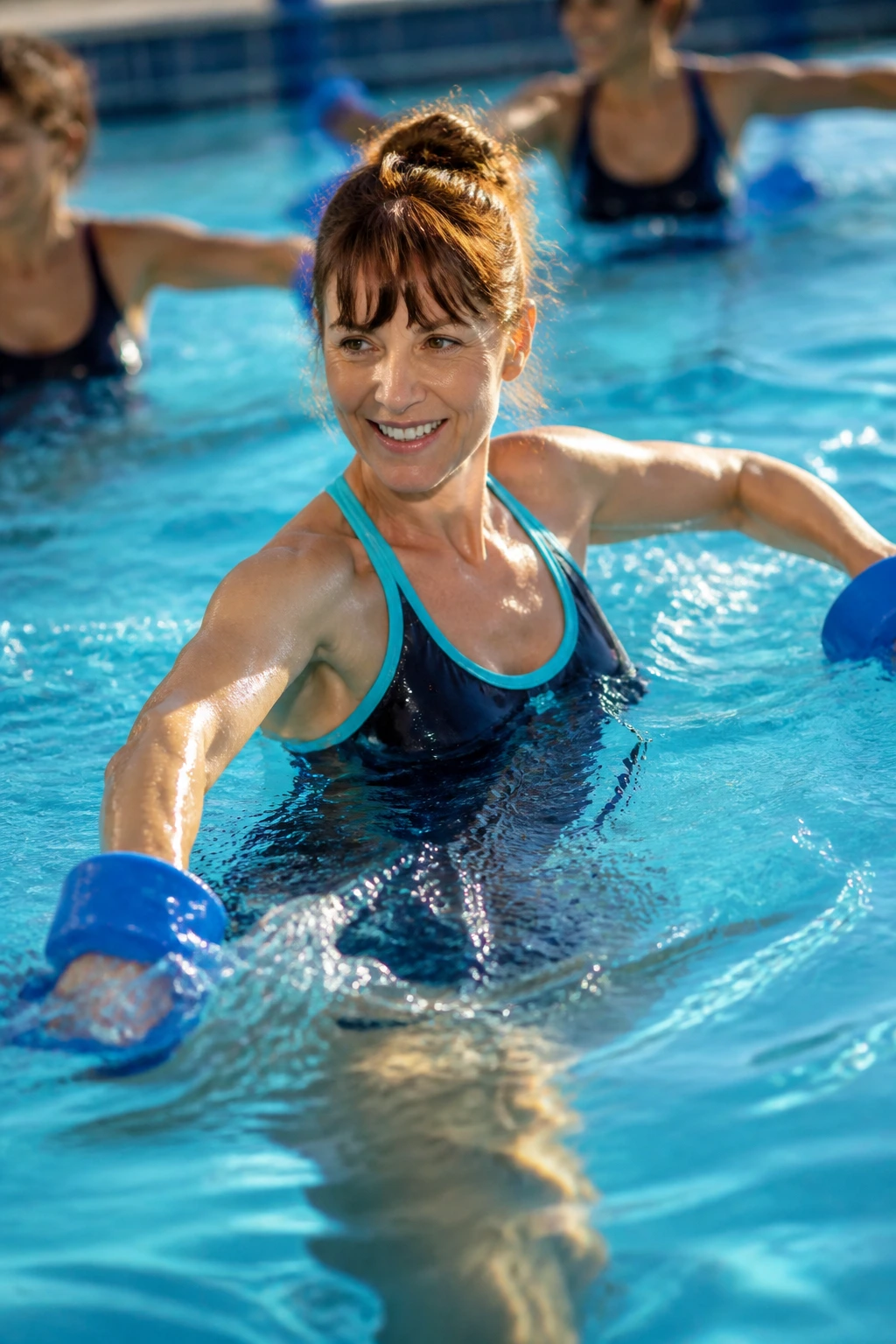
Dismiss this if you think it’s just for the elderly—that is a massive misconception. Exercising in water is incredibly difficult because you are moving against constant resistance. Every push, pull, and kick is harder in water than on land.
Why It’s Effective
You can work out longer in water because the fluid keeps your body temperature down, and the buoyancy supports your weight, making it perfect for anyone with joint issues.
The Workout
You can do squats, jumping jacks, and leg lifts in the water. The resistance of the water acts like a weight, toning your muscles and burning fat. It is a very safe way to ramp up your activity level if you are just coming back from injury.
19. Basic Calisthenics
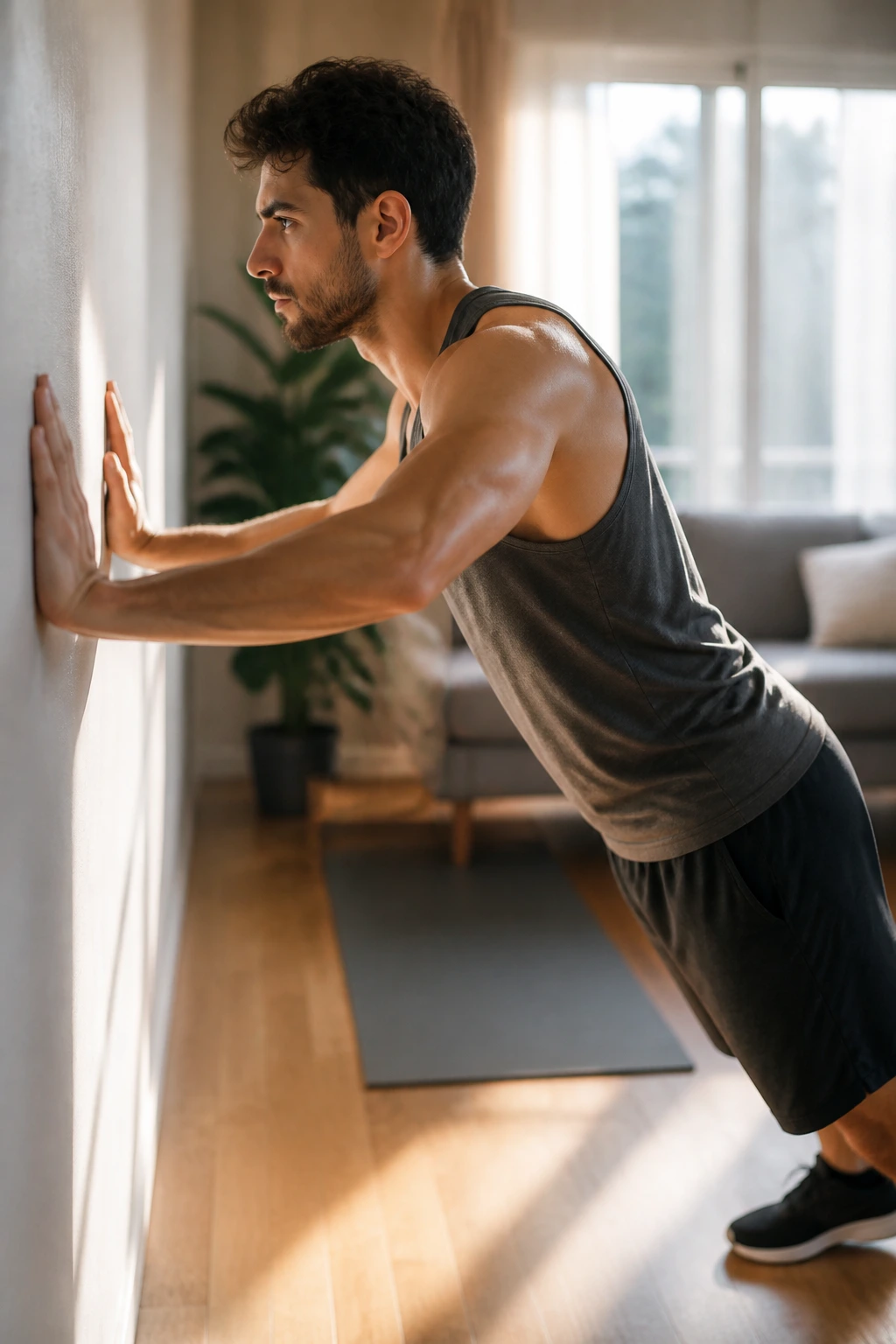
Calisthenics is just bodyweight training, and it is the foundation of all strength. You don’t need a gym. Push-ups, planks, and lunges are all you need. These movements require your muscles to stabilize your weight, which burns energy and builds lean muscle—a key component of a healthy metabolism.
The Foundation
Start with wall push-ups if standard ones are too hard. Hold a plank on your knees until you can hold it on your toes. Everything is scalable.
Consistency
The best thing about calisthenics is that it teaches you body control. When you master your own weight, everything else becomes easier. It builds a functional, athletic physique that handles daily life tasks with ease.
20. Circuit Weight Training
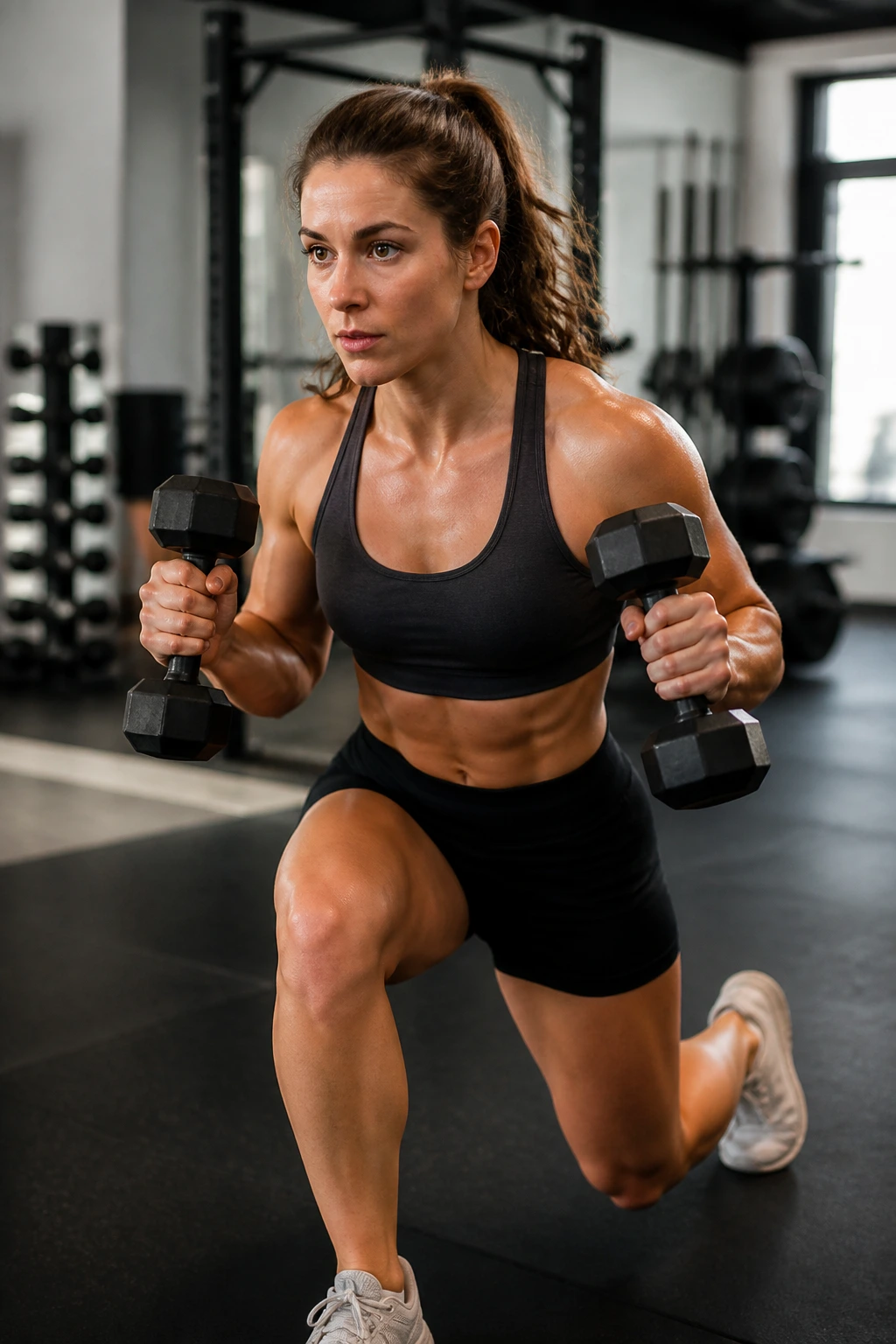
Circuit training is about efficiency. You pick 5 to 6 exercises, do them one after the other with no rest, and then take a break. It keeps your heart rate elevated throughout the entire workout, combining strength training with cardio.
Building Your Circuit
Example: 10 squats, 10 push-ups, 10 lunges, 10 sit-ups. Repeat this cycle 3-4 times.
Why It Beats Traditional Lifting for Fat Loss
In traditional weight lifting, you lift, rest for two minutes, and lift again. Your heart rate drops. In circuit training, you are moving constantly. You get the muscular benefits of weights and the cardiovascular benefits of cardio in one efficient block of time.
Final Thoughts
The secret to burning fat is not finding the “perfect” exercise; it is finding the one you will actually do on a rainy Tuesday when you are tired and would rather sit on the couch. Every movement listed here is a tool. You don’t need to do all twenty. Pick two or three that sound the least miserable to you—or even slightly enjoyable—and start there.
Remember that progress isn’t linear. Some weeks your energy will be high, and you’ll crush a long workout. Other weeks, a 15-minute walk will be all you can manage. Both are victories. Consistency is the boring, unglamorous, absolutely essential ingredient that everyone looks for but few truly commit to. Don’t worry about hitting a specific target by a specific date. Just commit to moving your body, and the rest will take care of itself.
