



Pilates weekly schedule ideas for women work best when they stop pretending every week looks the same. Some weeks you’ve got enough energy for four focused sessions. Other weeks, two clean workouts and a couple of short mobility blocks are the difference between staying consistent and disappearing for a month.
That’s the part most plans miss. Pilates rewards repetition, precision, and honest recovery; a sloppy 45-minute session when your back is already tired is usually less useful than a sharp 25-minute mat series with controlled breathing and good form. Joseph Pilates built the method around control for a reason.
Women tend to ask for schedules that fit real life: work, walking, strength training, sore shoulders, tight hips, and the occasional week when sleep has gone sideways. A good weekly rhythm should make room for all of that without turning into a punishment plan.
Some of the most useful weeks are almost boring on paper — two recovery sessions, three focused sessions, one longer reformer day, or a flexible template that changes with your energy. The trick is knowing which pattern serves your body and which one just looks tidy in a notebook. Start with the week you can repeat.
1. The Two-Day Reset Week
Two Pilates sessions a week can still change how your body feels. That’s not the flashy answer, but it’s the honest one. If you’re new to Pilates, returning after a break, or trying to fit movement around a crowded schedule, two well-built sessions often work better than four rushed ones.
Why It Works
The point here isn’t to “do less.” It’s to give your body enough stimulus to stay connected without asking for a huge time commitment. Two sessions let you practice the basics — breathing, spinal articulation, pelvic placement, shoulder stability — without turning Pilates into another thing you fail at.
I like this plan for women who already walk a lot, lift a little, or spend plenty of time on their feet. You’re not starting from zero. You’re giving your core, hips, and upper back two focused touches each week, and that is enough to notice real change in how you stand and move.
A simple shape looks like this:
- Tuesday: 30 to 35 minutes of full-body mat Pilates
- Friday: 30 to 40 minutes focused on glutes, core, and posture
- Optional: two 10-minute mobility breaks on Wednesday and Sunday
Do not cram both sessions back to back unless one of them is very light. The value of this schedule comes from spacing the work out.
2. The Three-Day Full-Body Rhythm
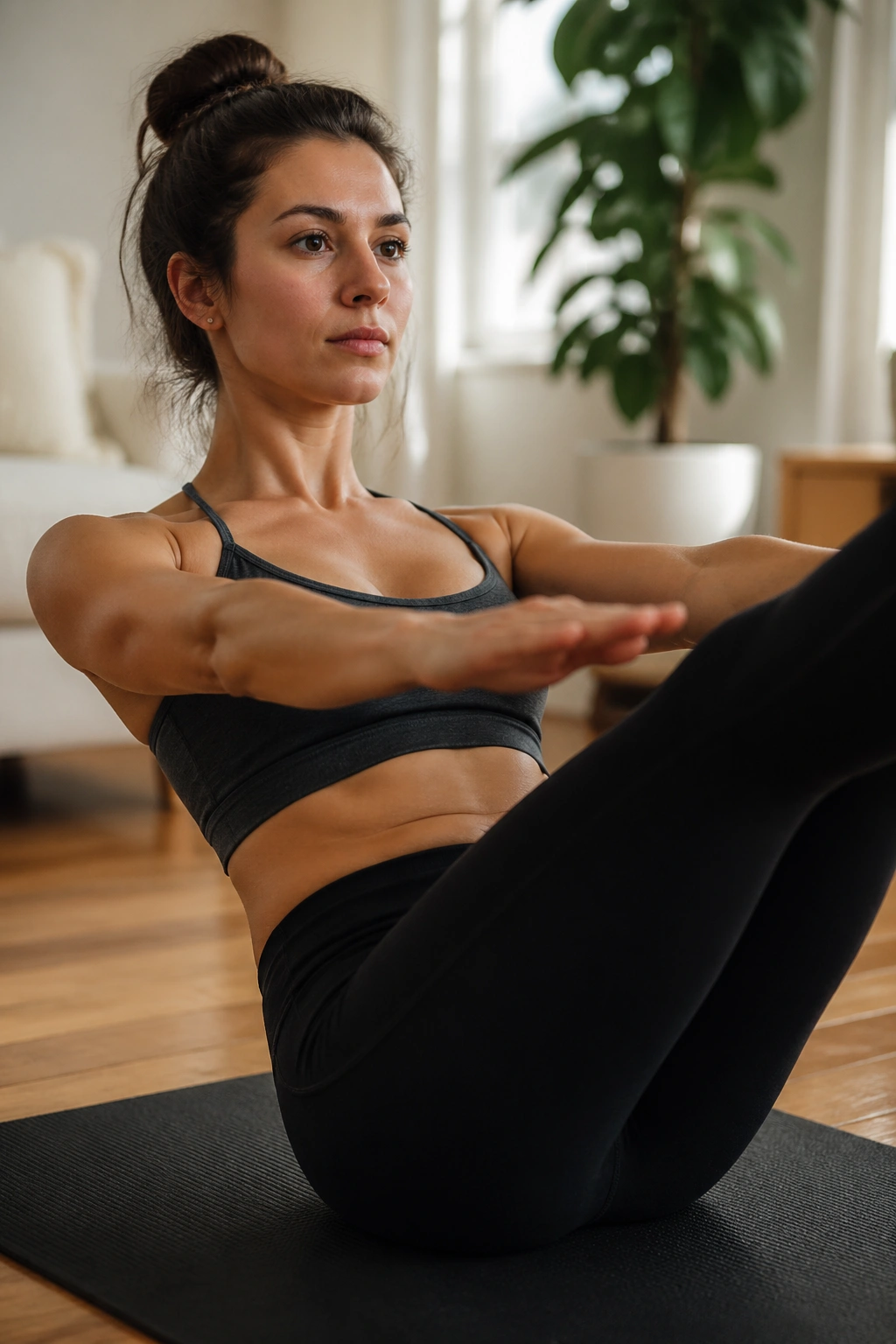
What if three sessions is the sweet spot? For a lot of women, it is. Three days gives you enough practice to improve your form, but not so much that every session starts feeling like a chore you need to recover from.
A Monday-Wednesday-Saturday pattern works well because the gaps are long enough to let your muscles settle, but short enough that you never feel like you’ve drifted away from the method. The body remembers Pilates faster than people expect. A little consistency goes a long way.
This rhythm also gives you room to split the focus naturally. One day can lean toward strength through the legs and seat, one day can be more upper-body and trunk control, and one day can be a smoother flow with mobility layered in. That variety keeps the week from feeling stale.
A Simple Week Shape
- Monday: 35 to 45 minutes, full-body control and core
- Wednesday: 25 to 35 minutes, posture, shoulders, and side body
- Saturday: 30 to 40 minutes, glutes, mobility, and longer flow
I’m fond of this setup for women who want a real routine without living in the gym. You still get rest days. You still get walking, lifting, or nothing at all on the off days. That breathing room matters more than people think.
3. The Four-Day Split for Cleaner Form
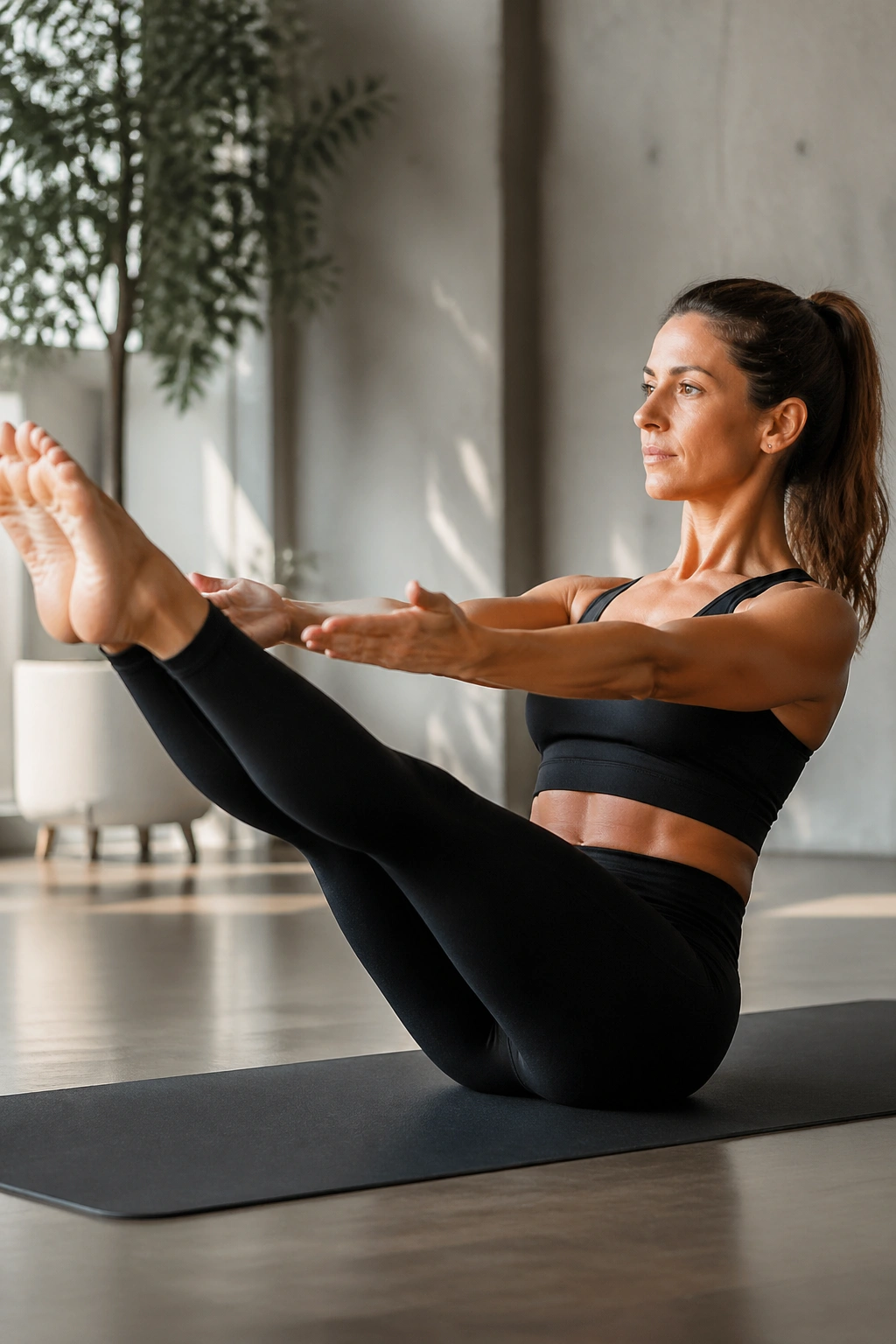
Picture a week where every session has a job. Not a random pile of moves. A job. That’s what the four-day split gives you, and it’s especially useful if you want cleaner form instead of just more sweat.
Day 1: Core and Breath
Start with the deep stuff. Hundred prep, toe taps, dead bug-style work, and slow spinal curls. Keep the class at 20 to 30 minutes if you’re new, or 35 if you already know your way around a mat.
Day 2: Glutes and Hips
This is where side-lying legs, bridges, clams, and standing leg work live. The goal isn’t to fry your glutes. The goal is to wake them up so your lower back stops doing all the work.
Day 3: Upper Body and Posture
Think scapular control, chest opening, triceps support, and long holds in plank variations. A lot of women feel this day in their neck the first few times. That’s a clue, not a failure.
Day 4: Full-Body Flow
Finish the week with a smoother class that links the patterns together. Roll-downs, swan prep, lunges, swimming, teaser prep if you’re ready. Keep it moving, but not frantic.
This schedule works because each session has a clear focus. You stop guessing. Your body gets cleaner repetition, and your practice starts to feel more intentional without getting precious about it.
4. The Five-Short-Sessions Habit Builder
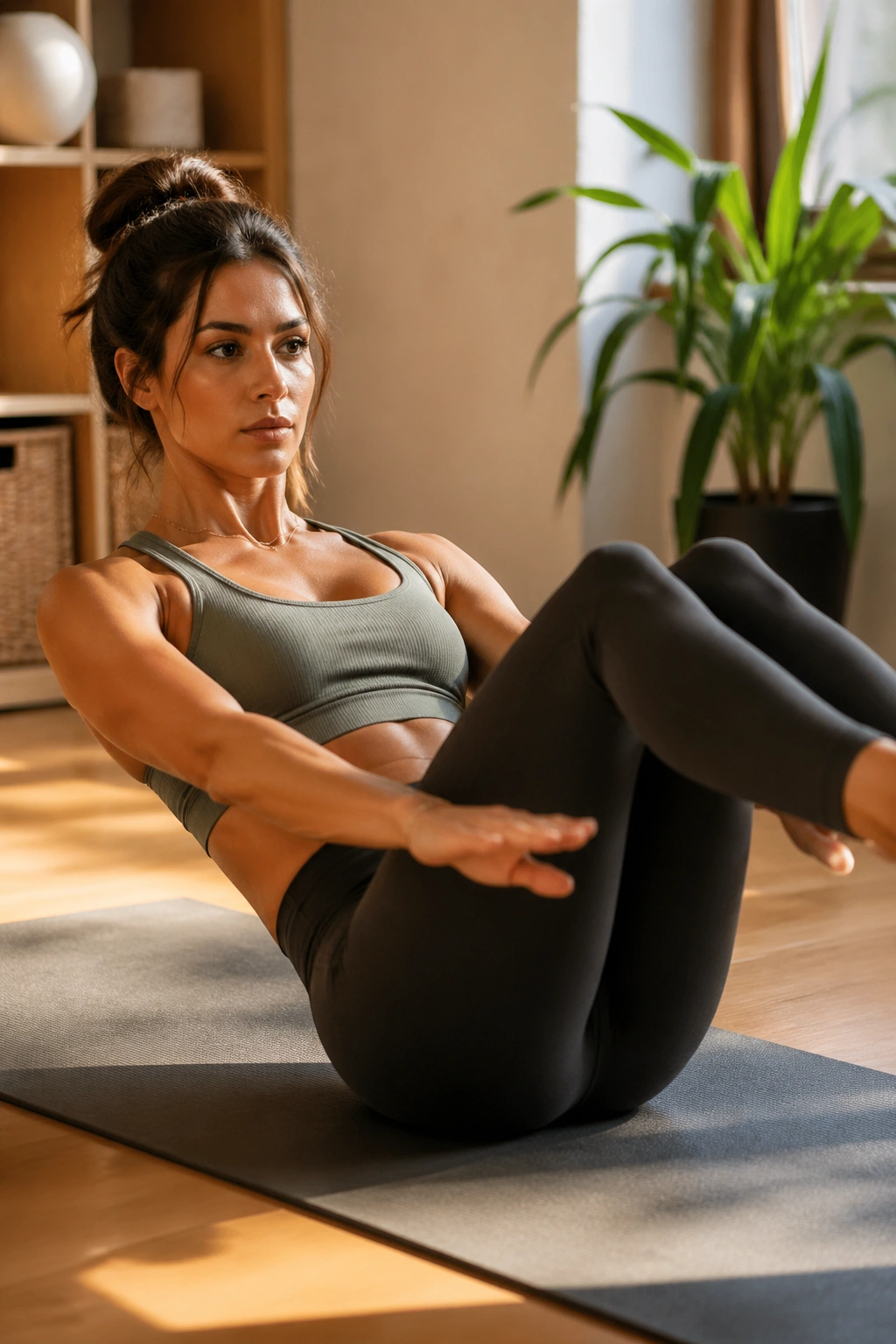
Long workouts are overrated when life is busy. There, I said it. A week built around five short Pilates sessions can be far easier to keep than a fancy plan that asks for an hour every time you unroll the mat.
This works especially well for women who hate the mental drag of a big session. Fifteen to twenty minutes feels manageable on a Wednesday night. Twenty-five minutes feels possible before breakfast. Once you remove the “I need a full hour or it doesn’t count” rule, the whole thing gets easier.
A Week That Stays Small on Purpose
- Monday: 15 minutes, footwork and core
- Tuesday: 20 minutes, hips and side body
- Thursday: 15 minutes, spine mobility and breathing
- Friday: 20 minutes, glutes and hamstrings
- Sunday: 25 minutes, full-body flow
That kind of structure keeps your nervous system from treating Pilates like a huge event. It becomes part of the week, like brushing your teeth or making coffee. Small, but regular.
The best rule here: finish while you still have a little energy left. If every short session ends with you gasping on the floor, you’ve turned a habit plan into a punishment plan. Bad trade.
5. The Mat-Only Minimalist Week
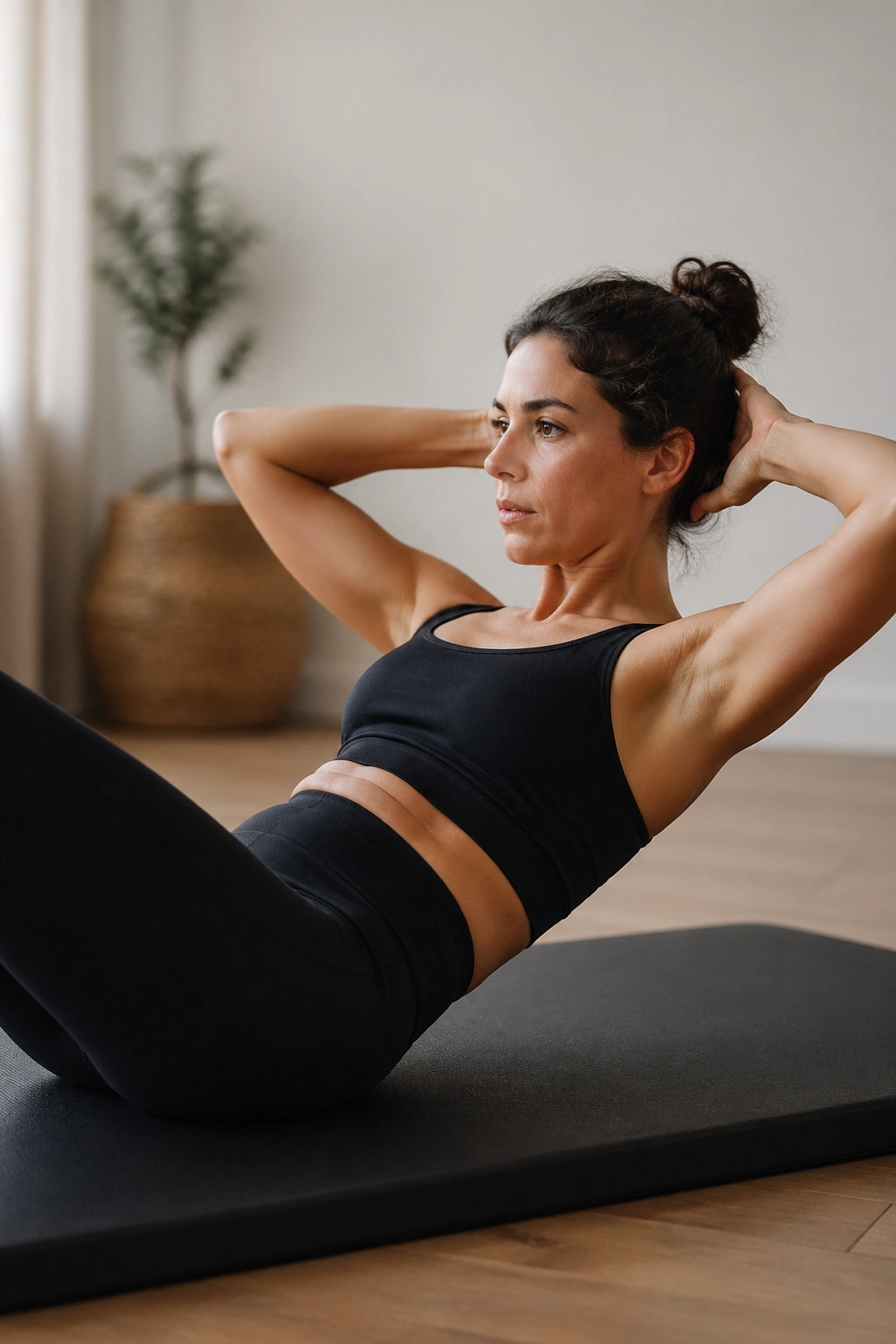
A mat, a timer, and enough floor space to stretch your arms. That’s all you need for a good mat-only week, and there’s something refreshing about that. No springs. No studio schedule. No equipment pile in the corner.
The mat-only setup asks for more from your own control, which is why it can feel harder than it looks. Without the help of reformer resistance, your tempo matters more. Your ribs, pelvis, and shoulders have to stay honest. You can’t hide sloppy alignment behind a machine.
That’s not a drawback. It’s the point.
What to Focus On
Spend one session on abdominal work and spinal curl patterns. Spend another on glutes, inner thighs, and side-lying control. The third can be a longer mobility flow with roll-downs, swan prep, and hamstring lengthening. If you only have two days, keep the same order and simply stretch each one out a little.
A few small details make the mat week work better:
- Use a thick mat if your knees complain
- Slow the lowering phase to 3 counts
- Pause for 1 breath at the hardest point
- Keep your neck soft during ab work
I like this plan for women who want something simple and quiet. It’s also a smart choice if you travel, have limited space, or prefer a practice that doesn’t depend on a studio schedule. Plain works. Sometimes plain is exactly right.
6. The Reformer-and-Mat Mix
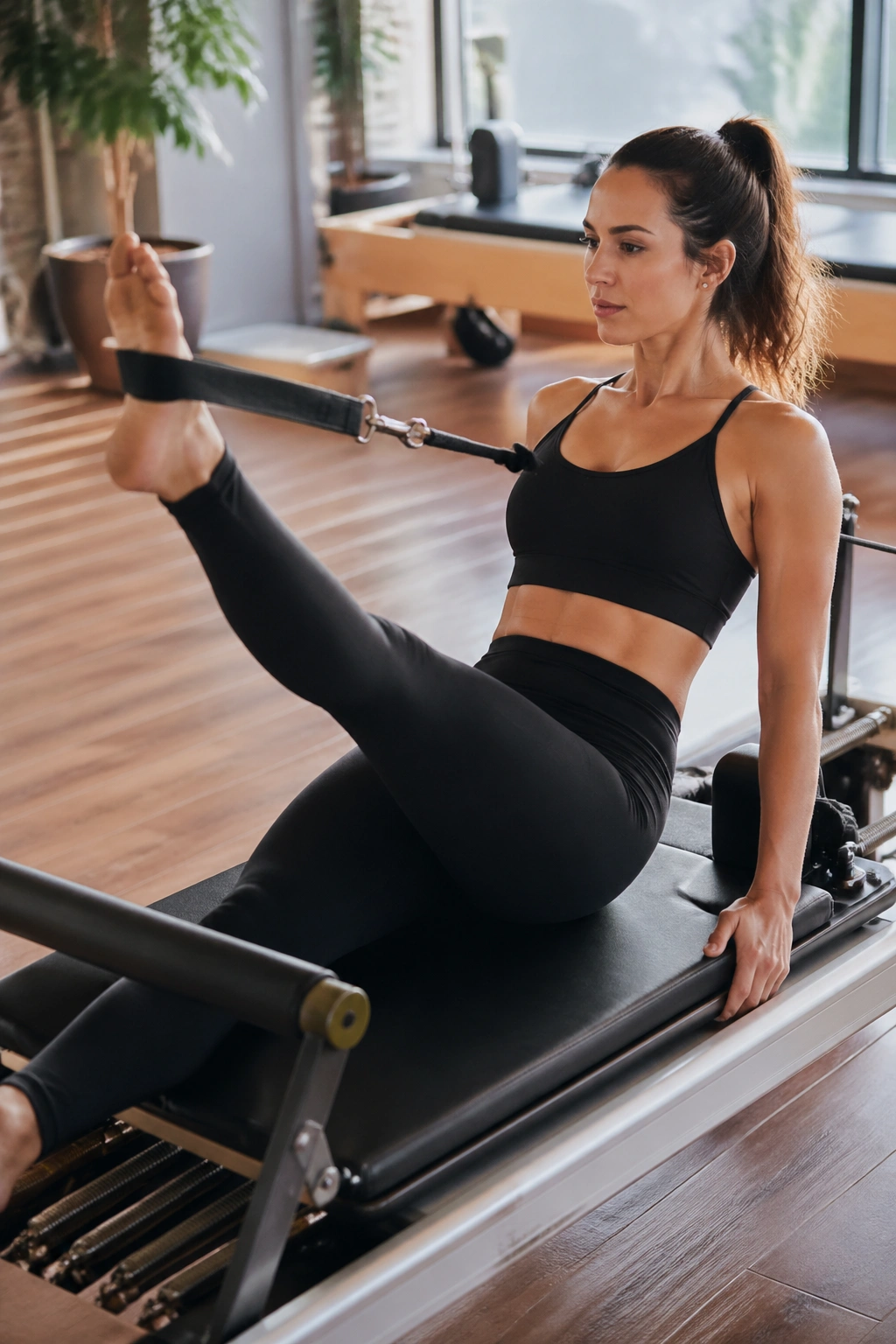
Unlike a mat-only week, a reformer mix gives you spring resistance on the days your joints want less pounding. The machine gives feedback you can feel immediately through your feet, hands, and center line. The mat gives you cleaner control. Put them together and the week starts to feel balanced in a very practical way.
A lot of women like this combination because it stops Pilates from feeling one-note. The reformer can make leg work feel sharper and more precise, while the mat forces you to own the movement without help. That contrast is useful. It keeps your body from getting lazy.
A Sample Pattern
- Monday: reformer class, 45 minutes
- Wednesday: mat class, 25 to 30 minutes
- Friday: reformer class, 40 minutes
- Saturday or Sunday: short mat mobility, 15 to 20 minutes
You can tilt this toward strength by making the reformer days more demanding. Or keep it gentler and use the mat day for breath, spine work, and recovery. The machine is not a magic wand. It’s just a tool that changes the feel of the work.
If you only get one reformer slot each week, use it for the session that benefits most from resistance — usually glutes, hamstrings, and core control. That’s where the springs earn their keep.
7. The Strength-Plus-Pilates Combo Week
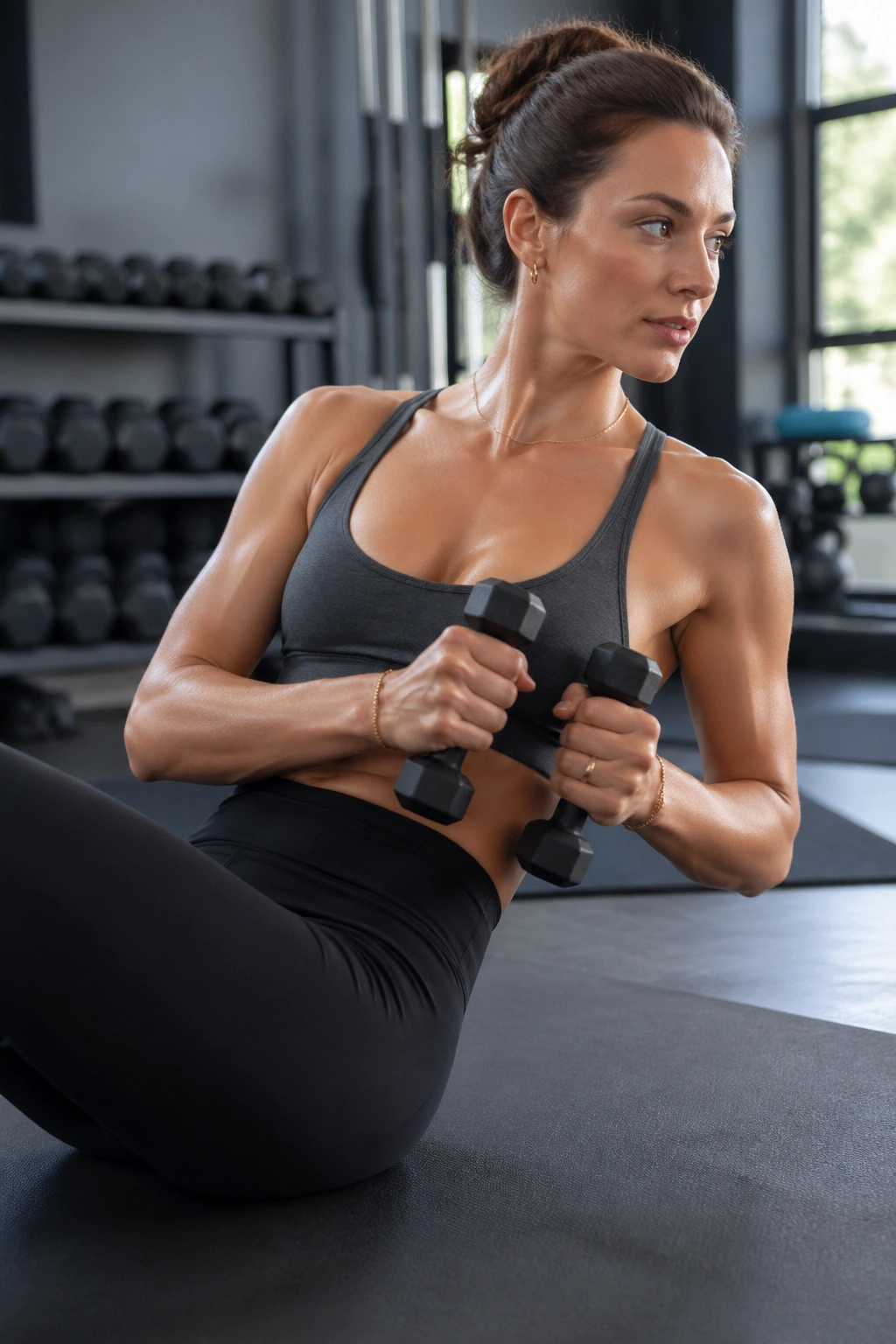
Can Pilates sit next to lifting without wrecking your legs? Absolutely. In fact, it often makes lifting feel cleaner, especially when you use Pilates to improve trunk control, hip stability, and the boring-but-important stuff around your shoulder blades.
This is the schedule I’d point women toward if they already do squats, deadlifts, presses, or dumbbell work and want something that supports those lifts instead of competing with them. Pilates can be the reset between heavy days. It can also be the session that teaches your ribs not to flare every time you brace.
Where It Fits
- After upper-body lifting: a 20 to 30 minute Pilates session works well
- Between lower-body days: keep it lighter and focus on mobility plus core
- On a pure recovery day: choose spine work, breath, and lateral movement
A lot depends on how hard your lifting sessions are. If leg day leaves you wobbling, don’t tack on an aggressive reformer class right after. That’s a fast route to irritated hips and sloppy form. Better to place Pilates where it restores movement instead of stealing from recovery.
I like this schedule for women who want strength without stiffness. The combo tends to help posture, waist control, and pelvic stability, but the real win is steadier movement under load. That carries over into everything else.
8. The Recovery-Focused Low-Impact Week
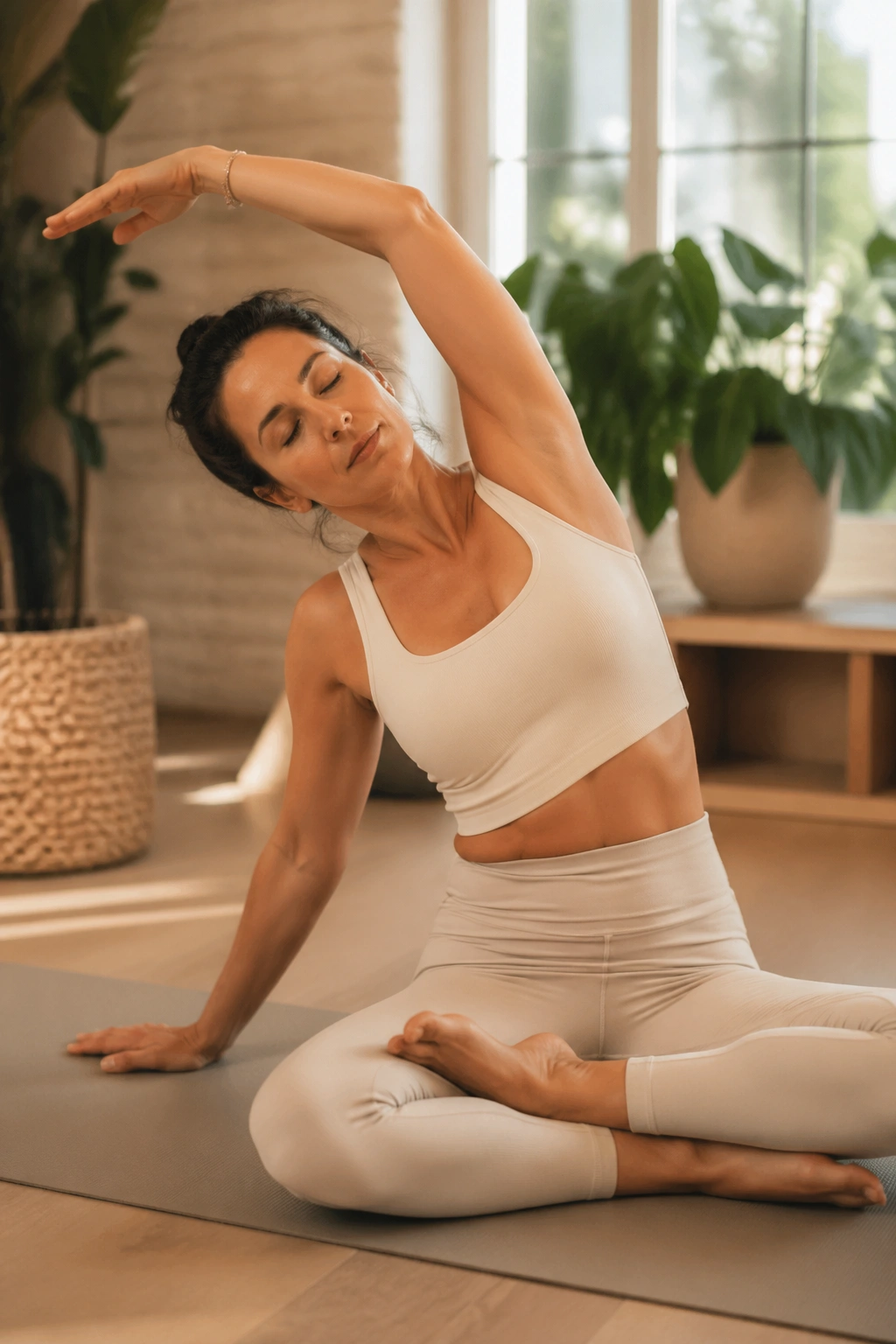
Some weeks your body just feels prickly. Heavy. A little off. Maybe you slept badly, maybe your schedule was noisy, maybe your back has been talking to you for days. That is not the week for a heroic workout plan.
A recovery-focused Pilates week keeps the joints happy and the nervous system from getting too loud. It’s still movement. Just softer movement. More breath. More range. Less force.
This kind of schedule is useful after travel, during extra-stress weeks, or anytime your body feels flat and overworked. The sessions stay short and gentle, and you leave feeling better than when you started. That’s the standard.
A Gentle Week Shape
- Monday: 20 minutes, breath and spinal mobility
- Wednesday: 25 minutes, hips and hamstrings
- Friday: 20 minutes, side body and gentle core
- Daily: a 10 to 15 minute walk if it feels good
The biggest mistake here is trying to “make up” for reduced intensity by piling on extra reps. Don’t. Recovery weeks work because they lower the load, not because they sneak in hard work through the back door.
Your body often gives you a few obvious signals when it wants this style: tight neck, dull low back, heavy legs, short patience. Listen to those. They’re useful.
9. The Desk-Body Posture Week

Slumped shoulders do not need motivation. They need repetition.
That’s the blunt truth for women who sit for work, drive a lot, study long hours, or spend half the day hunched over a laptop. A posture-focused Pilates week won’t “fix” your desk habits on its own, but it can make your body far less mad about them.
The aim is to open the chest, wake up the upper back, and give the hips some extension after all that sitting. I’m a fan of putting posture work into the middle of the week, when the desk creep has already started to show up. You feel it in the neck first. Then the lower back starts chiming in. Lovely.
A Useful Pattern
- Monday: thoracic extension and shoulder control
- Wednesday: side-lying core and lateral line work
- Friday: bridges, swan prep, and spinal lengthening
- Sunday: 10-minute reset with roll-downs and breathing
A few exercises deserve repeat airtime here: chest opener variations, wall slides, swimming, and controlled roll-backs. They’re not flashy. They work because they address the exact shapes your day has been teaching your body.
If you sit for long stretches, this is the week that pays you back fastest. Not because it’s magical. Because it targets the shapes you live in.
10. The Runner’s Support Week
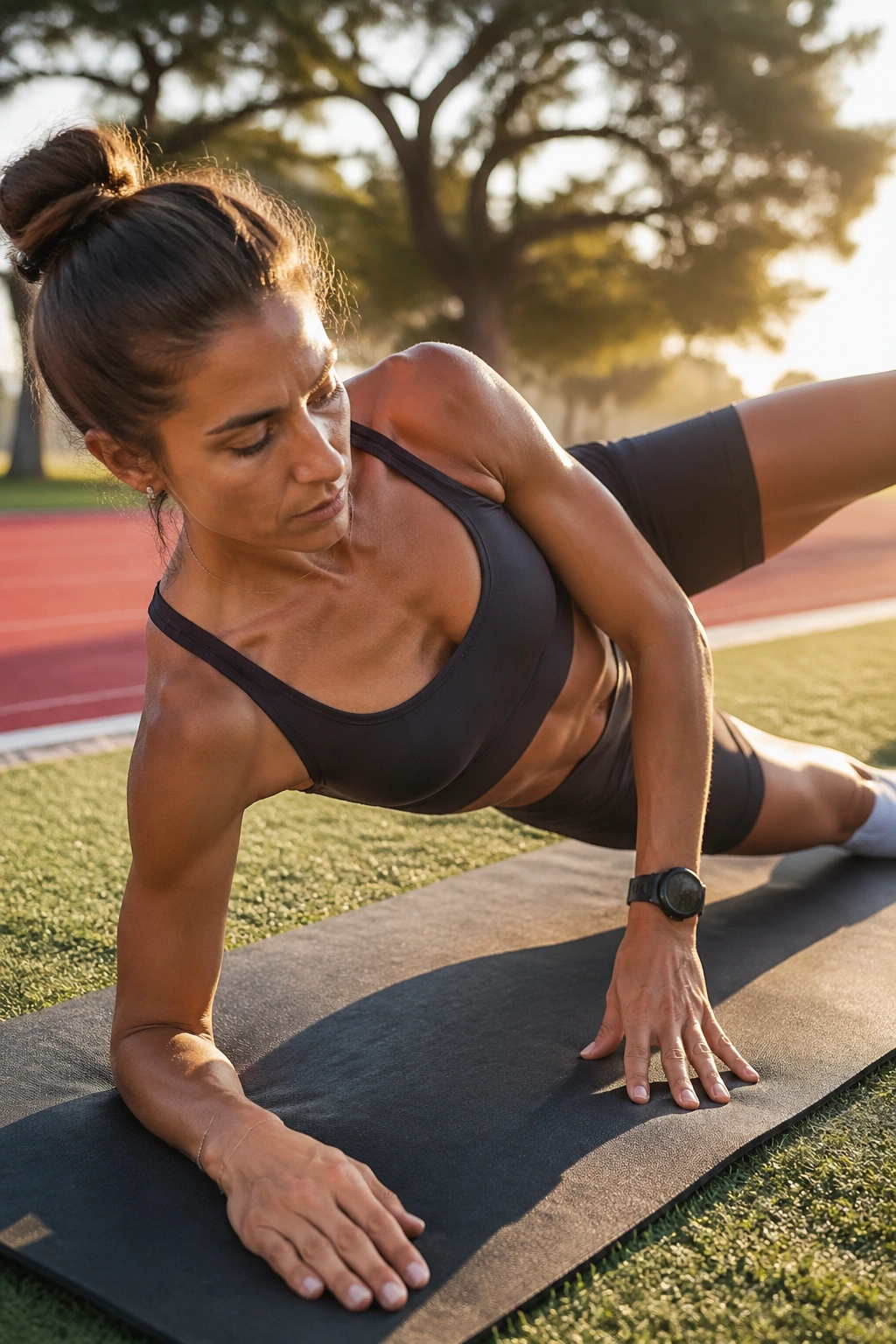
Two Pilates sessions can calm a noisy runner’s hips more than five random stretch breaks. That sounds a little rude to the stretch-break crowd, but it’s true. Movement quality matters more than touching your toes and hoping for the best.
Pilates gives runners and brisk walkers better control through the pelvis, glutes, hamstrings, and deep core. It also helps with single-leg stability, which is where a lot of gait problems show up. The goal is not to turn Pilates into cross-training theater. The goal is to make your stride smoother and your recovery less grumpy.
A Strong Support Week
- Tuesday: 30 minutes, core and hip stability
- Thursday: 20 minutes, footwork, calves, and balance
- Saturday: 25 to 35 minutes, full-body flow after an easy run or walk
- Optional: 5 minutes of ankle circles and hip openers after runs
Keep one session more strength-focused and one more mobility-focused. That split matters. If both sessions are heavy, your legs may feel flat. If both are too light, you lose the benefit.
This schedule is a favorite of mine for women who run but do not want their hips to feel like rusty hinges. It also suits walkers who want steadier posture and less foot fatigue. Simple, direct, effective.
11. The Energy-Led Flexible Week
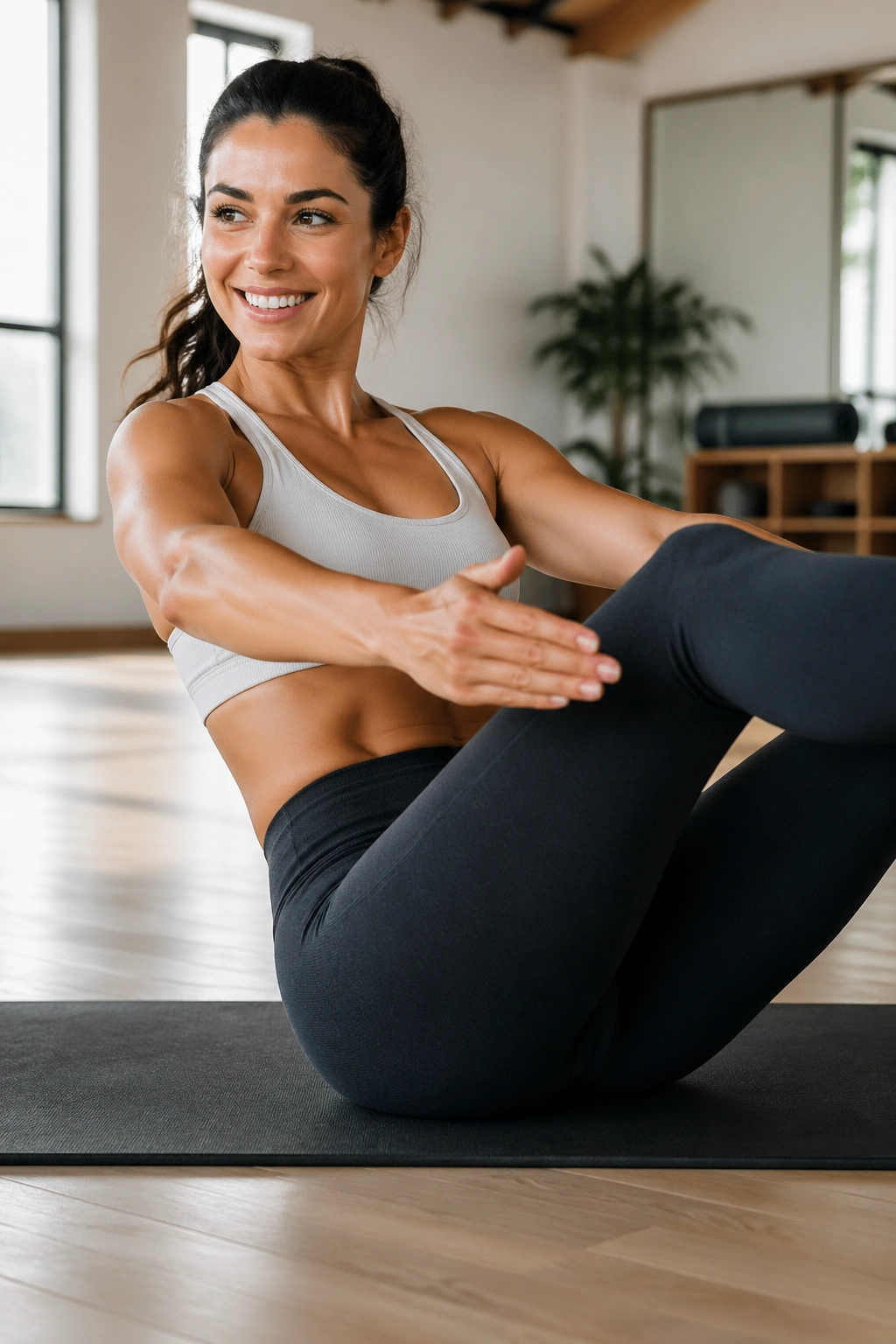
What if the week changed with your energy instead of the other way around? That question sounds almost too easy, but it solves a real problem for women who notice clear ups and downs across the month or across a hectic work cycle.
The idea is straightforward: put your hardest Pilates sessions on the days you feel strongest, and let the lower-energy days carry breathing, mobility, and gentle core work. You do not need a perfect chart. You just need a rough sense of when your body likes to push and when it wants a smaller ask.
High, Medium, Low
- High-energy day: reformer work, stronger planks, longer sequences, 35 to 50 minutes
- Medium-energy day: full-body mat flow, bridges, side-lying legs, 25 to 35 minutes
- Low-energy day: breath, stretch, spinal mobility, 10 to 20 minutes
Some women like to map this to their cycle. Others just notice that a certain week of the month feels heavier and a certain day feels sharp and strong. Either way, the same rule applies: don’t waste the good days on easy work unless your schedule forces it.
I’d keep one thing in mind here. The flexible plan only works if you stay honest about what kind of energy you actually have, not what you wish you had. That difference is everything.
12. The Repeatable Reset Week
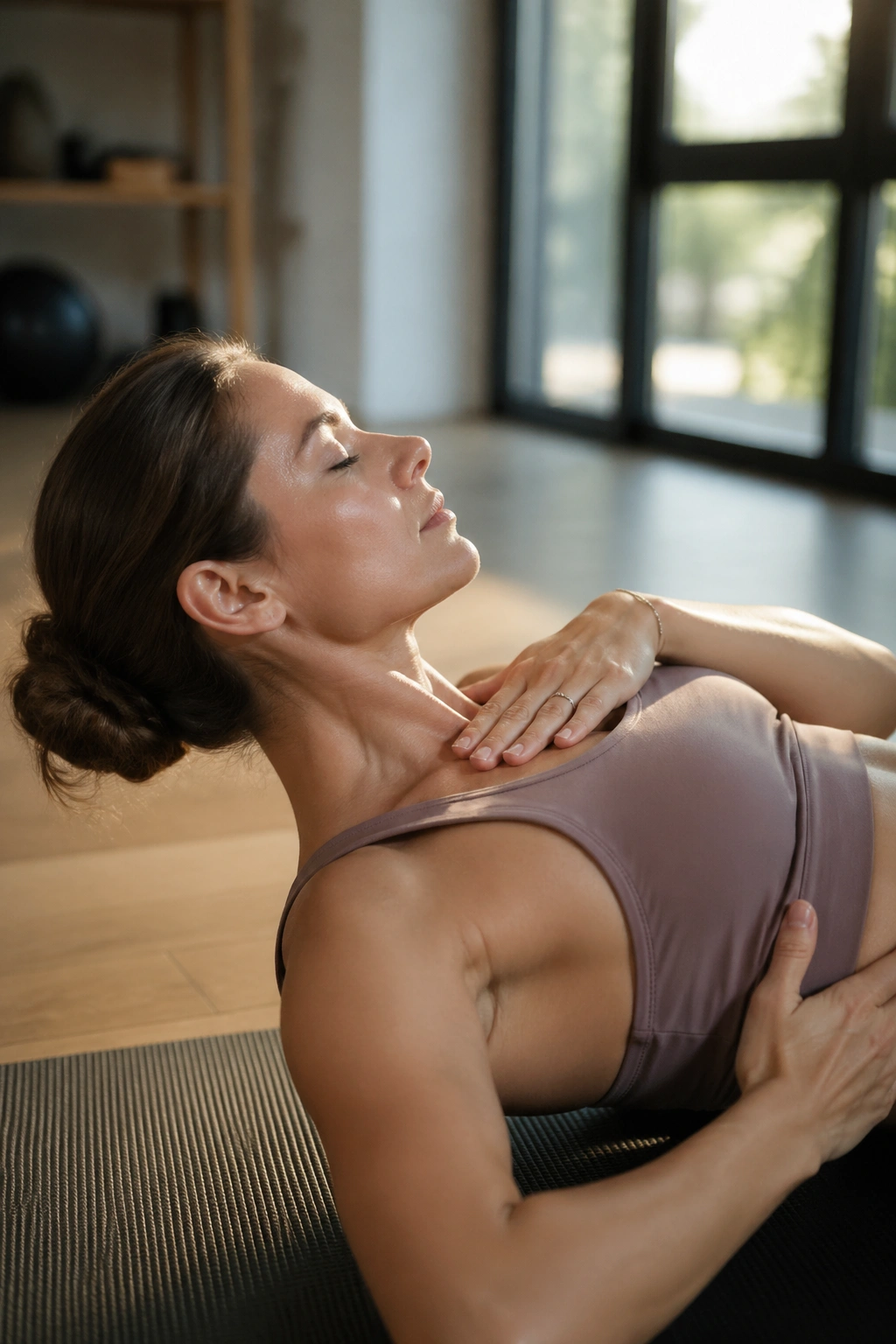
There’s one schedule I keep coming back to when life gets messy. It’s not fancy. It doesn’t try to impress anybody. It just keeps the practice alive.
A repeatable reset week works because it leaves room for real life while still giving you enough structure to feel anchored. For women who travel, juggle work and family, or simply get tired of elaborate plans, this is the easiest week to return to after a wobble.
A Solid Template
- Monday: 30 minutes, full-body mat or reformer
- Wednesday: 15 to 20 minutes, mobility and breath
- Friday: 30 minutes, glutes, core, and posture
- Sunday: 20 minutes, stretch flow and gentle roll-downs
That rhythm gives you two real training touches, one light midweek reset, and one softer finish. It’s balanced without being fussy. If one workout gets missed, the whole week does not collapse. That’s the main reason I keep recommending it.
Save one short “bad day” sequence — 8 to 12 minutes, no equipment, no drama. Use it when the week goes sideways and you need a way back in. That little backup plan matters more than people admit.
