



The alarm goes off. You look at the clock and realize you have exactly thirty minutes before you need to be showered, dressed, and moving on with your day. We have all been there. It is the classic time-crunch dilemma that makes most people skip a workout entirely. But here is the truth that the fitness industry often glosses over: you do not need an hour to build endurance, burn fat, or get a serious sweat going. You just need to dial up the intensity.
High-Intensity Interval Training (HIIT) is the great equalizer. It does not care about your schedule; it only cares about your effort. When you compress a workout into a short window, you force your body to work in a way that longer, steady-state cardio simply cannot touch. Your heart rate spikes, your metabolism shifts into a higher gear, and you end up doing more work in less time. The trick is knowing exactly what to do when the clock starts, so you are not wasting precious minutes trying to figure out your next move.
Below are twenty-two distinct routines designed to fit into that thirty-minute window. Some rely on fancy gym equipment, while others require nothing more than the floor beneath your feet and a bit of determination. Use these when you are short on time, low on motivation, or just need to remind your muscles what hard work feels like.
1. The Classic Tabata Bodyweight Burner
Tabata is the gold standard for HIIT because it is deceptively simple. You work for twenty seconds, you rest for ten, and you repeat that cycle eight times for one four-minute round. It sounds easy on paper, but by the third round, your lungs will be burning in a way that makes you question your life choices.
The Structure
The beauty here is in the “20/10” protocol. Because the rest period is so short, your heart rate never has a chance to fully recover.
- Round 1: Burpees (Go as hard as you can)
- Round 2: Mountain Climbers
- Round 3: Air Squats
- Round 4: High Knees
Why it works: You are forced to maintain output under fatigue. If you slow down, the interval ends, and you get no benefit. You have to push the pace regardless of how your legs feel.
2. Every-Minute-on-the-Minute (EMOM) Dumbbell Complex
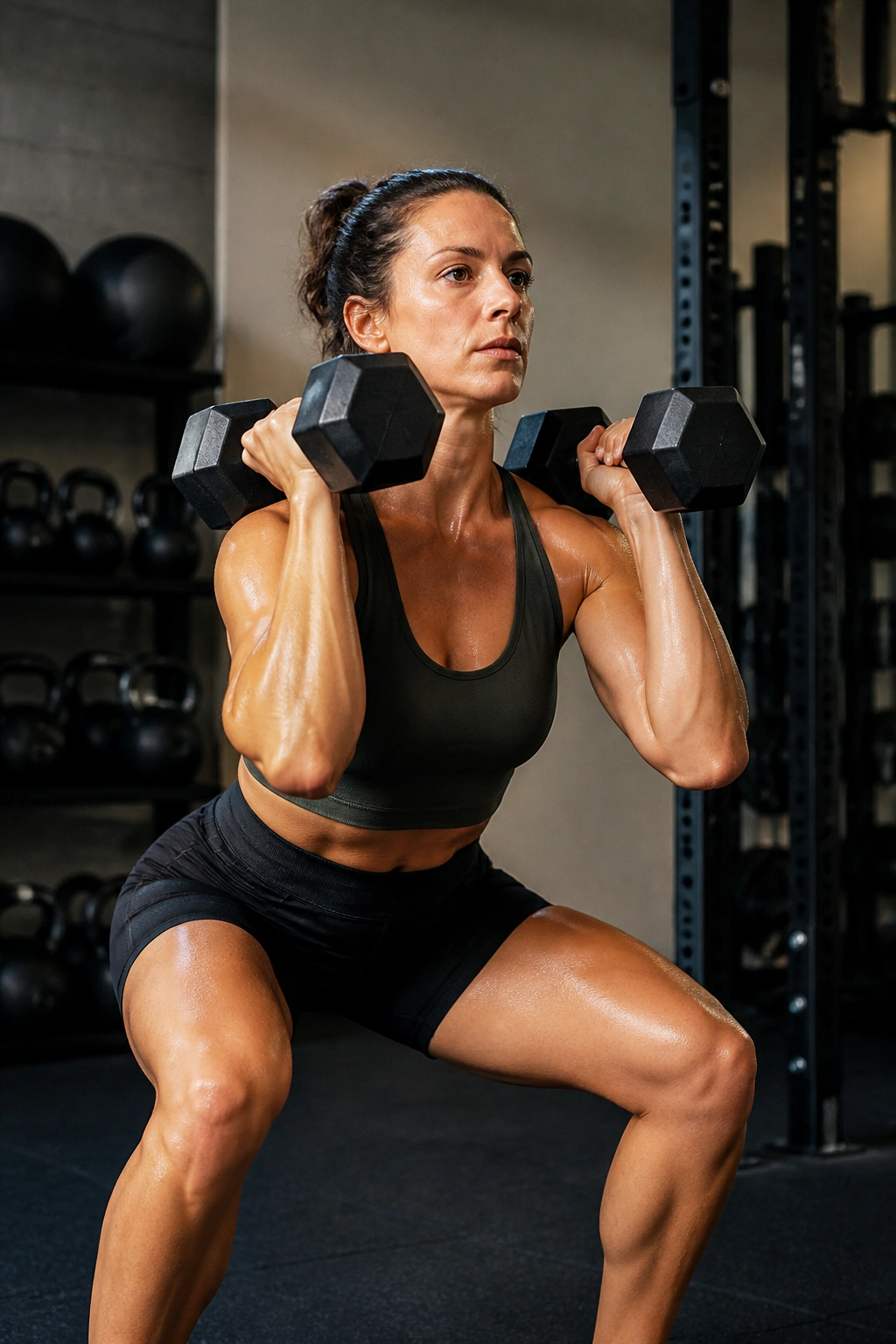
EMOM workouts are fantastic for keeping you honest. You set a timer for thirty minutes, and at the start of every minute, you perform a specific set of movements. Whatever time is left in that minute is your rest. If you are slow, you do not get to rest.
How to Execute
Grab a pair of dumbbells that feel slightly challenging—not heavy, but not light either.
- Minute 1: 10 Dumbbell Thrusters
- Minute 2: 10 Renegade Rows
- Minute 3: 10 Goblet Squats
- Minute 4: 10 Pushups
- Minute 5: Rest
- Repeat: Cycle this for six rounds to hit your thirty-minute mark.
Warning: The temptation will be to rush your form to get more rest time. Do not fall for it. You will burn out by the third round. Keep your technique clean, even when your heart rate is redlining.
3. The Progressive Plyometric Ladder

Plyometrics are all about explosive power, but they are also a sneaky way to elevate your heart rate. This workout uses a ladder format where you increase the number of repetitions for each exercise as you go, then decrease it back down.
The Moves
- Start: 2 reps of each, then 4, 6, 8, up to 12, then back down to 2.
- The Moves: Jump Squats, Box Jumps (or Tuck Jumps if you lack a box), and Lateral Skater Jumps.
- The Catch: You do the entire ladder without setting a time cap on the round, but your goal is to finish the whole set in under thirty minutes.
It is mentally taxing because you are constantly doing the math on your reps. Focus on landing softly. The noise your feet make hitting the floor is a direct indicator of how much impact you are absorbing. Silence is the goal.
4. Kettlebell Swing and Sprint Hybrid

This is for when you want a raw, gut-check session. It combines the hinge movement of a kettlebell swing with the raw speed of a sprint. It hits your posterior chain and your cardiovascular system simultaneously.
The Workout
- 20 Kettlebell Swings (Heavy-ish)
- 100-meter Sprint (or 30 seconds of high-intensity running/marching in place)
- Rest 60 seconds
- Repeat for 10-12 rounds.
The swing is the engine here. If you are doing them right, your hamstrings and glutes should be screaming by the second round. Do not use your arms to lift the bell; it is a hip hinge, not a front raise. Your arms are just ropes attached to the weight.
5. Pure Core and Oblique HIIT
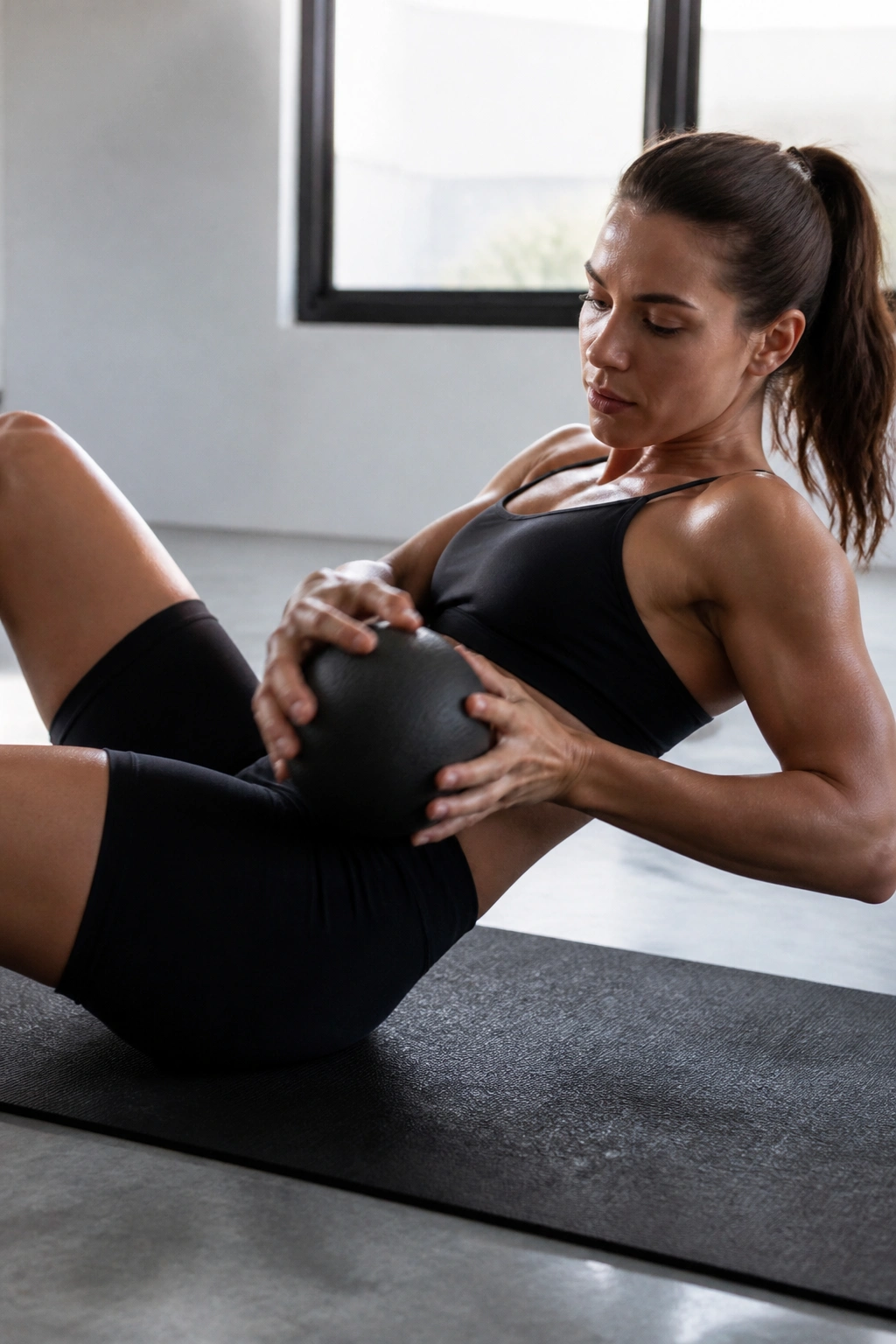
Most people think HIIT is just for legs and lungs. You can absolutely torch your midsection with high-intensity work. The goal here is constant tension. You are never fully lying flat; you are always under some form of contraction.
The Circuit
- 45 seconds Plank Jacks
- 45 seconds Russian Twists
- 45 seconds Bicycle Crunches
- 45 seconds Leg Raises
- 15 seconds Rest between movements.
- Cycle this five times.
It feels like a slow burn at first, but by the third round, the instability of your core will make your breathing ragged. Keep your back pressed into the floor for the leg raises—if your lower back arches, you are doing it wrong and risking injury.
6. High-Intensity Lower Body Circuit

Leg day does not have to mean heavy back squats. In fact, for HIIT, it is often better to use lighter weights or bodyweight to keep the volume high. This routine targets the quads, hamstrings, and calves through sheer repetition.
The Routine
- Lunges: 40 seconds on, 20 off
- Jump Squats: 40 seconds on, 20 off
- Wall Sit: 40 seconds (isometric hold)
- Calf Raises: 40 seconds on, 20 off
- Repeat: Four rounds total.
The wall sit is the “rest” period, but it really isn’t. It forces you to keep the muscle fibers engaged even while you are trying to catch your breath. Do not let your knees collapse inward on the squats. Keep them tracking over your toes.
7. Upper Body Push-Pull Intervals

This is an underrated way to train. By alternating between a push movement (like a pushup) and a pull movement (like a dumbbell row), you keep your blood moving across different muscle groups, allowing you to sustain intensity for longer.
The Setup
- Pushups: 30 seconds
- Dumbbell Rows (or Bodyweight Inverted Rows): 30 seconds
- Overhead Press (Lightweight): 30 seconds
- Rest: 30 seconds
- Perform six rounds.
The key here is managing your fatigue. Your chest will get tired, then your back, then your shoulders. By the time you come back to the chest, it has had a minute to recover. This rhythm is what allows you to survive thirty minutes of upper body focus without giving up.
8. Death by Burpees: The Endurance Gauntlet

There is no hiding in this one. Burpees are the “everything” exercise. They hit your chest, your core, your legs, and your lungs. This format is simple: every minute, you perform one additional burpee.
The Progression
- Minute 1: 1 Burpee
- Minute 2: 2 Burpees
- Minute 3: 3 Burpees
- Continue until you can no longer complete the number of burpees within the minute.
This is a brutal test of endurance. Most people tap out somewhere between the 10-minute and 15-minute mark. If you manage to go all the way to 30, you are likely not doing the burpees with enough intensity or you are an absolute machine. Aim for quality reps—chest to floor, full jump at the top.
9. Jump Rope and Speed Agility

If you want to move like an athlete, you need to train like one. The jump rope is the most efficient cardio tool ever invented. Pair it with agility work for a workout that fries fat and sharpens your coordination.
The Mix
- 2 minutes jump rope (vary speed)
- 1 minute high-knees/agility ladder/shuffling
- 30 seconds rest
- Repeat for 8 rounds.
The jump rope will keep your heart rate high. When you switch to the agility drills, focus on fast feet. Imagine there is a live wire on the floor—touch it too long and you get zapped. Keep your contact time with the ground minimal.
10. Shadowboxing and Heavy Bag Rounds

You do not need to be a boxer to use boxing conditioning. It is incredible for shoulder endurance and core rotation. If you have a heavy bag, great. If not, shadowboxing with light dumbbells (or just your fists) works just as well.
The Rounds
- Round 1-3: Focus on fast, straight punches (jabs and crosses).
- Round 4-6: Focus on power hooks and uppercuts.
- Round 7-9: “Free flow” — move, punch, dodge, squat, and keep moving.
- 3 minutes per round, 30 seconds rest.
The secret to this is not throwing as hard as you can, but throwing as fast as you can. Keep your core tight. Every time you throw a punch, you should feel it in your abs. If you are just using your shoulders, you are missing the point.
11. The Random Deck of Cards Challenge
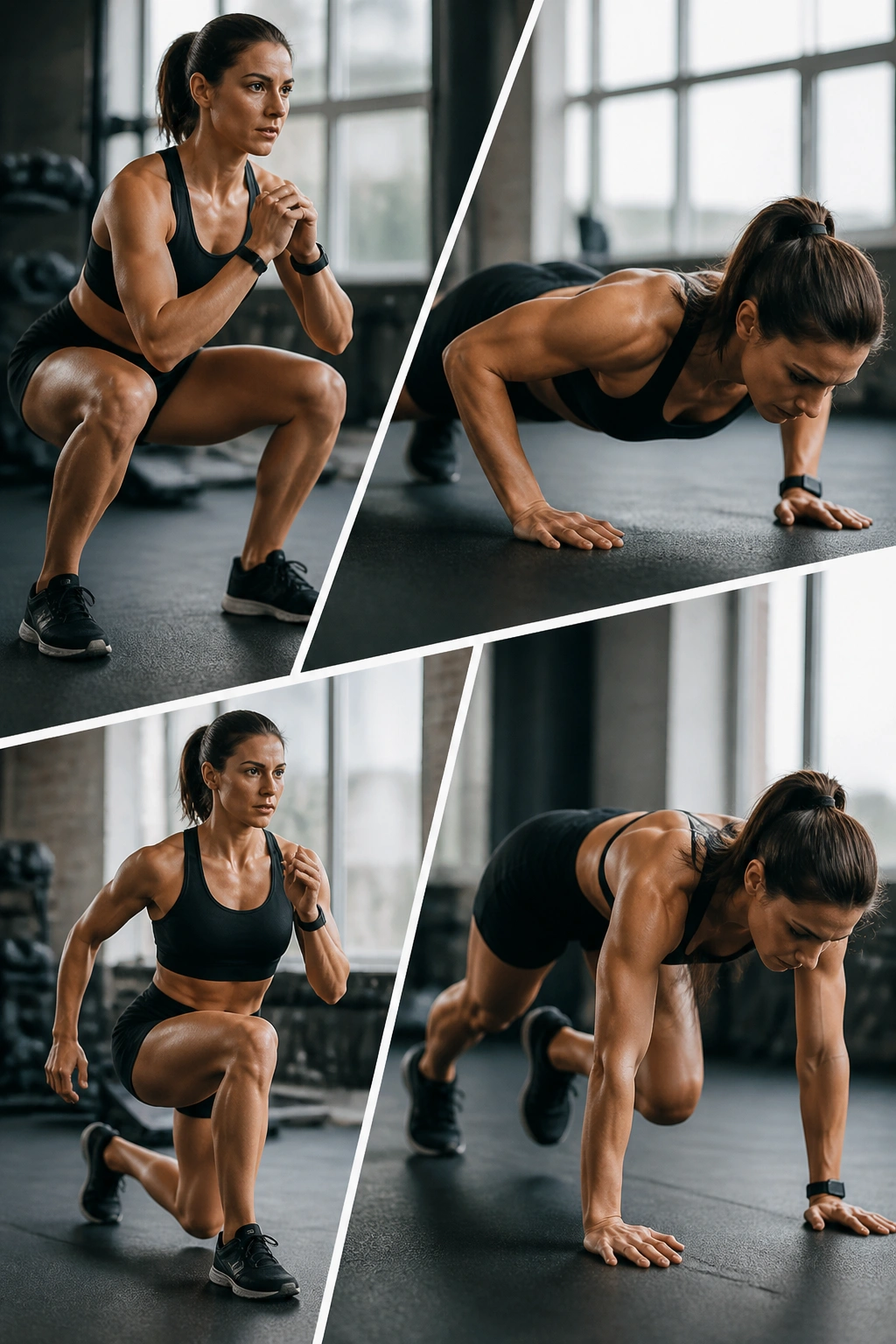
This is the best way to keep things from getting boring. Take a standard deck of cards. Assign a movement to each suit.
- Hearts: Pushups
- Diamonds: Squats
- Spades: Mountain Climbers
- Clubs: Lunges
- Face Cards: 10 reps
- Aces: 15 reps
- Numbered cards: Face value.
Flip a card, do the exercise, move to the next card immediately. Do this for thirty minutes straight. You have no idea what is coming next, which prevents you from pacing yourself. It is pure, chaotic efficiency.
12. Stair Climbing and Vertical Intensity

Find a set of stairs. If you are in a gym, use the stair climber. If you are outside, find a stadium or a decent flight of steps. This is the ultimate leg burner.
The Strategy
- Run/climb up as fast as possible.
- Walk down slowly to recover.
- Keep the pace aggressive on the ascent.
- Do not use the handrails for support—use your legs.
The descent is your only break, so do not jog down. Walk. Your heart rate needs to come down just enough so you can hit the next ascent at 100% effort. If you don’t recover, you won’t be able to push hard enough on the way up, and the intensity will tank.
13. Suspension Trainer (TRX) Stability Drill

Suspension trainers add a layer of instability that forces your core and stabilizer muscles to work overtime. This is HIIT, but with a focus on structural integrity.
The Flow
- TRX Rows
- TRX Chest Press
- TRX Lunges
- TRX Plank
- 45 seconds work, 15 seconds rest.
Everything is harder on the TRX. A standard pushup becomes a stability challenge. A standard lunge becomes a balance test. You will find that you cannot move as fast as you would on the floor, but the time under tension is significantly higher.
14. Battle Rope Power Flow

Battle ropes are the king of upper-body conditioning. They get your heart rate up instantly because you are using large muscle groups in a continuous, rhythmic fashion.
The Techniques
- Waves: 30 seconds
- Slams: 30 seconds
- Circles: 30 seconds
- Rest: 30 seconds
- Repeat for 8 rounds.
The key to battle ropes is posture. Keep a slight bend in your knees and engage your core. Do not let the ropes pull you forward. You should be the anchor. If the ropes are moving, your body should be vibrating.
15. Medicine Ball Rotational Blast

Rotation is an often-neglected plane of movement. We spend all day moving forward and backward; we rarely move side-to-side. This workout fixes that.
The Moves
- Med Ball Slams (Overhead)
- Rotational Med Ball Throws (Against a wall)
- Woodchoppers
- 40 seconds work, 20 seconds rest.
When you throw the ball against the wall, it is about power. When you slam the ball, it is about speed. Keep your feet planted firmly. The power comes from your hips, not your arms. If your back hurts, you are twisting from the spine rather than the hips—fix your form immediately.
16. The 10-20-30 Running Method

This is a specific running protocol designed to improve speed and endurance. It is very effective for runners who feel like they are stuck in a rut.
The Interval
- 30 seconds at a gentle jog.
- 20 seconds at a moderate pace (like a tempo run).
- 10 seconds at a full-out sprint.
- Repeat the cycle for 30 minutes.
The “10” is the killer. It is not enough time to get tired, but it is enough time to spike your nervous system. By the end of thirty minutes, you will have done plenty of sprints without ever feeling completely wiped out.
17. Minimalist Barbell Complex
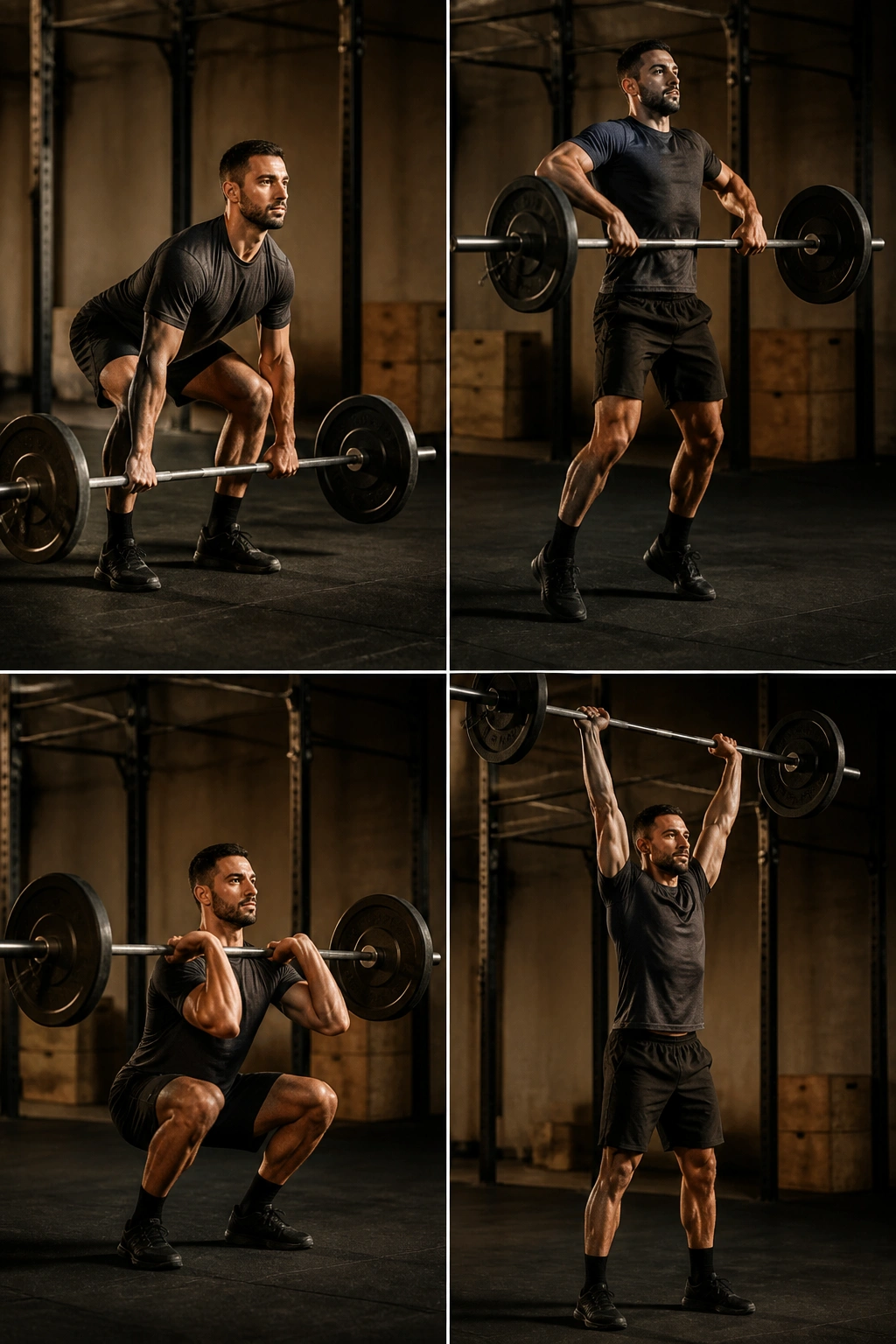
Do not use a heavy barbell. This is not for max strength; this is for muscular endurance. Use an empty bar or a very light one (think 45 pounds).
The Sequence
- 8 Deadlifts
- 8 Hang Cleans
- 8 Front Squats
- 8 Overhead Press
- Do these without setting the bar down.
- Rest 90 seconds.
- Repeat for 5-6 rounds.
The fact that you cannot put the bar down is the constraint. Your grip strength will be the first thing to go. If you need to stop, stop, but try to fight through the burning in your forearms. That is where the conditioning happens.
18. Dynamic Animal Flow HIIT
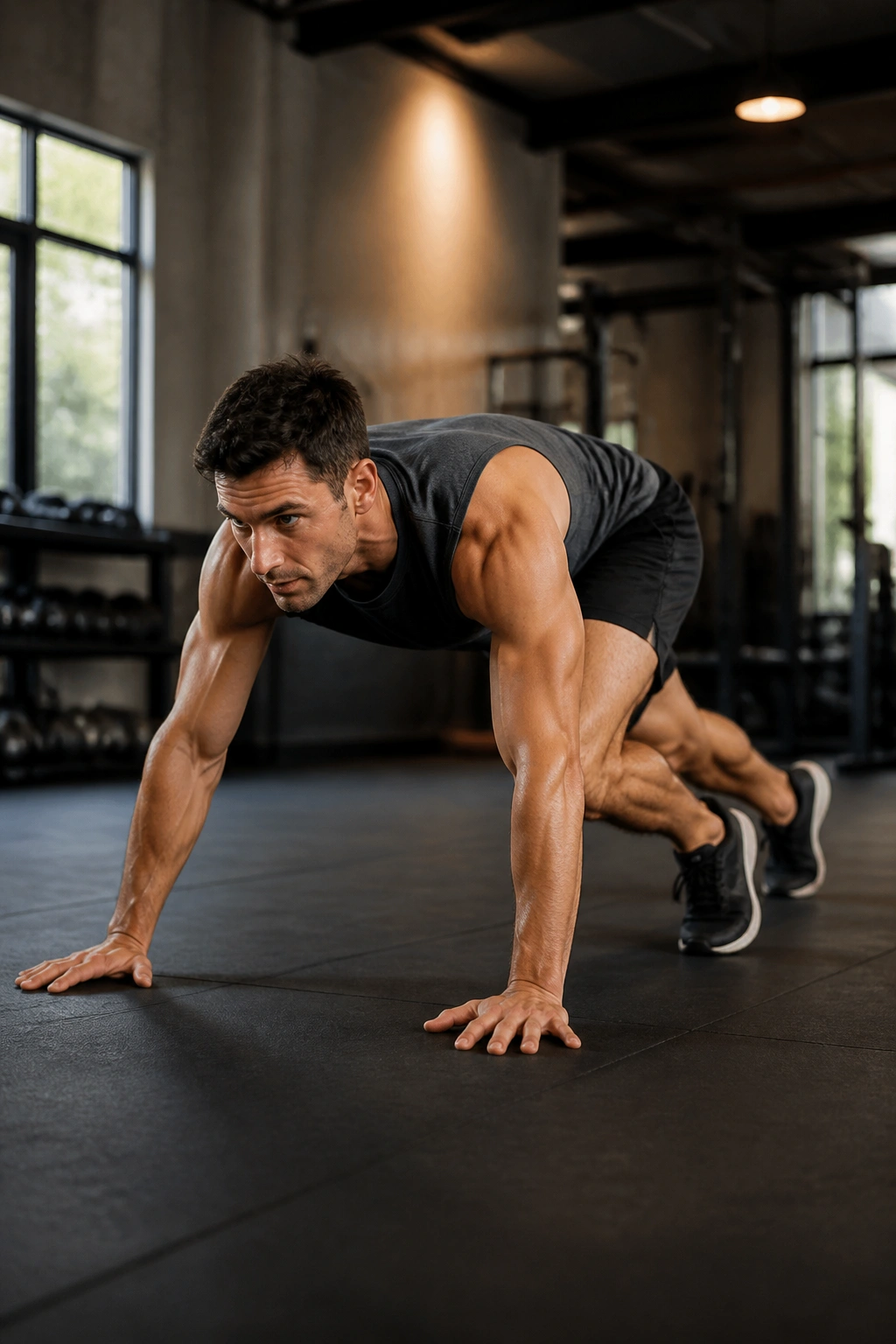
This is a form of bodyweight training that mimics animal movements. It builds mobility, strength, and coordination. It looks strange, but it is incredibly taxing.
The Moves
- Bear Crawls (Forward/Backward)
- Crab Walks (Lateral)
- Scorpion Reaches
- Frog Hops
- 45 seconds per movement, 15 seconds rest.
You will feel like a kid on a playground, but your heart rate will be through the roof. This is excellent for hip mobility. If you struggle with stiff joints, this HIIT routine will loosen you up while working your muscles.
19. Low-Impact but High-Intensity
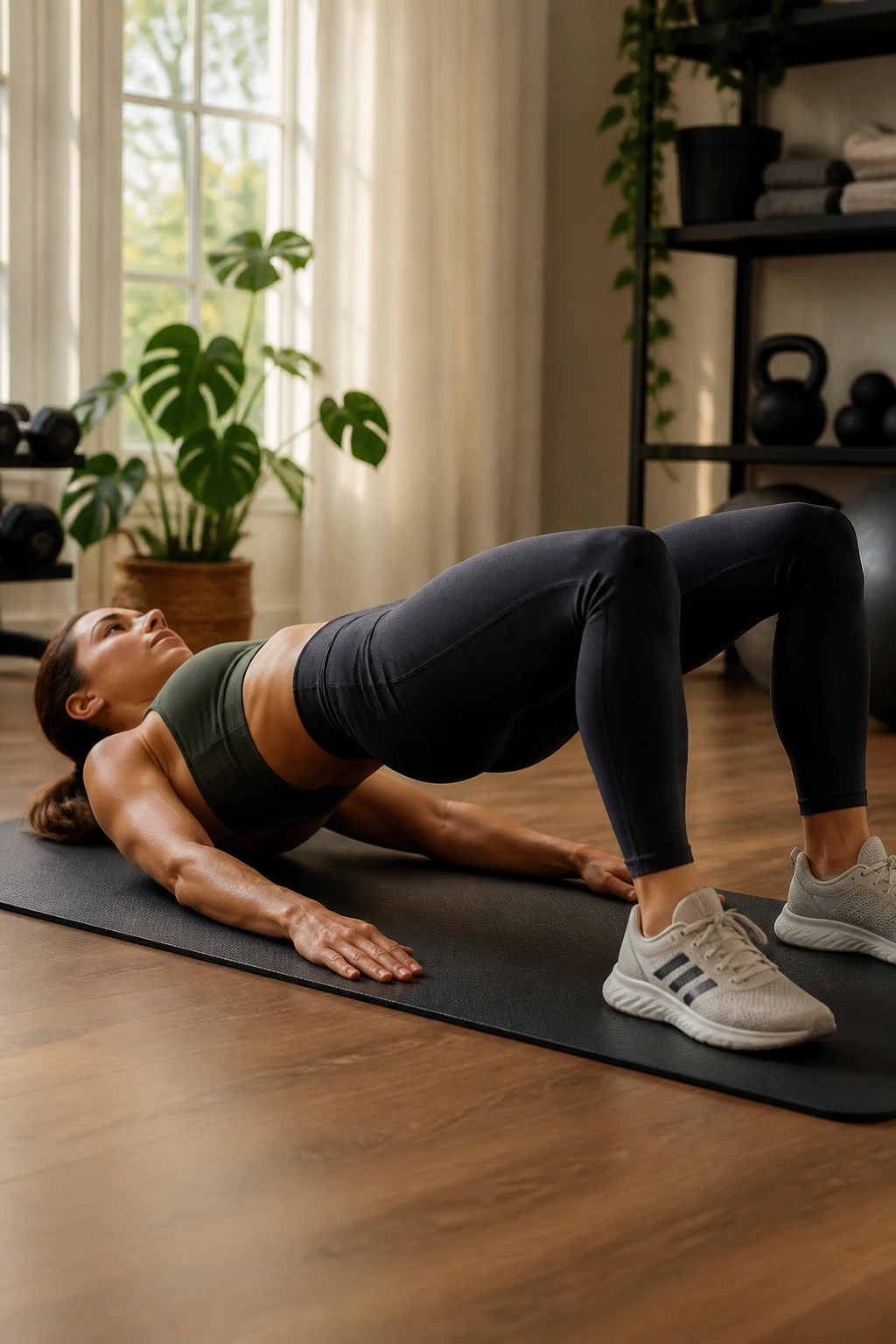
High impact is not required for HIIT. If you have joint issues, you can still get the same physiological benefits without jumping. The key is to increase the range of motion and the speed of the movement.
The Routine
- Deep Bodyweight Squats (Fast)
- Glute Bridges (Squeeze at the top)
- Pushups (Slow eccentric)
- Plank to Downward Dog (Flow)
- 45 seconds work, 15 seconds rest.
The intensity comes from the tension. If you squeeze your glutes at the top of the bridge and control the descent of the pushup, you will be gasping for air just as much as if you were jumping.
20. Rowing Machine Sprint Intervals

The rower is a total-body machine. It hits the legs, back, and arms. Most people use it for steady, boring cardio. Use it for HIIT, and it becomes a weapon.
The Intervals
- 500 meters hard sprint.
- 1 minute rest.
- Repeat until 30 minutes are up.
The goal is to keep your 500m time consistent. If your first split is 1:45 and your last is 2:15, you went out too hard. Aim for a pace you can hold for all rounds. It teaches you how to pace your intensity, which is a vital skill.
21. Outdoor Hill Sprints

If you have a hill nearby, you do not need any equipment. Hill sprints are self-limiting; you cannot run as fast as you would on flat ground, which makes them safer for your hamstrings and calves.
The Drill
- Sprint up the hill (15-20 seconds).
- Walk down (Recovery).
- Do not jog down. Walk.
- Repeat for 30 minutes.
The grade of the hill creates automatic resistance. You don’t need to overthink this. Just run up, walk down. If you want to make it harder, find a steeper hill. Keep your chest up and drive your knees.
22. The Quick “Anywhere” Bodyweight Finisher
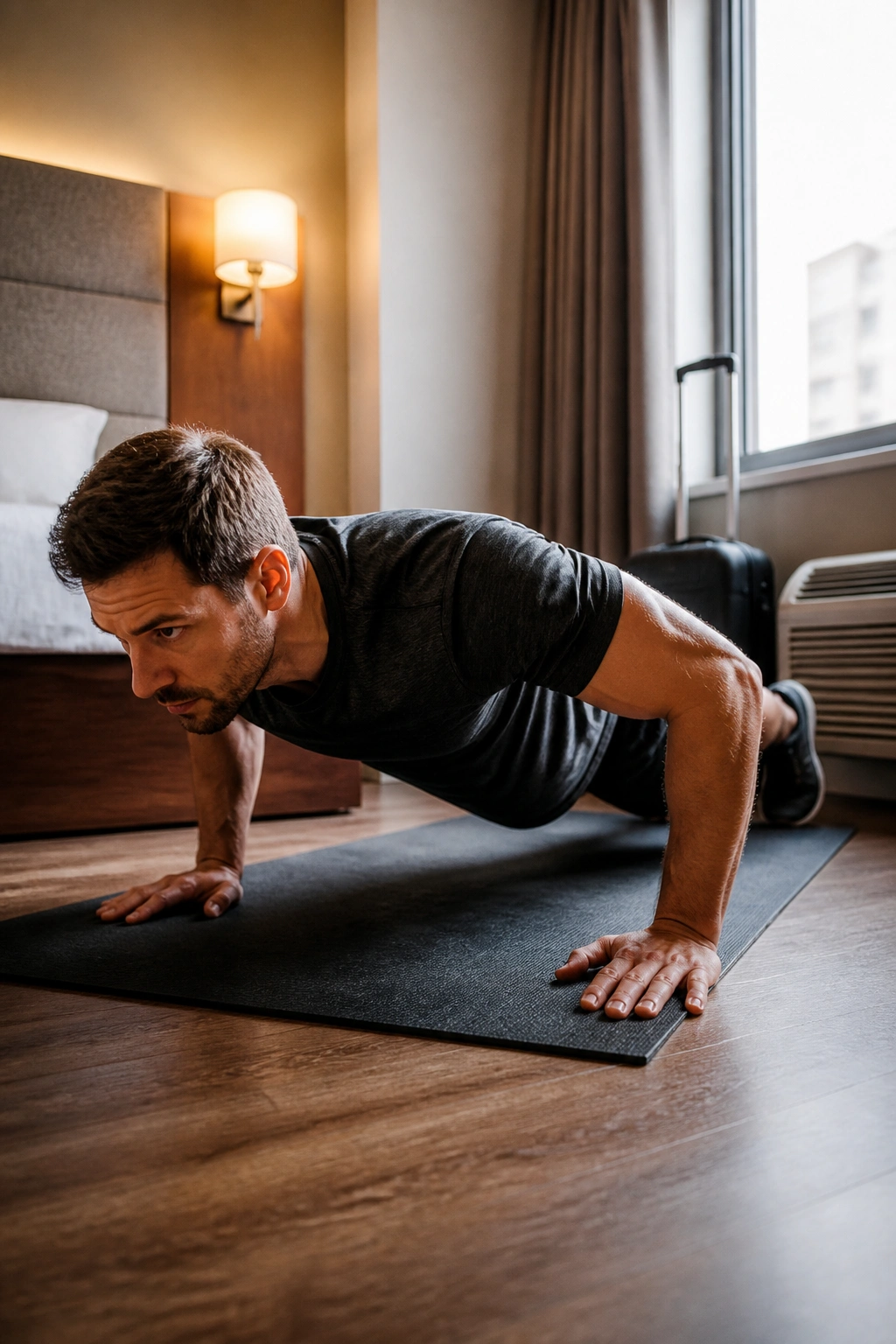
Sometimes you are traveling, stuck in a hotel room, or just don’t have the space. This is the “no excuses” workout. It uses very small space and requires zero equipment.
The Circuit
- Plank: 60 seconds
- Squats: 60 seconds
- Pushups: 60 seconds
- Lunges: 60 seconds
- No rest between exercises.
- Rest 1 minute after all four.
- Repeat until 30 minutes are up.
This is simple, but simple is usually what works. The lack of rest between exercises keeps the intensity high. If you can do this for 30 minutes, your conditioning is in a better place than most gym-goers.
The Bottom Line

Thirty minutes is plenty of time. The difference between a “good enough” workout and a transformative one is not the equipment or the space—it is the level of effort you bring to those thirty minutes. If you are halfway through a Tabata round and your phone dings with a notification, ignore it. If your legs are screaming, embrace it. That discomfort is the signal that your body is adapting, getting stronger, and increasing its capacity to handle stress.
Do not try to do all twenty-two of these in a week. Pick one, master the form, and focus on pushing your limits within that routine. As you get comfortable with one, rotate to another. Keep the intensity high, keep your form clean, and stop looking at the clock. The thirty minutes will pass regardless of whether you are giving it your all or just going through the motions. You might as well make them count.
