



Most full body workouts fail for one dull reason: they never give you a clean way to progress.
That gets old fast. You do the same circuit, sweat a little, leave the gym feeling productive, and then nothing changes for weeks because the plan never told you what to do next. Steady progress needs a better setup than that. It needs clear loading, repeatable movements, and enough structure that you can train hard without guessing.
The good full body sessions are almost boring in the best way. A squat pattern. A press. A pull. A hinge. Maybe a carry, maybe a core drill, maybe a short finisher if you still have gas left. The magic is not in chasing exhaustion. The magic is in repeating a handful of big movements often enough that your numbers climb, your form tightens up, and your body keeps adapting without falling apart.
If you want long-term progress, the trick is to stop treating every session like a fitness test. Treat it like practice with teeth. Some days are heavy. Some are lighter and faster. Some build muscle, some build work capacity, and some give you just enough of a reset that the next hard session actually lands. That’s the thread running through the workouts below.
1. The Dumbbell Full Body Workout That Sets Your Baseline
This is the one I’d hand to someone who wants a plain, honest starting point. A pair of dumbbells can cover almost everything you need if you squat, press, row, hinge, and carry with intent. Keep the weight moderate enough that your last rep looks like your first rep, not like a small collapse.
Why it Works
Use 3 sets of 8 to 10 reps each for the squat, floor press, one-arm row, and Romanian deadlift. Finish with 2 carries of 30 to 40 seconds per side. That mix gives you lower-body work, upper-body push and pull, and enough trunk stability that the whole thing feels connected rather than random.
- Goblet squat: 3 x 8 to 10
- Dumbbell floor press: 3 x 8 to 10
- One-arm dumbbell row: 3 x 10 per side
- Dumbbell Romanian deadlift: 3 x 8 to 10
- Farmer carry: 2 x 30 to 40 seconds
Progress by adding 2.5 to 5 pounds once you hit the top of the rep range on every set. That’s slow enough to be sustainable and fast enough to matter.
2. A No-Equipment Full Body Workout for Busy Days
A bodyweight session can still push progress if you stop treating it like a warm-up. The goal is tension, not chaos. Push-ups, squats, lunges, and planks can work hard if you slow the lowering phase and keep rest honest.
Do 4 rounds of the following: 15 squats, 10 push-ups, 10 reverse lunges per side, 12 hip bridges, and a 30-second plank. Rest 45 to 60 seconds between rounds. If that feels too easy, don’t throw more exercises at it. Slow the squat and lunge down to a 3-second descent.
Your best next step is to track one thing: rounds completed without form falling apart. When you can finish all 4 rounds with clean reps and the plank still feels solid, add a fifth round or trim the rest by 10 seconds. Small changes stack up. Fast.
3. The Barbell Strength Workout Built for Slow, Solid Progress
Barbells reward patience. That’s the whole point. If you want strength that sticks around, back squat, bench press, row, and deadlift variations give you a clean way to load the same patterns over and over.
Main Lift Flow
Start with 3 to 5 sets of 3 to 5 reps on the back squat. Then move to 4 sets of 5 on the bench press and barbell row. Finish with 2 to 3 sets of 6 on a Romanian deadlift or conventional deadlift if your back handles it well. Rest 2 to 3 minutes on the main lifts. Longer is fine.
You do not need to max out every week. In fact, that’s usually a bad idea. Add 2.5 pounds per side when all your reps stay crisp, and hold the line when bar speed slows down. One heavy day done well beats three sloppy ones.
4. The Kettlebell Flow Workout with Swings and Carries
Kettlebells are sneaky. They look simple, then your grip starts talking back by set three. That’s part of the charm. Swings, cleans, presses, squats, and carries make a compact full body workout that builds strength without a lot of setup.
Run 5 rounds of 15 swings, 6 clean and presses per side, 8 goblet squats, and a 30-second suitcase carry per side. Rest 60 to 90 seconds between rounds. If your clean gets messy, cut the rep count before you cut the load. Clean technique beats ego every time.
Why It Feels Different
The bell wants you to stay tight. It punishes sloppy bracing, which is why this style works so well for people who drift through standard dumbbell work. If you want more challenge, reduce the rest first. Only then move up in bell weight.
5. The Push-Pull Superset Session That Saves Time
Supersets make a full body workout feel shorter without making it weaker. Pair a push with a pull, then give your legs a separate job so the session keeps moving. This is one of my favorite ways to train when the gym is crowded and nobody can find the bench they want.
Try incline dumbbell press paired with chest-supported row, then split squat paired with lat pulldown, then overhead press paired with cable row. Use 3 sets of 8 to 12 on each movement and rest 30 to 45 seconds between pairs. The pace stays brisk, but the actual work is serious.
Unlike straight sets, this setup keeps your heart rate up while you still get real lifting volume. It’s best for people who want muscle, better conditioning, and a session that doesn’t drag. Keep the reps clean, then add a little weight when you can finish all pairs without rushing the last rep.
6. The EMOM Full Body Workout for Conditioning and Muscle
Every-minute-on-the-minute training can feel almost too tidy. Then the third round hits. That’s where the useful part lives. You get fixed rest, a built-in clock, and a hard stop before your form turns to soup.
Set a timer for 20 minutes. Minute 1: 10 goblet squats. Minute 2: 8 push-ups or 8 dumbbell presses. Minute 3: 12 kettlebell swings. Minute 4: 10 dumbbell rows, 5 per side. Minute 5: 40-second brisk walk or carry. Repeat four times.
How to Use It
Keep the load moderate enough that each minute finishes with 15 to 20 seconds left. If you’re scraping the clock, the weight is too heavy or the reps are too high. The cleanest progression is adding 1 rep to one station every other week, not turning the workout into a panic drill.
7. The Goblet Squat and Floor Press Workout
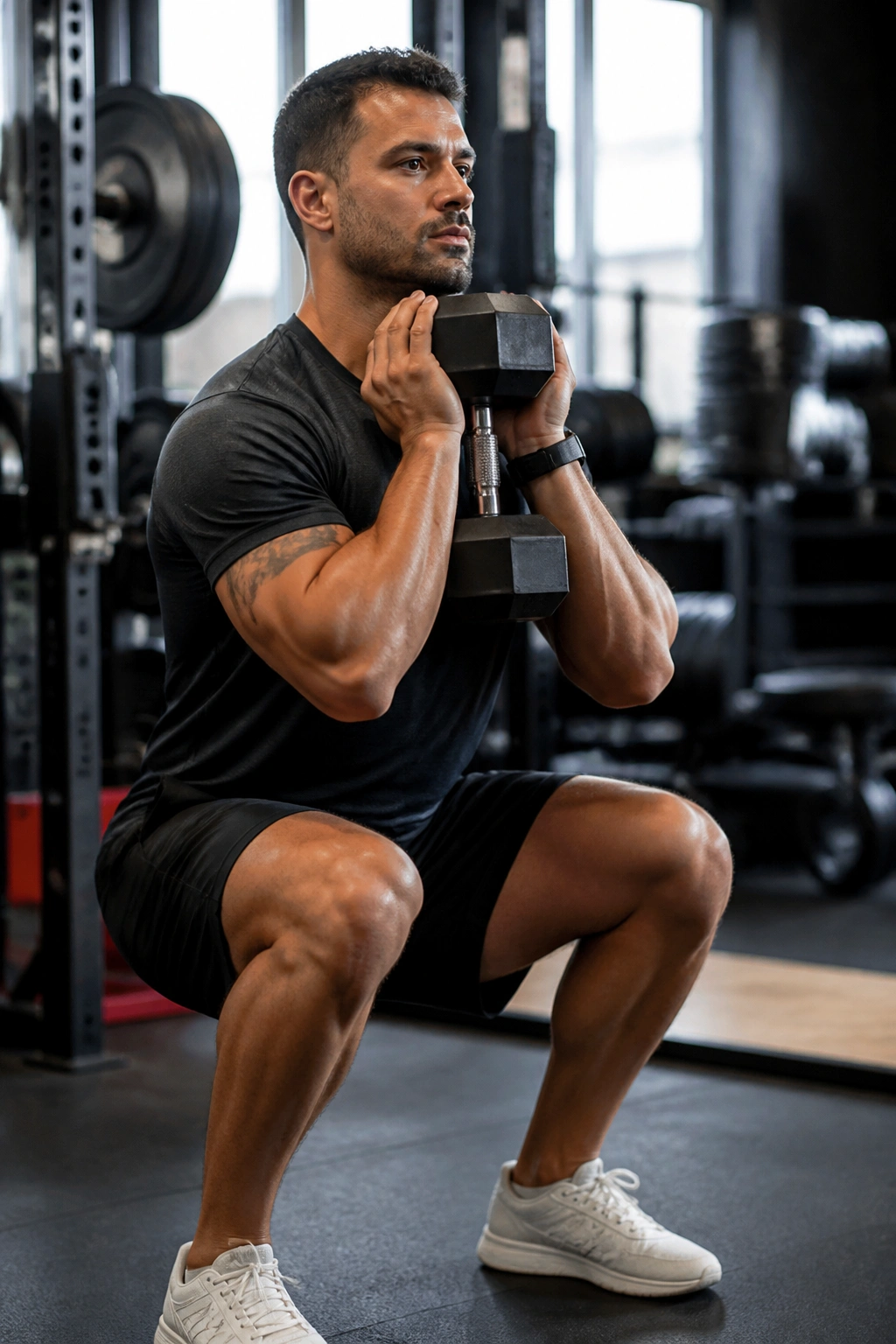
Here’s the nice thing about the goblet squat: it tells you instantly whether your brace is real. Hold the bell close, keep your chest tall, and your reps get honest. Pair that with floor pressing and rows, and you’ve got a tough session without needing a bench or rack.
Do 4 sets of 8 goblet squats, 4 sets of 8 floor presses, 3 sets of 10 one-arm rows per side, and 3 sets of 10 Romanian deadlifts. Finish with 2 rounds of dead bugs for 8 to 10 reps per side. The dead bug sounds easy until your lower back tries to lift off the floor.
A good rule here is simple: when all sets feel controlled and your squat depth stays the same from rep 1 to rep 8, move up one dumbbell size. If your floor press stalls first, keep the lower body load where it is and press the same weight until it catches up.
8. The Trap Bar Day for Strong Legs and a Calm Back
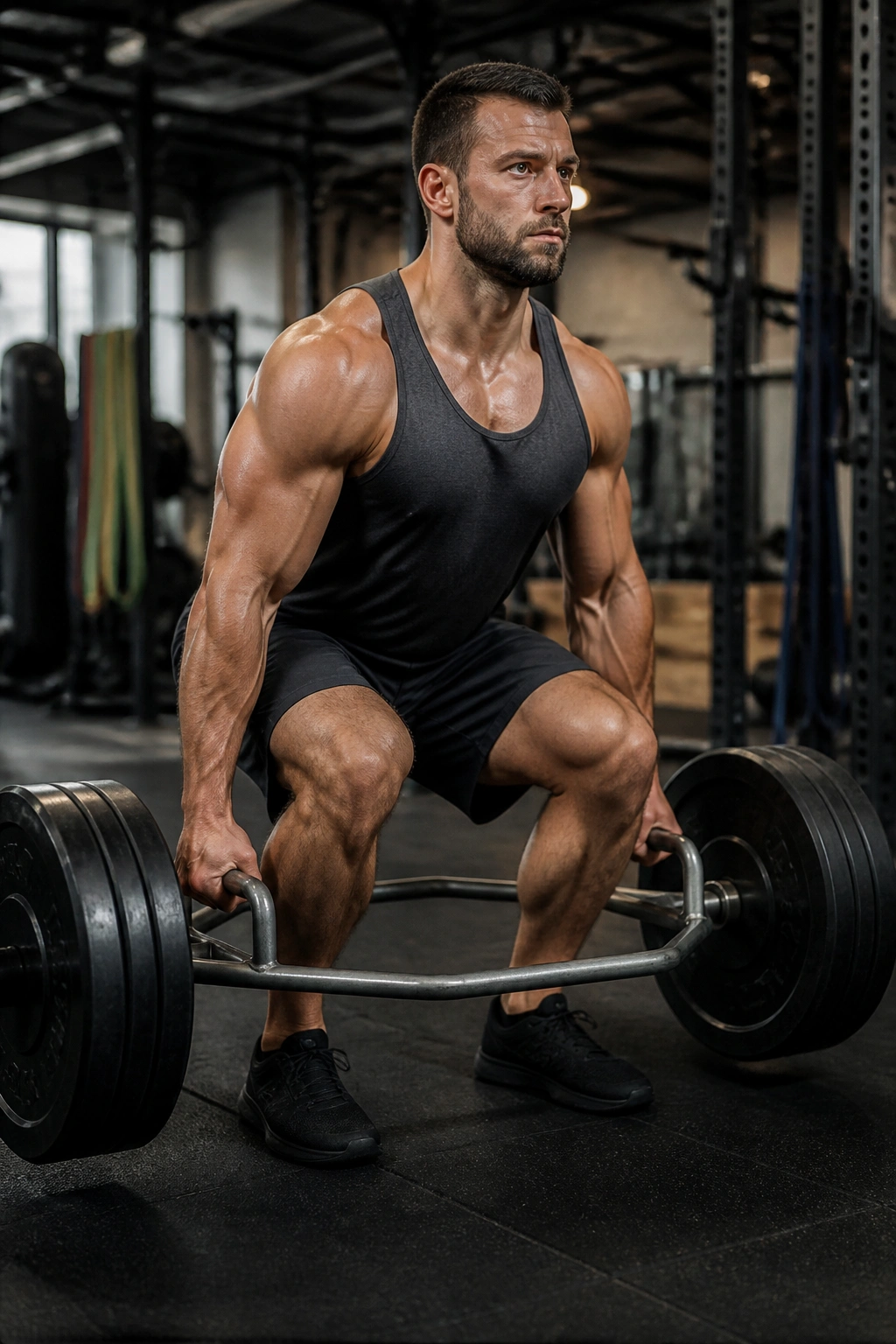
Trap bar work is a gift if your back gets cranky. The neutral grip feels friendly, and the lift teaches leg drive without demanding a perfect bar path the way some other deadlift styles do.
Start with 5 sets of 3 trap bar deadlifts. Follow with 3 sets of 5 box jumps or broad jumps, then 3 sets of 8 split squats per side, then 3 sets of 10 rows. Keep the jumps light and crisp. If they get slow, they stop being power work and turn into awkward cardio.
The best part is how this lifts the rest of your training. Stronger legs help your squats. Better bracing helps your carries. Better landing mechanics help your knees feel less beat up. Add load in small jumps, and leave a rep in the tank on the jumps every time.
9. The Machine-Based Full Body Workout for Steady Volume
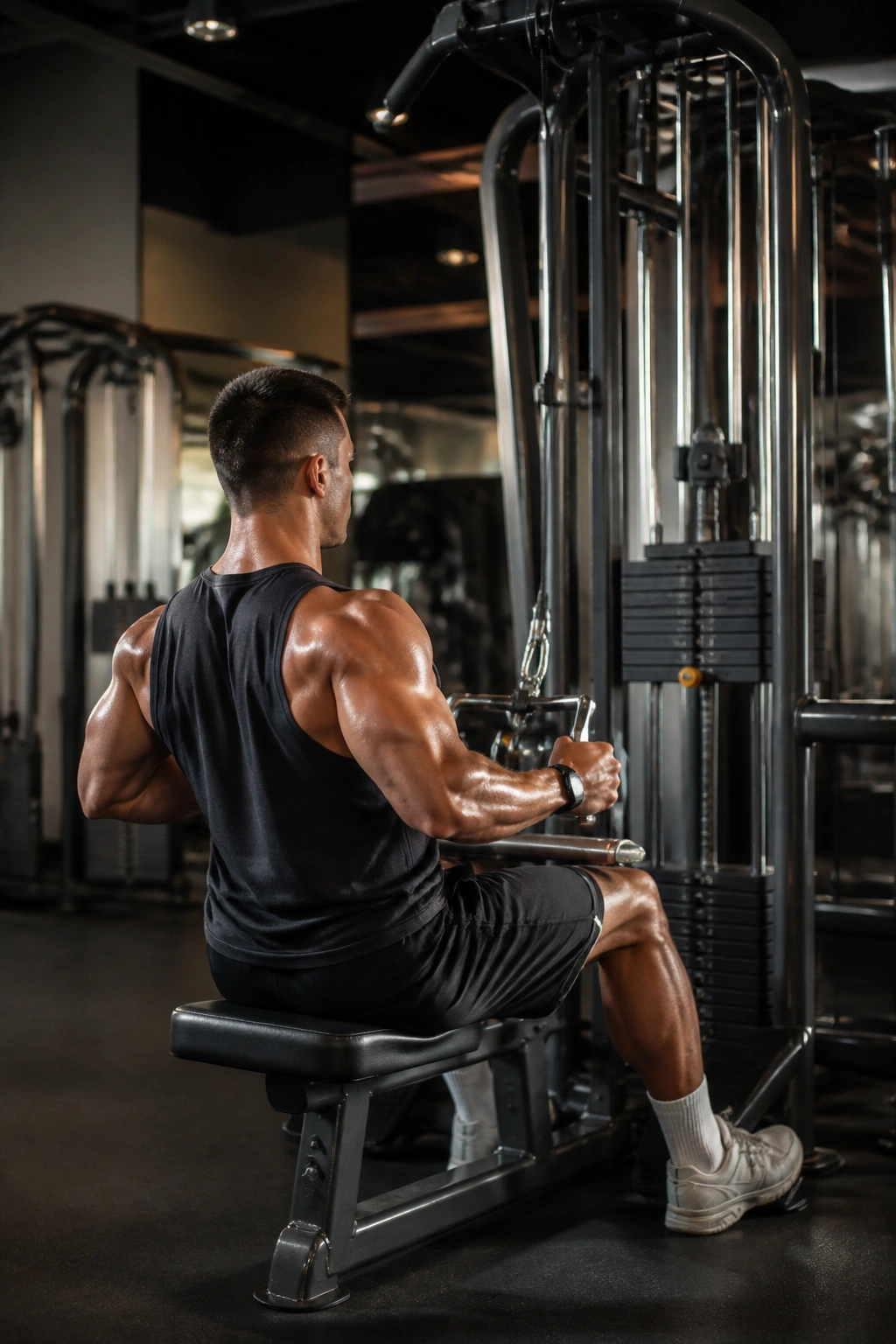
Machines catch a lot of unfair criticism. They are excellent for controlled volume when you want to train hard without fighting for balance on every rep. There’s a place for that, especially when your joints feel a bit tired.
Use the leg press, chest press, lat pulldown, seated row, hamstring curl, and cable crunch. Do 3 sets of 10 to 12 on each move, resting 60 to 90 seconds. Keep the seat settings the same from week to week so you’re measuring progress, not guessing at it.
What Makes It Different
Unlike free-weight sessions, this one strips away most of the setup cost. That lets you chase clean contractions and a bit more total volume. It’s best for lifters who want muscle and consistency, or for days when technique work is not the right mountain to climb. Increase the stack by the smallest jump available once all sets feel smooth.
10. The Single-Leg Stability Workout That Fixes Wobbles
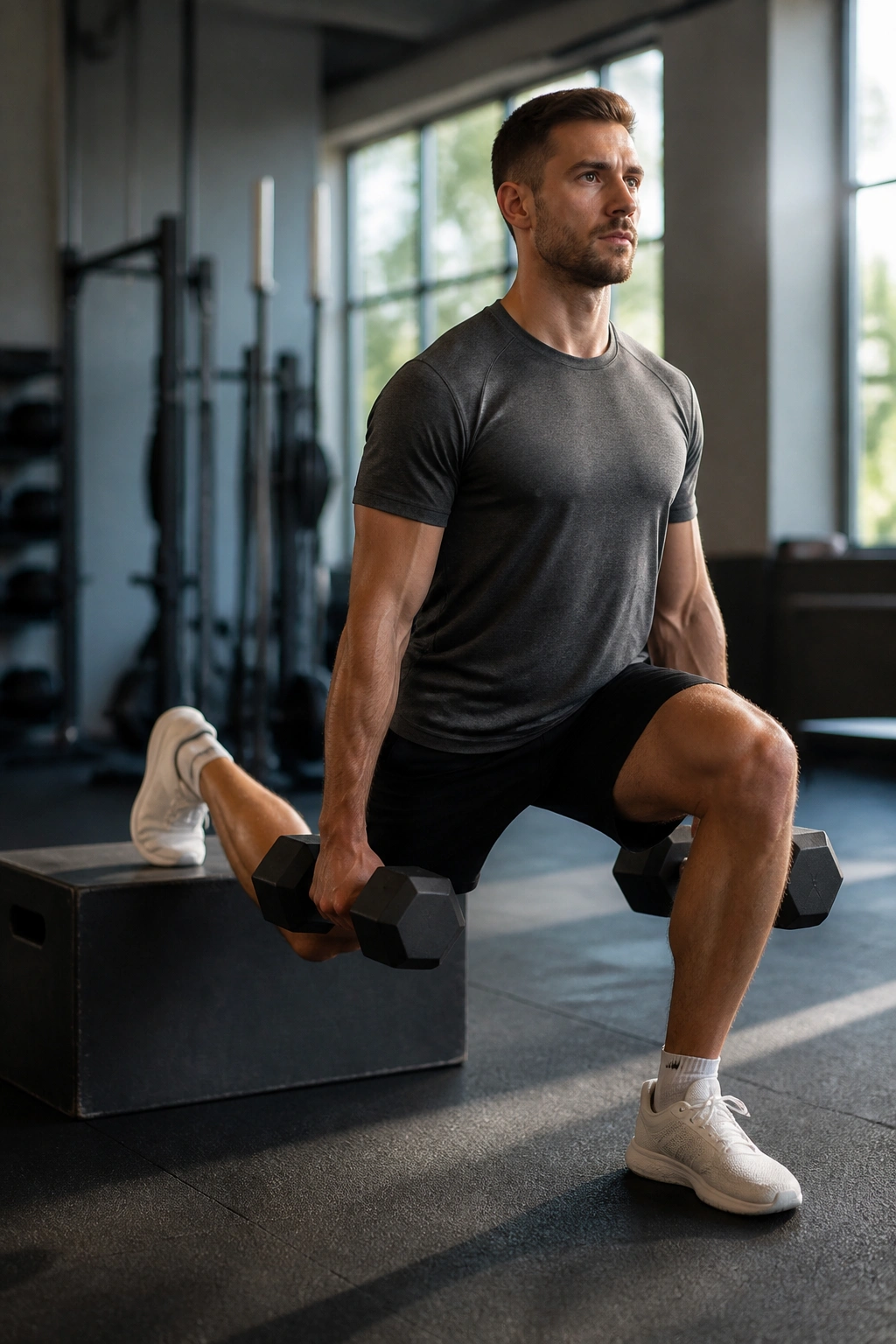
Unilateral work exposes weak links fast. If one side always cheats, this style makes it obvious. That’s useful, even if it feels annoying for a few weeks.
Try Bulgarian split squats, single-leg Romanian deadlifts, step-ups, one-arm overhead presses, one-arm rows, and suitcase carries. Use 3 sets of 8 per side on the first three lifts, then 3 sets of 10 on the upper-body moves. Suitcase carries can run 30 to 45 seconds per side.
Why It Works
A lot of people train both legs together and never notice that one hip does more work than the other. This fixes that. Start light enough to keep your pelvis level and your foot flat. When you can hold balance without rushing the last two reps, add weight or raise the box on step-ups by a few inches.
11. The Upper-Lower Contrast Workout
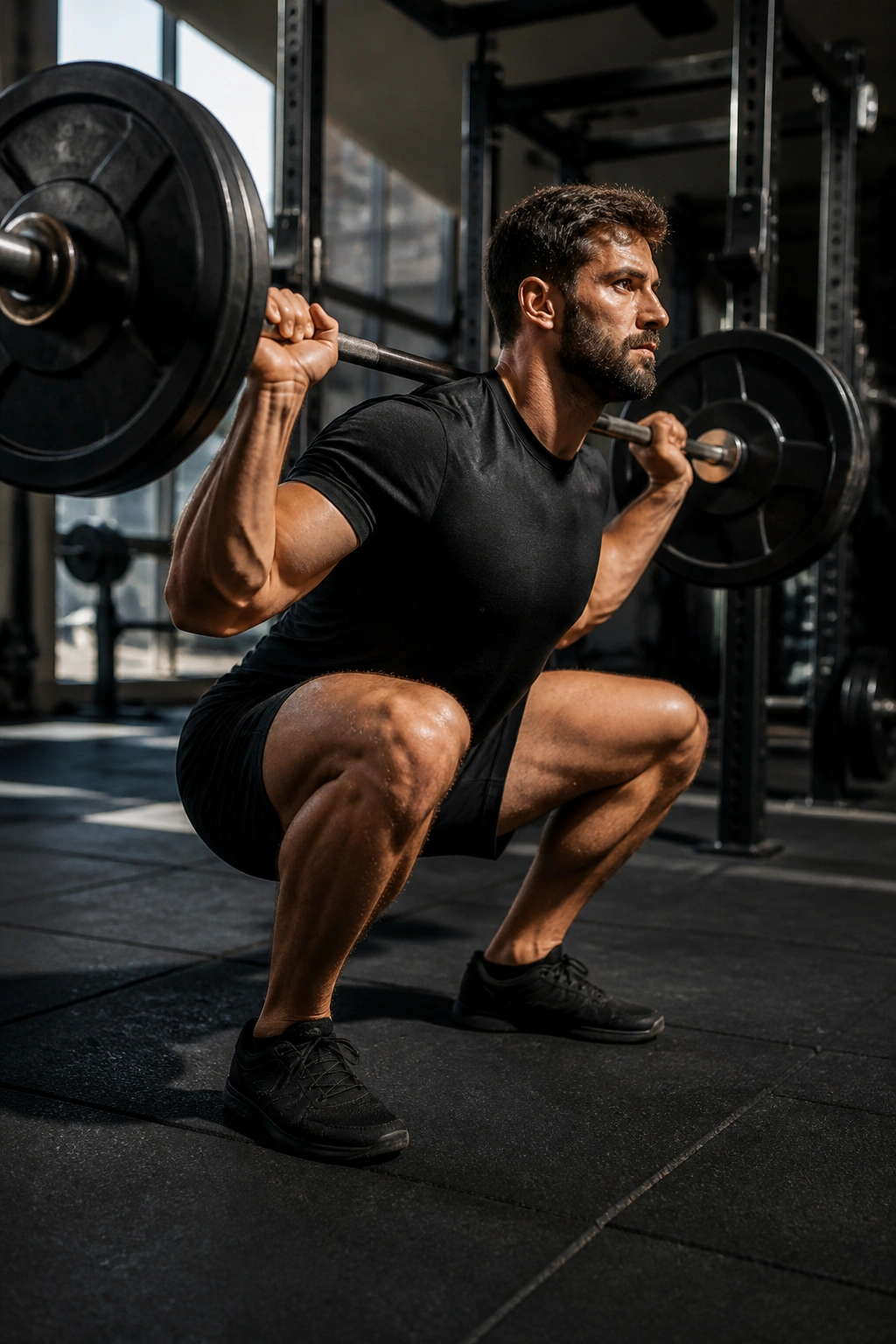
This one feels a little old-school in the best way. Heavy lower-body work first, upper-body work second, then a second lower-body touch. It gives your nervous system a break between hard efforts, which keeps the whole session from turning into a grind.
Pair back squats with pull-ups, then bench press with Romanian deadlifts, then walking lunges with dumbbell rows. Run 4 pairs of 5 reps for the first two movements and 3 pairs of 8 to 10 reps for the last pair. Rest long enough to breathe, usually 90 seconds to 2 minutes between paired efforts.
The contrast matters. Your legs get a heavy stimulus, but your upper body doesn’t get buried under fatigue before its turn comes up. This style suits lifters who enjoy structure and want a clear way to monitor progress without turning every workout into a circus.
12. The 20-Minute Metcon with a Strength Finish

Short doesn’t mean soft. A 20-minute metcon can still be a real full body workout if the work is specific and the finish has a purpose. I like this setup for days when time is tight but momentum matters.
Do 12 minutes of alternating rounds: 10 kettlebell swings, 8 push-ups, 8 goblet squats, 8 rows. Rest only long enough to keep the next round clean. Then finish with 3 heavy sets of 5 on one lift — squat, press, or deadlift, whichever you want to keep moving forward.
That last block is the important part. The conditioning piece wakes everything up, and the strength work tells your body what to adapt to. Keep the metcon at a pace where you can still talk in short phrases. If you’re gasping from the start, the finisher gets sloppy.
13. The Sandbag Workout That Feels Awkward in a Good Way
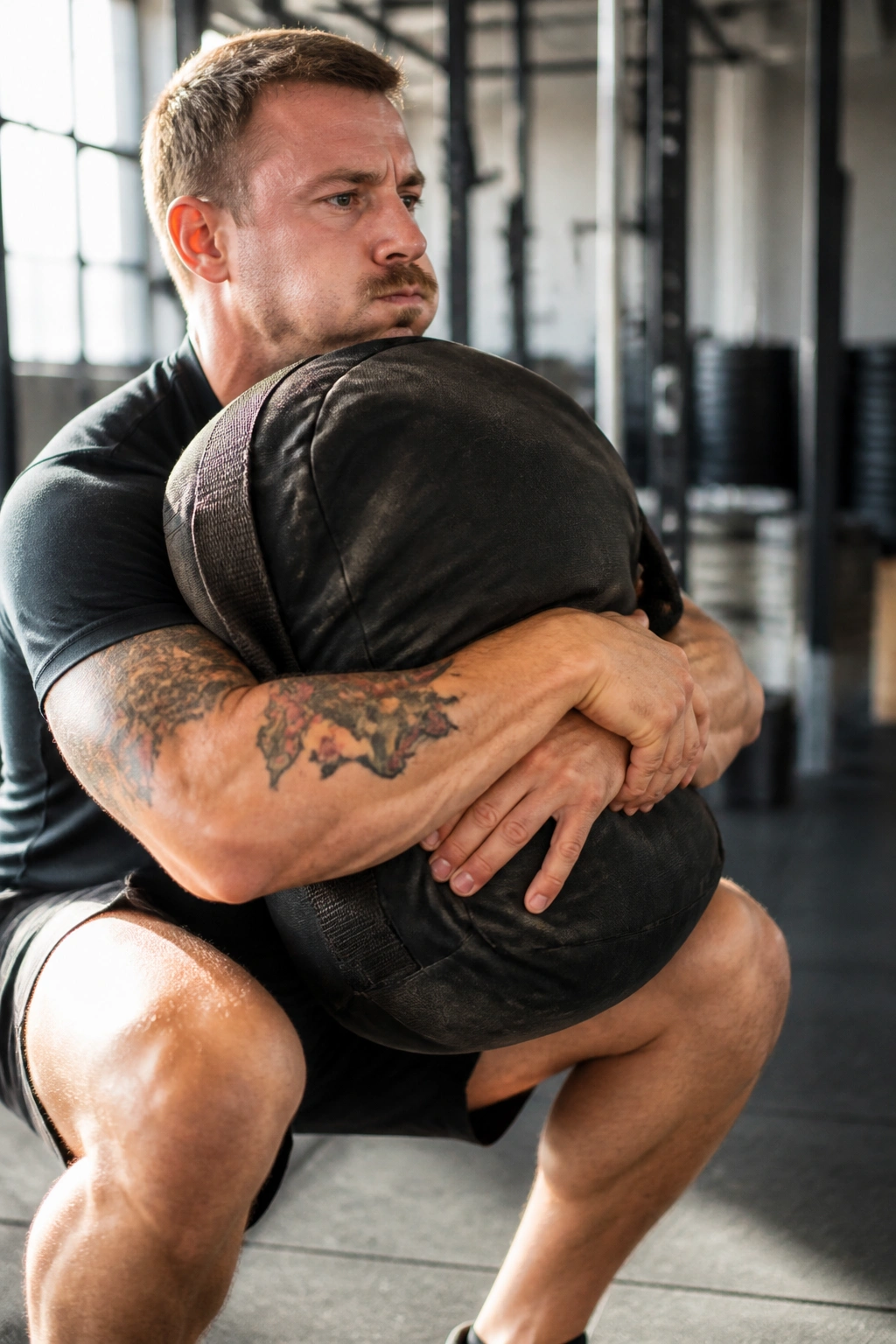
Sandbags are wonderfully irritating. They shift, sag, and pull your ribs out of line if you lose focus. That’s why they work so well for full body training.
Use bear-hug squats, shouldering drills, sandbag cleans, loaded carries, and push-ups. Try 4 sets of 6 bear-hug squats, 3 sets of 5 shouldering reps per side, 4 carries of 30 to 40 meters, and 3 sets of 10 push-ups. Keep your rest around 90 seconds.
Why It Feels Real
A sandbag forces you to brace in a more honest way than a barbell does. The load moves, so your trunk has to work harder than you think. That makes it a strong choice for athletes, field sports people, or anyone who wants training that feels less neat and more useful. Progress by lengthening the carry before you chase a heavier bag.
14. The Low-Impact Full Body Workout for Joint-Friendly Training
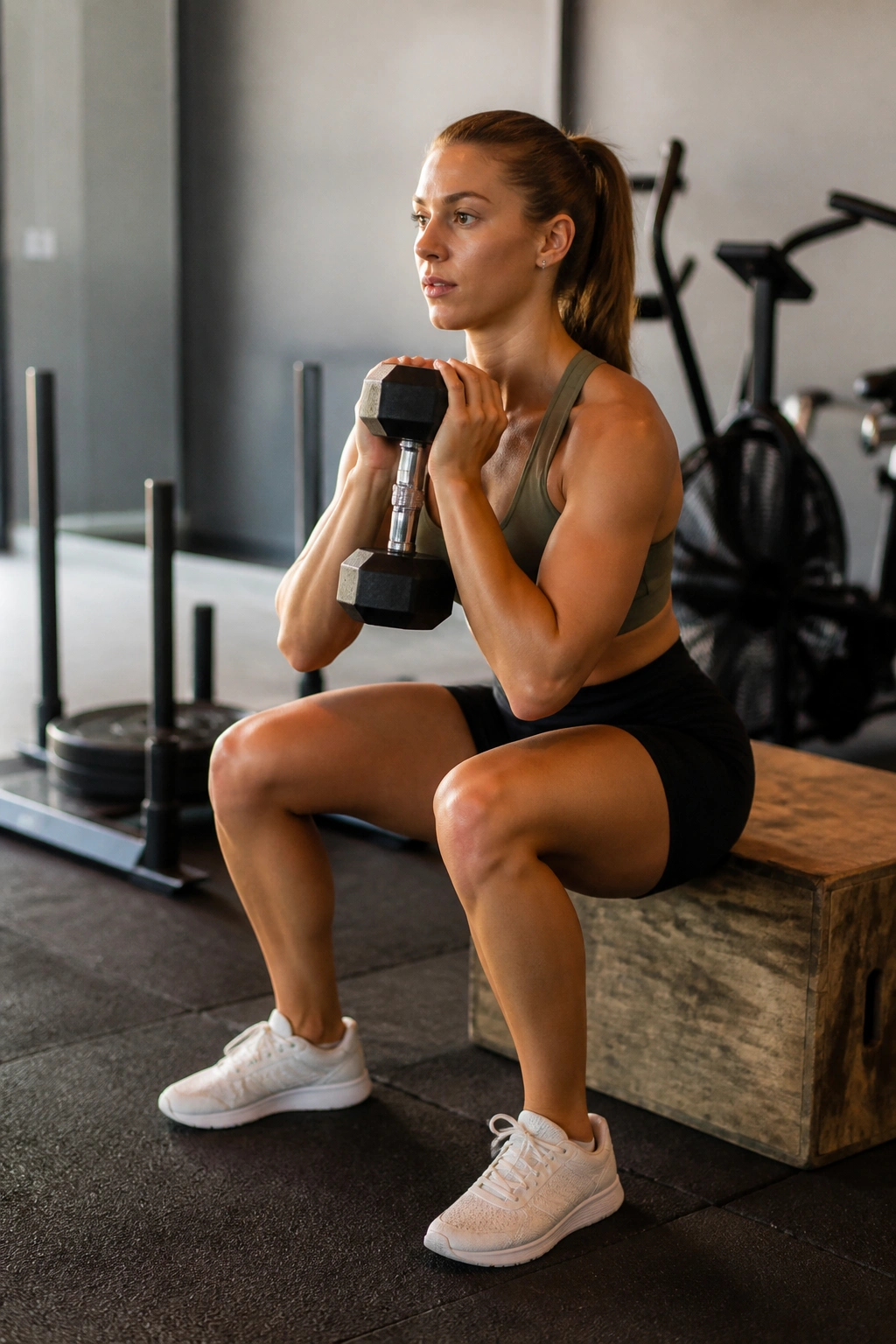
Some days your joints want less drama. Fair enough. Low-impact work can still build muscle and keep you moving forward if you use sleds, machines, and controlled bodyweight reps instead of bouncing around.
Try sled pushes, incline push-ups, goblet squats to a box, seated rows, hip thrusts, and bike sprints. A simple format is 3 rounds of 12 reps on the lifts, then 6 sled pushes of 15 to 20 meters. Keep the bike work short, maybe 15 to 20 seconds hard with generous recovery.
This is the kind of session that lets you train while protecting your knees, elbows, or lower back from extra noise. It is not lazy. It is smart. If the session leaves you feeling better at the end than it did at the start, you picked the right tools.
15. The Pull-Up Focused Full Body Workout
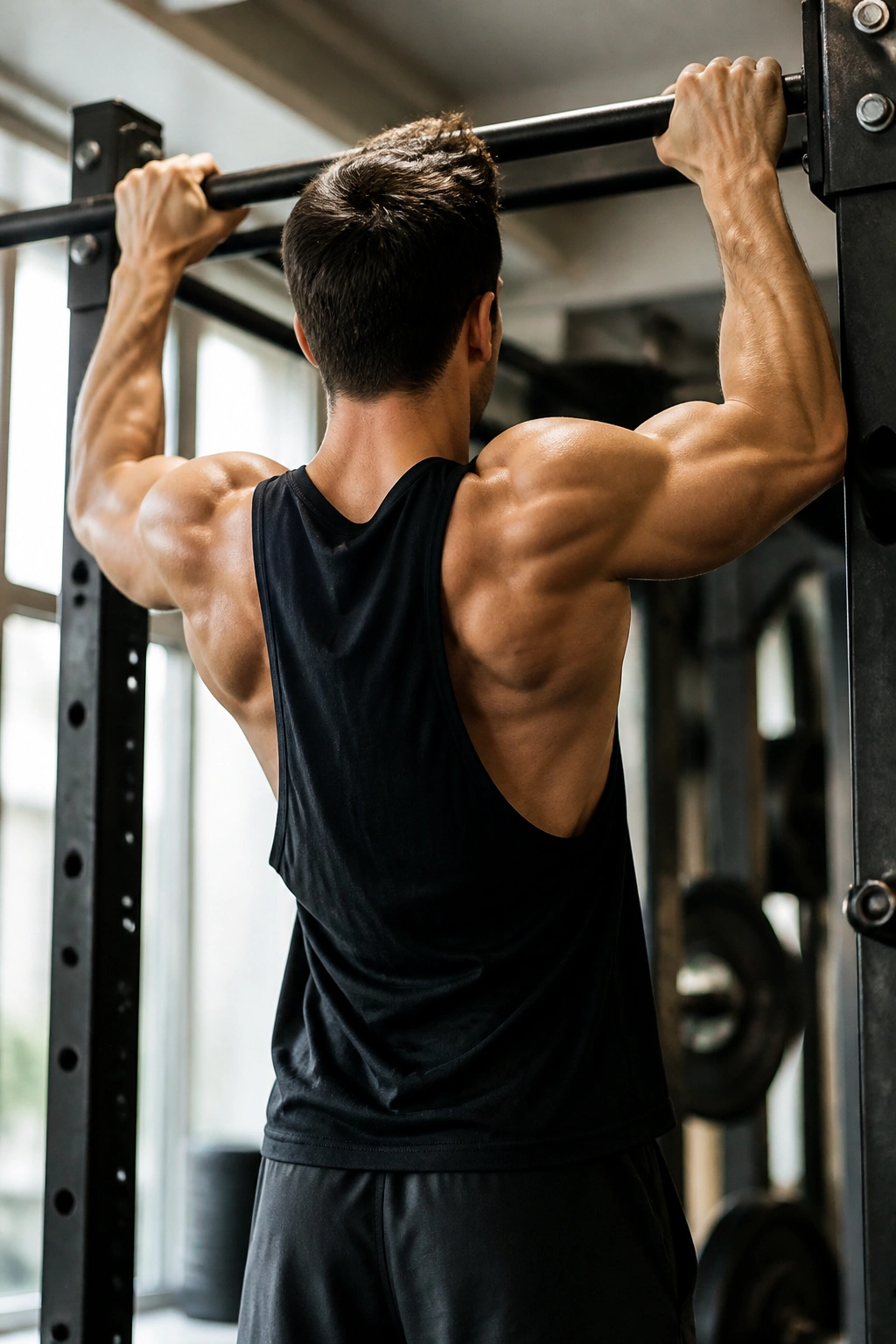
Pull-ups deserve a bigger role than they usually get. They’re one of the best upper-body pulls you can own, and they pair well with squats, hinges, and presses without wrecking the session.
Start with 5 sets of 3 to 6 pull-ups. Then do 4 sets of 6 front squats, 3 sets of 8 dumbbell bench presses, 3 sets of 8 Romanian deadlifts, and 3 sets of 10 walking lunges. Rest 2 minutes after the pull-up sets if you need it. Chasing sloppy reps on pull-ups is a fast route to nowhere.
If full pull-ups are not there yet, use a band or do slow negatives. Progress is progress. Add one rep across the total number of sets before you add load, and keep your body straight enough that the movement starts from the back, not the legs.
16. The Front Squat and Chin-Up Pairing Workout
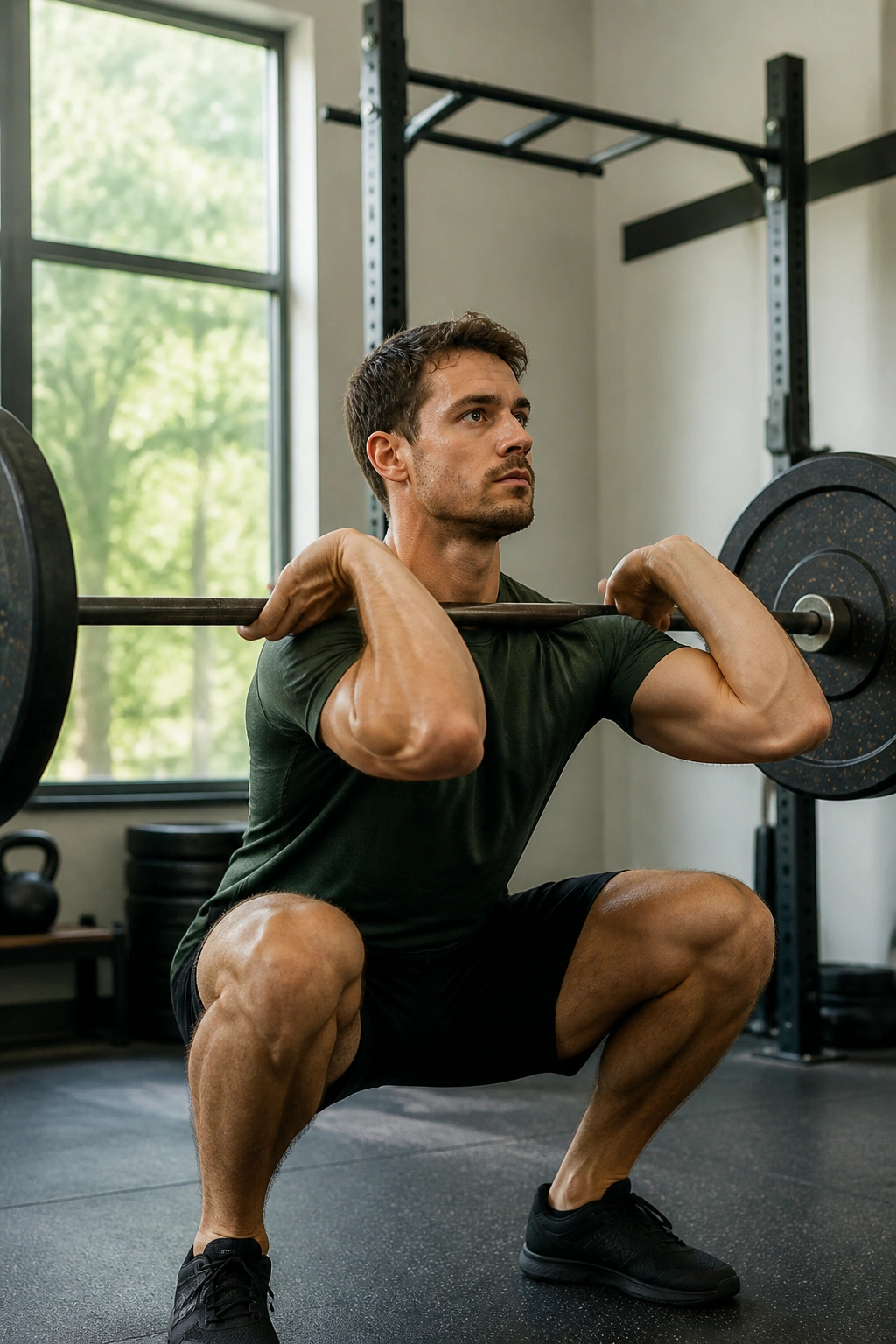
There’s something elegant about pairing a front squat with a chin-up. Both movements ask for tension and posture. Both punish collapse. Both make you work harder than you expected when the load gets honest.
Run 5 sets of 4 front squats paired with 5 sets of 4 chin-ups. Then add 3 sets of 8 split squats and 3 sets of 8 floor presses. Keep rest at 90 seconds between pairs. That rhythm gives you enough recovery to keep quality high without turning the workout into a coffee break.
How to Get the Most From It
This workout is best for people who already know the basic lifts and want a clean strength template. The front squat keeps you upright, and the chin-up balances all that pressing most of us do anyway. Add a small plate or one extra chin-up rep when the last set still looks sharp. If your elbows start complaining, hold the same work for another week.
17. The Dumbbell Complex Workout That Never Needs a Rack
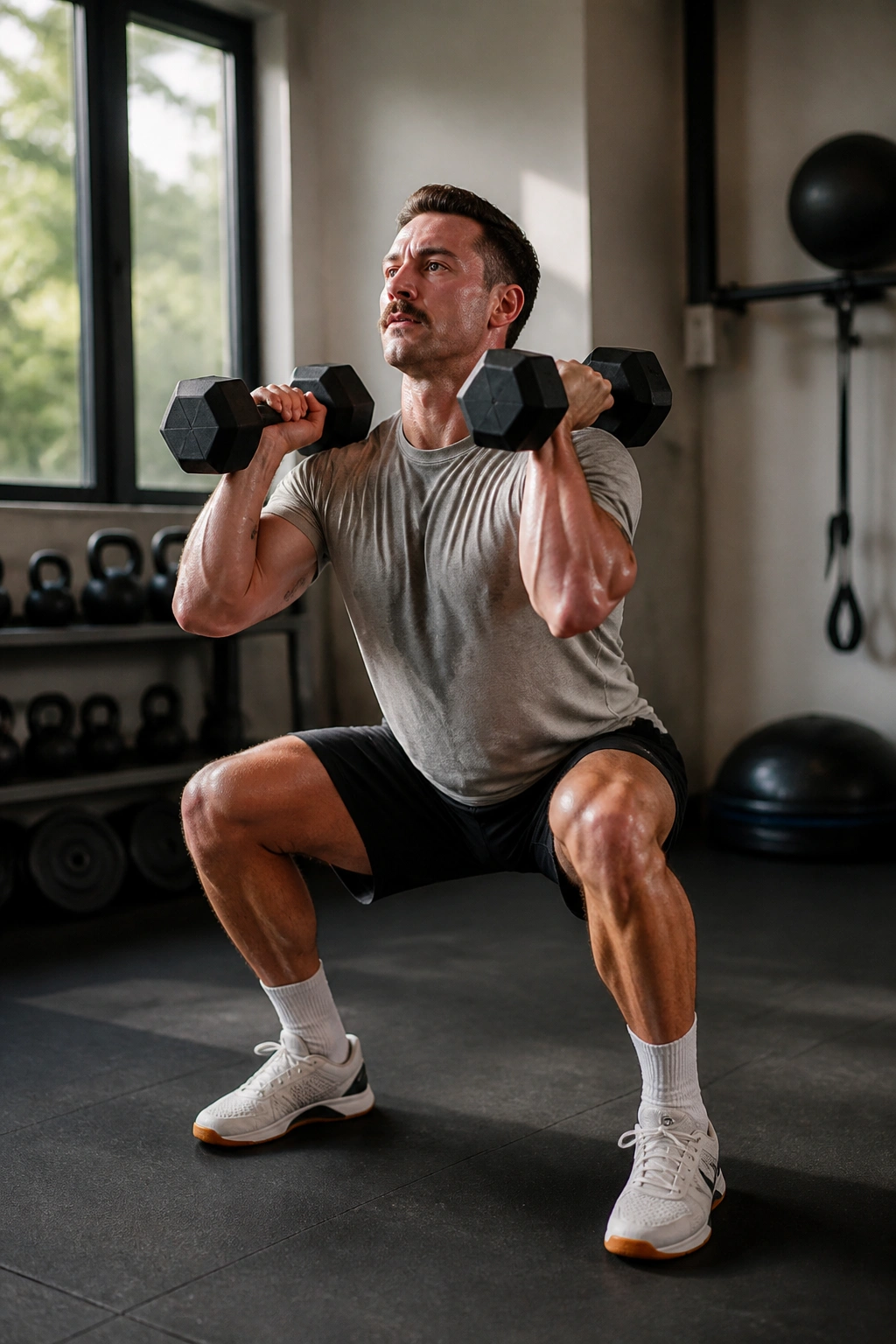
Complexes are brutally efficient. You use one pair of dumbbells and move through several exercises without setting them down. The load usually has to be lighter, which is fine. Density is the point.
Try this sequence: 6 Romanian deadlifts, 6 bent-over rows, 6 hang cleans, 6 front squats, 6 push presses, 6 reverse lunges per side. That is one round. Do 3 to 5 rounds, resting 90 seconds between rounds. Pick a weight you could row for 10 solid reps, then accept that the later exercises will tax your breathing.
This style is best when you want full body work and a solid sweat without a long warm-up circus. Keep the transitions tight. If you drop the bells after every move, you lose the point. When the sequence gets cleaner, increase rounds before you increase load.
18. The Tempo Hypertrophy Workout for Slower, Safer Reps

Tempo work looks slow because it is slow. That is exactly why it helps. A controlled lowering phase gives you more time under tension and less sloppy bouncing out of the bottom.
Use a 3-second lower, 1-second pause, and controlled drive up on goblet squats, dumbbell presses, rows, and hip thrusts. Do 3 to 4 sets of 8 reps on each lift. Rest 60 to 90 seconds. The first rep should look almost identical to the last one. If it doesn’t, the weight is too heavy.
A lot of people rush because they think hard always means fast. It doesn’t. This session is excellent for building muscle, protecting your joints, and cleaning up technique. Progress by adding one rep per set before you add load. Then keep the same tempo. No cheating.
19. The Beginner Home Workout With Zero Fancy Equipment
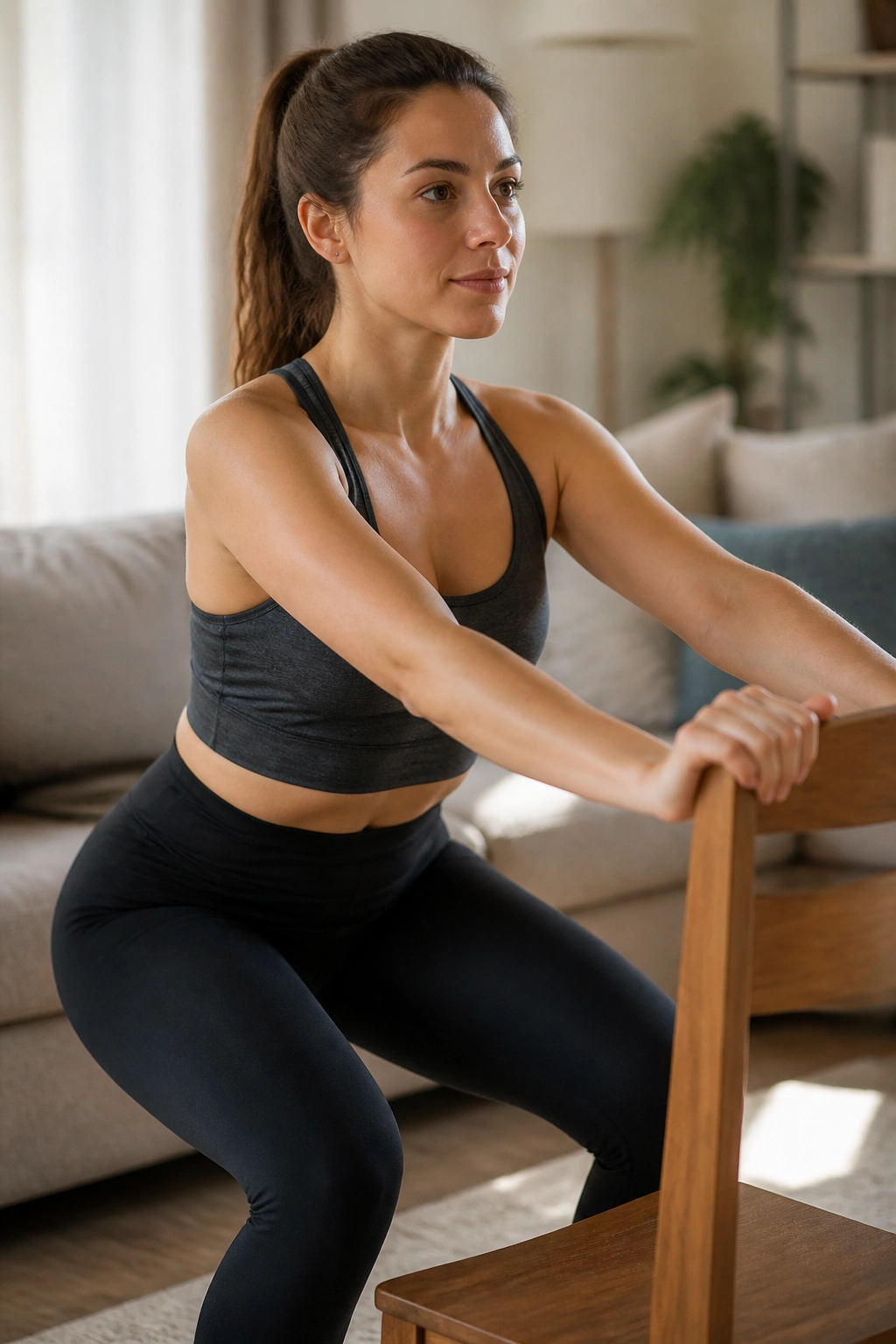
This is the one for the person who keeps saying they need a better setup. You don’t. A floor, a wall, a chair, and a backpack can do more work than most people give them credit for.
Use chair squats, incline push-ups against a counter, glute bridges, backpack rows, dead bugs, and marching carries with the backpack held at chest height. Try 3 rounds of 10 to 15 reps on each movement. Rest 45 to 60 seconds between rounds. Keep the backpack snug so it does not swing around like a wet towel.
Why It Works
The goal here is to establish a habit and a basic strength base. You do not need fancy tools to learn how to brace, push, pull, and move through a decent range of motion. When all three rounds feel controlled, add books to the backpack or lower the incline on the push-ups.
20. The Intermediate Barbell Volume Workout
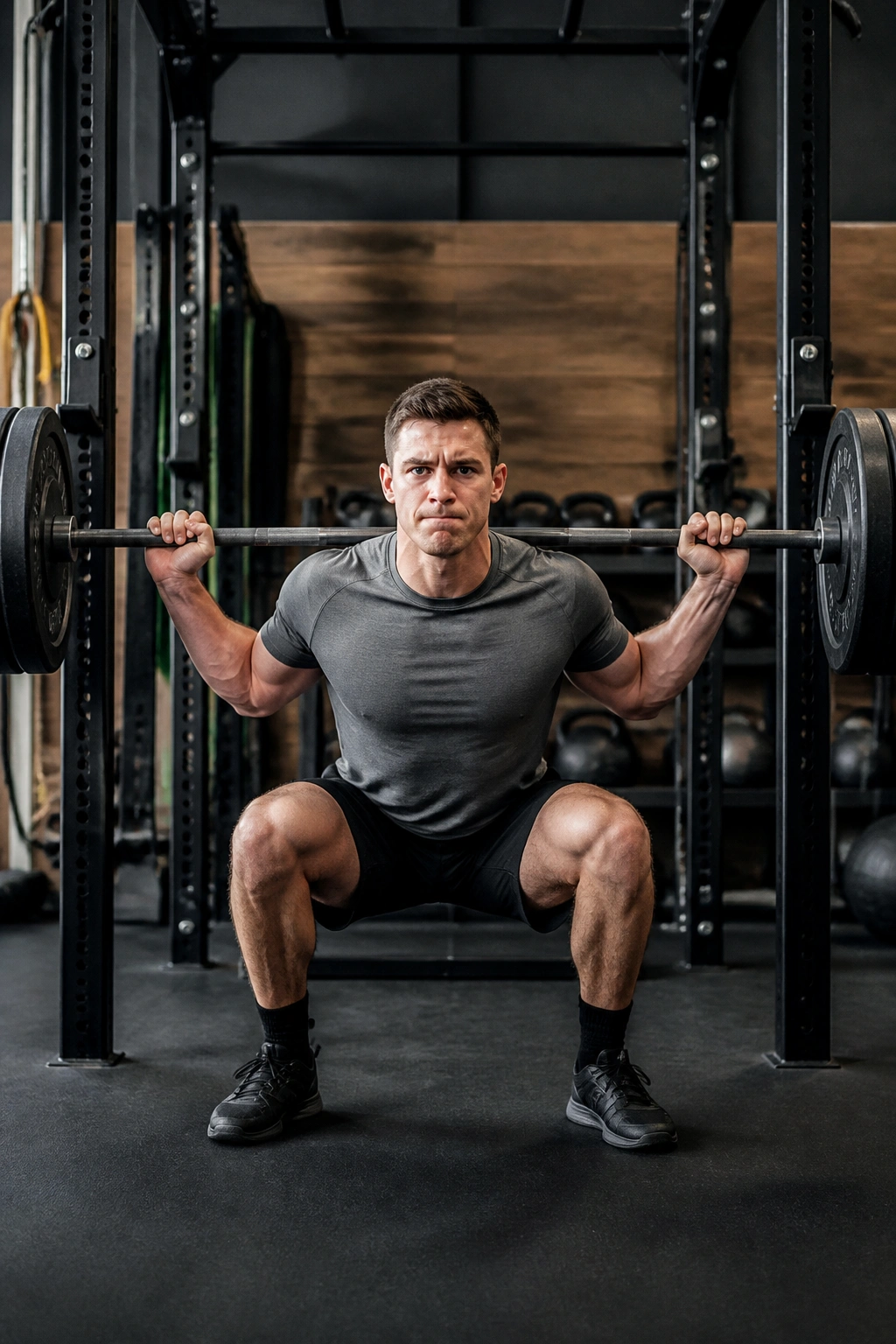
Volume drives growth when it’s managed well. Too little, and nothing changes. Too much, and every week feels like punishment. This is the middle ground that a lot of lifters can live on.
Use 4 sets of 8 back squats, 4 sets of 8 bench presses, 4 sets of 8 barbell rows, 3 sets of 10 Romanian deadlifts, and 3 sets of 12 split squats. Rest 90 seconds to 2 minutes. The reps are high enough to build muscle, but not so high that form gets silly.
If you want steady progress, don’t chase failure on every set. Leave 1 or 2 reps in reserve on the first three lifts. That keeps your recovery sane and your sessions repeatable. Once all sets hit the top of the target with good speed, increase the load by the smallest jump you can make.
21. The Jump-Throw-Lift Workout for Athletic Power
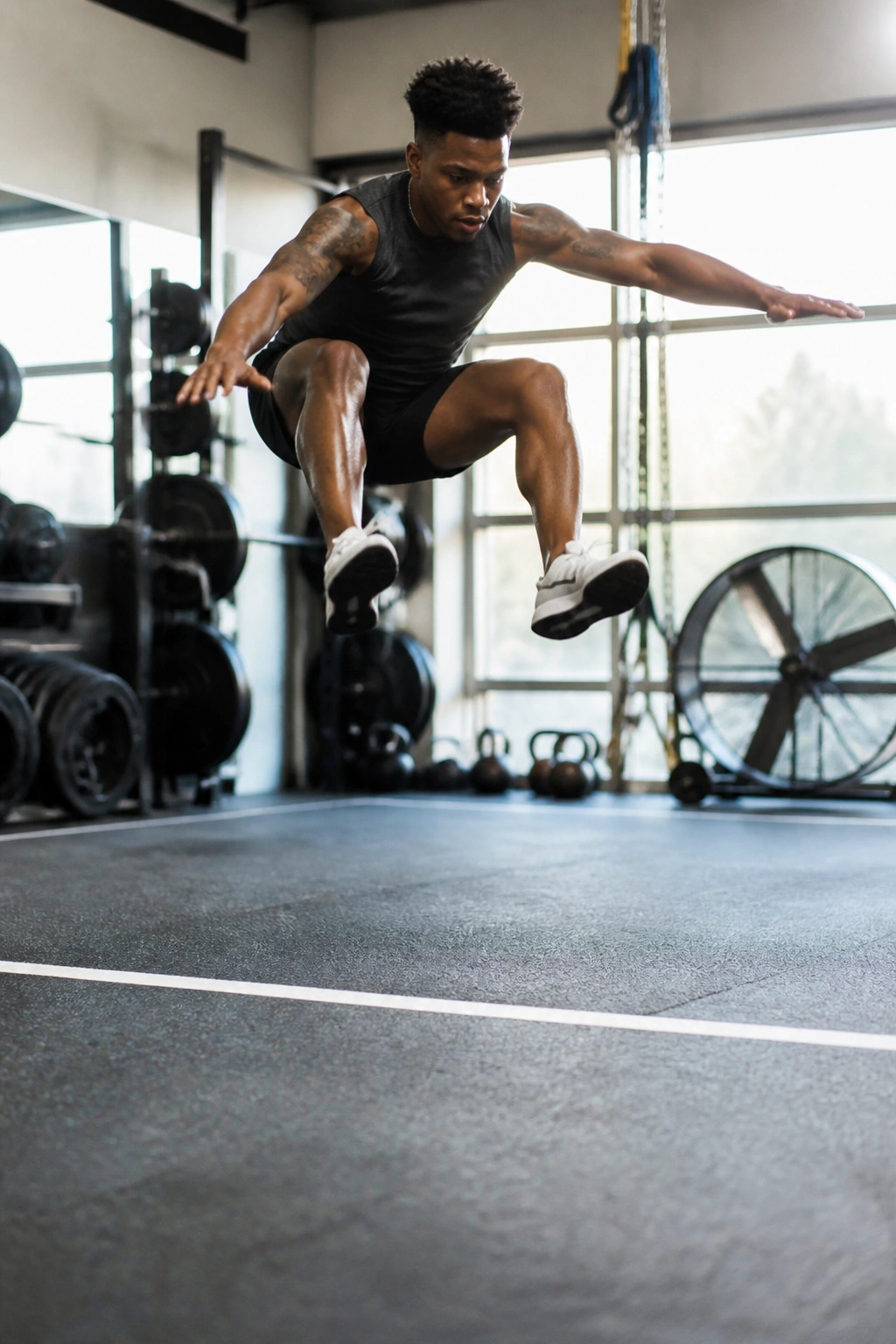
Power needs speed. If the bar moves like a brick, the session misses the point. This workout uses jumps and throws to wake up the system before the heavier work lands.
Start with 3 sets of 3 broad jumps or box jumps. Then do 3 sets of 5 medicine ball slams or chest throws. Follow with 4 sets of 4 trap bar deadlifts, 3 sets of 6 push presses, and 3 sets of 8 rows. Rest long enough to stay explosive, usually 2 minutes after the heavier lifts.
This works best when the jumps stay crisp and the throws feel snappy. If your landing gets noisy or your throw loses speed, you’re done with that drill for the day. Progress by improving output, not by turning the jump portion into a conditioning test. Fast first. Heavy later.
22. The Machine and Cable Workout for Pure Muscle Work
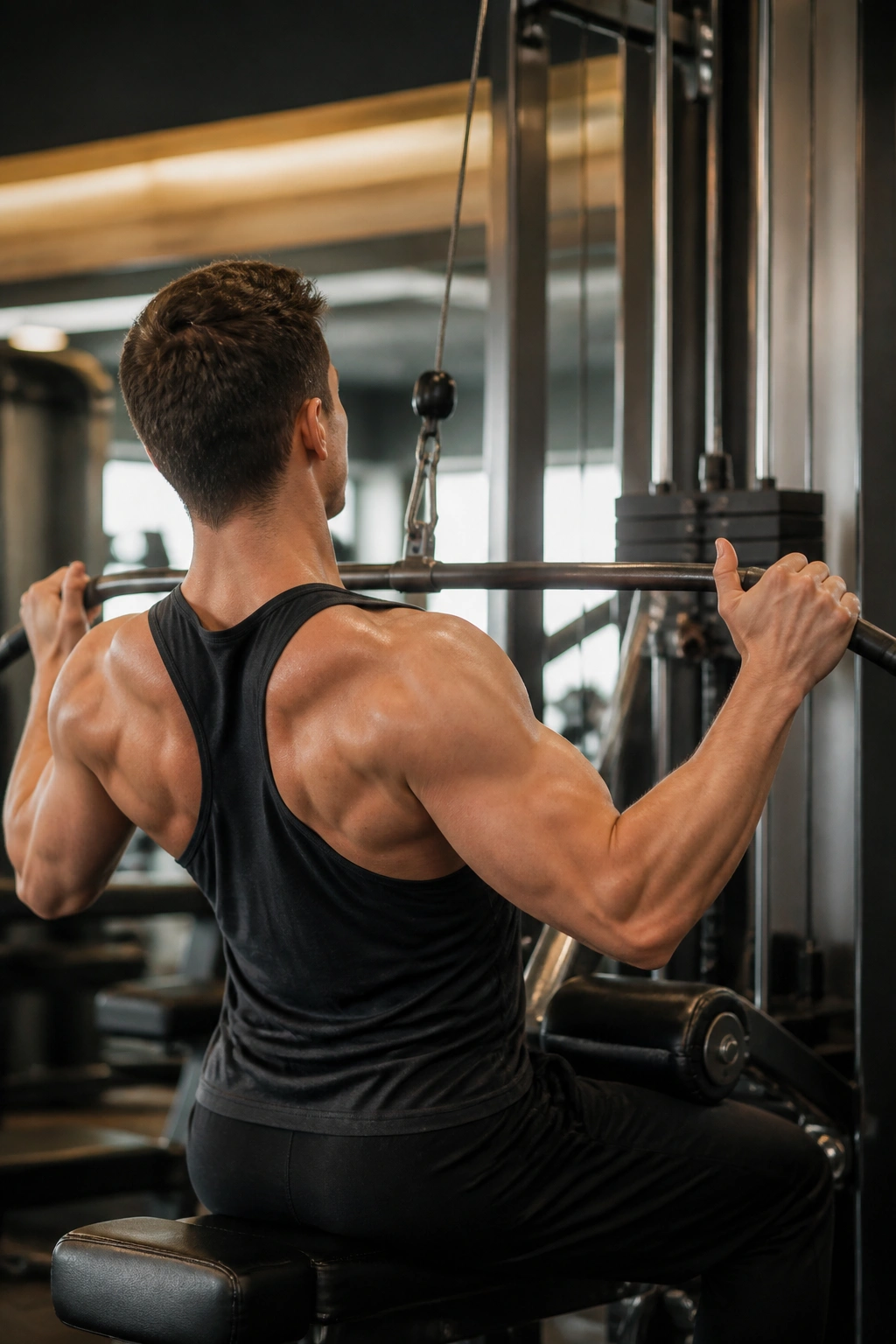
There’s a reason machine and cable sessions keep showing up in serious training plans. They let you hammer a muscle without wasting energy on balance. That matters when the goal is clean volume and a predictable stimulus.
Use cable squats or leg presses, machine chest press, lat pulldowns, seated cable rows, leg curls, and cable chops. Do 3 to 4 sets of 10 to 15 reps. Keep rest around 45 to 75 seconds. The shorter rest keeps the work honest, but the rep tempo should stay smooth.
Unlike free-weight days, this one strips away much of the technical noise. That makes it useful when you’re fatigued, coming off a heavy block, or just trying to accumulate more quality work without loading your spine much. Add reps first, then weight. Chasing the stack too soon usually turns the form ugly.
23. The Brisk Circuit Workout for Heart Rate and Work Capacity
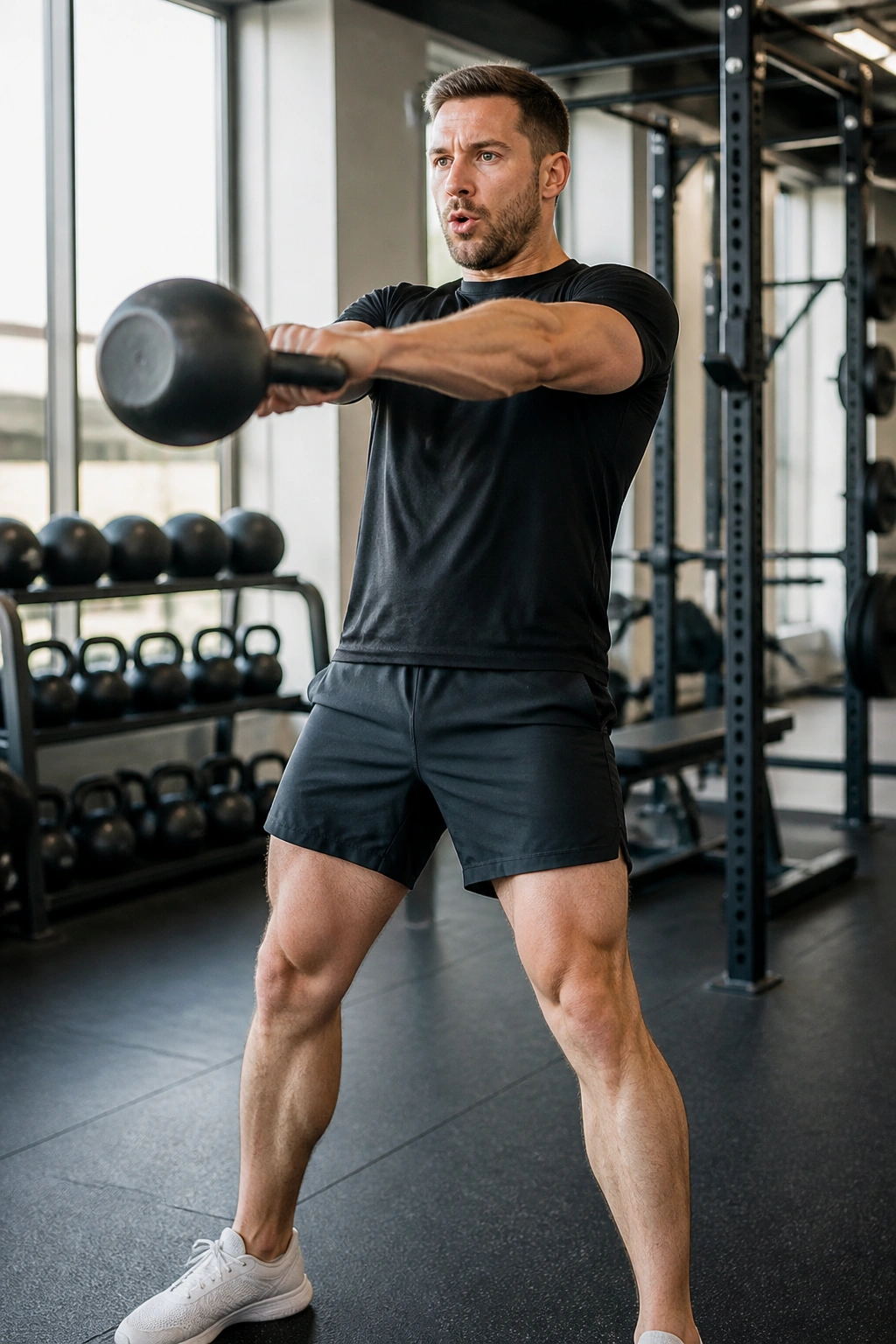
This workout moves. That’s the whole personality of it. You’re not trying to lie on the floor between sets. You’re trying to do quality work while breathing hard enough that you notice.
Try 12 kettlebell swings, 10 push-ups, 12 goblet squats, 10 dumbbell rows, and a 30-second mountain climber. Run 4 to 6 rounds with 45 seconds of rest. Keep the load moderate. The circuit works because it stays sustainable, not because it crushes you.
A common mistake is turning every round into a sprint. That makes the later rounds ugly and the output drop fast. Keep the pace steady and the movement clean. When you can finish the last round with the same shape you had in round one, move the weights up a bit or add one round.
24. The Core-Heavy Full Body Workout
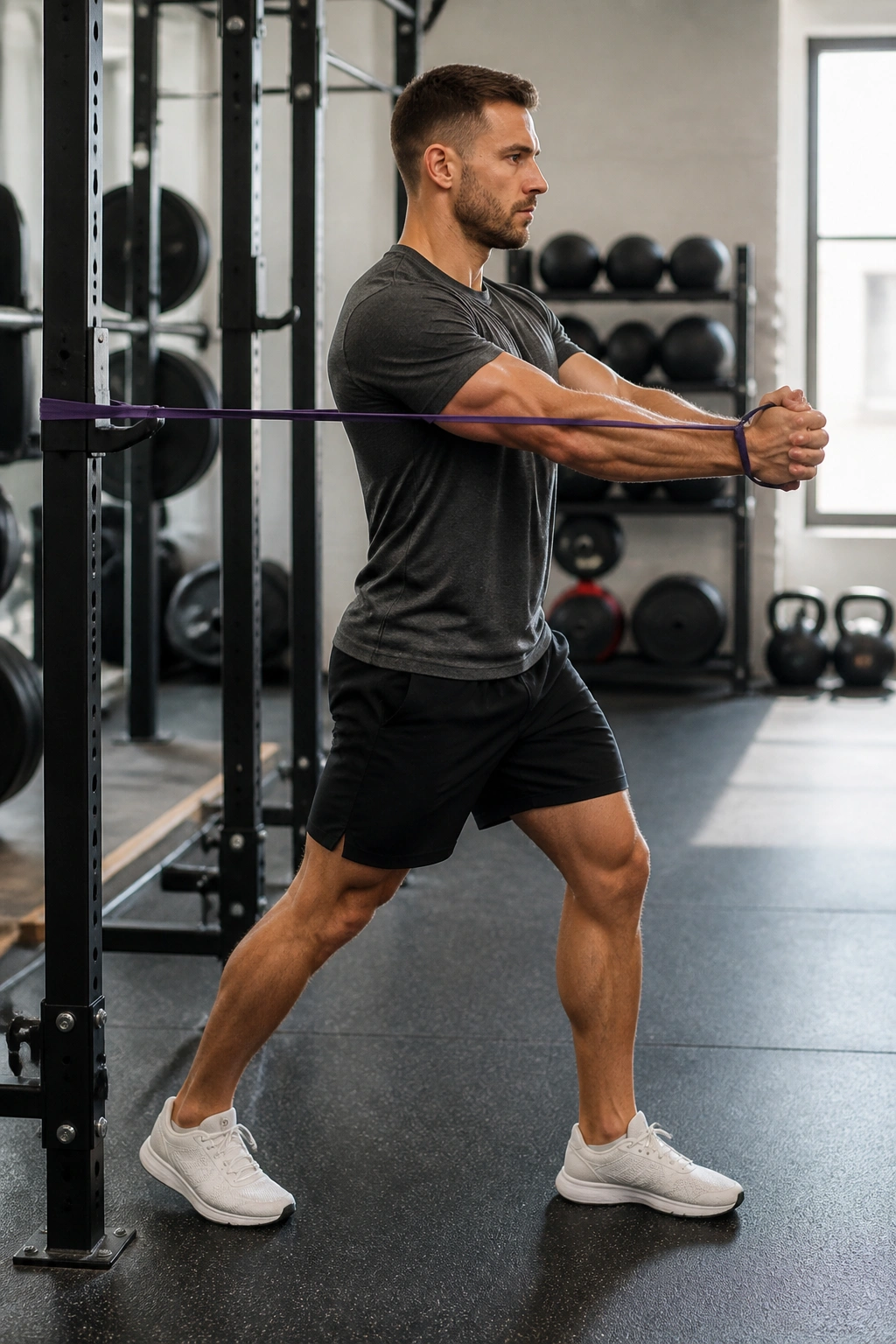
A lot of “core workouts” forget the rest of the body. That’s backwards. Your midsection works hardest when your legs and arms are loading it from different directions.
Use front squats, Pallof presses, dead bugs, farmer carries, half-kneeling presses, and side planks with a row or reach. Try 3 sets of 6 front squats, 3 sets of 10 Pallof presses per side, 3 sets of 8 dead bugs per side, and 3 carries of 30 to 40 meters. Keep the core drills slow and clean.
Why It Works
This setup trains anti-extension, anti-rotation, and anti-side-bend all in one session. That sounds fancy. It’s not. It just means your trunk has to resist movement while the rest of you moves. Progress by adding distance to the carries and by making the presses more controlled. The weight should never pull you into a twist.
25. The Posterior Chain Workout for Hips, Hamstrings, and Back
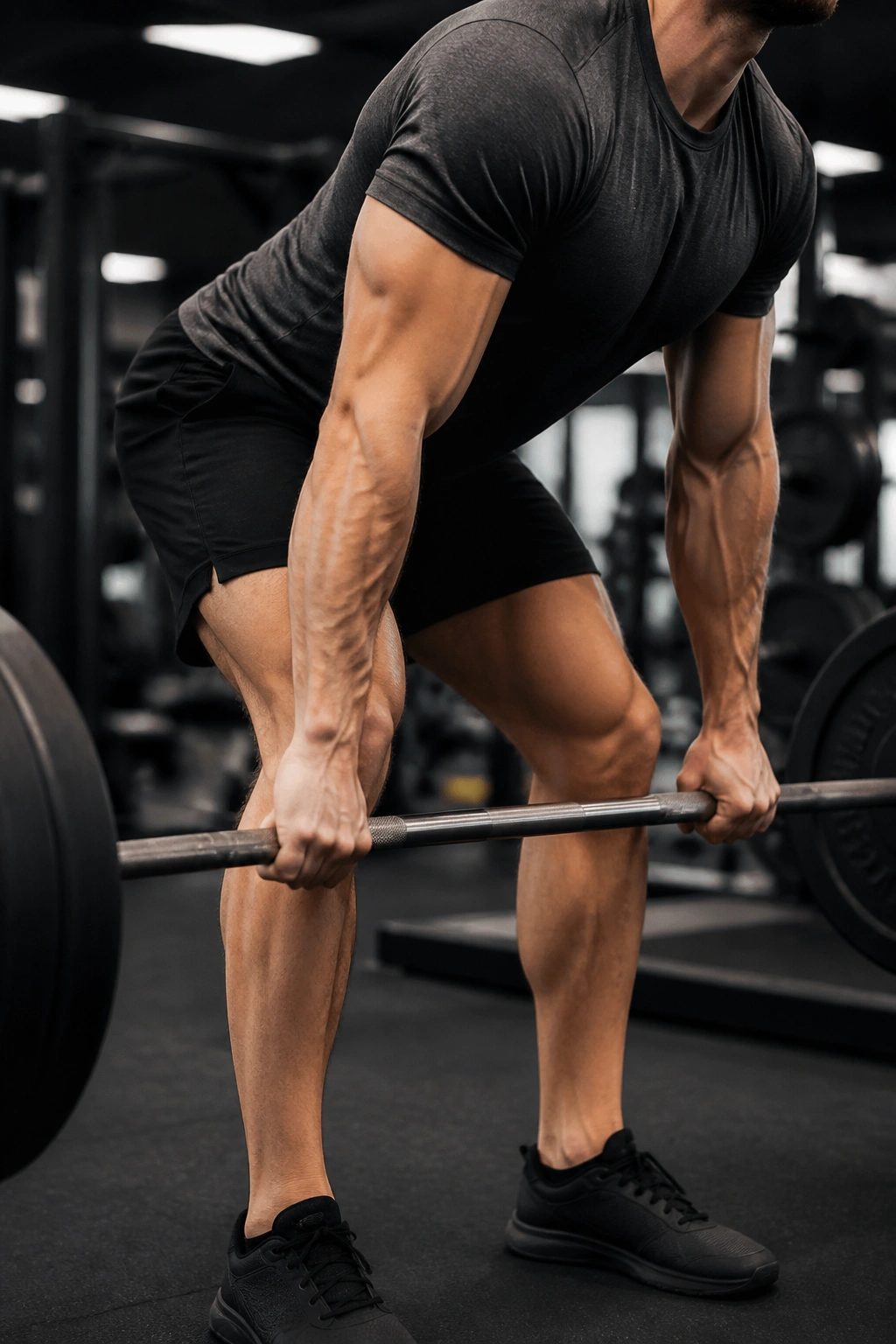
If your hinge is weak, the rest of your body usually pays for it. That’s why a posterior-chain-heavy session deserves its own slot. Deadlifts, hip thrusts, rows, and curls build the back side without turning the day into a random grab bag.
Use 4 sets of 4 deadlifts, 3 sets of 8 Romanian deadlifts, 3 sets of 10 hip thrusts, 3 sets of 12 hamstring curls, and 3 sets of 8 rows. Rest 2 minutes after the deadlifts, then trim it to 60 to 90 seconds on the accessory work.
The key is not to chase back pump at the expense of form. Your hinge should feel strong and organized, not like a low-back contest. If the deadlift is the main event, keep the accessories lighter and cleaner. Progress the deadlift slowly and let the rest follow.
26. The Strength-Plus-Conditioning Workout

This pairing works because it separates the goals without splitting the session into two useless halves. Lift heavy first, then earn the conditioning. That keeps the bar work worthwhile and the finisher focused.
Start with 3 sets of 5 on a squat, press, or row. Then move into 8 to 12 minutes of sled pushes, rower intervals, or kettlebell swings. A simple finisher is 6 rounds of 20 seconds hard, 40 seconds easy. That’s enough to breathe fire without wrecking the lifting.
Some people try to mash strength and cardio together until both suffer. You do not need that mess. Keep the first block heavy enough to matter, then let the second block build work capacity. When the finisher stops spiking your heart rate the way it should, increase the speed or the resistance before adding more minutes.
27. The Plateau-Breaker Workout That Changes the Stimulus
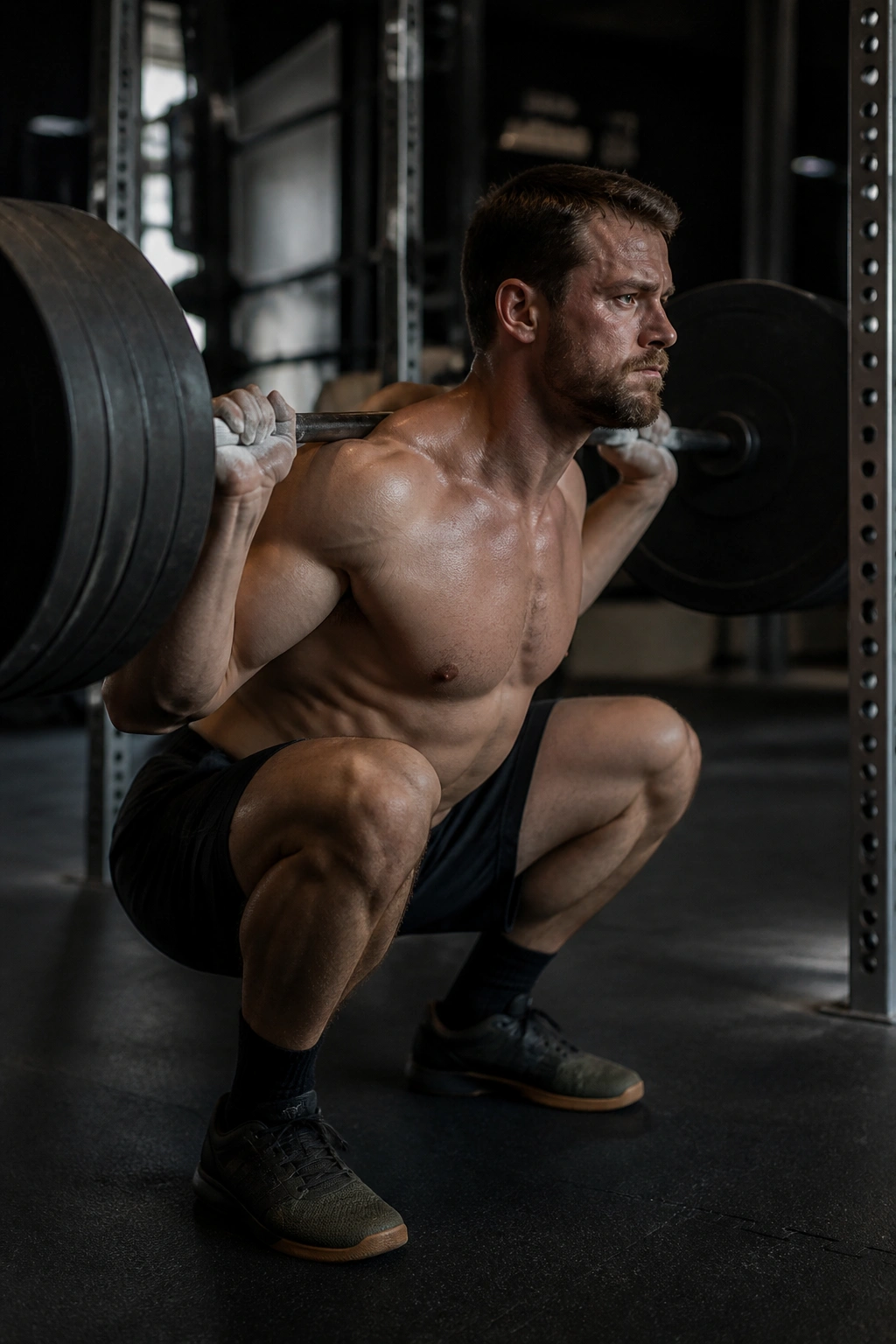
When progress stalls, don’t panic and overhaul everything. Change one variable at a time. Tempo, range, pause, stance, or rep range can wake a tired plan back up.
Use pause squats, tempo push-ups, chest-supported rows, deficit Romanian deadlifts, and walking lunges. Run 3 to 4 sets of 6 to 8 reps, but hold a 2-second pause in the hardest part of the movement. That pause changes the demand without demanding new equipment.
This is best when the lifts still feel familiar but no longer feel productive. The pause exposes weak spots fast. The tempo cleans up rushed reps. The deficit adds range. Pick one change for 3 to 4 weeks, then go back to your regular version and see if it feels easier. It usually does.
28. The Travel-Friendly Workout With Bands and a Backpack
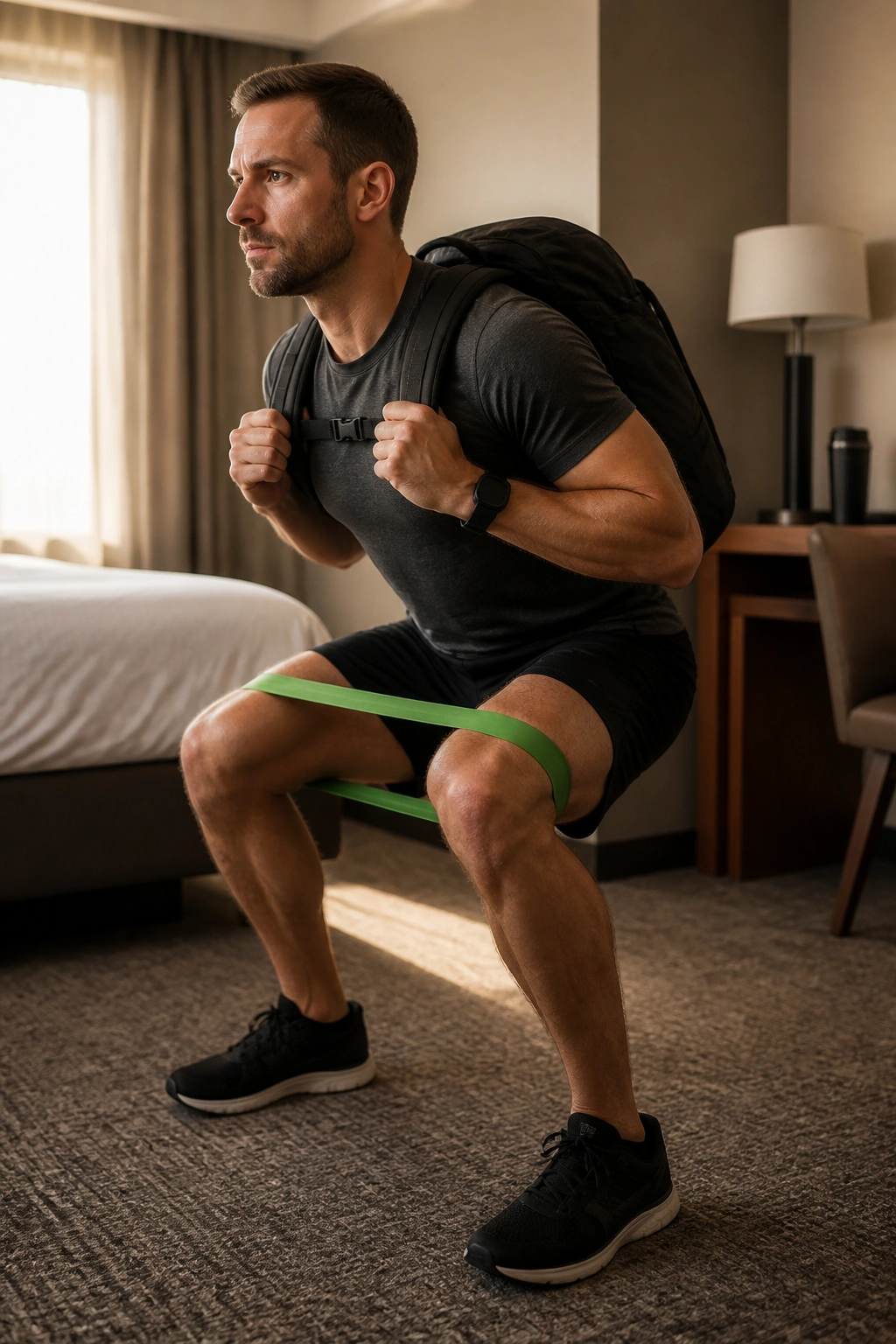
Travel training can be a joke if you let it. It does not have to be. A backpack loaded with books, a loop band, and a floor space the size of a rug can still keep you moving.
Do backpack squats, band rows, push-ups, split squats, glute bridges, and suitcase carries with the backpack. Use 3 sets of 12 to 15 reps on the first four movements and 3 carries of 30 seconds. Slow the lowering phase if the load feels too easy. That’s the cleanest fix.
How to Get the Most From It
The goal on the road is maintenance with a little momentum. You’re not trying to set a gym PR in a hotel room. You’re keeping your movement patterns alive so the next hard session doesn’t feel like starting over. Add books, water bottles, or anything else dense enough to matter. Simple. Effective.
29. The Heavy-Light Contrast Workout
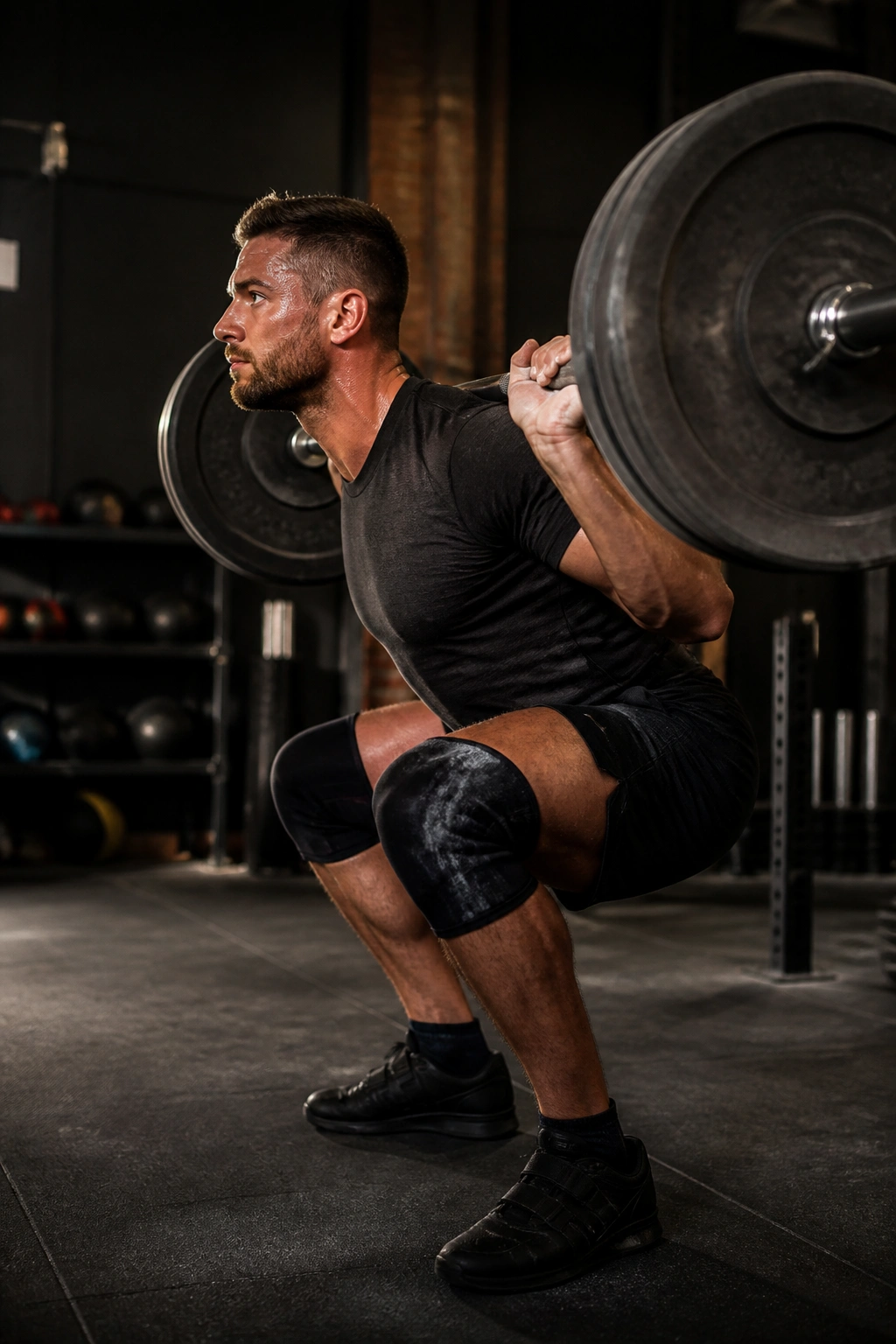
Contrast training is fun because the body notices the switch. One heavy set wakes up the nervous system. One lighter, faster set teaches you to move that strength with speed.
Do 1 heavy set of 3 to 5 reps on a squat, press, or row. Rest 60 to 90 seconds, then do 1 lighter set of 6 to 8 explosive reps with the same movement or a closely related one. Repeat for 3 pairings. Keep the lighter set fast. If it slows down, the contrast fades.
This is a smart choice for lifters who like feeling powerful rather than merely tired. It can also help if you get bored by endless straight sets. Use it sparingly. One or two exercises per session are enough. If everything becomes contrast work, the day gets messy and the quality drops.
30. The 30-Minute Full Body Workout for Tight Schedules
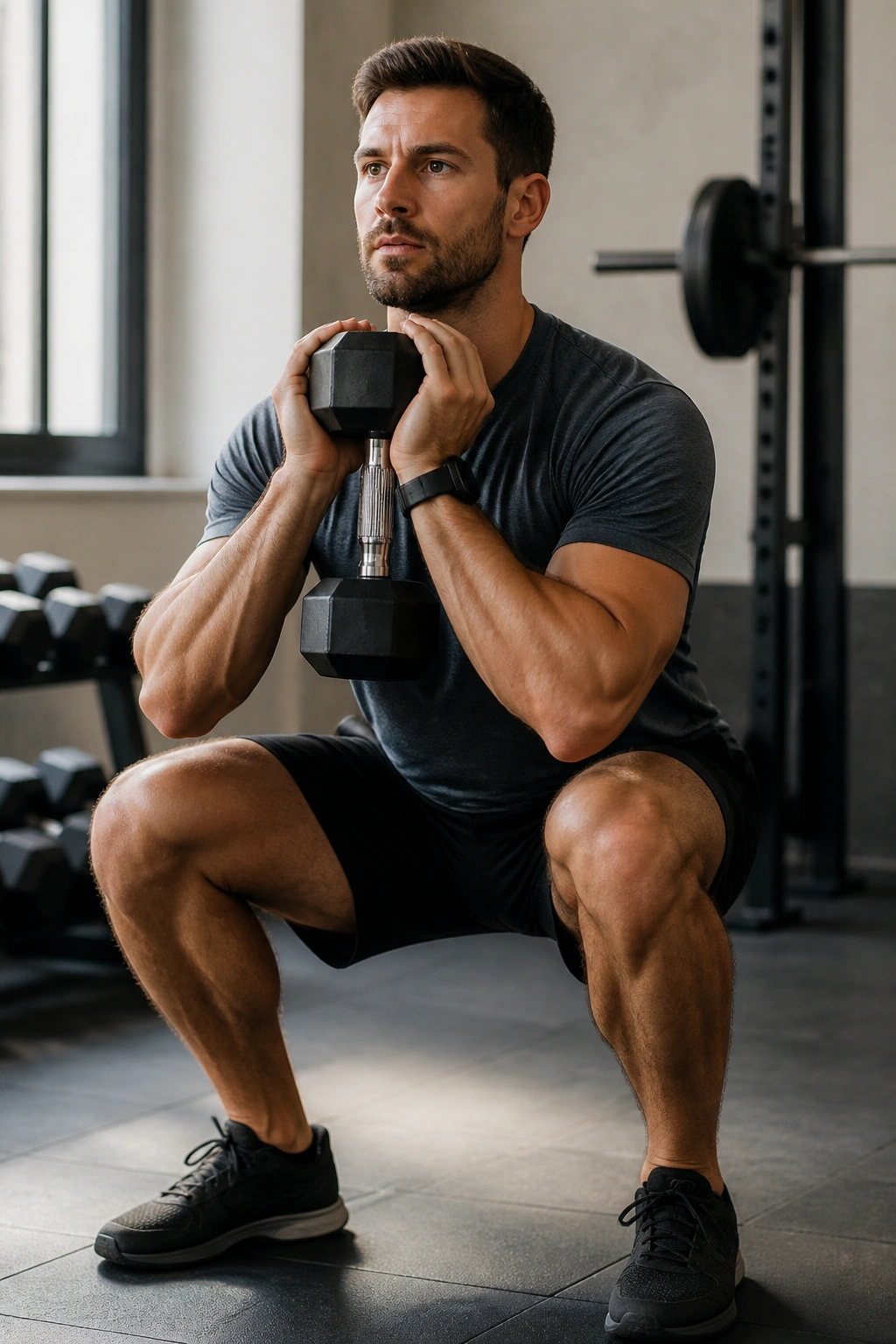
Time-crunch plans only work if they’re blunt. Three pairs, no fluff, no wandering around the gym looking thoughtful. Pick movements that cover the big patterns and get on with it.
Run goblet squats paired with push-ups, one-arm rows paired with Romanian deadlifts, and walking lunges paired with overhead presses. Do 3 rounds of each pair for 8 to 12 reps. Rest 30 seconds between exercises and 60 seconds between pairs. The whole session should fit in half an hour without feeling rushed.
The nice part is how easy this is to repeat. Same exercises. Same order. Same clock. That makes progress obvious. Add one rep per set or a small amount of load when the last round no longer feels like a stretch. If you keep changing the plan every week, you can’t tell what improved.
31. The Rep-Ladder Workout That Makes Progress Obvious
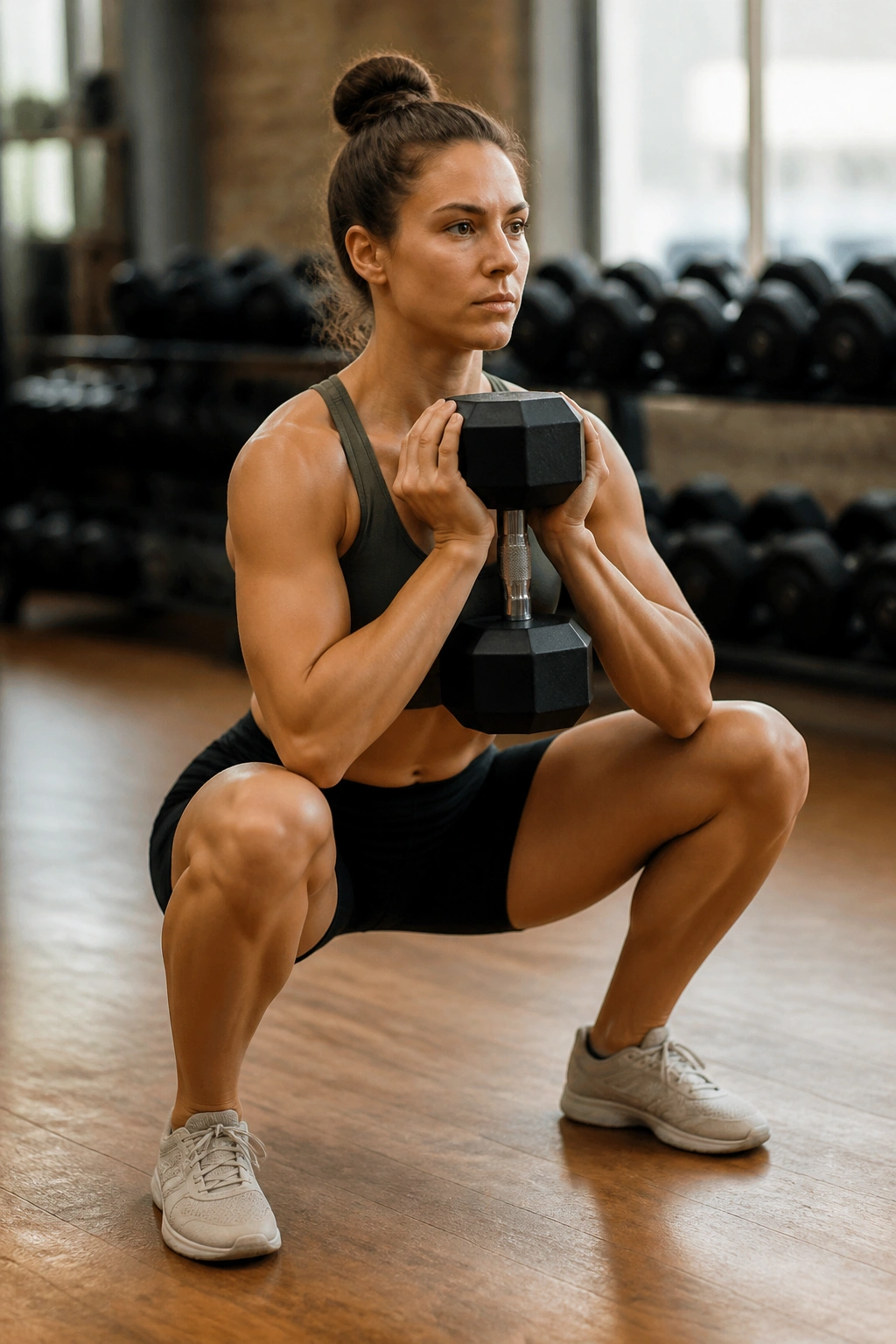
Ladders are easy to track and hard to fake. You start small, build up, then stop before the reps get ugly. It’s a tidy way to train full body strength and volume in one session.
Try a ladder of 1-2-3-4-5 reps on goblet squats, push-ups, rows, and kettlebell deadlifts. Rest 15 to 30 seconds between rungs and 90 seconds between exercises. If that feels too easy, run the ladder twice. The total work climbs fast without asking for huge single sets.
Why It Works
A ladder rewards control. You can stop at the level your body can handle instead of forcing the same rep count over and over. That makes it good for steady progress because you always know where the ceiling is. Add one rung only when the last run feels clean. Not sooner.
32. The Deload Workout That Keeps You Training
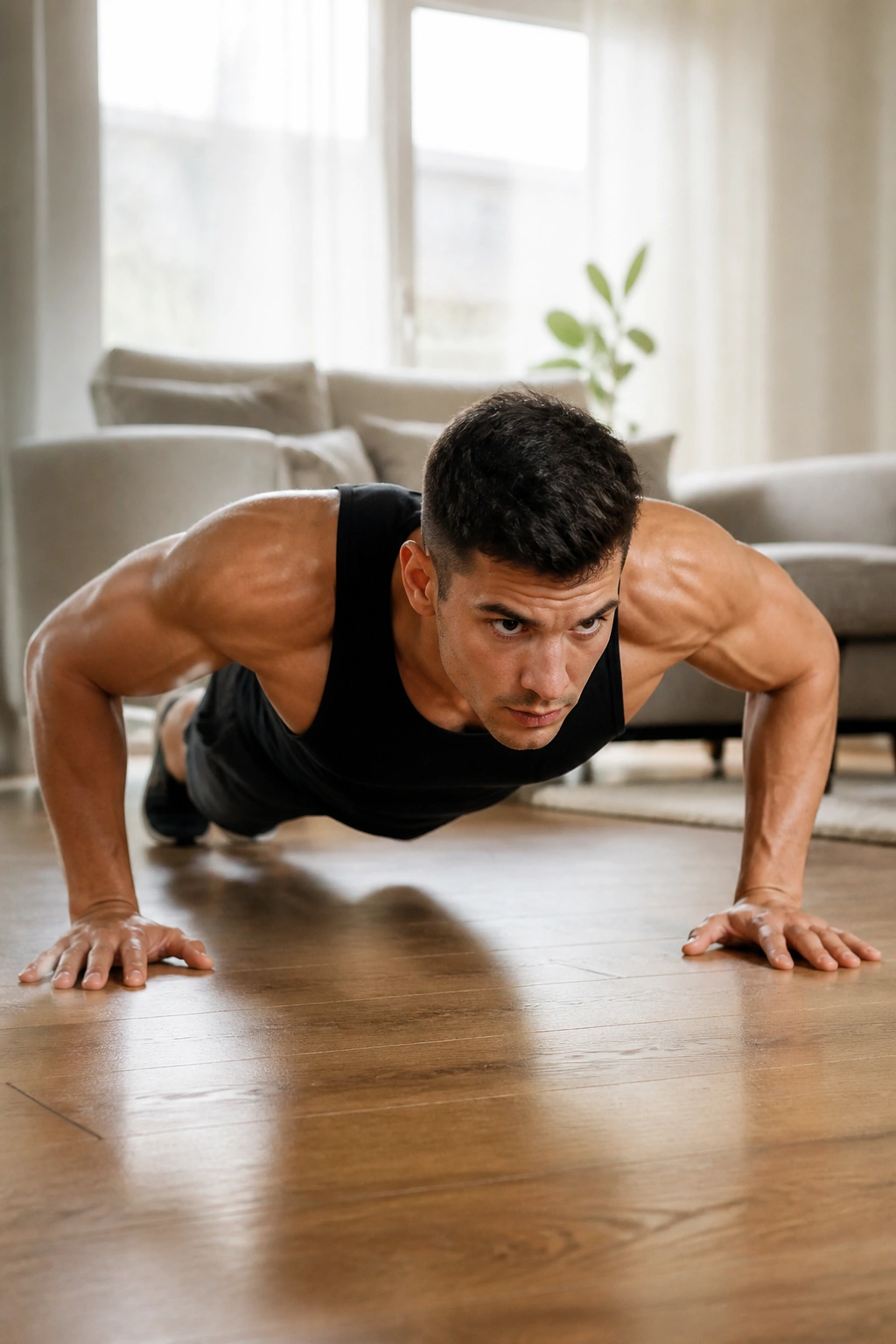
Deload weeks are not wasted weeks. They’re the reason hard blocks keep working. If you ignore recovery long enough, even simple full body workouts start feeling like a fight.
Use the same basic moves you already know, but cut the total sets by about 40 percent and keep the load around 60 to 70 percent of your normal working weight. A session might be 2 sets of 5 squats, 2 sets of 5 presses, 2 sets of 8 rows, and 2 easy carry trips. Leave the gym feeling fresher than when you walked in.
That restraint matters. You’re keeping the movement pattern alive while letting joints, tendons, and the nervous system settle down. The best deloads feel almost too easy. That’s fine. They work because they’re easy. When you return to normal training, the same weights often feel cleaner.
33. The Mixed-Modal Workout with Cardio and Lifting
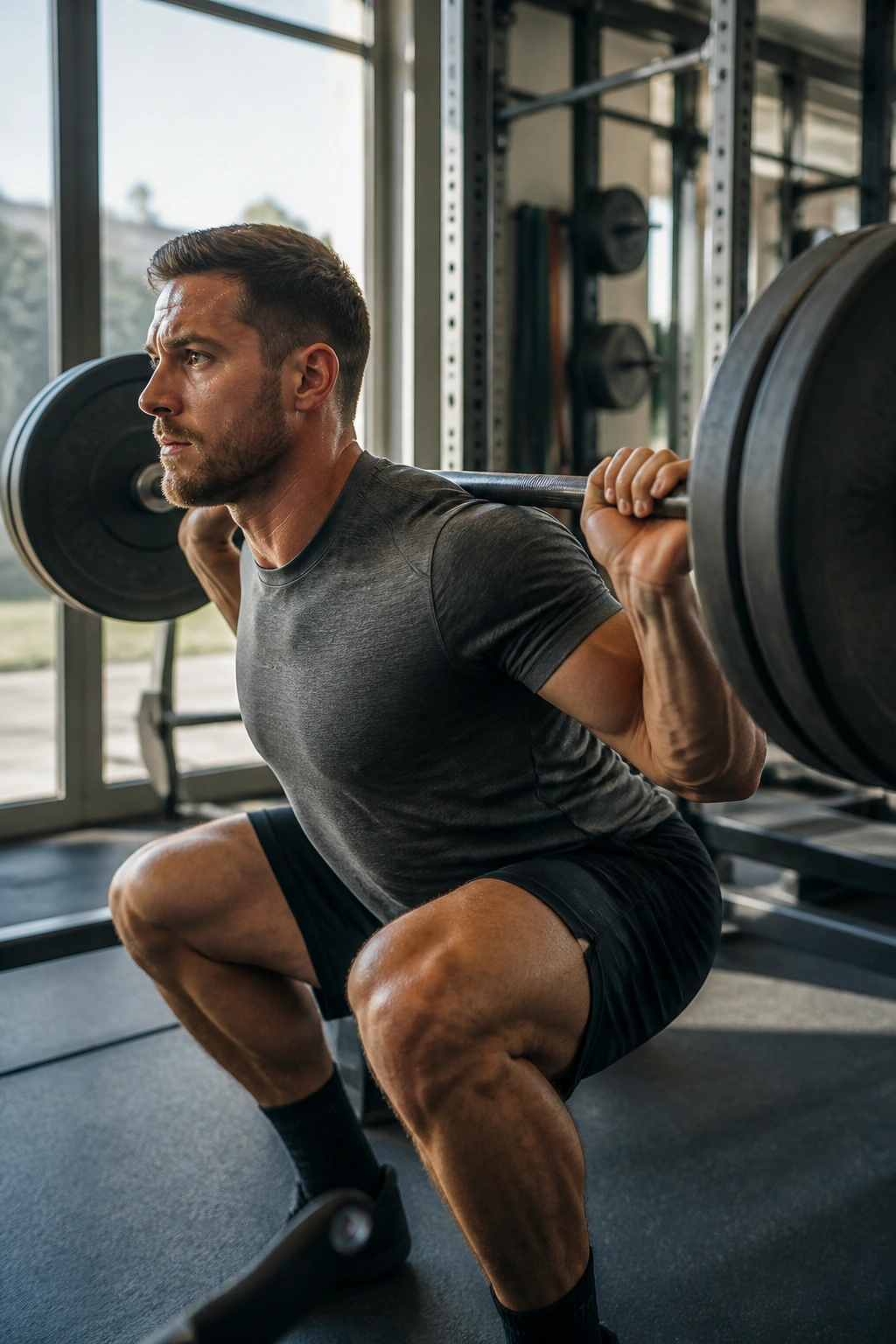
A rower, a bike, and a couple of dumbbells can make a nasty little session. Mixed-modal work is useful when you want both muscle stimulus and heart-rate work in the same hour.
Try 500 meters on the rower, then 8 dumbbell thrusters, then 10 kettlebell deadlifts, then 12 box step-ups, then 250 meters on the bike. Rest 90 seconds and repeat for 4 rounds. Keep the dumbbells moderate. If the thrusters get ugly, the whole workout loses its shape.
This style is good for people who like switching gears. It keeps boredom low and effort high. The trick is not to sprint the first station. Hold a pace you can repeat. Progress by trimming rest or by slightly increasing the output on one station, not by turning every piece into a race.
34. The Grip-and-Carry Workout That Builds Real-World Strength
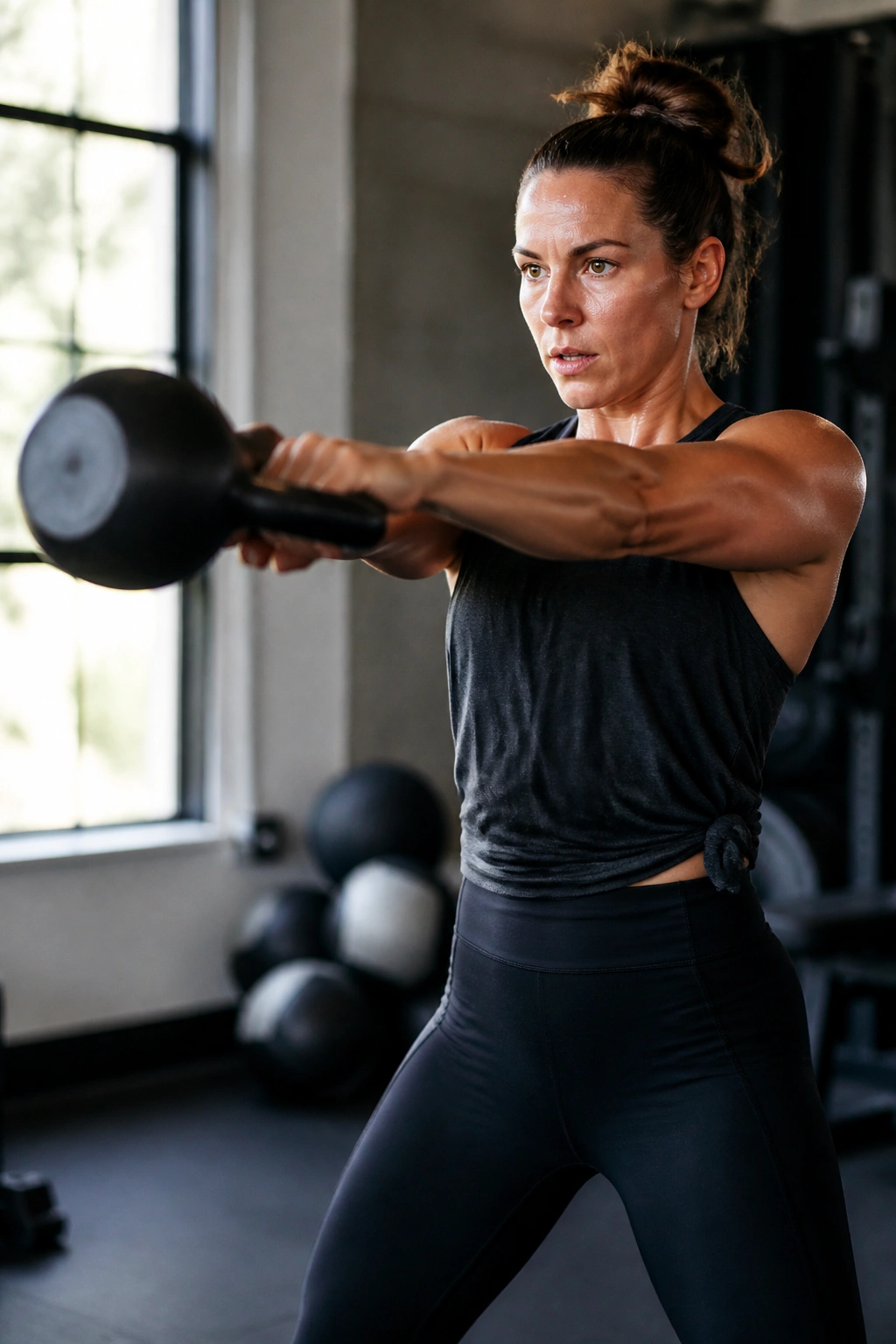
Grip work gets ignored until it fails. Then everything feels heavy. Carries fix that in a hurry while also training posture, trunk control, and upper-back endurance.
Use deadlifts, farmer carries, rack carries, towel pull-ups or towel holds, and hanging knee raises. Try 4 sets of 4 deadlifts, 4 carries of 30 to 50 meters, 3 sets of 20-second towel hangs, and 3 sets of 10 knee raises. Rest 90 seconds between sets. Keep your shoulders packed and your ribs down on the carries.
What Makes It Different
Unlike a normal strength session, this one keeps asking your hands to stay honest after the main lift is done. That matters if you want useful strength, not just gym strength. Increase the carry distance before you chase heavier dumbbells. If your posture starts leaning, the set is over.
35. The Benchmark Workout for Tracking Steady Progress
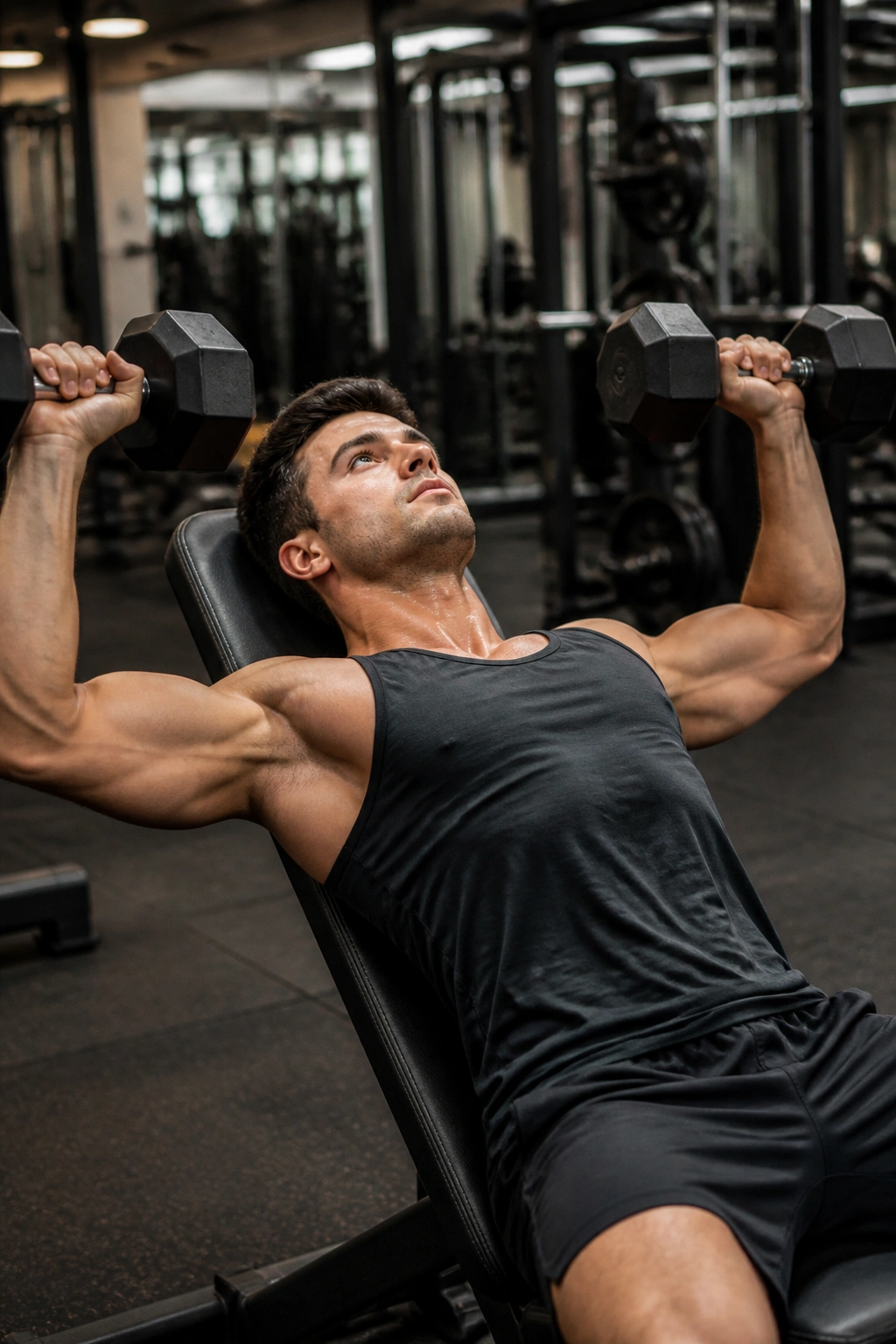
A benchmark session is boring in the best possible way. Same workout, same order, same rest, repeated often enough that the numbers mean something. That is how you know whether your training is actually working.
Use back squats, dumbbell bench presses, one-arm rows, Romanian deadlifts, and farmer carries. Pick a rep target like 3 sets of 8 for the lifts and 2 carries of 40 seconds. Write everything down. Keep the setup unchanged for several weeks, then run it again and compare the loads, the rep quality, and the recovery time.
This is best for people who like proof. Not vibes. Proof. A benchmark session strips away the guesswork and shows you whether the plan is moving. If the numbers creep up while your form stays clean, you are on the right path. If they stall, you have something real to adjust.
Final Thoughts
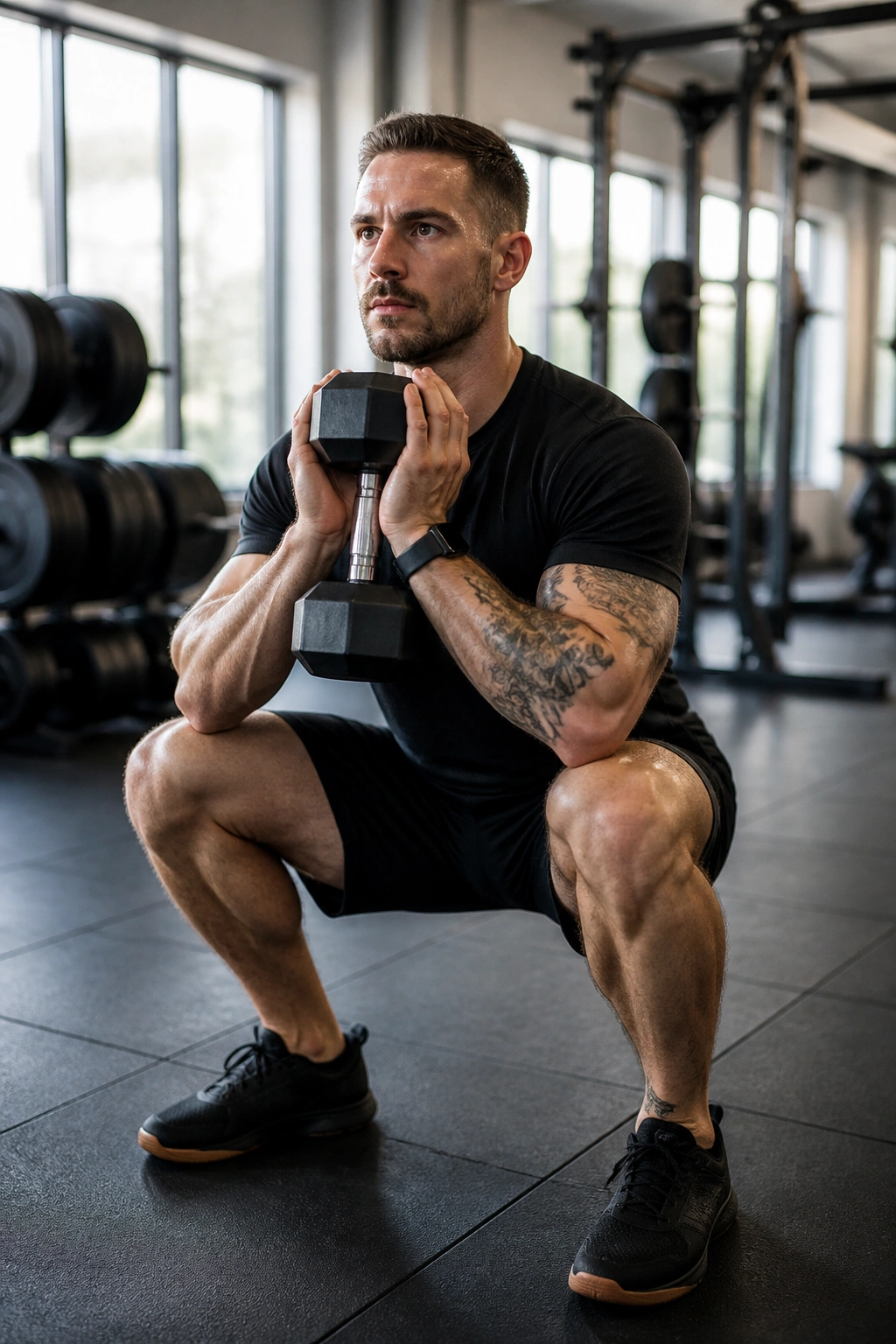
Steady progress usually comes from doing a few things well for a long time. Not from crushing yourself, and not from chasing a different workout every time you get bored. The strongest programs tend to look plain on paper because the useful part is in the repeatability.
Pick three to five of these full body workouts and rotate them through the week. One heavy day, one volume day, one faster day — that’s plenty for most people. Keep track of reps, load, rest, and how the last set feels. Those details tell the truth.
The best sign that a plan is working is not soreness. It’s when the same workout starts feeling more controlled while the numbers quietly climb. That’s the kind of progress that sticks around.
