



Belly fat burning spices get oversold fast, and that’s exactly why the useful ones matter.
No spice melts fat off your middle on its own. That job belongs to the boring, honest stuff: eating fewer calories than you burn, getting enough protein and fiber, moving your body, sleeping enough, and not turning every meal into a sugar bomb. Spices can still pull their weight, though. They make plain food taste good enough to eat, they can help you cook with less sugar and less heavy sauce, and a few of them nudge appetite, blood sugar, or heat production in ways that matter over time.
That’s the part people miss. A spoon of cinnamon in oats, a pinch of cayenne in eggs, a little cumin in beans, black pepper over roasted vegetables — those are tiny moves, but they change how a meal feels. And when food tastes good, you’re far less likely to go hunting for snacks ten minutes later.
The smart move is to treat spices as tools, not miracles. Some bring real heat. Some bring aroma. Some make vegetables, lean protein, and whole grains taste like food you’d actually want to eat twice a week. The best ones earn their keep in the pan, not on a supplement label.
1. Cayenne Pepper
Cayenne is the first spice I reach for when a meal needs a little fire and a little discipline. It brings capsaicin, the compound that gives chili peppers their heat, and that heat does more than wake up your tongue. It can make a dish feel more satisfying with less fat-heavy sauce, and in some people it slightly increases thermogenesis, which is the body’s heat production after eating.
Why Cayenne Works So Well
A pinch can change the whole shape of a meal. Toss 1/8 to 1/4 teaspoon into scrambled eggs, bean chili, roasted cauliflower, or a tomato sauce and the food suddenly tastes sharper, brighter, and less flat.
- Capsaicin is the key compound here.
- The heat can make you slow down while eating.
- Slow eating often helps with portion control.
- It plays nicely with protein foods like eggs, chicken, shrimp, and lentils.
Best move: bloom cayenne in a little oil for 20 to 30 seconds before adding tomatoes, beans, or greens. That tiny step spreads the heat through the dish instead of leaving little hot spots on the tongue.
Go easy if you have reflux or a sensitive stomach. A small amount does the job.
2. Cinnamon
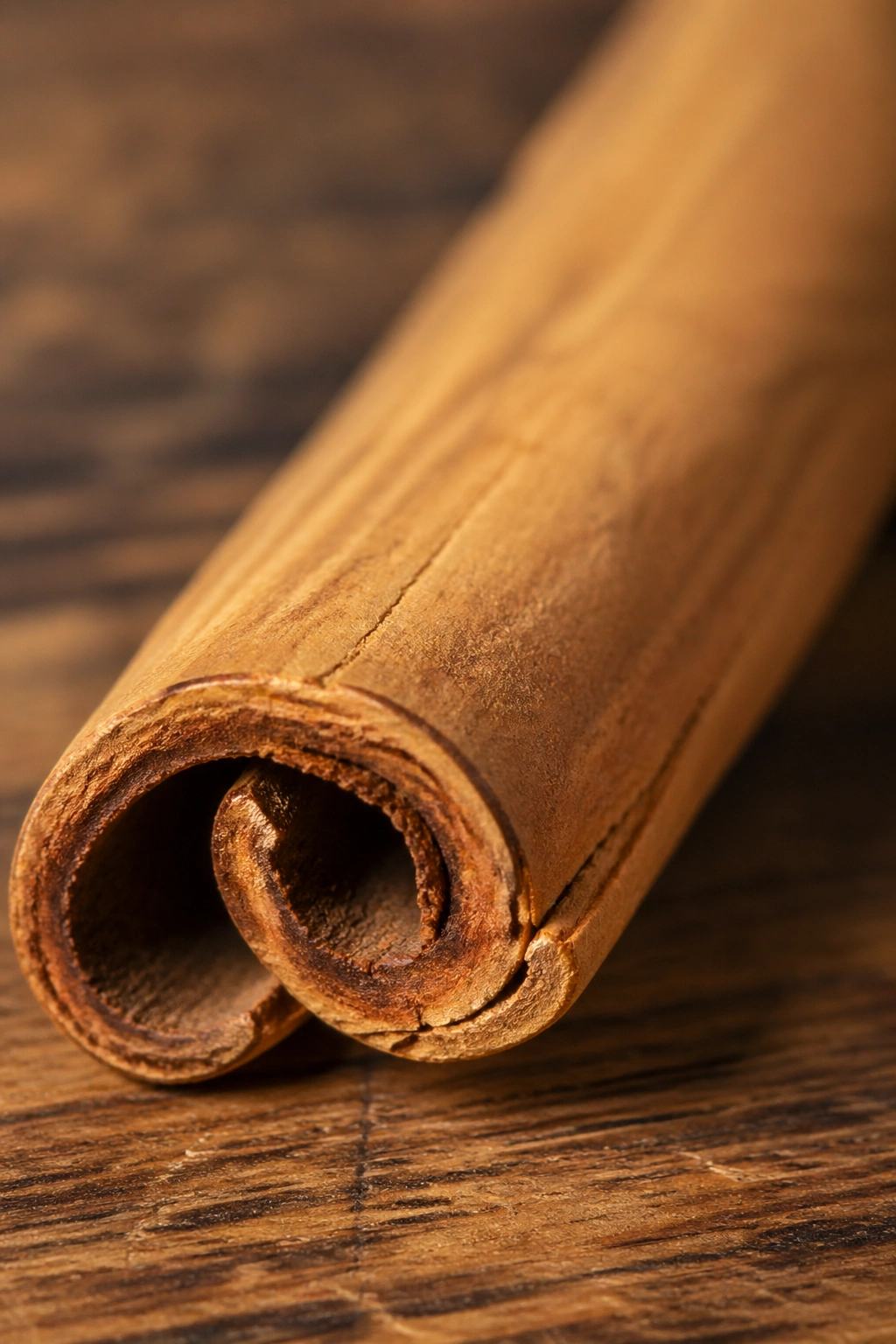
Cinnamon earns its place because it makes restrained eating taste like a choice, not a punishment. That matters. When oats, yogurt, coffee, or baked fruit taste warm and sweet without much added sugar, you stop leaning on dessert to make breakfast or snacks feel satisfying.
Cassia cinnamon, the kind most people keep in the cupboard, has a deeper flavor and a little more bite. Ceylon cinnamon is lighter and sweeter. I like cassia for cooked oats and baked apples, but I don’t dump it on everything — not because it’s dangerous in normal kitchen amounts, but because a heavy hand can make food taste dusty and dull.
A solid starting point is 1/2 teaspoon in a bowl of oats or 1 teaspoon in a full batch of muffins or baked fruit. It works especially well with apples, pears, pumpkin, plain Greek yogurt, and even savory sweet potatoes. That mix of sweet and earthy is part of the appeal.
There’s also a useful blood sugar angle. Cinnamon has been studied for its effects on post-meal glucose response, and while the results are mixed, it’s still a sensible seasoning for meals that would otherwise lean sugary. Use it with real food, not as a magic fix. That’s where it shines.
3. Ginger
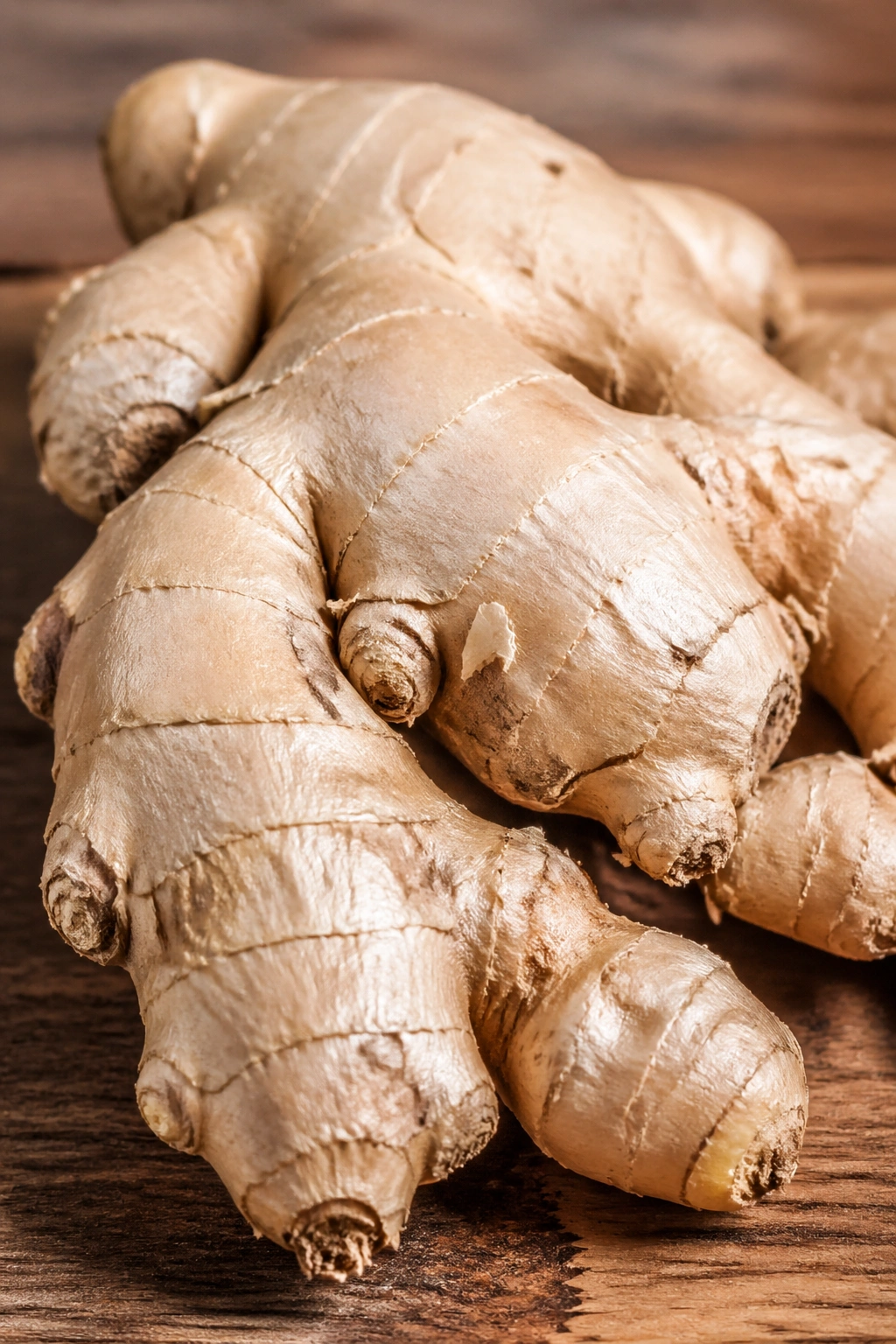
Why does ginger keep showing up in meals built for weight control? Because it does a lot without shouting about it.
Fresh ginger has a bright, peppery bite. Ground ginger is softer and warmer. Both can help a meal feel lively, and that matters when you’re trying to keep calories down without eating bland food all day. Ginger also shows up in conversations about digestion and satiety, which is one reason people like it in morning meals and heavier dinners alike.
How to Use It Without Overdoing It
A little goes a long way. 1 teaspoon grated fresh ginger or 1/4 teaspoon ground ginger is enough for a smoothie, stir-fry, soup, marinade, or oatmeal. Too much can turn sharp and almost medicinal.
- Grate it into lemon tea with a slice of fruit.
- Stir it into carrot soup or pumpkin soup.
- Mix ground ginger into yogurt with cinnamon.
- Add it to a marinade for chicken or tofu.
Fresh ginger is especially good when you want a clean, almost citrusy heat. Ground ginger is better in baked dishes and spice blends. I like fresh ginger in savory cooking and ground ginger in breakfast food. That split feels practical, not fussy.
4. Turmeric
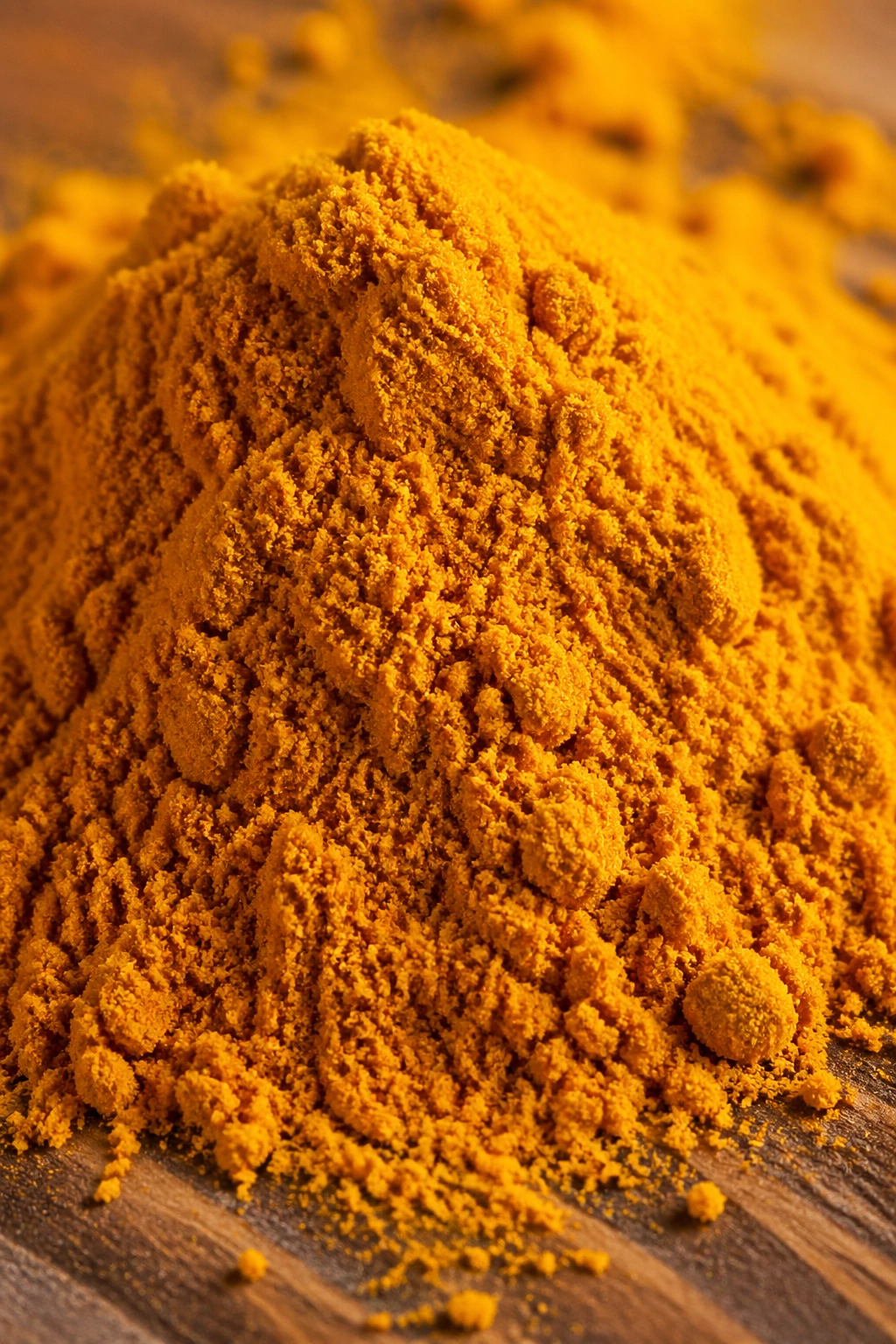
Turmeric is the spice people buy for its color and keep for its behavior in the pan. It’s earthy, warm, and a little bitter if you use too much. Pair it with black pepper and a fat source — olive oil, yogurt, coconut milk, or eggs — and it starts to make sense in a way that plain turmeric powder on dry food never does.
Here’s the part that gets lost in trendy talk: turmeric contains curcumin, and curcumin is easier to absorb when black pepper is present. That’s why turmeric and black pepper belong together. A modest amount can work its way into rice, soups, lentils, scrambled eggs, and roasted vegetables without making the food taste like medicine.
I like 1/2 teaspoon turmeric in a pot of lentils or a skillet of vegetables. It gives the food a golden look and a deeper, almost dusty flavor. The smell when it hits warm oil is one of those kitchen smells that makes the whole room feel awake.
- Pair with black pepper for better absorption.
- Use with oil, yogurt, or coconut milk.
- Works well in savory food, not only “health” drinks.
- Can stain cutting boards and towels, so be a little careful.
If you take blood thinners or have gallbladder trouble, keep portions modest and ask a clinician if turmeric fits your situation.
5. Black Pepper
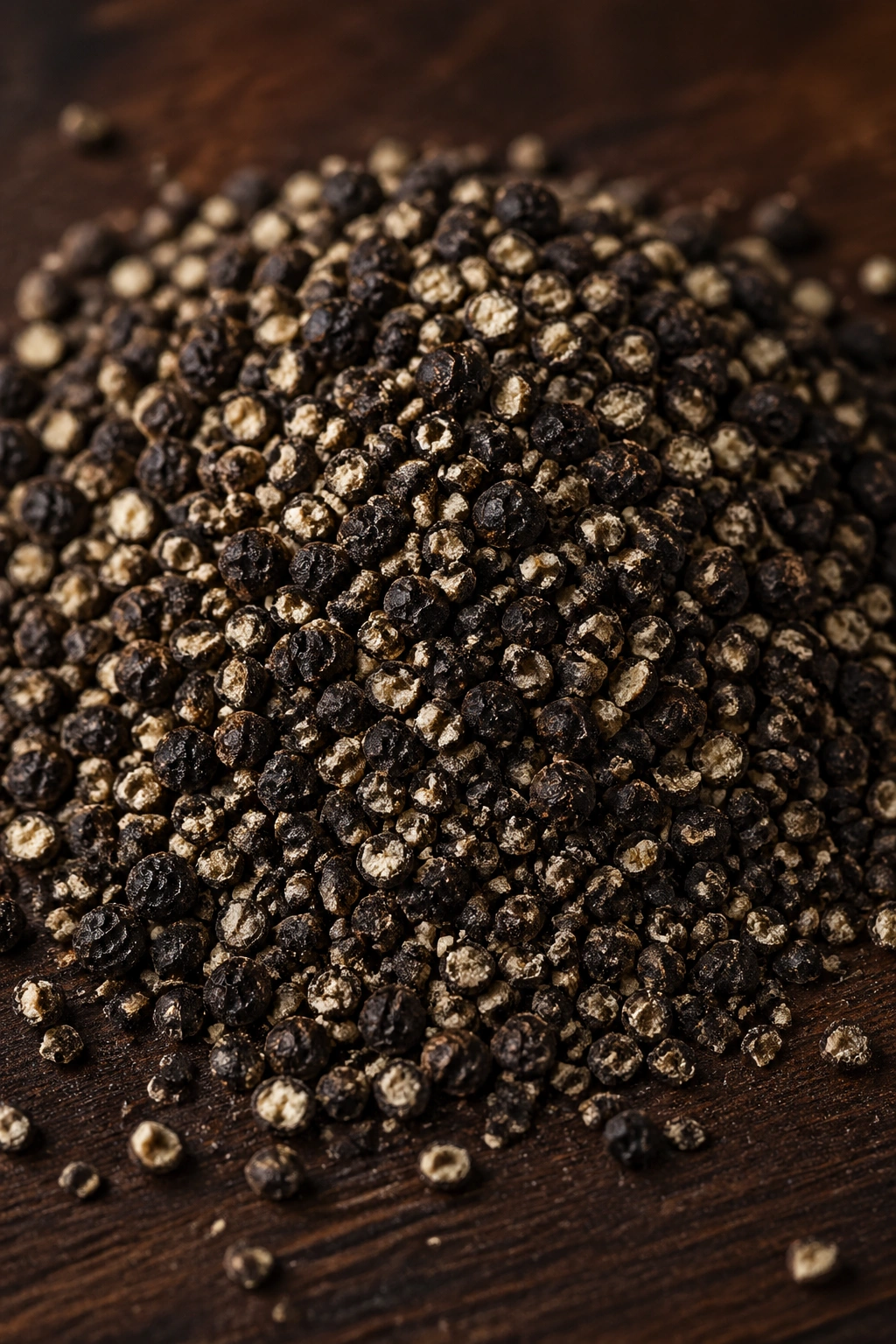
Black pepper is one of those things people stop noticing because it’s always there. That’s a mistake.
Freshly cracked black pepper has a sharp, woody smell and a heat that spreads slowly. The active compound, piperine, has gotten attention because it may help the body absorb some nutrients better — turmeric is the usual example — and because pepper gives a dish more bite without adding calories, sugar, or fat. That sounds almost too plain to matter, but plain wins a lot in the kitchen.
Use it at the end of cooking on eggs, soup, vegetables, roasted chicken, cottage cheese, tomatoes, or avocado toast. If you grind it fresh, you get more aroma and a cleaner flavor than you do from pepper that’s been sitting in a shaker for a year. The difference is obvious. Not dramatic, just obvious.
I’m also a fan of black pepper because it makes lean food feel finished. A bland chicken breast is one thing. A chicken breast with olive oil, lemon, salt, and a hard shower of pepper is another thing entirely. That second version feels like an actual meal.
No need to drown food in it. Two or three good turns of the grinder are plenty.
6. Cumin
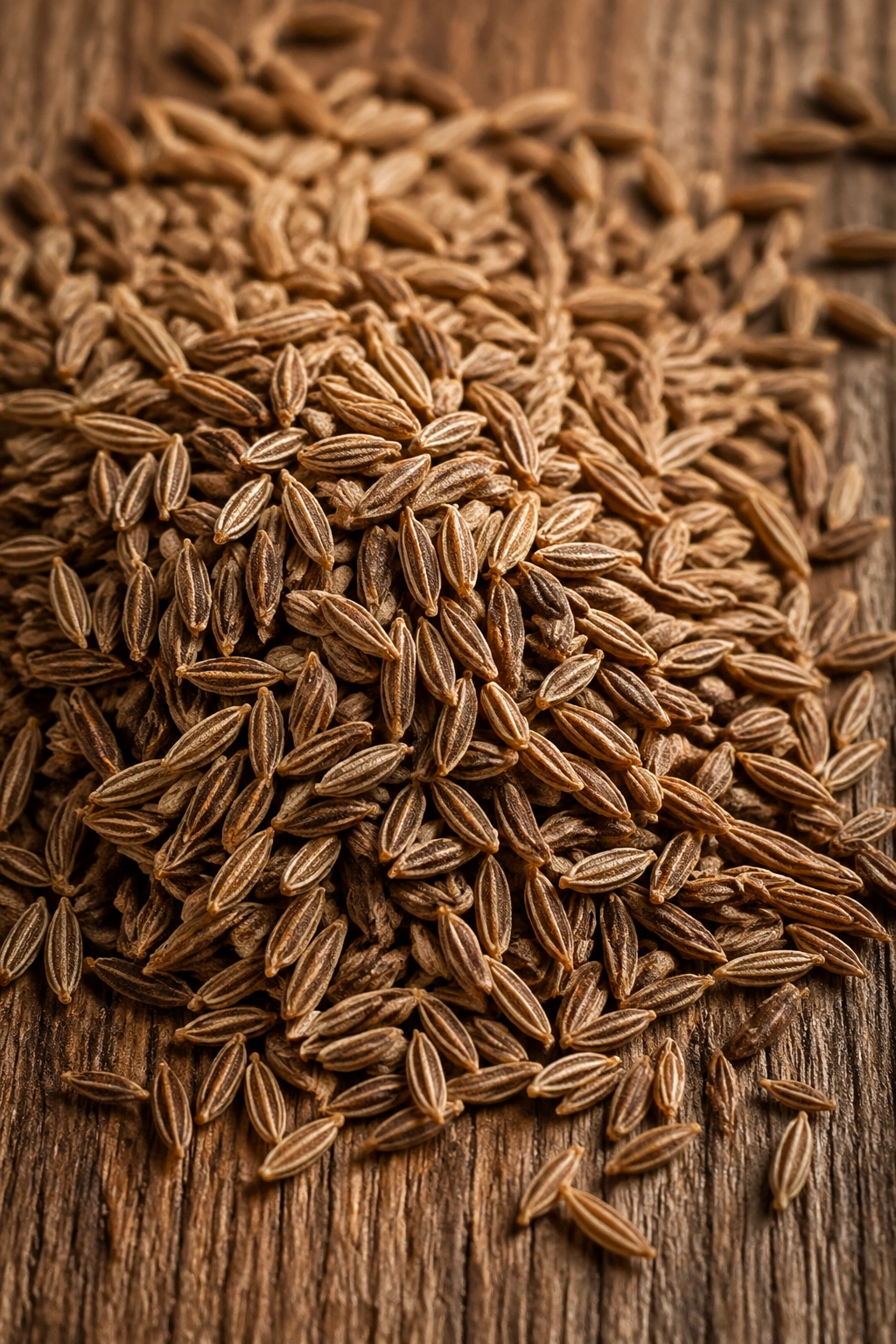
Unlike many “healthy” seasonings that get praised for a vague mood, cumin earns its spot by being useful every single time you open the jar.
It tastes warm, earthy, and a little smoky, which makes it perfect for beans, lentils, roasted carrots, ground turkey, eggs, and even yogurt-based sauces. That sounds basic, and it is. Basic food is what most people eat most of the time, so basic spices matter more than flashy ones.
Why Cumin Helps Meals Feel More Filling
Cumin doesn’t burn fat in a magical way. What it does is make filling foods taste good enough that you don’t reach for a second helping of bread, chips, or creamy dressing right away. That’s a real benefit.
- Try 1/2 teaspoon ground cumin in a pan of black beans.
- Toast 1 teaspoon cumin seeds for 30 to 45 seconds until they smell nutty.
- Add it to roasted squash, sweet potatoes, or cauliflower.
- Mix it with garlic, chili, and lime for a sharp, clean flavor.
Whole seeds are better if you want a little crunch and a bigger aroma. Ground cumin is faster and works fine in soups and marinades. I use both, depending on whether I’m cooking for five minutes or fifty.
7. Cardamom
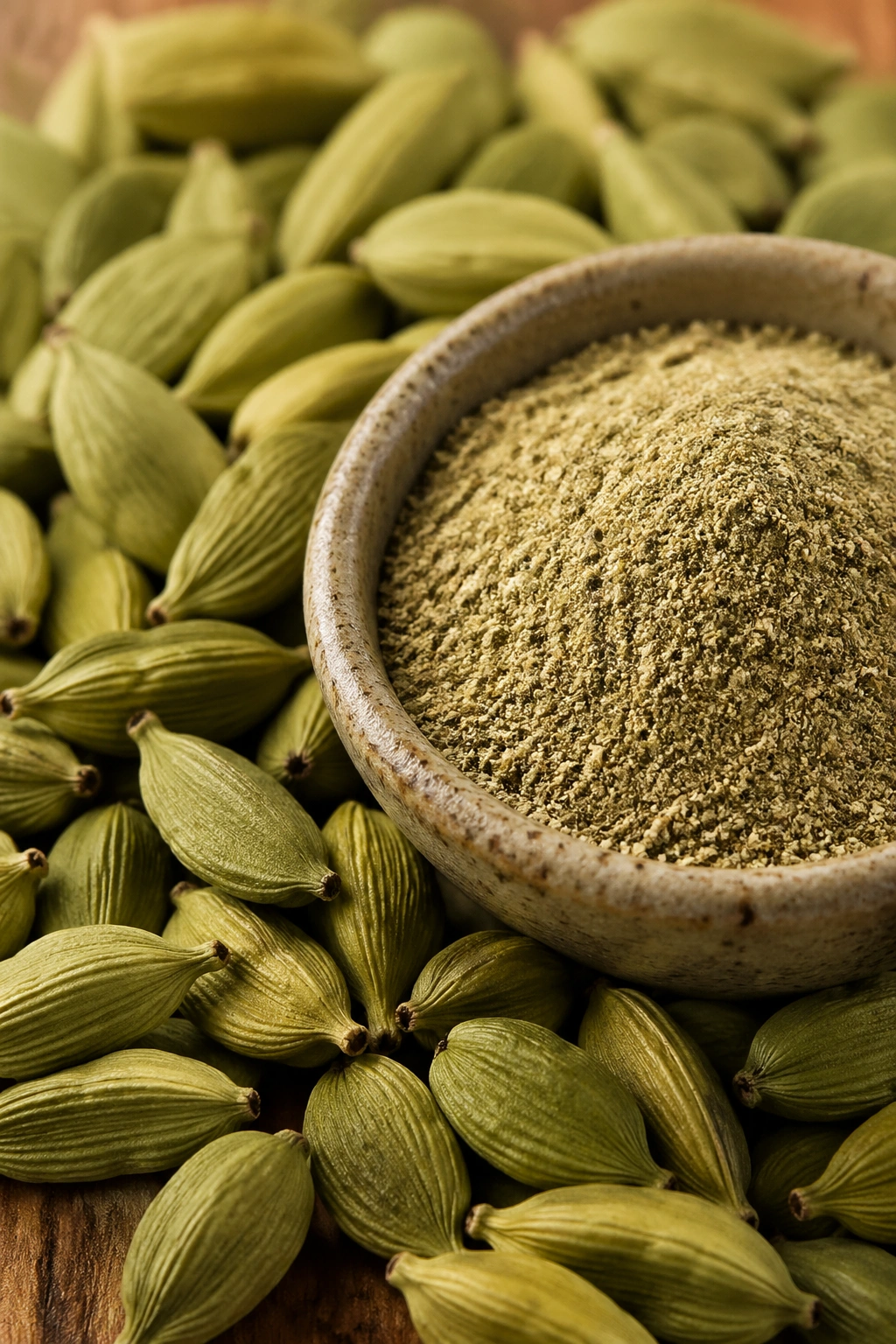
Cardamom smells expensive, even when the jar came from a plain grocery aisle.
That aroma — minty, lemony, floral, a little spicy — is exactly why it works so well in meals aimed at weight control. Cardamom makes small portions feel polished and interesting, which is handy when you’re trying to keep breakfast or dessert from turning into a sugar parade. It’s one of the few spices that can move easily between sweet and savory without feeling awkward.
Best Uses for Cardamom
Try a small pinch in oatmeal, coffee, tea, chia pudding, baked pears, or a yogurt bowl. On the savory side, it works in basmati rice, lamb, chicken stew, and some lentil dishes. You do not need much. A quarter teaspoon can already show up in a full recipe.
Freshly ground pods are more fragrant than pre-ground cardamom, but the pre-ground version is easier for daily use. I keep the powdered kind for breakfast and the pods for anything I want to smell a little more dramatic.
It also helps to think of cardamom as a bridge spice. If you want a dish to taste warmer and less sugary without adding sugar, cardamom often does that job better than vanilla or clove. It has more lift.
8. Fenugreek
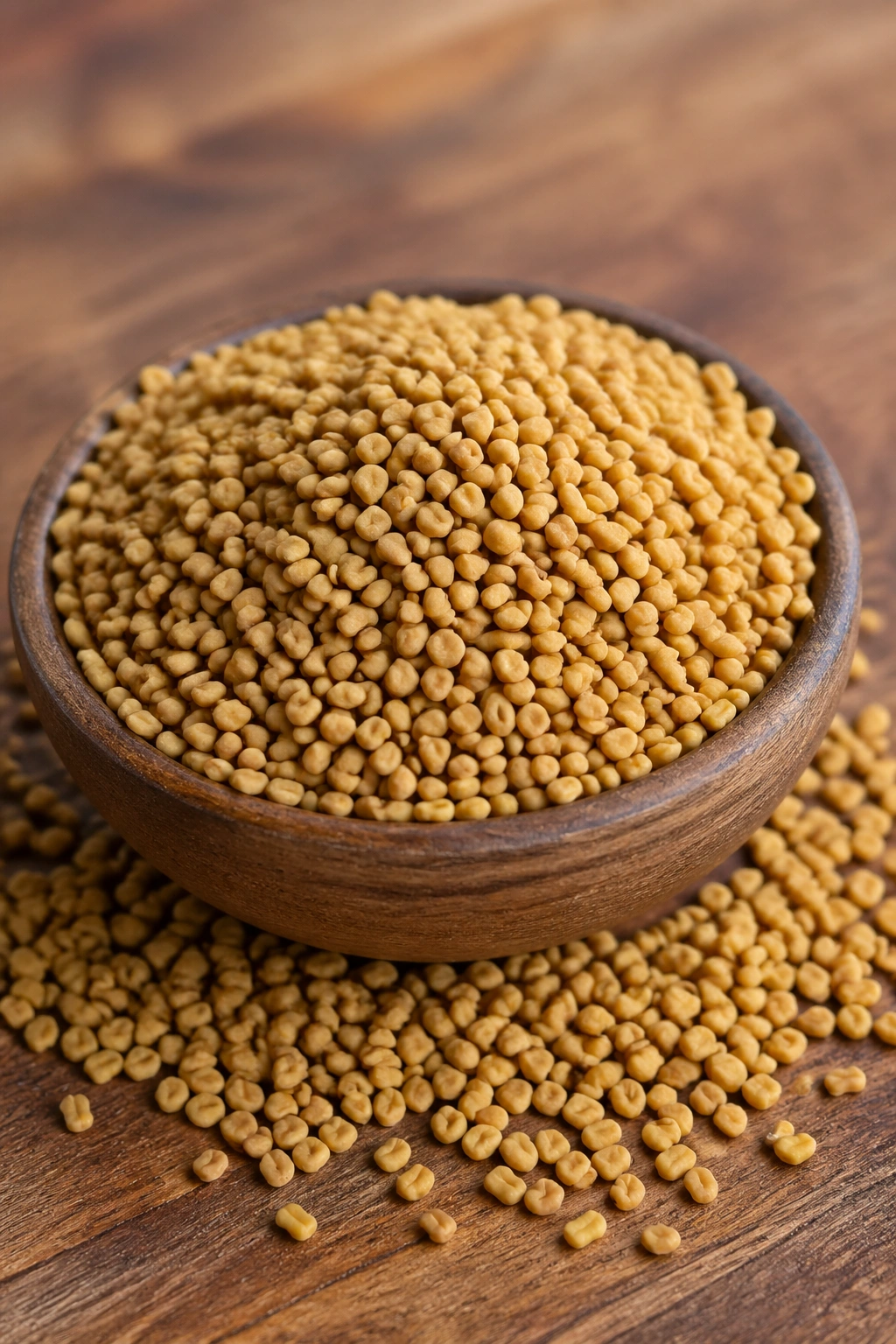
Fenugreek is not the easiest spice to love on the first try. It has a slightly bitter, maple-like smell when dry, and that can throw people off.
Give it a second chance. Fenugreek seeds and leaves show up in a lot of traditional cooking for a reason: they add depth, and the seeds are high in soluble fiber, which can help meals feel more filling. That’s useful when you’re building bowls, curries, or soups that need staying power.
A small amount goes a long way. 1/4 teaspoon ground fenugreek is enough to test the waters, and whole seeds work best when toasted or soaked first. If you toss them straight into hot oil, they can go from nutty to bitter fast. Watch them. They change color in a blink.
Fenugreek shines in lentils, chickpea curry, roasted cauliflower, and some yogurt sauces. It also plays well with cumin, coriander, and turmeric, which is why spice blends often include it. The flavor is layered, not loud.
If you use medication for blood sugar, keep portions sensible and pay attention to how your body responds. Fenugreek can influence glucose levels, so it deserves a little respect.
9. Mustard Seeds
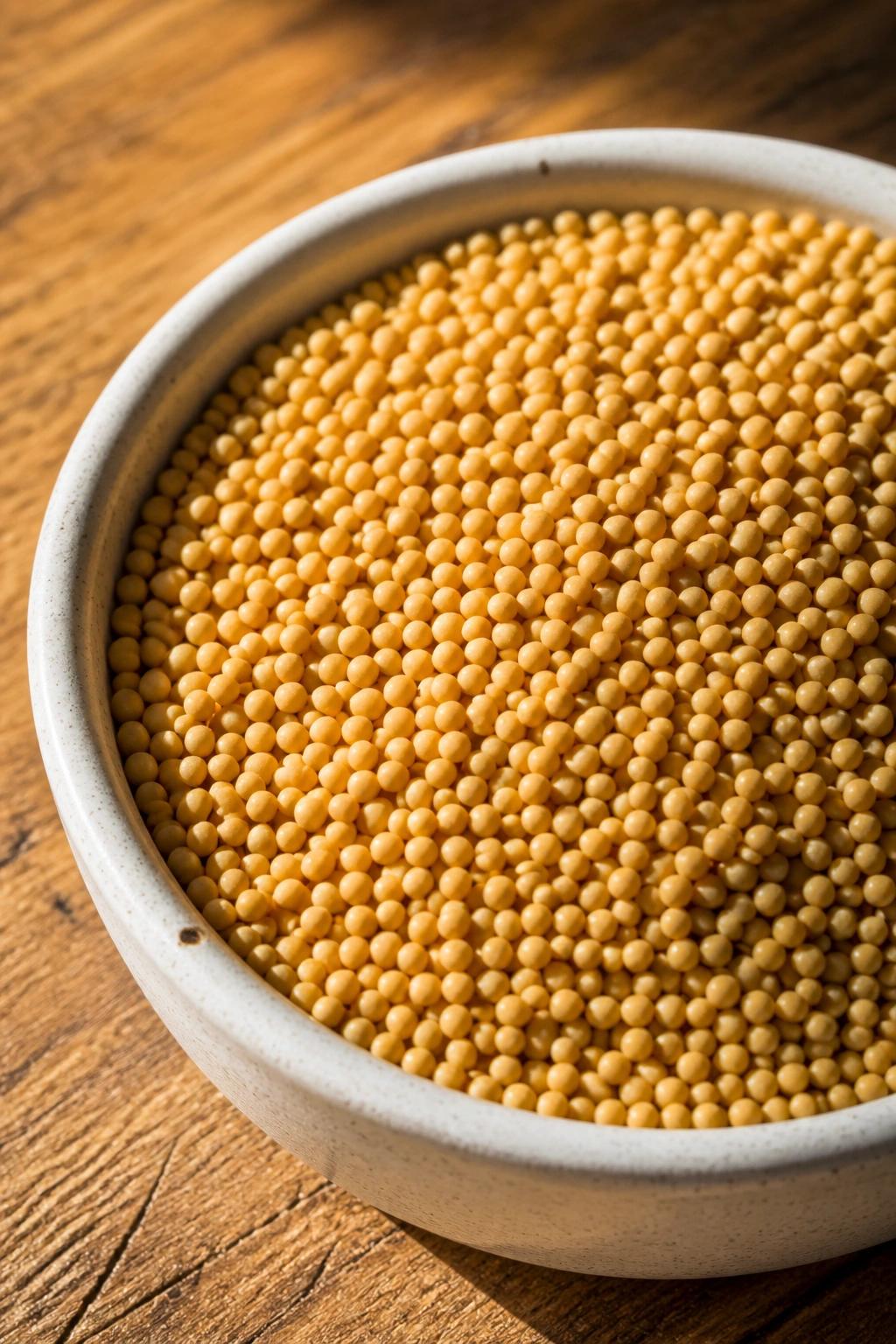
What makes mustard seeds so useful is the drama they create in a hot pan.
They sit there for a second, then start popping. That smell — sharp, nutty, a little pungent — tells you the oil is hot enough and the flavor is waking up. In Indian cooking, that first pop is often the moment the whole dish comes alive. For weight-conscious cooking, mustard seeds help a lot because they make vegetables and legumes taste bold without heavy sauces.
How to Use Them
Drop 1 teaspoon mustard seeds into a tablespoon of warm oil and wait. Once they start popping, add onions, garlic, cabbage, spinach, or cauliflower. The seeds should darken slightly but not burn. Burnt mustard tastes harsh and flat.
- Use brown or black mustard seeds for more bite.
- Use yellow mustard seeds for a milder finish.
- Add them to potato salad for sharper flavor.
- Stir them into roasted vegetable dishes for a little crunch.
Mustard seeds are also good when you want a dish to feel seasoned all the way through, not just salted on top. That’s a small distinction, but it changes how full a meal feels. Food with depth tends to satisfy better.
10. Cloves
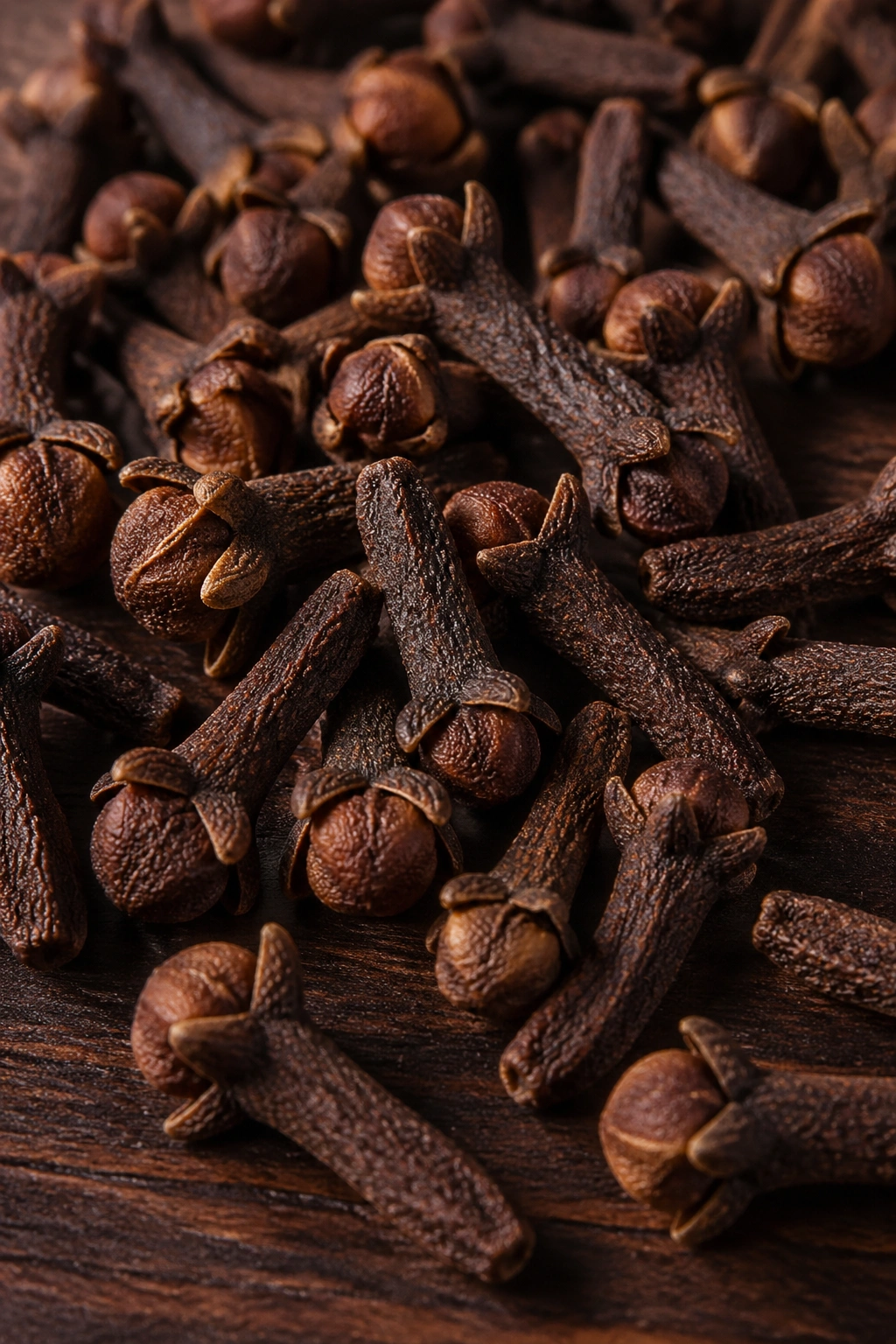
Cloves are tiny, and they act like it.
One clove can take over a pot if you’re careless. Used well, though, they give food a dark, warm, almost sweet edge that works in stews, rice, baked fruit, tomato sauces, and spiced tea. Eugenol is the compound people talk about with cloves, and whether you’re thinking about flavor or mouthfeel, the practical truth is the same: use a little and the dish gets deeper.
I like cloves in two places most. First, in a pot of rice with cinnamon and cardamom. Second, in slow-cooked savory dishes where they’re tucked in with bay leaf and peppercorns. That’s enough. More than that and the whole room smells like a holiday candle, which is not the same as a good dinner.
- Use 1 to 2 whole cloves in a pot, not a handful.
- Try ground cloves in baked apples or pears.
- Add one clove to tomato sauce if it tastes flat.
- Pair with cinnamon, orange peel, or allspice.
There’s a nice side effect here too: strong spice reduces the need for extra sugar. A baked apple with cinnamon and a single clove tastes sweet enough without much added sugar. That’s the kind of swap that matters.
11. Fennel Seeds
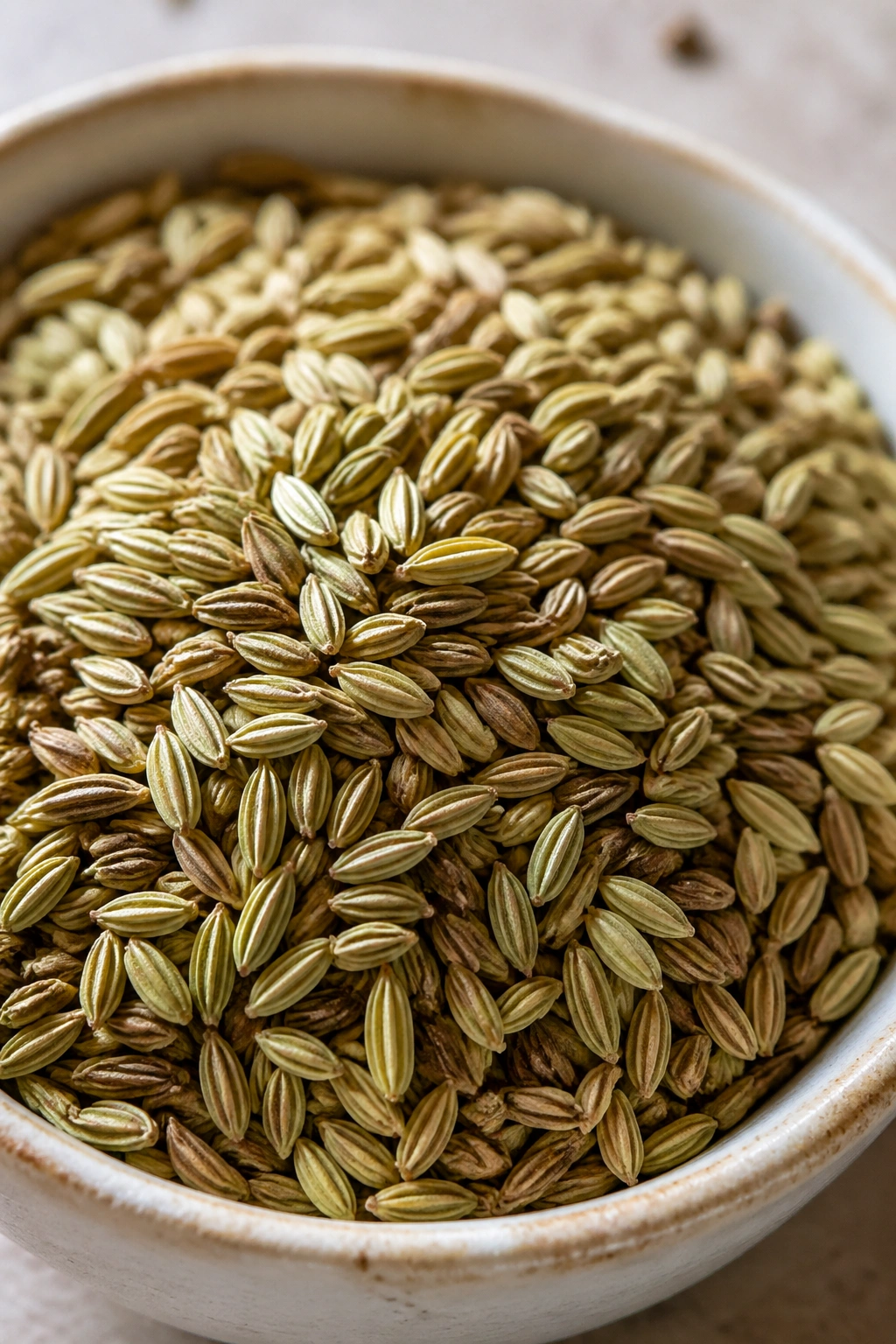
Fennel seeds are one of those spices people either ignore or become mildly devoted to.
They taste sweet, grassy, and faintly like licorice. That flavor is handy after a heavy meal, which is why fennel shows up in many cuisines as a digestive-friendly finish. If you’re cooking for weight loss, fennel earns points because it gives food a fragrant lift without needing butter, cream, or a pile of cheese.
Try toasting 1/2 teaspoon fennel seeds in a dry pan for 30 seconds until they smell warm and a little nutty. Then crush them lightly and add them to roast pork, chicken sausage, tomato sauce, cabbage, carrots, or even a tomato-cucumber salad. The crushed seeds spread their flavor much better than whole seeds tossed in at the end.
A small pinch chewed after a meal can also freshen your mouth and cut the urge to keep snacking. That’s not magic. It just interrupts the mindless grazing loop.
Fennel is also good when you want a savory dish to lean a little sweet without adding sugar. Roast carrots with fennel and olive oil, and you’ll see what I mean.
12. Coriander
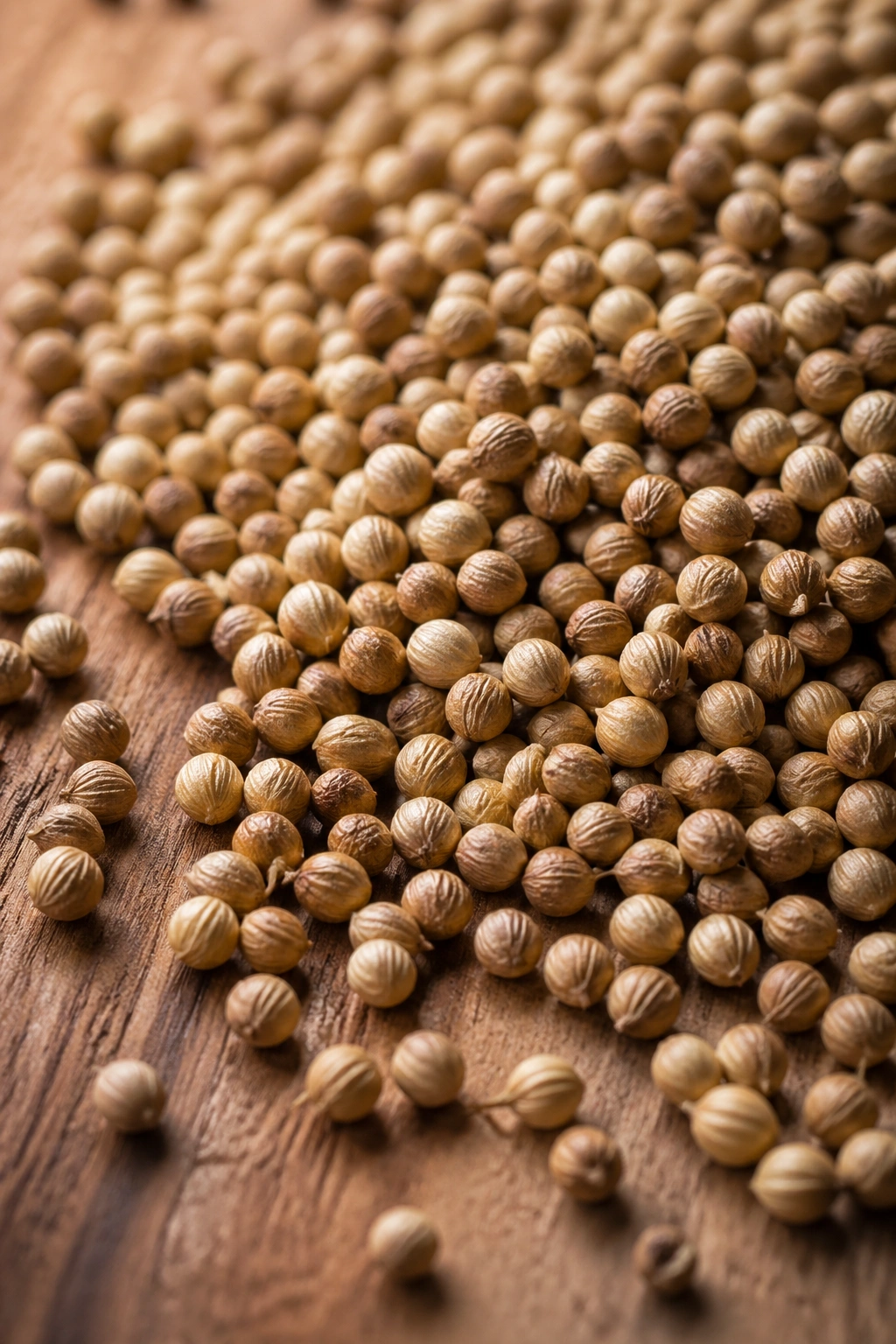
Coriander seed gets overlooked because people mix it up with cilantro leaves, and that’s a shame.
The seed tastes citrusy, warm, and almost floral when you toast it. Ground coriander is softer and can disappear into soups and marinades in a good way, while whole coriander seeds offer a more noticeable crunch and a brighter aroma once crushed. If cumin is the deep voice in a spice cabinet, coriander is the lighter one that keeps things from feeling heavy.
Unlike salt-only seasoning, coriander gives roasted vegetables and lean protein a more rounded taste. That matters when you’re trying to build meals that feel full but don’t lean on rich sauces. I like it on carrots, cauliflower, fish, chicken, lentils, and cabbage. A teaspoon goes a long way in a pan, especially if you toast the seeds first.
- Toast whole seeds for 1 minute.
- Crush them with the side of a knife or a mortar and pestle.
- Mix with cumin for a classic savory base.
- Add lemon juice after cooking to brighten the flavor.
It’s an easy spice to miss when you first buy it, then keep reaching for once you figure out what it does.
13. Chili Flakes
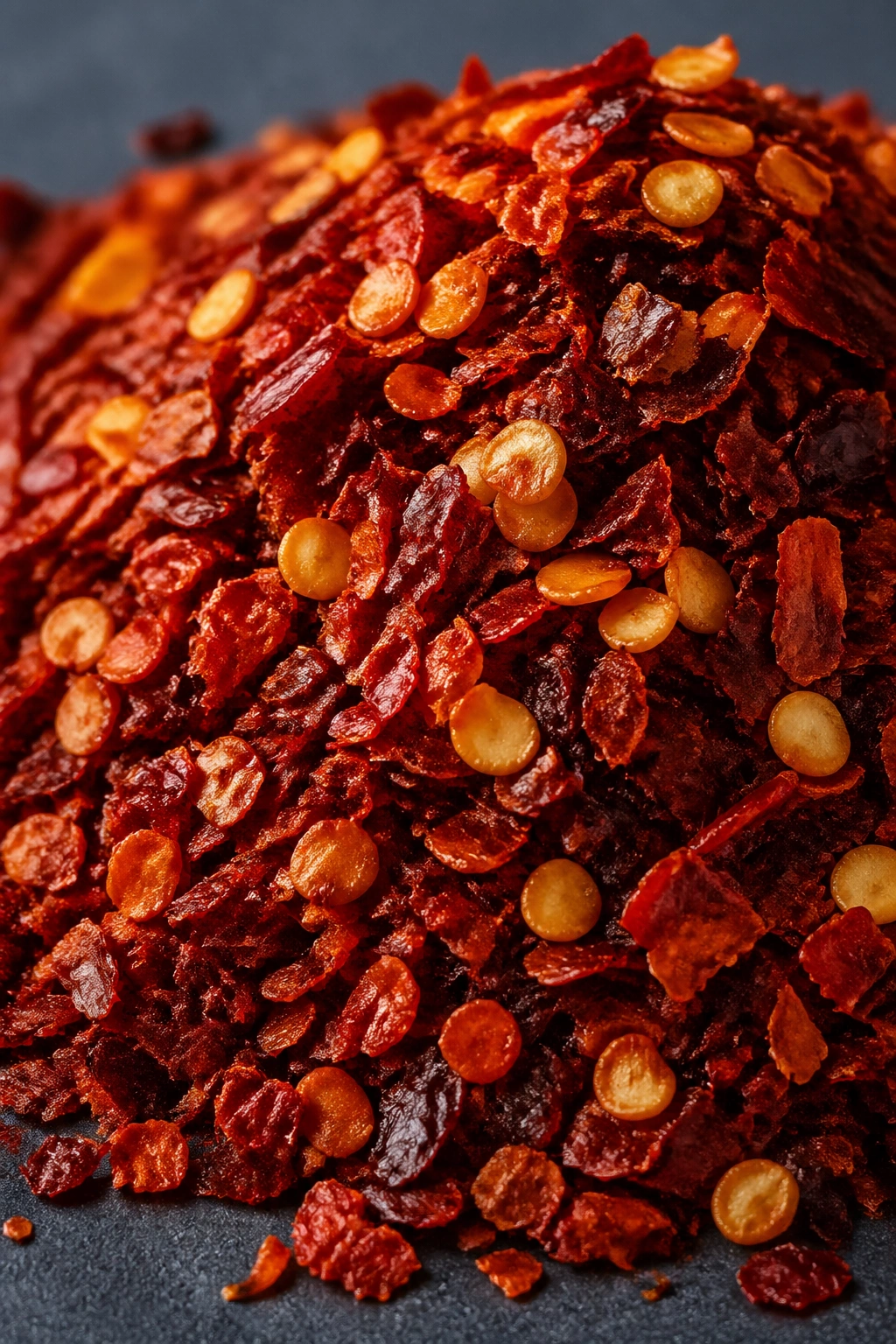
A teaspoon of red pepper flakes can do more for meal satisfaction than a whole bottle of “light” sauce.
That’s because chili flakes bring both heat and personality. They wake up vegetables, eggs, pasta, soups, and pizza without adding much of anything in the calorie department. The capsaicin in chili peppers may also slightly raise energy expenditure and help some people eat a bit more slowly. The slow part matters. Eating slower gives your brain time to register that you’re full.
Where Chili Flakes Work Best
Use them in oil for a quick chili base, or sprinkle them on top of a finished dish so the heat stays sharp. I like them best with roasted broccoli, sautéed greens, scrambled eggs, tuna, and tomato sauce.
- Start with 1/8 teaspoon if you’re not used to heat.
- Bloom them briefly in olive oil for a fuller flavor.
- Mix with garlic and lemon for green vegetables.
- Add a pinch to bean soups for more depth.
If your stomach is sensitive, don’t pretend otherwise. Too much heat can backfire and leave you wanting bland comfort food afterward. Keep it small and useful.
14. Sumac
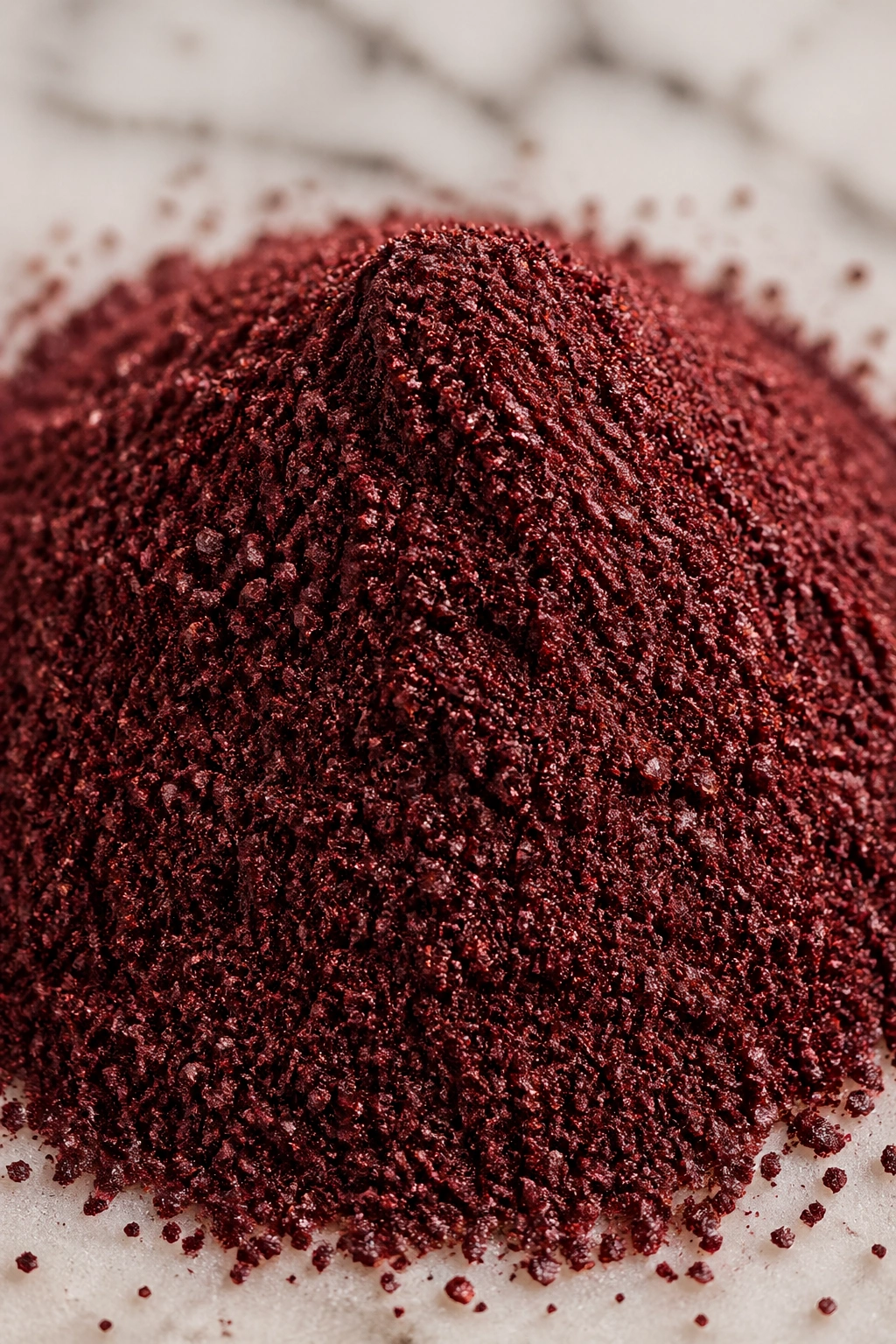
Sumac tastes like lemon peel, tart berries, and a little dry earth all at once.
That tartness is why I like it for meals built around weight control. It gives food a bright hit that can replace creamy dressings, sugary marinades, and heavy finishing sauces. Sprinkle it on onions, cucumbers, chicken, salmon, roasted cauliflower, or hummus and the whole dish wakes up.
I think sumac is at its best when a meal needs acidity but you don’t want to add more liquid. A dusting over grilled meat or roasted vegetables does the job neatly. It also works well mixed with yogurt, olive oil, and garlic for a quick sauce. That sauce tastes fresh, not heavy, and that’s the point.
Use 1/2 teaspoon to start. The flavor is gentler than lemon juice but more interesting than plain salt. If you’ve never used it, the first smell can surprise you. It’s tangy, a little wine-like, and not at all boring.
Sumac is especially handy if you’re trying to cut back on sweet condiments. Once you get used to its sharp edge, ketchup and bottled glaze start looking less necessary.
15. Paprika
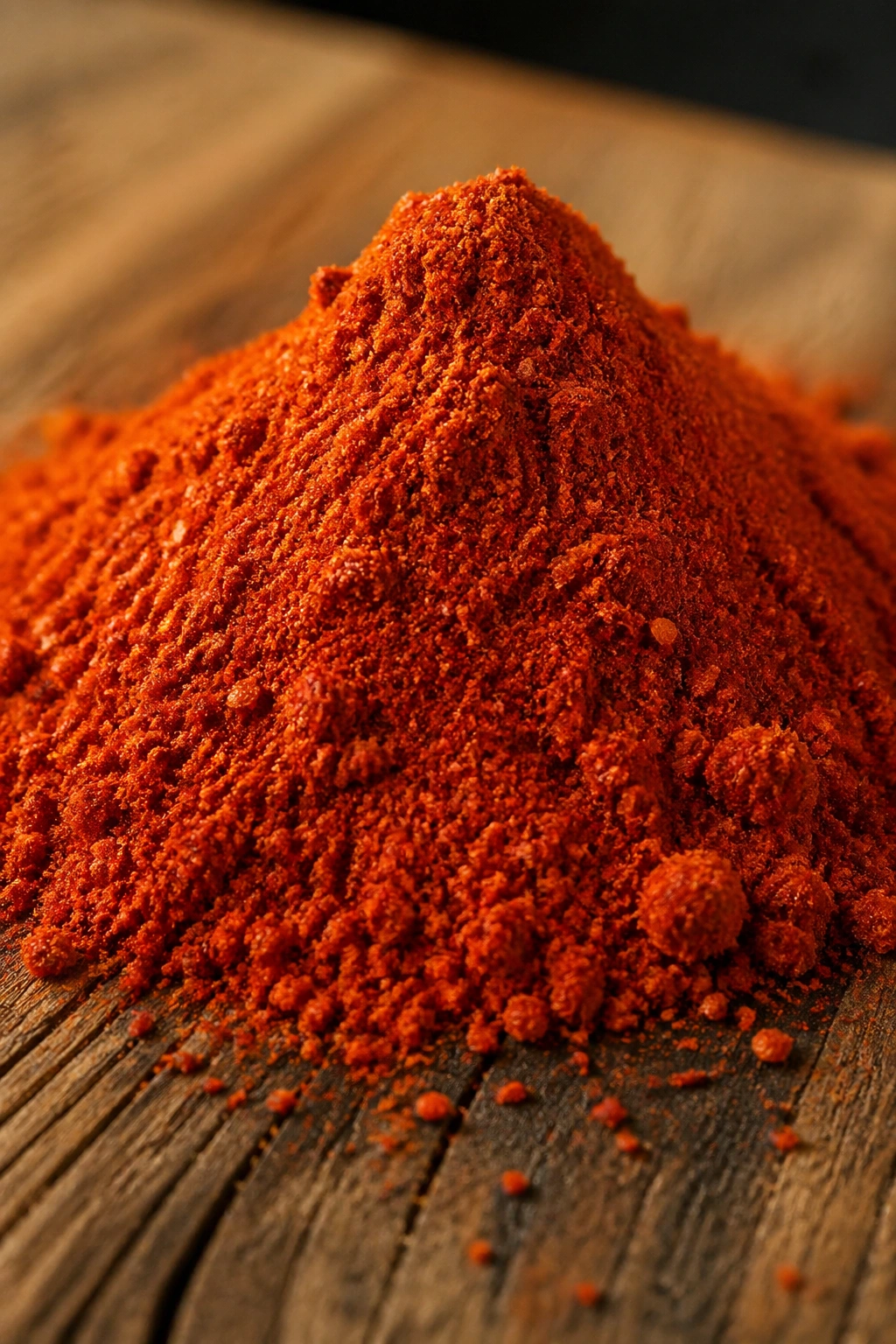
Paprika is one of the easiest spices to underuse and one of the easiest to love once you use it properly.
Sweet paprika gives warm color and a mild pepper flavor. Smoked paprika adds that campfire depth people try to fake with bacon or heavy sauces. Hot paprika brings more bite. Any of the three can help a dish feel finished without extra fat, and that’s a big deal when you’re building meals around lean protein and vegetables.
I reach for paprika on roasted potatoes, chicken, eggs, rice, cauliflower, and beans. It coats food evenly, turns a pan a richer red, and makes plain ingredients feel cooked with care. A teaspoon in a marinade can be enough to change the whole mood of the meal. It’s not flashy. It works.
The trick is to match the type to the job. Sweet paprika is better for broad use. Smoked paprika is strongest in roasted or grilled food. Hot paprika is the one to treat with some respect. Too much, and you’ll lose the other flavors in the dish.
The simplest weight-loss move is also the least exciting one: make healthy food taste like something you want to eat tomorrow too. Paprika helps with that. So do the other spices above. Use them often, keep portions sensible, and let flavor do some of the work that willpower cannot.
