



If you’re hunting for foods to eat to lose belly fat fast, the blunt answer is that no single food burns fat off your waist on command. Bodies don’t work that neatly. What does work is choosing foods that make you full, keep your meals steady, and make it harder to drift into mindless snacking two hours later.
That is why the smartest fat-loss foods are often plain, cheap, and a little boring in the best way. Eggs. Yogurt. Beans. Fish. Vegetables that take up space on the plate. These foods don’t have magical powers, but they do something more useful: they help you eat less without feeling like you’re white-knuckling every meal.
A smaller waist usually comes from a pattern, not a trick. Protein helps preserve muscle while you’re eating less. Fiber slows things down. Foods with a lot of water and a lot of volume make your plate look generous even when the calorie count stays modest. That combination matters more than any “burn belly fat” fantasy ever will.
1. Eggs
Two eggs can calm a loud appetite in a way that a muffin never will. They bring protein, fat, and real staying power, which is exactly why they keep showing up in breakfast plans for people trying to shrink their waistline.
Why they work so well
A single large egg gives you about 6 grams of protein, and that matters more than most people think. Protein tends to keep you fuller longer than refined carbs, so you’re less likely to wander into the pantry an hour later. Eggs also cook fast, which makes them practical on days when your willpower is thin.
- Best form: boiled, scrambled, or poached
- Easy add-ons: spinach, tomatoes, mushrooms, salsa
- Watch for: buttery toast, heavy cheese, and giant portions of breakfast meat
Best move: pair eggs with vegetables, not a pile of extras that turn breakfast into a calorie bomb.
2. Plain Greek Yogurt
Plain Greek yogurt is one of those foods that looks modest and acts like a heavyweight. It’s thick, cold, and packed with protein, which gives it a real edge when you’re trying to stay full between meals.
The plain kind matters. Flavored cups can sneak in a lot of sugar, and that defeats the whole point. A ¾-cup serving of plain Greek yogurt can give you a solid protein hit without much fuss, and it plays nicely with berries, chia seeds, or a few chopped nuts.
I like it as a snack because it feels like something, not nothing. That helps when you’re trying to keep belly fat down by keeping your day from turning into a string of random bites.
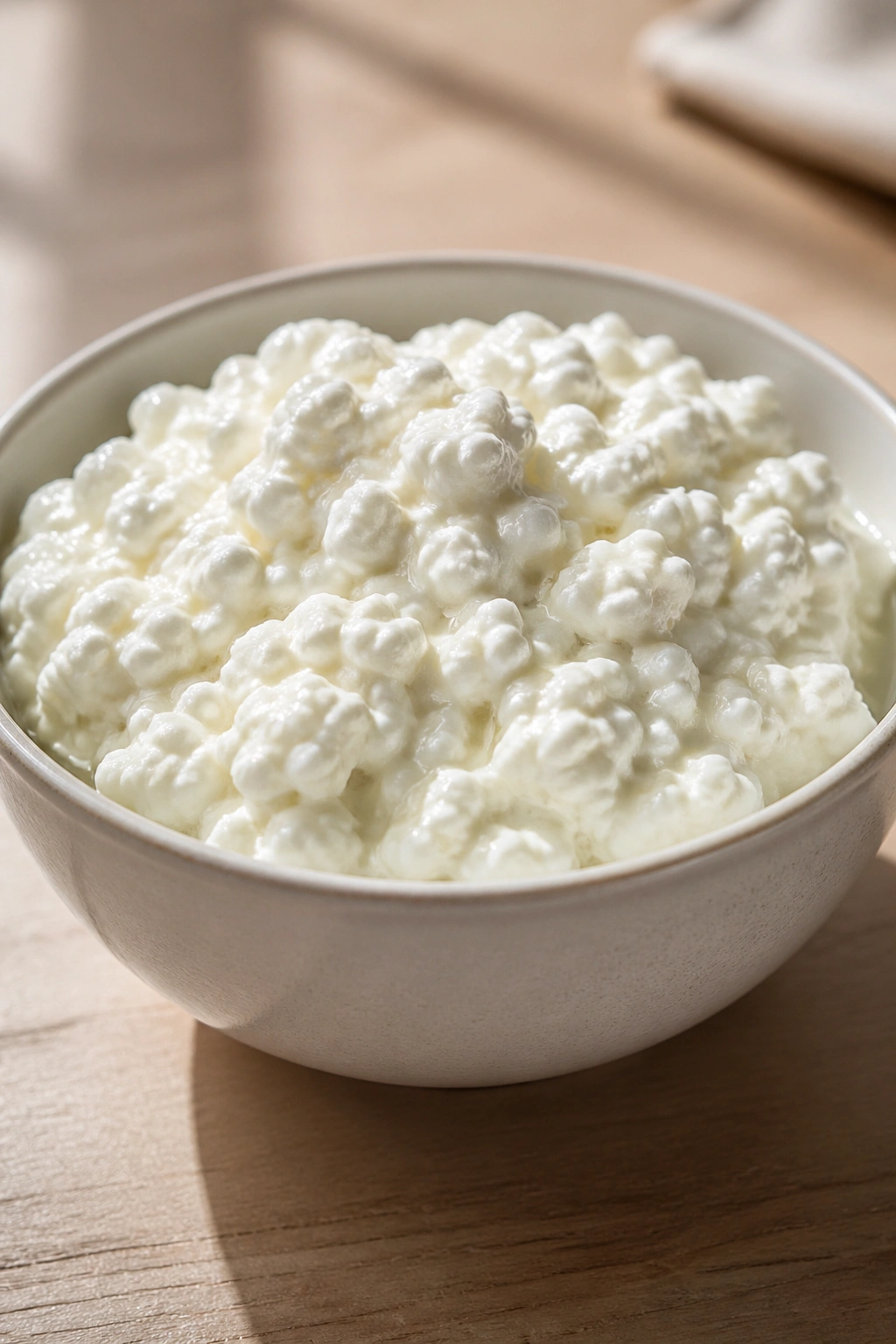
3. Cottage Cheese
Why do so many high-protein meal plans keep circling back to cottage cheese? Because it works. It is slow, filling, and easy to eat without much prep, which is a rare combination.
Cottage cheese is rich in casein, a slower-digesting protein that can help you stay satisfied longer. A cup can deliver a useful protein boost, and you can eat it sweet with berries or savory with cucumber, black pepper, and tomatoes. The texture turns some people off. Fair enough. But if you like it, it is one of the easiest belly-fat-friendly snacks to keep around.
Try this: mix cottage cheese with sliced peaches, or use it where you’d normally reach for a second helping of chips.
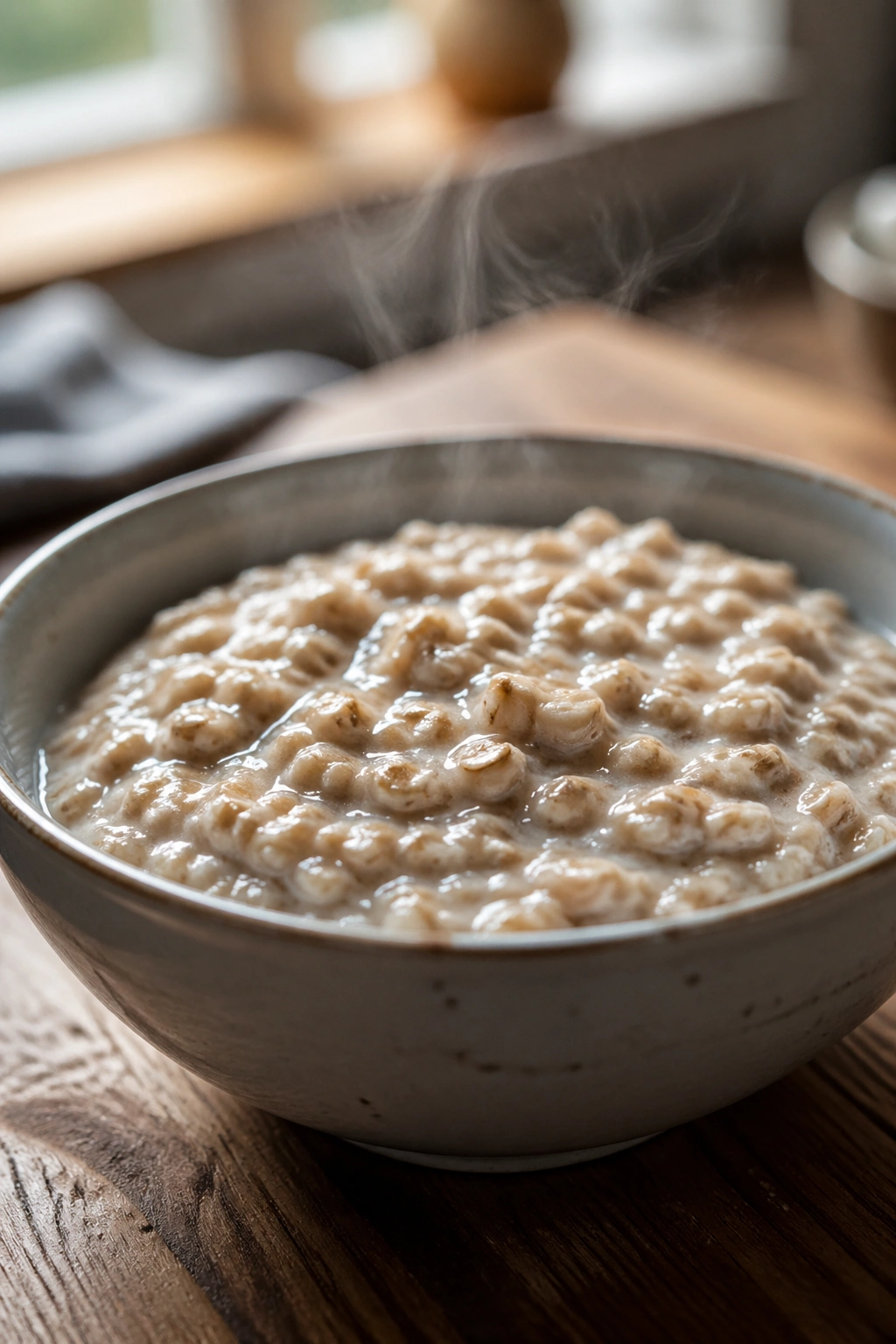
4. Oatmeal
A warm bowl of oatmeal settles down hunger in a way that sugary cereal just can’t. The fiber in oats, especially beta-glucan, helps slow digestion and makes breakfast feel like it lasted longer than ten minutes.
Keep the portion sane. Half a cup of dry oats is usually enough for one bowl, and then you can build on it with cinnamon, blueberries, or a spoonful of ground flaxseed. The mistake people make is treating oatmeal like dessert and loading it with brown sugar, syrup, and dried fruit until the bowl stops being helpful.
What to do instead
- Use ½ cup dry oats as the base
- Add berries for sweetness
- Stir in chia or flax for more fiber
- Keep sweeteners light, not theatrical
Oatmeal helps most when it tastes plain enough that you still feel like eating real food later.
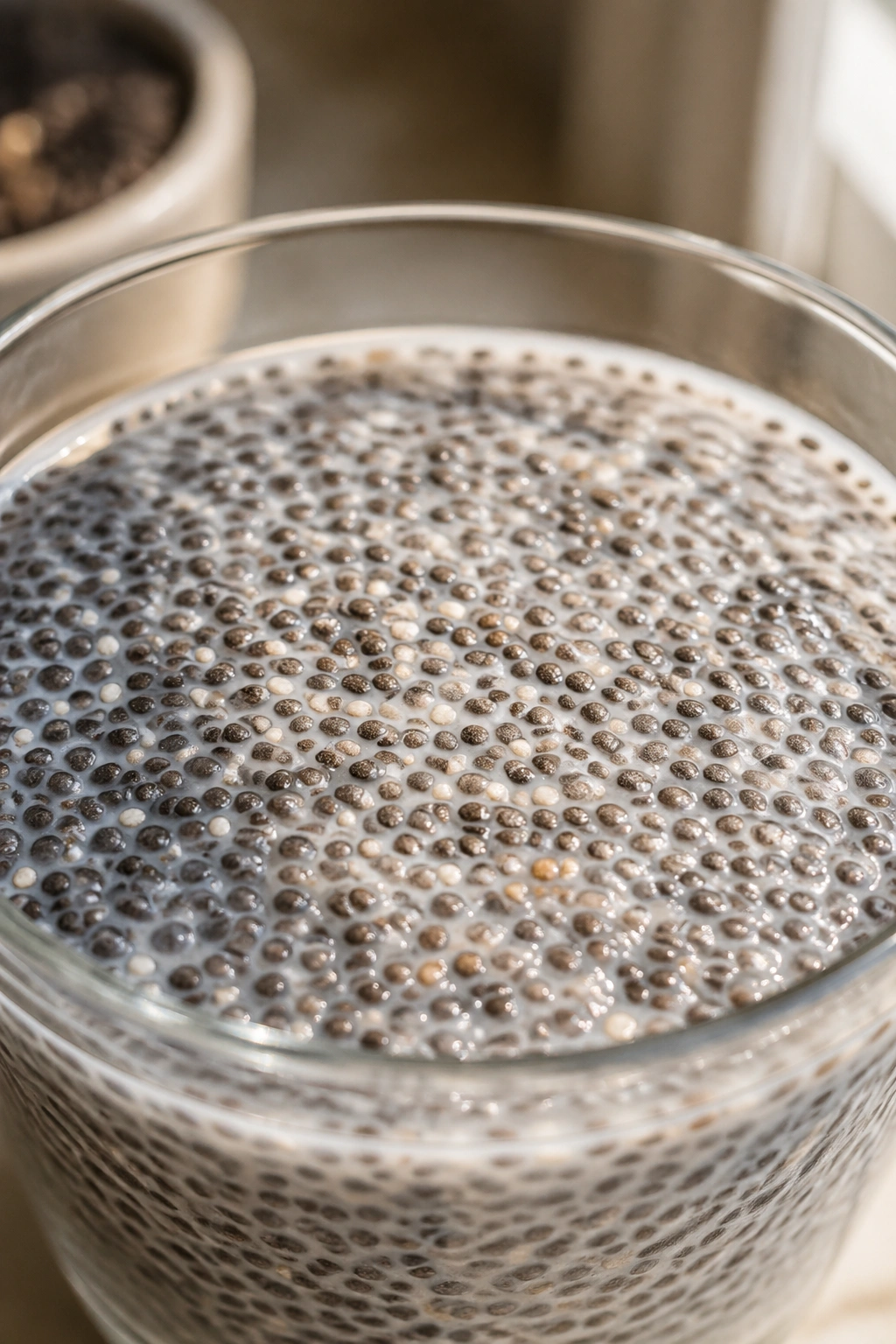
5. Chia Seeds
A tablespoon or two of chia seeds can change the feel of a meal fast. They soak up liquid and turn into a gel, which slows things down in your stomach and makes a small serving feel more substantial.
That’s why chia pudding is such a smart snack move. Mix 2 tablespoons of chia seeds with about ½ cup of milk or unsweetened almond milk, let it sit for 10 to 15 minutes, and it thickens into something spoonable. You can add berries, vanilla, or cinnamon. Don’t swallow dry chia seeds by the spoonful. That’s a bad idea. They need liquid.
Chia is tiny, but it earns its spot by making other foods more filling.
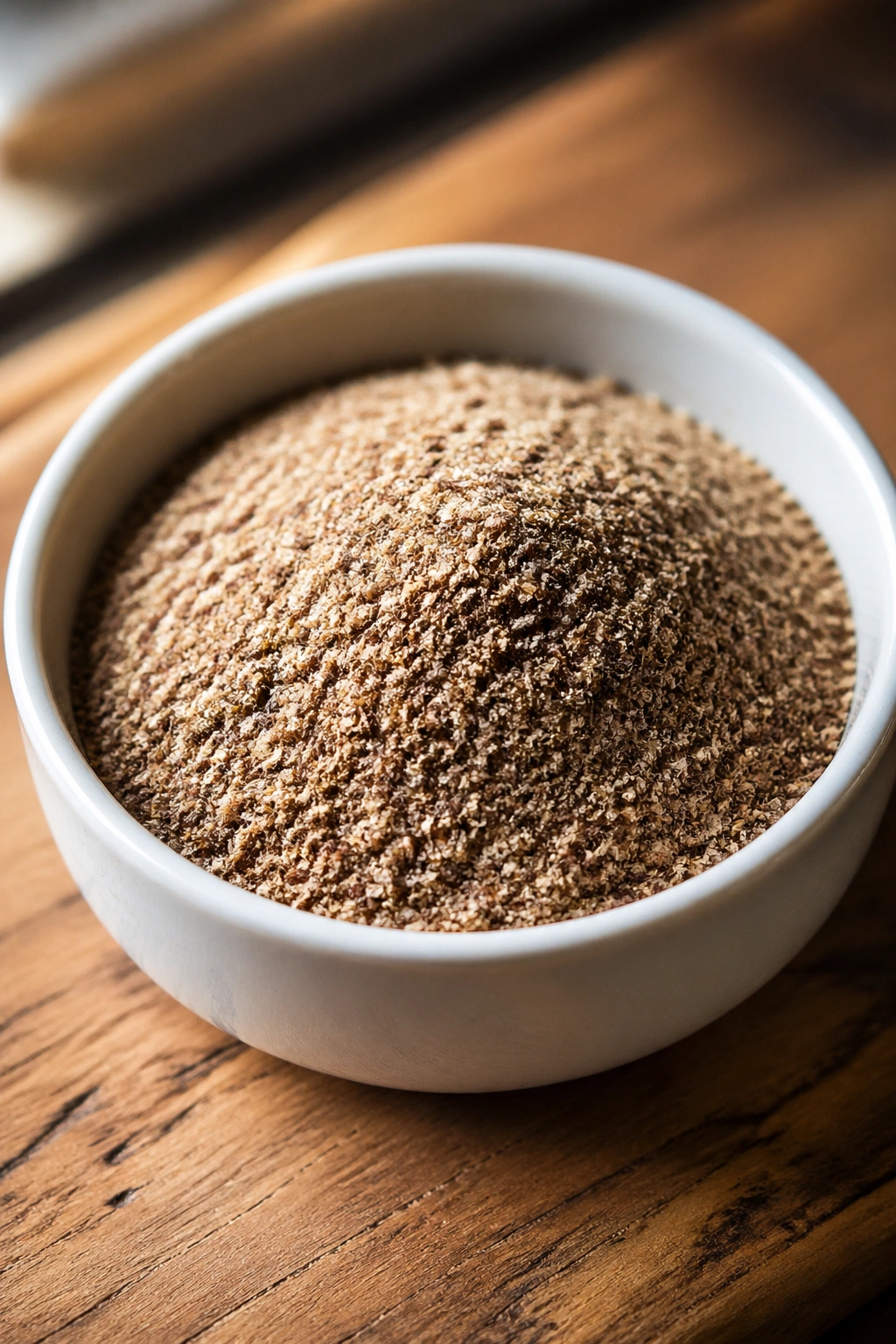
6. Ground Flaxseed
Whole flaxseed passes through your body more or less untouched. Ground flaxseed is the version that actually pulls its weight.
It gives you fiber, a bit of protein, and omega-3 fats, all in a form that’s easy to tuck into yogurt, oatmeal, smoothies, or pancake batter. One to two tablespoons is usually plenty. More is not always better, especially if you’re not drinking enough water. Freshly ground flax has a milder, nuttier taste than people expect, and it disappears into soft foods without much fuss.
Small trick: keep a bag in the fridge or freezer so it stays fresh longer. Rancid flax tastes harsh, and nobody wants that.
7. Blueberries
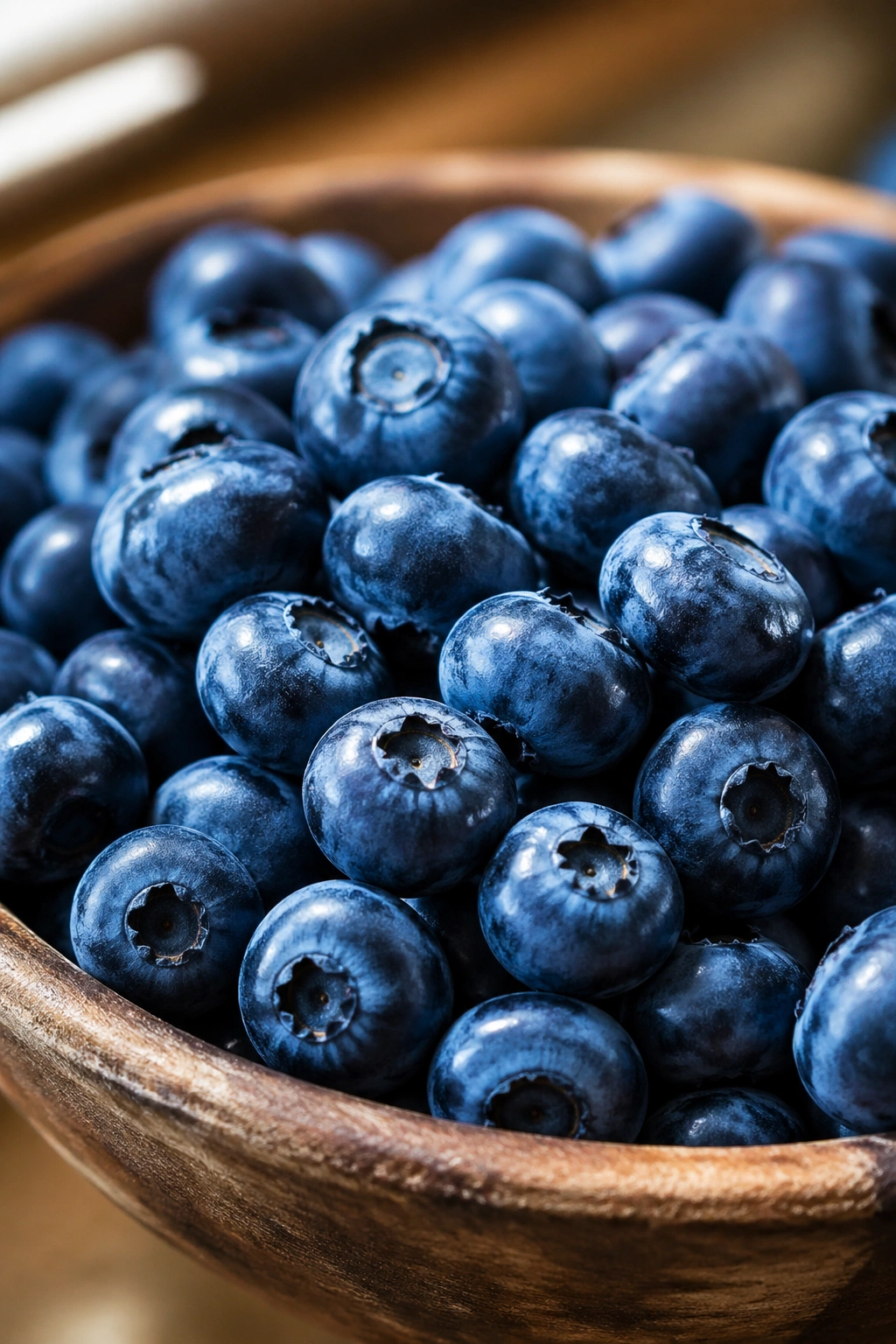
Blueberries are one of the easiest sweet foods to keep around when you’re trying to trim belly fat. They give you a sweet hit without turning the snack into a sugar bomb.
A handful is usually enough to quiet a sweet tooth, and frozen berries work just as well as fresh ones in oatmeal, yogurt, or smoothies. The skin gives you fiber, and the small size makes portion control easier than with bigger fruit. You can eat them straight from the fridge when you want something cold and simple, which matters more than it sounds. Convenient foods get eaten more often.
I keep coming back to blueberries because they feel like dessert without behaving like dessert.
8. Apples
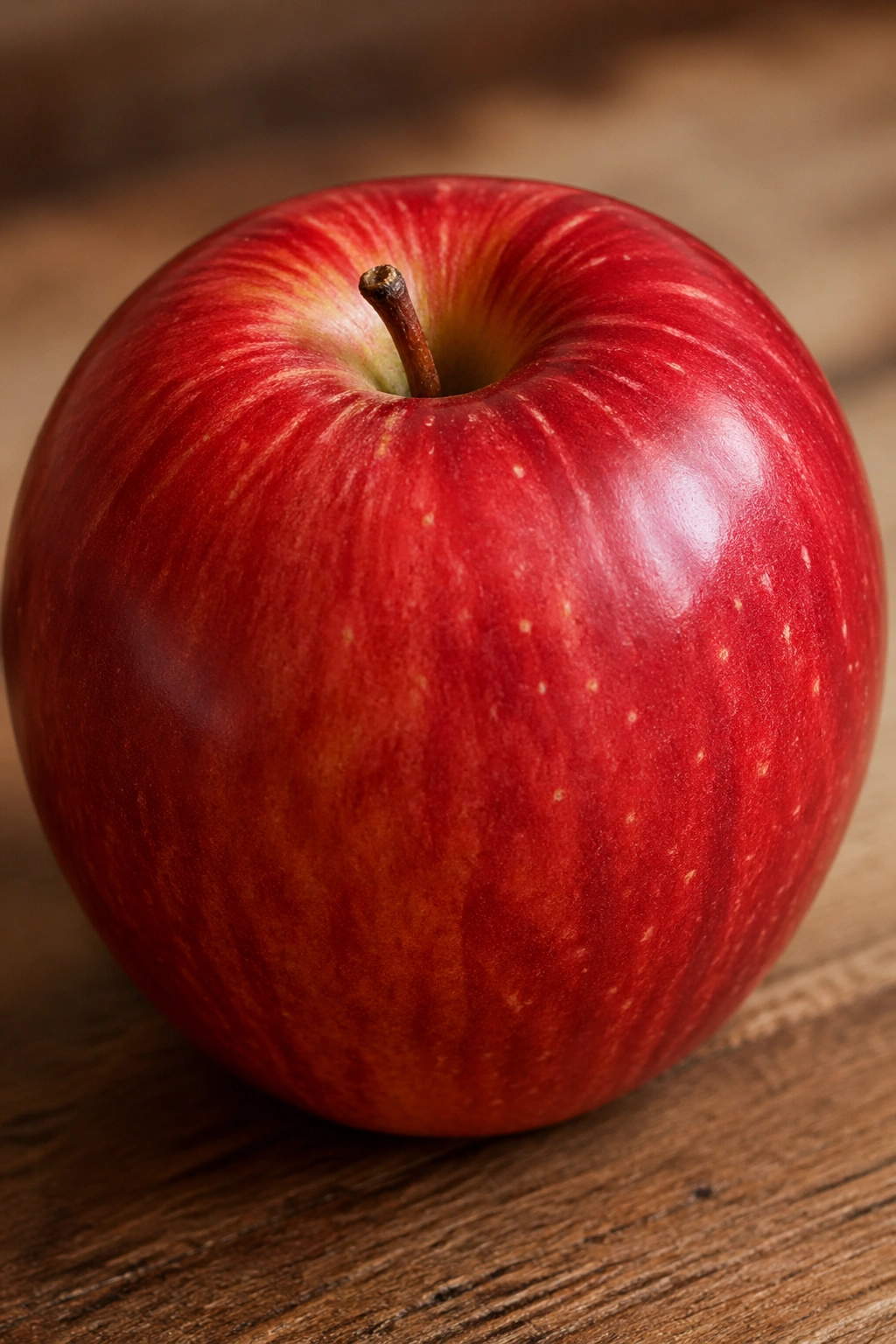
An apple beats apple juice every single time. That sounds almost too basic to say, but it matters. The whole fruit gives you fiber, crunch, and a slower pace, while juice goes down fast and leaves you looking for more.
The skin holds a lot of the fiber, so leave it on unless you have a reason not to. A medium apple can make a decent snack on its own, or you can pair it with a little peanut butter if you need more staying power. Just keep the peanut butter to a spoonful, not a weird half-jar situation.
The crunch does some work too. You chew longer, and that slows the eating down enough to help your brain catch up.
9. Pears
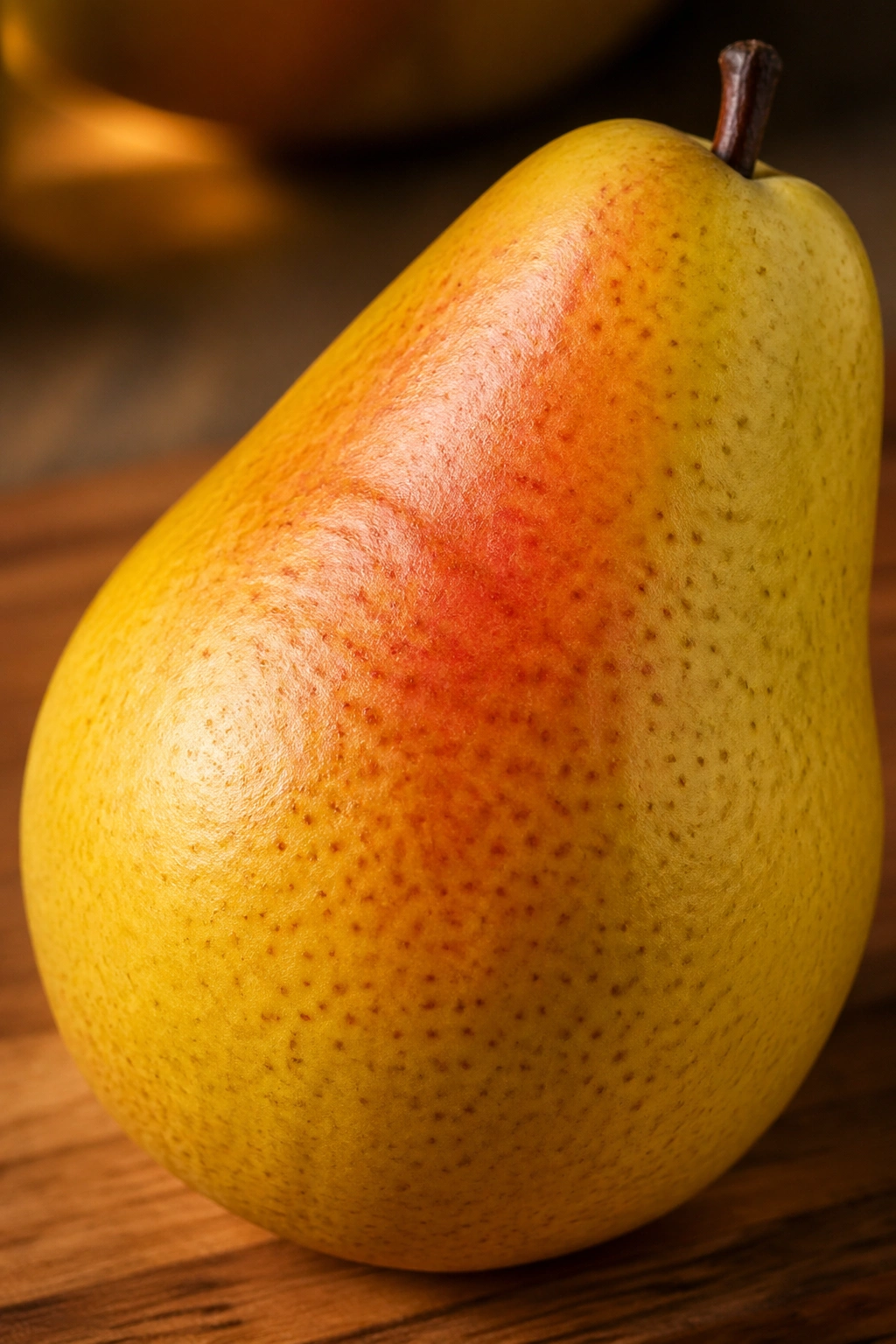
Pears are a sleeper hit for anyone trying to reduce belly fat without feeling deprived. They’re juicy, sweet, and packed with fiber, especially if you eat them with the skin on.
Why they help
- High fiber: helps you stay full longer
- Soft texture: easy to eat as a snack or dessert
- Natural sweetness: useful when you want something sweet without cookies
- Good pairing: works with cheese, yogurt, or a few nuts
A ripe pear should give a little when you press near the stem. If it’s rock hard, wait. If it’s mushy, it’s over the hill. I like pears when I’m tired of apples but still want that same “I ate a real snack” feeling.
10. Avocados
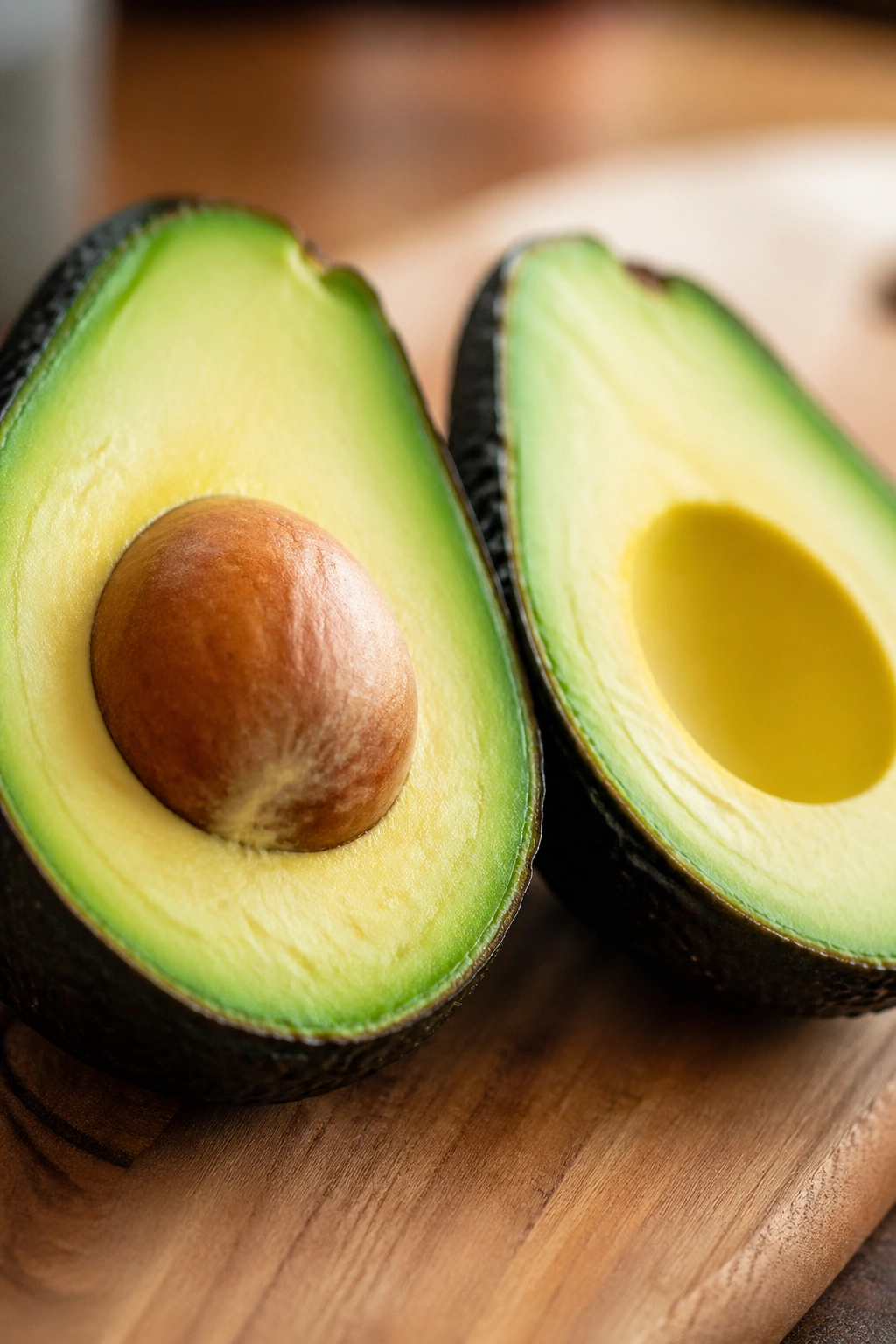
Avocados are rich, creamy, and a little dangerous if you treat them like free food. They help with belly-fat control because the fat and fiber make meals more satisfying, not because they burn anything off.
Half an avocado is usually a sensible portion. Mash it onto toast, slice it into a salad, or add it to eggs and beans. The biggest mistake is treating avocado like garnish when it’s really a calorie source. Nothing wrong with that. Just keep an eye on how much lands on the plate.
The nice thing about avocado is that it makes simple meals feel finished. That can save you from hunting for snacks an hour later.
11. Salmon
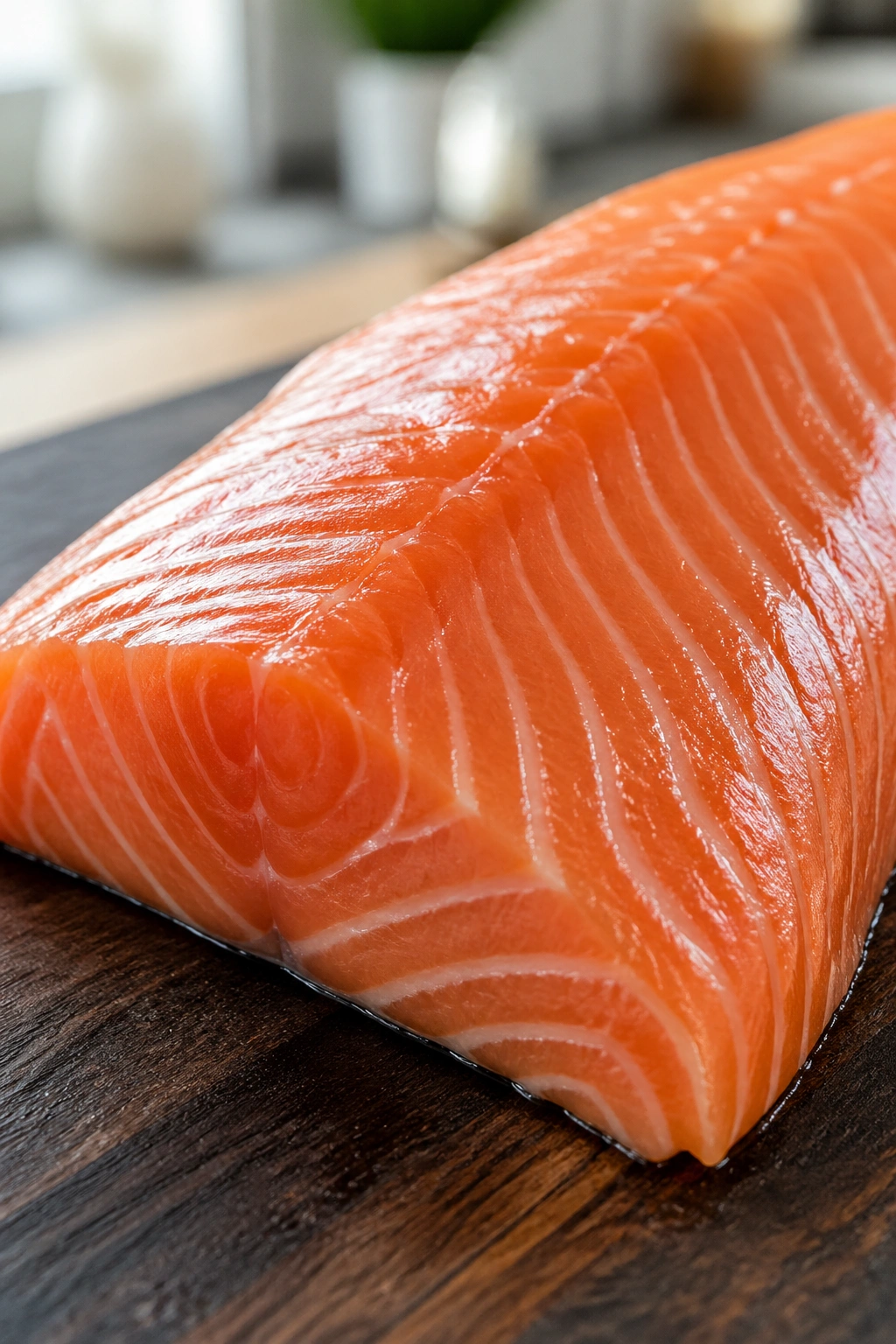
Salmon is one of my favorite dinner anchors for fat loss. It gives you protein, satisfying fat, and a richer taste than many lean meats, so the meal feels complete without needing a giant side dish.
A 3- to 4-ounce serving is enough for many people, especially if you pair it with broccoli, asparagus, or a salad. Bake it with lemon and pepper, or pan-sear it so the skin gets crisp. The flavor is strong enough to carry a plate, which is useful when you want dinner to feel like dinner and not a punishment.
The fat in salmon helps with satiety. That’s the part people miss when they chase only “low-fat” foods and end up hungry again by nine o’clock.
12. Tuna
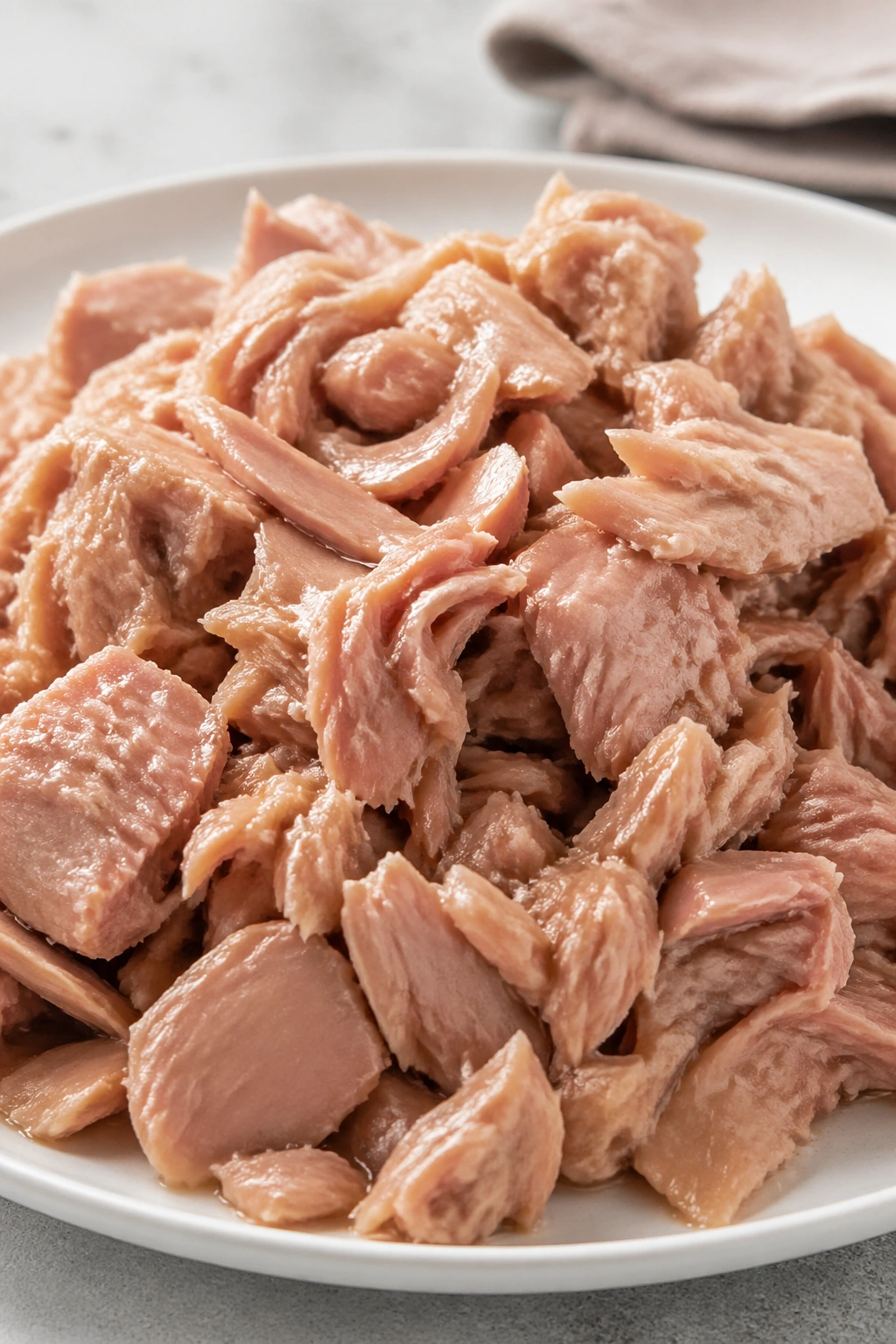
Why does tuna show up in so many weight-loss lunches? Because it’s lean, cheap, and fast. That trio is hard to beat.
Canned tuna in water is the version most people use for belly-fat-friendly meals. Mix it with plain Greek yogurt instead of a mountain of mayonnaise, then add celery, cucumber, mustard, or chopped pickles. You get a high-protein lunch without much calorie baggage. Watch the sodium if you eat it often, and don’t build your whole life around tuna salad. Variety matters.
A tuna bowl with tomatoes and greens can be a very solid weekday meal. Not glamorous. Effective.
13. Chicken Breast
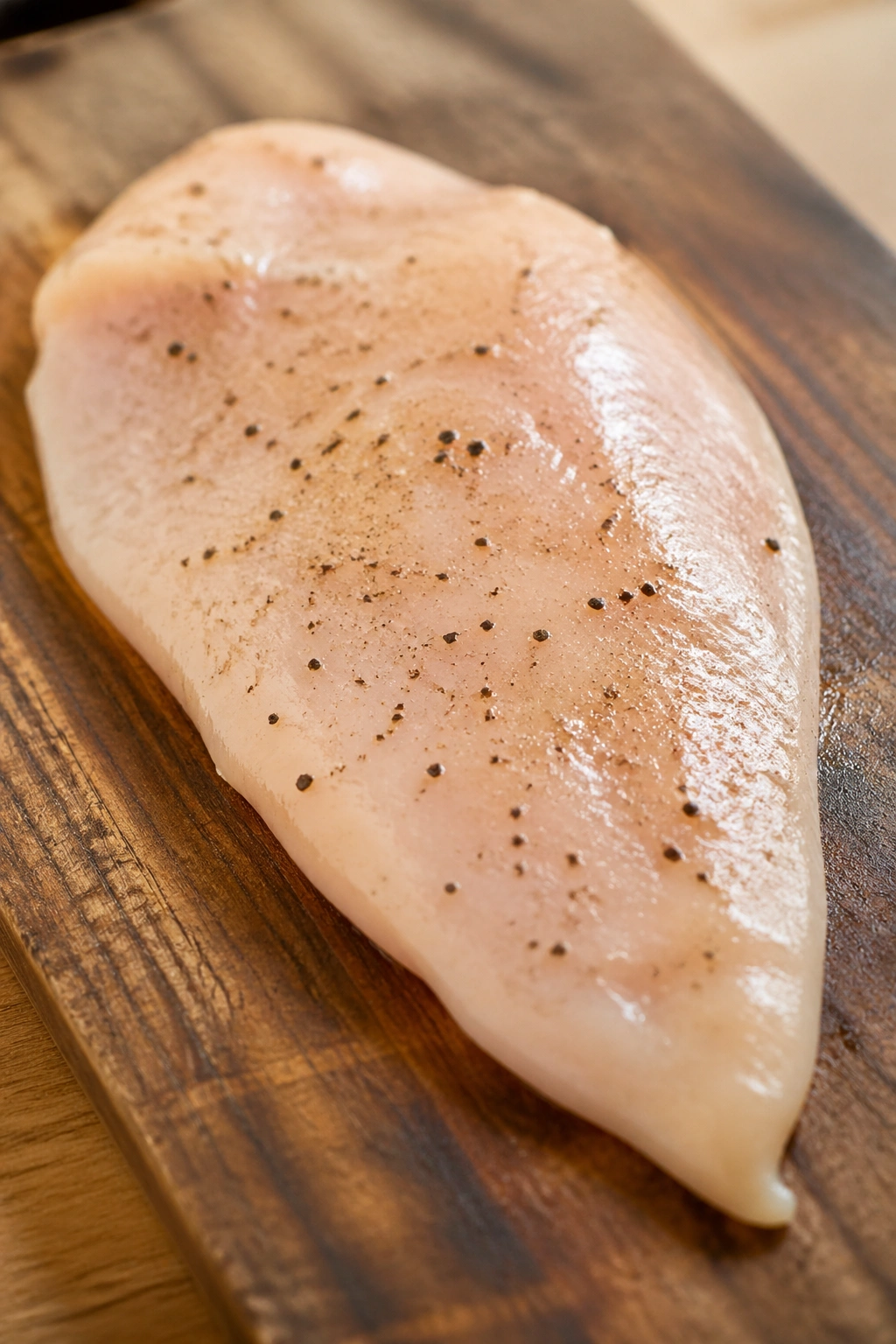
Chicken breast is plain, which is exactly why it works. It gives you a lot of protein for the calories, and that makes it easy to build a meal that fills you up without going overboard.
The trick is not to dry it out. Pound it to an even thickness, season it well, and cook it until it’s just done. A cooked portion of 4 to 6 ounces is enough for many meals. Slice it over salad, tuck it into bowls with rice and vegetables, or serve it with roasted cauliflower and a spoonful of salsa.
If your chicken tastes bland, the answer is usually seasoning, not more sauce.
14. Turkey Breast
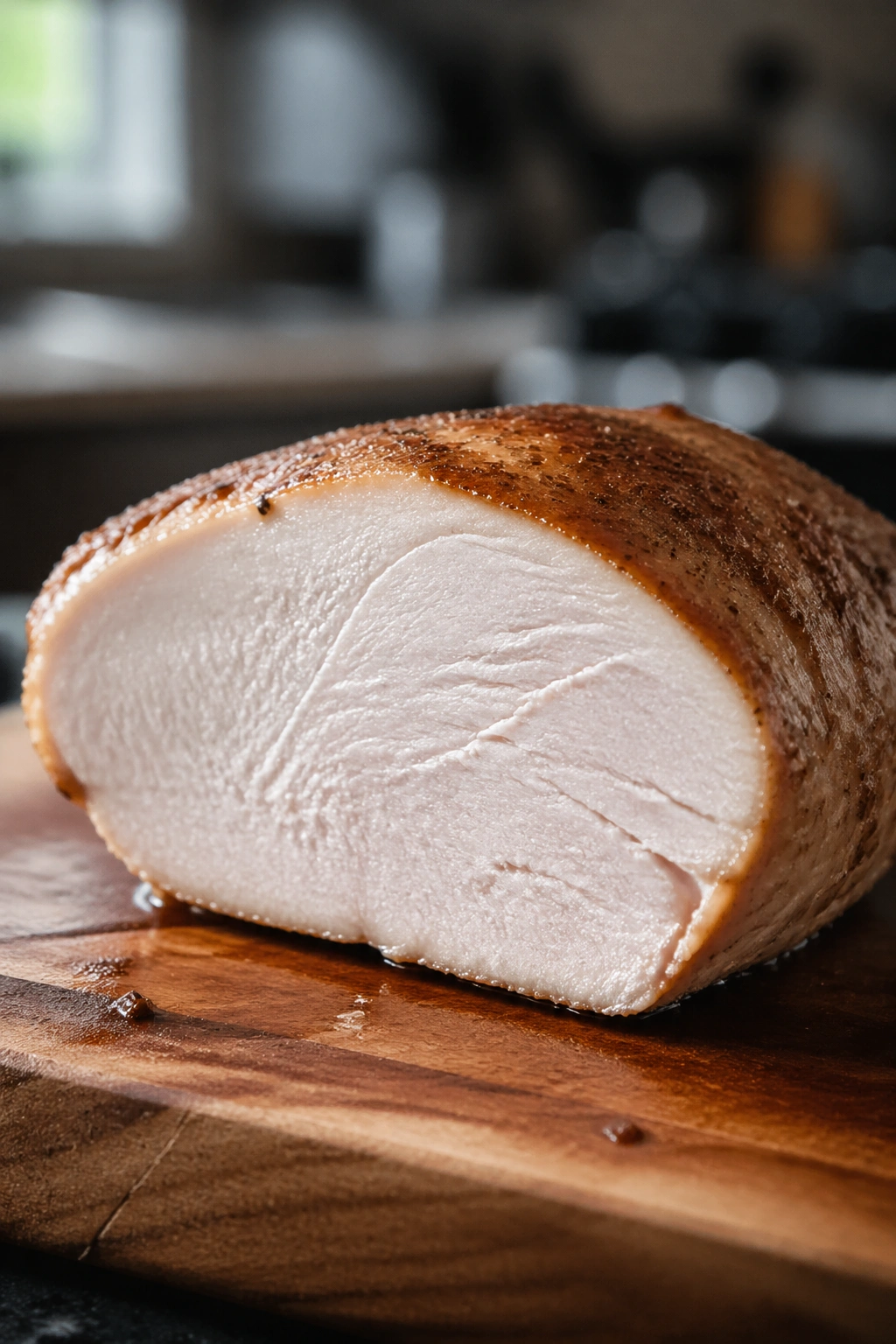
Turkey breast does a similar job to chicken breast, but it has one useful advantage: it can keep sandwiches and wraps from turning into calorie traps. The lean protein helps with fullness, and the flavor is mild enough to work in a lot of settings.
I’m talking about simple roasted turkey breast here, not a stack of salty deli meat with a long ingredient list. Deli turkey can be fine, but it’s often loaded with sodium and sometimes sugar. Fresh-cooked turkey gives you more control. Slice it thin, pile it onto lettuce, tomatoes, and mustard, and you’ve got a lunch that doesn’t drag you down afterward.
That kind of meal matters more than people admit.
15. Lentils
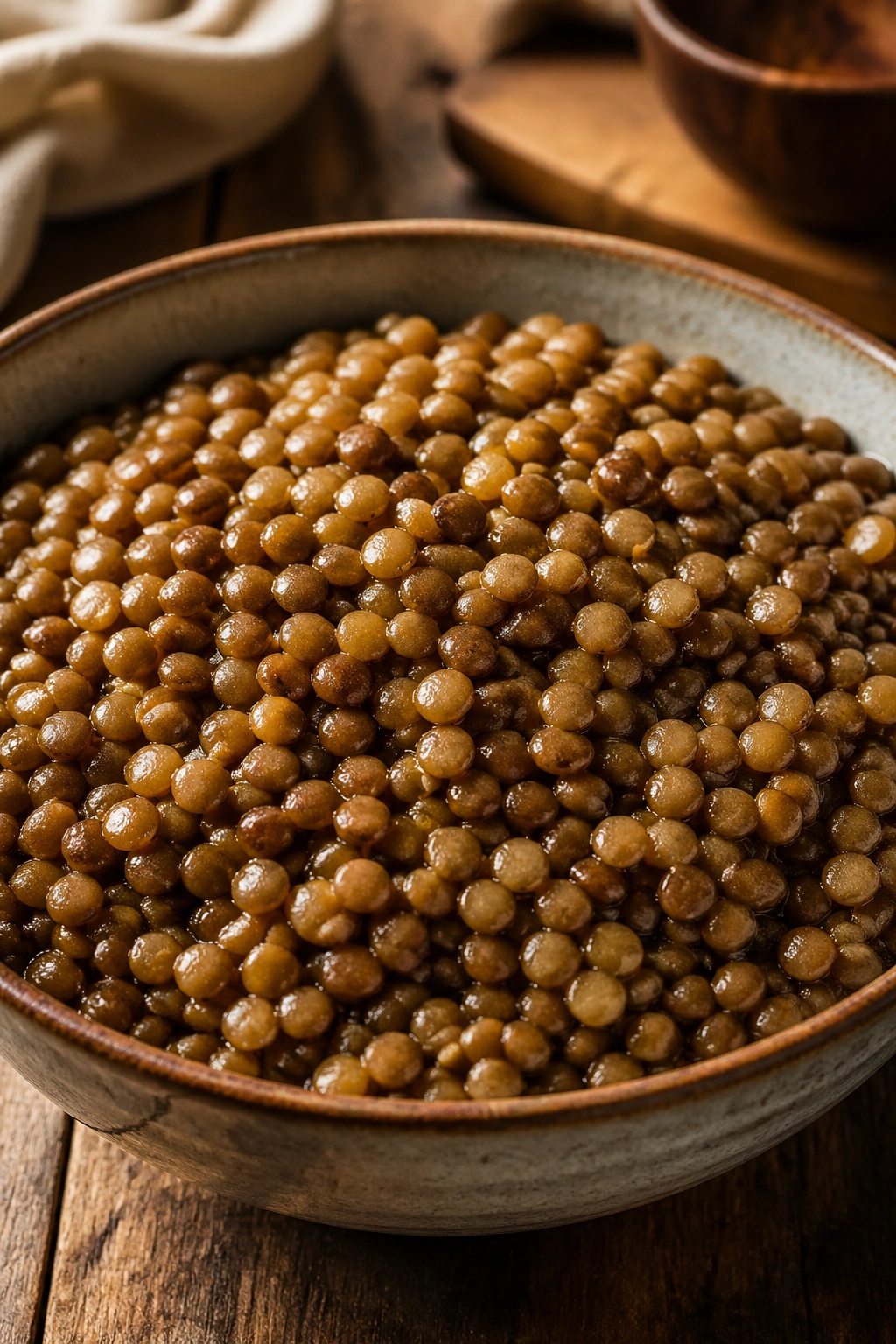
Lentils are a quiet powerhouse. They bring protein, a lot of fiber, and enough bulk to make a bowl of soup or stew feel substantial without needing meat every time.
Best ways to use them
- Stir into soups with carrots and celery
- Serve over greens with lemon and olive oil
- Mix with rice for a fuller side dish
- Use in chili when you want a thicker, cheaper meal
A half-cup of cooked lentils is a smart starting point, and canned or pre-cooked lentils make life easier. They’re a little earthy, a little dense, and much more filling than they look in the pot. That’s a good thing.
16. Black Beans
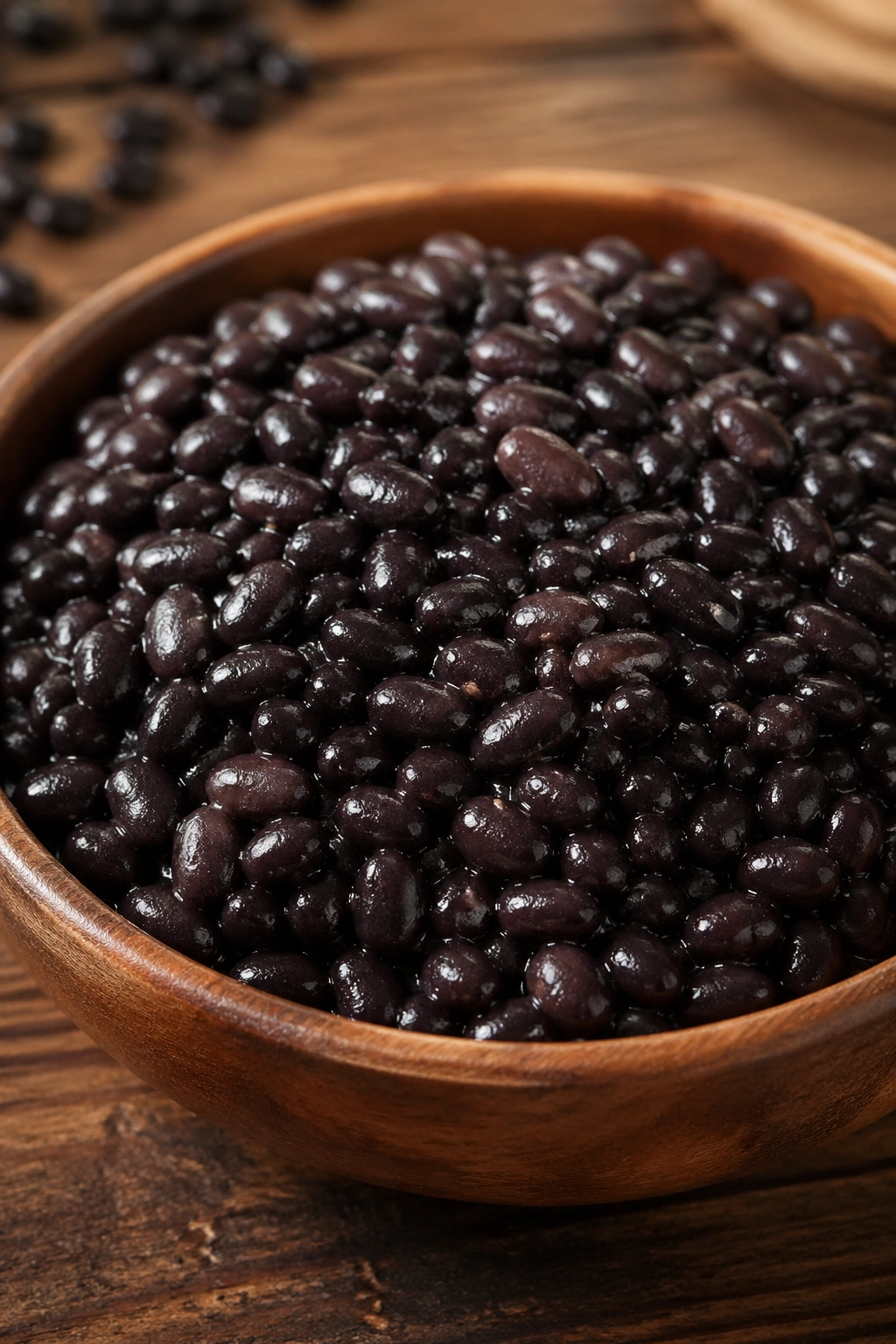
Black beans are one of the easiest belly-fat-friendly foods to keep in the pantry. They’re filling, inexpensive, and flexible enough to land in bowls, tacos, salads, or breakfast eggs.
Rinse canned black beans if you want to cut some of the sodium and soften the canned taste. A half-cup serving gives you fiber and protein, which is the combo that helps you stay satisfied. They also mix well with salsa, chopped onion, and avocado, which means you can build a meal that tastes like it took more work than it did.
Bean bowls work because they’re hard to eat too fast. That’s part of the win.
17. Chickpeas
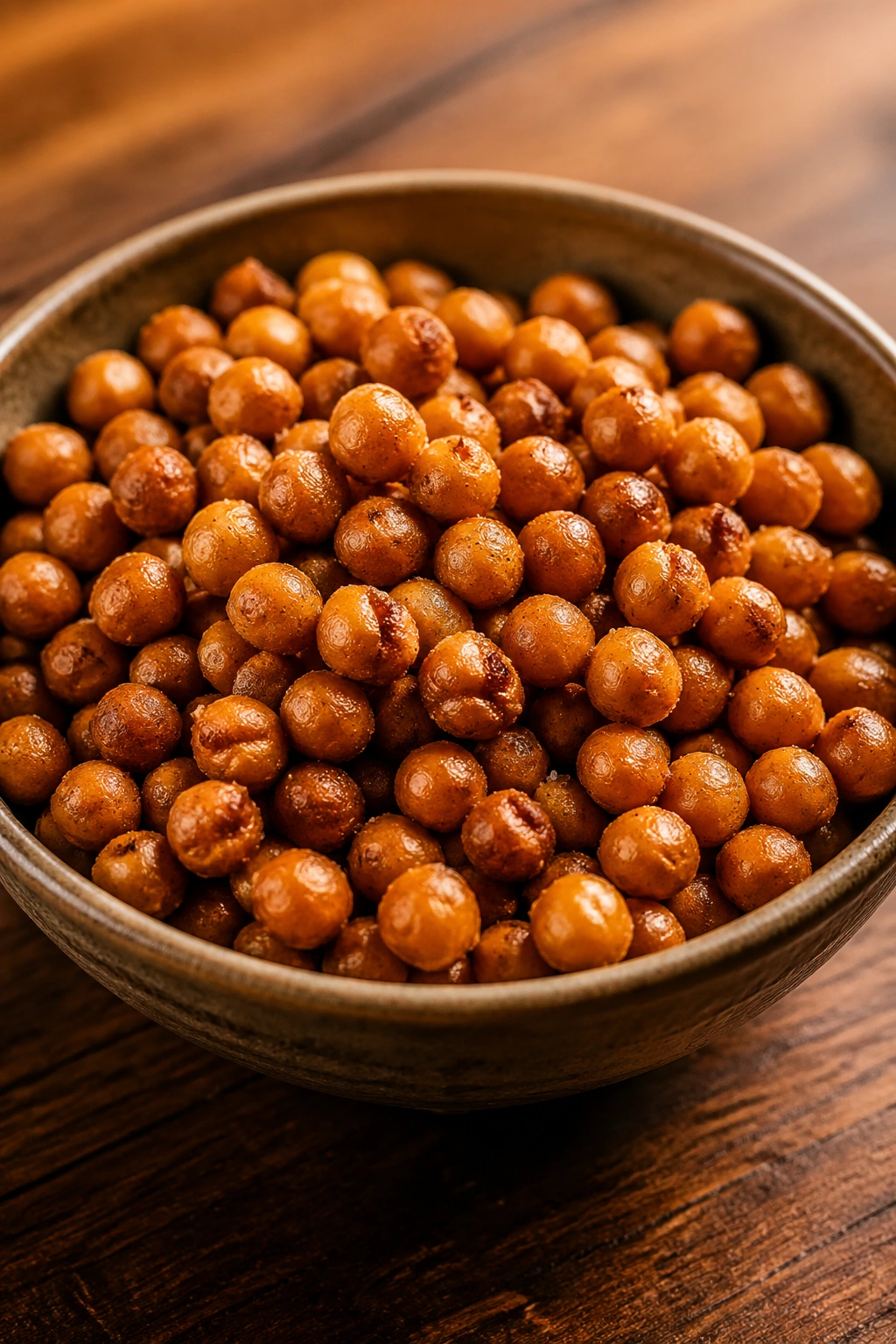
Chickpeas do two jobs at once: they add fiber, and they give you a chewy texture that makes meals feel more substantial. That’s useful when you’re trying to eat less and still feel like you ate something real.
You can roast them until they’re crisp, mash them for a simple salad, or blend them into hummus and eat that with cucumber and pepper strips. A half-cup of cooked chickpeas is a tidy portion. If you’re using canned chickpeas, rinse them well. The taste gets cleaner, and your dish won’t feel heavy before you even start.
I like chickpeas best when they bring crunch. Roasted, salted, and eaten from a bowl, they can replace a lot of mindless snack food.
18. Edamame
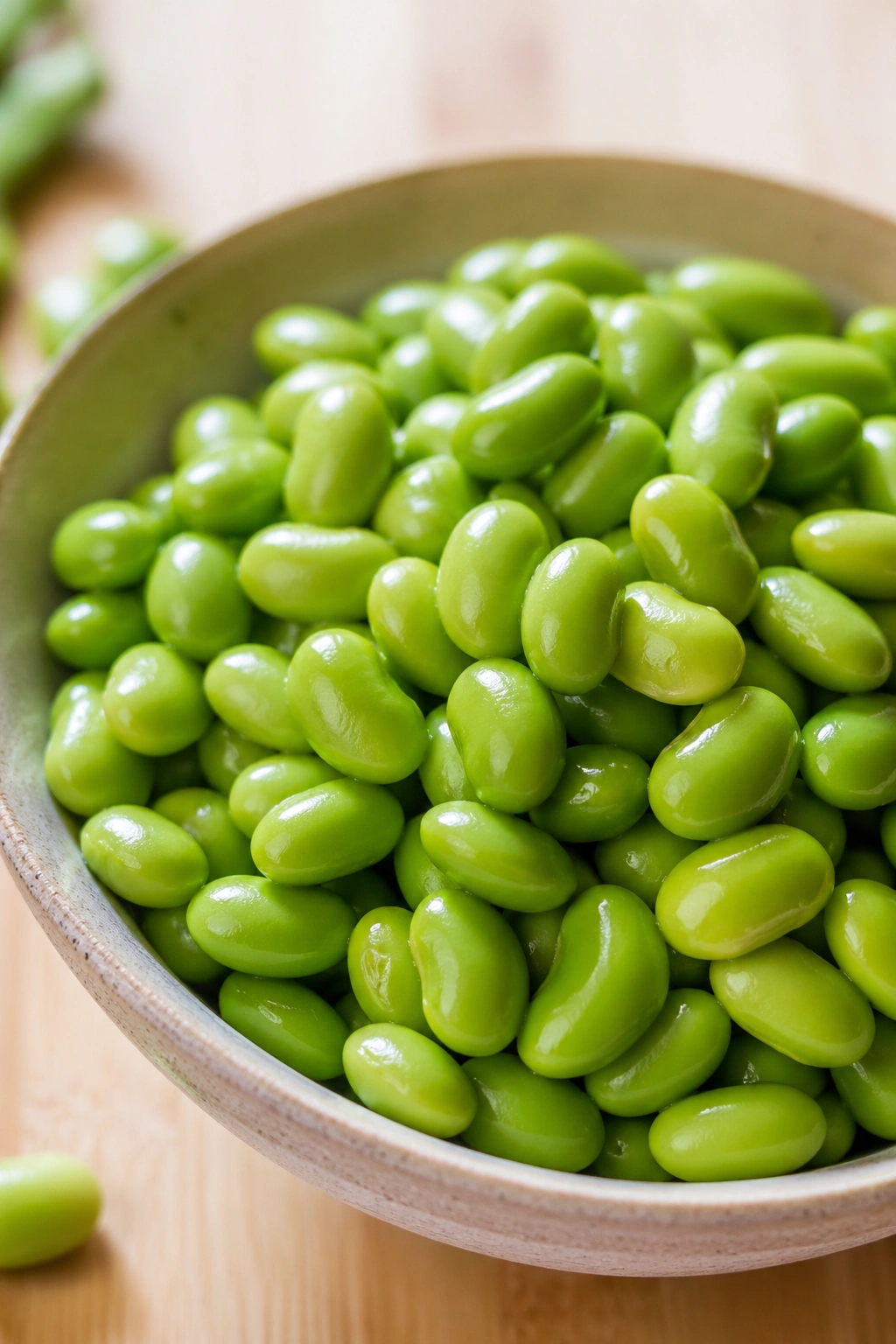
Edamame is one of the best snack foods for waistline control because it feels snacky but behaves like a real meal ingredient. It’s basically soybeans in a very easy-to-eat form, and the protein plus fiber combo does a lot of work.
You can buy it frozen, steam it in minutes, and finish it with a little salt or chili flakes. Eat it from the pods if you like the pace of it, or use the shelled beans in grain bowls and salads. A cup of shelled edamame makes a solid snack or side dish.
The nice part is that it gives you that salty, hand-to-mouth snack feeling without a bag of chips.
19. Tofu
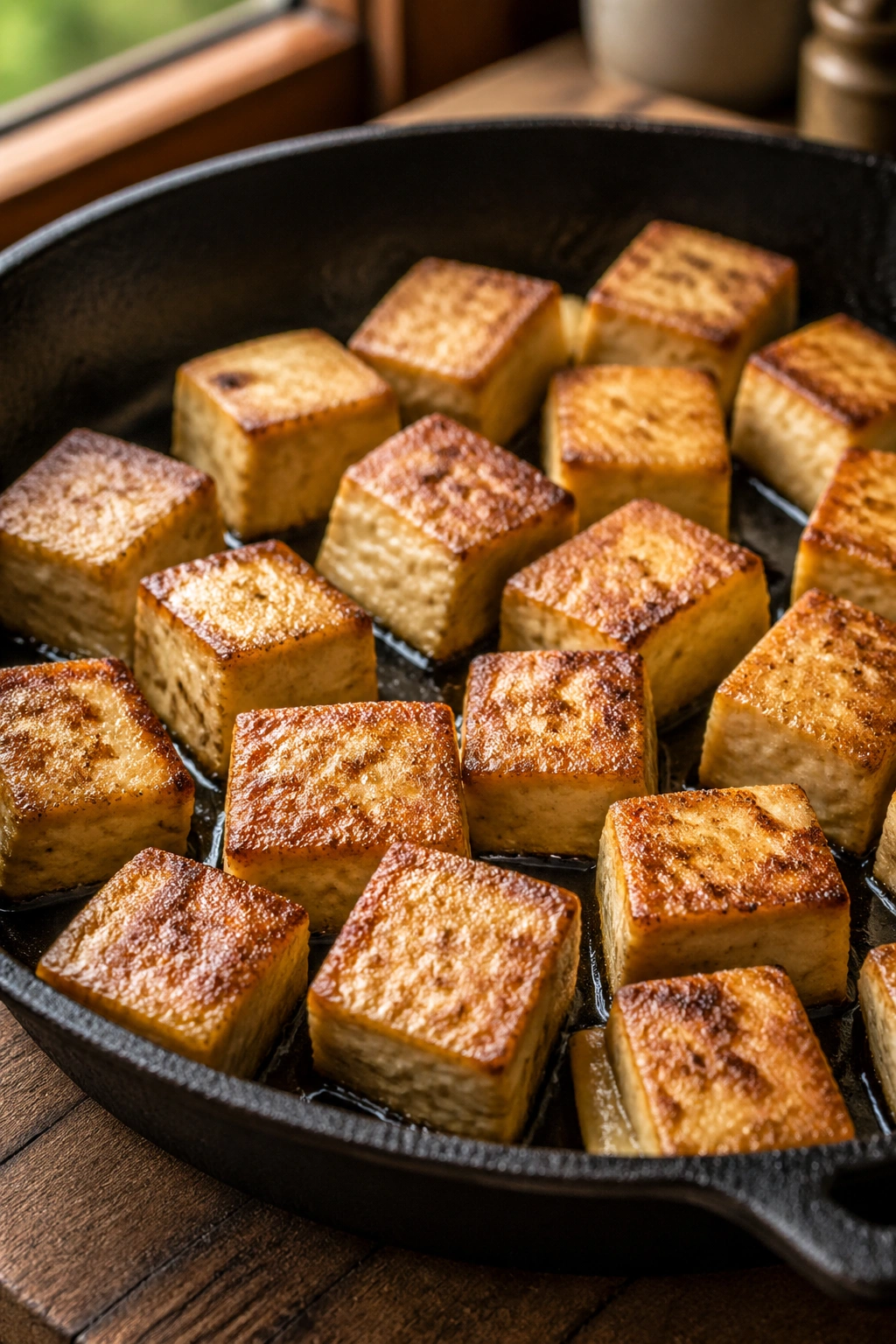
Tofu is a blank canvas, which is either a flaw or a gift depending on how you cook. Done well, it soaks up flavor, gives you protein, and keeps the calorie count pretty tame.
Extra-firm tofu works best for stir-fries and pan-searing. Press it for 15 to 20 minutes, cut it into cubes, and cook until the edges turn golden. That bit of browning changes everything. Soft tofu is useful too, but it belongs in soups, smoothies, or silky sauces rather than a hot pan.
People who say tofu is boring usually haven’t salted it properly. Or they’ve barely cooked it at all.
20. Tempeh
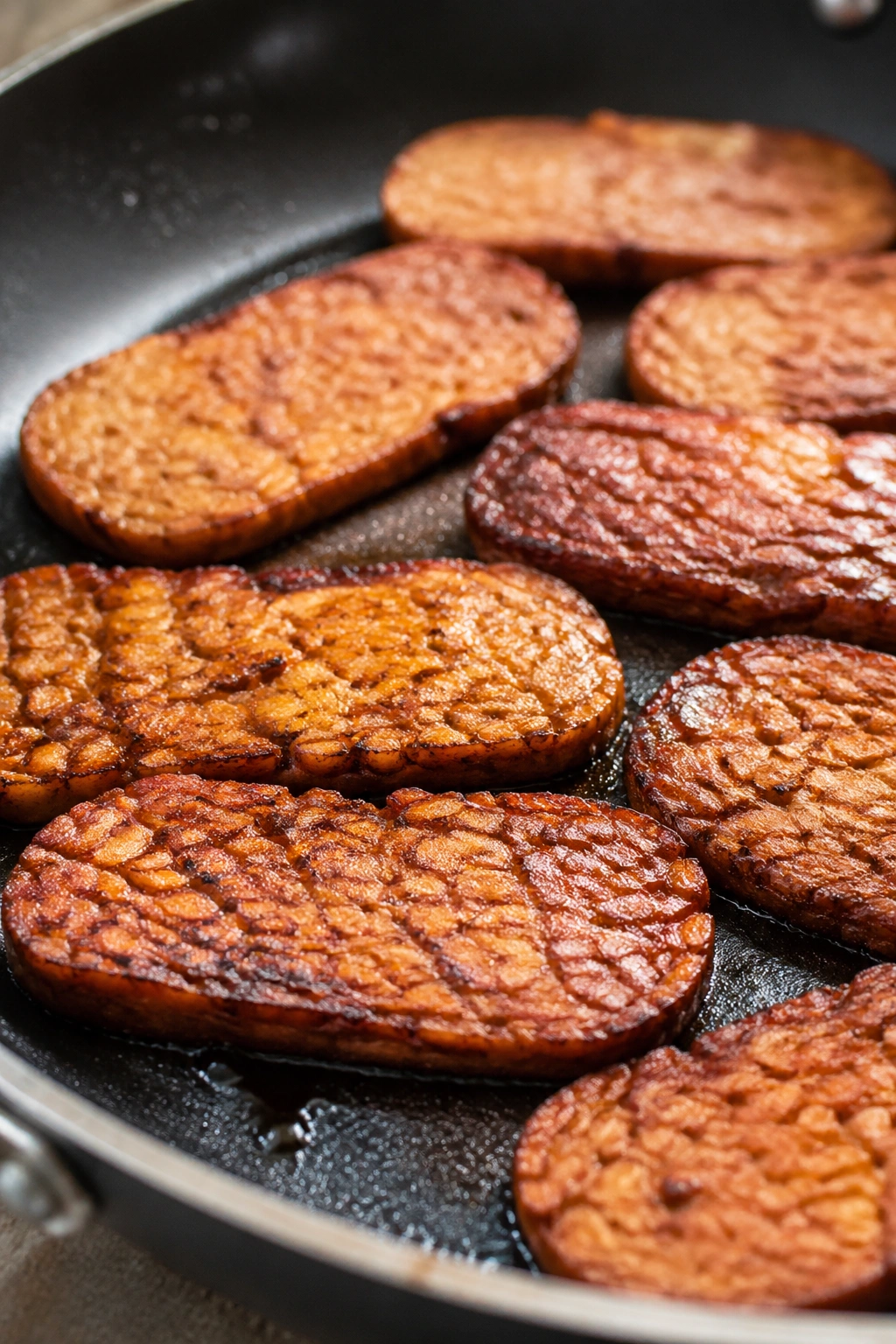
Tempeh has more bite than tofu and a nuttier flavor that holds up well in strong seasonings. It’s made from fermented soybeans, so it feels denser on the plate and usually satisfies people who want something with more chew.
Slice it thin, marinate it for 15 to 30 minutes, then sear it until the outside turns crisp. That makes a big difference. Tempeh works in wraps, rice bowls, and stir-fries where you’d normally reach for chicken or beef. It is not the lightest-tasting food on the list, and that’s part of the appeal. Heavier texture can help dinner feel complete with a smaller portion.
21. Spinach
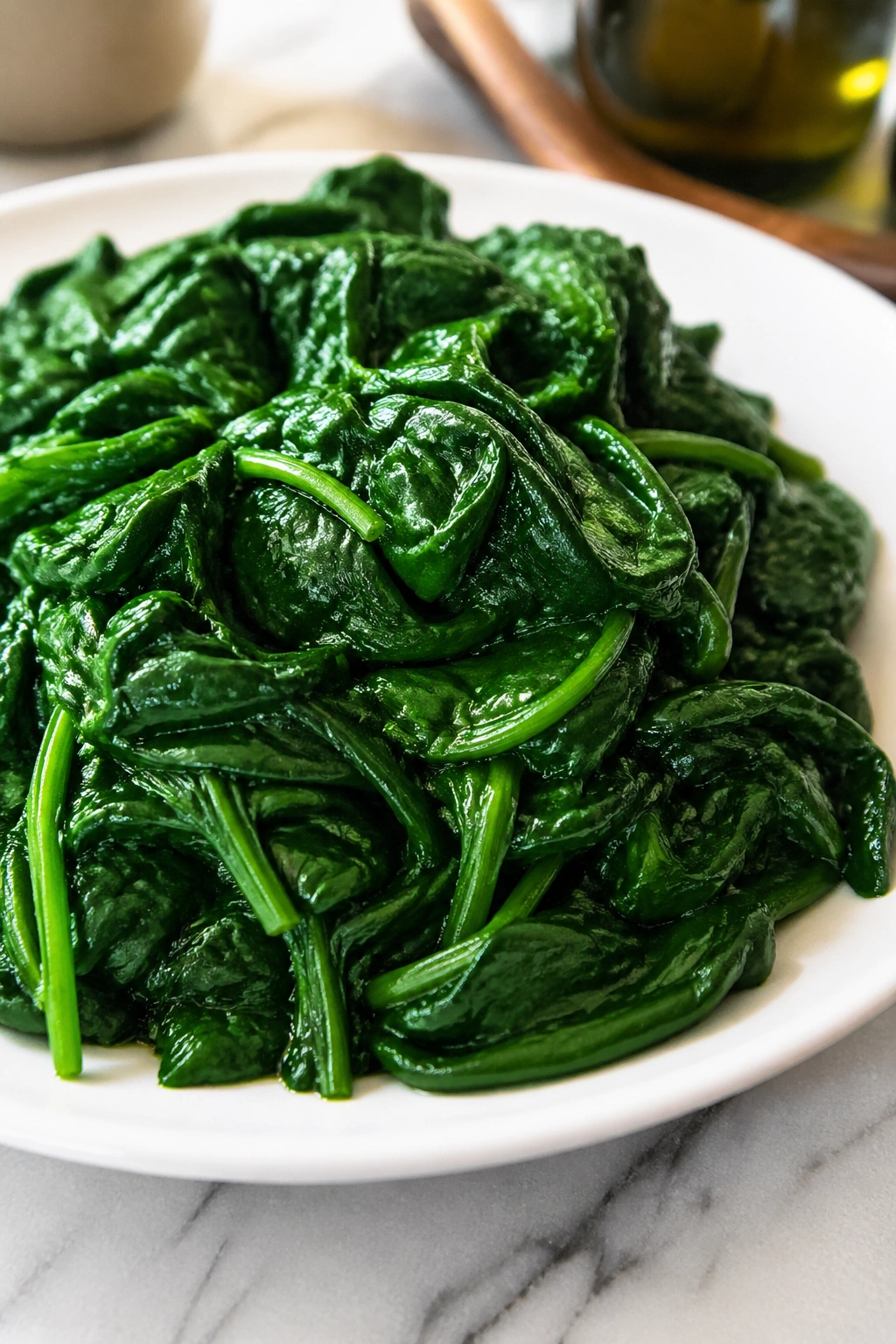
Spinach disappears in the pan, which is exactly why I like it. You can start with a huge handful and end up with a small mound that still adds volume, color, and nutrients to the meal.
Raw spinach goes into salads and smoothies. Cooked spinach wilts into eggs, pasta, soup, or a quick skillet dinner. The taste is mild enough that it doesn’t fight with other foods, and that makes it one of the easiest vegetables to eat more of. If you want to keep belly fat down, volume matters, and spinach gives you a lot of it for very few calories.
A bowl looks fuller, and your plate does not feel skimpy. That counts.
22. Kale
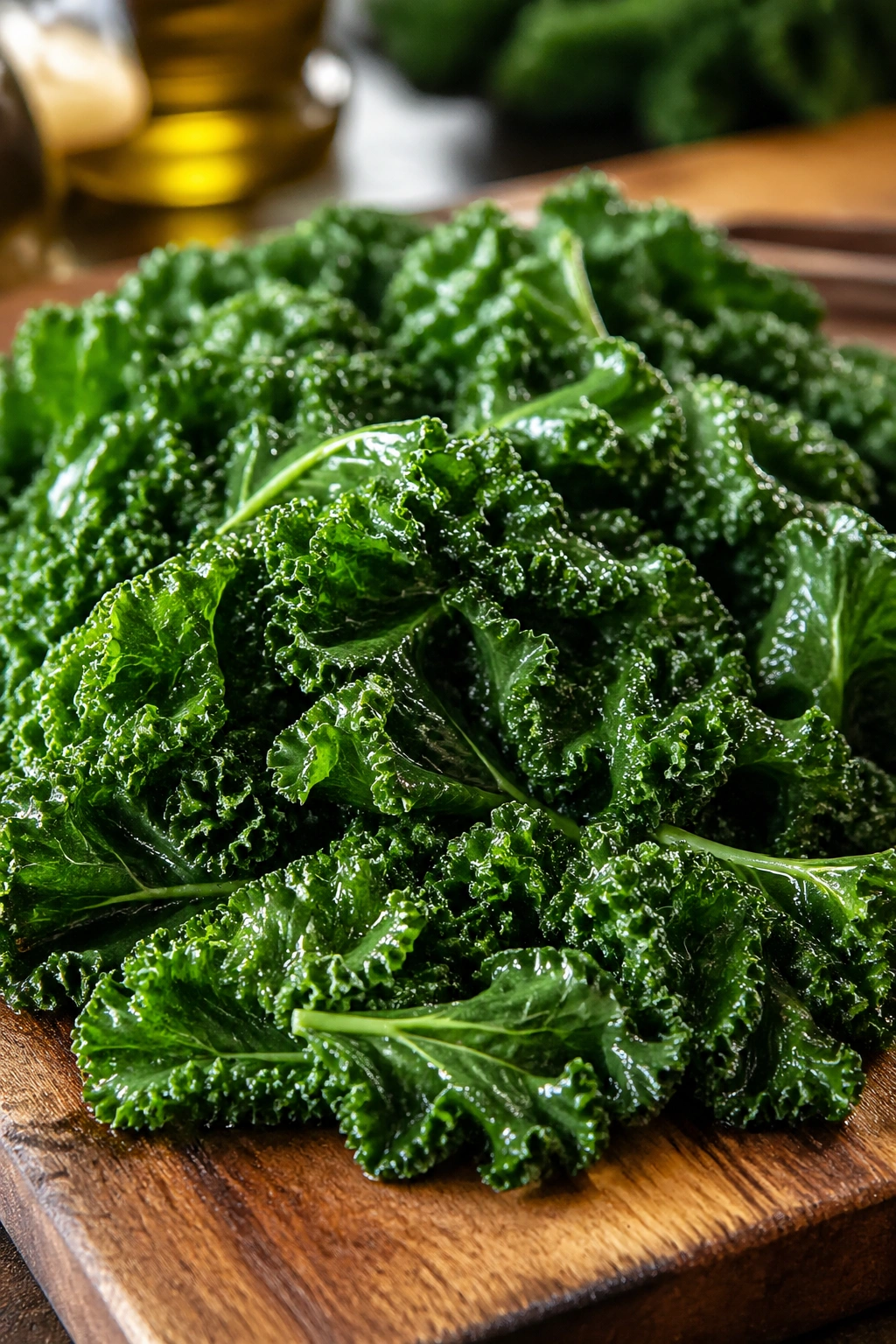
Kale is sturdier than spinach, and that changes how it behaves in salads and cooked dishes. It holds up to dressing, heat, and rougher handling, which is useful if you want a vegetable that doesn’t collapse into a wilted mess right away.
Massage raw kale with a little olive oil, lemon juice, and salt for 30 seconds, and it turns from tough to edible fast. That step matters. Without it, kale can taste like work. With it, you get a chewy, hearty green that pairs well with beans, salmon, eggs, and roasted vegetables.
What makes it useful
- Holds dressing well
- Stays firm in soups and sautés
- Adds bulk without many calories
Kale earns its place when you need greens that can stand up to bigger flavors.
23. Broccoli
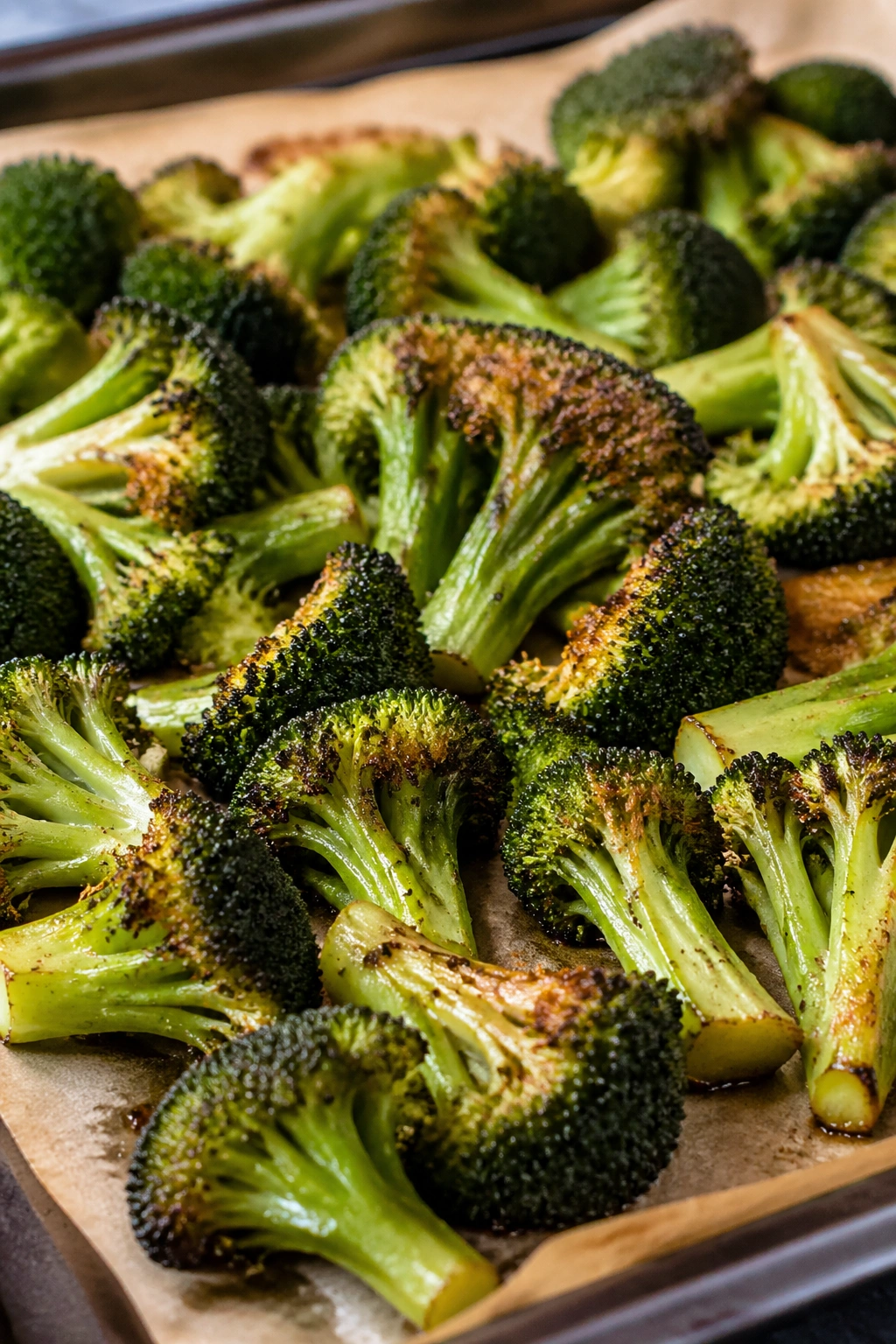
Broccoli is a blunt instrument in the best way. It fills the plate, it takes seasoning well, and it gives you real chewing time, which helps when you’re trying to slow meals down.
Steam it if you want soft edges. Roast it at 425°F / 220°C if you want crisp little browned bits on the florets. Both versions work. Broccoli pairs nicely with chicken, salmon, tofu, or beans, which makes it one of the simplest side dishes for belly-fat-friendly dinners. A little garlic, lemon, and salt is usually enough.
If your goal is less belly fat, broccoli helps by making your plate look generous before the calories climb.
24. Cauliflower
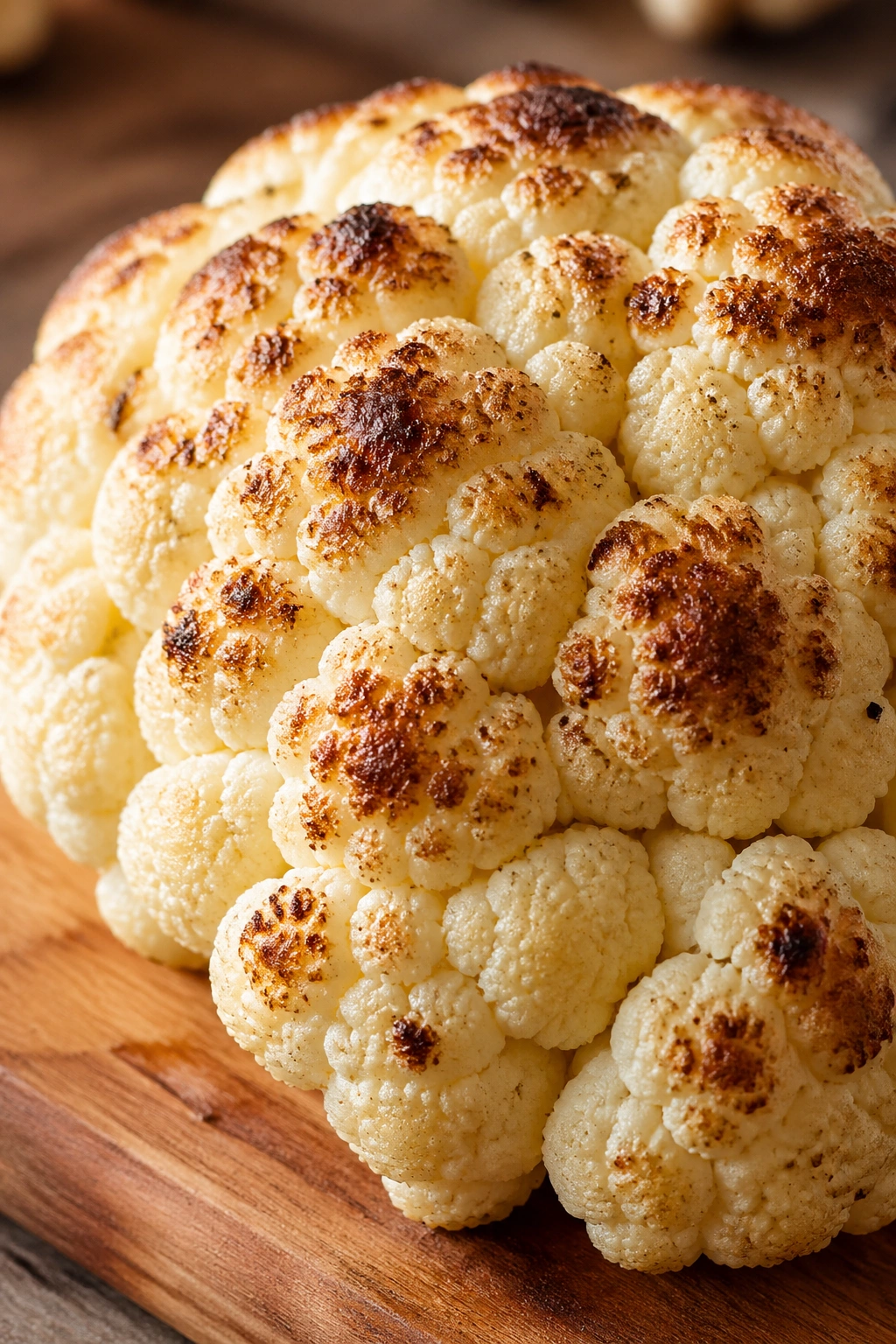
Cauliflower is useful because it plays the role of substitute without pretending to be something else. Cauliflower rice, mashed cauliflower, roasted florets — all of them let you build a larger plate for fewer calories.
The flavor is mild, so it needs seasoning. Roast it hard until the edges turn golden and a little nutty. That brings out more flavor than steaming ever will. It also works well under curry, next to chicken, or tossed with beans. People often think of cauliflower as a “diet food,” which sounds dull. I’d call it a volume food. That’s more accurate.
It helps you eat a bigger plate, and bigger plates can make calorie control easier.
25. Brussels Sprouts
Why do Brussels sprouts win people over once they’re cooked right? Because the outside gets crisp, the inside turns soft, and the whole thing tastes more like roasted food than “vegetables.” That texture shift matters.
Slice them in half, toss with a little oil and salt, and roast them until the cut sides are deeply browned. A hot oven helps. At lower heat, they can go soft and sulky. At higher heat, they get sweet and nutty. That makes them easier to keep eating instead of pushing aside. Pair them with salmon, chicken, or lentils, and you’ve got a plate that feels complete.
Small serving tips
- Roast cut-side down for browning
- Add lemon after cooking
- Keep bacon bits modest if you use them
26. Cucumbers
Cucumbers are a smart snack when you want crunch without a lot of calories. They’re mostly water, but the texture still gives your mouth something to do, which helps when you’re bored and not actually hungry.
Slice them cold, sprinkle on a little salt and pepper, or dip them into plain yogurt with garlic and dill. They also work well in salads next to tuna, tomatoes, or chickpeas. Cucumbers won’t fill you up the way eggs or beans will, and that’s fine. Their job is different. They help stretch meals and replace less helpful snacks.
Sometimes that’s enough to keep the rest of the day on track.
27. Tomatoes
Tomatoes bring acid, juice, and a fresh flavor that makes lean foods taste less plain. That sounds small. It isn’t. Meals that taste better are easier to stick with, and that matters when you’re trying to lose belly fat without feeling resentful.
Cherry tomatoes make a quick snack. Sliced tomatoes go with eggs, turkey, tuna, and avocado. Roasted tomatoes get sweeter and deeper, which is useful if you want something closer to a sauce without adding much weight to the plate. They’re also one of the easiest vegetables to eat with almost no prep.
A plate with tomatoes usually feels brighter. That can be the difference between “healthy dinner” and “I’ll order takeout.”
28. Bell Peppers
Bell peppers are a sneaky good fat-loss food because they’re sweet, crunchy, and easy to eat raw. Red, yellow, and orange peppers taste sweeter than green ones, which can help when you want a snack that feels more like a treat.
How to use them
- Slice raw strips for snacking
- Stuff them with beans, rice, or turkey
- Roast them for a softer texture
- Chop them into eggs, salads, and stir-fries
They’re also high in vitamin C, which is nice, but the bigger advantage is volume. You can eat a fair amount and barely move the calorie needle. That’s the kind of food that quietly helps a waistline.
29. Mushrooms
Mushrooms are one of the best foods for making a meal feel bigger without loading it down. They bring a meaty, savory flavor and a soft bite that works in stir-fries, omelets, soups, and burgers.
Sauté them long enough for the water to cook off. If you rush that step, they go soggy and disappointing. Once they brown, they bring a deep flavor that makes lean proteins taste richer. I like using mushrooms to replace part of the meat in ground turkey or beef dishes. You get more volume, fewer calories, and a plate that still feels satisfying.
That trick is old. It works.
30. Potatoes
Potatoes deserve a spot here, even though they’ve been unfairly treated as the villain of the dinner plate. A plain baked or boiled potato can be surprisingly filling, especially when you keep the toppings sensible.
A medium potato with the skin on gives you fiber and a lot of satiety for the calories. The problem is usually what people put on top: heaps of butter, sour cream, bacon, and cheese. Keep it simple. Try Greek yogurt, chives, black pepper, or salsa. Cold leftover potatoes can also be useful in salads because they carry resistant starch, which some people find helpful for appetite control.
Potatoes are not magic. They’re just filling when you treat them like food, not a vehicle for extras.
A smaller waist comes from meals that leave you satisfied enough to stop chasing snacks. That is the quiet value of this list. None of these foods melts belly fat by itself, and anybody promising that is selling a story, not a result.
Build plates around protein, keep fiber high, and let high-volume foods do some of the work. Do that often enough, and your meals start pulling in the right direction.
