



A flat stomach rarely comes from crunches alone.
Most women who want less belly fluff need a smarter mix: moves that raise the heart rate, wake up the deep core, and fit into a normal day without special equipment or a long setup. That’s the part people skip when they chase endless ab burn. They hammer the front of the waist, then wonder why nothing changes.
Belly fat is stubborn because it does not behave like a simple muscle problem. Stress, sleep, food habits, hormones, daily movement, and overall body fat all play a role. So yes, core work matters. But it works best when it sits inside a fuller routine that includes cardio, strength, and a little discipline about how often you actually show up.
The good news is that home workouts can do a lot here. A living room, a yoga mat, and enough space to extend your arms are enough for a serious session. Some of the best belly fat exercises for women at home are standing moves that look almost too easy, and some are floor work that leaves your abs shaking after 20 seconds. The trick is picking exercises that challenge your middle from more than one angle.
How to Use These Exercises in a Home Belly-Fat Routine
Treat this like a circuit, not a sacred list you have to finish all at once. Thirty exercises do not belong in a single workout unless you want a very long, very ugly evening on the floor. Pick 5 to 8 moves, work them in rounds, and keep rest short enough to keep your heart rate honest.
A simple format that works
- Warm up for 5 minutes with marching, arm circles, hip circles, or step jacks.
- Pick 6 exercises.
- Do each one for 30 to 45 seconds.
- Rest for 15 to 20 seconds between moves.
- Repeat the circuit 2 to 4 times.
- Finish with a 3 to 5 minute cool-down stretch.
If a move feels too jumpy, step instead of hop. That matters more than people think. A low-impact version done well beats a sloppy, painful version every time.
One more thing: fat loss comes from repeated effort, not one heroic workout. These exercises help burn calories and strengthen the muscles around the waist, but a steady walking habit, a decent protein intake, and enough sleep still matter. The middle is not a separate island.
1. Mountain Climbers
Mountain climbers are one of those ugly-good exercises that make sense fast. They hit your shoulders, abs, hips, and lungs at the same time, which is exactly why they belong in a belly fat workout. If you want a move that feels like cardio wearing a core-training disguise, this is it.
Set your hands under your shoulders, extend your legs back, and drive one knee toward your chest while keeping your hips low. The big mistake is bouncing the butt up and down like you’re trying to win a speed contest. Slow them down if needed. A controlled set of 20 to 30 seconds usually does more than a wild sprint.
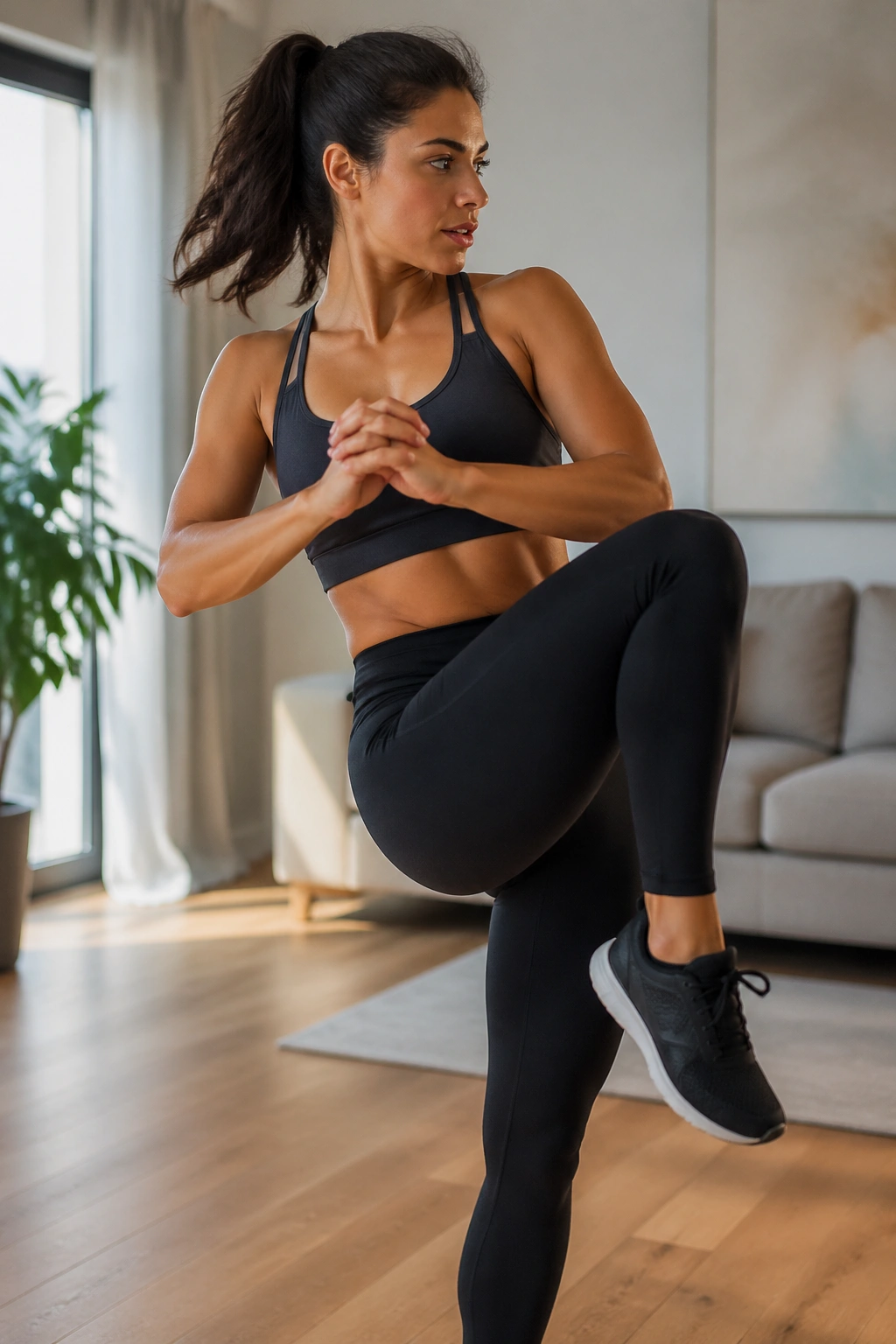
2. Standing Knee Drives
No mat? Good. Start here.
Standing knee drives are a smart choice for women who want home workouts that are easier on the wrists and lower back. Stand tall, brace your abs, and pull one knee up while the opposite elbow comes down toward it. The goal is not to fold in half. The goal is to feel the side of your waist tighten as you move.
What to watch for
- Keep your chest lifted.
- Don’t lean so far back that your lower back arches.
- Pull the knee up with intent, not momentum.
- Exhale as the knee comes in.
This move gets better when you move with purpose. A fast shuffle is fine. A sloppy stomp is not.
3. Plank Shoulder Taps
The trick here is not speed. It’s stillness.
Get into a strong high plank with your hands under your shoulders and your feet a little wider than hip-width. Tap one shoulder with the opposite hand, then switch sides. Your hips will want to rock. Fight that. The more still your torso stays, the harder your deep core has to work.
A lot of people turn this into a race and miss the point completely. The real work is in resisting rotation, which is exactly what helps tighten the waistline look over time. If your hips sway all over the place, widen your stance and slow down. Clean reps beat fast ones.
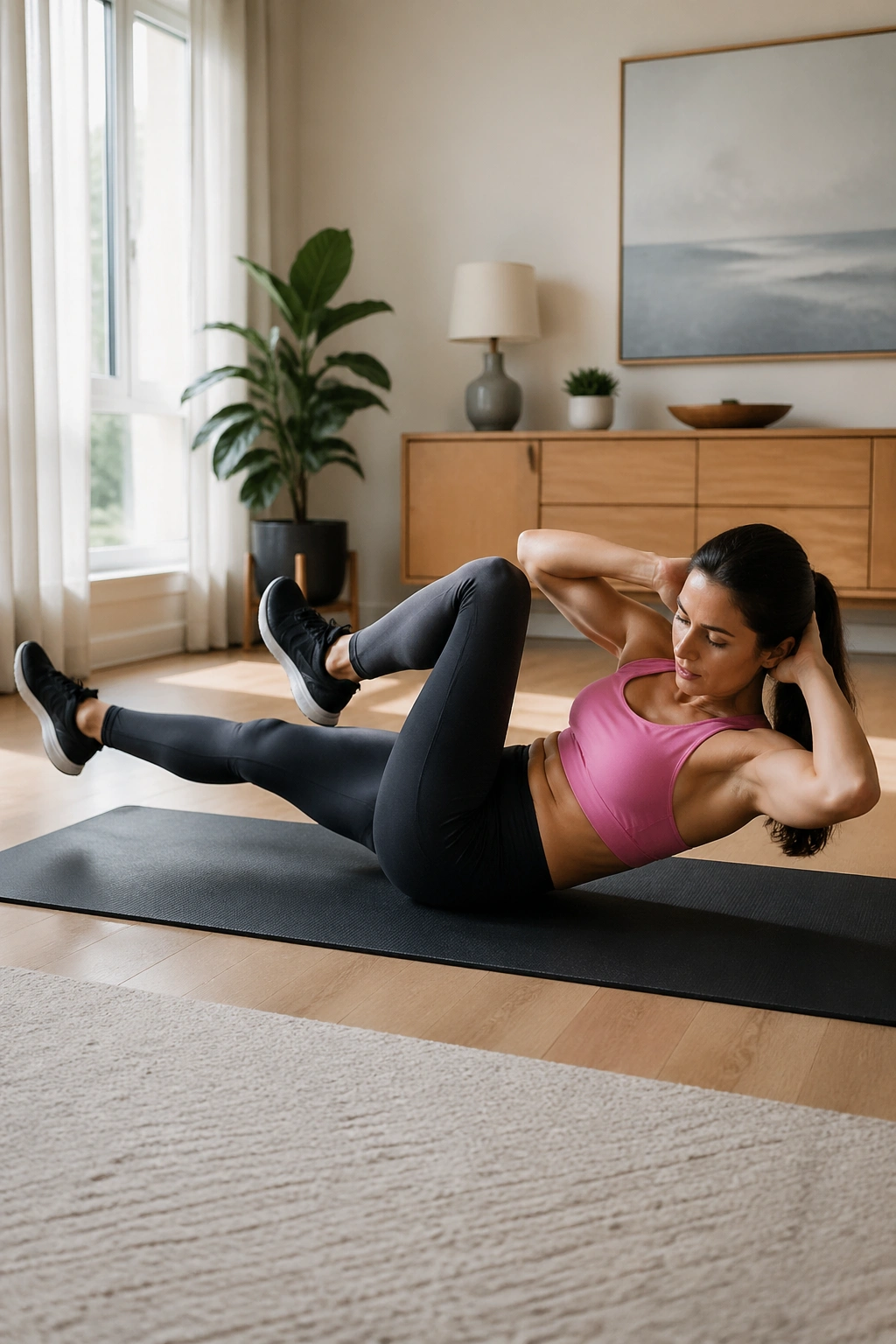
4. Bicycle Crunches
Bicycle crunches are popular for a reason, even if people do them badly more often than not. They work the upper abs, the obliques, and the lower abs at once, which makes them a strong pick for a home core workout.
Lie on your back, lift your shoulders off the floor, and bring one elbow toward the opposite knee while the other leg extends long. Keep your neck relaxed. Do not yank on your head. If your elbow is doing all the work, you’re cheating your abs. A slow twist with a full exhale is much better than a frantic flail.
5. Squat to Twist
This one earns its place because it blends lower-body work with waist movement. That means more muscles, more effort, and more heart-rate lift.
Sit back into a squat, stand up powerfully, and twist through the torso as one knee comes up across the body. You can keep the twist small. It does not need to look dramatic to work. If your knees bother you, make the squat shallow and keep the twist smooth. The point is to move from the hips and ribs together, not to wrench your spine around like a door handle.
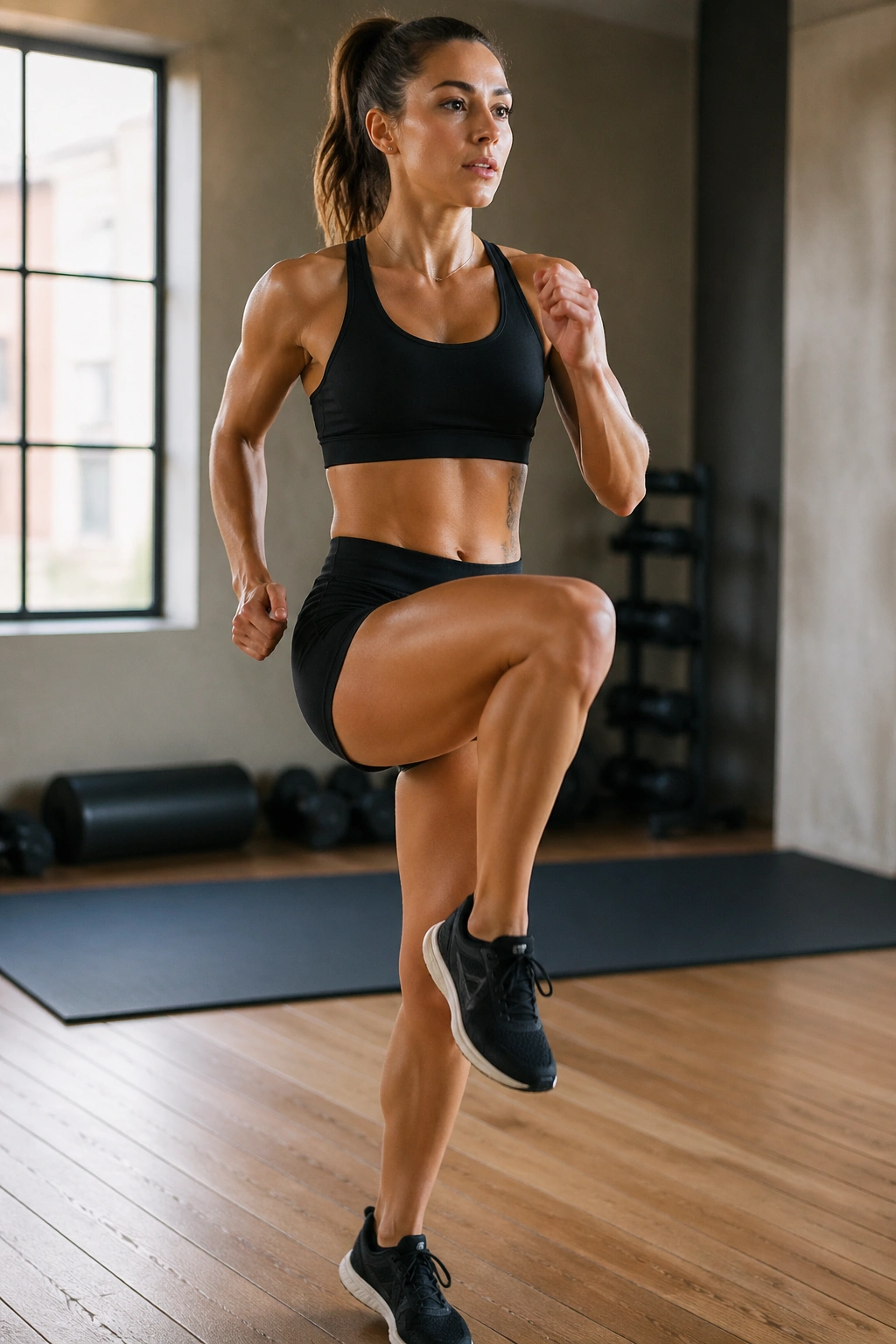
6. High Knees
High knees are simple, annoying, and effective. That’s a useful combination.
Run in place while driving your knees toward hip height or as high as your body allows. Pump your arms hard. Keep your chest up. If jumping bothers your joints, turn it into a marching power move instead of a full run. You’ll still raise your heart rate.
A lot of women underestimate plain cardio moves like this because they look basic. Basic is not bad. Thirty seconds of honest high knees can light up your midsection faster than a dozen lazy crunches because your whole body has to cooperate. Don’t loaf through them.
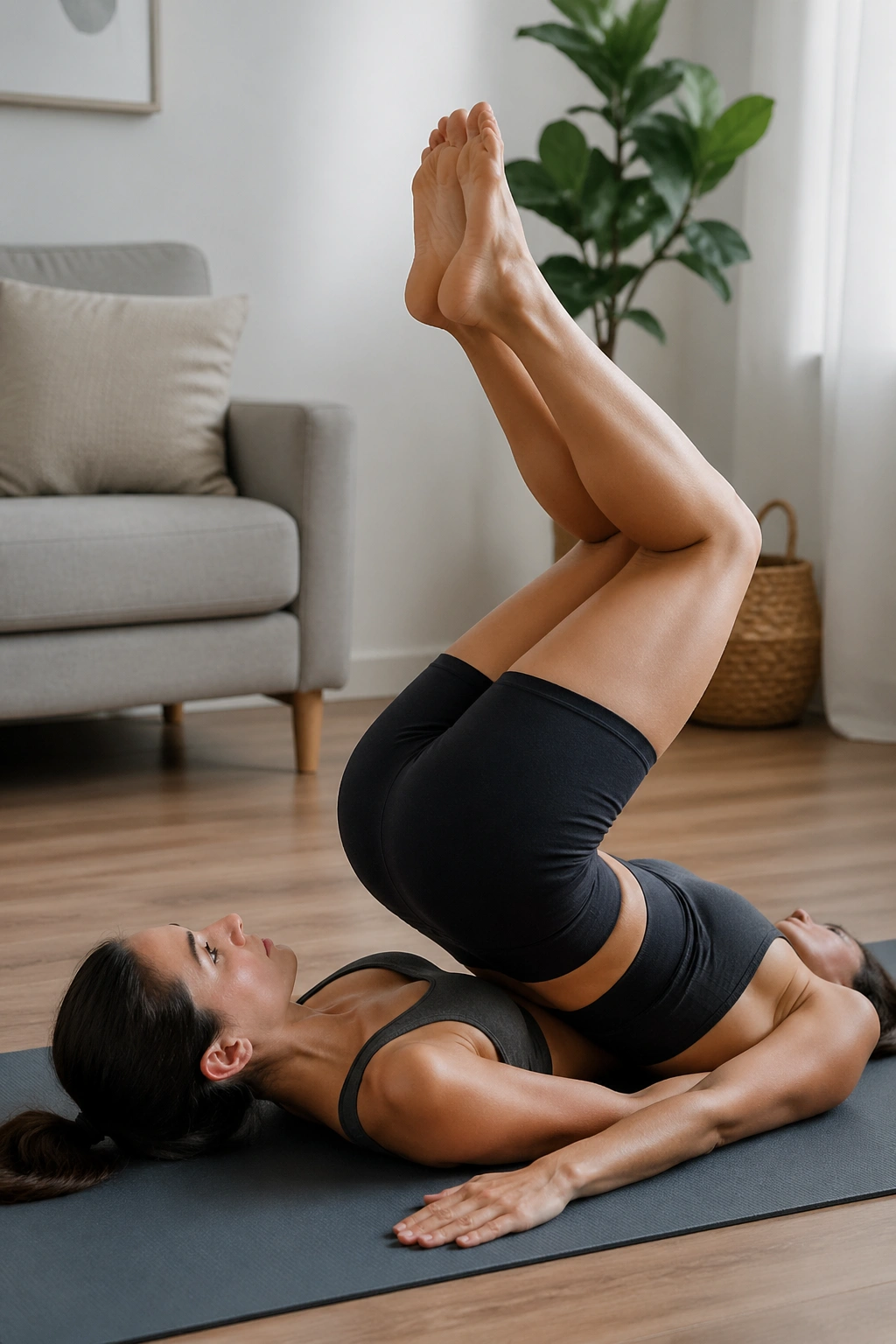
7. Reverse Crunches
Reverse crunches are one of the better floor moves if your lower abs are the area you keep noticing first. They’re more controlled than sit-ups, and that control matters.
Lie on your back with your knees bent and feet lifted. Pull your knees toward your chest, then curl your pelvis slightly off the floor. That small lift is the whole point. You are not trying to swing your legs overhead. You are trying to use your abs to bring the pelvis up.
Why they work
- They reduce neck strain.
- They train pelvic control.
- They’re easier to keep strict than full sit-ups.
- They pair well with other belly fat exercises for women at home.
If your lower back arches hard off the mat, bend your knees more and shorten the range. Small can be strong.
8. Russian Twists
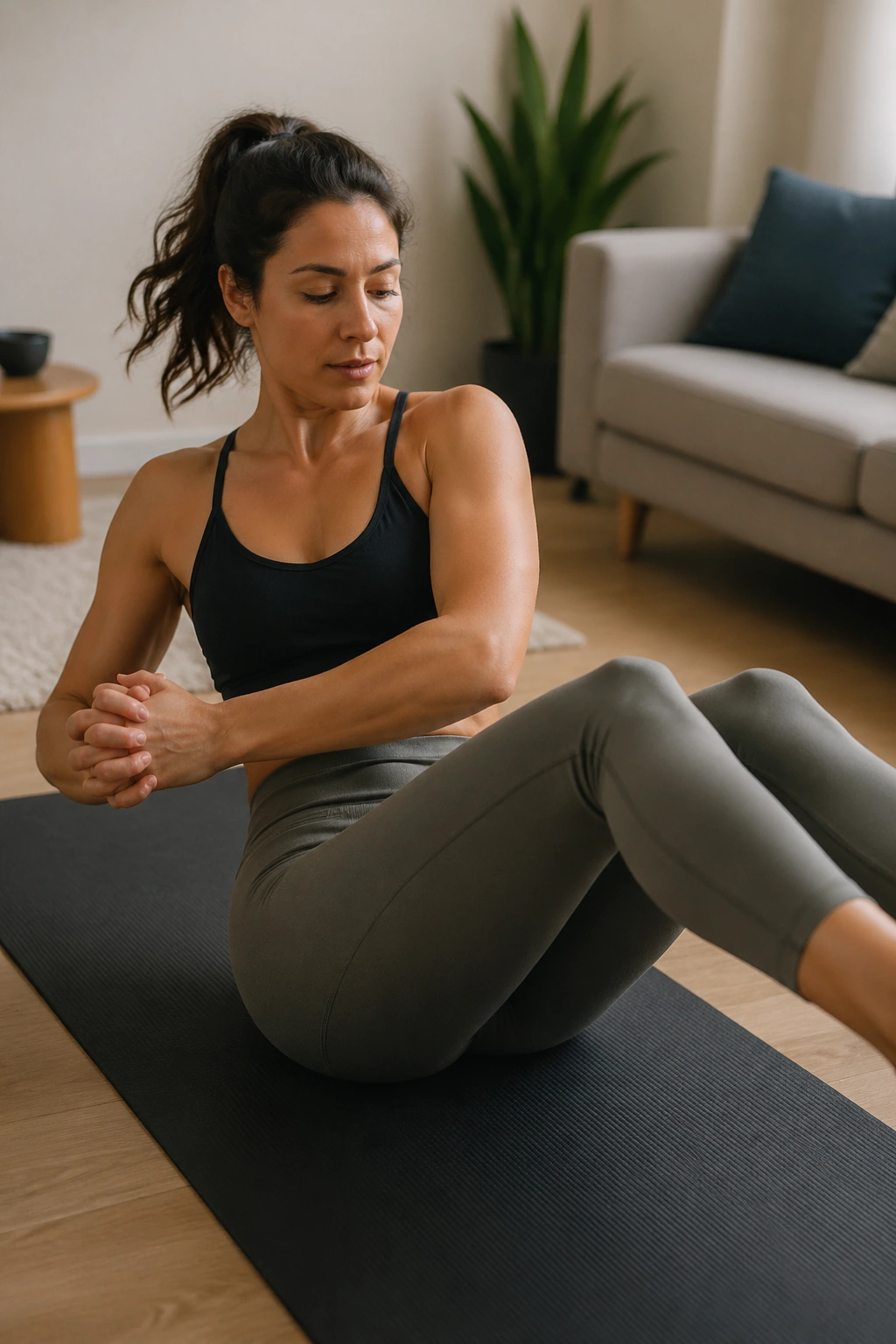
Russian twists look easy until your obliques start complaining.
Sit on the floor, lean back a little, and twist side to side while keeping your chest open. You can keep your feet down if you want a more beginner-friendly version. If you want more challenge, lift your feet a few inches. The key is to rotate through the ribs, not collapse your spine into a C-shape.
A lot of people move too fast and turn the exercise into sloppy tapping. Don’t. Slow twists force the side waist to work harder, and they’re far kinder to your back. If your lower back feels pinched, stop lifting the feet and sit a little taller.
9. Flutter Kicks
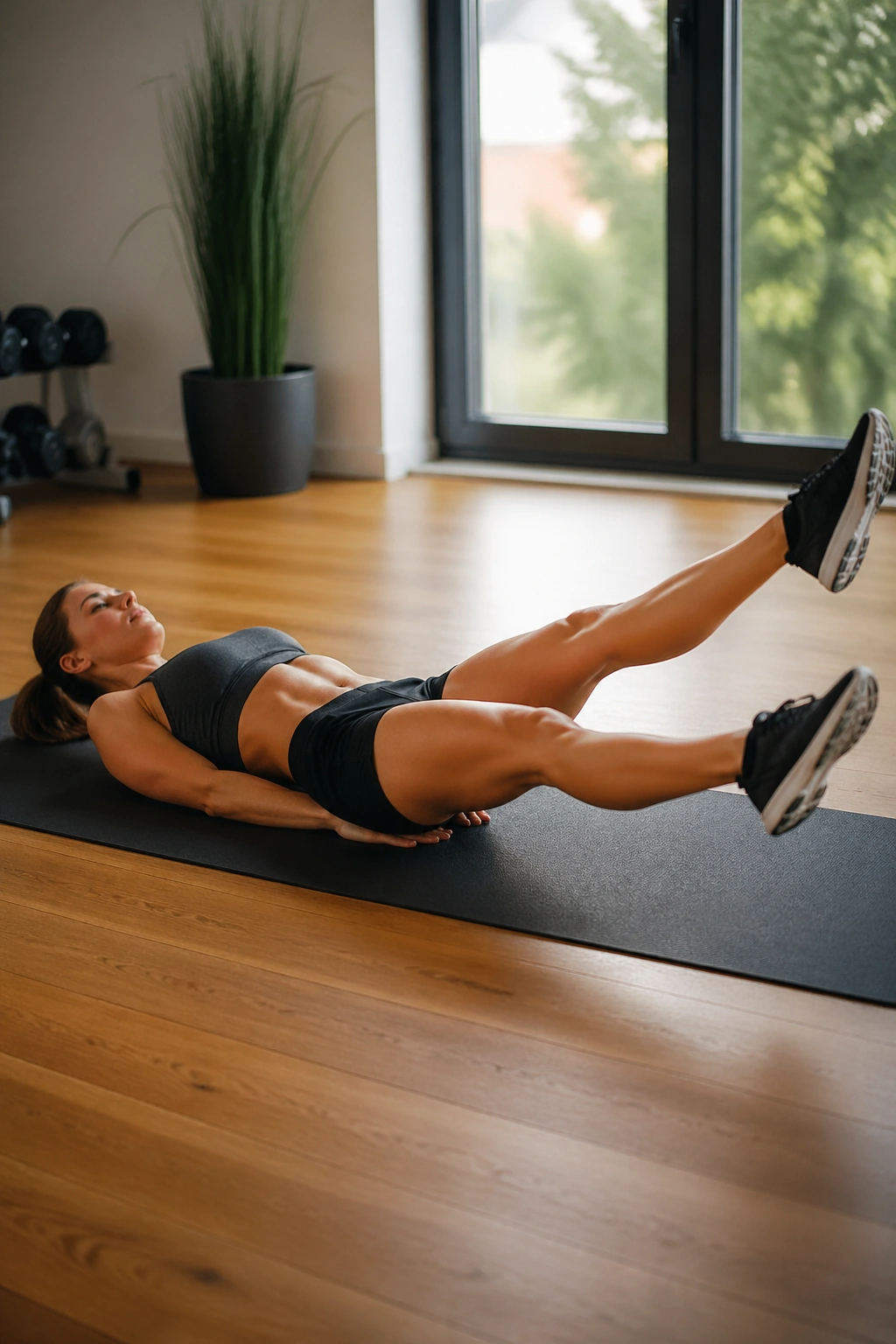
Flutter kicks are small, mean, and sneaky. They look harmless until you’re 15 seconds in and your abs start to shake.
Lie on your back, press your lower back into the floor, and lift both legs a few inches. Kick one leg up as the other drops, then switch in a quick rhythm. The movement should stay compact. Big kicks usually mean your back is arching and your core has checked out.
This one is best done with control. If your neck starts to strain, keep your head down. If your back pops off the floor, raise the legs higher and shorten the range. The lower abs do not need flashy movement; they need tension.
10. Jumping Jacks
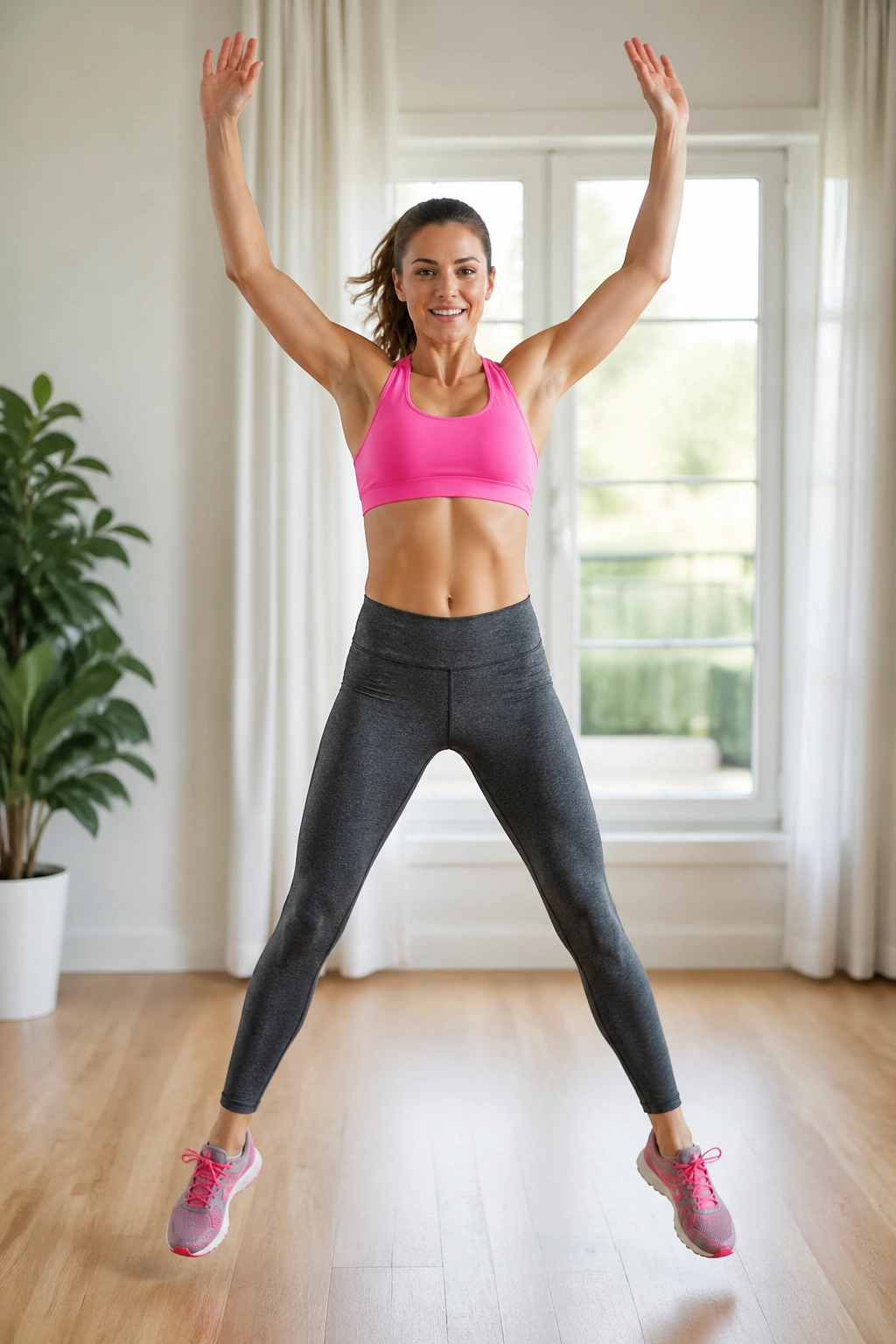
Jumping jacks are old-school for a reason. They work.
They raise your heart rate fast, warm the whole body, and give your midsection a steady dose of bracing as your arms and legs move out and in. Stand tall, jump your feet apart as your hands go overhead, then return to the start. That’s it. No mystery.
If jumping is rough on your knees, step one foot out at a time. Step jacks still get the job done. I like these as a warm-up or a quick reset between harder core moves because they clear the fog in your body fast. They are not fancy. They are useful.
11. Dead Bug
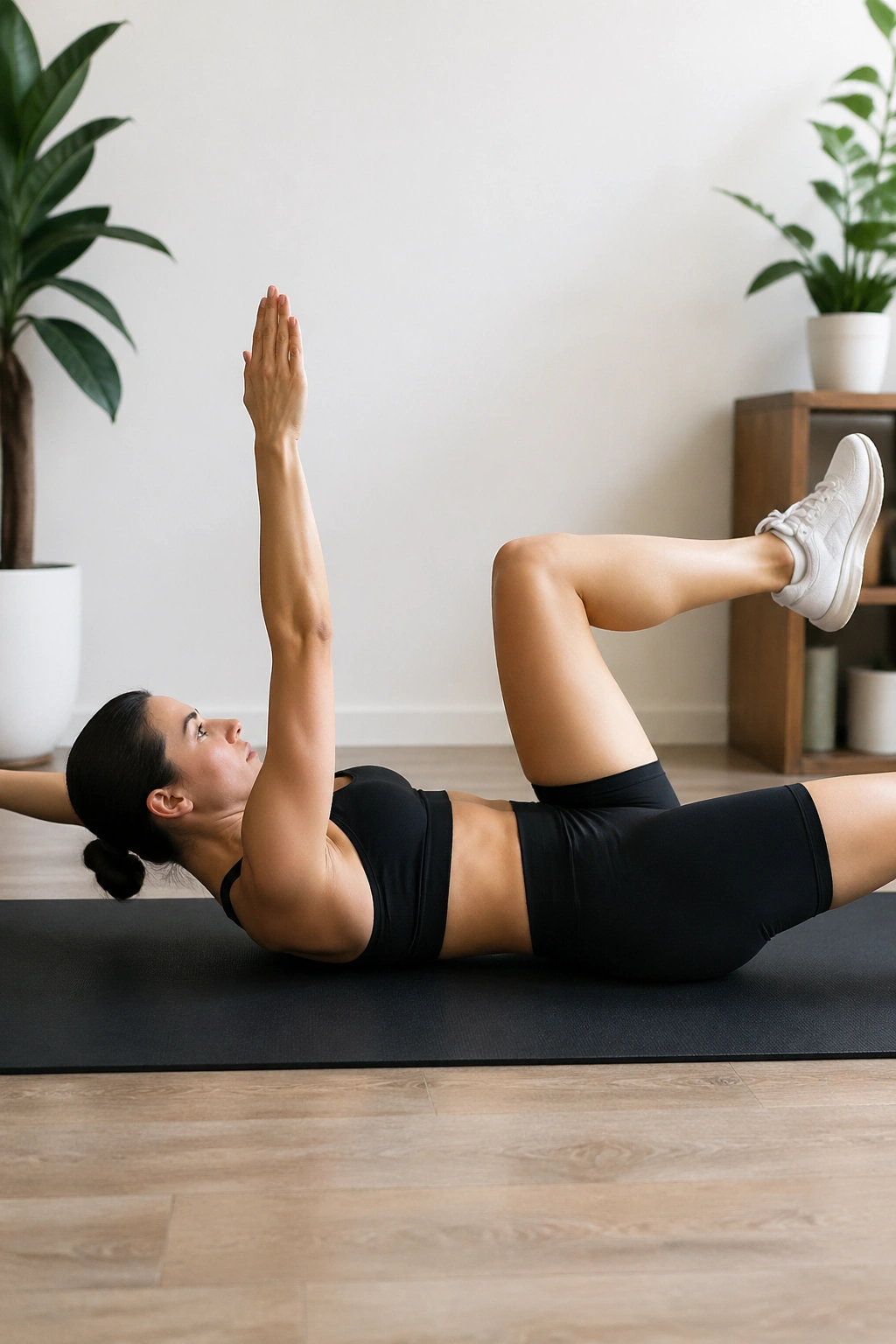
The dead bug is quiet, which makes people disrespect it. Bad move.
Lie on your back with arms up and knees bent over your hips. Lower one arm and the opposite leg toward the floor while keeping your lower back pressed down. Then switch sides. The work is subtle, but your deep core has to stay switched on the entire time.
What makes it worth doing
- It teaches bracing without strain.
- It’s gentle on the neck.
- It helps with pelvic control.
- It’s excellent if you’re rebuilding core strength.
If your back arches, shorten the arm and leg reach. You are trying to keep the trunk stable, not see how far you can fling your limbs.
12. Side Plank Hip Dips
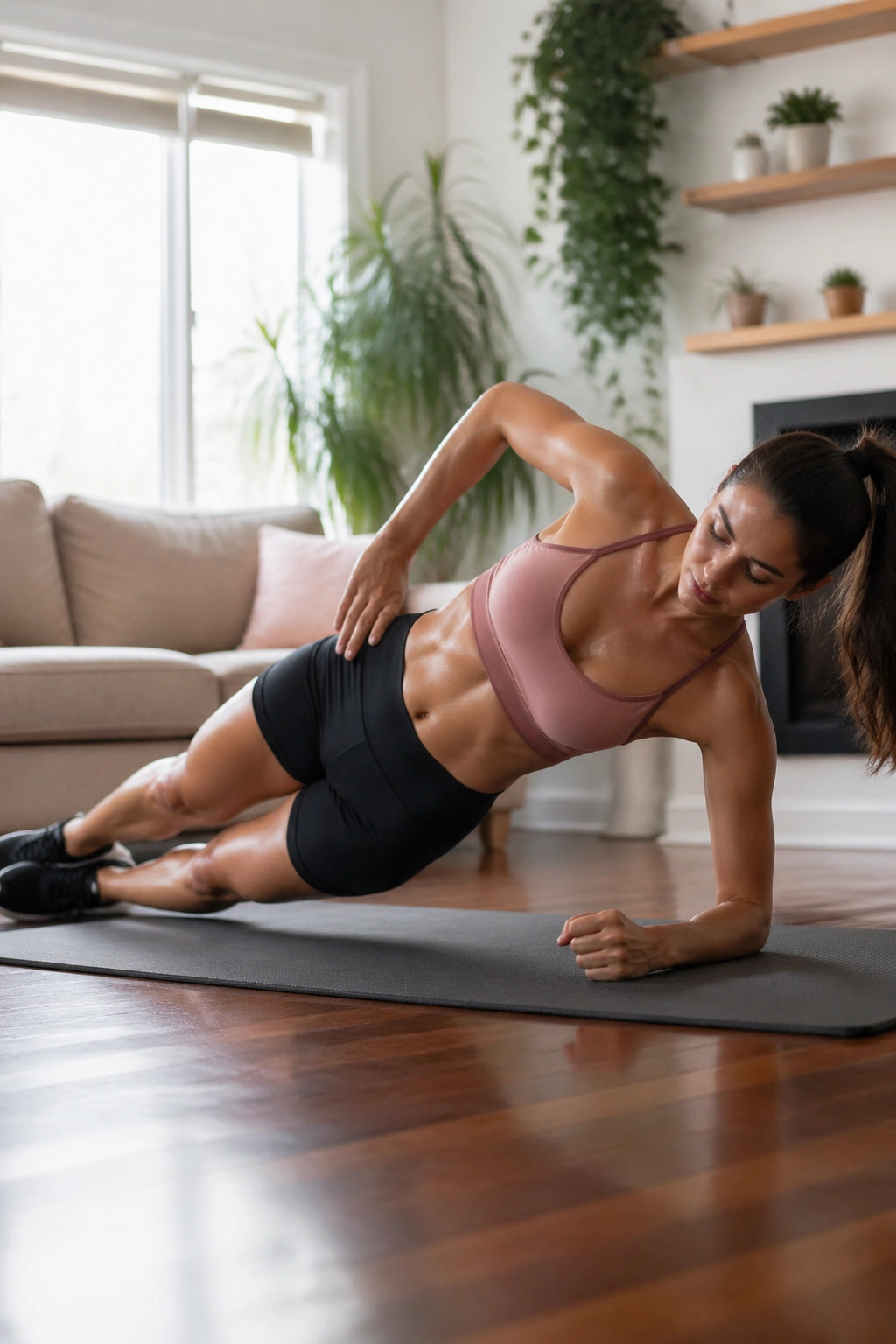
Side plank hip dips are one of the best ways to wake up the obliques without doing endless twists.
Set up in a side plank on your forearm, stack your feet or stagger them for more balance, and lower your hip toward the floor. Lift it back up with control. The movement is small, but the burn can be ridiculous. That’s normal.
Knee-down side planks work well if full side planks feel shaky. The important part is a straight line from shoulder to hip to ankle or knee. If your shoulder caves in, reset. If your waist sags, reset again. Quality matters here more than almost anywhere else on this list.
13. Burpees
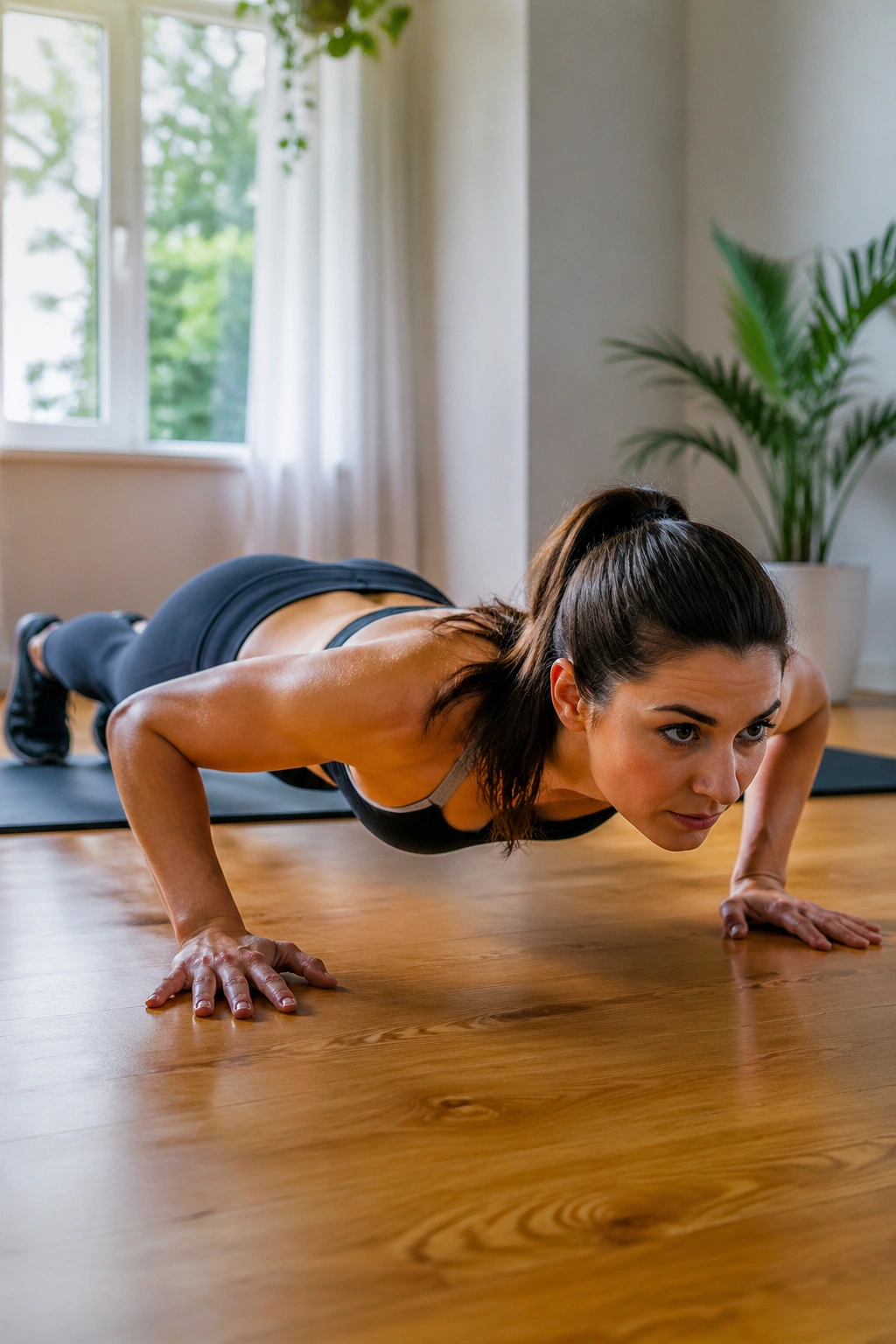
Burpees are rude. They’re also effective.
Drop into a squat, place your hands on the floor, step or jump your feet back into a plank, return to the squat, and stand or jump. That whole chain forces your body to work hard in a short space of time, which is why burpees are such a solid calorie-burn move for home workouts.
If full burpees feel brutal, strip them down. Step back instead of jumping. Skip the push-up. Skip the jump at the top. You will still get the heart-rate spike. A modified burpee done with good form is better than a full burpee that turns into chaos.
14. Heel Taps
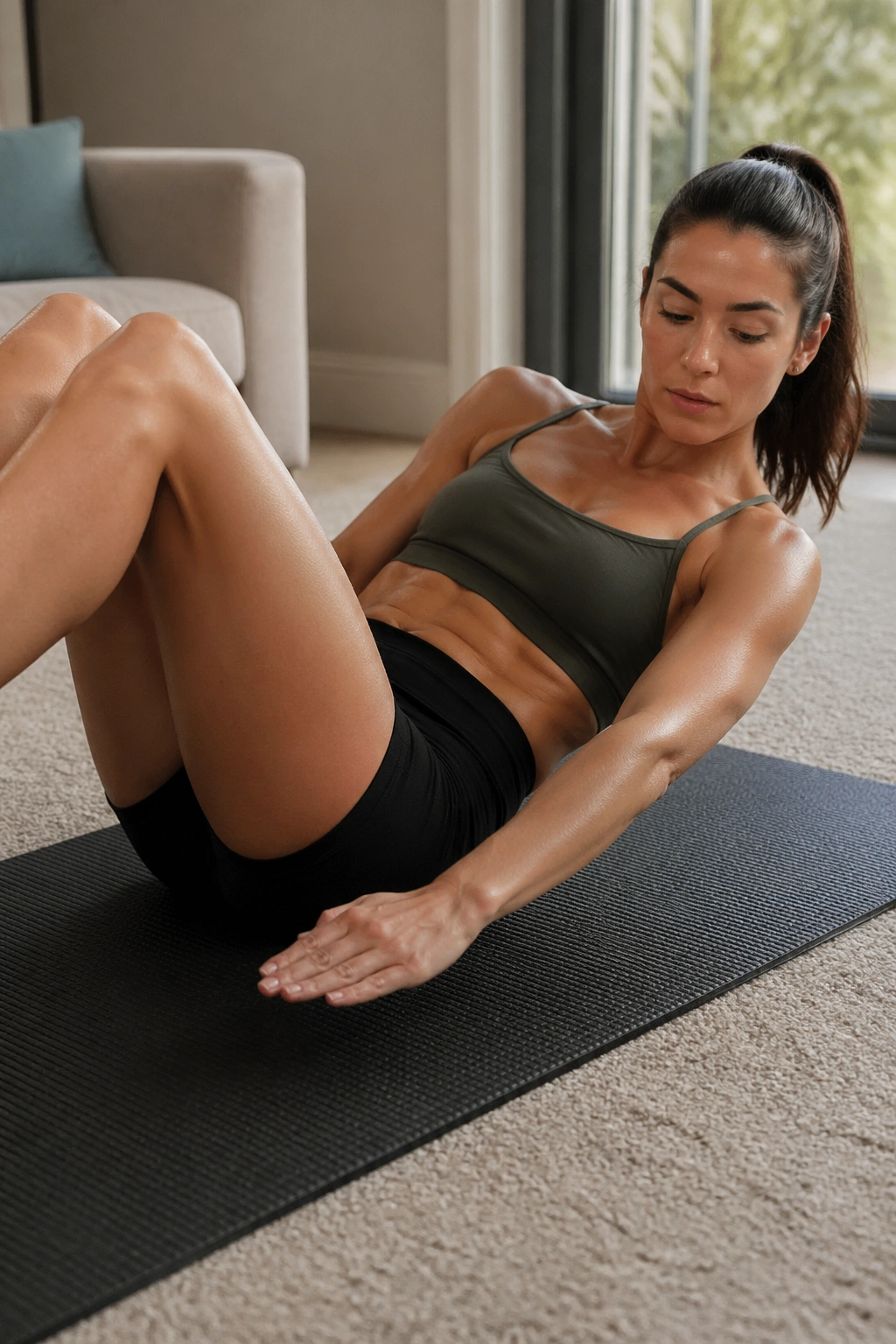
Heel taps are one of the nicer crunch variations if you dislike neck strain.
Lie on your back, lift your shoulders slightly, and reach one hand toward the same-side heel, then switch. Your ribs should stay knitted down, and the movement should come from the side waist. It is not a giant reach. It is a controlled side bend.
This move works well at the end of a workout because it asks the abs to keep tension while your upper body stays small and compact. If your elbows are flaring all over the place, slow down. Small, clean taps beat big sloppy reaches.
15. Bear Crawls
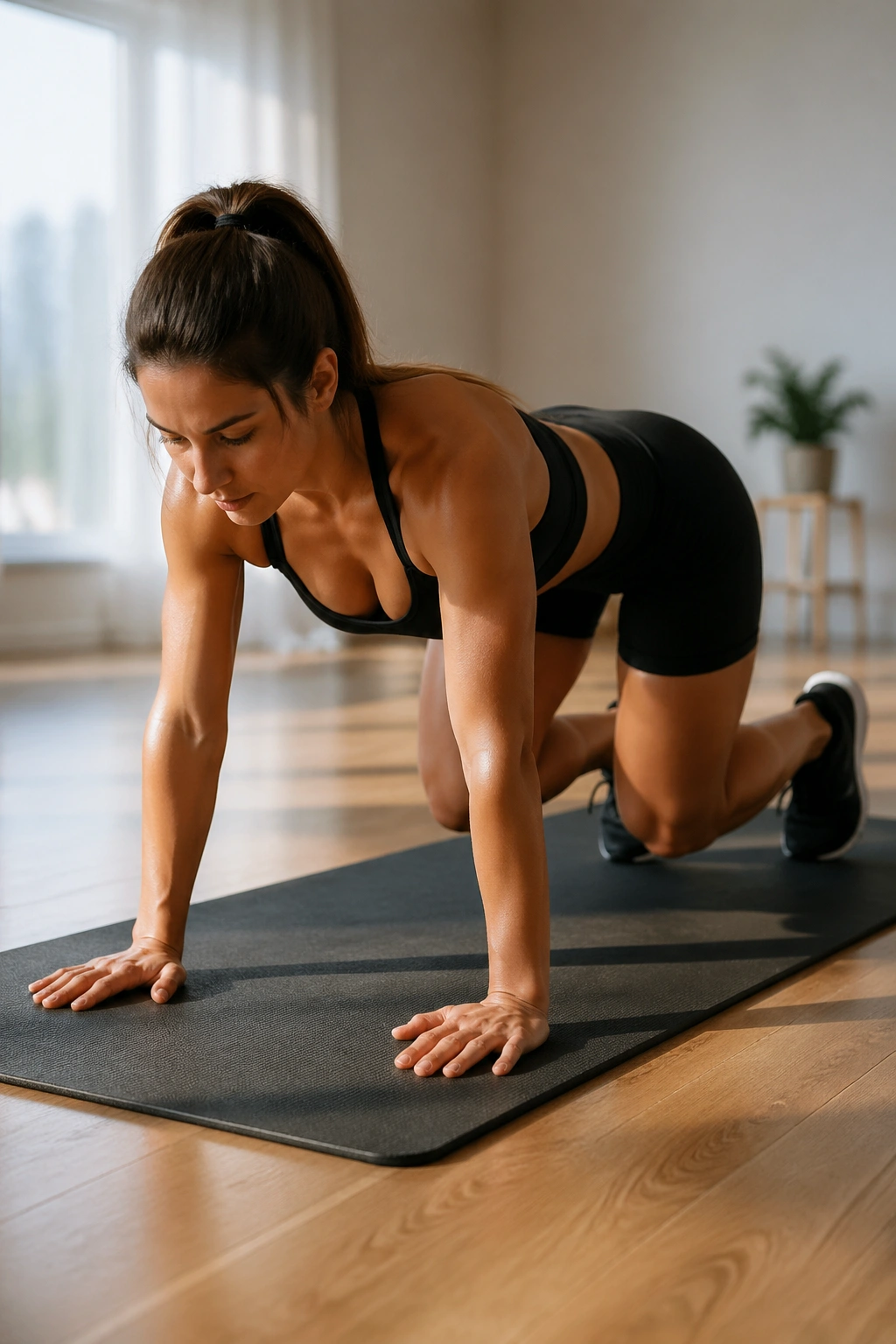
Bear crawls feel childish in the best possible way.
Start on hands and knees, lift your knees a few inches off the floor, and crawl forward and back with short controlled steps. Your abs, shoulders, hips, and glutes all have to hold the shape together. That makes it a serious full-body core move, not a playground trick.
A few form cues
- Keep knees low.
- Move opposite hand and foot together.
- Don’t let the back sag.
- Keep your steps short and quiet.
This exercise shines in small spaces. You do not need much room, and you definitely do not need equipment. You do need patience. A slow, steady crawl is far harder than the frantic version people rush through.
16. Leg Raises
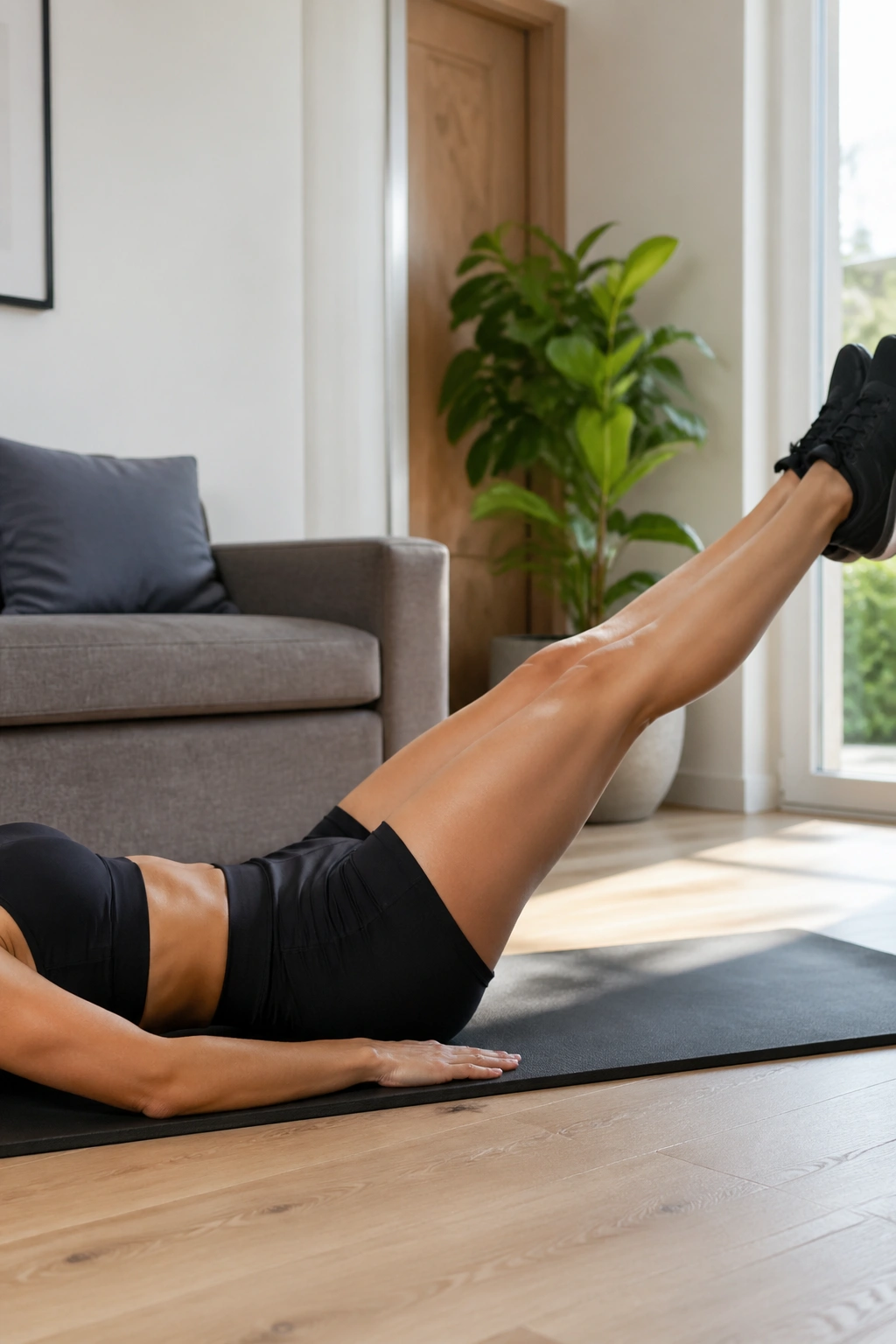
Leg raises look simple until your lower abs decide to argue.
Lie flat on your back, keep your legs straight or slightly bent, and lower them slowly toward the floor before lifting them back up. Your lower back should stay pressed into the mat. If it pops up, the range is too big.
I prefer bent-knee leg raises for beginners because they teach control without pulling on the hip flexors quite so hard. The slower you lower the legs, the better the work. Gravity is part of the exercise. Use it. Don’t race it.
17. Skaters
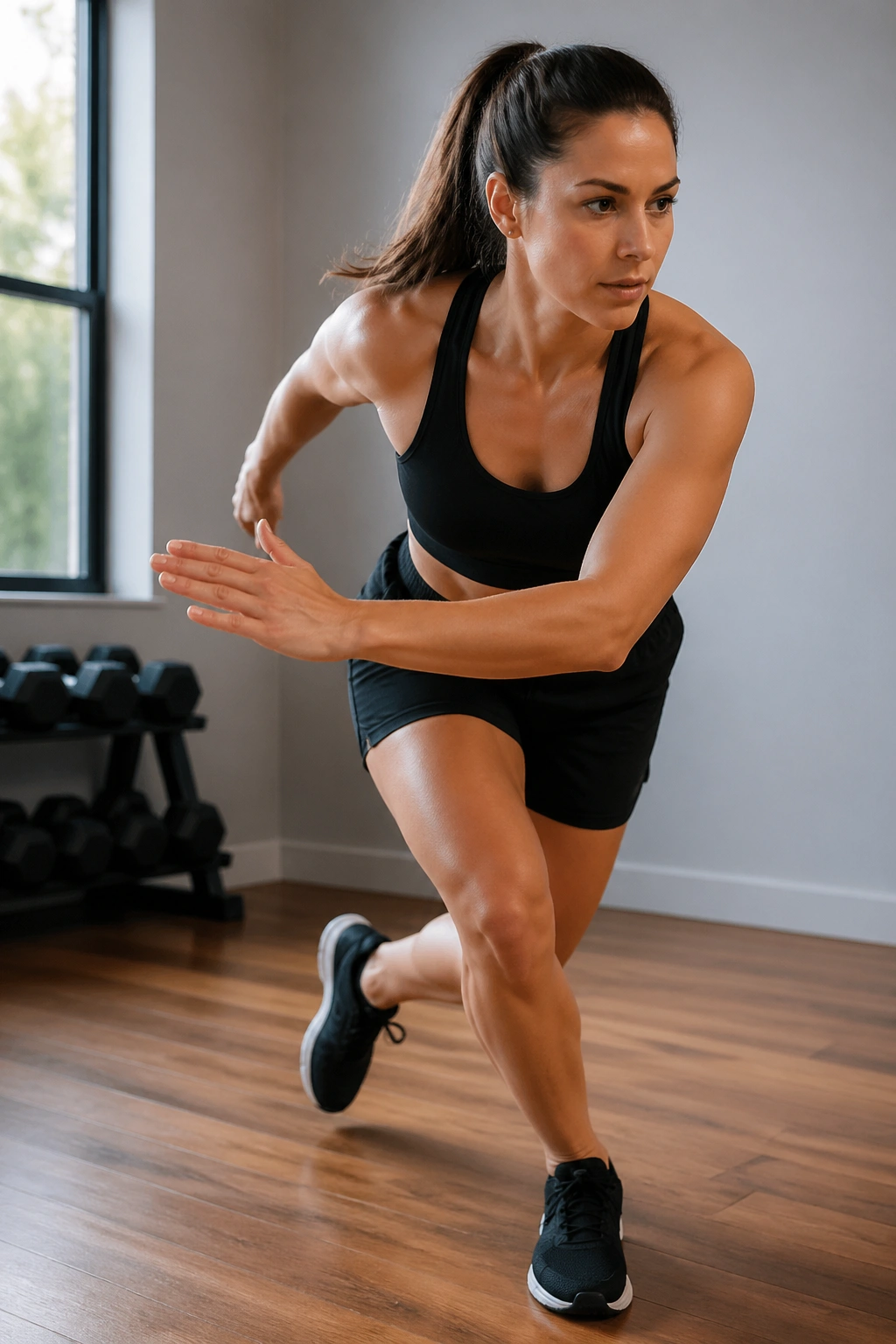
Skaters are a good answer when you want cardio that doesn’t feel like a treadmill impersonation.
Leap or step side to side, landing on one foot while the other leg sweeps behind you. Reach the opposite hand across the body, and keep the movement fluid. Your hips and waist have to stabilize every landing, which makes this much more useful than it first appears.
If jumping is too much, make it a lateral step with a reach. You still get side-to-side work, and your glutes get involved too. That matters because a strong lower body supports better posture, and better posture changes how the middle looks in clothes. Funny how that keeps coming up.
18. Toe Touch Crunches
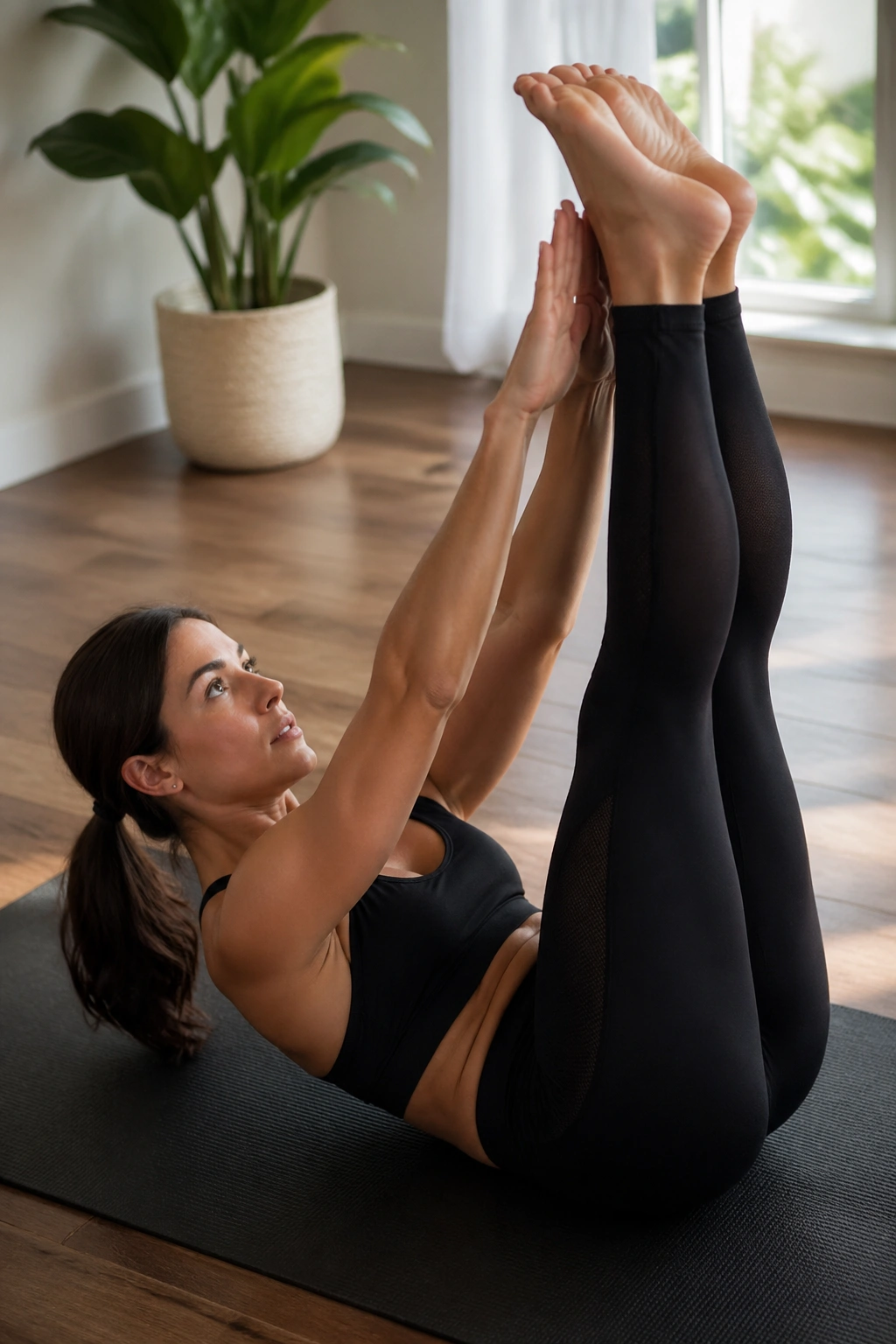
Toe touch crunches are old-fashioned, but they still earn their keep when done right.
Lie on your back, lift your legs toward the ceiling, and reach your hands toward your toes as you curl the shoulders off the floor. Do not yank your neck forward. Do not swing the legs with momentum. The movement should be crisp and controlled.
What not to do
- Don’t rush through the reps.
- Don’t let the lower back arch hard.
- Don’t expect the hands to touch the toes every time.
- Don’t turn it into a sloppy sit-up.
A partial reach with clean ab tension is more useful than forcing a range you cannot control yet. Small wins count here.
19. Hollow Body Hold
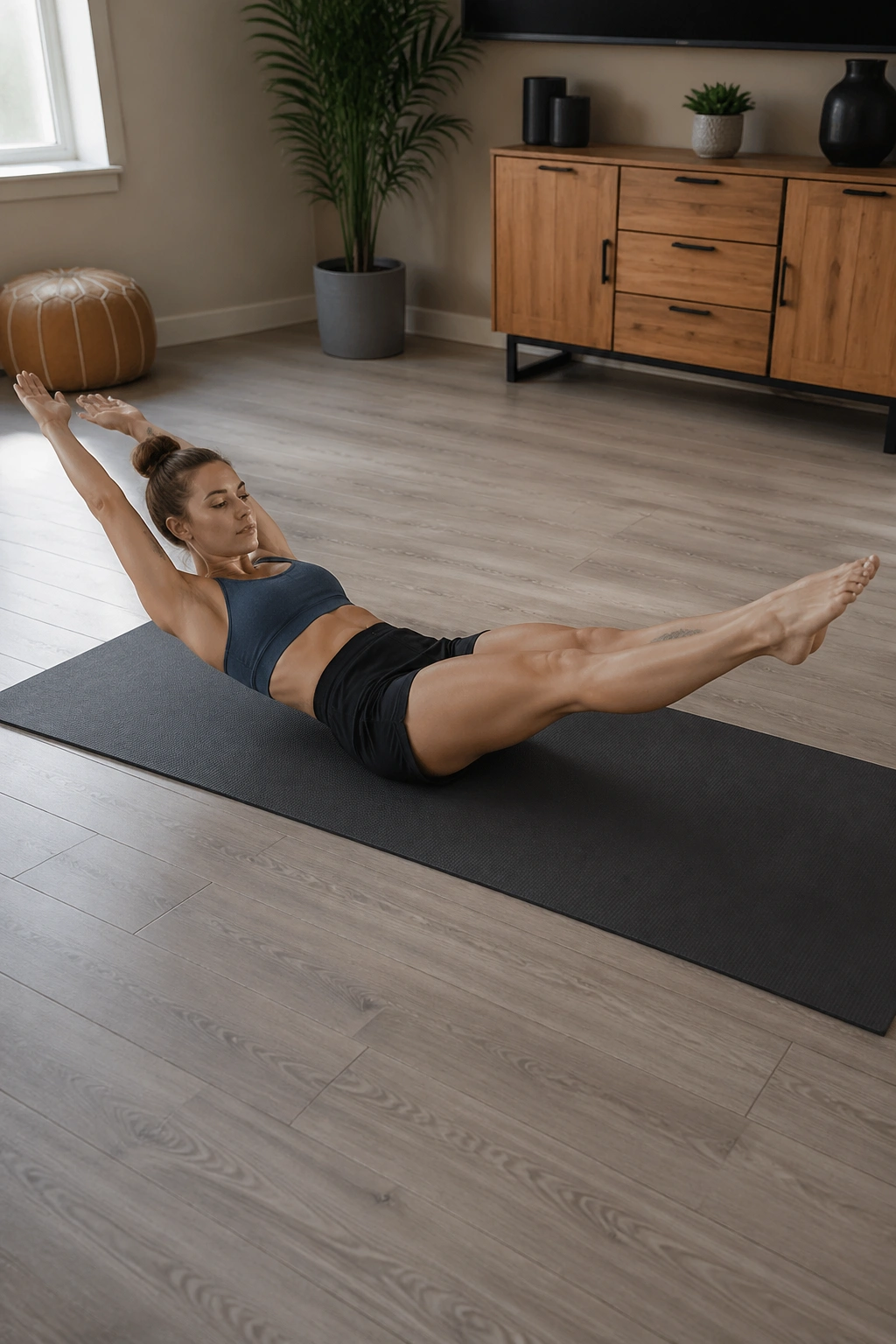
This one is sneaky hard.
Lie on your back, press your lower back into the floor, lift your shoulders slightly, and extend your arms and legs into a shallow banana shape. If that full version is too much, bend your knees or keep your arms by your sides. The job is to hold tension without letting the low back peel up.
I like this move for people who want a more athletic-looking core because it teaches the whole front line of the body to stay tight. It is not glamorous. It is effective. Ten seconds done well beats thirty seconds of form collapse.
20. Walking Plank
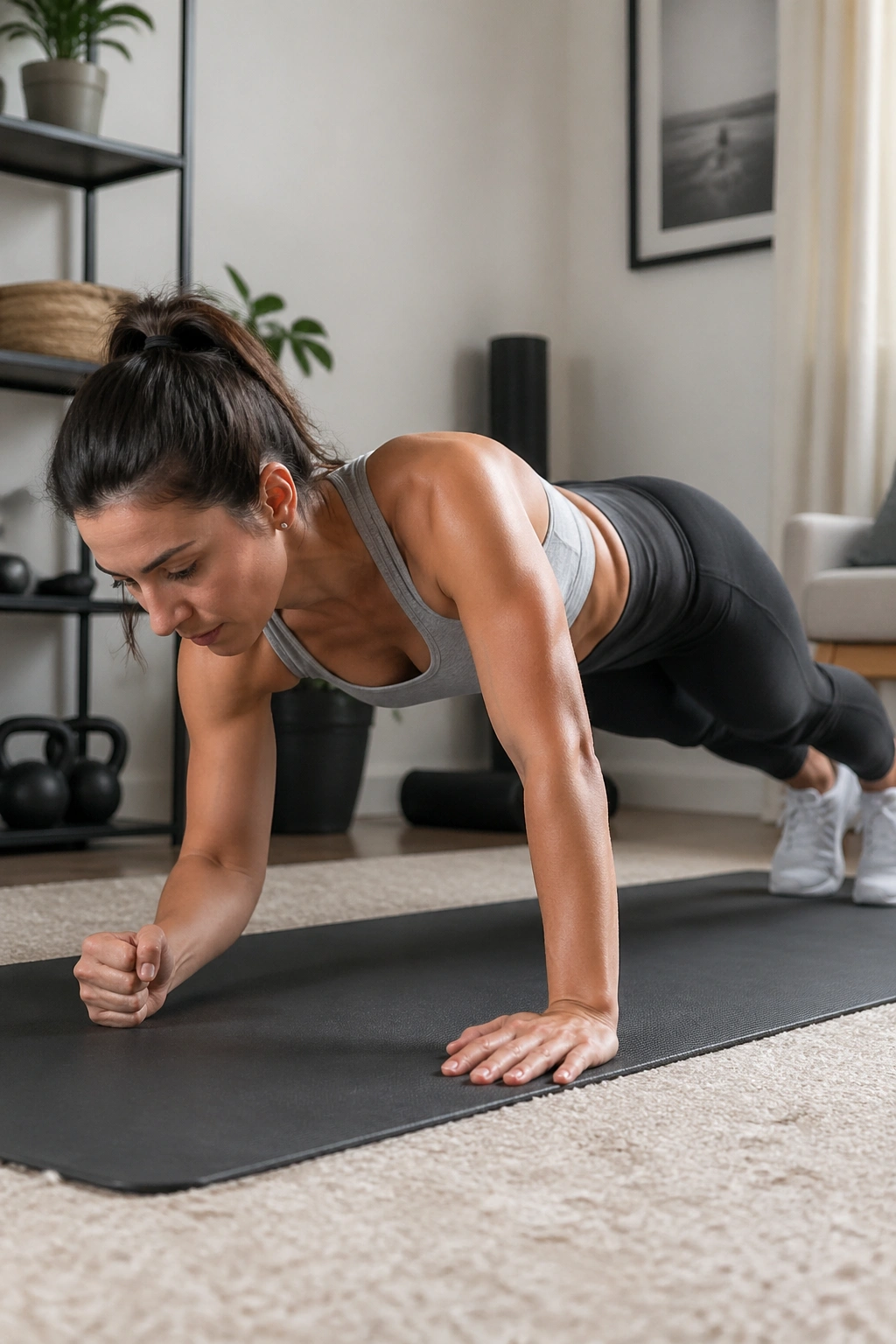
Walking planks make your shoulders and abs work together in a nice, miserable little package.
Start in a forearm plank, then press up one hand at a time into a high plank. Lower back down one forearm at a time. Alternate the lead hand so the load stays balanced. The hips will want to swivel. Keep them quiet.
This move is a little more challenging than a regular plank because you have to resist movement while creating it. That’s the whole game. If your lower back sags, widen your feet. If your shoulders fatigue fast, slow the pace. Form first. Speed later.
21. Seated Knee Tucks
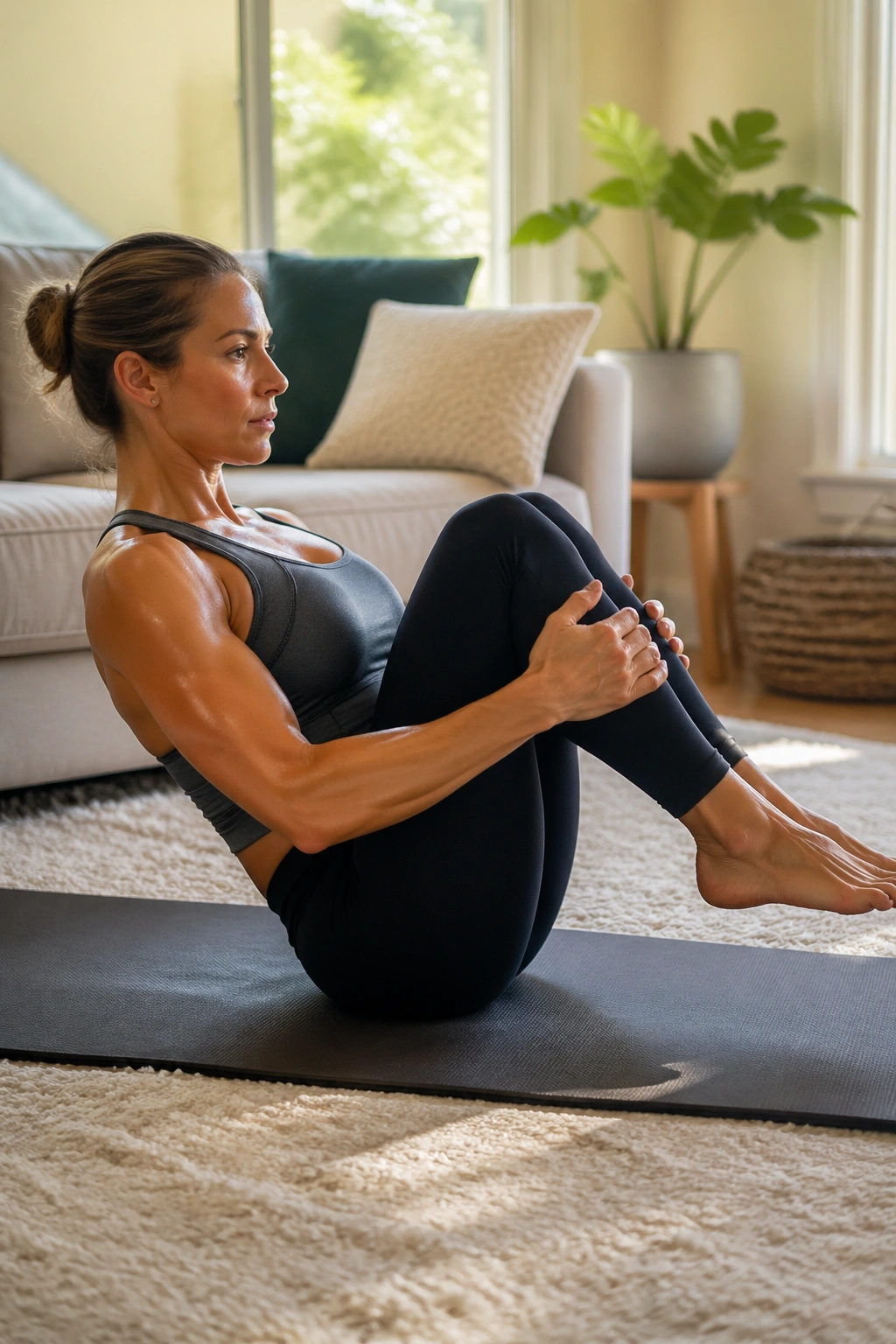
Seated knee tucks are a strong option if you want to feel the lower abs without doing a full mat session.
Sit on the floor, lean back slightly, and bring your knees toward your chest while your feet hover or lightly touch down between reps. Keep the chest open and the spine long. The urge is to slump. Don’t.
How to make them count
- Hold the lean-back position.
- Pull the knees in with your abs, not momentum.
- Keep the feet off the floor if you can.
- Move in a smooth rhythm.
This move works well in a circuit with standing cardio because it gives your hip flexors and core a different job. Variety matters. So does not cheating the lean.
22. Side-to-Side Mountain Climbers
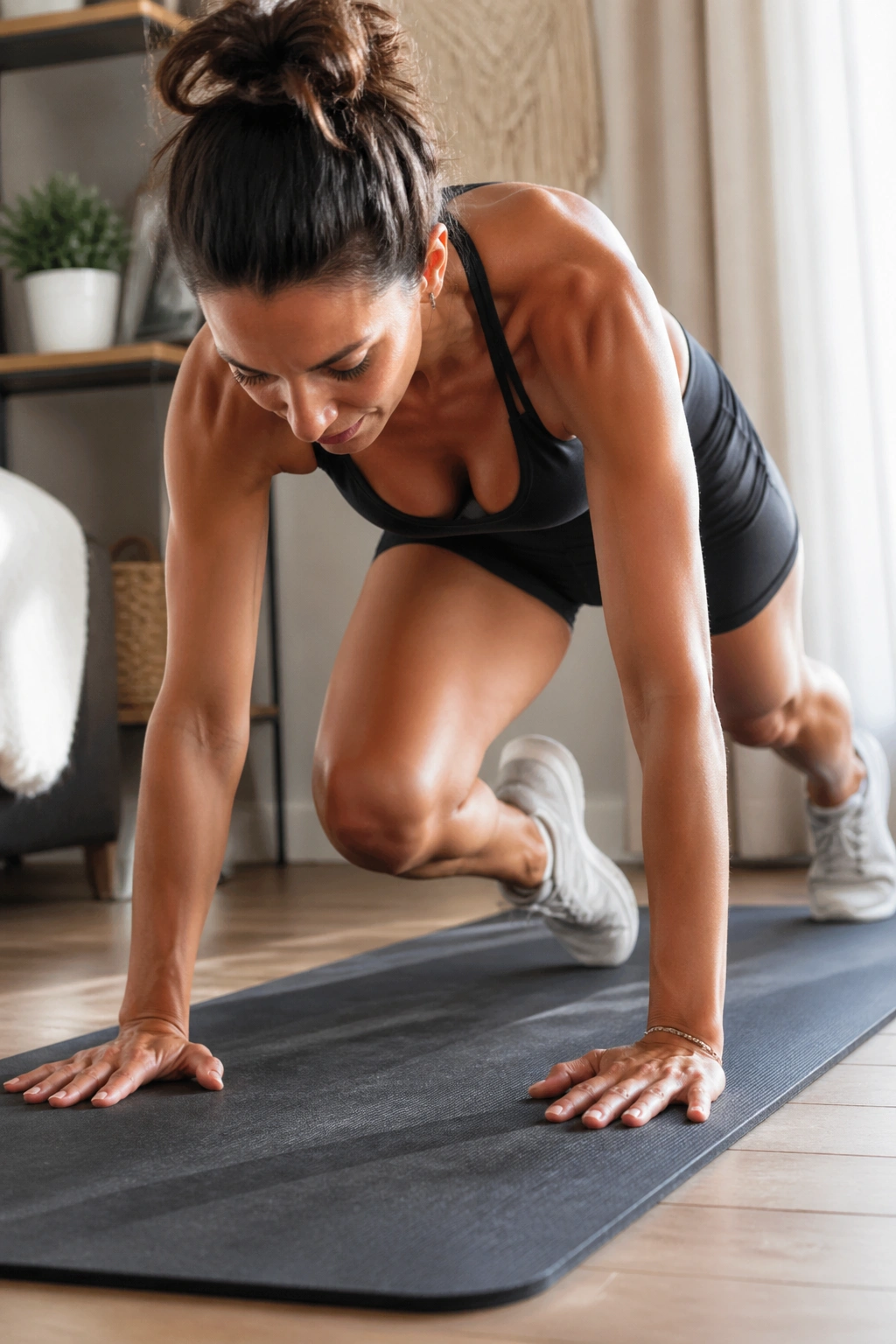
Side-to-side mountain climbers add a cross-body twist to the standard version, and that changes the feel fast.
From a high plank, drive one knee toward the opposite elbow, then switch sides. Keep your shoulders over your wrists and your hips as stable as possible. The obliques join in harder here, which makes it a smart pick for waistline-focused home workouts.
If you want more challenge, move faster without losing control. If you want less impact, step the foot across instead of driving it in a jump. The magic is in the twist-and-brace pattern, not in how loud you can make your feet hit the floor.
23. Glute Bridge March
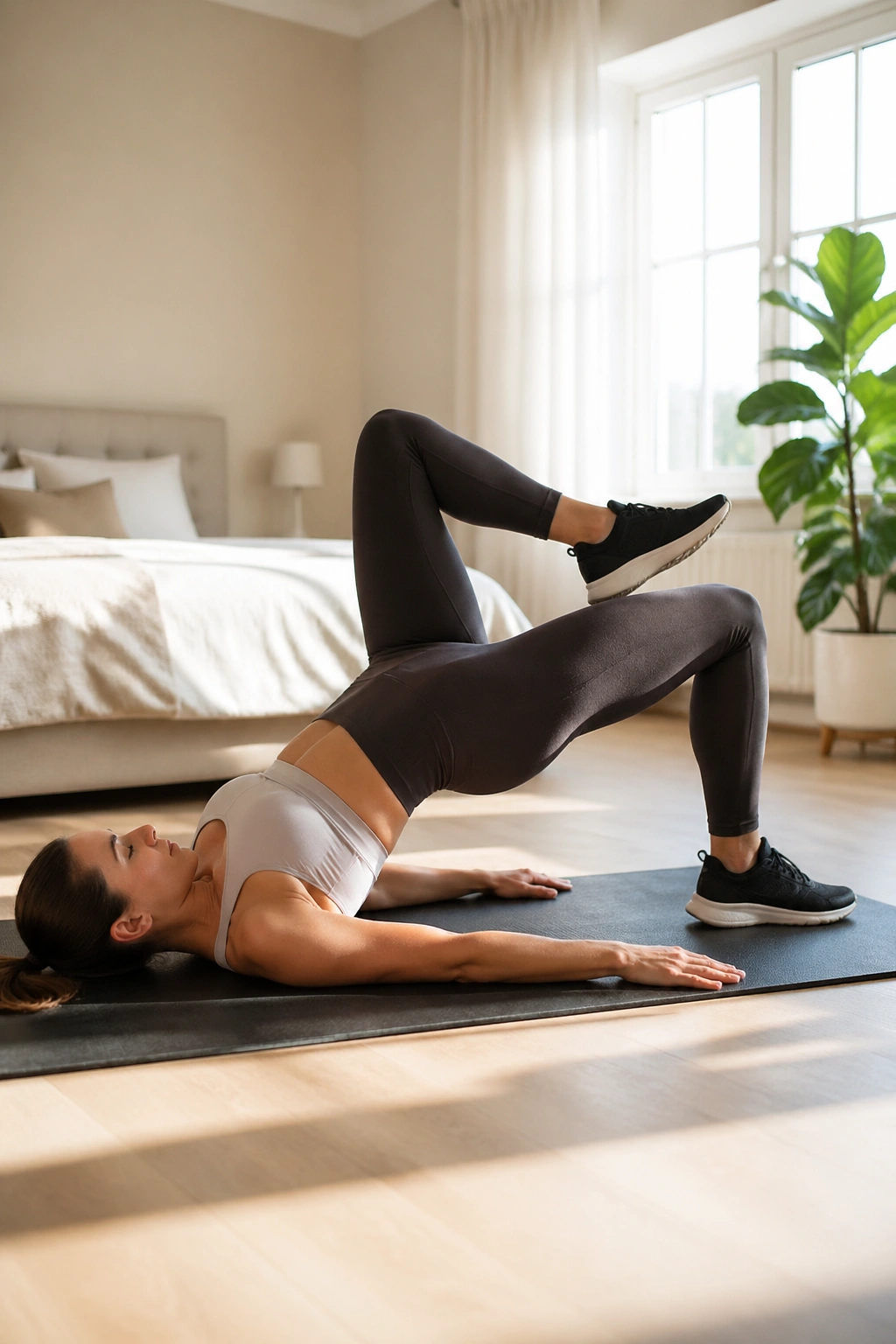
This one does more for your core than people expect.
Lie on your back with your knees bent and feet flat. Lift your hips into a bridge, then march one knee up at a time while keeping the pelvis level. If your hips drop hard from side to side, the core is not staying engaged. Slow down and shorten the range.
Why it matters
- It trains the glutes and lower abs together.
- It supports better pelvic control.
- It can ease the load on the lower back.
- It works well as a lower-impact option.
Strong glutes help your whole trunk hold better shape. That is one reason I keep coming back to bridge variations. They are not flashy, but they pull more weight than they get credit for.
24. Standing Oblique Crunches
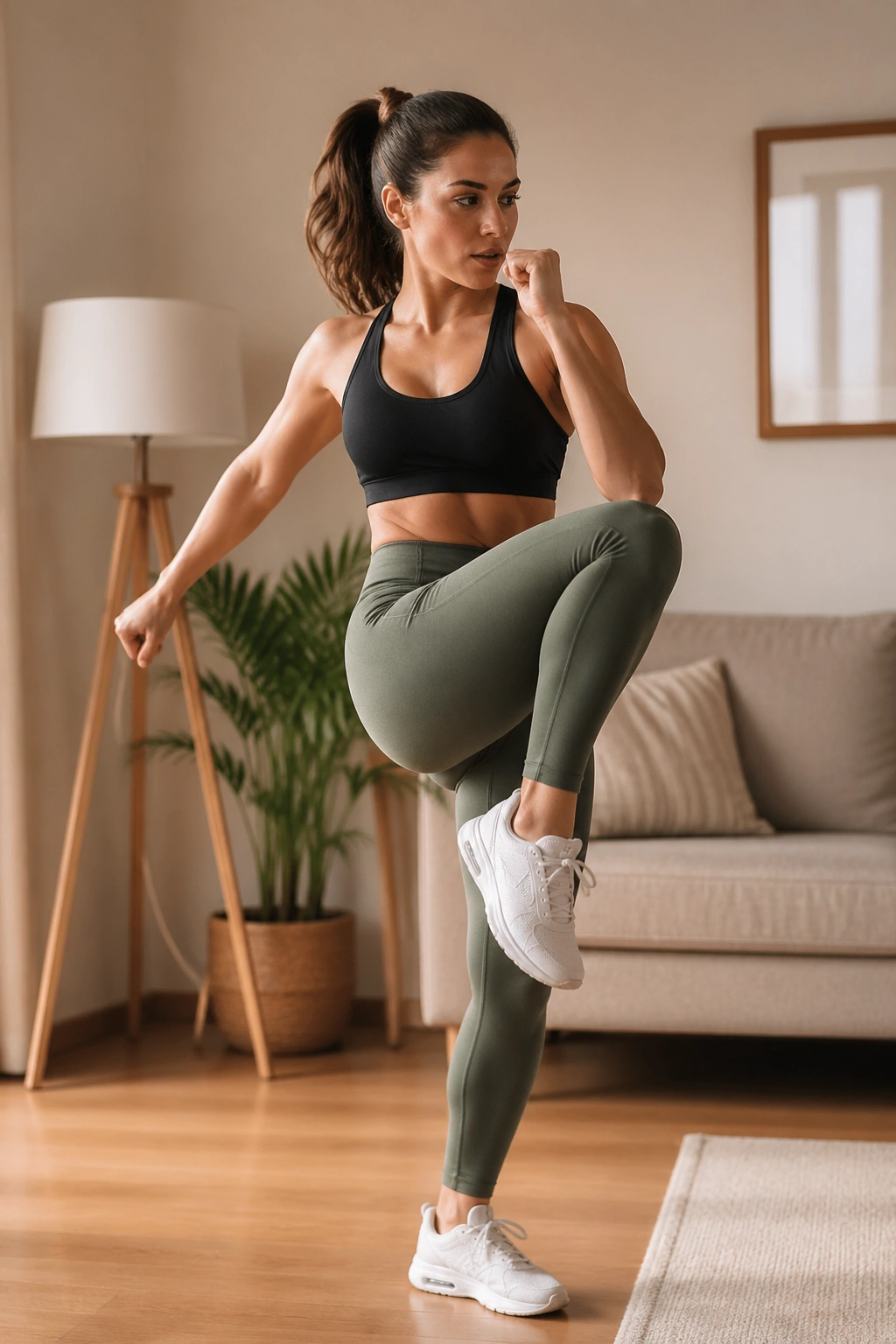
Standing oblique crunches are a nice choice for days when the floor feels like a negotiation.
Stand tall, hands behind your head or one hand behind your head, and bring one knee up as the same-side elbow drops toward it. Then switch. Keep the movement contained. You want the side waist to contract, not the whole body to fold into a mess.
This is a useful move for beginners, and it also works well in longer circuits because it’s easy to keep moving without crashing your energy. If your neck gets cranky, keep the hands light and focus on the knee-to-rib connection. That tiny cue usually fixes a lot.
25. Inchworm Walkouts
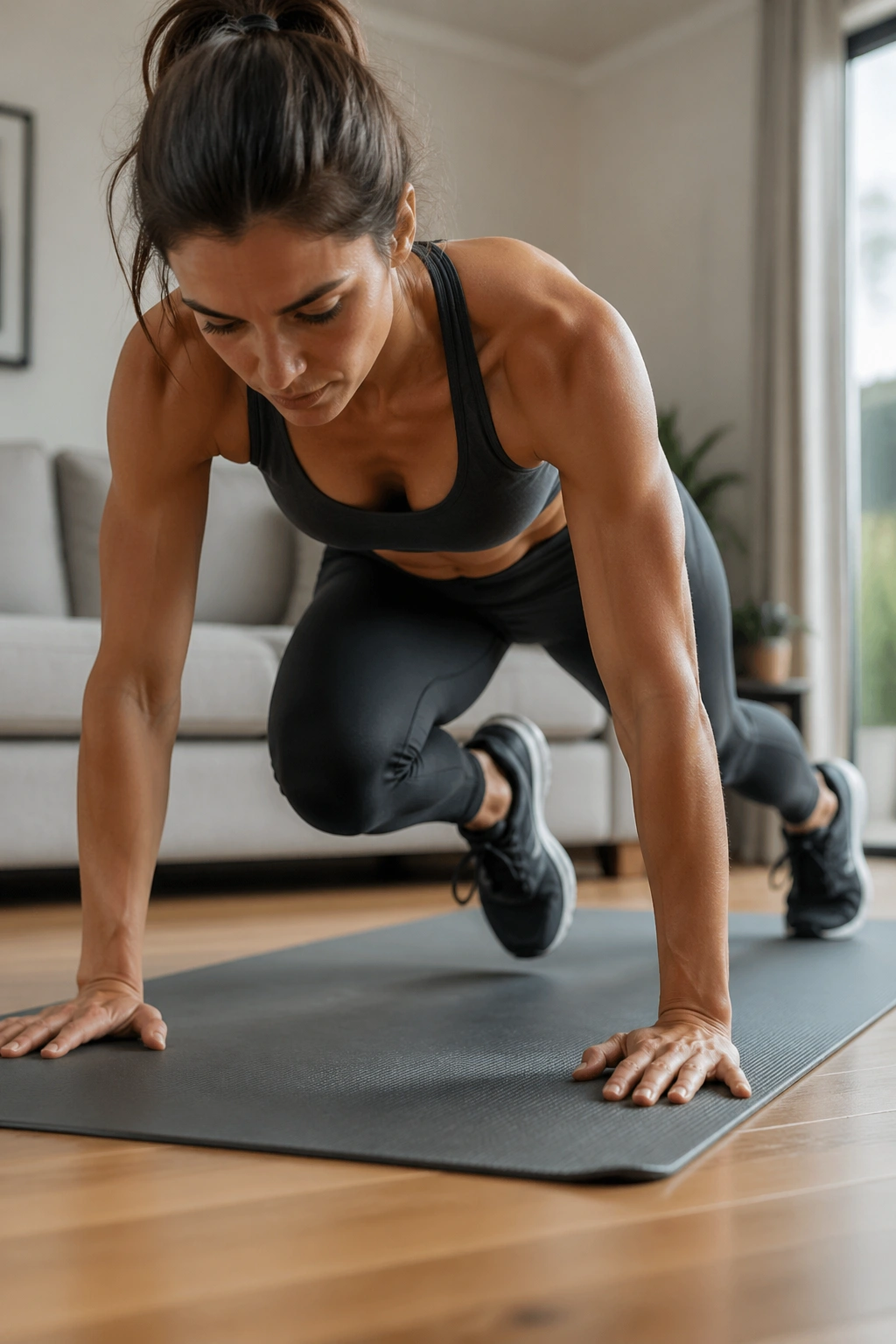
Inchworm walkouts feel like a warm-up, then quietly turn into a core exercise.
Stand tall, fold forward, walk your hands out to a plank, hold for a beat, then walk the hands back and stand up. If you add a push-up at the bottom, the move gets harder. If not, it still works the shoulders, abs, and hamstrings.
The beauty of this exercise is the long body line. You have to brace while moving through several positions, which is not easy. Keep the knees soft when you fold, and do not slam your hands down. Smooth beats rushed.
26. V-Ups
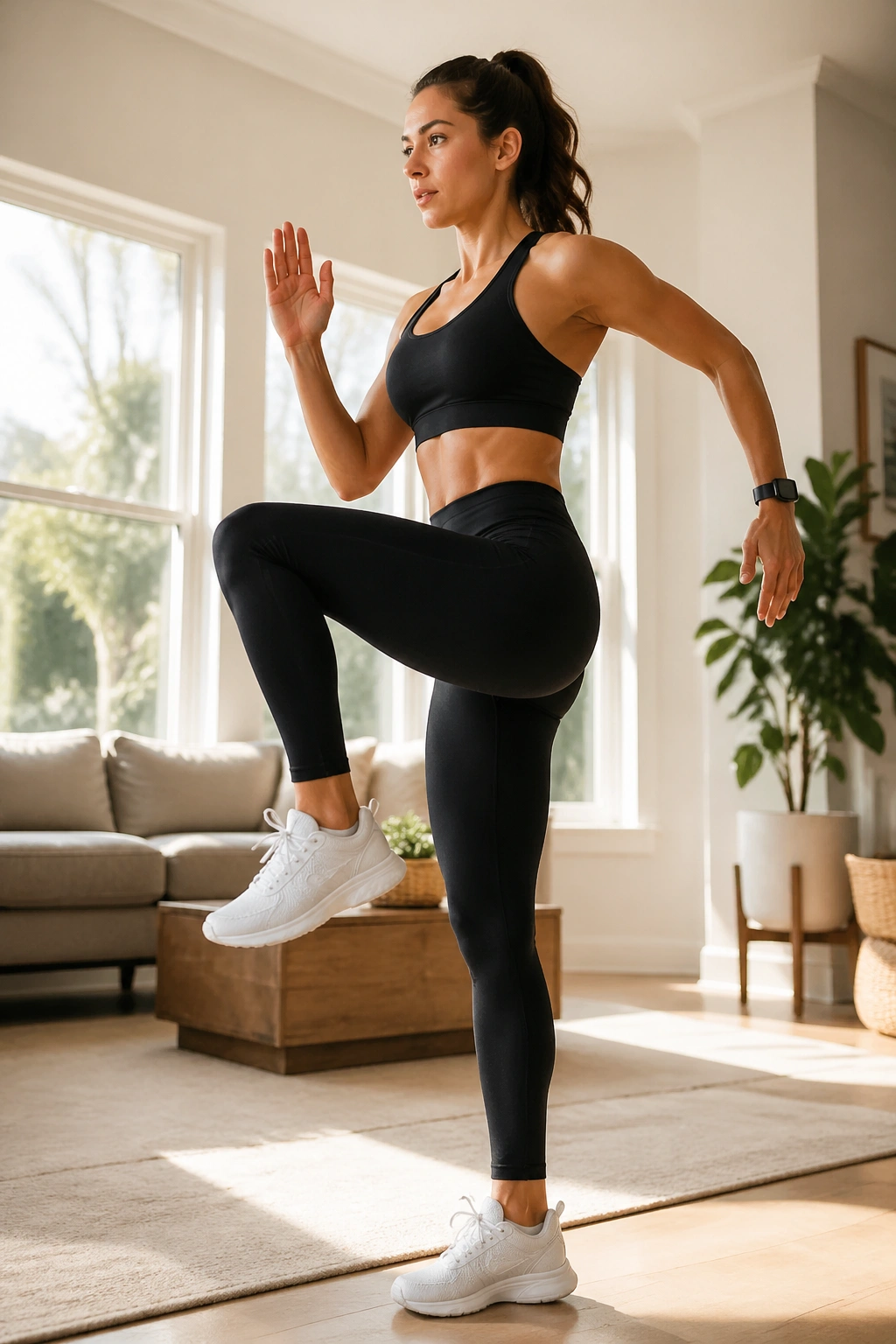
V-ups are advanced enough to deserve respect.
Lie on your back with arms extended overhead, then lift your legs and torso at the same time so your body folds into a V shape. If straight legs are too much, bend the knees. If the full sit-up portion feels rough, keep the motion smaller and focus on the abdominal curl.
This exercise hits the front of the core hard, but it only works well when you stay controlled. Swinging the body around turns it into nonsense. Quality reps are the whole story here. Two clean ones beat ten ugly ones.
27. Curtsy Lunge with Side Reach
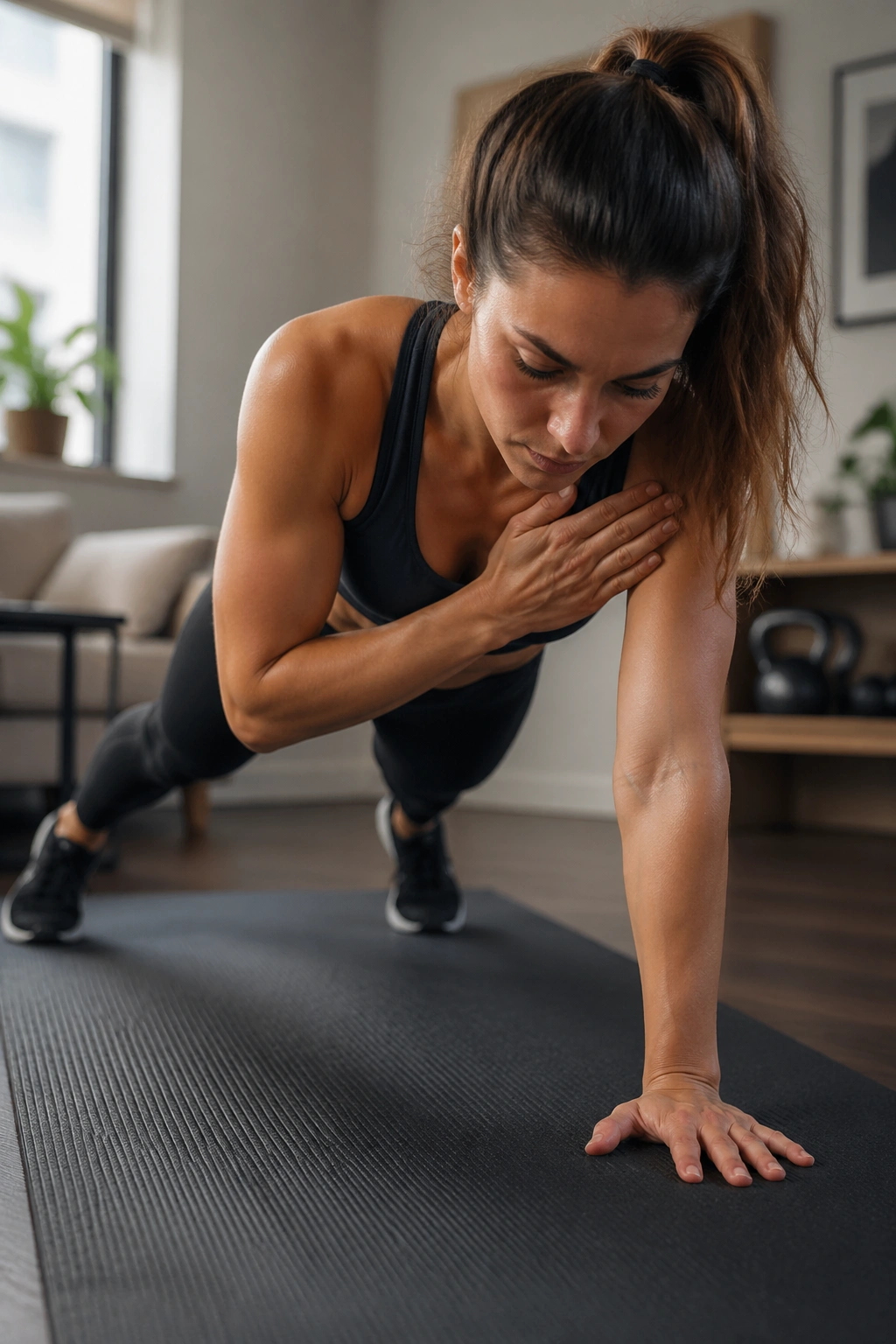
Curtsy lunges are one of my favorite sneaky waist-and-leg moves.
Step one leg behind and across the other, sink into a lunge, and reach the arm across the body as you come up. The lower body works, the glutes light up, and the torso has to stabilize through the reach. That gives your core a job without making the exercise feel like pure abs work.
If your knees dislike crossing steps, shorten the stride and keep the lunge shallow. You can also keep the reach smaller. The move should feel balanced, not wobbly. Wobbly means you need less range, not more attitude.
28. Plank Jacks
Plank jacks are a bracing test with a cardio edge.
Set up in a high plank and hop the feet out and in like a jumping jack while keeping the shoulders stacked and the torso steady. Your heart rate climbs fast here, and the core has to stop the hips from bouncing around like a loose shopping cart wheel.
Make them cleaner
- Keep your hands planted.
- Land softly.
- Step instead of hop for low-impact work.
- Shorten the range if your low back feels strained.
Plank jacks are excellent as a finisher because they make you work hard when you are already tired. That’s the point. Tired form is where honesty lives.
29. Donkey Kicks with Core Brace
Donkey kicks are usually sold as a glute move, but the core has to help more than people think.
Get on hands and knees, brace the abs, and drive one heel up toward the ceiling while keeping the hips square. Do not arch the lower back to fake a higher lift. The leg does not need to go sky-high. It needs to move under control.
When the pelvis stays still, the midsection works to stop unwanted motion. That matters. A stable torso makes every lower-body move more useful for waistline support. It is not glamorous, but it is real.
30. Jump Squats
Jump squats are a strong way to finish a home workout when you still have some gas left.
Drop into a squat, then drive through the heels and explode upward. Land softly with bent knees and go right into the next rep. The core has to brace hard to keep the torso upright, and the lower body does most of the heavy lifting. That makes this a full-body calorie burner.
If jumping irritates your joints, do fast air squats instead. Same idea, less impact. You want power with control, not a crash landing. If your form gets sloppy, stop the jumps and finish with a steady march.
Final Thoughts
The best belly fat exercises for women at home are not the ones that look the hardest on paper. They’re the ones you can repeat, keep in good form, and slot into real life without dreading the next session.
A smart routine mixes standing cardio, floor-based core work, and a few strength-minded moves that make the whole body do its share. That combo beats endless crunches almost every time.
Pick a handful of exercises you can actually do well, build a circuit, and keep showing up. That’s where the change comes from.
