



Forty seconds can feel longer than a mile when Tabata is done right. The setup is tiny — 20 seconds of hard work, 10 seconds of rest, repeated eight times — but the effect is anything but tiny. A clean four-minute round can leave your legs heavy, your breathing loud, and your timer feeling rude.
Tabata came out of a very specific interval format, not a vague “move fast” idea. That detail matters. If you turn it into a sloppy circuit with random rests, you lose the sharp edge that makes it work so well. The movement has to stay crisp enough to repeat, even while your lungs are complaining.
Fat loss still comes down to the big picture: food, sleep, weekly activity, and recovery all matter. Tabata helps by packing a lot of effort into a short window, which is why people use it when they want cardio that feels efficient and honest. No fluff. No easy way out.
Warm up first. Five to eight minutes is enough for most people — easy marching, arm circles, hip openers, a light ride, or a short walk before the first round. Then pick the style that fits your space, your joints, and your patience.
1. Bodyweight Squat Tabata
Bodyweight squats are the Tabata workhorse. They look plain, and that’s exactly why they show up everywhere.
Why It Works
A squat Tabata hits your legs hard without needing a machine or a lot of room. Your quads, glutes, and calves do the obvious work, but your breathing climbs fast too because the pace never really lets off. That combination makes it a solid choice when you want a fast fat burning cardio session that still feels simple enough to repeat.
The trick is not speed for speed’s sake. It’s fast, controlled reps with clean depth. Sink low enough to load the legs, drive through the floor, then stand tall before the next rep starts. If you turn it into a tiny bounce with no range, the workout gets easier and the return drops.
How to Run It
- Set a timer for the classic 20 seconds on, 10 seconds off pattern.
- Use a stance about shoulder-width apart.
- Keep your heels down and your chest up.
- Stop the set if your knees cave inward or your back rounds hard.
Best cue: think “sit down, stand up, repeat” instead of “drop fast and hope.”
If you want a little more bite, add a one-second pause at the bottom on rounds 5 through 8. That keeps the movement honest when your legs start to fade.
2. Burpee Tabata
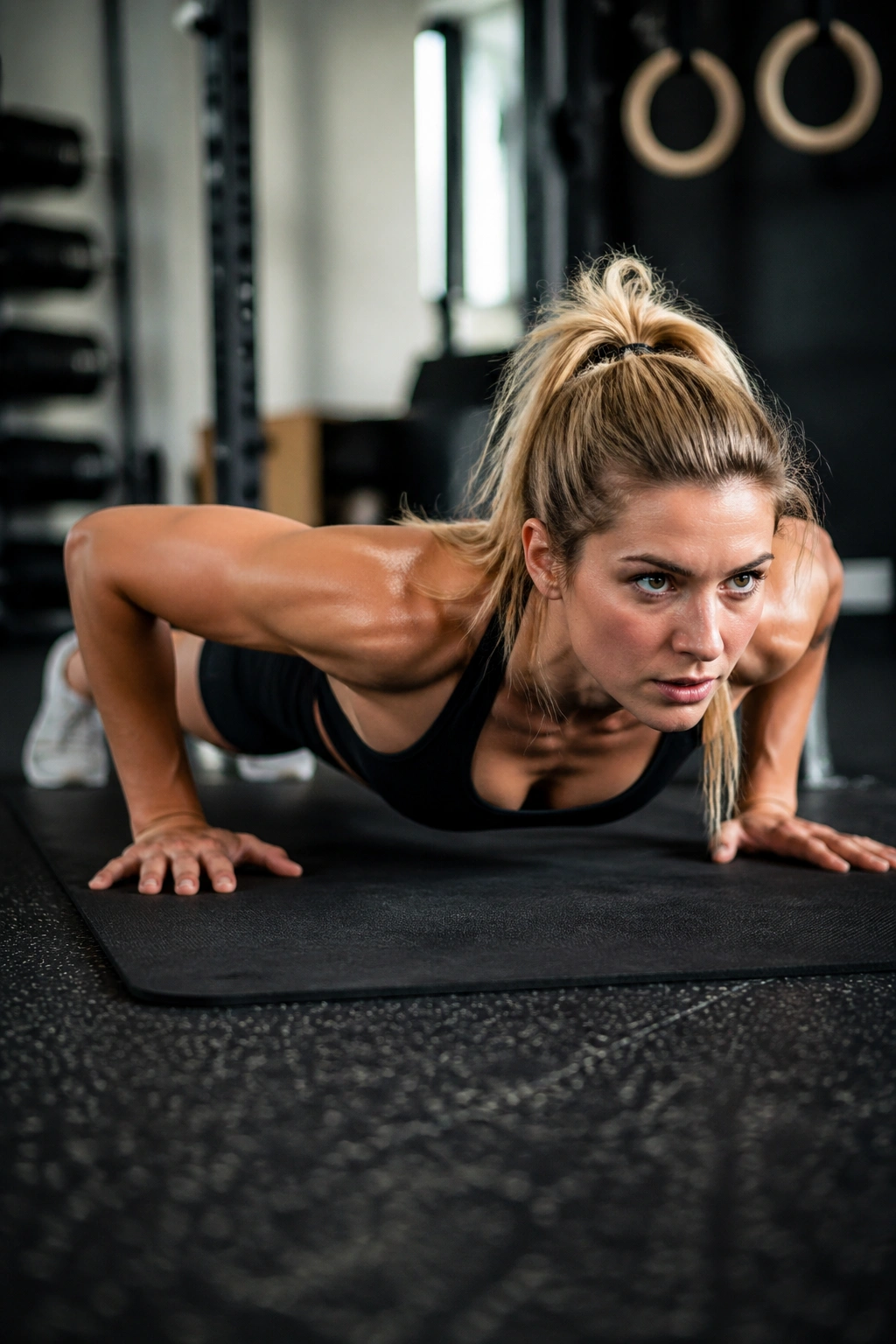
Burpees are the blunt instrument of Tabata. No machine. No setup. No pretending it’s easy.
A burpee Tabata makes your heart rate jump fast because it mixes a squat, a plank, a push-up, and a jump into one tight package. That’s why people either love them or hate them, and there’s not much middle ground. They’re brutally efficient, which is part of the appeal.
Keep the movement clean enough to repeat eight times. If your hips are crashing into the floor and the jump looks like a mistake, scale the move. Step back into plank instead of jumping back. Drop the push-up if you need to. The goal is a hard effort you can hold together, not a messy sprint that falls apart by round three.
My rule: if your landing sounds heavy, slow the rep down by a hair. You should be working hard, not slamming yourself into the floor.
For beginners, a step-back burpee is the smarter version. It still taxes the lungs, and it keeps the shoulders and lower back from taking a beating they did not ask for.
3. Mountain Climber Tabata
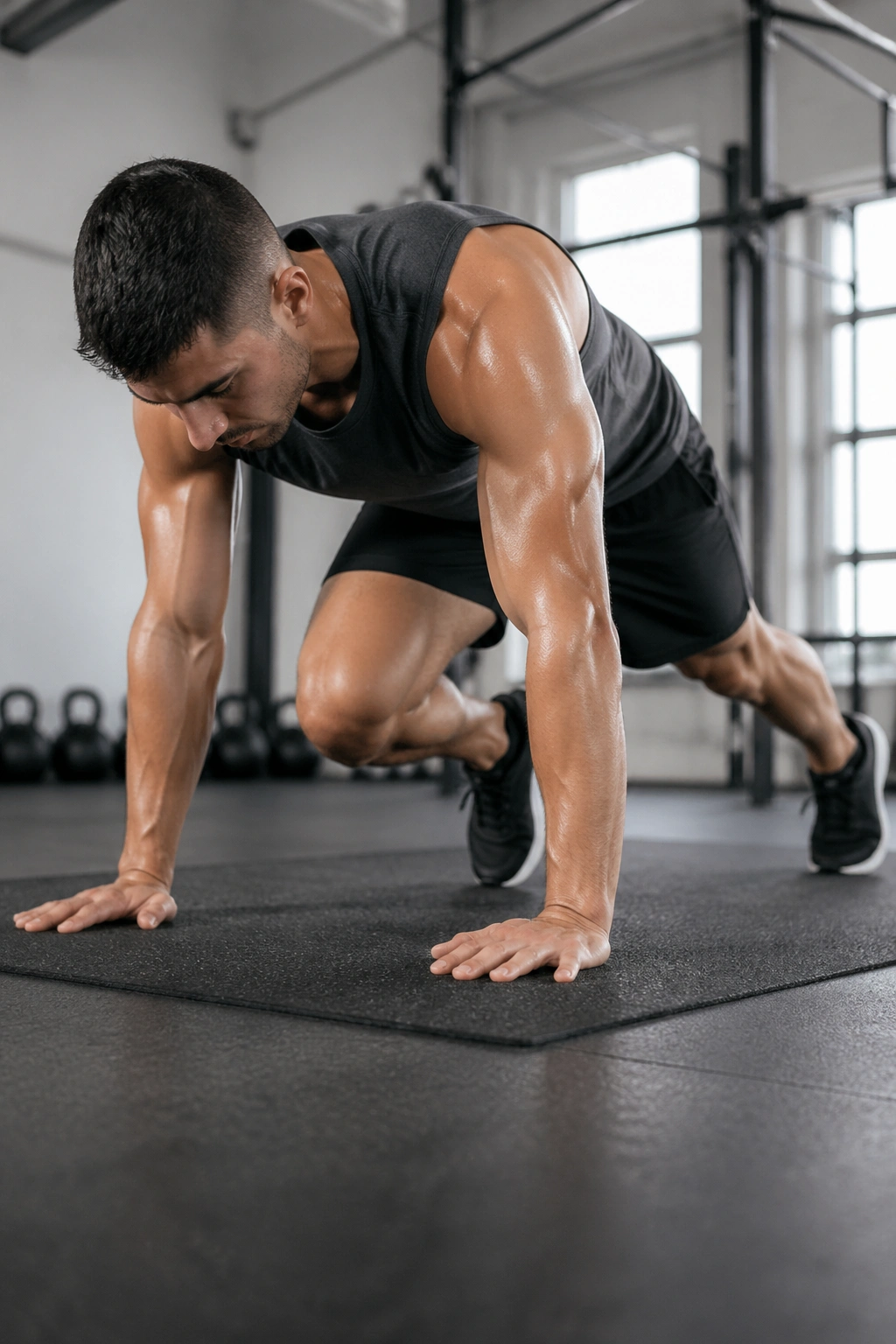
Why do mountain climbers show up in so many HIIT plans? Because they look simple and feel relentless once the timer starts.
Mountain climbers are good Tabata cardio when you want your core, shoulders, and hip flexors involved at the same time. The movement also teaches you something useful: how to keep your trunk steady while your legs move fast. That’s harder than it looks.
How to Keep Them Clean
- Start in a strong plank with hands under shoulders.
- Drive one knee toward the chest, then switch legs quickly.
- Keep your hips from bouncing up and down.
- If speed causes wobble, shorten the range a little before you lose form.
A lot of people make mountain climbers harder by flailing faster. That’s not the move. Faster is fine, but the shoulders should stay stacked and the core should stay tight. If your lower back sags, you’re paying the price later.
A nice benchmark: by round 6, your breathing should be loud enough that talking feels annoying. If you can chat easily, the pace is too soft.
4. Jump Rope Tabata
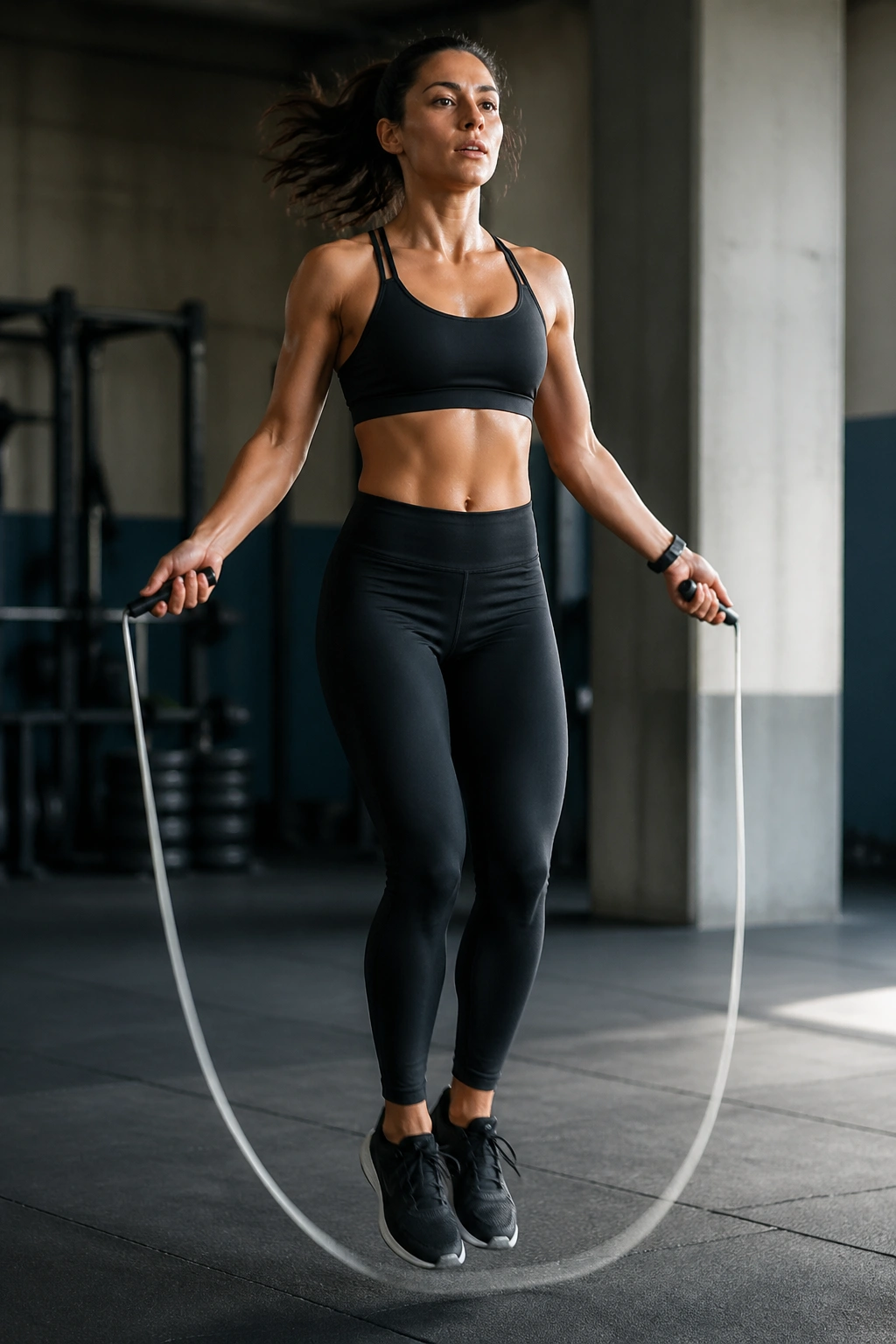
A rope, a patch of floor, and four minutes can leave your calves and lungs lit up. That’s the charm of jump rope Tabata.
Single unders are the cleanest place to start. One jump, one rope turn, steady wrists, light feet. The workout feels almost playful for the first round, then your rhythm starts to matter more than your enthusiasm. Miss the cadence and the rope tells on you immediately.
What Makes It Click
- Keep your elbows close to your sides.
- Turn the rope with your wrists, not your shoulders.
- Land softly on the balls of your feet.
- Stay tall. Don’t fold at the waist.
If you already handle single unders well, use the last two rounds to test speed. Double unders can work too, but only if you can keep them crisp. A sloppy double-under Tabata turns into rope chaos fast.
This one rewards rhythm more than raw force. I like it for days when I want a hard cardio hit without pounding the floor as much as a sprint workout. Missed jump? Reset fast and keep going. The rope doesn’t care.
5. Kettlebell Swing Tabata
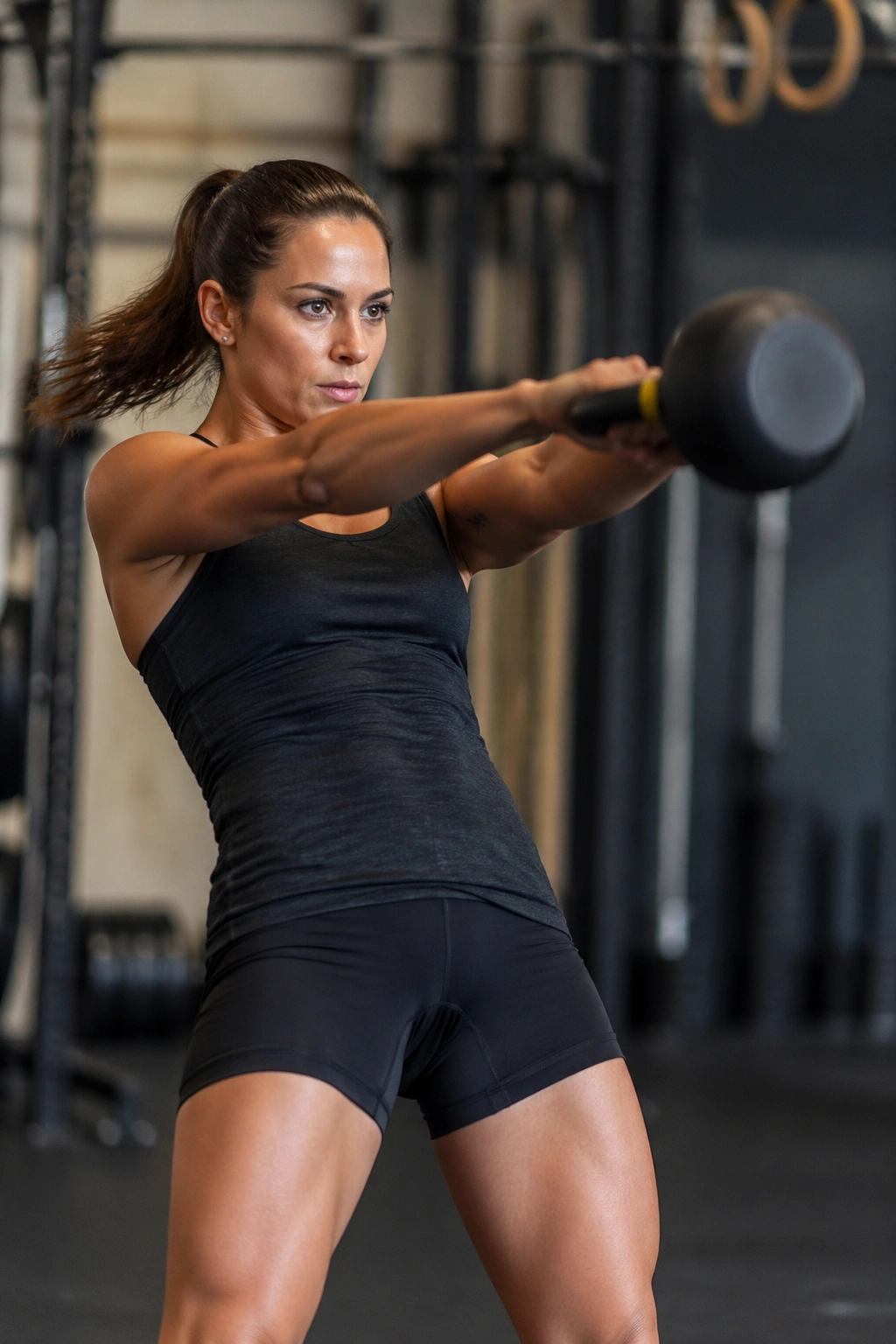
Kettlebell swings are the closest thing Tabata has to a power move that still feels like cardio. They load the hips, wake up the glutes, and push your breathing into ugly territory in a hurry.
The swing works because it’s a hinge, not a squat. That matters. If you turn it into a front raise with your arms, the lower back does too much and the whole thing falls apart. The bell should float because of hip snap, not because you muscled it upward.
What to Watch For
- Use a weight you can snap for all 8 rounds.
- Hinge back, keep the spine long, and pack the shoulders.
- Drive the hips forward hard at the top.
- Let the bell rise on its own; don’t yank it.
A good swing feels explosive, then strangely simple. That’s what you want. If the bell never reaches chest height, the weight may be too heavy or your hip drive too soft. If your lower back starts barking, stop and reset the hinge.
Best version for Tabata: hardstyle two-hand swings with clean reps and no extra dance steps. Keep the pattern boring. That’s where the payoff sits.
6. Stationary Bike Sprint Tabata
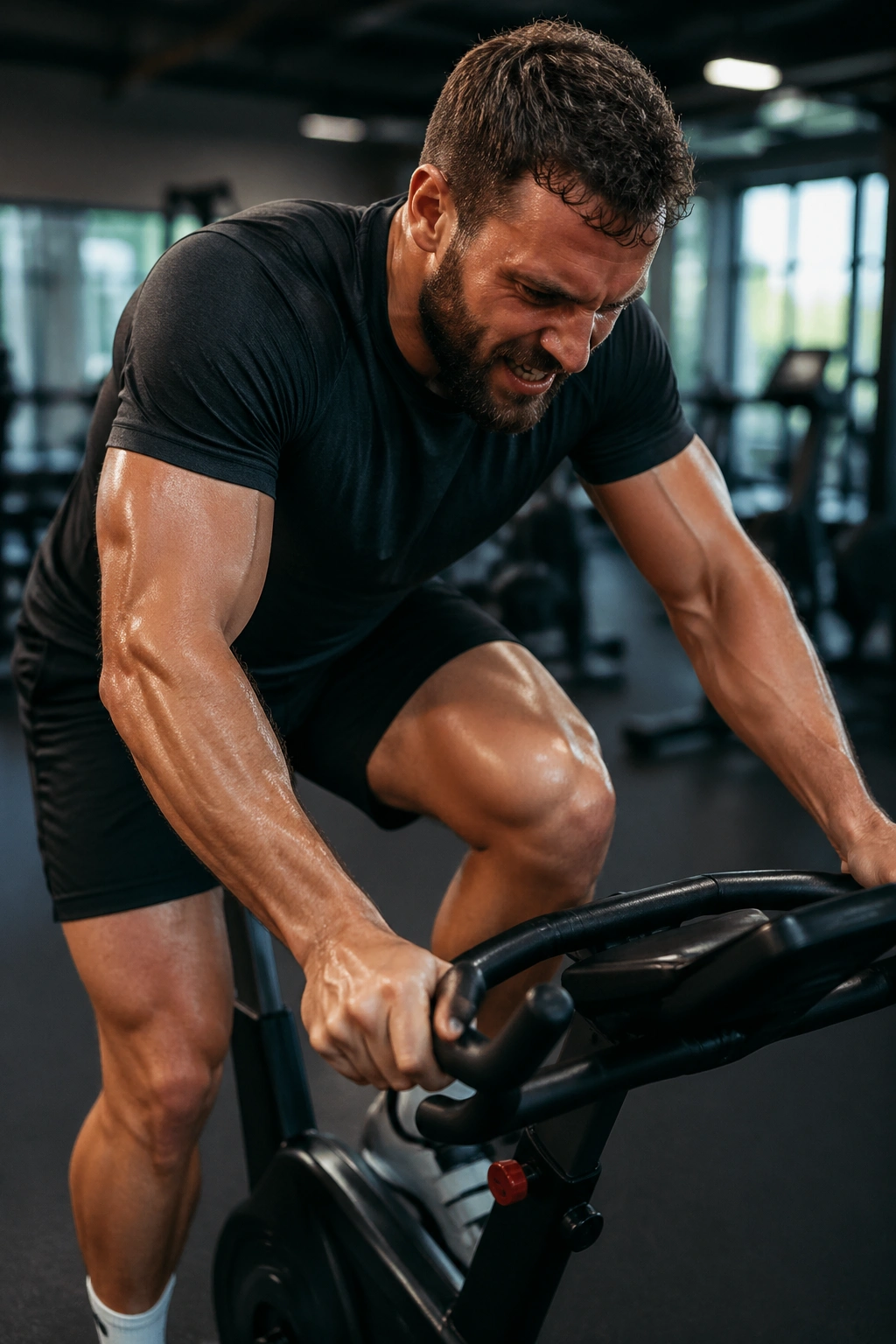
A bike is kinder to the joints and meaner to the lungs. That combination makes it one of my favorite Tabata tools.
Set the resistance so the pedals push back, but not so heavy that your legs grind to a stop. You want a fast leg turnover with real effort behind it. On many bikes, a cadence around 90 to 110 rpm during the work intervals is a useful target, though the real number is how hard you can repeat without blowing up by round four.
Simple Bike Rules
- Keep your seat height high enough that your hips don’t rock.
- Drive through the middle of the foot, not the toes alone.
- Stay seated for most rounds unless your machine and balance feel solid.
- Use the recovery seconds to breathe, not to coast into oblivion.
A bike Tabata is a clean choice when you want to hammer cardio without the landing stress of running or jumping. It also makes pacing easier because the machine gives you instant feedback. If round one feels easy, raise the resistance a little next time. If your knees ache, lower the load and raise cadence instead.
The bike does not flatter bad pacing. Great news, honestly. It tells the truth fast.
7. Rowing Machine Tabata
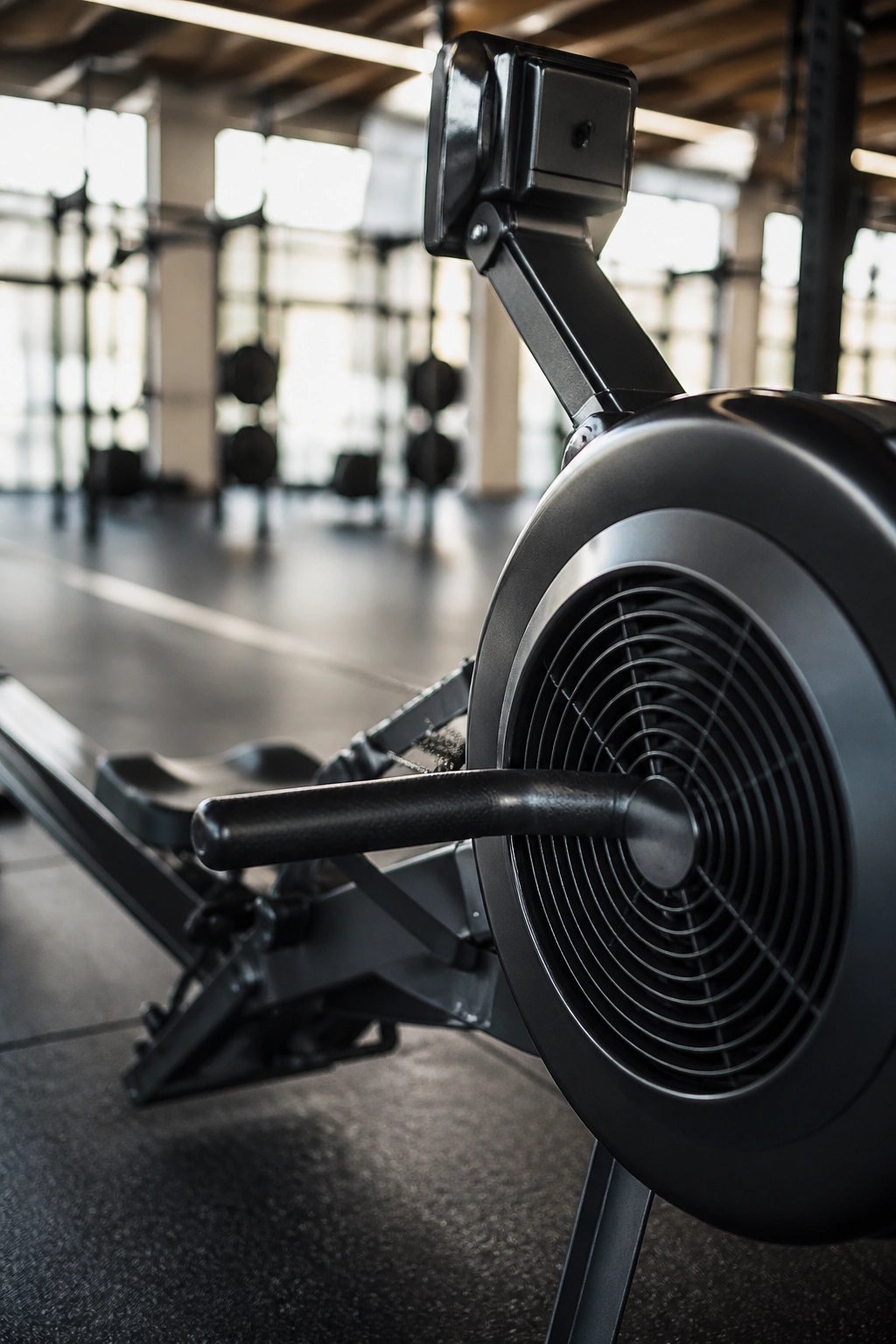
Rowing is sneaky. It looks smooth, then your legs, back, and lungs all file a complaint at once.
A rowing Tabata works best when you think “power first” instead of “panic fast.” The drive goes legs, then hips, then arms. The return is the reverse. If your arms yank early, the stroke gets weak and messy, and the monitor will show it.
What to Focus On
- Keep the damper in a moderate range, not cranked to the top.
- Aim for strong, repeatable strokes around 26 to 32 strokes per minute if your machine shows stroke rate.
- Finish each pull with the handle near the lower ribs.
- Sit tall and avoid collapsing forward at the catch.
The rower rewards rhythm in a way that feels almost unfair. A smooth stroke can keep you working hard without turning every round into a scramble. I like it because the output is measurable, which is nice when you want a clear cardio target instead of guessing.
If your lower back takes over, shorten the range and sharpen the leg drive. That fix helps more than trying to pull harder with the arms.
8. Battle Rope Tabata
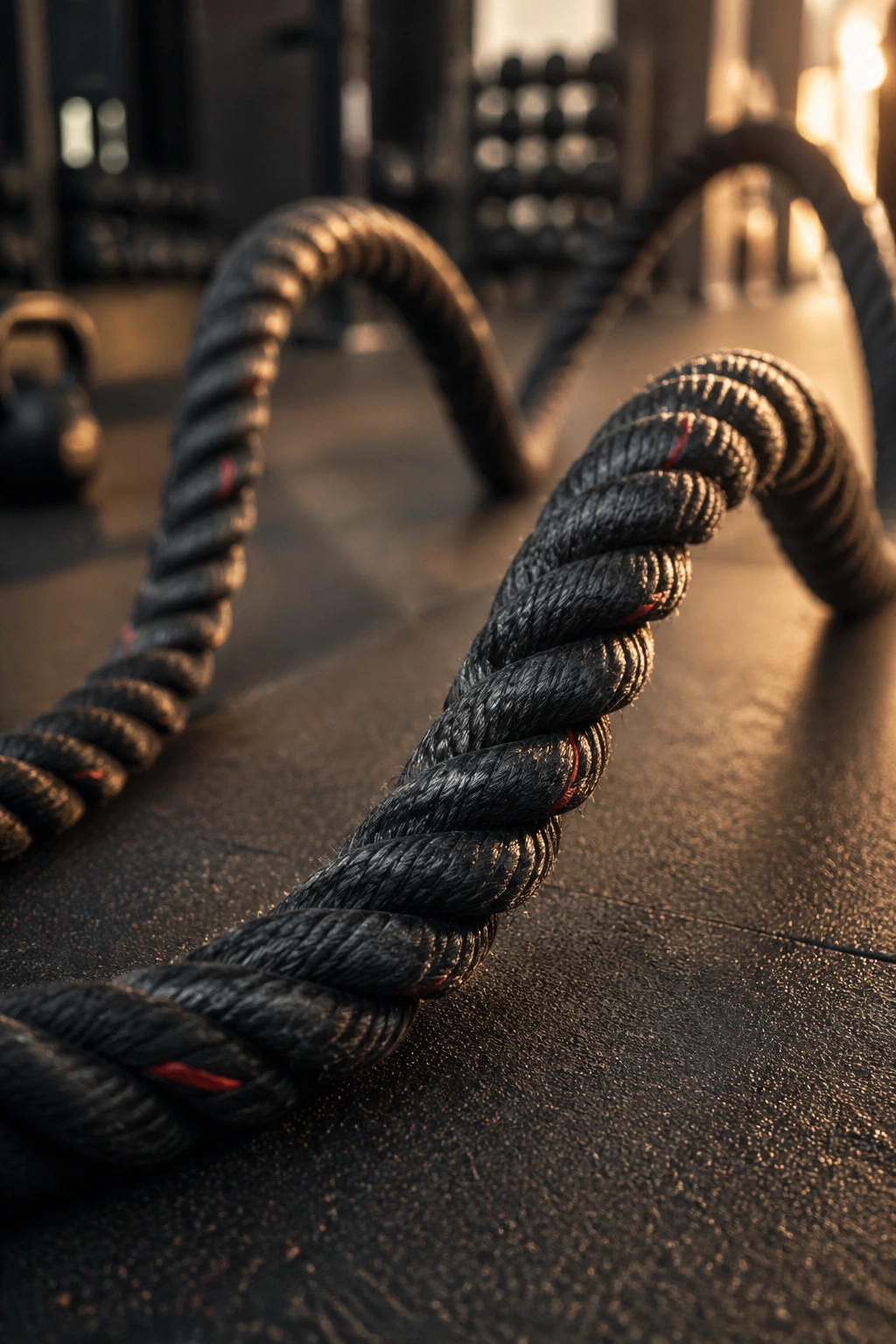
Battle ropes are what happens when cardio and upper-body fatigue shake hands. Loudly.
A rope Tabata is a strong pick if you want shoulders, arms, and core working while your heart rate climbs fast. Alternating waves are the easiest entry point. Double waves hit harder. Slams are harsher still. Pick one and keep the pattern clean enough that the rope keeps moving the whole time.
Good Ways to Use Them
- Alternating waves for rhythm and speed.
- Double waves for heavier upper-body load.
- Side-to-side waves to wake up the trunk and grip.
- Hard slams if your floor and rope setup allow it.
Your knees should stay soft and your torso should stay braced. If you start standing there and whipping your arms while your body does nothing, the workout gets sloppy and your shoulders pay for it. The best rope rounds feel busy from head to toe.
Thicker ropes punish the grip more quickly, which can be useful or annoying, depending on your mood. I like them for advanced Tabata days because they strip away any illusion that you’re “resting” in the work interval.
9. Shadow Boxing Tabata

Why does shadow boxing work so well? Because it keeps you moving, thinking, and breathing without needing equipment or a lot of space.
Shadow boxing Tabata is more than throwing punches at the air. The feet matter. The torso matters. The breathing matters. A good round feels like a fast conversation between your hands and your hips, and that’s part of why it holds up so well as cardio.
Simple Round Structure
- Rounds 1–2: jab-cross only.
- Rounds 3–4: jab-cross, then step out.
- Rounds 5–6: add a hook or slip.
- Rounds 7–8: keep the combo simple and fast.
Keep your chin tucked and your shoulders loose. That loose-shoulder feel is important. People tense up too much and end up burning energy in the wrong places. The punches get slower, the neck gets tight, and the round feels bigger than it needs to.
This is a smart option on days when you want fast intervals without impact. It also trains footwork, which a lot of cardio plans ignore. A little bounce goes a long way here.
10. Reverse Lunge Tabata
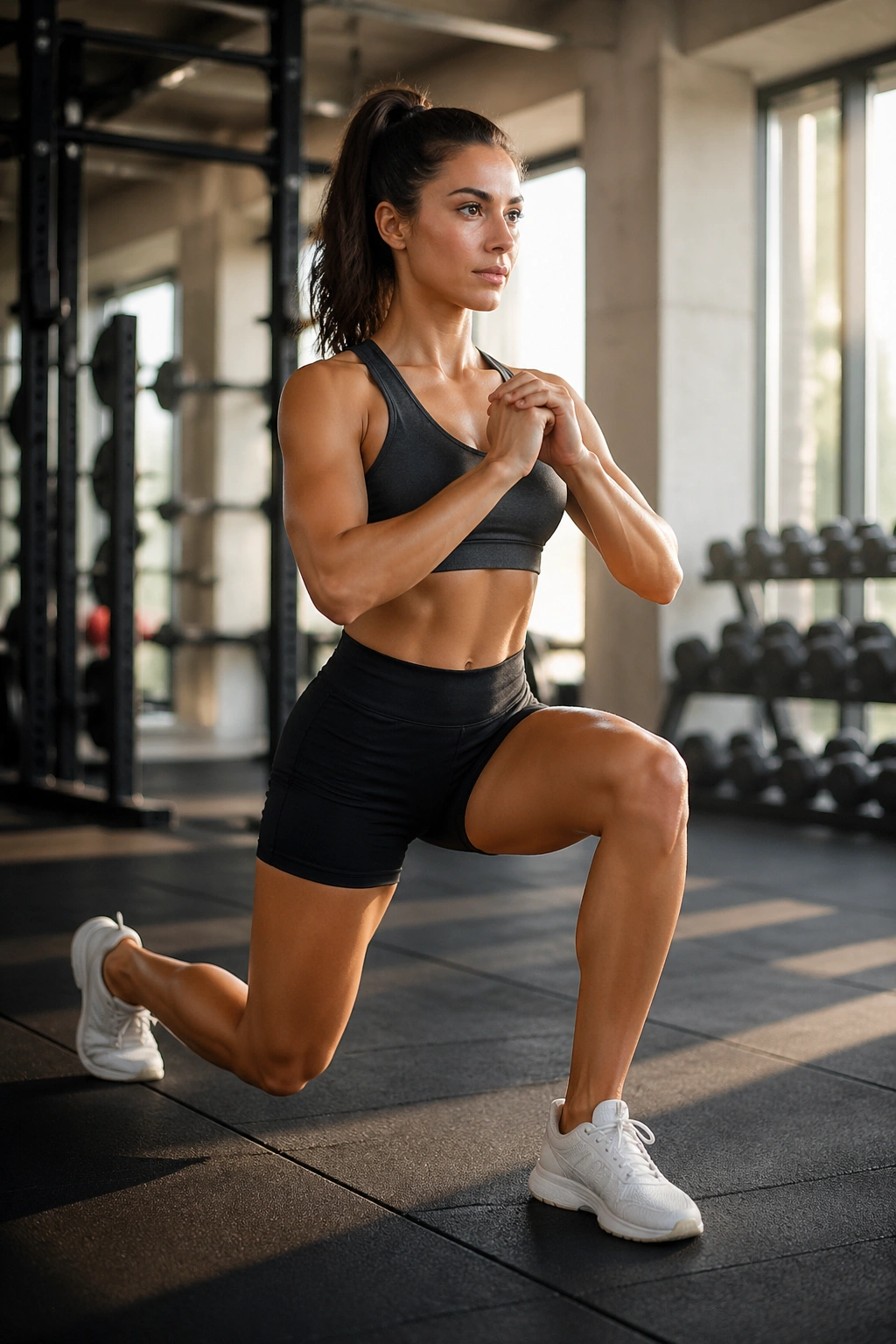
Reverse lunges are easier on the knees than forward lunges for a lot of people, and they still light up the legs fast. That makes them a very solid Tabata choice.
Step back, lower under control, then drive up through the front heel. The front leg does most of the work. The back leg is there for balance and depth, not for pushing you around. Keep the torso upright and don’t lunge so far back that the front knee collapses.
Quick Form Notes
- Step back far enough to keep the front heel flat.
- Let the back knee drop close to the floor, then rise with control.
- Alternate legs each rep, or split the 20 seconds by side if balance is shaky.
- Keep the tempo steady instead of rushing the descent.
I like reverse lunges in Tabata because they hit the legs without the same impact spike you get from jump-based work. They’re also easy to scale. Hold light dumbbells if you want more challenge. Stay bodyweight if your form starts wobbling.
If the first few rounds feel manageable, make the lowering phase slower. That tiny change can turn a good interval into a nasty one.
11. Push-Up Tabata
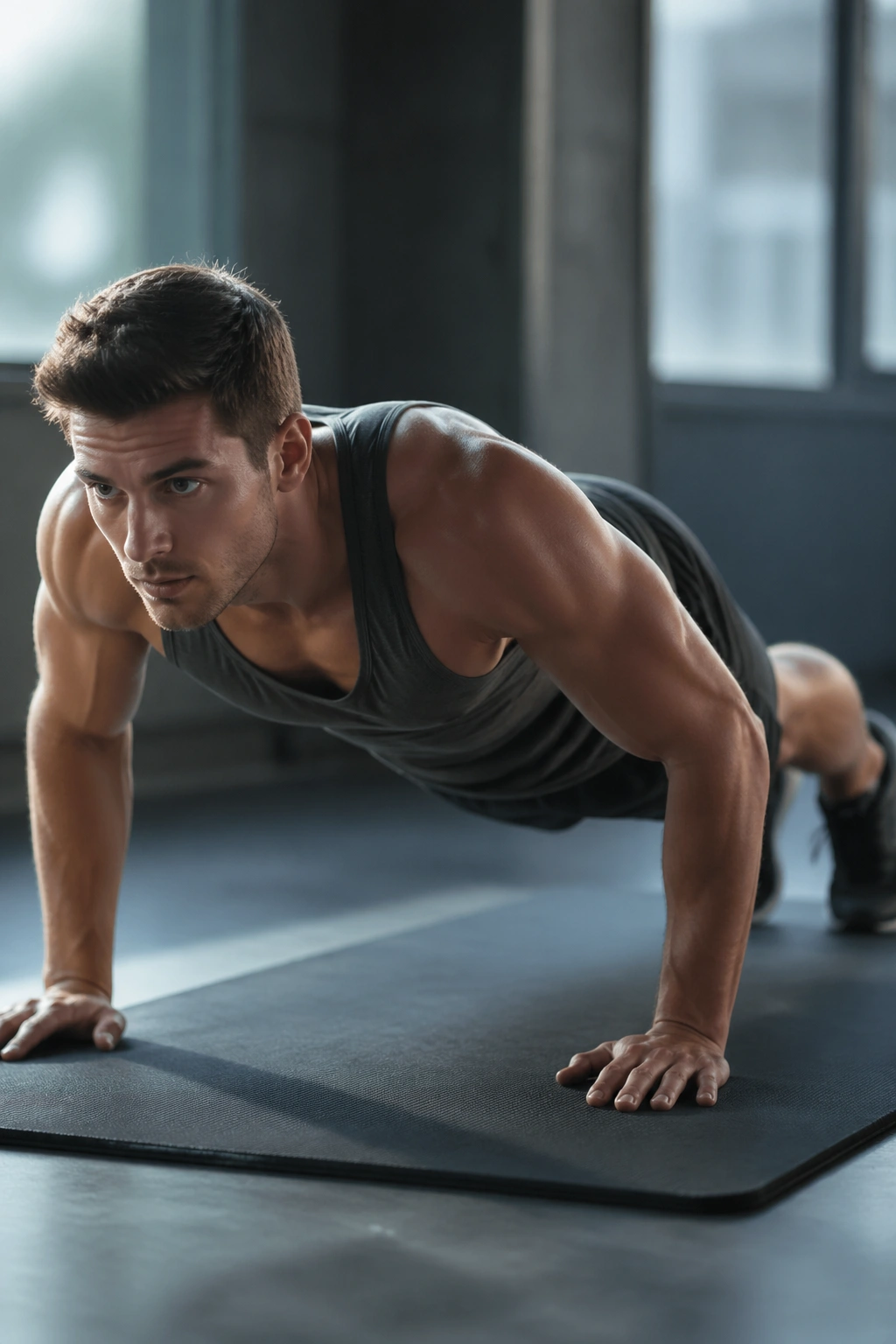
Push-ups can turn a Tabata round into a chest, shoulder, and core test very quickly. The cardio piece comes from the continuous tension. Once the body starts shaking, your breathing follows.
The best push-up Tabata is the one you can repeat with clean reps. If a full floor push-up is too much for eight rounds, raise your hands on a bench, box, or couch. That keeps the line from head to heel straighter and lets you keep moving without the back sagging.
A Clean Setup
- Hands under or slightly wider than shoulders.
- Body in one line from head to heels.
- Elbows track at a comfortable angle, not flared hard out.
- Lower under control and press back up sharply.
You do not need a huge rep count inside each 20-second window. A handful of clean reps, done hard, beats a frantic mess of half-push-ups. If you can still hold your midsection tight in round 7, you chose the right variation.
This one pairs well with lower-body Tabata days because it shifts the load away from the legs while keeping the heart rate high. That balance matters if you’re rotating workouts across the week.
12. Stair Sprint Tabata
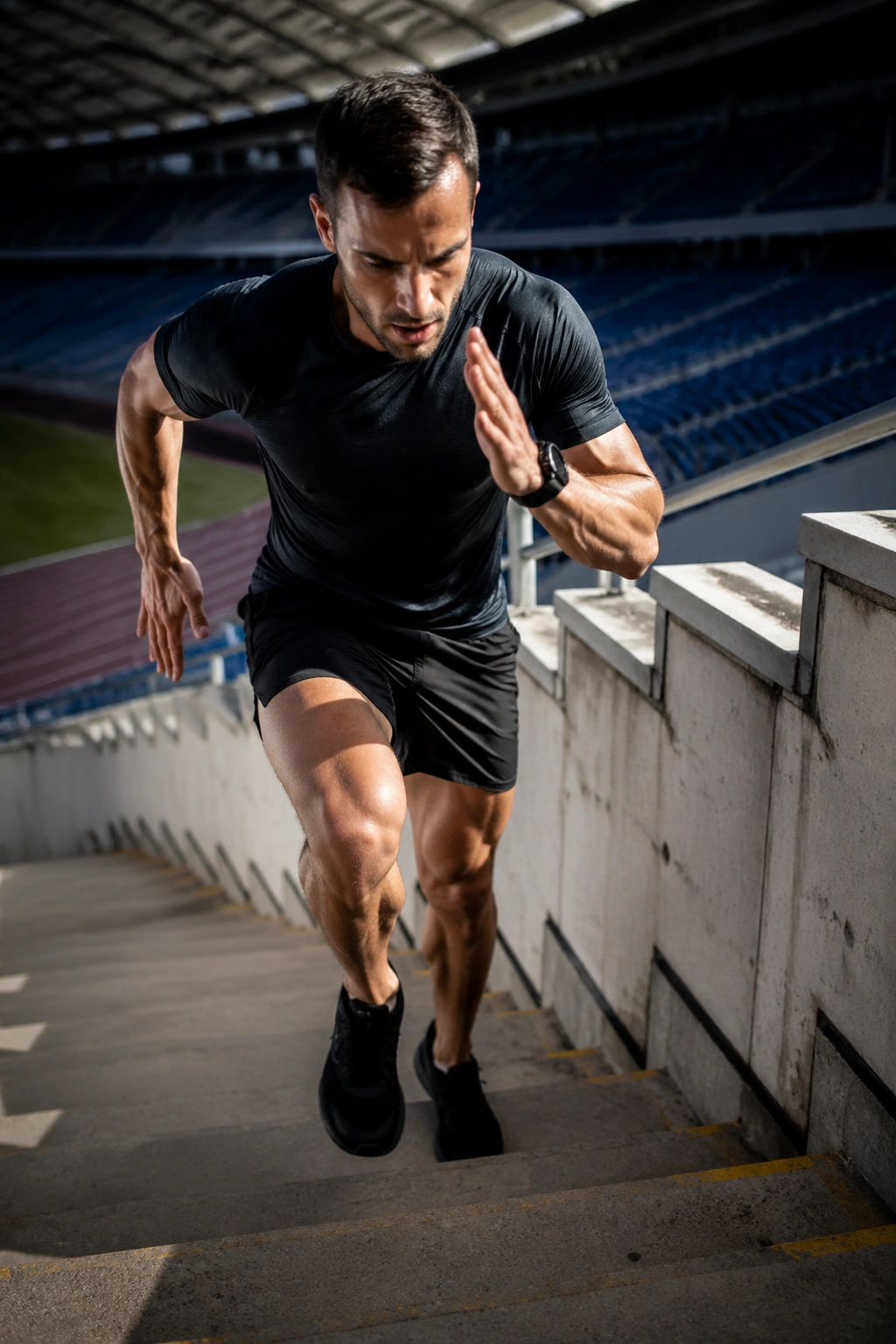
Stairs are cheap, brutal, and honest. They also make very good Tabata cardio if you treat them with a little respect.
A stair sprint Tabata can be done on a single flight, a stadium stairwell, or a stepmill. The big rule is simple: go up hard, recover safely, and do not turn the descent into a race. Walking down is plenty. That’s your 10-second rest if the space allows it.
Safety First
- Use a handrail if balance feels off.
- Keep your eyes up, not on your feet.
- Stay one step at a time unless the stair width and your coordination make two steps safe.
- Skip this one if stairs irritate your knees or Achilles.
The appeal here is obvious. You get full-body effort fast, and the incline forces a different kind of drive than flat running. The glutes work. The calves work. The lungs absolutely work.
If you use outdoor stairs, pick a predictable set with clear footing. Slippery steps are not a badge of honor. They’re a bad idea.
13. Medicine Ball Slam Tabata
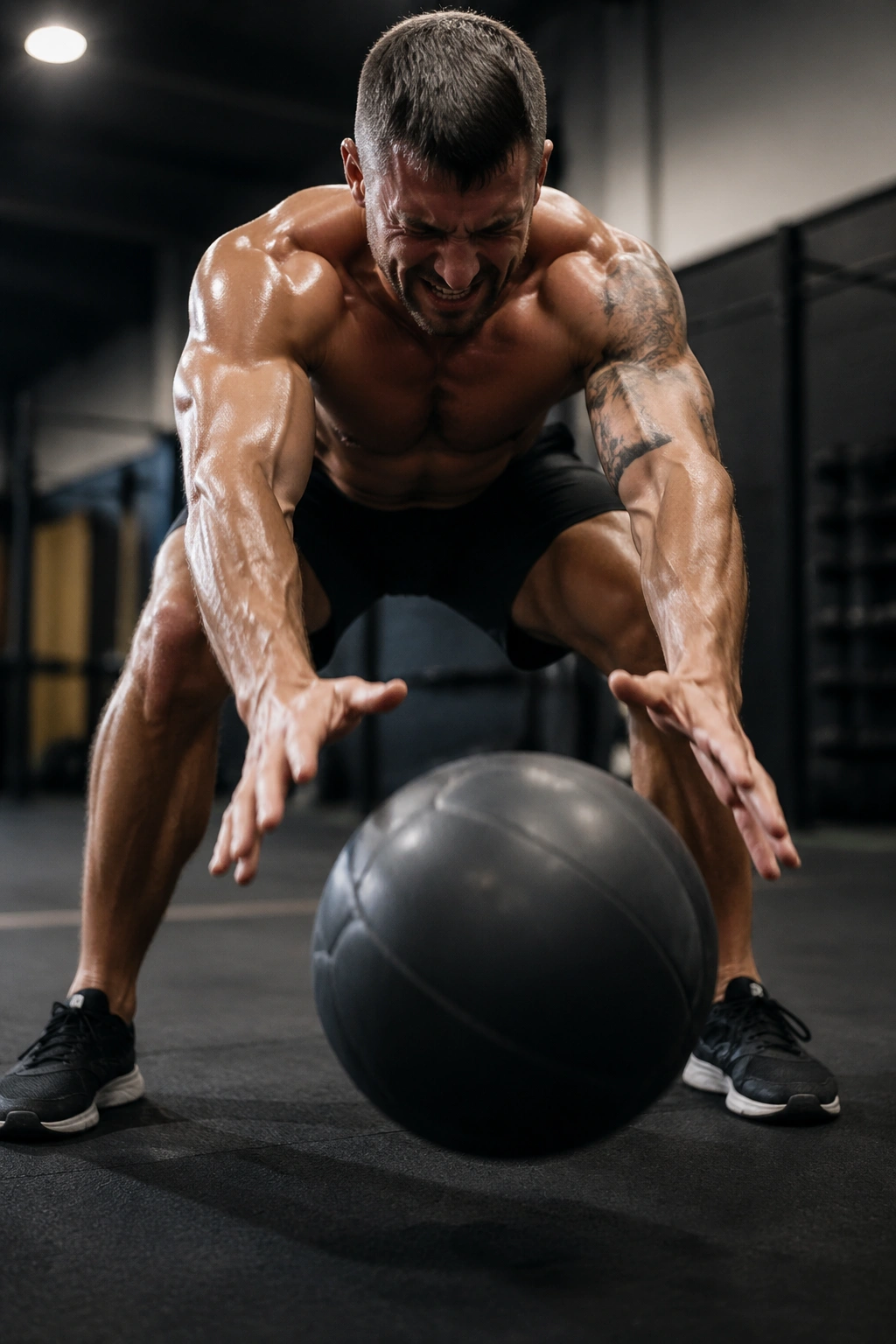
A medicine ball slam turns frustration into work. That sounds dramatic, but it’s also accurate.
The pattern is simple: lift the ball, brace, slam it hard, pick it up, repeat. The ball should feel like a tool, not a toy. A dead-bounce slam ball is ideal because it won’t bounce halfway across the room and force you into a clumsy chase every 12 seconds.
Good Slam Habits
- Use a ball heavy enough to matter, light enough to repeat.
- Keep the abs braced before each slam.
- Hinge a little at the hips, then drive the ball down with force.
- Catch the rebound only if the ball and floor are meant for it.
This is one of those exercises that looks almost silly until round four arrives. Then it gets serious. The whole body works, and the breathing gets choppy fast, which is exactly what you want from a Tabata finisher.
If you don’t have a slam ball, a squat-to-press with a light dumbbell can fill the gap, but the slam has a cleaner, more aggressive feel. There’s a reason it shows up in hard conditioning rooms.
14. High-Knee Sprint Tabata

High knees look like a warm-up until you run them Tabata-style. Then they become a test of rhythm, posture, and leg speed.
The key is staying tall. Drive the knees quickly, swing the arms hard, and keep the feet landing light. You are not trying to jump high. You’re trying to move fast while holding a shape that doesn’t collapse. That difference matters more than people think.
What to Aim For
- Chest up, ribs tucked.
- Arms pumping from cheek to hip.
- Fast feet under the body.
- Short, snappy contacts with the floor.
If your knees stop getting high by round 6, don’t chase height at the expense of speed. Quick turnover matters more here. A lower knee lift with cleaner rhythm can beat a dramatic but sloppy version every time.
This one is useful when you want a pure cardio hit and no equipment at all. It’s also easy to scale by turning the motion into marching high knees, then building speed as your fitness improves.
15. Skater Hop Tabata
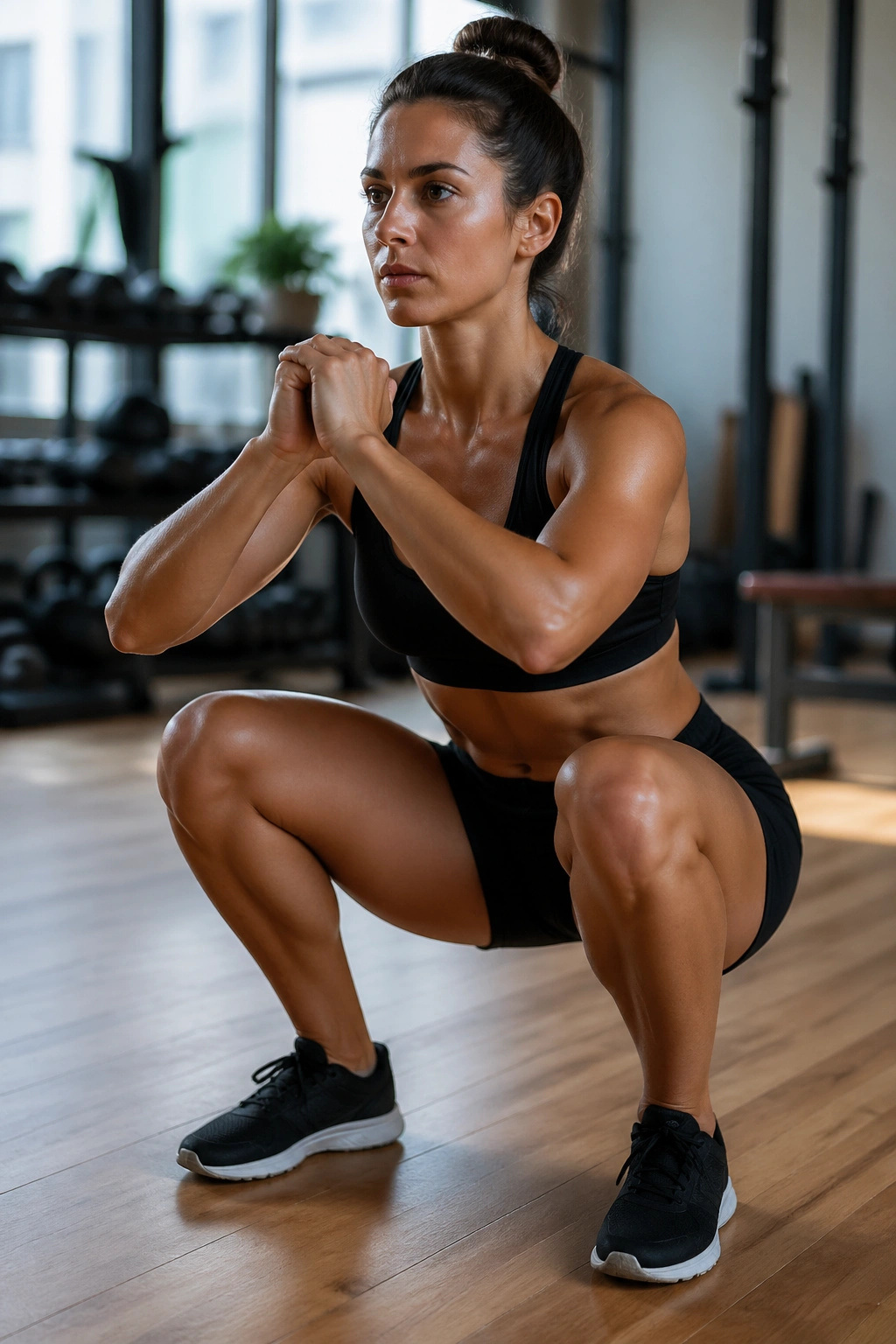
Side-to-side work fills a gap that straight-ahead cardio leaves behind. Skater hops hit the hips, glutes, and ankles from an angle most people ignore.
The movement is simple enough: jump laterally from one leg to the other, land softly, and keep the torso from tipping wildly. The trailing leg can sweep behind the stance leg for balance, which gives the move that skating look. The real point is control under speed.
How to Make It Work
- Land on a soft knee.
- Push off the floor laterally, not straight up.
- Keep the chest mostly forward.
- Use a smaller hop if impact starts to feel rough.
This is a good final workout because it feels athletic instead of monotonous. It also teaches you to absorb force on one leg, which carries over to running, stair work, and a lot of real movement outside the gym. If jumping side to side bothers your joints, turn it into a side step with a reach and keep the pace brisk.
Pick three or four of these workouts and rotate them across the week. Two hard lower-body sessions, one upper-body or machine day, and a lighter day in between is a cleaner setup than trying to crush all fifteen in a row. Tabata works best when it stays sharp.
