



The foods that add belly fat in women rarely look like the obvious problem. They show up as a coffee drink that feels like breakfast, a “healthy” yogurt cup loaded with added sugar, or a muffin big enough to count as two meals but sold as a quick snack. That’s why the phrase foods that cause belly fat in women gets so much attention: the issue is often less about one dramatic indulgence and more about quiet, repeatable habits.
A hard truth sits underneath all of this. No single food sends calories straight to your stomach. Belly fat builds when your body keeps getting more energy than it needs, and some foods make that process almost effortless by doing a few things at once: they digest fast, they do not fill you up for long, and they make you want another hit of salt, sugar, or fat soon after.
Women also have a few extra layers to think about. Hormone shifts across adulthood can change where fat is stored, and the waist often becomes a more common landing spot. Stress matters. Sleep matters. Alcohol matters. So does whether the food in front of you has fiber, protein, and enough volume to tell your brain, we’re done here.
And then there’s the confusion factor. A puffy stomach after pizza and drinks is often bloating, not body fat—but the same eating pattern that leaves you bloated at night can also push gradual fat gain over time. The foods below keep showing up in that pattern, and once you see the common thread, the label on the package starts to matter a lot less than what the food actually does in your body.
Why Foods That Cause Belly Fat in Women Tend to Hit the Midsection Hard
Belly fat is not a morality tale about sugar, carbs, or one “bad” food. It is usually a mix of energy surplus, appetite cues gone sideways, stress hormones, low muscle mass, poor sleep, and food choices that are easy to overeat.
There’s also a difference between the fat you can pinch and the fat you cannot see. Visceral fat sits deeper around the organs, and higher amounts are linked with insulin resistance, blood sugar trouble, and a less favorable cholesterol picture. You cannot look at your stomach and know exactly how much of each type you have, though a growing waistline is often a useful warning sign.
Women are not small men with different clothes. Estrogen influences fat storage, insulin sensitivity, and appetite, and shifts in estrogen can push fat storage away from the hips and thighs and toward the waist. Pair that with long workdays, less sleep, and food that arrives in oversized portions, and the midsection starts taking the hit.
One more thing. If your stomach expands over six hours and shrinks again the next morning, that is not fat gain. That is food volume, salt, water retention, gas, or all three. Still, the same foods that cause bloating—fast food, soda, chips, alcohol, giant restaurant meals—often make true abdominal fat gain more likely when they become routine.
The Pattern Behind Foods That Cause Belly Fat in Women
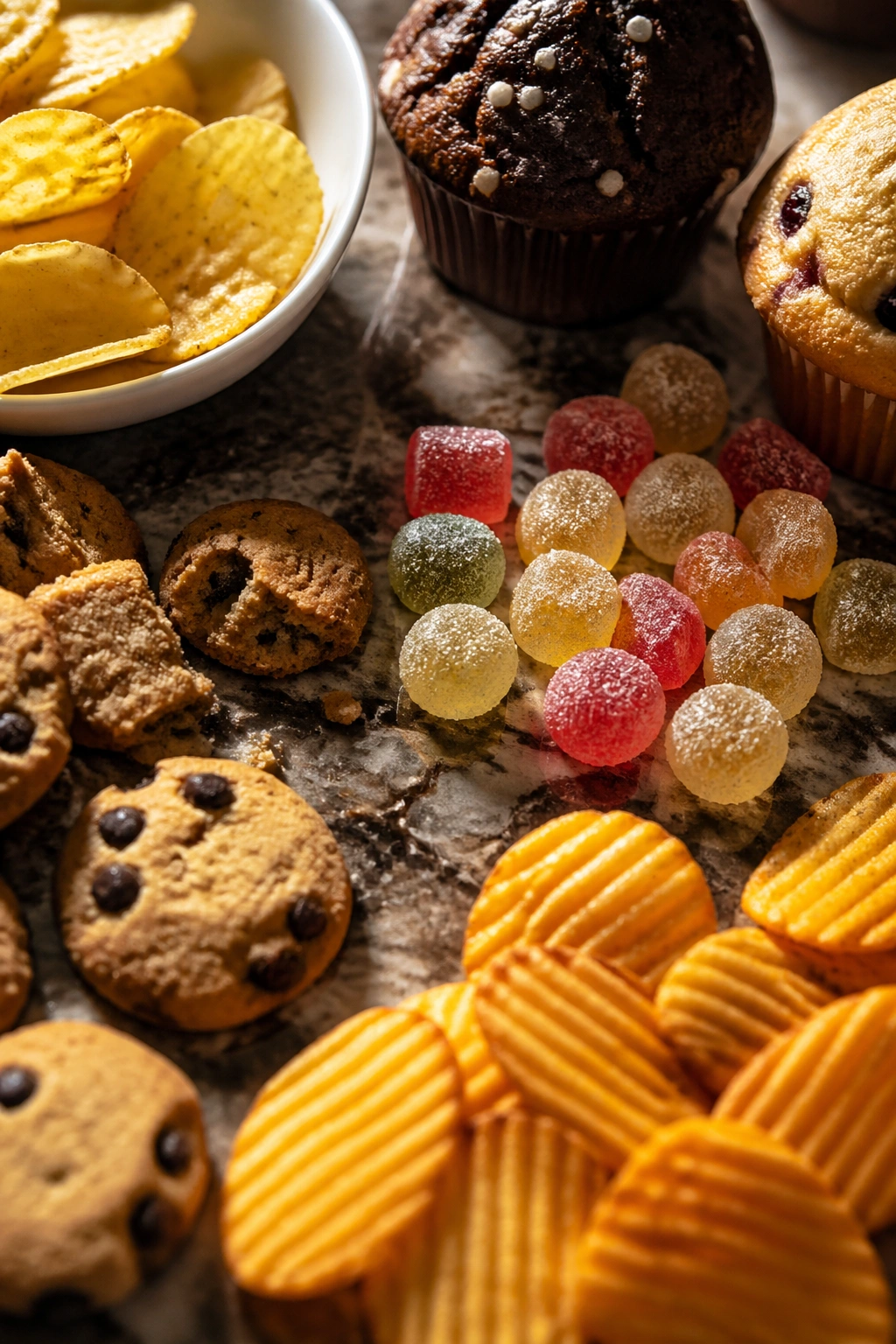
Picture the foods on this list side by side. They do not all taste the same, and they do not all wear the same “junk food” label, yet most of them share three traits.
They are easy to eat fast
Soft bread, crunchy chips, blended coffee drinks, fries, pastries—these go down quickly. Your stomach and brain need time to register fullness, and speed works against you.
They pack a lot of calories into a small space
A baked potato can feel like a meal. A medium order of fries can carry the same potato plus a heavy dose of oil and salt, with far less fullness. Same idea, wildly different result.
They are low in the things that help you stop eating
Fiber, protein, water, and chewing time help control appetite. Ultra-processed foods often strip those away while keeping the reward dial turned high. In a tightly controlled NIH feeding study, people given ultra-processed meals ate about 500 extra calories per day compared with when they were given minimally processed meals, even though the menus were matched in broad nutrient targets.
That matters more than the label on the front of the package.
1. Soda
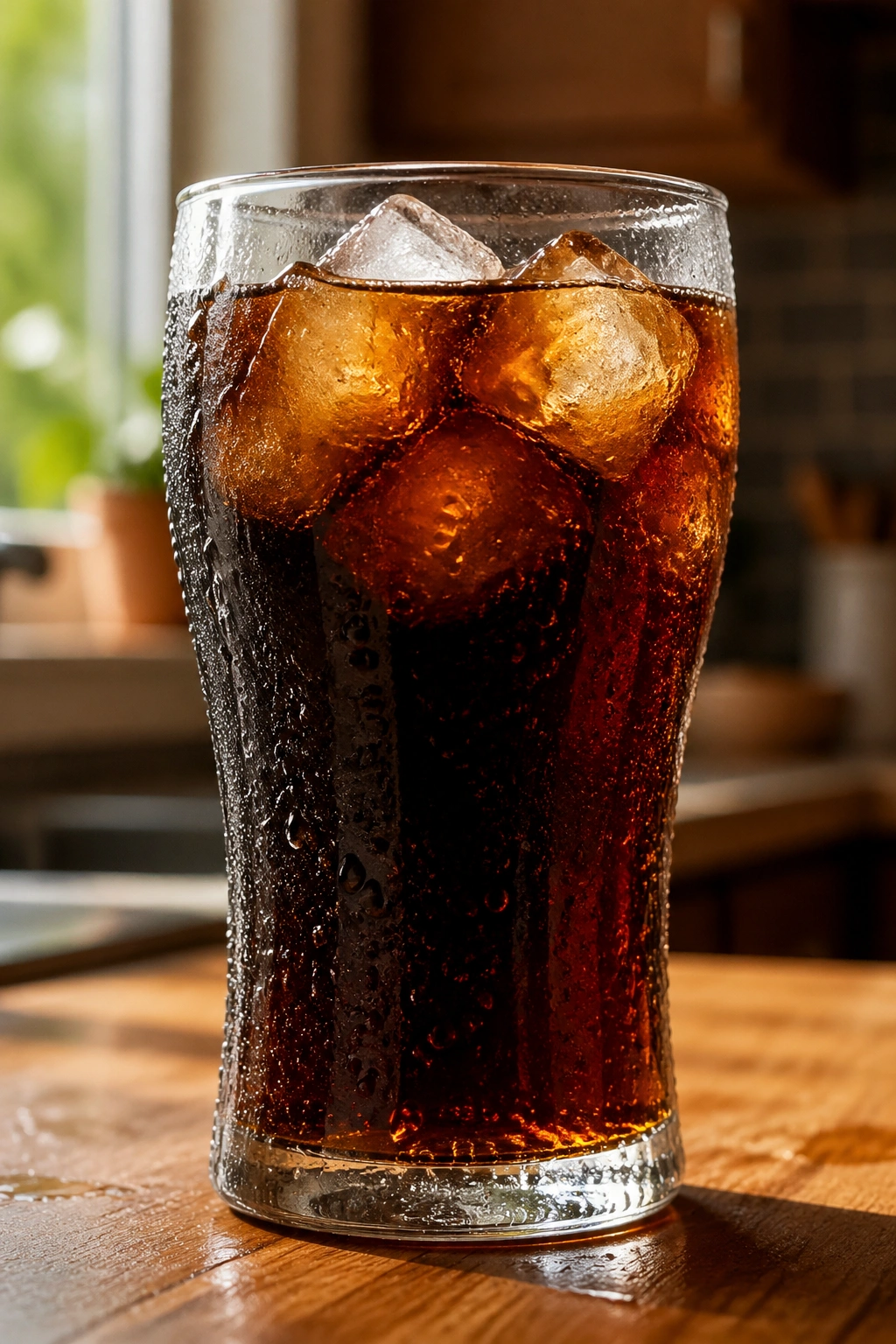
A cold soda is one of the fastest ways to drink a large sugar load without feeling like you ate much at all. A single 20-ounce bottle often carries more than 60 grams of sugar, which lands in your system far faster than sugar locked inside whole fruit.
Why Soda Hits the Waist So Fast
Liquid calories are sneaky because they do a poor job of creating fullness. You can drink 250 calories in a few minutes, then sit down to lunch and eat the same amount you would have eaten anyway. That pattern is a problem for anyone trying to avoid belly fat, and women dealing with stress eating or long gaps between meals often get hit twice—first by the sugar, then by the rebound hunger.
Sugary drinks have also been tied in large cohort research to weight gain and higher visceral fat. That link makes sense on the ground level: soda adds energy without slowing you down enough to notice it.
Quick Numbers That Matter
- A 12-ounce can often contains 35 to 40 grams of sugar.
- A 20-ounce bottle can reach 15 to 17 teaspoons of sugar.
- Soda has no fiber and usually no protein, so fullness stays low.
- Drinking calories with a meal tends to add to the meal instead of replacing it.
Better move: If plain water feels dull, use sparkling water with citrus, mint, or a splash of unsweetened juice.
2. Fruit Juice Cocktails
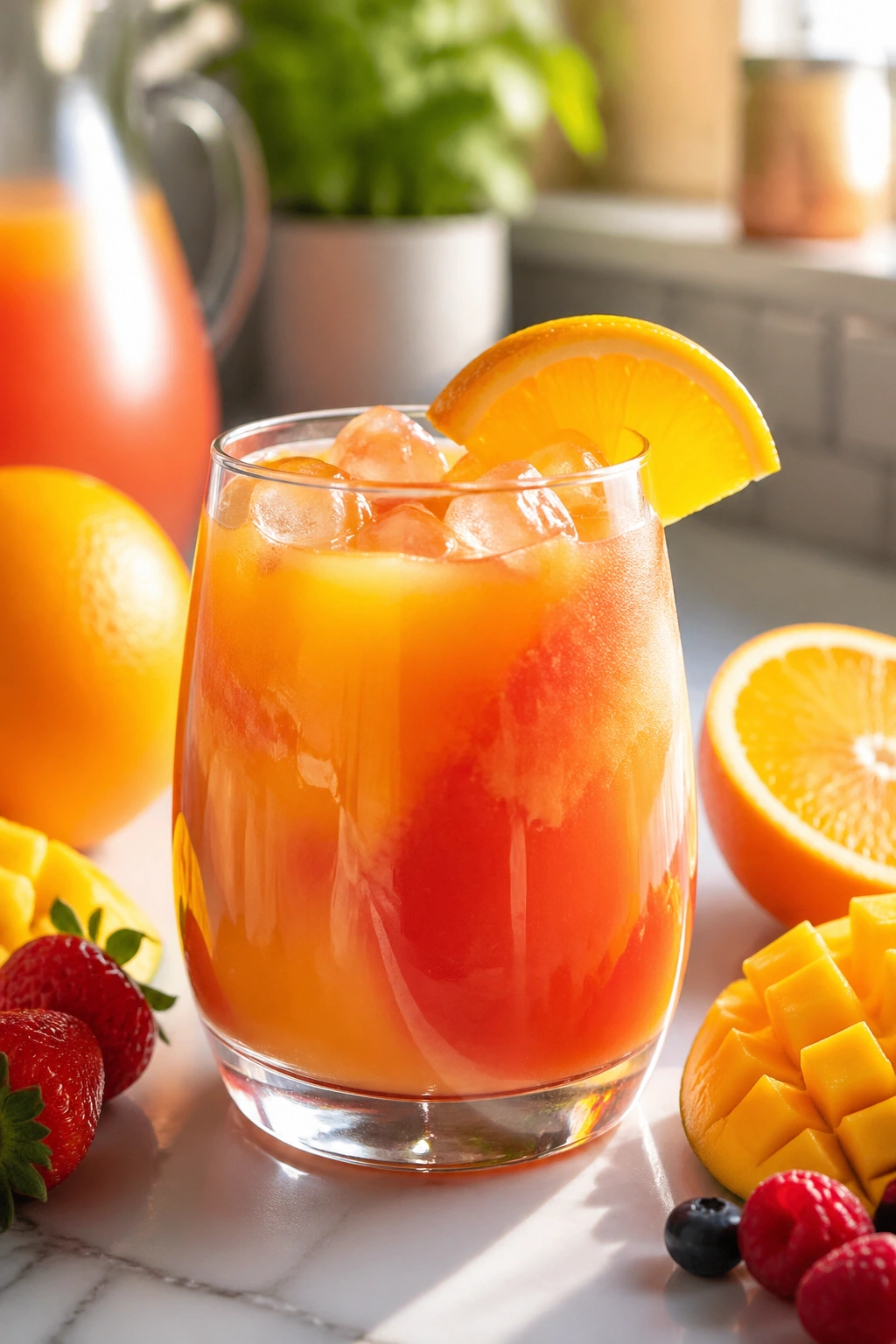
A glass of juice has a healthy halo that soda lost long ago. That halo is not always earned.
When you eat an orange, you chew it, you get fiber, and your stomach gets bulk. When you drink orange juice, the fiber is mostly gone, the sugar arrives faster, and one glass can contain the equivalent of two or three oranges in a form that barely slows you down. Juice cocktails are worse because many contain added sugar on top of the fruit sugars already there.
Portion size adds another trap. People pour juice into tall glasses, not measuring cups. What looks like one serving can be 12 to 16 ounces, which pushes the sugar load up fast. If it comes beside pancakes, cereal, or toast, you have a refined-carb stack before the day has even started.
Whole fruit wins here by a mile. It is harder to overeat, slower to digest, and far more useful for appetite control. Juice is not evil. It is easy to underestimate. That is enough.
3. Fancy Coffee Drinks
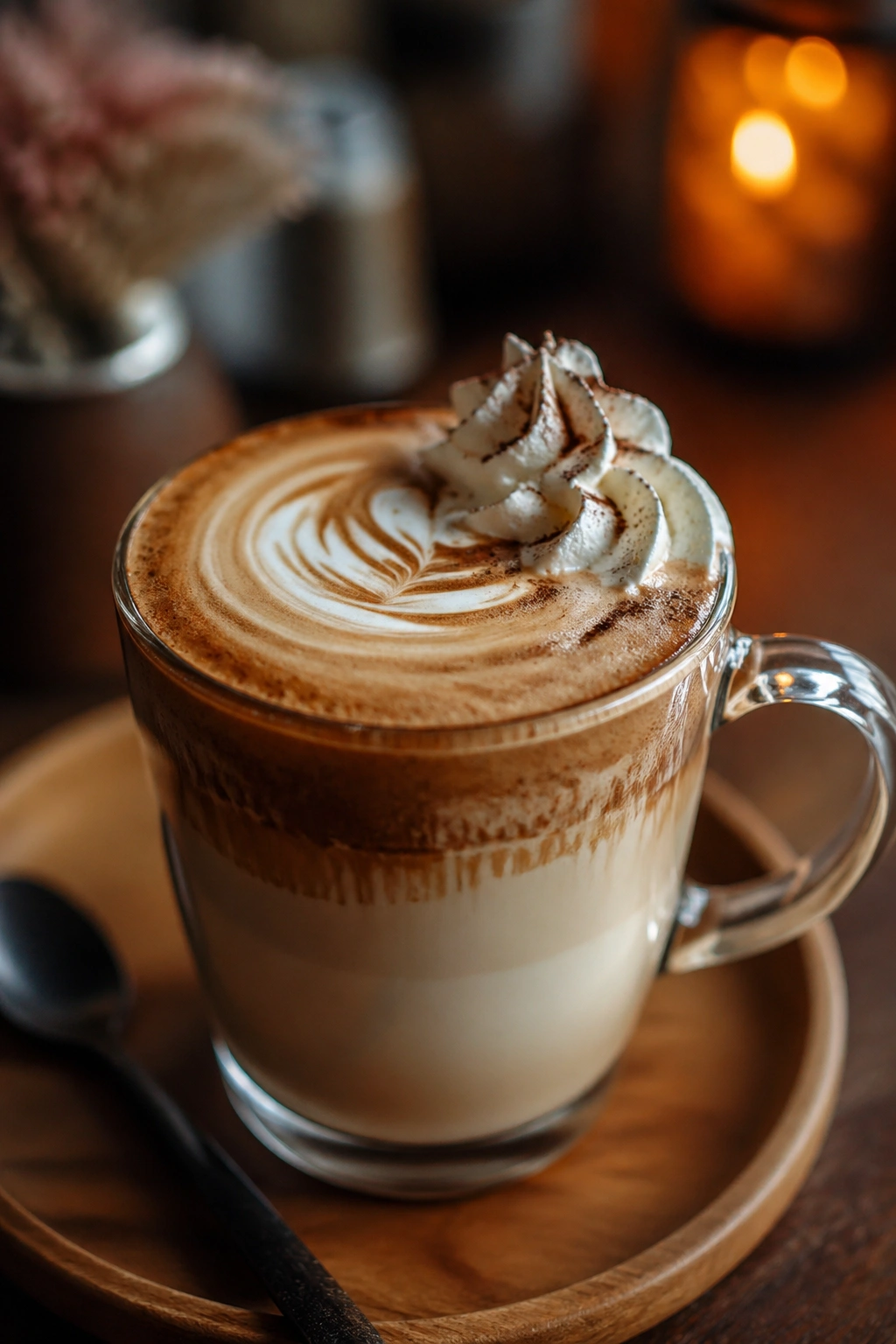
Why can a coffee run feel harmless when it lands like dessert?
Because the word coffee masks what is often a blended sugar-and-cream drink wearing espresso as a costume. Large flavored lattes, frozen coffee drinks, and whipped-cream-topped café orders can climb into the 300 to 600 calorie range, with sugar totals that belong in a bakery case.
The trouble is not only the calories. Sweet coffee drinks are often breakfast instead of breakfast, which means you get a fast hit of sugar and fat without much protein or fiber. A couple of hours later, hunger comes roaring back, and the craving for something starchy gets louder.
How to Order Without Turning Coffee Into Cake
Choose drinks built around coffee and milk, not syrup. A cappuccino, flat white, or latte with less syrup—or none—keeps the flavor while cutting the sugar load hard. If you want sweetness, ask for one pump instead of three or four.
Milk can fit into a balanced day. A caramel-blended 24-ounce drink with whipped cream is playing a different game.
4. Sweetened Yogurt Cups
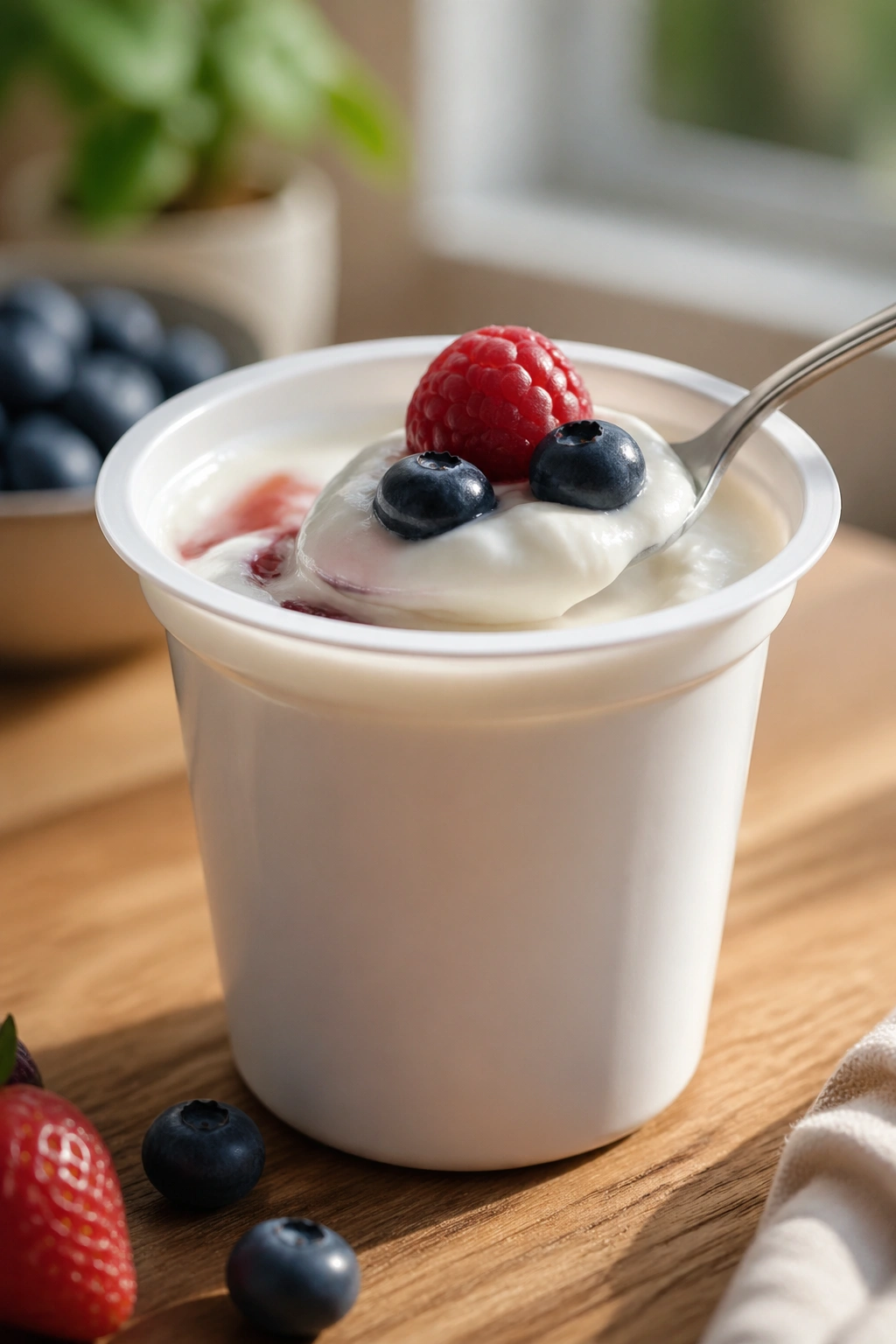
Walk down the yogurt aisle and you’ll see packages shouting about protein, calcium, probiotics, or low fat. Flip them over. Some of those small single-serve cups carry 15 to 25 grams of added sugar, which is a rough deal in a container you can finish in six spoonfuls.
The roughest part is the mismatch between branding and satiety. If the yogurt is low in protein and sweet enough to taste like dessert, it may not keep you full for long, especially at breakfast. You end up hungry again before lunch and blaming yourself instead of the food.
A few details are worth checking:
- Protein: Aim for about 12 to 20 grams if you want the yogurt to hold you.
- Added sugar: The lower, the better, especially if you plan to add fruit.
- Texture: Drinkable yogurts disappear fast and often carry more sugar.
- Flavoring: Fruit-on-the-bottom and dessert flavors are often the giveaway.
Plain Greek yogurt with berries does a far better job. You get the same creamy feel, more protein, and sugar that comes with fiber and actual chewing.
5. Sugary Breakfast Cereal
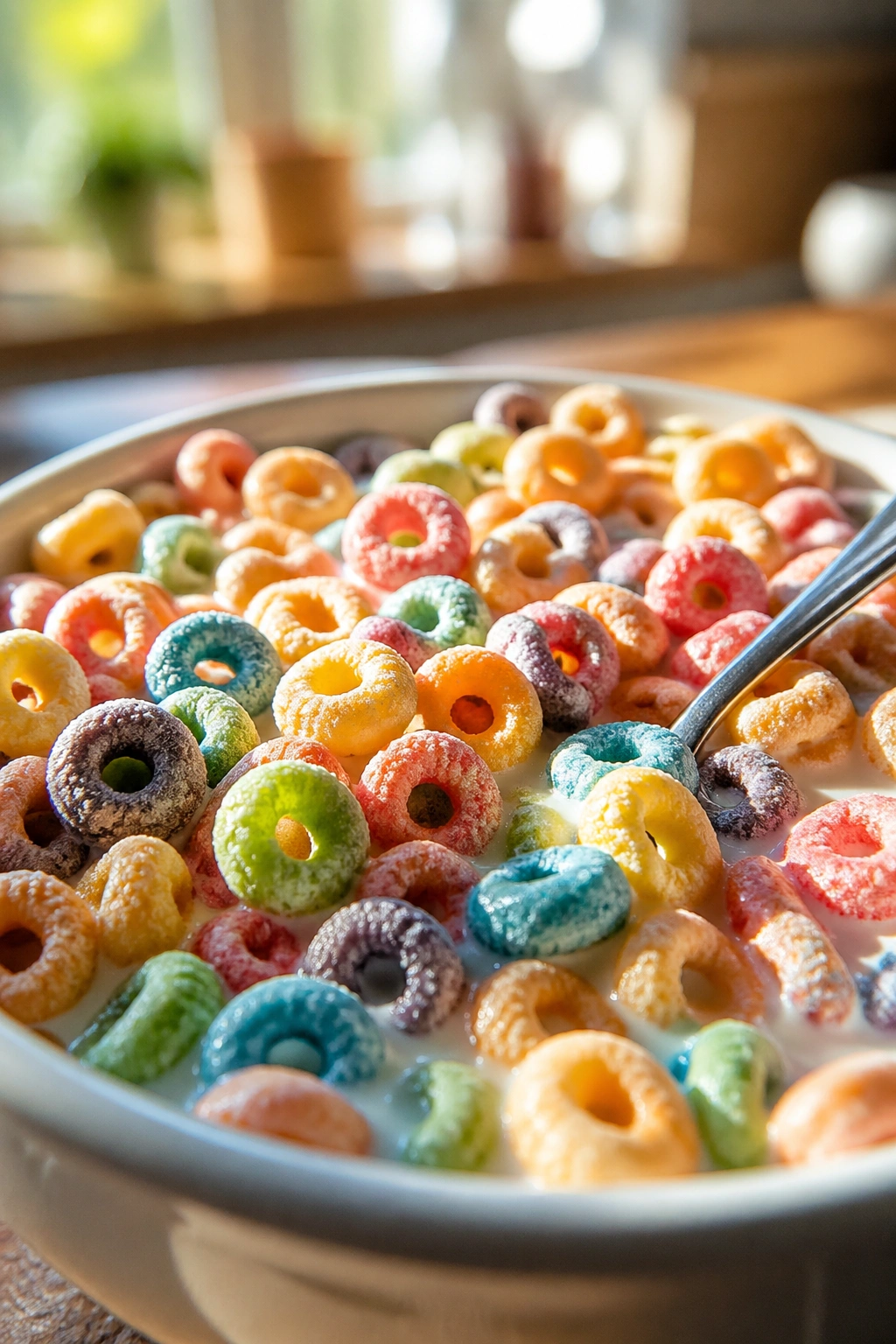
Breakfast cereal can be one of the most efficient ways to build a high-calorie, low-satiety meal. Pour a large bowl, add milk, maybe top it with banana, drink a glass of juice, and you have a breakfast that looks light but digests fast and fades fast.
The serving sizes on cereal boxes are tiny. Few people pour the listed amount unless they stop and measure it, and almost nobody does that on a sleepy weekday morning. One bowl often turns into two or three servings without any sense that you ate a large meal.
Refined cereal also has a texture problem. It softens fast, takes little chewing, and does not ask much of your appetite system. You can eat it in minutes. Hunger can return in two hours.
Children’s cereals are the obvious sugar bombs, though adult-looking cereals can be sneaky too. Granola clusters, honey-coated flakes, “protein” cereals with sweet coatings—all of them can land harder on your waist than eggs, oats, or Greek yogurt because they are easy to overpour and easy to underfeel.
Breakfast is not sacred. If cereal leaves you hungry by midmorning, your body already gave you the review.
6. Granola and Snack Bars
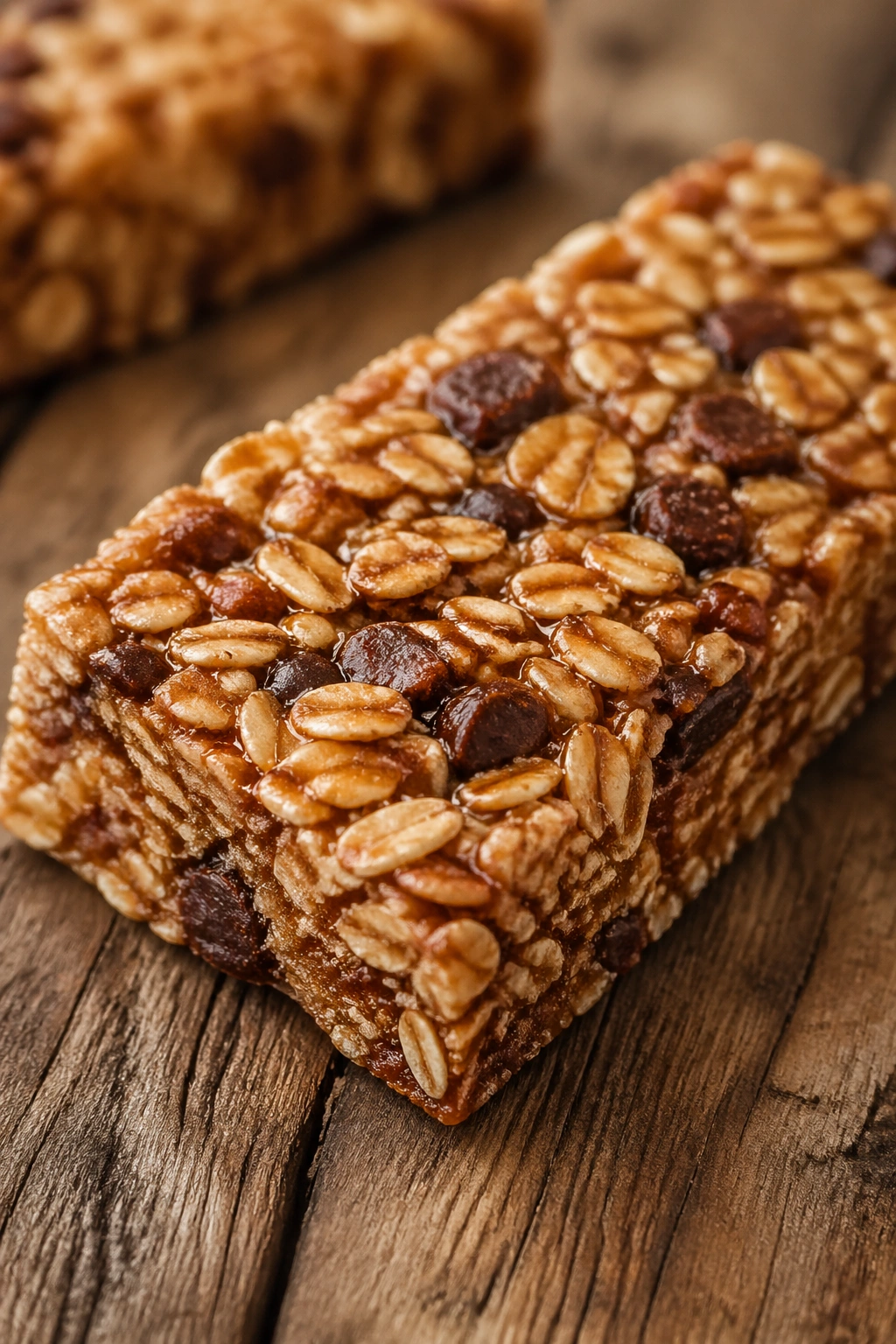
Unlike a bowl of oats or a piece of fruit, many granola bars are built to be shelf-stable, sweet, and snackable first. Nutrition comes second.
That usually means syrups, crisped rice, chocolate coatings, nut butters, and dried fruit packed tightly into a small rectangle. None of those ingredients are automatically a problem. The issue is that the bar often looks like a modest snack while carrying 180 to 300 calories and not much fullness. Two bars later, you have eaten what could have been a real meal.
These products are also marketed hard to busy women who skip meals, work through lunch, or need something in the car. I get the appeal. They are tidy. They do not need a fridge. They feel responsible. Many of them are still candy with better PR.
Who do they work for? Hikers, athletes, and people who need portable fuel and know what they are buying. If you sit at a desk all day, a bar with at least 3 to 5 grams of fiber and 10 grams of protein holds up better than the syrupy ones.
7. Bakery Muffins
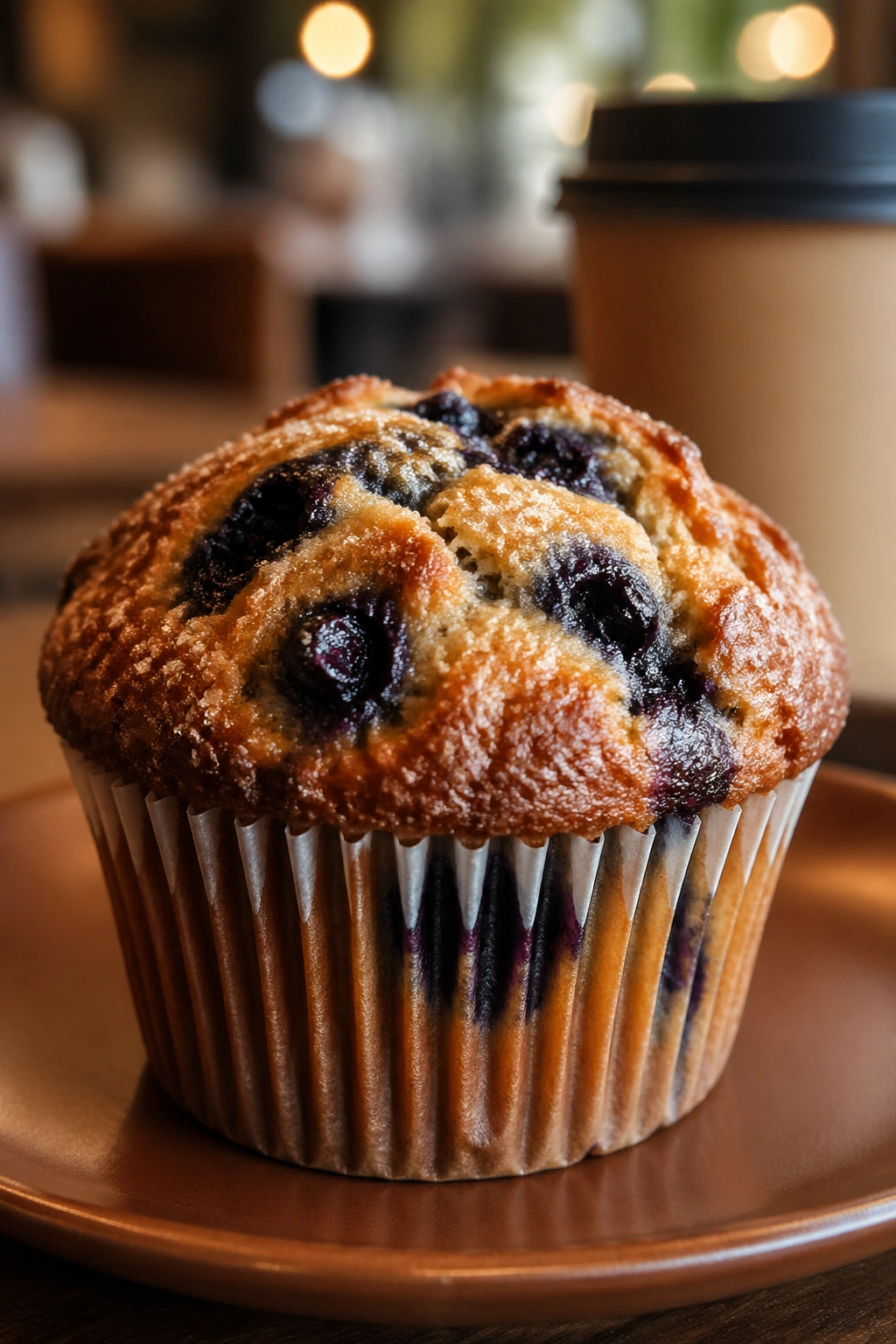
A coffee-shop muffin is not a small side item. It is often a dense, sugary cake baked in breakfast clothing.
Why Muffin Math Fools People
Many bakery muffins land between 400 and 700 calories, and that number climbs when nuts, chocolate, streusel, or cream cheese filling show up. The size alone matters, though the ingredient mix matters too: refined flour, sugar, oil, and a texture that goes down fast because it is soft and sweet.
People also pair muffins with sweet coffee. That combo can push breakfast into meal-plus-dessert territory before noon.
A Few Muffin Facts Worth Respecting
- A large muffin can equal two or three standard servings.
- Bran muffins are not always lighter; many carry heavy sugar and oil.
- Blueberry muffins often contain more batter than berries.
- Eating one in the car makes portion awareness even worse.
If you love muffins: split one in half and pair it with eggs or plain yogurt. The protein slows the crash.
8. Donuts and Pastries
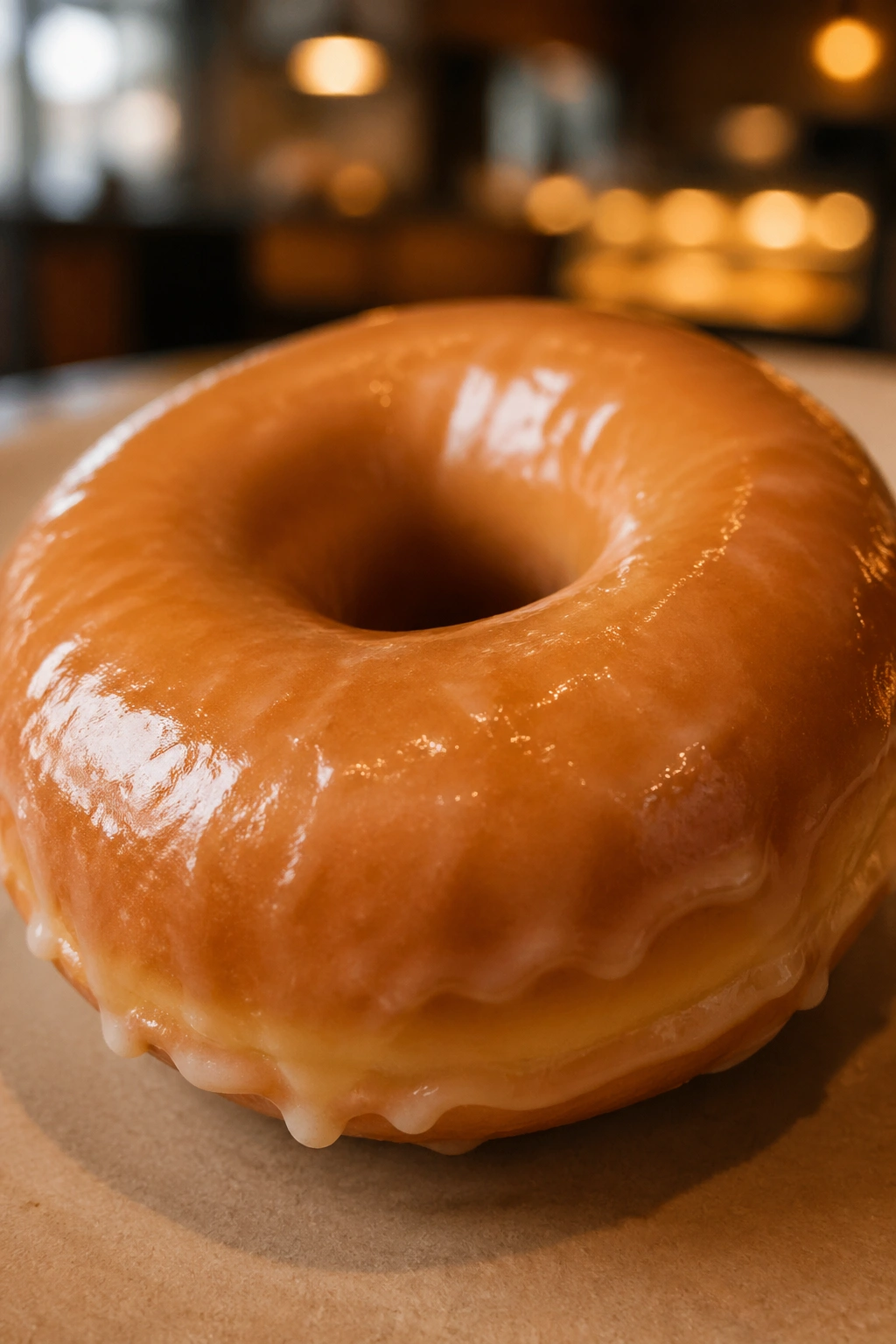
Donuts, croissants, danishes, cinnamon rolls—these foods hit almost every appetite trigger at once. You get refined flour, sugar, and fat in a texture that asks for little chewing and gives back little fullness.
Fried pastries go one step further because hot oil bumps up the calorie density. You can finish a glazed donut in a few bites and still feel ready for another one, which tells you almost everything you need to know about satiety. A large cinnamon roll can cross the line from snack to meal-sized calorie load without a matching meal-sized sense of fullness.
There is also a timing issue. Pastries are often eaten when you are rushed, hungry, and drinking caffeine. That combination makes it easier to eat fast and ignore the point where you would have stopped with a more balanced breakfast.
A donut now and then is not the story. The trouble starts when the office pastry box becomes part of the week and your waist quietly registers the pattern before your brain does.
9. White Bread
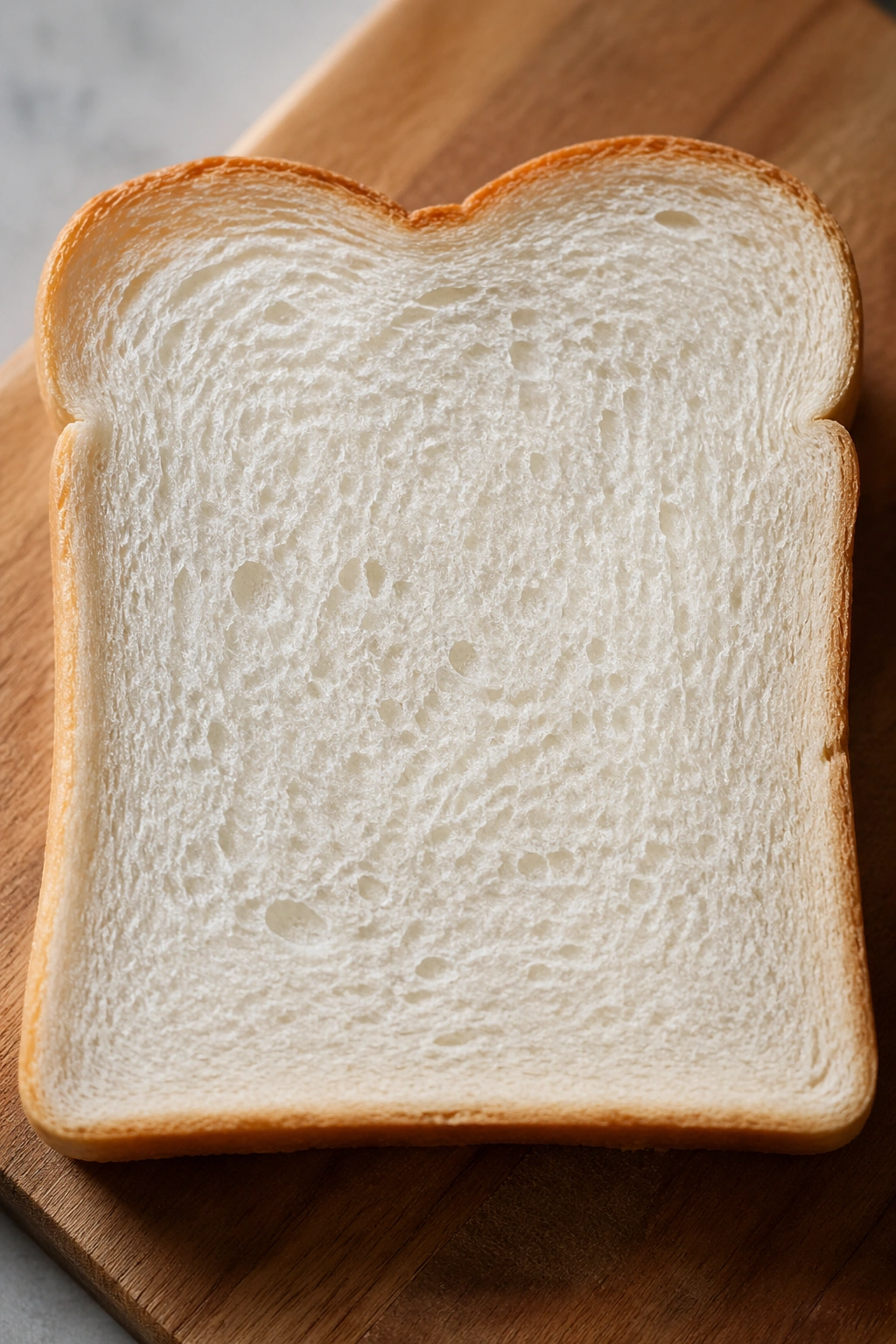
White bread sounds plain compared with pizza or donuts, yet it earns a place on this list because refined bread slips into the day over and over—toast at breakfast, sandwich at lunch, garlic bread at dinner, maybe a snack later.
Why does that matter? Milling strips away much of the fiber and structure that slow digestion in intact grains. You end up with a food that digests quickly and does not keep you full for long unless you pair it with protein, fat, or high-fiber fillings.
How White Bread Becomes a Waistline Problem
One slice is not the issue. The issue is the stack. Two slices for toast, two more for a sandwich, maybe a bread basket before dinner, then a sweet craving after the blood sugar dip. White bread is also easy to spread with butter, jam, mayo, or sweet nut spreads, which pushes the calorie count far above what the bread alone suggests.
If your lunch is built on soft white bread and processed deli meat, expect hunger to return fast. That rebound hunger matters more than the bread debate on social media ever will.
10. Oversized Bagels
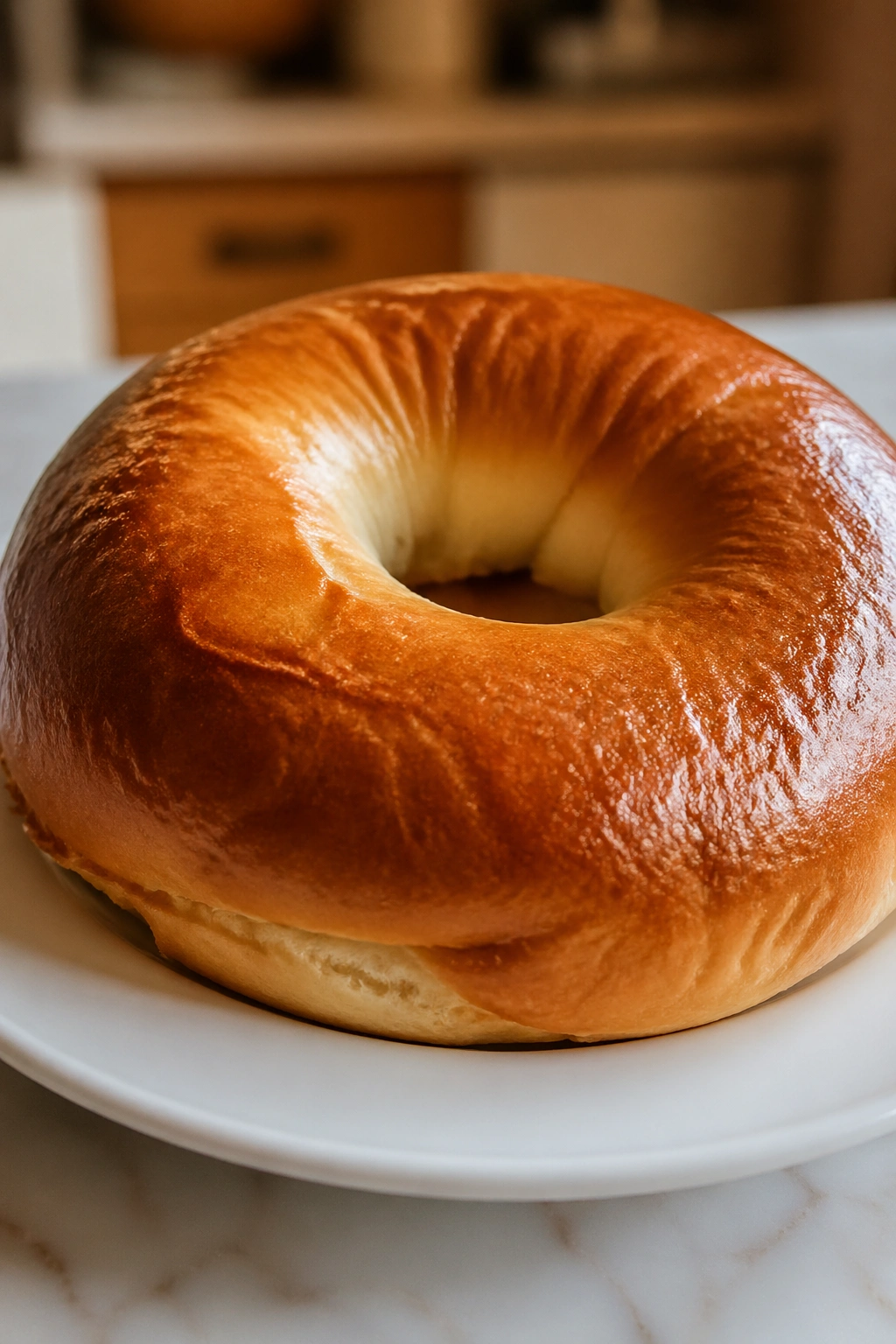
A plain bagel from a café can weigh as much as four or five slices of bread. Most people do not realize that because it comes as one round item, not a stack.
Bagels are dense, chewy, and easy to dress up with cream cheese, butter, jam, or a sweetened coffee on the side. That turns a quick breakfast into a heavy refined-carb meal with little fiber unless the bagel is truly whole grain—and many “whole wheat” bagels are not as fiber-rich as you would hope.
What makes bagels a sneaky midsection food?
- Portion size: Café bagels are often far larger than packaged ones.
- Toppings: Cream cheese adds fat fast, and sweet spreads add sugar.
- Speed: Hungry people eat bagels quickly because they are portable.
- Pairings: Bagels often come with juice or sweet coffee, doubling the carb load.
A half bagel with eggs can work. A giant bagel with cream cheese and a sugary latte, five mornings a week, is a different story.
11. Potato Chips
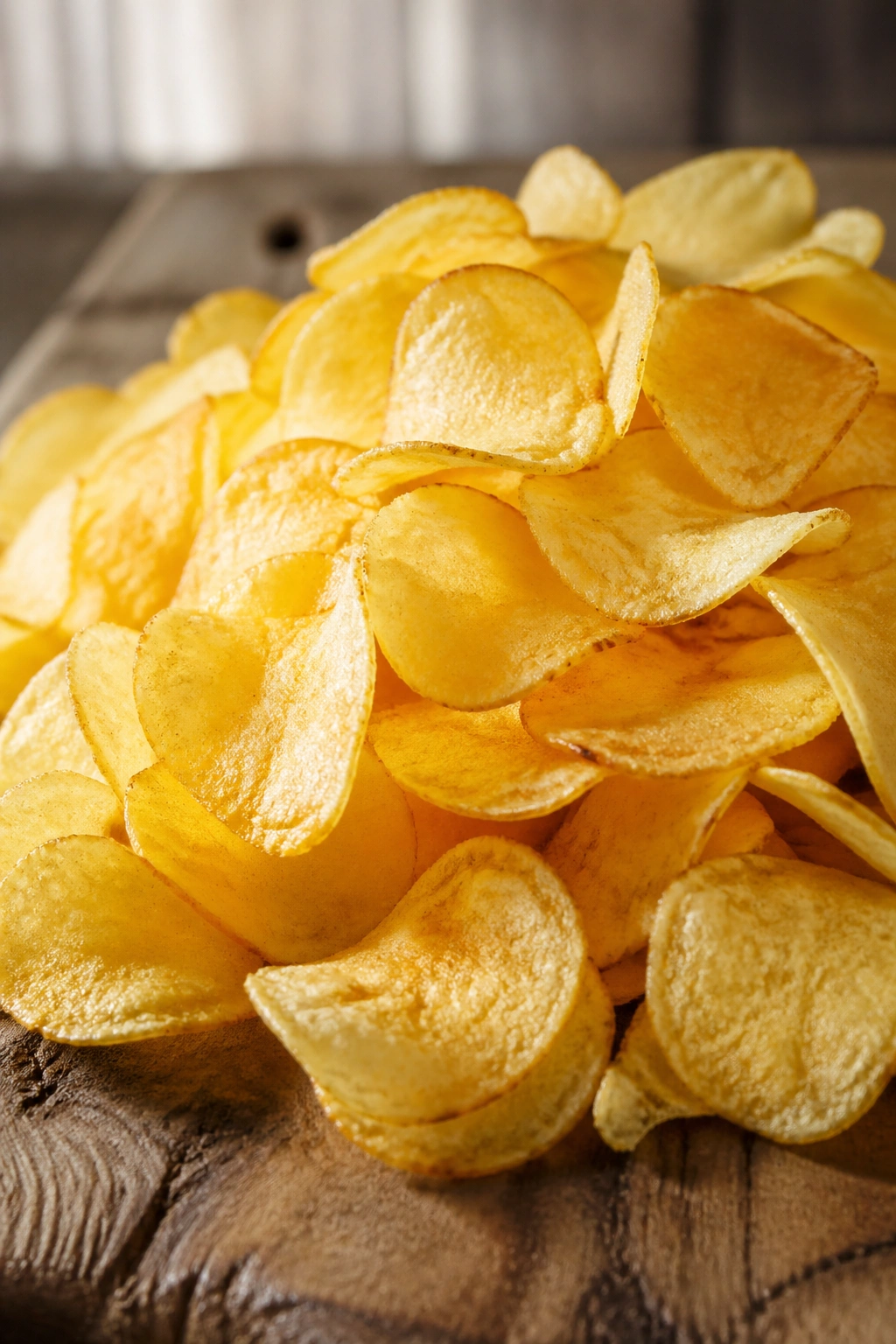
Potato chips are engineered for momentum. One chip does not feel like anything, which is why the handful keeps coming.
Crunchy, salty foods tend to encourage repeat eating because each bite feels light, fast, and rewarding. Chips also carry a lot of calories per ounce, thanks to the oil used to fry them or coat them. A small bag disappears in minutes and leaves little fullness behind.
Salt adds another layer. Chips can make you feel puffy and swollen later that day, which is water retention, not fat, but it still sends many women into the same cycle: feel bloated, get discouraged, crave more comfort food, repeat. The food is not only adding calories. It is also making the mirror feel worse by night.
And chips rarely arrive alone. They show up next to burgers, sandwiches, dips, alcohol, or TV. That context matters. You are not hungry for potatoes. You are eating an easy, high-calorie side that keeps your hand moving.
12. French Fries
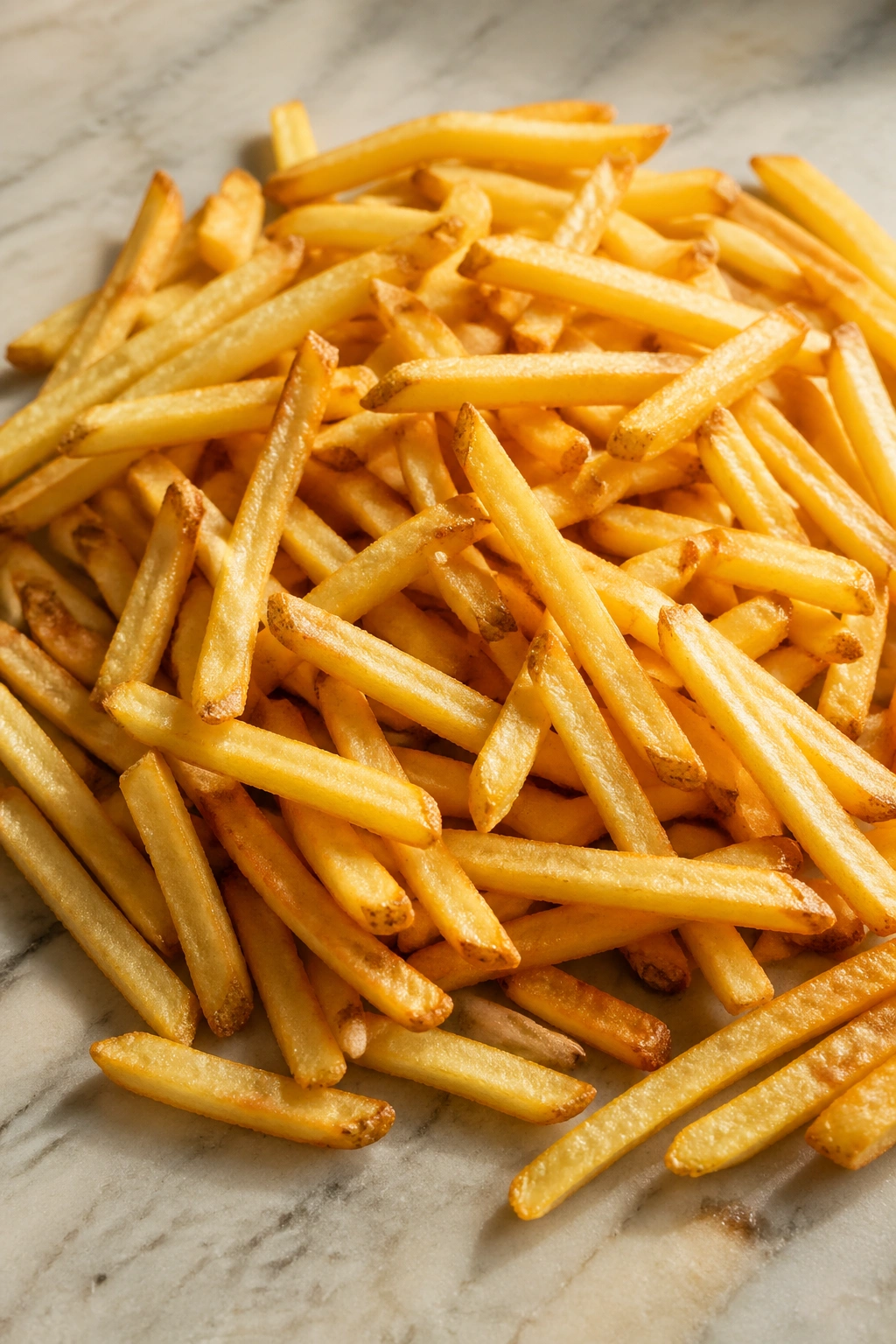
A baked potato and an order of fries start as the same vegetable. After deep frying, salting, and portion inflation, they barely behave like the same food.
Fries are one of the strongest examples of calorie density beating fullness. A medium order from a restaurant or drive-thru can land in the 300 to 500 calorie range, and larger sizes push much higher. The chewing time is short. The reward is high. Appetite control loses.
They also travel with other belly-fat-friendly foods. Burger and fries. Fried chicken and fries. Cocktail and fries. Even when the main dish is not huge, fries can swing the whole meal into surplus because they add oil-heavy calories without helping much on satiety.
Who gets away with fries more easily? People who eat them occasionally and skip the mindless side-order habit. If fries show up three or four times a week, the midsection often notices before the scale screams.
13. Pizza
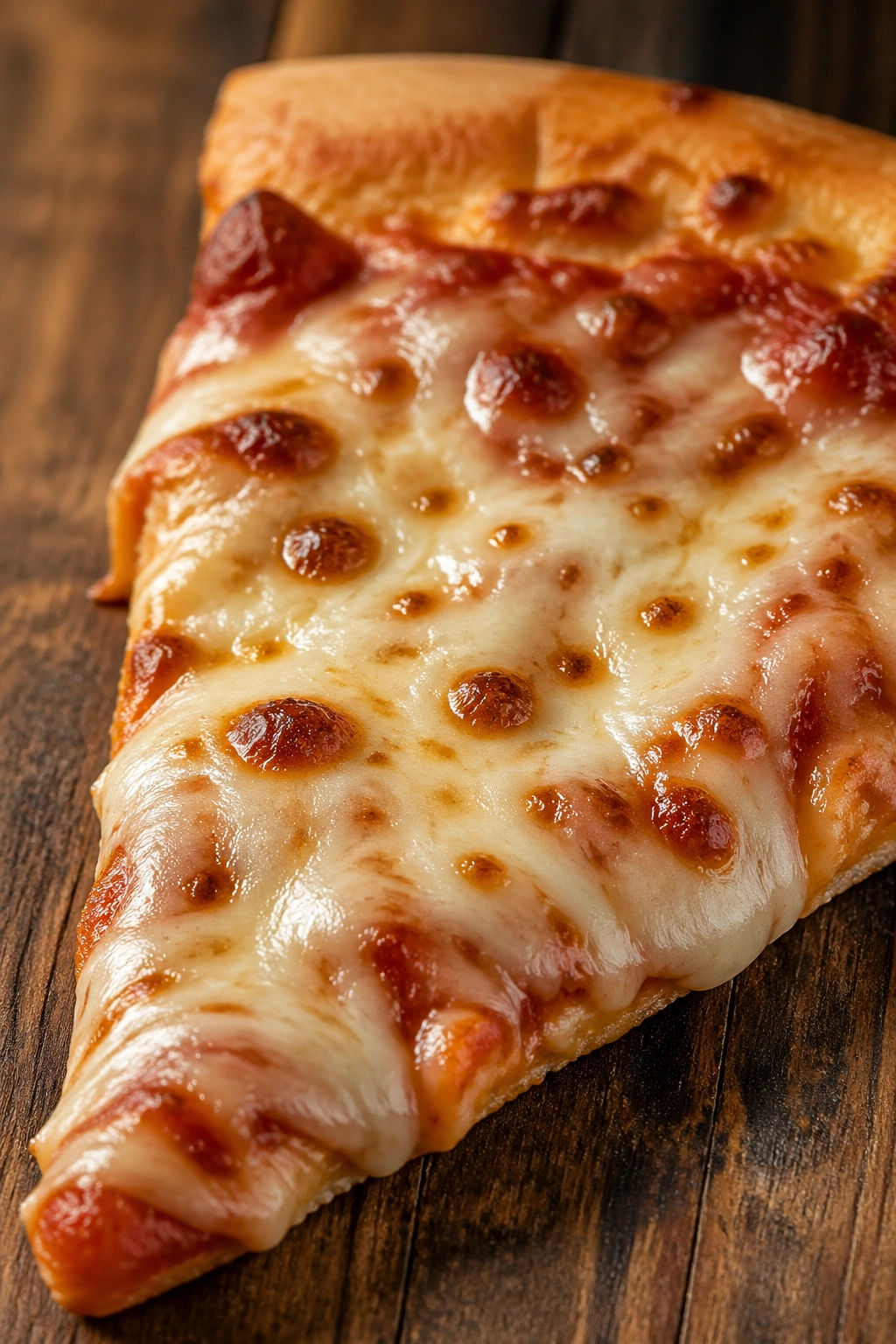
Pizza is one of those foods people argue about because it contains bread, cheese, tomato sauce, and maybe vegetables, all of which sound ordinary on their own. Put them together in the standard takeout format and the equation changes fast.
Why Pizza Adds Up So Easily
Most pizza combines refined crust, cheese, oil, and processed meats in slices that are easy to eat quickly. Thin crust is not always light, stuffed crust is rarely subtle, and meat-heavy toppings push calories and sodium up hard. Two slices can be manageable. Four slices plus garlic knots and a drink can turn dinner into a major calorie surplus without much thought.
Pizza also tends to be eaten late, while distracted, and in groups—three conditions that make portion control harder.
Where the Hidden Extra Comes From
- Extra cheese adds more than flavor; it also adds a lot of calorie density.
- Pepperoni, sausage, and bacon push fat and sodium higher.
- Dipping sauces can add 100 calories or more in a small cup.
- Large slices from pizzerias are not the same as frozen box portions.
Smartest way to eat it: pair two slices with a big salad or vegetables, not a second side of starch.
14. Fast-Food Burgers
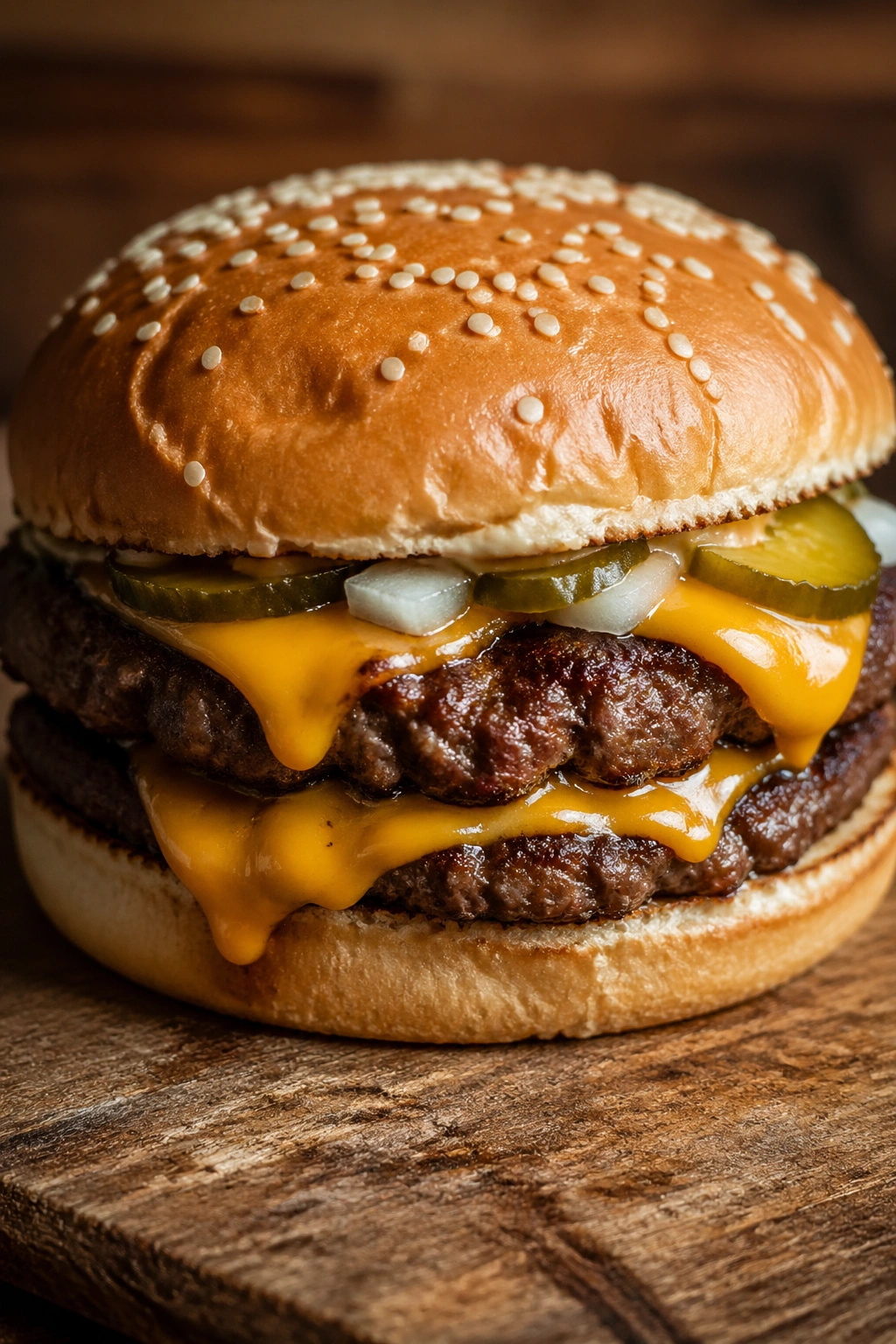
A plain burger is not the villain by default. The issue is the fast-food version that stacks a refined bun, fatty meat, cheese, sauce, and often bacon into a meal built for speed and repeat business, not fullness per calorie.
Portion size does a lot of damage here. Single burgers became doubles, then triple-patty builds with special sauce and giant buns. Add fries and a sugary drink and the burger stops being one food choice and becomes a full belly-fat package. Women trying to eat “lighter” sometimes swap the soda for diet soda but keep the burger, fries, and late-afternoon cookie that comes from feeling undernourished a couple of hours later.
Protein does help with fullness, which is why burgers can be less slippery than pastries. Still, protein cannot cancel out portion size. A big fast-food burger can carry 700 calories before the side order enters the chat.
The drive-thru habit is the real problem. Fast, salty, predictable food can become a stress routine, and routines are what move waist measurements.
15. Fried Chicken
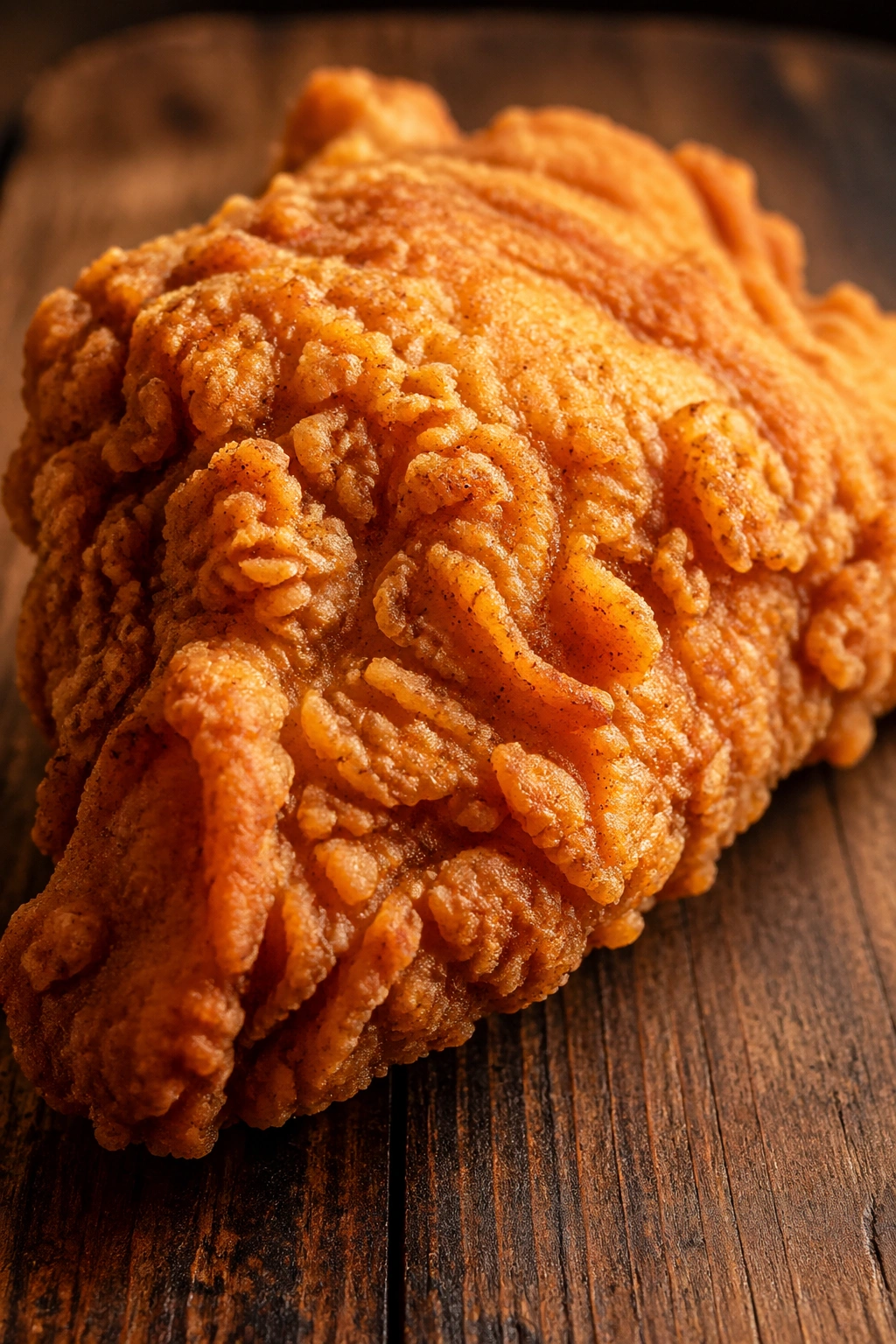
Why does fried chicken cause more trouble than grilled chicken when the base food is the same?
Because breading and hot oil change the energy density fast. The chicken still brings protein, though the crust adds refined flour and extra fat, and those pieces are often eaten with biscuits, fries, sweet tea, or creamy slaw. One decision turns into four.
What Makes Fried Chicken So Easy to Overeat
Crispy coatings light up texture in a way plain chicken does not. Skin, crust, salt, and oil make the meal feel rewarding enough that stopping after one piece is harder than people expect. Boneless nuggets and strips go down even faster because the portion cues are worse. A bucket meal at home is another trap—when the food sits on the table, people keep reaching.
Grilled, roasted, air-fried, or pan-seared chicken gives you the protein without the same calorie pileup. The difference is not small. It is the difference between I ate chicken for dinner and I ate a whole fast-food event.
16. Processed Meats
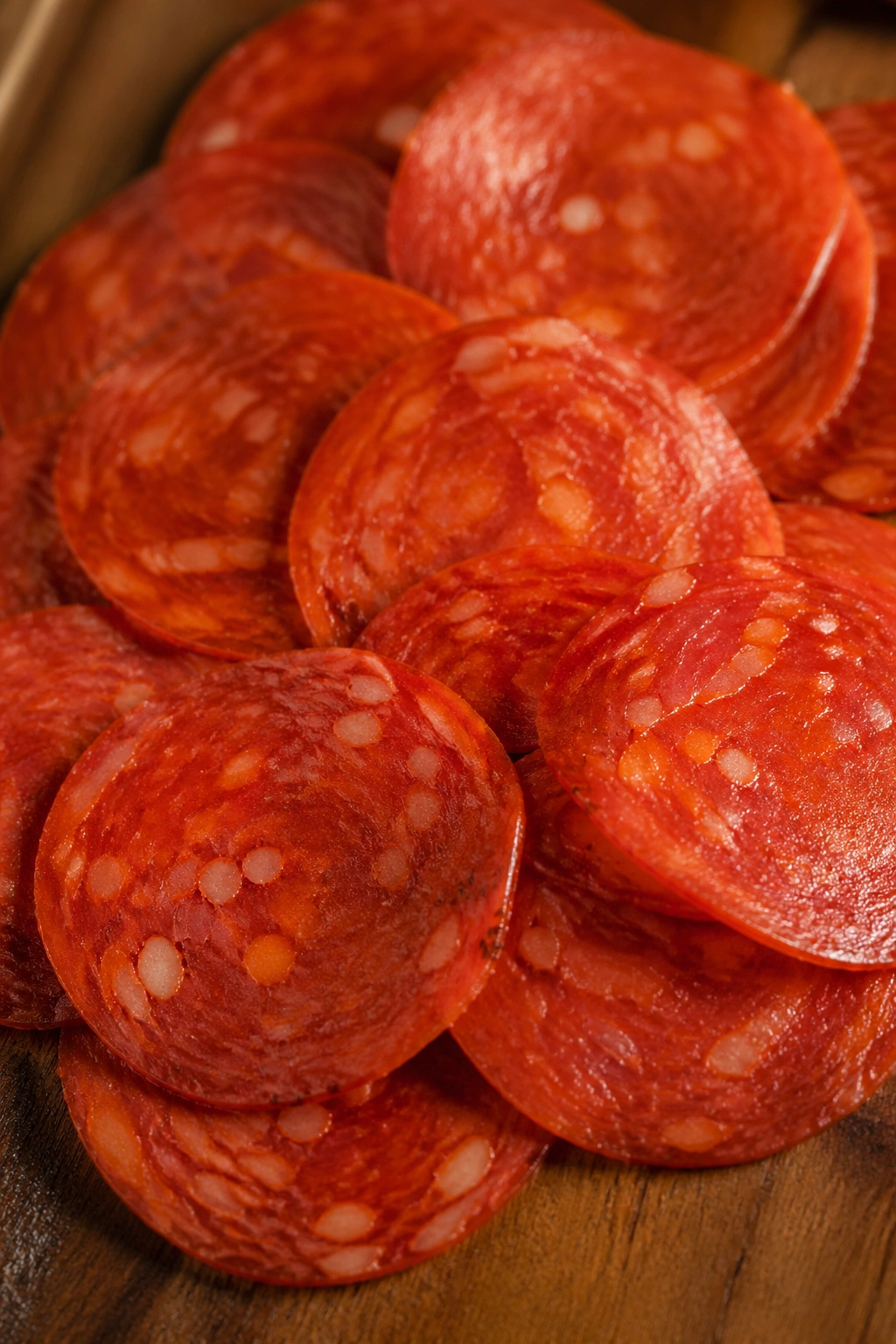
The breakfast sandwich looks tidy. The deli wrap looks lighter than a burger. The charcuterie board looks refined. Processed meats still earn a spot here because they often ride inside meals that are built around salt, refined carbs, and easy overeating.
Sausage, bacon, pepperoni, salami, and deli meats can be high in sodium and fat, and they tend to appear in foods that are already dense—pizza, breakfast sandwiches, subs, crackers, creamy pasta, snack plates with cheese. The meat is not acting alone. It is part of a pattern that drives belly-fat gain.
A few reasons they matter:
- They are often paired with white bread, bagels, or crackers.
- Salt can lead to water retention and a puffier waistline that day.
- Fatty cuts raise calories fast in small portions.
- They are easy to eat mindlessly because they are ready to go.
A turkey sandwich on dense whole-grain bread with vegetables is not the same thing as pepperoni pizza or sausage biscuits. Context changes everything.
17. Candy Bars
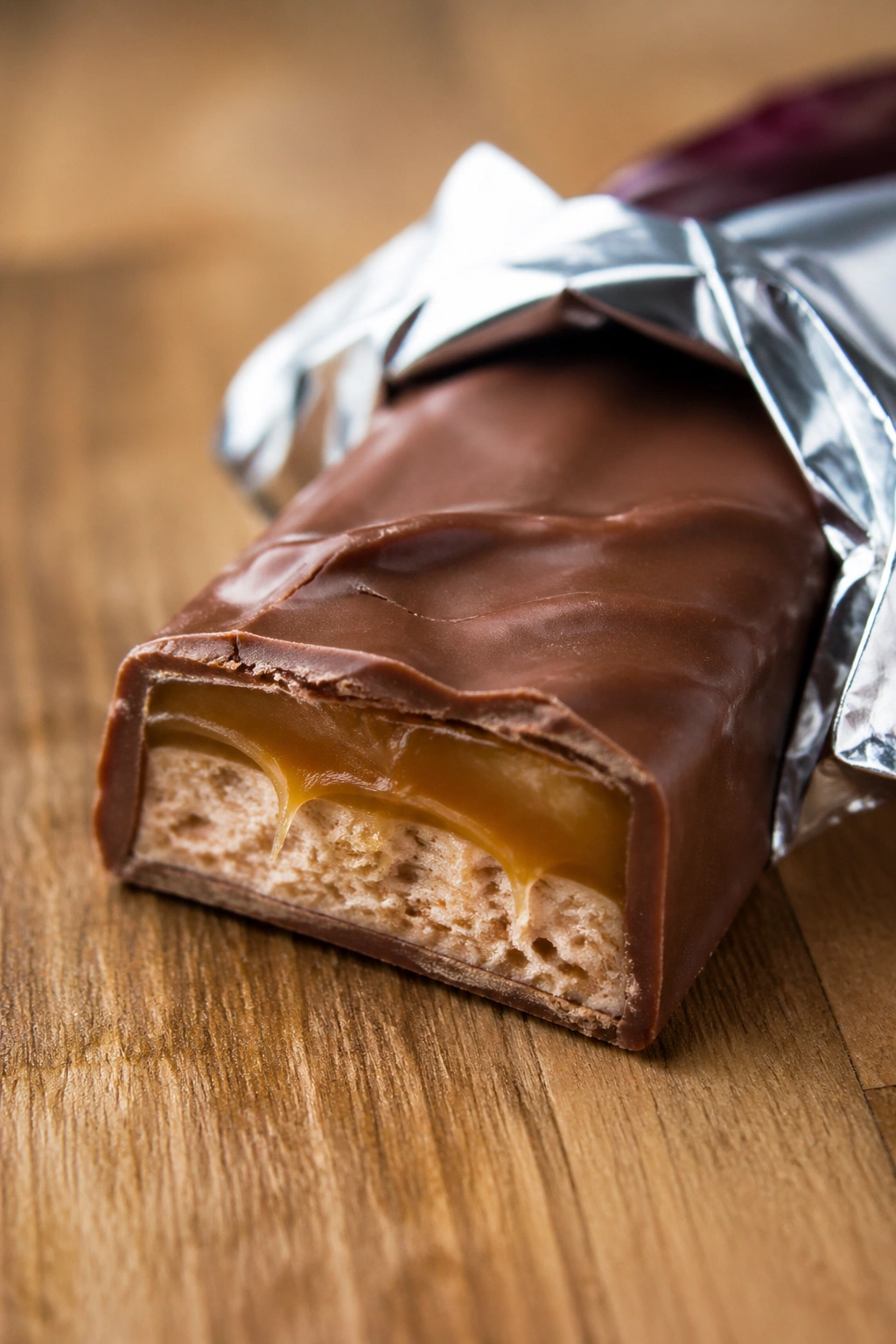
Candy bars are a direct hit of sugar and fat in a compact package. They are built to be eaten quickly, stored easily, and craved again.
That matters because candy often lives in the places where decisions are weakest: desk drawers, purses, gas stations, checkout lanes, bedside tables. You do not plan a candy bar like a meal. You grab it when energy dips or stress spikes. The body gets calories without much fullness, and the brain gets a short reward loop that can keep the habit alive.
A single bar may look small, though many standard bars carry 200 to 300 calories. King-size versions can double that. Eat one with coffee midafternoon and you have not solved hunger; you have postponed it. Dinner still happens.
Chocolate can fit into a balanced diet. A candy bar used as emergency fuel every day is where the trouble starts. If your sweet snack has no protein, little fiber, and disappears in three minutes, your waist usually pays for it later.
18. Ice Cream
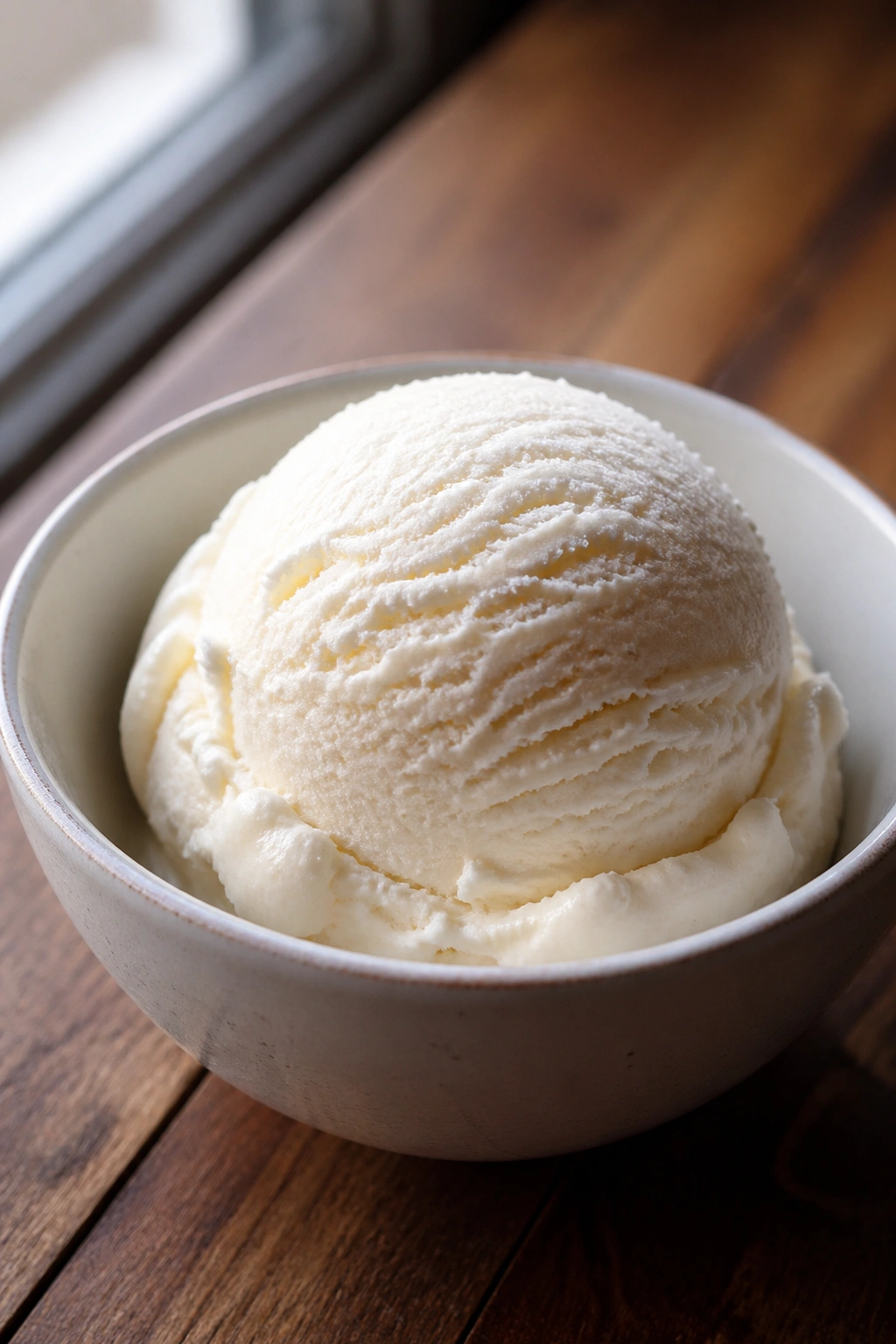
Unlike Greek yogurt with fruit or a homemade smoothie, ice cream delivers a classic high-fat, high-sugar combination that is easy to eat past fullness, especially at night when appetite control is already running low.
Portion size is the killer. People talk about “a bowl” of ice cream as if that means anything. A true serving can be half a cup. Many home bowls hold two to four times that amount without looking excessive, and premium brands pack more calories into each scoop because they carry less air and more cream.
Ice cream also tends to travel with habit. Dinner ends, freezer opens, spoon dips in. The routine becomes automatic, and automatic food choices are the ones that quietly widen the waist. Women dealing with poor sleep often feel this harder because short sleep raises hunger signals and makes sweet, rich foods more appealing.
If you want dessert, portion it into a small bowl and put the carton away first. Eating from the tub is how “a few bites” turns into half the pint.
19. Creamy Pasta Dishes
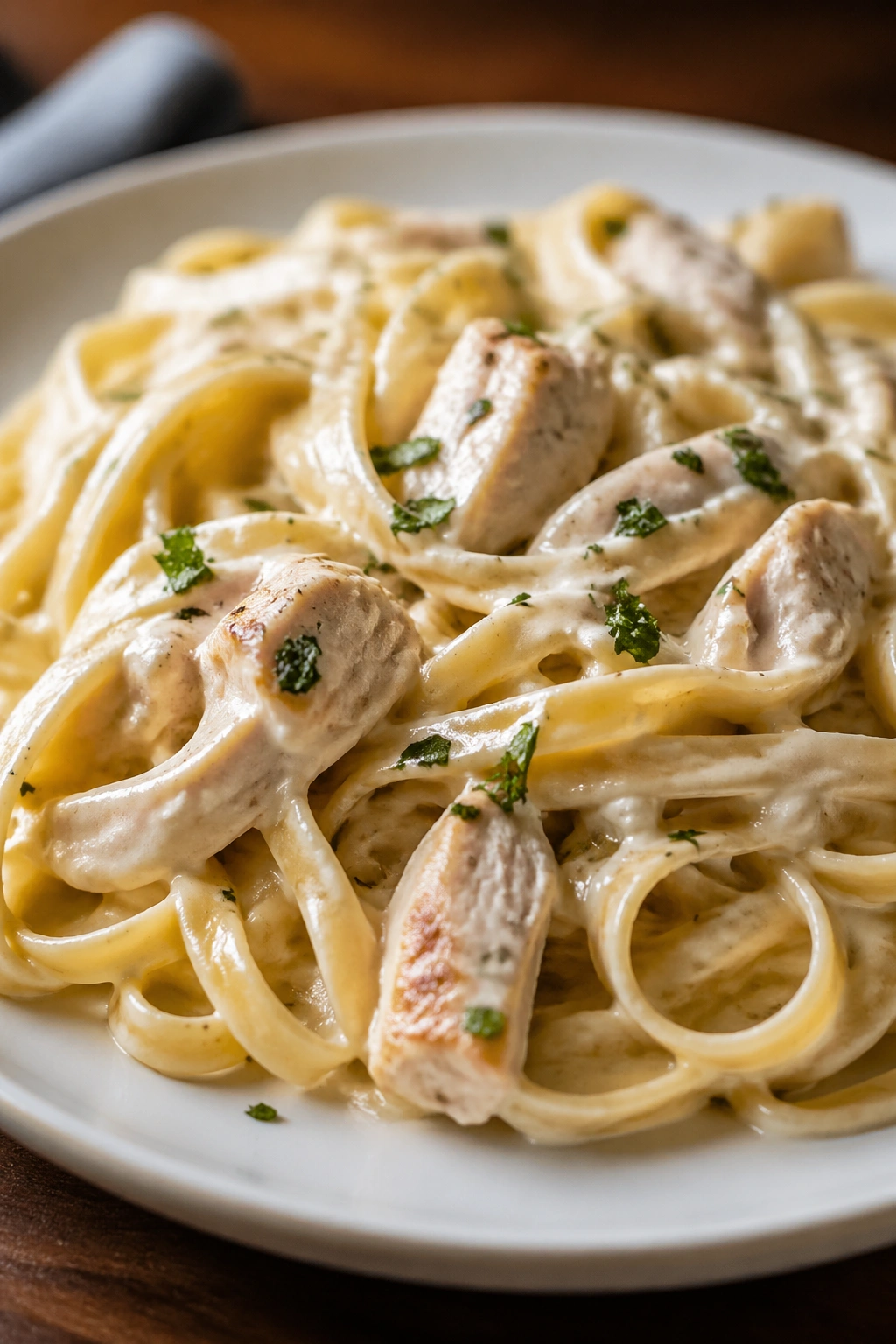
Alfredo, carbonara, mac and cheese, creamy baked pasta—these meals are delicious and dense in a way your stomach does not fully register until you have overshot.
Where the Calories Hide
Refined pasta already digests faster than beans, lentils, or intact grains. Once you add heavy cream, butter, oil, cheese, and maybe sausage or bacon, the meal becomes a concentrated mix of starch and fat that can climb past 800 to 1,200 calories in a restaurant portion. Garlic bread on the side pushes it further.
Creamy sauces also cling to every bite, which means you absorb more calorie density than you would with a lighter tomato-based sauce.
Signs a Pasta Dish Is Working Against You
- The plate is large and shallow, making the portion look smaller than it is.
- There is little protein beyond cheese.
- Vegetables are token garnish, not a real part of the meal.
- You feel heavy after eating it and hungry again sooner than expected.
A stronger pasta setup: smaller pasta portion, tomato or olive-oil-based sauce, lean protein, and a pile of vegetables that actually changes the plate.
20. Alcoholic Cocktails
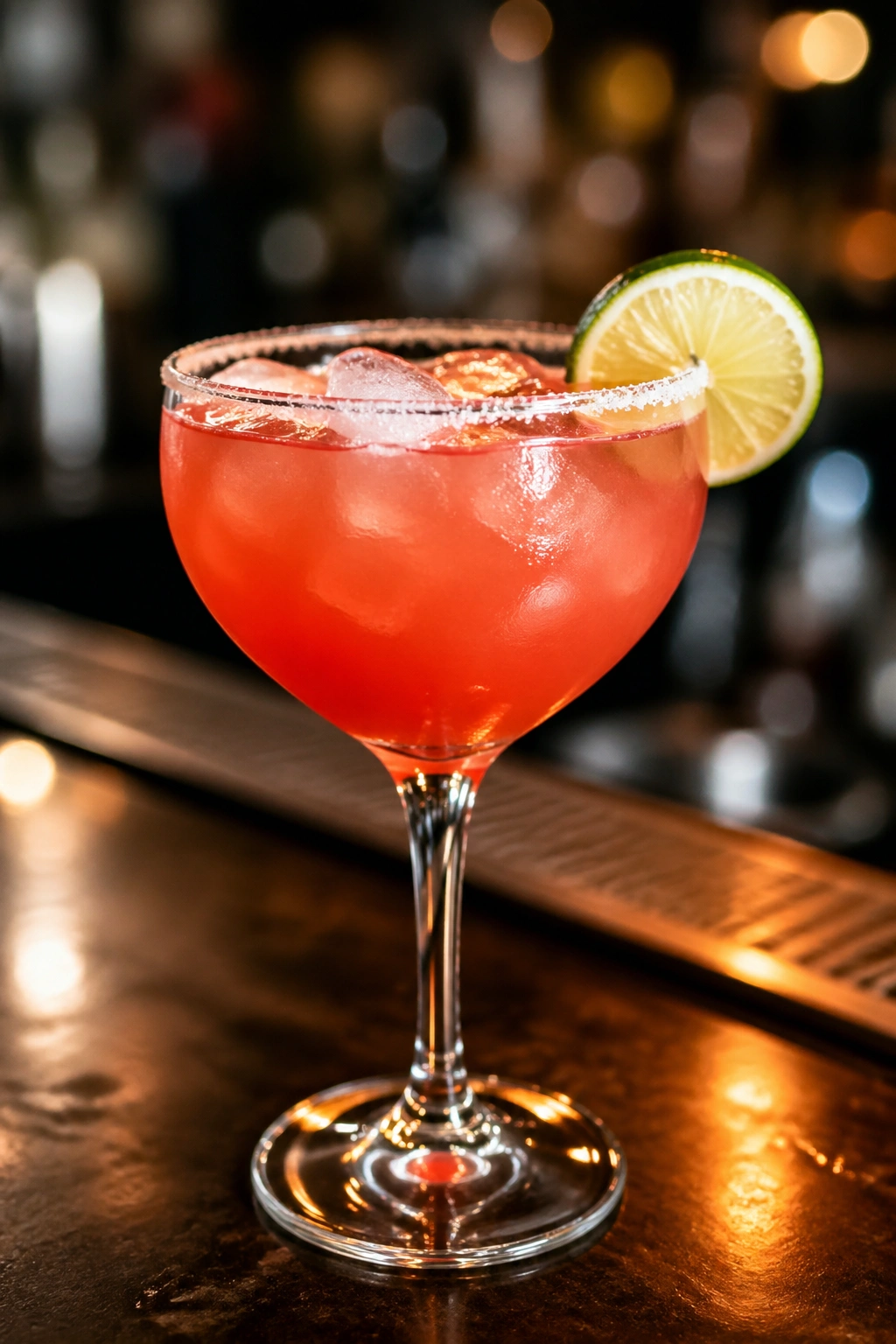
Alcohol deserves its place here, even in a food list, because it is one of the most common drivers of belly-fat gain in women who feel like they “do fine all week.” The weekend says otherwise.
A cocktail can carry 150 to 300 calories before the second round arrives, and sugary mixers send the count even higher. Margaritas, frozen drinks, flavored martinis, hard seltzer plus snacks, wine plus dessert—none of it lands as fullness. Alcohol also lowers restraint, so the fries, pizza, or late-night takeout that follows stops feeling like a big choice.
There is a metabolic angle too. Your body tends to prioritize processing alcohol first, which means fat burning moves down the line for a while. That does not mean one drink instantly creates abdominal fat. It means regular drinking can make a calorie surplus easier and fat loss harder, especially when the drinks are sweet and the portions are generous.
Watch what happens around the drink, not only in the glass. The grazing, the late meal, the poor sleep after—those count too.
How to Replace Foods That Cause Belly Fat in Women Without Feeling Punished

The fix is not to ban every food on this list forever. That backfires for most people. A better move is to swap the foods that do the least for fullness and keep the foods you truly enjoy in portions that fit your life.
Breakfast usually offers the fastest win:
- Swap juice for whole fruit.
- Trade a muffin or pastry for eggs and toast, or Greek yogurt with berries.
- Replace sugary cereal with oats, chia pudding, or higher-protein cereal in a measured portion.
- Cut the syrupy coffee drink down to a smaller size or a less-sweet version.
Lunch and dinner matter too. Build meals around protein, fiber, and food volume. Think chicken, fish, beans, lentils, potatoes, rice, fruit, vegetables, yogurt, eggs. Those foods ask for more chewing, stay in the stomach longer, and do a better job of turning off hunger.
Snacks are where many women lose the plot. If a snack has protein plus fiber, it tends to work harder for you: apple with peanut butter, cottage cheese and fruit, edamame, roasted chickpeas, plain popcorn with a side of cheese, Greek yogurt, or a sandwich half on dense whole-grain bread. You do not need snack perfection. You need fewer foods that vanish in eight bites and leave you prowling the kitchen an hour later.
Belly Fat, Bloating, and Hormones Can Blur Together

A lot of women say “my belly got bigger overnight.” Body fat does not behave that way. Bloating can. A salty pizza dinner, fries, alcohol, carbonated drinks, constipation, or part of your menstrual cycle can change how your stomach looks within hours.
That does not mean the food gets a free pass. The same meals that cause bloating often carry the calorie density that drives true fat gain over weeks and months. So the mirror may be showing two things at once: water retention today and a pattern that, if repeated often, changes your waist size over time.
Hormones can add to the confusion. Around the menstrual cycle, during perimenopause, and after menopause, many women notice shifts in appetite, water retention, and fat distribution. That is one reason harsh dieting often feels like a fight with your own body. A steadier approach works better: more protein, less liquid sugar, fewer ultra-processed snacks, strength training, sleep you protect on purpose.
Rapid abdominal swelling, pain, or a belly that feels hard and new is a different matter. That is not a nutrition article problem. It deserves medical attention.
Final Thoughts
The foods on this list have one thing in common: they make it easy to eat a lot without feeling satisfied for long. Soda, pastries, fries, pizza, cocktails, creamy pasta—different flavors, same pattern. Fast reward. Low fullness. Quiet calorie creep.
If you want the biggest payoff, start with the foods you eat most often, not the ones you eat on birthdays. Cutting one daily soda, shrinking the sweet coffee, swapping the pastry breakfast, or keeping fries to once in a while can change your weekly intake more than obsessing over one dinner out.
Your waist is usually responding to habits, not isolated treats. Change the routine, and the midsection usually gets the message.
