



A beginner workout schedule for women should feel almost underwhelming at first. These beginner workout schedule ideas for women are built that way on purpose: enough structure to keep you moving, not so much that every week turns into a negotiation with your own calendar.
The hardest part is rarely the workout itself. It’s the decision-making. Monday arrives, you’re tired, and suddenly every plan that looked clean on paper turns messy in real life. A good schedule removes that friction. It tells you what to do, when to do it, and how hard to push without making you feel like you need a sports science degree to start.
Public-health guidance has long pointed toward about 150 minutes of moderate activity each week, plus strength work two days a week. That’s a solid anchor, but a schedule still has to fit your actual life. Some women need short morning sessions. Others need weekend-only workouts. Some want the gym. Some want a dumbbell on the living room floor and that’s it.
The best part? You do not need a perfect week to get stronger. You need a repeatable one.
1. A Three-Day Full-Body Start
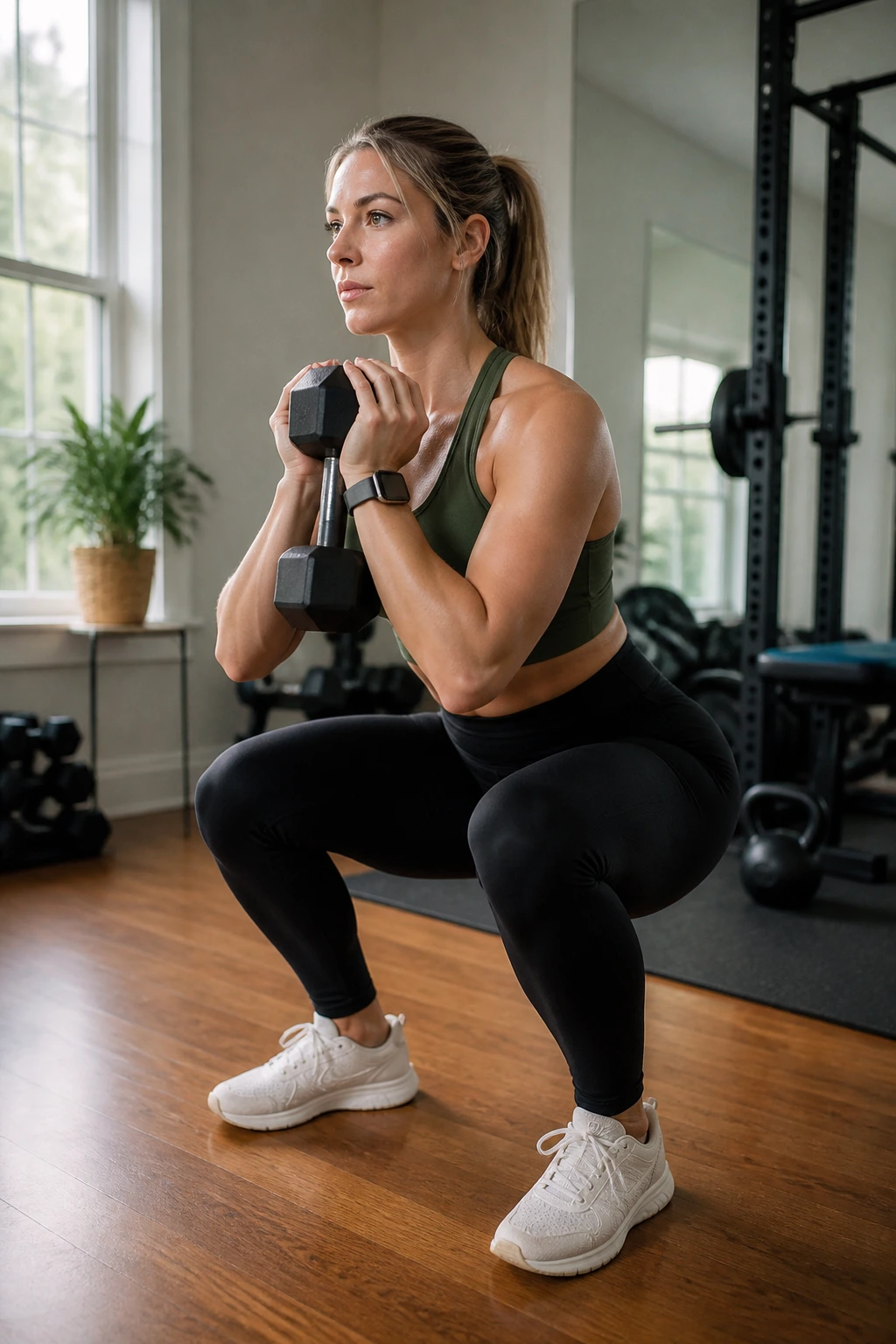
Three workouts a week is enough. More than enough, honestly, for a true beginner who wants to learn the basics without feeling wrecked by Thursday.
Pick Monday, Wednesday, and Friday, and make each session a full-body day. That keeps the routine simple and helps you practice the same movement patterns often enough to learn them: squat, hinge, push, pull, and carry. Keep each workout to 30 to 40 minutes, with 2 sets of 8 to 10 reps on most moves. You should finish feeling worked, not flattened.
What a clean first week looks like
- Day 1: Goblet squat, dumbbell row, incline push-up, glute bridge
- Day 2: Romanian deadlift, shoulder press, lat pulldown or band pull-apart, dead bug
- Day 3: Step-up, chest press, seated row, farmer carry
Tip: Stop each set when your form starts to wobble. That’s the line. Not the point of collapse.
2. Two Strength Days and Two Walking Days

Not every useful workout needs to leave you sweaty and sore. That’s a bad habit to build early.
This schedule works because it gives your body two clear jobs: lift on two days, walk on two days. Try Tuesday and Friday for strength, then add two 25- to 40-minute brisk walks on the other weekdays. Walking sounds too easy until you do it consistently. Then you notice your energy, sleep, and recovery all getting better.
The practical version is almost laughably simple. Strength sessions can stay at 30 minutes with 5 minutes of warm-up, 20 minutes of lifting, and a short cool-down. Walking days are for moving, not performing. Good shoes, steady pace, phone in your pocket. That’s enough.
You’ll probably like this if you’re coming back after a long break. It feels human.
3. An Upper-Lower Split That Doesn’t Feel Like Homework
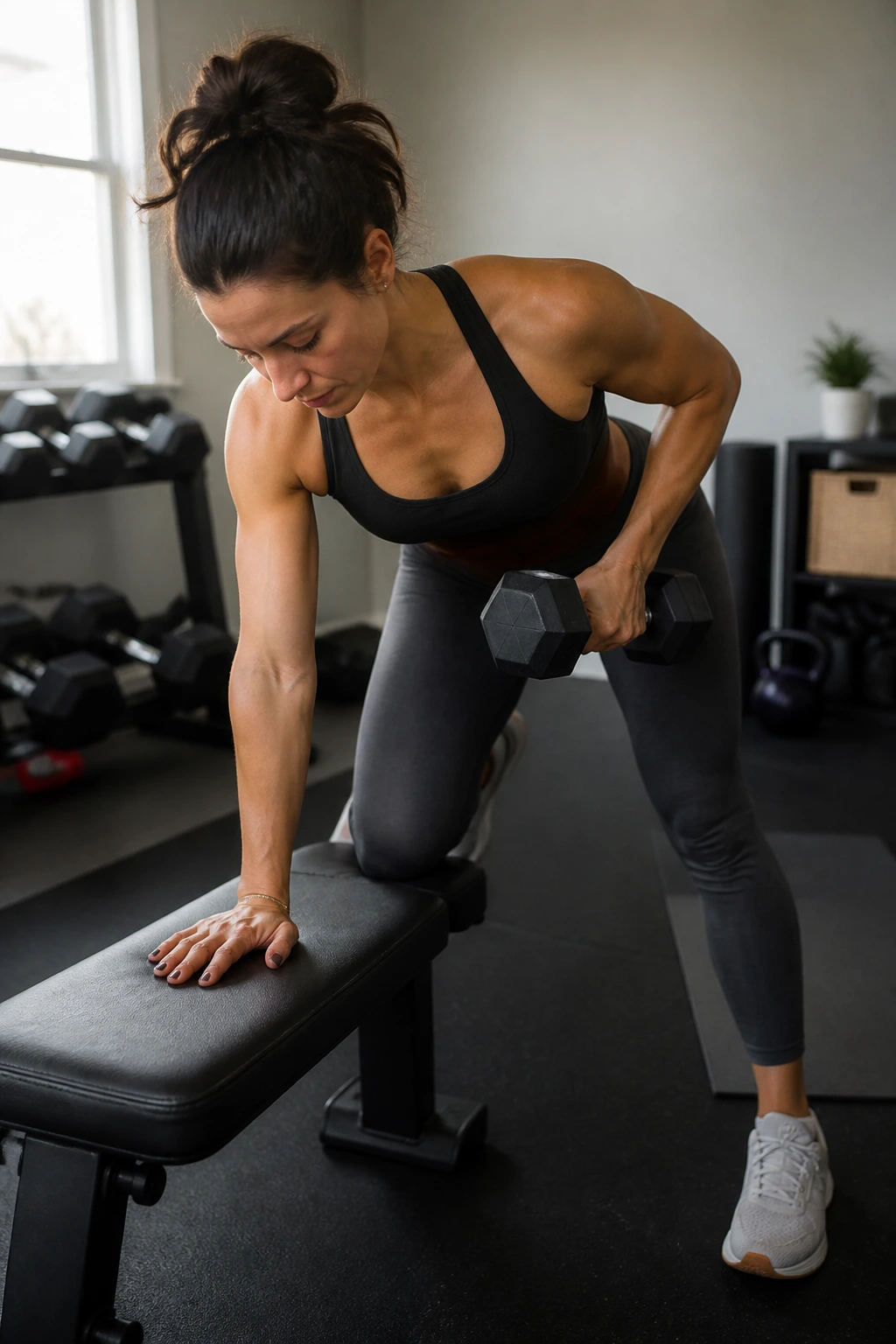
Can a beginner do an upper-lower split? Yes, if the workouts stay short and the exercise list stays sane.
Use four days: upper body on Monday and Thursday, lower body on Tuesday and Saturday. That spacing gives each muscle group time to recover, and it keeps the gym visit from turning into a marathon. Two exercises per area is enough to start. Think 2 sets of 8 reps, maybe 3 sets on the move you want to improve most.
How to split the week
- Upper body: chest press, dumbbell row, overhead press
- Lower body: squat, hip hinge, split squat, glute bridge
You do not need to chase fancy combinations here. What matters is repeating the same basic pushes and pulls until they feel familiar in your hands and shoulders. That familiarity matters more than variety in the first few months.
If you like structure, this is a good one. If you hate structure, skip ahead.
4. Twenty-Minute Circuits for Weeks That Feel Crowded

I’ve always liked this plan for people who think they need an hour to “count.” They don’t.
Set a timer for 20 minutes and run through 4 moves with very little drama: squat, push, pull, core. Do 30 seconds of work and 30 seconds of rest, or 8 reps per move if you hate timers. The whole point is to keep the pace honest without making the workout feel like a punishment.
A simple 20-minute circuit
- Bodyweight squat
- Incline push-up
- Dumbbell row
- Plank or dead bug
Then repeat for 3 rounds. If that feels too easy, add a fourth round. If it feels sloppy by round two, keep it at two and call it a win.
The nice thing about circuits is that they leave you warm, awake, and done quickly. That matters on weeks when the laundry is loud and the schedule is worse than usual.
5. A Home-Only Dumbbell Schedule

A pair of dumbbells can carry a beginner a long way. That’s not a sales pitch. It’s just true.
Build three home sessions around the same setup: a squat pattern, a hinge, a push, a pull, and a core move. Keep the workouts in the 25- to 35-minute range and repeat them weekly. The trick is not to make every day feel brand new. The trick is to make the room feel familiar enough that starting stops being a big event.
If you’ve got one mat, one bench or sturdy chair, and adjustable dumbbells, you’ve got enough. I’d rather see a woman do 3 strong, repeatable home workouts each week than chase complicated programming she’ll abandon after ten days.
A home schedule also makes it easier to match effort to energy. Tired? Use lighter weights. Feeling sharp? Add one set. That flexibility is gold.
6. A Weekend-Only Plan for Packed Calendars

Some weeks are ugly. Weekends are the only clean space left, and that’s fine.
Use Saturday for a 40-minute full-body lift and Sunday for 30 minutes of walking, mobility, or both. During the week, keep the bar low: two 10-minute walks, maybe a few bodyweight squats while coffee brews. It sounds modest because it is. Modest works when life is noisy.
This schedule is not for people who love training every other day. It’s for women who need a plan that survives work travel, family stuff, or a calendar that changes three times before lunch. The weekend sessions do the heavy lifting, and the weekday movement keeps the engine from getting rusty.
If all you can protect are two sessions, protect those two. Everything else is garnish.
7. The Gym-Machine Schedule That Keeps Things Simple
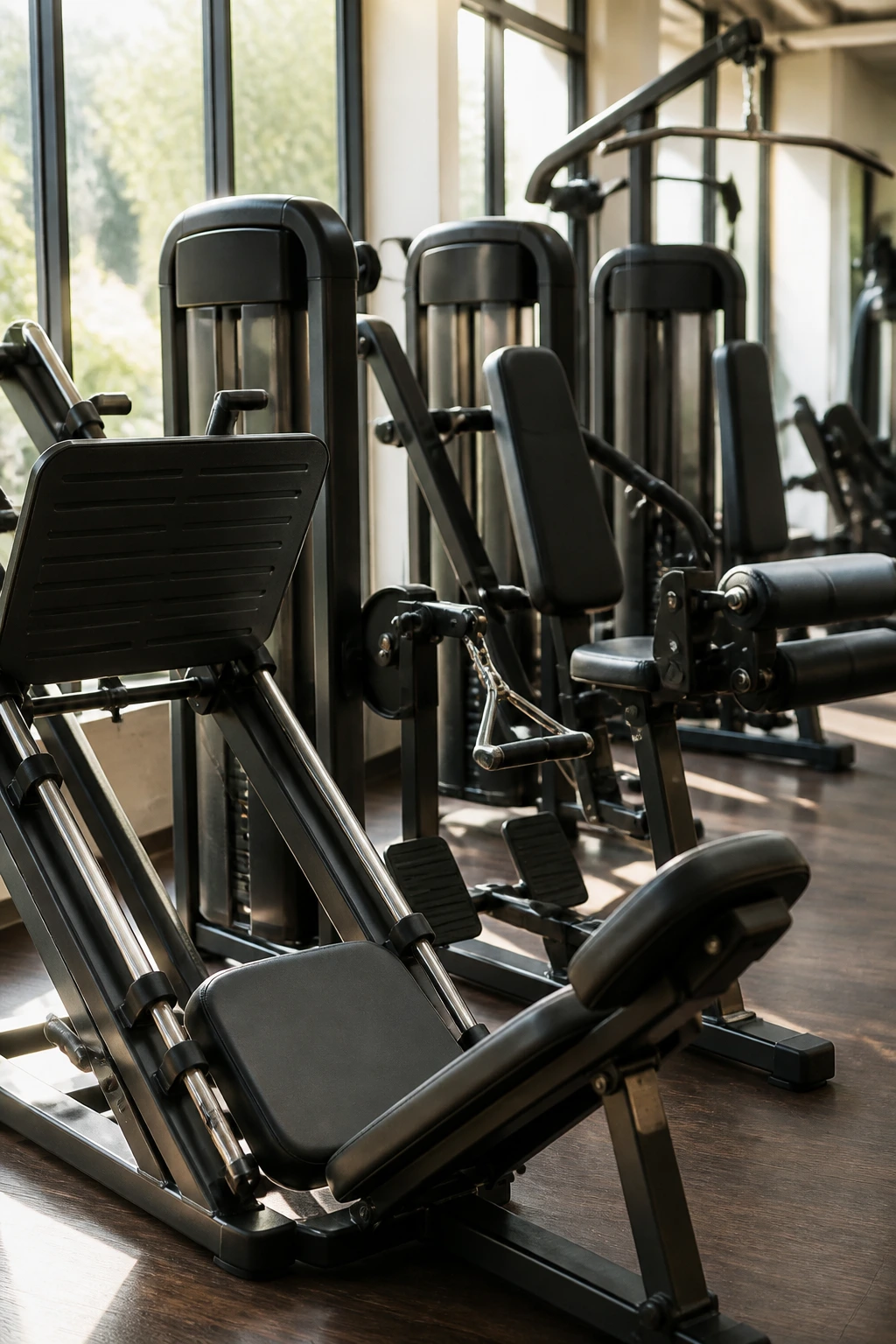
Machine-based workouts are underrated, especially for beginners who hate standing in a corner wondering whether they’re about to use equipment wrong.
Start with 5 or 6 machines that feel stable: leg press, seated row, chest press, lat pulldown, hamstring curl, and maybe a cable or ab machine. Put them in a 3-day week, 2 sets each, with 8 to 12 reps. You’ll get a clean strength session without needing to balance a barbell or guess your way through a complex move.
Why machines help at first
They reduce the “what am I even doing?” problem.
They also make it easier to keep your form steady from set to set.
And yes, they can still build real strength.
If the free-weight area feels chaotic, skip it for now. There’s no prize for making the first month harder than it has to be.
8. Low-Impact Cardio and Strength on Separate Days

Low-impact doesn’t mean low value. It just means your joints don’t have to argue with every rep.
Try one cardio day on the bike, elliptical, or rower, then one strength day, then another easy cardio day. Repeat that pattern twice if your week allows it. The cardio sessions can be 20 to 30 minutes at a pace where you can still talk in short sentences. Strength days should stay short and clean: 4 to 5 exercises, 2 sets each.
This is a good fit if jumping feels terrible, if your knees are cranky, or if you simply don’t like high-impact workouts. That matters. You’re more likely to stick with a plan that doesn’t punish you for being a beginner.
And the sneaky part? Consistent low-impact work still adds up fast.
9. Pilates and Strength in the Same Week

Can Pilates count as training? Absolutely. It just does a different job.
Use two strength days and two Pilates or mat-control days. Pilates can handle core control, posture, glute activation, and that annoying little gap between “I move” and “I move well.” Strength days handle the heavier work: squats, rows, presses, hip hinges. Put them in the same week and you get a nice mix of control and load.
How to pair it
- Monday: Strength
- Tuesday: Pilates
- Thursday: Strength
- Saturday: Pilates or a long walk
The combo works best when Pilates stays honest. You still want challenge. You just don’t need to turn every session into a sweat contest. If you’ve been sedentary, this is one of the easiest ways to build confidence without getting beat up.
10. The Rest-After-Every-Lift Schedule

A friend of mine once tried to lift five days in a row as a beginner. By day three, she was moving like a folding chair.
That’s why I like the rest-after-each-lift model. Lift on Monday, rest or walk Tuesday, lift Wednesday, rest Thursday, lift Friday, and keep the weekends open for light movement or nothing at all. The built-in breaks are the whole point. Beginners usually need more recovery than they think, especially if they’re learning new movements and feeling muscles they haven’t noticed in years.
The schedule looks gentle. It is gentle. That’s what makes it stick. Strength grows during recovery, not during the set itself, and a little breathing room keeps your knees, back, and shoulders happier.
If soreness has made you quit before, this one deserves a look.
11. Walking First, Lifting Second

Walking is not a consolation prize. It’s the foundation that lets a beginner keep going when motivation gets moody.
Build your week around daily walks first, then add two short lifting sessions. A 20-minute walk after breakfast, another after dinner, or one longer 40-minute stretch outside can do a lot for consistency. Then, on Tuesday and Friday, add a 25-minute lift with basic moves and light to moderate weights.
This is the schedule I’d hand to someone who says, “I need to get moving again, but I’m scared of overdoing it.” Fair enough. Walking softens the start. Lifting builds strength without taking over your life.
You can keep this plan for months without feeling trapped by it. That’s the appeal.
12. Three Strength Days and One Mobility Day
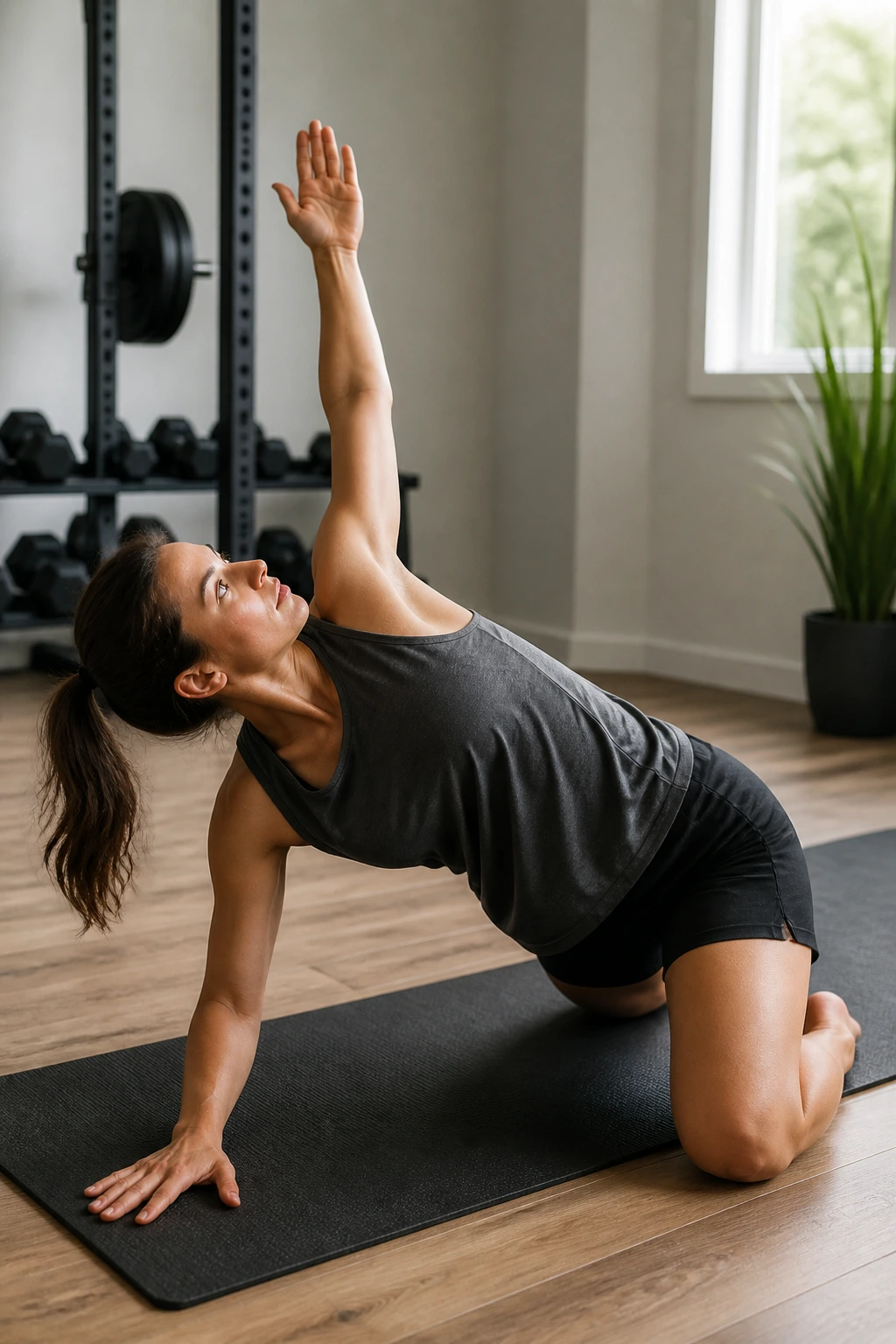
Strength without mobility gets stiff fast. That’s the part people discover the hard way.
Use Monday, Wednesday, and Friday for lifting, then put Tuesday or Saturday aside for 20 to 30 minutes of mobility work. Focus on hips, shoulders, ankles, and thoracic rotation. The mobility day is not a workout in the loud, sweaty sense. It’s the day that keeps your body from feeling like a rusted hinge.
Compared with a five-day workout plan, this one is kinder. Compared with a pure walking plan, it builds more muscle and makes daily tasks feel easier. I’d recommend it to women who sit a lot, drive a lot, or wake up feeling stiff through the lower back and hips.
Tiny win. Big payoff.
13. Treadmill and Dumbbell Days for Gym Confidence

If the gym floor feels intimidating, start with the treadmill and the dumbbell rack. Nothing else.
A simple week can look like this: Monday treadmill walk, Wednesday dumbbell strength, Friday treadmill walk with a little incline, Sunday dumbbell strength. Keep the treadmill sessions at 20 to 25 minutes. Keep the lifting sessions at 30 minutes and use just 3 or 4 exercises. No wandering. No confusion.
What to do first
- 5 minutes easy walk
- 10 to 15 minutes at a steady incline
- 2 dumbbell exercises for lower body
- 2 dumbbell exercises for upper body
The nice thing about this plan is that it removes the fear of the unknown. You’re not trying to master the whole gym. You’re using two corners of it and getting better there.
14. Ten-Minute Micro-Workout Blocks

Short sessions work when the alternative is skipping the day entirely.
Set up three 10-minute blocks across the week. One can be lower body, one upper body, and one core plus mobility. Each block needs only 3 moves, 2 sets, and a clock. That’s it. You’ll finish with enough energy left to do normal life, which is more than I can say for some overstuffed workout plans.
The power of micro-workouts is psychological as much as physical. Ten minutes feels possible on rough days. Possible things get done.
If you want a sneaky-good way to build momentum, this is it. The sessions are short enough to resist, but not so short that they feel pointless.
15. Beginner Workout Schedule Ideas for Women Who Get Bored Fast

Do you hate doing the same thing twice? Fine. We can work with that.
Keep the weekly structure fixed, but change the style of the session. Monday can be a dumbbell strength day, Wednesday a brisk outdoor walk with hills, Friday a circuit, and Saturday a Pilates or yoga class. The calendar stays predictable. The actual training style keeps your brain from checking out.
How to keep it interesting
- Repeat the same time slots each week
- Swap the format, not the habit
- Keep one anchor movement in every workout, like a squat or row
That little anchor matters. It gives your body something familiar while your mind gets variety. If boredom has killed your past plans, this approach is more useful than trying to “motivate yourself” harder.
16. A Joint-Friendly Low-Impact Schedule
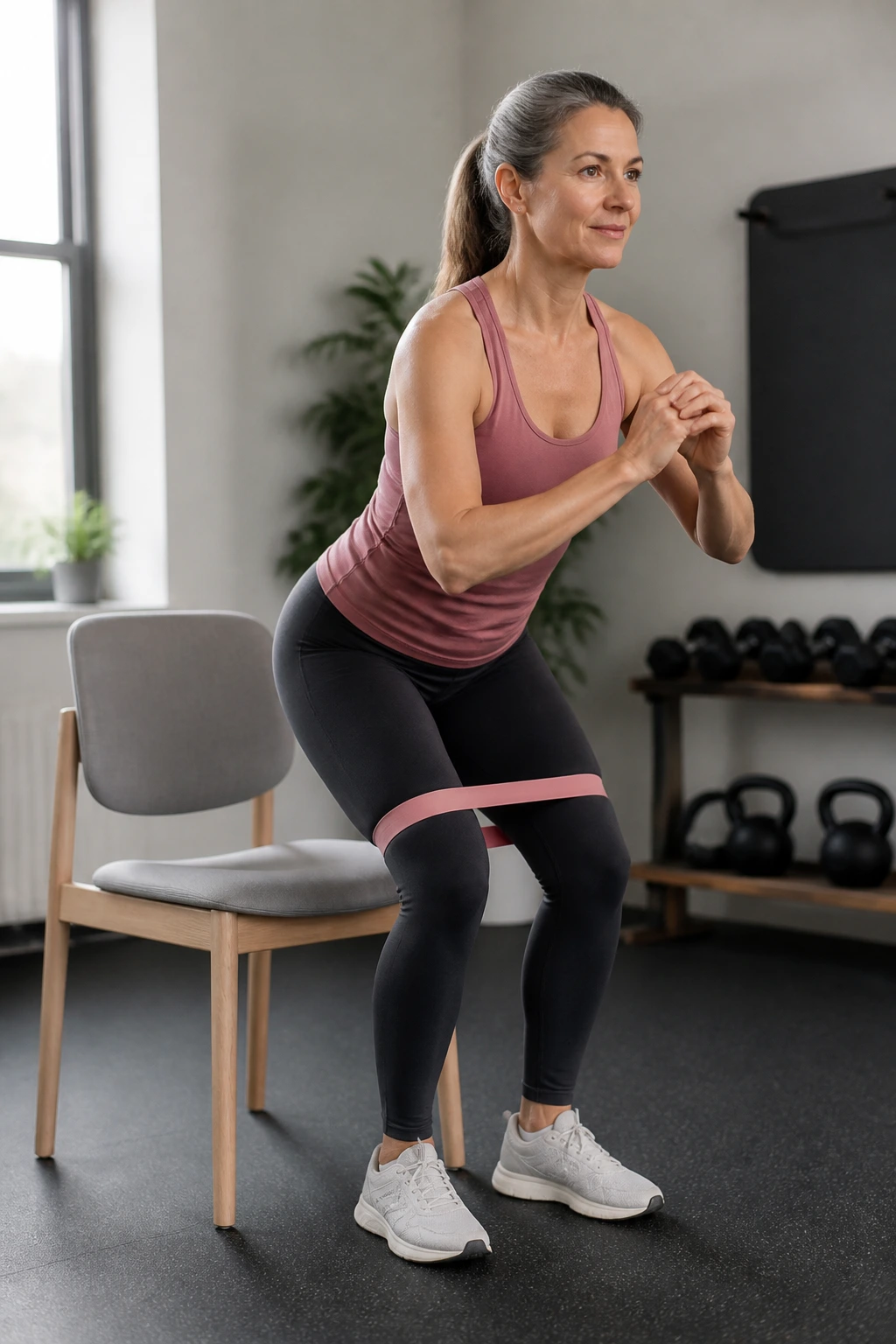
If your knees talk back on stairs or your lower back hates surprise jumps, start here.
Use three days a week. Choose seated or supported moves, step-based leg work, cycling, and incline walking. A sample session might include sit-to-stand squats, cable or band rows, glute bridges, and a 15-minute bike finish. Nothing has to be explosive. Nothing has to bounce.
The goal is to train without creating a mess of soreness that lasts all weekend. That’s why low-impact plans are so useful for beginners who are deconditioned, heavy-footed, or simply cautious for good reason.
You can always make it harder later. Right now, make it repeatable and pain-free enough that you don’t dread the next session.
17. Lunchtime Workouts That Fit Into 45 Minutes
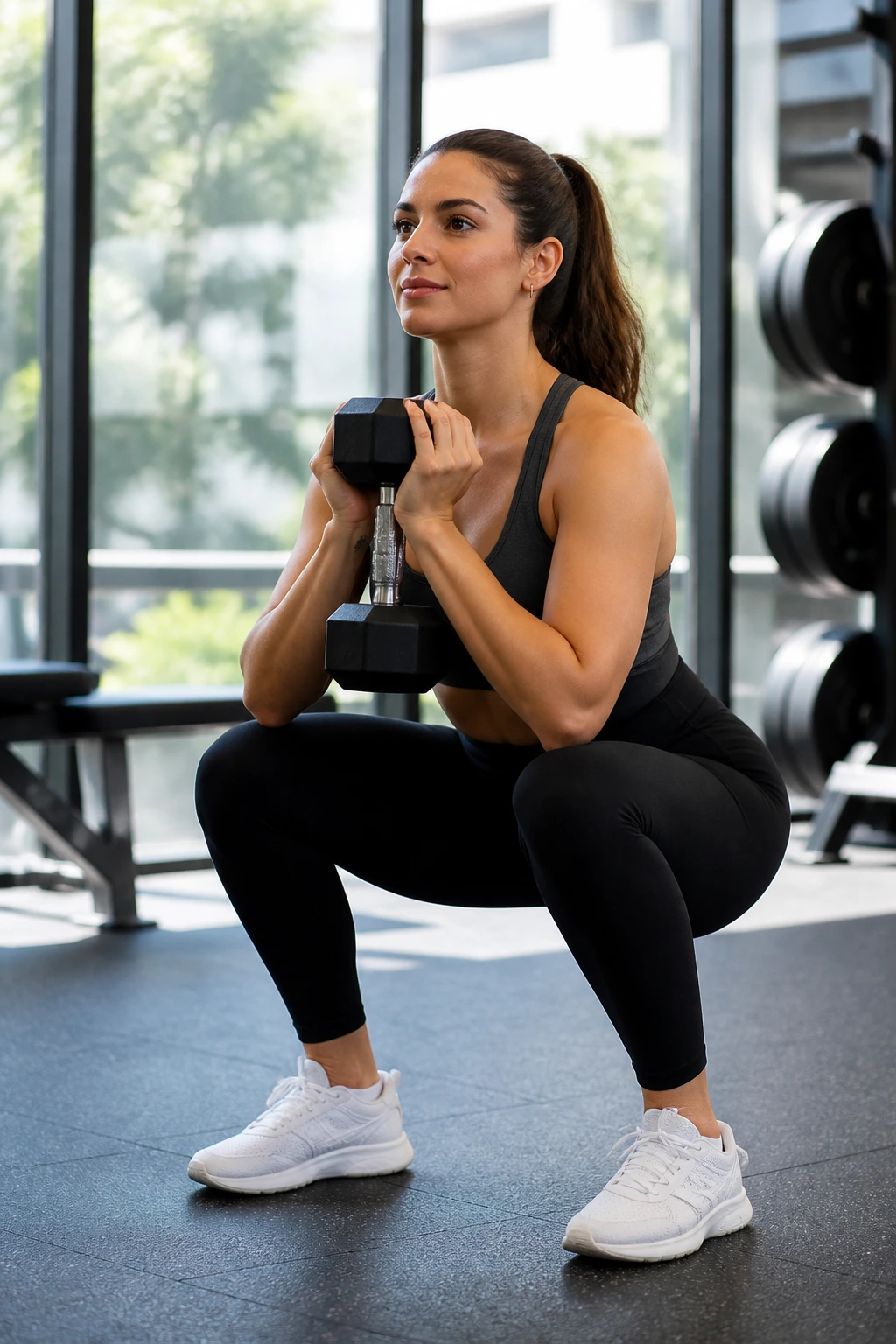
A lunch break can hold a workout if you stop trying to cram in too much.
Use 5 minutes to warm up, 25 minutes to lift, 5 minutes to cool down, and leave a little space to change shoes and breathe before heading back. That leaves the rest of the day intact, which is a huge deal if you hate evening workouts or feel drained after work. Keep the exercise list short: squat, row, press, hinge.
This schedule works best when your gym, home setup, or office building is close enough to make the time math honest. If the commute eats 30 minutes each way, the plan falls apart fast. Be ruthless about the logistics.
Short lunch workouts can be a lifesaver. They’re practical, not glamorous.
18. Early-Morning Training Without the Slump

Morning workouts either feel crisp or miserable. There’s not much middle ground.
If you train before the day gets loud, keep the first session light and predictable. One full-body lift, one easy walk, and one mobility day is enough to start. Lay out your clothes the night before, keep the first workout under 30 minutes, and don’t ask your body for fireworks before coffee.
This is the schedule for people who like getting it done before the world starts making requests. It also works for women who know that evening energy tends to vanish into dinner, chores, and screens.
I’d rather see a 6:30 a.m. plan that gets repeated than a grand morning routine that dies after three alarms.
19. An After-Work Plan That Still Lets You Eat Dinner

A lot of beginner plans ignore one brutal fact: after work, energy can be thin.
Build around 30 to 35 minutes total. Use 5 minutes to change gears, 20 minutes to lift, and 5 to 10 minutes to walk or stretch before you leave. Keep the workout close to home or on the way home if possible. The fewer steps between “I’m done with work” and “I’m exercising,” the better.
What it looks like
- Monday: Full-body lift
- Wednesday: Easy incline walk
- Friday: Full-body lift
- Saturday: Longer walk or stretching
That’s enough to build a habit without turning your evening into a second shift. If the idea of a long post-work session makes you want to sit on the floor, this is the better option.
20. Step-Count Days Plus Two Lift Days

Steps are a sneaky good base. They keep your body moving without draining your willpower.
Choose two lifting days, maybe Monday and Thursday, and let the rest of the week be built around walking. Some days can be 20 minutes, others 45. If you naturally get your steps during errands or work, even better. The lifting days give you strength; the walking days keep your energy and recovery moving in the right direction.
This setup is useful for beginners who get overwhelmed by too many formal workouts. You’re not trying to “train” every day. You’re just avoiding long stretches of sitting still.
You’ll probably notice your workouts feel easier once walking becomes normal. That’s a nice side effect.
21. Yoga and Lifting in the Same Week
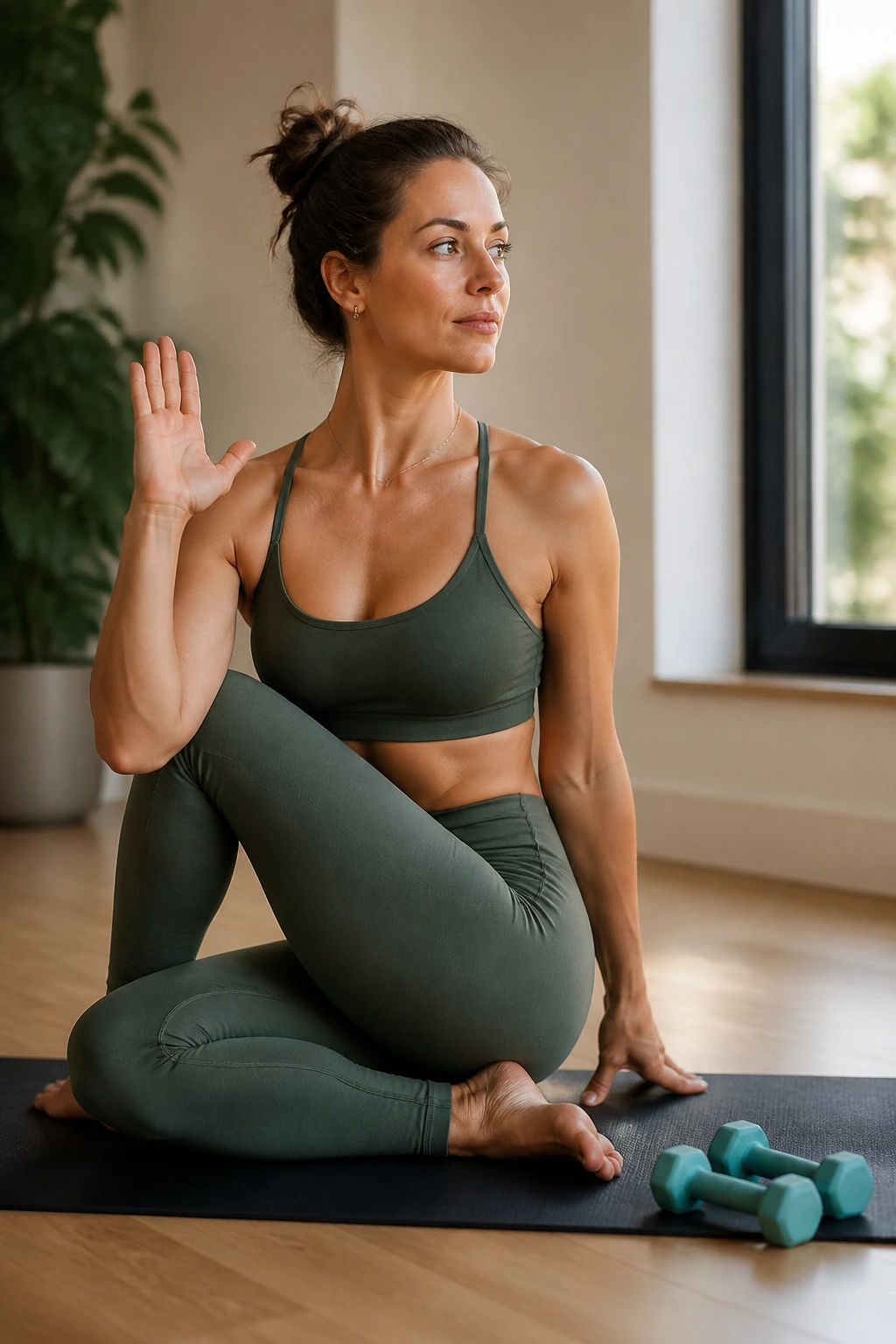
Can yoga and lifting live in the same week without stepping on each other? Yes, if you stop making every session hard.
Try two lifting days, two yoga days, and one walk or rest day tucked between them. Use yoga to improve range of motion, breathing, and body awareness. Use lifting to build the muscle and bone stress that yoga won’t give you. They work better as partners than rivals.
How to use it
- Lift before a long yoga session if you want strength to stay the priority
- Put yoga on recovery days if you’re sore
- Keep one full rest day if you’re new to both
The catch is simple: very intense yoga can leave you tired, and very heavy lifting can leave you tight. Balance beats enthusiasm here. A calm week usually works better than a heroic one.
22. The Apartment-Friendly No-Jump Schedule

No one in the unit below needs to hear burpees at 7 a.m.
Use marching, step-taps, bodyweight squats, glute bridges, rows with bands, dead bugs, and controlled presses. Keep the schedule to 3 or 4 days and make every movement quiet enough that you could do it in socks without thumping the floor. That sounds like a tiny detail. It isn’t. If the workout is noisy, some people skip it.
Quiet moves that carry the week
- March in place for warm-up
- Slow squat to chair
- Band row
- Glute bridge
- Dead bug
This style is especially good for apartments, small homes, and women who feel self-conscious about impact exercise. Quiet workouts can still be hard. They just don’t sound like a stampede.
23. Repeating the Same Three Workouts Every Week
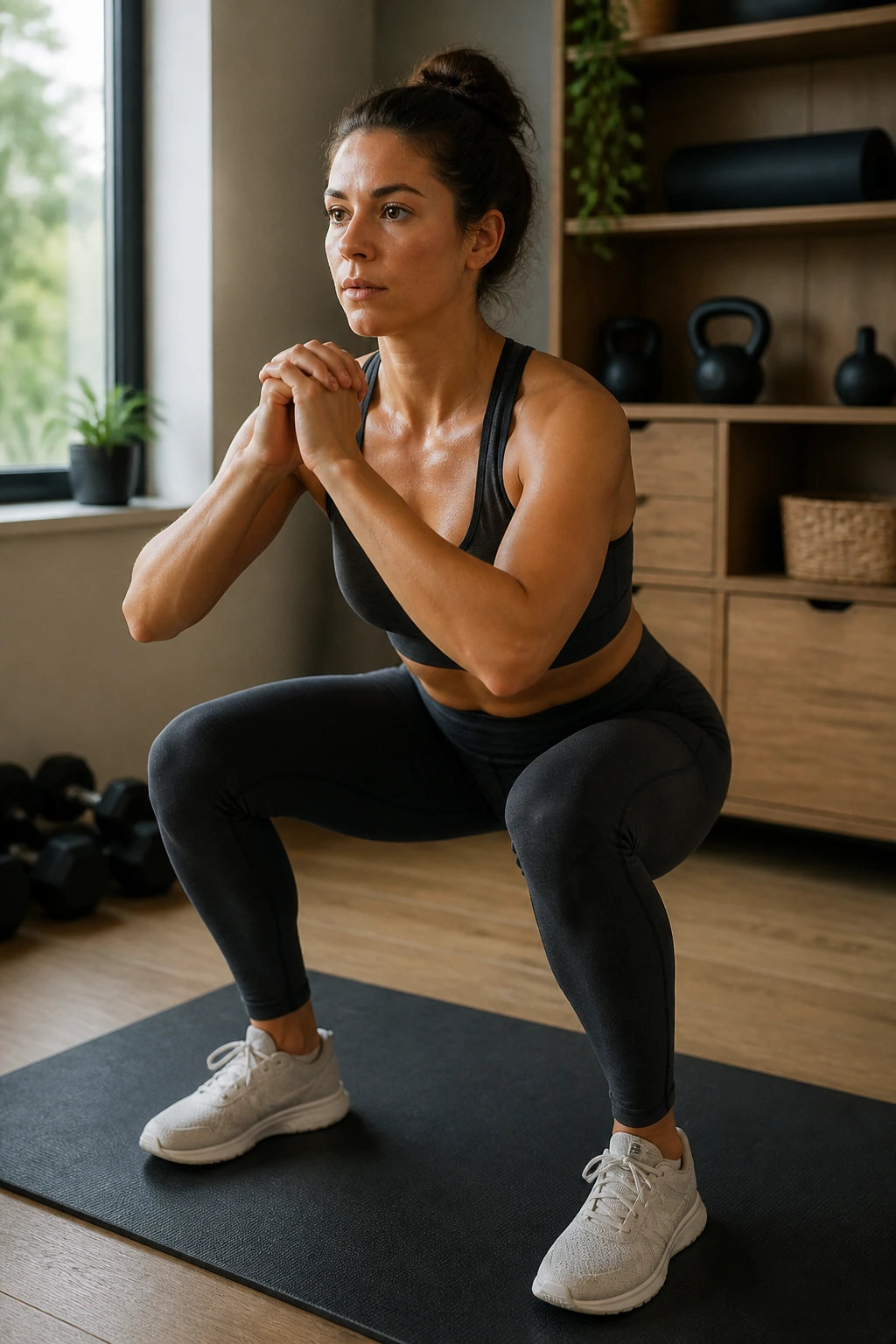
I’m a fan of repetition. Not because it’s exciting. Because it works.
Pick three workouts — A, B, and C — and repeat them every week for 4 to 6 weeks. A might be lower body focused, B upper body, and C full body with a little core. Keep the exercises the same long enough to notice progress in your reps, your balance, and your confidence with the setup. That feedback matters more than novelty.
You’ll stop wasting energy deciding what to do next. You’ll also learn which moves actually challenge you instead of just looking impressive on paper.
This is one of the simplest ways to build real momentum. Boring? Maybe. Effective? Very.
24. A Dumbbell Pyramid Week

Unlike random rep schemes, a pyramid gives you a shape to follow.
Use a classic pyramid on your main lift: 12 reps, 10 reps, 8 reps, then back down to 10 and 12 if you feel good. Keep the weights a little heavier in the middle sets and easier on the outer sets. That pattern teaches you to feel the difference between warm-up effort and working effort, which is a useful skill for beginners.
What to watch for
- Don’t rush the early sets
- Keep the same exercise for the whole pyramid
- Stop if your form changes to chase a number
This style works nicely for dumbbell squats, rows, chest press, or Romanian deadlifts. It gives the workout a clear rise and fall, which makes it easier to stay focused.
25. The Minimum-Effective-Dose Schedule
Less can be enough. That’s a hard truth for people who think more sweat means more progress.
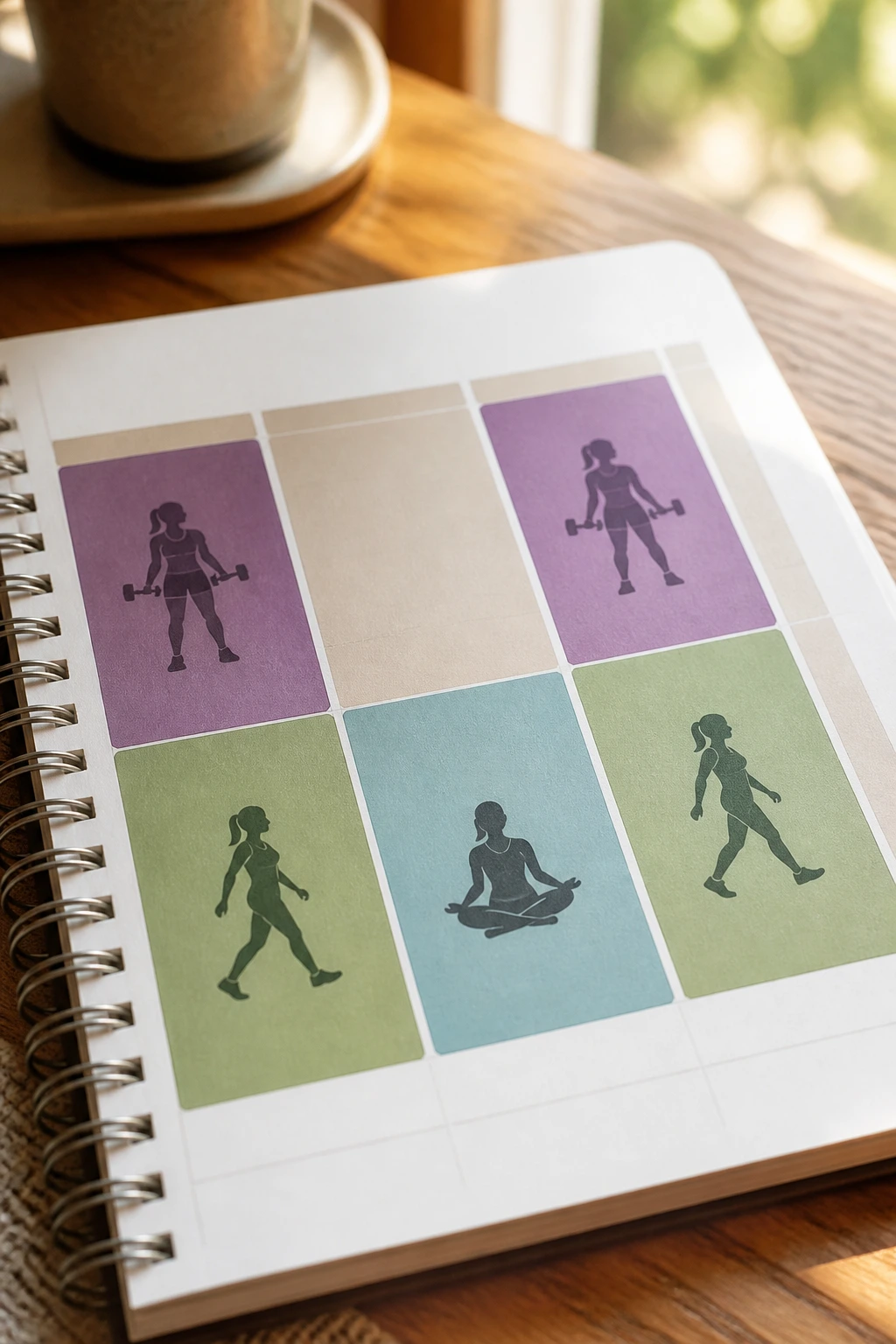
Use two full-body strength sessions, two walks, and one optional stretch day. Each lift can stay under 30 minutes. That’s not lazy. That’s efficient. Beginners often progress faster when they stop piling on extra sessions before the base habit is stable.
A very small week that still counts
- Tuesday: Full body
- Thursday: Full body
- Saturday: Walk
- Sunday: Walk or mobility
If your calendar is already crowded, this is the one to choose. It keeps the door open instead of turning exercise into a test you have to pass every week.
26. A Recovery-Heavy Plan for Chaotic Weeks
When your life gets messy, a soft schedule beats a hard one.
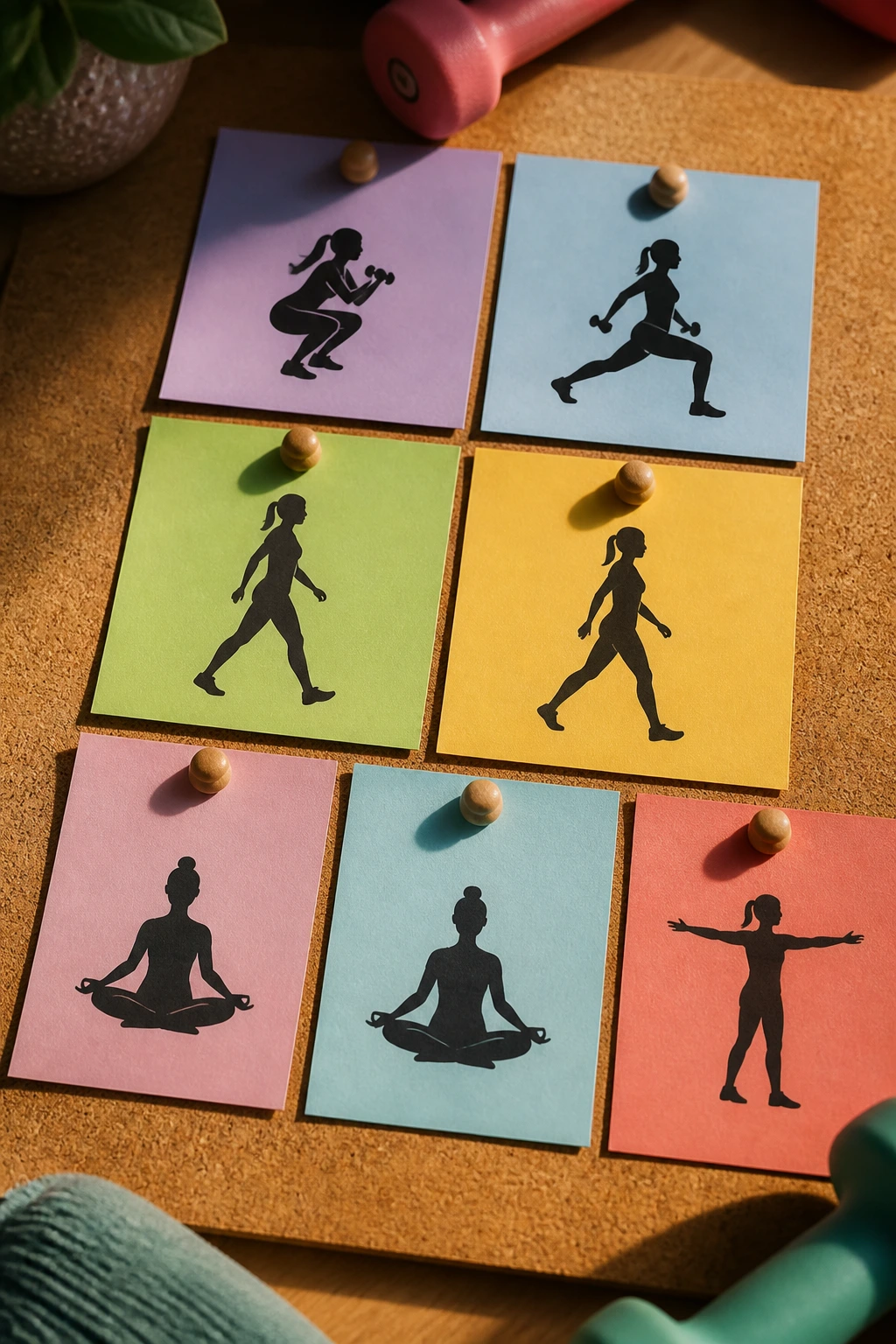
Build around two workouts, two walks, two recovery days, and one flex day. The flex day is there so missed sessions don’t become a reason to quit. If Monday goes sideways, you slide the workout to Tuesday. If Tuesday dies too, you keep moving and pick it up later. No guilt parade required.
This approach is especially good for beginners who are juggling work, caregiving, travel, or erratic sleep. A plan that assumes perfection tends to break. A recovery-heavy plan bends.
That bending is the point. You’re trying to stay in the game, not win a calendar contest.
27. A Muscle-Building Split for True Beginners

Can a beginner start building muscle without living in the gym? Yes. Easily.
Use three lifting days and keep the reps in the 8 to 12 range for most exercises. Focus on compound movements like squat patterns, rows, presses, and hip hinges. Add a fourth light day if you want, but only after the main three feel steady. You’re after muscle and strength, not the feeling of being crushed by volume.
What to focus on
- One lower-body push
- One lower-body hinge
- One upper-body push
- One upper-body pull
- One core move
This plan works when you want to look and feel stronger in a few months, not a few days. The shape of the week matters more than chasing exhaustion.
28. A Five-Day Habit Stack

Some women do better when exercise is woven into the week, not dropped into it like a surprise.
Stack five smaller habits: two strength days, two walk days, and one mobility or yoga day. Keep each session short enough that you can recover without drama. The strength days can be 30 minutes. The walk days can be 20 to 40. The mobility day can be 15. None of them needs to be a production.
A simple stack
- Monday: Lift
- Tuesday: Walk
- Wednesday: Mobility
- Thursday: Lift
- Saturday: Walk
The beauty here is rhythm. You don’t have to think hard. You just follow the groove and let the week do some of the work for you.
29. Cardio-Light, Strength-Heavy Weeks

If you want stronger legs, arms, and back more than you want endless cardio, make strength the center.
Use three strength days and one light cardio day. The cardio can be an easy bike ride, a gentle incline walk, or a row at a conversational pace. Keep it light enough that it supports recovery instead of stealing from it. Beginners often think they need more cardio than they do. Sometimes they just need better structure and a little patience.
Strength-heavy weeks work well when you’re rebuilding after a long break or trying to feel firmer in everyday movement. Carrying groceries, climbing stairs, standing from a low chair — all of that gets easier.
That’s a real payoff. Not glamorous. Better.
30. Beginner Workout Schedule Ideas for Women Who Want a Plan They Can Keep

A plan you can keep beats a plan that looks heroic for two weeks.
Use the same weekly template for a month: Monday full-body lift, Wednesday walk, Friday full-body lift, Saturday longer walk or mobility. If one day gets skipped, restart at the next open slot. No punishment. No “making up” for missed sessions with a double workout that leaves you exhausted and annoyed.
This kind of schedule works because it is small enough to repeat and sturdy enough to survive a bad day. The sessions can change a little — dumbbells one week, machines the next — but the rhythm stays fixed. That rhythm is what turns exercise from an event into a habit.
If you need one simple rule, use this one: protect the repeatability before you chase the perfect program. That’s where real progress starts.
Final Thoughts
The best beginner schedule is the one that fits your real week, not the one that looks the most ambitious on paper. Three strength sessions, two walks, a short Pilates day, a weekend-only plan — any of those can work if you keep showing up.
Start smaller than your ego wants. That usually makes you stay longer.
And if a week goes sideways, do not treat it like a failure. Pick the next slot, lace up, and begin again there.
