



You do not need a gym to burn belly fat. You need a body that moves often enough, hard enough, and long enough that stored energy starts getting used up instead of sitting around your middle.
That middle section is stubborn. It usually changes late, which is why so many people waste time hunting for a magic ab move when the real answer is usually less dramatic and more annoying: more steps, more honest effort, better recovery, and fewer long stretches of sitting on one end of the couch.
One more thing. Belly fat does not melt from endless crunches alone. Fat loss is whole-body work, and the waist often shrinks as your overall body fat drops, which is why a smart no-gym plan mixes walking, short bursts, strength, and daily movement you can actually repeat.
1. Walk 10 Minutes After Each Meal to Burn Belly Fat
This is one of the cleanest no-gym habits for shrinking the waist. A short walk after eating helps turn a meal into movement instead of a long sit, and that matters more than people think.
The pace does not need to be aggressive. Ten minutes at a steady clip is enough to nudge your heart rate up, keep your legs working, and make the rest of the afternoon less sluggish. Studies that track post-meal walking often find better blood-sugar control than staying seated, which is a nice bonus when you are trying to lose fat around the middle.
How to make it stick
- Walk right after you eat, before the chair gets too comfortable.
- Keep the pace brisk enough that you can talk, but not sing.
- Use the same route each day so you stop negotiating with yourself.
- If you ate a big meal, take 12 to 15 minutes instead of 10.
Pro tip: If you only keep one habit from this list, make it this one. It is boring. It works.
2. Take the Stairs Every Time You Can
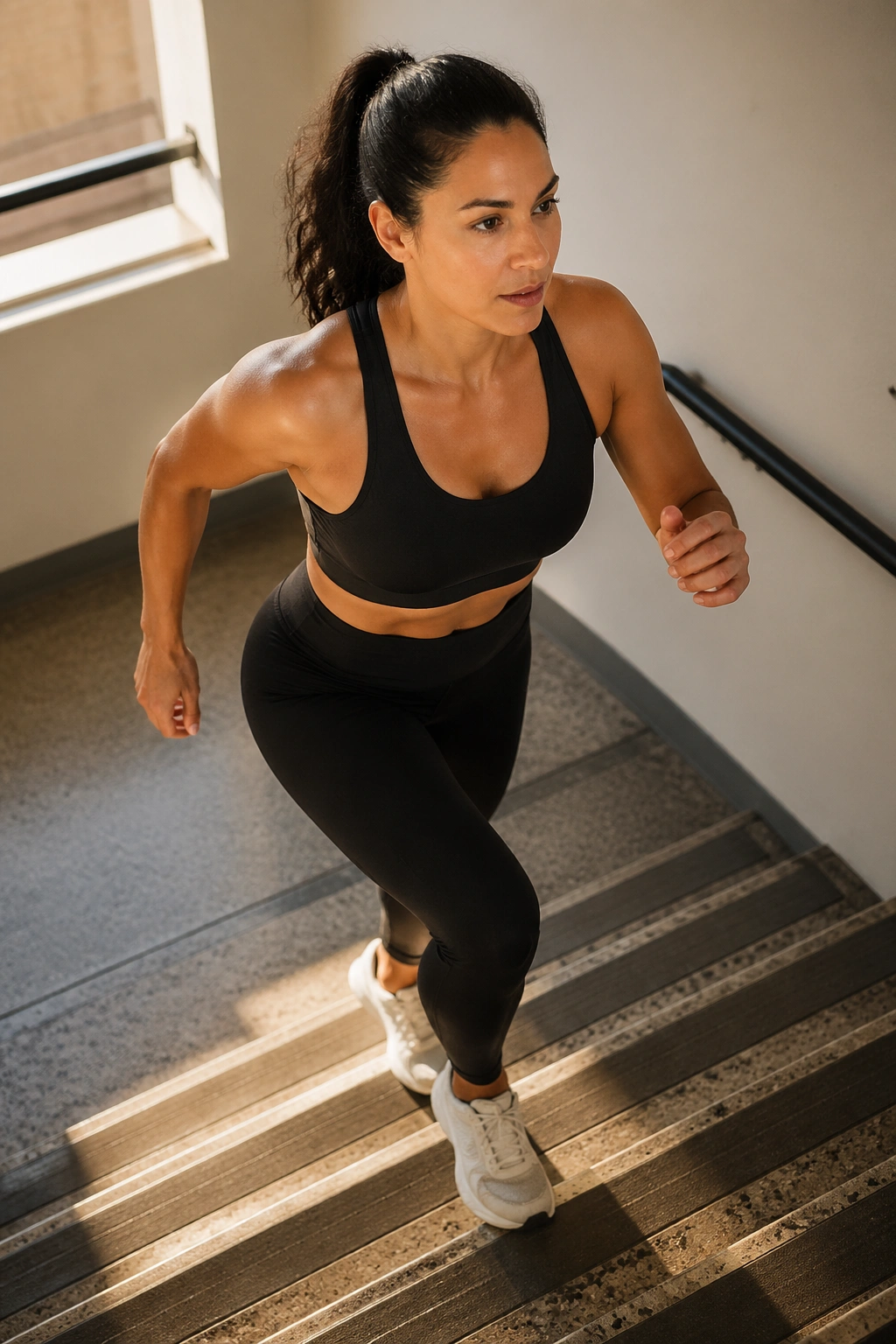
Why does something this ordinary matter? Because stairs force your legs and lungs to work in a way flat ground does not. Your glutes, quads, and calves all chip in, and your heart rate jumps fast.
A few flights scattered through the day can add up to a real calorie burn, especially if you are the type who rides elevators out of habit. The trick is not to treat stairs like a heroic event. Take them when they are there. Take them for two floors, four floors, one floor. It all counts.
If your knees are cranky, keep your body tall and use the handrail lightly on the way down. Descending is often the part that bites.
3. Do a 20-Minute Bodyweight Circuit at Home
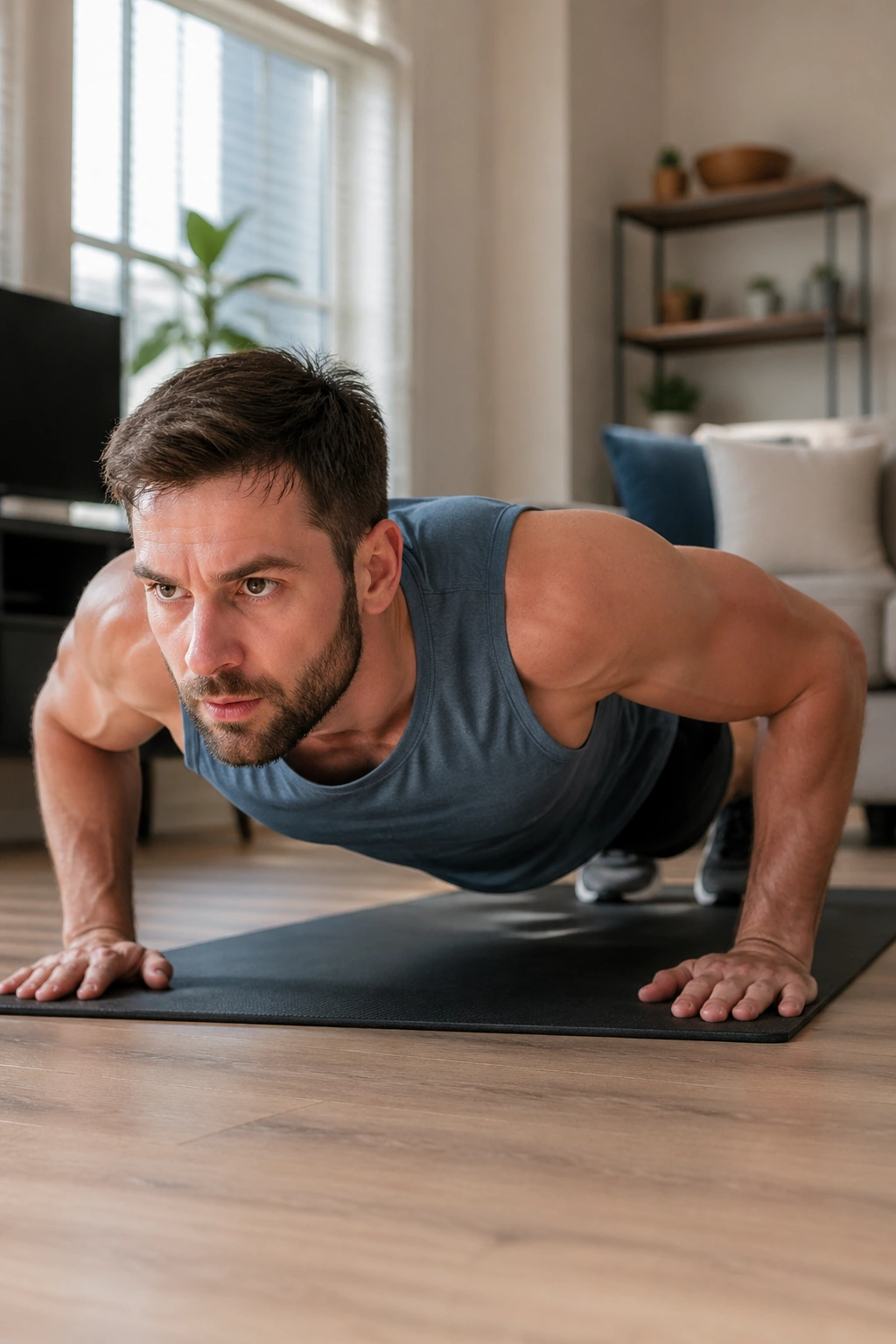
A short bodyweight circuit can burn more energy than people expect because you are never fully resting. Squats, push-ups, lunges, and mountain climbers chain together fast, and that keeps your heart rate from drifting down.
A simple circuit that gets the job done
- 12 squats
- 8 to 12 push-ups
- 10 reverse lunges per leg
- 20 mountain climbers per side
- 30 seconds of plank
Run that round 3 to 4 times with only 30 to 45 seconds between moves. You should feel your breathing get loud by the second round.
The real win here is not just the burn during the workout. Bodyweight strength work helps keep muscle on you while the calorie deficit does its job. That is one reason these home circuits are so useful for belly fat loss.
4. Use Short Sprint Intervals

Sprint work is blunt. Hard for 20 seconds, easy for 90 seconds, repeat. That is the whole deal.
It works because the hard efforts demand a lot from your legs and lungs in a short amount of time, and the easy recovery keeps the session usable instead of miserable. You can sprint outside, on a flat path, or even do fast uphill runs if your knees handle them better. A bike works too.
Do not start with all-out lung-busting efforts if you have not done intervals before. Start with 6 rounds and stop while your form still looks clean. If your stride falls apart, you are done for the day.
5. Walk With a Loaded Backpack
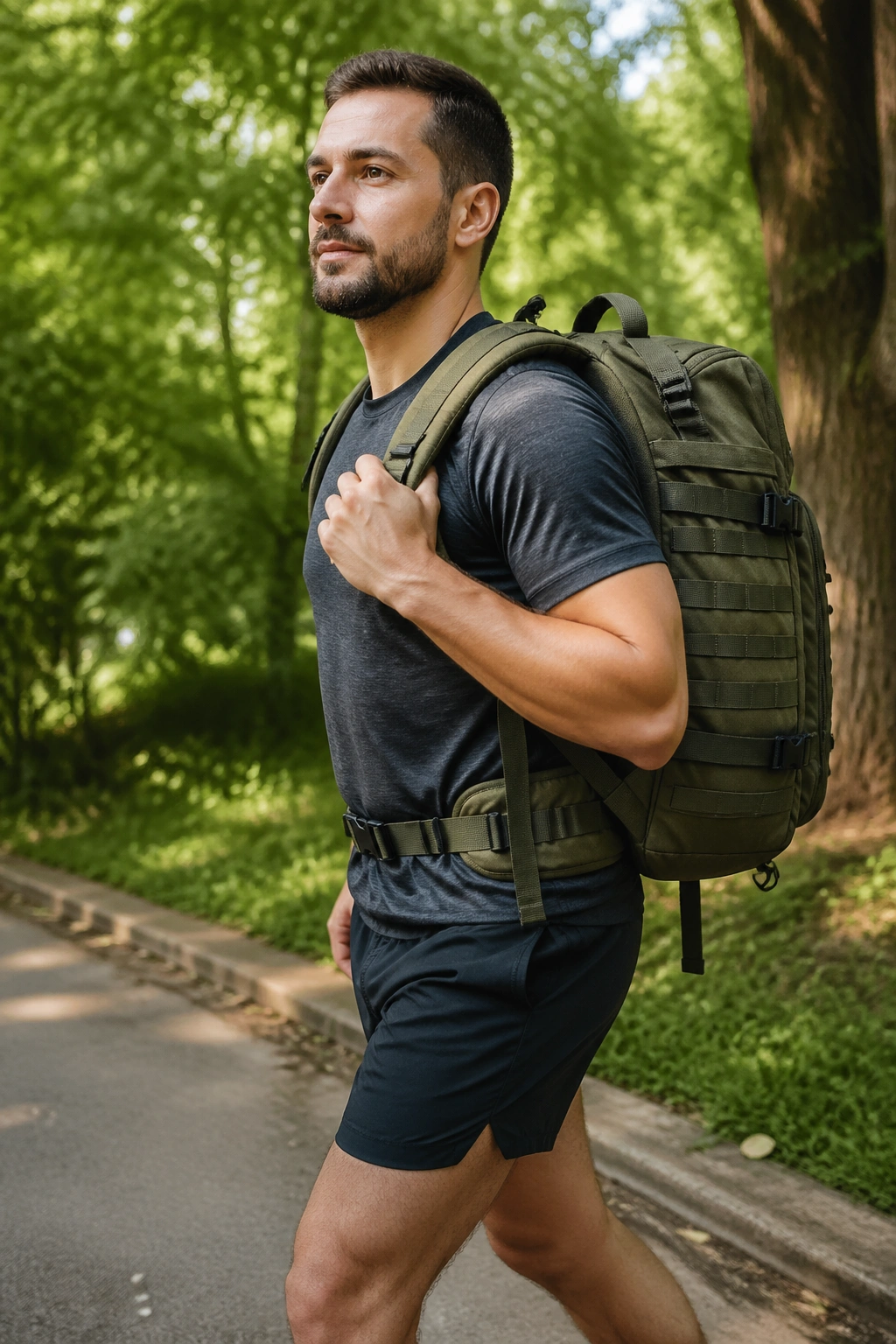
Rucking sounds fancy. It is not. Put some weight in a backpack and walk.
A load of about 5 to 15 percent of your body weight is enough for most people to feel it without turning the walk into a back problem. Use books, water bottles, or folded towels to keep the weight high and tight against your upper back. That keeps the bag from slapping around with every step.
The beauty of rucking is that it feels like walking, but your body works harder. Your posture gets a job. Your core has to brace. Your legs carry extra load. If you want a simple way to burn more calories without pounding your joints, this one is hard to beat.
6. Jump Rope in Small Batches
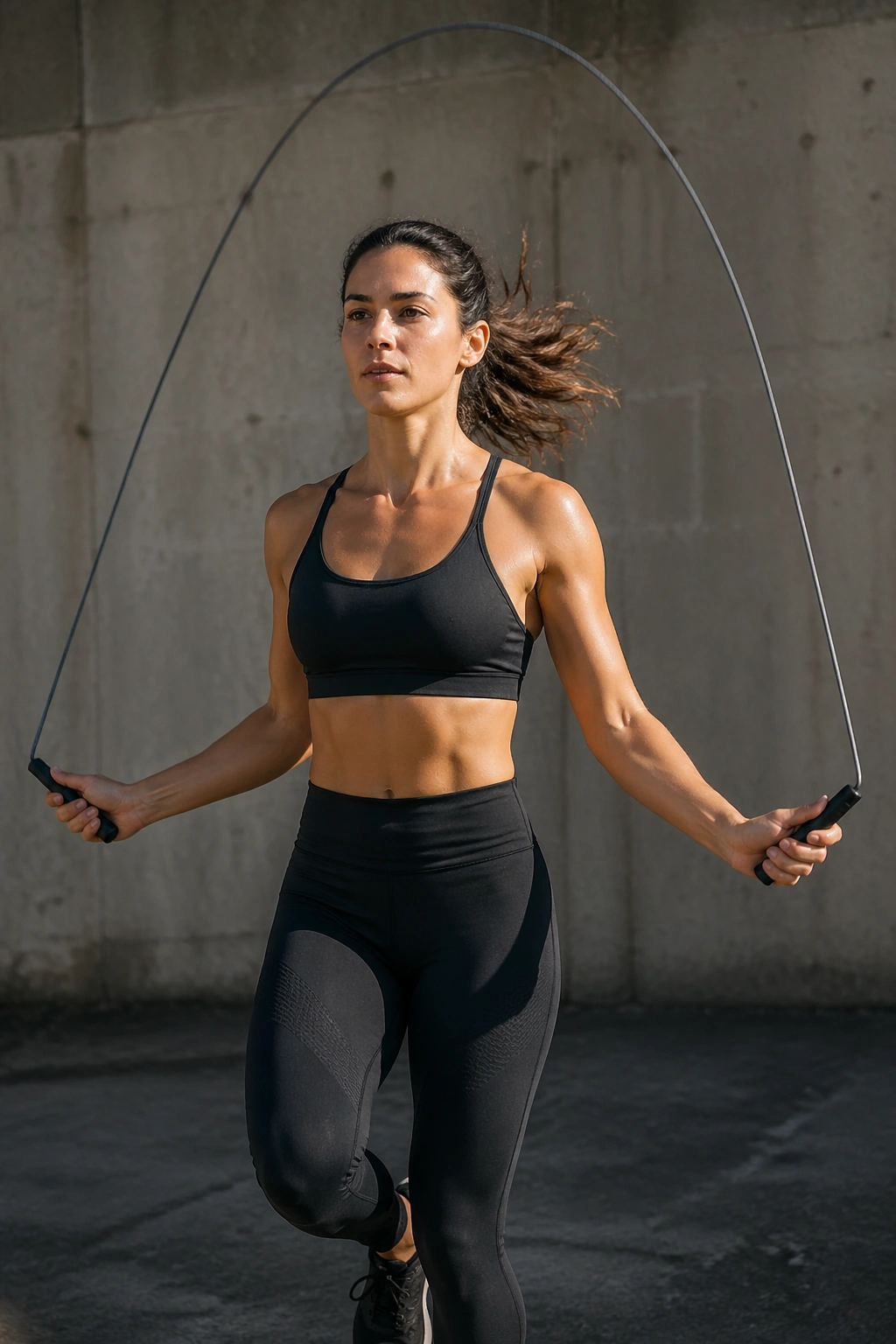
Jump rope looks silly until the rope starts turning and your calves light up. Then it gets serious fast.
You do not need a long session. Thirty seconds on, 30 to 60 seconds off, repeated for 10 minutes, is plenty if you move with purpose. Keep your jumps low, land softly, and let the rope do the work instead of throwing your shoulders around.
This one is great if you want a fast indoor cardio hit and you do not have much space. It is not kind to achy ankles, though, so swap in invisible rope hops or quick toe taps if the pounding feels wrong.
7. Start the Day With a Mobility Flow
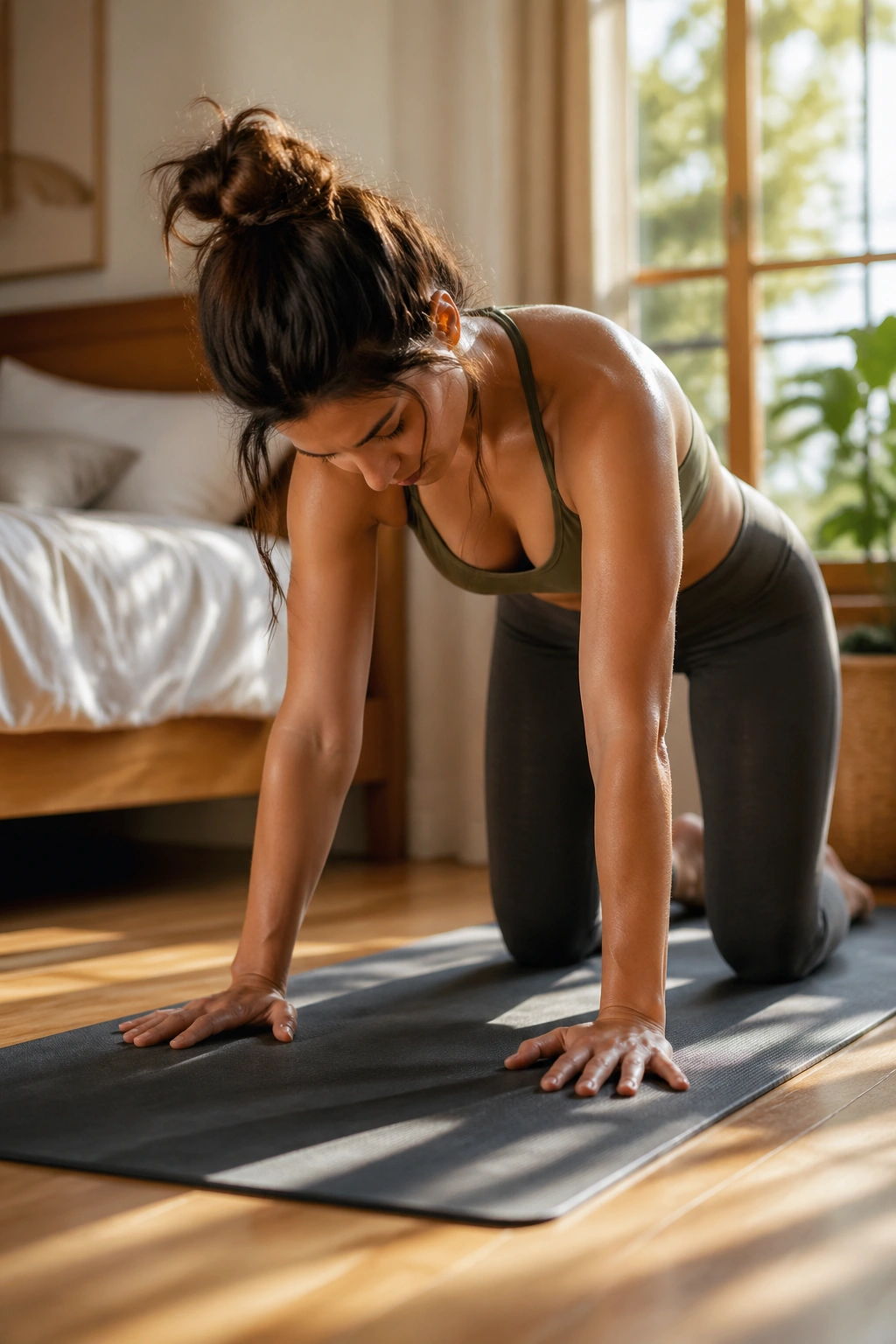
A mobility flow will not torch hundreds of calories by itself. That would be a silly thing to promise. What it does is make the rest of the day easier to move through, and that can change your total activity more than a sweaty workout that leaves you wiped out.
Think cat-cow, hip circles, deep squats, shoulder rolls, inchworms, and a few thoracic rotations. Five to eight minutes is enough. Your body should feel warmer, looser, and less creaky when you finish.
A simple morning flow
- 5 cat-cows
- 10 hip circles each side
- 8 bodyweight good mornings
- 5 inchworms
- 30 seconds deep squat hold
- 5 slow breaths in each stretch
If your mornings are stiff, this is a smart place to start. It makes walking, training, and even standing at your desk feel less like punishment.
8. Walk Hills or Do Hill Sprints

Flat ground is fine. Hills are meaner.
A hill walk turns every step into a little climb, which means more glute work, more heart rate, and less room for boredom. You can keep the pace steady for 20 to 40 minutes, or you can do short hill sprints if you already have some conditioning and your joints tolerate them.
The grade matters. A steep hill punishes you fast, so start with a mild slope and see how your calves and breathing respond. If you finish the climb huffing and your legs feel heavy on the way down, that is the good kind of hard.
9. Shadow Box in Your Living Room
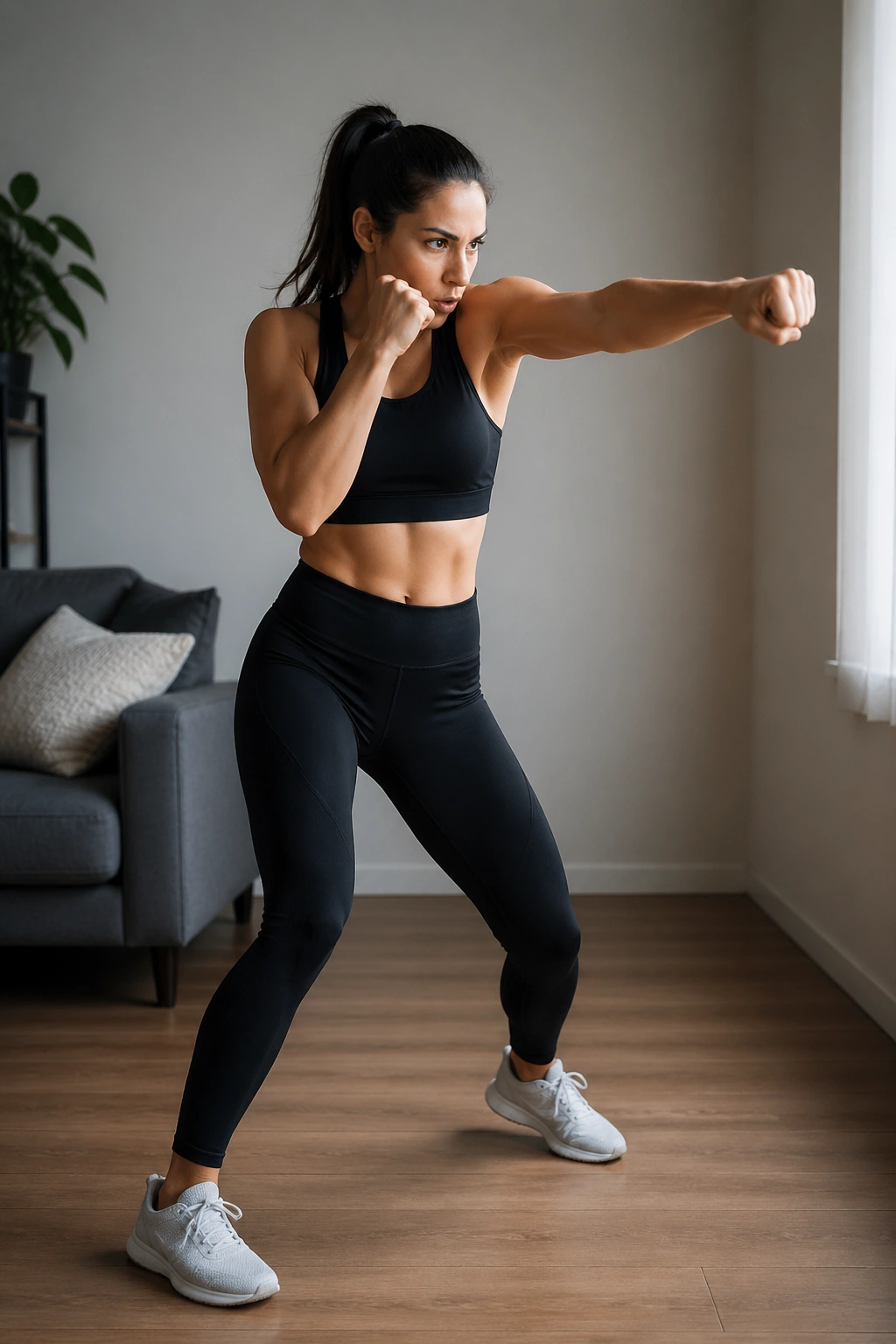
Shadow boxing is one of the most underused home cardio moves around. It looks light until you do it for three straight minutes and your shoulders start burning.
You are not just flailing at air. You are moving your feet, rotating your hips, bracing your core, and keeping your hands up. That combination sneaks in a lot of work without needing any equipment.
A simple round might be 2 minutes on, 1 minute off, repeated 5 or 6 times. Keep the punches sharp and the steps small. If you want more burn, add slips, ducks, and quick pivots. It gets sweaty in a hurry.
10. Turn Chores Into Cardio
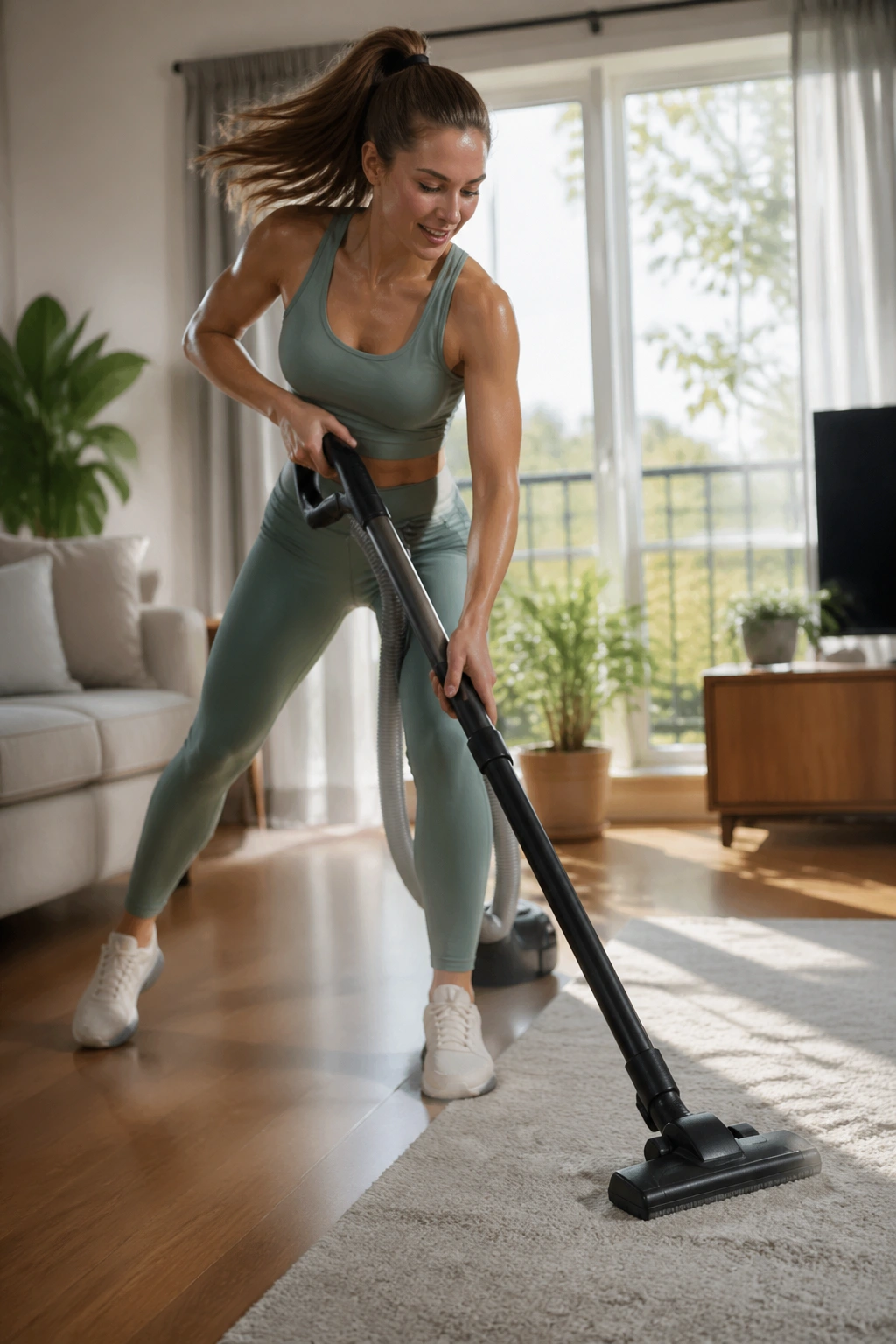
Vacuuming, mopping, raking leaves, carrying laundry, wiping down windows, hauling trash bins — those things add up.
Nobody pretends chores are glamorous. Fine. They are still movement, and movement is the point. A 30-minute clean-up session can keep you on your feet, keep your heart rate from crashing, and keep you from losing an entire afternoon to a chair.
The trick is to treat chores like a block of activity, not a few lazy swipes between phone checks. Keep moving until the room is done. Then do the next room. It sounds old-fashioned because it is. That does not make it weak.
11. Step Up and Down on a Stair
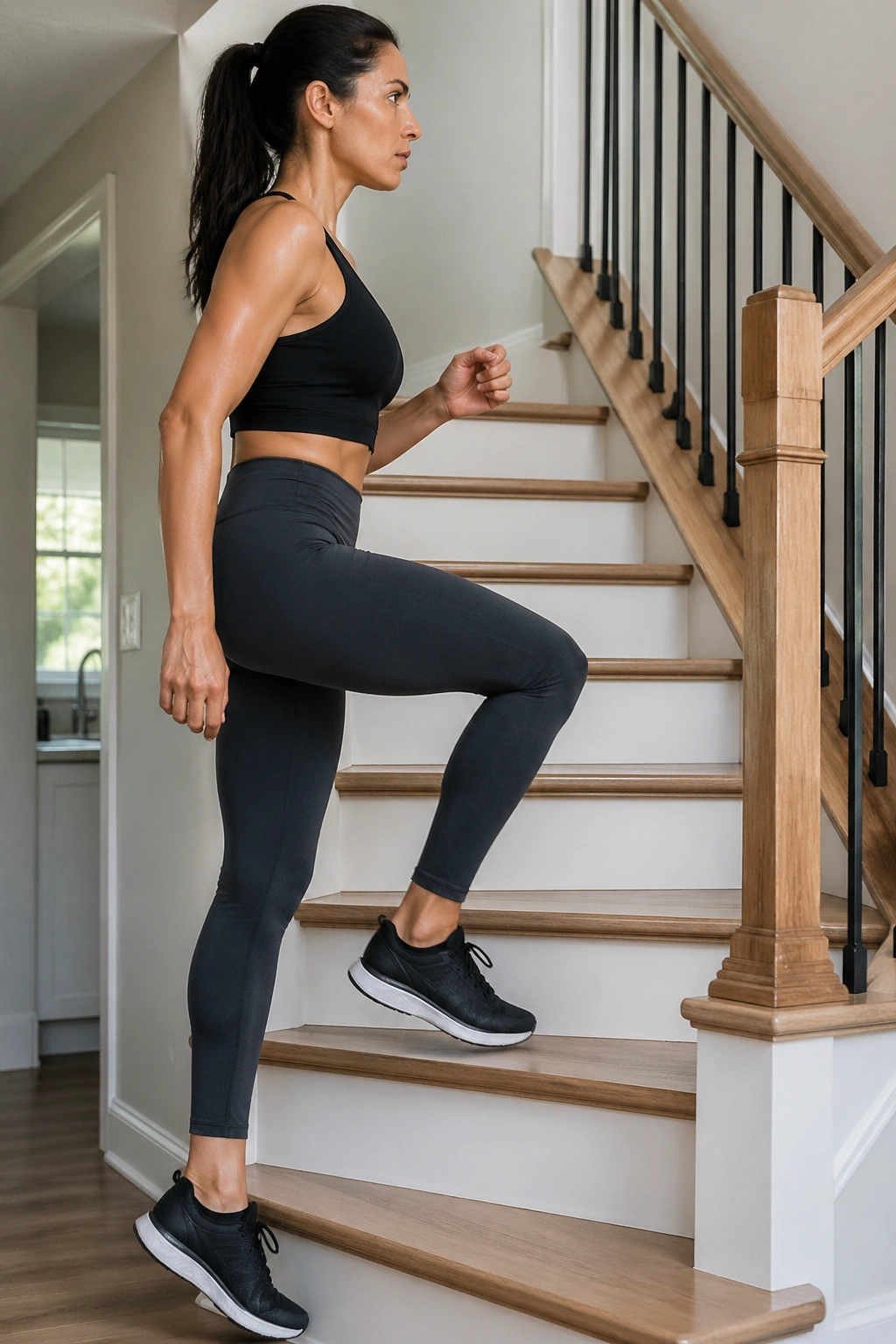
Step-ups are simple, but they are sneaky. One foot on a step or sturdy bench, drive through the heel, stand tall, step back down, repeat.
Your quads and glutes do most of the work, and your heart rate climbs fast if you keep the pace moving. Ten reps per leg is enough to start. If that feels easy, hold light bags or slow the lowering phase down to 3 seconds.
Good step-up form
- Use a step that puts your thigh around parallel or a little below.
- Keep your chest tall.
- Press through the whole foot on the box.
- Do not bounce off the back leg.
This move is great when you want a leg workout that fits in a small space and still feels like cardio.
12. Use Resistance Bands at Home
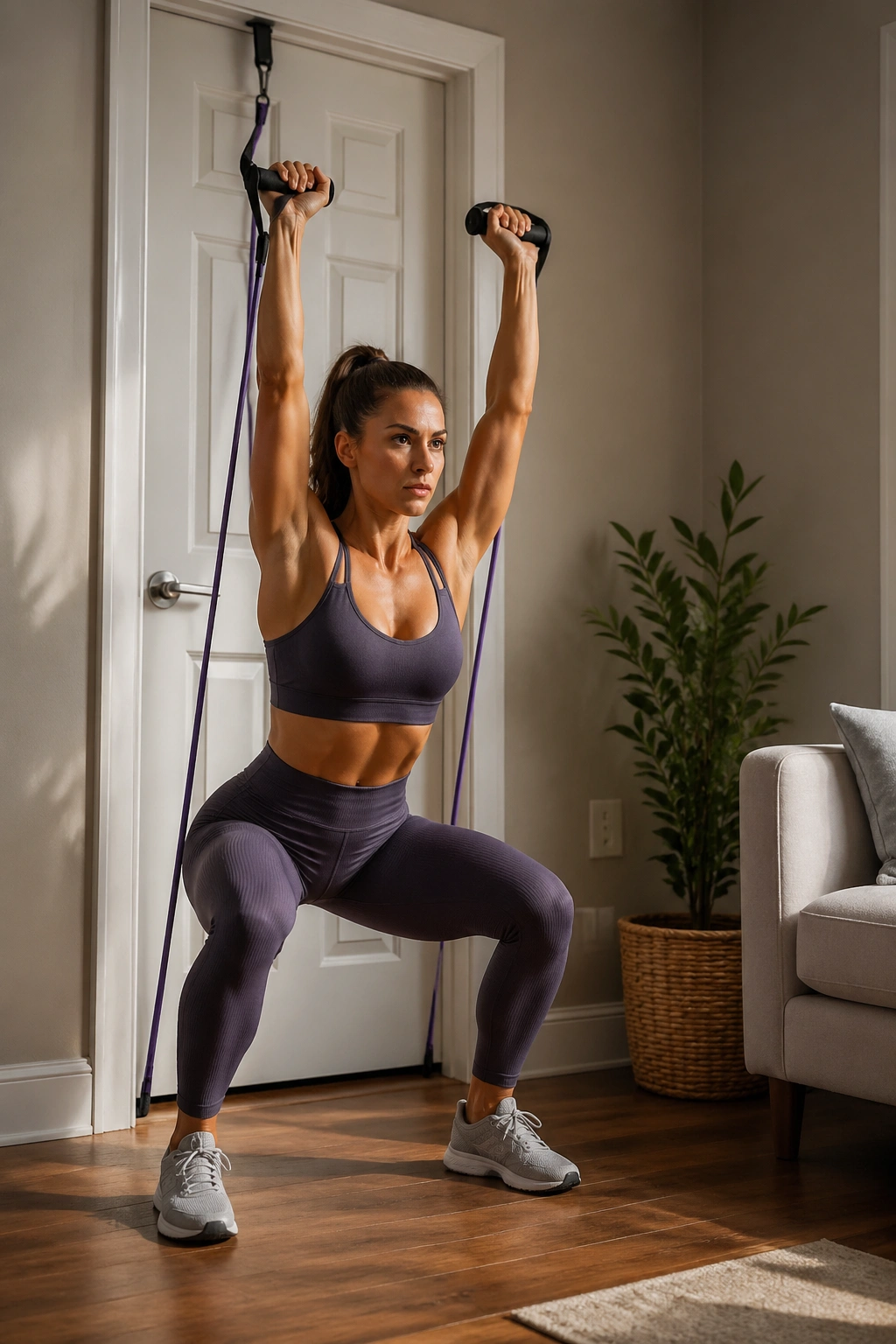
Bands are cheap, portable, and far more useful than most people expect. They give you resistance without a pile of metal, and they let you string together lower-body and upper-body work without much setup.
A band squat into a press, a band row, a pull-apart, and a banded lateral walk can turn into a solid 15-minute session. Because the tension stays on the muscle through the whole move, you often feel them faster than you expect.
Unlike dumbbells, bands travel easily and take almost no storage space. That makes them good for people who want a real workout but do not want to turn a bedroom into a tiny gym.
13. Dance Without Sitting Down
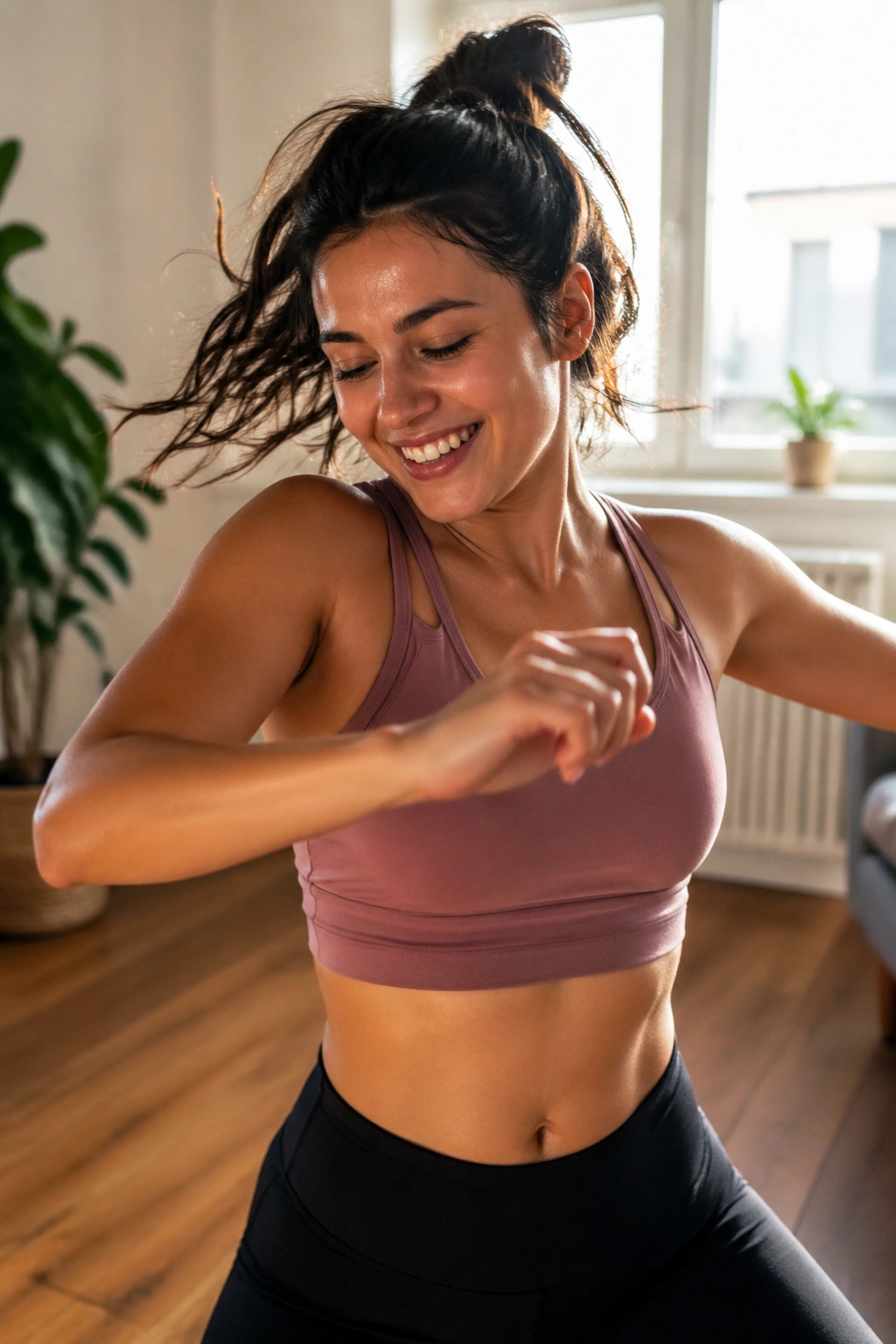
Dancing works because you keep moving long enough to matter. Not for 90 seconds. Not until the song gets good. The whole playlist.
You can go hard with quick footwork and big arm swings, or you can keep it lighter and still build a useful sweat. The point is sustained motion. If you can string together 20 to 30 minutes without plopping onto the sofa, you are doing more for fat loss than most people realize.
And yes, it counts even if you are terrible at it. Better yet, being a little terrible can keep you from taking it too seriously.
14. Make Your Weekend Hike Count

A hike is walking with a job to do. The ground is uneven, the incline changes, and your body has to keep adjusting. That means more work than a flat sidewalk loop, even before you factor in a backpack or hills.
If you want the hike to pull real weight in your fat-loss plan, keep the pace steady and stay off your phone. Pick a route that makes you breathe harder by the first half-mile, then keep going long enough to sweat through your shirt a bit.
How to get more out of a hike
- Carry water in a small pack.
- Choose hills over flat paths when you can.
- Leave the headphones off for part of it.
- Keep the pace brisk on the easy stretches.
A long hike can burn a surprising number of calories without feeling like punishment.
15. Run a Push-Up, Squat, Lunge Flow
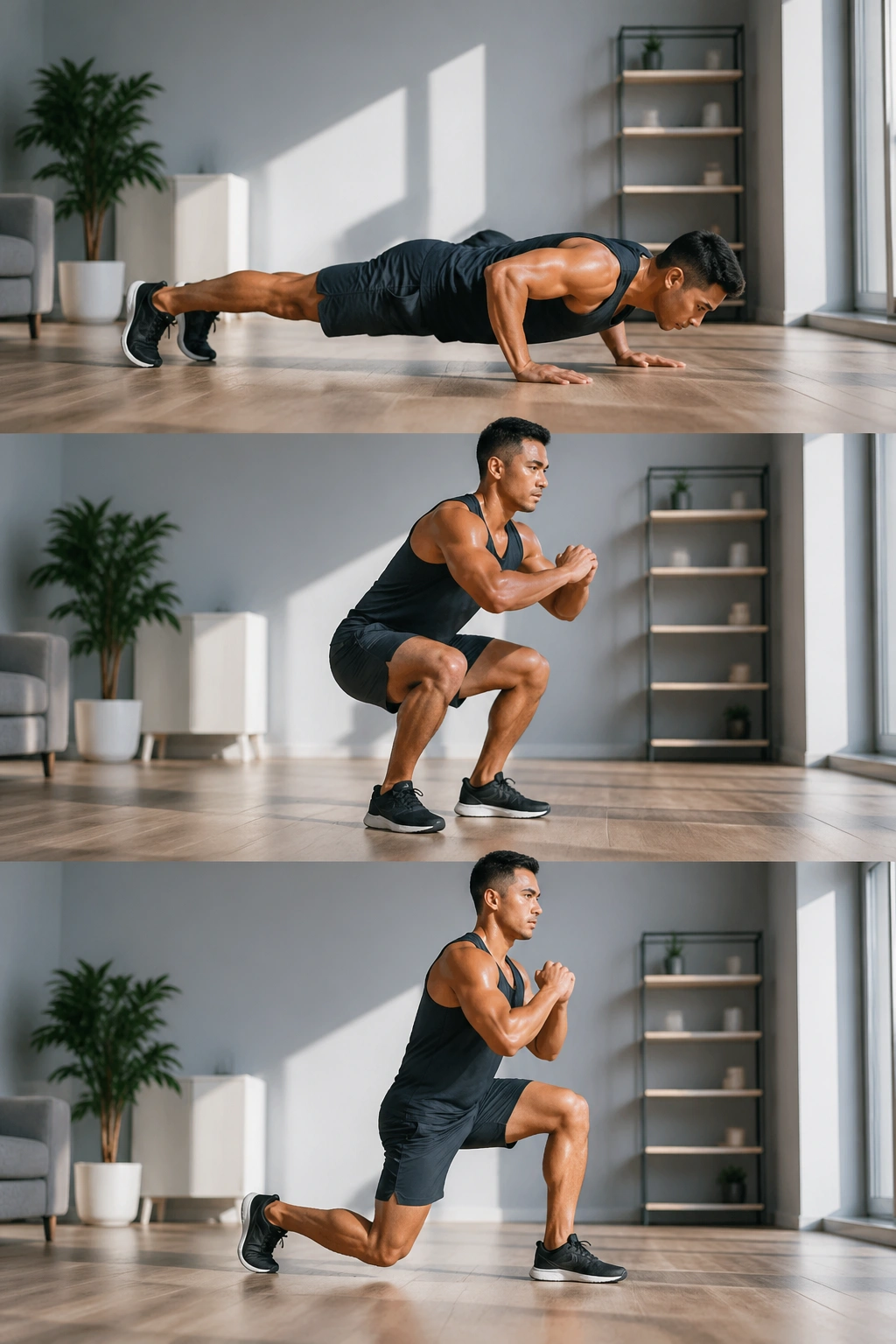
This one is clean and nasty in the best way. One move rolls into the next, and there is not much room to coast.
Try 5 push-ups, 10 squats, and 8 lunges per leg. Rest 45 seconds. Repeat 4 to 6 rounds. The push-ups work your chest, shoulders, and core. The squats and lunges light up your legs. Your heart rate climbs because you keep switching patterns before your body gets too comfortable.
Unlike random flailing, a simple flow like this keeps your form easier to watch. If push-ups are too hard, do them against a counter or couch. The goal is not perfection. The goal is honest work.
16. Turn Phone Calls Into Walking Calls
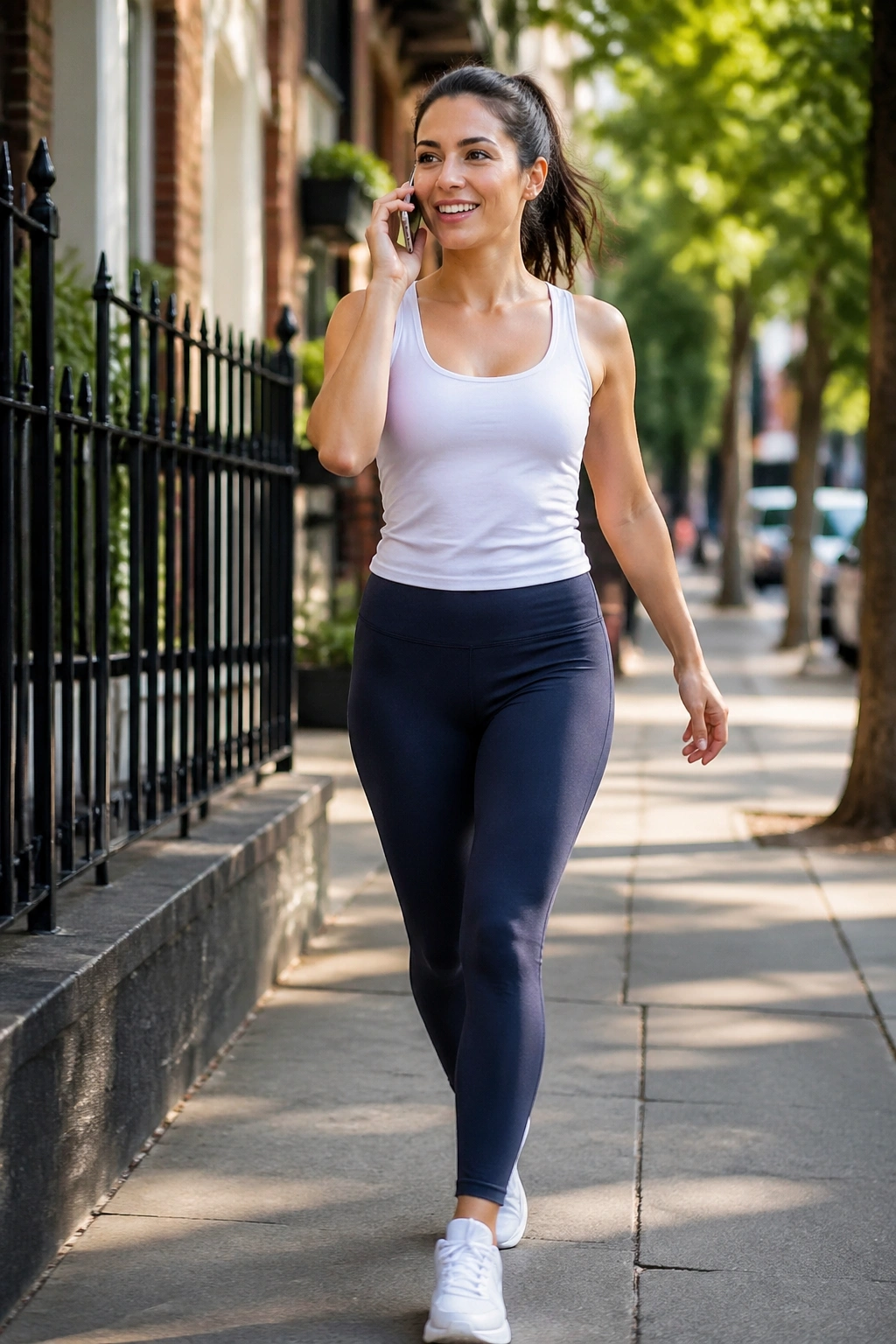
If your phone stays glued to your hand, use that against the couch habit. Stand up when the call starts and keep moving.
Walking calls are one of those tiny habits that look too small to matter until you do them four or five times a day. Then the steps pile up, your hips stop stiffening, and you stop treating every call like a sit-down appointment.
I like this one because it does not need special clothes, warm-up time, or a clean room. It needs a phone and a pair of shoes. That is all.
17. Carry Heavy Things on Purpose

Farmer’s carries are ugly in the best way. Pick up something heavy and walk with it for distance or time.
Two water jugs, grocery bags, a loaded laundry basket, a suitcase — all of that works. Your grip gets taxed, your shoulders set, and your core has to stay tight so you do not wobble around like a shopping cart with a bad wheel.
What to watch for
- Keep the shoulders down, not shrugged.
- Walk slowly enough to stay tall.
- Use shorter distances if your grip fails early.
- Stop if your lower back starts to pinch.
This is not flashy cardio. It is real work, and real work burns energy.
18. Use Planks and Dead Bugs for Core Control
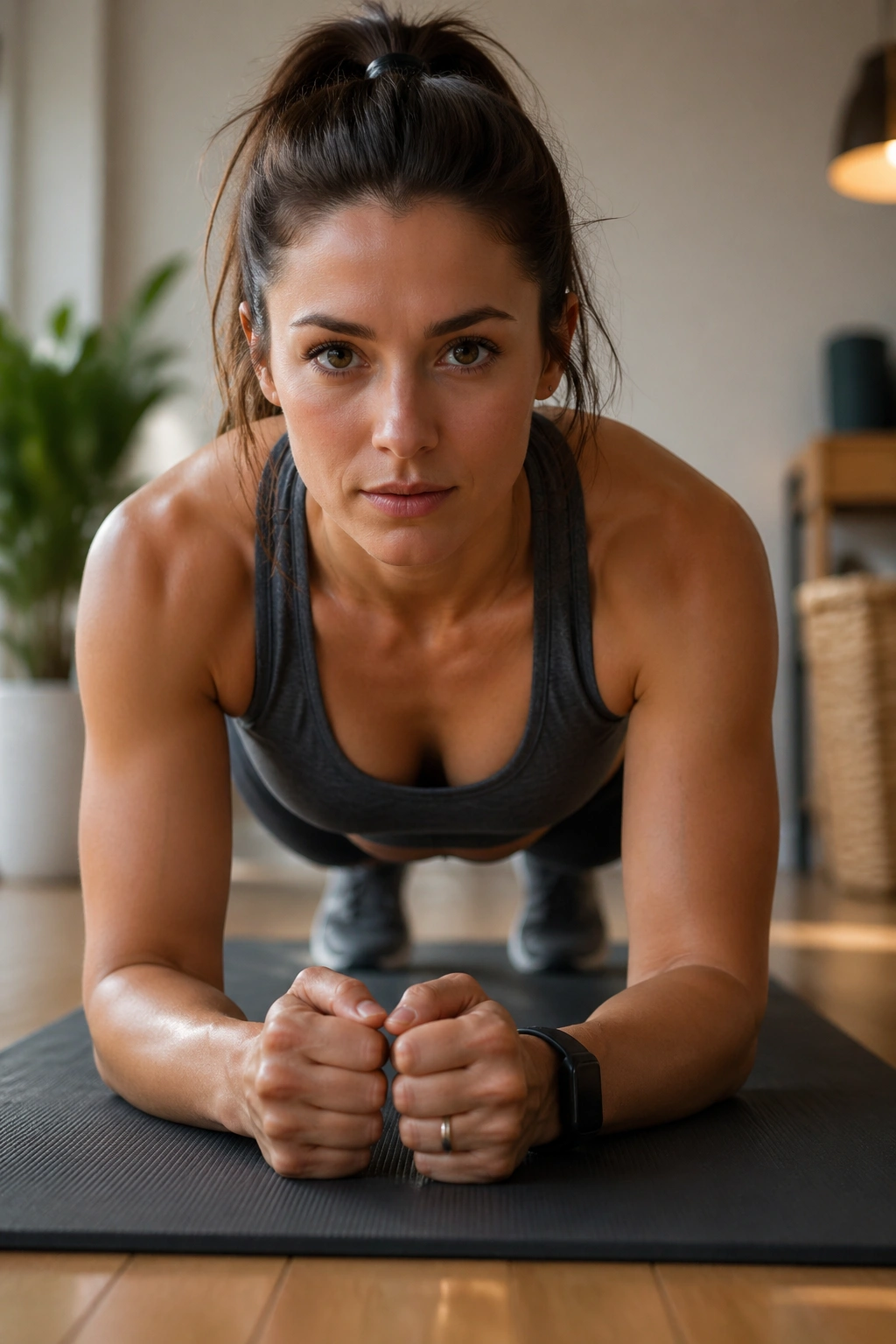
Core work does not melt belly fat on its own. It never did. But it helps you hold better posture, brace harder during the moves above, and keep your trunk from collapsing when fatigue hits.
Dead bugs are especially good because they teach you to keep your lower back flat while moving opposite arms and legs. Planks do the same thing in a static way. Together, they build a cleaner midsection, even if they are not the main calorie burner in the plan.
A simple core block
- 20 to 30 seconds plank
- 8 dead bugs per side
- 20-second side plank each side
- 30 seconds rest
- Repeat 3 times
If your back arches or your ribs flare, slow down. Control matters more than speed here.
19. Try a Low-Impact Cardio Ladder
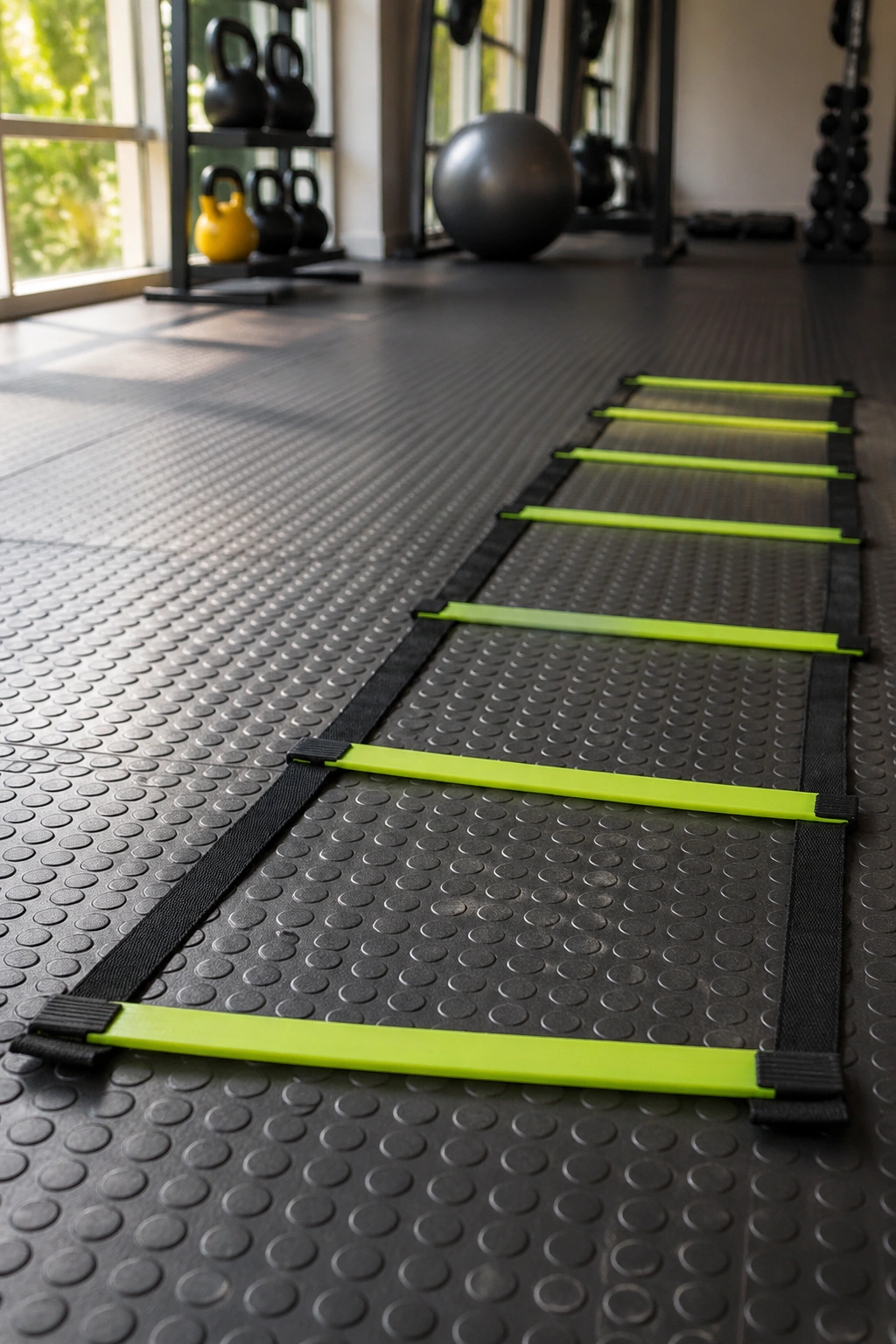
Not every fat-loss session has to be jumpy and loud. A low-impact ladder can still raise your heart rate without hammering your joints.
Start with 30 seconds each of marching in place, side steps, fast feet, and mountain climbers on a wall or bench. Rest 30 seconds, then run the whole ladder again. You can stretch it to 15 or 20 minutes and still finish feeling worked.
This is a smart choice if you are heavier, if your knees are fussy, or if you just hate jumping around before coffee. The sweat still shows up.
20. Set a Daily Step Floor
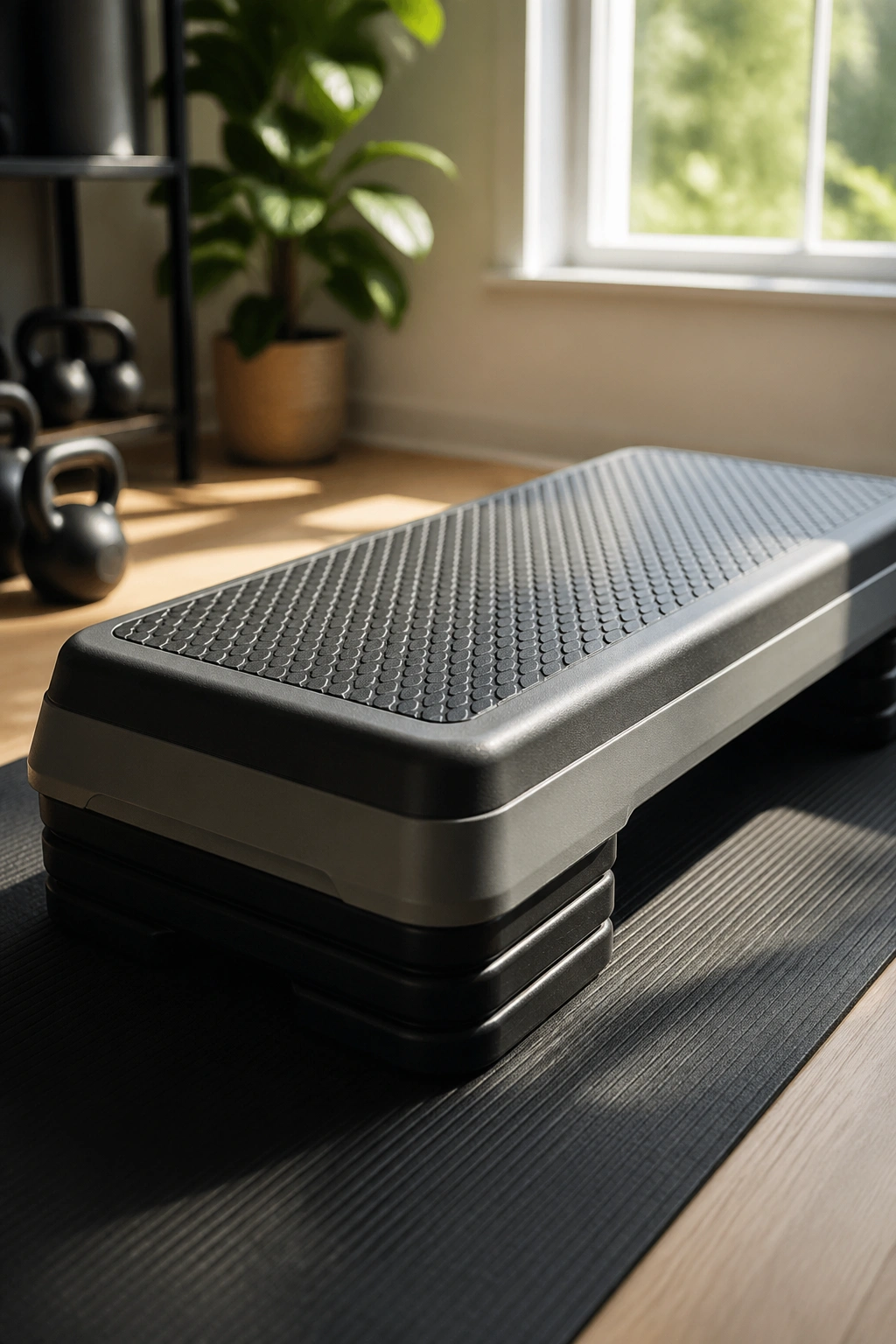
A step floor is the minimum you refuse to go below. That one rule can change a lot.
If your normal day is 3,000 steps and you bump it to 6,000, that is not a tiny change. It can mean another hour or more of light movement across the day, which is often where fat loss gets stuck or unstuck. The point is not chasing a perfect number. The point is preventing a lazy day from becoming your default.
Pick a number you can hit even on busy days. Put it on your phone. Then keep it boring.
21. Turn Errands Into Extra Miles
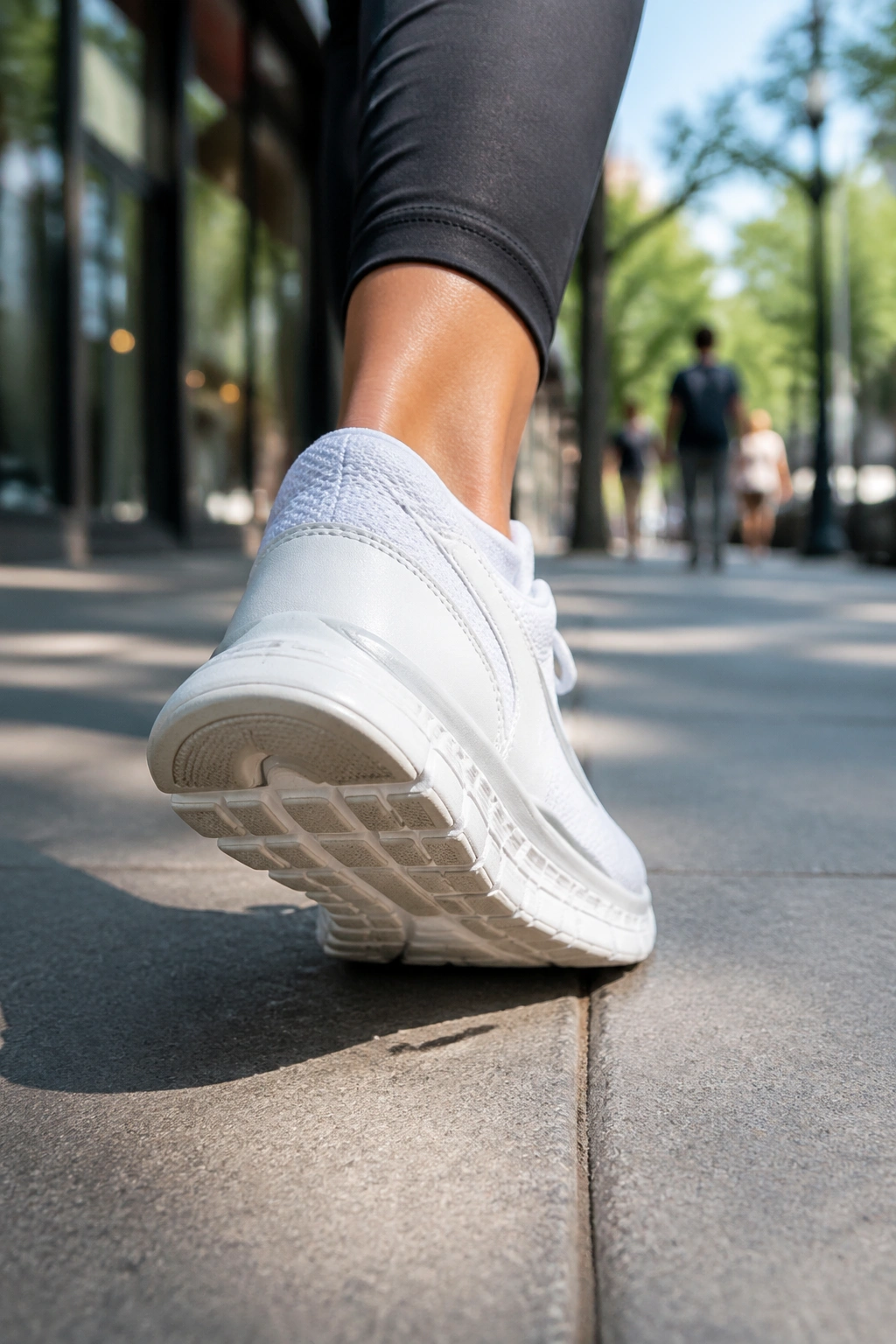
Parking a little farther away, walking to the store instead of driving for every tiny thing, taking the longer route home — these choices look small, but they change the shape of your day.
The key is to stop treating errands like interruptions to movement. They are movement. If you stack three or four active errands in one afternoon, you can add a solid chunk of walking without ever calling it a workout.
I prefer this over making fat loss feel separate from real life. The more your daily routine already includes motion, the less you have to psych yourself up for.
22. Use a Mini Trampoline for Bouncy Cardio
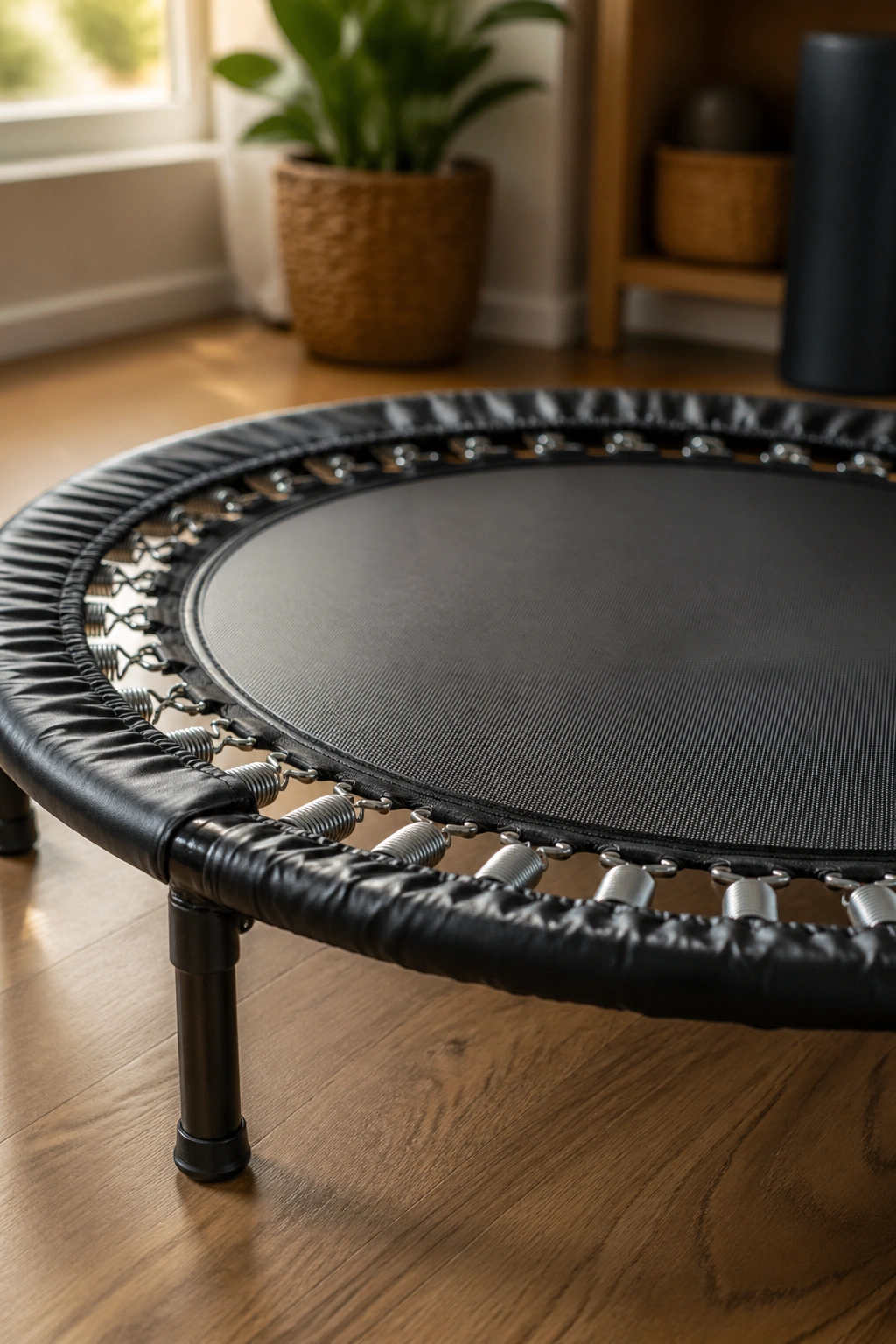
A rebounder is a little weird. That is part of its charm.
The bounce keeps your feet moving without the full pounding of pavement or jump rope, and you can do basic marching, light hops, side steps, or arm swings for 10 to 20 minutes. The surface feels springy under your shoes, and that changes the load on your joints in a way some people love.
If your ankles or knees hate hard ground, this is worth a look. If you feel unstable on it, slow down and keep both feet on the mat more often. The goal is steady movement, not circus tricks.
23. Build a Bodyweight Ladder With No Rest

A ladder workout is one of the nastier home tools because rest disappears fast. You do one round, then add a little more, then add a little more again.
Try 1 push-up, 2 squats, 3 reverse lunges per leg. Then 2 push-ups, 4 squats, 6 lunges. Keep going until your form starts to drift or your breathing turns ragged. That creeping increase is what makes the session effective.
A simple ladder rule
- Keep the move list short.
- Stop before your form breaks.
- Rest 60 to 90 seconds if you need it.
- Do not chase exhaustion for its own sake.
This style is excellent when you want a hard workout without setting up a bunch of equipment. It gets loud in your lungs before it gets complicated in your head.
24. Keep One Fast Day and One Easy Day

Not every day should feel like a punishment. That is where people go off the rails.
A fast day might be intervals, hills, jump rope, or a bodyweight circuit. An easy day might be walking, mobility, or a long errand-heavy day. The mix matters because your body keeps showing up when it is not beaten down by the last workout.
If every session is hard, you stop moving well and start skipping days. If every session is easy, the needle barely moves. The sweet spot is a week with both. Hard enough to change things. Easy enough to repeat.
25. Stitch the Whole Week Into a Repeatable Pattern

The people who lose belly fat without the gym usually do one thing better than everyone else: they stop treating each workout like a separate event and start treating the whole week like one long system.
A simple pattern might look like this: 2 hard sessions, 3 walking-heavy days, 1 longer hike or ruck, and a step floor every single day. That already lines up with public-health advice that points toward about 150 minutes of moderate activity and 2 days of strength work, which is a sensible base for fat loss and waistline change.
A useful weekly split might look like this:
- Monday: bodyweight circuit
- Tuesday: post-meal walks and step goal
- Wednesday: hill work or intervals
- Thursday: walking calls and chores
- Friday: resistance bands or a ladder workout
- Saturday: hike, ruck, or long walk
- Sunday: mobility, light steps, and recovery
That kind of plan does not feel glamorous. Good. Glamour does not trim waistlines. Repetition does.
And if you want the blunt version, here it is: the fastest way to burn belly fat without the gym is to move more than feels necessary, lift your own body a few times a week, and keep the whole thing dull enough that you can still do it next week.
