



Starting a Pilates practice can feel like standing at the base of a mountain. You know the view from the top is worth it—increased strength, better posture, and a kind of body awareness that stays with you all day—but the climb requires consistency. Many people jump in with high intensity, burn out by the third day, and wonder why the results don’t show. The secret isn’t in how hard you push during one session; it’s in the quiet, repetitive work that happens when no one is watching.
A two-week timeframe is the perfect sweet spot for building a new habit. It’s long enough to notice small shifts in how your clothes fit or how you hold your shoulders, but short enough to keep your focus sharp. Whether you are a total beginner or just looking to get back to the basics, these challenges offer a structured path. You do not need to be flexible to start. You do not need a reformer or expensive equipment. You just need a mat and a willingness to pay attention to your own movement.
Choosing the right challenge depends on what your body is asking for right now. Maybe your lower back screams by 3:00 PM, or perhaps you feel disconnected from your core. Whatever the case, approach these two weeks as an experiment. Pay attention to how you feel, not just how you look. Let’s look at the specific ways you can structure your movement over the next fourteen days.
1. Core Foundations
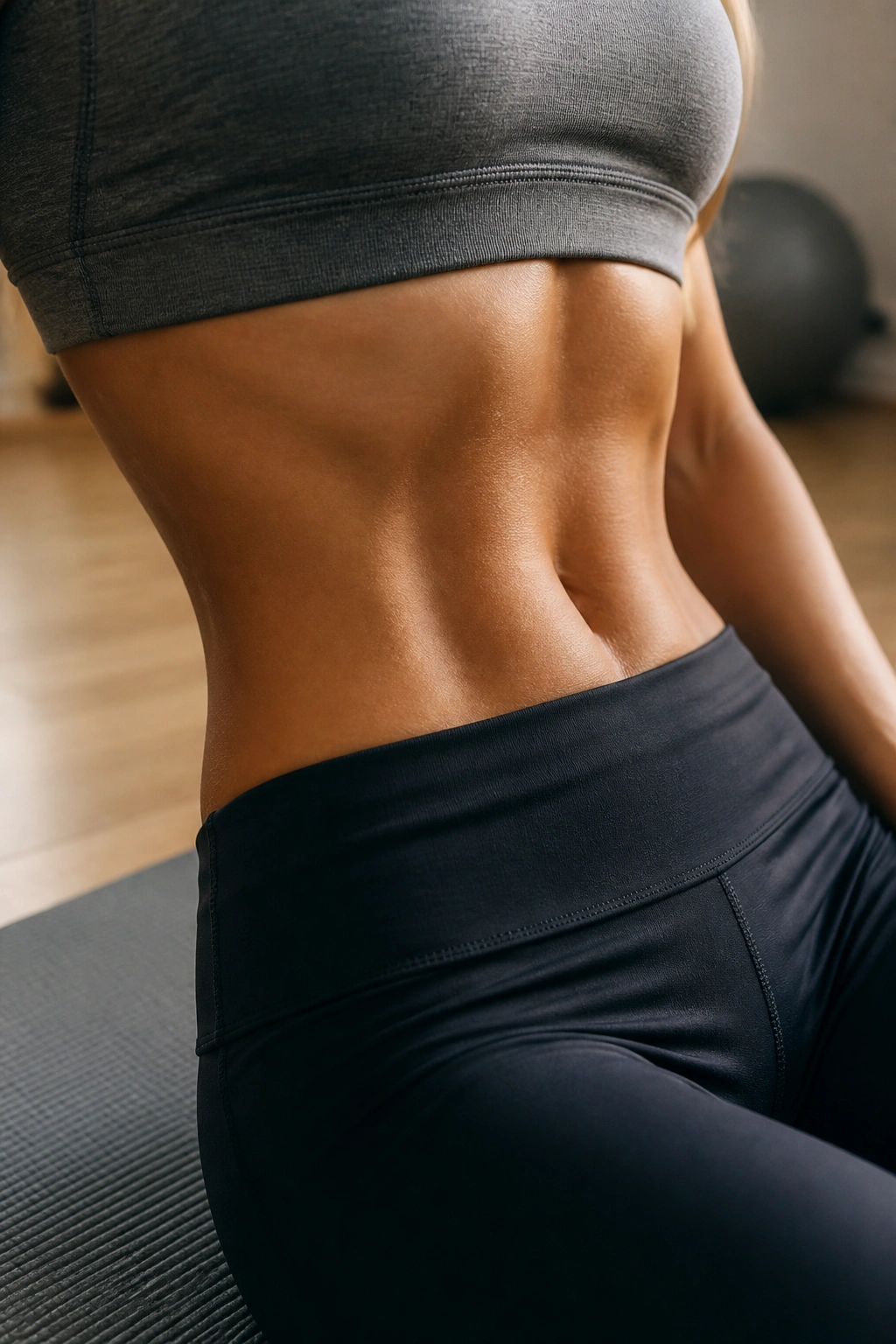
This challenge isn’t about six-pack abs; it is about finding the transverse abdominis, that deep corset muscle that actually holds your spine together. For these two weeks, skip the “crunches” and focus entirely on stabilization exercises. You want to practice the pelvic tilt and the “scoop” every single time you hit the mat.
What to prioritize
- The Hundred: Start your sessions with this to get blood flowing to your core.
- Dead Bug: Keep your back glued to the mat; if it arches, you’ve gone too far.
- Bird-Dog: This helps balance the front-body strength with back-body support.
Pro tip: Imagine you are wearing a tight pair of jeans. That gentle, inward drawing of your belly button toward your spine—that’s the sensation you’re looking for in every move. If you lose that, stop, reset, and start the rep over.
2. Posture Correction
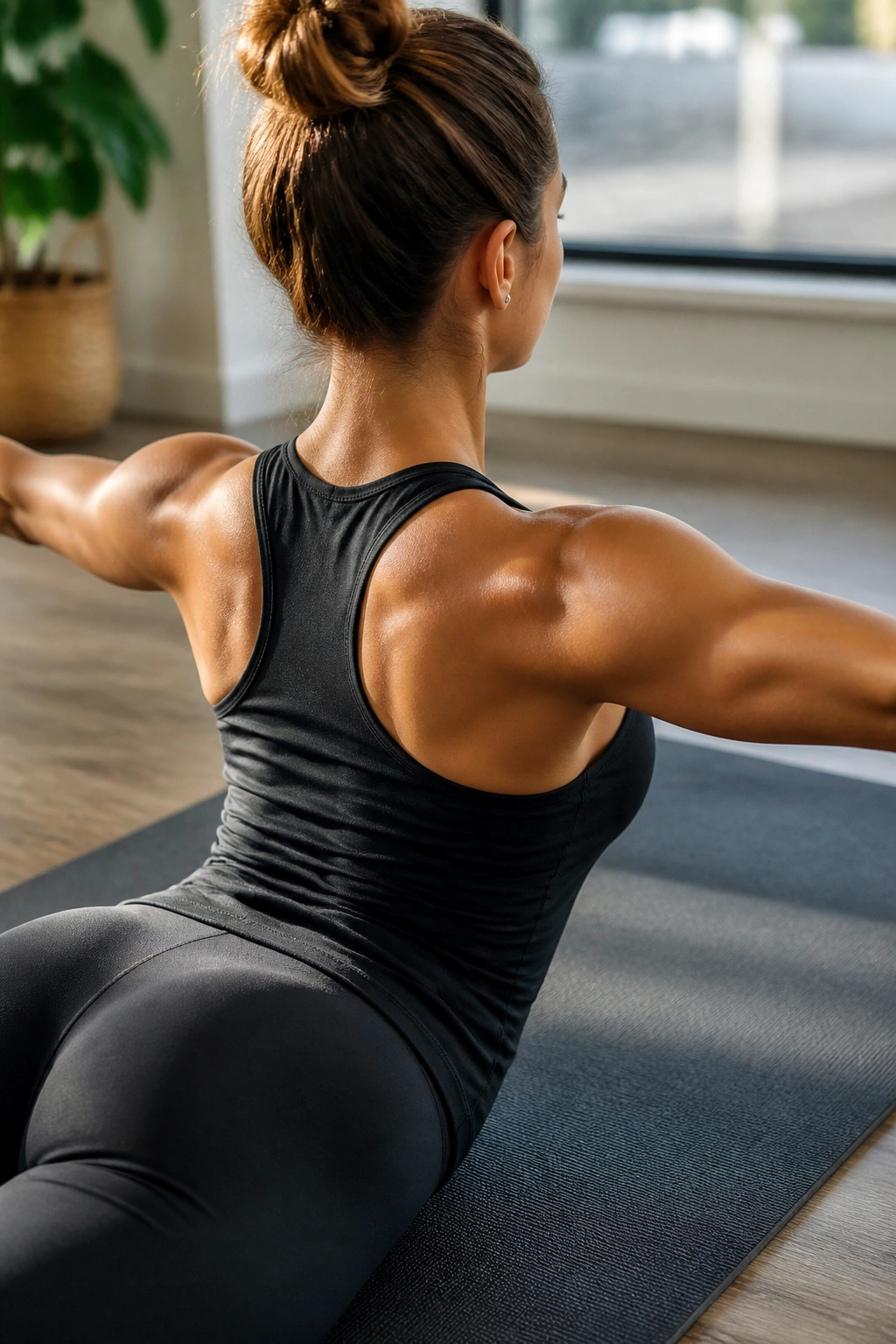
If you spend your day hunched over a screen, your chest muscles are likely tight and your back muscles are overstretched. This two-week challenge focuses on opening the front body and strengthening the posterior chain. You are not just exercising; you are rewiring how you carry yourself through the world.
The daily focus
Spend the first three minutes of every practice just focusing on shoulder blade retraction. Pull them down and back, away from your ears. Then, incorporate exercises like the “Swimming” move or “Swan Dive” to counter the slump. You should feel your chest muscles lengthening as your upper back engages. It’s uncomfortable at first, but it is the antidote to the “tech-neck” posture that so many of us carry.
3. Back Pain Relief
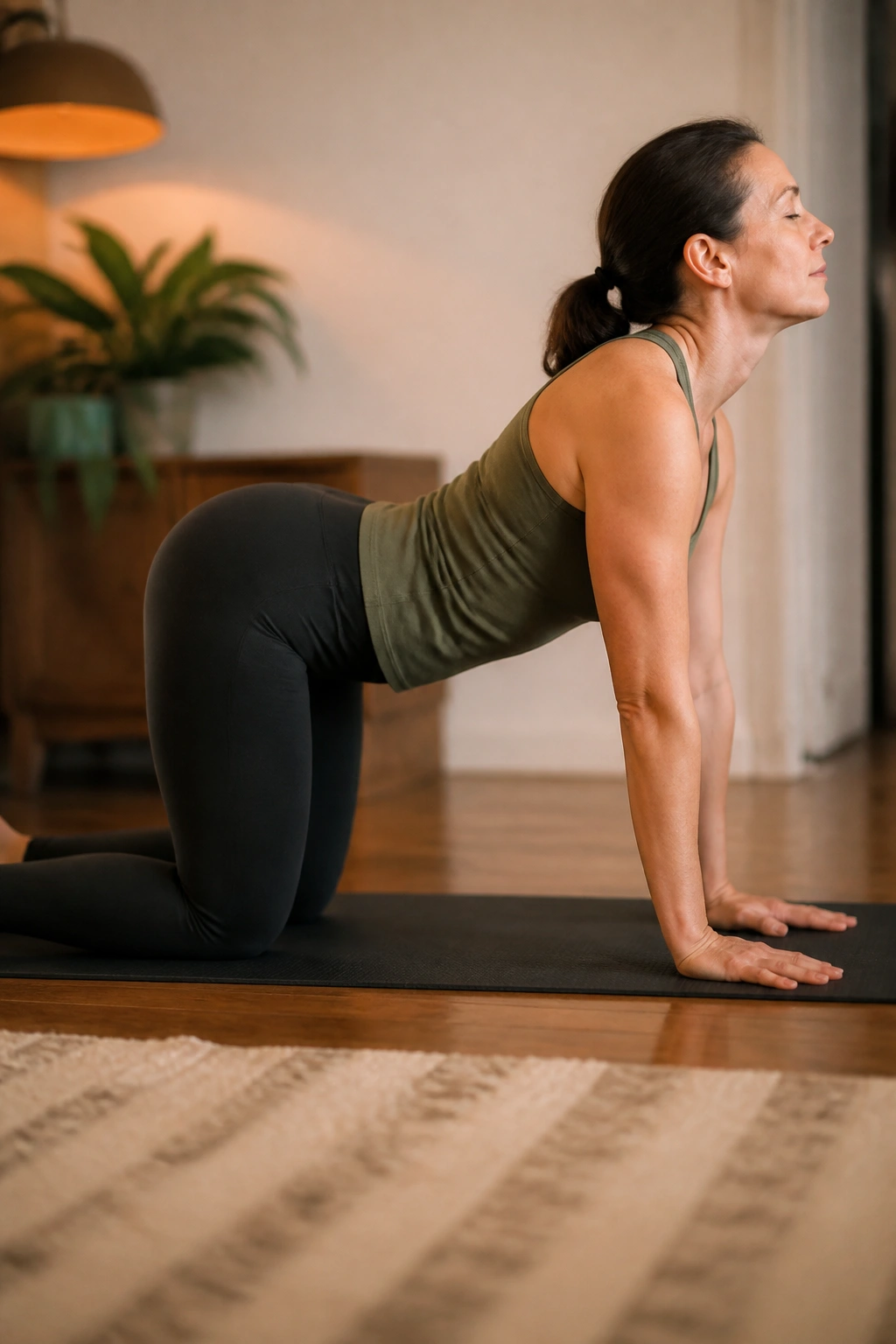
Chronic back tension often stems from weakness rather than just stiffness. During these two weeks, the goal is decompression and controlled movement. Avoid any forward folding that rounds the spine excessively if you are in pain. Instead, stick to gentle extension and pelvic stabilization.
Why this works
Many back issues come from the hip flexors being too tight and pulling on the lower back. By stretching the psoas and strengthening the glutes, you create a natural brace for your lumbar spine. Focus on the “Cat-Cow” stretch and pelvic bridges for all fourteen days. Keep your movements slow. If you rush, your muscles will tense up to protect you, which is the opposite of what we want.
4. Morning Energy
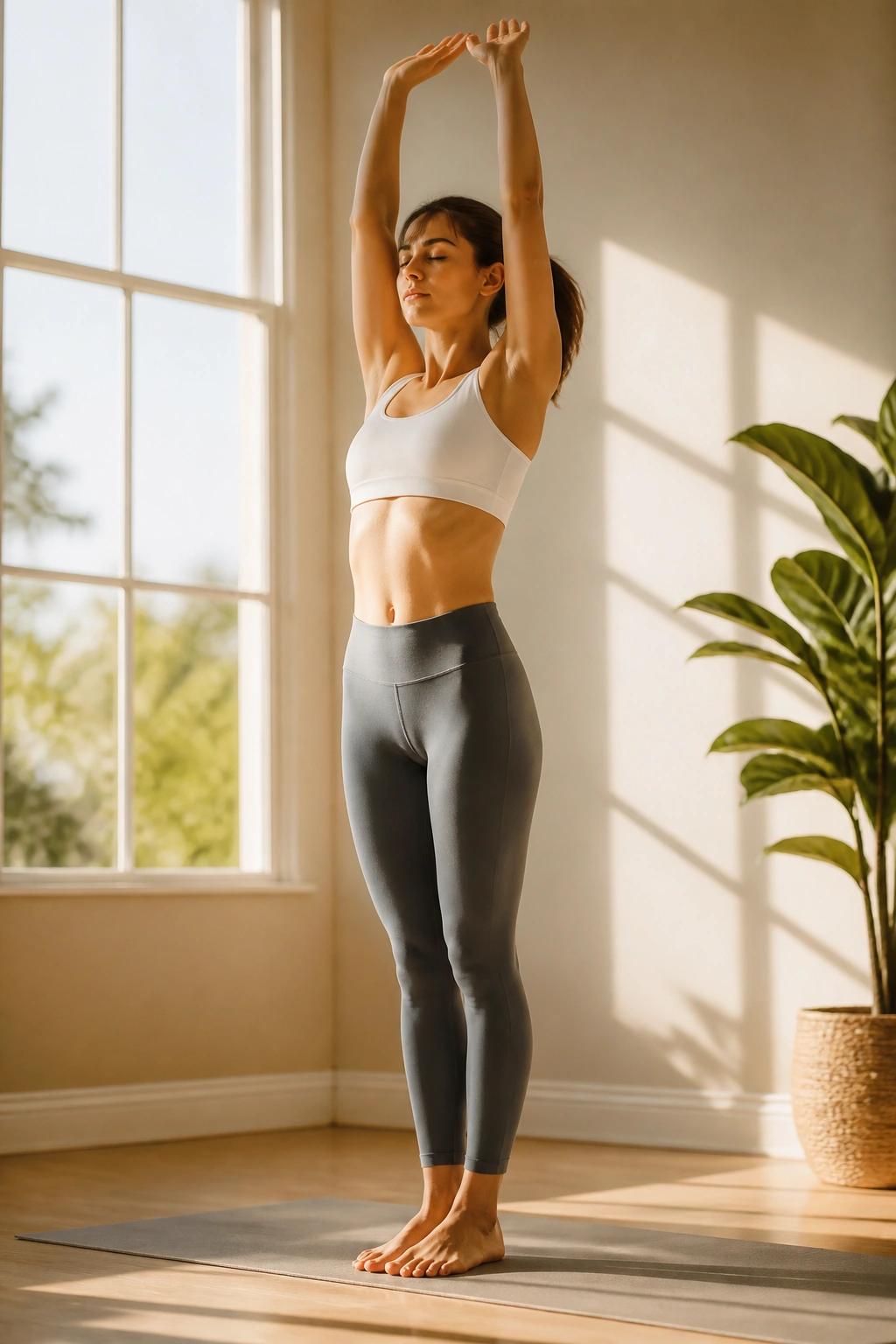
There is a specific kind of sluggishness that hits first thing in the morning. This challenge is designed to wake up your nervous system without the need for a caffeine spike. The goal is to move every joint in your body, from your toes to your neck, in a flowing sequence.
How to do it
- 5 minutes: Gentle neck rolls and ankle circles while seated.
- 5 minutes: Standing roll-downs to wake up the hamstrings.
- 5 minutes: Supine pelvic tilts and knee-to-chest stretches.
The focus here is breath. Inhale deeply through your nose and exhale fully through your mouth to oxygenate your blood. You aren’t aiming for muscle fatigue; you are aiming for “waking up” the body.
5. Bedtime Relaxation
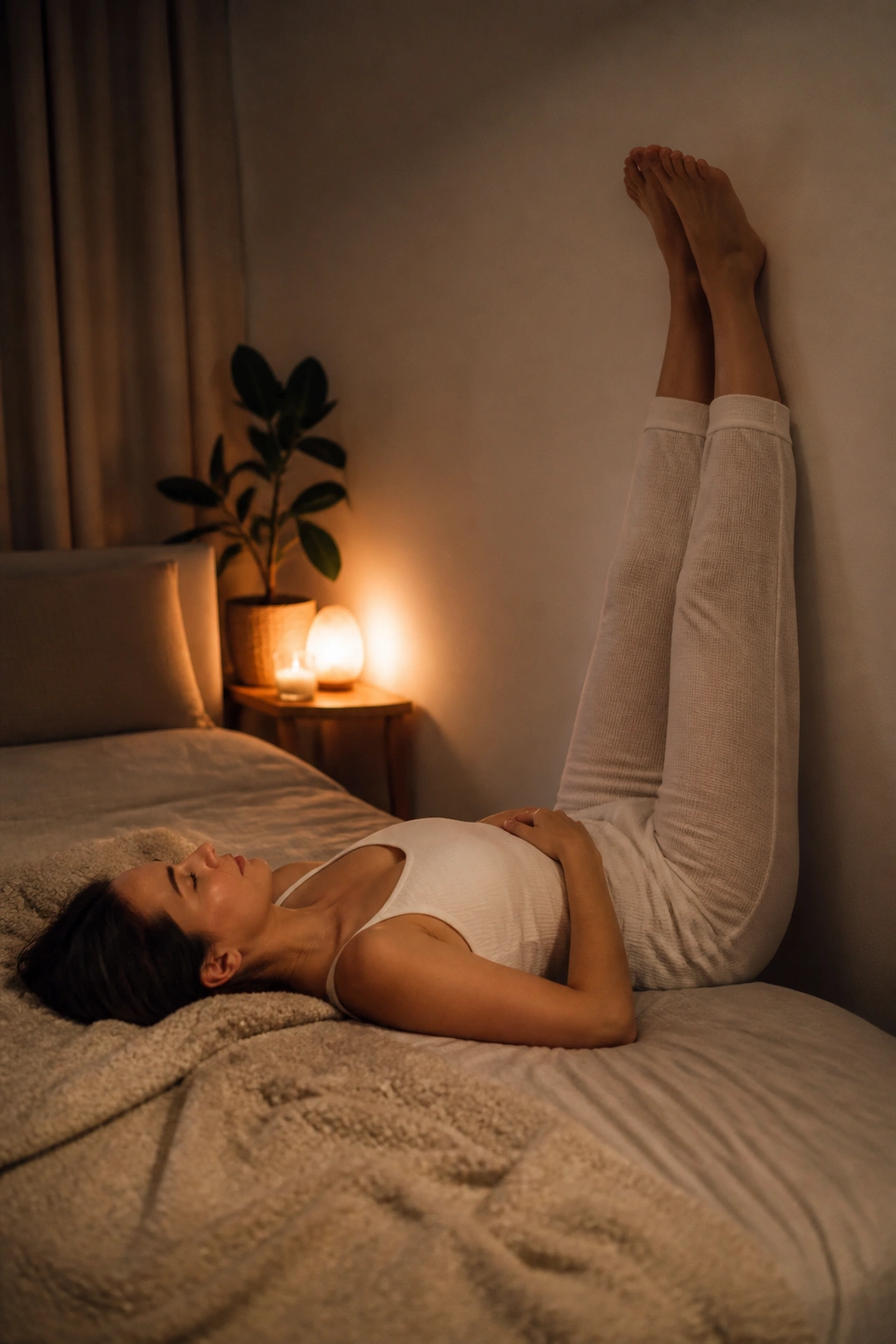
Some people use exercise to tire themselves out, but Pilates can actually be a sedative if you do it right. This two-week plan uses restorative, low-impact movements to signal to your brain that it is time to wind down. No jumping, no high-intensity work, just smooth, rhythmic motion.
The nighttime routine
Practice deep diaphragmatic breathing while lying on your back. Add gentle twists, like the “Spine Twist Supine,” and finish with legs-up-the-wall. The goal is to shift your nervous system from the sympathetic (fight-or-flight) state to the parasympathetic (rest-and-digest) state. You should finish the two weeks feeling more grounded and less anxious at bedtime.
6. Total Body Toning
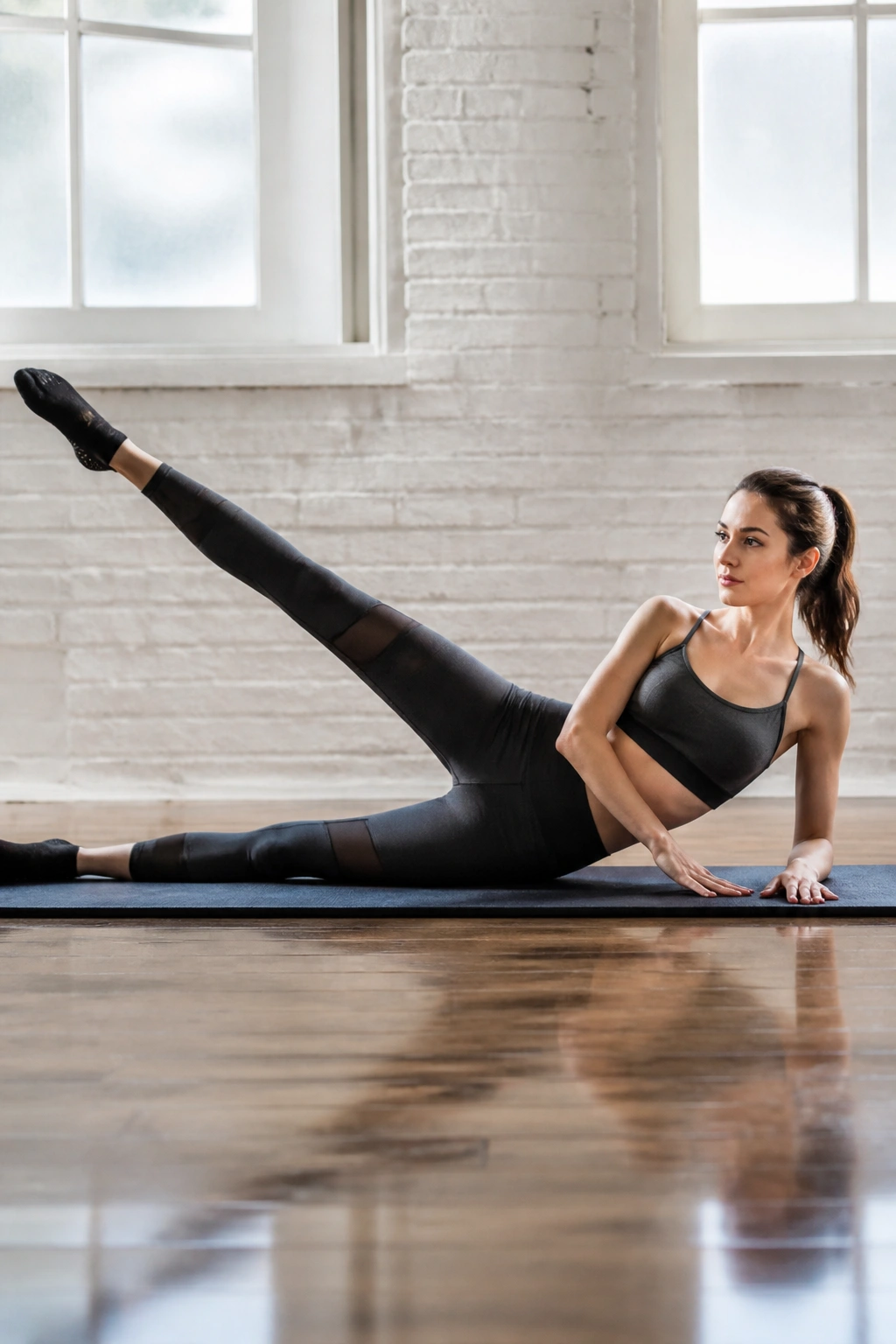
If you want to feel your muscles working from head to toe, this challenge utilizes high-repetition sets with slow, controlled movements. You are not using heavy weights; you are using the weight of your own limbs to create resistance. It’s surprisingly effective.
Key movements
- Leg Circles: These will ignite your quads and hip stabilizers.
- Side-Lying Leg Series: Specifically the clam and the leg lifts.
- Plank variations: Hold for 30 seconds, rest, repeat.
The trick here is precision. It is better to do five perfect leg circles than twenty sloppy ones. Keep your hips stacked and your torso absolutely still.
7. Flexibility and Mobility
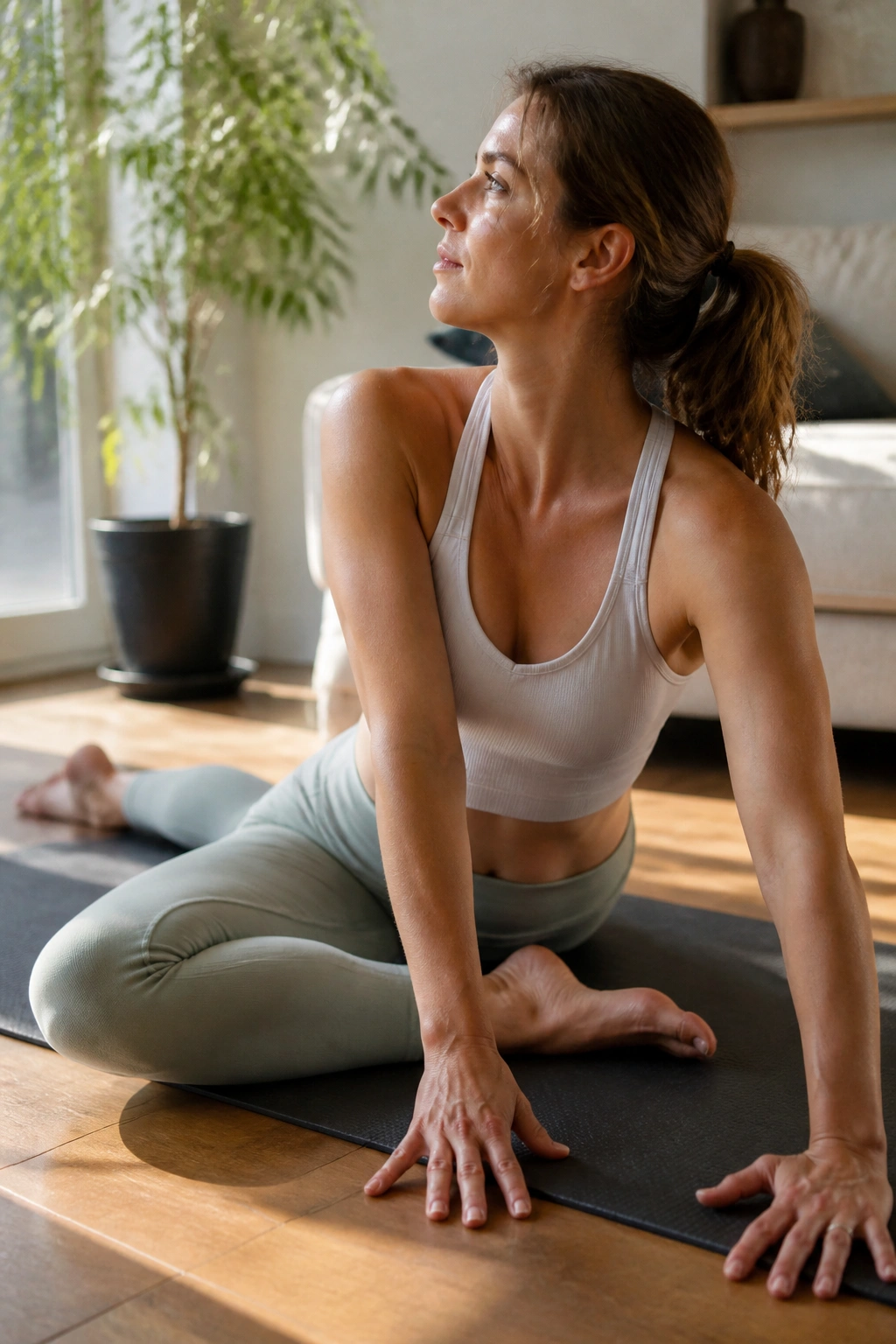
People often confuse flexibility with mobility. Flexibility is how much your muscle can stretch; mobility is how well your joint can move through its range of motion. This two-week challenge targets the latter. You will work on hip openers, chest expansion, and spinal rotation.
A note on expectations
Do not try to force your body into a deep stretch. That is how injuries happen. Instead, move until you feel a “soft tension”—not pain—and hold it for a few extra breaths. Your body will naturally release when it feels safe. Focus on your hips and thoracic spine (the upper-middle back), as these are the two areas that get stiffest for most people.
8. Pelvic Floor Awareness
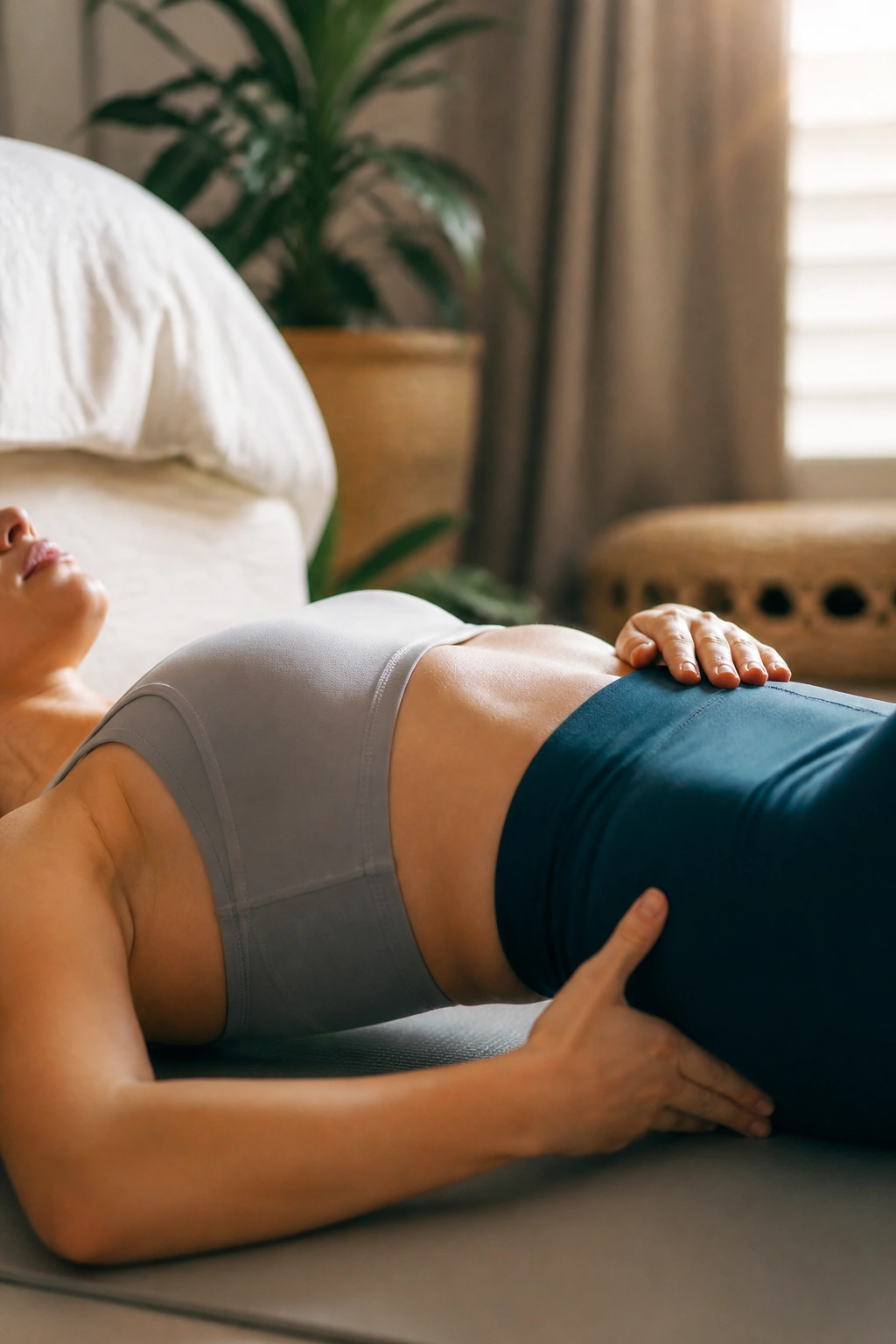
The pelvic floor is the base of your core, yet it is often ignored in generic fitness routines. For two weeks, focus on the coordination between your breath and your pelvic floor muscles. You don’t need to be aggressive with this; it’s about connection.
How to connect
Inhale, letting your pelvic floor relax and expand. Exhale, and gently lift the pelvic floor muscles upward—not a clench, but a lift. Do this in every position: standing, sitting, and lying down. It sounds subtle, but by the end of two weeks, you will notice a difference in your posture and your ability to stabilize during other exercises.
9. Upper Body Sculpting
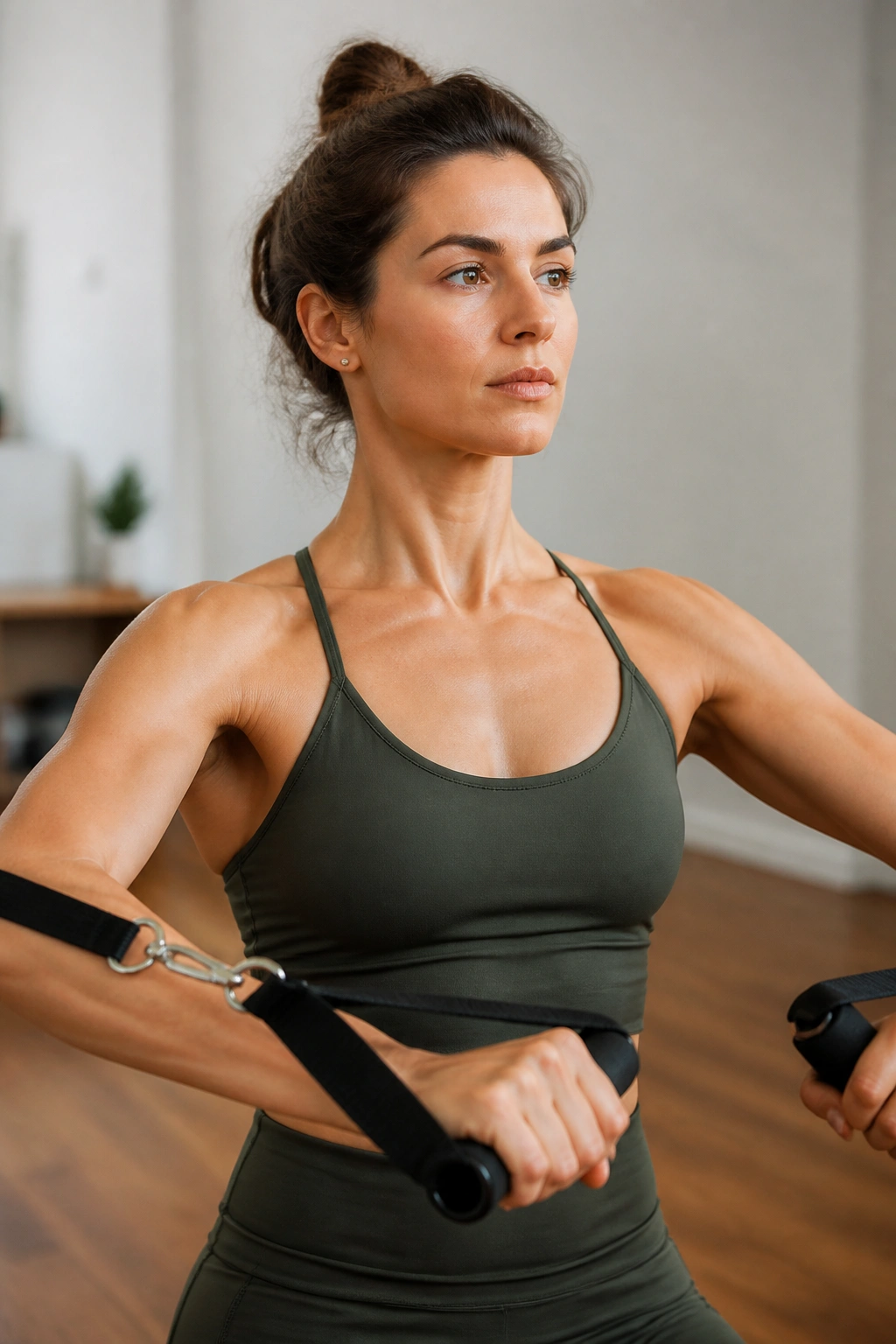
Yes, you can build arm and shoulder strength without a gym. Pilates uses leverage and gravity to tone the shoulders, triceps, and upper back. This challenge is about keeping the shoulders away from the ears while engaging the arm muscles.
What to watch for
Most people shrug their shoulders up toward their ears when working their arms. Don’t do that. Keep your collarbones wide and your shoulder blades pinned against your ribcage. If you feel your neck starting to tighten, stop and reset. Your neck should stay relaxed throughout the entire two-week program.
10. Lower Body Stamina
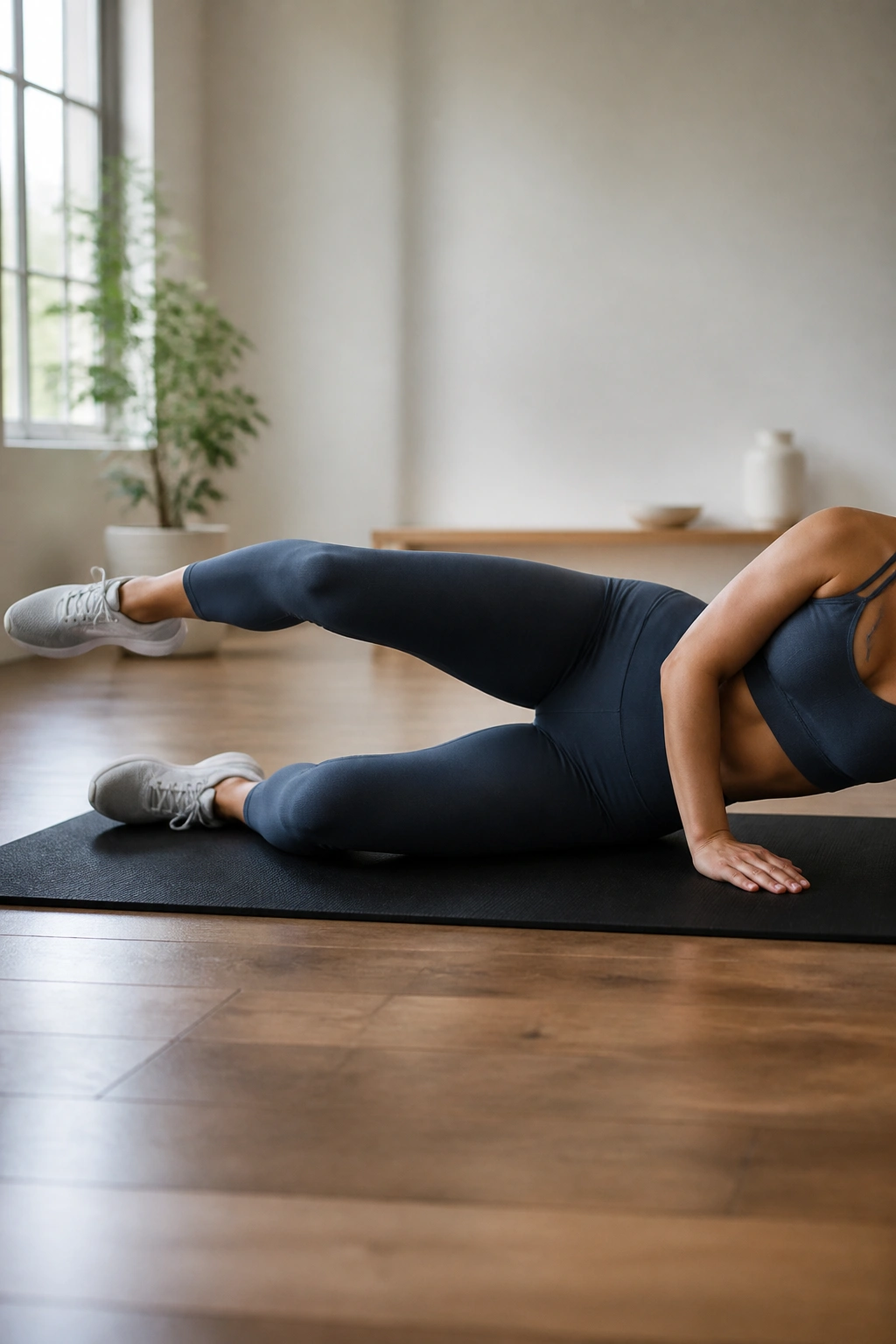
This focus is on the glutes, hamstrings, and calves. The side-lying series is your best friend here. By working the muscles on the side of the hip—the glute medius—you stabilize your pelvis and improve your balance in daily life.
The sequence
- Clamshells: Keep your feet touching.
- Side Leg Lifts: Ensure your top hip doesn’t roll backward.
- Bridge variations: Lift one leg while in a bridge to double the workload.
You will feel the “burn” quickly. That is the point. Try to push through the last five repetitions of every set to really challenge your endurance.
11. Breath-Focused Control
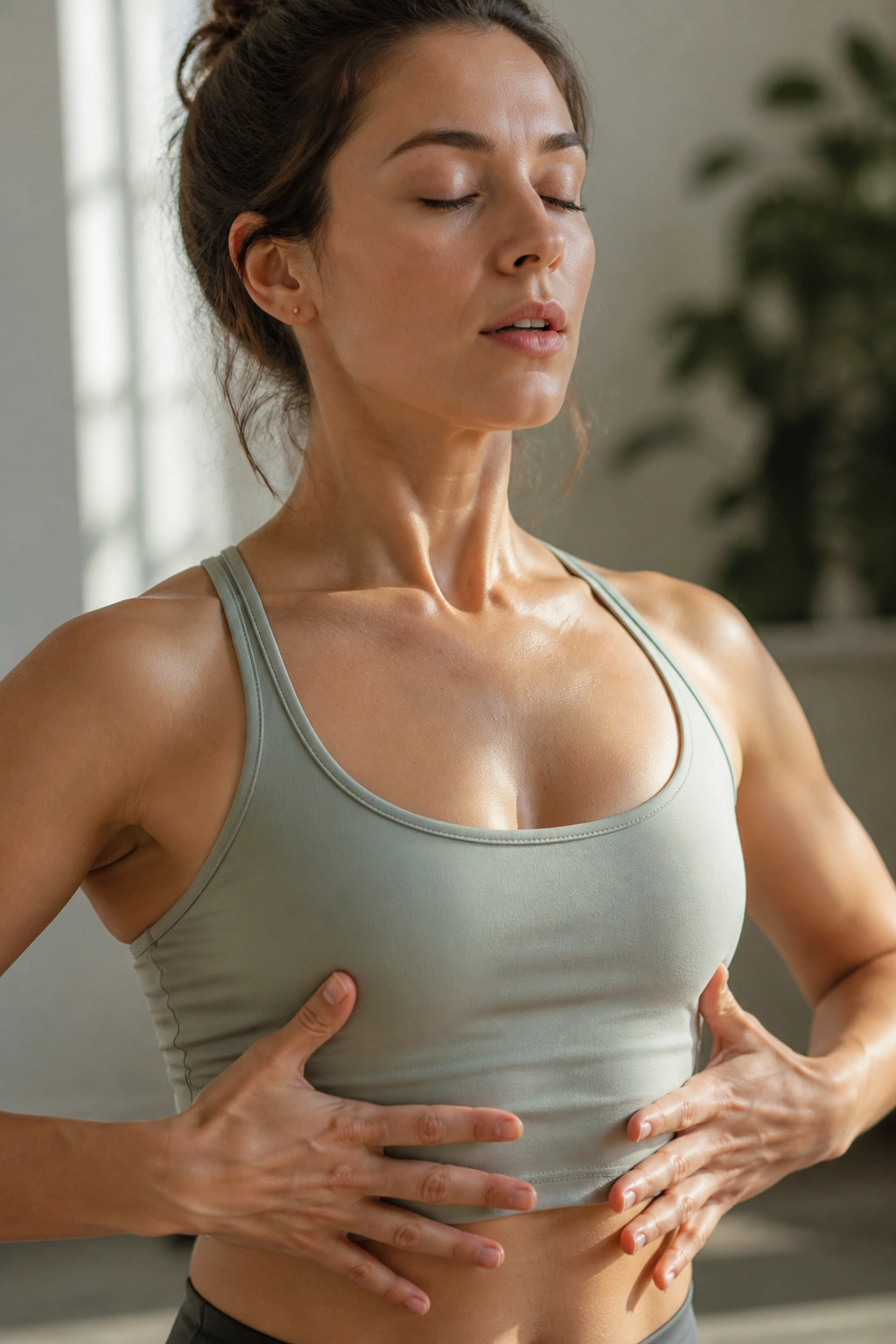
If you ignore your breath, you are only doing half the work. Joseph Pilates, the creator of the method, emphasized the importance of full exhalation to squeeze every bit of “stale” air out of the lungs. This two-week challenge is dedicated entirely to breathing technique.
Why focus on air?
When you exhale fully, you naturally engage your deep abdominal muscles. It’s a physiological reflex. Practice the lateral thoracic breath—breathing into the ribs rather than the belly—during all your exercises. By the end of two weeks, you should find that your breath naturally matches your movement, making the exercises feel easier and more efficient.
12. Stability and Balance
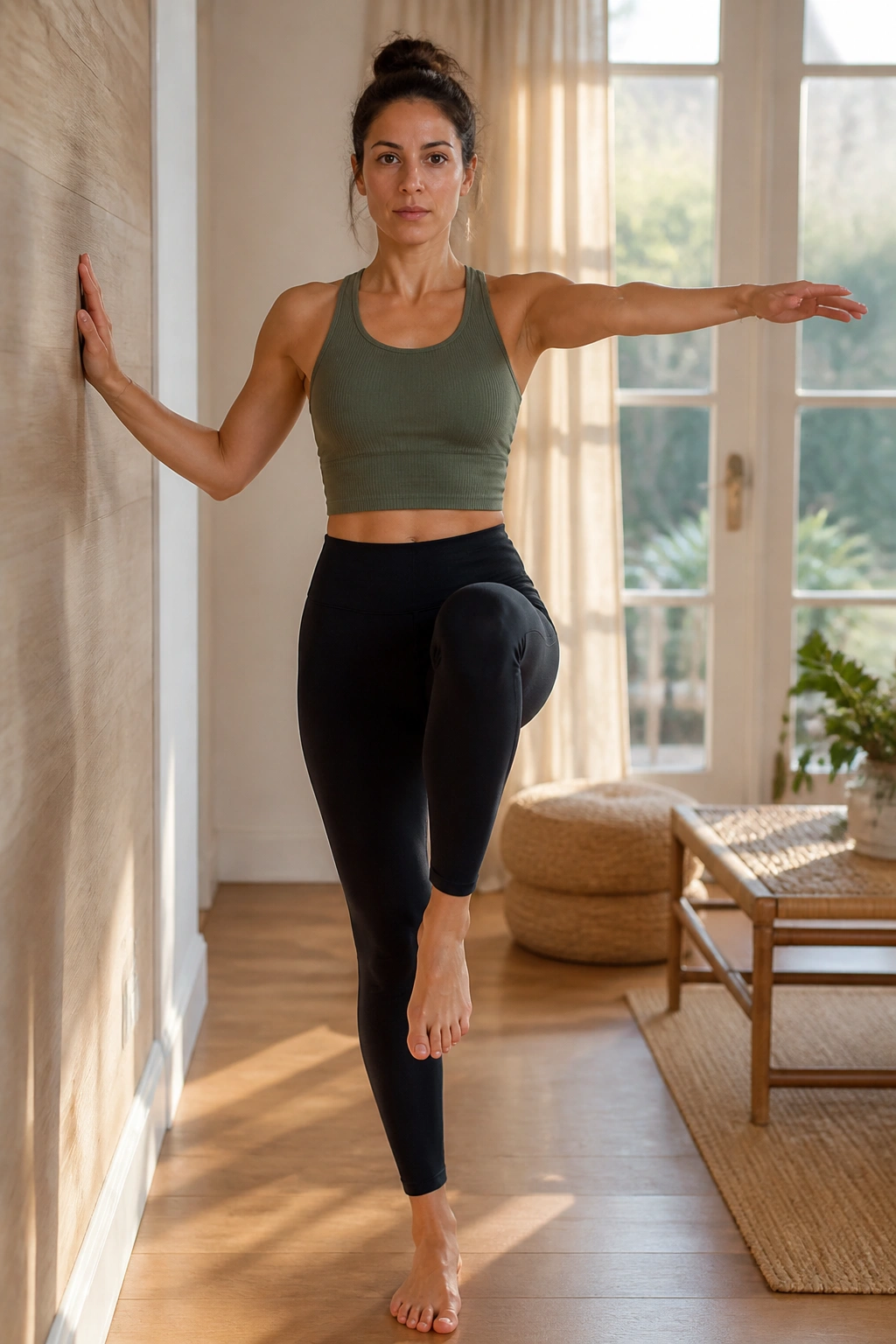
Balance is a skill that deteriorates if you don’t use it. This two-week challenge incorporates single-leg movements. When you stand on one leg, your brain has to work overtime to keep you upright, which fires up all those tiny stabilizer muscles in your ankles and hips.
Practical application
Try doing your Pilates moves while balancing on one leg. If you are doing an arm exercise, stand on one foot. This forces your core to engage to stop you from wobbling. Start near a wall for safety, but try to use your fingers only for balance if you need it. By day fourteen, you should notice you are much steadier on your feet.
13. Office Worker Relief
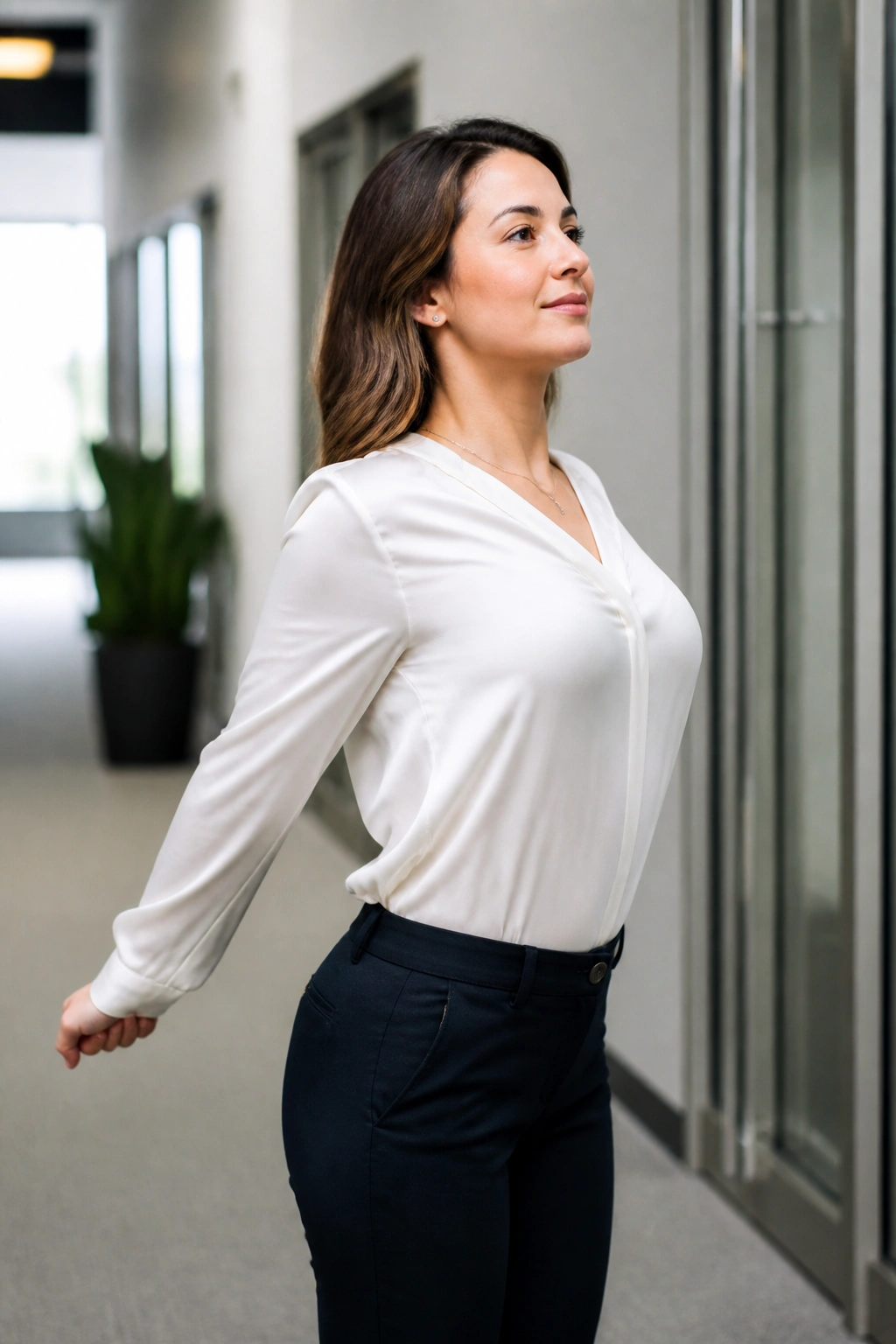
Designed for those who sit for eight hours a day, this challenge focuses on “the undoing.” You are undoing the effects of sitting. This means opening the chest, releasing the hip flexors, and lengthening the hamstrings.
The daily plan
You don’t need a full hour. Break this into three 5-minute sessions throughout the day. Do a few standing chest openers in the morning, some pelvic tilts at lunch, and spinal twists in the evening. It’s about frequency, not duration. By the end of the two weeks, your “afternoon slump” might feel a lot less heavy.
14. Post-Workout Recovery
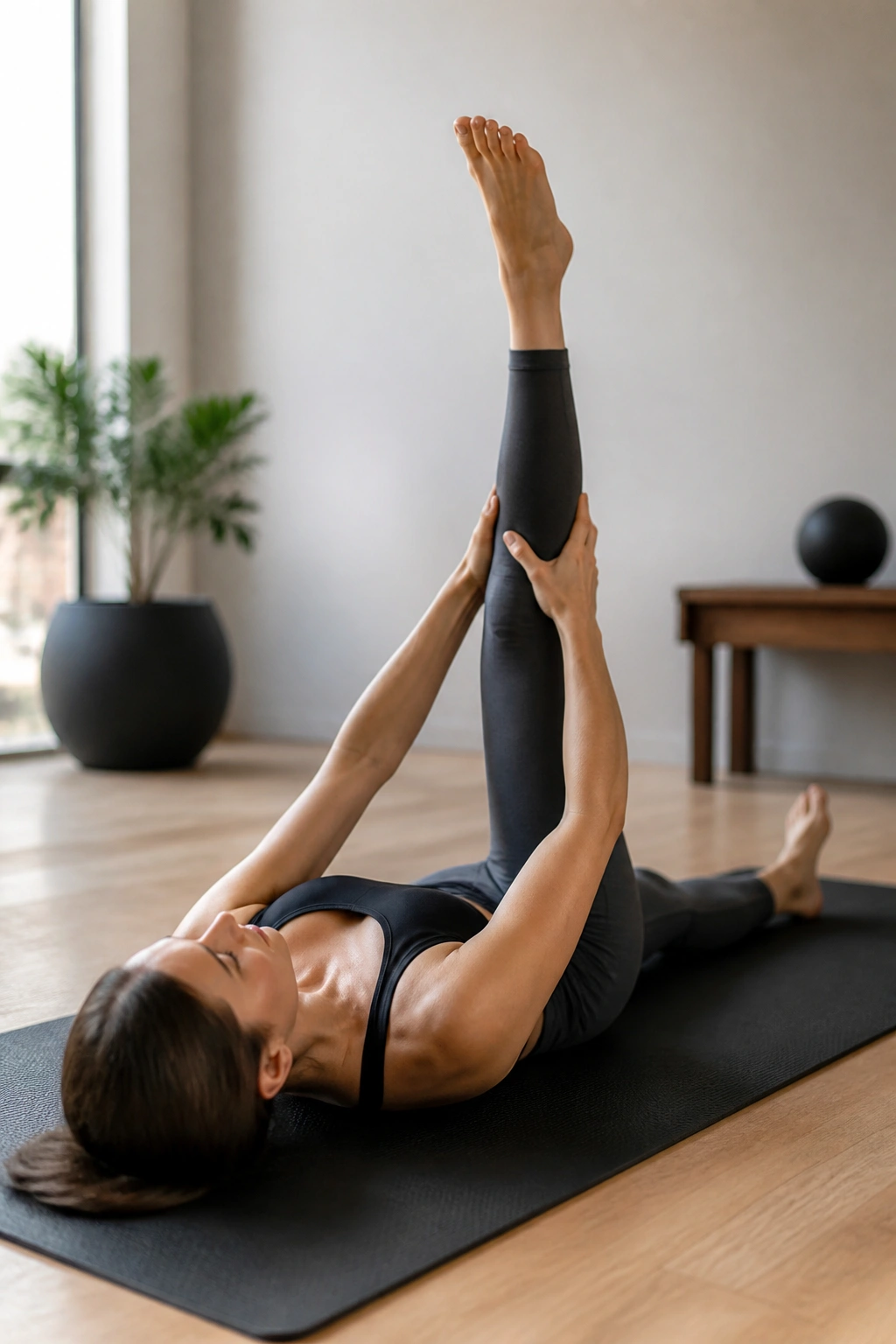
If you already lift weights or run, your muscles are likely tight and shortened. Pilates is an incredible tool for lengthening these tissues. This challenge acts as an active recovery. It’s about moving the joints and flushing out metabolic waste.
The approach
Keep everything low-intensity. Think about “space” between your joints. When you reach, imagine you are reaching for something just out of grasp. This pulls the muscle fibers out and helps with blood flow. It’s the perfect two-week reset for an overworked body.
15. Minimal Equipment
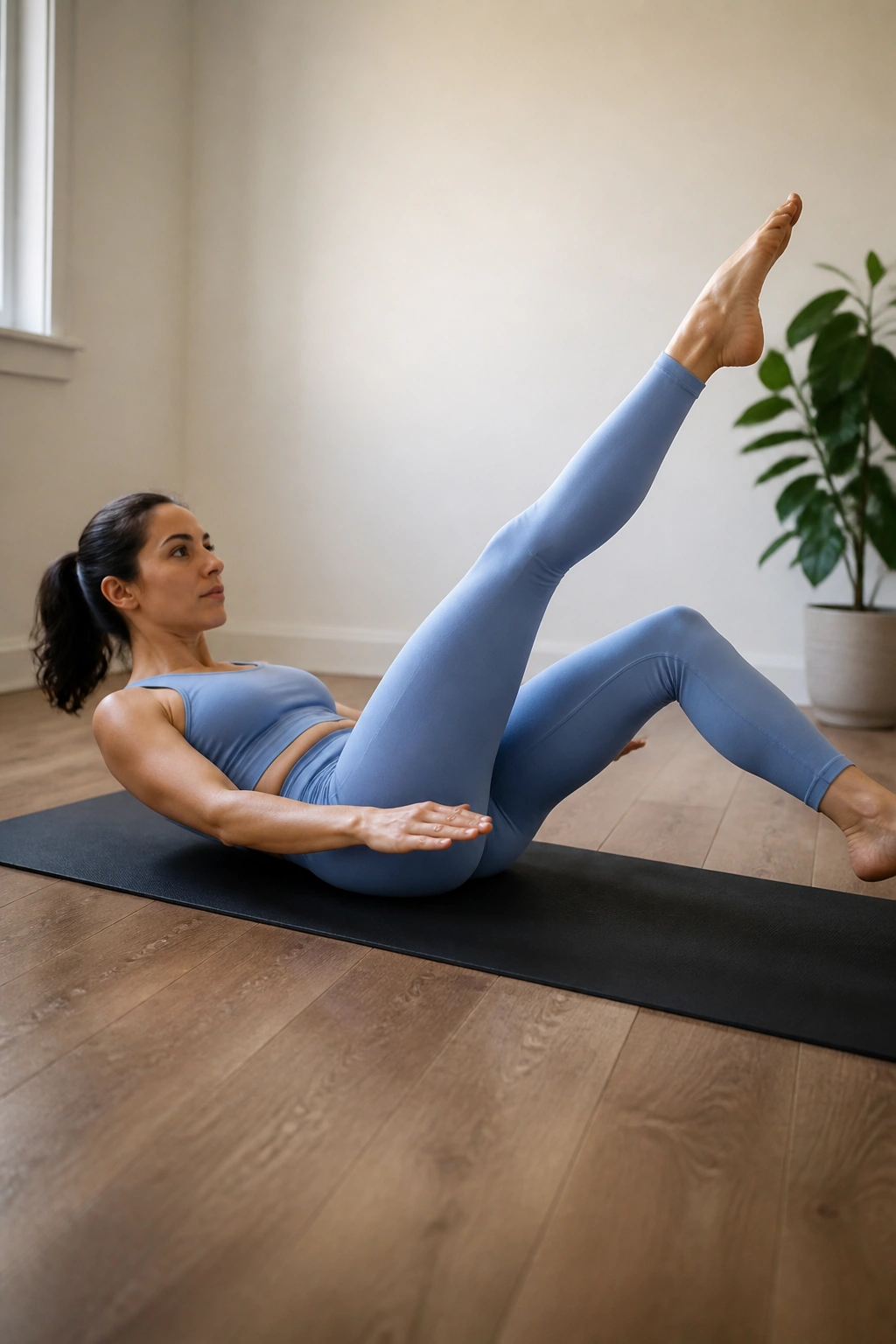
Some challenges rely on sliders, balls, or bands. This one does not. This is about mastering the mat. It is raw, honest work. If you find an exercise is too easy, it means you aren’t doing it correctly.
The secret to mat work
You have to create the resistance yourself. When you lift your leg, don’t just “move” the leg. Imagine you are pushing it through thick mud or water. When you use your own mind to create tension, the exercise becomes ten times harder and more effective. This two-week period will teach you the power of internal resistance.
16. Mat-Only Basics
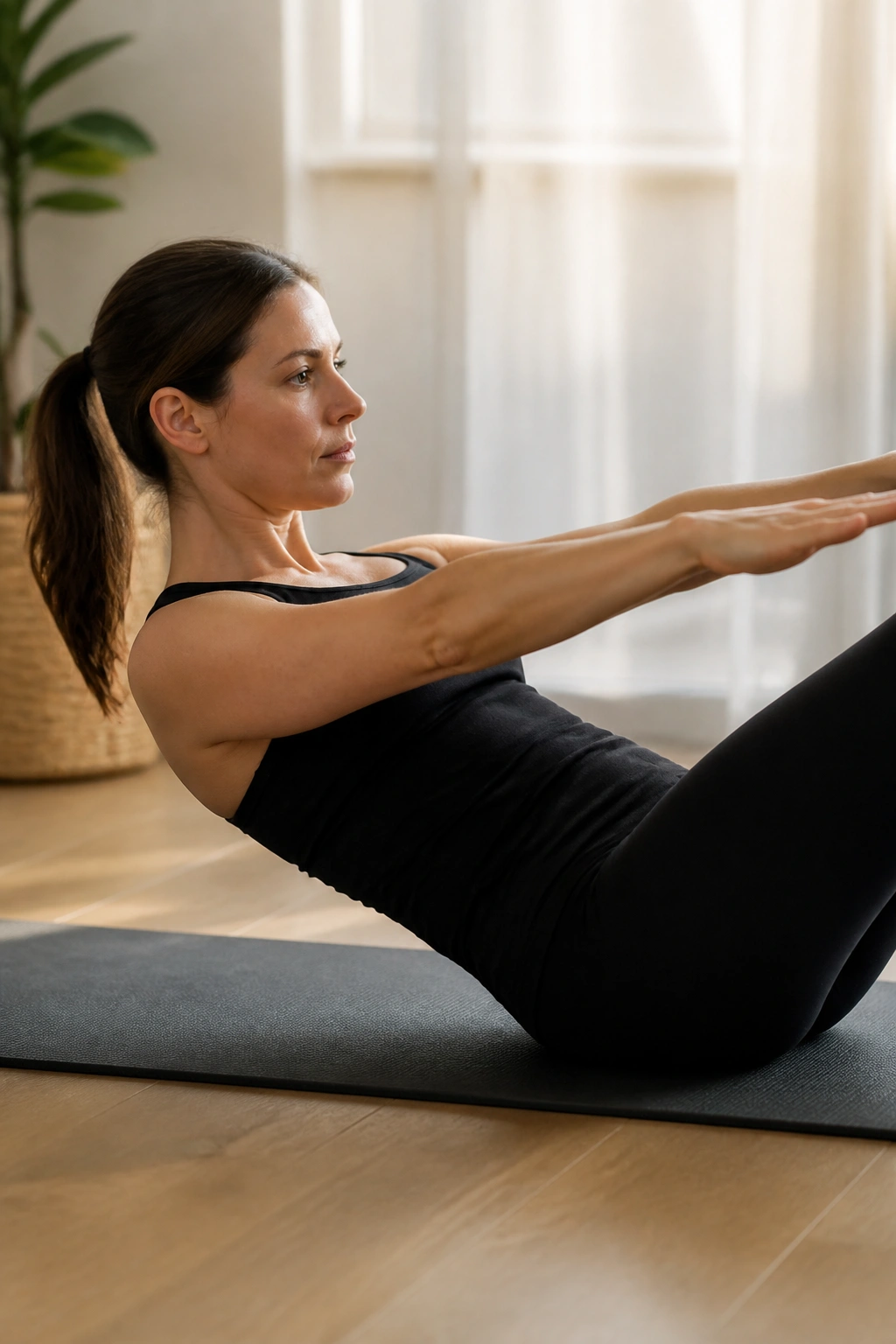
This is the “Back to Basics” challenge. If you have been doing advanced moves and feeling pain, you likely skipped the foundational steps. Use these two weeks to slow down and perfect the form of the basic roll-up, the single-leg stretch, and the spine stretch forward.
What to look for
Are you using momentum? If you are swinging your body to get up, stop. You need to use your core strength. If you can’t get up without swinging, modify the move (e.g., bend your knees or only go halfway up). Perfect form at a lower intensity beats sloppy form at a high intensity every time.
17. Gentle Flow for Seniors
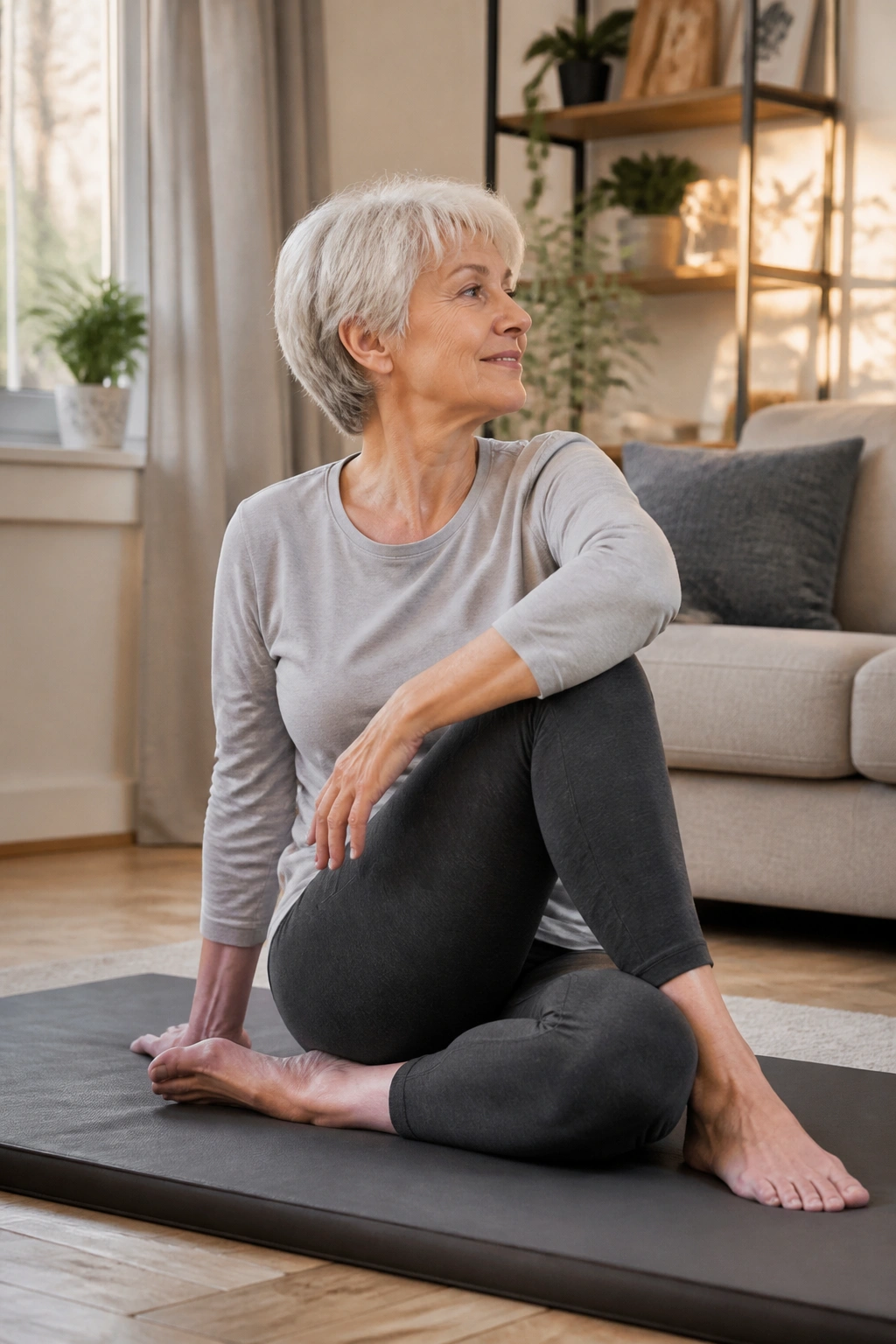
Pilates is low-impact, making it ideal for aging joints. This two-week challenge focuses on controlled, circular movements that maintain joint health and prevent stiffness. The goal is to keep the body moving without placing excessive strain on the knees or wrists.
Tips for comfort
Use a thick mat. If your knees hurt, place a folded towel under them. If your wrists hurt, make a fist and rest on your knuckles instead of a flat palm. The focus here is consistent, gentle motion that keeps you feeling mobile and independent.
18. High-Intensity Pilates (HIIT)
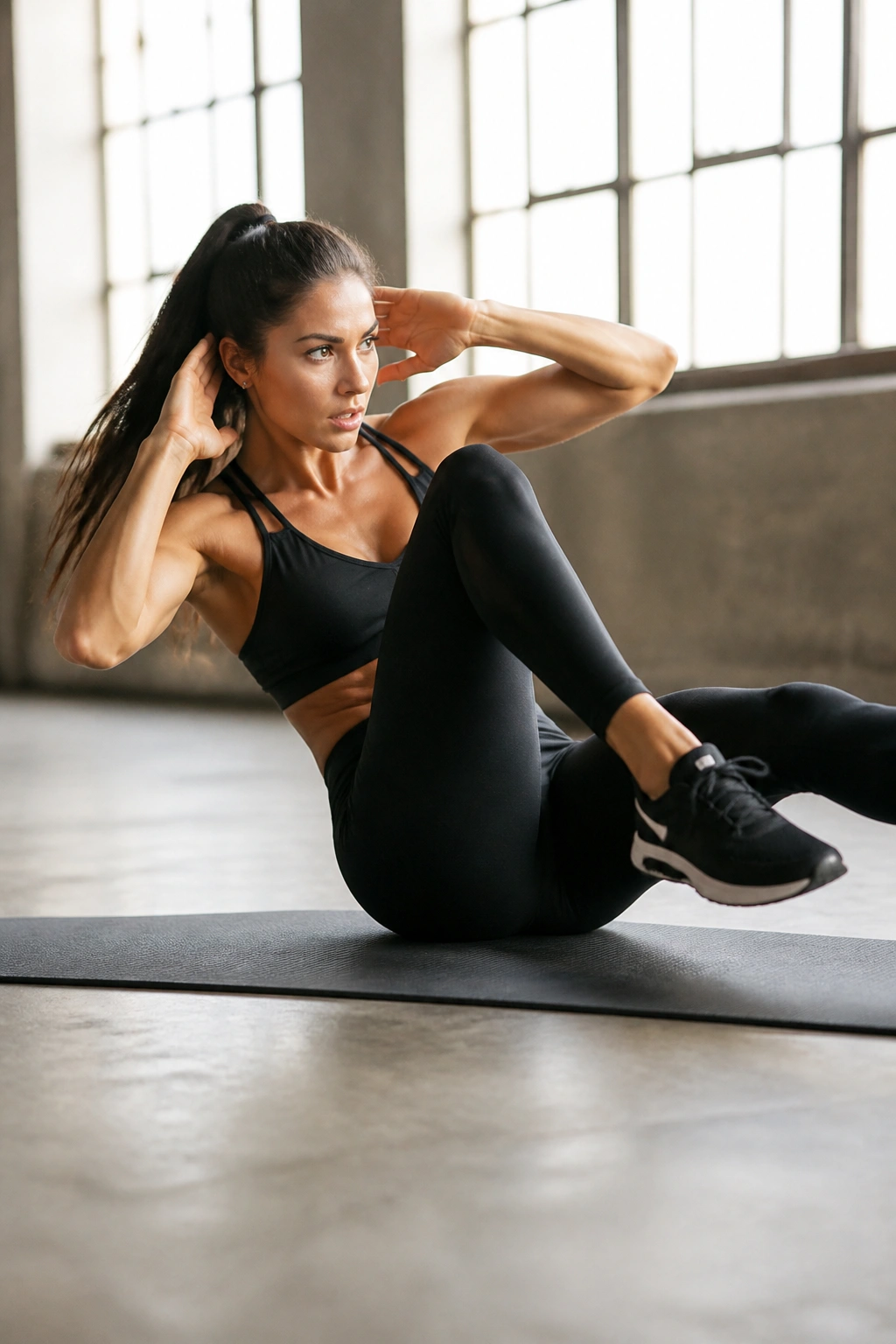
Yes, Pilates can be a cardio workout if you keep the pace up. This challenge is for the person who wants to sweat. You will perform exercises with minimal rest, chaining them together into a “flow.”
How to do it safely
- The flow: Move from one exercise to the next without pausing.
- The heart rate: Keep the movements quick and controlled.
- The warning: Do not sacrifice form for speed. If your back starts to arch or your hips wobble, slow down. You can be fast and precise, but never be fast and sloppy.
19. Mindful Movement
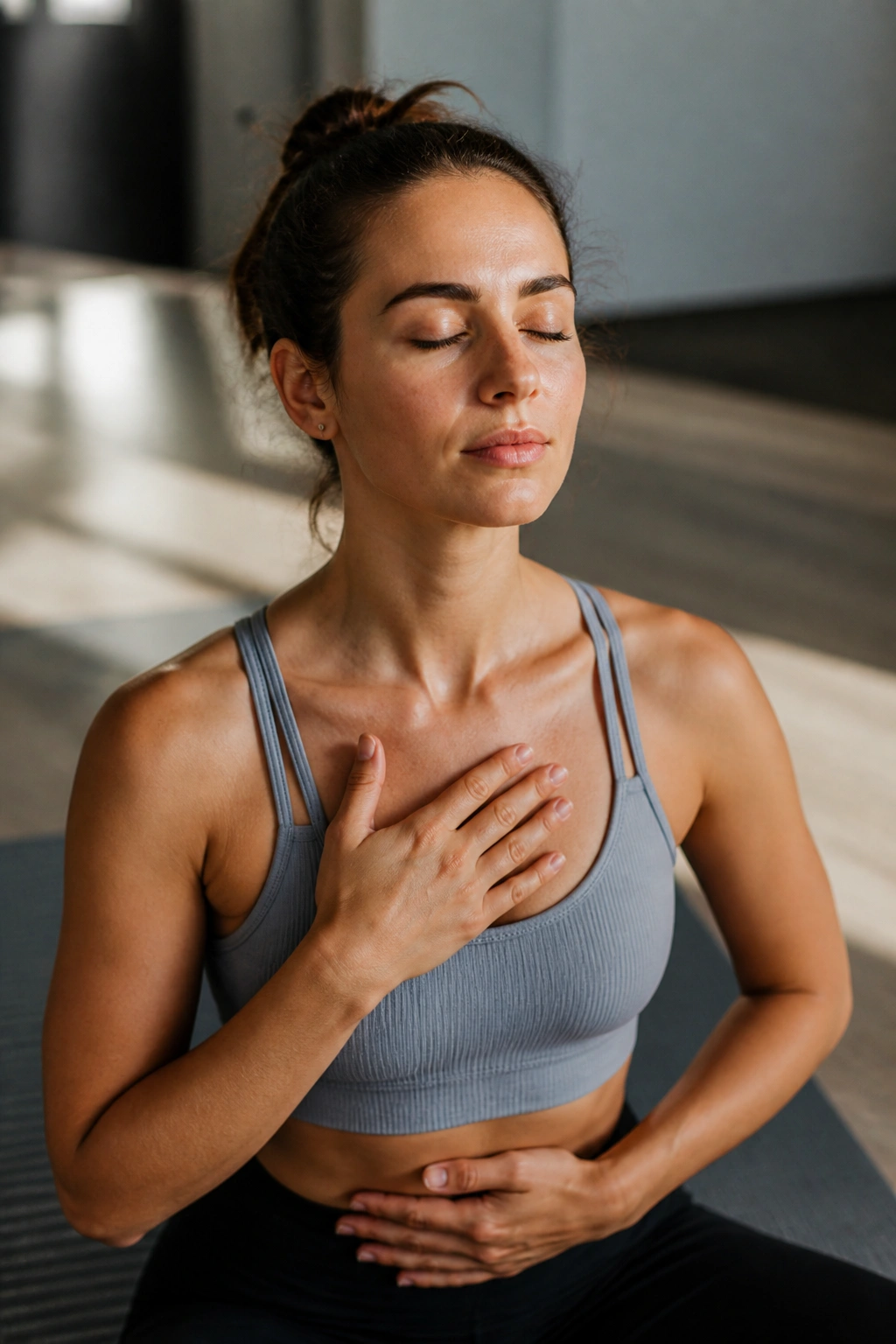
This challenge treats Pilates as a meditation practice. It is about the connection between your thoughts and your muscles. For two weeks, you must perform your exercises in complete silence. No music, no podcasts, no TV. Just you and the sound of your breathing.
What happens
You will notice things you usually miss. You might realize that you hold tension in your jaw while doing ab work. You might notice that your left side is significantly weaker than your right. This two-week period will give you a level of body awareness that you didn’t have before.
20. Post-Pregnancy Recovery
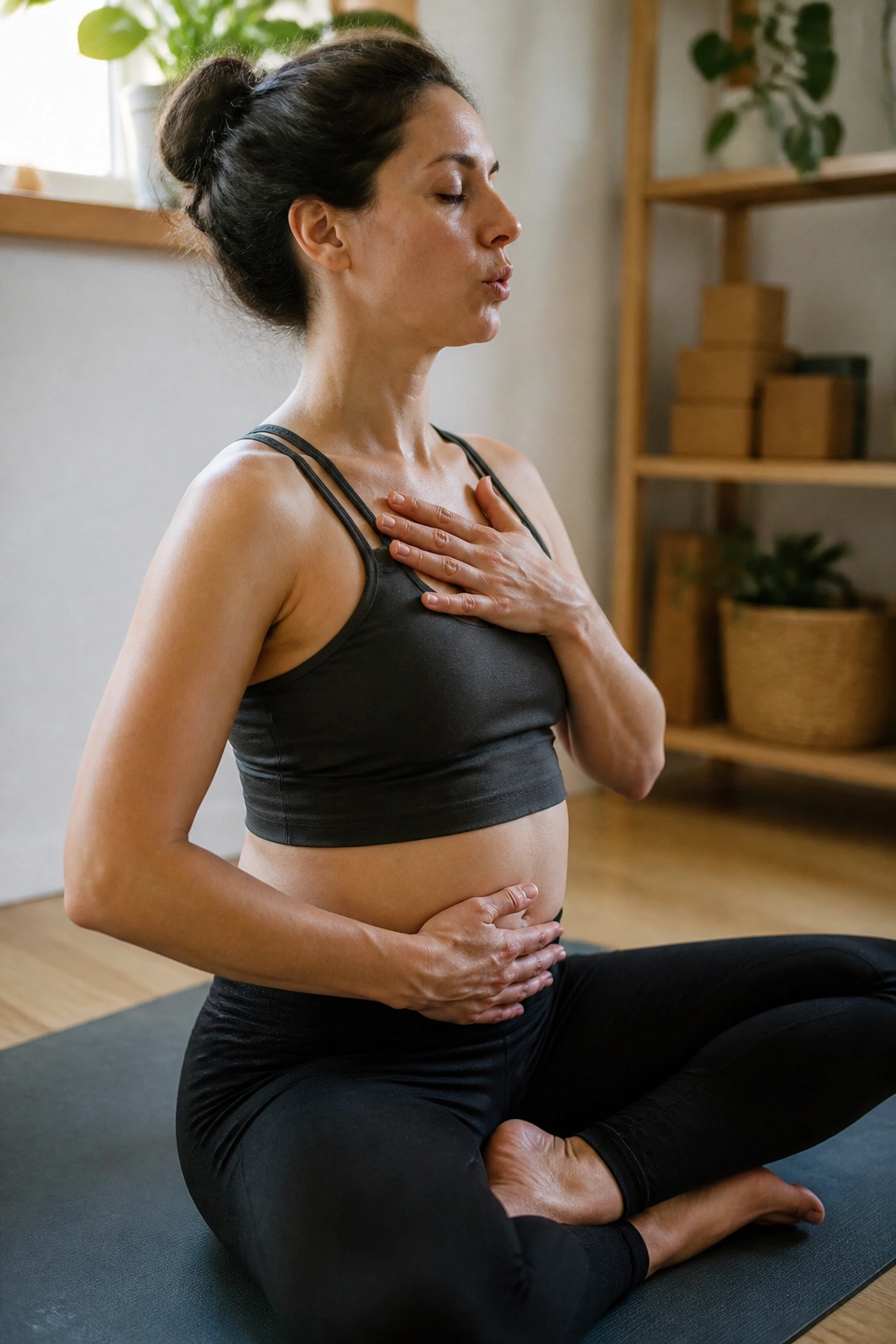
Note: Always consult with a physician before starting any exercise program post-pregnancy. This challenge focuses on reconnecting with the deep core and pelvic floor. It is very gentle and emphasizes healing rather than burning calories.
The focus
The focus is on the “connect and lift.” Exhale, draw the belly in, and gently lift the pelvic floor. It is about waking up muscles that have been dormant or stretched for months. Do not push through pain. Listen to your body—it knows when it has had enough.
21. Glute Activation
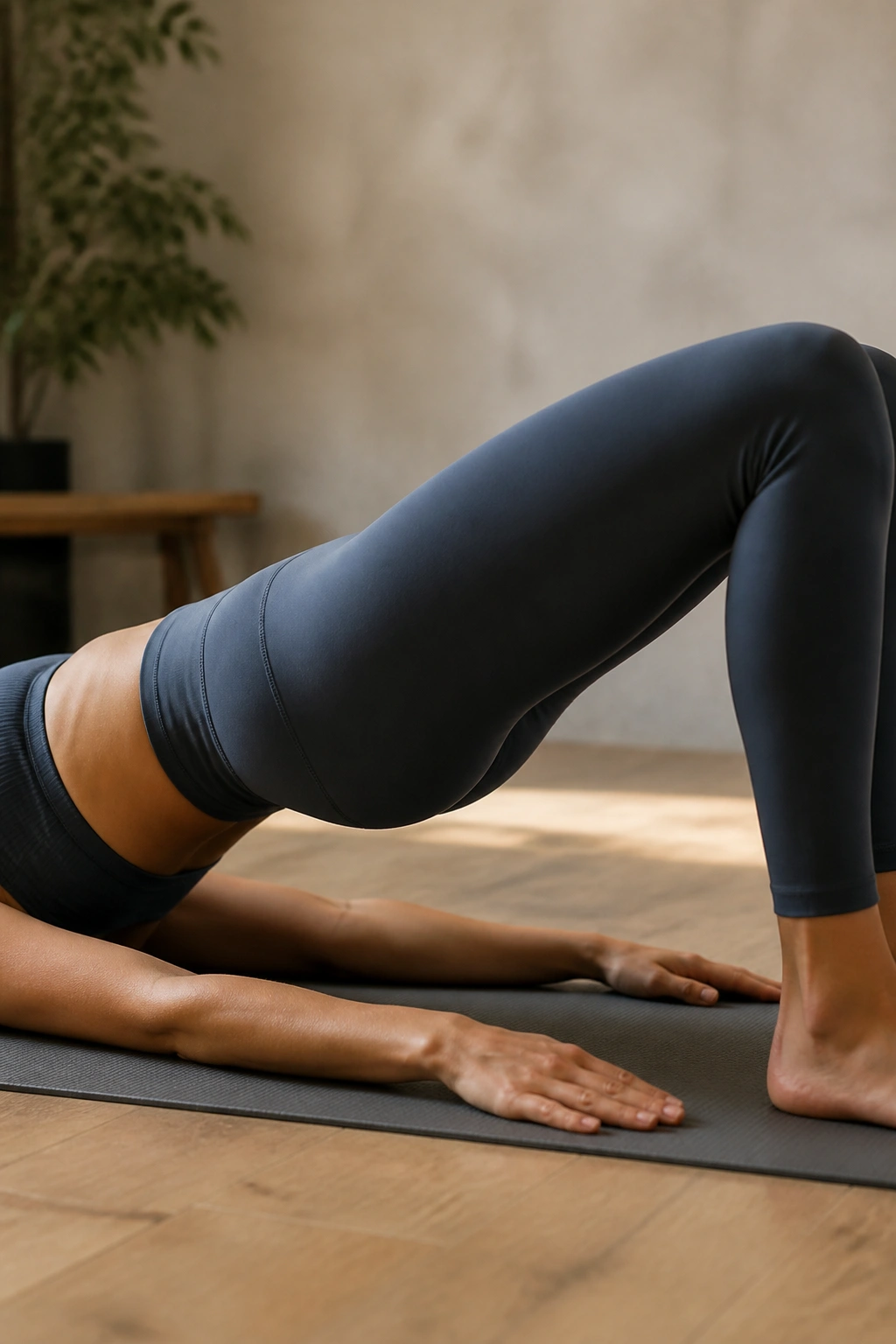
Many people suffer from “gluteal amnesia,” where their glutes don’t fire properly because they sit all day. This two-week challenge is a wake-up call for your backside. It incorporates bridges, side-lying leg work, and quadruped (all-fours) exercises.
The sensation
You want to feel your glutes working, not your lower back. If you feel your back doing all the work during a bridge, you are likely pushing too high or not squeezing your glutes enough at the top. Think about “tucking” your tailbone slightly to engage the glutes before you lift.
22. Spinal Decompression
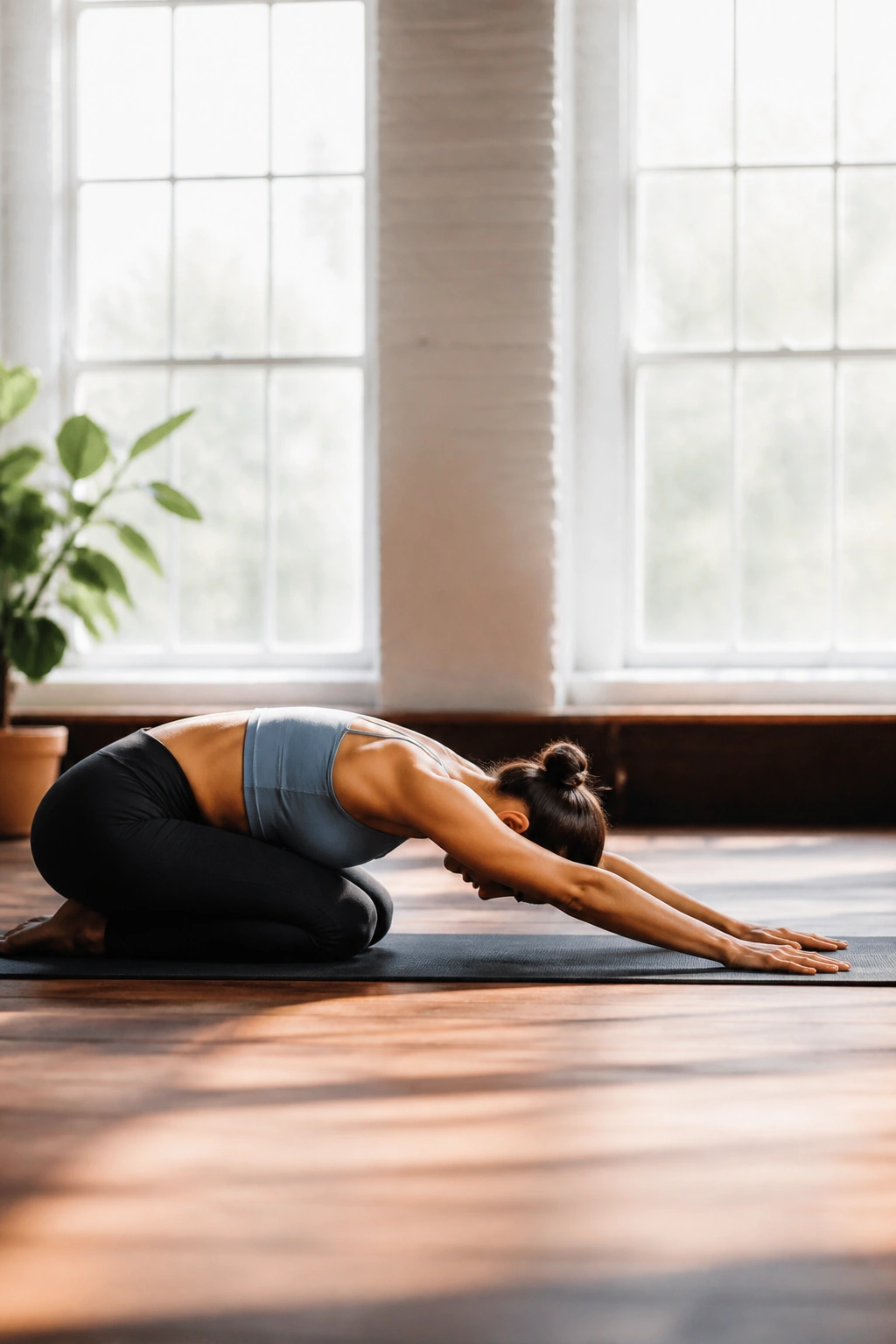
We spend most of our lives compressed by gravity. This challenge uses Pilates movements to “lengthen” the spine. Think about reaching your head away from your tailbone.
Exercises to include
- Spine Stretch Forward: Reach as if you are stretching over a large beach ball.
- Swan: Only go as high as your upper back allows; don’t crunch your lower back.
- Saw: The twist helps decompress the vertebrae.
Imagine someone is gently pulling your head and your feet in opposite directions. This visualization helps create the space you need.
23. Coordination and Flow
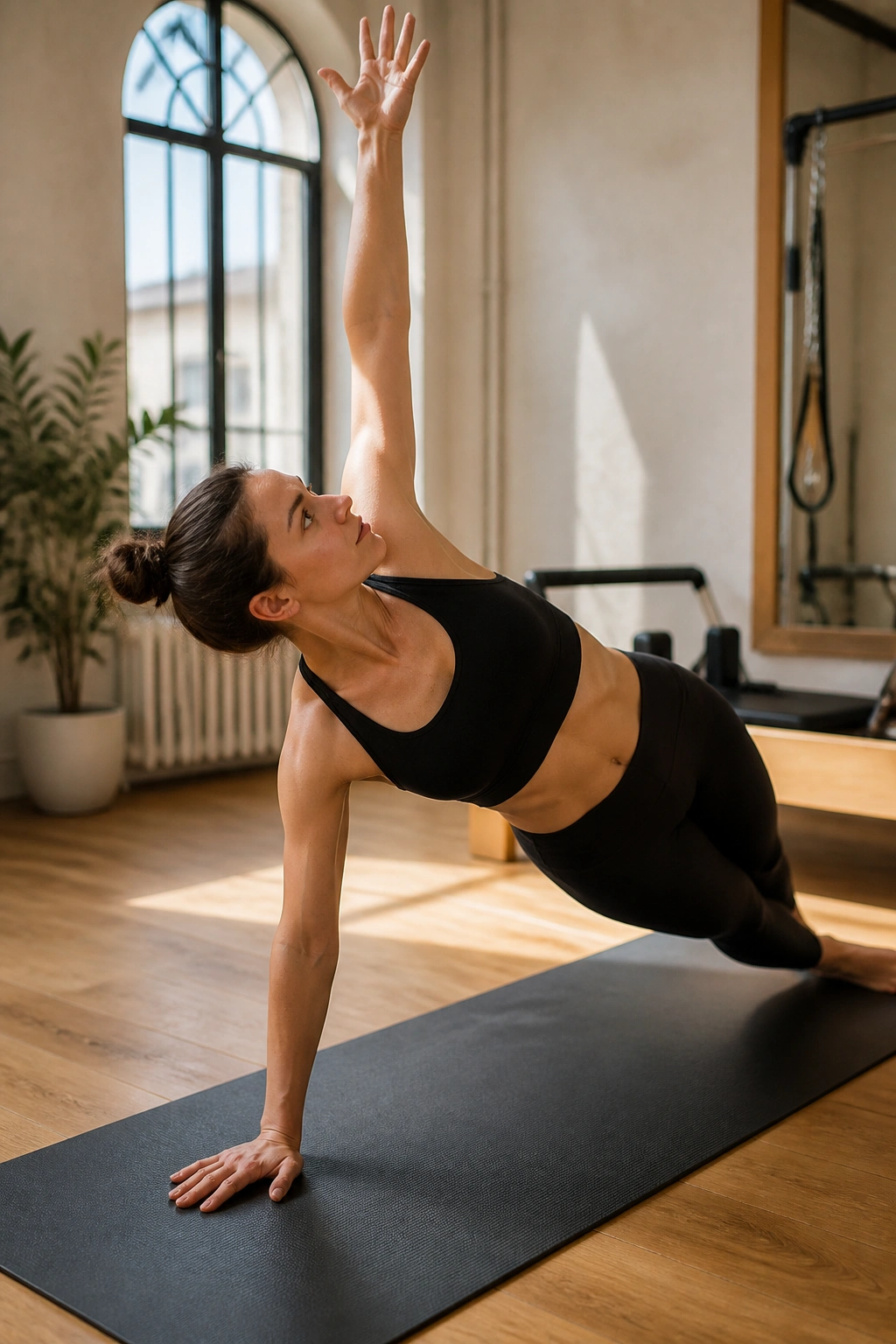
Sometimes we get stuck doing the same three moves. This challenge forces you to move in new patterns. You will combine movements into “flows.” For example, transitioning from a plank into a side-bend and back.
The benefit
It trains your brain. Coordination improves when you challenge your nervous system to move in ways it isn’t used to. It makes the workout feel less like a chore and more like a dance. Keep the movements fluid, not robotic.
24. Arm and Shoulder Strength
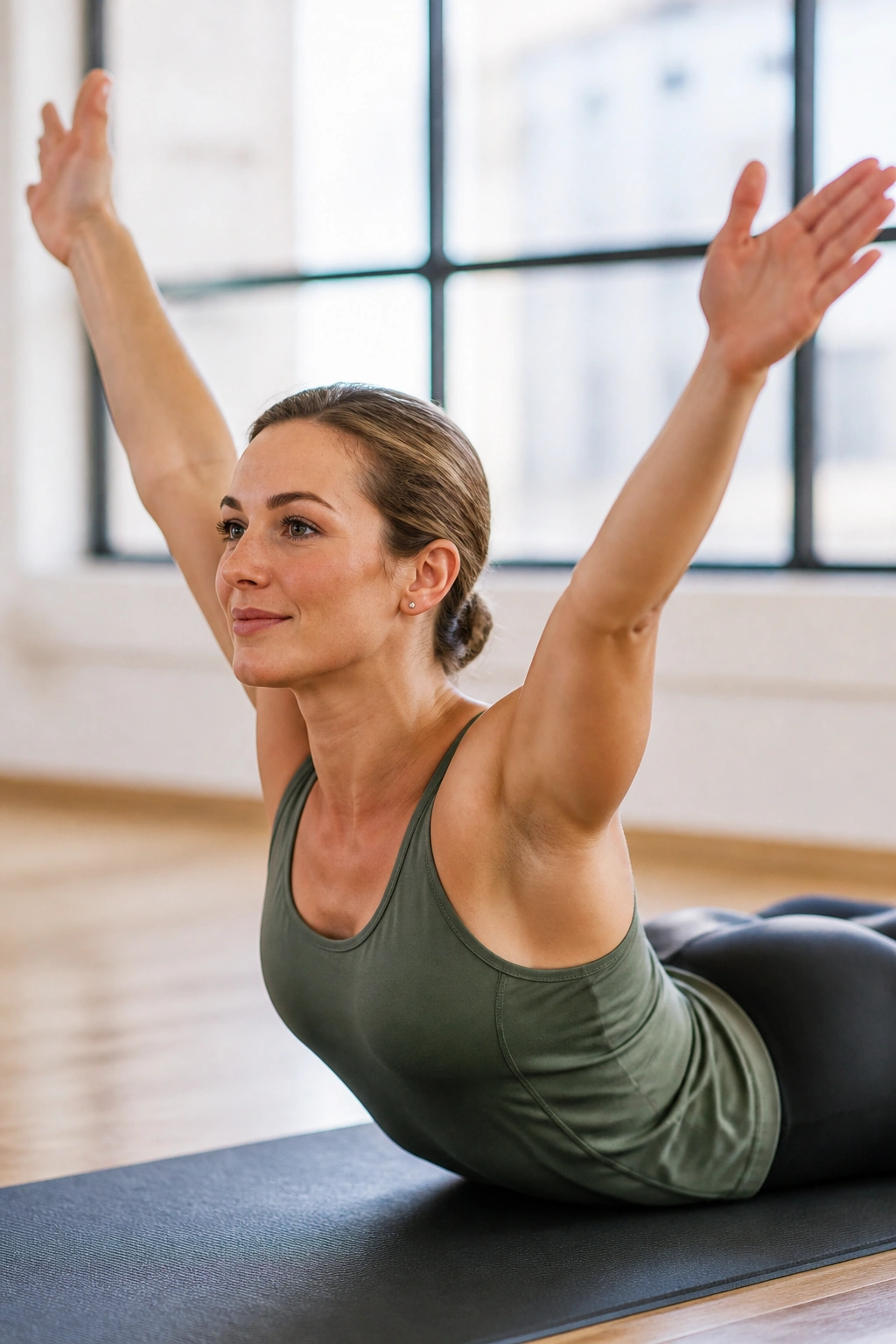
If you want to tone your arms without bulky weights, Pilates is the best way to do it. This two-week plan targets the triceps and deltoids using gravity and endurance.
How to intensify
The key is to not let your arms rest. Even during the transition between moves, keep your arms engaged. Hold them at shoulder height, keep them strong, and don’t let them drop. The constant tension is what builds the stamina and tone.
25. Consistency Kickstart
This final challenge is the simplest, but often the hardest. The goal isn’t to do a specific set of moves. The goal is to show up every single day for fourteen days, even if it is just for five minutes.
The goal
Build the habit. By the time you reach day fourteen, the “choice” to exercise is gone; it’s just something you do. This challenge is about the identity shift. You aren’t “someone trying to exercise”; you are “someone who does Pilates.” That shift in mindset is worth more than any specific exercise move you could learn.
Final Thoughts
At the end of these two weeks, you might find that the exercises you found impossible on day one have become manageable. That is the proof that you are listening to your body and respecting its process. Do not worry about being perfect. The most effective Pilates practice is the one that you actually do, consistently, with focus and intent.
If you miss a day, just start again the next morning. There is no such thing as failure here—only feedback. You now have a repertoire of movements that you can mix and match long after the two weeks are over. Listen to what your body needs on any given day, whether it’s a gentle recovery flow or a challenging core series, and keep moving.
