



Eating during pregnancy often feels like navigating a moving target. One day, you can stomach nothing but plain crackers and cold water; the next, you are ravenously hungry for protein, greens, or something specific you haven’t eaten in years. Nutrition needs fluctuate wildly, not just between trimesters, but from one hour to the next. The goal is to focus on nutrient density—fuel that supports fetal development while keeping your own energy levels stable and your digestion moving.
Forget the old “eating for two” adage. It rarely helps. Instead, think about “eating for nutrient optimization.” Your body is working overtime to build a human, which means you need more iron, choline, folate, and calcium than you typically would. However, the best approach remains flexible. Keep things simple, emphasize whole foods, and do not sweat the occasional craving for something less nutritious. Here are 25 meal ideas that provide that balance, designed to be flexible enough for whatever your current appetite allows.
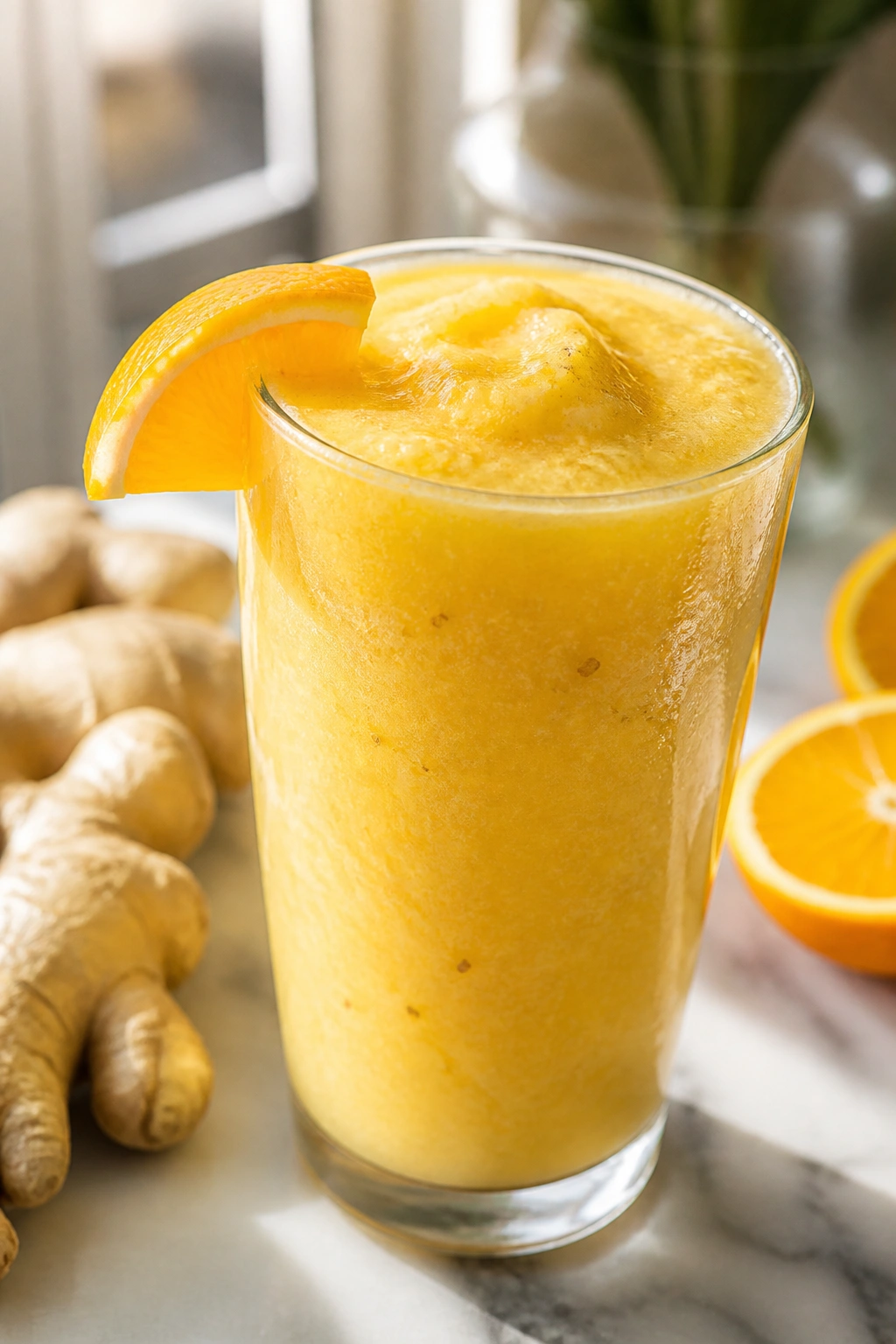
1. Ginger-Citrus Smoothie
Nausea is the great equalizer of the first trimester. When the thought of a heavy meal makes your stomach turn, ginger becomes your best friend. This smoothie relies on fresh ginger, which has been shown in various studies to help with pregnancy-related nausea, paired with citrus for a clean, refreshing palate cleanser.
Why It Works for Nausea
Ginger acts directly on the gut to settle queasiness. The citrus provides a hit of Vitamin C, which helps with iron absorption if you pair it with other foods throughout the day. Using frozen fruit creates a thick, sorbet-like texture that is often easier to tolerate than thin liquids.
How to Build It
- 1 cup frozen pineapple chunks (or mango)
- 1/2 inch fresh ginger, peeled and grated
- 1 cup coconut water or plain yogurt
- 1 tablespoon chia seeds (for healthy fats)
Blend until completely smooth. If you find the ginger too spicy, scale back the amount until you find a ratio that works for your stomach. Drink it slowly. The cold temperature can also help suppress gag reflexes that sometimes spike when you are feeling poorly.
2. Steel-Cut Oats with Berries and Walnuts
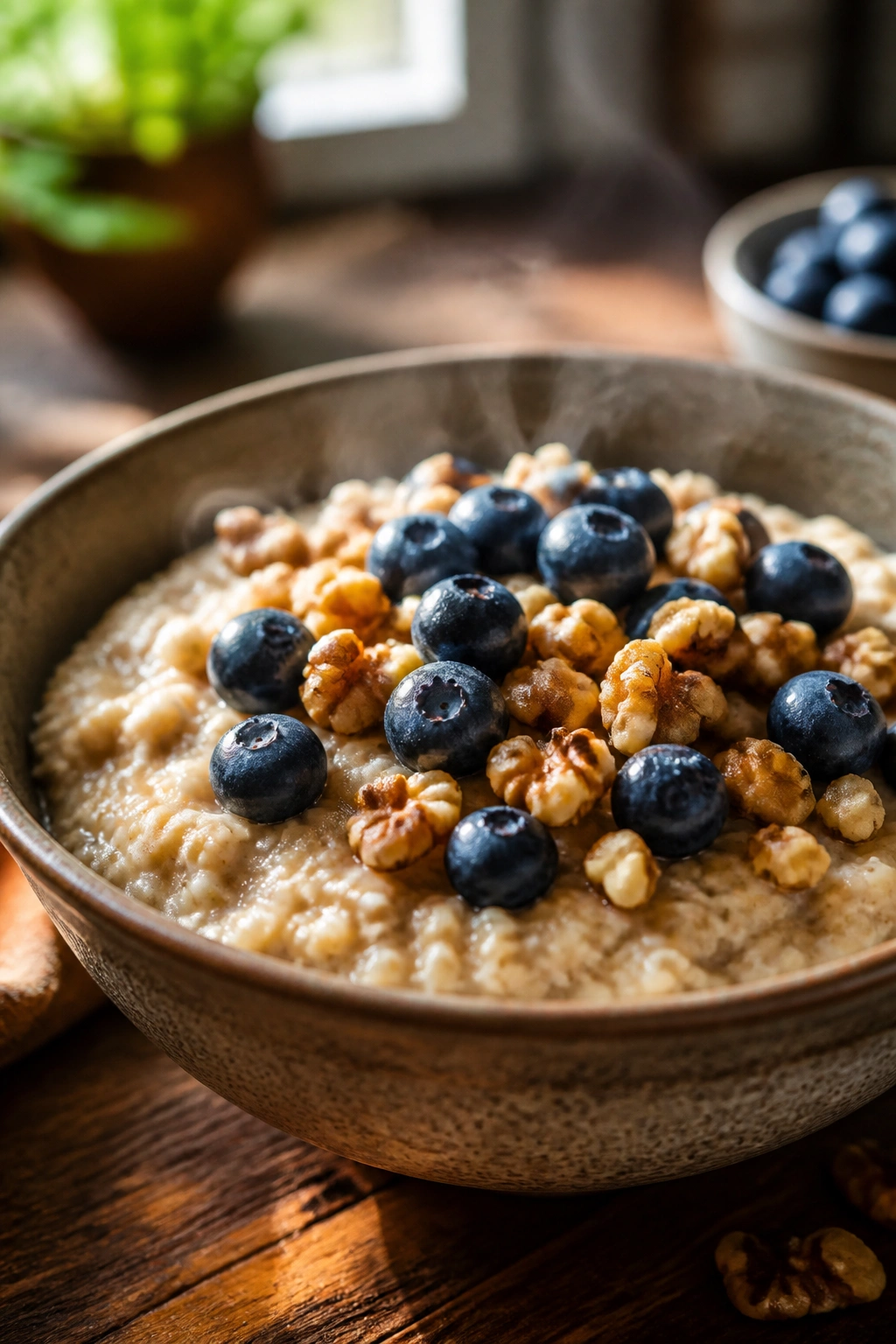
Fiber is the most overlooked element of a pregnancy diet, especially when hormonal changes start slowing down your digestion. Steel-cut oats offer a low-glycemic index, meaning they release energy slowly rather than spiking your blood sugar. This keeps you full longer and prevents the mid-morning crash.
Making the Perfect Bowl
Avoid instant packets that are loaded with added sugars. Buy the dry steel-cut variety and cook a large batch at the start of the week. Top the warm oats with a handful of blueberries for antioxidants and chopped walnuts for a dose of essential omega-3 fatty acids, which support the baby’s brain development.
3. Spinach and Feta Egg Muffins
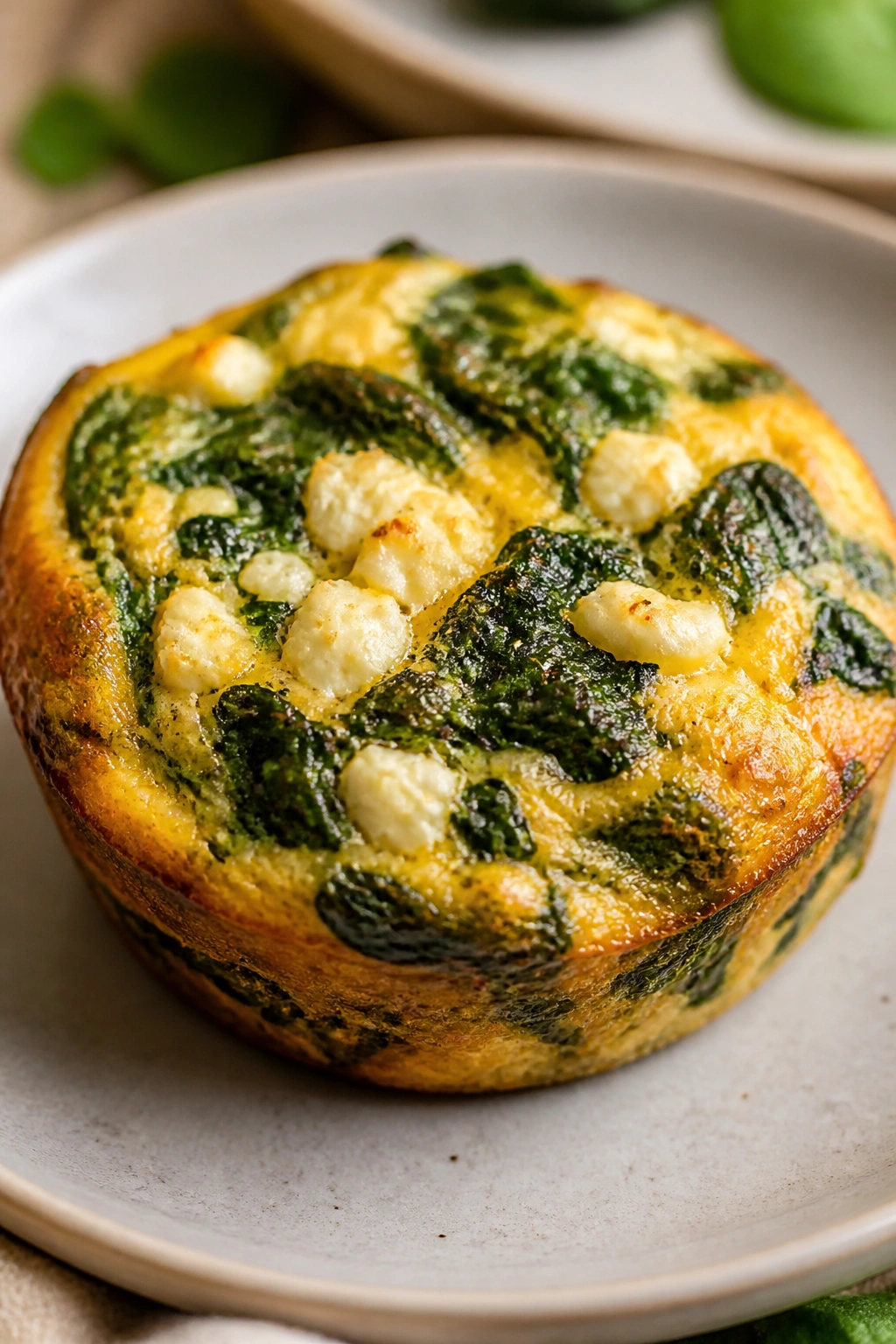
Eggs are a powerhouse of choline, a critical nutrient that many pregnant people do not get enough of. Choline supports fetal brain and spinal cord development. These muffins are essentially portable omelets. They are perfect for when you need a high-protein breakfast but do not have the energy to stand at the stove.
Storage Tip
Whisk a dozen eggs with a splash of milk, chopped spinach, and crumbled feta cheese. Pour the mixture into a greased muffin tin and bake at 350°F (175°C) until they are set in the center. Once cooled, they keep in the refrigerator for four days or the freezer for a month. Grab two, microwave them for 30 seconds, and you have a nutritious start to the day.
4. Quinoa Salad with Chickpeas
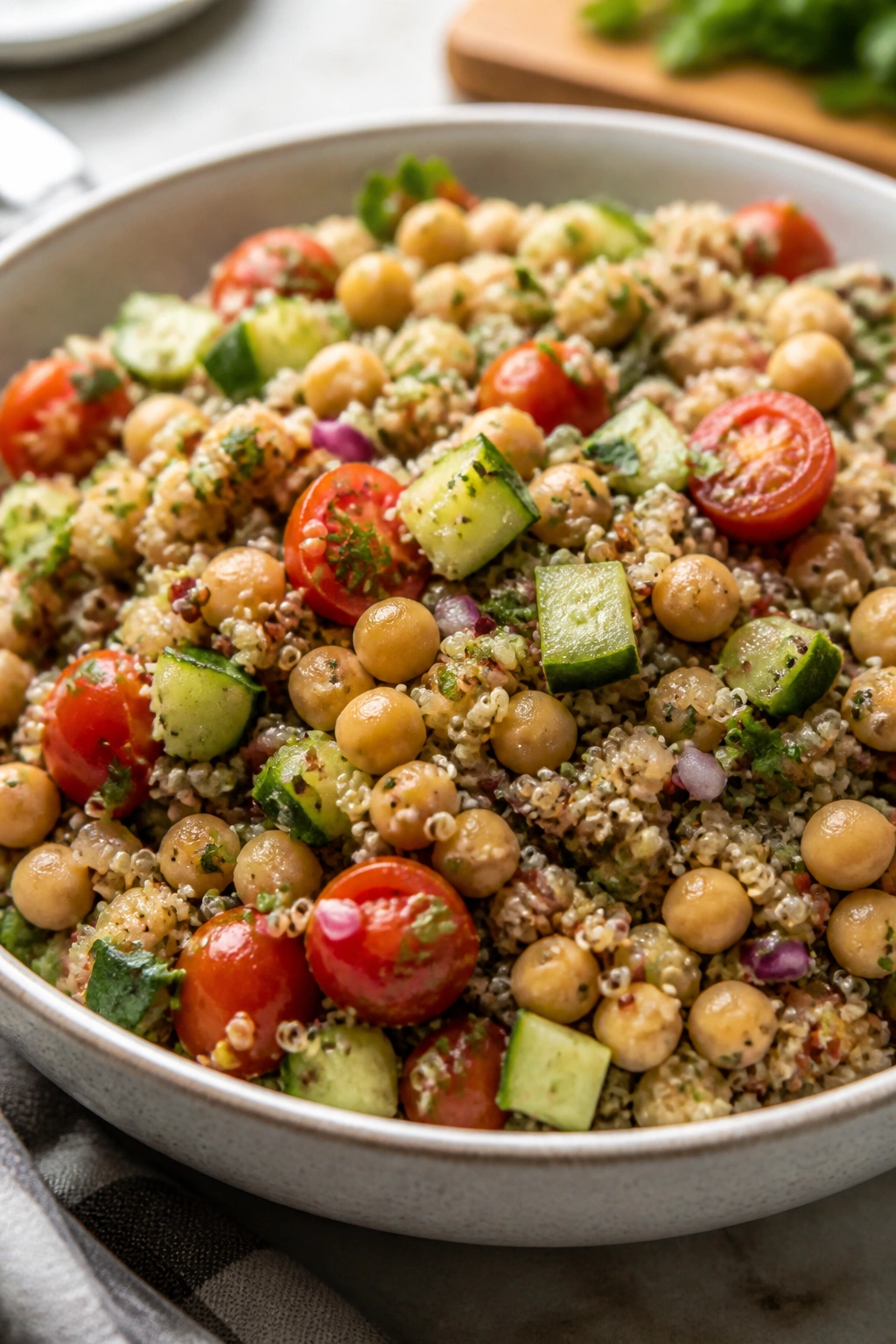
Quinoa is one of the few plant-based sources that contains all nine essential amino acids, making it a complete protein. During pregnancy, your protein requirements rise. This salad is versatile enough to be a side dish or a main course, and it is usually palatable even if your sense of smell has become heightened and sensitive to strong odors.
Creating the Mix
Toss cooked, cooled quinoa with canned chickpeas (rinsed well), diced cucumber, cherry tomatoes, and a light lemon-olive oil dressing. The cucumber provides hydration, which is vital as blood volume increases during the second and third trimesters. If you find plain quinoa boring, add fresh parsley or mint to brighten the flavor profile.
5. Roasted Salmon with Sweet Potato
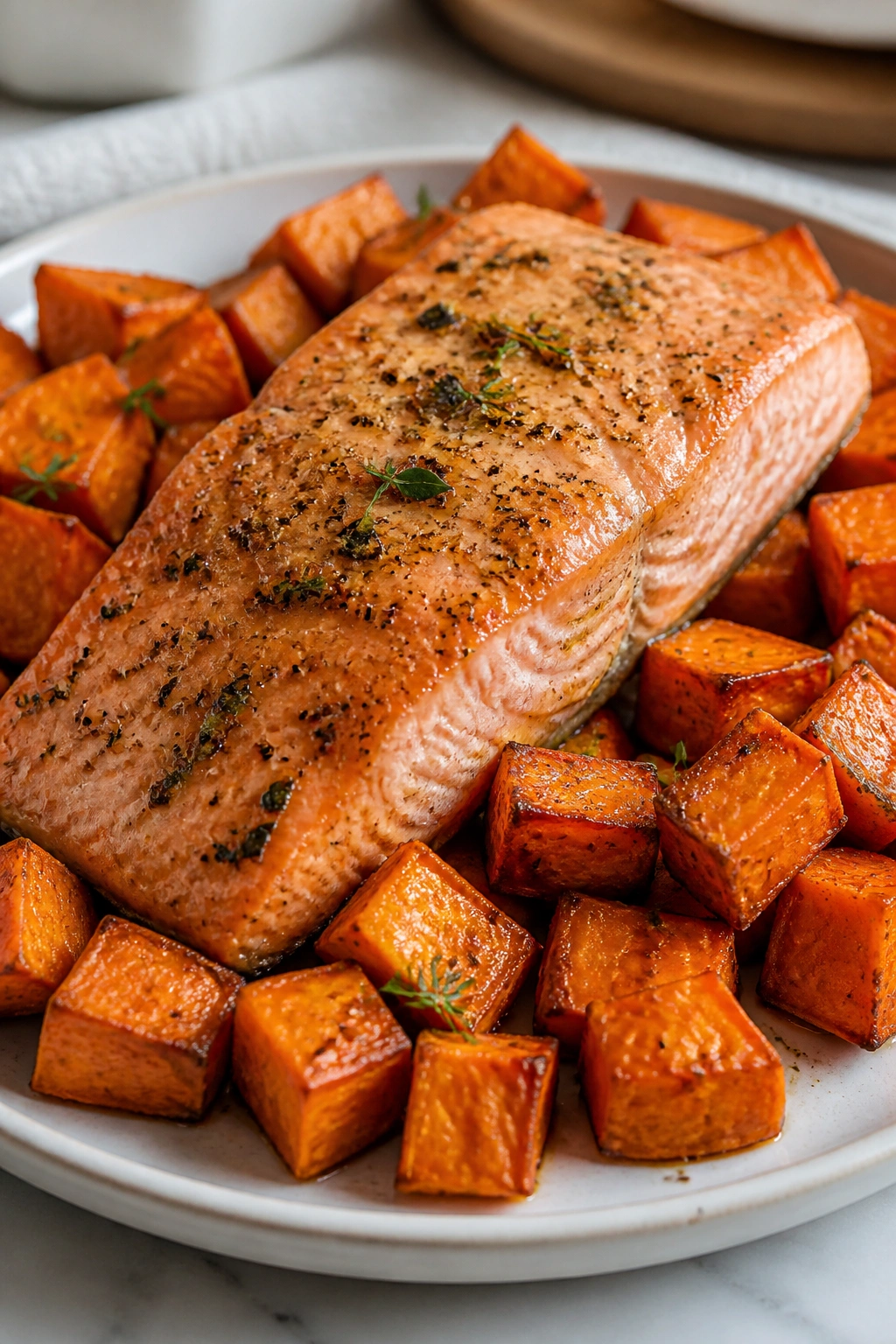
Salmon provides DHA and EPA, the omega-3 fatty acids that are vital for the baby’s vision and brain health. Many people avoid fish during pregnancy out of caution, but low-mercury options like salmon are encouraged by most health organizations. Sweet potatoes provide beta-carotene, which your body converts into Vitamin A, essential for immune function and cell growth.
The Preparation
Roast the salmon fillet with a little olive oil, salt, and dill. Bake the sweet potato cubes on the same sheet pan for convenience. You can season the sweet potatoes with cinnamon if you want a sweet angle, or keep it savory with paprika and black pepper. It is a simple, low-effort meal that hits all the major nutritional marks.
6. Lentil Soup with Kale
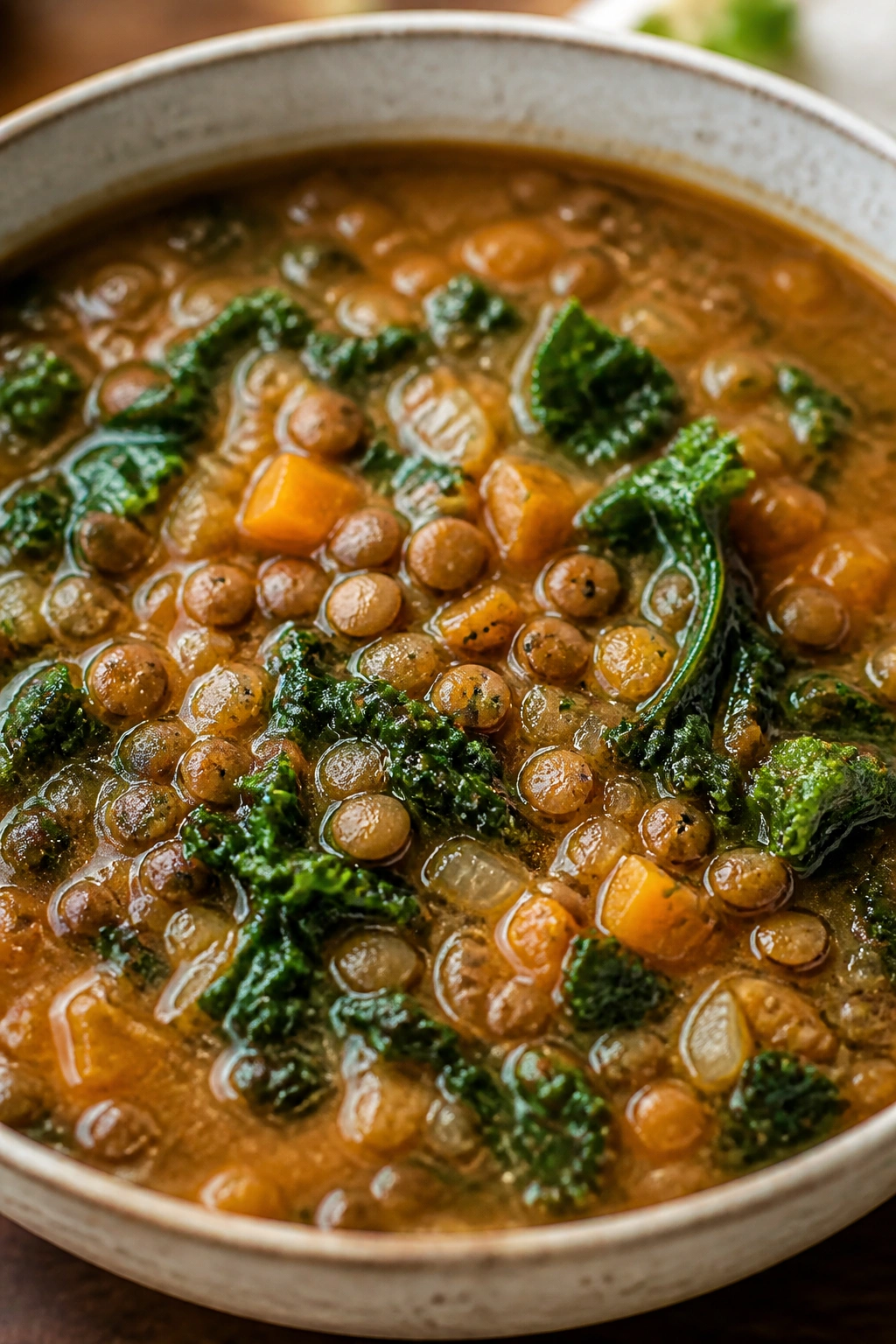
Iron deficiency is common during pregnancy because your body is producing more blood. Lentils are iron-dense, and when you pair them with kale—which is high in Vitamin C—you drastically increase the amount of iron your body actually absorbs. This soup is easy to make in a large pot and freezes perfectly.
Why This is a Keeper
- Lentils provide a huge fiber boost for digestion.
- Kale adds B vitamins and fiber without being overpowering.
- The liquid base helps with your daily hydration goals.
Simmer the lentils with vegetable broth, garlic, onions, and carrots. Add the kale in the last five minutes of cooking so it wilts but maintains its texture. Squeeze a fresh lemon over the bowl right before serving to “wake up” the flavors.
7. Greek Yogurt Bowl with Chia Seeds
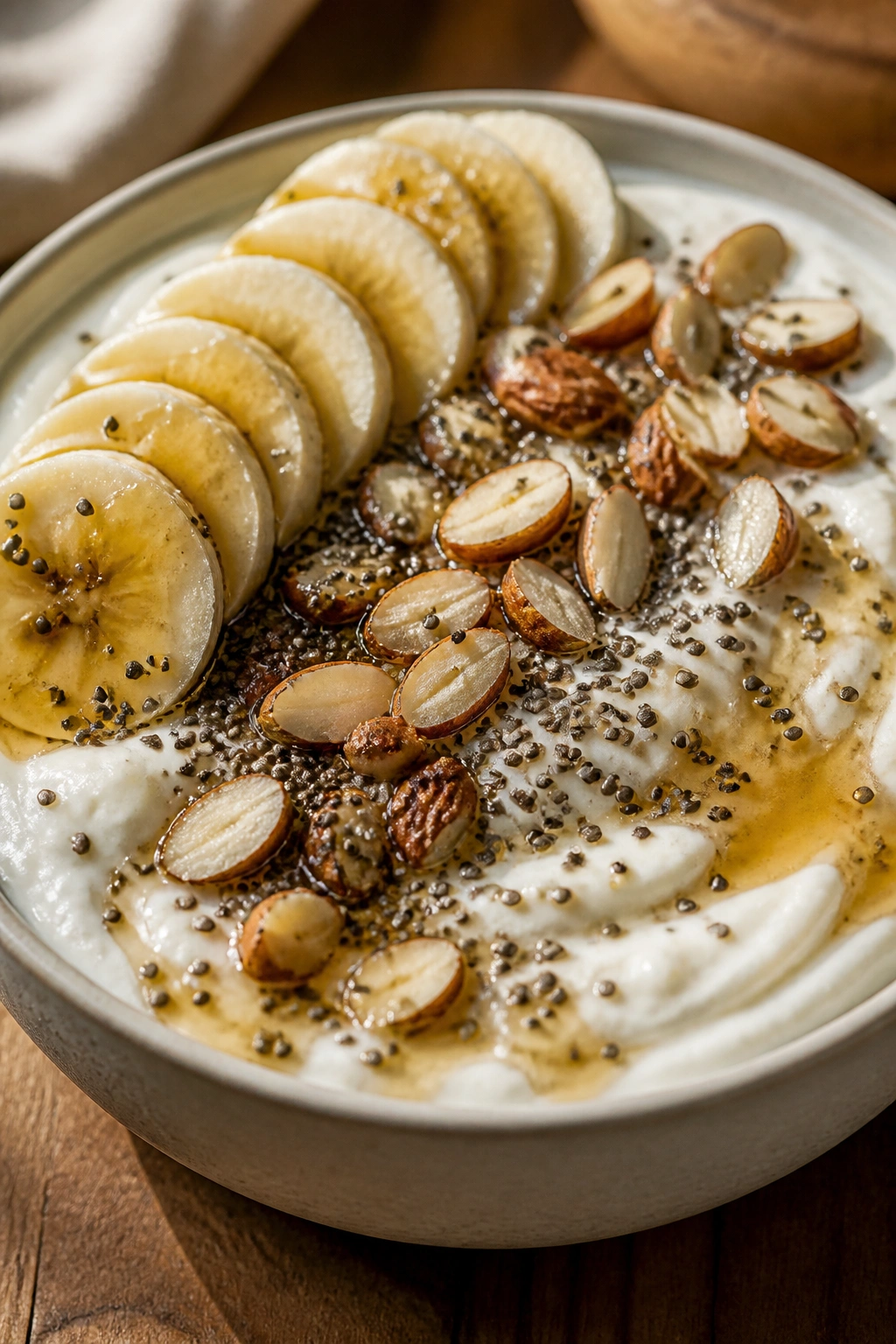
Probiotics are essential for maintaining a healthy gut microbiome, which can change during pregnancy. Greek yogurt is thicker and higher in protein than regular yogurt, making it a more substantial snack. The key here is to choose plain, unsweetened yogurt and control the sweetness yourself.
Customizing Your Bowl
Stir in a tablespoon of chia seeds for fiber and a small handful of almonds. Top it with half a sliced banana. If you crave something sweeter, add a drizzle of maple syrup or honey. This bowl takes less than two minutes to assemble and provides protein, calcium, and fats all in one go.
8. Avocado and Turkey Whole-Grain Toast
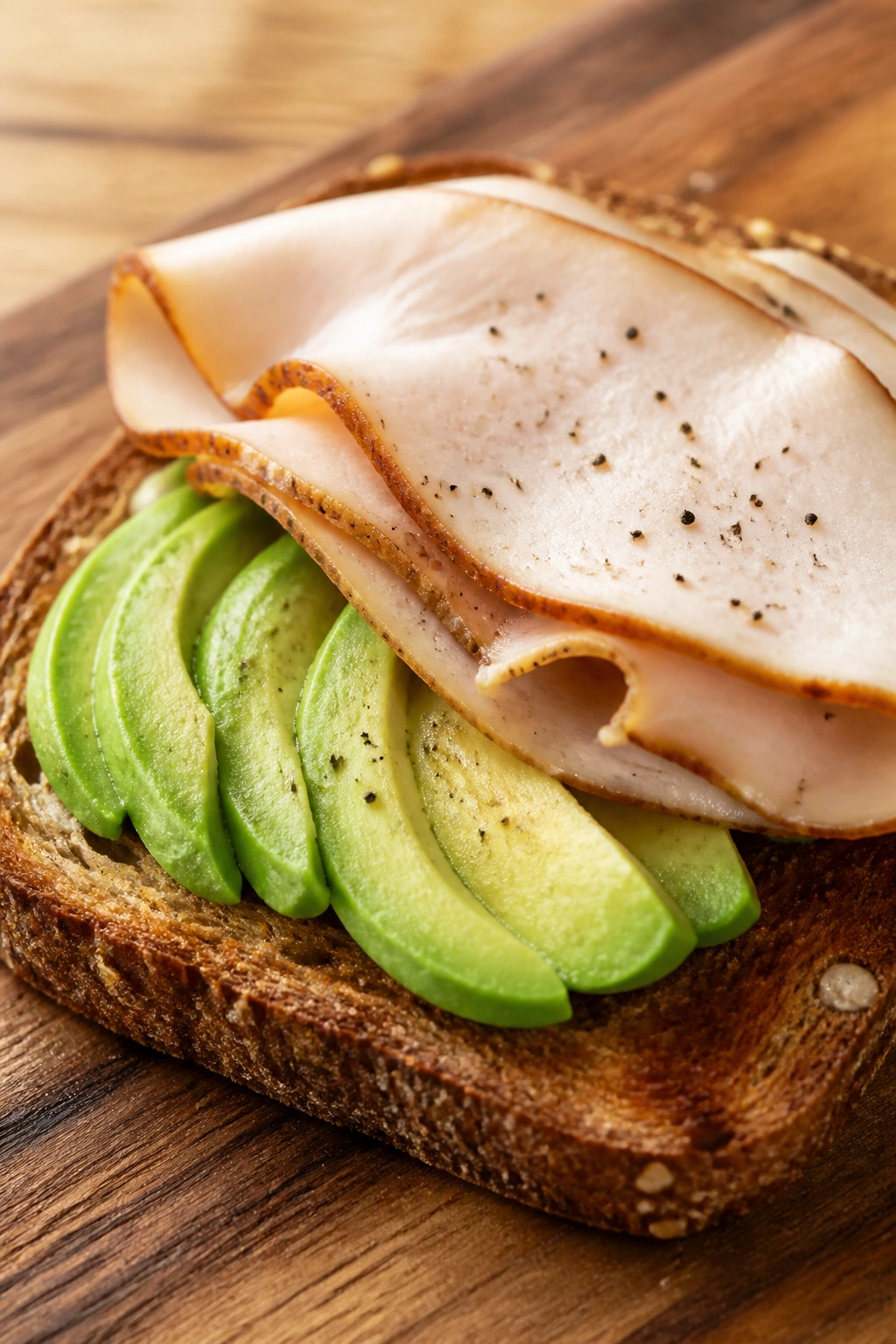
When you need a meal that requires zero actual cooking, this is the winner. Whole-grain bread provides the complex carbohydrates needed for sustained energy. The avocado provides monounsaturated fats that support skin elasticity and fetal cell growth, while the turkey offers a lean protein boost.
Balancing the Meal
Spread half a ripe avocado on a toasted slice of whole-grain bread. Layer two slices of high-quality turkey breast on top. Sprinkle with hemp hearts or a pinch of red pepper flakes if you want a bit of heat. The healthy fats in the avocado help keep you full, which is helpful if you find yourself feeling hungry shortly after eating.
9. Baked Sweet Potato with Black Beans
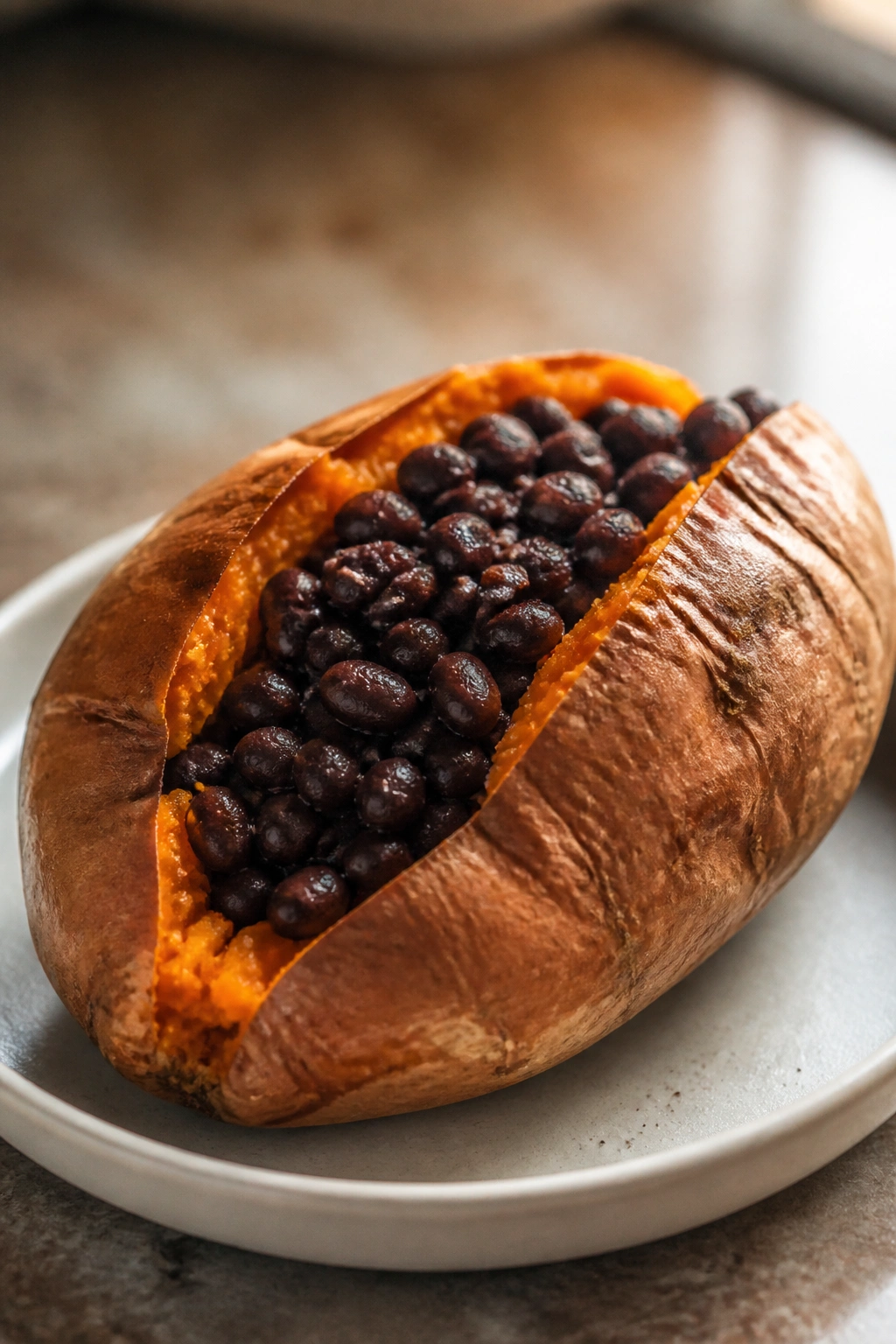
Complex carbohydrates are your friends in the third trimester. As the baby presses against your stomach, you might find it uncomfortable to eat large, heavy meals. This dish is relatively light but incredibly satiating, providing a steady release of glucose to keep your energy levels even.
Preparation Details
Scrub a medium-sized sweet potato and bake it until tender. Split it open and stuff it with half a cup of warmed black beans. Top with a spoonful of salsa or Greek yogurt (which serves as a great sour cream substitute). The black beans provide fiber and plant-based protein, while the sweet potato is rich in potassium.
10. Beef and Broccoli Stir-Fry
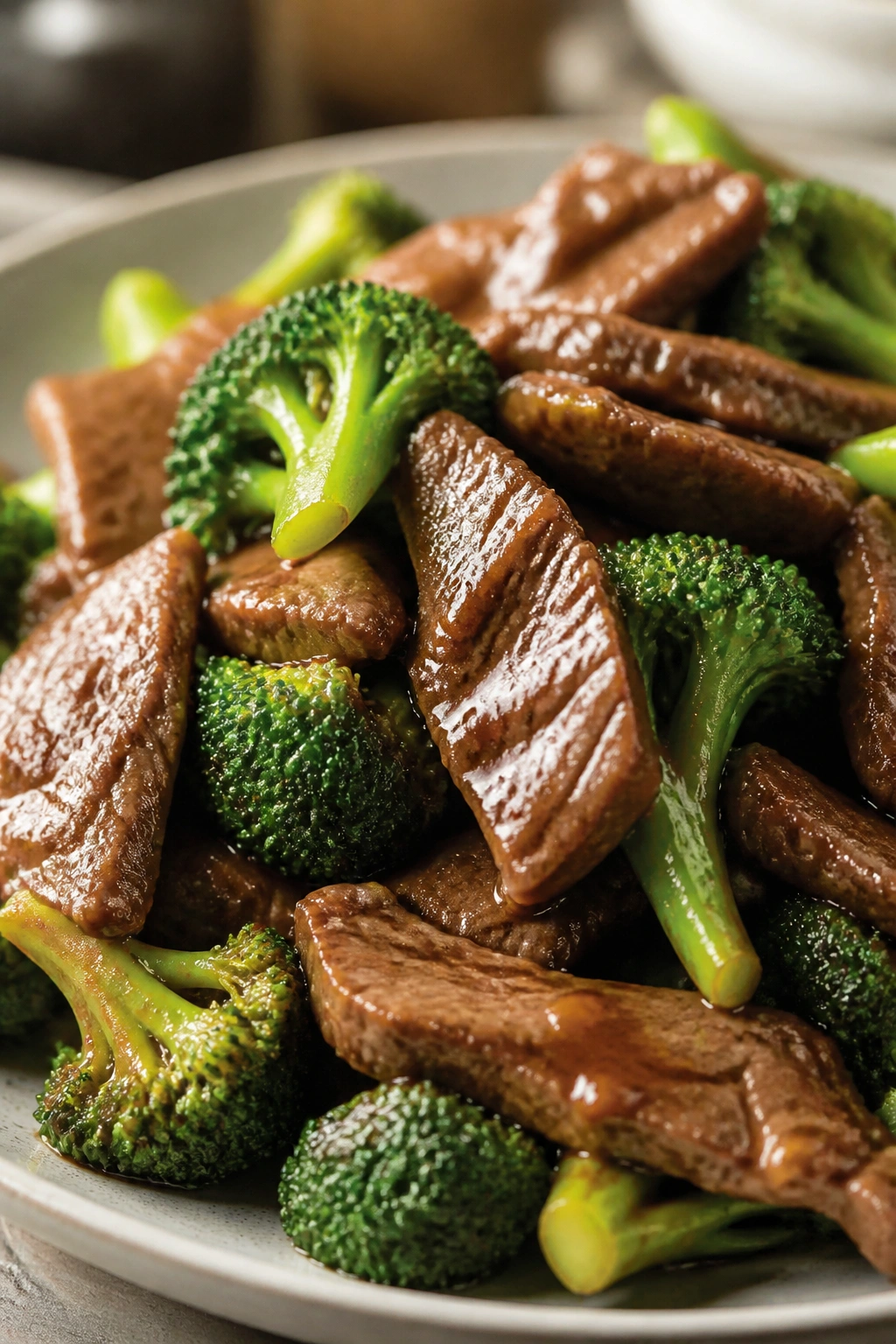
Red meat is an excellent source of heme iron, which is the most easily absorbed form of iron for the human body. Broccoli is rich in Vitamin C, which acts as the catalyst for that iron absorption. This is a classic combination for a reason—it works biologically.
Making it Work at Home
Thinly slice flank steak against the grain to ensure it stays tender. Sear it quickly in a hot pan, remove it, and then stir-fry the broccoli florets with garlic and ginger. Add the meat back in with a low-sodium soy sauce or coconut aminos. Serve over brown rice for an extra dose of fiber. This meal avoids the need for heavy, creamy sauces, which can sometimes trigger heartburn.
11. Chia Seed Pudding
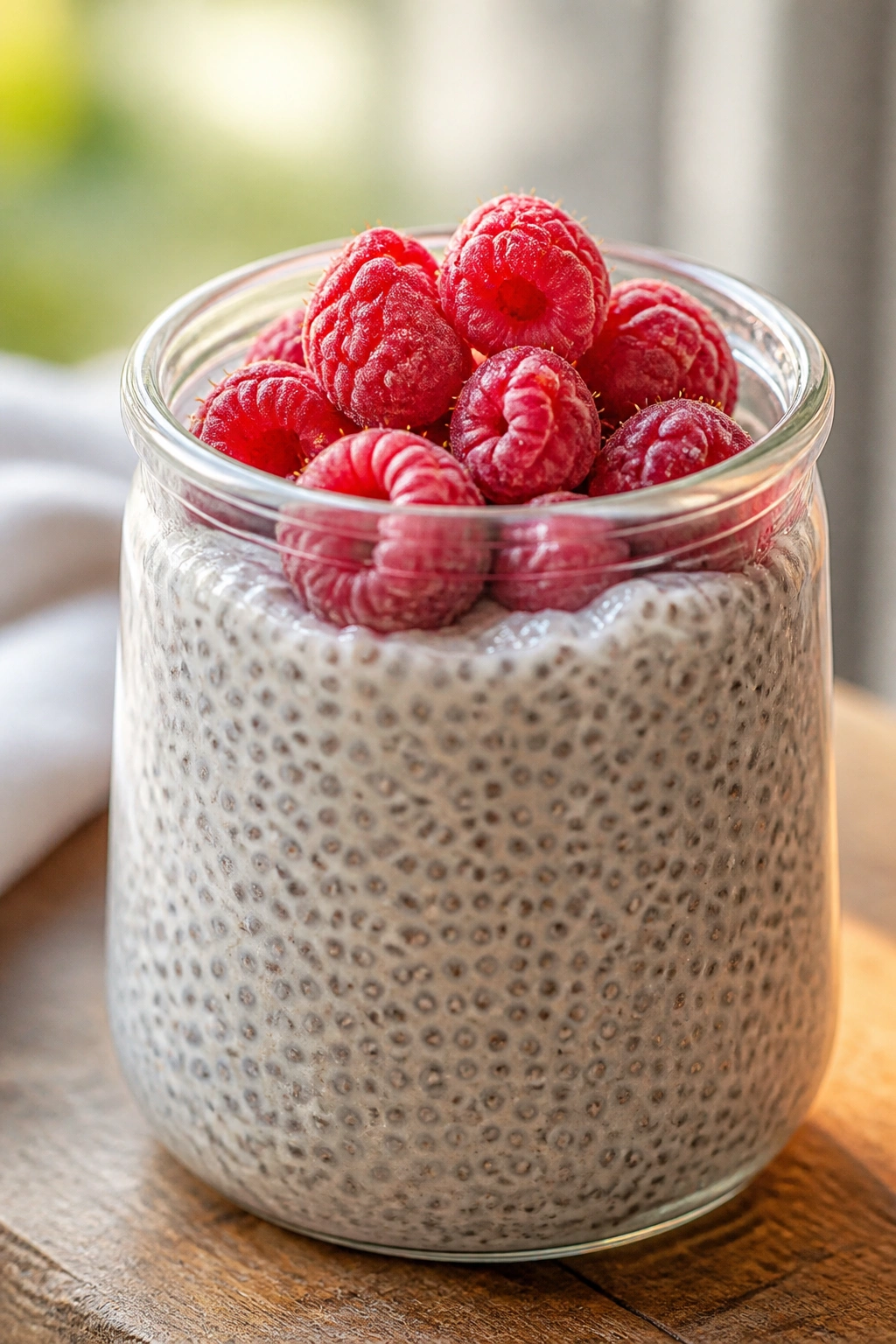
This is the ideal “make-ahead” meal for those mornings when you simply cannot face the kitchen. Chia seeds expand in liquid to form a gelatinous texture that is incredibly gentle on the stomach. They are also packed with calcium and omega-3 fatty acids.
The Overnight Method
Whisk three tablespoons of chia seeds into one cup of almond or cow’s milk with a splash of vanilla extract. Let it sit in the refrigerator overnight. By morning, you have a pudding-like consistency. Top it with fresh raspberries or pomegranate seeds. The tartness of the fruit helps cut through the creaminess of the pudding.
12. Chicken and Vegetable Skewers
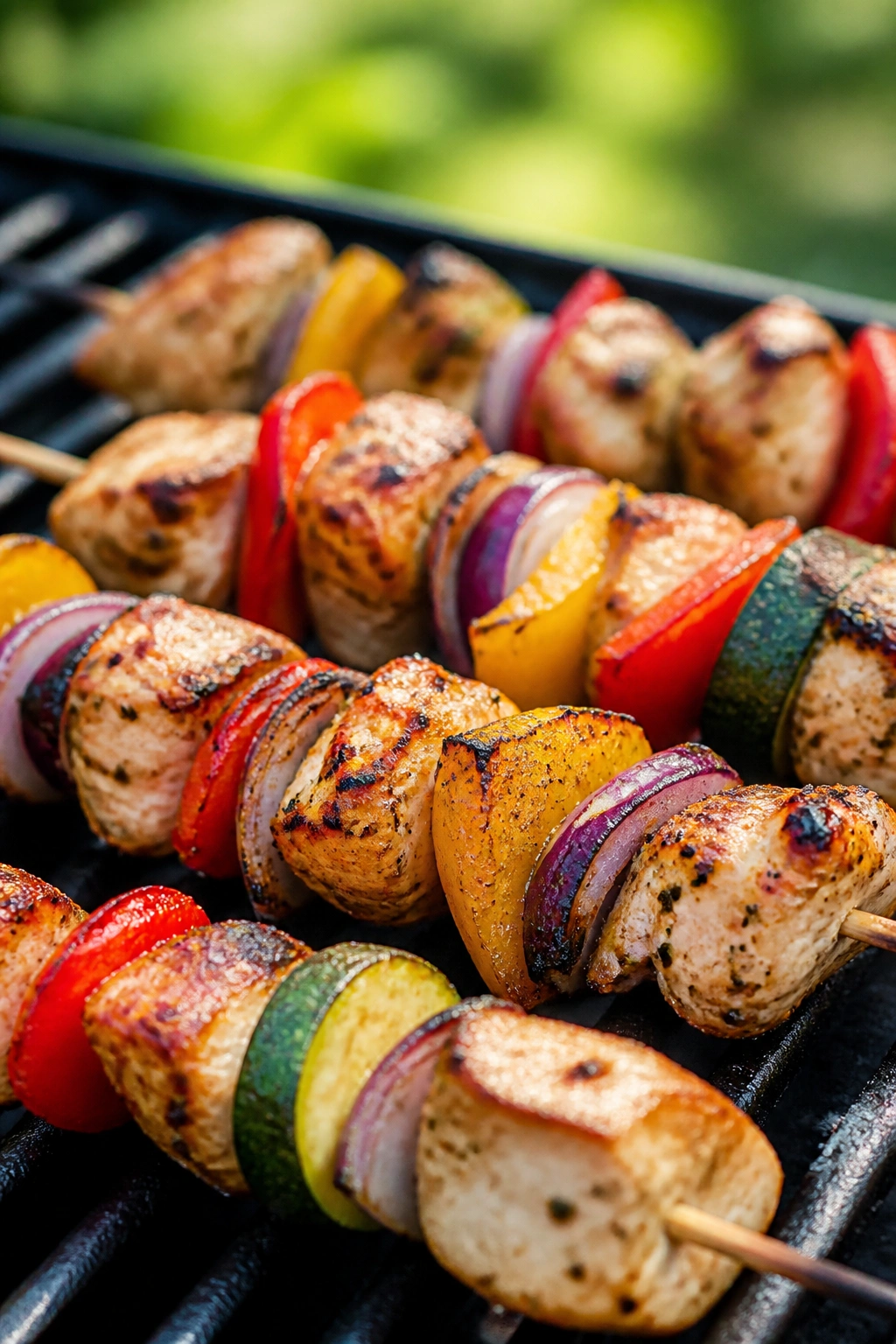
Sometimes, eating food on a stick just feels more manageable when you are feeling sluggish. Chicken breast is a lean, versatile protein, and you can pack skewers with bell peppers, zucchini, and cherry tomatoes. This is also a great way to eat more colorful vegetables, which contain different phytonutrients.
Grilling and Serving
Brush the skewers with a mix of olive oil, lemon juice, and dried oregano. Grill them until the chicken is cooked through and the vegetables have charred edges. Serve these alongside a small side of hummus or tabbouleh. The variety of textures—the crunch of the peppers, the snap of the tomatoes, the tenderness of the chicken—keeps your palate interested.
13. Cottage Cheese with Pineapple
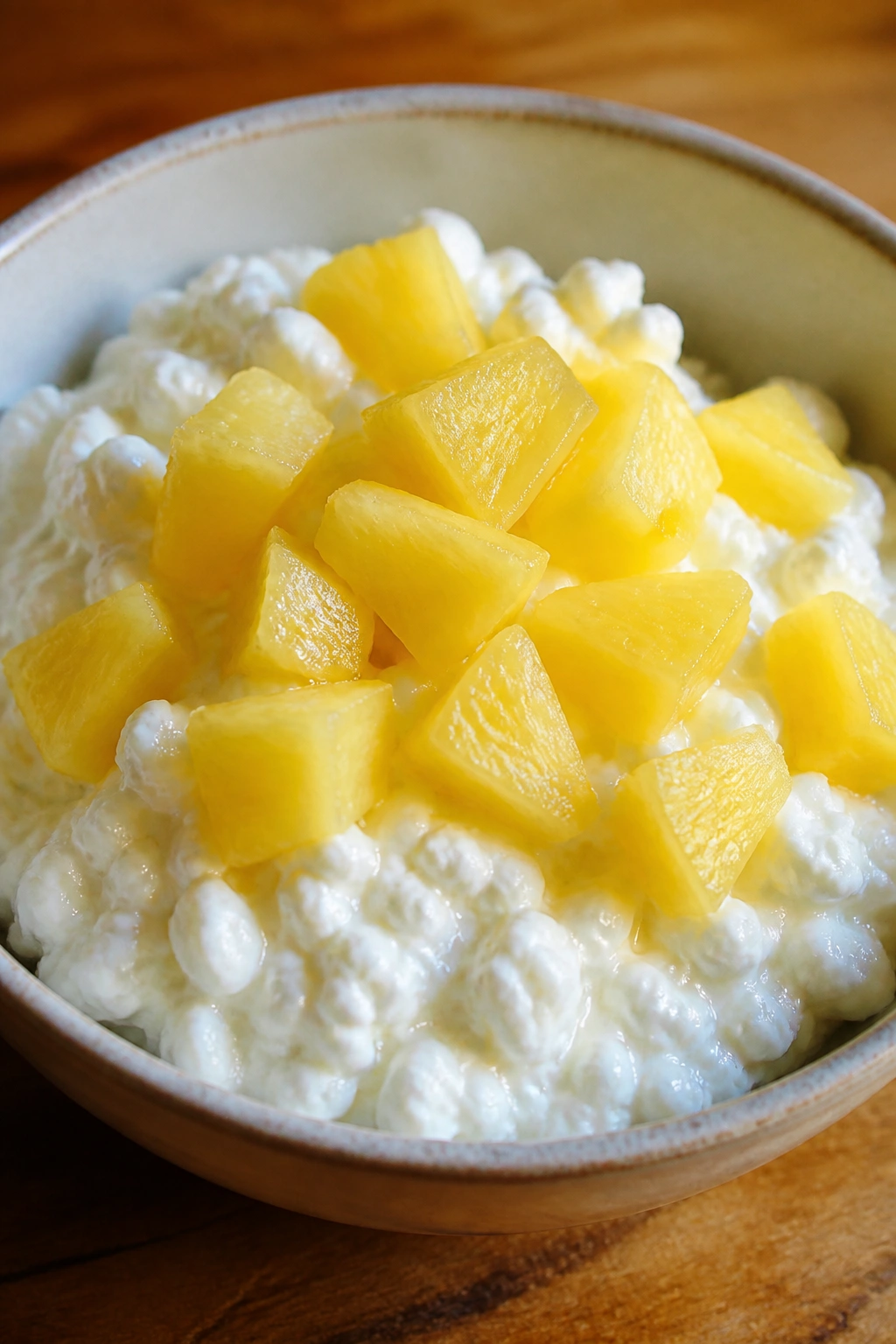
Cottage cheese is a protein powerhouse that is often overlooked. It is lower in calories than many other cheeses but high in casein protein, which digests slowly. This makes it a great choice for a snack if you find yourself waking up hungry in the middle of the night.
Why the Pineapple
Pineapple contains bromelain, an enzyme that can aid in digestion. It is naturally sweet, which makes the cottage cheese taste like a dessert rather than a functional protein source. If you are not a fan of pineapple, peaches or pears are excellent alternatives that also provide fiber.
14. Hummus and Veggie Plate
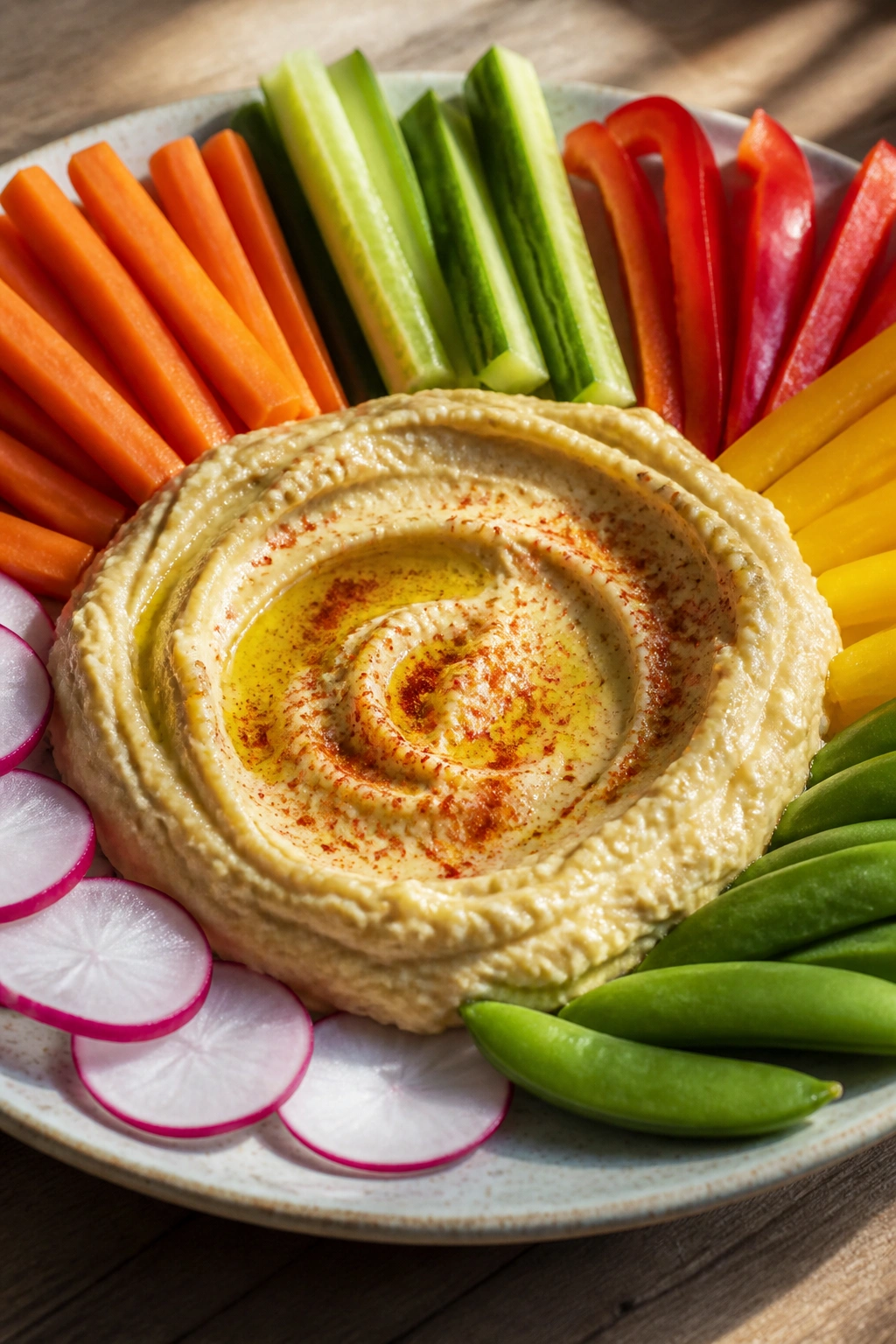
This is less of a recipe and more of a strategy. Hummus, made from chickpeas and tahini, is a good source of folate and protein. When paired with a wide variety of raw vegetables, it provides the crunch and hydration that pregnancy cravings often demand.
Selecting Your Veggies
Do not just stick to carrot sticks. Branch out. Use sliced bell peppers, cucumber rounds, sugar snap peas, and radishes. The variety ensures you are getting different vitamins. You can also add whole-wheat pita bread if you need extra carbohydrates to feel full. This is a perfect low-stress lunch for days when cooking feels like an impossible hurdle.
15. Brown Rice and Edamame Bowl
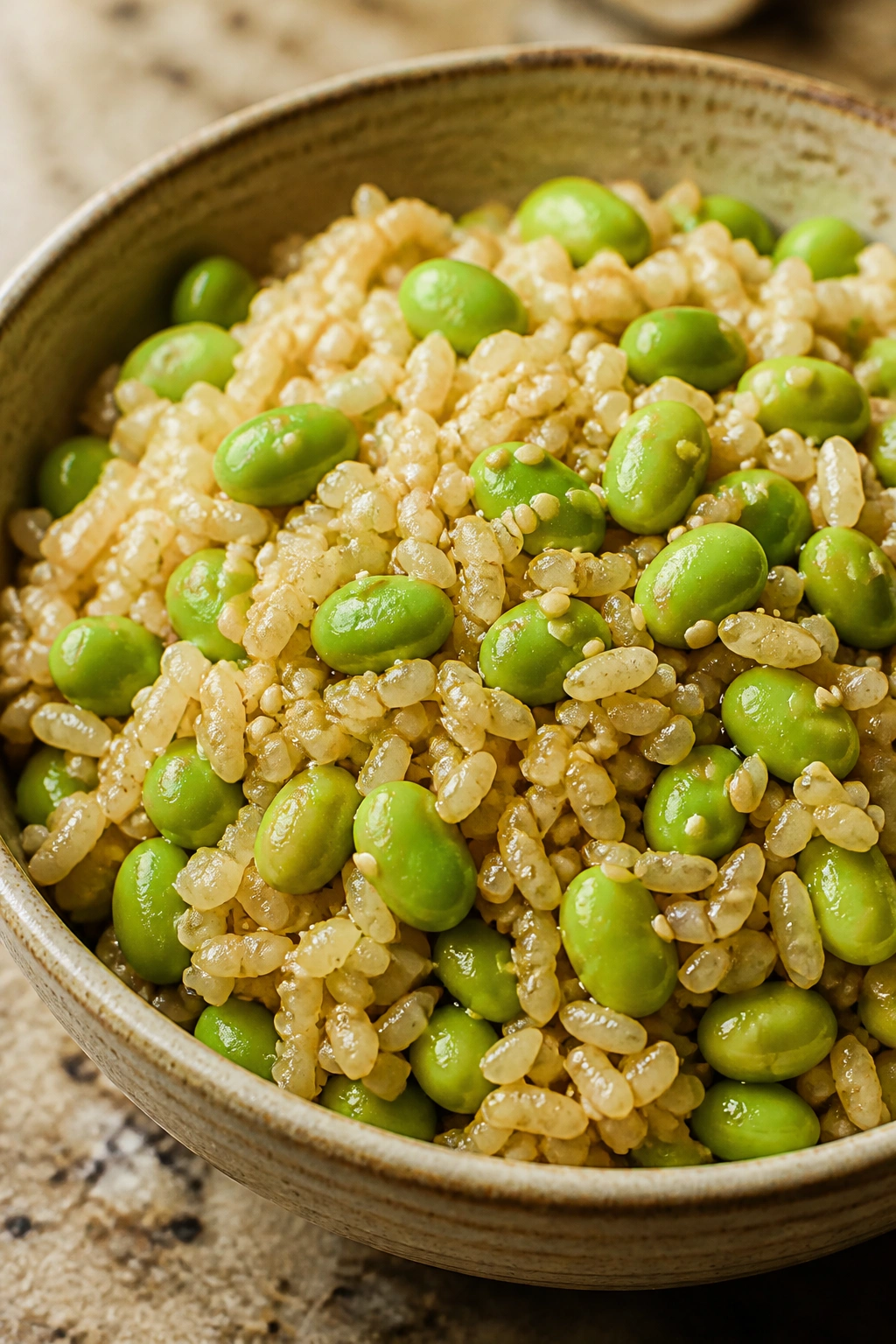
Edamame, or young soybeans, are a complete plant protein, making them an excellent choice if you are trying to balance your meat intake. When combined with brown rice, you get a significant amount of fiber, which helps manage the blood sugar spikes that can happen with refined white grains.
Assembling the Bowl
Cook a serving of brown rice. Toss in a half-cup of shelled edamame (steamed). Add a drizzle of sesame oil and a sprinkle of toasted sesame seeds. If you have some shredded carrots or seaweed snacks on hand, toss those in for extra texture and micronutrients. It is simple, earthy, and satisfying.
16. Berry and Spinach Green Salad
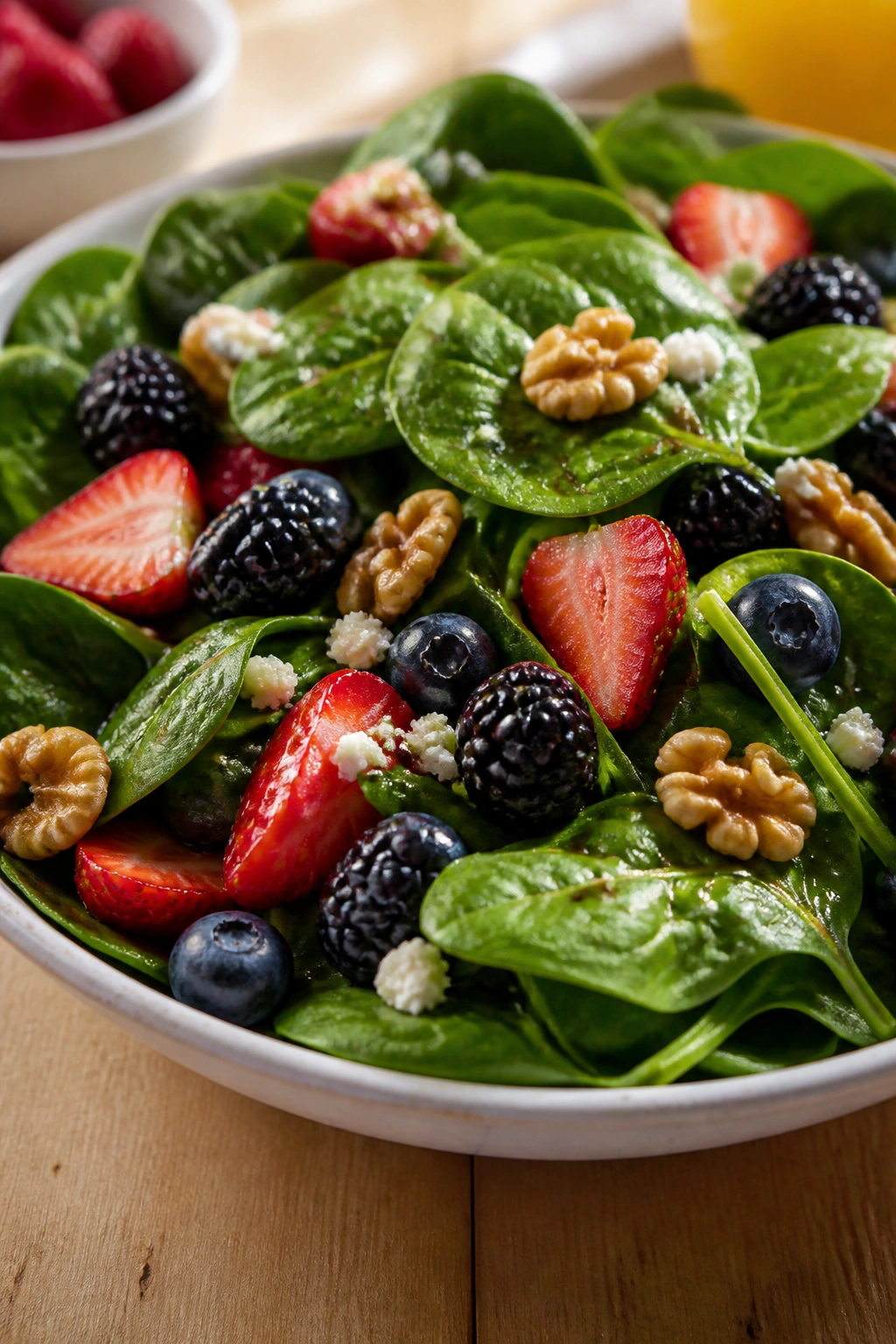
Leafy greens like spinach are loaded with folate, a non-negotiable nutrient during pregnancy. Many people find the taste of plain spinach bitter, but pairing it with berries—which are sweet and acidic—balances the flavor perfectly. This salad is light but nutrient-dense.
The Dressing Trick
Do not use a heavy, store-bought dressing that might be high in sugar. Whisk together a balsamic vinaigrette or a simple olive oil and lemon juice mix. Toss the spinach with fresh strawberries or raspberries and a handful of walnuts. The walnuts add a crunch that prevents the salad from feeling like it is just “leafy” food.
17. Turkey and Avocado Wrap
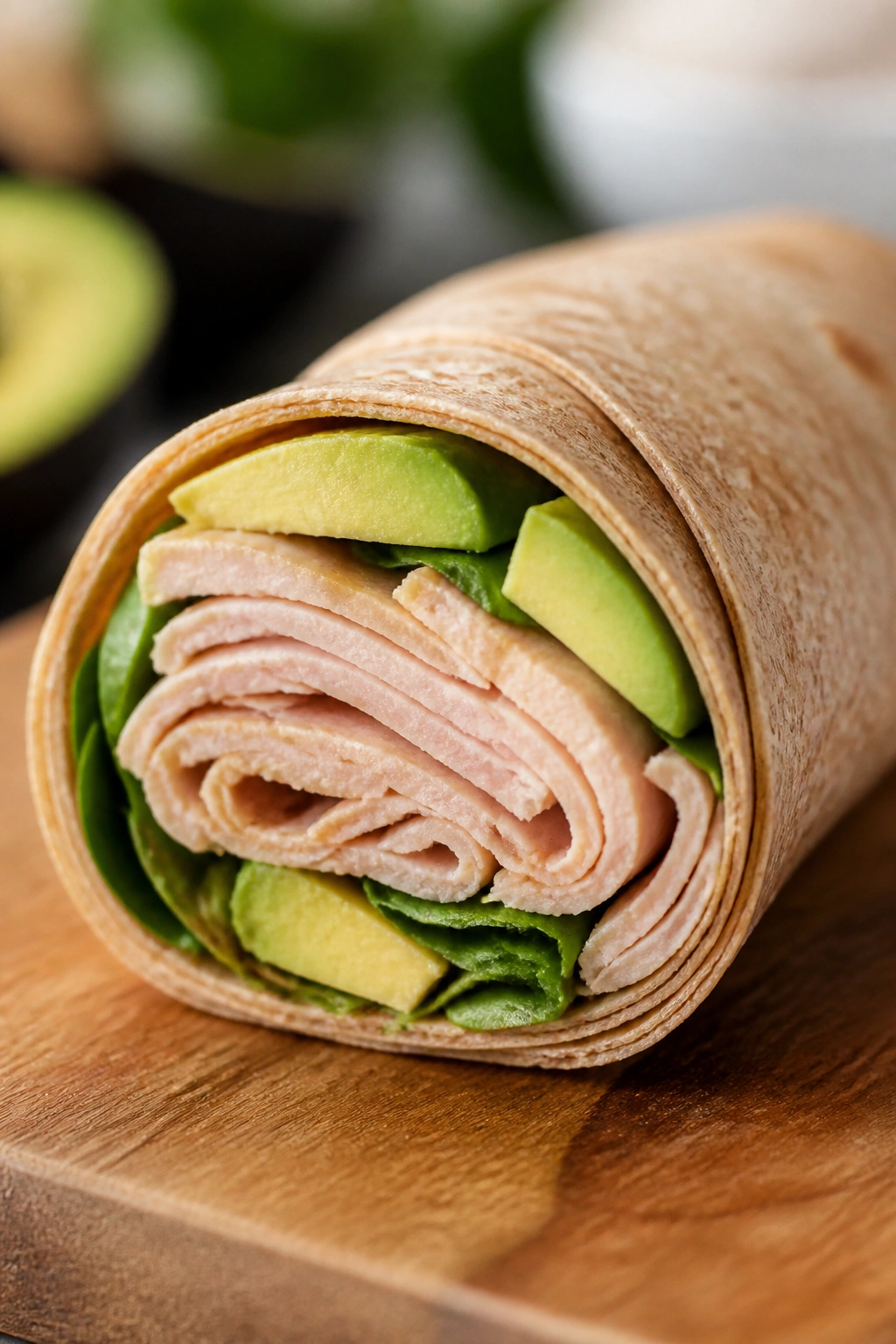
Wraps are portable, which is helpful if you are working or moving around. Turkey is a low-fat protein source, and using a whole-wheat tortilla adds fiber. This meal provides a steady mix of protein, fats, and carbs that can stop “hangry” feelings before they start.
Building a Better Wrap
Lay out a whole-wheat tortilla and spread a thin layer of hummus or avocado. Layer on two slices of lean turkey, some fresh spinach, and shredded carrots. Roll it tightly. The trick to keeping a wrap from falling apart is to tuck in the sides as you roll.
18. Coconut Milk Curry with Tofu
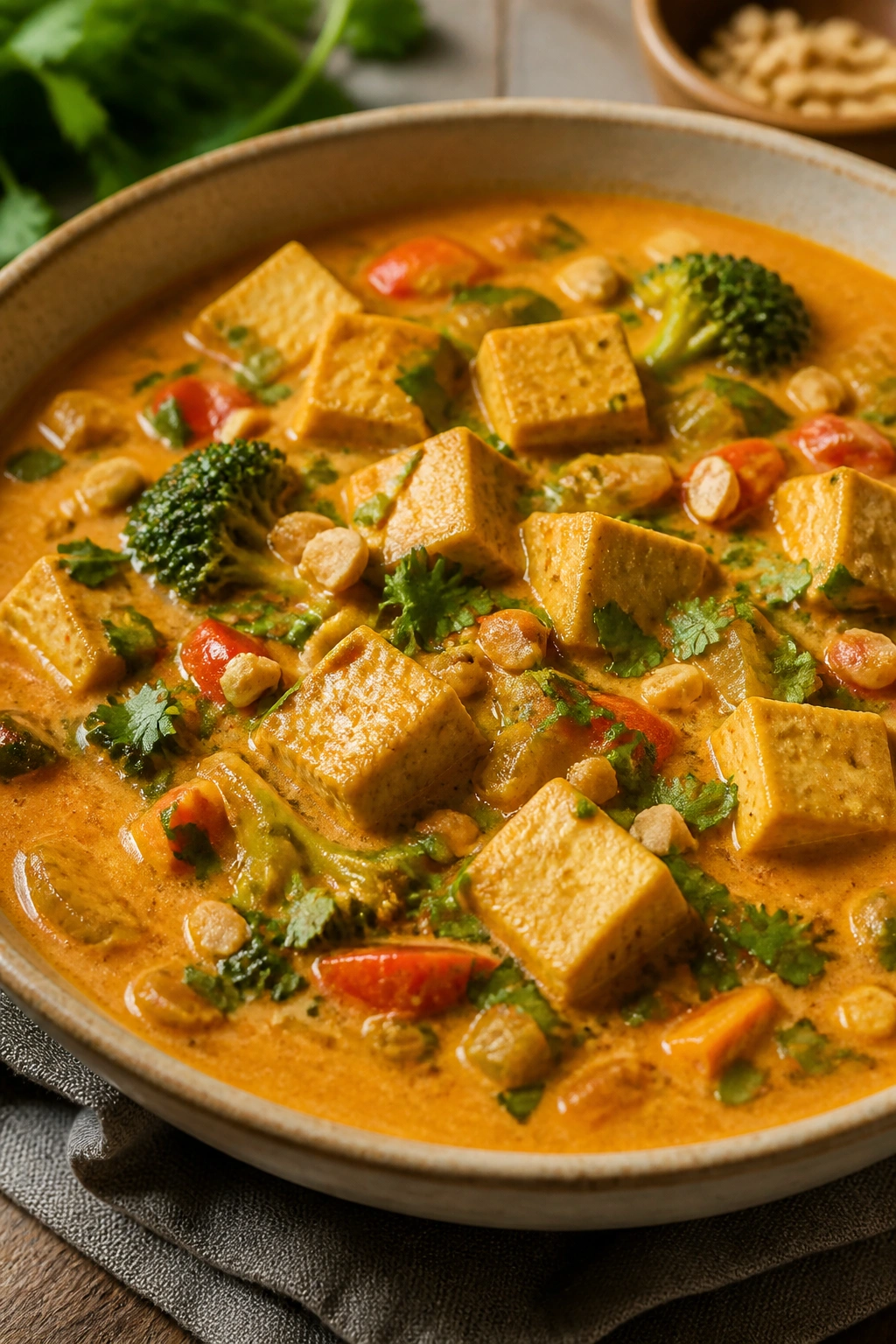
Curry can be a lifesaver when you need comfort food. Coconut milk provides healthy saturated fats, while tofu is a fantastic, versatile protein. You can throw in whatever vegetables are in your fridge—cauliflower, peas, carrots, or spinach all work beautifully.
Flavor and Digestion
Curry spices like turmeric have anti-inflammatory properties, which can be beneficial as pregnancy progresses and joints begin to feel the strain of carrying extra weight. Serve this over a small bed of jasmine or brown rice. The warmth of the meal is often very soothing if you are feeling a bit run down.
19. Hard-Boiled Eggs and Nuts
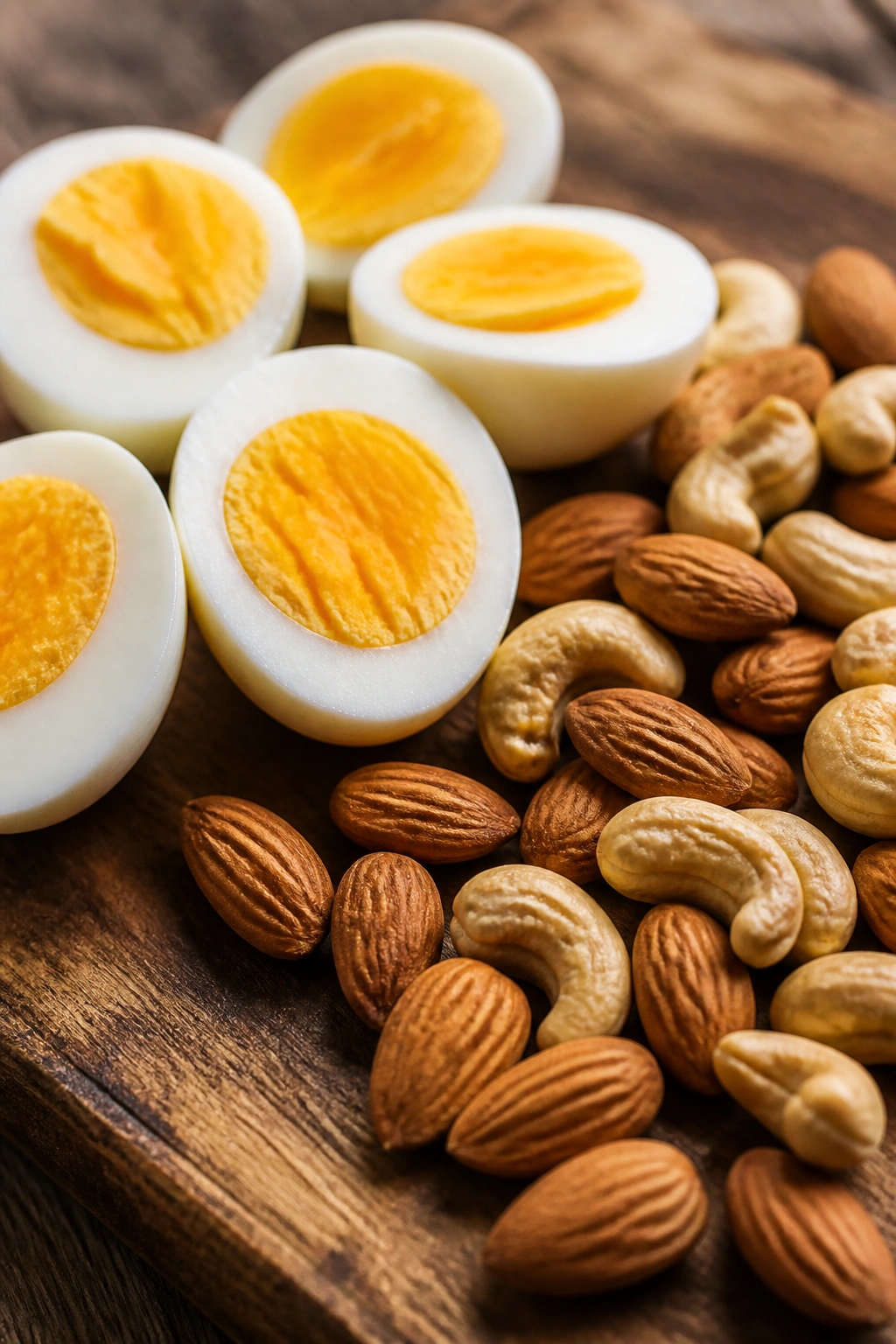
When you need a snack that takes 30 seconds to eat but provides sustained fuel, nothing beats this combo. Eggs offer choline and protein; nuts provide healthy fats and magnesium. Magnesium is crucial during pregnancy because it can help with muscle cramps and sleep quality.
Keeping it Fresh
Boil a batch of eggs at the start of the week. Keep them in the shell in the fridge. When hunger strikes, peel one, grab a handful of almonds or cashews, and you have a balanced snack. This is much better than reaching for a bag of chips or crackers, which will only lead to an energy crash an hour later.
20. Tuna Salad with Apple Slices
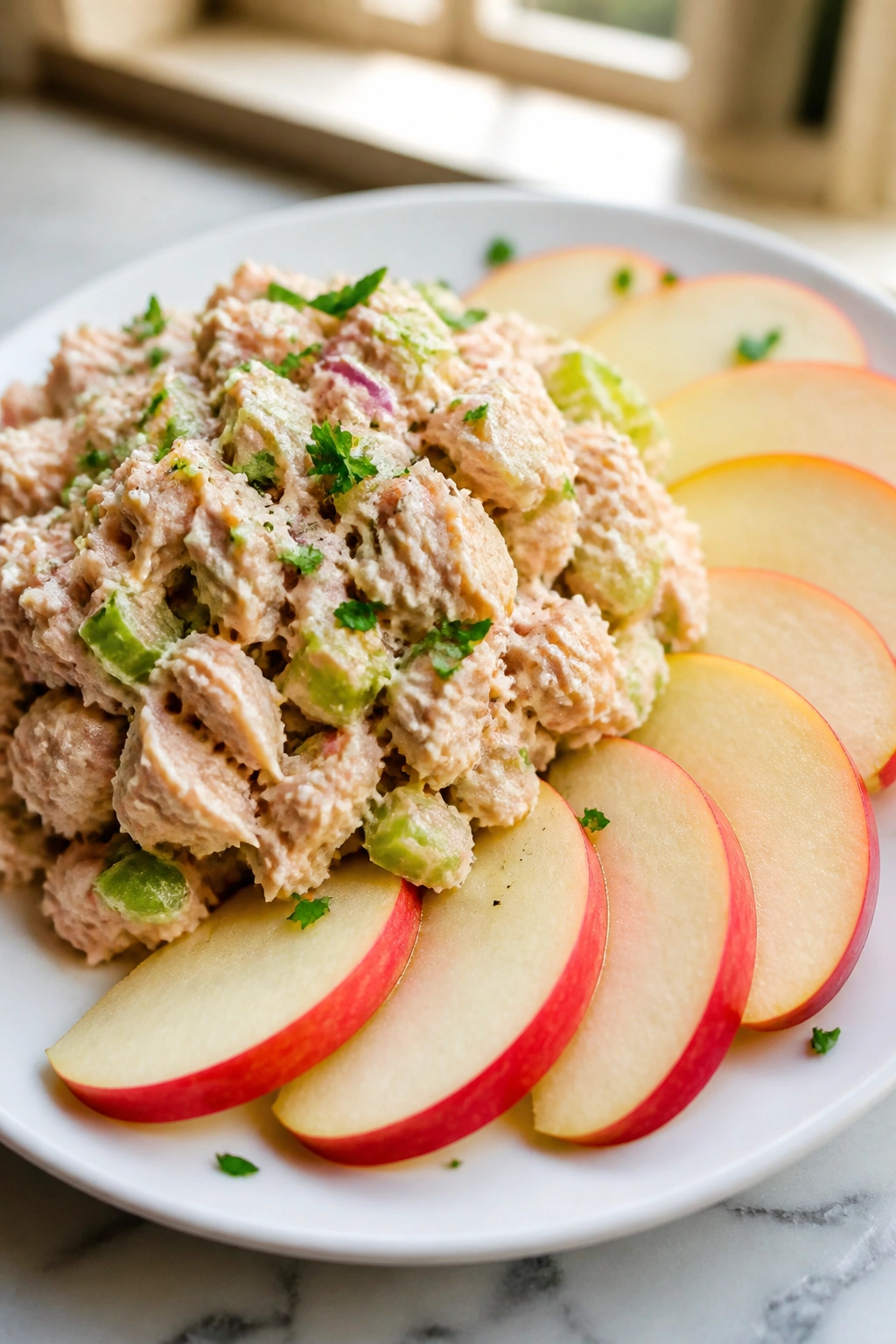
Tuna is high in protein and omega-3s, but you must be mindful of mercury. Choose “light” canned tuna (skipjack) rather than albacore, as it generally has lower mercury levels. When you crave something savory, tuna salad is a great option.
Rethinking the Vessel
Instead of bread, try serving tuna salad inside lettuce cups or with crisp apple slices. The apple adds a crunch and a sweetness that pairs surprisingly well with the savory tuna. It is a refreshing, light lunch that feels gourmet without the effort.
21. Pumpkin Seed and Dried Fruit Trail Mix
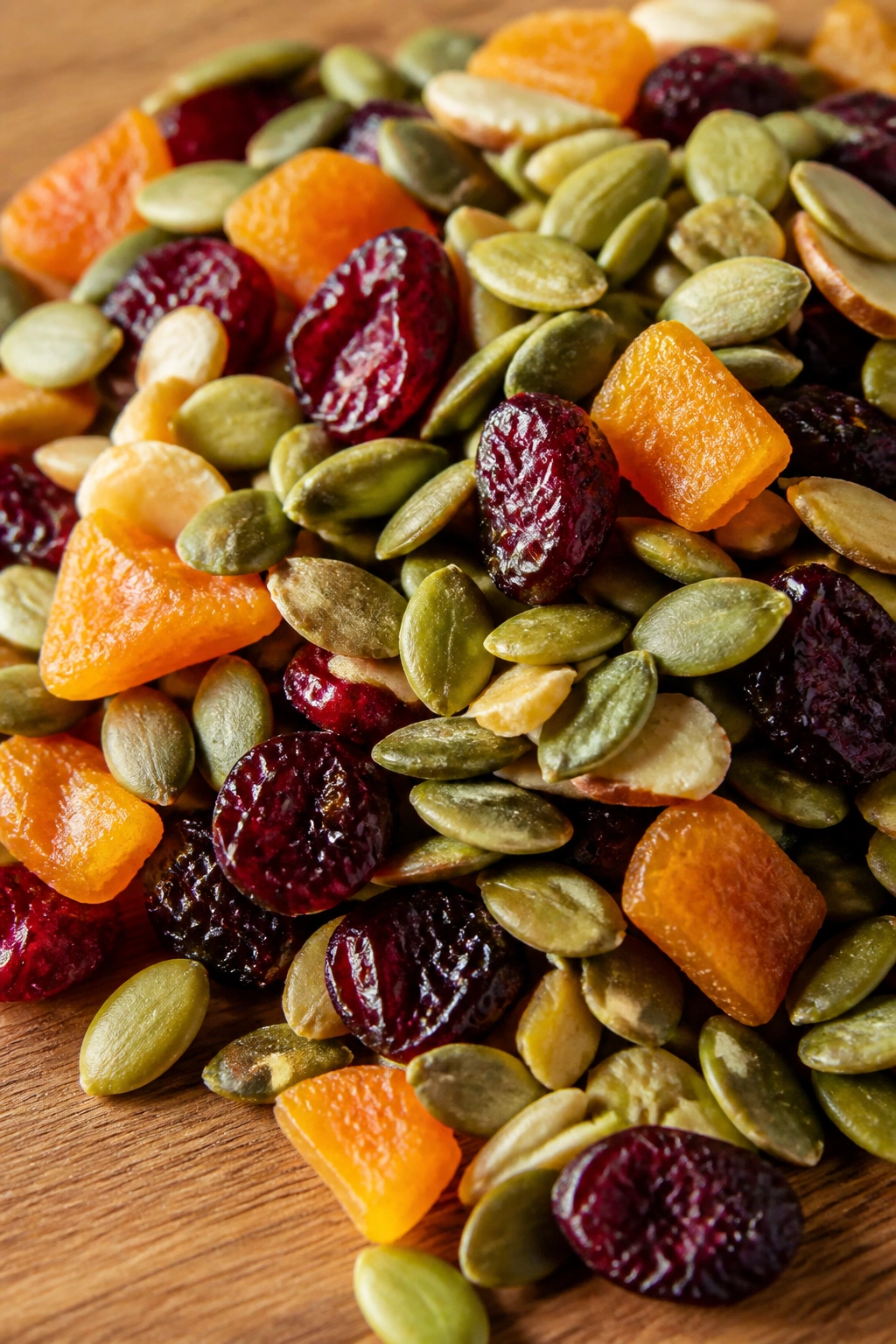
Pumpkin seeds (pepitas) are an incredible source of magnesium and iron. When you are on the go, a handful of these mixed with dried fruit can provide the quick energy boost you need. Just be sure the dried fruit has no added sugar.
The Balance
Combine raw, unsalted pumpkin seeds with dried apricots or cranberries. Apricots are a great source of iron. If you want, add a few dark chocolate chips. A small amount of dark chocolate is perfectly fine and provides a mood boost that can be very welcome during the hormonal shifts of pregnancy.
22. Whole-Wheat Pasta with Marinara and Turkey
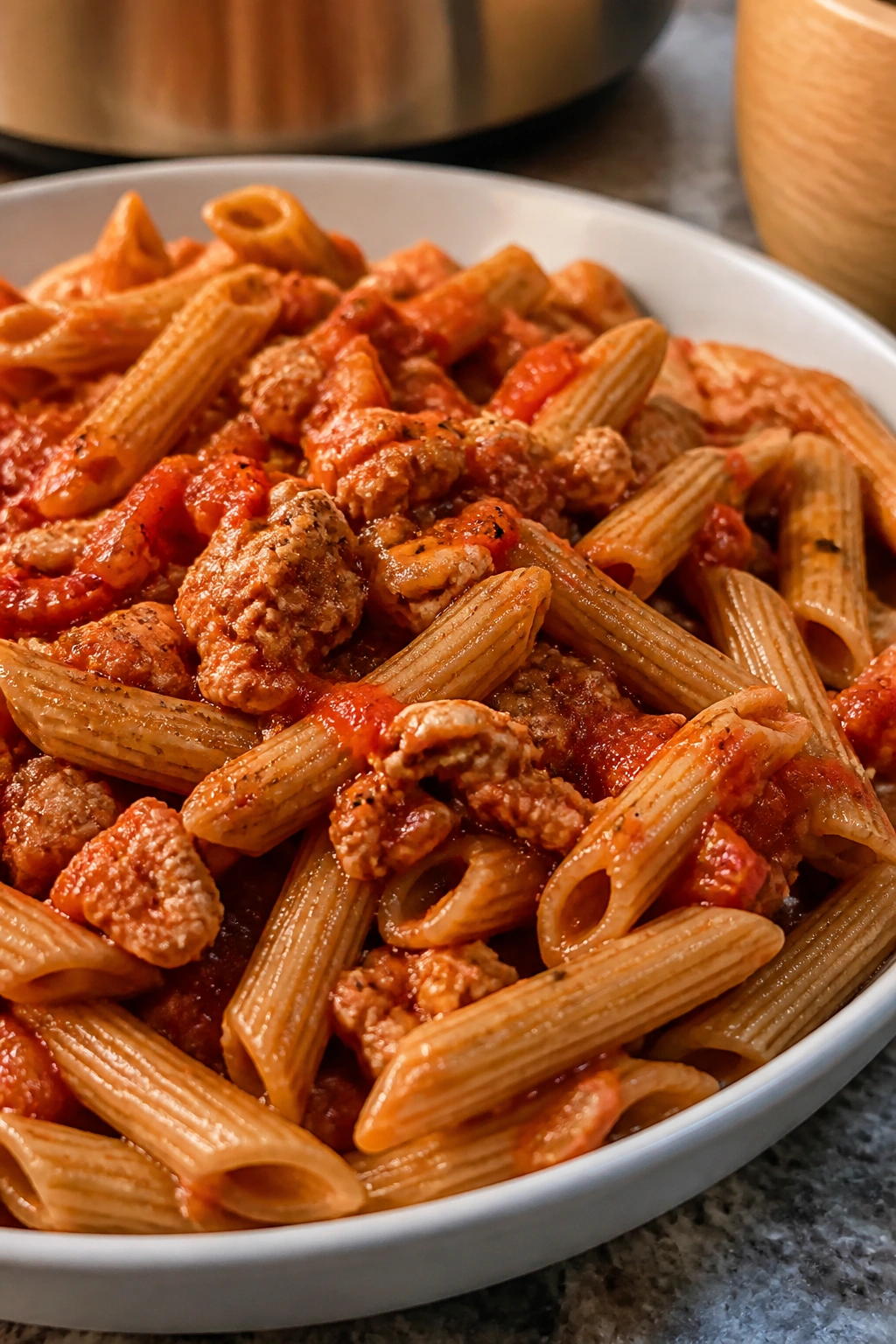
Pasta is often the first thing pregnant people crave because it is easy on the stomach. By using whole-wheat pasta, you gain the fiber that white pasta lacks. Adding lean ground turkey to your marinara sauce creates a complete meal.
Making it Nutritious
Simmer the ground turkey with a jar of high-quality marinara sauce. Toss with cooked pasta. The acidity of the tomato sauce can sometimes cause heartburn in the third trimester, so if you notice that happening, try roasting the pasta with a lighter oil-based sauce or a pesto instead.
23. Roasted Brussels Sprouts and Butternut Squash
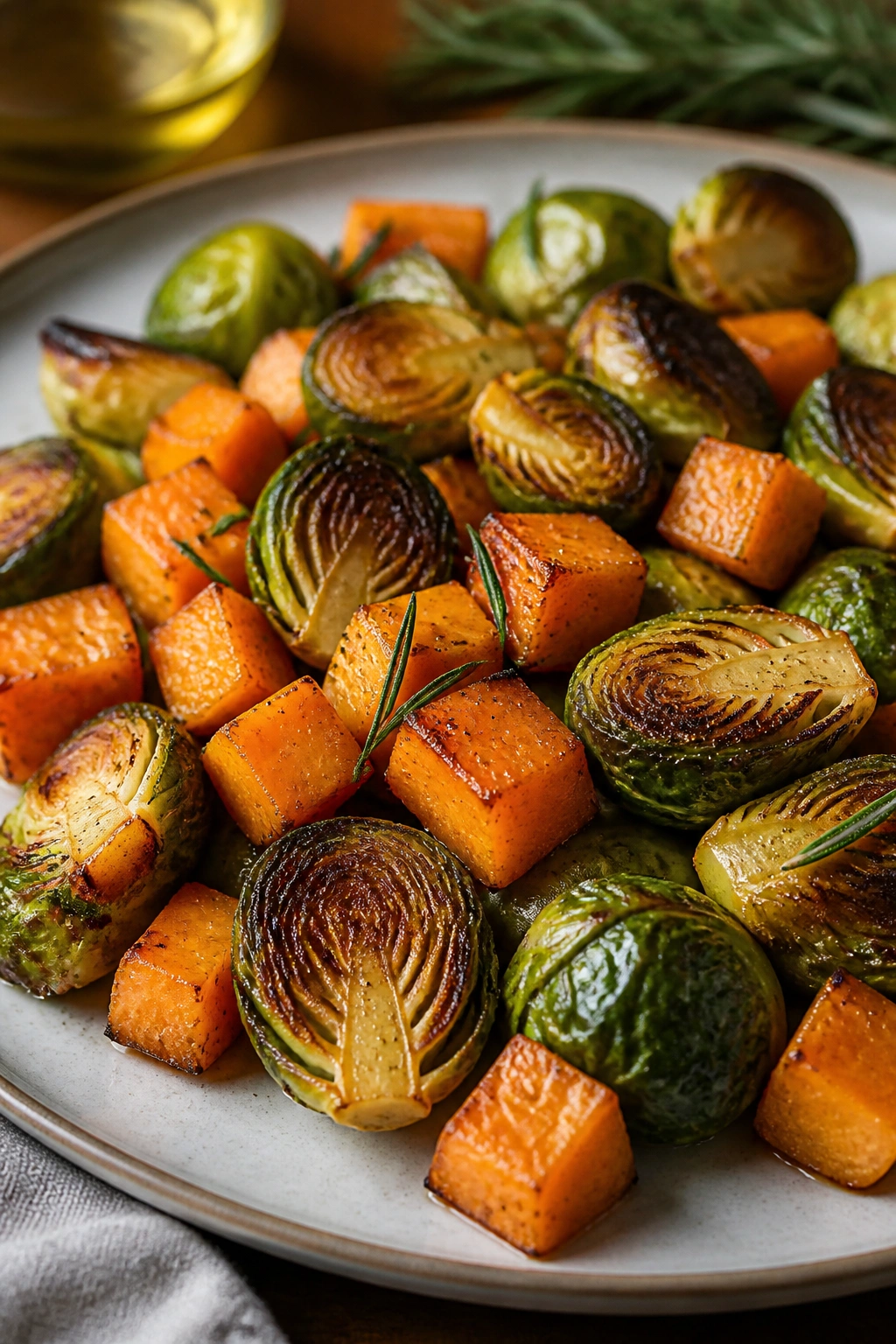
This combination is a staple for a reason. Brussels sprouts are rich in Vitamin K and fiber, while butternut squash provides a sweet dose of Vitamin A and potassium. When roasted, they both caramelize and lose their sometimes-challenging raw texture.
Roasting Tips
Toss the halved sprouts and cubed squash in olive oil, salt, and rosemary. Roast at 400°F (200°C) until tender and golden. You can serve this as a side dish to a protein or eat a large bowl of it as a main. It is deeply satisfying and excellent for maintaining regular digestion.
24. Bone Broth with Ginger and Veggies
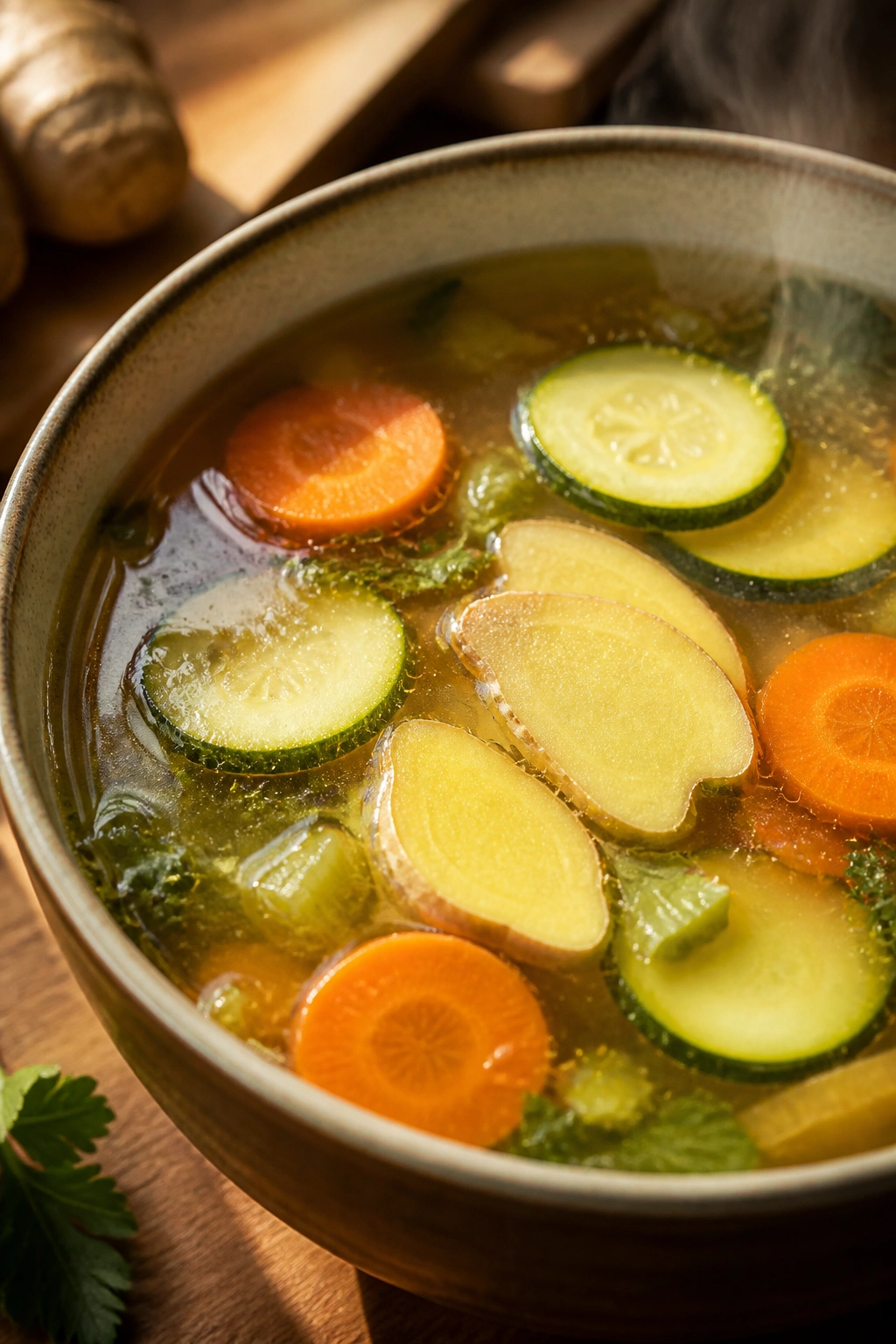
There are days when you are too exhausted to chew anything substantial. Bone broth is the answer. It is packed with amino acids and minerals, and it is incredibly hydrating. Adding fresh ginger helps with nausea, and floating some chopped carrots or zucchini in it makes it a real meal.
Why It Helps
Bone broth is easy to digest, making it perfect for those times when your stomach is sensitive. It is essentially a liquid multivitamin for your gut. Keep a container of high-quality, low-sodium bone broth in your fridge or freezer so you can heat it up instantly when you need something light.
25. Almond Butter and Banana Toast
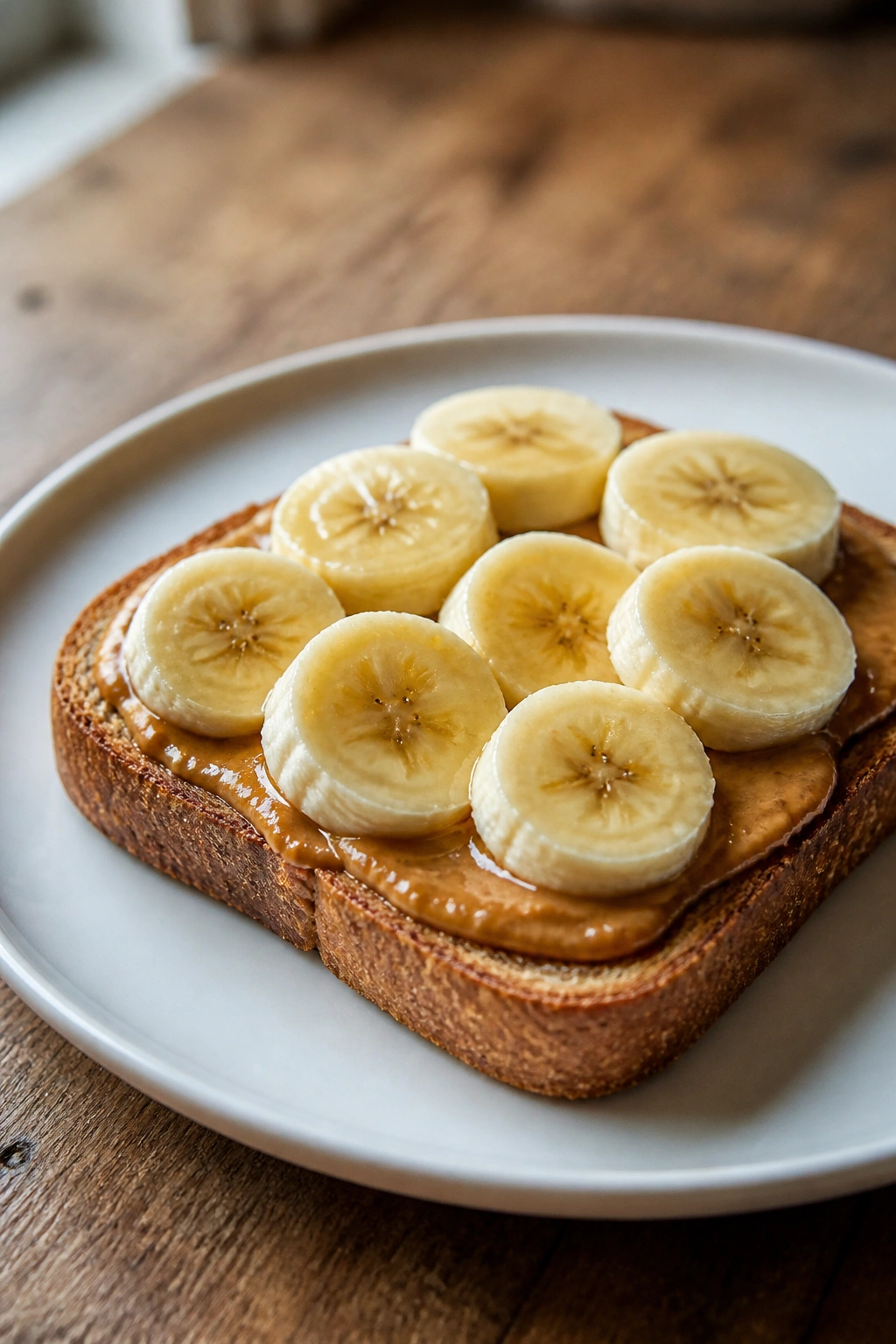
If you need a snack right before bed to prevent waking up hungry, this is it. The almond butter provides protein and healthy fats for long-term satiety, while the banana provides potassium to help prevent those painful nighttime leg cramps.
The Combination
Toast a slice of whole-wheat bread. Spread a tablespoon of creamy almond butter and top with banana slices. Sprinkle with a dash of cinnamon. It is simple, classic, and effective. The combination of slow-digesting fat and quick-energy carbohydrate is the perfect bedtime snack to keep your blood sugar stable throughout the night.
The Bottom Line on Pregnancy Nutrition
Pregnancy nutrition does not have to be a rigid, stressful exercise in calorie counting or supplement management. It is largely about listening to what your body needs and providing it with the most nutrient-dense version of that food. Focus on getting enough fiber, keeping your iron levels up with thoughtful pairings like broccoli and beef, and ensuring you are getting sufficient choline from eggs and other healthy sources.
There will be days when you rely on toast, and that is okay. The goal is long-term consistency, not perfection on every single plate. By keeping a rotating list of simple, adaptable meals like these in your repertoire, you make it easier to nourish yourself even when you are tired or feeling less than your best. Stay hydrated, keep listening to your hunger cues, and trust that you are doing exactly what you need to do to support yourself and your baby.
