



A fridge full of high-protein foods makes weekday eating easier. Not glamorous. Useful.
That matters more than people admit. When breakfast is rushed, lunch gets skipped, or dinner turns into a random snack plate, protein is usually the thing that keeps the day from sliding sideways. You do not need a drawer full of powders or a shopping cart full of bars to fix that. A few plain staples do the job faster, taste better, and cost less.
The good ones are almost boring in the best way. Eggs give about 6 grams each. Plain Greek yogurt often lands around 15 to 20 grams per cup. Cottage cheese, tuna, chicken breast, tofu, lentils, edamame, tempeh, black beans, and soy milk can all keep meals grounded without much effort. That is the real appeal: low drama, high payoff, easy to batch, easy to repeat.
If you’ve ever opened the fridge at 6 p.m. and stared at three unrelated containers like they were going to solve dinner for you, start with the foods below. A few of them can stay on standby all week, and a couple are so fast they barely count as cooking.
1. Eggs
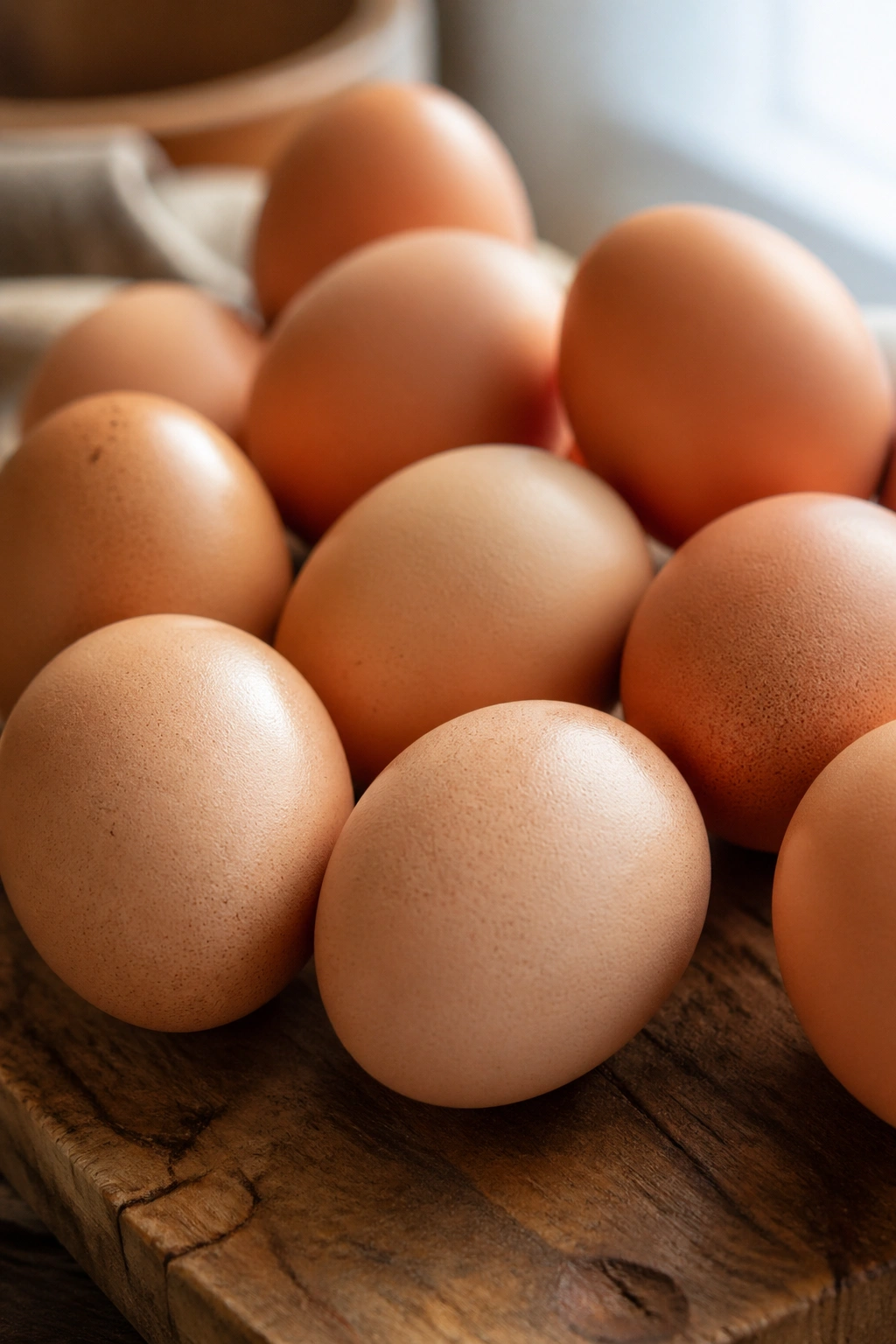
Eggs are the quiet overachiever of meal prep. Cheap, quick, flexible, and easy to portion. A single large egg brings about 6 grams of protein, which does not sound dramatic until you realize how quickly it adds up when you eat two or three with toast, vegetables, or a grain bowl.
Why eggs stay useful all week
The nicest thing about eggs is that they change their personality depending on how you cook them. Hard-boiled eggs work for grab-and-go breakfasts. Scrambled eggs can be tucked into tortillas, rice, or leftover potatoes. Baked egg muffins are handy if you like a breakfast that lives in the fridge for a few days and still tastes fine cold.
Meal prep people love eggs for one simple reason: they behave. A batch of 8 to 10 hard-boiled eggs takes little effort, and the shells keep them protected until you need them. Once peeled, they hold up for a few days in a sealed container. Keep a paper towel in the box if you want to cut down on moisture.
Quick ways to keep them from getting dull
- Boil a half-dozen eggs and keep them unpeeled until you eat them.
- Slice two eggs over a salad with vinaigrette and a handful of beans.
- Mash them with mustard and pickle relish for a fast sandwich filling.
- Fry one or two into rice, noodles, or avocado toast when dinner needs protein in a hurry.
Best move: cool hard-boiled eggs in ice water right after cooking. The yolks stay bright, the texture stays cleaner, and the shells usually peel with less fuss.
2. Greek Yogurt
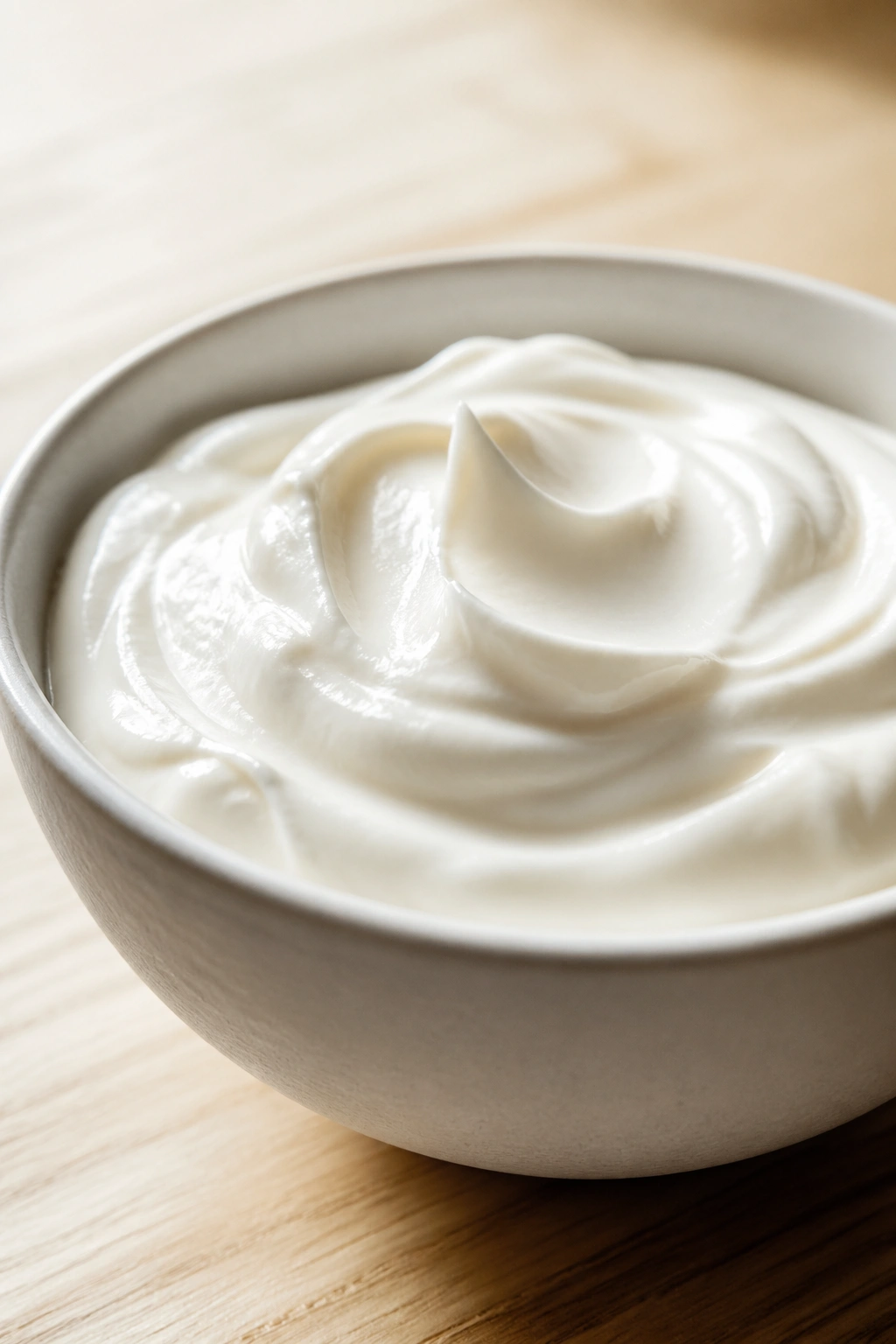
Plain Greek yogurt earns its place because it does more than one job. It works at breakfast, but it also pulls weight as a snack, a sauce base, and a shortcut for creamy textures without dragging in a lot of sugar. A typical cup gives 15 to 20 grams of protein, which is a solid amount for something you can eat with a spoon in under two minutes.
What makes Greek yogurt different from regular yogurt is the straining. That’s why it’s thicker and a little tangier. You feel it on the spoon right away. It sits heavy enough to hold fruit, nuts, seeds, or granola without turning soupy, and that makes it one of the easiest high-protein foods to keep in a meal-prep rotation.
I like plain better than flavored most of the time. Flavored cups can be fine, but many of them hide a surprising amount of sugar under the “healthy breakfast” label. Plain yogurt gives you more control. Add berries, cinnamon, chopped dates, or a spoonful of peanut butter if you want it richer. If you like savory food, stir in lemon juice, dill, garlic, and salt for a quick dip or sauce.
Greek yogurt is also one of those foods that makes other meals easier. Spoon it onto baked potatoes. Use it instead of sour cream. Swirl it into smoothies. Mix it with tahini for a fast dressing. It does not need to be the star to be useful, and that’s the charm.
3. Cottage Cheese
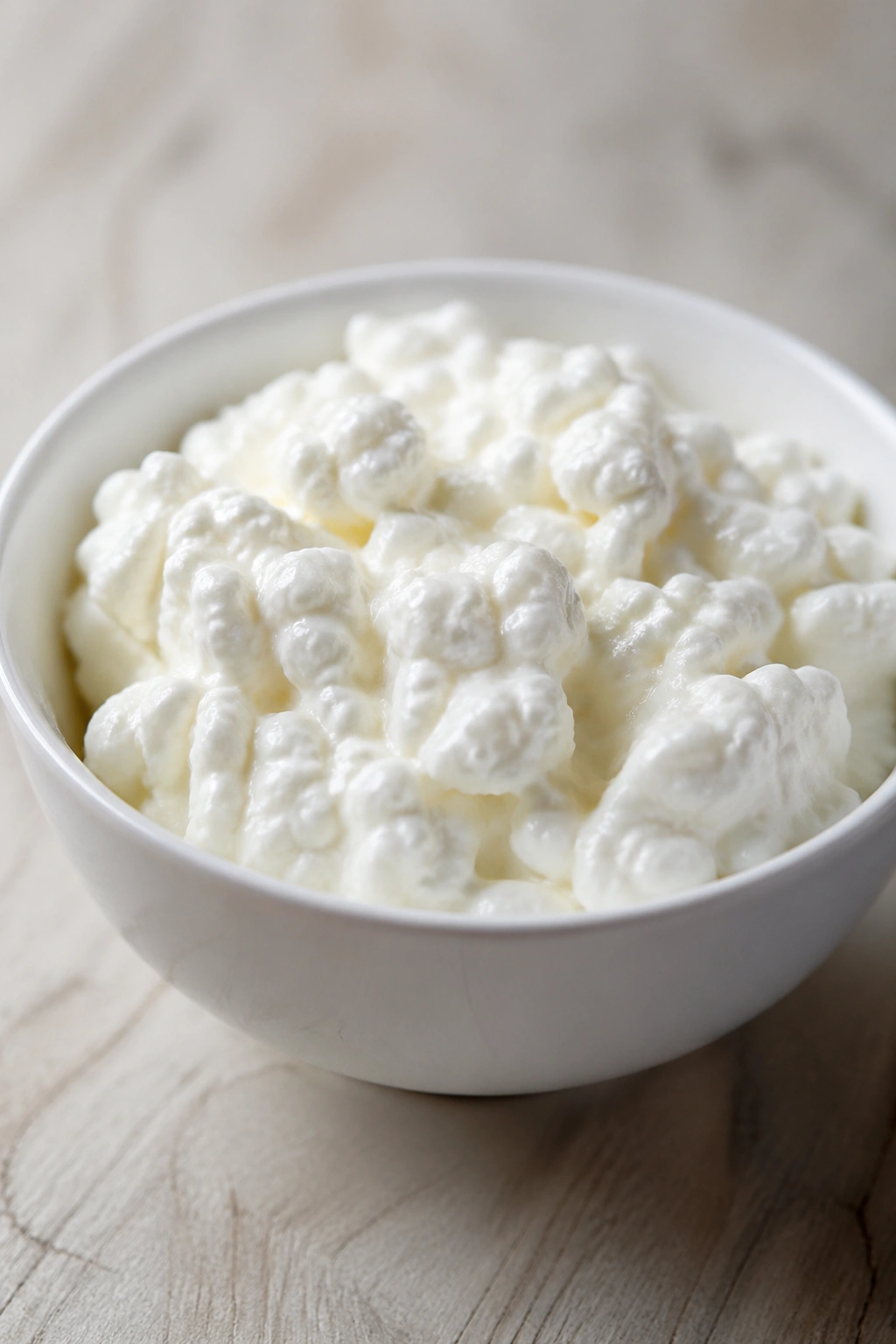
A spoonful of cottage cheese on toast is not exciting. Then you put sliced tomato, black pepper, and a little olive oil on top, and the whole thing starts to make sense.
That’s the part people miss. Cottage cheese is not trying to be fancy. It is trying to be useful. A half-cup usually gives 12 to 14 grams of protein, and it has enough body to make a snack feel like an actual meal. The curds also slow you down a little, which is part of why it tends to keep hunger in check longer than something thinner and sweeter.
How to make it easier to eat
- Blend it smooth if you do not like the curds; the flavor stays the same.
- Spoon it over cucumber slices with salt, pepper, and dill.
- Pair it with pineapple or peaches for a sweet-salty bowl.
- Spread it on toast and top it with sliced avocado or jam.
- Stir it into scrambled eggs for extra creaminess.
That little blender trick matters more than people think. Whipped cottage cheese feels closer to a dip or a ricotta-style spread, so it works in wraps, pasta bowls, and even baked potatoes. You get the protein without the texture getting in your way.
For meal prep, cottage cheese is best when you portion it into small containers instead of leaving it in the big tub and hoping for the best. Add toppings separately if you want the fruit or veggies to stay crisp. Simple. No spectacle needed.
4. Chicken Breast
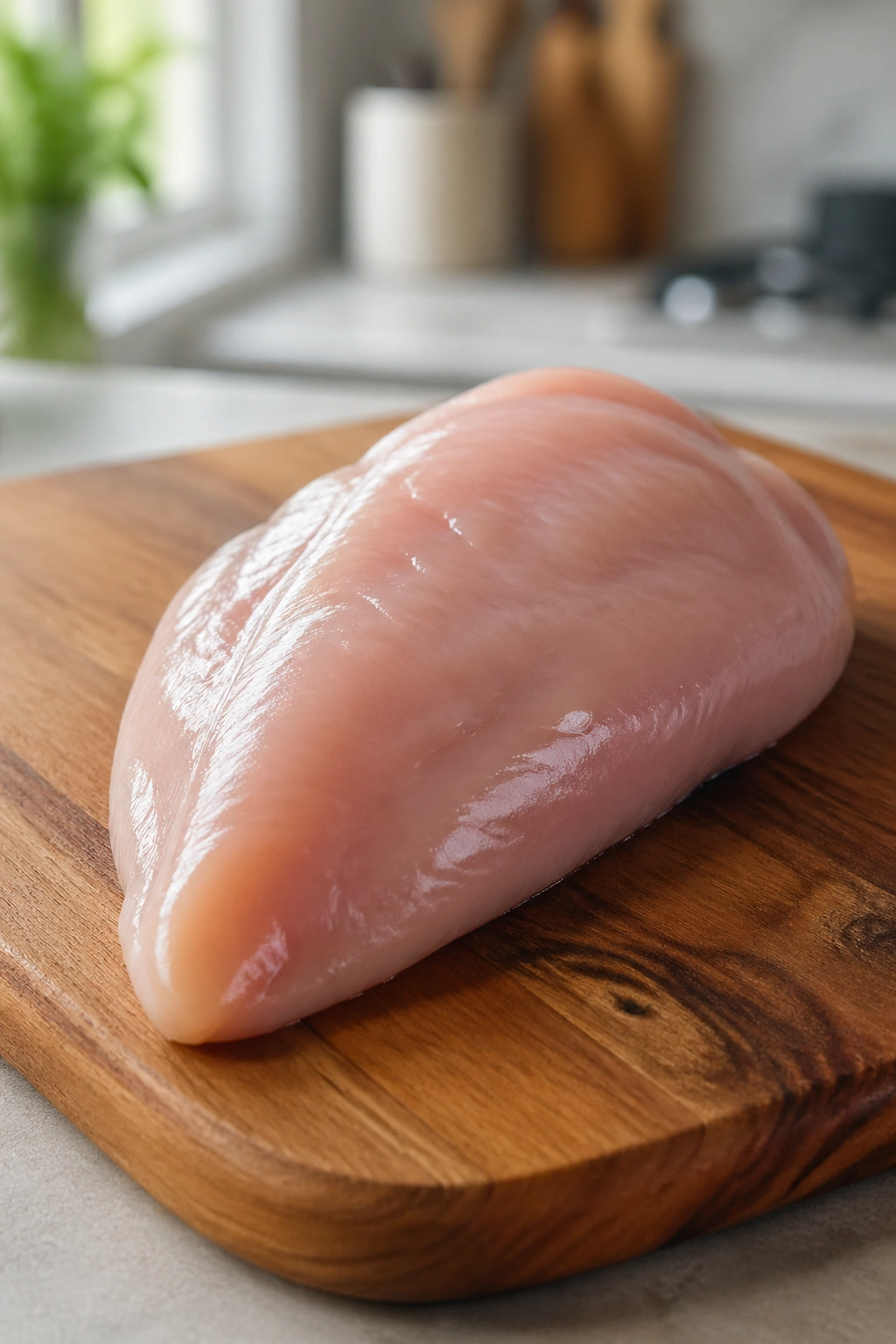
Compared with chicken thighs, chicken breast is the cleaner canvas. Leaner, milder, and easier to divide into neat portions. That is why it shows up in so many meal-prep boxes. A cooked 3-ounce serving gives roughly 25 to 26 grams of protein, which is a lot of payoff for a food that can be baked on one sheet pan and sliced into strips.
Chicken breast has a reputation for being dry, and honestly, that reputation is earned when people overcook it. The fix is not complicated. Season it well, cook it until a thermometer reads 160 to 165°F in the thickest part, then let it rest for a few minutes before cutting. That resting time matters. Skip it, and the juices run out onto the cutting board.
I prefer to make a batch at once, usually 2 pounds or so, because the leftovers are easy to use in different meals. One day it becomes a rice bowl with vegetables. The next day it lands in a wrap with hummus and cucumbers. Later, it gets chopped into a salad with beans and a sharp vinaigrette. Same protein, different feel.
If you want one dependable meat for weekly prep, this is the one I’d pick. It is not the most exciting food on the table. It does not need to be. It just has to be there, sliced and ready, when you are too busy to start from scratch.
5. Canned Tuna
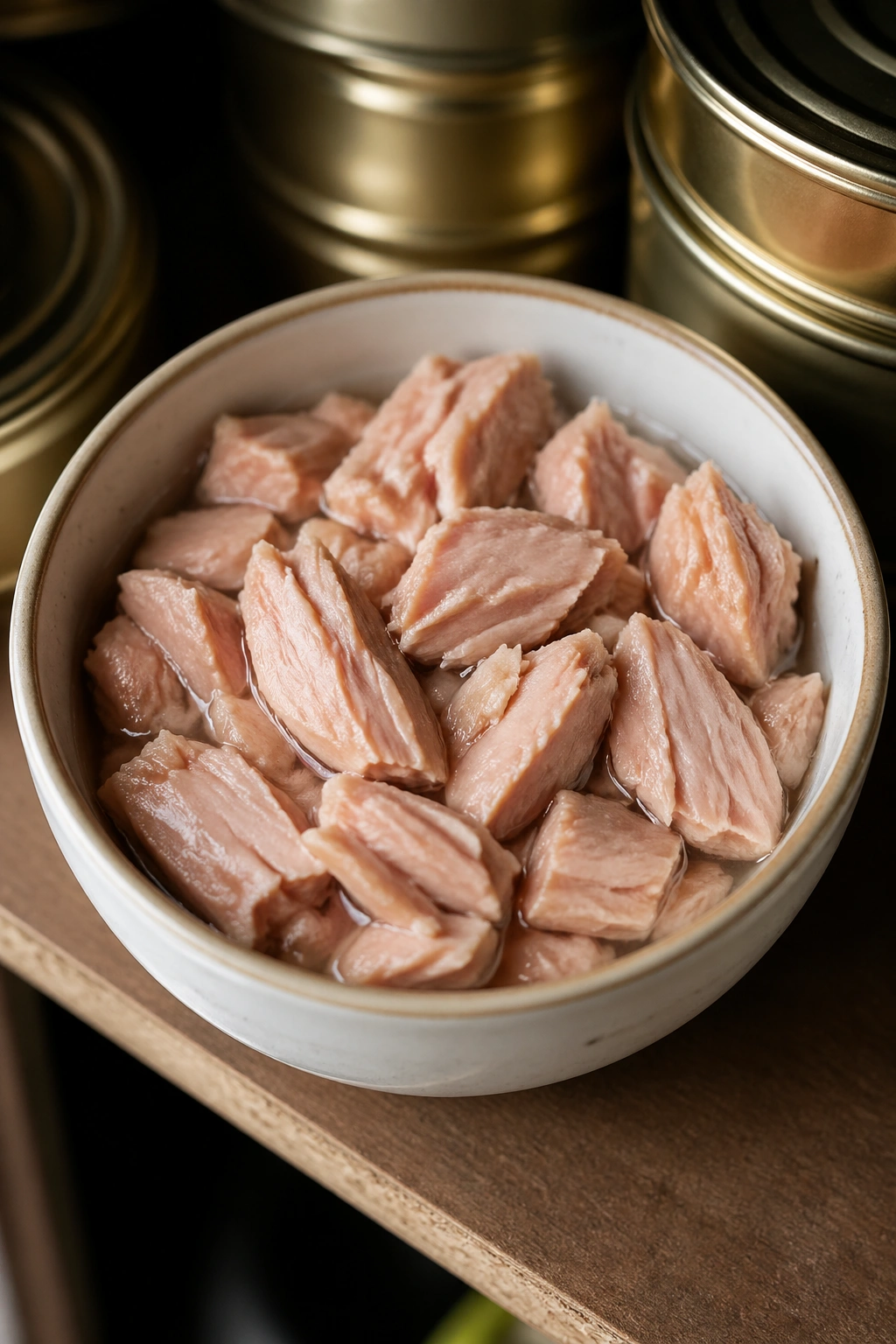
Open a can of tuna and you know, within seconds, whether lunch is about to be easy. The smell is briny and clean, the flakes are firm, and the whole thing takes about as much effort as finding a fork. A standard can usually gives 20 to 25 grams of protein, which is a serious amount for something that lives on a pantry shelf.
Packed in water keeps it lean. Packed in oil tastes richer and feels softer. I use both, depending on the meal. Tuna in water is better when you want a bright, sharp salad with lemon, celery, onion, and mustard. Tuna in oil has a fuller mouthfeel and works nicely in pasta or stuffed into a pita with greens.
There’s also the convenience factor. No thawing. No marinating. No waiting around while something defrosts on the counter and starts looking suspicious. You open the can, drain it well, and lunch is halfway done. Mix it with Greek yogurt if you want a lighter tuna salad. Add chopped pickles if you want crunch. Toss in capers if you like salty, briny things. It takes almost nothing to make it feel complete.
If tuna shows up on your table a lot, vary the fish you use across the week. Salmon and sardines can fill the same role now and then. But as a pantry protein, tuna is hard to beat for speed. It is the sort of food that saves you from ordering something mediocre because you got home too hungry to think.
6. Tofu
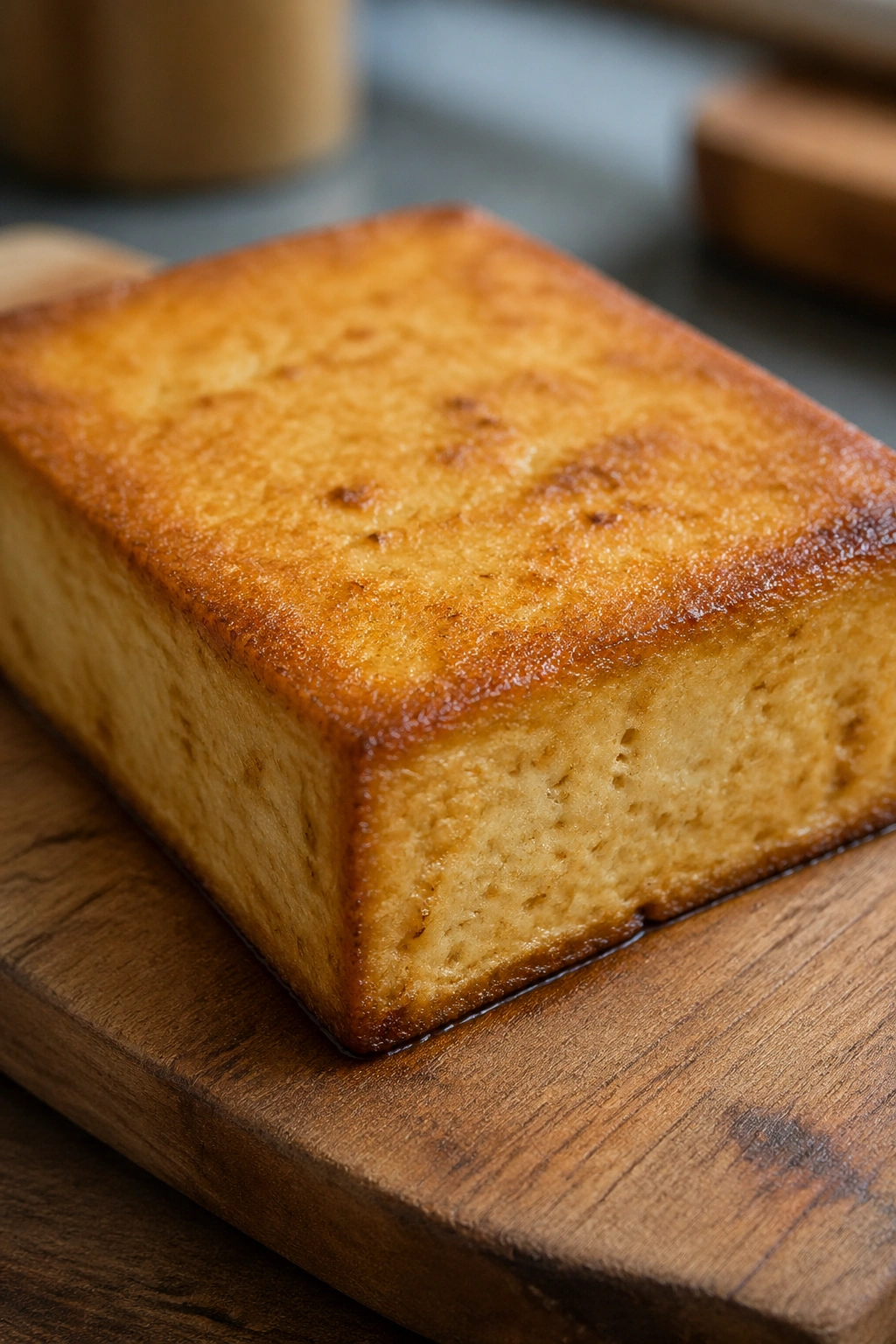
What if you want a protein that acts like a blank page? Tofu is that food.
It does not arrive with a loud flavor of its own, and that is the point. Extra-firm tofu takes on marinades, spices, sauces, and whatever smoke or sear you give it. A 100-gram serving usually provides around 10 to 15 grams of protein, depending on the brand, which makes it a solid daily option for bowls, stir-fries, and cold lunch boxes.
How to make tofu worth eating
Press it for 10 to 15 minutes if you have time. That step pulls out some water and helps it brown. Cut it into cubes or slabs, toss it with soy sauce, garlic, and a little cornstarch, then bake at 425°F until the edges turn crisp. You want the outside to look golden and a little firm, not pale and spongy.
Meal prep tofu works best when you keep the seasoning simple enough to match multiple meals. One batch can go with rice and broccoli on Monday, noodles on Tuesday, and a salad with sesame dressing later in the week. If you want a chewier texture, freezing and thawing tofu before cooking can help. The surface gets a little more porous, which sounds minor until you taste the difference.
No, it is not fancy. That is the beauty of it. Tofu rewards good seasoning and a hot pan. Give it those two things, and it earns its spot.
7. Tempeh
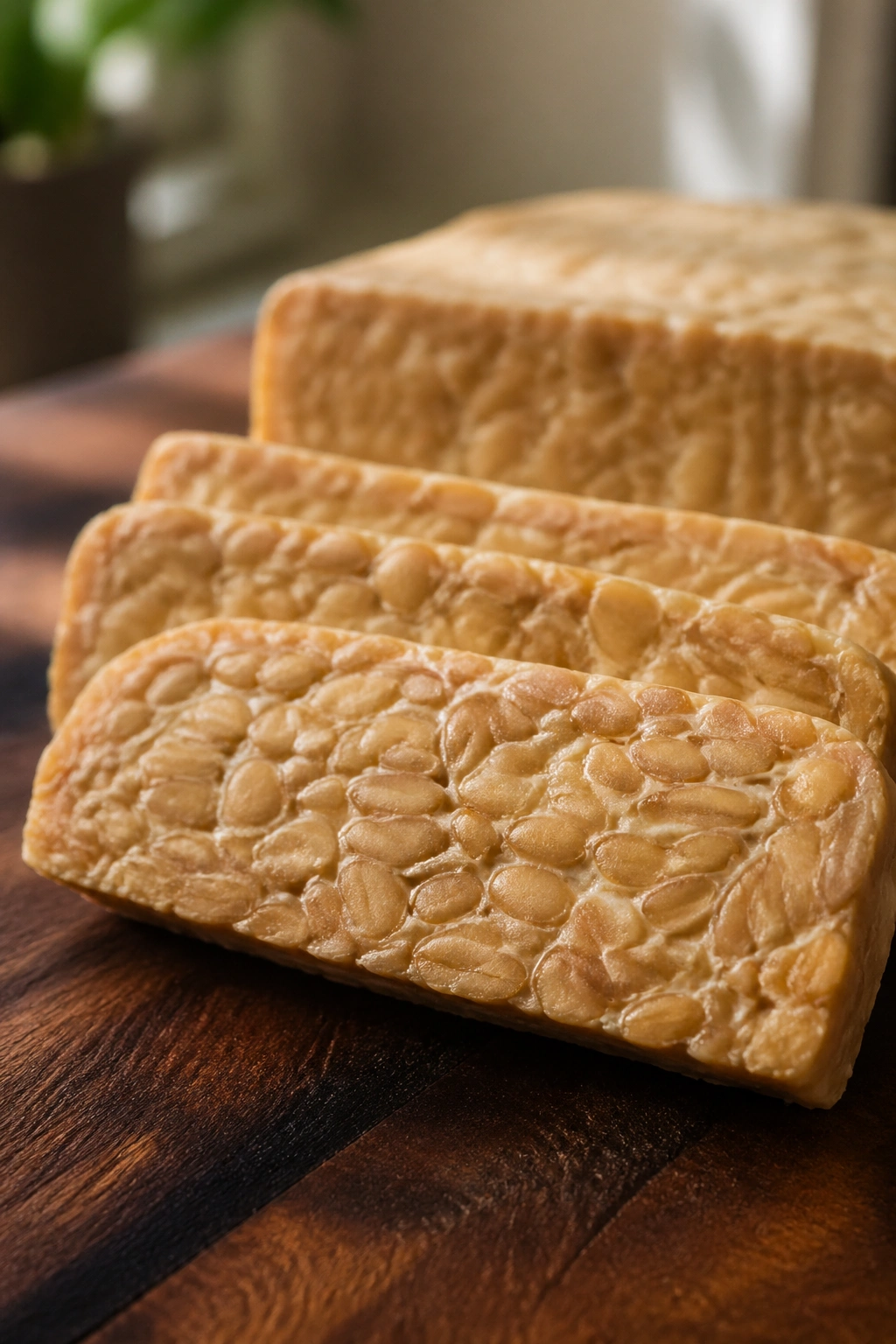
Tempeh is the soy food people either fall for fast or ignore for years. It has a nutty, fermented flavor and a firmer bite than tofu, which makes it useful when you want something that feels more like a proper filling than a soft cube in a bowl. A 3-ounce serving often brings 16 to 18 grams of protein, so the numbers are strong too.
Tempeh is made from whole soybeans, and that changes the texture in a big way. You get a tighter chew, a denser bite, and a little more character straight out of the package. Some people notice a mild bitterness at first. Steaming it for about 8 to 10 minutes before cooking takes the edge off and helps it absorb marinade better.
For meal prep, tempeh is one of my favorites because it slices cleanly and holds up in the fridge. Cut it into thin planks for sandwiches, crumble it for taco filling, or dice it into stir-fries and grain bowls. It also browns nicely in a skillet, which matters when you want lunch to feel cooked instead of assembled.
It behaves more like meat than tofu does, but without demanding the same attention. A little soy sauce, a little maple syrup, some garlic, and a hot pan are enough to make it work. If you have been stuck in a chicken-and-egg loop, tempeh is a useful way to break it.
8. Edamame
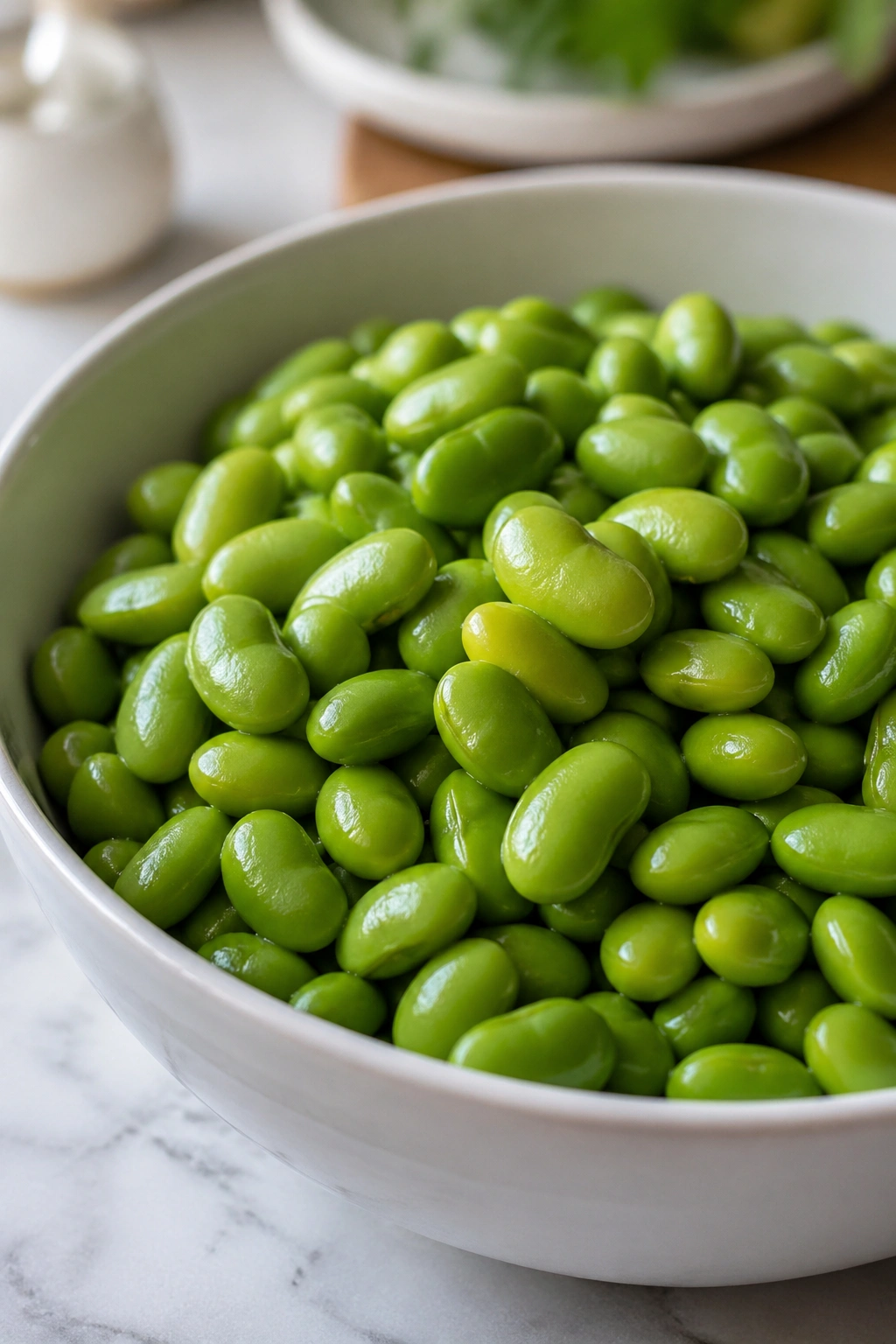
A bag of frozen edamame can rescue a lunch that looks too empty to be real.
That sounds dramatic for a green bean, but there’s a reason it keeps showing up in snack boxes and rice bowls. Shelled edamame gives about 8 to 9 grams of protein per half cup, plus fiber, so it has more staying power than most quick snacks. Frozen pods are handy too, but shelled beans are the better move if you want them ready for salads and grain bowls.
How to keep it tasting fresh
- Microwave shelled edamame for 2 to 3 minutes, then salt it while it’s hot.
- Steam the pods for 3 to 5 minutes and eat them warm with flaky salt.
- Toss chilled edamame into cucumber salad with sesame dressing.
- Mix it into rice, quinoa, or noodles for extra color and bite.
Edamame has one trait I appreciate in meal prep food: it still tastes like food after refrigeration. That sounds like a low bar, but plenty of snacks lose their shape and become sad by day three. Edamame stays firm, keeps its bright color, and brings a little snap when you bite into it.
If you want a food that works as both snack and side dish, this one is easy to keep around. Buy it frozen, keep it in the freezer, and you have a protein boost ready whenever the meal needs more substance.
9. Lentils
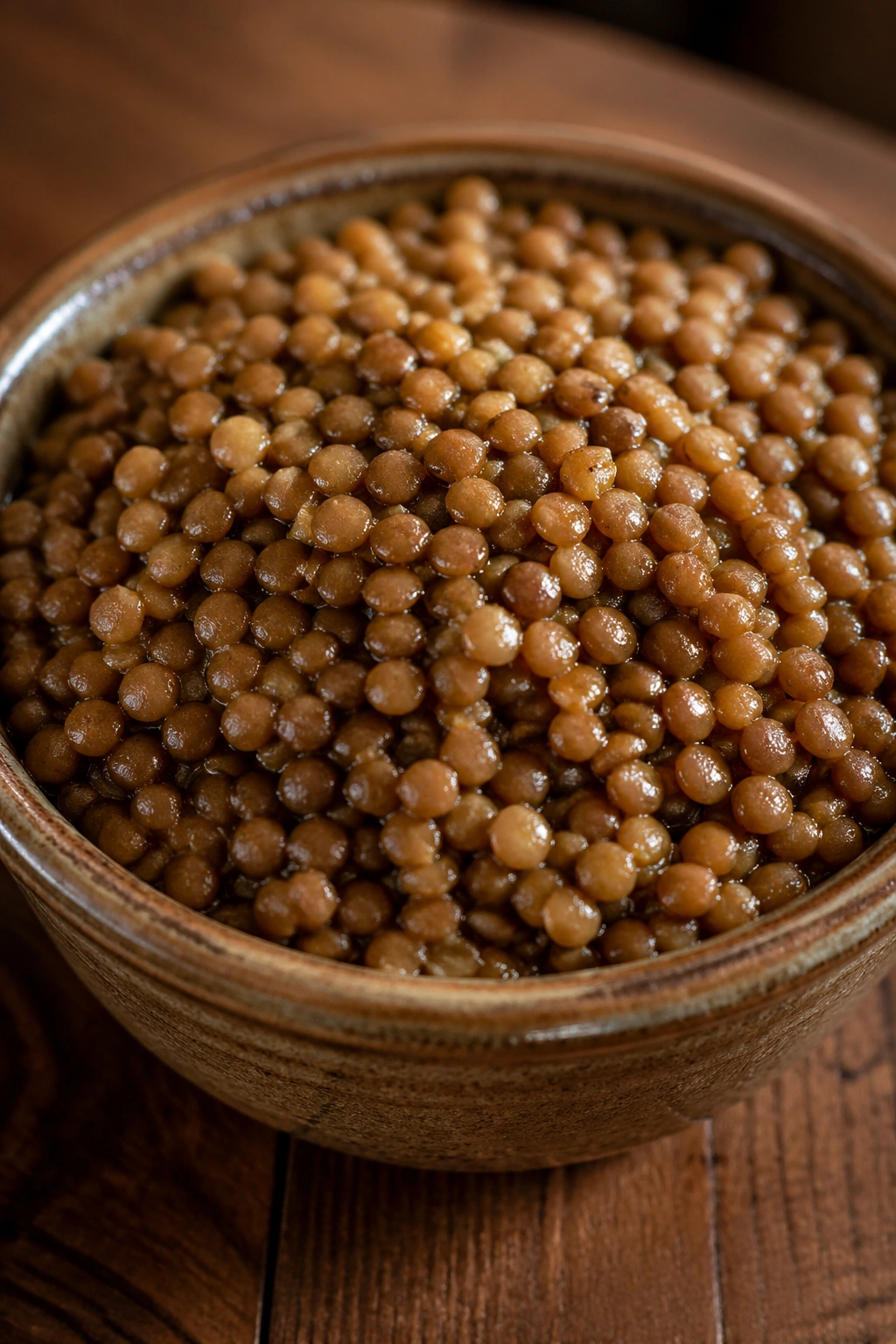
Compared with black beans or chickpeas, lentils ask for less fuss. They do not need soaking, they cook in about 15 to 25 minutes, and they can go from plain pot to useful meal with almost no drama. A half-cup of cooked lentils gives around 9 grams of protein, which is a solid number for something cheap, shelf-stable, and easy to batch.
Brown and green lentils keep their shape better, so they work in salads and grain bowls. Red lentils soften fast and turn creamy, which is useful if you want soup, dal, or a thick stew. That split matters more than people think. Buy the wrong type and you end up with a texture you did not want. Buy the right one and dinner feels half done before you start.
What makes lentils such a good prep food
- A dry bag cooks into a big batch fast.
- They pick up garlic, onion, cumin, bay leaf, and broth without fighting back.
- They store well in the fridge for several days.
- They freeze cleanly in portions if you cook more than you need.
I like lentils when I want a plant protein that can stand in for meat without turning the meal into a project. A bowl of lentils with roasted vegetables and a fried egg is a real dinner. So is lentil soup with bread and cheese. They’re not flashy, but they are dependable, and that counts for more than people admit.
10. Soy Milk
Soy milk is the quiet workhorse in this list. Unsweetened versions usually give 7 to 9 grams of protein per cup, which puts them far ahead of most other plant milks. Almond milk is light. Oat milk is creamy. Soy milk is the one that actually contributes something useful when you want a drink that does more than just sit there.
That matters in meal prep because not every high-protein food needs a fork. Soy milk slides into coffee, oatmeal, smoothies, chia pudding, and pancake batter without much trouble. If you keep a carton in the fridge, breakfast gets easier. If you keep a shelf-stable box in the pantry, the backup plan gets easier too.
I like unsweetened best because it gives you more control. Sweetened versions can be pleasant in cereal or smoothies, but they drift toward dessert fast. Plain soy milk is flexible. It can disappear into a banana smoothie, thicken overnight oats, or stand in for dairy milk in a pinch. If you are making a creamy soup or sauce, it can even help there, as long as you keep the heat moderate and do not boil it hard.
There is a simple pattern hiding in all of this. Eggs, yogurt, cottage cheese, chicken, tuna, tofu, tempeh, edamame, lentils, soy milk — none of them require a perfect kitchen or a complicated plan. Pick two or three, keep them on hand, and the rest of the week gets easier because your protein is already handled.
