



A good cup of lemon ginger turmeric tea does not need a long ingredient list. It needs balance: bright lemon, warm ginger, and turmeric that tastes earthy instead of dusty or bitter. Get those three moving in the same direction and the mug tastes clean, steady, and a little sunny.
The best lemon ginger turmeric tea recipes land somewhere between sharp, soothing, and gently spiced. Fresh ginger gives a cleaner bite than powdered ginger, sliced turmeric root tastes greener than ground turmeric, and lemon needs to go in at the end unless you like a flat, cooked citrus note. Honey can help, but only if you treat it like a finishing ingredient and not a cure-all.
One thing I always notice: turmeric stains everything. Mugs, spoons, countertops, fingers. It is the price of admission, and honestly, I don’t mind it much. The color is part of the charm.
These twenty cups lean in different directions. Some are strong and brisk. Some drink like a cozy bedtime mug. A few are cold and sparkling, which is a smarter move than people give it credit for, and one or two get creamy enough to feel like dessert without turning syrupy.
1. Classic Stovetop Lemon Ginger Turmeric Tea
This is the version I’d make first if someone handed me fresh ginger, a lemon, and a spoonful of turmeric. It is plain in the best way. No fuss, no extra spice cabinet drama, just a clear cup with a little heat and a bright finish.
Use 2 cups water, 1 to 1½-inch piece fresh ginger, thinly sliced, ½ teaspoon ground turmeric or 1 teaspoon finely grated fresh turmeric, and 1 to 2 tablespoons lemon juice. Simmer the ginger and turmeric for 8 to 10 minutes, then strain into a mug and add lemon after the pot comes off the heat. That last part matters; boiling lemon dulls the flavor fast.
I like this one when I want the tea to taste clean rather than sweet. If you want a touch more body, add a teaspoon of honey in the mug and stir until it disappears. A thin slice of lemon on the rim does more than decoration here — it gives you that first citrus hit before the steam does the rest.
2. Honeyed Lemon Ginger Turmeric Tea
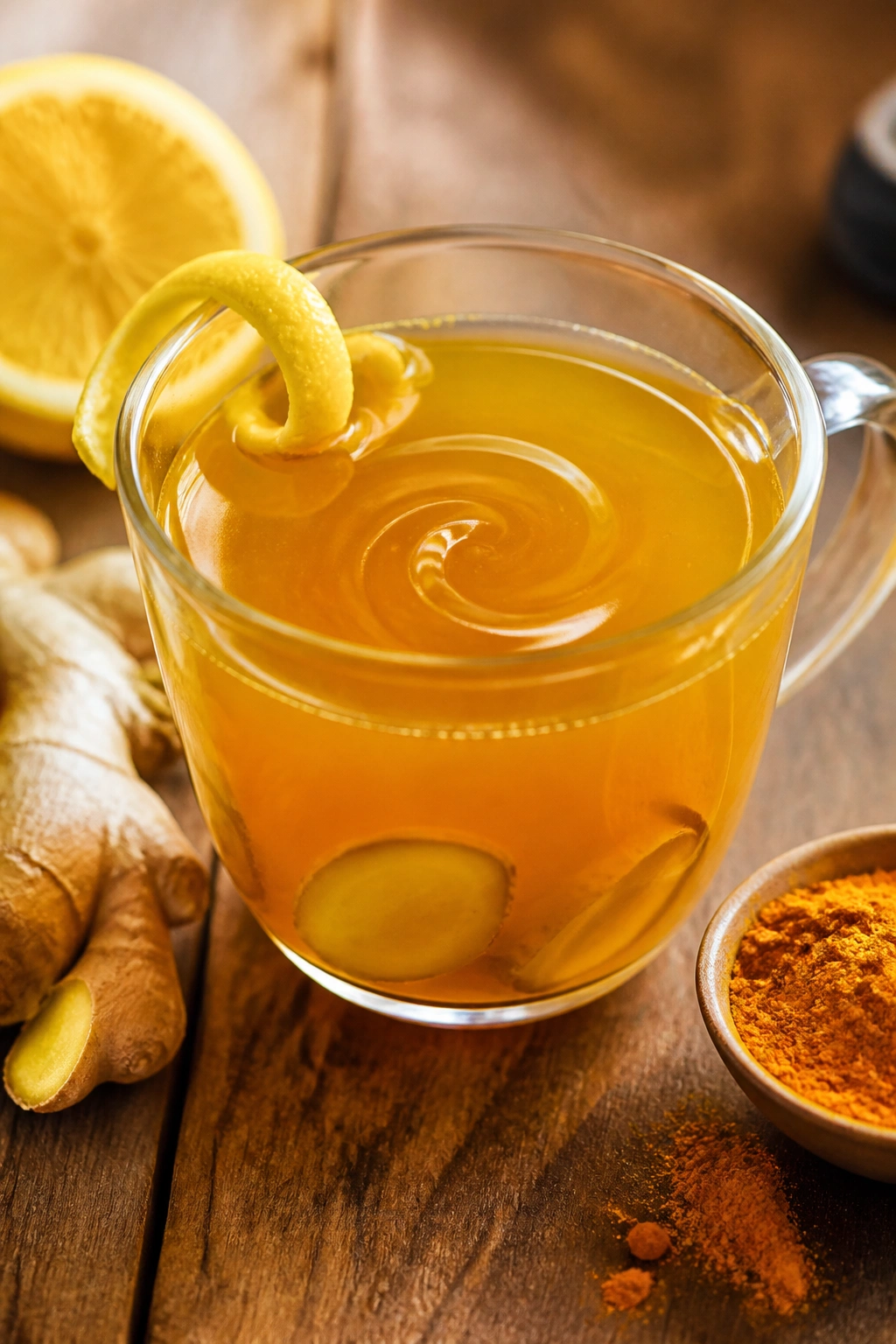
Can honey carry the whole cup? Yes, if you let it stay in the background instead of making it the main event.
This version works because honey rounds off the sharp edges of ginger without hiding them. Brew the tea with 2 cups water, 1-inch sliced ginger, ½ teaspoon turmeric, and a strip of lemon peel, then strain and stir in 1 to 2 teaspoons honey once the tea is hot but not roaring. If the tea is still bubbling hard, the honey flavor can disappear into the noise.
Why the timing matters
Honey smells brighter when it isn’t cooked for long. That’s the whole trick. Let the tea cool for a minute or two after straining, then add the honey and lemon juice.
- Use raw honey if you want a floral note.
- Use orange blossom honey for a softer citrus edge.
- Use buckwheat honey if you like a deeper, darker taste.
- Skip the honey at first if your lemon is already sweet.
Pro tip: Stir the honey in with a spoon, not a whisk. A spoon keeps the texture smooth and avoids making the tea cloudy.
3. Iced Lemon Ginger Turmeric Tea Over Crushed Ice
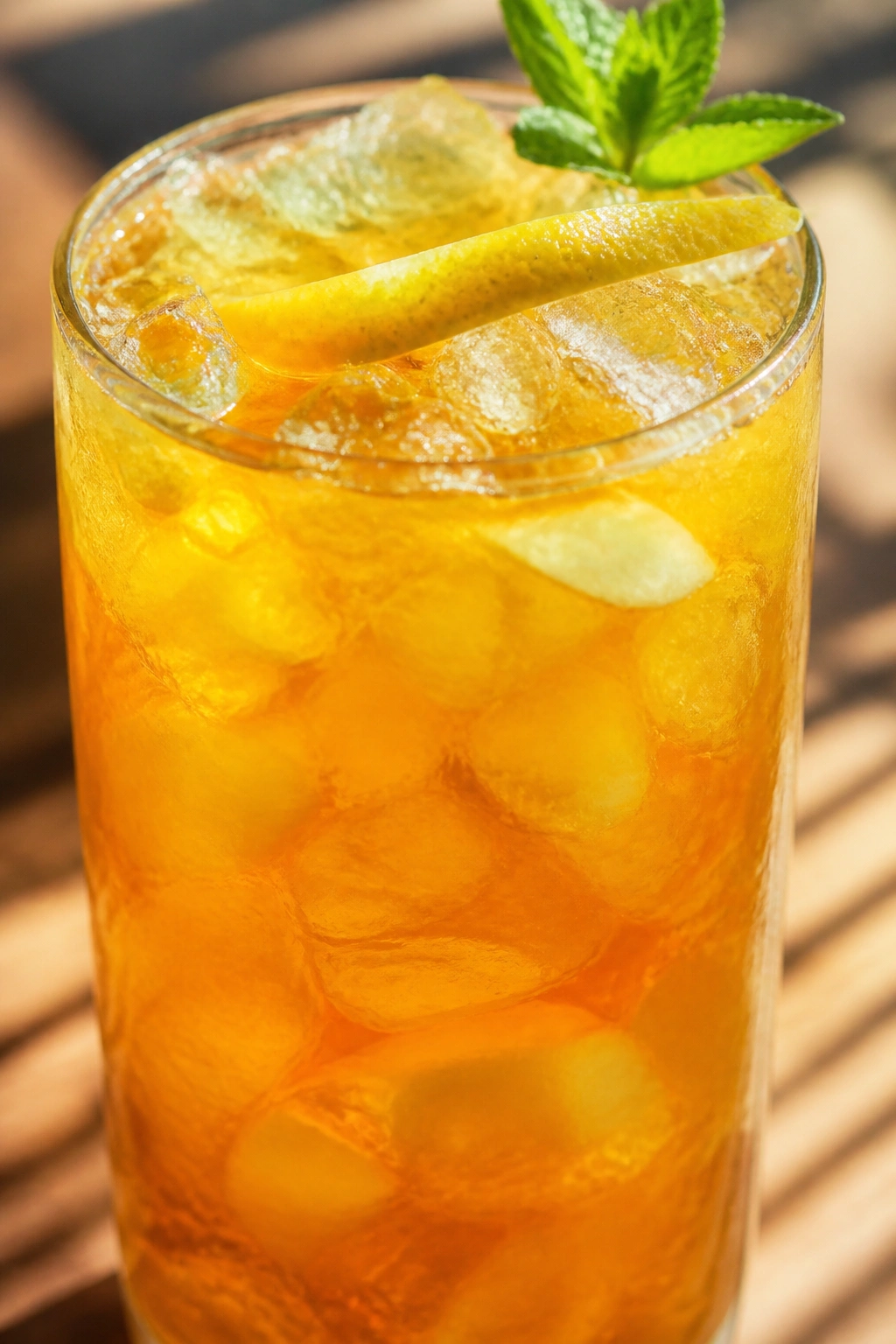
This is the one people underestimate. Cold tea can taste flat if the brew is weak, but when you make the base stronger, the ice sharpens everything in a good way.
Start with a concentrated simmer: 3 cups water, 2-inch ginger, ¾ teaspoon turmeric, and a strip of lemon zest. Let it steep for 10 to 12 minutes, strain, then cool it down before pouring over a full glass of crushed ice. Add 1 tablespoon lemon juice and a teaspoon of honey if you want it smoother.
The flavor changes a lot depending on the ice. Crushed ice melts faster, which softens the turmeric and gives the lemon a lighter edge. Cubes work too, but the drink stays more concentrated and a little rougher around the edges. I like crushed ice when the tea is meant to be sipped quickly.
A mint sprig or a thin lemon wheel makes sense here. So does a short straw, if that’s your thing. The cold version tastes brighter than people expect, and it’s a good reminder that turmeric tea does not have to be hot to make sense.
4. Lemon Ginger Turmeric Tea with Black Pepper and Cayenne
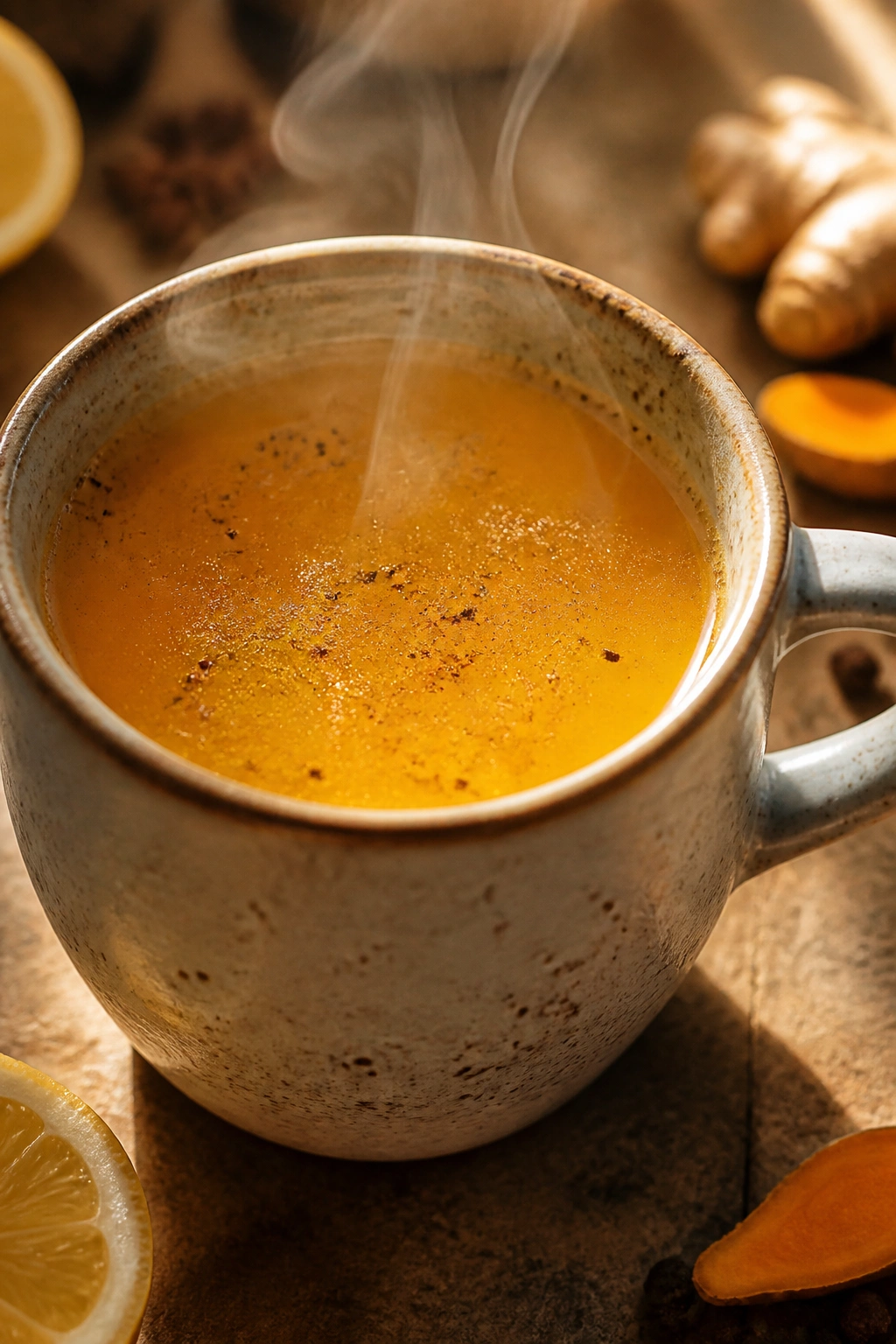
This cup wakes up fast. If the classic version feels too polite, black pepper and cayenne turn it into something with more bite.
Brew 2 cups water with 1½-inch ginger, ½ teaspoon turmeric, a tiny pinch of black pepper, and a small pinch of cayenne for 8 minutes. Strain it, then add lemon juice after the heat comes off. If you want sweetness, use 1 teaspoon honey rather than a big pour; too much sweetener muddies the spice.
The black pepper is not there for novelty. It gives the turmeric a sharper edge and keeps the flavor from landing flat. Cayenne is different. It sits in the back of the throat and shows up a second later, which is exactly why this tea feels so good on a cold morning.
What to watch for
- Use a tiny pinch of cayenne, not a shake.
- Crush the black pepper lightly if you can.
- Add lemon after straining so it stays crisp.
- If the tea tastes harsh, dilute it with ¼ cup hot water.
Good move: Pair this one with toast and peanut butter. The fat softens the heat.
5. Creamy Coconut Milk Golden Tea Latte
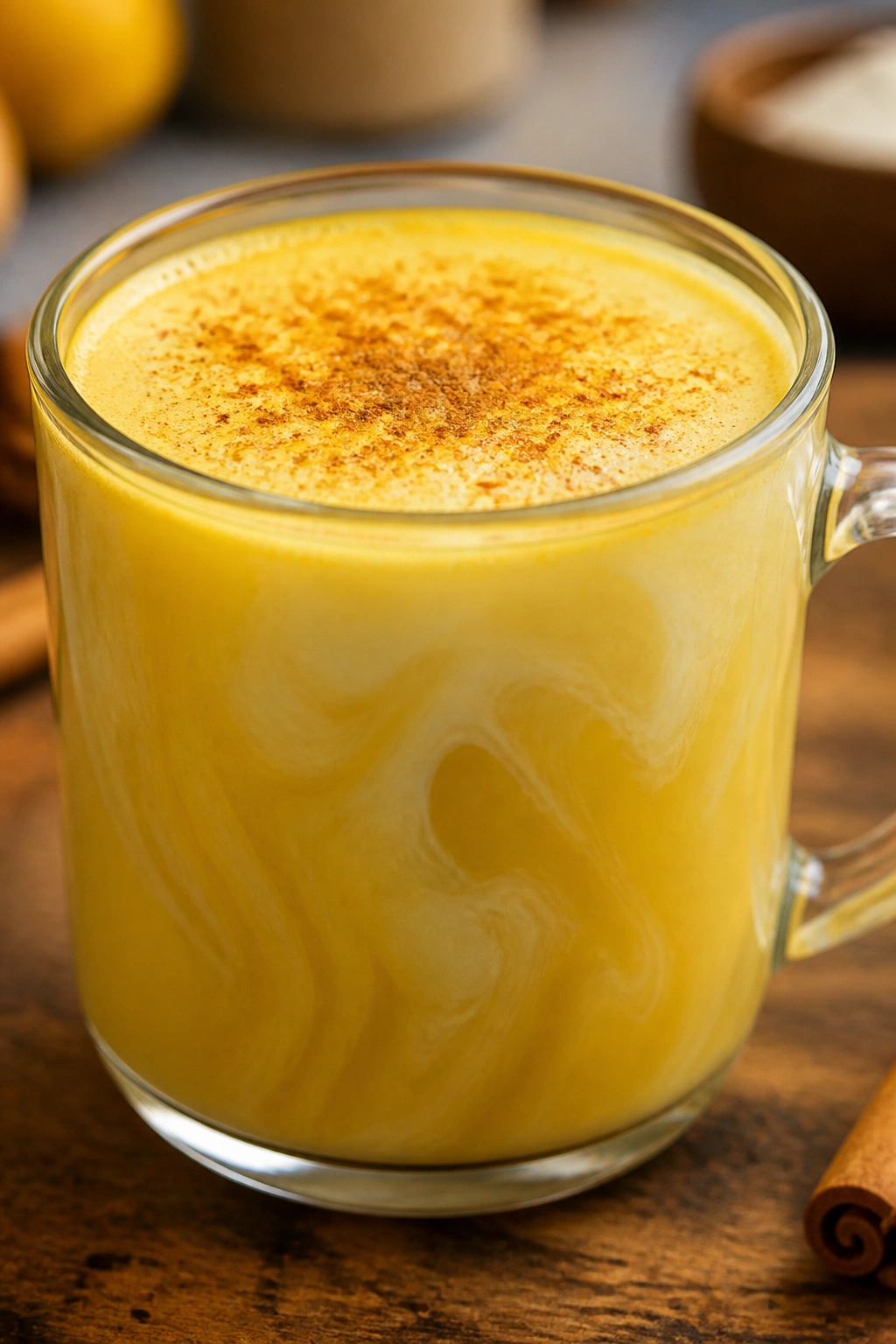
I reach for this version when I want the mug to feel fuller and slower. It is closer to a latte than a tea, and that’s the point.
Heat 1 cup water, 1-inch ginger slices, and ½ teaspoon turmeric until the ginger smells sweet and sharp, about 8 minutes. Stir in ½ cup full-fat coconut milk, then warm it gently for another minute or two. Do not let it boil hard once the coconut milk goes in. That can split the texture and make the drink grainy at the edges.
Why coconut milk works
Coconut milk smooths out turmeric in a way regular water cannot. It softens the spice, makes the color deeper, and gives the drink a rounder mouthfeel. A small pinch of cinnamon is welcome here, and a little honey or maple syrup fits better than white sugar.
Pour it through a fine sieve if you want the tea silky. I’d top it with a dusting of cinnamon or a twist of lemon peel, though the lemon should be used sparingly so it doesn’t fight the coconut. This is the cup you make when you want something calming but not thin.
6. Fresh Mint Lemon Ginger Turmeric Tea
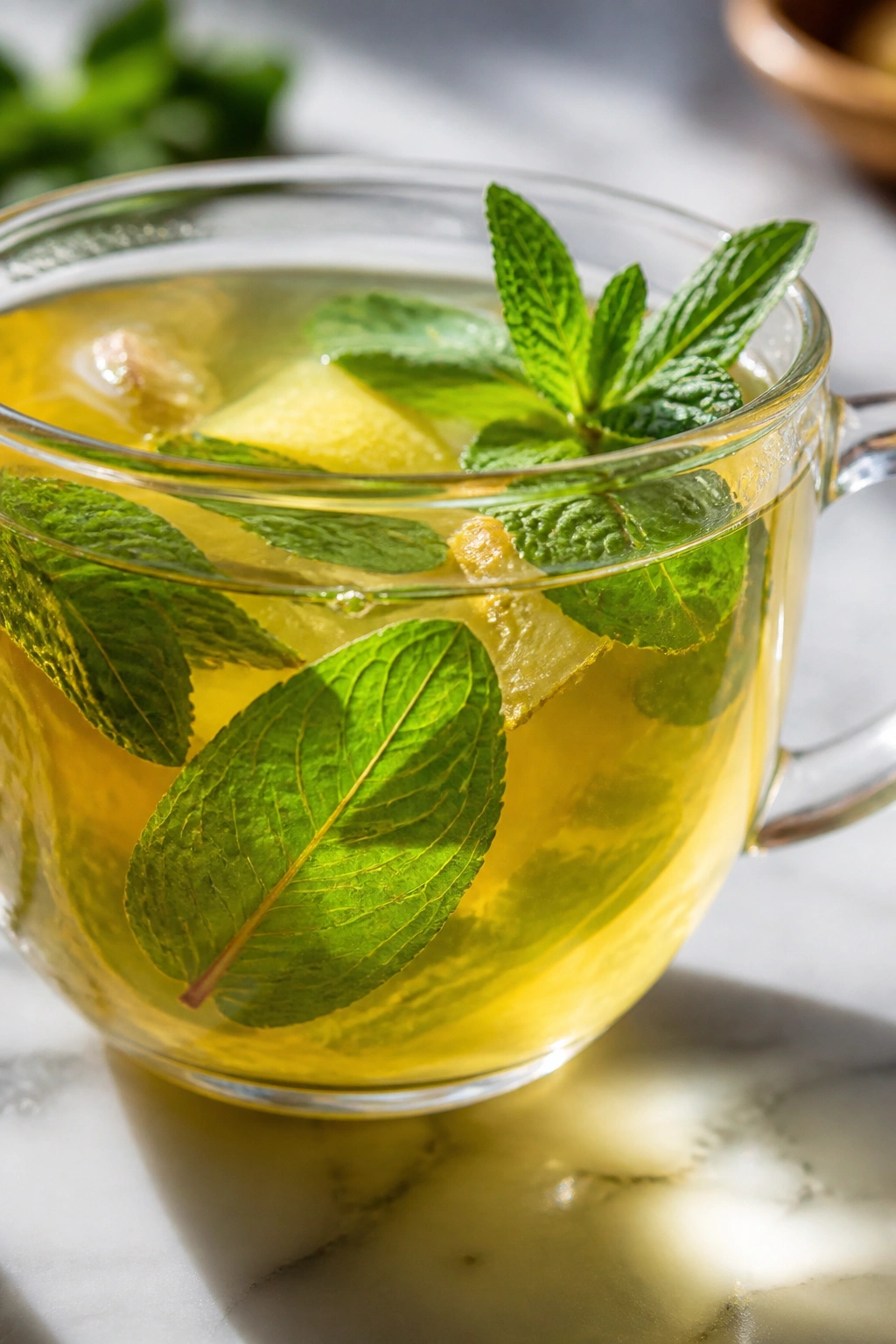
Fresh mint changes the mood fast. The tea stops feeling heavy and starts tasting lifted, almost cool at the finish.
Bruise 8 to 10 mint leaves between your fingers, then add them to a pot with 2 cups water, 1-inch ginger, and ½ teaspoon turmeric. Simmer for 6 to 8 minutes only. Mint goes dull if you hammer it too long, and that flat, boiled-mint flavor is not worth chasing.
I like this one best when the ginger is sliced rather than grated. Slices keep the cup cleaner; grated ginger can bully the mint if you use too much. Finish with 1 tablespoon lemon juice and, if you want, a teaspoon of honey. The lemon should taste bright, not sour.
How to get the best flavor
- Tear the mint lightly before it hits the water.
- Add lemon at the end.
- Use a mesh strainer with fine holes so little herb bits don’t float around.
- Chill the tea and pour it over ice if you want a summer version.
Worth it: A spearmint sprig on top makes the whole mug smell fresher before you even sip.
7. Orange-Lemon Ginger Turmeric Tea

Orange and lemon together give this tea a rounder citrus profile. Lemon brings the sharp edge, while orange softens the middle and makes the whole drink feel less austere.
Use a few strips of orange peel, not a big squeeze of orange juice at first. Simmer the peel with 2 cups water, 1-inch ginger, and ½ teaspoon turmeric for 8 to 10 minutes. Then add 1 tablespoon lemon juice and, if needed, a small splash of orange juice to taste. Orange juice should support the tea, not turn it into a juice drink.
This is a good one when you want turmeric tea that feels a little friendlier. The aroma changes right away; the peel gives the steam a sweet lift that plain lemon never quite does. A cinnamon stick can help too, though I’d keep it optional.
If you like a softer mug, stir in honey after straining. If you want it sharper, skip the sweetener and lean on the citrus oils in the peel. Either way, it tastes polished without being fussy. That’s the whole appeal.
8. Apple Cinnamon Lemon Ginger Turmeric Tea
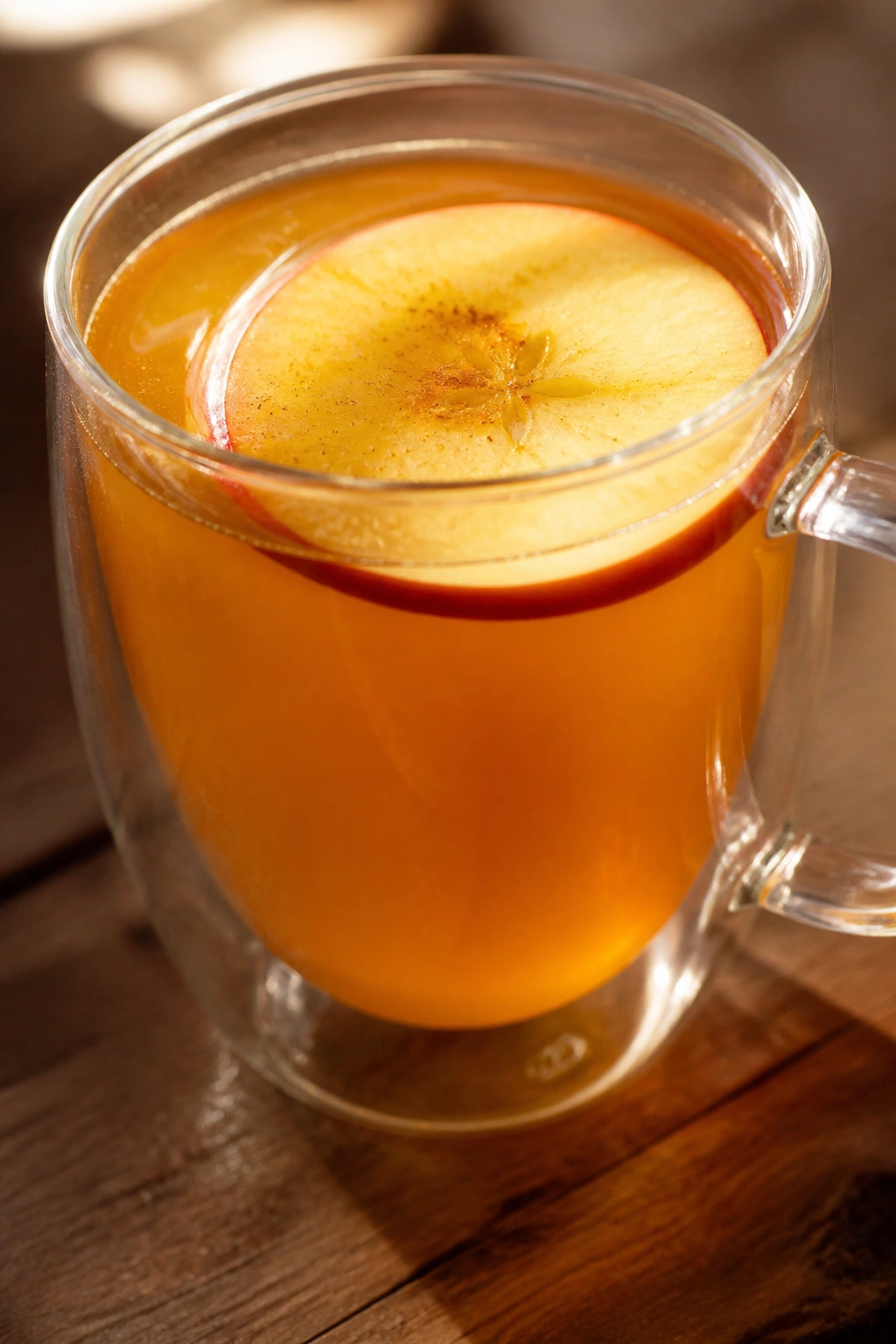
What happens when you want something between tea and hot cider? You get this cup.
Slice 2 thin pieces of apple and simmer them with 2 cups water, 1-inch ginger, ½ teaspoon turmeric, and 1 small cinnamon stick for 10 minutes. The apple doesn’t make the drink sweet in a loud way. It just gives the tea a soft, fruity backbone that plays nicely with ginger.
Add 1 tablespoon lemon juice after straining. I know the apple-cinnamon combination sounds more like fall baking than tea, but it works because turmeric can feel earthy and a little serious on its own. Apple lightens that mood. A teaspoon of maple syrup, if you want it, turns the whole thing into a warm, mellow mug that tastes closer to a porch drink than a spice bomb.
Keep the apple slices thin so they release flavor quickly. Thick chunks look nice in the pot and do almost nothing. That’s the annoying truth with fruit tea: surface area matters.
9. Chamomile Lemon Ginger Turmeric Night Tea
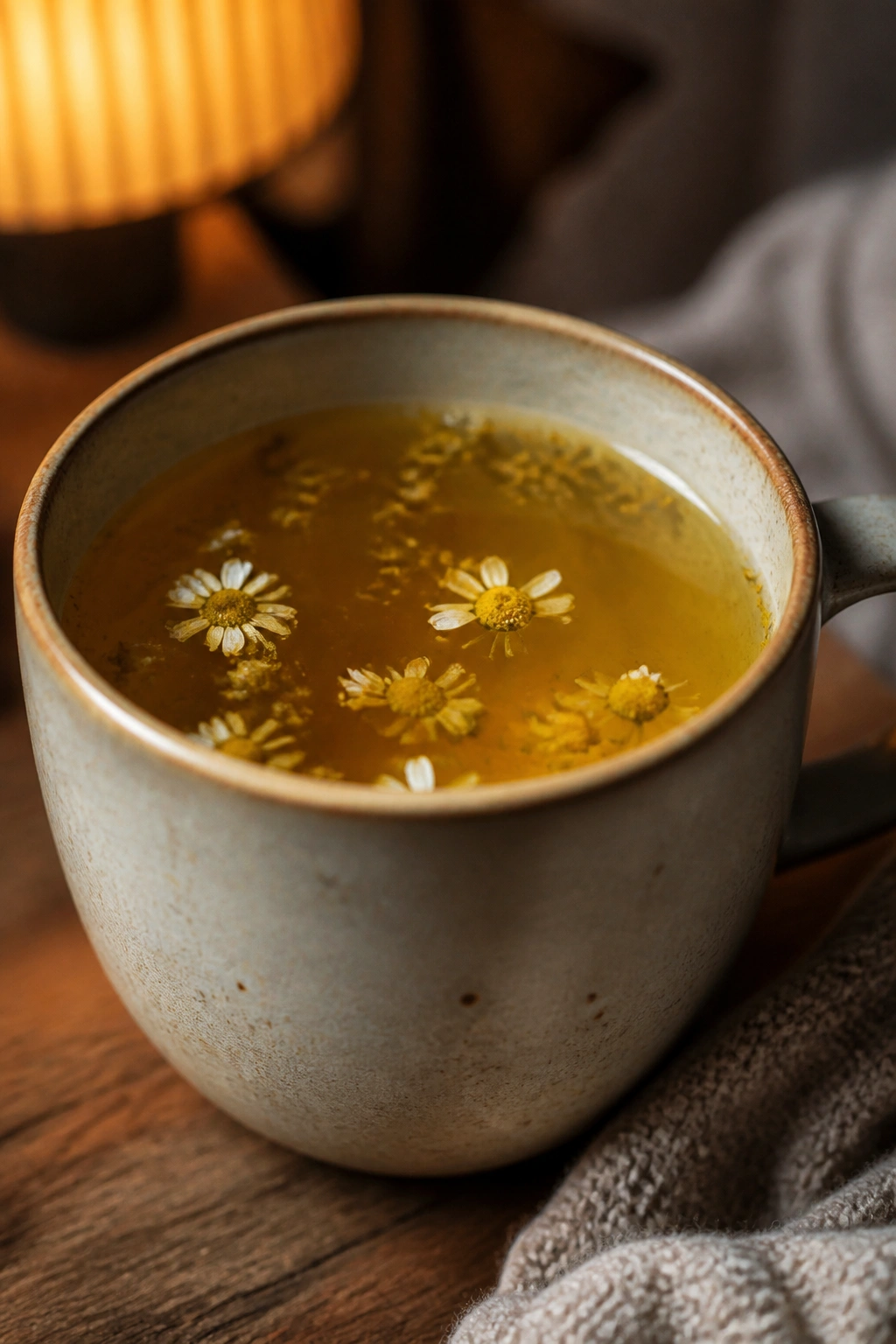
This is the calmest cup in the bunch. The chamomile softens the ginger, and the turmeric stays in the background instead of marching across the whole palate.
Steep 1 chamomile tea bag or 1 tablespoon dried chamomile with 1-inch ginger slices and ¼ to ½ teaspoon turmeric in 2 cups hot water for 5 to 7 minutes. That shorter turmeric dose matters here. You want warmth, not a cup that feels like it was mixed for a challenge.
Add lemon last, just a teaspoon or two. Too much citrus can push the tea out of sleepy territory. I like this version with honey, but only a little. The drink should taste soft, slightly floral, and faintly earthy.
A gentle way to make it
- Use a mug with a lid or saucer to trap the aroma.
- Steep the chamomile separately if you want a cleaner flavor.
- Keep the ginger slices thin.
- Sit with it for a minute before drinking. Seriously.
Small note: If you like a stronger herbal finish, a tiny pinch of lavender can work, but only a tiny pinch. Too much, and the tea starts smelling like soap.
10. Green Tea Lemon Ginger Turmeric Blend
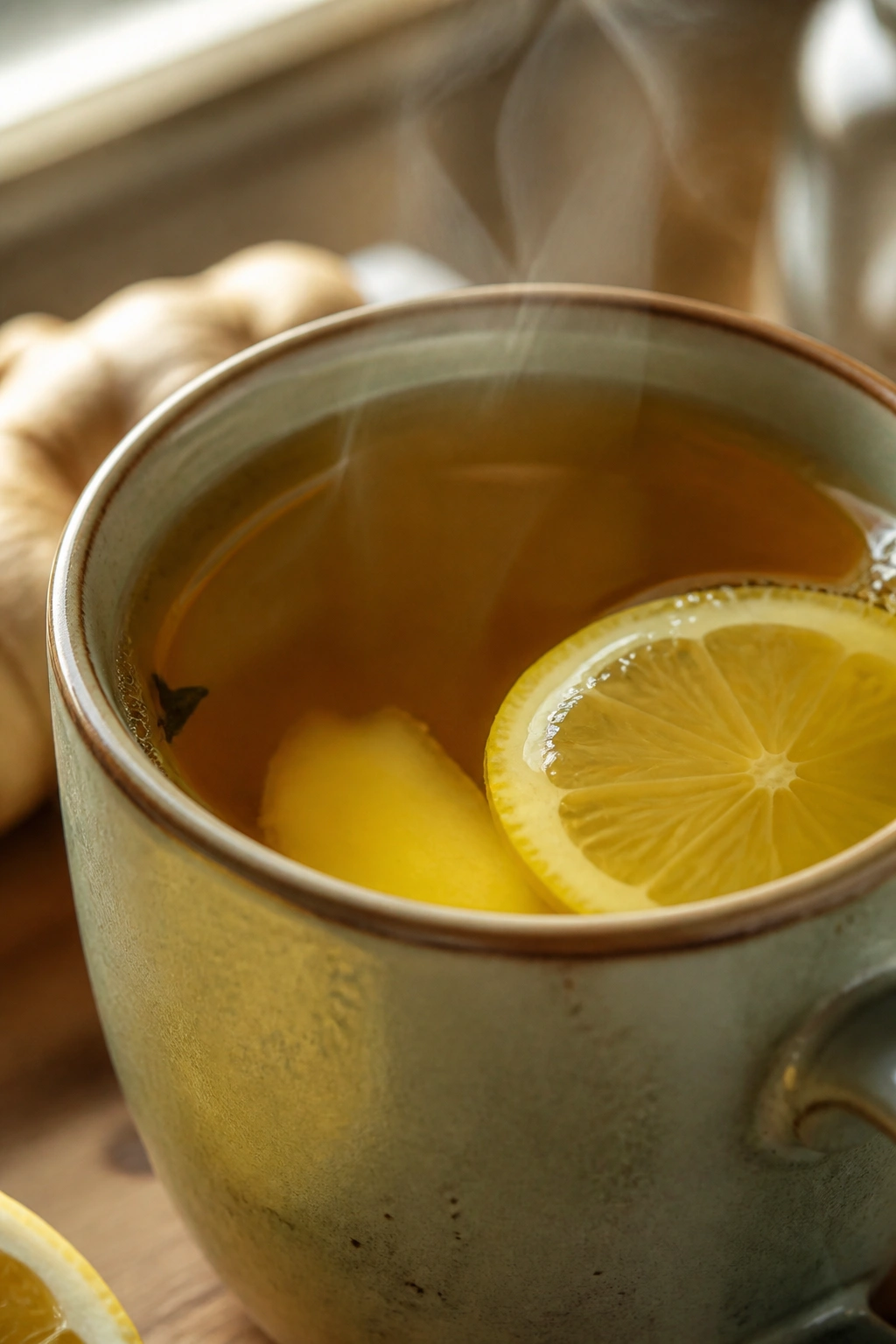
This one needs a lighter hand. Green tea is delicate, and turmeric can steamroll it if you brew everything together like a blunt instrument.
Brew the ginger and turmeric first: 1½ cups water, 1-inch ginger, ½ teaspoon turmeric, simmered for 6 to 8 minutes. In a separate cup, steep 1 green tea bag or 1 teaspoon loose-leaf green tea in water around 175°F / 80°C for 2 minutes. Mix the two bases, then add lemon after the tea cools slightly.
Why separate brewing helps
Green tea turns bitter fast when it sits in boiling water. Turmeric and ginger need heat. Those two things do not share a timetable, so keeping them apart gives you better control. The final mug tastes cleaner, with a sharper green edge and less muddy spice.
A touch of honey works here, though I’d use less than you would in a plain herbal tea. If you want a stronger citrus note, lemon zest is better than extra juice. That gives the cup a fresher top note without changing the balance too much.
This is the tea I’d make when I want a little caffeine but still want the familiar ginger-turmeric warmth.
11. Sparkling Lemon Ginger Turmeric Tea
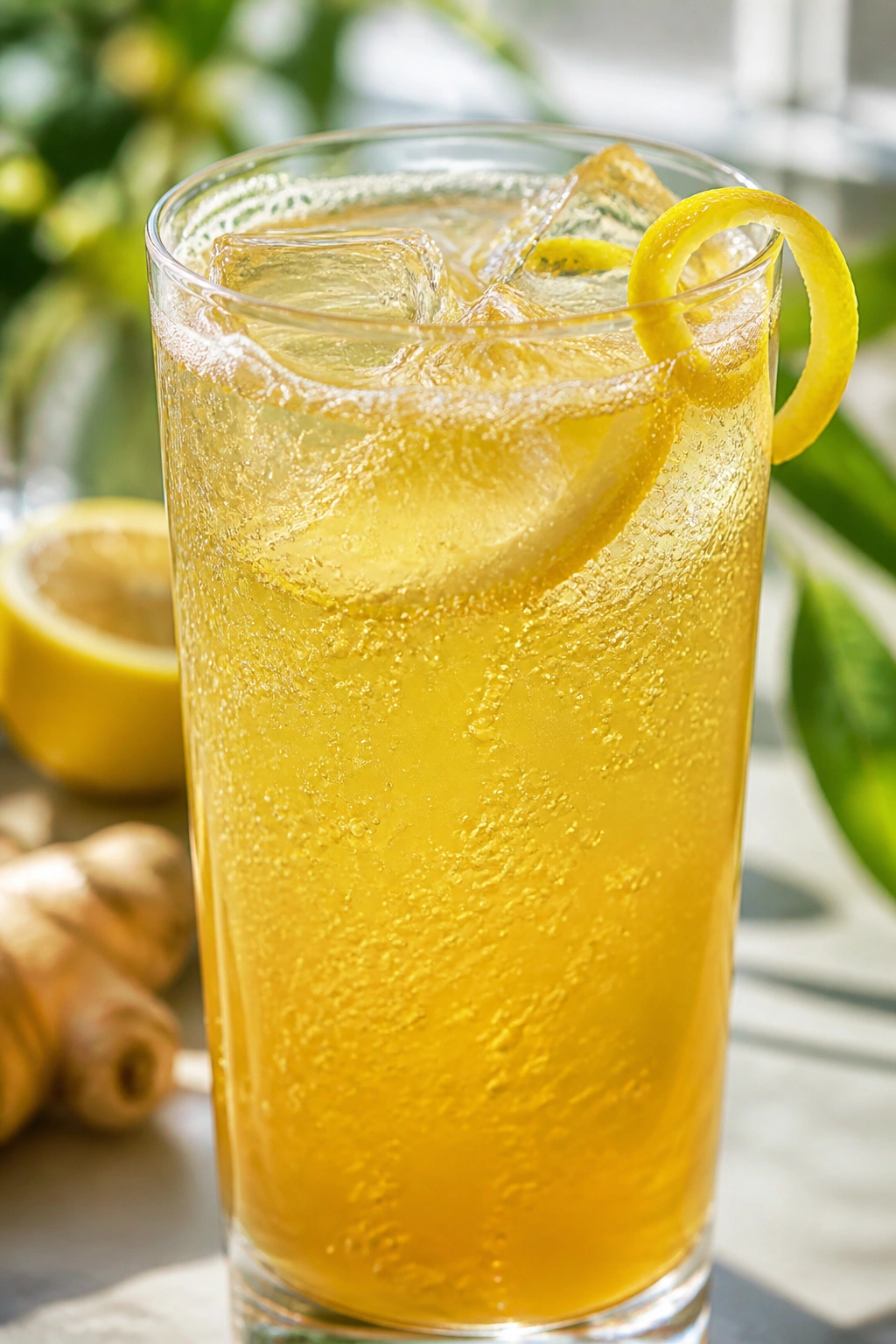
Cold, fizzy tea sounds odd until you try it. Then it feels obvious.
Make a concentrated base with 2 cups water, 1½-inch ginger, ¾ teaspoon turmeric, and lemon peel. Simmer for 10 minutes, strain, and chill completely. Pour ½ cup of the concentrate into a tall glass over ice, then top with sparkling water. Finish with lemon juice and a thin lemon wheel.
The sparkling water matters more than you’d think. It cuts the earthy weight of turmeric and makes the ginger taste crisper. If you sweeten it, use a light hand. One teaspoon of honey or simple syrup is enough in most glasses.
You can take this in a more grown-up direction by adding a few cucumber slices, though I’d keep the fruit off the stage. The point is the fizz and the citrus. That’s plenty.
A splash of grapefruit juice can work too, but it pulls the drink toward bitterness. I usually skip that and let the lemon do the work. The result is clean, bright, and a little surprising in the best way.
12. Pineapple Ginger Turmeric Cooler

Pineapple gives turmeric tea a tropical edge without making it cloying. The acidity plays well with lemon, and the fruit sweetness keeps the ginger from feeling too stern.
Simmer 1-inch ginger, ½ teaspoon turmeric, and 2 cups water for 8 minutes, then strain and cool the tea. Stir in ¼ to ½ cup pineapple juice and 1 tablespoon lemon juice. Pour it over ice and serve with a small wedge of pineapple if you have one.
The first sip should be sharp, then sweet, then a little spicy at the end. That order matters. If the pineapple juice is too heavy, the drink turns sticky. Keep it light and the tea stays refreshing. I like this one more on hot afternoons than first thing in the morning, though it works whenever you want something cooler than a steaming mug.
If you’re using canned pineapple juice, taste it before adding sweetener. Some brands are already sweet enough. A pinch of salt can sound strange here, but it helps the fruit taste brighter. Tiny pinch. Don’t go wild.
13. Maple Vanilla Lemon Ginger Turmeric Tea
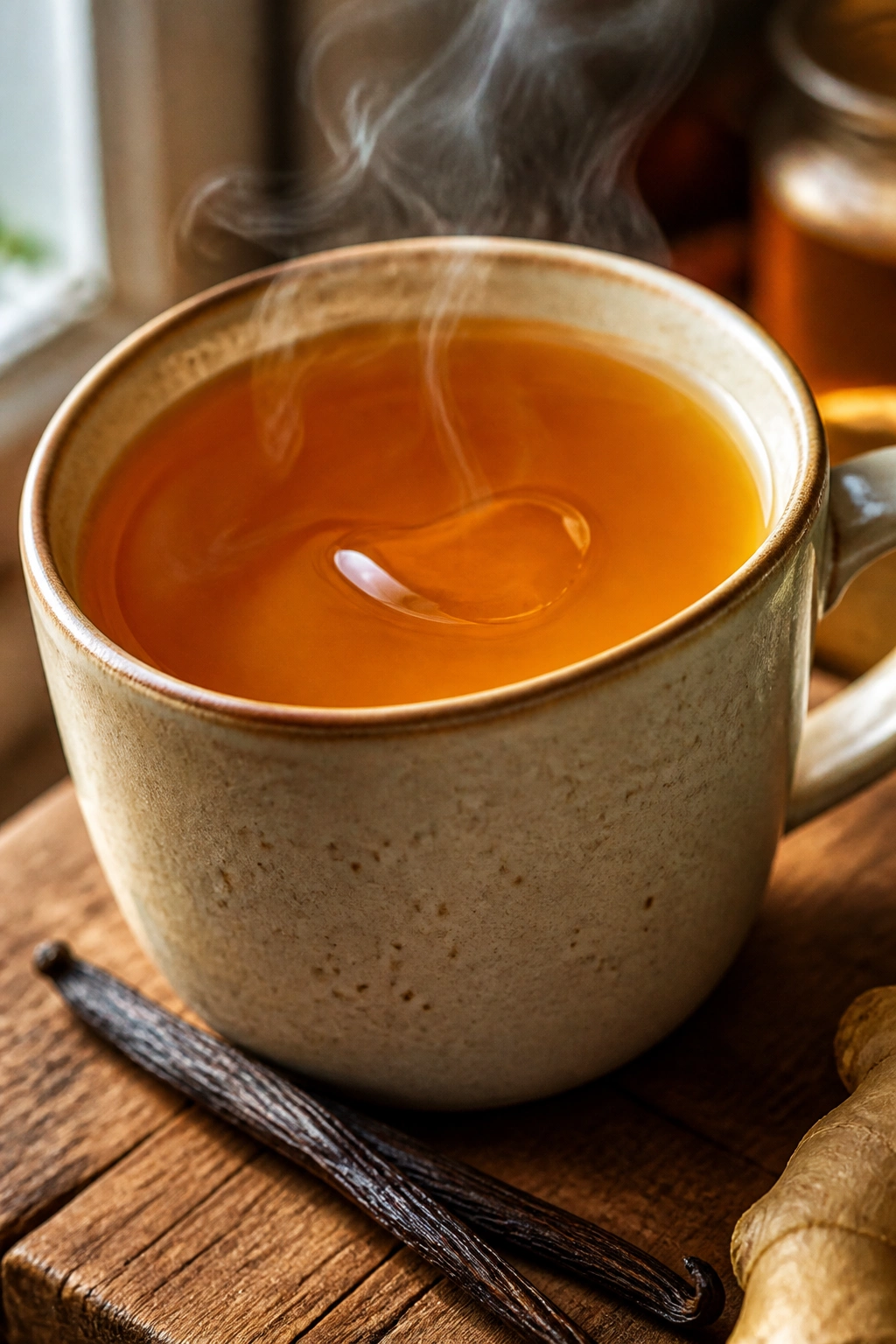
Maple syrup gives this tea a darker sweetness than honey. Vanilla rounds it off and makes the cup feel a little softer at the edges.
Brew 2 cups water, 1-inch ginger, ½ teaspoon turmeric, and a few strips of lemon zest for 8 minutes. Strain, then stir in 1 to 2 teaspoons maple syrup and ¼ teaspoon vanilla extract. Lemon juice goes in last, and I’d keep it modest so the vanilla does not get drowned out.
When maple wins
Maple works better than honey when you want a deeper, woodsy sweetness. It fits especially well if your turmeric is earthy or if you’re using ground turmeric rather than fresh root. The vanilla smooths the finish and makes the tea feel almost dessert-like without turning it into a milkshake.
This is a nice evening tea if you want warmth without spice overload. A cinnamon stick can join the pot, but you do not need it. The maple and vanilla already do enough. If you want a stronger lemon nose, add a twist of peel right into the mug before sipping.
14. Cardamom-Spiced Lemon Ginger Turmeric Tea
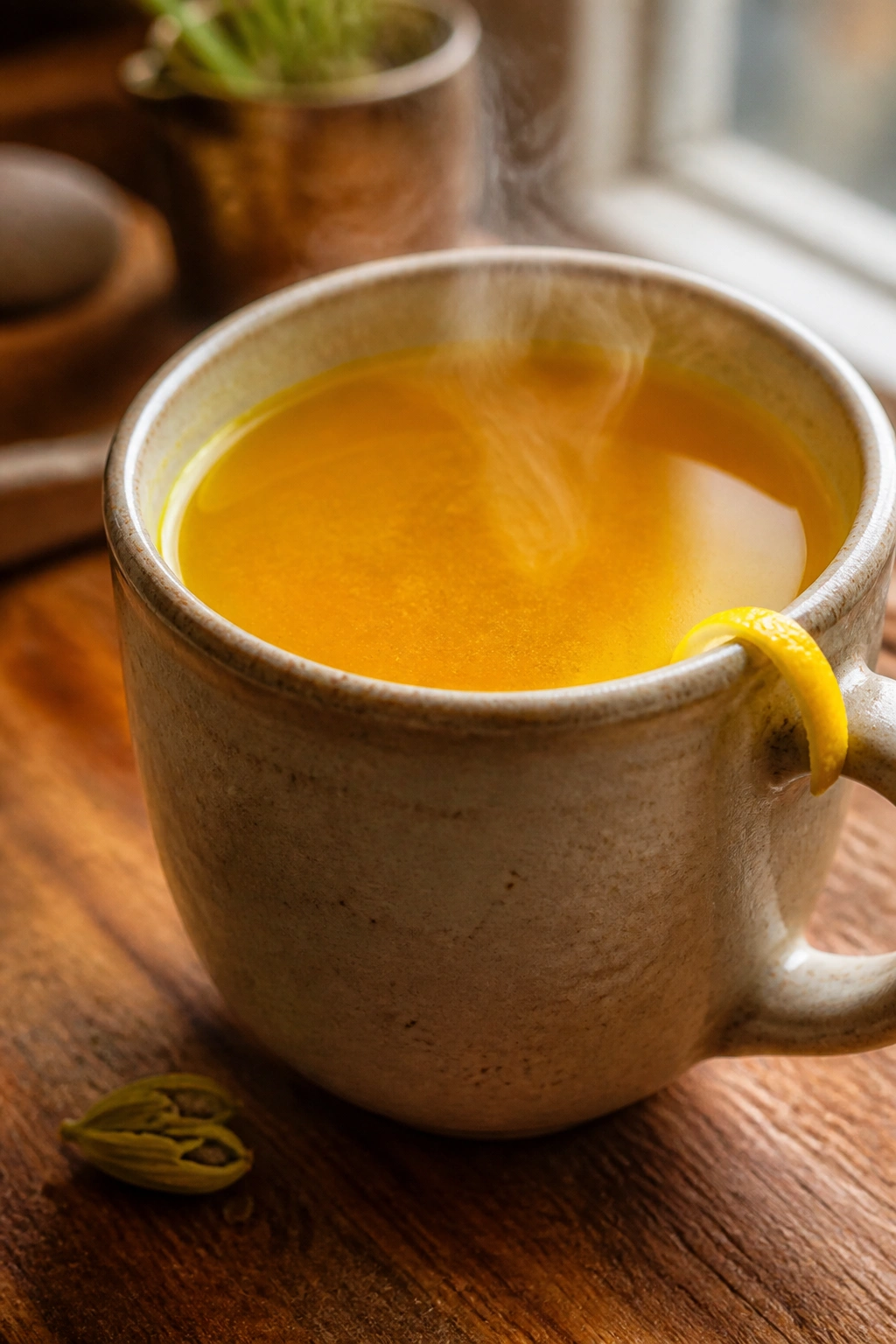
Cardamom changes the whole shape of the tea. It adds a sweet, resinous smell that sits somewhere between citrus and spice, which is exactly why it works.
Crush 2 green cardamom pods lightly and simmer them with 1-inch ginger, ½ teaspoon turmeric, and 2 cups water for 8 to 10 minutes. Strain, then finish with 1 tablespoon lemon juice and a teaspoon of honey if you want the spices to soften.
The trick is not to make the cardamom loud. One or two pods are enough. Too many and the tea starts tasting perfumed in a way I don’t love. One pod is subtle. Two is noticeable. Three is pushing it.
I like this version when I want something closer to chai but still lighter and brighter. The lemon keeps it awake, and the ginger gives it a little snap. If you have ground cardamom only, use a scant ⅛ teaspoon and strain carefully. Ground spice clouds the tea fast.
15. Lemongrass Lemon Ginger Turmeric Tea
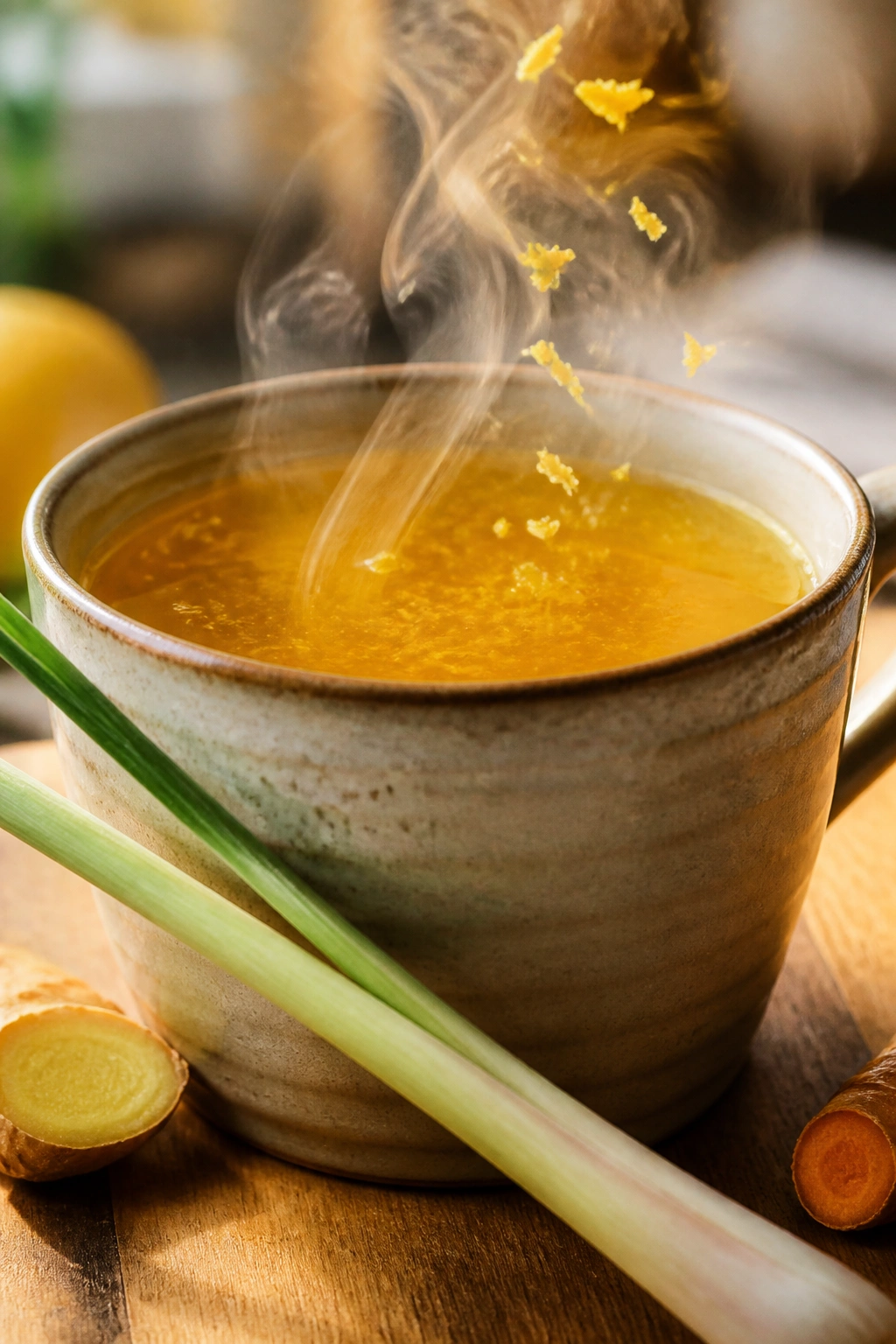
This is the most citrusy cup without tasting like bottled lemon drink. Lemongrass gives the tea a clean, grassy top note that feels crisp and dry.
If you have fresh lemongrass, bruise 1 stalk with the back of a knife and simmer it with 1-inch ginger, ½ teaspoon turmeric, and 2 cups water for 10 minutes. If you only have dried lemongrass or tea bags, steep according to the package, then blend it with the ginger-turmeric base. Add lemon juice at the end, not before.
The flavor is different from plain lemon zest. Lemongrass tastes greener and less sharp, which lets turmeric show up without the mug turning muddy. A little honey works, but I’d keep the sweetness restrained so the tea stays clean.
You can drink this hot or cold. I prefer it cold, actually. The lemongrass feels more vivid that way, and the ginger becomes a slow burn rather than a front-and-center punch. If you want a garnish, go with a strip of lemon peel and nothing else.
16. Hibiscus Lemon Ginger Turmeric Tea
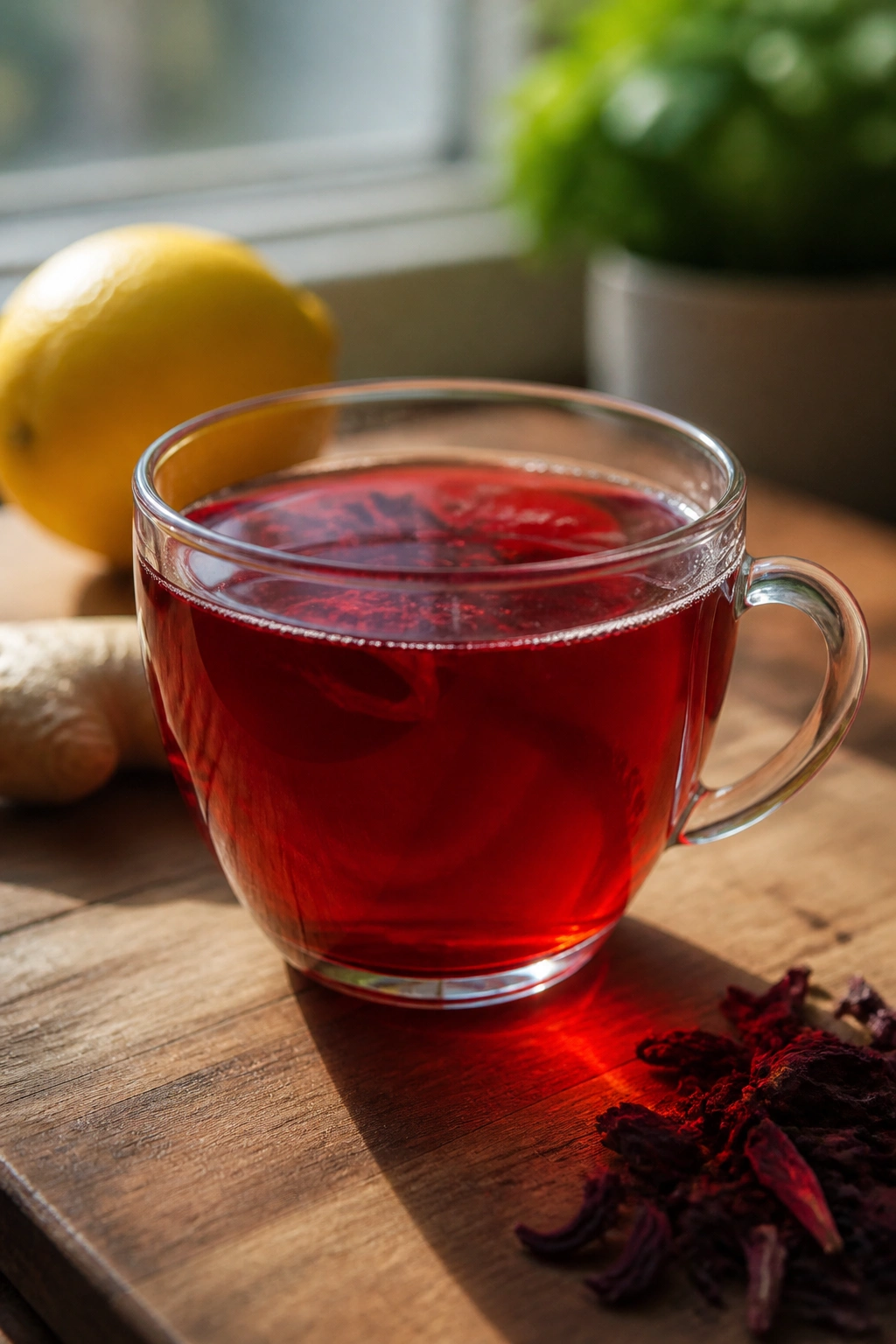
This one is tart, red, and not shy. Hibiscus pulls the tea in a fruitier direction, and the color alone makes it feel different from the rest of the lineup.
Brew 1 to 2 tablespoons dried hibiscus with 1-inch ginger, ½ teaspoon turmeric, and 2 cups water for 6 to 8 minutes. Strain, then add lemon juice after the heat drops a little. If you sweeten it, do it gradually. Hibiscus can go from refreshing to mouth-puckering fast.
The flavor is what I’d call bright-bitter in a good way. Ginger adds warmth, turmeric grounds it, and the hibiscus gives the cup a cranberry-like tang. It is excellent over ice, though it can be served hot if you want a more dramatic color in the mug.
Best use
- Make it when you want an iced tea that feels less sugary.
- Sweeten with honey or simple syrup, one teaspoon at a time.
- Add a slice of orange if you want the tartness softened.
- Strain well; hibiscus petals like to drift into the cup.
My take: This is not the gentlest tea in the group. It’s the most awake.
17. Delicate White Tea Lemon Ginger Turmeric Tea
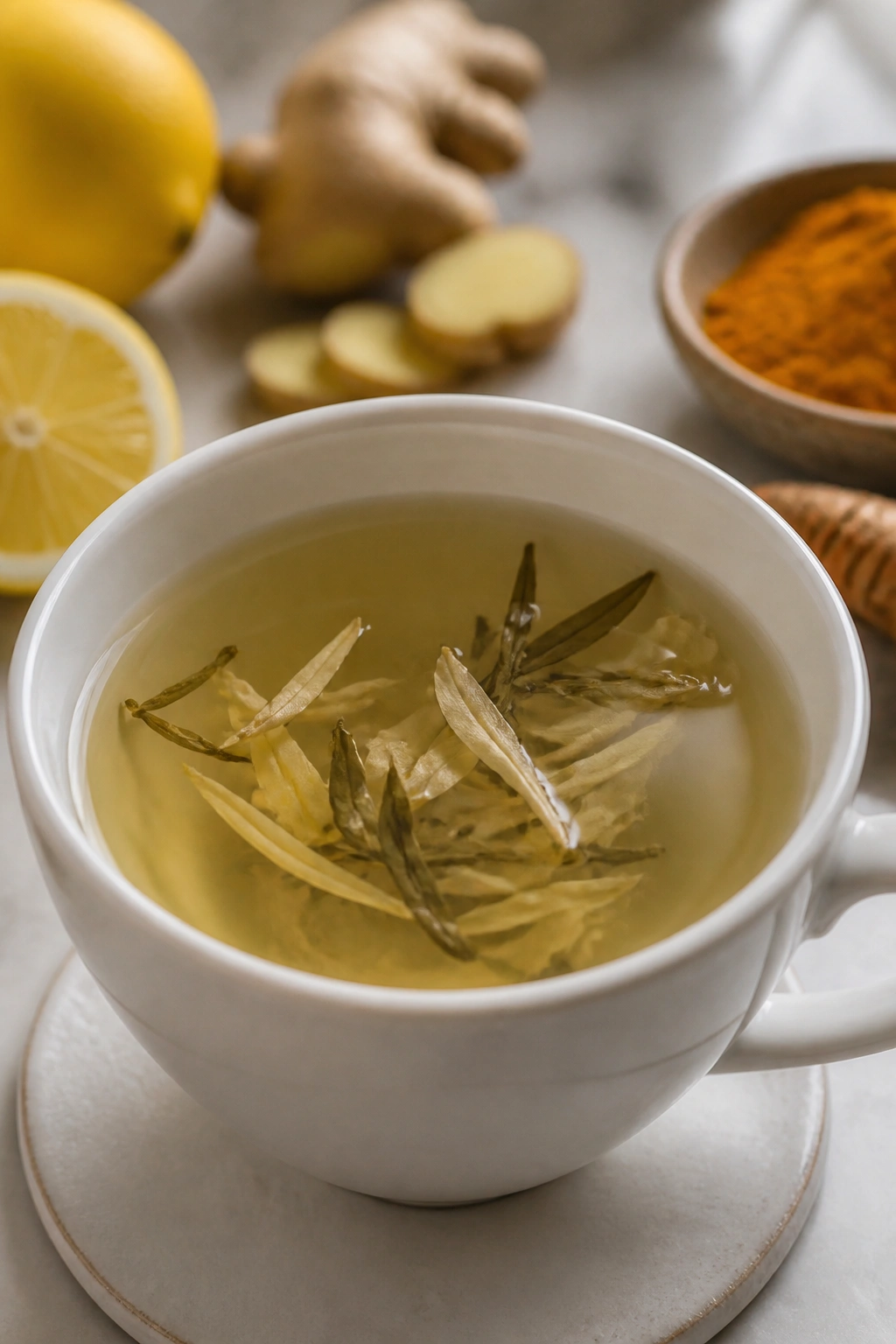
White tea asks for restraint. If you treat it like black tea, the whole cup gets lost.
Start with the ginger-turmeric base: 1-inch ginger, ¼ to ½ teaspoon turmeric, and 2 cups water, simmered for 6 minutes. In a separate mug, steep 1 white tea bag or 1 teaspoon loose-leaf white tea in water around 175°F / 80°C for 2 to 3 minutes. Combine the two, then add lemon juice when the tea is warm, not boiling.
White tea tastes pale and soft, so it needs the ginger to do some of the heavy lifting. Turmeric should stay in the background here. If you use too much, the tea can get dusty. A little lemon peel helps more than extra juice, because peel lifts the aroma without making the cup too sour.
This version is for people who want turmeric tea but don’t want a bold spice profile. It is the most understated cup in the set, which is not a bad thing at all. Sometimes a softer drink is the one you want.
18. Almond Milk Golden Tea Latte
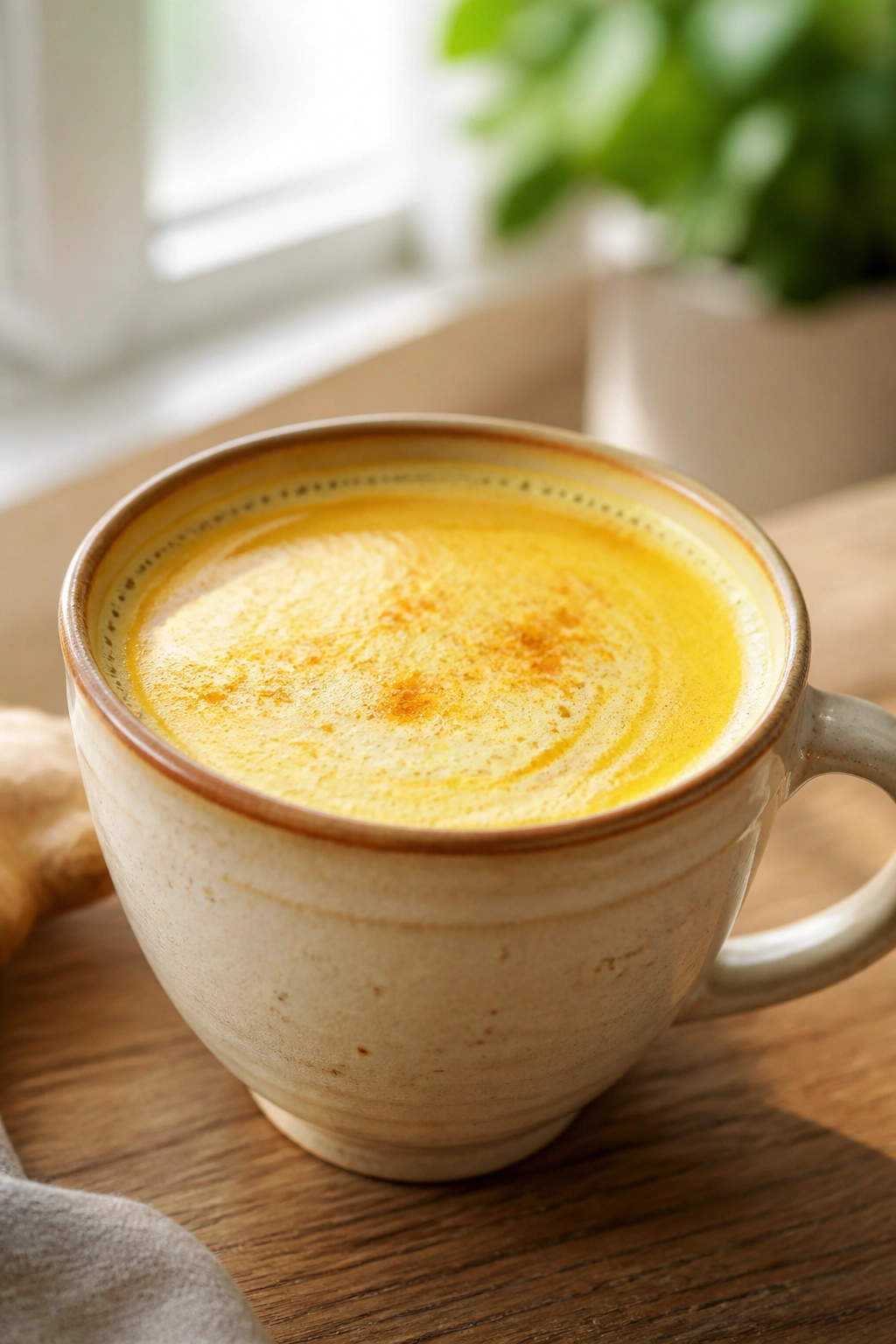
Almond milk gives this tea a lighter body than coconut milk. It feels cleaner, less rich, and a little more nutty at the finish.
Simmer 1 cup water, 1-inch ginger, and ½ teaspoon turmeric for 8 minutes, then stir in ¾ cup unsweetened almond milk and warm gently. Add 1 teaspoon maple syrup if you want sweetness, then finish with 1 tablespoon lemon juice only if you like a sharper contrast. Some people leave the lemon out here, and I understand why.
What makes it different
Almond milk doesn’t coat the tongue the way coconut milk does. That means the ginger comes through a bit more, and the turmeric tastes less creamy, more toasted. If you want a frothier drink, shake the warm almond milk in a jar before combining it with the tea base.
A tiny pinch of cinnamon works well, and so does vanilla. I would not overdo either one. The almond milk already brings its own flavor, and the tea is better when the spices stay legible. This is a quiet latte, not a sugar drink.
19. Batch-Brew Lemon Ginger Turmeric Concentrate
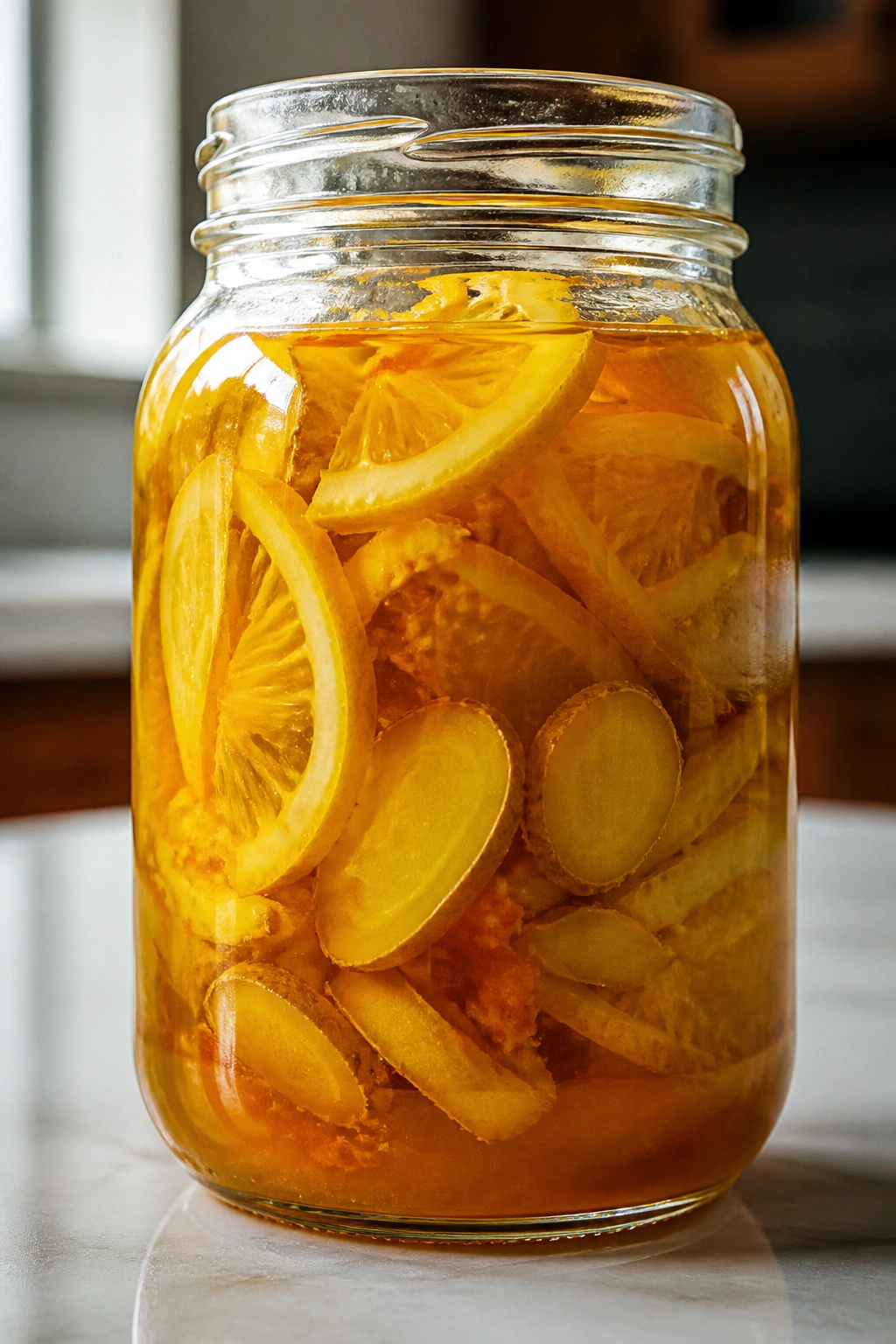
This is the one for people who want tea without starting from scratch every time. It keeps well, and it saves you from slicing ginger before breakfast.
Combine 4 cups water, 3-inch piece fresh ginger, 1 teaspoon turmeric, lemon peel, and a pinch of black pepper in a saucepan. Simmer gently for 15 minutes, then strain into a jar. Cool it, refrigerate, and use ½ cup concentrate per mug, topping with hot water, lemon juice, and honey as needed.
How to keep the batch tasting fresh
- Store it in a glass jar with a lid.
- Shake before pouring; turmeric settles fast.
- Add lemon juice to each mug, not the whole batch.
- Use it within a few days for the brightest flavor.
The concentrate tastes stronger than a fresh mug, which is exactly why it works. A little goes a long way, and you can steer each cup toward hot, iced, sweet, or sharp depending on your mood. If I’m honest, this is the most useful version in the list for weekday life.
20. Robust Black Tea Lemon Ginger Turmeric Brew
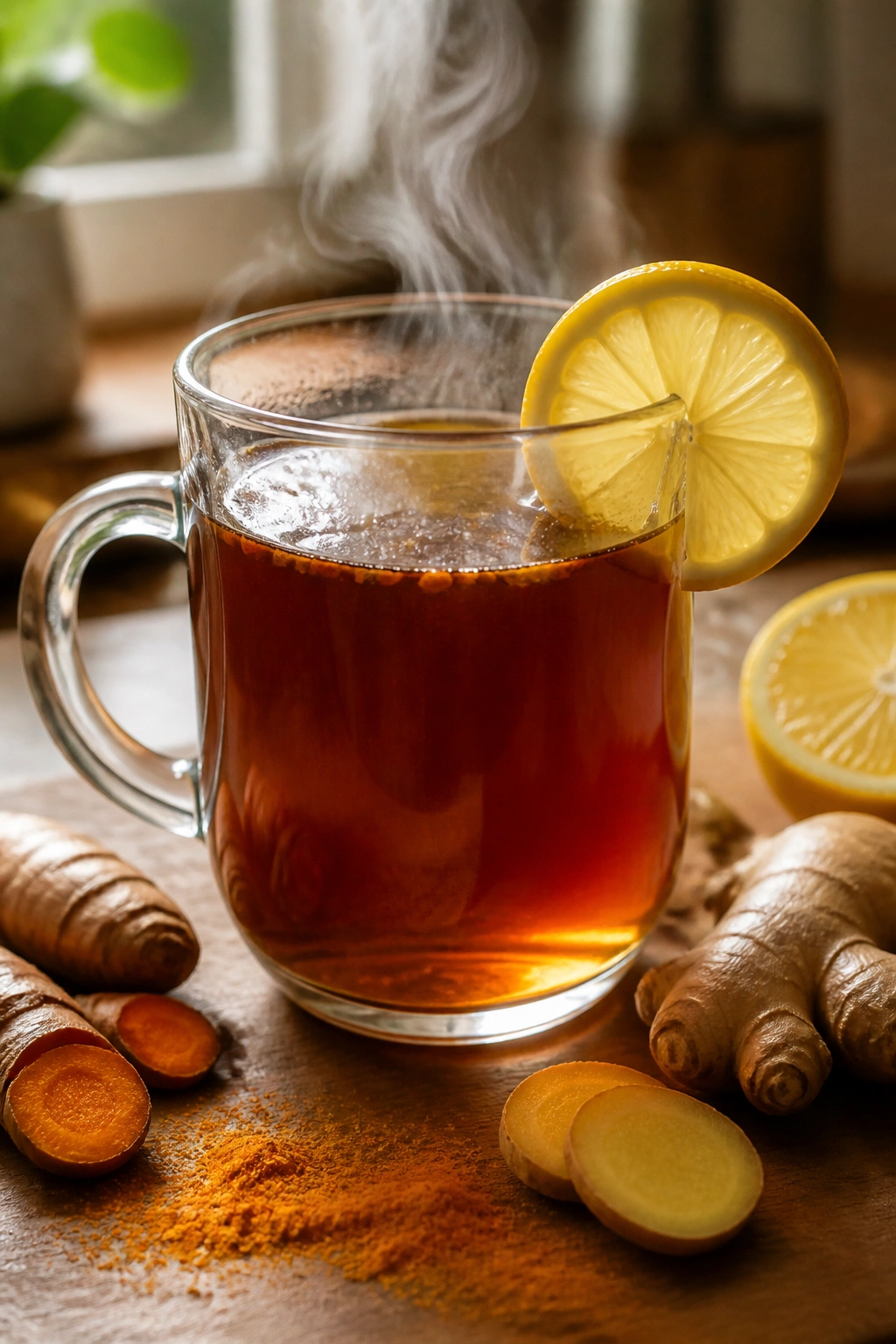
Black tea changes the tea from herbal and soothing into something sturdier. It has more backbone, a little tannin, and enough depth to hold its own against ginger and turmeric.
Brew 2 cups water, 1-inch ginger, and ½ teaspoon turmeric for 6 to 8 minutes. In the last 2 minutes, add 1 black tea bag or 1 teaspoon loose black tea so it does not turn harsh. Strain, then add lemon juice and a touch of honey. That late tea addition keeps the drink bold without tipping into bitterness.
This version tastes closest to a breakfast tea with a spice cabinet nearby. The lemon brightens the black tea, and the turmeric gives the cup a warm color and earthy edge. If you like milk in black tea, a splash of oat milk works better than heavy cream here. It keeps the drink smooth without hiding the citrus.
A slice of fresh ginger on top is more than a garnish; it gives you a little aroma before every sip. Nice touch. Also a good excuse to make one more mug.
Final Thoughts
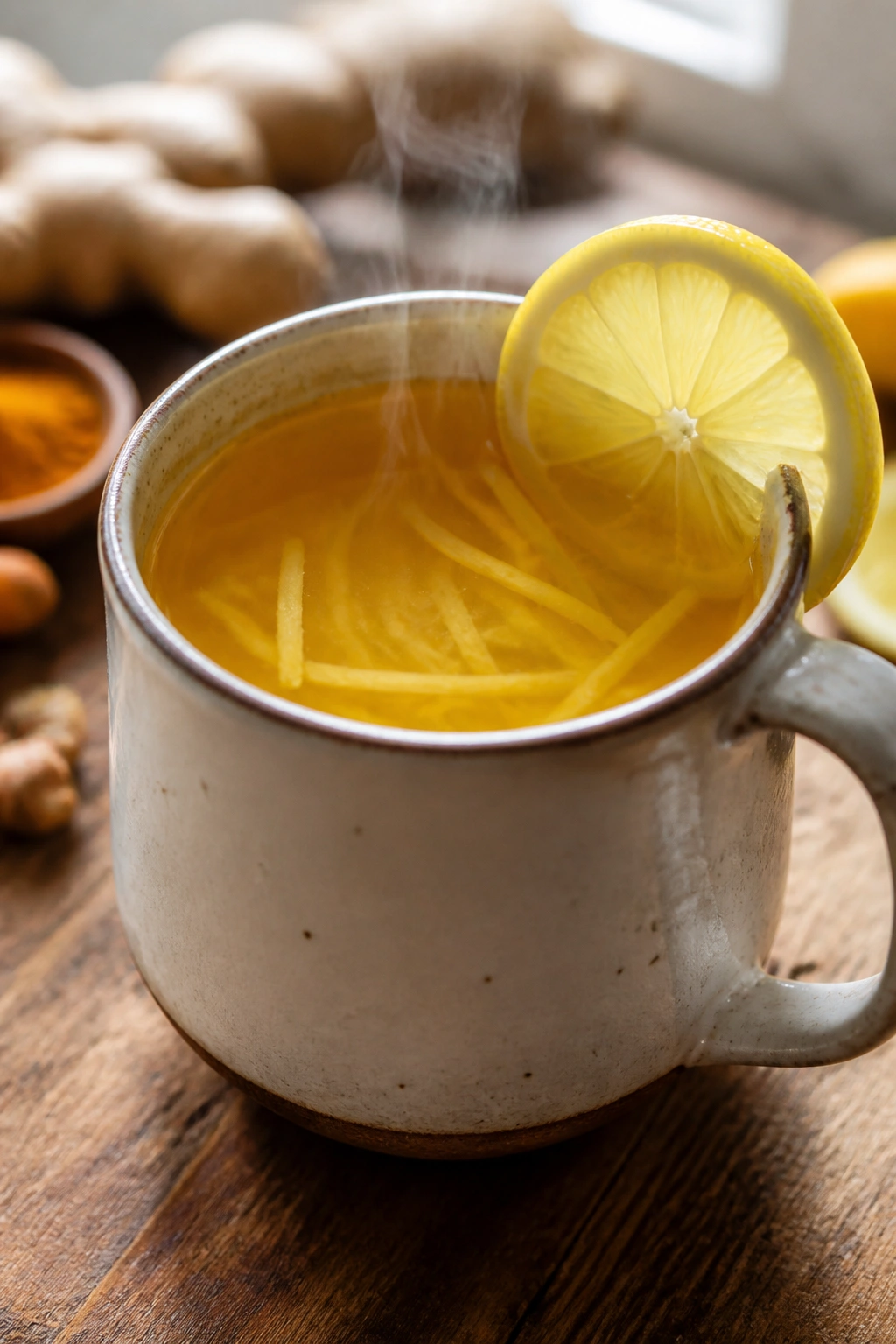
The nicest thing about lemon ginger turmeric tea is how easily it changes shape. A few small tweaks — a different sweetener, a handful of mint, a splash of coconut milk, a longer simmer — can push the same basic trio of ingredients into completely different moods.
If you like your cup sharp, start with the classic stovetop version or the black pepper and cayenne one. If you want something softer, the chamomile, coconut milk, or almond milk versions are the ones I’d make first. Cold weather and hot tea are an easy match, but the iced and sparkling versions deserve more credit than they get.
One last practical note: keep your lemon for the end, and don’t let the turmeric bully the mug. Once you get that balance right, the rest is easy.
