



The nutrition tips every beginner should know are a lot less dramatic than the internet makes them sound. You do not need a cabinet full of powders, a five-step morning routine, or a saintly level of self-control. You need a few food habits that keep hunger steadier, make meals simpler, and stop the day from turning into random grabbing and regretting.
A beginner’s biggest problem usually isn’t knowledge. It’s friction. The fridge has ingredients, not meals. Breakfast is sweet but not filling. Lunch is whatever was left in the office kitchen. Dinner becomes a toss-up between takeout and toast. A better approach is boring in the best possible way: protein, fiber, water, repeatable meals, and a grocery cart that makes sense when you are tired.
That is the part people skip. They chase rules that sound clever and ignore the plain stuff that actually works. If you can keep your blood sugar steadier, build meals that hold you for a few hours, and stop stocking your kitchen like a snack aisle, everything gets easier fast.
1. Put Protein at the Center of Each Meal
Protein is the fastest way to make a meal feel finished. That sounds almost too plain, but it matters. A bowl of pasta alone can leave you sniffing the pantry an hour later; add chicken, tofu, eggs, beans, or Greek yogurt and the same meal feels heavier in the right way.
A useful starting point is 20 to 30 grams of protein per meal for many adults. That might sound clinical, but it’s just a practical range that keeps breakfast from fading too fast and helps lunch survive the afternoon. Eggs, cottage cheese, tuna, lentils, tempeh, chicken, salmon, edamame, and plain yogurt all do the job. So do simple meals like beans and rice, if the bean portion is generous.
Easy protein anchors
- 3 eggs at breakfast, especially with toast and fruit.
- 1 cup Greek yogurt with berries and oats.
- 4 to 6 ounces chicken, fish, or tofu at lunch or dinner.
- 1 cup beans or lentils when you want something cheap and filling.
A lot of beginners think protein is only for athletes. Not even close. It helps with satiety, which is the boring little word that keeps you from raiding the snack drawer at 4 p.m. Start there. Everything else gets easier when meals actually hold you.
2. Build Fiber Into Breakfast, Not Just Dinner
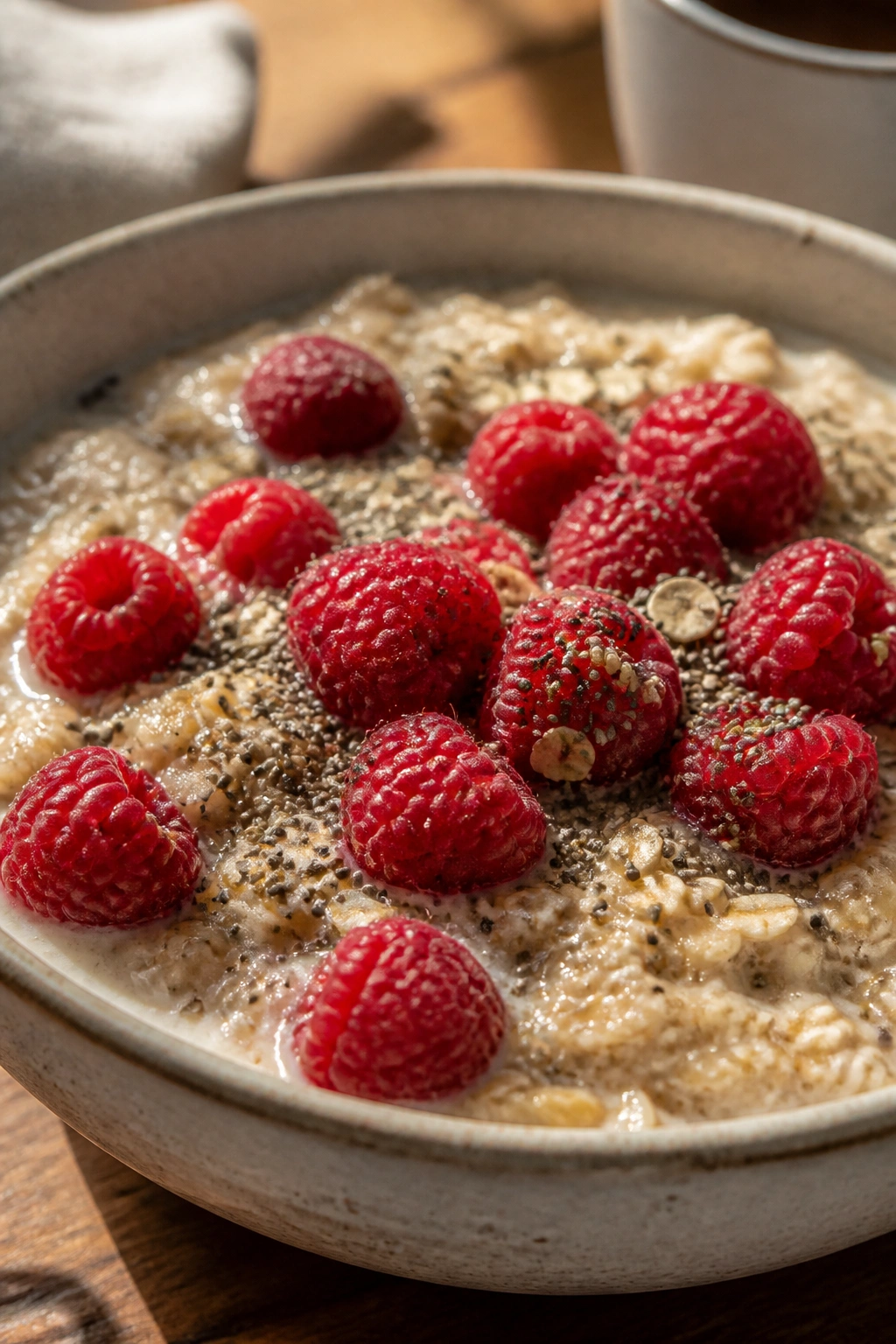
Why do so many people feel hungry by 10 a.m.? Because breakfast is often all quick starch and not much else. Toast with jam disappears fast. A pastry disappears even faster. Fiber slows things down, which is exactly what you want if your first meal tends to vanish in under an hour.
A practical target is about 25 to 38 grams of fiber a day, depending on body size and sex. You do not need to count every gram forever. You do need to know what fiber looks like on a plate: oats, beans, lentils, berries, pears, apples, chia seeds, vegetables, whole wheat bread, and brown rice. The beginner mistake is treating fiber like a dinner-only thing. It works better when it shows up early.
Fast ways to add 5 grams or more
- 1 cup raspberries with yogurt.
- ½ cup oats cooked with milk or soy milk.
- 1 cup black beans in eggs, tacos, or rice bowls.
- 1 tablespoon chia seeds stirred into yogurt or a smoothie.
Fiber helps with fullness, but it also helps meals feel more stable. That matters more than people think. If breakfast carries some weight, the rest of the day stops feeling like a rescue mission.
3. Drink Water Before You Reach for a Snack
A lot of snack cravings are thirst in disguise. Not all of them. But enough to make this worth checking before you assume you need food. A cold glass of water, especially one that goes down in a few gulps, can be a small reset when your body is sending mixed signals.
I like a simple rule: drink a full glass of water with meals and another one before any random snack. Not because water is magic. Because it gives your body a minute to catch up. If you are truly hungry, you will still know it. If you were just dry, distracted, or running on caffeine, the urge often softens.
You can also keep the drink choices plain. Sparkling water, plain tea, black coffee, and milk all work better than sugary drinks when the goal is steady appetite, not a quick spike. If your urine is dark yellow, you probably need more fluid. Pale straw color is usually a better sign.
Boring? Yes. Useful? Very.
4. Make Half Your Plate Plants
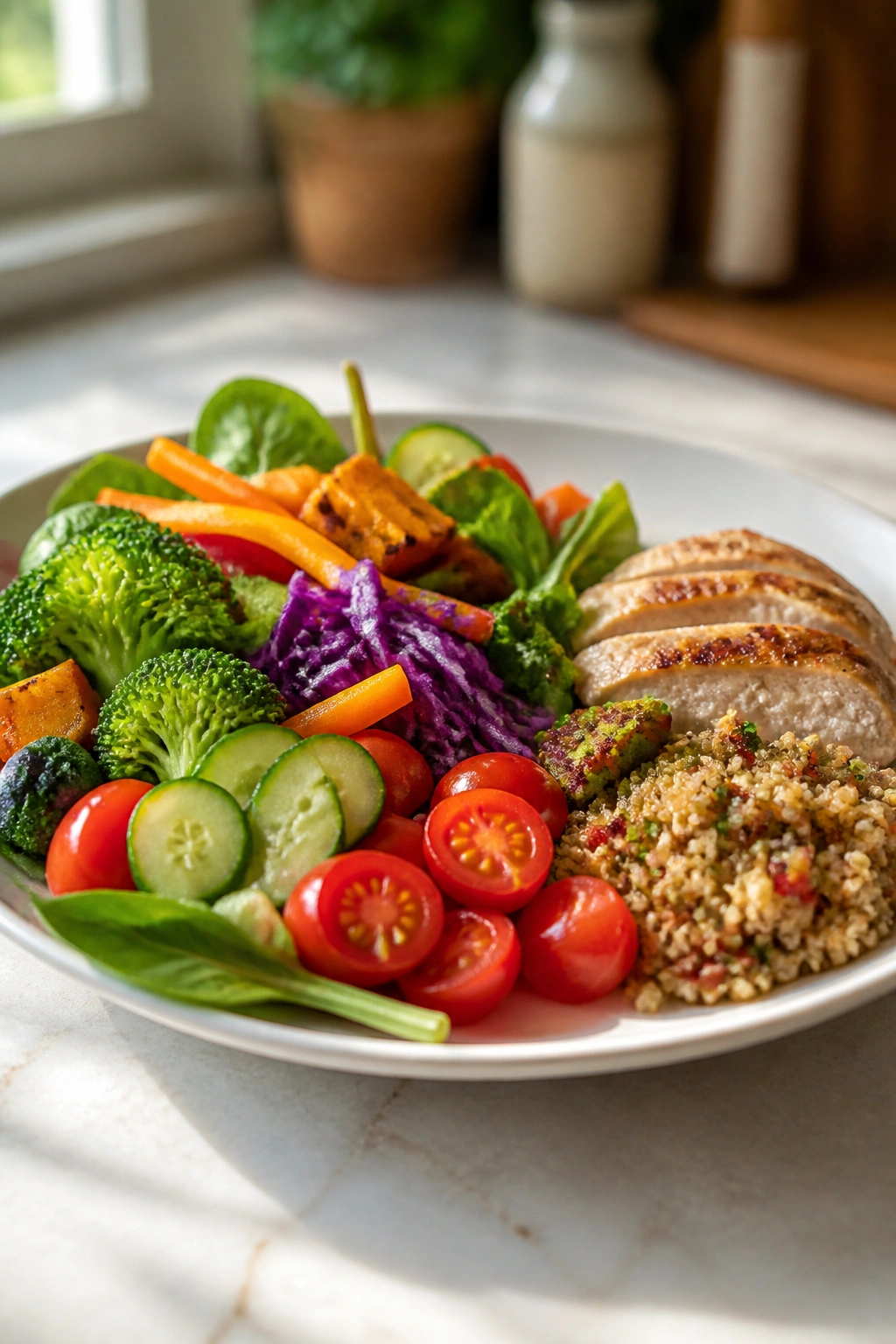
A plate that is half vegetables and fruit looks ordinary. That is the point. It gives you volume, color, crunch, and fiber without making you plan your life around food. The old plate model hangs around because it works: half plants, a quarter protein, a quarter starch.
Cooked vegetables are easier than beginners expect. Frozen broccoli, bagged salad, roasted carrots, sautéed zucchini, cabbage, green beans, spinach, tomatoes, peppers — these are not side characters. They are the meal. Fruit counts too, and it can help fill the gap when you do not have time to cook a big vegetable side.
What half a plate can look like
- Scrambled eggs with sautéed spinach and tomatoes.
- Salmon with roasted broccoli and sweet potato.
- Chicken rice bowl with cucumber, carrots, and cabbage.
- Lentils with a side salad and fruit afterward.
I know a lot of people want the “best” food plan. Start with the least dramatic one. Half a plate of plants gives your meals texture and keeps you from building every meal around a single carb source. That alone fixes more beginner problems than most diet rules.
5. Keep Added Sugar on a Short Leash
Sugar is not the villain in the cartoon version of nutrition advice. But added sugar sneaks in fast, and beginners get tripped up by foods that look harmless. Sweet coffee drinks, flavored yogurt, cereal, granola bars, bottled smoothies, and juice can add up before lunch.
The trick is not to panic. It is to notice where sugar hides. A plain yogurt with fruit is a different animal from a dessert cup pretending to be breakfast. A bowl of oats is not the same as a cereal that lists sugar, syrup, and corn syrup in the first few ingredients. The front label rarely tells the whole story.
If you want a clean starting rule, keep sugary drinks rare and pick unsweetened or lightly sweetened versions of everyday foods. You do not need to ban dessert. You do need to stop letting sugar arrive at every meal wearing a health halo.
A useful habit: check the added sugars line on the label, then compare it to fiber and protein. A product with 18 grams of sugar and 2 grams of fiber is usually not a breakfast food. It is a snack in a polite wrapper.
6. Learn the Difference Between Hunger and Habit

Are you actually hungry, or are you just bored, stressed, or staring into the kitchen because it is there? That question saves a lot of unnecessary eating. Beginners often assume every urge to eat means the body needs fuel. Sometimes it does. Sometimes you are avoiding a task.
Habit eating has a pattern. It shows up at the same desk, the same couch, the same time of day. Hunger is usually less specific. It builds, lingers, and gets louder if you ignore it for a bit. Habit is often sudden and picky. You want chips, not food. You want something crunchy, salty, and mindless.
A short pause helps. Drink water. Wait ten minutes. Walk around the room. If you still want food after that, eat something real. If the urge shrank, you were probably chasing a routine, not a need.
One small trick: keep a note in your head of when the urge hits. Noon? Late night? Right after emails? Patterns tell the truth faster than willpower ever will.
7. Stop Treating Carbs Like the Enemy
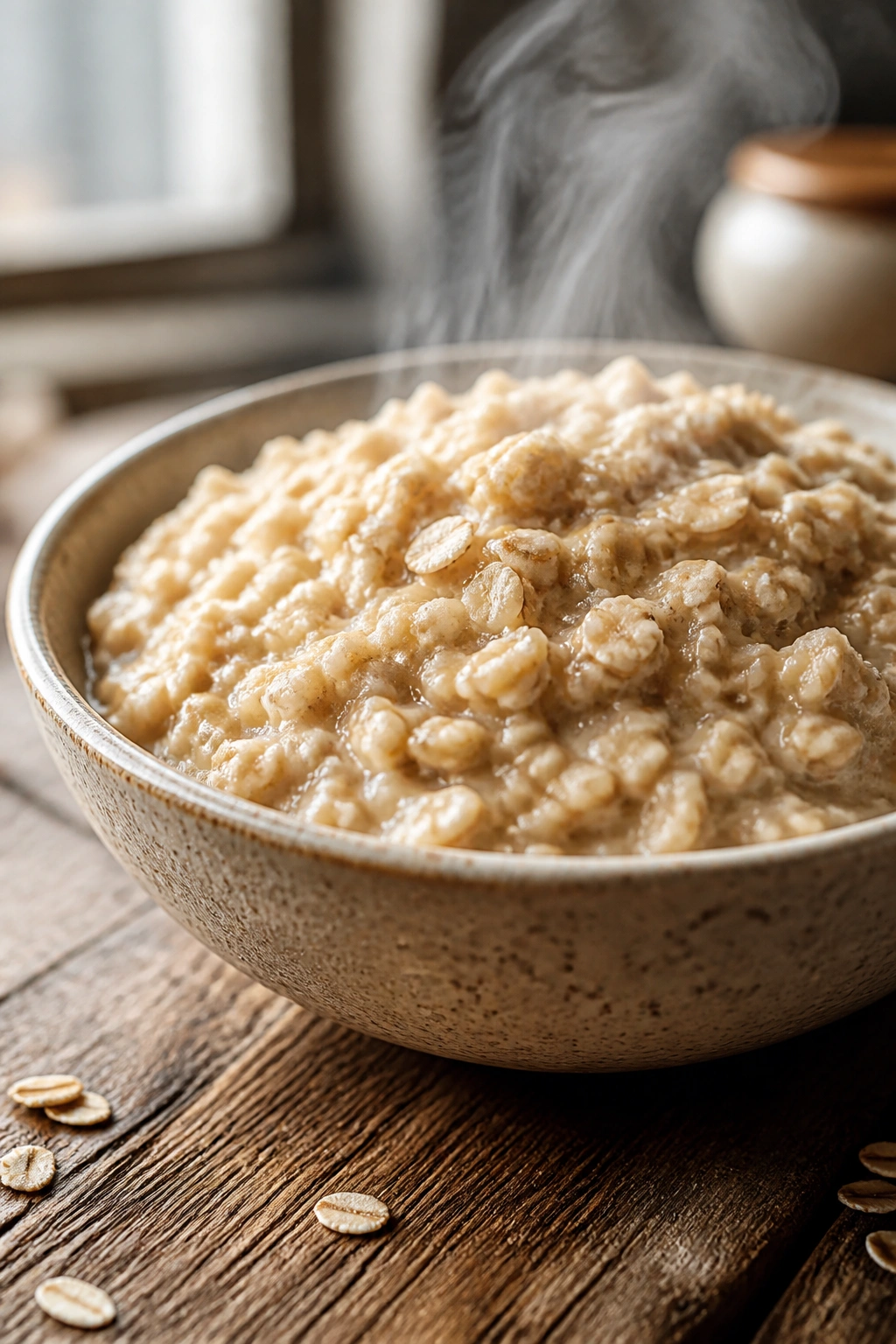
Carbs get blamed for everything because they are easy to fear. That is a lazy habit. Carbohydrates are the body’s quickest fuel source, and if you move, think, train, walk, or work long days, you need them. The issue is not carbs. It is the type and the portion.
A baked potato with beans and salsa is not the same as a pile of white bread and nothing else. Oats, rice, potatoes, fruit, whole grain bread, pasta, quinoa, and corn can fit into a good diet without drama. The key is pairing them with protein and fiber so the meal lasts.
Better carb choices for beginners
- Oats for breakfast instead of sugary cereal.
- Rice or potatoes with vegetables and protein.
- Whole grain bread with eggs, avocado, or tuna.
- Fruit as a snack instead of candy when you want something sweet.
Some people feel better on fewer carbs, some do not. Fine. But if you cut carbs too hard and then feel tired, cranky, or obsessed with food, the plan is not working. Food should help your day, not make you feel like you are fighting it.
8. Use Healthy Fats, but Measure Them
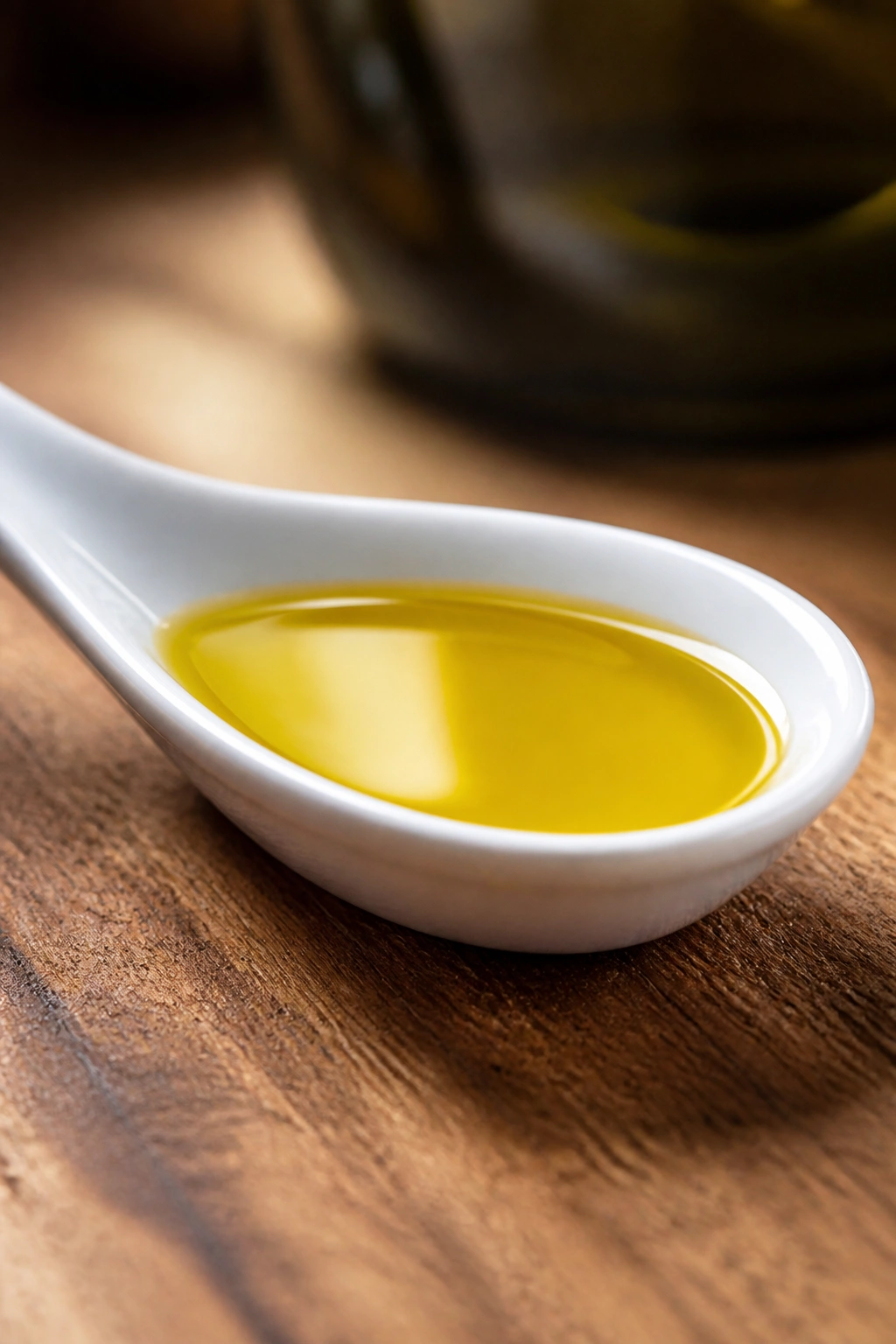
Fat is useful. It helps meals taste better, supports hormones, and keeps you satisfied. It also packs a lot of calories into a small amount of food, which is why beginners can accidentally turn a normal meal into a heavy one with a generous pour of oil or a giant handful of nuts.
A good portion looks small at first. One tablespoon of olive oil, one ounce of nuts, or a quarter to half an avocado is enough to matter without taking over the plate. That sounds stingy if you are used to pouring and grabbing with no end point. It isn’t stingy. It is sane.
Use fats where they earn their keep. Olive oil on vegetables, peanut butter on toast, nuts on yogurt, avocado with eggs, tahini in a bowl sauce. Those are smart uses because they improve flavor and help you stay full. A fried dinner built from oil, cheese, and a side of chips is a different story.
I’m partial to foods that taste better after a measured amount of fat, not a flood of it. There’s a difference.
9. Read the Nutrition Label Like a Skeptic
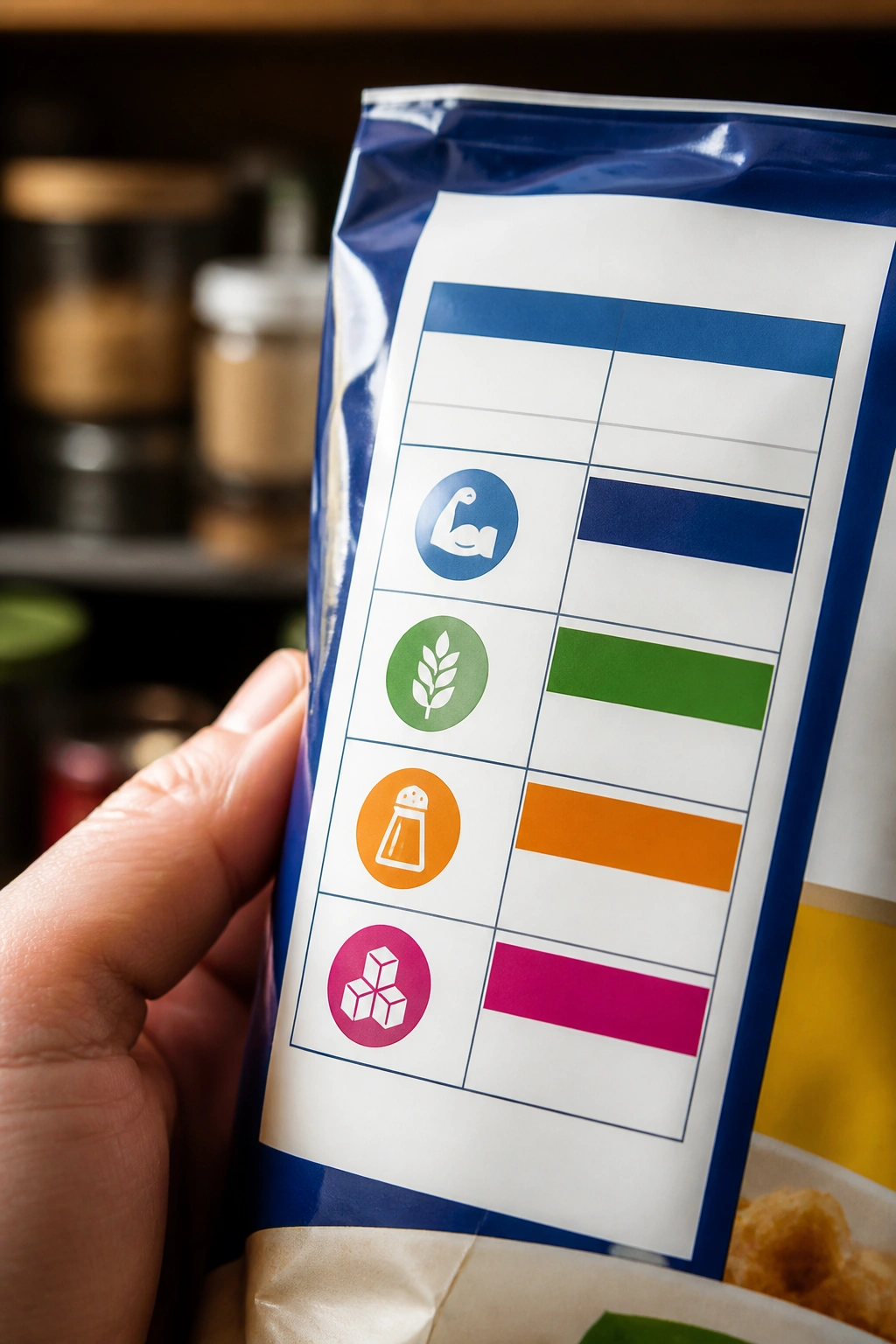
The front of the package is trying to get your attention. The back is where the truth lives. A lot of beginners buy food because the box says “protein,” “natural,” or “whole grain,” then discover that the serving size is tiny and the sugar is high. Annoying. Common, too.
Start with serving size. If the bag says one serving is half the package, you need to know that before you count anything else. Then check protein, fiber, sodium, and added sugar. Those four numbers tell you most of what you need to know. Ingredients matter too, because they show order. Ingredients are listed by weight, so if sugar or syrup is near the top, that product is a sweet food in disguise.
What to check first
- Serving size so the rest makes sense.
- Protein if you want the food to keep you full.
- Fiber if you want steadier hunger.
- Sodium if you eat packaged meals often.
- Added sugars if the food is meant to be a daily staple.
A good label read takes ten seconds once you practice. You do not need to memorize every rule. You need to stop being fooled by the loud words on the front.
10. Keep Your Kitchen Stocked With Easy Defaults
A tired person makes bad food choices in an empty kitchen. That is not a character flaw. It is physics and convenience. If the only thing in the house is cereal, frozen fries, and one sad onion, dinner is going to be weird.
Build a small base of foods that can become a meal fast. I like to think of these as default foods — the things you can use on a Tuesday night without a motivational speech.
A beginner-friendly kitchen list
- Eggs
- Greek yogurt
- Canned beans
- Oats
- Frozen vegetables
- Rice or whole grain bread
- Tuna, salmon, or tofu
- Fruit
- Peanut butter
- Tortillas
These foods are flexible. They can be breakfast, lunch, dinner, or a backup when the day goes sideways. Frozen vegetables deserve more respect than they get; they are cheap, fast, and usually better than nothing, which is the real bar on a weeknight.
If your kitchen has defaults, you stop depending on mood. That’s the win.
11. Eat Enough at Meals So Snacking Does Not Run the Show
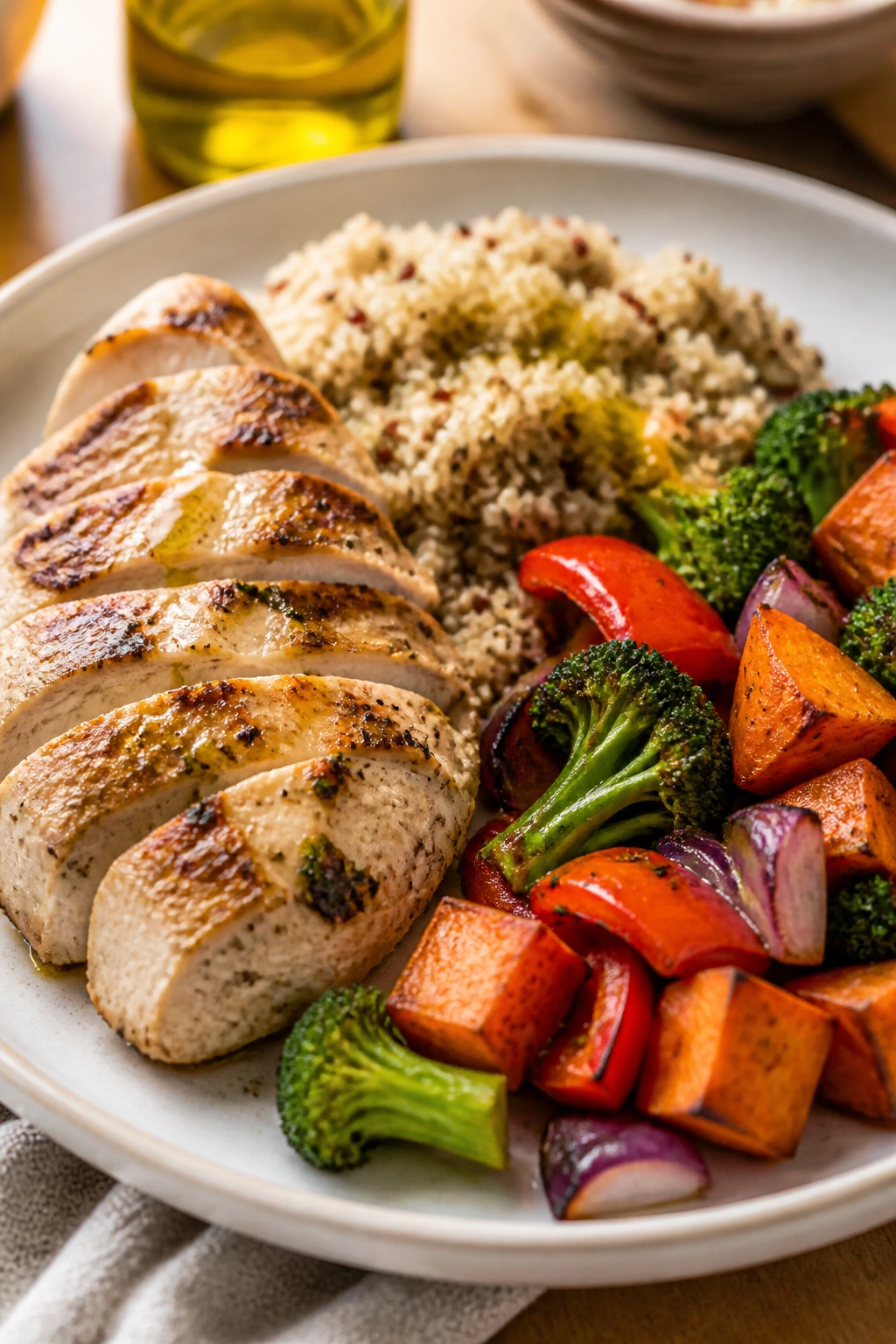
A lot of “bad snacking” is actually under-eating earlier. If lunch is a tiny salad and one cracker, the cookie jar is going to win later. Beginners often try to eat too little at meals because they think small is automatically better. It is not.
A meal that holds you usually has protein, fiber, and some fat. That combination slows digestion and keeps hunger from bouncing around. A bowl of chicken, rice, and vegetables. A tofu stir-fry with noodles and sesame oil. A bean chili with bread and cheese. Those meals have enough shape to carry you for a few hours.
What a solid meal looks like
- Protein: eggs, fish, beans, tofu, chicken, yogurt
- Fiber: vegetables, beans, fruit, oats, whole grains
- Fat: olive oil, nuts, seeds, avocado, cheese
- Carb base: rice, potatoes, bread, pasta, tortillas
People often ask why they keep “failing” at snacks. Sometimes the snack is not the problem. The meal before it was too small to begin with. Feed yourself properly and the snack attack gets quieter.
12. Plan Tomorrow’s Meals Before You Get Hungry
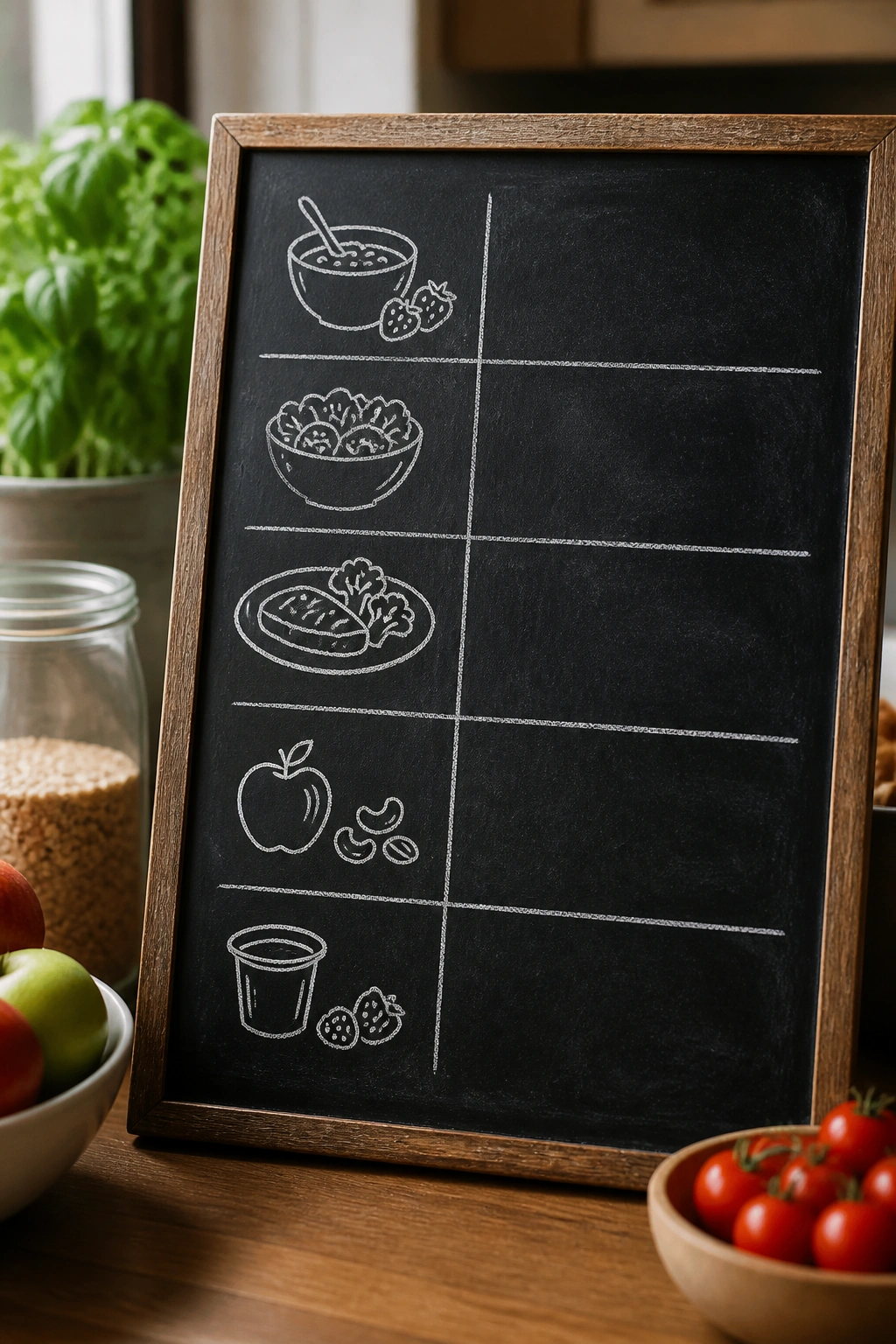
Planning sounds dull until you compare it with standing in the kitchen at 7 p.m. trying to invent dinner with one eye closed. A ten-minute plan saves more money and stress than most people expect. It also keeps you from buying random food that looks good when you are tired and tastes boring later.
A simple plan works fine. Pick one breakfast, one lunch, one dinner, and two snacks for the next day. Write them down or put them in your phone. Then make sure the ingredients are in the house. That is the whole game. No color-coded binder needed.
A tiny planning script
- Breakfast: yogurt, oats, berries
- Lunch: turkey sandwich, apple, carrots
- Dinner: rice bowl with chicken and broccoli
- Snack 1: nuts and fruit
- Snack 2: cheese and crackers
If you hate planning, keep the same short menu on repeat for a while. Repetition is underrated. Decision fatigue is real, and it gets worse when you are hungry.
13. Make Snacks Count for More Than Taste
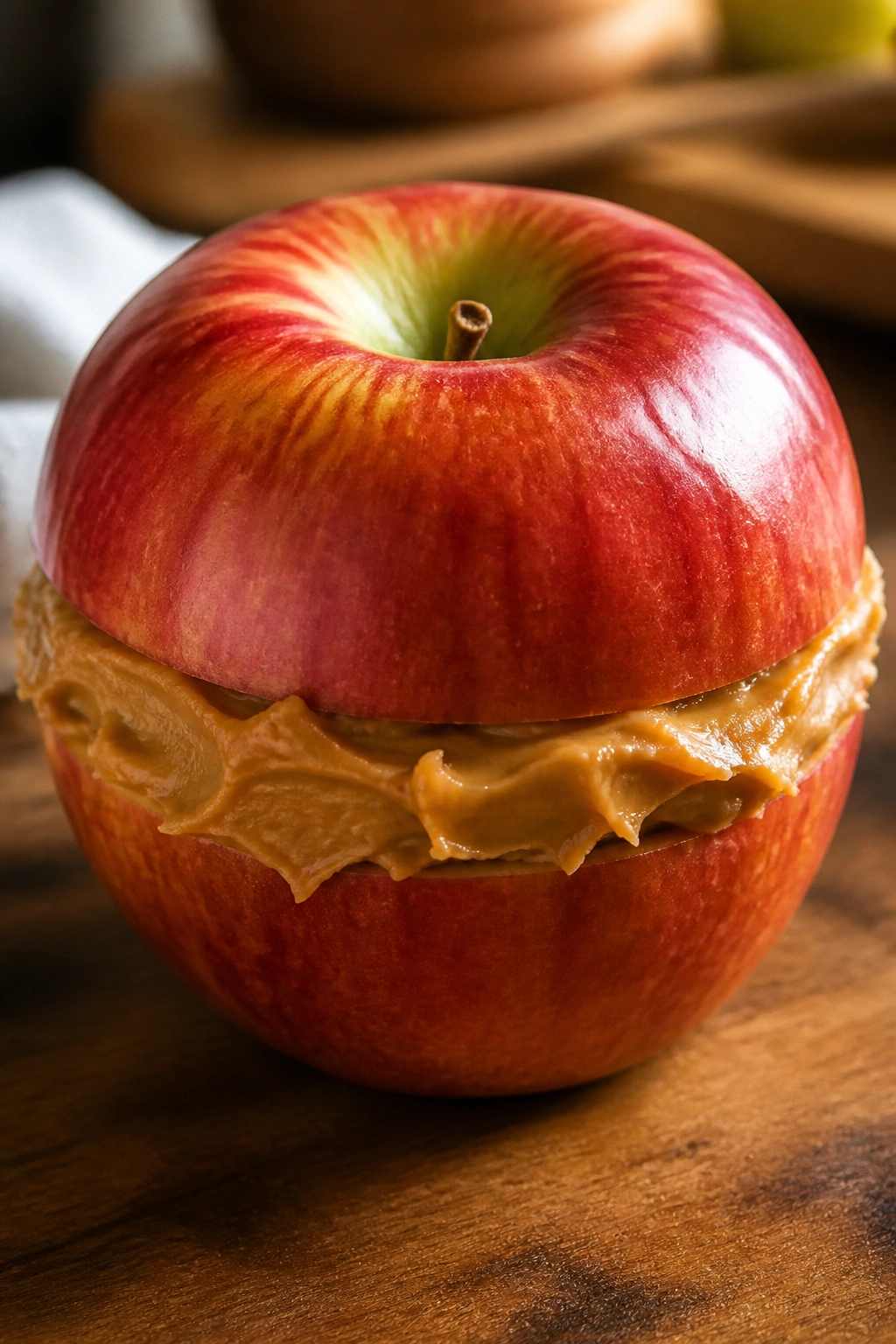
A snack should solve a problem. That problem might be hunger, a long gap between meals, or the need for something before a workout. If a snack is only there to be crunchy and fun, it tends to fade fast and leave you looking for more.
The easiest snack formula is protein plus fiber, or protein plus fat if you need something more filling. An apple with peanut butter works because you get both sweetness and staying power. Greek yogurt with berries does the same thing. So does hummus with carrots, cheese with a pear, or tuna on crackers.
Snack combinations that hold up
- Apple + peanut butter
- Greek yogurt + berries
- Carrots + hummus
- Cheese + whole grain crackers
- Hard-boiled eggs + fruit
Size matters here. A snack should tide you over, not replace lunch. If your “snack” needs a spoon, a napkin, and twenty minutes, it may be a meal pretending to be small. That is fine too, as long as you name it honestly.
14. Cook One Meal Repeatedly Until It Becomes Easy
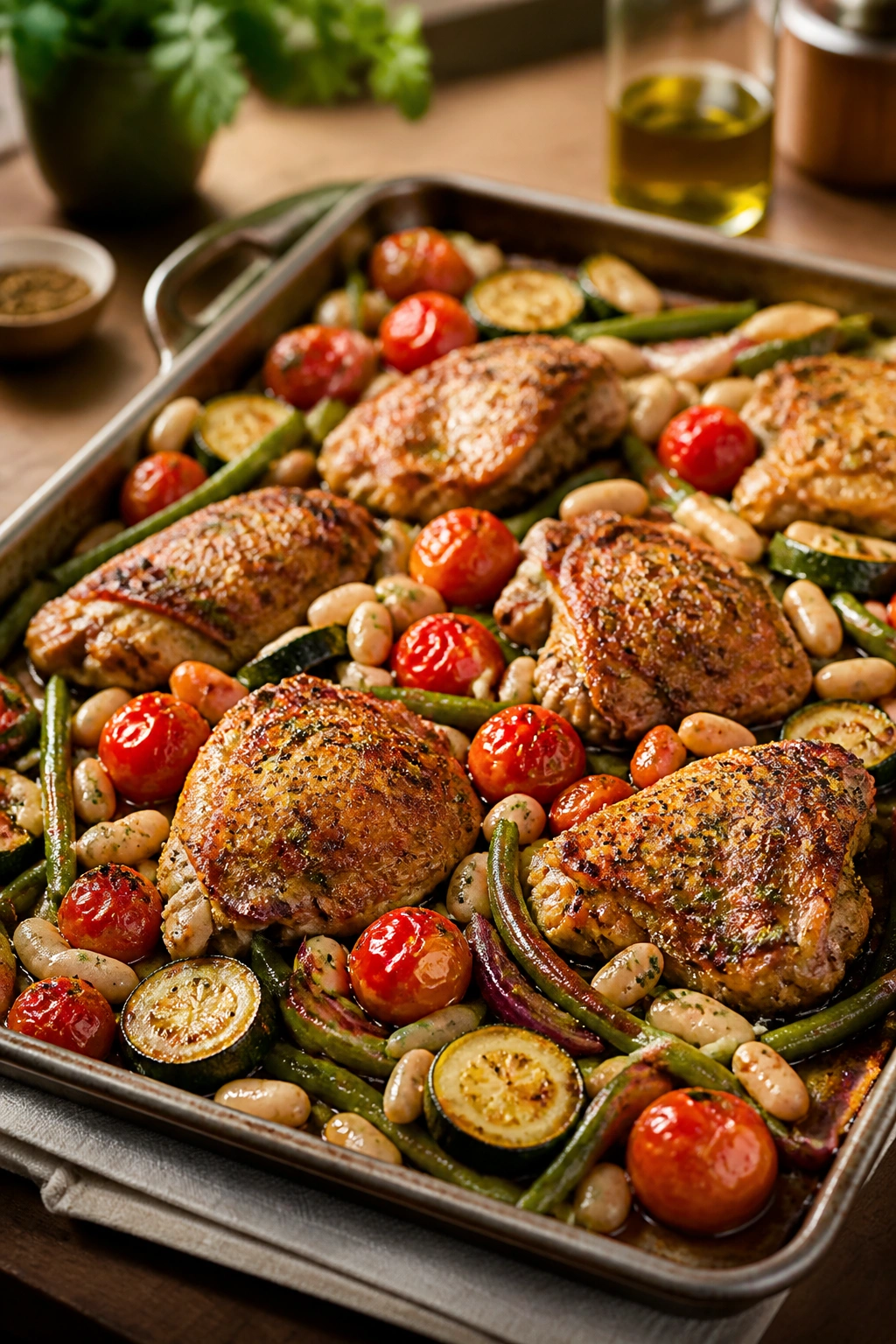
People think variety is the point of good eating. Sometimes it is. But beginners usually need the opposite first: a few meals they can make without thinking. The third time you cook the same sheet-pan dinner, it stops being a recipe and starts being a habit. That is a good thing.
Pick one breakfast, one lunch, and one dinner that you can repeat for two or three weeks. Maybe breakfast is eggs and toast. Lunch is a grain bowl. Dinner is tacos with beans and chicken. Once those meals feel automatic, you can swap ingredients or add new flavors. The structure stays the same.
The payoff is huge. Less shopping. Less waste. Less “What do I eat?” panic at 6 p.m. Also, repeated meals tend to get better because you stop overthinking them. You learn how much salt to use. You learn which pan works best. You learn that undercooking vegetables by two minutes makes them better, not worse.
Boring meals that work are a gift.
15. Eat Slower Than You Think You Need To

Your stomach and your brain are not on the same clock. Fullness takes time to show up. If you eat quickly, especially while scrolling or watching something loud, it is easy to blow past that signal and then feel stuffed afterward. That uncomfortable swing is one of the most common beginner mistakes.
A reasonable target is 15 to 20 minutes for a meal. You do not need to stare at a wall. You do need to stop inhaling food like you are racing a timer. Put the fork down between bites. Take a sip of water. Breathe. Notice when the meal starts to feel like enough rather than endless.
Slow eating also changes what food tastes like. The second half of a meal often feels more satisfying than the first if you are paying attention. Weirdly enough, that can make a smaller portion feel bigger. The food hasn’t changed. Your pace has.
No one wants a lecture at the dinner table. Still, this one matters.
16. Watch Liquid Calories
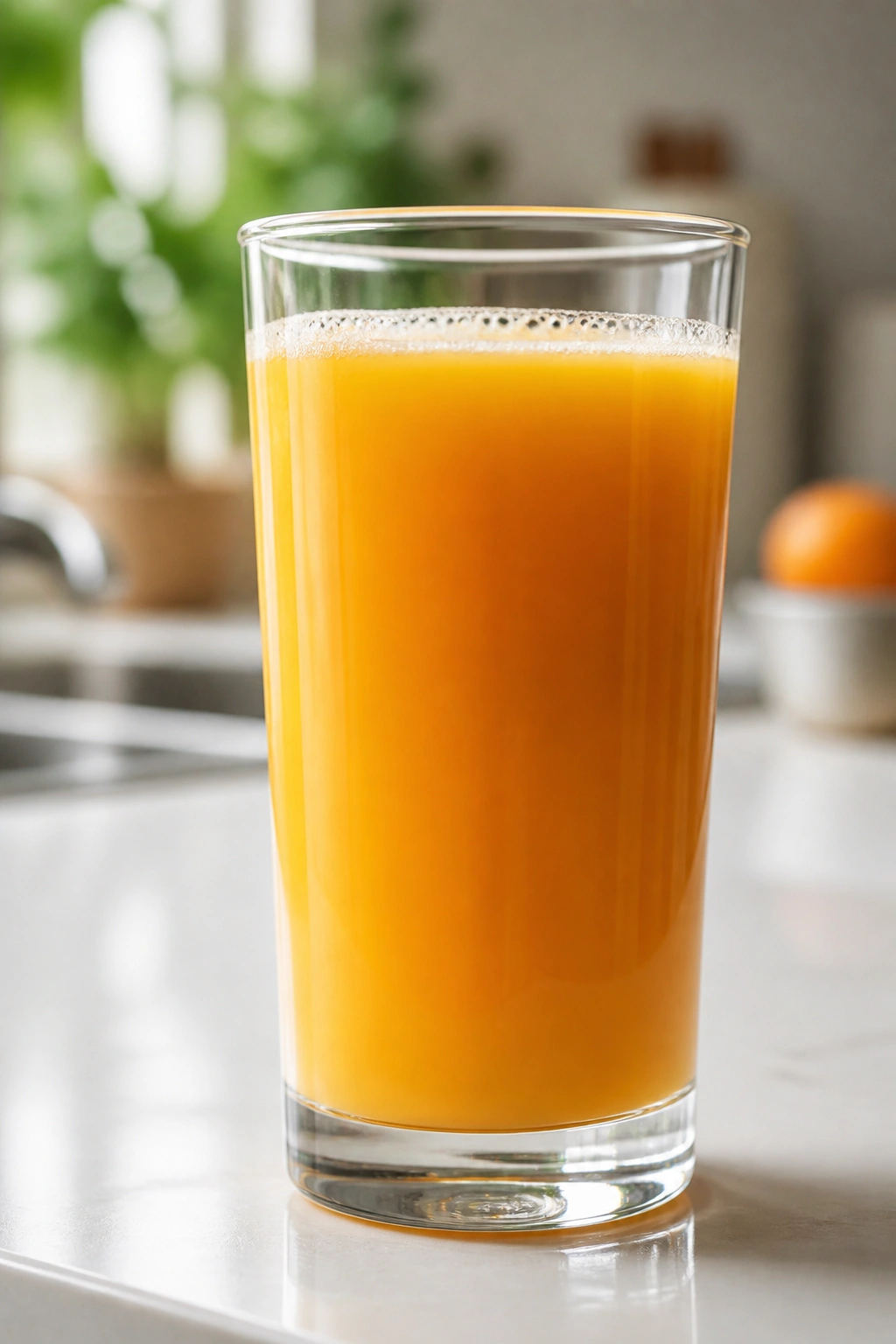
Juice, soda, sweet coffee drinks, flavored milk, energy drinks, and some smoothies can slide into a day without much resistance. Liquid calories are sneaky because they do not chew back. You can drink 250 calories in a few seconds and still feel like you “didn’t eat much.”
This does not mean all drinks are bad. Milk can be useful. Protein shakes can help when you need them. Smoothies can be fine if they include fruit, yogurt, and protein instead of a sugar bomb in a cup. But for everyday drinking, water is the cleanest choice. Tea and coffee work too if you keep the sugar and syrups under control.
The easiest swap is the one you barely notice. Replace one sweet drink a day with water or sparkling water, and the difference adds up fast. Same with fancy coffee. A plain latte is one thing. A dessert-in-a-cup with whipped cream and flavored syrup is another.
If you want an honest shortcut, this is one of the easiest places to cut excess sugar without feeling deprived.
17. Know Which Supplements Are Backup, Not the Base
Supplements can help, but they are not a shortcut around a poor diet. A multivitamin does not replace vegetables. Protein powder does not make a meal balanced. Fish oil does not fix a week of takeout and no sleep. The base still has to come from food.
That said, some supplements make sense for some people. Vitamin B12 matters for people who eat no animal foods. Vitamin D is sometimes worth discussing if sun exposure is low. Iron can matter for people with diagnosed deficiency, and omega-3s may help if fish is rare in the diet. The trick is not to collect bottles for the feeling of being organized.
When a supplement belongs on the table
- You have a diagnosed deficiency.
- You follow a vegan diet and need B12.
- A clinician told you to take one.
- Your food pattern has a known gap you cannot fix quickly.
If you are unsure, ask a pharmacist or clinician before buying a cart full of pills. Supplements are there to patch holes, not to become a personality.
18. Cover Your Base Nutrients With Food
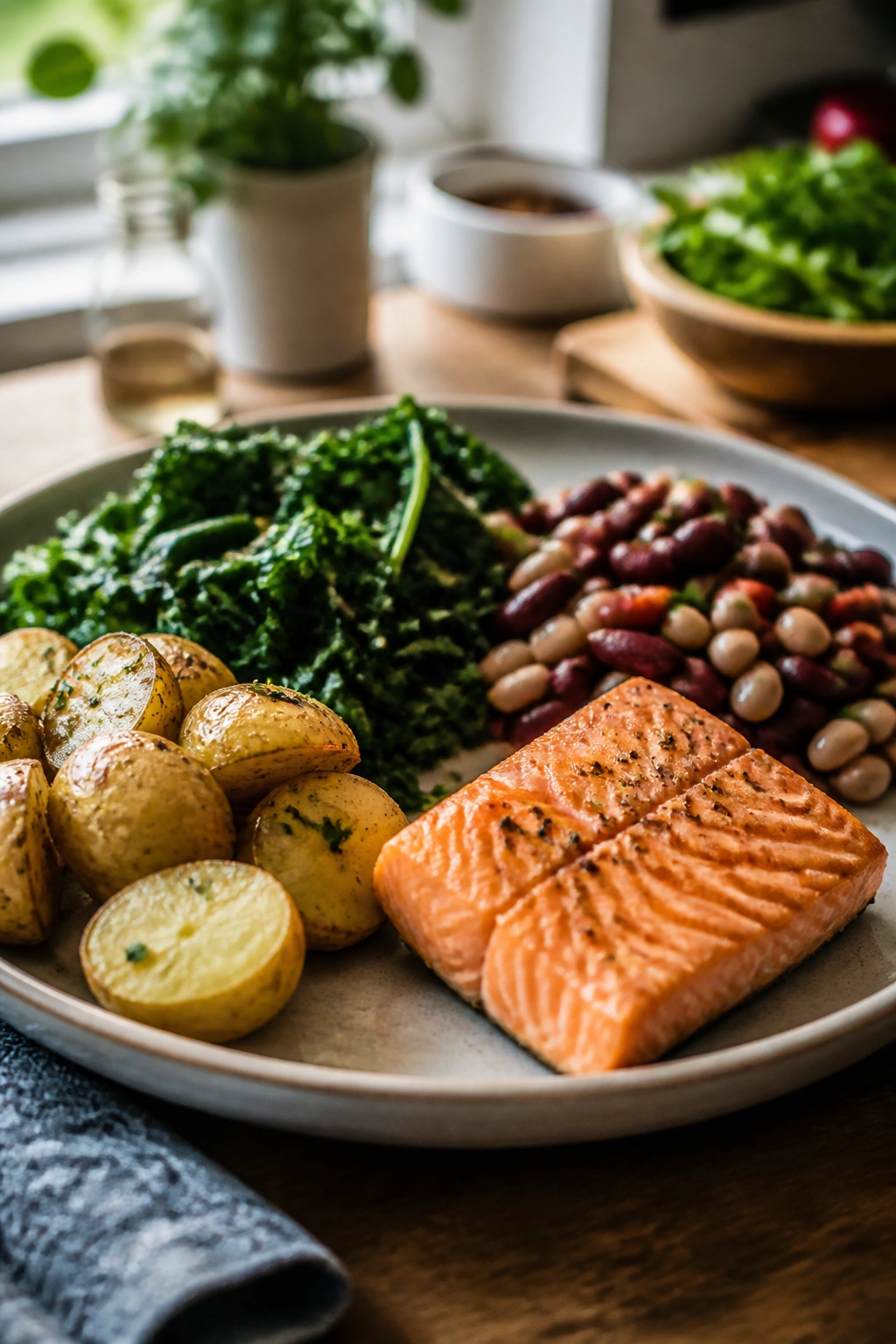
Beginners often focus on calories and forget the quieter nutrients that matter every day. Calcium, iron, potassium, iodine, and omega-3 fats show up in food choices that are easy to miss if you are eating on autopilot. You do not need a spreadsheet. You do need a few reliable sources.
Calcium lives in milk, yogurt, cheese, fortified soy milk, tofu set with calcium, and some leafy greens. Iron shows up in meat, beans, lentils, spinach, and fortified grains. Potassium is abundant in potatoes, beans, bananas, yogurt, and tomatoes. Omega-3s are strong in salmon, sardines, flaxseed, chia seeds, and walnuts. The point is not to eat all of them every day. The point is to let a few of them show up often enough that your diet stops feeling lopsided.
Food sources that pull their weight
- Dairy or fortified soy milk for calcium
- Beans and lentils for iron and fiber
- Potatoes and bananas for potassium
- Salmon, chia, flax, walnuts for omega-3s
A diet can be full enough in calories and still miss the basics. That is the quiet trap. Build a few mineral-rich foods into the week and you avoid a lot of dull, tired, off-balance eating.
19. Build Meals You Can Assemble Like a Formula
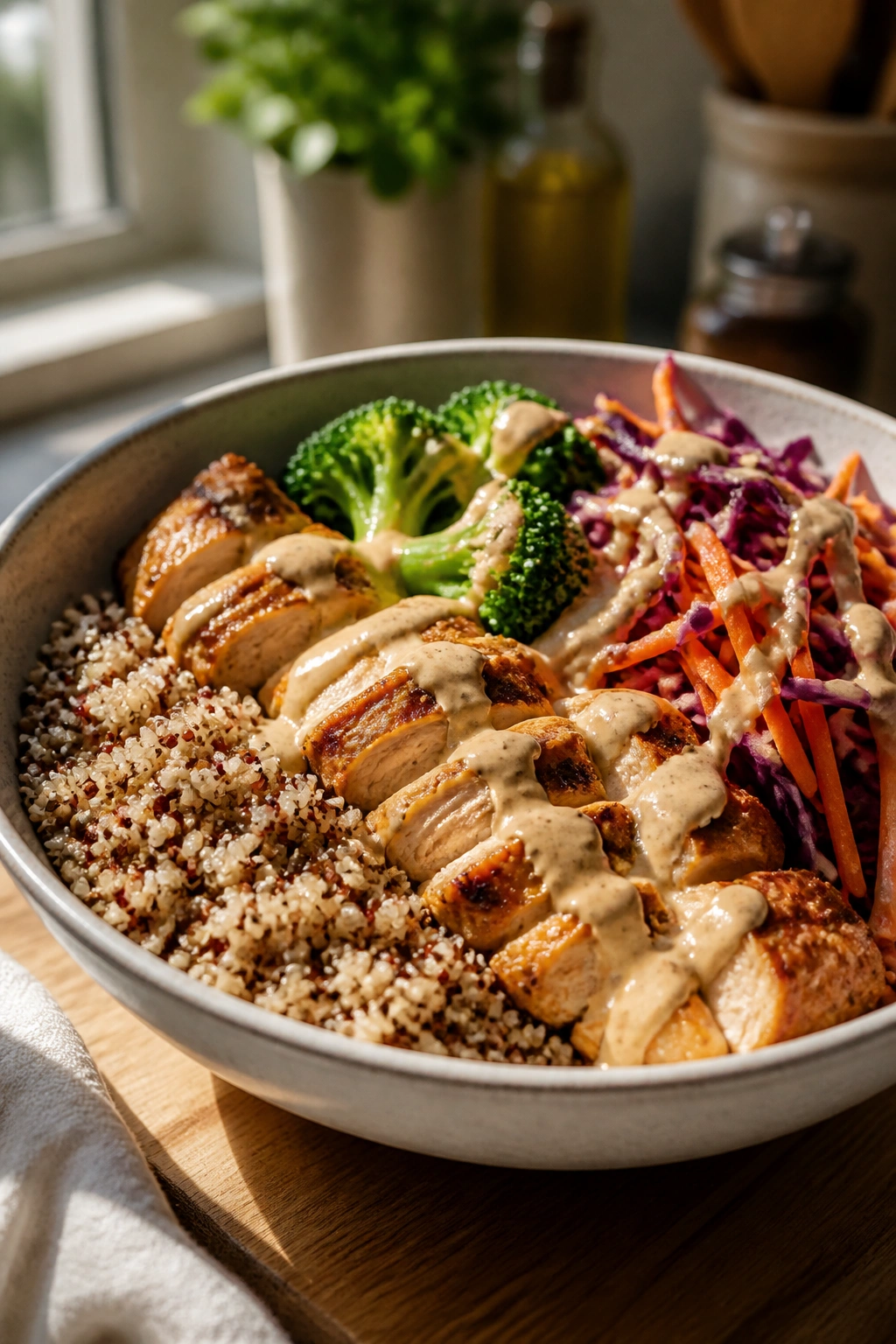
Dinner does not always need a recipe. Sometimes it needs a template. A formula keeps the whole thing from getting weird when you are low on energy. My favorite one is grain + protein + vegetable + sauce. That is enough structure to make leftovers feel intentional and enough flexibility to stop boredom.
Take a rice bowl: rice, chicken, cucumbers, carrots, sesame dressing. Or a pasta bowl: whole wheat pasta, tuna, spinach, olive oil, lemon. Or a taco plate: tortillas, beans, salsa, cheese, shredded lettuce. The specific food can change. The formula stays steady.
Easy bowl formula
- 1 base: rice, potatoes, pasta, quinoa, bread
- 1 protein: beans, eggs, chicken, tofu, fish
- 1 or 2 vegetables: fresh, frozen, roasted, or raw
- 1 sauce or seasoning: salsa, pesto, olive oil, yogurt sauce, vinaigrette
This approach works because it lowers the number of decisions. You are not inventing dinner. You are filling slots. That sounds small, but on a tired night it is the difference between eating well and ordering fries because thinking feels expensive.
20. Progress Beats Perfect Nutrition Every Time
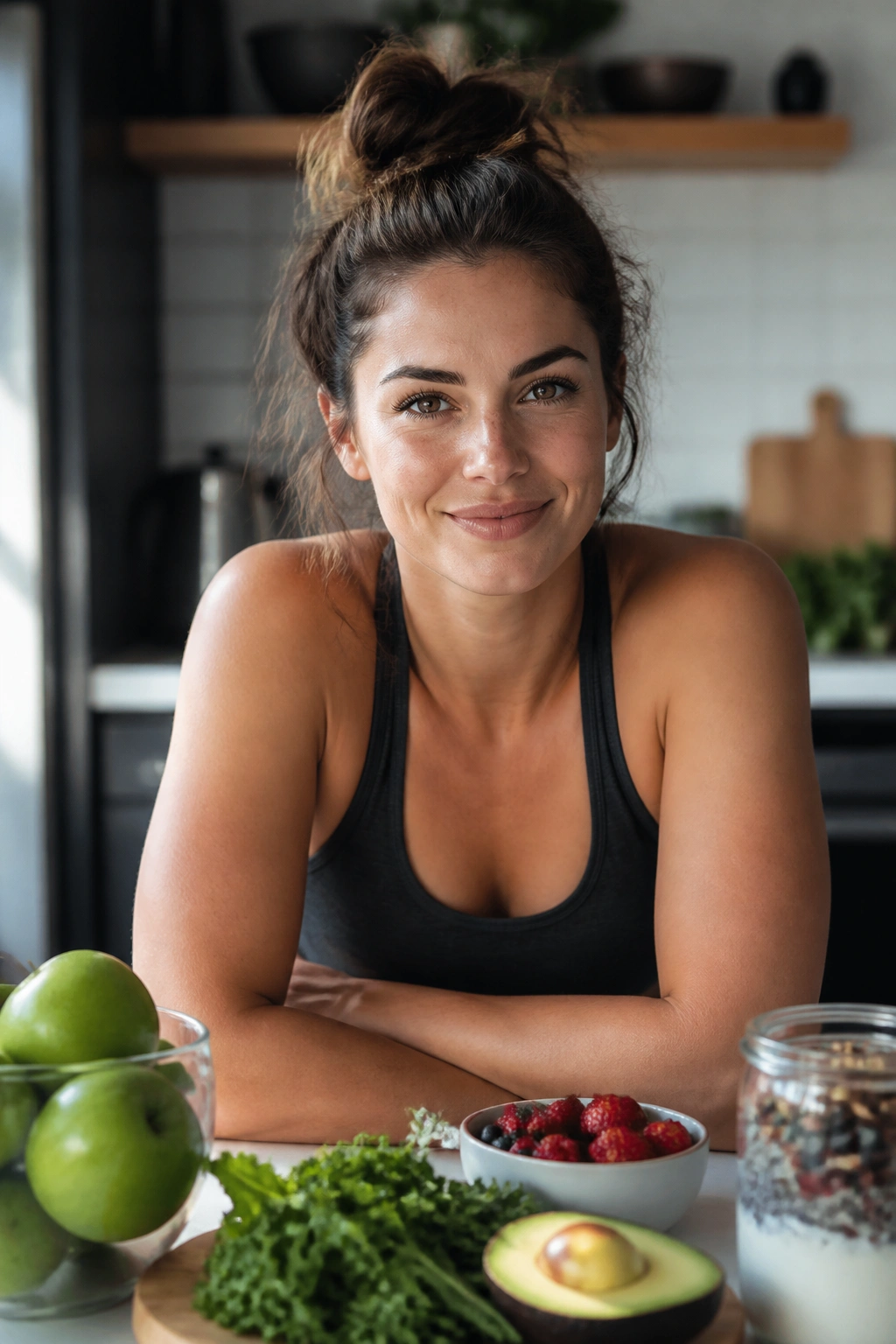
Perfection is expensive. It eats time, attention, and patience, and then it makes people quit when one meal goes sideways. A better approach is to improve one thing at a time and keep it there long enough to become normal. That is how actual habits form.
Pick a few changes that are easy to repeat. Add protein to breakfast. Put fruit on the counter. Swap one sugary drink for water. Cook two dinners at home each week. Small changes sound unimpressive until you do them 20 or 30 times. Then they become your food life, which is the whole point.
One sentence here is enough: tiny wins beat dramatic promises.
If you want a useful way to measure progress, look at your average week, not your best day. One better lunch repeated five times matters more than a perfect Sunday followed by four chaotic nights. That is where beginner nutrition gets honest, and where it starts to work.
Final Thoughts
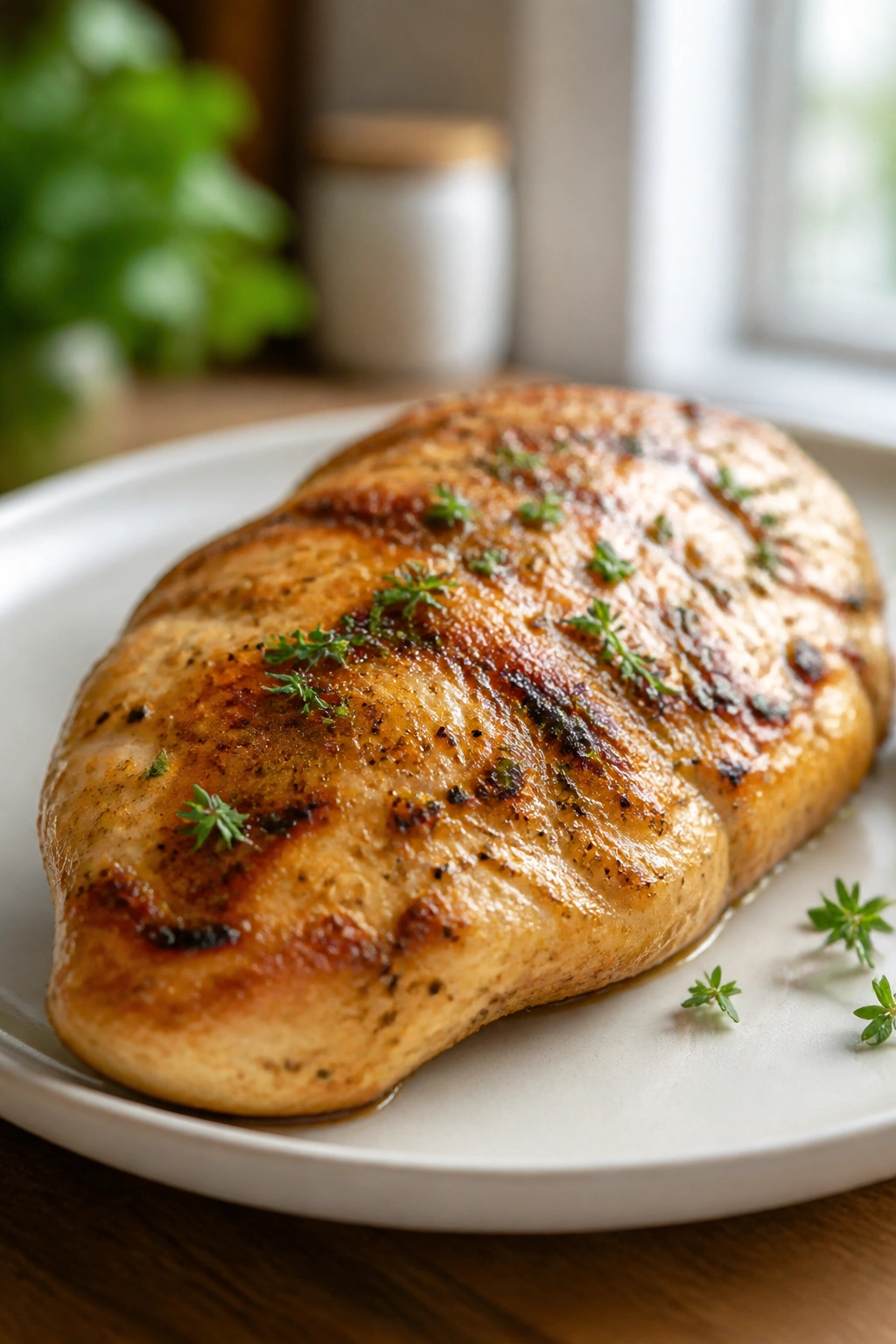
Good nutrition for beginners is less about rules and more about lowering the number of bad choices that can happen by accident. Protein steadies meals. Fiber keeps hunger from sprinting ahead. Water, labels, and a stocked kitchen do a lot of quiet work that most people never notice until those things are missing.
The nicest part is that none of this requires a dramatic lifestyle rewrite. You can keep your favorite foods, keep eating normal meals, and still make real progress by improving the structure around them. That is usually how eating well lasts — not through force, but through habits that are plain enough to repeat on a tired Tuesday.
Start with one or two changes and let them settle in. The food gets easier. So does the day.
