



The hardest part of any given week isn’t the work itself; it’s the transition. You walk through the door at six or seven in the evening, your brain is fried, and the question “What’s for dinner?” feels less like a query and more like an accusation. If you haven’t planned ahead, the path of least resistance is almost always a delivery app or a frozen box of something processed. That’s not a failure of character; it’s a failure of systems.
Real meal planning isn’t about rigid, color-coded spreadsheets that look like they belong in a corporate boardroom. Those systems break the moment you have a bad Tuesday or an unexpected late meeting. True, sustainable planning for busy lives relies on modularity—having a stock of prepared components, reliable flavor profiles, and strategies that allow you to pivot when the schedule inevitably shifts. You want a rhythm that keeps you fed without requiring four hours of labor every Sunday.
When you start treating your kitchen like a pantry that needs restocking rather than a laboratory that needs a three-course meal every night, everything changes. The following strategies are designed to be swapped, mixed, and adapted. Some might appeal to your specific lifestyle, while others might feel like overkill. That is entirely intentional. Pick the ones that solve the specific friction points in your week.
1. The Theme Night Rotation
The most effective way to eliminate decision fatigue is to take the decision off the table entirely. When you assign a culinary theme to a specific night of the week, you aren’t deciding what to cook; you are simply filling a slot. Taco Tuesday is the classic example, but the concept is infinitely more powerful when you expand it to cover the entire week.
How to Build Your Weekly Rhythm
Create a permanent menu structure that repeats every week. For instance, Mondays could be “Pasta Night,” Tuesdays are “Tex-Mex,” Wednesdays are “Sheet Pan/Roast,” Thursdays are “Breakfast-for-Dinner,” and Fridays are “Build-Your-Own-Pizza.” You aren’t committing to a specific recipe, just a genre. This keeps your shopping list predictable. You know you need pasta and marinara every Monday; you know you need tortillas and salsa every Tuesday.
Why This Works
The brain hates open-ended choices. By narrowing your focus to a specific category, you stop browsing thousands of recipes and start looking for the three or four versions of that category you actually enjoy. It also makes shopping for bulk ingredients easier. You aren’t buying random produce that goes bad; you are buying the same staples on rotation.
Pro tip: Keep a simple list on your fridge of three go-to recipes for each theme night. When you’re tired and unable to think, just pick one from the list. Don’t reinvent the wheel every single week.
2. Sheet Pan Batch Roasting
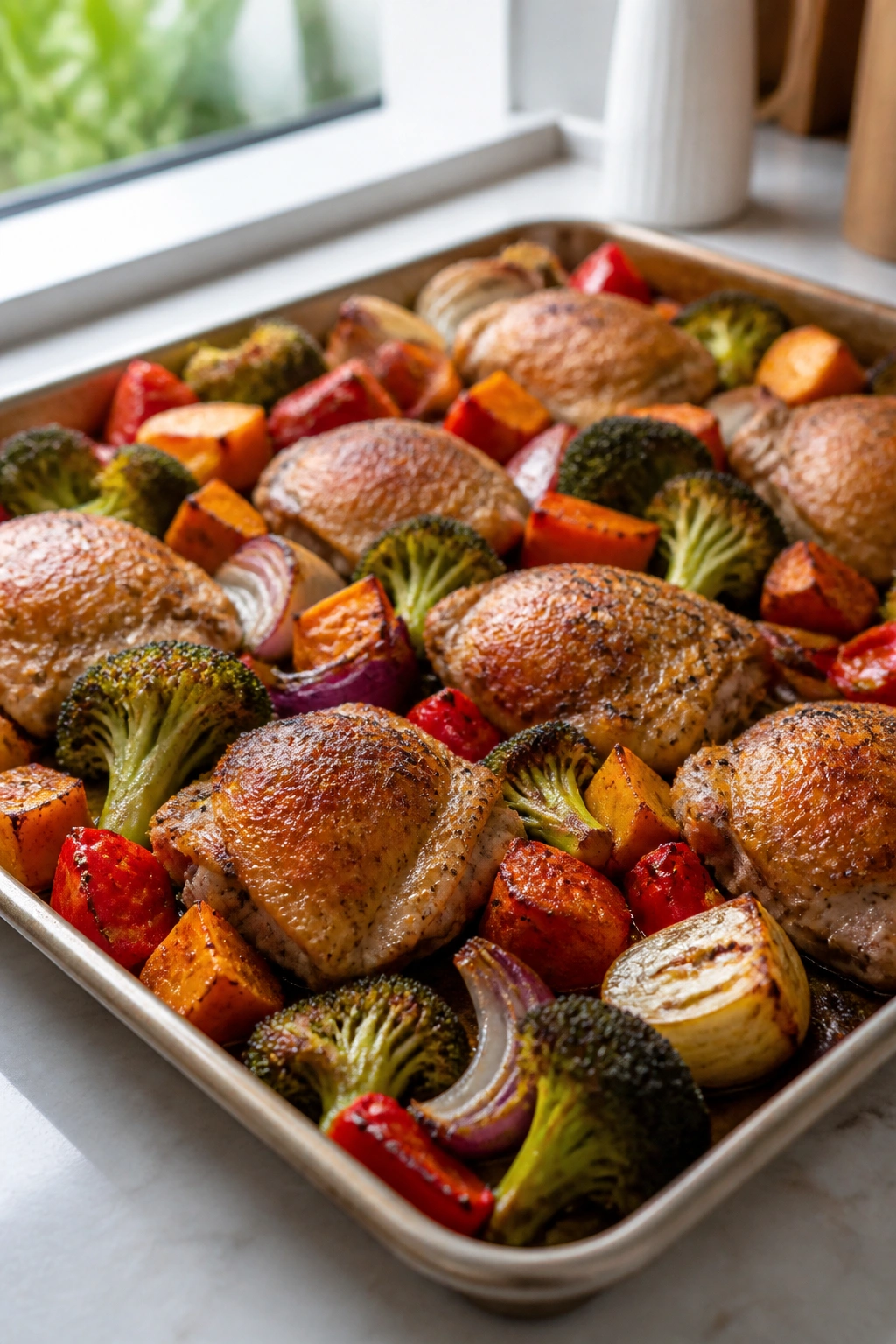
This is the workhorse of busy households. The philosophy is simple: high heat, uniform cutting, and enough oil to keep things from sticking. When you master the sheet pan, you can prepare enough protein and vegetables for three nights of dinner in about forty minutes of active time, most of which is just waiting for the oven to do the heavy lifting.
The Physics of the Sheet Pan
You have to give food space. The biggest mistake people make is overcrowding the pan. When you pile vegetables on top of each other, they steam rather than roast. They turn into a soggy, unappetizing mush. Use two pans if you have to. Spread the ingredients in a single layer with enough room for air to circulate around every piece.
What to Roast
Stick to hardy vegetables that can withstand 400°F (200°C) for thirty minutes. Broccoli, cauliflower, carrots, bell peppers, zucchini, and Brussels sprouts are your best friends. Toss them in olive oil, salt, pepper, and dried herbs—thyme, rosemary, or smoked paprika work wonders. You can roast chicken thighs or sausages right alongside the vegetables, letting the juices flavor the tray.
Pro tip: Use parchment paper. Seriously. Clean-up becomes a matter of crumpling up the paper and tossing it. Don’t scrub pans when you don’t have to.
3. The “One Protein, Three Ways” Method
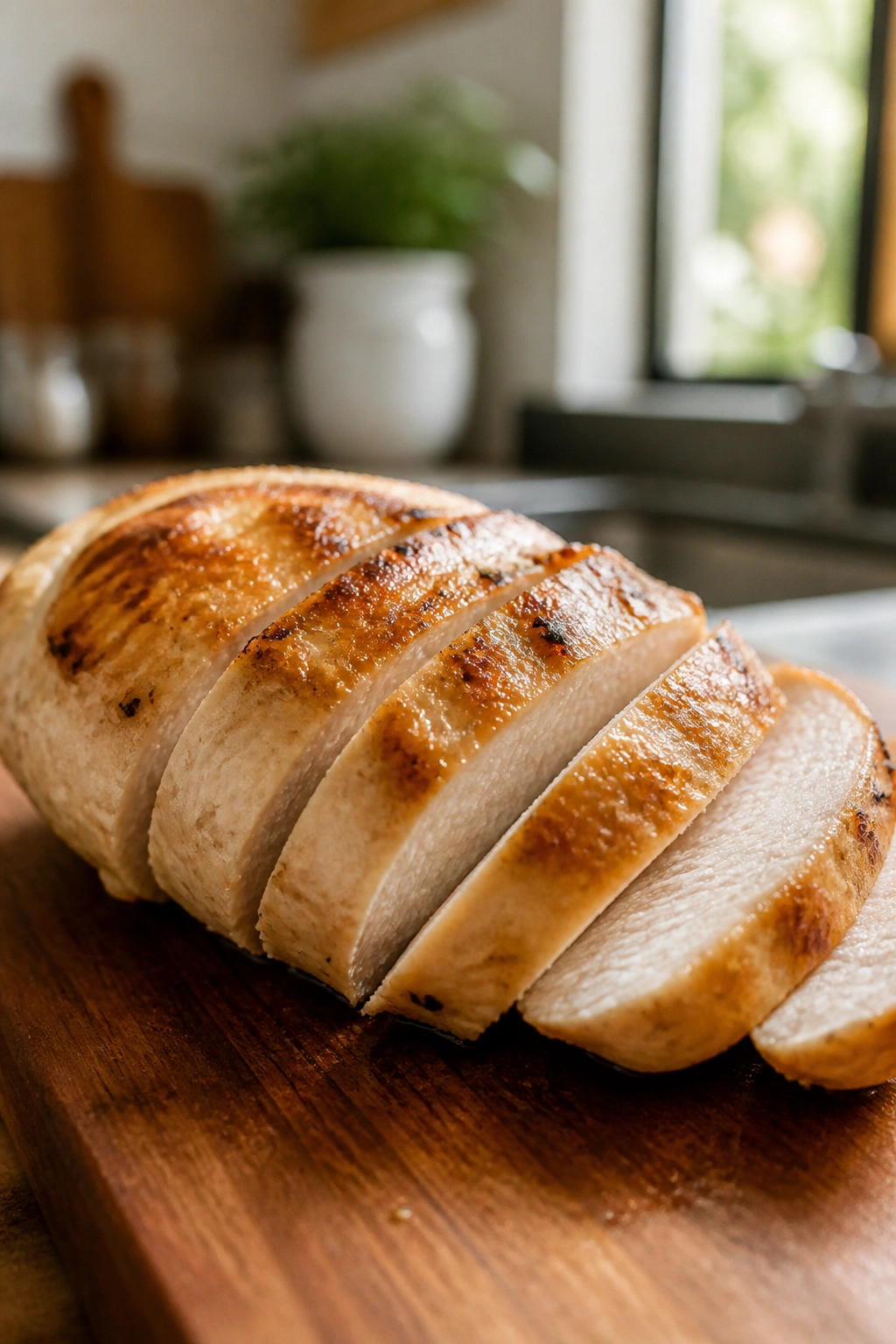
Cooking a massive amount of meat at once sounds like a chore, but it saves hours of active cooking time over the course of the week. This strategy involves picking one versatile protein—usually chicken breast, thighs, or ground turkey—and cooking it completely plain or with a neutral seasoning blend.
Executing the Versatile Base
The key is to keep the seasoning mild so it doesn’t clash with different flavor profiles later. If you use heavy jerk seasoning on your chicken, you can’t easily turn it into a taco or a pasta dish. Stick to salt, pepper, garlic powder, and maybe a little lemon juice or oil. Once it’s cooked, you have a blank canvas.
The Transformation
Take that plain, cooked protein and break it down into three portions. Portion one goes into a salad. Portion two gets tossed in barbecue sauce for a sandwich or wrap. Portion three gets sauteed with taco seasoning for dinner. You aren’t cooking from scratch every night; you are just assembling with different sauces. It feels like a fresh meal every time, but the hard work happened once.
Pro tip: Don’t slice the meat until you are ready to use each portion. Keeping the meat in larger chunks (or whole breasts) prevents it from drying out in the fridge.
4. Breakfast-for-Dinner Strategy
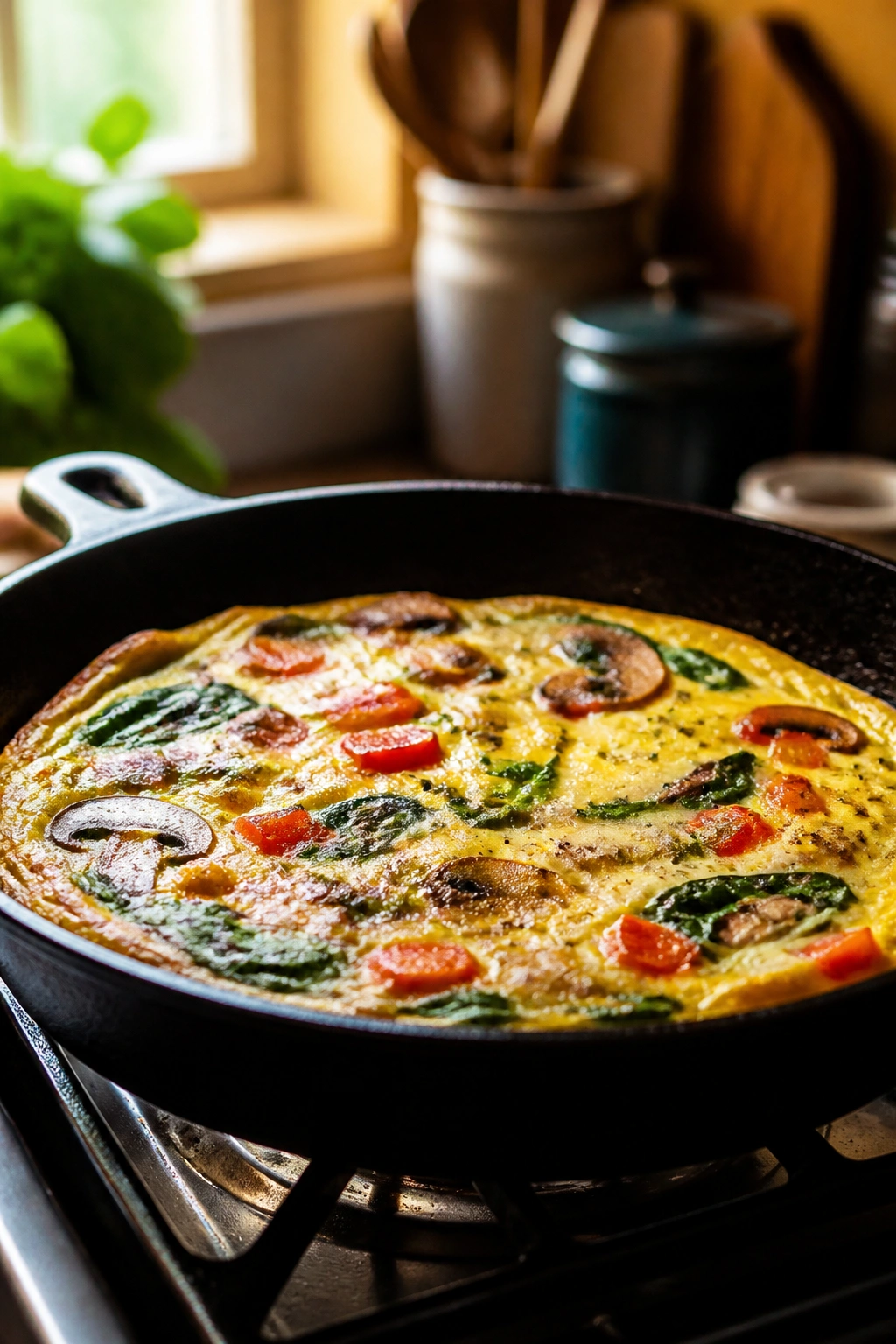
Sometimes the simplest, cheapest, and fastest dinner option is also the one most associated with the morning. Eggs are the ultimate convenience food. They are fast, nutritious, and require almost zero preparation time. When you have nothing in the fridge and zero energy, this is your fallback plan.
Fast and Flexible Options
A frittata is the best way to clean out your vegetable drawer. Whatever wilted greens, stray onions, or half-blocks of cheese are lingering in your fridge, throw them into a cast-iron skillet, pour in eight beaten eggs, and bake at 375°F (190°C) until set. It takes ten minutes of effort and feeds a crowd. Or, go even simpler: scrambled eggs with toast, or breakfast burritos filled with beans and cheese.
Why It Saves You
There is no “planning” required for this, just a well-stocked pantry and a carton of eggs. It is a zero-waste strategy that prevents you from ordering expensive takeout. Plus, it’s comforting. There is something inherently relaxing about eating breakfast food after a long, stressful day.
Pro tip: Keep a bag of frozen spinach or kale in the freezer. It’s perfect for tossing into omelets or frittatas to add nutrition without any chopping.
5. The Cold-Prep Mason Jar Salad System
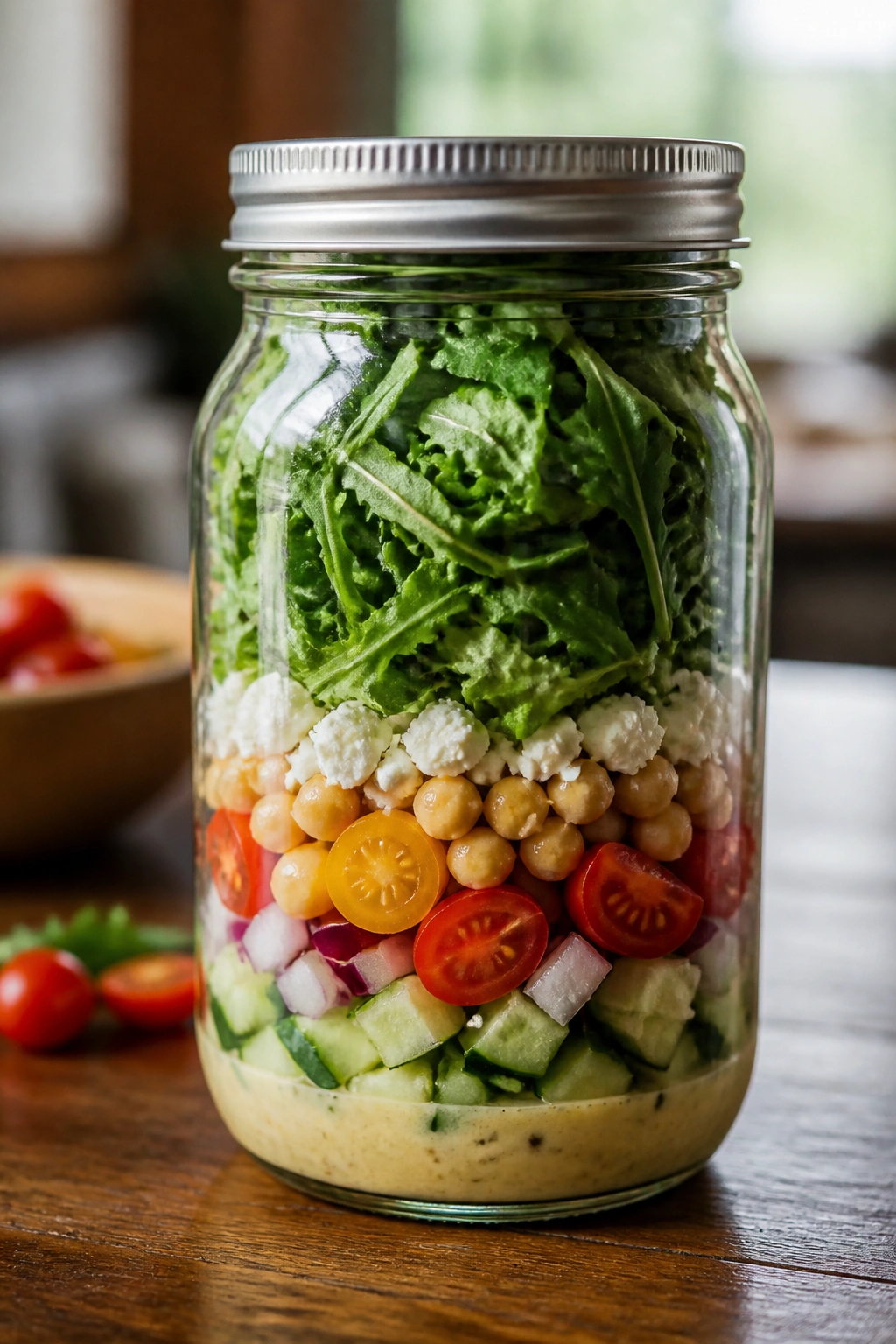
If you find yourself buying expensive, sad-looking salads for lunch, this is the solution. The trick to a mason jar salad that doesn’t get soggy is the architecture of the layers. You are essentially building a vertical salad where the dressing stays isolated from the greens until you are ready to eat.
How to Layer for Longevity
Always start with the dressing at the very bottom. Next, add the sturdy, non-absorbent vegetables—cucumbers, peppers, chickpeas, or roasted beets. Those veggies marinate in the dressing and actually get better. In the middle, put your grains or proteins. At the very top, put your delicate greens like spinach or arugula.
Storage and Serving
Store these upright in the fridge. Because the dressing is at the bottom, your greens remain crisp for three to four days. When you’re ready to eat, just shake the jar to distribute the dressing or dump it into a bowl. It’s a complete, healthy lunch that’s ready to grab as you run out the door.
Pro tip: Don’t overpack the jar. Leave some room at the top so you can shake the contents effectively. If you pack it too tight, the dressing won’t coat the ingredients properly.
6. No-Cook Assemble-Only Meals
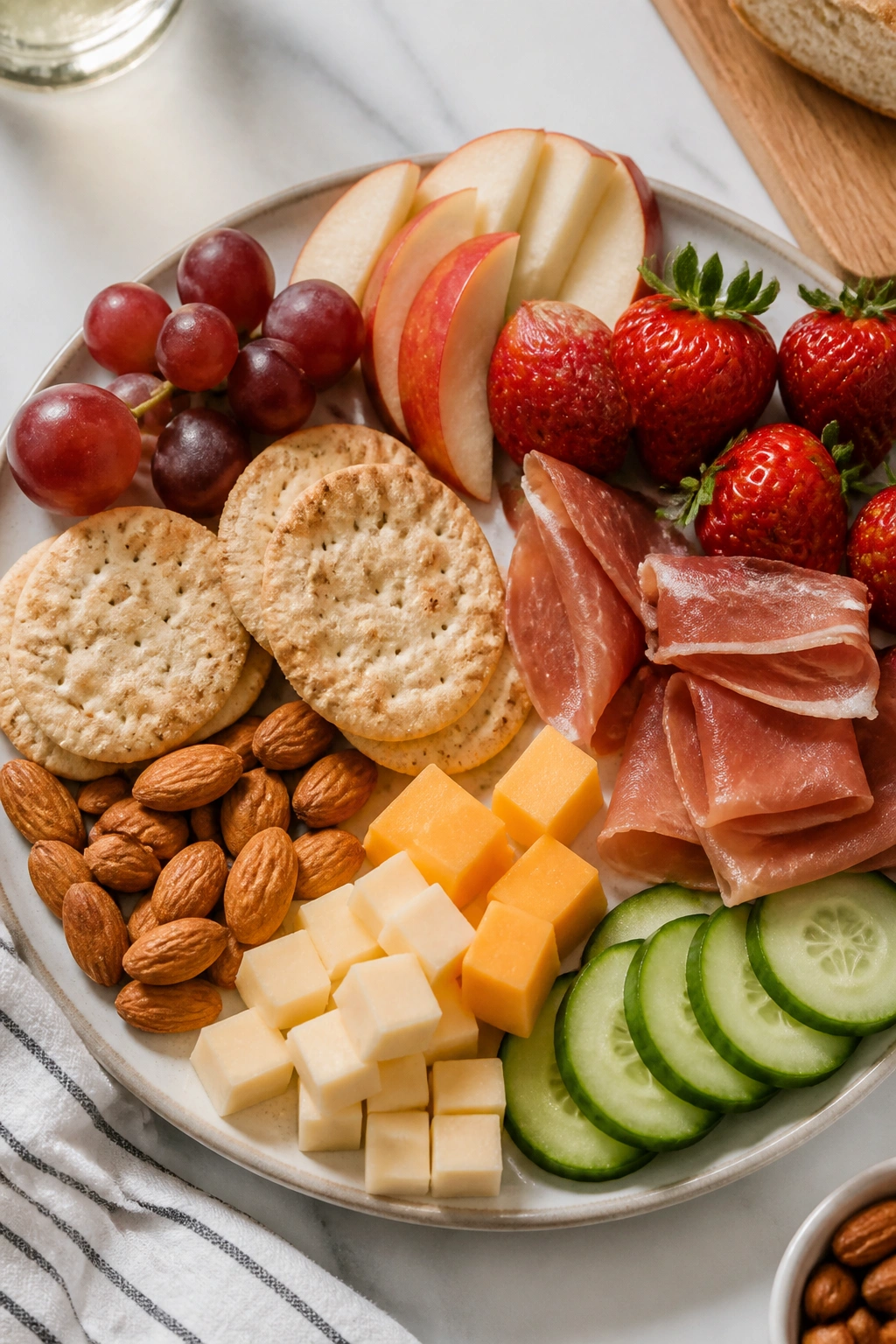
There are days when the thought of turning on the stove feels like a mountain you cannot climb. For those days, you need a “no-cook” menu. This isn’t about eating raw food; it’s about leaning on high-quality, pre-prepared ingredients. This is strategic, efficient eating.
The “Adult Lunchable” Concept
Think about the components of a charcuterie board. A few good cheeses, a box of crackers, some nuts, some fruit, and maybe some high-quality deli turkey or salami. When you put these on a plate, it’s a meal. It doesn’t need to be fancy, and it doesn’t need to be cooked.
Sourcing Convenience
Stock your pantry and fridge with items that function as dinner on their own:
- Rotisserie chicken (the ultimate cheat code)
- Canned chickpeas or white beans (rinse them and toss with vinaigrette)
- Deli-sliced roast beef or turkey
- Hummus and raw veggies
- Bagged salad mixes that are actually fresh
- Hard-boiled eggs (buy them pre-peeled if you have to)
Pro tip: If you are buying rotisserie chicken, break it down immediately when you get home. It’s much easier to shred while warm, and you can portion the meat into containers right away.
7. The “Pantry-Staple” Emergency Menu
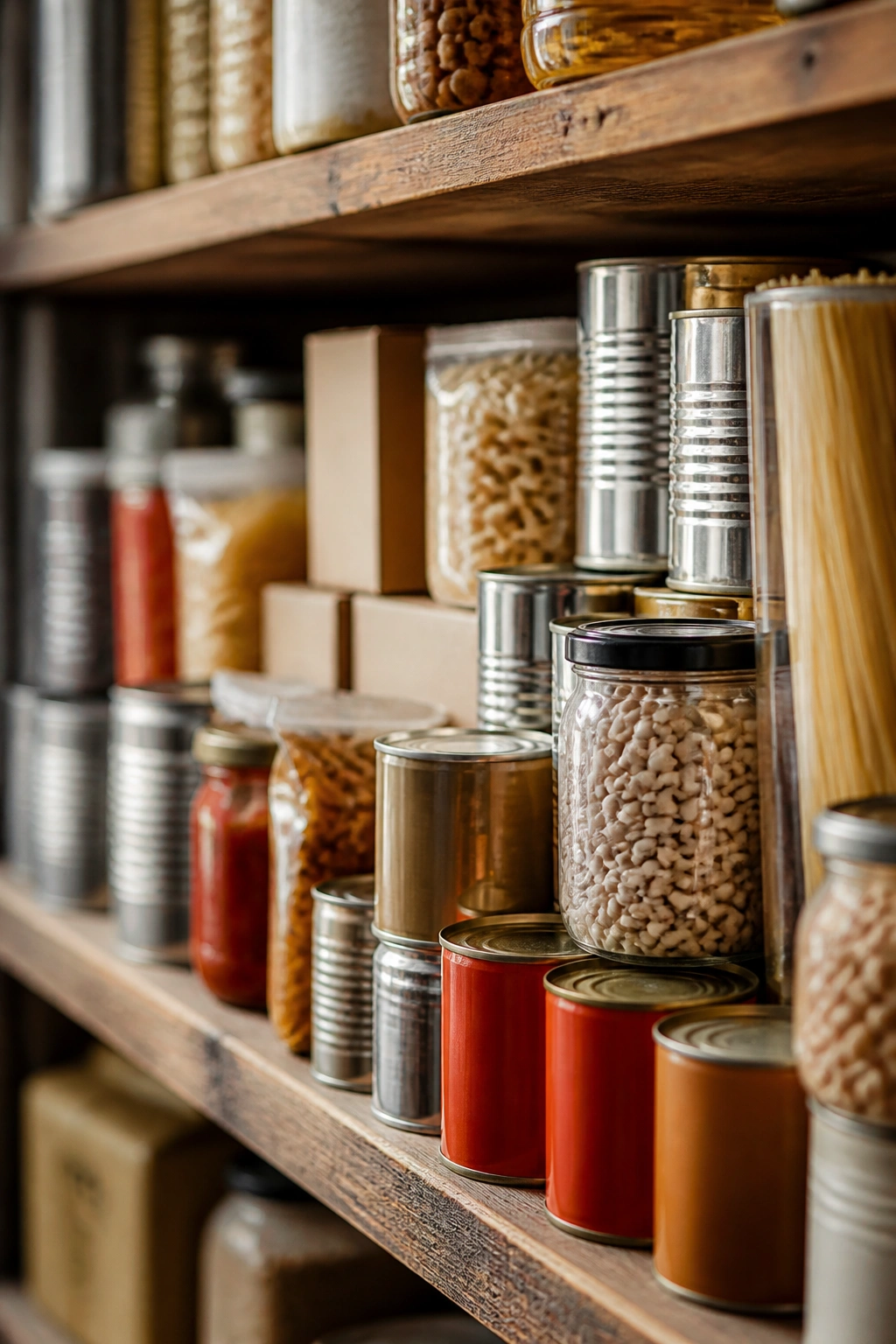
Every house needs a “panic menu”—a set of meals you can make when the fridge is completely bare, the milk has gone sour, and you haven’t been to the grocery store in ten days. These are the meals that rely exclusively on shelf-stable ingredients.
Building Your Emergency Stock
You need carbohydrates, proteins, and fats that last forever. Keep a few boxes of pasta, a few cans of crushed tomatoes, several cans of beans (black, cannellini, chickpea), and maybe a few cans of tuna or salmon. A jar of pesto, a bottle of olives, and some dried herbs complete the set.
Why It Prevents Takeout
The biggest driver of unhealthy food choices is the feeling of having “nothing to eat.” When you have a dedicated emergency shelf, you realize you actually have quite a lot. A can of white beans simmered with garlic and red pepper flakes over pasta is a legitimate, satisfying dinner that costs pennies.
Pro tip: Check your pantry staples every few months. Use the oldest items and replace them so you don’t end up with expired cans you’ll never actually eat.
8. Slow Cooker Dump Meals
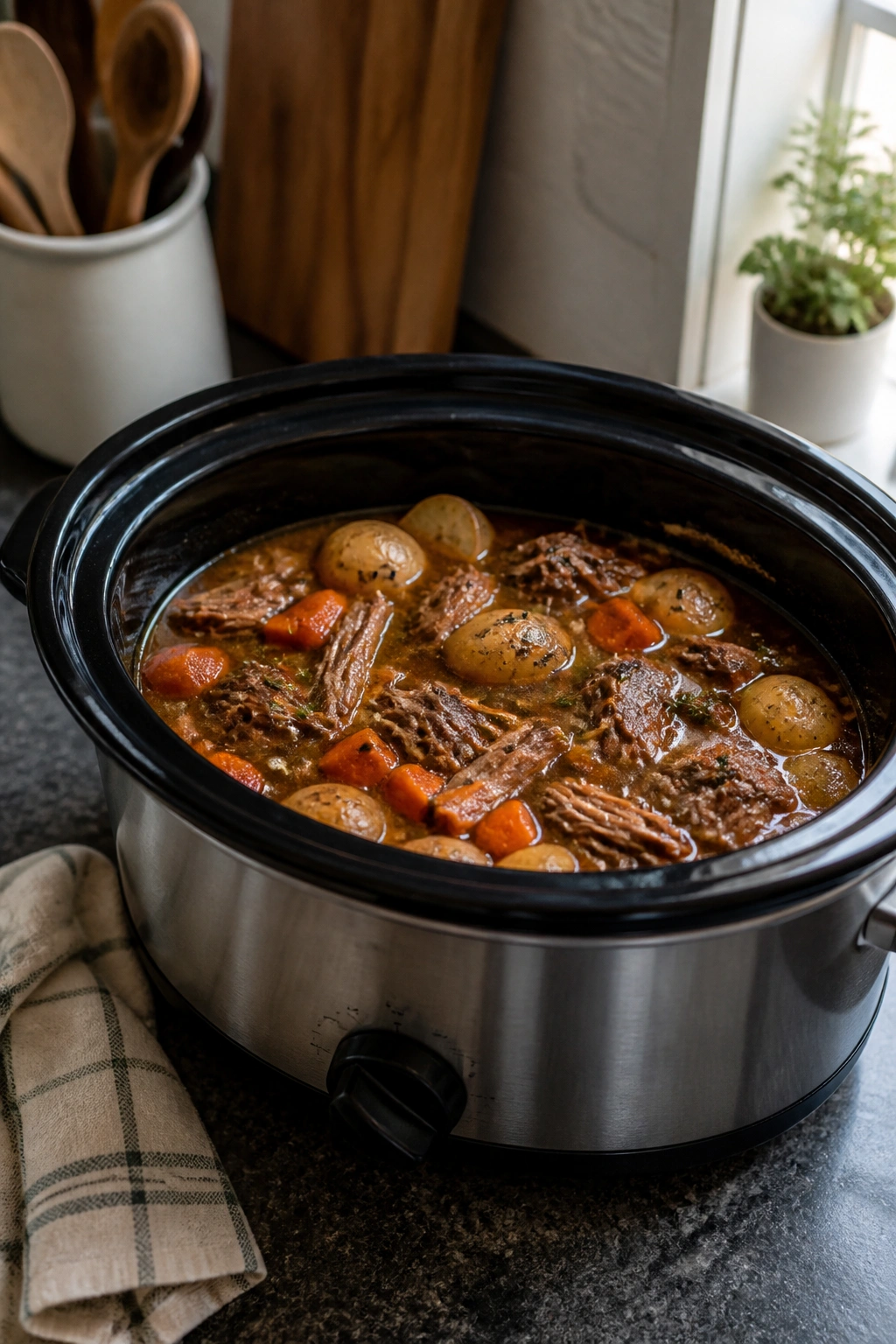
The beauty of the slow cooker—or the multicooker—is the ability to create a meal without actually “cooking” in the traditional sense. You are simply managing heat and moisture over a long period. The secret to success here is removing the “searing” step. While searing meat adds flavor, it’s often a step that prevents busy people from actually using their slow cooker.
The “Dump and Go” Philosophy
For busy weeknights, skip the searing. Focus on recipes that rely on braising liquids—broth, salsa, coconut milk, or canned tomatoes. These liquids permeate the meat or vegetables and create the flavor. If you’re tossing in onions or garlic, don’t worry about sautéing them first; just throw them in.
Getting the Liquid Ratio Right
Remember that the slow cooker doesn’t evaporate liquid the way a stove does. If you put too much liquid in, you’ll end up with a watery soup instead of a rich stew. Use about half the liquid you think you need. You can always add more at the end, but you can’t easily take it away.
Pro tip: Buy “slow cooker liners” or just accept that you’ll need to soak the crock. If you hate the cleanup, the liners are a non-negotiable quality-of-life purchase.
9. Leftover Transformation Technique
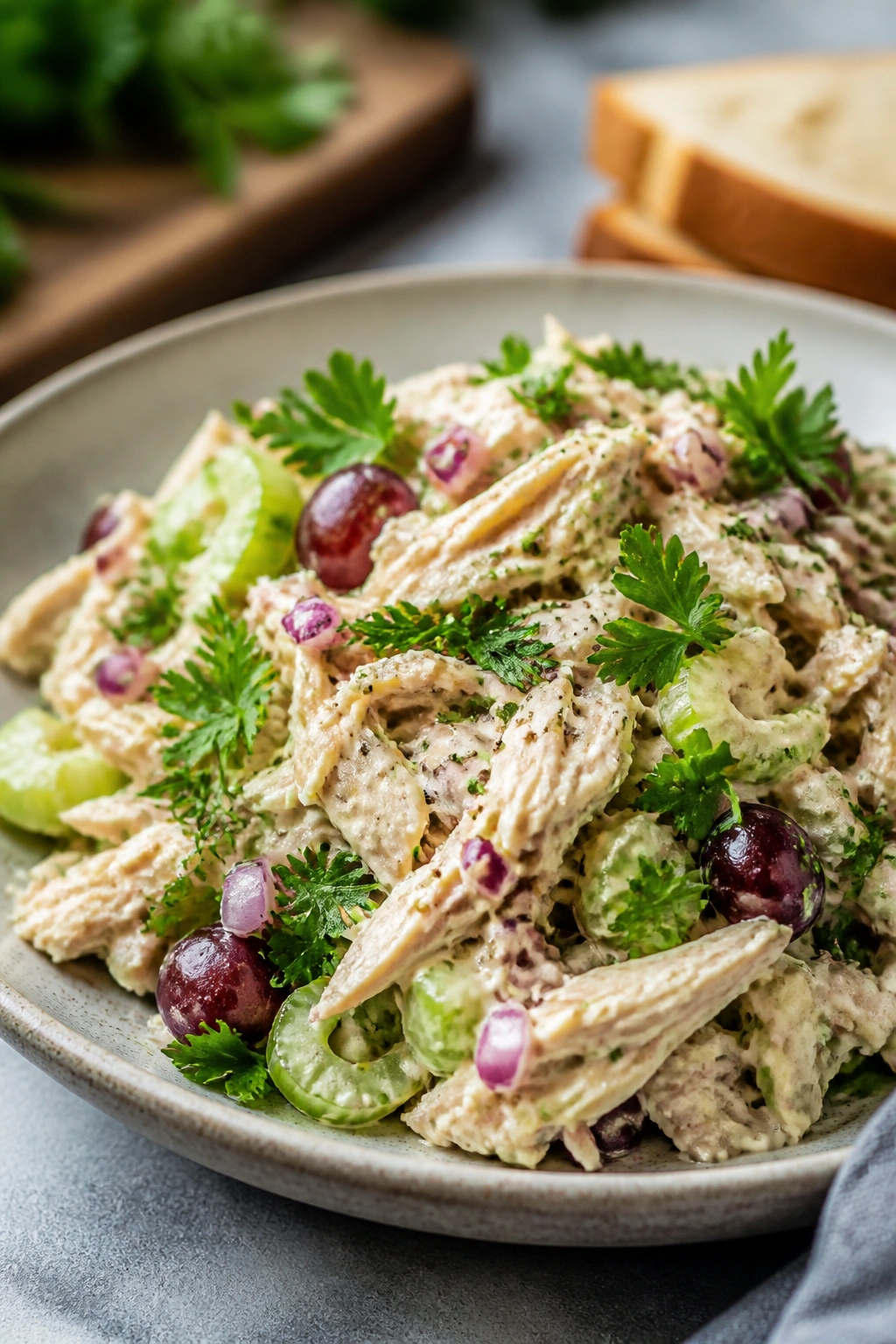
The biggest enemy of leftovers is the memory of the meal itself. Nobody wants to eat the exact same spaghetti three nights in a row. The trick is to transform the leftovers into something entirely new. This isn’t about reheating; it’s about repurposing.
The Art of the Pivot
Take that leftover roasted chicken from Monday. By Tuesday, it’s no longer “roasted chicken.” It’s “chicken salad” or “taco filling.” Take leftover roasted vegetables and blend them into a pasta sauce or toss them into a frittata. Take leftover steak and slice it thinly for a stir-fry.
Managing Expectations
The goal is to change the flavor profile and the texture. If the meal was savory and soft, make the next iteration crunchy and acidic. Use fresh herbs, citrus, or a different sauce to reset your palate. You’ll find that you actually look forward to leftovers when they aren’t just a repeat performance.
Pro tip: If you have leftovers that you know you won’t eat within 48 hours, put them in the freezer immediately. Don’t wait until they’re borderline; freeze them while they are still fresh.
10. Batch Cooking Grains and Legumes
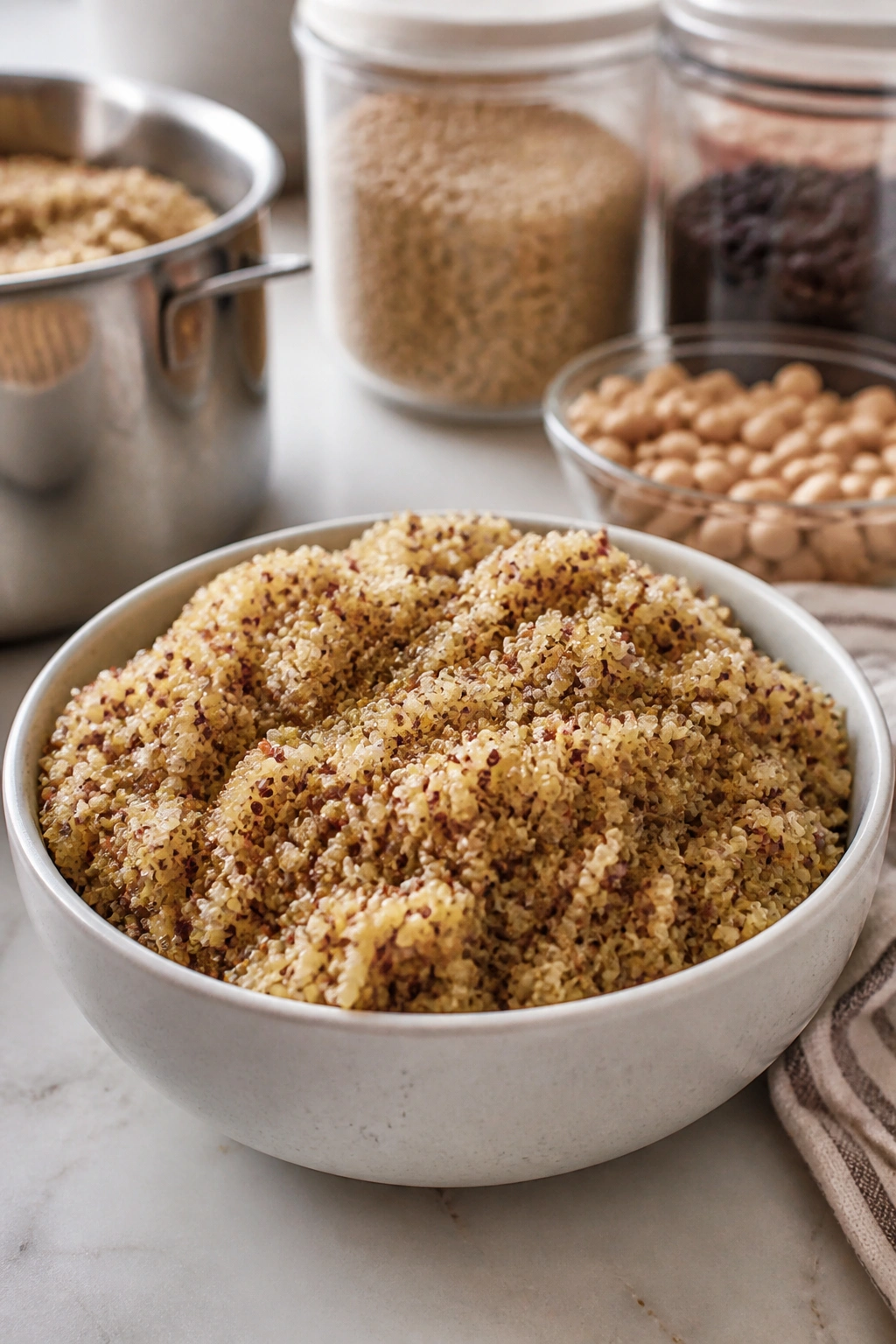
This is the single most effective way to cut down your daily cooking time. Grains like brown rice, farro, quinoa, and lentils take 20 to 45 minutes to cook. If you do this every night, you are wasting an hour of your life every week just staring at a boiling pot.
The Weekend Boil
Cook a large batch of grains or legumes on Sunday. Drain them, let them cool, and portion them into containers. They will last perfectly in the fridge for five days. When dinner comes around, you aren’t waiting for the grains to cook; you are just grabbing the portion you need.
Versatility
Having a container of cooked quinoa or farro in the fridge is a superpower. You can toss it into a salad, stir it into a soup to bulk it up, sauté it with some veggies for a quick fried-rice situation, or use it as a base for a grain bowl with some rotisserie chicken and a fried egg.
Pro tip: Rinse your grains thoroughly before cooking. It removes excess starch and ensures they come out fluffy rather than mushy and glue-like.
11. The “Freezer-Stash” Batch Method
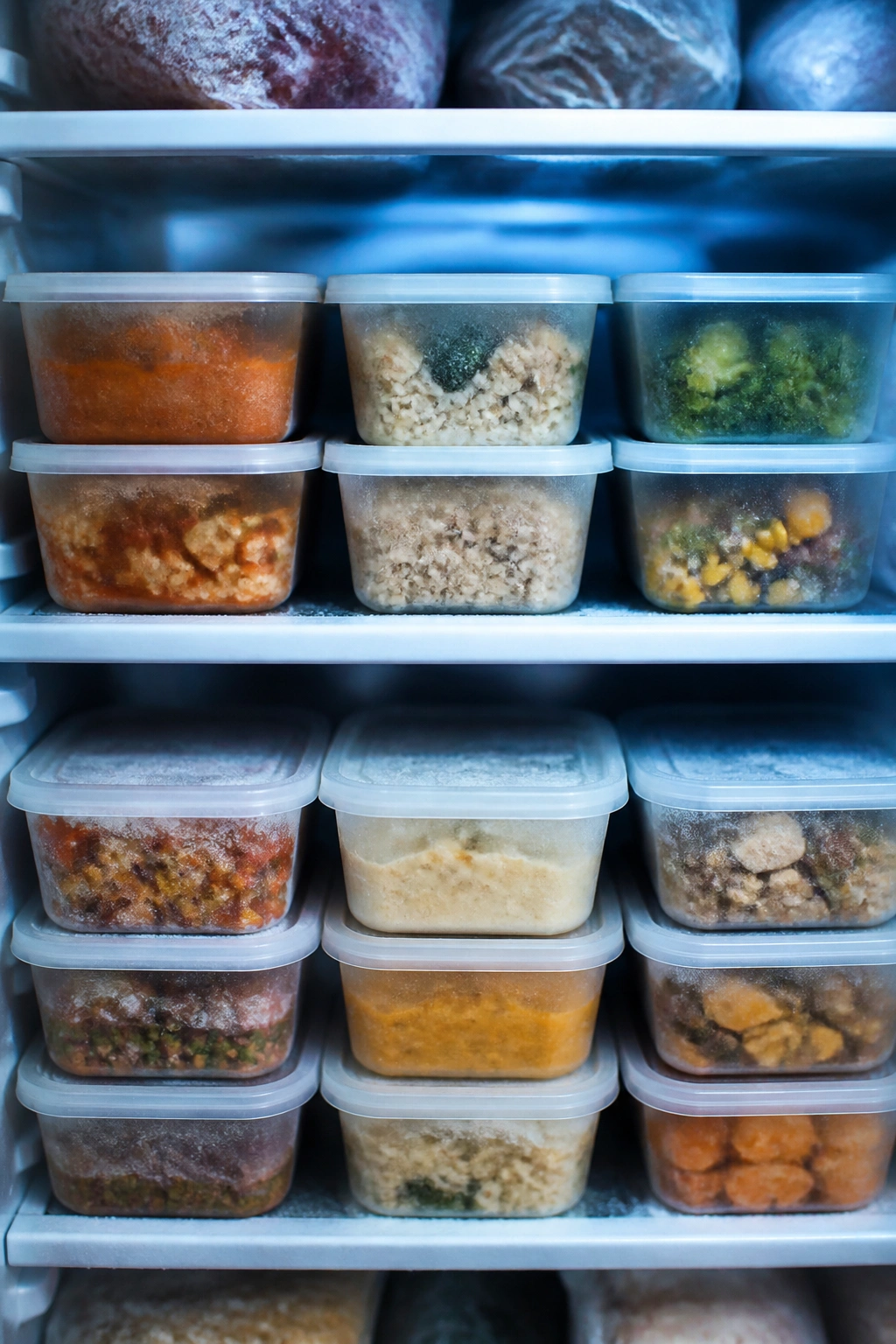
Sometimes, you have the energy to cook, just not during the week. This is where batch cooking pays off. Double your recipes whenever you make something that freezes well—chili, stews, hearty soups, bolognese sauce, or curries.
The Single-Portion Rule
Don’t freeze your leftovers in one giant container. Freeze them in individual, single-serving portions. If you freeze a whole gallon of chili, you have to defrost the whole thing at once. If you freeze it in individual containers, you can pull out exactly what you need for a quick lunch or dinner.
Labeling Matters
You think you will remember what is in that unmarked plastic container. You will not. You will open the freezer, look at a block of frozen red substance, and have no idea if it’s spaghetti sauce, chili, or spicy curry. Use a permanent marker to write the contents and the date on a piece of masking tape. It takes three seconds and saves you so much confusion.
Pro tip: Freeze liquids flat in freezer bags. They take up less space than rigid containers and thaw much faster under running water.
12. Sunday Afternoon “Component Prep”
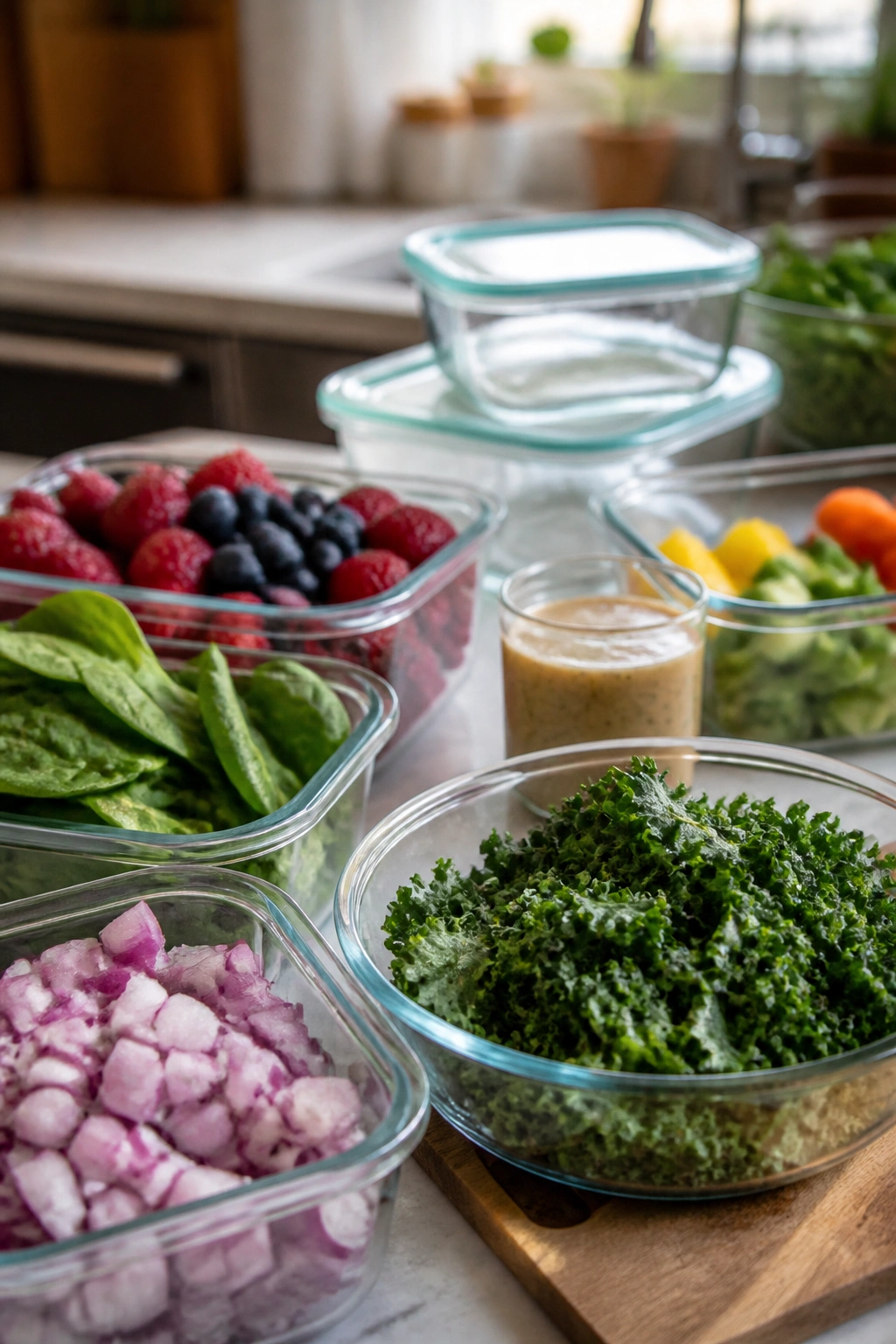
If full-on meal prep—where you assemble fully cooked lunches for the week—sounds exhausting and boring, try “component prep.” You don’t cook full meals. You just prepare the raw materials you will use throughout the week.
The Prep Checklist
Spend one hour on Sunday doing the “boring” kitchen tasks that slow you down on Tuesday.
- Wash and chop your kale or spinach.
- Chop a large onion and store it in a container.
- Wash your fruit and berries so they are ready to grab.
- Make a large jar of salad dressing or vinaigrette.
- Grate a block of cheese (it melts better and costs less than pre-shredded).
The Mid-Week Payoff
When you get home and need to make a stir-fry, the vegetables are already chopped. The onion is already diced. The hardest, most tedious parts of cooking are already done. You aren’t “cooking” a meal; you’re just heating things up. It’s the difference between a 30-minute chore and a 10-minute task.
Pro tip: Buy good storage containers. If you are struggling to find lids or your containers leak, you won’t do this. A small investment in uniform, glass storage containers makes the whole process more pleasant.
13. The Minimalist Soup and Stew Cycle
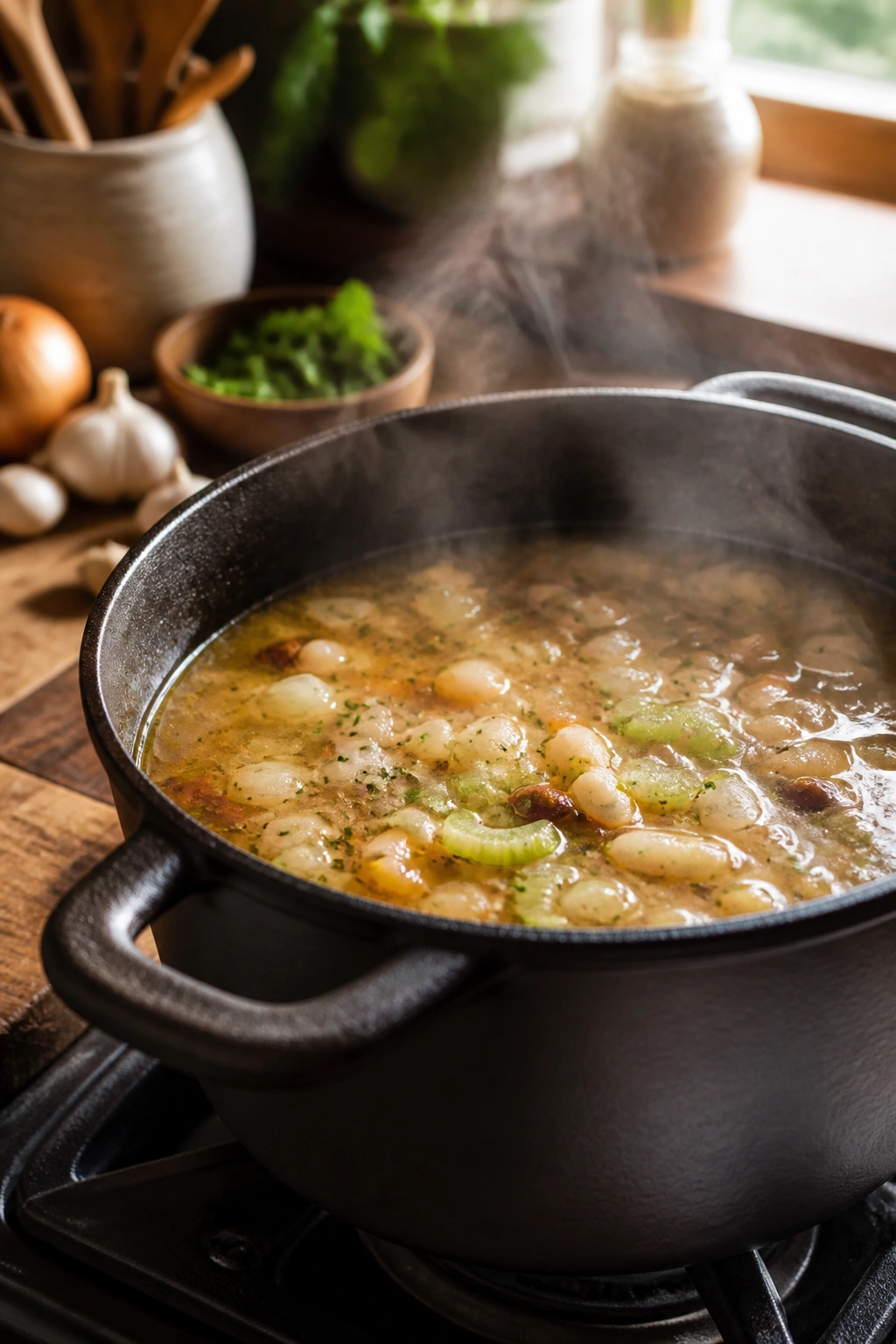
Soup is forgiving. It doesn’t require precise technique, it doesn’t care if you chop your vegetables unevenly, and it tastes better the next day. A large pot of soup or stew can easily provide three nights of dinner for a small family.
The Master Recipe Strategy
You don’t need a specific recipe for a good soup. You need a formula: Aromatics (onion, garlic, celery) + Liquid (broth, canned tomatoes) + Protein (beans, chicken, beef) + Veggies + Grain/Starch. Sauté the aromatics, add the liquid, simmer everything until soft. That’s it.
Why It’s Efficient
You are using one pot. Cleanup is easy. The food stays moist when reheated—unlike a stir-fry or a roasted dish, which can dry out in the microwave. If you make a batch of soup on Sunday, you have dinner covered for most of the week with zero additional effort.
Pro tip: If you find the flavor lacking, add acid. A squeeze of fresh lemon juice or a splash of vinegar at the end of cooking can “brighten” the flavor and make it taste like it’s been simmering for hours.
14. Quick-Thaw Marinades
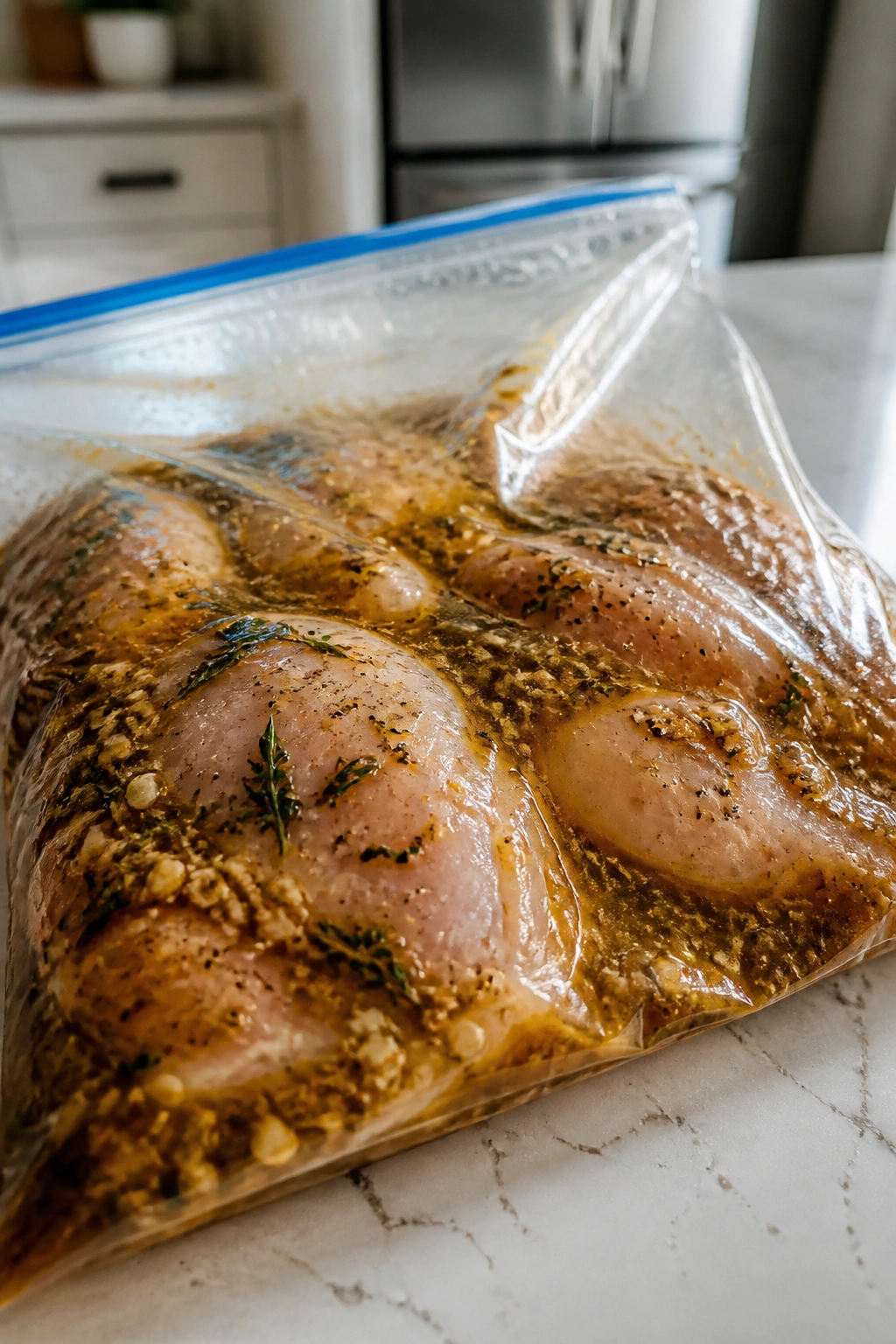
Meat is often the most expensive and time-consuming part of a meal. If you buy chicken, fish, or pork and toss it directly into the freezer, you have to remember to thaw it 24 hours in advance. Most of us aren’t that organized. The trick is to marinate before freezing.
The Frozen Soak
Put your protein into a freezer bag and pour your marinade over it. When you freeze it, the meat is sitting in the marinade. As it thaws—either in the fridge or in a bowl of cold water—the marinade is penetrating the meat. You are saving time and adding flavor simultaneously.
Versatile Marinade Bases
Keep it simple. Olive oil, soy sauce, garlic, and ginger. Olive oil, lemon, oregano, and dried herbs. Barbecue sauce and mustard. You aren’t doing anything fancy; you are just using the thaw time to your advantage.
Pro tip: Never refreeze meat once it has been thawed, even if it was marinated. If you don’t use it, you have to cook it. Plan your portions accordingly.
15. The Salad Bar Method
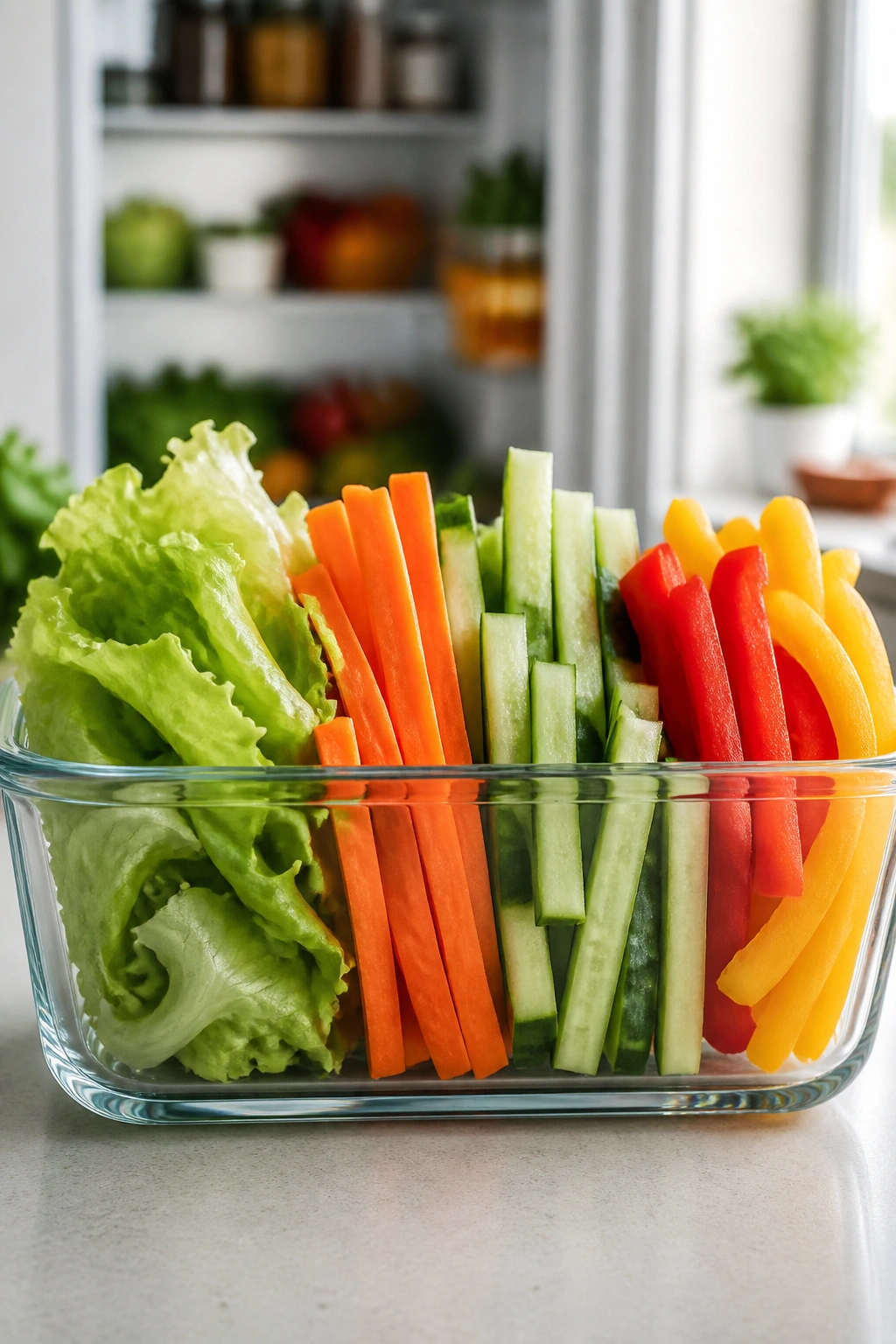
If you find yourself throwing away bags of rotting spinach, you are probably trying to “be healthy” without having a system. The Salad Bar Method is about preparing your vegetables so they are as easy to grab as a bag of chips.
The Prep Strategy
Once a week, take your vegetables and prep them for immediate consumption. Wash your lettuce and spin it dry (wet lettuce rots; dry lettuce lasts). Slice your peppers, cucumbers, and carrots into sticks. Put them in clear containers at eye level in the fridge.
Accessibility is Key
When you are hungry, you will eat what is easiest to access. If the veggies are buried in a drawer, you won’t touch them. If they are washed, chopped, and sitting right in front of you, you will grab a handful. You are essentially turning your fridge into a self-service salad bar.
Pro tip: Place a paper towel at the bottom and top of your lettuce container. It absorbs excess moisture and can double the lifespan of your greens.
Final Thoughts
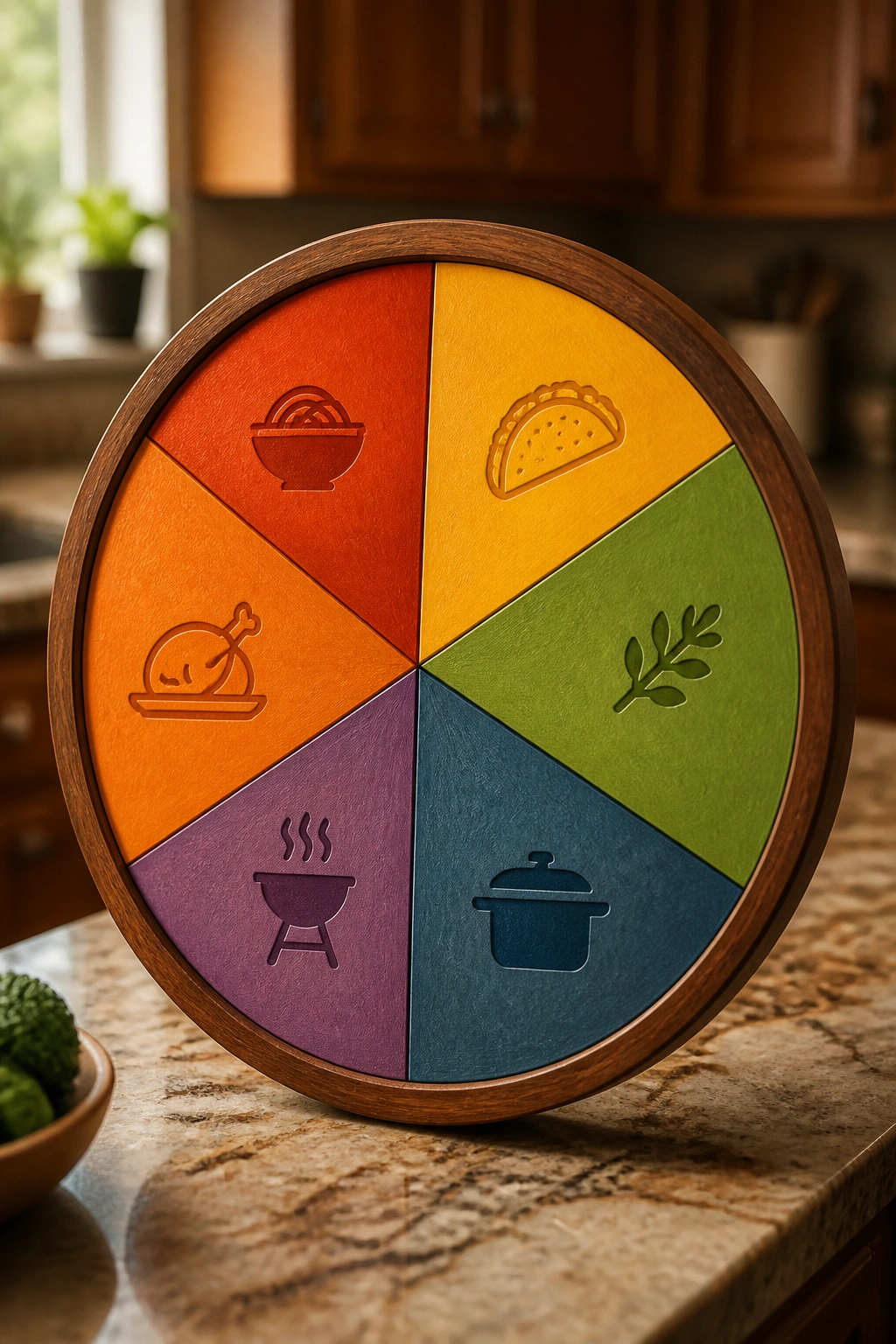
Meal planning isn’t about perfection; it’s about persistence. You don’t need to implement all fifteen of these strategies at once. Start with one—maybe the theme night rotation—and see how it eases the pressure on your evening. If that works, add the sheet pan roasting.
The goal is to create a rhythm that sustains you, not a system that feels like a second job. Your kitchen should be a place where you can find nourishment without a battle. Find the methods that fit your life, ignore the ones that feel like chores, and remember that even a mediocre home-cooked meal is almost always better than the stress of the 6:00 PM scramble.
