



Full body workouts at the gym for women make a lot more sense than people admit. If you only have three or four training days, or you want real strength without living in the gym, a good full-body session does more useful work than a random pile of machines and cardio ever will.
The best part is how plain it can be. A squat pattern, a push, a pull, a hinge, and one smart core move. That’s enough to build a body that feels stronger when you carry groceries, climb stairs, or set a dumbbell back on the rack without wobbling like a newborn deer. It also keeps training honest. You can’t hide behind twenty little exercises that never get heavy enough to matter.
A lot of women get stuck with junk plans: endless ab circuits, tiny pink dumbbells, and no real progression. That gets old fast. What actually works is repeatable training with enough load, enough rest, and enough variety to keep you from stalling out. Some days should feel heavy. Some should feel quick. Some should leave your lungs burning a bit. All of them should have a purpose.
Use the workouts below like building blocks. Pick one, run it for a few weeks, track your loads, and push the numbers a little when the last set starts feeling too easy. That’s the game.
1. Full Body Workouts at the Gym for Women: Dumbbell Foundation Circuit
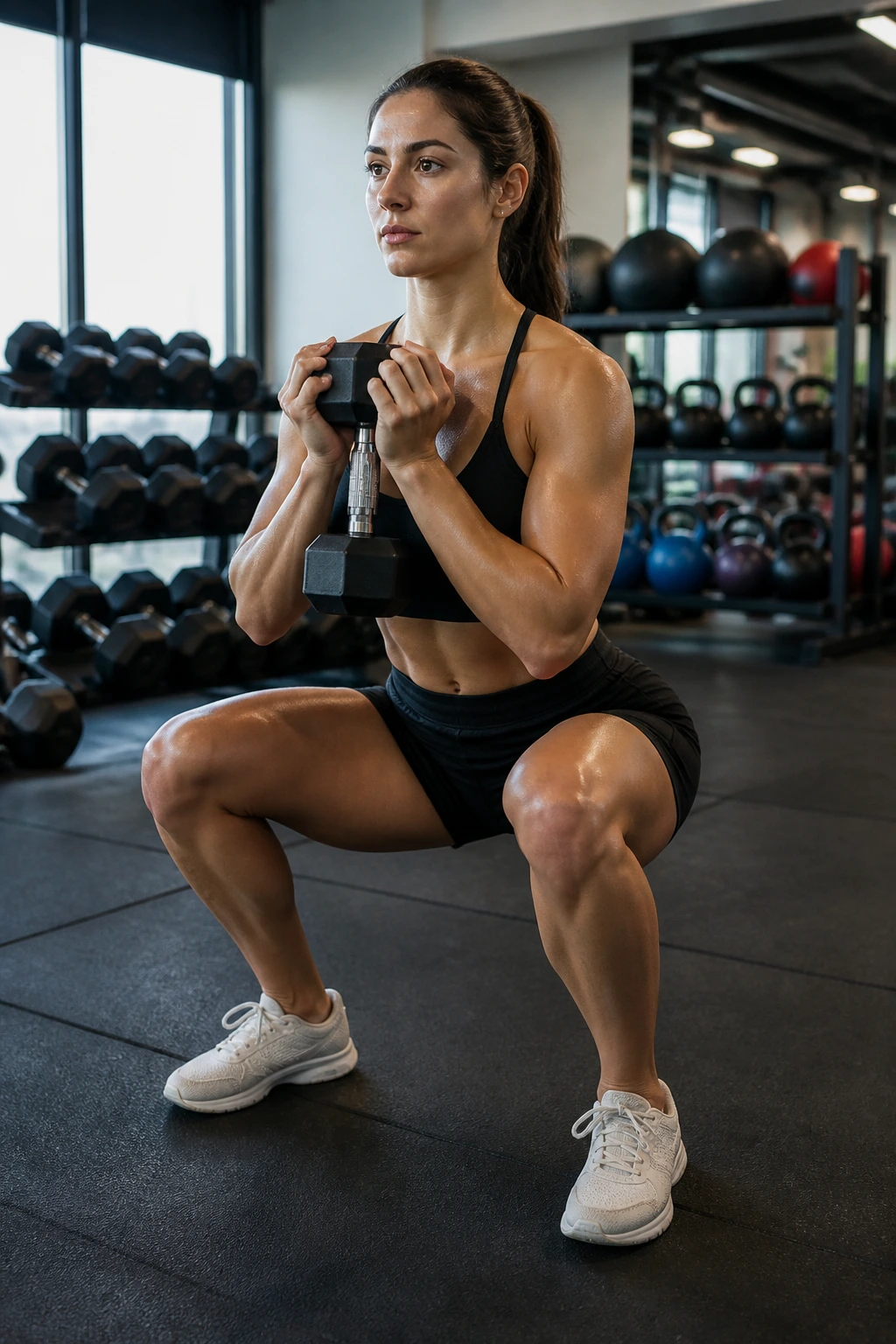
This is the one I’d hand to someone who wants a clean, simple starting point. You get enough lower-body work, enough upper-body work, and none of the weird clutter that makes a gym session feel longer than it needs to be.
How to run it
Do 3 rounds with 60 to 90 seconds of rest between exercises. Keep the dumbbells moderate enough that your last 2 reps feel slow but controlled.
- Goblet squat — 10 reps
- Flat dumbbell bench press — 10 reps
- One-arm dumbbell row — 12 reps per side
- Romanian deadlift with dumbbells — 10 reps
- Front plank — 30 to 45 seconds
A lot of people rush this kind of circuit and turn it into cardio with weights. Don’t. The point is to move with clean form, not fling the dumbbells around and call it intensity.
Best use: early in the week, when you want a reliable full-body lift that doesn’t trash your recovery.
2. The Barbell Squat, Press, and Row Day
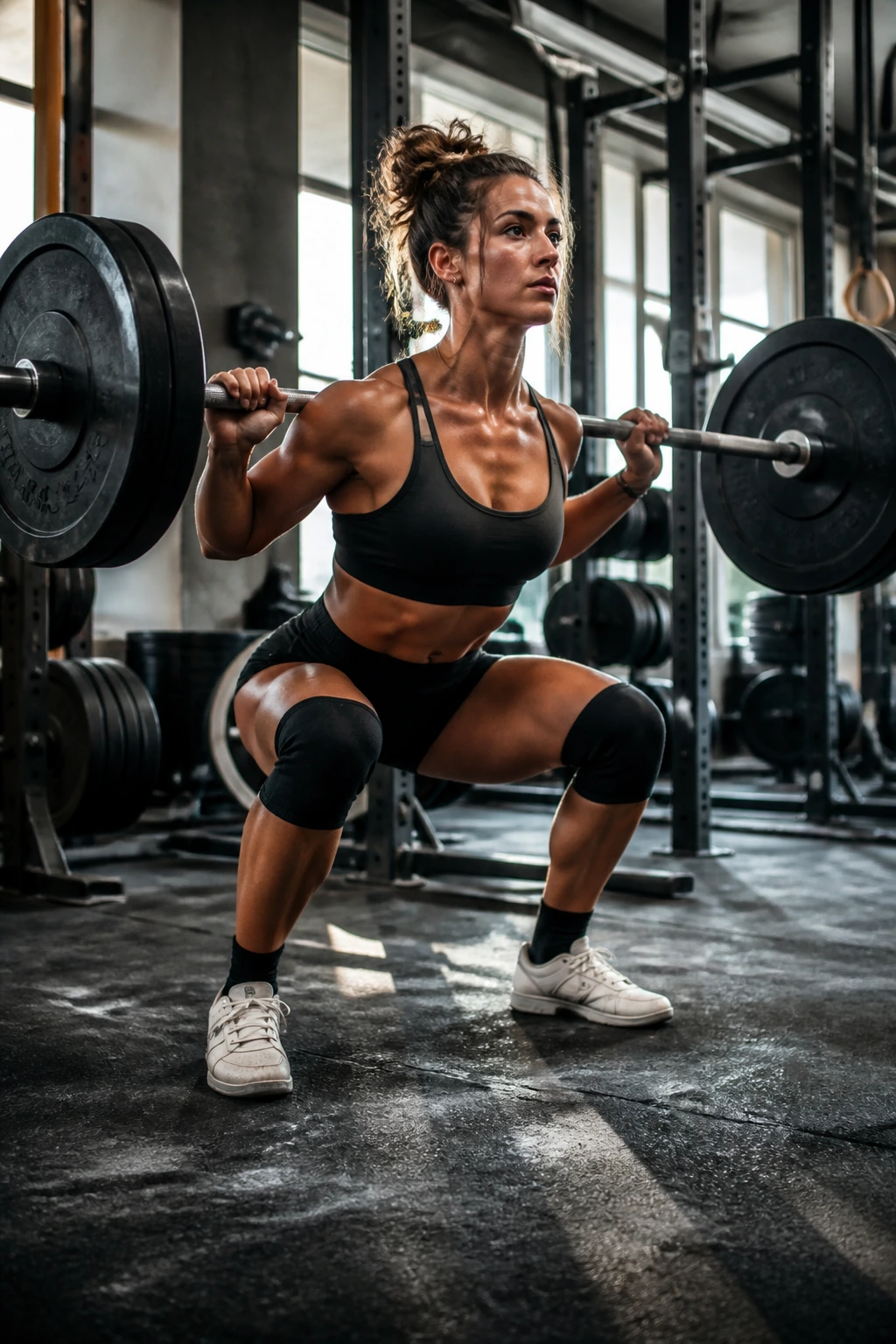
Heavy barbell work has a different feel. It’s more exact. A little less friendly, maybe, but that’s not a bad thing.
Start with back squats for 4 sets of 5, then move to barbell overhead press for 4 sets of 6, and finish with barbell rows for 4 sets of 8. Add 2 sets of walking lunges and 2 sets of hanging knee raises if you still have gas left. Rest 2 to 3 minutes on the main lifts. Short rest turns this into a sloppy mess.
Why it works
The squat drives the lower body, the press lights up shoulders and triceps, and the row balances all that pushing with real upper-back work. That back work matters more than people think. Strong rows make your posture look better, yes, but they also make your presses steadier and your shoulders happier.
Use a weight that feels serious, not showy. If your last squat rep looks like a panic scene, it’s too heavy.
3. The Machine-Only Low-Stress Workout
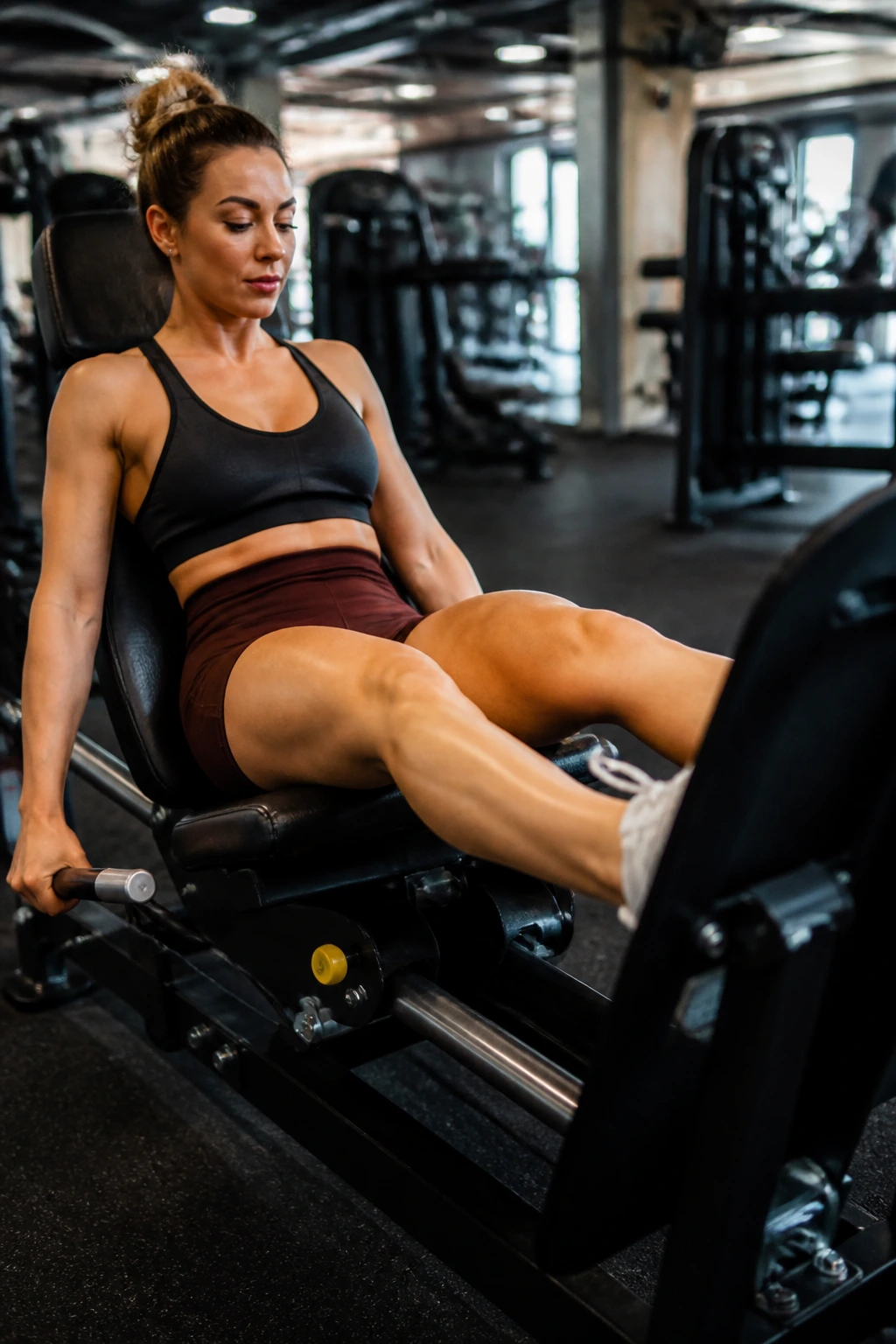
Machines are underrated. There, I said it.
If you walk into a crowded gym and every bench is taken, a machine-based full-body day can save the session. Try leg press, seated chest press, lat pulldown, seated hamstring curl, and cable crunches, doing 3 sets of 10 to 12 reps on each. Rest about 75 seconds between sets.
This style is especially good when you want to train hard without spending half the workout bracing for balance. The machine does some of the stability work for you, so you can put more energy into the muscle itself. That can be a relief on tired days.
A few smart choices
- Pick machines with a smooth path, not a jerky one.
- Use a full range of motion.
- Stop one rep before form starts slipping.
That last point matters. Machines can tempt people into chasing numbers with ugly reps. Don’t. The stack moving up is nice, but the controlled rep is what earns the result.
4. The Glute-Driven Full Body Day
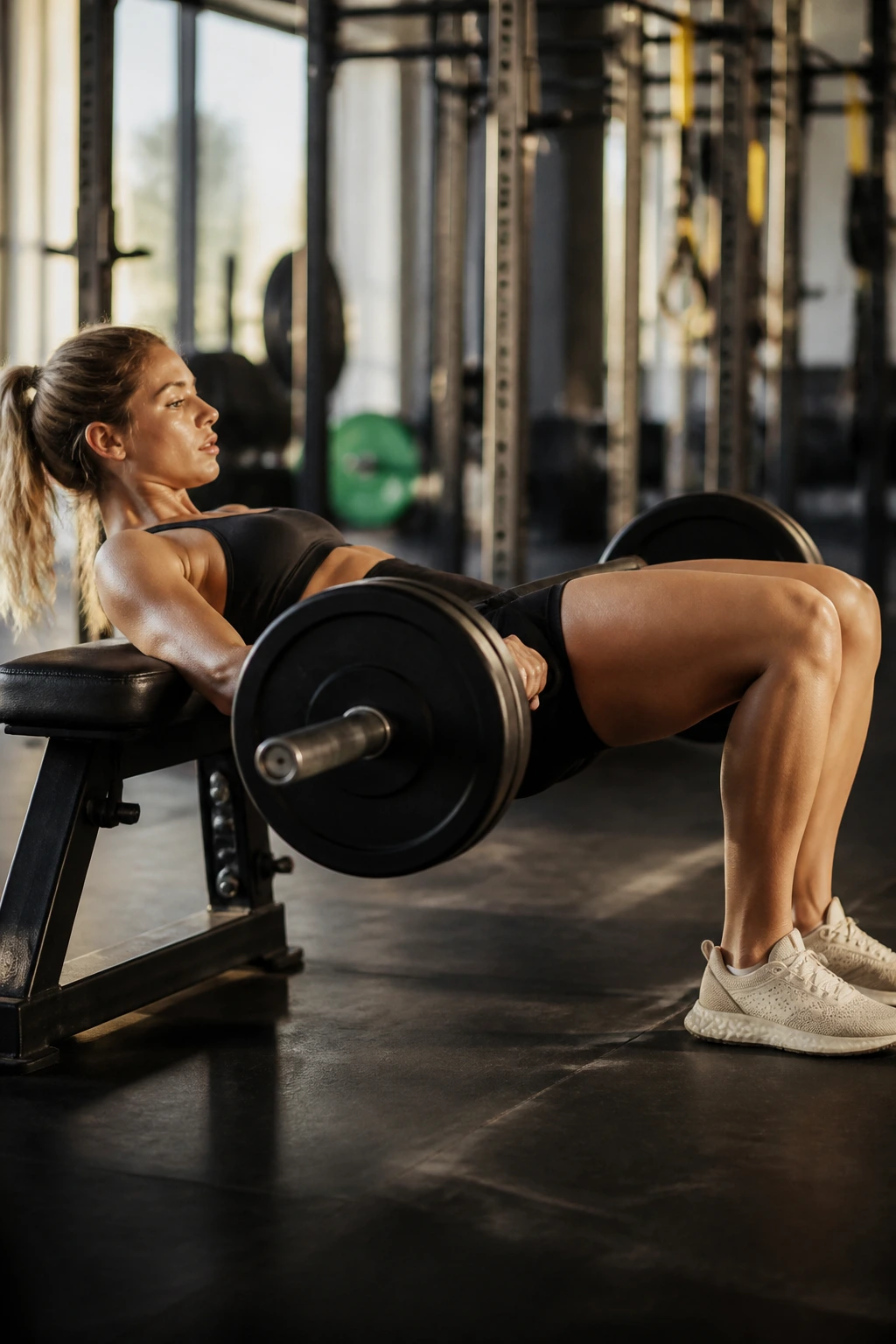
If you want your glutes to do more than just show up on leg day, this one earns its place.
Start with hip thrusts for 4 sets of 8, then move into dumbbell reverse lunges for 3 sets of 10 per leg, incline dumbbell press for 3 sets of 8 to 10, and cable face pulls for 3 sets of 12 to 15. Finish with farmer carries for 3 rounds of 30 to 40 meters.
The hip thrust and lunge combo does a lot of heavy lifting here, but the upper-body pieces keep it honest as a full-body workout. I like this style for lifters who want lower-body emphasis without ditching the rest of the body. You don’t need to choose between glutes and strength everywhere else.
A small detail makes a big difference: on lunges, keep your front foot planted and let the back knee travel down cleanly. Wobbling around steals tension from the glutes. Smooth beats fast.
5. The Beginner Three-Round Gym Circuit
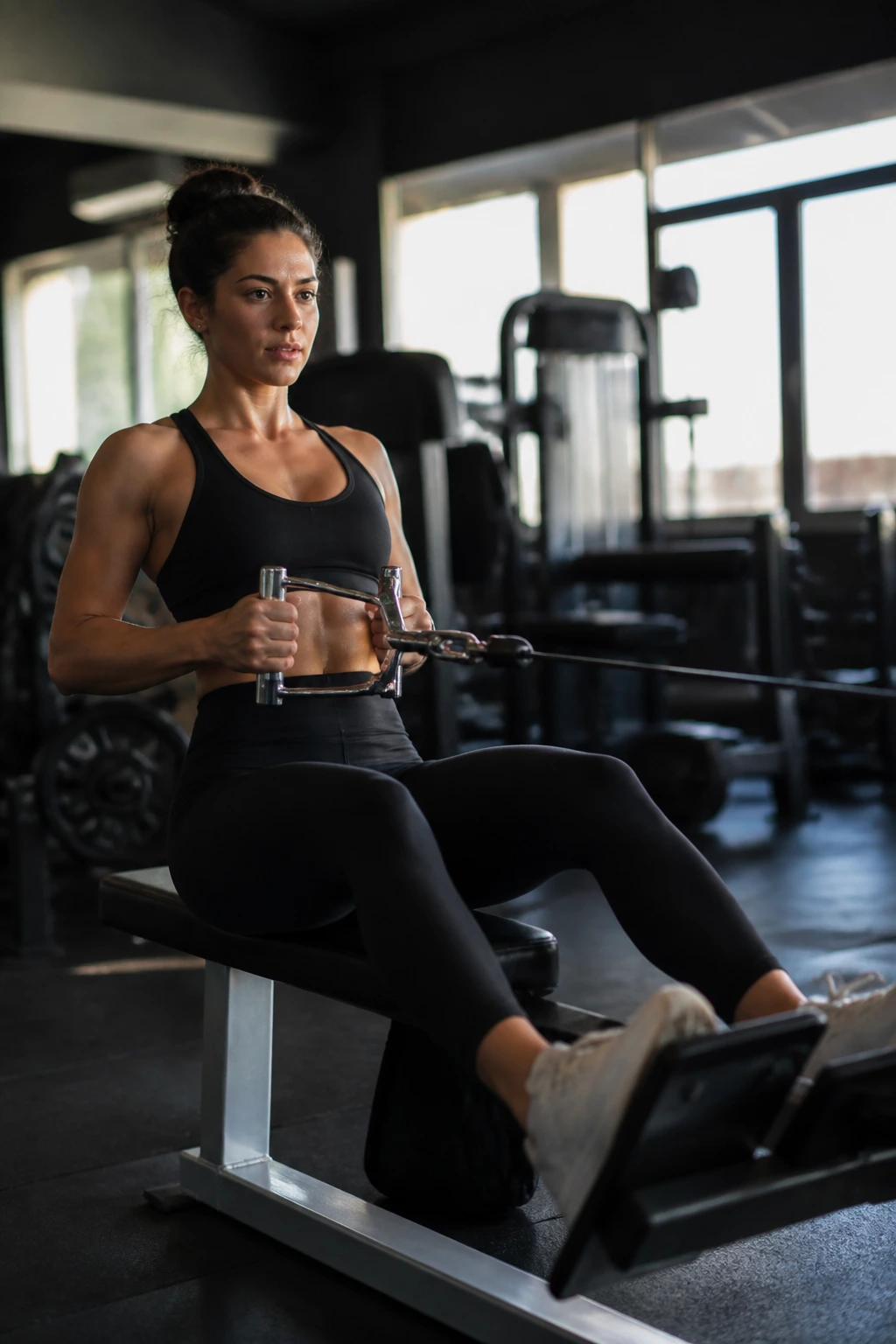
A beginner session should not feel like punishment. It should feel clear.
Use 3 rounds of leg press 12 reps, seated row 12 reps, dumbbell shoulder press 10 reps, glute bridge 15 reps, and dead bug 8 reps per side. Rest 60 to 90 seconds between exercises, and take a slightly longer break after each round if needed.
The nice thing about this setup is that it teaches pattern recognition. You learn to push, pull, squat, and brace without getting buried under too many choices. That’s a big deal for new lifters. Too many options can make a workout feel messy before the first set even starts.
Keep the first two workouts lighter than you think. Seriously. The goal is to leave with energy left in the tank and enough confidence to come back. That’s how consistency starts.
6. The Heavy Strength Day With Long Rest
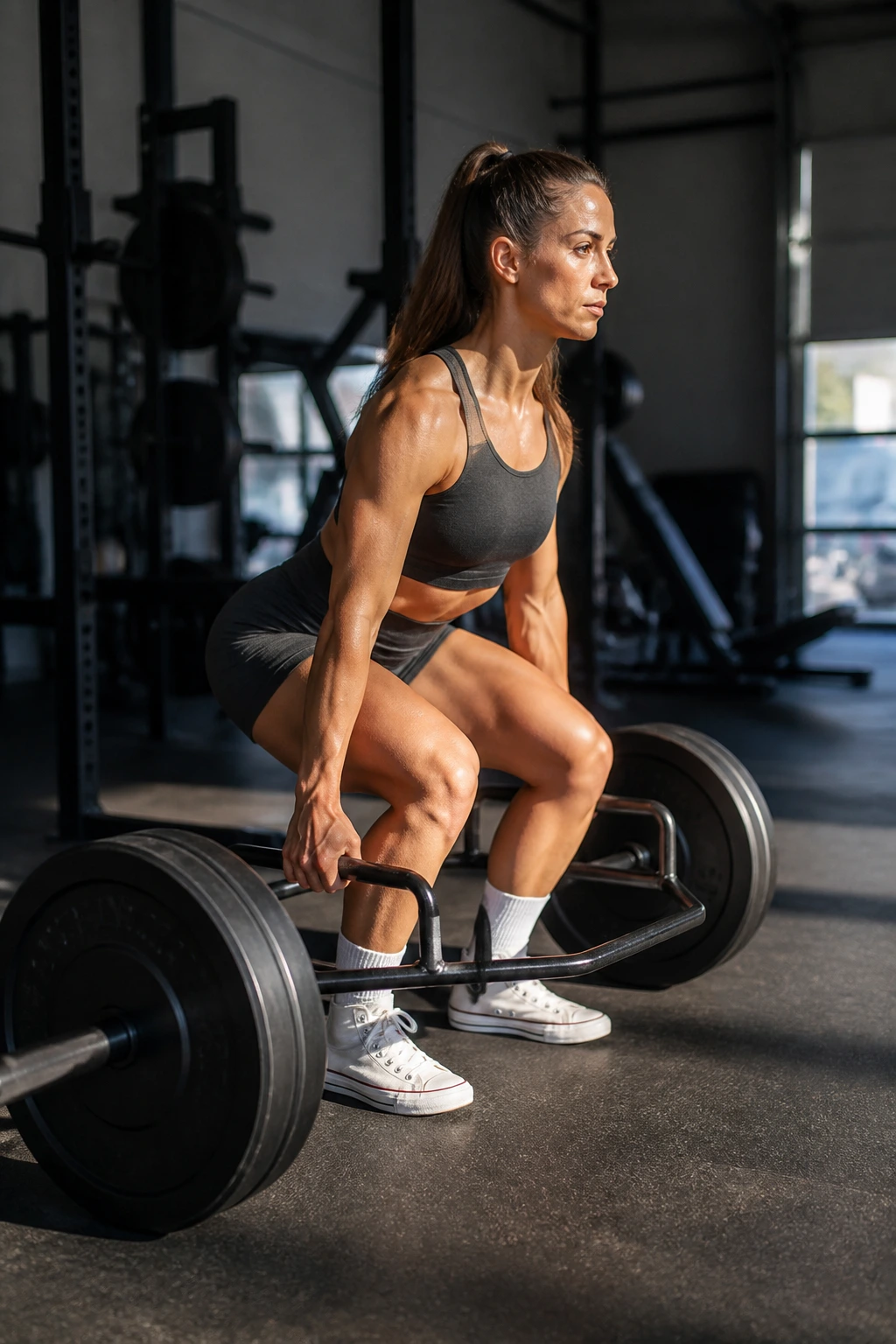
Not every gym day should feel sweaty. Some should feel like you’re moving serious weight and respecting the bar.
Open with trap bar deadlifts for 5 sets of 3, then do dumbbell bench press for 4 sets of 6, assisted pull-ups or lat pulldowns for 4 sets of 6 to 8, and Bulgarian split squats for 3 sets of 8 per leg. Rest 2 to 3 minutes on the first two lifts.
The pace is slower, but the work is deeper. Low reps force clean setup, solid bracing, and actual focus. That’s part of the appeal. You can’t rush a set of three and expect it to teach your body much.
What to watch for
Stop the set if your speed collapses. Grinding every rep has a place, but it should not be the default.
A workout like this tends to make people feel strong in a very quiet way. Not flashy. Just solid.
7. Full Body Workouts at the Gym for Women: Barbell Strength Builder
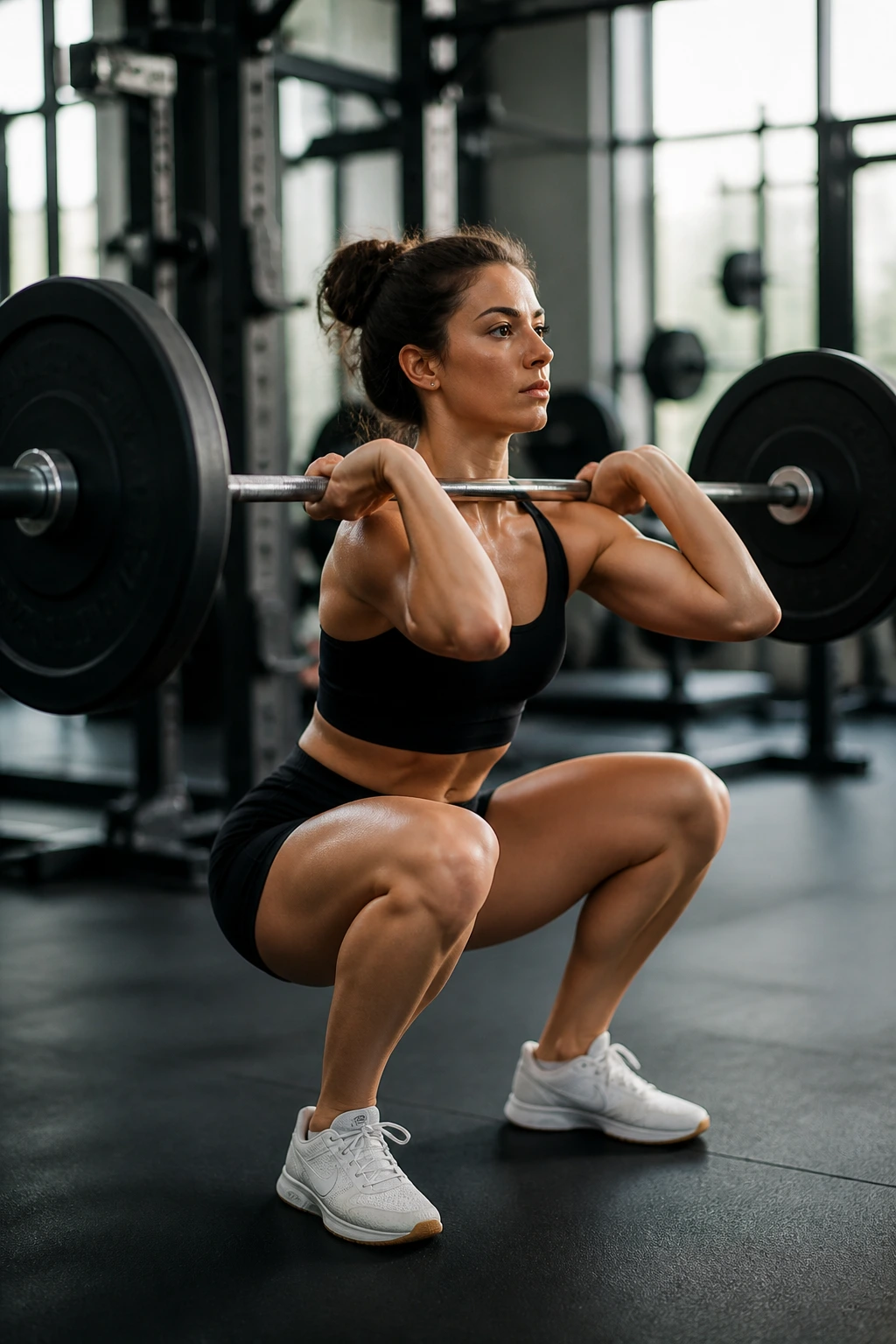
This is the kind of session that rewards patience.
Begin with front squats for 4 sets of 5, follow with barbell bench press for 4 sets of 5, then hit Pendlay rows for 4 sets of 6. Add Romanian deadlifts for 3 sets of 8 and weighted planks for 3 holds of 20 to 30 seconds.
Why this one lasts
Front squats force upright posture, which makes the core work harder than people expect. Bench press and rows build a nice push-pull balance, and the Romanian deadlift gives you a hinge that actually teaches hamstrings and glutes to do their job. It’s a tight list. No fluff.
I like this workout for lifters who are done dabbling and want something measurable. Write down the bar weight. Add 2.5 to 5 pounds when every rep looks clean. Tiny jumps add up faster than people think.
8. The 30-Minute Treadmill and Weights Hybrid
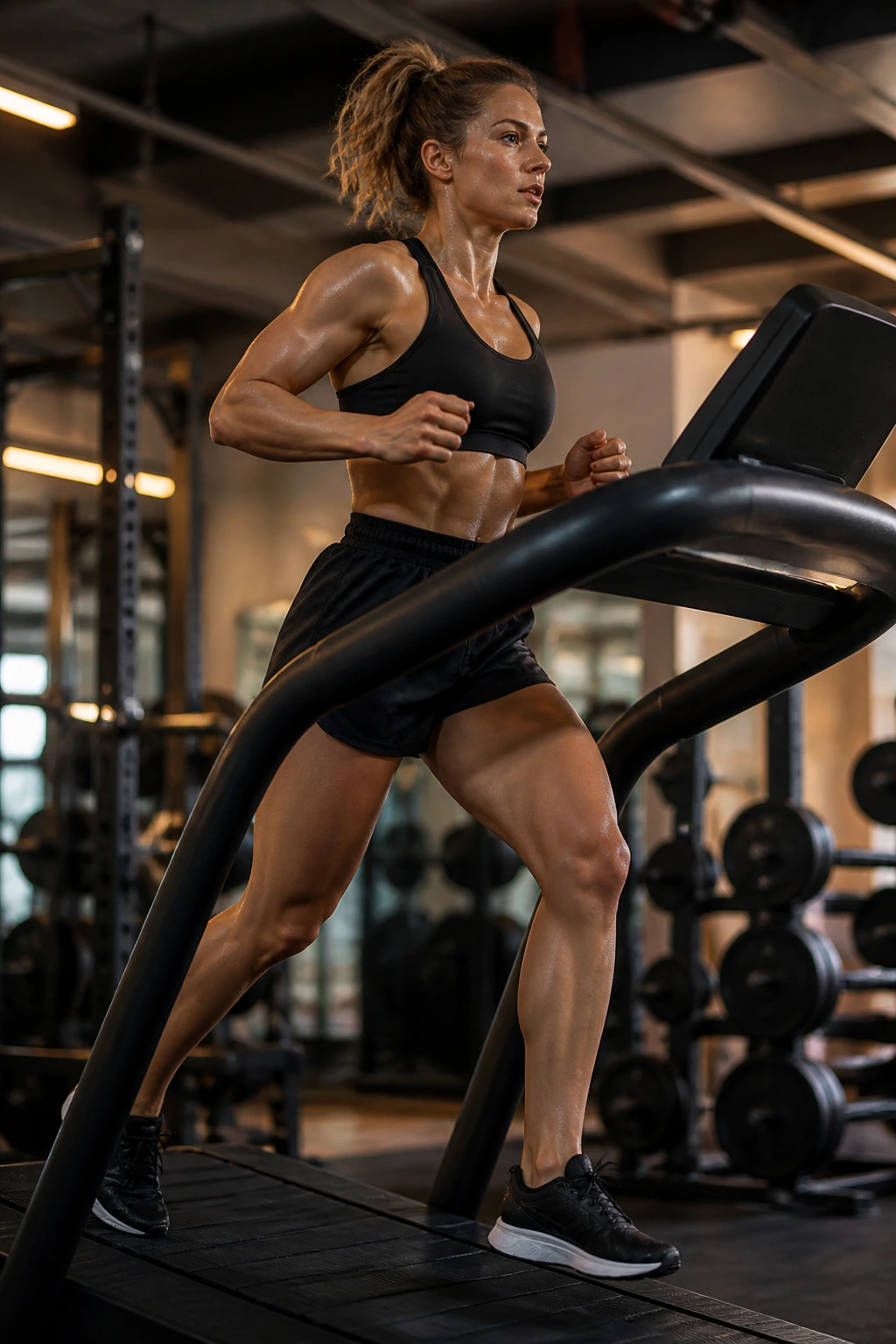
Short on time? Fine. Make the session sharper.
Start with 8 minutes on the treadmill at a steep incline, then move into 3 supersets of goblet squats and cable rows, dumbbell chest press and kettlebell swings, step-ups and plank shoulder taps. Do 10 reps for the lifts and 30 seconds for the plank work.
This kind of session works because it keeps heart rate up without turning the workout into a random sweat party. You still lift. You still progress. You just don’t spend forever there.
A couple of practical notes: keep the incline walk brisk enough to warm the legs, but not so hard that the weights feel sloppy. And on the swings, the bell should snap from your hips, not get yanked by your arms. That’s where people cheat the movement without realizing it.
9. The Kettlebell Complex Workout
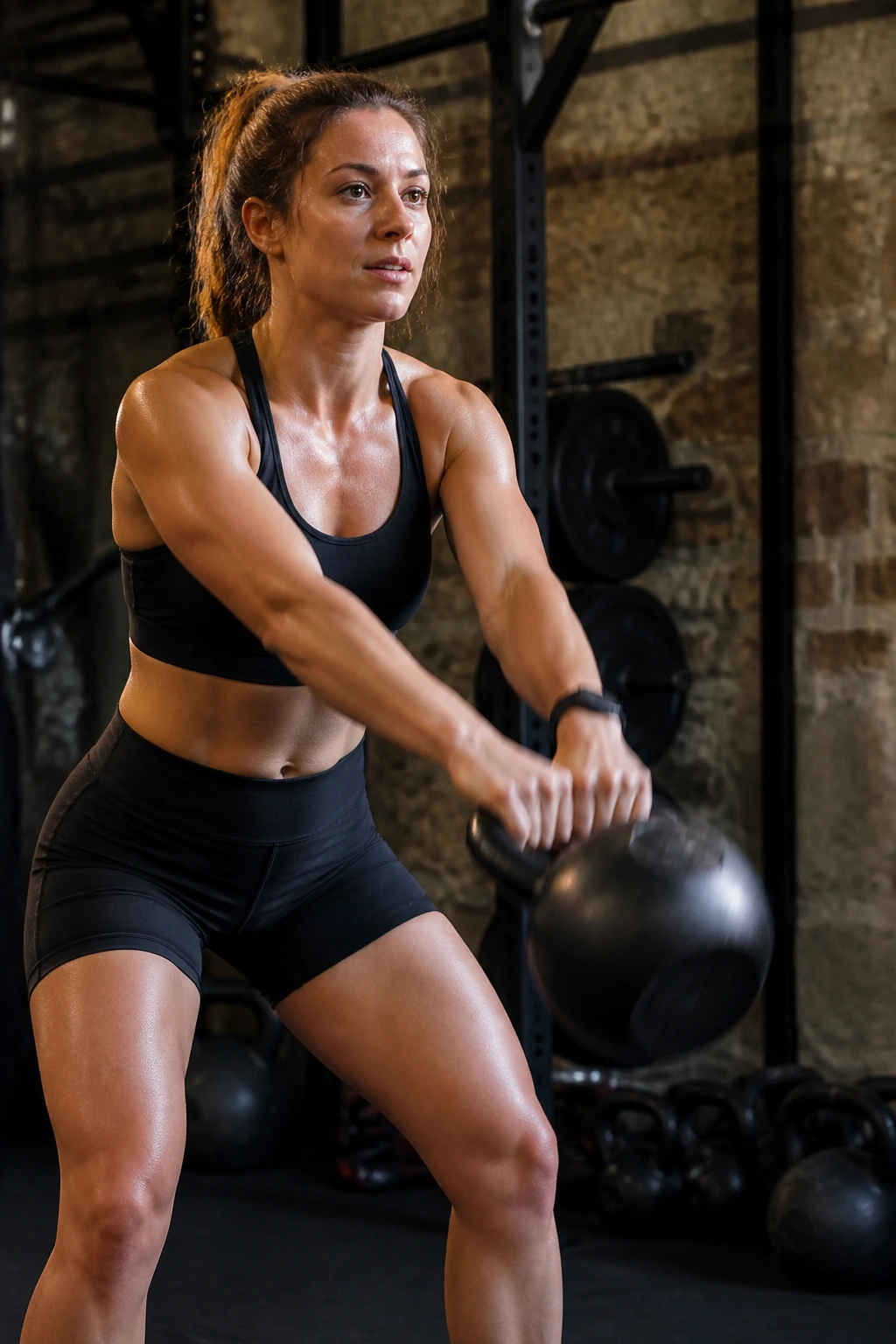
Kettlebell complexes are efficient in a way that feels almost suspicious the first time you try them.
Use one bell and move through 6 kettlebell deadlifts, 6 swings, 6 goblet squats, 6 push presses per side, and 6 bent-over rows per side. That’s one round. Do 4 to 5 rounds, resting 90 seconds between rounds.
The beauty here is the flow. You don’t waste time swapping equipment. You grip, hinge, squat, press, and pull in one smooth sequence. Your heart rate climbs, your grip gets challenged, and your legs stay busy.
Use a bell that’s light enough to control but heavy enough to matter. Too light, and the workout feels decorative. Too heavy, and the form falls apart by round two. The sweet spot is somewhere in the middle, where you can still speak in short sentences and your breathing says, we’re working now.
10. The Cable Machine Sculpt Session
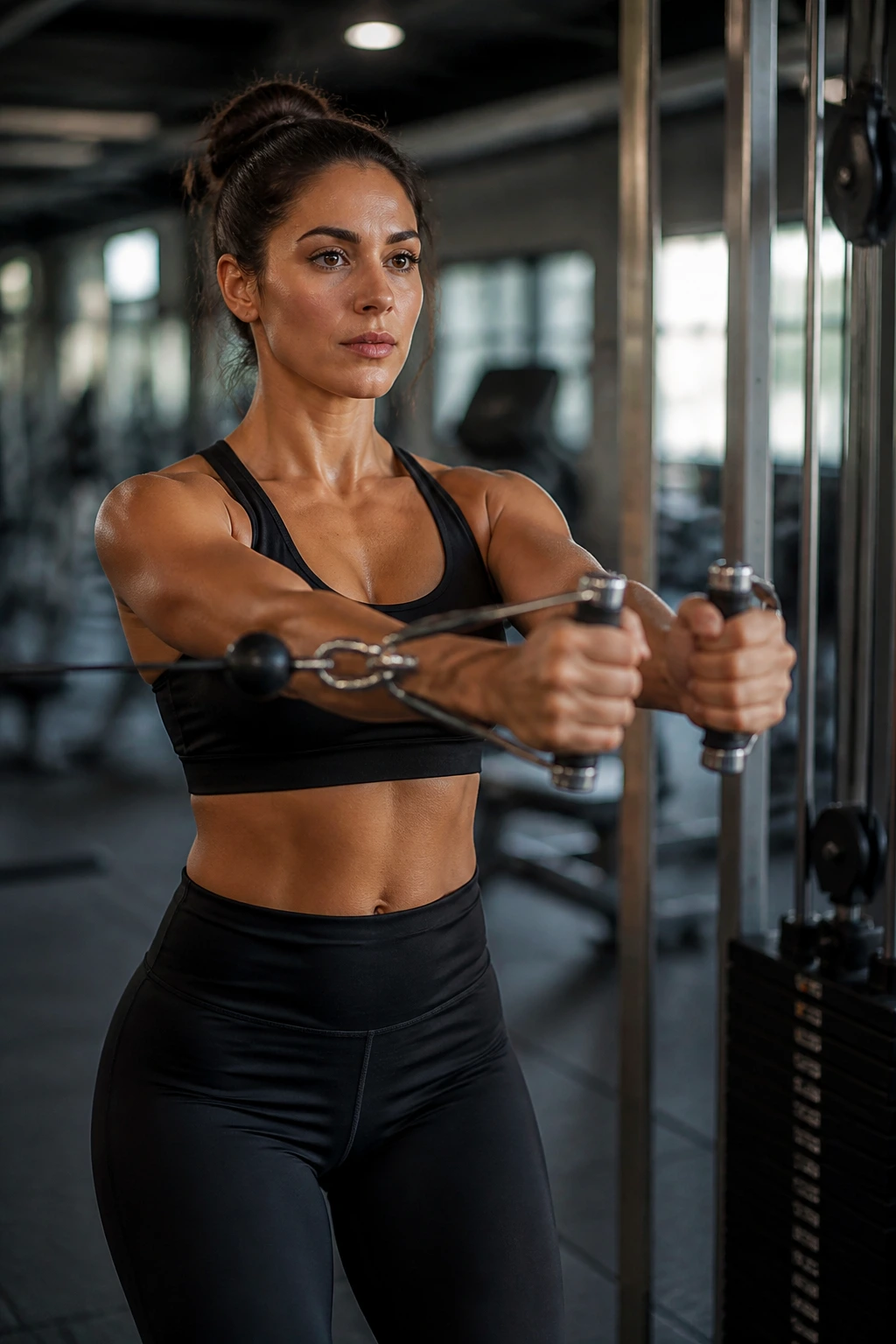
Why cables? Because they stay honest through the whole rep.
Try cable squat-to-row combos for 3 sets of 12, cable chest press for 3 sets of 10, cable pull-throughs for 3 sets of 12, single-arm cable lateral raises for 2 sets of 15 per side, and cable woodchops for 3 sets of 10 per side.
What makes it different
The cable gives you smooth resistance from start to finish. That means fewer dead spots and more time under tension, which is useful when you want controlled muscle work without loading the spine too hard.
I’d use this on days when your joints want a break from barbells. The setup is simple, the learning curve is friendly, and the whole workout has a nice rhythm to it. Keep the cable line taut and move with purpose. If the stack slams down between reps, the set got sloppy somewhere.
11. The Tempo Training Full Body Session
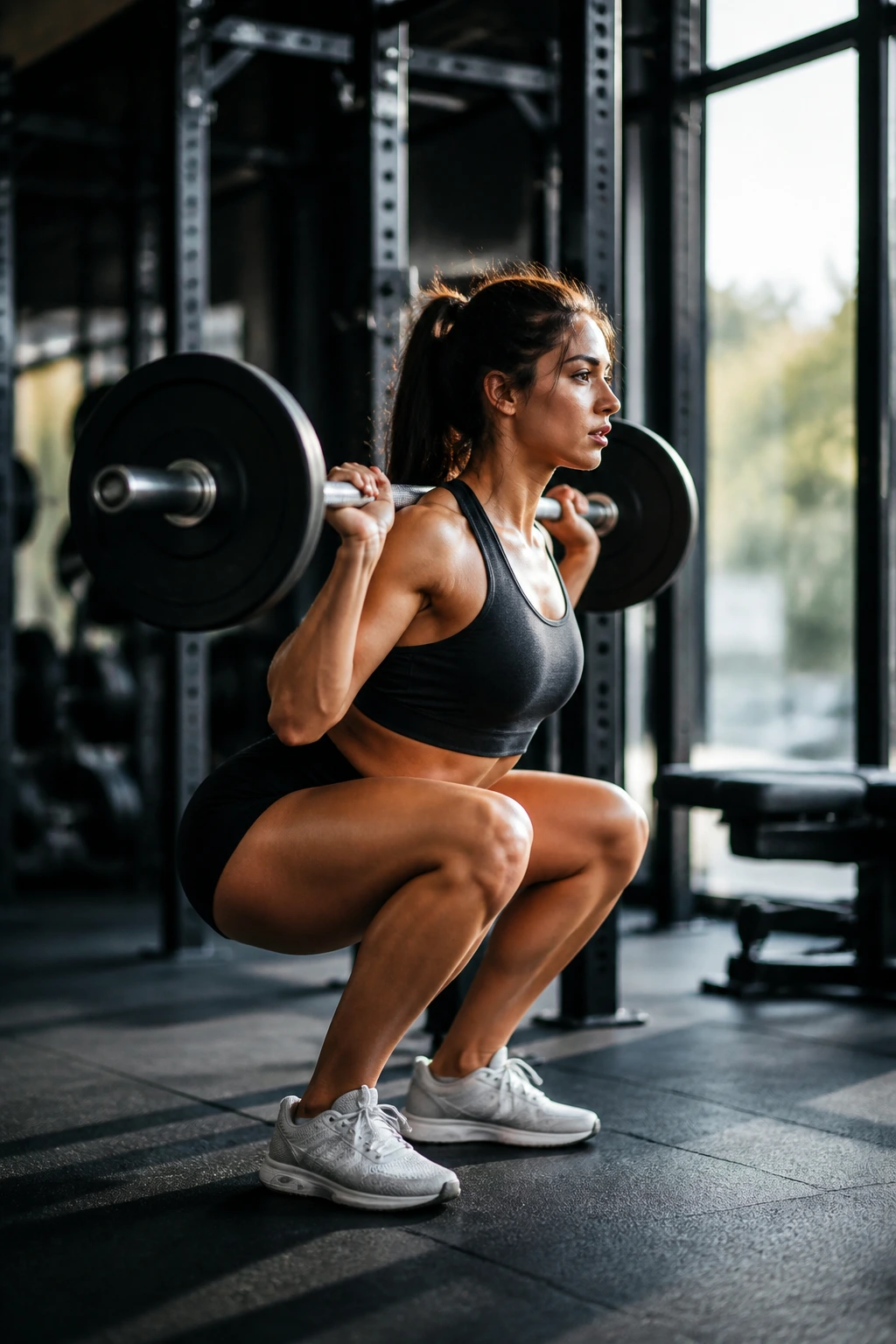
A 3-second lowering phase changes everything. Fast.
Use tempo squats, tempo push-ups on the Smith machine or bench, tempo dumbbell rows, and tempo Romanian deadlifts. A simple count like 3 seconds down, 1 second pause, 1 second up works well. Do 3 sets of 8 reps per exercise.
Tempo counts
Slowing the eccentric phase makes you feel the rep in a way that regular lifting sometimes hides. You notice where you wobble. You notice where one side takes over. You also stop cheating through the bottom of the movement, which is where plenty of people leak tension.
This workout is not for ego lifting. It’s for control. Use weights that feel almost too easy on the first rep, because the slow lowering changes the difficulty fast. By rep 6, you’ll understand why.
No need to rush the transitions. Breathe, brace, lower, drive up. That’s the whole thing.
12. The Superset Full Body Workout
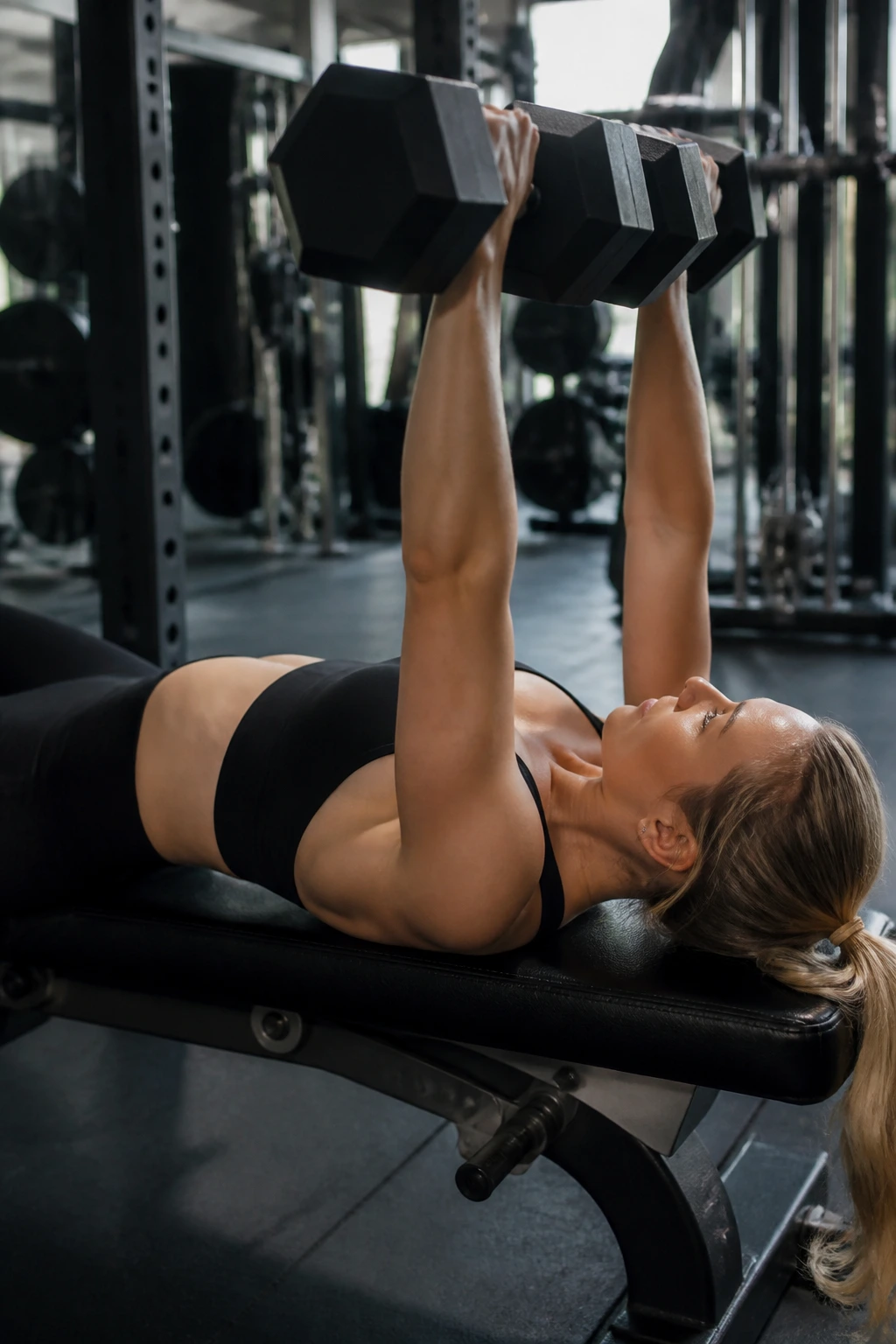
Supersets make a gym session feel tighter, but only if the pairings make sense.
Pair dumbbell bench press with seated cable row, goblet squat with hamstring curl, and dumbbell shoulder press with farmer carry. Do 3 rounds of each pair, using 8 to 12 reps for the lifts and 30 to 40 meters for the carry.
The good pairings are the ones that don’t fight each other. Push with pull. Lower-body front side with lower-body back side. Press with carry. That keeps the workout moving without turning every transition into a recovery problem.
I like this format when the gym is crowded and I want to avoid standing around. It also helps people stay focused. You know exactly what comes next, so there’s less wandering between machines and more actual training. Nice and clean.
13. The Athletic Power Session
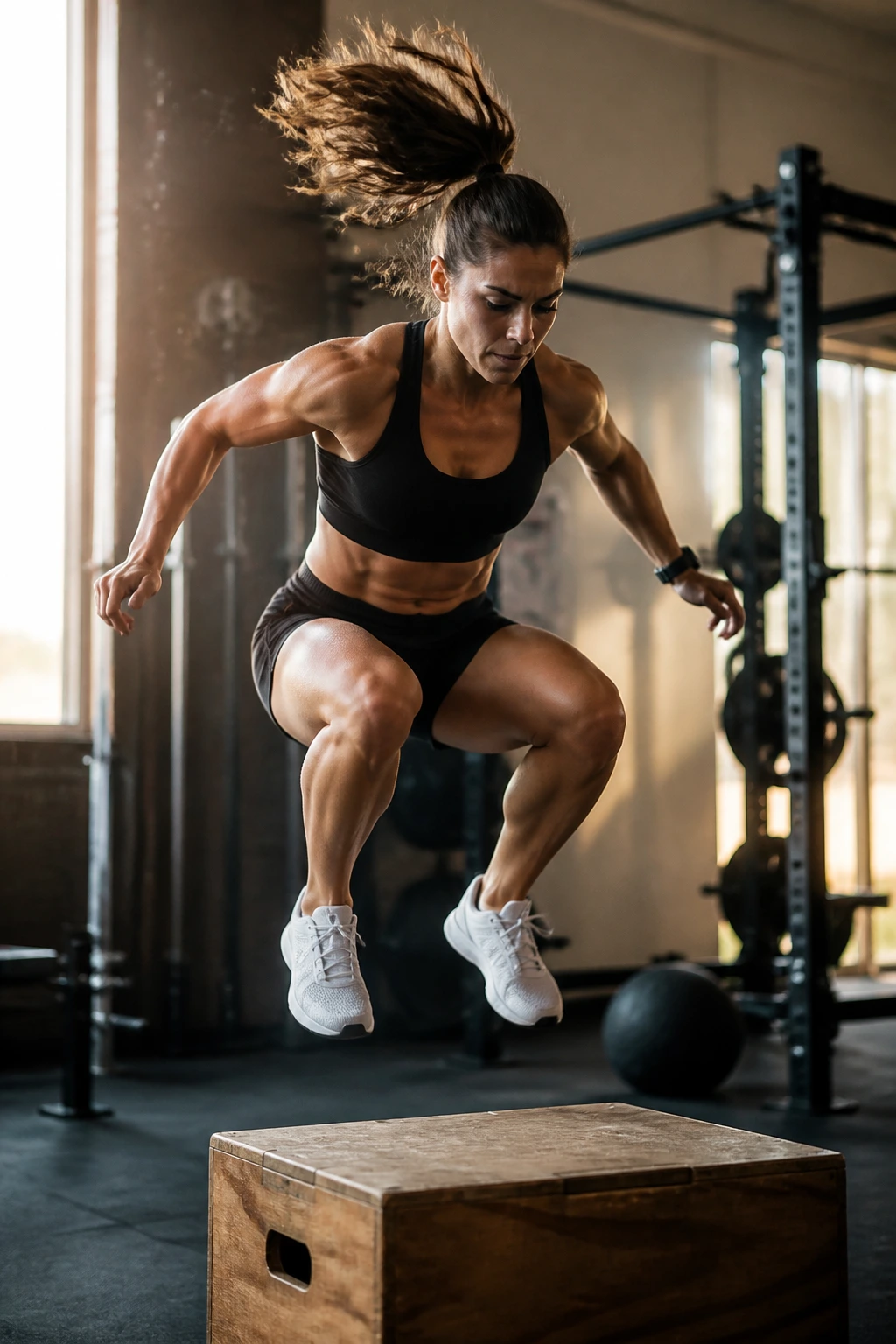
This one feels different from a slow strength day. It should.
Start with box jumps for 3 sets of 5, then do sled pushes for 4 trips of 20 meters, dumbbell push press for 3 sets of 6, walking lunges for 3 sets of 12 steps, and medicine ball slams for 3 sets of 10.
The point here is speed and intent. Every rep should look snappy. Box jumps stay low enough that you land with control, not fear. Sled pushes hit legs and lungs at the same time, which is rude but useful. Push press lets you drive power from the legs into the upper body.
Keep the rest generous enough to preserve speed. If the jumps get sloppy or the sled turns into a crawl, you’re too tired. Power work is supposed to look lively.
14. The Unilateral Stability Workout
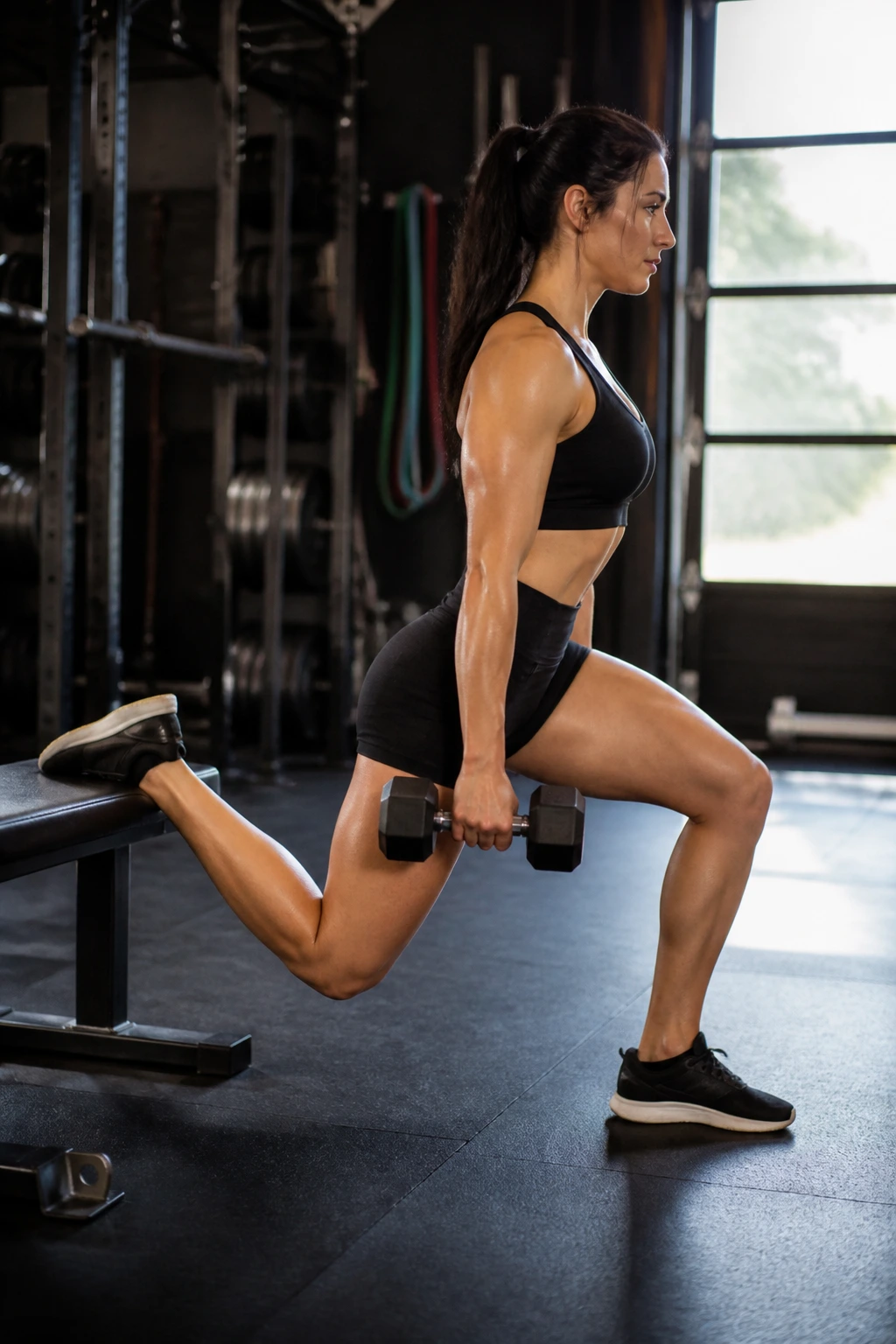
One side at a time exposes everything. Which is useful, and a little humbling.
Build the workout around rear-foot elevated split squats for 3 sets of 8 per leg, single-arm dumbbell press for 3 sets of 8 per side, single-leg Romanian deadlifts for 3 sets of 10 per leg, one-arm cable rows for 3 sets of 12 per side, and suitcase carries for 3 walks of 30 meters per side.
Watch the knee track
If your knee caves in on split squats, lighten the load and slow down. That’s not a failure. It’s information.
Unilateral work forces your trunk to stabilize in a way bilateral lifts sometimes don’t. You’ll feel your core, hips, and glutes having to sort themselves out. That’s why this style is so valuable for gym-goers who feel stronger on one side without quite knowing why.
Use a mirror if you need one, but don’t stare at it the whole time. Feel the rep. The balance issues usually show up faster than the mirror can explain them.
15. The Smith Machine Confidence Builder
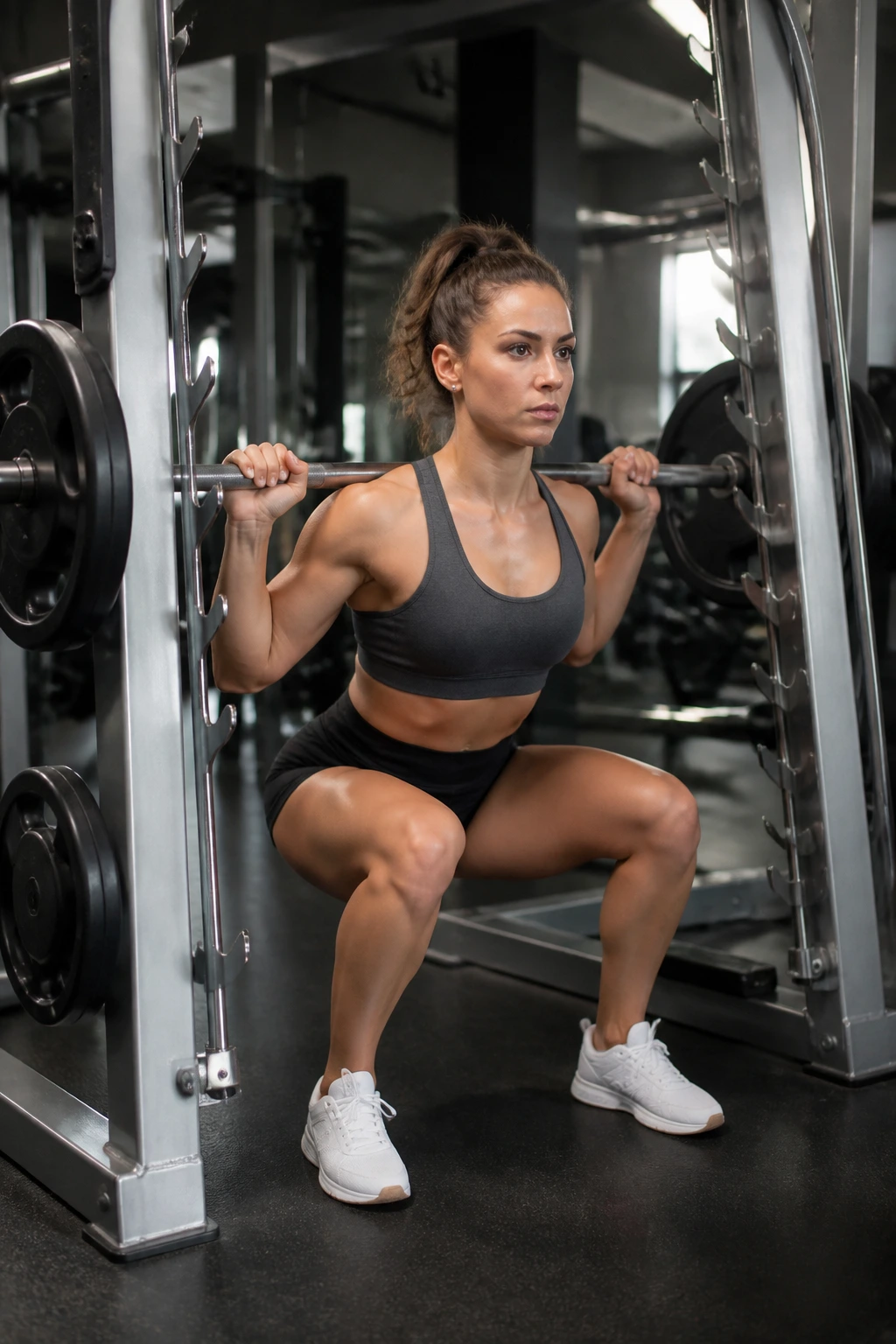
The Smith machine gets a bad rap, and some of it is deserved. Still, it can help a lot of people train without feeling lost.
Use Smith machine squats for 4 sets of 8, Smith machine incline press for 3 sets of 8, reverse lunges with dumbbells for 3 sets of 10 per leg, seated cable rows for 3 sets of 12, and glute bridges for 3 sets of 15.
The fixed bar path takes balance out of the equation, which can be useful if free barbell work still feels shaky. That does not mean the machine is “easy.” It means the setup lets you focus on the muscle instead of worrying about where the bar is drifting.
A sensible approach is to use the Smith machine for learning, then mix in free weights when you’re ready. I’ve seen people make solid progress with this setup because it removes the mental clutter. Simple wins, especially when confidence is the real bottleneck.
16. The Back-and-Glutes Priority Day
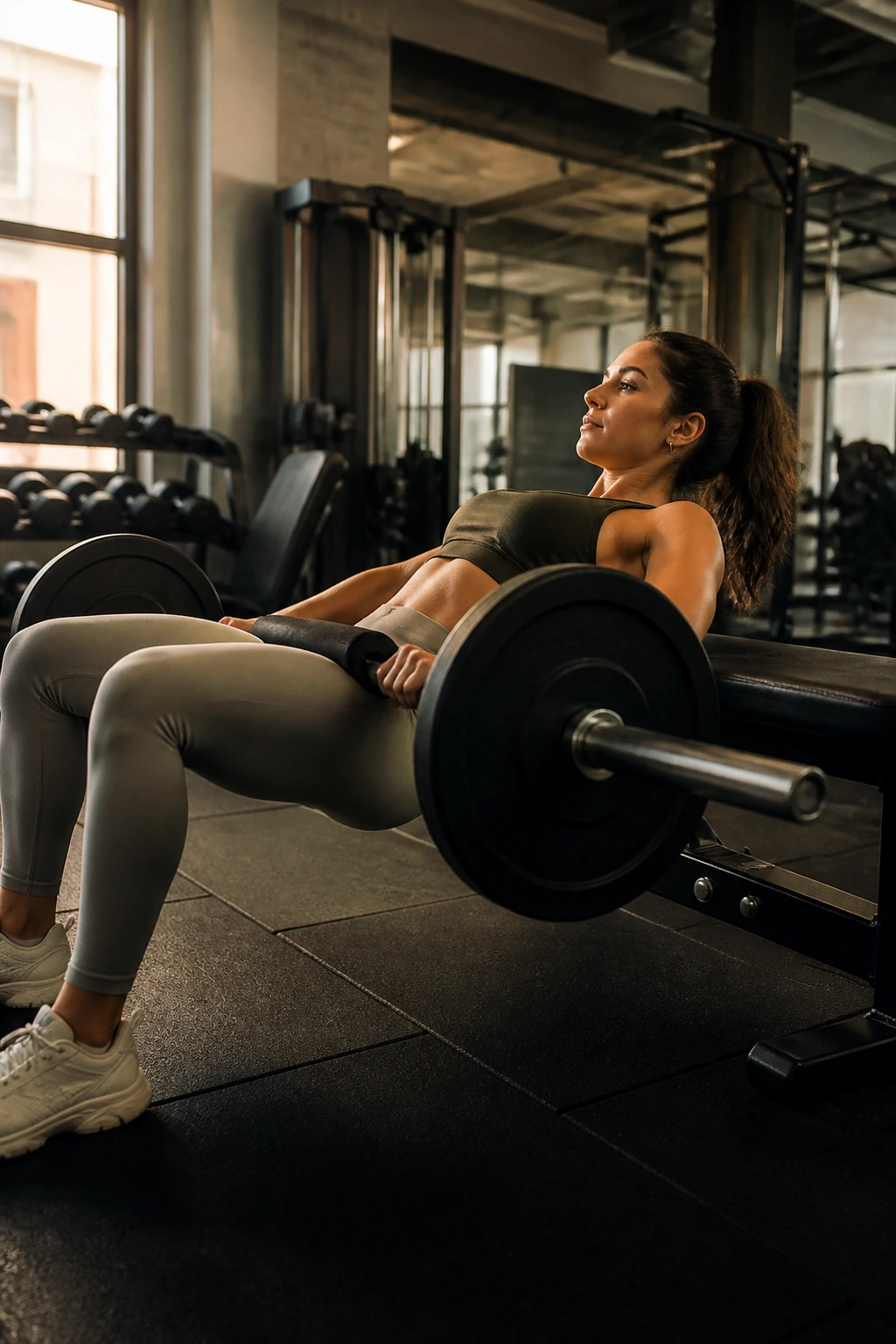
Some workouts are built around what most people need more of. This is one of them.
Workout flow
Start with hip thrusts for 4 sets of 10, then do lat pulldowns for 4 sets of 8 to 10, step-ups for 3 sets of 10 per leg, chest-supported rows for 3 sets of 10, and cable kickbacks for 2 sets of 15 per side.
That pairing of back and glutes makes sense because both areas respond well to focused work and both make the rest of your training feel easier. Strong glutes help your hinge and squat. Strong back muscles help your posture, your pressing, and your ability to brace.
Finish with a 5-minute incline walk if you want a little cooldown. Not mandatory. Nice, though.
17. The High-Rep Endurance Circuit
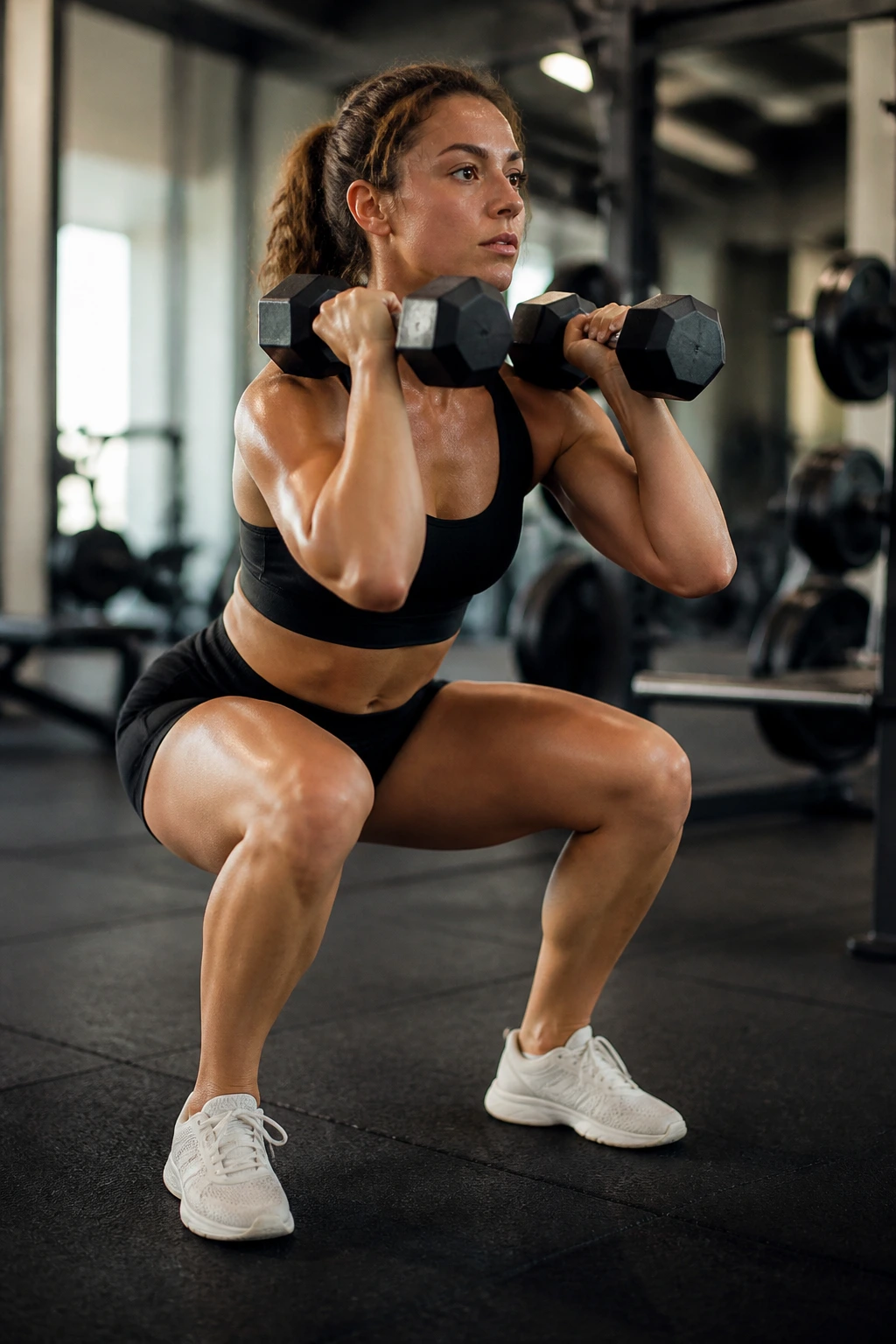
Not every full-body workout has to chase heavy numbers. Some should teach you to keep form while breathing hard.
Do 4 rounds of 12 dumbbell front squats, 12 push-ups on a bench, 15 seated rows, 15 kettlebell swings, and 20 mountain climbers per side. Rest 45 to 60 seconds between rounds.
This style builds work capacity. Your muscles learn to keep moving after the burn shows up, and your lungs stop getting shocked every time the pace rises. That matters in real life more than people admit. A workout that leaves you winded but still in control is useful.
Use moderate loads and keep the transitions quick. No standing around checking your phone. The circuit only works if the rest stays short enough to matter.
18. The Recovery-Friendly Light Gym Session
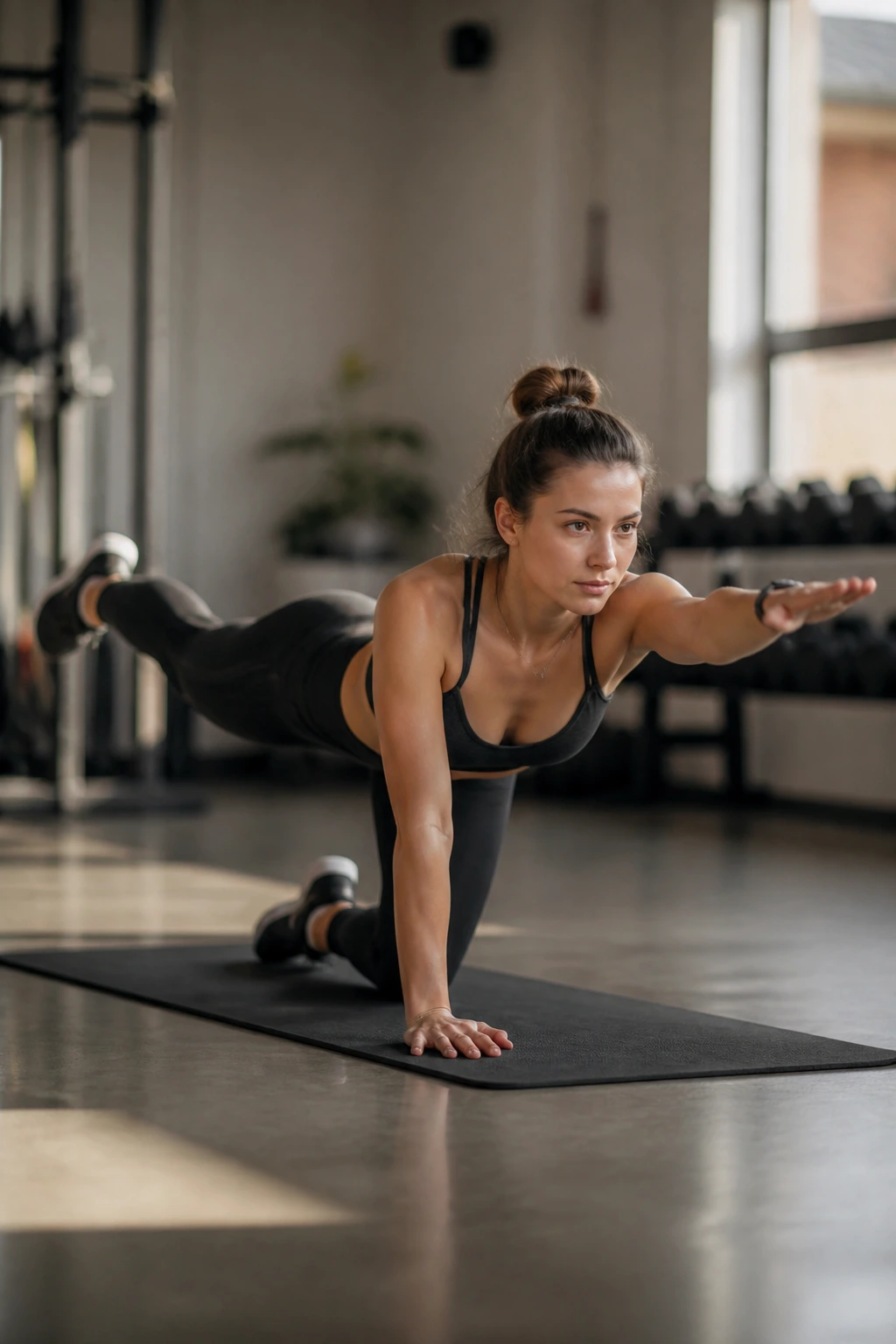
On tired days, less is more. That is not quitting. It’s staying smart.
Choose leg press for 2 sets of 12, machine chest press for 2 sets of 10, assisted pull-ups for 2 sets of 8, glute bridges for 2 sets of 15, and bird dogs for 2 sets of 8 per side. Keep everything around a 6 out of 10 effort.
This kind of session keeps the habit alive without leaving you flattened. It’s useful after a rough sleep, during a stressful week, or when your joints are feeling cranky and you still want to move.
The temptation is to turn a light day into a secret hard day. Don’t do that. Leave the gym feeling better than when you walked in. That’s the point. A recovery-friendly workout only works if it stays gentle enough to help.
19. The RPE-Based Autoregulated Workout
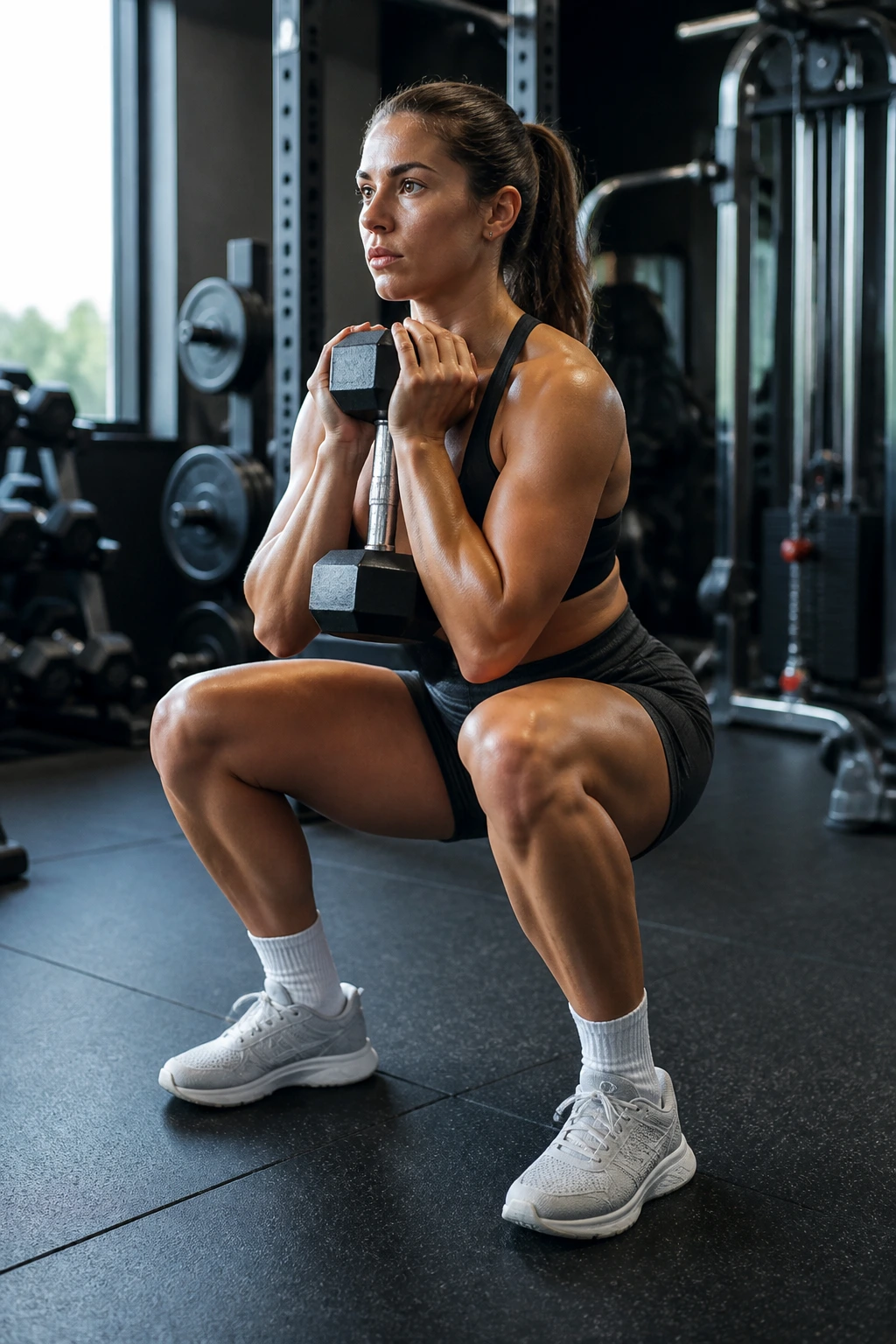
RPE sounds fancy, but it’s really just a way to train by feel without guessing wildly.
Pick goblet squats, dumbbell bench press, cable rows, Romanian deadlifts, and side planks. Do 3 sets of each exercise, stopping with 2 reps in reserve on the first two sets and 1 rep in reserve on the last set.
How hard is hard enough
If you could have done 5 more reps, the set was too light. If your form breaks before the target rep count, it was too heavy. That’s the whole conversation.
Autoregulation helps when sleep, stress, or your cycle changes how the body feels from one day to the next. Some days a 20-pound dumbbell feels right. Other days it feels silly. RPE lets you adjust without tossing the plan out.
I like this method for lifters who are trying to progress without living and dying by exact numbers. Use the logbook, but listen to the rep speed too. Slow grinding has its place. It just shouldn’t be the default every session.
20. The Five-Move Minimal Equipment Workout
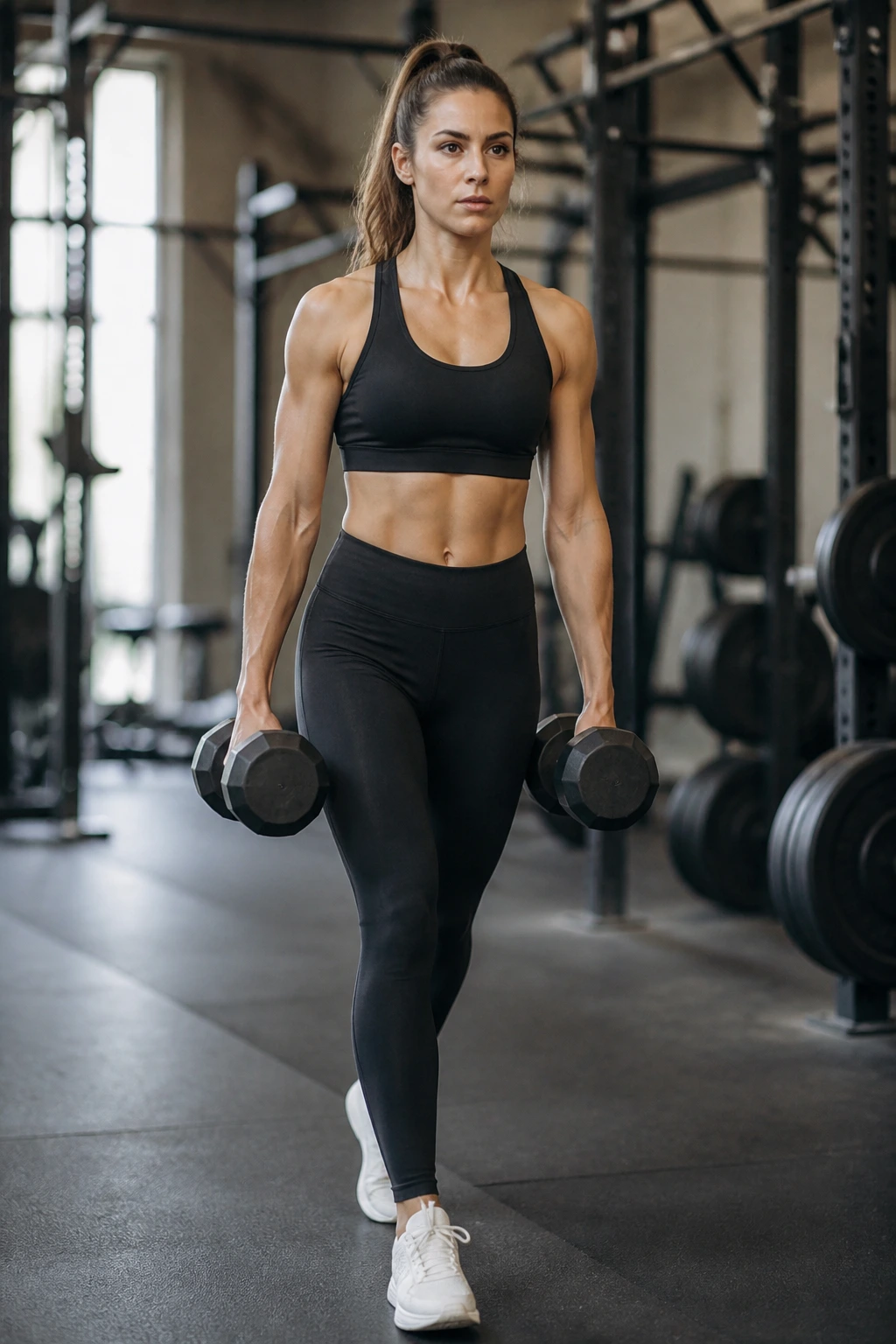
Simple workouts are often the ones people stick to.
Pick one squat pattern, one hinge, one push, one pull, and one carry. A clean version would be hack squat, dumbbell Romanian deadlift, incline dumbbell press, chest-supported row, and farmer carry. Use 3 sets of 8 to 12 reps for the lifts and 3 carries of 30 meters.
The main advantage is focus. You’re not wandering from machine to machine or trying to remember a weird 11-exercise plan written on a napkin. Five moves. That’s it.
I also like this structure because it scales well. Want it easier? Lower the load and keep the reps. Want it tougher? Add weight or slow the lowering phase. Either way, the bones of the workout stay the same, and that makes progress easier to track.
21. The Core-Stable Full Body Session
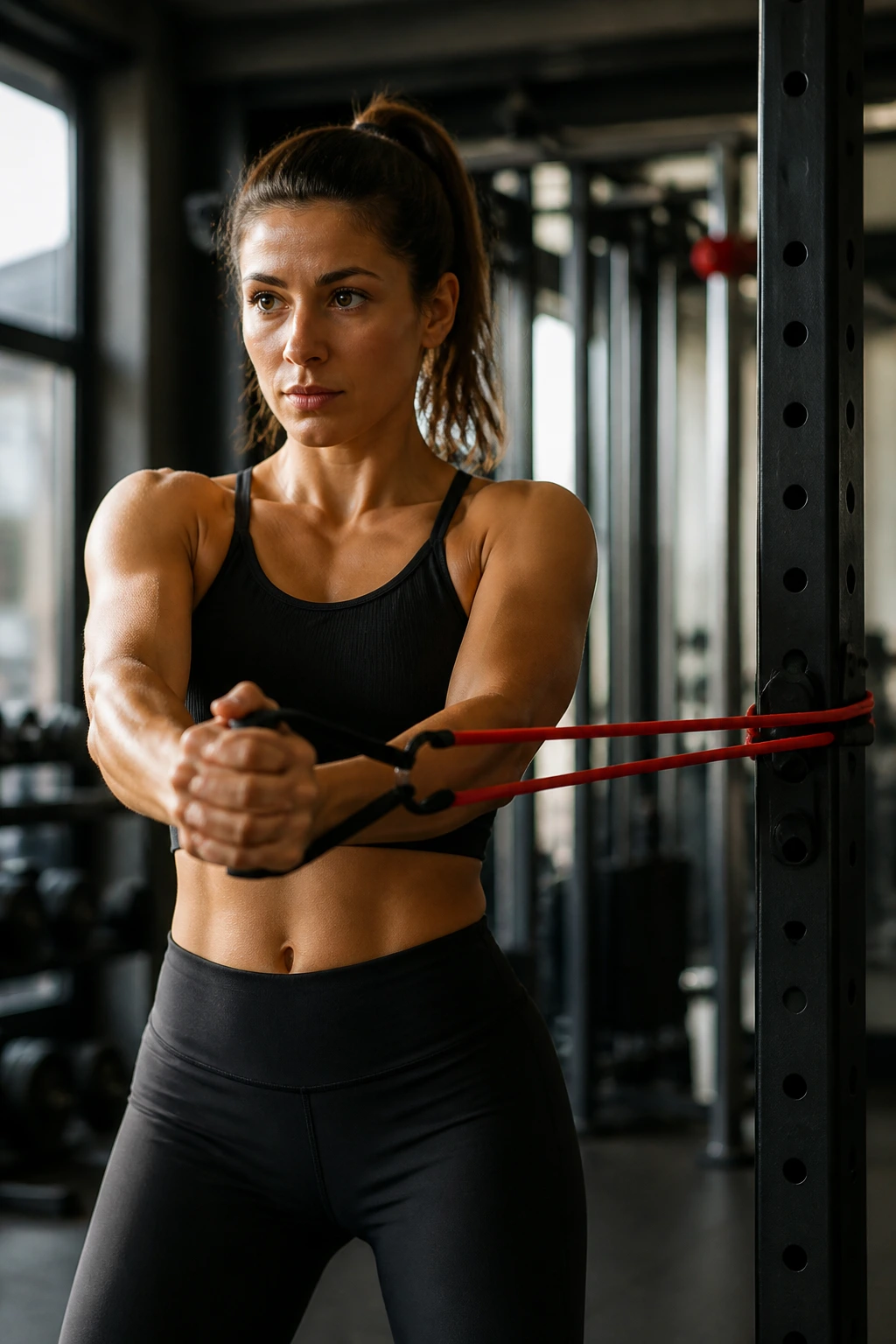
Core work should do more than make you tired. It should make your other lifts steadier.
Start with front rack lunges for 3 sets of 8 per leg, half-kneeling single-arm press for 3 sets of 10 per side, landmine rows for 3 sets of 12, Pallof presses for 3 sets of 10 per side, and farmer carries for 4 walks of 20 to 30 meters.
Best drills
- Half-kneeling press teaches you to stay stacked.
- Pallof press fights rotation.
- Farmer carry rewards a tall torso and honest bracing.
A lot of people chase abs with endless crunches. Fine, but don’t ignore the stuff that teaches your trunk to resist movement. That’s where the useful strength is hiding. And yes, it carries over to squats and deadlifts in a way that shows up fast.
22. The Leg Day That Still Trains Everything
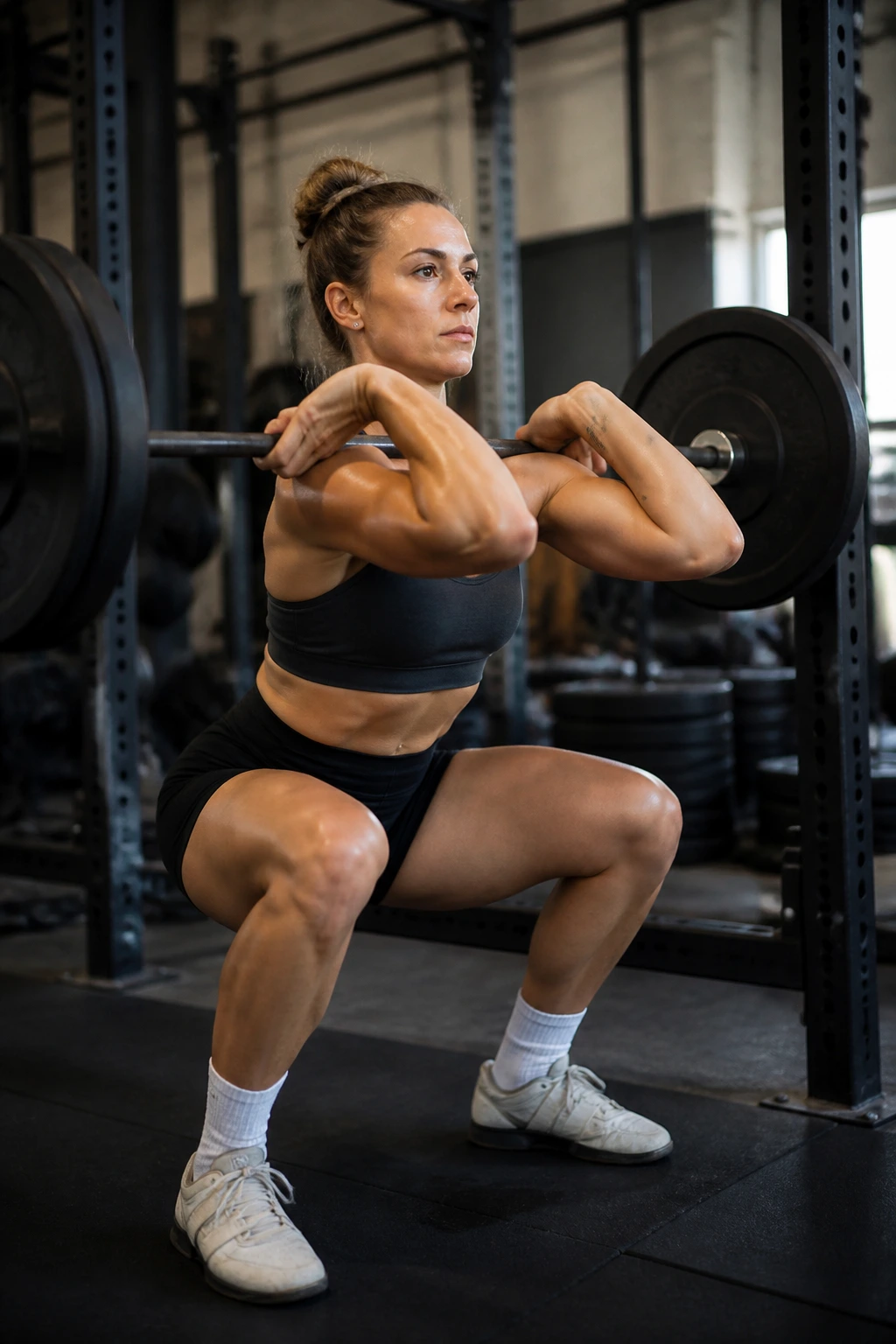
You can absolutely bias the lower body without turning the rest of the session into background noise.
Open with front squats for 4 sets of 6, then move to single-leg press for 3 sets of 10 per leg, dumbbell incline press for 3 sets of 8, lat pulldowns for 3 sets of 10, and back extensions for 2 sets of 12.
The front squat and single-leg press do the leg-heavy lifting. The press and pulldown keep the upper body active enough that the session still counts as full body. Back extensions round it out with posterior-chain work that people often skip.
This is a good one for lifters who like leg work but do not want a day that ends with sore quads and nothing else. You’ll walk out feeling like you trained. Not just your legs. Everything.
23. The Upper-Body Heavy, Lower-Body Support Workout
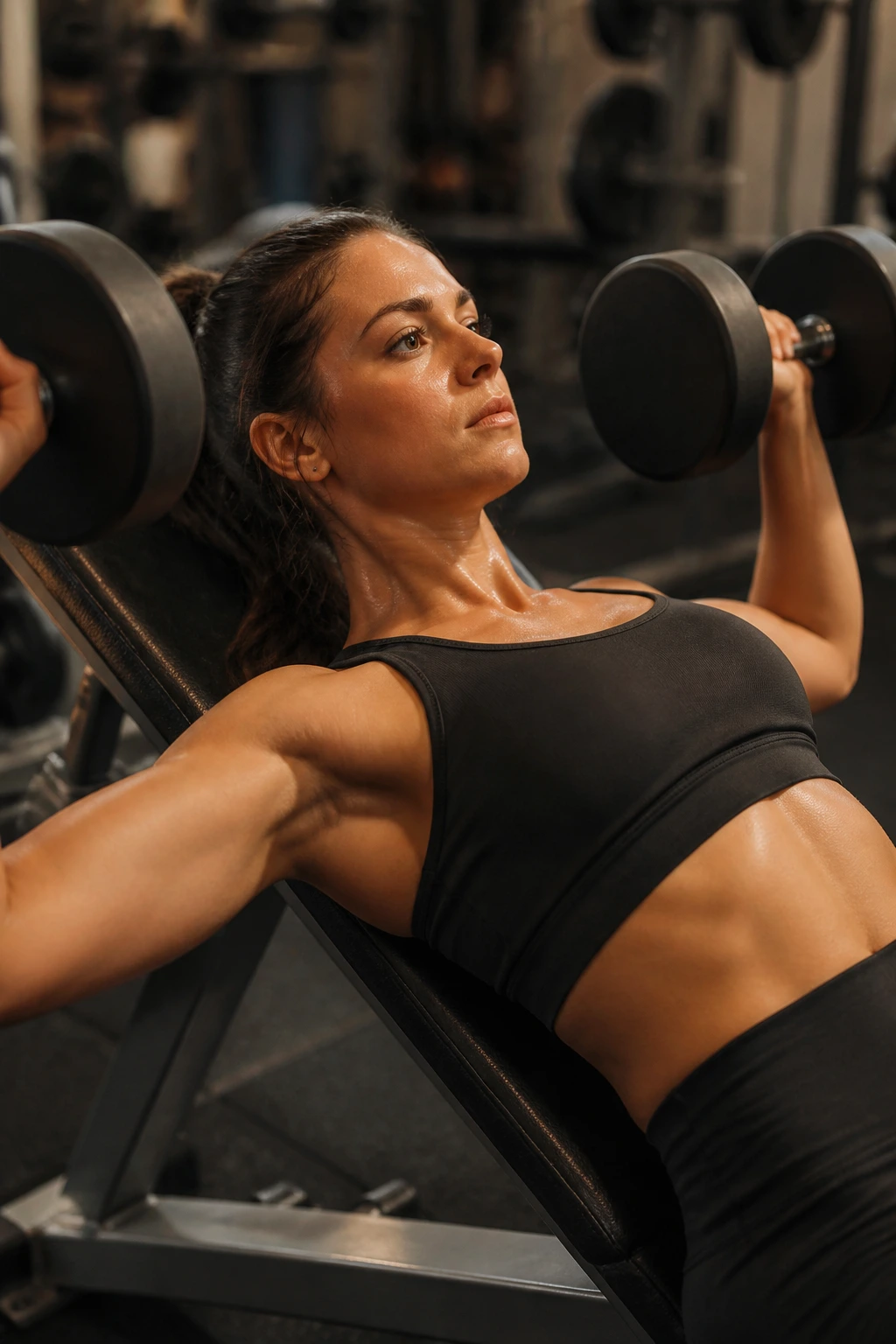
Sometimes the lower body only needs maintenance while the upper body gets the spotlight.
Use dumbbell bench press for 4 sets of 6 to 8, seated cable row for 4 sets of 8, goblet squats for 3 sets of 10, Romanian deadlifts for 3 sets of 10, and face pulls for 3 sets of 15.
The press and row get the biggest share of your energy here, which is useful if you’ve got an upper-body lag or just want a break from endless leg volume. The squat and hinge still matter, though. Skipping them would turn this into a split day with a different name.
Keep the upper-body sets honest. The last rep should slow down a little, but you should still own the movement. If you’re bouncing the dumbbells or heaving the cable stack, the set is past useful.
24. The Conditioning Workout Without the Crash
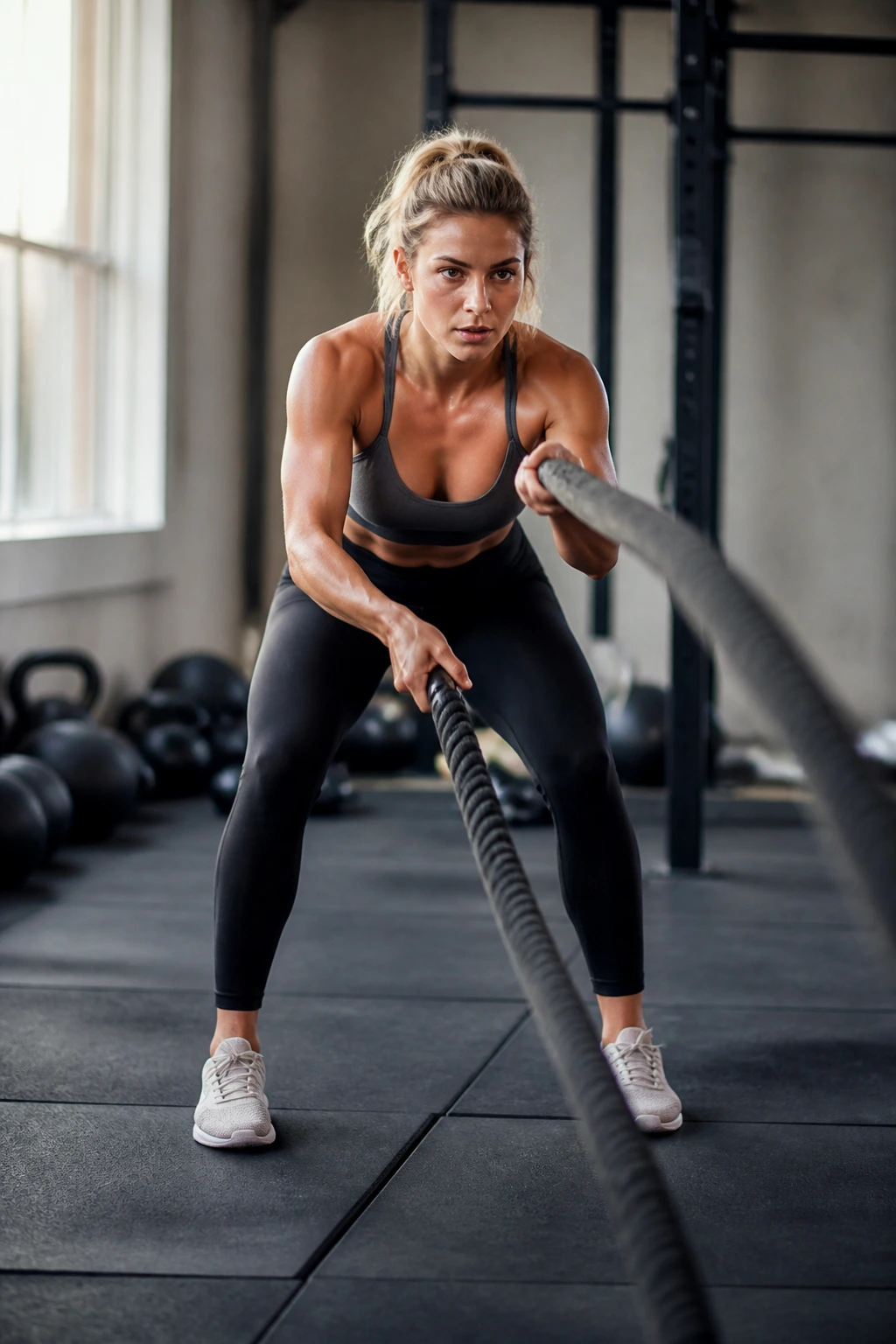
A hard workout is fine. Feeling wrecked for the rest of the day is not required.
Try sled drags for 4 trips of 20 meters, dumbbell thrusters for 3 sets of 10, TRX rows for 3 sets of 12, box step-overs for 3 sets of 10 per leg, and battle ropes for 6 rounds of 20 seconds on, 40 seconds off.
This one pushes the lungs, but it still has structure. The sled is joint-friendly. Thrusters ask a lot from your legs and shoulders. TRX rows keep the back active without overloading it. Battle ropes finish the job without needing a barbell.
The whole workout works best when the effort rises and falls in waves. Go hard, recover, go hard again. If you pace it right, you leave sweaty but functional. That’s a better outcome than bragging rights about being unable to climb stairs.
25. Full Body Workouts at the Gym for Women: Balanced Anchor Day
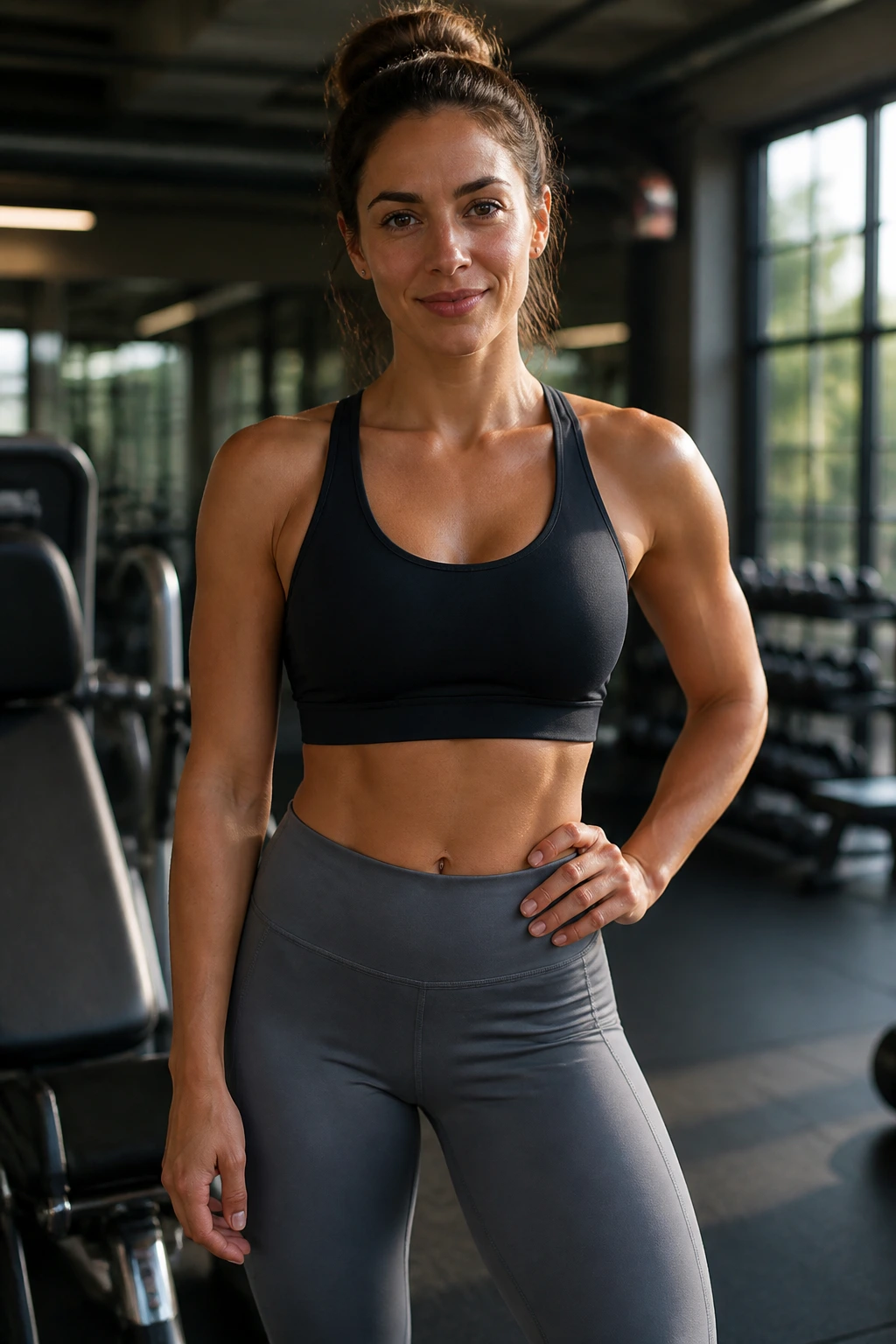
This is the session I’d keep in my pocket as the repeatable one. Nothing flashy. Just dependable.
Start with leg press for 4 sets of 10, dumbbell bench press for 4 sets of 8, lat pulldowns for 4 sets of 10, Romanian deadlifts for 3 sets of 8, and side planks for 3 holds per side. If you want a finisher, add 10 minutes of incline walking.
The balance is what matters here. You hit quads, chest, back, hamstrings, and core without overcomplicating anything. That makes it easy to return to week after week and actually get stronger. Most good training plans are boring in the best way. Same exercises, slightly better numbers, cleaner reps.
If you want a simple rule to keep in your head, use this one: one lower-body push, one upper push, one upper pull, one hinge, one brace. That’s enough for a whole lot of progress, and it keeps the session grounded when motivation is low.
The best full body workouts at the gym for women are not the prettiest ones on paper. They’re the ones you can repeat, recover from, and slowly make harder. That’s where the real change comes from.
