



Everyone wants a midsection that looks and feels strong, but the fitness industry has spent decades selling us the wrong message. You have probably heard the siren song of “spot reduction”—the idea that if you just do enough crunches, the fat around your waist will magically evaporate. I am here to tell you that this is simply not how human physiology works. You cannot pick and choose where your body burns fat. However, you absolutely can build the muscles beneath that layer, improve your posture, and develop a core that serves as the engine for every other movement you make in life.
A strong core is about so much more than just a visible six-pack. It is about stability, protecting your spine from everyday wear and tear, and ensuring your power transfers efficiently from your hips to your upper body. If you are leaning into abdominal training solely to change the look of your midsection, you are missing half the picture. The real magic happens when you combine consistent, intelligent exercise with a sustainable approach to nutrition. Stop chasing the idea of a “flat stomach” as a singular, surface-level goal and start chasing core function.
The exercises below are designed to target the rectus abdominis, the obliques, and the deeper transverse abdominis. They range from beginner-friendly stability work to advanced movements that demand full-body coordination. You do not need to do all of these in one workout—that would be counterproductive and likely lead to fatigue rather than progress. Instead, pick a few that challenge you, rotate them into your routine, and focus on the quality of your movement. If you feel the strain in your neck or your lower back, stop and adjust. Form always beats intensity.
1. The Standard Floor Crunch
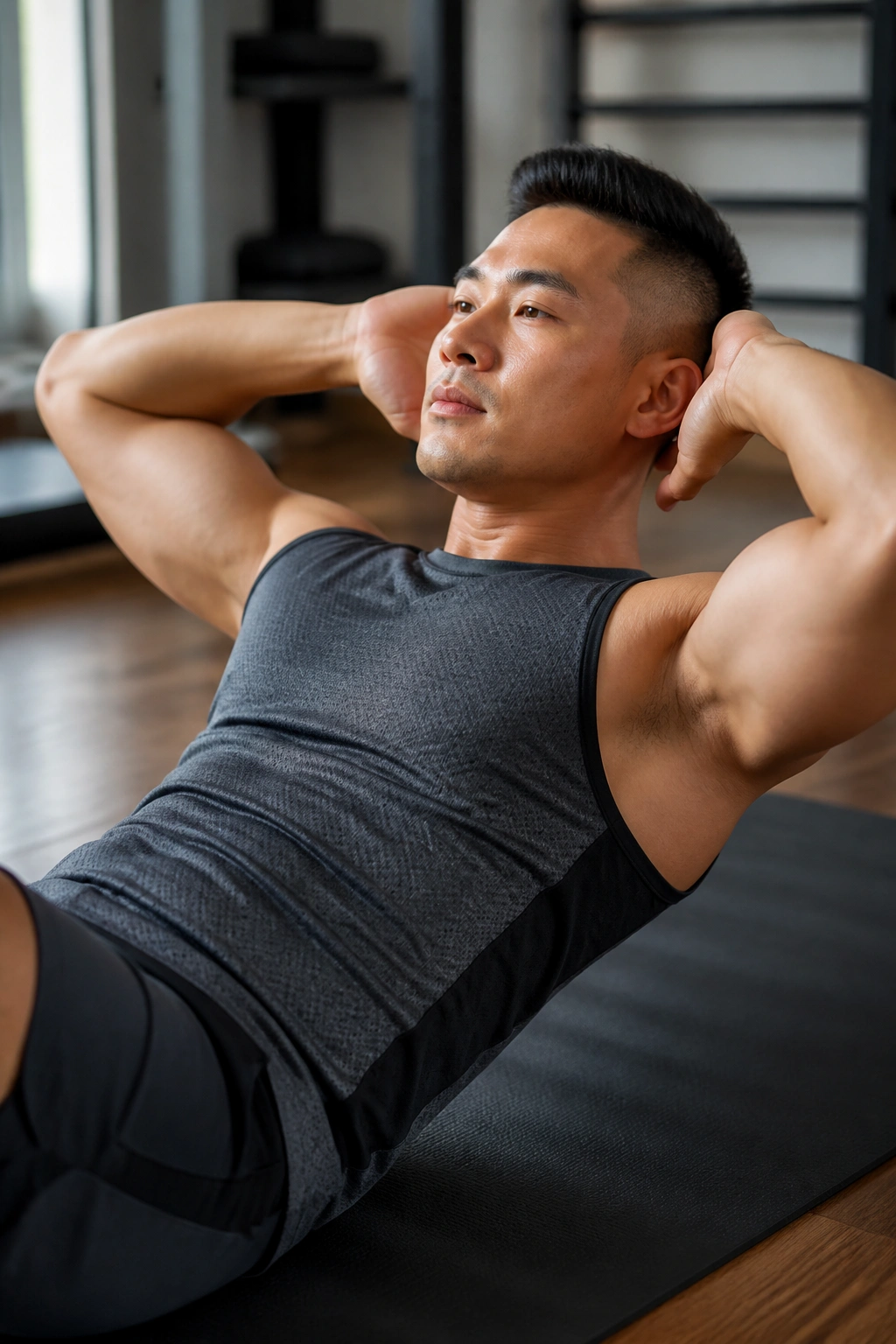
There is a reason why the classic crunch remains a staple in almost every training manual. It isolates the rectus abdominis—the front muscle group we usually associate with the “six-pack”—by shortening the distance between your ribcage and your pelvis. The key here is not speed, but controlled flexion.
Why Quality Matters More Than Reps
Most people treat crunches like a race, jerking their head forward and using momentum to swing their torso up. That is a waste of time and an easy way to strain your neck. Instead, imagine you are peeling your spine off the floor, one vertebra at a time, starting from the top.
Technical Cues for Success
- Keep your lower back pressed firmly into the mat throughout the entire movement.
- Place your hands behind your ears, but do not interlock your fingers—that invites you to pull on your head.
- Exhale deeply as you contract, pushing the air out to help engage the deep core muscles.
- Focus on lifting your shoulder blades only a few inches off the floor; you do not need to sit all the way up.
Pro tip: Pause for one full second at the very top of the contraction and squeeze your abs hard before slowly lowering back down.
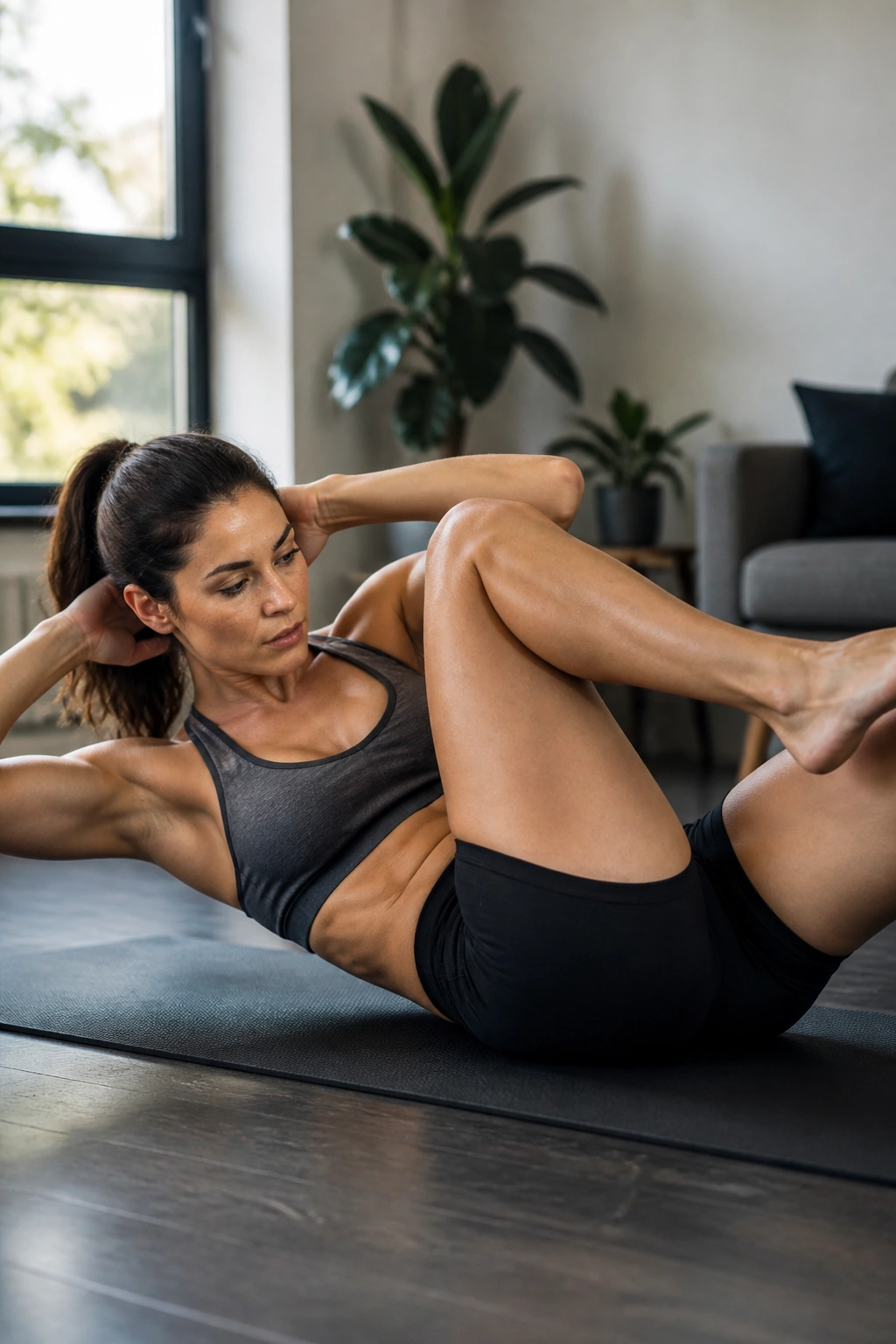
2. Bicycle Crunches
This is widely considered one of the most effective movements for hitting the entire abdominal wall, specifically targeting the obliques as you rotate your torso. It mimics the motion of pedaling a bike while your upper body works to meet your moving knees.
The real beauty of the bicycle crunch lies in the diagonal engagement. By bringing your right elbow toward your left knee, you are forcing the internal and external obliques to stabilize and twist the torso under tension. It is a multitasking movement that builds endurance and rotational strength simultaneously.
How to Execute Properly
- Lie on your back with your legs extended and hands behind your head.
- Lift your head, shoulders, and upper back off the floor.
- Bring your right knee toward your chest while rotating your upper body to meet it with your left elbow.
- Extend the right leg as you switch, bringing the left knee and right elbow together.
- Keep the movement fluid but slow—rushing this exercise negates the muscle-building potential.
If your lower back starts to arch off the floor, you are extending your legs too low. Keep your legs higher to maintain that critical spinal contact with the ground.
3. The Basic Plank
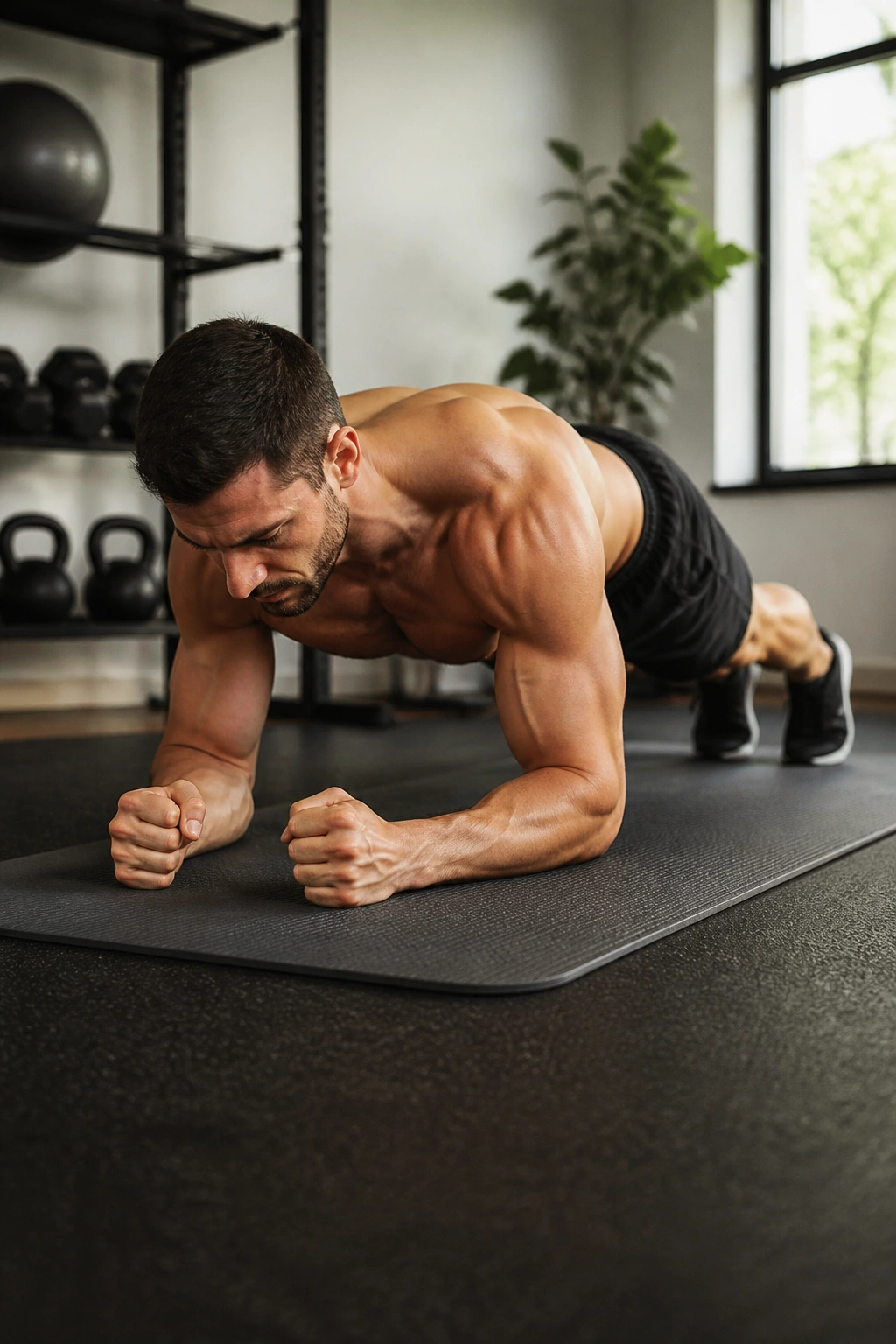
If you want to build a functional, bulletproof core, you cannot skip the plank. It is the ultimate test of isometric strength. Unlike crunches, which involve dynamic movement, the plank forces your muscles to resist the pull of gravity and maintain a rigid, neutral spine.
Why does it work so well? Because it forces your deep core—specifically the transverse abdominis—to hold everything in. It is effectively a standing abdominal exercise, just done horizontally. You are learning how to keep your pelvis tucked and your spine stable, which is a position you need to maintain while walking, lifting, or even just sitting at a desk.
Essential Plank Form
- Keep your forearms parallel to each other, planted firmly on the ground.
- Squeeze your glutes and your quadriceps; your legs should not be relaxed.
- Avoid letting your hips sag toward the floor or piked up toward the ceiling.
- Think about pulling your elbows toward your toes to create tension throughout your entire core.
If you can hold a plank for more than two minutes without shaking, you are probably not engaging your muscles hard enough. Tighten every muscle in your body, and you will find that a one-minute plank feels much longer.
4. Side Planks
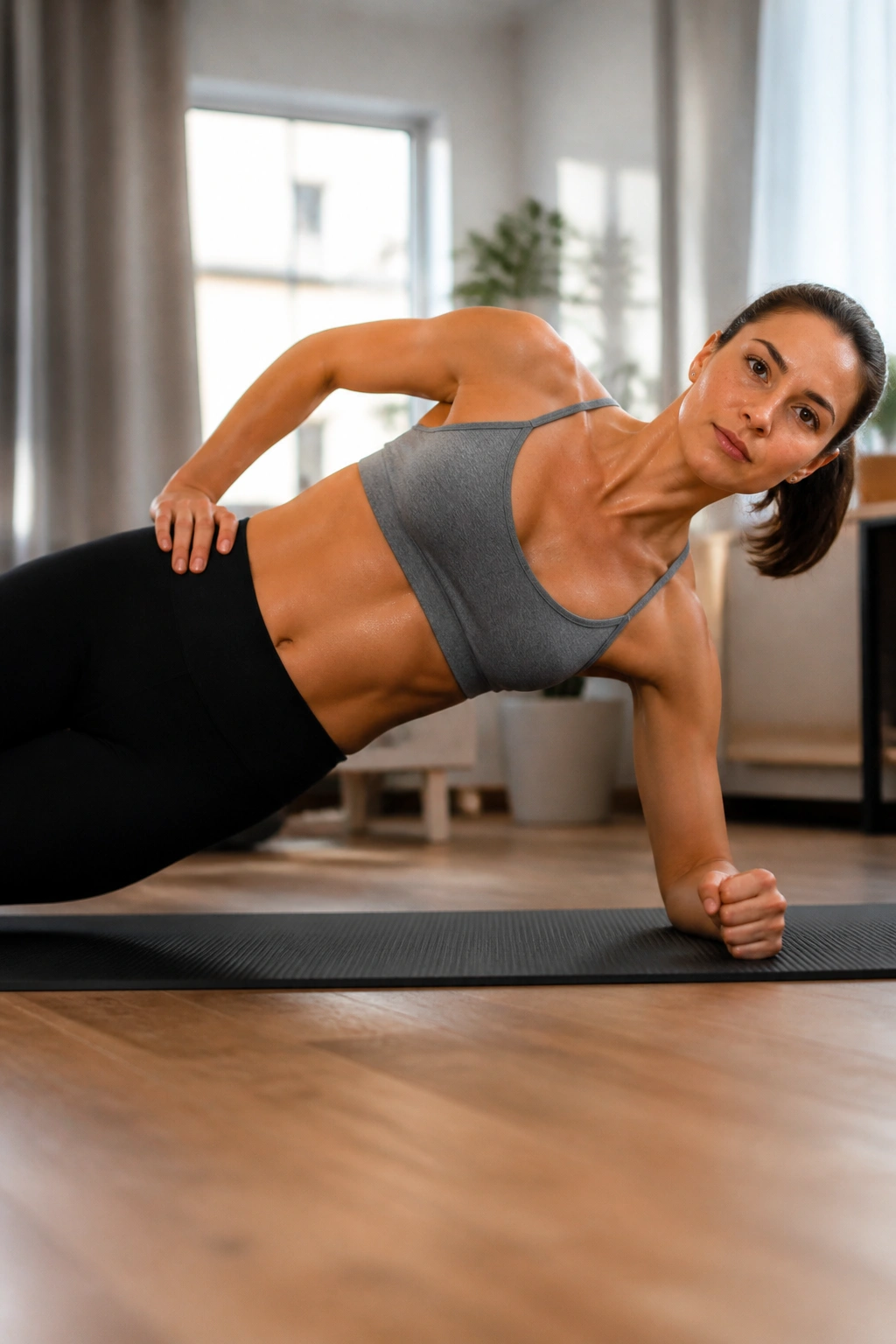
The standard plank focuses on the front of your core, but your obliques need love, too. Side planks are the best way to isolate the lateral abdominal muscles, helping to improve stability and prevent the dreaded “muffin top” by tightening the sides of your core.
Why You Need These
Many people find side planks harder than front planks because they require significant balance. This instability forces the stabilizing muscles of the spine to fire rapidly. If you are struggling with low back pain, strengthening the lateral core is often the missing link in your routine.
How to Get It Right
Start by lying on your side with your elbow directly underneath your shoulder. Lift your hips off the floor until your body forms a straight line from your head to your heels. If balancing on your feet is too difficult, start by bending your knees and balancing on your shins—this is a perfectly acceptable way to build the necessary strength to move to a full side plank later.
5. Reverse Crunches
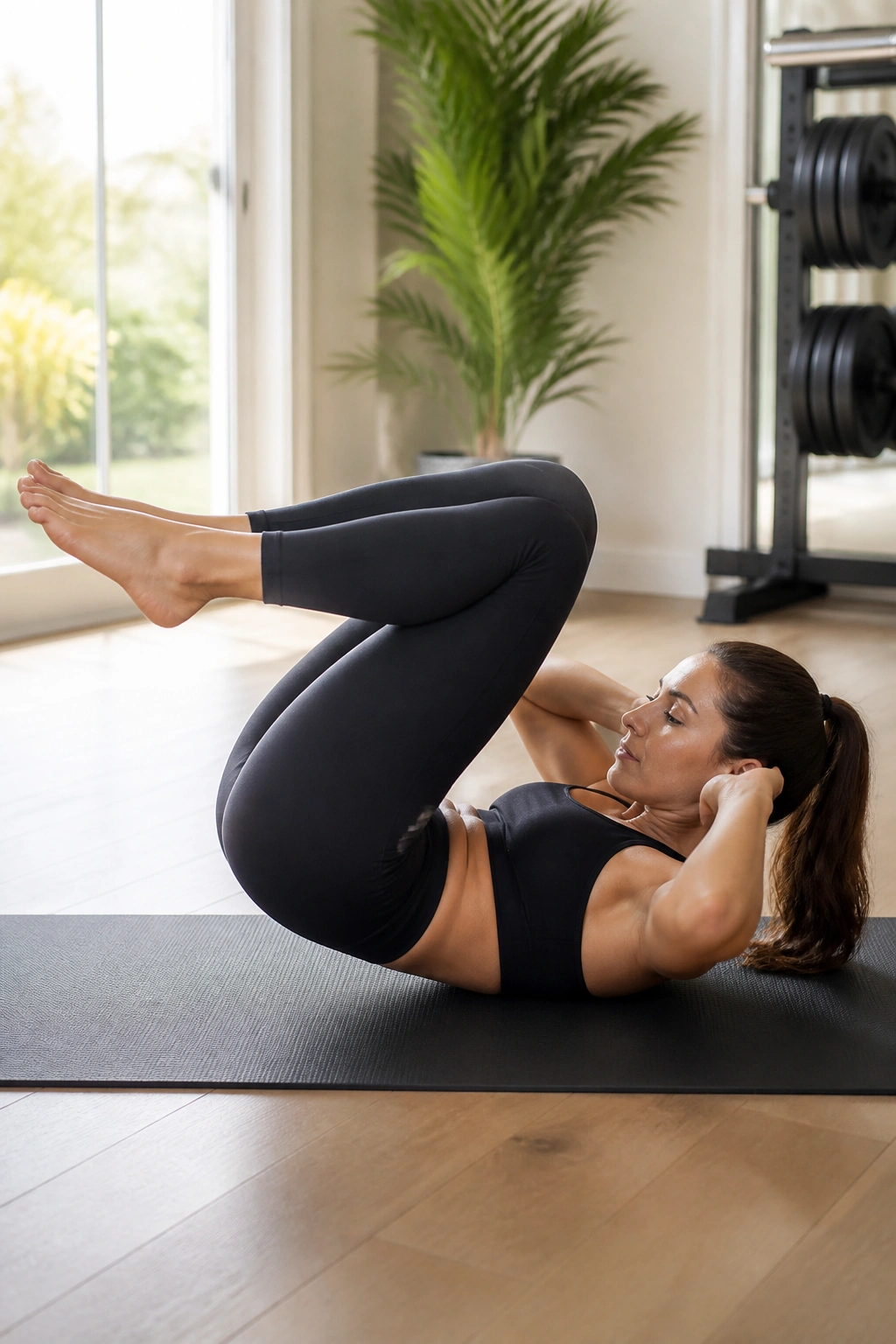
Reverse crunches flip the script on traditional ab training. Instead of bringing your chest to your hips, you bring your hips to your chest. This targets the lower portion of the rectus abdominis, a section that often gets neglected when people focus strictly on standard crunches.
The sensation you are looking for is a tightening of the lower stomach as your pelvis rotates. You should feel this deeply within the lower midsection rather than in your hip flexors. To ensure this, keep your movements small and controlled; if you swing your legs, you are just using your hip flexors and skipping the abdominal workout entirely.
Keep your knees bent at a 90-degree angle and focus on pulling your knees toward your shoulders. As you lower your legs back down, stop before your lower back loses contact with the floor. This “time under tension” is what creates the burn that signals effective muscle fatigue.
6. Mountain Climbers
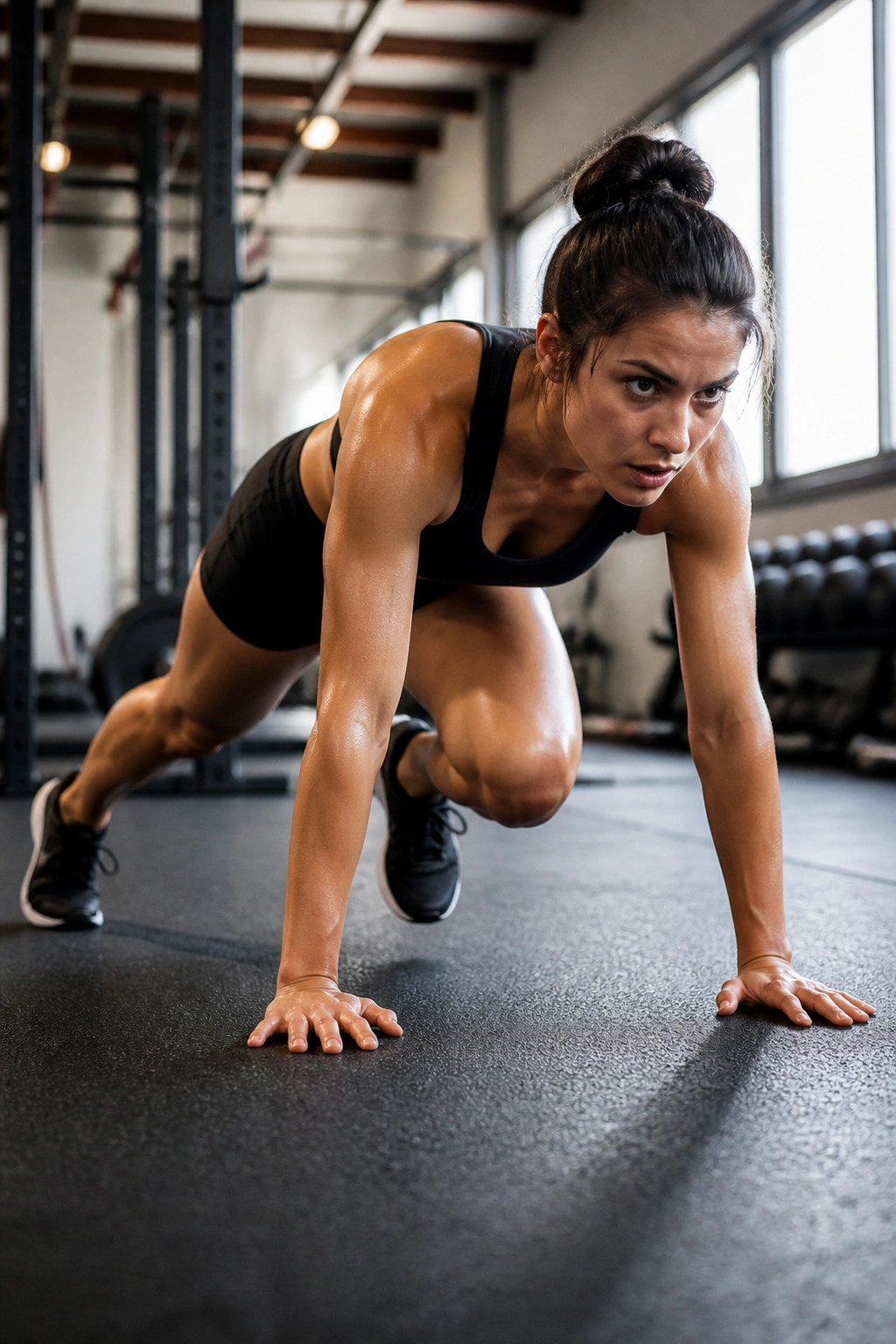
Mountain climbers are unique because they combine core work with high-intensity cardio. You are performing a plank, but you are adding a dynamic movement that requires constant stabilization. Every time you bring a knee toward your chest, your core has to work double-time to keep your hips from shifting or sagging.
The Mechanics of the Move
- Start in a high plank position, hands directly under your shoulders.
- Drive your right knee toward your right elbow.
- Quickly switch, driving the left knee toward the left elbow.
- Maintain a flat back; do not let your butt bounce into the air.
This is a full-body movement. Your shoulders and arms will get tired, which forces your core to work even harder to stabilize the torso. Try to find a rhythm that allows you to move quickly without losing your rigid, plank-like posture. If your pace feels sloppy, slow it down. Form is the priority.
7. Russian Twists
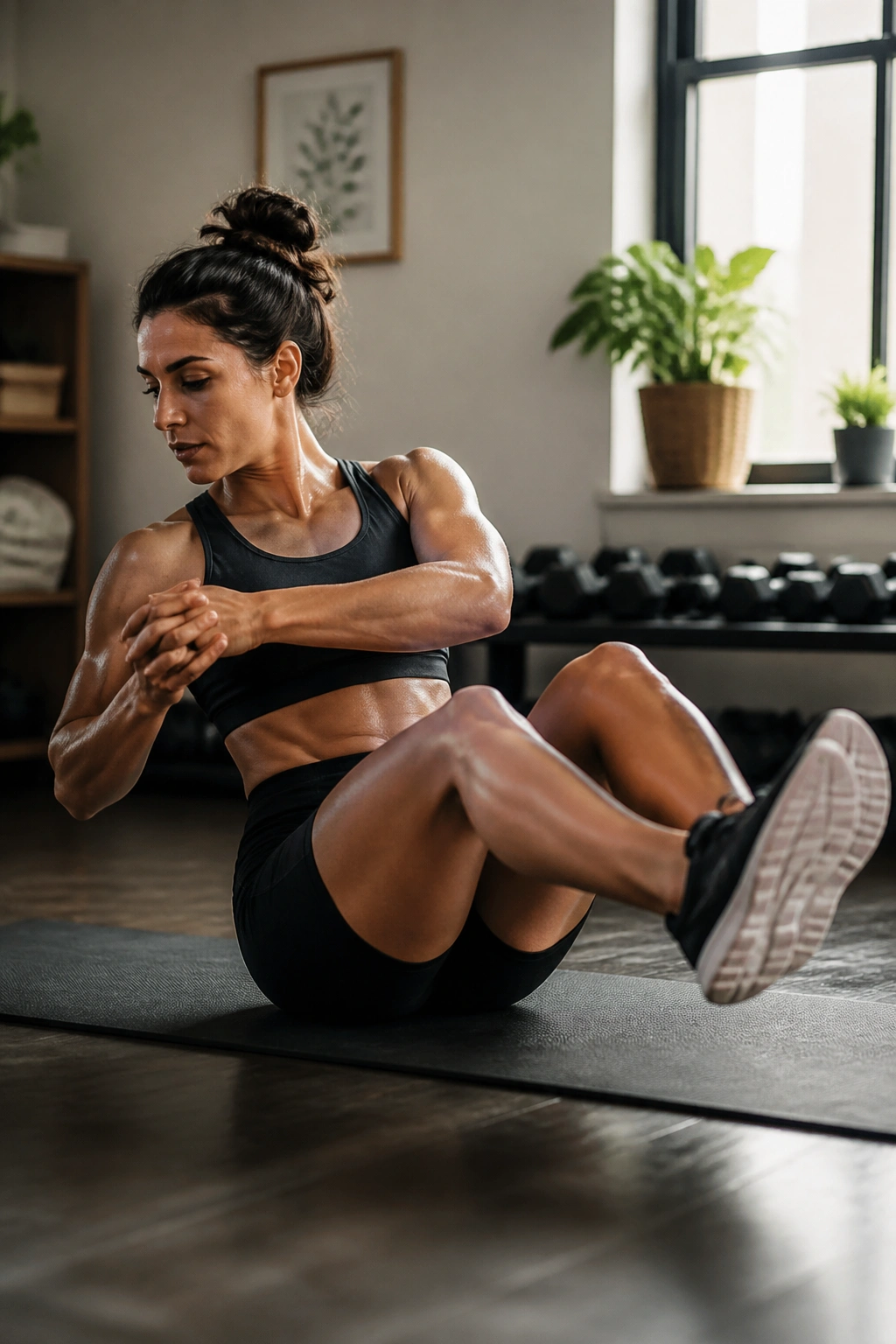
Rotation is a fundamental movement pattern, but it is often ignored in traditional fitness routines. Russian twists are a classic exercise for building oblique strength and rotational power, which helps create that “cinched” look around the waist while also protecting the spine during twisting motions.
How to Add Weight Safely
Start without any weight to master the movement. Sit on the floor, lean back slightly, and lift your feet off the ground. Clasp your hands and rotate your torso from side to side, touching your hands to the floor on either side of your hips. Once you have mastered this, hold a small weight, such as a medicine ball or a light dumbbell, to increase the resistance.
Pro tip: Follow your hands with your eyes. This helps you rotate your chest rather than just moving your arms from side to side. If your arms are doing all the work, you are missing the point of the exercise.
8. Dead Bug
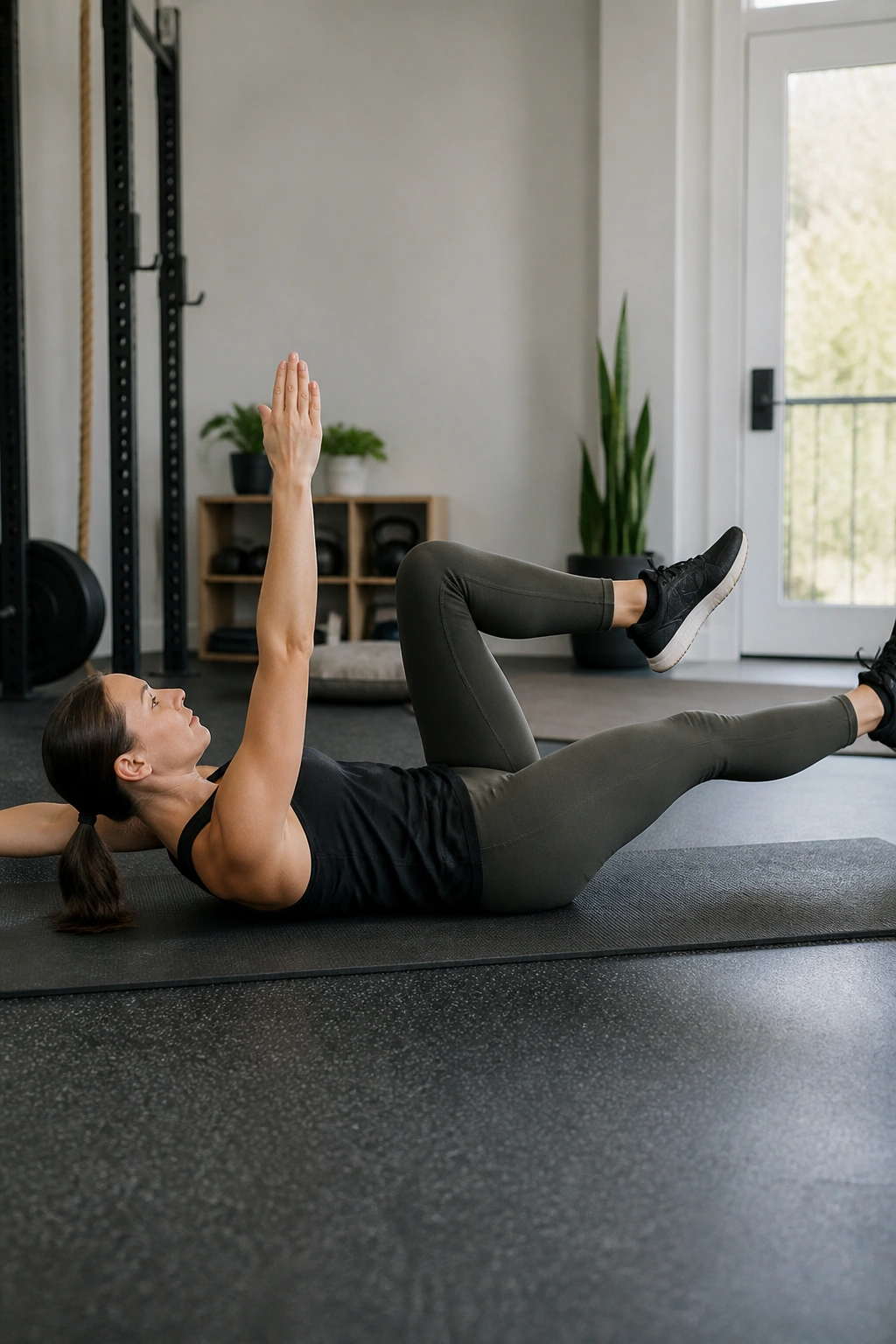
Don’t let the name fool you. The dead bug is one of the most effective exercises for teaching your core to stabilize your spine while your limbs move. It is a fundamental movement for rehabilitation, but it is challenging enough for even the most advanced athletes when performed with precision.
The Science of Core Stability
The move is all about cross-body coordination. You lie on your back, arms extended toward the ceiling and knees bent at 90 degrees. You then lower your opposite arm and opposite leg simultaneously, keeping your lower back pressed into the mat.
The challenge is the “press.” If your lower back arches even a millimeter, you have lost the engagement. You are teaching your brain to maintain a rigid core while your extremities flail. This is exactly what your body needs to do during walking, running, or lifting objects in the real world.
9. Flutter Kicks
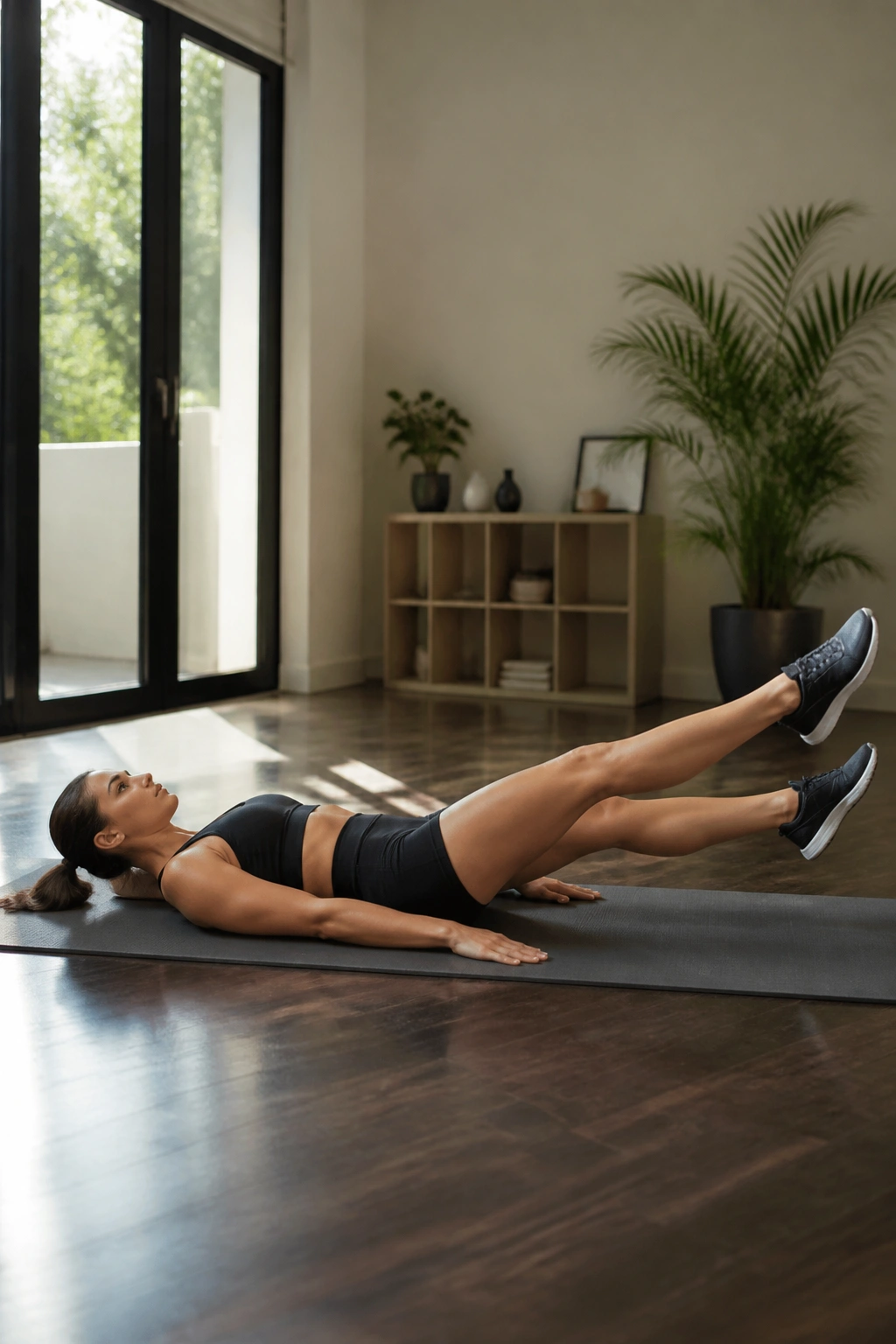
If you want to feel your lower abs burn, flutter kicks are your best friend. They require you to hold your legs at a challenging angle while making small, rapid movements. This position keeps the rectus abdominis under constant tension for the duration of the set.
How to Manage the Burn
Keep your legs straight and focus on small, controlled kicks. The smaller the movement, the more intense the burn. Keep your lower back glued to the mat; if your back starts to arch, lift your legs higher toward the ceiling. You do not need to keep them inches from the floor to get a great workout. Higher legs are perfectly effective if it keeps your lower back safe and your abs engaged.
10. V-Ups
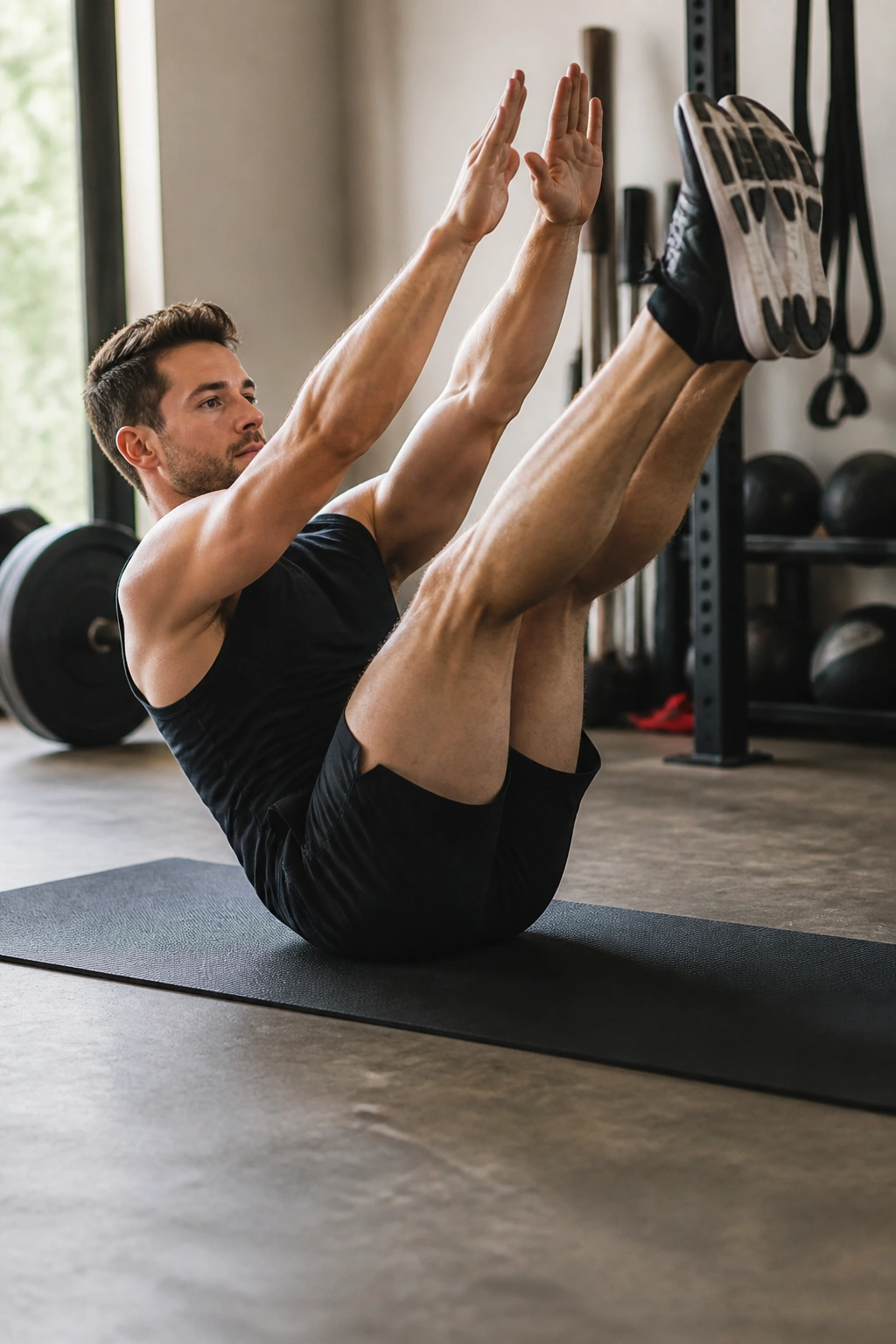
V-ups are an advanced exercise that brings your upper and lower body together in one explosive motion. They require a significant amount of flexibility and strength. Because you are essentially doing a crunch and a leg raise simultaneously, you are targeting the entire length of your abdominal wall.
Execution Strategy
Start lying flat on your back, arms extended overhead. In one smooth motion, lift your legs and torso simultaneously, aiming to touch your hands to your feet at the top. Think of yourself as a closing jackknife. If you cannot touch your toes, aim for your shins. The goal is to reach a V-shape at the peak of the movement. If you find yourself rolling onto your tailbone, you might be pushing too hard or using too much momentum. Focus on squeezing your core to pull your body into the V position.
11. Hollow Body Hold
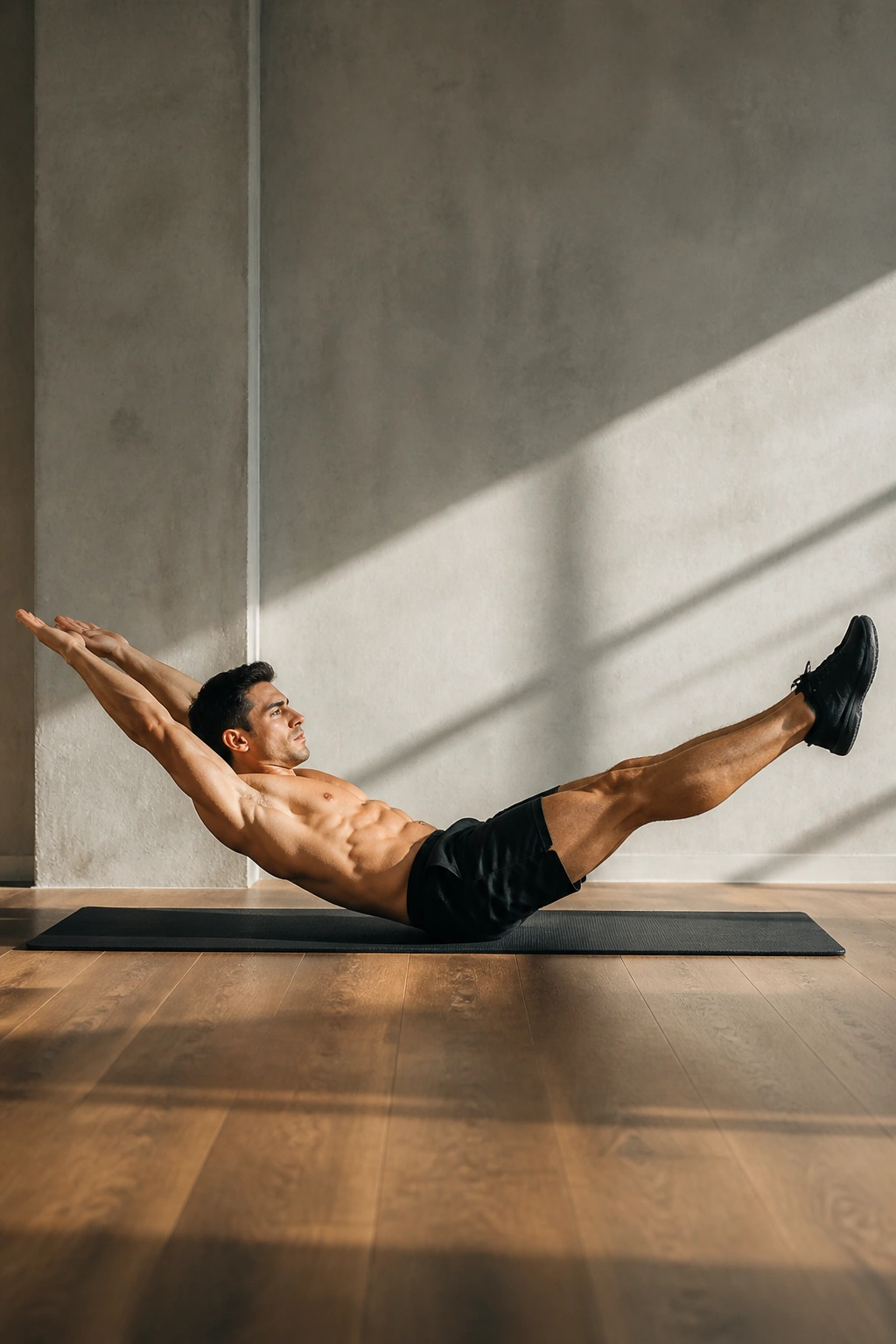
The hollow body hold is the cornerstone of gymnastics training for a reason. It teaches you how to create a “hollow” shape with your body, where your ribs are tucked, your pelvis is tilted, and your abs are fully engaged. It is the gold standard for core tension.
Why This Move Is Misunderstood
It looks easy, right? Just lying there. But when you are doing it correctly, it is exhausting. You are essentially creating a human banana. By lifting your shoulder blades and your legs off the floor while maintaining a perfectly flat lower back, you are maxing out your core endurance. Hold this for 30 to 45 seconds, and you will understand why athletes use this to develop rock-solid stability.
12. Bird Dog
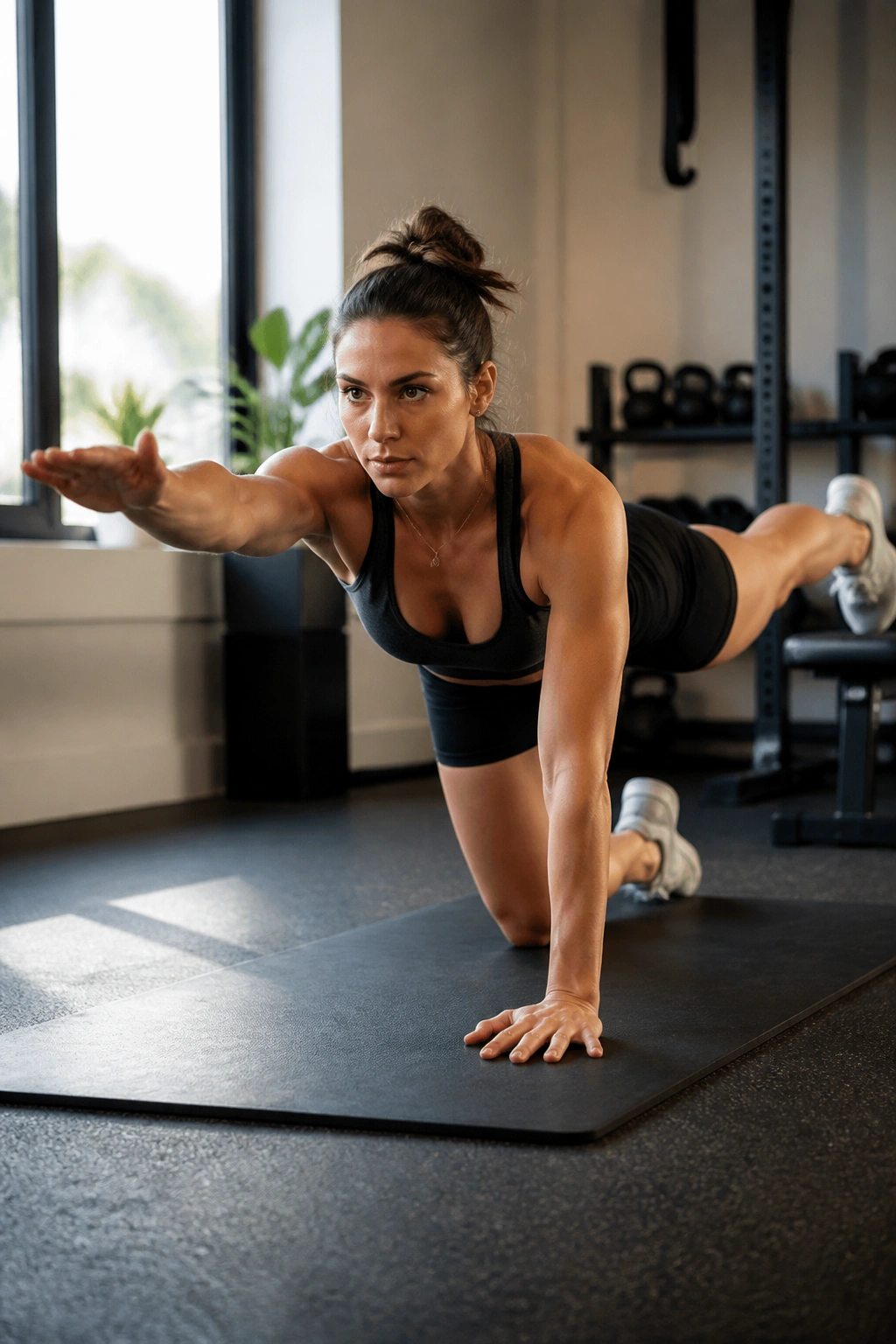
Bird dog exercises might look unassuming, but they are crucial for lower back health and deep core activation. They involve extending the opposite arm and opposite leg while on your hands and knees. This movement tests your balance and stability, forcing your deep core muscles to prevent your torso from wobbling.
Getting the Form Right
Keep your spine in a neutral position. Imagine you have a glass of water balanced on your lower back; you don’t want to spill it. When you extend your arm and leg, do not rotate your hips. Stay square to the floor. This exercise is not about speed; it is about slow, deliberate control. You should feel your core working to keep you steady throughout the entire extension.
13. Plank Jacks
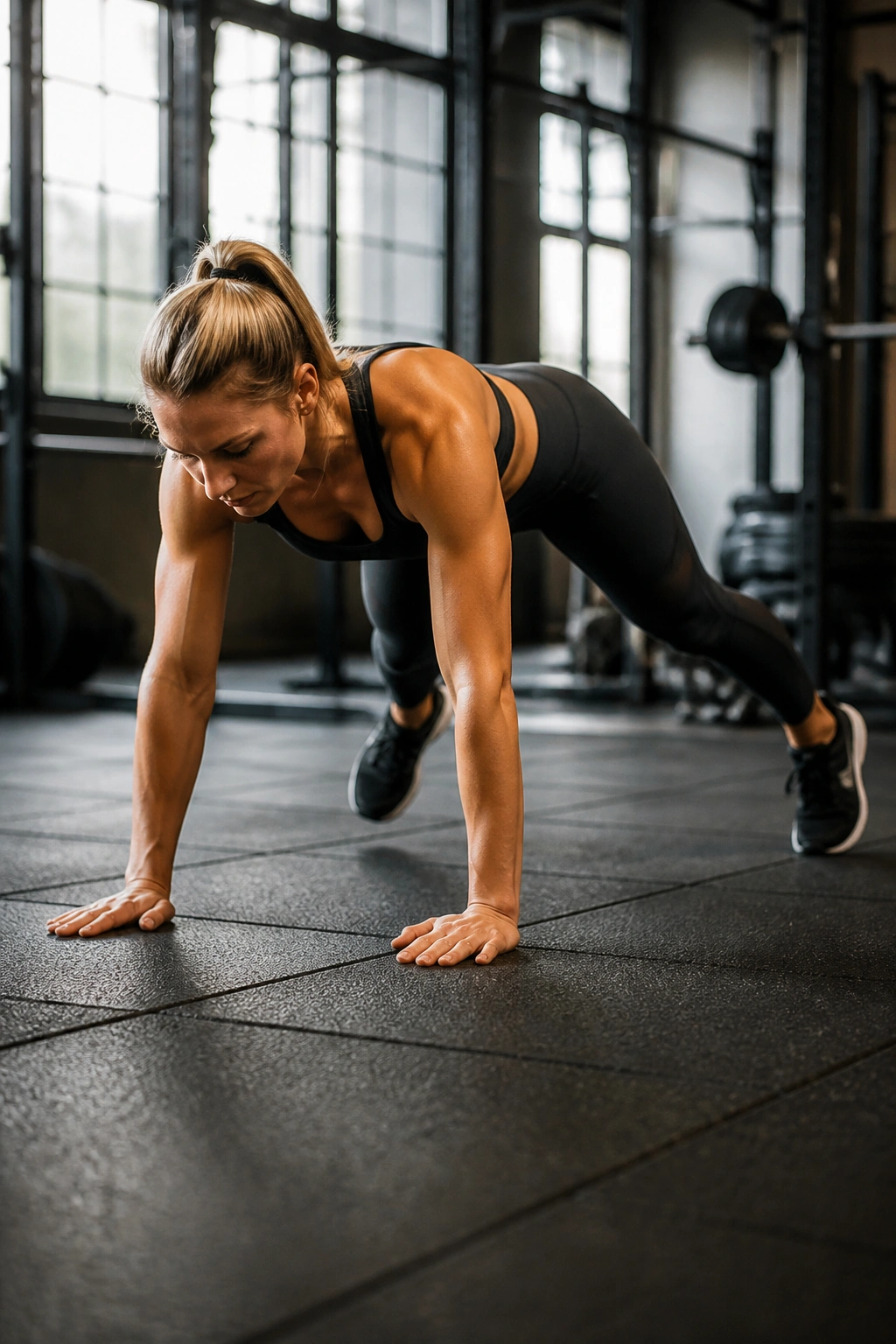
Plank jacks take the stability of a standard plank and add a high-energy component. By jumping your feet in and out while holding the plank position, you force your core to reset and stabilize every time your feet hit the ground.
This movement adds a cardio element that spikes your heart rate while keeping your abs under tension. It is a fantastic way to finish a circuit because it demands both muscular endurance and aerobic effort. Just be careful not to let your hips jump up and down. Your torso should remain as still as a statue while your legs do the work.
14. Scissor Kicks
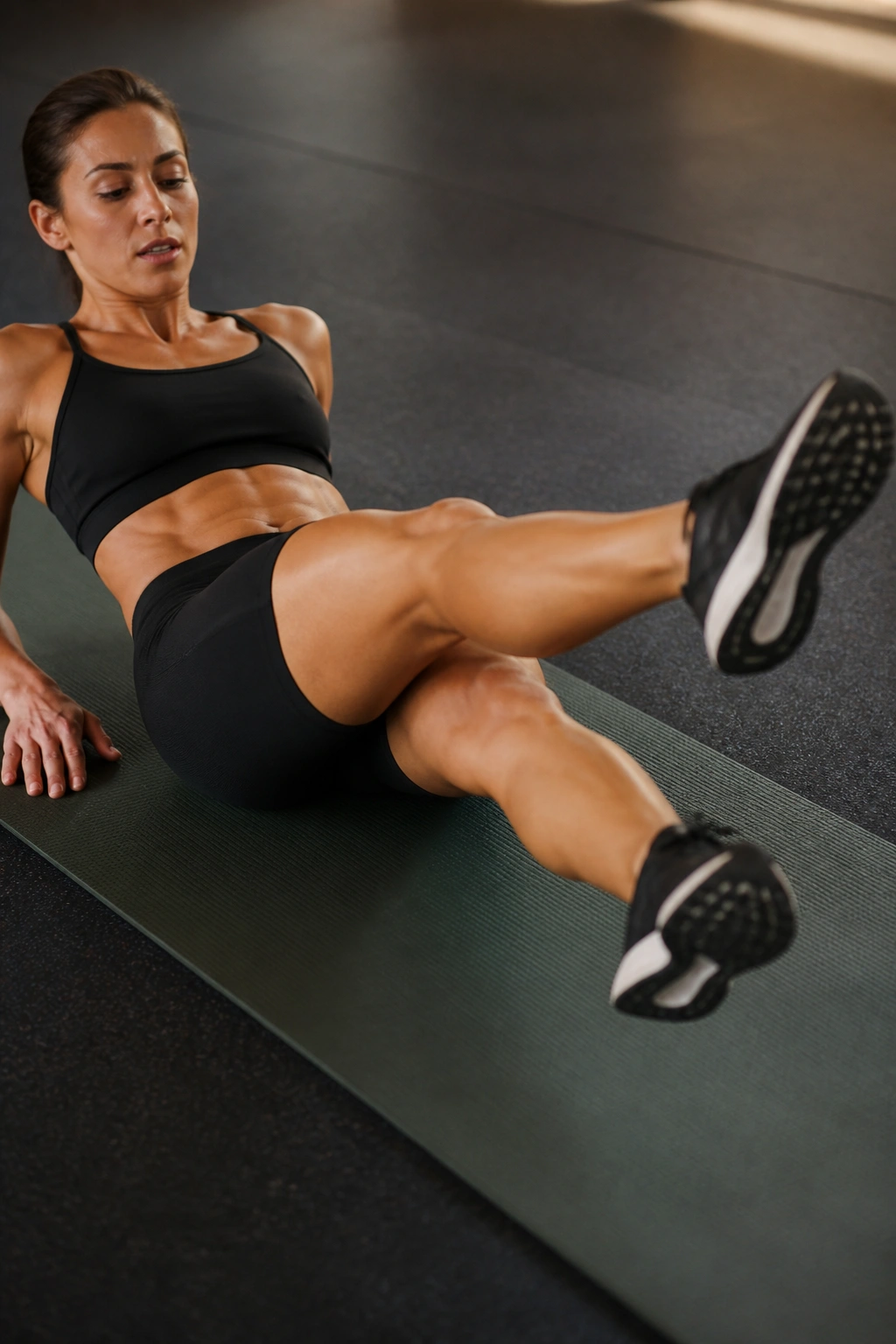
Scissor kicks are similar to flutter kicks, but the movement is lateral rather than vertical. Crossing your legs over one another while holding them in a raised position challenges the lower abs and the stabilizers of the hip.
This movement is excellent for those who want to improve hip mobility while simultaneously working the core. By crossing one leg over the other, you force your core to maintain stability while the lower half of your body moves dynamically. Keep your movements slow and deliberate; if you just cross your legs rapidly, you are using momentum rather than muscle control.
15. Weighted Woodchoppers
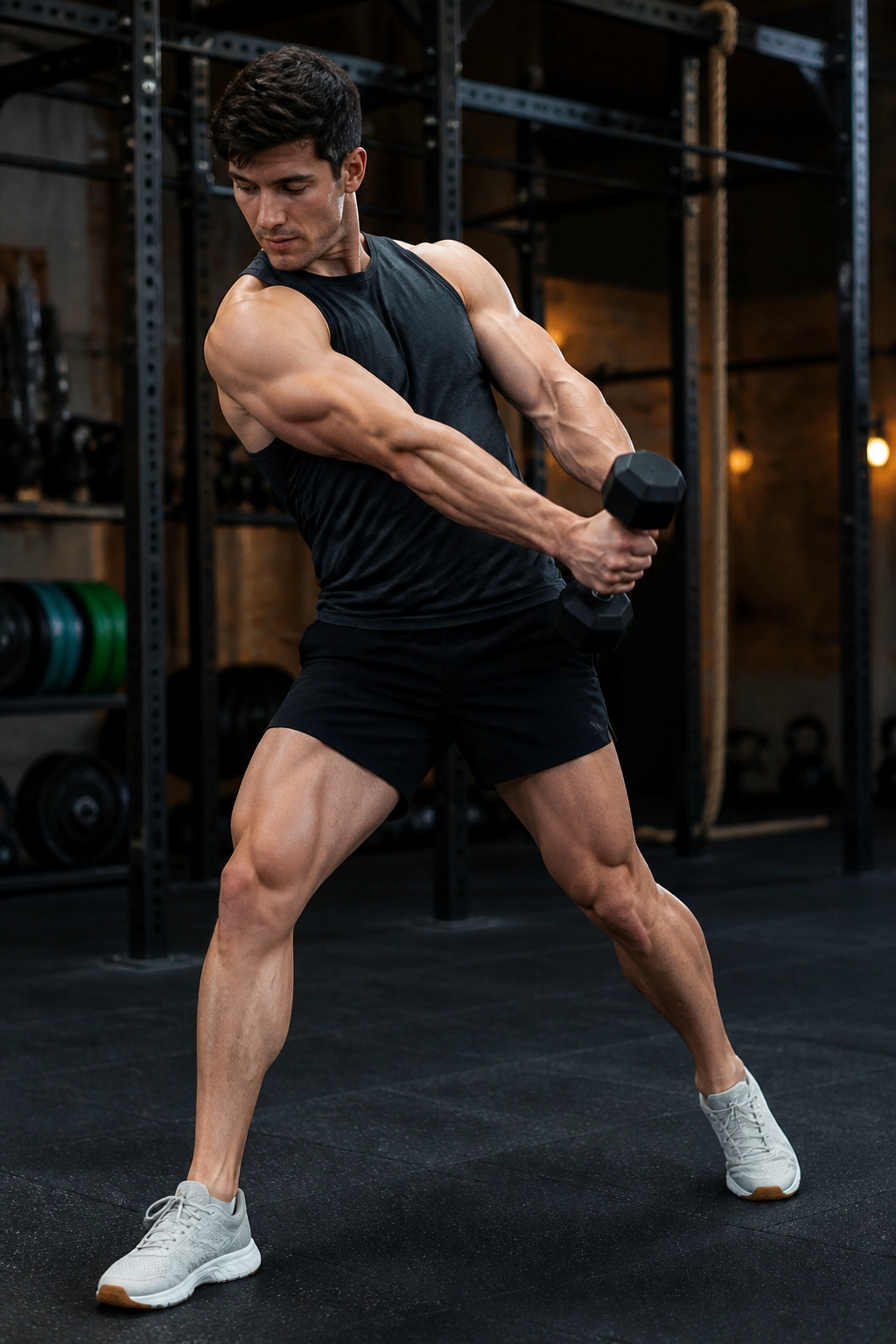
Weighted woodchoppers are one of the best exercises for training the obliques in a functional way. This move mimics the pattern of chopping wood—a rotational movement that starts from the hips and moves through the torso to the shoulders.
How to Use Them Properly
Use a light dumbbell or a cable machine. Start with the weight at your hip, then pull it diagonally across your body to the opposite shoulder. Think about the power coming from your glutes and hips, not just your arms. Your core is the bridge that transfers that power. This move is fantastic for creating a strong, athletic waistline that can handle twisting forces, which is essential for almost any sport or heavy lifting task.
16. Hanging Leg Raises
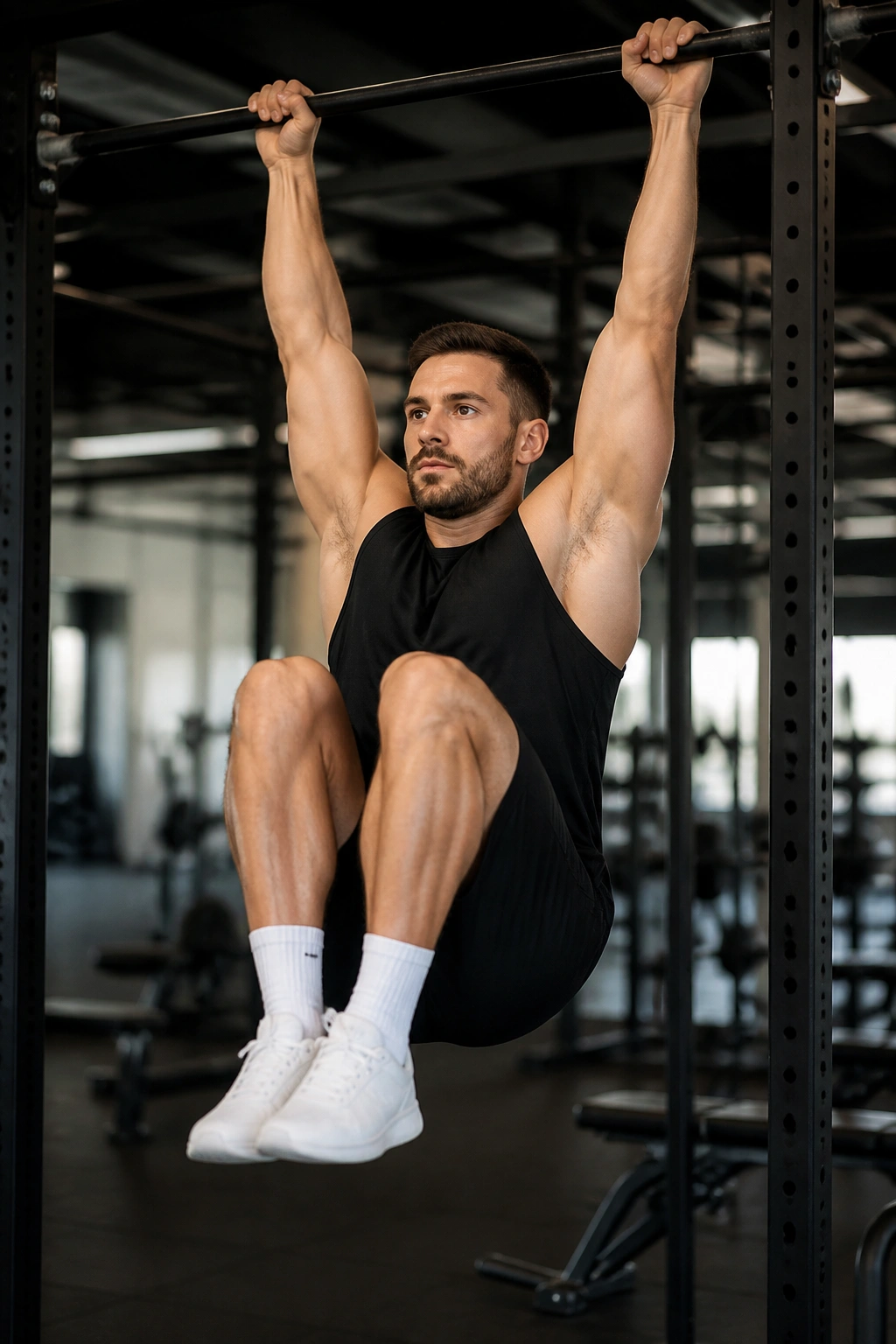
If you have access to a pull-up bar, hanging leg raises are arguably the king of lower abdominal exercises. Because you are hanging freely, you have to stabilize your entire body before you even begin the movement. This removes the “cheating” factor that often happens when you work on the floor.
Troubleshooting the Swing
The biggest mistake people make is swinging their body to get momentum. Avoid this at all costs. Instead, imagine you are using your abs to curl your pelvis upward. You do not even need to lift your legs to 90 degrees to feel it—lifting your knees to your chest is a great starting point. As you get stronger, you can extend your legs straight out. Focus on the slow descent; lowering your legs slowly is where the real strengthening happens.
17. Stability Ball Pike
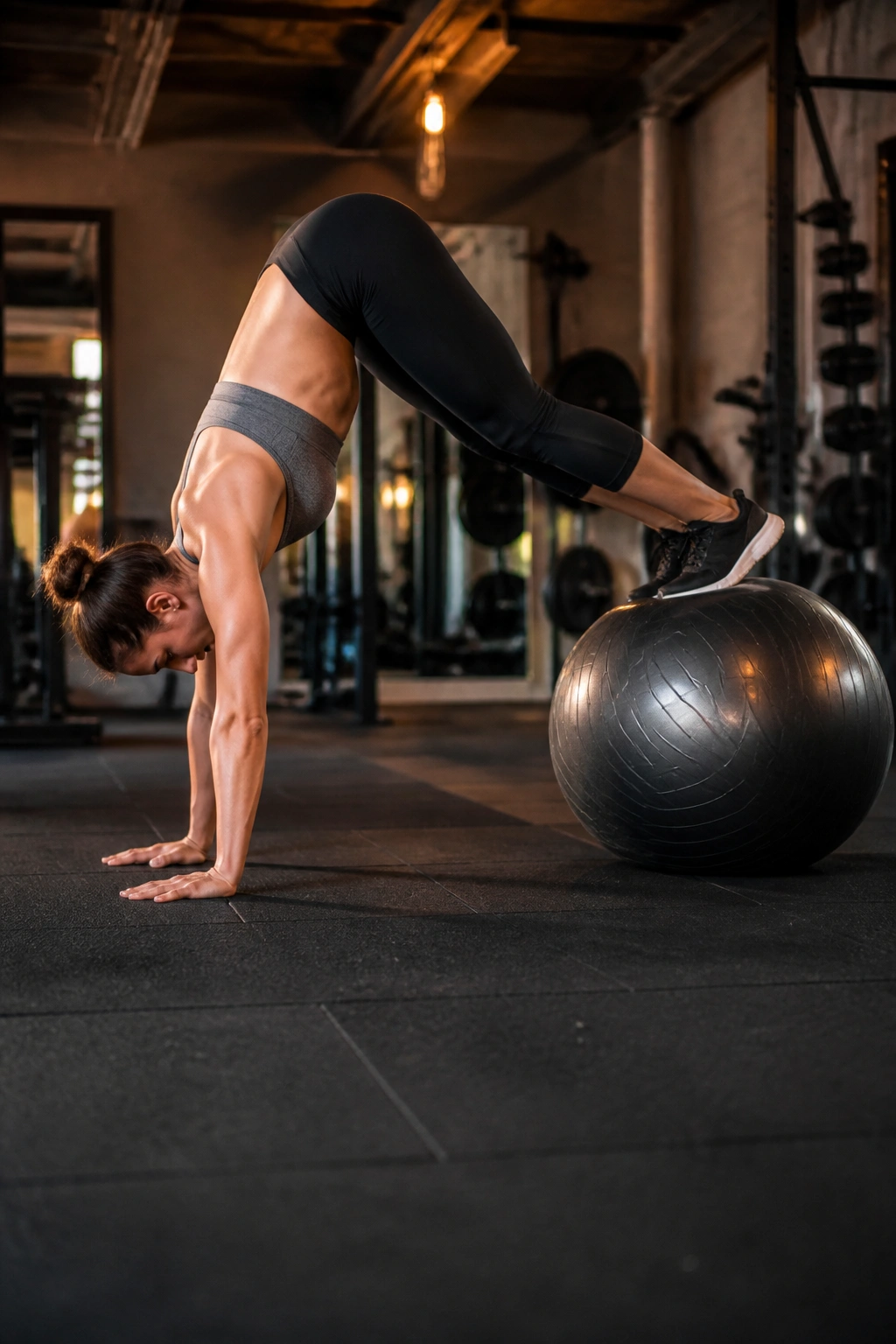
Using a stability ball adds a layer of difficulty because the ball is inherently unstable. When you place your feet on the ball and perform a pike, you are forcing your core to fight for balance the entire time.
Why It’s Effective
The pike movement requires significant hip mobility and abdominal strength. As you roll the ball toward you, your hips lift high, and your abs have to crunch to support the weight of your legs. It is a challenging move that targets the entire abdominal wall and builds great stability in the shoulders. If you find the pike too difficult initially, start by doing knee tucks—bringing the ball toward your chest with your knees—to build the necessary strength.
18. Ab Wheel Rollout
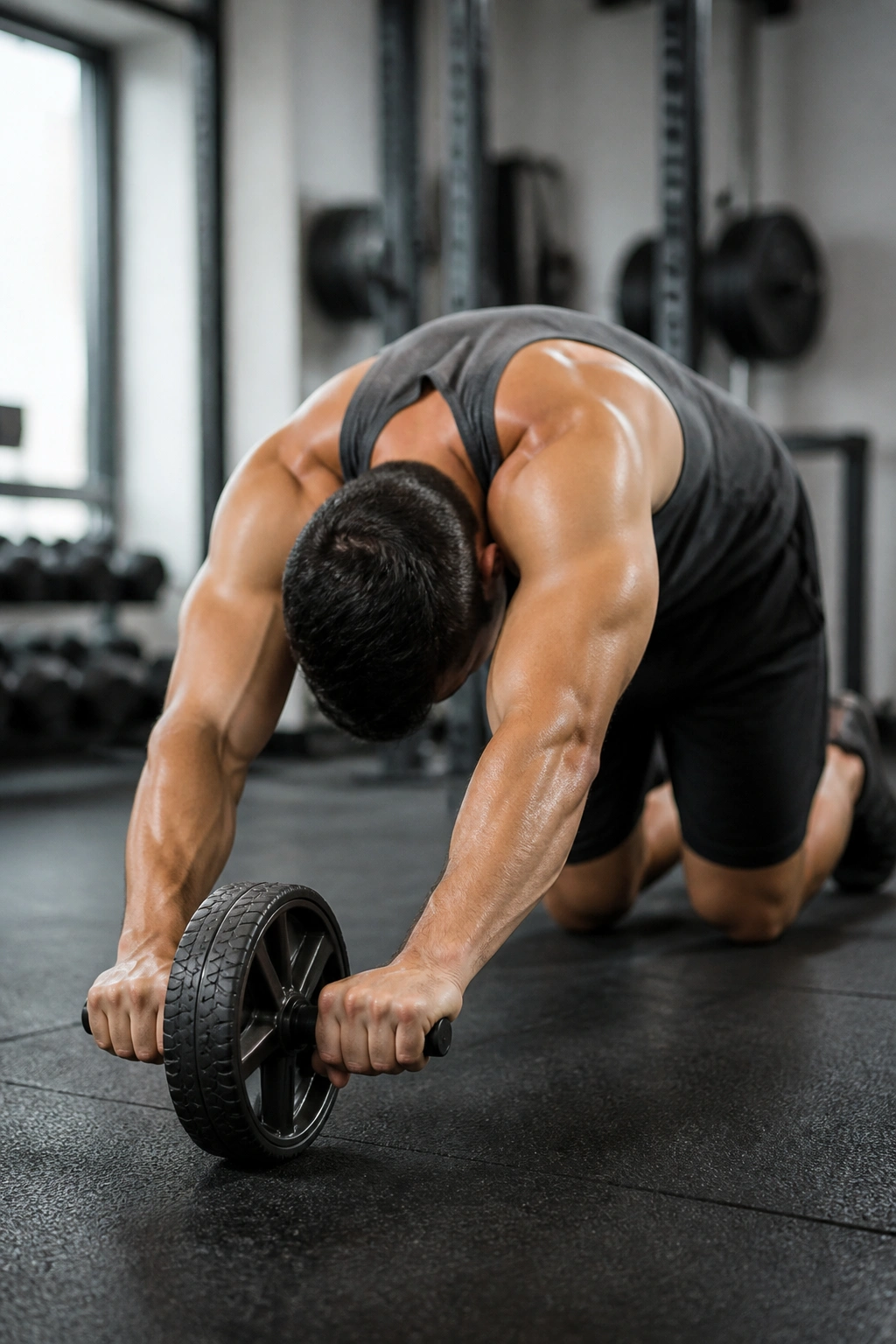
The ab wheel is a deceptively simple tool. It is just a wheel with handles, but it offers one of the most intense core workouts you can do. It requires your core to act as a brace against a force that is pulling your torso into extension.
Protecting Your Lower Back
The most important cue for the ab wheel is to keep your back rounded, not arched. If your lower back dips toward the floor, you are putting your spine at risk. Start small. You do not need to roll out until you are flat on the floor. Go out as far as you can while maintaining a perfectly rounded back and total core tension. If you feel like your back is about to give, roll back immediately. This is an exercise where “less is more” for beginners.
19. Heel Touches
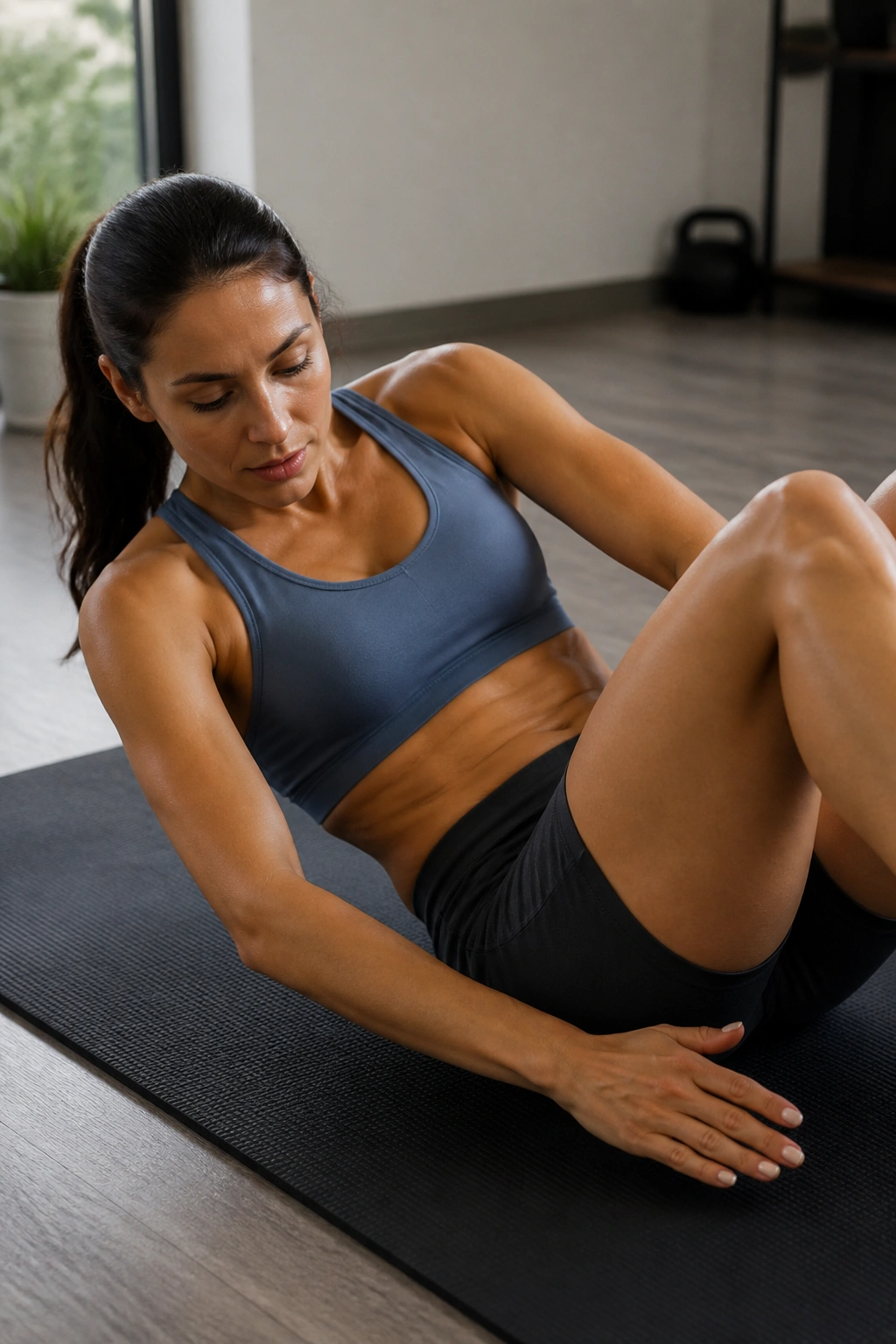
Heel touches are a fantastic exercise for isolating the obliques. They involve lying on your back, lifting your shoulders slightly off the ground, and tapping your heels one by one with your hands while keeping your abs engaged in a constant crunch.
Focus on the Reach
This is not about just tapping your heels—it is about the lateral crunch. You want to reach as far as you can toward each heel, which forces the obliques to contract deeply. Keep your shoulders lifted the entire time. If you drop your shoulders back to the floor, the tension is released. The constant, repetitive contraction is what makes this move effective for endurance.
20. Boat Pose
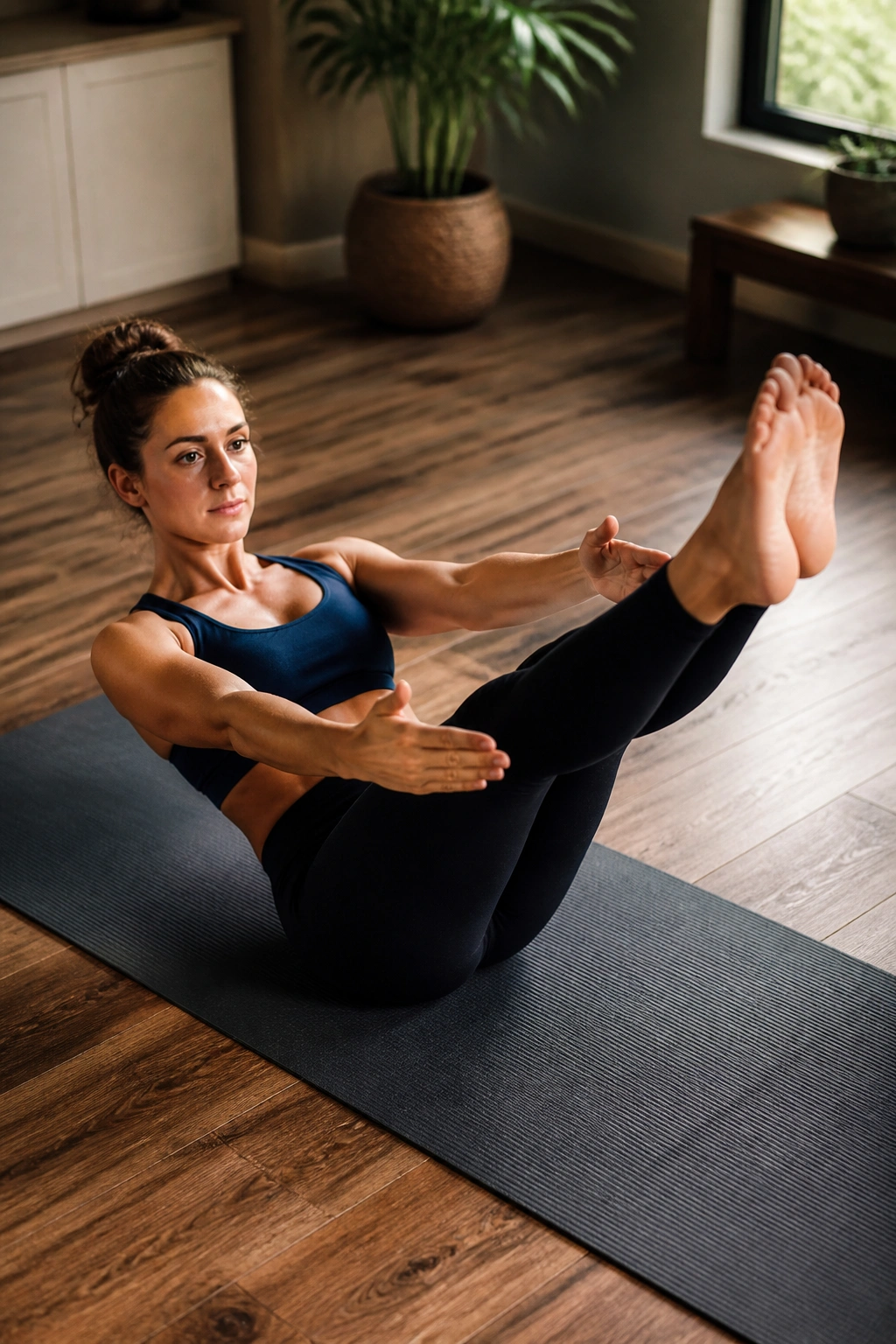
Borrowed from yoga, the boat pose is an isometric hold that targets the deep abdominals and hip flexors. It is simple, requires no equipment, and is incredibly difficult to sustain for long periods with perfect form.
Anatomy of the Move
Sit on the floor, lean back, and lift your legs and torso off the ground, forming a V-shape. Keep your chest lifted and your back straight. If you find yourself rounding your back, keep your knees bent. The goal is to keep your core solid, like a boat hull cutting through the water. It forces you to find your balance point, which activates the deepest layers of your abdominal wall.
21. Spider-Man Plank
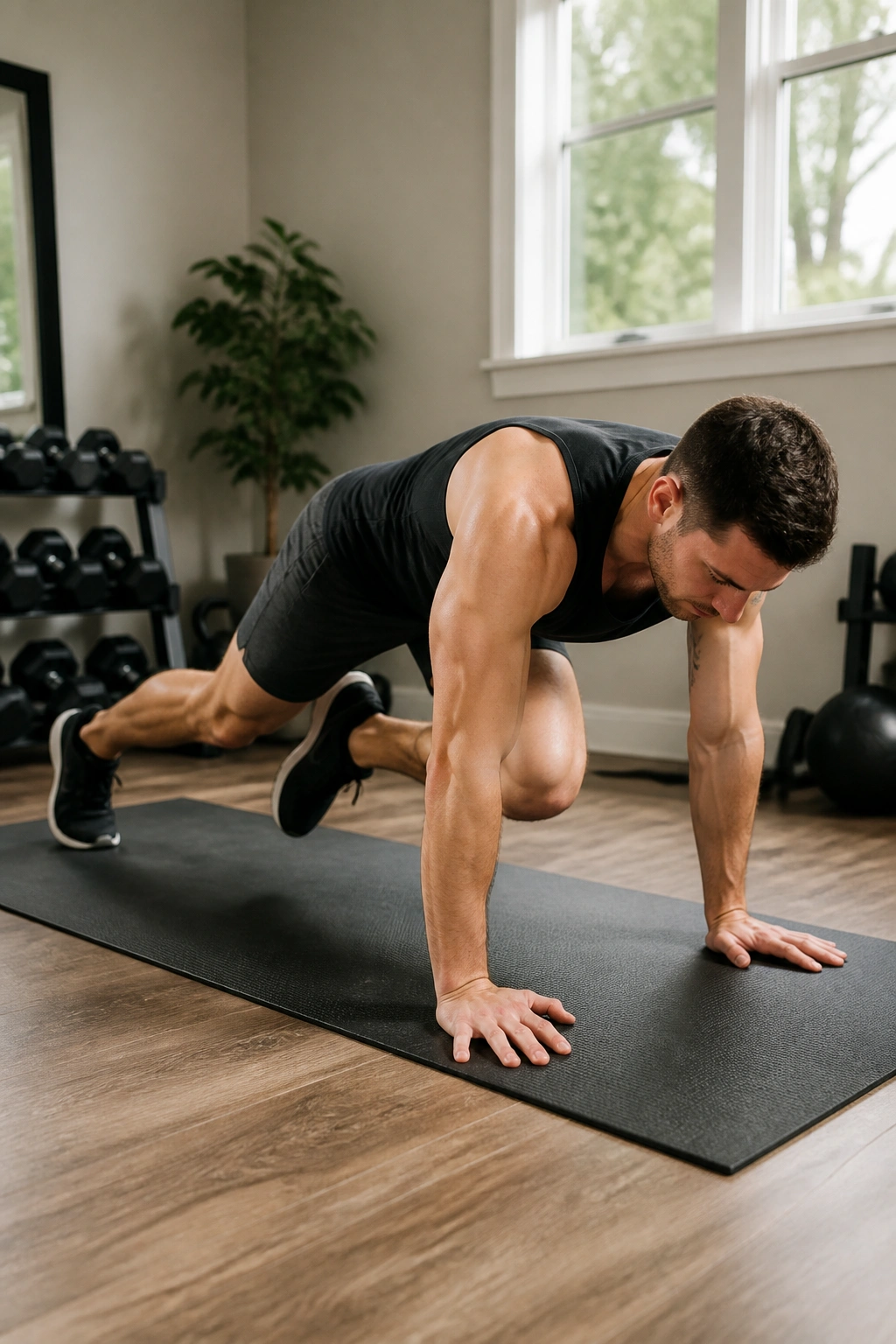
The Spider-Man plank adds a lateral movement to the standard plank, targeting the obliques while you hold your body weight. You start in a plank position and bring one knee out to the side toward your elbow, resembling a superhero climbing a wall.
This move requires significant hip mobility and oblique strength. By bringing the knee out to the side, you hit the muscles that help rotate the torso. It is a much more dynamic version of the standard plank and helps break up the monotony of static holds. Remember to keep your hips level; don’t let them rock back and forth as you bring your knees up.
22. Suitcase Crunch
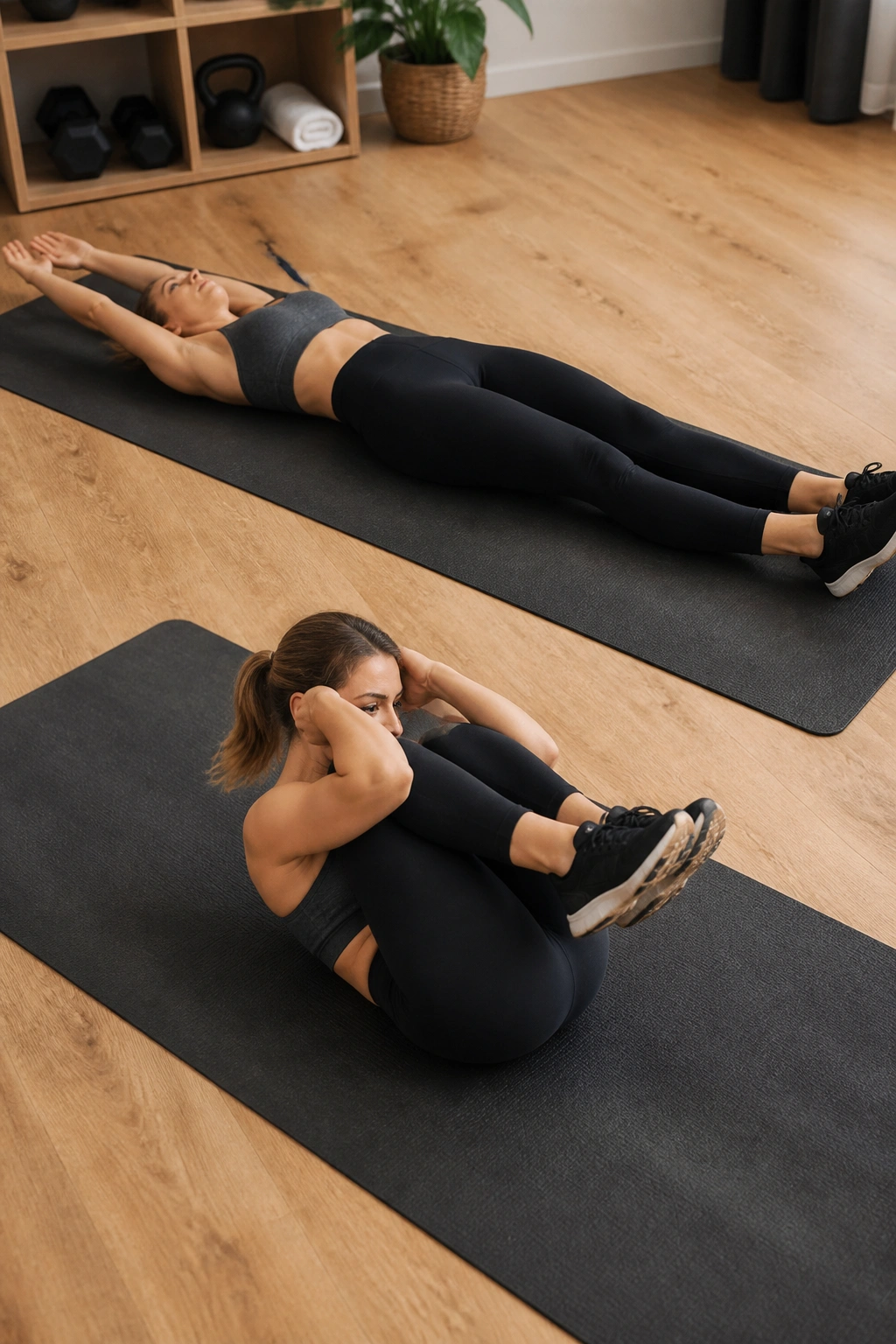
The suitcase crunch is another variation of the classic crunch that emphasizes the full range of motion. You start fully extended—lying flat with arms and legs long—and then “fold” yourself into a compact ball, bringing your knees to your chest and your elbows to your knees.
It is like doing a V-up, but because your knees stay bent, it is often more manageable for people who struggle with the full extension of a V-up. This exercise is perfect for working the upper and lower abs simultaneously in a smooth, fluid motion. Focus on the total extension at the bottom—get a full stretch—before pulling everything back into the center.
23. Knee-to-Elbow Plank
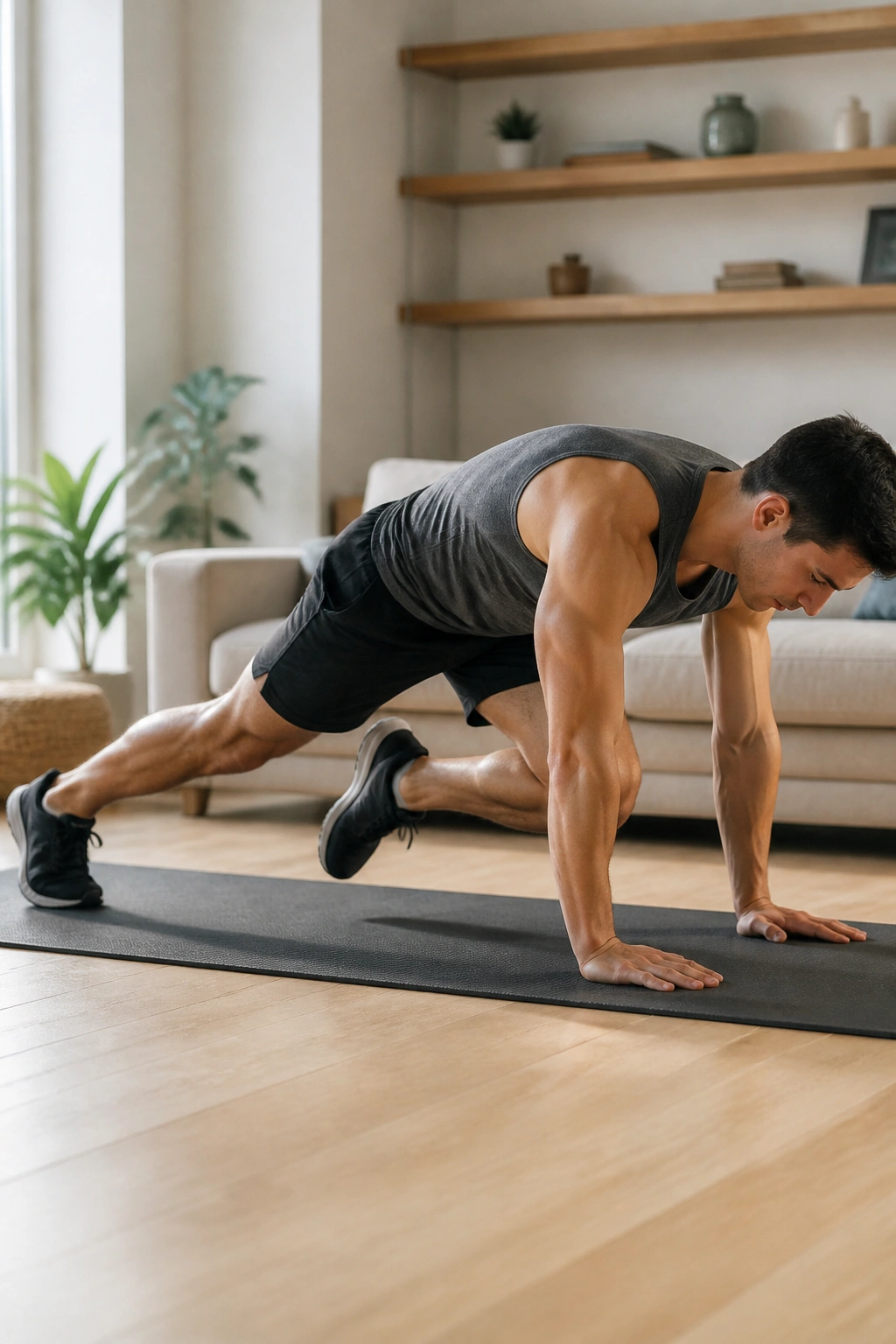
While the Spider-Man plank brings the knee to the outside, the knee-to-elbow plank brings the knee underneath the body, closer to the center line. This is a subtle change that shifts the focus toward the rectus abdominis and the deep core.
Why This Variation Works
By bringing the knee under the body, you are forcing an extra crunch at the peak of the movement. It requires a slightly higher hip position than a standard plank. This movement is great for teaching your core to initiate movement while the rest of your body stays locked in place. If you find your hips sagging, pull your belly button toward your spine—that simple mental cue is often enough to keep the form tight.
24. Windshield Wipers
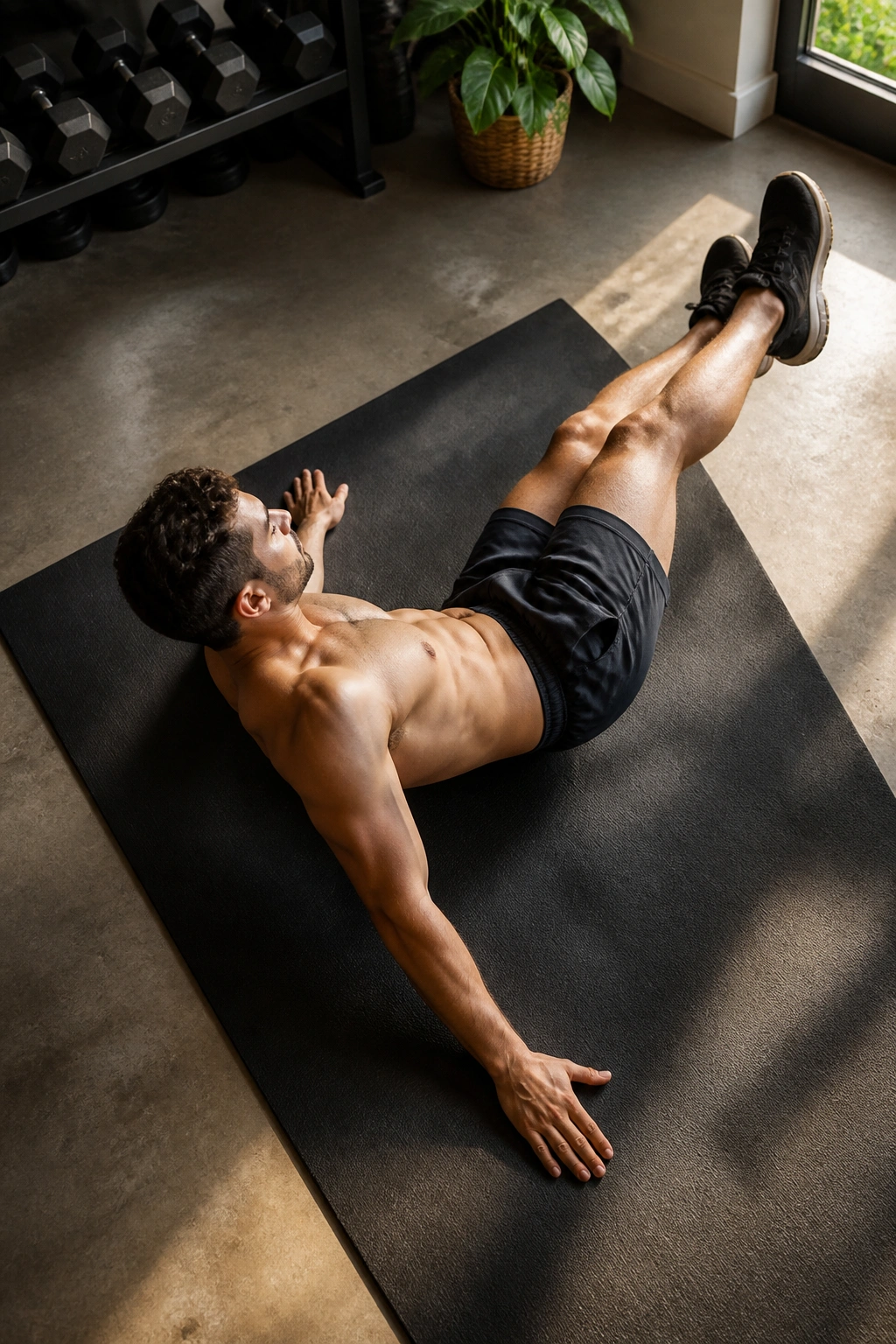
Windshield wipers are an advanced exercise that focuses entirely on rotational core strength. You lie on your back with your legs raised, then rotate them from side to side like windshield wipers on a car.
This is a brutal move for the obliques. Your core has to act as a brake to stop your legs from falling too far and a force to pull them back to the center. Start by keeping your knees bent to reduce the leverage—it makes the movement much easier to handle. As you get stronger, you can straighten your legs, which increases the intensity significantly because of the longer lever arm. Keep your shoulders firmly on the floor at all times; they are your anchor.
25. The Dead Hang (Core Focus)
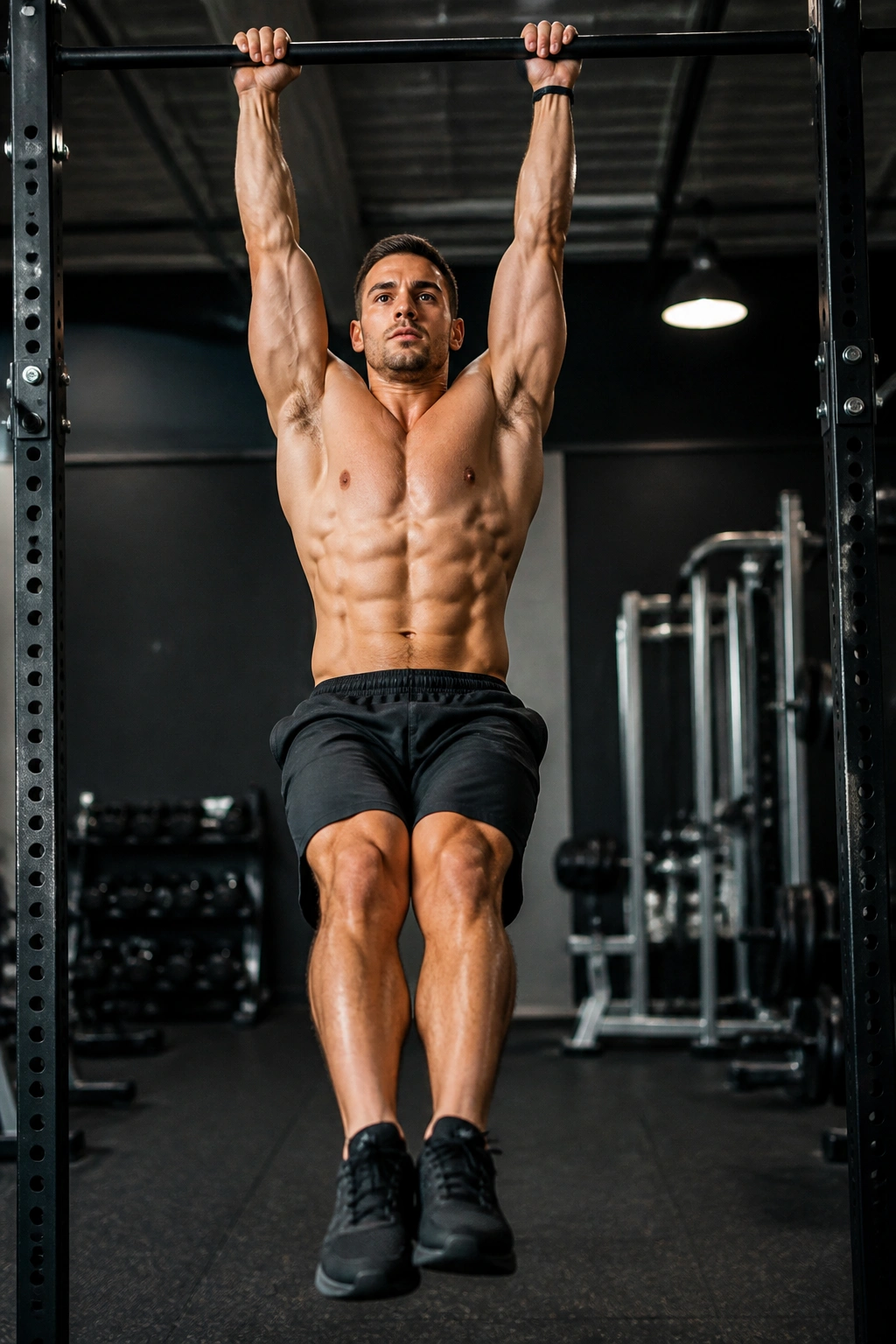
Wait, is a hang an ab exercise? Yes, if you do it right. The dead hang involves simply hanging from a pull-up bar, but with an active core. Instead of letting your body go limp, you pull your ribs down, engage your abs, and hold your body steady.
It is a fantastic way to decompress the spine while simultaneously training the core to resist movement. By simply hanging and maintaining a braced midsection, you are teaching your core to hold your body together against gravity. It is the perfect end to any ab workout—a reset for your spine and a final test of your core’s ability to remain stable under tension. Keep your feet together and your legs slightly in front of you for the best results.
Final Thoughts
Building a strong, defined midsection is rarely about finding the “perfect” exercise that solves everything. It is about the consistency of your effort and the intentionality behind your movement. If you spend time grinding through these exercises with poor form, you are just going to end up with a sore back and no visible progress. But if you take the time to master the mechanics—feeling the muscles contract, controlling the descent, and maintaining a stable spine—you will see the results you are looking for.
Remember that nutrition and recovery are the hidden factors that determine whether those muscles ever see the light of day. You cannot out-train a diet that works against your goals. Focus on whole, nutrient-dense foods, stay hydrated, and give your body the rest it needs to rebuild after these challenging sessions. A flat stomach is the byproduct of a healthy, active lifestyle, not a reward for punishing yourself with endless crunches. Keep the work purposeful, stay patient with the process, and listen to what your body is telling you during every repetition.
