



Strength usually stalls when every week looks the same. Training workouts for steady strength progress work best when they look a little boring from the outside: repeat the big lifts, keep the effort honest, and stop before the set turns into a rescue mission.
A lot of people chase a hard session instead of a repeatable one. That’s the trap. You can sweat through a wild workout, feel wrecked for two days, and still not give your body a clear reason to get stronger next time.
Heavy does not mean sloppy.
The barbell, dumbbell, kettlebell, machine, and bodyweight work that actually moves strength forward all share one thing: you can recover from them, learn from them, and come back with a small win on the next round. That might be one more rep, five more pounds, cleaner technique, or a set that used to scare you and now feels calm.
Start with a full-body barbell day. Then build from there.
1. Full-Body Barbell Basics for Steady Strength Progress
This is the workout I’d hand to someone who wants the least amount of drama and the most amount of progress. Squat, press, hinge, row — that’s the whole spine of it. If you keep those four patterns moving, you can get stronger for a long time without needing to invent new tricks every week.
Why It Works
Use 3 sets of 5 on the squat and bench press, then 1 hard set of 5 on the deadlift, followed by 3 sets of 8 on the barbell row. Rest 2 to 3 minutes between the first two lifts and closer to 3 to 4 minutes before the deadlift. The work is simple, but it’s not light. Simple and easy are not the same thing.
- Back squat: 3 x 5
- Bench press: 3 x 5
- Deadlift: 1 x 5 or 3 x 3 if your form fades fast
- Barbell row: 3 x 8
- Add 2.5 to 5 pounds when every rep looks clean
Pro tip: if the last rep of a set turns into a slow, ugly grind, don’t chase more load next time. Repeat the same weight and make it look better first.
2. Heavy Upper/Lower Split That Lets You Push Harder Twice a Week
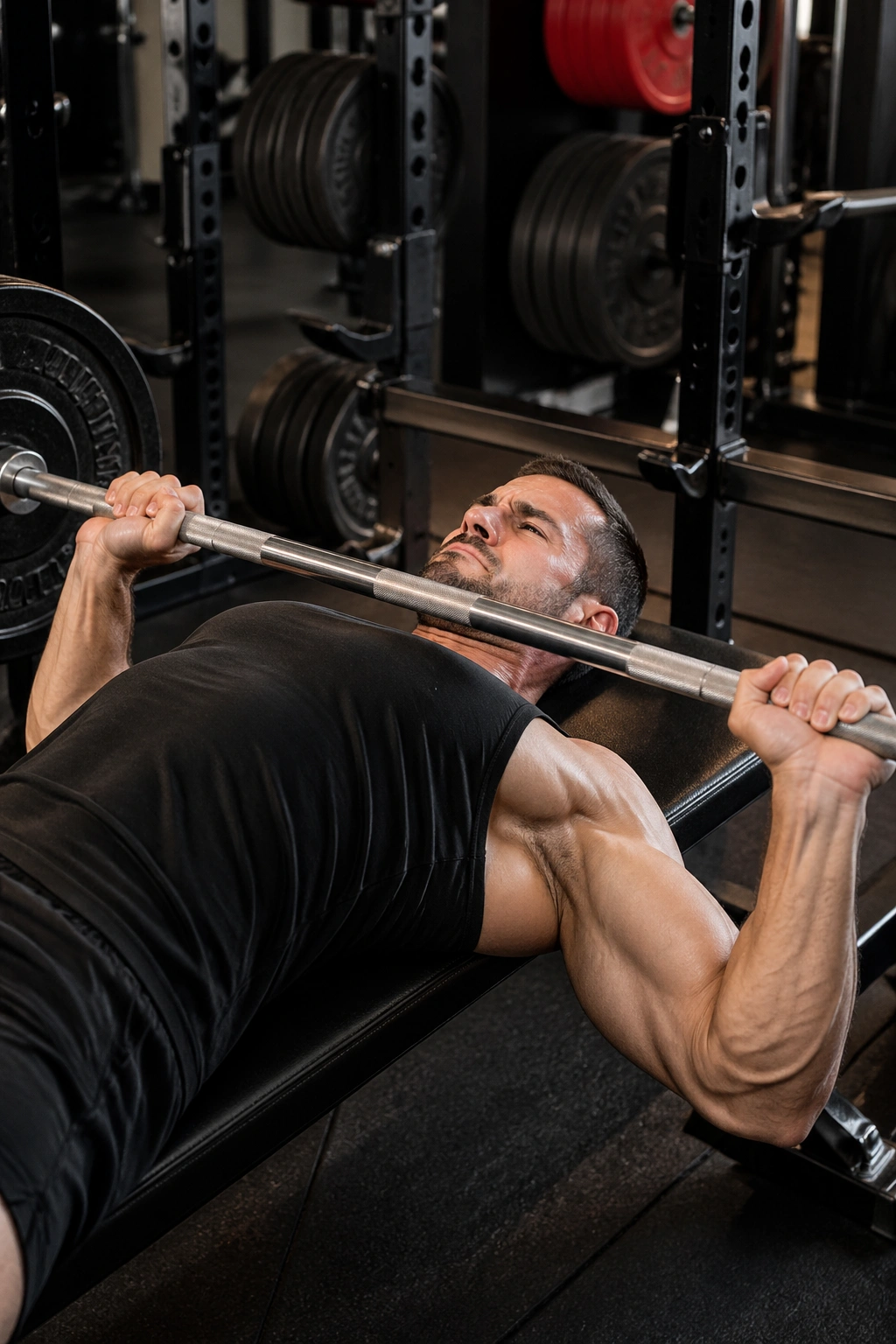
Four training days can feel like a lot until you see how much easier it is to focus. Upper/lower splits give your legs and torso enough time to recover while letting you hit the same movement patterns with more quality. That means less random fatigue and fewer sloppy reps.
A good lower day might look like 4 sets of 4 squats, 3 sets of 6 Romanian deadlifts, and a single accessory like split squats or calf raises. An upper day can run 5 sets of 3 bench presses, 4 sets of 6 rows, then a press variation or triceps work. The point is not to destroy yourself. The point is to train hard enough that next week’s numbers have somewhere to go.
If you like structure, this split is hard to beat. Lower, upper, rest, lower, upper. That rhythm gives your joints a break without letting the skill fade. It also keeps your pressing and pulling honest, which matters more than people think.
3. Goblet Squat and Pull Circuit for Training Workouts on Busy Days

Can a circuit build strength? Yes, if the reps stay low and the pace stays controlled. The mistake people make is turning every circuit into cardio with weights. That’s not the point here. The point is to stay fresh enough to repeat quality work for several rounds.
How to Use It
Run 5 rounds of 5 goblet squats, 6 one-arm dumbbell rows per side, and 5 push-ups. Rest 60 to 90 seconds between rounds. Pick a dumbbell that makes the fifth squat honest but not ugly. Your breathing should rise. Your form should not fall apart.
- Goblet squat: 5 reps
- One-arm row: 6 reps per side
- Push-up: 5 reps
- Rest: 60–90 seconds
- Rounds: 5
One clean circuit won’t replace a heavy barbell day. It does solve a different problem: limited equipment, limited time, or a week where you want to train without feeling flattened afterward. That’s worth a lot.
4. Deadlift Focus Day for the Posterior Chain

A long week has a way of exposing weak hinges. The deadlift doesn’t care much about excuses, and that is part of why it works so well. One focused session can keep your back, glutes, and hamstrings moving forward without turning the whole workout into a war.
Use a top set of 3 at RPE 8 — that means you probably had about two good reps left — then do 3 back-off sets of 3 at about 90% of that top set. Follow it with 3 sets of 6 Romanian deadlifts, 3 sets of 8 split squats per leg, and a 30-second plank or hanging knee raise. That’s enough work to matter.
The big thing is the setup. Take your time on the floor. Pull the slack out of the bar, brace hard, and wait until the plates feel connected before you move. Deadlifts reward patience more than hype. They really do.
5. Bench Press Ladder Workout

A ladder looks odd until you try it. Then it makes sense fast. 6 reps, 5 reps, 4 reps, 3 reps, 2 reps — same bar, short rests, clean form. It gives you enough volume to drive growth without forcing every set to become a near-max effort.
Do one ladder with a weight you could hit for 8 reps fresh, not 10. Rest 90 to 120 seconds between rungs. If the bar slows down so much that your chest sinks or your shoulders drift out of position, stop the ladder there. That’s not quitting. That’s staying honest.
I like ladders for people who press often but hate the feeling of one huge back-off block. The rhythm keeps you alert. It also makes the last set feel earned instead of dragged out. And no, you do not need to finish every ladder with heroic grinding. That’s usually the mistake that stalls bench progress in the first place.
6. Overhead Press and Chin-Up Pairing

Standing presses and chin-ups are a clean pairing because each one exposes a different weak point. The press tests your brace and shoulder drive. The chin-up tests your back and grip. Put them together and you get a workout that doesn’t waste much time.
Unlike machine work, this pair forces you to control your own body. That matters. If your midsection leaks during the press, the bar floats forward. If your chin-ups turn into half-reps, your upper back is probably telling on you. Use 5 rounds of 4 to 6 presses and 4 to 6 chin-ups, resting 90 seconds between rounds.
Best for lifters who want simple upper-body strength without turning every session into chest day. If chin-ups are still a fight, use a band or a neutral-grip pulldown. Don’t skip the movement because the full version is rough. Scale it and keep the pattern alive.
7. Tempo Squat Training Workouts That Teach Control

A slow squat can humble a strong person fast. Tempo work strips away momentum, which means you feel exactly where the bottom is messy and where the brace goes soft. That is why it belongs in steady strength work.
What the Tempo Feels Like
Use a 3-second lower, 1-second pause, then stand up with normal speed. Run 4 sets of 5 at about 60 to 70% of your usual squat load. The weight will feel lighter on your back than it does in your head. Fine. That’s the point.
- Lower for 3 seconds
- Pause for 1 second in the hole
- Stand up fast
- Rest 2 to 3 minutes
- Stop the set if your torso folds forward
The first time you do this, your quads may light up in a way you forgot was possible. Good. Keep the reps clean. Tempo work is one of those training workouts that teaches more than it shows on the day.
8. Pause Bench and Pause Squat Practice
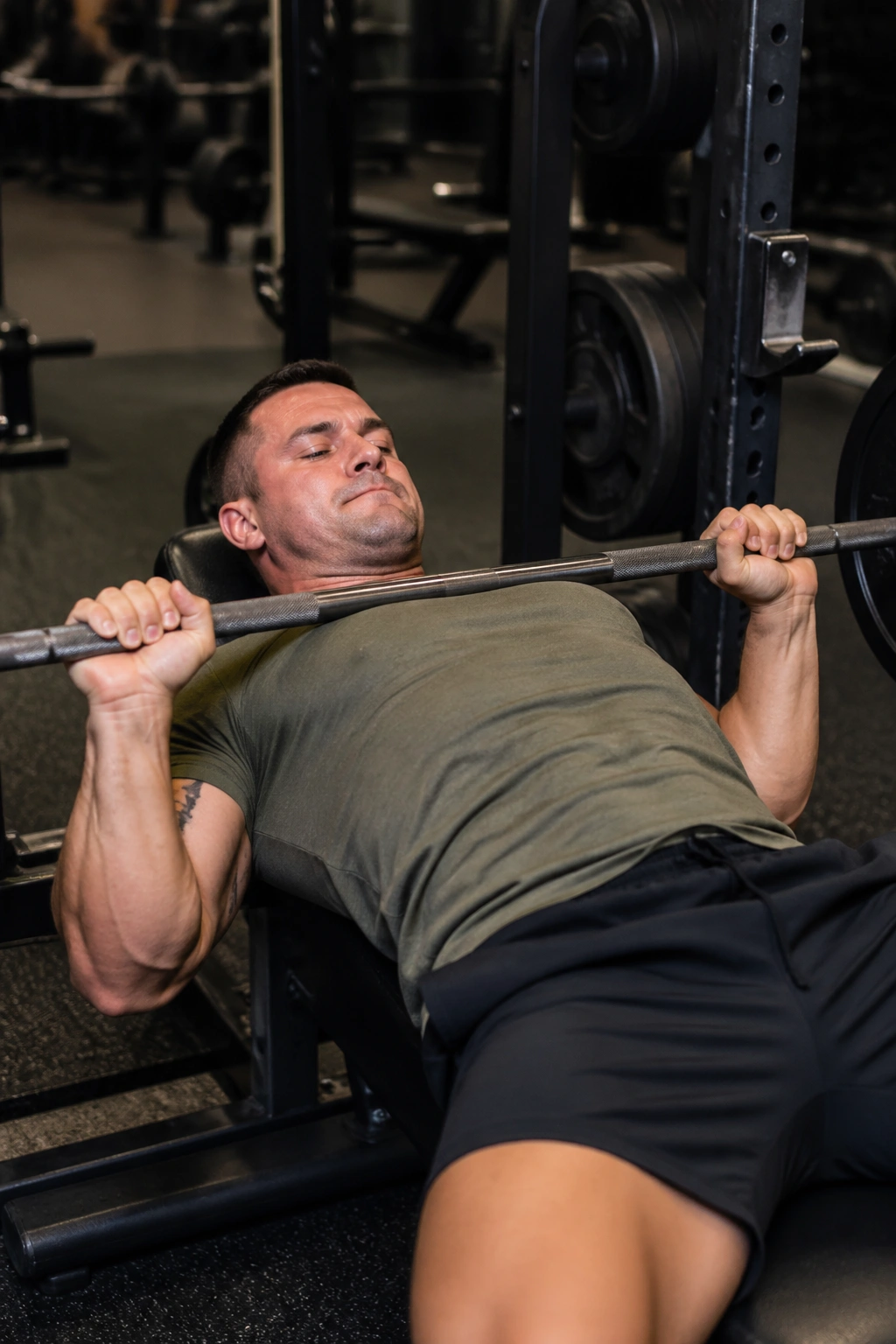
Pauses are boring. They work anyway.
A 2-second pause on the chest in bench press or in the bottom of a squat removes the bounce and forces you to own the position. That can feel a little annoying at first, especially if you’re used to banking on stretch reflex. But that discomfort is useful. It shows you whether the lift is actually yours.
Use 5 sets of 2 or 3 reps with a load that leaves a little room to move cleanly. Don’t try to set a record on paused lifts. The goal is crispness, not drama. If the pause turns into a collapse, the load is too heavy. Simple.
I like this workout for lifters who are strong off the top but shaky from the bottom. That gap closes faster when you force the body to stay still under load. It’s not glamorous. It does the job.
9. Dumbbell Unilateral Day for Balance and Stability

Why spend a whole session on one side at a time? Because left-right strength gaps have a sneaky way of hiding in plain sight. Unilateral work makes them obvious, and once they’re obvious, you can fix them.
How to Use It
Run 4 sets of 8 Bulgarian split squats per leg, 4 sets of 6 single-arm presses per side, 3 sets of 8 single-leg Romanian deadlifts per side, and 3 carries of 30 to 40 meters with one dumbbell in one hand. Keep your torso square. If you twist like a wet towel, the load is too heavy.
This is a good day for people who have one side that always feels a little worse in the gym, or who want to build strength without the joint strain that comes from grinding barbell work too often. The carry at the end matters more than it looks. It teaches you not to fold.
And no, this does not need to become a circus balance routine. Solid stance. Clean reps. That’s enough.
10. Kettlebell Density Workout

If you only have one kettlebell, don’t overthink it. Density training means doing more useful work in the same amount of time without letting the reps turn ugly. You count quality reps, not exhaustion.
Try 12 minutes of EMOM swings — 10 swings at the top of each minute — then switch to 10 minutes of clean-and-press work, 5 reps per side, resting for the time left in the minute. If the bell choice forces you to cheat the swing, drop down. If the press turns into a back bend, same answer.
The big advantage here is pacing. You can tell within two minutes whether the load is right. Too easy, and you waste the session. Too hard, and form collapses. The middle is where strength grows. That’s the part people skip when they chase the burn.
11. Machine-Assisted Strength Builder
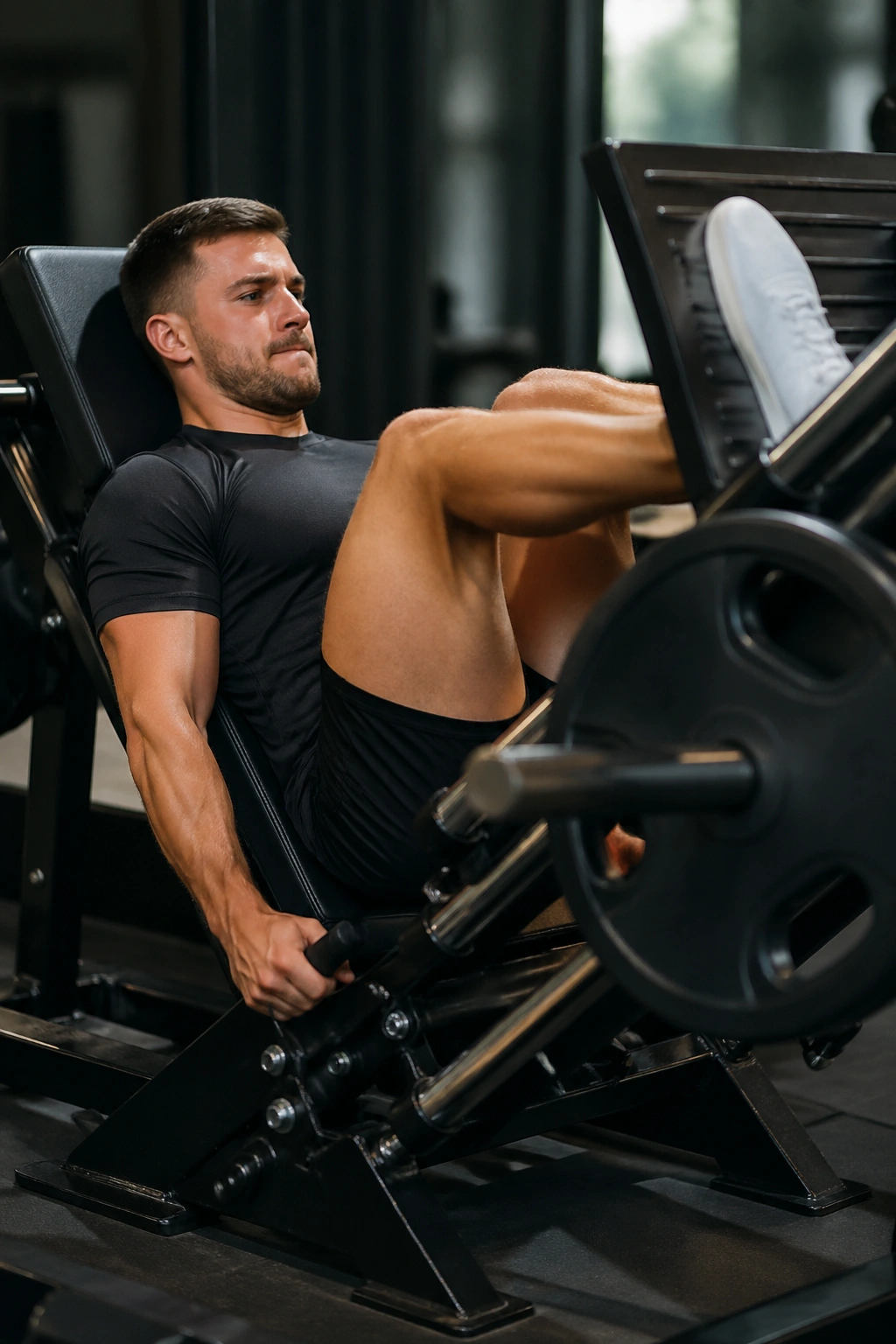
Machines don’t get enough credit. They won’t teach you to brace like a barbell squat, but they can add serious volume with less setup and less joint noise. That makes them useful for steady progress, especially when you want to train hard without spending half the session loading plates.
A simple machine day might use 3 sets of 8 to 12 on the leg press, 3 sets of 8 on the chest press, 3 sets of 10 on the lat pulldown, and 2 to 3 sets of 10 on a seated row. Push the final set close to failure, but leave 1 or 2 reps in reserve. That little bit of room matters. It keeps recovery manageable.
This isn’t cheating. It’s smart volume. Plenty of lifters get stronger faster when they use machines to keep extra work clean and controlled. The barbell can stay the star. The machines can do the grunt work around it.
12. Push-Pull-Bodyweight Mix for Training Workouts on Busy Days

Unlike a pure barbell day, this one can happen with a bench, a pull-up bar, and a pair of dumbbells. That’s the appeal. It keeps strength moving without asking for a full rack, a lot of plates, or a long setup.
Best for a midweek session when your brain is busy and your legs are a little tired but not cooked. Run 4 rounds of 8 to 10 incline push-ups or dips, 8 to 10 inverted rows, 8 split squats per leg, and a 20-second hollow hold. Rest 90 seconds between rounds. If the push-up version gets too easy, add a weighted vest or elevate the feet.
I like this style for people who want a workout that still feels like training, not a random fitness class. The bodyweight pieces keep the movement smooth. The rows and split squats keep the session honest. And if your shoulders need a lighter day, this is an easy place to slot one in.
13. Front Squat and Row Session

A front squat day has a different mood. The bar sits on the front of your shoulders, the torso has to stay tall, and every sloppy breath gets exposed. Pair it with rows and you get a session that feels compact and effective.
Why It Works
Use 5 sets of 4 front squats at a load that forces focus but doesn’t crush your upper back. Then do 4 sets of 8 chest-supported rows and 3 sets of 6 Romanian deadlifts. Finish with 3 farmer carries of 30 meters if you have the energy. That last part is not fluff. It helps the brace stick.
- Front squat: 5 x 4
- Chest-supported row: 4 x 8
- Romanian deadlift: 3 x 6
- Farmer carry: 3 x 30 meters
Front squats punish a lazy rack position fast. Good. Let them. If your elbows drop, the set gets harder. If you hold tall, the lift teaches you something useful. That is a better trade than another mindless machine circuit.
14. Hinge-and-Carry Workout for a Stronger Midsection

If your lower back feels weak, the fix is not endless crunches. Hinges and carries teach the trunk to resist movement under load, which is a much better deal for real strength.
Start with 4 sets of 5 trap-bar deadlifts or conventional deadlifts if your position stays clean. Then do 4 carries of 40 meters with two heavy dumbbells, followed by 3 sets of 8 glute bridges and 2 sets of 20 seconds per side on a side plank. Keep the walk tall. Ribs down. Don’t lean like you’re carrying groceries in a storm.
This session is simple but sneaky hard. Your grip gets taxed, your abs stay on, and your hips have to finish the job without your back doing all the work. It’s one of those workouts that looks plain on paper and feels useful for two days after.
15. Cluster Sets for Heavy Reps Without Sloppy Form

Why do cluster sets work so well? Because they let you handle a heavier weight for more total reps without turning the final set into a mess. Short pauses inside the set give you just enough recovery to keep speed and position decent.
How to Use It
Pick a load around 85 to 88% of your one-rep max or a weight you could normally lift for about 4 solid reps. Then do 2 reps, rest 15 seconds, 2 reps, rest 15 seconds, 2 reps. That’s one cluster. Repeat for 3 or 4 clusters, with 2 to 3 minutes between clusters.
- Load: about 85–88% 1RM
- Mini-sets: 2 + 2 + 2
- Intra-set rest: 15 seconds
- Between clusters: 2–3 minutes
This works especially well on bench press, squat, and even rows. The key is keeping the reps fast enough that they still look like strength work, not survival work. Once the bar starts crawling, the cluster is too heavy.
16. Rep PR Day With a Back-Off Set

One hard top set can tell you a lot. You don’t need to max out every week to know whether you’re getting stronger. A rep PR day uses one honest top set, then a small amount of back-off work to turn that effort into progress.
Try one set of 4 to 6 reps at RPE 8 on squat, bench, or overhead press. Then do 2 back-off sets of 5 reps at about 90% of that top-set load. Keep the rest periods around 3 minutes. The top set should feel challenging, not reckless. The back-off work should look tidy.
A small win matters here. If you hit the same load for one more rep than last time, that counts. If the rep count stays the same but the bar path is cleaner, that counts too. People obsess over plate math and miss the fact that smoother reps usually come before bigger numbers.
17. Deload Technique Workout That Keeps the Groove Sharp

Boring? Sure. Deload work is not meant to impress anyone. It exists so you can keep moving well when fatigue is hiding the strength you already built.
Use 2 or 3 sets of 3 to 5 reps at around 60 to 70% of your usual load. Keep the descent slow, the brace tight, and the rest generous — 2 to 3 minutes is fine. Pick one or two main lifts and leave the gym feeling like you could have done more. That’s the point.
A good deload session can include light squats, bench, rows, and a bit of mobility work between sets. Nothing flashy. The body often feels better after this kind of training than it does after a grinding week, and the next heavy session usually shows it. Skipping deloads is a fast way to confuse fatigue for weakness.
18. The Classic Five-by-Five Done Right
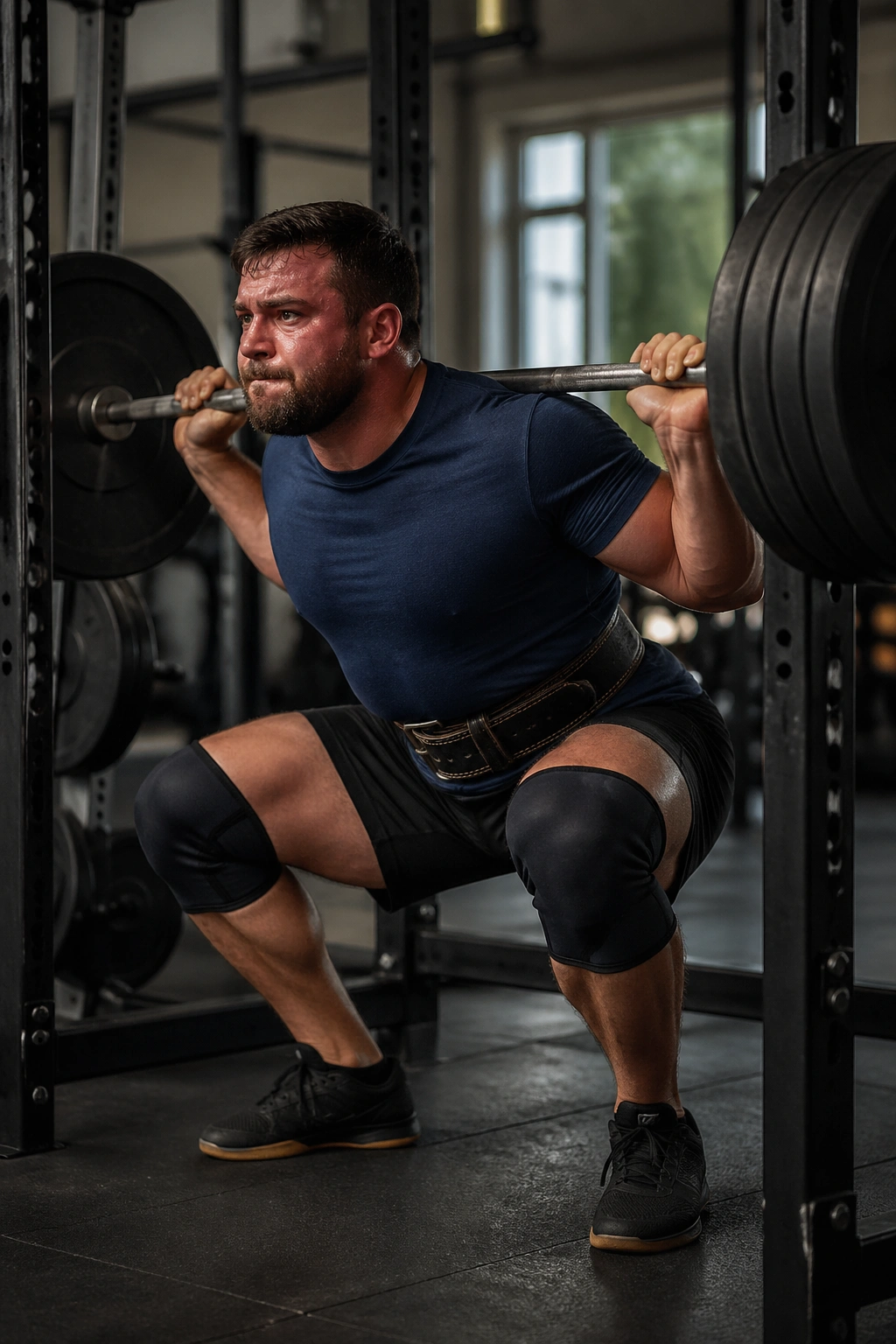
The old five-by-five plan gets a lot of things right, and people still wreck it by trying to be tougher than the program. Five sets of five is plenty hard if the weight is honest and the rest is long enough to keep the reps clean.
This works best for lifters who want a clear path and don’t need fancy variety. Use 5 x 5 on squat, bench, and row, then keep deadlifts lighter at 1 x 5 or 2 x 5. Rest 2 to 4 minutes between sets depending on the lift. If the fifth rep on set four looks like a bad idea, the load is too high. Drop it.
Compared with random hard workouts, this one gives you a clean scoreboard. Same lift, same rep target, same day after day. That makes progress easier to see, and honestly, easier to trust. Not glamorous. Effective.
19. EMOM Strength Builder for Training Workouts With Tight Schedules

An EMOM can look like cardio if you do it wrong. Done right, it’s one of the cleanest ways to fit strength work into a short window. Every-minute-on-the-minute means you do the work, then rest until the next minute starts.
How to Use It
Set a timer for 12 minutes. On minute 1, do 3 front squats. On minute 2, do 3 presses. On minute 3, do 5 rows. Repeat that pattern four times. Pick loads that leave about 20 to 25 seconds of rest each minute. If you’re gasping, the weight is too heavy.
- Front squat: 3 reps
- Overhead press: 3 reps
- Row: 5 reps
- Total time: 12 minutes
This format is sneaky good because it keeps the work honest and the rest built in. No wandering around. No endless setup. Just repeatable effort. And on a day when time is tight, repeatable effort beats skipping the session altogether.
20. Power Primer Plus Heavy Main Lift

A few explosive reps can make a heavy lift feel smoother. Power primers wake up speed without draining you, which is exactly what you want before a strength set. The trick is to keep the primer tiny.
Do 3 sets of 3 box jumps, 4 sets of 3 medicine-ball throws, or 5 jump squats with just bodyweight before your main barbell work. Then move into 4 sets of 3 squats or bench presses at a load that feels challenging but stable. Rest 2 to 3 minutes between the primer and the main work.
I like this approach for lifters who feel flat in the first working set. The jumps or throws help the body get its act together. They should feel snappy, not tiring. If your legs are burning before the bar even comes out of the rack, you did too much.
21. Home Dumbbell Strength Session

Can you still get stronger with one pair of dumbbells? Yes, if you stop pretending light weights need to feel hard in the same way heavy barbells do. You need the right movements, clean tracking, and enough tension.
How to Get the Most From It
Use 4 sets of 8 goblet squats, 4 sets of 8 dumbbell floor presses, 4 sets of 10 one-arm rows, 3 sets of 8 Romanian deadlifts, and 3 sets of 6 standing presses. If the dumbbells are too light, slow the lowering phase to 3 seconds or add a pause at the hardest part of the rep. That keeps the set useful.
This is the kind of workout that saves momentum on weeks when the gym is a mess. It’s also good for people who need a simpler routine they can repeat without much thought. If you own a bench and a pair of adjustable dumbbells, you already have enough to build real strength. Keep a log. Beat last week by one rep or one notch of load.
22. The Benchmark Workout That Measures Progress Without a Max Test

A benchmark workout is the cleanest way to tell whether your strength is moving forward without chasing a true max. Same lifts, same order, same rest, same load target — that’s what makes the comparison useful.
Pick one squat variation, one press, and one pull. Run 3 work sets for each lift at a fixed weight, using a rep target like 5, 5, 5 or 6, 4, 3 if you want to test how the bar feels under fatigue. Repeat the session every 4 to 8 weeks and write everything down: reps, rest, and how the last set felt. If the same load feels calmer, cleaner, and less expensive to move, you’re getting stronger.
- Squat or leg pattern: 3 work sets
- Press: 3 work sets
- Pull: 3 work sets
- Keep rest time the same each session
- Track bar speed, not only reps
This is the kind of workout that keeps ego in check. No one has to guess. The numbers, and the way they move, tell the story. That story should get a little better each time.
