



Visible abs are not built on miserable food or tiny rabbit meals. They come from eating in a way that keeps you full, keeps muscle on your frame, and makes a calorie deficit possible without turning dinner into a punishment.
That’s why the best six pack abs diet foods usually look plain. Eggs. Yogurt. Lean meat. Beans. Oats. Greens. They do not need a flashy label; they need to bring protein, fiber, water, or a sensible amount of fat so you’re not prowling the kitchen an hour later.
A lot of abs advice misses the annoying part: real life. You need ingredients that cook fast, hold up in the fridge, and still taste fine after reheating. A hard-boiled egg, a bowl of Greek yogurt with berries, roasted broccoli, a can of tuna with mustard — those are the quiet workhorses.
No single food melts belly fat. That still comes down to total calories, training, sleep, and patience. But the right foods make the process easier to live with, and that is the difference between a plan you keep and a plan you quit. Start with the foods that do the most work for the fewest calories.
1. Eggs
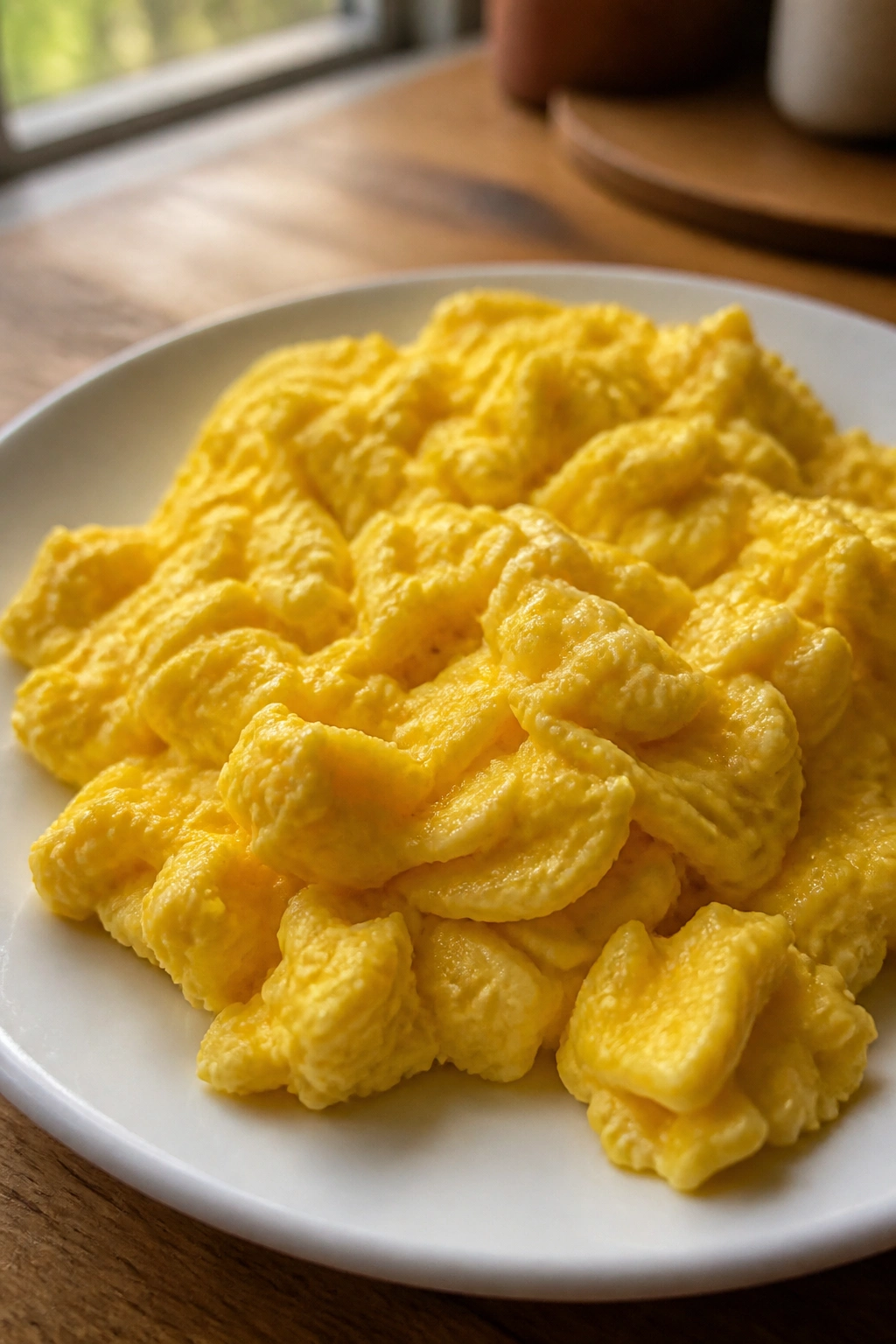
Eggs are boring in the best possible way. One large egg lands around 70 calories and about 6 grams of protein, which is a very tidy return for something that cooks in minutes. The yolk brings fat, vitamins, and a little extra staying power, so whole eggs usually feel more satisfying than whites alone.
Why Eggs Stick Around in a Lean-Eating Plan
- A soft scramble with 2 or 3 eggs can carry you through breakfast without a mid-morning snack.
- Hard-boiled eggs travel well in a lunch bag and do not need reheating.
- Eggs pair easily with spinach, salsa, mushrooms, or leftover broccoli.
- A quick omelet gives you a bigger plate for almost no extra effort.
My rule: keep the cooking fat modest. A teaspoon of olive oil or butter is plenty for most pans. If you drown eggs in cheese and oil, the calories climb fast and the whole point gets muddy.
Eggs also solve the “I need protein right now” problem. That matters more than people admit. A food that is easy to cook often gets eaten more often, and consistency beats fancy nutrition tricks every time.
2. Greek Yogurt
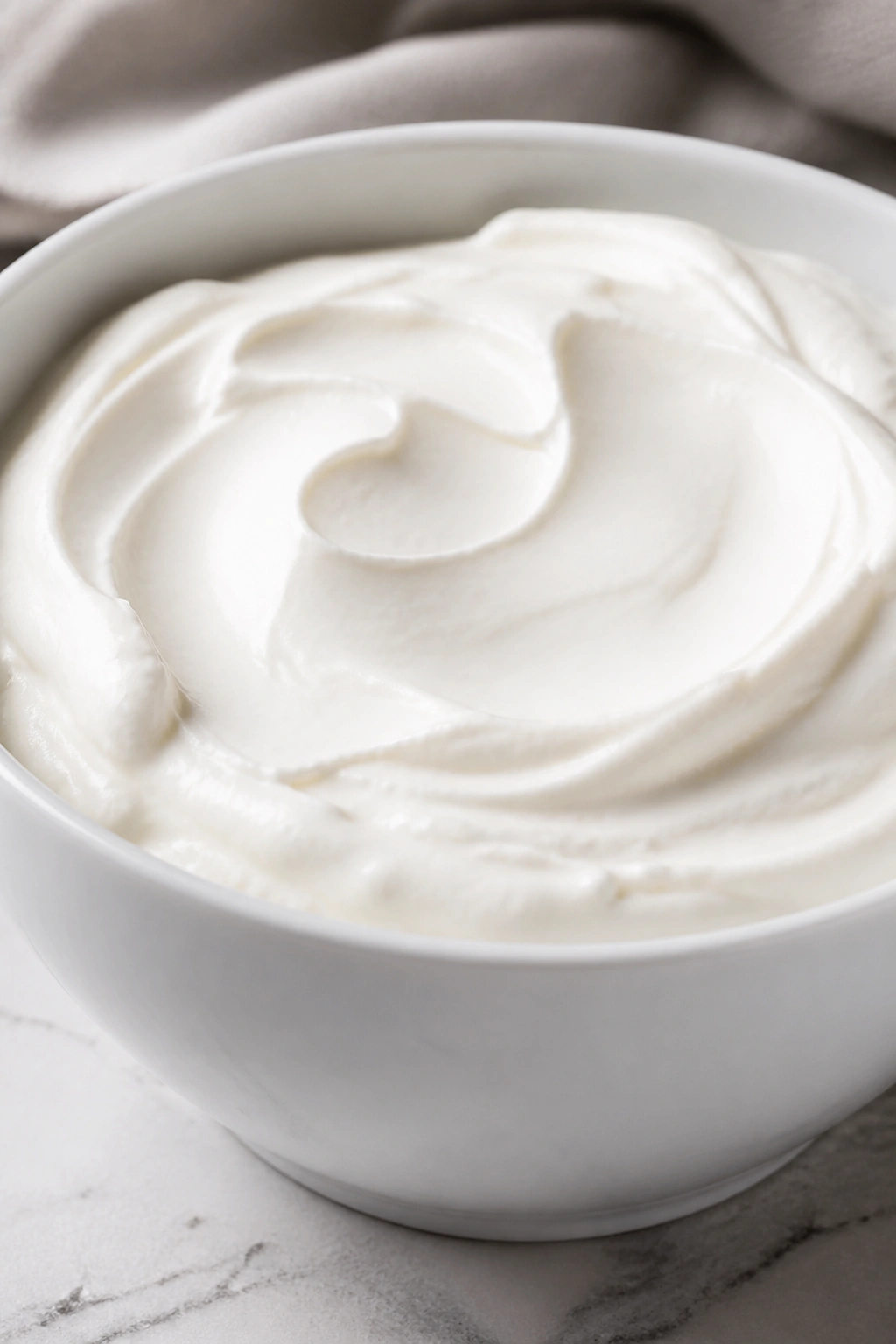
Why does plain Greek yogurt show up in so many lean breakfasts? Because it is one of the easiest ways to get a solid protein hit without cooking. A single cup often gives you 15 to 20 grams of protein, and the thick texture feels more filling than regular yogurt.
Pick the plain stuff if you can tolerate it. Flavored tubs can come with a sugar load that turns a smart snack into dessert in disguise. I like to add cinnamon, berries, a few chia seeds, or a spoon of peanut butter if the day calls for more calories.
Greek yogurt works at breakfast, after training, or as a late snack when you want something cold and easy. It also plays well with oats, making it one of the more flexible six pack abs diet foods in the fridge.
3. Chicken Breast
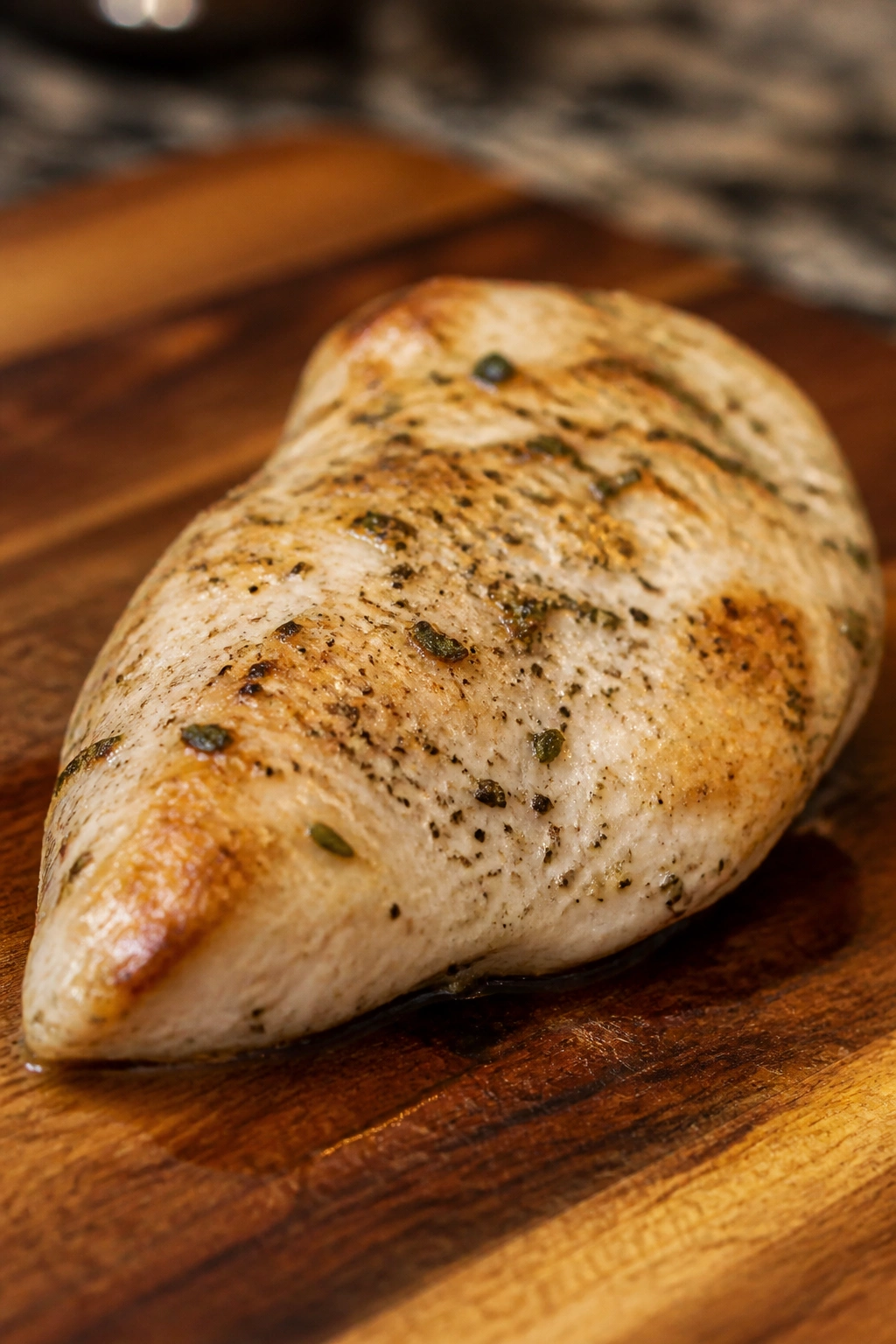
Chicken breast earns its reputation because it gives you a lot of protein for a small calorie bill. A cooked 3-ounce portion usually gives you about 26 grams of protein with very little fat, which is why it shows up in so many meal prep containers.
How to Keep It From Tasting Dry
- Cook it to 165°F / 74°C, then let it rest for a few minutes.
- Slice it against the grain so it feels softer.
- Season it before cooking; bland chicken gets old fast.
- Use it in salads, wraps, rice bowls, or with roasted vegetables.
Chicken breast can be terrible when it is overcooked. Dry, stringy, chalky — all of it. But cooked properly, it is one of the cleanest ways to build a high-protein meal that still leaves room for vegetables, fruit, or a sensible carb source.
4. Salmon
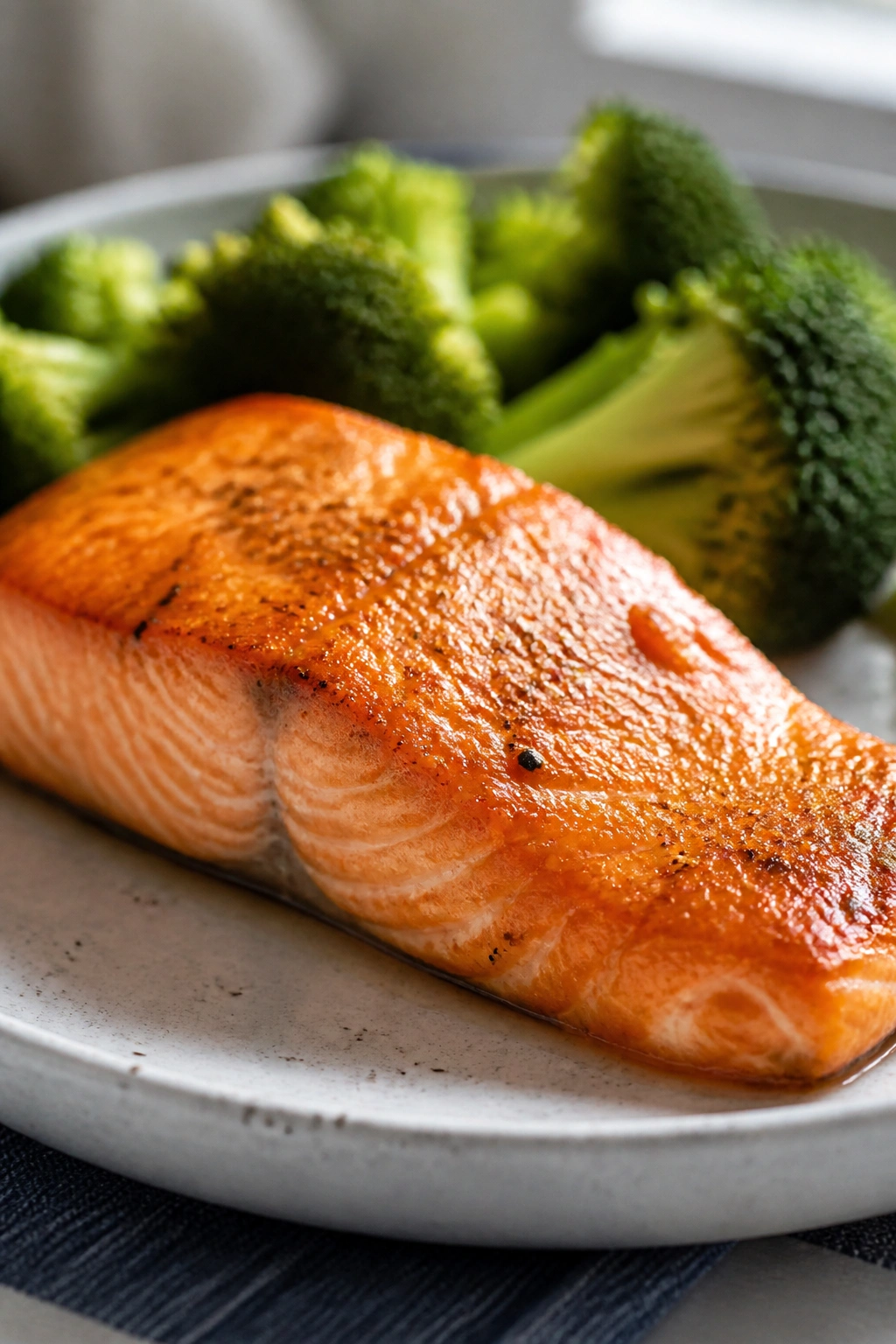
A 5-ounce salmon fillet can feel almost luxurious in an abs-focused meal, and that is not a bad thing. It gives you high-quality protein plus omega-3 fats, which help the meal feel satisfying instead of weirdly thin and sterile.
Salmon is a little richer than chicken or tuna, so the portion matters. Four to six ounces is plenty for most people, especially if the rest of the plate includes broccoli, asparagus, spinach, or a small sweet potato. You do not need a giant slab of fish to get the benefit.
I like salmon when the diet starts feeling too stripped down. It tastes like real food, not punishment food. That alone can keep you steady for longer, which matters more than any buzzword ever will.
5. Cottage Cheese
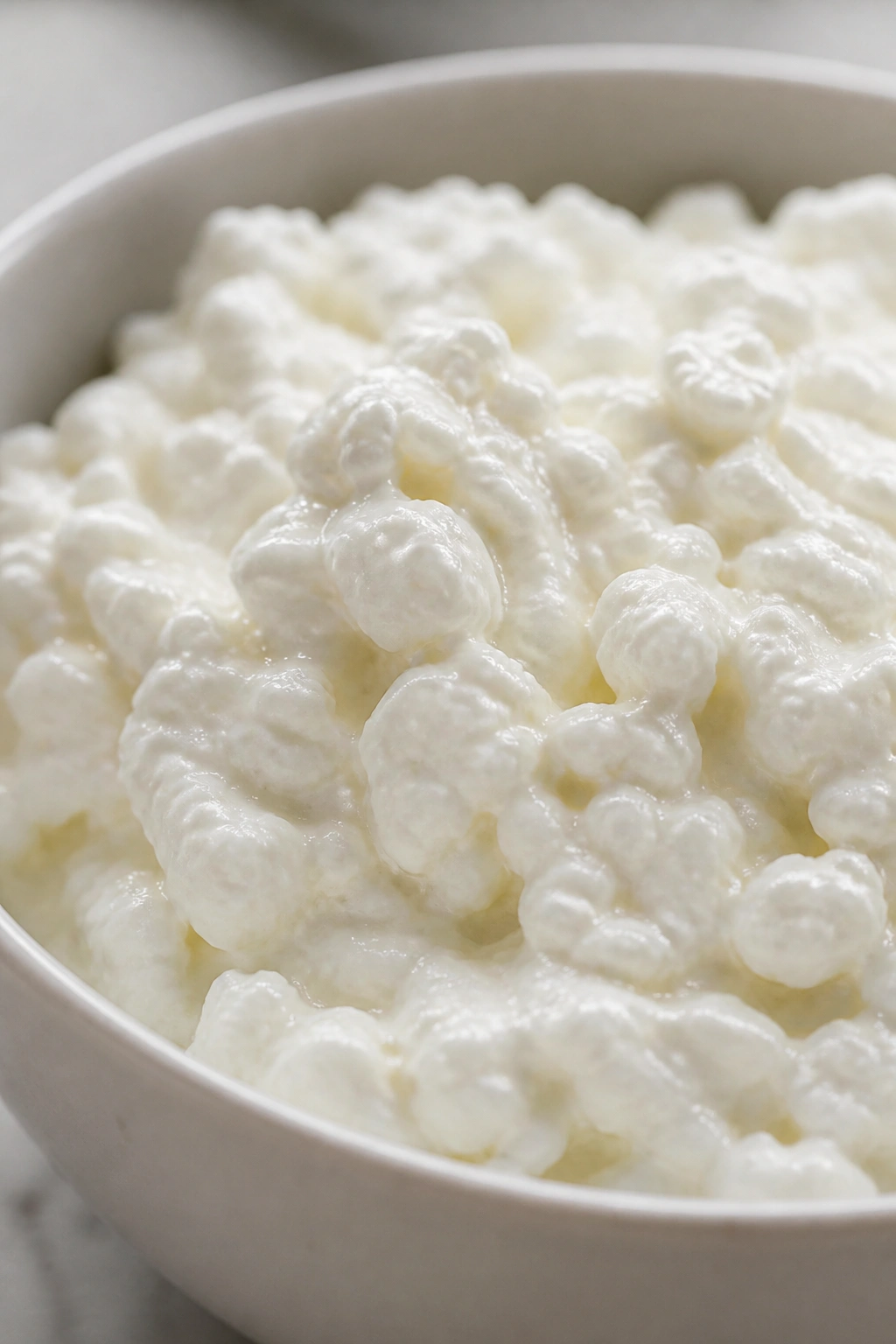
Cottage cheese is the food I reach for when I want something cold, salty, and high in protein without making a fuss. A cup of low-fat cottage cheese can carry 24 to 28 grams of protein, which is a lot for the calories.
What Makes It Different From Yogurt
Greek yogurt is smoother and a little tangier. Cottage cheese has curds, more salt, and a texture that feels better in savory bowls. That difference matters because it stops your snack rotation from getting dull.
Try it with cucumber slices, black pepper, tomatoes, or a handful of berries if you want sweet. It also works well at night, since it tends to sit well and helps you avoid wandering back into the kitchen for random snacks.
6. Tuna
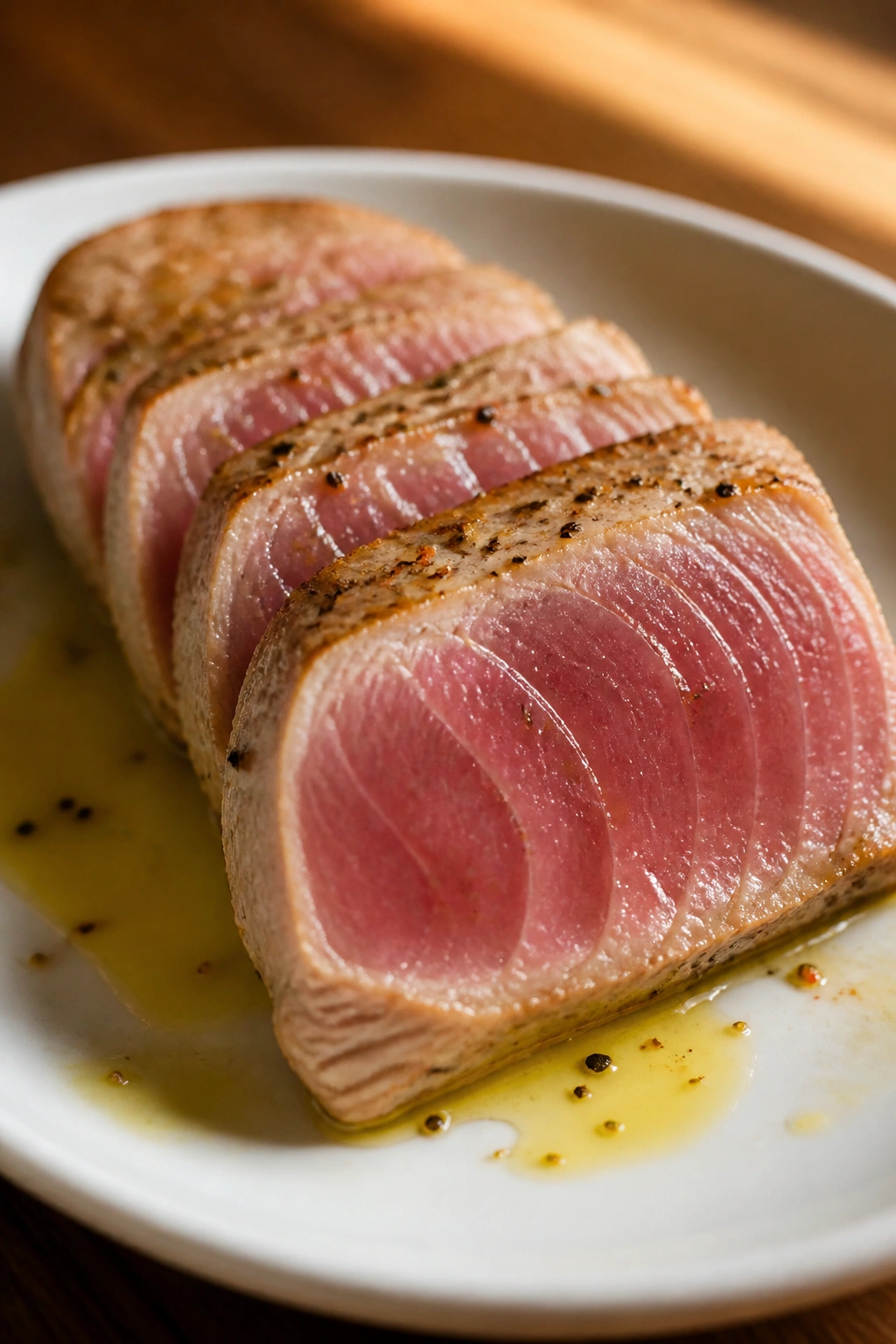
A can of tuna solves the “I need protein and I need it now” problem. It is cheap, shelf-stable, and packed with protein while staying very low in calories, which makes it one of the more useful six pack abs diet foods you can keep around.
Mix it with mustard, chopped celery, pickles, or a little Greek yogurt instead of a heavy mayo base. That keeps the calories in check without making the tuna salad taste sad. Stuff it into a wrap, pile it onto cucumber slices, or eat it with crackers if your day has room for them.
One caution: tuna is not the only fish in the sea, and it should not be the only fish in your week. Rotate it with salmon, sardines, or shrimp so your meals stay varied and you avoid leaning too hard on one source.
7. Turkey Breast
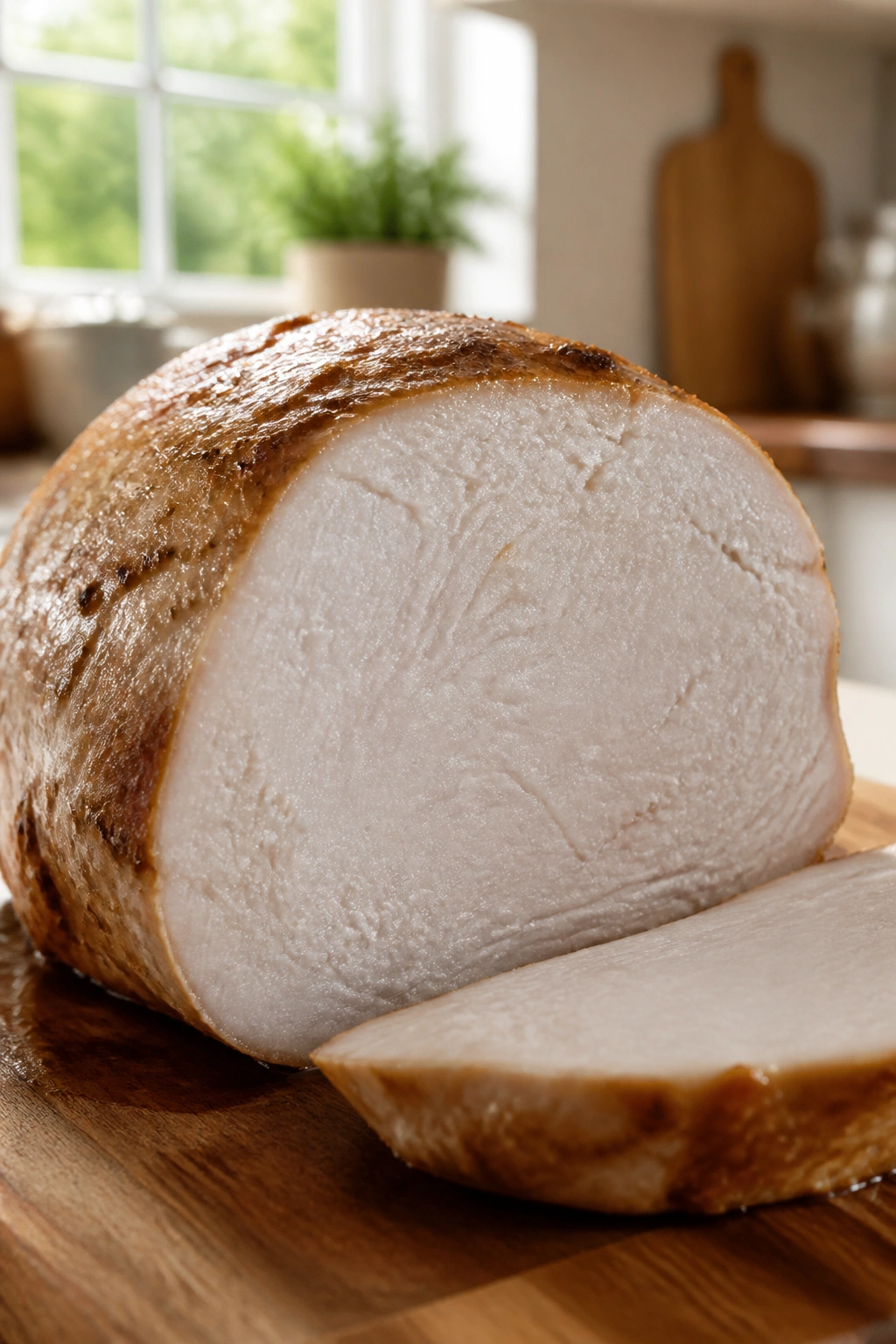
Is turkey breast basically chicken with a different haircut? Pretty much, and that is exactly why it belongs here. It is lean, easy to slice, and useful in wraps, sandwiches, lettuce cups, and meal prep bowls.
What to Look For
- Roasted turkey breast beats sugary deli versions.
- Lower-sodium slices are worth hunting down.
- Thick slices feel more satisfying than paper-thin ones.
- It pairs well with mustard, pickles, crunchy greens, and tomato.
Turkey breast works especially well when you need something lunch-friendly. That matters because lunch is where a lot of people go off the rails. They start with “healthy” and end with a giant sandwich, chips, and a drink that adds another meal’s worth of calories.
8. Tofu
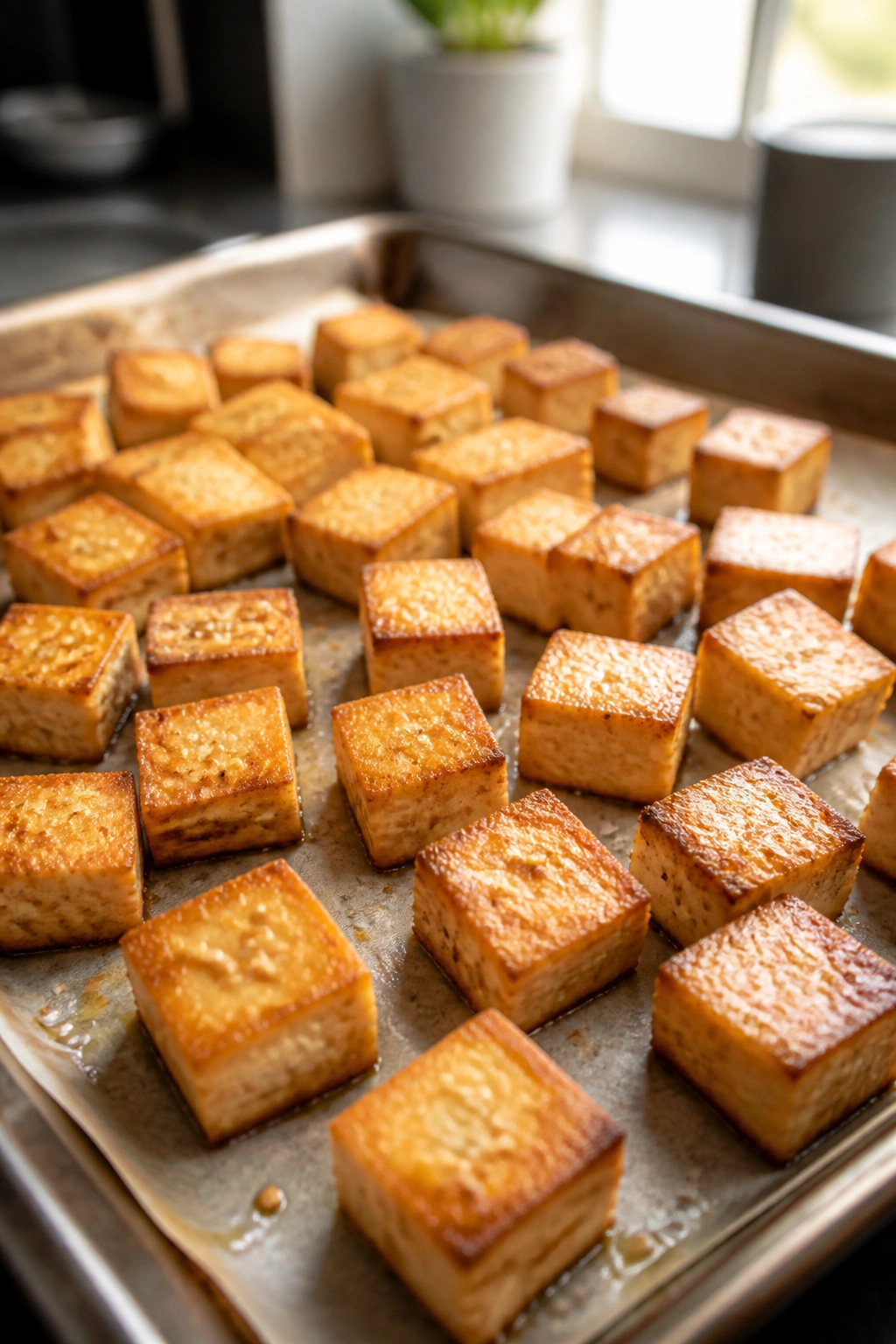
Firm tofu is one of the easiest plant proteins to fit into an abs plan. It brings protein without a huge calorie cost, and it takes on flavor better than people expect. That makes it useful for anyone who wants more variety than chicken and fish all week.
How I’d Use It
- Press it for 10 to 15 minutes so it browns better.
- Cube it and bake at 400°F / 205°C until the edges look golden.
- Pan-sear it in a thin layer of oil for a crisp crust.
- Marinate it in soy sauce, garlic, and ginger for stronger flavor.
Tofu is not exciting when it is tossed into a pan wet and ignored. Pressing, seasoning, and browning are the difference between decent tofu and mushy cubes nobody wants. Once you get the hang of that, it becomes a very useful staple.
9. Edamame
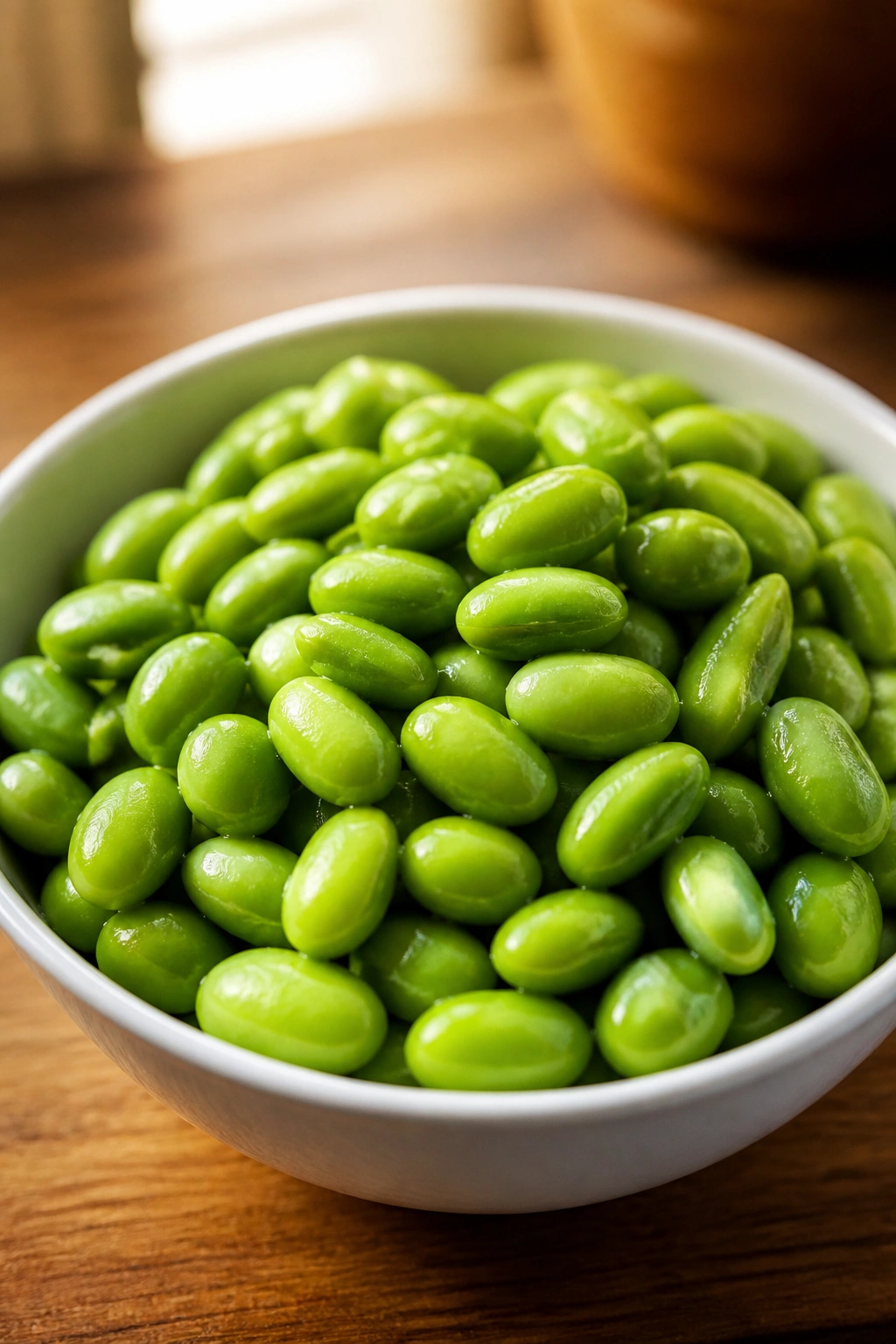
A small bowl of edamame does a neat trick: it feels like a snack, but it behaves more like a mini meal. Shelled edamame brings protein, fiber, and a little chew, which is a rare combination in a freezer bag.
Steam it for a few minutes, salt it lightly, and you have a snack that actually slows you down. That is part of the point. Foods that make you chew more often help you feel like you ate something real, not just a handful of empty crunch.
Edamame is also useful in bowls with rice, chicken, tuna, or tofu. I like it because it adds color and texture without blowing up the calories. That balance is the whole game.
10. Lentils
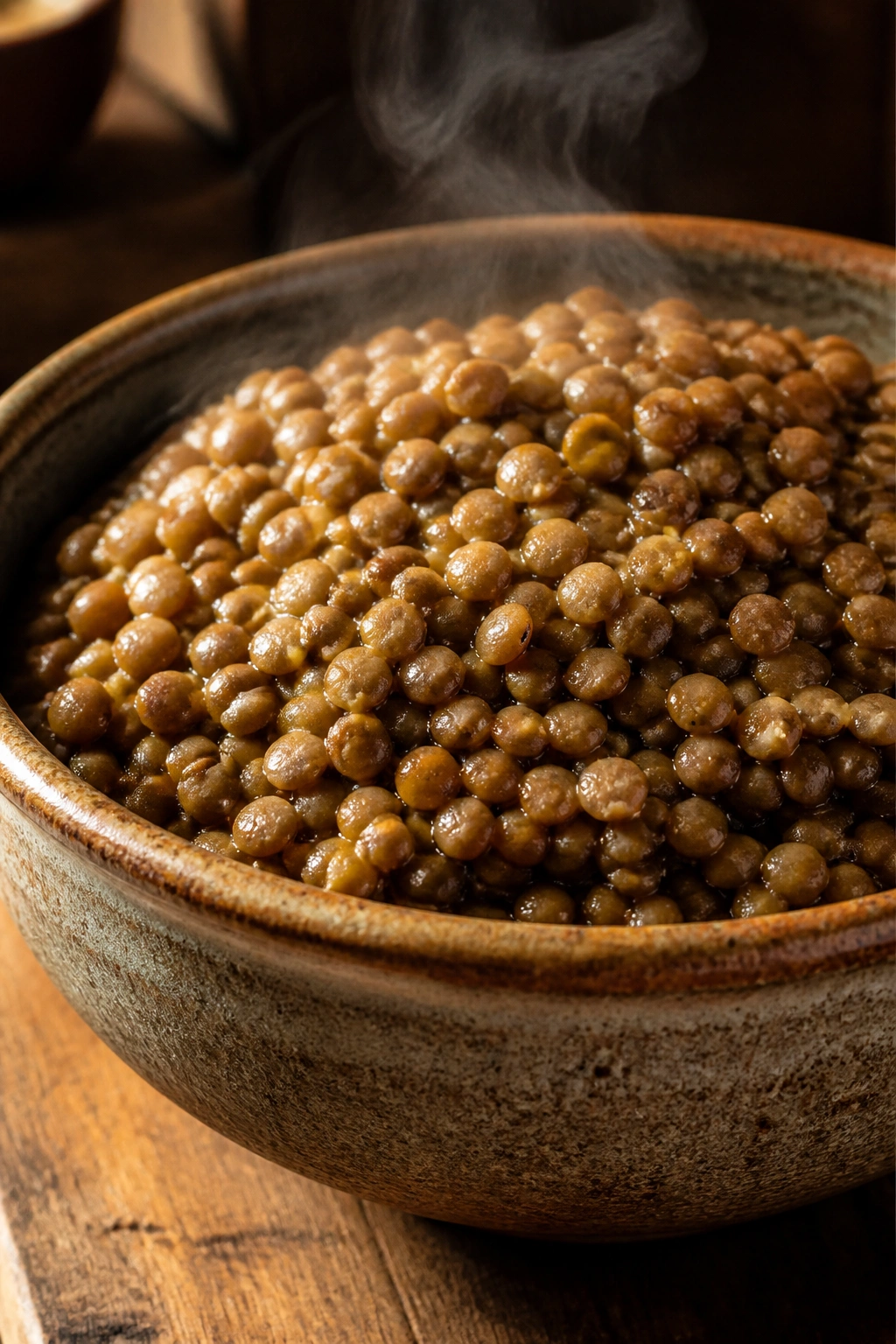
Lentils are one of those foods that do more than one job at once. A cup of cooked lentils can give you about 18 grams of protein and 15 grams of fiber, which is a very strong combo when you’re trying to stay full on fewer calories.
Why They Work So Well
They cook fast. Usually around 20 to 25 minutes for most varieties. They also turn into soups, stews, salads, and taco fillings without demanding much from you. Rinse them first, simmer until tender, and stop before they turn to paste.
Lentils are the kind of food that makes a meal feel dense in a good way. Not heavy. Dense. There’s a difference. They give the plate some substance, which keeps you from loading up on extras an hour later.
11. Black Beans
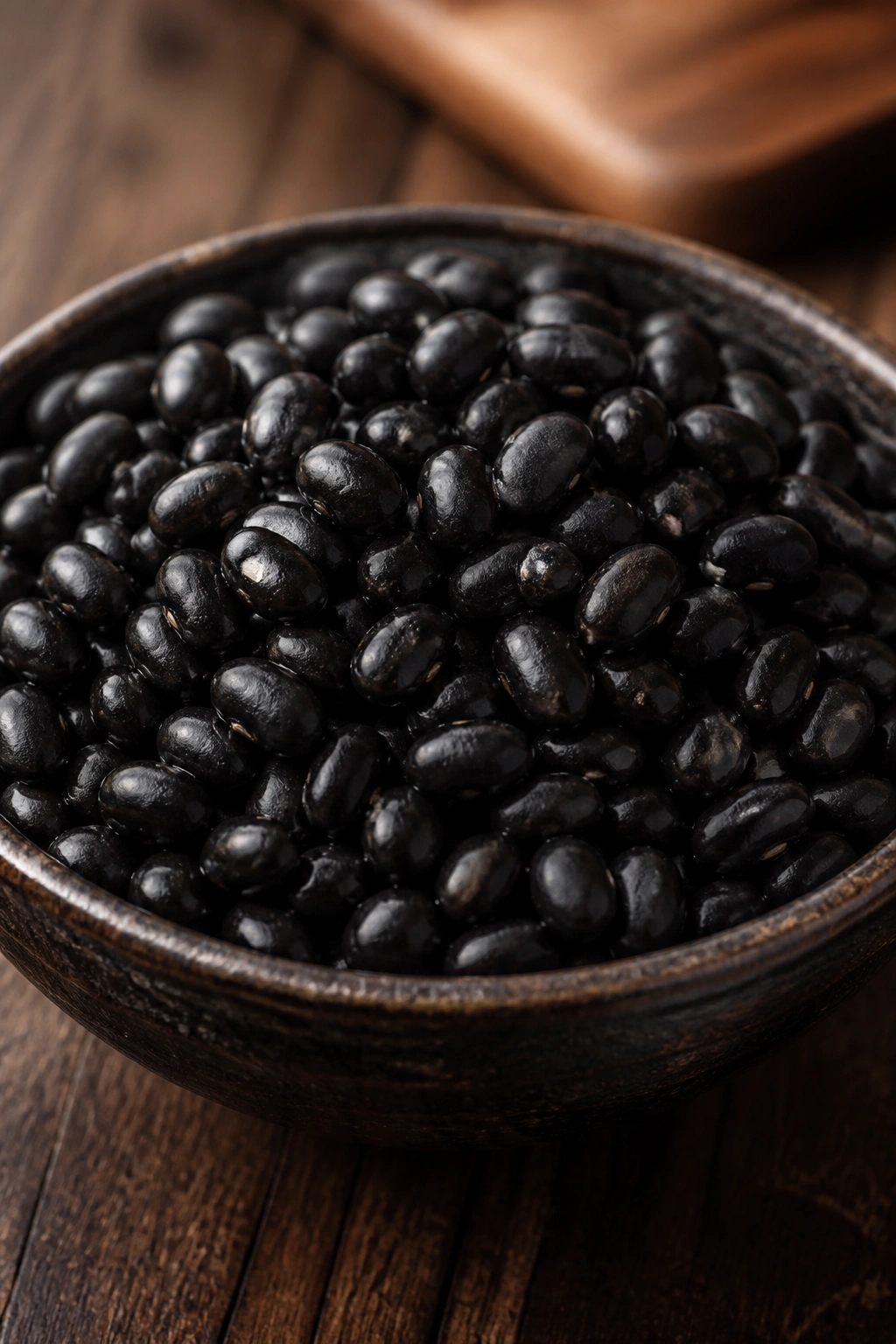
Black beans are the softer, earthier cousin in the bean aisle, and they earn their spot for the same reason lentils do: fiber plus protein plus staying power. A cup of cooked black beans can bring around 15 grams of protein and a similar amount of fiber.
They work beautifully in egg scrambles, chicken bowls, salsa-topped salads, or stuffed sweet potatoes. Rinse canned beans under cold water first. That trims some of the sodium and also gets rid of the thick canned liquid that can make them taste flat.
Black beans are especially handy when you want meatless meals that still feel filling. A lot of people under-eat protein when they skip meat. Beans help close that gap without making the meal feel like a compromise.
12. Oats
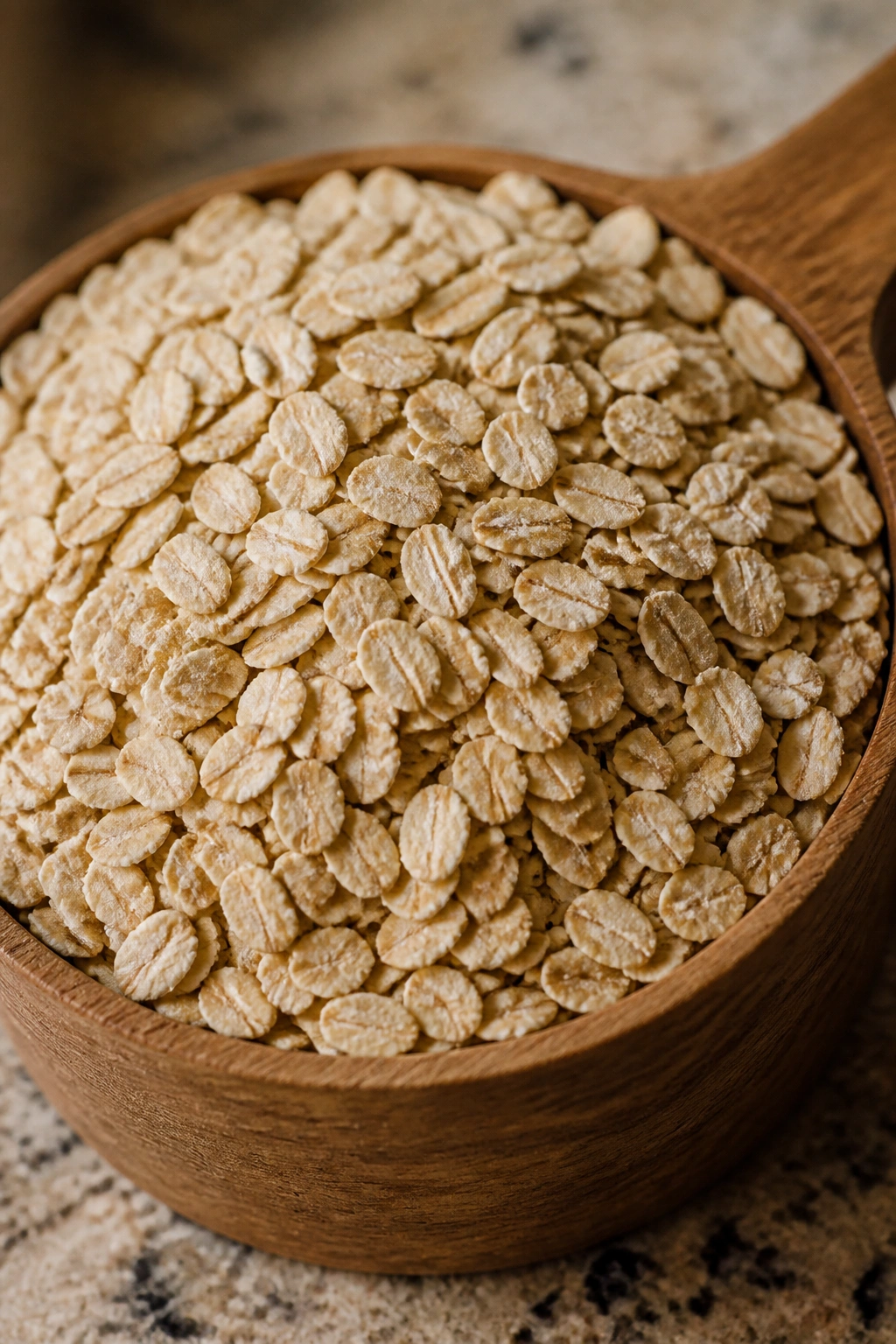
Dry rolled oats smell nutty when they hit a warm pan or simmer in milk, and that little bit of texture matters. They give you slow-burning carbs and a good dose of fiber, especially the beta-glucan kind that helps breakfast sit well instead of disappearing in ten minutes.
Keep the portion honest. Half a cup of dry oats is a very normal serving, and it is enough for most people when you add protein on top. Greek yogurt, egg whites, chia seeds, or a spoon of nut butter can turn plain oats into a real meal.
The mistake is the instant packet with sugar stacked on sugar. Plain oats are the better move. They let you control the flavor, the calories, and the texture, which is a lot more useful than a flavored dust packet pretending to be breakfast.
13. Quinoa
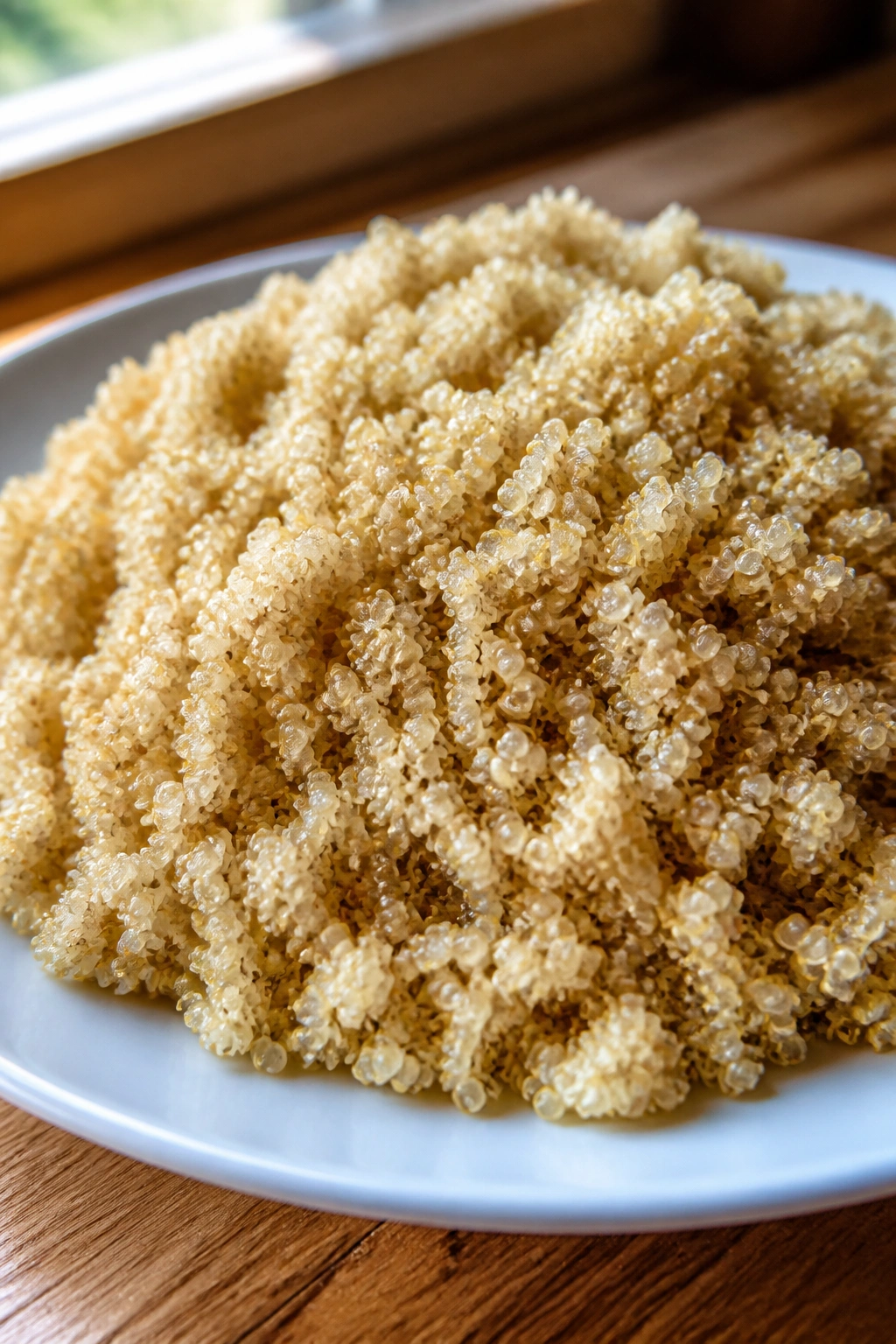
Why does quinoa keep ending up in lean meal prep bowls? Because it behaves like a grain, but it brings a bit more protein than many other carb sources. A cup of cooked quinoa has roughly 8 grams of protein, and it also gives you fiber and a pleasant, slightly nutty bite.
Rinse it before cooking. That removes the bitter coating some people notice right away. Use a 1:2 quinoa-to-water ratio, simmer until the liquid is gone, and let it rest for a few minutes so it fluffs instead of turning sticky.
Quinoa is useful when you want a base that feels a little more substantial than rice without going heavy. It is especially nice under grilled chicken, tofu, salmon, or roasted vegetables.
14. Sweet Potatoes
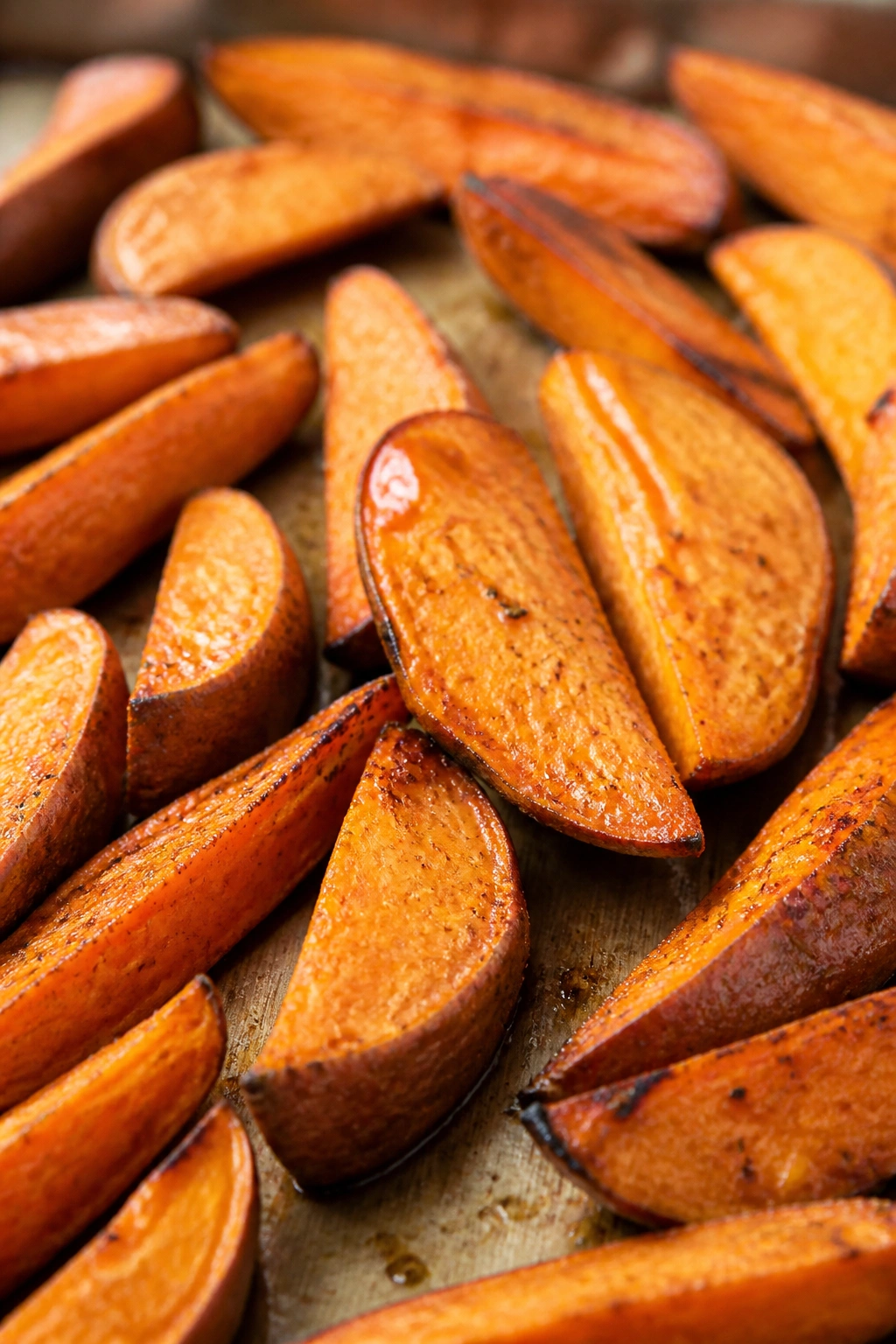
A tray of roasted sweet potatoes can make an abs meal feel like actual dinner. They bring fiber, potassium, and slow carbs, which is helpful when you want energy without reaching for bread, chips, or dessert.
Cut them into wedges or cubes, toss with a little olive oil, salt, and paprika, then roast until the edges turn brown and the centers go soft. The skin adds extra fiber, so I usually leave it on unless the potatoes are awkwardly rough.
Sweet potatoes are a smart carb when you’re training hard. They give you something filling and familiar, and they play well with eggs, turkey, salmon, or tofu. That flexibility makes them worth keeping around.
15. Spinach
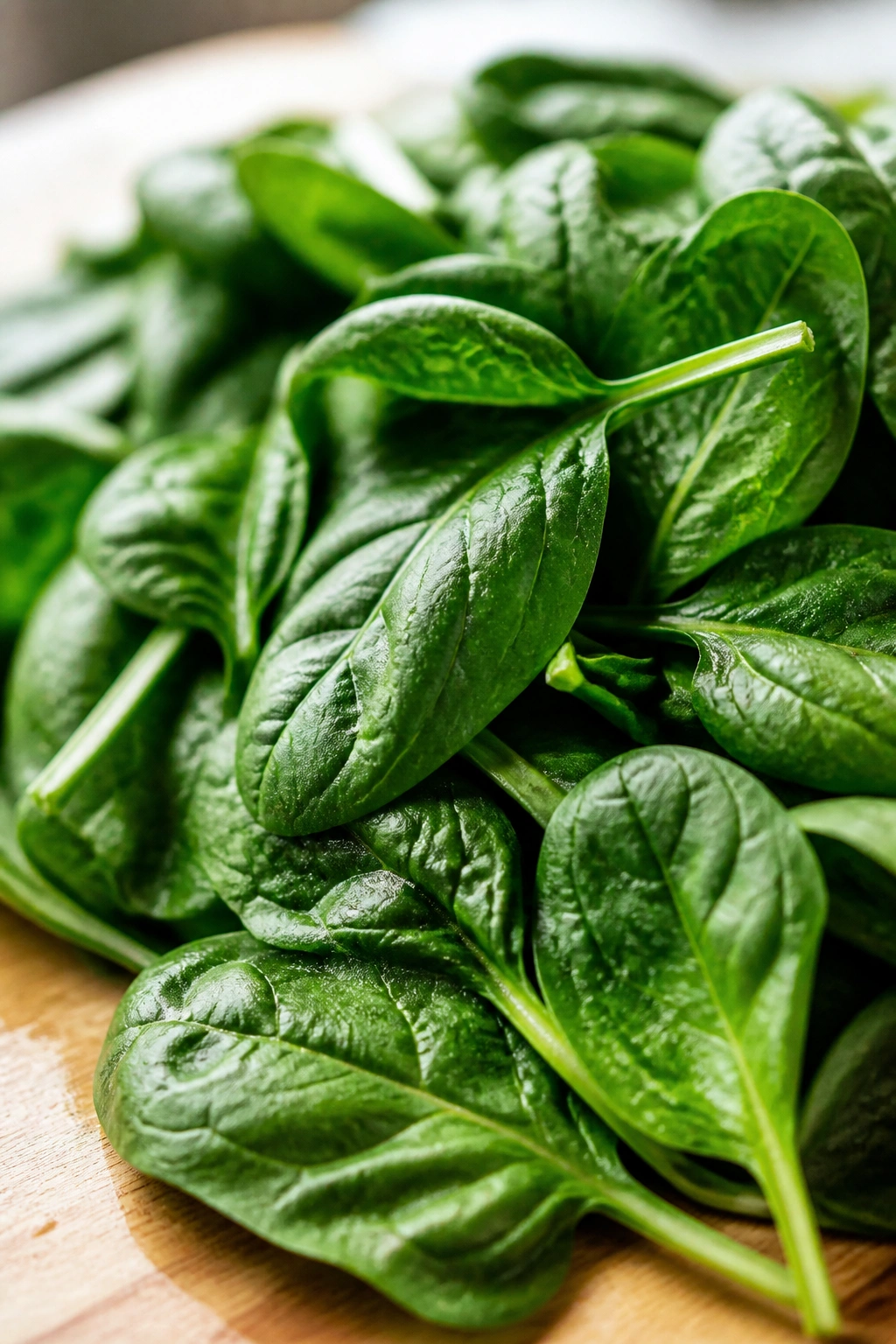
Spinach is one of the cheapest ways to make a meal look and feel larger without loading on calories. A huge handful wilts down to almost nothing, which is exactly why it works in omelets, soups, pasta, grain bowls, and wraps.
The point is volume. You get more chewing, more color, and a little extra folate, magnesium, and iron without much fuss. Raw baby spinach is fine in salads. Cooked spinach disappears into eggs and sauces with almost no effort.
I like spinach because it solves the “my plate feels too small” problem. You do not need a giant serving to get value from it, but you do need a generous handful. Two handfuls is better than one, and nobody ever complained that their omelet had too many greens.
16. Broccoli
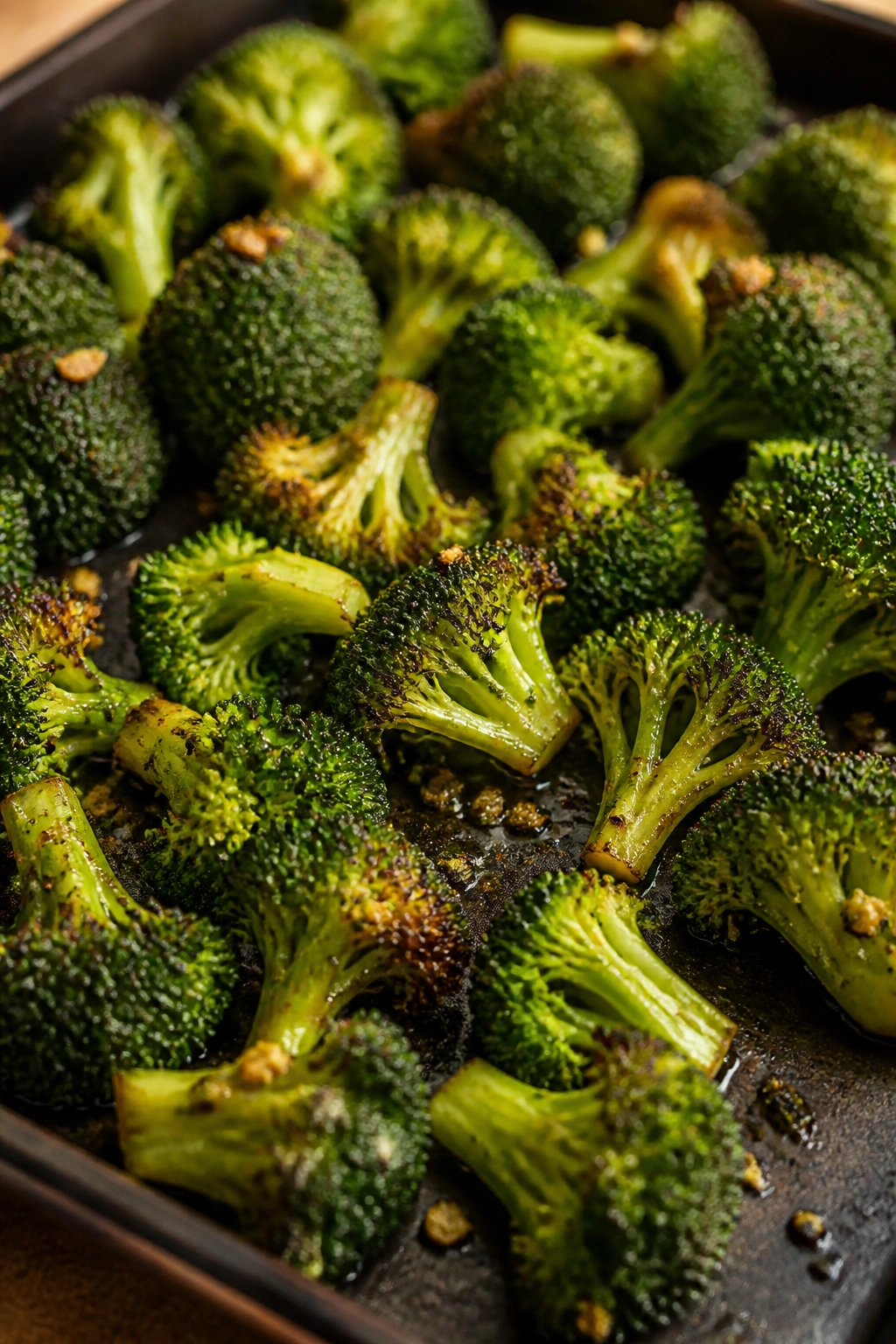
Broccoli brings crunch, chew, and a little bitterness that keeps roasted meals from tasting flat. It is a strong abs-food pick because it is high in fiber and low in calories, which is a rare and useful combo.
Best Way to Cook It
- Roast at 425°F / 220°C until the edges brown.
- Toss with garlic, salt, and a small amount of olive oil.
- Stop steaming it into gray softness.
- Add lemon at the end if you want the flavor to wake up.
Broccoli tastes better when it gets a little color. That roasted edge matters more than most people think. It gives you texture, and texture is a huge part of feeling satisfied with less food.
17. Cucumbers
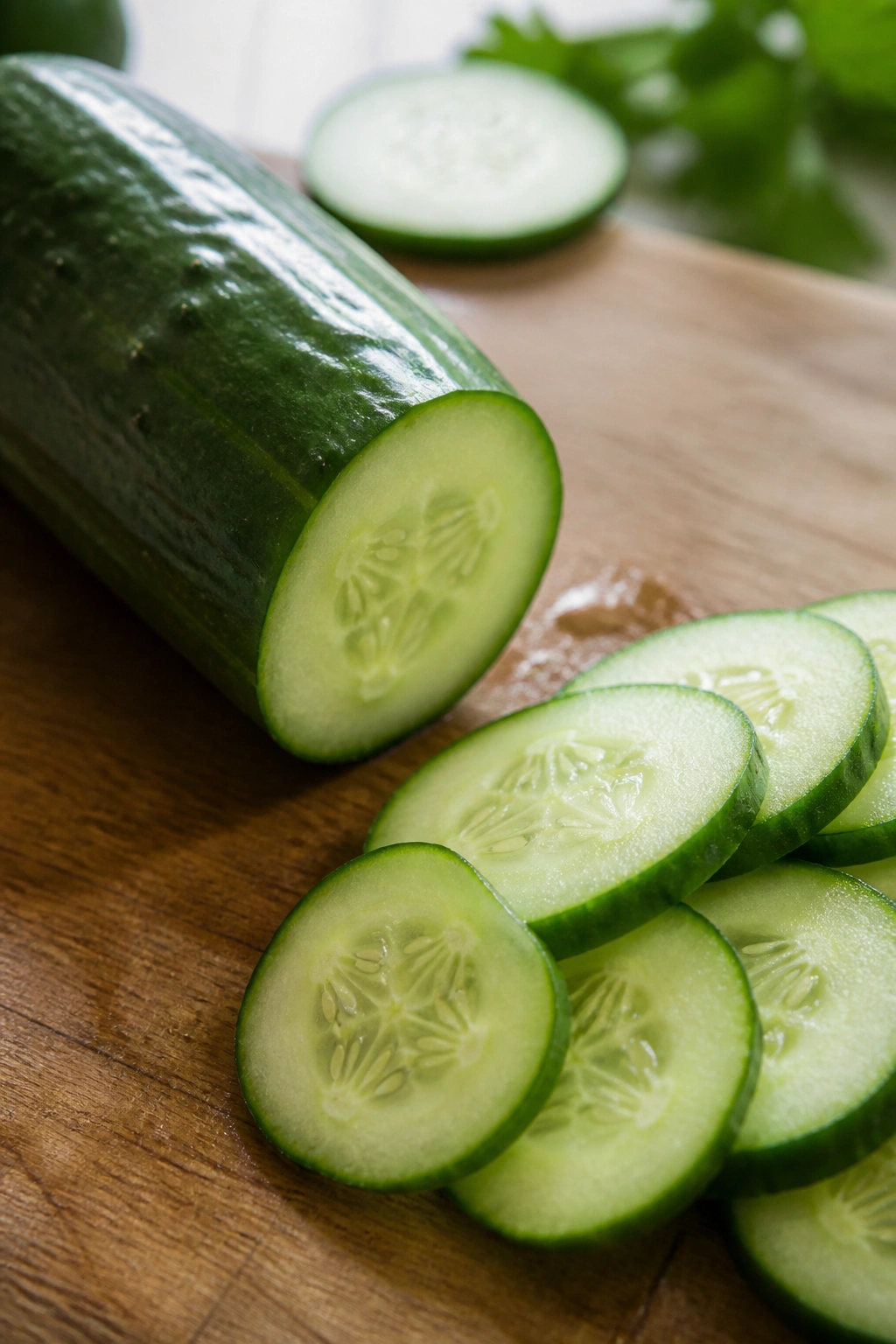
Cucumbers are not flashy, but they are one of the easiest foods to keep around when you want something cold, crunchy, and low in calories. They add volume to meals and give your hands and mouth something to do, which sounds small until you notice how often mindless snacking happens.
Slice them into spears, round coins, or long ribbons. Salt them lightly, splash them with vinegar, or dip them in Greek yogurt mixed with garlic and dill. That tiny bit of preparation turns a plain vegetable into something you’ll actually keep eating.
Cucumbers work well beside higher-protein foods. Tuna. Cottage cheese. Chicken. Eggs. They are a support act, not the star, and that is fine. Support acts matter.
18. Berries
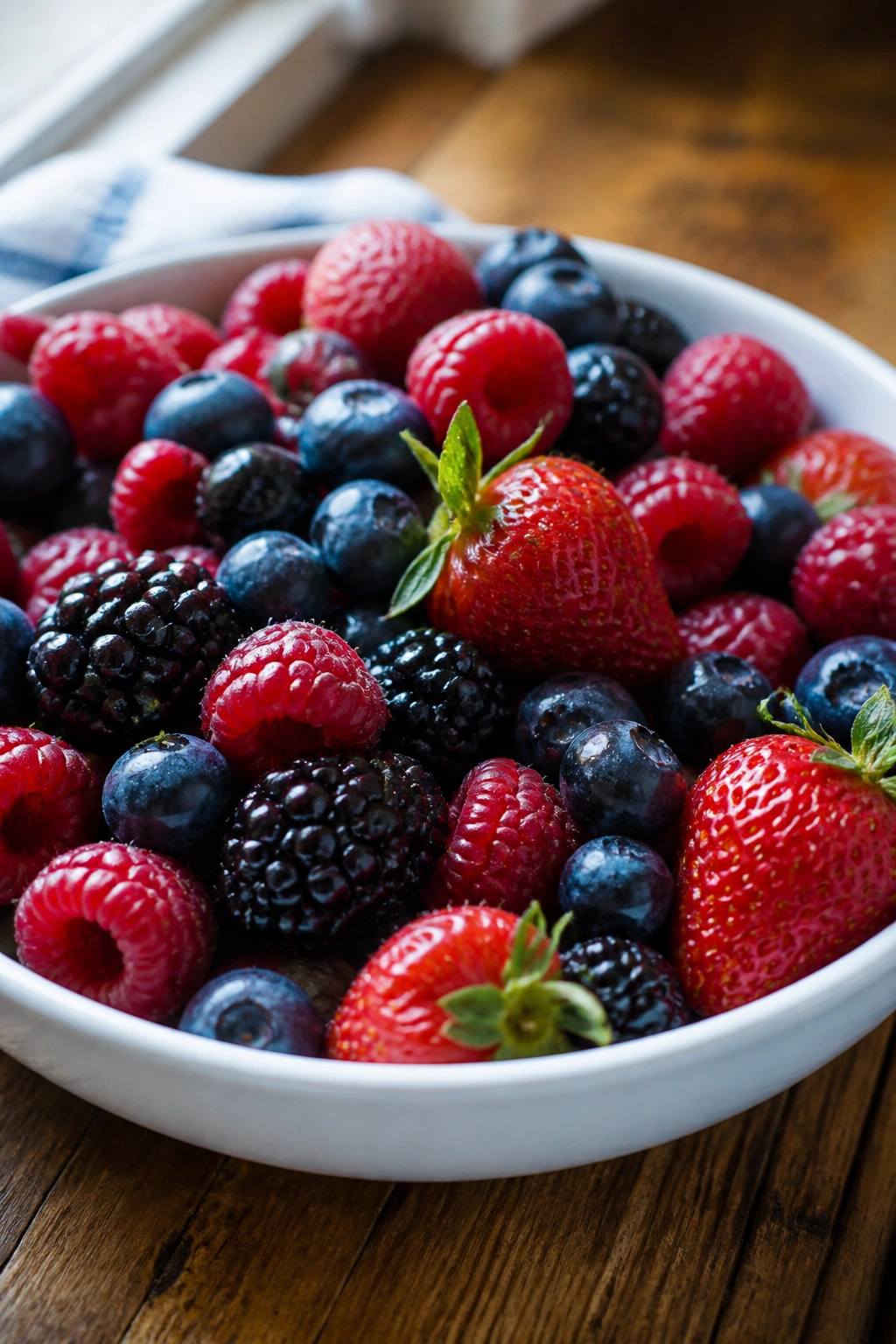
Berries are the sweet spot between dessert and sensible fruit. Strawberries, blueberries, raspberries — all of them bring color, fiber, and a little natural sweetness without the calorie load you get from pastries or candy.
Raspberries deserve a special nod because they pack a lot of fiber for their size. Blueberries are easy to throw into yogurt or oats. Strawberries can be sliced onto cottage cheese and actually taste like a treat, which is a rare thing in a cut.
Frozen berries are fine too. In fact, they’re often better for smoothies and oatmeal because they thaw into a soft, jammy texture. That softness works when you want sweetness without chewing through a whole bowl of fruit.
19. Apples
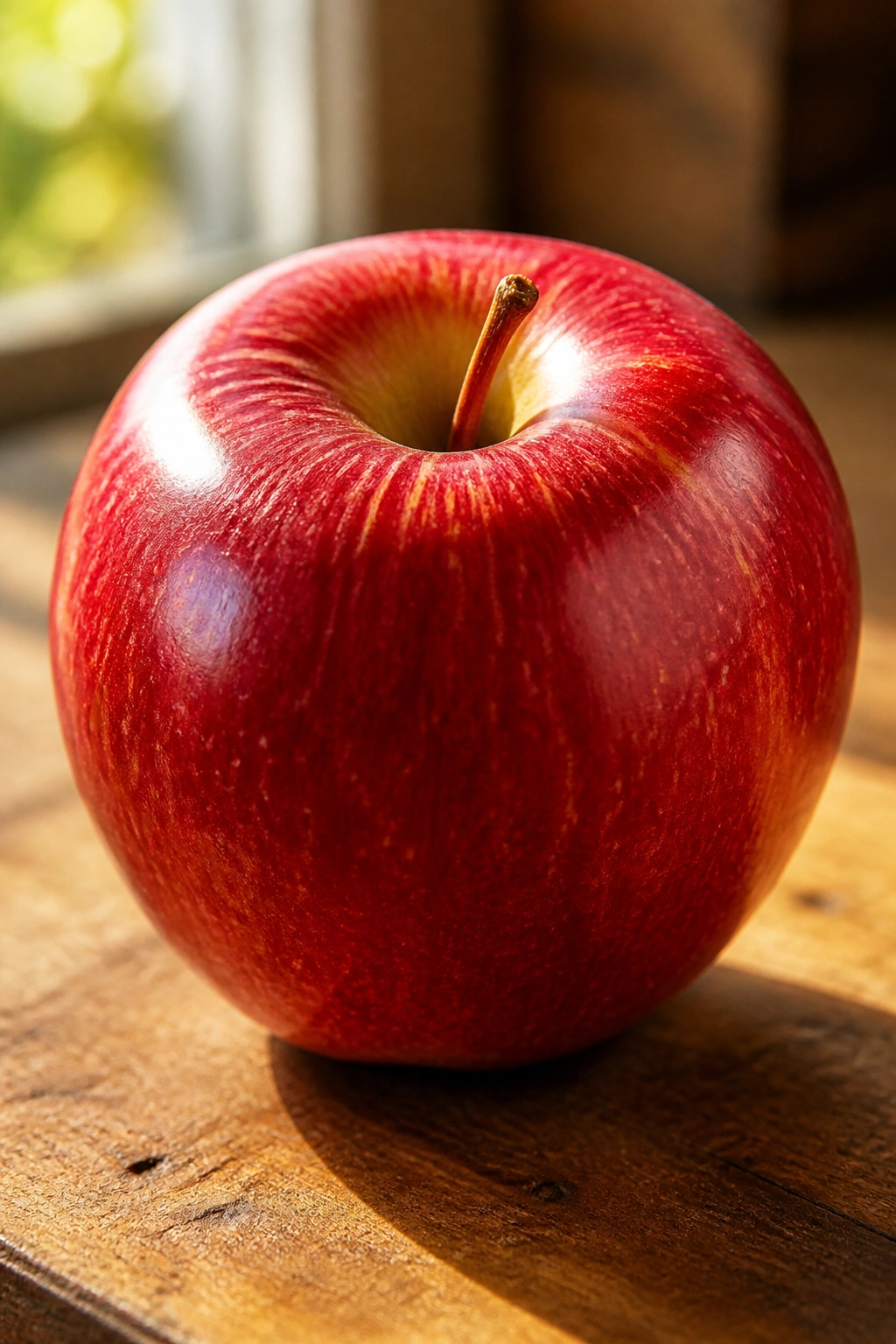
An apple is one of the simplest snacks you can eat, and that simplicity is part of the appeal. A medium apple sits around 95 calories and gives you fiber, especially if you keep the skin on.
The crunch matters. A lot. Crunch slows you down, and slowing down gives your brain time to catch up with your stomach. That makes apples more satisfying than a soft snack with the same calories.
Pair them with something that has protein or fat if you know you get hungry fast. Cottage cheese, Greek yogurt, a measured spoon of almond butter, a few slices of turkey — those combinations feel more complete and keep the blood-sugar roller coaster from starting too early.
20. Avocado
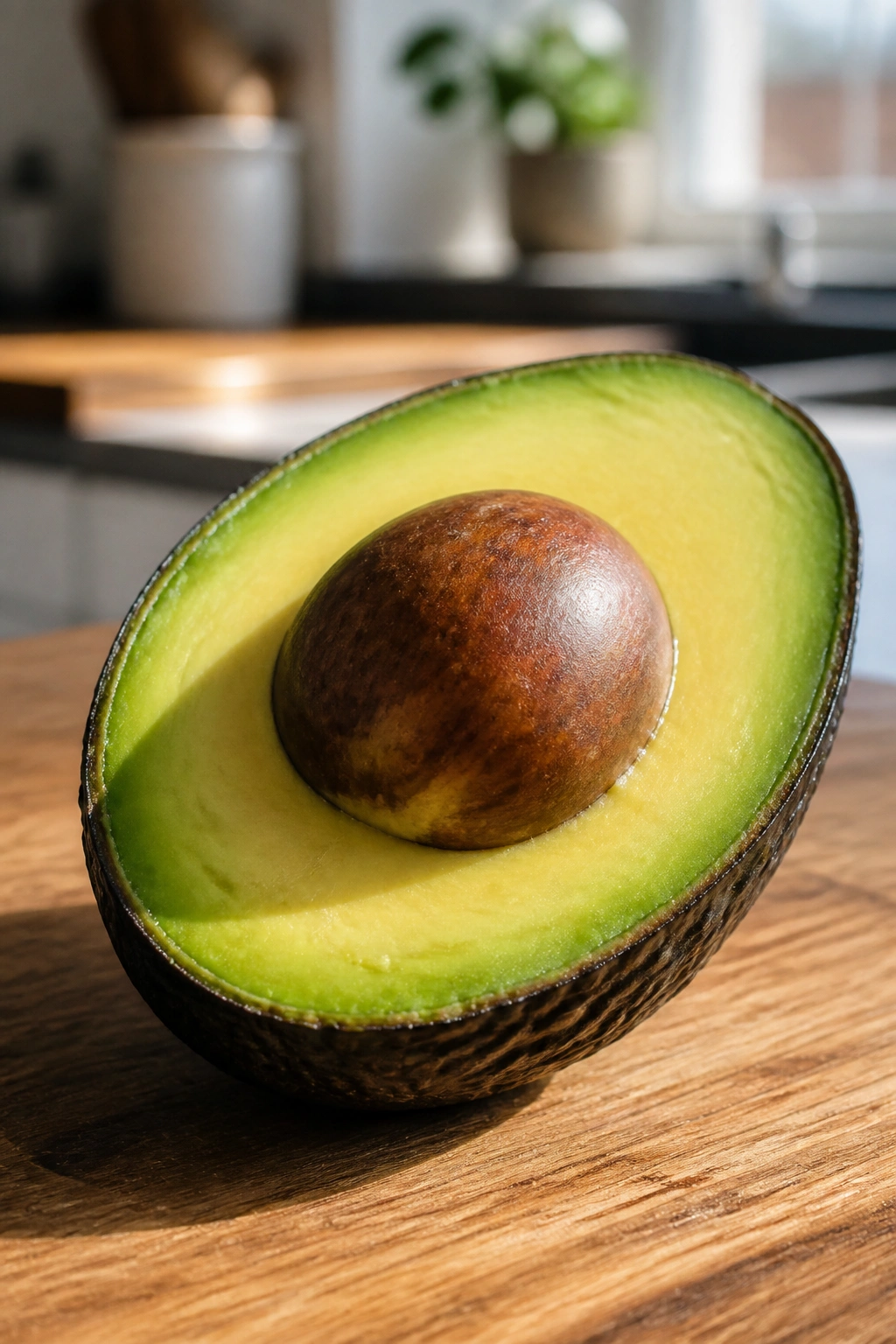
Avocado is the food people overdo because it feels healthy. It is healthy, but it is also calorie-dense, and that part needs respect. Half an avocado is usually plenty for most abs-focused meals.
The good part is the fat and fiber. They help a meal feel finished. Avocado on eggs, salmon toast, tuna bowls, or a salad can turn a thin plate into something you actually want to eat. The bad part is that free-pouring avocado is not a thing. You measure oil; you should measure this too.
I like avocado most on days when the rest of the meal is lean. It softens the edges. It makes the plate more forgiving. Just do not treat it like lettuce.
21. Almonds
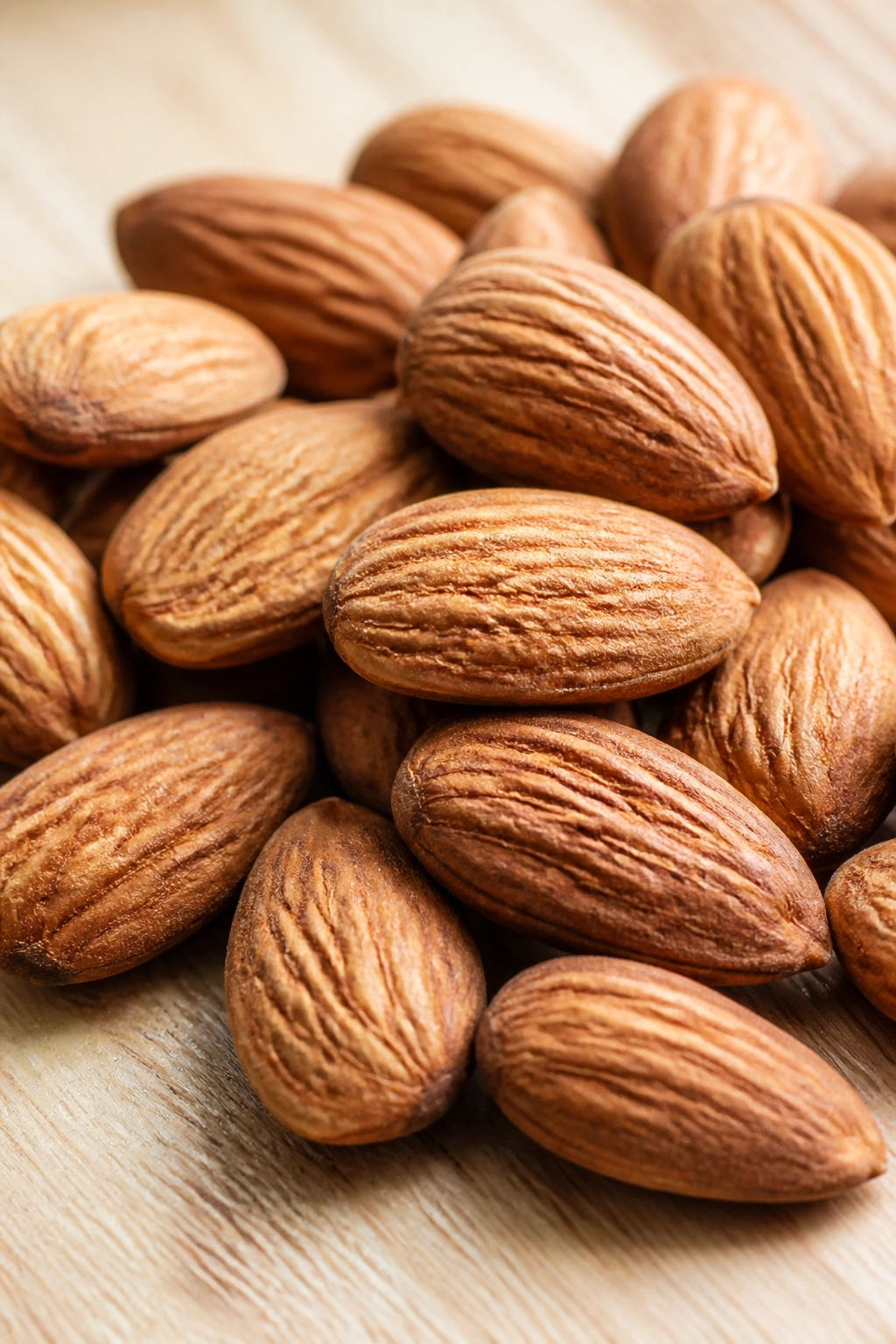
Almonds are useful when you need a portable food that does not require a fridge or a fork. A 1-ounce serving is about 23 almonds, with roughly 6 grams of protein and 14 grams of fat.
That serving size matters. A loose handful can double without much effort, and nuts are one of those foods that disappear from the container faster than you think. Pre-portioning them into small bags or containers is not fussy; it is smart.
Almonds pair well with apples, berries, or plain yogurt. They add crunch and a little richness, which can calm a snack craving in a way that rice cakes never will. But they are best treated like a measured tool, not a casual nibble food.
22. Chia Seeds
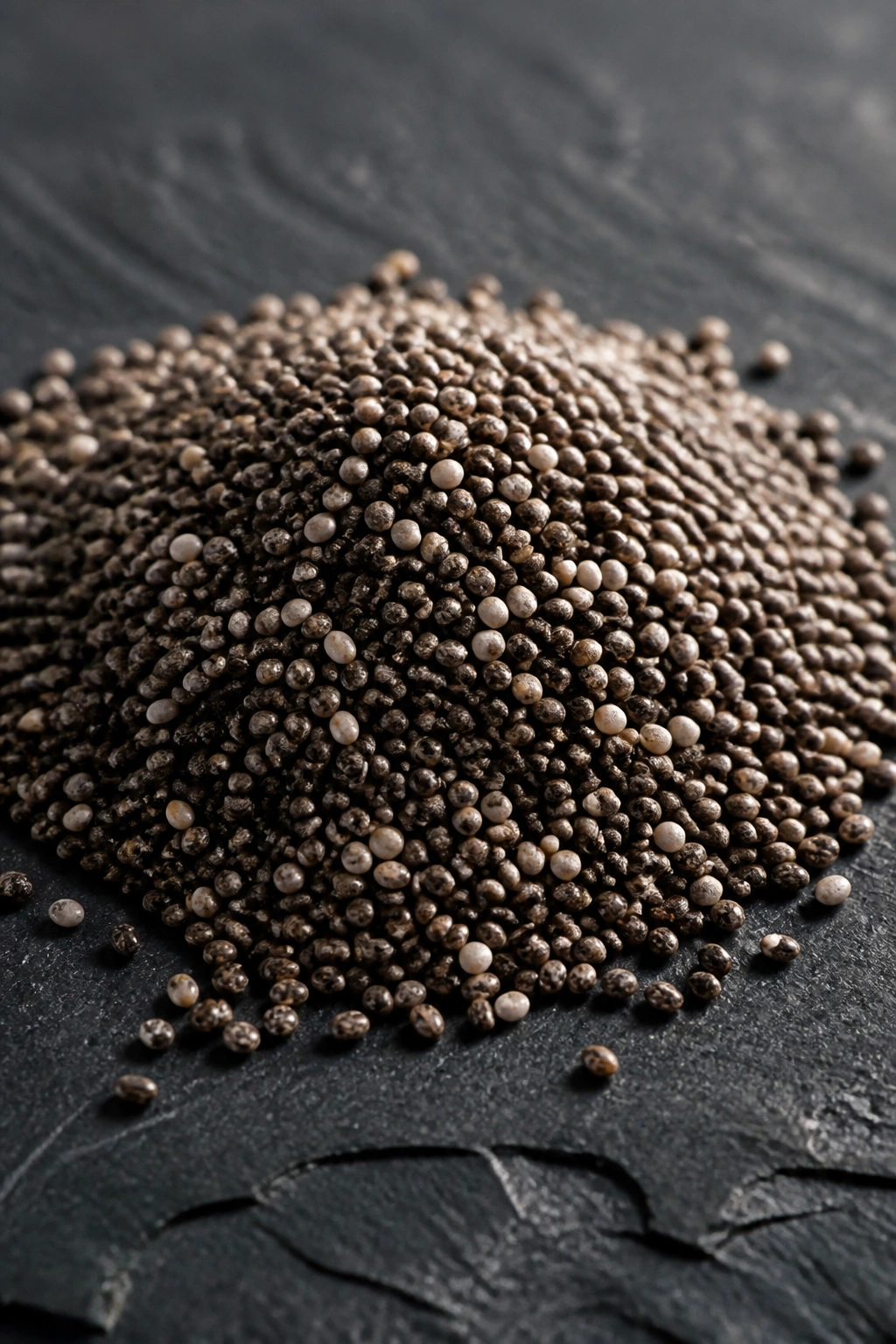
Chia seeds look tiny and act bigger than they are. Two tablespoons can deliver around 10 grams of fiber and 5 grams of protein, which is a surprisingly strong return for something you can stir into almost anything.
How to Use Them Without Making a Mess
- Soak them for 15 to 20 minutes if you want pudding or a thicker texture.
- Stir them into Greek yogurt, oats, or smoothies.
- Start with 1 tablespoon if your diet is low in fiber.
- Drink enough water, because chia absorbs a lot of it.
Chia is one of those foods that helps quietly. It thickens. It fills. It slows the meal down. That makes it useful for breakfast bowls and afternoon snacks when you want staying power without a huge plate.
If you keep eggs, yogurt, beans, greens, and a few smart carbs in the house, the whole abs-focused eating thing gets easier fast. Not exciting. Easier. And that is usually the better deal.
