



A plate of eggs can smell perfect one minute and make you gag the next. Pregnancy has a way of turning ordinary food into a moving target, and the first thing a lot of first-time moms notice is that hunger, nausea, cravings, and fatigue do not show up politely in sequence. These pregnancy eating tips for first time moms are built for that mess: not a fantasy meal plan, but food you can actually keep down and repeat.
Eating for two is a bad slogan. You do not need double portions, and you do not need to chase some spotless plate that looks good on paper but leaves you shaky by 3 p.m. What matters more is a steady mix of protein, fluid, iron, fiber, and food safety habits that keep the boring problems—constipation, dizziness, nausea, and food poisoning—out of your way.
Obstetric nutrition guidance keeps circling back to the same handful of things for a reason: folate, iron, calcium, protein, DHA, and clean food handling. That list sounds plain until you try to function on crackers and coffee while your stomach has other plans. Start with the tips below, and keep the ones that make real life easier.
1. Build Meals Around Protein First
Protein earns its spot first because it hangs around. A breakfast with eggs, Greek yogurt, cottage cheese, tofu, nut butter, or leftover chicken tends to keep nausea quieter and keeps you from boomeranging into ravenous hunger an hour later. That matters more than it sounds like it should.
A lot of women get stuck on the idea that breakfast has to be light and tidy. I’m not a fan of that approach in pregnancy. A meal that keeps you full for 3 hours beats a pretty meal that disappears in 30 minutes.
Easy Breakfasts That Actually Hold
- 2 eggs with toast and fruit
- Greek yogurt with berries and chopped nuts
- Peanut butter on whole-grain toast with banana slices
- Cottage cheese with peaches or pineapple
- Tofu scramble with potatoes
If mornings are rough, try cold protein. A chilled yogurt bowl, a smoothie with milk and nut butter, or even a cheese stick before you leave the house can settle the edge off hunger. Aim for something that lands in the 15 to 25 gram protein range when you can.
Tiny tip: if you can smell your breakfast before it hits the pan and that smell bothers you, switch to cold food for a while. Hot eggs are great. Hot eggs are also a hard no for some stomachs.
2. Don’t Wait Until You’re Starving to Eat
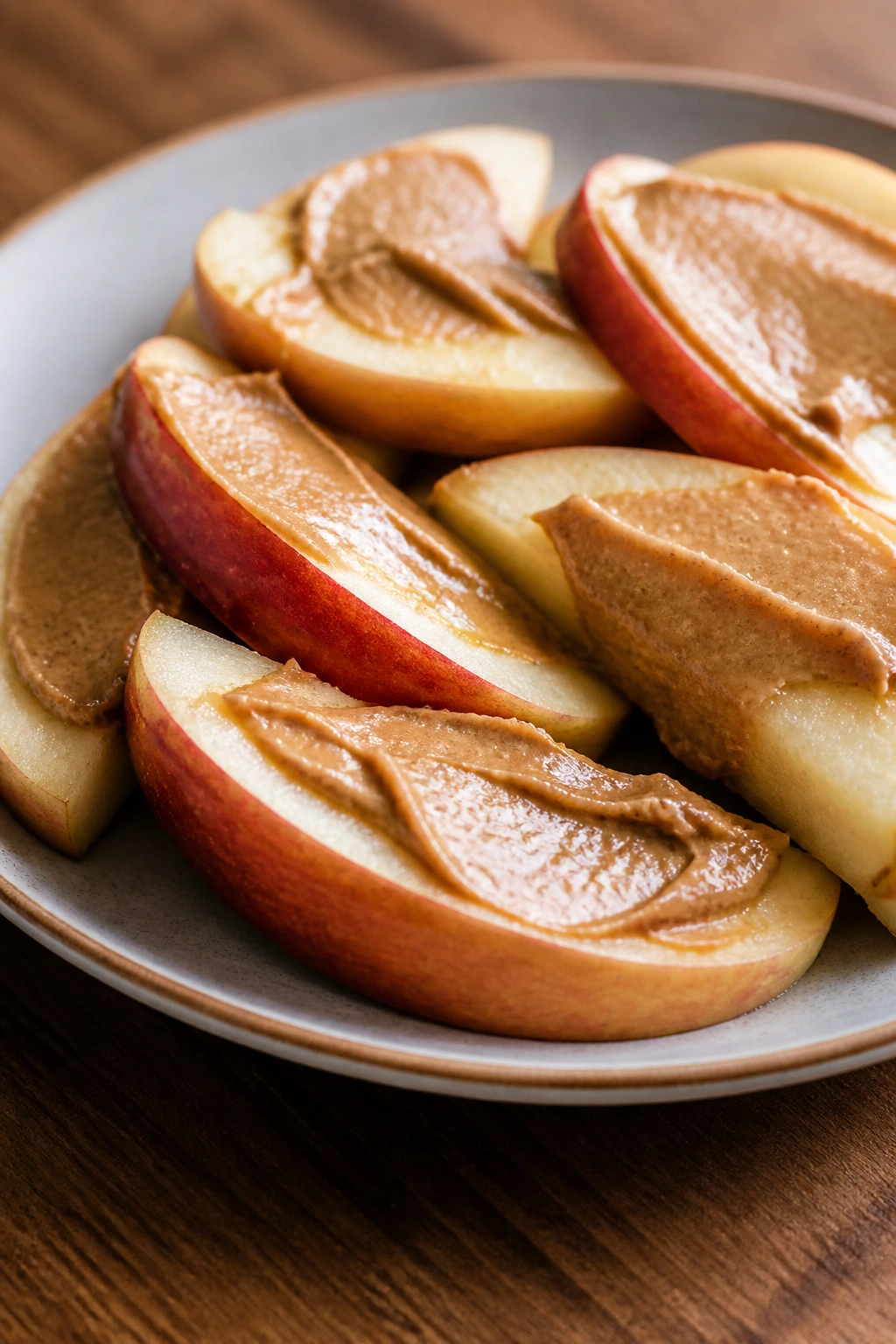
Have you ever felt shaky, nauseous, and weirdly irritated because lunch was still 40 minutes away? That is the moment when pregnancy hunger turns ugly. Waiting too long to eat can make morning sickness feel louder, not quieter.
I like a snack rhythm better than a rigid meal schedule. Every 2 to 4 hours is a useful target for many people when appetite is unstable. You are not trying to snack constantly. You are trying to avoid the crash that makes you eat fast, feel worse, and then start the cycle again.
A Simple Snack Formula
- 1 carb + 1 protein
- 1 fruit + 1 fat
- 1 crunchy thing + 1 creamy thing
Apple and peanut butter. Crackers and cheese. Toast and hummus. Trail mix with nuts and dried fruit. Those combinations are small, but they work because they slow down how fast food leaves your stomach.
One-sentence truth: empty stomachs can make nausea louder.
If you know your mornings are shaky, eat something before you get dressed. If afternoons always go sideways, keep a snack in your bag and another one in the car. That little bit of planning saves more misery than people expect.
3. Make Folate and Iron Part of the Daily Plan
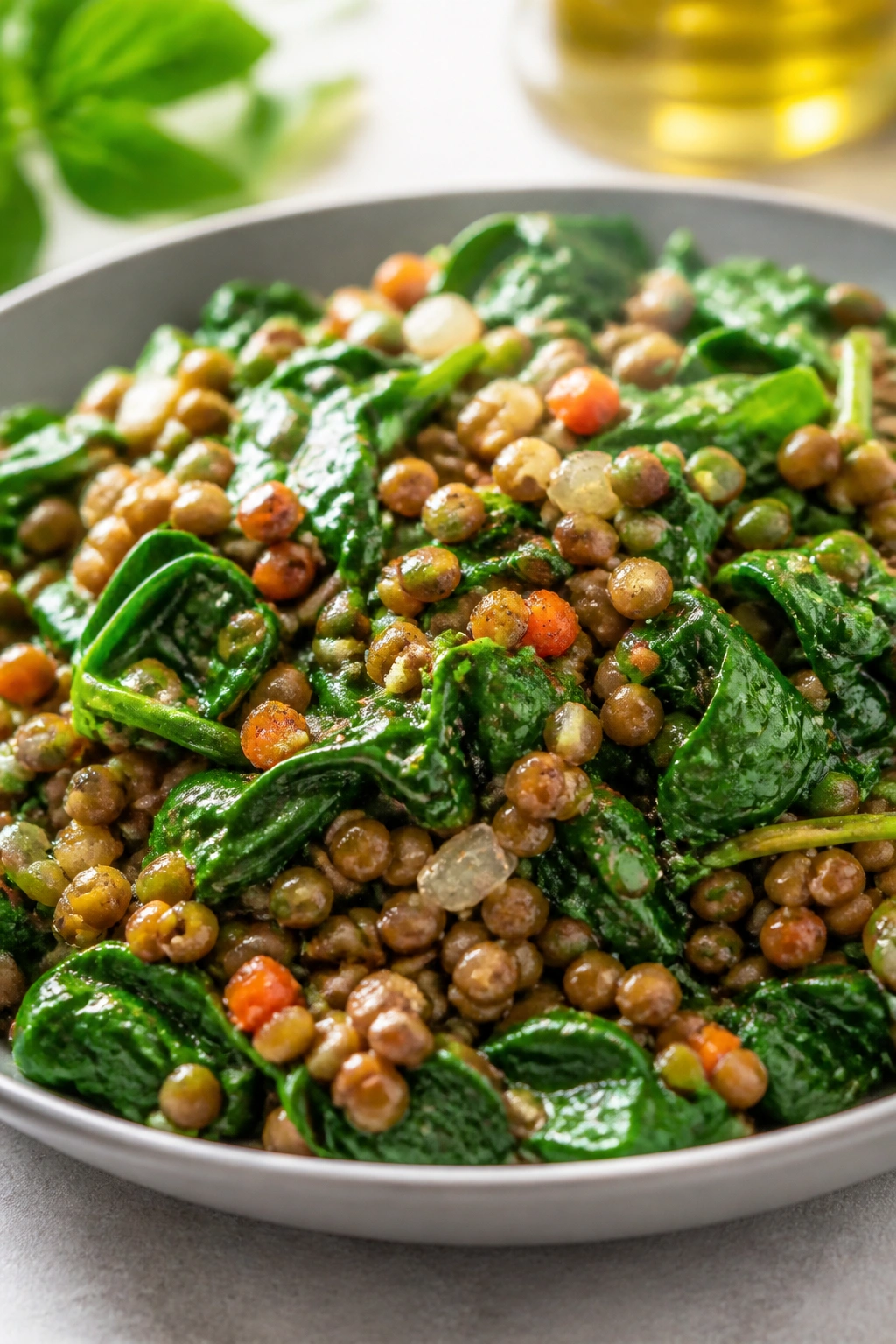
These two nutrients deserve front-row placement. Folate helps with early fetal development, and iron helps build the extra blood your body needs as pregnancy moves along. When iron runs low, you can feel tired in a way that sleep does not fix.
Food first is the right mindset here, even if your prenatal vitamin is doing some of the heavy lifting. Lentils, beans, spinach, edamame, fortified cereal, eggs, lean beef, turkey, and dried fruit all show up often in good pregnancy nutrition plans. Pair iron with vitamin C and you help your body absorb more of it.
Foods Worth Repeating
- Lentil soup with tomatoes
- Spinach in eggs or pasta
- Fortified oatmeal with strawberries
- Beef or turkey in a sandwich or bowl
- Beans with salsa or citrus on the side
If coffee or tea is a big part of your day, keep them away from iron-heavy meals when you can. A cup of tea with lunch is not the end of the world, but it is not ideal if you are trying to raise iron stores. If blood work shows anemia or low ferritin, ask your clinician before adding a separate iron supplement. More is not better with iron.
A small habit goes a long way: have one iron-rich food and one vitamin C food on the same plate most days.
4. Treat Hydration Like a Real Meal Issue
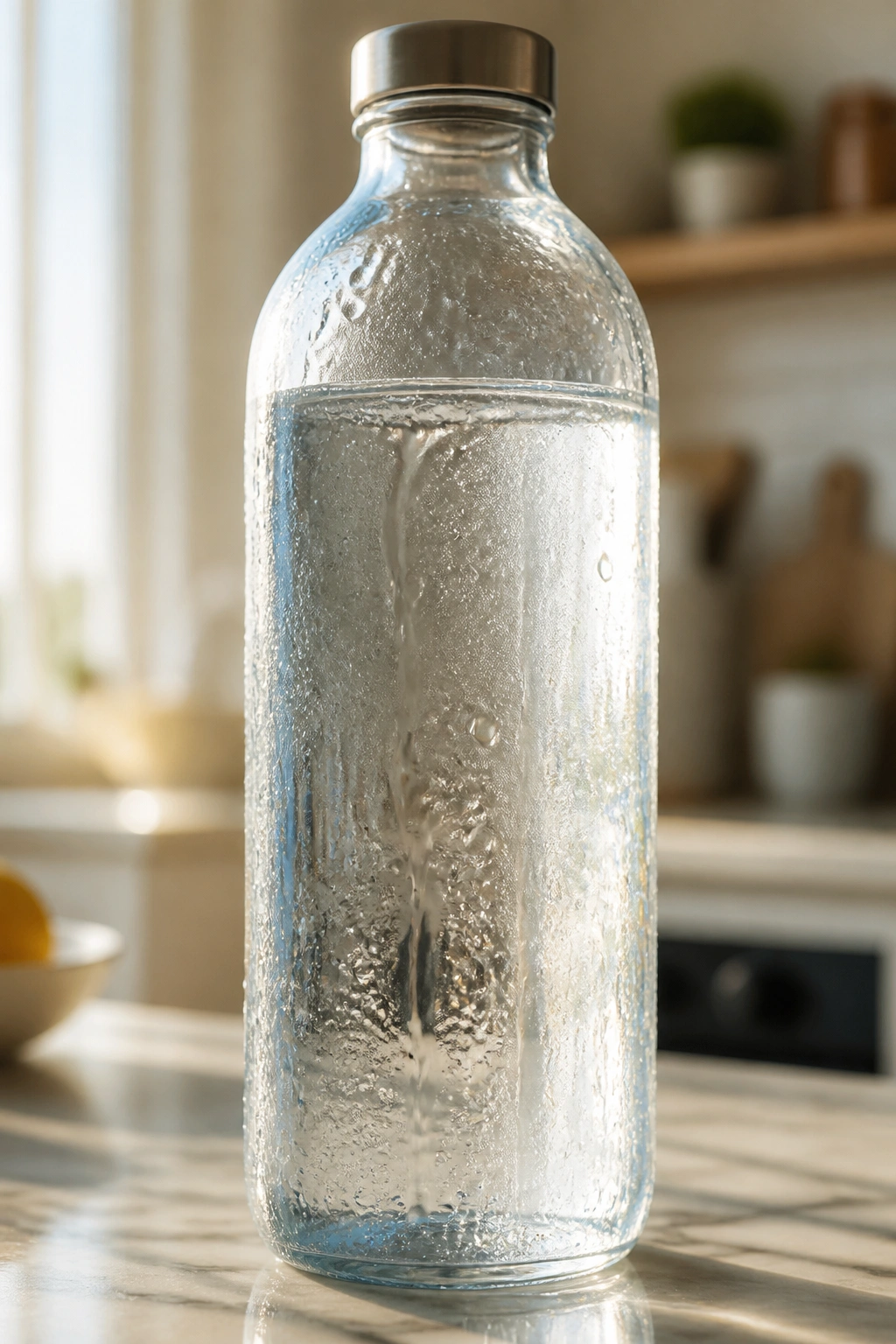
Dry lips, dark urine, and a pounding head are not small things in pregnancy. They are your body being annoyingly direct. If fluids are low, fatigue and constipation tend to show up faster, and nausea can feel sharper too.
Plain water is fine, but plenty of women do better with cold water, ice chips, broth, milk, diluted juice, or sparkling water if bubbles sit well. I’ve seen cold drinks go down more easily than room-temperature ones when nausea is rough. If sipping is easier than drinking, sip. That counts.
One sentence: waiting until you feel thirsty is late.
Try keeping a bottle with you and refilling it twice or three times a day. A big mug of broth can be a sneaky help on days when plain water feels boring. So can fruit with a lot of water in it—melon, oranges, cucumbers, strawberries—because food counts toward fluids more than people realize.
If you’re peeing only a few times a day or the color is deep yellow, you’re probably behind. If you can’t keep liquids down, that stops being a “try harder” problem and turns into a call-the-clinic problem.
5. Use Bland, Cold, and Small Meals for Nausea
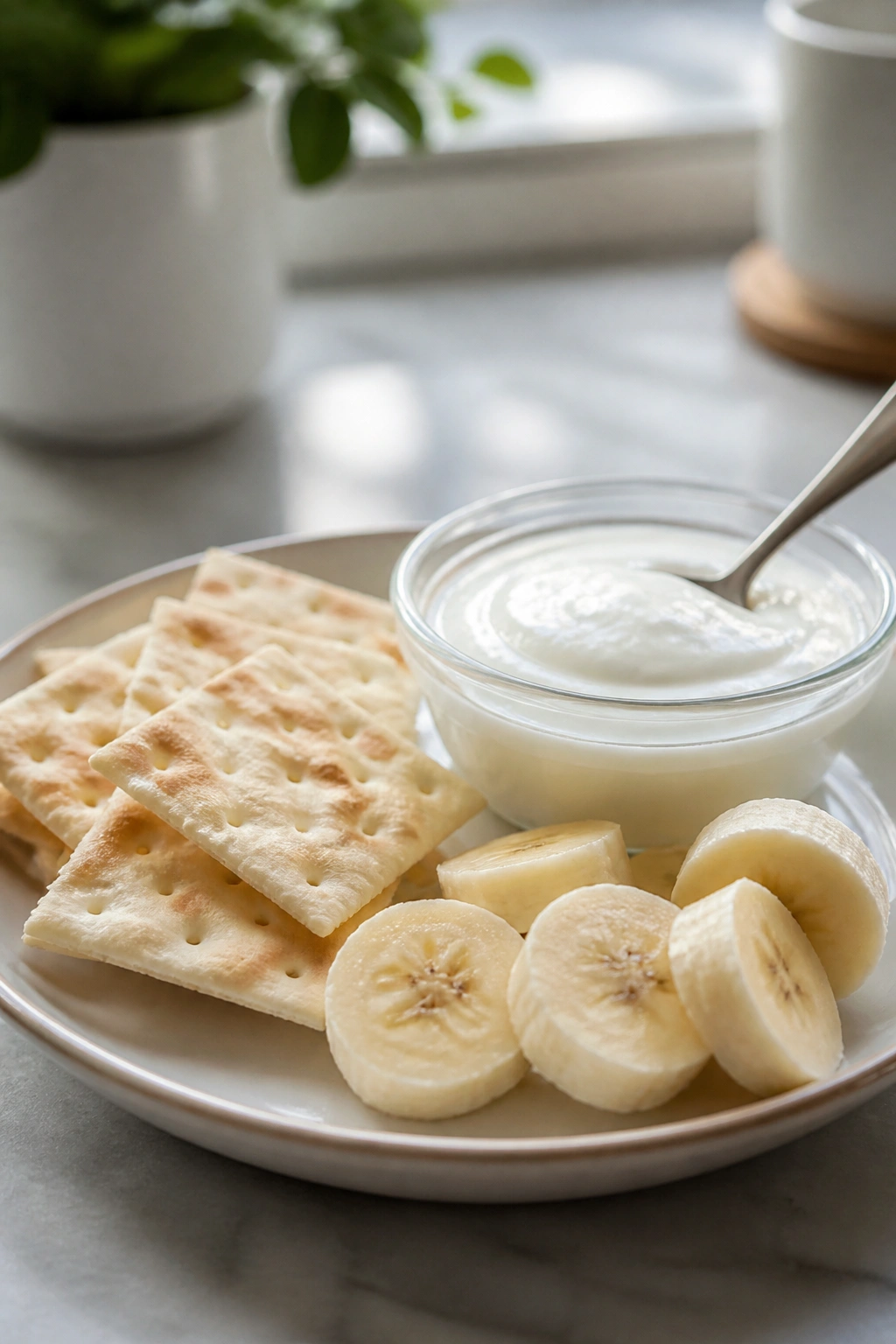
Morning sickness can make a baked salmon dinner feel like a bad joke. Smells matter. Texture matters. A food that used to be fine can suddenly feel too rich, too warm, or too much all at once.
Cold food often wins because it gives off less smell. Small portions help because an overfull stomach can turn the wrong way fast. And bland food is not a failure; it is a strategy. This is a season for plain, useful, repeatable food.
Foods That Tend to Sit Better
- Crackers
- Toast
- Rice
- Applesauce
- Plain cereal
- Yogurt
- Bananas
- Mashed potatoes
- Simple noodles
Ginger helps some people. So does keeping food dry in the morning and adding wetter foods later in the day. If a smell makes you gag, avoid the kitchen while someone else cooks. Seriously. That is not dramatic; that is self-preservation.
A hot meal can be fine at lunch and impossible at 8 a.m. A cold pasta bowl might work where a steaming casserole does not. If you’re vomiting a lot, losing weight, or getting dehydrated, that is not a normal nuisance. Get medical help.
6. Don’t Fear Carbs — Choose the Ones That Stick
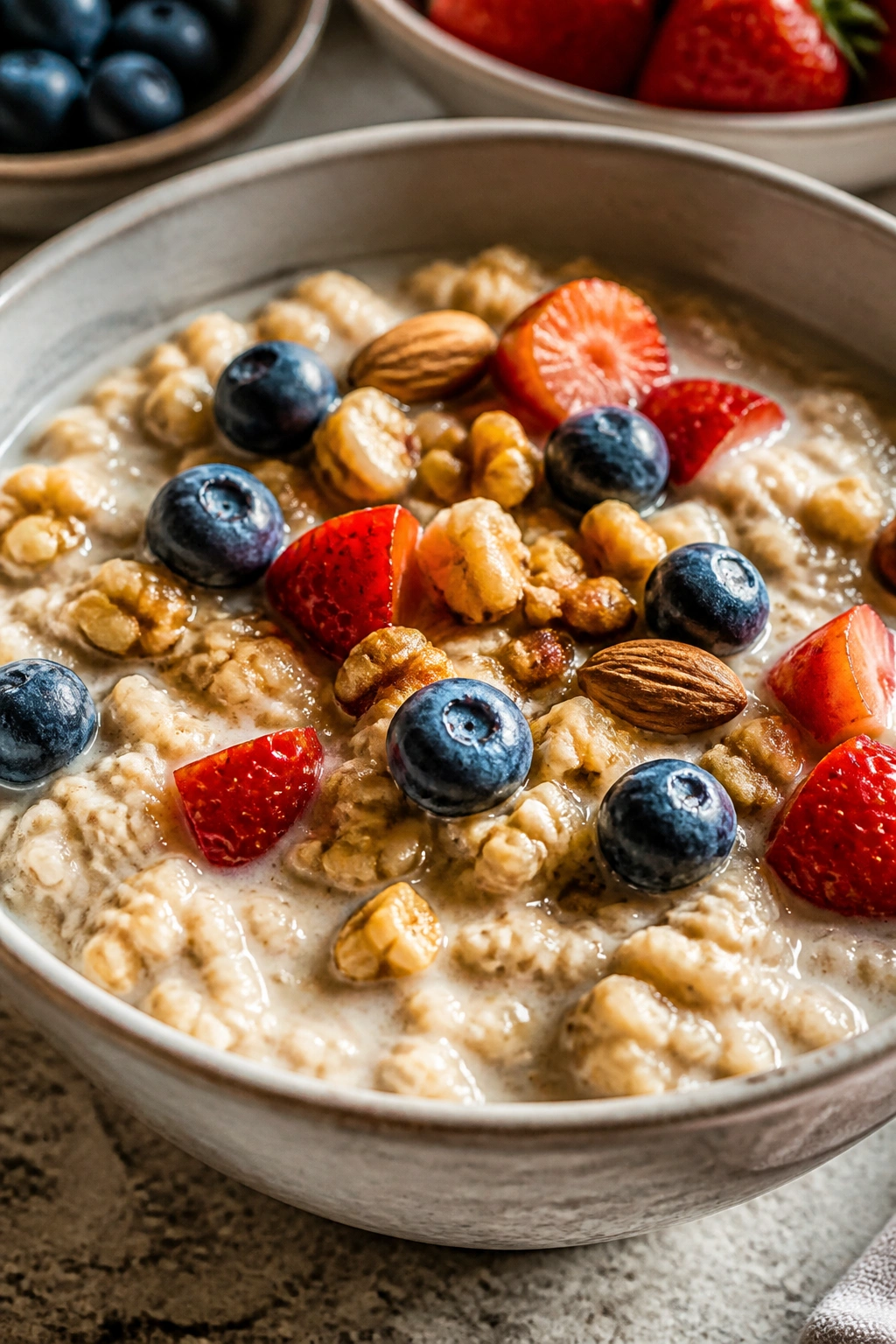
Carbs are not the villain here. Pregnancy takes energy, and if you cut carbs too hard, you can end up tired, nauseous, and hungry in the worst way. Whole grains, potatoes, oats, fruit, beans, rice, and bread all have a place.
The trick is to stop treating carbs like they need to show up alone. A bowl of oatmeal with milk and nuts works better than plain oatmeal. Toast with avocado or peanut butter lands better than dry toast for many women. Carbs plus protein is the move.
I’d rather see you eat a bowl of rice with chicken and vegetables than force yourself through a sad salad and then raid the pantry an hour later. There is nothing noble about being underfed.
If you have gestational diabetes or you’ve been told to watch your blood sugar, follow that plan. Otherwise, don’t panic every time a potato shows up on your plate. In pregnancy, potatoes are not a moral issue. They’re a food.
7. Put Fiber on the Plate Before Constipation Starts
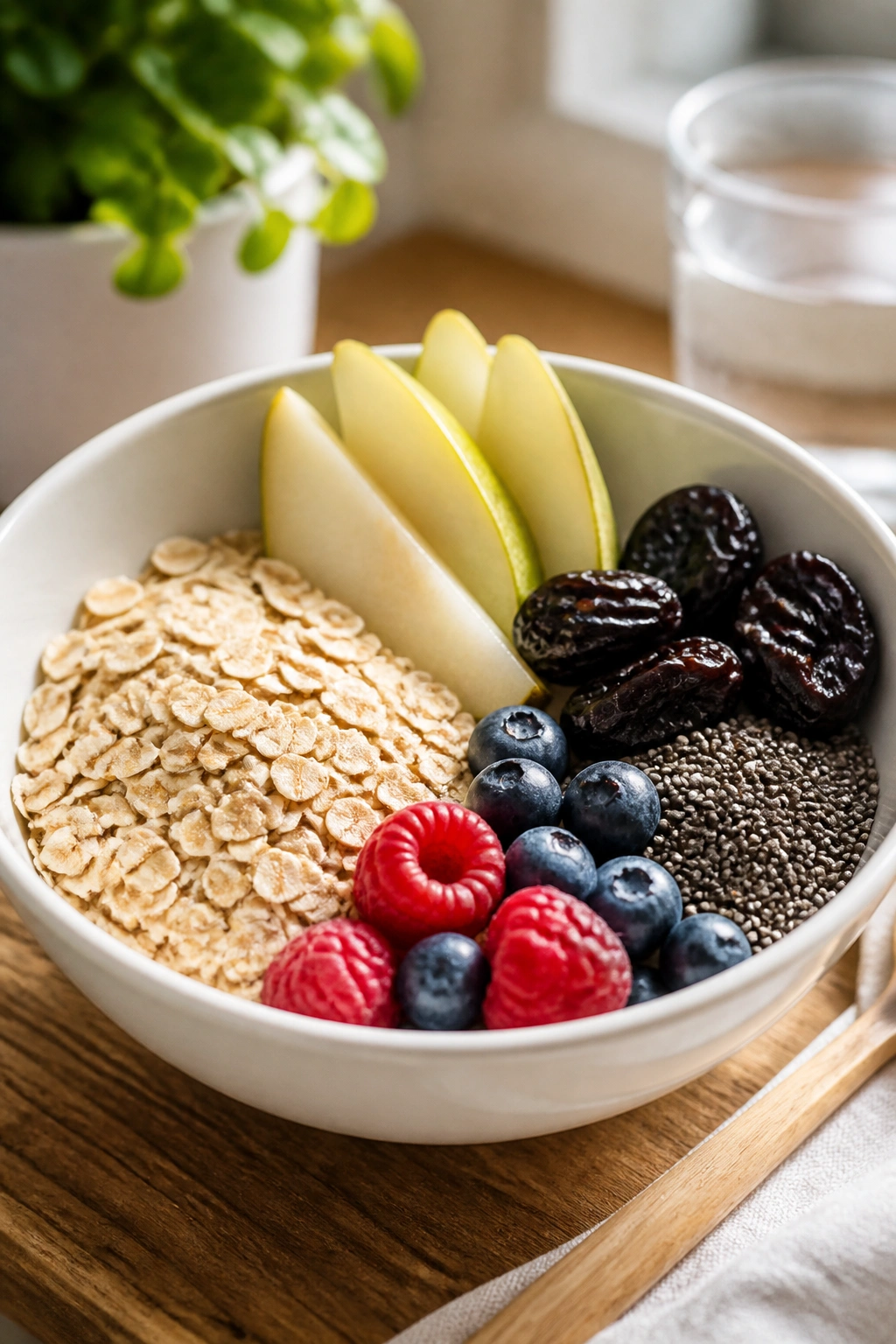
If you are living on cheese, crackers, and dry cereal, constipation will show up with an attitude. Pregnancy hormones slow digestion, and iron supplements can slow it down even more. Waiting until you’re uncomfortable is the wrong time to think about fiber.
Most people do better when they build toward roughly 25 to 30 grams of fiber a day, but do it slowly. Jumping from almost none to a giant bean-and-bran explosion can leave you bloated and miserable. That’s not the goal.
Good Fiber Sources
- Oats
- Pears
- Prunes
- Beans and lentils
- Chia seeds
- Berries
- Whole-grain bread
- Broccoli and carrots
More fiber without more fluid is a trap. Add both. And if you can, walk a little after meals. Ten or 15 minutes around the house or outside can help your gut move along without making a big production out of it.
One honest note: some women need prunes and water. Others need a daily yogurt with berries and oats. Same problem, different fix. If you haven’t had a bowel movement in several days, or you’re in pain, mention it to your clinician before reaching for random remedies.
8. Be Picky About Food Safety and Leftovers
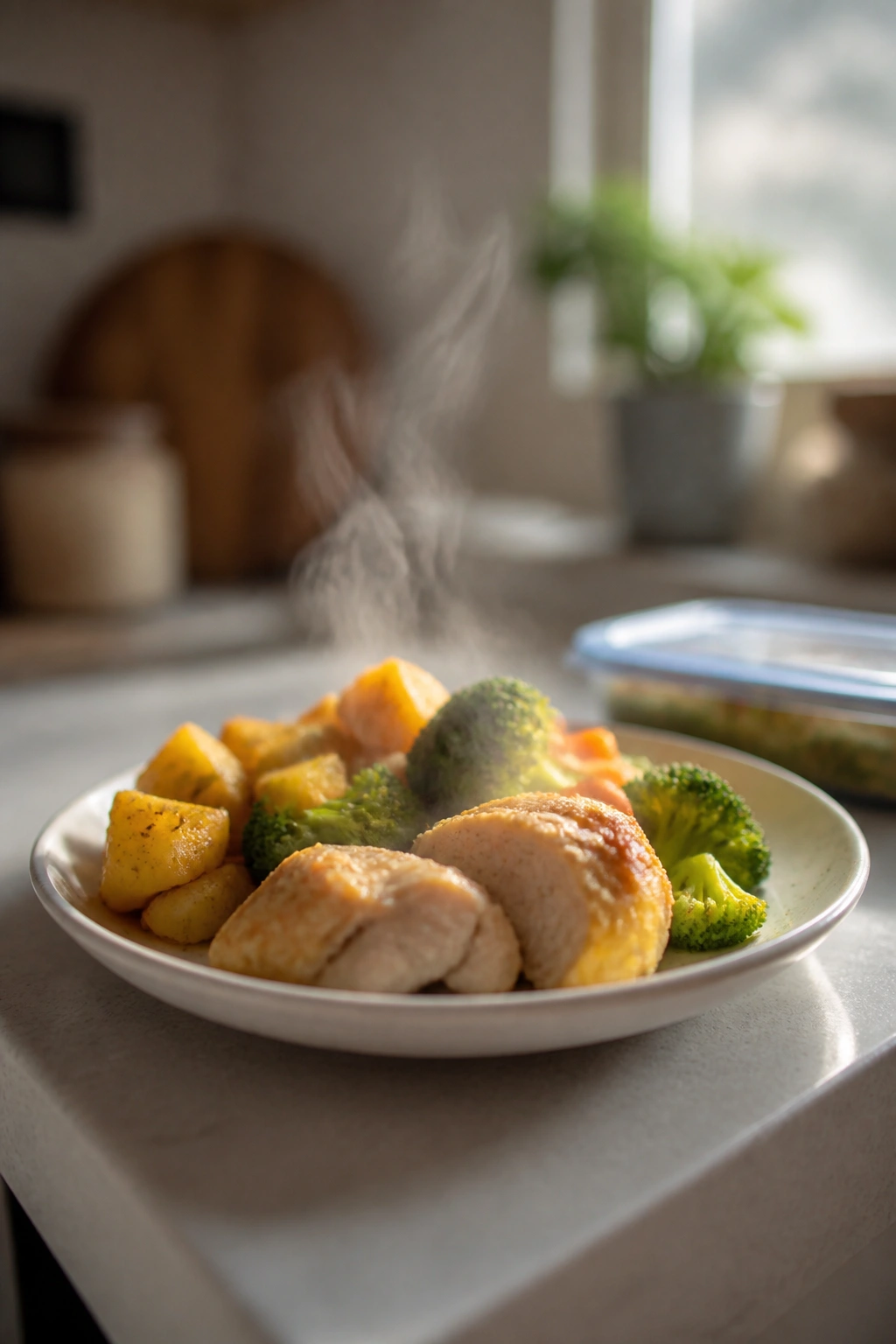
Pregnancy is not the time to be casual with leftovers. That sounds dramatic until you look at the list of avoidable problems: listeria, undercooked eggs, unpasteurized dairy, raw sprouts, and meats that sat too long on the counter. The FDA’s food-safety advice exists for a reason.
Heat deli meats until they’re steaming if you want them. Skip unpasteurized milk and soft cheeses unless the label says they’re pasteurized. Cook eggs until the whites and yolks are firm. Wash produce well. Keep raw meat away from ready-to-eat food. Those habits are boring, and boring is good.
A quick safety checklist:
- Reheat leftovers until steaming hot
- Refrigerate cooked food within 2 hours
- Avoid raw sprouts
- Wash cutting boards after raw meat
- Keep raw fish and undercooked seafood off the table
I know this section feels less fun than talking about cravings, but it matters more than most cute snack advice. A foodborne illness in pregnancy can get serious fast. If you’re tired and tempted to wing it, use the simpler route: hot food hot, cold food cold, and no guessing about whether something has been sitting out too long.
9. Keep Calcium and Vitamin D Quietly in the Mix
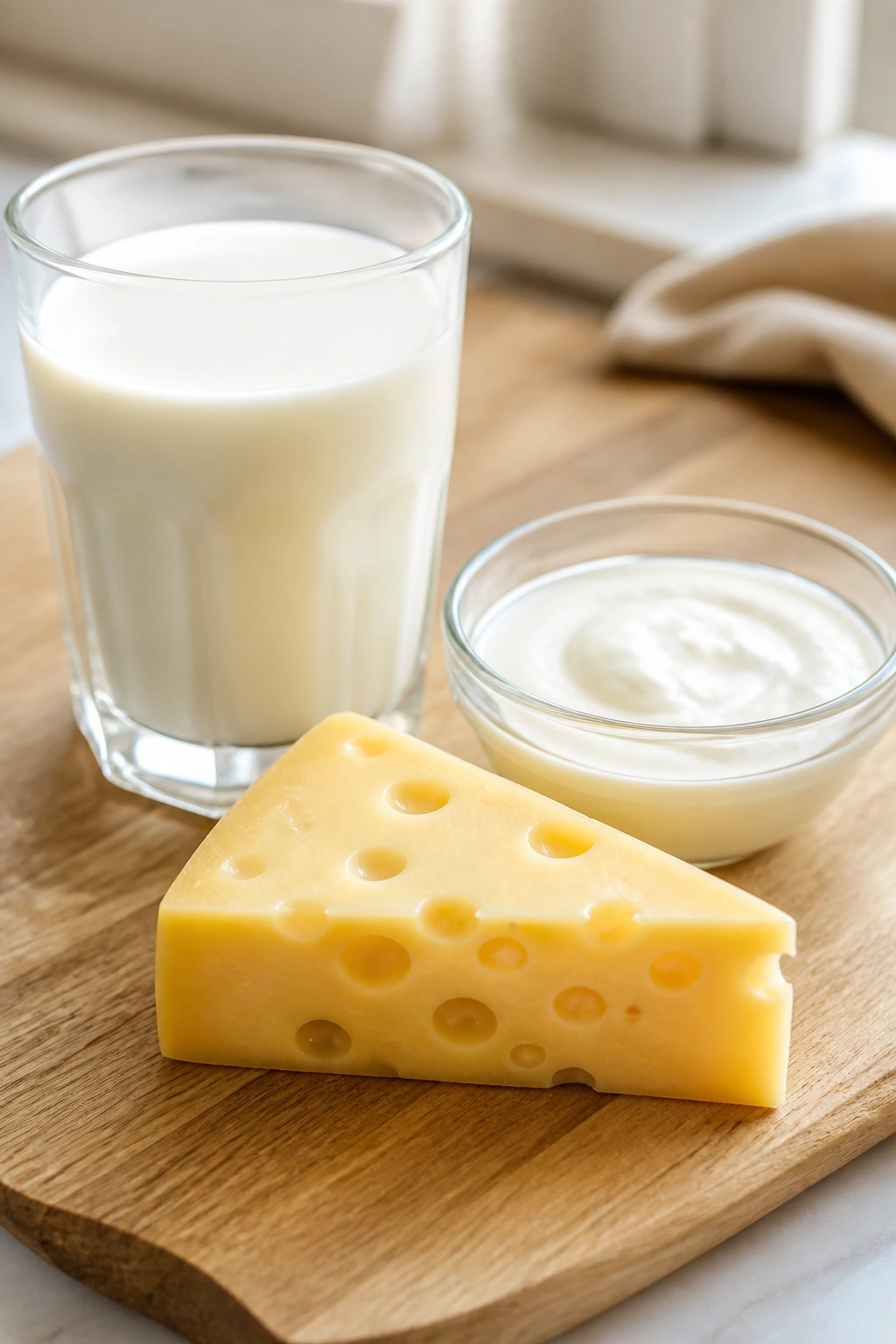
Bones are being built whether you think about them or not. Calcium helps with that, and vitamin D helps your body use calcium the way it should. The upside is that you do not need a weird diet to get there.
Milk, yogurt, cheese, fortified soy milk, calcium-set tofu, canned sardines with bones, and some fortified cereals can all help. If dairy makes you queasy, fortified soy milk is the one I reach for first because it often behaves more like regular milk in recipes and has a decent protein count too.
A glass of milk with breakfast. Yogurt with lunch. Cheese on a sandwich. That kind of plain, steady pattern works better than waiting for a giant calcium “fix” once a week.
If you rarely get sun or your blood work shows low vitamin D, ask your clinician whether a supplement makes sense. Don’t guess. Vitamin D is useful, but random high doses are not a hobby.
One small win: two dairy or fortified alternatives a day can cover more ground than you think.
10. Include Omega-3s and Choline for Brain Support
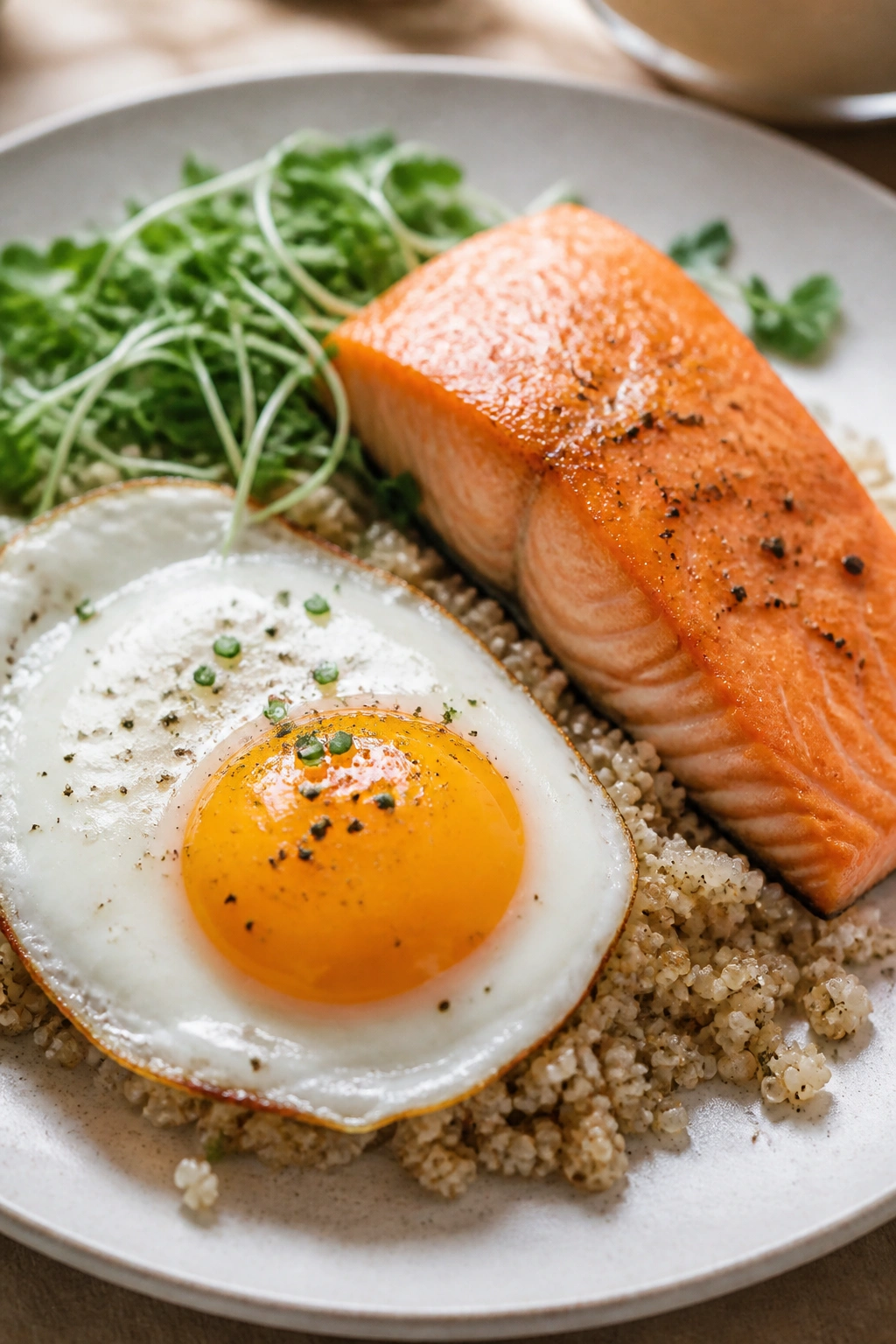
An egg does more than fill a plate. Eggs are one of the easiest sources of choline, and choline matters for fetal brain and spinal cord development. That is a mouthful, but the food itself is simple.
Omega-3 fats, especially DHA, get most of the attention from fish. Salmon, sardines, trout, and other low-mercury fish are smart choices if you eat seafood. Many pregnancy nutrition plans point to two servings of low-mercury fish a week as a useful target.
Easy Ways to Get More of Both
- Scrambled eggs at breakfast
- Salmon on a grain bowl
- Sardines on toast with lemon
- Tuna salad in modest portions
- Soy foods like edamame or tofu
If you do not eat fish, eggs and soy foods still help with choline, and walnuts, chia, and flax can bring in some healthy fats. They do not replace DHA in the same way, though, so that part is worth knowing. If you want a DHA supplement, ask your clinician which one makes sense.
I am not fond of the old fear that all fish is off-limits. It is not that simple. The bigger issue is choosing low-mercury fish and leaving the giant predatory fish alone.
11. Stop Comparing Your Plate to Your Pre-Pregnancy Meals
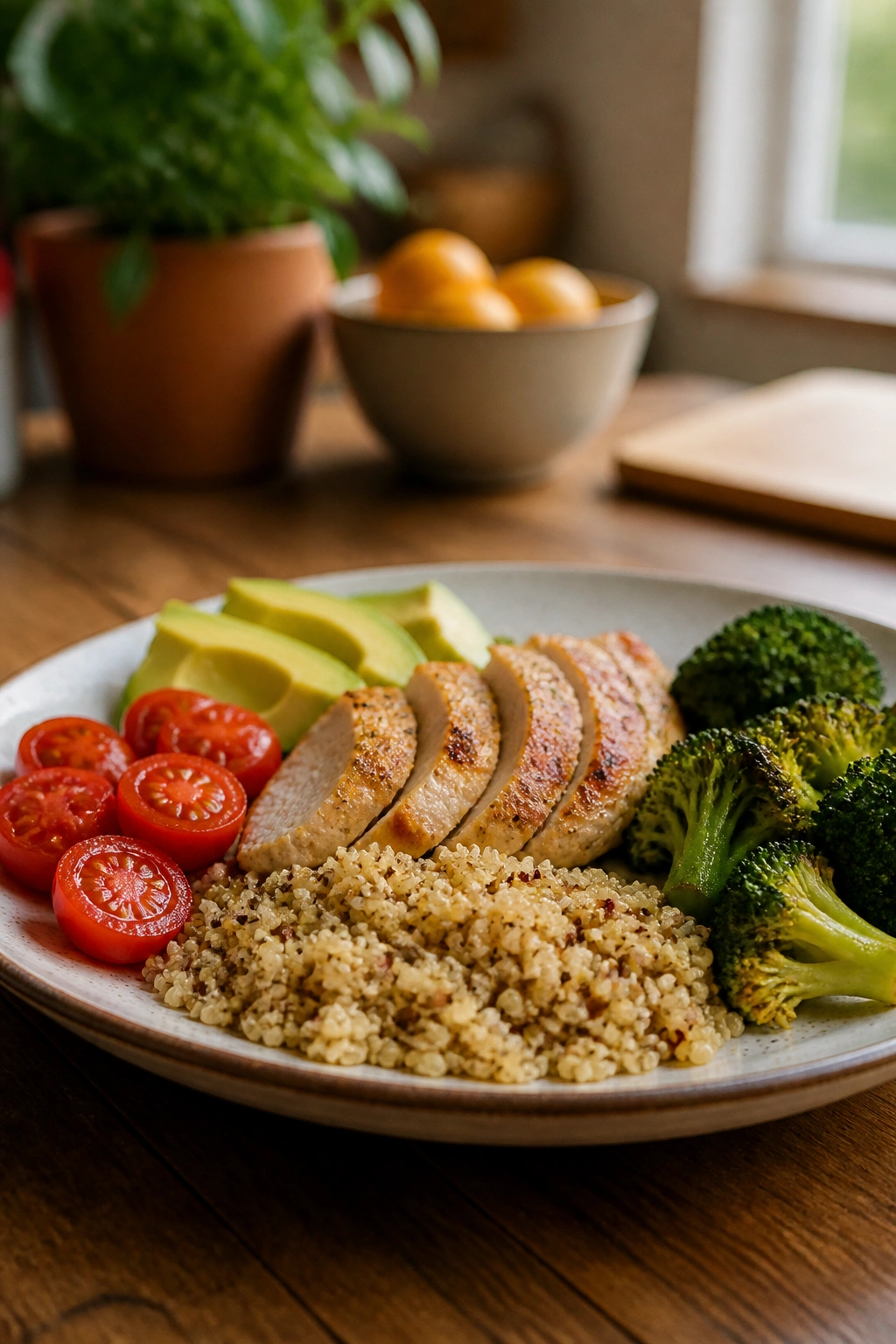
Pregnancy hunger is not a character flaw. Some days you need more food than you think you “should.” Other days the food you used to love will sit there looking innocent and then make you nauseous the minute you smell it.
A tiny lunch and a heroic snack plan can still leave you wiped out. I would rather see a larger lunch and a quieter afternoon than a dainty plate and a 4 p.m. crash. Your old eating rules may need to loosen up.
There is something freeing about admitting that a salad is not always enough. Sometimes it is enough. Sometimes it is a side dish. Sometimes the better lunch is a sandwich, soup, fruit, and a handful of nuts.
If you are constantly second-guessing portions, ask a simpler question: did this meal keep me steady for the next few hours? That answer is more useful than whether the plate looked tidy.
And yes, there will be days when food choices feel random. That is part of it. The job is not to eat like a nutrition textbook. The job is to stay nourished enough to feel like yourself.
12. Plan Around Cravings Instead of Fighting Them
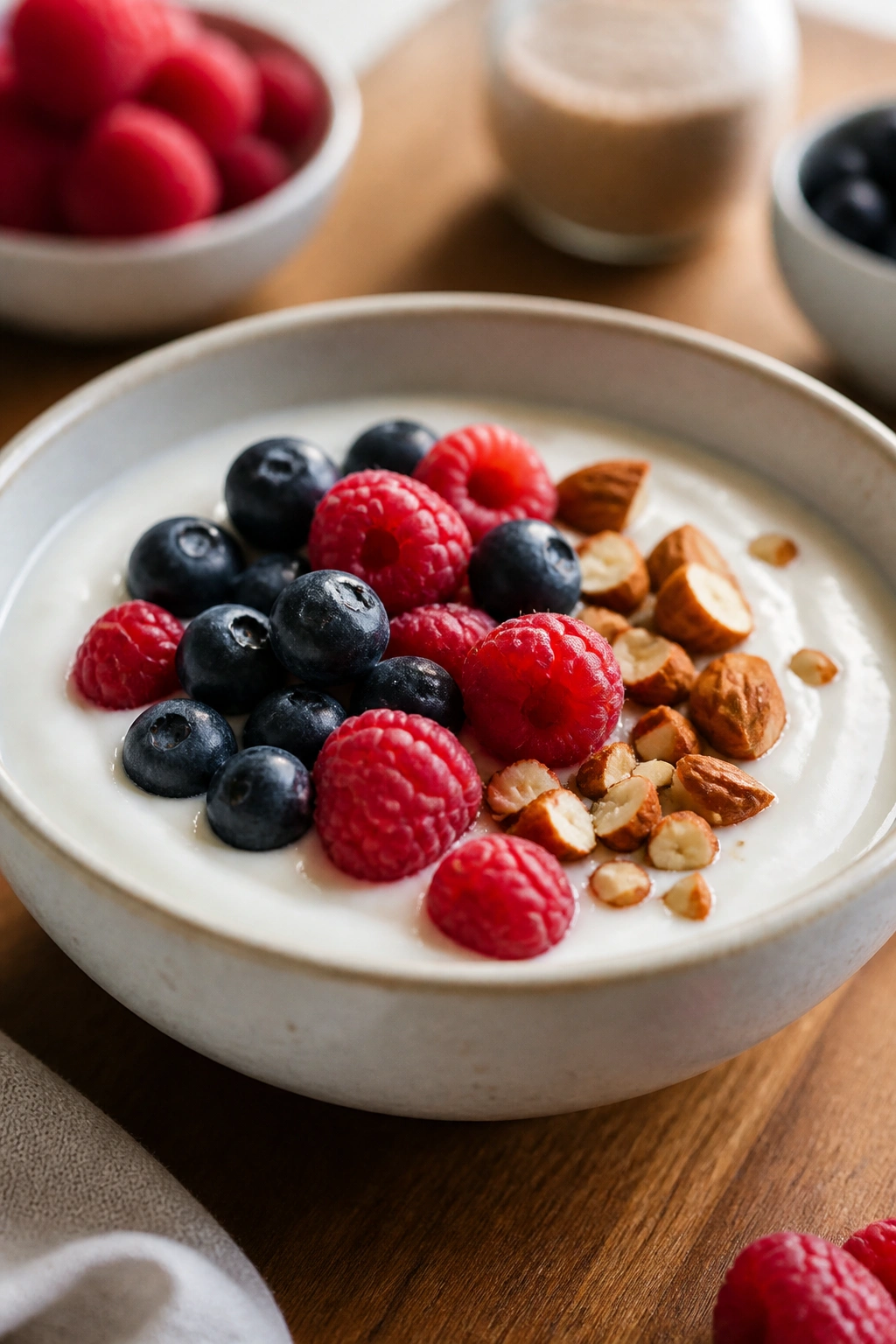
The salted popcorn at 10 p.m. may mean you need more food, not better discipline. Cravings in pregnancy can be about salt, texture, nausea relief, or plain old energy. Fighting them hard usually makes the whole thing louder.
I like a middle path. If you want something sweet, pair it with yogurt, nuts, or a meal instead of eating it on an empty stomach. If you want something crunchy, keep crunchy things around that also bring some nutrition—roasted chickpeas, whole-grain crackers, nuts, granola. Cravings are easier to manage when they are not treated like a moral failure.
A few examples work better than rules:
- Ice cream after dinner instead of as dinner
- Pickles with a sandwich, not instead of one
- Fruit with peanut butter when you want candy
- Salty soup when nausea is making food feel impossible
One thing to watch: craving ice, dirt, paper, or other non-food items needs a clinician call. That can point to iron deficiency or another issue that should not be ignored. Ordinary cravings are normal. Strange cravings deserve a little more attention.
13. Keep Emergency Meals in the House
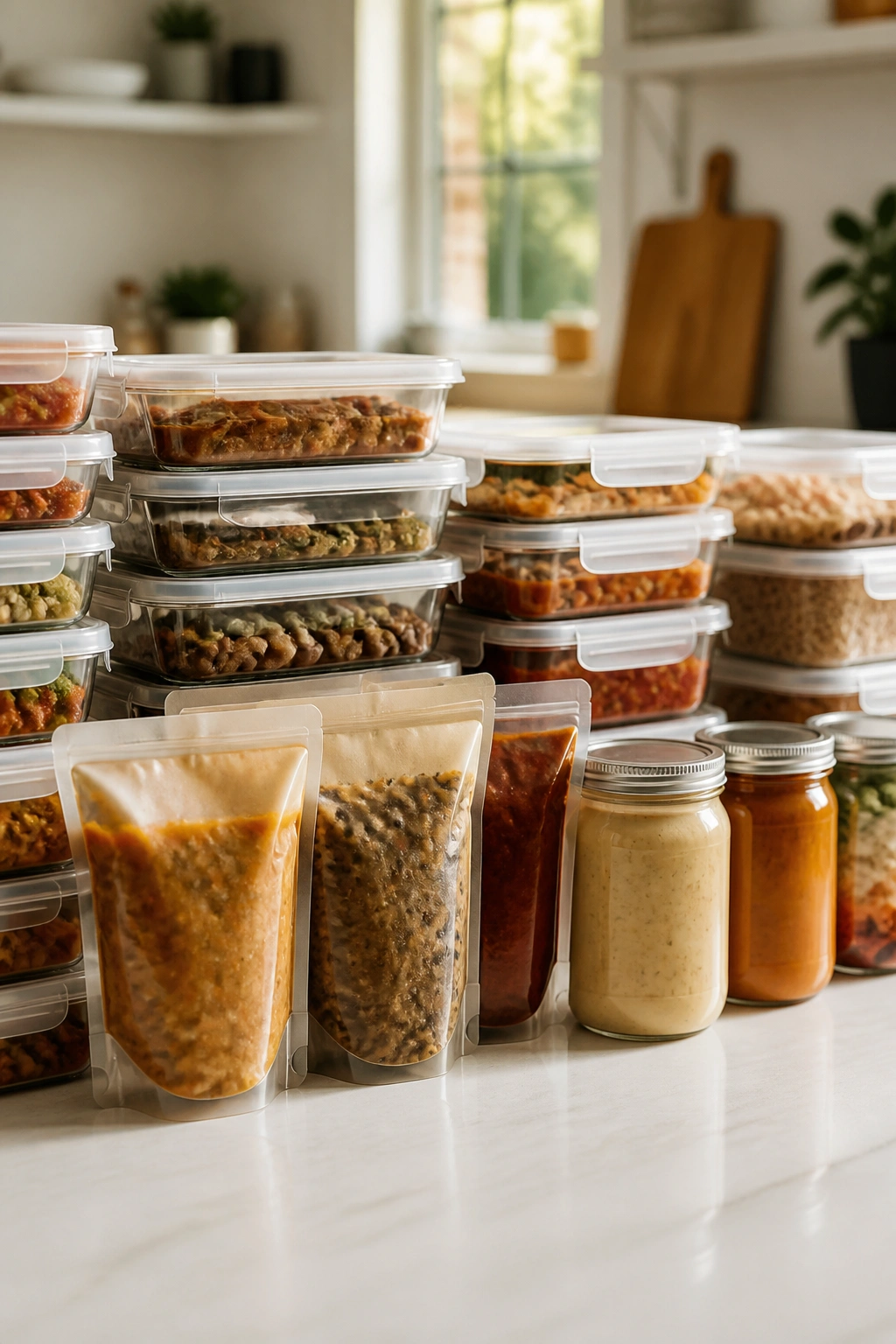
Future-you needs food in the house. Not ingredients with aspirational energy. Food. Ready-to-use stuff that can become dinner when you are tired, queasy, or standing in the kitchen wondering why nothing smells right.
I like to keep a few freezer and pantry staples on hand so dinner can happen in 10 to 15 minutes without a full cooking project. The goal is not fancy. The goal is “good enough and safe.”
Grocery Staples That Save the Day
- Eggs
- Greek yogurt
- Frozen berries
- Whole-grain bread
- Microwave rice
- Canned beans
- Frozen vegetables
- Soup
- Tortillas
- Cheese
- Peanut butter
- Oatmeal
Fast Meal Combos
- Scrambled eggs, toast, fruit
- Rice, beans, salsa, cheese
- Soup with crackers and yogurt
- Peanut butter toast with banana
- Frozen veg tossed into noodles or rice
That little pile of backup food keeps you from skipping meals when the day gets weird. And pregnancy days do get weird. A stocked kitchen is a calmer kitchen, which usually means better eating by default.
14. Know Where Caffeine, Prenatal Vitamins, and Supplements Fit
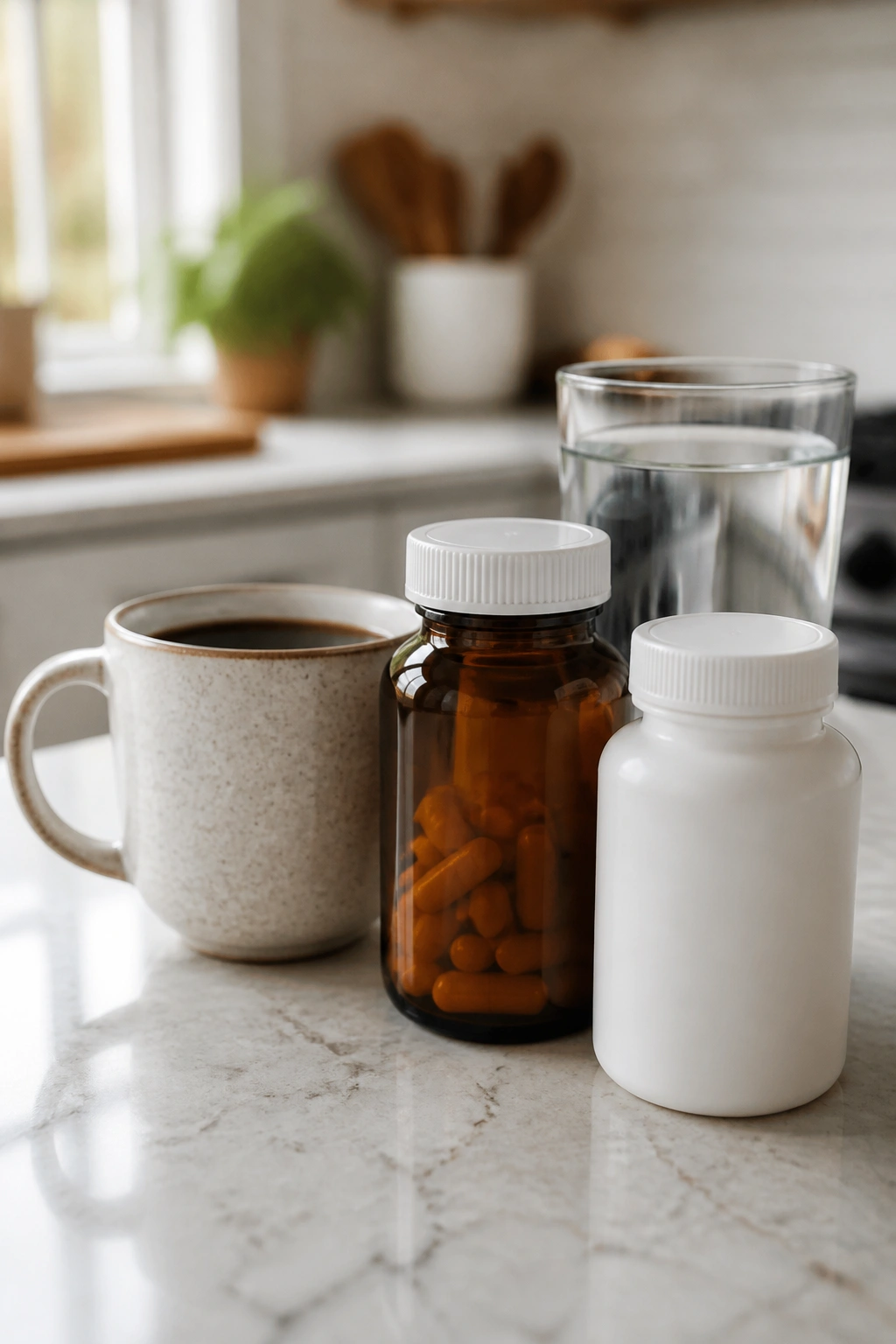
Where does coffee fit? Usually in moderation. A common pregnancy limit people hear from obstetric guidance is around 200 mg of caffeine a day, but check your own care plan if your clinician has given you different advice. Coffee, tea, soda, energy drinks, and even chocolate all count in small ways.
Prenatal vitamins help, but they do not replace meals. If yours makes you nauseous, try taking it with food, at night, or with a different type of vitamin after asking your clinician. Gummy prenatals can be easier to swallow, but many of them leave out iron, so read the label. That detail trips people up all the time.
A few supplement habits are worth keeping simple:
- Do not stack extra iron without advice
- Do not take high-dose vitamin A unless your clinician says to
- Tell your care team about herbal supplements
- Check whether calcium or iron should be taken at different times
The smell of a prenatal can be enough to turn your stomach if you take it on an empty one. I have seen that happen again and again. Take it with a snack if needed, and move on.
15. Watch Your Own Patterns and Adjust Without Drama

Keep a tiny note on what your body tolerates. Not a fancy app, not a spreadsheet with color coding unless that makes you happy. A few lines in your phone are enough: what you ate, what time you ate it, how you felt an hour later, and whether smell, texture, or temperature made a difference.
Cold lunch okay, hot lunch not okay. Eggs fine one day, impossible the next. Smoothies easier before noon, heavier food better after 2 p.m. Those patterns matter because pregnancy often has a rhythm, even when it feels random.
The best diet is the one you can repeat. That is the real point here. If one breakfast works three days in a row, keep it. If a certain smell sends you running, stop forcing it. If a food leaves you hungry too fast, add protein or fat and try again.
If you are vomiting often, losing weight, feeling dizzy, or worried you are not keeping enough food down, call your clinician. That is not overreacting. It is taking the body signals seriously, which is a much better habit than trying to be stoic about everything.
Final Thoughts
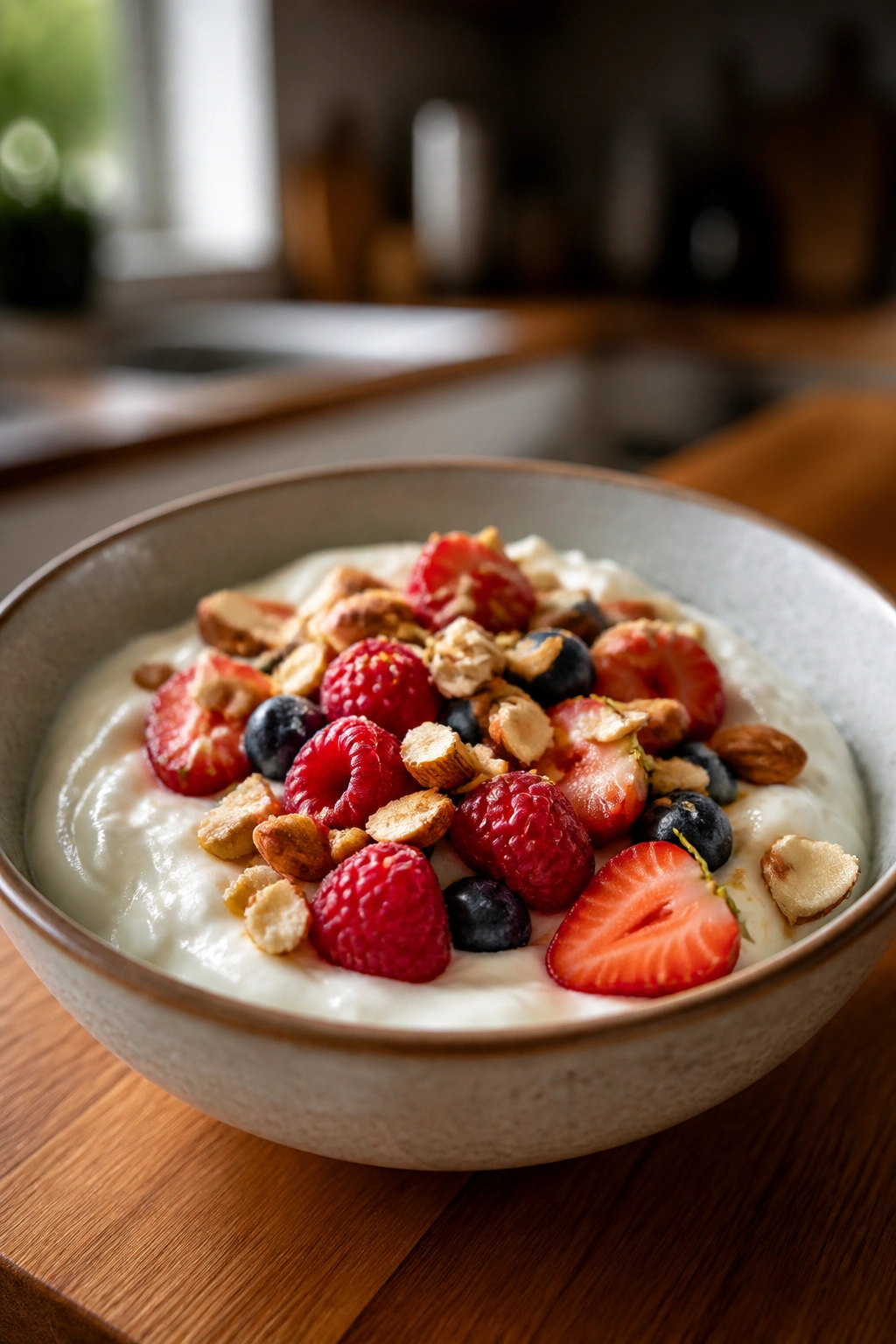
The smartest pregnancy eating plan is not fancy. It is repeatable. Protein at breakfast, a snack before you get desperate, enough fluid to keep your mouth from going dry, and food safety habits that don’t invite trouble.
I like simple meals for first-time moms because simple meals survive real life. They survive nausea, weird schedules, and the odd day when only three foods sound acceptable. And honestly, that is the whole game.
Keep the foods that work. Retire the ones that do not. Then do it again tomorrow.
