



Pregnancy appetite can be a moving target. Some days, toast wins. Other days, the smell of warm soup is the only thing that sounds friendly.
The trick with healthy pregnancy meals is not making them fancy. It’s making them sit well, keep you full, and cover the basics that matter most: protein, iron, calcium, choline, folate, fiber, and enough fluid to keep everything moving. I’ve kept these meals on the practical side, with cooked eggs, pasteurized dairy, low-mercury fish, legumes, grains, lean meat, and flavors that behave themselves when nausea, reflux, or a suddenly picky appetite shows up.
Nausea does not care about ambition.
So the meals here lean into soft textures, gentle spice, steady energy, and ingredients you can find without hunting through three specialty stores. Some are good on rough first-trimester mornings. Some make lunch easier when appetite comes roaring back. A few are built for the heavier, slower third trimester when you want something filling that won’t sit like a brick. The point is simple: food that gets eaten beats food that looks virtuous and then ends up in the fridge.
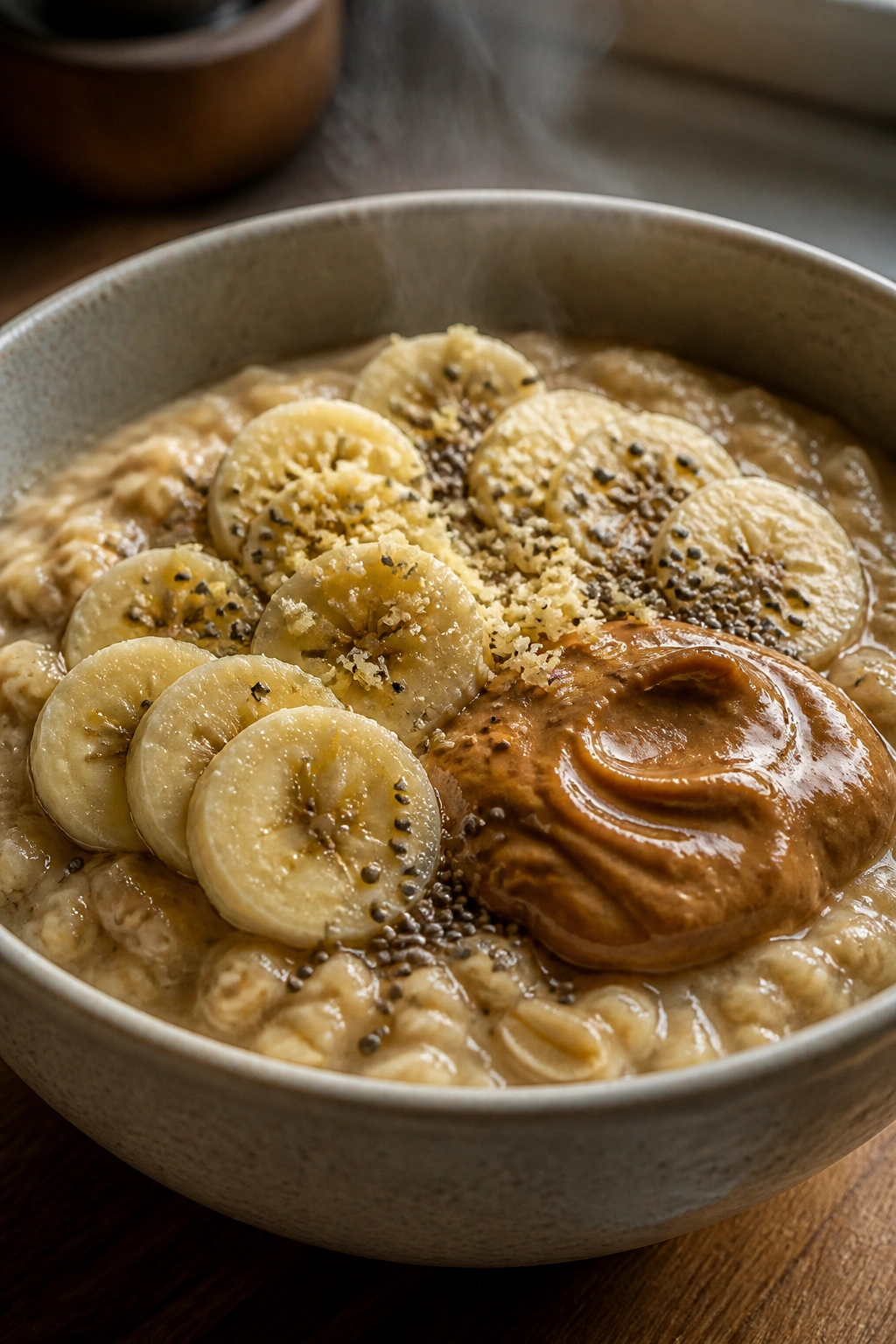
1. Ginger Oatmeal With Banana, Chia, and Almond Butter
Some mornings need a soft landing. This bowl does that job without making a fuss. Oats bring steady carbs, banana adds sweetness and potassium, chia thickens the bowl and gives it more staying power, and a spoonful of almond butter keeps you from being hungry again at 10:15.
Why It Works in the First Trimester
Ginger is the quiet hero here. A little grated ginger or a pinch of ground ginger can make a warm bowl feel more tolerable when your stomach is fussy, and oats are one of the few breakfast foods that tend to feel kind instead of aggressive. The texture matters more than people admit. Thick, creamy, and not too sweet usually wins.
If you’re having a hard time facing hot food, cook the oats with extra milk and let them cool for two minutes. That tiny pause makes a difference. I also like to add the banana at the end so it softens only a little, not into complete mush.
- Use 1/2 cup rolled oats with 1 cup milk or fortified soy milk.
- Stir in 1 teaspoon fresh grated ginger or 1/4 teaspoon ground ginger.
- Top with 1 sliced banana, 1 tablespoon chia seeds, and 1 tablespoon almond butter.
- Add cinnamon if you want warmth without more spice.
Small tip: make it with a little extra liquid if smells are setting you off. A looser bowl often goes down easier.
2. Greek Yogurt Parfait With Berries, Walnuts, and Toasted Oats
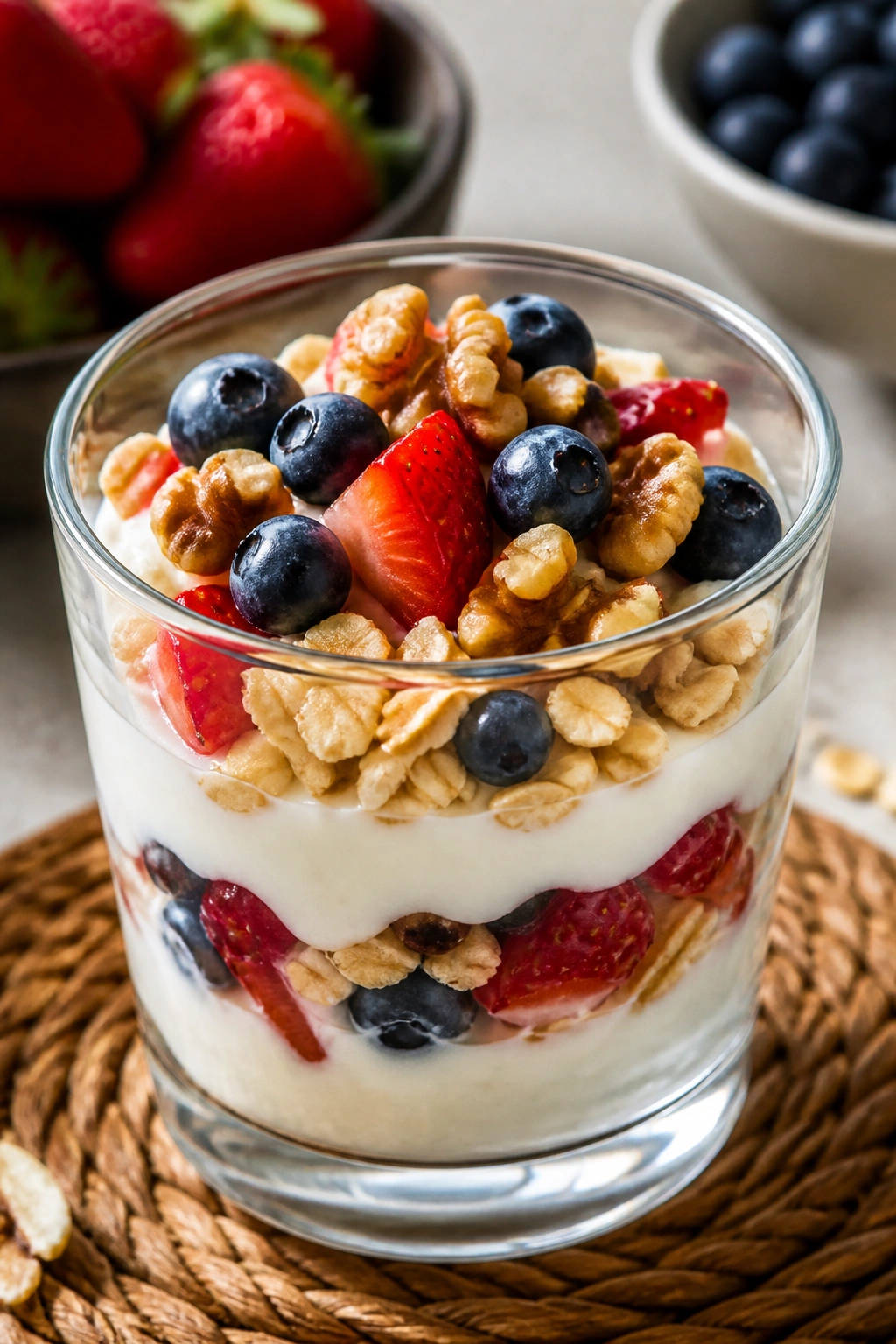
Cold food wins on rough mornings. That’s not a moral statement. It’s just reality.
Greek yogurt brings protein and calcium, berries add vitamin C and a bright bite, and walnuts plus toasted oats keep the whole thing from feeling like dessert dressed up as breakfast. If first-trimester food aversions are hitting hard, this is one of the easiest healthy pregnancy meals to keep on rotation because it’s gentle, fast, and completely adjustable.
What I like most is the contrast. Creamy yogurt, cold berries, crunchy nuts, and toasted oats give you enough texture to feel like a meal without being heavy. Full-fat yogurt tastes richer and usually helps with fullness, but low-fat works too if that’s what you keep around.
For assembly, layer 3/4 cup plain Greek yogurt, 1/2 cup berries, 2 tablespoons chopped walnuts, and 1/4 cup toasted oats. A drizzle of honey is fine if your stomach likes it. If not, skip it. No drama.
If fresh berries are too sharp, use thawed frozen berries and drain off the extra juice. They turn softer and a little sweeter. That can be the difference between “I can eat this” and “absolutely not.”
3. Lentil and Sweet Potato Soup
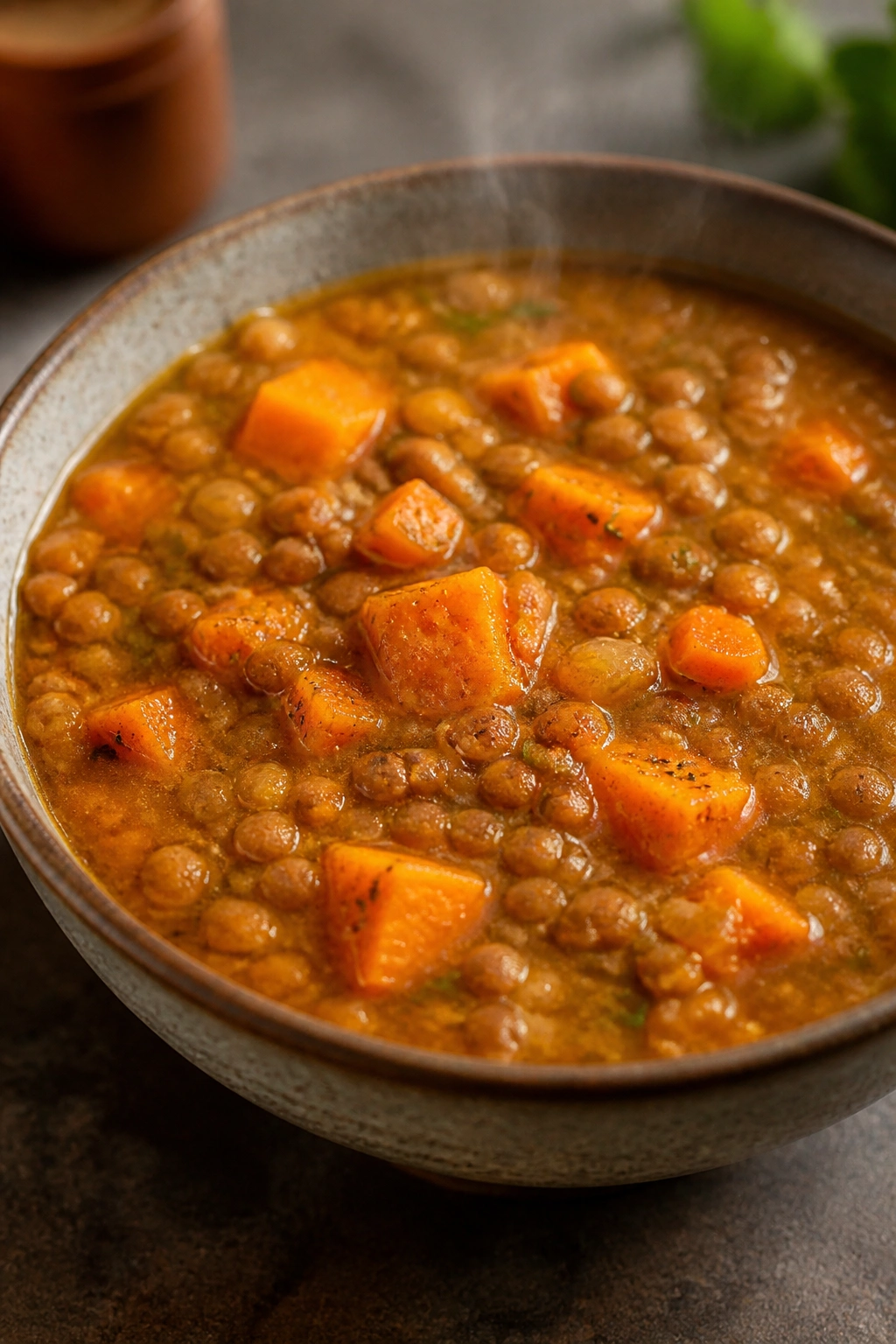
What do you cook when you need iron, fiber, and something soft enough to feel friendly? Soup. Not just any soup, either. Lentils and sweet potatoes are a strong pair because they bring substance without making you chew through a brick.
Lentils are doing a lot of work here: protein, folate, iron, and fiber in one bowl. Sweet potato adds beta carotene and a smooth, almost creamy texture once it breaks down in the pot. If your first trimester has turned texture into a battlefield, this is a smart place to start.
How to Keep It Gentle
Red lentils are the easiest version if gas or bloating has become a regular annoyance. They cook fast and melt into the broth. Green or brown lentils hold their shape more, which is nice later in pregnancy when you want a little more chew.
A modest amount of cumin and garlic gives the soup depth, but don’t overdo either one if strong smells are bothering you. I’d rather have a milder soup you can finish than a bold soup that perfumes the whole house and kills your appetite.
- Rinse 1 cup red lentils until the water runs mostly clear.
- Add 1 peeled, diced sweet potato, 1 diced carrot, and 6 cups low-sodium broth.
- Simmer until the lentils are soft and the sweet potato breaks easily with a spoon, about 20 to 25 minutes.
- Finish with lemon if it sits well, or leave it plain.
Good move: blend half the soup with an immersion blender if you want it silkier without turning it into puree.
4. Spinach, Egg, and Avocado Toast
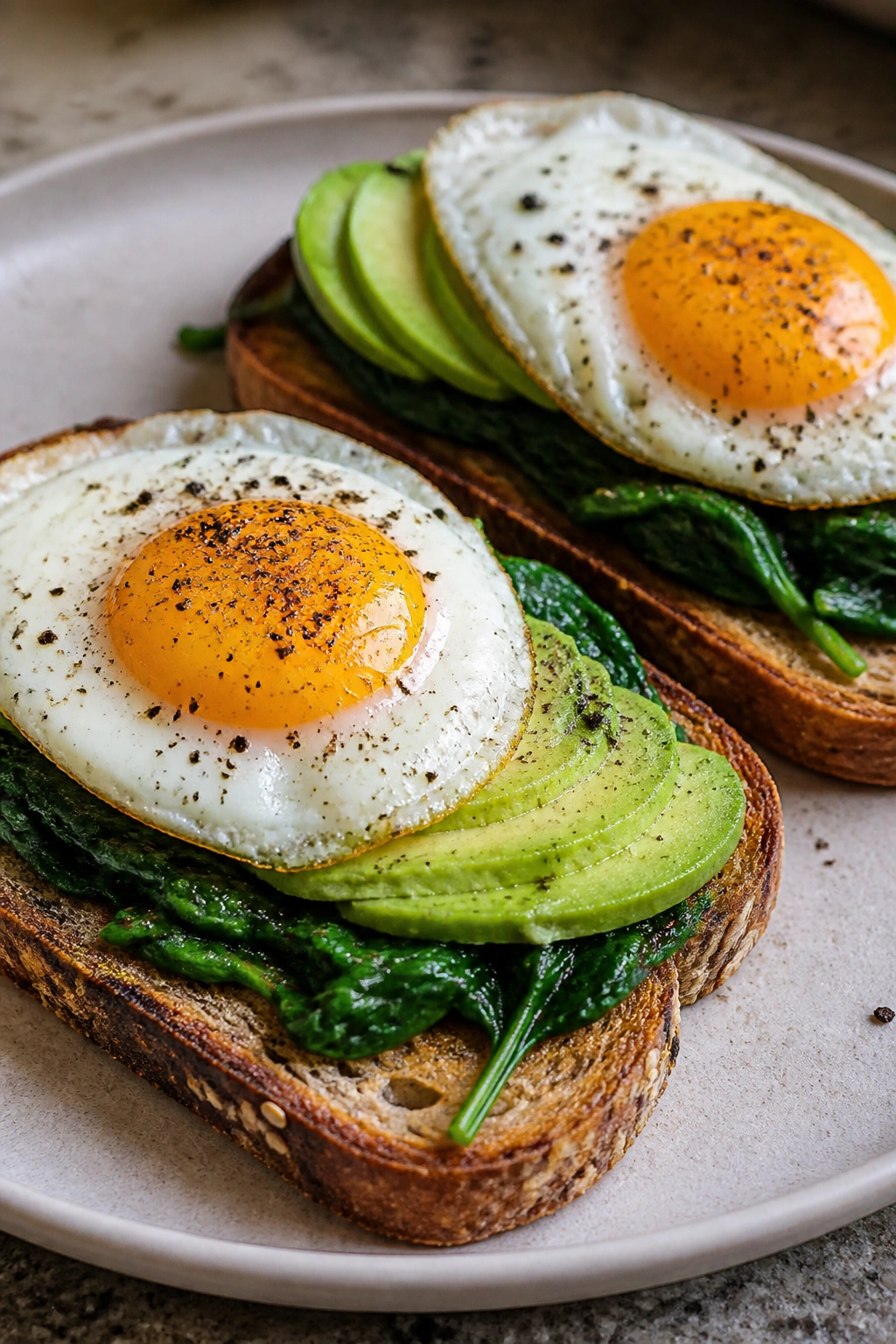
A 10-minute breakfast sounds ordinary until you’re pregnant and standing in the kitchen trying to figure out what won’t make you gag. This one works because it is simple, warm, and easy to stop halfway through if your appetite is having a weird morning.
Eggs bring choline and protein, spinach gives folate and a little iron, and avocado adds the fat that makes the toast actually hold you. Whole-grain bread brings fiber, which matters more than it usually gets credit for in pregnancy. Things slow down. A lot. Fiber helps.
Cook the eggs fully. Soft-set is fine, runny is not. I know some people love a loose yolk, but pregnancy is not the time to flirt with undercooked eggs. Scramble them low and slow until they’re set but still tender, or fry them until the whites are fully opaque and the yolk is firm enough to cut.
A basic version is 2 slices whole-grain toast, 2 eggs, 1 cup spinach, and 1/2 avocado. A squeeze of lemon on the avocado keeps it bright. If salt sounds too sharp, skip it and use a little pepper instead.
5. Chicken Rice Soup With Ginger and Carrots
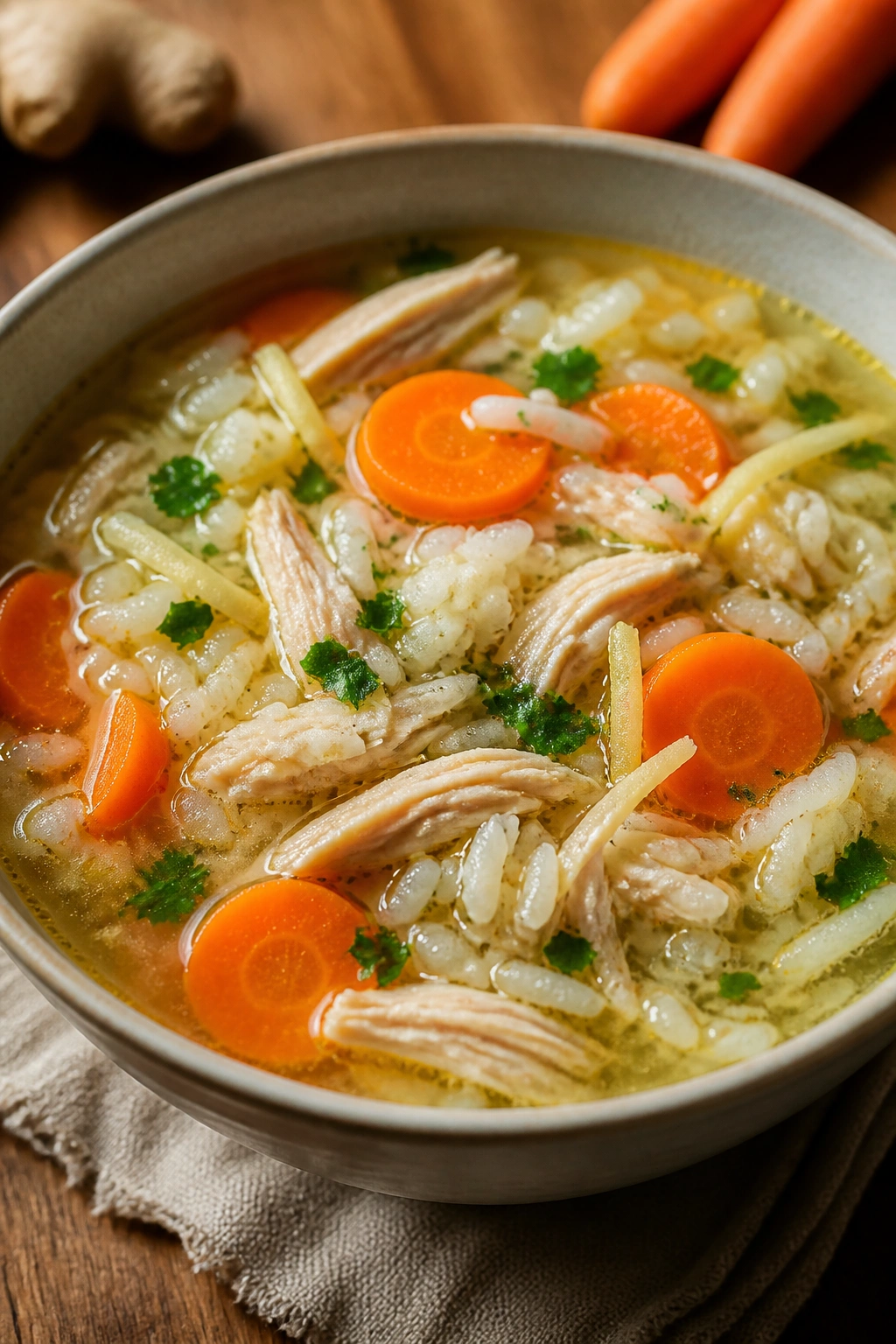
This is the meal I make when I want dinner to be calm. Not exciting. Calm.
Chicken rice soup is one of those deeply practical pregnancy meals that looks plain on paper and then quietly fixes your evening. The broth is easy to sip, the rice softens the whole bowl, and cooked chicken gives you enough protein to feel like you actually ate something. Carrots and ginger keep it from tasting flat.
If the first trimester has made garlic smell like an argument, leave it out. If ginger feels too sharp, use less. The beauty of soup is that it forgives small changes. You can keep the flavor very mild and still have a proper meal.
I like using cooked brown rice when I have it, but white rice is softer and often easier if your stomach is touchy. Shredded chicken thighs stay moister than breast meat, though either works if it’s not dry. Add the rice near the end so it doesn’t soak up every drop and go mushy.
Leftovers freeze well in 2-cup portions, which is a gift on days when cooking feels impossible. Reheat gently until the soup is steaming and the carrots are tender again.
6. Apple-Cinnamon Baked Oatmeal Cups With Peanut Butter
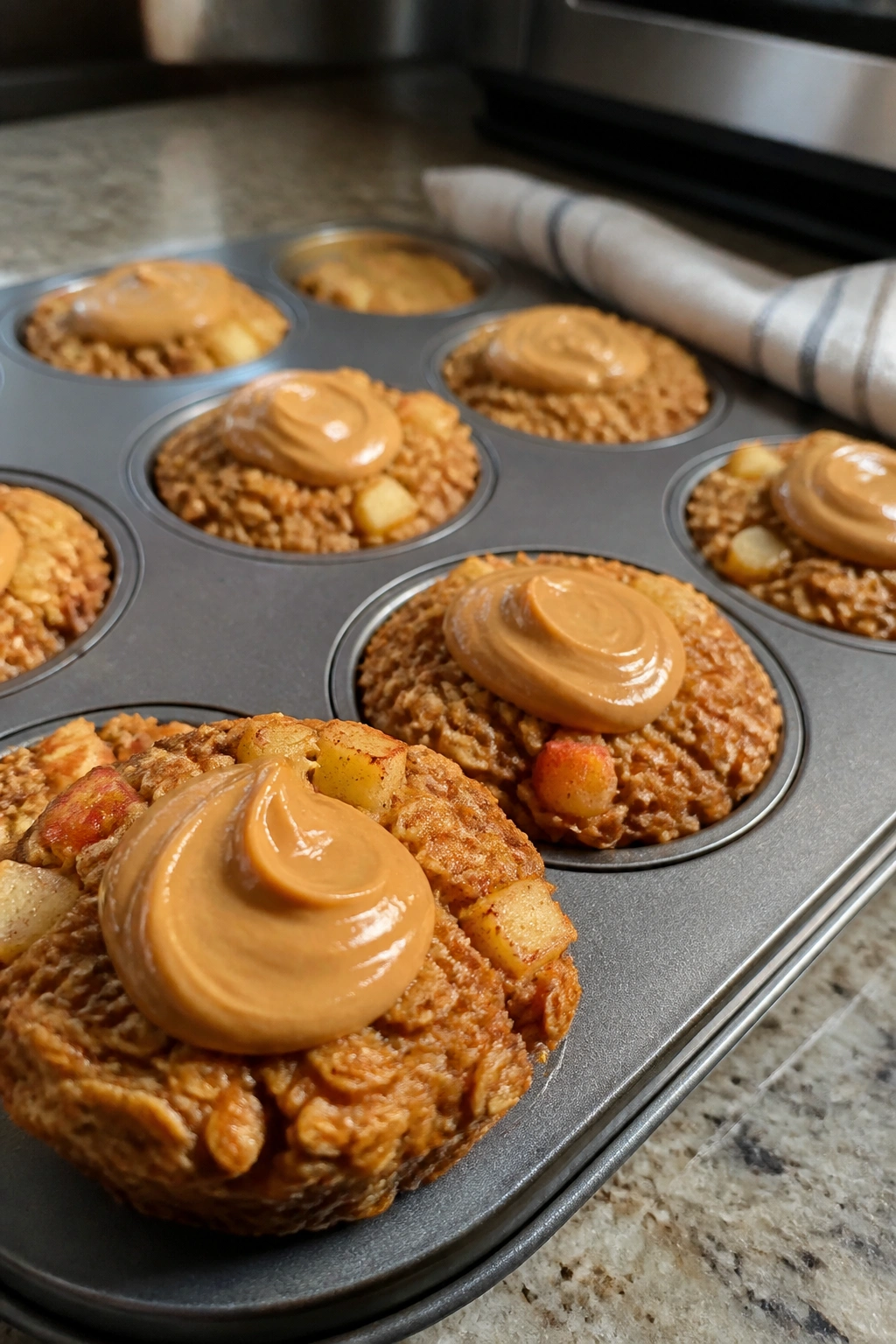
Unlike a muffin that disappears in three bites, baked oatmeal cups actually feed you. That’s the whole appeal.
These are portable, sturdy, and built for the days when a full bowl of breakfast sounds like too much. Oats bring slow energy, apples add moisture and a little sweetness, and peanut butter gives them staying power. They’re especially useful when you need food you can nibble on without committing to a big plate.
You bake the mixture in a muffin tin, which means they cool into individual portions instead of one big slab you have to cut. That matters more than it sounds. Pregnancy snacking is often about small decisions, and something already portioned can be the difference between eating and scrolling past lunch until you’re shaky.
Use grated apple or finely diced apple, not huge chunks. Bigger pieces make the cups fall apart. A simple mix of oats, egg, milk, cinnamon, baking powder, diced apple, and a spoonful of peanut butter on top gives you a breakfast that holds together in the fridge for several days.
Warm one up for about 20 seconds and it tastes close to fresh-baked. Close enough, anyway.
7. Quinoa Bowl With Roasted Chickpeas and Tahini
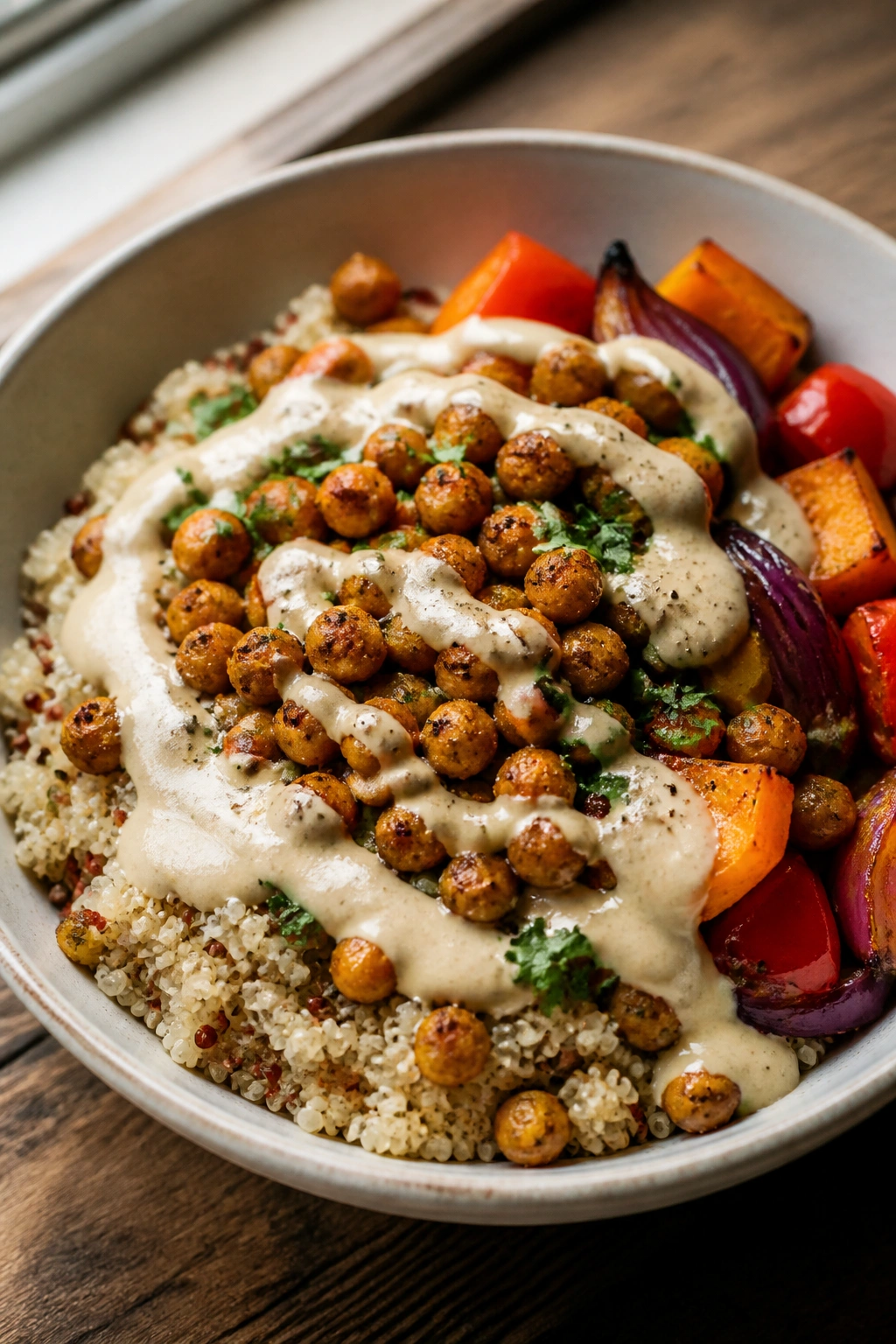
Second-trimester appetite can be a funny thing. One week you’re still nibbling like a cautious bird; the next, you’re hungry enough to stare at the pantry with real intent. This bowl is made for that shift.
Quinoa gives you a complete protein and a light, nutty base. Chickpeas bring fiber and more protein. Roasted vegetables — zucchini, carrots, cauliflower, bell peppers, whatever you have — add color and texture. Tahini ties the whole thing together with a sesame richness that feels more substantial than a plain vinaigrette.
The Part People Skip
Roast the chickpeas until the edges are crisp. Don’t just warm them. Toss them with olive oil, cumin, and a little salt, then roast at 425°F (220°C) for about 20 to 25 minutes until they look dry and lightly browned. That little crunch makes the bowl feel like dinner instead of cafeteria food.
Quinoa cooks well in broth if you want more flavor. Use 1 cup dry quinoa to 2 cups liquid, simmer until the little white tails appear, then let it sit covered for 5 minutes. That resting step matters. It gives you fluffier grains and keeps them from tasting wet.
A lemon-tahini sauce works nicely here, but don’t drown the bowl. A few tablespoons is enough. Too much and it gets heavy.
8. Salmon Rice Bowl With Broccoli and Cucumber
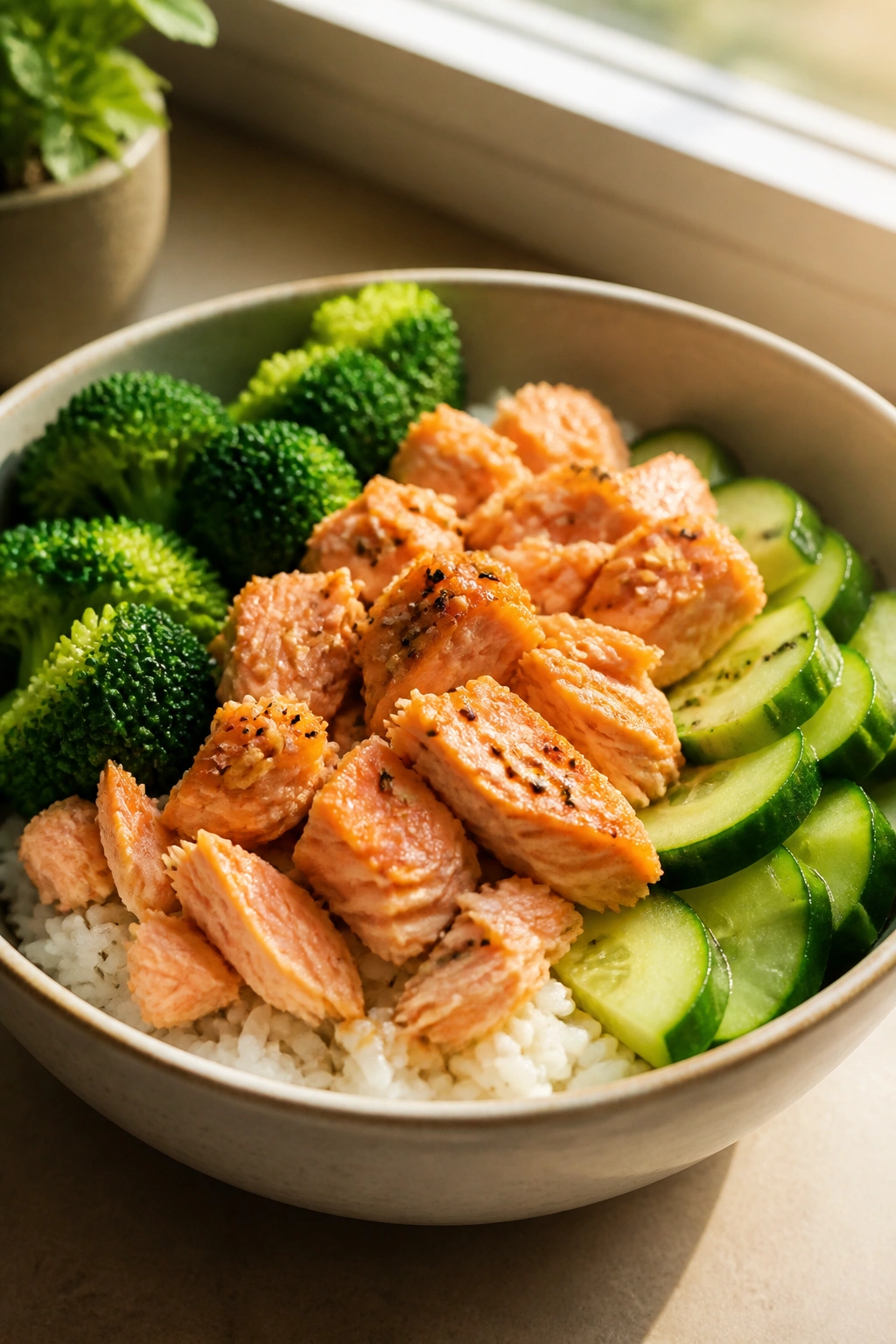
A good lunch bowl has to do a lot of quiet work. It needs protein, a little fat, a vegetable that doesn’t taste like punishment, and enough grain to keep you from feeling empty an hour later. This one handles all of that without getting fussy.
Salmon is the headline because of its omega-3 fats, which are one of the most useful things you can eat during pregnancy. The fish should be cooked through and flaky. Broccoli brings fiber and folate, cucumber gives you a cool, crisp contrast, and rice makes the bowl feel complete.
I like using brown rice when I have time, but jasmine rice is softer and can be easier if chewing feels like a chore. If the smell of fish is bothering you, let the salmon cool slightly before assembling the bowl. It cuts the aroma down a bit.
- Bake salmon at 400°F (200°C) until it flakes easily and reaches a safe internal temperature.
- Steam or roast broccoli until bright green and tender at the stem.
- Add sliced cucumber for crunch.
- Finish with sesame seeds or a light soy-sesame drizzle.
A canned salmon version works too. Mash it with a little Greek yogurt and lemon, then spoon it over rice. Fast. Tasty. Done.
9. Turkey Hummus Wrap With Spinach and Cucumber
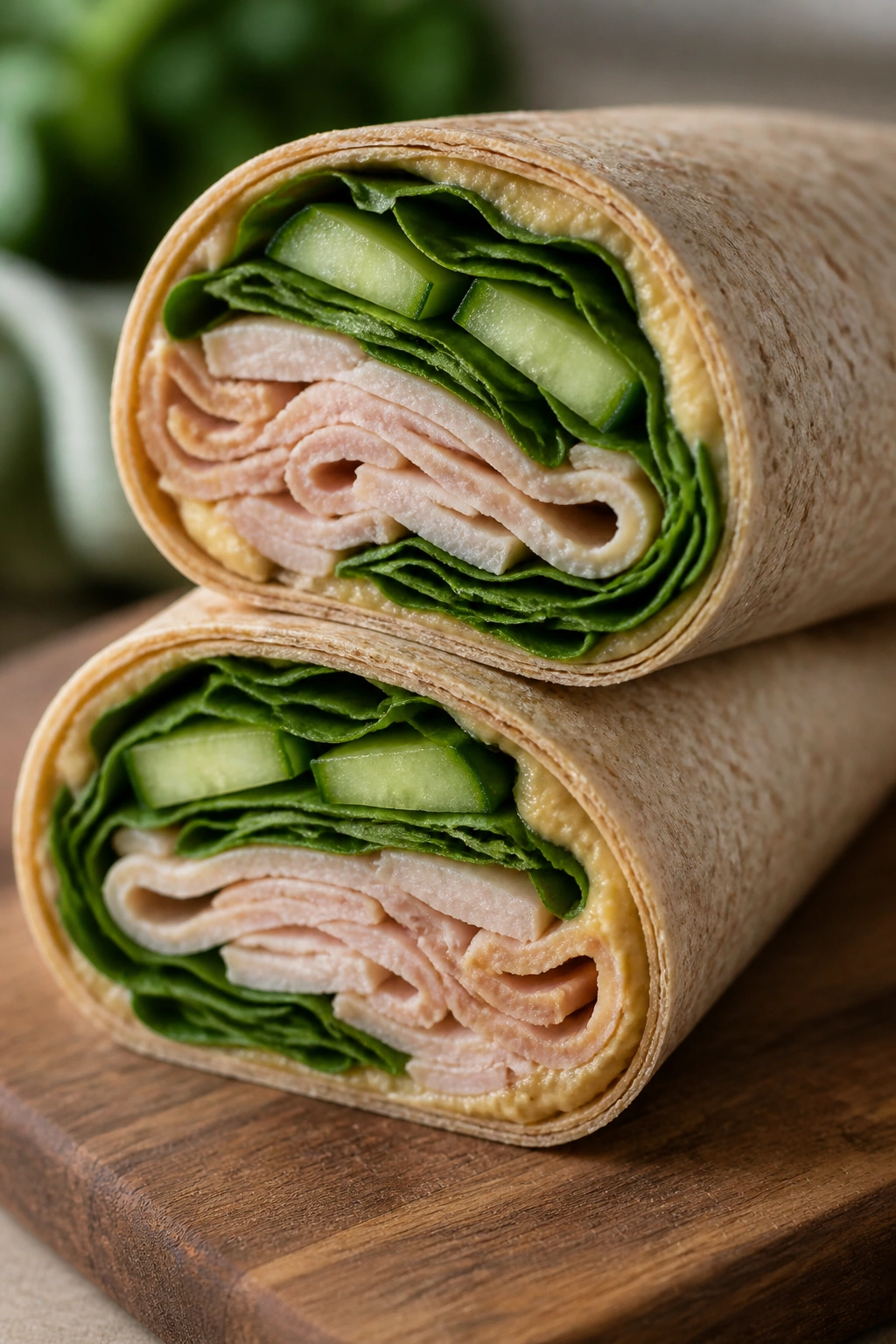
A wrap looks simple until it turns soggy in your hands. Then it’s just a folded disappointment.
The fix is layering. Hummus goes on first so it acts like a barrier, then turkey, then spinach, cucumber, and a few shredded carrots. That order keeps the tortilla drier and gives you a better bite all the way through. A whole-wheat wrap adds fiber, which is useful in the second trimester and almost essential later on.
If you’re using deli turkey, heat it until steaming first or choose freshly cooked turkey. Pregnancy food safety is one place where being boring is smart. I’d rather have a warm turkey wrap than a questionable cold one. No contest.
Use a thin layer of hummus, not a heavy one. Too much and the tortilla slides apart. Add a few slices of avocado if you want more fat and a softer texture. If raw spinach feels too scratchy, swap in baby arugula or even finely shredded romaine.
Roll the wrap tightly, then cut it in half on a diagonal. That sounds cosmetic, but it also helps the filling stay put. Little things.
10. Black Bean Tacos With Cabbage and Yogurt-Lime Sauce
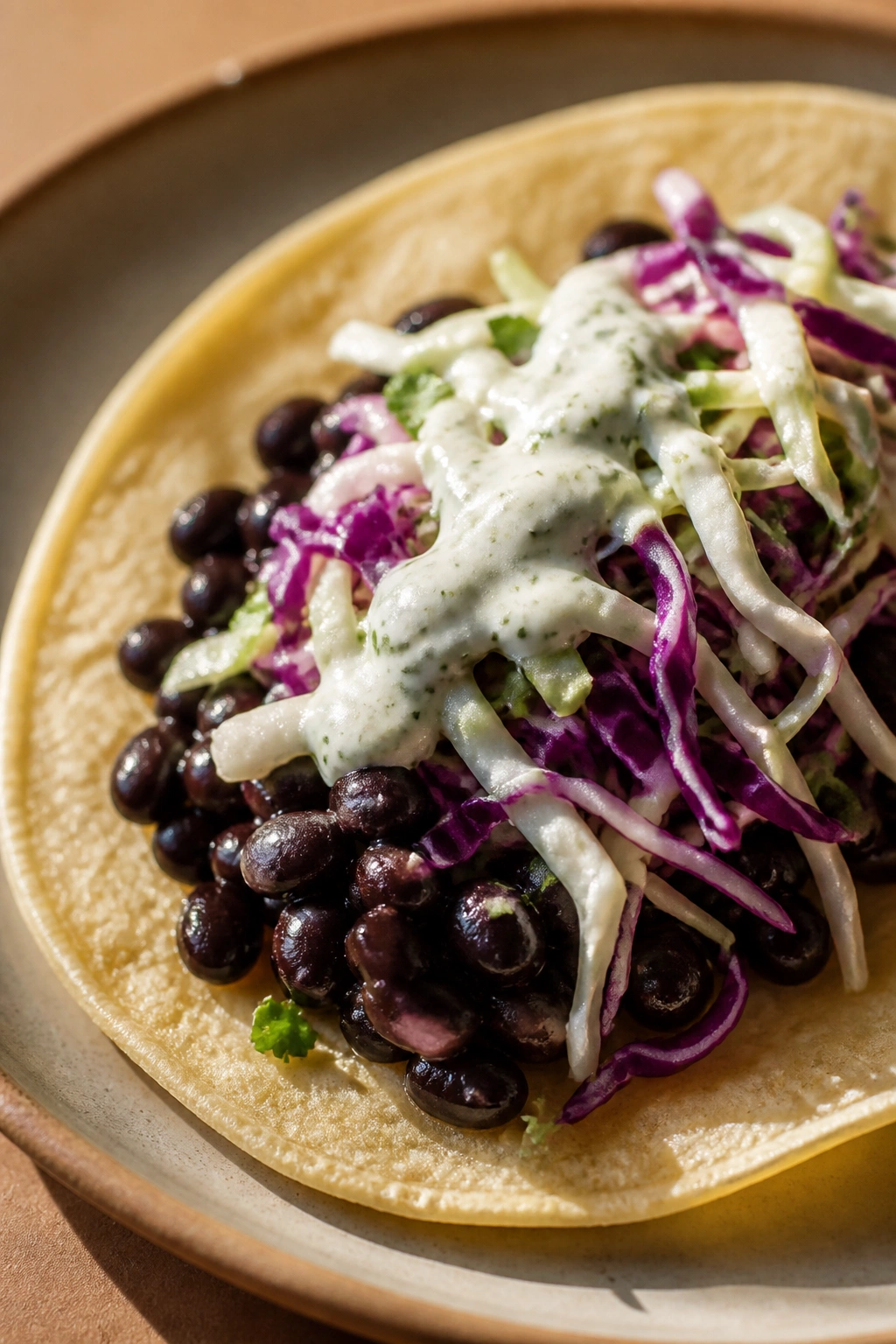
Tired of eating from the same beige plate? Tacos fix that mood fast.
Black beans are doing a lot here: fiber, plant protein, iron, and enough substance to hold the meal together. Soft corn tortillas keep the texture easy, cabbage adds crunch, and yogurt-lime sauce cools everything down. If your appetite has gotten stronger in the second trimester, this kind of meal feels satisfying without turning into a food coma.
How to Keep Them Easy on the Stomach
Go light on chili powder if spice has started to misbehave. A little cumin and garlic powder usually gives enough flavor. Raw onion can be a problem for some pregnant stomachs, so leave it out if needed. Same with hot salsa. You do not have to prove anything to a taco.
Warm the beans in a skillet with a splash of broth or water so they turn creamy instead of dry. Spoon them into the tortillas, pile on shredded cabbage, then add avocado or a spoonful of plain yogurt mixed with lime juice and salt.
A squeeze of lime wakes the whole thing up, but if acid bothers you, skip it. The tacos still work. That’s the nice part. They’re flexible without feeling like compromise.
11. Cottage Cheese Bowl With Peaches and Flaxseed
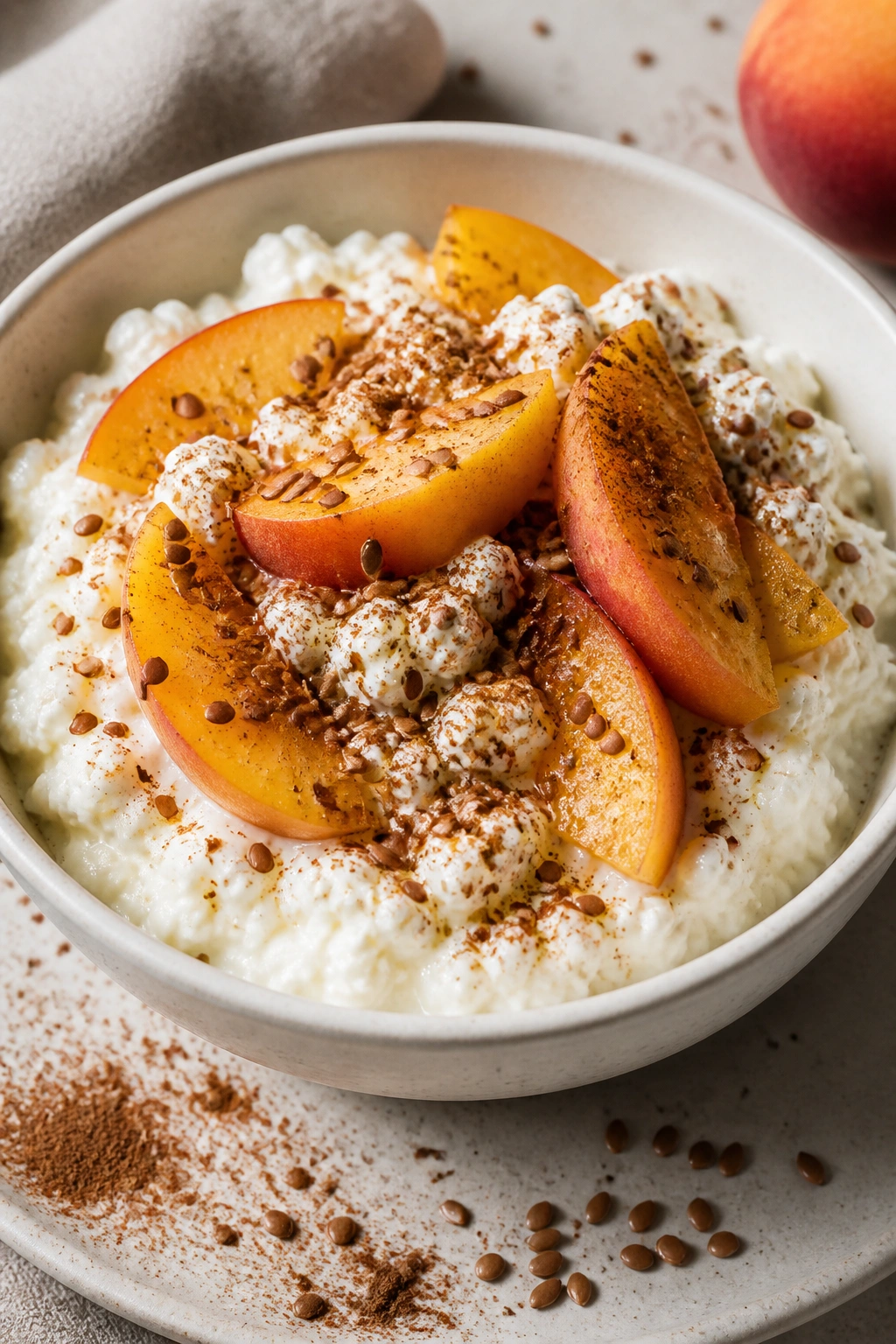
This is one of those meals that looks almost too plain until you eat it. Then it makes sense.
Cottage cheese gives you a lot of protein with almost no effort. Peaches bring sweetness and juice, ground flaxseed adds fiber and a bit of omega-3 fat, and a dusting of cinnamon pulls the flavors together. It’s cold, fast, and very useful when cooking feels like one more task you don’t have the patience for.
I prefer full-fat or 2% cottage cheese because it feels creamier and tends to be more satisfying, but any pasteurized version works. If fresh peaches are out of season or not ripe enough, use canned peaches packed in juice and drain them well. That keeps the bowl soft and sweet without extra syrup.
The texture matters. Cottage cheese can be lumpy in a way that either feels comforting or completely wrong depending on your mood. If it’s not appealing, stir in a spoonful of yogurt and it turns smoother right away.
This is a good second-trimester lunch or a small dinner when you want something high in protein but not huge. If you need more calories, add toasted almonds or a slice of whole-grain toast on the side.
12. Peanut Butter Banana Smoothie With Oats and Spinach
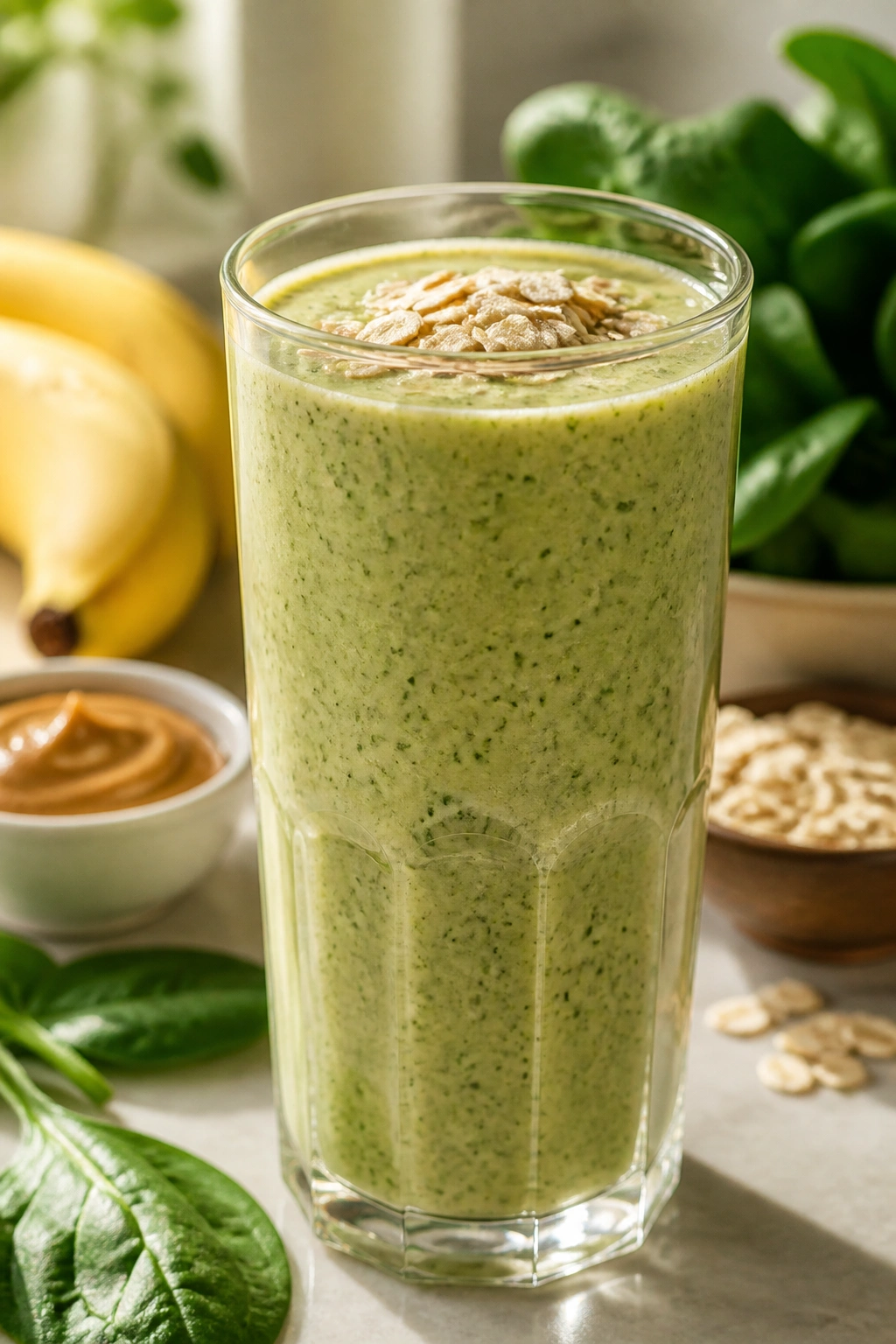
Smoothies earn their keep on days when chewing feels like a chore. They’re not magical. They’re just useful.
This one blends banana, peanut butter, milk or fortified soy milk, a small handful of spinach, and oats for body. It tastes like breakfast, but it drinks like something your stomach can deal with more easily than a stack of toast. That alone is worth a lot in the first trimester.
Start with the liquid first. Then spinach. Then oats, banana, and peanut butter. Ice goes last, and not too much if very cold drinks make nausea worse. Some people want their smoothie icy. Others want it cool but not frosty. Pregnancy has opinions.
- Blend 1 banana, 2 tablespoons peanut butter, 1/3 cup oats, 1 handful spinach, and 1 cup milk.
- Add 1 tablespoon chia seeds if you want extra thickness.
- Use a few ice cubes only if cold food sits well.
- Drink it right away before the oats thicken too much.
If spinach is bothering you, leave it out. You’ll still get a solid meal. You’re after calories, protein, and something that stays down. Fancy is optional.
13. Baked Sweet Potato With Black Beans and Mild Salsa
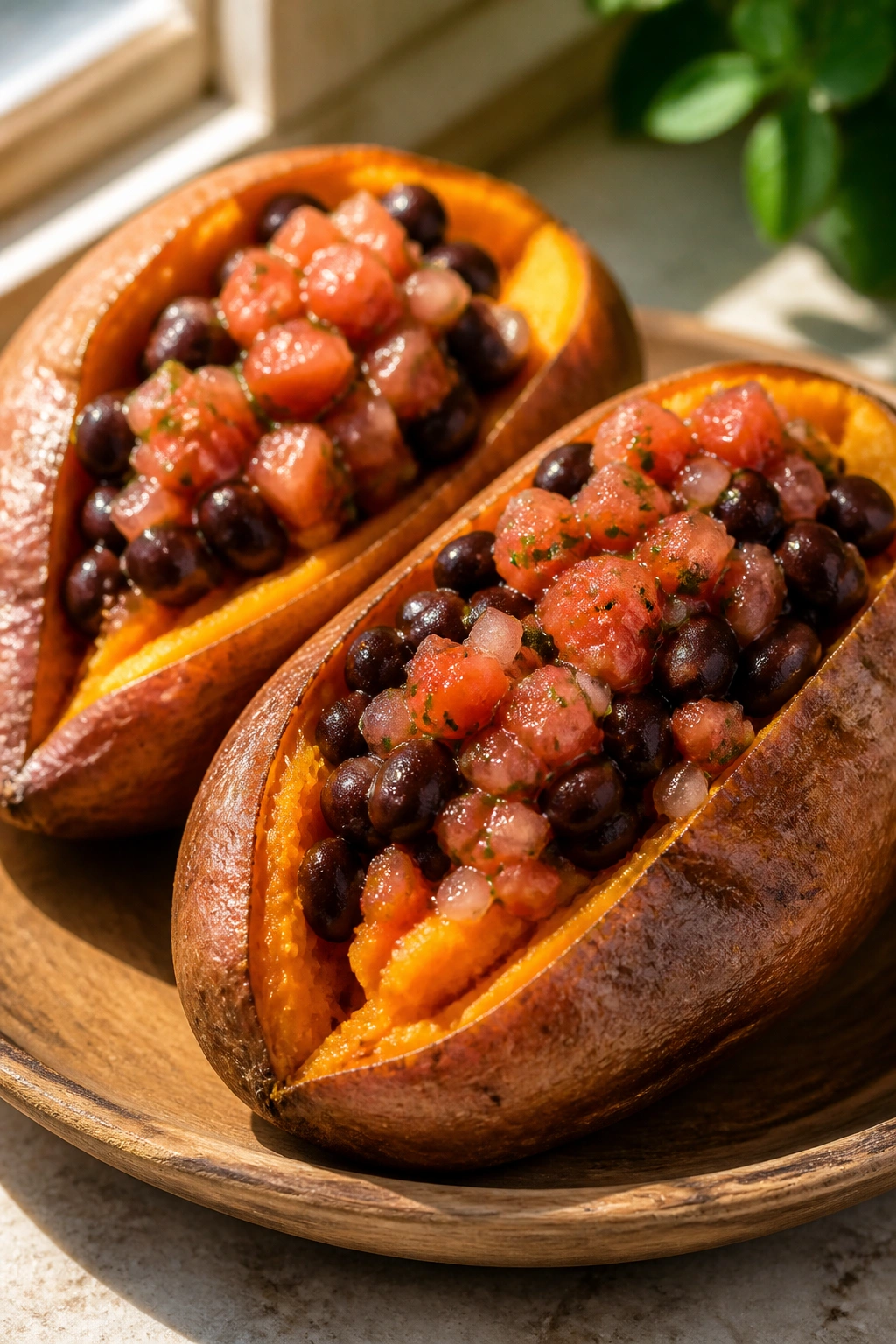
Third-trimester meals often need to do two things at once: fill you up and not make you feel worse an hour later. Sweet potatoes help with that. They’re soft, satisfying, and easy to top with whatever you can tolerate.
Bake the potato until the skin loosens and the center gives when pressed. That usually takes 45 to 60 minutes at 400°F (200°C) depending on size. Once it’s open, pile on black beans, shredded cheese, and a spoonful of mild salsa or yogurt. You get fiber, protein, and enough heft to count as a real dinner.
This is one of the better meals for the last stretch because it’s easy to chew and reheat. Reflux acting up? Keep the salsa light and skip anything very spicy or acidic. If you want more richness, add avocado instead of more cheese.
A split sweet potato also makes a good side dish, but I think it earns more respect as the main event. A meal should not feel like a sad prelude to another snack.
14. Beef and Vegetable Stir-Fry With Brown Rice
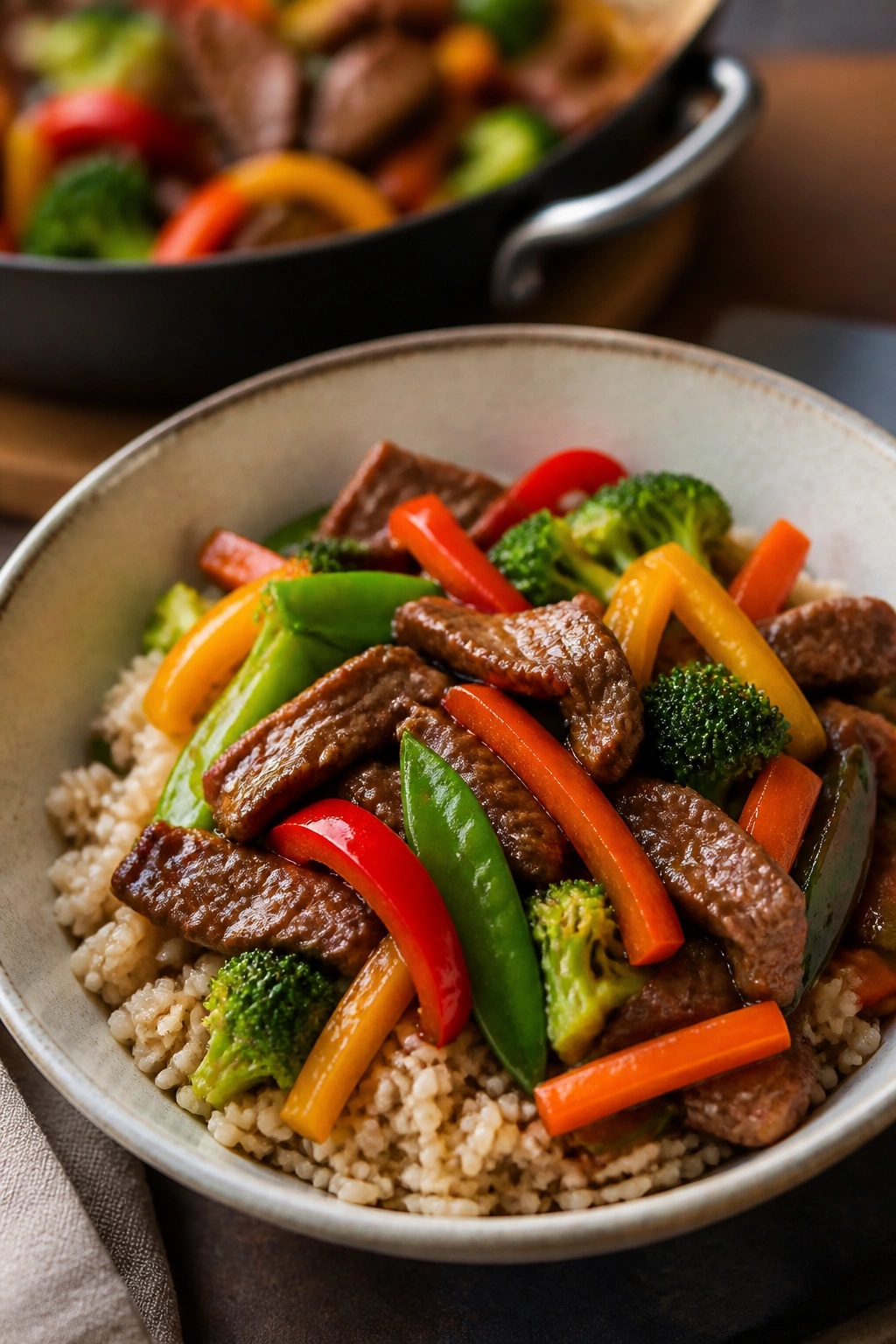
Need iron without a fussy dinner? Stir-fry is the answer.
Lean beef gives you iron and protein, and that combination matters when energy starts feeling thin. Bell peppers, broccoli, carrots, and snap peas bring crunch and color. Brown rice gives the dish enough substance to keep you full, but you can use white rice if you need something softer or if brown rice feels too heavy.
The cut of beef matters. Slice it thin against the grain so it cooks fast and stays tender. A hot pan is your friend here. If the pan is lukewarm, the beef steams instead of browns, and that’s where stir-fry gets dull fast. Cook the vegetables in batches if your skillet is small; overcrowding is how you end up with limp broccoli and gray meat.
I like a simple sauce: soy sauce, a little honey, ginger, garlic, and a splash of water. Nothing sticky and gloppy. Just enough to coat the ingredients lightly. A handful of sesame seeds on top adds a nice finish.
One useful detail: pairing beef with bell peppers helps the body use the iron better, since vitamin C improves absorption. Small thing. Useful thing.
15. Pasta With Pesto, Peas, and Chicken
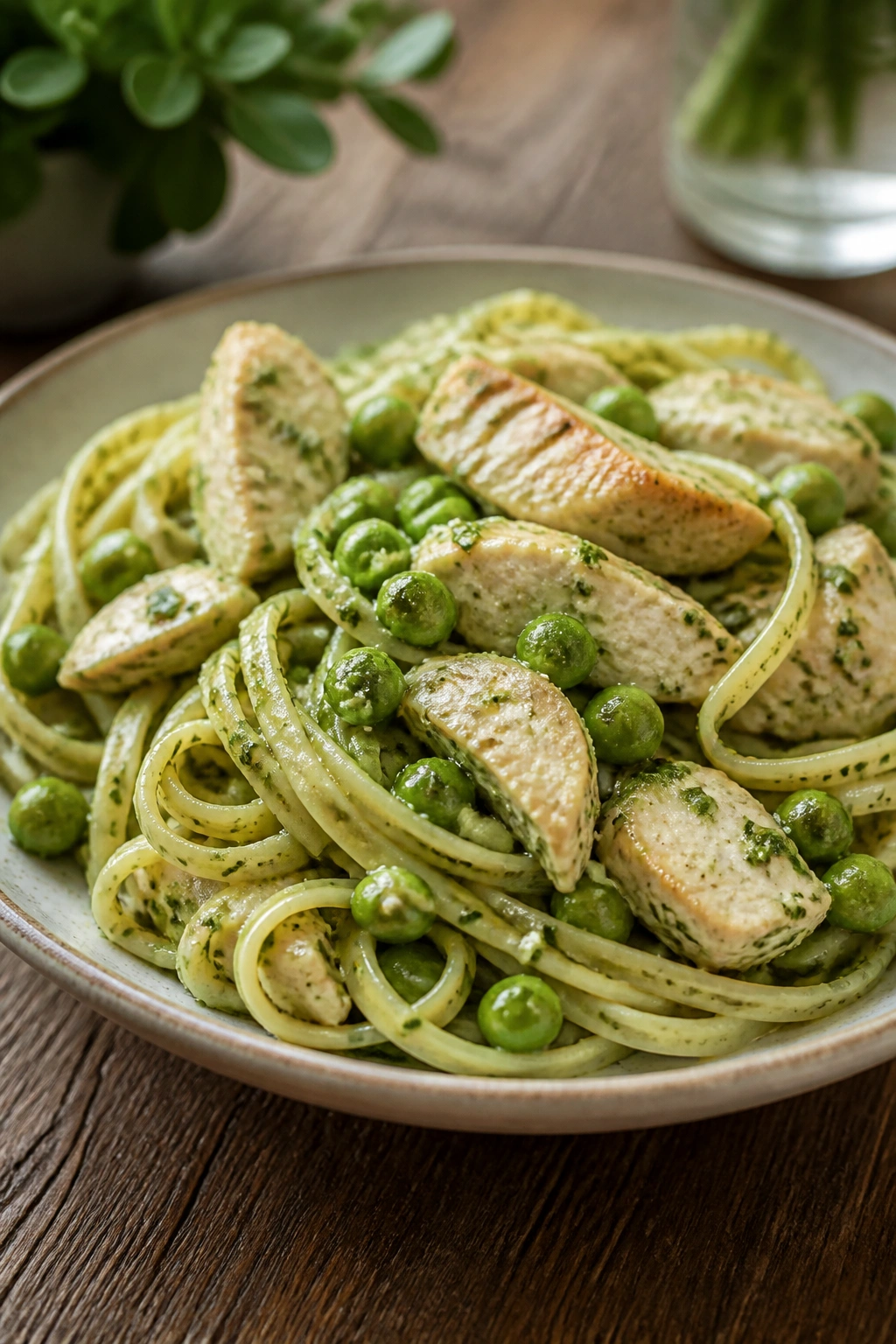
Unlike a cream-heavy pasta that sits like a brick, this version stays light enough for pregnancy dinners that need to feel comforting without being exhausting. Pesto brings flavor and fat, peas add a little sweetness and fiber, and chicken gives you the protein that keeps the meal from turning into a side dish.
Use whole-wheat pasta if you want more fiber, or regular pasta if your stomach is being picky. Both work. The real trick is not overcooking it. Slightly firm pasta holds up better once you toss it with sauce and chicken. Mushy pasta makes everything feel tired.
If garlic has become a problem, choose a pesto with less of it or make your own with basil, olive oil, pine nuts, Parmesan, and a small clove. The flavor should feel fresh, not aggressive. Stir in the peas during the last minute of cooking so they stay bright and sweet.
This is a nice third-trimester meal because it reheats well and doesn’t require much chewing. If reflux shows up, keep the pesto portion modest and skip extra chili flakes. You don’t need them.
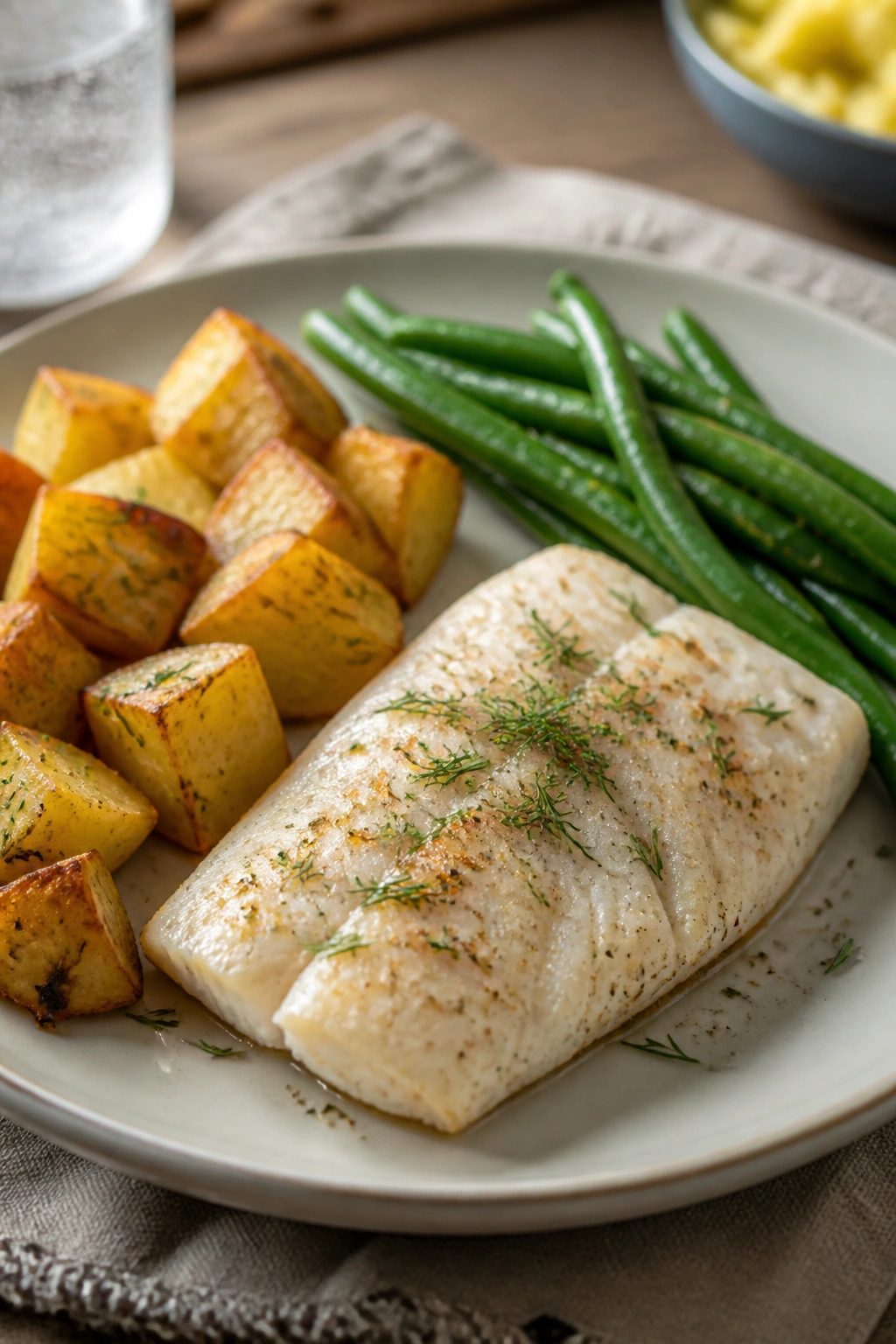
16. Baked Cod With Potatoes and Green Beans
Dinner sometimes needs to be calm. Not heroic. Just calm.
Cod is mild, lean, and easy to work with, which makes it a useful pregnancy fish when you want something lighter than salmon. Bake it until it turns opaque and flakes with a fork, usually 10 to 12 minutes at 400°F (200°C) depending on thickness. Potatoes bring comfort, green beans add fiber, and a little olive oil keeps the whole plate from feeling dry.
I like this meal in the third trimester because it doesn’t ask much from your stomach. Cod doesn’t have a strong smell, especially compared with richer fish, and that can matter when sensitivity is high. A sprinkle of dill or parsley works well. Lemon is optional; if acid is making trouble, leave it out.
If the potatoes are baby potatoes, roast them until the skins blister slightly and the centers are soft. That gives you a better texture than boiling. Green beans can be steamed or roasted. Either way, keep them tender, not squeaky.
This plate looks plain. That’s fine. Plain is often the point.
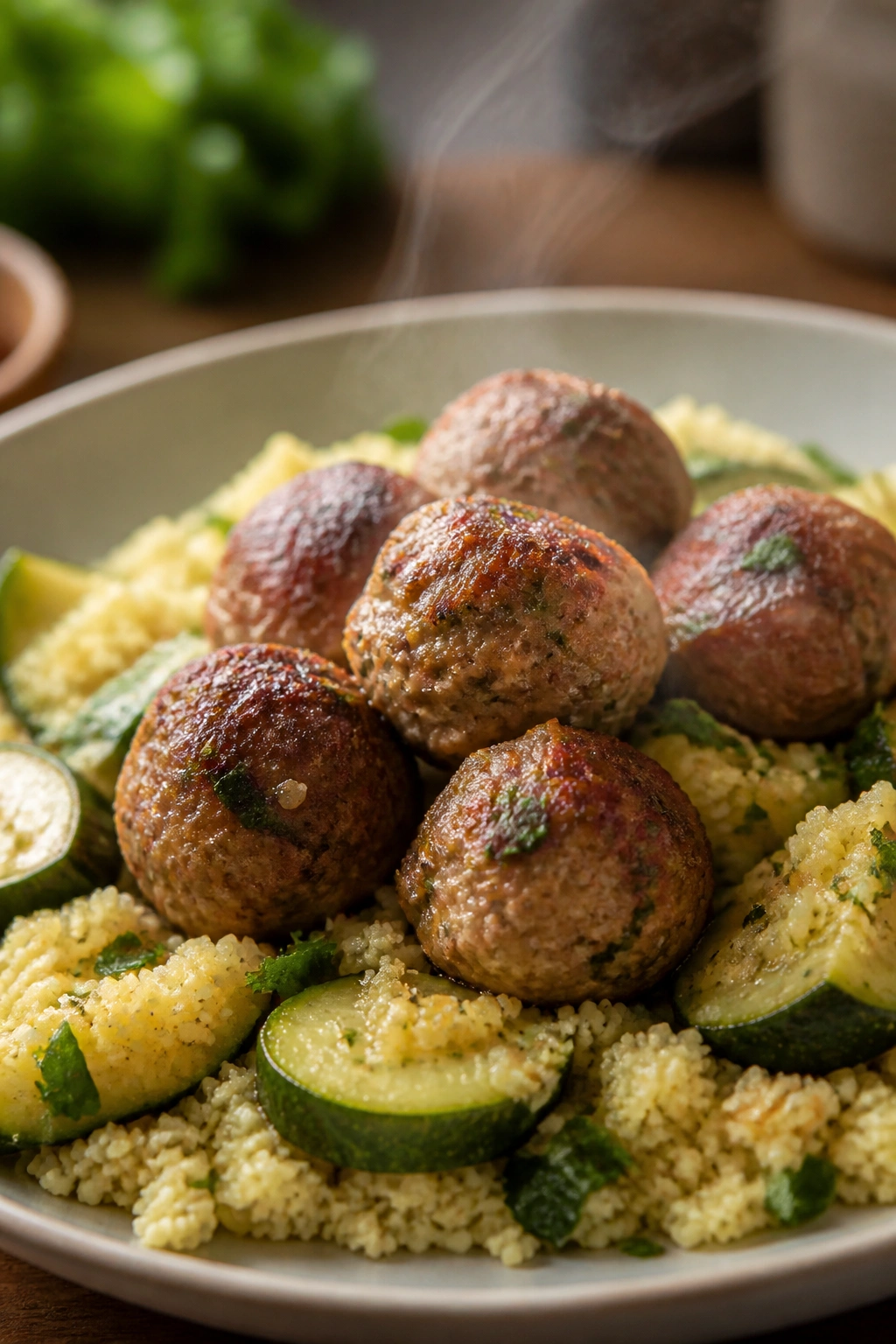
17. Turkey Meatballs With Couscous and Zucchini
Meatballs are one of the easiest ways to get protein into a meal without much chewing. That sounds basic, and it is basic, but basic food gets a lot of work done in pregnancy.
Ground turkey mixes with egg, breadcrumbs, parsley, garlic powder, and a little salt, then gets rolled into small meatballs and baked until the centers are no longer pink. Couscous cooks in minutes. Zucchini softens quickly and takes on whatever seasoning you give it. The whole meal comes together without much standing around the stove.
Make-Ahead Angle
Bake a double batch of meatballs and freeze half. They reheat well in sauce or in the oven, and that matters when the last trimester makes standing up for long periods feel annoying. I’d go with 1-inch meatballs so they cook through evenly and don’t dry out.
A yogurt-herb sauce works nicely if tomato sauces are causing reflux. If not, a mild tomato sauce is fine. Keep it simple. The meatballs already bring enough flavor.
Couscous is a little underrated for pregnancy meals because it is fast, soft, and easy to pair with almost anything. Stir in olive oil and chopped parsley, and it stops tasting like the box it came from.
18. Warm Pear-Barley Bowl With Yogurt and Walnuts
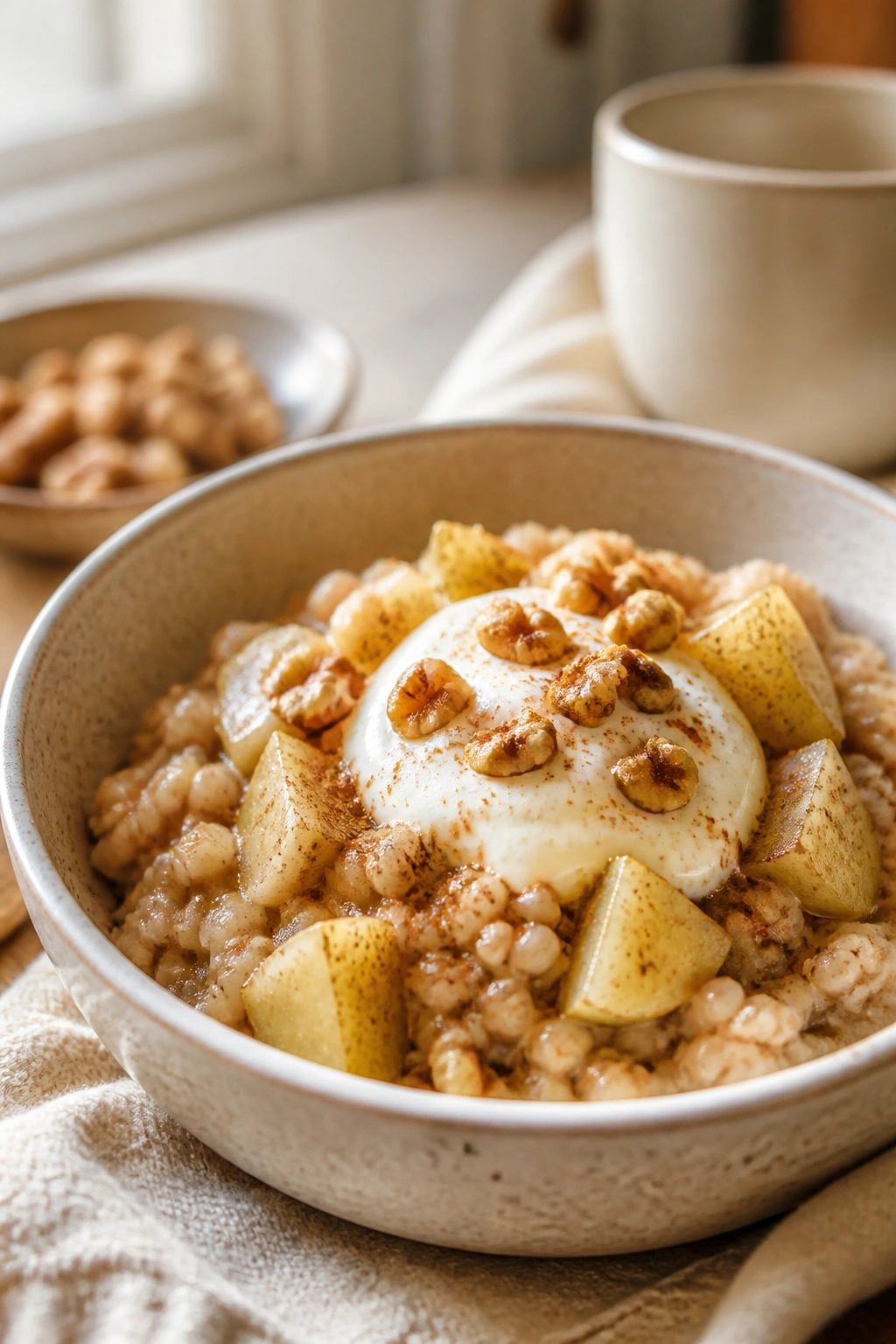
There’s something comforting about a bowl that feels a little old-fashioned. Pears and barley have that quality. They’re quiet foods. They don’t shout.
Barley gives you fiber and a gentle chew, while pears soften into the grains and add sweetness without needing much added sugar. A spoonful of yogurt brings protein and creaminess, and walnuts add fat and crunch. It works for breakfast, a snack, or even a light supper when you want something warm but not heavy.
Cook the barley until it’s tender but not split apart. Pear chunks can simmer right alongside it near the end, along with cinnamon and a pinch of salt. If you want the bowl sweeter, add a little maple syrup. I’d keep it modest. Pears usually do enough on their own.
If gluten is an issue, barley is not the grain to reach for. Swap in certified gluten-free oats or quinoa flakes and keep the same pear-yogurt-walnut idea. The whole shape of the meal stays the same even if the grain changes.
This is one of those healthy pregnancy meals that feels calm in a way you can taste. Soft, warm, steady. Not flashy. Useful.
Final Thoughts
Pregnancy food does not need to be perfect to be useful. It needs to be eaten, tolerated, and repeatable enough that you can come back to it when your appetite shifts again.
The best meals in this stage of life usually aren’t dramatic. They’re the bowls, soups, wraps, and plates that quietly cover the basics and don’t make your stomach stage a protest. A good meal that sits well is worth more than a complicated one that looks impressive and gets pushed aside.
If you’re having a rough day, pick the softest option on the list. If your energy comes back, lean into the bowls and stir-fries with more texture. The nice thing about these meals is that they can move with you. That flexibility matters more than any perfect plan ever will.
