



When nausea hits during pregnancy, the foods that work best are usually the plain ones. Not the fancy salad with a dozen toppings. Not the rich curry you used to love. The best nausea friendly foods for pregnancy are often the boring-looking foods that are easy to chew, easy to digest, and low on smell.
That boredom is a feature, not a flaw. Pregnancy nausea often gets worse on an empty stomach, and strong odors can turn a decent meal into a hard no in about three seconds. Cold foods can help because they give off less smell. Dry foods can help because they sit quietly instead of sloshing around, which is a small mercy on days when your stomach feels touchy before breakfast even happens.
The trick is not eating “perfectly.” It’s eating in a way your stomach can live with. Some mornings that means a few crackers before you stand up. Other days it means broth, yogurt, or fruit that is cold enough to feel almost medicinal. And on the rough days, a tiny snack every two or three hours often beats a single big meal you never finish.
A lot of advice sounds neat on paper and terrible in real life. “Just eat something” is one of those lines. Better to know which foods tend to stay down, which ones are worth keeping in arm’s reach, and which ones are only useful once the nausea has eased a little. Start with the simplest foods first.
1. Saltines for Pregnancy Nausea
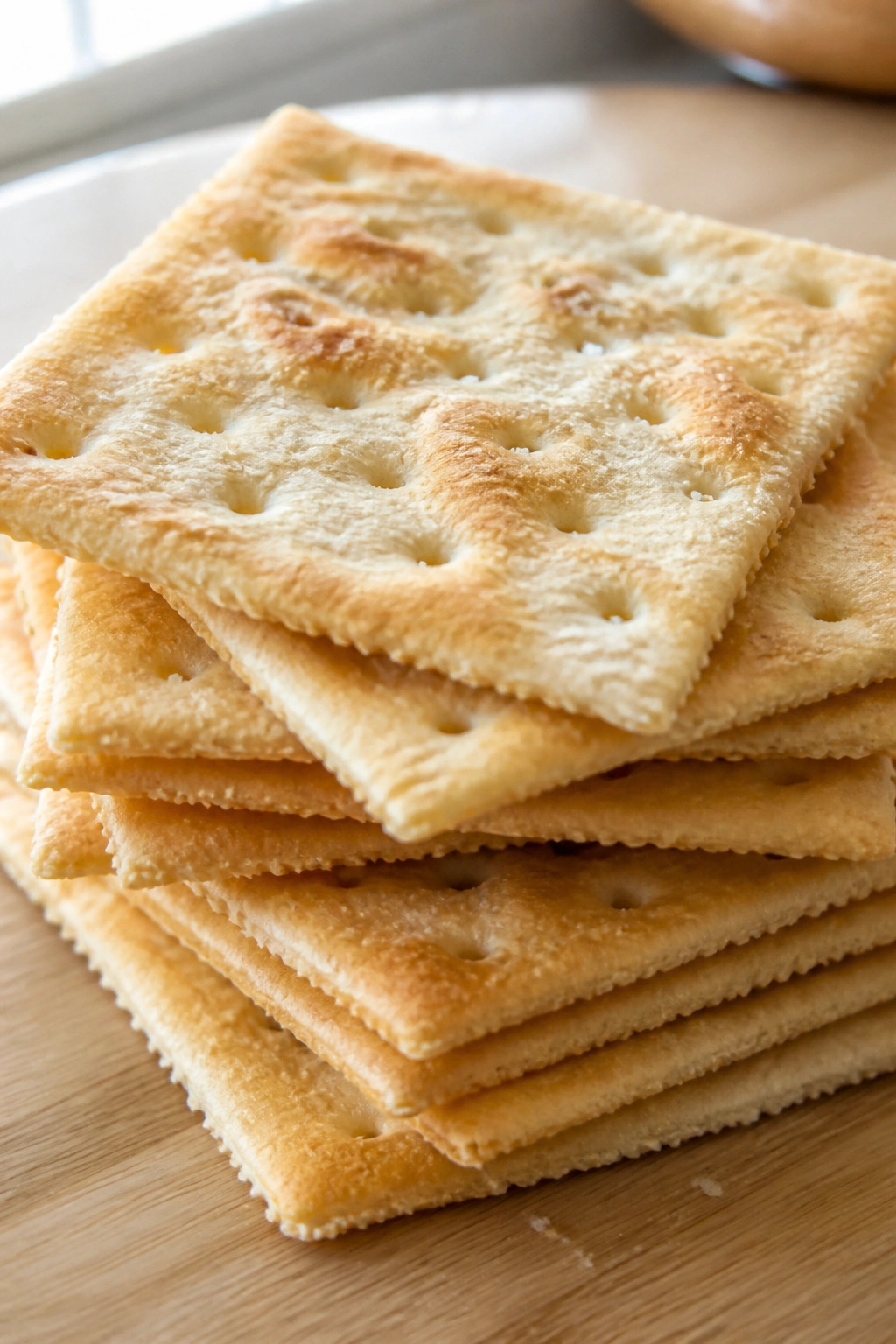
Saltines are plain for a reason. They do one job, and they do it well: give your stomach something dry, light, and low-odor before things get too empty. That matters more than people think. An empty stomach can make nausea louder, and saltines are easy to nibble in two or three bites without making a whole production of it.
Why They Help
- Dry texture: dry crackers are easier to tolerate when your stomach feels unsettled.
- Small bites: you can eat 2 to 4 crackers, pause, and see how you feel.
- Low smell: they do not announce themselves the way warm food does.
- Portable: keep a sleeve by the bed, in the car, or in your bag.
Best tip: eat a few saltines before you get up in the morning, then wait 5 to 10 minutes before standing.
That tiny pause can matter. A cracker or two before the day starts gives your stomach something to work on, which is often kinder than waking up completely empty. I like the plain version best, not the flavored ones with garlic powder or cheese dust. Those extra seasonings can turn on you fast.
If saltines go stale, toss them. Stale crackers with an old cardboard smell are not worth forcing.
2. Dry Toast
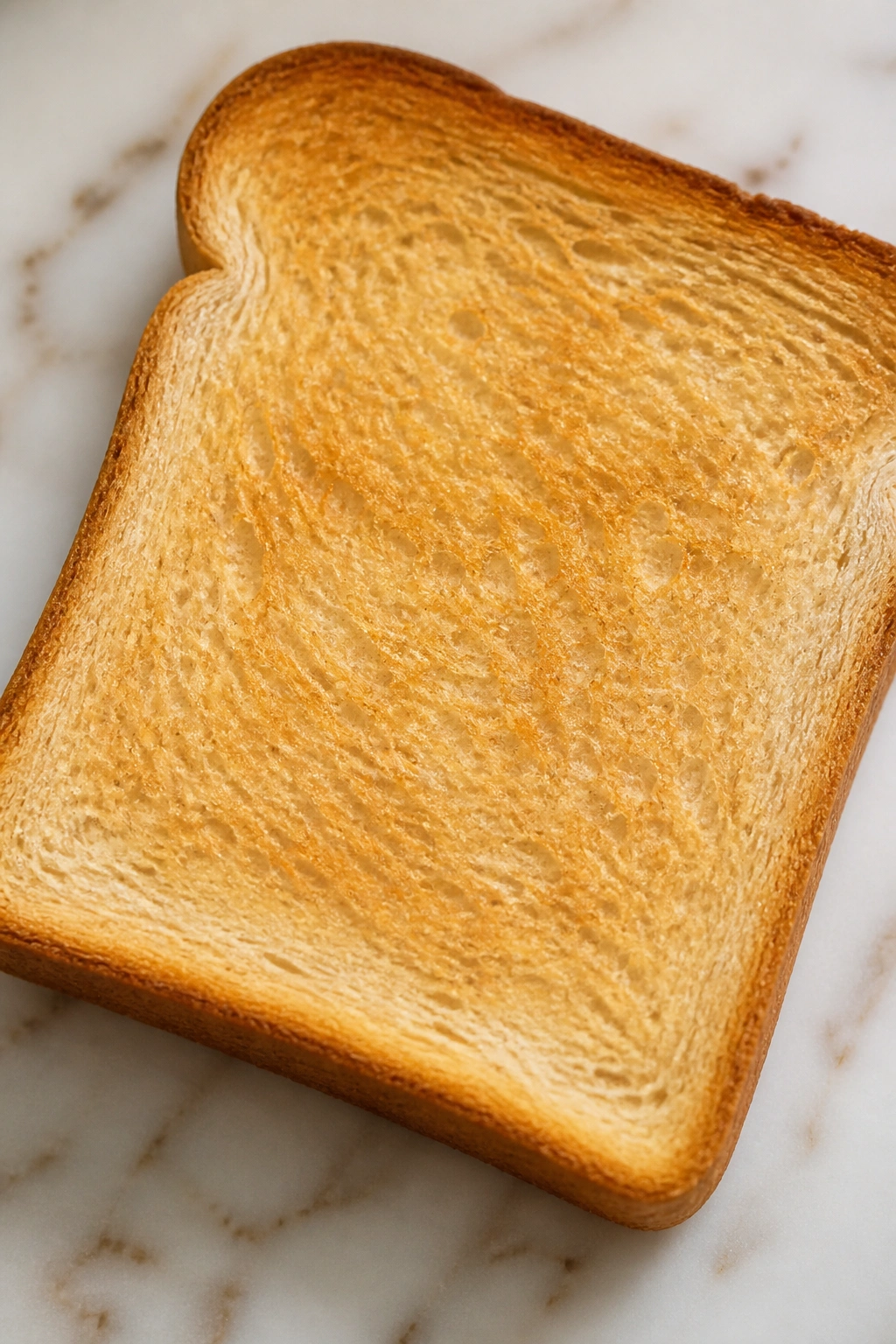
Dry toast is one of the few breakfasts that asks for almost nothing. You can make it while half asleep, eat it slowly, and stop after half a slice if that’s all your stomach wants. Toast also tastes a little more comforting than plain bread because the heat changes the texture just enough to make it easier to chew.
The simplest version usually works best: white bread or a mild sandwich bread, toasted until the surface is pale gold and crisp, not dark brown. Heavy seed breads can be great on a normal day, but during nausea they can feel rough and smell a little too nutty or earthy. Keep the butter light, or skip it if fat seems to make things worse.
A slice of toast is also useful because it gives you a clean base for other gentle foods. A thin swipe of peanut butter, a little applesauce, or even a few banana slices can turn it into something more filling without making it heavy. That balance is the sweet spot here.
And yes, toast sounds bland. It is bland. That is the point.
3. Ginger Chews and Crystallized Ginger
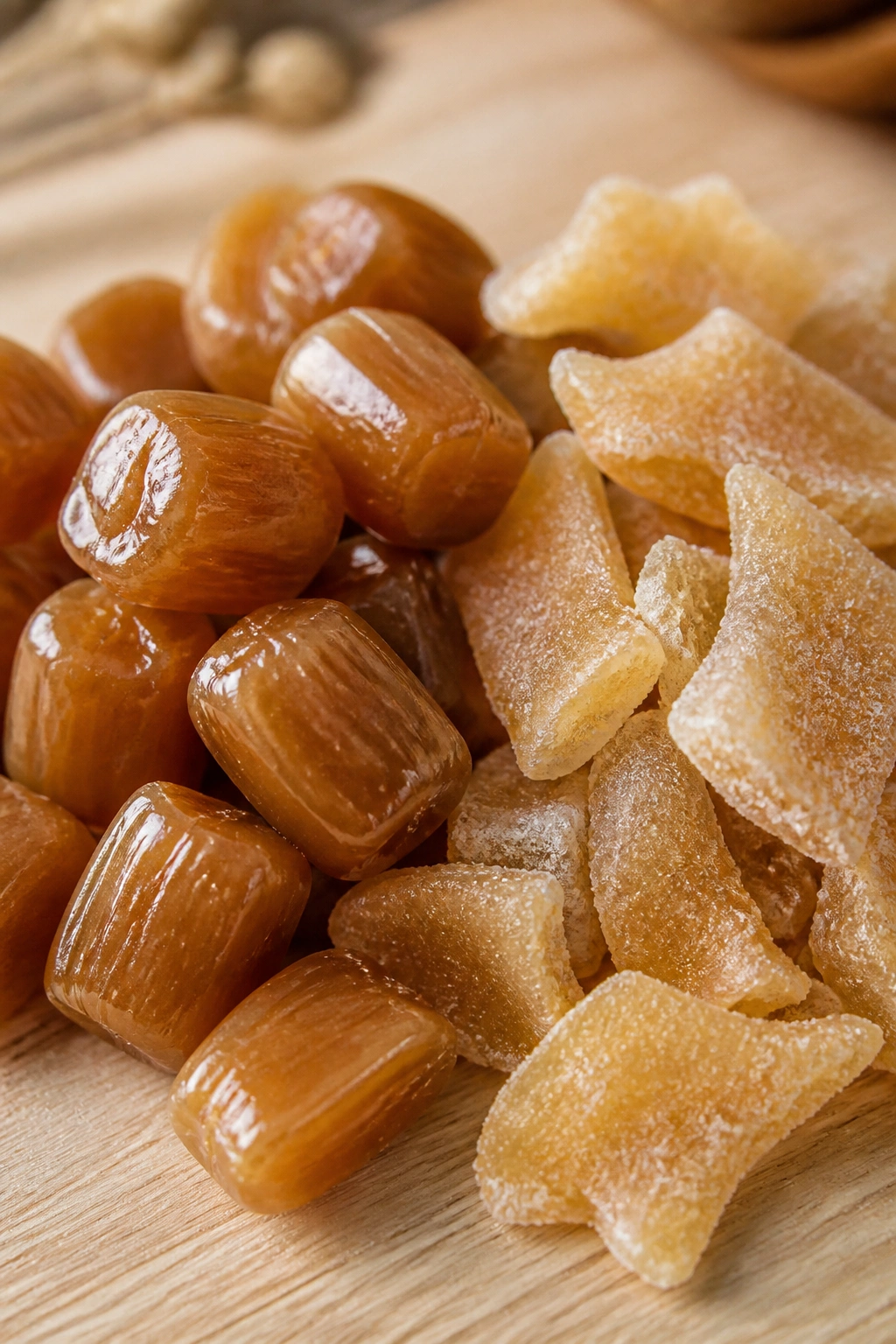
Does ginger actually help, or is it just one of those old pregnancy sayings that stuck around? Ginger has been studied a lot for nausea, and many people find it helps a little or helps a lot, especially when they take it in small amounts. It is not magic. It is just one of the few foods with a real reputation for calming a queasy stomach.
The form matters more than people expect. Ginger chews are easier for many pregnant people than ginger tea, because a hot drink can smell too strong when nausea is sharp. Crystallized ginger works too, but the sugar coating makes it taste more like candy, which is great if you can tolerate sweetness and not great if sugar makes your stomach feel sticky.
How to Use It
Take a small piece after a bland snack, not on a completely empty stomach. That usually feels kinder.
- Start with half a chew or one small slice.
- Choose ginger candy that lists real ginger near the top.
- Keep the serving small; more is not better here.
- If it burns your throat or tastes too sharp, stop.
Some people love ginger. Some people hate it. Fair enough. But if you are building a nausea kit, a few ginger chews are worth keeping around.
4. Bananas
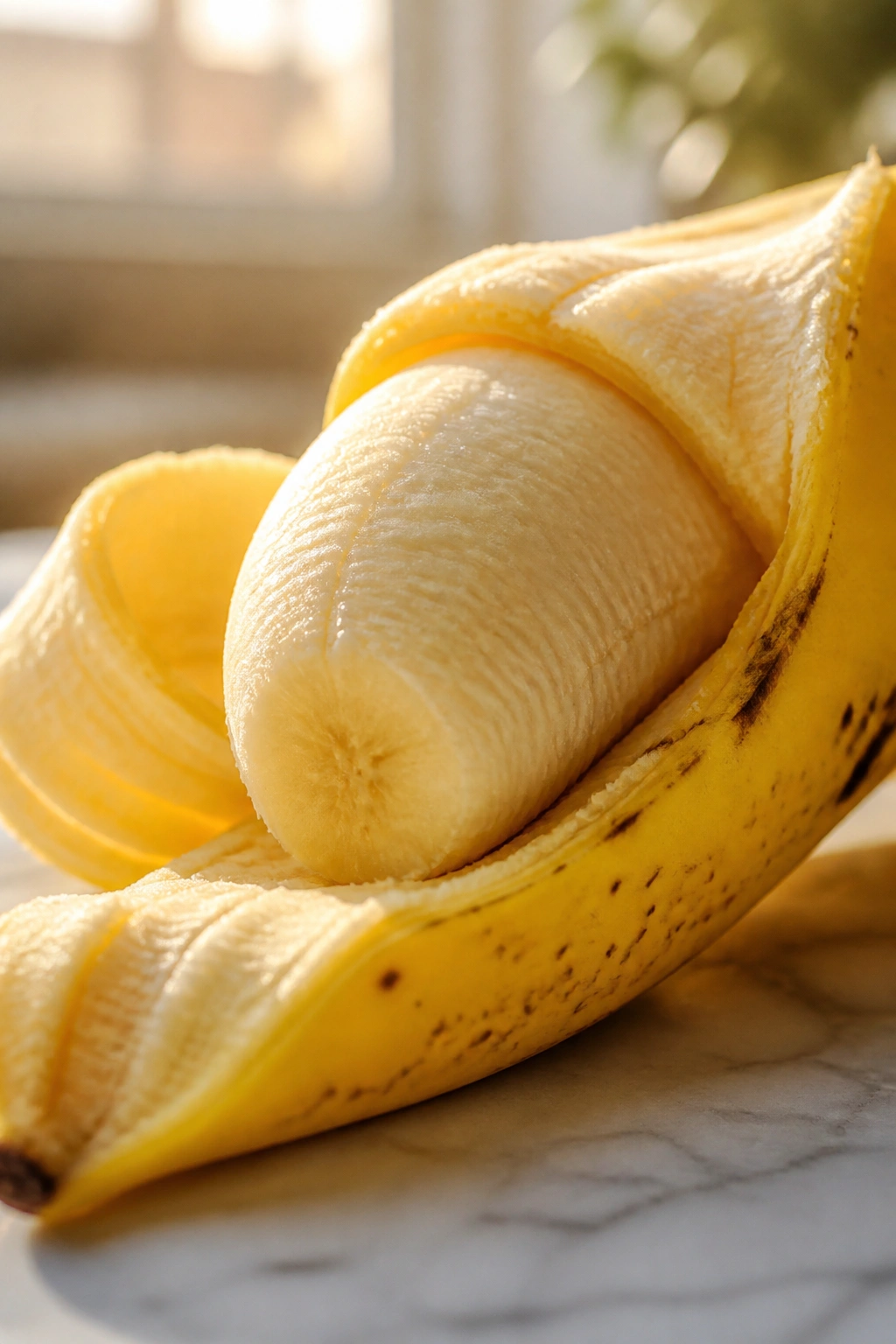
A ripe banana can be the difference between “I can keep going” and “I need to sit on the kitchen floor for a minute.” It is soft, low in smell, and easy to eat in small bites. That alone makes it a strong option when even the idea of cooking sounds rude.
Bananas also bring a little potassium, which is handy when you have not eaten well and your body feels washed out. The texture matters, though. Too green and the banana tastes starchy. Too brown and it can feel overly sweet or mushy. I prefer the kind with a yellow peel and a few freckles, because it is soft without going full baby food.
A banana works well in the morning, but it can also be a decent midafternoon fix if you need something quick. Slice it over toast, mash it onto crackers, or eat it plain if that is all you can manage. Cold banana slices from the fridge are good too; they taste milder and feel a little more refreshing.
If bananas make you gag, skip them. No one wins points for forcing the obvious choice.
5. Applesauce
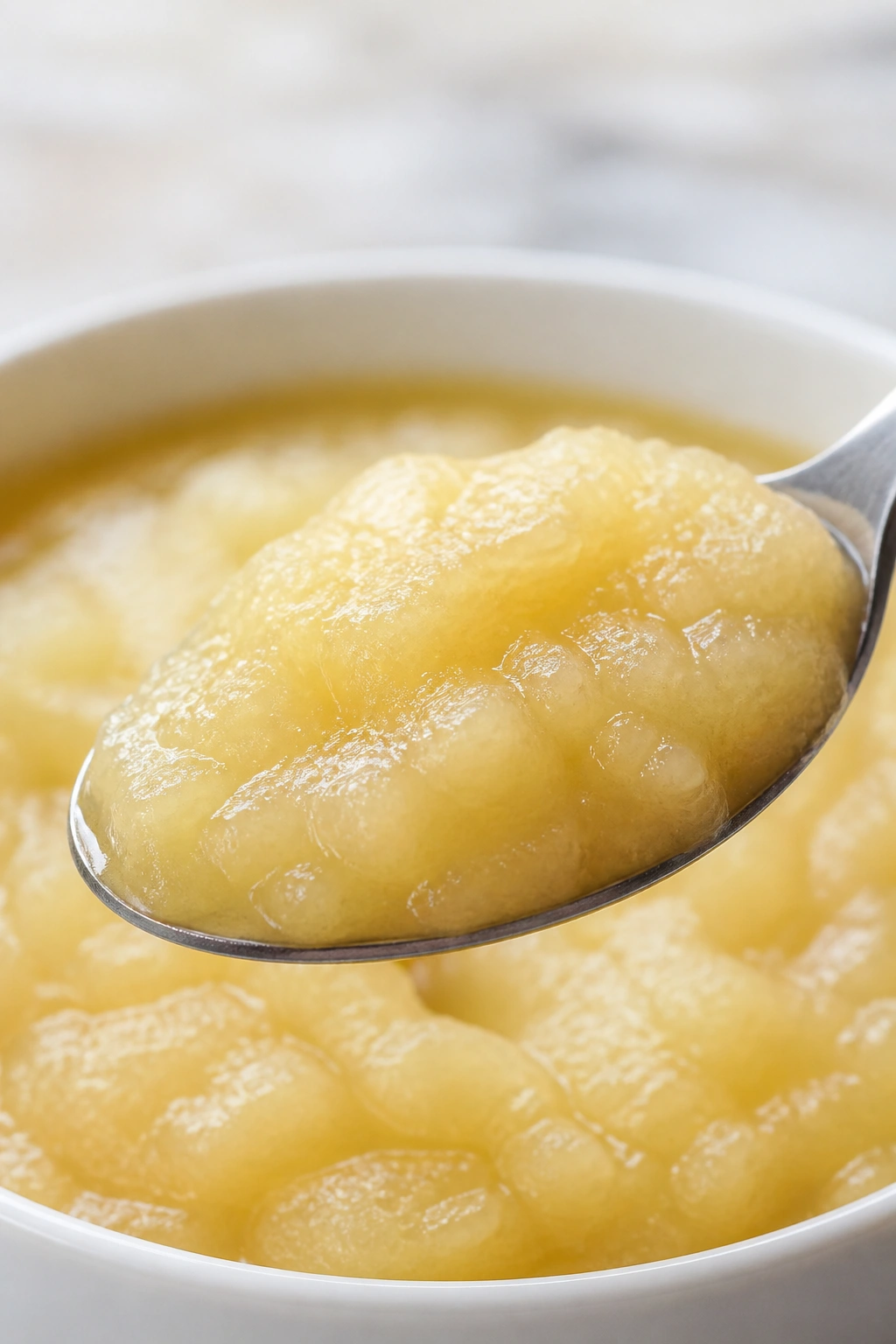
Cold applesauce is one of those foods that feels almost unfairly gentle. The texture is smooth, the smell is mild, and you do not have to chew much, which is a bigger deal than it sounds like when your stomach is already irritated. Unsweetened applesauce is my pick most of the time because the plain apple flavor stays lighter and less cloying.
A spoonful or two can work as a tiny snack, especially if you are stuck in that weird middle zone where you are hungry but also not remotely in the mood for food. It also pairs well with toast, crackers, or a few bites of banana if you need a bit more staying power. That mix of soft and dry is useful.
Keep it cold if you can. Warm applesauce is fine for some people, but cold applesauce seems to sit quietly, and quiet is what you want. A small bowl straight from the fridge can feel easier than a bigger serving that warms up on the counter.
If you buy the sweetened kind, taste it before relying on it. Too much sugar can make nausea feel sticky and flat.
6. Oatmeal
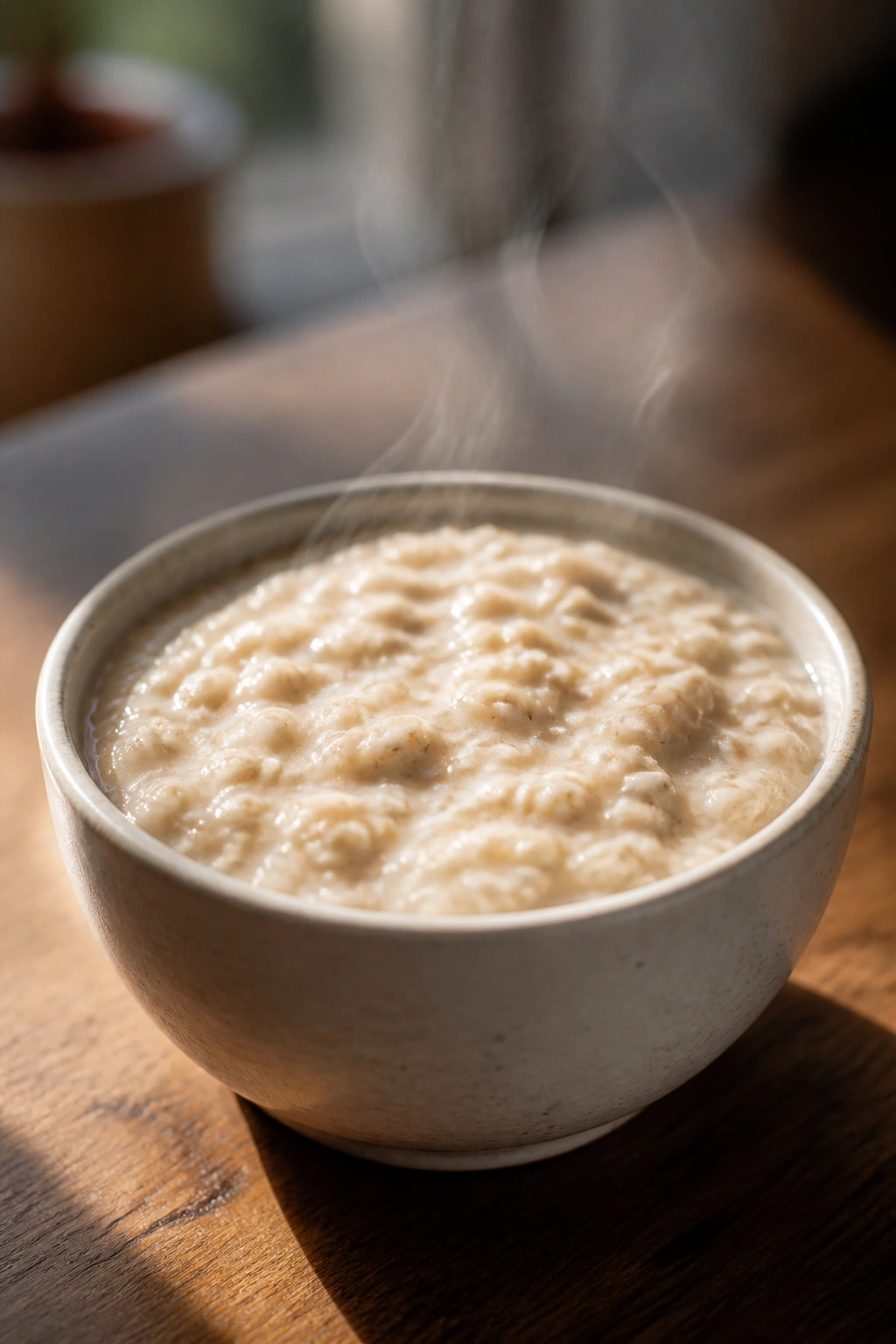
Oatmeal works because it gives you more staying power than a cracker without feeling heavy like a big egg sandwich or a greasy breakfast plate. That matters when nausea comes in waves. A small bowl of oatmeal can sit in the middle: soft enough to swallow easily, filling enough to keep the empty-stomach feeling from coming back too fast.
Rolled oats or quick oats usually work better than fancy add-ins. Keep the cooking simple. Water, milk, or a mix of both. A pinch of salt. Maybe a few banana slices or a spoon of applesauce if you need flavor. Cinnamon is fine if you like it, but if spice smells sharp to you, leave it out.
This is one of the better choices for people who wake up queasy but still need something with a little substance. Start with a half cup cooked, not a giant cereal bowl. A big portion can feel like too much work for a stomach that wants no part of a project.
7. White Rice
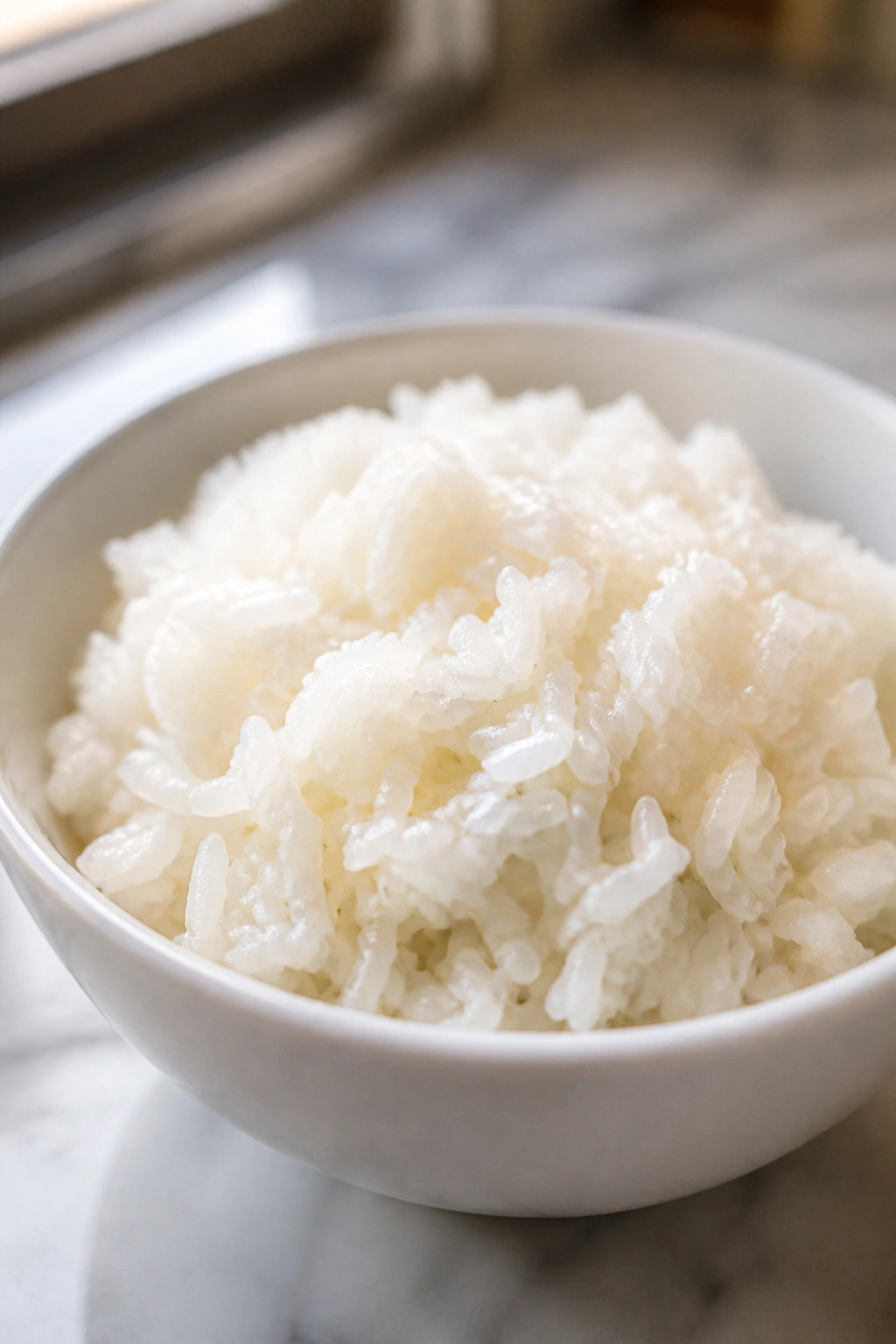
Plain white rice can calm a rough stomach because it is soft, low-smell, and bland enough not to fight you. Brown rice is nutritious, sure, but its stronger flavor and firmer texture can be too much when nausea is flaring. White rice is the gentler choice, and sometimes gentle is the whole game.
The Rice Texture That Works Best
Slightly sticky rice often sits better than very fluffy rice, because the grains stay together and feel easier to swallow. A small bowl, warm but not piping hot, is usually the sweet spot. If the smell of fresh rice bothers you, make it ahead and let it cool a little.
You can eat it plain with a pinch of salt, or spoon a little broth over it so it feels more like a soft meal and less like a dry side dish. Leftover rice is fine too, as long as it has been cooled and stored properly. Fried rice, spicy sauces, and oily toppings are a different story. They often turn a calm food into a noisy one.
Rice is not exciting. It does not need to be. It is useful.
8. Chicken Broth for Pregnancy Nausea
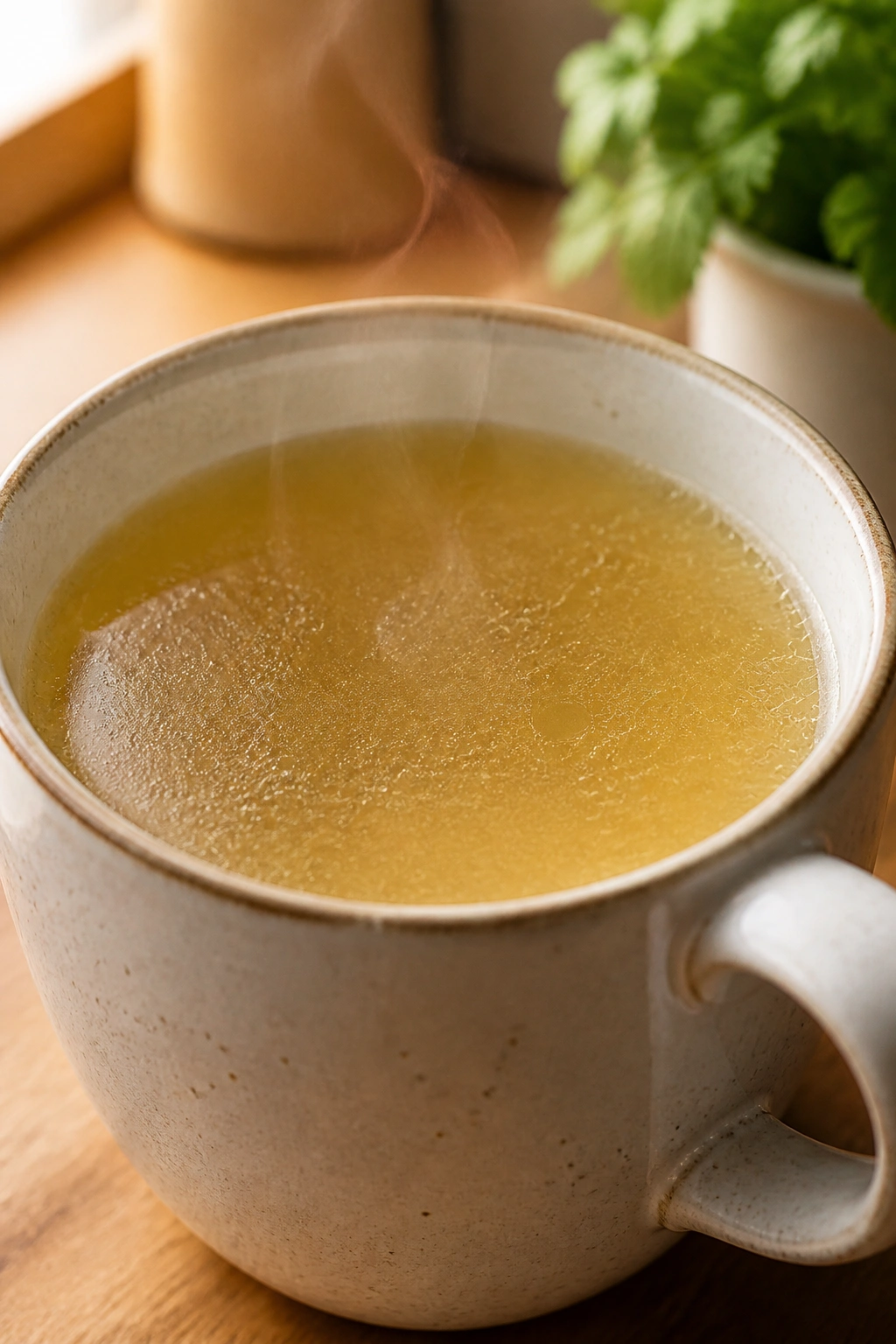
When solids fail, broth can save the morning. That sounds dramatic, but it is true for a lot of pregnant people who find that a few sips of salty liquid go down better than anything they can chew. Chicken broth gives you fluid plus sodium, and that can help when nausea and dehydration start feeding each other.
Warm broth tends to work better than very hot broth. Too much steam can set off a sensitive nose. If the smell bothers you, pour it into a mug, let it cool for a minute, and sip it slowly instead of trying to finish a bowl like it is soup night. A low-sodium version is fine, and sometimes better, because it lets you add salt only if you need it.
How to Make It Easier to Tolerate
- Sip 2 to 4 tablespoons at a time.
- Choose a broth with a mild chicken smell.
- Skim off any visible fat if it tastes greasy.
- Keep a plain cracker nearby in case you need it.
Some days broth is all you can manage. That is still useful. If chicken broth smells off, a simple vegetable broth can play the same role without the poultry note.
9. Plain Yogurt
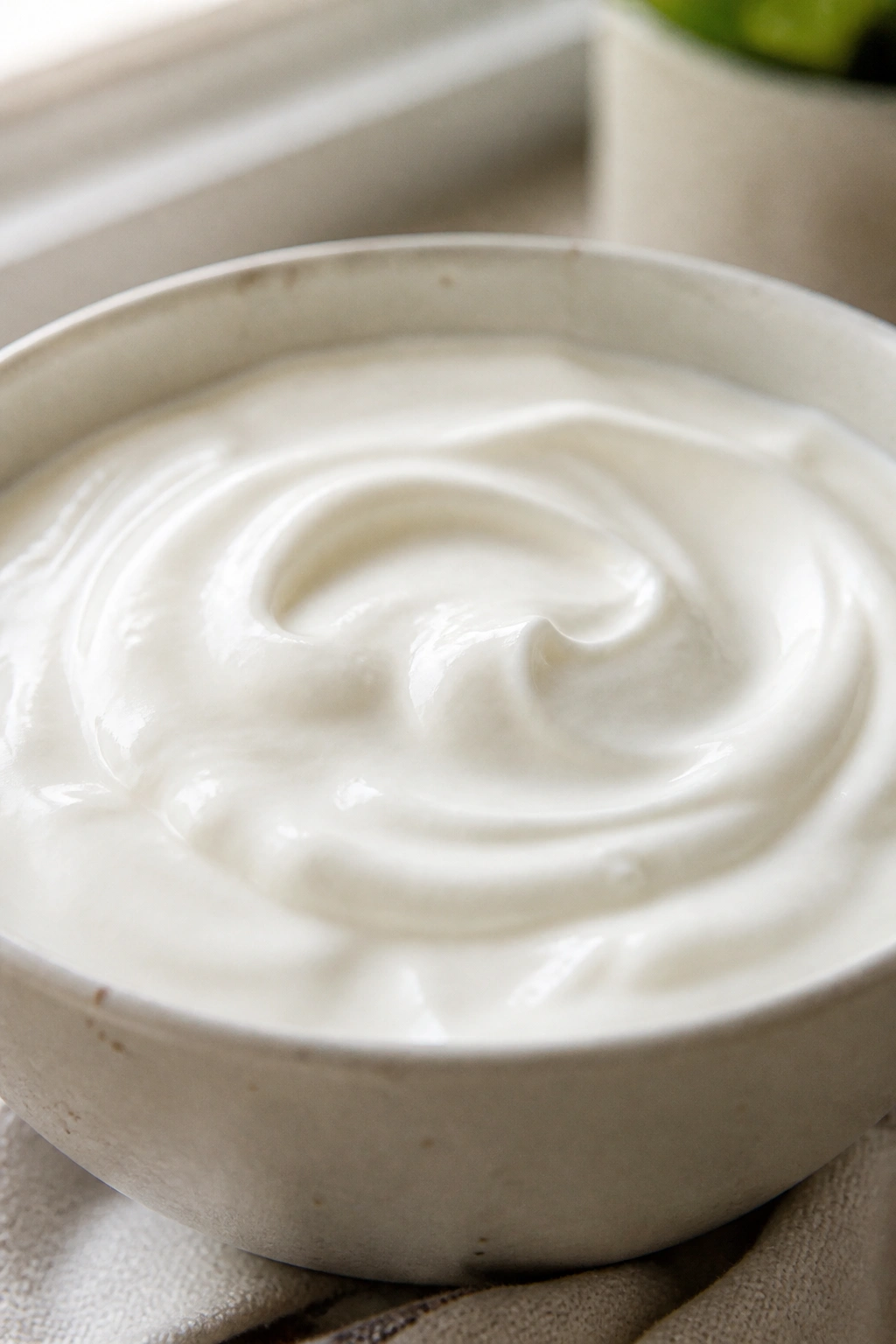
Cold yogurt is one of those foods that sounds either perfect or awful, depending on the day. When it works, it works well. The temperature is soothing, the texture is smooth, and the protein can help you feel steadier than a carb-only snack. Greek yogurt is thicker and often less sweet, which some people prefer because it feels less sloshy.
The key is to keep it plain or nearly plain. Strong fruit flavors, bright citrus, and crunchy granola can be too much when your stomach is touchy. A few spoonfuls of plain yogurt, maybe with a banana or a little honey if sweetness is tolerable, is usually a safer bet. If dairy bothers you, skip it or look for lactose-free yogurt.
I would keep this one in the “try it chilled” category. Cold matters here. A warm yogurt container that has sat in your bag for an hour is not the same thing at all, and it usually does not go over as well.
If the tangy smell gets to you, move on fast. No prize for stubbornness.
10. Mashed Potatoes
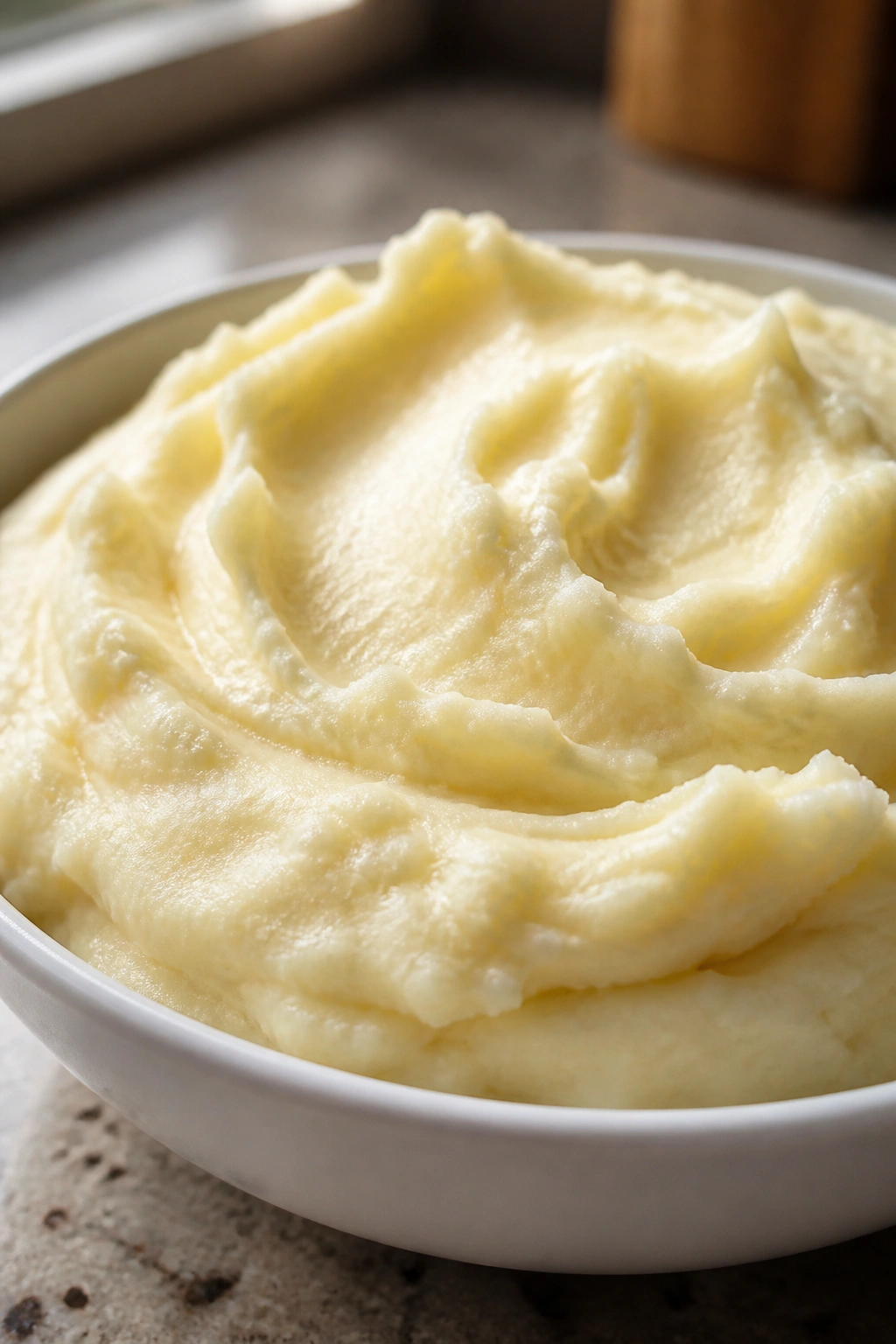
Mashed potatoes are the food equivalent of a soft landing. They are warm, soft, and easy to eat in a few spoonfuls, which is exactly what you want when chewing feels like a chore. They also give you a little more substance than a cracker without the rough edges of toast.
The trick is making them light. Use peeled potatoes, mash them smooth, and keep the butter modest if rich foods bother you. Warm milk or a splash of broth can help with texture, and broth is a smart move if dairy smells too heavy. Russet and Yukon Gold potatoes both work well, though Yukon Gold tends to stay a little creamier.
Mashed potatoes are best when they are simple. Salt. Maybe a little pepper if you can tolerate it, but pepper is a gamble for some stomachs. Garlic-heavy versions or piled-high restaurant mash can be too much when you are already queasy.
If dinner feels impossible, a small bowl of plain mashed potatoes can be a decent reset. Not glamorous. Useful.
11. Apples
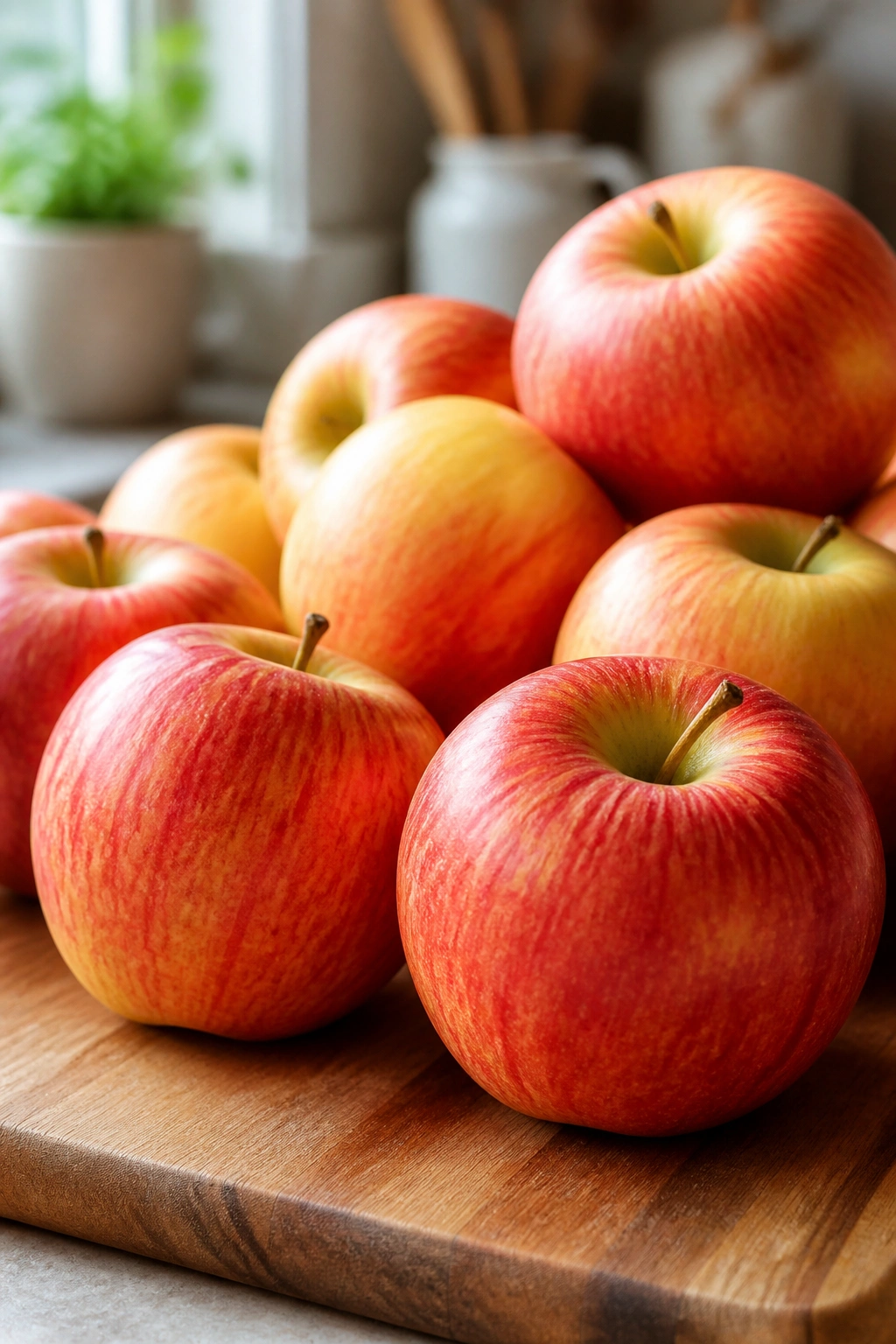
Whole apples are a different experience from applesauce, and that difference matters. The crunch can be satisfying when you want a food that feels like it has some structure, but the right apple makes a big difference. A sweet, crisp apple sliced cold can be easier than a tart one if acid is bothering you, though some people prefer the sharper taste because it cuts through the weird metallic flavor nausea can leave behind.
Peeled apple slices are often easier than eating the skin-on fruit. The skin adds fiber, which is fine in theory but can feel a little scratchy when your stomach is already annoyed. Keep the slices thin. Thick wedges feel like more work.
I like apples best when they are cold from the fridge. That keeps the smell low and the texture sharp. They also pair well with toast or a little peanut butter if you need more calories, which is handy because apples alone may not hold you for long.
This is a good snack for the person who wants something fresh but not fussy.
12. Watermelon
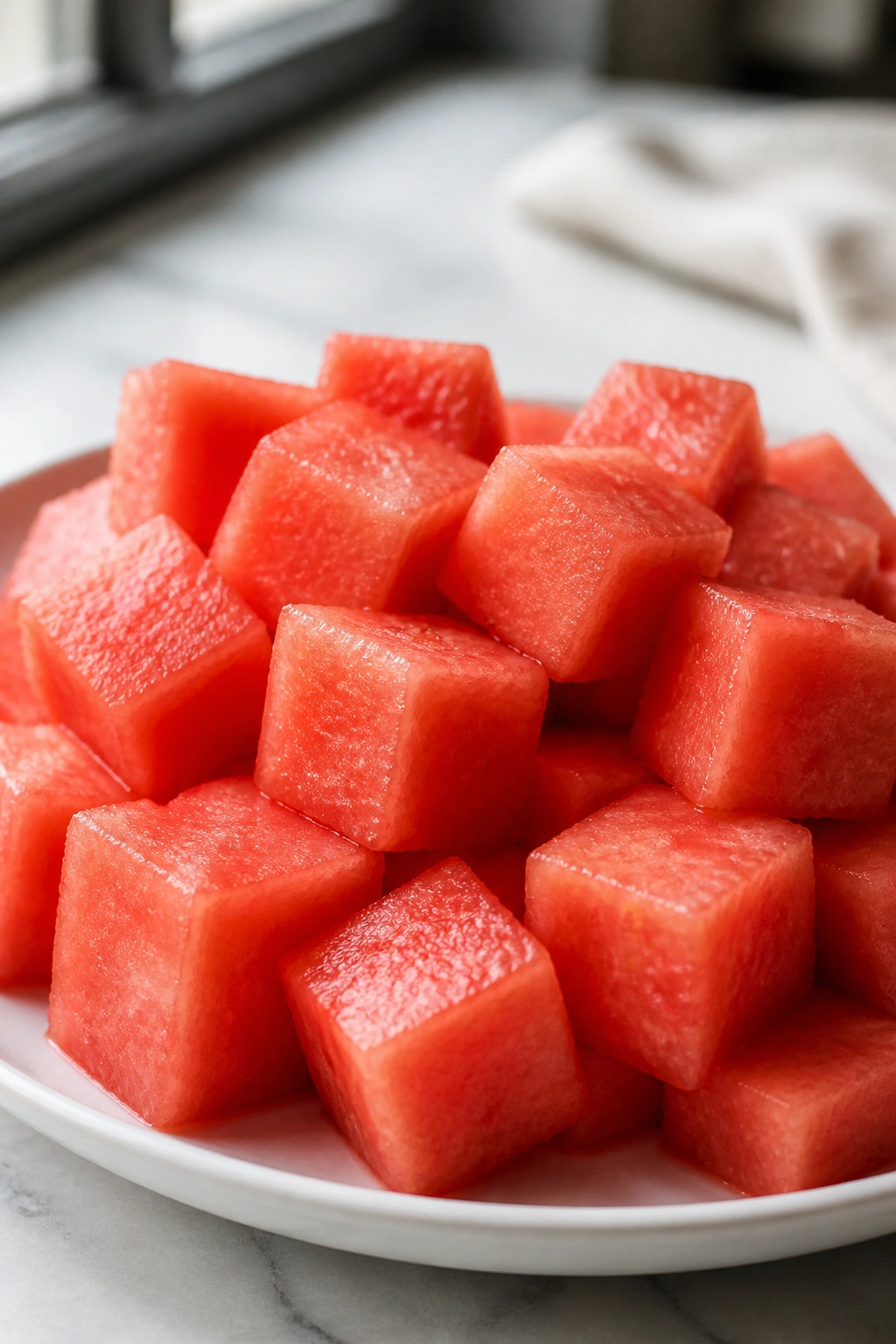
Why does watermelon work so well when nausea is bad? Because it is cold, watery, and mild enough not to shout at your nose. That combo matters. Pregnancy nausea often gets worse when you are a little dehydrated, and watermelon gives you fluid in a form that feels closer to food than a glass of water.
Cut it into small cubes and chill it well before eating. Room-temperature watermelon is fine, but cold watermelon usually tastes cleaner and slips down more easily. If it seems flat, a tiny pinch of salt can wake up the flavor without making it heavy. Frozen watermelon cubes work too, though they are a little messy as they melt.
How to Use It
- Eat a few cubes at a time, not a giant bowl.
- Keep it cold in the fridge.
- Choose ripe watermelon that smells sweet, not fermented.
- Stop if the texture feels too watery for you.
Watermelon is especially useful on days when chewing feels like too much effort. It is not filling for long, so think of it as a bridge, not a full meal.
13. Cucumbers
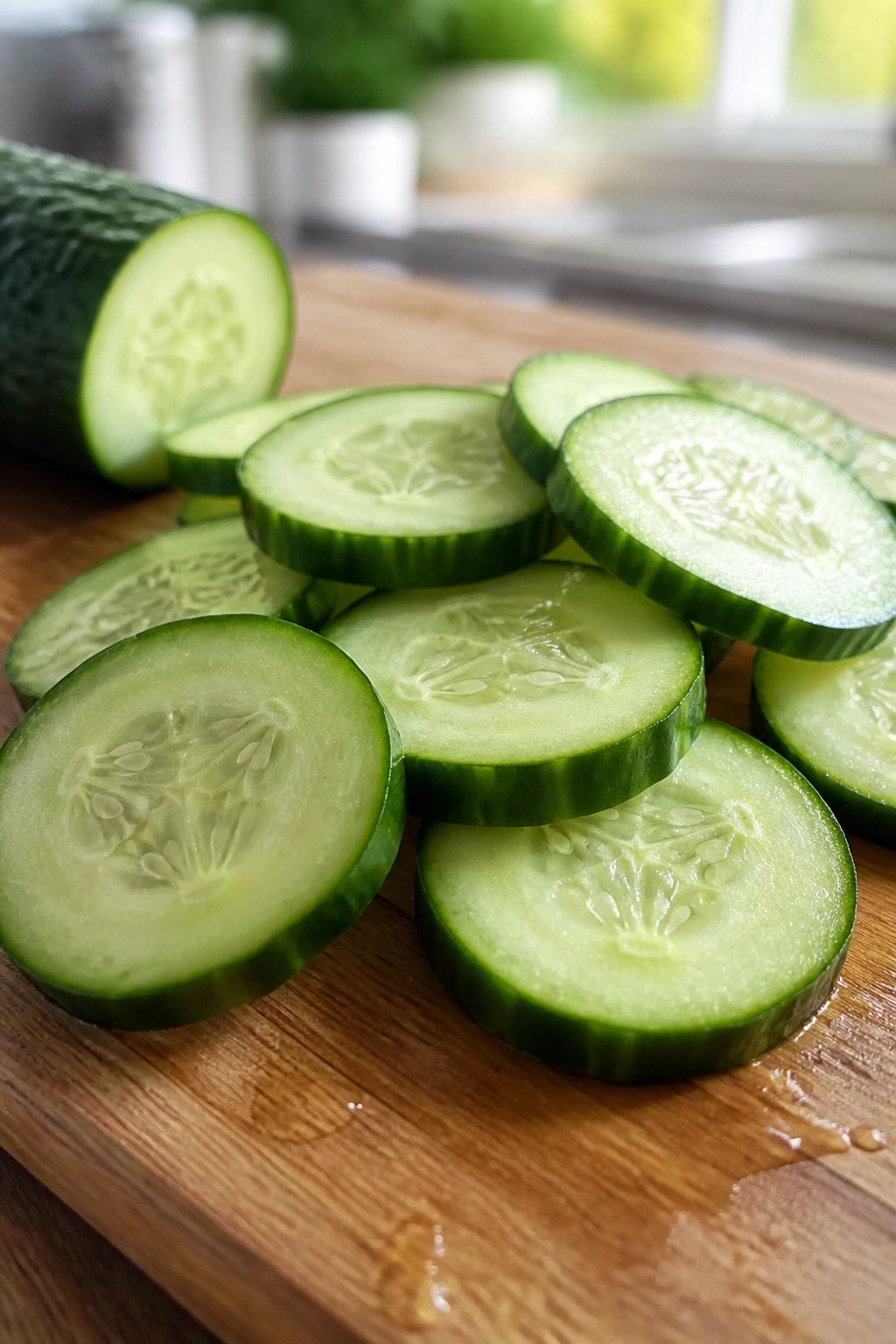
Cucumber slices can feel like a reset button when every smell in the kitchen seems too loud. They are cool, crisp, and mostly water, which makes them one of the least aggressive foods you can put in front of a nauseated stomach. The flavor is mild enough that you can eat a few slices without your mouth getting tired.
Peel the cucumber if the skin tastes bitter to you. That little bitterness is harmless, but when nausea is around, harmless things can still be annoying. Slice them thin, keep them cold, and salt them very lightly if plain cucumber tastes too flat. I would avoid heavy dressings here. Creamy dips can be too rich, and vinegar can be too sharp.
Cucumbers do not provide much energy, so they work best alongside something else. A few slices with crackers, toast, or a spoonful of yogurt can make the snack feel more complete. By themselves, they are more of a cooling snack than a real meal.
Still, there is something useful about food that asks almost nothing from you.
14. Avocado
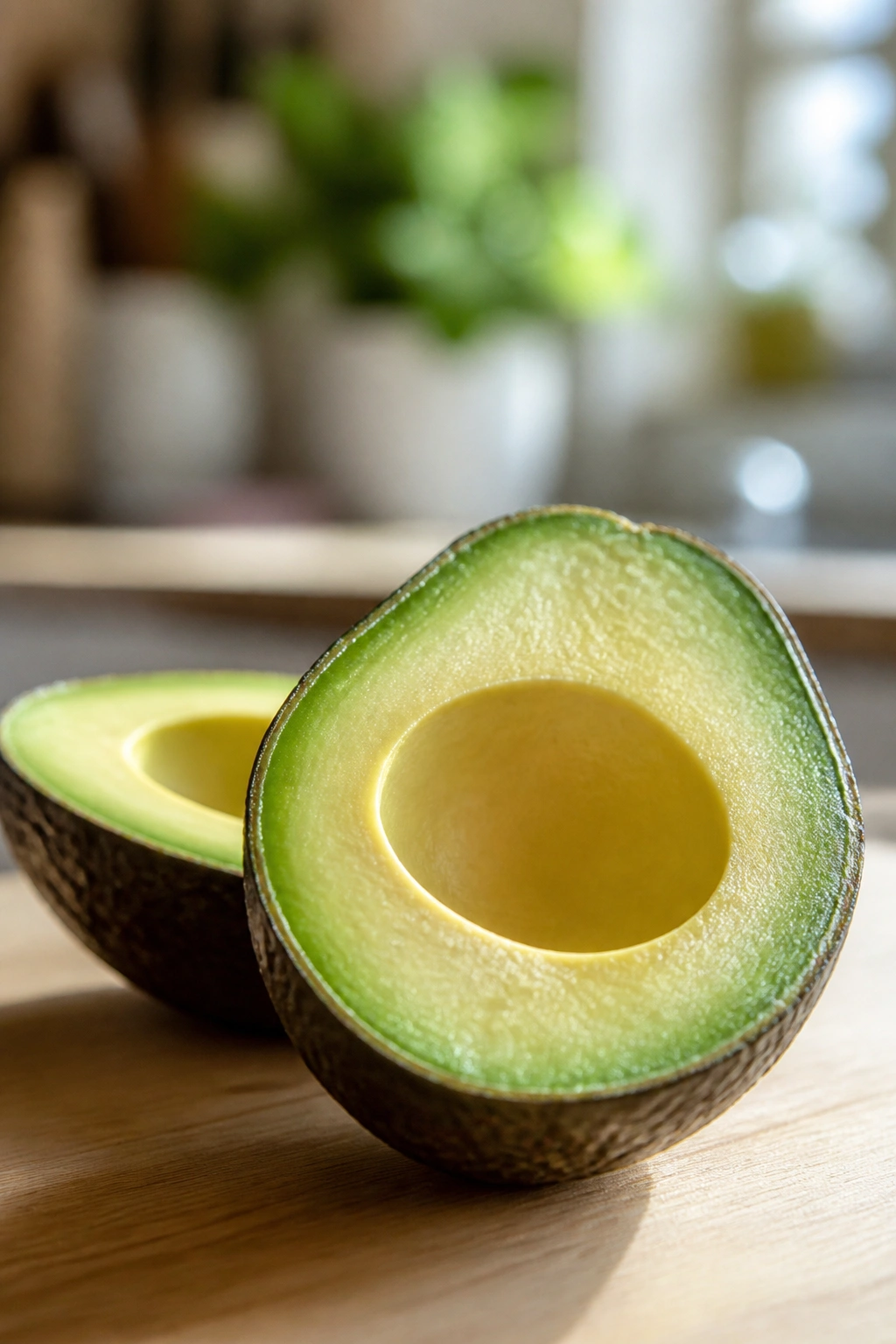
Avocado is one of the few fatty foods that can help nausea if you keep the portion small. Fat can slow digestion and help you feel full longer, which is handy when an empty stomach keeps making the nausea worse. The catch is that too much richness can backfire fast, so portion size matters here more than it does with a cracker or banana.
A quarter of an avocado on toast is a good starting point. Add a little salt and stop there unless your stomach is clearly happy. Lime juice is fine if citrus does not bother you, though I would not push it. Avocado already has a soft, creamy taste that can carry the snack on its own.
If the texture turns you off, skip it. Some people love the smoothness. Others find it too heavy or too bland. That is one of those foods with a very strong yes-or-no response, and there is no point pretending otherwise.
When it works, it is a nice middle ground between snack and meal.
15. Eggs for Pregnancy Nausea
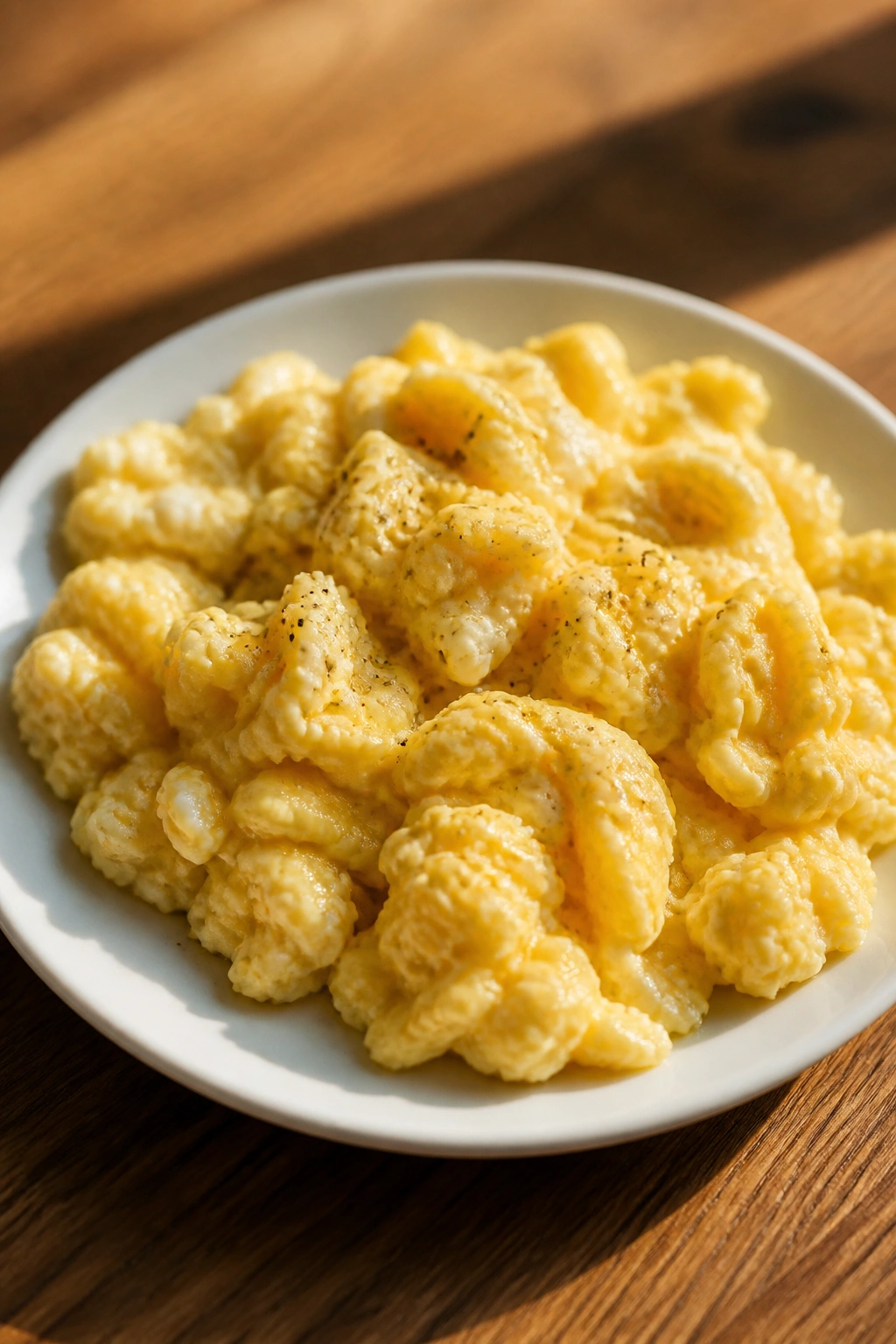
Are eggs too strong when you’re nauseated? Sometimes, yes. But when they are cooked gently, they can be one of the most useful protein foods in the house. Protein tends to help some people feel steadier than carbs alone, and eggs are easy to portion in a way that does not overwhelm you.
Soft scrambled eggs are usually the safest place to start. Keep the heat medium-low, stir slowly, and pull them off the pan while they are still just a little glossy. Fully cooked is the goal in pregnancy; no runny centers. Hard-boiled eggs can be fine for some people, but the smell can be rough when they are peeled warm, so I usually prefer scrambled or baked egg bites.
How to Keep Eggs Tolerable
Use a nonstick pan, a small knob of butter or a little oil, and keep the seasoning simple. Salt is enough most of the time. If garlic or pepper smells sharp, leave it out.
A single egg may be enough. Two if your stomach is having a kinder day.
16. Plain Pasta
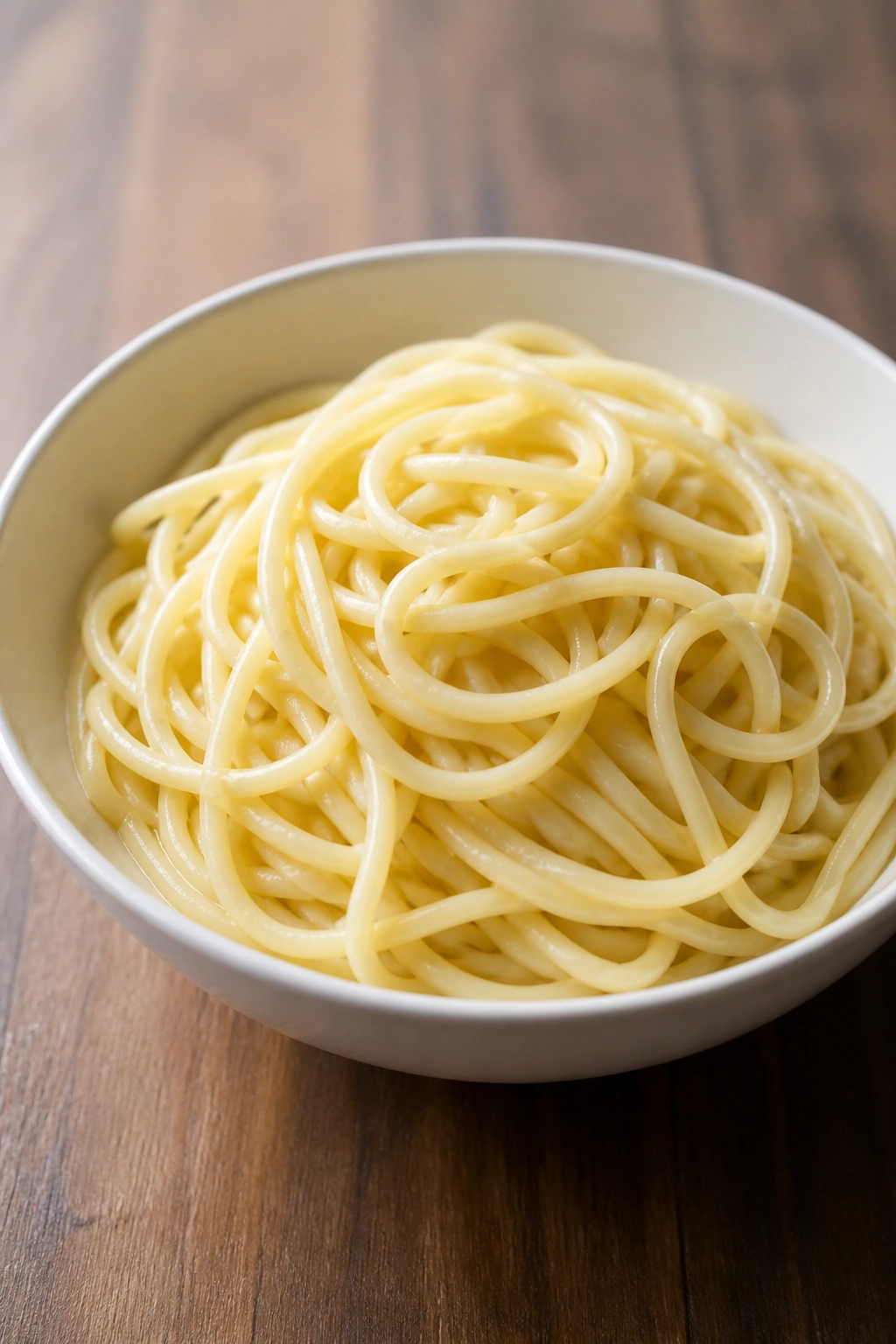
A small bowl of plain noodles can save dinner when nothing else sounds okay. Pasta is soft, familiar, and easy to eat in small forksful, which makes it less intimidating than a plate loaded with sauces, cheese, and strong smells. It is also one of the easier foods to hold down when you need something warm but not rich.
Short shapes like elbow macaroni, rotini, or small shells usually work well because they are easy to scoop. If you want a little more flavor, toss the pasta with a teaspoon of olive oil or a splash of broth. Butter is fine if you tolerate it, but keep it light. Heavy sauce can turn a safe food into a regret.
Best Ways to Serve It
- Serve warm or room temperature, not blazing hot.
- Keep portions small: about 1 cup cooked is often enough to start.
- Choose mild pasta shapes with little texture.
- Add a pinch of salt only after tasting.
Plain pasta is not flashy. It is a fallback food, and that is exactly why it belongs here.
17. Smoothies
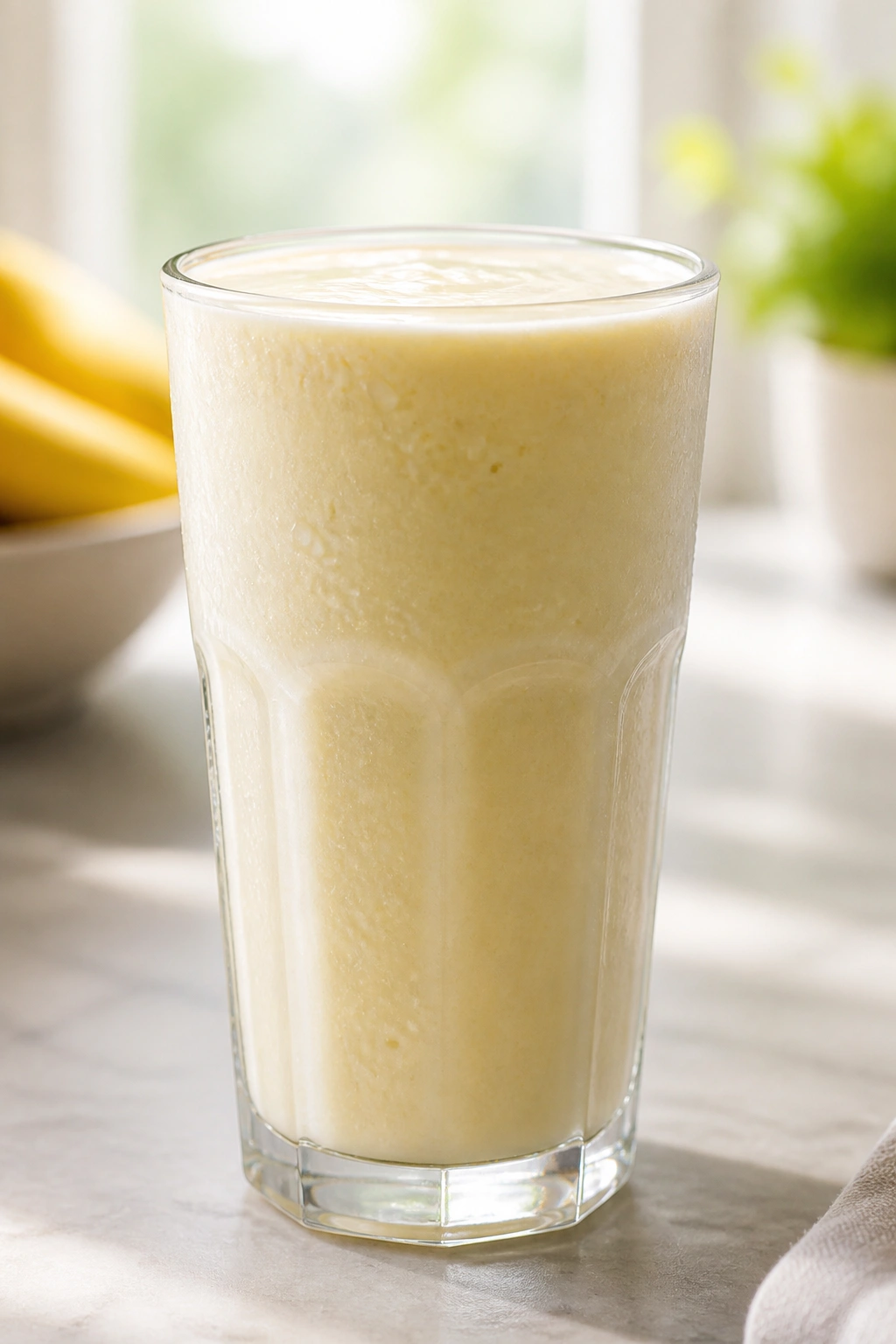
A cold smoothie can be a lifesaver when chewing feels like too much work and hot food is off the table. The temperature helps. The sip-by-sip format helps. And if you build it carefully, you can get fruit, protein, and a little fiber in one glass without making your stomach feel crowded.
Keep the recipe simple. Banana, plain yogurt or milk, and a handful of frozen fruit is enough for most people. If you want oats, add a tablespoon or two, not a whole cup. If sweet drinks set you off, keep the fruit mix gentle and skip juices that taste sharp, like orange or pineapple. Those can be too bright when nausea is strong.
A straw can make smoothies easier, especially if smell bothers you. It cuts down on how much aroma hits you all at once. That sounds small, but small things are the whole story with nausea.
If the smoothie tastes too thick, thin it with a little milk or water. A drink you can finish is better than a perfect one you abandon halfway through.
18. Peanut Butter
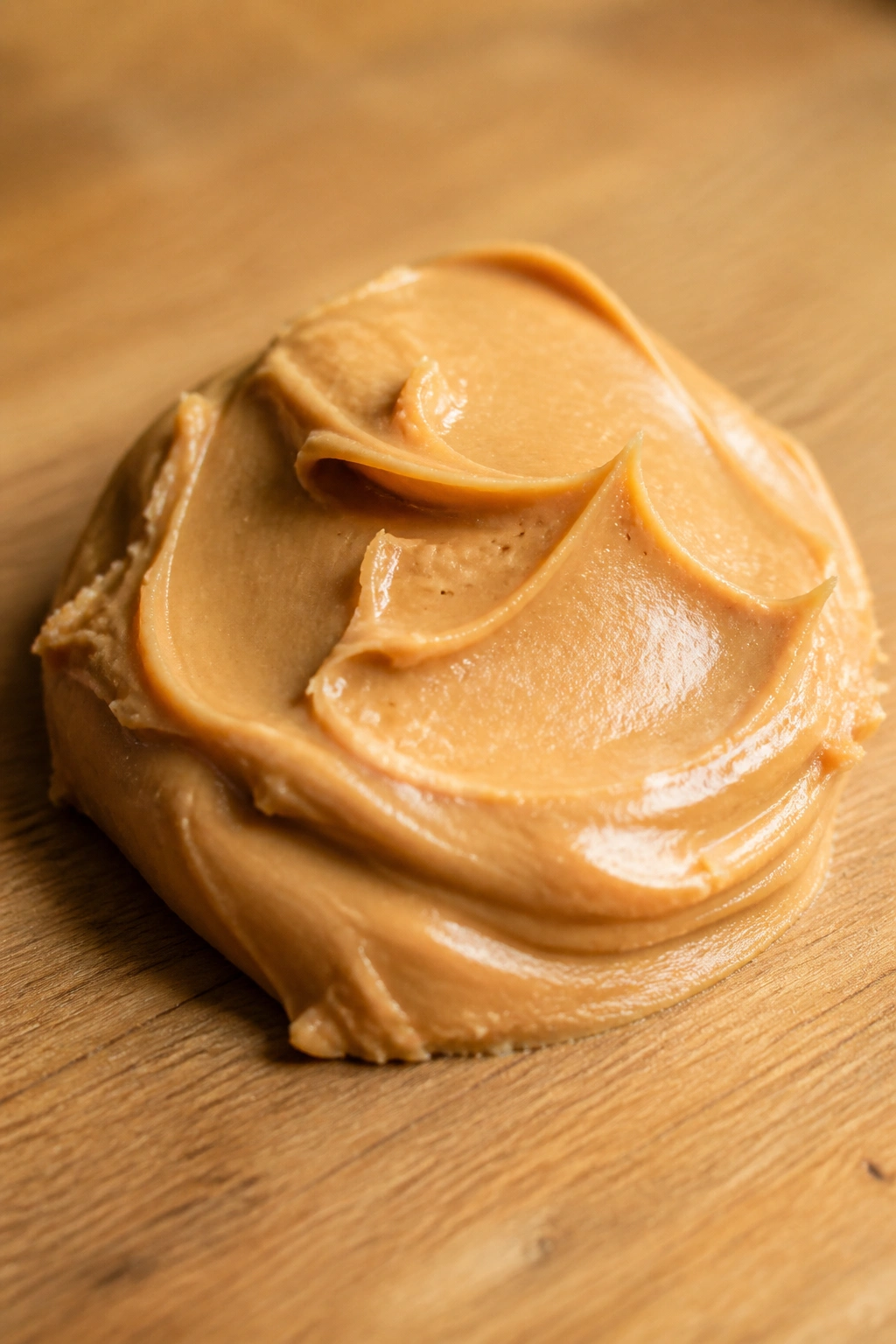
Peanut butter can be a smart nausea snack because it brings fat and protein in a small, dense spoonful. That keeps it from being all air and no staying power. A thin layer on toast, a few bites with banana, or even a spoonful on its own can be enough when you need something that lasts longer than a cracker.
Smooth peanut butter usually goes over better than chunky, since the texture is softer and less demanding. Keep the portion modest. One tablespoon is a sensible start. Too much can feel sticky and heavy, especially if your mouth is dry or your stomach is already irritated. If the smell turns your stomach, stop immediately. Peanut butter is useful, not sacred.
This is also a good place to think about allergies and substitutes. Sunflower seed butter or almond butter can work if you tolerate them, though the flavor is different and sometimes a little stronger. I would still start small.
It is one of the better snacks for a later-morning slump, when crackers no longer feel like enough.
Final Thoughts
The smartest thing to do with pregnancy nausea is to keep a few different foods within reach, because your stomach may change its mind without warning. Crackers help when empty space is the problem. Cold fruit helps when smell is the problem. Protein foods like yogurt, eggs, or peanut butter help when you need something that lasts.
Rotation matters. If one food stops working, that does not mean you are out of options; it just means your stomach has moved the goalposts. Try smaller portions, cooler temperatures, and milder smells before you give up on the whole category.
And if you can’t keep fluids down, are losing weight, or are vomiting so much that even sips are a problem, that’s not a “push through it” situation. Get medical help. The right foods can help a lot, but they are still only part of the picture.
