



A visible six-pack is built with food long before it shows up in the mirror. Crunches help, sure. But if the diet is sloppy, the abs stay hidden under a layer that no amount of ab work can out-train.
The most useful six pack abs diet tips are not glamorous, and that’s part of why they work. Eat enough protein. Keep a real calorie deficit. Stop drinking calories like they don’t count. Use fiber, volume, and meal planning so hunger doesn’t run the show.
People love complicated answers here. They want a magic food list, a cleanse, a weird carb rule, or some tiny timing trick that cancels out months of overeating. That’s not how this works. Visible abs come from getting lean enough to reveal the muscle you already have, and that usually means tightening the basics until they’re boring in the best way.
No food peels belly fat off on command. No detox tea changes that. What does help is a setup you can repeat on a random Tuesday when work is annoying, sleep is short, and the fridge looks uninspiring.
1. Build Your Six Pack Abs Diet Around Protein
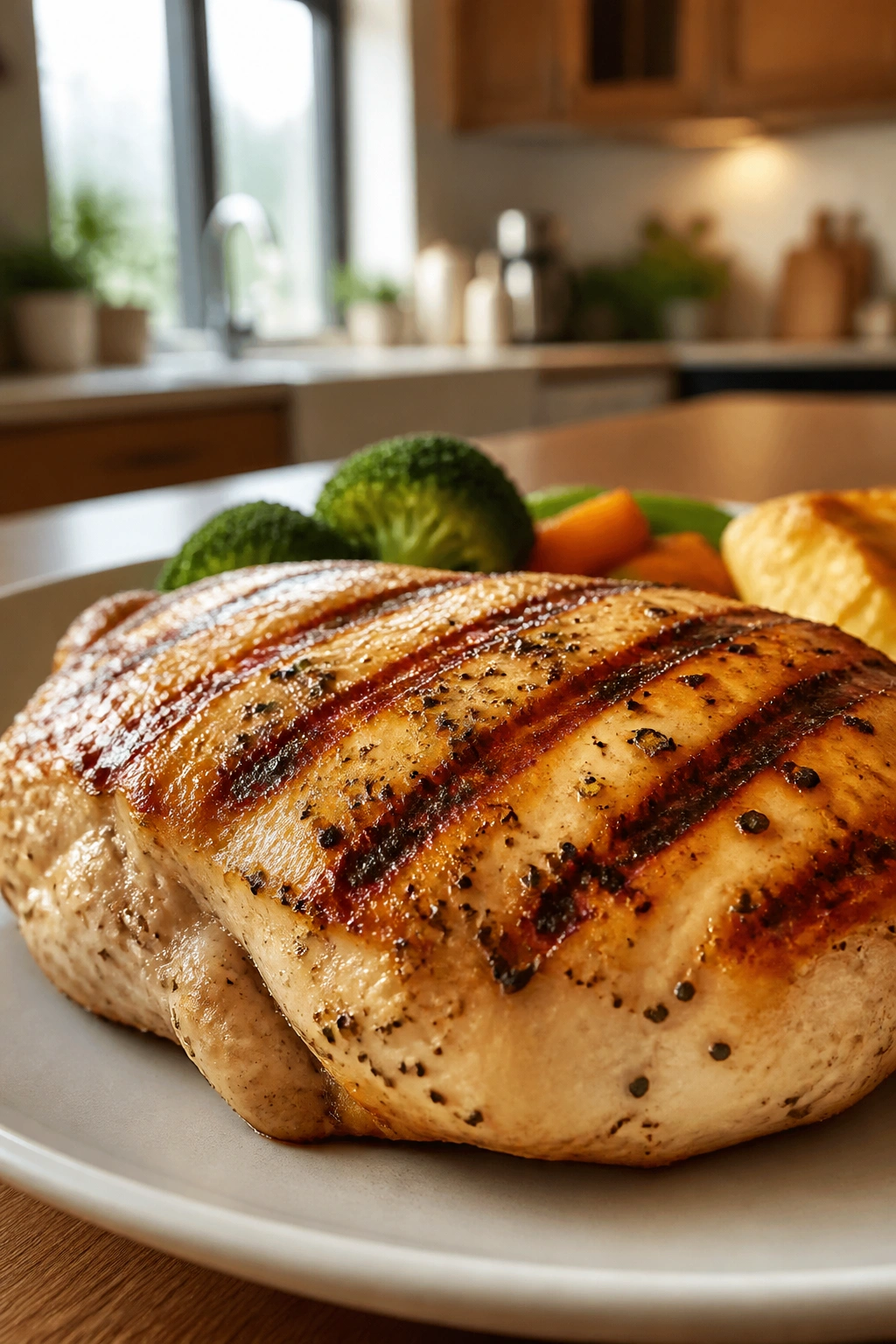
If you only fix one thing, fix this.
Protein is the quiet heavyweight in a cutting diet. It helps you feel full, it protects lean mass when calories drop, and it makes the whole process less miserable because you’re not hungry again twenty minutes after lunch. Sports nutrition groups commonly place active people around 1.6 to 2.2 grams of protein per kilogram of body weight when muscle retention matters, which works out to roughly 0.7 to 1 gram per pound for many lifters.
That does not mean every meal needs to be a chicken breast the size of your face. It means each meal should have a real protein anchor. If you build lunch around a sad salad with a few chickpeas, you’ll probably be prowling the pantry by 4 p.m. A meal with 30 to 40 grams of protein behaves differently.
Easy protein anchors
- 3 whole eggs plus 1 cup of egg whites gives you a fast breakfast with enough staying power.
- 6 to 8 ounces of chicken, turkey, or lean beef covers lunch or dinner without forcing weird portion math.
- 1 cup of plain Greek yogurt with fruit and cinnamon makes a decent snack or breakfast.
- A block of tofu, tempeh, or edamame works well if you eat plant-based.
- A tuna packet or salmon pouch is the kind of emergency food that saves people from drive-thru regret.
One smart move: stop thinking of protein as a side note. Put it on the plate first, then build the rest of the meal around it.
2. Set a Six Pack Abs Calorie Deficit You Can Keep
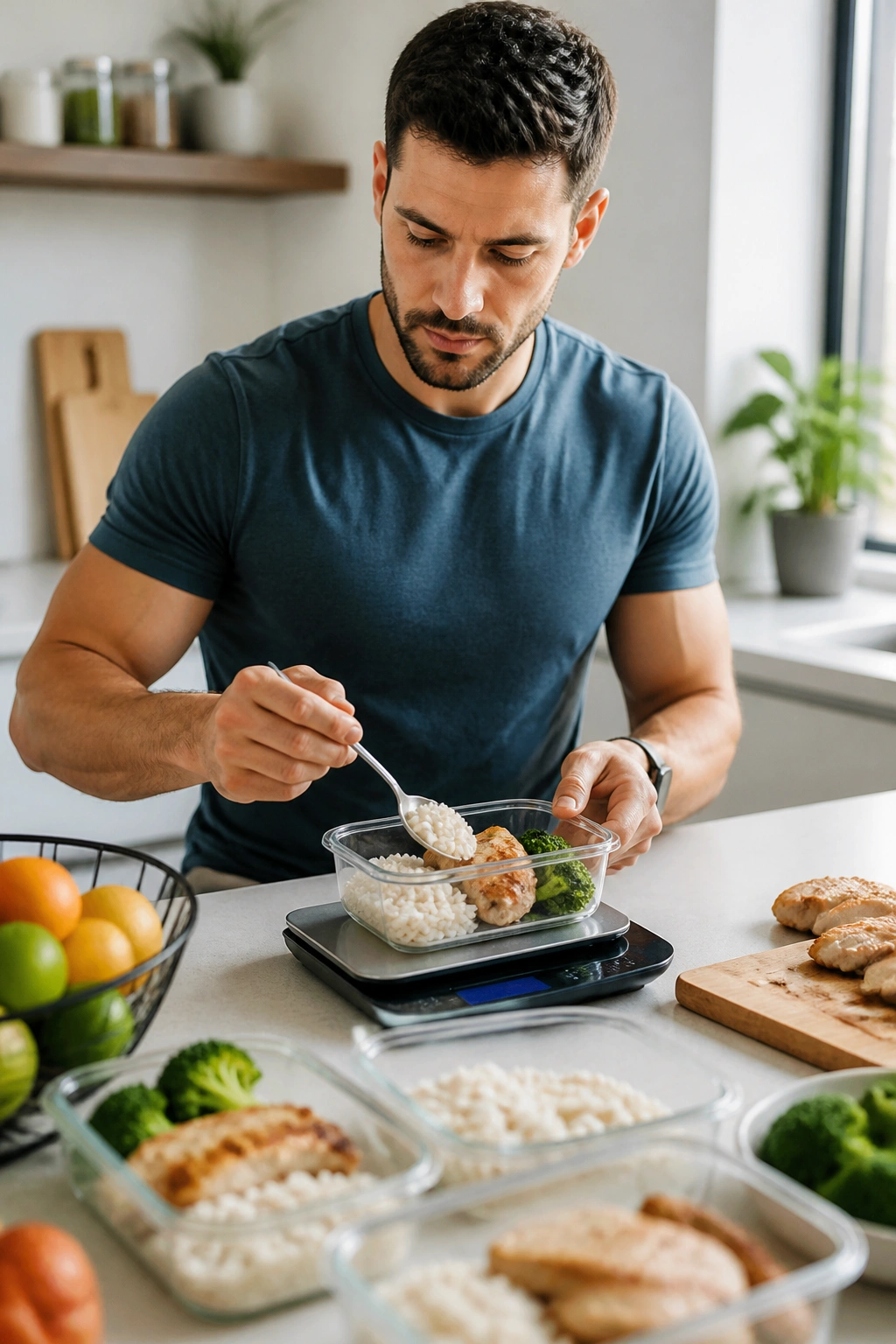
How do people get lean and stay sane while doing it? They stop guessing.
A calorie deficit is nonnegotiable if you want visible abs. The body has to use stored energy somewhere, and when intake runs lower than output over time, body fat comes down. The CDC’s steady pace of 1 to 2 pounds per week is a good target for most people, and it usually means a daily deficit somewhere around 250 to 500 calories, sometimes a little more if the person is larger.
Go much harder than that and the whole thing gets ugly. Hunger gets loud. Training feels flat. Sleep can take a hit. Then the diet turns into a weekend rebound and all that “discipline” evaporates around a pizza box.
Signs your deficit is too aggressive
- You’re thinking about food all day.
- Your workouts feel weaker week after week.
- You’re cold, moody, and oddly fixated on snacks.
- You can’t stick to the plan for more than a few days.
A lot of people don’t need a bigger deficit. They need a cleaner one. Pull calories from mindless extras, not from every satisfying thing on your plate.
3. Make Fiber the Thing That Fills the Gap
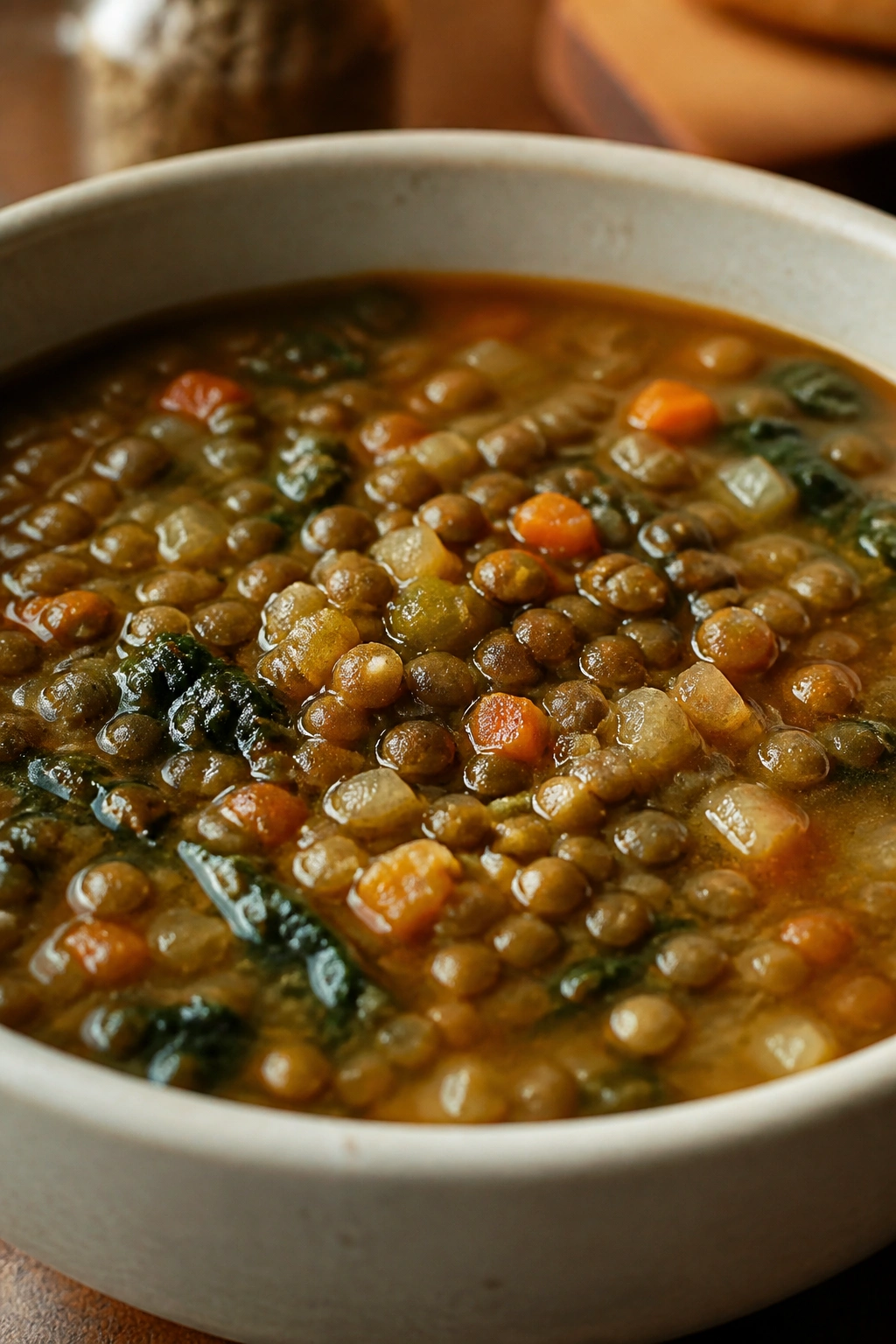
Fiber is the unsung hero of a leaner diet.
It slows digestion. It helps meals feel like meals. It also keeps your plate from turning into a pile of quick-burning calories that leave you hungry again before you’ve finished cleaning the kitchen. The National Academies use 14 grams of fiber per 1,000 calories as a solid benchmark, which means plenty of people need more than they think.
That’s where fruit, beans, oats, vegetables, and potatoes with the skin still on earn their keep. A bowl of berries, a serving of lentil soup, or a side of roasted Brussels sprouts can make a cut feel much less punishing. And no, a fiber bar with a neon label does not do the same job as an actual meal.
Fiber foods that pull their weight
- Lentils and beans bring fiber and protein together.
- Oats make a breakfast that stays useful for hours.
- Apples, pears, and berries are easy to eat and easy to portion.
- Broccoli, spinach, kale, and cabbage add bulk without many calories.
- Potatoes with the skin on are far more filling than most people expect.
Start fiber higher, but not all at once. If your usual intake is low and you suddenly double it overnight, your stomach may complain. Bump it up over a week or two and drink enough water to go with it.
4. Stop Drinking Calories Between Meals
Liquid calories are sneaky. That’s the problem.
A sugary coffee drink, fruit juice, sweet tea, soda, or a casual pour of alcohol can slide through a day without giving much back in fullness. A 16-ounce flavored coffee can land around 300 calories before you’ve even started thinking about lunch. A smoothie can look healthy and still carry the calories of a full meal. Sometimes more.
Water fixes a lot more than people want to admit. So does plain coffee, unsweetened tea, and sparkling water when you want the fizz. If you like flavored drinks, use zero-calorie options that let you keep the ritual without paying for it twice.
The easiest abs-friendly swap is simple: drink calories on purpose, not by habit.
- Choose water before every meal.
- Keep coffee plain or lightly sweetened.
- Save juice for an actual serving, not an all-day habit.
- Treat alcohol as part of the plan, not a freebie.
One small bottle of something sweet won’t wreck a diet. The random drinks scattered across a week will.
5. Put Carbs Where They Help Most
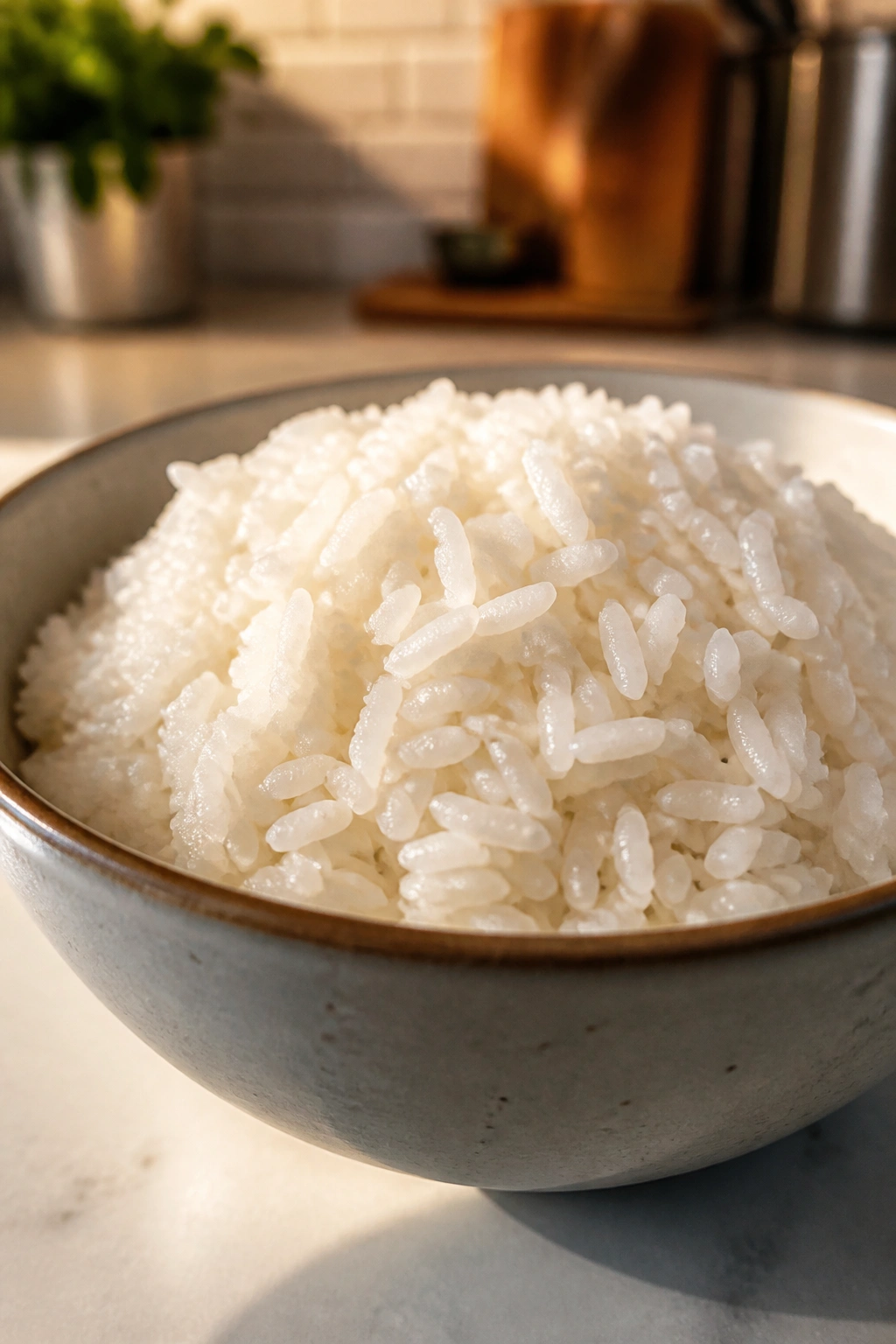
Carbs are not the enemy. Messy carb habits are.
If you lift, run, or train hard in any way, carbs help you do the work. That matters because hard training helps keep muscle while you lose fat, and muscle is part of what makes abs look sharp instead of just thin. The trick is not to ban carbs. The trick is to place them where they actually help.
A bowl of rice after training, oatmeal at breakfast, potatoes with dinner, fruit around a workout — these can all fit. What usually gets people is random carb grazing: a muffin here, a handful of chips there, a pastry because the meeting ran long, then another snack because lunch was light and now dinner is still two hours away.
Where carbs earn their keep
- Before training: a banana, oats, toast, or rice gives you usable fuel.
- After training: rice, potatoes, fruit, or pasta can help refill energy.
- At the main meal: pair them with protein and vegetables so the meal feels complete.
- On rest days: keep portions smaller if your appetite is lower and your movement is lower too.
You do not need zero carbs for abs. You need carb portions that match your activity and don’t quietly shove calories past your target.
6. Build Big Plates That Stay Within Your Calorie Budget
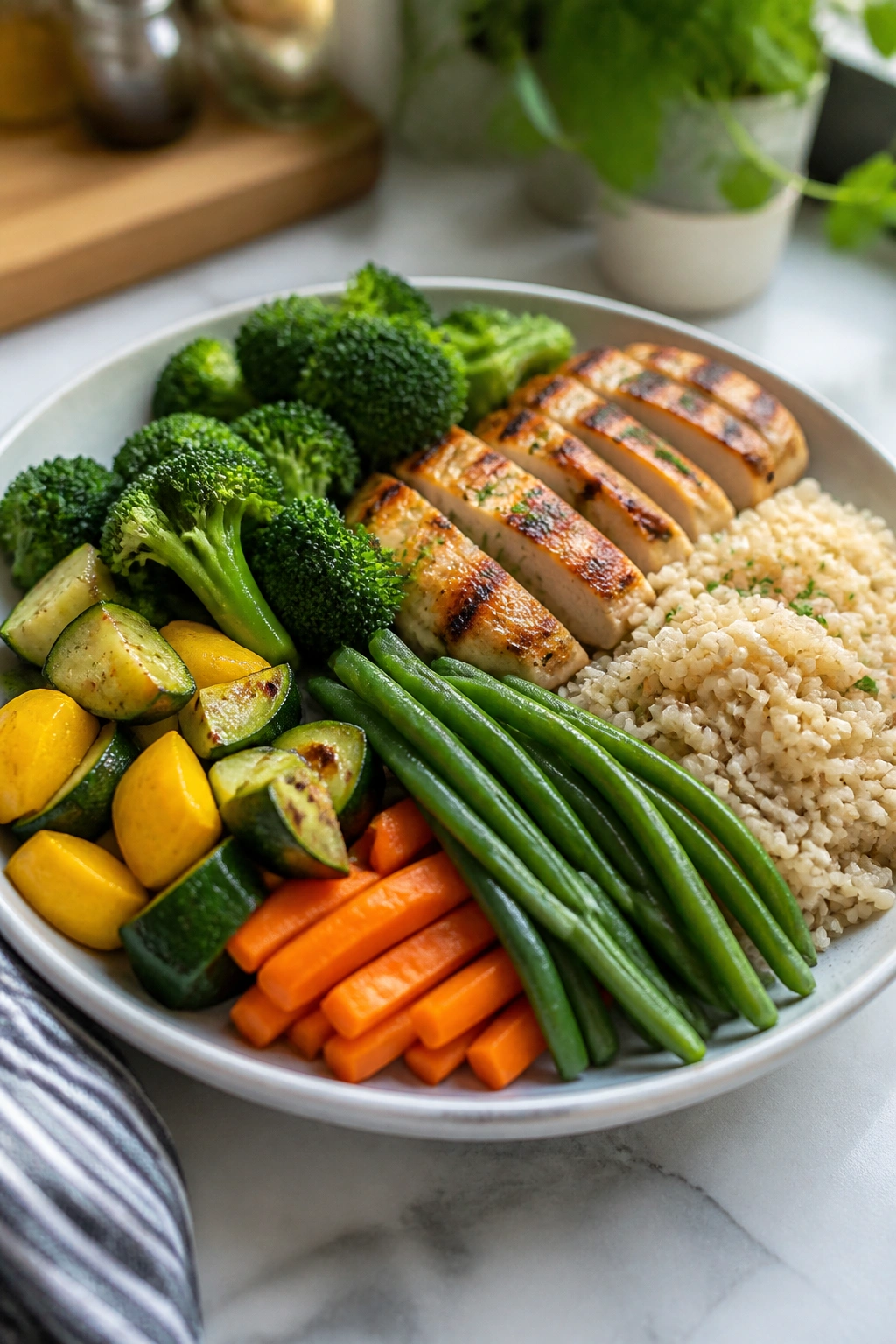
The best cutting meals look generous.
A plate piled with vegetables, lean protein, and one sensible starch can feel like a lot of food without being a calorie bomb. That’s the whole point. You want your stomach to feel fed, not tricked. A pile of roasted zucchini, peppers, and onions takes up far more space than a tiny bowl of chips, and your body notices the difference fast.
I like the hand-portion approach because it’s easy to remember under pressure. One palm of protein. One fist of starch. Two fists of vegetables. A thumb or two of fat, depending on the meal. That gets a lot of people close enough to make real progress without logging every bite.
What a filling plate can look like
- Grilled chicken, roasted broccoli, and a medium baked potato.
- Lean turkey chili loaded with beans and peppers.
- Salmon, asparagus, and rice.
- Tofu stir-fry with mixed vegetables and a measured scoop of noodles.
There’s a catch, of course. “Healthy” food can still blow the calorie budget if it’s drowning in oil, nuts, cheese, or creamy dressing. The plate needs volume, not just virtue.
7. Reheat Meals You Don’t Mind Eating Again
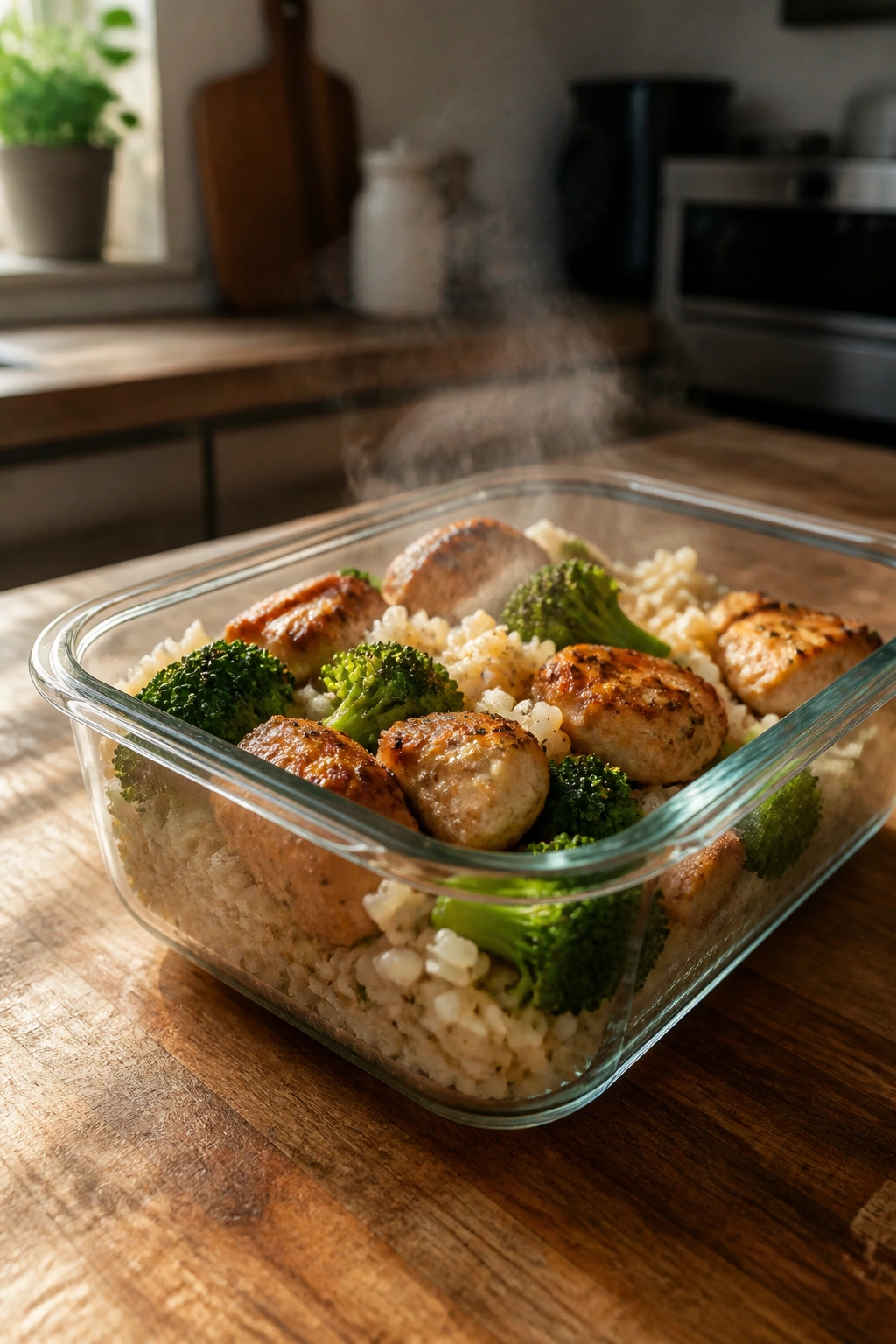
Meal prep fails when the food is annoying by day two.
That’s the whole truth. A perfect plan that tastes bad on repeat is a bad plan. People who stay lean usually have a short list of meals they’ll actually eat without a pep talk. Chicken and rice is common for a reason. So is chili. So is a yogurt bowl with fruit. They’re easy to portion, easy to reheat, and easy to repeat.
I’ve seen too many people build a hard-core menu full of exotic ingredients, spend a Sunday cooking for three hours, and then bail by Wednesday because they’re sick of their own leftovers. Not a moral failure. Just bad design.
Default meals worth repeating
- Breakfast: Greek yogurt, berries, and a measured serving of oats.
- Lunch: Chicken breast, rice, and a big pile of vegetables.
- Dinner: Lean turkey chili with beans and a side salad.
- Emergency meal: Rotisserie chicken, microwave rice, and pre-washed greens.
Keep three meals in rotation that survive reheating well. If they fall apart after 24 hours, they’re not your friend.
8. Watch the Salt and Sauce Traps
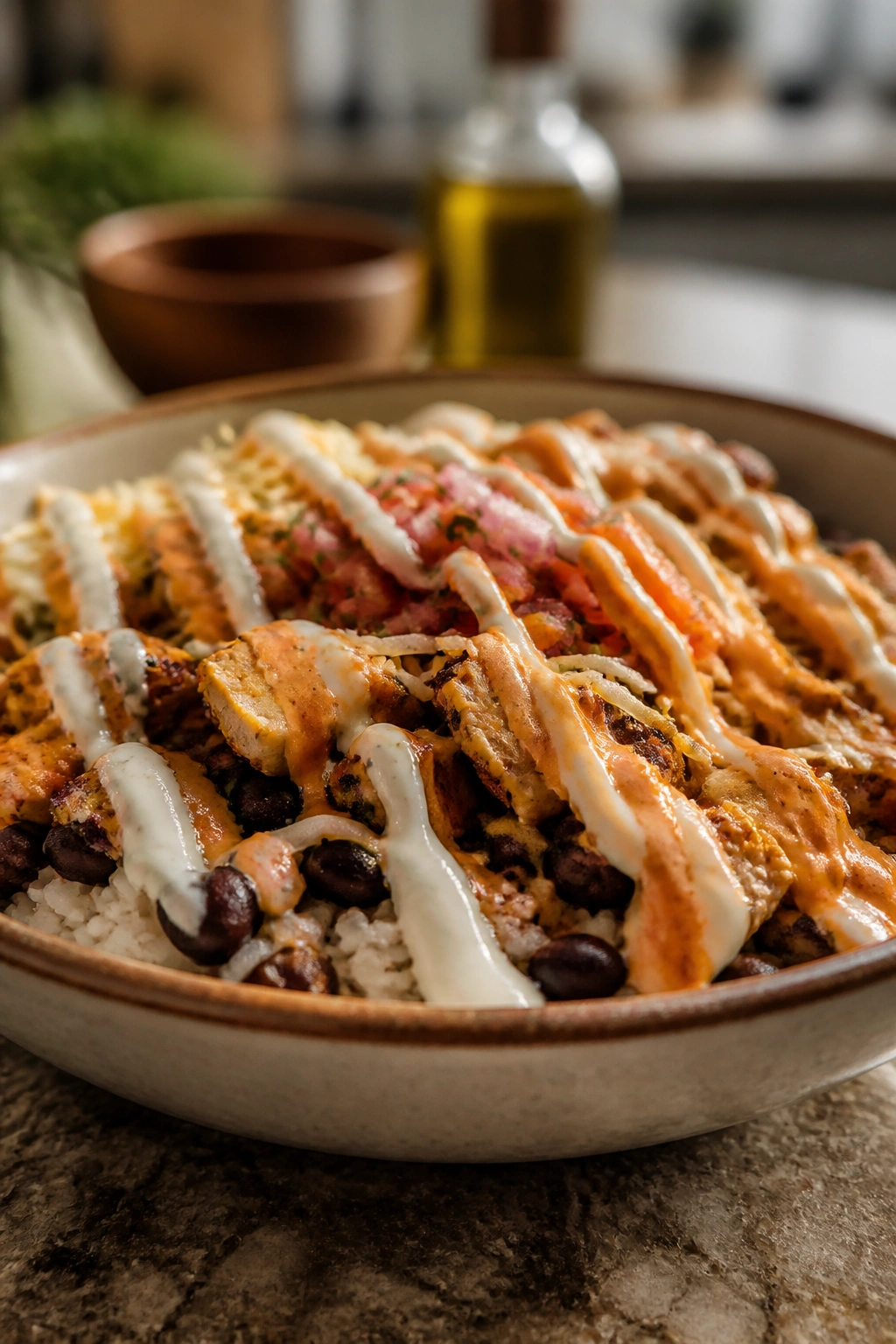
Restaurant food is where a lot of otherwise solid diets go sideways.
Not because salt is evil. It isn’t. But salty meals can make you look puffier from water retention, and that can mess with motivation if you’re judging progress in the mirror day by day. Sauce is the other trap. A “light” chicken bowl can turn into a calorie pile once the mayo-based dressing, cheese, and crunchy toppings show up.
A burrito bowl sounds tidy until you add rice, beans, guacamole, sour cream, cheese, and a creamy sauce. Then you’re staring at a meal that can run far higher than the mental image in your head. Same with salads. A salad can be a smart cut meal, or it can be a cheese-and-crouton delivery system wearing lettuce as a costume.
Common traps to watch
- Creamy dressings poured without measuring.
- Sauces that come with the meal but never get counted.
- Bread baskets eaten while waiting for dinner.
- Add-ons like cheese, nuts, and crispy toppings that stack fast.
I’m not against restaurant food. I’m against the lie that it’s easier to “eat clean” there. If you want abs, the menu needs a little skepticism.
9. Stop Treating Alcohol Like Free Calories
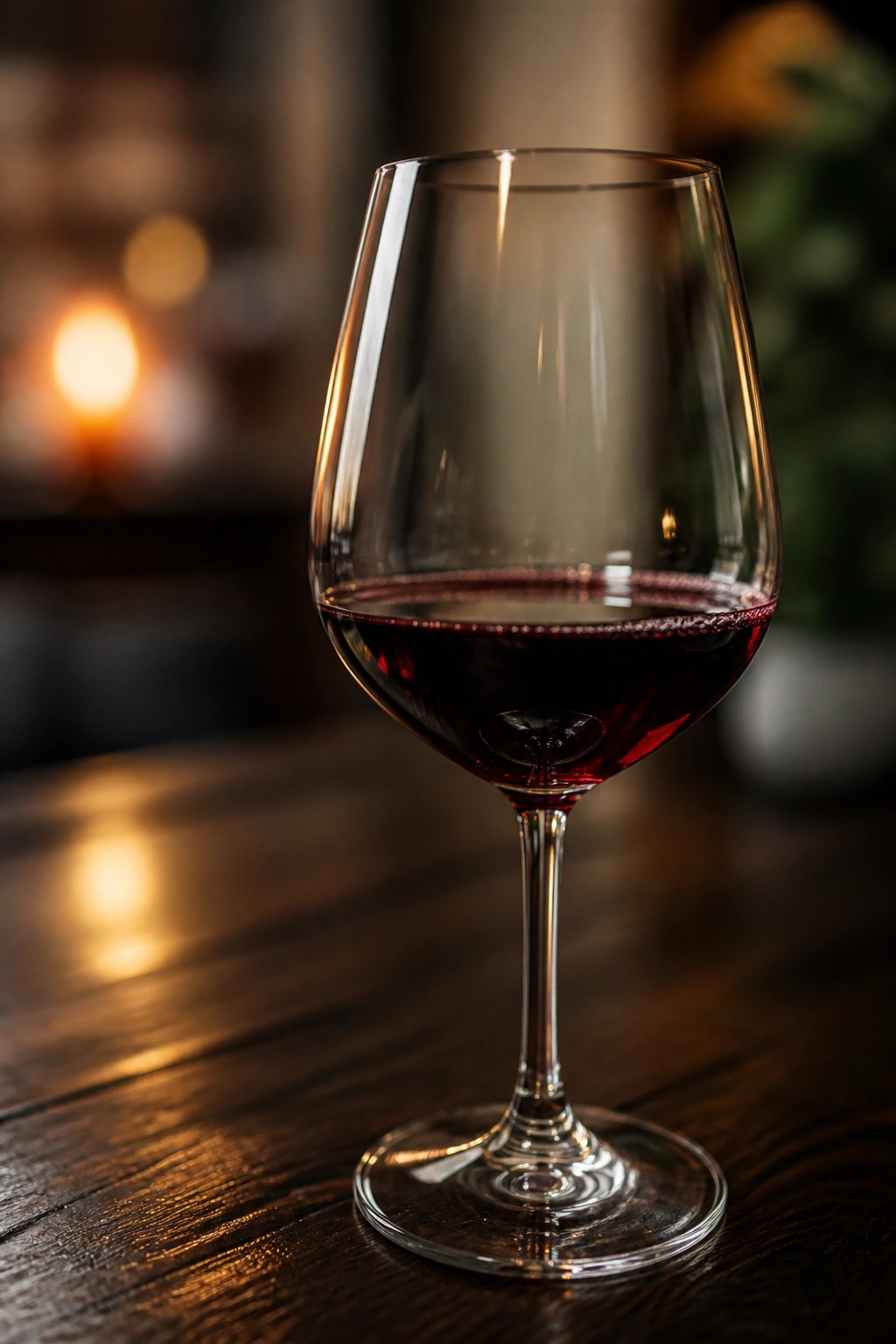
Alcohol is annoying because it hits from three directions at once.
First, it has calories. About 7 calories per gram, which makes it closer to fat than protein in energy density. Second, it lowers restraint, which is a polite way of saying you eat stupider after a drink or two. Third, it can mess with sleep, and poor sleep makes hunger harder to handle the next day. That’s a rough combo when the goal is getting lean.
A drink or two won’t erase progress by itself. But a social habit that turns into four drinks, late-night snacks, and a rough morning can do more damage than people admit. The scale may not jump overnight, but the weekly average starts telling the truth.
Lower-damage choices
- A single pour of liquor with a zero-cal mixer.
- Dry wine in a measured glass.
- Light beer instead of craft beer with a huge calorie load.
- Water between drinks, every time.
If the goal is visible abs, alcohol works better when it’s planned, measured, and rare enough that it doesn’t become background noise.
10. Eat Slower and Stop at Comfortable Full
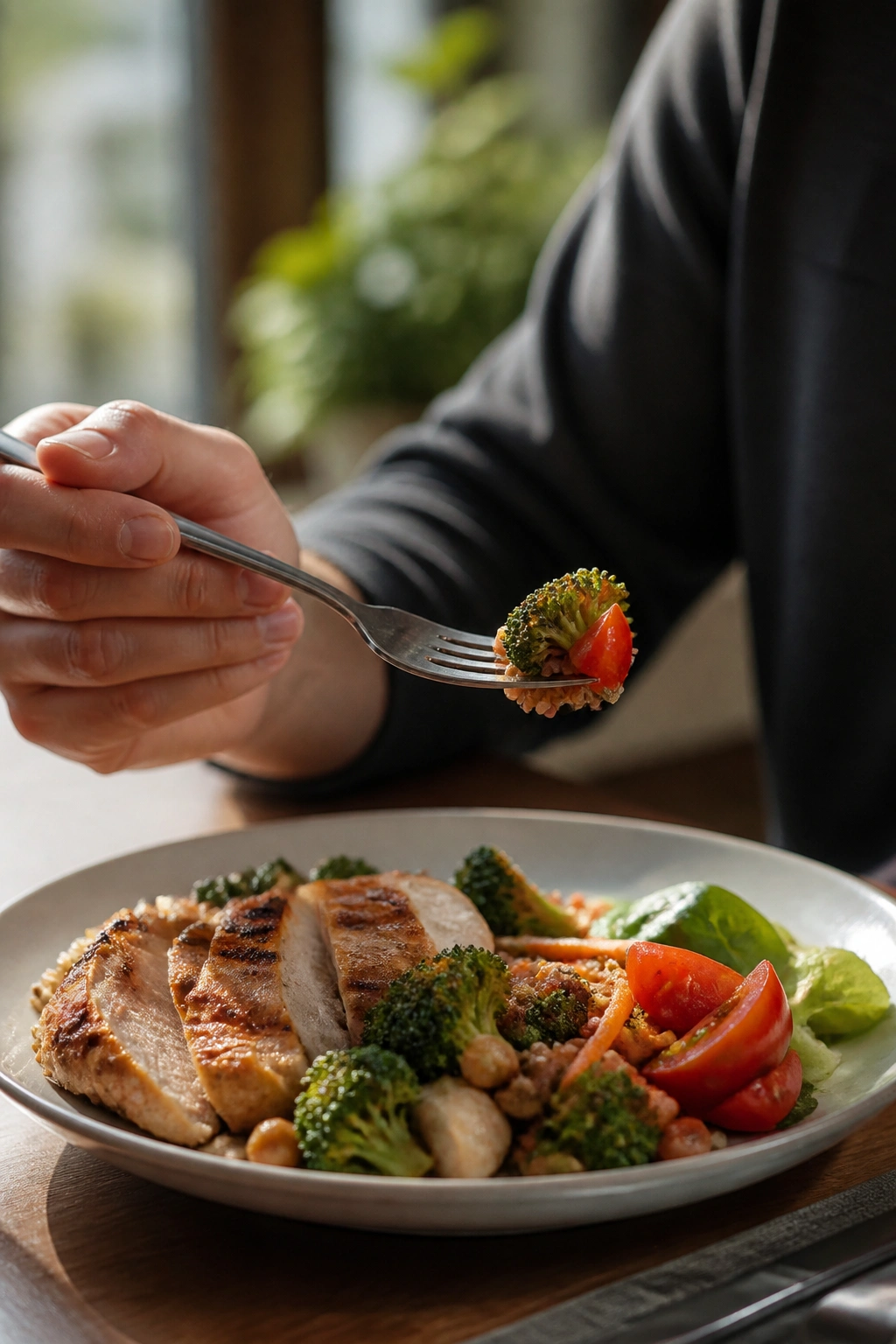
Fullness is delayed. That’s why speed matters.
Your stomach doesn’t send a report to your brain the second the last bite goes down. There’s a lag. If you inhale lunch in six minutes while scrolling on your phone, it’s easy to miss the point where you were satisfied and keep going until you’re stuffed. Then the calorie count is higher, the meal feels worse, and somehow you’re still thinking about snacks an hour later.
Put the fork down between bites. Sit at a table. Turn off the phone if you can manage it. Those are boring habits. They also work. A lot better than people want to admit.
A simple stopping rule
- Eat until you’re comfortably full, not packed.
- Pause halfway through the meal and ask if you still want the rest.
- Portion food onto a plate instead of eating from the bag.
- Leave a bite or two behind if the meal is large.
You are not training for a speed contest. You are trying to create a repeatable intake that lets your body fat move in the right direction.
11. Give Your First Meal a Job
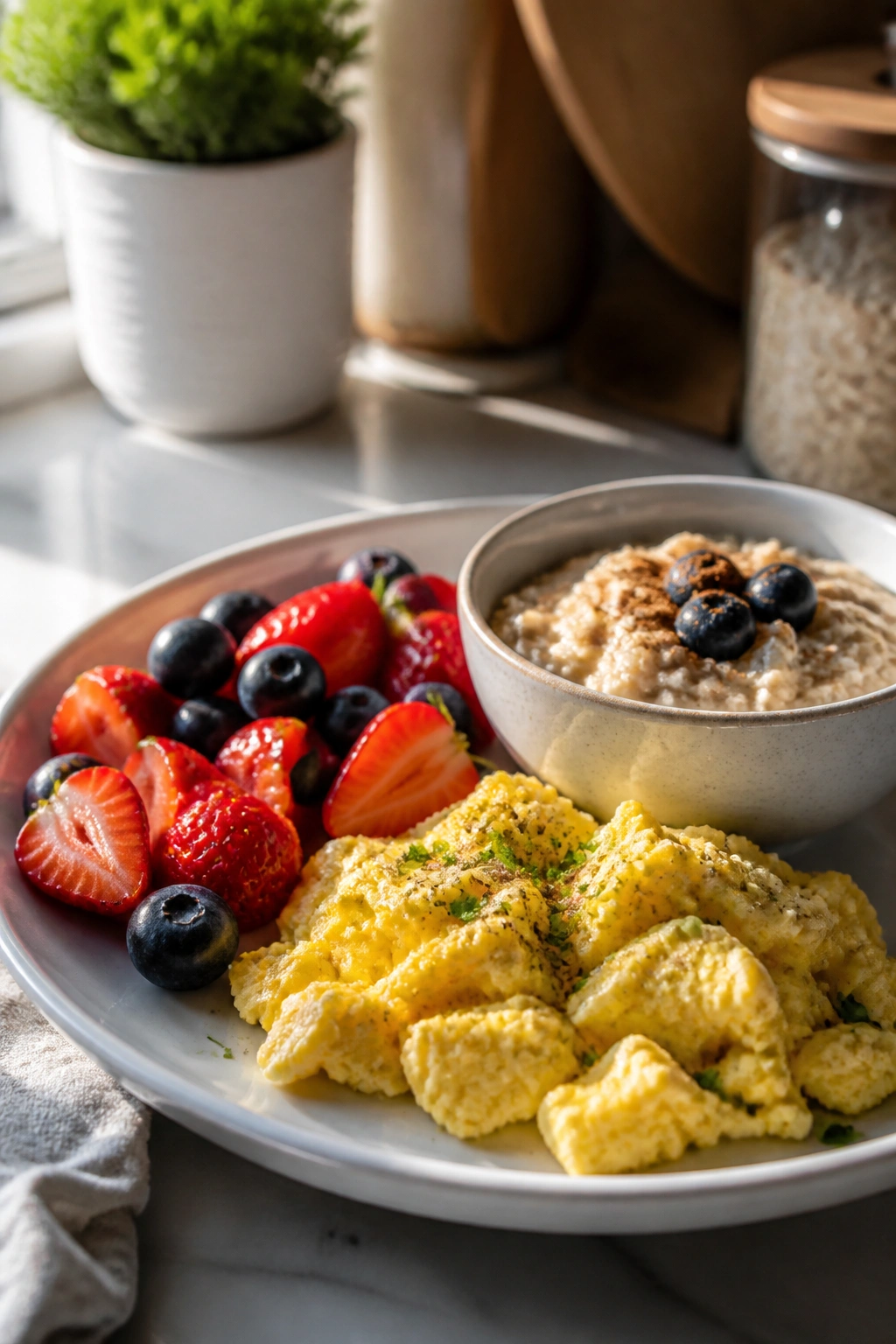
The first meal of the day sets a tone whether people like that idea or not.
If breakfast leaves you hungry an hour later, the rest of the day gets noisy. If you skip breakfast and then wander into lunch starving, the portions usually get bigger than intended. Neither is a moral issue. It’s just pattern recognition. Your first meal should make the next decision easier, not harder.
Some people feel better with breakfast. Some prefer a later first meal. Fine. The point is to choose on purpose. If mornings are where your self-control tends to leak, front-load protein and fiber early so the day starts with a little structure.
Three solid first meals
- Eggs, fruit, and oats.
- Greek yogurt, berries, chia seeds, and a scoop of protein.
- Tofu scramble with vegetables and toast.
I’d rather see a simple, repeatable first meal than a fancy one that falls apart by Thursday. The best plan is the one you can follow when you’re sleepy and slightly annoyed.
12. Track Something So the Guessing Stops
Guessing is expensive.
Most people underestimate how much they eat, especially from oils, sauces, bites, drinks, nuts, cheese, and “just a little” extras. A tablespoon of olive oil is around 120 calories. Two casual pours in a pan can disappear from memory fast. Same with peanut butter. Same with trail mix. Same with the random handfuls that happen while cooking.
You do not have to track every gram forever. But tracking something, even for a couple of weeks, teaches you where the leaks are. A phone app works. A notebook works. Photos of your meals work better than nothing.
Track in whichever way you’ll actually keep doing
- Count calories for two weeks.
- Track protein if calories make you twitchy.
- Use hand portions if you hate apps.
- Take weekly waist and body-weight measurements.
The goal isn’t perfection. It’s feedback. Once you know where the hidden calories live, the whole process gets less mysterious.
13. Lift Enough to Keep the Muscle

A lean body with no muscle is not the same thing as abs.
That’s why lifting matters even in a diet article. The muscle has to be there for the shape to look sharp when the body fat comes down. If you slash calories and stop training, the scale may move, but the result can look flat instead of defined. Not the look most people want.
You do not need a heroic routine. You do need enough stimulus to tell your body that the muscle is worth keeping. Compound lifts are useful here because they hit a lot of tissue in a few moves and don’t demand a circus-level gym schedule.
What to keep in the program
- Squats or leg presses.
- Hinge work like deadlifts or Romanian deadlifts.
- Presses for chest and shoulders.
- Rows and pulldowns for the back.
- Loaded carries or core work if you like them.
Keep protein high on lifting days. Keep the deficit moderate. That combination does a better job of revealing abs than trying to starve yourself into a smaller version of the same body.
14. Snack on Purpose, Not by Accident
Do you actually need a snack, or are you just standing in the kitchen?
That question saves people a lot of trouble. Grazing is where diets bleed out in tiny cuts. A cracker here, a few nuts there, half a protein bar because the day was stressful, then a second snack because the first one didn’t “count.” It all counts. Every bit of it.
Smart snacks have a job. They should either buy you time until the next meal or keep your protein and fiber up without adding a pile of calories. That means portioned food, not open-ended nibbling.
Better snack ideas
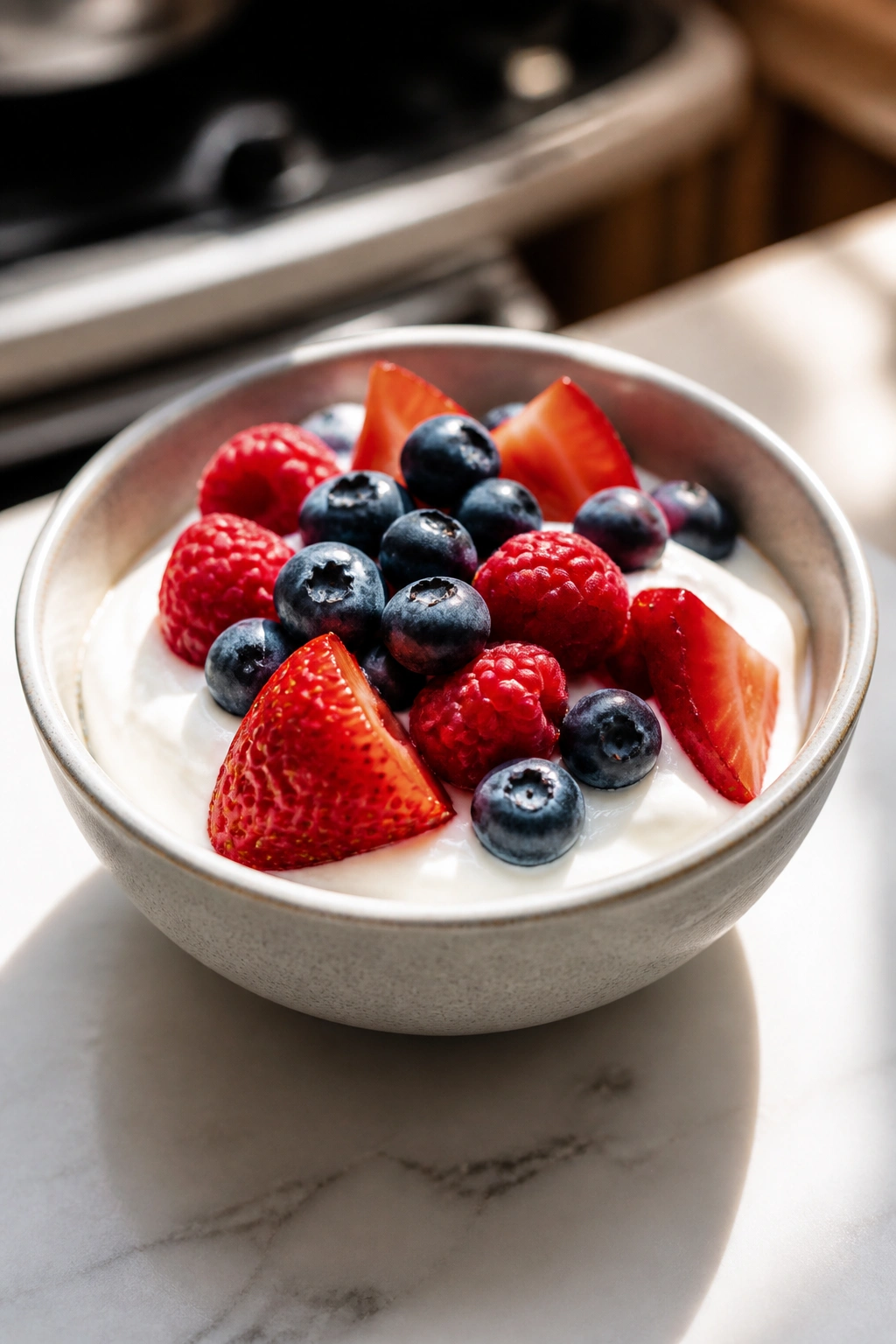
- Greek yogurt with berries.
- Cottage cheese with cucumber or tomato.
- A measured serving of jerky plus fruit.
- Apple slices with a spoon of peanut butter.
- Edamame or a protein shake.
Aim for a snack that lands around 150 to 250 calories and gives you 10 to 25 grams of protein when possible. If your snack looks like a meal in a paper wrapper, it’s not a snack anymore.
15. Keep Your Six Pack Abs Diet Simple Enough to Repeat
The people who stay lean usually aren’t chasing novelty every week.
They keep a small set of meals. They know their protein target. They have a few default breakfasts, lunches, and dinners that don’t require a mood swing to make. That’s the part most advice skips, and it matters more than a lot of fancy talk. The body fat comes off when the plan stays alive long enough to matter.
A meal plan does not need to be exciting. It needs to be repeatable on normal days and survivable on bad ones. If a busy workday, a late commute, or a random social event can knock it apart completely, it was never sturdy enough to begin with.
A simple fallback list
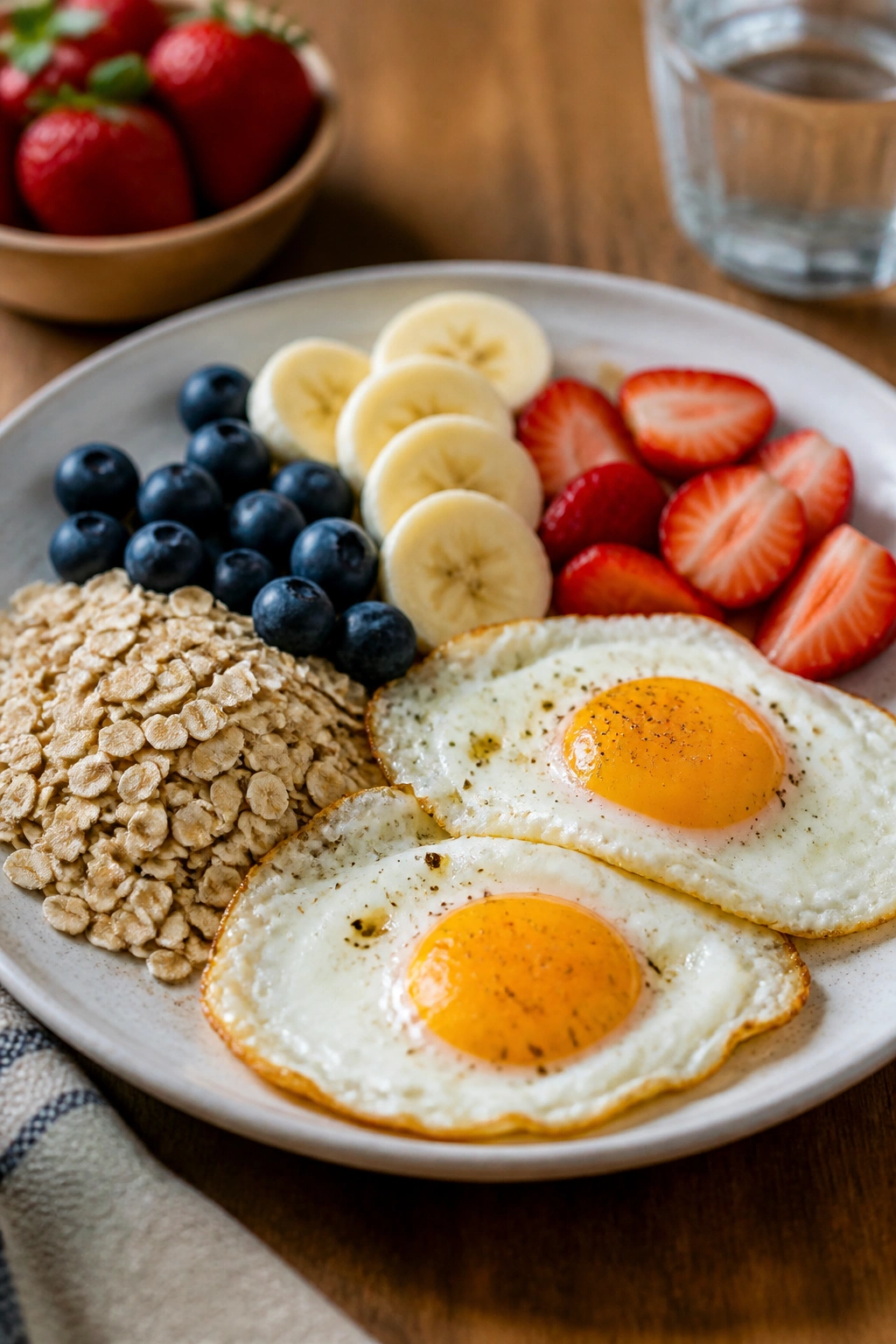
- Eggs, fruit, and oats for breakfast.
- Chicken or tofu, rice or potatoes, and vegetables for lunch.
- Fish, lean meat, or beans with a big salad for dinner.
- Greek yogurt, cottage cheese, or a protein shake when the day gets messy.
That is the real game. Plain food, measured portions, enough protein, enough fiber, and a deficit that does not make you hate your own life. Give it enough weeks, and the mirror starts to change in ways crunches never could.
