



The right post workout drinks do more than replace water. They can calm the whole “I trained hard and now I feel wrung out” feeling that hits after a long run, a heavy lift, or a sweaty class where the floor feels slick under your shoes.
What matters most is not glamour. It’s the boring stuff that works: fluid, sodium, carbs, and protein. Miss one of those, and recovery drags. Get them in the right mix, and your body has a much easier job refilling glycogen, repairing muscle tissue, and getting your stomach to settle down enough to eat again.
A sweaty two-mile jog and a brutal set of deadlifts do not ask the same thing from your glass. One needs quick hydration. The other needs more protein. Sometimes both need carbs right away, because the last thing you want after training is a sink full of dishes and a meal you can’t face.
So the smart move is to match the drink to the workout, not the other way around. Some of the best recovery choices are plain and old-school. Some taste like a dessert. A few are spicy, tart, or a little weird. That’s fine. The useful ones are usually the ones you actually finish.
1. Low-Fat Chocolate Milk
Low-fat chocolate milk has stayed in the recovery conversation for a reason. It gives you fluid, carbs, and protein in one glass, and the mix is close to what tired muscles want after training. The chocolate part is not the point; the balance is.
Why It Works
One cup usually lands around 8 grams of protein and 20 to 30 grams of carbs, depending on the brand. That puts it in the same neighborhood as many simple recovery formulas, especially after moderate or hard sessions. The lactose, sugar, and fluid help it move through the system fast enough to matter.
It also tastes like you earned it. That sounds silly until you’ve finished a hard workout with no appetite and no patience for a dry chicken breast. A cold glass is easier to drink than a meal you have to chew.
Quick Facts
- Best for: strength work, intervals, team sports, and long sessions
- Why it helps: carbs refill glycogen; protein supports repair
- Watch for: full-fat versions can feel heavy if your stomach is touchy
- Easy upgrade: add a banana if the session was long
Pro tip: choose low-fat, not full-fat, if you want quicker digestion and less heaviness in your gut.
2. Whey Protein Shake
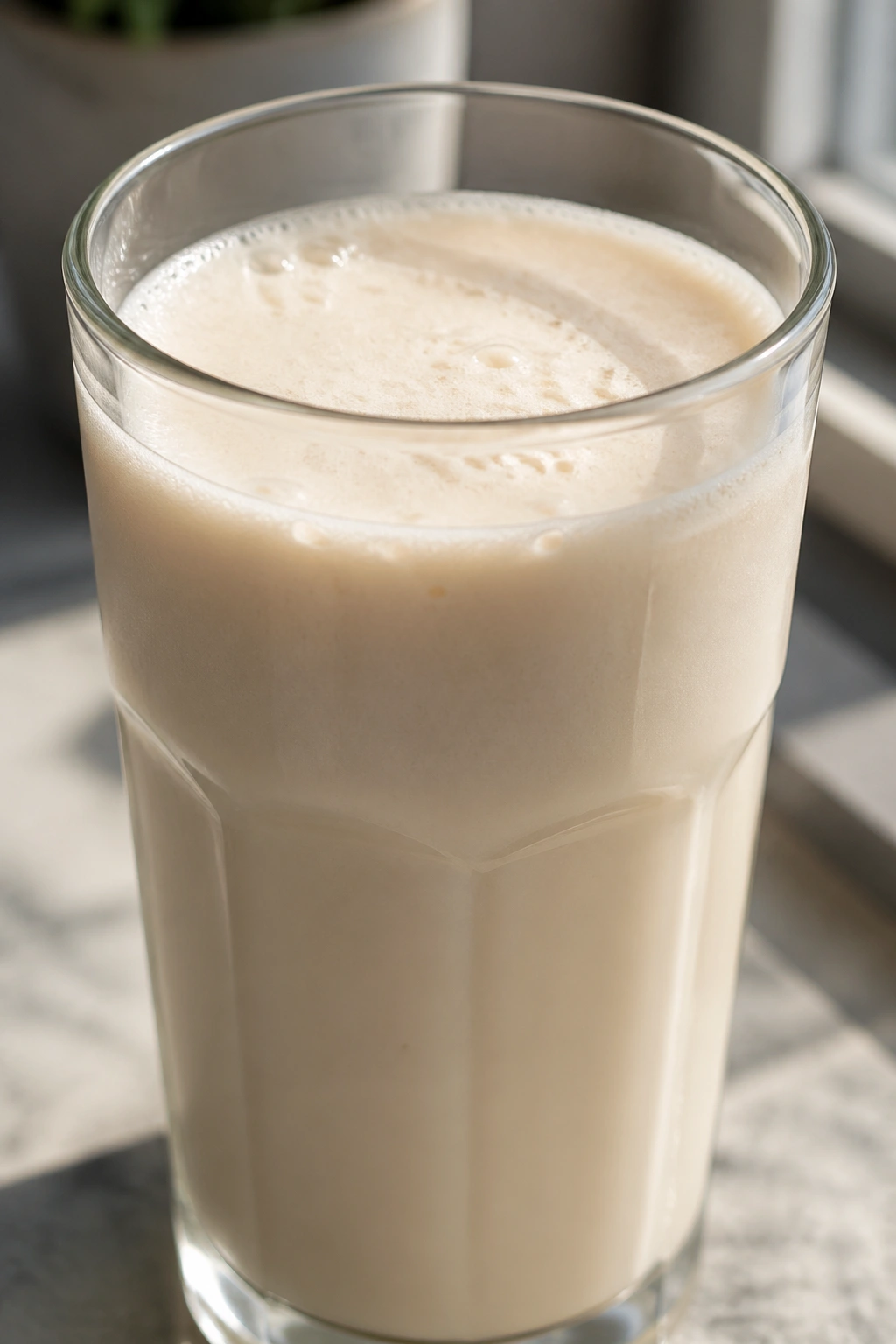
If protein is the missing piece, whey is the cleanest fix. It digests fast, supplies a solid dose of essential amino acids, and gives you a simple way to hit 20 to 30 grams of protein without sitting down to a full meal.
That matters after lifting, sprinting, or anything that leaves your muscles a little beat up. Whey is rich in leucine, the amino acid that helps switch on muscle repair. You do not need to build some elaborate smoothie tower to get the benefit. Water, whey, and maybe a banana are enough for a lot of people.
If the workout was long and drained you, add carbs. A scoop of whey in water is fine after a short strength session, but after a long run, pair it with fruit, oats, or milk. Otherwise the drink solves one problem and leaves another sitting there.
A lot of people overthink this. They don’t need a neon-green blender situation. They need a shake they can actually drink before heading out the door.
3. Tart Cherry Juice
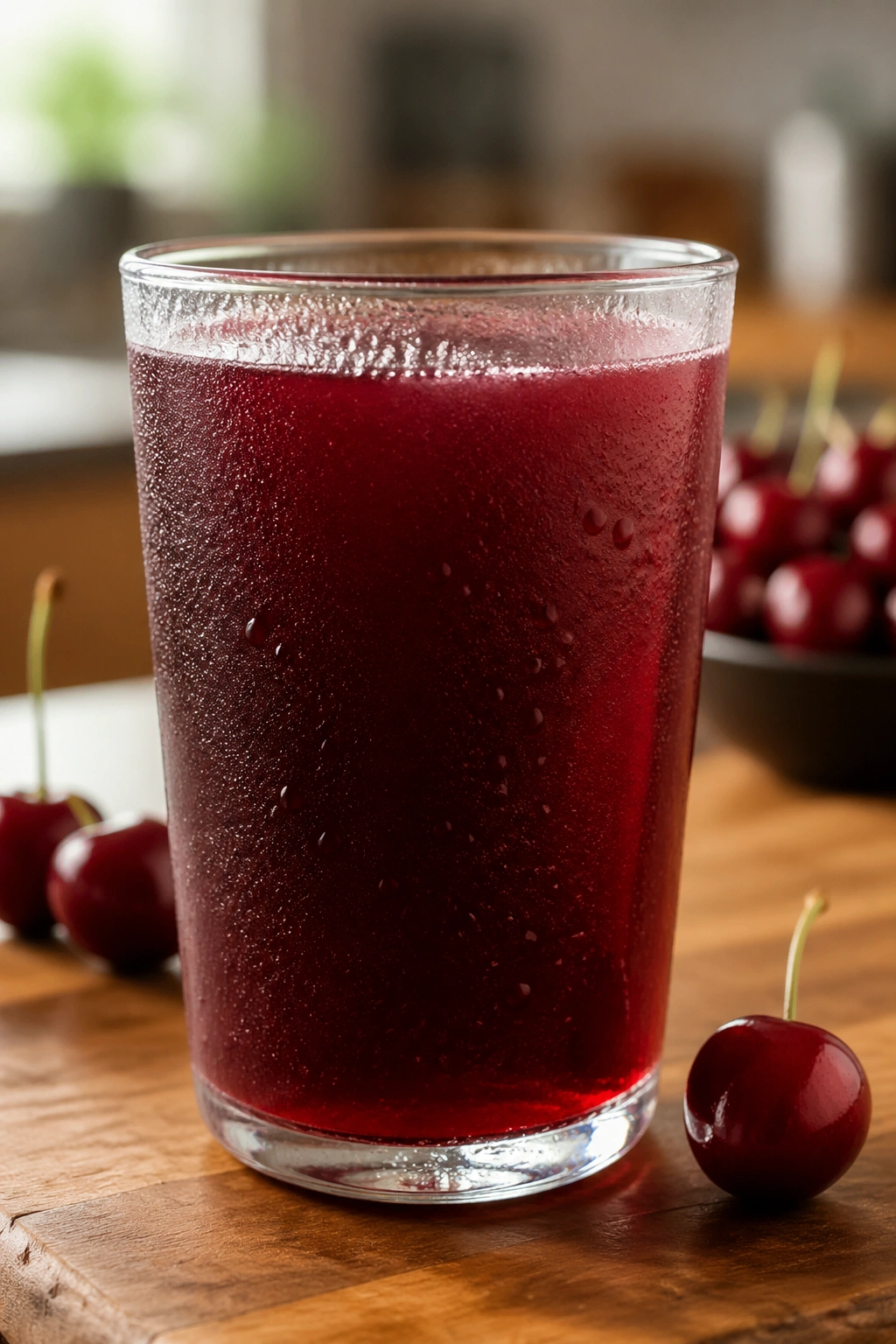
Why do endurance athletes keep circling back to tart cherry juice? Because it can help with soreness and muscle damage after hard training, especially the kind that leaves you stiff the next morning. Eccentric work, hill repeats, long runs, and all-out leg days tend to be the moments where it earns its keep.
The taste is sharp, dark, and a little puckery. Not for everyone. But that tart edge is part of what makes it easy to dilute with water or pair with another drink. Many people use it in a small dose rather than drinking a giant glass straight.
How to Use It
A practical serving is 4 to 8 ounces of concentrate diluted in water, or 8 to 12 ounces of juice if you prefer the simpler route. Some people use it around heavy training blocks; others use it only after unusually punishing sessions. Both approaches make sense.
It works best as a support drink, not your entire recovery plan. If you drink tart cherry juice and then skip protein, you’ve missed the bigger target. Pair it with yogurt, a shake, or a meal that includes protein and salt.
4. Coconut Water with a Pinch of Salt
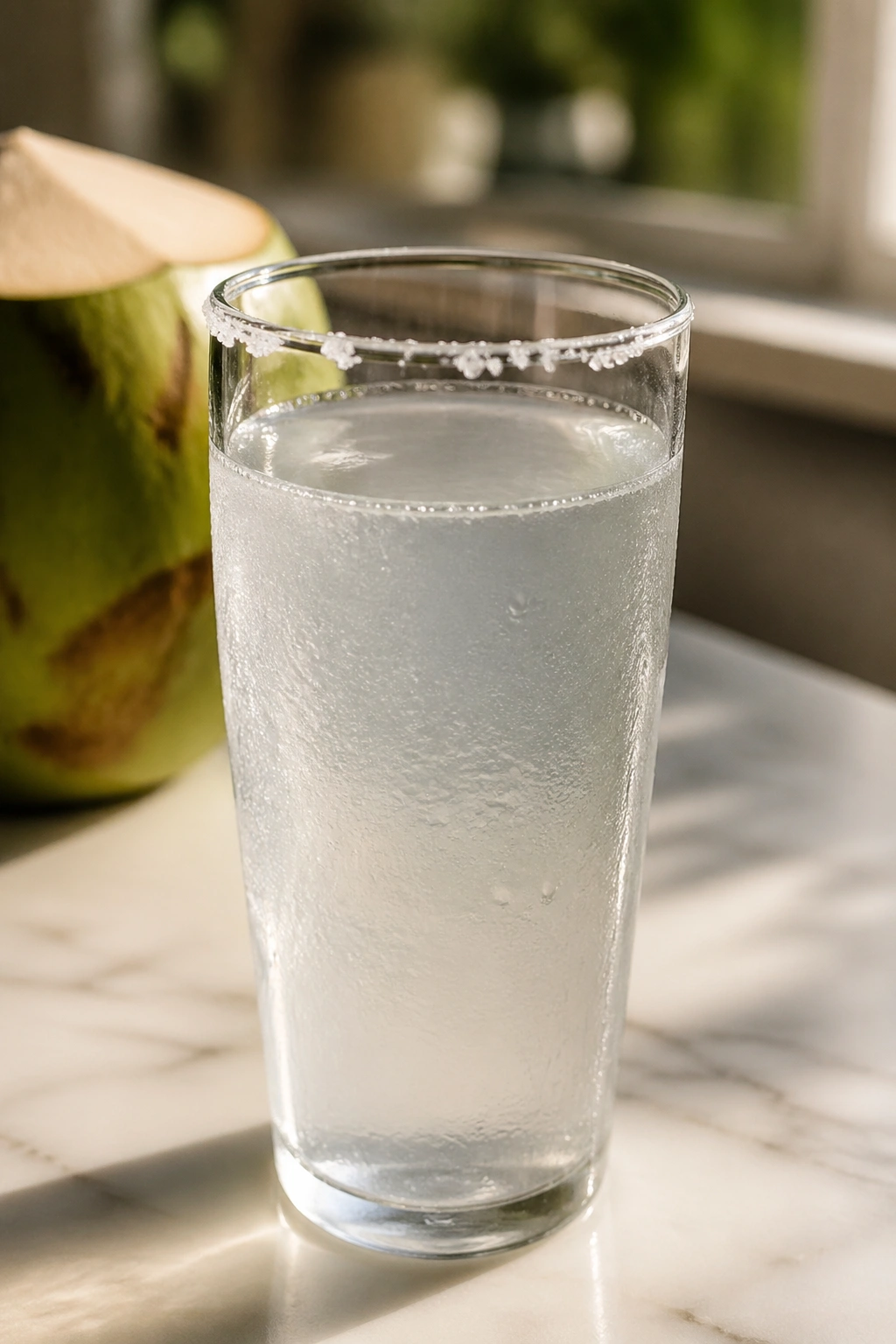
Coconut water sounds perfect until you realize it can be a little too polite on its own. It’s light, sweet, and easy to sip, but its sodium content is often too low for serious sweat loss. That’s where a pinch of salt changes the game.
After a hot workout, this is the drink that feels cold and clean going down. The potassium in coconut water helps round out the electrolyte picture, and the fluid itself is easy to tolerate when your stomach feels a bit sloshy. Add 1/8 to 1/4 teaspoon of salt per 12 to 16 ounces and it becomes much more useful.
What To Watch For
- Good after: hot-weather training, spin classes, long walks, easy runs
- Not enough on its own for: hard strength work or long endurance sessions
- Better with: a meal or protein source on the side
- Taste note: the salt keeps it from tasting flat and one-note
A lot of people drink coconut water because it sounds healthy. Fine. Just make it work harder.
5. Kefir Berry Smoothie
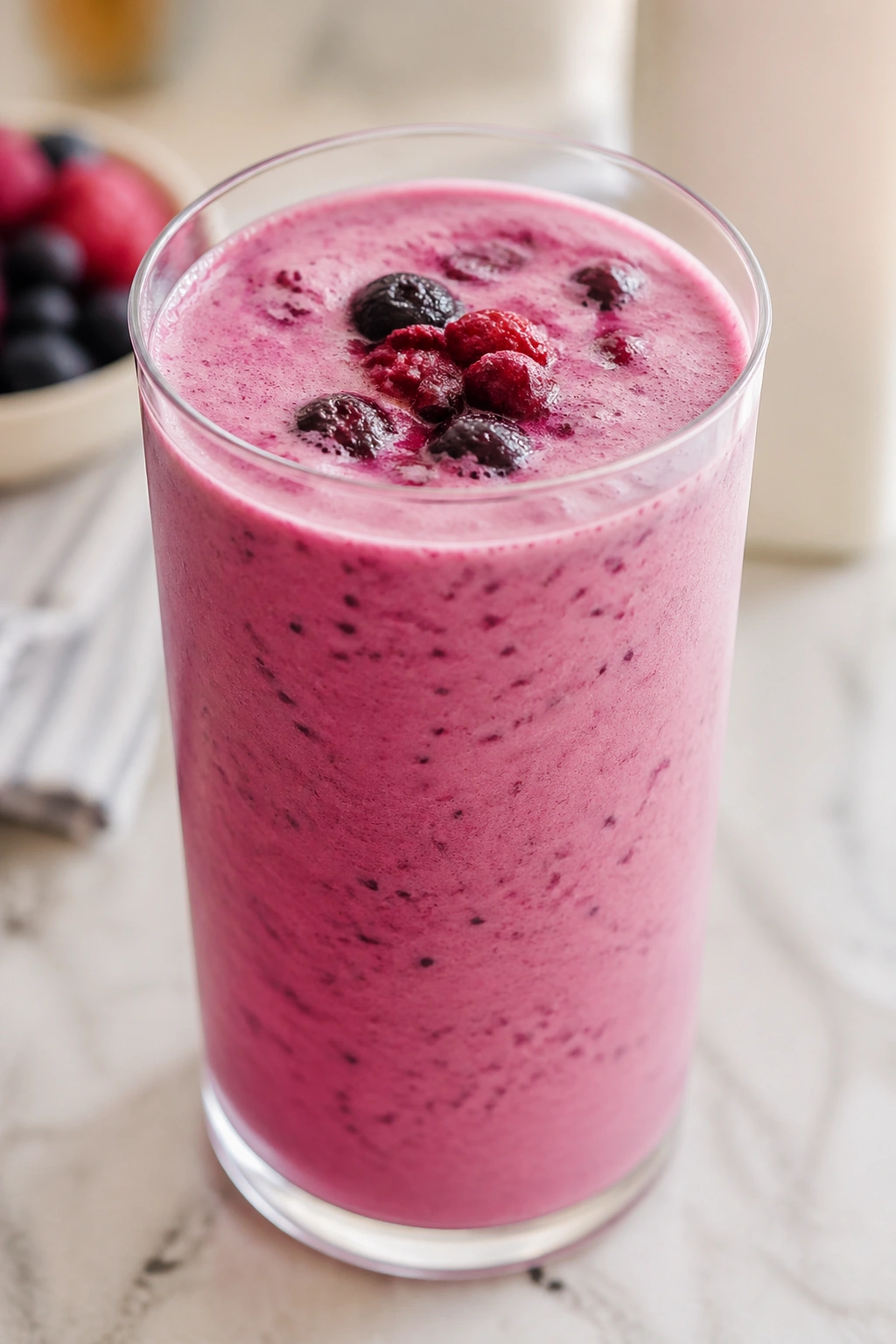
Kefir is one of those drinks people either ignore or become mildly loyal to. I’m in the second camp. It gives you protein, fluid, and a tangy base that plays nicely with fruit, and the fermentation gives it a texture that feels lighter than plain yogurt once it’s blended.
A simple kefir smoothie can do a lot of recovery work without tasting like a chore. One cup of kefir, one cup of berries, and a banana gives you carbs, protein, and enough sweetness to make the whole thing easy to finish. If you train hard and don’t feel like chewing, that matters more than fancy nutrition claims.
The berry choice changes the mood. Strawberries make it brighter. Blueberries make it a little deeper and less sugary. A few ice cubes can turn it into something closer to a drink you’d want after a warm outdoor session.
If dairy sits fine with you, kefir is a nice middle ground between a thin sports drink and a thick meal replacement. It fills that awkward gap when you need recovery, but not a whole plate of food yet.
6. Beetroot Juice
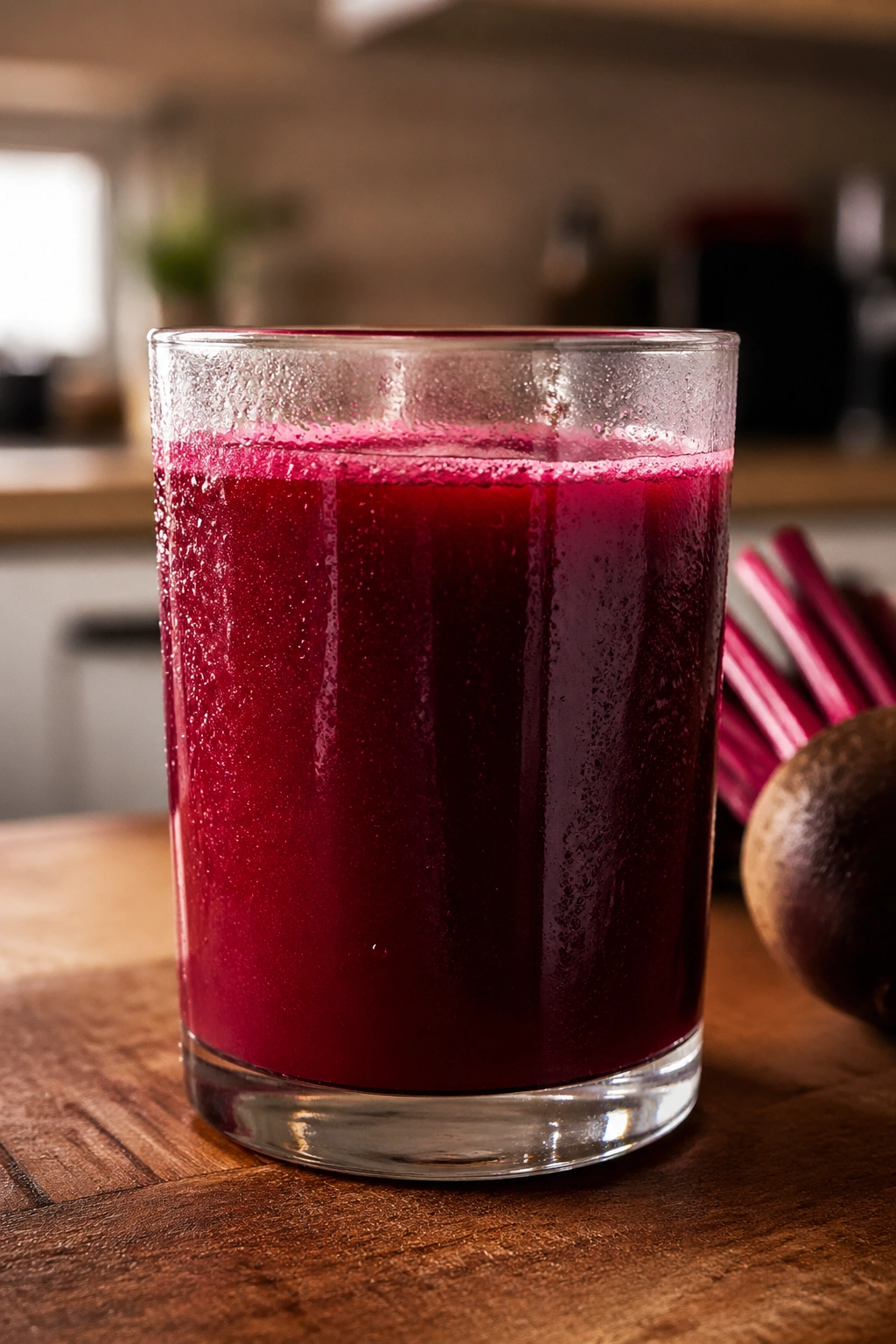
Beetroot juice is not the friendliest tasting drink on this list. It’s earthy, a little sweet, and unmistakably beet-flavored. Still, it earns a spot because the nitrates in beetroot can support blood flow, which is one reason it shows up in endurance circles so often.
Unlike a regular fruit juice, beet juice brings a different kind of usefulness. It is less about sugar alone and more about the way it may support oxygen use and training recovery, especially when repeated sessions are stacked close together. That makes it attractive after hard intervals or lower-body work that leaves your legs heavy.
It’s best when you dilute it or mix it with something sharper, like apple juice or lemon. Straight beet juice can be a lot. A half-beet blend with water or another fruit juice usually goes down more easily and still gives you the benefit of the beets themselves.
If you like the taste, great. If you do not, don’t force it. There are easier recovery drinks. But if you run often, this one is worth keeping in the rotation.
7. Orange Juice and Whey
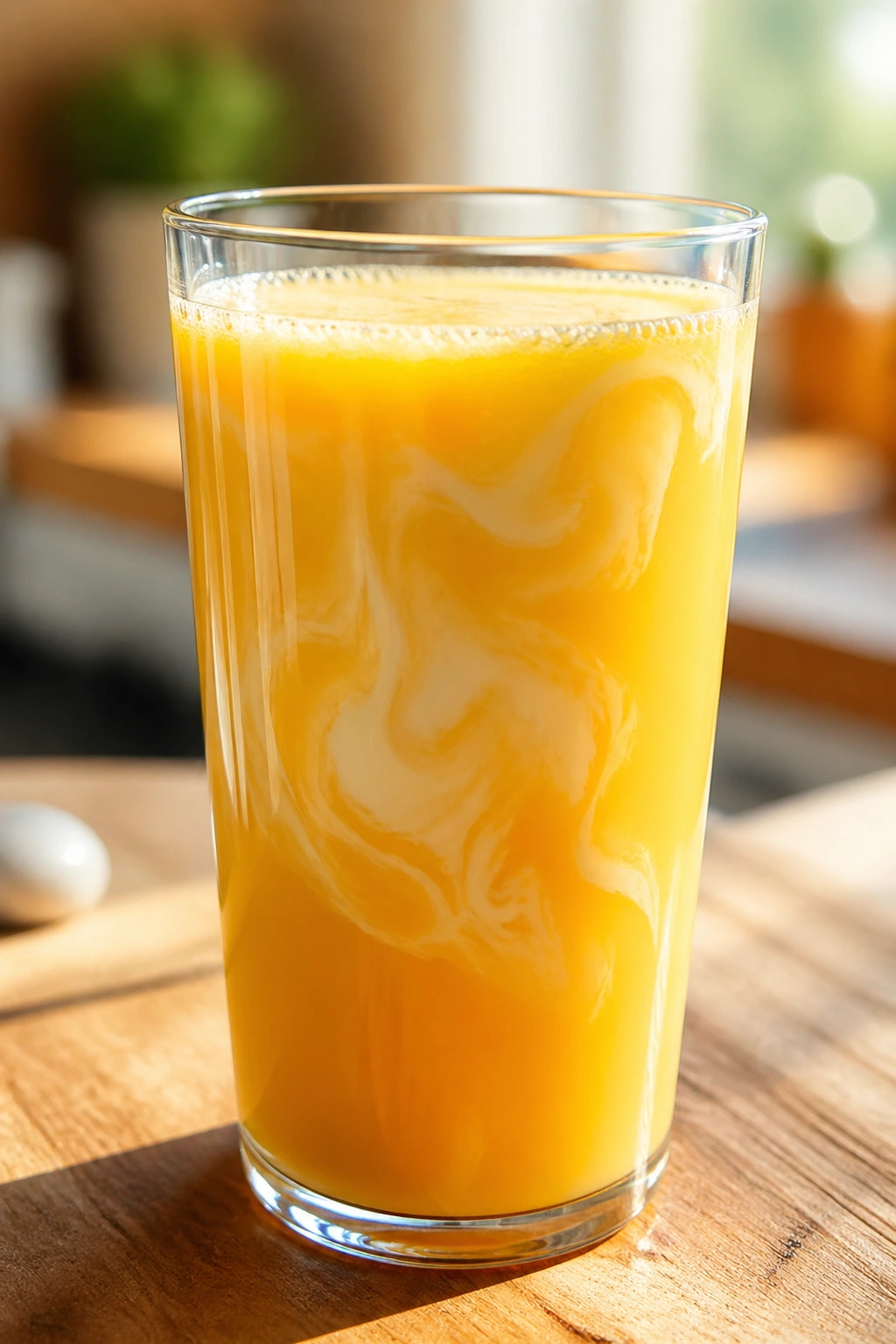
Orange juice plus whey is a simple move, and I mean simple in the best way. You get fast carbs from the juice and high-quality protein from the whey, which makes it one of the cleanest plug-and-play post workout drinks for people who want recovery without a blender marathon.
The acidity can make whey clump if you just dump powder into the glass and stir lazily. Blend it, or shake the protein with a little water first and then add the juice. That tiny extra step saves you from the chalky bits that nobody enjoys.
A Useful Ratio
A good starting point is 8 ounces of orange juice with 1 scoop of whey protein. If the workout was longer or harder, add a banana or a slice of toast on the side. That keeps the carb side strong enough to matter.
This drink is at its best when appetite is low. Some people can’t face a full meal right after training. Orange juice and whey fill that gap fast, and they do it without much fuss.
8. Skim Milk
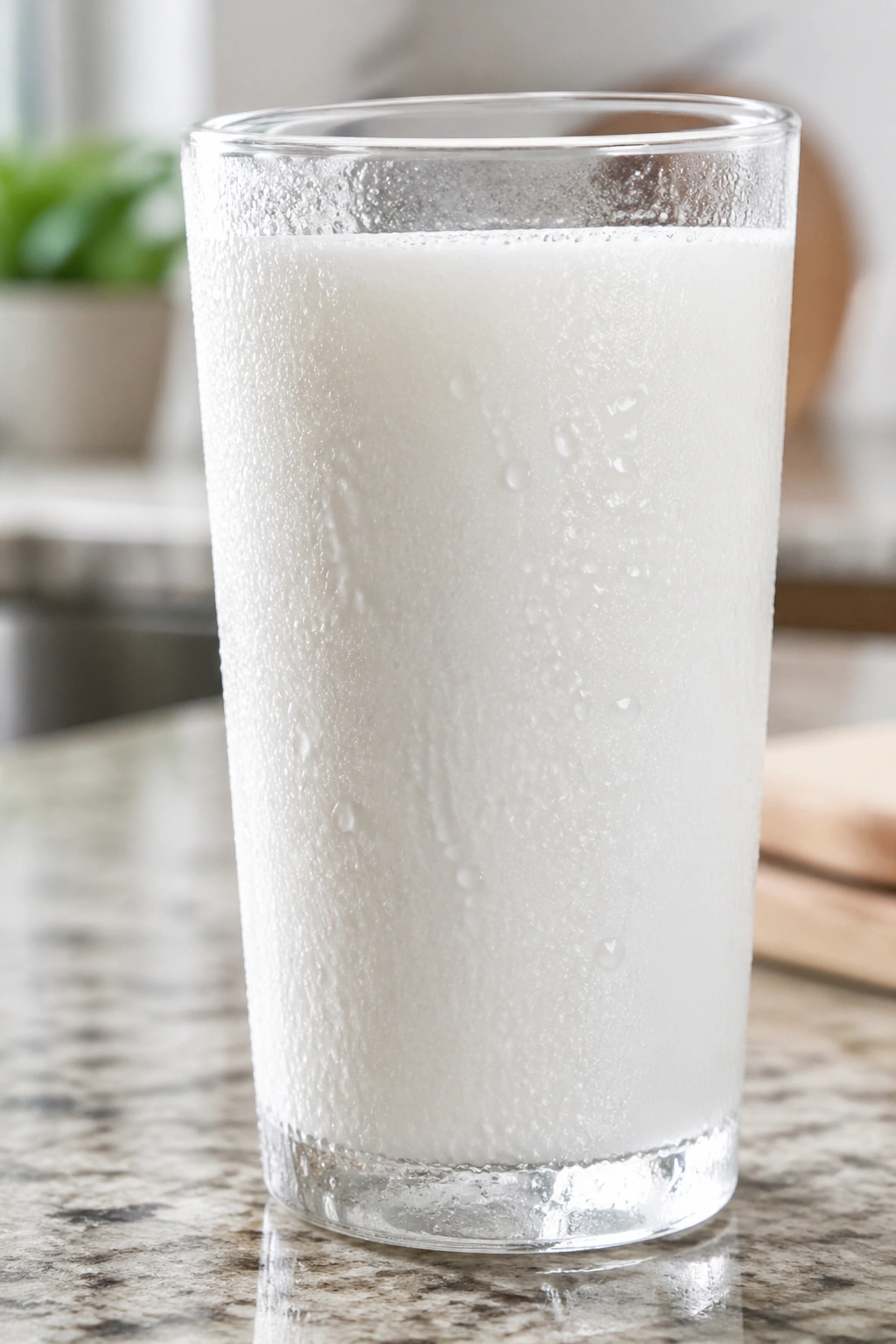
Skim milk is easy to overlook because it seems plain. That’s exactly why I like it. It gives you protein, fluid, calcium, and a little lactose-based carbohydrate without the extra heaviness that comes with richer milk.
For a lot of lifters, this is the sweet spot. It is cold, easy to swallow, and cheap enough that you can keep it around without planning your life around it. One cup gives roughly 8 grams of protein, which is not a huge amount by itself, but it stacks nicely if you drink more or pair it with a snack.
The lack of fat also helps if your stomach gets sluggish after training. That makes skim milk useful after intervals, circuits, or any workout where you don’t want a thick, slow drink hanging around.
A small glass can be enough after a light session. After something bigger, combine it with cereal, fruit, or a sandwich. Plain works. Boring is allowed.
9. Soy Milk Banana Shake
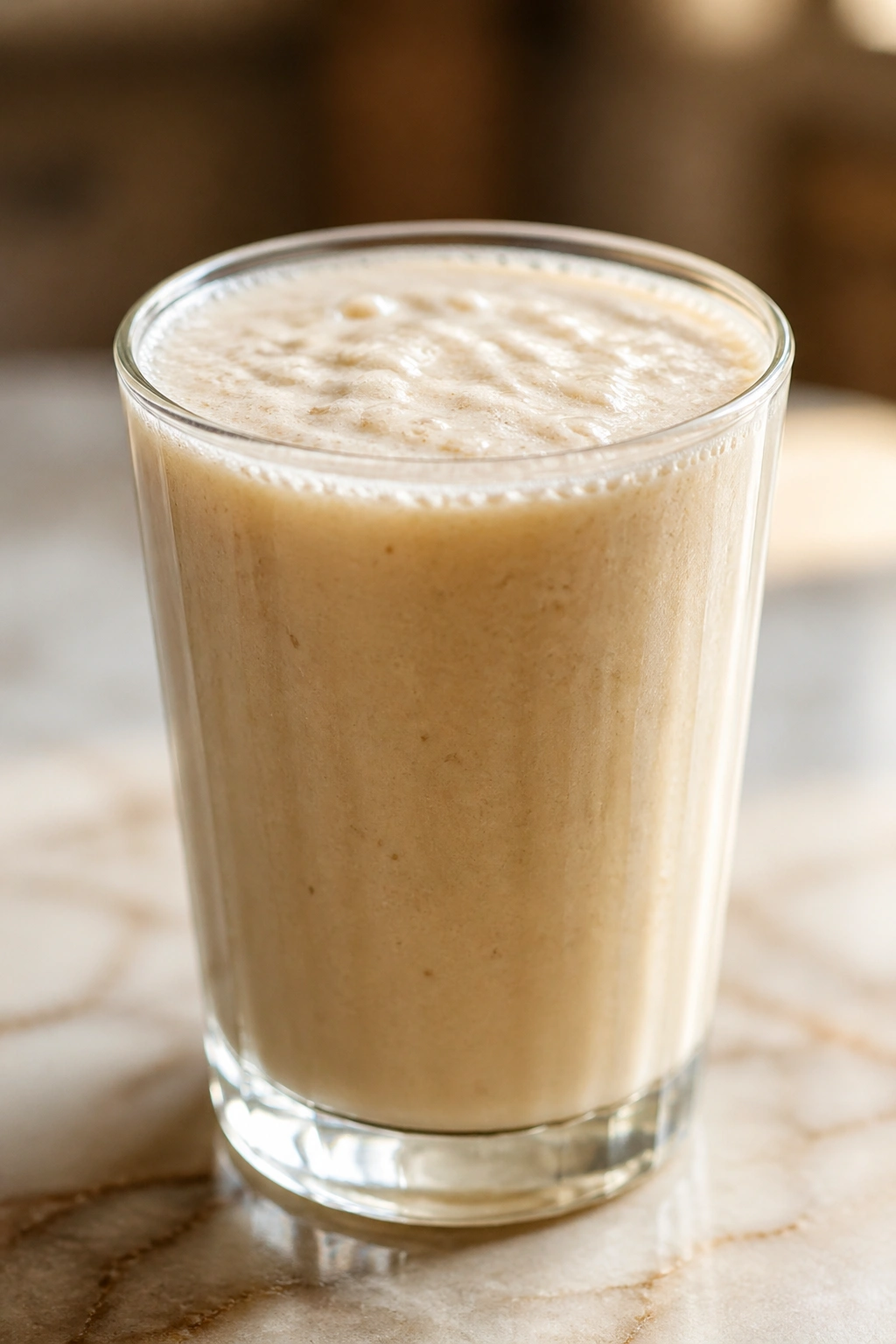
Soy milk gets a lot less love than it deserves. It’s one of the few plant milks that brings meaningful protein, and when you blend it with banana, you get a recovery drink that feels substantial without leaning on dairy.
This is one of the better options for vegan athletes or anyone who wants to avoid lactose. Use unsweetened, fortified soy milk if you can find it. Add one banana, a scoop of soy or pea protein if you want more protein, and maybe a teaspoon of honey if the workout was long. The texture ends up creamy and stable, not thin and sad.
Banana does the heavy lifting on carbs, which matters after a demanding session. Soy milk handles the protein side, and the combination is more complete than many people expect from a plant-based drink. It’s one of those cases where the whole thing is better than the sum of its parts.
If you want a drink that feels like food but still goes down fast, this is a strong choice. Not flashy. Just useful.
10. Watermelon Juice
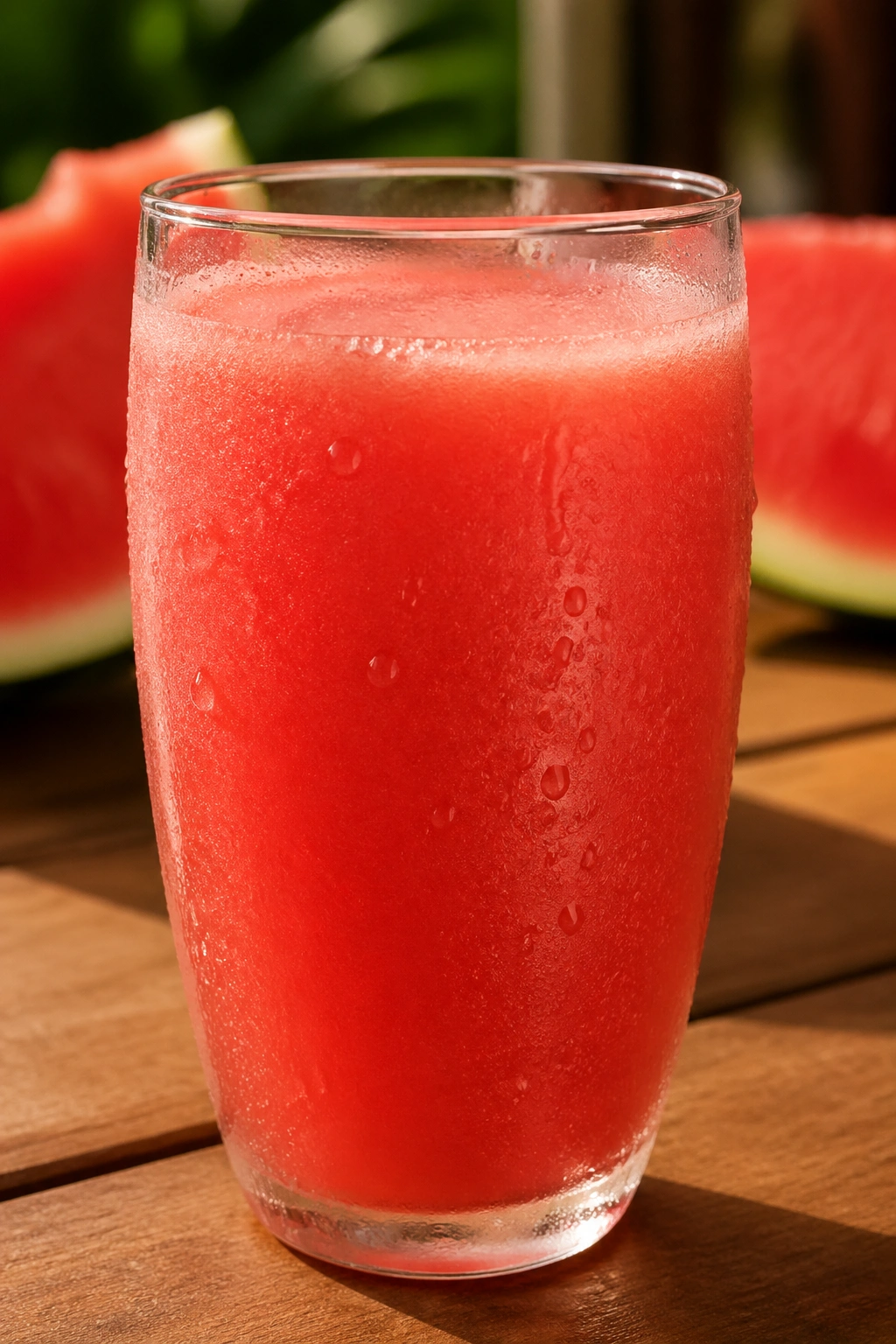
Watermelon juice tastes like summer in a glass, which is exactly why it works so well after a hot workout. It’s cold, sweet, and full of water, so the first few sips feel like a relief instead of a task.
It also brings natural carbs and a little citrulline, the compound people often talk about around blood flow and muscle fatigue. I wouldn’t treat it like a miracle. That would be silly. But I do like it as a recovery drink when the real problem is dehydration and you need something that feels light.
The flavor can be even better with a tiny pinch of salt. That sharpens the sweetness and helps replace some of what you lost sweating. If you want more staying power, blend it with a scoop of protein on the side or eat a yogurt afterward.
Watermelon juice shines after outdoor sessions, beach days, or any workout where you feel overheated and a bit flat. It cools you down fast. That alone is worth a lot.
11. Greek Yogurt Drink
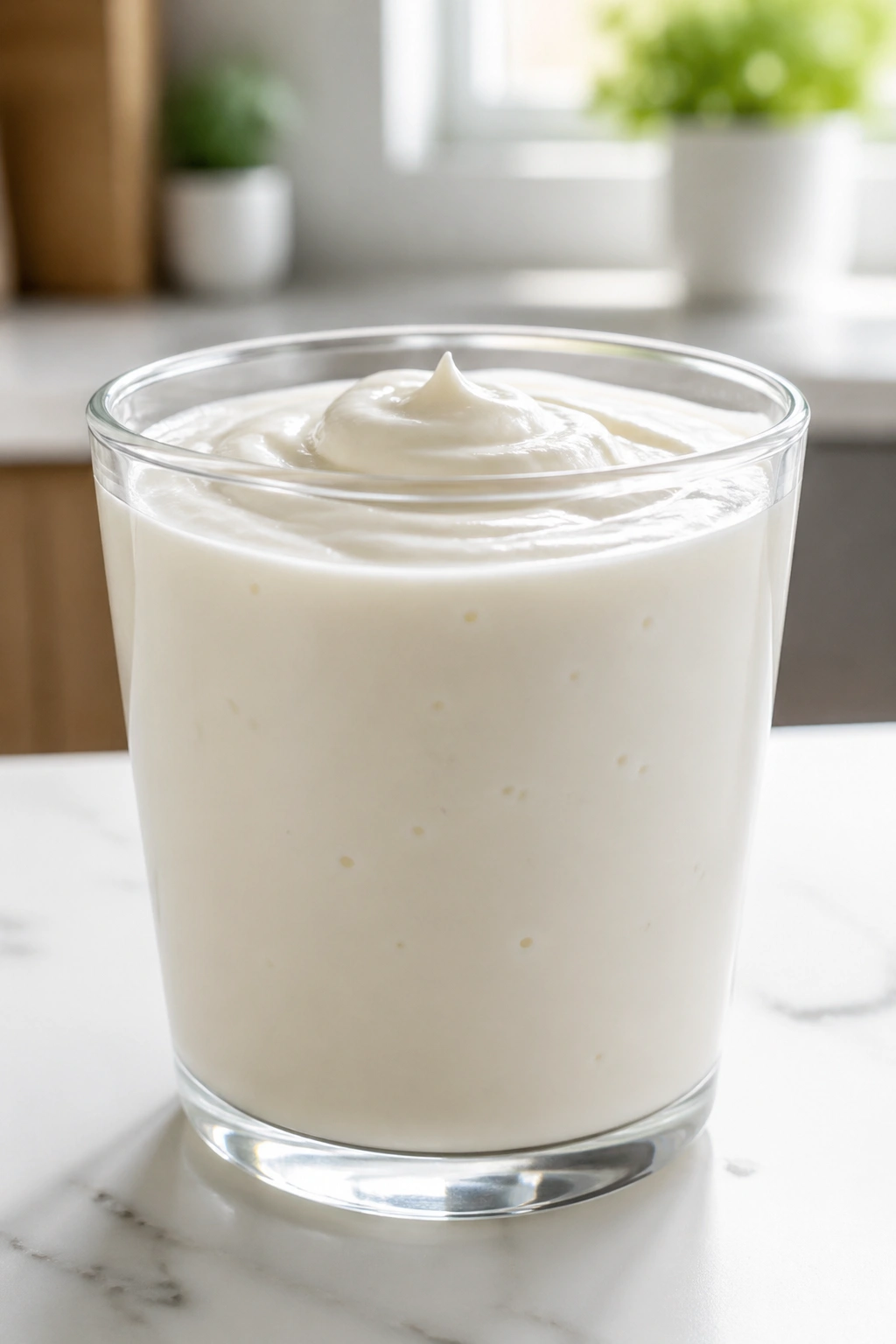
Can yogurt be a drink? If you thin it properly, absolutely. Greek yogurt drinks are thick, tangy, and packed with protein, which makes them a smart choice when you want more staying power than a standard juice but less effort than a full meal.
Start with 1 cup Greek yogurt, add 1/2 to 1 cup milk or water, and blend with fruit until it pours easily. Berries, mango, or banana all work. You can make it thin enough to sip from a bottle or keep it spoon-thick if that’s your thing. I prefer the middle ground. Thick enough to feel like food, loose enough not to fight back.
This drink is especially useful after strength work. The protein count can be high without needing powder, and the acidity gives it a bright edge that keeps it from feeling heavy. If dairy sits well with you, it’s a good one to keep around.
The only real issue is texture. Use enough liquid. Too little, and you end up with something that belongs in a bowl, not a bottle.
12. Oat Milk Recovery Shake
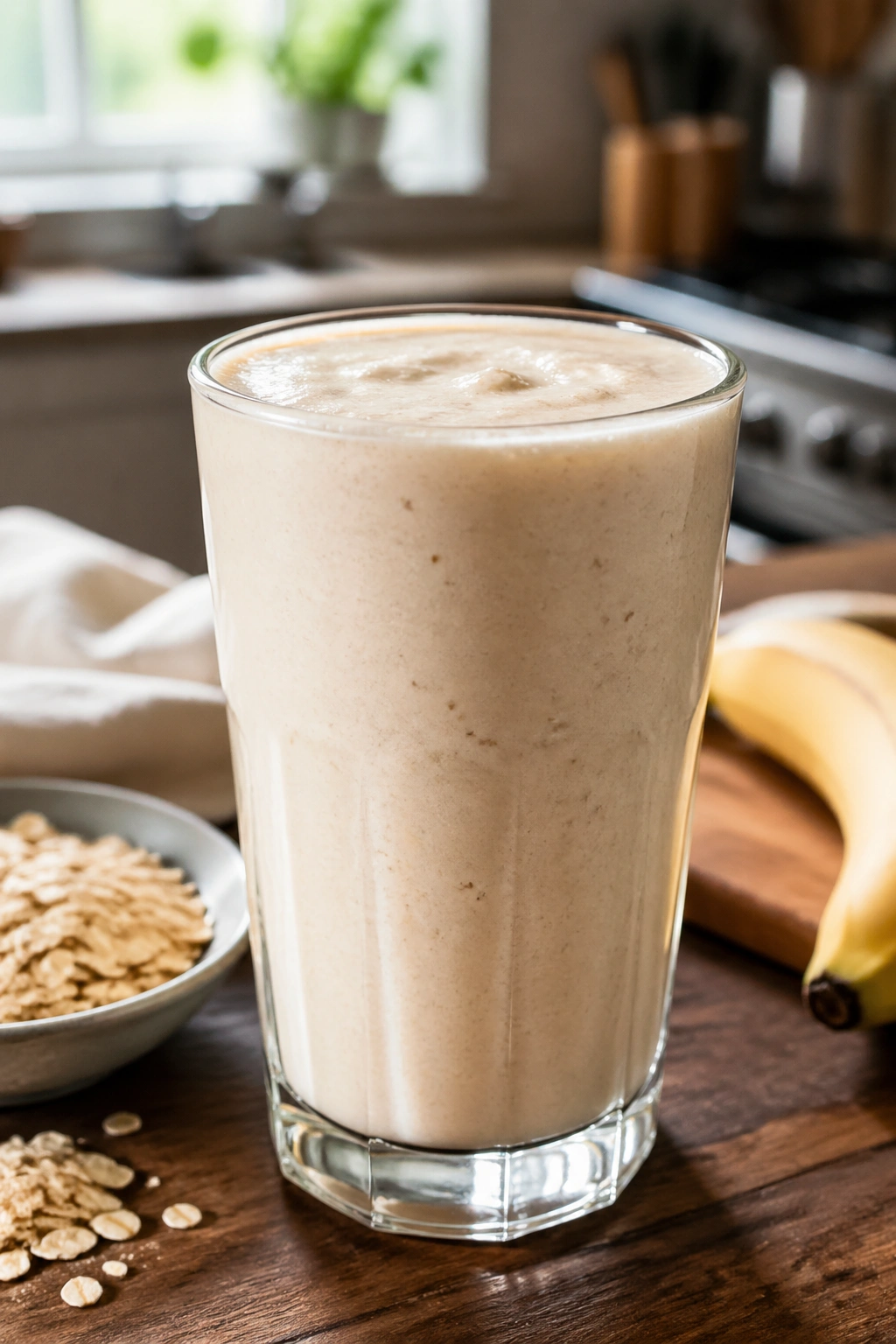
Oat milk on its own is not the hero here. It is the base. The useful part is how well it handles carbs and how easy it is to build around it. That makes it one of the friendliest post workout drinks for people who want a smooth, mild flavor and a drink that does not hit the stomach too hard.
Oat milk is usually low in protein, so don’t pretend it covers everything by itself. Pair it with a scoop of protein powder, a banana, and maybe a tablespoon of peanut butter if you need more calories. The result is creamy and mellow, with a texture that feels almost like melted oatmeal.
That sounds odd until you actually drink it after training. Then it makes perfect sense.
Best Use Cases
- Lactose-free recovery
- Long runs or rides
- Morning workouts when you need carbs fast
- People who hate sharp, sour flavors
If you want a gentle drink that still earns its place, build it right. Oat milk is a good supporting actor. It never needed to be the star.
13. Bone Broth
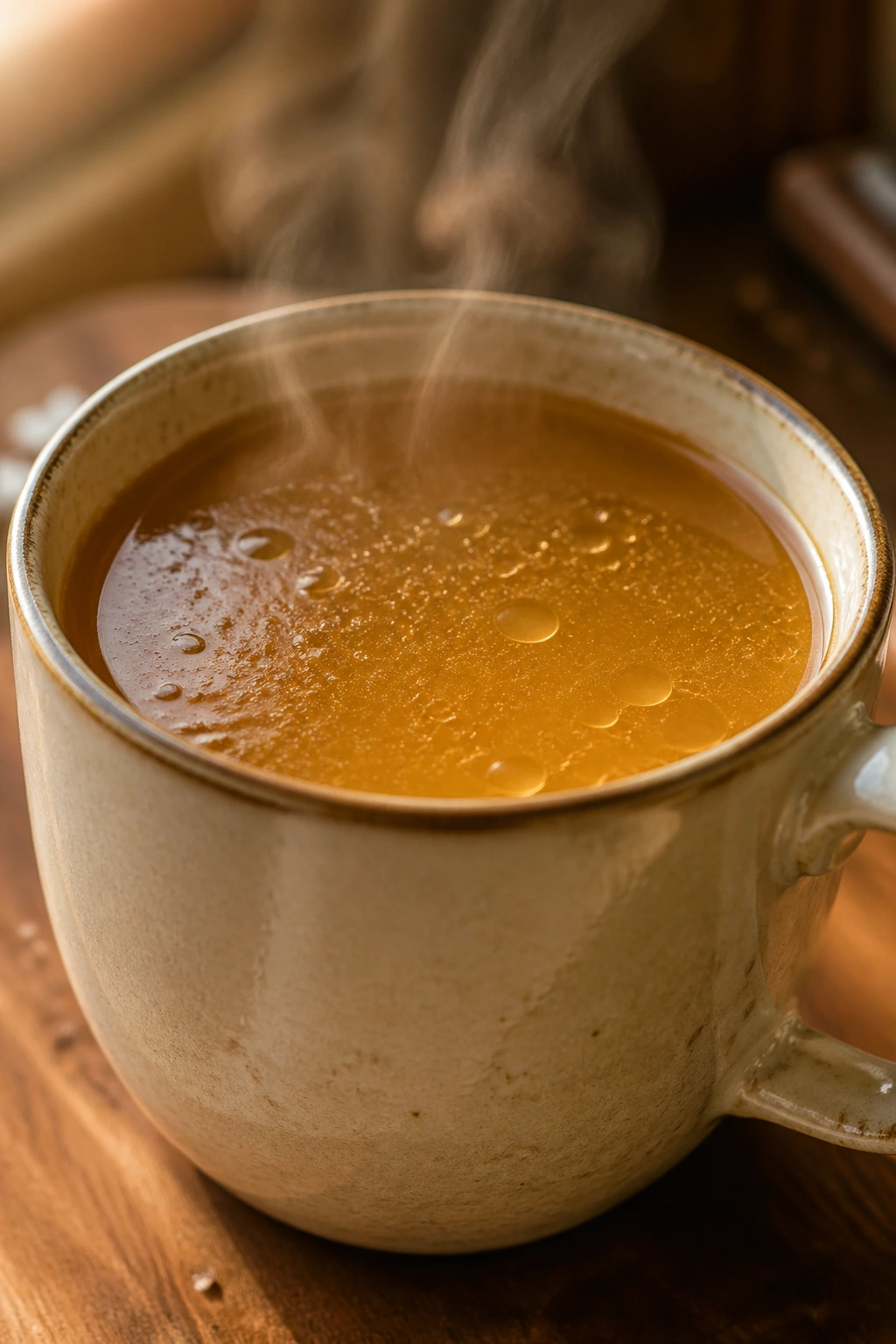
Bone broth is the recovery drink people forget about because it isn’t sweet. That’s also why it can be so useful. After a long, sweaty session, a mug of hot broth feels soothing, and the sodium content helps replace what you lost in sweat.
This is not your main carb source. I’d never pretend it is. It’s better as a bridge between workout and meal, especially if your appetite is low or cold drinks sound awful. A cup can be calming, and depending on the broth, you may get a little protein too. Just don’t expect it to do the whole job.
Bone broth makes a lot of sense after early morning training, cold-weather runs, or any day when you want warmth more than sweetness. Add rice, toast, or fruit later if you need carbs. The broth handles hydration and salt; the food handles fuel.
It’s a quieter option, and that’s the point. Not every recovery drink needs to be bright and fruity.
14. Pomegranate Juice
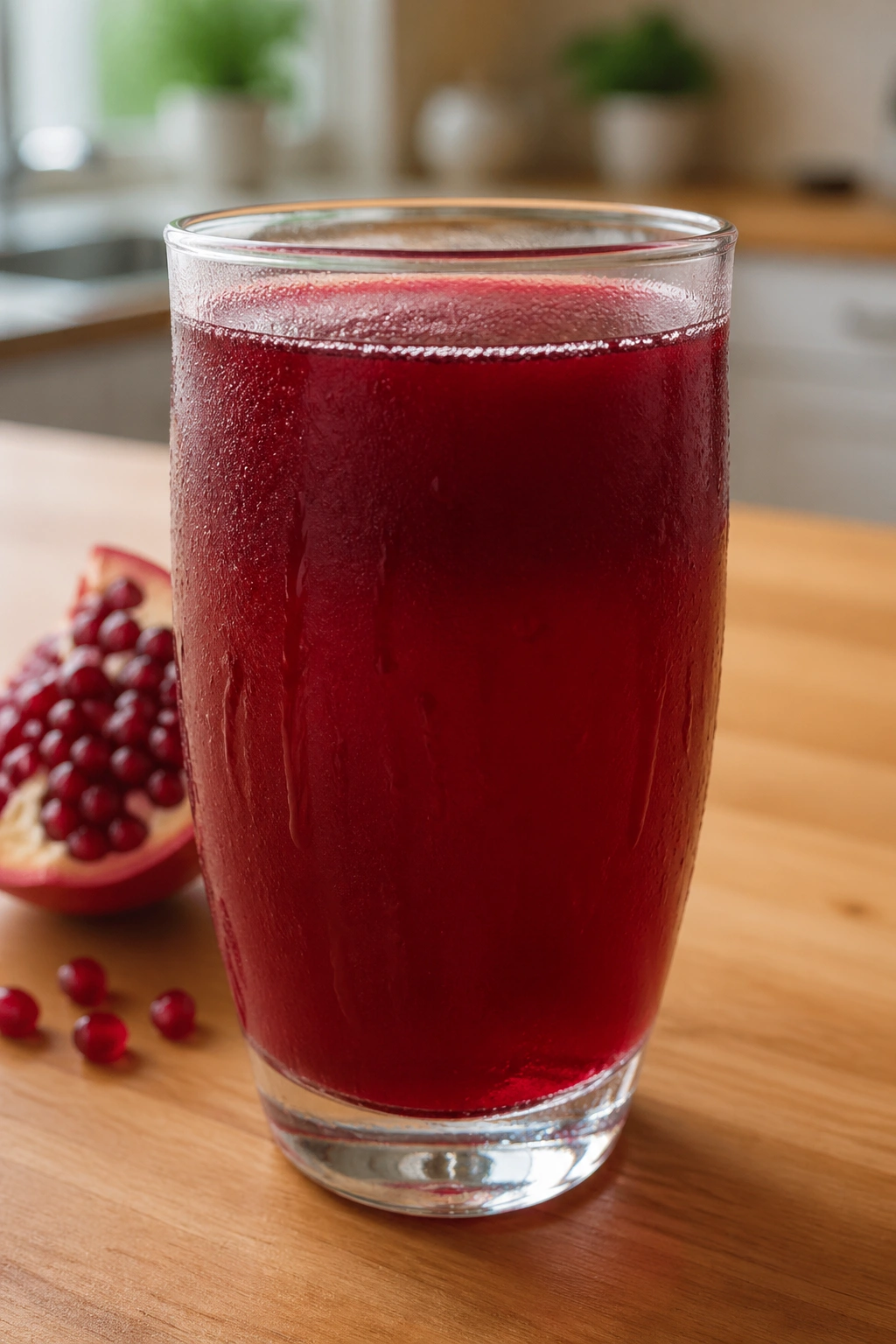
Pomegranate juice is tart, deep-colored, and a little dramatic in the glass. It earns a place here because it brings carbs and polyphenols, which makes it a sensible choice after hard sessions that leave the legs complaining.
The flavor is stronger than orange juice and less sugary than many blends. That can be a good thing. A small glass feels substantial without being cloying, and the tartness tends to cut through post-workout fatigue in a way that sweeter drinks sometimes do not.
I like it diluted about 1:1 with water if the full-strength version tastes too thick. That also helps it go farther and makes it easier to drink after training. Pair it with protein if you want the drink to do more than just refill fluid and sugar.
It’s especially nice after strength blocks or repeated sprint work. The taste says, “You worked.” Which, frankly, is the whole point.
15. Homemade Electrolyte Drink
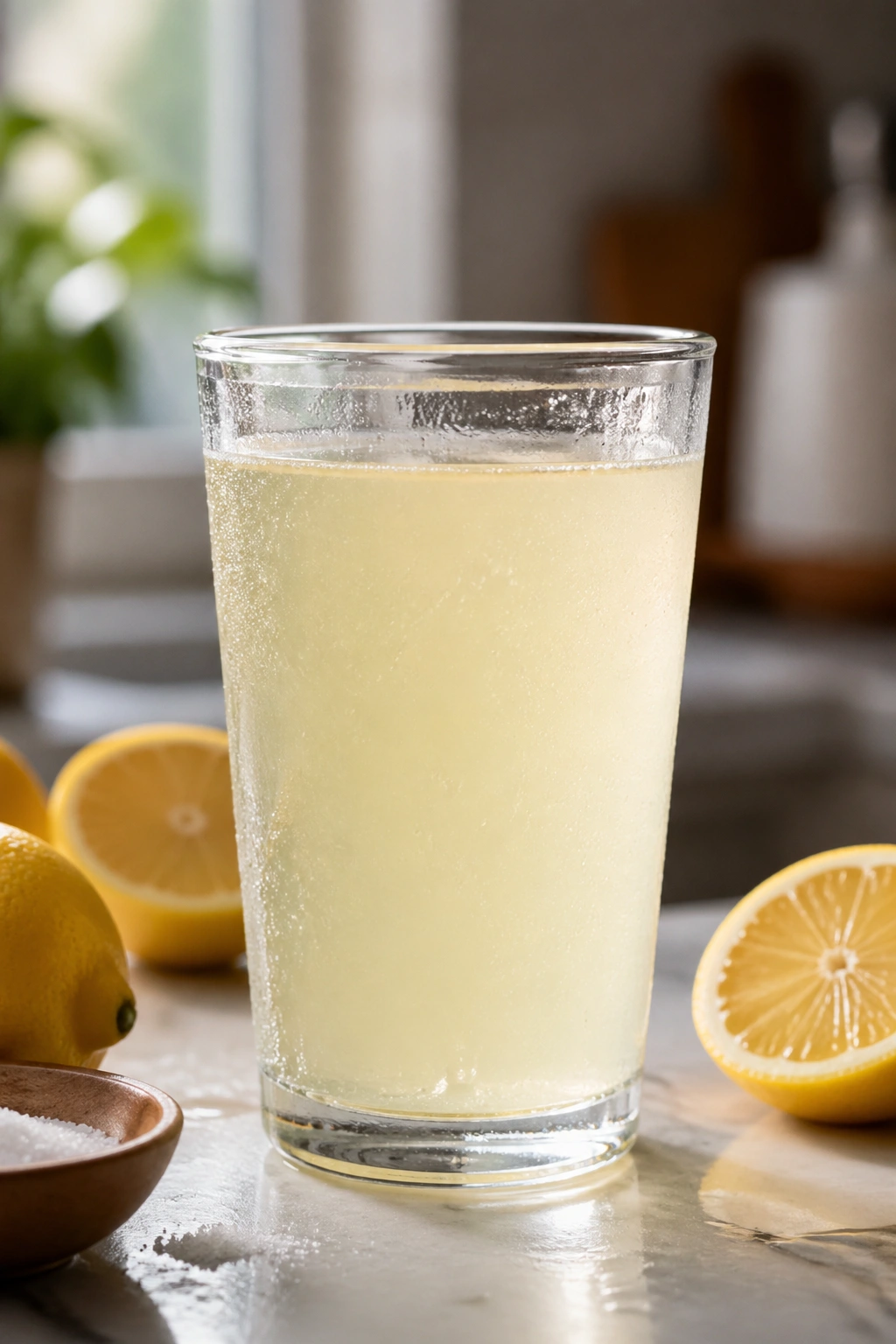
A homemade electrolyte drink is what you make when water feels too plain and store-bought sports drinks taste like neon. It gives you a practical mix of fluid, sodium, and a bit of carbohydrate without needing much money or planning.
A basic version is easy: 16 ounces of water, 1 to 2 tablespoons lemon or lime juice, 1/4 teaspoon salt, and 1 to 2 teaspoons honey or maple syrup. Stir or shake until the salt dissolves. If the workout was long and sweaty, you can make it slightly sweeter; if it was short, keep the sugar light.
The big advantage here is control. You can make it saltier for heavy sweat days and keep it mild when you just need a little help rehydrating. That matters because some commercial drinks are either too sweet or too weak, with nothing in between.
Use this when the workout was intense, hot, or both. It won’t cover protein, so pair it with a meal or shake later. Still, as a first step after training, it works.
16. Banana-Oat Smoothie
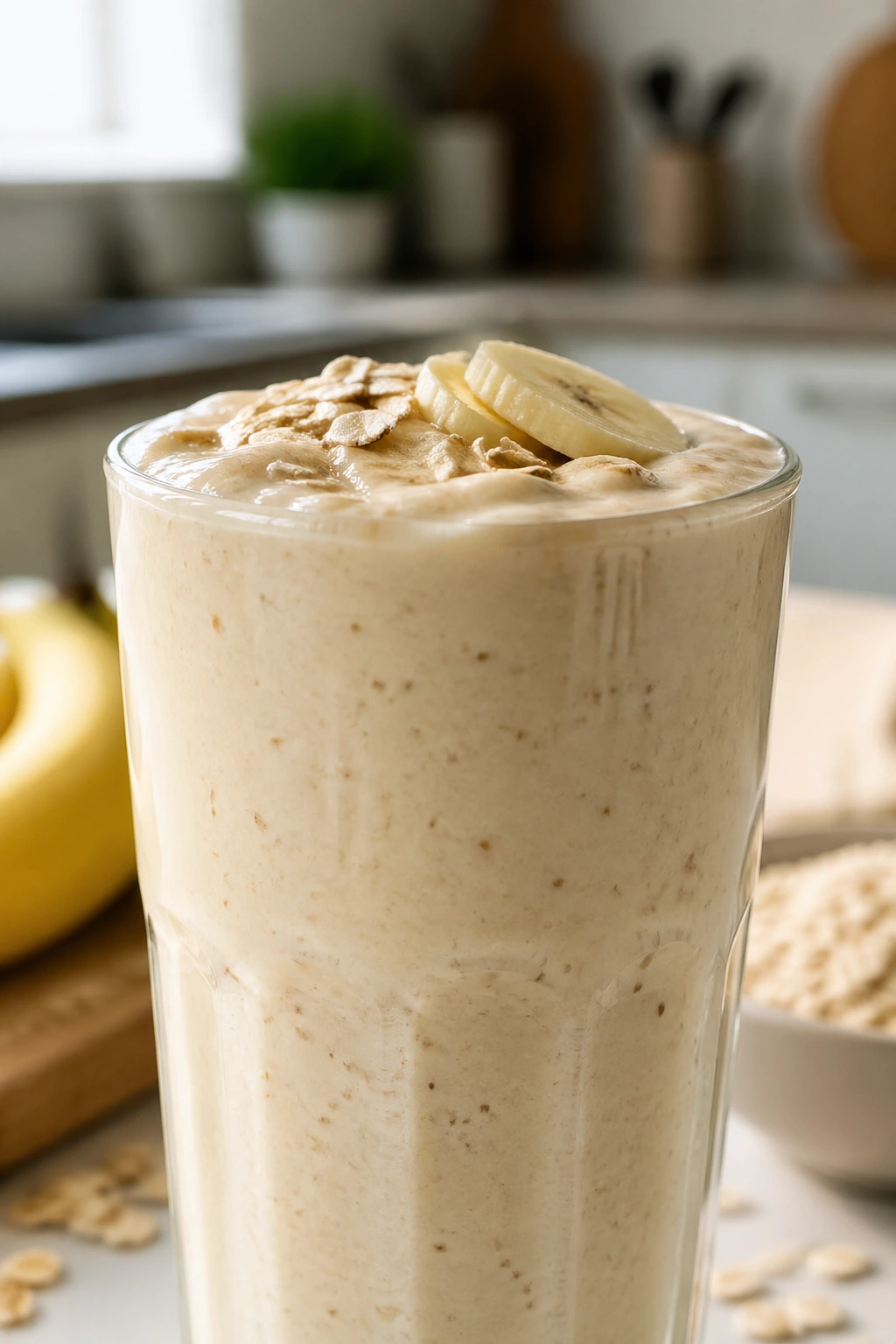
Banana and oats are old-school for a reason. They make a recovery drink that is thick, filling, and built around carbs that actually matter after training. The banana gives fast sugar and potassium. The oats slow things down a little, which can be useful after a long session when you need something that sticks with you.
Blend 1 banana, 1/3 to 1/2 cup quick oats, 1 cup milk or soy milk, and a scoop of protein if the workout was hard. A dash of cinnamon helps the flavor and makes it feel a little less one-note. You can also add ice if you want a colder, lighter finish.
Why It Holds Up Well
The oats make this one feel like food, not just a drink. That’s useful on days when you come home ravenous but can’t quite handle a plate yet. The texture is a little thicker than a juice-based option, so it works best when you have a blender that can handle oats cleanly.
If you need something gentler, blend longer and use less oats. If you need more staying power, add peanut butter. Easy.
17. Casein Shake Before Bed
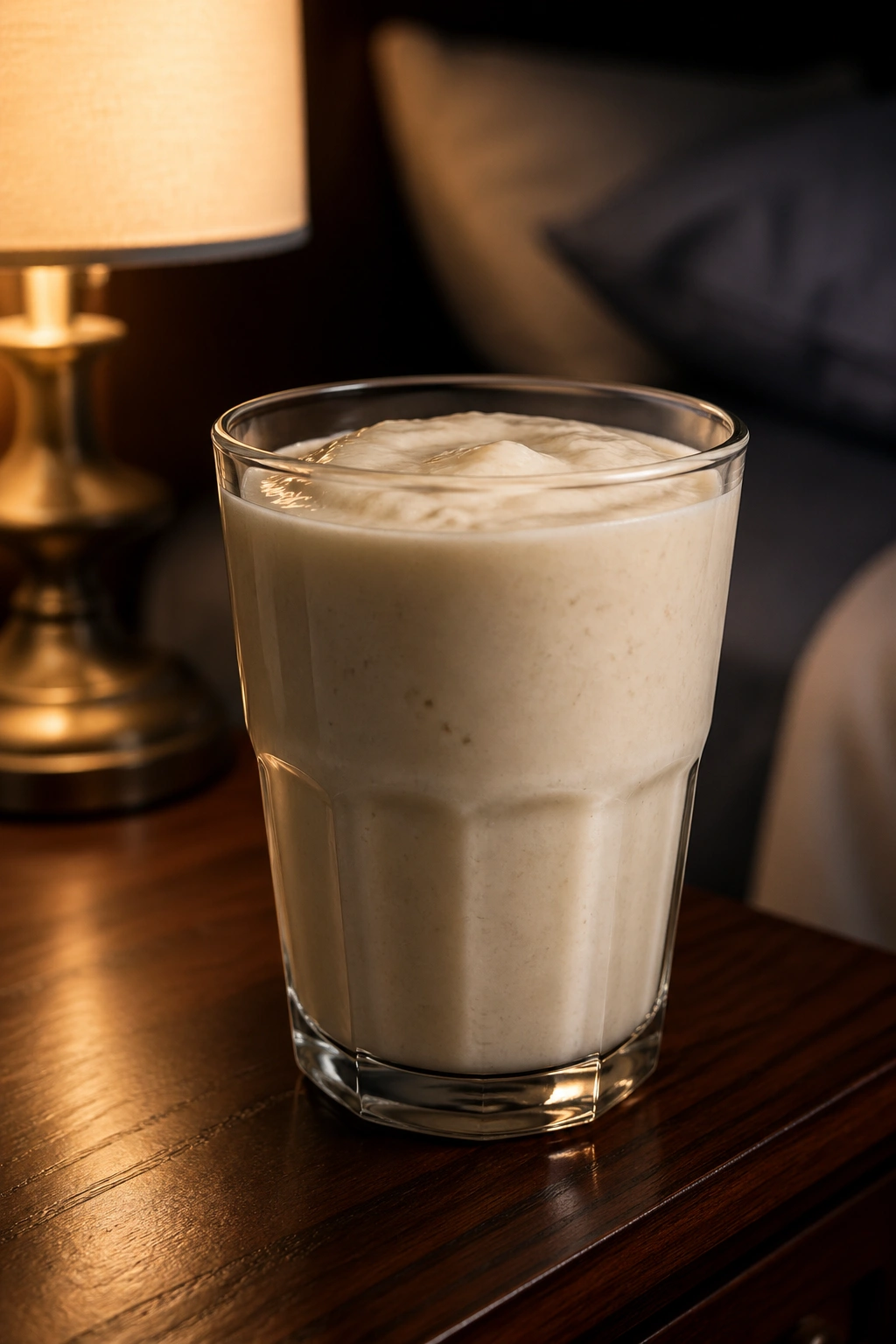
Why drink casein after training if it digests slowly? Because recovery does not stop when you leave the gym. If you train late, or you know there’s a long stretch before your next meal, casein can keep amino acids trickling in for hours.
This is a different kind of recovery drink. It is not for the quick rush of a sprint or a short interval session. It is for the quieter hours after training, when your body is still repairing. A serving of 25 to 40 grams of casein protein before bed is a common setup, often mixed with milk for an even slower release.
The texture is thicker than whey and a bit more like pudding if you don’t add enough liquid. That bothers some people. I actually like it when I want something filling and calm, especially after an evening lift. Cocoa powder works well here. So does a pinch of salt.
If you only want one shake after training, whey is easier. If you want a pre-sleep option that keeps working while you sleep, casein earns its spot.
18. Pineapple-Ginger Recovery Drink
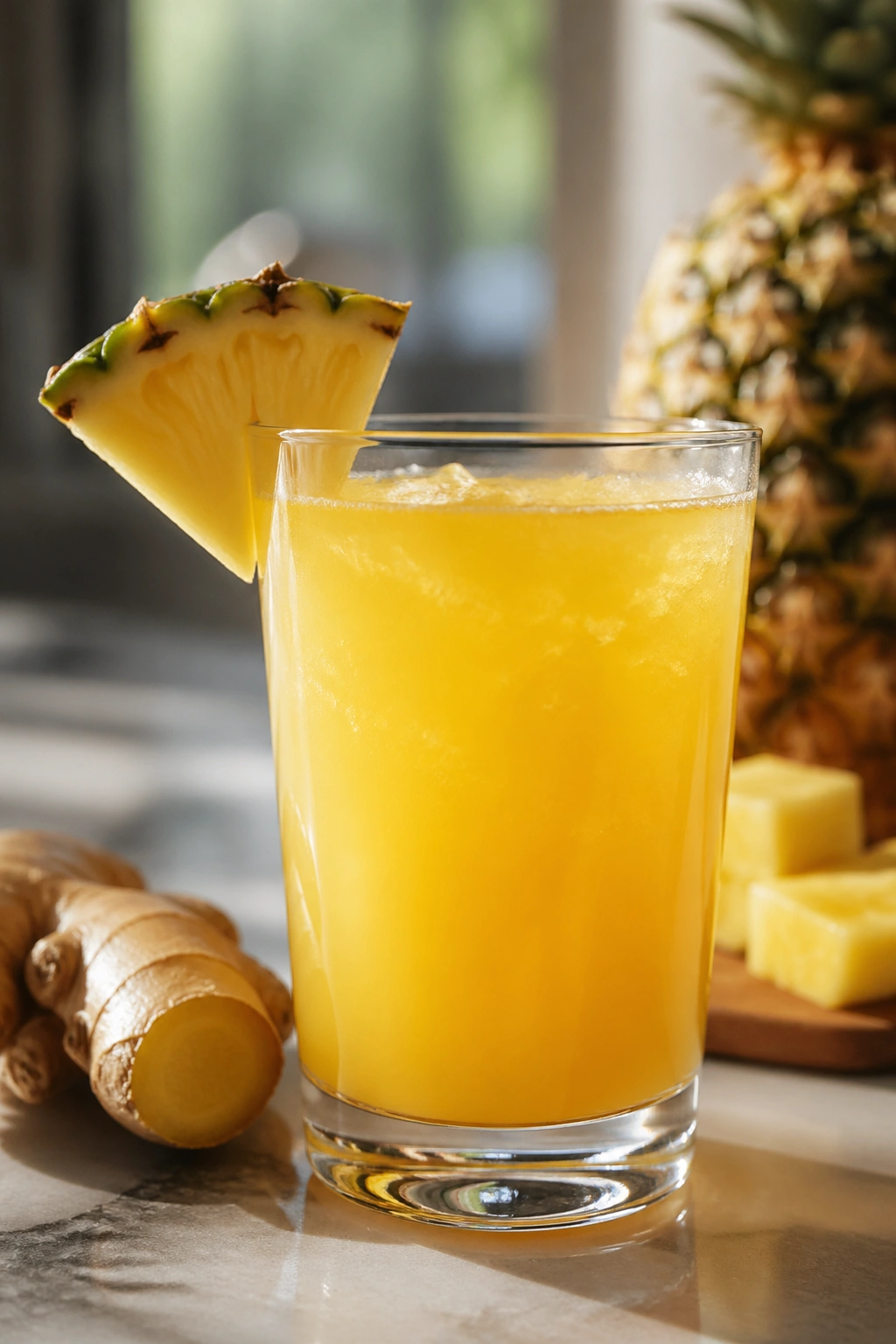
Pineapple and ginger make a recovery drink that tastes bright, sharp, and easier to face than something rich or creamy. The pineapple gives fast carbs and fluid, while ginger adds a spicy note that many people find easier on the stomach after hard exercise.
I like this one when I feel a little flat but do not want dairy. It blends well with water, coconut water, or even a little orange juice. If you want more staying power, add a scoop of protein separately or pair the drink with a yogurt cup afterward.
The ginger is doing more than flavoring the glass. Some people find it helps settle post-workout nausea, which is handy after long runs or hard conditioning work. The drink is not a cure-all. It is just easy to digest and easy to like.
Good for These Situations
- After hard cardio
- When the stomach feels off
- When you want something cold but not creamy
- When hydration matters more than calories
That combination makes it worth keeping in rotation. Not fancy. Handy.
19. Rice Milk Protein Shake
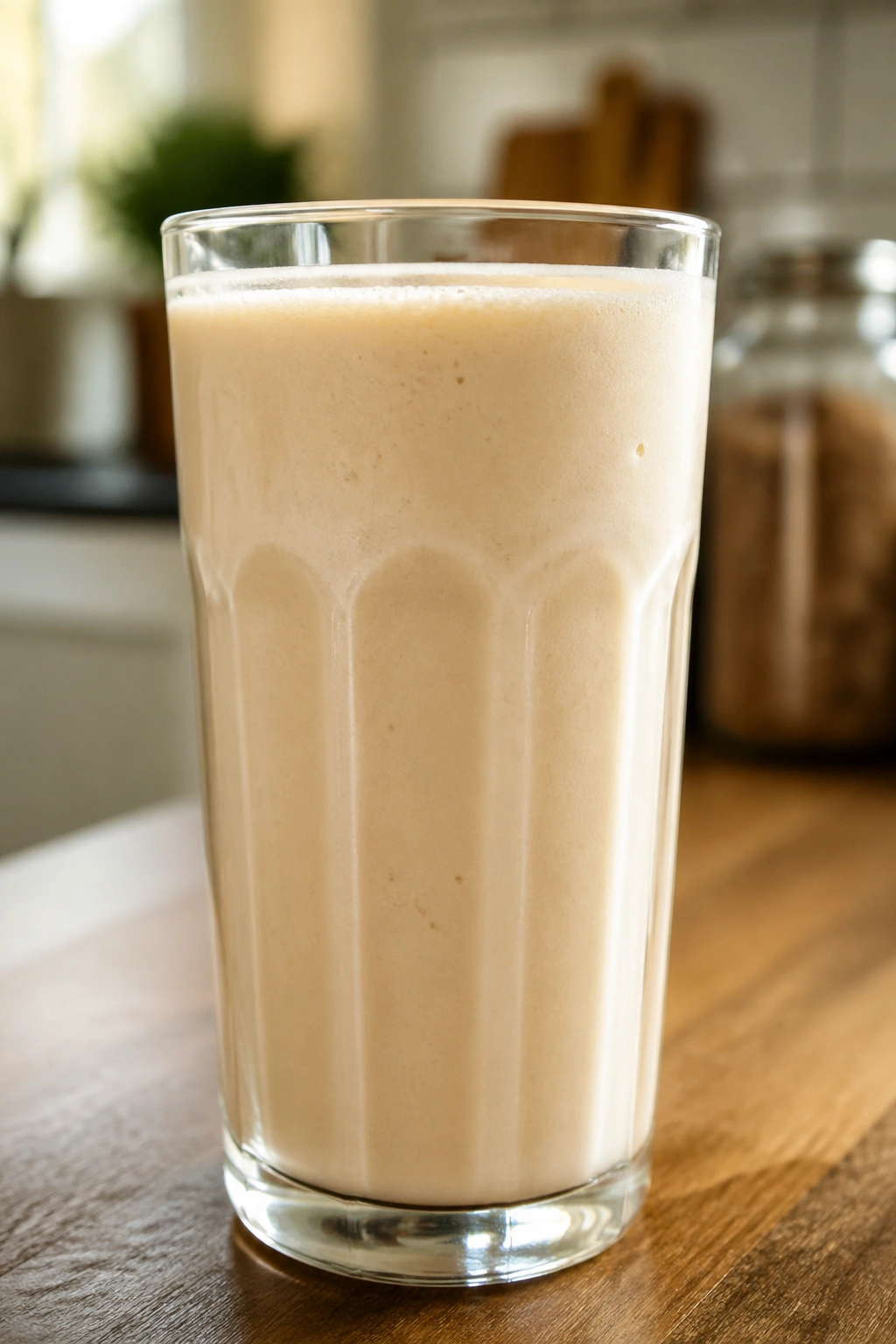
Rice milk sits in a funny place. It is lighter than dairy and easier for some people to tolerate, but it does not bring much protein on its own. That means it works best when you use it as a base for a protein-rich recovery shake.
Blend 1 cup rice milk, 1 scoop protein powder, and 1 banana if you want a better carb-to-protein balance. The result is smooth, mildly sweet, and less heavy than many milk-based shakes. If soy milk feels too dense and almond milk feels too thin, rice milk can be a good middle step.
This is especially useful after workouts when your stomach is picky. Some athletes just do not want anything thick, sour, or dairy-heavy after training. Rice milk helps because it stays quiet in the background and lets the protein do the main work.
I would not use it alone for serious recovery. Pair it up. Give it something to do.
20. Drinkable Skyr Smoothie
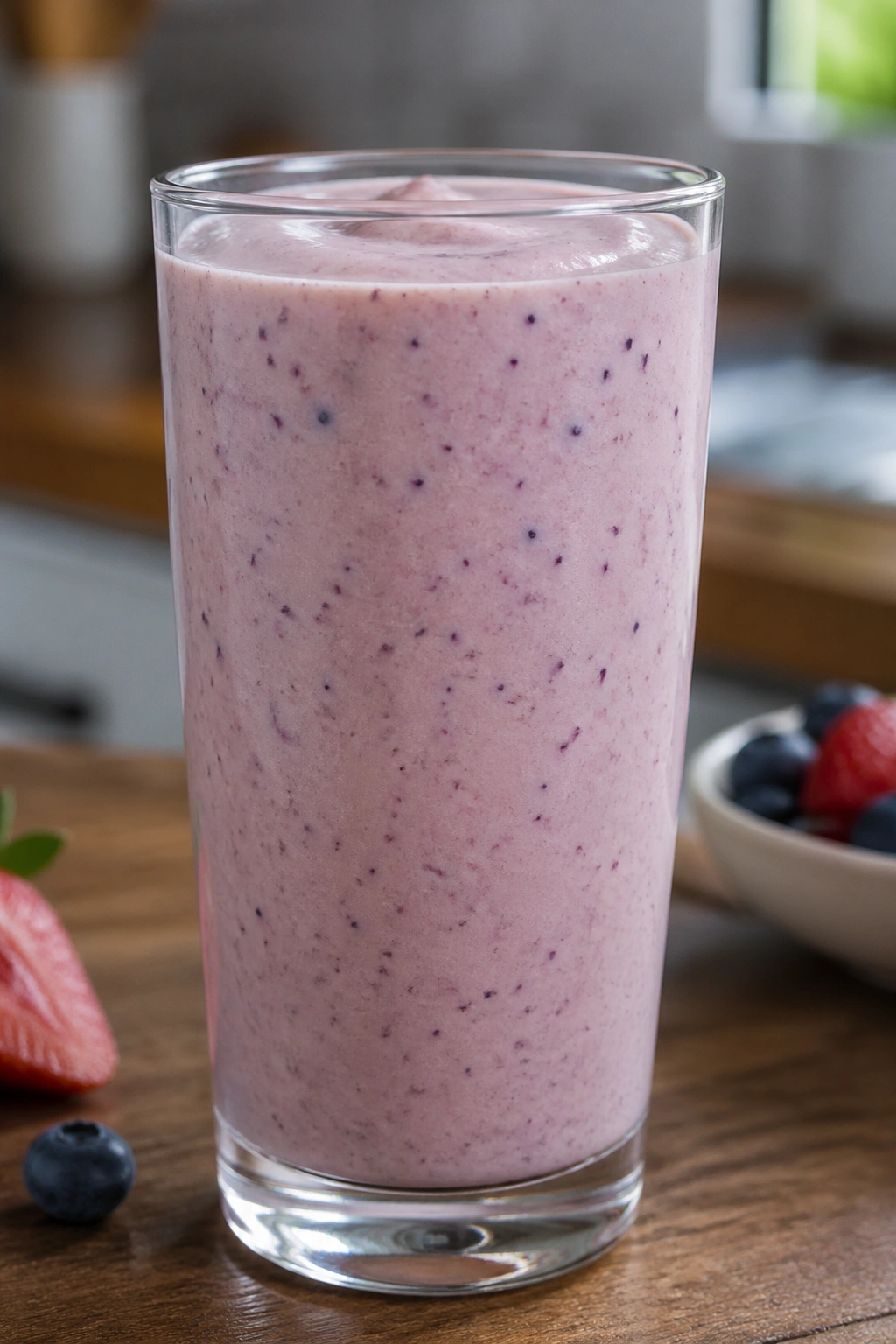
Skyr is one of those dairy foods that looks plain and behaves better than you expect. Blend it with enough liquid, and it turns into a high-protein drinkable smoothie that feels substantial without becoming too heavy.
Skyr has a thick texture and a high protein count, which makes it useful after lifting or any session where muscle repair matters more than pure hydration. Start with 1 cup skyr, 1/2 to 1 cup milk, and a handful of berries. Blend until the texture is pourable. Too little liquid and it stays spoon-thick; too much and you lose the creamy body that makes it nice.
What I like here is the balance. It is tart, filling, and not overly sweet. If you train hard and want something that feels like actual food but still counts as a drink, this is one of the better picks.
It also holds up well in a bottle if you need to carry it. Shake it once or twice, though. It settles.
21. Cucumber-Lemon-Mint Hydration Drink
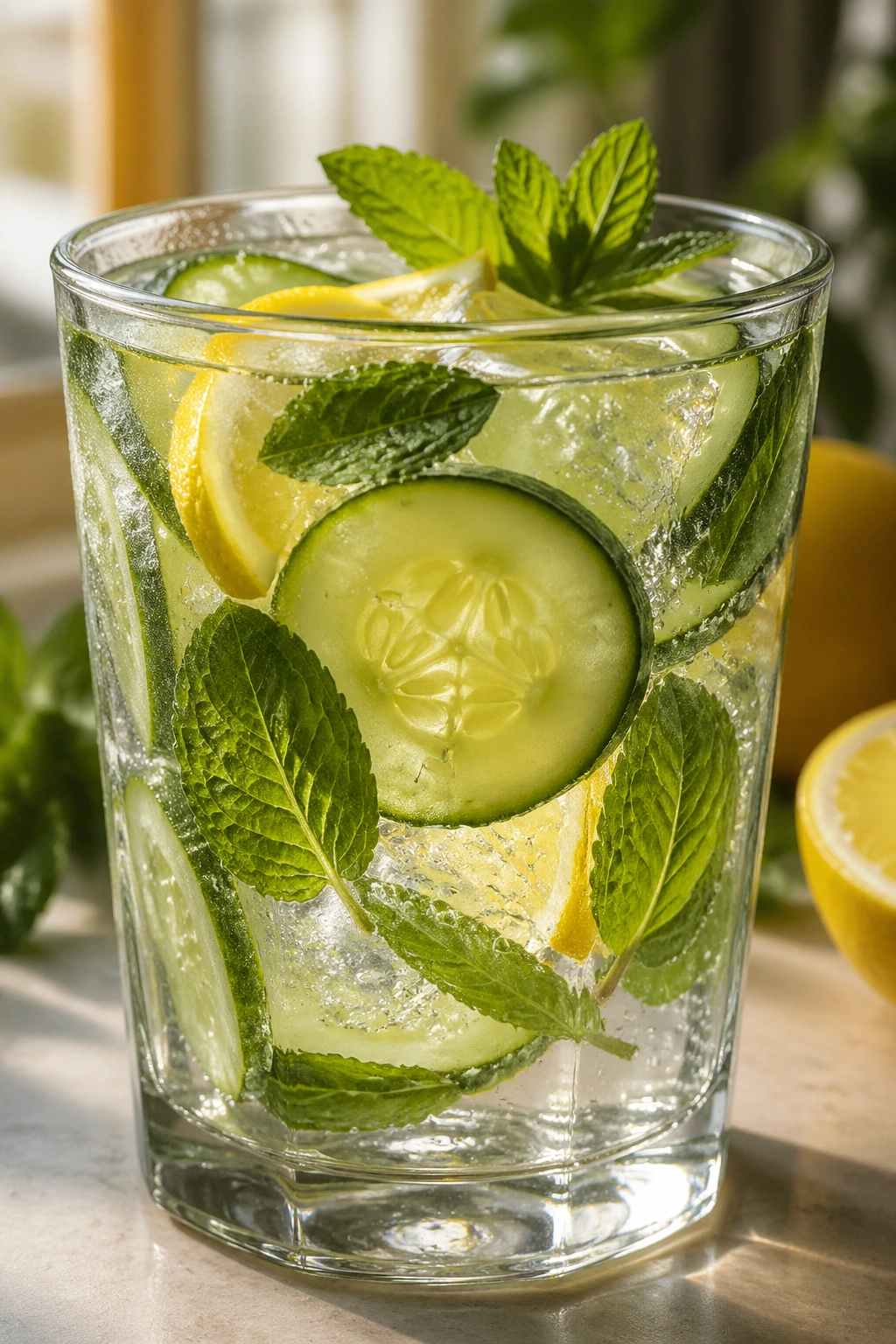
A cucumber-lemon-mint drink is the quietest recovery choice on this list. It is cool, crisp, and easy to drink when your mouth feels dry and the idea of anything heavy makes you tired all over again.
This is not the drink for repairing muscles by itself. I want to be plain about that. It is a hydration-first drink, best after light or moderate sessions, or as the first thing you drink before a bigger meal. Add a pinch of salt and a teaspoon of honey if you want it to pull a little more weight.
The flavor is clean in a way that makes sense after training. Cucumber keeps it mellow, lemon gives it a little edge, and mint makes it feel colder than it really is. That can be a nice reset when your body feels hot and your appetite is still catching up.
Use this with food, not instead of food. It’s a strong first glass. Not the whole plan.
22. Cherry-Beet Recovery Blend
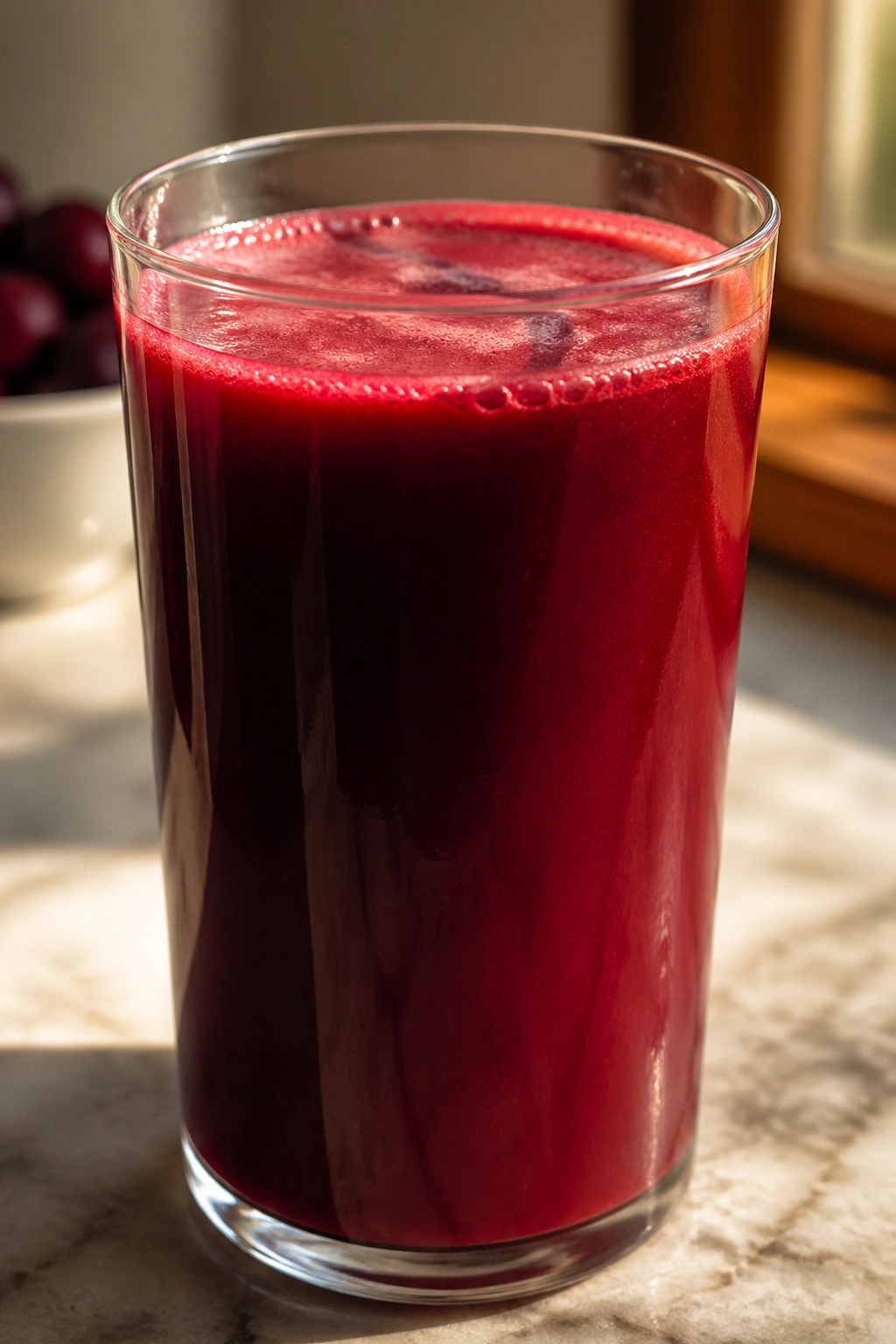
Cherry and beet make a strange-sounding pair that works better than it should. You get the soreness support of tart cherry and the blood-flow angle of beetroot, plus a decent amount of carbs if you blend them with juice or water.
This is the drink for people who train hard and want a little more from their recovery glass than plain sweetness. It’s earthy, tart, and deeply colored. The flavor can be intense, so I usually start with 4 ounces tart cherry juice, 4 ounces beet juice, and 4 to 6 ounces water. That softens the edge without watering it down into nothing.
If you want to make it more drinkable, add apple juice or a little orange juice. If you want more recovery support, pair it with a protein snack. That keeps the drink focused on its main job: helping you feel less wrecked after a rough session.
It’s not the easiest drink here. It may be one of the most useful for hard training blocks, though, and that counts for a lot.
Final Thoughts
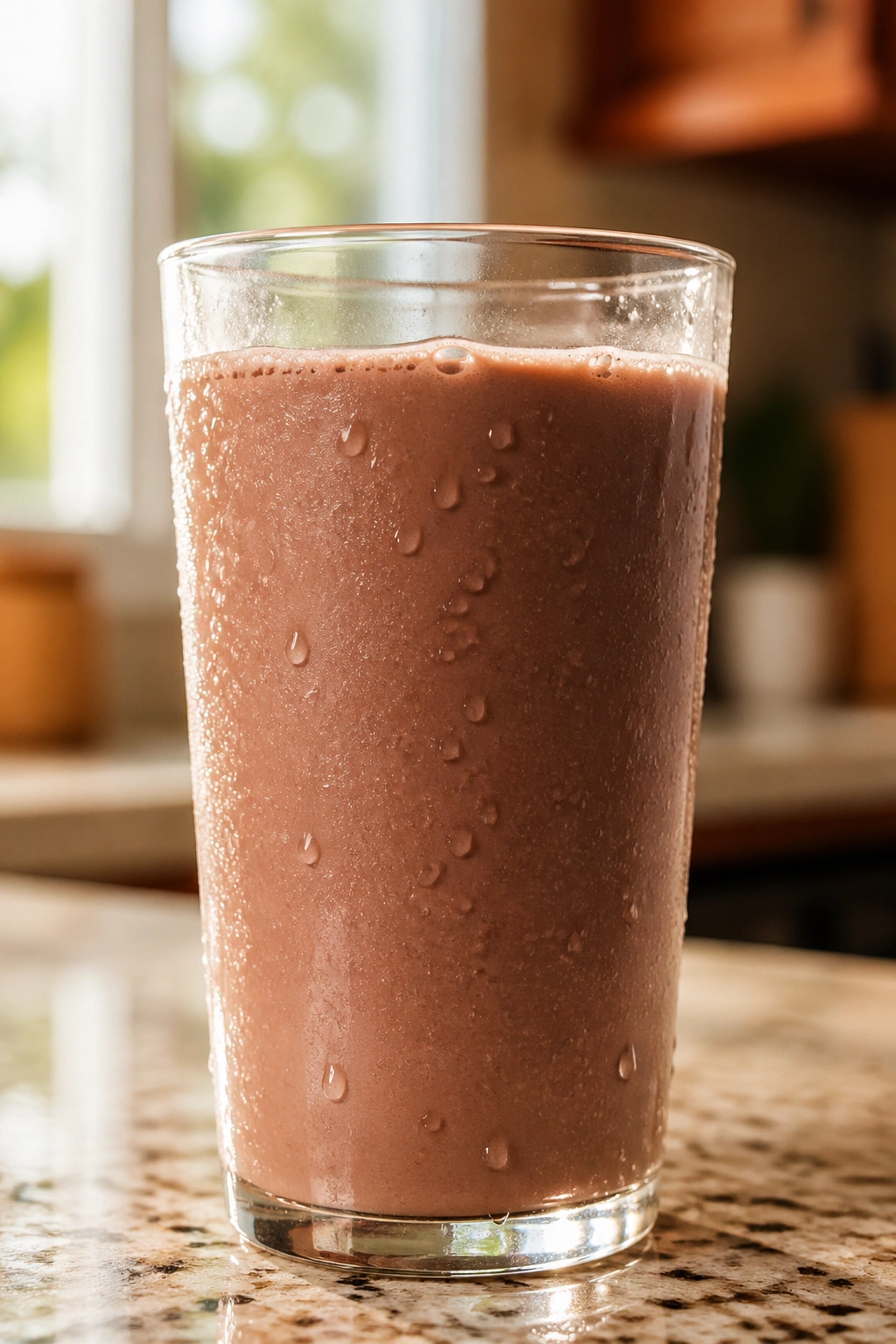
The best post workout drinks are the ones that match the workout you just did. A hard lift calls for a different glass than a sweaty run, and a late-night session has different needs than a quick lunchtime circuit. That part matters more than trendy ingredients.
If you want the simplest rule, build your recovery drink around fluid first, carbs second, protein third, then add sodium when the sweat loss was high. After that, taste and tolerance take over. Some days call for chocolate milk. Some call for broth. Some call for a shake you can drink while standing by the sink.
The useful habit is not chasing perfection. It’s making the next glass count.
