



Leg day has a way of making stairs feel rude.
Post-workout leg stretches are not about performing some elegant little ritual for the gym mirror. They’re about getting your hips, calves, hamstrings, and glutes to stop gripping like they’ve been bribed to stay tense. A slow stretch after training can help you feel less stiff, move cleaner later in the day, and avoid that weird locked-up feeling that shows up when you sit down too soon.
The best stretching work is usually plain and unglamorous. A 20- to 30-second hold, a steady breath, and a position that actually hits the right muscle will beat some dramatic overreach every time. Bouncing doesn’t help. Muscling through pain doesn’t help either.
Start with the stretches that match what feels tight. Front of the hips? Hamstrings? Calves that feel like piano wire? Pick the right tool, hold it long enough to matter, and keep going.
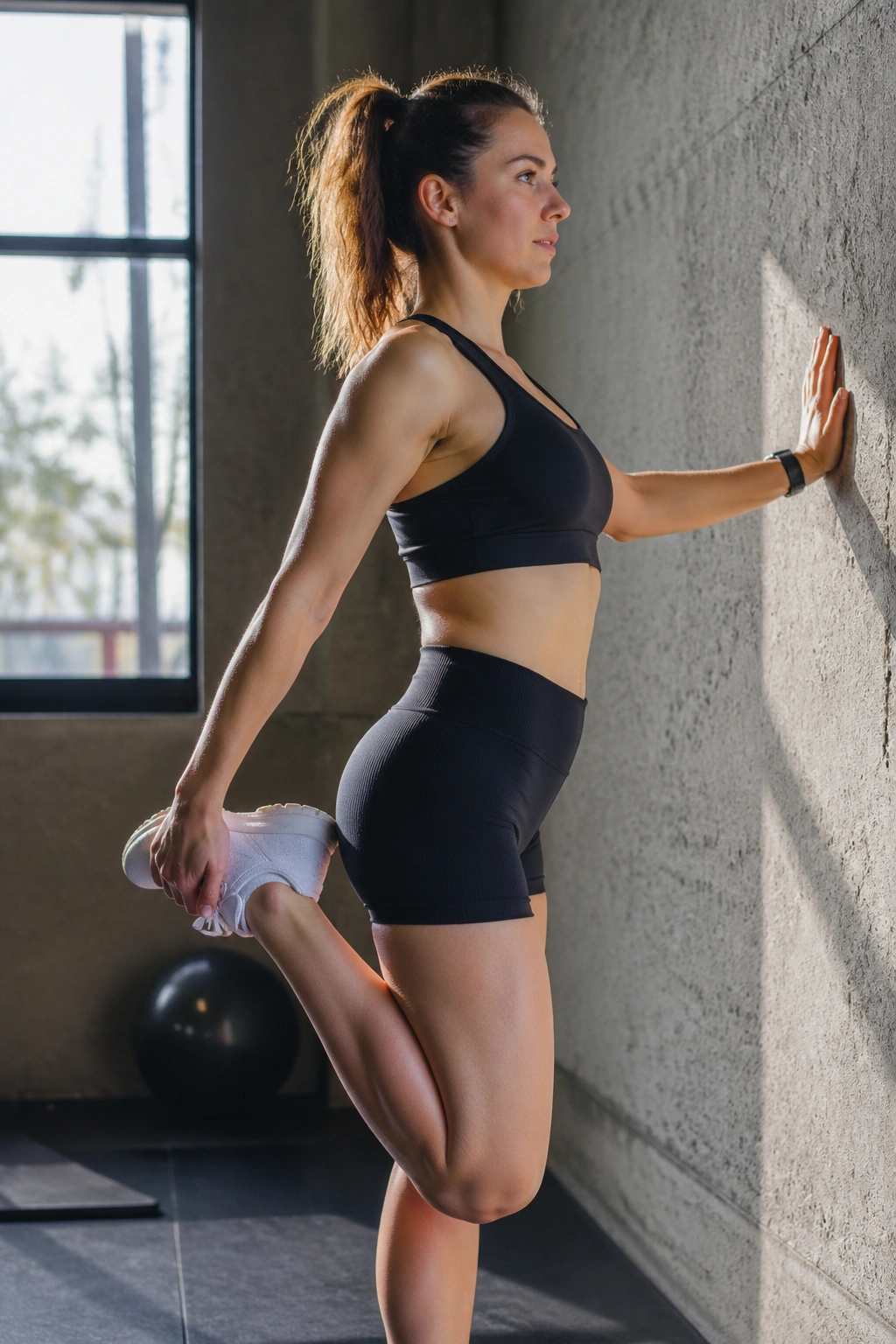
1. Standing Quad Stretch
A good quad stretch should feel like the front of your thigh finally unclenching.
Stand tall, bend one knee, and bring your heel toward your seat. Grab your ankle or the top of your foot, keep your knees close together, and gently tuck your pelvis so your lower back doesn’t arch. That little pelvic tuck matters more than people think. Without it, the stretch often slides into the hip joint and misses the quadriceps entirely.
Hold for 20 to 30 seconds on each side. If your balance is shaky, put one hand on a wall or rack. If you need to lean forward a little, fine, but keep your chest lifted and your thigh pointing mostly straight down.
- Keep both knees near each other.
- Squeeze the glute on the stretching side.
- Pull the heel in slowly, not in a yank.
- Stop if the knee feels pinched.
One sharp tip: if your knee drifts forward, you lose most of the quad stretch.
2. Kneeling Hip Flexor Stretch
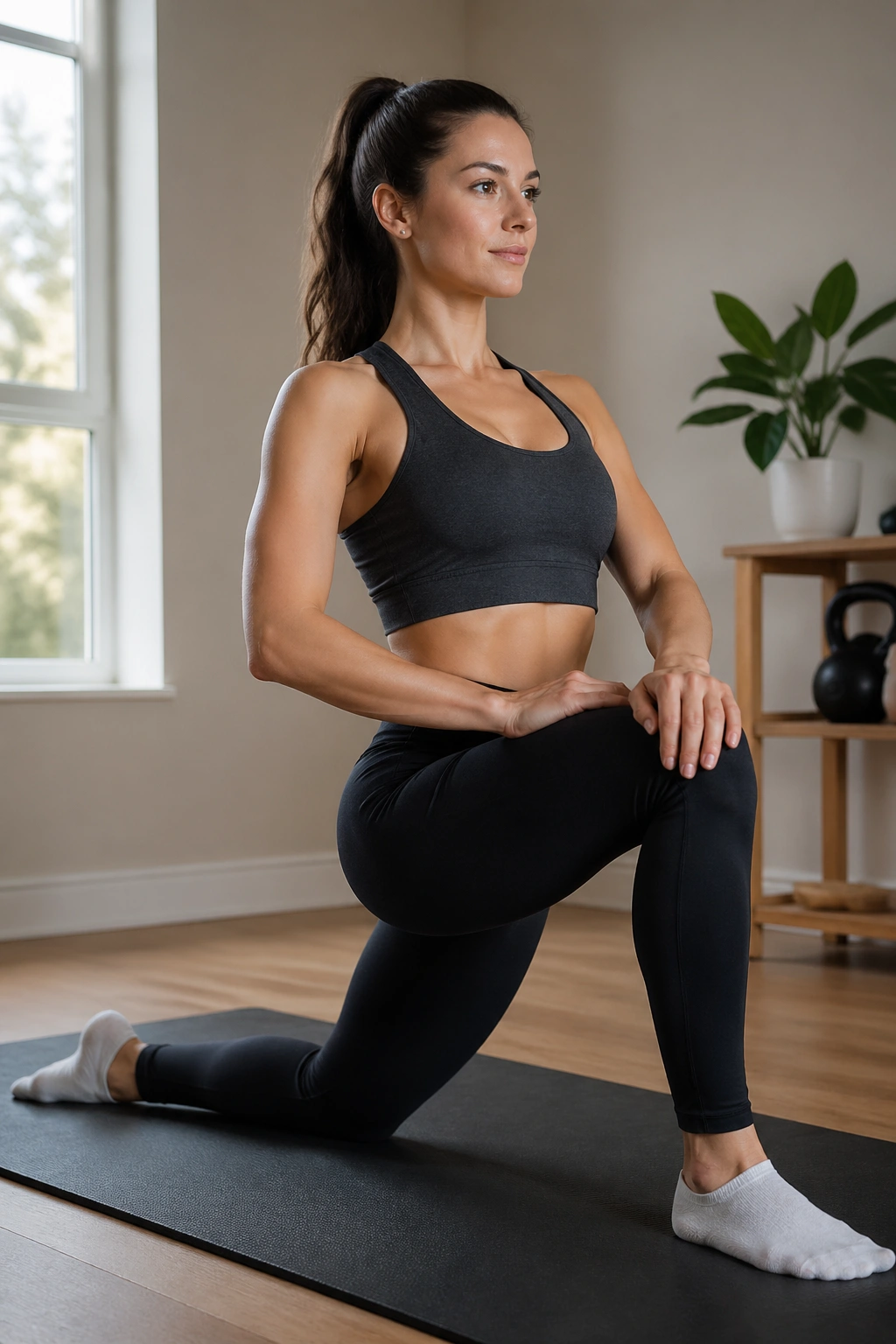
Why do the front of the hips feel glued shut after squats, lunges, and runs?
Because the hip flexors spend a lot of the day in a shortened position, then they get asked to do more work when you train. A kneeling hip flexor stretch gives them length without asking the rest of your body to cheat. Put one knee on a pad, plant the other foot in front, and keep your torso upright.
Set Up the Lunge
Shift your hips forward only a few inches. That’s enough. Then tuck your tailbone slightly and squeeze the glute on the kneeling side. You should feel the stretch high in the front of the hip, not in your lower back. If you feel your spine cranking into an arch, back off.
What It Should Feel Like
The right sensation is a clean pull across the top of the thigh and into the hip crease. Not pain. Not a pinch. Just a long, stubborn tug.
Hold 30 to 45 seconds per side, breathing slowly the whole time. A small pad under the knee makes this stretch easier to live with, and it keeps your focus where it belongs.
3. Wall Calf Stretch
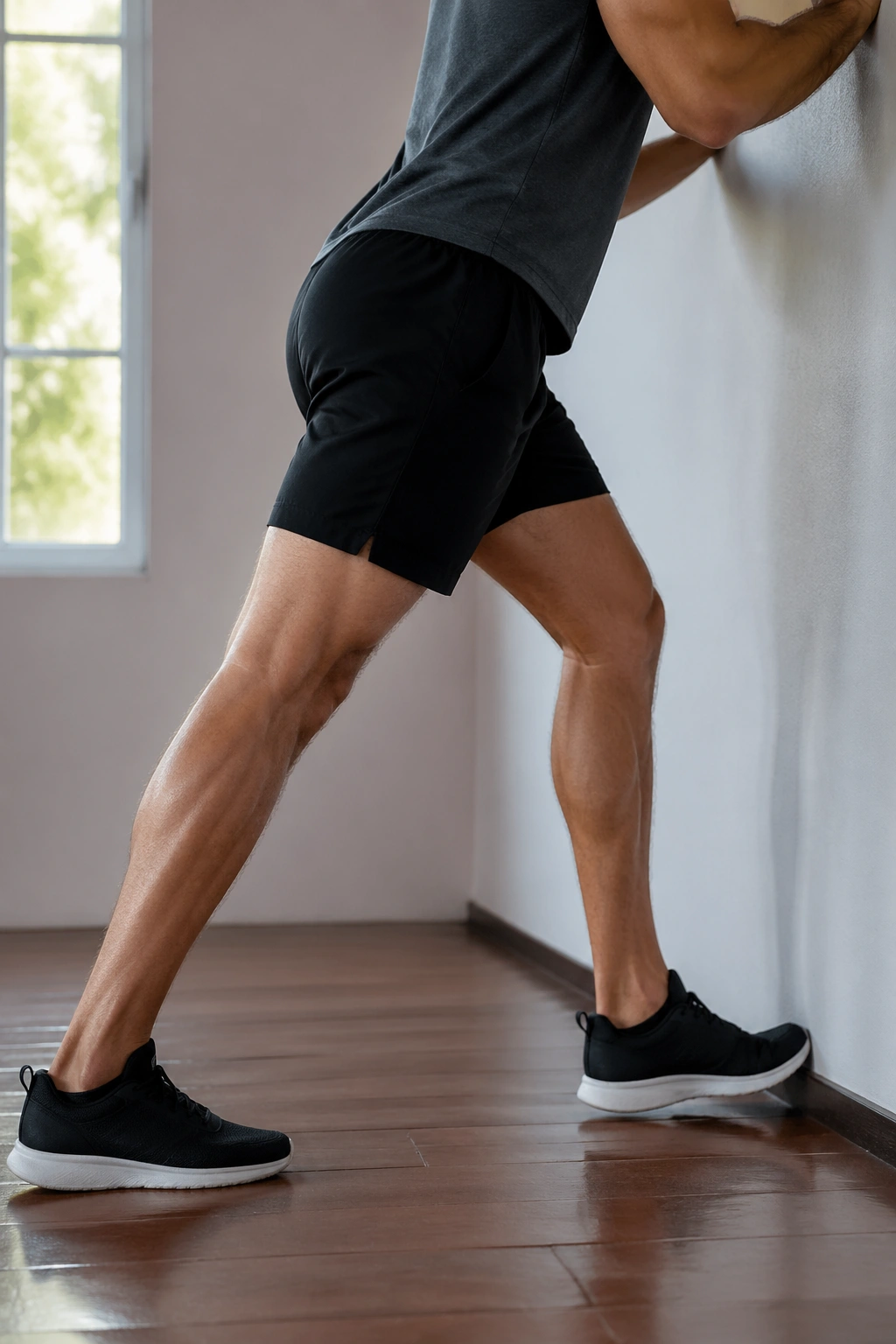
After a run or a lot of jumping, the calves usually complain first.
Face a wall, step one foot back, and press that back heel into the floor. Keep the back leg straight if you want more of the upper calf. Bend the back knee a little if you want to dig into the lower calf and soleus. That split matters. It’s the difference between stretching one part of the calf and stretching the whole thing.
- Straight knee = more gastrocnemius
- Bent knee = more soleus
- Back heel stays heavy
- Front knee bends softly
What to Watch For
Don’t let the back foot turn out. Don’t bounce. Don’t collapse into your hands like you’re trying to push the wall over.
A calf stretch should feel steady, almost boring, and then suddenly useful. Hold each version for 20 to 30 seconds, then switch sides. If your Achilles feels tender, keep the pressure light and shorten the stance a little.
Best cue: move the heel, not the toes.
4. Seated Hamstring Stretch
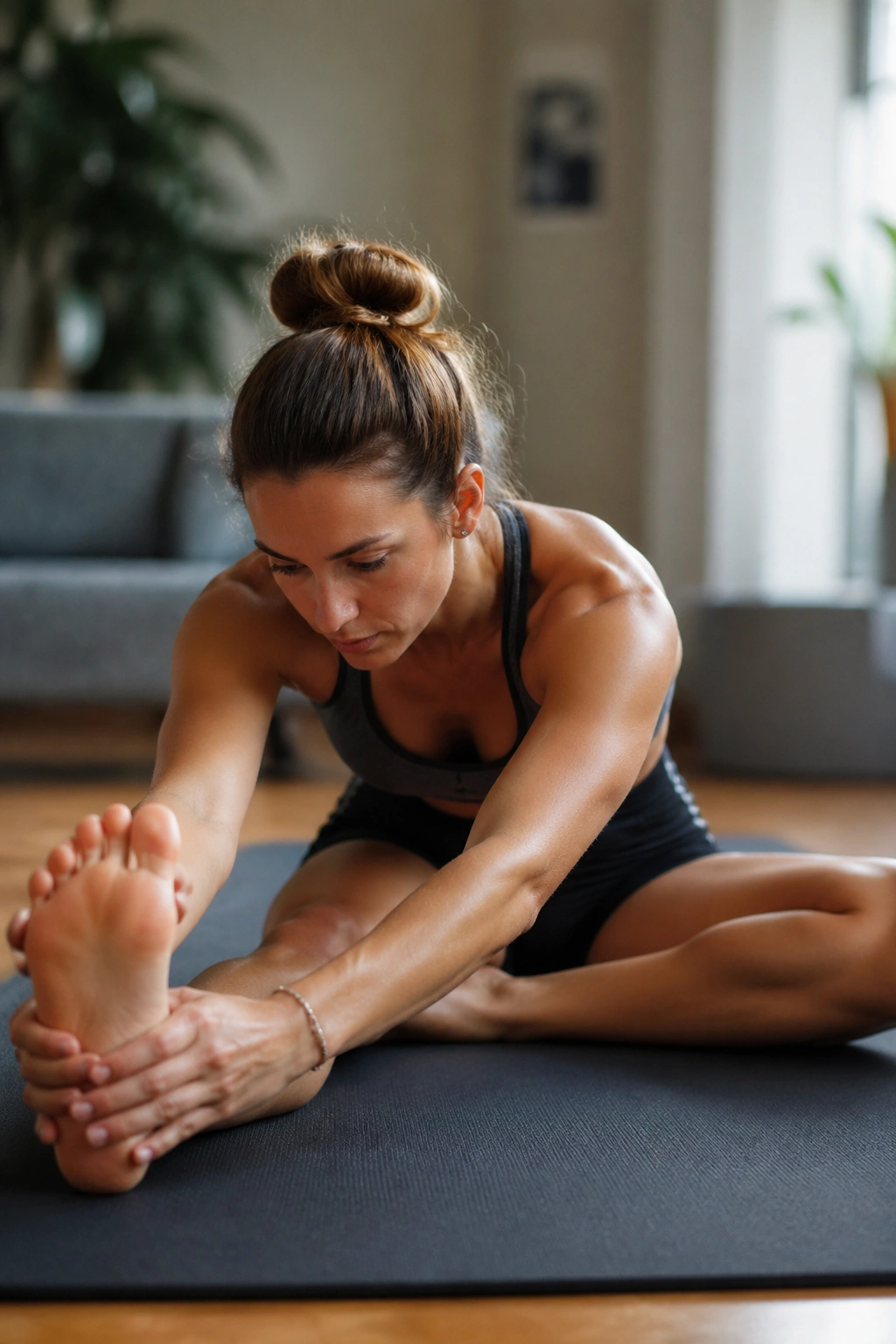
You do not need to touch your toes for this one to count.
Sit on the floor with one leg out in front and the other bent comfortably. Flex the foot of the straight leg so the toes point up, then hinge forward from the hips with a long spine. That “long spine” part matters. Rounding your back makes the stretch feel bigger, but it often shifts the work away from the hamstring and into the lower back.
If the pull feels sharp behind the knee, bend that straight leg slightly. That’s not failing the stretch. That’s adjusting it so the muscle can actually relax.
The best version feels like the back of the thigh lengthening all the way from the sit bone down toward the calf. Hold for 20 to 30 seconds, breathe out on the softening, then come back up slowly.
One more thing. Don’t force the chest toward the shin. Hinge. Reach. Let the hamstring decide how far it wants to go.
5. Figure-Four Glute Stretch
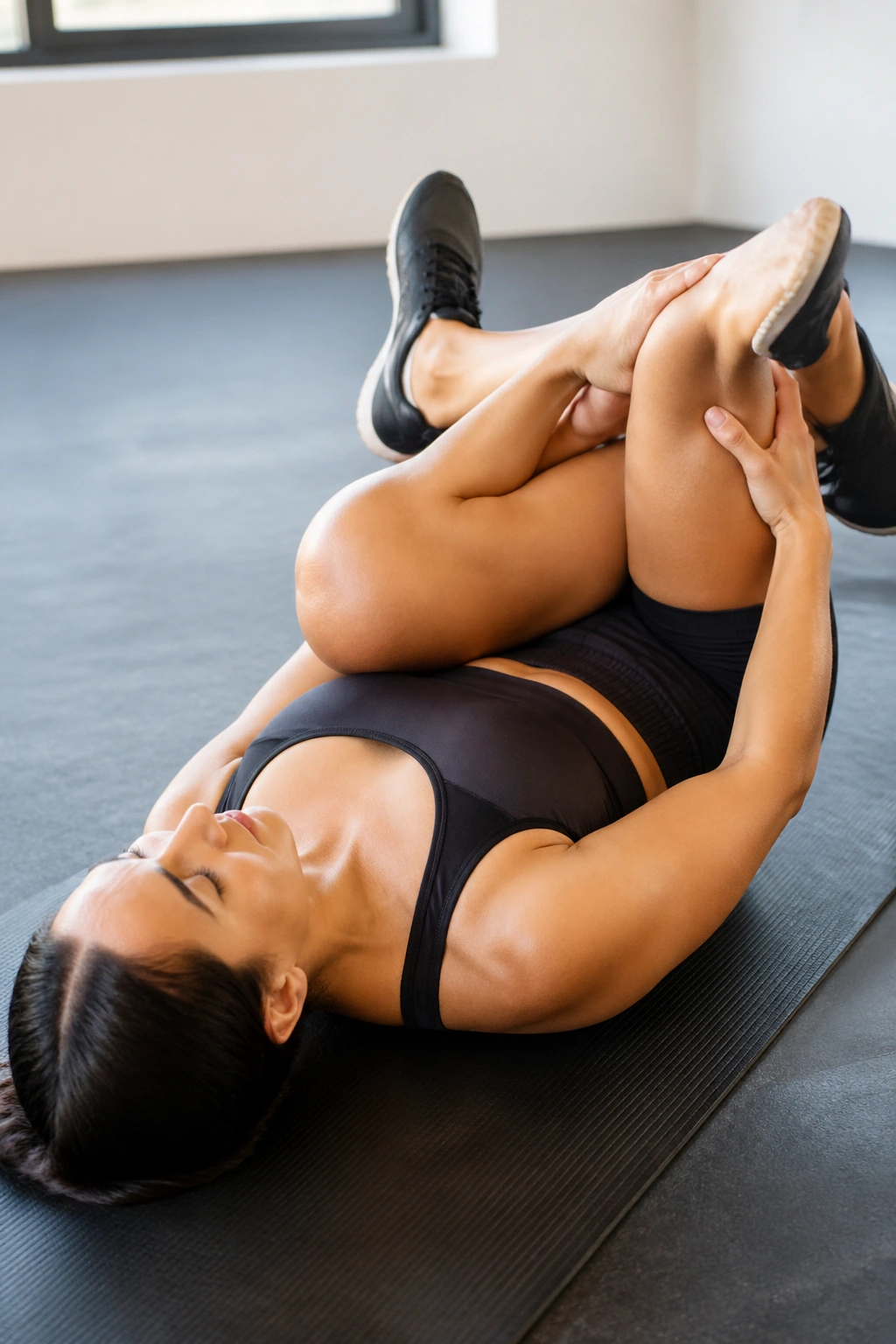
Some glute stretches feel mild. This isn’t one of them.
Lie on your back, cross one ankle over the opposite knee, and make a figure-four shape. Thread your hands behind the thigh of the grounded leg and draw both legs toward your chest. Keep the ankle of the crossed leg flexed so the knee stays happier. That small foot position does more than people expect.
If Your Knee Talks Back
Ease up. A lot of people pull too hard and turn a glute stretch into a knee complaint. The stretch should sit deep in the outside of the hip and upper butt, not jam the knee joint.
If you’re tight, keep the grounded leg bent. If you want more, press the crossed knee gently away with the elbow on the same side, but only a little. You’re looking for a broad release, not a wrestling match.
Hold 20 to 30 seconds per side. This one is excellent after deadlifts, split squats, or any workout that leaves your hips feeling boxy.
6. Butterfly Groin Stretch
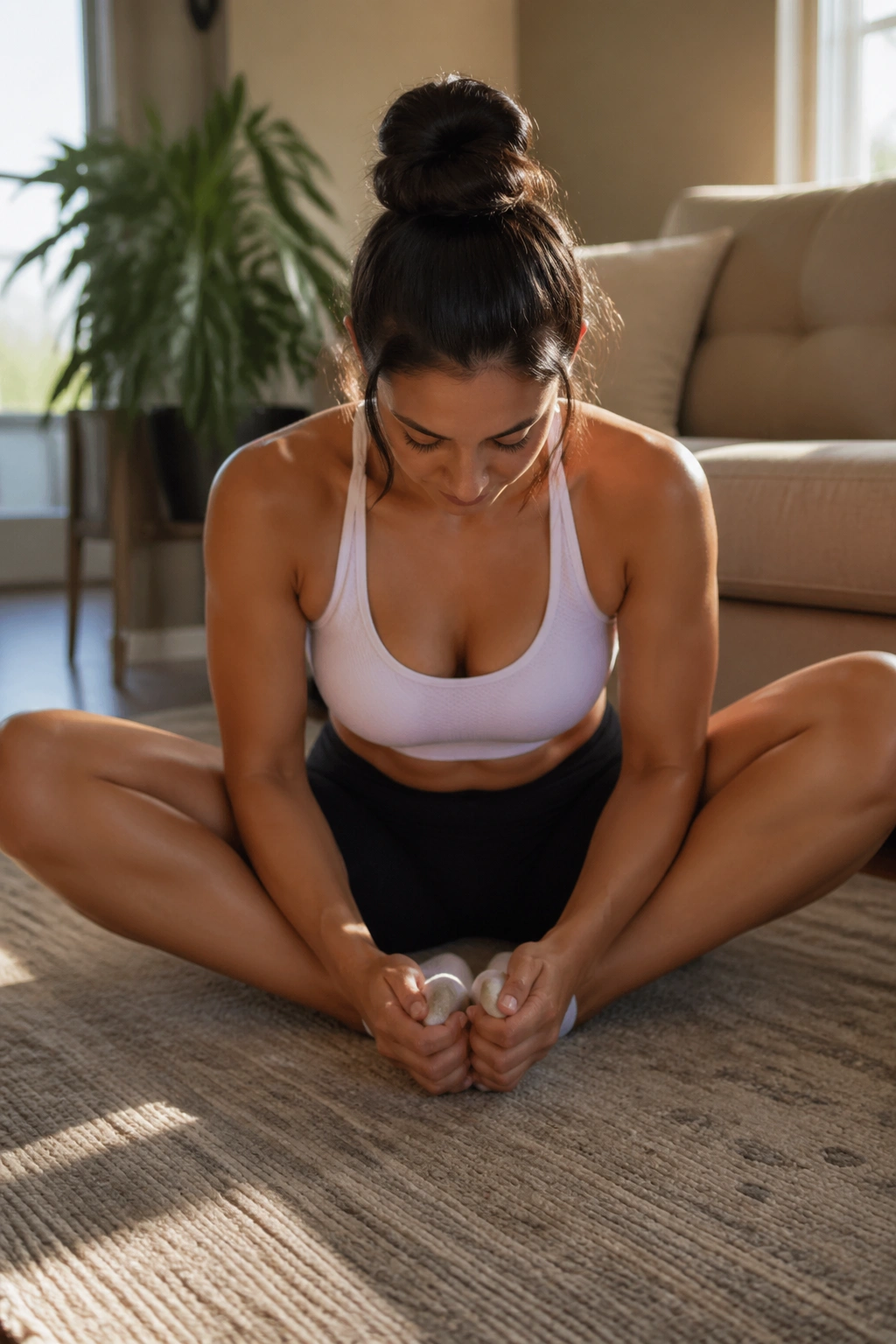
The first thing you notice in butterfly is usually the inner thigh pull.
Sit tall, bring the soles of your feet together, and let your knees fall out to the sides. You can hold your feet with your hands or rest your hands on your ankles. From there, hinge forward just a little, keeping your chest open. If your knees are floating way off the floor, that’s normal. They do not need to hit the ground. Please do not force them there.
A folded towel or cushion under your seat helps if your hips sit higher than your knees. That tiny lift can make the stretch easier and cleaner. You should feel the adductors along the inner thighs, maybe a bit in the front of the hips too.
Hold 30 seconds, breathe slowly, and let the exhale do some of the work. The more you grip, the less this stretch gives back.
7. Half-Kneeling Adductor Rock-Back
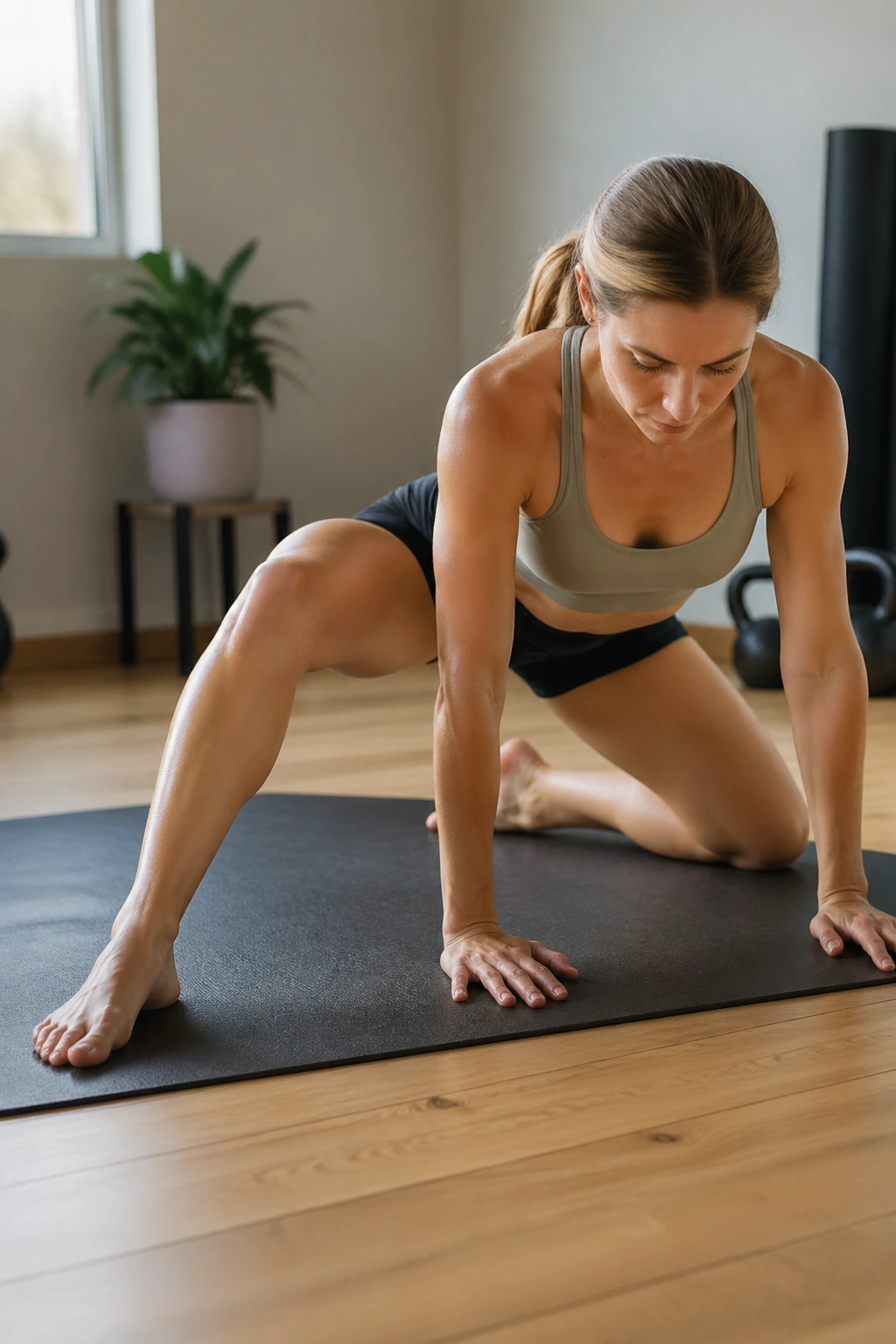
The best inner-thigh stretch after side lunges is usually the one that looks boring.
Get on all fours, slide one leg out to the side with the foot flat, and keep the other knee under your hip. From there, rock your hips back toward your heel and then forward again, only a few inches at a time. The motion should be smooth, almost like you’re testing the edge of the stretch rather than charging into it.
Why This One Works So Well
The rock-back lets you control how deep you go. That matters because the adductors can be touchy, especially after a hard lower-body session. A lot of people hold still and then tense up. This version keeps a little movement in the tissue, which often feels better.
Keep your spine long. Keep the working foot flat. Do 6 to 8 slow rocks per side, then hold the deepest comfortable spot for 15 to 20 seconds. If your groin feels pinchy, don’t go as far back. The stretch should feel open, not sharp.
8. Downward Dog Pedal
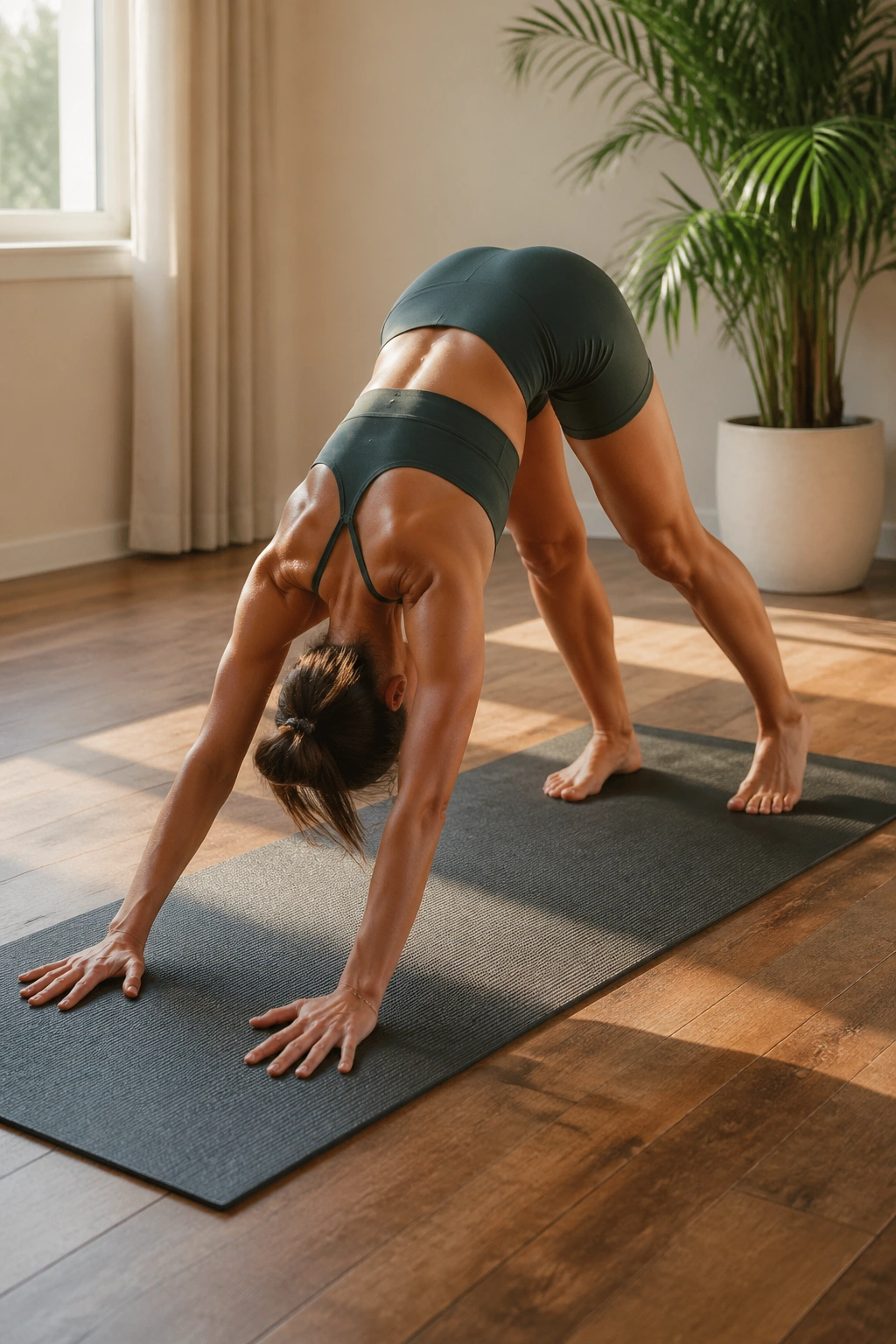
Why keep a yoga pose in a post-workout stretch list?
Because downward dog, done with a little pedaling, is a sneaky good calf and hamstring release. Start in an inverted V with your hands spread wide and your hips reaching up and back. Bend one knee, press the opposite heel toward the floor, then switch. That alternating motion lets each calf loosen without getting stuck in one fixed angle.
How to Get the Most From It
Keep your knees soft. Straight legs are not the goal here. If your hamstrings are tight, a tiny bend in both knees is fine. If your shoulders are smoked from training, widen the hands a bit and shorten the stance.
A few slow pedals are enough. You’re trying to change how the muscles feel, not win a flexibility contest. After 30 to 45 seconds, pause with both heels reaching down and breathe into the back of the legs.
Good sign: your heels may not touch the floor, but your calves should feel less stubborn by the end.
9. Couch Stretch
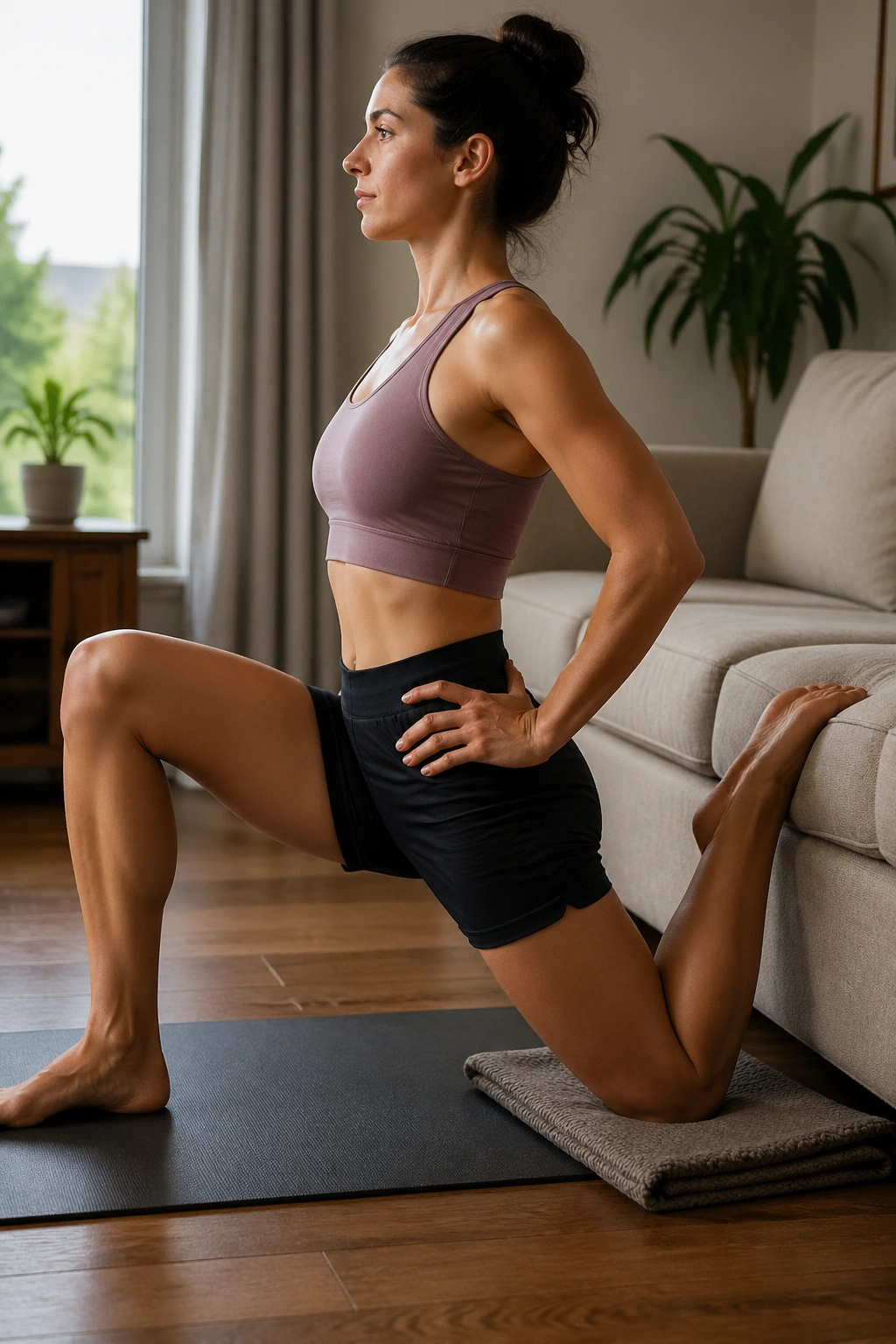
This one can humble you.
Kneel with one shin up against a wall or the edge of a couch, then bring the other foot in front so you’re in a low lunge position. The back knee stays on a pad. The back shin points upward. Then, slowly, bring your torso tall. That’s the part most people skip. They fold forward and miss the big hip flexor and quad line entirely.
The couch stretch hits the quads hard. It also opens the front of the hip in a way a standing stretch usually cannot. Hold 20 to 30 seconds at first. Longer if you know the position and your knees tolerate it well.
No sudden yanking. No trying to look impressive. This stretch is intense enough on its own.
If your lower back starts to take over, tighten the glute on the back leg and come upright a little more. That usually brings the stretch back where it belongs.
10. Lizard Lunge
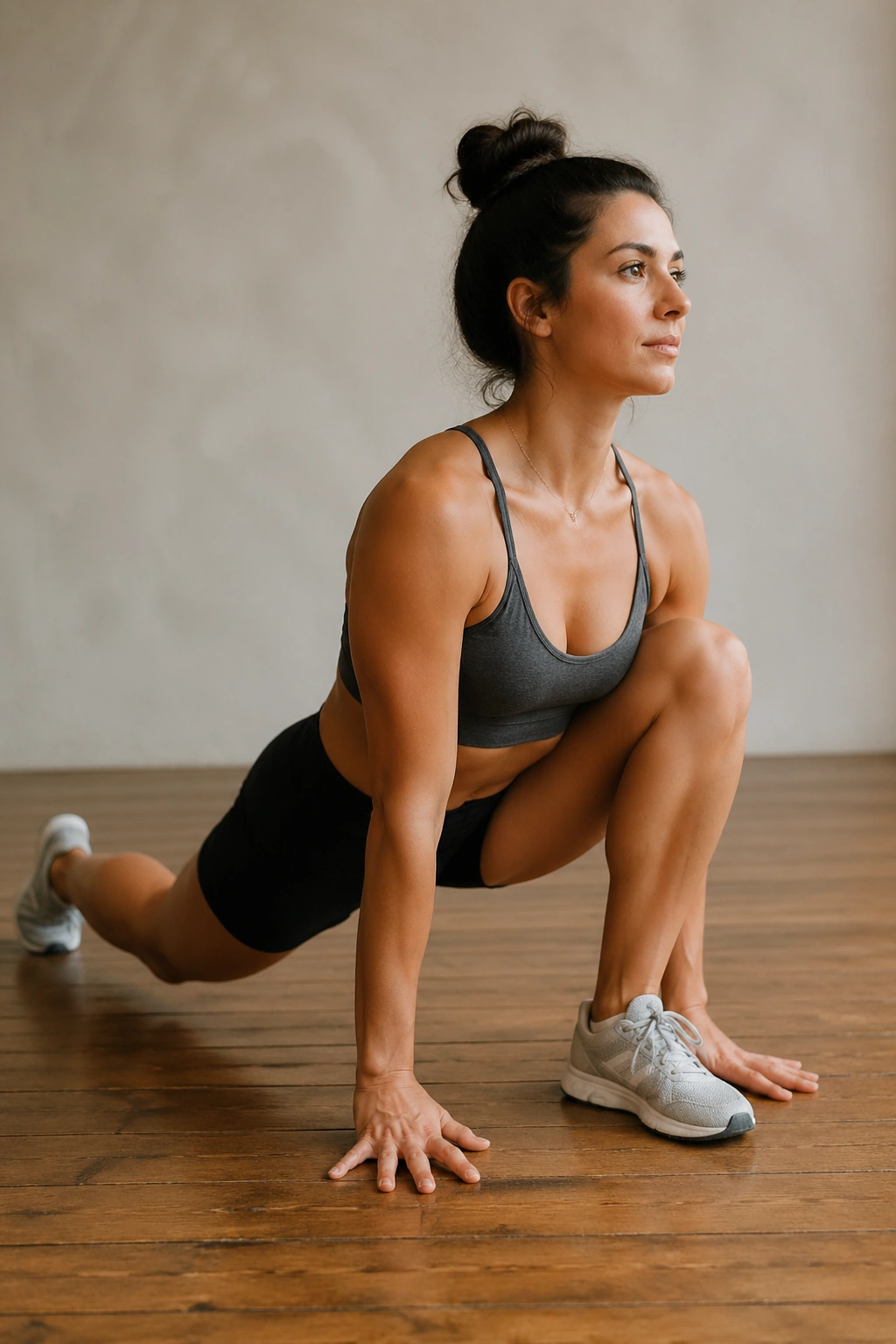
After heavy squats, your hips may want something lower and longer than a standing stretch.
Step into a deep lunge, then bring both hands inside the front foot. Let the front knee track comfortably over the toes and drop the back knee if you want less load. Keep your chest long instead of collapsing between the shoulders. You should feel this across the hip flexors, groin, and sometimes the glute of the front leg depending on how you shift.
When to Keep It Easy
If the floor feels too far away, place your hands on blocks or a stack of books. If your wrists are tired, come down to forearms only when the position feels stable. You do not need to force depth.
This stretch works well after movements that open and close the hips fast — think lunges, skating drills, lateral work, or leg circuits. Hold each side for 20 to 30 seconds, and make the shift into it gradual. A rushed lizard lunge just turns into a collapsed lunge.
11. Pigeon Pose
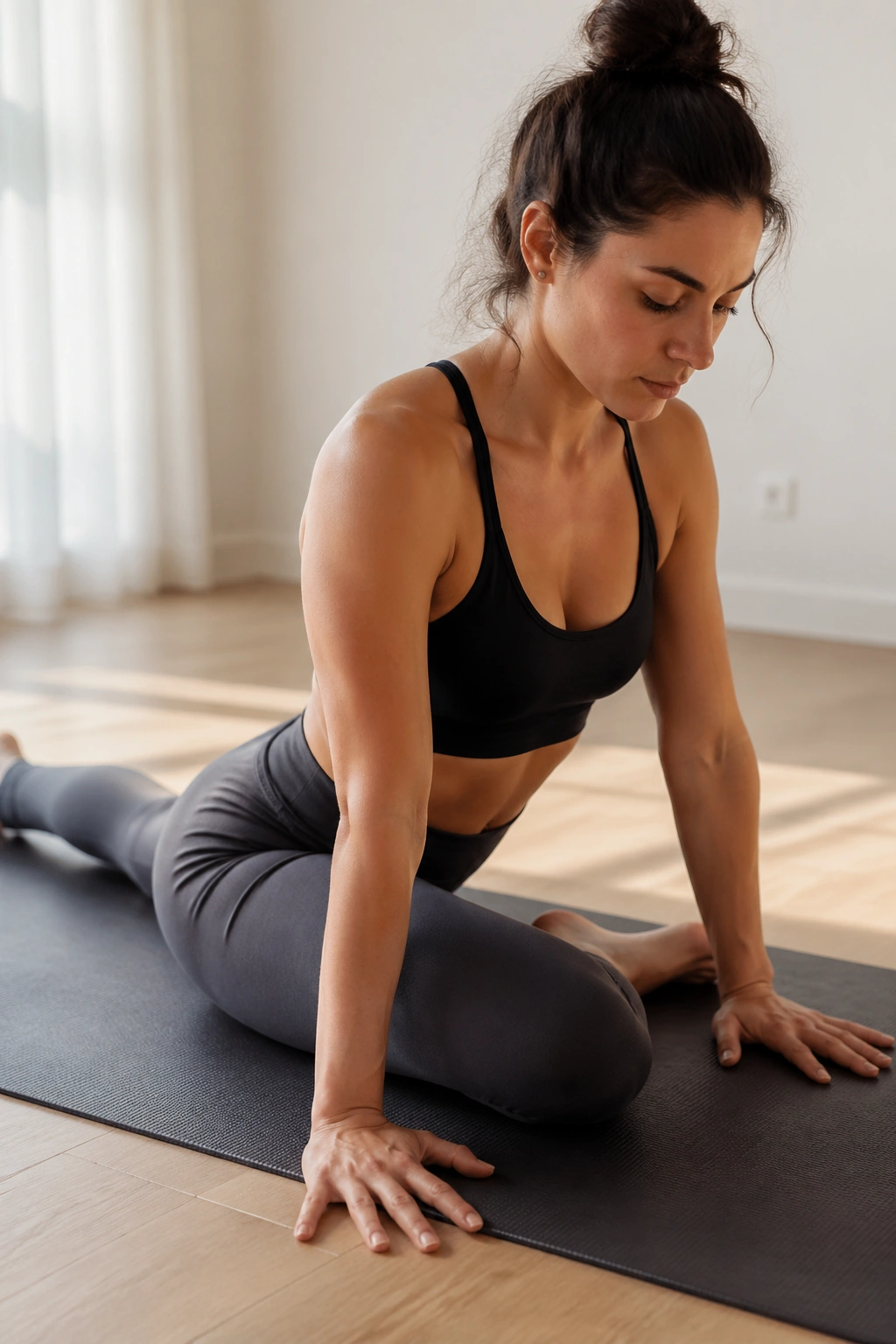
Unlike the figure-four stretch on your back, pigeon gives the hip more room to open, but it also asks more from the knee if you rush it.
Bring one shin forward and extend the other leg behind you. The front leg can sit at a comfortable angle; it does not need to be perfectly parallel to the mat. Square your hips only as far as they naturally want to go. If one side sits high off the floor, place a folded towel or block under the front hip.
This is a good stretch for the outer hip and glute, especially after long runs or heavy lower-body sessions. It can feel dreamy on one side and cranky on the other. That’s normal. Stay honest with it.
If your knee complains, bail out and use the figure-four stretch instead. No prize is waiting for the deepest version. Hold 30 seconds, breathe, and keep your chest supported on your hands or forearms if needed.
12. Reclined Hamstring Strap Stretch
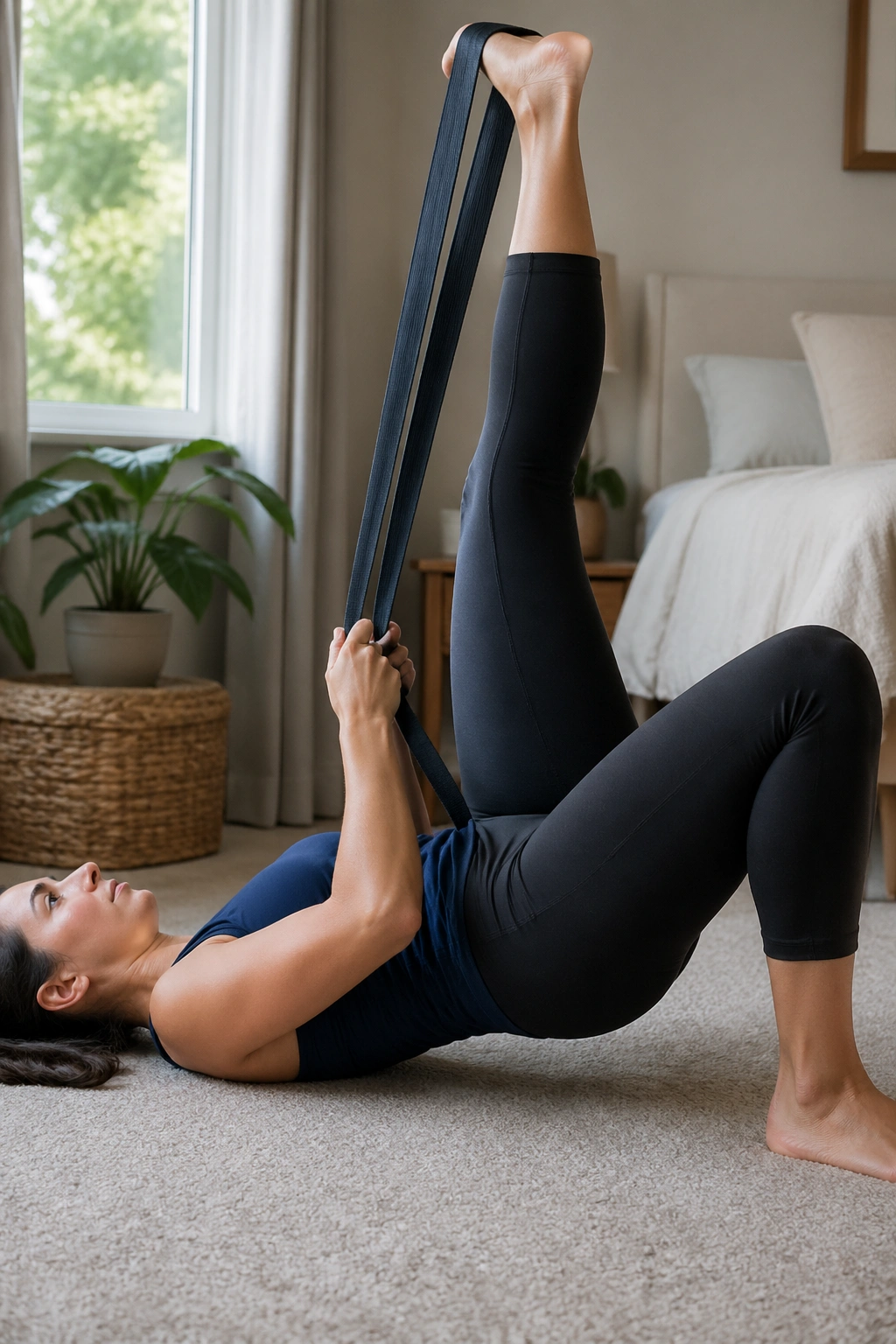
A strap turns hamstring work into something you can actually control.
Lie on your back, loop a strap or towel around one foot, and extend that leg toward the ceiling. Keep the opposite leg bent with the foot flat or stretched long on the floor, whichever feels easier on your lower back. Then gently pull the strap until you feel the back of the thigh lengthen.
Small Adjustments That Matter
A slight bend in the knee can make a tight hamstring relax faster. A flexed foot shifts more work into the calf. A pointed foot eases the calf off a little if that area is already busy from training.
This is one of the cleanest stretches for people who hate bending forward after workouts. You stay on the floor, you control the angle, and you can back off by an inch instead of wrestling with balance. Hold 20 to 30 seconds, then switch sides. If the stretch turns into a nerve-like zing behind the leg, ease off immediately.
The goal is a steady pull. Not a spike.
13. Toe-Up Shin Stretch
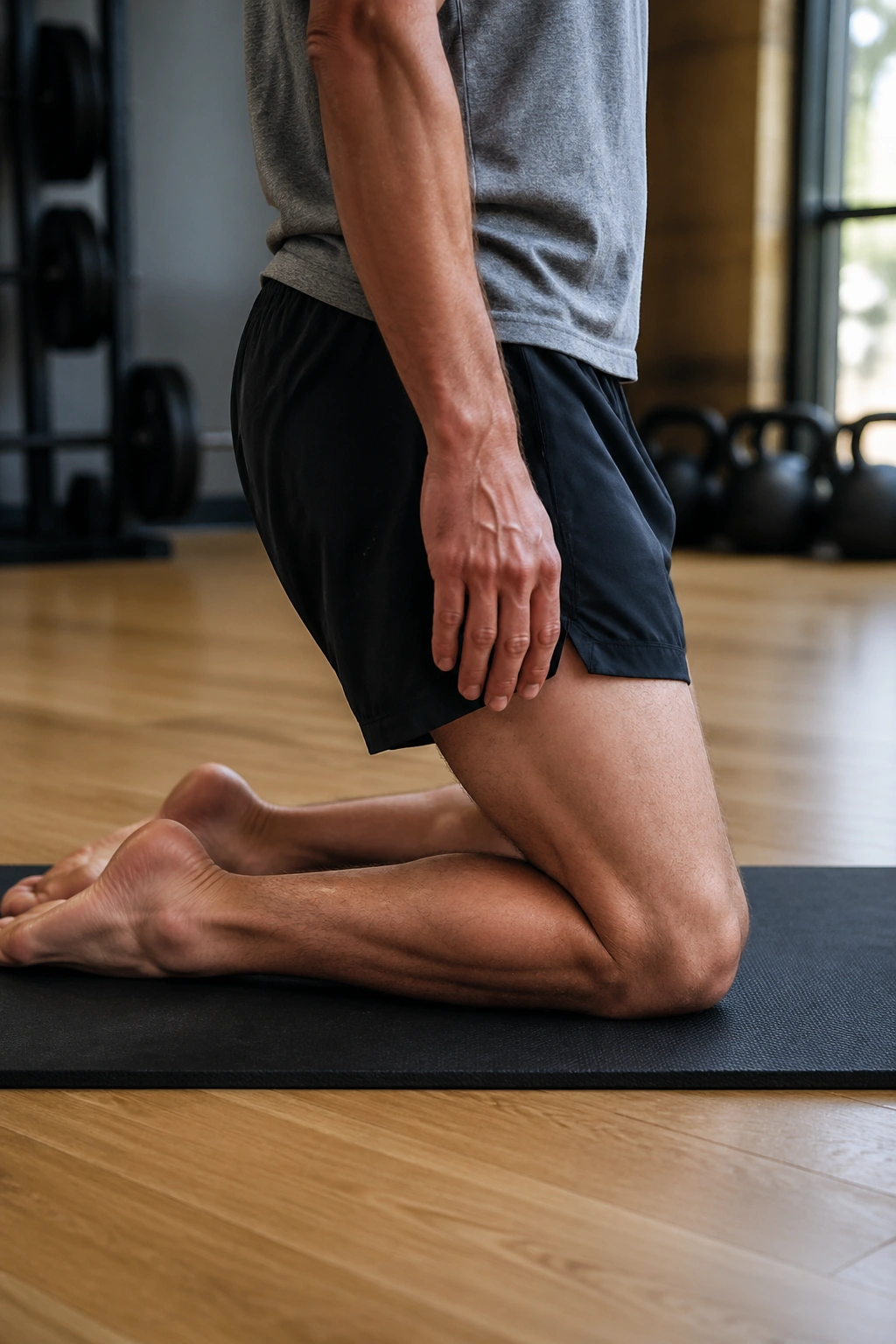
Shins get ignored until they start barking after running, jumping, or a lot of walking.
Kneel with the tops of your feet on the floor and your toes pointed back. Sit your hips slowly toward your heels. You’ll feel the front of the shins and ankles lengthen. If your knees are sensitive, put more padding under them and keep the sit-back smaller. If your ankles cramp, come out, shake them loose, and try again with less range.
This stretch is short and a little strange, which is probably why people skip it. I wouldn’t. Tight shins can make the lower leg feel cranky, and they often go along with tight calves anyway.
Hold 15 to 20 seconds. That’s enough. The front of the lower leg should feel stretched, not crushed. If you’re doing lots of running or jump work, this one earns its place.
14. Frog Stretch
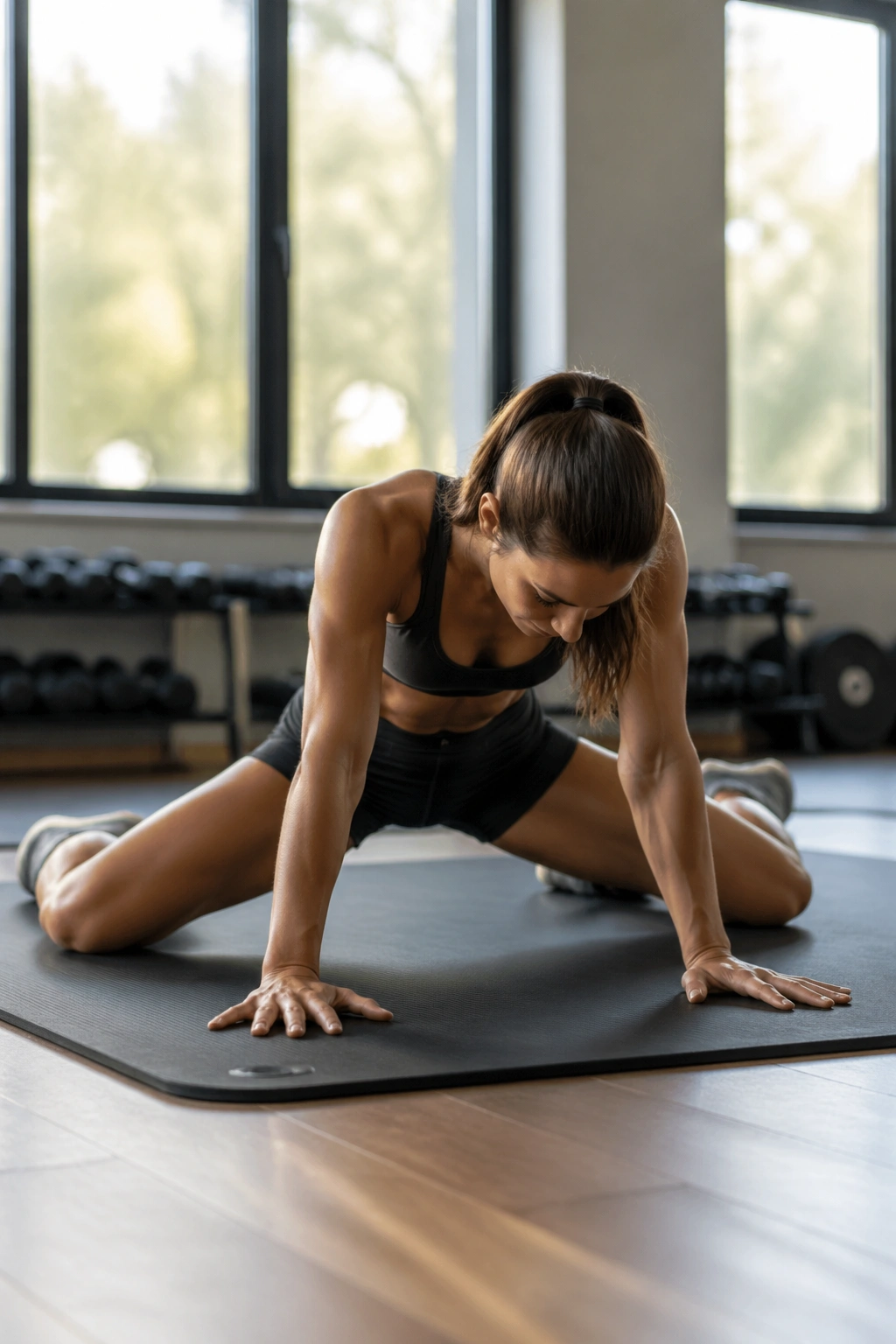
Frog stretch is the one that really tells you what your adductors are doing.
Start on your hands and knees, then slide your knees wide while keeping your lower legs in line with your thighs. The feet turn out slightly, the inner thighs lengthen, and you slowly sink your hips back only as far as the stretch stays clean. Forearms on the floor can help. So can a folded mat under the knees.
What Makes It Different
Butterfly pulls the inner thigh from a seated position. Frog goes after it from a low, grounded angle and often reaches deeper into the groin area. That makes it useful after lateral lunges, sumo deadlifts, or any workout that lights up the inner legs.
Do not dump into the pose. Small shifts are enough. Rocking back 1 or 2 inches, then pausing, usually gives better feedback than trying to sit as low as possible. Hold 20 to 30 seconds, breathing through your nose if you can. If the knees feel unhappy, back out. This one is strong medicine, not a daily test.
15. Wide-Leg Forward Fold
Finish with the stretch that tends to make people exhale without meaning to.
Stand with your feet wider than your hips, soften the knees, and hinge forward from the hips until your hands reach the floor, your shins, or a pair of blocks. Keep the spine long on the way down. Once you’re there, let the upper body hang without collapsing everything into the low back. That part takes a little patience.
A wide-leg forward fold hits the hamstrings, inner thighs, and often the lower back in a nice, broad way. It works well after the more targeted stretches above because it gathers everything into one last long shape. If your hamstrings are tight, bend the knees more. If your back is working too hard, lift the chest a little and shorten the fold.
Hold 30 seconds and breathe into the back of the legs. Then walk your feet in slowly and stand up with a small bend in the knees.
If you only have a few minutes after training, pick three pieces: calves, hips, and one hamstring move. That’s usually enough to leave the gym feeling looser instead of welded together.
