



The worst post-lift breakfast is the one you never eat.
When you finish training sweaty, hungry, and a little foggy, post workout overnight oats solve a plain old practical problem: you need a meal with protein and carbs, but you do not want to stand at the stove cracking eggs while your legs are still shaking. A jar you made the night before gives you something cold, filling, and ready in under a minute.
There’s also a reason oats keep showing up in sports nutrition plans. They digest steadily, pair well with protein, and take on flavor without much effort. Add Greek yogurt, skyr, kefir, cottage cheese, milk, chia, fruit, or a scoop of whey, and you can build a recovery meal that feels closer to actual food than a sweet shake ever does.
I’ve made enough overnight oats to know where they go wrong. The bad ones are gluey, bland, weirdly dry in the center, or packed with so much nut butter that they sit in your stomach like a brick. The good ones? Creamy, cold, lightly sweet, and balanced enough that you feel fed instead of flattened.
That balance matters more than people think.
What a Recovery Jar Needs After Training
A bowl of oats with fruit is fine for breakfast. A post-workout jar needs more than that.
After training, your body usually benefits from two things at once: protein for muscle repair and carbohydrate to refill glycogen, the stored fuel you burn during lifting, intervals, long runs, and hard team sessions. Sports dietitians often land in the 20 to 40 gram protein range for recovery meals, with carbs scaled to the session you just finished. A short upper-body workout does not call for the same refill as a long bike ride.
That’s why plain oats alone fall short. Half a cup of rolled oats gives you solid carbs and fiber, but only around 5 grams of protein. Useful, yes. Enough on its own? Not close.
My rough target for a good post-training overnight oats jar looks like this:
- Protein: 20 to 35 grams
- Carbs: 35 to 70 grams, depending on workout length and intensity
- Fat: 8 to 18 grams, enough for flavor and staying power without slowing the meal too much
- Fluid and sodium: not always in the jar itself, but still part of recovery if you trained hard and sweated a lot
Texture and timing matter too. If you eat within 30 minutes of training, a jar packed with heavy cream, 3 tablespoons of almond butter, and a pile of nuts can feel rough. If you’re eating 90 minutes later, you can go richer without much trouble.
And one more thing—salt is not the enemy here. A tiny pinch in oats wakes up the flavor, and after sweaty sessions it helps the meal taste less flat. I do this in nearly every jar.
The Jar Formula That Keeps Overnight Oats Creamy Instead of Chalky
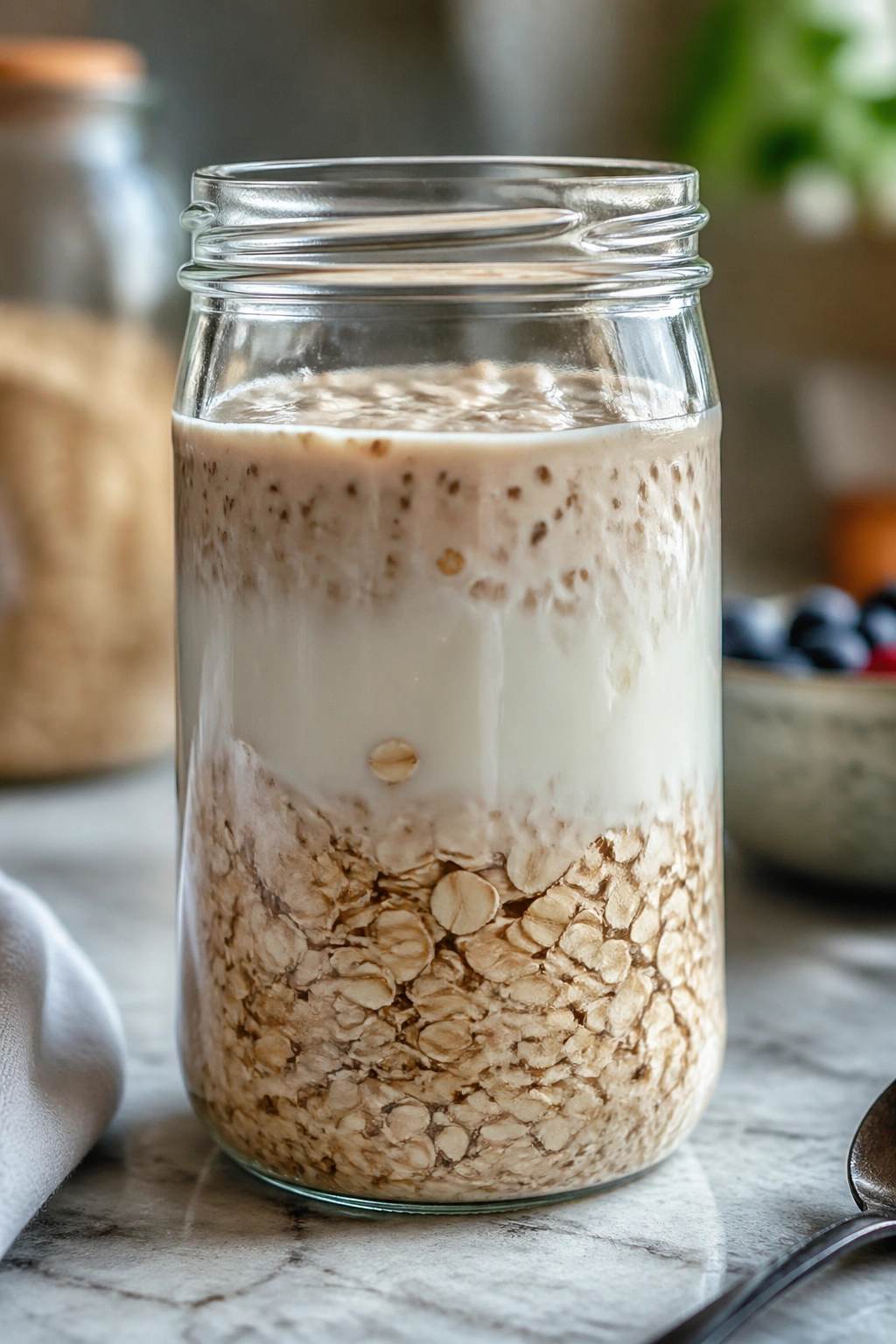
Question first: why do some overnight oats turn into paste while others stay loose and spoonable?
Usually it comes down to the ratio. The base I trust is 1/2 cup rolled oats to 3/4 cup liquid, then a creamy protein source layered on top of that. For most jars, that means one of these:
- 1/2 to 3/4 cup Greek yogurt or skyr
- 1/2 cup cottage cheese, blended if you hate the curds
- 1 scoop whey or casein, mixed with extra milk so it doesn’t clump
- 3/4 cup kefir for a thinner, tangier jar
Use old-fashioned rolled oats. Instant oats get mushy fast. Steel-cut oats stay too firm unless you soak them much longer and use more liquid.
My reliable base formula
Here’s the starting point I use before flavors change:
- 1/2 cup rolled oats
- 3/4 cup milk or kefir
- 1/2 cup Greek yogurt, skyr, or blended cottage cheese
- 1 tablespoon chia seeds or ground flax
- Pinch of fine salt
- Sweetener if the add-ins need it
If you add protein powder
Protein powder is where texture can go sideways. Whey can turn a jar foamy at first, then oddly tight by morning. Casein thickens even more. Mix the powder with 2 to 3 tablespoons milk into a smooth slurry before it goes into the jar, or you’ll get dry pockets that taste like sweet dust.
Cold oats should feel creamy all the way through, not dry in the center. If a jar looks stiff after chilling, stir in 1 to 2 tablespoons milk, wait 5 minutes, then check again. That tiny fix rescues more jars than any fancy ingredient ever will.
1. Banana Peanut Butter Power Oats
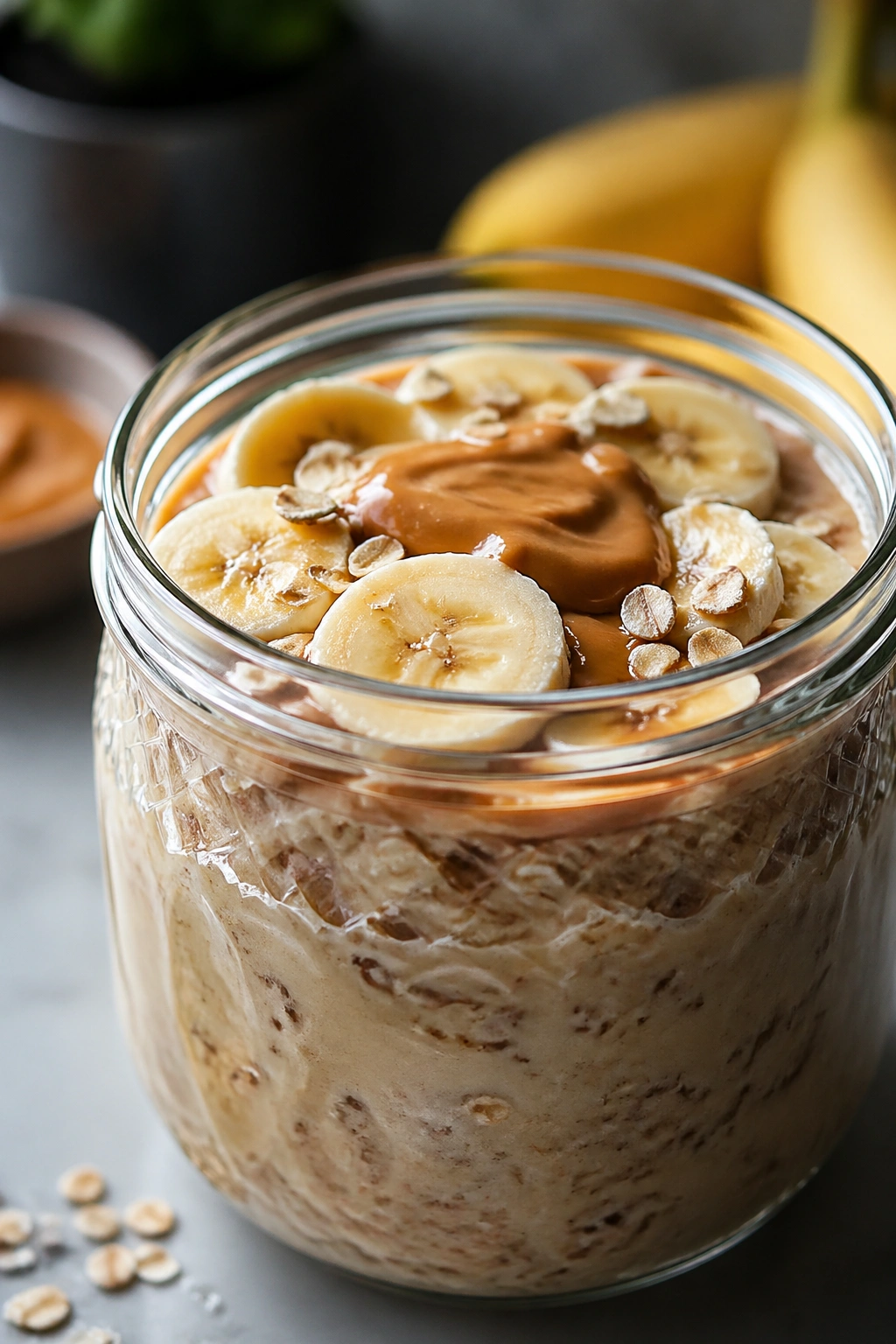
The classic still earns its spot.
Banana and peanut butter work after training because they hit the recovery brief without trying too hard. Banana gives you easy carbs and potassium, peanut butter brings flavor and staying power, and Greek yogurt pushes the protein high enough to matter. The result tastes like the cold cousin of a banana smoothie, only thicker and more filling.
Build this jar
- 1/2 cup rolled oats
- 3/4 cup 2% milk
- 3/4 cup plain Greek yogurt
- 1/2 large banana, mashed
- 1 tablespoon peanut butter
- 1 teaspoon honey
- 1 tablespoon chia seeds
- 1/2 teaspoon cinnamon
- Pinch of salt
Stir everything except the remaining half banana, if you want slices on top. Chill for at least 6 hours. By morning, the oats soften, the banana sweetens the whole jar, and the peanut butter fades into the background in the best way rather than sitting there as a greasy blob.
Quick numbers, using those amounts:
- Protein: roughly 28 grams
- Carbs: roughly 52 grams
- Fat: roughly 12 grams
Best after: heavy lifting, field sessions, or any workout that leaves you starving an hour later.
Tip: Mash the banana into the milk first. If you toss in slices and walk away, you get pockets of plain oats and random banana chunks. I’ve done it. Not worth it.
2. Blueberry Lemon Yogurt Oats
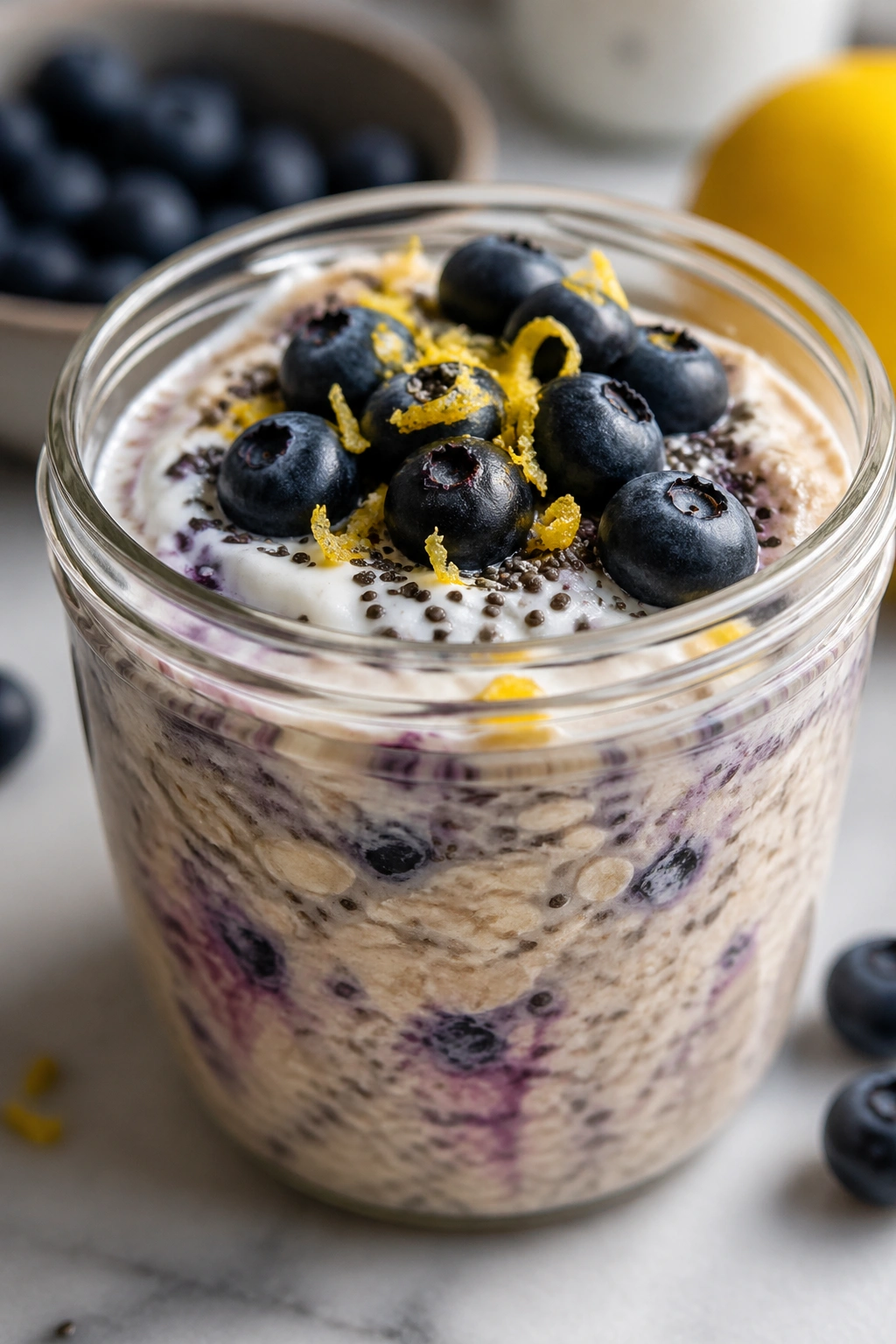
Cold blueberries and lemon zest make a jar taste brighter than it has any right to taste at 7 in the morning. That sharp little citrus edge cuts through the starch of the oats, which is why this one works so well when richer versions feel like too much after training.
I like this one after shorter runs, conditioning work, or upper-body days when I want recovery food that feels light. Skyr or thick Greek yogurt is the move here because the tartness matches the lemon and the protein count climbs fast without adding much fat. A spoonful of chia gives the blueberries something to cling to, which sounds fussy until you notice how much better the texture gets.
Use 1/2 cup oats, 3/4 cup milk, 3/4 cup skyr, 3/4 cup blueberries, 1 tablespoon chia, 2 teaspoons lemon zest, 1 to 2 teaspoons maple syrup, and a pinch of salt. Stir, chill, and top with a few extra berries in the morning if you want more bite.
Frozen blueberries work well here—better, sometimes. They bleed into the oats overnight and tint the whole jar purple, while the lemon keeps the flavor from drifting into jam territory. That matters. Sweet is easy. Balanced takes a little more thought.
Protein lands near 27 grams, and carbs sit in the 45 to 50 gram range depending on the fruit and sweetener. Not a huge jar, but a sharp, clean one.
3. Chocolate Cherry Strength Oats
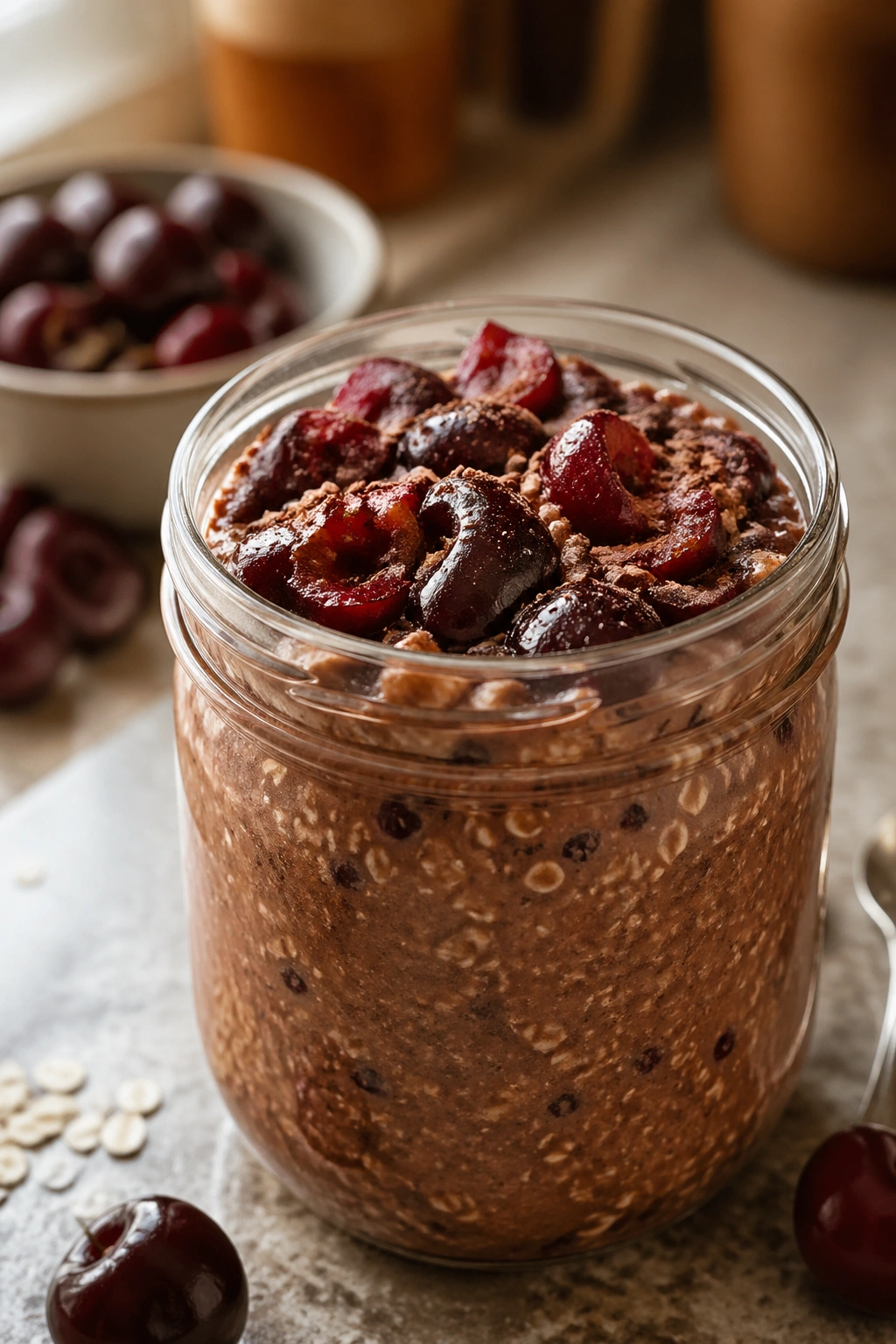
Why does chocolate and cherry feel so right after a hard session?
Part of it is taste. Part of it is psychology. When your legs are cooked after squats, sled pushes, or hill repeats, a recovery meal that tastes like dessert has a better chance of getting eaten, and food you actually eat beats the “perfect” meal you keep meaning to make. Tart cherries also bring a deep, sharp flavor that holds up against cocoa instead of disappearing under it.
What goes in the jar
Start with 1/2 cup rolled oats, 3/4 cup milk, 1/2 cup Greek yogurt, 1/2 scoop chocolate whey, 3/4 cup chopped cherries, 1 tablespoon cocoa powder, 1 tablespoon ground flax, and a pinch of salt. If your cherries are tart enough to make you blink, add 1 to 2 teaspoons maple syrup.
Stir the cocoa with the milk first. Dry cocoa dropped straight into oats has a talent for clumping into bitter little pockets.
What makes it useful after training
This one usually lands around 25 to 30 grams of protein without feeling like a protein supplement in disguise. The carbs climb into the 50 gram zone when you use a full cup of cherries, which makes it a solid pick after longer sessions.
A small warning, though. Do not bury this jar under chocolate chips. A teaspoon on top is fun. A quarter cup turns it from recovery food into candy with oats underneath.
4. Apple Cinnamon Cottage Cheese Oats
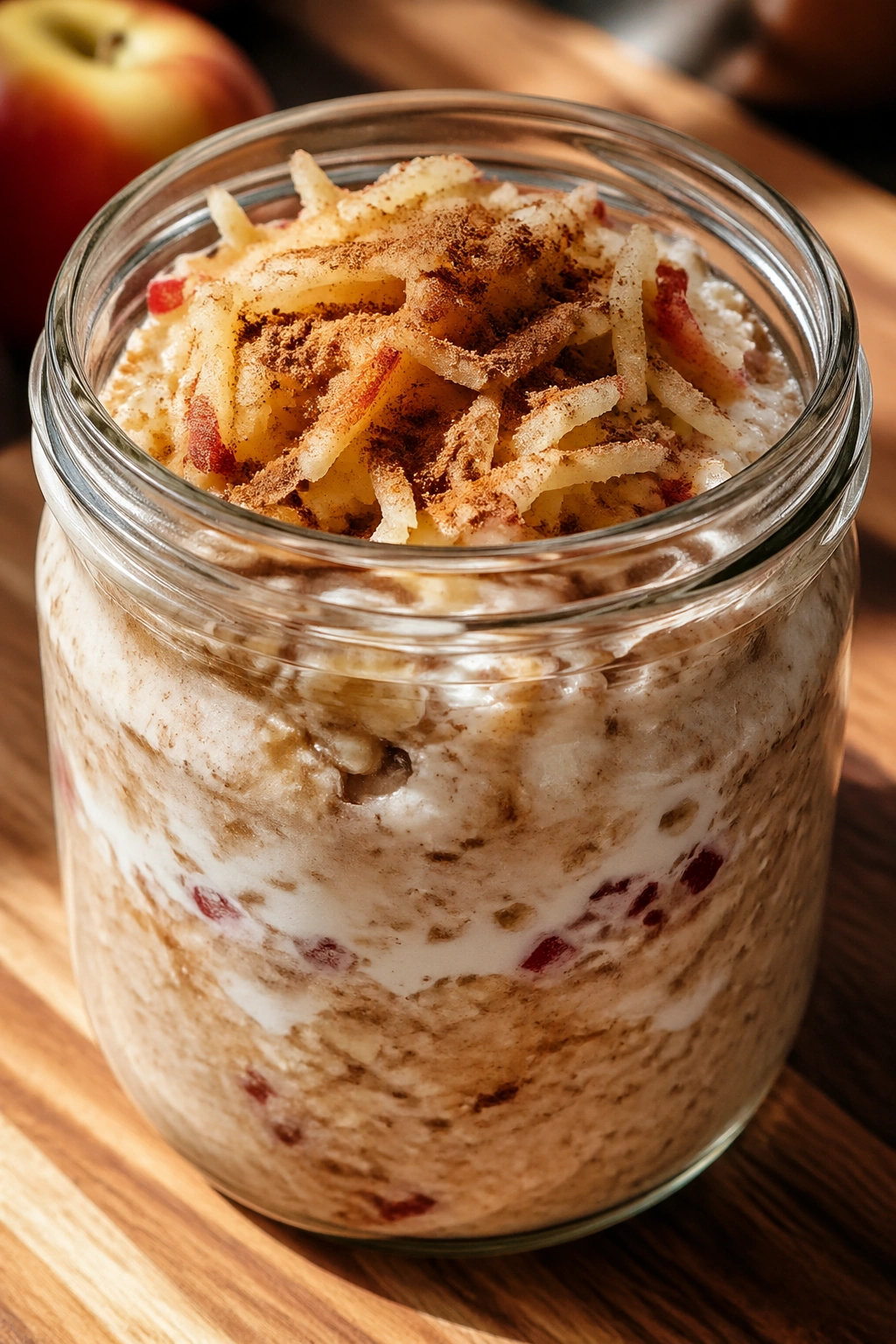
I know—cottage cheese in overnight oats sounds odd until you try it blended.
A spoonful of blended cottage cheese melts right into the liquid phase and leaves behind a cheesecake-like tang that Greek yogurt doesn’t quite match. Pair that with grated apple, cinnamon, and a touch of maple, and you get a jar that tastes like cold apple pie filling folded into soft oats. Not flashy. Dependable.
Here’s the build I use:
- 1/2 cup rolled oats
- 1/2 cup milk
- 1/2 cup blended cottage cheese
- 1 small apple, grated on the large holes of a box grater
- 1 tablespoon raisins
- 1 tablespoon chopped walnuts
- 1/2 teaspoon cinnamon
- 1 teaspoon maple syrup
- Pinch of salt
Grate the apple with the skin on. You want the moisture, the tartness, and the bits of peel. Chopped apple cubes stay too firm overnight and give the jar an awkward crunch unless that’s what you want.
The blended cottage cheese changes everything. Protein jumps to 24 to 26 grams, and the jar stays thick without needing chia. If you trained early and need something that feels more like breakfast than dessert, this one does the job with no drama.
I’d skip it right before a run. After a workout? Different story.
5. Mango Coconut Chia Oats
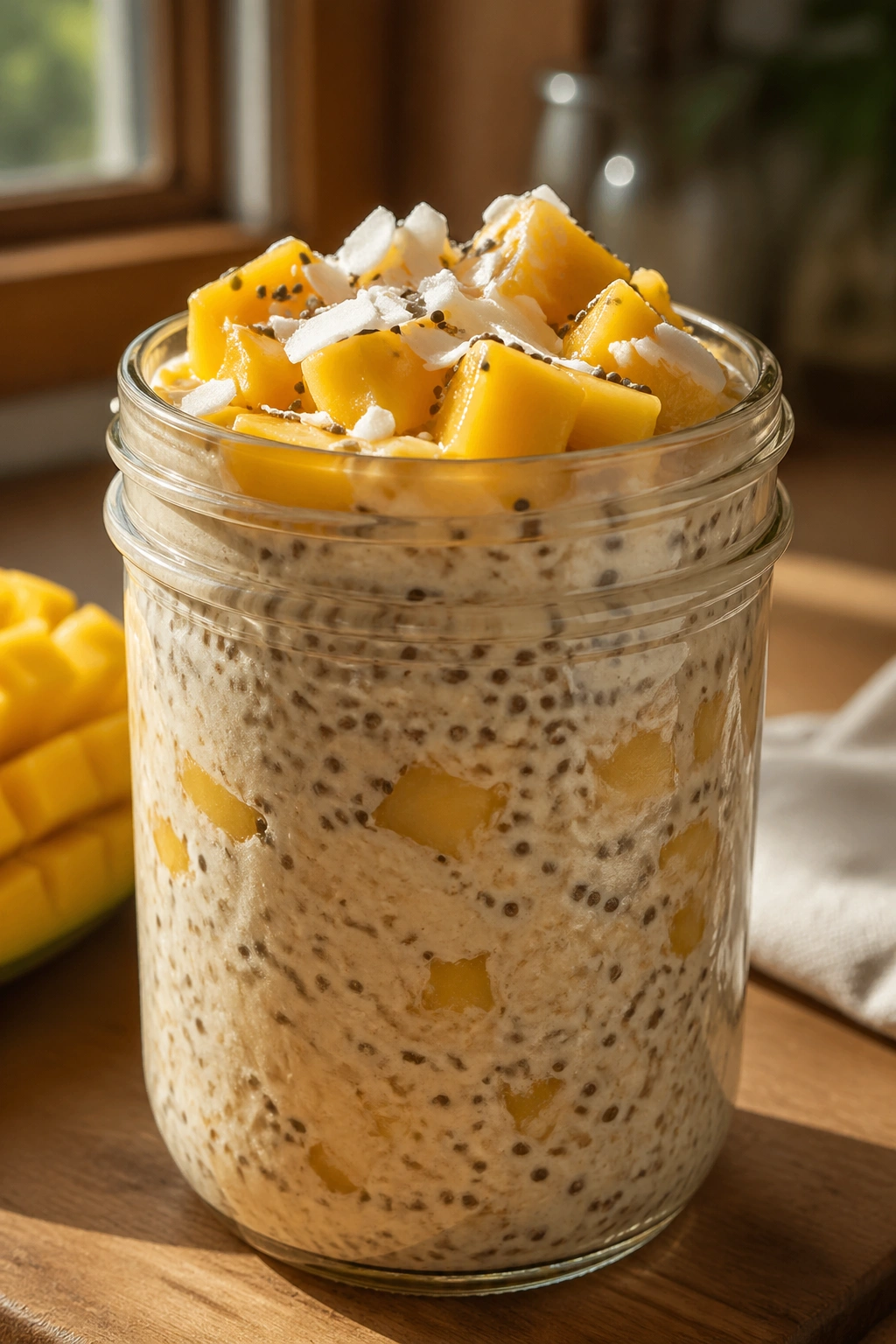
This is the jar I reach for when my appetite is half asleep. Mango keeps the flavor juicy and soft, while coconut gives the oats a cooler, almost tropical smell that makes a fridge-cold breakfast feel more inviting.
Use 1/2 cup oats, 3/4 cup light coconut milk beverage or dairy milk, 1/2 cup Greek yogurt, 3/4 cup diced mango, 1 tablespoon chia seeds, 2 tablespoons unsweetened shredded coconut, and a pinch of salt. If you want more protein without thickening the jar too much, add 1/4 scoop vanilla whey rather than a full scoop.
A trick here: save some mango to stir in right before eating. Overnight, part of the fruit softens and perfumes the oats. Fresh pieces on top give it life again. Otherwise the whole jar can drift toward baby-food texture, and no one is excited about that after deadlifts.
This one works well after hot-weather training because it feels cool, moist, and easy to eat. Carbs sit around 50 to 55 grams, depending on the mango. Protein usually lands near 22 grams with yogurt alone and climbs with the whey. Skip sweetened canned coconut milk unless you want a much heavier jar. Good ingredient, wrong job here.
6. Strawberry Cheesecake Recovery Oats
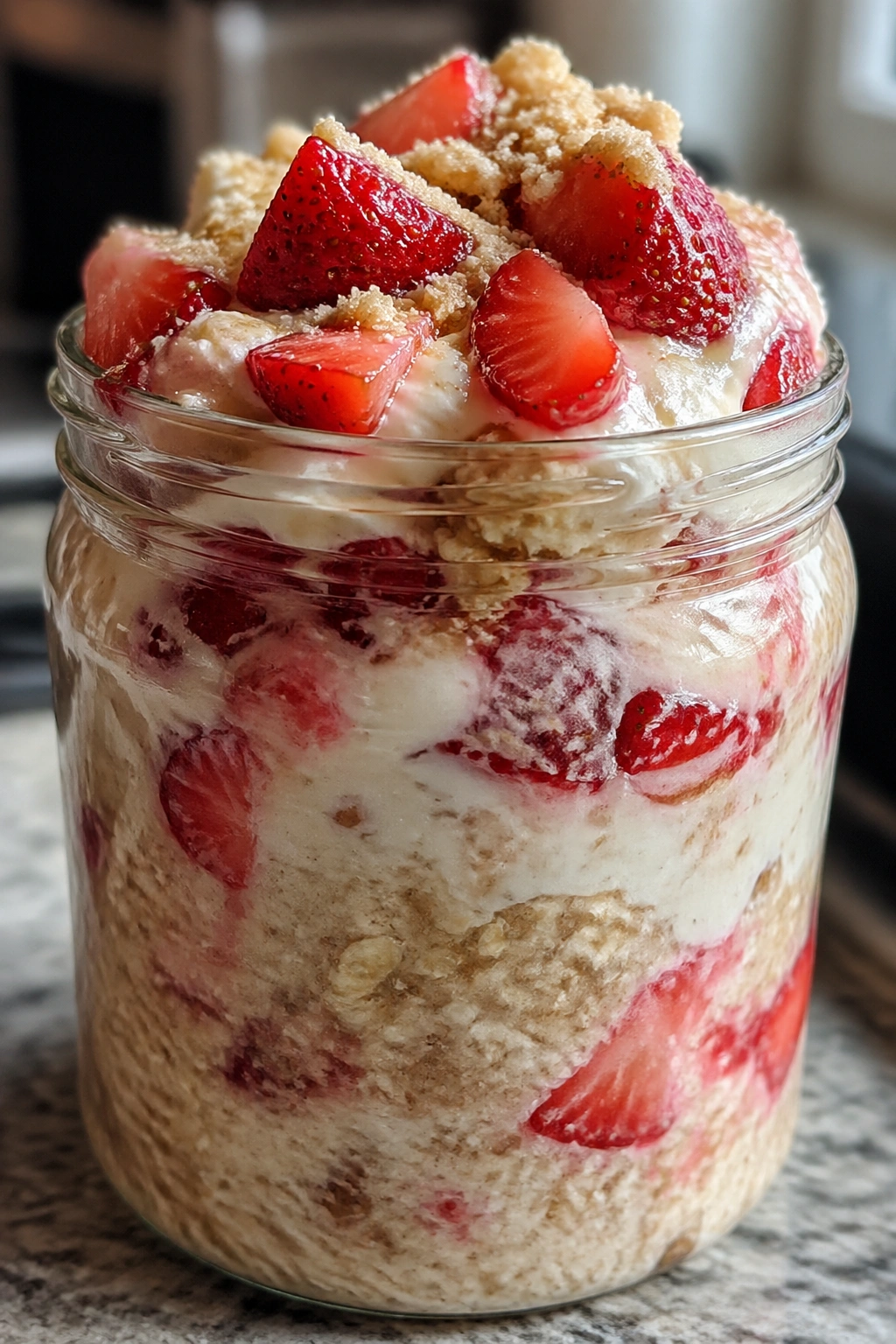
Some jars are built for function and taste faintly sad. This is not one of them.
The trick is using skyr or thick Greek yogurt plus a little softened cream cheese, not enough to make the jar heavy, only enough to get that tangy cheesecake note. Stir in chopped strawberries and crushed graham crackers right before eating, and the whole thing tastes far richer than the numbers suggest. You still get a strong protein count, though, which is why I keep coming back to it after strength sessions.
For the base, mix 1/2 cup rolled oats, 1/2 cup milk, 3/4 cup plain skyr, 1 ounce softened cream cheese, 1 tablespoon chia, 1 teaspoon honey, and a pinch of salt. Fold in 3/4 cup chopped strawberries after the cream cheese is fully blended. Chill overnight. In the morning, add 1 tablespoon crushed graham cracker on top if you like a little crunch.
This one sits in the 28 to 30 gram protein range and gives you around 45 grams carbs before the graham topping. Not giant. Not tiny either.
A note from too many test jars: if you use low-fat cream cheese straight from the fridge, it tends to stay in rubbery bits. Let it soften for 15 to 20 minutes or whisk it with a splash of milk first. Small step. Huge difference.
7. Espresso Cacao Protein Oats
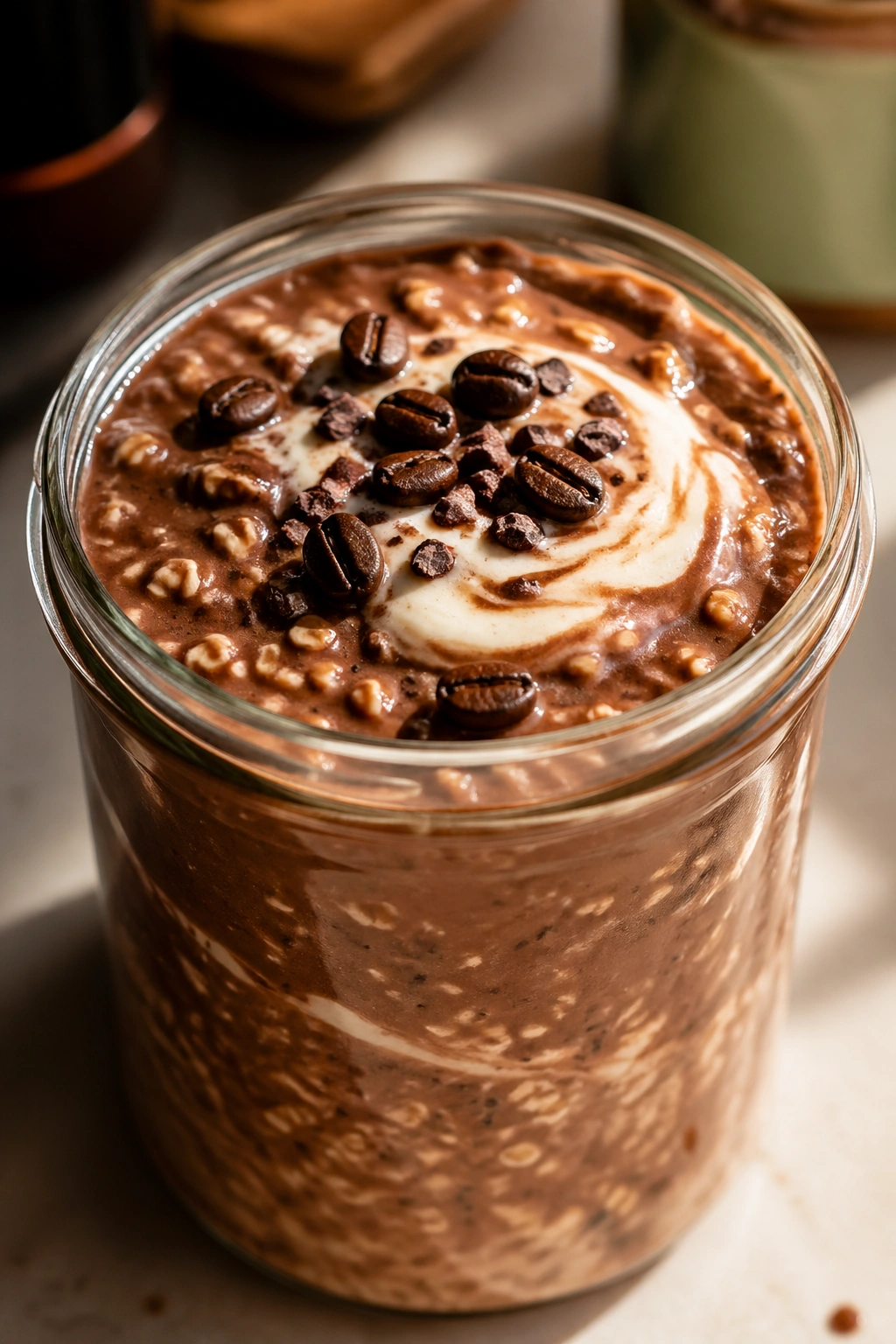
Unlike coffee-shop “protein oats,” which often taste like sweet pudding with a caffeine hit, this jar leans more grown-up: darker, less sugary, and better suited to mornings when you trained before sunrise and still need to act like a functioning person after breakfast.
Use 1/2 cup oats, 1/2 cup milk, 1/2 cup Greek yogurt, 1/4 cup cooled espresso or strong coffee, 1 scoop chocolate or mocha whey, 1 teaspoon cocoa powder, 1 tablespoon chia, and 1 chopped date. Stir the whey with the milk and coffee first, then fold in the oats and the rest. That order matters because protein powder thrown into dry oats with espresso likes to clump.
Who this one suits
If your training starts at 5:30 a.m., this jar can pull double duty—breakfast and post-workout recovery in one container. You get roughly 30 grams of protein, enough carbs to refill without knocking you flat, and a coffee note that tastes intentional rather than accidental.
It is not for everyone. If caffeine on an empty stomach makes you shaky, skip it. Use decaf or leave the coffee out and turn it into dark chocolate date oats instead.
And yes, a pinch of salt belongs here too. It rounds out the bitterness and keeps the cocoa from tasting dusty.
8. Pumpkin Spice Pecan Oats
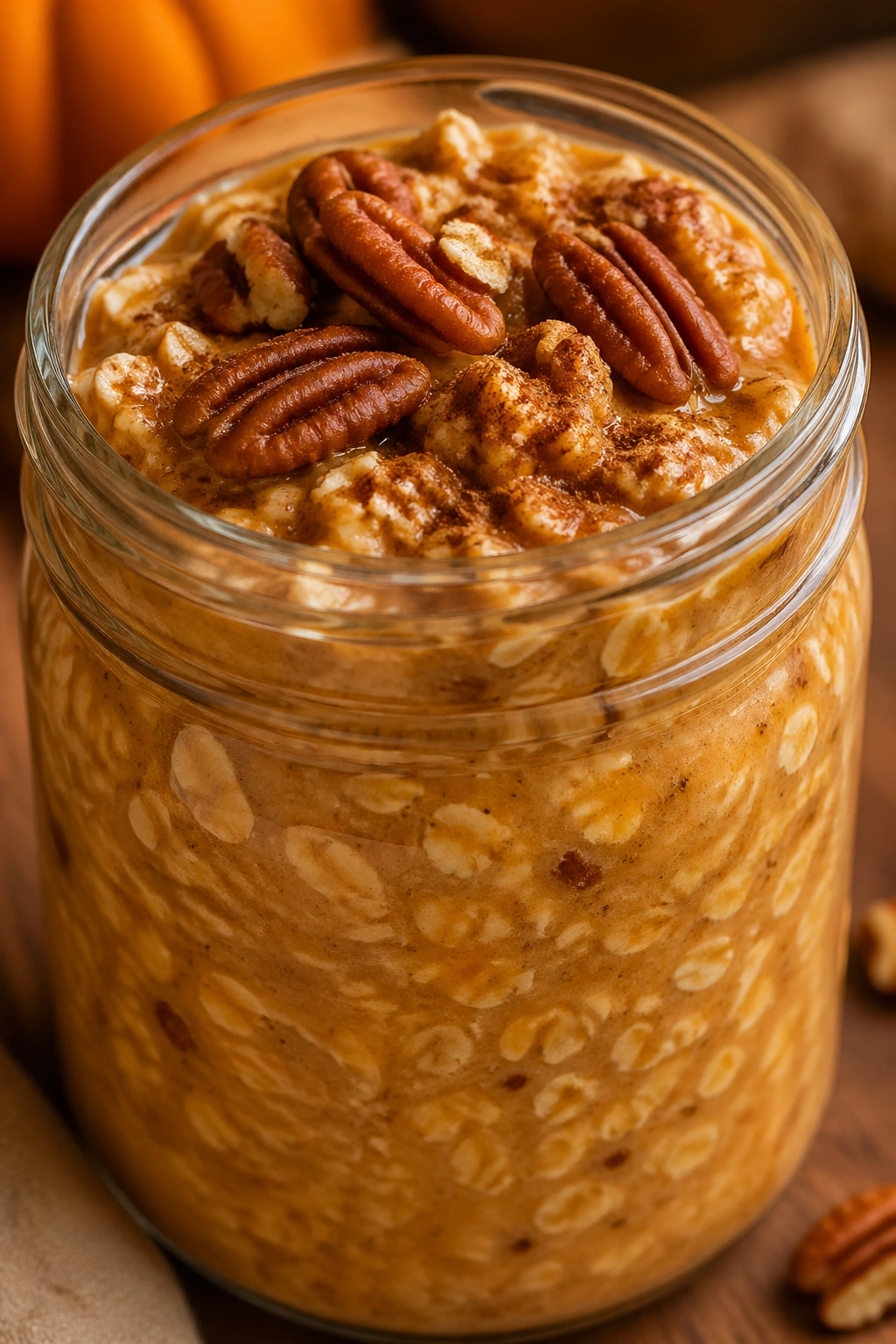
A can of pumpkin in the fridge is one of the easiest ways to make overnight oats softer, thicker, and more satisfying without leaning on extra nut butter. Pumpkin brings moisture, fiber, and a mellow sweetness, so the jar feels rich even when the fat stays moderate.
Why pumpkin works in recovery oats
Pumpkin does not drive the protein count. That job still belongs to yogurt, skyr, cottage cheese, or whey. What it does is improve the body of the jar. A spoonable, creamy texture makes cold oats easier to eat after training, especially when you do not feel like chewing through dry add-ins.
A jar that gets it right
Mix 1/2 cup rolled oats, 1/2 cup milk, 1/2 cup vanilla Greek yogurt, 1/2 cup pumpkin purée, 1 tablespoon chia, 1 tablespoon chopped pecans, 1/2 teaspoon cinnamon, 1/4 teaspoon ginger, pinch of nutmeg, 1 teaspoon maple syrup, and a pinch of salt. Chill overnight.
Protein lands near 23 grams with those amounts. Want more? Add 1/2 scoop vanilla whey and 2 extra tablespoons milk so the oats do not set up too thick.
This one tastes better after 8 to 12 hours than after 4. The spices settle in, the oats soften all the way, and the pumpkin stops feeling separate from the base. I would not rush it.
9. Pineapple Ginger Kefir Oats
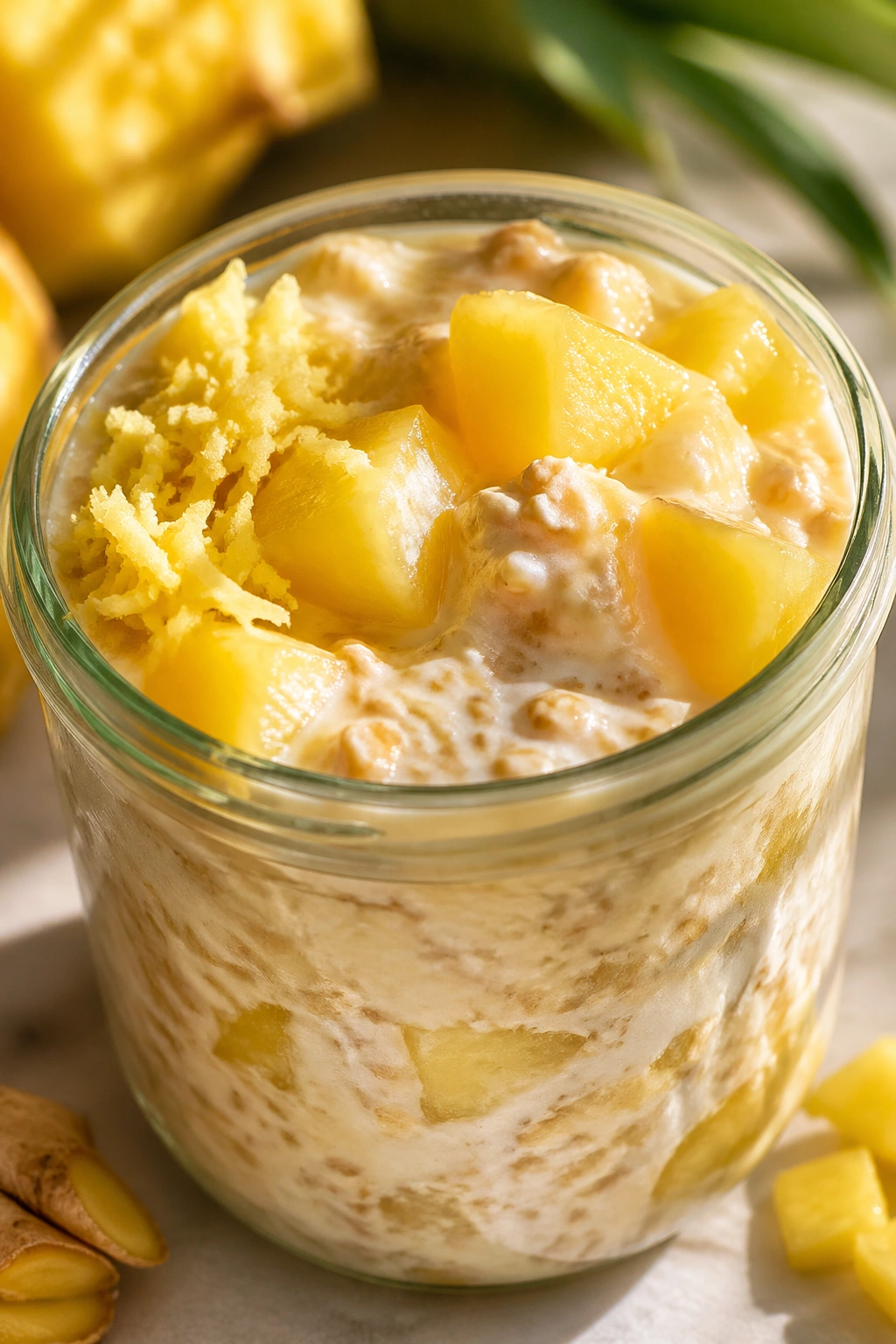
Picture the kind of workout that leaves salt on your shirt and appetite lagging behind your recovery needs. That’s where this jar shines.
Kefir makes the oats looser and tangier than a yogurt-based version, while pineapple keeps the flavor bright and ginger brings a little heat at the back of the throat. It wakes you up. Not in a flashy way—more like someone opened a window.
Try this mix:
- 1/2 cup rolled oats
- 3/4 cup plain kefir
- 1/4 cup Greek yogurt
- 3/4 cup finely chopped pineapple
- 1 teaspoon grated fresh ginger
- 1 tablespoon chia seeds
- 1 tablespoon unsweetened coconut
- Pinch of salt
Fresh pineapple gives the cleanest flavor, but drained canned pineapple works if you chop it small and keep the juice out of the jar. Too much extra liquid, and the oats drift from creamy to soupy by morning.
Protein usually lands around 20 to 22 grams here, so it sits at the lower end of the recovery range unless you stir in a little whey. Carbs are generous, which makes it a smart choice after long cardio sessions or back-to-back training days.
Skip the ginger if you hate it. Do not half-like ginger and add a full tablespoon anyway. That path ends badly.
10. Mocha Tahini Date Oats
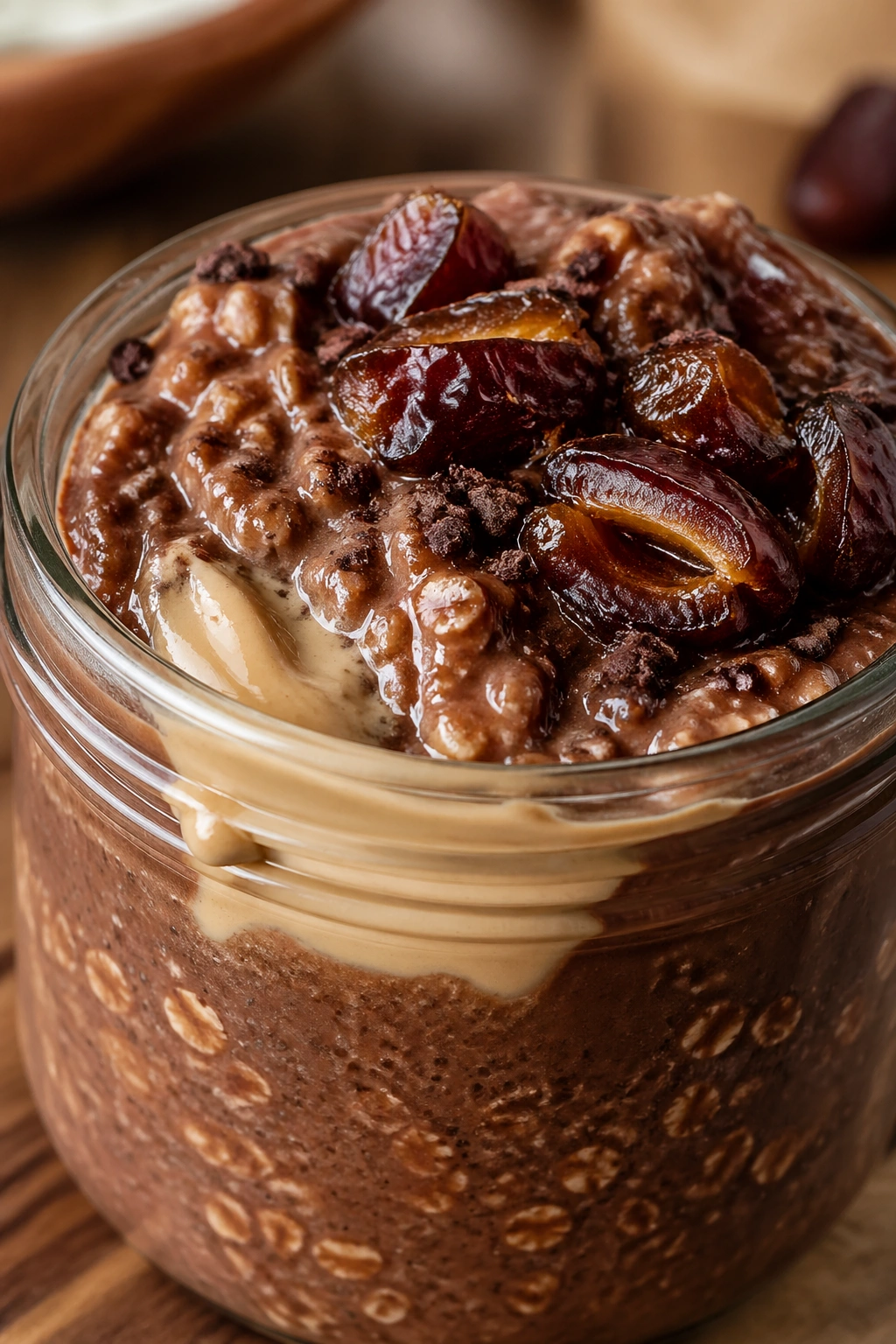
Tahini does something peanut butter cannot do. It gives overnight oats a deep, toasty flavor without turning the jar into a spoonful of nut-butter heaviness.
That makes it a strong choice when you want a richer taste but still need the oats to go down easily after training. Dates pair with tahini the way caramel pairs with coffee—soft sweetness against bitterness, each one making the other taste fuller. With cocoa or espresso in the mix, the jar lands somewhere between breakfast and a chilled dessert cup.
Use 1/2 cup rolled oats, 3/4 cup milk, 1/2 cup skyr, 1 tablespoon tahini, 2 chopped Medjool dates, 1 teaspoon cocoa powder, 2 tablespoons cooled espresso, and a pinch of salt. A little cinnamon works too, though I’d keep it to 1/4 teaspoon so it does not bully the sesame flavor.
Protein sits around 24 grams with skyr. The carbs climb into the 50 gram neighborhood because dates pull their weight fast. If your session was short and you want a smaller recovery meal, cut the dates to one and add a few cacao nibs on top for crunch.
This jar tastes better after a hard strength day than after a gentle walk. It has some attitude.
11. Mixed Berry Vanilla Skyr Oats
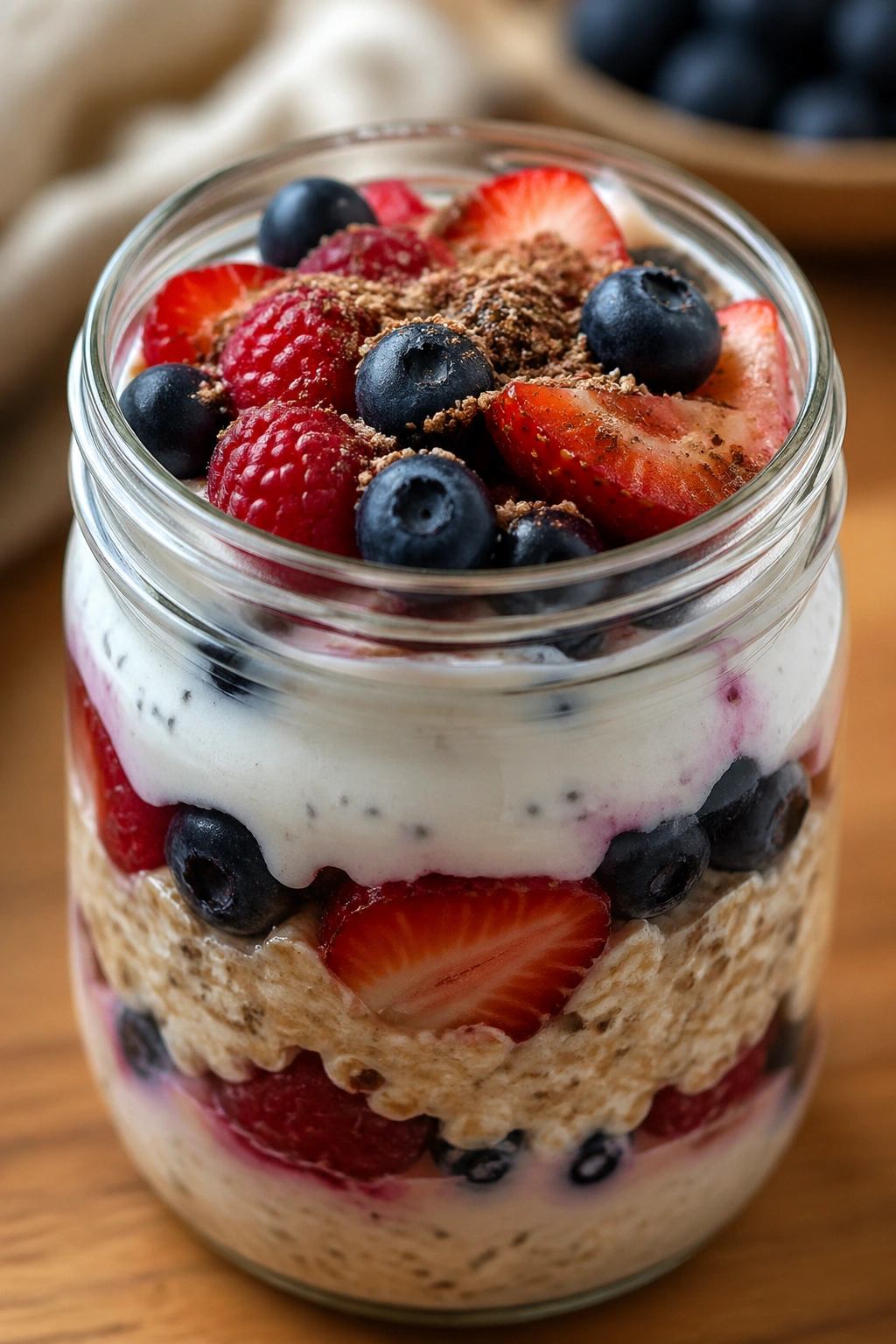
Some mornings call for restraint. No coffee-cocoa combo, no cheesecake tricks, no spices piled three layers high. Mixed berry vanilla skyr oats are clean, cold, and direct, which is one reason they work so well after fasted training.
Use 1/2 cup oats, 3/4 cup milk, 3/4 cup vanilla skyr or plain skyr plus 1/2 teaspoon vanilla extract, 3/4 cup mixed berries, 1 tablespoon ground flax, and a pinch of salt. If your berries are tart, add 1 teaspoon honey and move on.
The best version uses a mix with different textures—say raspberries, blueberries, and blackberries—because each fruit breaks down differently overnight. Blueberries stay a little firmer. Raspberries melt into the base. Blackberries leave small seeds that make the jar feel less monotone. Tiny detail. Worth noticing.
Protein lands near 26 to 29 grams, and the flavor stays cool and sharp instead of sweet and thick. That’s useful after morning conditioning when you want recovery food but do not want dessert at breakfast.
I’d keep nuts out of this one. They distract more than they help.
12. Carrot Cake Walnut Oats
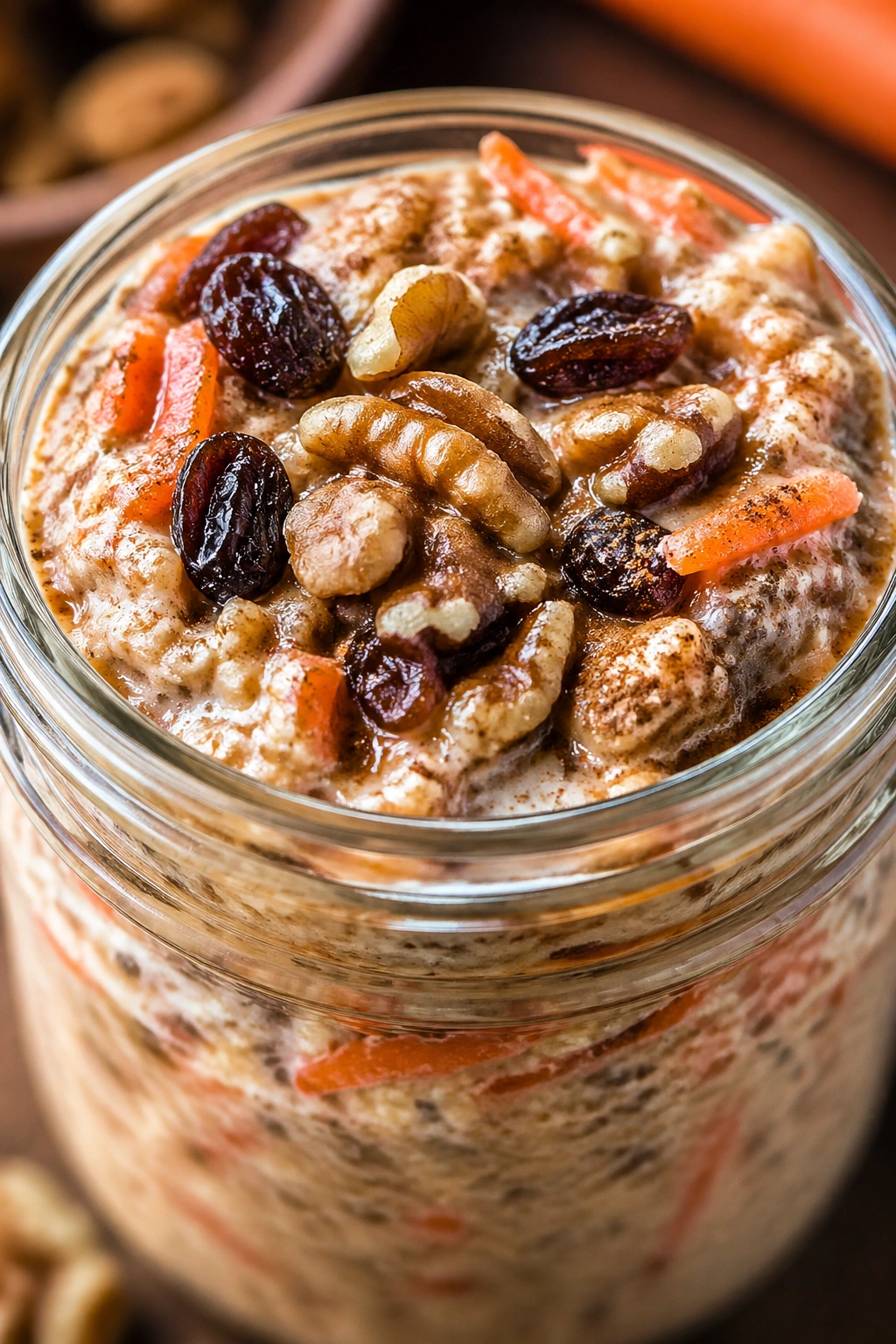
Call this the sneaky one.
Carrot in overnight oats sounds like a health-food dare until you grate it fine and pair it with cinnamon, raisins, vanilla, and chopped walnuts. Then it tastes like a cold carrot cake filling with better nutrition and a lot more protein. The grated carrot softens overnight, adding moisture and a mild earthy sweetness that oats actually like.
Build it carefully
- 1/2 cup rolled oats
- 1/2 cup milk
- 1/2 cup Greek yogurt or blended cottage cheese
- 1/3 cup finely grated carrot
- 1 tablespoon raisins
- 1 tablespoon chopped walnuts
- 1 tablespoon chia seeds
- 1/2 teaspoon cinnamon
- 1/8 teaspoon ground ginger
- 1/2 teaspoon vanilla extract
- Pinch of salt
Fold everything together and chill overnight. If you want more protein, stir in 1/2 scoop vanilla whey with 2 tablespoons extra milk.
The mistake to avoid
Do not use thick carrot shreds from a bag. They stay stiff and make the jar feel like oat salad. Freshly grated carrot from the small or medium side of a box grater blends in far better.
This one sits around 23 to 27 grams protein, depending on your dairy choice, and it holds up well for 3 full days in the fridge. That makes it a strong batch-prep option when your week is packed and your post-workout meal needs to exist before you even open your eyes.
Batch Prep, Fridge Life, and the Fastest Texture Fixes
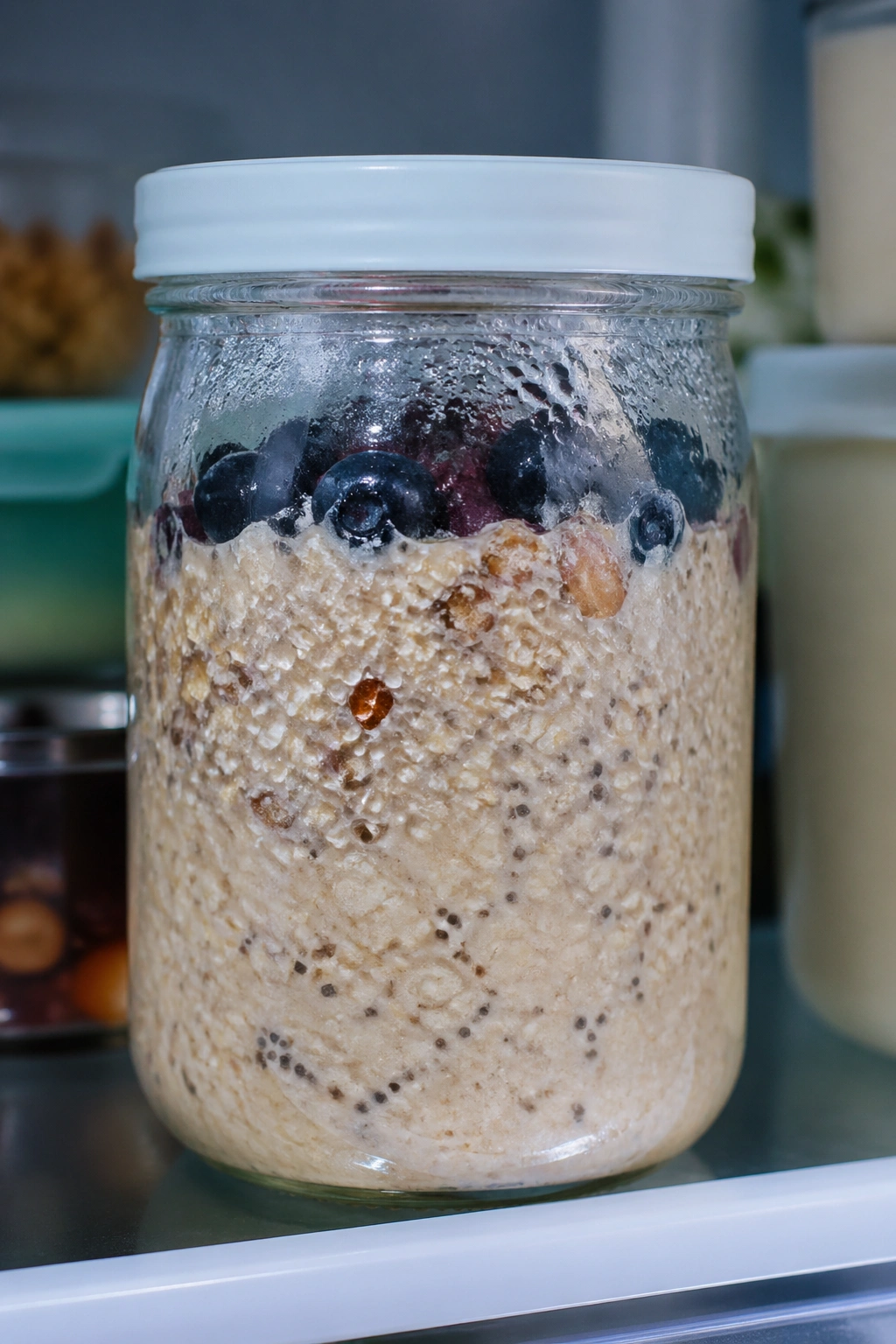
Meal prep can make recovery easier, but overnight oats have a shelf life—both for food safety and for texture.
Most jars hold well for 3 to 4 days in the fridge if you keep them cold, sealed, and built with fresh dairy. Fruit-heavy versions with banana, grated apple, or very juicy berries taste best in the first 48 hours. Drier builds, like pumpkin or mocha tahini, often stay pleasant a little longer.
A few fixes rescue almost any jar:
If the oats are too thick
Stir in 1 to 3 tablespoons milk. Wait 5 minutes. Stir again. Chia and protein powder keep absorbing liquid after the first mix, so a stiff jar is common.
If the oats are too loose
Add 1 teaspoon chia, stir, and let it sit another 20 minutes. Ground flax helps too, though it gives a softer set.
If the flavor tastes flat
Use one of these:
- Pinch more salt
- 1 teaspoon lemon juice
- 1/4 teaspoon vanilla
- 1 teaspoon maple syrup
- 1 tablespoon yogurt stirred into the top
And if you batch-prep, keep crunchy toppings—nuts, cacao nibs, crushed graham crackers, toasted coconut—out of the jar until the morning you eat it. Otherwise they soften, and that small pleasure disappears.
Final Thoughts
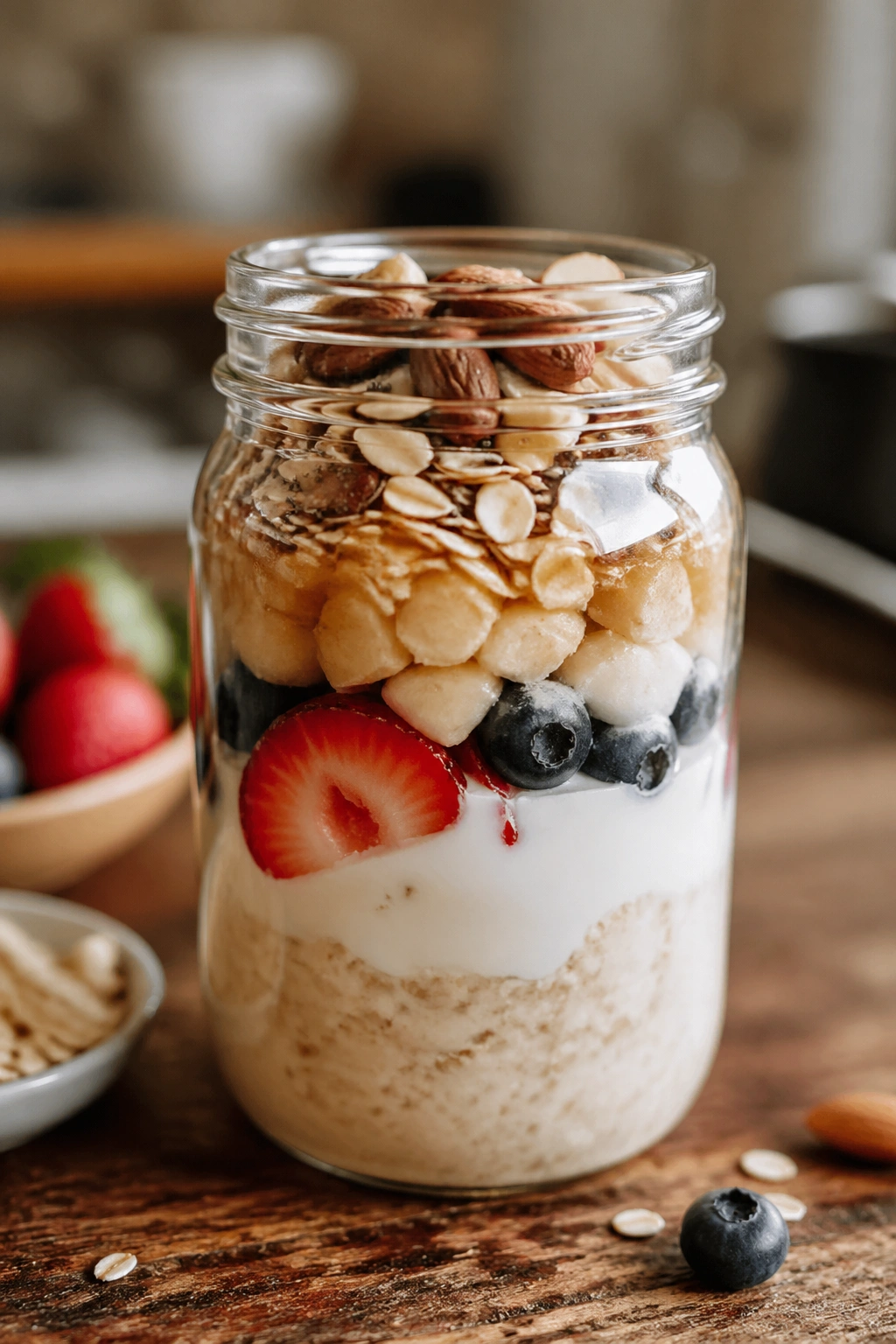
The best post-workout overnight oats are not the fanciest jars on the internet. They’re the ones you can make half asleep, eat with no fuss, and trust to give you enough protein, enough carbs, and a texture you actually want to finish.
If I had to narrow the list, I’d keep banana peanut butter for heavy lifting, blueberry lemon for lighter training mornings, and chocolate cherry for the days when motivation needs a little bribery. Those three cover a lot of ground.
Start with one base you like, then change one thing at a time—fruit, protein source, spice, crunch. That’s how you end up with a fridge full of recovery meals that don’t all taste the same, which is half the battle.
