



If you finish a hard session and reach for two plain eggs, you’ll get decent protein—and then, for a lot of people, hunger walks back in before your shower is even over. The problem is not the eggs. The problem is the tiny meal built around them. The best post workout egg recipes use eggs as the anchor, then add the carbs, fluid, salt, and extra protein that help your body settle down and rebuild.
A large egg gives you about 6 grams of protein, along with choline, selenium, vitamin B12, and a yolk that does more work than it gets credit for. Three eggs gets you near 18 grams, which is a solid start, but many active adults recover better when the whole meal lands closer to 25 to 35 grams of protein, sometimes higher after a long run, a big lift, or a long practice. That is why the smartest egg meals rarely stop at eggs alone.
And no, recovery food does not need to look like dry chicken and a sad mound of rice.
What it does need is enough substance to keep you full, enough carbs to refill what training burned through, and enough flavor that you’ll want to make it again when you’re tired, sweaty, and standing in front of the fridge with exactly 14 minutes of patience left. Eggs are good at that. They cook fast, they play well with leftovers, and they fit just as easily into a rice bowl as they do into soup, toast, or a pan of potatoes.
Why Post-Workout Egg Recipes Hit the Sweet Spot for Recovery
Eggs sit in a useful middle ground. They are fast like a shake, but they feel like real food. That matters more than people admit. After training, a meal you actually want to eat tends to beat the “ideal” recovery snack that keeps getting ignored.
There is also the amino acid piece. Eggs bring high-quality complete protein, and they give you leucine, the amino acid tied to muscle protein synthesis. You do not need to turn every plate into a lab report, but you do want enough protein in the meal to move the needle. Two eggs alone usually will not get most people there. Two eggs plus whites, dairy, beans, fish, chicken, or grain-and-legume pairings often will.
The yolk matters too. I know the egg-white-only crowd means well, but a plate built from whites alone can taste thin and leave you unsatisfied. The yolk adds fat, vitamins, and that richer texture that turns “fuel” back into food. If you want more protein without a heavy meal, keep 1 to 3 whole eggs and add 2 to 4 whites. That mix works far better in real kitchens.
What eggs bring to the plate
- Protein: about 6 grams per large egg
- Leucine: roughly 0.5 grams per egg, useful when you are trying to hit a muscle-repair-friendly meal
- Choline: tied to cell health and muscle function
- Fast cook time: scrambled eggs can be done in 3 minutes; jammy eggs in 7
- Easy pairing: rice, oats, potatoes, toast, tortillas, beans, noodles, and broth all make sense with eggs
Cold hard-boiled eggs by themselves can still leave a gap. Build around them, and they become one of the handiest recovery foods in your kitchen.
How to Build Better Post-Workout Egg Recipes at Home
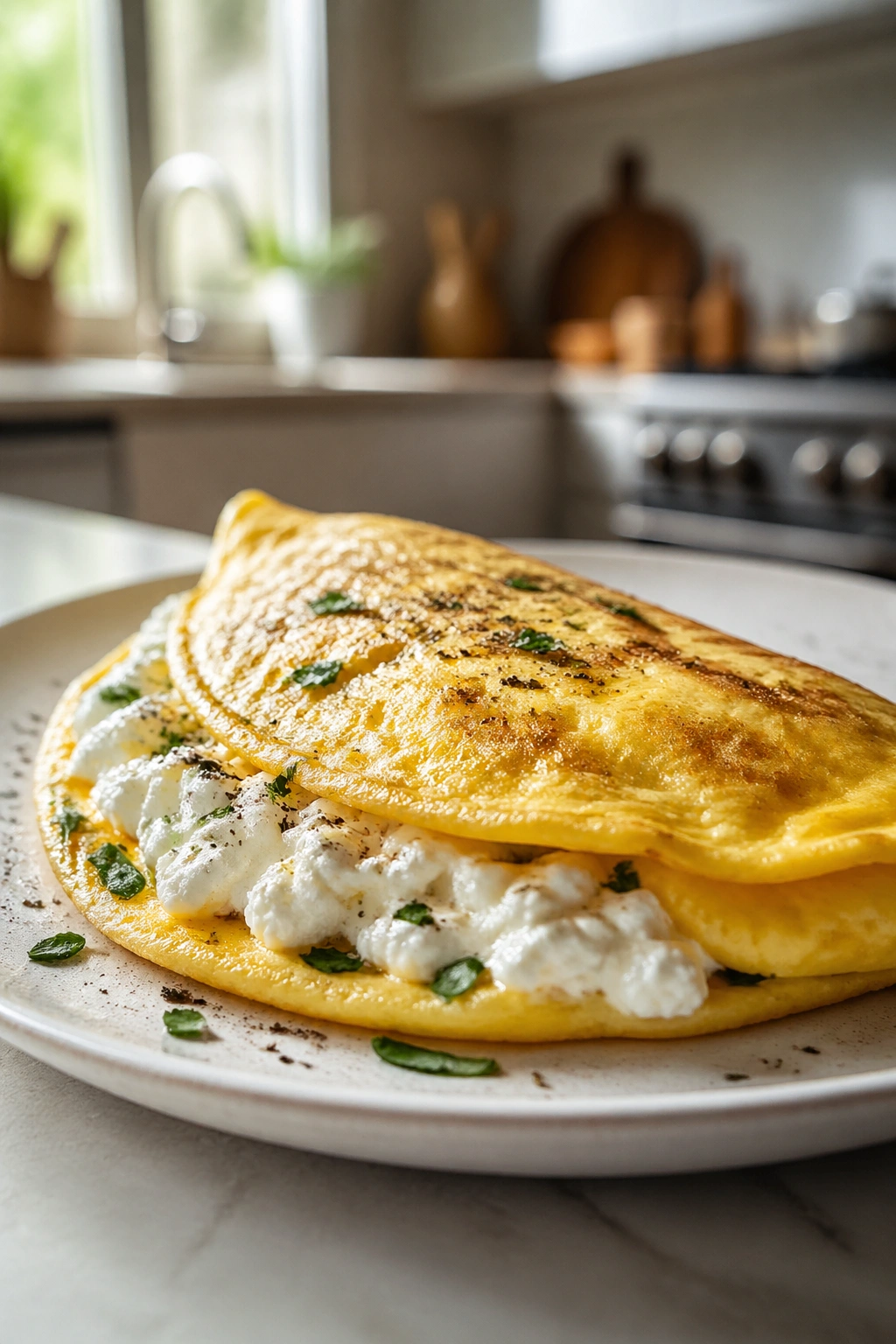
Start with protein. Most people do well with a meal that lands around 25 to 35 grams after training. An easy way to get there is 3 whole eggs plus 3 egg whites, or 2 whole eggs plus cottage cheese, or 2 eggs with smoked salmon, chicken, turkey, beans, or Greek yogurt folded into the rest of the dish.
Then add carbs on purpose.
That is the step many “healthy” egg meals miss. If your session had any volume—lifting, intervals, hard conditioning, long cardio, a field sport—your body will usually welcome 30 to 70 grams of carbs from rice, potatoes, toast, tortillas, oats, pasta, beans, fruit, or some mix of those. A recovery plate with no starch can feel righteous for about 20 minutes and then fall apart.
A simple recovery formula
- Protein base: 2 to 3 eggs, often with whites or another protein
- Carb base: 1 cup cooked rice, 250 to 300 grams potatoes, 2 slices toast, 1 large tortilla, 1 cup cooked oats, or 3 ounces dry pasta
- Produce: spinach, peppers, tomatoes, mushrooms, kimchi, salsa, greens, herbs
- Salt and fluid: broth, soy sauce, feta, smoked salmon, salsa, or a pinch of salt after a sweaty session
If appetite is low, soup and softer foods usually go down better than a dry wrap. If you need something portable, burritos, muffins, and rice bowls hold up well. Keep a carton of eggs, cooked rice, roasted potatoes, tortillas, and one sharp condiment around—salsa, chili crisp, kimchi, pesto, yogurt sauce—and half the work is already done.
1. Sweet Potato Spinach Recovery Scramble
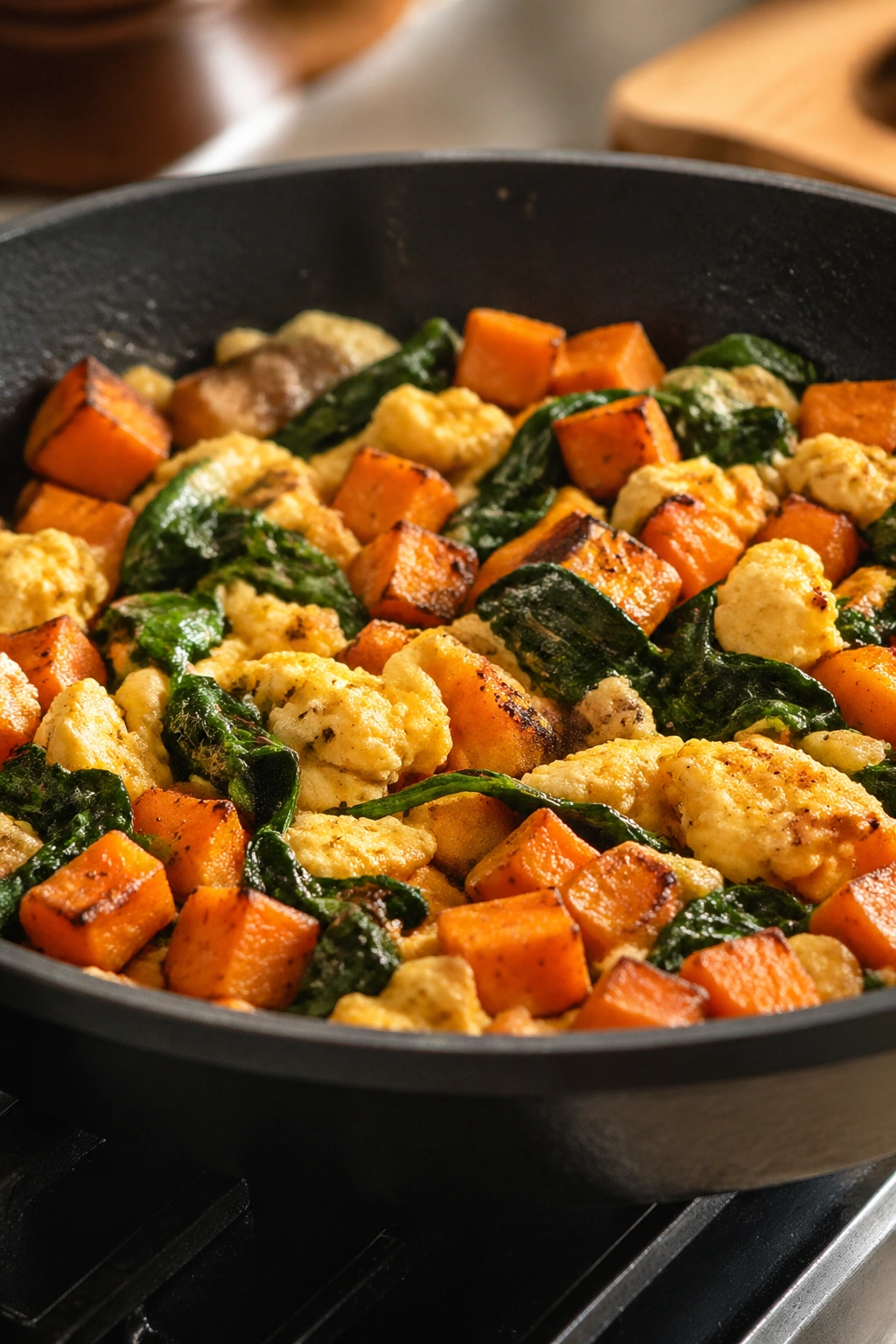
A hot skillet of soft eggs and sweet potato hits that sweet spot between breakfast food and proper refuel meal. The sweet potato gives you the starch many post-lift scrambles forget, while spinach and scallions keep the plate from tasting heavy.
Why it works after training
Sweet potatoes bring about 30 to 35 grams of carbs per medium potato, plus potassium, and they reheat well. Pair that with 3 whole eggs and 3 whites, and you land near 30 grams of protein before adding any cheese or yogurt on the side.
What you need
- 1 medium sweet potato, peeled and diced into 1/2-inch cubes
- 1 teaspoon olive oil
- 3 large eggs
- 3 large egg whites
- 2 tablespoons milk
- 2 cups baby spinach
- 2 scallions, sliced
- 1/4 teaspoon kosher salt
- 1/4 teaspoon black pepper
- 1 tablespoon chopped cilantro or parsley
- Hot sauce, for serving
Cook it like this
- Microwave the diced sweet potato in a covered bowl with 1 tablespoon water for 4 minutes, until barely tender.
- Heat the oil in a skillet over medium heat. Add the sweet potato and cook 4 to 5 minutes, until the edges turn golden.
- Whisk the eggs, whites, milk, salt, and pepper. Add spinach to the pan, let it wilt for 30 seconds, then pour in the eggs.
- Stir slowly with a spatula until the eggs are softly set, not dry. Finish with scallions, herbs, and hot sauce.
Best move: keep the eggs a touch glossy when you pull the pan. Carryover heat finishes the job, and dry eggs never taste like recovery food worth repeating.
2. Cottage Cheese Omelet with Toast and Salsa
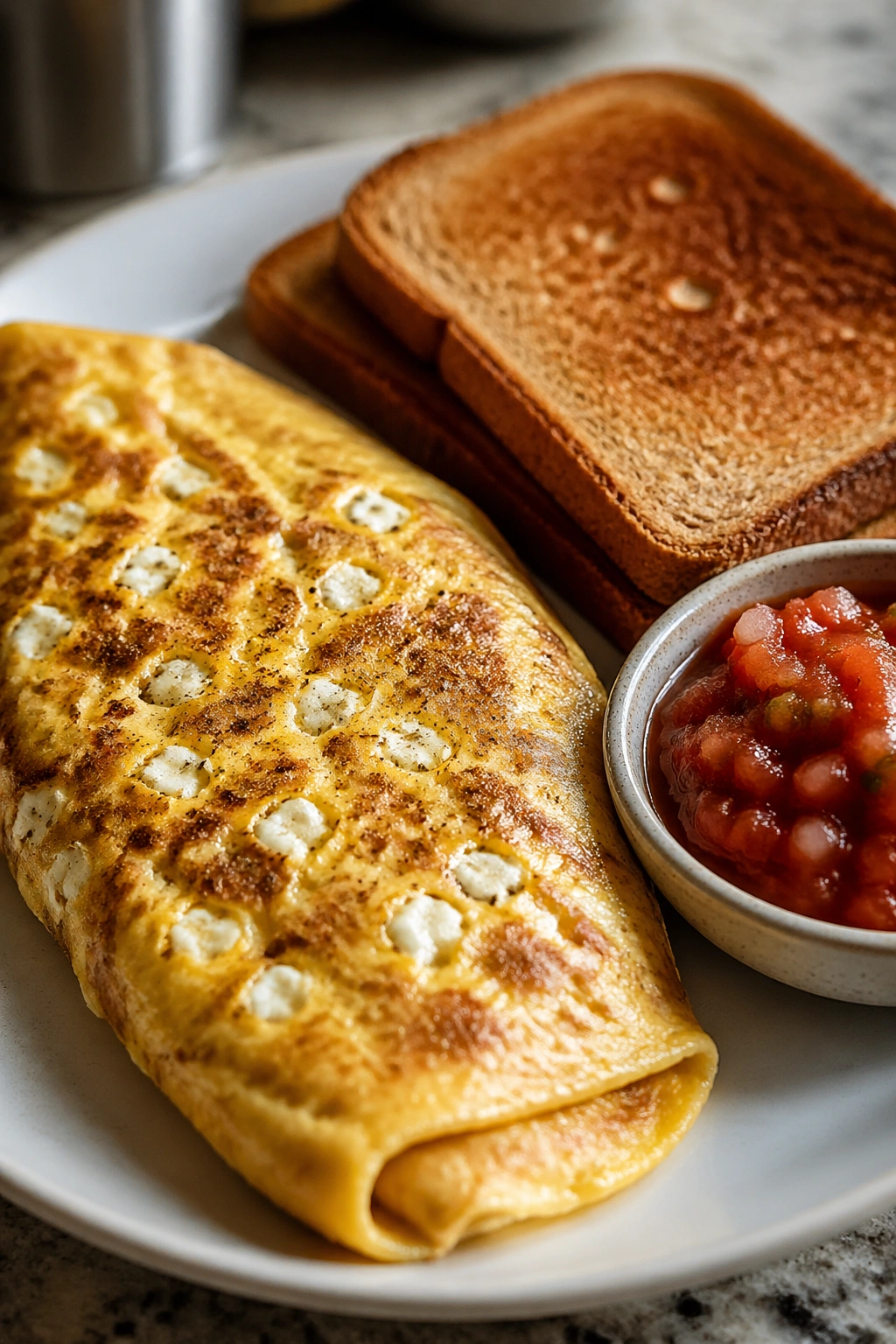
Cottage cheese belongs inside an omelet. Not as a diet trick. As a texture trick. It melts into the eggs, turns the center soft and a little creamy, and bumps the protein without making the meal feel dense.
You’ll land around 32 to 34 grams of protein here, depending on the cottage cheese you use, and the two slices of toast give you enough carbs that this feels like a meal instead of a snack pretending to be one.
Ingredients
- 2 large eggs
- 4 large egg whites
- 1 tablespoon water
- Pinch of kosher salt
- 1/2 cup cottage cheese
- 1 tablespoon chopped chives
- 2 slices whole-grain or sourdough toast
- 1/3 cup salsa
- 1/4 avocado, sliced
Whisk the eggs, whites, water, and salt until smooth. Pour them into a nonstick skillet over medium-low heat, and drag a spatula through the curds as they form. When the top still looks slightly wet, spoon the cottage cheese and chives over one side, fold, then cook another 30 to 45 seconds.
Toast on the plate. Salsa on top or alongside. Avocado if you want it.
There is one catch: do not blast the pan with high heat or the cottage cheese can leak water and make the omelet rubbery. Slow heat fixes that. This is one of those meals that tastes better than it sounds on paper—and yes, I know that sentence usually means trouble, but not here.
3. Turkey Egg Fried Rice
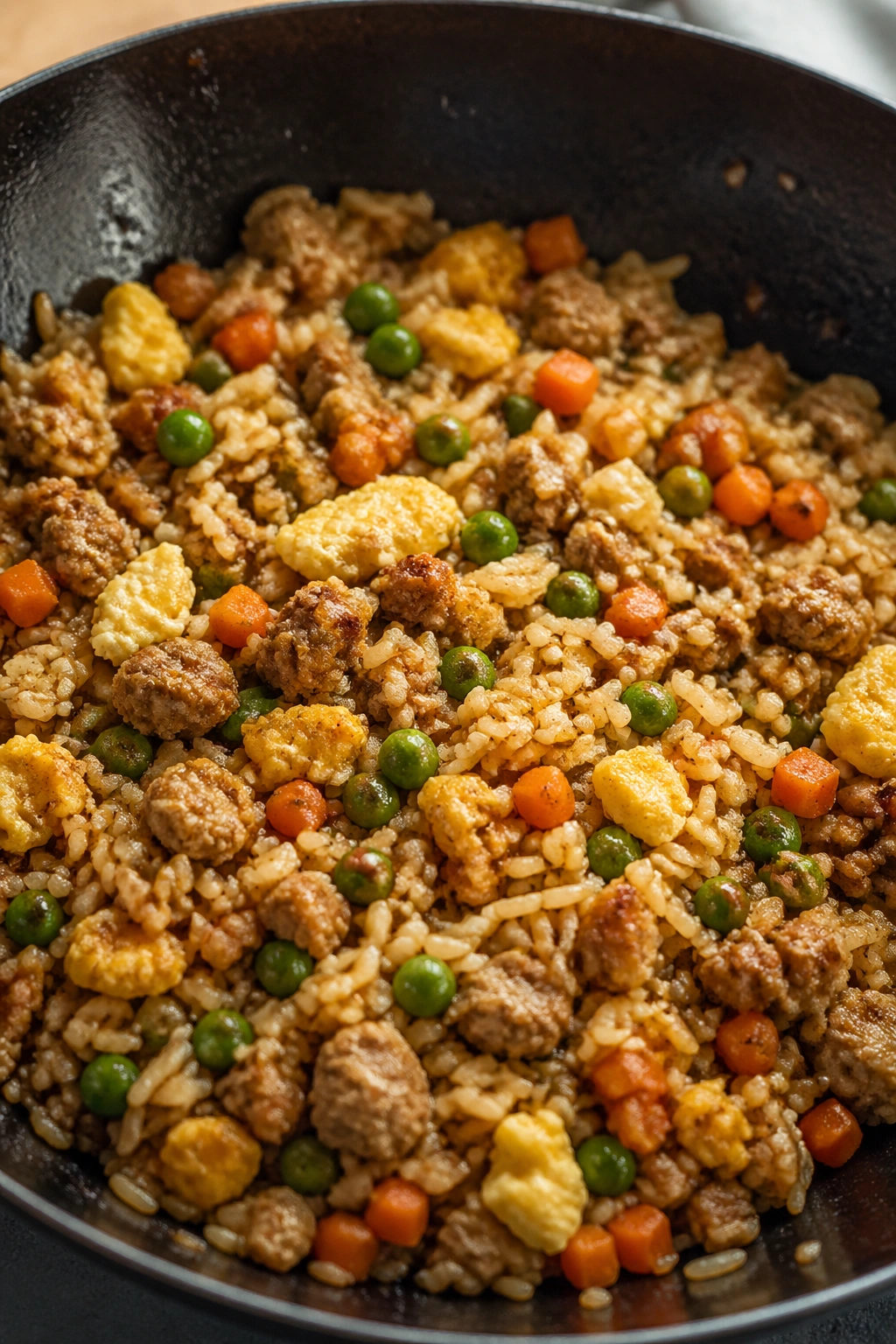
Why does fried rice work so well after training? Because it already solves the whole recovery meal puzzle in one pan: protein, carbs, salt, vegetables, and enough flavor to make leftovers feel intentional.
Use cold rice. Fresh hot rice turns sticky and clumpy, and then you end up steaming everything instead of frying it.
Use cold rice and a hot pan
Day-old rice from the fridge is best. Leftover takeout rice works too, and I am not above saying that because it is built for this exact job.
What you need
- 1 teaspoon neutral oil
- 4 ounces lean ground turkey
- 2 large eggs
- 2 large egg whites
- 2 cups cold cooked jasmine or long-grain rice
- 1/2 cup frozen peas and carrots
- 2 tablespoons low-sodium soy sauce
- 1 teaspoon sesame oil
- 2 scallions, sliced
- 1 teaspoon grated fresh ginger
- Pinch of red pepper flakes
Steps
- Heat a large skillet or wok over medium-high heat. Add neutral oil and turkey, breaking it up until cooked through, about 4 minutes.
- Push the turkey to one side. Add the eggs and whites and scramble until softly set.
- Add rice, peas and carrots, ginger, and soy sauce. Press and toss until the rice is hot and the grains separate.
- Finish with sesame oil, scallions, and red pepper flakes.
One bowl lands near 35 grams of protein and 50 to 55 grams of carbs, which is a sturdy post-workout range for many people. If you sweat hard, add another teaspoon of soy sauce and a squeeze of lime.
4. Quinoa Bowl with Jammy Eggs and Roasted Peppers
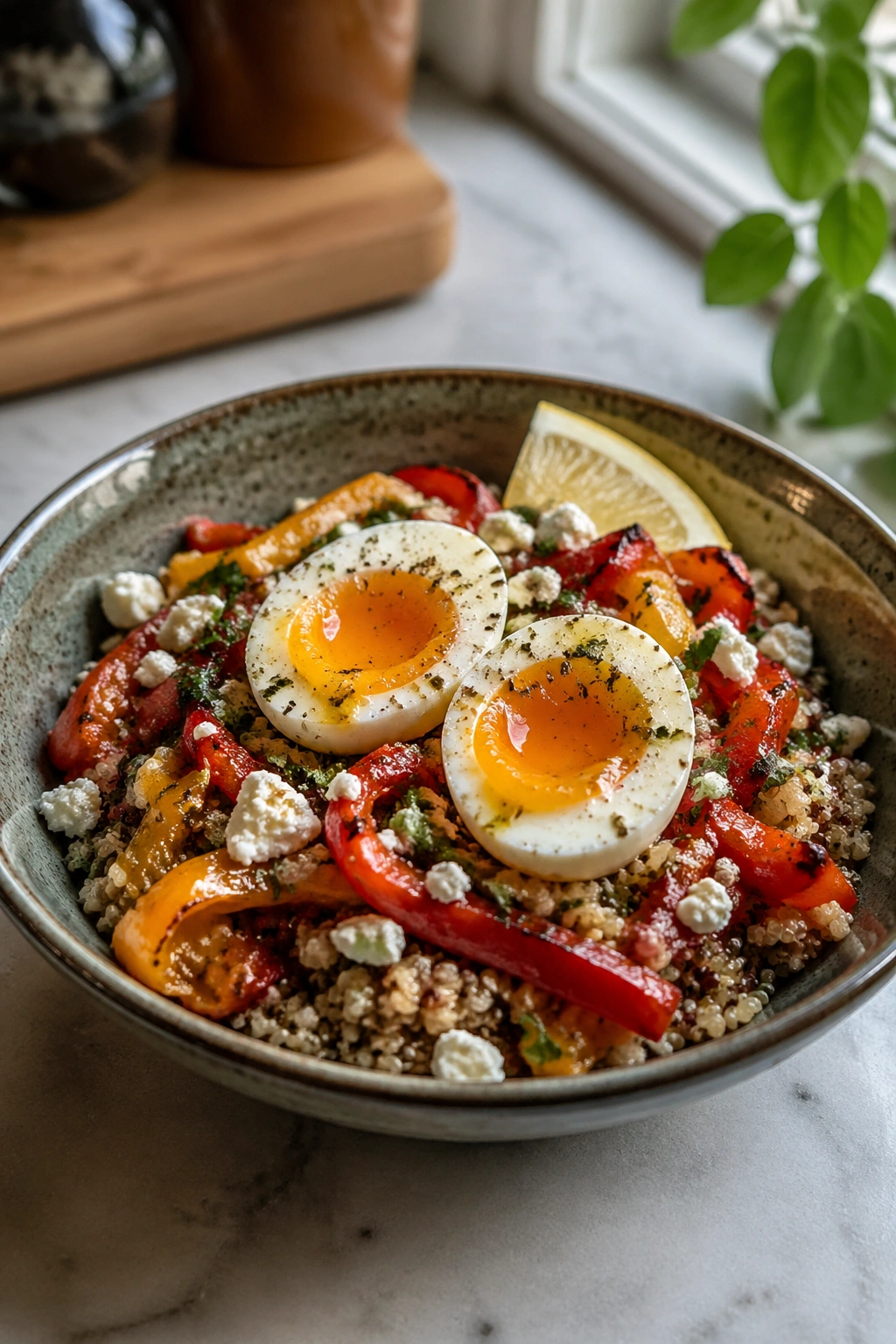
This is the lunchbox recipe of the bunch. It holds up in the fridge, tastes good warm or at room temperature, and does not punish you with soggy lettuce at the bottom of the container.
The texture is the whole point here: nutty quinoa, soft-centered eggs, sweet roasted peppers, a little feta, and enough lemon to keep the bowl awake.
Recovery profile
Protein: about 27 grams
Carbs: about 42 grams
Best after: lifting, circuit work, or any session that leaves you hungry but not in the mood for a heavy pan meal
Ingredients
- 1 cup cooked quinoa
- 2 large eggs
- 1/2 cup chickpeas, drained and rinsed
- 1/2 cup roasted red peppers, sliced
- 1 cup cucumber, chopped
- 2 tablespoons crumbled feta
- 1 tablespoon olive oil
- 1 tablespoon lemon juice
- 1 tablespoon chopped parsley
- Pinch of salt and black pepper
Bring a small pot of water to a boil and lower in the eggs. Cook 7 minutes for jammy centers, then chill under cold water and peel. In a bowl, mix the quinoa, chickpeas, peppers, cucumber, olive oil, lemon juice, parsley, salt, and pepper. Halve the eggs and set them on top with the feta.
You can push the protein higher by adding 1/2 cup Greek yogurt on the side with lemon and garlic. I like that move after a harder day, especially when dinner is still a few hours away.
5. Smoked Salmon Egg Toast with Yogurt Dill Sauce
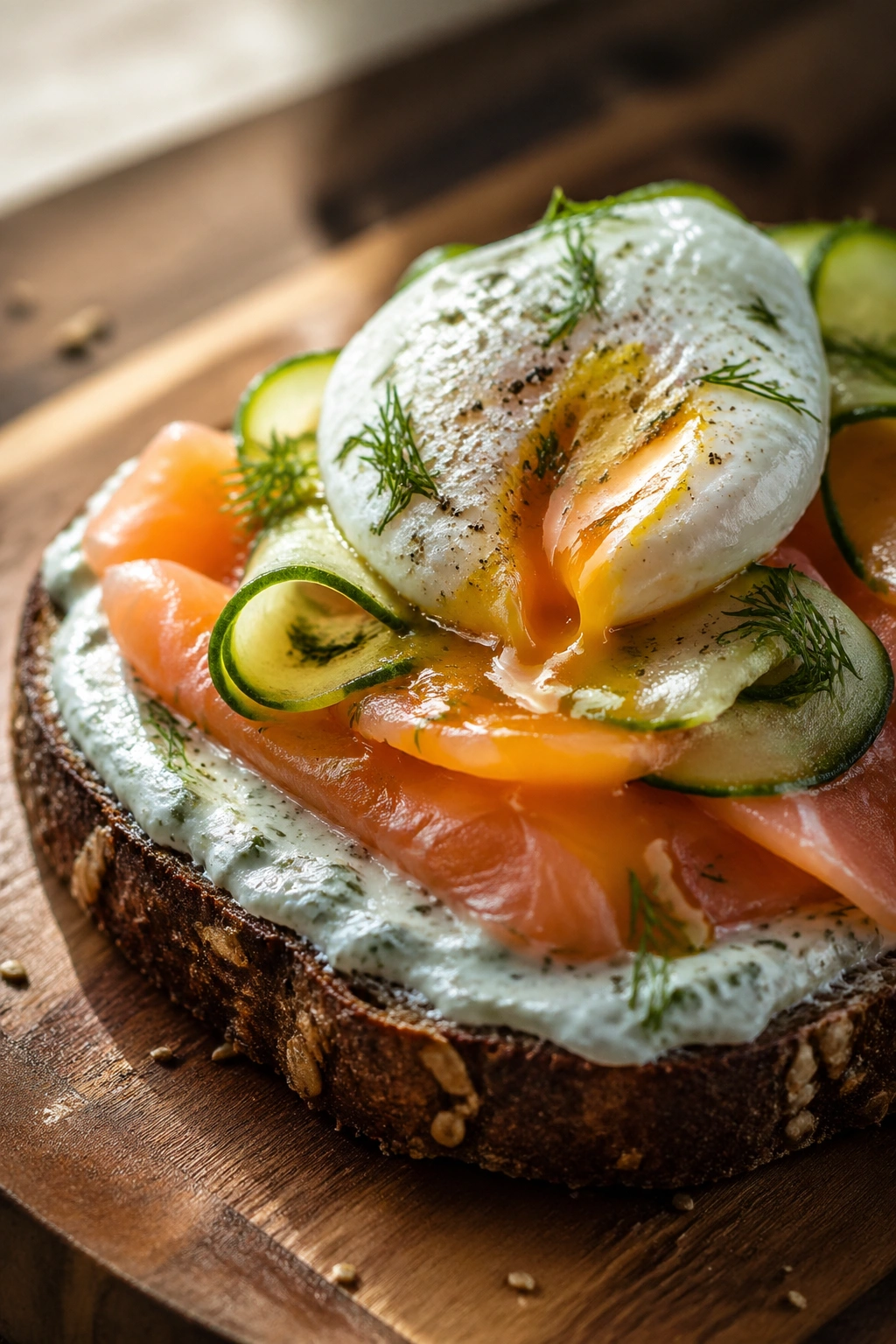
Unlike the fancy brunch version, this one is built to feed you, not impress the next table. Smoked salmon brings salt and protein; eggs bring warmth and staying power; toast gives the meal some muscle.
A lot of post-training meals fall apart because they are too dry. This does not.
You’ll need
- 2 slices seeded rye or sourdough bread
- 2 large eggs
- 2 egg whites
- 3 ounces smoked salmon
- 1/3 cup plain Greek yogurt
- 1 teaspoon lemon juice
- 1 tablespoon chopped fresh dill
- 1 small cucumber, shaved or thinly sliced
- Black pepper
Stir the yogurt, lemon juice, dill, and black pepper together. Toast the bread. Cook the eggs any way you like—soft scrambled works best here, though poached eggs are hard to beat if you have the extra 3 minutes. Spread the yogurt sauce on the toast, add cucumber and smoked salmon, then top with the eggs.
The sodium in the salmon helps after sweaty training, and the full meal gives you around 33 grams of protein and 30 grams of carbs. Add a banana or orange on the side if you need more carbs. No shame in that. Post-workout toast should not try to act dainty.
6. Black Bean Egg Breakfast Burrito
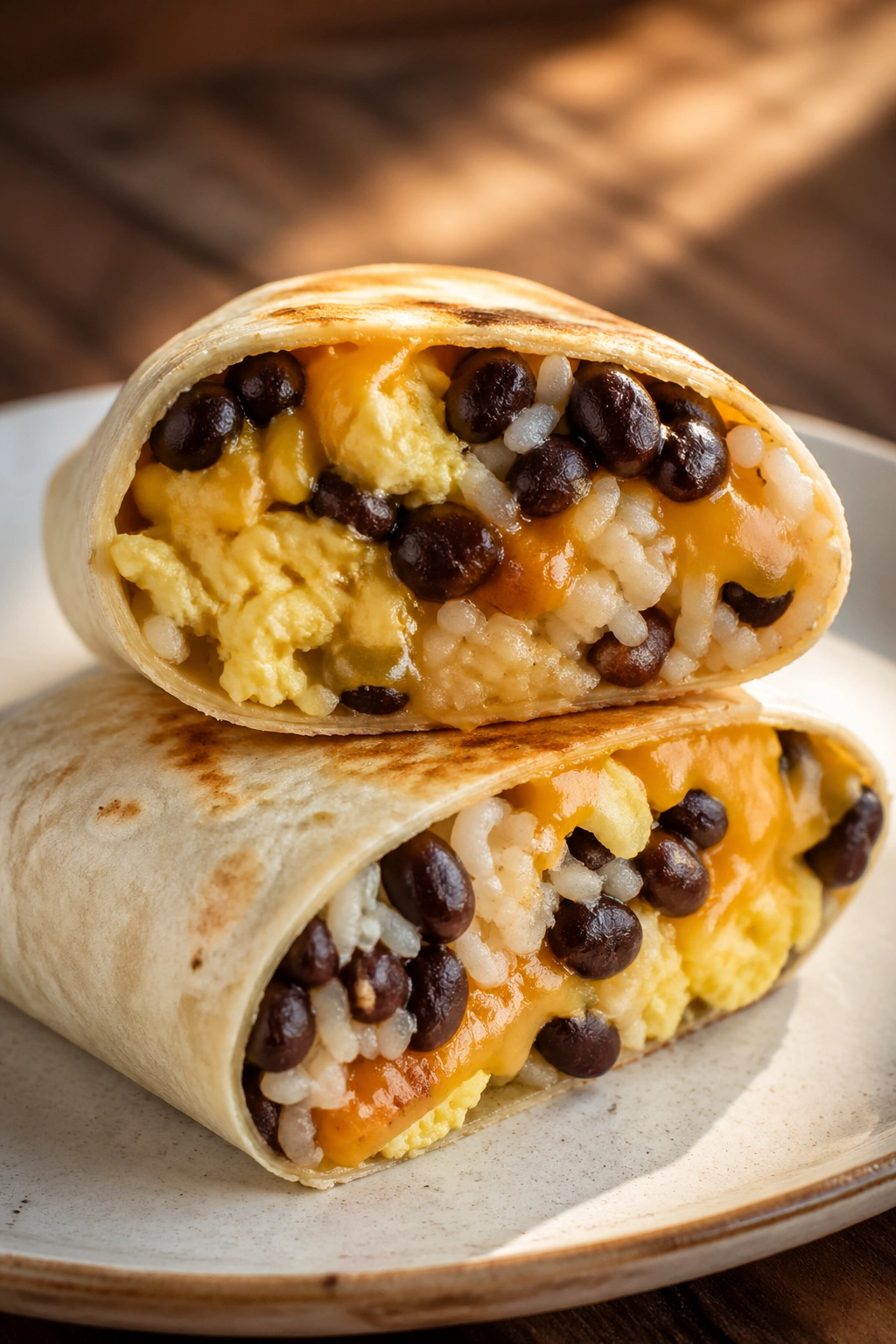
I keep coming back to burritos because they solve two real-life problems: you can eat them with one hand, and they freeze better than people think. If your mornings run tight, make four at once and thank yourself later.
Beans do two jobs here. They add carbs and they add extra protein, which means you do not need to pile in meat to make the numbers work.
For the filling
- 2 large eggs
- 2 large egg whites
- 1/2 cup black beans, drained and rinsed
- 1/3 cup cooked rice
- 2 tablespoons shredded cheddar or Monterey Jack
- 2 tablespoons salsa
- 1 tablespoon chopped onion
- 1 teaspoon olive oil
- Pinch of cumin
- Pinch of salt
For wrapping
- 1 large flour tortilla
- Extra salsa or hot sauce
- Chopped cilantro
Make it
- Heat the oil in a skillet over medium heat. Cook onion with cumin and salt for 2 minutes.
- Add beans and rice and warm through.
- Scramble the eggs and whites in the same pan until softly set, then stir in cheese and salsa.
- Warm the tortilla, fill, roll tightly, and toast seam-side down for 1 minute if you want a crisper wrap.
One burrito comes in around 31 grams of protein and 55 grams of carbs. Wrap it in foil and freeze. Reheat from thawed in a skillet or toaster oven if you want the tortilla to stay pleasant instead of limp.
7. Chicken Lemon Rice Soup with Egg Ribbons
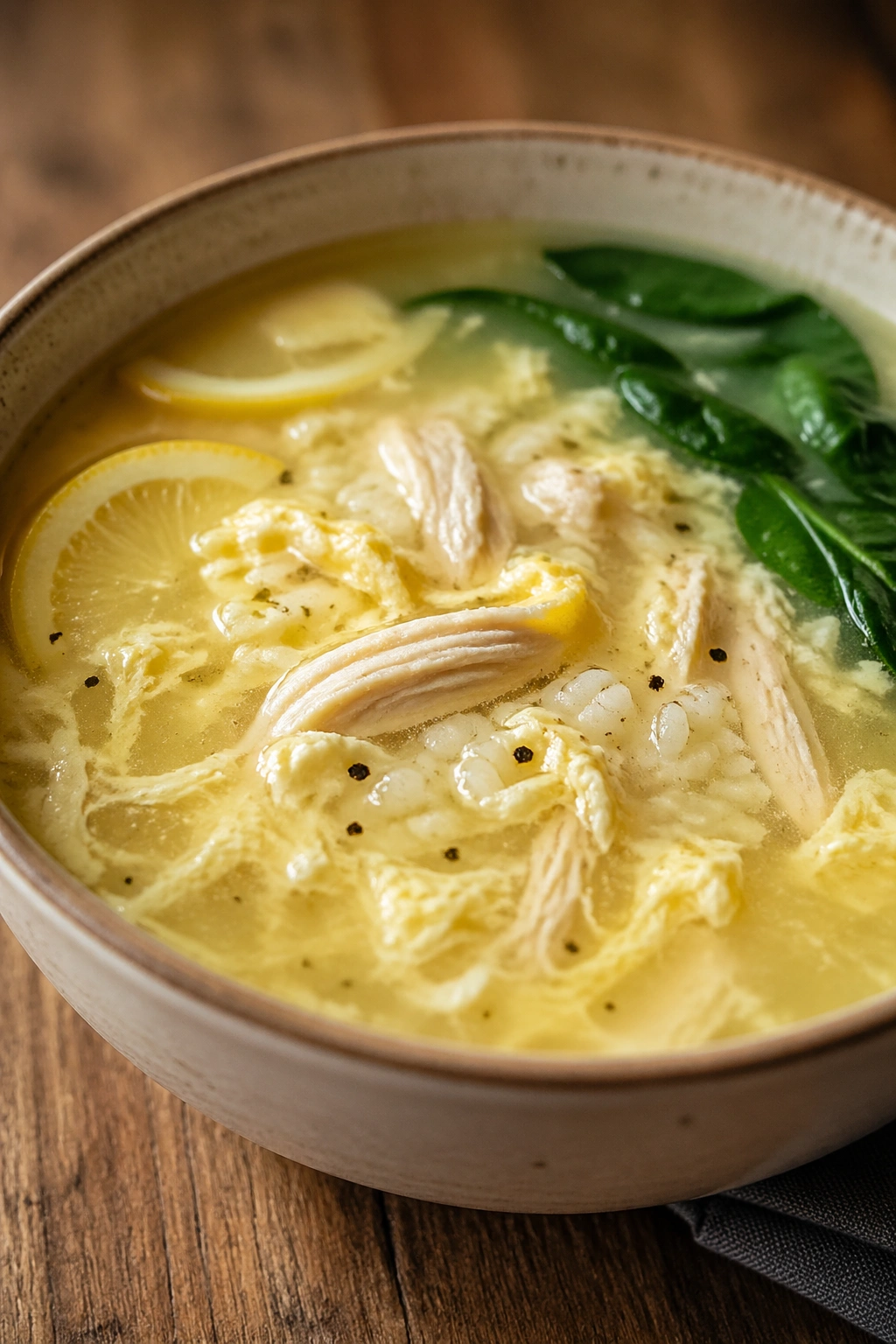
Hot broth is easier to handle than a dry plate when your stomach is still bouncing around after hard cardio. Runners know this. So do people who finish evening training and want food that feels calming, not heavy.
This soup takes a cue from avgolemono, the Greek lemon-and-egg soup, but keeps the method loose enough for a weeknight.
What you need
- 3 cups chicken broth
- 3 ounces cooked shredded chicken
- 3/4 cup cooked white rice
- 2 large eggs
- 2 tablespoons lemon juice
- 1/2 cup sliced carrots
- 1 cup baby spinach
- 1 tablespoon chopped dill or parsley
- Salt and pepper to taste
Temper the eggs, do not boil them
Whisk the eggs and lemon juice in a bowl. Bring the broth, carrots, chicken, and rice to a gentle simmer. Ladle about 1/2 cup hot broth into the egg mixture while whisking, then another 1/2 cup. Pour that warmed mixture back into the pot over low heat, stirring slowly. Add spinach and herbs, then shut off the heat.
If the soup boils after the eggs go in, the texture can turn grainy. Keep it below a simmer and you’ll get that silky body that makes this recipe worth making again.
You end up with a bowl that brings around 30 grams of protein, 40 grams of carbs, fluid, and salt in one shot. On low-appetite days, that is gold.
8. Sheet-Pan Potato and Pepper Egg Bake
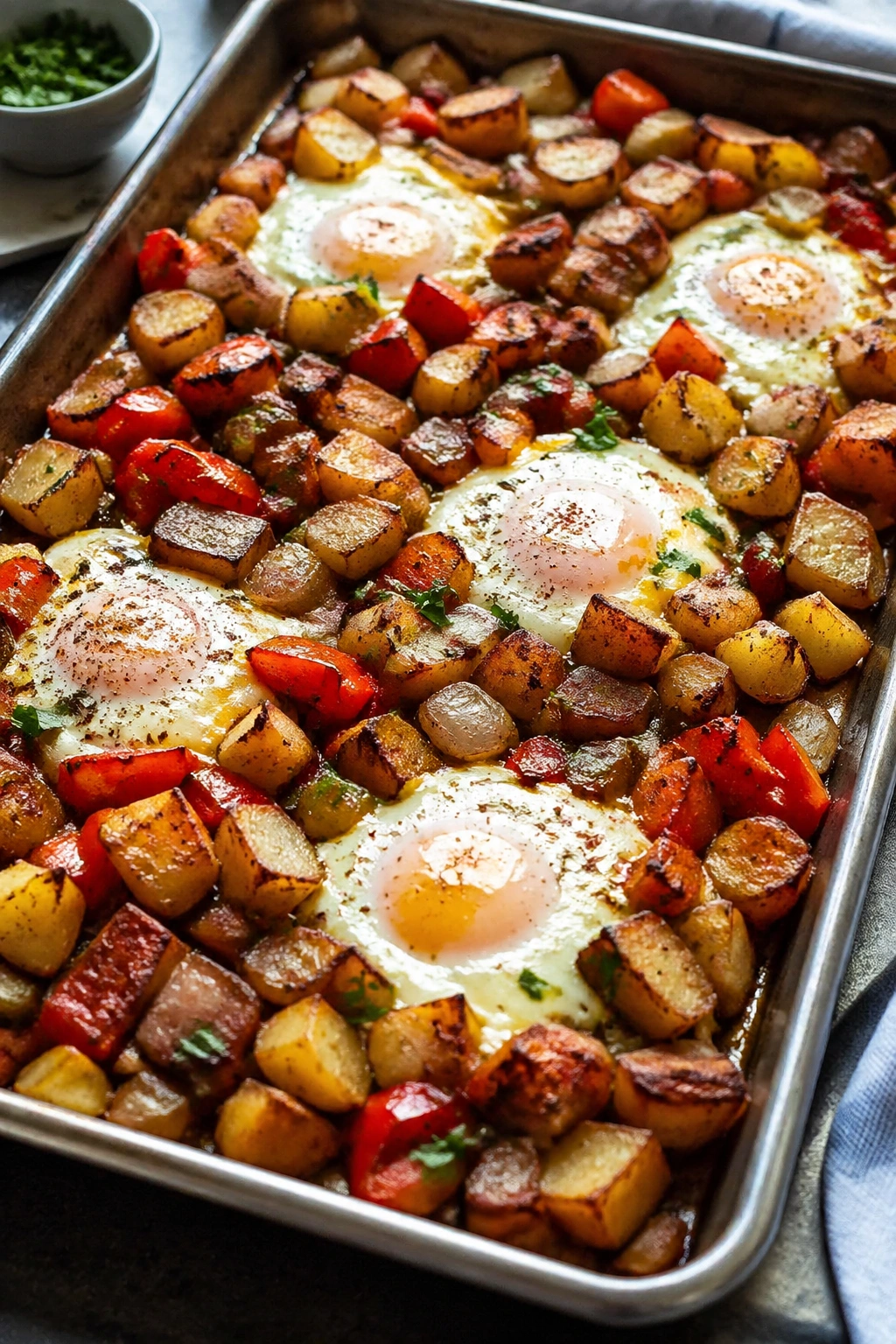
A sheet pan can do the hard work while you sit down, stretch, or pretend you are going to foam roll for longer than 90 seconds. Roast the potatoes first, then add eggs at the end so they stay tender.
This recipe is also one of the least fussy ways to feed two people after training without standing over the stove.
Ingredients
- 300 grams baby potatoes, halved
- 1 red bell pepper, sliced
- 1/2 red onion, sliced
- 1 tablespoon olive oil
- 1/2 teaspoon paprika
- 1/2 teaspoon kosher salt
- 4 large eggs
- 4 large egg whites
- 2 tablespoons grated Parmesan
- Chopped parsley
- Chili flakes, optional
How to make it
- Heat the oven to 425°F (220°C).
- Toss potatoes, pepper, onion, oil, paprika, and salt on a sheet pan. Roast 22 to 25 minutes, stirring once, until the potatoes are browned at the edges.
- Whisk the eggs and whites together and pour them into open spaces on the pan, or crack whole eggs directly over the vegetables if you want a looser look.
- Return to the oven for 5 to 8 minutes, until the eggs are set the way you like. Finish with Parmesan and parsley.
Per serving, this lands near 28 grams of protein and 35 to 40 grams of carbs if you split the tray in half. Add toast if you trained long and want more starch. You probably will.
9. Savory Oatmeal Bowl with Soft Eggs and Mushrooms
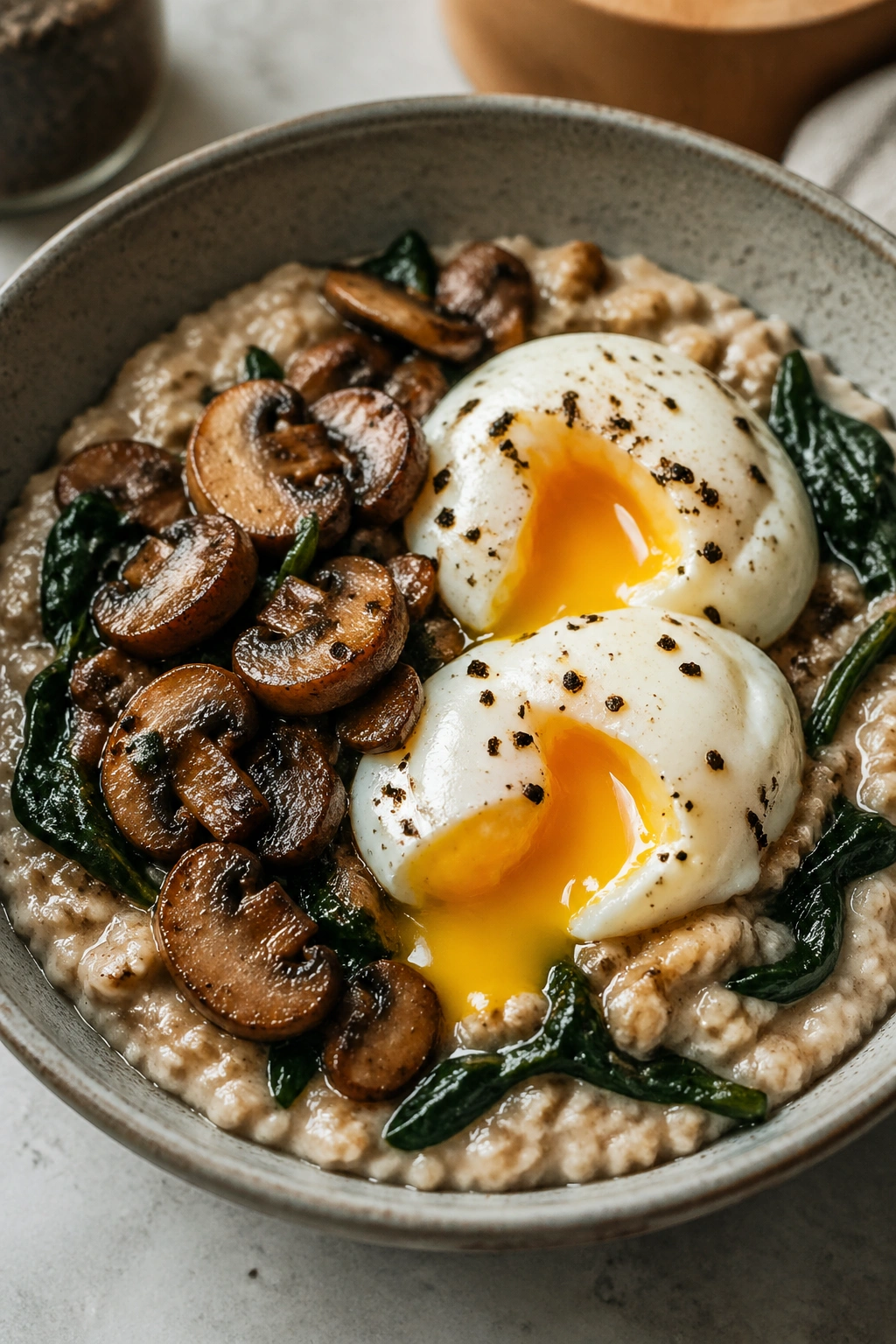
Savory oatmeal throws some people at first. Then they try it, usually with a runny egg and salty cheese on top, and the argument disappears.
Oats make sense after training for the same reason rice does: they are easy to digest, they bring steady carbs, and they turn into comfort food with almost no effort. The mushrooms make it earthy, the spinach keeps it from going beige, and the eggs turn the bowl into a meal.
Ingredients
- 1/2 cup old-fashioned oats
- 1 cup low-sodium chicken or vegetable broth
- 1/2 cup milk
- 1 teaspoon olive oil or butter
- 1 cup sliced mushrooms
- 1 cup baby spinach
- 2 large eggs
- 2 egg whites
- 2 tablespoons grated Parmesan
- Salt and black pepper
Quick method
Cook the oats in broth and milk for about 5 minutes, stirring now and then, until thick but still loose. In another pan, sauté mushrooms in oil or butter until browned, then wilt in the spinach. Soft-boil the eggs for 6 1/2 to 7 minutes or fry them gently if that is easier. Stir the whites into the oats during the last minute if you want the protein boost built right in.
Top the bowl with mushrooms, spinach, eggs, Parmesan, salt, and pepper. Done.
You’ll get about 29 grams of protein and 35 grams of carbs, and the texture lands somewhere between risotto and breakfast porridge. In a good way.
10. Kimchi Egg Rice Bowl with Sesame Spinach
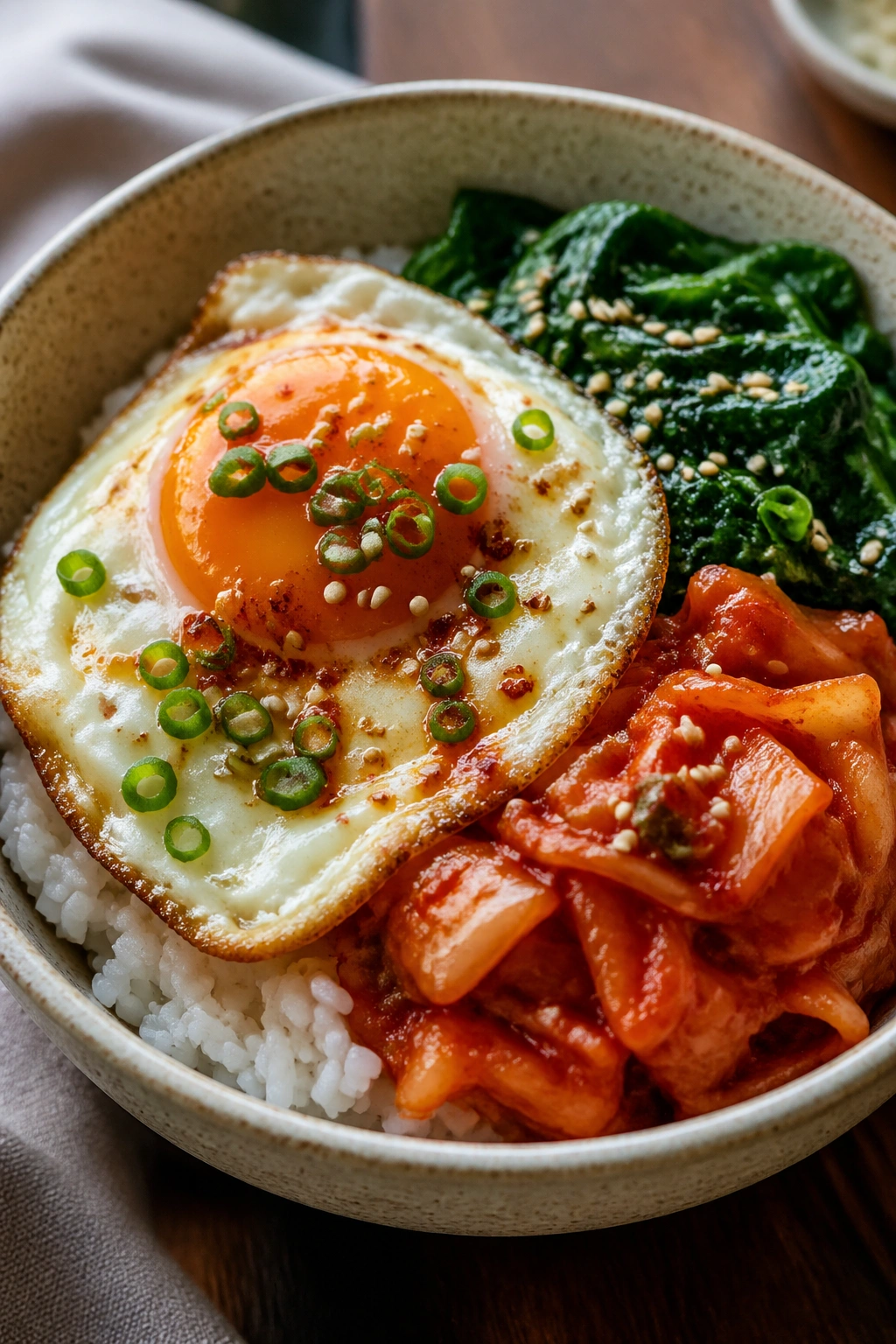
If you sweat a lot, salty food tastes right for a reason. This bowl leans into that. Kimchi, rice, spinach, sesame, and eggs make a sharp, warm plate that wakes you up when bland recovery food sounds miserable.
The trick is balance. You want enough kimchi to cut through the rice, not so much that the whole bowl turns sour and loud.
What you need
- 1 cup cooked short-grain or jasmine rice
- 2 large eggs
- 2 egg whites
- 1/2 cup shelled edamame
- 1 cup baby spinach
- 1/2 cup chopped kimchi
- 1 teaspoon sesame oil
- 1 teaspoon soy sauce
- 1 teaspoon sesame seeds
- 1 scallion, sliced
Heat the rice and edamame until hot. Wilt the spinach in a skillet with a splash of water, then season it with soy sauce and half the sesame oil. Fry or soft-scramble the eggs and whites. Pile the rice into a bowl, add spinach, kimchi, eggs, sesame seeds, scallion, and the rest of the sesame oil.
This one sits around 29 to 31 grams of protein and 50 grams of carbs. If you know kimchi can be rough on your stomach right after training, cut it back to 2 tablespoons and add cucumber for crunch instead.
11. Whole-Wheat Pasta with Eggs, Peas, and Turkey Bacon
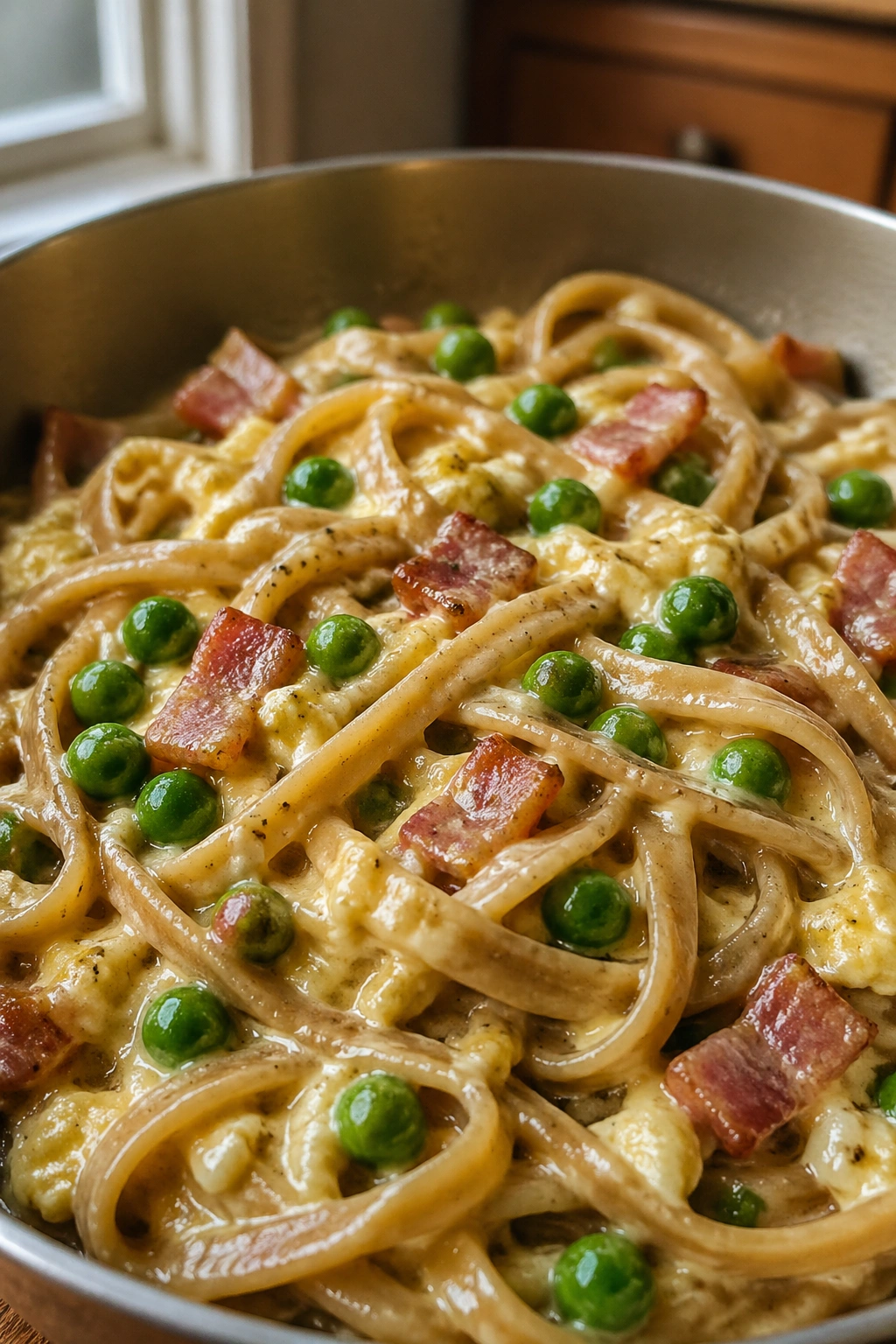
This can go wrong fast—scrambled eggs tangled in pasta is not the target. You want a glossy sauce made from eggs, cheese, and a splash of hot pasta water. Once you get that move down, the recipe becomes one of the quickest high-carb recovery dinners you can make.
Keep the pan off the heat
That one step makes the difference.
Ingredients
- 3 ounces dry whole-wheat spaghetti or linguine
- 2 slices turkey bacon, chopped
- 2 large eggs
- 2 tablespoons grated Parmesan
- 1 cup frozen peas
- 1 tablespoon chopped parsley
- Black pepper
- Salt, as needed
Steps
- Cook the pasta in salted water until al dente. Add peas for the last 2 minutes. Reserve 1/2 cup pasta water before draining.
- Cook the turkey bacon in a skillet until browned.
- Whisk the eggs, Parmesan, and black pepper in a bowl.
- Add the hot drained pasta and peas to the skillet, pull it off the heat, then toss with the egg mixture and enough reserved pasta water to make a light sauce.
You’ll end up near 30 grams of protein and 60 grams of carbs, which makes this a strong pick after longer or harder sessions. And yes, you can use regular pasta if that is what is in the cupboard. The meal still works.
12. Skillet Shakshuka with White Beans and Feta
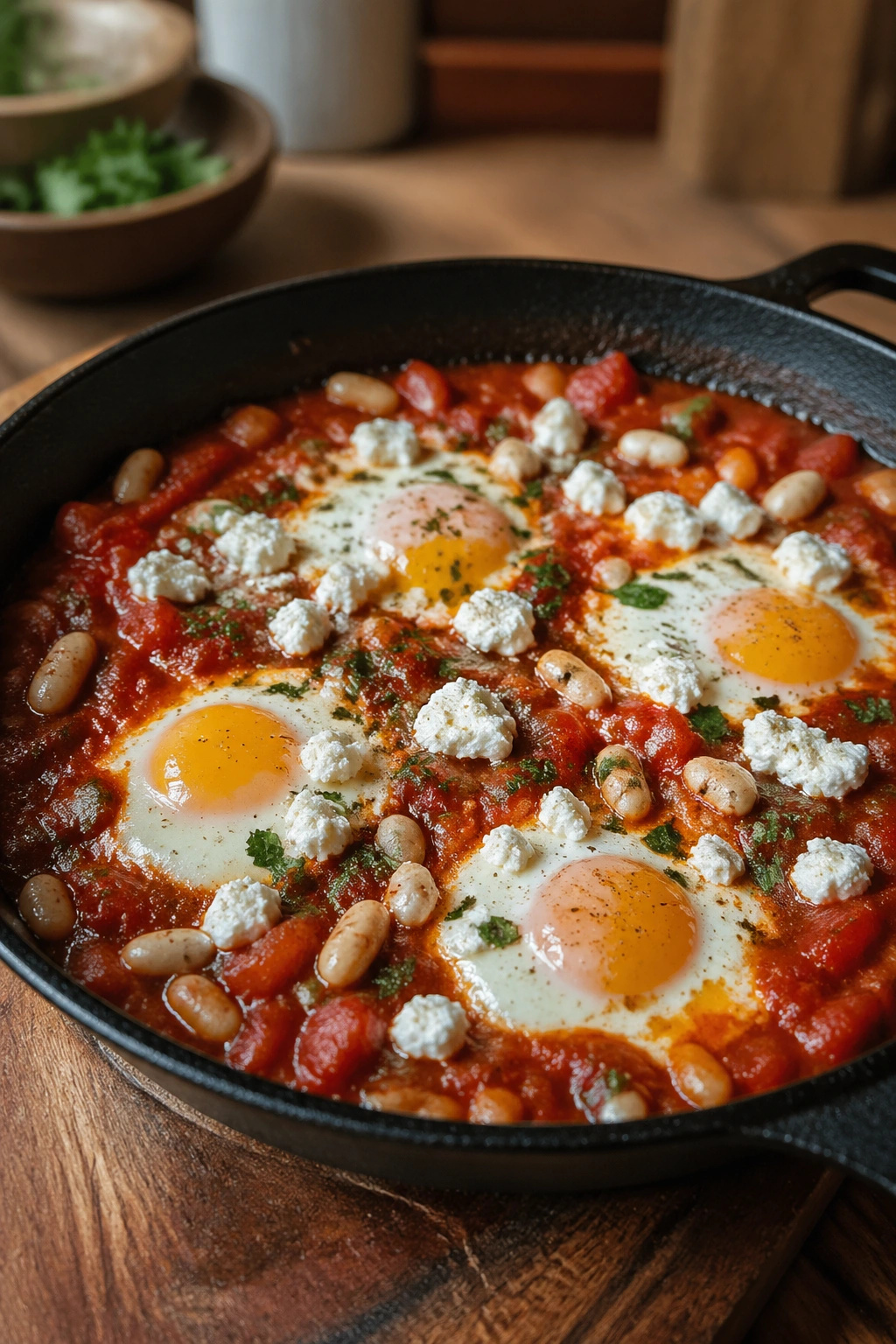
Shakshuka earns its keep at night. It feels like dinner, not breakfast dragged into the wrong part of the day, and it gives eggs a tomato-pepper base that begs for bread.
White beans are the quiet upgrade here. They make the pan more filling, add extra protein and carbs, and help the meal last longer than a tomato-and-egg skillet on its own.
Ingredients
- 1 teaspoon olive oil
- 1/2 onion, diced
- 1 red bell pepper, diced
- 2 garlic cloves, chopped
- 1 teaspoon smoked paprika
- 1/2 teaspoon ground cumin
- 1 cup crushed tomatoes
- 1/2 cup white beans, drained and rinsed
- 3 large eggs
- 2 tablespoons crumbled feta
- 1 small whole-wheat pita or thick slice of bread
- Chopped parsley
- Salt and pepper
Make the skillet
Cook onion and pepper in olive oil over medium heat for 6 to 8 minutes, until soft. Add garlic, paprika, and cumin for 30 seconds, then stir in tomatoes and beans. Simmer until thick enough that a spoon leaves a trail. Make three wells, crack in the eggs, cover, and cook until the whites are set and the yolks still move a little. Finish with feta, parsley, and bread for scooping.
One serving gives you about 27 grams of protein and 45 grams of carbs with the pita. Add another slice of bread if you trained long. That sauce deserves it anyway.
Keep Eggs Ready
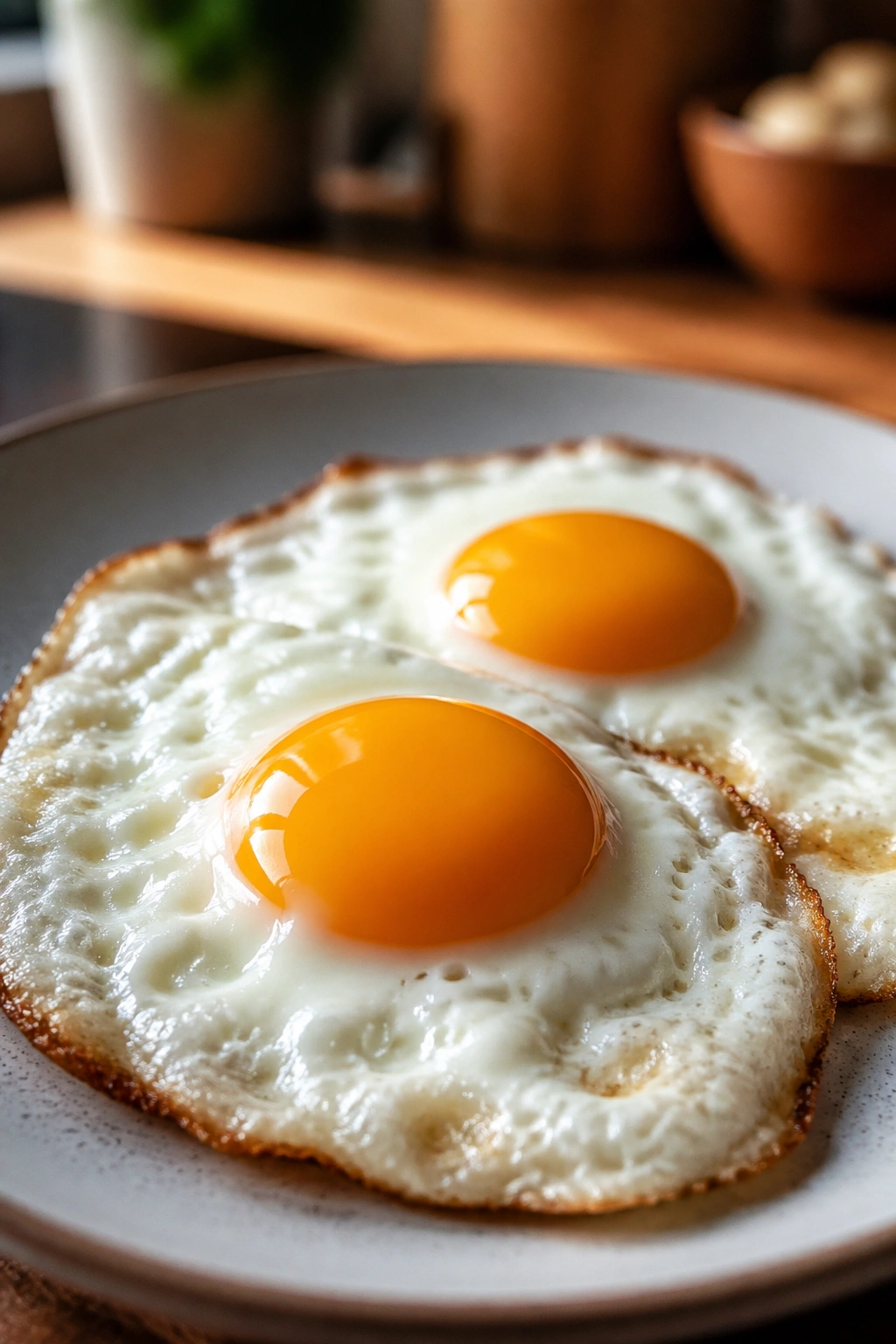
Recovery meals get easier when you stop asking eggs to do the whole job by themselves. Pair them with rice, potatoes, oats, bread, tortillas, beans, broth, pasta—whatever fits your training day and your appetite—and they suddenly make much more sense after exercise.
The other useful shift is this: build for the workout you actually did. After a short lift, a scramble and toast may cover it. After hard intervals, a long ride, or a sweaty practice, go bigger on carbs and salt. Soup, fried rice, burritos, and pasta are not “cheats” in that setting. They are common sense.
Keep cooked starches in the fridge, keep one salty condiment around, and keep eggs on hand. That is enough to turn a tired, hungry post-workout stare into dinner inside 15 minutes.
