



A good lower body day is not a random pile of squats and hope. It needs movement patterns that actually hit the glutes, quads, hamstrings, and adductors without turning every set into the same grind. If your sessions leave your legs tired but your glutes untouched, something is off.
Most people make one of two mistakes. They chase heavy barbell work and skip the small details that make the glutes do their share, or they stack six lunge variations and call it balance. Neither plan feels great. Neither one lasts.
Glutes like hip extension, sure, but they also like loaded stretch, one-leg work, and enough stability that you’re not wobbling through every rep. Quads want knee bend. Hamstrings want a real hinge. A solid lower body day works best when those pieces show up together, not when one pattern hogs the whole session.
That’s where these 22 leg and glute workouts earn their keep. Some belong at the start of a heavy session, some are better as accessories, and a few are the kind of finisher that makes you stare at the floor for a minute before standing up. Good. That means they’re doing something.
1. Barbell Back Squat
The back squat earns its place because it loads a lot of muscle at once. Quads, glutes, adductors, trunk, upper back — they all have to show up. On a lower body day, that matters because you get a lot of work from one well-executed lift.
Why It Still Works
The trick is not just “go deep and suffer.” It’s bracing, bar position, and control on the way down. A high-bar squat tends to keep the torso more upright and can feel a little friendlier on the knees, while a low-bar squat shifts more work toward the hips and back. Neither is magic. Both work if you own the position.
- Keep your feet about shoulder-width apart to start.
- Brace before you descend, not halfway down.
- Let the knees track over the toes.
- Stop the descent when your pelvis stays neutral.
- Rest 2 to 3 minutes between hard sets.
Pro tip: If your lower back takes over, the bar is probably drifting too far forward or you’re losing your brace halfway through the rep.
2. Romanian Deadlift
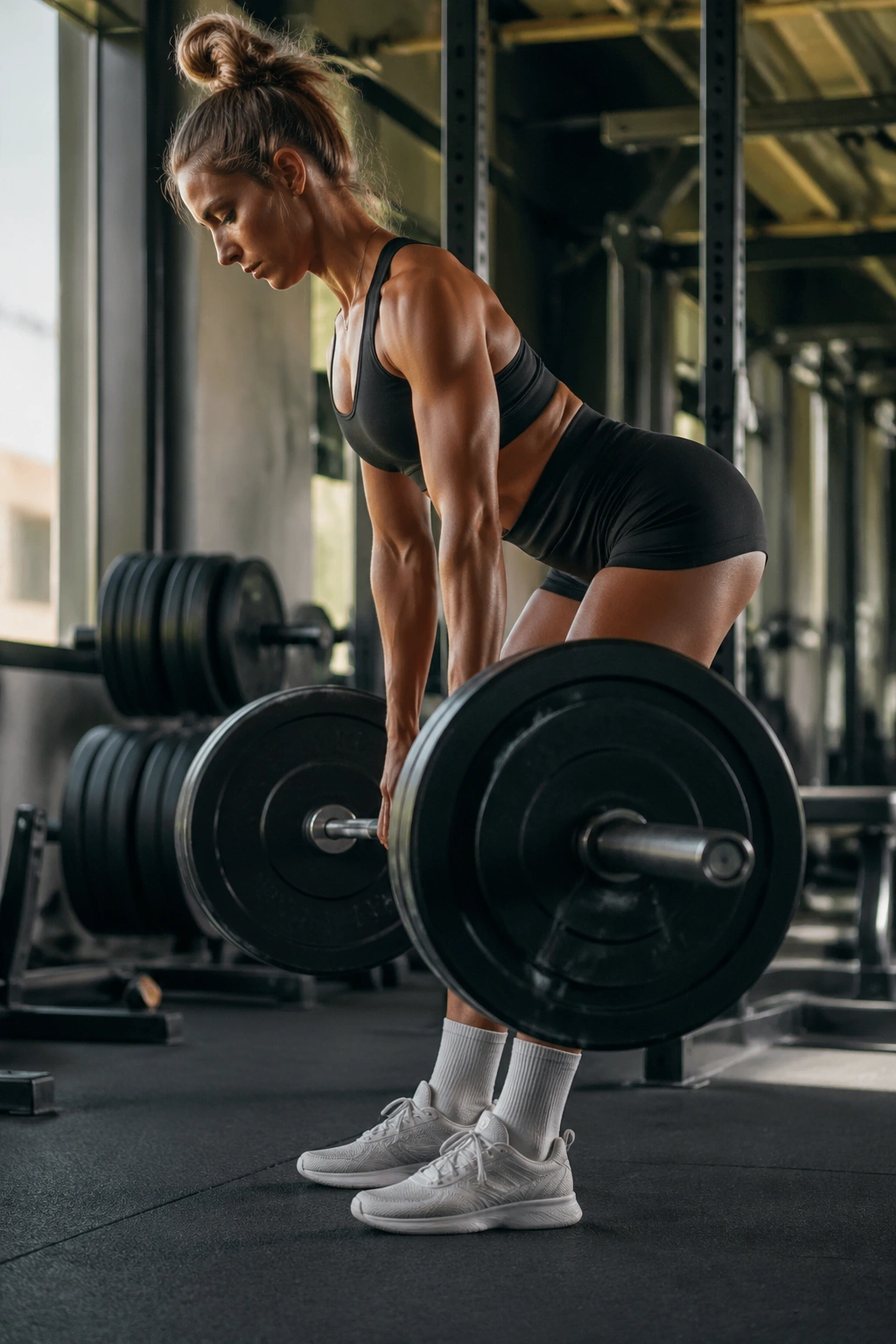
Why do so many leg days miss the hamstrings? Because people squat a lot and hinge too little. The Romanian deadlift fixes that fast. It asks for a clean hip hinge, a soft knee bend, and enough control that the hamstrings stay loaded through the descent.
How to Feel It Where It Belongs
This is not a deadlift from the floor. The bar starts in your hands, and you send the hips back while keeping the shins mostly vertical. The bar should stay close to the thighs and legs the whole time. If it drifts away, your lower back starts doing work that should belong to the posterior chain.
A good rep feels like a stretch in the back of the legs before it feels like a lift. That stretch is the point. It’s one of the best leg and glute workouts when you want hamstrings that actually feel trained, not just tired.
How to Program It
Use 3 to 4 sets of 6 to 10 reps with a controlled lowering phase of about 2 to 3 seconds. Heavy enough to matter. Light enough that your hinge stays clean.
3. Hip Thrust
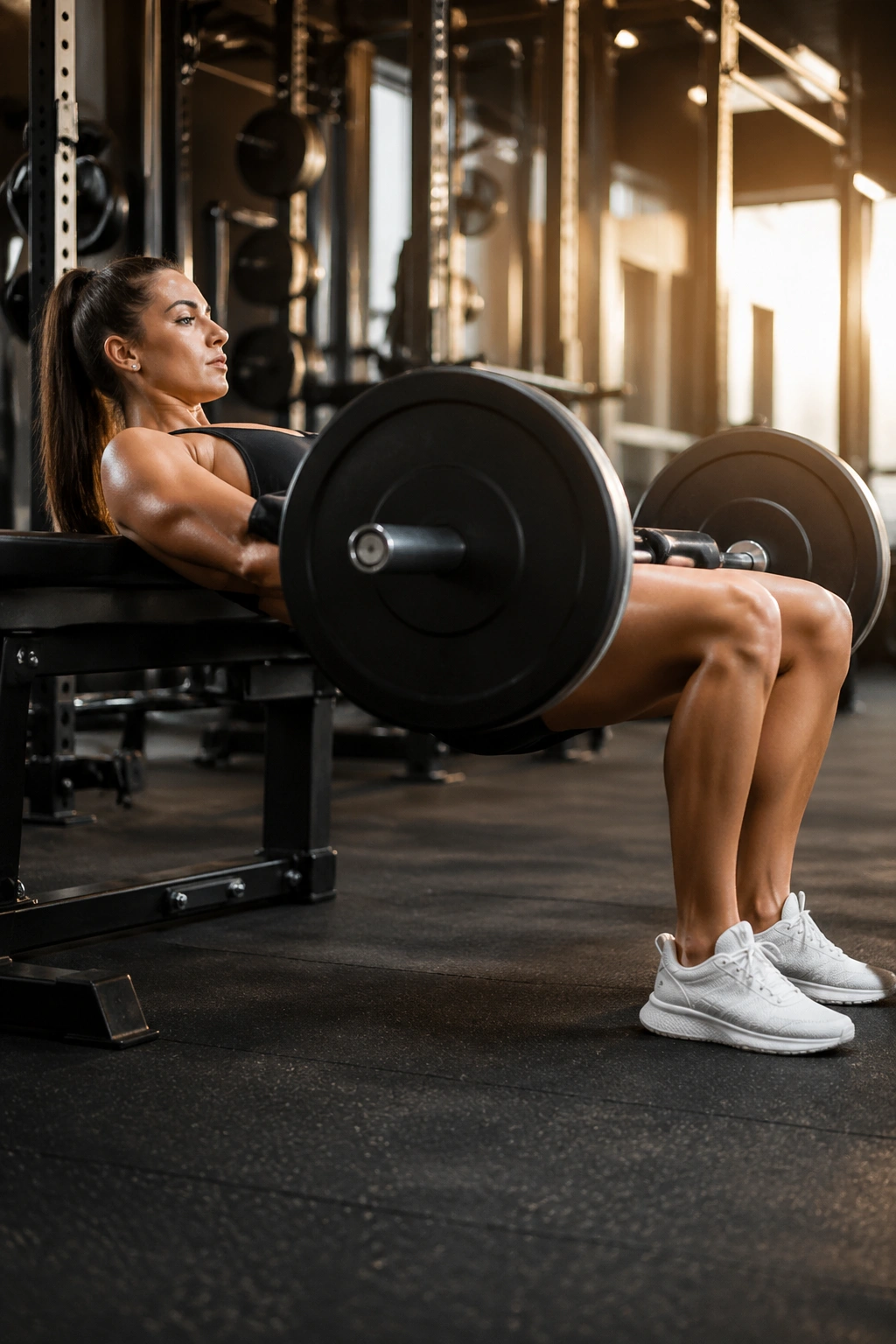
If glute growth is the goal, hip thrusts belong near the top of the list. They let you load hip extension hard without needing a huge range of motion, and that makes them brutally efficient for a lower body day.
The setup matters more than people think. Your upper back should rest on a bench, your feet should land so your shins are close to vertical at the top, and your ribs should stay down instead of flaring. A lot of lifters turn hip thrusts into lower-back extensions because they arch at lockout. That’s a miss.
What you want is a hard squeeze at the top, with a slight posterior pelvic tilt — basically, tuck the pelvis just enough to keep the glutes doing the work. A one-second pause at lockout cleans up sloppy reps fast. It also removes the bounce.
Use 3 to 5 sets of 8 to 12 reps. Heavier sets in the 6 to 8 range work too, but only if the bench setup is stable and your shoulders tolerate it.
4. Bulgarian Split Squat
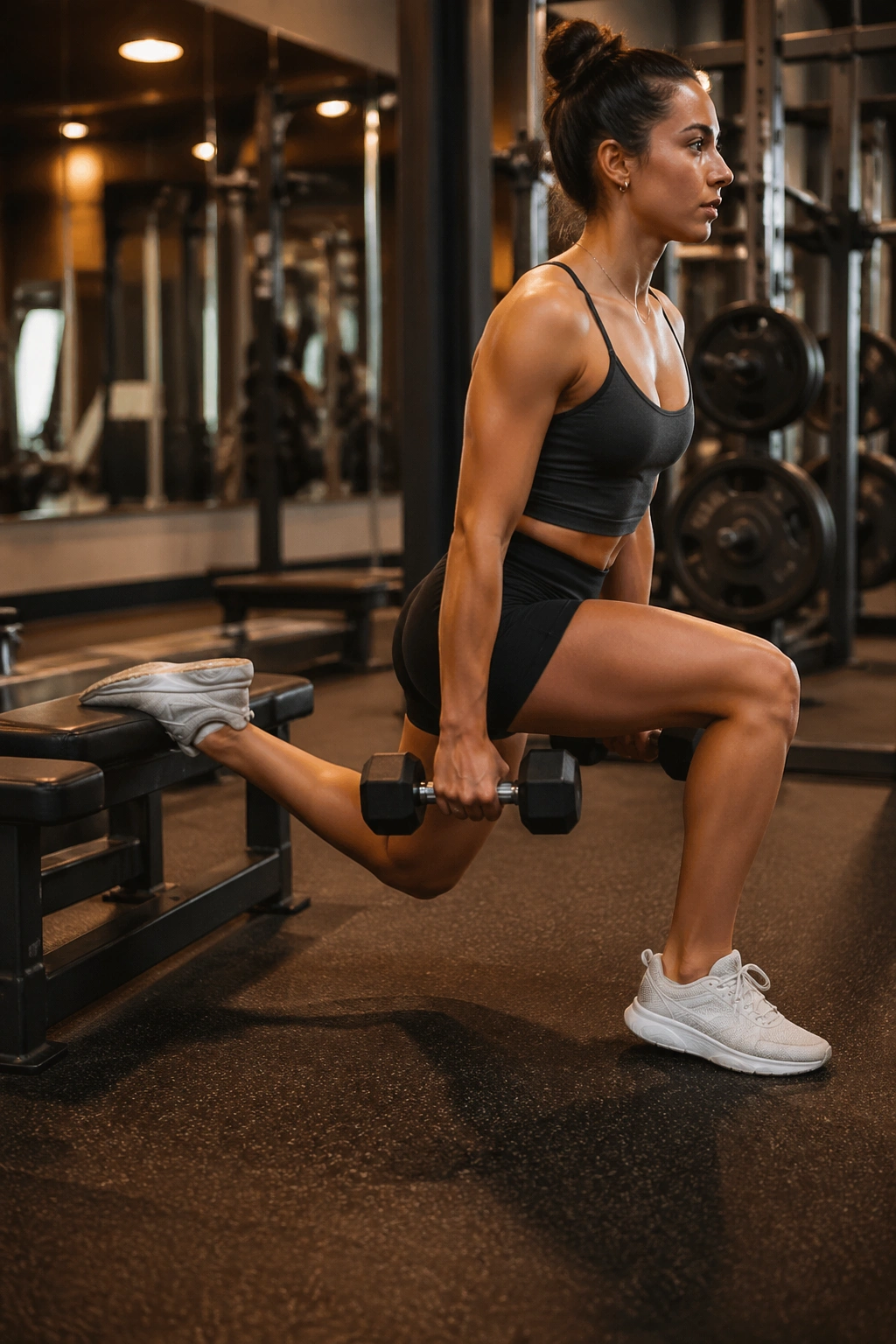
The first time you do these after squats, the stairs feel long. That’s normal. Bulgarian split squats look simple, then they turn into a small argument between your balance, your quads, and your glutes.
Why They Hurt in a Useful Way
They’re a one-leg squat with the rear foot elevated, which means the working leg has to do almost everything. That makes them gold for fixing strength gaps side to side. It also means the front foot position changes the emphasis: a slightly longer stance tends to put more load into the glutes, while a shorter stance pushes the knee and quad more.
A lot of people rush these. Don’t. Lower under control, pause for a beat near the bottom, then drive through the whole front foot. The back leg is there for balance, not for help.
- Start with bodyweight or light dumbbells.
- Keep the torso slightly forward for more glute work.
- Use 8 to 10 reps per side.
- Rest long enough to keep the next set honest.
5. Front Squat
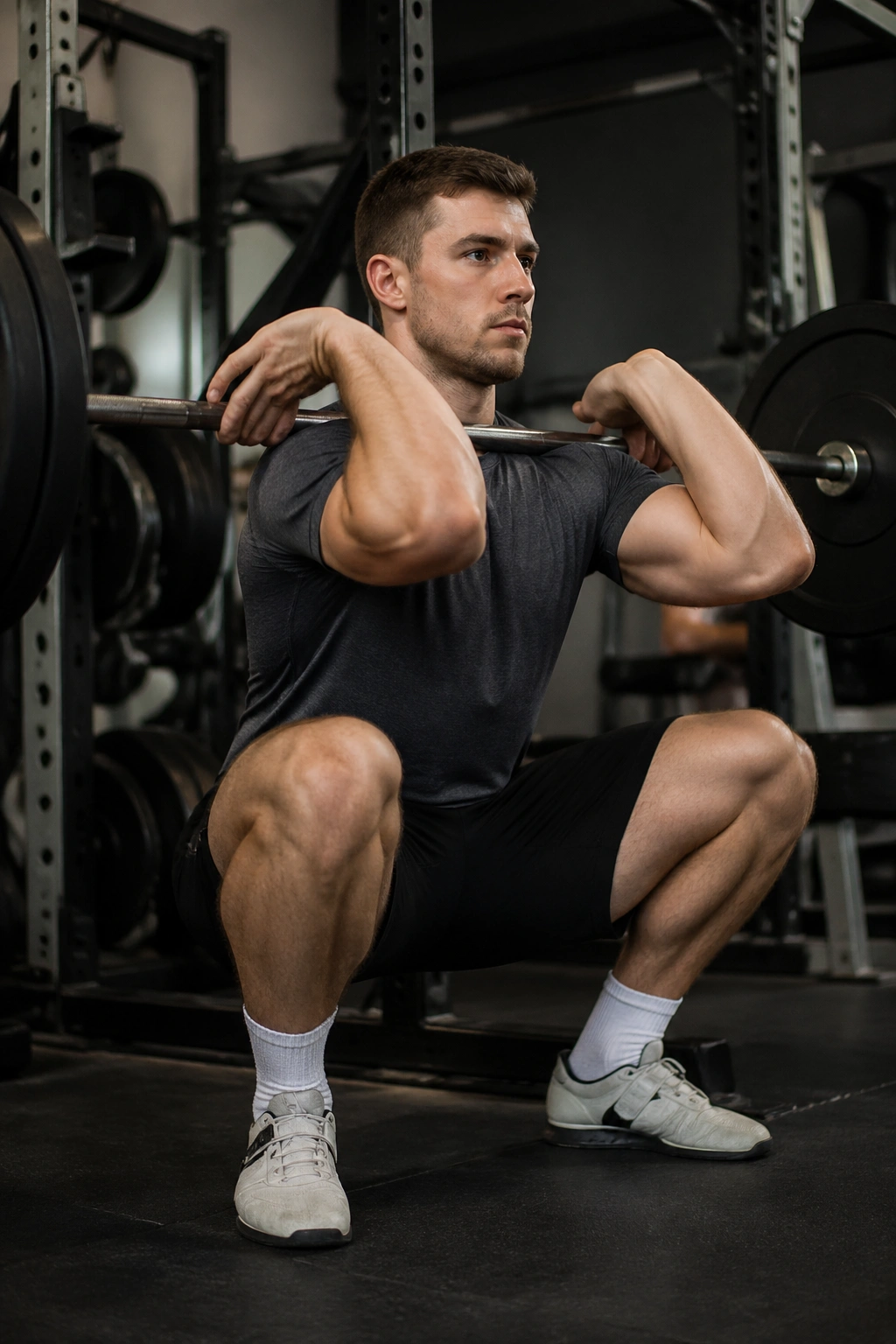
Front squats are a clean answer when back squats get sloppy. The upright torso position makes the quads work hard, but the glutes still come along for the ride, especially if you hit real depth.
The front rack position is the first hurdle. Elbows need to stay high enough that the bar doesn’t roll forward. If your wrists hate the full rack, cross-arm holds or lifting straps can make the movement much more workable. No shame in that. A stable front squat is better than a painful fake version.
What I like about front squats on a lower body day is how they expose weak points fast. If your chest caves or your hips shoot up first, the bar tells on you immediately. That feedback is annoying. Also useful.
Use 3 to 5 sets of 4 to 8 reps, with 2 to 3 minutes of rest. Heavy enough to challenge, not so heavy that every rep turns into a near-fall.
6. Walking Lunge
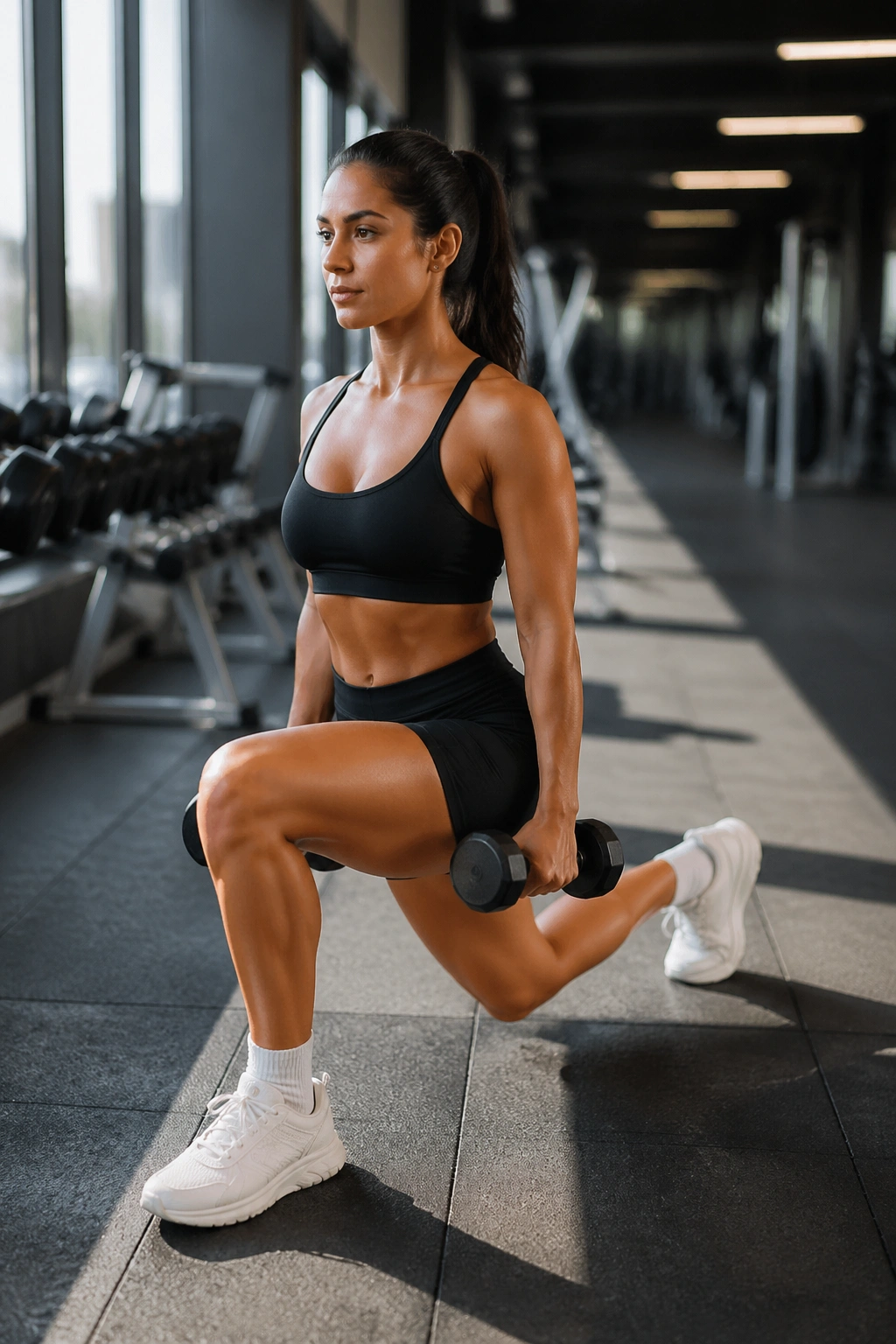
Walking lunges feel like movement, not just lifting. That’s part of why they work so well. You stay under tension while shifting from one leg to the other, which gives the glutes and quads a different kind of job than a fixed squat pattern.
What Makes Them Different
Unlike stationary split squats, walking lunges ask you to keep momentum under control. That matters. You have to stabilize as you step, absorb force, then push yourself forward again without wobbling all over the place. It’s a sneaky test of coordination.
A longer stride shifts more load into the glutes and hamstrings. A shorter one makes the quads yell earlier. Pick the version that matches the day you’re having. If the room is crowded, straight walking lunges can get messy, so a controlled forward-and-back pattern in a lane works fine too.
- Use dumbbells at your sides or a barbell on your back.
- Keep the front knee tracking over the toes.
- Let the back knee nearly touch the floor.
- Aim for 10 to 14 steps per leg.
7. Leg Press
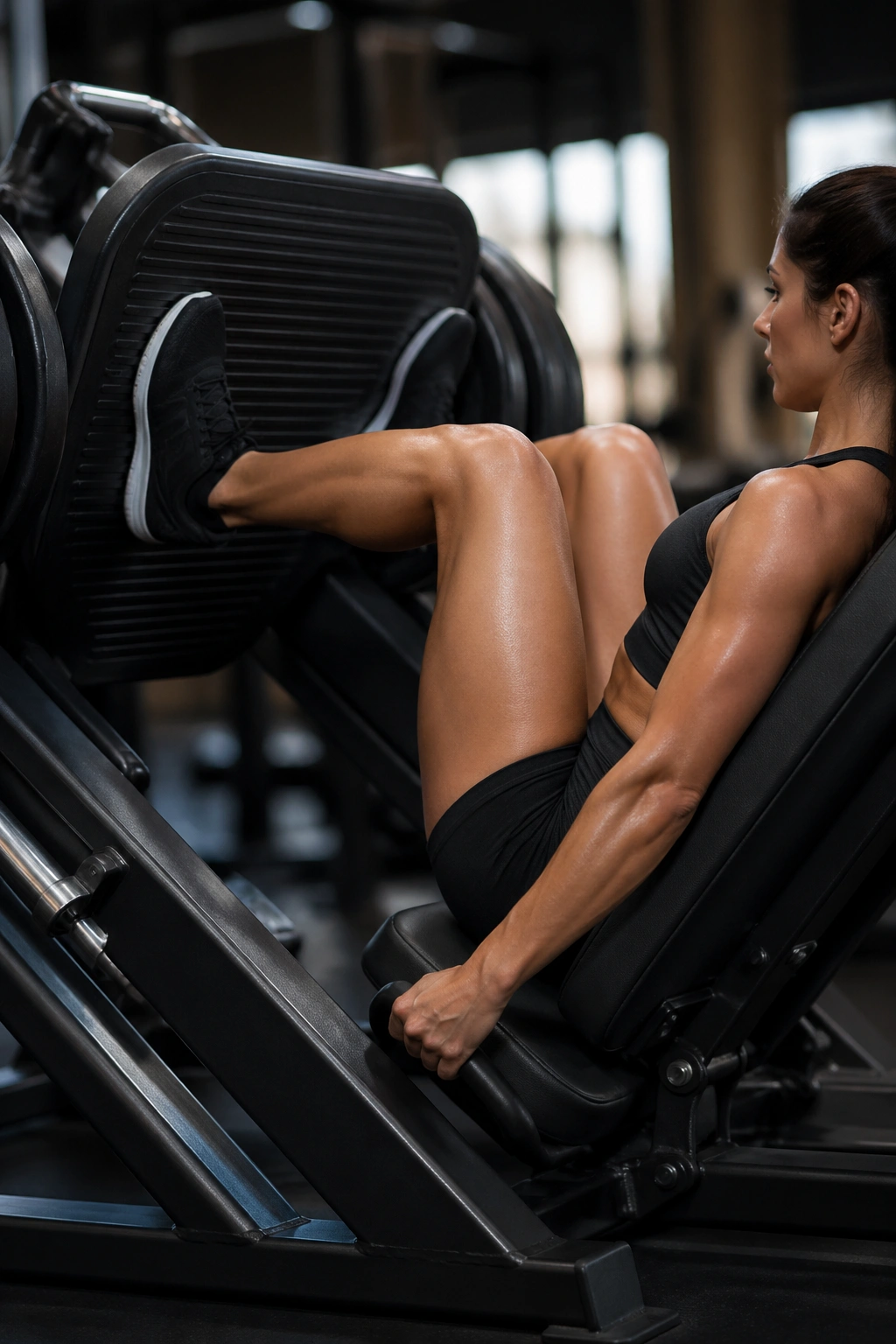
The leg press is not cheating. It is a tool. A good one, too, if you want to pile on quad and glute volume without balance getting in the way.
Why It Deserves Space on Lower Body Day
Because the machine fixes your path, you can push close to failure without your upper body or balance deciding to quit early. That makes it useful after a heavy squat or deadlift, when your legs still have work left but your nervous system is getting cranky.
Foot placement changes the feel. Higher feet tend to bring more hips and glutes into the set, while lower feet bias the quads more. Don’t turn the footboard into a superstition ritual. Pick a position, own it, and keep your reps controlled.
- Lower the sled until your lower back stays planted.
- Do not lock out hard at the top.
- Use a full foot on the platform.
- Try 10 to 15 reps for clean volume.
8. Step-Up
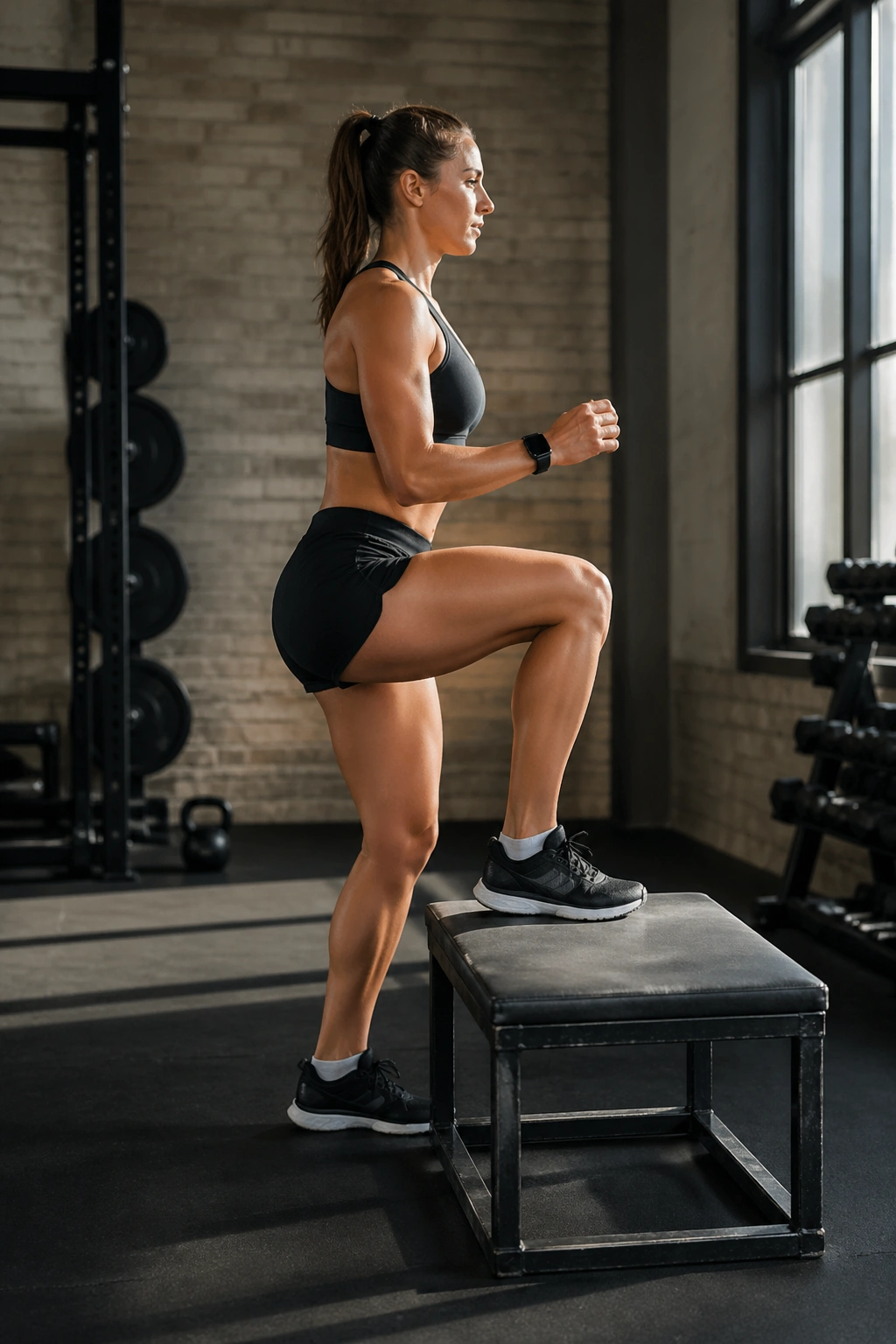
A step-up looks almost too polite to matter. Then you do a set on a bench that sits just high enough to expose your weak side, and suddenly it matters a lot.
The working leg should do the lifting. That sounds obvious, but plenty of people push off the back leg and call it training. Use a box or bench around knee height or a little below if you’re still building control. Higher isn’t automatically better. A sloppy rep on a tall box is just a bad rep in a fancy outfit.
I like step-ups because they teach force through one leg without the deep burn of a split squat every time. They also show whether one hip is doing more work than the other. That kind of information is free, and it’s useful.
A Clean Rep Looks Like This
- Whole foot on the box.
- Slight forward lean.
- No bounce from the trail leg.
- Stand tall at the top.
- 8 to 10 reps per side works well for most lifters.
9. Sumo Deadlift
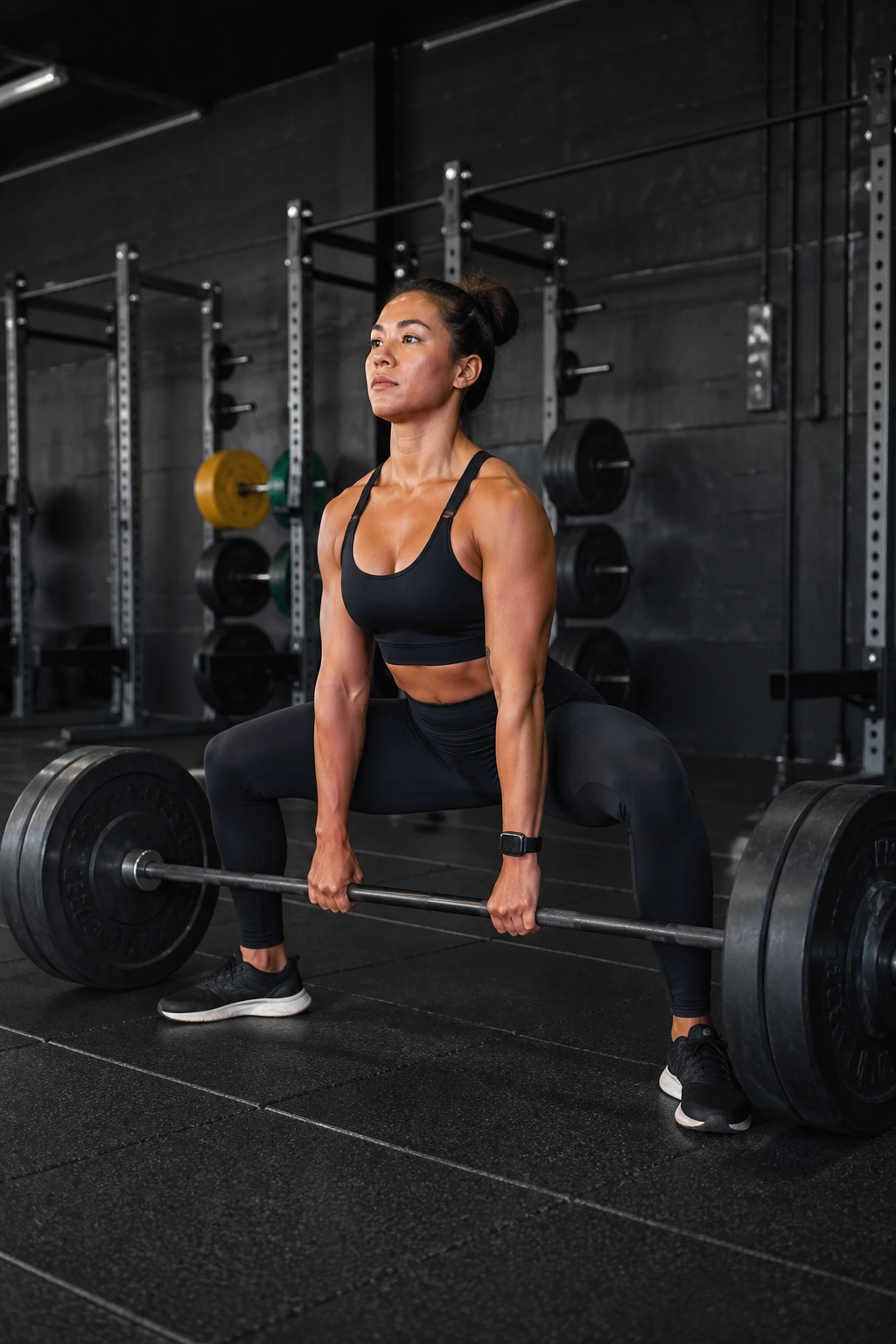
The sumo deadlift brings the adductors and glutes into the conversation fast. The wider stance and more upright torso change the pull enough that many lifters feel it in places conventional deadlifts barely touch.
That does not mean everyone should force a super-wide stance. A sumo setup only works if your hips can open comfortably and your knees can track without collapsing inward. Start wider than shoulder width, toes out, and then adjust until the pull feels strong instead of awkward.
The bar should start over the midfoot. Chest stays proud, lats stay tight, and the floor gets pushed away rather than yanked. If the setup looks casual, the lift usually feels expensive. The good kind of expensive.
Use 3 to 5 sets of 3 to 6 reps. This is one of the heavier leg and glute workouts on the list, so treat it like a main lift, not a warm-up you accidentally made too hard.
10. Goblet Squat
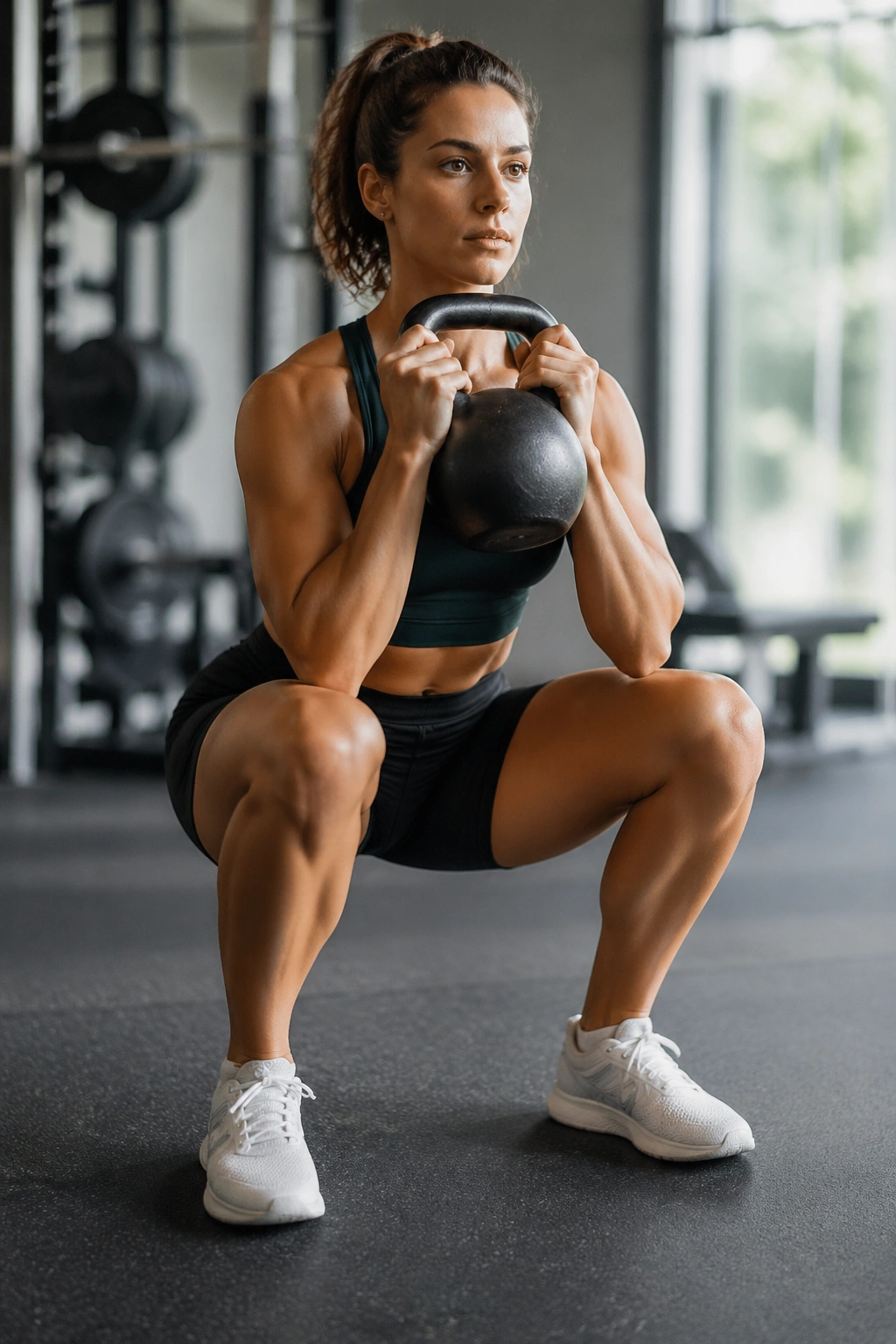
A goblet squat is the squat version of a solid wake-up call. It’s simple, direct, and much harder than it looks once you slow down and keep the chest tall.
How to Make It Count
Hold a dumbbell or kettlebell close to the chest, with the elbows pointed down and slightly inside the knees at the bottom. That front-loaded position makes it easier to stay upright and hit depth without the barbell setup drama. It’s a great choice for beginners, but plenty of strong lifters keep it in rotation for volume and warm-ups.
The real value is control. You can use a short pause at the bottom, or even a one-and-a-half rep style where you come halfway up, sink back down, and stand. Nasty. Useful, too.
- Good for warm-ups before heavy squats.
- Good for higher-rep leg volume.
- Good when equipment is limited.
- 10 to 15 reps keeps the tension honest.
11. Reverse Lunge
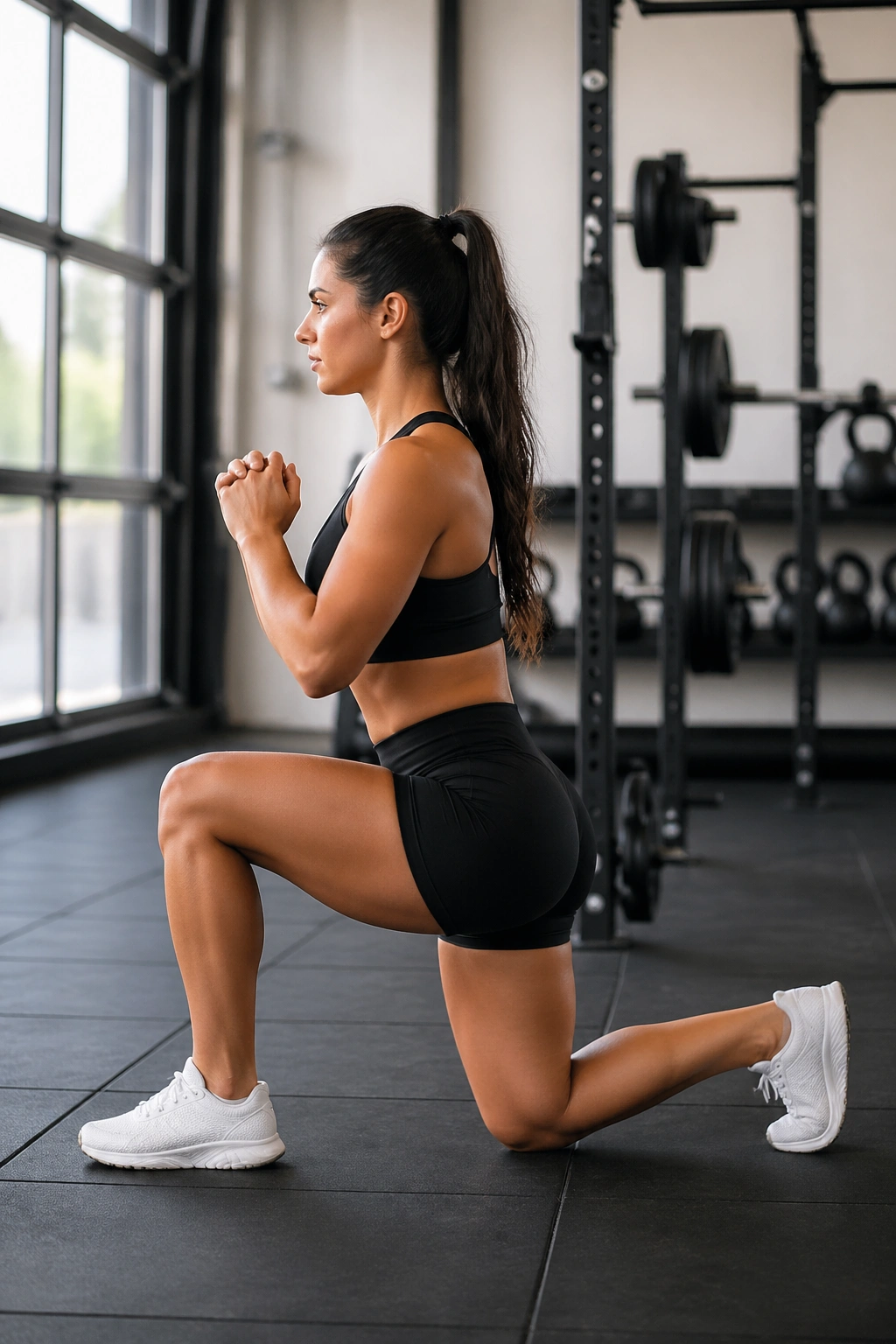
If forward lunges feel messy, reverse lunges are the cleaner answer. The backward step keeps the rep under control and usually feels kinder on the knees than lunging forward with momentum.
The movement is simple: step back, lower straight down, then drive through the front foot to stand. That backward step removes some of the wobble people get from walking or forward lunges. It also makes it easier to keep your torso stacked and your balance under control.
Use a longer step if you want more glute work. Use a shorter one if you want more quad emphasis. Either way, the back knee should move toward the floor without slamming into it.
A nice detail here: reverse lunges work well after heavy barbell work because they’re hard, but not chaotic. On a lower body day, that counts for a lot.
12. Single-Leg Romanian Deadlift
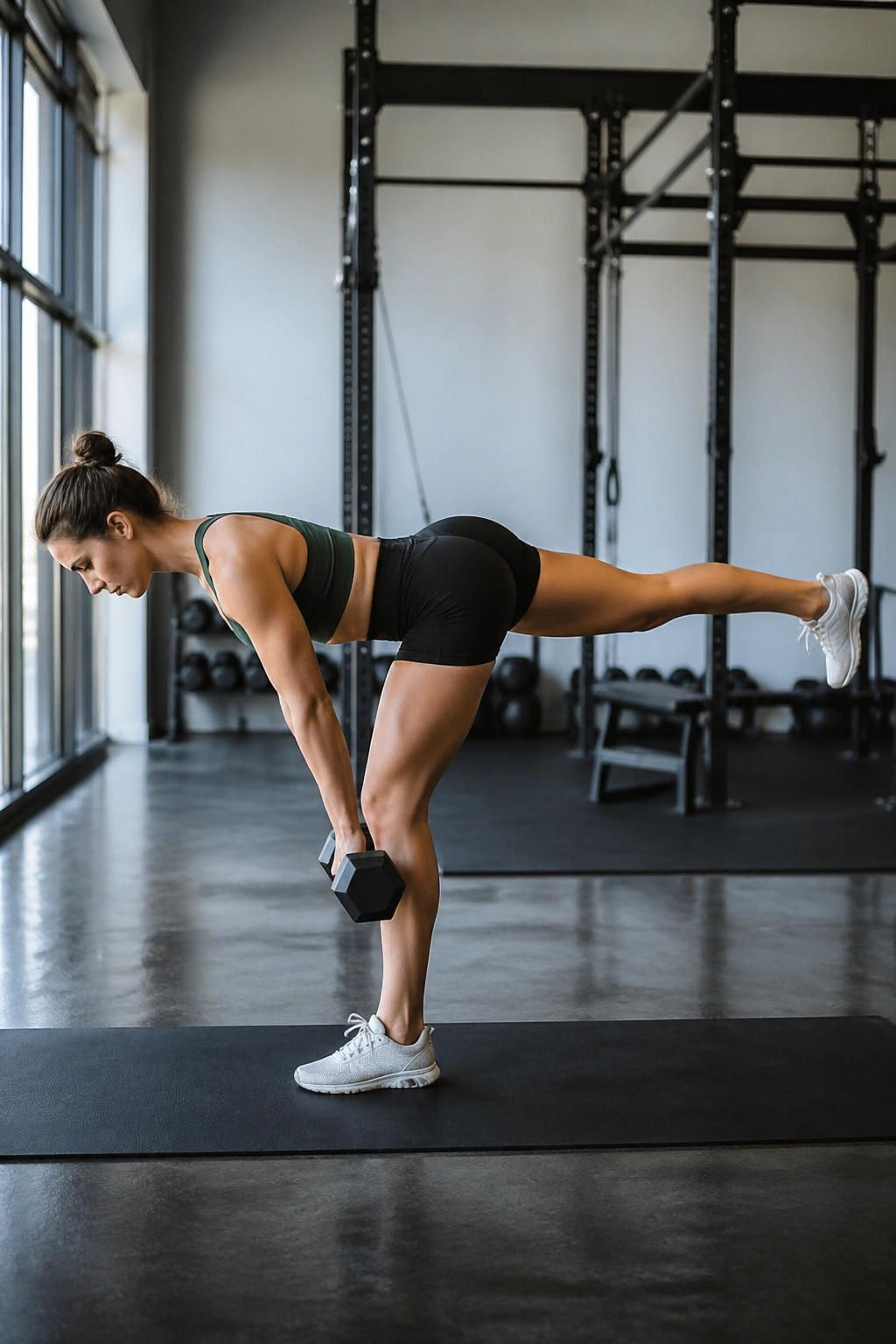
One-leg hinges tell the truth. If one hip is weaker, tighter, or less coordinated, a single-leg Romanian deadlift makes it obvious fast.
Start with a dumbbell in the hand opposite the working leg if balance is shaky. It adds a little anti-rotation challenge and keeps the pelvis honest. Keep a soft bend in the standing knee, send the free leg back like a counterweight, and let the torso tip forward as the hips stay square to the floor.
The goal is not to touch the ground with the back leg. The goal is to hinge until you feel the hamstring load, then stand back up without twisting. That’s harder than it sounds. Not glamorous. Very useful.
Use 3 sets of 8 to 10 reps per side with slow lowering. If your hand touches the floor every rep because the balance is gone, reduce the load and clean up the pattern first.
13. Cable Pull-Through
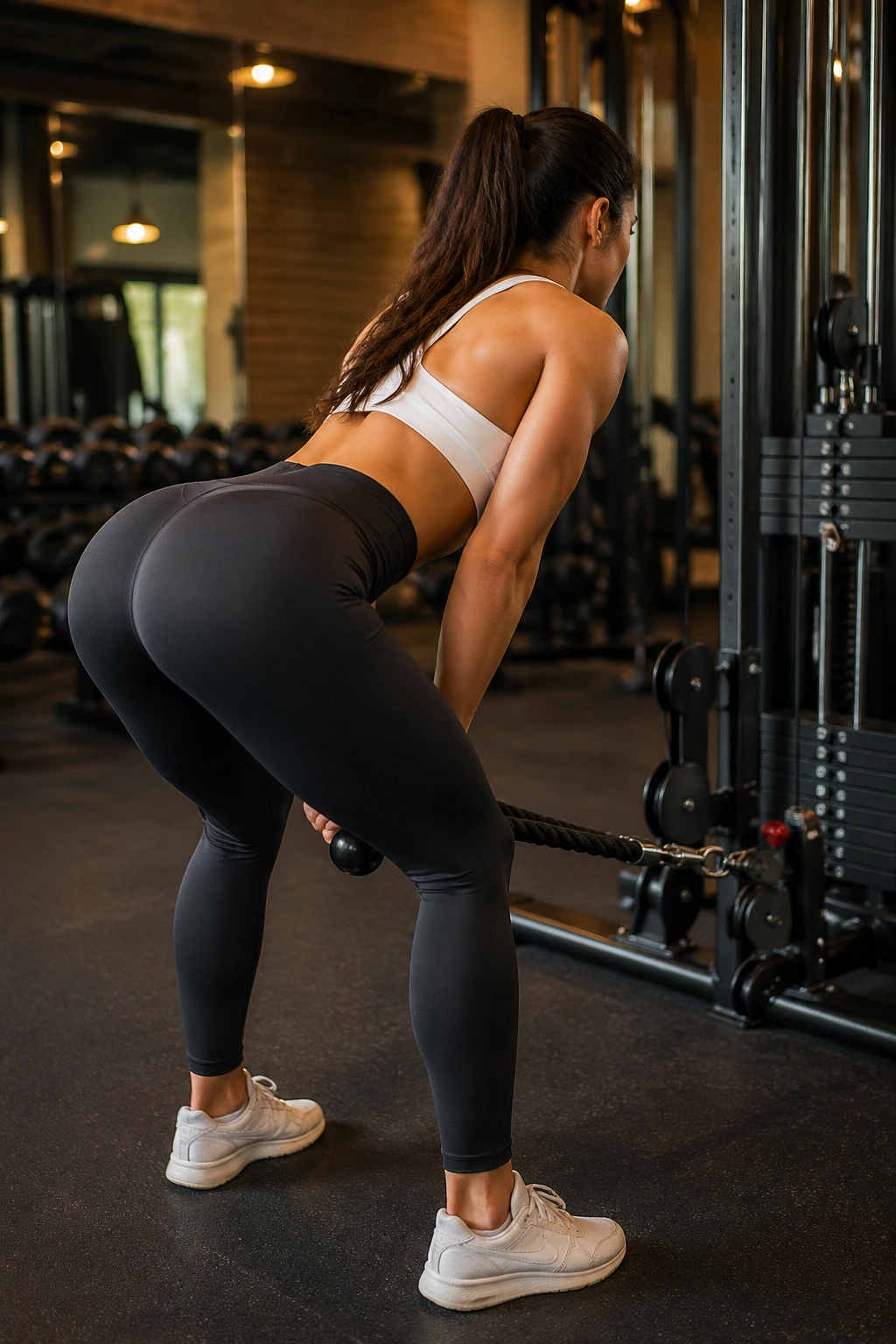
A cable pull-through is a hinge drill disguised as a glute exercise, and I mean that in a good way. It gives you the hip extension pattern without the same spinal loading you get from heavier deadlift variations.
Why It Works So Well
The cable pulls you backward, so your job is to sit the hips back, keep the torso braced, and stand up by driving the hips through. That makes it easy to feel the glutes at lockout without dumping the movement into the lower back. If you’ve ever finished a set of deadlifts and wanted more glute work without more fatigue, this is the move.
Set the rope attachment low, face away from the stack, and walk out until the cable has tension. Then hinge, don’t squat. The knees stay soft, the spine stays neutral, and the glutes finish the rep with a strong squeeze.
- Use 12 to 15 reps.
- Keep the rope low between the legs.
- Pause briefly at the top.
- Stop before your lower back starts taking over.
14. Hack Squat
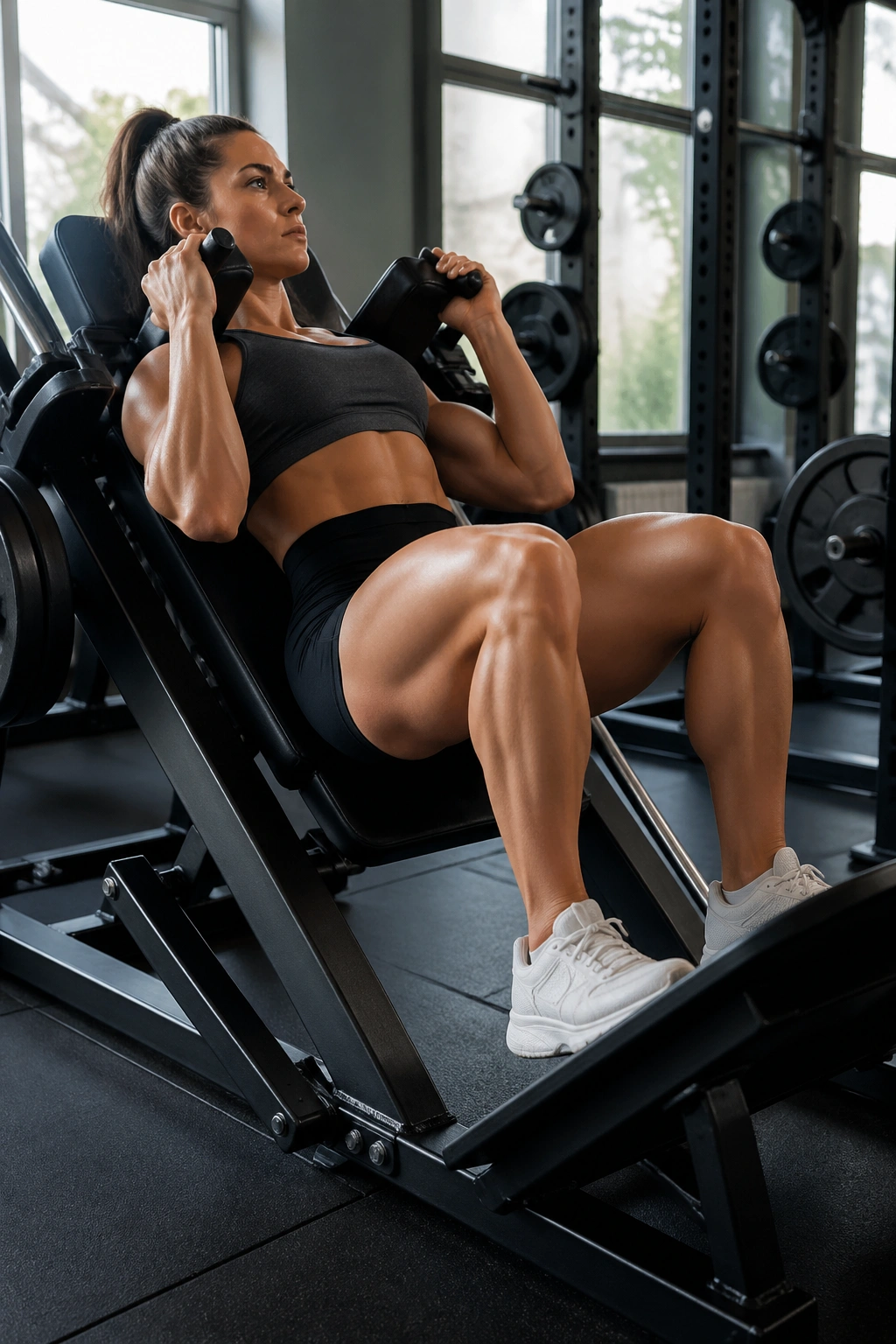
A hack squat looks machine-bound, and that is exactly why it works. The fixed path takes balance out of the equation, letting you load the quads and glutes hard without worrying about the bar drifting or your torso folding.
Foot placement matters a lot here. Higher feet usually shift more into the hips and glutes, while lower feet make the quads burn earlier. Keep that in mind, but don’t turn it into a religion. The real target is a deep, controlled rep with no bounce off the bottom.
I like hack squats late in a lower body day because they let you chase volume after your free-weight work is done. Your legs will complain. Fine. That’s the point.
Quick Machine Notes
- Keep your heels planted.
- Don’t lock the knees hard at the top.
- Lower under control for 2 to 3 seconds.
- Use 8 to 12 reps for solid hypertrophy work.
15. Glute Bridge
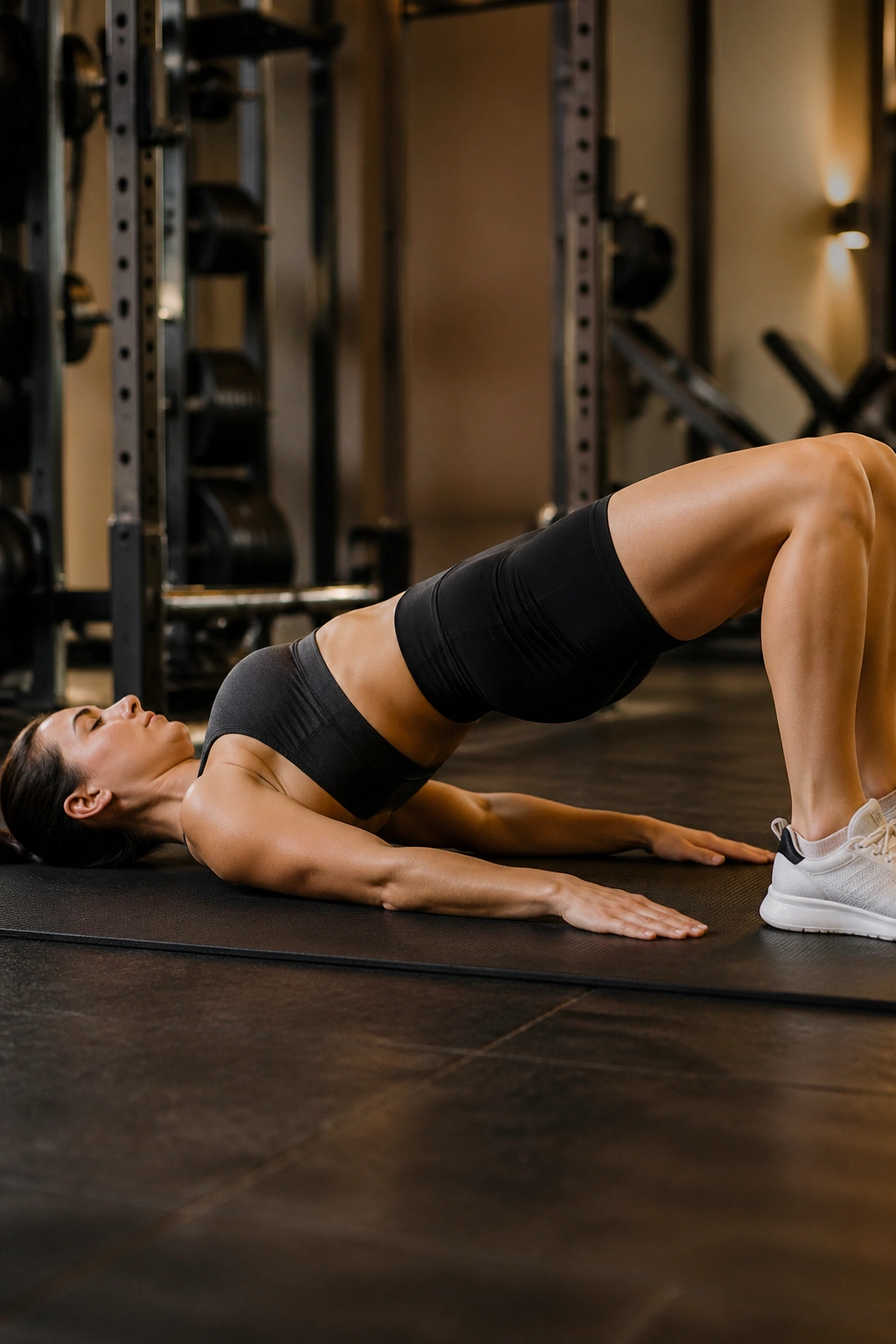
Glute bridges are the stripped-down version of hip thrusts. No bench. Less setup. Less range. More room to focus on the squeeze.
That shorter range is useful. It makes the movement easier to learn, easier on some backs, and handy as a finisher when you want glute work without a lot of extra fatigue. On the floor, you can press through the heels, lift the hips, and hold the top for a count or two without losing the line.
If you’ve seen people turn bridges into full lumbar backbends, you know the common mistake. Keep the ribs down and the pelvis tucked slightly at the top. The glutes should finish the rep. The low back should not be auditioning.
Use 2 to 4 sets of 12 to 20 reps. It’s a simple lower body day accessory, but simple does not mean easy. Especially near the end of a workout.
16. Curtsy Lunge
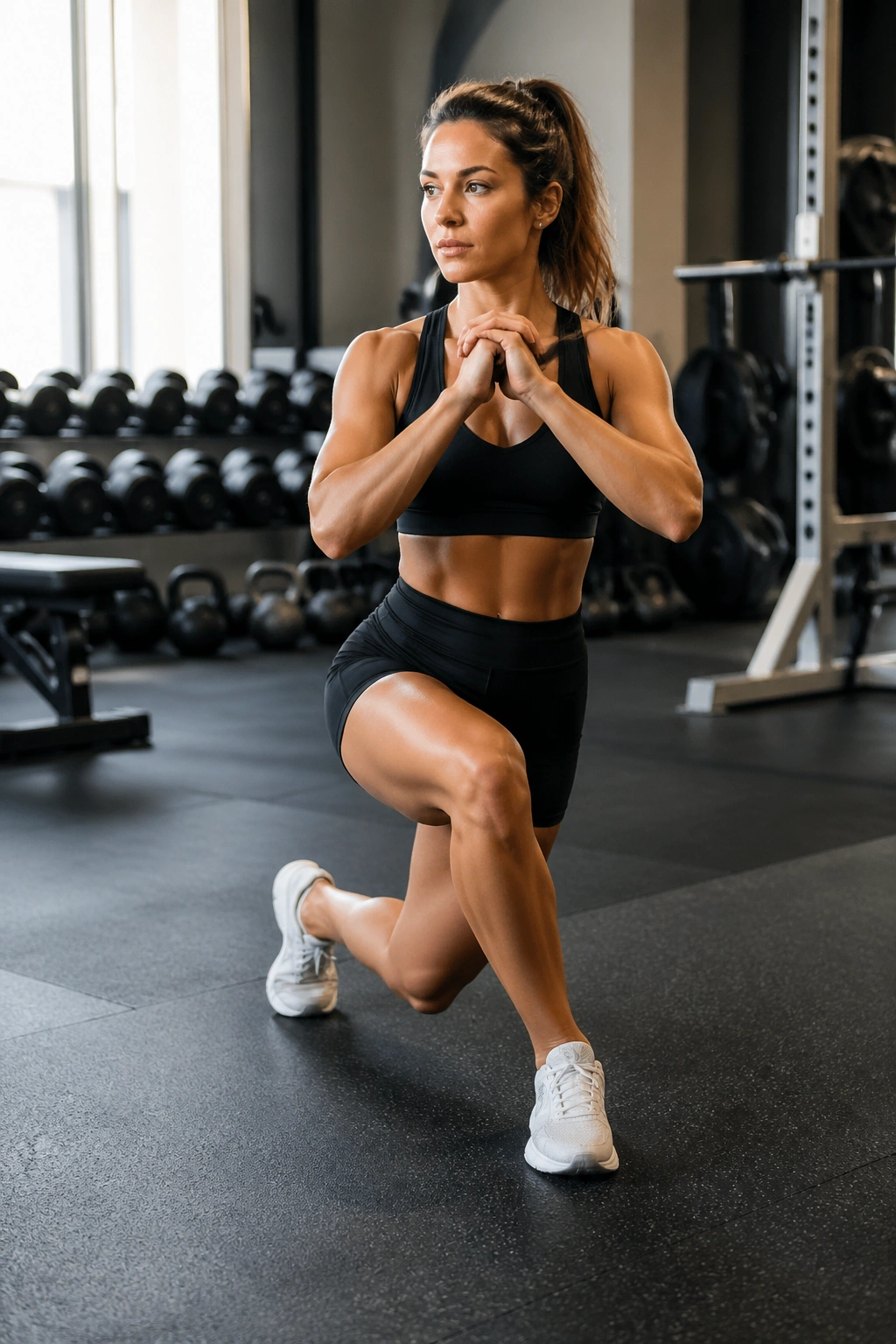
Curtsy lunges ask the working leg to handle a diagonal step, and that changes the feel in the glutes and inner thighs. Some people love that. Some knees hate it. Both reactions are real.
The side-step-back pattern hits the glute medius and adductors in a way that straight-ahead lunges do not. That makes it useful when you want more hip stability work. It also makes it a little less forgiving if your knees cave or your ankles are stiff.
What to Watch For
- Keep the step modest, not huge.
- Stay in control on the way down.
- Stop if the knee complains.
- Keep the torso tall and steady.
- Start with bodyweight before adding dumbbells.
If your knees feel sketchy, skip it. That’s not weakness. That’s good judgment. There are plenty of other leg and glute workouts on this list that do the job without asking your joints to argue about it.
17. Heels-Elevated Squat
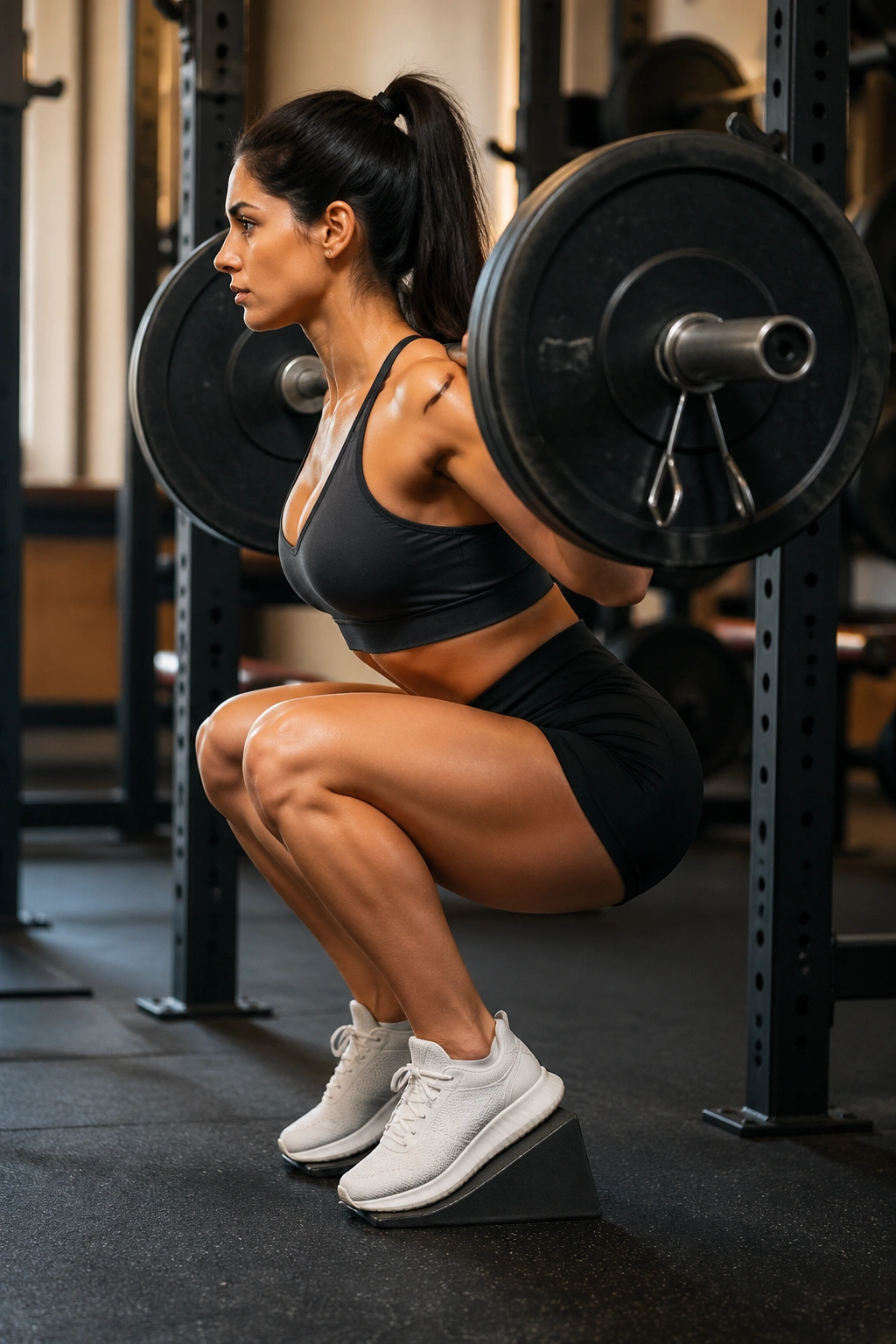
Heels-elevated squats are a blunt way to get more quad work. A small wedge, lifting shoes, or even plates under the heels changes ankle position and lets the knees travel forward more easily.
That extra knee travel is the whole point. It helps lifters with stiff ankles stay upright and get depth without folding into a good-morning squat. The quads light up fast, and the glutes still contribute because you’re still doing a squat. Just a different flavor of squat.
Don’t use the heel lift as a crutch forever. Use it when it solves a real mobility issue or when you want a quad-heavy day. Then go back and keep working the ankle and hip ranges that make the squat more natural.
A clean set looks smooth from the bottom up. No heel pop. No collapse. Just a solid push.
18. Kettlebell Swing
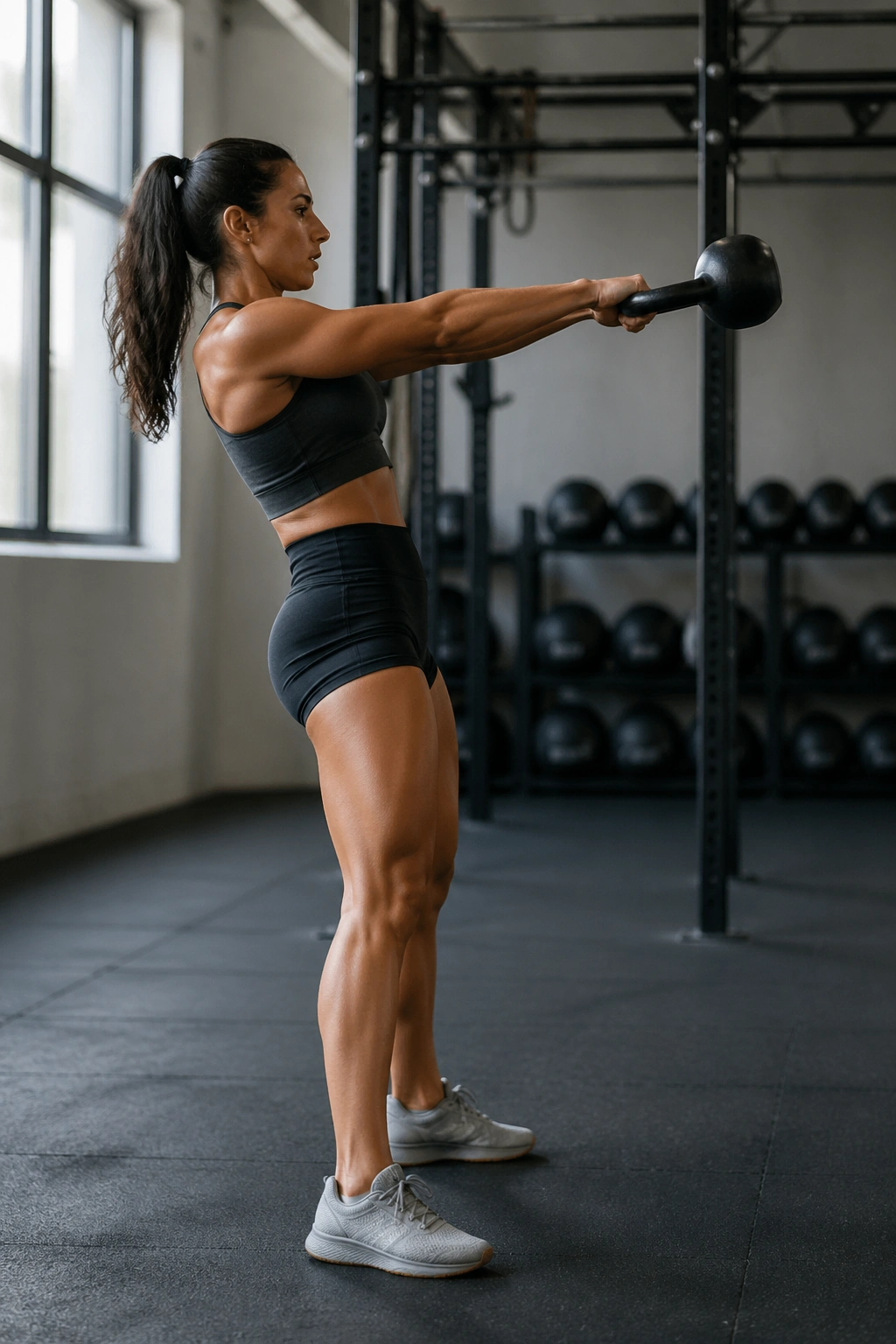
The kettlebell swing is not a squat, and it is not a front raise for the hips. It is a hinge with speed. Once that clicks, the movement makes a lot more sense.
The bell should travel because the hips snap open, not because the shoulders haul it up. At the top, the body looks tall and stacked, with the glutes tight and the bell floating briefly before dropping back into the hinge. If you feel it mostly in the shoulders, the pattern is off.
I like swings as a power move or a finisher on a lower body day. They wake up the posterior chain fast and leave you breathing harder than you expected. Small warning: the bell gets heavy in a hurry when your hinge is sloppy. Respect that.
How to Keep It Clean
- Hike the bell back like a football snap.
- Keep arms relaxed.
- Snap the hips hard.
- Use 15 to 20 reps per set.
- Stop when the hinge turns into a squat.
19. B-Stance Hip Thrust
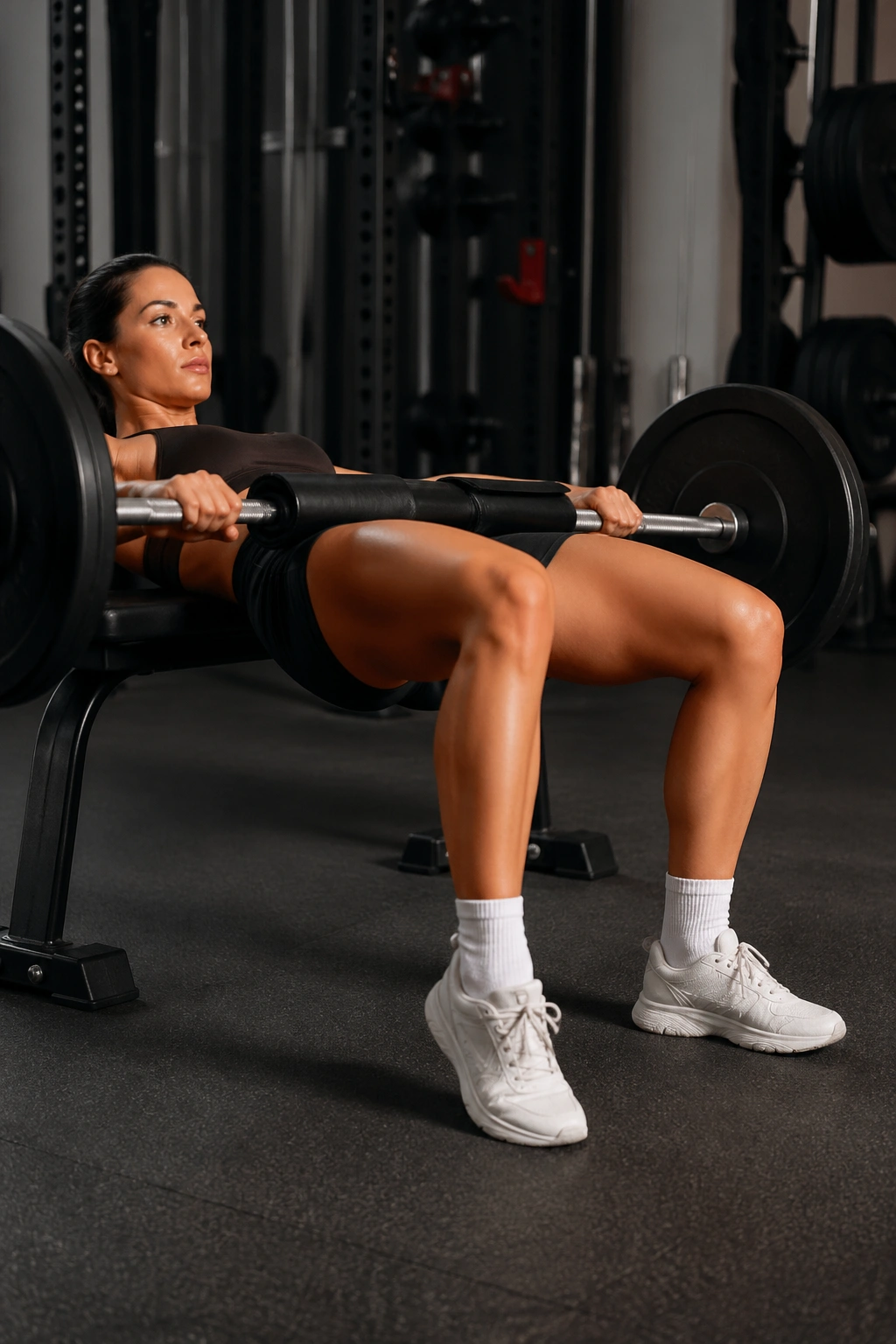
A B-stance hip thrust is the middle ground between a two-leg thrust and a true single-leg version. One foot does most of the work, the other stays lightly planted for balance. That tiny shift changes the load in a useful way.
This setup is great when one glute needs more attention but full single-leg thrusts feel too unstable. You can keep the movement heavy enough to matter while still giving the weaker side more responsibility. The best part? You don’t need to turn every rep into a balance drill.
Place one foot a little farther forward, with the second foot only there for support. Push mostly through the main leg, keep the pelvis level, and pause at the top for a clean squeeze. If your hips rotate, the support foot is doing too much.
Use 3 sets of 8 to 12 reps per side. It’s a sneaky one, and it belongs on any lower body day that needs more glute focus.
20. Lateral Lunge
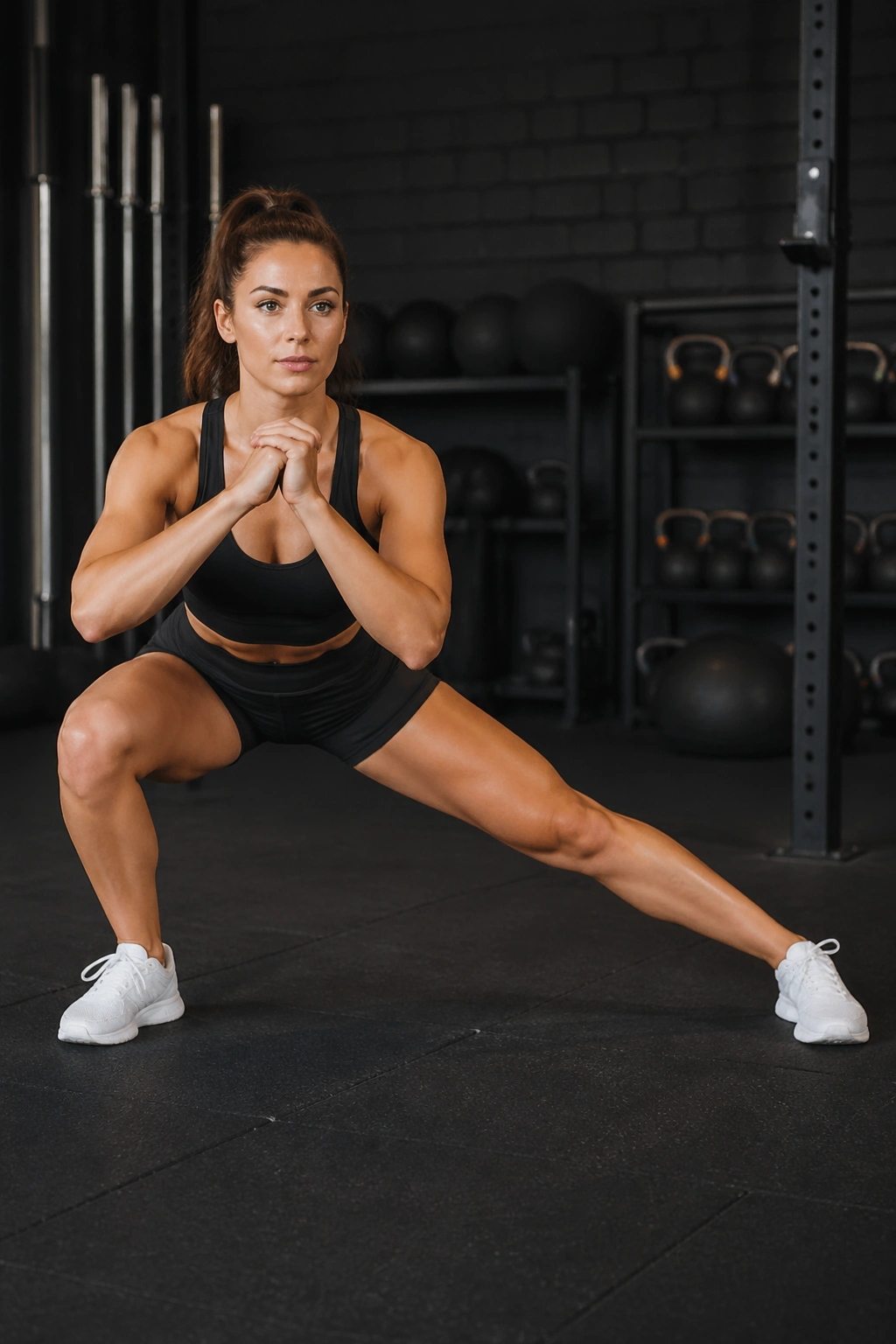
Side-to-side work gets ignored more than it should. Lateral lunges fill that gap by training the legs in the frontal plane, which means the inner thighs, glute medius, and adductors all have to pitch in.
Why It’s Worth the Effort
A forward-and-back program can leave the hips a little one-dimensional. Lateral lunges fix that without needing fancy gear. Step out wide, sit the hips back into the working side, and keep the other leg long. The bending leg does the work; the straight leg stays quiet.
The range should feel controlled, not forced. If you sink too deep too soon, the knee and groin will let you know. Start with a shorter step and widen the stance only if the groove feels smooth.
- Keep the chest proud.
- Push the floor away to return to standing.
- Try 8 to 10 reps per side.
- Use dumbbells only after bodyweight feels clean.
21. Stability Ball Hamstring Curl
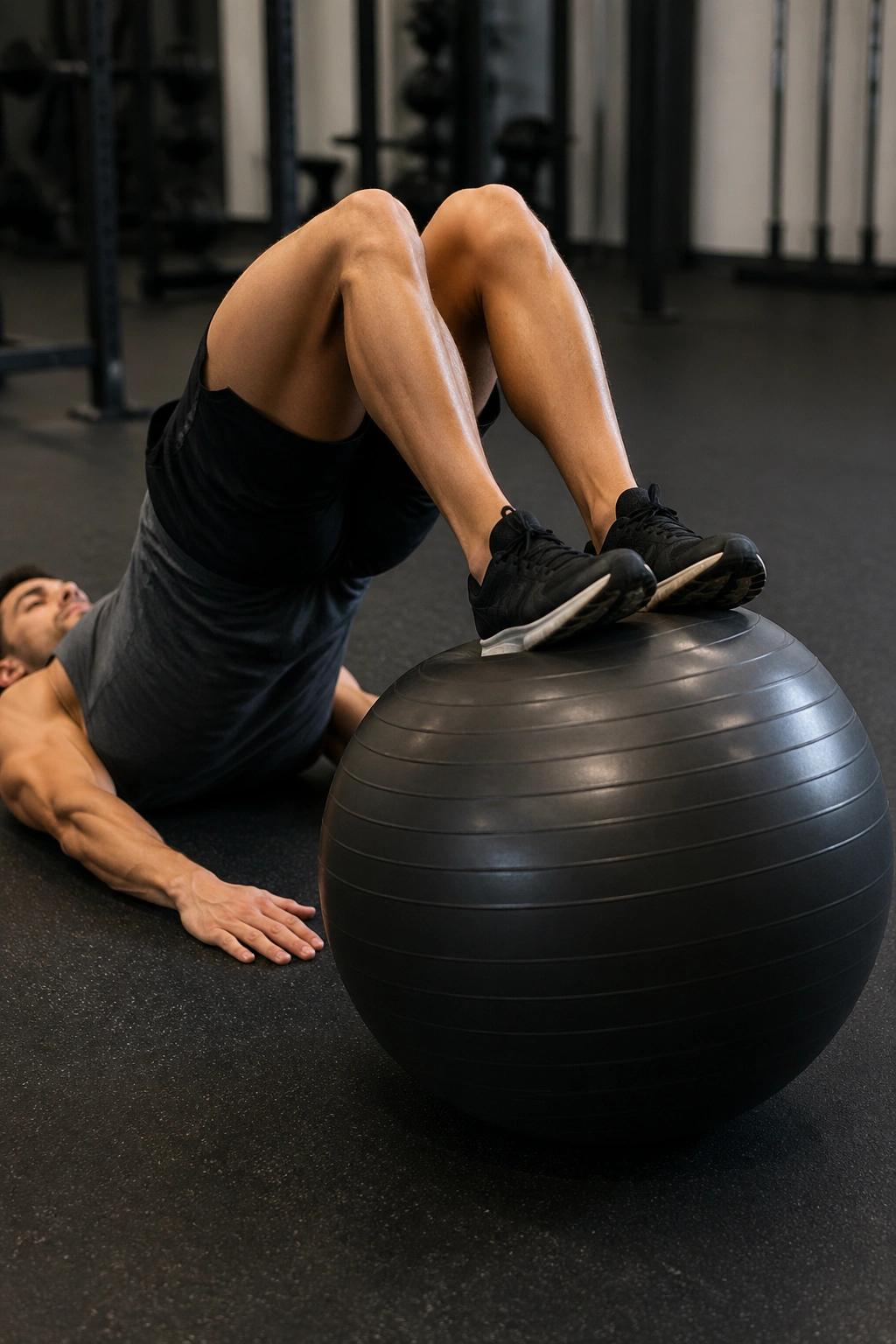
This one looks harmless until your hamstrings start cramping. The stability ball hamstring curl combines hip extension with knee flexion, which means the hamstrings have to work through two jobs at once.
Start on your back with your heels on the ball and hips lifted. Curl the ball toward you by bending the knees, then roll it back out slowly while keeping the hips up. If the hips sink, the hamstrings lose tension and the movement turns easier than intended.
I like this as an accessory after heavier lifts. It’s not flashy. It’s not supposed to be. It builds control, and the slow eccentric phase helps make the back side of the legs feel awake by the end of the set.
Use 10 to 15 reps and keep the hips high for as many reps as you can manage with good form. If the ball wobbles all over the room, bring the feet a little closer together.
22. Frog Pumps
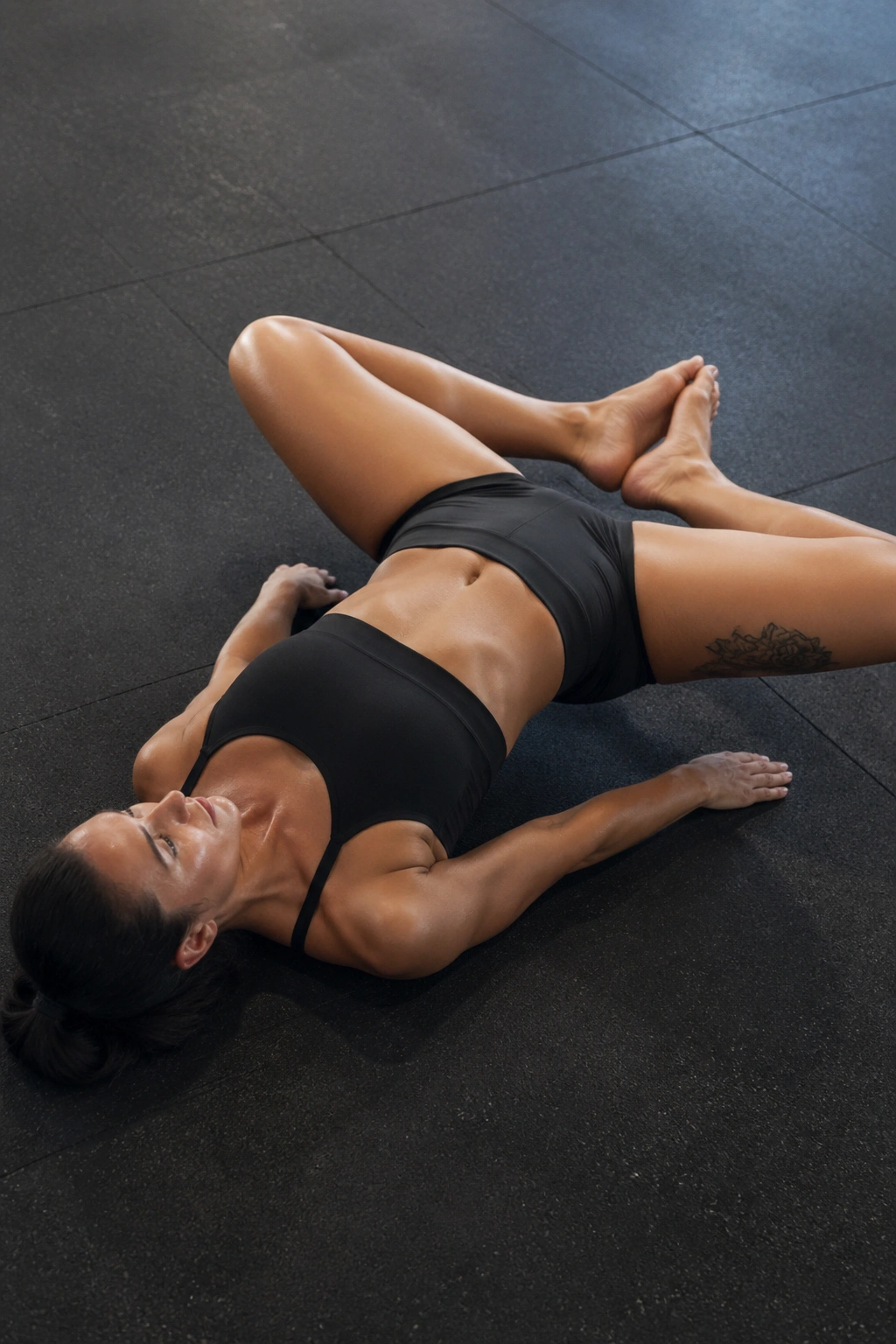
Frog pumps are a finisher, plain and simple. High reps. Short range. Big glute burn. They are the kind of lower body day ending that leaves no doubt about where the tension went.
Lie on your back, put the soles of your feet together, let the knees open, and pump the hips up in a small range while squeezing the glutes hard at the top. The movement looks almost silly. That is part of why people underestimate it. Then the set goes past 20 reps and the glutes start shouting.
Because the range is short, the burn shows up fast. That makes frog pumps useful after heavier compound work when you want more glute volume without another big fatigue hit to the spine or joints.
How to Use Them
- Do 2 to 3 sets of 20 to 30 reps.
- Pause for one second at the top.
- Keep the feet pressed together.
- Stop when the hips start using momentum instead of muscle.
Finish Strong
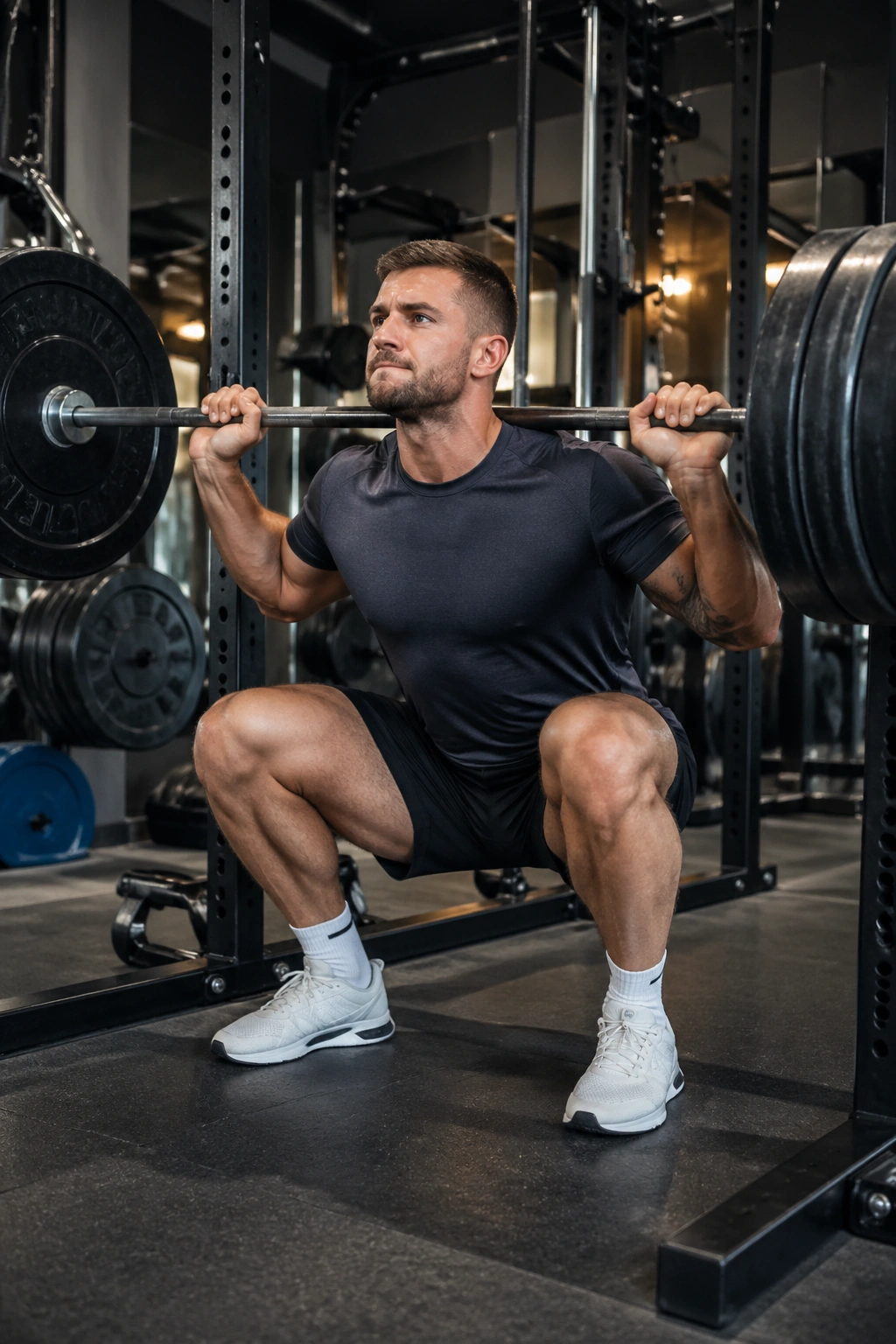
A smart lower body day usually mixes one heavy squat or press, one hinge, one unilateral move, and one glute-specific piece that fills the gaps. That pattern gives you enough load to grow without turning every session into the same ugly grind.
The best part is how flexible it is. Some days you’ll want back squats and Romanian deadlifts. Other days, a leg press, split squats, and frog pumps make more sense. Both can be good. What matters is whether the session covers the patterns your legs actually need.
Leave a little room to recover. A workout that buries you for three days is not automatically better than one you can repeat with stronger reps and cleaner form. If you can log the sets, walk out under your own power, and add a little more next time, you’re probably doing it right.
