



The stubborn waistband problem after 50 rarely comes from one big dinner. More often, it comes from small misses that stack up: breakfast with almost no protein, a snack that spikes your blood sugar and disappears in 10 minutes, dinner that leaves you poking through the pantry at 9 p.m. If you’re looking for belly fat burning foods for women over 50, the first thing worth saying is the least flashy thing: no food melts fat off your stomach on its own.
Still, food choices matter a lot here. After menopause, body fat often shifts toward the middle, muscle mass tends to slip if you do not fight for it, and the old “eat a little less and it’ll come right off” trick stops working the way it used to. A muffin and coffee that felt harmless at 42 can feel like a setup at 56.
There’s another wrinkle. What looks like belly fat is not always pure fat. Sometimes it is visceral fat around the organs. Sometimes it is bloating, constipation, or a salty meal hanging around longer than you expected. That is why the best foods for a smaller waistline are not the weird ones. They are the foods that help with satiety, blood sugar control, digestion, inflammation, and muscle retention.
Once you see that pattern, the grocery list gets a lot less confusing.
Why Belly Fat Gets More Stubborn After 50
After 50, your waist can change even when your habits have not changed much. That is not your imagination, and it is not a character flaw. Hormonal shifts—especially lower estrogen—can push fat storage toward the abdomen, while age-related muscle loss lowers the number of calories you burn at rest.
Sleep plays a bigger role than most people want to hear about. A short night can make you hungrier the next day, and not for salmon and spinach either. Stress can do the same thing. Belly fat becomes a food issue, a hormone issue, a sleep issue, and a muscle issue all at once.
Visceral Fat Is Not the Same as Bloating
The belly fat doctors worry about most is visceral fat, the kind packed deeper around the organs. It is more tied to insulin resistance and heart risk than the softer fat you can pinch under the skin. Food cannot target one area like a spot-treatment cream, but meals that steady blood sugar and help you lose body fat tend to help here.
Bloating muddies the picture. Constipation, low fiber intake, carbonated drinks, sugar alcohols, or a sudden jump in “healthy” raw vegetables can make your stomach feel rounder by dinnertime. I keep coming back to this point because women often blame body fat for what is partly a digestion problem.
Why Low-Calorie Eating Often Backfires
Skimpy meals are a trap.
A 180-calorie breakfast with almost no protein may look disciplined on paper, then blow up into a 700-calorie evening snack spiral. Meals with 25 to 30 grams of protein and a solid hit of fiber usually work better because they keep hunger quieter for longer. Pair that with walking and resistance training, and you protect the one thing that helps the most over time: lean muscle.
How Belly Fat Burning Foods for Women Over 50 Actually Work
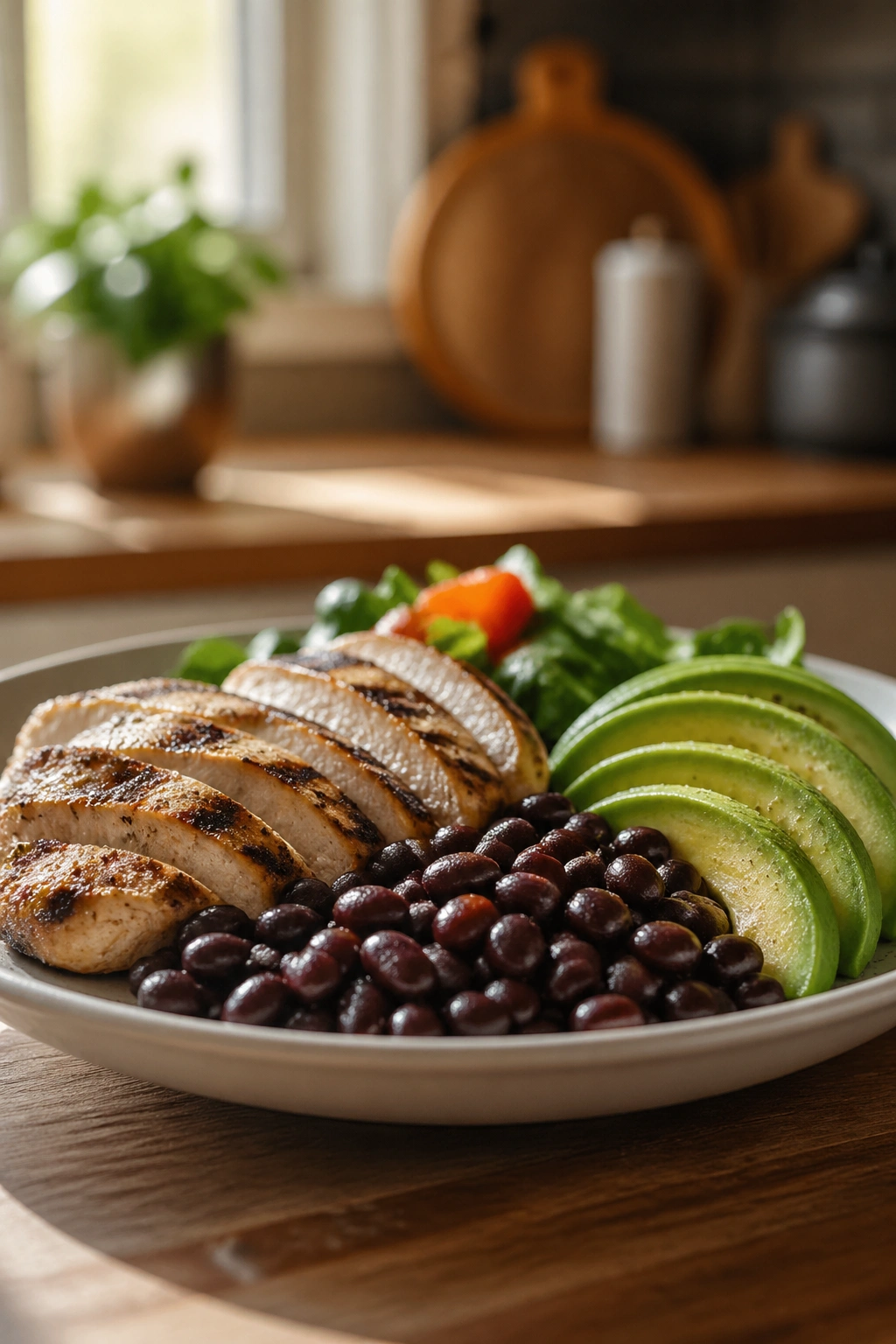
What makes a food “belly fat burning” if it cannot aim itself at your waist? Usually one of four things—sometimes two or three at once.
- High protein foods help preserve muscle while you lose fat and often cut down on later snacking. A meal with 25 grams of protein lands differently than a meal with 8.
- High-fiber foods, especially soluble fiber, slow digestion and help you feel full. Viscous fibers in oats, barley, chia, beans, apples, and flax pull water into a gel-like texture in the gut.
- Healthy fats from foods like salmon, walnuts, avocado, and olive oil help meals stick with you. They also make vegetables and lean proteins taste like real food instead of punishment.
- Fermented foods can help gut comfort and make it easier to keep your eating pattern steady rather than bouncing between restriction and overeating.
Another pattern matters. The best foods for abdominal fat are usually foods that need chewing, come with protein or fiber, and do not arrive with a sugar rush attached. A bowl of Greek yogurt and berries has a different effect than a fruit smoothie from a bottle. Same category on the label, wildly different result in real life.
The list below leans hard into foods that do useful work for women over 50—better appetite control, steadier energy, more protein, more fiber, better meal satisfaction.
1. Greek Yogurt
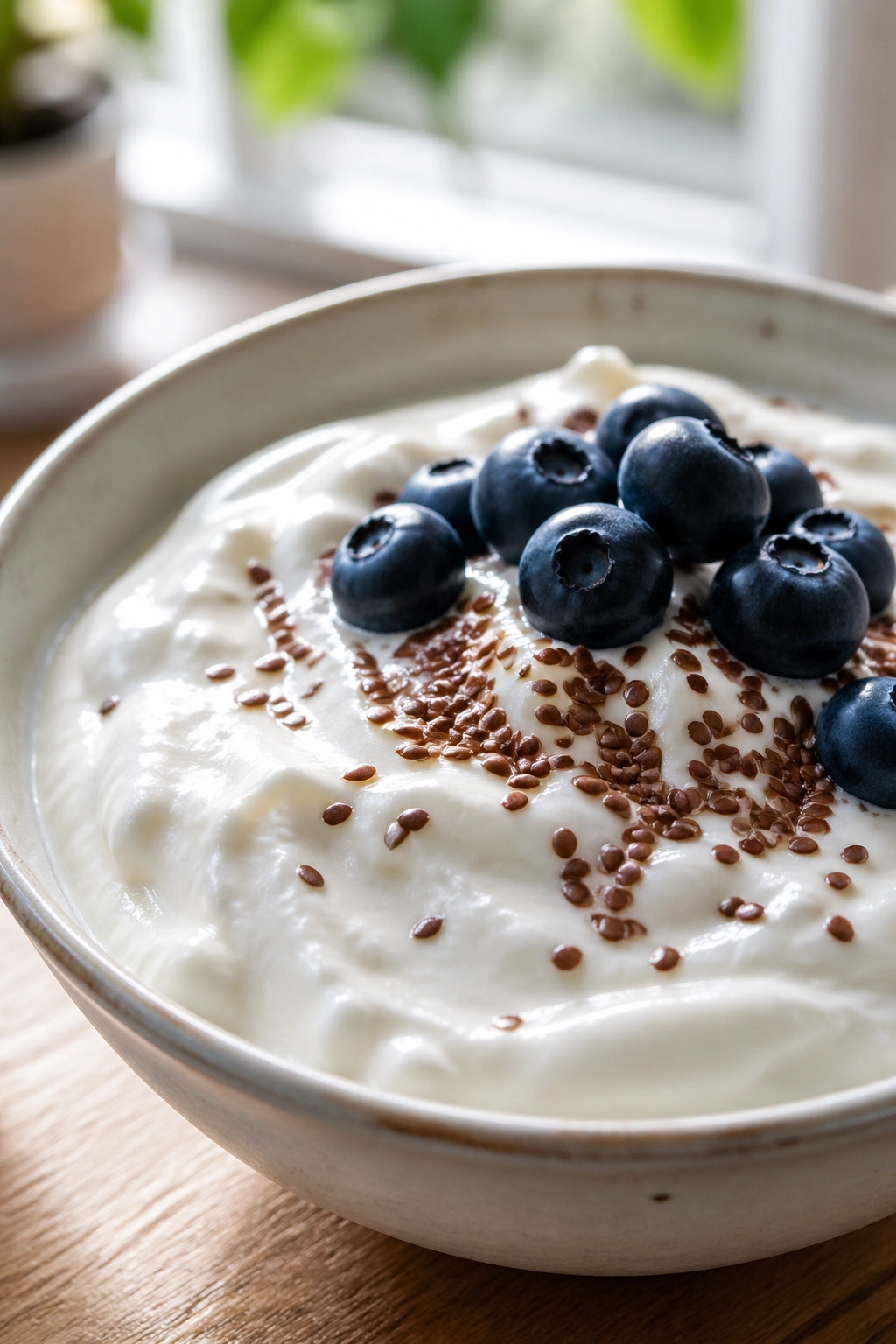
Open the fridge at breakfast, and plain Greek yogurt is still one of the fastest ways to build a meal that does not leave you hungry an hour later. A ¾-cup to 1-cup serving usually gives you 15 to 20 grams of protein, which is a big jump from regular yogurt.
That protein matters because breakfast is where many women under-eat, then spend the afternoon trying to recover. Greek yogurt gives you a strong base without much prep, and the tangy taste works with both sweet and savory toppings.
Why It Works So Well After 50
Strained yogurt is thicker because some of the liquid whey has been removed. You get more protein per spoonful, which helps with fullness and supports muscle maintenance while you lose fat. Many brands also bring calcium, a useful bonus in this stage of life.
Easy Ways to Use It
- Stir in 1 tablespoon ground flaxseed and ½ cup berries.
- Use it instead of sour cream on chili or taco bowls.
- Mix with cucumber, lemon, and dill for a fast sauce on salmon.
- Freeze small portions with cinnamon when you want something cold after dinner.
Best move: buy it plain, then add your own fruit. Flavored cups can carry 15 to 20 grams of added sugar, which defeats half the point.
2. Eggs
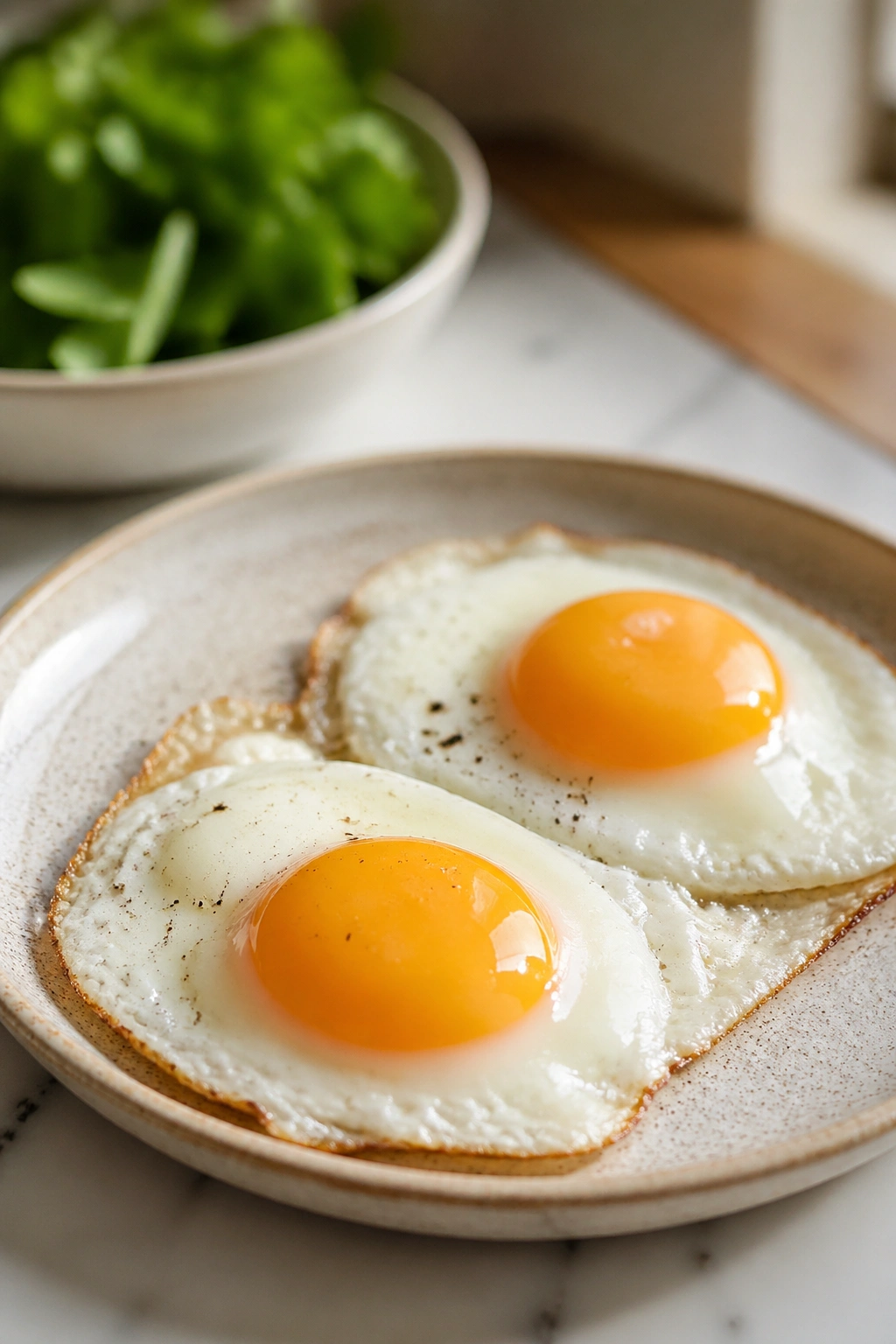
Two eggs beat a low-protein breakfast pastry every single time. They are not magic, but they are efficient: two large eggs give you about 12 to 13 grams of protein, plus fat that helps the meal last.
Eggs also fit real mornings. Scrambled with spinach takes five minutes. Hard-boiled eggs travel well. An omelet can clean out the vegetable drawer before anything goes slimy in the back.
For women over 50, eggs earn their spot because they help you build a breakfast around protein instead of sugar. That changes the shape of the day. A breakfast with eggs, fruit, and a slice of whole-grain toast usually holds better than cereal alone.
There is also the muscle angle. Eggs contain leucine, an amino acid your muscles use as a signal to repair and maintain tissue. Two eggs do not fully hit the ideal protein target for a main meal, so pair them with Greek yogurt, cottage cheese, turkey, or edamame if you want a stronger effect.
Use the whole egg unless your clinician has told you otherwise. The yolk carries nutrients people throw away too quickly. Just do not pair eggs with bacon and hash browns every time and call it health food.
3. Salmon
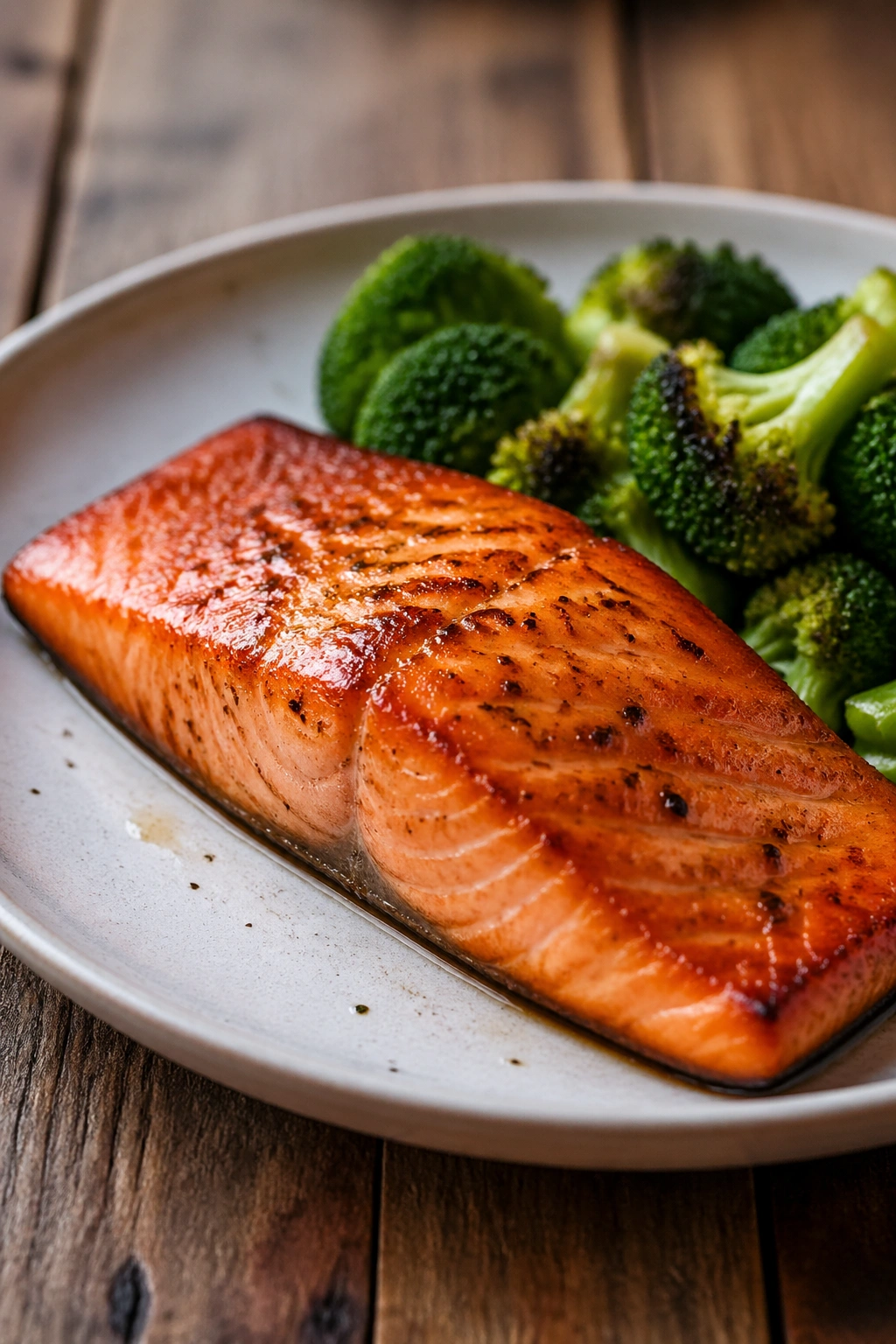
Why does salmon keep showing up on smart fat-loss plates? Because it solves two problems at once: it gives you a big serving of protein and a meaningful dose of omega-3 fats.
A 4- to 6-ounce fillet usually lands around 25 to 34 grams of protein, which is right where many women need to be at lunch or dinner if the goal is losing fat without letting muscle slide. That protein also does a better job of curbing hunger than a carb-heavy meal of the same calories.
The Waistline Benefit Is Indirect—but Real
Omega-3 fats from salmon do not “burn belly fat” in a gimmicky sense. What they can do is support heart health, help calm chronic inflammation, and make a lower-calorie eating pattern easier to stick with because salmon is satisfying. And satisfaction counts. If dinner feels thin, the snack cabinet usually wins.
How I’d Use It Each Week
Aim for salmon one or two times a week if you enjoy it. Fresh, frozen, and canned all count. Roast fillets at 400°F for about 10 to 14 minutes, depending on thickness, until the fish flakes with a fork but still looks moist in the center.
Pair it with broccoli, a sweet potato, or lentils. That plate works hard.
4. Sardines
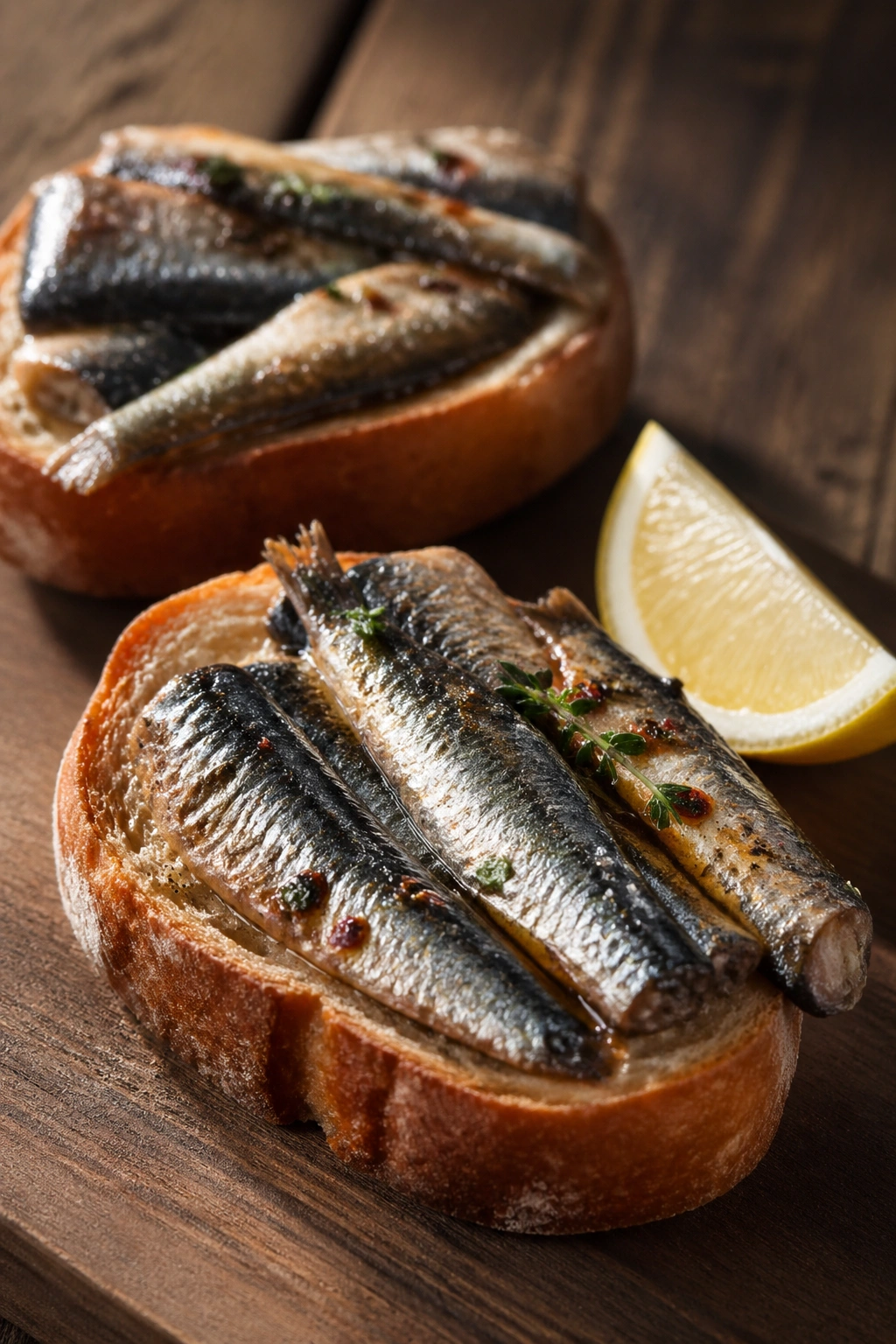
Tiny fish, big payoff.
Sardines are one of those foods people avoid until they try them the right way—mashed on toast with lemon, mustard, and chopped parsley, or stirred into a quick tomato pasta. Then the tune changes.
A single tin often gives you 20 or more grams of protein, plus omega-3 fats. If the bones are included—and they usually are—you also get a useful hit of calcium, which matters for women after menopause.
Why Sardines Punch Above Their Size
- Protein: enough to make a snack or light lunch hold up.
- Calcium: the soft bones are edible and add extra bone support.
- Vitamin D: another nutrient many women do not get enough of.
- Convenience: no thawing, no cooking, no cleanup beyond a fork.
The strong flavor is the hurdle. Start with boneless or skinless if texture puts you off, though the full version gives more nutrition. Layer sardines with crunchy vegetables, vinegar, capers, or hot sauce. They need contrast. Straight from the can with no help? That’s a rough introduction.
5. Lentils
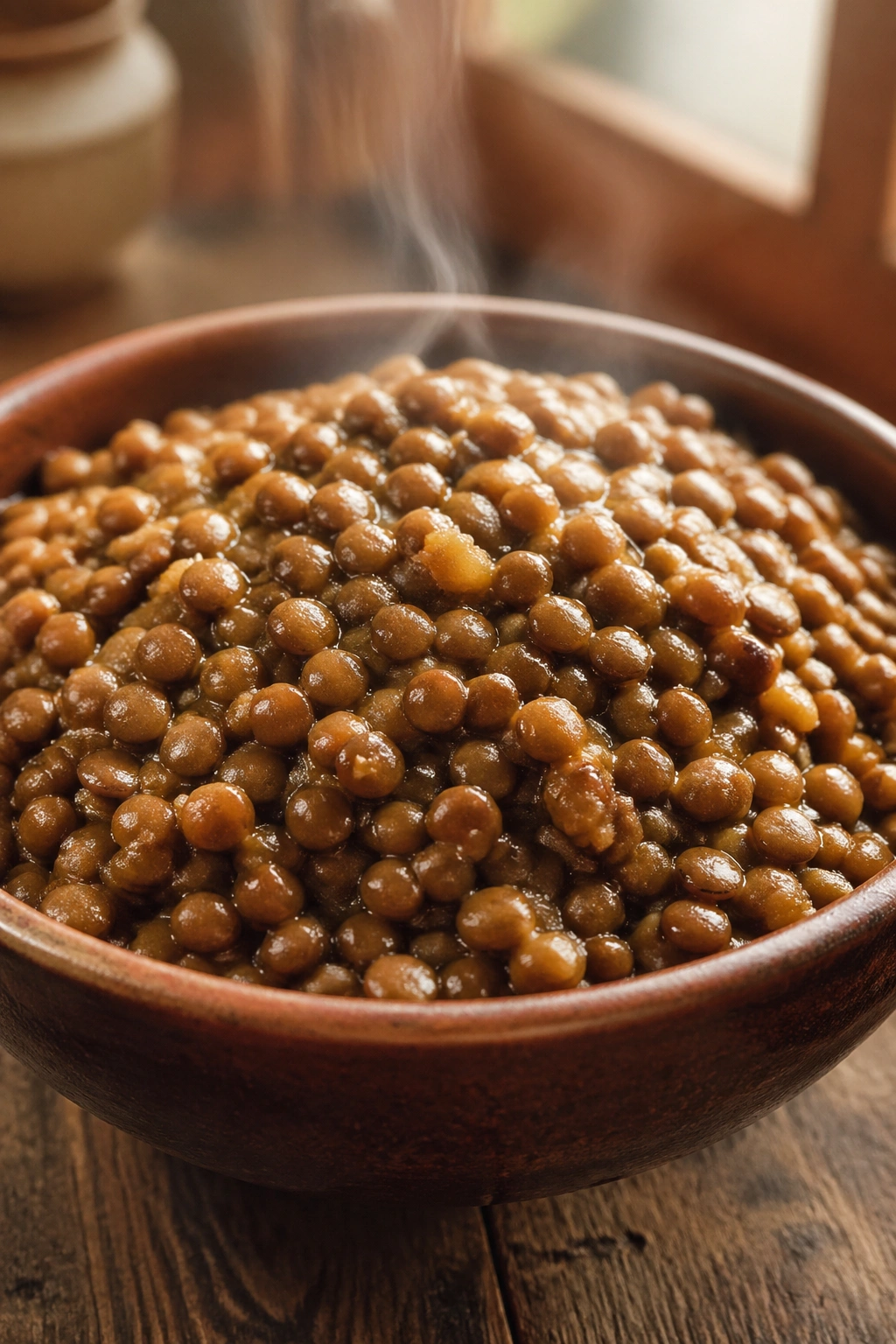
Cheap. Filling. Criminally underrated.
Lentils belong near the top of any belly-fat food list because they pack protein, fiber, iron, magnesium, and slow-digesting carbs into one bowl. A cup of cooked lentils brings about 18 grams of protein and 15 grams of fiber, which is a serious amount of appetite control for a food that costs so little.
That fiber does more than help you feel full. It also helps with bowel regularity, and that matters more than people admit. A sluggish gut can make your stomach feel swollen and hard by the end of the day, which gets mistaken for fat gain.
Lentils are also easier to work into weeknight meals than dry beans. Red lentils melt into soups in about 15 to 20 minutes. Green and brown lentils hold their shape for salads and grain bowls. Canned lentils are fine too—rinse them well to cut some of the sodium and the canned taste.
If you usually get hungry again an hour after soup, lentil soup is a different animal. Add carrots, onion, garlic, and a splash of vinegar at the end. Better yet, top the bowl with Greek yogurt. It sounds odd until you try it.
6. Black Beans
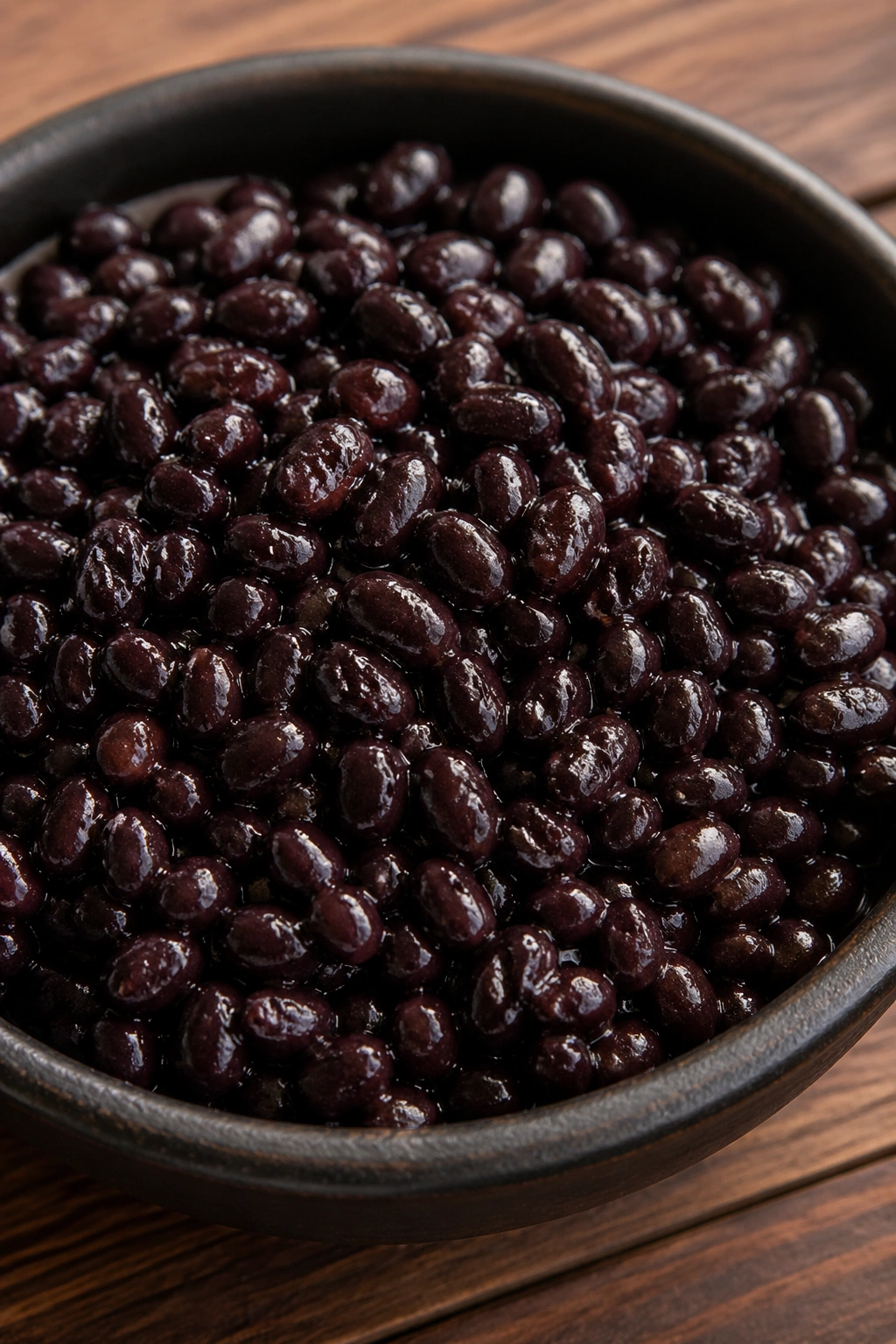
Unlike crackers, white rice, or plain toast, black beans pull double duty. They give you carbohydrates and enough fiber and protein to make those carbs behave better in your body.
A cup of cooked black beans carries roughly 15 grams of protein and 15 grams of fiber. That combination slows digestion, helps blunt blood sugar spikes, and makes lunch feel like lunch instead of a pre-snack.
Texture helps here too. Beans take chewing. That sounds trivial. It is not. Meals you can inhale in five minutes tend to disappear from your appetite memory fast. Beans slow the pace.
Black beans work best for women who want satisfying, hearty meals without relying on giant portions of meat. Toss ½ to 1 cup into taco bowls, soups, chopped salads, or scrambled eggs. Mash them with cumin and lime for a spread instead of mayo.
If beans make you gassy, start smaller—¼ cup with dinner for a few days—then build up. Your gut often adjusts when fiber goes up gradually.
7. Oats
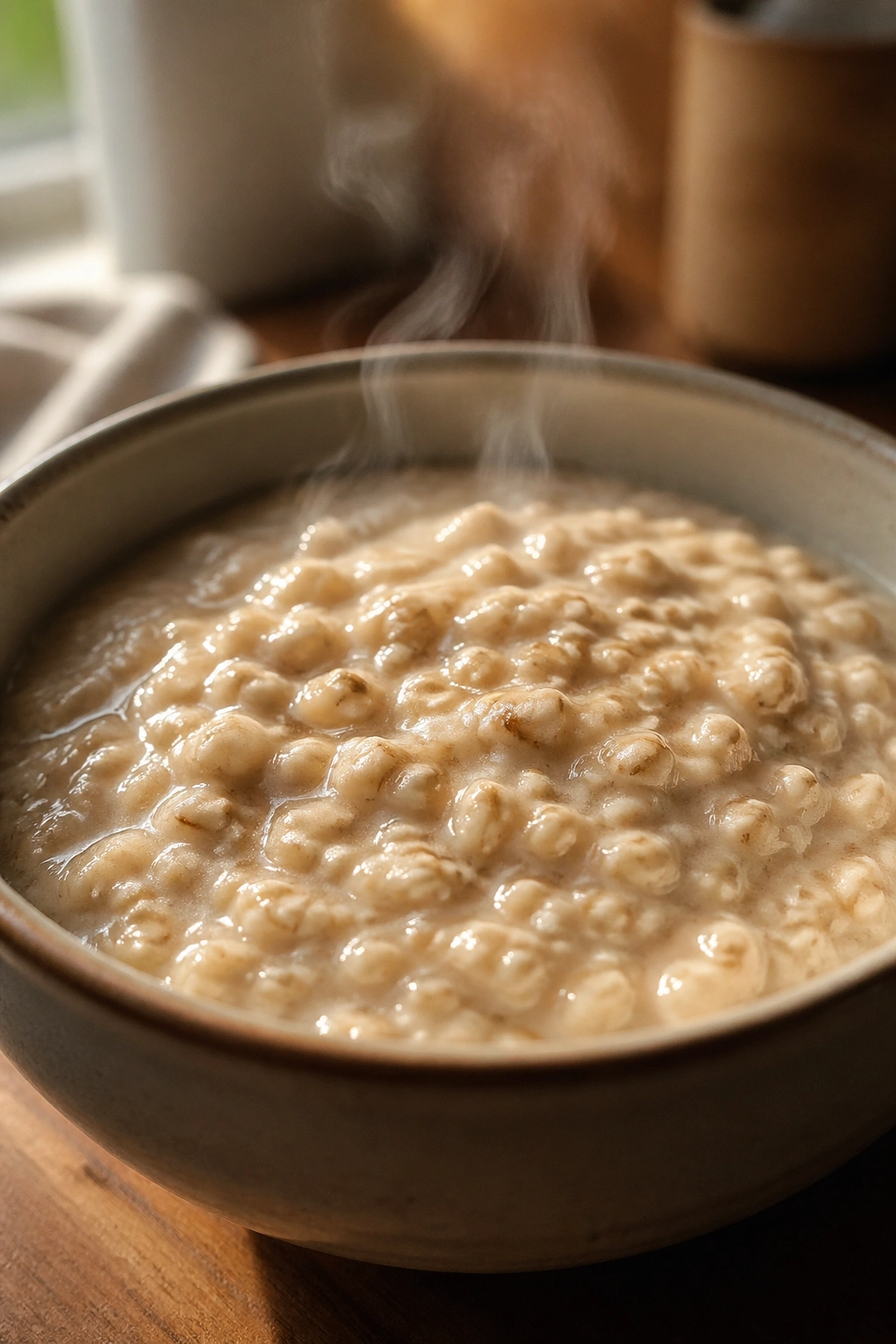
A bowl of oats on a cold morning still beats most boxed breakfast foods sold as “healthy.” The reason is not nostalgia. It is beta-glucan, a type of soluble fiber that thickens in the gut and slows digestion.
A standard ½ cup of dry rolled oats gives you around 4 grams of fiber and 5 grams of protein before you add anything else. That does not sound huge, yet the texture matters. Oatmeal physically sits heavier than a cold cereal that turns to mush and vanishes.
The Fiber Difference You Can Feel
Beta-glucan helps with fullness and can support healthier cholesterol levels too. Over time, that matters for women over 50, who are often juggling waist size and heart risk at the same time.
Better Oatmeal, Not Dessert Oatmeal
- Use old-fashioned or steel-cut oats more often than sugary packets.
- Add chia, flax, or walnuts for more staying power.
- Stir in Greek yogurt or protein powder after cooking if your breakfast needs more protein.
- Keep sweeteners small. Cinnamon, berries, and diced apples pull their weight.
My bias here is strong: if your oatmeal leaves you hungry by 10 a.m., it almost always needs more protein, not more honey.
8. Barley
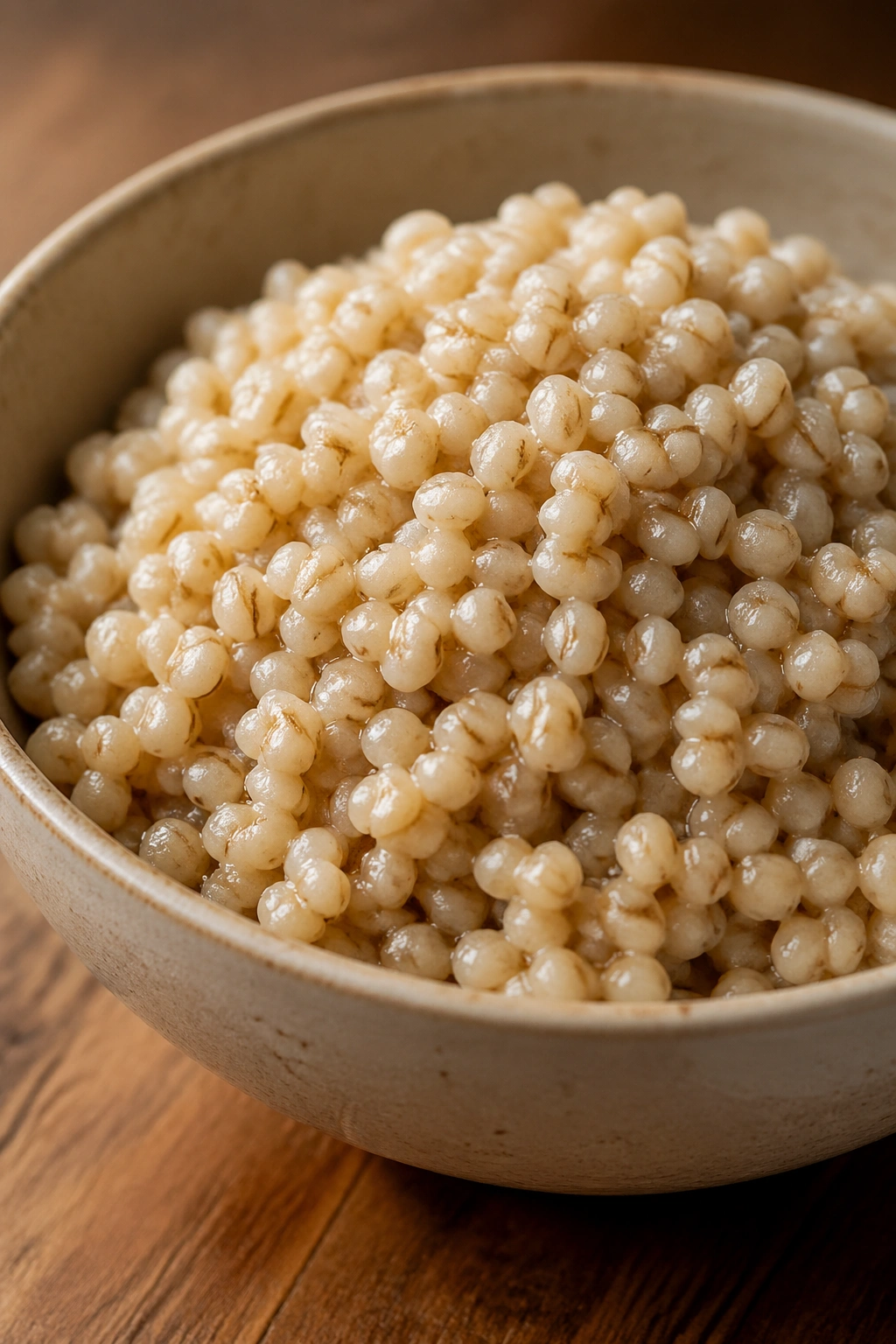
Barley deserves far more attention than it gets. If oats are the breakfast poster child for soluble fiber, barley is the lunch-and-dinner version with a chewier bite and a stronger appetite-control effect than most women expect.
A cooked cup of barley brings about 6 grams of fiber, and a good chunk of that is the same beta-glucan fiber that makes oats useful. The chewiness slows you down, which is one reason barley often feels more filling than rice.
I like barley best in foods that usually fail to satisfy—vegetable soups, chopped salads, and grain bowls that turn flimsy when the base is too light. Barley fixes that. It gives the meal weight without needing a ton of oil or cheese.
Pearl barley cooks faster and is easier to find. Hulled barley is less processed and a bit nuttier, though it takes longer. Either works. Make a pot, cool it, and keep 1-cup portions in the fridge for a few days. Then lunch takes five minutes instead of a willpower speech.
9. Chia Seeds
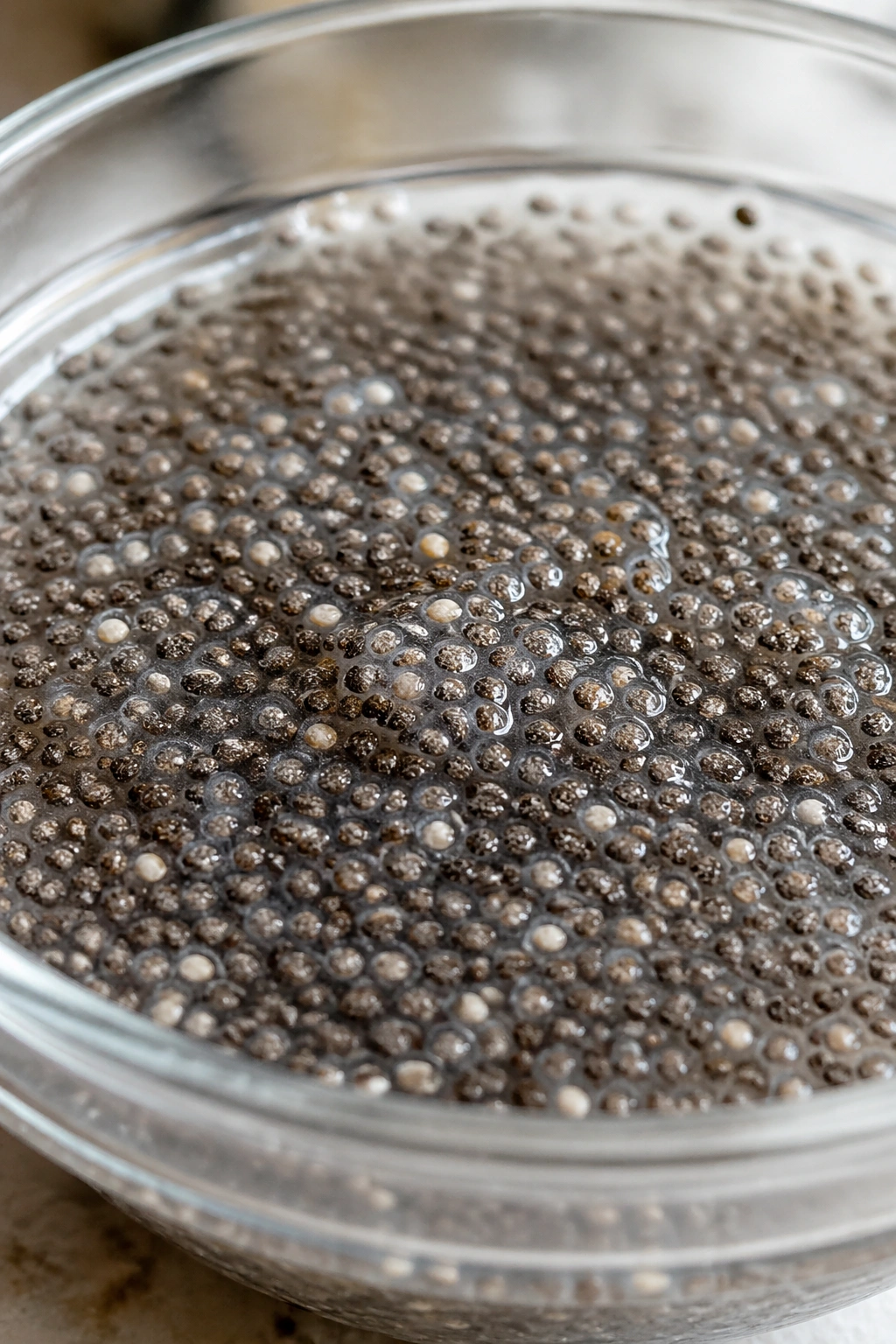
Do tiny seeds make a real dent in hunger? They can—if you use enough of them and give them liquid.
Chia seeds absorb water and form a gel-like texture, which is exactly why they help. Two tablespoons give you about 10 grams of fiber, plus a small amount of protein and omega-3 fat. Stir them into yogurt, oats, or kefir and they thicken the meal into something that lingers.
Why Chia Helps the Waistline
The “burning” part is still indirect. Chia works by slowing the meal down in your gut and helping you stay full longer. That means fewer blood sugar swings and fewer random pantry raids when the afternoon slump hits.
How to Use It Without Ruining the Texture
Sprinkle 1 tablespoon into oatmeal while it cooks, or mix 2 tablespoons into ¾ cup Greek yogurt and let it sit for 10 minutes. Chia pudding works too, though some people never warm to the frog-spawn look, and I cannot argue with them there.
Drink enough water when you add more chia to your diet. Dry fiber with low fluids is a bad bargain.
10. Ground Flaxseed
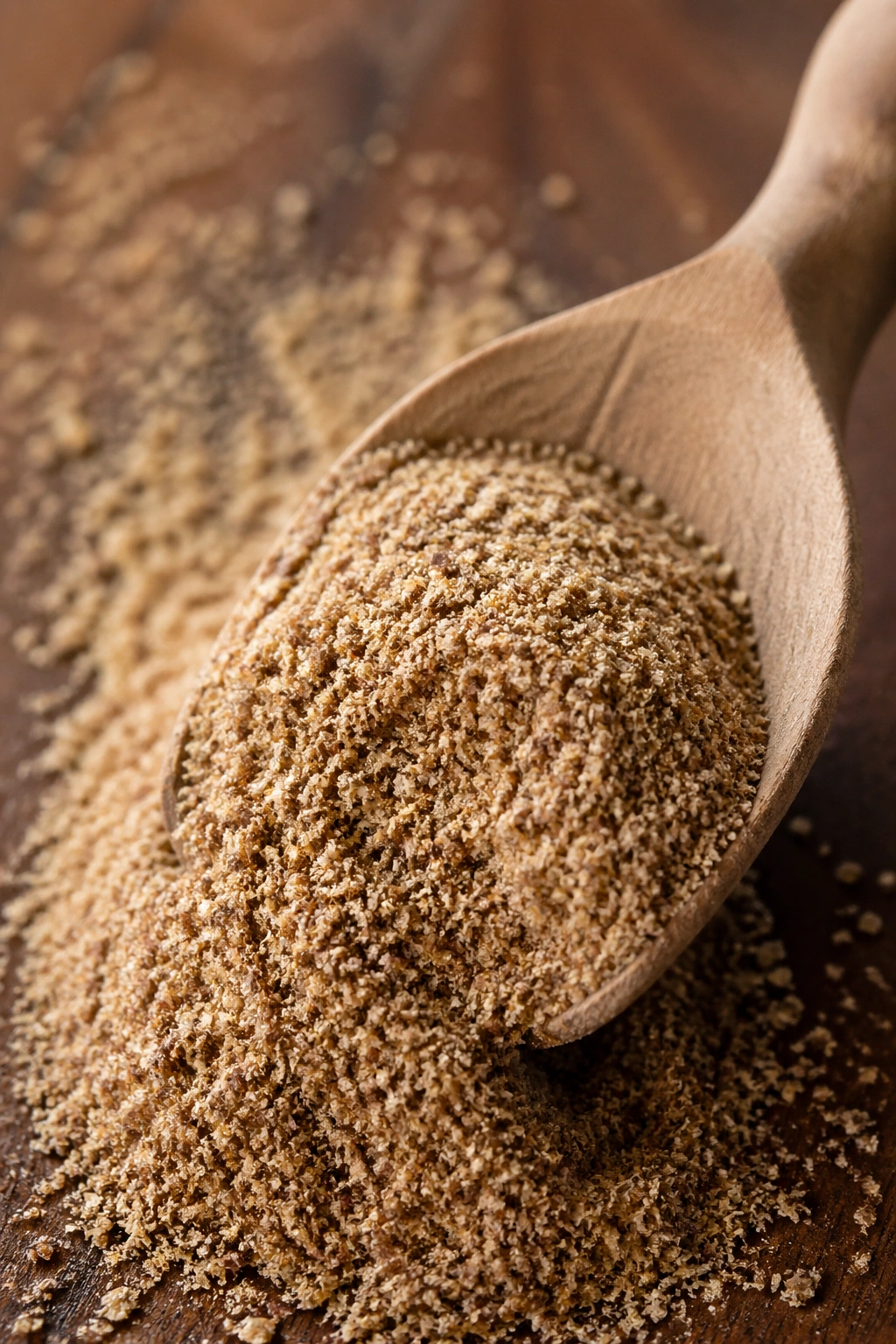
A bag of ground flaxseed tucked in the freezer is one of the quietest smart buys in the grocery store. Whole flax seeds are less useful because many pass through the body intact. Ground flax is the version that pays rent.
Two tablespoons add about 4 grams of fiber and a dose of plant omega-3 fat. Flax also contains lignans, compounds that have been studied for possible hormone-related benefits, which makes it an interesting food for women after menopause.
What Flax Does Best
- Helps bump up fiber with almost no effort.
- Works well in yogurt, oatmeal, smoothies, and meatballs.
- Can help with bowel regularity, which changes how your stomach feels day to day.
- Adds a mild nutty taste without much sugar.
Store it cold. The natural fats can go rancid if flax sits warm too long. I like 1 tablespoon in yogurt and 1 tablespoon in oats, which spreads the fiber out and is easier on the gut than dumping both into one meal. Small move, noticeable difference.
11. Avocado
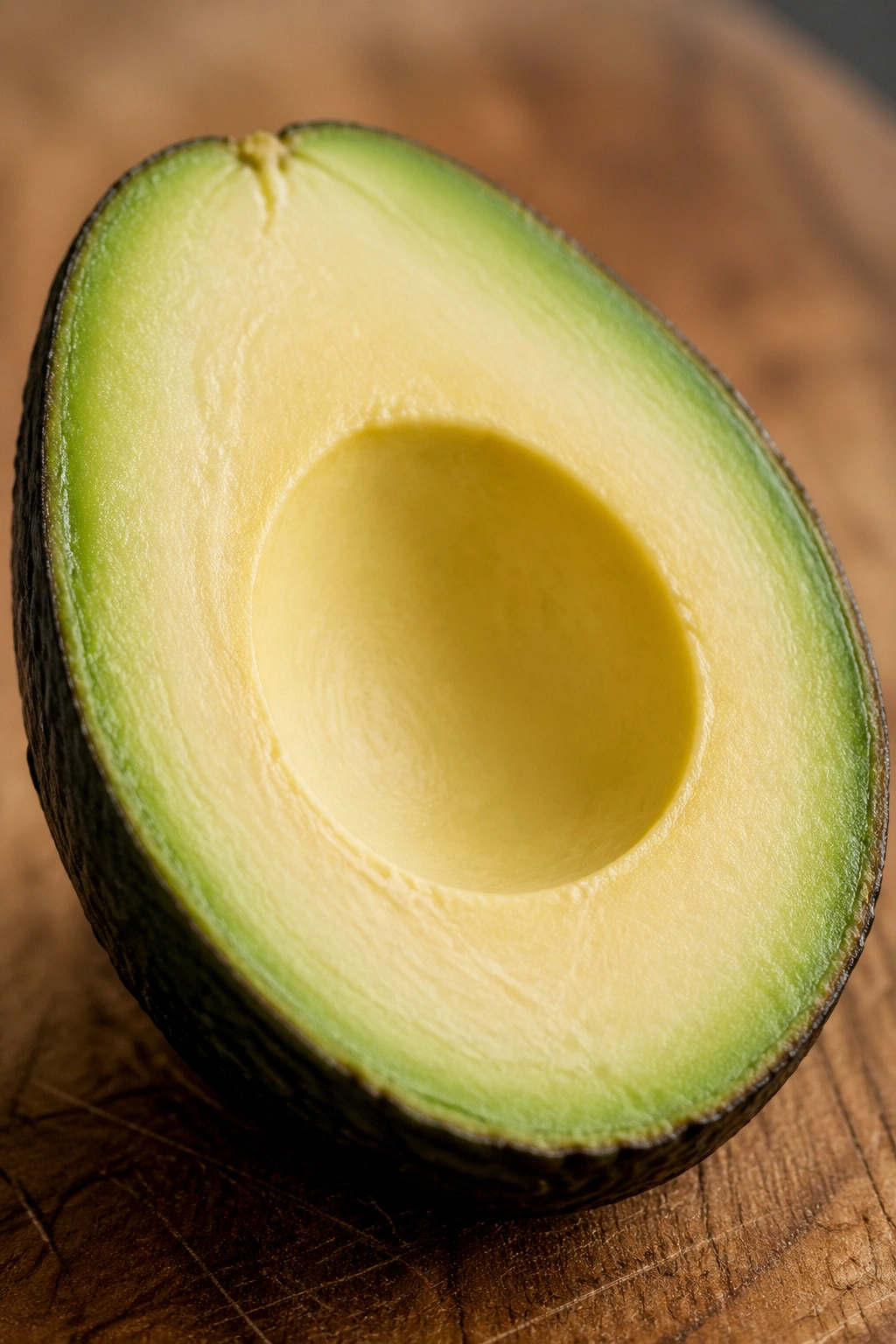
Avocado got dragged through the low-fat years for no good reason. Half an avocado gives you fiber—often 5 to 7 grams—plus monounsaturated fat that makes meals more satisfying and less snack-prone later.
The key word is half. Avocados are energy-dense, so the best use is not treating them like a free food. The best use is letting a measured portion make the rest of the meal behave. A salad with chicken, chopped vegetables, beans, and a few slices of avocado feels finished. A sad pile of greens with fat-free dressing feels like a punishment meal and usually leads to dessert negotiations.
Texture matters again. Creamy foods slow eating and increase satisfaction in a way dry “diet foods” do not. Mash avocado onto toast with eggs. Dice it into black bean salad. Blend a small amount into a dressing with lime and yogurt.
If you are trying to lose abdominal fat, satisfaction per calorie is the game. Avocado earns its spot when it keeps the rest of the day calmer.
12. Raspberries
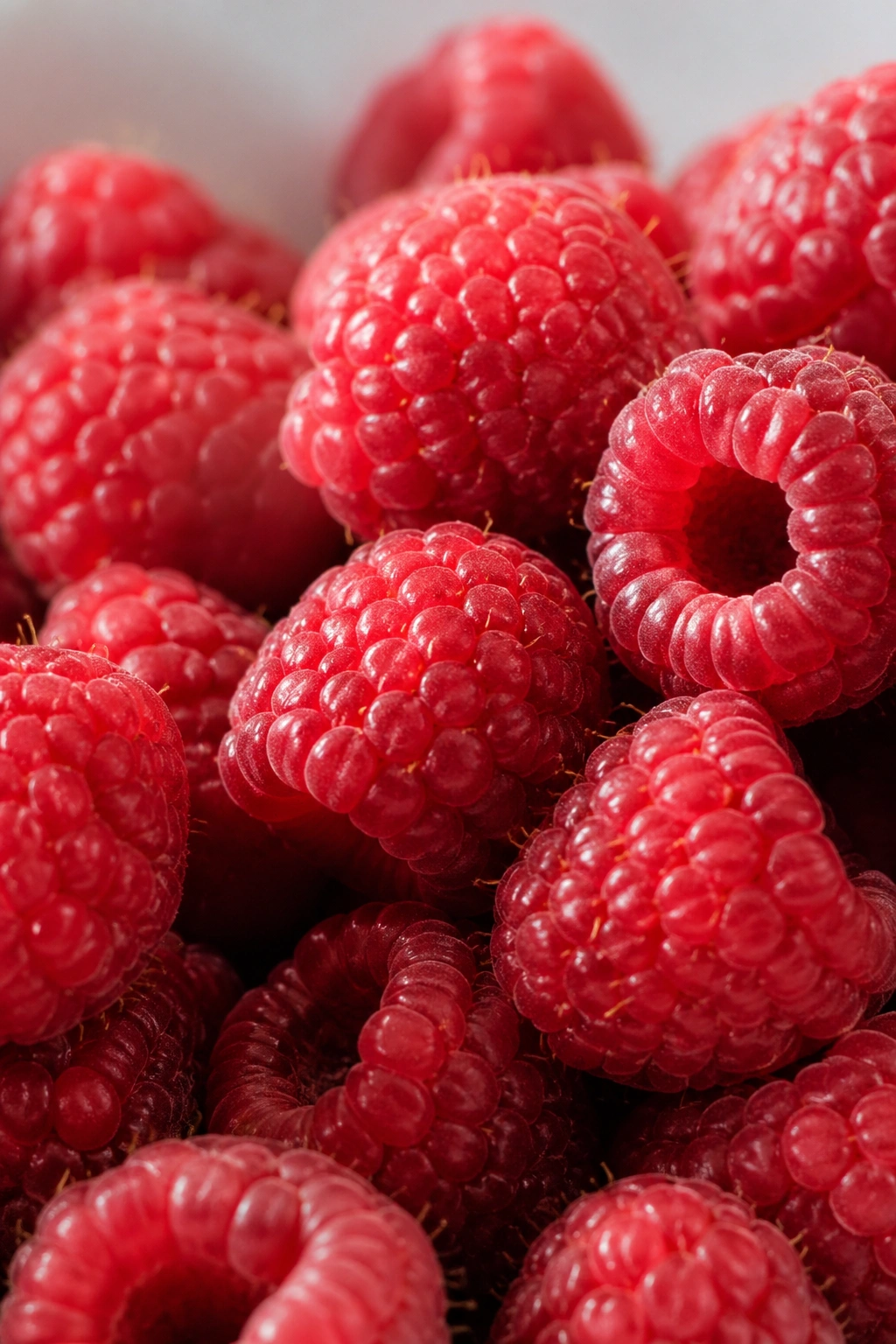
If you have a sweet tooth, raspberries are one of the best trades you can make. A single cup gives you about 8 grams of fiber, which is a lot for fruit, while the sugar load stays modest compared with juice, dried fruit, or a bakery snack.
Raspberries also take time to eat. That small detail helps more than people think. A chewy, seedy bowl of berries lands differently than a sweet drink you can finish in 45 seconds.
Frozen raspberries are worth buying year-round because they are usually cheaper and work well stirred into yogurt, kefir, or oatmeal. Let them thaw for a few minutes and they create a tart sauce on their own.
They are best for the woman who wants “something sweet” after lunch or dinner without flipping the switch to more sugar. Pair 1 cup raspberries with Greek yogurt or cottage cheese and you end up with a snack that does not boomerang into more hunger.
13. Apples
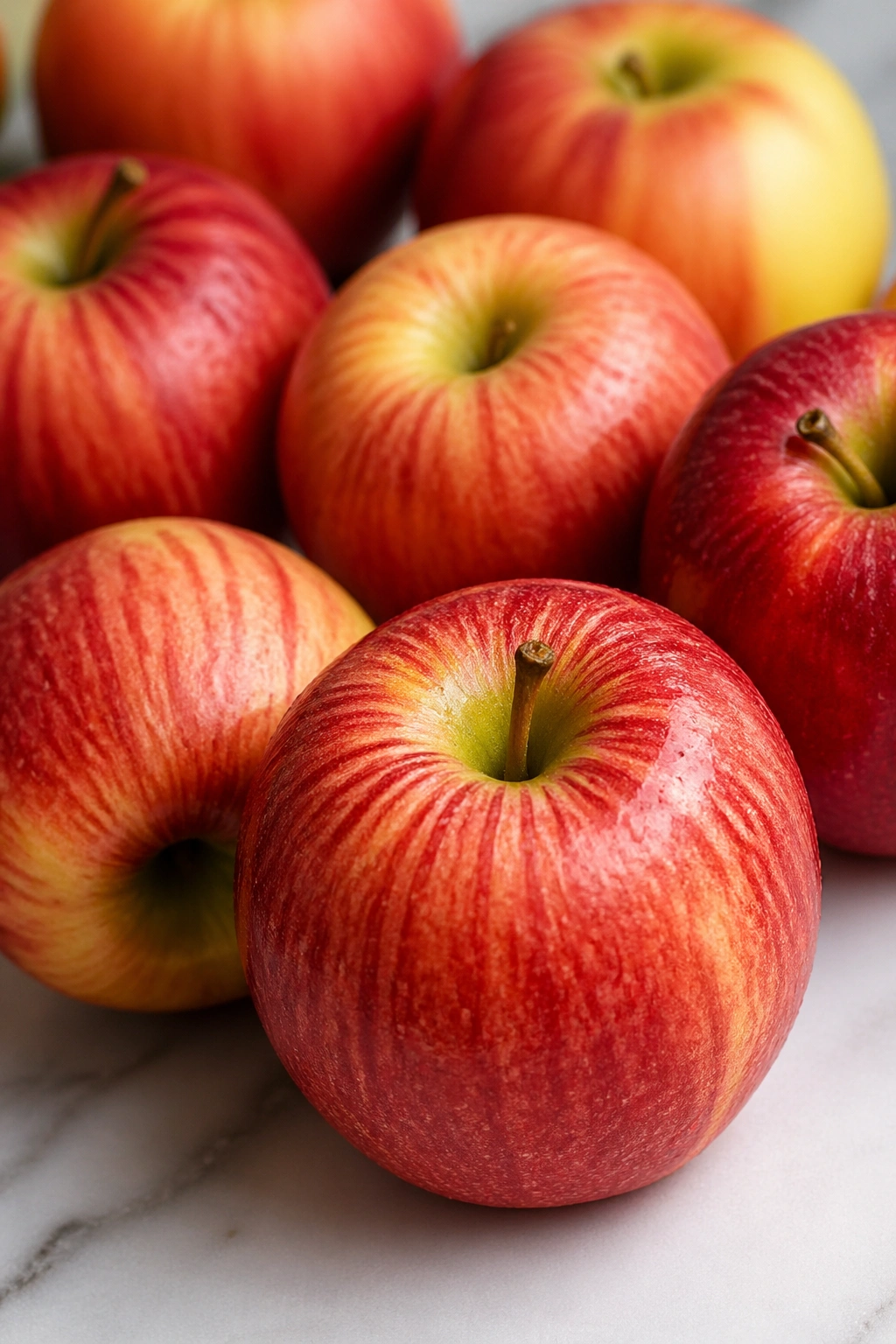
Crunch counts.
A whole apple is one of the simplest appetite-control foods around because it combines water, fiber, chewing, and sweetness in one neat package. Most medium apples bring 4 to 5 grams of fiber, including pectin, a soluble fiber that helps slow digestion.
Juice does not do the same job. Applesauce does not either, unless it is chunky and unsweetened and you eat it with something that requires chewing. The whole apple wins because it takes longer to eat and tells your brain, in plain terms, that food happened.
Why the Form Matters
You will almost always get better fullness from a sliced apple with peanut butter or cottage cheese than from a smoothie made with apple juice. The fiber is still there in the fruit, and the pace of eating is slower.
Easy Ways to Use Apples
- Slice one into oatmeal while it cooks with cinnamon.
- Pair one with 1 ounce walnuts for a portable snack.
- Chop one into a chicken salad with mustard and celery.
- Bake halves at 375°F for 25 to 30 minutes when dessert cravings hit.
If I had to pick one everyday fruit for waistline control, apples would be near the top. They are not glamorous, but they work.
14. Broccoli
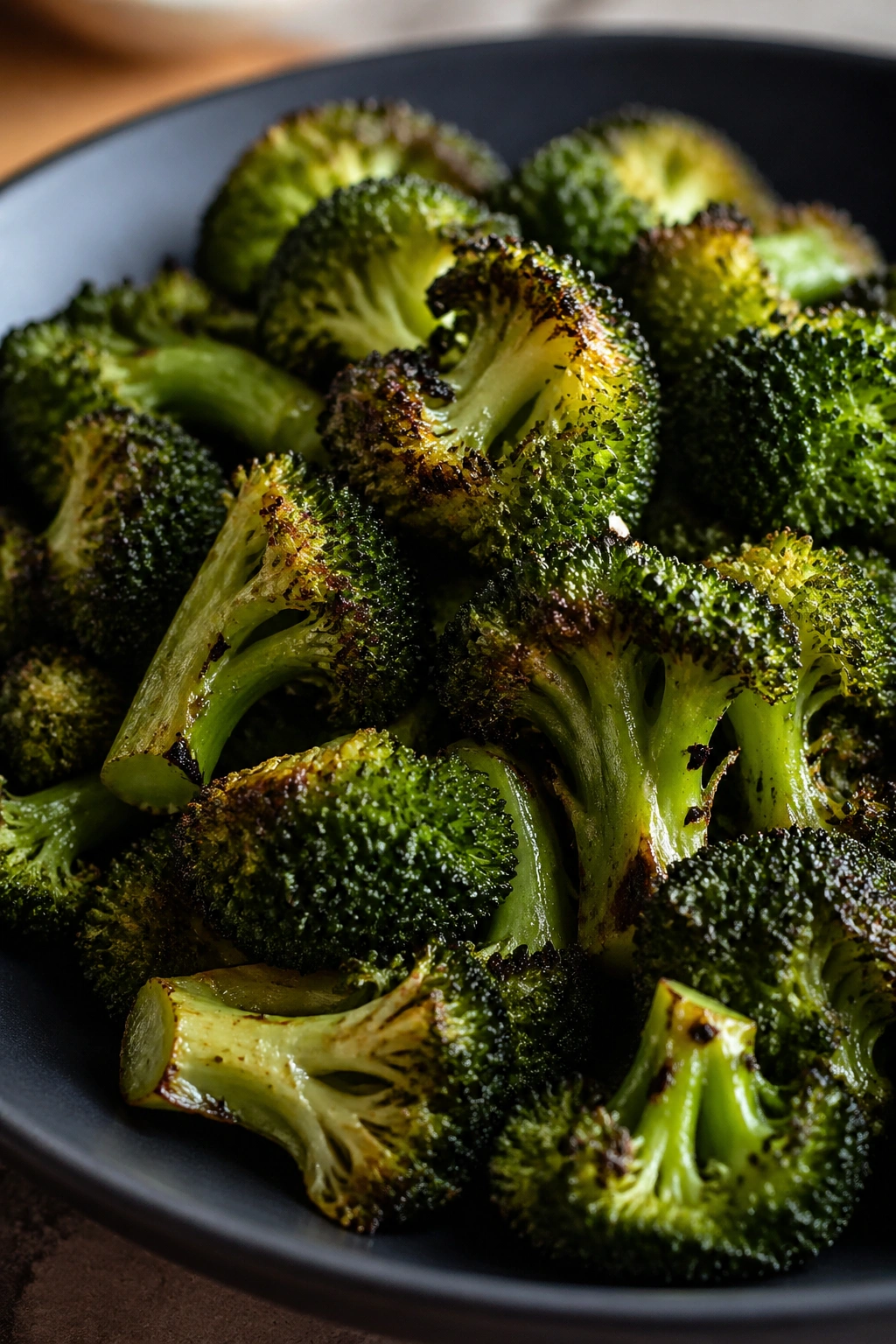
If one vegetable had to carry a weeknight fat-loss plan on its back, I would put money on broccoli. It has the fiber, the volume, and the chew that make dinner feel bigger than it is.
A cup of cooked broccoli gives you about 5 grams of fiber and a little protein too. That is enough to change a plate. Put salmon beside rice and dinner is fine. Put salmon beside broccoli and a small sweet potato, and the meal holds you longer with fewer calories.
Cooking method matters. Steamed broccoli can be dull and waterlogged. Roasted broccoli at 425°F for 20 to 25 minutes with olive oil, salt, and pepper gets caramelized edges and a nutty flavor that people actually want to eat. That matters more than nutrition trivia. Food has to be good enough to repeat.
Some women get gas from big servings of cruciferous vegetables. Use cooked broccoli first, not a mountain of raw florets, and build your portion over a week or two. Your stomach will usually thank you.
15. Leafy Greens
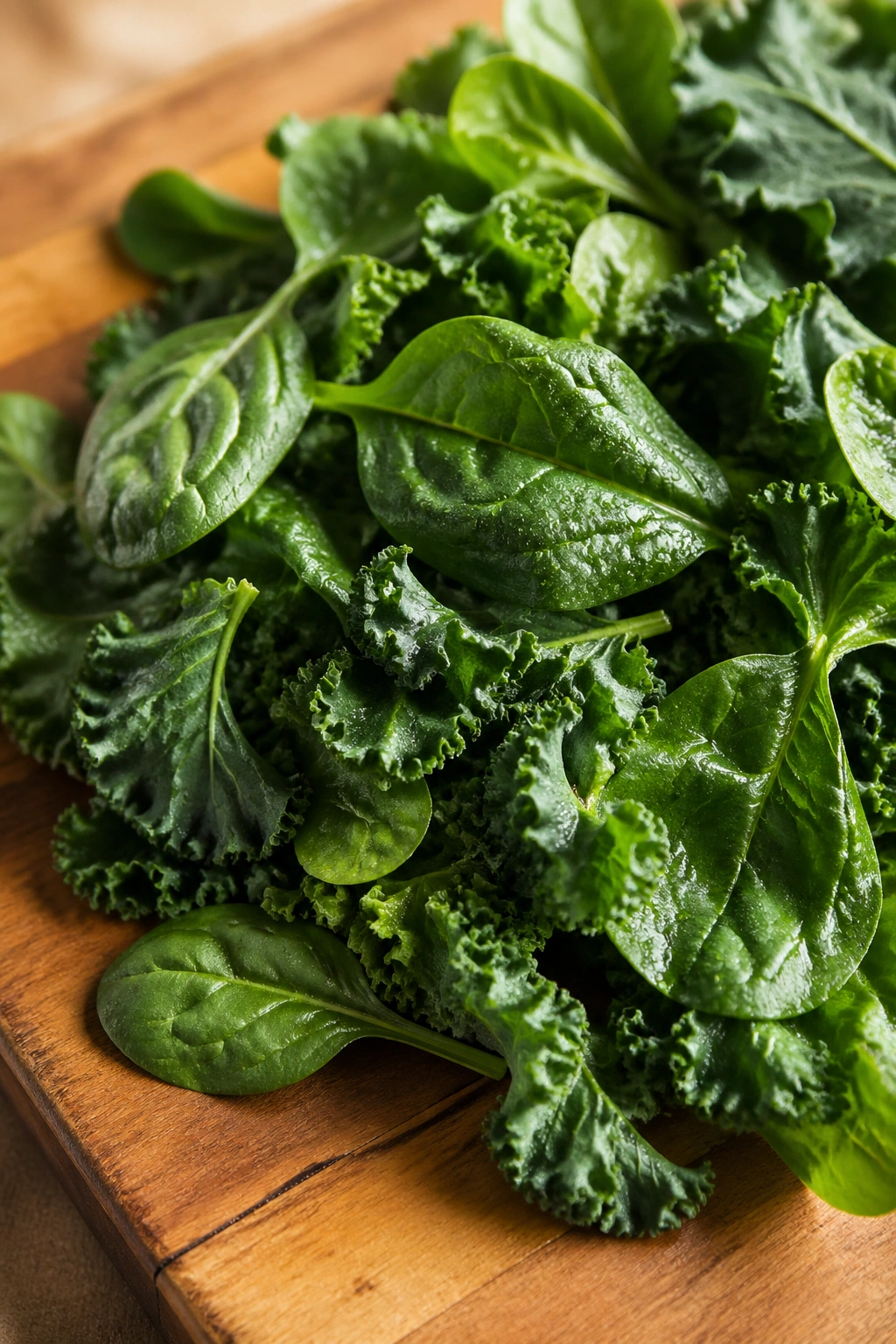
Can a giant salad help with belly fat if it leaves you hungry an hour later? No. A bowl of dry lettuce is not a meal. But leafy greens as the base of a real meal are another story.
Spinach, arugula, kale, romaine, chard—they all bring volume with few calories, plus nutrients like folate, potassium, magnesium, and vitamin K. That makes it easier to fill the plate without crowding it with refined carbs or heavy sauces.
How to Make Greens Pull Their Weight
Use at least 2 packed cups of greens, then add a protein and something with chew. Greens alone are fluff. Greens with salmon, edamame, lentils, chopped vegetables, and olive-oil dressing become lunch.
My Favorite Add-Ins
- 4 to 6 ounces of fish, chicken, tofu, or eggs
- ½ cup beans or lentils
- Crunch from cucumber, radish, or toasted nuts
- A measured dressing made with olive oil, vinegar, lemon, or yogurt
If you take warfarin, keep your intake of vitamin-K-rich greens consistent rather than swinging from none to huge salads. Your clinician may want that pattern steady. Everyone else should stop fearing lettuce and start building better salads.
16. Edamame
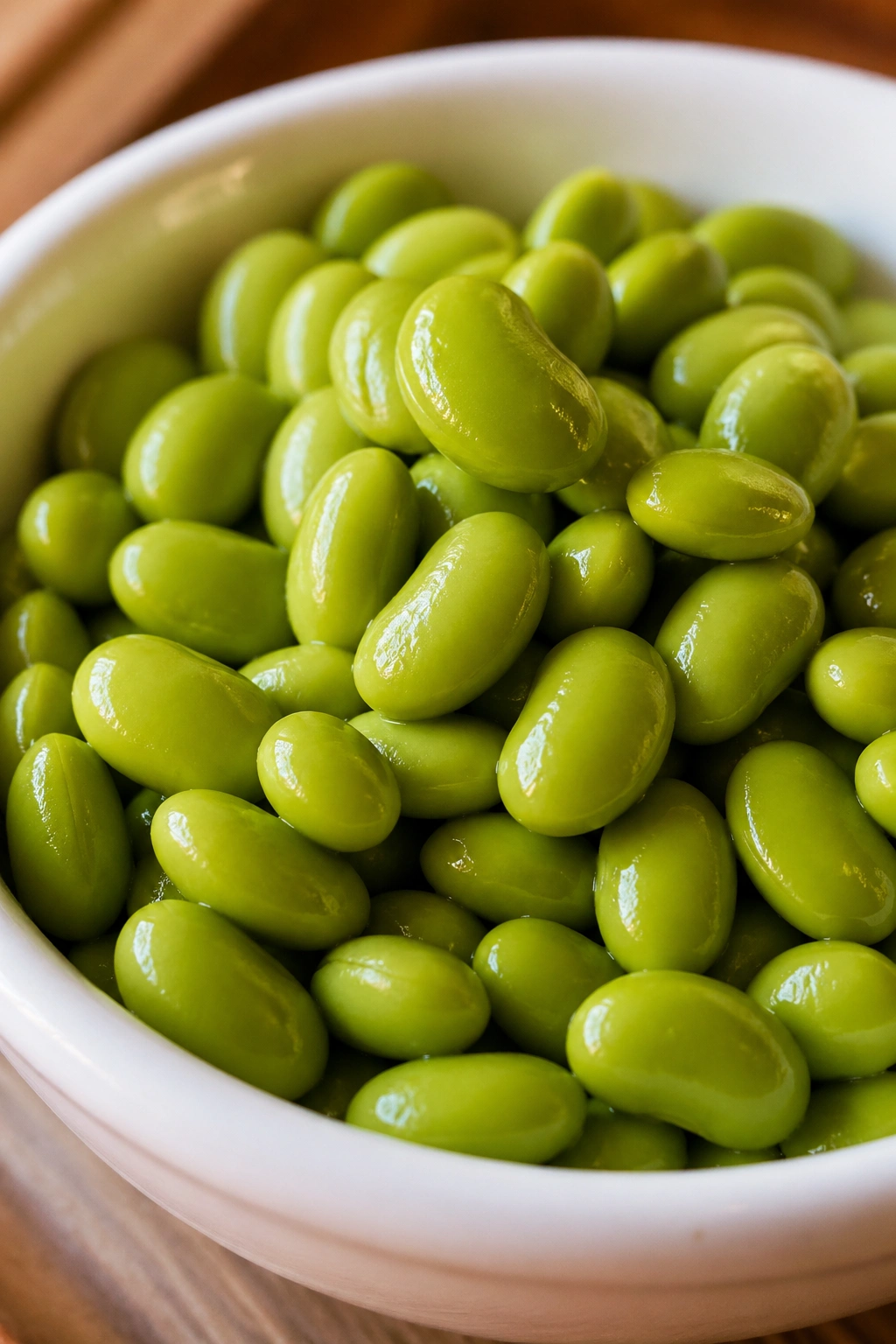
A bowl of warm edamame fixes a snack problem that fruit alone often cannot. It gives you the salty, chewable, hand-to-mouth satisfaction of a snack food, yet it lands with protein and fiber instead of mostly starch.
A cup of shelled edamame has about 18 grams of protein and 8 grams of fiber. That is snack food with teeth. It can also work as a lunch add-on or a meatless dinner protein when you do not feel like cooking.
Why Edamame Works So Well
- The protein helps tame hunger fast.
- The fiber slows the meal down.
- Frozen bags are cheap and easy to keep on hand.
- It fits hot meals, cold salads, and straight-up snacking.
Microwave frozen shelled edamame for 3 to 4 minutes, then toss with salt, chili flakes, or lemon. In the pods, it takes longer to eat, which can be useful if you are a fast snacker. Little friction helps. Fast eating is one of those sneaky waistline issues people miss.
17. Tofu
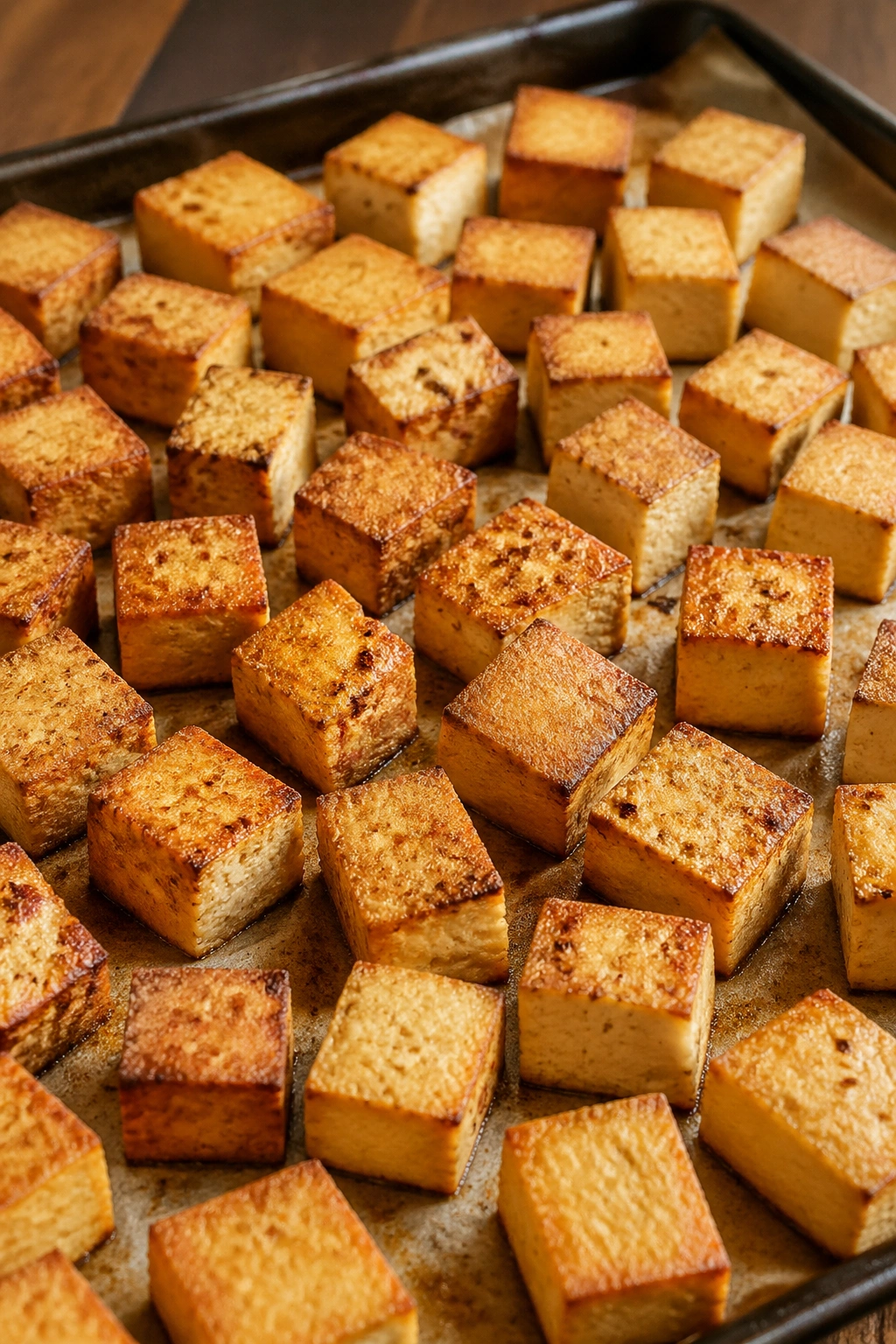
Tofu is not bland. Underseasoned tofu is bland.
That distinction matters because tofu is one of the easiest ways to raise protein intake without adding processed meat or a pile of saturated fat. A ½-cup serving of firm tofu often gives you 10 to 14 grams of protein, and calcium-set tofu can add a useful amount of calcium too.
For women over 50, tofu has another point in its favor: soy foods bring isoflavones, plant compounds that some women find helpful during the menopause years. It is not a cure-all, and it does not need to be. A food can be useful without turning into a legend.
Texture is the turning point. Press extra-firm tofu for 15 to 20 minutes, cube it, toss with soy sauce and a little cornstarch, then roast at 425°F for 25 to 30 minutes until the edges crisp. That version wins converts. Soft tofu is better blended into soups or smoothies.
Use tofu when dinner needs protein but you are tired of chicken. Stir-fries, sheet-pan meals, curry, breakfast scrambles—it does more than people give it credit for.
18. Kefir
Unlike sweet bottled smoothies, plain kefir can act like a high-protein fermented food instead of a dessert with a health halo. It is tangy, drinkable, and often easier on the stomach for people who do not love milk.
A cup usually gives you 9 to 11 grams of protein, depending on the brand. That is not enough for a full meal by itself, yet it makes a smart base for one. Blend kefir with raspberries, spinach, and ground flaxseed and you have a breakfast that behaves far better than juice and toast.
The fermented side matters too. Some women find kefir helps with digestion and regularity, especially when they are increasing fiber from beans, oats, or chia. Gut comfort is not the whole waistline story, though it changes how your stomach feels and how easy it is to stay consistent.
Buy it plain when you can. Sweetened versions can climb fast in sugar. If the tang is too strong, use ½ cup kefir and ½ cup Greek yogurt in a smoothie instead of relying on fruit juice to hide the flavor.
19. Extra Virgin Olive Oil
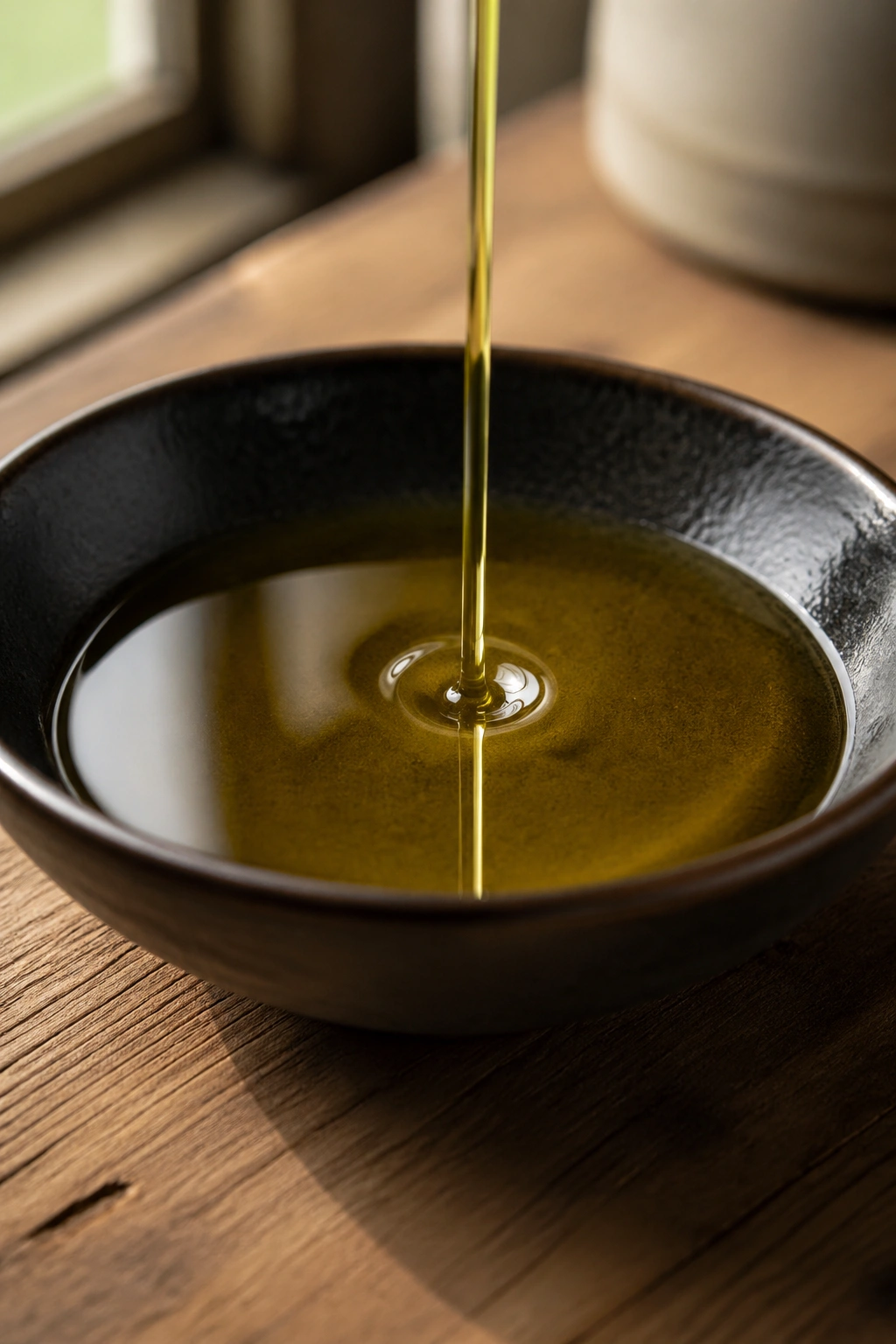
That peppery little burn at the back of your throat from extra virgin olive oil? That is one sign you bought the good stuff. Olive oil does not deserve the old “fat makes you fat” nonsense, but it also should not be poured like water if belly fat is the target.
One tablespoon has about 120 calories. That number matters. So does the fact that olive oil makes vegetables, beans, fish, and salads taste like food you might want again tomorrow.
Why Olive Oil Still Belongs on the Plate
Women who eat a Mediterranean-style pattern—fish, beans, vegetables, yogurt, fruit, olive oil, nuts—often do better with waist size and heart markers than women bouncing between low-fat snacks and overhungry dinners. Olive oil is part of that pattern because it improves meal satisfaction.
Smart Ways to Use It
- Measure 1 to 2 teaspoons for cooked vegetables.
- Use 1 tablespoon in a homemade vinaigrette for a large salad.
- Drizzle it over beans or lentils with lemon and herbs.
- Choose dark bottles and use them within a few months after opening.
Measure first, eyeball later. Most people who say they use “a little” are using closer to two tablespoons.
20. Walnuts
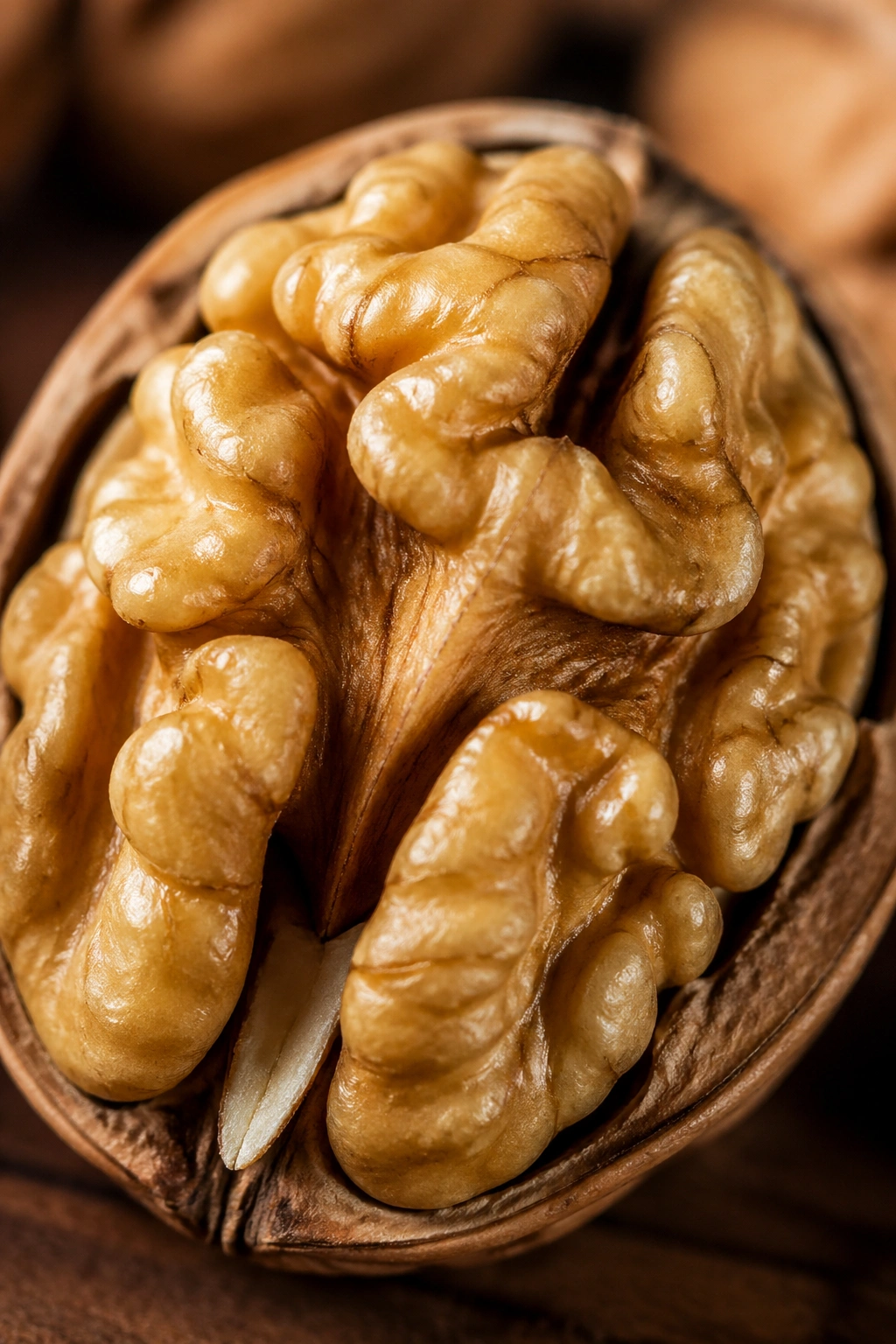
Nuts scare people who are trying to lose belly fat, and I get why. They are small. They are calorie-dense. They are easy to overeat standing at the counter. Still, walnuts deserve a spot here because a measured serving can make snacks and breakfasts hold together far better.
An ounce of walnuts—about 14 halves—gives you healthy fat, a bit of protein, a little fiber, and plant omega-3 fat. No, the protein is not sky-high. The value is in how walnuts slow a meal down and add staying power.
Use them where they do the most work: stirred into oats, paired with an apple, chopped onto cottage cheese, or scattered over roasted vegetables. Those combinations beat eating walnuts by the fistful from a bag and wondering why lunch got weirdly large.
Pre-portion them. That single habit changes the outcome. A small jar with 14 halves in each serving is much kinder to your waist than “I’ll stop when I feel done,” which is not a plan—it is a hope.
21. Cottage Cheese
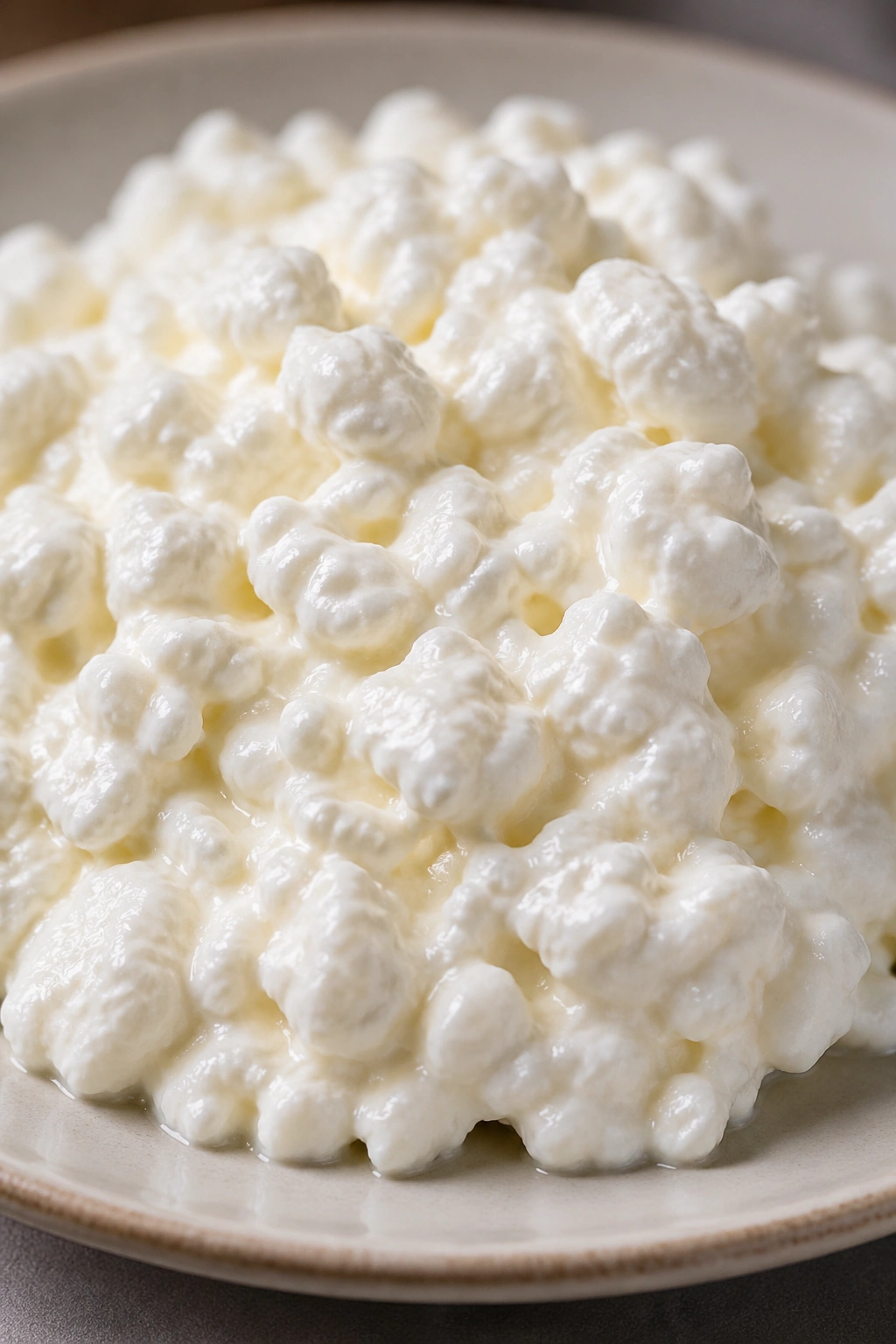
What should you eat when dinner was early, bedtime is still two hours away, and you do not want the night to end in cookies? Cottage cheese is one of the cleanest answers.
A cup of low-fat cottage cheese often brings 24 to 28 grams of protein, much of it casein, a slower-digesting milk protein that can keep you full for longer than a carb-heavy snack. That makes it useful at breakfast, after a workout, or in the evening.
Why It Helps More Than “Light” Snacks
Rice cakes, granola bars, and low-fat crackers look tidy on a label, then leave you hunting for more food. Cottage cheese lands with enough protein to settle things down. That is the difference.
Best Ways to Eat It
Go savory with tomatoes, cucumber, black pepper, and olive oil. Go sweet with cinnamon, raspberries, or chopped apple. Blend it into scrambled eggs if you hate the texture. Buy small-curd if large-curd feels odd in your mouth—texture is often the deal-breaker, not taste.
Watch the sodium if you are sensitive to it. Brands vary a lot.
22. Sweet Potatoes
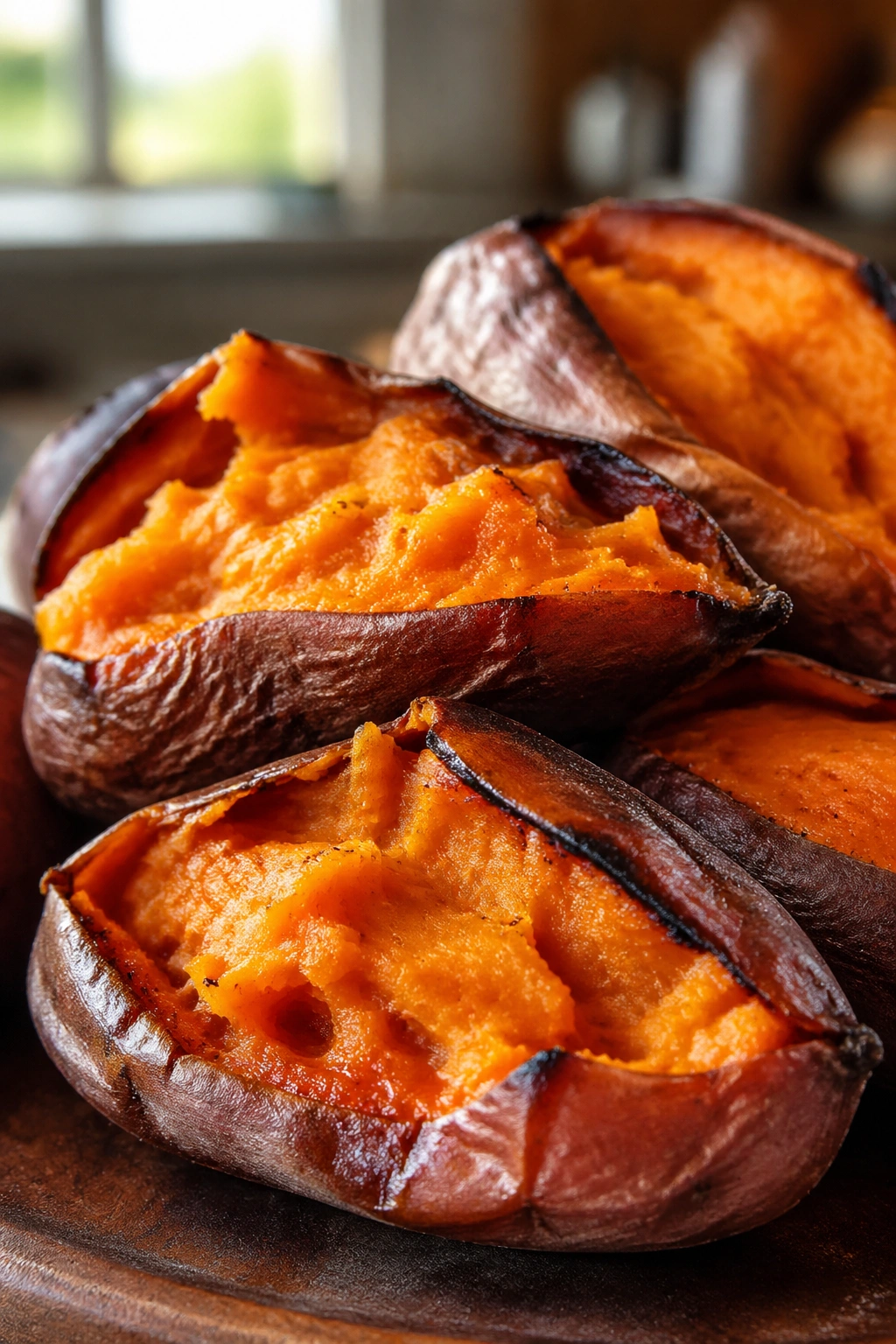
A roasted sweet potato does not look like diet food, which is part of why it works. It is satisfying, warm, naturally sweet, and sturdy enough to replace the kind of refined carbs that set off a second round of eating later.
One medium sweet potato gives you about 4 grams of fiber, along with potassium and carotenoids. It is still a carbohydrate, yes. The difference is that it arrives with fiber and bulk instead of the fast-hit feel you get from chips, pastries, or white bread.
Why Sweet Potatoes Beat “Healthy” Snack Foods
- They feel substantial, so dinner seems complete.
- They pair well with fish, tofu, eggs, or beans.
- Their natural sweetness can cut dessert cravings after the meal.
- They hold up well for meal prep.
Roast whole sweet potatoes at 400°F for 45 to 60 minutes, depending on size, until a knife slides in with almost no resistance. Split one open and add Greek yogurt, black beans, or leftover salmon. That is a real meal, not a snack pretending to be one.
Building Meals With Belly Fat Burning Foods for Women Over 50
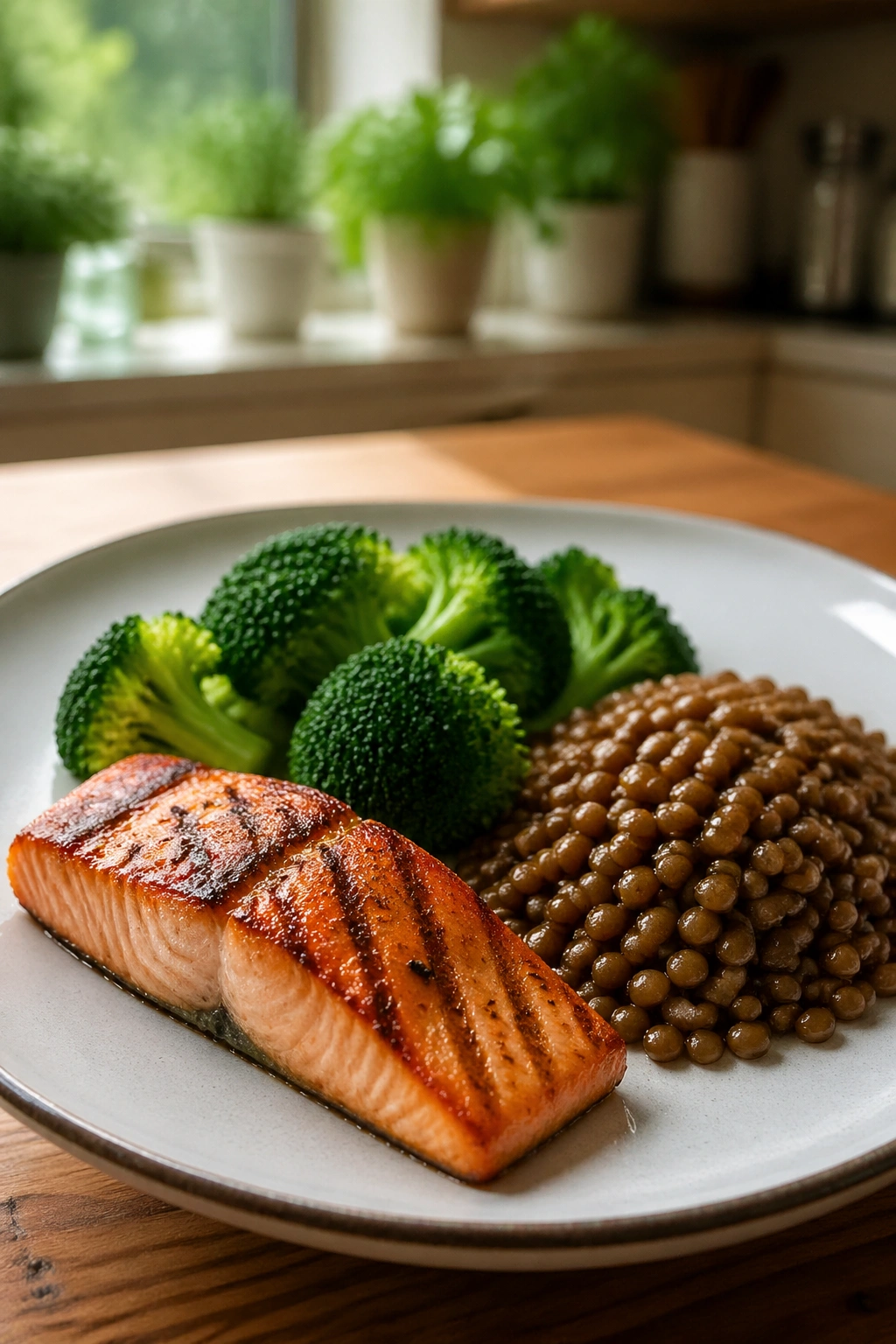
A smart food list can still fail if meals are random. The easiest fix is using a repeatable structure so you are not negotiating with hunger three times a day.
Breakfast works best when it has 25 to 30 grams of protein plus fiber. Think Greek yogurt with berries and flax, eggs with spinach and oats, or kefir blended with chia and raspberries. If breakfast is only coffee and toast, the rest of the day gets harder than it needs to be.
Lunch and dinner get easier when you build them in layers:
- Protein: salmon, sardines, tofu, edamame, cottage cheese, eggs
- Fiber-rich carb: lentils, black beans, barley, oats, sweet potato
- Volume foods: broccoli, leafy greens, apples, berries
- Healthy fat: avocado, olive oil, walnuts
Three foods from this list on one plate will usually beat one “superfood” eaten in isolation. That is the part ads never tell you. Your waist responds to meal patterns more than hero ingredients.
Walking after dinner helps too—10 to 20 minutes is enough to matter—and strength training gives these foods somewhere useful to go by helping you keep muscle. Food does not work alone. It does, though, make the rest of the job much easier.
Final Thoughts

The women who make the biggest dent in belly fat after 50 usually stop chasing “fat-burning” promises and start eating more protein, more fiber, and better carbs on repeat. It is not flashy. It works.
Start small. Pick three foods from this list you will eat this week, not 22 you admire in theory. Maybe Greek yogurt at breakfast, lentils at lunch, and salmon or tofu at dinner. Maybe apples replace the vending-machine snack and broccoli shows up four nights in a row. Boring can be powerful.
Your waistline does not need a cleanse. It needs meals that keep hunger steady, blood sugar calmer, digestion moving, and muscle protected. Keep doing that, and the mirror usually gets the message.
