



Half the battle of a strong workout happens before the warm-up. Eat too little and your legs feel empty by the second set. Eat a heavy breakfast loaded with fat and fiber 20 minutes before training, and your stomach starts arguing with every squat, stride, or burpee. That’s why pre workout oatmeal recipes for energy keep showing up in real training routines—not because oats are flashy, but because they work.
A half-cup of dry rolled oats lands near 27 grams of carbohydrate and 4 grams of fiber, which is a useful starting point for steady fuel. Guidance from sports nutrition groups has long put carbohydrate near the center of pre-exercise eating, and oats fit that job well: cheap, shelf-stable, easy to flavor, and flexible enough to go light or hearty depending on how soon you plan to move.
There’s a catch, though. Not every oatmeal bowl belongs before every workout. A bowl with nut butter, chia, and raw apple might feel fine 90 minutes before lifting, then sit like wet cement if you eat it 25 minutes before a run. Texture matters too. So does temperature. Plain oats and water are edible, sure, but they taste like obligation.
Get the timing right, build the bowl with purpose, and oatmeal stops being boring breakfast filler and starts acting like what it is: reliable training fuel.
The 30-Minute vs 90-Minute Oatmeal Window
How soon are you training? That question changes the bowl more than the flavor does.
If you have 30 to 45 minutes
Keep the oatmeal smaller and softer. Quick oats beat steel-cut oats here because they cook down faster, hold less chew, and tend to feel lighter in your stomach. Aim for about 1/2 cup dry oats, use extra liquid for a looser texture, and lean on fast carbs like mashed banana, honey, or a chopped date.
Go easy on fat and seed-heavy toppings. A teaspoon of peanut butter is fine for many people. Two tablespoons plus flax and chia before sprints? I would not.
If you have 60 to 90 minutes
This is the sweet spot for most pre-workout oatmeal recipes. Rolled oats usually win here. You’ve got time for a full serving, fruit, and some protein from Greek yogurt, milk, cottage cheese, or whey stirred in after cooking. A tablespoon of nuts or seeds is usually fine too.
This window also gives you room for more texture. Diced apple, berries, pumpkin seeds, toasted walnuts—they all make more sense when your body has time to digest them.
If you have 2 hours or more
Now you can go bigger. Steel-cut oats, baked oats, and fiber-heavier combinations fit better when training is farther away. This is a good time for bowls with chopped pear, raisins, carrots, walnuts, or thicker dairy toppings.
Salt helps more than people think.
If you sweat hard, a small pinch in the bowl can make sweet oats taste sharper and more balanced, and it nudges your pre-workout meal a little closer to what your body will use once you start moving.
The Three Parts of a Pre-Workout Oatmeal Bowl
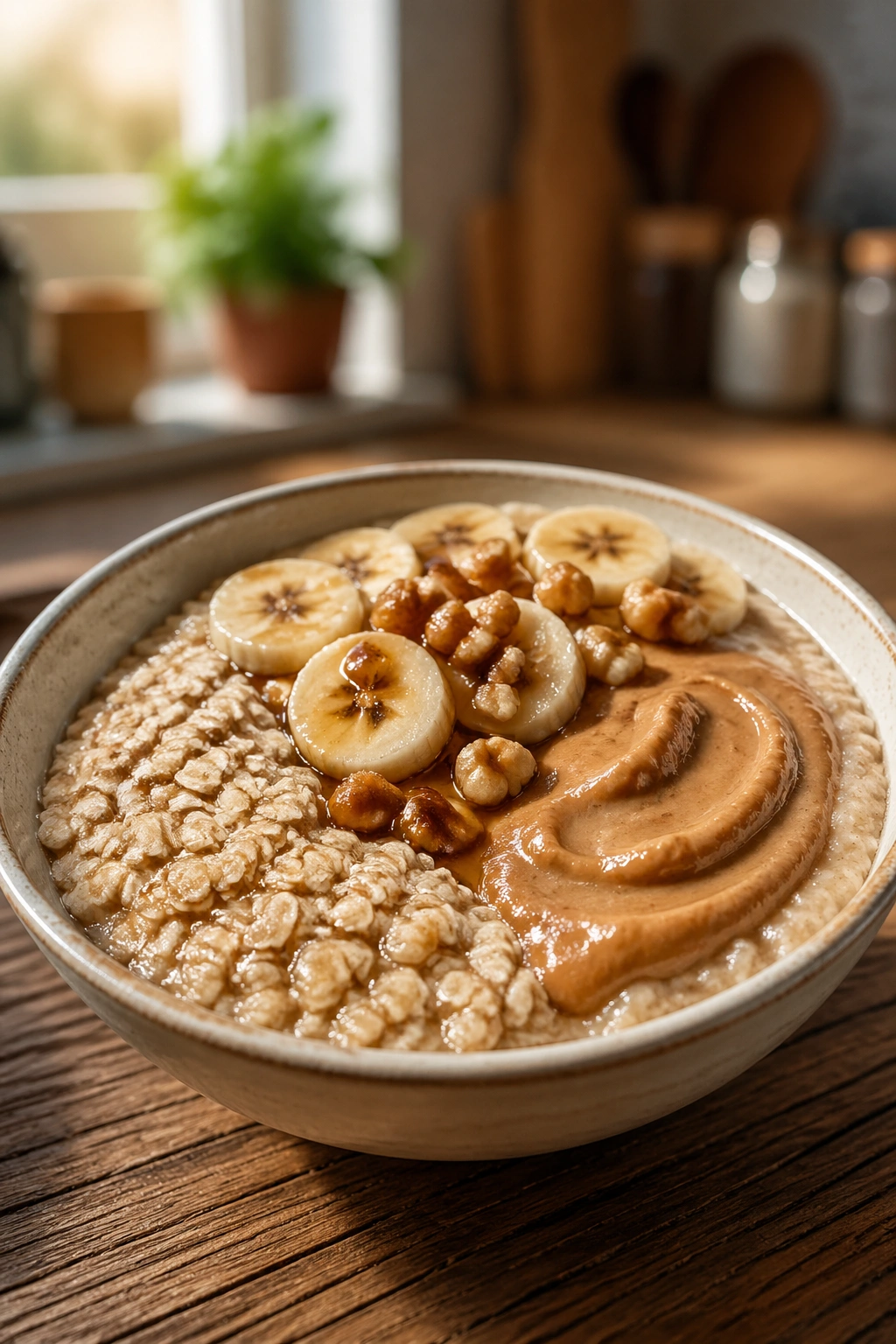
Good pre-workout oatmeal is built, not guessed. Once you know the basic structure, you can mix flavors without turning breakfast into a random pantry dump.
Start with the base. Use 1/2 to 3/4 cup dry oats and 3/4 to 1 cup liquid. Water cooks fastest. Milk adds protein and a creamier finish. A half-and-half split works well if you want body without making the bowl too rich.
Then add the main fuel. Pick one or two carb-heavy extras:
- 1 small banana
- 1/2 cup berries
- 1 grated apple
- 1 to 2 chopped dates
- 1 to 2 teaspoons honey or maple syrup
- 1/2 cup diced mango or peaches
Protein comes next. About 10 to 25 grams is a useful range for many people before training. You can get there with:
- 1/2 cup Greek yogurt
- 1/2 cup cottage cheese
- 1 scoop whey or plant protein
- 1 egg stirred into hot oats
- 1 cup dairy milk or soy milk
A small extra can change the whole bowl—cinnamon, cocoa, lemon zest, ginger, cardamom, vanilla, toasted nuts. Keep it small. The oats still need to be the center of gravity.
One practical note: stir protein powder into oats after they cool for 60 to 90 seconds. Add it to piping-hot oats and it can turn gluey, chalky, or both.
1. Banana Peanut Butter Pre-Workout Oatmeal Bowl
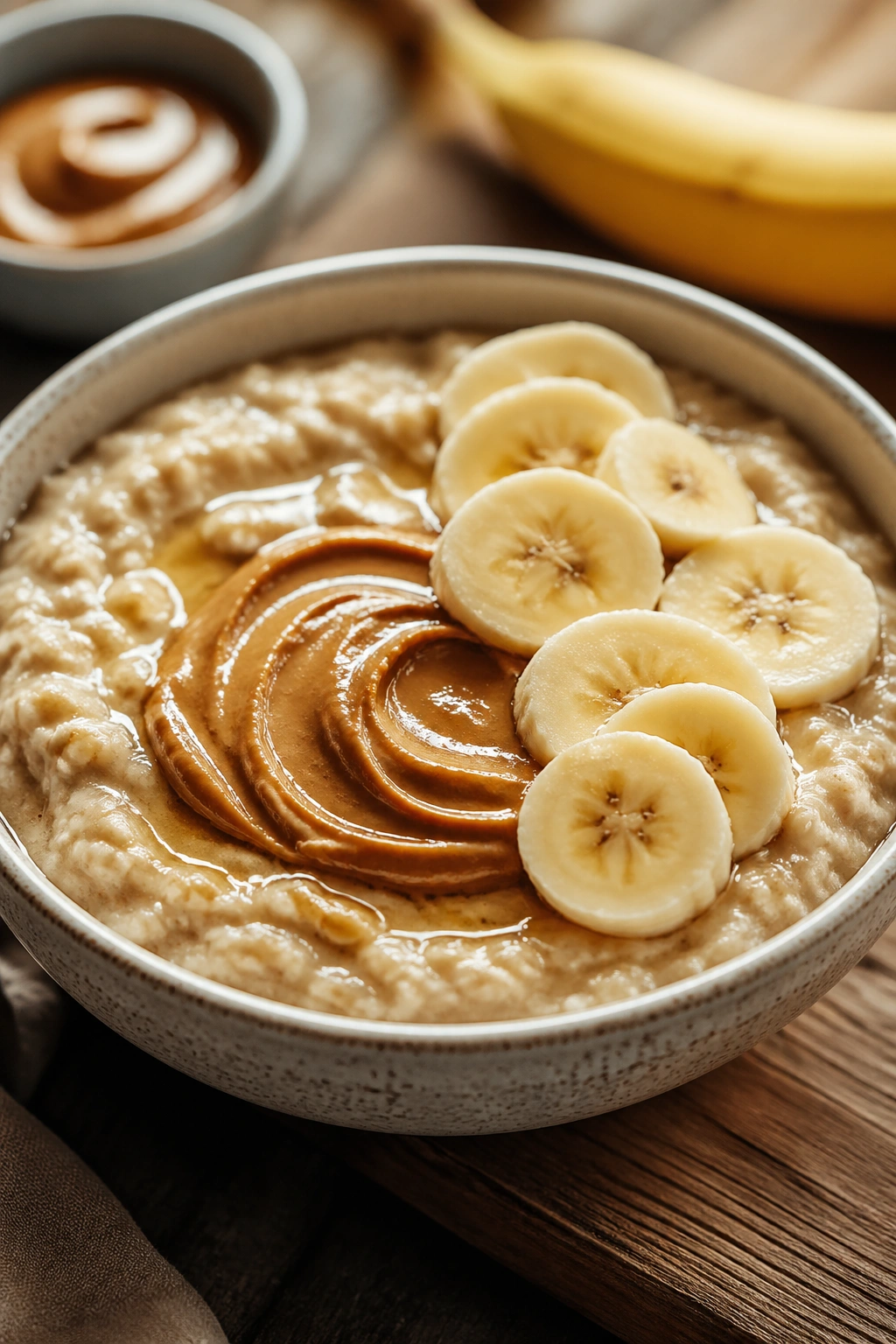
If there’s a default bowl for early training, this is it. Banana and peanut butter oatmeal gives you fast carbs, a little fat, and enough flavor to feel like breakfast instead of gym food.
What goes in the bowl
- 1/2 cup quick or rolled oats
- 3/4 cup milk or water
- 1 small banana
- 1 tablespoon peanut butter
- 1/2 teaspoon cinnamon
- Small pinch of salt
Mash half the banana into the liquid before cooking. That one move matters. It sweetens the oats all the way through and gives the bowl a softer, almost custardy texture. Slice the other half on top after cooking, then drag the peanut butter across the warm surface so it melts into streaks instead of forming one heavy lump.
You’ll get the best feel from this bowl about 45 to 75 minutes before lifting, cycling, or steady cardio. If your workout starts sooner, switch to quick oats and use 2 teaspoons peanut butter instead of a full tablespoon.
Tip: If peanut butter feels too heavy close to training, use powdered peanut butter mixed with 1 tablespoon water. You keep the flavor and trim the fat.
2. Blueberry Almond Protein Oats
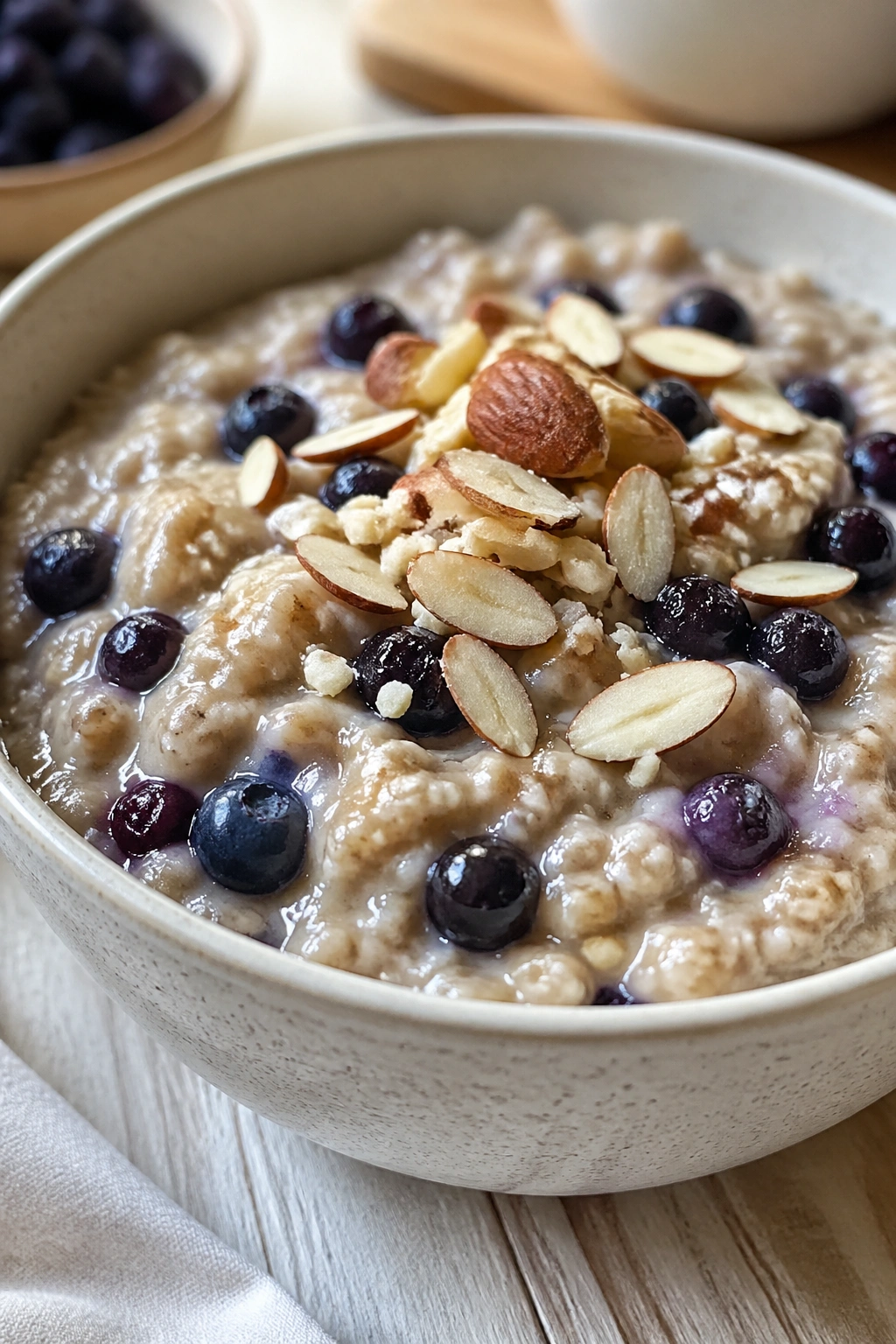
Blueberries do more here than make the bowl look nice. Once they burst into hot oats, they turn the whole pot jammy and sweet-tart, which helps if you’re trying to eat enough before a morning workout and your appetite is still half asleep.
Microwave 1/2 cup rolled oats with 3/4 cup milk for 90 seconds, stir, then give it another 30 to 45 seconds until the oats are thick but still loose. Let them sit for a minute. Fold in 1/2 cup frozen blueberries, 1/2 scoop vanilla whey, and 1 tablespoon chopped almonds. The carryover heat softens the berries without reducing them to gray mush.
The trick is patience. Do not dump whey into boiling oats. Wait that extra minute or it can seize and turn sandy. A little lemon zest on top wakes the whole bowl up—more than vanilla extract does, honestly.
This one fits nicely 60 minutes before training. The almonds give it bite, though I would cut them back to 2 teaspoons if the session starts sooner. A short upper-body lift, a rower workout, or a brisk run suits this bowl well because it’s filling without being dense.
3. Apple Cinnamon Overnight Oats
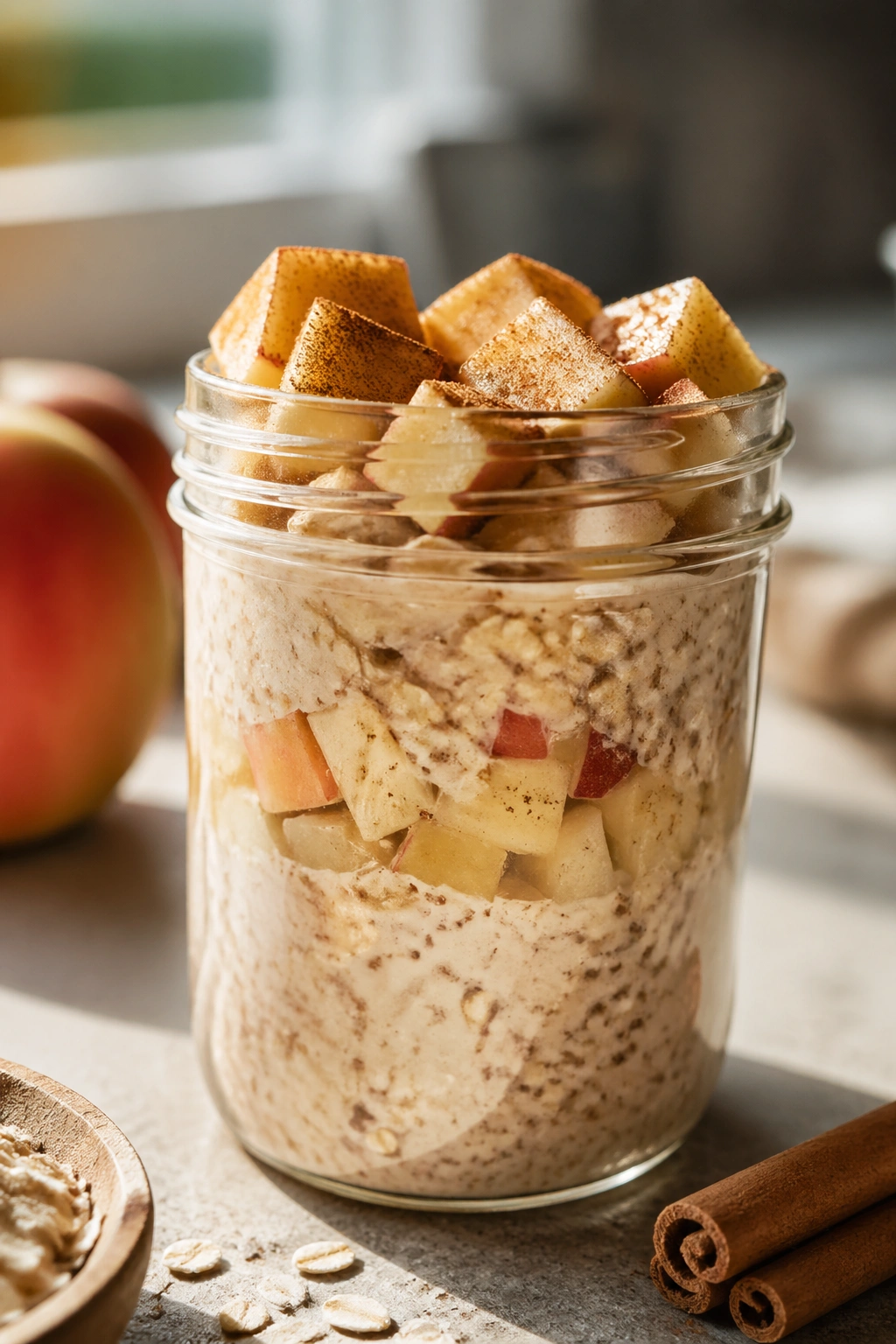
Need breakfast ready when you open the fridge? Apple cinnamon overnight oats are hard to beat for packed mornings and early gym sessions.
Rolled oats hold their shape better than quick oats here. Mix 1/2 cup rolled oats, 1/2 cup milk, 1/3 cup Greek yogurt, 1/2 grated apple, 1 teaspoon maple syrup, 1/2 teaspoon cinnamon, and a pinch of salt in a jar. Stir well, cap it, then let it sit overnight. By morning, the oats absorb the liquid, the apple softens, and the cinnamon spreads into every bite.
Jar method that actually tastes good
Grate the apple on the large holes of a box grater, then squeeze out a little liquid if it seems watery. That keeps the jar thick instead of soupy. A few diced apple cubes on top give it fresh crunch, which helps because overnight oats can go soft from edge to edge.
This version works best 45 to 90 minutes before training, depending on your portion size. If you need to eat closer to movement, peel the apple and skip nuts or seeds. If you’ve got more time, add 1 tablespoon chopped walnuts for texture and a warmer, bakery-style flavor.
Cold oats count. Your stomach doesn’t care whether the bowl came off the stove.
4. Espresso Cocoa Power Oats
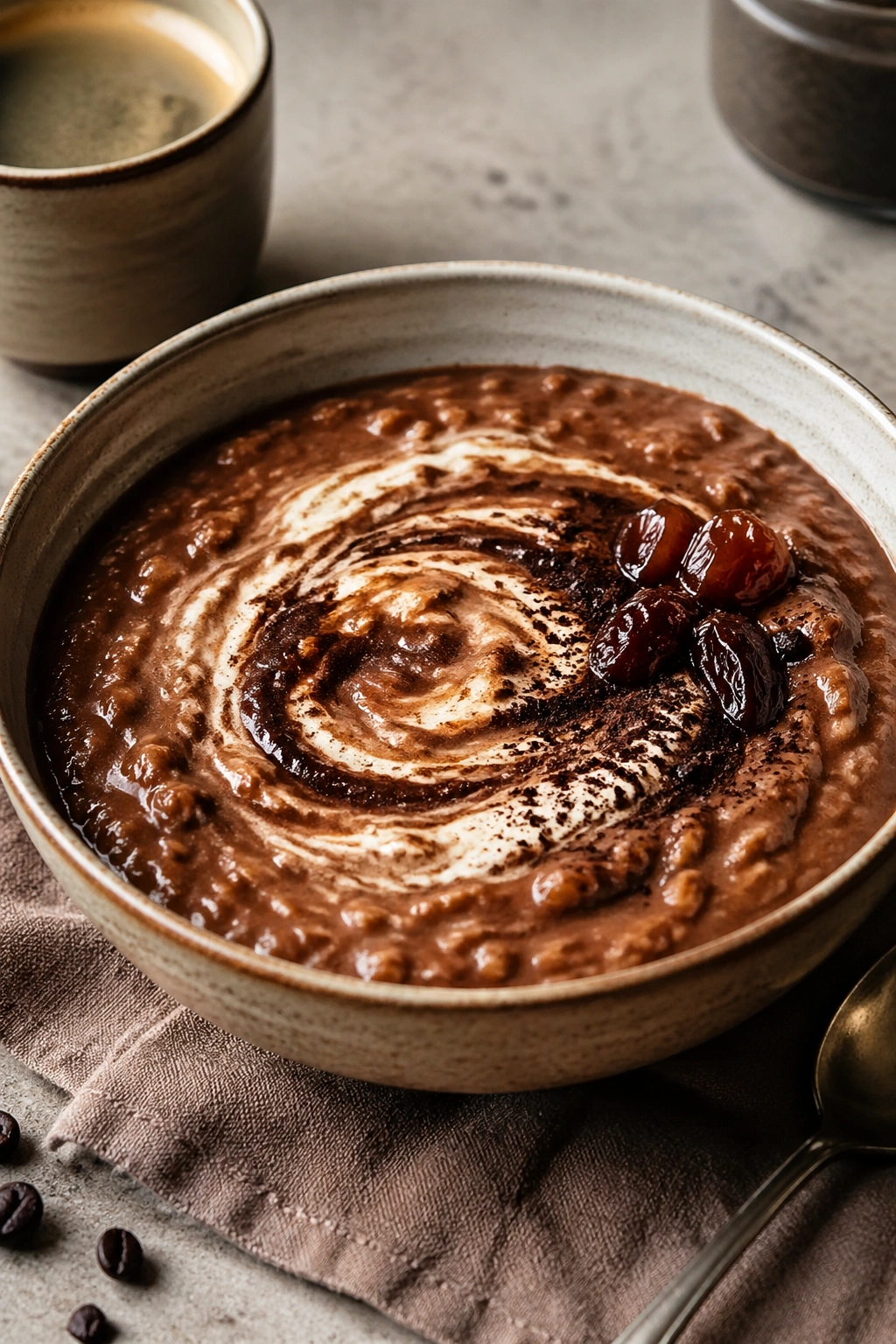
Cold morning. Dark room. You’re tying your shoes with one eye open and coffee alone is not going to carry the session.
That’s where this bowl lands. Espresso cocoa oats taste like a mocha, but they still do the job of breakfast. Cook 1/2 cup quick oats with 2/3 cup milk and 1/3 cup brewed espresso or strong coffee. Stir in 1 teaspoon cocoa powder, 1 chopped Medjool date, and a pinch of salt. Once the oats thicken, rest them for a minute, then mix in 1 tablespoon chocolate whey or 2 tablespoons Greek yogurt for a softer finish.
A few things make this better:
- Use quick oats if you’re eating inside 45 minutes.
- Chop the date small so it melts into the oats instead of sitting in sticky chunks.
- Add cocoa early, protein late.
- Keep the coffee portion modest if you already drink caffeine before training.
I like this bowl for shorter, sharper sessions—intervals, circuits, heavy sets where you want to feel switched on. It smells like a coffee shop, tastes deeper than plain chocolate oats, and still gives you the carb base you actually came for.
5. Strawberry Greek Yogurt Swirl Oatmeal
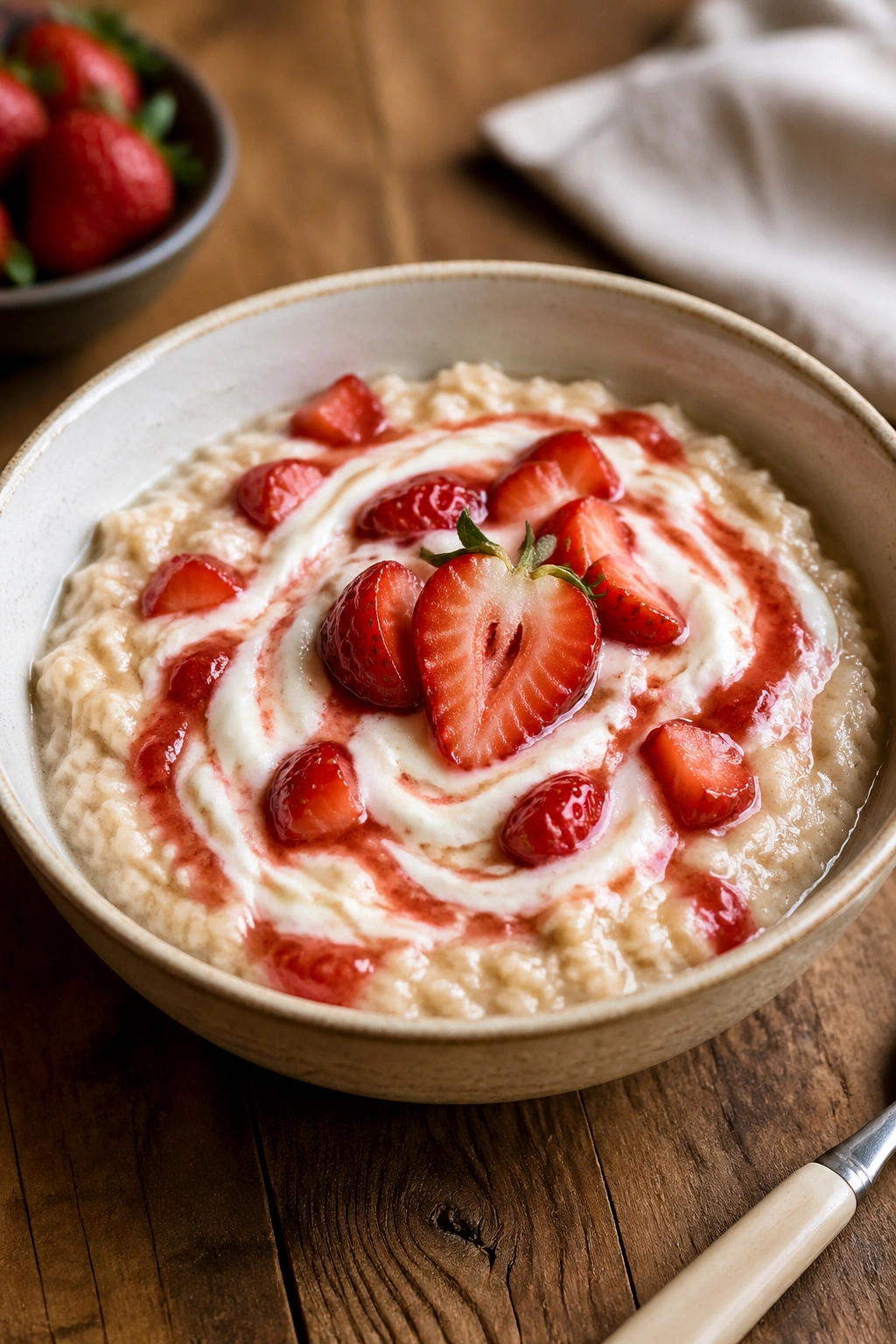
Warm oats with a cold yogurt swirl hit a texture that plain oatmeal never reaches. You get heat, creaminess, and bright fruit in the same spoonful, which makes this one far more satisfying than the ingredient list suggests.
Cook 1/2 cup rolled oats in 3/4 cup milk until thick but not dry. While they cook, toss 1/2 cup chopped strawberries with 1 teaspoon honey and let them sit for 5 minutes. They soften, release juice, and start tasting halfway to jam. Stir 1/4 teaspoon vanilla into 1/3 cup Greek yogurt.
Spoon the oats into a bowl. Add the strawberries first, then the yogurt, then drag a spoon through once or twice. Not ten times. You want ribbons, not pink paste.
This bowl works well when you need moderate fuel with some protein but don’t want the heavier feel of nut butter. The yogurt cools the oats down a little, which helps if you hate eating something piping hot before training.
Try it 60 minutes before a workout. If your stomach is touchy with dairy close to exercise, use a lactose-free yogurt or skyr. If you need more carbohydrate, crumble in one crushed graham cracker or add 2 tablespoons granola—though that’s better when you’ve got extra digestion time.
6. Maple Pumpkin Seed Oatmeal
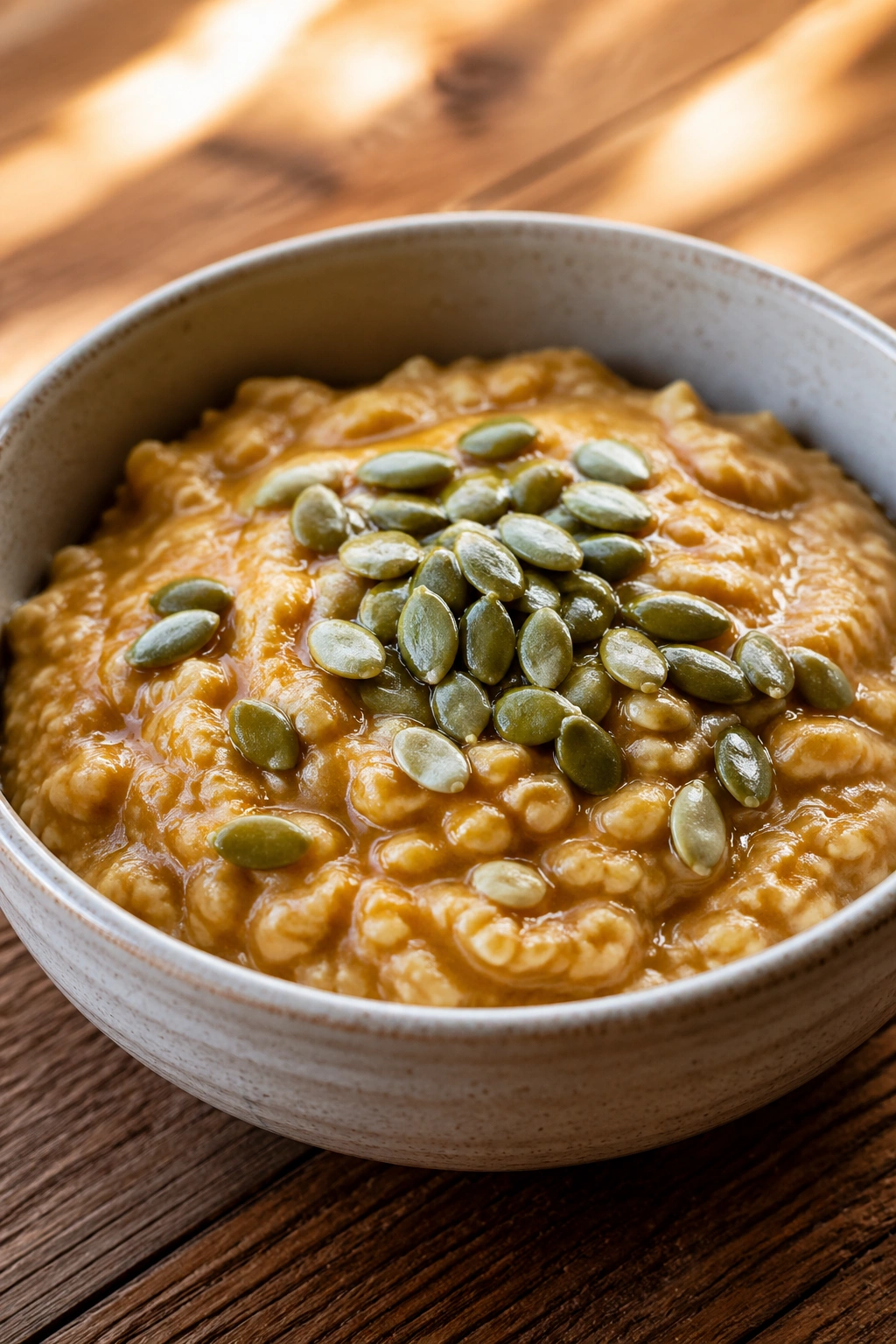
Unlike banana-peanut-butter bowls, this one stays lighter and less sticky on the palate, which matters if rich oats turn you off before training. The flavor is earthy, lightly sweet, and a little savory around the edges.
Cook 1/2 cup rolled oats with 3/4 cup water and 1/4 cup milk. Stir in 2 tablespoons pumpkin purée, 1 teaspoon maple syrup, 1/4 teaspoon cinnamon, and a small pinch each of ginger and salt. Finish with 1 tablespoon pumpkin seeds after the oats leave the heat.
The pumpkin purée does not make the bowl heavy if you keep the amount modest. It adds moisture and body more than bulk. Pumpkin seeds bring crunch and a clean, nutty taste, though they do ask for a bit more digestion time than a soft fruit topping would.
Who is this best for? Anyone who wants a steady bowl that isn’t candy-sweet. I’d eat it 60 to 90 minutes before a gym session, especially on days when the usual banana flavors feel tired. If you want it smoother, swap the whole seeds for 2 teaspoons pumpkin seed butter.
7. Mango Coconut Cardamom Oats
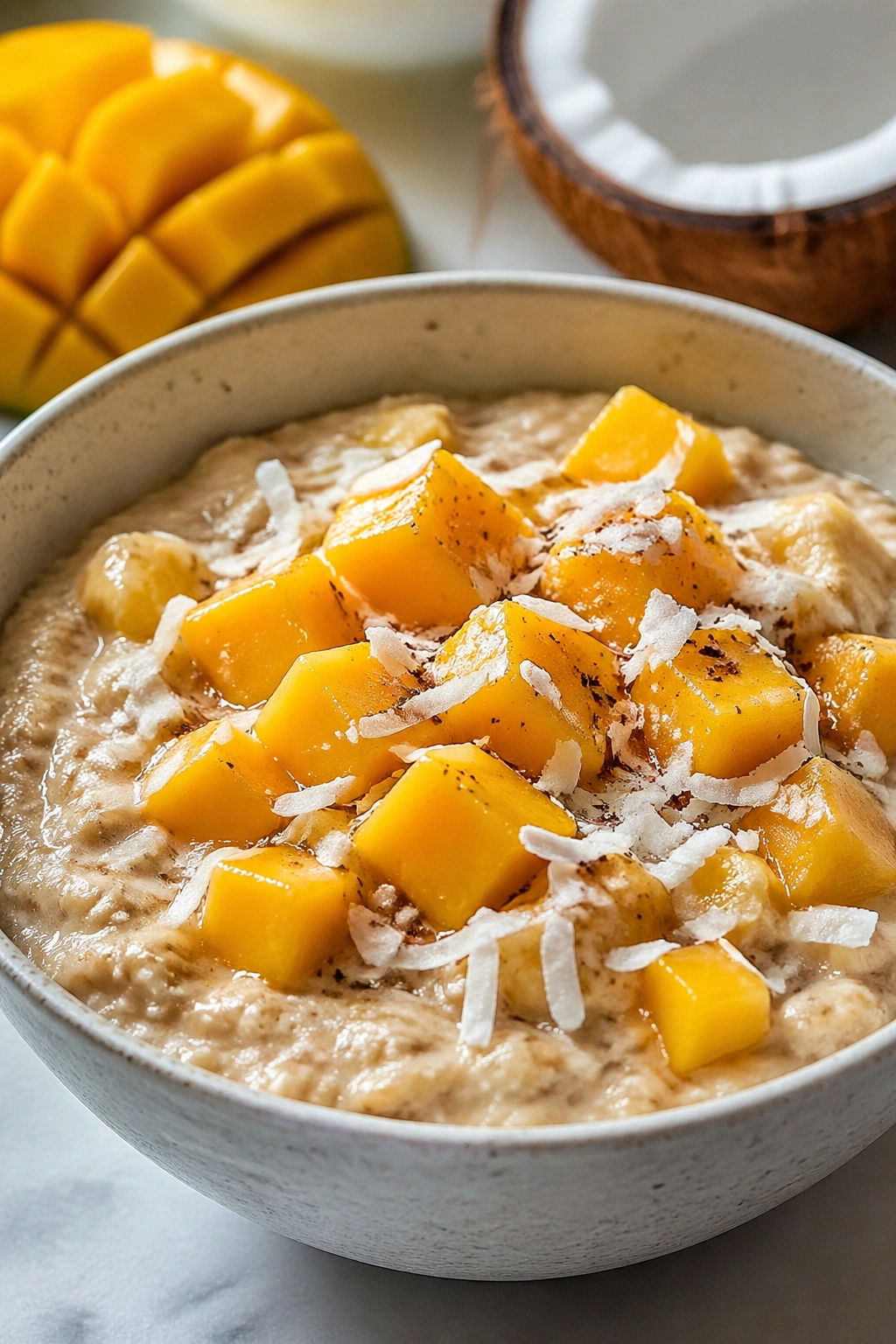
This is the bowl I reach for when standard cinnamon oats start tasting dull. Mango and coconut give oatmeal a cooler, softer profile, and a pinch of cardamom keeps it from wandering into dessert territory.
Fast build
Cook 1/2 cup quick oats in 1/2 cup milk and 1/2 cup water. When they loosen and swell, fold in 1/2 cup diced mango, 1 tablespoon light coconut milk or 2 tablespoons coconut yogurt, and a small pinch of cardamom. If the mango is frozen, let it thaw for 10 minutes or warm it in the microwave for 20 seconds first.
Why this one works before training
Mango brings easy carbohydrate without the seeds, skins, or chew of berries or apples. Coconut adds flavor fast, so you don’t need a heavy hand with nut butter or syrup. Cardamom smells fancy, though the job it does is plain: it cuts sweetness and keeps the bowl fresh.
Eat this bowl 45 to 60 minutes before training if you keep the coconut portion small. Want more staying power? Add 1/2 scoop vanilla protein after the oats cool briefly. I would skip hemp, flax, and extra seeds here unless your workout is much later.
8. Savory Egg and Spinach Pre-Workout Oatmeal
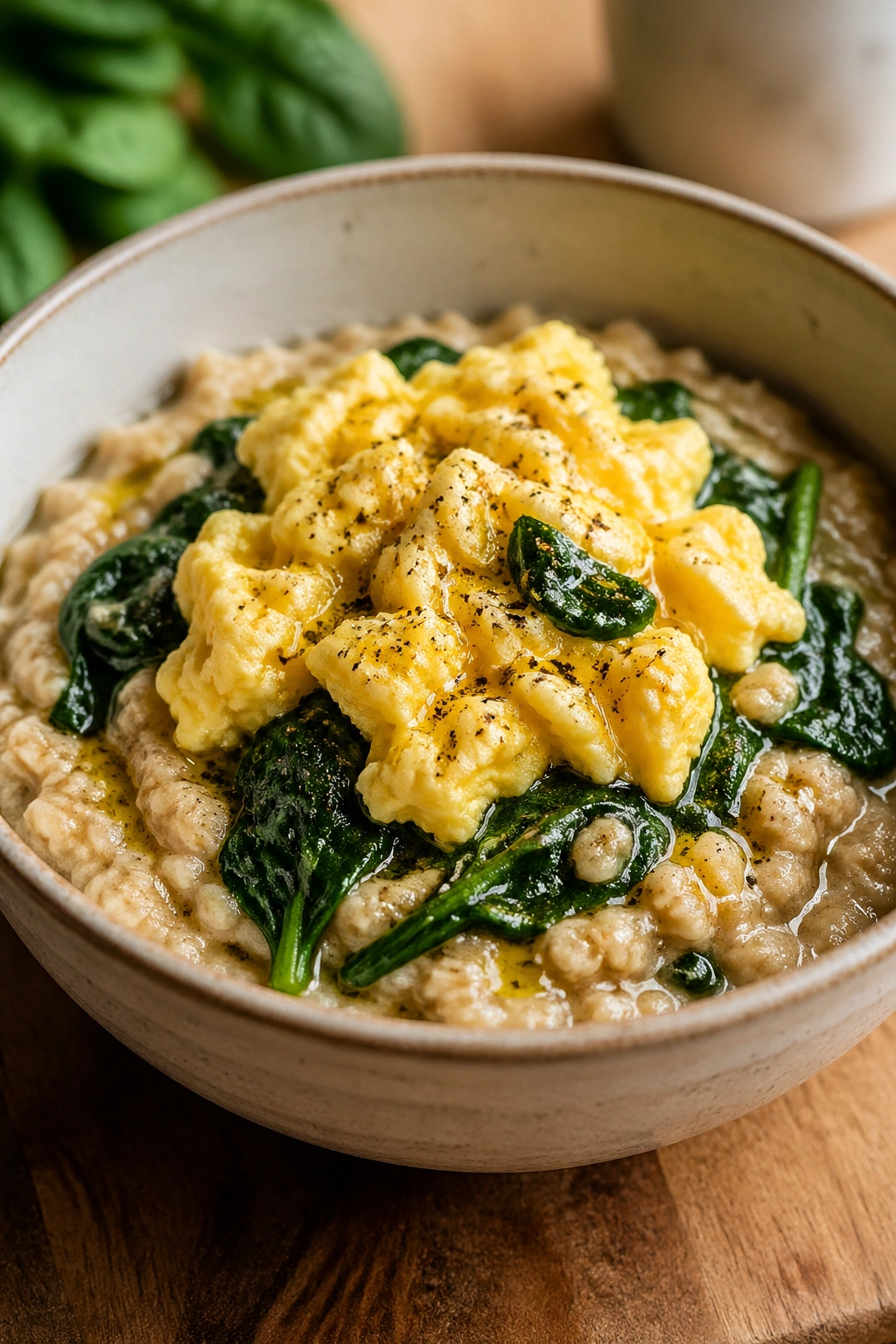
Sweet oatmeal gets all the attention, yet savory oats can be a better pre-workout move if you wake up craving actual food. Not a cookie. Food.
Cook 1/2 cup rolled oats in 1 cup water or light broth. When they’re almost done, stir in a big handful of spinach and let it wilt. In a separate pan, scramble 1 egg with a pinch of salt, or soft-boil it if you want a runny yolk. Add the egg to the oats, then finish with 1 teaspoon olive oil, black pepper, and 1 tablespoon grated Parmesan.
You end up with something between risotto and congee. Soft, warm, salty, and far more satisfying than many people expect the first time they try it.
A few guardrails help:
- Use light broth, not a salty soup base.
- Keep cheese small, especially before cardio.
- Skip a flood of hot sauce if you’ll be running.
- Chew it slowly; savory oats disappear fast.
This bowl fits best 60 to 90 minutes before training, especially for strength work. It has more staying power than fruit oats, and it solves a common problem: some people simply do not want sweet breakfast before deadlifts.
9. Date Tahini Cinnamon Oats
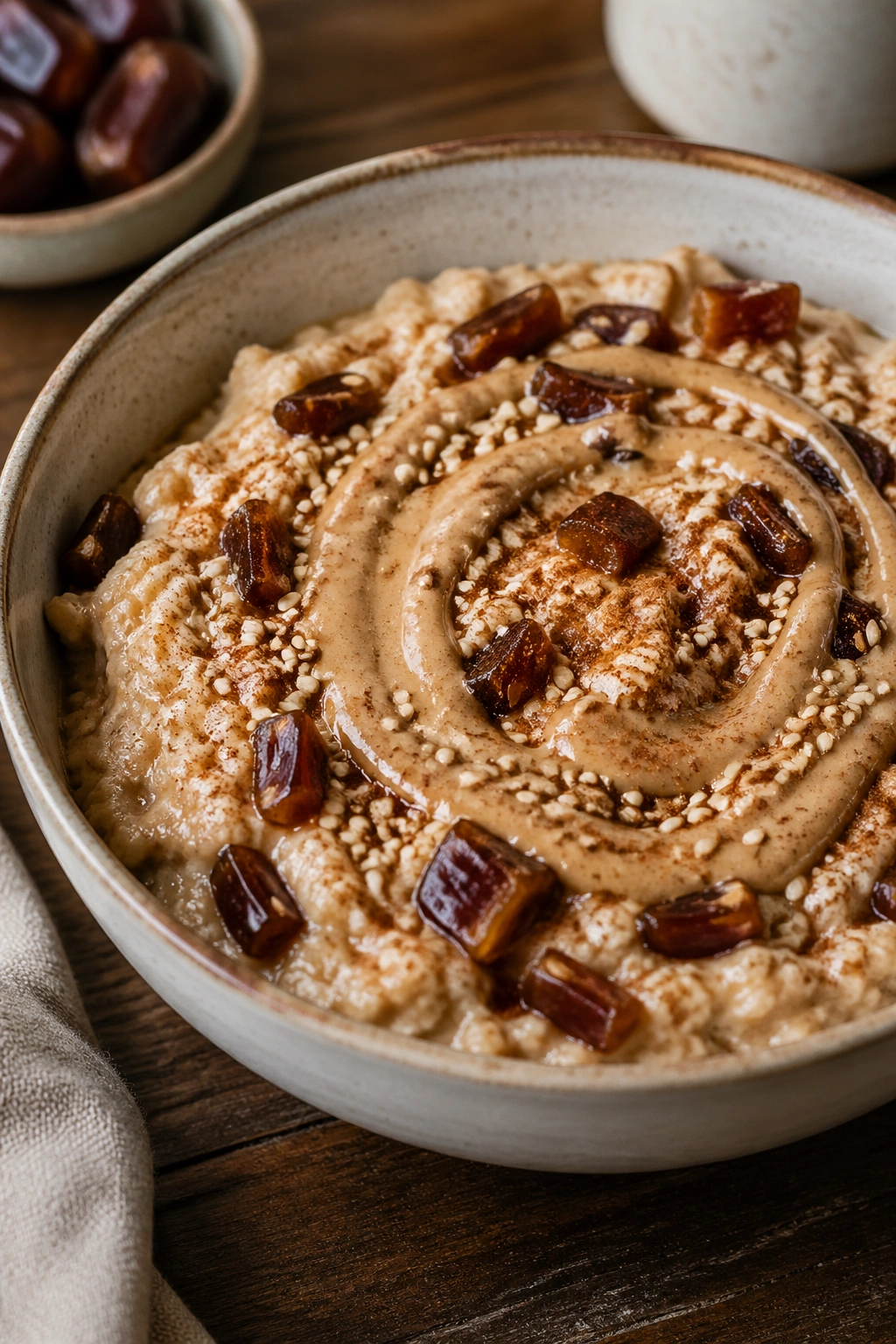
Why do dates work so well in oatmeal? Because once they soften, they melt into the oats like caramel with better manners—sweet, deep, and less one-note than brown sugar.
Cook 1/2 cup oats with 3/4 cup milk or water, 2 chopped dates, 1/2 teaspoon cinnamon, and a pinch of salt. The dates should go in early so they soften all the way through. Once the oats are cooked, swirl in 2 teaspoons tahini and top with sesame seeds if you have the time to digest them.
How to keep tahini from taking over
Use less than you think. Tahini has a strong, roasted flavor, and more than 2 teaspoons to 1 tablespoon can bury the dates and make the bowl feel heavy. A tiny drizzle gives you creaminess and that faint bitter edge that keeps sweet oats from turning flat.
This one suits cooler mornings, longer warm-ups, and workouts that start at least an hour after breakfast. It’s rich in flavor but still compact in volume. If you want a softer finish, add sliced banana instead of sesame seeds. If you want more protein, stir in 2 tablespoons Greek yogurt after cooking.
10. Carrot Cake Raisin Oatmeal
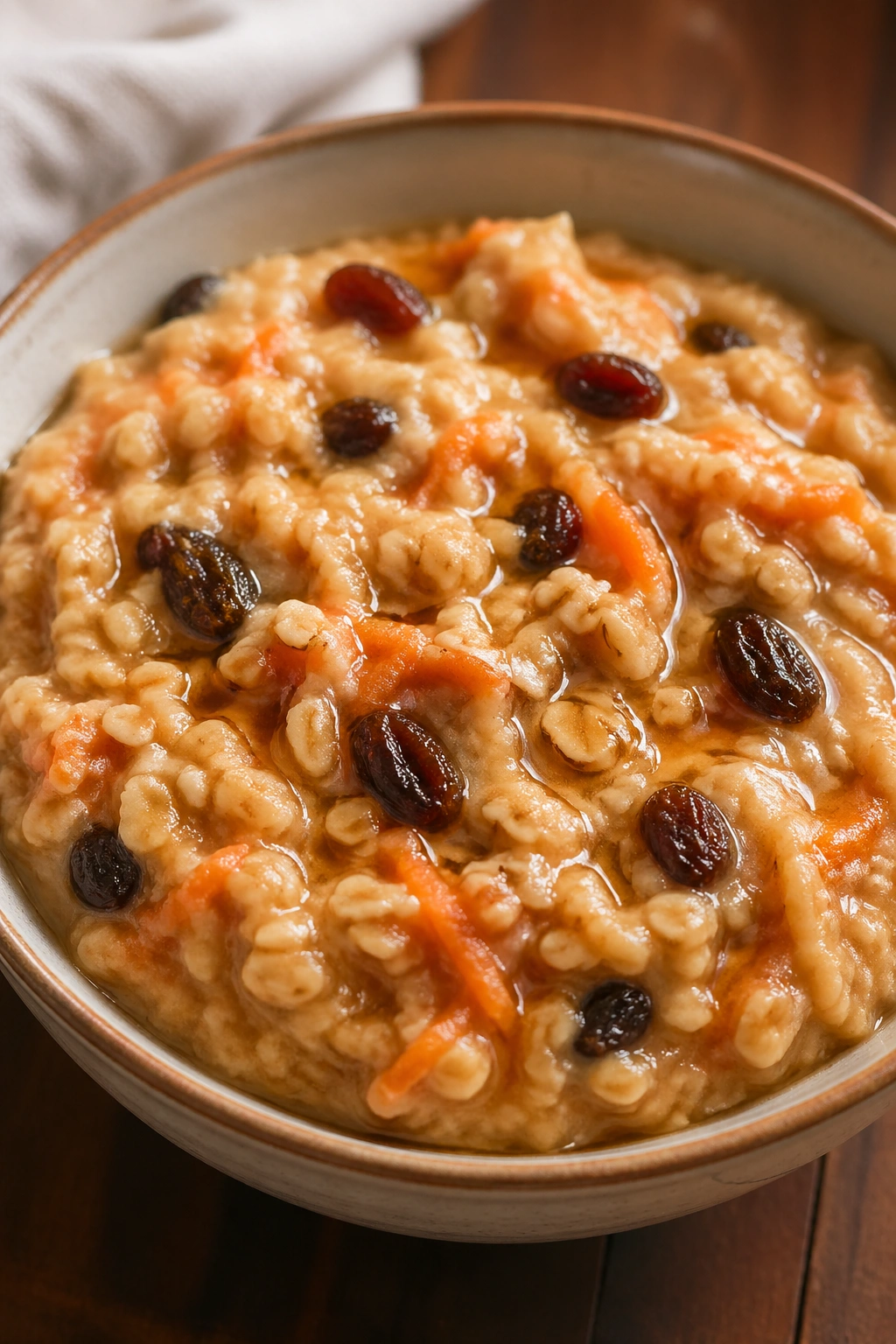
A lot of carrot cake oatmeal misses for one reason: the carrots stay raw and stringy. Grate them fine and cook them long enough, and the bowl turns sweet, soft, and faintly spiced instead of tasting like salad.
Use 1/2 cup rolled oats, 3/4 cup milk, 1/3 cup finely grated carrot, 1 tablespoon raisins, 1/2 teaspoon cinnamon, a pinch of nutmeg, and a small pinch of salt. Simmer for 5 to 6 minutes until the carrots relax and the raisins plump. Finish with 1 teaspoon maple syrup and 1 tablespoon chopped walnuts if training is not immediate.
The smell is half the appeal here. Cinnamon, warm carrot, raisins—it lands somewhere between breakfast and bakery. That can be useful on mornings when appetite is low. The bowl feels familiar, which makes it easier to eat enough.
I’d save this one for 75 to 120 minutes before training, mainly because grated carrot and raisins bring more fiber than banana or peaches do. Good long-run breakfast. Good leg-day breakfast too, especially if your session is not right after you eat.
No, it doesn’t need cream cheese frosting. Please leave that for actual cake.
11. Raspberry Chia Jam Oats
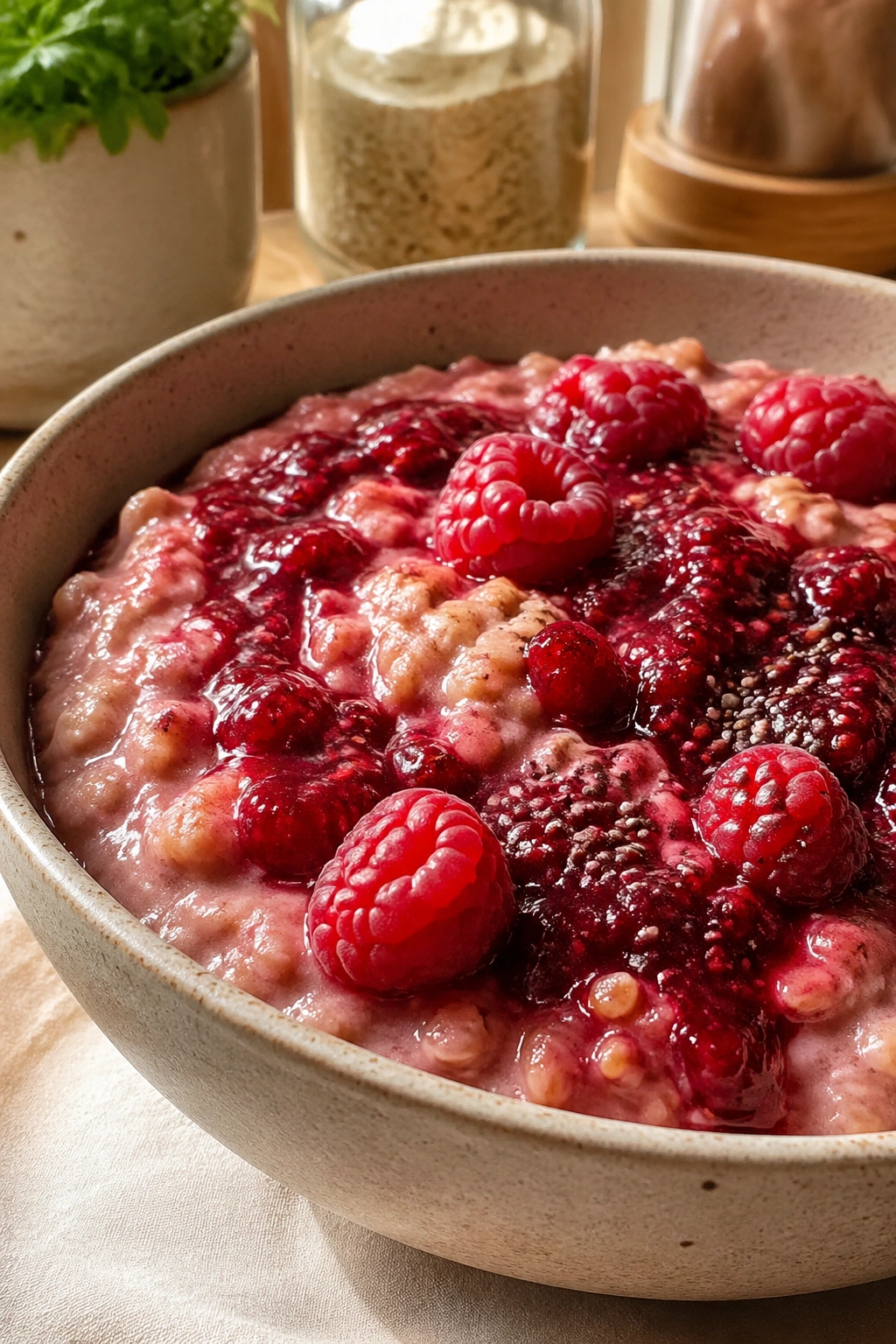
Some mornings call for sharp flavors. Raspberry chia oats wake your mouth up fast, and that sour edge can make breakfast easier to get down when sweeter bowls feel dull or cloying.
Start by making a quick jam in the pan: heat 1/2 cup raspberries with 1 teaspoon honey for 2 minutes, crushing them with the back of a spoon. Stir in 1 teaspoon chia seeds and let the mixture thicken for another minute. Scoop half of it out. Then cook 1/2 cup quick oats in 3/4 cup milk or water, and swirl the jam back through at the end.
The texture is the whole point. You get pockets of tart fruit instead of one flat pink bowl. A spoonful of yogurt on top helps if the raspberries lean sharp.
Here are the details that matter:
- Keep chia to 1 teaspoon if the workout is soon.
- Frozen raspberries work well and break down faster than fresh.
- Quick oats fit this recipe better than steel-cut oats.
- Add a little extra liquid; chia thickens as it sits.
Eat it 45 to 60 minutes before training for a bright, lighter-feeling option that still carries enough carbohydrate to matter.
12. Cherry Vanilla Baked Oats
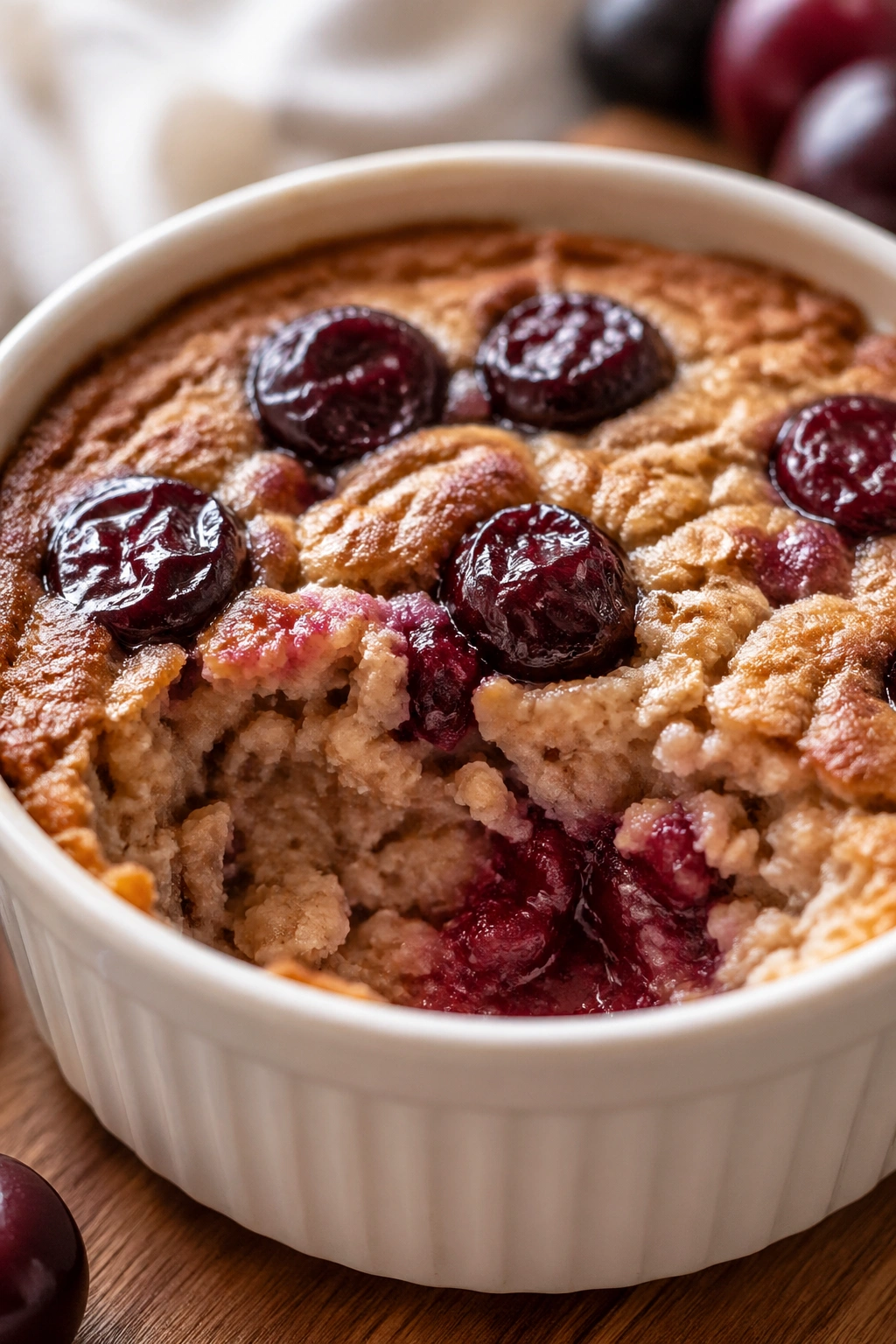
Baked oats feel more like a square of breakfast cake than a bowl, which can be useful if you’re tired of spoonable oats. This version works best when you’ve got time before training and want something you can prep ahead.
Blend 1/2 cup rolled oats, 1/2 banana, 1 egg, 1/4 cup milk, 1/4 teaspoon vanilla, 1/2 teaspoon baking powder, and a pinch of salt until smooth. Fold in 1/3 cup chopped cherries—fresh or thawed frozen. Bake in a greased ramekin at 350°F until the center is set and the top springs back lightly, about 18 to 22 minutes.
The result is soft in the center, lightly golden at the edges, and easier to carry than stovetop oats. Cold, it eats like a snack cake. Warm, it’s more tender and dessert-like.
You want a wider time window for this one. Think 90 minutes or more before training, especially if you use a full egg. A spoonful of yogurt on top is nice, though the baked oats hold on their own. If cherries are out, diced blueberries work, but cherries bring a deeper flavor and a little chew that makes the recipe stand out.
13. Pear Walnut Steel-Cut Oatmeal
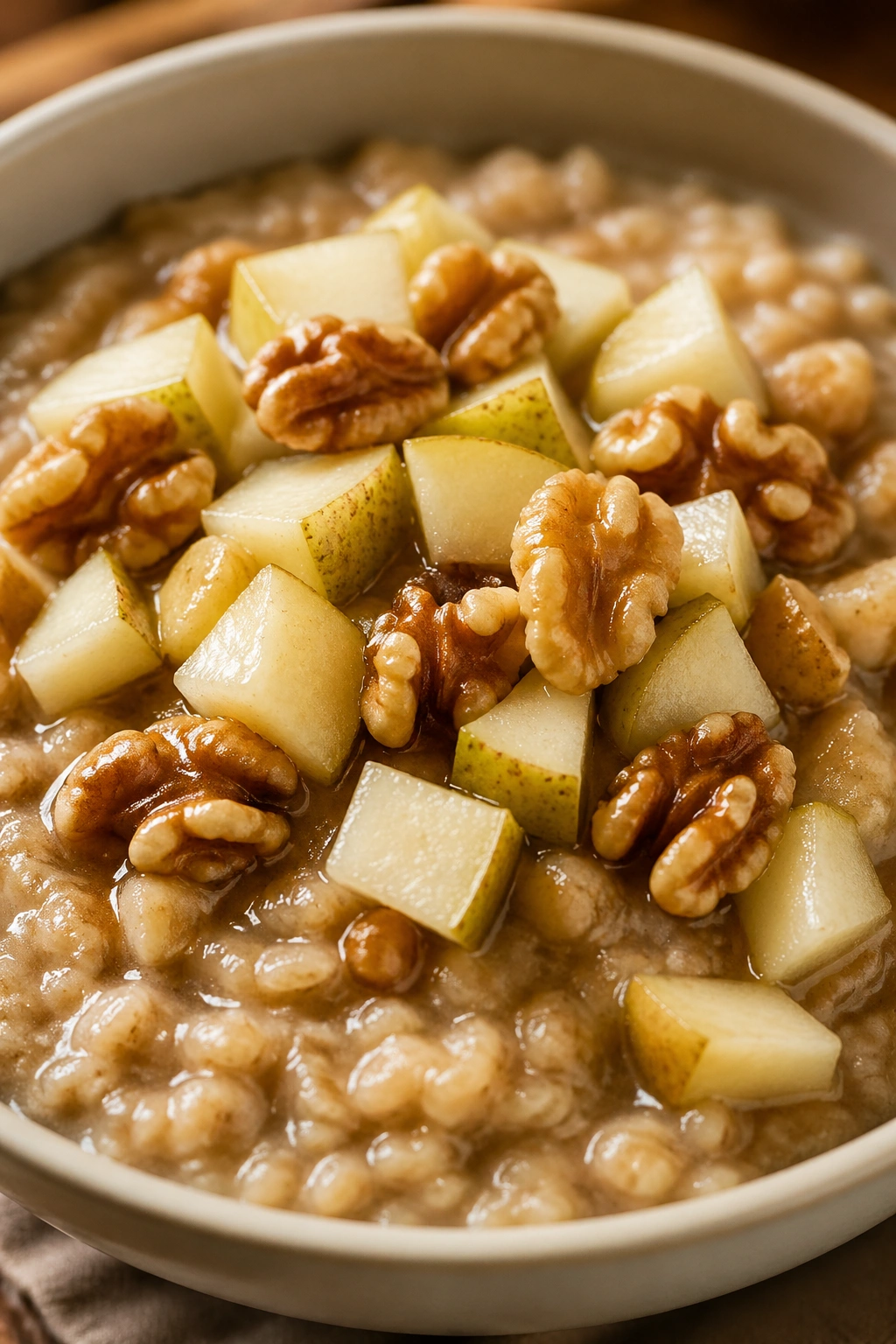
Steel-cut oats are not the right answer when you’re walking out the door in 25 minutes. They are a good answer when you want breakfast to carry you through a long gap before training.
Cook 1/2 cup steel-cut oats in 1 1/2 cups water with a pinch of salt until tender and creamy, usually 20 to 30 minutes depending on the brand. Stir in 1/2 diced pear, 1/2 teaspoon cinnamon, and 1 teaspoon maple syrup during the last 5 minutes so the pear softens but still keeps shape. Finish with 1 tablespoon chopped walnuts.
Batch-prep move
Make 3 or 4 servings at once, then reheat with a splash of milk. Steel-cut oats tighten in the fridge. That is normal. Add liquid, stir over low heat, and they loosen back up.
This bowl is chewier, nuttier, and more substantial than rolled-oat versions. I like that about it. The chew slows you down, which often leads to better digestion because you’re not inhaling breakfast in four bites on the way out the door.
Best timing: 2 hours before long training, or at least 90 minutes before a strength session if your stomach handles fiber well. Not the bowl for a rushed treadmill workout. Great bowl for a long ride morning.
14. Peach Cobbler Microwave Oats
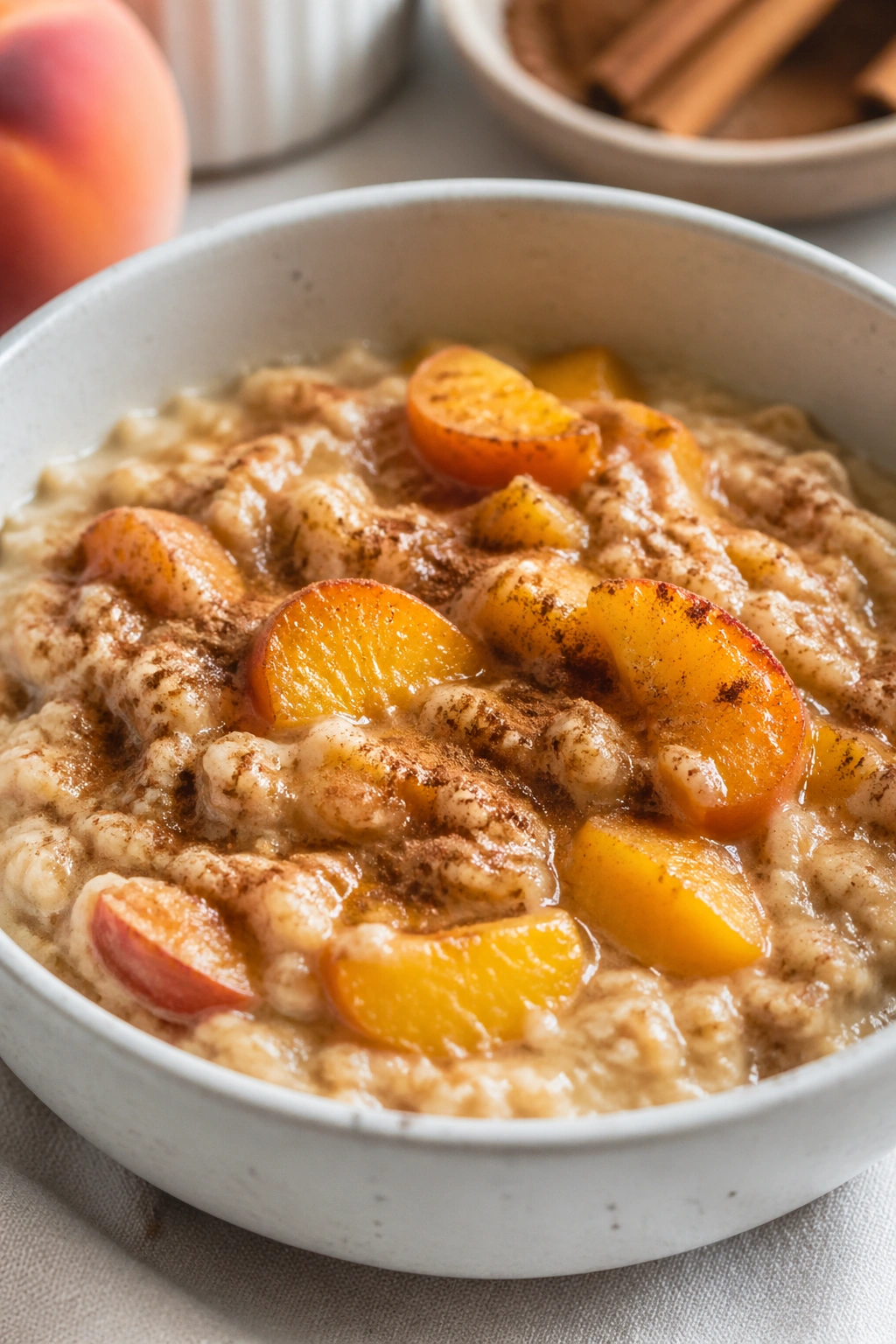
Not every pre-workout meal needs a saucepan and a slow playlist. Microwave peach oats can be done in under 3 minutes and still taste like you put thought into them.
Add 1/2 cup quick oats, 3/4 cup milk, 1/2 cup diced peaches, 1/2 teaspoon cinnamon, and a pinch of salt to a big microwave-safe bowl. Cook for 90 seconds, stir, then cook for 30 to 45 seconds more until thick but not dry. Finish with 1 teaspoon maple syrup and 1 tablespoon crushed pecans or granola if you have at least an hour before training.
There’s one non-negotiable here: use a bowl with room to spare. Oats foam up fast in the microwave, and scrubbing boiled milk off the turntable before the gym is a grim way to start the day.
Peaches bring softness and a juicy finish that apples don’t. The flavor is gentler than berries, less sticky than banana, and easier to digest than a nut-heavy topping stack. This is a strong 30- to 60-minute option, especially if you skip the nuts and keep the bowl loose with a splash of extra milk.
15. Pineapple Ginger Cashew Oatmeal
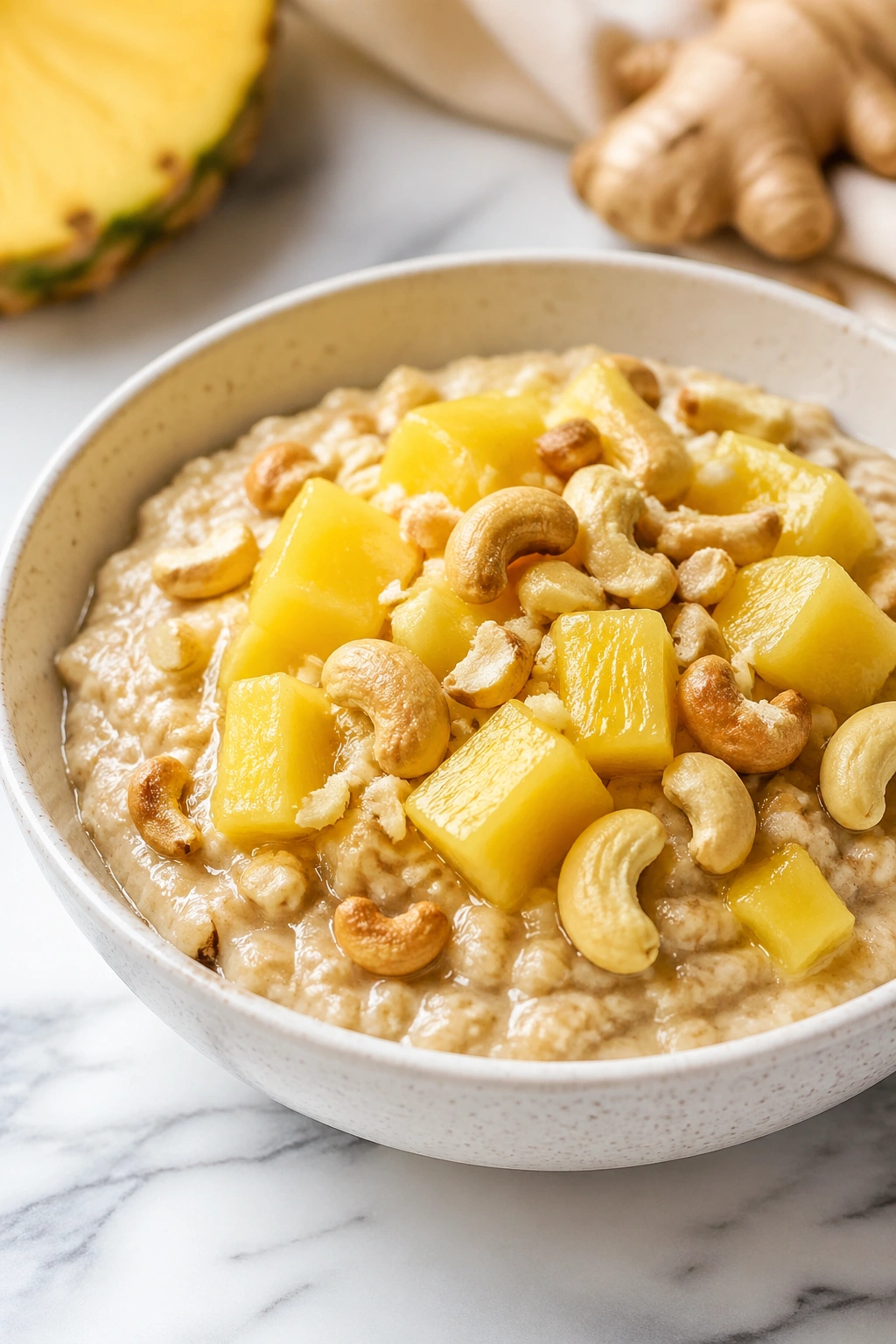
You want something bright? This is the bowl. Pineapple and ginger cut through oatmeal’s natural heaviness and leave the whole thing tasting sharper and cleaner, which is welcome before a hard session in warm weather.
Cook 1/2 cup quick or rolled oats with 3/4 cup water and 1/4 cup milk. Stir in 1/2 cup finely chopped pineapple and 1/4 teaspoon freshly grated ginger during the last 2 minutes of cooking. Sweeten with 1 teaspoon honey if the fruit needs it. Top with 1 tablespoon chopped cashews once the oats hit the bowl.
Fresh pineapple gives the best texture, though canned pineapple packed in juice works if you drain it well. Ginger should stay subtle. Too much turns the bowl hot and sharp instead of lively.
This bowl sits in a nice middle ground: enough fruit sugar to help, enough brightness to wake you up, and enough crunch from the cashews to keep it from feeling baby-food soft. Eat it about 60 minutes before training. If you’re heading out sooner, leave off the cashews and use quick oats for a lighter bowl.
Final Thoughts
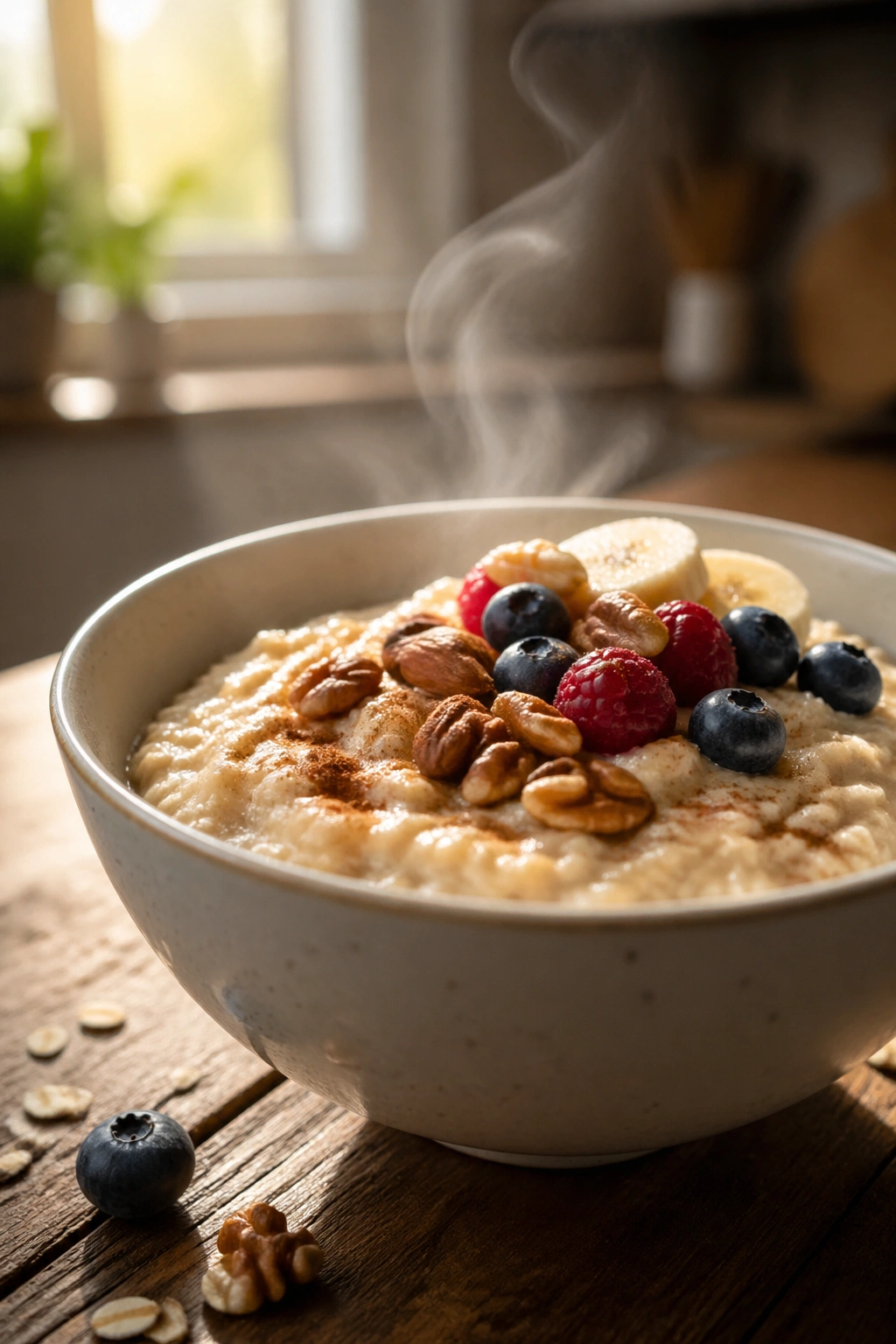
The best pre-workout oatmeal recipes do not start with flavor. They start with timing. Figure out whether you’re eating 30 minutes before exercise or 2 hours before it, then build the bowl around that window. Oat type, toppings, protein, and portion size all get easier once you answer that one question.
If you’re testing these recipes, start with 1/2 cup dry oats and keep notes for a week. Which bowls felt light? Which ones dragged? Which toppings tasted good but sat too long? That tiny bit of trial and error pays off fast, and it beats guessing every morning.
One last thing: do not save recipe experiments for race day or your hardest training session of the month. Try them on ordinary workout mornings first. When breakfast works, the session tends to feel steadier from the first rep to the last.
