



Your belly usually does not get bigger because of one dramatic dinner. It grows from quieter repeats: a giant flavored latte on the commute, a muffin that eats like cake, chips out of the bag while answering email, two cocktails that turn into late-night fries. None of those choices feels huge in the moment. Stack them across a week, though, and the math gets ugly fast.
If you’re looking for foods to avoid to lose belly fat, start with the ones that make it easy to eat hundreds of calories before your brain registers a meal happened. Belly fat—especially visceral fat, the deeper fat packed around your organs—responds less to wishful thinking and more to patterns: added sugar, refined carbs, liquid calories, alcohol, and ultra-processed foods that keep you reaching back into the bag.
No food magically travels to your stomach and stays there. That part gets oversold. Still, some foods make abdominal fat loss harder because they drive overeating, raise blood sugar fast, or add calories with weak fullness. Liquid sugar is a classic case. A giant bagel with cream cheese is another. So is anything engineered to be salty, crunchy, fatty, sweet, and easy to inhale.
Start with the foods and drinks that do the most damage with the least satisfaction.
1. Soda and Sugary Soft Drinks That Feed Belly Fat
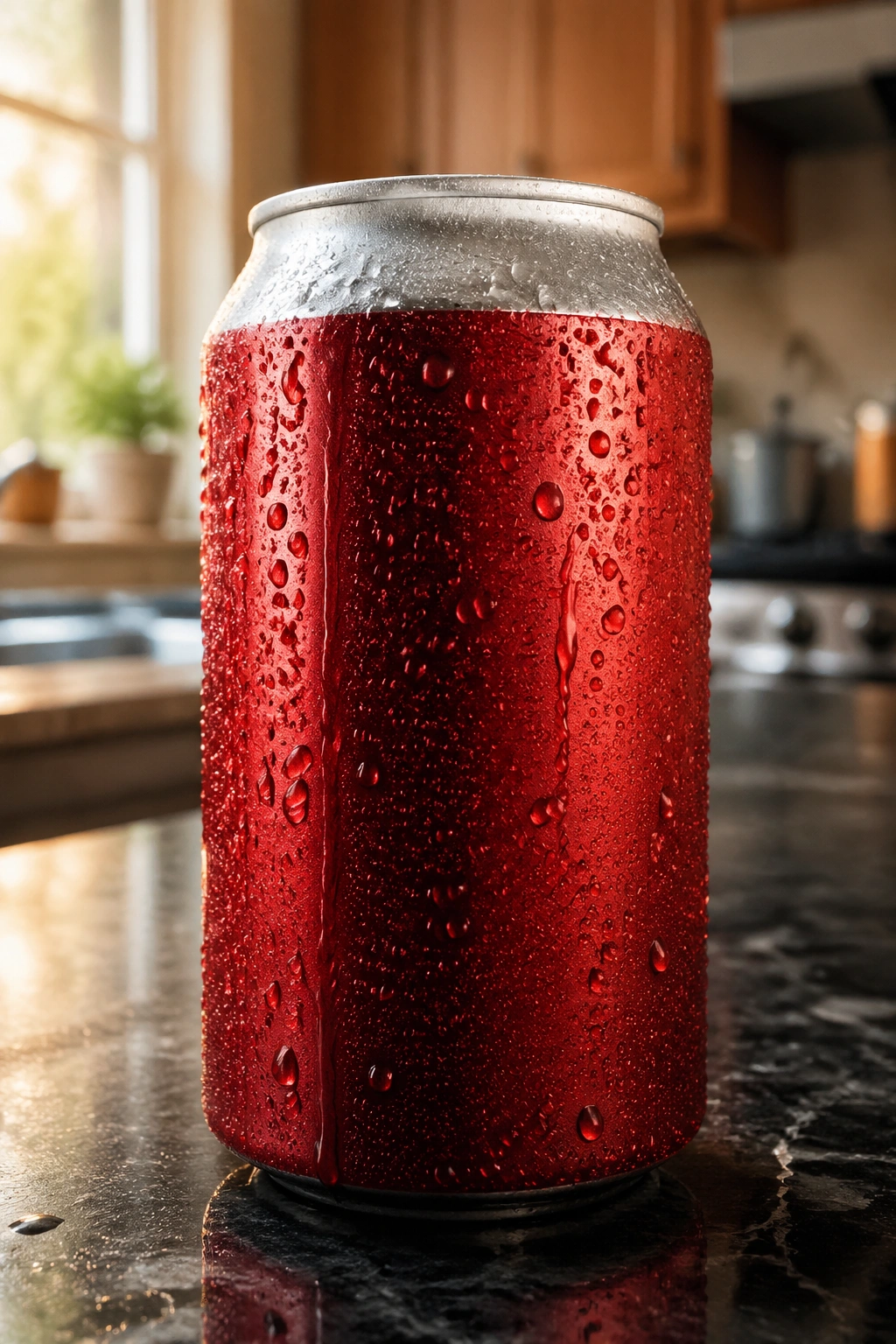
Liquid sugar is one of the fastest ways to push your calorie intake up without feeling full. A 20-ounce soda often lands in the 60- to 70-gram sugar range, which is far above the added-sugar limit used in many heart-health guidelines. You can drink that in six minutes. Try eating the same amount of sugar with a spoon and you’ll understand why soda is such a problem.
Liquid calories don’t create the same fullness you get from chewing food. Your stomach empties them fast, your blood sugar climbs fast, and hunger tends to come back sooner than you expect. Drinks sweetened with high-fructose corn syrup or sugar add another issue: a large fructose load can push the liver toward making more fat, which is one reason sugary beverages keep showing up in research on waist gain and fatty liver.
Why soda hits the waistline so hard
Large cohort studies have linked sugar-sweetened beverages with greater weight gain and larger waist size over time. That link makes sense in real life. Soda often rides next to pizza, burgers, takeout, and movie snacks, so the drink does not come alone.
Quick reality check:
- 12 ounces of regular soda often has around 35 to 40 grams of sugar.
- 20 ounces can reach 60 grams or more.
- Diet soda is not a fat-loss food, though it removes the sugar hit if you’re trying to break a regular-soda habit.
- Sparkling water with citrus gives you the fizz without the sugar load.
Best first cut: if you change only one thing this week, make soda the first thing to go.
2. Sweet Coffee Drinks That Undercut Belly Fat Loss
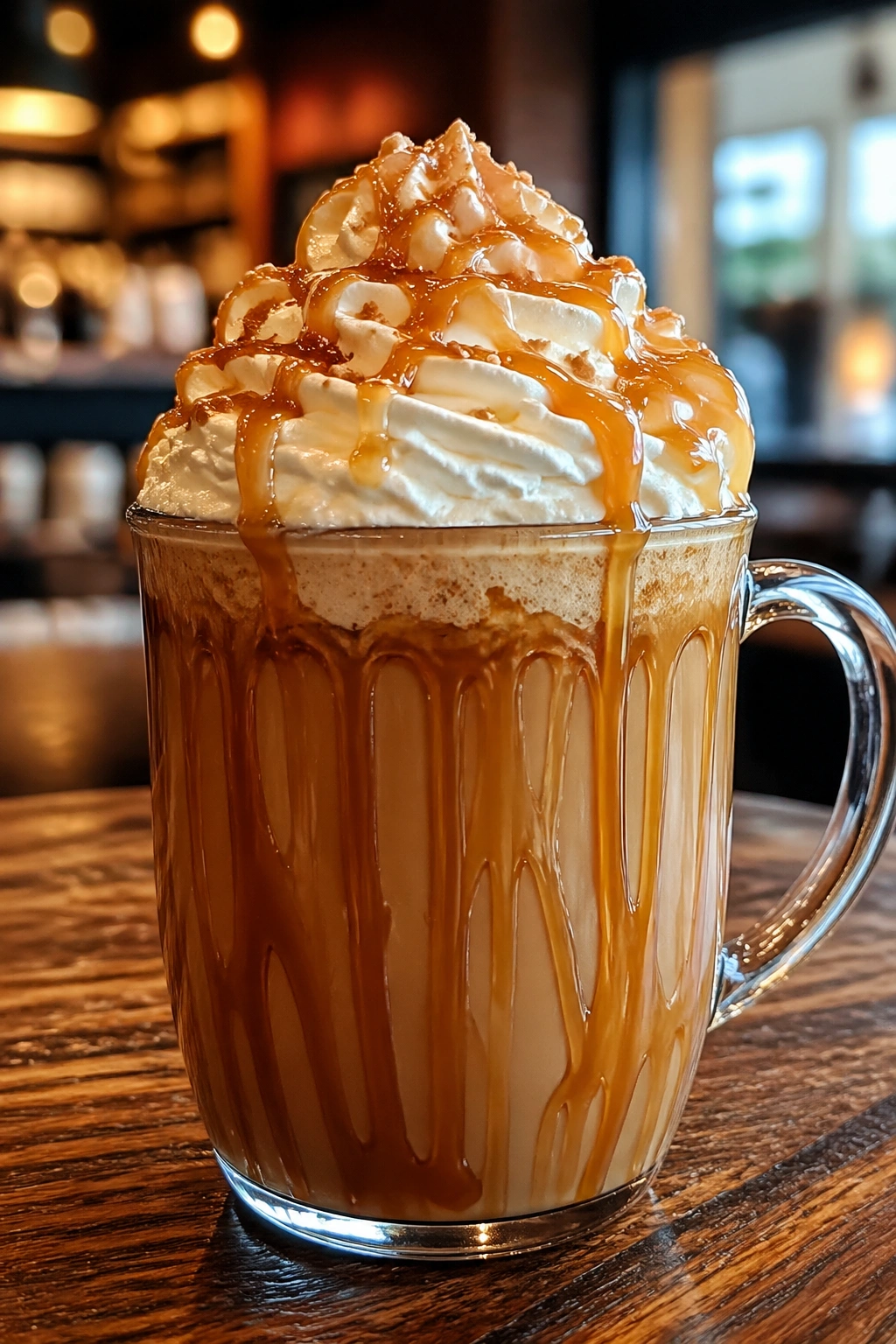
Coffee itself is not the villain here. A plain coffee has almost no calories. The trouble starts when coffee turns into dessert in a cup—syrup, whipped cream, sweet cold foam, caramel drizzle, whole milk, extra pumps, and a size that belongs in a soup bowl.
One large blended coffee drink can hit 300 to 500 calories, and some climb higher. Sugar piles up fast because each syrup pump often adds around 5 grams, so six pumps lands at 30 grams before toppings. A drink like that can carry more calories than breakfast while doing a poor job of keeping you full through the morning.
People miss these calories because they still think, I only had coffee. No, you had coffee plus a milkshake wearing office clothes.
A better coffee order is boring on paper and far more useful in a fat-loss phase: plain coffee, cold brew, espresso with a small amount of milk, or a latte without flavored syrup. If you want sweetness, cut it down in steps—four pumps to two, then one, then none. Cinnamon helps. So does ordering the smaller size and leaving whipped cream for rare treat days instead of weekday routine.
3. Fruit Juice and Juice Blends
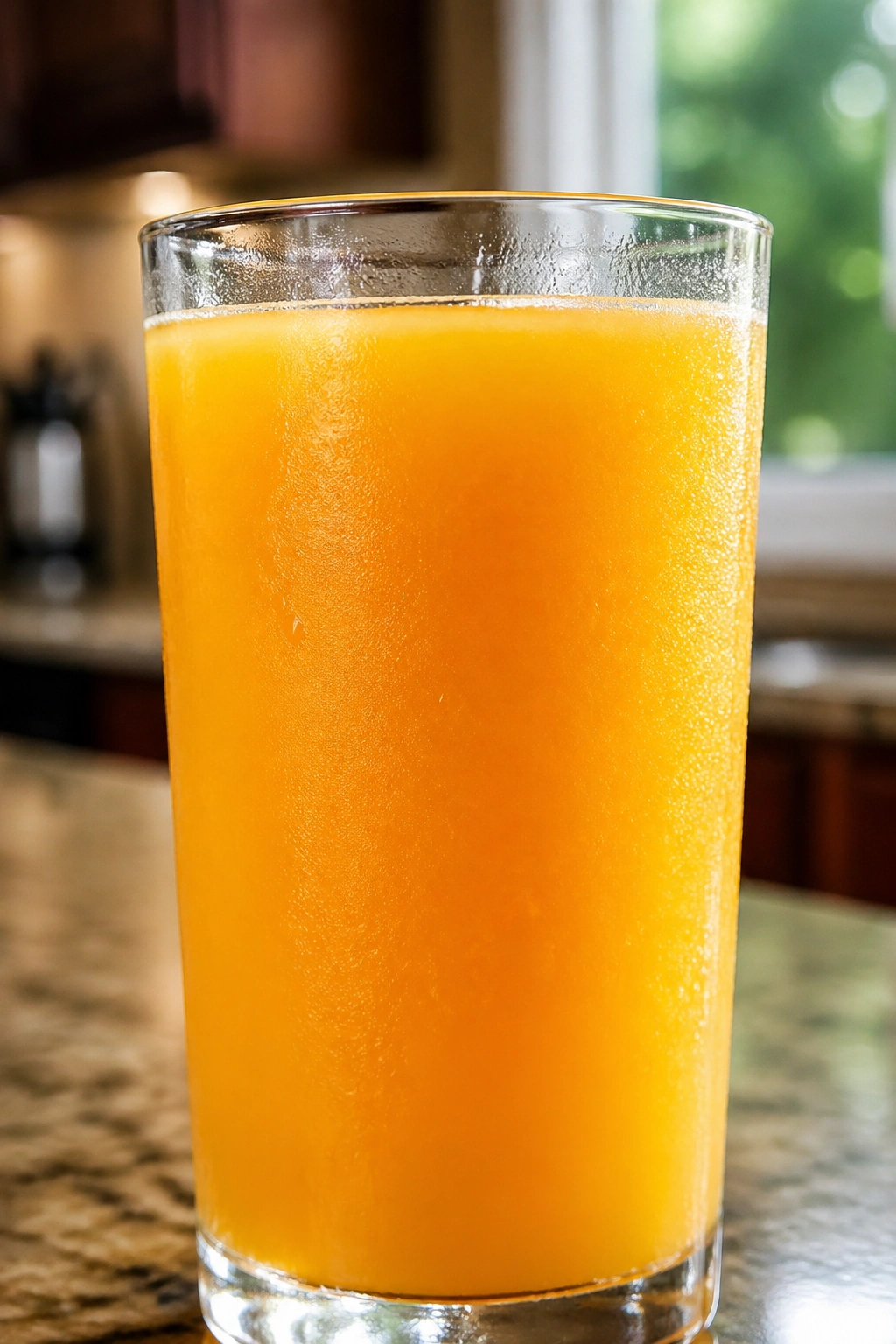
How can something from fruit work against belly fat loss?
Because juice strips out the fiber that slows eating and helps keep you full. A glass of orange juice can bring 20 to 25 grams of sugar in minutes. Apple juice often sits in the same range. Blend up a “green juice” with apple, pineapple, mango, and you can cross 30 grams before breakfast ends—without the chewing, bulk, or fullness you’d get from whole fruit.
Whole fruit behaves differently in your body. An orange takes longer to eat, contains fiber, and asks your appetite system to pay attention. Juice asks almost nothing.
A better way to get the same flavor
If you like juice, use it in smaller amounts:
- Pour 4 ounces, not 12.
- Pair it with eggs, yogurt, or another protein source instead of drinking it alone.
- Swap part of it with sparkling water for a lighter drink.
- Eat the fruit itself when you can.
Juice is not poison. That kind of language gets silly. It is, though, an easy place to drink sugar that your appetite barely notices, and that makes it a poor daily default when your goal is a smaller waist.
4. Candy, Gummy Snacks, and Chocolate Bars
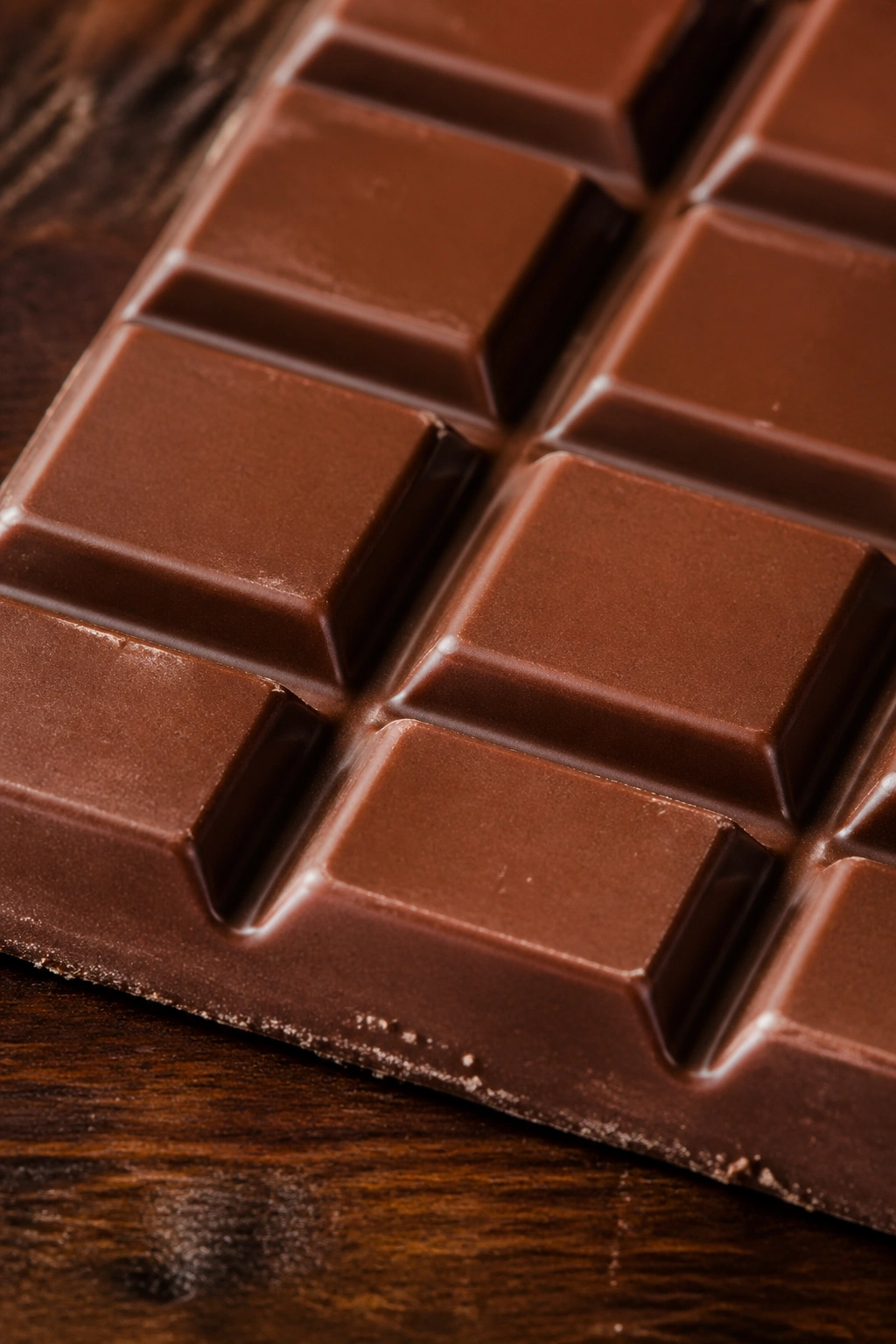
Picture the office candy bowl. Or the gas-station checkout. Or the “fun size” stash in your kitchen that somehow disappears two at a time. Candy wins because it’s easy, fast, and built to bypass the pause where you might ask whether you’re hungry.
Sugar alone can drive overeating. Sugar mixed with fat is worse. That combo lights up reward pathways, gives you quick energy, then drops you on the other side wanting more food soon after. Belly fat does not grow because one mini chocolate bar is evil. It grows because candy makes mindless repeat eating laughably easy.
A few numbers tell the story:
- One standard candy bar often lands around 200 to 280 calories.
- Gummy candy can carry 25 to 40 grams of sugar per small pack.
- Chocolate bars with caramel, nougat, or peanut butter add fat on top of sugar, which raises calories fast.
If candy is around, put a boundary around it. Buy a single portion, not a family bag. Better yet, stop calling it a snack. It’s dessert. Once you label it honestly, your choices get cleaner.
5. Doughnuts, Pastries, and Bakery Muffins
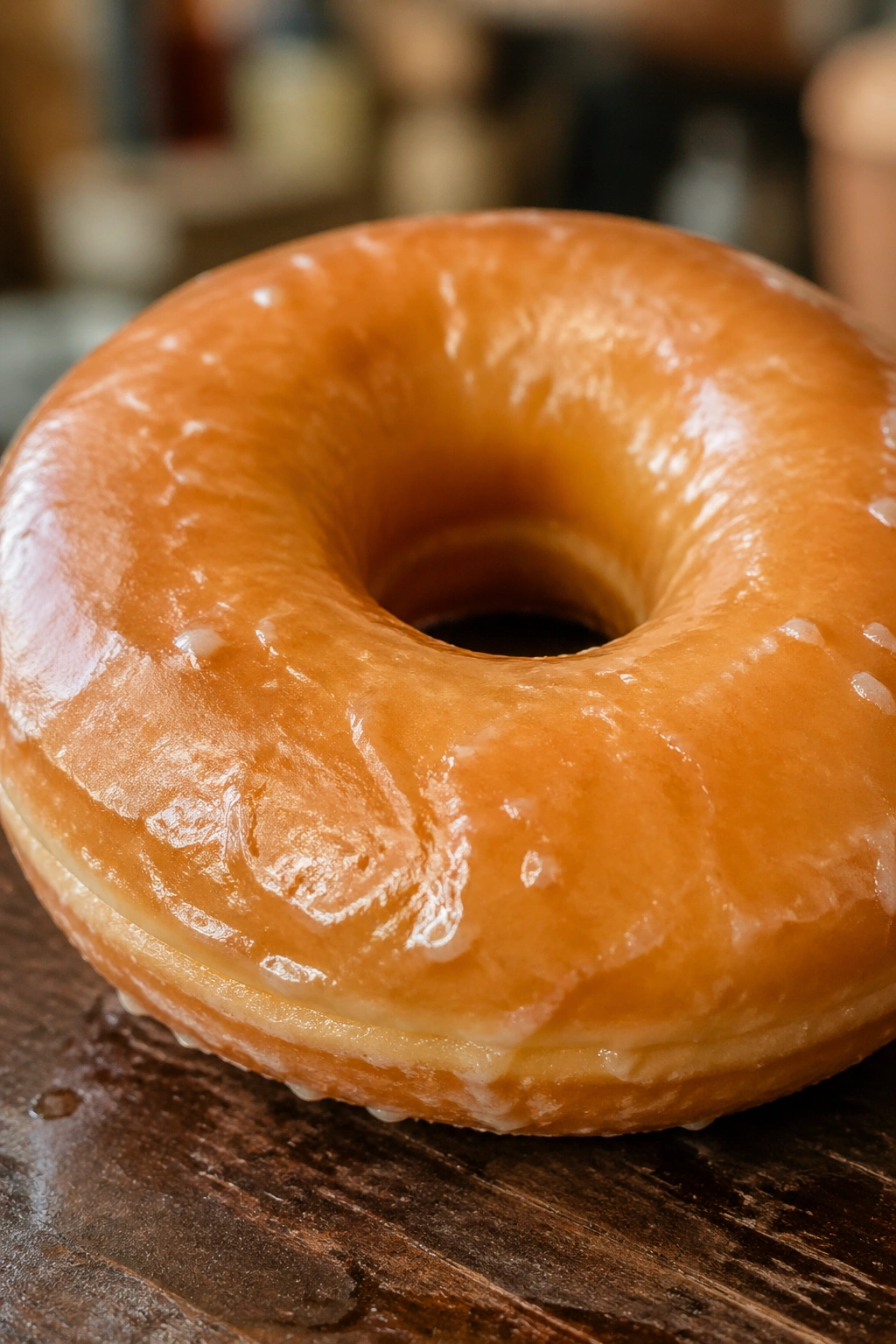
Bakery muffins have one of the sneakiest health halos in food. They sit near the coffee, they look breakfast-friendly, and they often contain oats, bran, fruit, or nuts somewhere in the sales pitch. Flip the nutrition panel—or weigh one from a coffee shop—and the picture changes fast. A large muffin can reach 400 to 600 calories, with a heavy load of refined flour, sugar, and oil. Some doughnuts land lower than that, which tells you how misleading the word muffin can be.
Pastries hit appetite from the wrong angle. They smell rich, taste sweet, and go down fast, yet they do not offer much protein or fiber. So you get a sharp calorie hit without much staying power. Two hours later you’re hungry again, which sets up a second breakfast or a raid on the vending machine.
Croissants deserve the same honesty. Flaky layers taste good because they carry a lot of butter. Add chocolate, almond filling, or icing and you have dessert disguised as breakfast.
Cold truth: if your morning routine includes pastry plus sweet coffee, your belly-fat plan is getting kneecapped before work starts. A breakfast with 25 to 35 grams of protein—eggs, Greek yogurt, cottage cheese, a protein smoothie with fruit—does a far better job of holding the line.
6. Sugary Breakfast Cereals and Sweet Granola
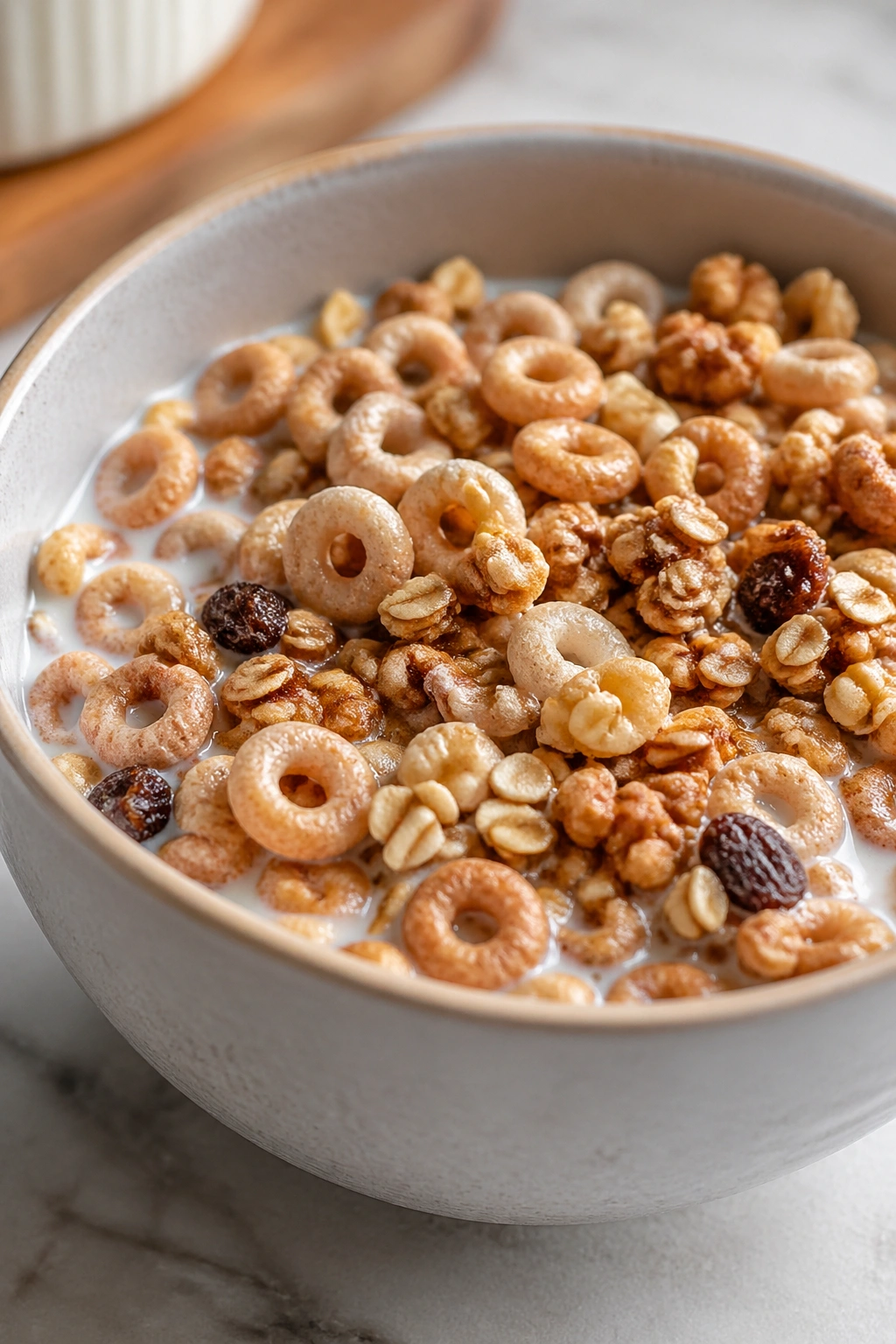
Unlike eggs, plain Greek yogurt, or oatmeal with nuts, sugary cereal disappears fast and leaves hunger behind. The bowl is light, crisp, sweet, and easy to pour. That last part matters more than people think, because the serving sizes on cereal boxes are tiny. A labeled serving may be 30 to 40 grams, while the amount most people pour is closer to double.
Granola can be even trickier. Some bags look wholesome—oats, seeds, dried fruit, maybe a mountain photo on the front—but the clusters are often glued together with sugar, honey, syrup, or oil. Calorie density climbs fast. A half-cup portion can bring 200 to 300 calories, and nobody reaches for a half-cup without measuring.
What the box often hides
Read the first few ingredients. If sugar, syrup, brown rice syrup, honey, or cane juice sits near the top, treat that cereal like dessert. Then check the protein and fiber. A cereal with 2 grams of fiber and 3 grams of protein is not doing much work for your appetite.
If you want cereal, build guardrails:
- Choose one with at least 5 grams of fiber per serving.
- Aim for single-digit added sugar.
- Pair it with Greek yogurt or a protein shake instead of relying on cereal alone.
A breakfast that spikes and crashes your hunger is a rough way to start a day.
7. White Bread, Bagels, and Refined Crackers
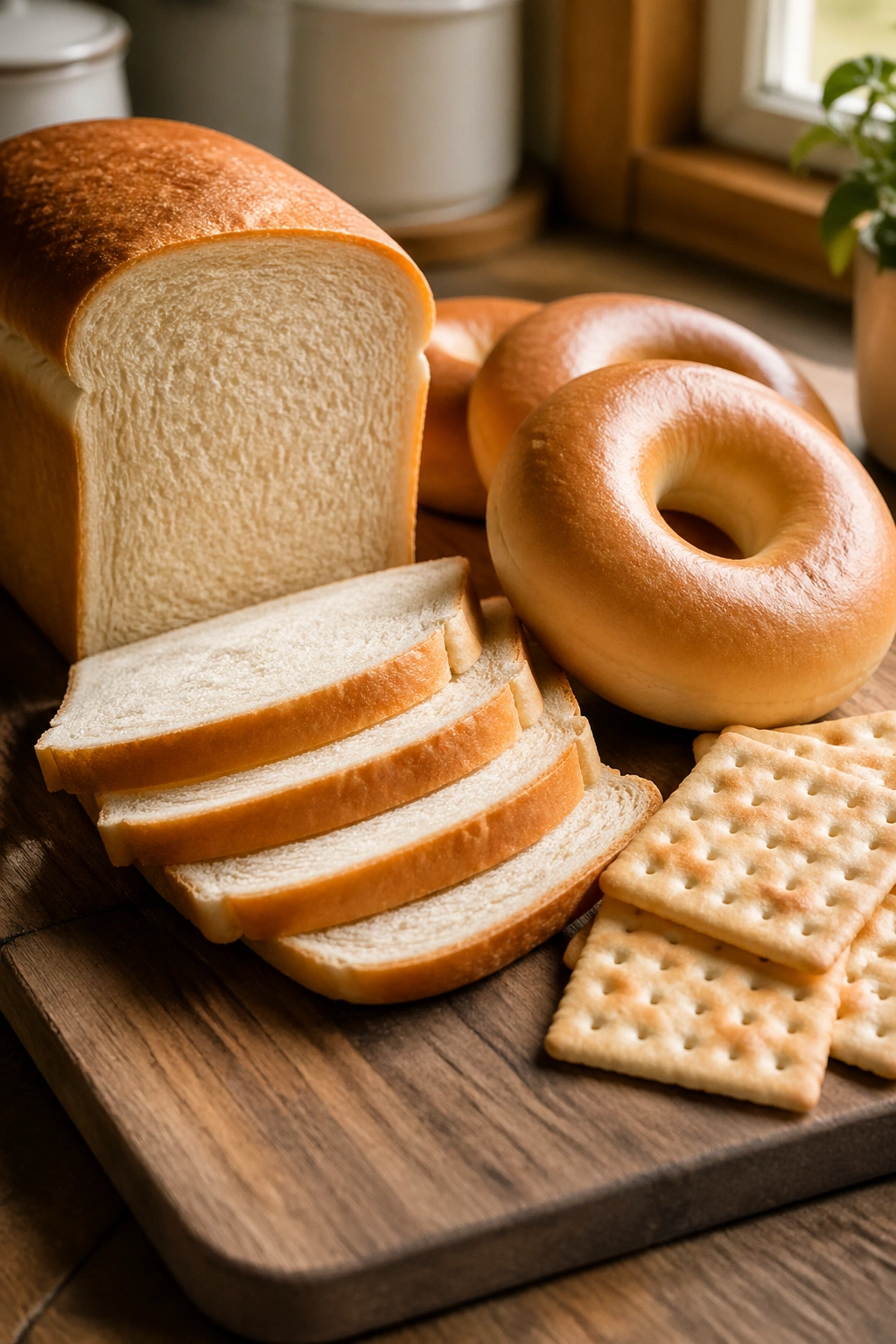
Refined carbs are not identical to sugar, but your body handles them fast enough that the effect can look similar. White bread, soft sandwich rolls, plain bagels, and refined crackers lose much of the fiber that would slow digestion. You chew, swallow, and your blood sugar moves up quickly.
Bagels deserve special mention because portion size gets absurd. One large deli bagel can equal 4 to 5 slices of bread before you add cream cheese, butter, or bacon and egg. Eat that at 8 a.m. with a sweet coffee and you’ve built a heavy calorie load with weak fullness.
The satiety problem
Crackers are a different trap. Nobody sits down to eat a cracker. You graze. One handful becomes four, and because crackers are dry and light, it never feels like a meal even when the calories say otherwise.
Useful swaps:
- Dense whole-grain bread instead of white sandwich bread
- English muffin instead of a giant bagel
- Rye crispbread with cottage cheese instead of buttery crackers
- Open-face sandwiches to cut the bread portion in half
You do not need to fear bread. You do need to respect portion size and choose carbs that slow down digestion instead of stampeding through it.
8. French Fries and Fried Potatoes
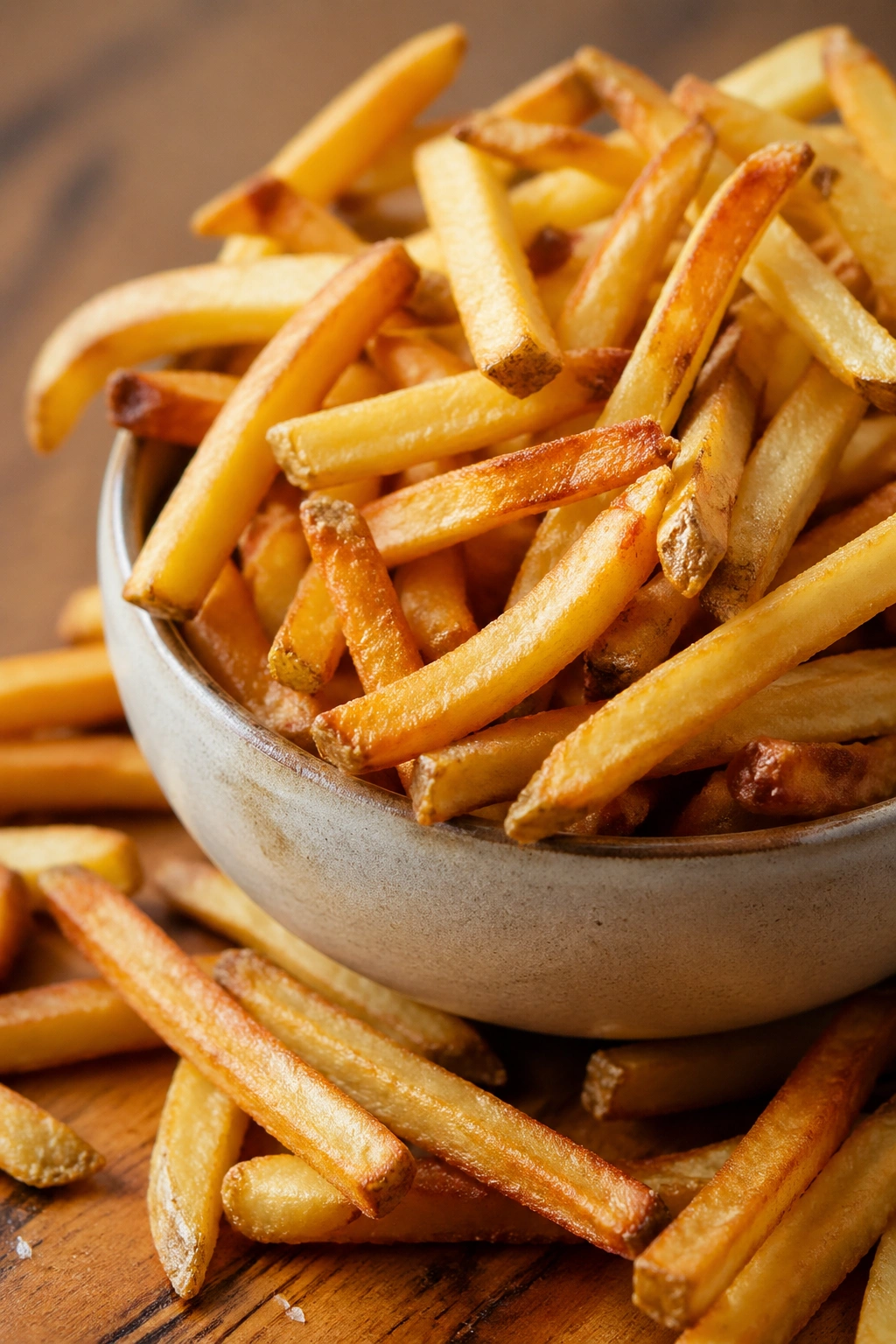
Potatoes are not the problem. The fryer is.
A plain baked potato is filling, cheap, and far better for fat loss than its reputation suggests. Cut that potato into strips, drop it in oil, salt it hard, then serve it beside a burger and soda, and the whole equation changes. Fries pack more calories into a smaller volume because oil drives up energy density. That means you can eat 400 to 500 calories of fries without getting the fullness you’d get from a potato prepared in a less greasy way.
There’s a second problem: fried potatoes almost never show up alone. They arrive in combo meals, late-night cravings, sports-bar apps, and takeout orders where the rest of the plate is already heavy. Belly fat grows on combinations like that.
Air-fried wedges or oven-roasted potatoes are not identical to deep fries, and that’s the point. They let you keep the potato while ditching a large share of the oil. Add Greek-yogurt dip, salsa, or mustard instead of mayo-heavy sauce and the gap widens more.
Fries are a “worth it or not?” food. If they’re average, skip them. Bad fries are one of the saddest calorie splurges around.
9. Potato Chips, Corn Chips, and Snack Mixes
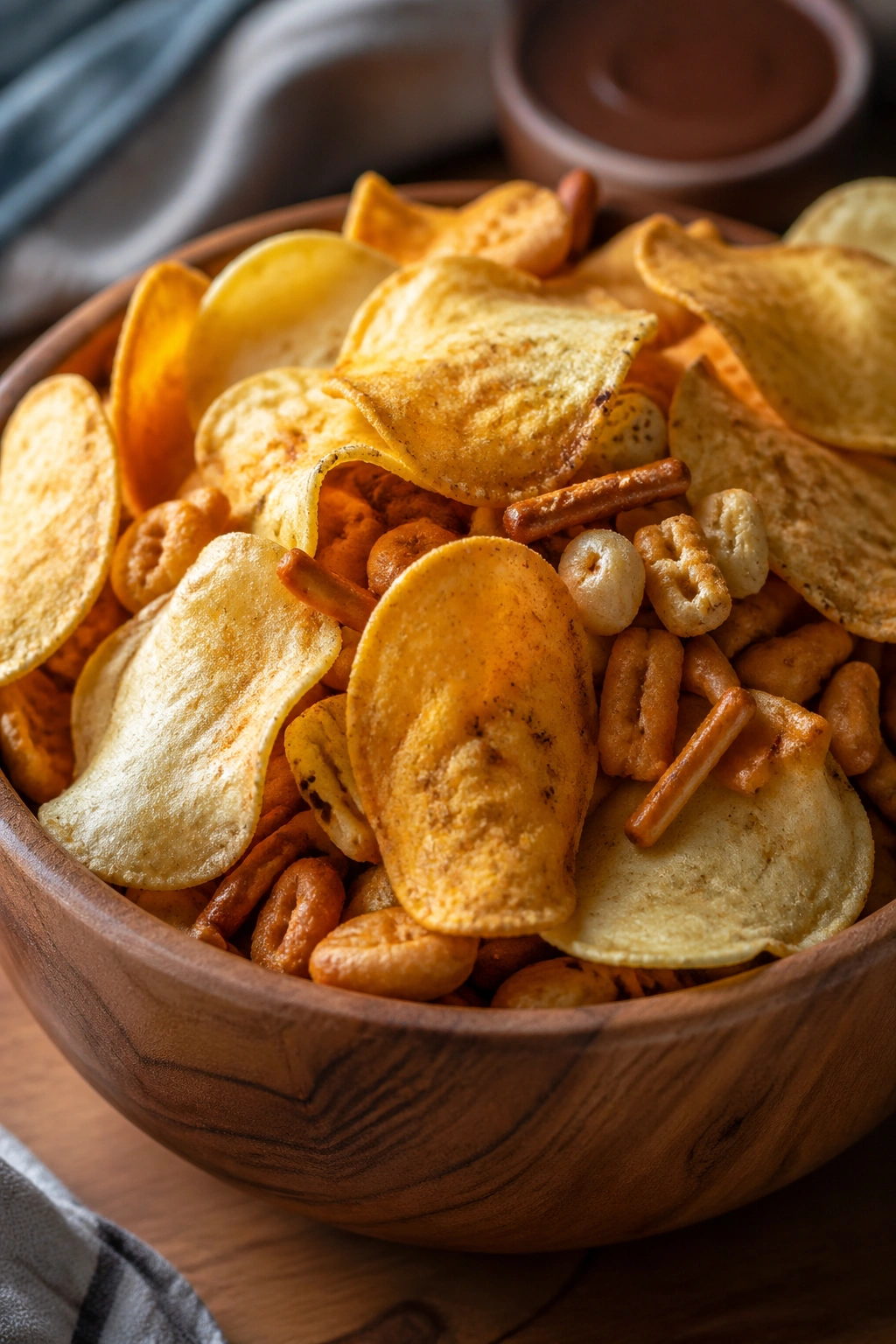
Why is it so easy to eat half a bag of chips without noticing? Texture. Salt. Fat. Speed. Chips are thin, loud, and built for repetitive eating. Your hand keeps moving long after your hunger has checked out.
A standard serving is often 1 ounce, which can mean about 15 chips. That sounds like a joke because, in real kitchens, people eat 2 to 4 servings without pausing. Now you’re looking at 300 to 600 calories from a snack that brought little protein, little fiber, and almost no fullness.
What makes chips hard to stop
- They take almost no chewing effort.
- Salt makes you want the next bite.
- Flavors like barbecue, sour cream, or cheese powder keep the palate interested.
- Big bags erase natural stopping points.
Nuts can be calorie-dense too, yet they usually slow you down more than chips because they offer protein, fat, crunch, and a bit more substance. Chips are empty noise by comparison.
If chips are your weakness, the best fix is boring but effective: do not keep family-size bags at home. Buy a single serving when you truly want them. The pantry is where a lot of waist gain starts.
10. Fast-Food Combo Meals
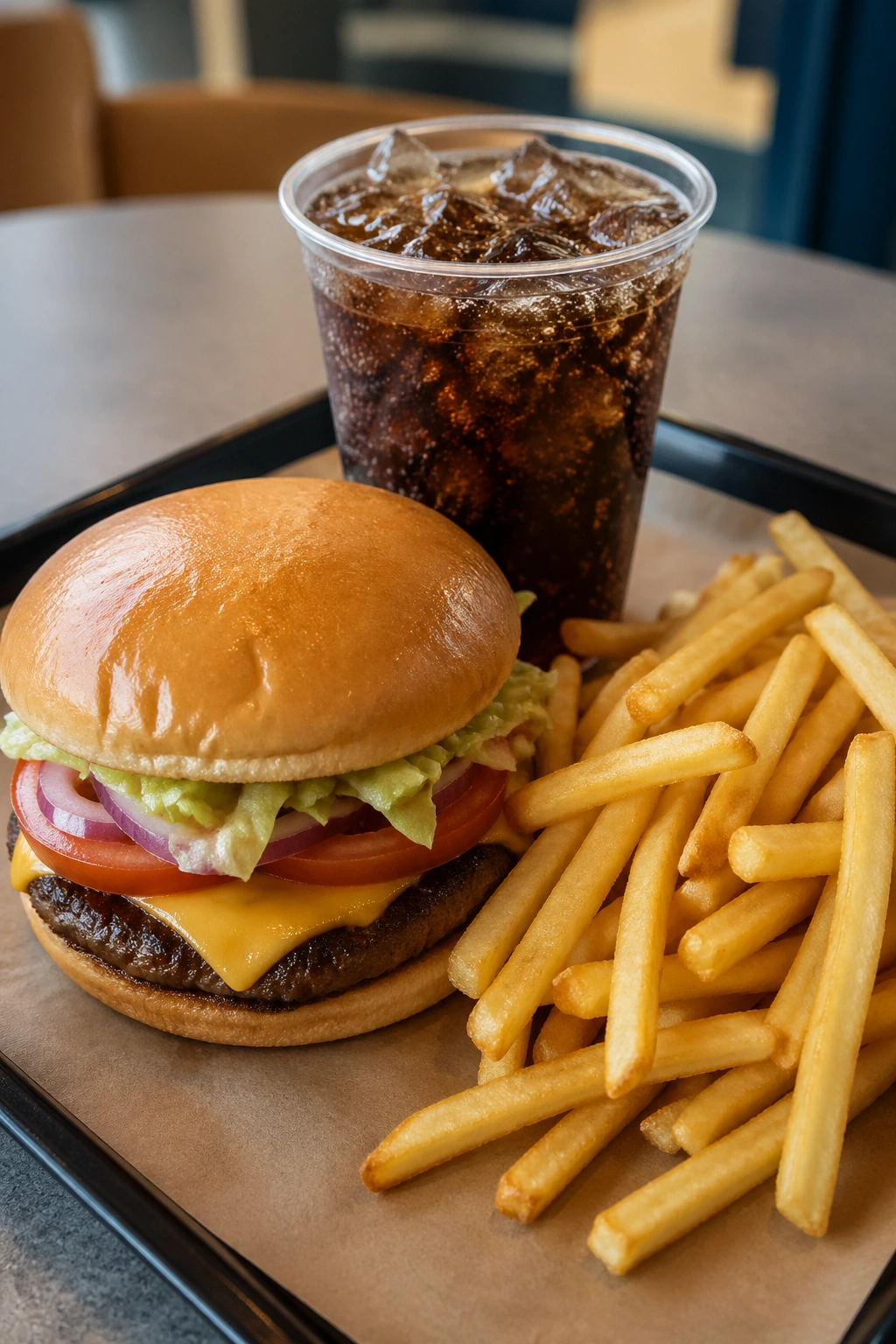
Drive-thru meals are engineered convenience, and convenience has a price. A burger, fries, and soda combo can push 1,000 to 1,500 calories without trying hard. Go bigger, add sauce, tack on nuggets, and you can blow through half a day’s calories in one sitting.
The rough part is not only the calorie total. It’s the pileup: refined bun, fatty meat or breading, fries, sweet drink, creamy sauce, sodium everywhere. That kind of meal is easy to eat fast and hard to stop midway because the flavor profile keeps your appetite switched on.
Why the combo hits harder than a single item
A single burger might fit into a sensible diet on occasion. The combo is what buries people. One indulgent item turns into three. Your brain reads it as one meal, but your waistline reads the whole receipt.
If fast food is part of your week, cut the stack:
- Pick either fries or the sweet drink, not both.
- Order grilled options when they’re decent.
- Skip mayo-heavy sauces.
- Aim for a meal with 25 grams of protein or more so you’re not hungry an hour later.
You do not need saint-like eating. You need fewer meals that combine fat, sugar, salt, and massive portions in one paper bag.
11. Processed Meats Like Bacon, Sausage, Pepperoni, and Hot Dogs
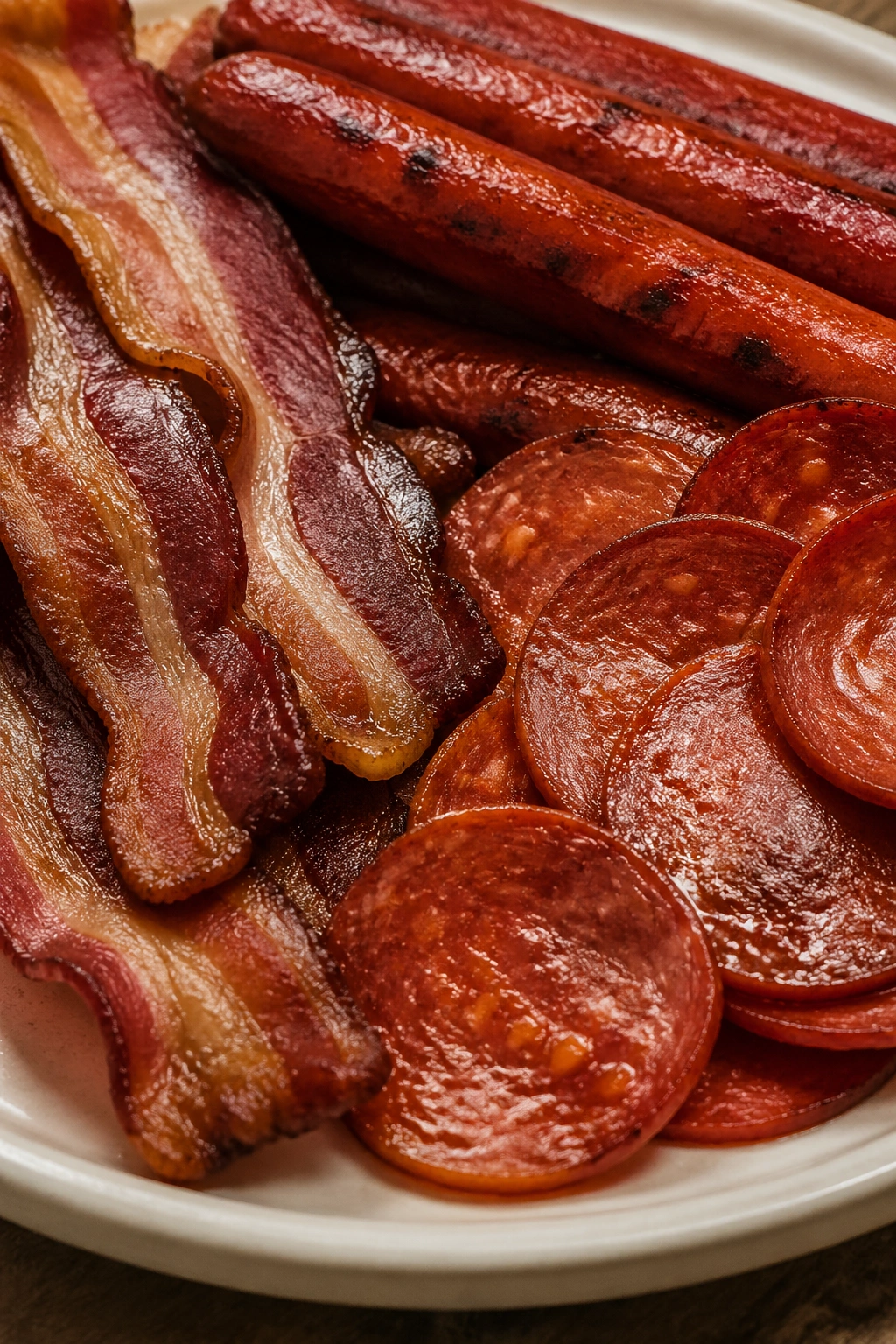
Unlike a plain chicken breast, tuna, or beans, processed meats rarely travel alone. They show up on pizza, breakfast sandwiches, loaded nachos, biscuits, subs, pasta, and late-night takeout. So the problem is bigger than the meat itself. It’s the fatty, salty package it usually arrives in.
Bacon is a classic example. A couple strips do not ruin anything on their own, but bacon tends to invite extra cheese, buttery bread, creamy sauce, and hash browns. Same with sausage patties and pepperoni. They are calorie-dense, easy to overdo, and often crowd out leaner protein options that would fill you up for fewer calories.
There’s another issue: processed meats can make meals hyper-palatable—rich, salty, smoky, greasy. That flavor hit makes overeating easier, especially when you’re tired or eating in front of a screen.
If you want meat and your goal is less belly fat, choose cuts that do not come cured, heavily salted, or buried in cheese. Turkey, chicken, eggs, fish, lean beef, tofu, and beans all make fat loss easier than a routine built around sausage biscuits, pepperoni pizza, and bacon cheeseburgers.
12. Sweetened Yogurt and Dessert Yogurts
Isn’t yogurt supposed to help with weight loss?
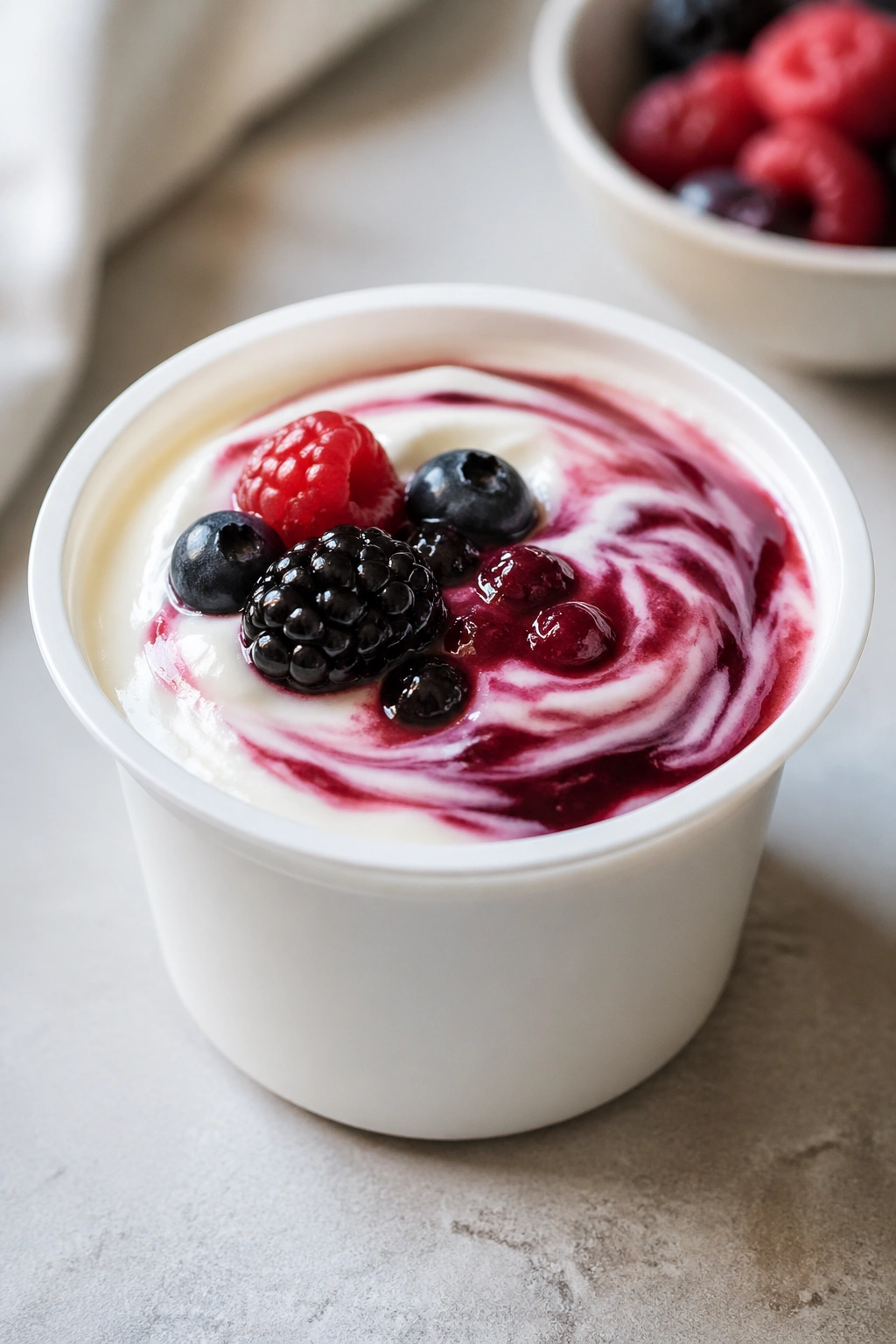
Plain yogurt can. Sweetened yogurt often does not. Many single-serve cups carry 15 to 25 grams of sugar, and dessert-style versions with cookie bits, candy pieces, or flavored crunch can move even higher. That turns a protein food into a sugary snack with a health halo.
The label trap
Fruit-on-the-bottom yogurt sounds harmless, yet the bottom layer is often fruit plus sugar syrup. Low-fat flavored yogurt can be another trap because sugar gets added to make up for the missing richness. You end up with a cup that tastes like pudding and fills like pudding too.
Plain Greek yogurt is a different animal. It tends to bring 15 to 20 grams of protein per serving and far less sugar. Add your own berries, cinnamon, chia seeds, or a spoon of chopped nuts and you get better control over the calories and the sweetness.
One label-reading habit helps here: compare added sugar and protein on the same cup. If the sugar number rivals the protein number, put it back.
13. Ice Cream and Frozen Desserts
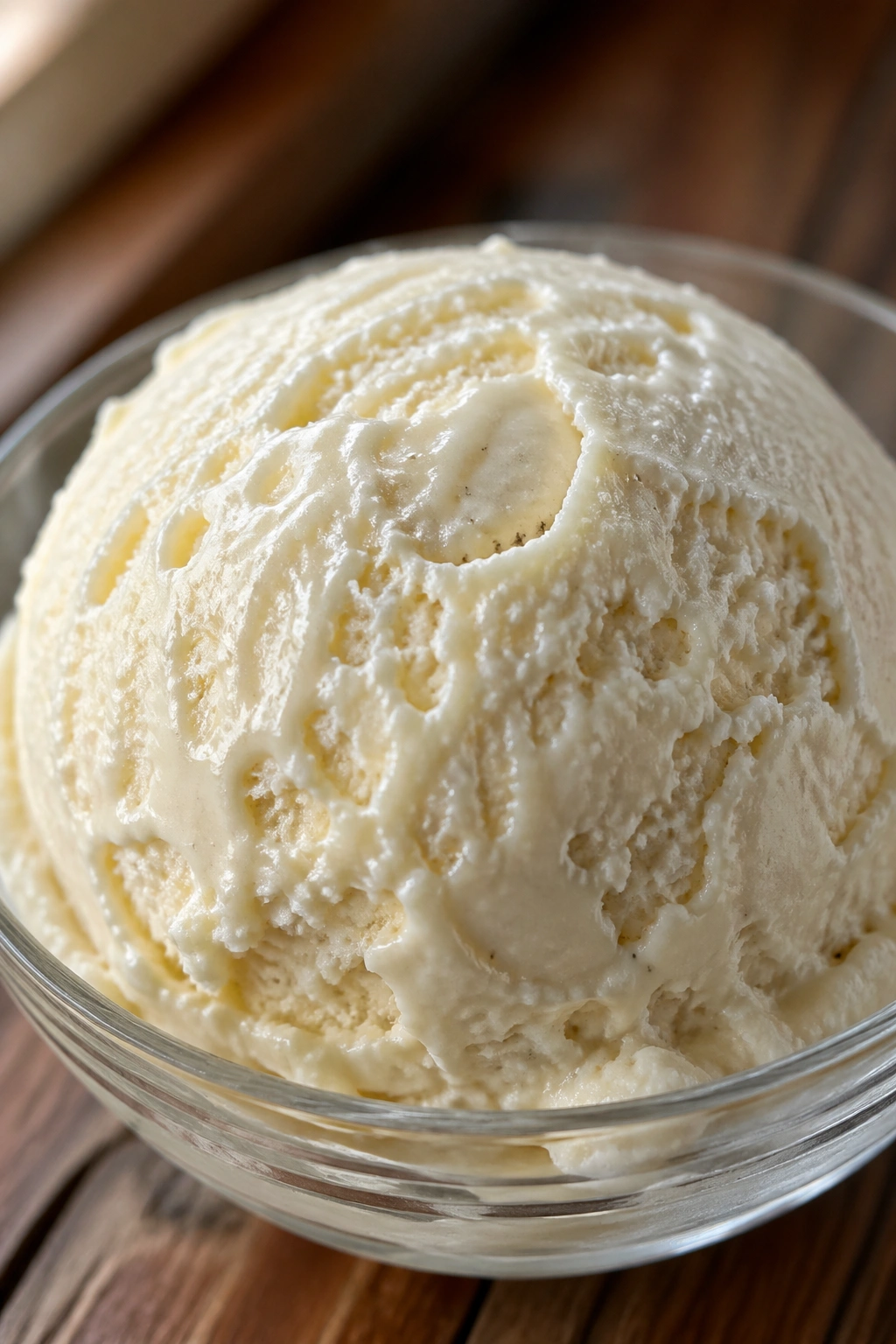
A half-cup serving on the label looks harmless. Nobody eats a half-cup.
That gap between the label and the real bowl is why ice cream causes trouble. One ordinary scoop can be 150 to 250 calories. Two or three generous scoops with chocolate sauce, cookie pieces, or waffle cone crumbs can land at 400 to 700 calories before you feel any meaningful fullness.
Ice cream also hits at a rough time of day. It tends to show up at night, when appetite control is lower, fatigue is higher, and “one bowl” turns into eating from the carton under the freezer light.
A few honest points:
- Premium ice cream is denser, so a smaller volume carries more calories.
- Frozen yogurt is not always lighter; many versions lean hard on sugar.
- Ice cream bars help portion control more than open tubs.
- Protein ice creams can help, though some trade sugar for a stomach-unfriendly amount of sugar alcohols.
If belly fat is the target, ice cream belongs in the occasional treat lane, not the nightly habit lane. Frequency matters more than food guilt here.
14. Alcohol and Sugary Cocktails That Keep Belly Fat Hanging Around
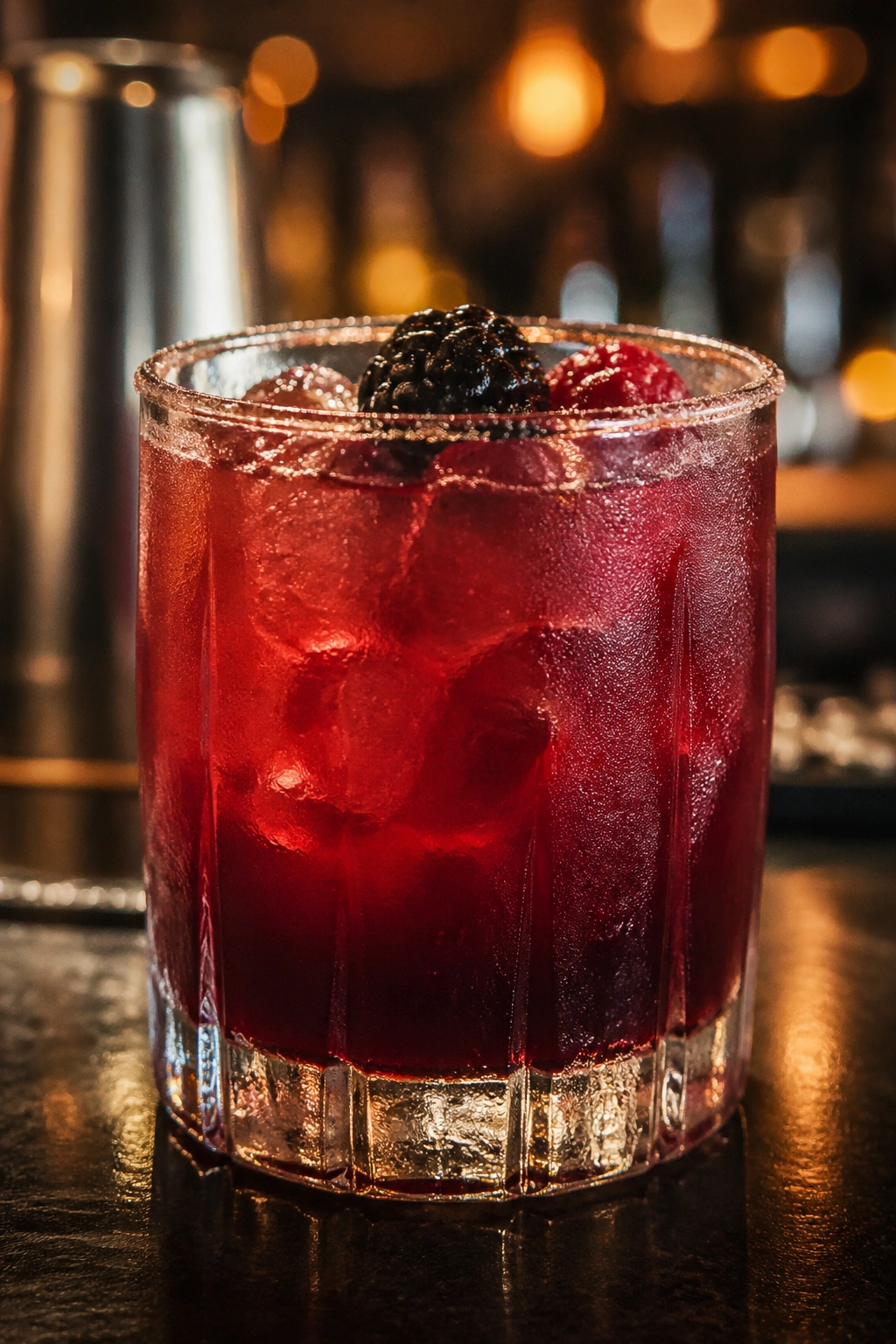
Alcohol gets handled first by your body, which is bad news when fat loss is the goal. Your system wants alcohol out of the bloodstream, so fat burning takes a back seat while that happens. Stack on the calories from the drink itself—7 calories per gram of alcohol—and the picture gets worse fast.
Beer can add up quietly. Wine pours are often larger than people think. Sugary cocktails are the real landmine: margaritas, frozen daiquiris, spiked lemonades, rum and cola, creamy coffee drinks with liqueur. One drink can reach 200 to 400 calories, and few people stop at one on a social night.
Then comes the second wave. Drinking lowers restraint and ramps up late-night eating. Pizza sounds better. Fries sound better. A giant breakfast sandwich the next morning sounds like medicine. That pattern is a belly-fat machine.
The bigger issue is the food alcohol pulls in
People love to argue over whether beer creates “beer belly.” The cleaner answer is this: alcohol plus snacks, takeout, and weak sleep makes losing abdominal fat much harder than the drink alone would suggest.
If you drink, use tighter rules—spirits with soda water, dry wine in smaller pours, light beer instead of heavy craft pours, and alcohol-free nights during the week. Start there before you start blaming fruit.
15. Granola Bars, Cereal Bars, and Candy-Bar “Protein” Bars
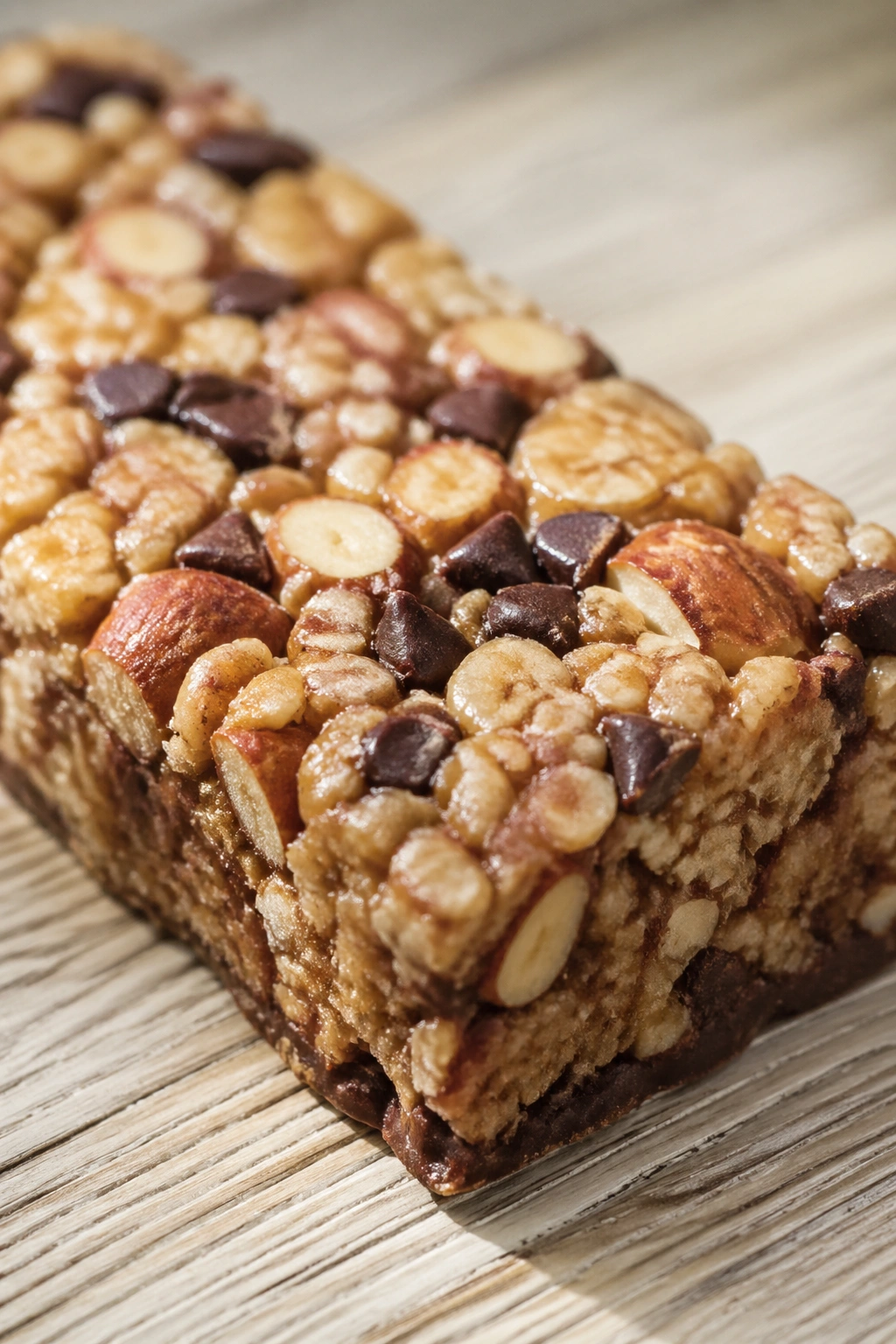
The airport shelf tells the whole story. Bars sit there wearing words like protein, whole grain, energy, natural, and fiber, while half of them are candy bars with a gym membership. Syrups bind the bar, chocolate coats it, crisped rice adds crunch, and the wrapper does the rest.
A weak bar gives you 180 to 300 calories, 10 to 20 grams of sugar, and not enough protein or fiber to count as a meal or a satisfying snack. That is the dead zone—too many calories for a throwaway snack, too little substance to keep you full.
Quick bar test in ten seconds
Skip bars that check most of these boxes:
- Under 10 grams of protein
- Under 3 grams of fiber
- Sugar listed near the top ingredients
- Chocolate coating plus syrup plus crisped grains
A better bar can work in a pinch, though the standards need to be stricter than the front label suggests. Look for 15 to 20 grams of protein, modest added sugar, and at least 4 to 5 grams of fiber. Even then, bars should stay in the emergency-food lane. Real food wins on fullness almost every time.
16. Creamy Pasta Dishes and Oversized Noodle Bowls
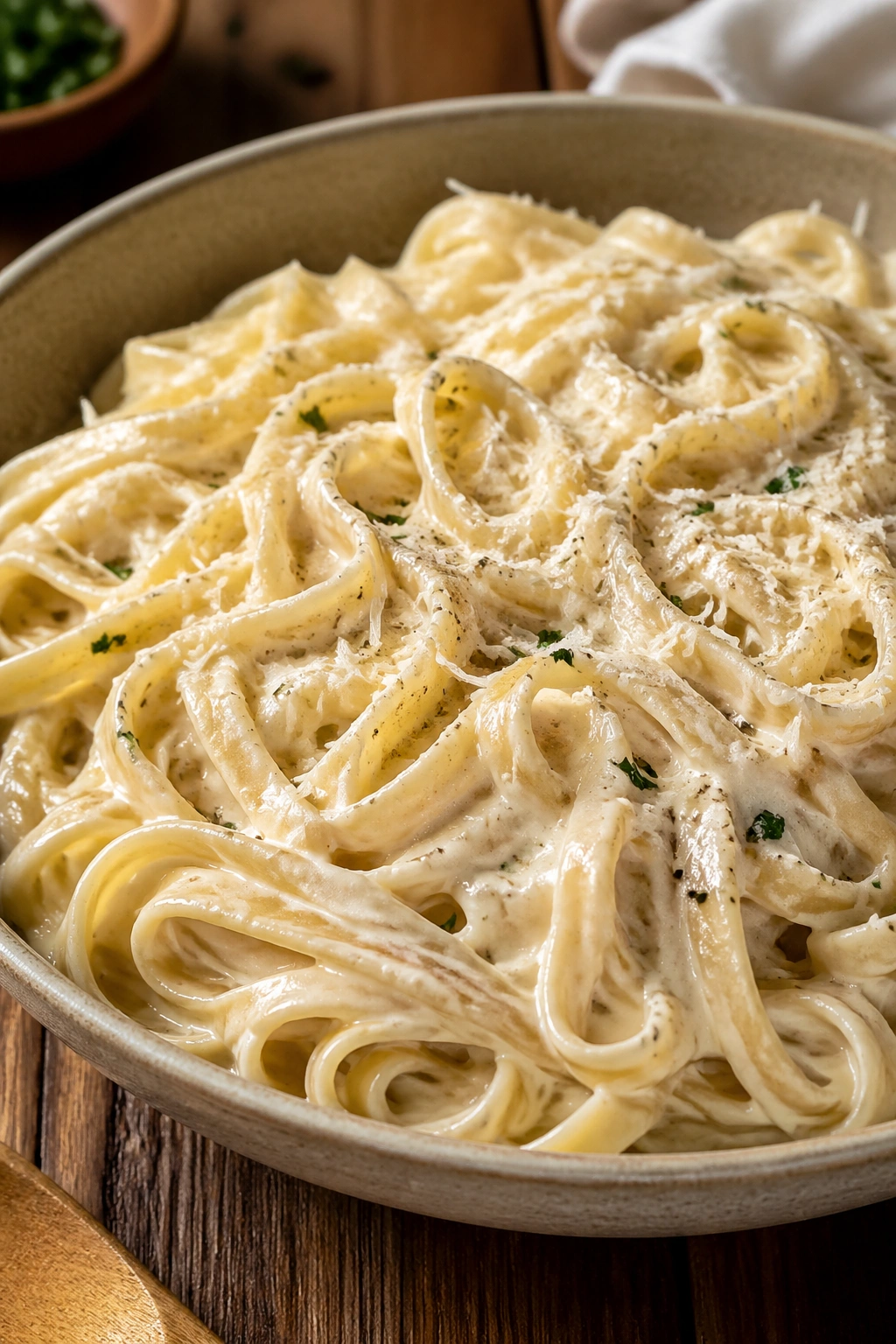
Can pasta fit in a fat-loss diet? Yes. A giant restaurant bowl of Alfredo, carbonara, mac and cheese, or creamy baked pasta is another story.
Portion size is where pasta gets wild. A cooked serving at home might be 1 to 2 cups. Restaurant bowls can reach 3 to 4 cups before sauce. Add cream, butter, cheese, sausage, or breaded chicken and you can fly past 1,000 calories without noticing because pasta is soft, warm, and easy to eat quickly.
Why restaurant pasta is so rough on a waistline
Refined noodles on their own do not fill you for long unless the meal includes enough protein and vegetables. Cream sauce adds calories fast but not much chewing time. Garlic bread often joins the party. Dessert somehow still sounds good after.
Home pasta can be far easier to manage:
- Use 2 ounces dry pasta per person as a starting point.
- Choose tomato, olive oil, or broth-based sauces more often than cream-heavy ones.
- Add chicken, shrimp, beans, or lean turkey for protein.
- Bulk the bowl with mushrooms, spinach, zucchini, or broccoli.
Pasta is not the enemy. Oversized creamy pasta is.
17. Ultra-Processed Frozen Meals and Breaded Freezer Foods
An NIH feeding trial found people ate about 500 extra calories per day on an ultra-processed menu compared with a minimally processed one, even when meals were matched in ways that should have narrowed the gap. That finding gets my attention because it matches what people describe in real life: these foods go down fast and do not keep hunger down for long.
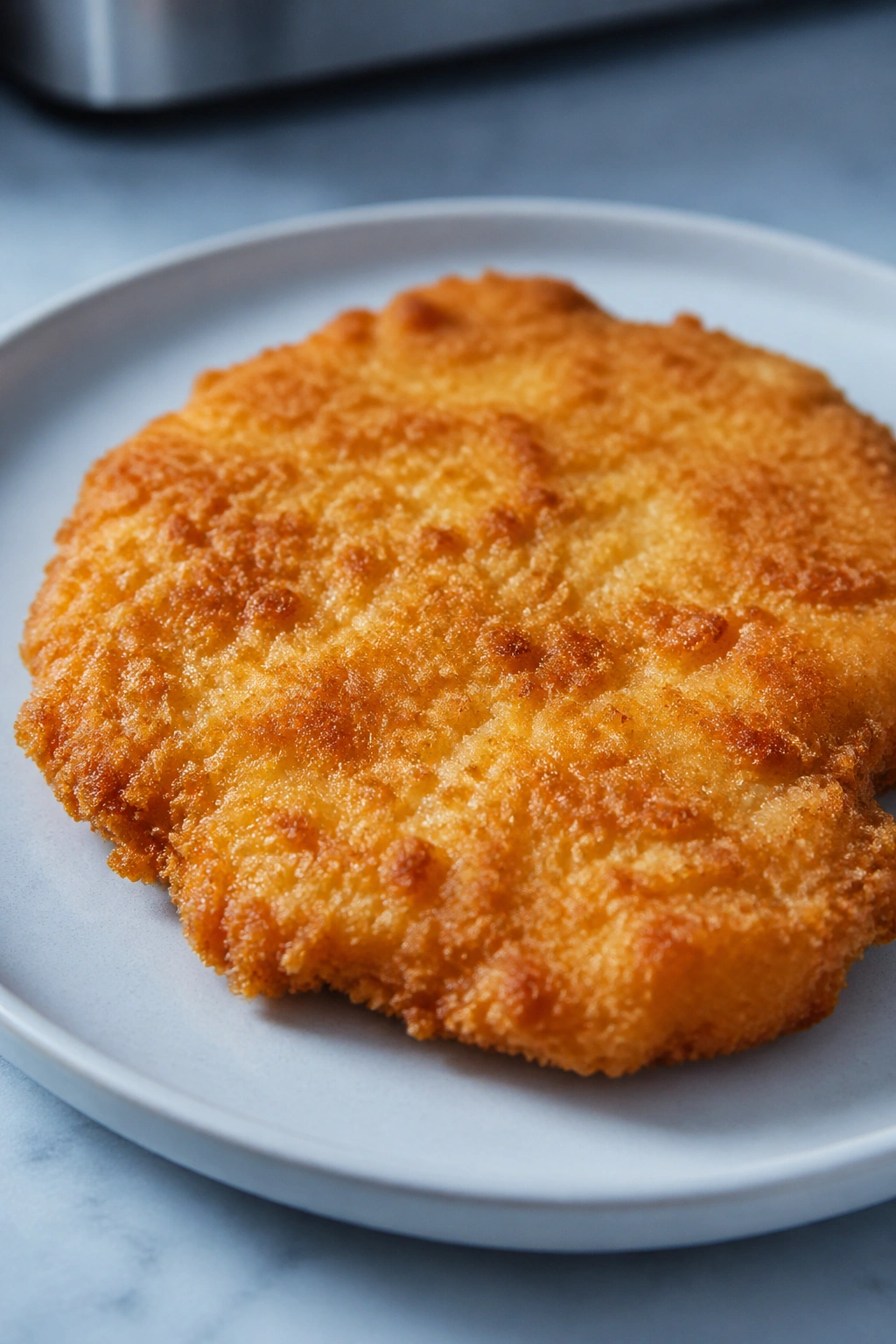
Frozen food covers a huge range. Plain frozen vegetables, berries, shrimp, and even some balanced dinners are useful. The troublemakers are the freezer staples built around breading, cheese, creamy sauces, fries, stuffed crusts, and snack-food engineering—pizza rolls, breaded chicken patties, mozzarella sticks, loaded mac bowls, toaster pastries, sugary waffles.
What to skip in the freezer aisle
Use the label like a filter:
- Leave behind meals with under 20 grams of protein.
- Be wary of bowls with under 5 grams of fiber.
- Watch for 700 calories or more in a package that still looks snack-sized.
- Breaded, cheesy, creamy, and stuffed is often a bad sign when all four show up together.
The freezer is not the enemy. Still, if most of your dinners come from packages designed to be salty, soft, rich, and finished in eight minutes, belly fat loss gets harder than it needs to be.
Final Thoughts
If your goal is to lose belly fat, start where the calorie damage hides best: drinks, breakfast sweets, snack foods, and restaurant-sized comfort meals. Those four lanes catch more people than exotic nutrition debates ever will.
You do not need to ban every food on this list forever. A smarter move is to stop treating them like ordinary weekday fuel. Soda becomes occasional. Pastries become occasional. Ice cream becomes planned, portioned, and worth it.
One last blunt point: belly fat rarely comes from the meals you remember. It comes from the little extras that never felt like a meal at all. Tighten those up, and your waistline usually follows.
