



A flatter stomach usually starts with less bloat, not with some magic drink.
That distinction matters. If your midsection feels puffy after soda, salty takeout, too much chewing gum, or a day of eating fast and drinking even faster, the quickest visible change often comes from better hydration and fewer stomach irritants. No drink melts belly fat on command. That part takes longer, and anyone selling you overnight miracles is selling air.
Still, the right drinks can help in ways you can feel. Some calm an irritated gut. Some replace sneaky calories. Some keep you full enough to stop wandering back to the snack drawer an hour later. A few are honestly boring, and that’s why they work.
Boring works.
1. Plain Water
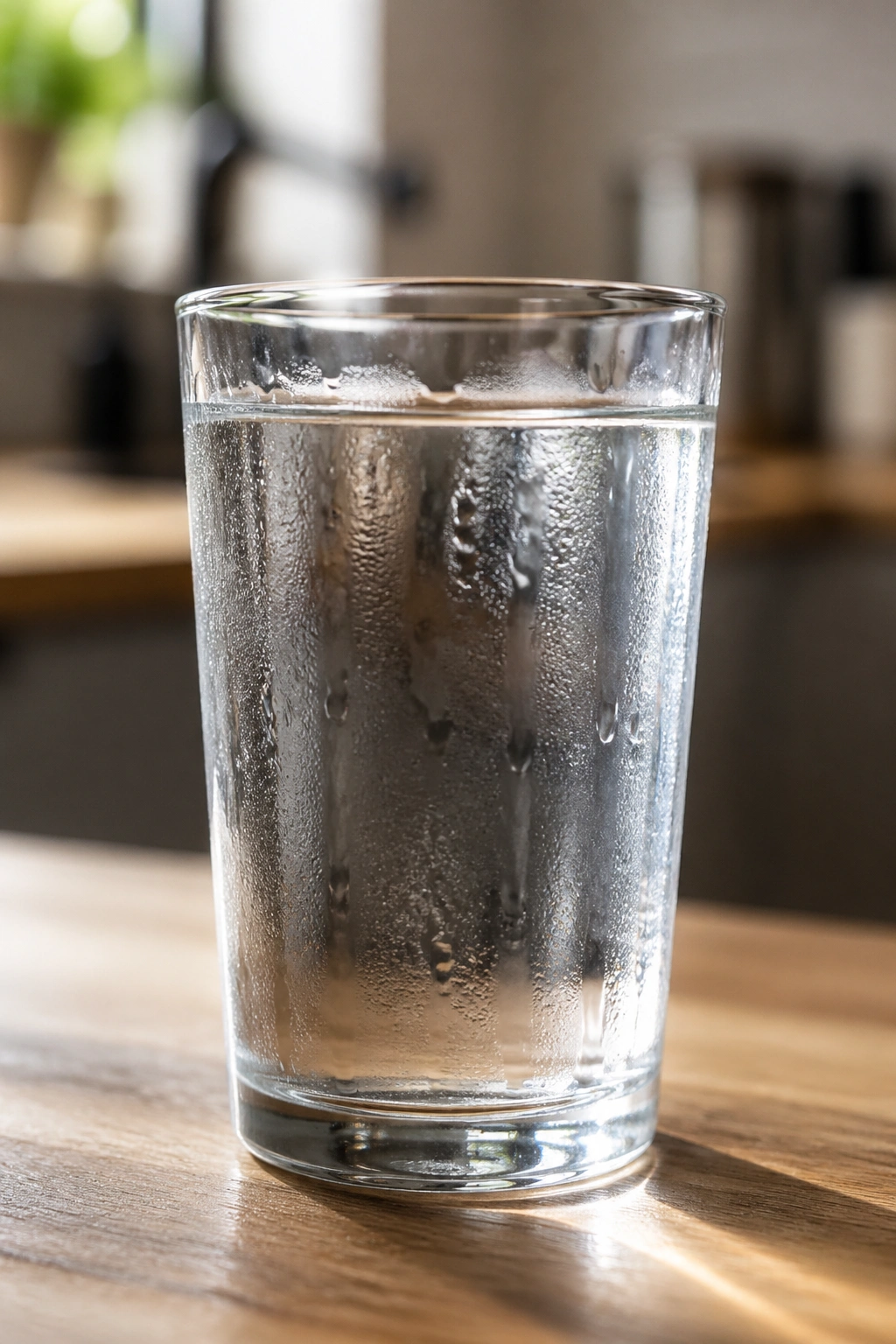
Plain water is the unglamorous answer that keeps beating the flashy ones. If your stomach looks a little softer because you’re retaining water, running low on fluids, or confusing thirst with hunger, a few glasses of water can change the way you feel faster than most people expect.
Why It Helps More Than People Think
Water does not burn fat. It does help your body handle salt, fiber, and digestion without acting like everything is stuck in traffic. A lot of people wake up puffy because they went to bed under-hydrated, then they spend the whole next day reaching for coffee and salty food. That cycle keeps the belly looking swollen.
Drink 16 to 20 ounces when you first wake up, then keep a bottle nearby and sip through the day. You want steady intake, not one heroic chug that leaves you sloshy and uncomfortable.
- Choose still water if carbonation bloats you.
- Add ice if cold drinks help you sip more.
- Aim for pale straw-colored urine, not clear all day long.
- Pair water with meals that are salty or high in protein.
Small move, big payoff: if you replace one sweet drink a day with plain water, the scale and your waistline often notice the difference before any fancy recipe does.
2. Lemon Water
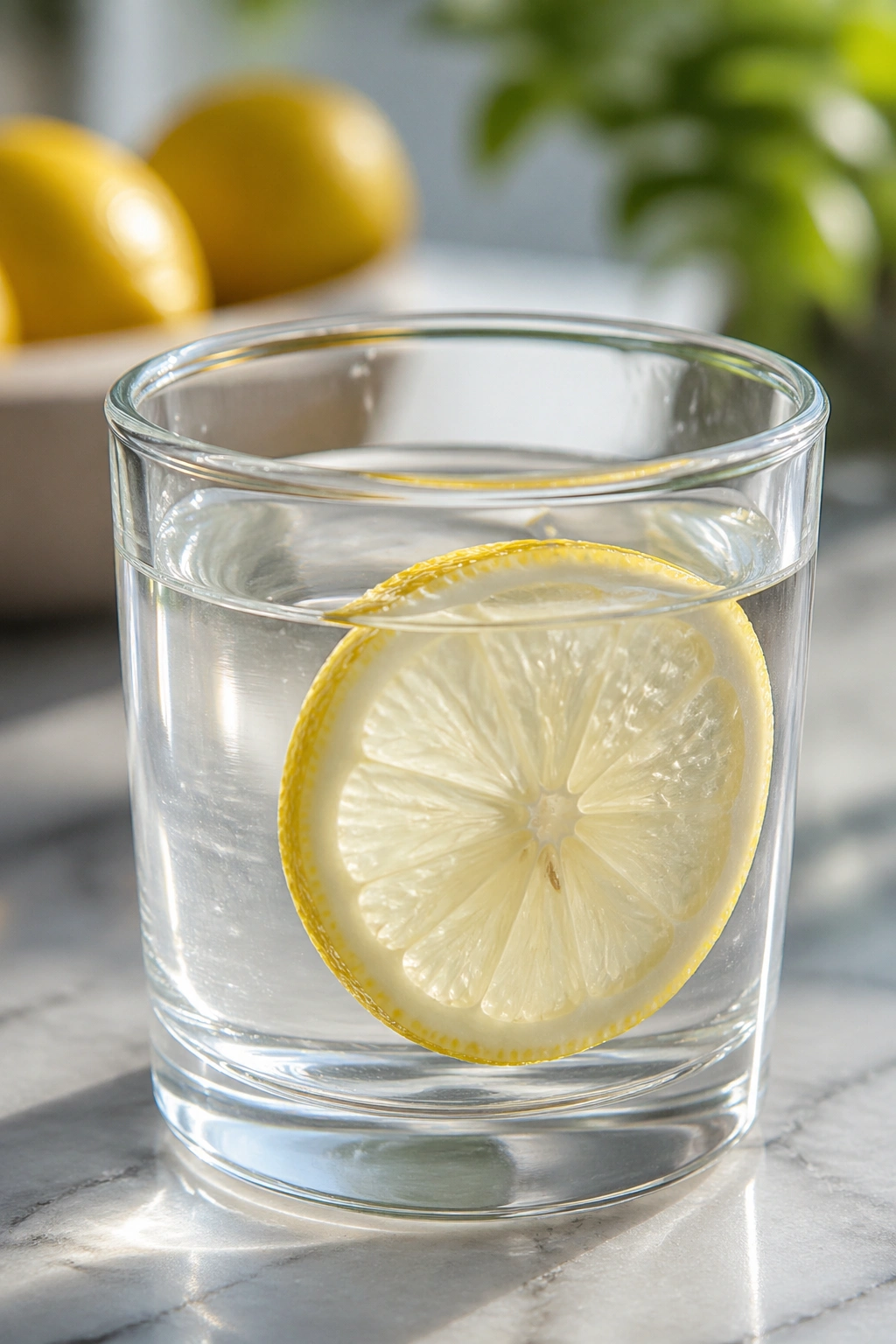
Lemon water gets praised like it has magical powers. It doesn’t. What it does have is a bright taste that makes plain water easier to drink, and that alone can matter a lot if your normal routine is one giant coffee, one soda, and not much else.
Warm or cold, it works best when you keep it simple: half a lemon squeezed into 12 to 16 ounces of water. That gives you flavor without turning the drink into a sugar bomb or an acid bath.
The trick is consistency, not drama. If lemon water helps you sip more often and skip the pastry that used to follow your latte, that’s the real win. The stomach may also feel less heavy when you’re hydrated and you’re not stacking up sweet drinks on top of meals.
A small caution. Lemon is acidic, so if you have sensitive teeth or reflux, don’t sip it all day. Use a straw, rinse your mouth with plain water after, and keep it to one or two servings. Straight lemon juice is a terrible idea.
3. Cucumber Mint Water
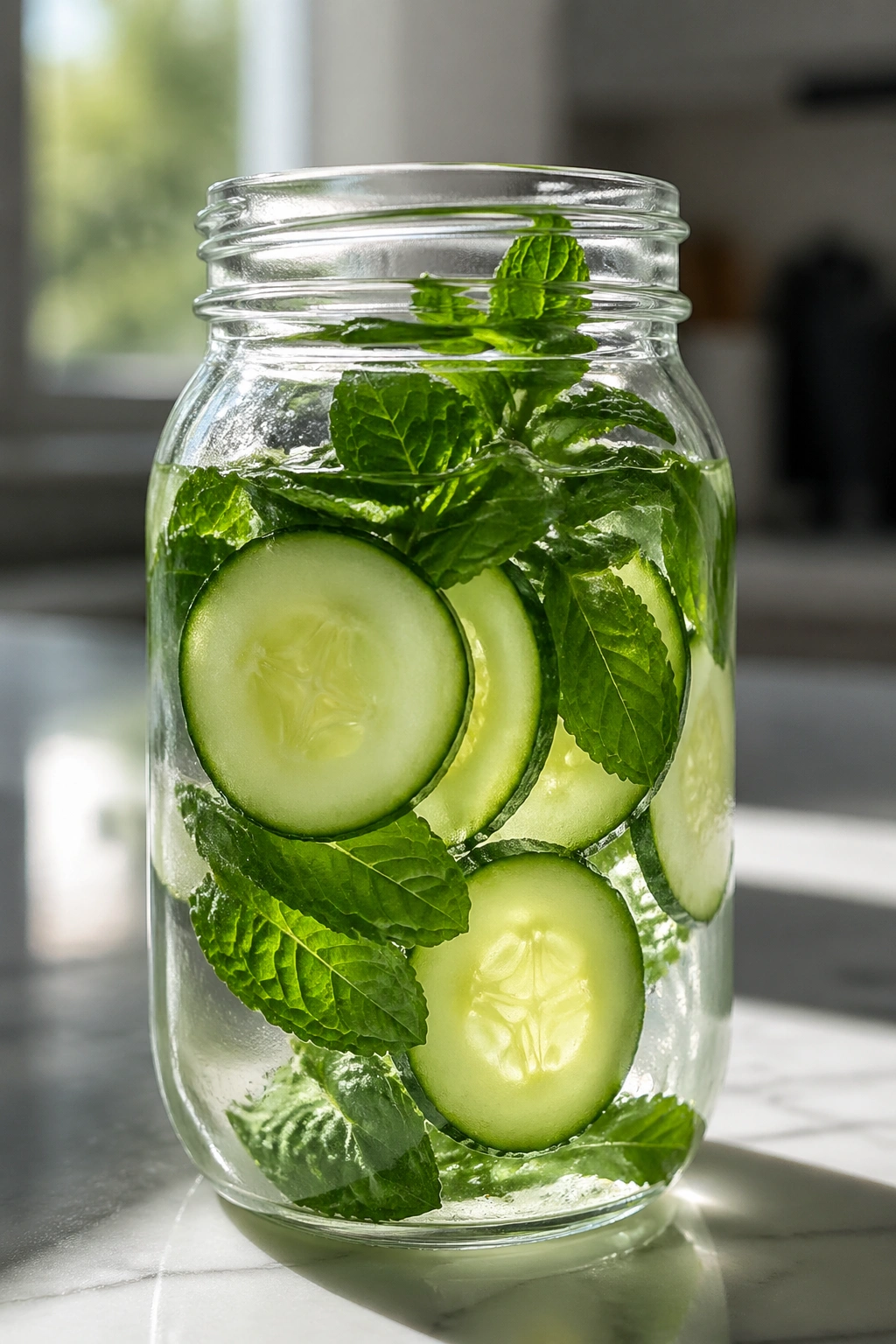
Why do people keep making cucumber mint water at brunch spots? Because it tastes clean, cold, and a little fancy, which sounds silly until you realize that flavor can help you drink more water without thinking about it.
How to Make It Work
Use 4 to 6 cucumber slices and 4 to 6 mint leaves in a liter of cold water. Let it sit in the fridge for at least 20 to 30 minutes so the flavor has time to spread. If you want a stronger taste, gently clap the mint leaves between your hands before dropping them in. That sounds odd, but it helps release the oils.
This drink is useful on hot, salty, or heavy-feeling days because it nudges you toward hydration without tasting like a chore. It’s also one of the better swaps for soda because it gives you something cold and crisp without the sugar.
Best use: keep a pitcher in the fridge and refill it once. After the cucumber gets limp and the mint turns dull, start over. Old, soggy slices are where the charm goes to die.
4. Ginger Tea
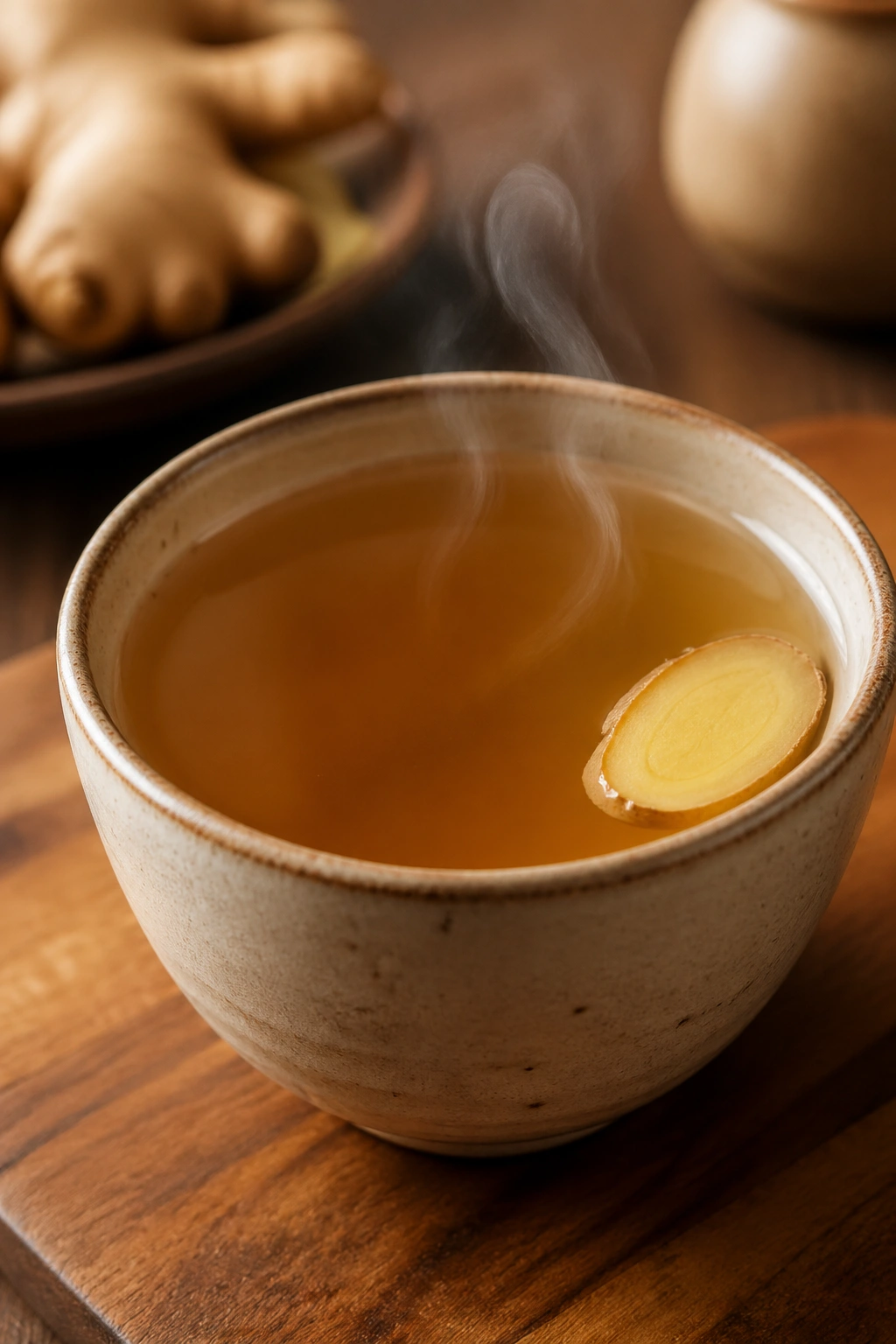
When your stomach feels tight after a big meal, ginger tea is one of the first things I’d reach for. It has a sharp, warming bite that seems to wake the whole digestive system up a bit, and it’s especially nice if nausea, gas, or that heavy post-lunch slump is part of the problem.
The Brewing Detail That Matters
Slice 1 to 2 inches of fresh ginger and simmer it in 2 cups of water for about 8 to 10 minutes. If you want a stronger tea, crush the slices a little before they go in the pot. Don’t boil it so hard that the flavor turns harsh and woody.
I like ginger tea after a rich dinner or a greasy meal, not because it erases calories, but because it can make your stomach feel less angry. That’s a real difference. A flat-looking belly often starts with a calm gut, not a “fat-burning” label.
A warning for the careful readers: if ginger makes you feel warm in a bad way, or if you’re on blood-thinning medication, keep portions modest and ask your clinician if you’re unsure. Strong herbs deserve a little respect.
5. Peppermint Tea
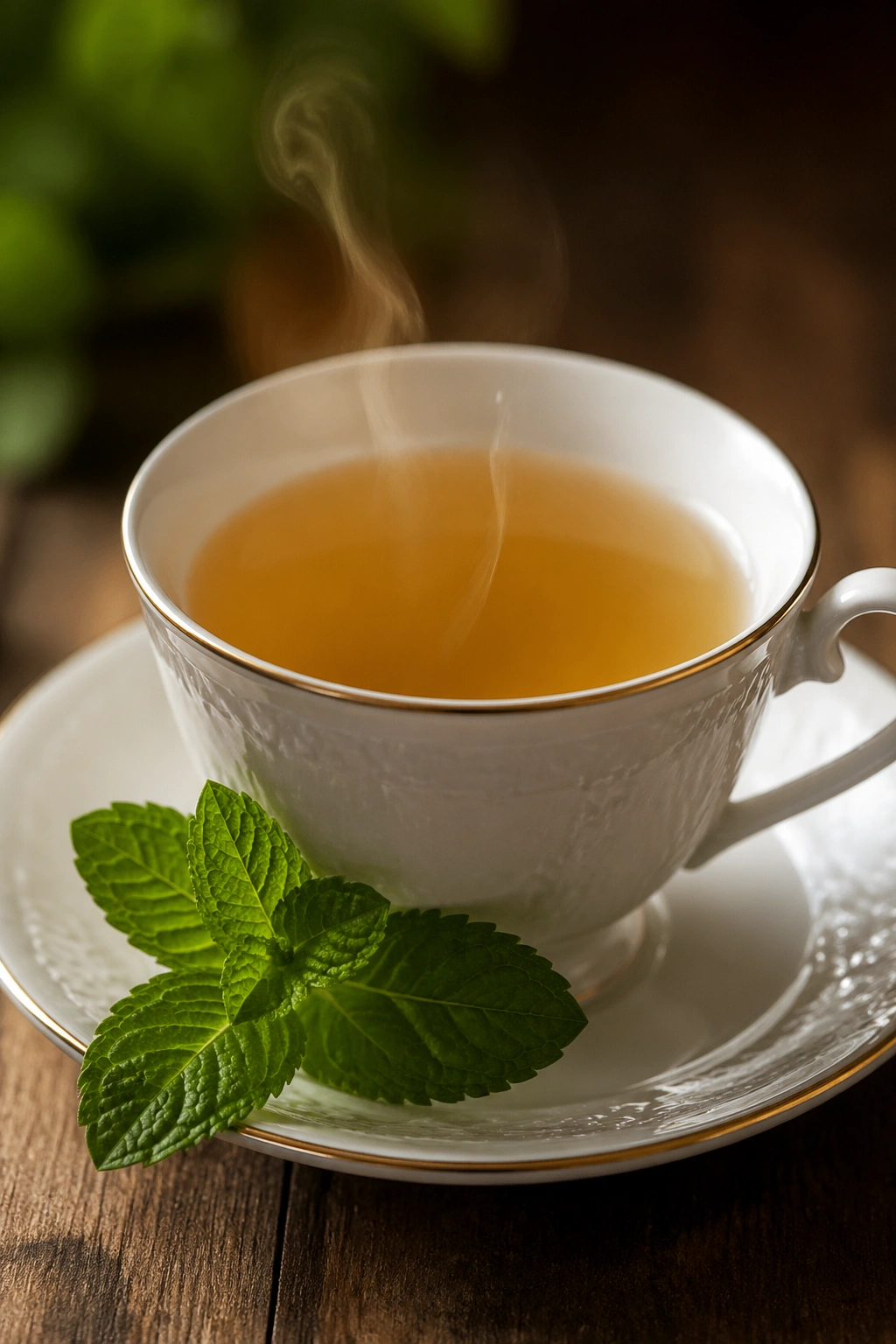
Peppermint tea is the one I’d recommend when bloating feels more like pressure than hunger. It has a cooling smell, a clean finish, and a habit of making an overworked stomach settle down a little.
Unlike sweet drinks, it adds no sugar and no extra calories. Unlike carbonated drinks, it usually doesn’t load your belly with gas. That makes it a solid choice after lunch, after dinner, or during that weird late-afternoon moment when your waistband feels tighter for no obvious reason.
Steep 1 tea bag or 1 teaspoon of dried peppermint in 8 to 10 ounces of hot water for 5 to 7 minutes. Longer steeping gives you a stronger minty punch, which is fine unless your stomach is sensitive. Drink it plain first. Sweetening it defeats the point.
One catch. Peppermint can loosen the lower esophageal sphincter, which is a fancy way of saying it can make reflux worse for some people. If you get heartburn, this may not be your friend.
6. Green Tea
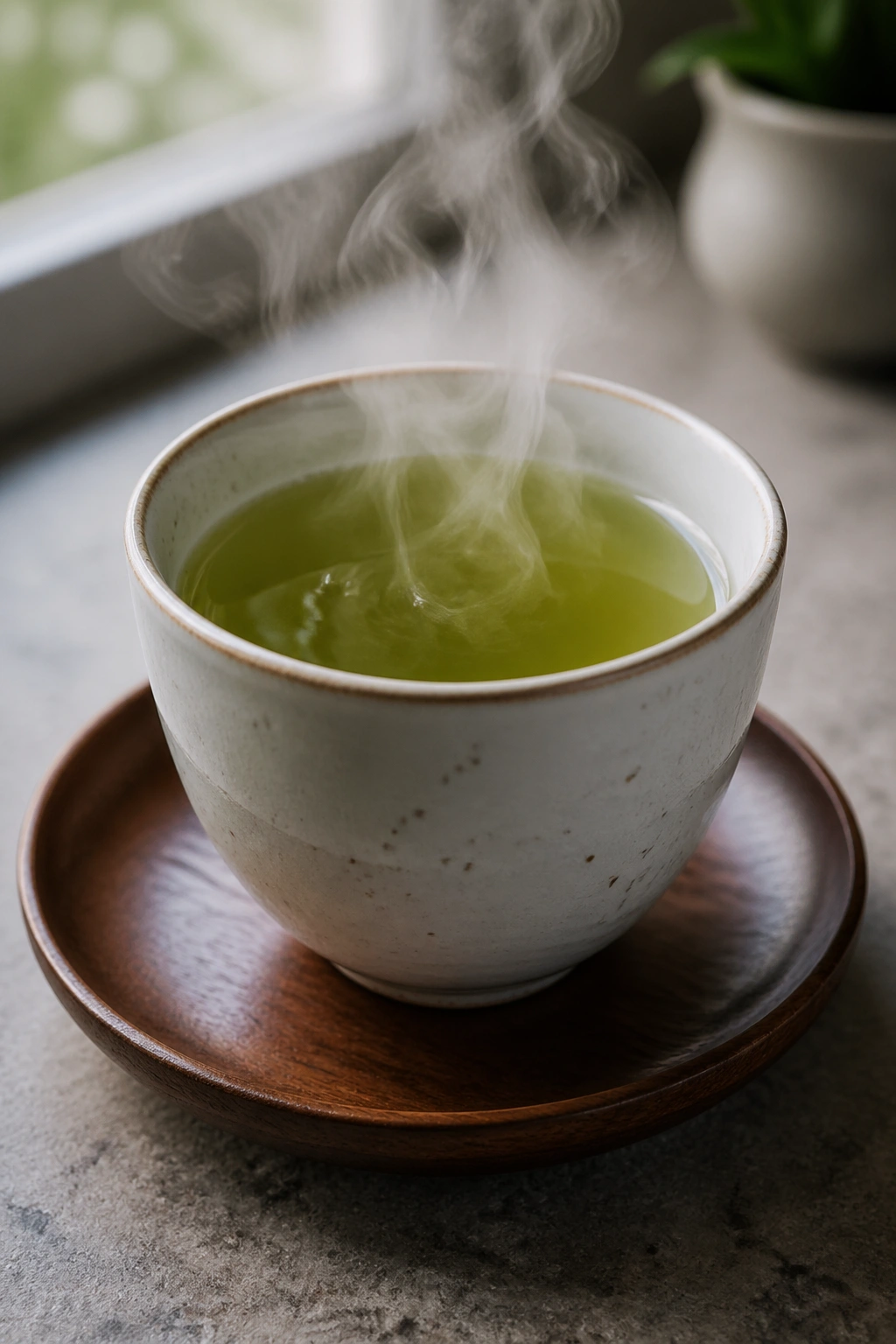
Green tea is the sensible middle ground between “I want caffeine” and “I don’t want a milkshake disguised as coffee.” It brings a little lift, a little warmth, and a lot fewer calories than the average café drink.
Why It’s Often the Better Caffeine Pick
The caffeine in green tea can help you feel more alert and a bit less snacky, and the catechins give it more bite than plain tea. No, it’s not a miracle. But if you need a morning drink that doesn’t spiral into whipped cream territory, this one earns its keep.
Steep 1 teaspoon of loose-leaf green tea or 1 tea bag in water that’s hot but not boiling, around 175°F to 185°F, for 2 to 3 minutes. Oversteeping makes it bitter fast, and bitter green tea is the reason half the world thinks they hate green tea.
What Makes It Different From Coffee
Coffee is stronger, faster, and rougher on some stomachs. Green tea is lighter and usually easier to sip without that jittery edge. If you’re bloated and stressed at the same time, the gentler option is often the smarter one.
7. Matcha
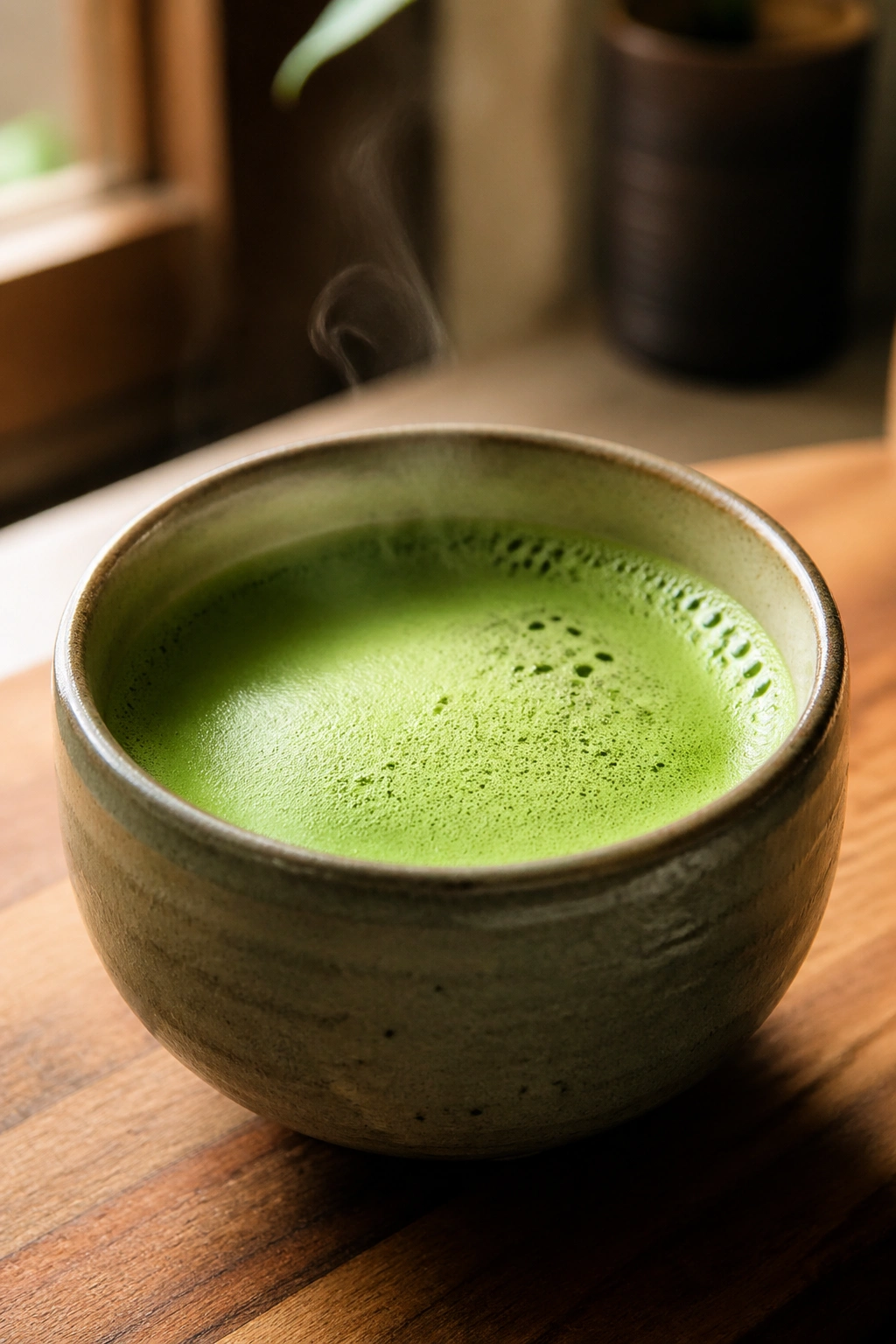
Matcha is green tea with more body. You’re drinking the whole leaf, not just a steeped bag, so the flavor is deeper and the caffeine tends to feel steadier than a harsh coffee hit.
One teaspoon is enough for most people. Whisk 1 teaspoon matcha powder with 2 ounces of hot water until smooth, then top with more water or unsweetened milk if you want it softer. A clumpy matcha drink is a sad drink. Use a small whisk, frother, or even a jar with a tight lid if that’s what you’ve got.
What makes matcha useful for a flatter-looking stomach is simple: it can replace sugary café drinks while still giving you a little morning energy. If you’re sipping a matcha latte with syrup, though, the whole point gets lost. The sweet version can carry more calories than you think.
A small note. Matcha hits harder than most tea, so if caffeine makes your stomach feel tight or your hands shaky, keep the serving small and don’t drink it on an empty stomach.
8. Black Coffee
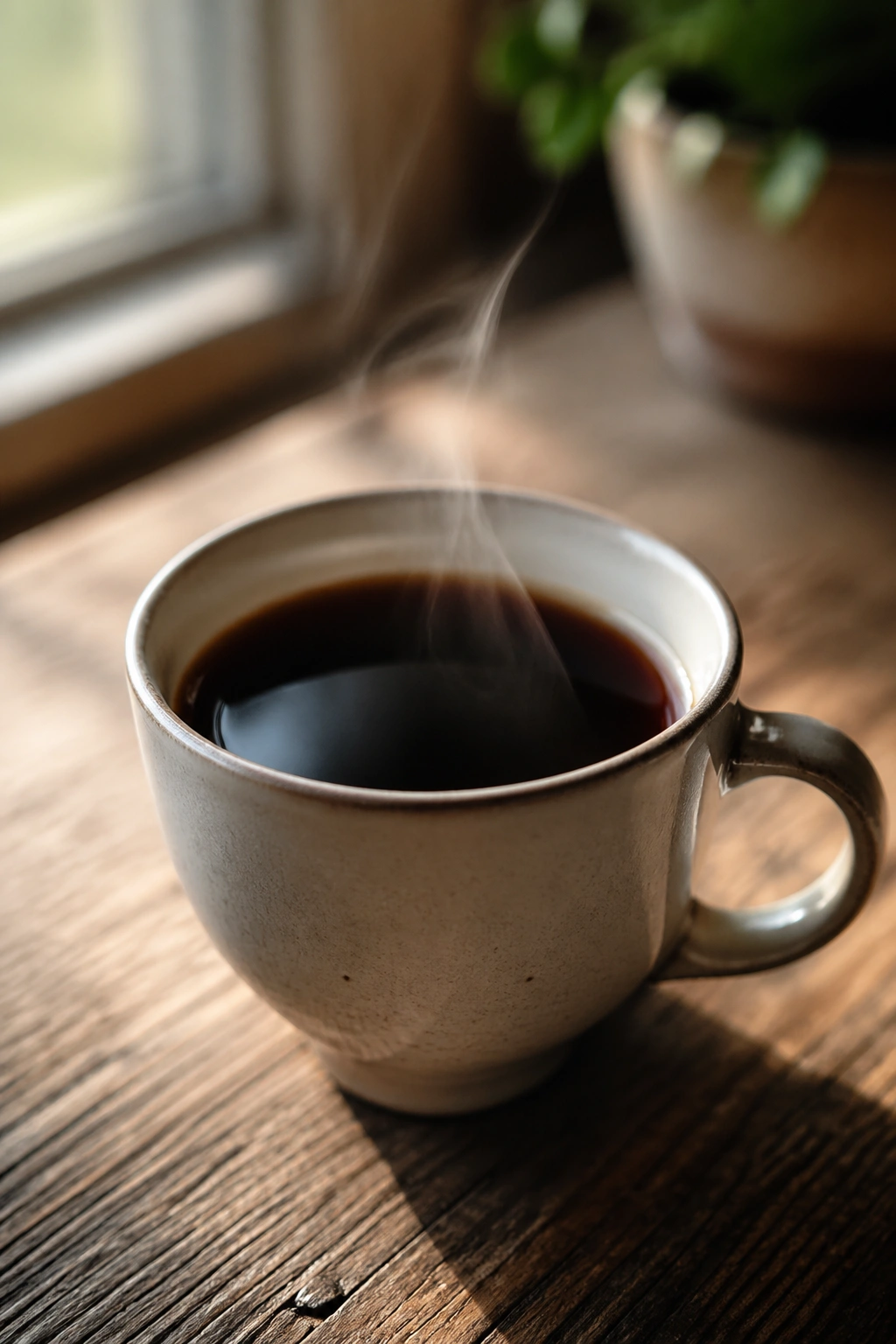
Can black coffee help with a flatter stomach? Sometimes, yes. Can a giant caramel drink with foam and drizzle do the same thing? Not even close.
The reason this belongs on the list is that plain coffee can replace a calorie-heavy breakfast beverage and blunt appetite for a little while. That’s useful if your morning routine usually starts with syrup, cream, and a muffin that disappeared in six bites.
How to Drink It Without Sabotaging Yourself
Keep it to 8 to 12 ounces and skip the flavored creamers. Black coffee is the point here. If you need something softer, add a splash of milk, not half a bottle of sweetener.
Coffee can also make some people feel a little less puffy because it gets digestion moving. That said, if coffee makes you jittery, gassy, or rushed to the bathroom in a bad way, it is not the hero you want. Listen to your body. Really.
A useful rule: have coffee after food if it tends to bother your stomach. A lot of people think caffeine has to be taken on an empty stomach to “work,” and that’s nonsense. Comfort matters more than the ritual.
9. Apple Cider Vinegar Drink
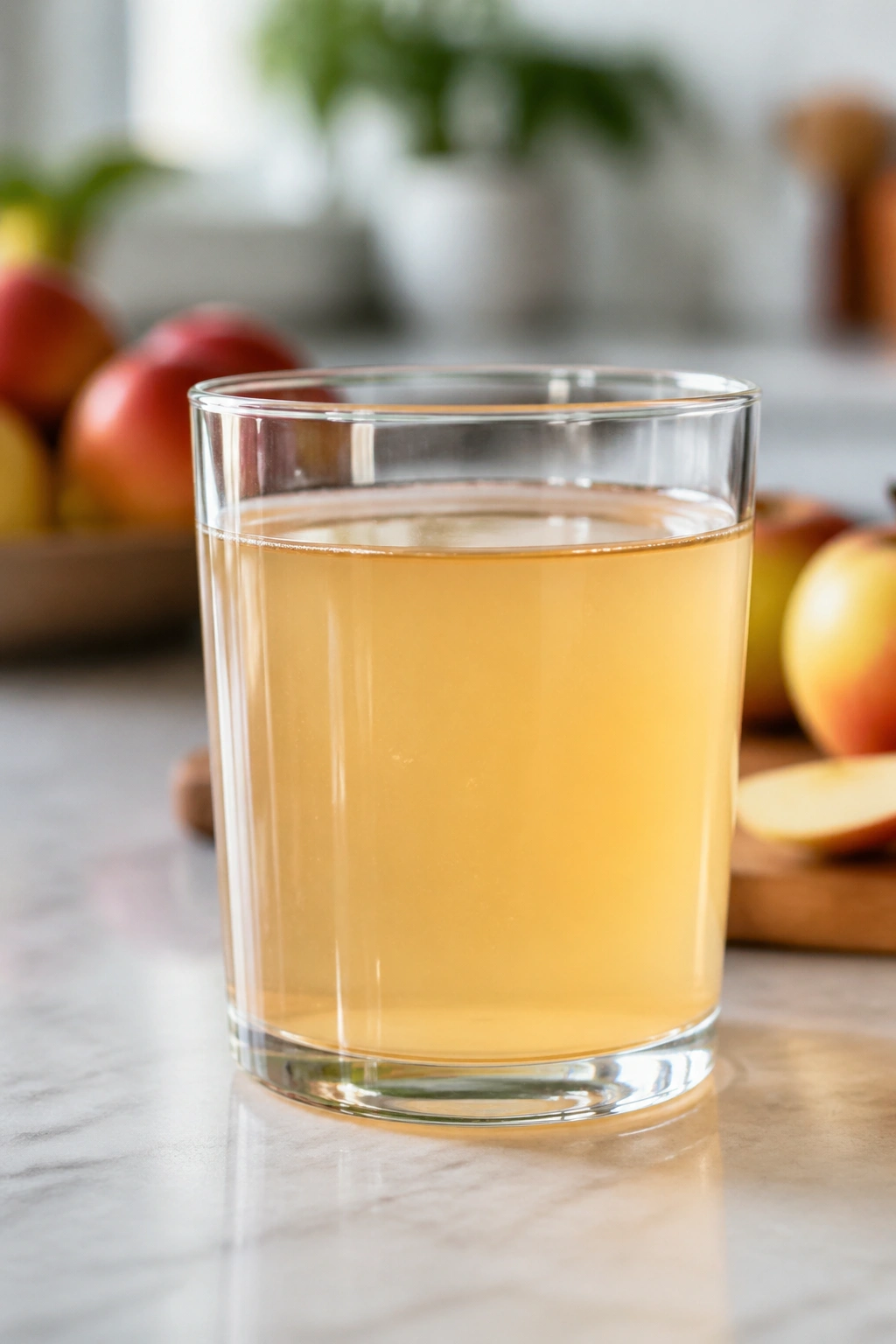
Apple cider vinegar drinks sit in that awkward place between useful and overhyped. They can help some people feel a little fuller before a meal, but the bottle does not contain magic, and straight vinegar is a bad idea.
Mix 1 to 2 teaspoons of apple cider vinegar into 8 to 12 ounces of water. That’s enough to get the sharp taste without turning the drink into punishment. If you’re new to it, start with less. One tablespoon is plenty for a day, and even that’s more than some stomachs want.
What people usually notice is appetite control. The sourness can slow the pace of eating for a few minutes, and that tiny pause matters if you tend to overeat when you’re rushing. It can also feel like a “reset” before a meal, which is half the battle with snacking.
Don’t Make These Mistakes
- Never drink it straight.
- Use a straw to protect your teeth.
- Rinse your mouth after.
- Skip it if you deal with reflux or stomach ulcers.
This is one of those drinks that sounds tougher than it is. Keep it diluted, keep it modest, and treat it like a tool, not a personality trait.
10. Chia Seed Water
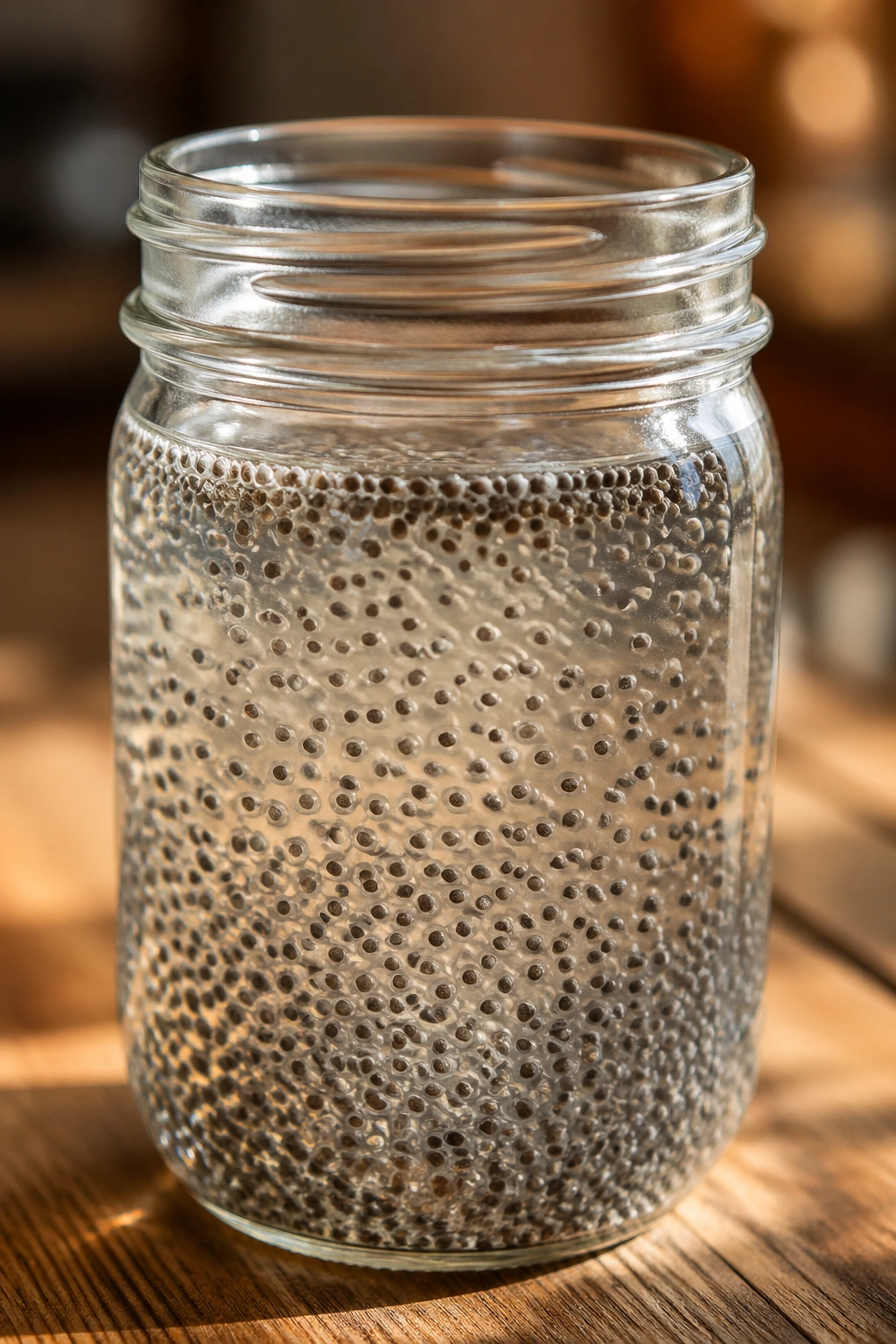
Chia seed water looks odd the first time you make it. Then it gels into that speckled, slightly slippery texture, and you understand why it keeps people full for hours.
Why the Texture Actually Helps
Use 1 tablespoon of chia seeds in 12 to 16 ounces of water and let it sit for 10 to 15 minutes. The seeds absorb liquid and form a gel, which slows how fast the drink leaves your stomach. That can be a real advantage if your problem is constant grazing rather than real hunger.
I’d call this a mid-morning or mid-afternoon drink, not a giant pre-workout chug. Drink it slowly. The fiber is the point, and fiber works better when you give it time. If you’re new to chia, start small. Too much too soon can leave you bloated, which is a cruel twist when your goal is the opposite.
A little cinnamon or lemon can help the flavor, but don’t dump in honey or syrup and pretend it’s still a flat-tummy drink. At that point, you’ve wandered off the path.
11. Fennel Tea
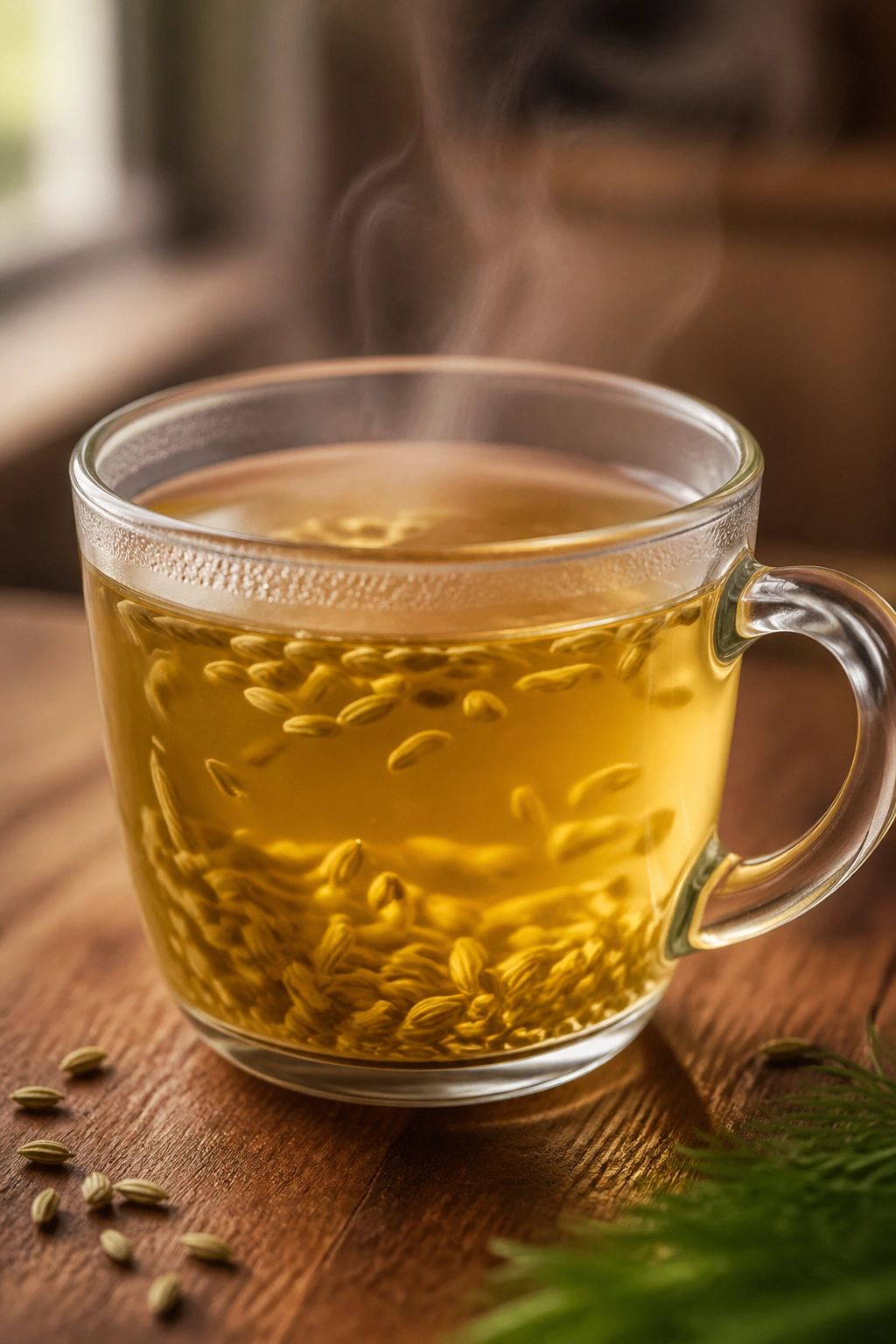
Fennel tea tastes faintly sweet, like licorice’s calmer cousin. It’s one of the better drinks for that uncomfortable belly pressure that comes from gas, heavy meals, or eating too fast.
Unlike peppermint, fennel leans a little more toward gas relief and post-meal comfort. I like it after dinner, especially if the meal had beans, onions, cabbage, or a lot of oil. Those are the meals that can turn a normal waistband into a tight one.
Crush 1 teaspoon of fennel seeds lightly, then steep them in 8 ounces of hot water for 8 to 10 minutes. Crushing the seeds matters. Whole seeds can sit there looking decorative and giving you very little.
How to Use It
- Drink it warm, not boiling hot.
- Sip it slowly after a meal.
- Keep it unsweetened.
- Use it when bloating feels gassy, not acidic.
If you don’t like licorice notes, fennel may not become your favorite. Fair enough. It’s still one of the more useful herbal options when the stomach feels noisy and swollen.
12. Dandelion Tea
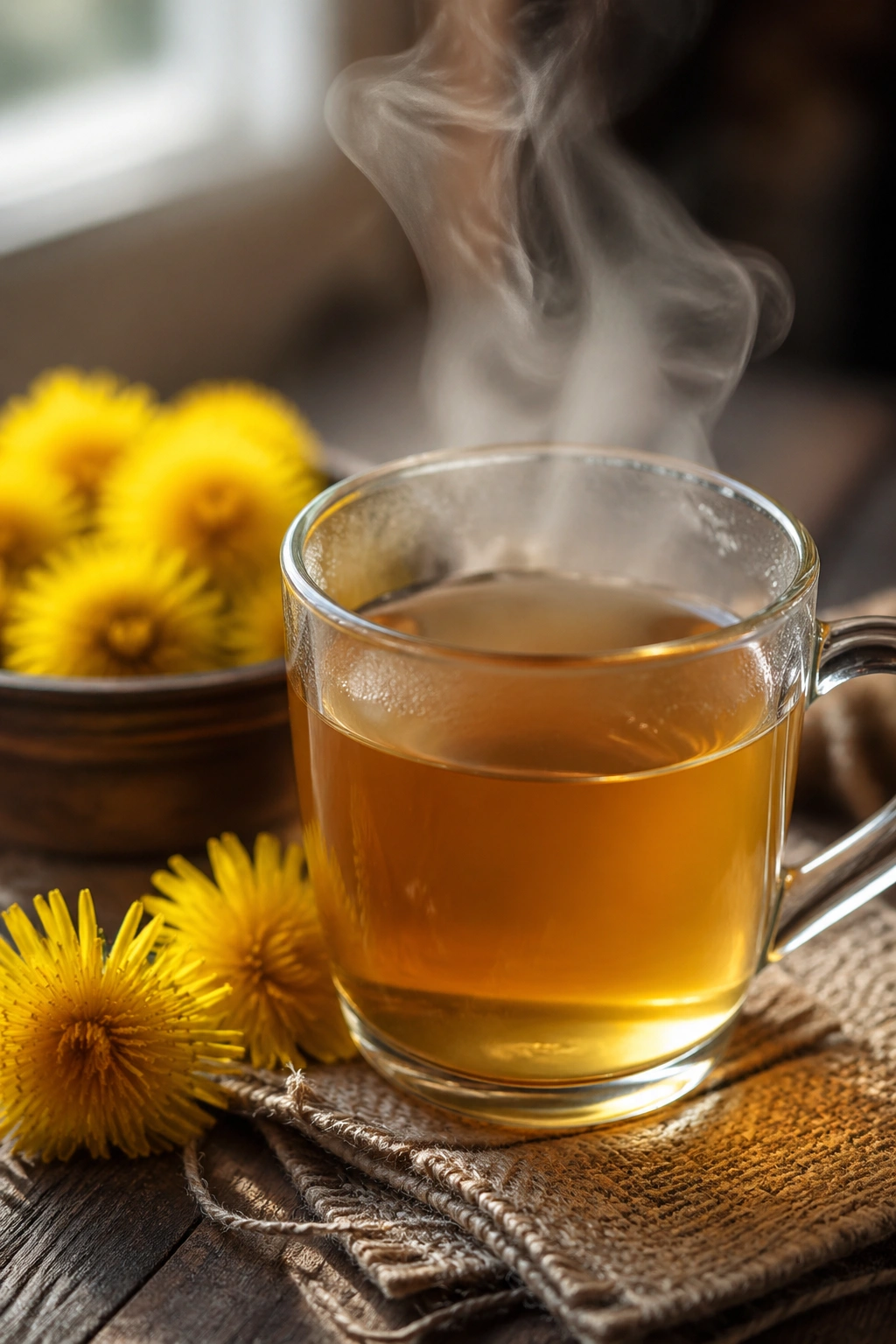
Dandelion tea is earthy, slightly bitter, and not trying to win a beauty contest. That’s part of its appeal. Some people find it helpful when water retention makes them feel puffy, especially after a salty day.
The tea is usually made from the leaves or root, depending on the blend. A standard cup brewed for 5 to 10 minutes gives you a stronger herbal taste than you might expect. If bitterness turns you off, blend it with peppermint or a squeeze of lemon.
What It’s Good For
- Mild fluid balance support
- A hot, zero-sugar drink when you want something different
- Replacing afternoon snacks that are really just boredom in wrapper form
A caution is worth saying out loud. Dandelion can act a little like a diuretic, so if you’re on medication, have kidney issues, or just don’t like the way it feels, skip it. Herbal drinks are not harmless because they’re herbal. That idea causes trouble.
Use it in rotation, not as your only trick.
13. Hibiscus Tea
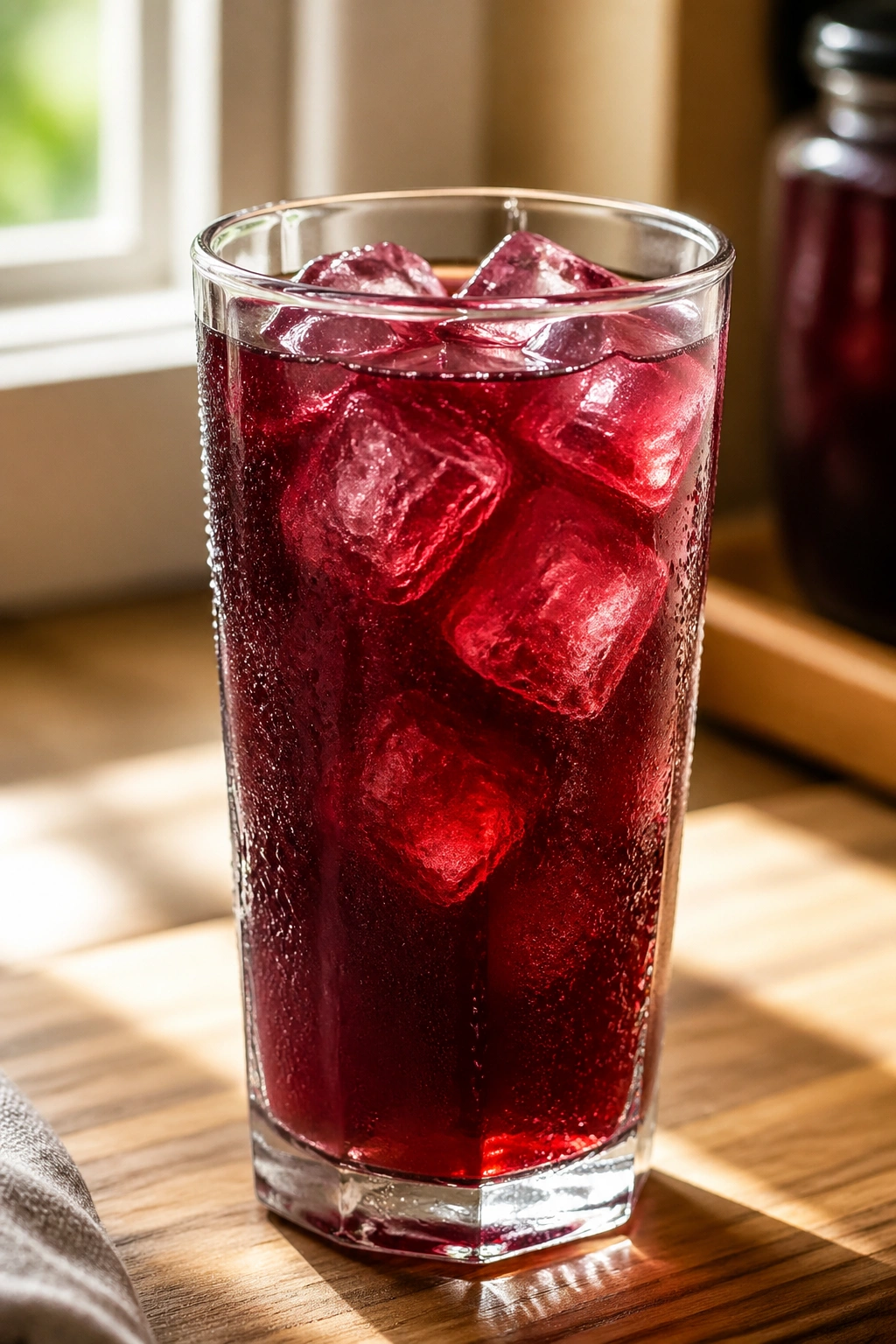
Hibiscus tea is what you make when you want something cold, tart, and ruby-red enough to feel like a treat. It also happens to be a smart substitute for soda or sweet iced tea, which is where the waistline damage usually shows up.
Brew 2 teaspoons of dried hibiscus petals in 8 to 10 ounces of hot water for 5 to 7 minutes, then chill it or pour it over ice. The flavor is naturally sharp, almost cranberry-like, so it doesn’t need much help. A thin slice of orange can round it out if the tartness is a little much.
This one works because it tastes like a real drink, not health homework. That matters more than people admit. If a low-calorie beverage feels sad, you won’t stick with it. Hibiscus is one of the easier swaps to keep around.
A quick caution: if you run low blood pressure or take medication for it, be careful with large amounts. The tea can be a little much for some people.
14. Turmeric Milk
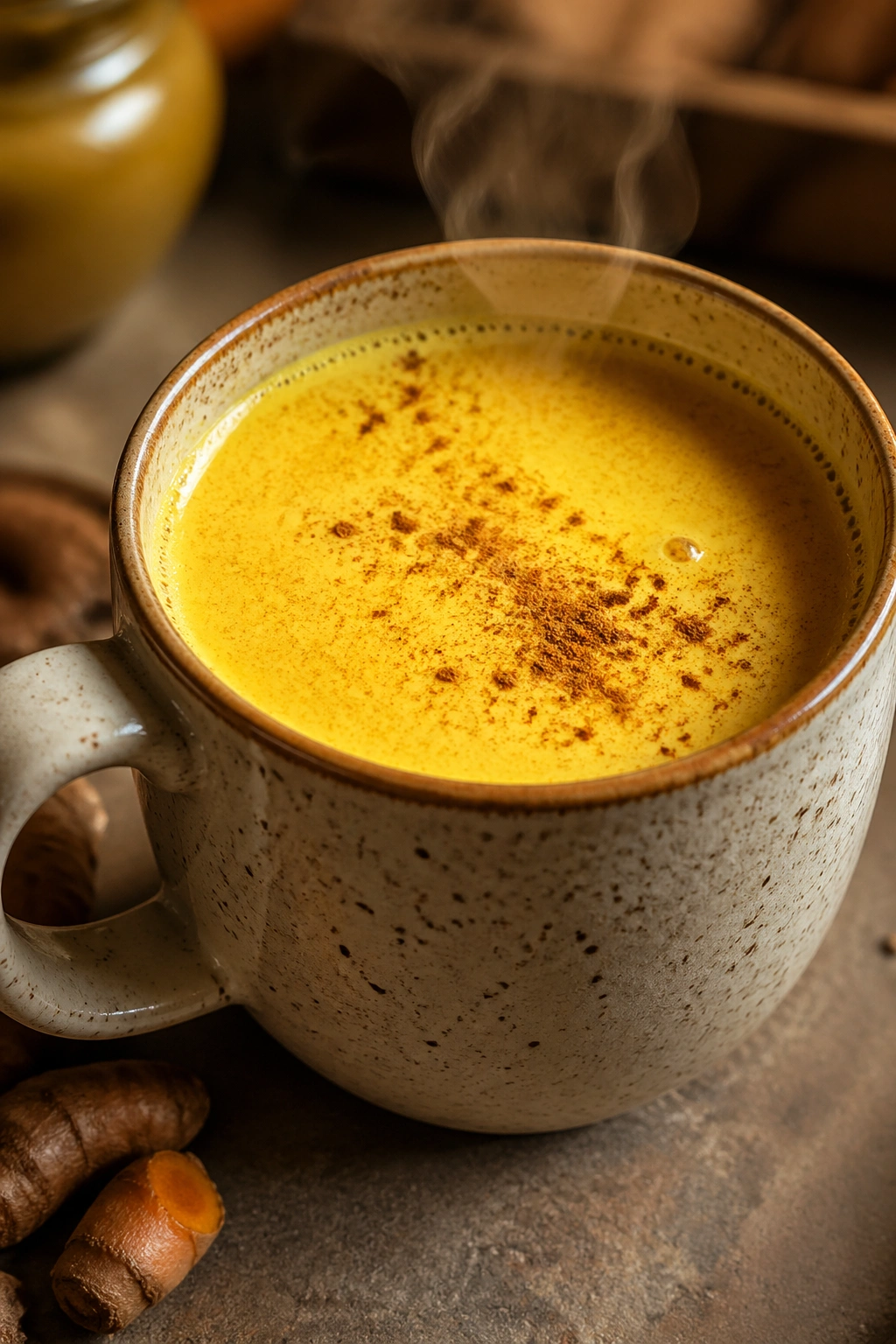
Golden milk is softer than most drinks on this list. It’s warm, creamy, and better suited to evening than to a rushed morning. If your stomach feels tense from stress, a small mug can be a nice way to settle down without reaching for dessert.
The Small Details That Matter
Use 1 cup of unsweetened milk or a dairy-free milk, then stir in 1/2 teaspoon turmeric, a pinch of black pepper, and a little cinnamon. The pepper helps the turmeric’s active compound, curcumin, do more of its job. Without it, the drink is still pleasant, but less interesting from a body-mechanics angle.
Keep the sweetener low. A teaspoon of honey is fine if you need it, but a heavy pour turns this into dessert, and then you’re back where you started.
This is not the drink I’d pick before a workout. It’s richer than the others and can feel heavy if you drink it too close to exercise. At night, though, it can be a calm ending to a meal when you want something warm without going full snack mode.
15. Kefir
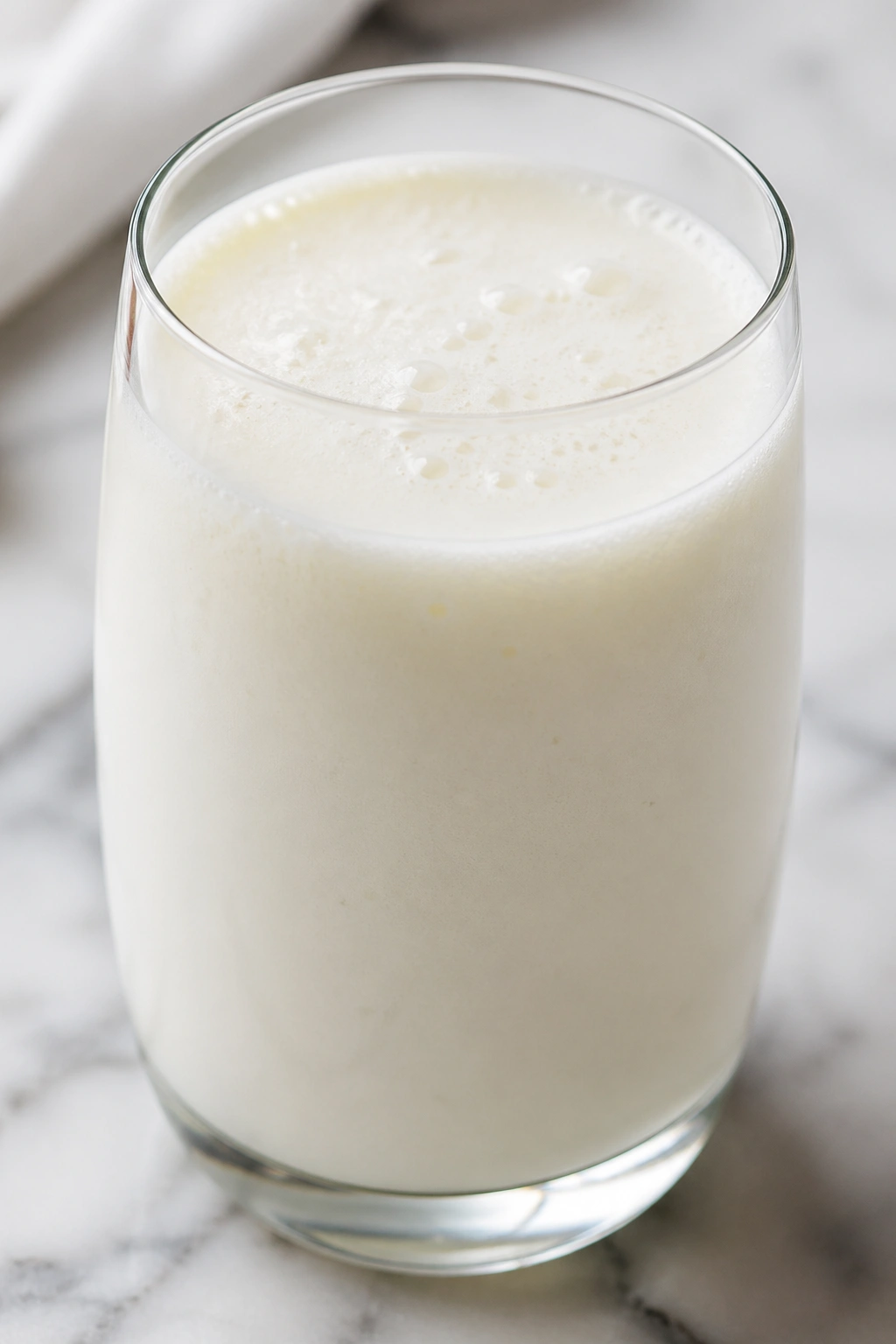
Kefir is one of the few drinks here that can pull double duty: it gives you protein, and it brings along live cultures that may help some people feel more regular. That combination matters if your “flat tummy” problem is partly constipation and partly endless hunger.
Plain kefir tastes tart and a little sour. Good. That means you’re less likely to pour in sugar and ruin the whole point. Start with 1/2 cup if dairy sometimes makes you bloat, then move up to 1 cup if it sits well.
You can drink it straight, blend it with a few berries, or add cinnamon. Just keep the add-ins modest. A kefir drink covered in sweet fruit syrup belongs in the dessert category, not the waistline-helpful one.
Not everyone does well with fermented dairy. If kefir makes you gassy, trust that signal and move on. A useful drink is one your body actually tolerates.
16. Aloe Vera Juice
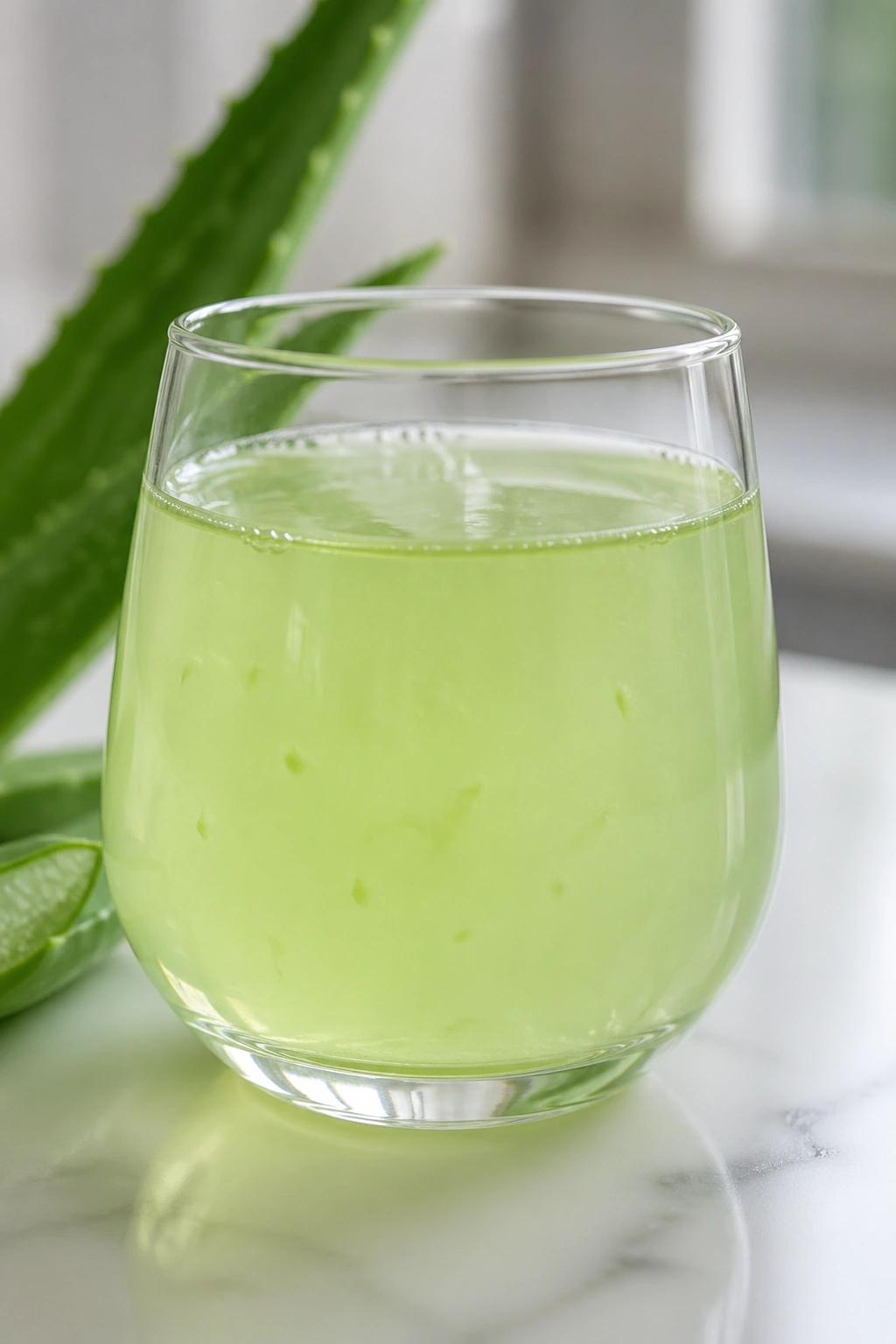
Aloe vera juice gets talked about like it’s some gentle stomach fix. Sometimes it is. Sometimes it is not. That’s why you need to treat it carefully and choose a food-grade, decolorized version, not the stuff meant for skin.
A small serving is enough: 2 to 4 ounces, mixed with water if the taste is too sharp. Aloe can have a laxative effect when the amount is too high, which is not what anyone means by “quick results.” You want less bloating, not a sprint to the bathroom.
The appeal is in the texture and the way some people describe a calmer stomach after using it occasionally. I would not make it a daily habit without checking the label and paying attention to how your gut responds.
Best For
People who want something unusual, lightly cooling, and low in sugar.
Skip If
You already have loose stools, you’re pregnant, or you’re not sure the product is food-safe.
17. Celery Juice
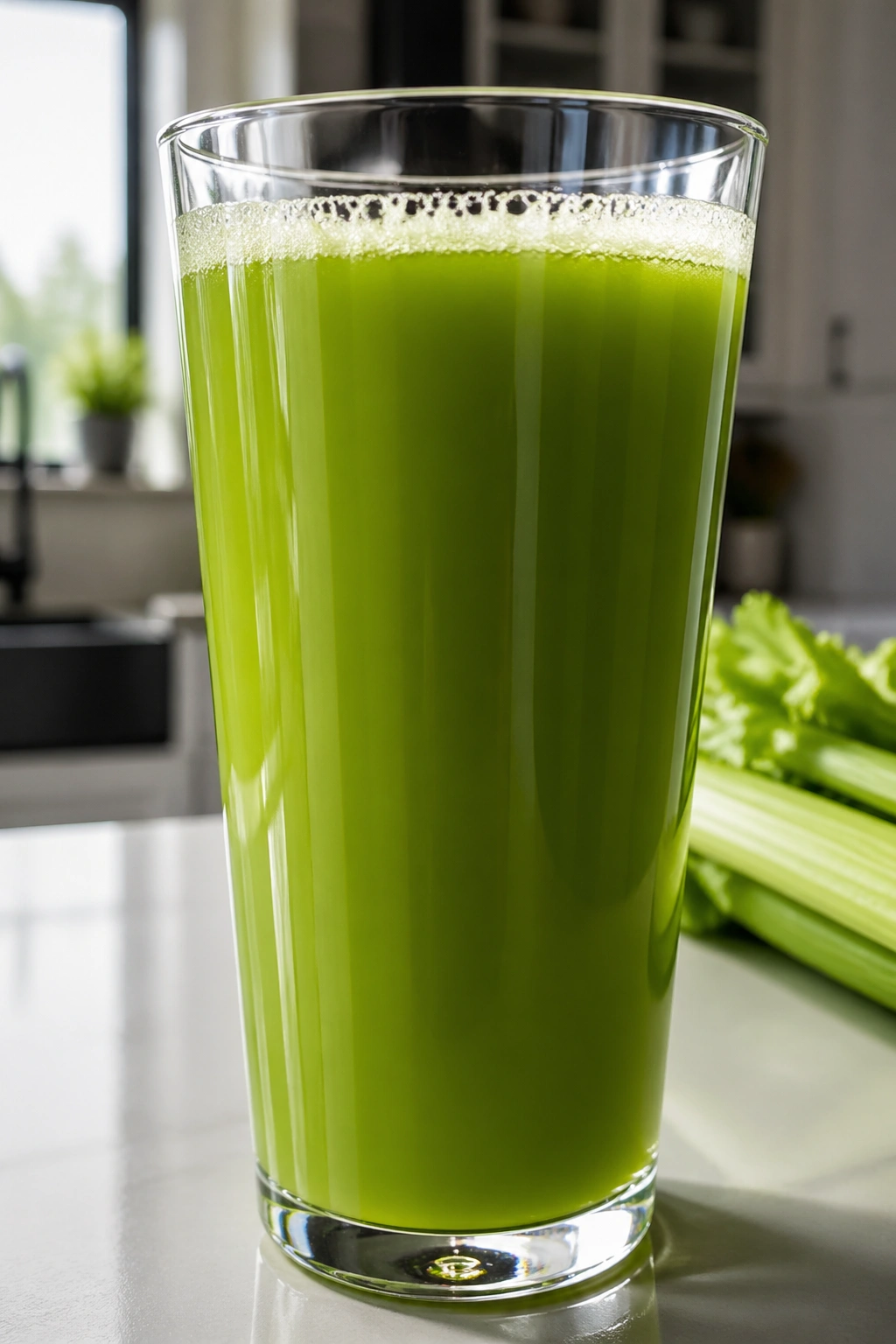
Celery juice became famous because it looks like a health ritual in a tall glass. Strip away the noise, and it’s still a decent low-calorie drink if you like the taste and want something hydrating in the morning.
Use 1 bunch of celery to make about 12 to 16 ounces of juice, and drink it unsalted. Salt would defeat the purpose, and the plain version is already crisp enough. If you don’t own a juicer, a blender and a fine sieve will do the job, though the texture gets a little pulpy.
What it gives you is volume without many calories. That can be useful if you usually start the day with a sweet drink and then wonder why you’re hungry again by 10 a.m. Celery juice will not magically flatten your belly. It can, however, replace worse habits.
One honest note: some people swear by it, some shrug at it. I’m in the shrug-plus-hydration camp. Useful? Sure. Sacred? Not even close.
18. Watermelon-Mint Juice
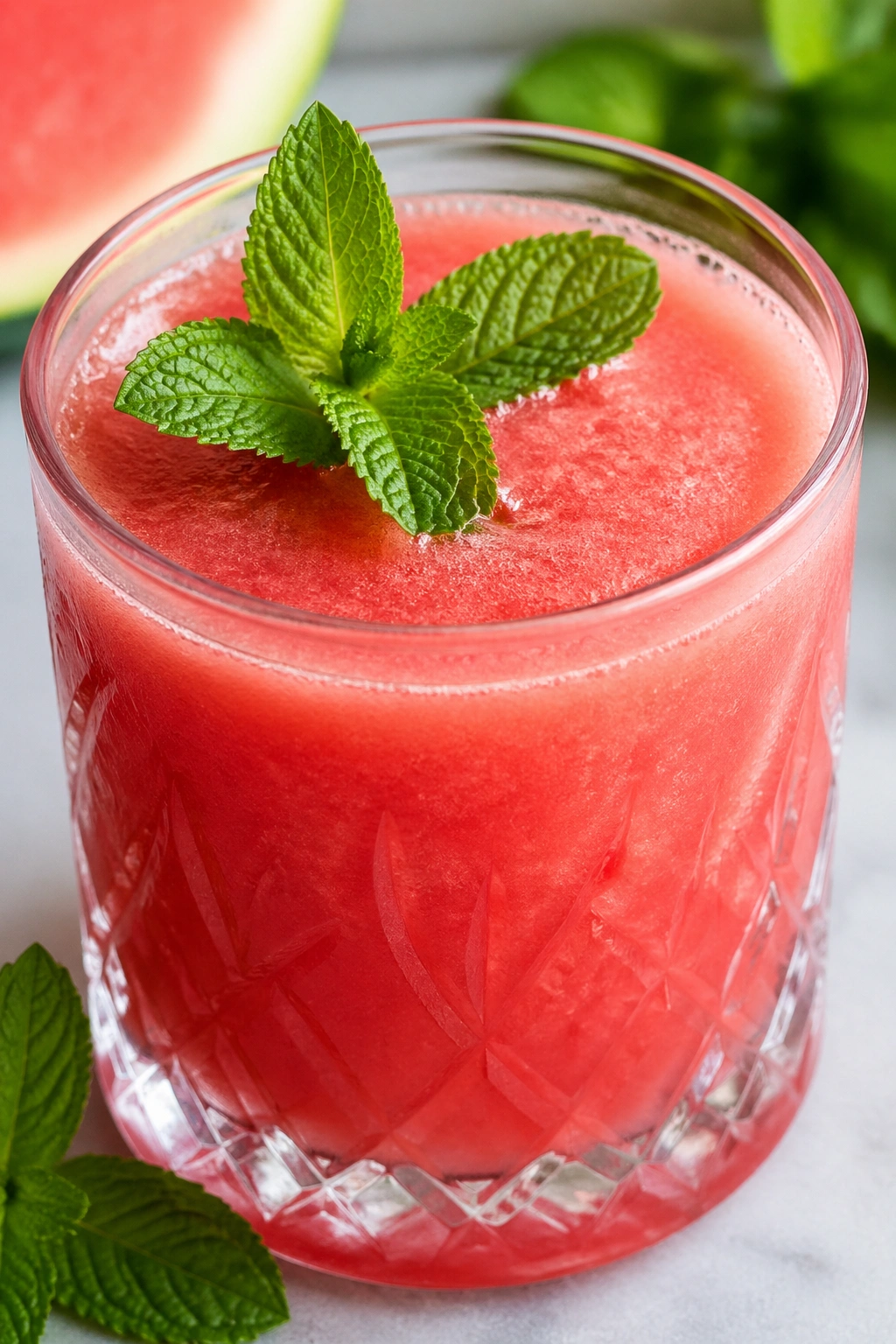
Cold watermelon juice tastes like summer and behaves like a smarter dessert drink. It’s naturally sweet, which is the point, but it still gives you water and a lot less baggage than a milkshake or soda.
Blend 2 cups of cubed watermelon with a few mint leaves and ice. Strain it if you want it smoother, or leave the pulp in if you like a little body. Either way, keep the portion moderate. Watermelon is healthy, but a giant pitcher still counts as a lot of sugar in one sitting.
This drink shines after a salty lunch or a sweaty walk. The cold, juicy flavor hits fast, and that can stop you from wandering into the snack cabinet looking for something “refreshing” that is really just chips.
Mint keeps the sweetness from feeling flat. A squeeze of lime is nice too, but don’t pile on extras. The whole charm is in the clean, simple taste.
19. Sparkling Water With Lime
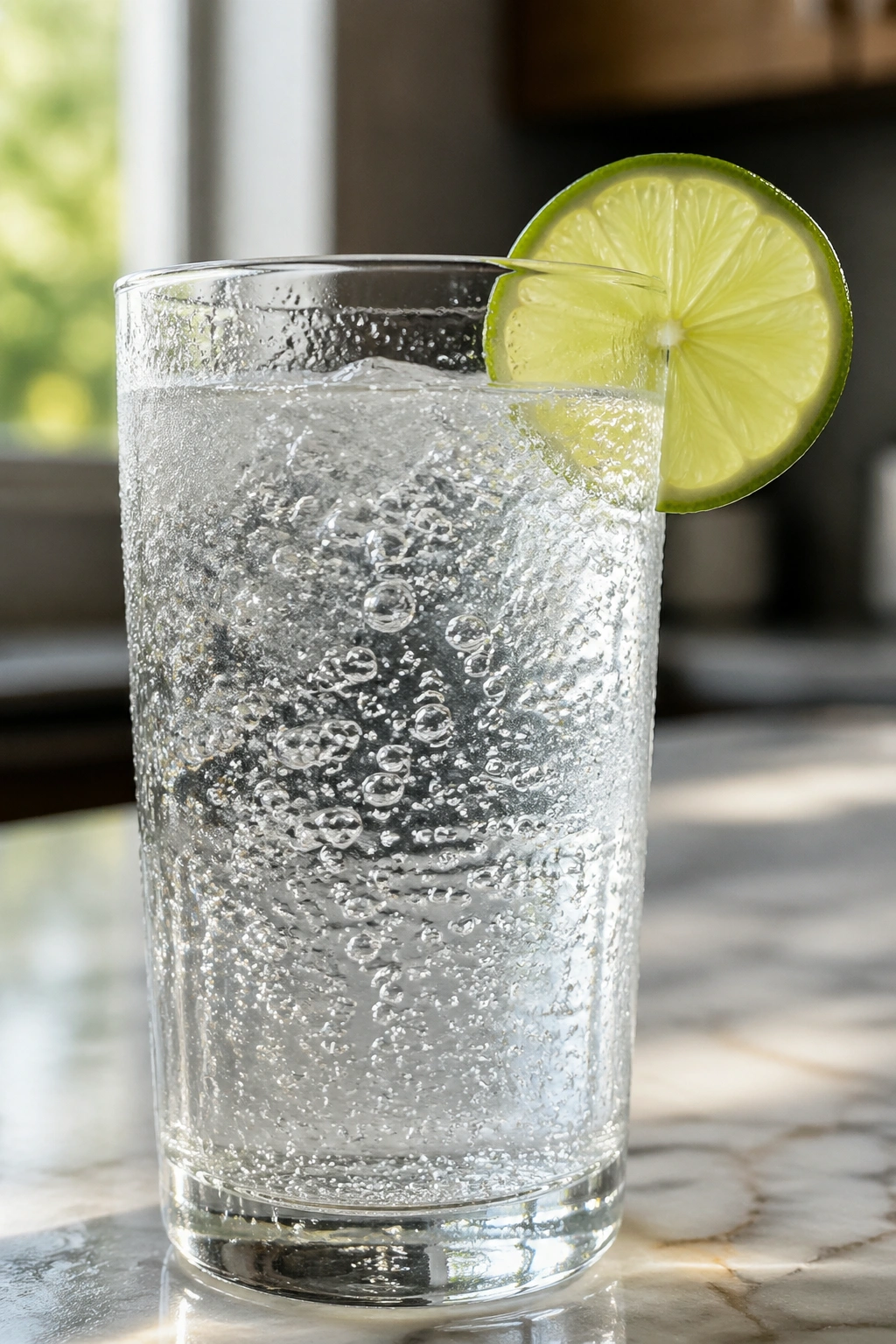
If you miss soda, this is the one that actually deserves a spot in your fridge. Sparkling water with lime gives you fizz without sugar, which can make the difference between sticking to the plan and blowing it by lunch.
The formula is easy: 8 to 12 ounces of plain sparkling water with a squeeze of fresh lime. That’s it. No syrup, no fancy fruit juice, no “natural flavor” bottle that tastes like a lab experiment. You want the carbonated bite, not the calories.
A small warning. Carbonation can make some people feel bloated, especially if they drink it too fast or gulp it with a meal. If that’s you, keep it between meals or switch to still water. I’ve seen plenty of people blame the lime when the real problem was the bubbles.
Who It’s Best For
- Soda drinkers trying to cut back
- People who want a zero-calorie afternoon pick-me-up
- Anyone who likes a cold, sharp drink with dinner
20. Cinnamon Protein Smoothie
A protein smoothie may not sound as glamorous as lemon water, but if your goal is a flatter stomach, it often does more useful work than the trendy stuff. Why? Because staying full matters. A drink that keeps you satisfied for 3 to 4 hours can save you from random snacks that quietly add up.
Blend 1 cup unsweetened milk, 1 scoop protein powder or 20 to 25 grams of protein, 1/2 banana or 1/2 cup berries, 1/2 teaspoon cinnamon, and plenty of ice. Keep it thick enough to sip slowly, not so thin that you finish it in five gulps and immediately want a cookie.
Cinnamon adds warmth without sugar, and the protein helps steady appetite. If dairy bloats you, use an unsweetened plant milk and a protein powder that sits well with you. Some powders are rough. You’ll know fast.
This is the drink I’d pick when the real issue is not “detox” at all, but constant hunger. That’s the unromantic truth. If you want your stomach to look flatter, a sensible protein drink beats a sugar-heavy smoothie every single time.
