



The workouts that help with steady fat loss over time are rarely glamorous. They look almost plain on paper: walking, riding, lifting, rowing, repeating. That is exactly why they work.
A hard session can feel heroic and still miss the mark if you can only do it once every two weeks. For fat loss, the boring answer is usually the right one: enough movement to raise your weekly energy use, plus enough resistance training to keep muscle on your frame.
Food still matters more than any workout. But the right training plan makes the diet easier to hold because you feel better, sleep better, and stop treating every calorie deficit like a punishment.
Pick workouts you can recover from and repeat. Brisk walking is the obvious place to start.
1. Brisk Walking for Steady Fat Loss
Brisk walking is the most underrated fat-loss workout in the room. It does not trash your legs, it does not require special gear, and it is easy to repeat three, four, or even five times a week without dreading the next session.
The trick is the pace. You want to breathe harder than you would on a lazy stroll, but not so hard that you’re hunched over and counting minutes. If you can talk in short sentences while walking, you’re in the right zone.
Simple works. A 30- to 60-minute brisk walk can quietly do a lot of useful work, especially if you pair it with decent sleep and a food plan you can live with.
2. Incline Treadmill Walking
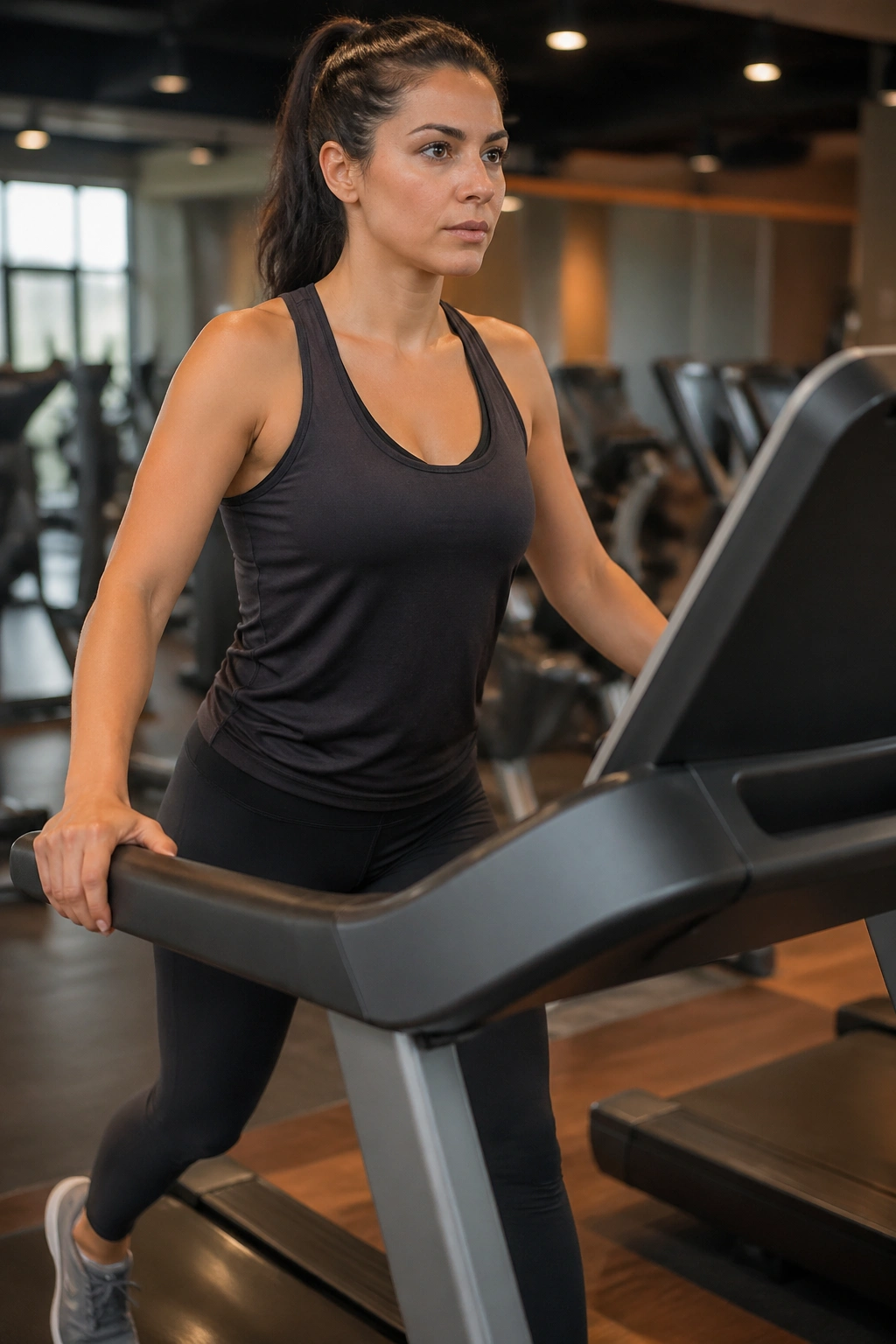
Flat walking is fine. Add a 4 to 10 percent incline, and the same time on the treadmill starts asking more from your glutes, calves, and heart without pounding your joints the way running does.
Why the Incline Changes the Game
A small rise in the belt turns walking into honest work. You still get a low-impact session, but your legs have to push against gravity, which makes the effort feel more “training” and less like a warm-up.
That matters for consistency. People often skip workouts that feel too easy and quit workouts that feel too brutal. Incline walking sits in the middle, which is a very useful place to be.
How to Keep It Honest
- Start at 3 to 4 percent and build up only when your breathing stays controlled.
- Keep your hands off the rails unless you need a quick reset.
- Use a pace where your steps stay smooth, not choppy.
- Try 20 to 40 minutes at a time.
- If you lean on the console, the workload drops fast.
A lot of people think they need to jog to make the treadmill useful. They don’t. They need a grade, a steady pace, and enough patience to repeat the session next week.
3. Cycling Indoors or Outdoors
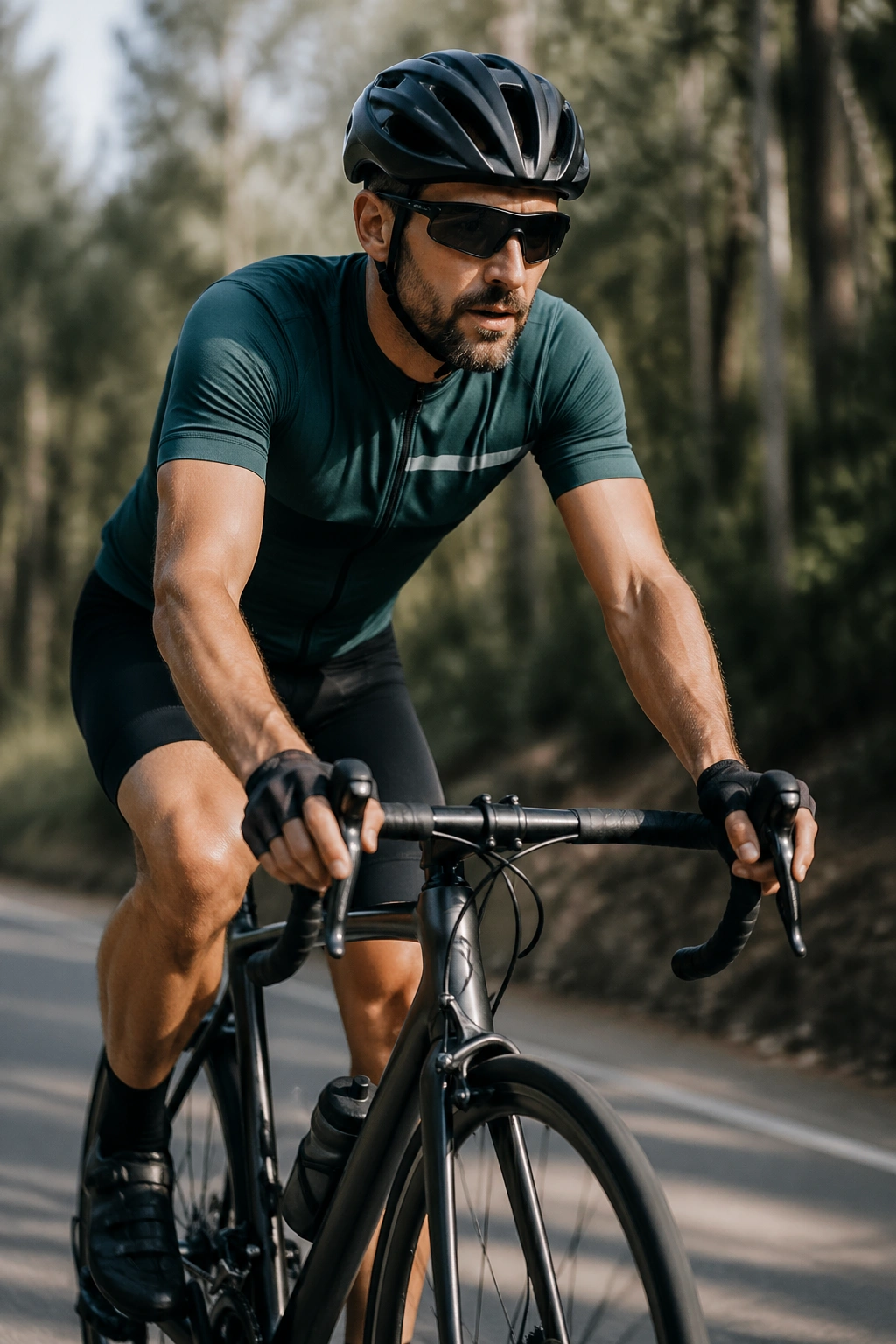
Cycling is one of those workouts that lets you put in real work without beating up your knees. That makes it a good fit for steady fat loss, especially if you’re carrying extra body weight or your joints complain when you run.
Stationary bikes are easy to control. Outdoor rides feel less repetitive, and the scenery helps more than people admit. Both can work well if the ride lasts long enough to matter and the resistance is high enough that your legs aren’t just spinning in circles.
The saddle matters more than the brand. If the seat hurts after ten minutes, you won’t keep going, and fat loss hates inconsistency more than anything else.
4. Rowing Machine Intervals
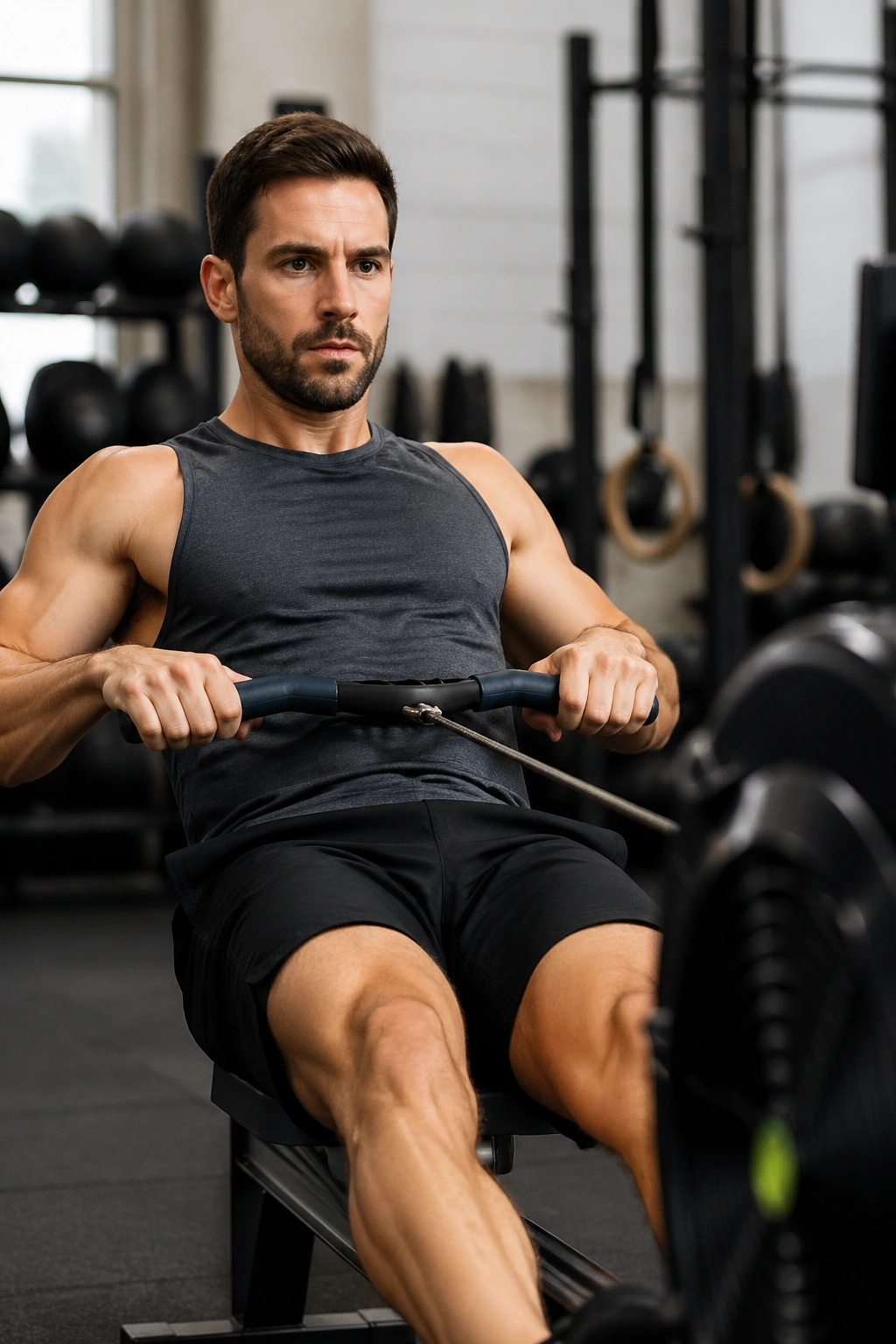
Rowing is a full-body workout that asks a lot from your legs, back, and lungs at the same time. Done well, it gives you a big training effect in a short window. Done badly, it becomes an angry lower-back exercise with a handle attached.
What Good Rowing Looks Like
The drive starts with the legs, not the arms. Push through the footplates, lean back a touch, and finish by pulling the handle to the lower ribs. If your shoulders are creeping up toward your ears, you’re wasting energy.
A nice steady row often sits around 18 to 24 strokes per minute. That pace keeps the movement smooth and leaves room for a 20- to 40-minute session without turning it into a frantic race.
Quick Rowing Cues
- Keep the chain level and the handle moving in a straight path.
- Drive hard with the legs, then finish the pull.
- Recover slowly on the way forward.
- Use 5 to 10 hard intervals of 1 minute, or row steady for 25 minutes.
- If your lower back feels smoked before your lungs do, your technique is off.
Rowing is a workhorse. Not flashy. Very effective.
5. Swimming Laps
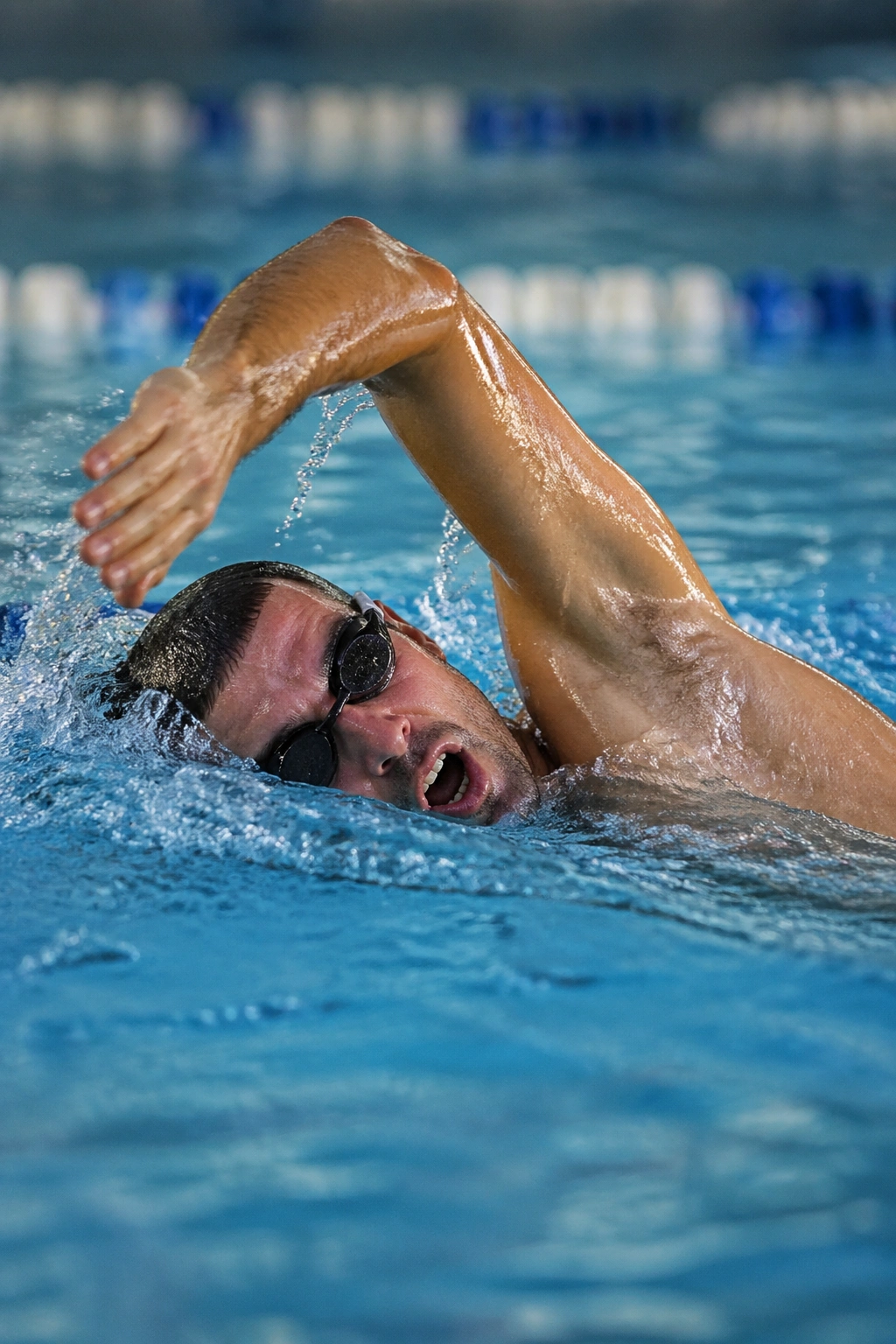
Swimming feels almost unfair for fat loss when your joints don’t love impact. The water supports your body, but the resistance is still there, which means every length of the pool asks for real effort.
The best part is how repeatable it can be. A steady 20- to 40-minute swim, or a set of shorter repeats with small rests, can build a lot of weekly work without the pounding you’d get on pavement.
Breathing is the thing to respect here. If you turn every lap into a breath-holding contest, the workout turns messy fast. Better to keep a rhythm you can hold, because clean movement in the pool beats chaos every time.
6. Jump Rope Intervals
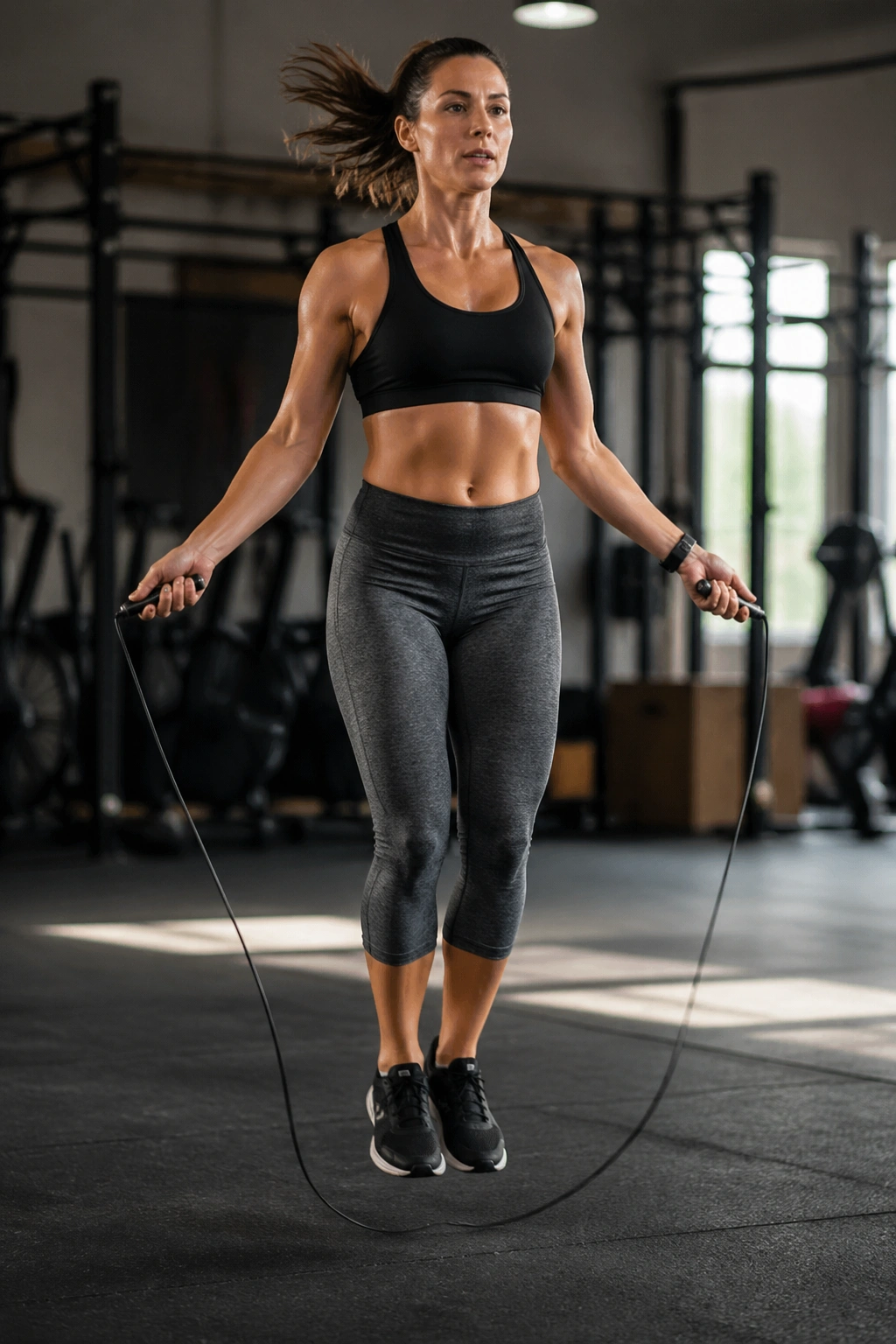
Jump rope looks almost too simple until your calves start talking back. That’s the appeal, though. In a tiny amount of space, with a cheap rope, you can push your heart rate up fast and get a serious interval session in 10 to 15 minutes.
How to Use It Without Burning Out
The smartest way to start is short bursts. Try 20 to 30 seconds of jumping, then 30 to 60 seconds of rest, for 8 to 12 rounds. If your feet are slapping hard or your shins feel tight, slow down and shorten the session.
Soft knees help. So does a quiet landing and a rope length that lets the handles reach around your armpits when you stand on the middle.
Small Details That Matter
- Jump low, not high.
- Keep your elbows close to your sides.
- Use a flat surface, not concrete, if you can help it.
- Stop before your form gets sloppy.
- Sore shins are your warning sign, not a badge of honor.
This one rewards patience. Build it gradually and it stays useful for a long time.
7. Kettlebell Swings
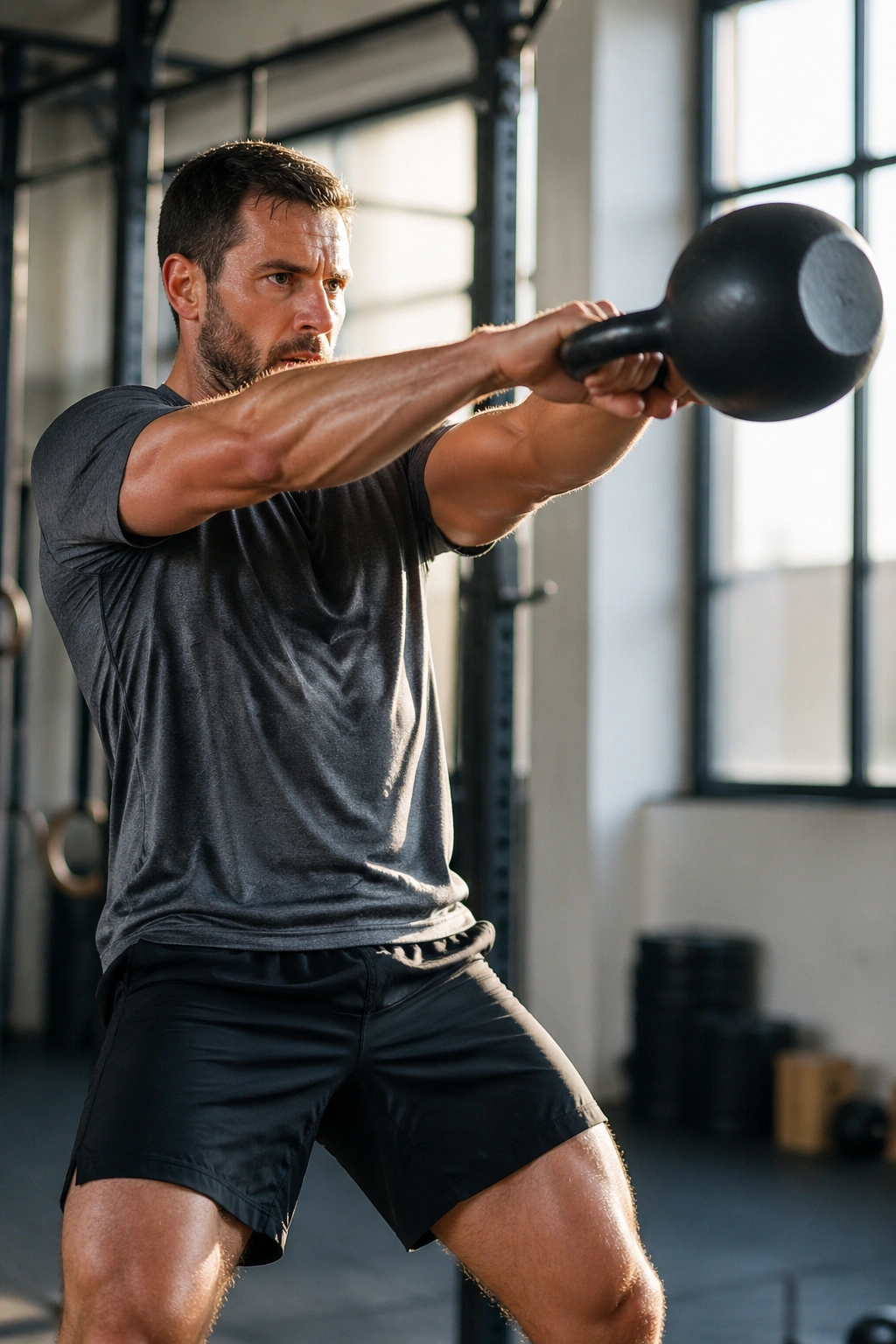
Kettlebell swings are one of the best tools for people who want a short workout that still feels like actual work. They train the hips, glutes, hamstrings, grip, and lungs at the same time, which is a nice little bundle for body composition.
The movement is a hinge, not a squat. That distinction matters. The bell should snap forward from your hips, not get muscled up with your arms. If you feel it mostly in your shoulders, you’re doing extra labor for no good reason.
A simple session might be 10 sets of 10 swings with 30 to 45 seconds of rest. Crisp reps beat sloppy reps here. Every time.
8. Full-Body Strength Circuits
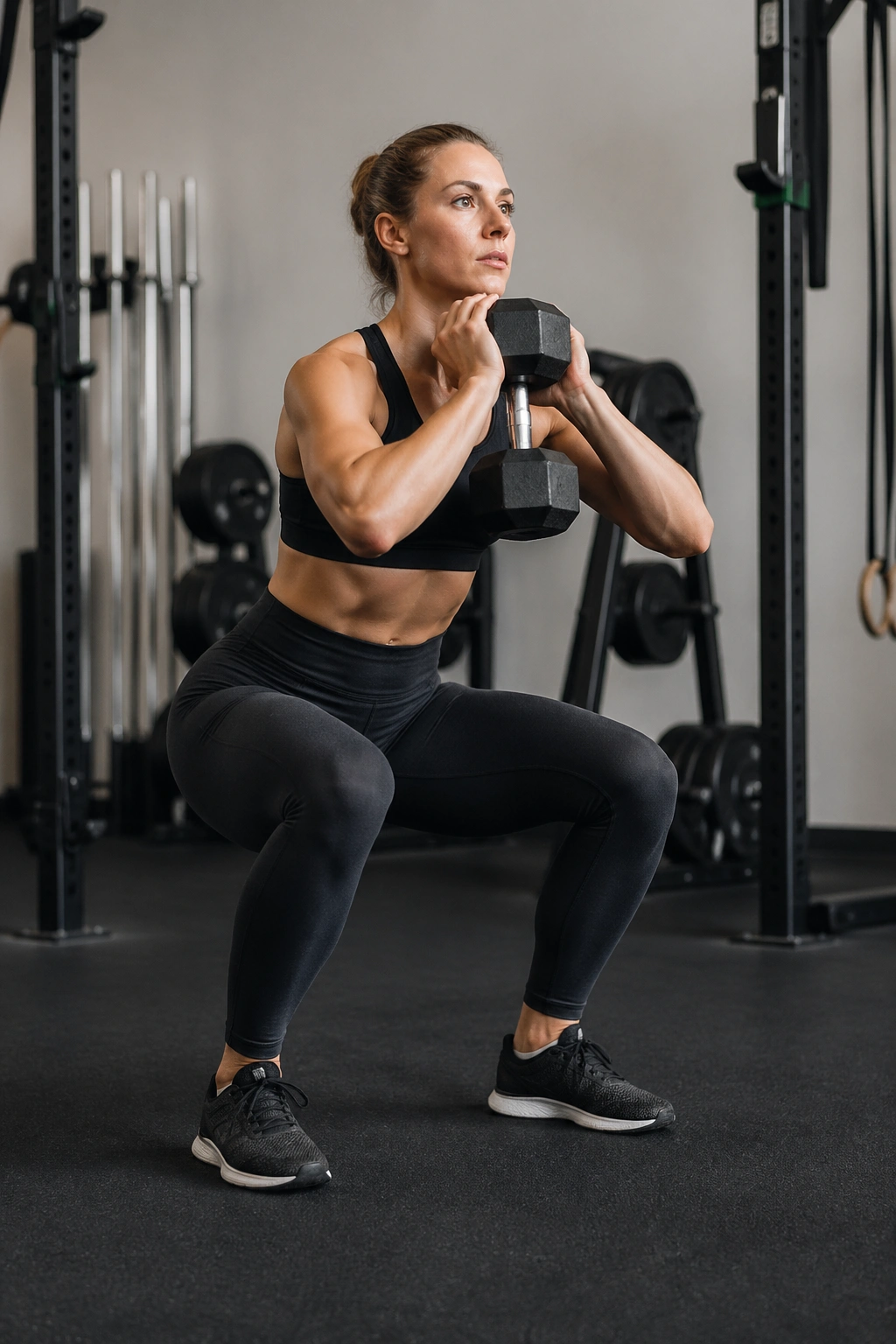
Strength circuits are a smart bridge between lifting and cardio. You keep moving, your heart rate stays up, and you still send your body the message to hold onto muscle while you lose fat.
A Solid Circuit Template
Pick 4 or 5 moves and keep the rest periods short. A classic setup might look like this: goblet squat, push-up, dumbbell row, reverse lunge, and a loaded carry. Run 3 to 5 rounds, with 8 to 12 reps on most lifts.
The pace should feel challenging but not frantic. If your form starts to collapse halfway through round two, the circuit is too hard or too long for now.
What Makes It Work
- Compound moves cover more muscle in less time.
- Short rests keep the session dense.
- A small amount of weight can still be demanding if the exercise selection is honest.
- You should finish tired, not broken.
This is the kind of session that pays off when the weeks start to blur together. It’s repeatable, and repeatable wins.
9. Run-Walk Intervals
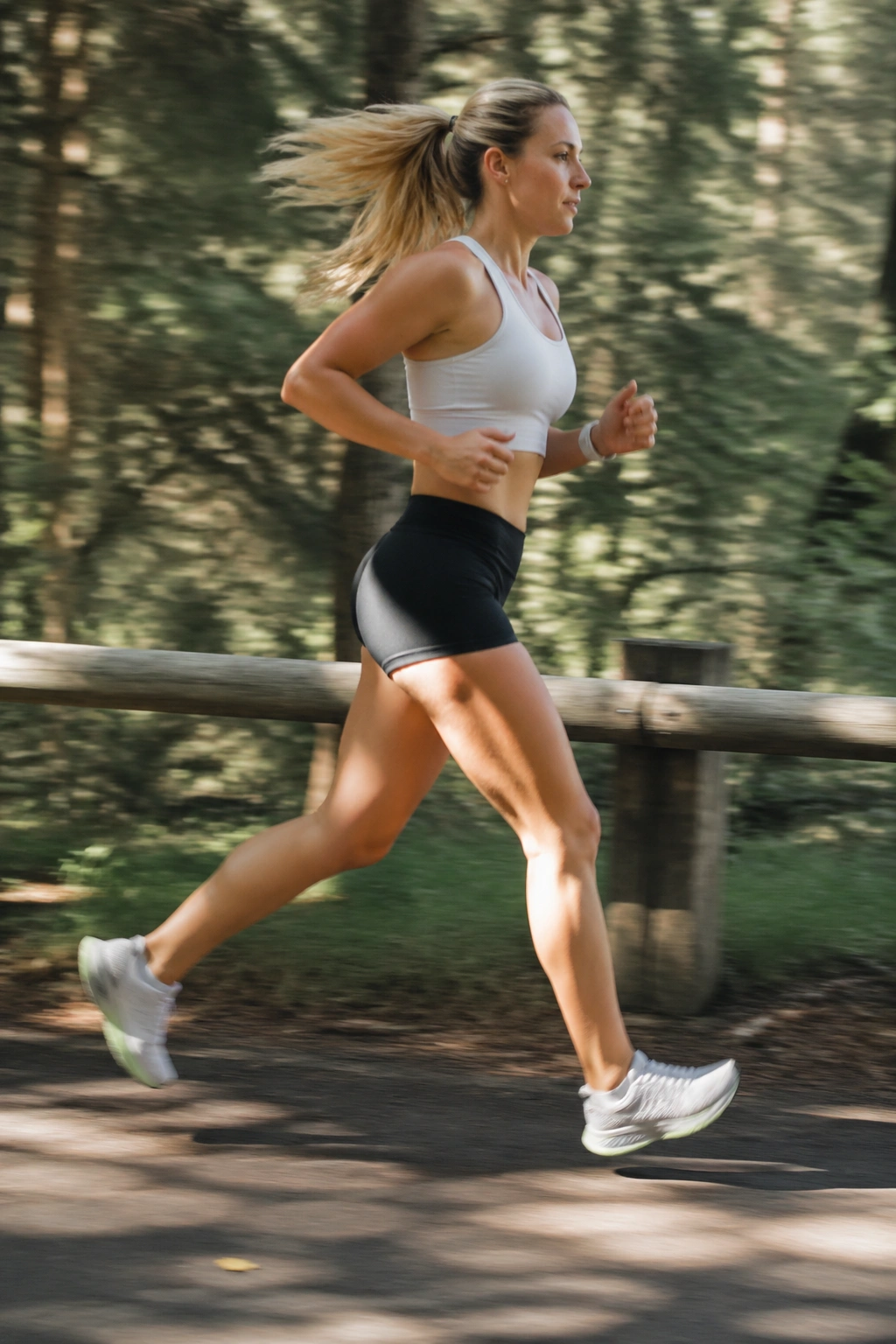
Do you need to run nonstop to lose fat? No. Not even close. Run-walk intervals let you build the habit, keep impact under control, and spend more total time moving than you might with a hard run you hate by minute eight.
A simple version is 1 minute of running, 2 minutes of walking, repeated for 20 to 30 minutes. If that feels too sharp, shorten the run to 30 seconds and make the walking longer. Nobody gets bonus points for making the first week miserable.
This method is especially useful if you want your joints to last and your training to survive real life. One solid run-walk session beats three abandoned “all-out” runs that never happen.
10. Stair Climbing
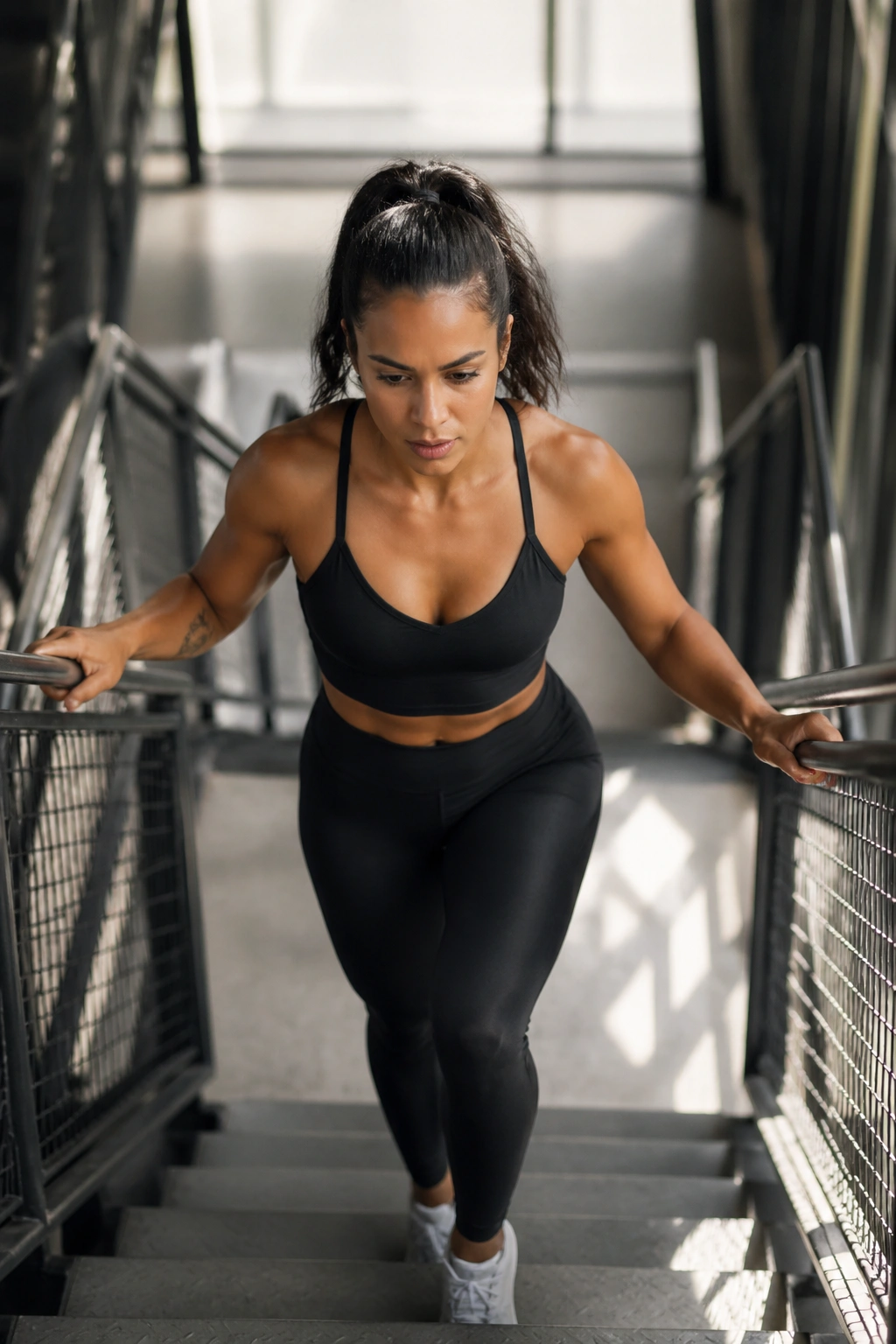
Stairs have a rude little way of exposing weak spots in your fitness. They hit the glutes hard, force your heart rate up fast, and keep the workout from drifting into lazy territory.
A stair machine works well, but actual stairs are fine too if you’re careful. The goal is steady climbing with controlled steps, not bounding like you’re in a movie trailer. Hands should stay light on the rails, if they touch them at all.
Try 10 to 20 minutes to start. If you’re breathing so hard that you need a full stop after every flight, cut the pace and keep going. The workout is supposed to challenge you, not flatten you.
11. Hiking with a Pack

Hiking is a sneaky fat-loss workout because it can last a long time without feeling like a punishment. Uneven ground forces your feet, ankles, and hips to keep adjusting, which adds up over an hour or two in a way that a flat treadmill never quite does.
A light pack makes it better. Think 5 to 15 percent of your body weight, not a backpack stuffed like you’re moving house. Keep the load close to your back, and don’t let the straps pull your shoulders forward.
Mud counts. Hills count more. If you can find both, your legs will know it by the next day.
12. Bodyweight EMOM Workouts
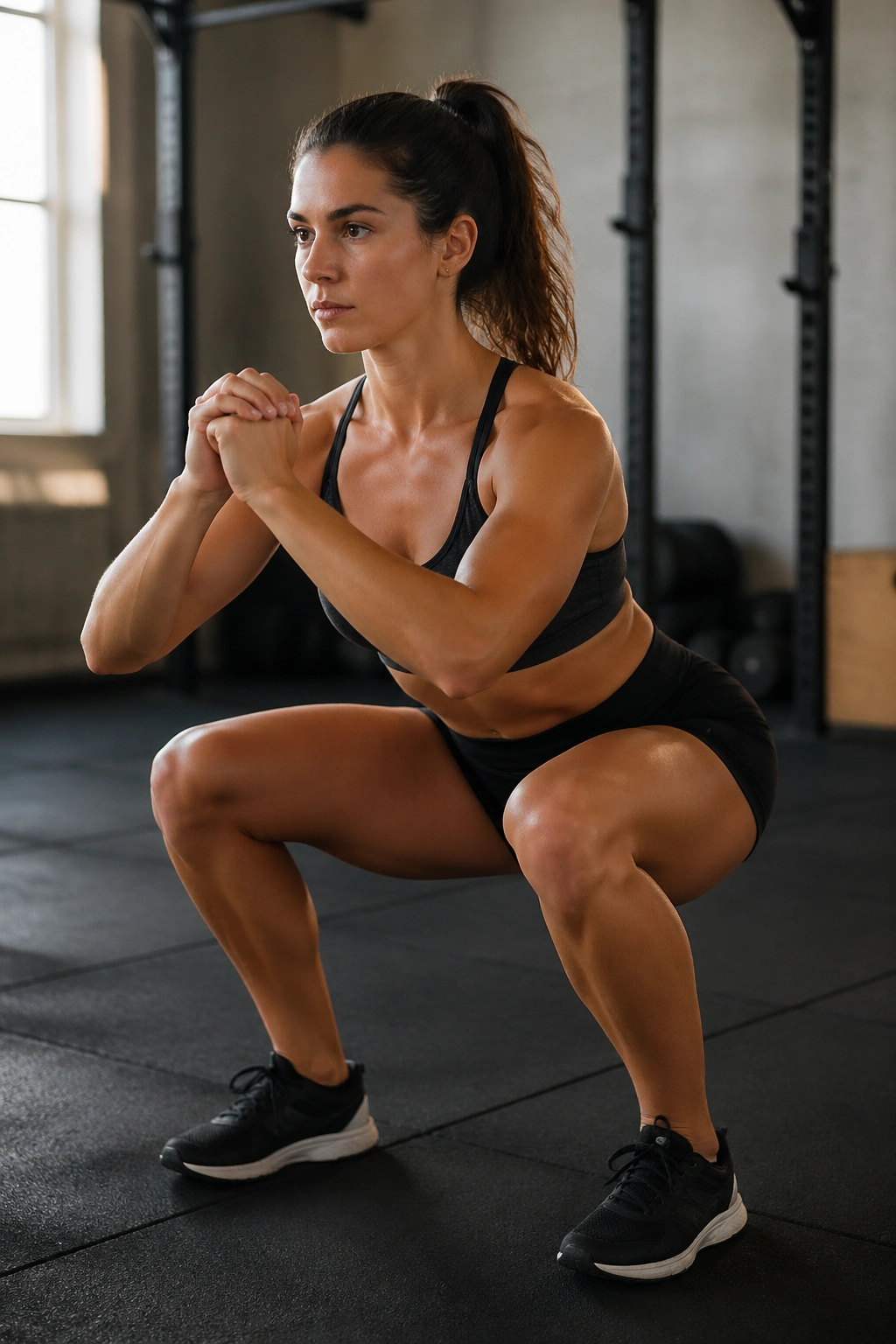
EMOM means “every minute on the minute,” and it works beautifully for people who like simple rules. You do a set at the top of each minute, rest for whatever time is left, then repeat until the clock runs out.
A Basic 20-Minute Setup
Minute 1: 12 squats.
Minute 2: 8 push-ups.
Minute 3: 12 reverse lunges per leg.
Minute 4: 20 mountain climbers per side.
Repeat that five times.
Why It Works So Well
The clock keeps you honest. There’s no drifting, no staring at your phone, no accidental five-minute rest because you got distracted. You know exactly what to do, and the workout ends before your brain gets a chance to negotiate.
If the reps feel too easy, add a backpack, slow the lowering phase, or use a harder push-up variation. The best EMOM is the one you can finish with good form.
13. Dance Cardio Sessions
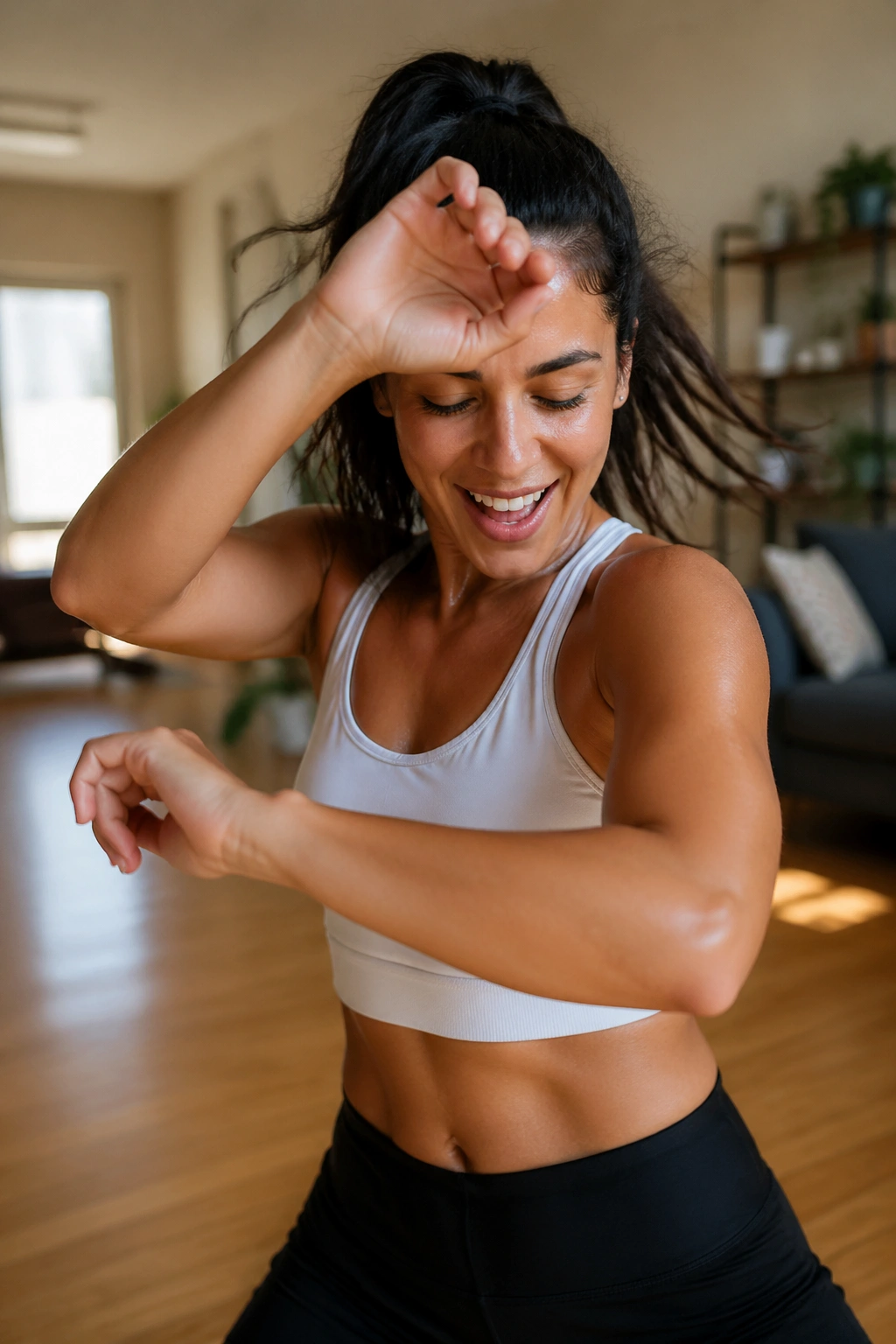
Dance cardio is underrated because it doesn’t look serious enough to impress people who only trust barbells and treadmills. That’s their problem. If the music keeps you moving for 30 to 45 minutes, and you’re actually stepping, jumping, and reaching, the workout counts.
The body doesn’t care whether your sweat came from a studio class, a living room, or a follow-along video. It cares that your heart rate stayed up and you kept working without stopping every five minutes to check the screen.
Pick music you won’t get tired of halfway through. That matters more than people admit. If you hate the playlist, the workout dies early.
14. Elliptical Training
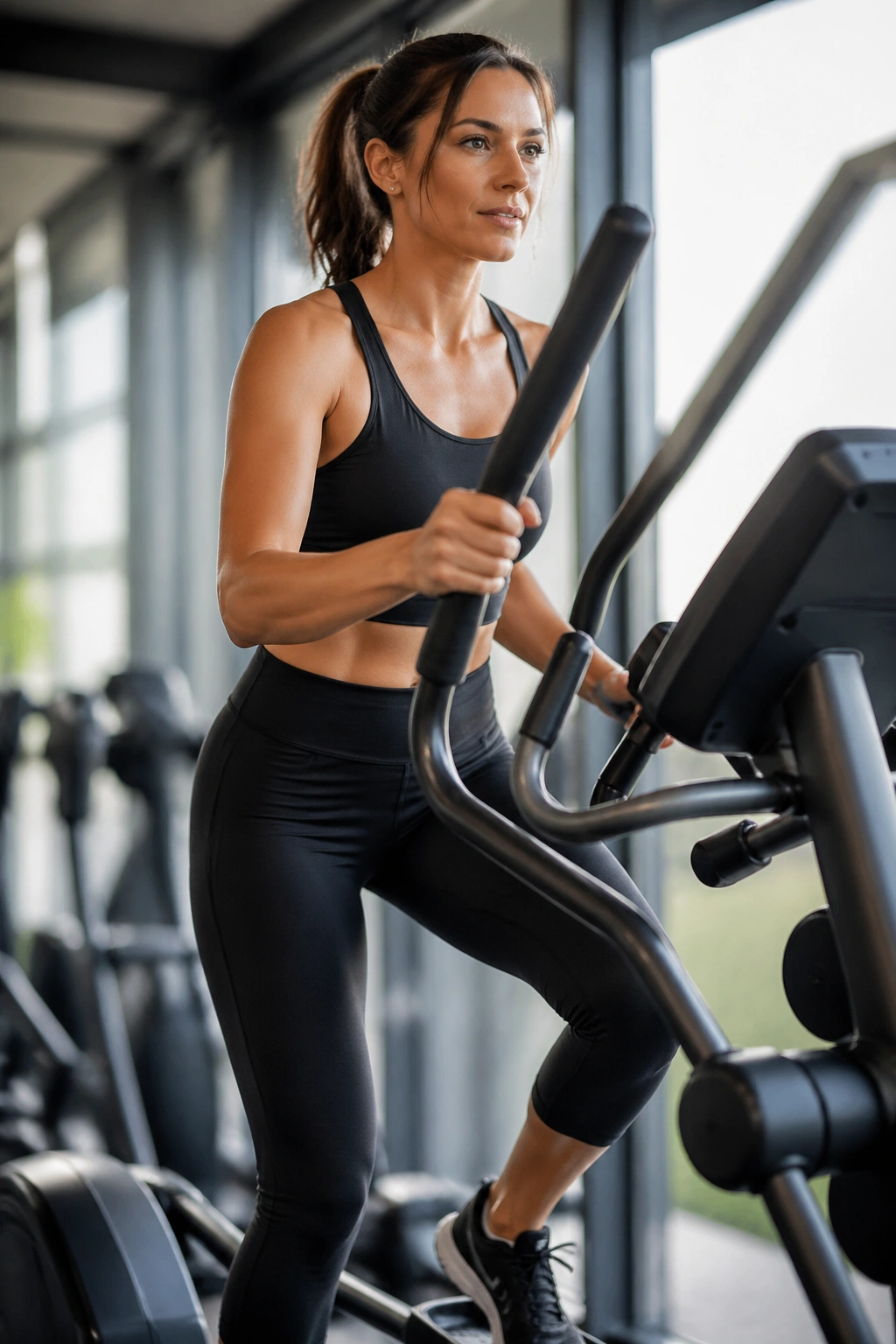
The elliptical is what a lot of people pretend not to like until their knees, ankles, or lower back ask for a break. It gives you a smoother ride than running, but you can still turn the resistance and incline up enough to make the session worth your time.
What I like about it is the control. You can keep the pace steady for 30 to 45 minutes, or use short surges without the impact that often comes with sprint work on land. That makes it a good middle-ground option for steady fat loss when your body needs a little mercy.
Keep the grip light. If you hang your weight on the handles, the workout gets easier than it should be.
15. Battle Rope Finisher Rounds
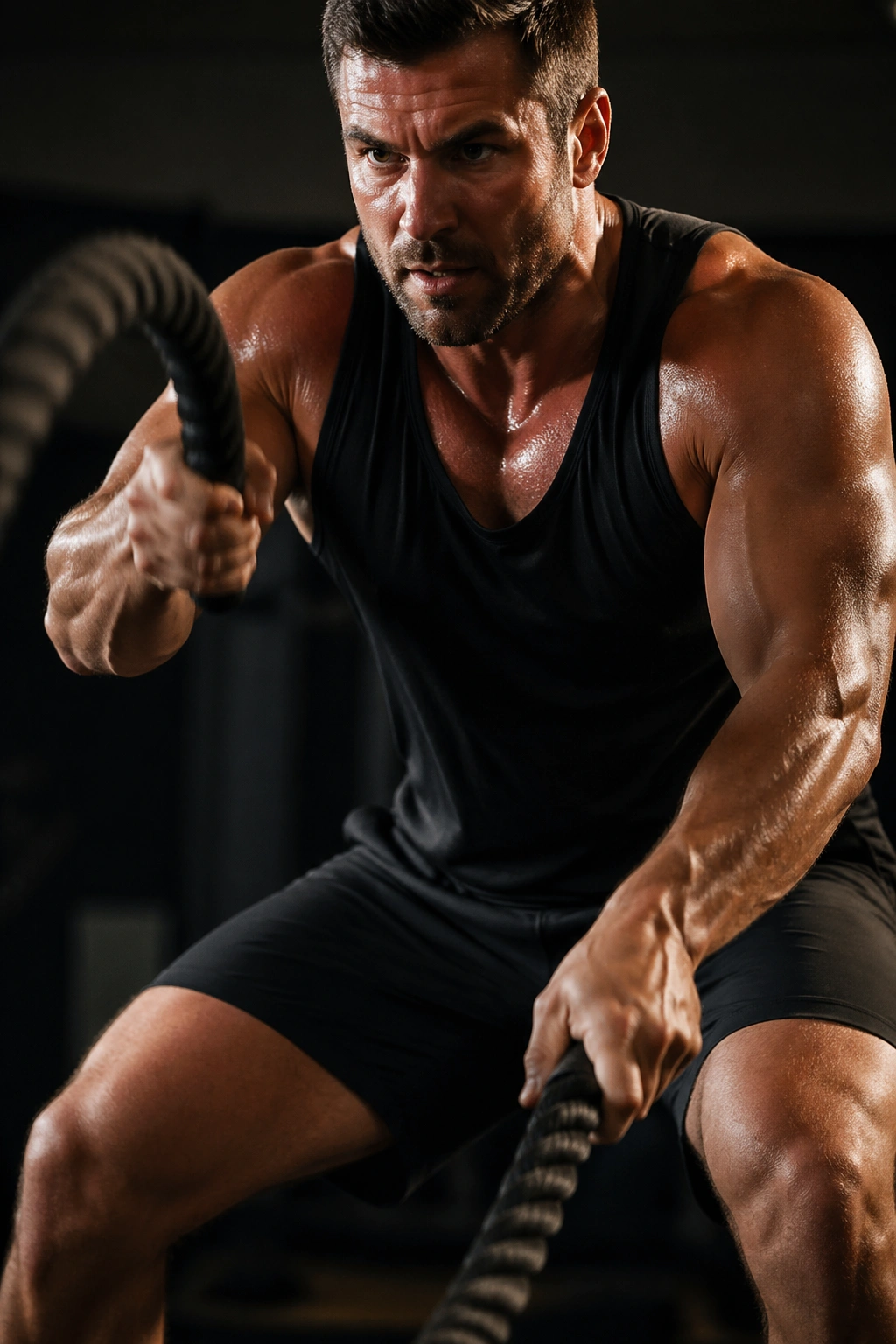
Battle ropes are short, loud, and brutally honest. The ropes slap the floor, your shoulders light up, and your breathing goes from normal to ragged faster than you expect.
A good finisher is 20 seconds hard, 40 seconds easy, repeated for 8 to 12 rounds. You can do waves, alternating slams, or circles. The exact pattern matters less than the intensity and the fact that you keep moving.
Don’t overstay your welcome. Ten minutes of quality rope work beats a 25-minute slog where the last half is half-hearted arm waving. Short and sharp is the point.
16. Rucking

Rucking is walking with weight on your back, usually in a backpack or weighted vest. It sounds plain because it is plain, and that’s one reason it works so well. You get the calories burned from walking plus the extra load, without the jumpy stress of running.
How to Start Without Being Foolish
Begin with 10 to 20 pounds. Walk for 30 to 60 minutes on flat ground before you start chasing hills or heavier loads. If your shoulders, lower back, or hips complain, lighten the pack and fix the fit.
What to Watch For
- Keep the weight high and close to your spine.
- Use shoes that can handle the extra load.
- Stand tall instead of leaning forward.
- Increase distance before you increase weight.
- A loose pack will rub, bounce, and wreck the session.
Rucking is not fancy. It is durable, and that matters more.
17. Dumbbell Complexes
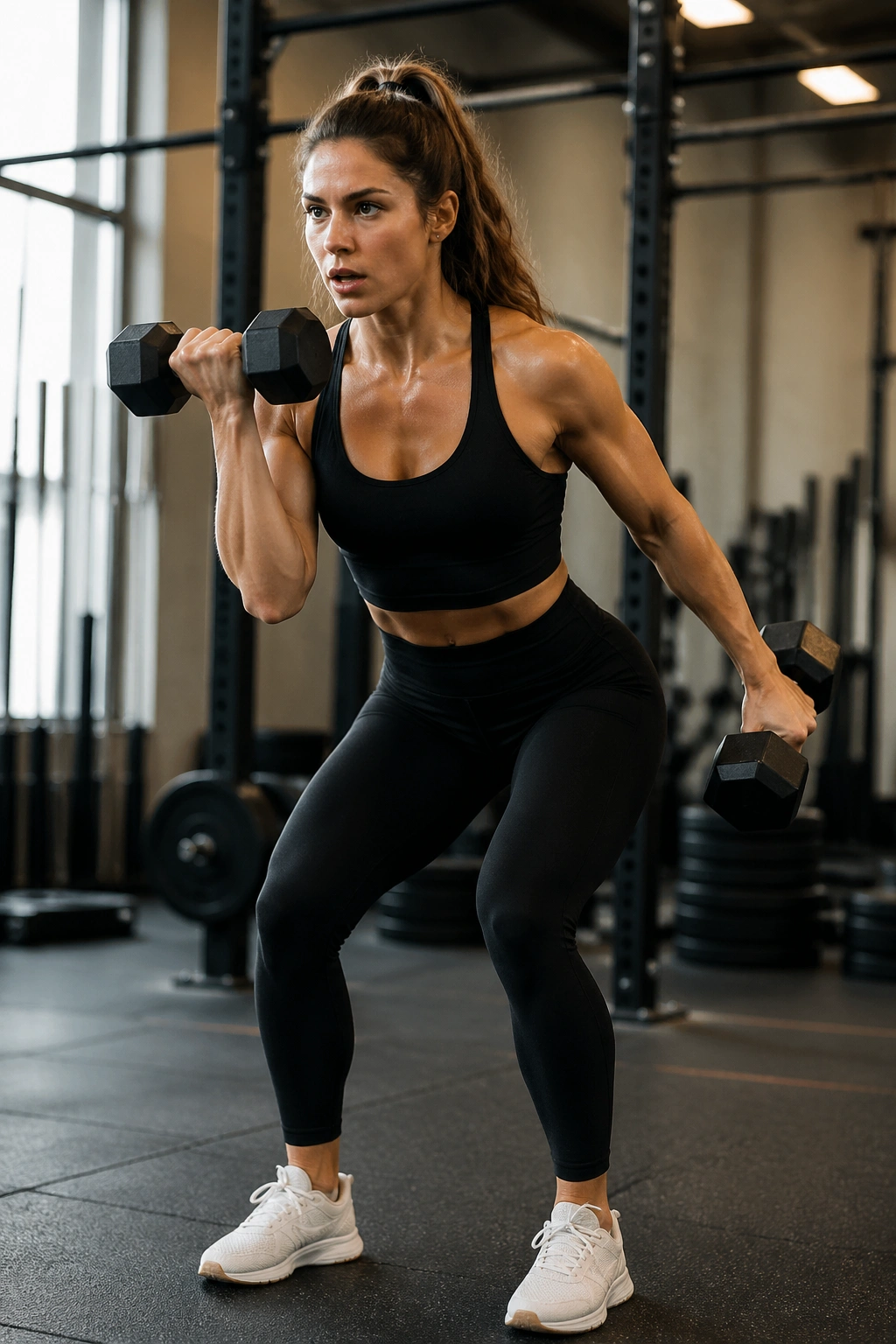
A dumbbell complex is a sequence of exercises done back to back with the same pair of weights. You do not set the dumbbells down between moves, which keeps the heart rate elevated while still forcing your muscles to work.
A simple complex might be 6 reps each of dumbbell deadlifts, rows, hang cleans, front squats, and presses. That’s one round. Rest 90 seconds, then do 4 to 6 rounds. Use a weight that feels manageable on the hardest movement, because the bell won’t forgive you halfway through.
Unlike random “cardio lifting,” a good complex has a clean pattern. That makes it useful for fat loss and muscle retention at the same time, which is a combination people should care about more than they do.
18. Air Bike Sprints
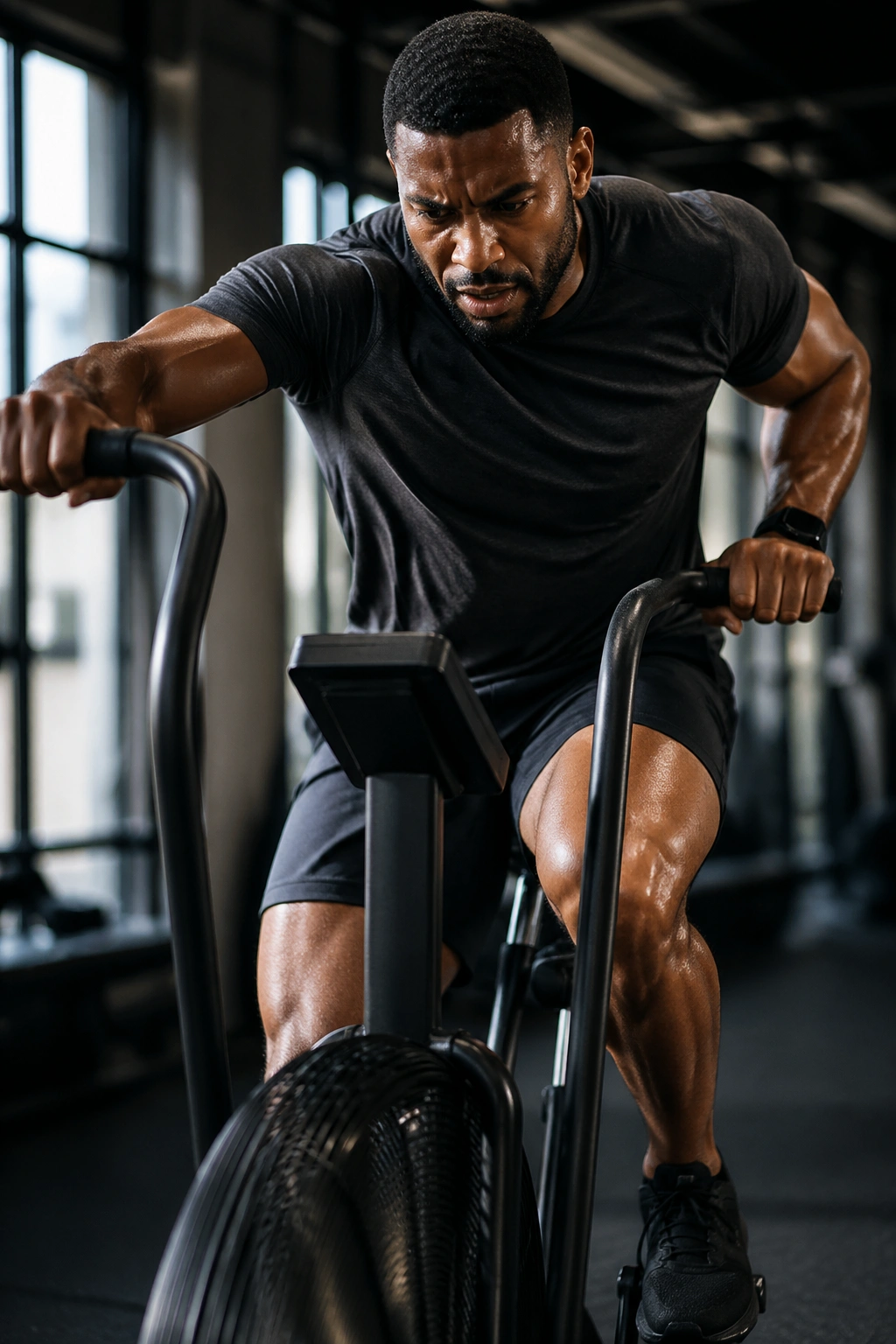
The air bike is rude in the best way. The harder you pedal, the harder it fights back. No coasting. No pretending. Just legs, arms, and lungs all arguing with each other for a few seconds at a time.
A Simple Sprint Format
Try 10 rounds of 15 to 20 seconds hard, followed by 45 to 60 seconds of easy spinning. If that feels too aggressive, make the work bouts 10 seconds and extend the rest. You want enough output to spike the effort, not such a brutal setup that you dread the bike for a week.
The nice thing about the air bike is how little time it asks for. Twelve minutes can be plenty if the intervals are honest.
Why People Keep Coming Back to It
- It hits both upper and lower body.
- It’s easy to measure effort.
- It works well when time is tight.
- There is nowhere to hide on this machine.
If you like clear feedback, the air bike is hard to beat.
19. Boxing and Shadowboxing

Boxing workouts look playful until three minutes into the round, when your shoulders start to fill with heat and your feet begin to feel heavier than they should. That’s part of the appeal. It’s skill-based, it keeps your brain busy, and it can burn a surprising amount of energy without feeling like a treadmill sentence.
Shadowboxing is the easier entry point. You still move the feet, rotate the hips, and snap the hands, but you can do it in a small space with no gear. Add bags or mitt work later if you want more intensity.
A strong session uses 3-minute rounds with 1-minute rests, repeated for 6 to 10 rounds. Keep the punches crisp. Sloppy flailing gets tired fast and teaches bad habits.
20. Full-Body Resistance Training

If I had to pick one category that does the most quiet heavy lifting for steady fat loss, it would be full-body resistance training. It does not burn as many calories in the moment as a hard bike sprint, but it helps you keep muscle, and that changes how your body looks as the scale moves.
The Core Moves That Earn Their Place
- Squat pattern
- Hinge pattern, like a deadlift or Romanian deadlift
- Push, like a bench press or overhead press
- Pull, like a row or pull-down
- Carry, like a farmer’s walk
That’s the skeleton of a useful program. You can do it with barbells, dumbbells, kettlebells, or machines. The tool matters less than the fact that you keep progressing in load, reps, or control over time.
A Practical Weekly Shape
A lot of people do well with 2 to 4 sessions a week, 3 sets per movement, and rep ranges somewhere around 5 to 10 on the big lifts. Rest long enough to keep the reps clean. Rushing the heavy work turns it into messy cardio, and that’s not the point.
The honest truth is that cardio alone often makes people smaller without making them look stronger. Resistance work fixes that. Pair it with walking, cycling, rowing, or any of the other sessions above, and you get a plan you can stick with without beating yourself up.
Keep the focus on repeatable effort. That’s where steady fat loss actually lives.
