



Trying to lose belly fat quickly without pills usually means doing less of the noisy stuff and more of the plain, stubborn stuff that actually changes your body. Crunches alone won’t do it. Waist trainers won’t do it. Random fat-burning pills usually do less than their labels promise, and they come with a lot more excitement than payoff.
Belly fat is annoying because it hangs on longer than people expect. Some of it sits just under the skin, and some of it — the part people worry about most — sits deeper around the organs. Either way, it comes down to the same basic truth: if your body keeps getting more energy than it burns, your waist will not shrink just because you’re doing a few ab exercises after dinner.
That does not mean you need a miserable crash diet. It means you need a tighter plan. A real one. The kind you can repeat on a Tuesday when you’re busy and tired, not just on a perfect Monday when your kitchen is spotless and your motivation is loud.
1. Start With a Real Calorie Deficit
A smaller calorie deficit is the engine behind belly fat loss. Not detox tea. Not a cleanse. Not a pill you saw in a sponsored ad. If you want your waist to change, you need to eat a little less energy than you burn, and the deficit has to be steady enough to matter.
I like the boring version here, because the boring version works. A daily cut of about 300 to 500 calories is often enough to move the scale and trim the waist without making you so hungry that you raid the pantry at 9 p.m. Crash dieting often backfires. You feel flat, cranky, and weirdly obsessed with food. Then the rebound hits.
What a Real Deficit Feels Like
Your meals should still look like meals. Protein, vegetables, fruit, starches, fat — just a little less of the parts that creep up fast. A tablespoon of oil here, two slices of bread there, a second helping of rice because it was “just a small one”… that adds up fast.
Where People Slip
- Liquid calories
- “Healthy” snacks eaten between meals
- Weekend overeating that wipes out weekday discipline
- Oversized portions at restaurants
- Eating straight from the bag
One small cut beats one giant restriction. That’s the part people miss. You do not need to starve; you need to stop eating as if every meal has to be a celebration.
2. Lift Weights Three Days a Week

Why do people who lift often look tighter around the middle, even before the scale moves much? Because resistance training helps you keep muscle while you lose fat, and that changes the shape of your body fast.
This is one of the smartest weight loss workouts you can do. Build the habit around big moves: squats, lunges, rows, presses, hinges, push-ups. You do not need to spend two hours in a gym. Three full-body sessions a week, 45 to 60 minutes each, is plenty for most people if the effort is real.
What to Focus On
- Squat or split squat: 3 sets of 8 to 12
- Hinge movement like a Romanian deadlift: 3 sets of 8 to 10
- Push movement like push-ups or dumbbell presses: 3 sets of 8 to 12
- Pull movement like rows: 3 sets of 8 to 12
- Loaded carry or plank variation: 2 to 3 rounds
The goal is not to leave with jelly legs every time. The goal is to challenge the muscles enough that your body has a reason to keep them while it pulls from fat stores for energy. That is a better deal than endless crunches.
3. Walk After Meals and Hit a Daily Step Target
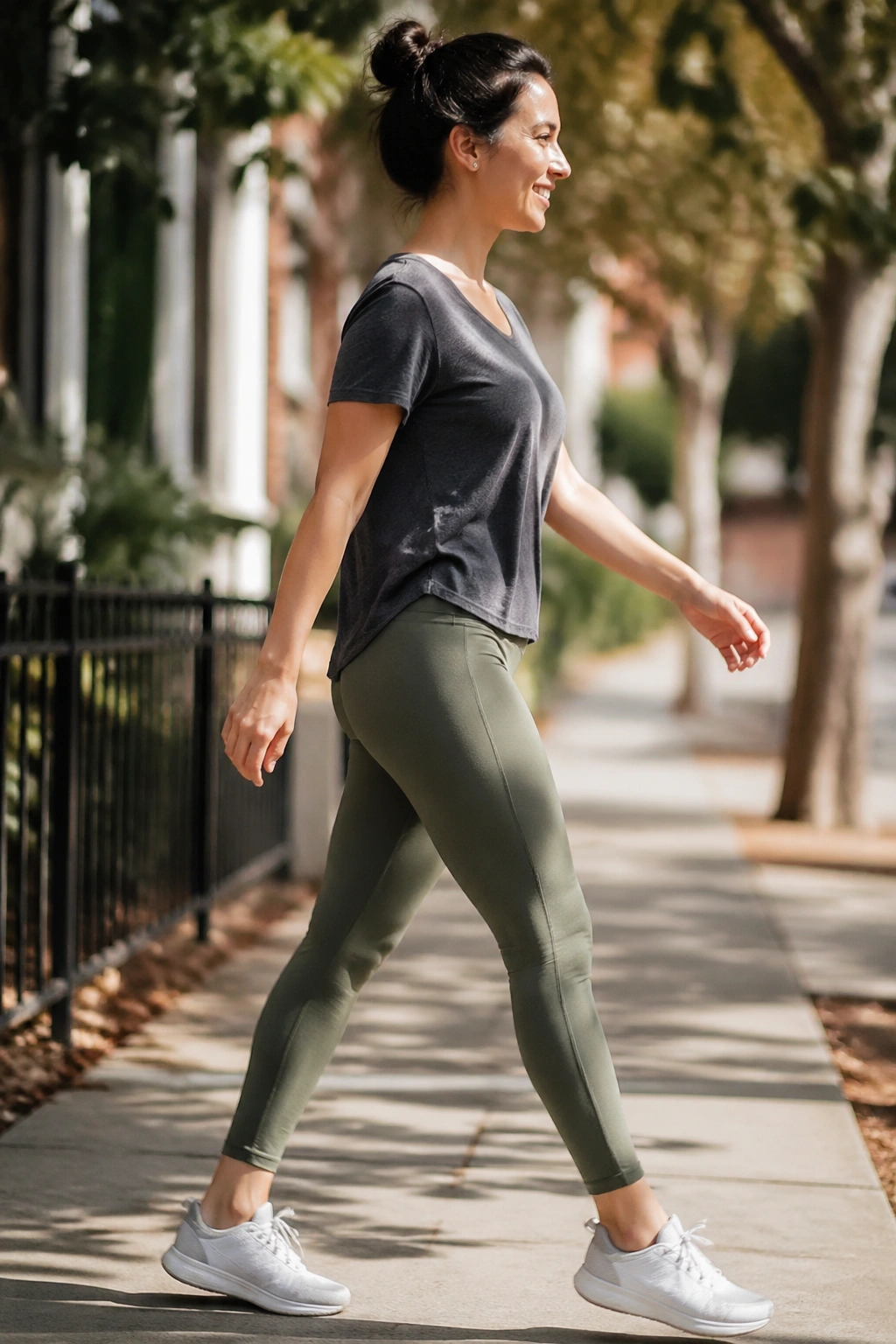
A 10-minute walk after lunch can be more useful than a sweaty, dramatic workout you only do once a week. That sounds almost too simple, which is probably why people ignore it.
Walking helps burn extra calories without making you ravenous afterward, and post-meal walks can help blunt the blood sugar spike that tends to leave you tired and snacky later. If you sit all day, a step target matters even more. Aim for 8,000 to 12,000 steps if your joints handle it, but even a jump from 3,000 to 6,000 can change the math.
Easy Ways to Get the Steps In
- Walk 10 to 15 minutes after two meals
- Park farther away on purpose
- Take calls while walking
- Do a 20-minute lap after dinner instead of scrolling on the couch
- Pace during TV commercials
A lot of belly fat loss comes from these quiet calories burned outside the gym. Not glamorous. Very effective.
4. Put Protein at the Center of Every Meal
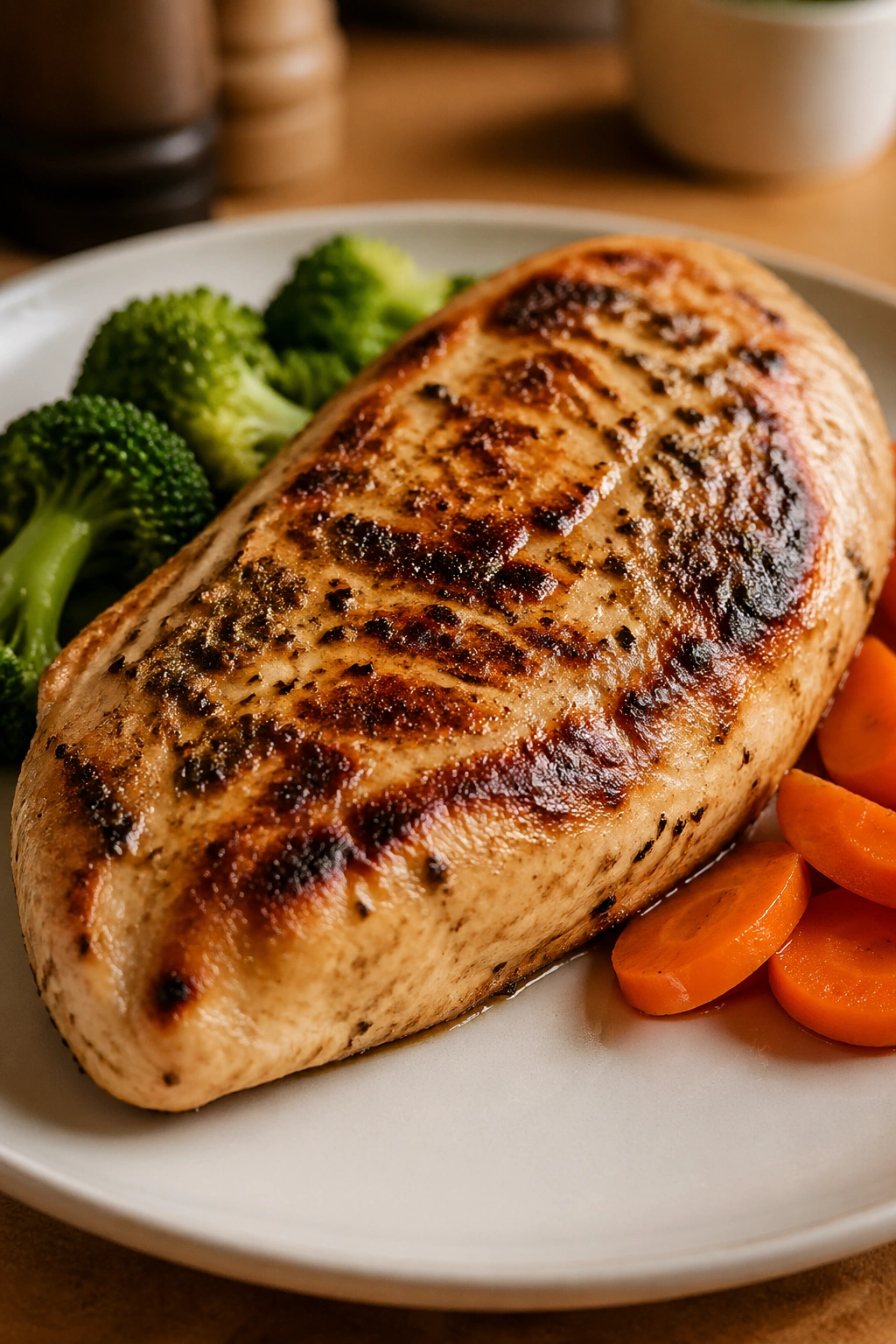
Protein is the meal hack people keep underestimating. It helps you stay full longer, supports muscle during weight loss, and makes it much easier to avoid the “I’m hungry again already” problem that turns into grazing.
Aim for 25 to 40 grams of protein per meal if you can. That sounds technical, but it’s easy in practice: eggs and Greek yogurt at breakfast, chicken or tofu at lunch, fish, lean beef, tempeh, cottage cheese, or lentils at dinner. You want each meal to feel anchored, not flimsy.
Good Protein Portions
- 3 to 4 eggs plus Greek yogurt on the side
- 4 to 6 ounces chicken, turkey, fish, or lean meat
- 1 cup cottage cheese or Greek yogurt
- 1½ to 2 cups lentils, beans, or edamame
- 1 scoop protein powder blended into a meal, not treated like a magic trick
Protein also slows how fast you eat, which gives your brain time to catch up with your stomach. That little delay matters more than people think.
5. Cut Liquid Calories and Sweet Drinks
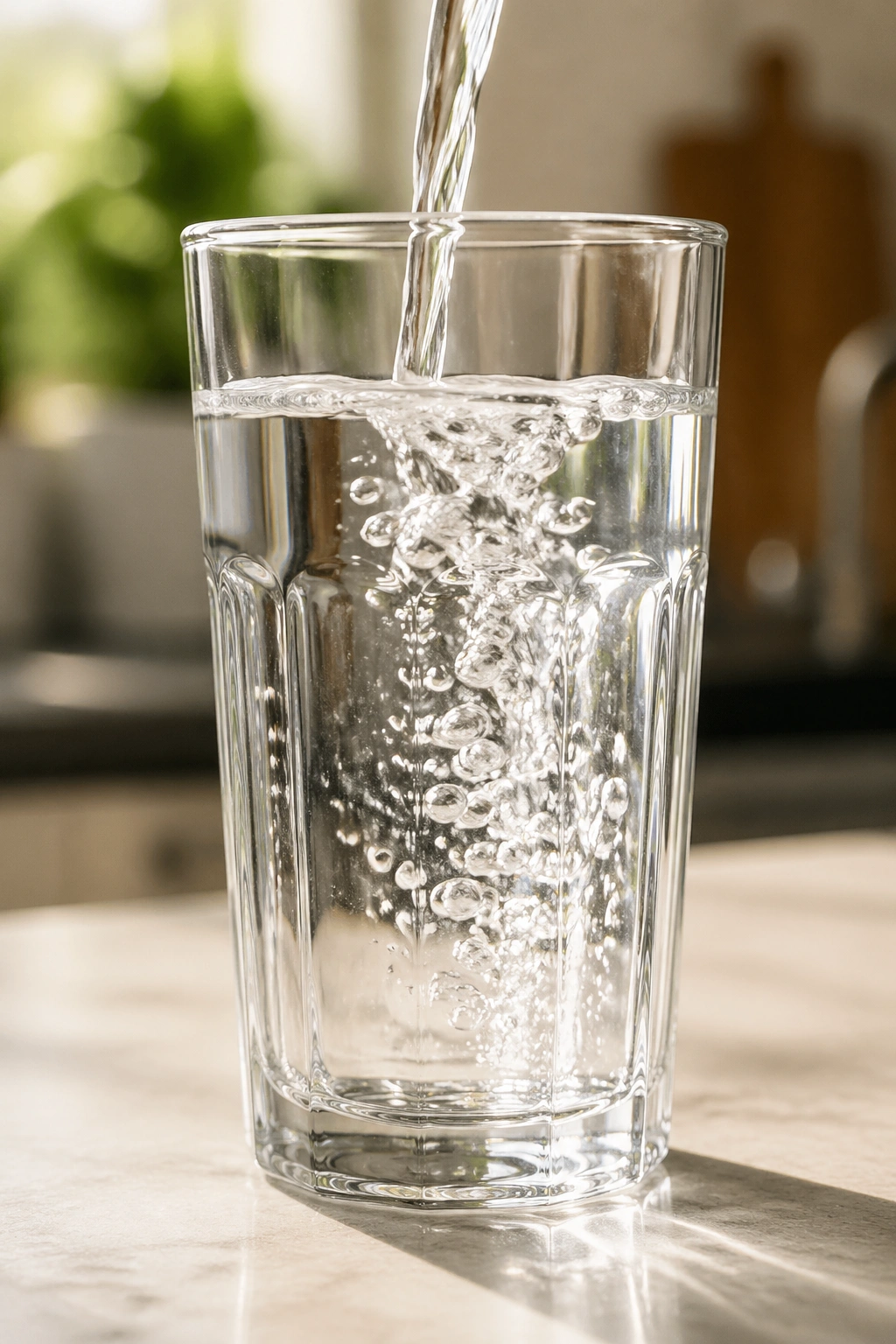
A smoothie can look harmless and carry the calories of a small meal. So can a coffee drink loaded with syrup, whipped cream, and milk. The problem with liquid calories is simple: they go down fast, and they do not stick around long enough to calm hunger.
If belly fat is the target, this is one of the easiest places to trim. Soda, juice, sweet tea, energy drinks, fancy coffee, sports drinks during a casual desk day — those calories add up without giving you much back. Water, sparkling water, black coffee, plain tea, and low-calorie drinks are the boring swaps that work.
The Sneaky Ones
- “Healthy” smoothies with fruit juice and nut butter
- Sweetened iced coffees
- Cocktails with sugary mixers
- Bottled teas and lemonades
- Post-workout drinks when the workout was a 30-minute walk
You do not need to live on plain water alone. You do need to stop drinking half your lunch.
6. Build Meals Around High-Fiber Foods
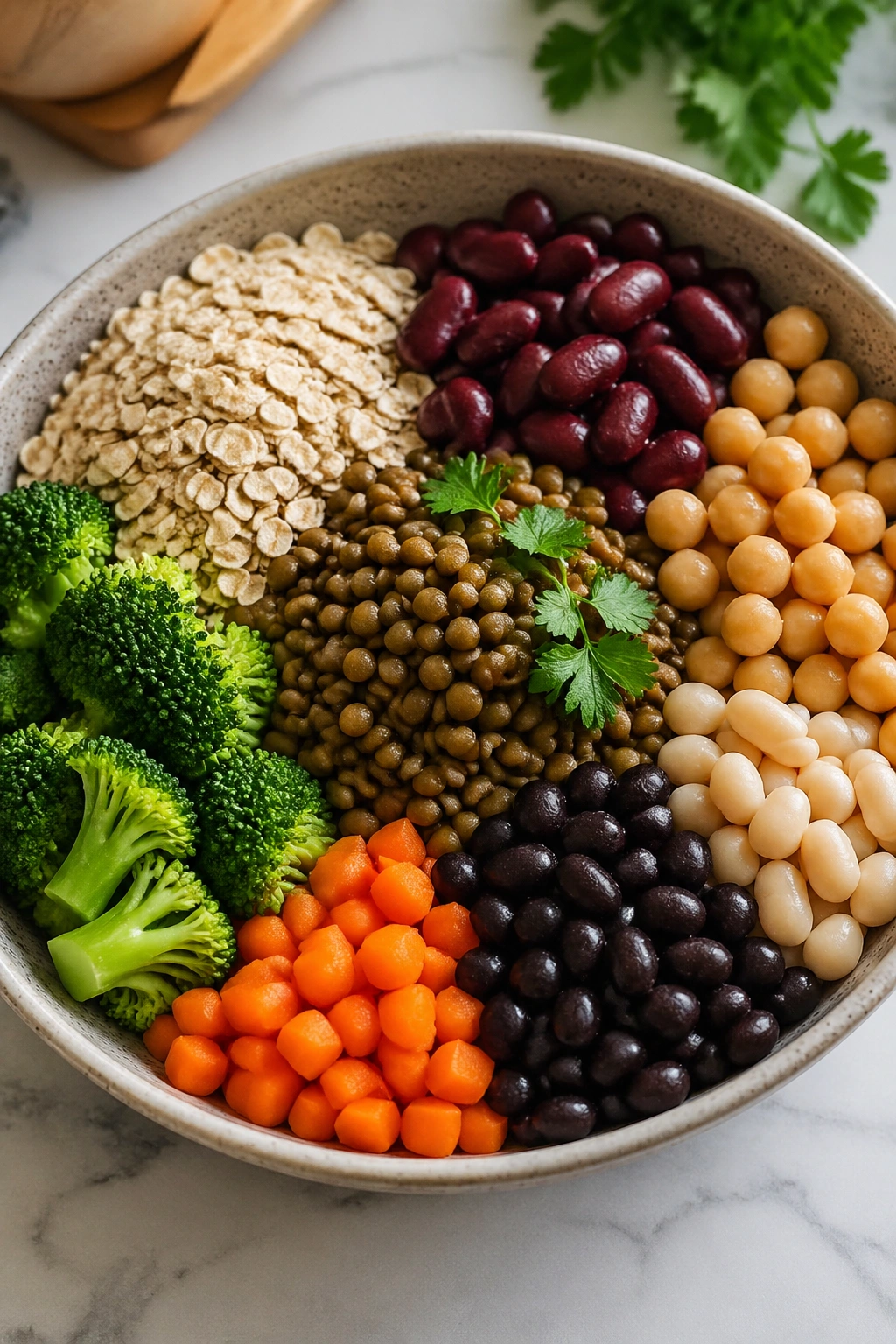
Fiber makes a meal feel bigger without loading it with a ton of calories. That matters when you want to lose belly fat quickly without pills, because hunger is the thing that usually blows up a plan before fat loss even gets moving.
Think beans, lentils, oats, berries, apples, broccoli, carrots, Brussels sprouts, chia seeds, popcorn, and whole grains. These foods take up space and slow digestion a bit, which means you feel fed instead of hunted by snack cravings an hour later.
A Simple Fiber Rule
Try to get a fiber source into every meal. Not a token leaf of lettuce. A real serving.
- Breakfast: oats, berries, chia, or an apple
- Lunch: salad, beans, or roasted vegetables
- Dinner: broccoli, lentils, chickpeas, or a whole grain
- Snacks: fruit, air-popped popcorn, or carrots with hummus
If your diet is low in fiber, increase it gradually and drink enough water. Jumping from almost none to a huge amount overnight can leave your stomach doing backflips.
7. Use Interval Training a Few Times a Week

A hard 20-minute interval session can do a lot for calorie burn in a short window. It also tends to feel more doable than a long, slow cardio session when your schedule is packed and your patience is thin.
The setup is simple. Push hard for a short burst, recover, then repeat. Bike, rower, treadmill incline, sled pushes, jump rope, even fast walking hills — all of it can work. The point is not to destroy yourself. The point is to make the effort sharp enough to matter.
A Clean Interval Format
- Warm up 5 minutes
- Work hard for 30 seconds
- Recover for 90 seconds
- Repeat 8 to 10 rounds
- Cool down 5 minutes
Do this 2 or 3 times a week, not every day. Too much high-intensity work can leave you cooked, sore, and less likely to lift weights or walk later. And that is the opposite of helpful.
8. Sleep Long Enough for Hunger to Calm Down

Short nights make long cravings. Anyone who has slept five hours and then stared at a box of crackers like it insulted them knows exactly what I mean.
Sleep affects appetite, food choices, and your patience. When you are tired, you tend to want fast energy, which usually means more sugar, more salt, and more snacks than you planned. For most adults, 7 to 9 hours is the range worth chasing, and a consistent bedtime matters more than people admit.
Sleep Habits That Actually Help
- Keep your bedroom dark and cool
- Stop screens 30 to 60 minutes before bed
- Cut caffeine after early afternoon
- Eat dinner at a sensible hour
- Keep the same sleep and wake window most days
You cannot outwork a sleep deficit forever. Your body keeps score in hunger, and it is not subtle.
9. Keep Stress Routines Boring and Consistent

Stress does not create belly fat out of thin air. But it does make the habits that cause belly fat much harder to control. That is the annoying part. You are not just fighting biology; you are fighting the urge to snack, skip workouts, sleep badly, and reward yourself with food after a rough day.
So build a stress routine that is almost boring in how repeatable it is. A 5-minute breathing drill. A 15-minute walk without your phone. A fixed dinner time. A short journal entry before bed. None of that is flashy. All of it helps.
Small Stress Fixes That Hold Up
- Breathe in for 4, out for 6, for 5 minutes
- Walk after work before you open the fridge
- Put your phone away during meals
- Schedule your workouts like appointments
- Keep caffeine earlier in the day
A calm day usually makes a tighter waist easier to earn. Not because stress is magic. Because fewer things go sideways.
10. Cut Back on Ultra-Processed Snacks
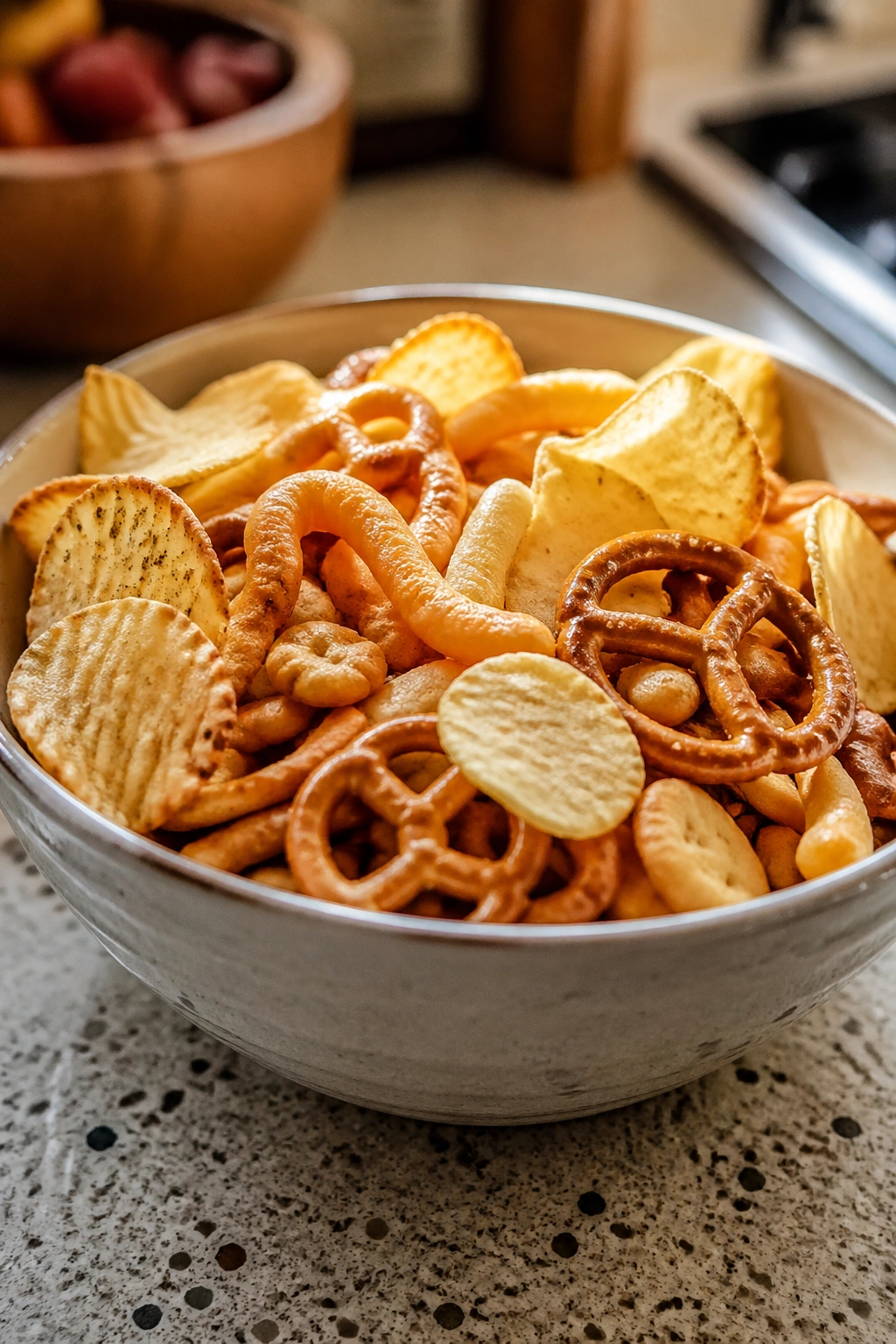
A bag of chips disappears in a way a bowl of potatoes never does. That is not a moral failure. It is food engineering. Ultra-processed snacks are built to be easy to overeat, and they tend to pack a lot of calories into a small volume.
If your pantry is full of cookies, flavored crackers, candy, and snack bars that taste like dessert, you are playing defense all day. Better to make the easy food the better food. Greek yogurt, fruit, popcorn, jerky, hard-boiled eggs, cottage cheese, nuts portioned into a bowl — these are not fancy, but they do the job.
Better Swaps
- Chips → air-popped popcorn or roasted chickpeas
- Cookies → Greek yogurt with berries
- Candy → fruit and a few nuts
- Snack bars → a real meal or a protein snack
- Ice cream every night → planned portions, not spoonfuls from the carton
Portioning matters too. Eat from a bowl, not the bag. That one habit can save you hundreds of calories without any drama.
11. Eat Slower and Stop Before You Feel Stuffed

Have you ever finished a meal and realized you could have stopped 10 minutes earlier? Exactly. That is satiety lag, and it catches a lot of people.
Your stomach sends signals, but they are not instant. If you eat quickly, you can blow past comfortable fullness before your brain gets the memo. Slowing down gives you room to notice what is happening. Put the fork down between bites. Chew properly. Sit down to eat. Small stuff, big effect.
Cues Worth Paying Attention To
- You can still breathe easily
- The plate tastes good, but you are not chasing the next bite
- You would be fine walking away for a while
- Your shoulders are relaxed instead of hunched over the food
This is not about eating like a monk. It is about stopping when you are fed, not stuffed. That difference adds up over a week.
12. Use a Simple Meal Template Instead of Winging It
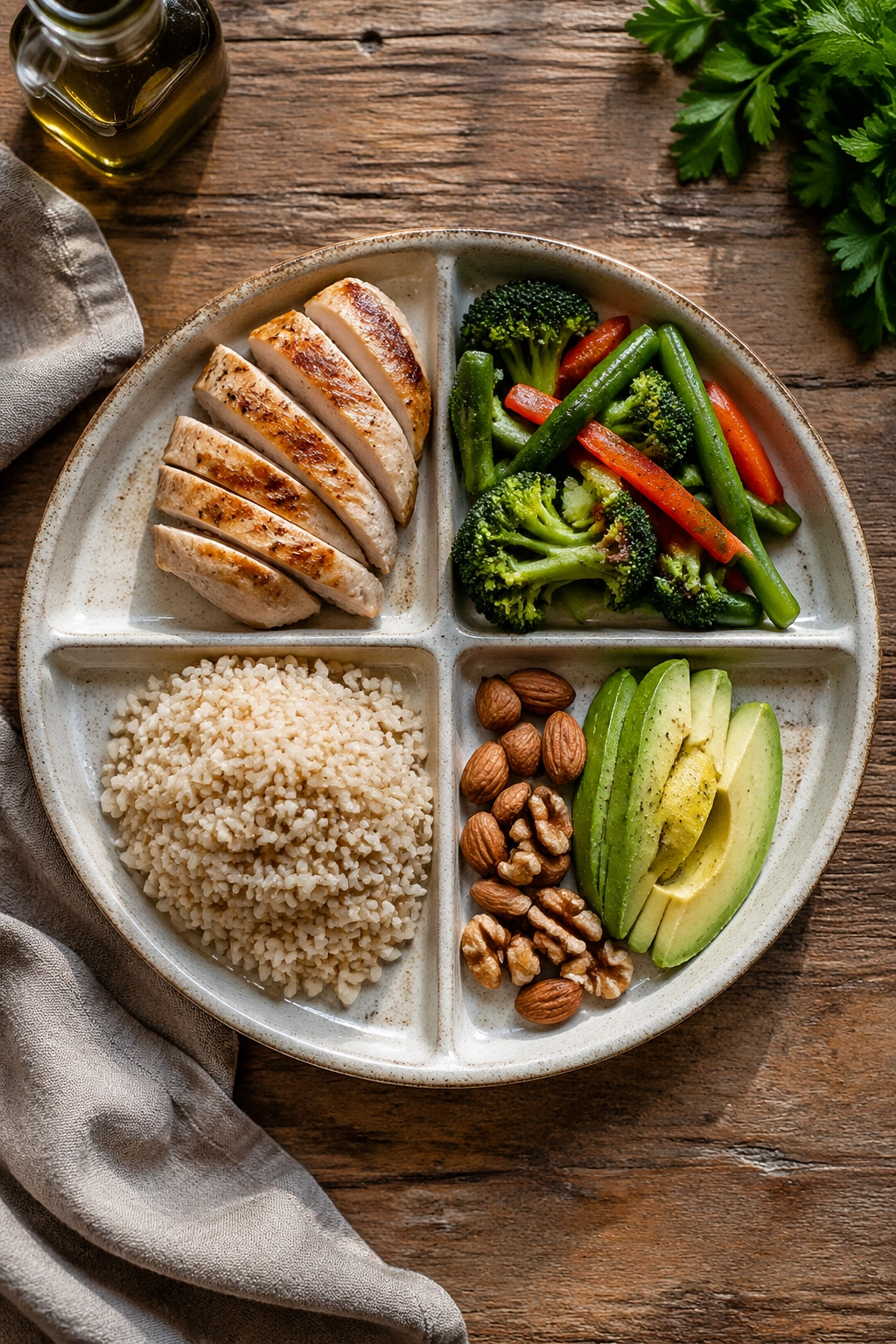
A lot of belly fat plans fail because meals are built on mood, not structure. Breakfast is random. Lunch is whatever. Dinner is whatever was on sale and maybe a little too much of it.
A simple meal template fixes that. Pick a repeatable structure and stick to it long enough to make it automatic. One palm or two of protein, one or two fists of vegetables, one cupped hand of starch, and a thumb of fat is a good starting point. It is not a prison. It is guardrails.
Easy Meal Template
- Protein: chicken, eggs, tofu, tuna, Greek yogurt
- Produce: spinach, peppers, salad, broccoli, berries
- Carbs: rice, potatoes, oats, beans, fruit, whole-grain bread
- Fat: olive oil, avocado, nuts, seeds, cheese
You can use the same breakfast five days a week and save your decision-making for the meals you actually care about. That sounds dull. It also works.
13. Limit Alcohol if Belly Fat Is the Target

Alcohol brings calories, lowers restraint, and often leads to late-night eating that nobody planned at 6 p.m. That is a rough combo when you want a smaller waist.
Beer, wine, cocktails — they all count. The drink itself is only half the issue. The second half is the chips, fries, pizza, and dessert that follow because your brakes are softer. If you want faster belly fat loss, set a cap before the first drink. Or pick certain days that stay alcohol-free.
What Helps Most
- Decide your drink limit before you go out
- Choose lower-calorie mixers
- Alternate alcohol with water
- Avoid drinking on an empty stomach
- Keep snacks off the table while you drink
You do not need to be dramatic about it. But if alcohol shows up a lot in your week, it is worth more attention than another ab machine.
14. Drink Water Before Meals and During Workouts

Sometimes hunger is thirst wearing a fake mustache. Not always, but enough to matter. Drinking water before meals can take the edge off appetite, and during workouts it keeps you from feeling draggy and tempted to quit early.
A full glass 15 to 20 minutes before meals is a simple place to start. If you train hard or sweat a lot, sip during the session instead of waiting until you feel awful. No one needs to be heroic about hydration. They just need to stop being behind on it.
A Practical Hydration Routine
- Drink one glass when you wake up
- Drink one glass before lunch and dinner
- Sip during workouts and long walks
- Keep a bottle on your desk or in your car
- Add electrolytes if you sweat heavily or train in heat
Water will not burn fat by itself. It will make the rest of the plan easier to follow, and that counts more than people think.
15. Train Your Core for Posture, Bracing, and a Tighter Midsection Look
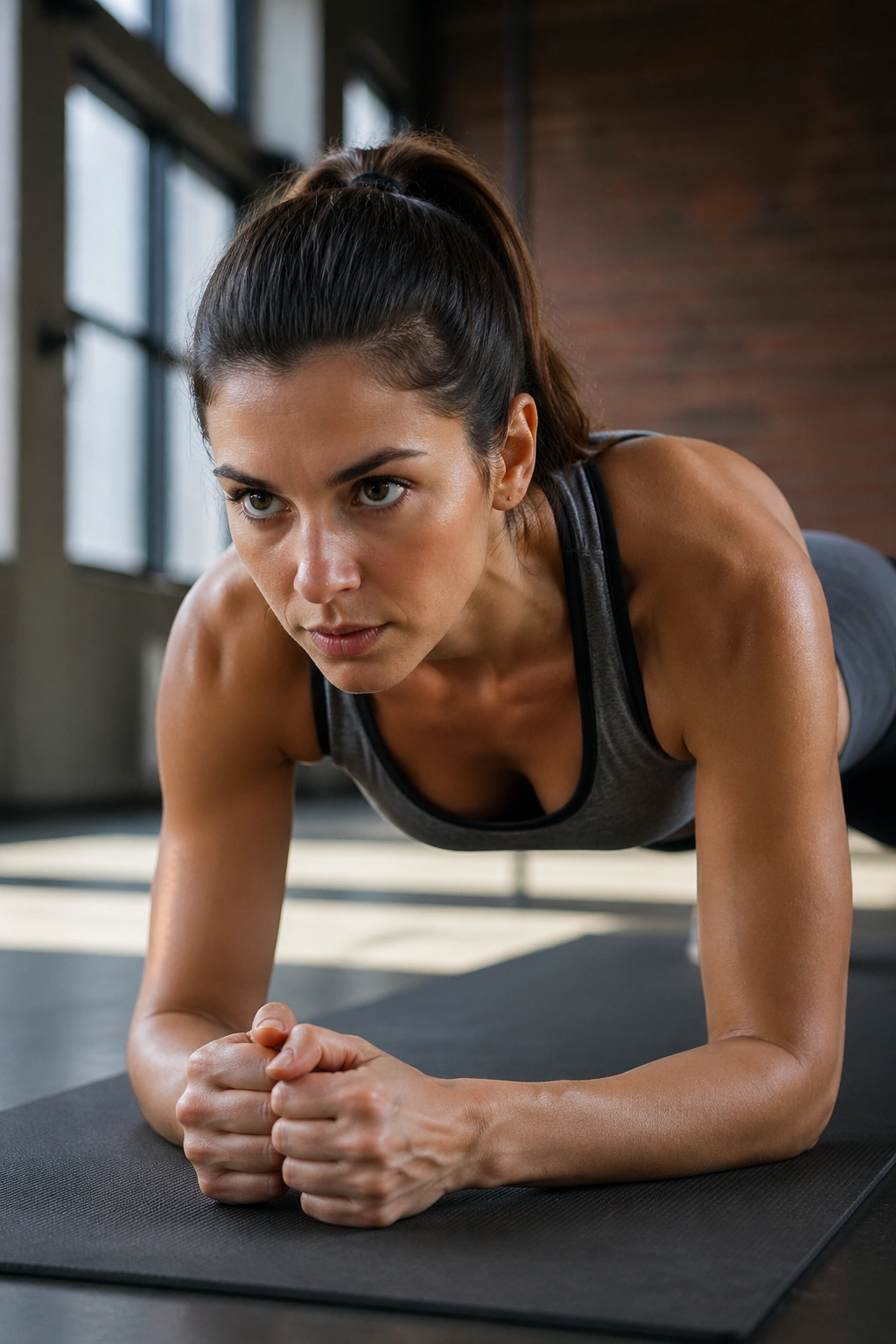
Crunches do not melt belly fat. I wish they did. They do not.
What core training can do is make your midsection hold itself better. A stronger core helps with bracing during lifts, keeps your posture cleaner, and can make your stomach look a little flatter simply because you are not collapsing through the middle all day. That is a real benefit, just not the same thing as fat loss.
What to Focus On
- Planks and side planks
- Dead bugs
- Bird dogs
- Pallof presses
- Suitcase carries
Aim for 2 to 3 short core sessions a week. Two or three rounds is enough. If you turn it into a 30-minute ab marathon, you are probably wasting time you could spend walking, lifting, or sleeping.
What Core Work Can and Cannot Do
It can build strength and make your torso more stable. It can help your waist look better in clothes. It cannot choose where your body pulls fat from. That part still belongs to your overall diet and training.
16. Track Your Waist, Weight, and Progress Photos
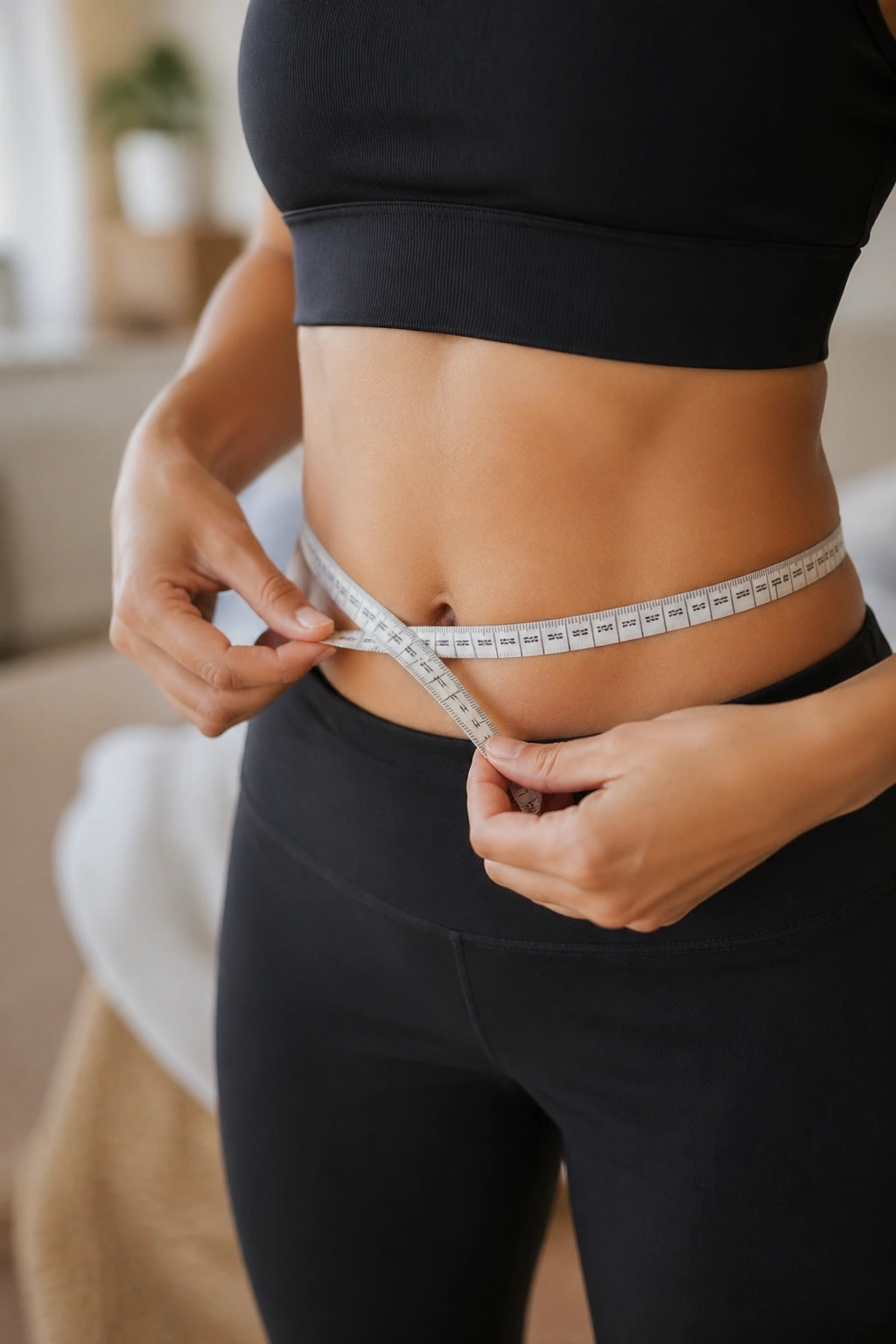
If you only judge progress by how your jeans feel on one random morning, you will get confused fast. Water swings, salt intake, workouts, and even sleep can make the scale bounce around like a ping-pong ball.
Measure your waist once a week at the same spot, ideally around the navel, after waking and before food. Weigh yourself several times a week if you can handle the data, then use the trend instead of one day. Progress photos every 2 weeks help too, because your eye catches things the scale misses.
A Simple Tracking Setup
- Waist measurement: once a week
- Body weight: 3 to 7 mornings a week
- Progress photos: front, side, and back
- Notes: sleep, workouts, alcohol, big meals
If the trend is not moving, you do not need a new trick. You need a better read on what is actually happening.
17. Use an Overnight Eating Cutoff to Stop Late-Night Grazing

The kitchen does a lot of damage after dinner. Not because you are hungry. Because you are tired, relaxed, and standing in front of cheese with no plan.
A simple cutoff helps. Pick a time — maybe 2 or 3 hours before bed — when the kitchen closes. After that, no wandering snack trips. If you need something, make it deliberate: tea, water, or a planned protein snack that fits the day’s calories. Late-night grazing is where a lot of people quietly erase their own progress.
What Works Better Than “Willpower”
- Brush your teeth after the last meal
- Clean the kitchen right away
- Put tempting foods out of sight
- Drink tea or water after dinner
- Set a hard screen-free wind-down time
If you work late or train late, adjust the cutoff to your life. The point is not punishment. The point is to stop eating by reflex.
18. Repeat the Same Plan Long Enough for It to Work
Most people do not fail because the plan is too hard. They fail because they keep changing it before it has a chance to show results.
Give a plan at least 2 weeks of honest use before you judge it. Keep the calories steady, keep the walking up, keep the lifting schedule, and do not keep adding “small extras” that turn into a new problem. Belly fat loss needs a little patience, even when you want it gone yesterday.
When to Adjust
If your waist measurement has not budged, your average weight is flat, and you were actually consistent, trim about 150 to 200 calories a day or add 2,000 steps. Do one change, not five. Small adjustments are easier to measure and much easier to keep.
The people who get leaner are usually not the ones hunting for a better trick. They are the ones who repeat the plain plan long enough for the body to answer back. That is not glamorous. It is better.
