



Walking into the gym or starting a home workout without prepping your engine is like forcing a cold car engine to redline on a sub-zero morning. You might get moving, but the internal friction is real, and the potential for wear and tear increases significantly. The goal of a warm-up isn’t just to break a sweat or get your heart rate up; it is about priming your nervous system, lubricating your joints, and telling your muscles that it is time to work.
Too many people treat the first ten minutes of their workout as a chore, something to get through as quickly as possible. That is a mistake. When you commit to a purposeful routine, you notice a massive shift in how you move under load. Your range of motion improves, your balance feels more stable, and that mid-workout wall you usually hit? It often moves further back because your body is better prepared to handle the intensity. Whether you are lifting, running, or doing high-intensity intervals, these routines serve as the bridge between sitting at a desk and performing at your peak.
1. Brisk Walking and Arm Circles
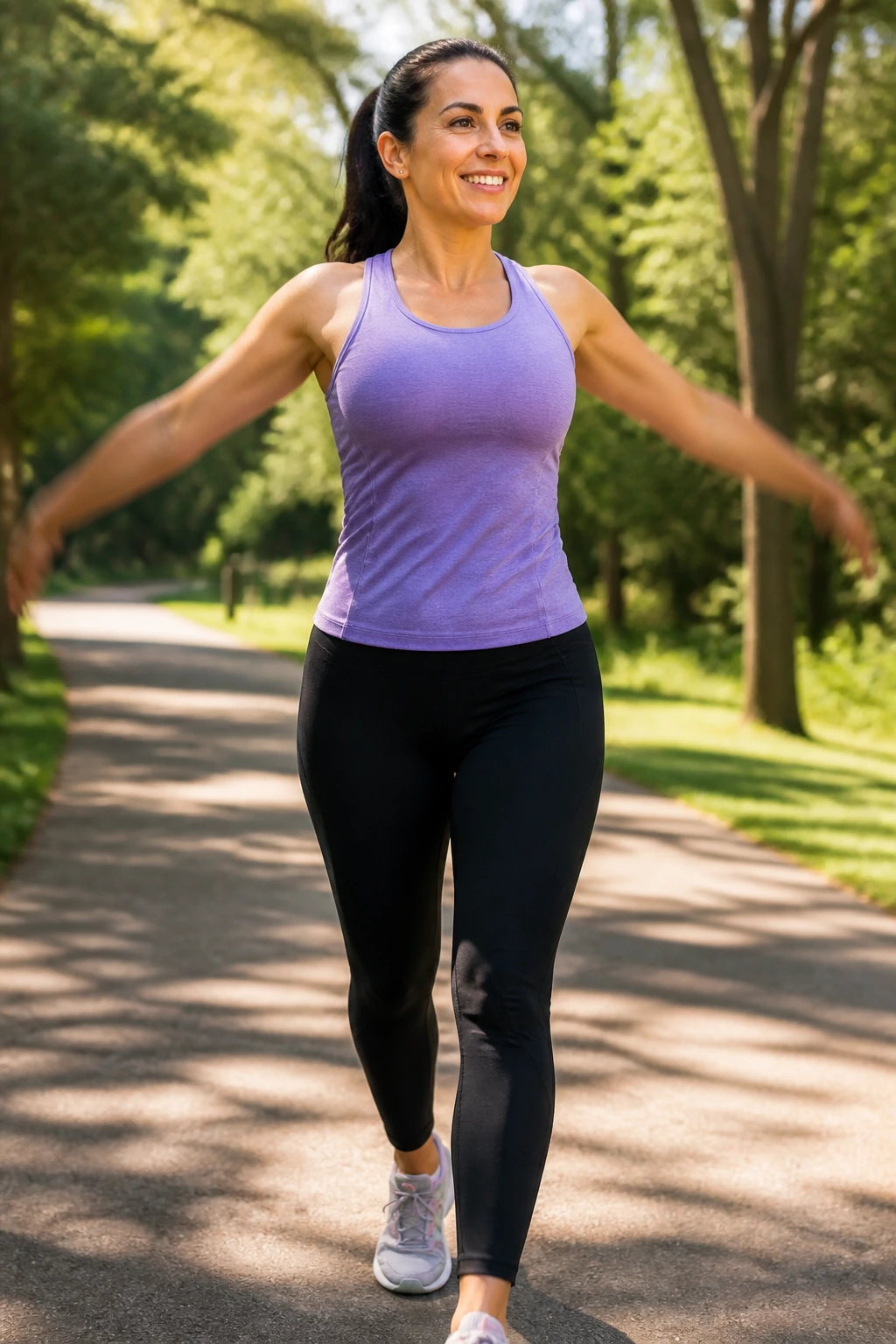
Steady state movement is the foundation of any good warm-up. Start with a brisk walk, focusing on a heel-to-toe strike to engage your calves. While you walk, perform large, controlled arm circles. Move your arms forward for thirty seconds, then reverse them for thirty seconds.
Why This Works for Beginners
This routine gently raises your core body temperature without spiking your heart rate too aggressively. The arm circles also wake up the rotator cuffs, which are crucial for any overhead or pushing movements you might have planned later in your session.
- Speed: Keep it fast enough to be brisk, not a stroll.
- Arm position: Keep your thumbs pointed upward to maximize shoulder opening.
- Breathing: Maintain a steady rhythm.
Pro tip: Focus on squeezing your shoulder blades together at the back of each circle to counteract the “hunched” posture most of us carry from the workday.
2. Dynamic Inchworms
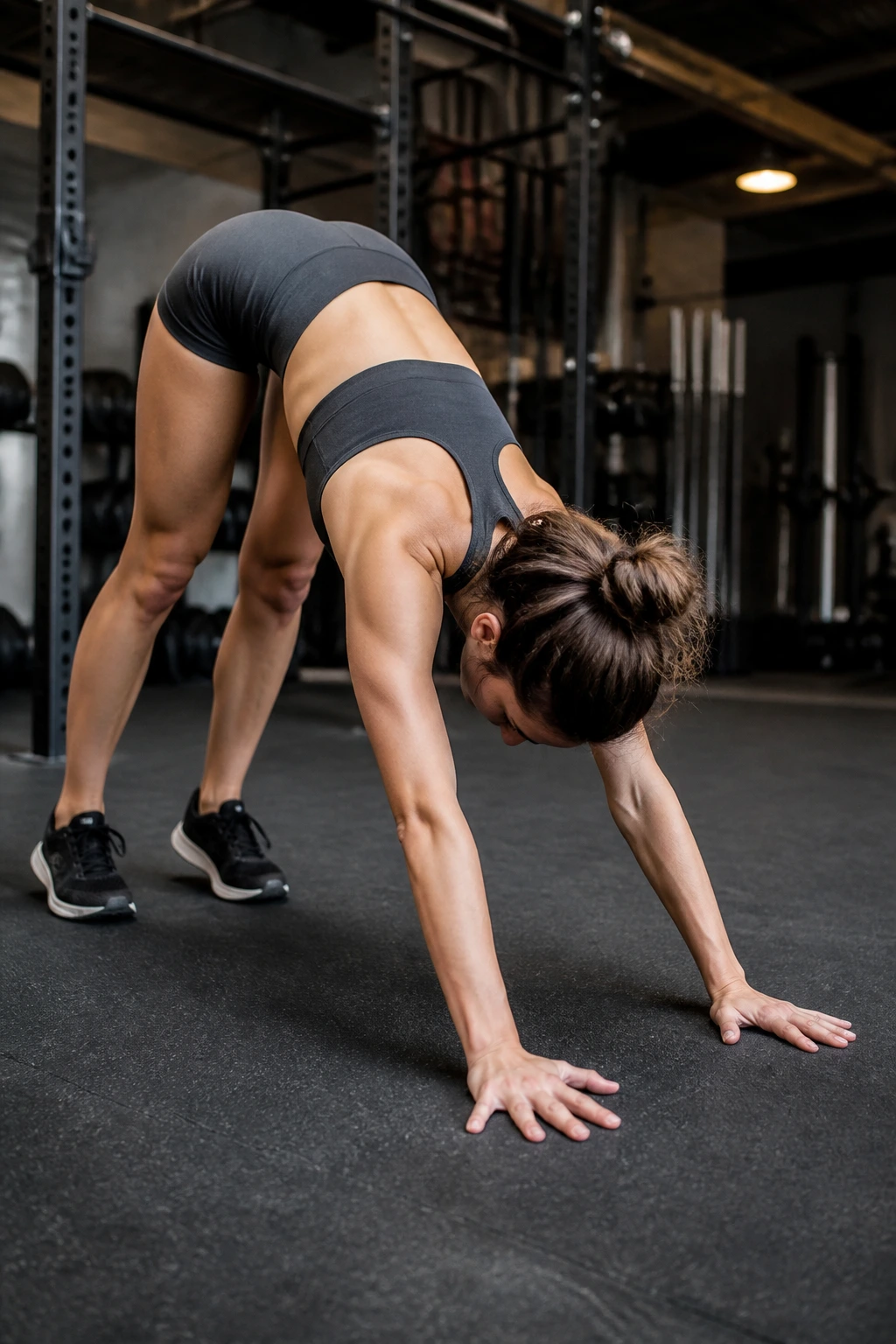
Inchworms are a fantastic way to engage the entire posterior chain—your hamstrings, glutes, and back. Start standing tall, hinge at your hips, and place your hands on the floor. Walk your hands out until you reach a high plank position. Pause for a second, then walk your feet toward your hands, keeping your legs as straight as possible.
The Mechanics of the Movement
When you walk your feet toward your hands, you create a deep, active stretch in the hamstrings that static stretching simply cannot replicate. It forces your core to engage to stabilize your spine as you transition from the hinge to the plank. If you feel tightness in the low back, keep your knees slightly bent during the initial hinge.
Key focus: Do not rush the transition at the bottom of the plank. Keep your shoulders stacked directly over your wrists to ensure the core is doing the heavy lifting, not your neck.
3. Jumping Jacks
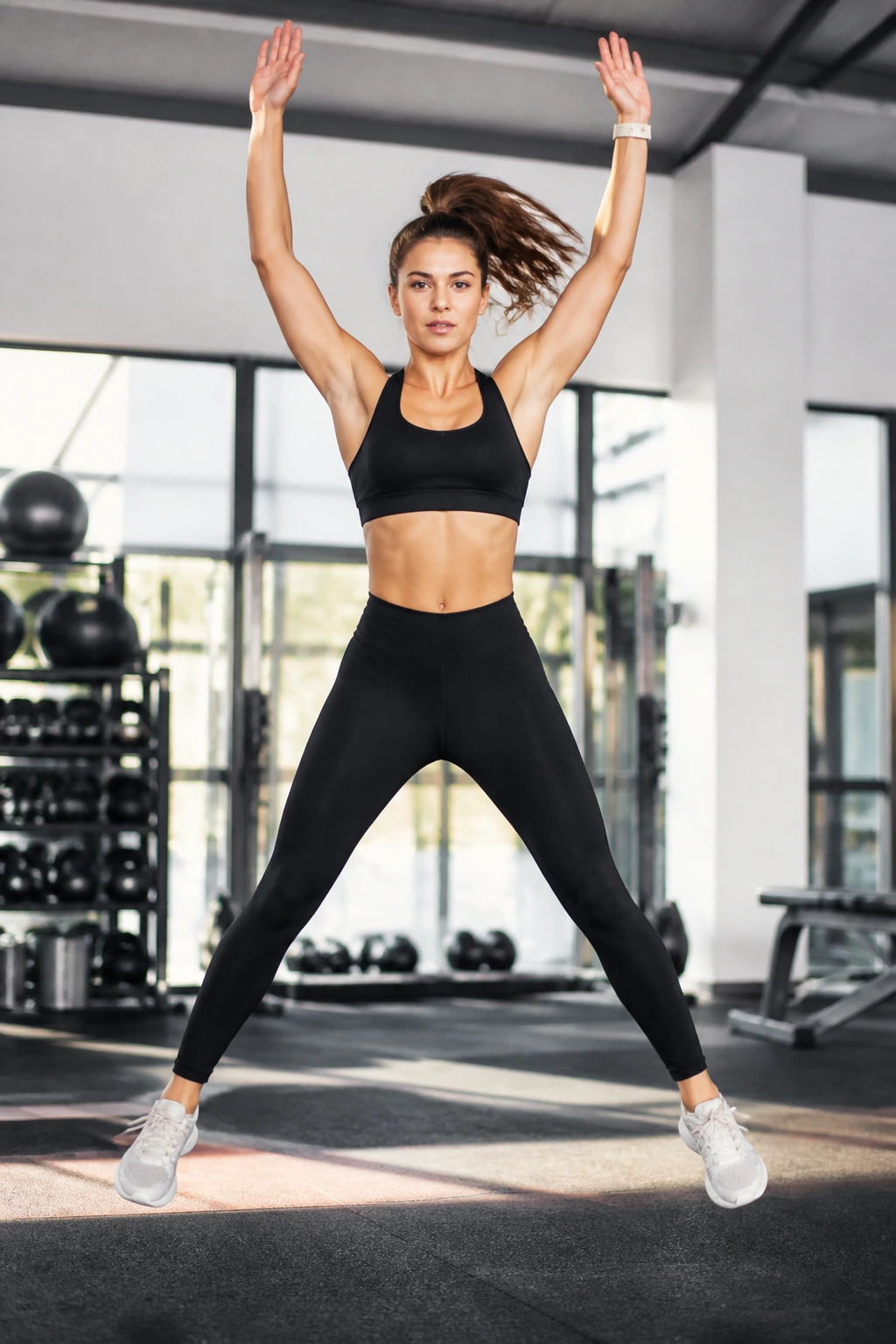
This is a classic for a reason. Jumping jacks get blood moving to your extremities almost instantly. Start with your feet together and arms at your sides. Jump your feet out wide while clapping your hands overhead, then return to the starting position in one fluid motion.
Why It’s Still a Gold Standard
Jumping jacks are a full-body movement that requires coordination between the upper and lower body. They demand a level of plyometric effort that wakes up the nervous system. If you find standard jacks too repetitive, try “seal jacks” where you clap your hands in front of your chest instead of overhead to focus more on the chest and upper back muscles.
- Pace: Aim for 45 to 60 seconds of consistent movement.
- Impact: Keep your landings soft by landing on the balls of your feet, not your heels.
- Muscle engagement: Keep your core braced throughout the entire duration.
4. High Knees
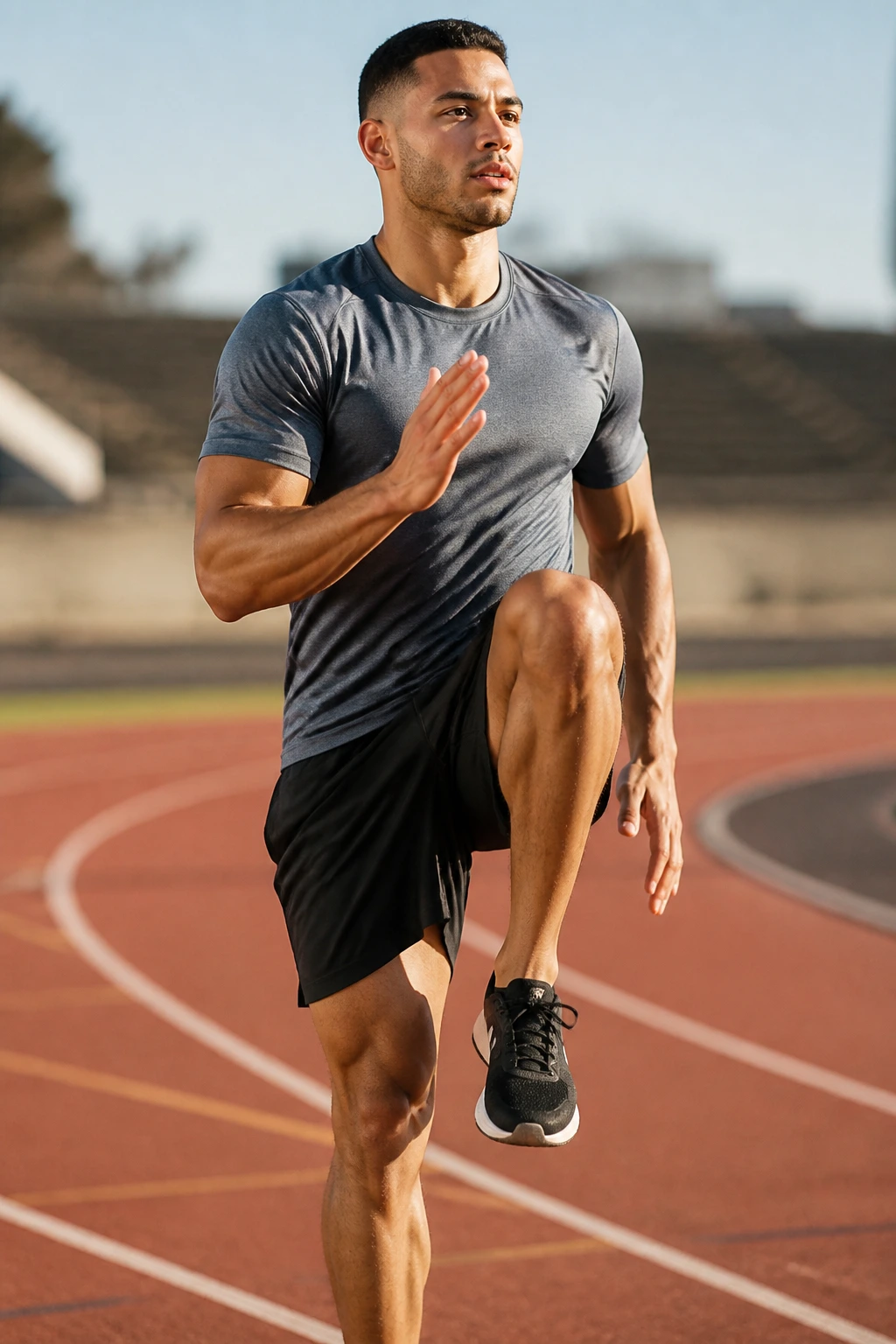
High knees turn up the intensity. Stand in place and pump your knees up toward your chest, alternating as quickly as possible. Pump your arms in rhythm with your legs, just like you would if you were sprinting.
Preparing for Explosive Work
This movement is specifically designed to prime your hip flexors and cardiovascular system for high-output activities. It is a high-intensity option that works best before sprint work or heavy leg days. If you find yourself losing your balance, focus on staring at a fixed point directly in front of you.
- Duration: 30 to 45 seconds.
- Effort: This is not a casual movement; treat it like a mini-sprint.
- Warning: Ensure your knees are coming up to at least hip height. Anything lower is just jogging in place.
5. Butt Kicks
While high knees focus on the front of the body, butt kicks are all about the hamstrings. Jog in place and flick your heels back toward your glutes with each step. You should feel a slight contraction in the back of your legs every time your heel makes contact.
Why This Preps the Hamstrings
We often forget the importance of the hamstrings in a warm-up. This active contraction sends blood flow into the muscle group, which is essential if you are planning to perform heavy squats or deadlifts. It helps prevent that “tight” feeling that can lead to strains.
Pro tip: Keep your torso upright. Many people lean forward to reach their glutes, but staying vertical forces the hamstrings to work harder to pull the heel up.
6. Lateral Shuffles
Most of our movement during the day is linear—forward and back. Lateral shuffles force you to move in the frontal plane, which engages your adductors and abductors. Take a low, athletic stance and shuffle side to side for ten feet, then shuffle back.
The Importance of Lateral Movement
Sports and real-life activities rarely happen on a straight line. By including lateral movement, you wake up the smaller stabilizing muscles around your hips and knees that stay dormant during standard running or lifting. It is one of the best ways to prepare for agility-based workouts.
- Stance: Stay low. The lower you are, the more your glutes have to work.
- Transition: Use a quick, controlled push-off from the outer foot.
- Range: Keep the steps consistent.
7. Mountain Climbers
Assume a high plank position. Drive one knee toward your chest while keeping the other leg extended. Explosively switch your legs, bringing the other knee in while extending the first. Keep a steady, rhythmic pace.
Core-Centric Conditioning
Mountain climbers are essentially planks in motion. They force your abdominal wall to stabilize your torso while your lower body moves rapidly. This is an excellent warm-up for any workout that involves heavy overhead lifting, as it forces you to practice bracing under movement.
What to watch for: Many people let their hips rise too high as they get tired. Focus on keeping your back flat, almost as if you were balancing a plate on it.
8. Jump Rope Simulation
You don’t need an actual rope to get the benefits. Mimic the motion of jumping rope, spinning your wrists and hopping lightly on the balls of your feet. Keep the bounces small and quick.
Neuromuscular Timing
The act of jumping rope requires precise timing between your calves, ankles, and brain. It improves your coordination and ankle stability, which is vital for any activity involving explosive movement. By staying on your toes, you also warm up the plantar fascia, which helps prevent arch pain during intense training.
- Focus: Keep your elbows tucked in near your ribs.
- Tempo: Fast, light contacts with the floor.
- Correction: If you feel your calves burning immediately, you are likely jumping too high. Lower the height of the jumps.
9. Bear Crawls
Get on your hands and knees, then lift your knees an inch off the ground. Crawl forward, keeping your back flat and your hips stable. Try to move the opposite hand and opposite leg at the same time.
Total Body Stability
Bear crawls are deceptive. They look easy until you try to do them with perfect form. They integrate shoulder stability with core engagement and hip mobility. This is a “bang for your buck” exercise because it effectively warms up every major joint in the body within a minute of work.
Pro tip: Keep your gaze focused on the floor between your hands. Looking up can strain your neck, and looking too far back rounds your spine.
10. Leg Swings
Stand next to a wall for support. Swing one leg forward and backward, gradually increasing the height of the swing. Do this for fifteen reps, then switch to swinging your leg side-to-side across your body.
Unlocking the Hip Capsule
The hip joint is a ball-and-socket joint that needs to move in multiple planes. Leg swings act as a dynamic stretch that loosens up the joint capsule. This is vital before any workout that requires a deep squat or wide stance.
- Control: Don’t just let your leg flop. Use your muscles to control the movement through the entire arc.
- Frequency: Do not rush these. Smooth, controlled motions are better than fast, jerky ones.
- Benefit: Notice how much “looser” your hips feel after just one set.
11. Bodyweight Squats
Place your feet shoulder-width apart. Lower your hips back and down, keeping your chest up and your weight balanced across the entire foot. Rise back to standing, squeezing your glutes at the top.
Glute Activation
Squats aren’t just for strength training; they are a fundamental movement pattern. Doing them as a warm-up reminds your brain to use your glutes rather than your lower back when you start lifting heavier loads. The key here is quality over quantity—focus on feeling the glutes fire at the bottom of the movement.
Note: If you cannot keep your heels on the ground, widen your stance slightly or turn your toes out a few degrees. This helps accommodate different anatomical hip structures.
12. Reverse Lunges with Twist
Step backward into a lunge. As you sink down, rotate your torso toward the front knee. Step back to standing and repeat on the other side. This combines lower body activation with thoracic spine mobility.
Why You Need Rotation
Most gym movements lack rotation. By adding the twist, you prepare your spine for rotational forces, which protects your back during dynamic movements. It also forces you to stabilize your core while moving in two different directions at once.
- Balance: If this is too wobbly, skip the rotation until you get the lunge stable.
- Depth: Keep the back knee hovering just off the floor.
- Focus: Think about rotating from your chest, not just swinging your arms.
13. Arm Cross-Overs and Swings
Stand with your arms out to the sides. Swing them inward across your chest, crossing them over each other, then swing them back out, squeezing your shoulder blades together. Alternate which arm is on top.
Shoulder and Chest Prep
This is the standard antidote to “computer chest”—that rounded-shoulder posture we all develop after a day of sitting. It dynamically opens the pectorals and rear deltoids, ensuring your shoulders are ready for any pushing or pulling exercises.
Variation: You can also perform overhead arm swings to open up the lats. Just make sure you are not shrugging your shoulders toward your ears while you do it.
14. Skaters
Start in a standing position. Hop to the right, landing on your right foot while swinging your left foot behind you, then hop to the left, landing on your left foot. You should look like a speed skater in motion.
Lateral Power Generation
Skaters build explosive power in the lateral plane. They work the glute medius, a crucial muscle for knee stability and overall athletic performance. This is an excellent way to prime your legs for explosive movements like box jumps or broad jumps.
- Intensity: Use your arms to generate momentum.
- Stability: Try to “stick” the landing for a split second before hopping to the other side.
- Pace: Build the speed as you get more comfortable.
15. Bicycle Crunches
Lie on your back, hands behind your head. Bring your opposite elbow toward the opposite knee while extending the other leg. Keep your lower back pressed into the floor throughout the entire movement.
Core Temperature Spike
Bicycle crunches are arguably the best core-focused warm-up move because they require coordination and deep abdominal engagement. They don’t just work the rectus abdominis; they hit the obliques, which are essential for stabilizing the spine during heavy lifting.
Important warning: Do not pull on your neck. Your fingers should merely support your head, not yank it forward. Let the rotation of your torso drive the movement.
16. Shadow Boxing
Throw light, controlled punches into the air. Incorporate light footwork, moving side to side as you punch. Keep your core tight and your knees soft.
Upper Body and Coordination
Shadow boxing is an incredible cardiovascular tool that also builds shoulder endurance and hand-eye coordination. It gets the blood flowing into the shoulders and back without the stress of holding heavy weights. It is also psychologically stimulating—it forces you to stay focused on your movement.
- Rhythm: Keep it flowing. Don’t stop to admire your form.
- Footwork: Keep moving. Even small, shuffle steps help.
- Caution: Don’t lock out your elbows at the end of the punch, especially if you haven’t warmed up your triceps properly yet.
17. Scapular Push-Ups
Get into a high plank position. Keep your arms completely straight. Without bending your elbows, let your shoulder blades sink together, then push your upper back toward the ceiling.
Shoulder Blade Health
Most people neglect the serratus anterior, the muscle responsible for keeping your shoulder blades flat against your rib cage. These “push-ups” look like almost nothing is happening, but they are vital for shoulder health. A strong, mobile scapula is the foundation for almost every upper-body lift.
Pro tip: Imagine you are trying to push the floor away from you as hard as you can at the top of the movement. That “protraction” is what we are looking for.
18. Frankenstein Walks
Walk forward, keeping your legs straight. As you step, kick your right leg straight out, aiming to touch your left hand to your toes. Lower the leg and switch sides.
Active Hamstring Lengthening
This is a classic dynamic hamstring stretch. Because you are moving, it is much more effective than just reaching down and holding your toes. It wakes up the nervous system to coordinate the extension of the leg while stretching the posterior chain.
- Height: You don’t need to touch your toes if you aren’t flexible enough yet. Aim for your shin or knee.
- Stability: If you lose your balance, hold onto a wall or a squat rack.
- Consistency: Keep the movement fluid. Do not pause at the top of the kick.
19. Power Skips
Skip forward with vigor, driving the opposite arm and leg up toward the sky. Try to get as much height as possible on every skip. It should feel like you are trying to touch the ceiling.
Explosive Prep
Power skips are the ultimate “go” signal for your body. They require triple extension—the simultaneous extension of the hip, knee, and ankle. This is the same mechanic used in Olympic lifting, jumping, and sprinting. It is a fantastic way to signal to your body that it is time to produce force.
- Effort: This is a high-effort move. Only do this if you are ready to start your workout immediately after.
- Height: The goal is height, not distance.
- Grace: Try to land quietly, like a cat, despite the force you are generating.
20. Burpees
Start standing, drop into a squat, place your hands down, and jump your feet back into a plank. Do a push-up (optional), jump your feet back to your hands, and leap into the air.
The Full Integration
Burpees are the ultimate finisher for any warm-up routine. They demand strength, cardiovascular capacity, core stability, and mobility. They utilize every major muscle group, effectively “turning on” your entire body for whatever work lies ahead. If you have time for nothing else, do a few sets of these.
Note: If you find the full burpee too taxing, do a “no-push-up” version. The goal is to elevate your heart rate and prime your muscles, not to exhaust yourself before the actual workout begins.
Final Thoughts
The most effective warm-up is the one you actually do. If you have five minutes, pick three movements that target your specific workout—like bodyweight squats, arm circles, and inchworms for a lower-body day. If you have ten, combine them into a flow. The goal is never to crush yourself during these minutes; it is to prepare your tissues for the demands you are about to place on them.
Consistency matters more than variety. Over time, you will learn which movements make your hips feel open, which ones wake up your shoulders, and which ones get your heart rate exactly where it needs to be. Pay attention to how your body feels after these routines. That internal feedback is more valuable than any generic guideline. Listen to your joints, respect your limits, and get to work.
