



The feeling of stiff, aching hips is a universal grievance of modern life. You spend hours anchored to a desk, or perhaps you log long miles in the car, and by the time you stand up, your pelvis feels like it’s been welded into place. The iliopsoas muscles shorten from chronic flexion, the glutes go dormant from lack of use, and your lower back eventually starts screaming in sympathy. Tight hips are not just an annoyance; they are a mechanical failure waiting to happen.
Movement is the only antidote that actually works. We are not designed to be static statues, and our hip capsules require rotation, extension, and abduction to stay fluid. If you ignore this, you lose the ability to move with ease, whether you are trying to squat with proper depth, run without nagging knee pain, or simply pick something up off the floor without bracing yourself.
You do not need fancy equipment or hours of spare time to change this. Consistency beats intensity every single day. A dedicated ten-minute routine performed with intention can do more for your mobility than an hour-long, haphazard stretching session once a week. Here are twenty-five ways to reclaim the space in your hip joints, organized by movement type to help you build a routine that works for your body.
1. 90/90 Hip Switches
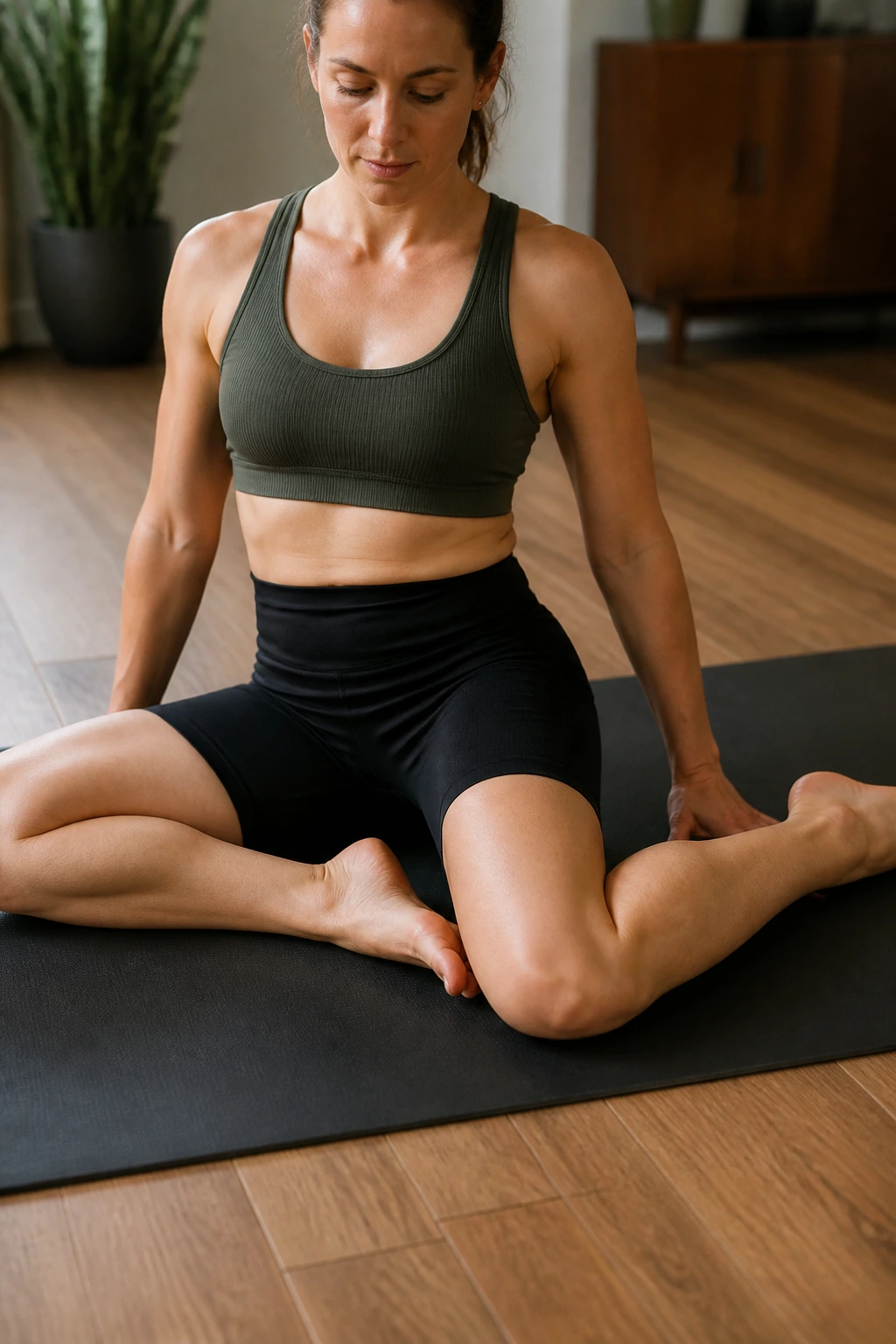
This is the gold standard for internal and external hip rotation. Start by sitting on the floor with both knees bent at 90-degree angles—one leg in front of you, one to the side. Your torso should be upright.
How to Execute the Movement
Focus on keeping your heels planted as you rotate your knees over to the other side without using your hands for support. It takes practice. If you find yourself tipping over, place your hands behind you for stability until your mobility improves. You want to feel a deep, internal rotation in the back hip and external rotation in the front hip.
Pro tip: Do not rush the movement. Pause for a second at the end of each switch to maximize the stretch in the joint capsule. Think about driving your knees into the floor as you rotate to engage the glutes.
2. Dynamic Pigeon Pose
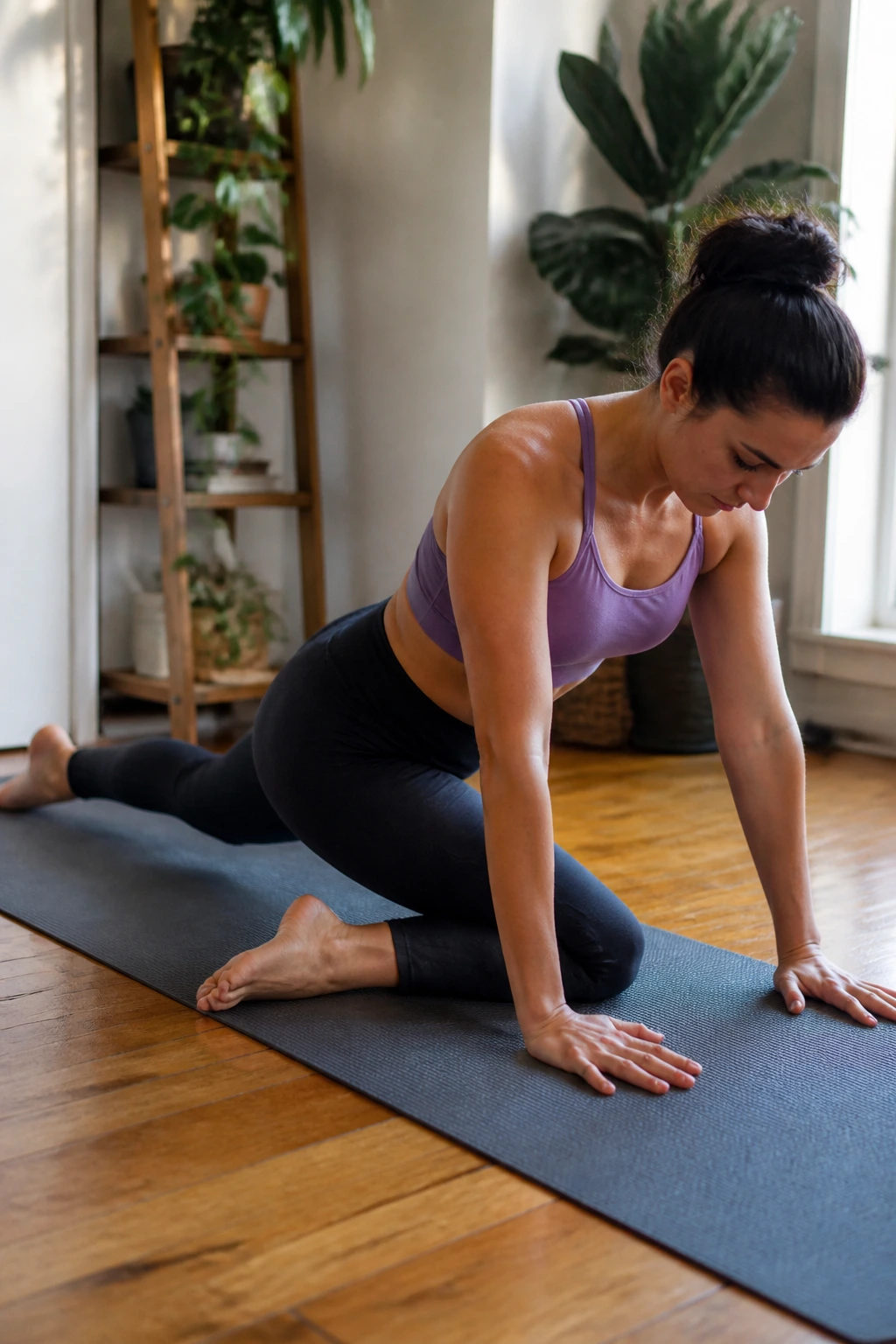
Traditional static pigeon poses can be problematic for some knees. A dynamic version allows you to move in and out of the stretch, which helps your nervous system relax into the position rather than fighting it.
Start in a tabletop position. Slide one knee forward toward your wrist, extending the back leg straight behind you. Instead of collapsing into a deep, static stretch immediately, pulse your hips up and down three or four times. This constant motion signals to your tight external rotators that it is safe to lengthen.
You should feel this deep in the glute of the front leg. If you feel any sharp pain in the knee, back off immediately and adjust the angle of your front shin. Never push through joint pain in the knee; that is your body telling you the lever is wrong, not that the muscle is tight.
3. Frog Pose
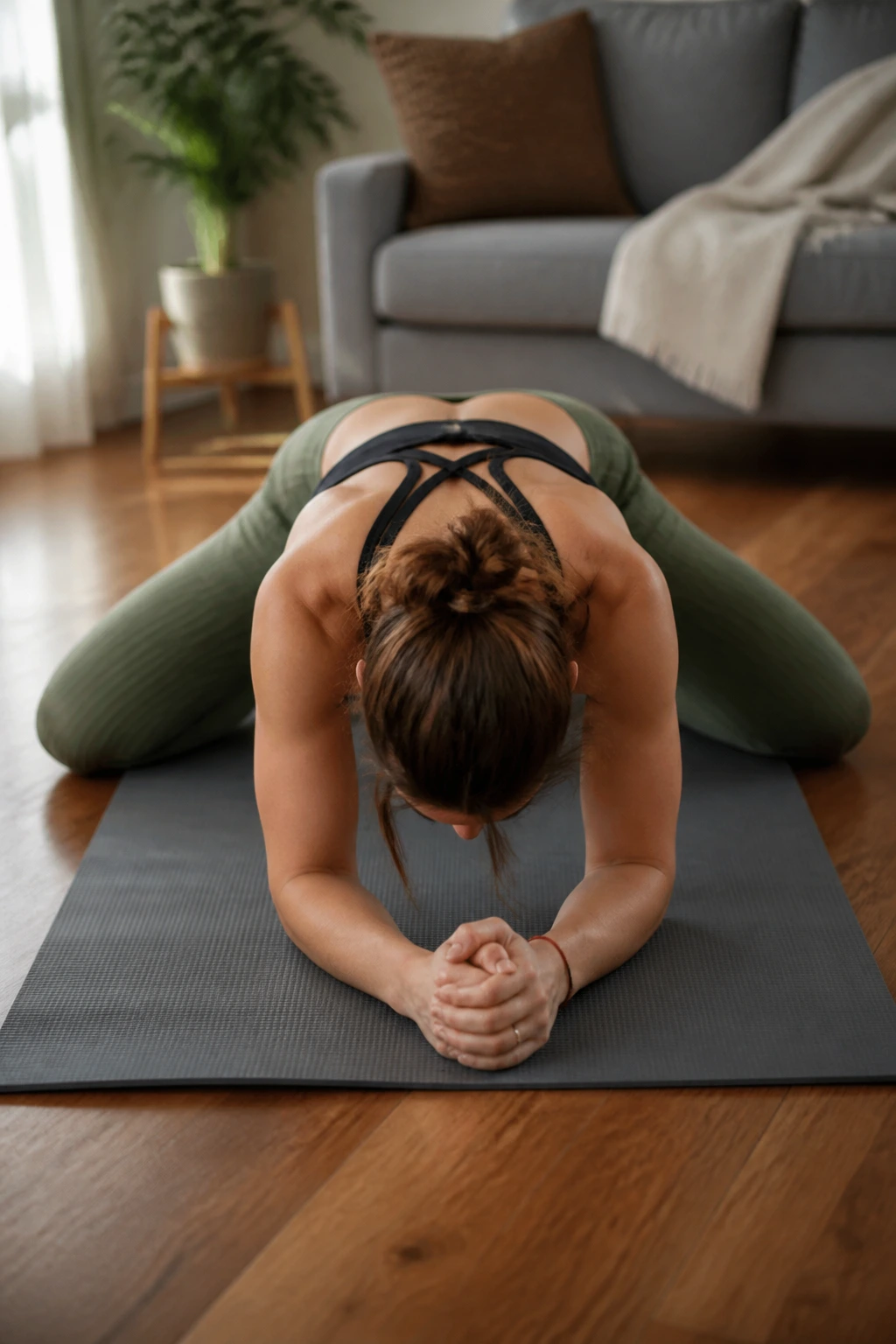
The frog stretch is intimidating but effective for opening the adductors, which are often the forgotten culprit behind tight hips. Get on all fours, then widen your knees as far apart as possible. Your feet should be in line with your knees.
Finding the Sweet Spot
Gently rock your hips back toward your heels. You will hit a point of significant resistance. Stop there. Take a deep breath, and on the exhale, see if you can sink an inch further. Many people make the mistake of rounding their lower back here—try to maintain a neutral spine.
Why it works: It forces the hips into a position they rarely encounter during the day. By keeping the spine neutral, you isolate the stretch to the inner thighs and hip capsules. Keep your forearms on the floor for support, and do not be afraid to stay in this position for a full minute to let the tissue release.
4. Butterfly Stretch
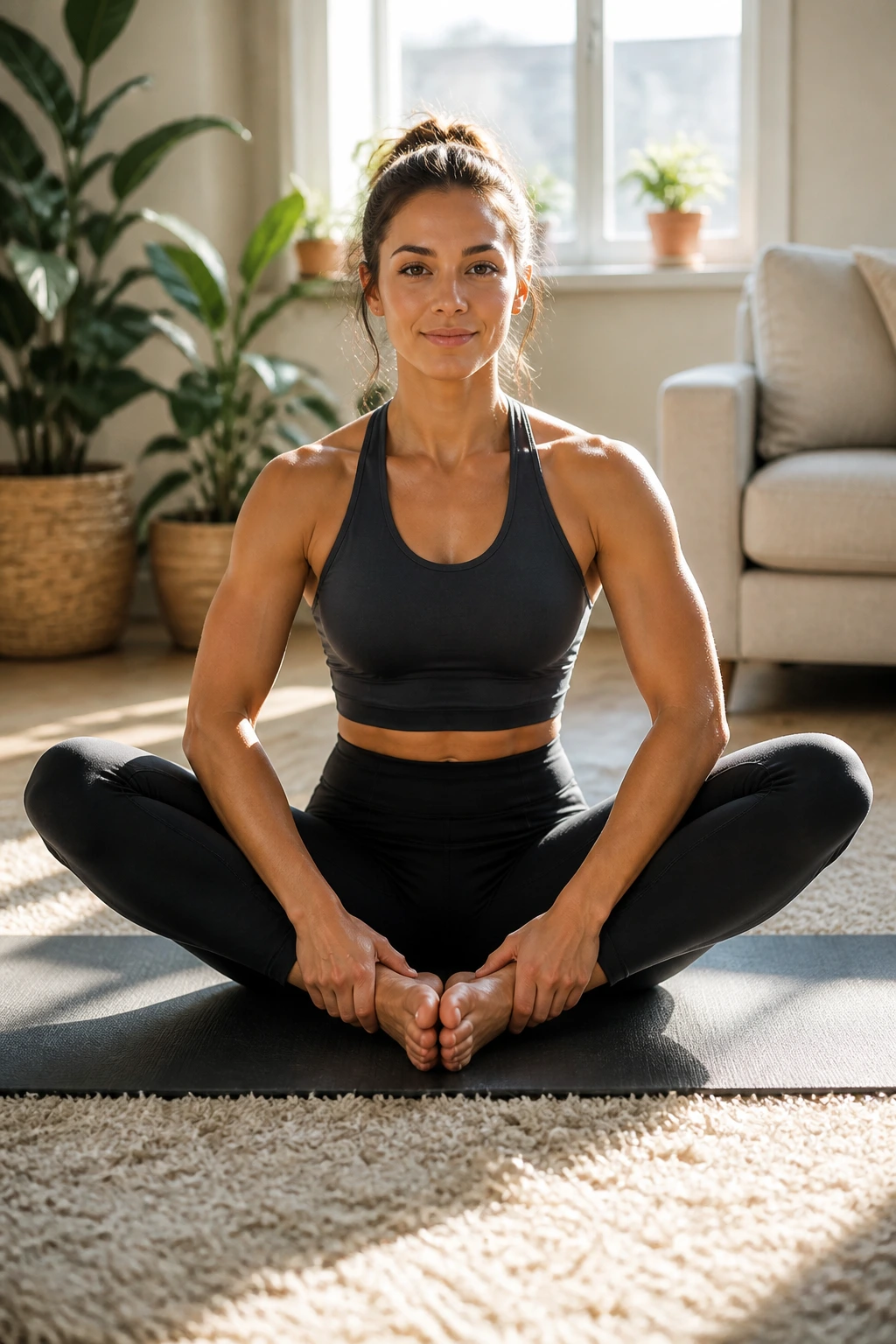
This is a classic for a reason, but most people do it wrong by hunching over and pulling on their toes. Sit tall with the soles of your feet together and your knees falling open toward the floor.
Anatomy of the Stretch
Place your hands on your ankles—not your toes—and use your elbows to gently press down on your inner thighs. Keep your chest proud and your back flat. The goal is to fold at the hip crease, not to round your spine toward your feet.
If your knees are high in the air, you are likely fighting against tight adductors and a lack of external rotation. Do not force them down. Place a yoga block or a thick book under each knee to give them a target. This allows the muscles to relax because they are not constantly trying to catch your legs before they fall.
5. World’s Greatest Stretch
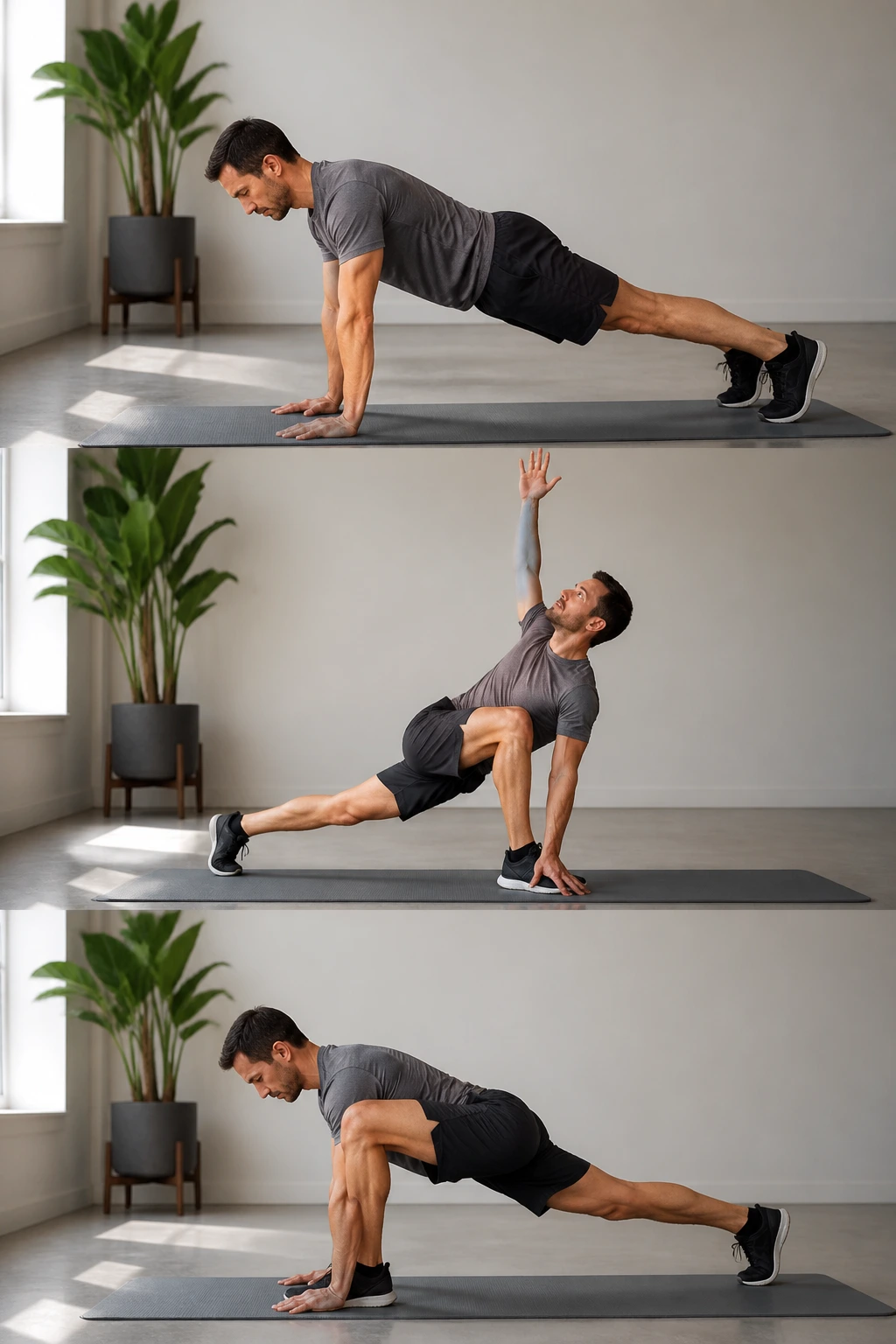
This move earns its name because it hits the hips, thoracic spine, and hamstrings simultaneously. It is an ideal warm-up before a workout or a quick mobility session after a long day of sitting.
Start in a high plank position. Step your right foot forward and place it on the outside of your right hand. This deep lunge position already opens the left hip flexor. Now, take your right hand, reach it down toward your instep, and then rotate your torso as you reach that same hand up toward the ceiling, following it with your eyes.
You are effectively combining a lunge, a hip stretch, and a spinal twist in one fluid motion. Perform five repetitions on each side, lingering for a second at the top of the twist to really open up the chest and thoracic spine.
6. Cossack Squats
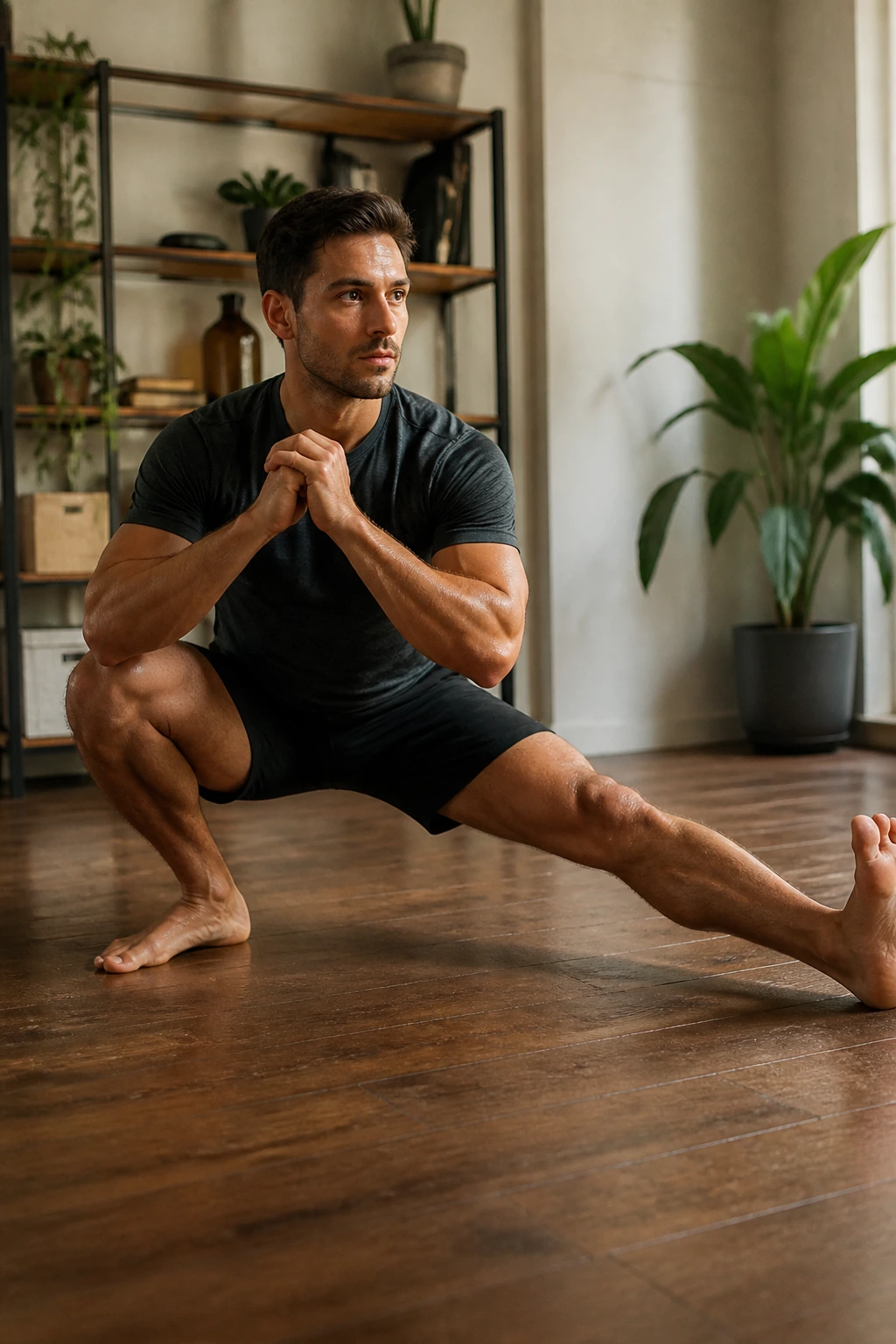
Cossack squats move the hips through the frontal plane, which is often neglected in standard forward-and-back training. Stand with your feet much wider than shoulder-width apart.
The Mechanics of the Squat
Shift your weight to one side, bending that knee into a deep side lunge while keeping the other leg completely straight. Flex the toes of your straight leg toward the ceiling. Your heel should stay glued to the floor on the bending leg.
If you struggle with balance, hold onto a sturdy piece of furniture or a doorframe. This isn’t about how low you can go; it’s about controlling the lateral movement. The stretch you feel in the inner thigh of the straight leg is the prize here. Focus on pushing your hips back as if you were sitting into a chair on one leg.
7. Glute Bridges
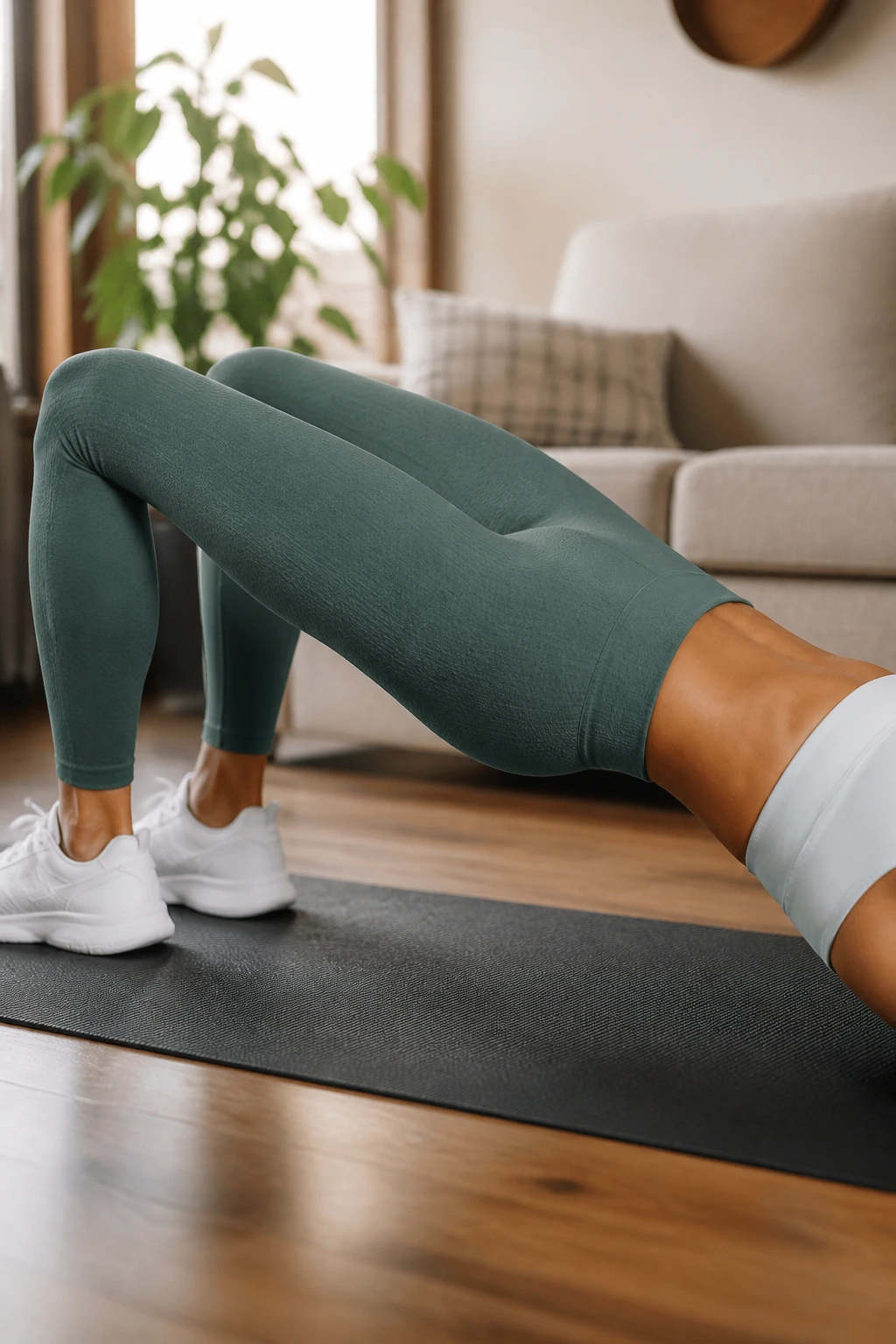
The glutes are the primary stabilizers of the hip. When they are weak, the hip flexors tighten up to compensate. A simple glute bridge fixes this imbalance. Lie on your back with knees bent and feet flat on the floor.
Activating the Muscles
Push through your heels to lift your hips toward the ceiling. At the top of the movement, squeeze your glutes hard. Do not use your lower back to drive the height; if you feel your back arching, your core is not engaged enough.
Variation: To target the hip stabilizers even more, place a resistance band just above your knees. As you lift, actively push your knees outward against the band. This addition fires up the glute medius, which is essential for healthy, pain-free hips. Aim for three sets of fifteen reps.
8. Fire Hydrants
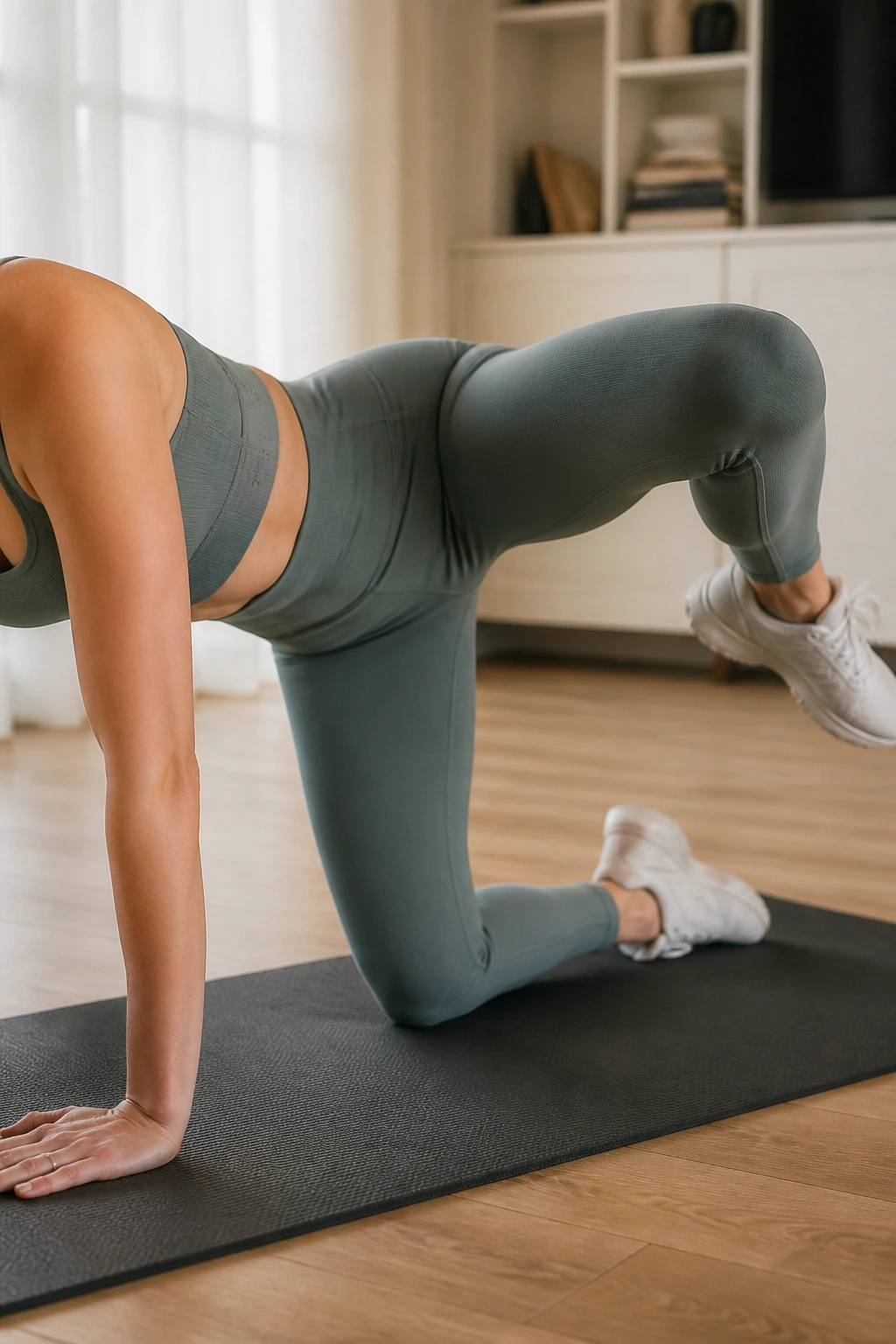
This exercise is excellent for improving hip abduction and activating the deep external rotators. Get on your hands and knees, keeping your wrists under your shoulders and knees under your hips.
Keeping your knee bent at a 90-degree angle, lift one leg out to the side like a dog at a fire hydrant. The key is to keep your torso perfectly still—do not let your hips rotate or your back dip as you lift the leg.
If you feel like you are tipping your entire body to the side to get the leg higher, you are cheating the movement. Focus on the range of motion within the hip joint, even if that means your leg doesn’t lift very high. The burn should be concentrated right in the side of your hip and glute.
9. Hip Circles (All-Fours)
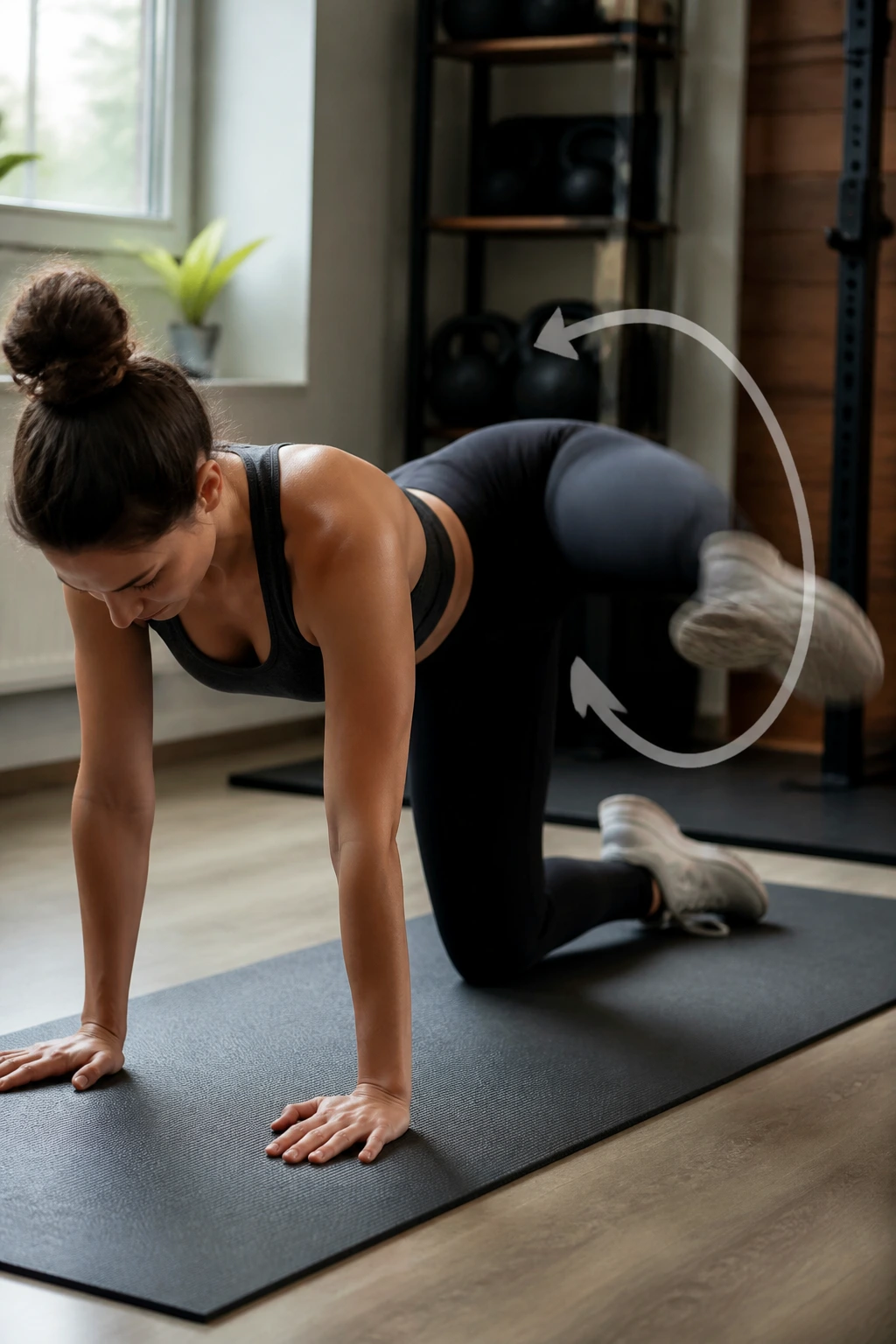
This is a dynamic way to “grease” the hip joint and improve overall mobility. Start in an all-fours position. Lift one knee off the floor and begin to draw large, controlled circles in the air.
Why It Matters
Go forward, out to the side, and then back, drawing a giant circle with your knee. You are moving the femur within the hip socket, which helps lubricate the joint. Do ten circles in one direction, then switch to the other direction.
You will likely hear some clicking—as long as it is painless, this is usually just gas bubbles in the joint or tendons gliding over bone. It is perfectly normal. If it is painful, reduce the size of the circle. This exercise reveals exactly how “rusty” your hip joint feels.
10. Leg Swings
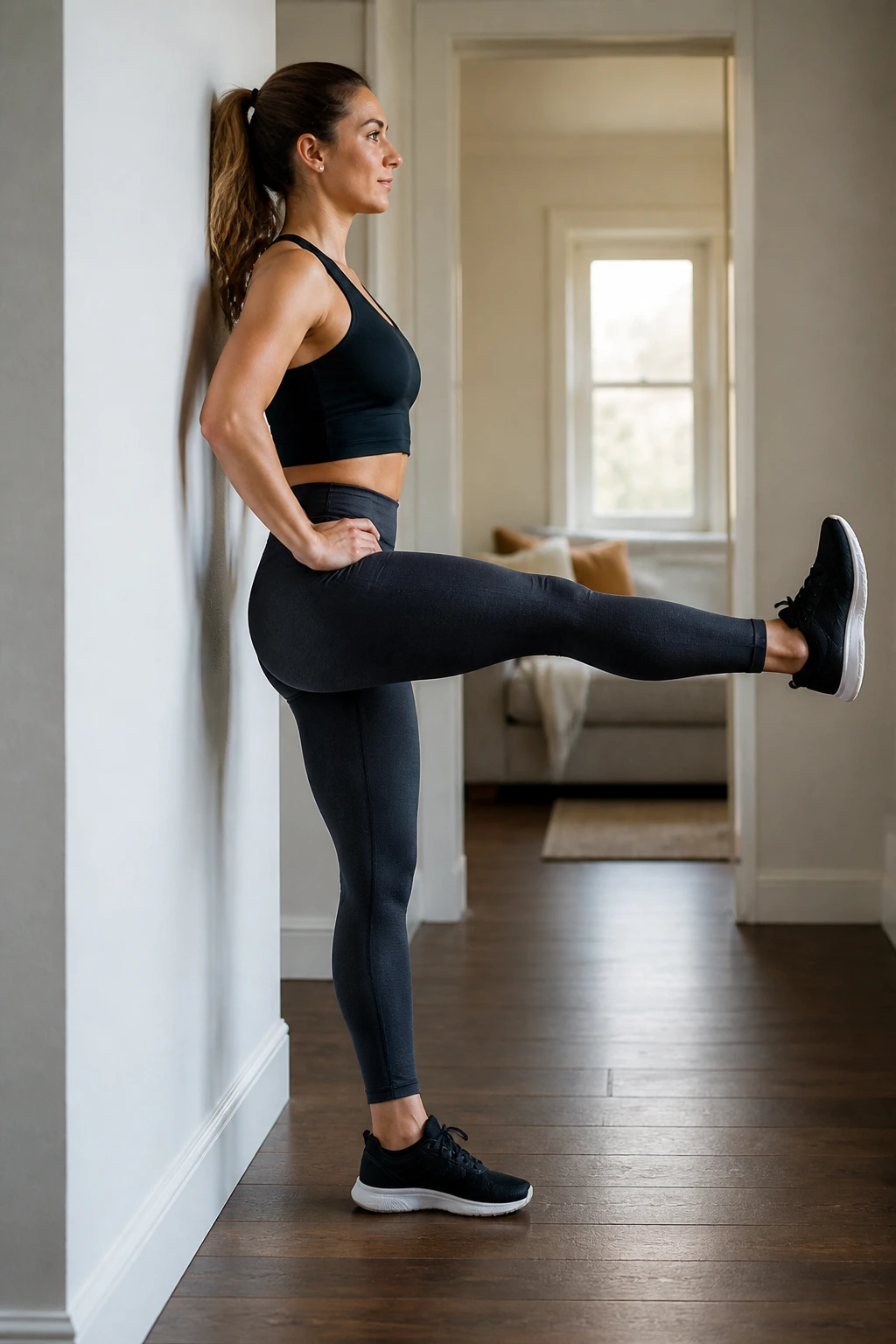
Dynamic motion is often better than static holding for tight hips. Leg swings get the hip joint moving through its full range of flexion and extension without putting excessive strain on the tissue.
Stand near a wall or a stable surface for support. Swing one leg forward and backward in a controlled arc. Keep your torso upright—do not lean forward as the leg goes back. You want the movement to come entirely from the hip, not the lower back.
Perform twenty swings per leg. Then, turn to face the wall and swing your leg side-to-side across your body. This targets the abductors and adductors. This is a staple in most athletic warm-ups because it wakes up the hip capsules without fatiguing the muscles.
11. Kneeling Hip Flexor Stretch
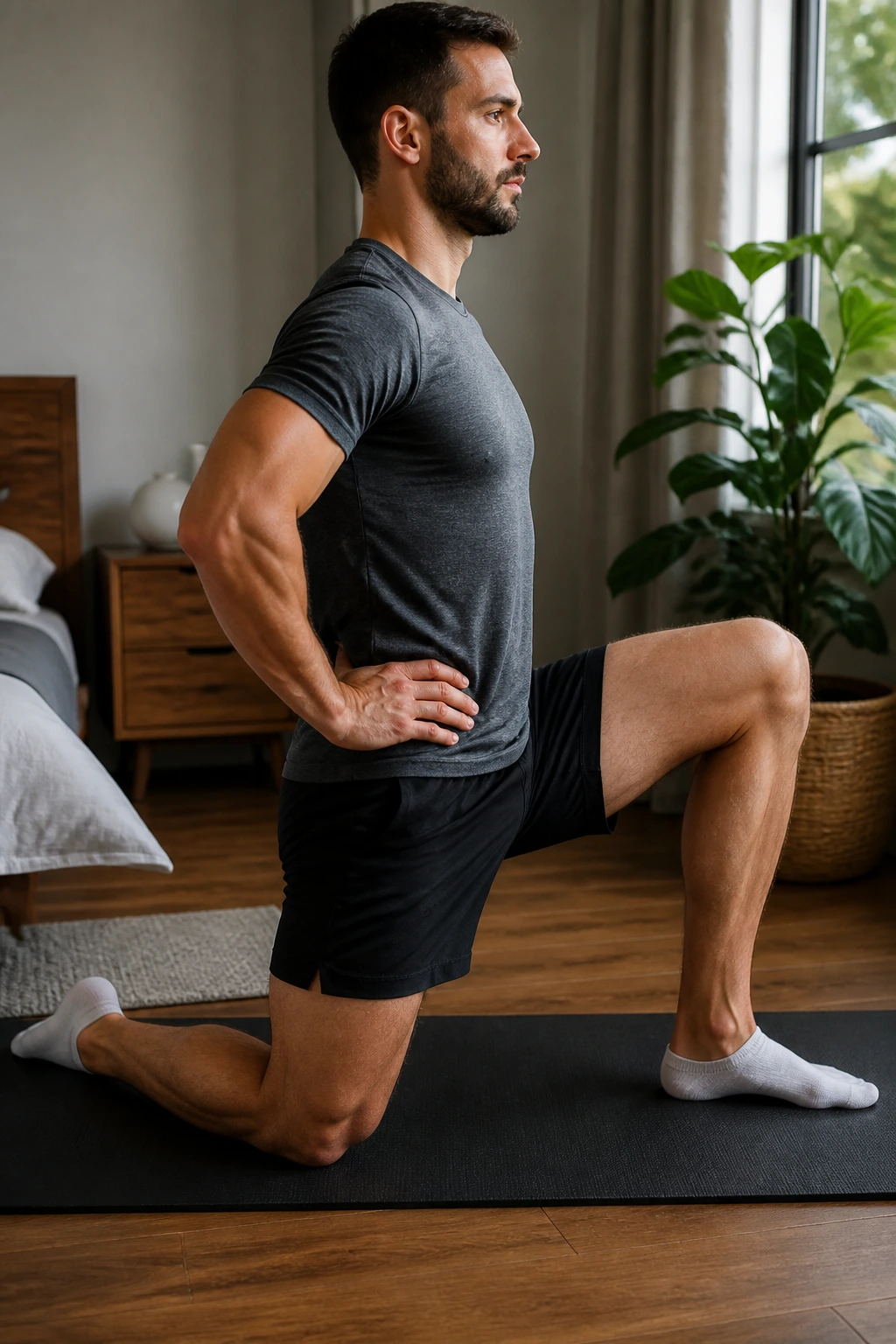
If you sit for a living, your hip flexors are likely tight. This move is the most direct way to reverse that position. Kneel on one knee, with the other foot flat on the floor in front of you.
Getting the Setup Right
Tighten the glute of the kneeling leg. This is the secret ingredient—by squeezing that glute, you force the hip flexor on that side to relax and lengthen. Lean your torso forward slightly, but keep your back straight.
Do not arch your lower back to get a deeper stretch. That is a common mistake that actually takes the tension off the hip flexor and puts it into your lumbar spine. Keep your pelvis tucked under, almost like you are trying to pull your belly button to your chin.
12. Sumo Squat Hold
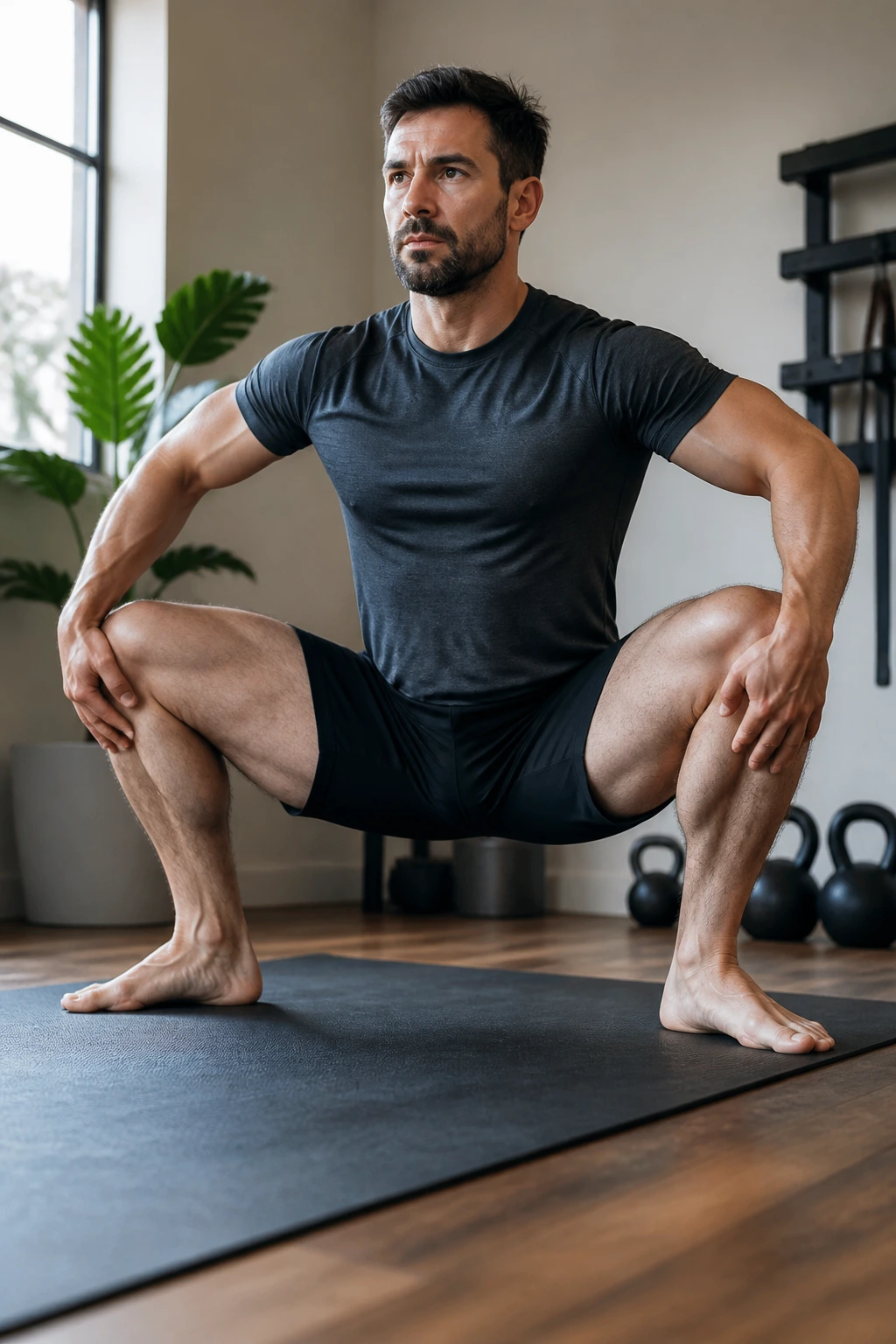
The sumo squat gets your hips into a deep, abducted position and forces you to maintain active tension. Stand with your feet wider than shoulder-width, toes turned out about 45 degrees.
Lower your hips into a deep squat. Aim for your thighs to be parallel to the floor, or slightly lower if your mobility allows. Place your hands on your inner thighs and gently press them open.
The Power of Isometrics
Hold this position. The burning sensation you feel is your muscles learning to hold strength at an end-range position. That is how you build true mobility rather than just flexibility. Flexibility is just the ability to be passive; mobility is the ability to control your body at those extremes. Stay here for thirty to sixty seconds, breathing deeply.
13. Couch Stretch
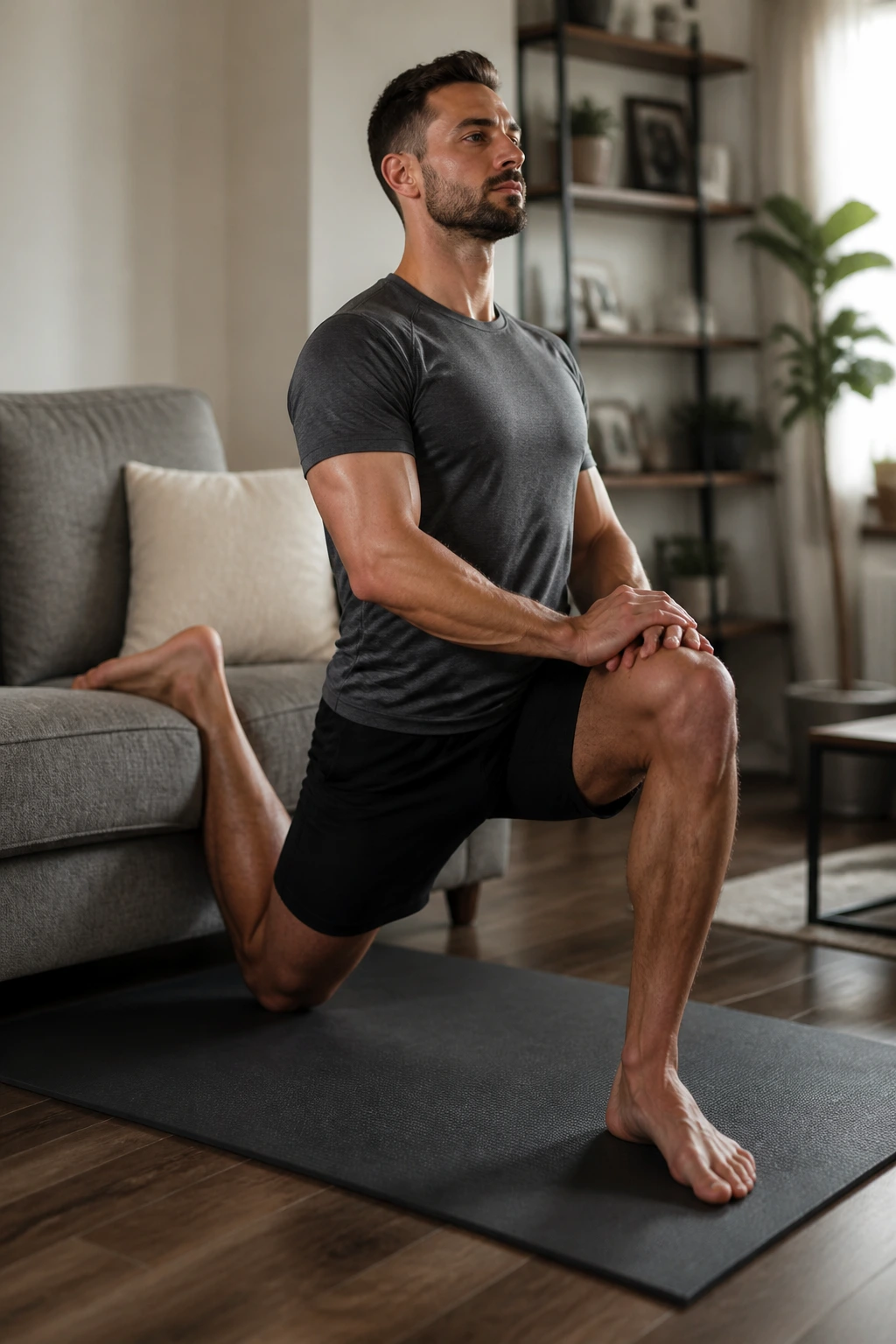
This is not for the faint of heart, but it is incredibly effective for anyone with severe hip flexor or quad tightness. Place one knee on the floor or a mat, and put the shin of that same leg up against a wall or the cushion of a couch.
The other foot should be planted in front of you in a lunge position. If you can, bring your torso to an upright position. The further your knee is back toward the wall, the more intense the stretch will be.
It is common to feel like you want to hold your breath here—do the opposite. Breathe long, slow exhales to tell your nervous system that you are safe in this extreme position. This is the “nuclear option” for tight hip flexors and should be treated with patience.
14. Dead Bug (Hip Focus)
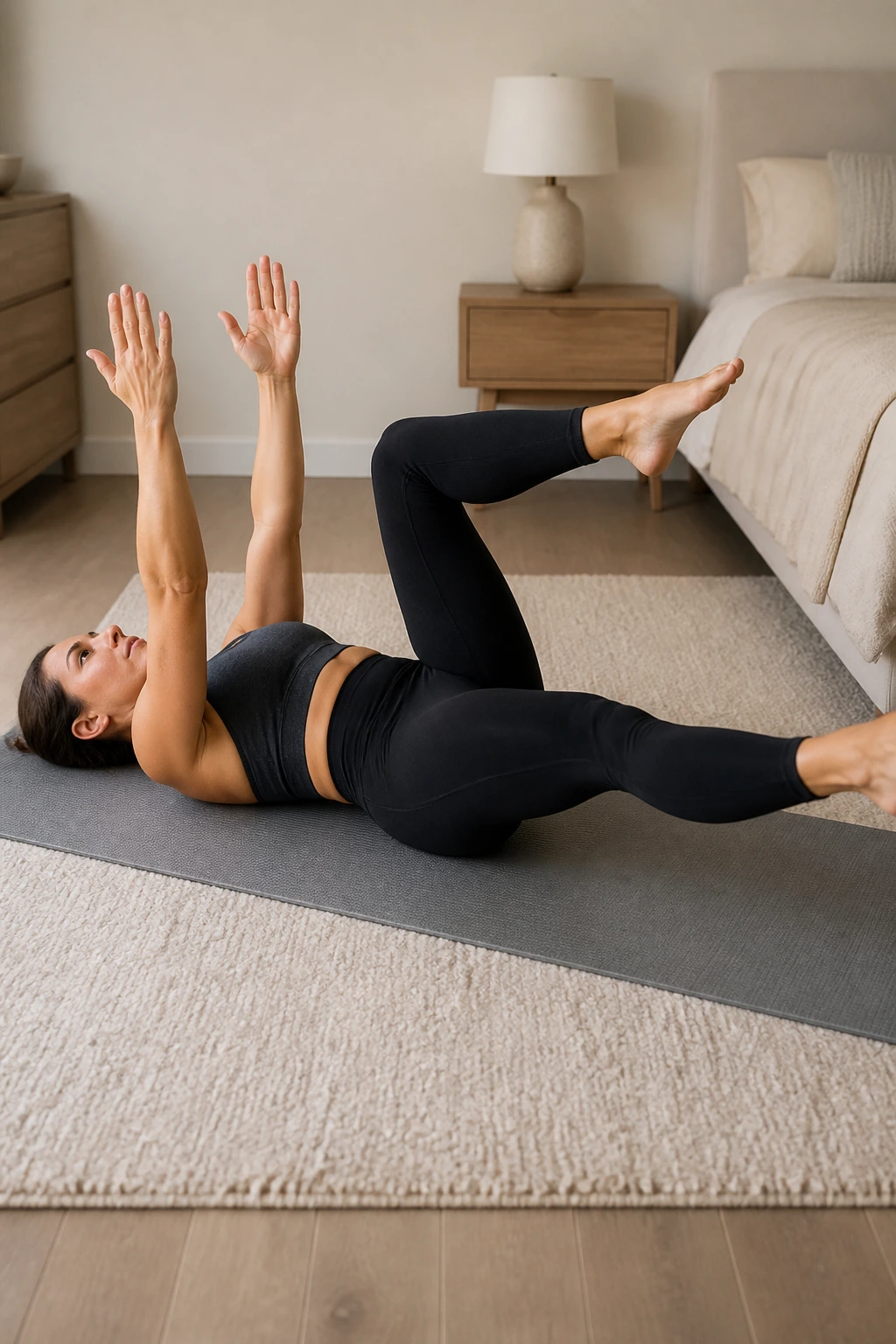
The dead bug is often touted as a core exercise, but when done with slow, intentional control, it is a brilliant way to build hip stability while lying down. Lie on your back, arms reaching toward the ceiling, knees bent at 90 degrees above your hips.
Coordination and Control
Slowly lower one leg toward the floor, tapping your heel, while keeping your lower back pressed firmly into the ground. If your back arches, you have gone too far or your core is not ready for that range of motion.
The goal is to maintain dissociation between the hip and the spine. You want your hip to move while your lower back remains an unmoving, stable anchor. This trains your hips to move independently, which is a major factor in reducing chronic hip tension.
15. Side-Lying Clamshells
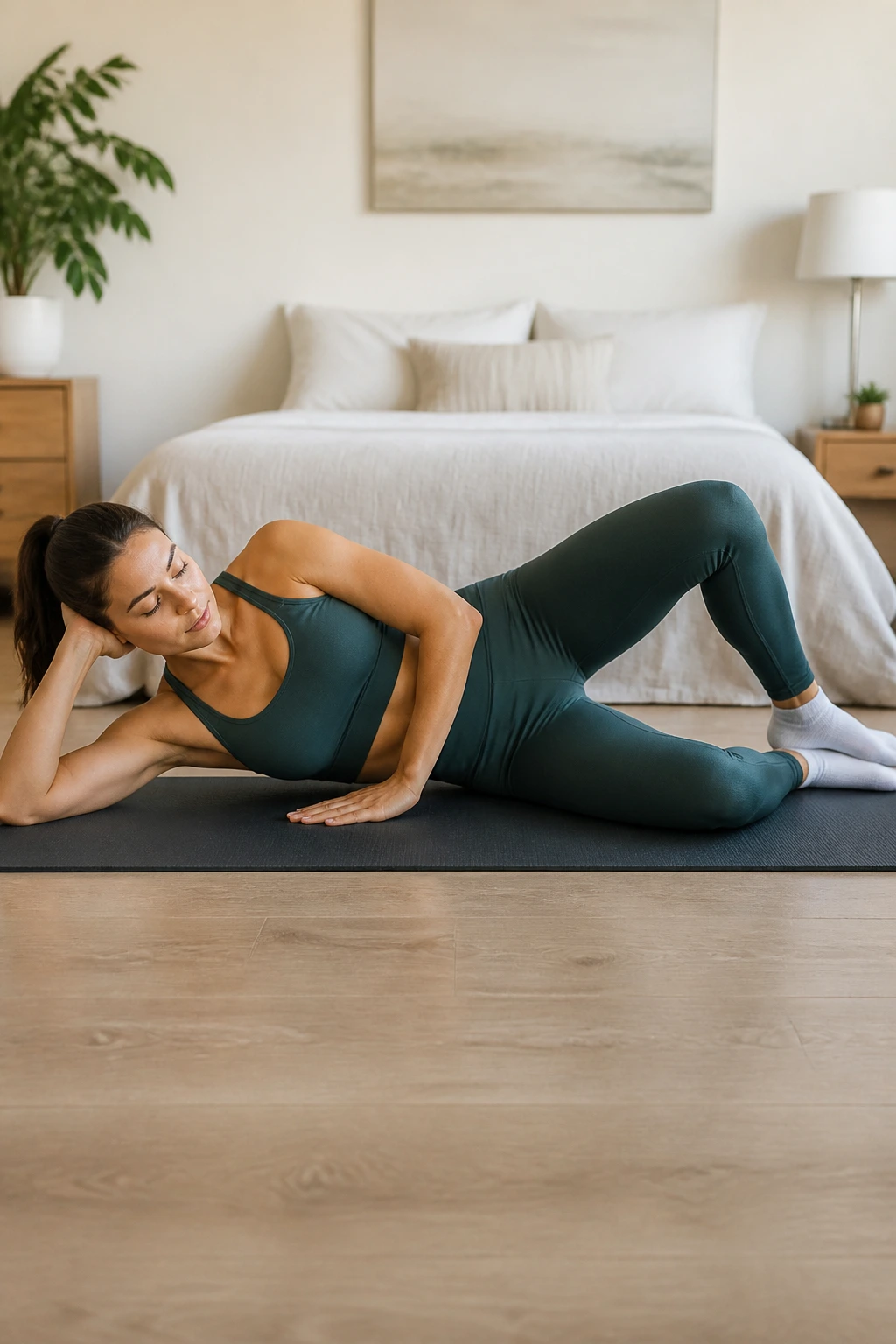
Weak glutes are a primary cause of hip pain because they cause the hip to rotate inwardly, leading to all sorts of alignment issues. Clamshells are the most direct way to isolate the glute medius and fix this.
Lie on your side with your hips stacked, knees bent at 90 degrees. Keeping your feet touching, open your top knee like a clam shell. Do not let your pelvis roll backward as you open the knee.
The Small Muscle Movement
You should feel this in the meaty part of your hip, right near the pocket of your pants. If you feel it in your lower back or hip flexor, readjust your position. Aim for 20 reps per side. It’s a small, subtle movement, but the effect on hip stability is profound.
16. Figure-Four Stretch
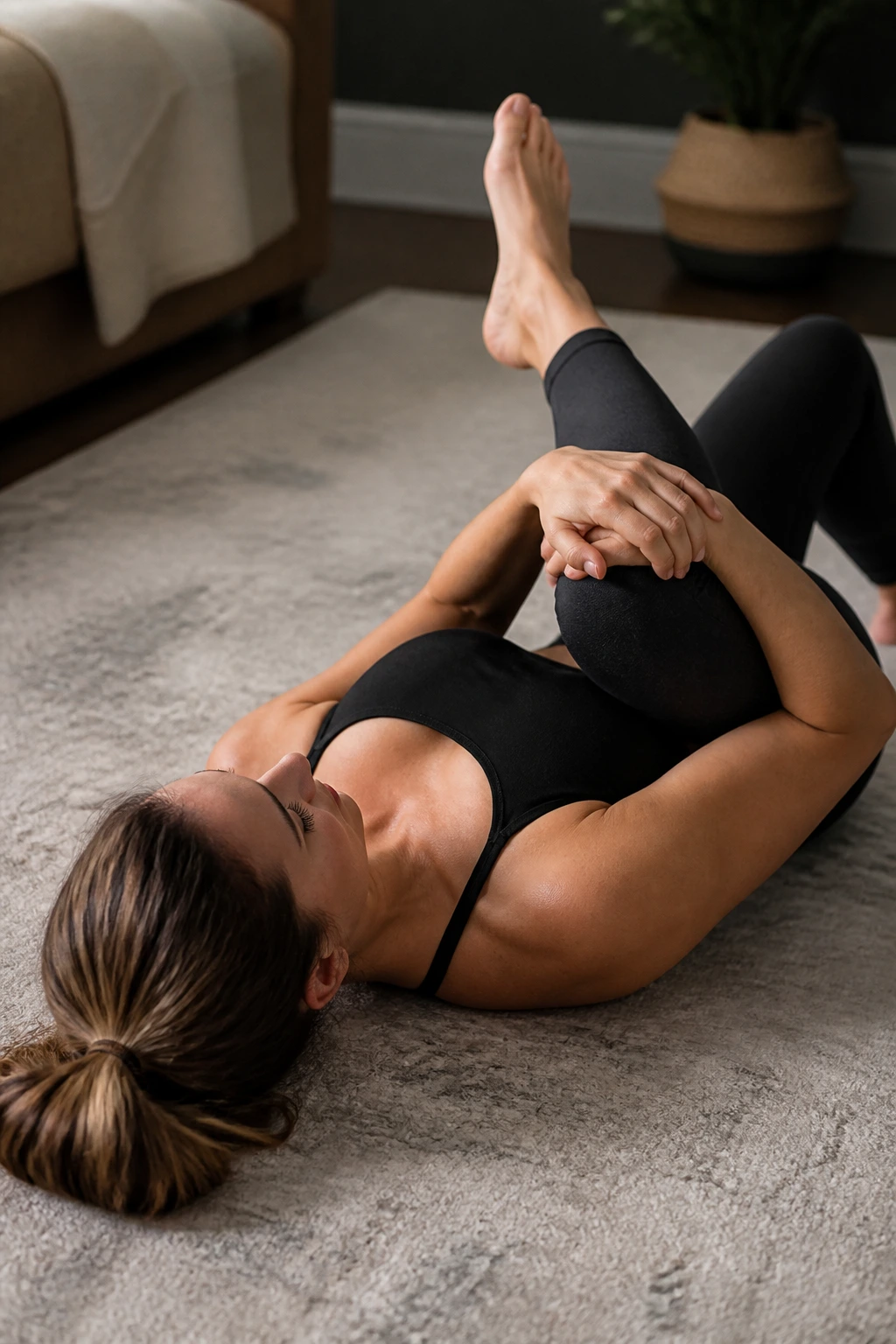
This is the ultimate move for tight piriformis muscles—that pesky muscle deep in the glute that can cause sciatic-like pain if it gets too tight and compresses the nerves. Lie on your back, knees bent, feet flat.
Cross your right ankle over your left knee. Reach through the gap between your legs and grab the back of your left thigh. Gently pull both legs toward your chest.
You should feel a deep stretch in your right glute. Keep your head and shoulders relaxed on the floor. If pulling your leg causes your shoulders to hunch, you are pulling too hard. Use a towel or a strap around your left thigh if your arms aren’t long enough to reach comfortably.
17. Gate Openers
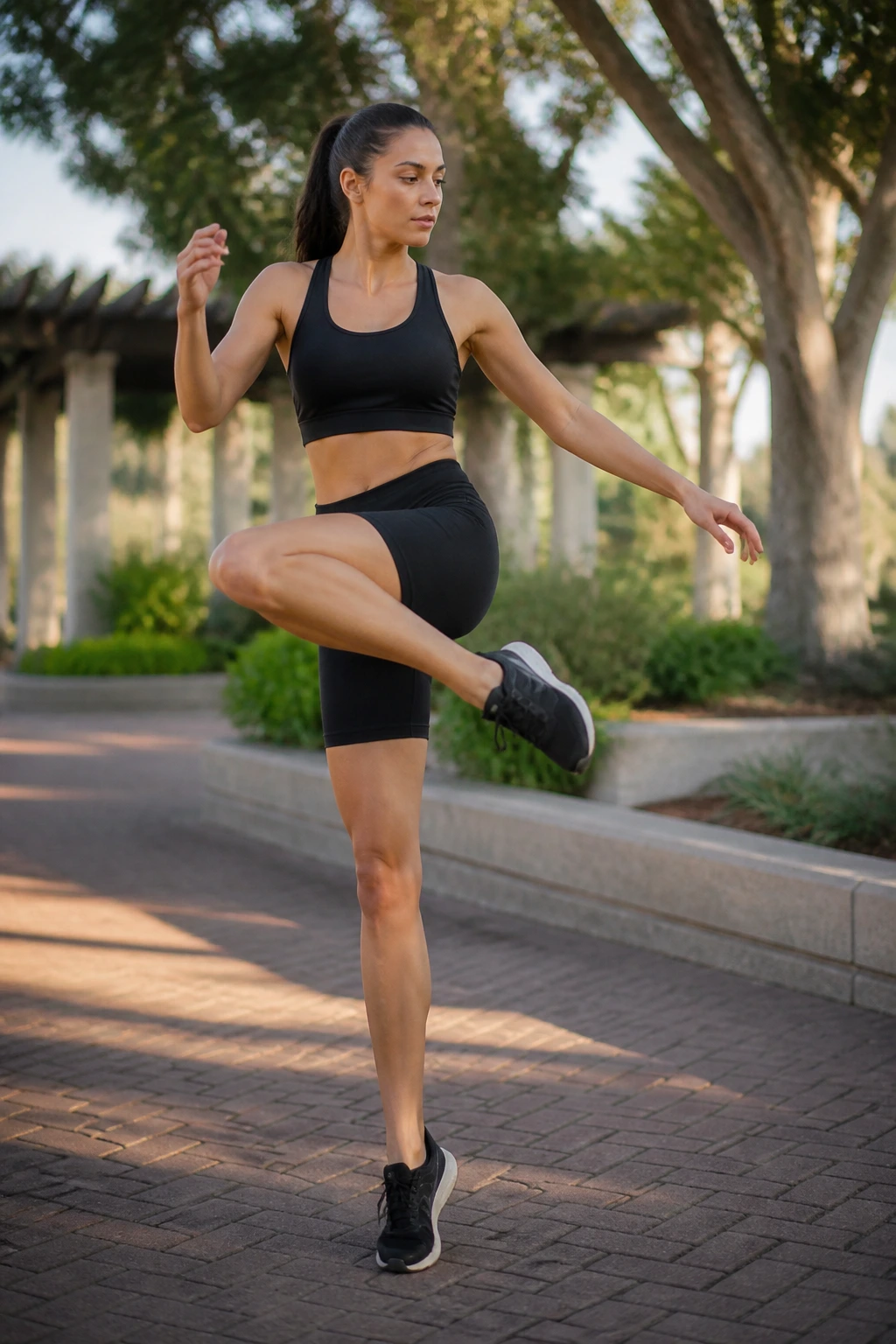
Gate openers are a dynamic way to work on hip internal and external rotation simultaneously. Stand tall, and lift one knee up toward your chest, bending it at 90 degrees.
Moving Through Space
Now, rotate that knee out to the side, drawing a big circle in the air as if you were stepping over a high gate. Return the leg to the front, then place it back on the floor.
Alternate legs. This move is fantastic for loosening the hip joint before you go for a run or hit the squat rack. It forces you to balance on one leg while moving the other, which lights up the core stabilizers as well. Do ten per side and feel the warmth spread through the hip joint.
18. Lunge with Twist
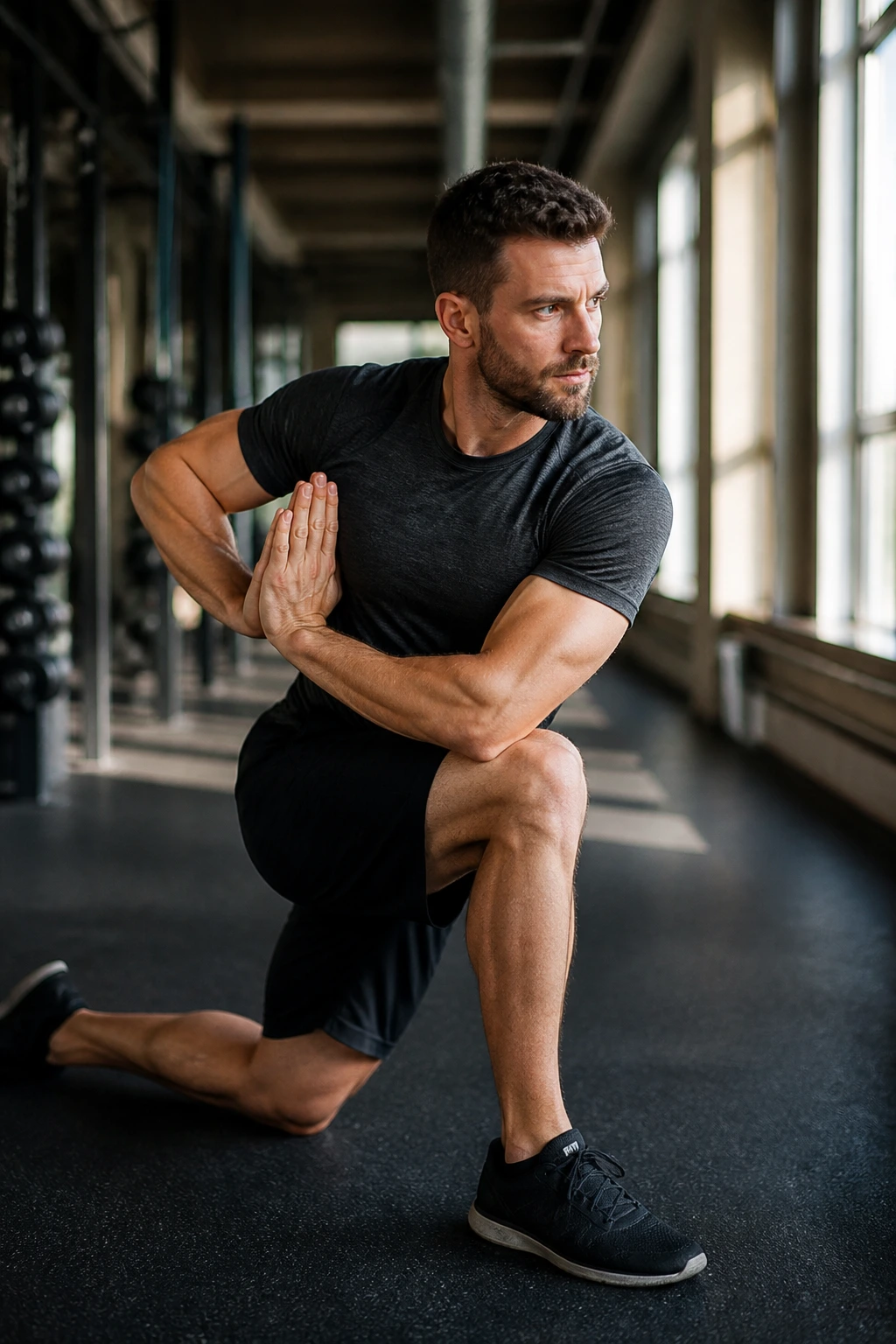
Lunges are a staple, but adding a thoracic twist turns them into a total-body mobility powerhouse. Step forward into a lunge. As you sink into the stretch, rotate your torso toward the side of the front leg.
Adding the Twist
If your right foot is forward, twist your chest to the right. This requires the hips to stabilize against the rotational force, which is exactly what happens when we walk, run, or climb stairs.
Focus on keeping the front knee tracking directly over the toes. Do not let it cave inward—that’s a sign that your glutes aren’t holding the position. This move is brilliant for opening up the tight muscles that connect the hips to the ribcage.
19. Deep Squat (Malasana)
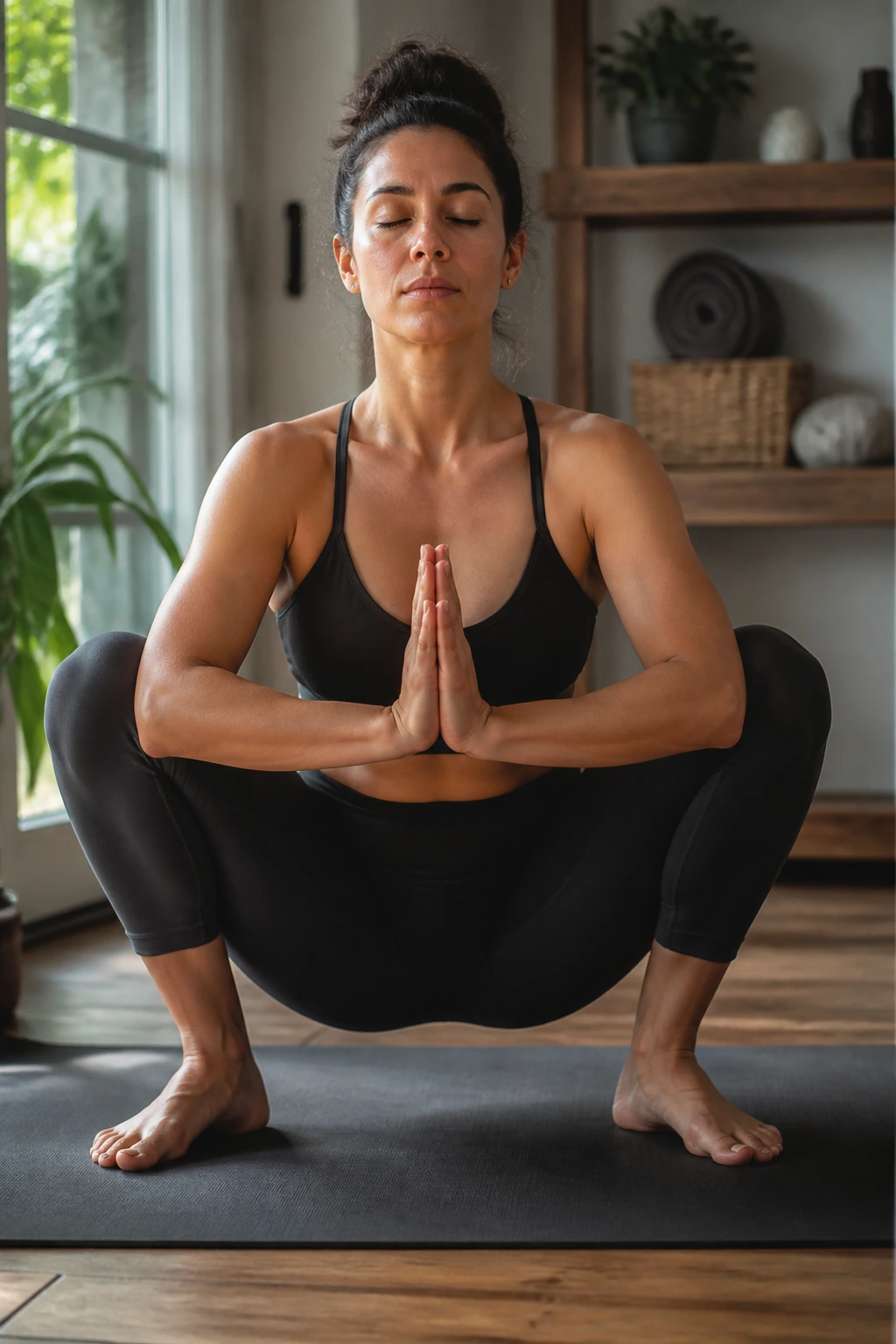
The deep squat is a natural human resting position that most of us lose by adulthood. Squat down with your feet slightly wider than shoulder-width, toes turned slightly out.
If you can, get your heels flat on the ground. If they lift, hold onto a table leg or place a rolled-up towel under your heels. Bring your hands into a prayer position and use your elbows to push your knees out.
Finding the Bottom Position
Stay here. Do not fidget. Breathe. This position tractionizes the hip joint, creating space within the socket. It is the most effective way to test your hip mobility. If you cannot reach the bottom, it is a sign that your ankles, hips, or thoracic spine have some work to do.
20. Shin Box Rotations
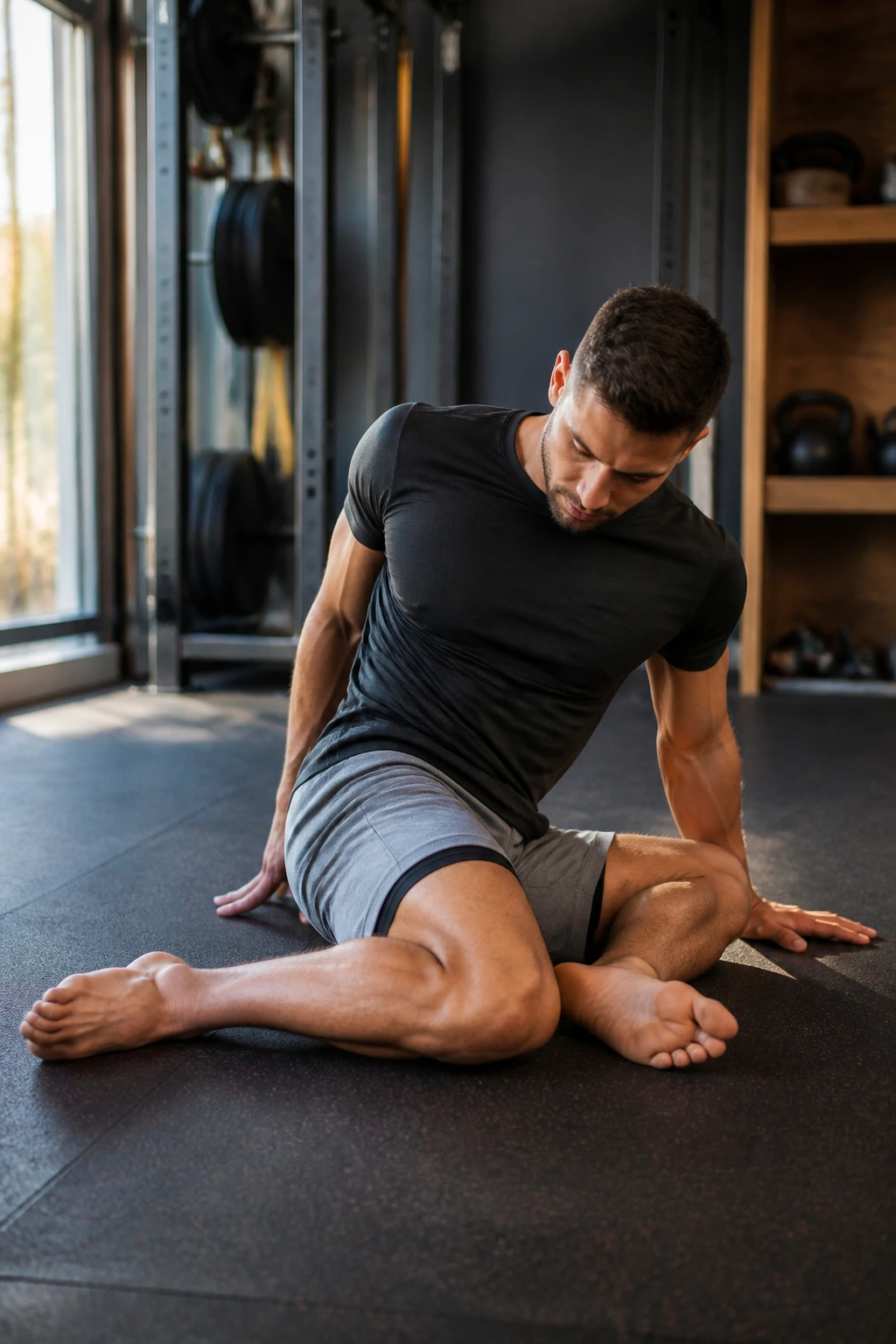
This is similar to the 90/90 switch but allows for a bit more freedom of movement. Start in the same seated 90/90 position. Instead of just switching, lean your torso forward over the front shin, feeling the stretch in your glute.
Transitioning Through the Box
Then, rotate your torso toward the back leg, placing your hands on the floor behind you for support. You are essentially circling your torso around your hips.
This helps you find the “hidden” tight spots in your hip capsule. Some angles will feel totally fine, while others will feel like a brick wall. Spend time in the positions that feel the tightest—that is where the magic happens. Move slowly and breathe through the discomfort.
21. Standing Hip Abduction
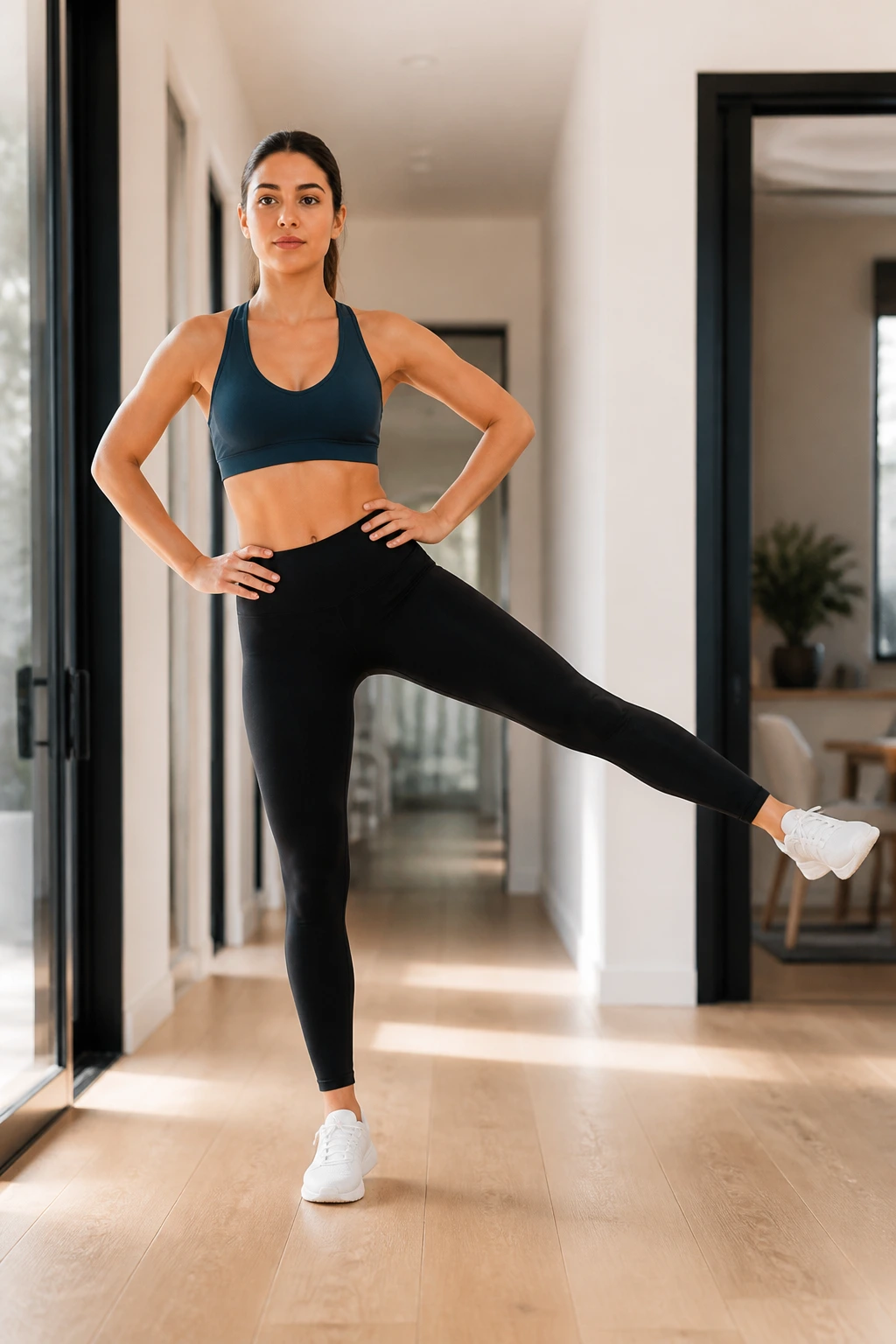
Often, we focus on moving forward and backward, but the hips need lateral movement to stay healthy. Stand straight, maybe holding onto a wall for balance if you need it.
Isolated Movement
Lift one leg out to the side while keeping your toes pointed forward. Keep your torso completely vertical. Do not lean your body in the opposite direction to compensate; the movement should come entirely from the hip socket.
You will feel this in the side of your hip—the glute medius again. This muscle is responsible for keeping your pelvis level when you walk. If you are weak here, your hips will sway every time you take a step, which can cause significant lower back pain.
22. Lizard Pose
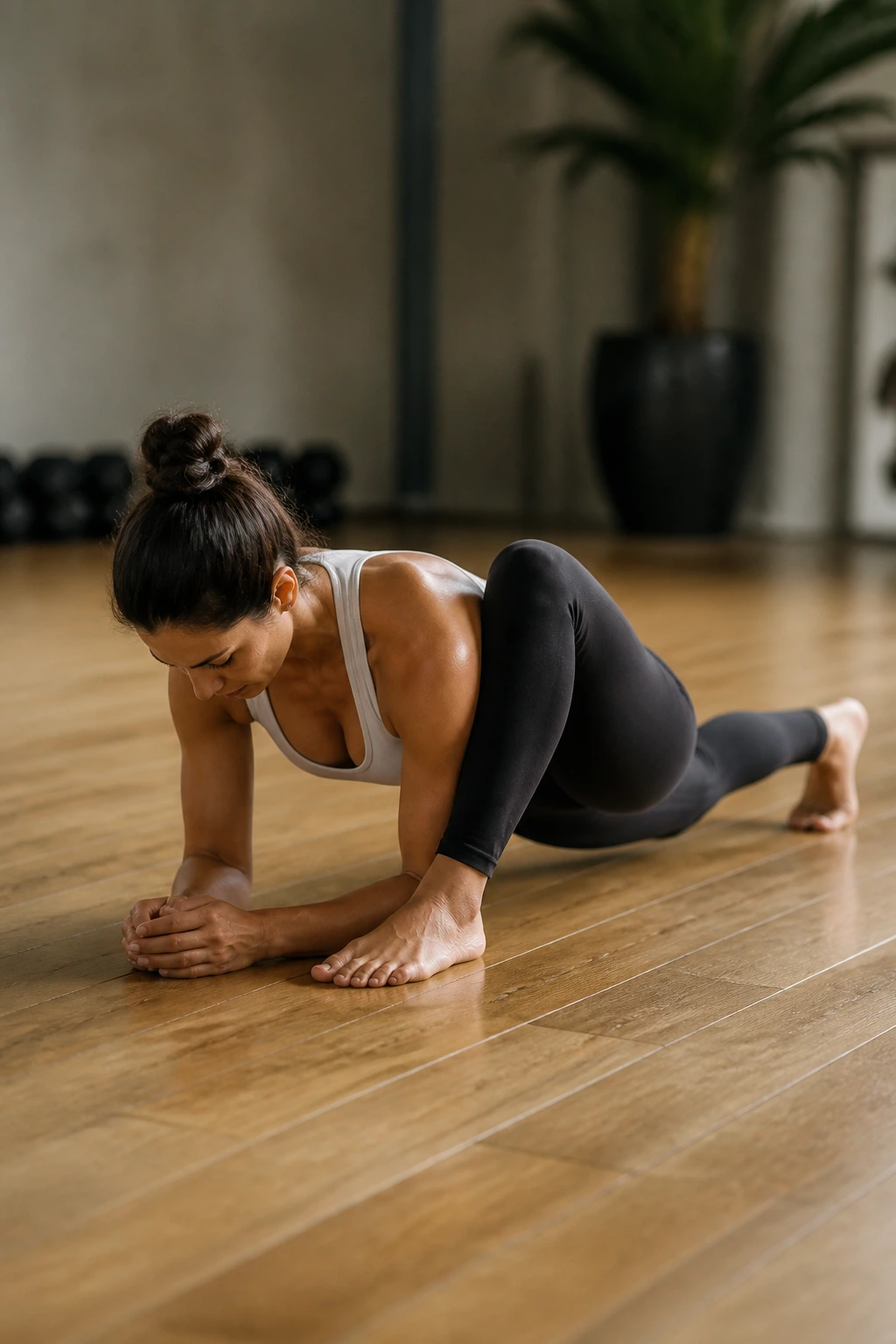
Lizard pose is an aggressive but rewarding stretch that targets the deep hip flexors and the groin area. From a high lunge position, place both hands on the inside of your front foot.
Deepening the Stretch
If you have the mobility, lower yourself down onto your forearms. Keep your back leg straight and strong—don’t let the back knee touch the floor. You are effectively trying to put your shoulder under your front knee.
This is a deep, intense stretch. If it feels like too much, stay up on your palms. The goal is to open the hips, not to torture yourself. If your front heel starts to lift off the floor, keep your foot planted and just go as deep as you can maintain that contact.
23. Pigeon Variation (Seated)
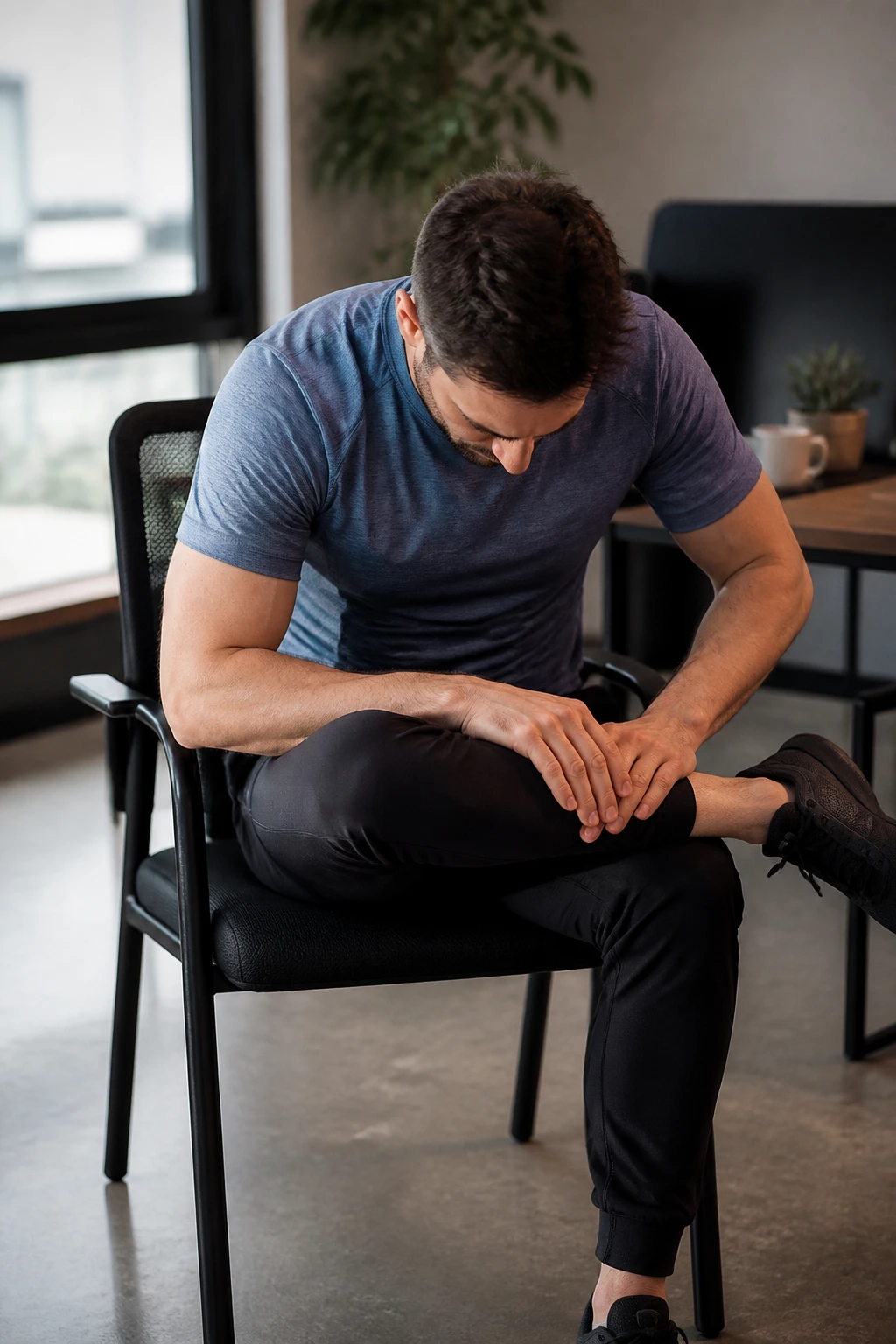
If getting down to the floor is a struggle or if your knees aren’t quite ready for the traditional pigeon pose, the seated version is a perfect alternative. Sit on a sturdy chair with both feet flat on the floor.
The Office-Friendly Option
Cross your right ankle over your left knee, creating a “four” shape. Keep your back straight, hinge forward at your hips, and lean your chest toward your shin. You will feel a strong pull in your right glute.
This is the perfect move to do at your desk. You can hold it for thirty seconds while you read emails or make a phone call. It keeps the hips from seizing up during a long workday without requiring you to clear a space on the floor.
24. Bear Crawl (Hip Focus)
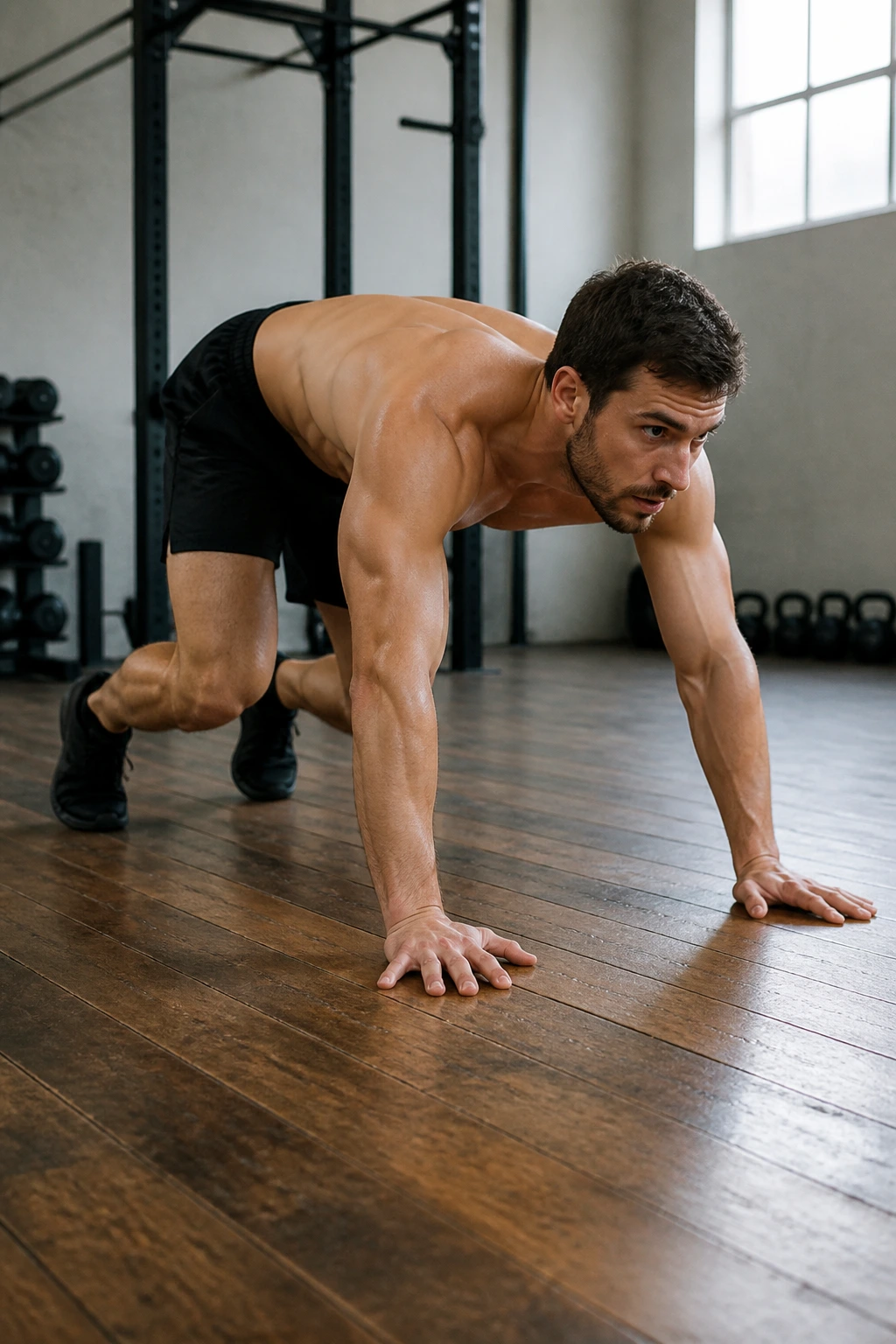
The bear crawl is a functional movement that forces the hips to work in coordination with the rest of the body. Get on your hands and toes, knees hovering just an inch or two off the floor.
Moving With Purpose
Keep your back flat like a table. Crawl forward by moving the opposite hand and opposite foot at the same time. Focus on keeping your hips level—don’t let your butt shoot up into the air.
This move requires significant hip flexion and control. It’s an active way to build mobility because you have to use your hip muscles to hold your position while you move through space. Just thirty seconds of bear crawling will make you realize exactly how much tension your hips are carrying.
25. Cossack to Lunge Flow
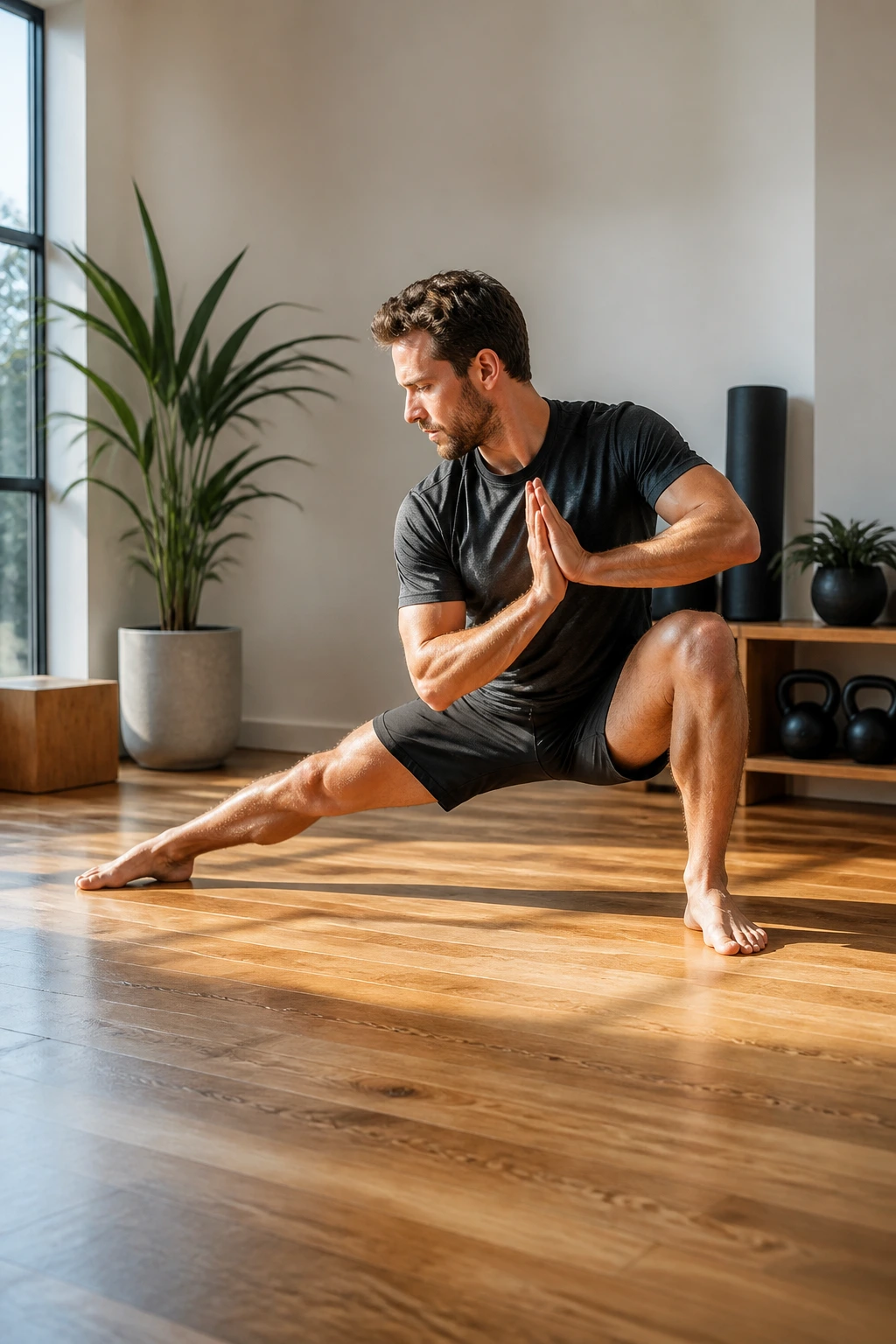
To finish your routine, combine a few movements into a flow. Start in a wide stance. Sink into a Cossack squat on your right side.
Putting It All Together
From the bottom of that squat, pivot your torso and feet to transition into a deep forward lunge on that same side. From the lunge, push back to the center and switch to the left side.
This is a “flow” movement, meaning you should keep the transitions smooth and fluid. It trains your hips to move through different planes of motion without stopping. It’s the closest thing to “real world” hip usage you can do, where you are constantly transitioning from one angle to another.
Final Thoughts
Hip mobility is not a destination; it is a practice. You will not solve a decade of sitting at a desk with one session. You will, however, notice a difference after a few weeks of consistent, intentional work.
If you are feeling overwhelmed, pick three exercises from this list—perhaps a glute bridge for activation, a kneeling hip flexor stretch for length, and 90/90 switches for rotation—and do them every single day. That tiny investment of five minutes will pay massive dividends in how you move through the world. Pay attention to how your hips feel when you wake up, how they move when you walk, and where you hold tension. Your body is trying to talk to you through that tightness; listen to it, and give it the movement it craves.
