



Dry chicken and broccoli keeps showing up in fat-loss meal plans, and I’d be happy never to see that pairing pushed as the only smart post workout meal for fat loss again. What you eat after training does matter, but not because you need some magical “anabolic” snack in the next 11 minutes. It matters because the right meal helps you recover, keeps hunger under control, and makes it easier to stay in a calorie deficit without feeling wrecked.
That’s the part people miss. A post-workout meal that’s too small can leave you prowling the kitchen an hour later. A meal that looks clean on Instagram but hides 4 tablespoons of nut butter, a pile of granola, and a “healthy” drizzle of honey can wipe out the calorie gap you were trying to build. The useful middle ground is less glamorous and far more effective.
For most active people, that middle ground looks like 20 to 40 grams of protein, 20 to 50 grams of carbs, and enough food volume to take the edge off hunger. Lift hard for 75 minutes? You’ll usually want more carbs. Finish a shorter session and head back to a desk? A lighter plate often lands better.
I judge post-training meals by one question: do they help you recover without turning into a reward feast? The 20 ideas below do exactly that, and a few of them are the kind of repeat meals that make fat loss feel steady instead of miserable.
A Balanced Post Workout Plate for Fat Loss
Fat loss is not the same thing as under-fueling. If your post-workout meal is missing protein, skimpy on carbs, and tiny enough to fit in a coffee mug, you’re not being disciplined. You’re setting yourself up for poor recovery, flat training sessions, and the kind of rebound hunger that sends calorie intake soaring later in the day.
The easiest way to build a useful plate is to think in three parts: lean protein, smart carbs, and produce. Protein does the muscle-repair work. Carbs help refill glycogen, which matters more than people admit if you train hard or train again within a day. Vegetables or fruit add volume, fiber, and a bit of breathing room so the meal feels like a meal.
Protein first, then build around it
A solid target is 25 to 35 grams of protein in one sitting. That could be 5 ounces of chicken breast, 1 cup of Greek yogurt plus whey, 1 can of tuna with cottage cheese, or a tofu-and-edamame combo if you eat plant-based. Higher-protein diets tend to do a better job of preserving lean mass during fat loss, which matters if you want the scale to move down without ending up softer and weaker.
Carbs are not the enemy here
Post-workout carbs got unfairly dragged into the low-carb wars. Unless you feel better training low-carb and recover well that way, 20 to 50 grams of carbs after exercise usually makes life easier. Oats, potatoes, fruit, rice, beans, lentil pasta—pick the one your stomach likes.
Keep fats moderate
Fat isn’t bad after training. A giant handful of nuts, thick peanut butter pours, and restaurant-sized avocado portions can push a 350-calorie meal to 700 without much warning. Around 10 to 15 grams of fat often works well if fat loss is the goal and you still want the meal to digest smoothly.
And yes, if you hate meal-prep containers on sight, cold options work fine.
How 25 to 35 Grams of Protein Changes Your Recovery Meal
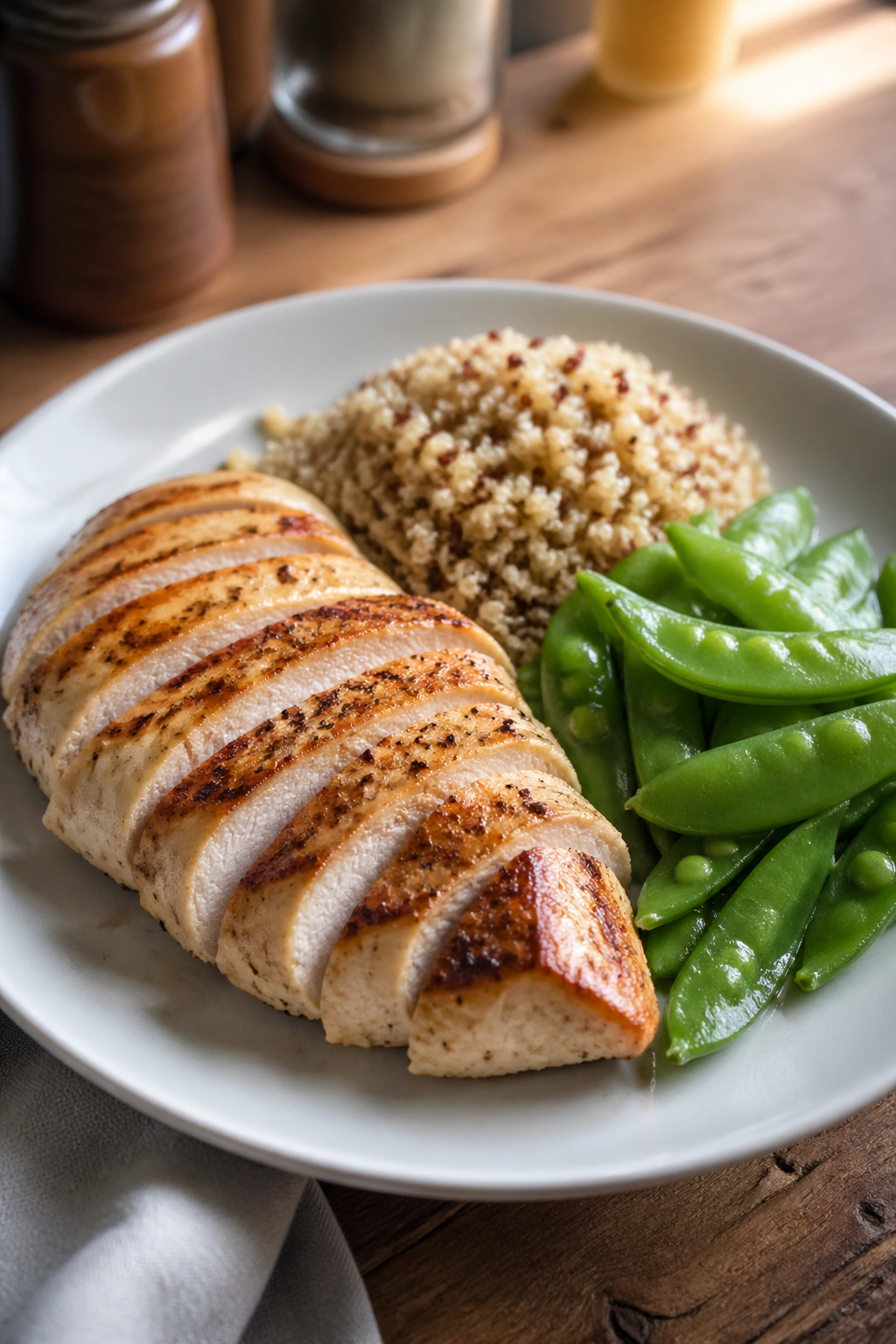
How much protein do you need after training? Less than supplement ads suggest, and more than a token spoonful of yogurt gives you.
Sports nutrition position papers have kept landing in the same neighborhood for years: about 0.25 to 0.40 grams of protein per kilogram of body weight after training is a solid range for muscle repair and protein synthesis. For most people, that means 20 to 40 grams in the post-workout meal. You do not need 70 grams in one sitting because a shaker cup told you to.
Animal-based proteins reach the target fast
Whey, Greek yogurt, skyr, eggs, chicken, turkey, tuna, salmon, shrimp, and lean beef all pack a lot of protein into a modest calorie budget. They also deliver enough leucine—the amino acid that helps switch on muscle protein synthesis—without forcing you to eat a mountain of food.
Plant-based meals need a little more planning
Tofu alone can work. So can tempeh. Still, plant-based eaters often do better by pairing foods: tofu plus edamame, lentil pasta plus turkey-free meatballs, soy milk plus protein powder, beans plus a grain plus a protein-rich dairy-free yogurt if they use one. The meal ideas below include both routes because not everybody wants another chicken bowl.
One more thing. If your appetite disappears after training, liquid protein has a place. A shake is not inferior because it comes through a blender. It’s inferior only when it turns into a dessert with 900 calories.
Timing Your Post Workout Meal on a Real Schedule
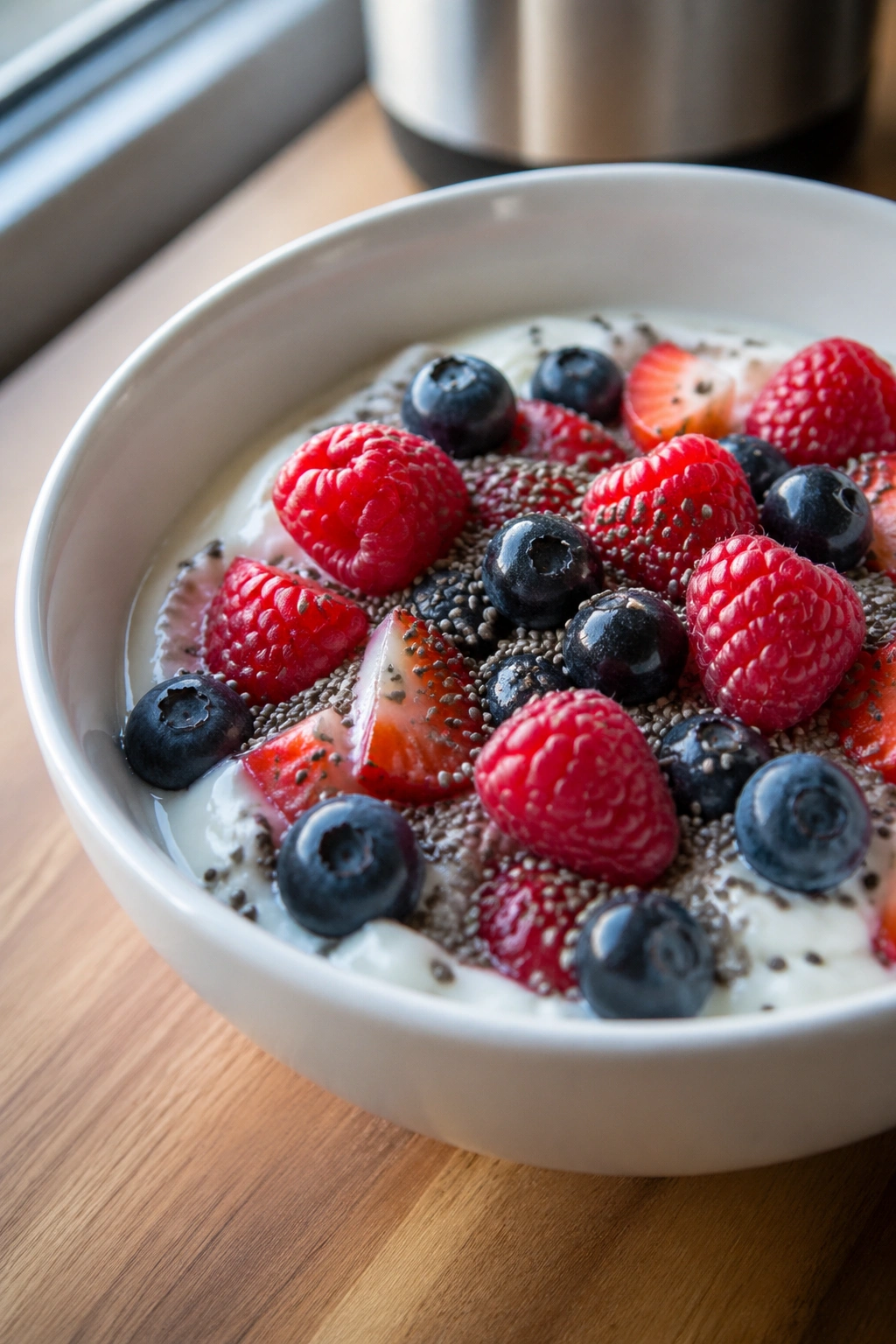
The old 30-minute panic window gets far too much attention.
If you trained fasted, ate your last meal four or five hours ago, or finished a long session that drained you, eating within one hour is a smart move. Your body will use the protein and carbs well, and you’ll usually feel better the rest of the day. If you ate a balanced meal one to three hours before lifting, the clock is less dramatic than people make it sound.
A sensible rule: eat a mixed meal within one to two hours after training when you can. That keeps things easy without treating the timer on your phone like an alarm bell.
Morning trainees often need something quick. A yogurt bowl, smoothie, eggs with oats, or overnight oats can cover the gap without much prep. Evening lifters sometimes make the opposite mistake and skip dinner because it feels “too late.” If you trained hard, dinner still counts as recovery. Your body does not stop using nutrients because the sun went down.
Touchy stomach? Go softer on raw vegetables and high-fat add-ons right after exercise. Rice, oats, potatoes, yogurt, fruit, eggs, tofu, and lean fish usually sit better than greasy takeout.
Common Post Workout Meal Mistakes That Creep Calories Up Fast
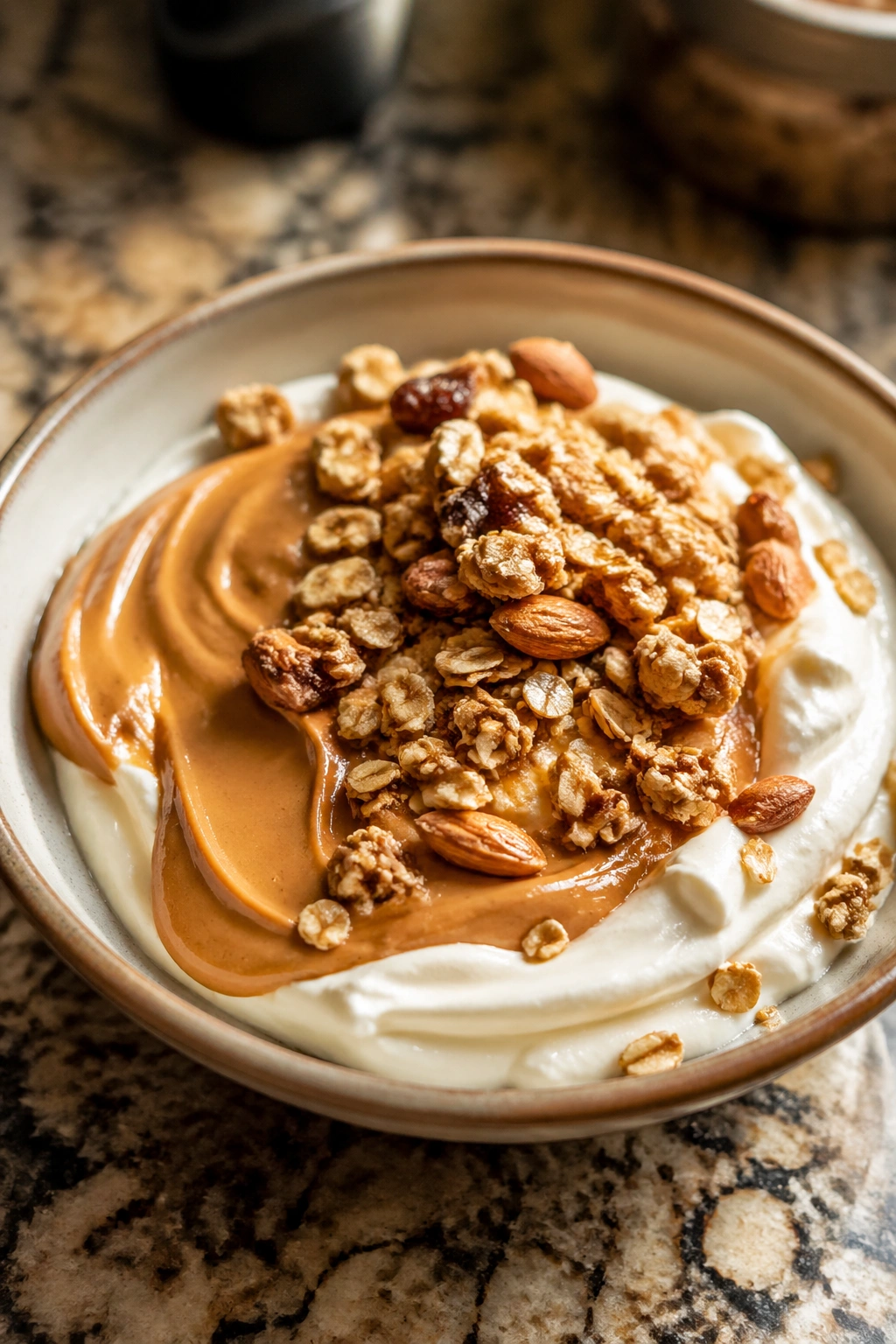
I keep seeing the same mistakes over and over, and none of them look reckless at first glance.
The first one is protein that barely qualifies as protein. A smoothie with almond milk, a banana, spinach, and ice sounds clean. It also gives you maybe 3 grams of protein. You need a real protein source in there—whey, Greek yogurt, skyr, soy protein, cottage cheese, eggs, meat, fish, tofu, tempeh, something with weight behind it.
The second mistake is tiny post-workout meals followed by random snacking. Half a protein bar after lifting can leave you hungry enough to crush 600 calories of crackers, cereal, and whatever else turns up.
A third problem is calorie-dense “health” add-ons:
- 2 tablespoons peanut butter: about 190 calories
- 1 small handful of granola: often 120 to 180 calories
- café smoothie extras: easy way to add 200+ calories
- restaurant grain bowl sauces: often more calorie-heavy than the protein itself
Then there’s the cheat-meal mindset. Training does not create a free pass for burgers, fries, dessert, and drinks every time you touch a dumbbell. If that sounds blunt, good. A post-workout meal should help the next 4 to 6 hours go well, not erase the session you just did.
1. Greek Yogurt Berry Chia Protein Bowl
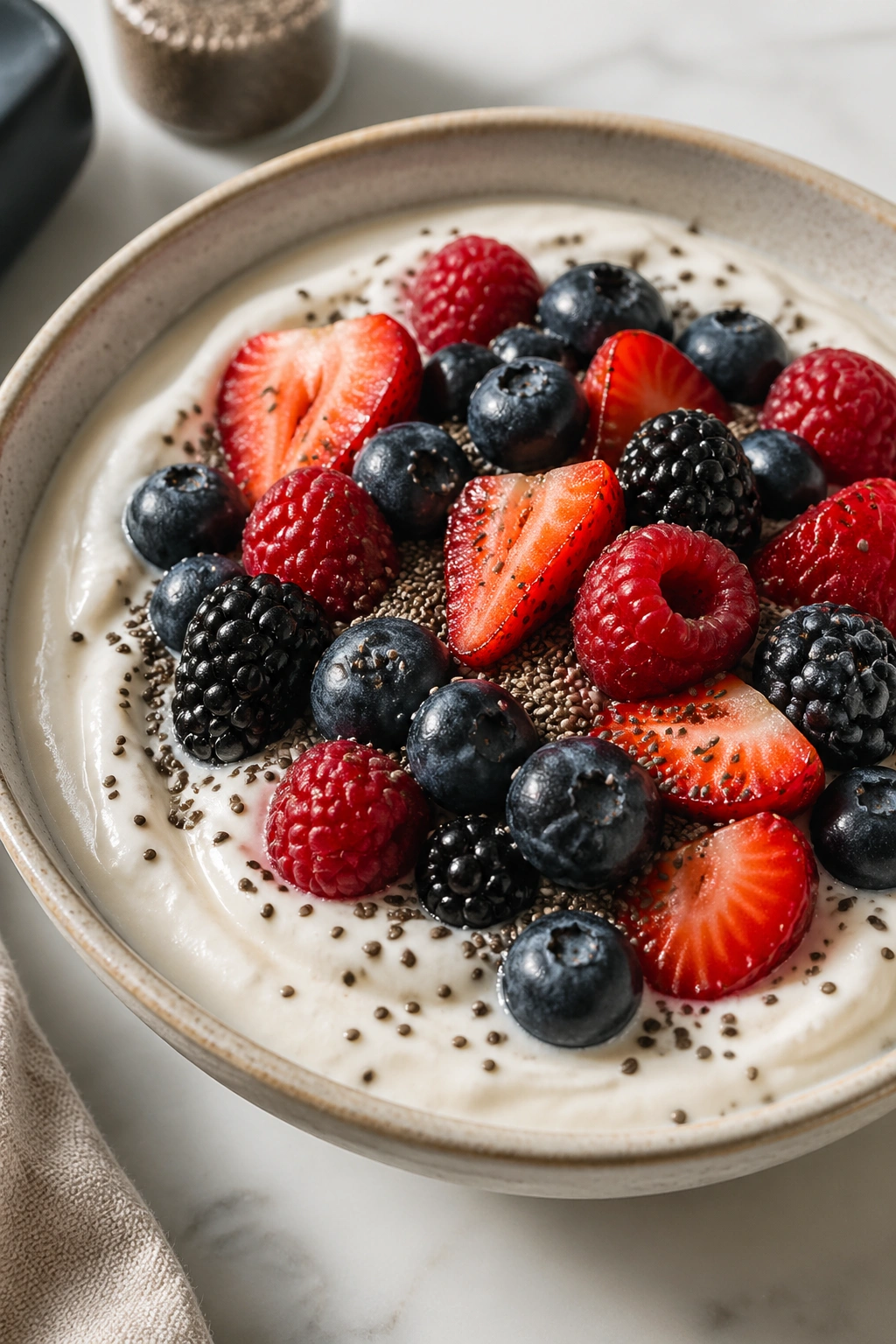
Cold meals have one huge advantage after training: you can eat them fast, and they still feel satisfying. A bowl built with 1 cup Greek yogurt, ½ to 1 scoop whey, ¾ cup berries, and 1 tablespoon chia seeds lands in that sweet spot where you get high protein, enough carbs to recover, and enough fiber to stay full.
Why this one earns a permanent spot
Greek yogurt gives you a thick base with 18 to 23 grams of protein before the whey even goes in. Add the powder and you’re sitting near 30 to 40 grams. Berries keep calories low and volume high. Chia adds texture and slows the meal down a little, which matters if you tend to inhale food after a hard session.
Quick build
- Use 2% Greek yogurt if fat-free versions leave you cold.
- Add cinnamon or unsweetened cocoa before adding sweetener.
- Toss in 30 grams of dry oats if the workout was long and leg-heavy.
- Keep nuts to 10 to 15 grams if you want crunch without losing control of calories.
A small trick: frozen berries turn the bowl almost ice-cream thick after 2 or 3 minutes on the counter.
2. Egg White and Spinach Scramble With Oats
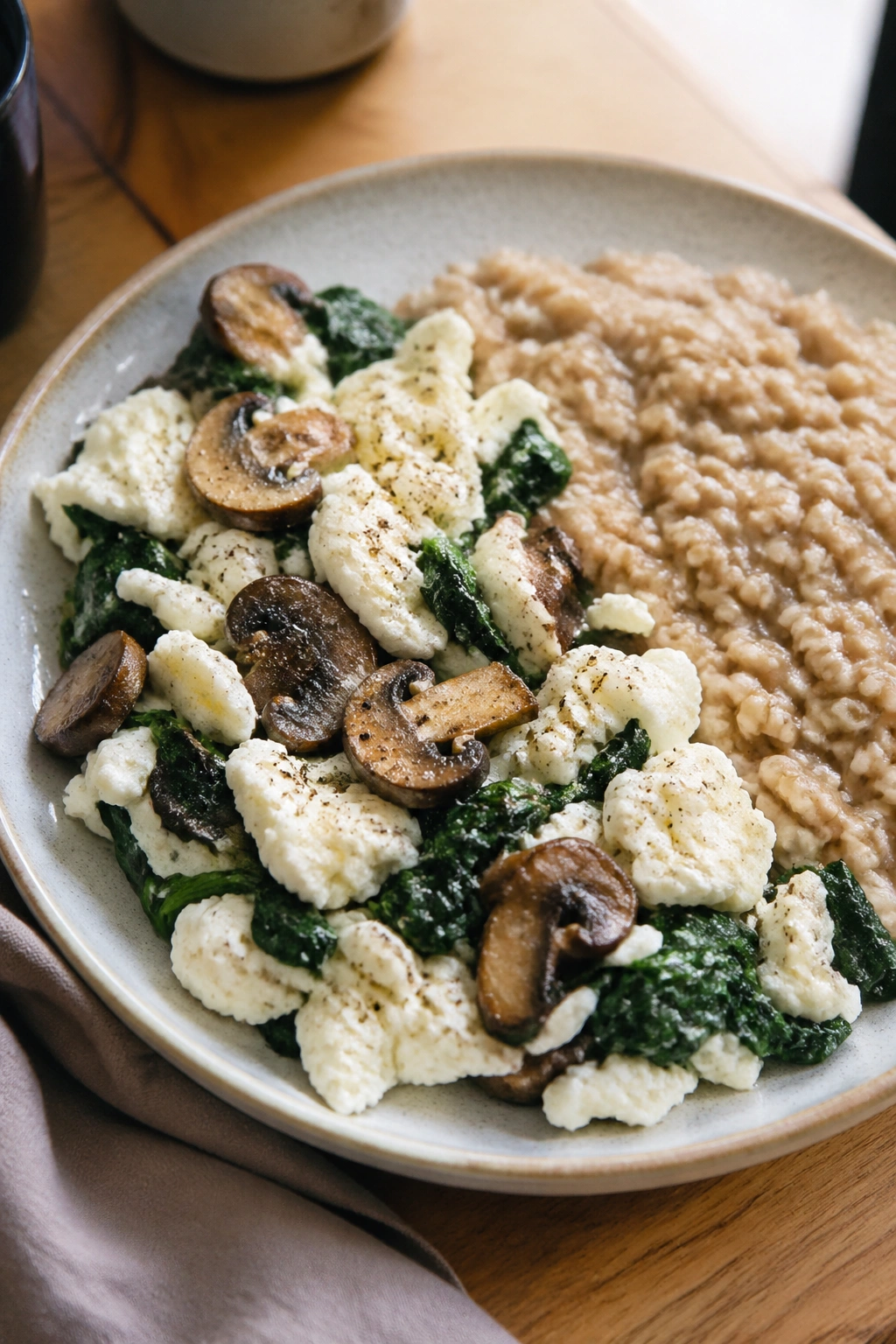
Egg whites get mocked far too often, yet they solve a real fat-loss problem: they drive protein up without sending calories through the roof. A scramble made with 1 cup egg whites, 1 whole egg, a big handful of spinach, and mushrooms gives you volume and about 28 to 32 grams of protein. Pair it with 40 grams dry oats cooked in water or milk and you’ve got a post-workout meal that feels steady, not snacky.
The whole egg matters here. It improves flavor, helps the texture stay soft, and makes the meal feel less like punishment. I’d rather eat one whole egg and a cup of whites than pretend a dry pan of plain whites is enjoyable.
Oats do the carb job without much drama. Add cinnamon, a pinch of salt, and either blueberries or half a sliced banana. You end up with a plate that sits around 350 to 420 calories, depending on how you cook it, and it works especially well after morning training when you want breakfast food, not leftover chicken.
If scrambled eggs turn rubbery in your kitchen, pull them off the heat while they still look a touch glossy. Carryover heat finishes the job.
3. Chicken Quinoa Bowl With Roasted Peppers and Cucumber
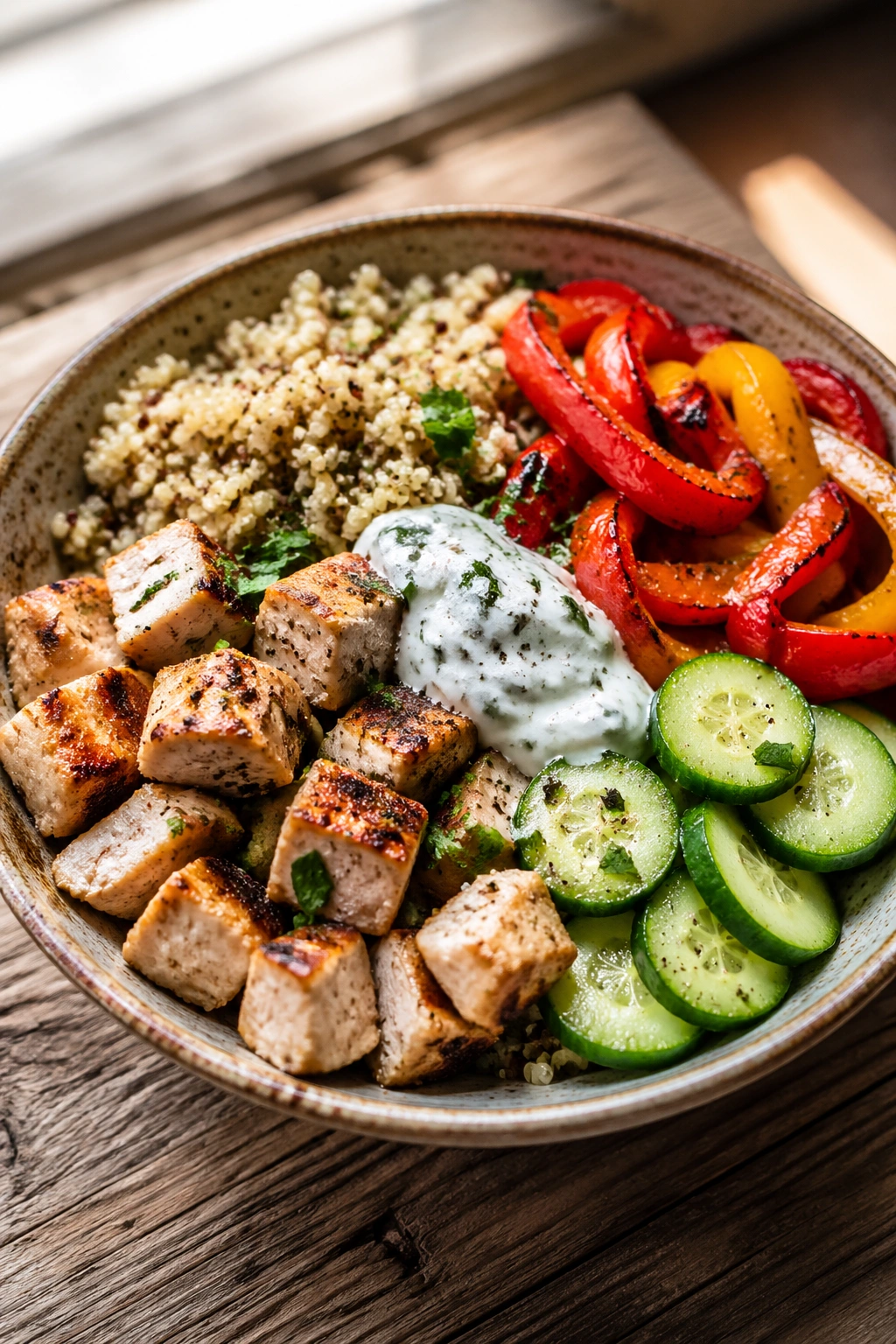
Need something that feels like lunch rather than “fitness food”? A chicken quinoa bowl usually fixes that.
Start with 4 to 5 ounces cooked chicken breast, ½ cup cooked quinoa, roasted peppers, cucumber, and a spoonful of yogurt-based sauce or salsa. You get 30 to 35 grams of protein, enough carbs to recover, and enough crunch that the meal doesn’t disappear into blandness. Quinoa adds a little more protein than rice, though rice works too if that’s what you have.
The part that makes or breaks this bowl is moisture. Dry chicken ruins the whole thing. Use chicken thighs if you can fit the extra calories, or marinate breast meat with lemon juice, garlic, and a teaspoon of olive oil before cooking. Slice it thin after resting so it stays juicy.
How to keep the bowl lean without making it sad
Measure the calorie-dense extras. One tablespoon of feta, one tablespoon of hummus, one tablespoon of olive-oil dressing—those little additions stack fast. I like Greek yogurt mixed with lemon, dill, salt, and black pepper because it tastes bright and gives the bowl sauce without 200 spare calories.
This one holds up in the fridge for two days with no fuss, which makes it a strong meal-prep option.
4. Cottage Cheese Pineapple Cup With Pumpkin Seeds
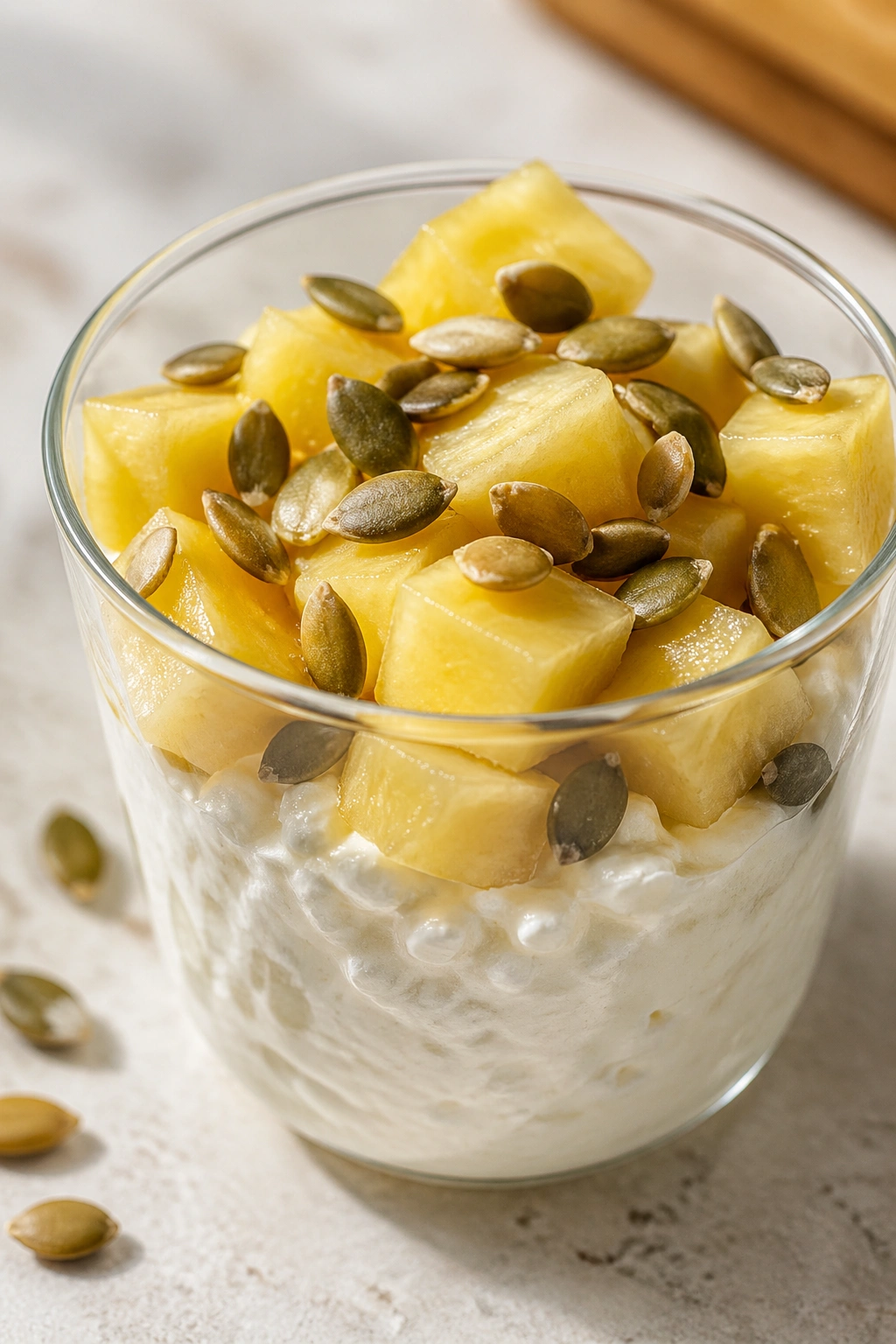
This is the meal for the day when your fridge looks half empty and you still need something useful after training. 1 cup low-fat cottage cheese, ¾ cup pineapple, and 1 tablespoon pumpkin seeds comes together in under a minute and gives you a tidy mix of protein, carbs, and crunch.
Cottage cheese works because it’s dense in protein and slow enough to keep hunger quiet. Pineapple brings quick carbs and a sharp, sweet bite that cuts through the dairy. A little cinnamon on top helps more than people expect.
A basic build looks like this:
- 1 cup low-fat cottage cheese
- ¾ cup fresh or canned pineapple in juice, drained
- 1 tablespoon pumpkin seeds
- pinch of cinnamon
- optional 2 rice cakes on the side if you need more carbs
Call it basic if you want. Basic meals are often the ones people stick with for months.
5. Tuna Rice Cake Stack With Cucumber and Mustard
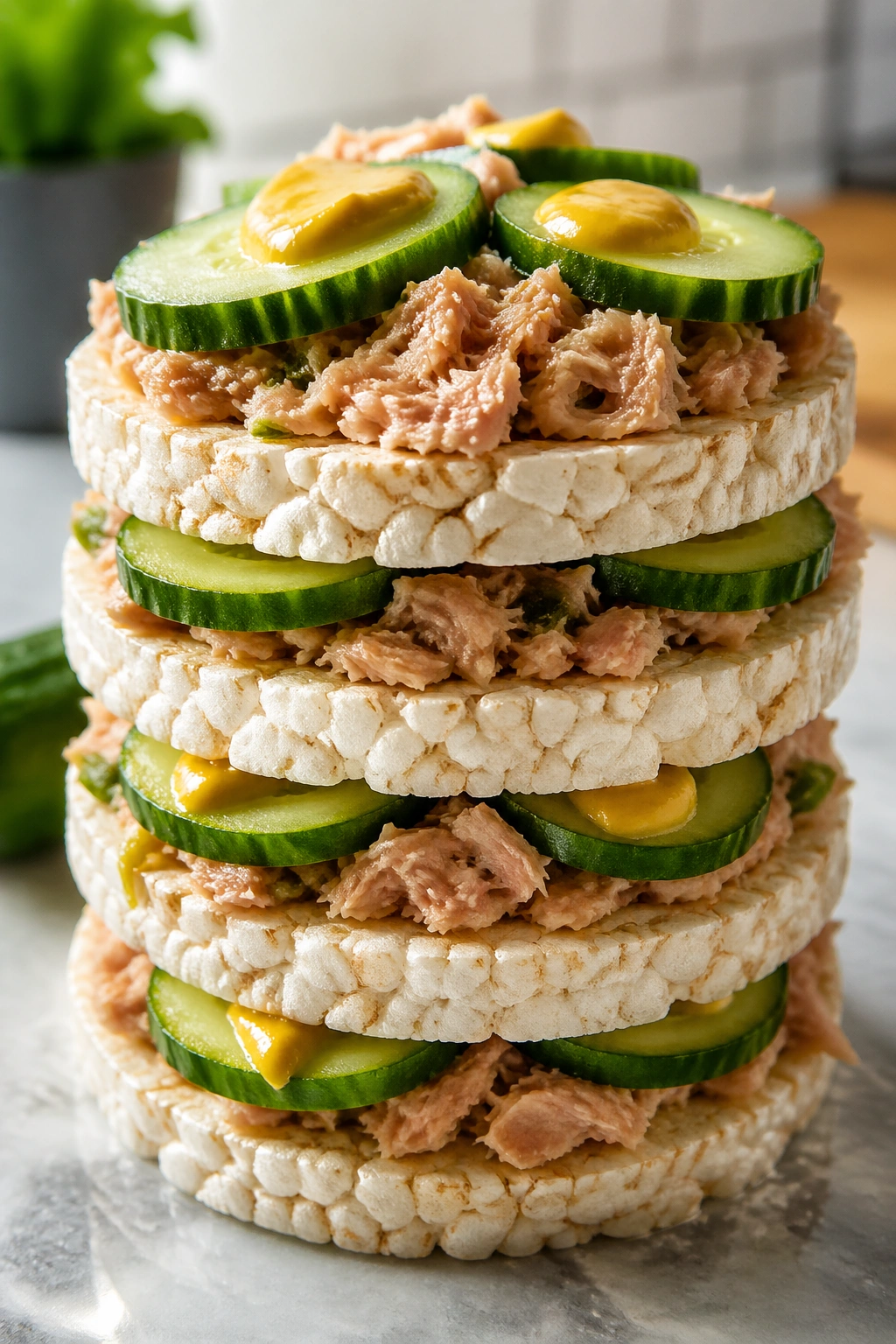
Tuna gets treated like emergency food, which is unfair. For fat loss, it’s one of the cleanest protein sources in the grocery store: cheap, shelf-stable, and hard to overeat. Mix 1 drained can of tuna with 1 to 2 tablespoons Greek yogurt or light mayo, add mustard, black pepper, chopped celery, and a squeeze of lemon. Pile that onto 2 to 4 rice cakes and top with sliced cucumber.
This works because the ratio is sharp. You get 25 to 30 grams of protein from the tuna, quick-digesting carbs from the rice cakes, and a lot of crunchy volume for not much energy. If you’ve ever had a post-workout crash and then found yourself knee-deep in pantry snacks 40 minutes later, this kind of crunchy, salty meal can head that off fast.
It also scales well. Two rice cakes fit a shorter session. Four fit a long lifting day or hard conditioning work. Add pickle slices if you were sweating hard and want extra sodium.
One warning, though. Do not drown tuna in mayo and call it clean eating. That’s how a lean protein turns into a calorie sink.
6. Salmon, Sweet Potato, and Asparagus Plate
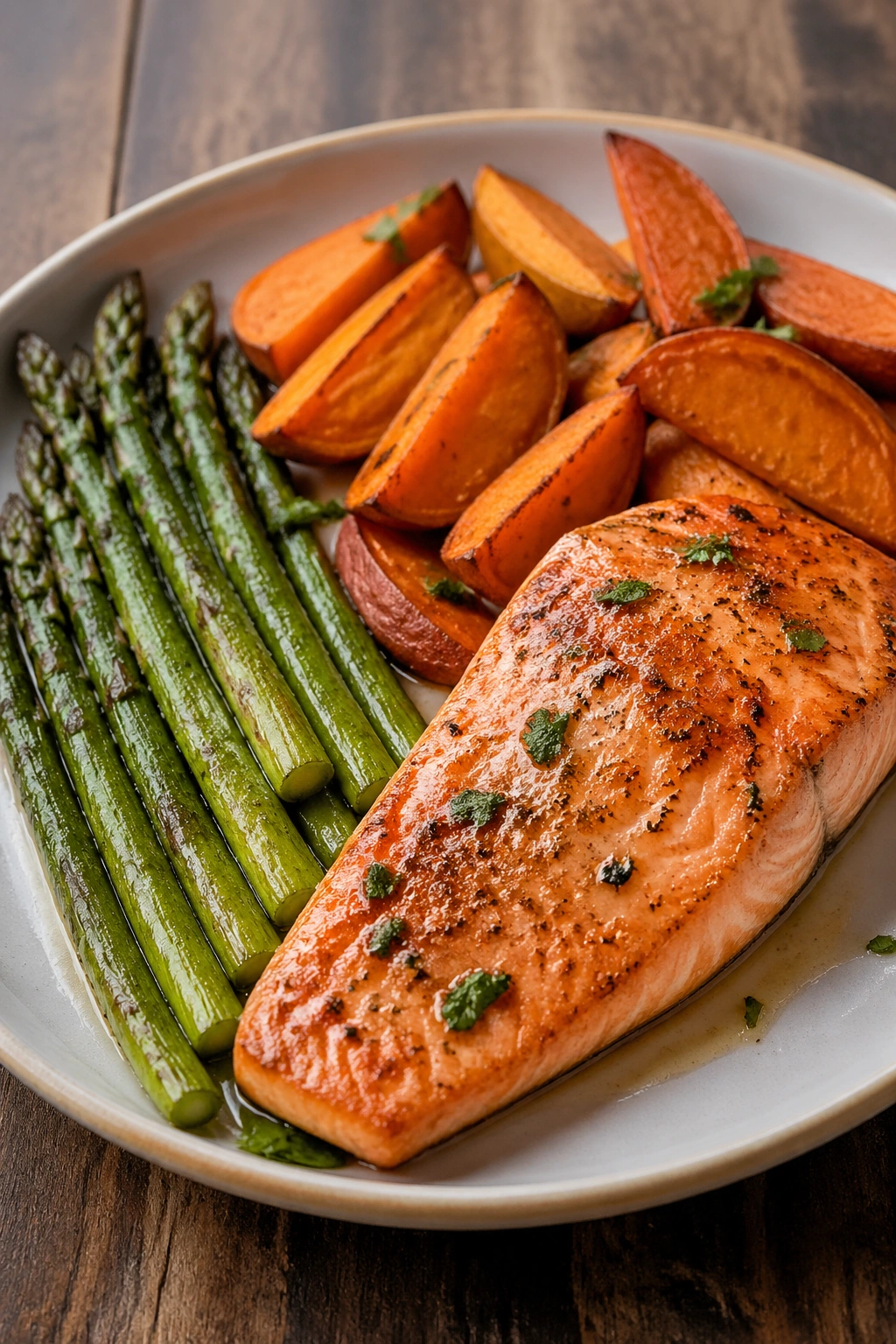
Unlike the giant restaurant salmon bowls that show up under mood lighting and quietly carry 900 calories, a home version can be tight, filling, and far better for fat loss. Use 4 to 5 ounces salmon, 150 to 200 grams roasted sweet potato, and a tray of asparagus or green beans. You end up with a meal that gives you 25 to 30 grams of protein, solid carbs, fiber, potassium, and a dose of omega-3 fats.
Salmon does bring more fat than chicken or shrimp. That is not a flaw. It only means the rest of the plate needs a lighter hand. Skip the butter glaze, skip the oil-heavy dressing, and let the fish carry the richness.
Sweet potato works after training because it’s easy to portion. A small potato might be 120 grams; a larger one pushes 250. Weigh it once or twice and you’ll stop guessing. Roast it at 425°F until the edges darken a little and the center turns soft enough to mash with a fork. Salt matters here, especially after sweaty sessions.
If you lift late and want something that feels more like dinner than “meal prep,” this plate lands well.
7. Protein Oatmeal With Banana and Cinnamon
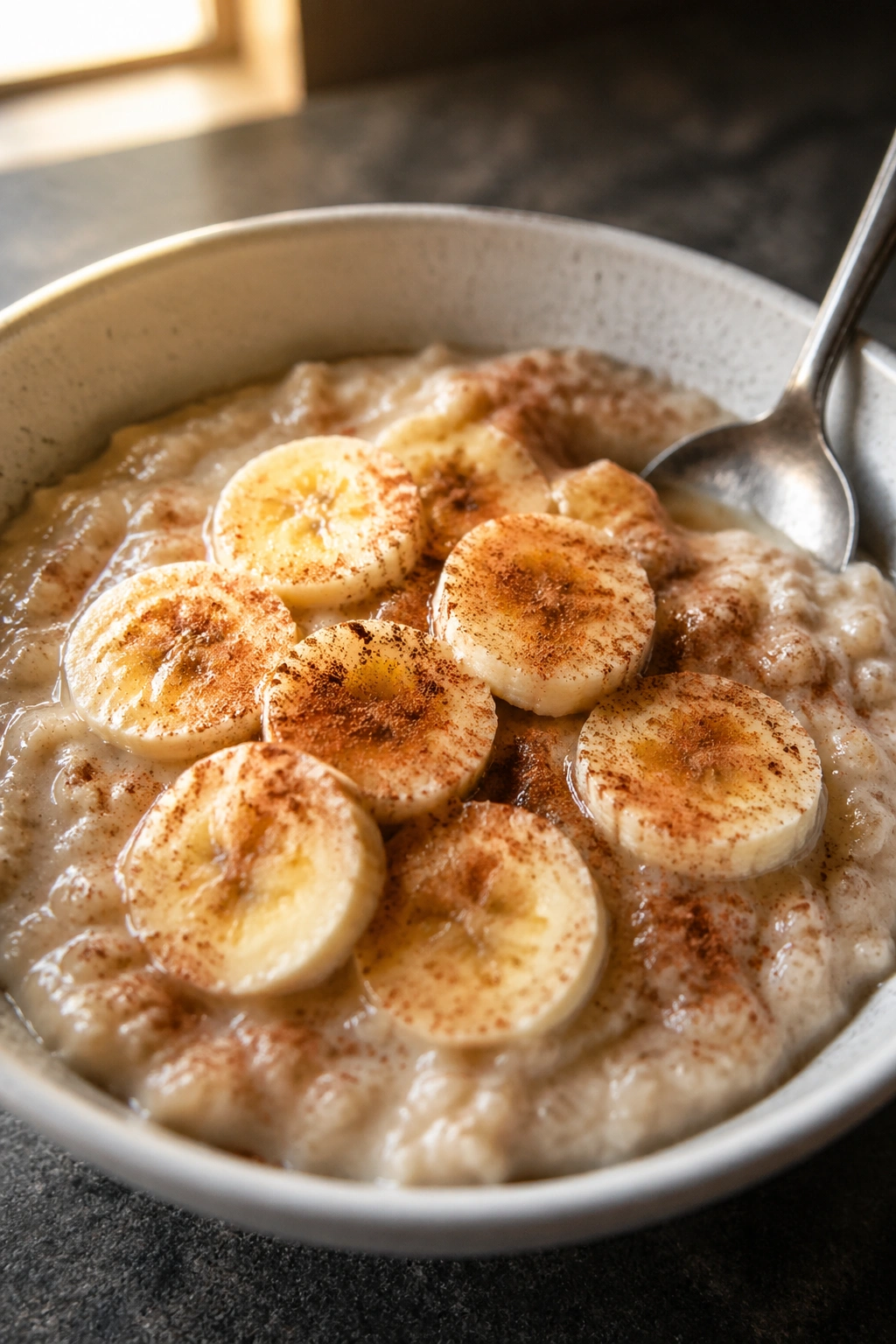
Some people can train hard and then drink a shake. Others need food they can chew. Protein oatmeal sits right in the middle.
Cook 40 to 50 grams of oats with water or milk, stir in 1 scoop whey after the heat drops, add ½ to 1 banana, cinnamon, and a pinch of salt. If the oats get too thick, loosen them with a splash of milk. The end result gives you 25 to 35 grams of protein and enough carbs to smooth out the post-training hunger swing.
Where this one beats plain oats
Plain oats fill you up for a while, though they don’t carry enough protein on their own. Stirring whey in after cooking turns them into a meal with some real staying power. Banana adds fast carbs and sweetness, which means you can skip the syrup.
Small details that matter
- Pull the pot off the heat before adding whey, or the texture can go clumpy.
- Use casein or a whey-casein blend if you want thicker oats.
- Add 5 grams of chia only if your stomach handles extra fiber well after training.
- Salt your oats. A pinch wakes up the whole bowl.
This meal looks humble. It works anyway.
8. Turkey Taco Bowl With Black Beans and Salsa
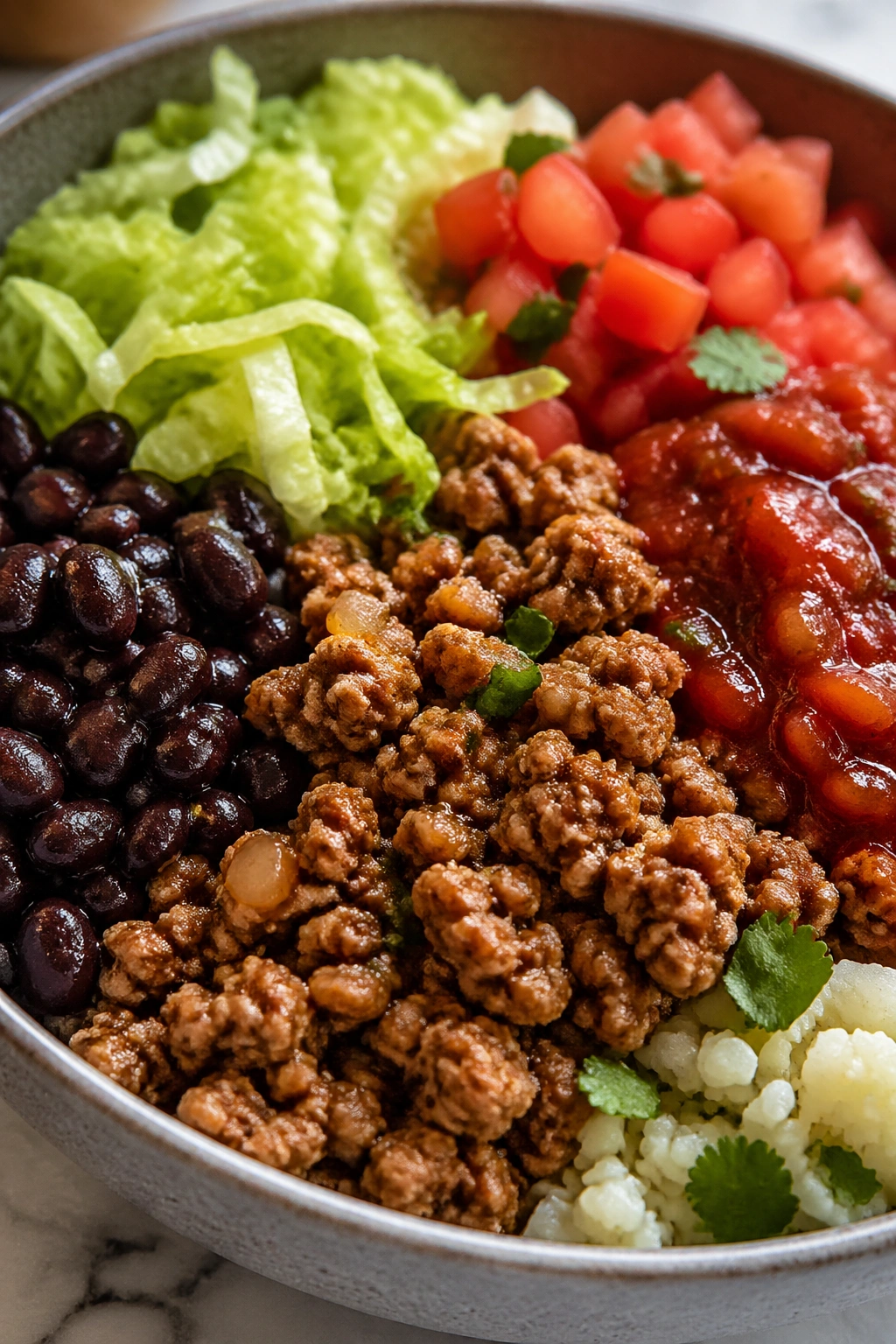
Ground turkey is one of the easiest ways to build a high-protein meal that doesn’t taste like diet food. Brown 5 ounces of 93% lean turkey with taco seasoning, garlic, onion, and smoked paprika. Spoon it over ½ cup black beans, shredded lettuce, tomato, and salsa, then add either ½ cup cooked rice or corn tortillas on the side if the session was demanding.
The bowl gives you protein from the turkey, carbs and fiber from the beans, and enough flavor that you won’t feel like you’re white-knuckling your way through a cut. Taco seasoning can be sodium-heavy, though that is not always bad after a sweaty session.
What I like here is the hunger control. Beans make a difference. They stretch the meal, slow you down, and keep it from turning into 30 minutes of grazing later. If beans bloat you after training, use rice and vegetables instead.
Skip the heavy cheese pour and the giant guacamole scoop. A tablespoon of shredded cheese and 30 grams of avocado gets you the taste without hijacking the calorie budget.
9. Shrimp Stir-Fry With Edamame and Cauliflower Rice
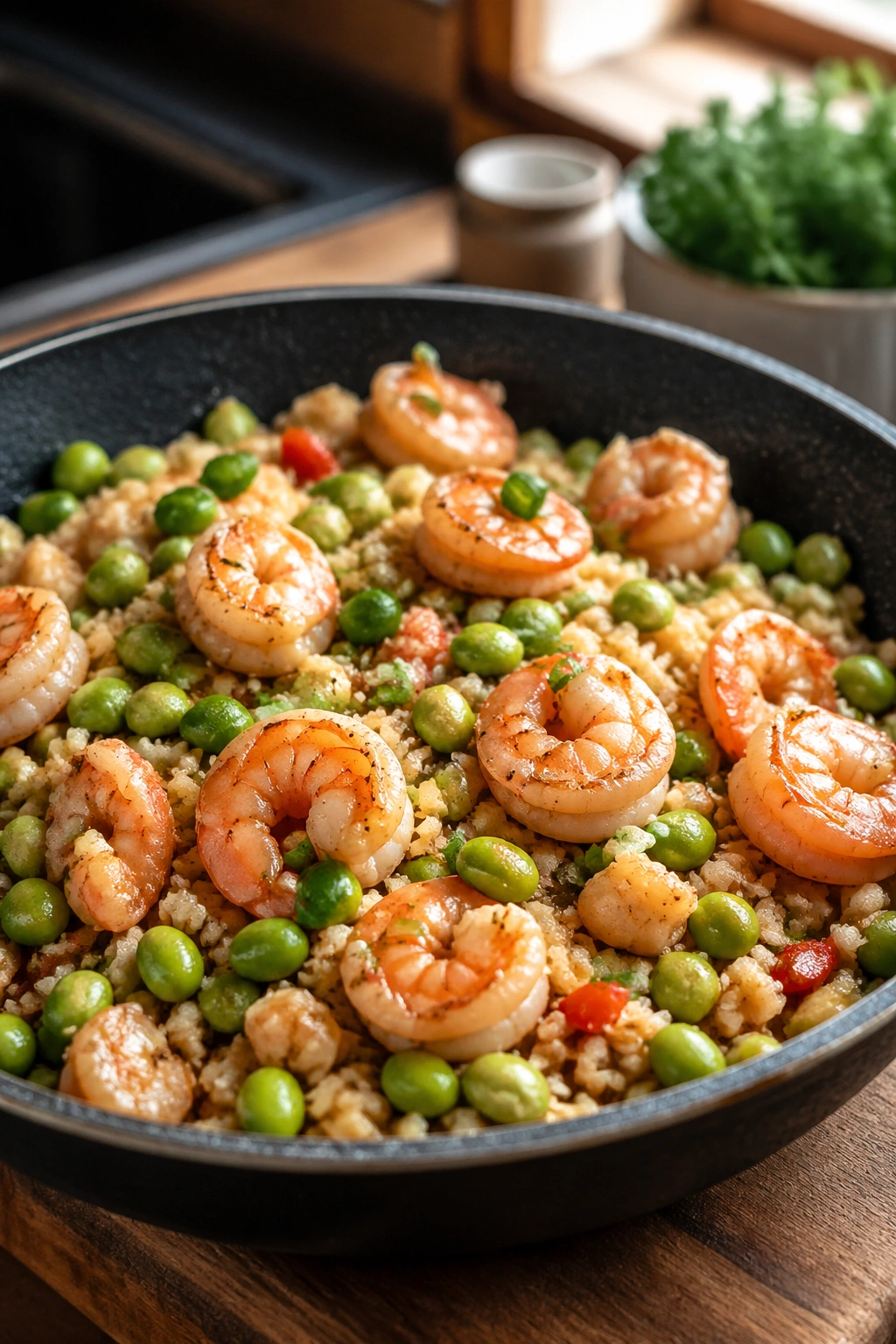
Why does this meal feel bigger than it is? Shrimp has a lot to do with it. 6 ounces of shrimp gives you around 30 grams of protein for modest calories, and once you toss it in a hot pan with garlic, ginger, snap peas, and shelled edamame, the plate starts to look generous.
Cauliflower rice earns its place here because shrimp and edamame already bring plenty of chew. You still get a full bowl, yet the carb load stays on the lighter side. If you trained hard and need more fuel, mix the cauliflower rice with ½ cup cooked jasmine rice rather than choosing one or the other.
When this one works best
This is a strong option after shorter workouts, circuits, or evening sessions when you want a warm dinner without a brick of food in your stomach. Keep the sauce tight: soy sauce, rice vinegar, chili flakes, garlic, ginger, maybe 1 teaspoon sesame oil. Stir-fries go sideways when bottled sauces start pouring.
Cook the shrimp only until they curl and turn opaque. Push them much further and they go springy.
10. Tofu Rice Bowl With Broccoli and Sesame
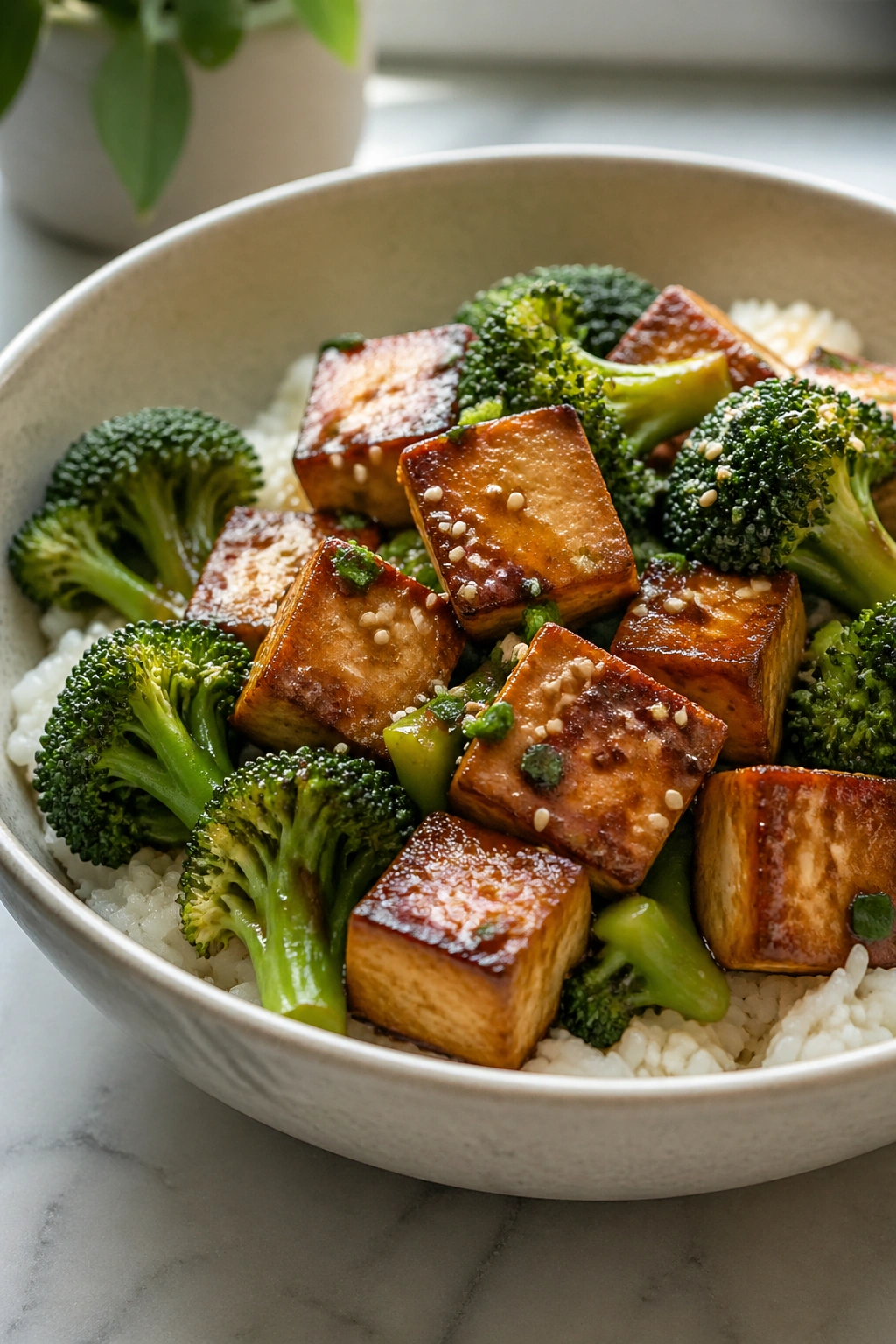
Plant-based post-workout meals often fail for one reason: the protein lands too low. A tofu rice bowl fixes that fast when you build it with intent.
Use 200 grams extra-firm tofu, pressed and pan-seared, with ¾ cup cooked rice, steamed broccoli, scallions, and a light soy-ginger sauce. Add ½ cup shelled edamame if you want the protein closer to 30 grams. Without the edamame, the bowl still works, though the number sits lower.
A smart build looks like this:
- 200 grams extra-firm tofu
- ¾ cup cooked rice
- 1 to 2 cups broccoli
- ½ cup edamame if needed
- 1 teaspoon sesame seeds
- sauce made from soy sauce, rice vinegar, garlic, ginger
Tofu needs color. Let it sit in the pan long enough to brown. Pale tofu can taste flat and watery, which is how people decide plant-based meals “aren’t filling.”
11. Banana Spinach Whey Smoothie With Peanut Powder
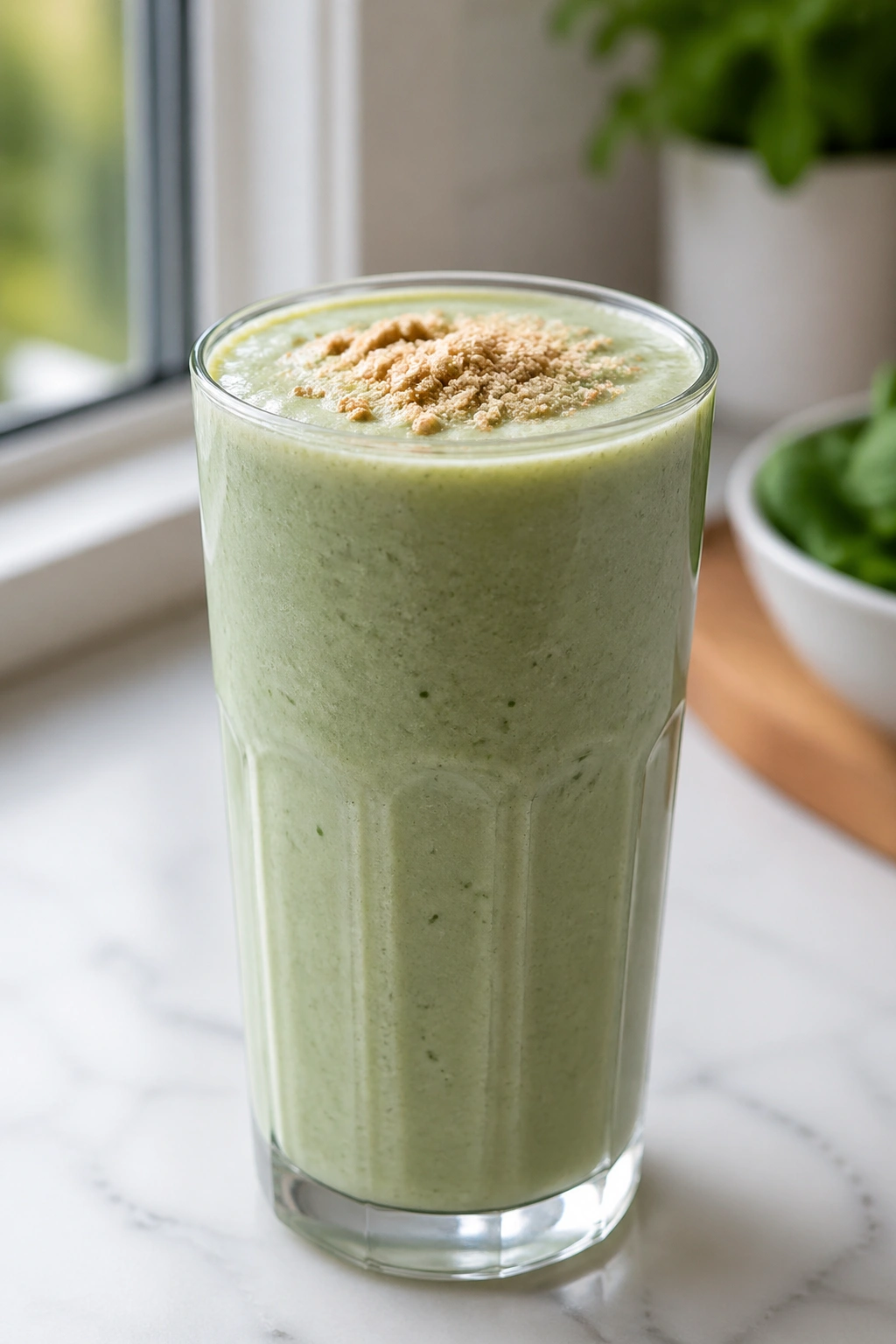
A blender meal makes sense when appetite disappears after training, and that happens more than plenty of people admit. Blend 1 scoop whey, 1 small banana, 1 to 2 cups spinach, 1 cup milk, ice, and 1 to 2 tablespoons peanut powder. You get a drink with 25 to 35 grams of protein, manageable carbs, and far fewer calories than the café versions loaded with juice, syrups, dates, honey, and nut butter.
Peanut powder is the move here. It gives you the roasted peanut flavor without the full-fat calorie hit of traditional peanut butter. If you want a thicker shake, frozen banana does the job better than random sweet add-ins.
Spinach disappears into the background once banana and peanut are in the mix. If green drinks put you off, use frozen cauliflower instead for body. You won’t taste it, and the texture gets almost milkshake-thick.
Liquid meals can fail when they vanish too fast. Sip this one over 10 to 15 minutes rather than pounding it in six gulps. Your stomach—and your hunger an hour later—will notice.
12. Turkey Chili With Beans
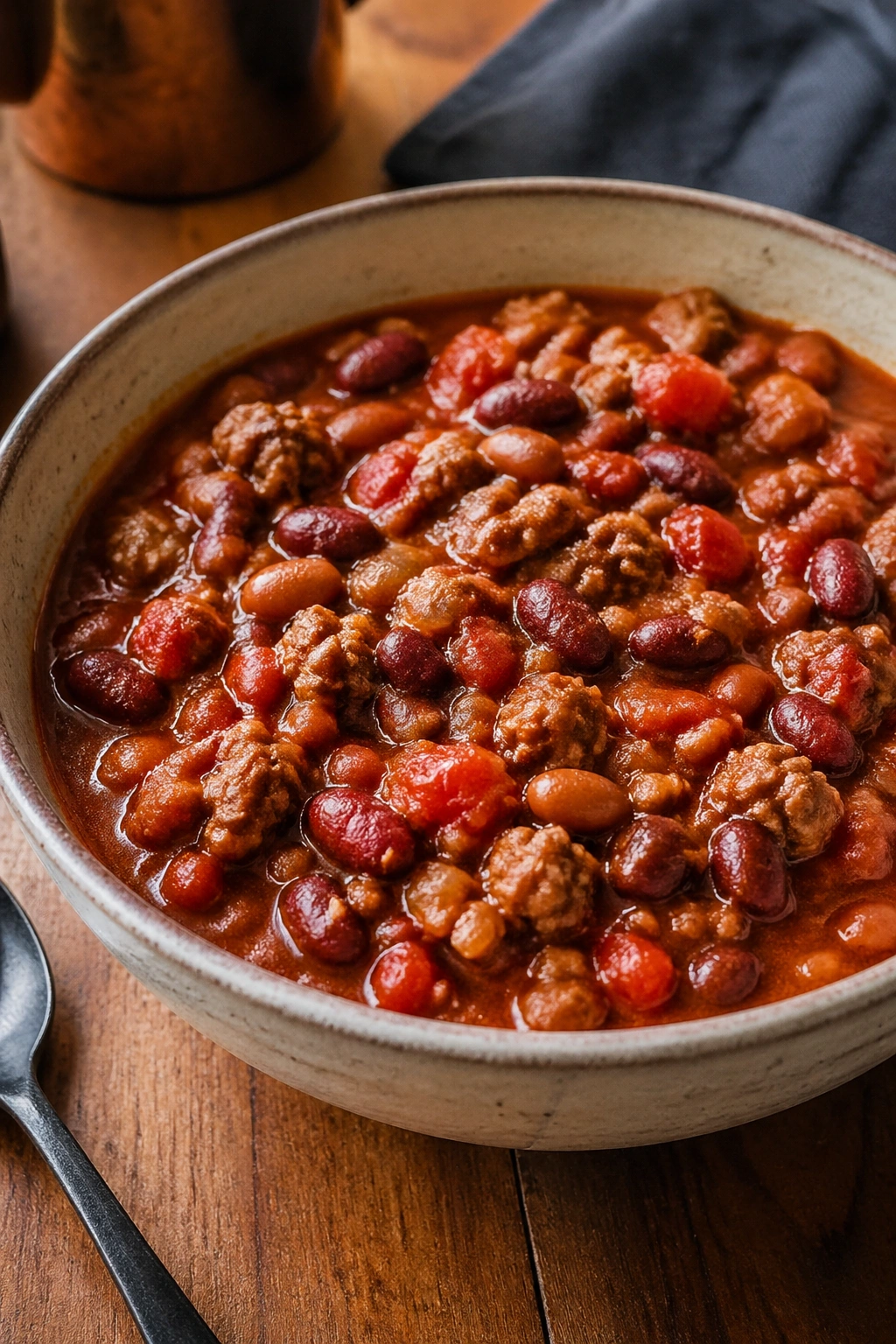
Unlike a cold protein shake that leaves you looking for more food 20 minutes later, turkey chili has some staying power. A bowl made with 93% lean ground turkey, tomatoes, kidney beans, onion, and peppers gives you protein, carbs, fiber, and enough volume to feel like lunch or dinner. One serving usually lands around 350 to 450 calories with 30-plus grams of protein, depending on the bean ratio.
Chili also solves the meal-prep problem. It reheats well, freezes well, and often tastes better on day two after the spices settle in. That matters during a fat-loss phase because repetition beats constant decision-making.
Use beans, even if someone on the internet called them “too carby.” They help. If your stomach does poorly with large bean portions after training, cut the serving to ⅓ cup and bump the turkey slightly.
A spoonful of Greek yogurt on top works better than sour cream when calories are tight. Add chopped cilantro, lime, and a few sliced jalapeños and the bowl feels lively, not heavy.
13. Lean Beef and Potato Skillet
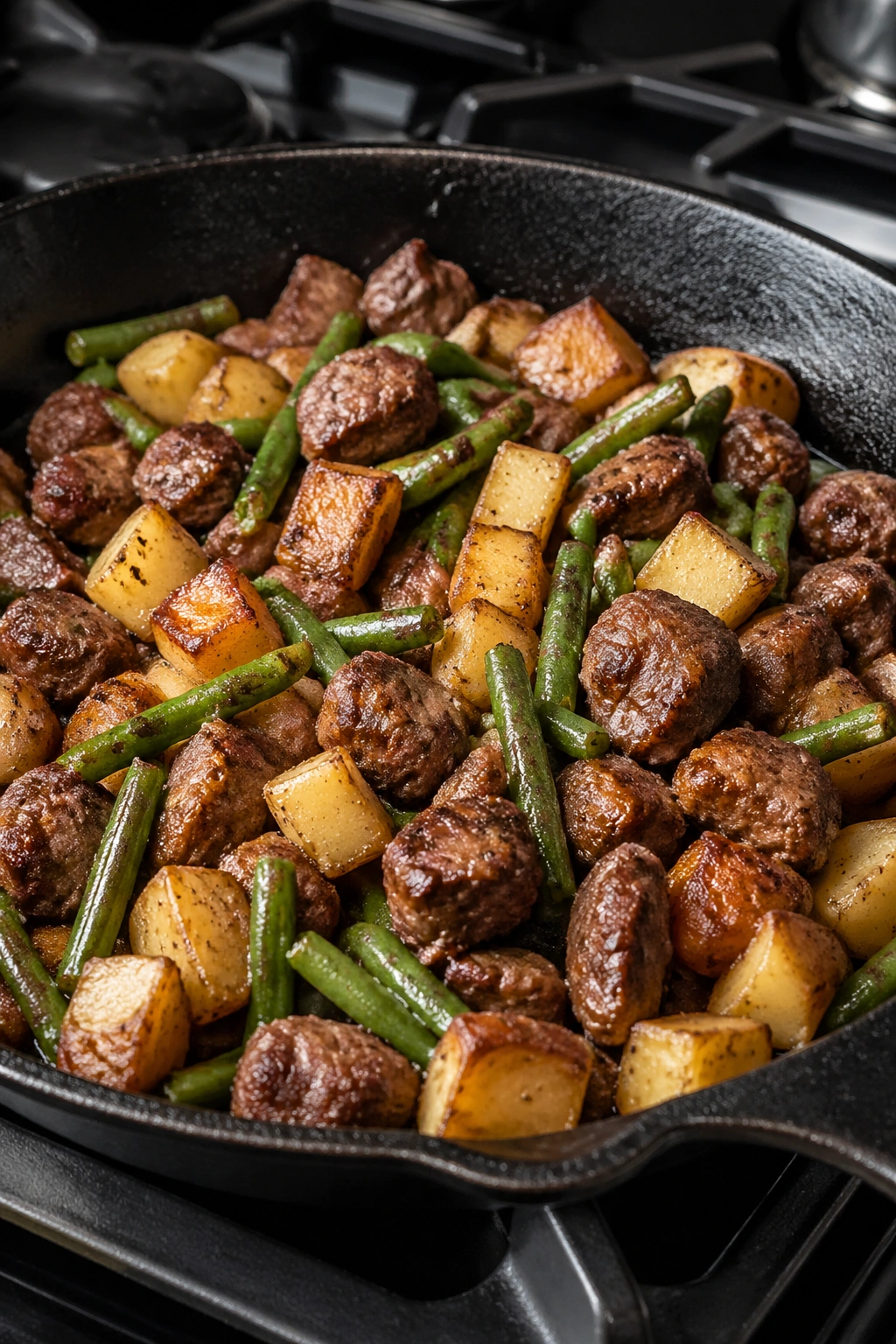
Beef after training gets overshadowed by chicken, and I think that’s a mistake. 96% lean ground beef or top sirloin gives you iron, zinc, creatine, and a flavor payoff that can make dieting easier when chicken fatigue starts creeping in.
Why this skillet works
Cook 5 ounces lean beef with onion, garlic, paprika, and black pepper. Add 200 grams diced potatoes and green beans or zucchini. You get a meal with 30 to 35 grams of protein, solid carbs, and the kind of savory bite that keeps you from hunting for “something else” after dinner.
Keep the calories where you want them
- Use a nonstick pan or 1 teaspoon oil
- Weigh potatoes cooked or raw, though stay consistent either way
- Drain excess fat if you use beef that’s less lean
- Finish with chopped parsley or a squeeze of lemon instead of butter
My opinion? This is one of the best post-workout dinners for people who hate sweet breakfasts and cold dairy bowls.
14. Protein Pancakes With Ricotta and Warm Berries
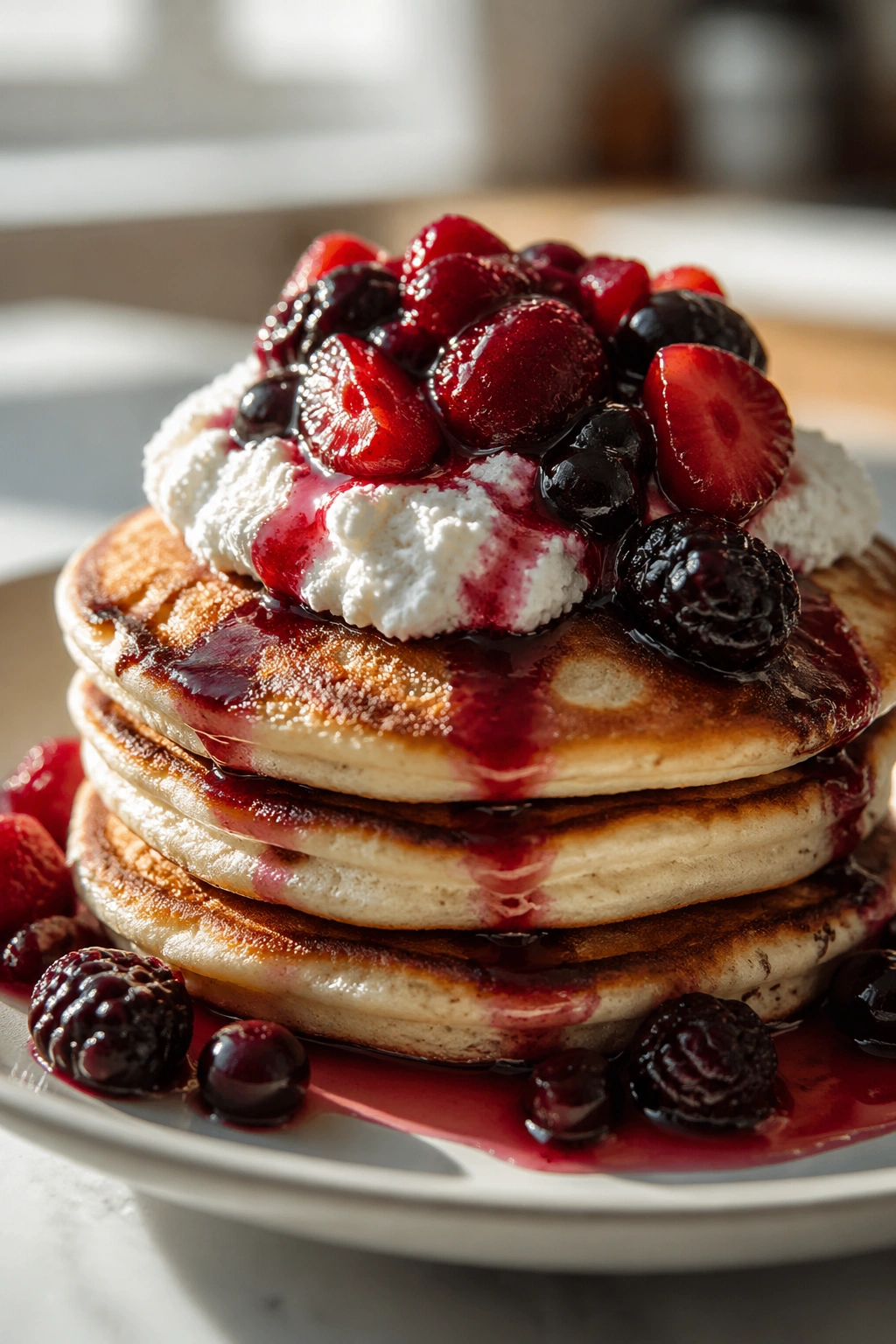
Breakfast-style meals can pull fat-loss duty without turning into dessert. Make pancakes from ½ cup oats, ½ banana, 1 scoop protein powder, 1 egg, and a splash of milk. Cook them small so they flip cleanly. Top with 2 tablespoons ricotta and warm berries instead of a flood of syrup.
The key here is restraint in the toppings. Pancakes go off the rails fast once syrup, chocolate chips, and nut butter show up together. Keep the stack modest and let the berries do the sweet work.
Texture matters more than people think. Let the batter rest for 3 to 5 minutes before it hits the pan so the oats soften. Cook on medium heat. Too hot, and the outside darkens while the middle stays damp.
This meal works especially well after morning weekend sessions when you want something that feels like a treat but still lands around 350 to 450 calories with 25 to 30 grams of protein. Dieting does not need to feel joyless. It does need portion control.
15. Chicken and Lentil Soup With Side Fruit
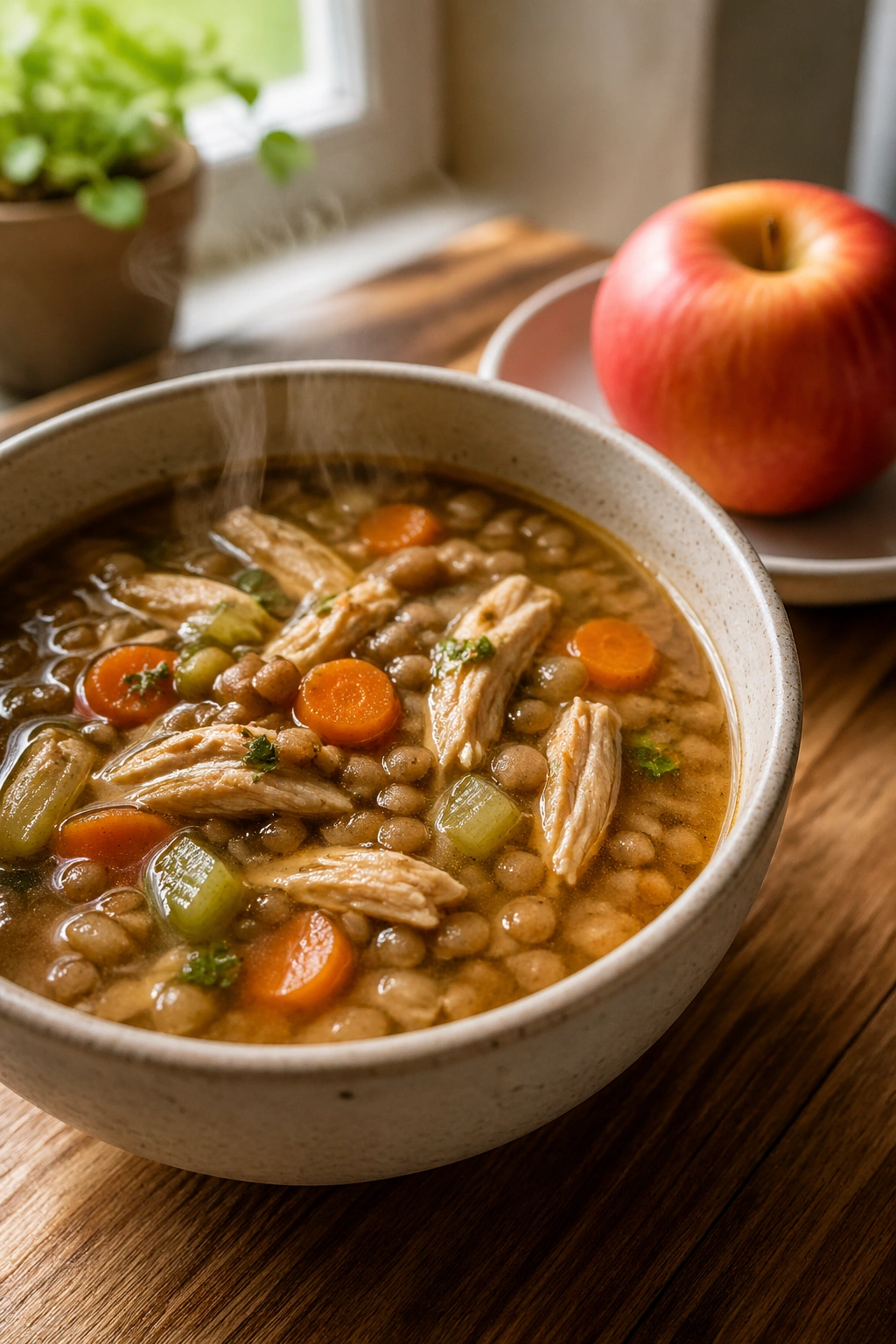
Need something warm, salty, and easy on the stomach? Soup deserves more respect in post-workout meal planning.
A bowl made with shredded chicken breast, lentils, carrots, celery, and broth can give you 25 to 35 grams of protein without feeling heavy. Add an apple, orange, or a slice of toast on the side and the meal suddenly covers carbs much better than soup alone.
Lentils do two jobs at once. They add carbs for recovery and fiber for fullness. They also help the bowl feel substantial, which matters when dieting. Broth-based meals can look light and still satisfy if the protein and lentils are there.
One thing to watch
Do not let this turn into “mostly broth with a few floating ingredients.” A strong serving needs at least 4 ounces cooked chicken and ½ cup cooked lentils per bowl. If you meal-prep it, keep the fruit separate so the meal still feels fresh.
Post-workout food does not always need to look like gym food. Sometimes a good soup is the right call.
16. Rotisserie Chicken Wrap With Salsa Slaw
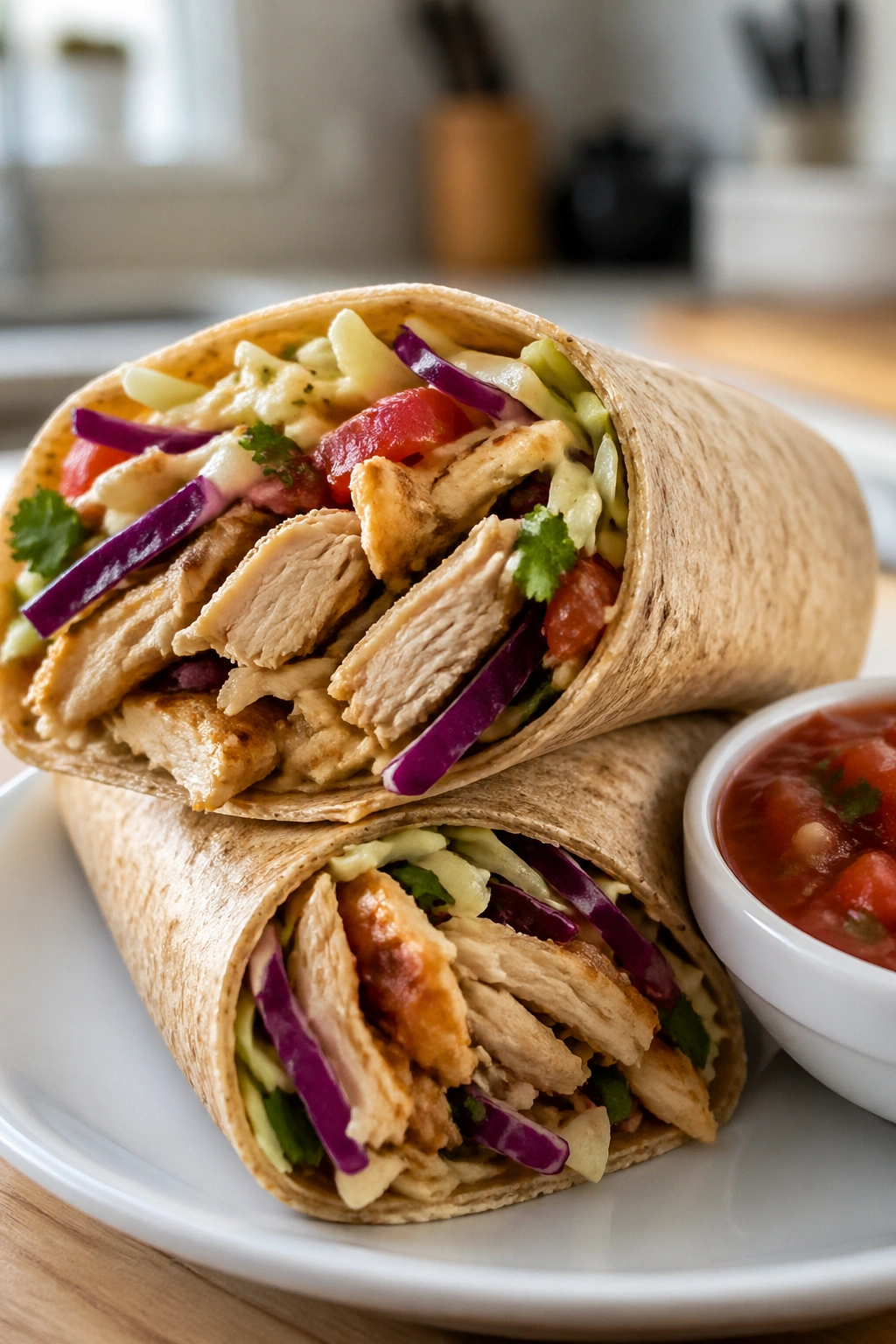
This is the grocery-store shortcut that saves plenty of people from the drive-thru. Grab 4 to 5 ounces rotisserie chicken breast, pile it into a high-fiber wrap, add cabbage slaw, salsa, and maybe a thin smear of Greek yogurt. Done in five minutes.
The wrap works because it’s portable and portion-friendly. One wrap can land around 350 to 430 calories with 30-plus grams of protein, and the slaw gives you crunch that a plain chicken tortilla roll never has.
A strong combo looks like this:
- 1 high-fiber wrap
- 4 to 5 ounces shredded chicken breast
- 1 cup shredded cabbage
- 2 tablespoons salsa
- 1 tablespoon Greek yogurt
- squeeze of lime
Skip creamy bottled dressings here. They can bury the whole meal under oil. Salsa and lime do more with less.
17. Lentil Pasta With Turkey Meat Sauce
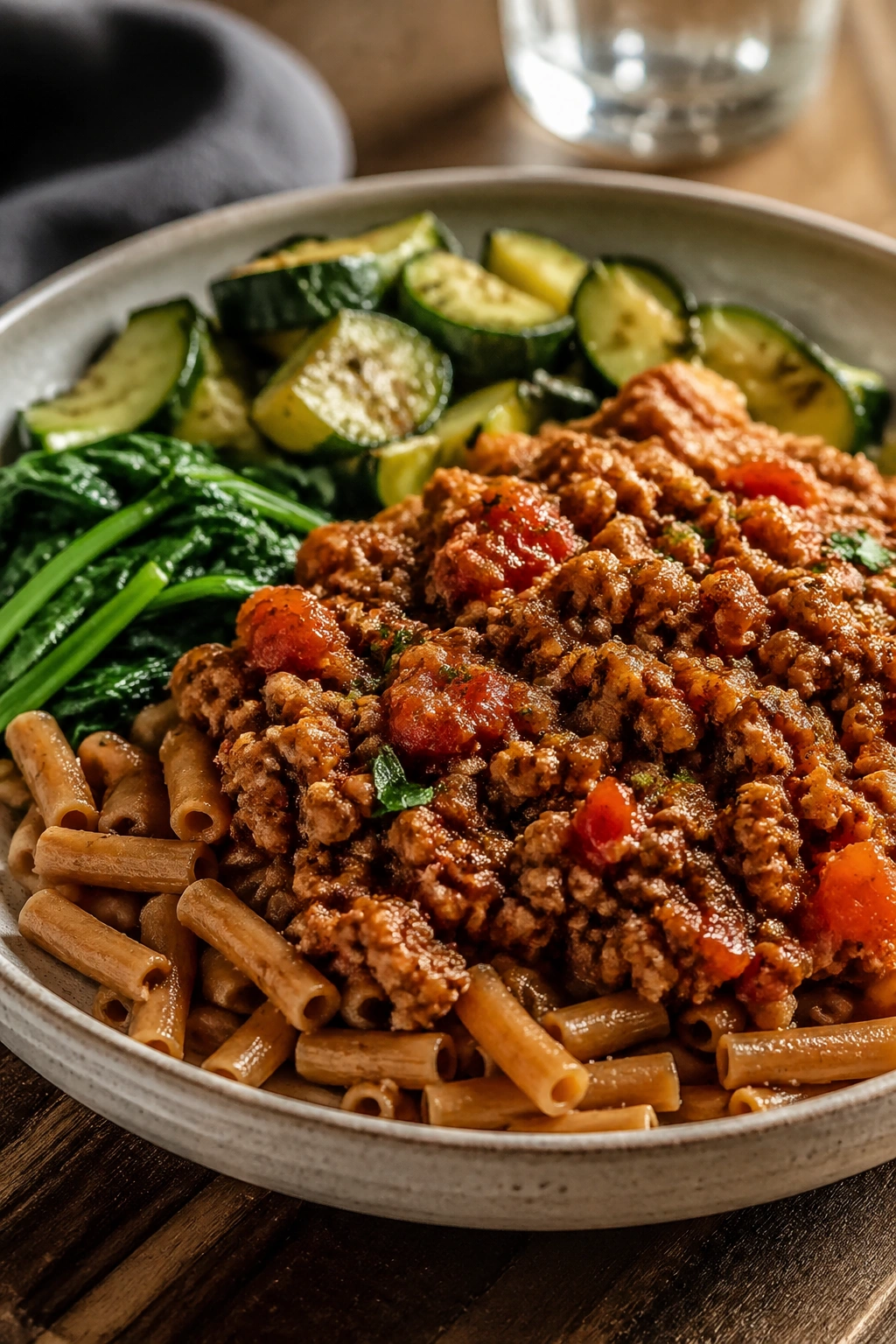
Pasta after training is not a dietary crime. Portion size is the whole story.
Use 2 ounces dry lentil pasta with 4 ounces lean turkey meat sauce and a side of zucchini, spinach, or roasted eggplant. You get 30 to 40 grams of protein, a solid carb base, and far more fullness than standard pasta usually gives for the same calorie hit. Lentil pasta has a denser chew, which helps the meal feel more substantial.
This one fits people who train hard and struggle on low-carb recovery meals. If heavy leg days leave you ravenous, a moderate pasta portion can settle that fast without sending you into a binge cycle later.
Watch the sauce. Oil-heavy jarred sauces and giant heaps of parmesan can turn a lean bowl into a sneaky calorie bomb. Use crushed tomatoes, garlic, onion, basil, and turkey you’ve browned yourself when you can.
It also reheats better than you’d think, though lentil pasta goes soft if it sits too long. Slightly undercook it on purpose.
18. Sardines on Sourdough With Tomato and Lemon
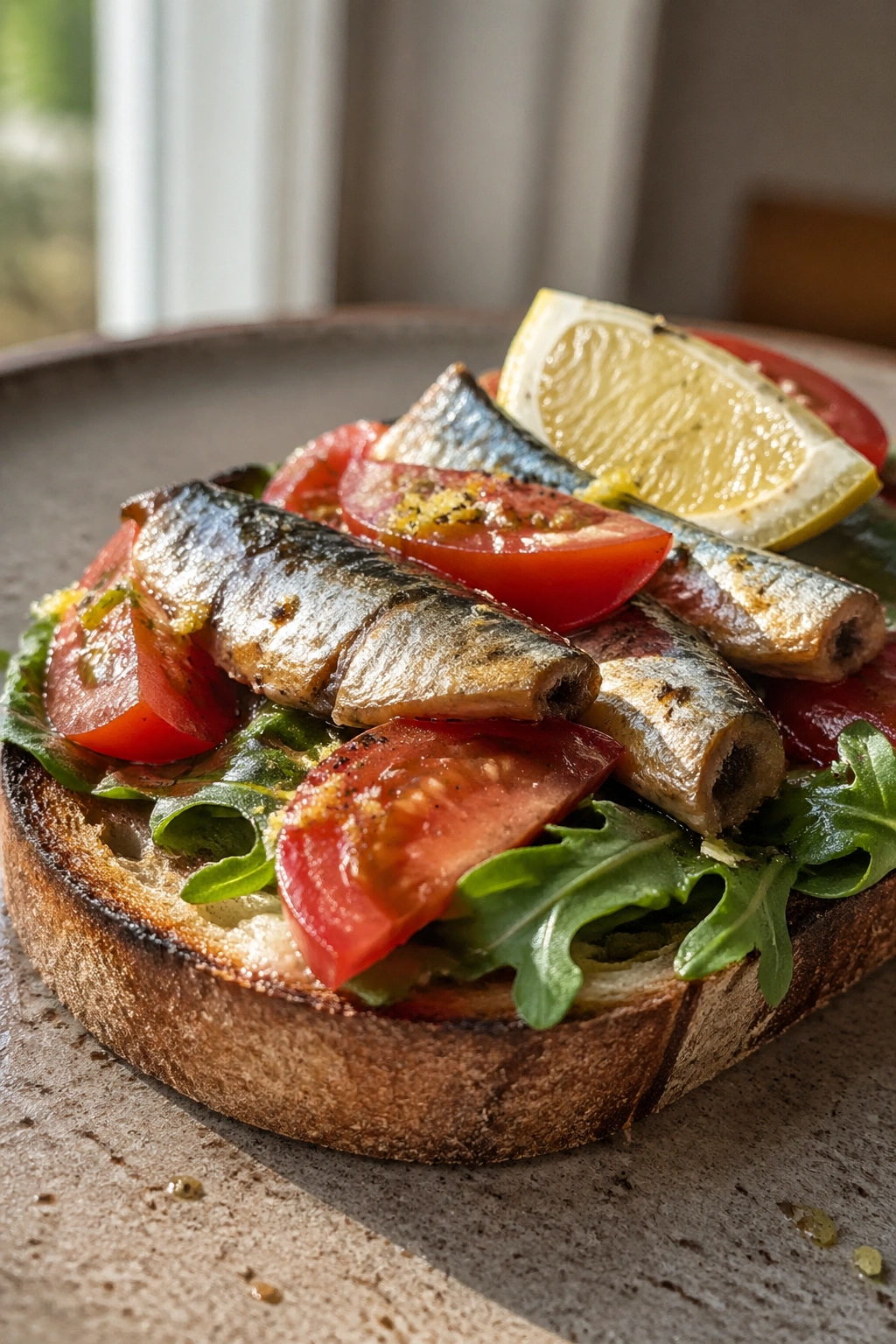
Unlike tuna, sardines bring more fat to the plate. They also bring omega-3 fats, calcium, vitamin D, and a lot of flavor if you buy the right tin. Mash 1 tin sardines onto 1 or 2 slices sourdough, add sliced tomato, black pepper, lemon juice, and a few arugula leaves. You get a salty, sharp, satisfying meal that feels more like café food than diet food.
Sardines aren’t for everyone. Fair enough. The texture is the hurdle. If you can get past that, they’re one of the most nutrient-dense post-workout options on this list.
Use bread with some structure. Thin, airy slices disappear under the fish. A dense sourdough or seeded loaf holds up better and adds enough carbs to make the meal useful after training. If calories are tight, use one slice and pile the second half of the tin over cucumber rounds on the side.
This one is fast, bold, and a little underrated.
19. Smoked Salmon and Cottage Cheese Bagel Thin
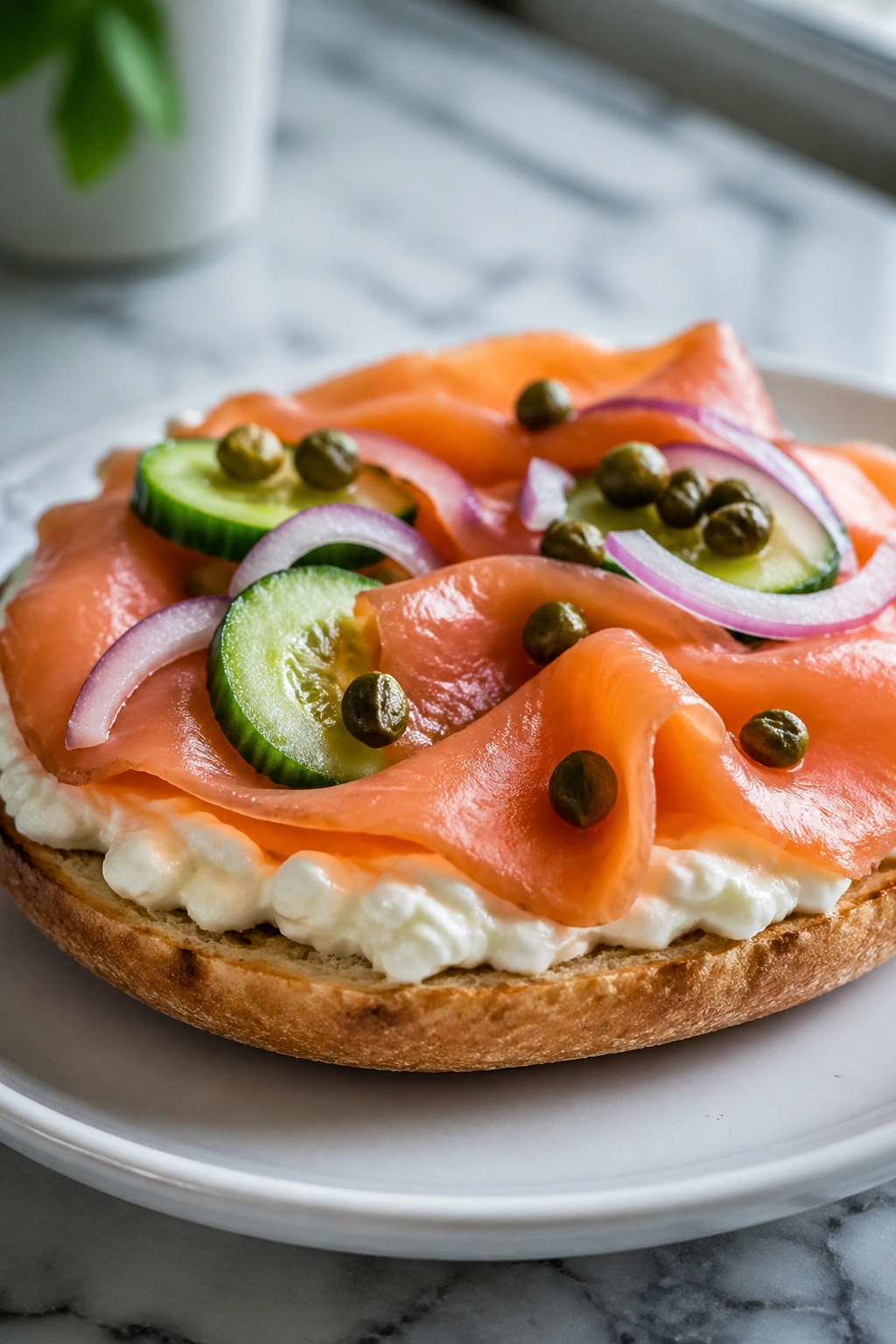
Some meals win because they’re easy to crave again. This is one of them.
Build it with 1 bagel thin, ½ cup cottage cheese, 2 ounces smoked salmon, cucumber, red onion, capers, and black pepper. The combo lands with a bagel-shop feel, though the calories stay far lower than a full deli bagel piled with cream cheese. Protein lands around 25 to 30 grams, carbs are moderate, and the salt can feel downright welcome after a sweaty session.
Why the swap works
Cottage cheese gives you more protein than cream cheese and a lighter calorie load. Smoked salmon brings flavor so you do not need much of it. Cucumber and onion add bite, which keeps the whole thing from tasting flat.
Easy ways to tweak it
- Add tomato slices if you want more volume
- Use whipped cottage cheese for a smoother spread
- Pair it with fruit if the workout was long
- Keep capers to 1 teaspoon unless you love salt
One caution: smoked salmon is salty. Hydrate well if you tend to feel puffy afterward.
20. Tempeh Noodle Salad With Crunchy Vegetables
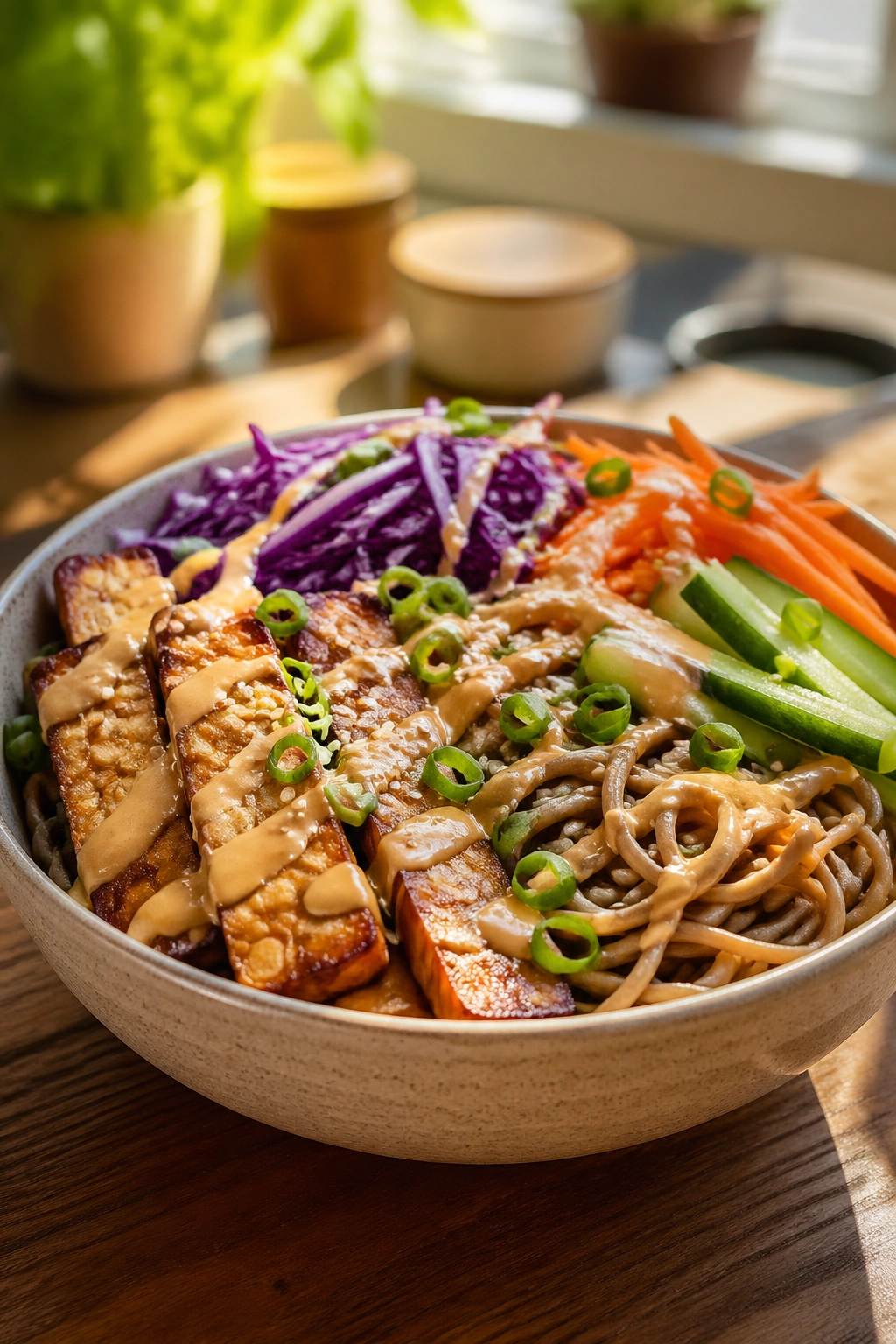
Tempeh is one of the best post-workout proteins for people who want something chewier and more satisfying than tofu. Slice 100 to 150 grams tempeh, pan-sear it, and toss it with soba noodles or rice noodles, shredded cabbage, cucumber, carrot, scallions, and a light peanut-lime dressing made with 1 tablespoon peanut butter, lime juice, soy sauce, and warm water.
Tempeh has a nutty, firm bite that keeps the meal grounded. It also carries more protein than many plant-based stand-ins. Use a controlled noodle portion—around 60 to 75 grams dry—and the salad lands in a useful post-workout range without running wild on calories.
Steam the tempeh for 10 minutes before searing if you find the flavor too earthy. That small step smooths it out and helps the sauce cling better.
I like this one after hot-weather sessions when a steaming bowl of food sounds miserable. Cold noodle salads can still support fat loss if the protein is there and the dressing stays measured.
Final Thoughts
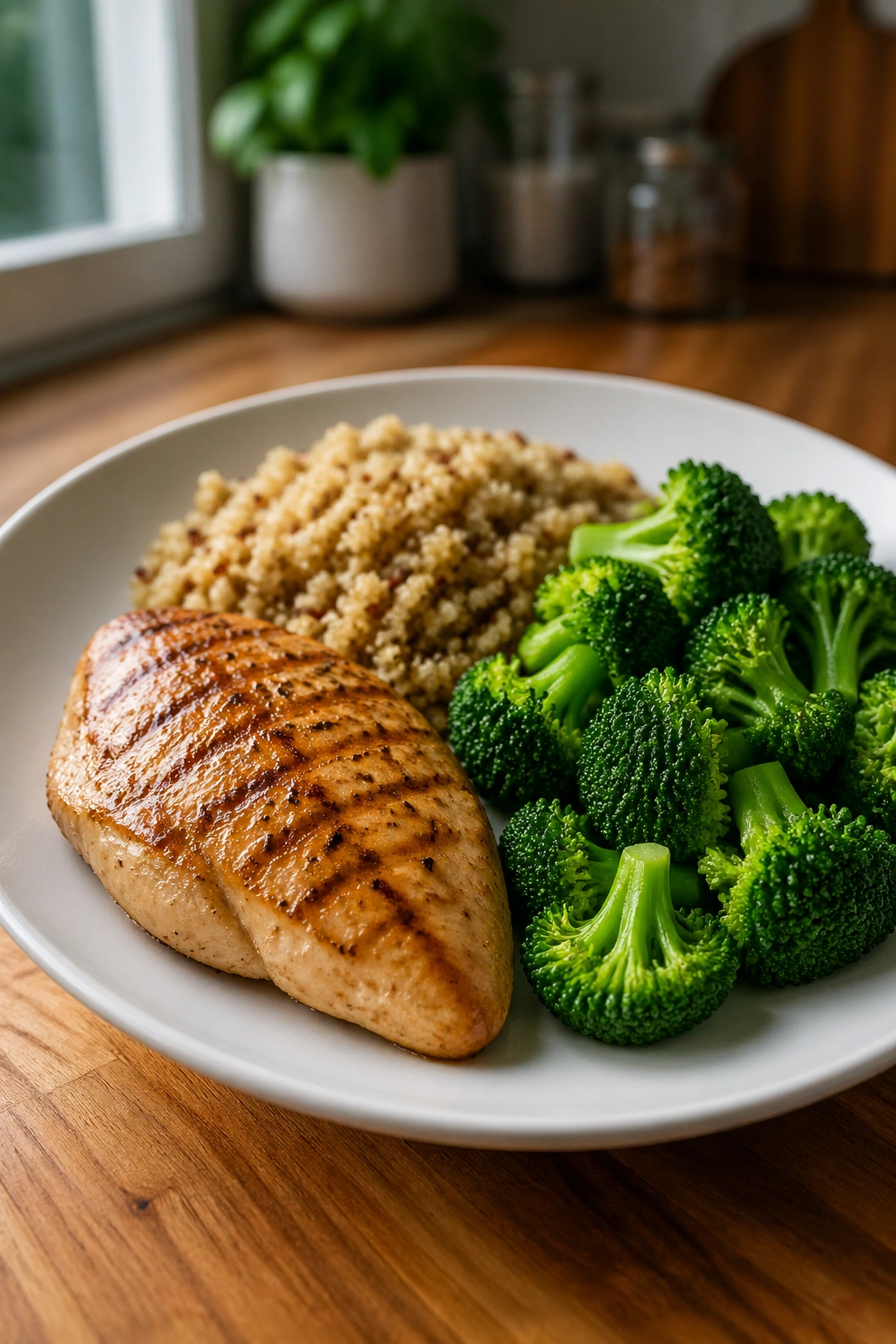
The best post-workout meals for fat loss are rarely the flashiest ones. They’re the meals you can make again on a tired Tuesday, the ones that hit protein first, give you enough carbs to recover, and don’t leave you picking through the pantry an hour later.
Pick three or four ideas from this list and repeat them for a week. That’s a smarter move than saving all 20 and cooking none of them. Repetition cuts friction, and less friction usually means better fat-loss progress.
One last nudge: if your post-training meal keeps turning into either a tiny snack or a “reward” feast, fix that before you chase supplements. A bowl, wrap, soup, or skillet built with sane portions will carry more of the load than most powders ever will.
