



The hour after training is where muscle gain often gets lost. You finish a hard session, your legs feel hollow, your shirt is still damp, and then the post workout foods question hits: Do I need a shake, a full meal, carbs, protein, all of it? That confusion matters more than people admit, because the meal you skip over and over tends to become the progress you never see.
A lot of bad advice floats around this topic. One camp acts like you have 30 minutes before your gains disappear. The other shrugs and says meal timing does not matter at all. Both miss the point. Total daily calories and protein drive muscle growth, yet the food you eat after lifting is still one of the easiest places to stack the deck in your favor—especially if you need help hitting protein, replenishing glycogen, and eating enough to stay in a calorie surplus.
Controlled feeding trials keep landing in a similar place: roughly 20 to 40 grams of protein after training is a practical target for most active adults, and daily protein intake around 1.6 grams per kilogram of body weight supports muscle gain well for a lot of lifters. That does not mean every post-lift meal needs to look like dry chicken and plain rice. It means the meal should do a job.
And the best ones do that job without a fight.
How Post Workout Foods Help Muscle Gain
Training creates the signal. Food supplies the building blocks.
Lift weights hard enough and you create tiny tears in muscle tissue, drain stored carbohydrate, and push your body to start repairing, rebuilding, and adapting. That repair process depends on amino acids—especially leucine, the amino acid that helps switch on muscle protein synthesis. A scoop of whey hits that mark fast. So do eggs, dairy, chicken, beef, fish, and bigger portions of soy foods.
Protein gives your muscles raw material
A position stand from the International Society of Sports Nutrition has long pointed to 20 to 40 grams of protein after exercise as a smart range for most people. Smaller lifters can land near the lower end. Bigger lifters, older adults, and anyone trying to gain size with hard training often do better nearer 30 to 40 grams.
Protein quality matters, too. Whey, dairy, eggs, meat, fish, and soy all bring a strong amino acid profile. Beans, grains, nuts, and seeds still count, though they usually need larger portions or pairing to get the same punch.
Carbs refill what hard training burned
Carbs do not build muscle on their own, yet they make the whole process easier. Heavy lifting, sprint work, long sessions, and high-volume training all chew through glycogen. A post-workout meal with 40 to 80 grams of carbs can help refill those stores, lower that flat, wrung-out feeling, and leave you ready to train hard again.
White rice, potatoes, bread, oats, fruit, bagels, cereal, couscous—none of these are “bad” post-workout carbs. The better question is digestion speed. After a brutal leg day, dense fiber bombs are not always your friend.
Fluids count more than most gym talk admits
Sweat loss changes the picture. Even mild dehydration can drag down recovery, appetite, and performance in the next session. Water and sodium matter after training, especially if your workout ran long or the room felt like a sauna.
Salt your food. Drink enough to bring body weight back up. Boring advice, maybe. Still works.
Building Post Workout Foods Around Real Life
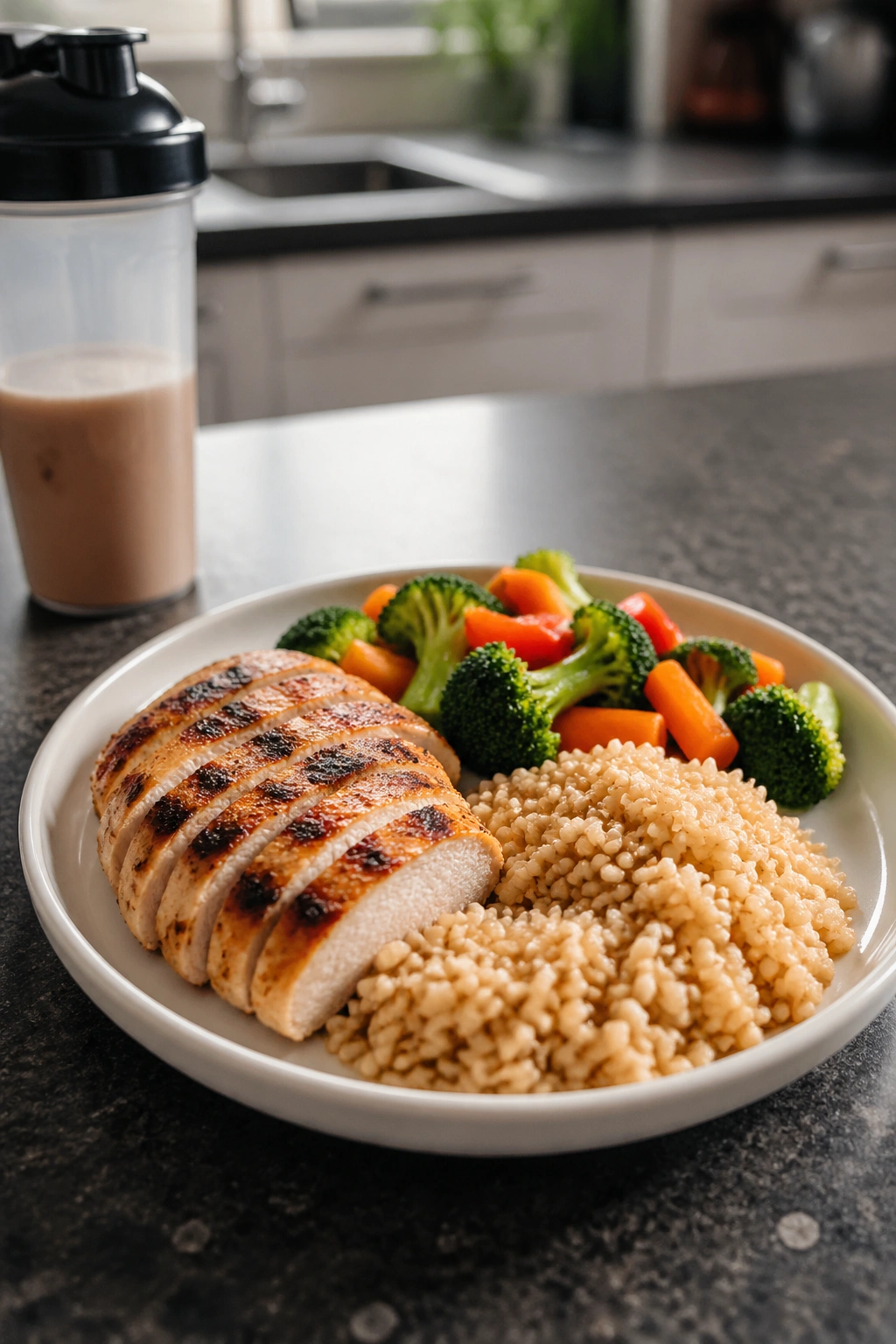
Do you need to sprint to a shaker bottle before you even wipe down the bench?
No.
If you ate a solid meal with protein one to two hours before lifting, your body is still working with that amino acid pool. A normal meal after training will do the job. The panic around the so-called anabolic window has always been overplayed.
Timing gets more useful in a few situations:
- You trained fasted. Eat sooner, ideally within an hour.
- You train twice in one day. Carbs after the first session matter more.
- Your appetite drops after hard workouts. Liquid calories earn their spot.
- You struggle to gain weight. The post-lift meal is an easy place to add 300 to 500 calories.
Match the meal to the session
A short upper-body workout does not demand the same recovery meal as a two-hour session packed with squats, lunges, sled work, and intervals. When training volume climbs, carbs become more valuable. When appetite crashes, lower-fiber, lower-fat meals tend to go down easier.
Use convenience as a tool, not an excuse
This is where people get stubborn. They know chicken, rice, yogurt, eggs, oats, and shakes work, yet they wait for the “perfect” meal and end up eating nothing for two hours. A turkey sandwich from your bag, a banana and whey shake in the car, even chocolate milk from a convenience store can beat the ideal meal you never eat.
Pick foods you will repeat. That matters more than novelty.
1. Chicken Breast and White Rice
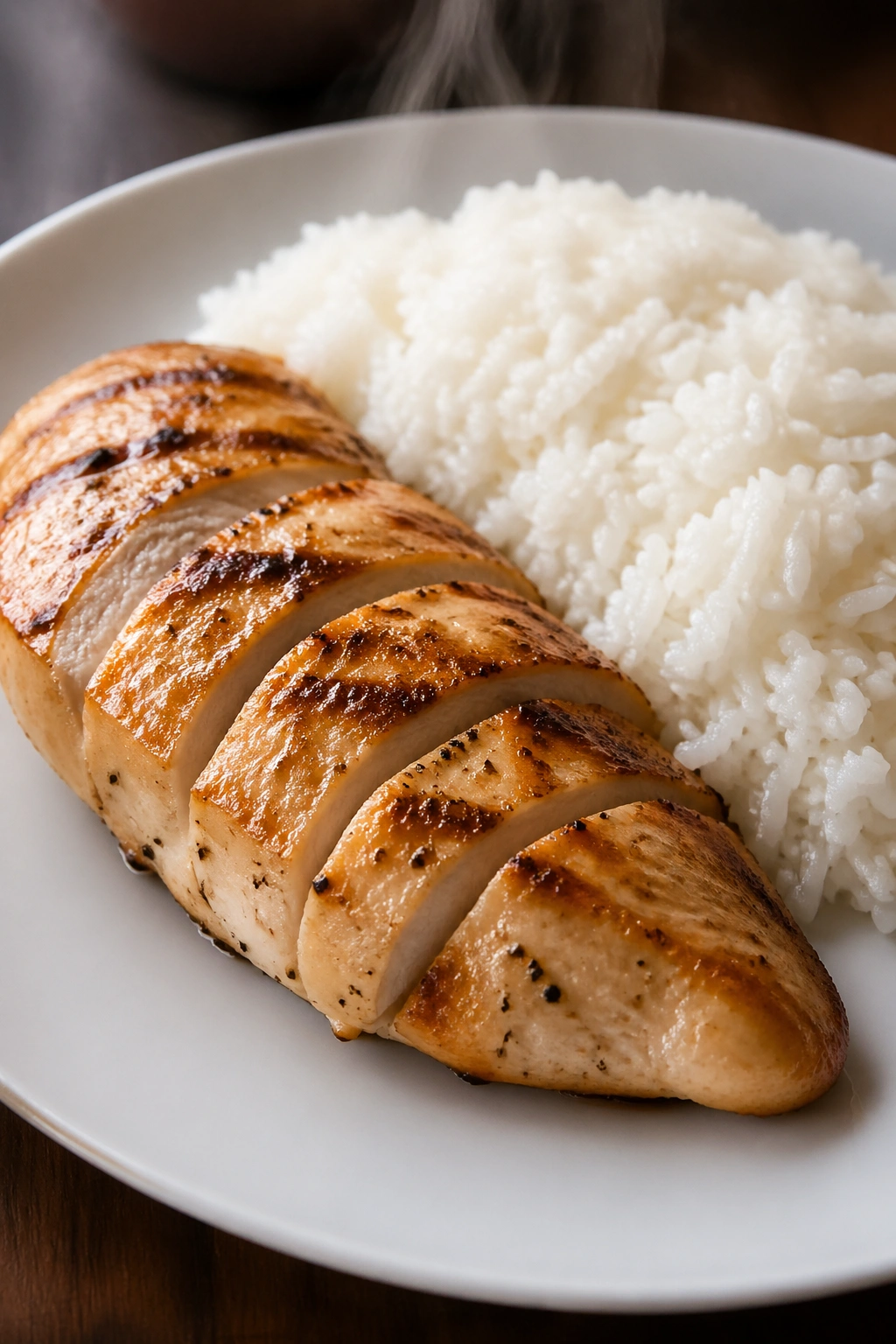
Boring works.
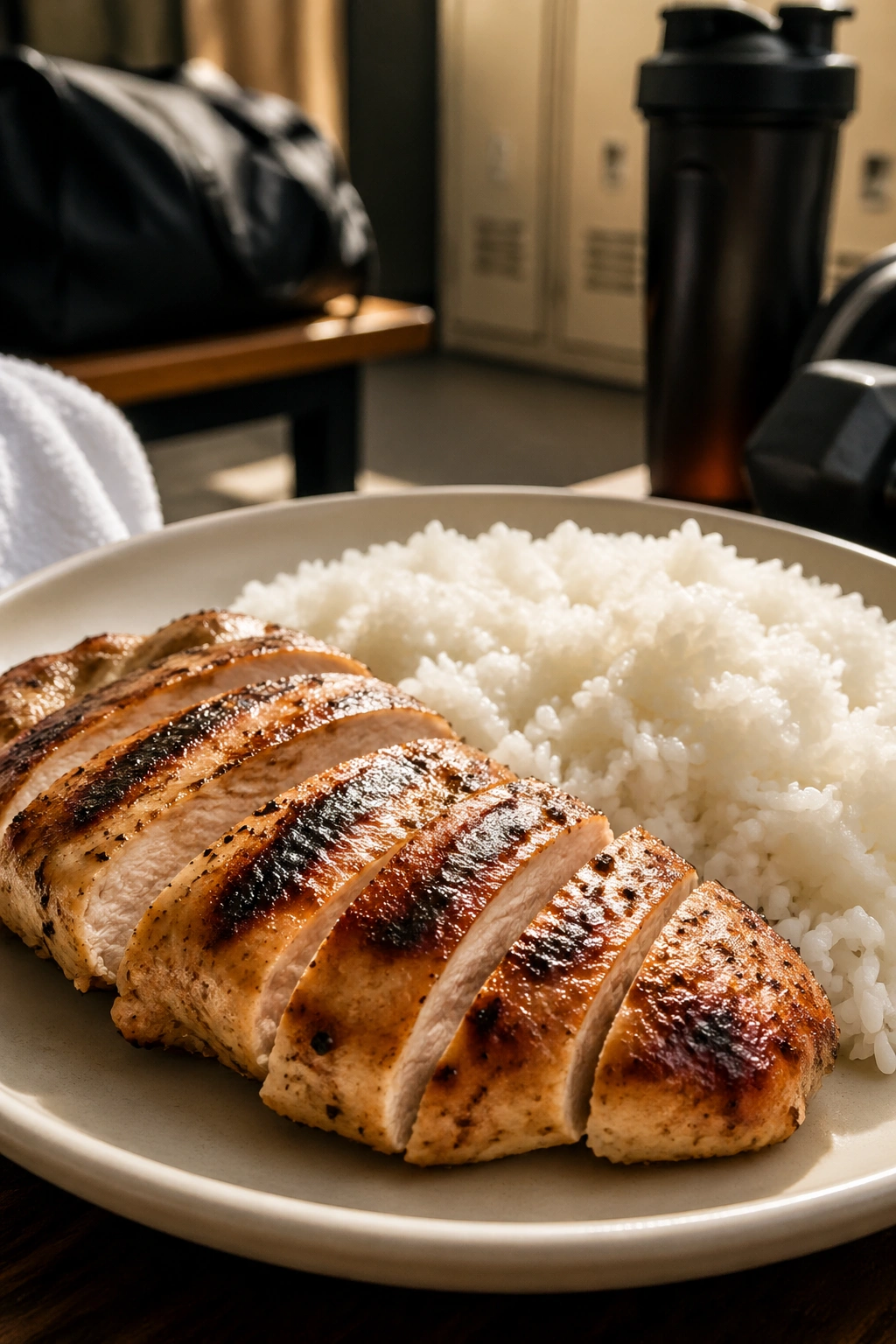
There is a reason chicken breast and white rice keeps showing up in meal prep containers, athlete cafeterias, and gym fridges. A plate with 5 to 6 ounces of cooked chicken breast and 1½ cups of cooked white rice gives you roughly 45 to 50 grams of protein and 65 to 70 grams of carbs with very little fat, which means it digests cleanly and gets the job done without sitting heavy.
Why this plain meal keeps winning
Chicken is rich in leucine, and white rice is easy on the stomach after hard training. That combination matters. Brown rice has its place, though right after a draining session the extra fiber does not buy you much except a fuller gut.
Seasoning fixes the blandness problem fast. Soy sauce, salsa, a squeeze of lime, hot sauce, or a spoonful of teriyaki can turn a dry plate into something you will eat four times a week without resentment.
One more practical note: cook chicken to 165°F, then pull it off heat and let it rest for 5 minutes. Overcooked chicken is one reason lifters start hating their meal prep.
2. Greek Yogurt With Berries and Honey
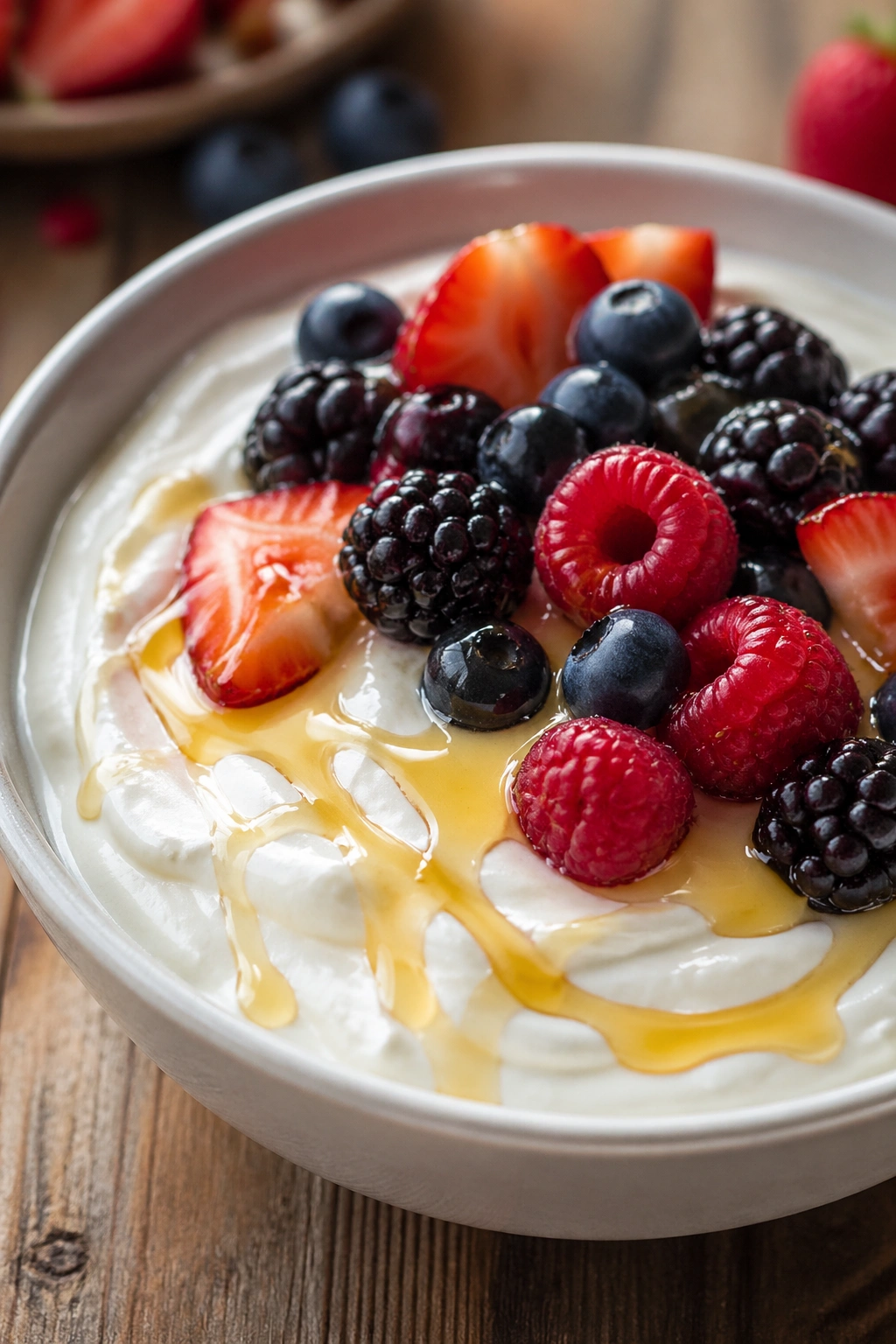
A bowl of Greek yogurt does more work than most protein bars ever will.
A standard 170-gram cup often lands near 17 to 20 grams of protein, and a larger 250-gram serving can climb to 25 grams or more. Add a cup of berries and a tablespoon of honey, and you have a fast post-workout bowl with protein, carbs, calcium, and a texture that feels easy to eat even when your appetite is shaky.
You can push it higher without much effort:
- Add 30 grams of granola for another 20 to 25 grams of carbs.
- Stir in 1 sliced banana if the workout was long or you trained legs.
- Sprinkle a pinch of salt on top after a sweaty session—it sounds odd, though it works.
- Use 2% or 5% yogurt when you need extra calories for mass gain.
Best use: Keep one in the fridge at work or in a cooler bag, because convenience is half the battle here.
3. Eggs and Sourdough Toast
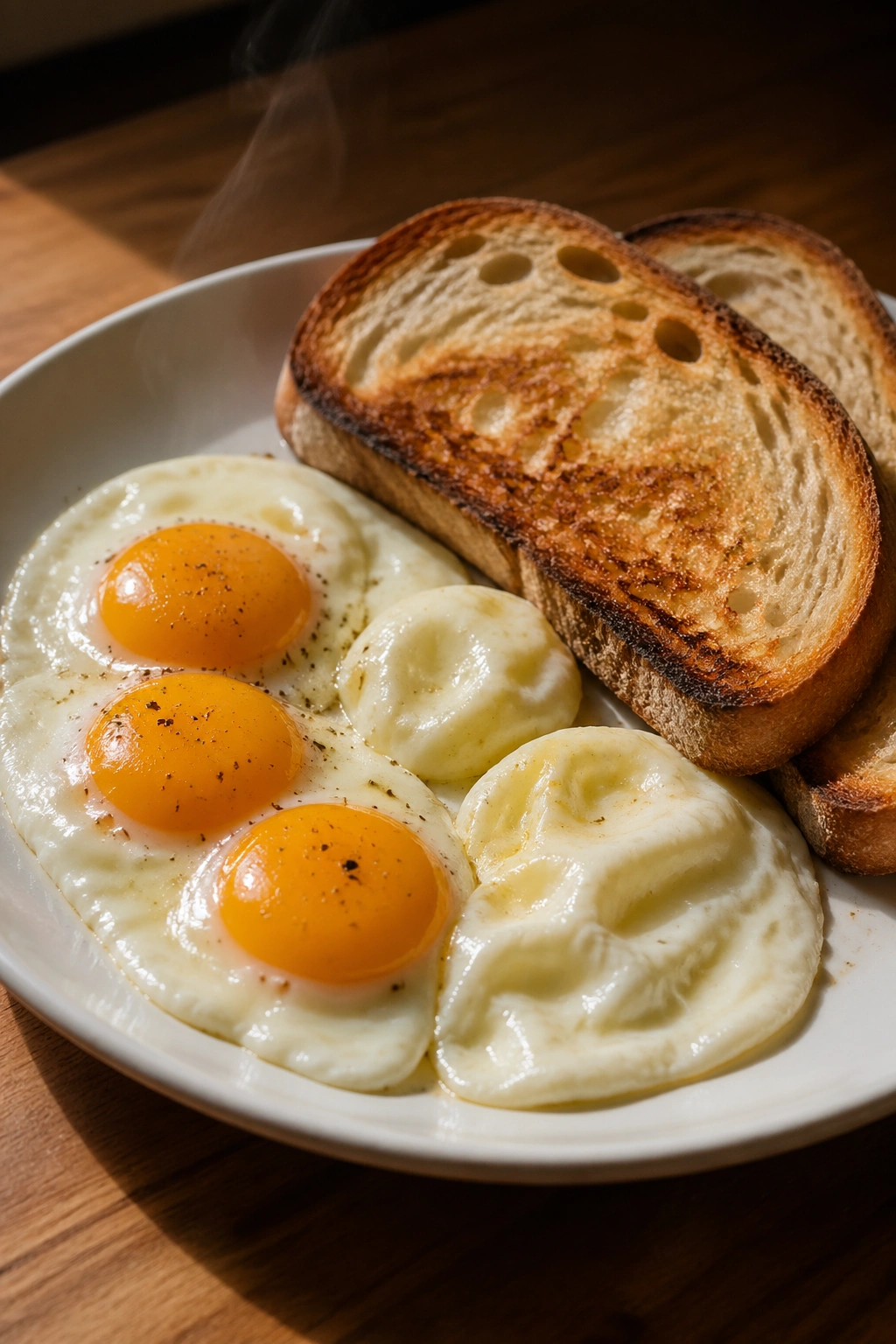
Do eggs count as a smart post-lift meal, or are they stuck in breakfast territory? They count.
Whole eggs bring high-quality protein, and sourdough toast adds the carbs that a protein-only meal often lacks. A plate with 3 whole eggs, 3 to 4 egg whites, and 2 slices of sourdough gets you into the 30 to 35 gram protein range with about 30 grams of carbs, which is enough for a lot of lifters after a standard weights session.
Make the protein math work
The mistake people make with eggs is stopping at two. Two eggs are fine for taste. They are not much of a muscle-gain meal. Adding extra whites keeps the texture soft while bumping the protein up without loading the plate with more fat.
Sourdough earns a nod here because it tends to sit a little lighter than dense seeded bread. Toast it well, add jam if you want more carbs, and salt the eggs properly. Dry, under-seasoned eggs are a fast way to ruin a meal you should be able to make half-awake.
Whole eggs also bring choline, selenium, and fat-soluble nutrients. People used to fear the yolk. That advice aged badly.
4. Salmon and Potatoes
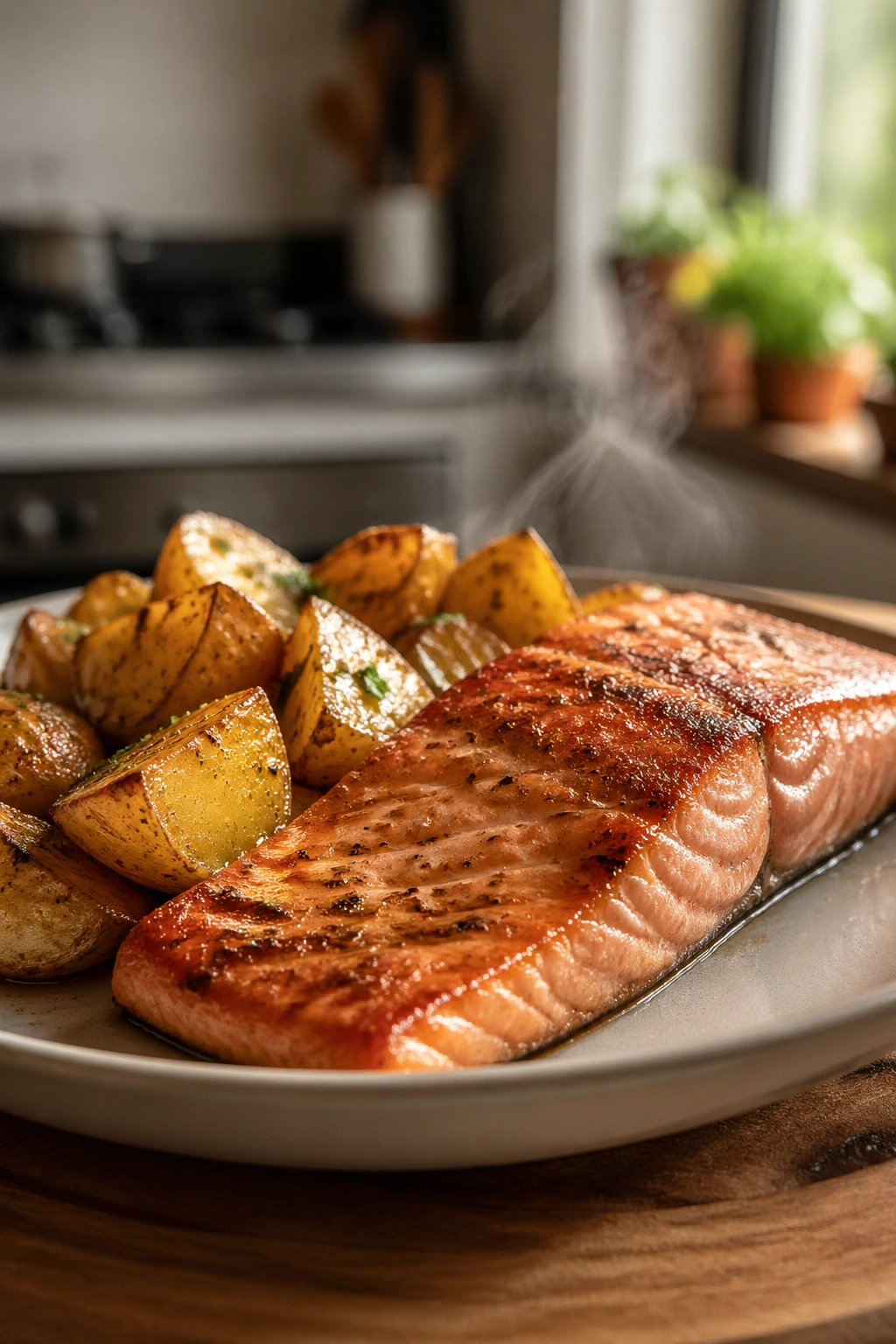
Picture a tray of roasted potatoes with crisp edges and a salmon fillet that flakes when you press it with a fork. That is not “clean eating” wallpaper. That is a smart recovery meal.
Six ounces of salmon gives you around 34 grams of protein, and 300 grams of potatoes adds close to 55 to 60 grams of carbs plus a useful hit of potassium. If your workouts leave you crampy, flat, or drained, potatoes help more than they get credit for.
A few reasons this meal punches above its weight:
- Salmon brings omega-3 fats, which support recovery and help round out an athlete’s diet.
- Potatoes digest well when cooked until soft, especially compared with heavy bean-and-fiber meals.
- Salt sticks better to potatoes, which helps replace sodium lost in sweat.
- The meal reheats well, unlike some fish dishes that turn dry and sad.
The one catch is fat content. Salmon is not slow like a cheeseburger, though it still digests a bit more slowly than chicken breast or whey. If you need food in your system fast before another session, use a leaner option. If you are heading home to recover and eat dinner, salmon is an easy yes.
5. Cottage Cheese and Pineapple
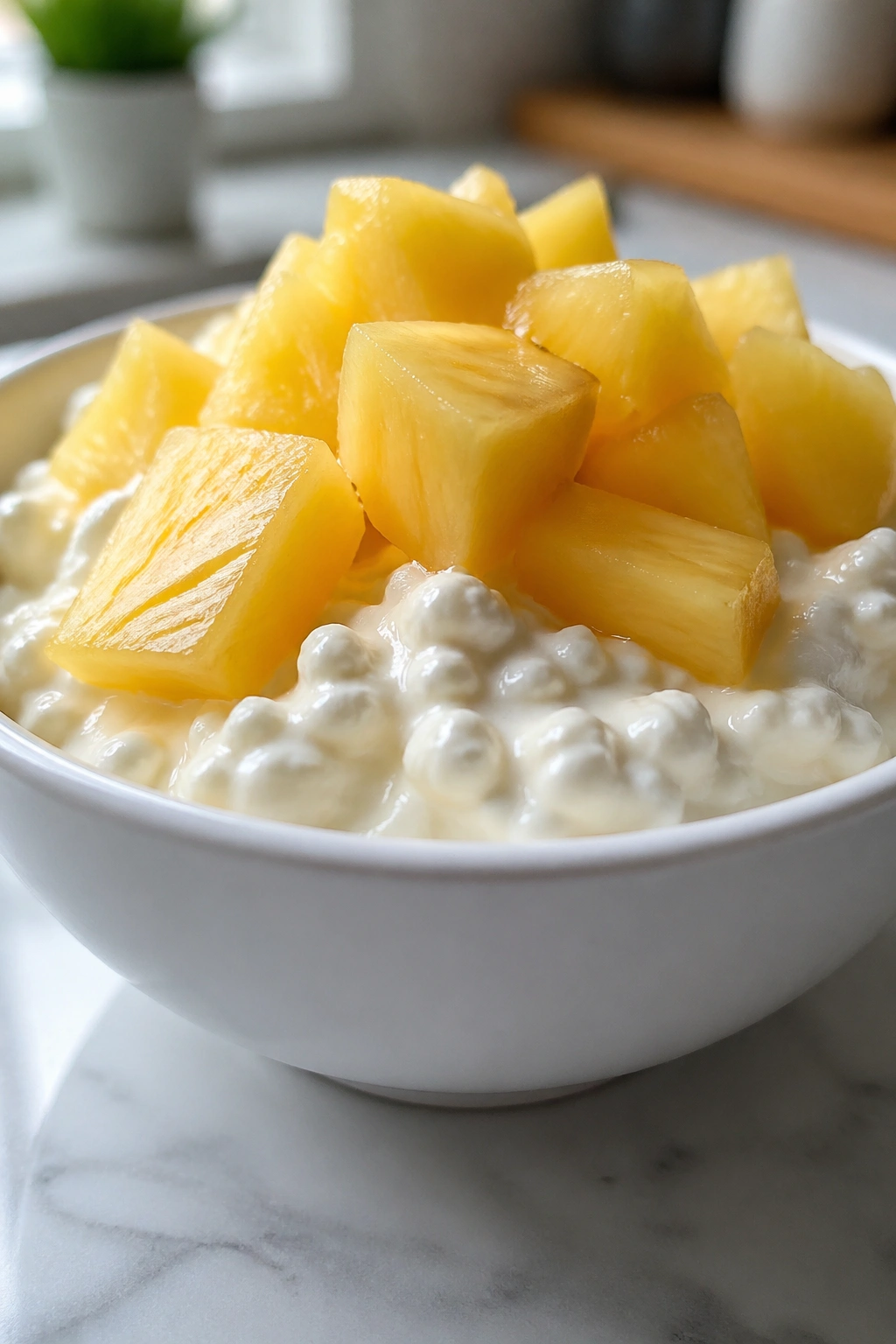
Cottage cheese gets shoved into the “before bed” box and left there. That sells it short.
A single cup often delivers 25 to 28 grams of protein, much of it casein, which digests more slowly than whey. Slower does not mean bad after a workout. It means the amino acids stick around longer, which can be useful when your next meal is still a few hours off.
Pineapple makes the whole thing easier to eat. The sweet-acid bite cuts through that salty, creamy texture and makes a high-protein bowl feel less like diet food. I would not oversell bromelain or turn pineapple into some recovery cure-all. The real advantage is taste and carbs—about 20 grams per cup.
Use low-fat cottage cheese if you want a lighter meal after training. Use 2% or 4% when you need more calories and your stomach handles dairy well.
This is also one of the cheapest high-protein foods in the grocery store. Not glamorous. Useful.
6. Lean Beef and Jasmine Rice
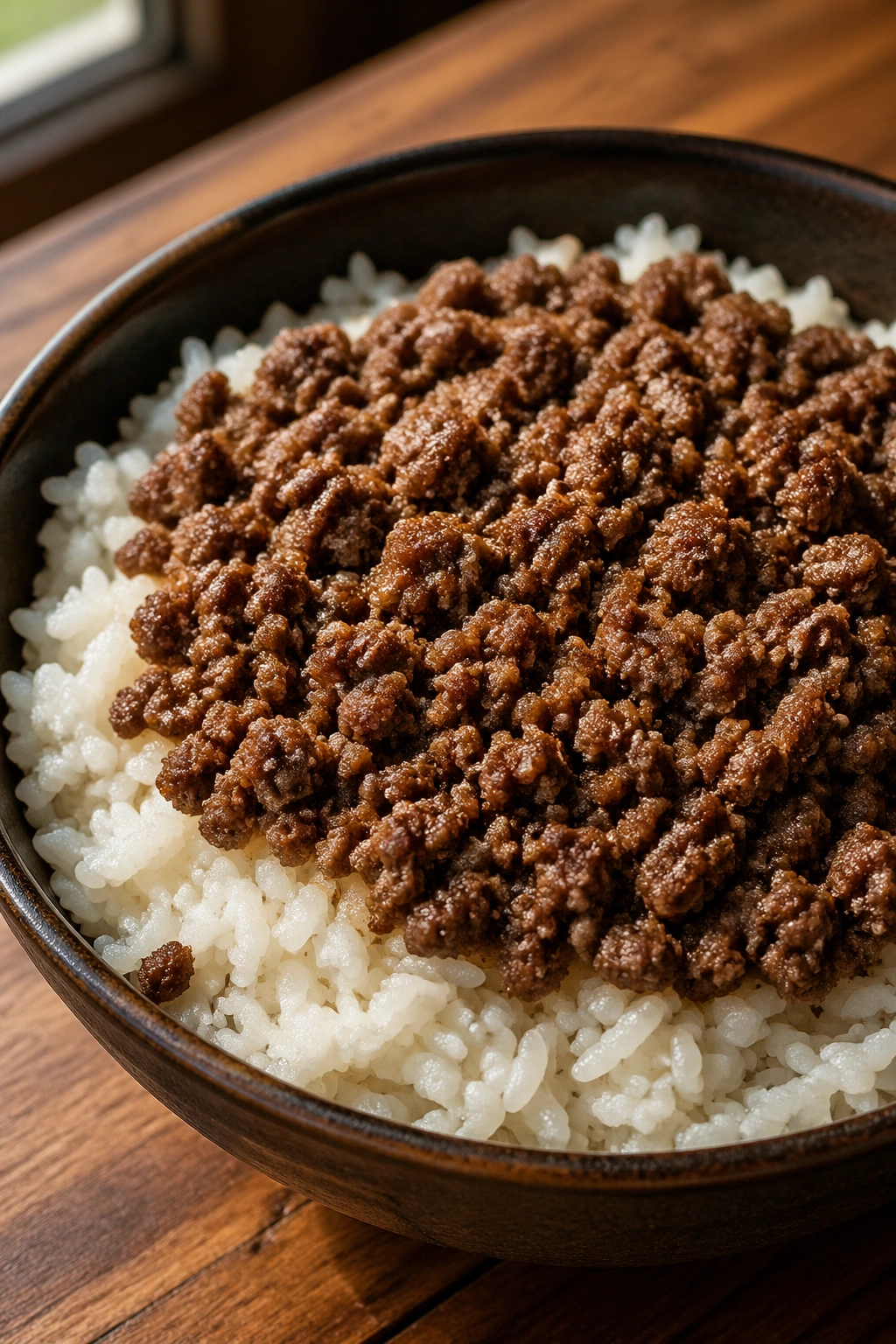
Unlike chicken, lean beef gives you protein plus creatine, heme iron, zinc, and vitamin B12 in one shot. That makes it a strong post-workout food for lifters who train hard, struggle with low energy, or need more iron-rich foods in rotation.
A bowl built with 6 ounces of 93% lean ground beef and 1½ cups of cooked jasmine rice lands near 34 to 38 grams of protein and 65 to 70 grams of carbs. Jasmine rice works well here because it cooks fast, reheats nicely, and tends to go down easily.
Who gets the most from this meal?
People trying to gain size. Lifters who do not feel satisfied on chicken alone. Anyone whose recovery diet feels a little too “light” and ends up raiding the pantry an hour later.
Lean beef does bring more fat than chicken breast, so portion size matters. Drain the pan after browning, season hard with salt, garlic, and black pepper, and use a little salsa or broth when reheating so the rice stays soft instead of turning into little dry pebbles.
7. Whey Protein Shake With a Banana
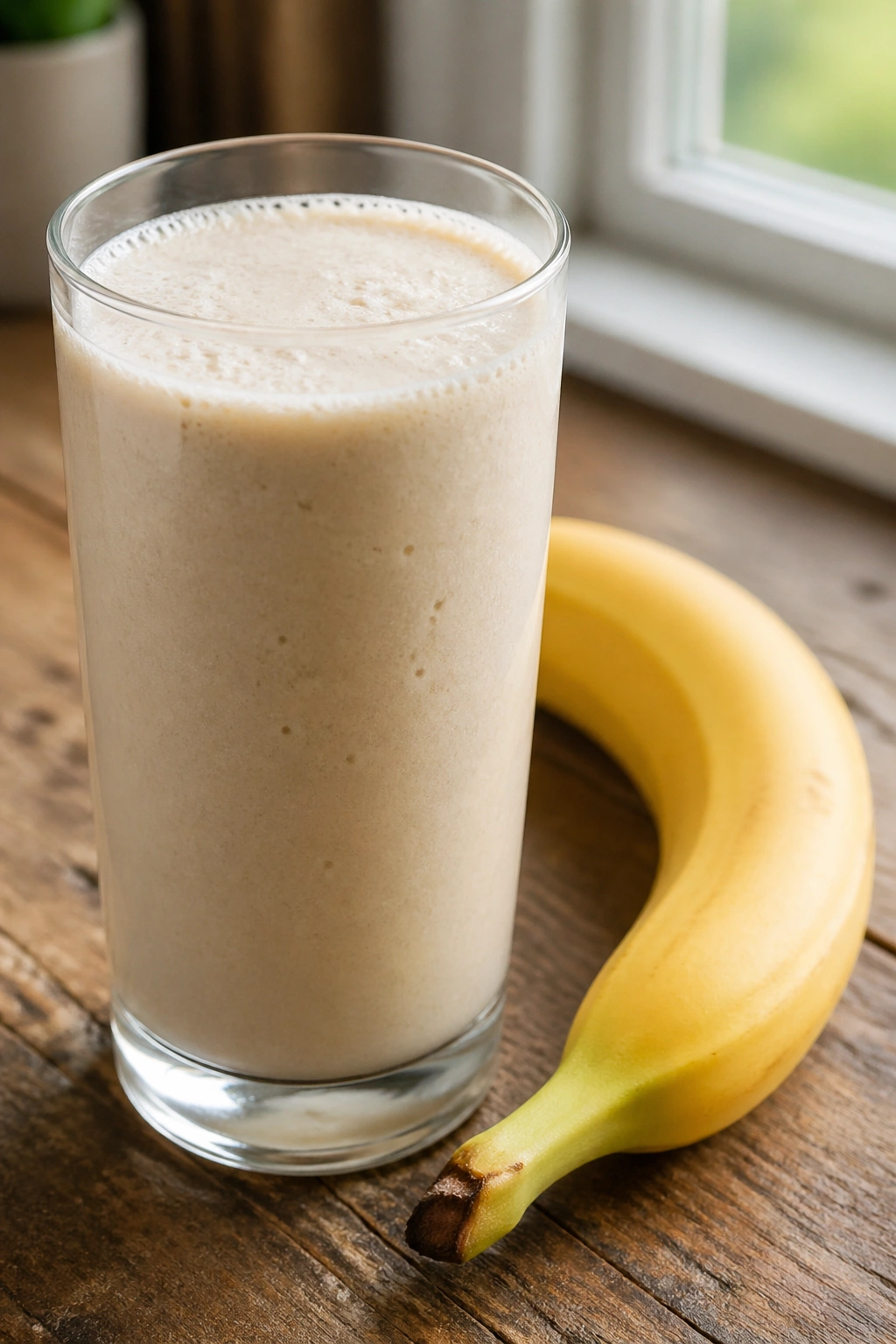
Short on time? This is the emergency exit.
A scoop of whey isolate or whey concentrate usually gives 24 to 25 grams of protein and around 2.5 grams of leucine, which is enough to hit the muscle-protein-synthesis trigger for a lot of people. Pair it with a banana and you add 25 to 30 grams of carbs in a form most stomachs handle well right after training.
Why liquid meals earn their place
Liquid calories matter when appetite is low, when your commute cuts into eating time, or when you train early and solid food feels like cardboard. People love to mock the classic shake-and-banana combo, yet it keeps surviving because it solves a real problem: it is easy to consume when chewing sounds like work.
How to turn it into a mass-gain tool
A plain shake may be enough after a short session. For muscle gain, you often need more.
- Blend with 12 to 16 ounces of milk instead of water.
- Add ½ cup dry oats for 25 to 30 more grams of carbs.
- Toss in 1 tablespoon peanut butter if you need calories and do not mind slower digestion.
- Add a pinch of salt if the workout was sweaty.
No shaker bottle? Stir whey into drinkable yogurt or kefir. Not fancy. Still useful.
8. Tuna and a Plain Bagel
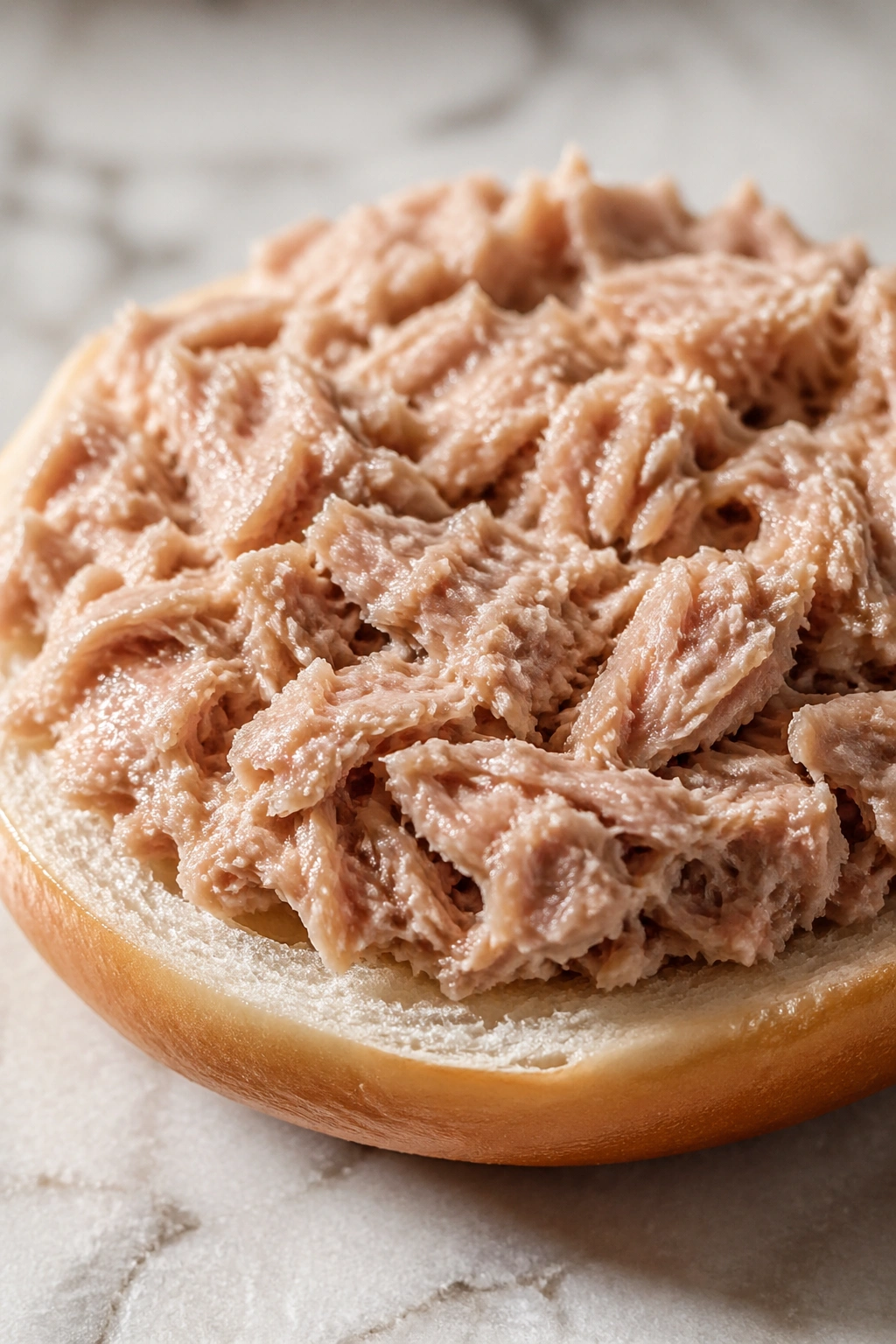
Desk-drawer meals are underrated.
A single-serve tuna pouch and a plain bagel gives you an easy 25 to 30 grams of protein and 50 to 55 grams of carbs without refrigeration for a few hours. That makes it one of the handiest post-workout foods for office lifters, students, and anyone training between errands.
Tuna has the protein quality you want, and the bagel brings fast carbs without much fiber getting in the way. Add mustard, pickles, or a little light mayo if you have access to a fridge. Or tear the bagel, pile the tuna on top, and move on with your day.
A practical point people skip: choose skipjack tuna more often than albacore if this becomes a weekly staple. You still get the protein, while mercury exposure tends to be lower.
If you weigh more than 200 pounds or your session ran long, use 2 tuna pouches or pair the meal with fruit. One pouch is handy. Two is more like a full recovery meal.
9. Chocolate Milk
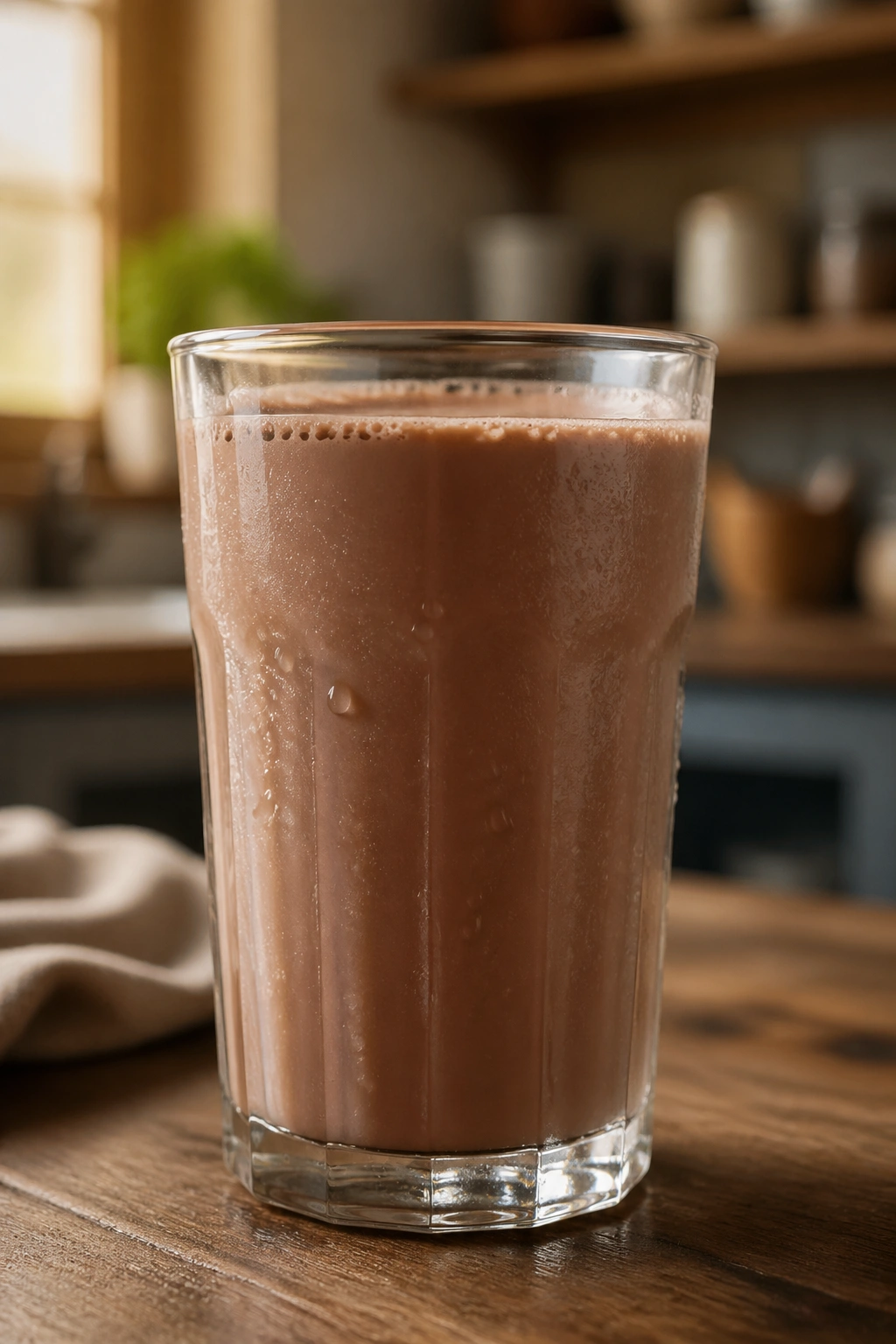
Yes, chocolate milk still deserves a seat at this table.
Two cups of low-fat chocolate milk bring roughly 16 grams of protein and 50 grams of carbs, and that mix is a big reason it keeps turning up in locker rooms and coolers after hard training. It is cold, easy to drink, and usually more appealing than a chalky shake when your body feels cooked.
The reason it works is not magic. It is compliance. You will drink it. That counts.
If you are a larger lifter, pair chocolate milk with a banana, cereal, or a scoop of whey. On its own, it can come up short on protein for someone chasing serious size. If dairy bothers your stomach, skip it and use whey isolate, lactose-free milk, or a dairy-free shake instead.
Cold chocolate milk after a brutal conditioning session hits in a way fancy recovery products do not. Sometimes the simple answer sticks around because it was never a bad answer.
10. Turkey Sandwich With Cheese
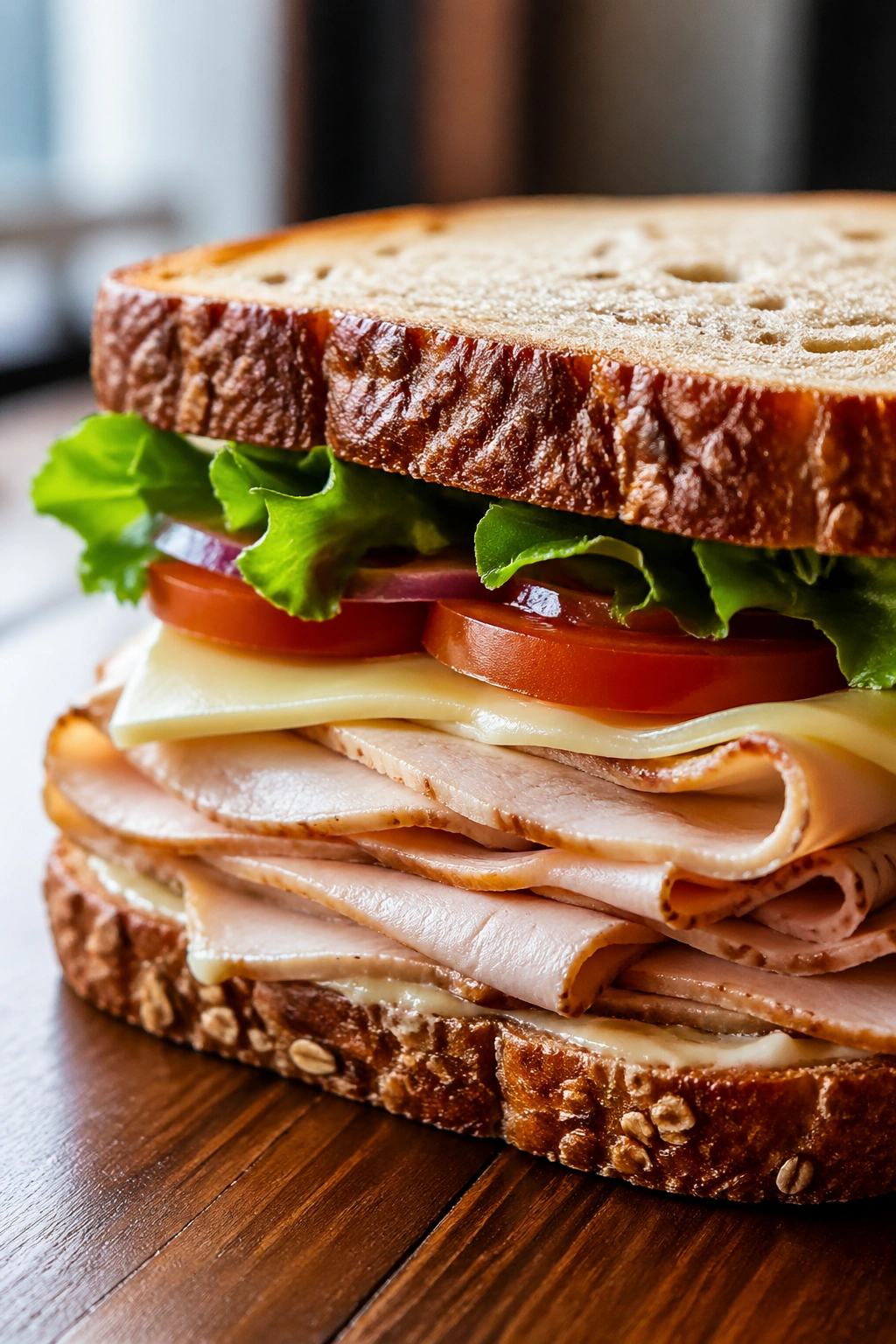
Post-lift meals do not need a fork.
A sandwich with 4 to 6 ounces of deli turkey, 2 slices of bread, and 1 slice of cheese can land near 35 to 40 grams of protein with 30 to 40 grams of carbs, and it travels better than almost anything else on this list. That makes it a strong pick when you train at lunch and head straight back to work.
Build it so it counts
Use enough turkey. That sounds obvious, though this is where people slip. Two thin deli slices do not create a muscle-gain meal. Stack it properly. Add tomato, mustard, lettuce, pickles—whatever makes it easier to eat often.
Bread choice changes the feel. Sourdough and white bread tend to digest faster. Whole grain gives more fiber and staying power. If you are trying to gain weight and the scale has been frozen for three weeks, add avocado or a second slice of cheese instead of pretending appetite alone will save you.
Wrap it tightly. Let it sit for 15 minutes. The bread softens, the flavors settle, and the whole thing tastes better than a dry, rushed sandwich assembled in a parking lot.
11. Oatmeal With Protein Powder and Peanut Butter
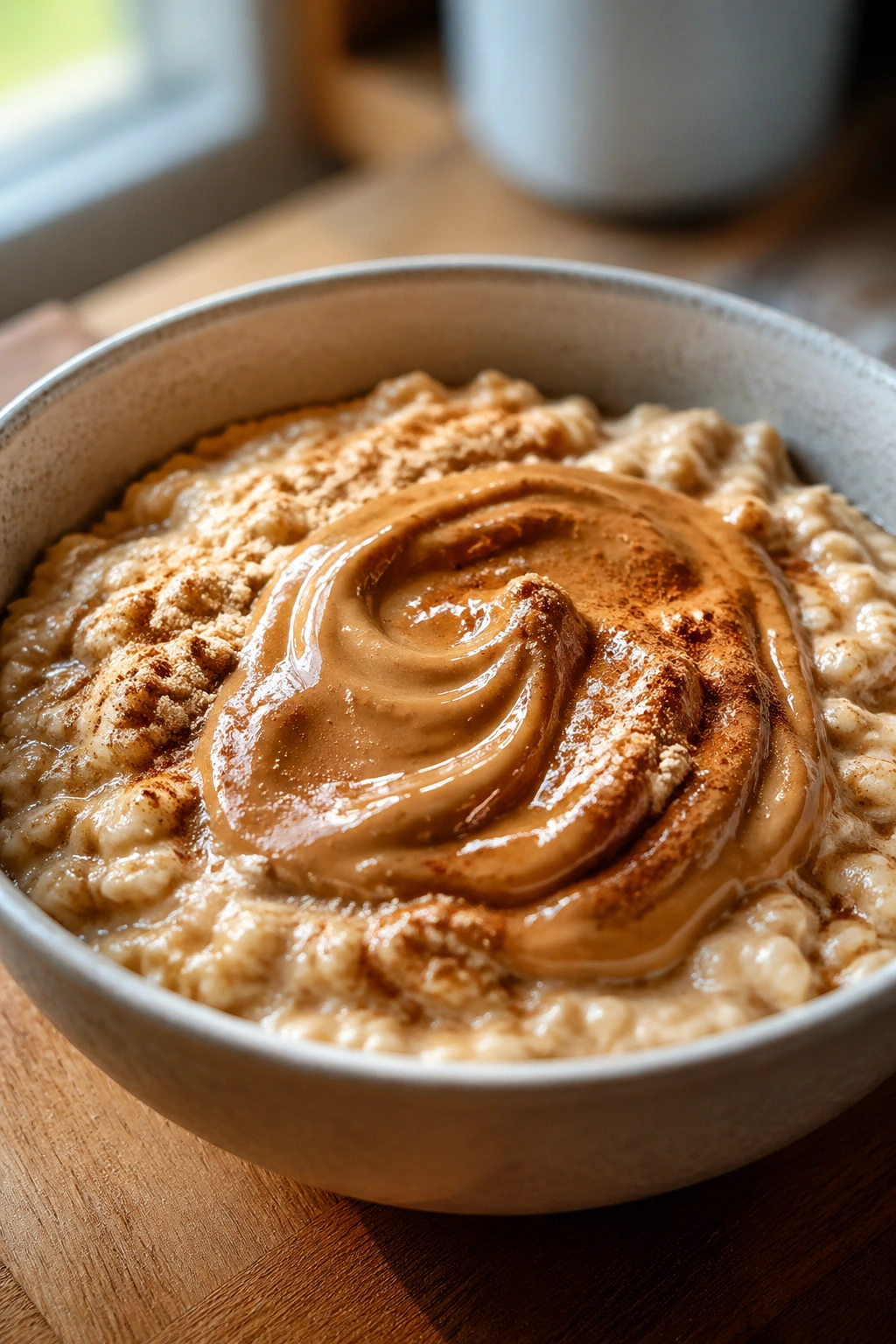
This one belongs to morning lifters.
Cook 1 cup of oats, stir in 1 scoop of protein powder after the heat drops, and add 2 tablespoons of peanut butter. You end up with a bowl that can hit 35 to 40 grams of protein, 50 to 60 grams of carbs, and enough calories to keep muscle gain moving when breakfast tends to be weak.
Oats bring a slower, steadier carb source than rice cakes or fruit alone. Peanut butter makes the bowl more filling and raises calories fast. Cinnamon and a pinch of salt help more than people think. Protein powder stirred in too early can turn grainy, so wait until the oats stop bubbling.
There is a downside. A big oat bowl after a savage lower-body session can feel heavy. Fiber does that. If your stomach pushes back, swap half the oats for cream of rice or use a smaller serving and pair it with fruit.
Still, when it works, it works. A warm bowl after an early lift feels like recovery instead of damage control.
12. Tofu Stir-Fry With Rice Noodles
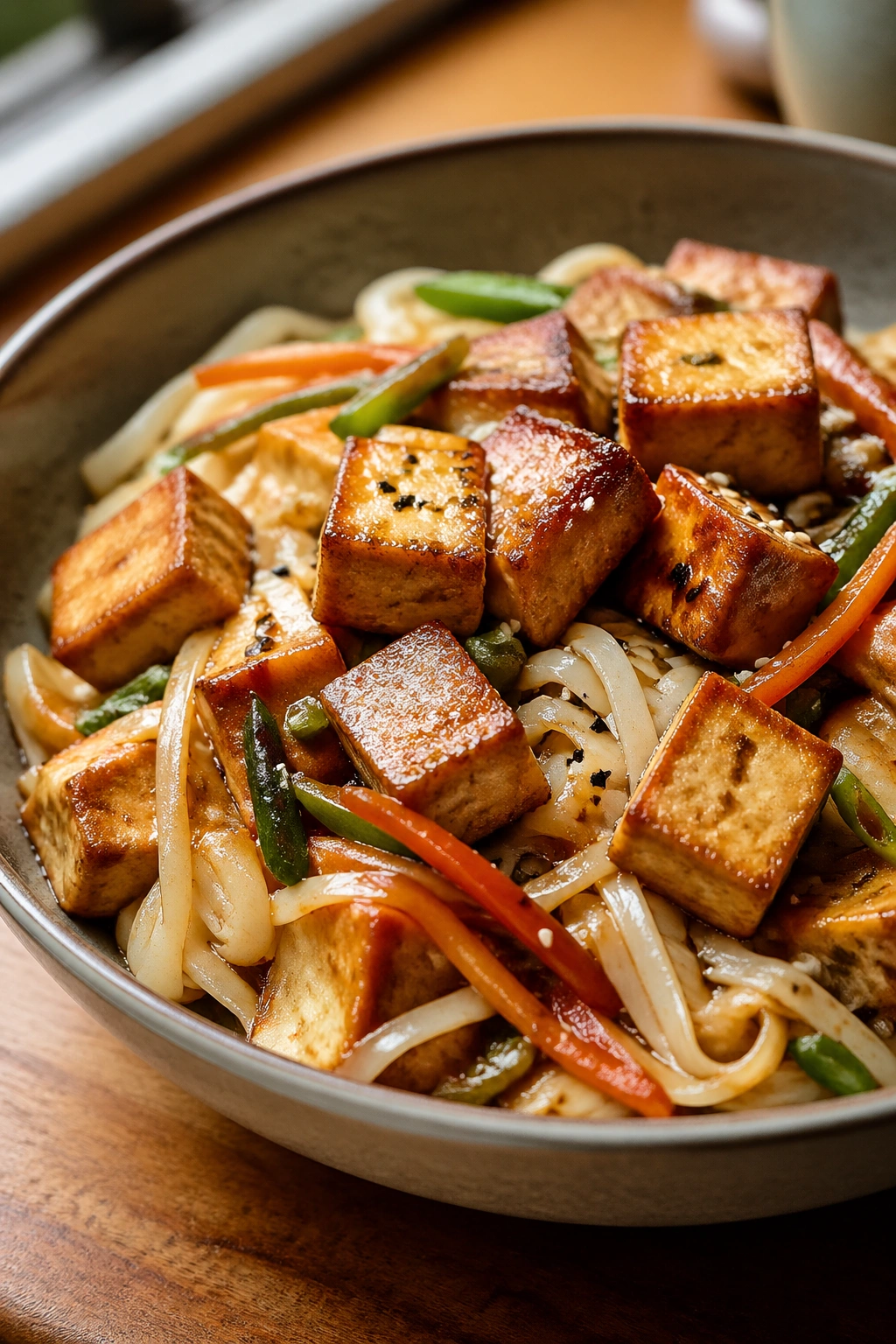
Plant-based lifters do not need to settle for a limp salad and hope. Tofu can pull its weight after training—if you give it enough space on the plate.
A serving of 200 to 250 grams of extra-firm tofu gives roughly 24 to 30 grams of protein, and 2 cups of cooked rice noodles adds another 60 to 70 grams of carbs. That is a real meal, not a side dish pretending to be one.
How to make tofu worth eating
- Press it for 15 to 20 minutes so it browns instead of steaming.
- Cut it into slabs or cubes, then sear until the edges turn golden.
- Season first with salt, then add sauce after a crust forms.
- Use soy sauce, garlic, ginger, and a little maple syrup or brown sugar for a fast glaze.
Soy protein is one of the better plant proteins for muscle gain because it has a strong amino acid profile. The catch is portion size. A tiny block split across three lunches does not cut it. Go bigger.
Rice noodles are a smart pairing after training because they digest more easily than heavy whole grains. Add bok choy, snap peas, or peppers if you want vegetables. Keep the fiber load under control if your stomach runs sensitive after hard sessions.
13. Skyr With Granola and Kiwi
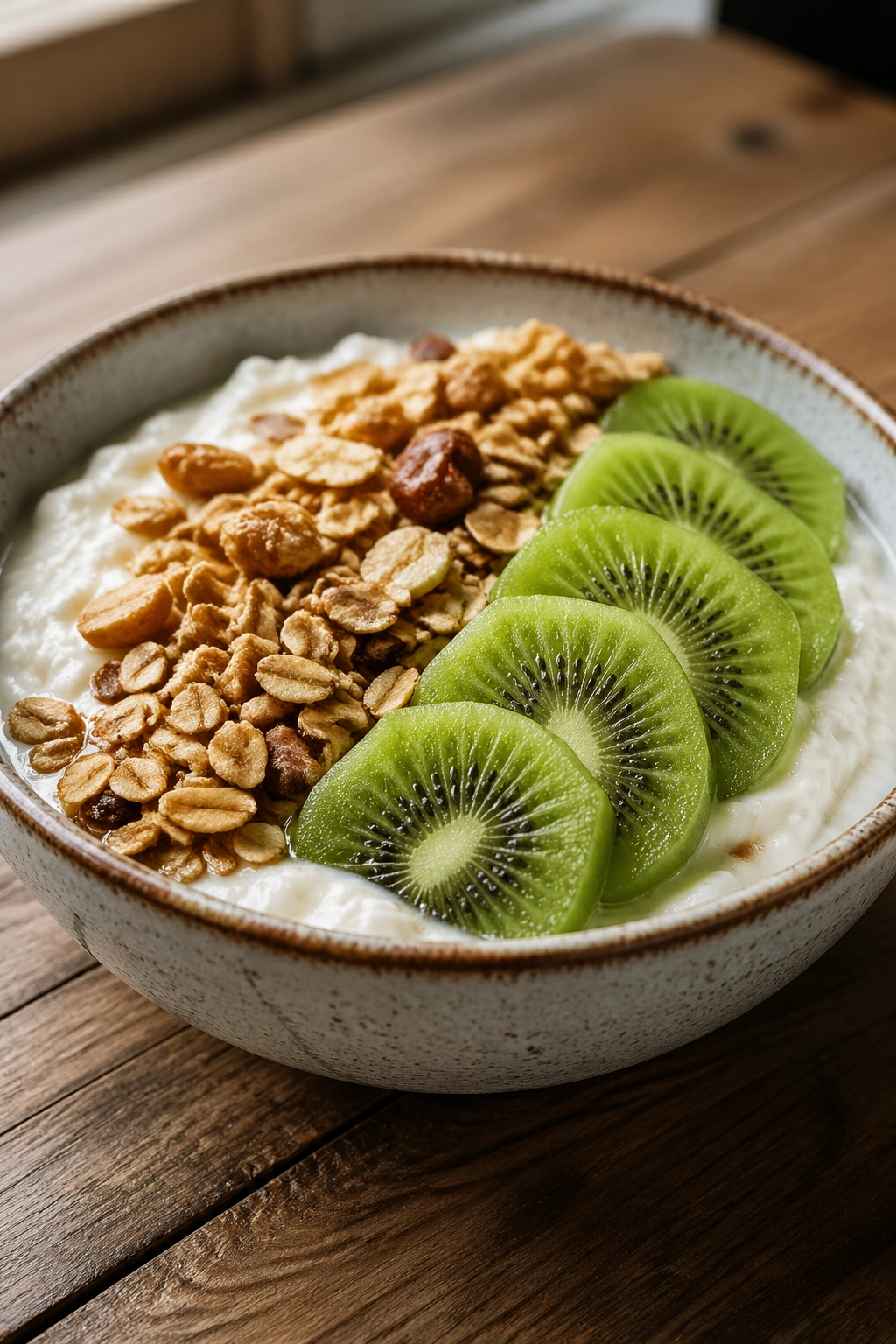
Need something cold after a hot workout? Skyr earns a spot.
Skyr is thicker than standard yogurt, a little tangier, and often lands near 17 to 20 grams of protein per 170-gram cup. Pair two small cups—or one larger tub—with granola and sliced kiwi, and you have a recovery bowl with protein, fast carbs, calcium, and a bright, sharp flavor that cuts through post-workout mouth fatigue.
Kiwi is not there for decoration. It brings sweetness, acid, and a soft texture that works well with dense dairy. Granola gives you the carb bump, though portion size matters because it is easy to underpour and think you added more than you did. A half cup is a useful target, not two pinches from the bag.
Skyr works especially well for people who like Greek yogurt but want a thicker spoonable texture. If that sounds nitpicky, try both side by side. They do not eat the same.
This is one of those meals that feels light while still doing a serious job. That is harder to find than it should be.
14. Shrimp and Couscous
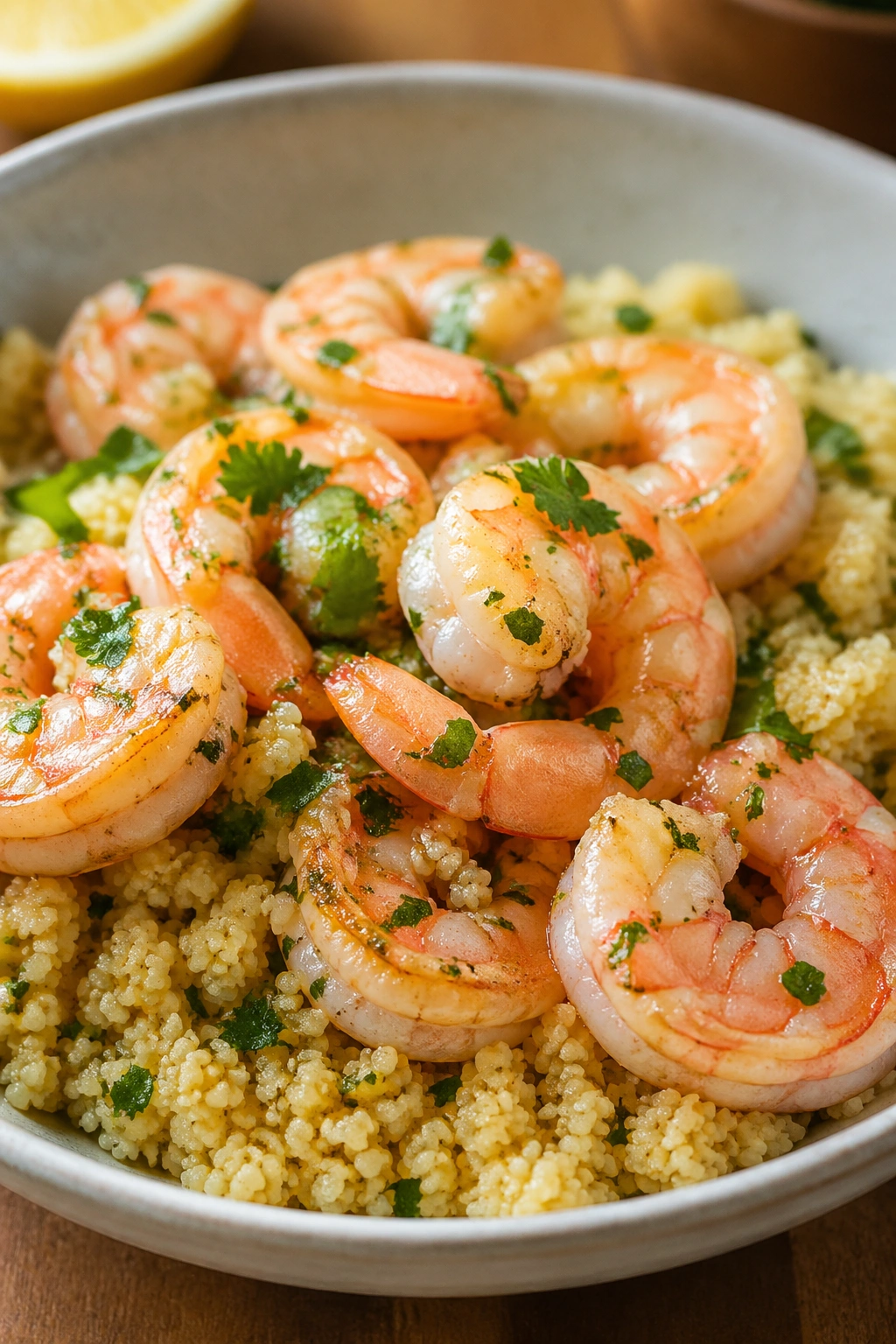
Seafood does not have to become a weeknight project.
Shrimp cooks in 3 to 4 minutes, and couscous is ready in about 5. Build a bowl with 6 ounces of shrimp and 1½ cups of cooked couscous, and you land near 34 grams of protein and 50 to 55 grams of carbs with almost no prep drama. After training, that speed matters.
Shrimp is lean, easy to season, and rich in selenium and iodine. Couscous is one of the more overlooked post-workout carbs because it sits somewhere between rice and pasta in texture, cooks absurdly fast, and soaks up pan juices without turning gummy.
Try this: sauté shrimp in olive oil with garlic and paprika, then toss couscous with lemon juice, parsley, and salt. Done.
If you train at night and have no patience left, this meal saves you from the usual takeout trap. And if you need more calories for size, stir butter into the couscous or add crumbled feta on top.
15. Tempeh and Roasted Sweet Potato
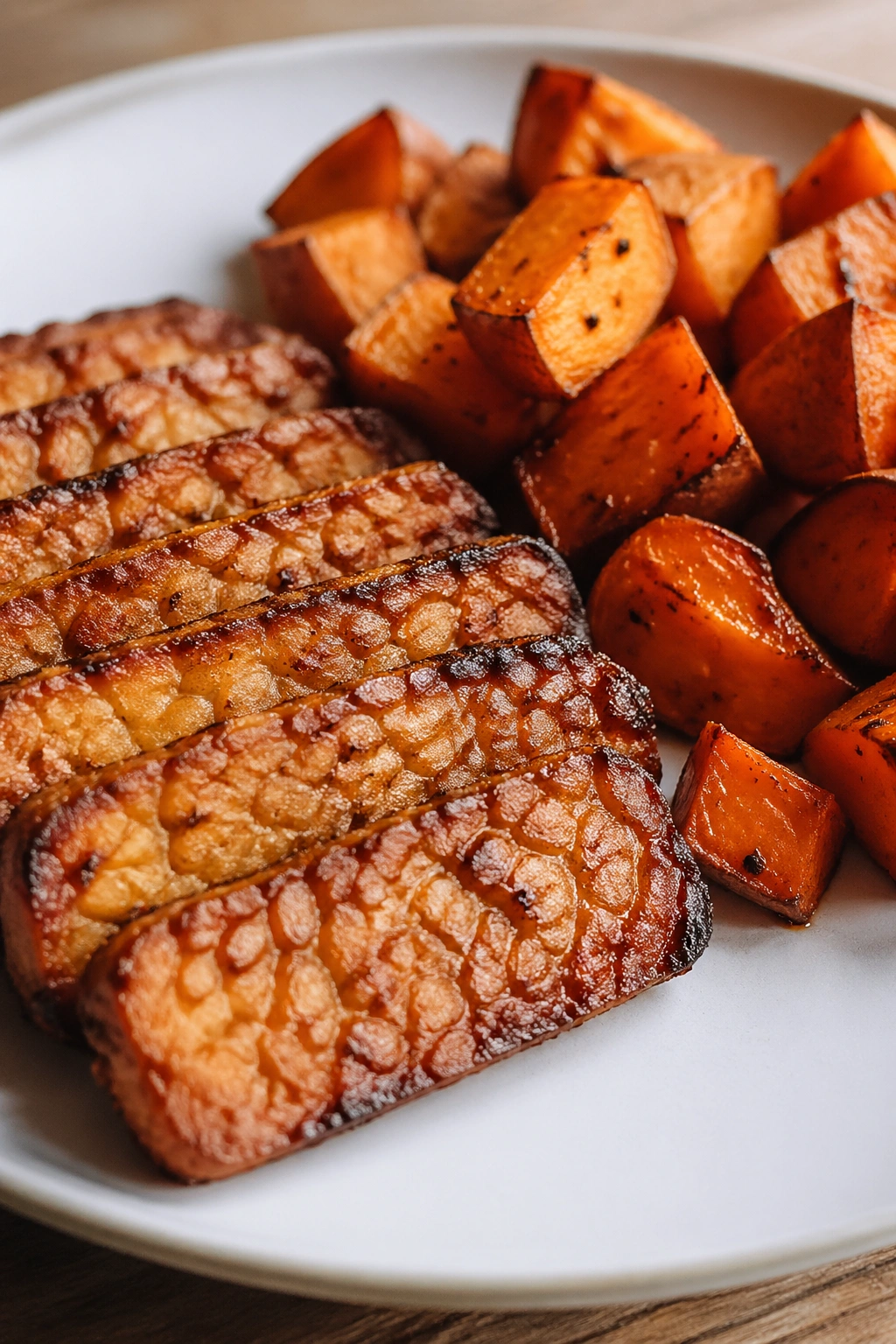
Nutty, chewy, filling.
Tempeh has more texture than tofu and a deeper flavor, which makes it easier for some people to build a meal around. A 150-gram serving gives close to 28 grams of protein, and a large roasted sweet potato adds about 45 to 50 grams of carbs, depending on size.
One trick makes tempeh much better
Steam it for 10 minutes before marinating. That step softens the bitterness that turns people off the first time they try tempeh. After steaming, slice it thin, brush with soy sauce and maple, then pan-sear or roast until the edges darken.
Sweet potato gives you carbs, potassium, and a softer, sweeter contrast to tempeh’s firmer bite. Salt it more than you think you need. Undersalted sweet potato tastes flat in a hurry.
This meal is more filling than rice noodles or white rice, so it suits people who want a post-workout plate that carries them for a few hours. If your appetite disappears after training, save this one for sessions where you are ready to eat.
16. Kefir Smoothie With Oats
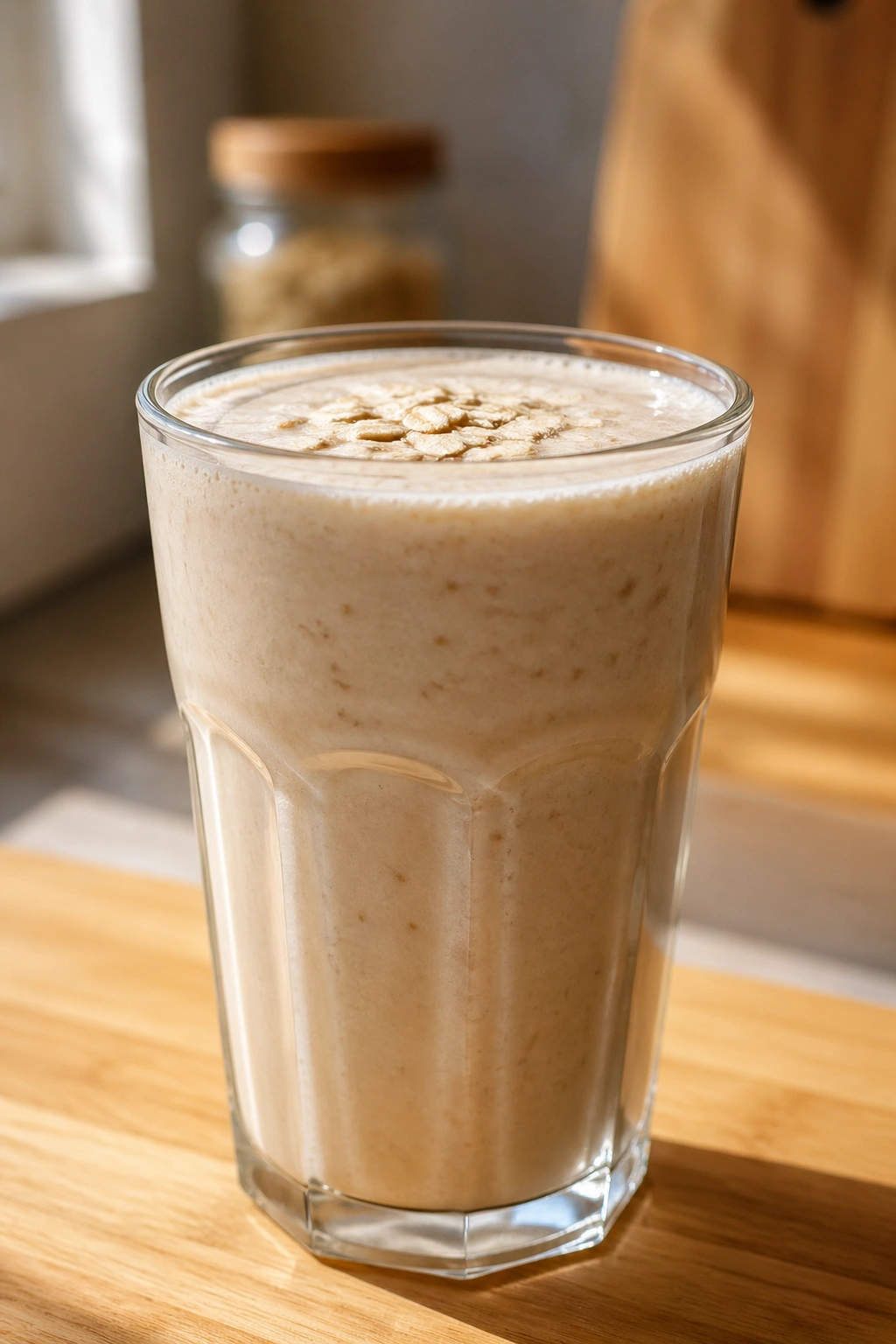
This is one of the easiest ways to put 500 to 700 calories into a muscle-gain plan without feeling stuffed.
Kefir brings protein, cultured dairy, and a pourable texture that blends well with carbs. A smoothie made with 1½ cups plain kefir, 1 banana, ½ cup oats, and 1 scoop of whey lands near 35 to 40 grams of protein and 55 to 65 grams of carbs before you even start adding extras.
A strong base looks like this:
- 1½ cups kefir
- 1 medium banana
- ½ cup dry oats
- 1 scoop whey
- Pinch of cinnamon and salt
Want more calories? Add 1 tablespoon almond butter or 1 tablespoon honey. Need it lighter? Drop the nut butter and use frozen berries instead.
Kefir can taste sharp on its own. Blended with banana and oats, that tang turns into something closer to drinkable yogurt. If your stomach handles fermented dairy better than milk, this can be a better post-workout drink than standard shakes.
17. Sardines on Toast
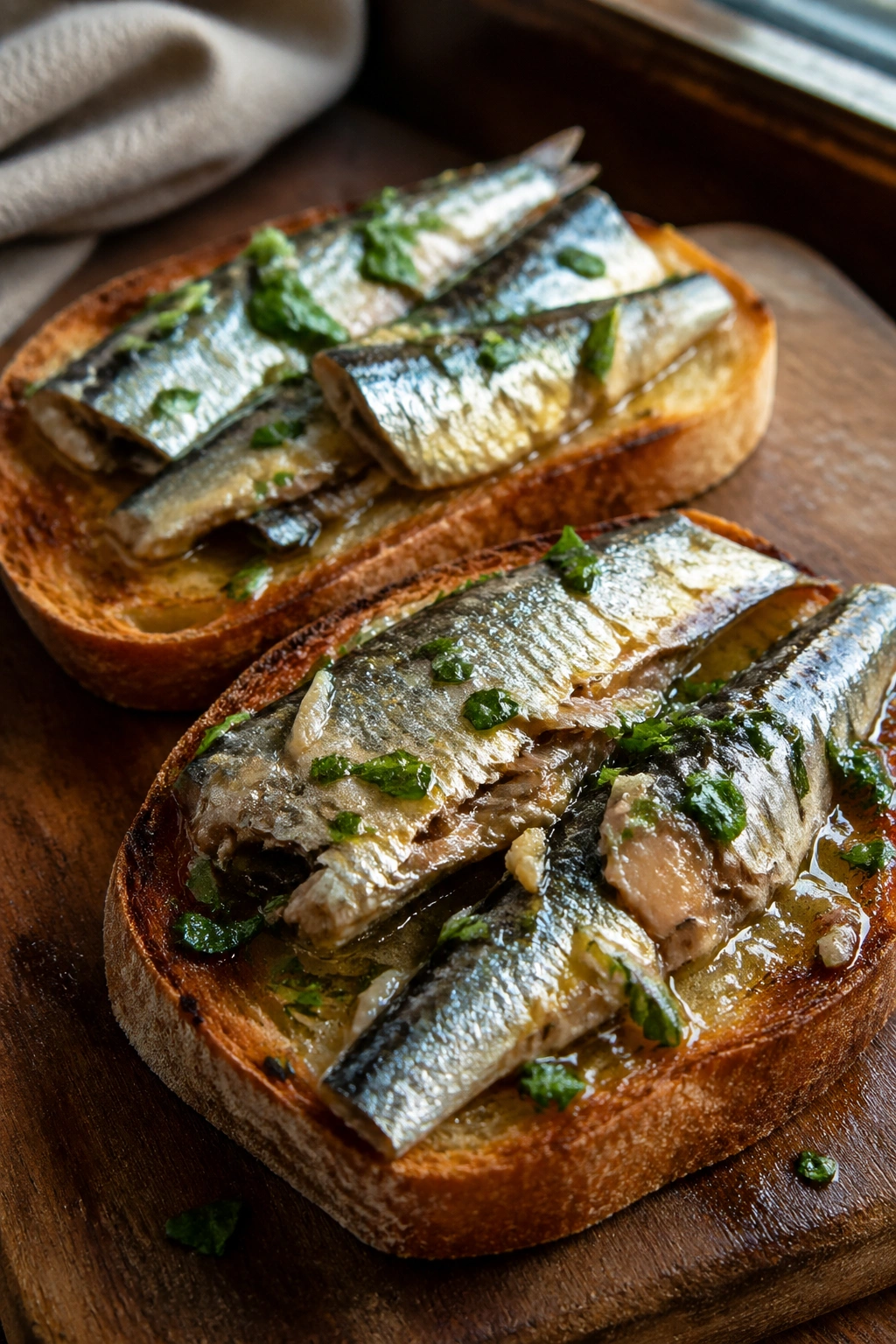
Most lifters skip sardines because they smell like a dare.
That is a mistake. A single tin often gives 20 to 24 grams of protein, plus omega-3 fats, calcium from the soft bones, and vitamin D if you buy the right pack. Put them on 2 slices of toast, and you add another 25 to 30 grams of carbs with almost zero prep.
The smart move is to stop treating sardines like something you eat straight from the can under fluorescent kitchen lights. Mash them with lemon juice, mustard, black pepper, and chopped herbs. Pile the mixture onto toast. Add tomato slices or pickled onions if you want bite.
Water-packed sardines taste lighter. Olive-oil-packed sardines bring more calories and a richer mouthfeel. Both work.
This is not the meal for someone who wants bland. It is the meal for someone who wants cheap, shelf-stable protein that does more nutritionally than another processed snack bar.
18. High-Protein Pancakes With Fruit
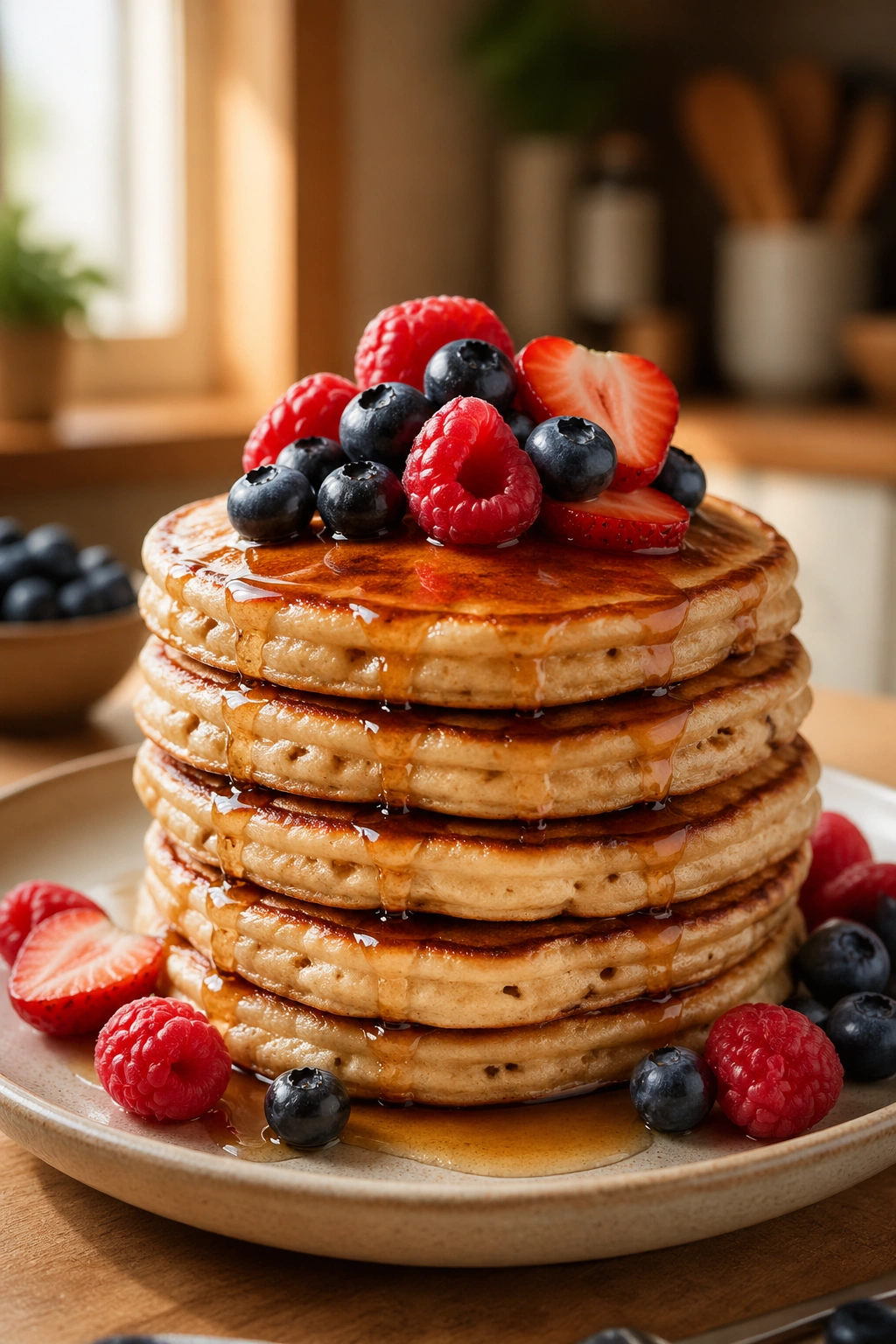
A pancake stack can support muscle gain after training. The diner version drowning in syrup usually does not.
Build the batter with 1 cup oat flour, 1 scoop whey, 2 eggs, and about ¾ cup milk, then top the cooked pancakes with fruit. That gets you close to 35 to 40 grams of protein and 50 to 60 grams of carbs, depending on the toppings.
A better post-lift stack
Use banana slices, berries, or a spoonful of jam for carbs. Use maple syrup if you want it—just know what it is doing. Syrup is a carb add-on, not a recovery strategy by itself.
Cook the pancakes on medium heat and wait for bubbles at the surface before flipping. Protein-heavy batter burns fast if the pan is too hot. A little patience here saves you from the rubbery, scorched discs that give “healthy pancakes” a bad name.
This is a smart option for weekend training, home gym sessions, or anyone who needs breakfast to feel like food instead of homework.
19. Edamame and Quinoa Bowl
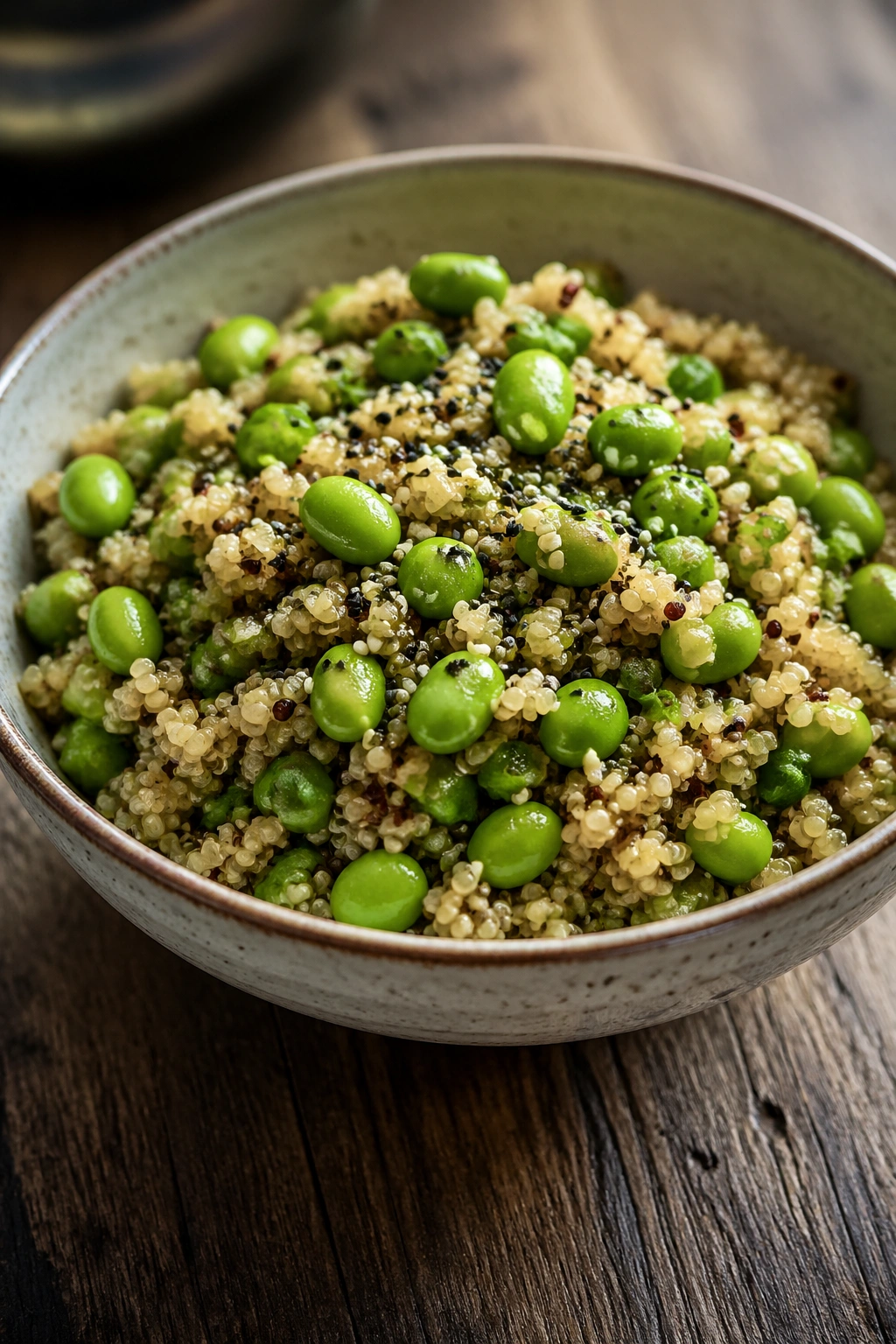
Can a plant-based bowl carry post-workout recovery on its own? Yes—if the portion is not timid.
One cup of shelled edamame gives about 18 grams of protein, and 1 cup of cooked quinoa adds around 8 grams more plus close to 40 grams of carbs. That is a strong start, though bigger lifters should push the edamame portion to 1½ cups or add pumpkin seeds, tofu, or a tahini drizzle to raise calories and protein.
Edamame works well after training because it is soft, salty, and easy to eat warm or cold. Quinoa brings texture and extra minerals like magnesium. The pairing also covers the amino acid bases better than a grain-only bowl would.
Use a dressing with acid—lemon, rice vinegar, or a yogurt-herb sauce—because plain quinoa can taste dusty in a hurry. Add cucumber, shredded carrot, or roasted peppers if you want crunch.
Plant-based recovery meals can work well for muscle gain. They just need enough food on the plate. That is the part people cut short.
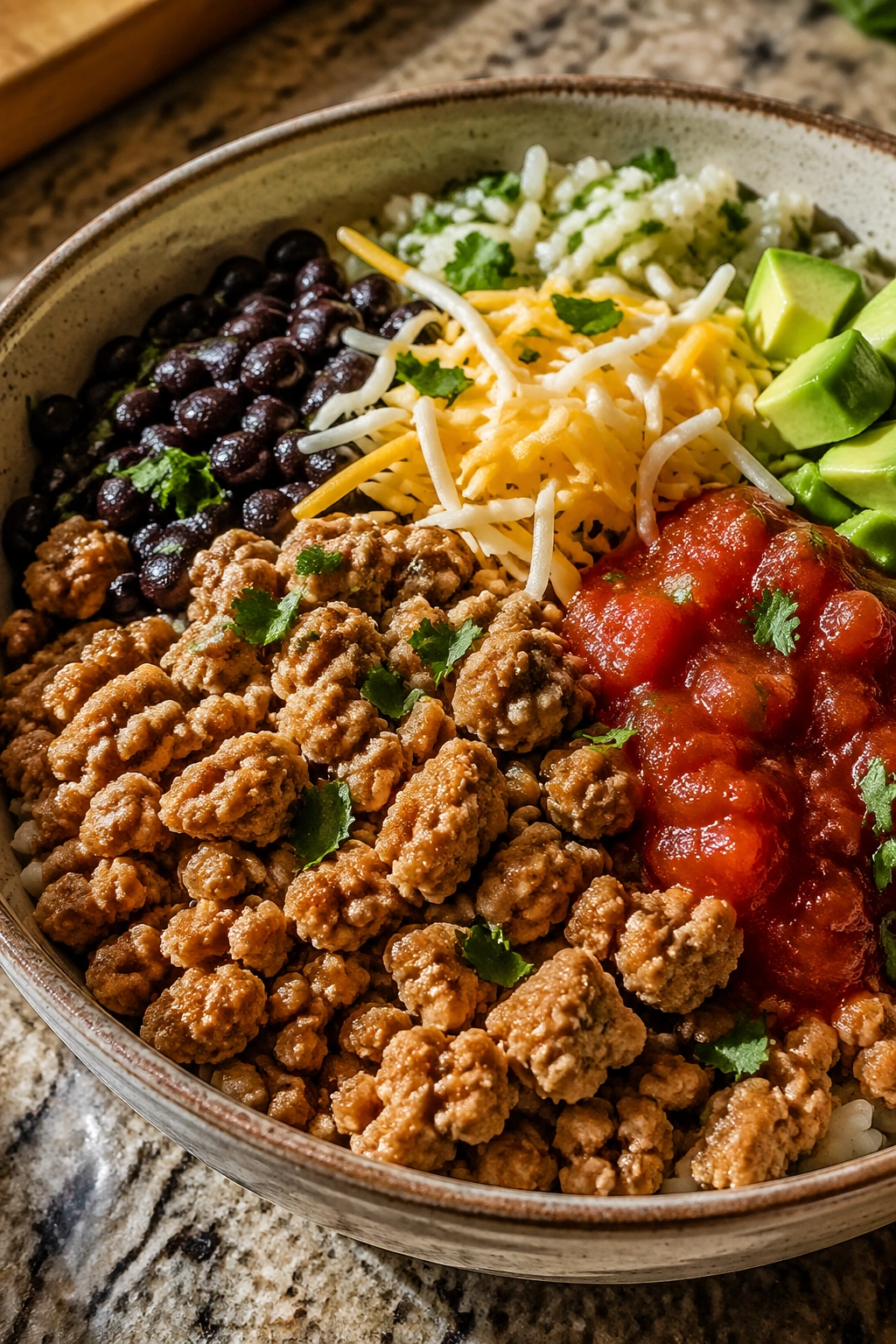
20. Ground Turkey Burrito Bowl
This one is hard to get wrong.
A bowl with 6 ounces of ground turkey, 1 cup of rice, ½ cup of black beans, salsa, and a little cheese can land near 40 grams of protein and 65 to 75 grams of carbs, with enough sodium and flavor to wake your appetite back up after a draining session. For muscle gain, that mix is gold: protein, carbs, calories, and something you will want again tomorrow.
Why it works for people trying to add size
Ground turkey reheats well, rice scales easily, and beans add carbs plus extra protein. Salsa fixes dryness. Cheese adds calories without forcing huge volume. If your body weight has stalled, add avocado or another half cup of rice and the bowl climbs fast without turning into punishment.
This is also one of the best batch-cook meals on the list. Brown 2 pounds of turkey, cook a pot of rice, portion out beans and salsa, and you have four to five solid post-workout meals ready to go.
Food does not have to be exotic. It has to show up.
Final Thoughts
No single post-workout food builds muscle by itself. The foods that help most are the ones that make it easier to hit enough protein, enough carbs, and enough calories week after week, when training is hard and appetite is unreliable.
Pick three or four from this list that fit your schedule. Keep one liquid option for the rushed days, one fridge option for home, and one portable meal for the car or office. That small bit of planning solves more recovery problems than any fancy supplement stack.
And if muscle gain has stalled, look at the boring numbers first: body weight trend, daily protein, meal size, sleep, training effort. Then make your post-workout meal bigger and more consistent.
The best recovery food is not the one with the flashiest label. It is the one you will still be eating after your fifth hard session in a row, when motivation is thin and your body still needs the work done.
