



A dry chicken breast and a pile of plain rice do not make a meal plan. They make Tuesday feel longer than it needs to be. The best high-protein meal prep ideas solve a messier problem than macros: the food has to taste good after the fridge, reheat without turning rubbery, and still feel like something you’d pick on purpose.
A lunch with 30 grams of protein sounds great on paper. A lunch with 30 grams of protein that tastes like cardboard gets skipped, traded away, or picked at with a fork while you stare into space. Texture matters. A little acid, a little crunch, and one sauce that actually sticks can do more for consistency than another scoop of plain chicken ever will.
I keep coming back to the same rule: if the container smells good cold, it will probably hold up well during the week. Lemon, yogurt, salsa, mustard vinaigrette, soy-sesame dressing — those are the small workhorses that keep protein bowls, wraps, and breakfast boxes from going flat.
Some of the ideas below lean lunchy, some are better for breakfast, and a few work as freezer meals when you want to stock up without thinking too hard. The common thread is simple: enough protein to matter, enough flavor to keep you interested, and enough structure that the food still looks like food on day three.
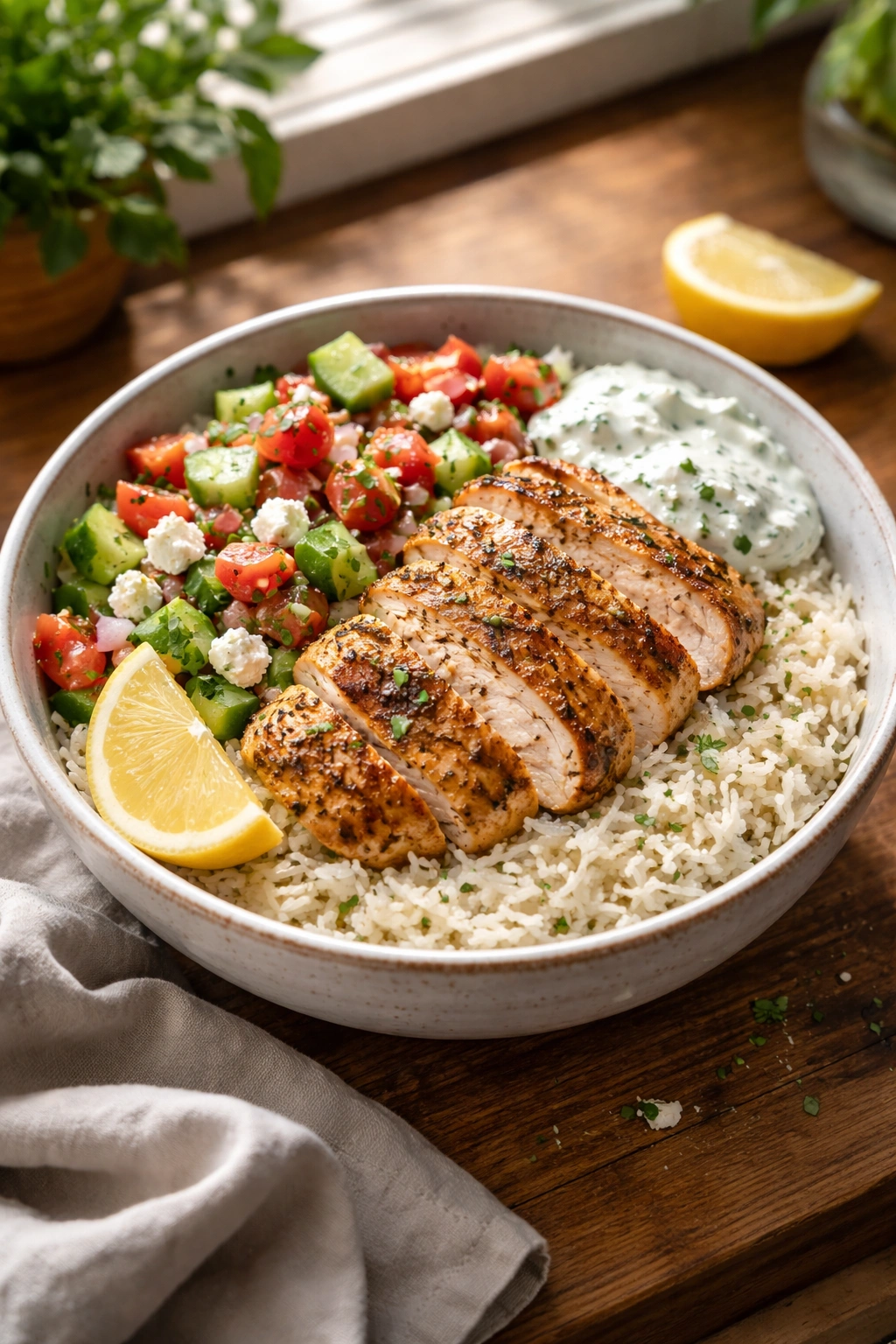
1. Greek Chicken Rice Bowls for High-Protein Meal Prep
This is the box I reach for when I want lunch that behaves. Greek chicken rice bowls are sturdy, familiar, and hard to mess up once you get the balance right: seasoned chicken, rice, chopped vegetables, a tangy sauce, and something salty on top.
The reason they work so well for meal prep is boring in the best way. Chicken thighs or breasts give you a reliable protein base, rice stays soft without getting soggy, and cucumber-tomato-feta adds enough bite that the whole thing does not feel like gym food. A typical box with 5 ounces of cooked chicken and a solid scoop of rice lands around 35 to 40 grams of protein, depending on the cut and the add-ins.
Why It Stays Good for Four Days
The key is separating wet and dry in a smart way. Put the rice on the bottom, then chicken, then vegetables, then sauce in a small cup or in one corner of the container. If you mix tzatziki into everything on day one, the rice will soak it up and the whole box gets muddy.
A squeeze of lemon changes the whole thing. Seriously.
- Use long-grain rice or basmati so the grains stay separate.
- Chop cucumbers and tomatoes into small pieces so they eat cleanly with a fork.
- Add feta after reheating, not before, if you want the texture to stay crumbly.
- Keep tzatziki or yogurt sauce in a separate container if the lunch sits in a bag for hours.
My favorite move: finish the chicken with lemon zest right after cooking. It smells brighter, tastes fresher, and keeps the box from feeling heavy.
2. Turkey Taco Quinoa Bowls
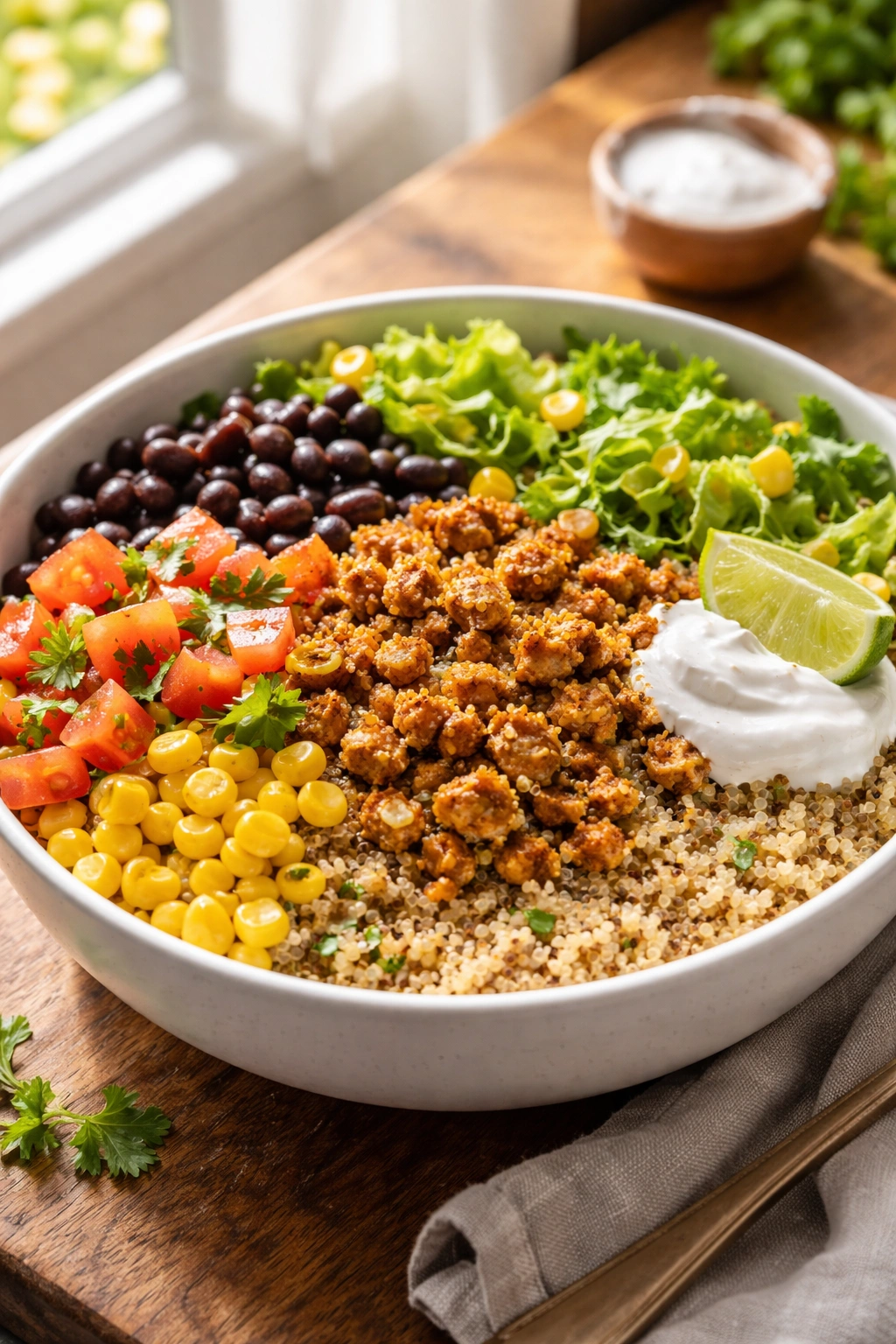
Why do turkey taco bowls stay interesting while plain ground turkey gets dull so fast? Because taco seasoning does half the work, and the toppings do the rest. You get warmth, salt, smoke, and a little heat without having to make a separate sauce every time.
Ground turkey is one of those meal prep ingredients that rewards a little attention. Brown it hard in a skillet, break it into small crumbles, and season it with cumin, chili powder, garlic, onion, and a pinch of smoked paprika. Pair it with quinoa instead of rice if you want a slightly nuttier base and a few more grams of protein in the bowl.
Layer the Flavor
Quinoa gives the box structure, but the toppings make it usable. Black beans, corn, chopped romaine, salsa, and a spoon of plain Greek yogurt turn the bowl into something you’ll actually finish. A half-cup of black beans and five ounces of turkey can push the protein past 30 grams without making the portion feel huge.
The trick is to keep cold toppings cold. Lettuce goes in last. Salsa can sit on top, but I like it in a corner so the quinoa beneath it doesn’t turn pink and wet. If you want avocado, add it the day you eat it. A squeeze of lime does more than people think.
This is also one of the easiest high-protein meal prep ideas to scale. Cook a big pan of turkey, a pot of quinoa, and a tray of corn and peppers. Then mix and match through the week so lunch does not start tasting like a copy of itself.
3. Salmon Sweet Potato Boxes
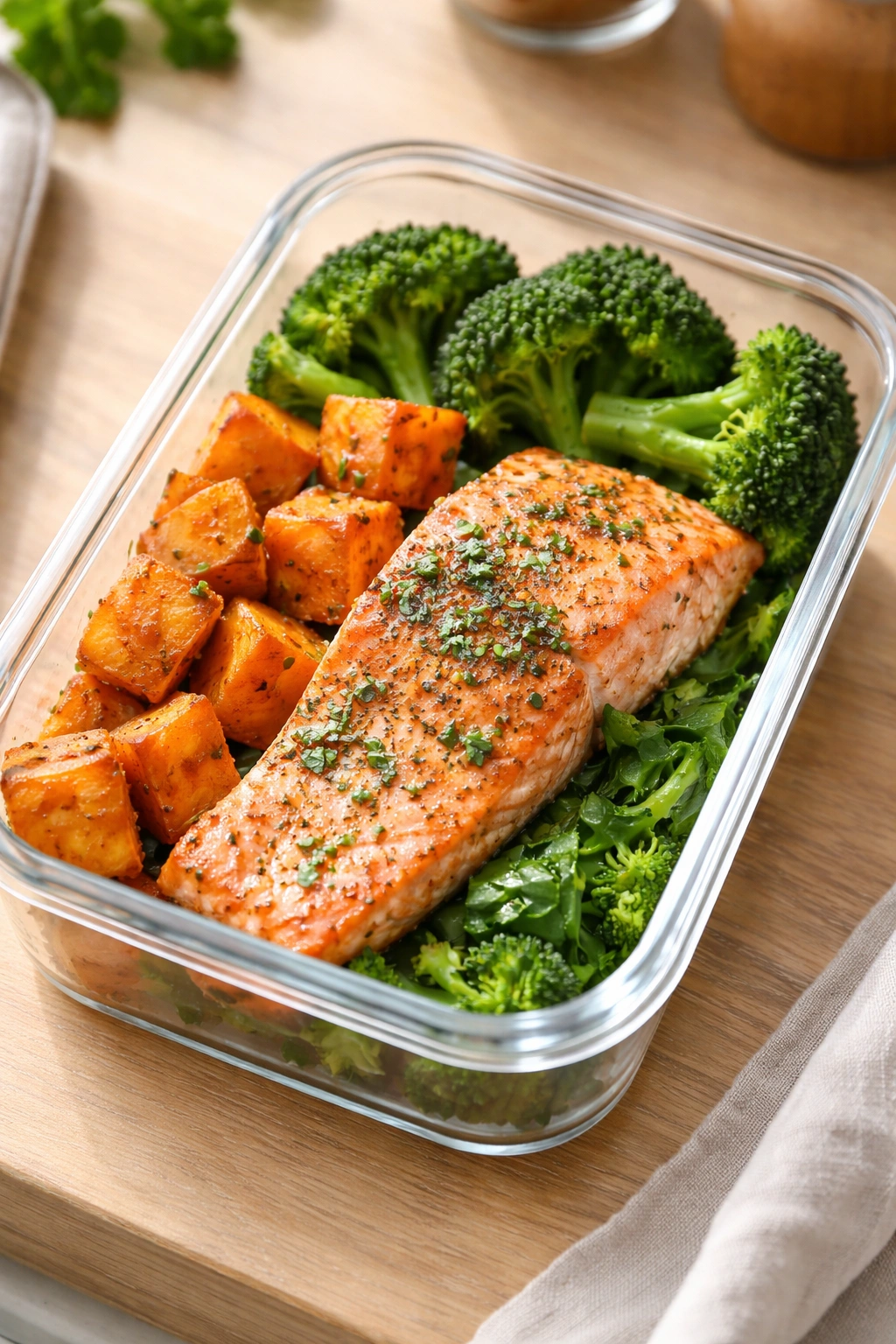
A salmon meal prep box can feel a little fancy, but the version that works is plain in the right ways: roasted salmon, soft sweet potato, and a green vegetable with some bite. That combination is rich enough to feel satisfying and light enough that you are not miserable at 2 p.m.
Salmon is one of the few proteins that brings its own fat and flavor, which means it stays pleasant even after reheating. A 4- to 5-ounce portion usually gives you 25 to 30 grams of protein, and the texture stays tender if you pull it from the oven at the right moment. I prefer it roasted on a tray, not pan-seared for meal prep, because the oven gives you more even doneness and less fiddling.
Sweet potatoes do the practical work here. They hold shape, reheat well, and bring enough natural sweetness to balance salmon’s richness. Add green beans, broccoli, or asparagus if you want a second vegetable. Keep the pieces large enough that they do not collapse into mush by day three.
A dill yogurt sauce or a spoon of mustard vinaigrette makes this box go from plain to polished. Not fussy. Just better. And because salmon can taste a little flat after chilling, I like to finish the box with fresh herbs or a few capers right before eating. That last little salty hit matters more than it should.
4. Beef and Broccoli Rice Boxes for High-Protein Meal Prep
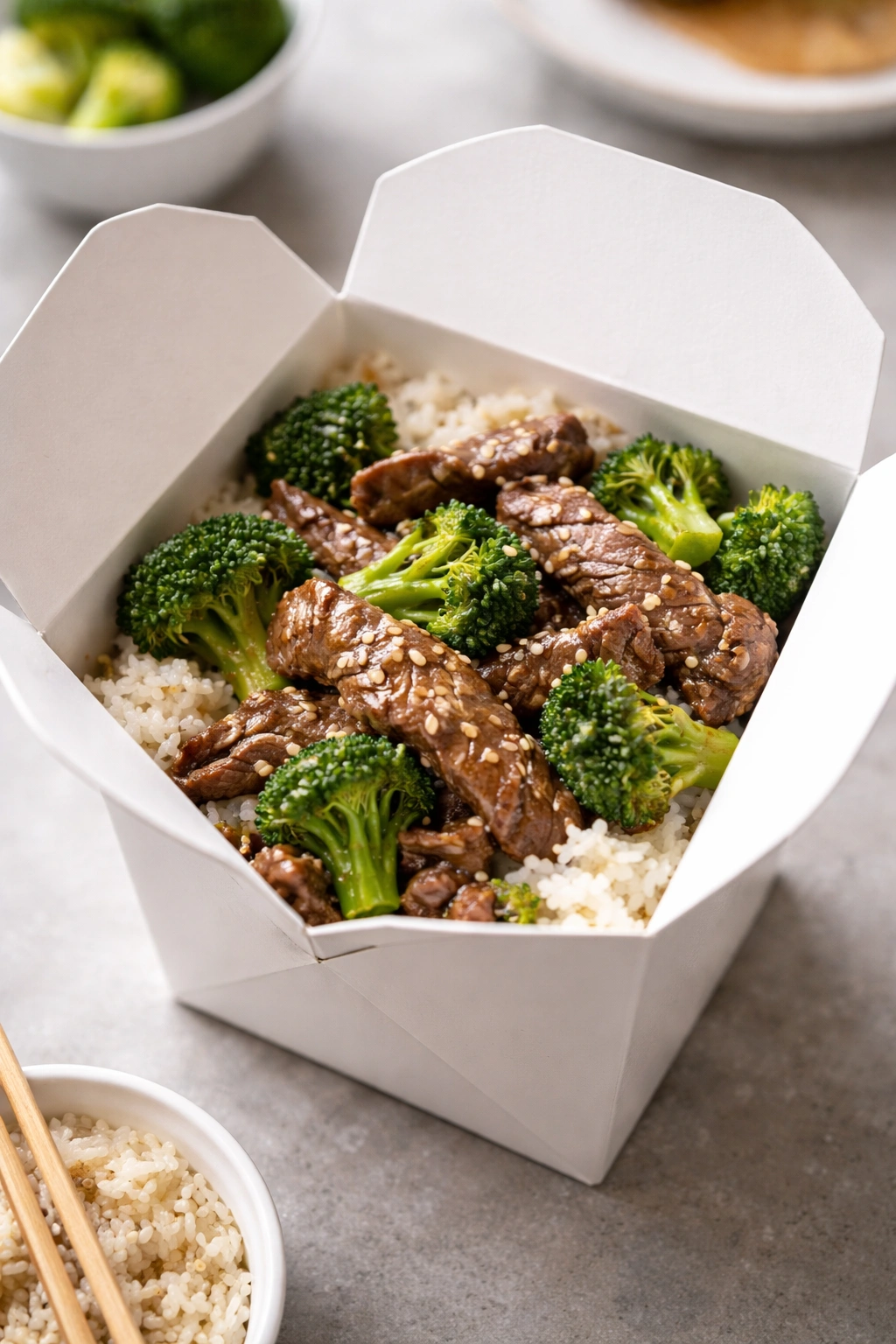
Takeout beef and broccoli is good because of the sauce and the sear, not because it is complicated. That is useful, because it means you can build a better meal prep version at home without turning dinner into a project.
Use flank steak or sirloin, sliced thin across the grain. Thin slices cook fast and stay tender after reheating, which is the whole point. Toss the beef with a little soy sauce, garlic, ginger, and cornstarch before cooking so the sauce clings instead of sliding off the meat. Broccoli should be roasted or steamed just until bright green and still a little firm.
The rice is there to absorb the sauce, not drown in it. A box with 5 ounces of beef and a generous cup of broccoli usually lands in the 30-plus gram protein range, depending on portion size. That makes it a strong lunch and a solid post-workout meal without feeling heavy.
I like this one because it reheats better than most stir-fries. Keep the sauce slightly thick, chill everything fast, and reheat in a skillet or microwave with a spoonful of water. The broccoli stays green instead of sad, and the beef does not seize up the way it can in a greasy takeout container.
5. Cottage Cheese Egg Muffin Boxes
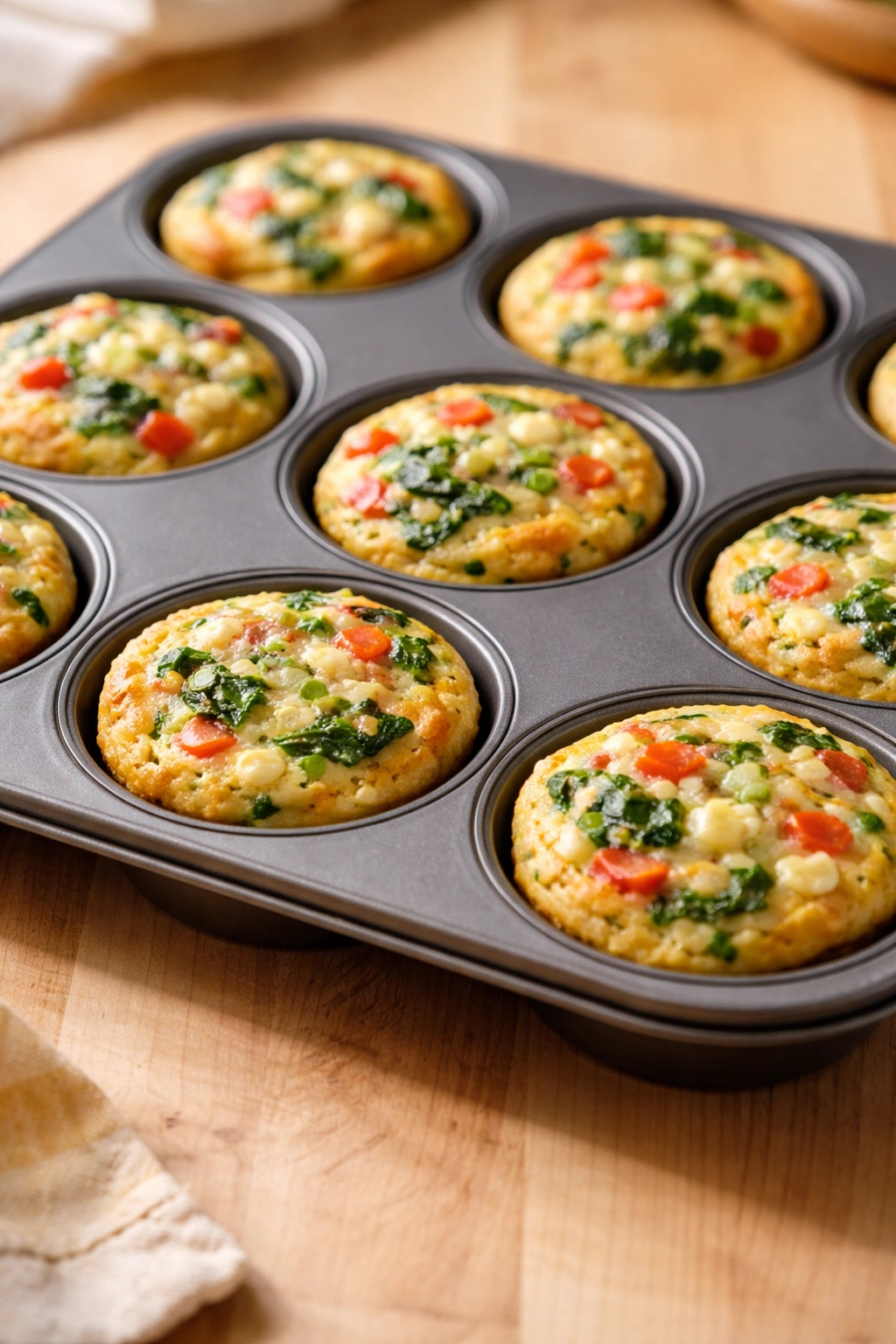
If breakfast keeps falling apart, egg muffins fix the part that needs fixing. They are the kind of high-protein meal prep idea that saves time on weekdays because they ask for one baking tin and about twenty minutes of attention, then disappear into the fridge until you need them.
Egg muffins are not exciting on their own, which is exactly why they work. They become useful when you stuff them with ingredients that bring flavor and texture: spinach, cheddar, diced peppers, sautéed mushrooms, turkey bacon, or chopped ham. Cottage cheese makes them softer and adds protein without making them taste like dairy. Two or three muffins can give you a breakfast in the 20- to 30-gram protein range, especially if you pair them with fruit or whole-grain toast.
Good Add-Ins for the Pan
A muffin tin gives you a tidy portion, but don’t overload it. Too many wet vegetables and the muffins turn spongy in the center.
- Spinach: chop it small and squeeze out excess water first.
- Cheddar or feta: both hold flavor after reheating.
- Turkey bacon or ham: salty, easy, and sturdy.
- Mushrooms: cook them first so they do not leak moisture into the eggs.
- Bell peppers: dice them small so every bite has some.
Bake until the centers are set and the tops look lightly golden. If they jiggle like pudding, they need another few minutes. I also like to let them cool before sealing them in a container; steam trapped inside will soften the tops overnight.
6. Tofu Edamame Soba Bowls
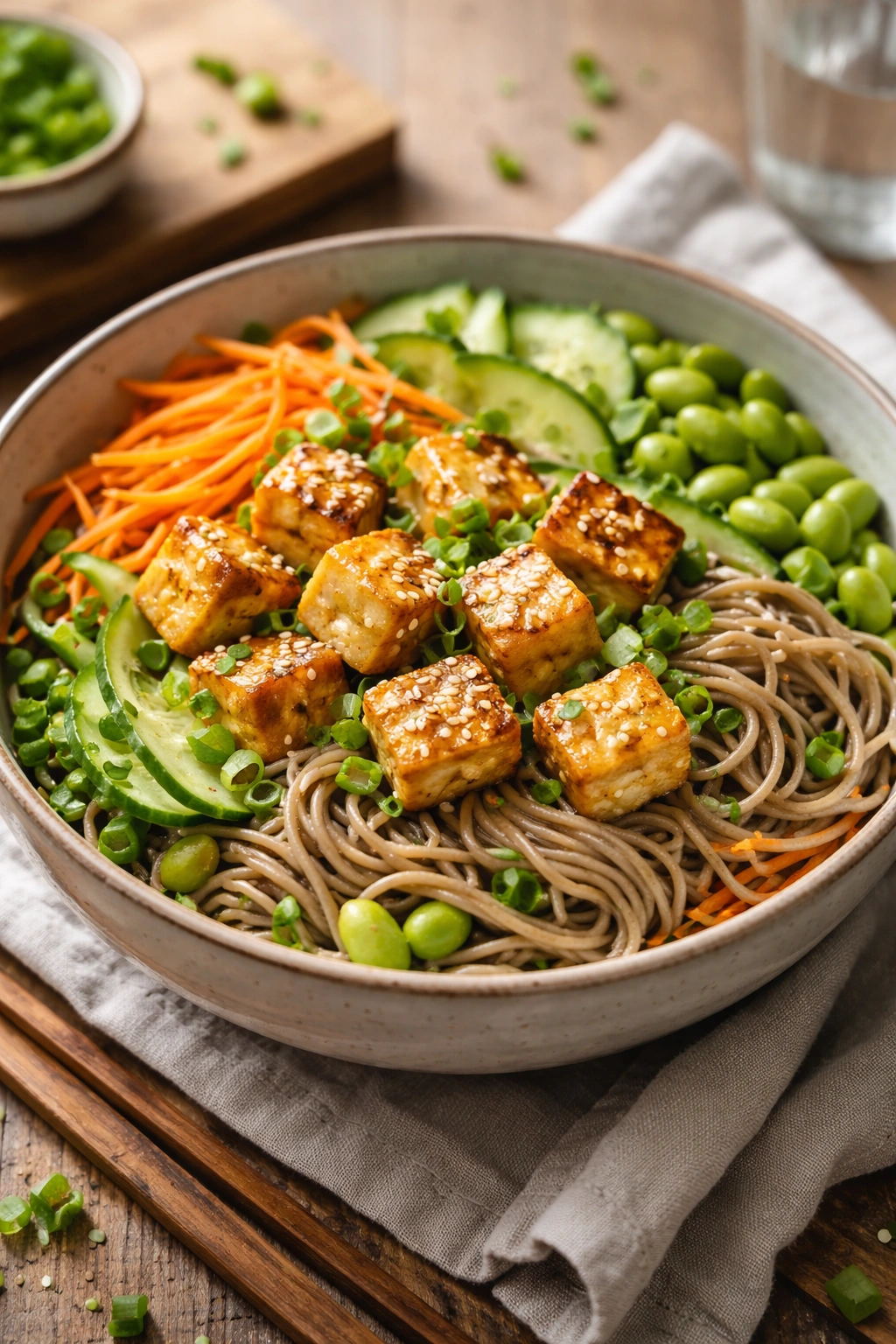
Cold soba has a springy bite that plain rice never quite gives you. That’s the first reason I keep tofu edamame bowls in the rotation. The second is that they taste even better when the sauce gets a chance to sink into the noodles a little.
Press the tofu for at least 15 minutes, then cube it and pan-crisp it until the edges turn golden and a little chewy. Edamame adds extra protein and a pop of green that makes the bowl look alive instead of beige. Shredded carrots, cucumber, and scallions keep the texture sharp. If you want a lunch that feels light but still carries enough fuel, this is an easy win.
A Dressing That Clings
The sauce matters more here than in most boxes. A mix of sesame oil, soy sauce, rice vinegar, a spoon of peanut butter, garlic, and a little chili crisp gives you fat, salt, tang, and heat in one go. Toss the noodles with the dressing while they’re just cool enough to handle, then fold in the tofu and vegetables.
- Use soba noodles made from buckwheat if you want a nuttier flavor.
- Chill the bowl before packing if the noodles are still warm.
- Keep cucumber pieces thick enough to stay crunchy.
- Add sesame seeds right before eating so they do not go soft.
This is one of those meal prep bowls that tastes even better on day two than day one. The sauce gets friendlier. The noodles settle in. And the tofu stops feeling like a separate ingredient and starts behaving like part of the whole thing.
7. Lentil Chili with Greek Yogurt
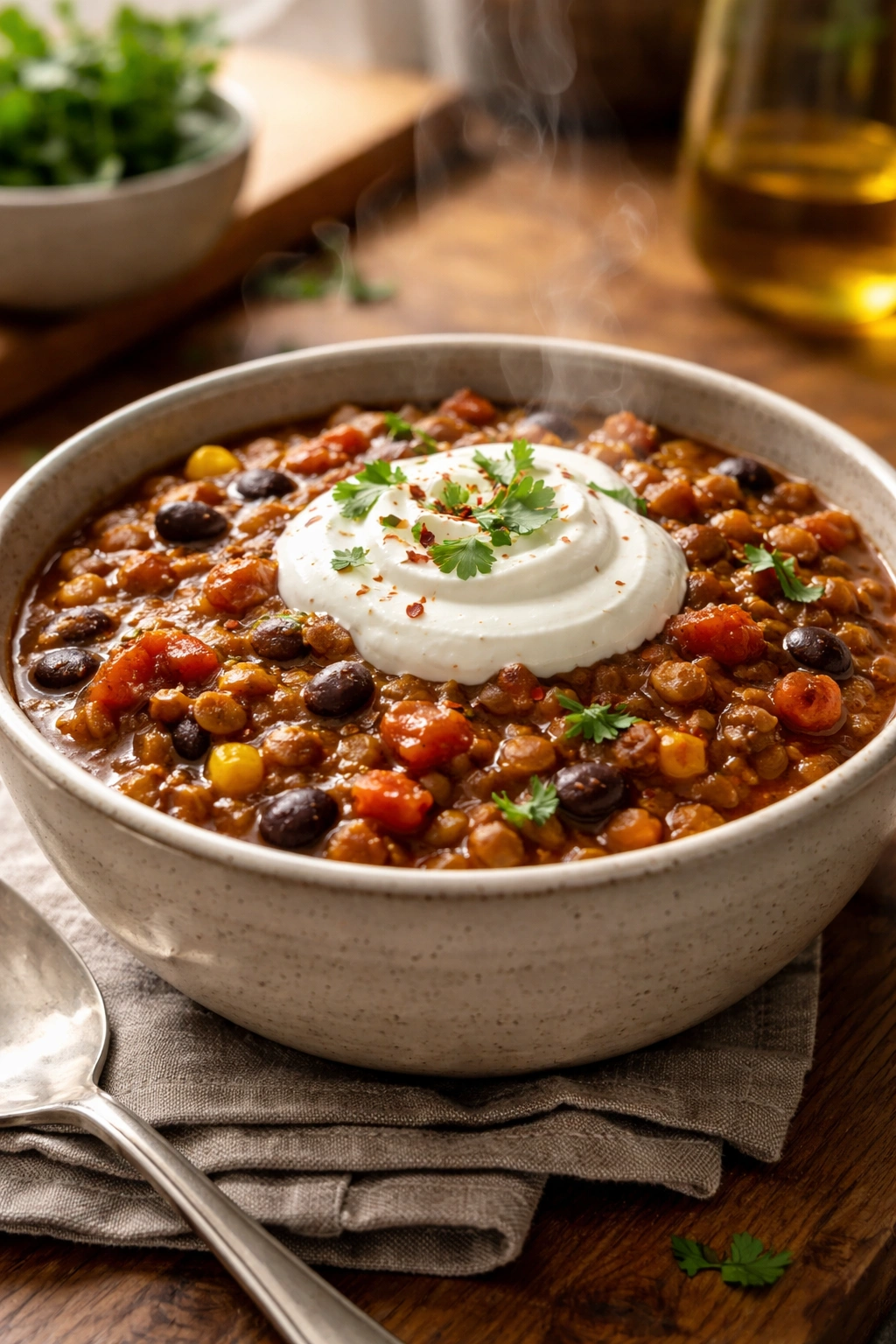
Can a meatless lunch actually hold you? Yes, if you build it with enough body. Lentil chili is one of the most dependable answers because lentils bring both protein and heft, and the tomato base gives you something warm and spoonable when the rest of the week starts to drag.
A pot of chili made with brown or green lentils, beans, onions, garlic, crushed tomatoes, and chili powder gives you a big batch with almost no drama. Stir in corn if you want sweetness, bell pepper if you want a little crunch, and a small spoon of cocoa powder if you like deeper flavor. The protein count depends on the final mix, but a generous bowl often lands around 18 to 25 grams, and a dollop of Greek yogurt pushes it higher.
The real advantage is storage. Chili freezes cleanly in 1- to 2-cup portions, so you can stash some away and stop worrying about lunch when the fridge is bare. It reheats in a pot or microwave without losing much. That is not glamorous. It is useful.
A few toppings keep it from tasting flat: shredded cheese, scallions, chopped cilantro, crushed tortilla chips, or a squeeze of lime. If you are packing it for work, keep the yogurt separate until you eat. Sour cream works too, but Greek yogurt gives you more protein and a cleaner finish.
8. Tuna Chickpea Pasta Salad
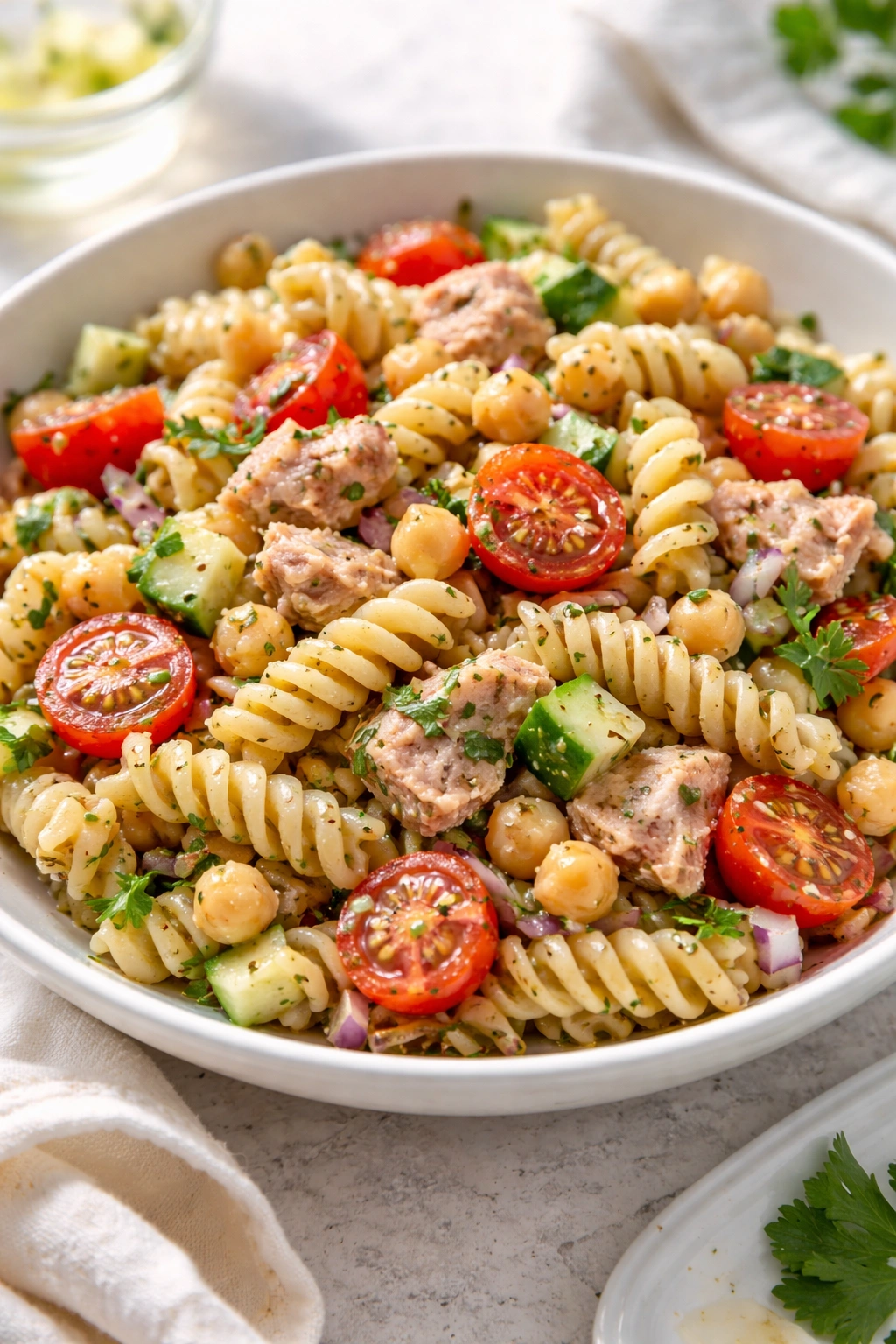
This is the lunch you pack when you know the afternoon is going to get messy. Tuna chickpea pasta salad is cheap, filling, and sturdy enough to survive a long stretch in the fridge without sulking.
Use a short pasta shape that holds onto dressing — rotini, shells, or fusilli all work. Add drained tuna, rinsed chickpeas, chopped celery, red onion, and something bright like dill or parsley. A lemony mayo or Greek yogurt dressing keeps it creamy, while capers or pickles give it the salty edge it needs. That mix of tuna plus chickpeas makes the protein count climb fast, often into the 30-gram range if you portion it generously.
Keep It Bright
Tuna can get dull if you forget acid. It can also get dense if you pile on too much pasta. The sweet spot is enough pasta to make it lunch, not enough to turn it into a bowl of noodles with a hint of fish.
- Drain the tuna well so the salad does not go watery.
- Chill the pasta before mixing if you want the dressing to stay thick.
- Add celery for crunch and onion for bite.
- Use lemon juice or red wine vinegar to keep the salad sharp.
I like this one because it behaves. It eats cold, it packs well, and it does not need reheating, which makes it a good option for shared office kitchens and long commutes. If tuna alone feels too plain, fold in a few chopped olives or a spoon of Dijon mustard. Small things. Big difference.
9. Pork Tenderloin and Roasted Vegetable Trays
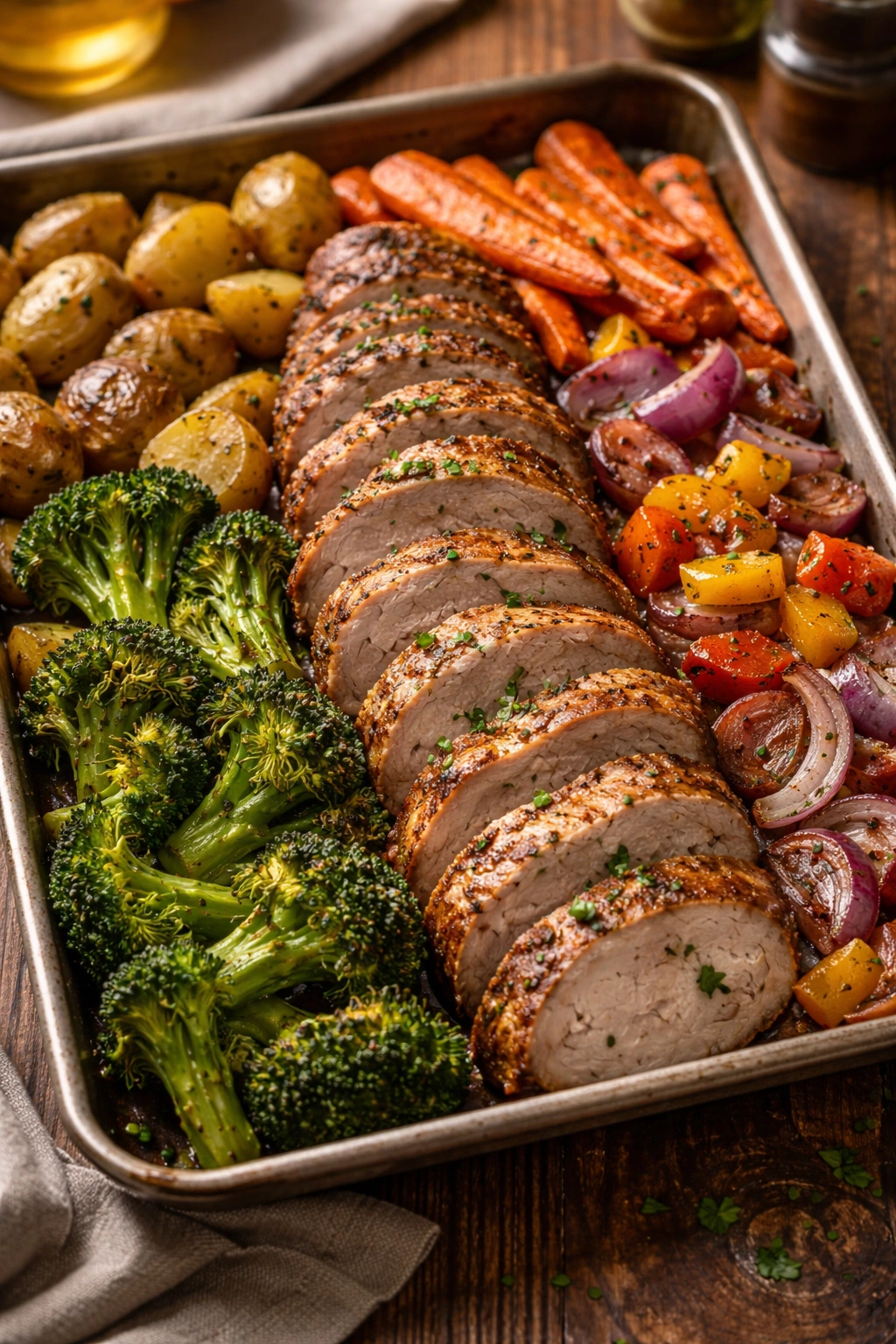
Unlike chicken breast, pork tenderloin stays pleasant after reheating if you do not overcook it. That is the whole trick, and once you get it right, it becomes one of the most underrated high-protein meal prep ideas in the fridge.
Pork tenderloin is lean, but it has enough internal moisture to hold up better than some other low-fat cuts. Roast it until the center reaches 145°F, let it rest, then slice it after it has cooled a bit. If you cut too soon, the juices run everywhere and the meat dries out faster on day two. Pair it with carrots, Brussels sprouts, green beans, or cauliflower — vegetables that roast cleanly and do not turn to paste.
This one suits people who are tired of chicken but still want something straightforward. A mustard-herb sauce or a spoon of apple cider vinaigrette keeps the slices from tasting flat. I also like this box with farro or roasted potatoes because both hold heat and texture better than softer grains.
A small detail matters here: slice the pork thin, across the grain, and fan it over the vegetables in the container. That makes the box look more intentional and helps the meat reheat evenly. If you want to push protein higher, add a side of cottage cheese or a hard-boiled egg. No drama. Just a solid meal that feels a little more grown-up than another tray of chicken and rice.
10. Thick Greek Yogurt Overnight Oats with Chia and Nuts for High-Protein Meal Prep
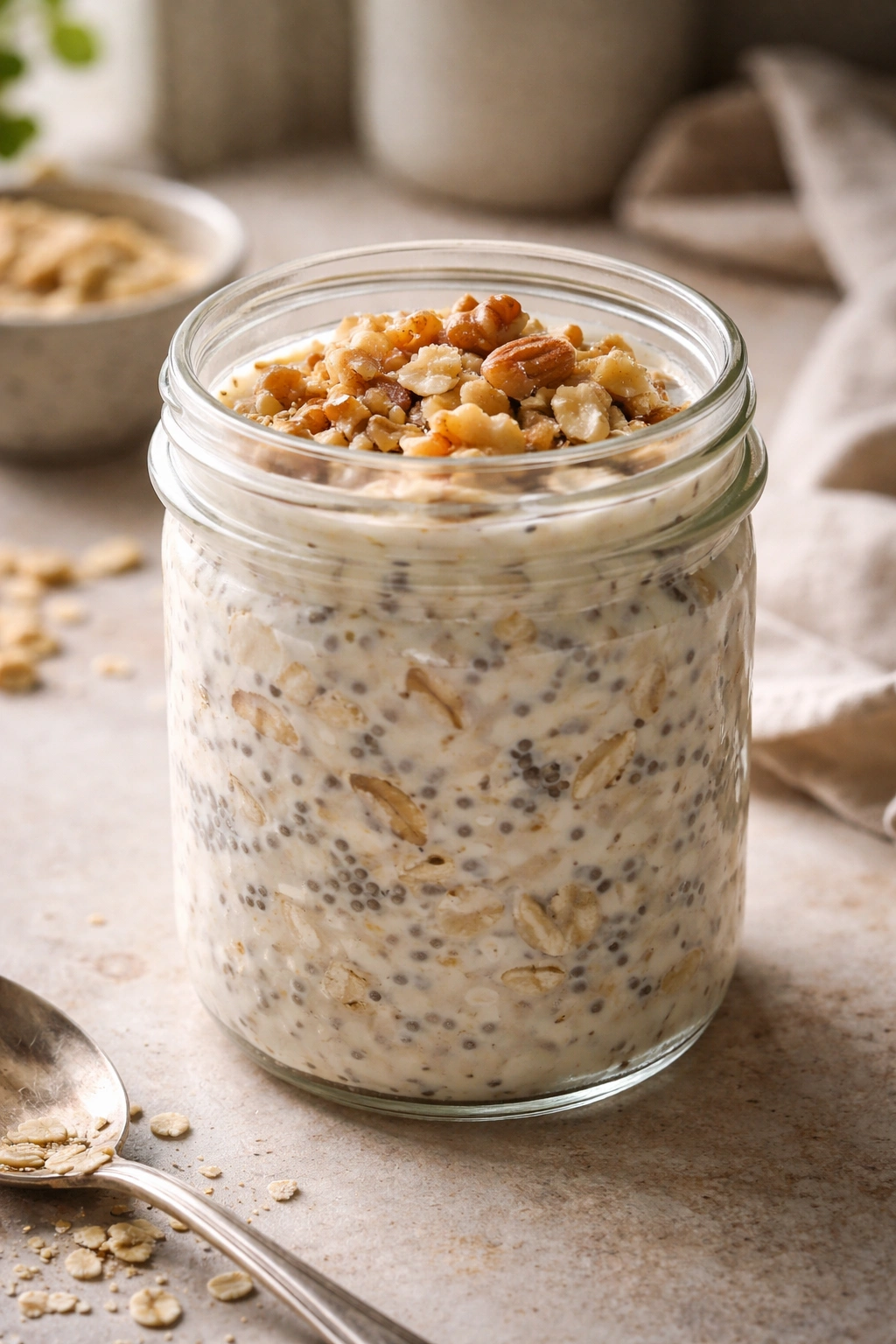
Breakfast gets easier when the jar already has 25 grams of protein in it. That is the appeal of overnight oats done with Greek yogurt, not just milk and oats floating around in a container. The texture ends up thick, cool, and spoonable instead of thin and sleepy.
Start with rolled oats, plain Greek yogurt, milk, chia seeds, and a little honey or maple syrup if you want sweetness. Stir in berries, sliced banana, chopped nuts, or a spoon of nut butter. If you use whey or another protein powder, keep the portion modest so the jar does not turn chalky. The best versions taste like breakfast, not a supplement.
The Jar Formula That Works
The ratio matters more than most people think. Too much liquid and the oats stay soupy. Too little and you get a cement-like blob that needs rescuing with extra milk.
- Use rolled oats, not instant oats, for better texture.
- Add 1 tablespoon chia seeds per jar to thicken the mix.
- Pick a jar or container that holds 12 to 16 ounces so there is room to stir.
- Top with nuts or granola the day you eat it if you want crunch.
I like this one because it does not need reheating, which makes mornings feel less loud. You open the fridge, grab a spoon, and move on. If you want a stronger protein hit, use a high-protein yogurt and bump the yogurt-to-oat ratio a little. If you prefer a looser texture, add a splash more milk right before eating.
11. Turkey Meatballs with Marinara and Zucchini
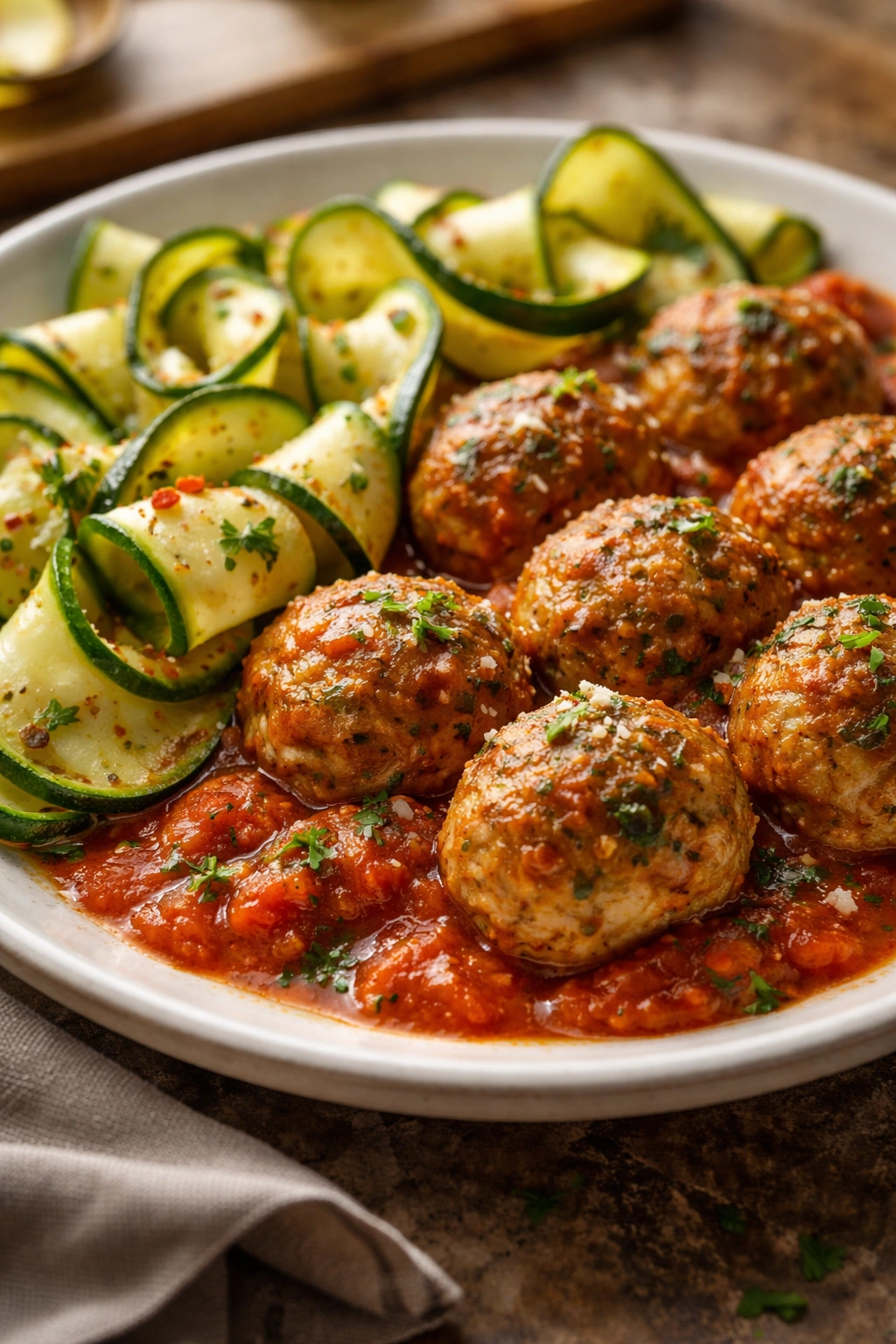
Why do meatballs beat slices of roasted chicken for meal prep? Because they reheat more evenly, they soak up sauce better, and they do not dry out as fast when the container sits in the fridge for a couple of days.
Ground turkey meatballs are a smart base if you want a high-protein meal that feels a little more like dinner than “prep.” Mix the turkey with egg, breadcrumbs or oats, Parmesan, garlic, parsley, salt, and pepper. Bake them on a lined sheet pan until they are just cooked through, then simmer them lightly in marinara or keep the sauce separate if you prefer firmer meatballs. A serving with six to eight small meatballs can easily land in the 30-gram protein neighborhood, depending on size.
The Juice Problem
Lean turkey dries out if you pack it too tightly or cook it too long. That is the part most people get wrong. Make the meatballs small enough to cook evenly, and stop as soon as the center reaches a safe temperature. They should feel springy, not stiff.
- Bake on a wire rack set over a sheet pan if you want browning all around.
- Do not mash the mixture together; stop once it looks combined.
- Add sauce after cooling if you plan to freeze the meal.
- Pair with zucchini noodles, roasted broccoli, or whole-wheat pasta depending on how much fuel you want.
I like these for batch cooking because they freeze well and reheat without drama. You can pull out two or three portions at a time, and the rest stays in the freezer waiting for a week that needs help.
12. Breakfast Burrito Freezer Wraps for High-Protein Meal Prep
If mornings feel chaotic, freezer burritos are hard to beat. They are the sort of high-protein meal prep idea that solves a real problem: you make one solid effort, wrap it properly, and then breakfast stops asking anything from you.
The filling can be as simple as scrambled eggs, turkey sausage, black beans, cheese, and sautéed peppers. You can add potatoes if you want more heft, or skip them if you want the burrito to stay lighter. The important part is cooling the filling before you wrap it. Hot filling creates steam, steam makes soggy tortillas, and soggy tortillas split the second you touch them.
How to Keep Them from Going Mushy
A little planning goes a long way here. Use a medium flour tortilla, not a giant one, because oversized wraps are harder to seal and reheat unevenly.
- Let the filling cool for 10 to 15 minutes before wrapping.
- Wrap tightly in parchment, then foil, then freeze.
- Reheat from frozen in the microwave, then finish in a skillet or toaster oven for a better tortilla.
- Keep salsa on the side unless you enjoy a soft wrap.
Breakfast burritos are useful because they feel like real food, not a compromise. The eggs give you protein, the beans add more, and the sausage or cheese gives the filling enough flavor that you do not need much else. If you make six or eight at once, you buy yourself a calmer week. That is the whole point, really. A good prep meal should make the next day easier, and these do exactly that.
