



There is a specific kind of fatigue that only comes after a session dedicated to the legs and back. It is a deep, systemic exhaustion—the kind that makes your quads feel like lead pipes and your lats feel like they have been stretched to their limit. This isn’t the fleeting pump of a chest day or the ego-driven burn of an arm workout. Training the two largest muscle groups in your body simultaneously demands everything you have, but it yields the highest return on investment for anyone chasing functional, real-world strength.
Many people treat leg training and back training as two distinct entities, separated by days or even weeks. There is logic to that for high-volume bodybuilding, but if you want to build a foundation of absolute, undeniable power, you have to force them to communicate. Your posterior chain—the backside of your body—acts as the bridge between your legs and your upper body. When you strengthen the legs and the back in unison, you aren’t just adding muscle; you are building an engine that can move heavy objects, stabilize your frame, and protect your spine from the wear and tear of daily life.
You might feel the temptation to bounce between machines, looking for the path of least resistance. Avoid it. The movements that actually build mass and strength are usually the ones you want to avoid because they are difficult, uncomfortable, and technically demanding. They require you to set your feet, brace your core until your ribs feel like they might crack, and pull or push through the resistance. If you are willing to embrace that friction, you will build a physique that isn’t just for show—it’s for work.
1. Conventional Deadlift
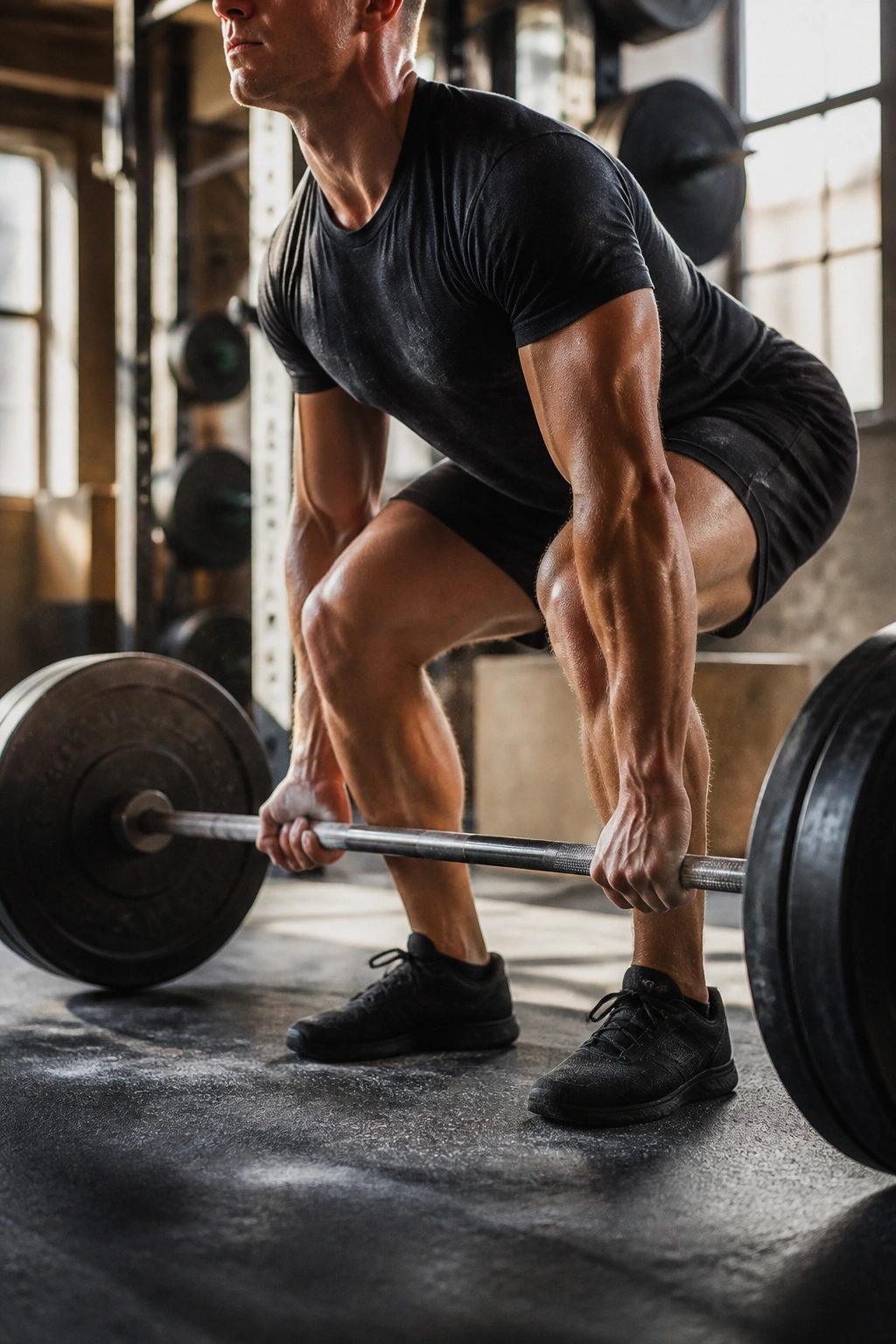
The deadlift is the undisputed king of strength movements. It forces every muscle in your posterior chain—hamstrings, glutes, lower back, lats, and traps—to contract at the same time. You are essentially picking up a heavy object from the ground, a fundamental human movement pattern that has been practiced for thousands of years.
Why It Works for Total Strength
When you pull from the floor, you aren’t using a machine to isolate a single muscle. You are teaching your body to move as a unified system. It builds a level of grip strength and spinal rigidity that no amount of isolation work can replicate. If you do nothing else but master this movement, you will be ahead of the curve.
Technical Cues for Success
- Set your feet roughly hip-width apart with the bar over the middle of your foot.
- Keep your shins as close to the bar as possible without pushing it forward.
- Pull the slack out of the bar—you should hear a distinct click before the weight leaves the floor.
- Drive your heels through the ground, imagining you are pushing the floor away rather than pulling the bar up.
Warning: Do not round your back. A rounded back under heavy load is the fastest path to a disc injury. If your form breaks, the set is over.
2. Barbell Back Squat
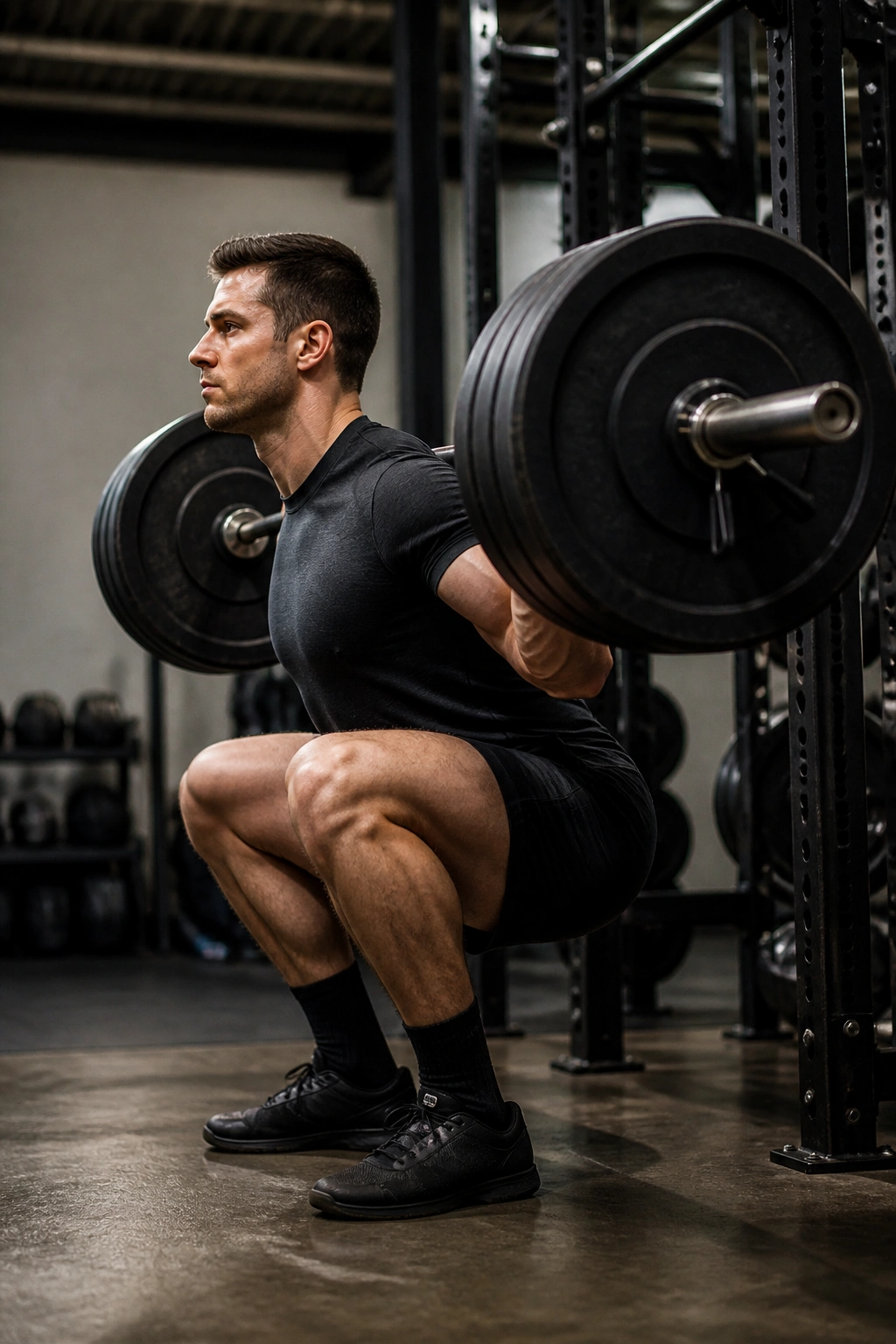
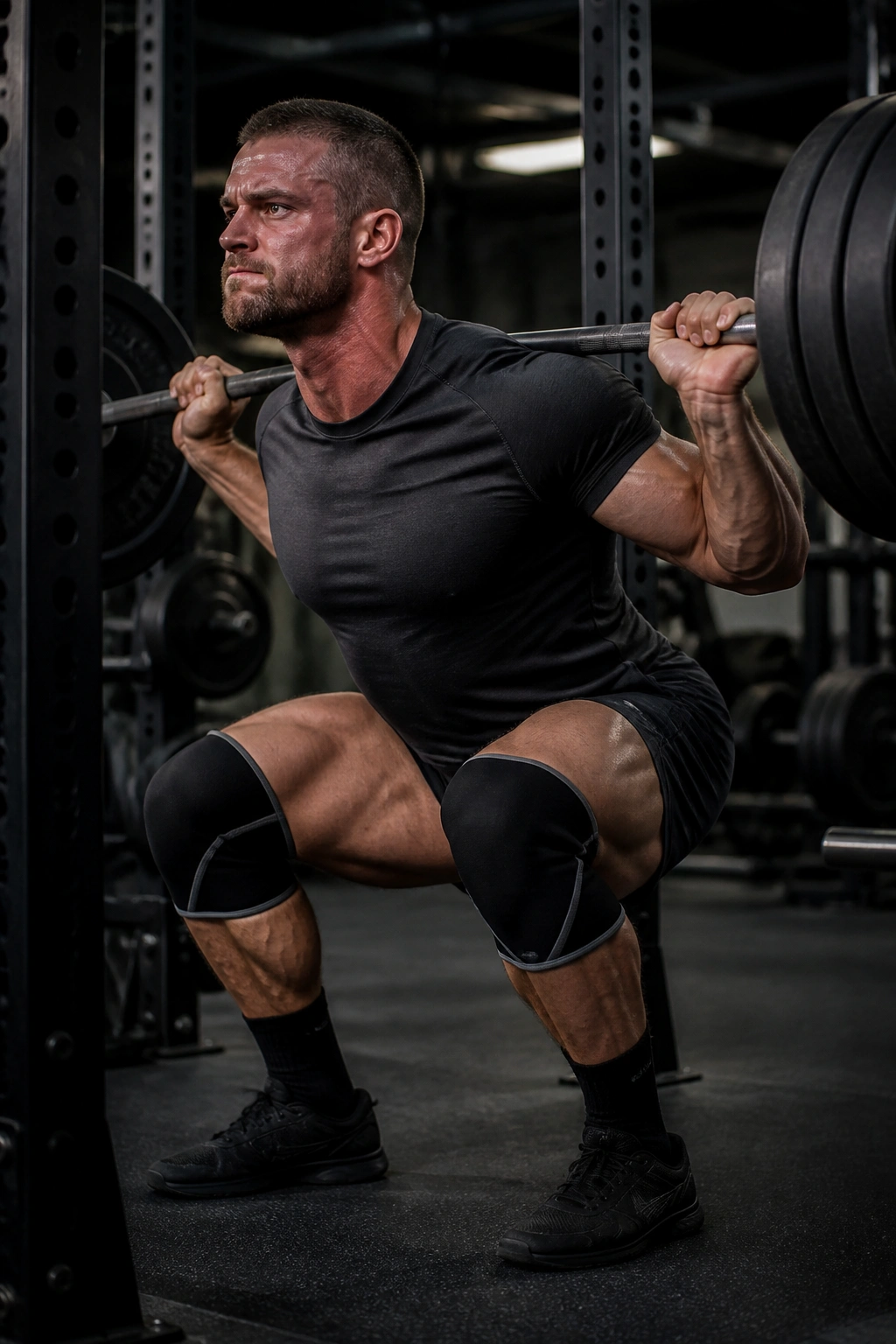
While the deadlift builds the posterior chain, the back squat is the primary builder for the anterior chain—your quadriceps. It also happens to be one of the best core exercises in existence, provided you load it properly. Placing a heavy bar across your traps forces your torso to remain upright, requiring immense isometric strength from your lower and upper back.
The Foundation of Leg Development
Many beginners treat the squat as a “legs only” exercise. This is a mistake. Your back is the shelf upon which the weight rests. If your upper back is loose, the bar will roll, your chest will cave, and you will lose your balance. Keep your scapulae retracted and your lats engaged as if you are trying to bend the bar across your shoulders.
Common Mistakes to Avoid
- Knee cave: Ensure your knees track in line with your toes. If they collapse inward, your hips and ankles are probably not mobile enough for the depth you are attempting.
- Leaning too far forward: This shifts the load to your lower back. Sit between your hips, not just back into them.
- Ignoring tempo: Do not dive-bomb the descent. Control the weight on the way down for at least 2 to 3 seconds.
3. Weighted Pull-Ups
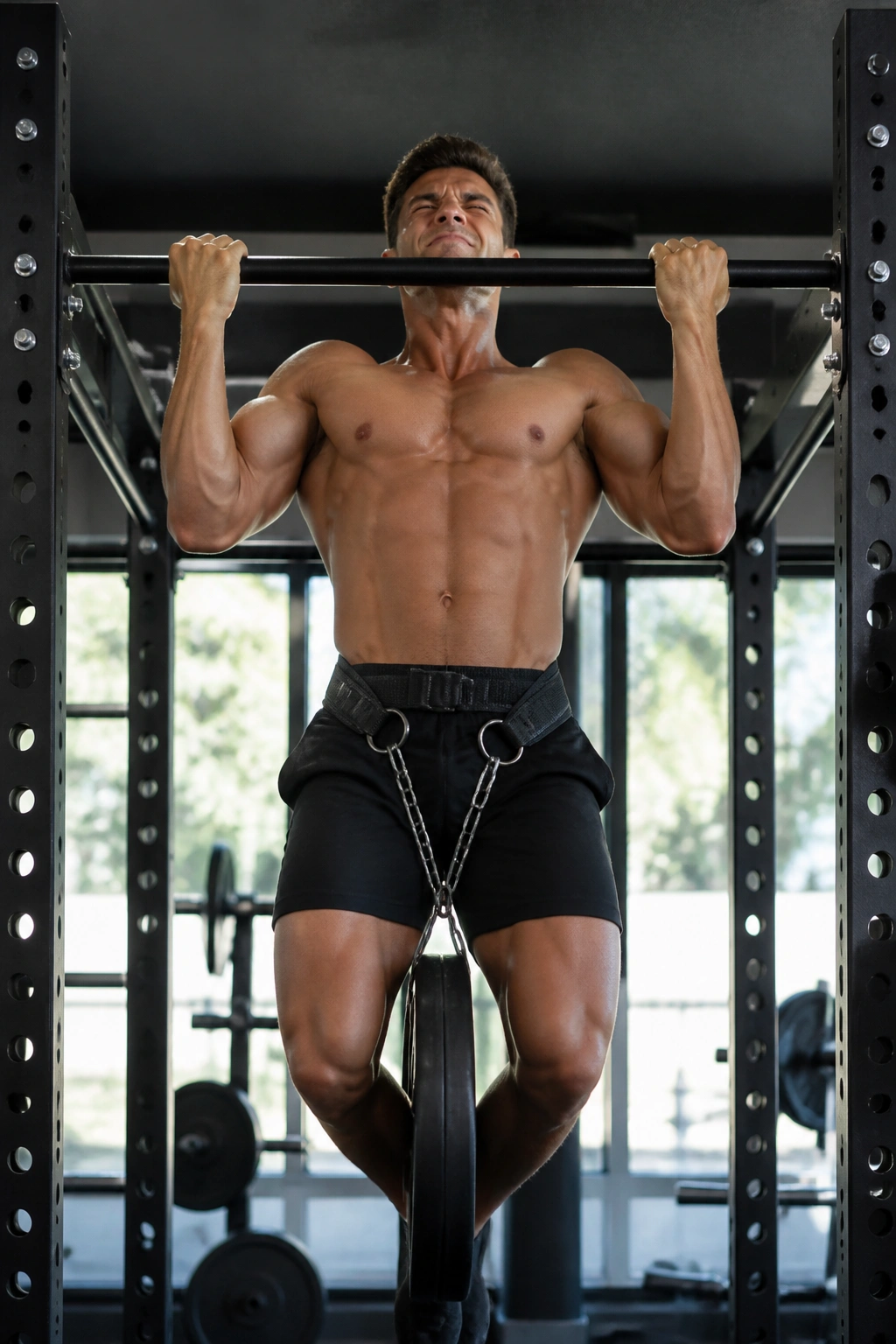
If you want a back that looks like a cobra hood, you need vertical pulling. Bodyweight pull-ups are excellent, but they eventually stop providing enough stimulus for significant hypertrophy. Adding weight—via a belt or a dumbbell between your feet—forces your lats and rhomboids to grow in response to the increased load.
How to Integrate Them
Start with a weight you can handle for 5 clean, controlled reps. If you are struggling to get your chin over the bar, you are cheating yourself. The goal is full range of motion. Think about driving your elbows into your back pockets, not just pulling your chest to the bar.
Why This Beats Lat Pulldowns
Machines have a fixed path. Your body does not. When you perform a pull-up, you have to stabilize your entire torso, which engages your abdominals and obliques significantly more than a seated machine ever will. It is a total-body engagement exercise disguised as a back movement.
4. Romanian Deadlift
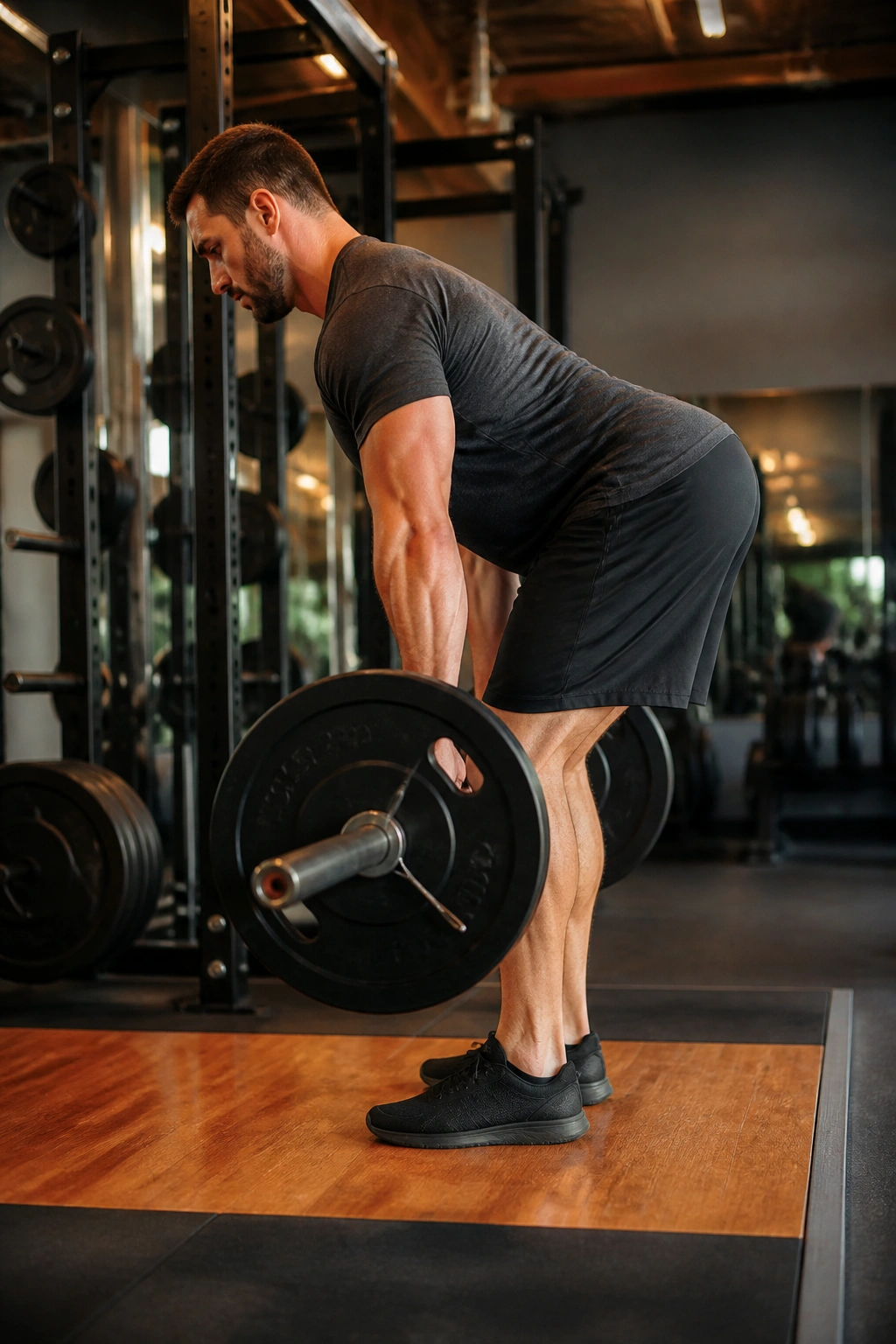
The Romanian Deadlift (RDL) is a hinge pattern, distinct from the conventional deadlift. It focuses almost exclusively on the eccentric (lowering) phase of the movement. This makes it perhaps the most effective exercise for hamstring hypertrophy. You are not pulling the bar from the floor; you are lowering it to just below the knees and feeling the deep, intense stretch in your hamstrings.
The Hinge Mechanic
Push your hips back as if you are trying to close a car door with your glutes. Keep the bar tight to your shins—if the bar drifts away from your legs, the tension shifts from your hamstrings to your lumbar spine, and you will feel it in all the wrong places.
Key Considerations
- Keep a slight bend in your knees, but do not turn it into a squat. The knees should stay locked in that slight flex throughout the entire movement.
- Do not worry about touching the floor. If you reach mid-shin and your hamstrings feel like they are about to snap, that is your end range. Stop there.
5. Barbell Rows
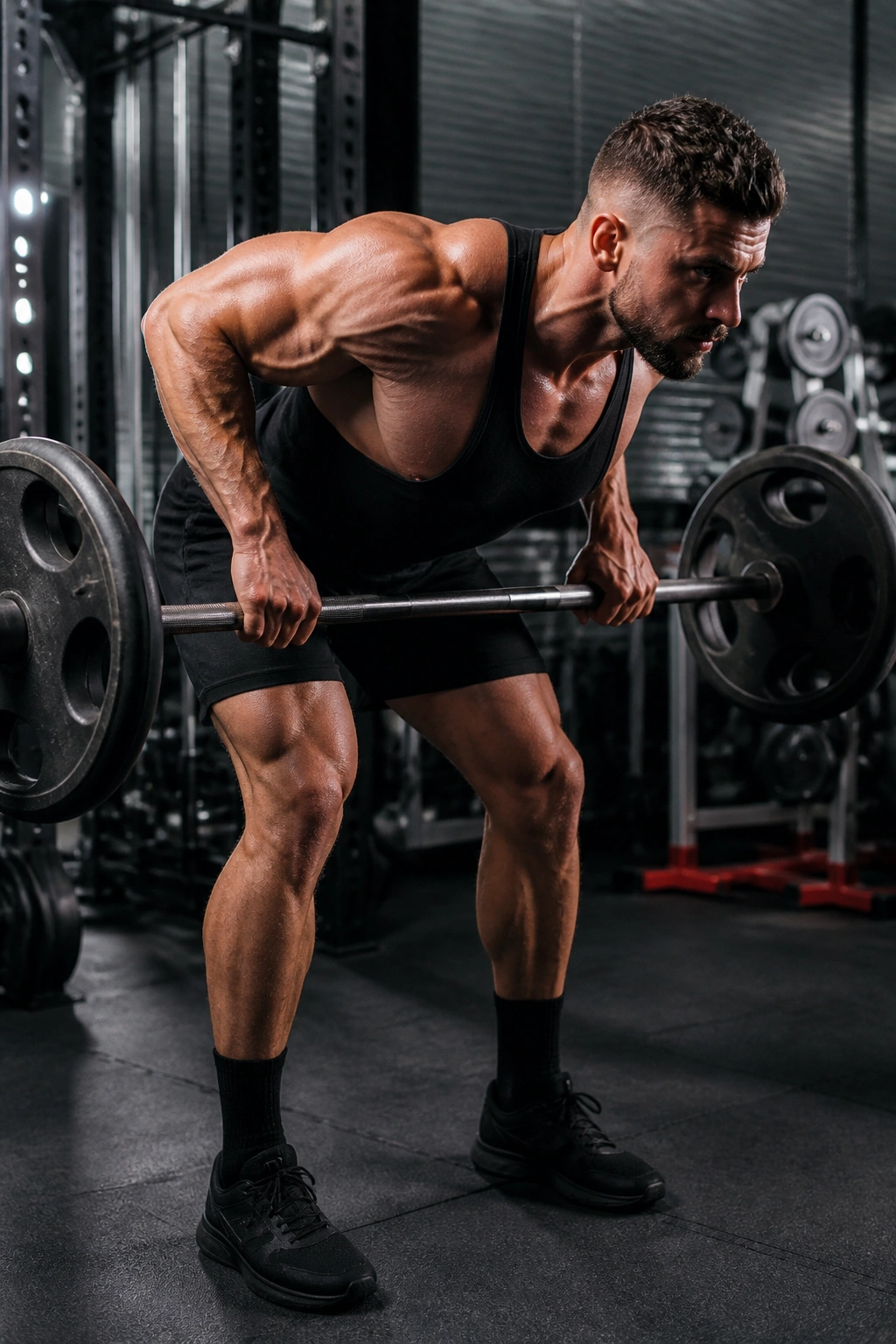
There are two schools of thought on barbell rows: the strict, chest-supported style, and the explosive, “Pendlay” style. For total strength, you want to hover somewhere in between. You need to be bent over, back parallel to the floor, pulling the weight into your lower abdomen.
Why This Builds Thickness
While pull-ups provide width, rows provide thickness. They attack the mid-back, the traps, and the rear deltoids. A thick back provides a solid base for pressing movements, meaning a stronger row often leads to a stronger bench press.
The “No-Cheat” Protocol
- Use a slight pause at the top of the rep.
- If you have to use your legs to jerk the weight up, you are going too heavy.
- Drop the weight, keep your torso rigid, and feel the muscles in your mid-back doing the actual work.
6. Front Squats
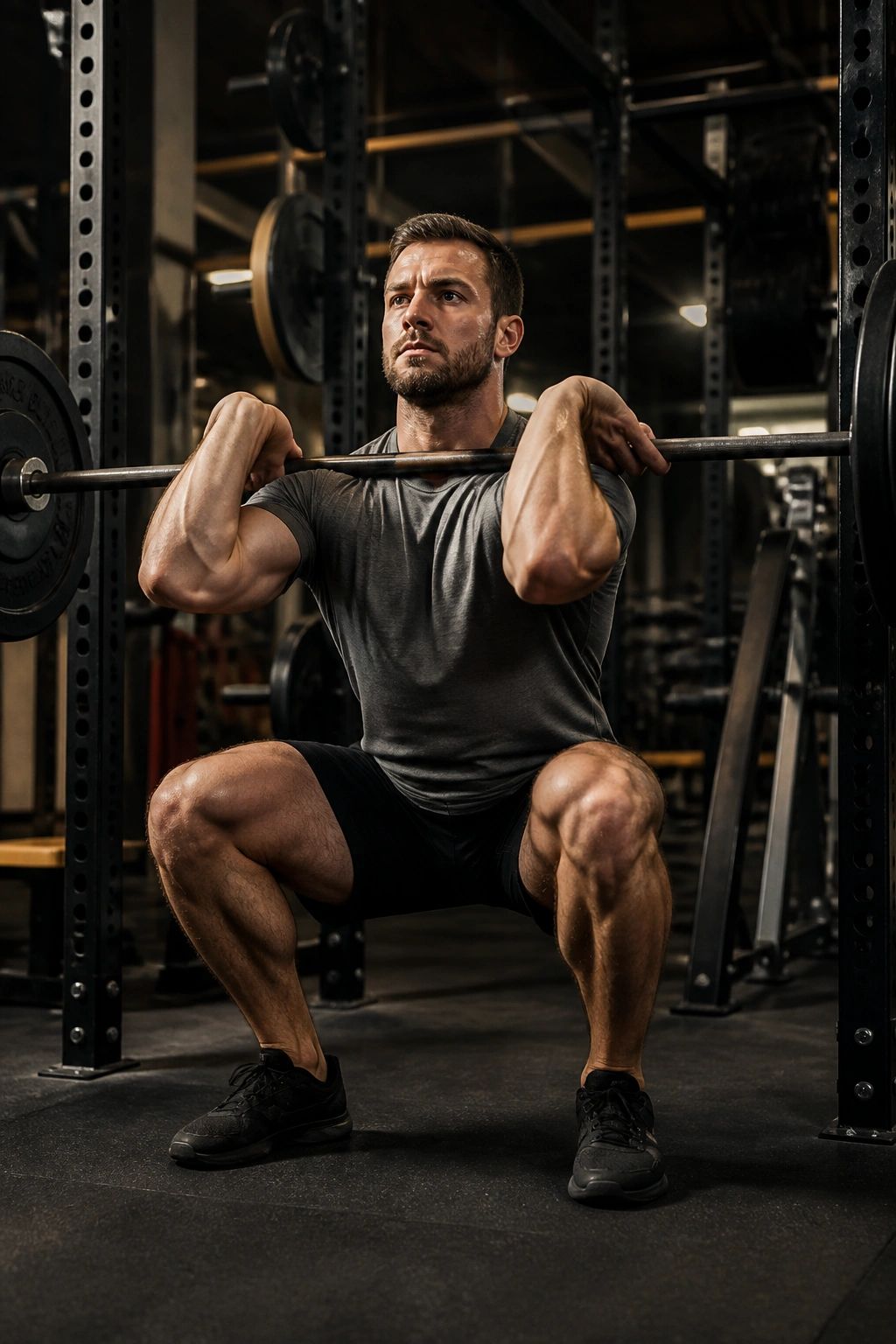
If the back squat is the king of legs, the front squat is the enforcer. By placing the bar on the front of your shoulders, you force your torso to remain perfectly vertical. If you lean forward even an inch, the bar will roll off your deltoids. It is an incredibly punishing exercise that demands impeccable posture.
The Core Requirement
The front squat forces your thoracic spine to stay extended. This helps correct the “slouch” that plagues many office workers. You cannot slouch and front squat at the same time. It also forces your quadriceps to do more work, as the center of gravity is shifted to the front of the body.
Handling the Grip
The “clean grip” (fingertips under the bar, elbows high) is the standard. It feels awkward at first—it might even bruise your collarbones. Use the straps-to-the-bar method if you lack wrist mobility. Do not cross your arms over your chest unless you absolutely have to; it provides less stability for heavy loads.
7. Single-Leg Bulgarian Split Squats
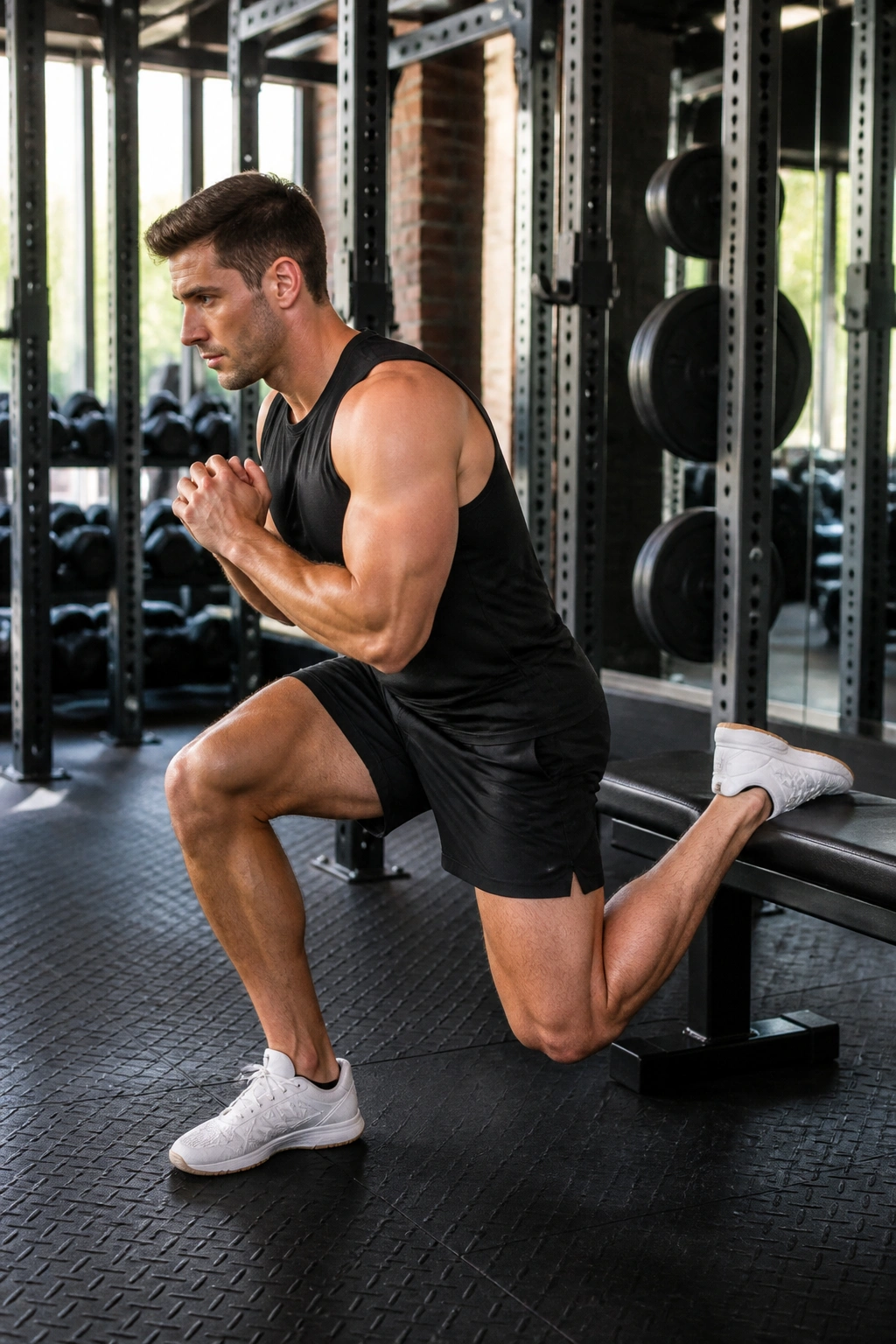
Few exercises elicit as much dread as the Bulgarian Split Squat. It is a single-leg movement where your rear foot is elevated on a bench behind you. It hits the quads, glutes, and adductors, and it exposes every imbalance you have.
Why You Can’t Skip Them
If you have a weak leg, this will fix it. You cannot “hide” the weak side as you might during a standard squat. It also forces your stabilizing muscles around the knee and ankle to fire rapidly to keep you upright.
How to Maximize the Burn
- Lean your torso slightly forward to bias the glutes.
- Keep your torso upright to bias the quads.
- Use dumbbells in each hand for extra resistance.
- Try to keep your front shin vertical, or let it travel over the toes depending on whether you want to emphasize glutes or quads.
8. Rack Pulls
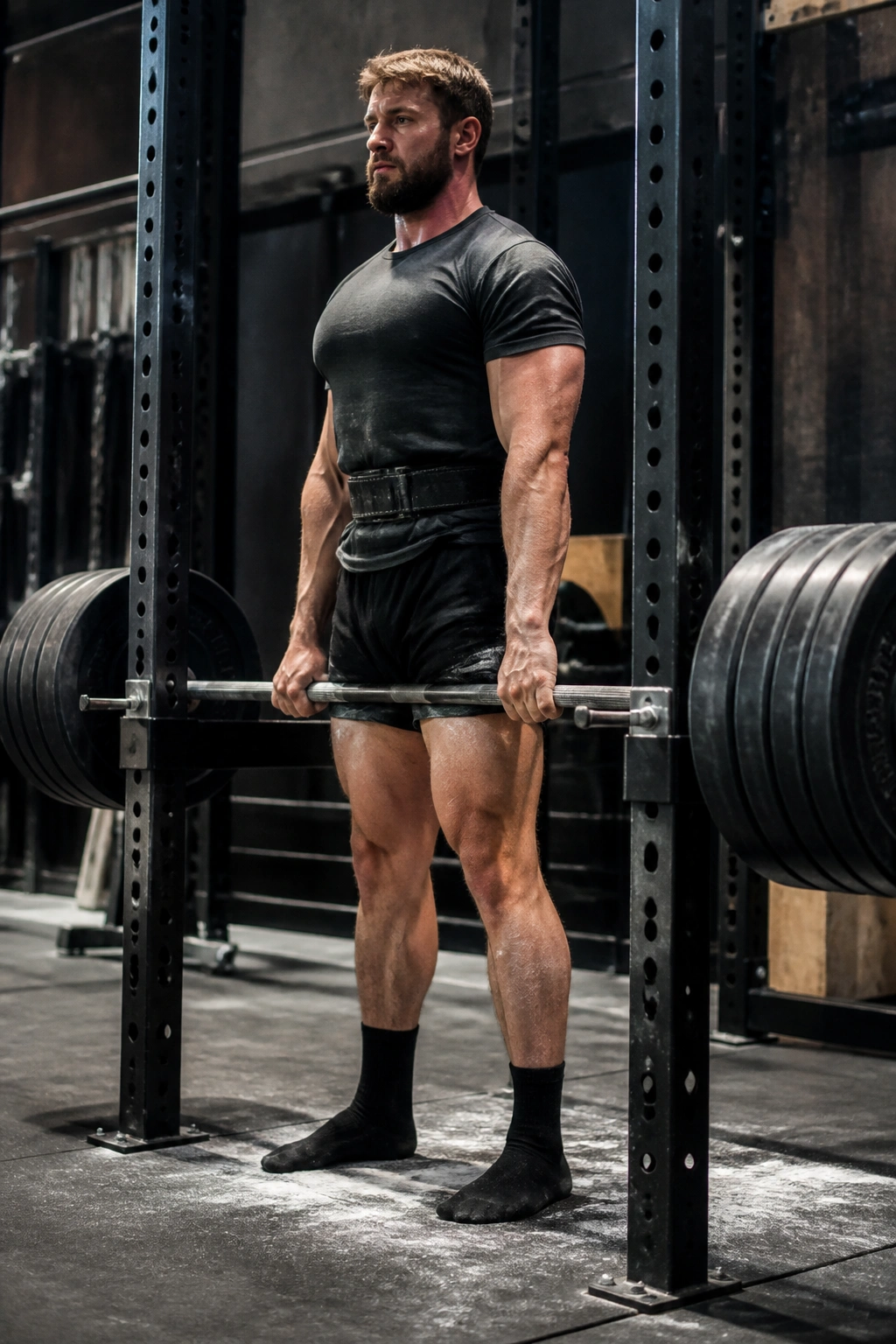
Rack pulls are essentially deadlifts that start from an elevated position, usually just below the knee. Because you are skipping the initial pull from the floor, you can handle significantly more weight than you can with a conventional deadlift. This allows you to overload the back and traps.
Who Needs Rack Pulls
If your grip gives out before your back does, or if you struggle to lock out heavy deadlifts, rack pulls are your solution. They build immense confidence with heavy weight. They train your nervous system to handle loads that would otherwise feel intimidating.
Precision Matters
Even though you are lifting from pins, keep the bar path vertical. Do not allow your hips to drift back. The setup should be identical to the bottom half of a conventional deadlift. When you drive up, finish with a proud chest, not by hyperextending your lower back.
9. Leg Press
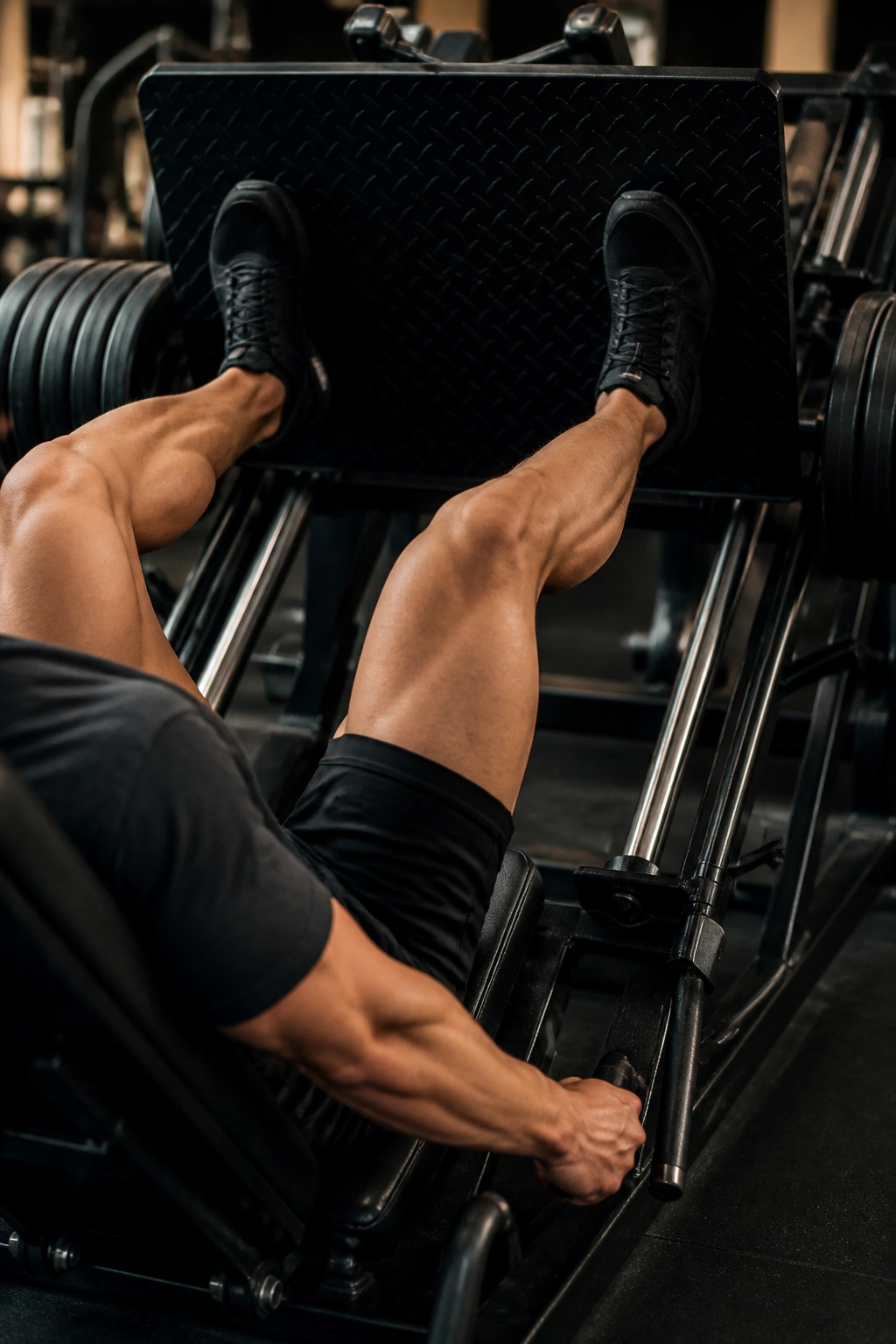
The leg press often gets a bad reputation in the world of “functional” fitness, which is unfortunate. It allows you to move massive amounts of weight without the spinal compression of a squat. This makes it an ideal tool for metabolic conditioning and high-volume hypertrophy work.
Adjusting Foot Placement
- High and wide: Targets the hamstrings and glutes.
- Low and narrow: Targets the quads.
- Mid-width: The standard “balanced” approach.
The Safety Check
Never lock your knees at the top of the movement. Keep a microscopic bend in the joint to keep the tension on the muscles and off the connective tissue. If you feel your lower back rounding or “butt-winking” off the seat pad, you have gone too deep. Reduce your range of motion until you can keep your spine neutral.
10. Face Pulls
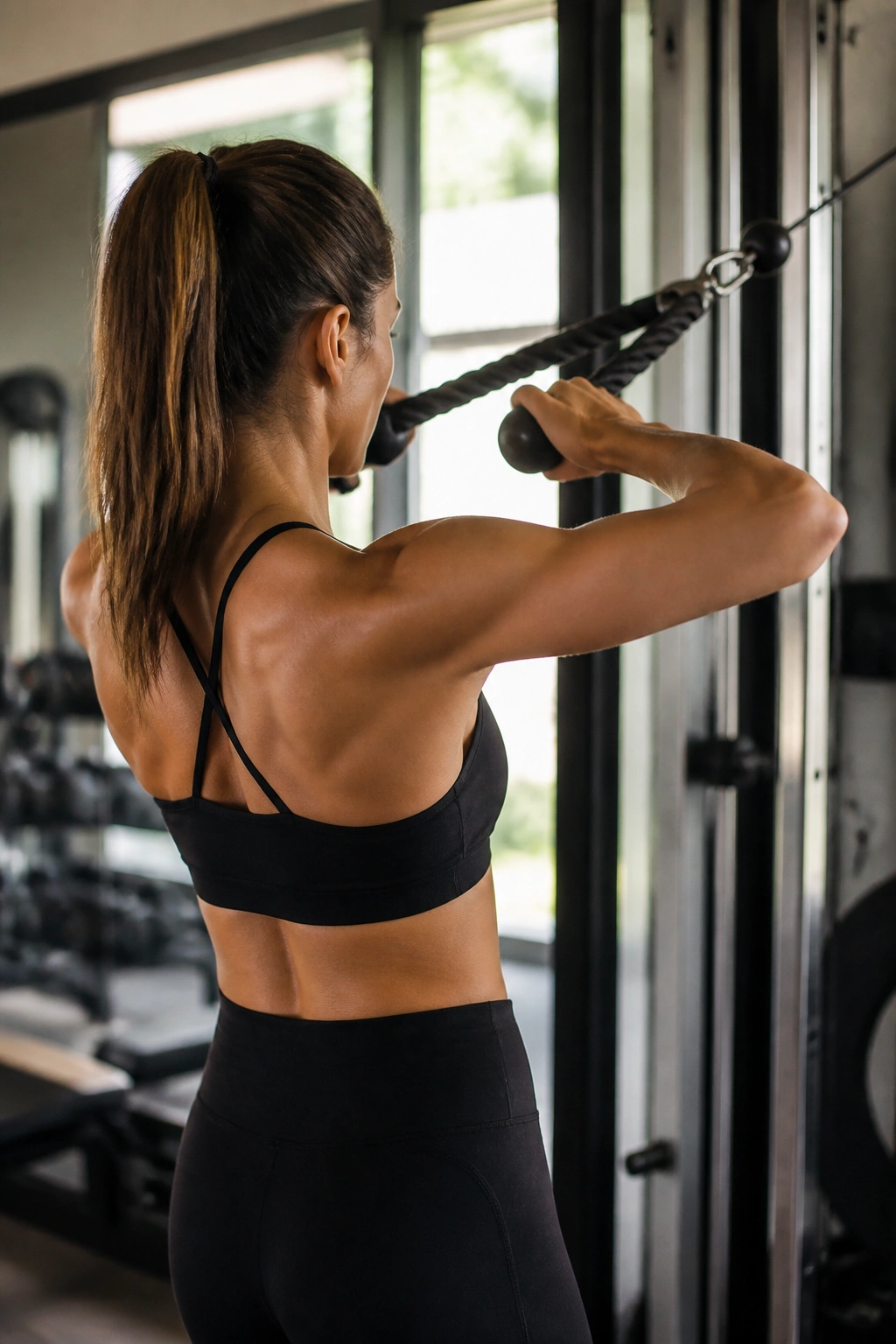
This is not a heavy strength exercise in the traditional sense, but it is a critical accessory for back health and posture. Face pulls target the rear deltoids, the rhomboids, and the external rotators of the shoulder.
Why the Back Needs It
You spend most of your life pushing and pulling in front of you. If you ignore the rear delts, your shoulders will eventually round forward, leading to pain and limited mobility. Face pulls are the counter-balance. They keep your shoulders healthy so you can keep lifting heavy for decades.
Execution Tips
- Use a rope attachment on a cable machine set at eye level.
- Pull toward your forehead, separating your hands as you pull.
- Imagine you are trying to touch your thumbs to your ears behind your head.
- Squeeze your shoulder blades together at the peak of the contraction.
11. Walking Lunges
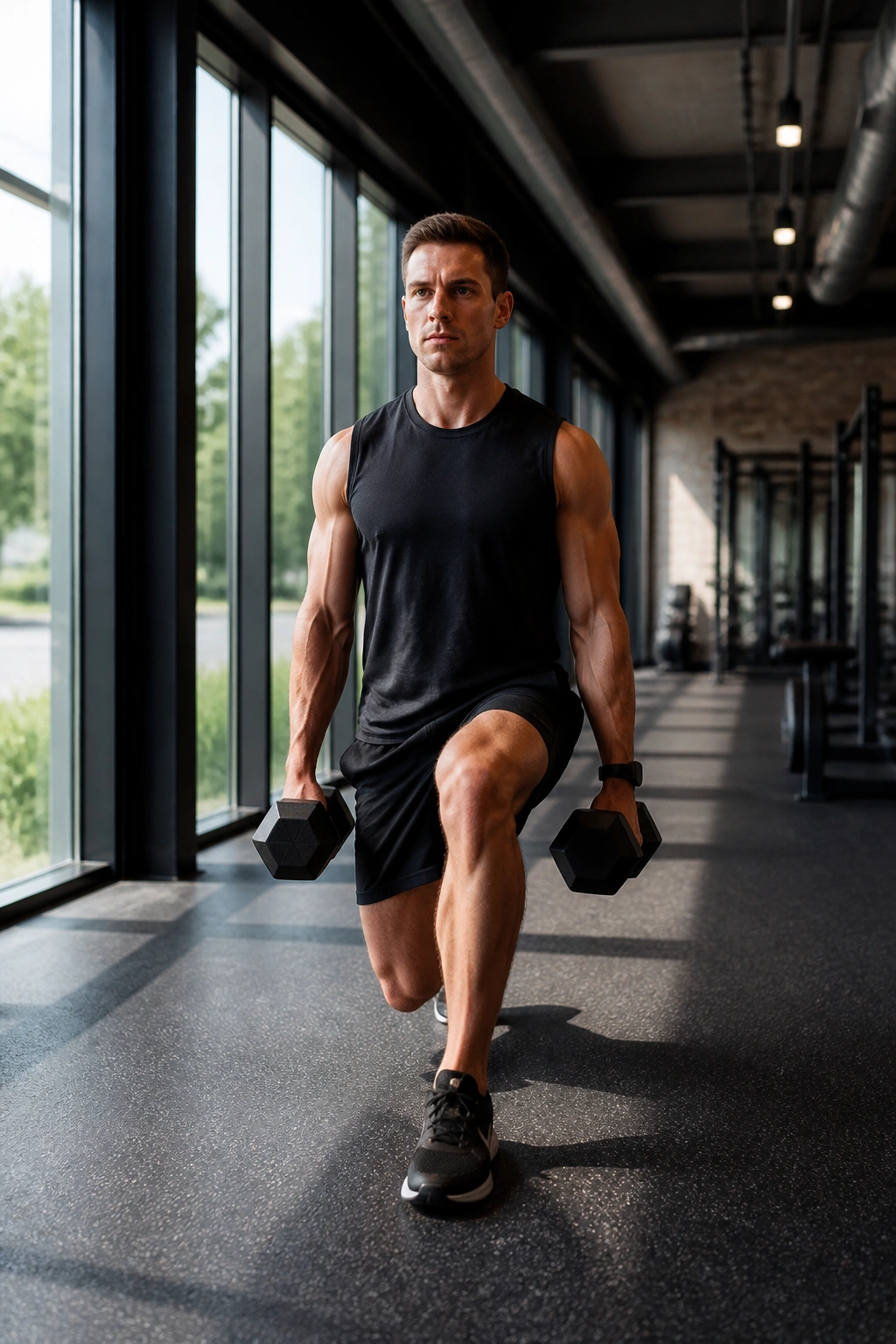
Walking lunges are the gold standard for dynamic leg strength. They require coordination, balance, and a significant amount of stamina. Because you are moving forward, you have to engage your core constantly to stabilize the movement.
The “Step” Strategy
Take a stride long enough that your front shin is vertical. If you overstride, you put undue stress on your hip flexors. If you understride, you will feel it in your knees. Keep your head up and your chest proud. Looking down at your feet will throw off your center of gravity.
Scaling the Intensity
- Hold dumbbells at your sides for simple resistance.
- Hold a barbell on your back for maximum load (carefully).
- Add a deficit by stepping onto a small platform for an increased range of motion.
12. T-Bar Rows
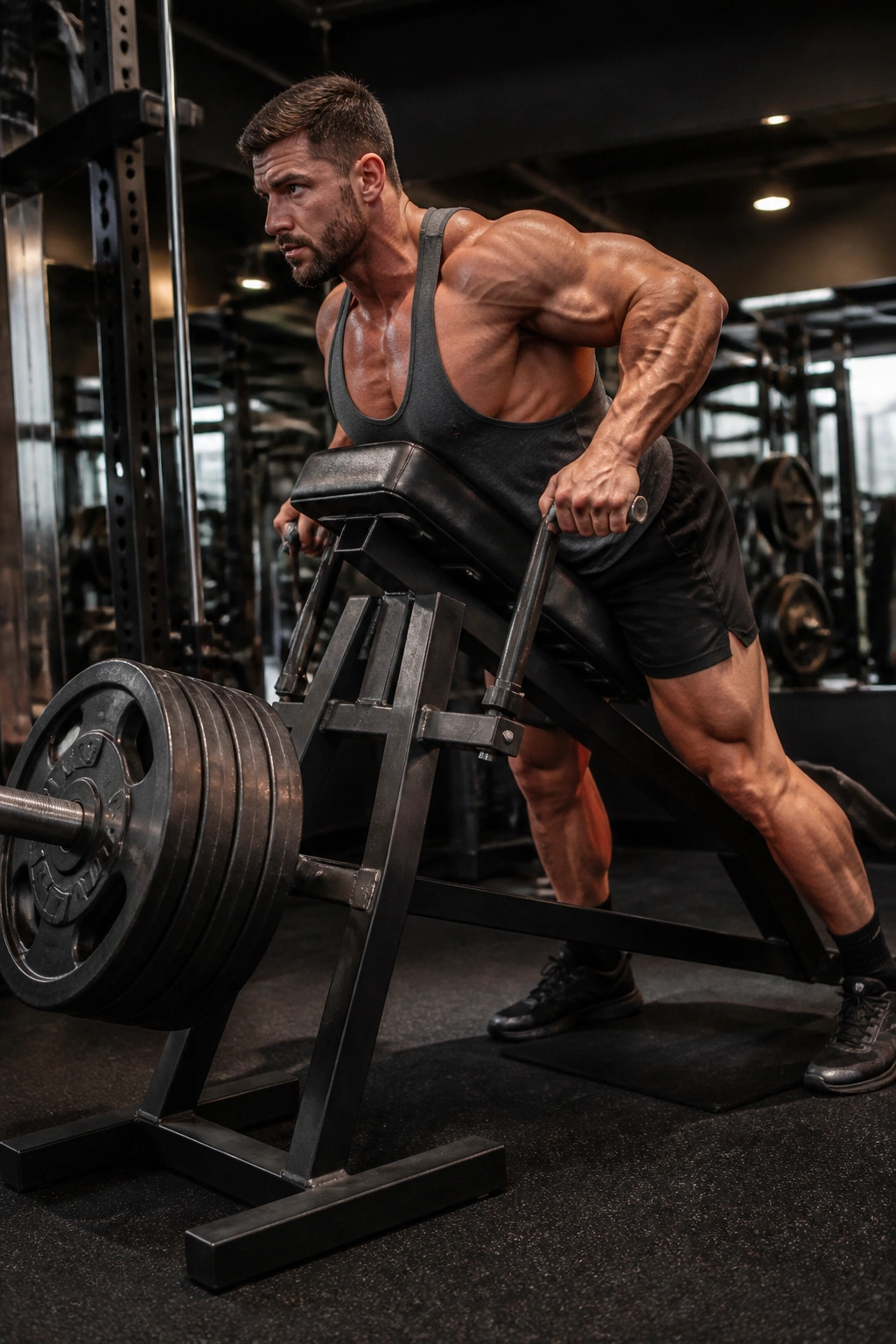
The T-Bar row provides a unique angle of pull that differs from the barbell row. The weight is fixed, so you don’t have to worry about stabilizing the bar path, which allows you to focus purely on the contraction of the back muscles.
Building Width and Thickness
The T-Bar allows for a slightly different grip than a standard barbell. By using a V-handle, you can maintain a neutral grip, which can be easier on the wrists and shoulders while allowing for a deeper stretch.
Technique Nuances
Keep your chest on the pad if you are using a chest-supported machine. If you are doing a landmine-style T-bar row, treat it like a barbell row—keep your back flat, hinge at the hips, and pull the bar into your stomach. Do not turn it into a full-body swing.
13. Trap Bar Deadlift
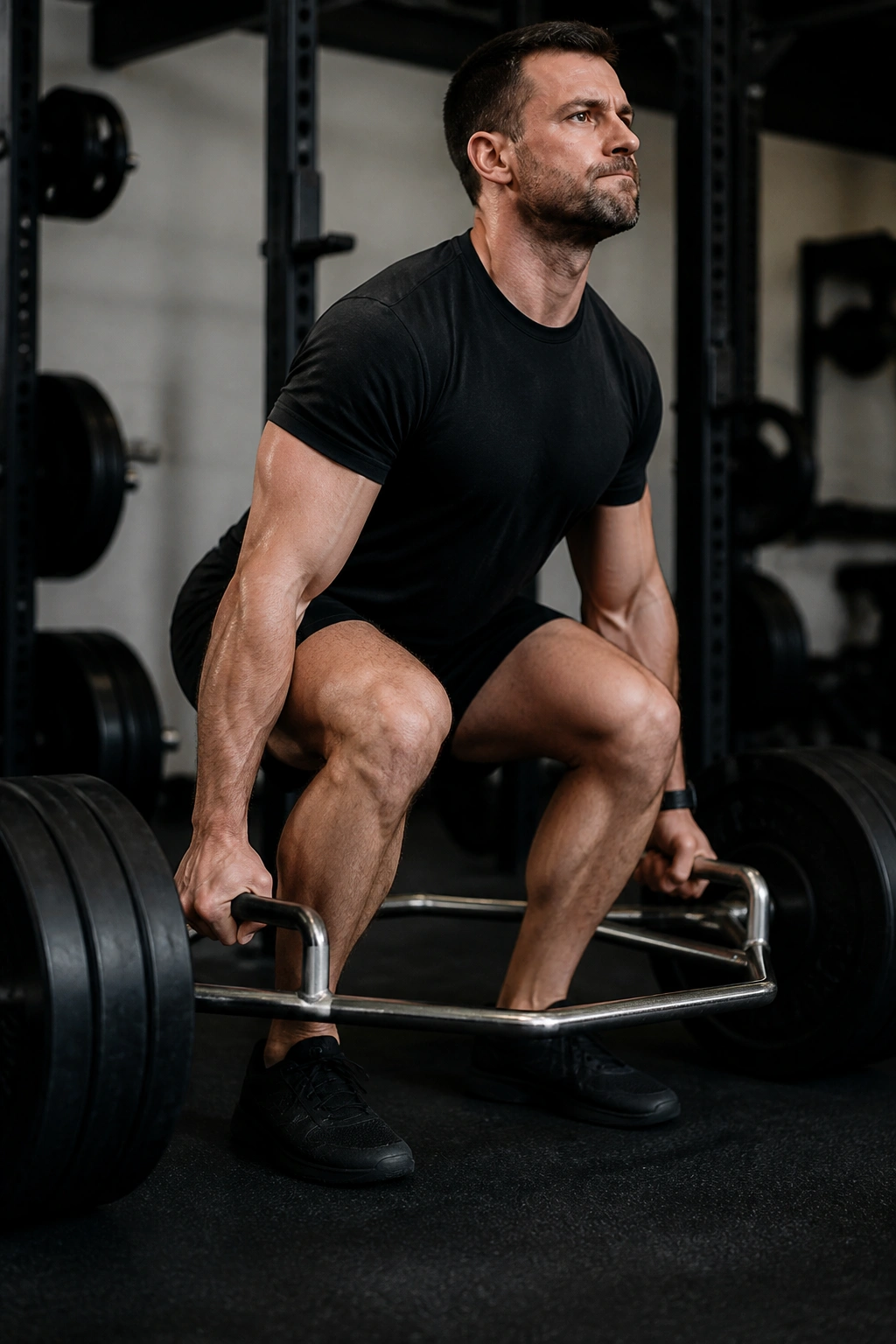
The Trap Bar (or hex bar) changes the mechanics of the deadlift by placing the load at your sides rather than in front of you. This places the weight closer to your center of gravity, which is generally more back-friendly and easier to learn for beginners.
The Best of Both Worlds
The Trap Bar allows you to squat a bit more, making it an excellent hybrid between a squat and a deadlift. It is a fantastic tool for training explosive power. Because the handles are higher than a standard bar, it is also much more accessible for people with limited mobility.
How to Use It
Step inside the frame. Keep your chest up and sit your hips down slightly more than you would for a conventional deadlift. Drive through the floor with your legs, keeping your spine straight the entire time.
14. Goblet Squats
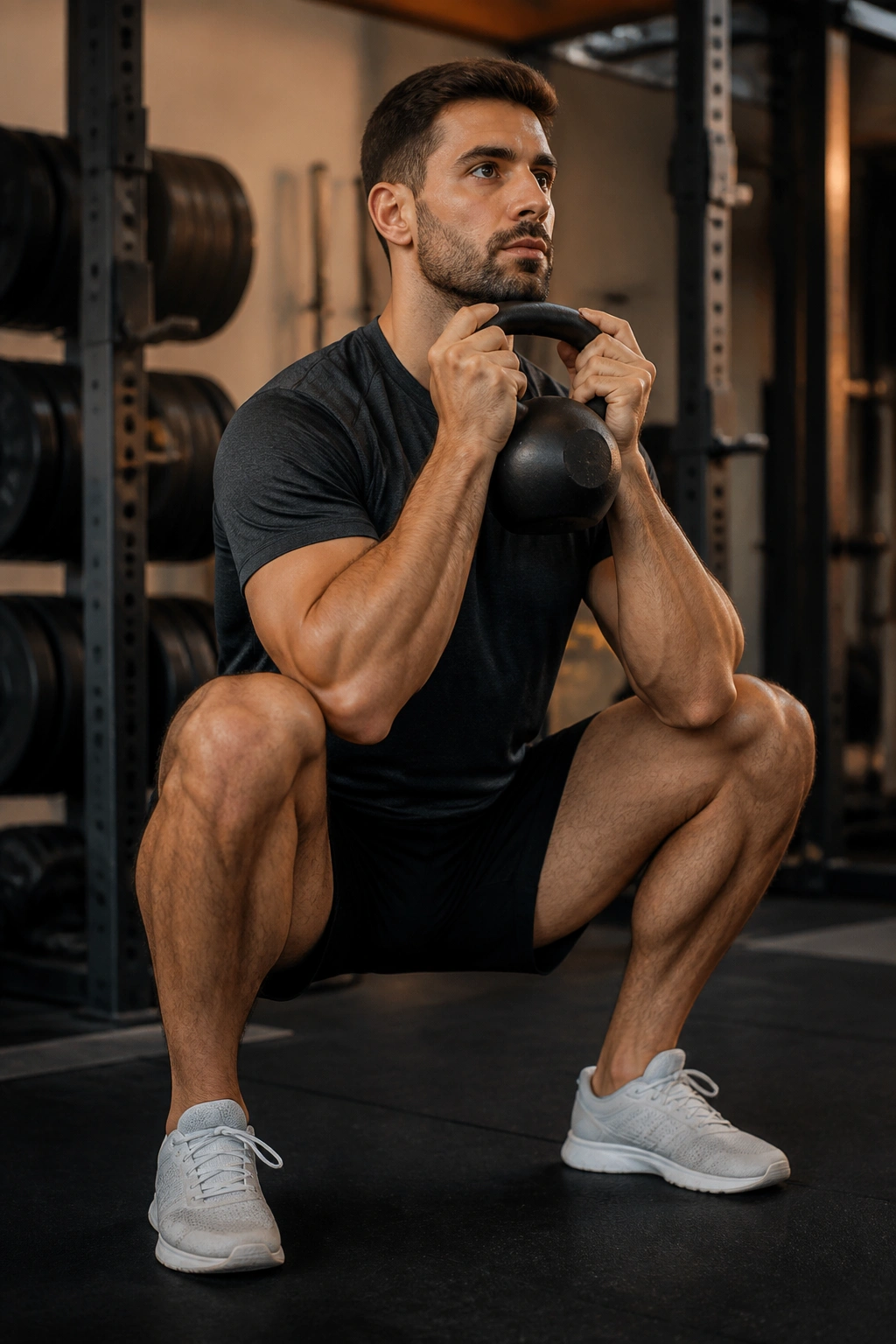
The Goblet Squat is the ultimate teaching tool for the squat pattern. By holding a kettlebell or dumbbell at chest height, you are forced to maintain an upright torso. If you collapse forward, the weight will drop. It is a self-correcting exercise.
Why You Should Still Do Them
Even advanced lifters should use Goblet Squats as a warm-up or a technique refresher. They are incredible for opening up the hips and reinforcing proper depth. If you cannot do a goblet squat with perfect form, you have no business putting a barbell on your back.
Focus on Breathing
Inhale into your belly before you descend. Hold that breath (brace your core) throughout the entire squat, and exhale only when you have returned to the standing position. This creates intra-abdominal pressure that protects your spine.
15. Seated Cable Rows
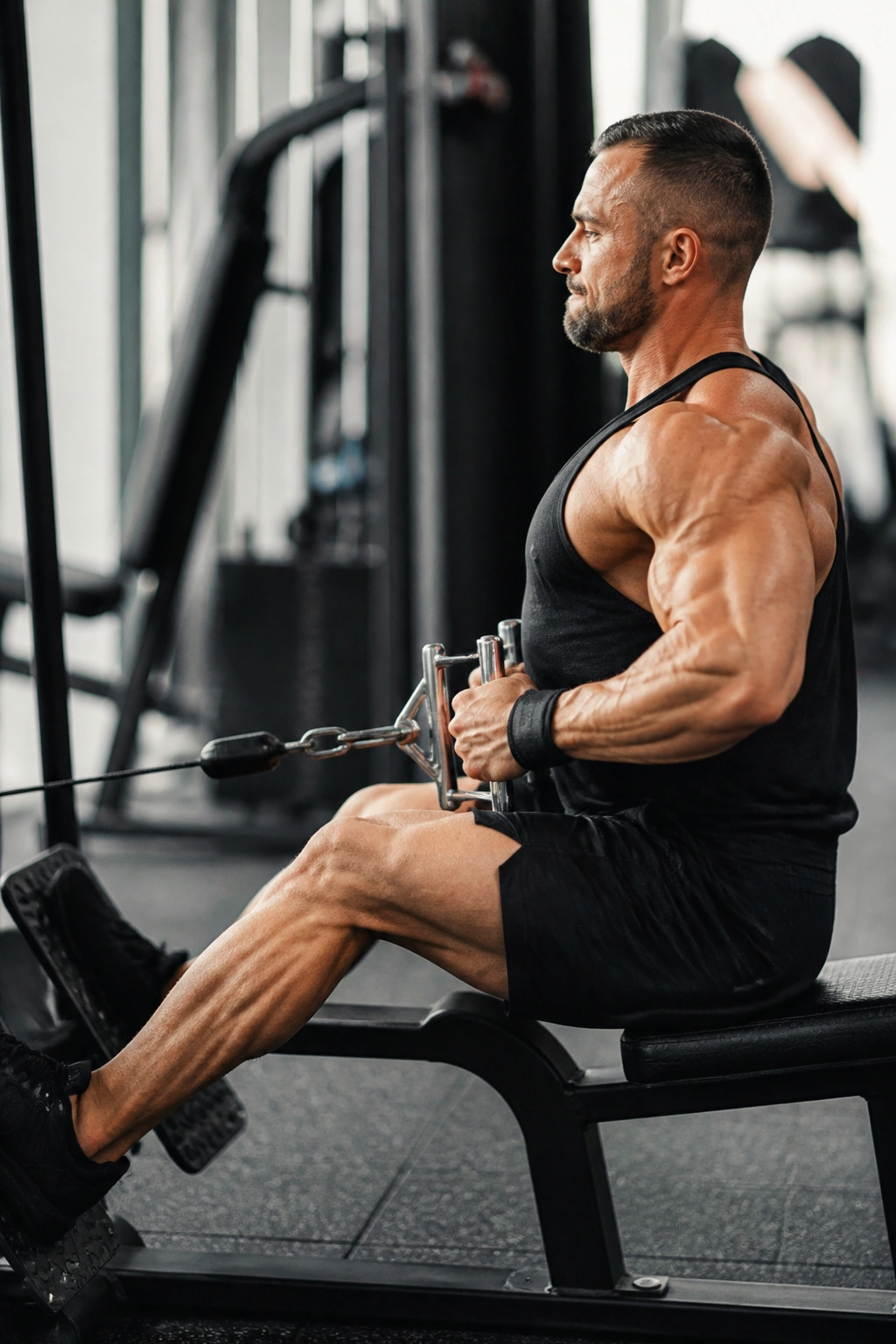
Seated rows allow for a continuous, constant tension on the back muscles that free weights sometimes lose at the bottom of the movement. By using a cable, you ensure that the resistance remains constant through the full range of motion.
Mind-Muscle Connection
This is the place to really focus on the “squeeze.” Do not just move the handle back and forth. Pause at the back of the movement, retract your shoulder blades, and feel your lats and middle back working.
Avoiding the “Rocker”
A common mistake is rocking your torso back and forth to gain momentum. Your torso should be fixed. If you need to swing your body to move the weight, the weight is too heavy. The movement should come from your shoulders and elbows, not your hips.
16. Nordic Curls
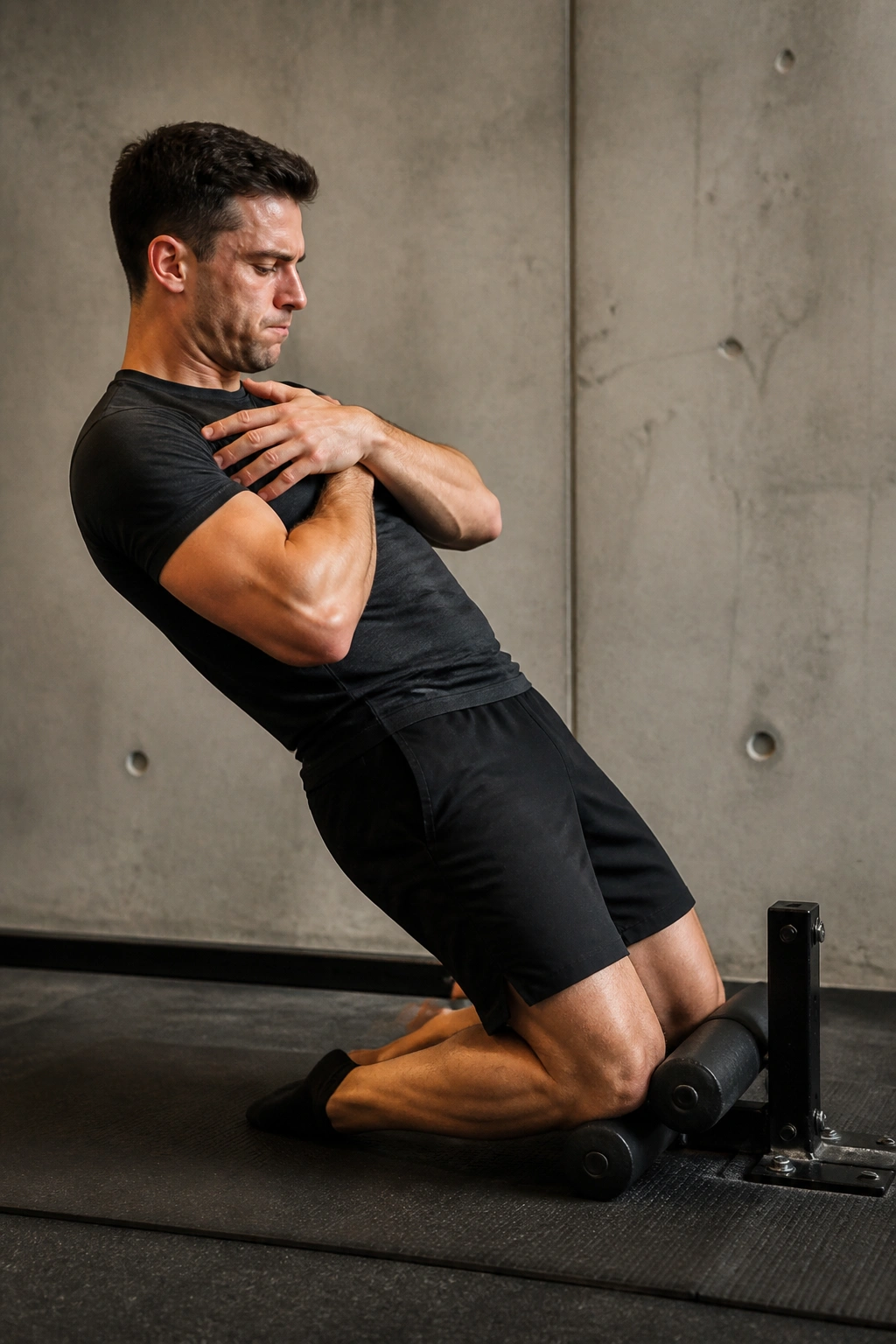
The Nordic curl is perhaps the most challenging hamstring exercise you can perform. It is an eccentric-only movement for the hamstrings. You anchor your feet and lower your torso toward the ground, fighting gravity all the way down.
Why They Are Essential
They are the gold standard for hamstring injury prevention. Most hamstring tears happen when the muscle is stretched and contracting. The Nordic curl trains the muscle to handle that exact stress.
Modifying the Difficulty
If you cannot do a full Nordic curl, use your hands to catch yourself on the way down and push yourself back up. Over time, you will need less assistance. Eventually, you will be able to control the full eccentric descent.
17. Good Mornings
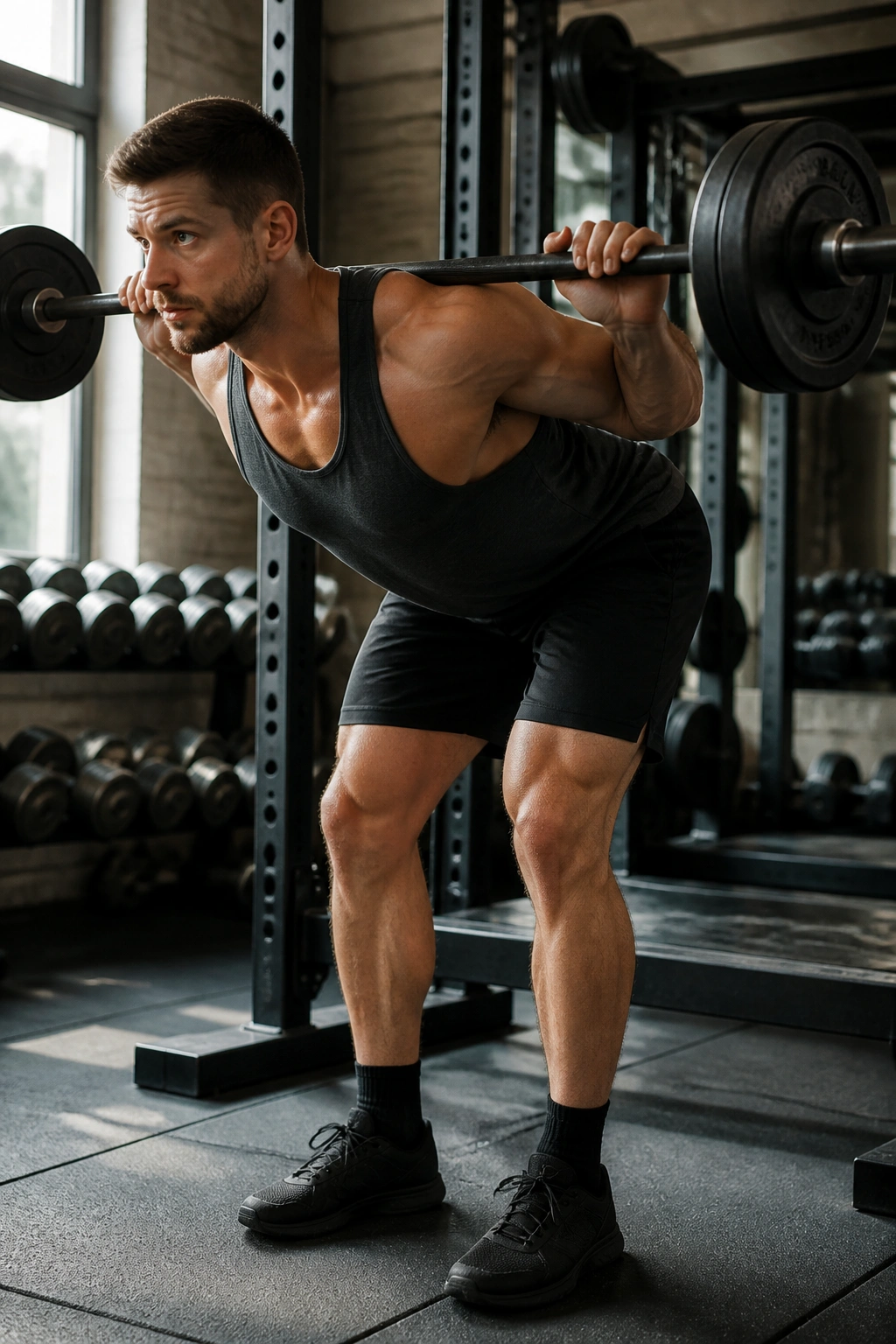
The Good Morning is a hinge exercise that specifically targets the lower back and hamstrings. It is highly technical and requires a light weight to start. It is not an exercise where you want to chase heavy numbers immediately.
The Setup
Place the bar on your back just like a squat. Keep a slight bend in your knees. Hinge at the hips, pushing your glutes back until your torso is nearly parallel to the floor. Return to the starting position by snapping your hips forward.
Safety Warning
This exercise places significant shear force on the lumbar spine. Keep your core braced as hard as humanly possible. If you feel any sharp pain in your lower back, stop immediately. It is an exercise for control, not for maximum load.
18. Zercher Squats
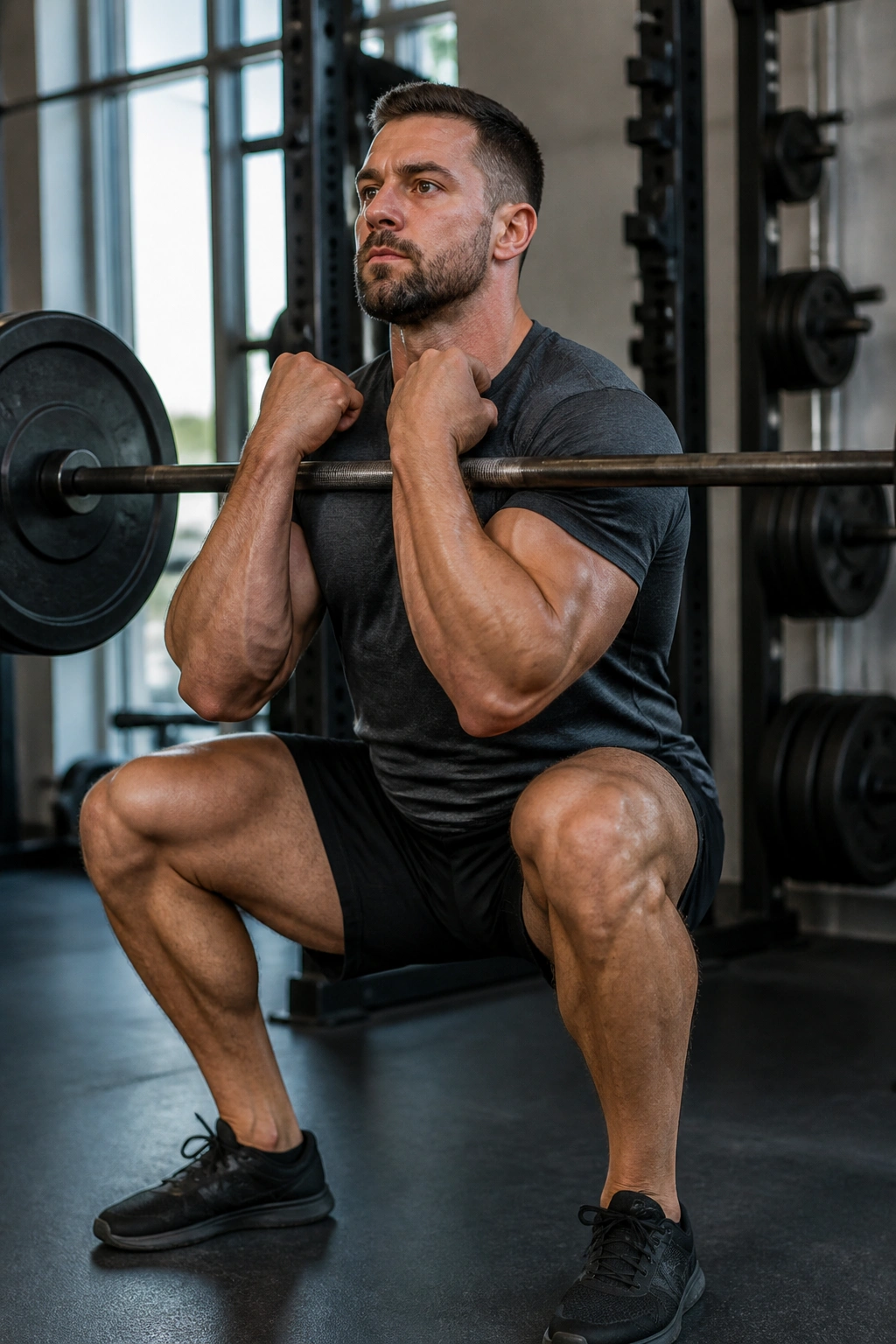
The Zercher squat involves holding the barbell in the crooks of your elbows. It is an old-school strength movement that builds incredible upper back strength and core stability, as the bar is constantly trying to pull you into a rounded position.
The Pain and the Gain
Yes, it hurts your elbows. Use a pad or wrap a towel around the bar. The pain is part of the process. It teaches you to fight against the load and maintain an upright position regardless of the discomfort.
Why It Builds Total Strength
The weight sits in front of you, but lower than a front squat. This forces your entire back to work to keep you from falling forward. It is arguably the best “posture-building” squat variation in existence.
19. Lat Pulldowns
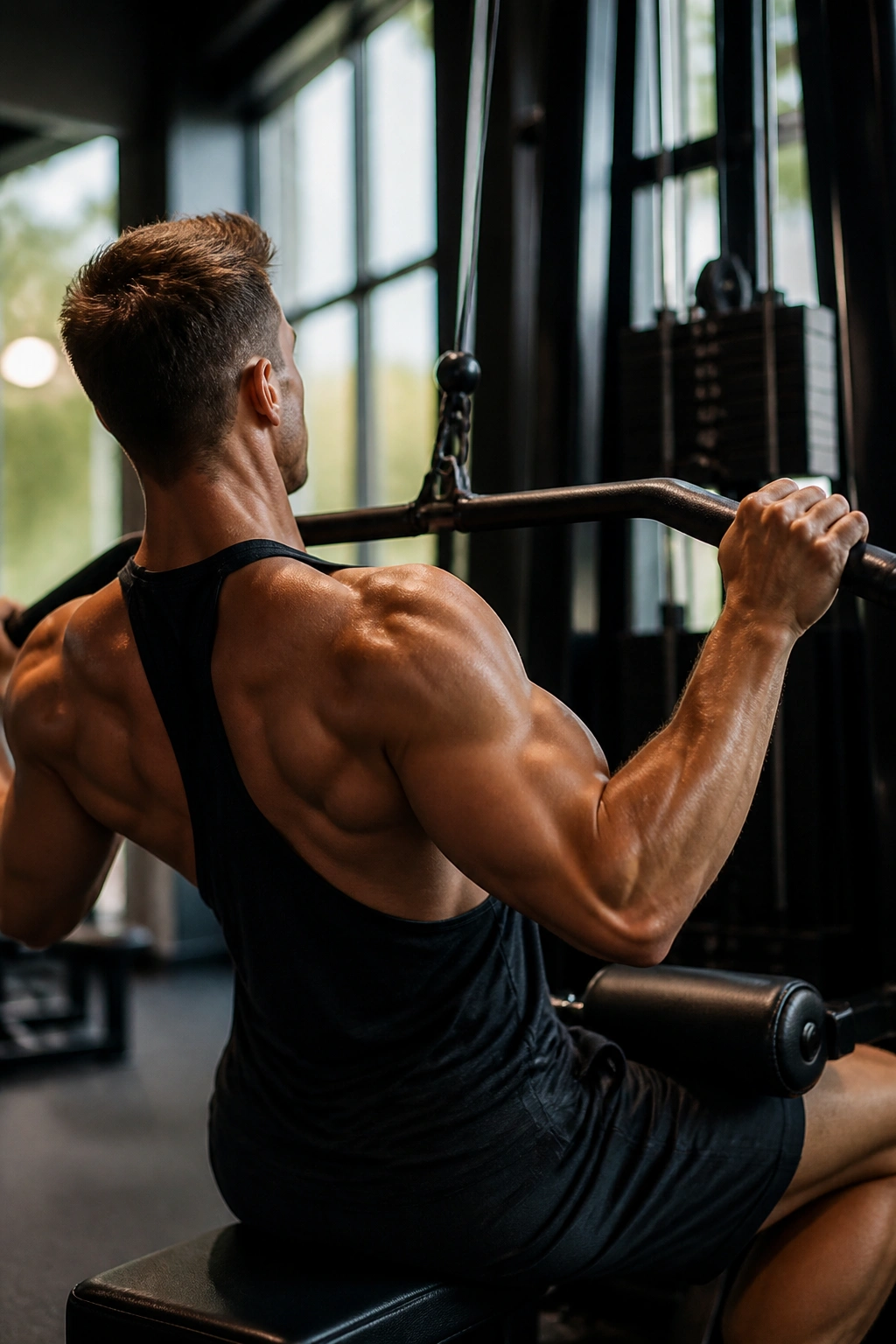
While pull-ups are superior for total engagement, the lat pulldown is superior for hypertrophy. It allows you to isolate the lats without the fatigue of stabilizing your body weight. You can go to failure, use drop sets, and really focus on the squeeze.
Elbow Positioning
Think about pulling your elbows toward your hips, not your hands toward your chest. This ensures the tension stays on the lats and doesn’t get taken over by the biceps.
Hand Width
A medium grip is usually the best for lat engagement. A very wide grip often shifts the focus to the teres major and the shoulders, while a very narrow grip brings the biceps into play. Experiment with different grips to see what lets you feel your lats the most.
20. Kettlebell Swings
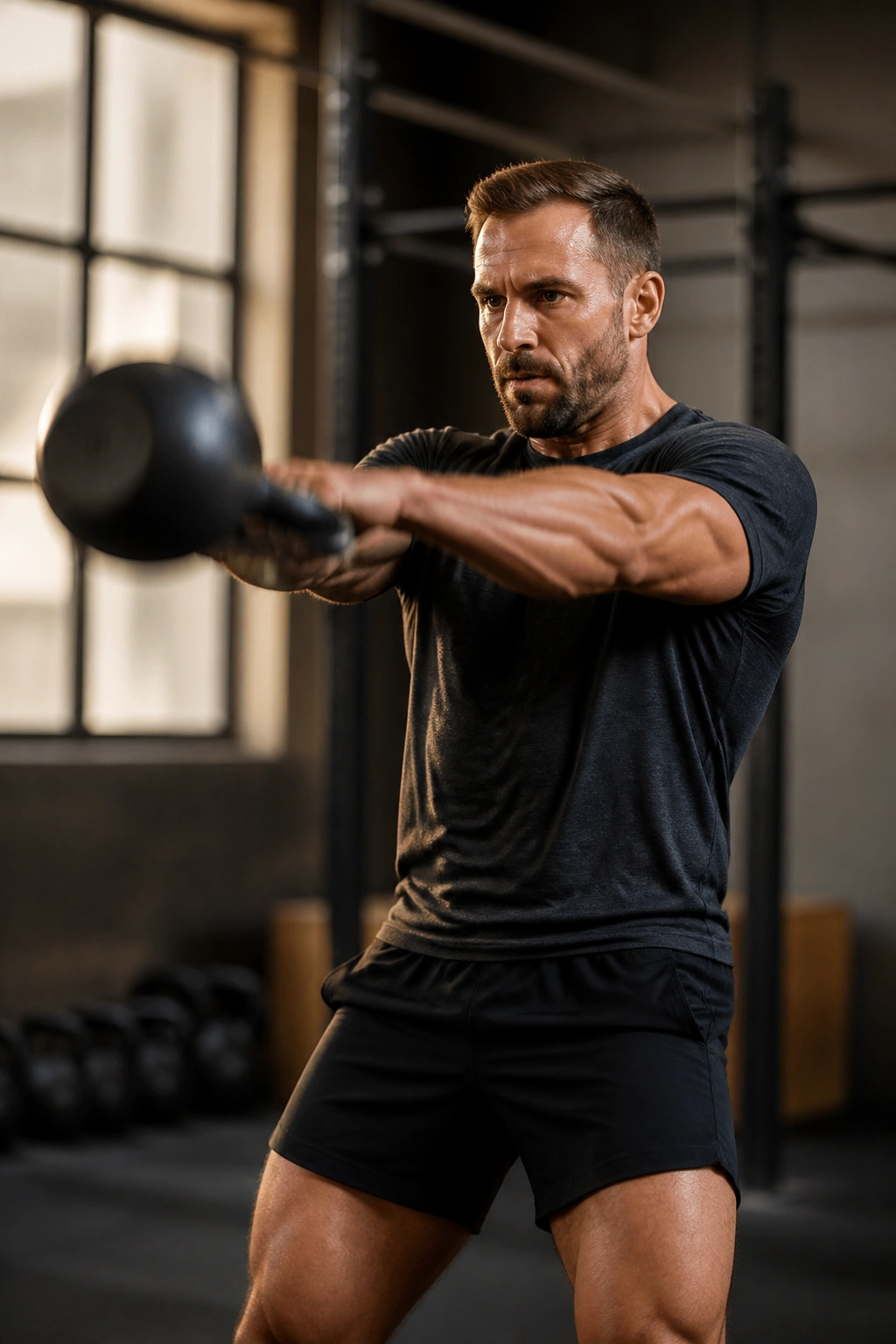
The kettlebell swing is the ultimate posterior chain explosive exercise. It is not a squat. It is a hinge. The momentum comes from the violent snapping of your hips, not from pulling with your arms.
Building Explosive Power
The swing teaches your hips to generate force. This carries over directly to your deadlift, your vertical jump, and your sprinting ability. It is a fast, rhythmic movement that will get your heart rate up in seconds.
The Technique
The bell should travel in an arc. Do not squat the weight; hinge your hips back and snap them forward. If your arms are doing the lifting, you are doing it wrong. Your arms are merely cables connecting your body to the weight.
Building Your Routine
Strength is not about picking the most complicated exercises; it is about choosing the right movements and mastering them over time. You do not need to do all twenty of these exercises in a single week. Choose three for legs and three for back, and rotate them every four to six weeks.
The most effective program is the one you can stick to consistently without burning out. Start with the heavy compound movements—the deadlifts, the squats, the rows—at the beginning of your session when your nervous system is fresh. Save the isolation work and the postural exercises for the end.
Listen to your body. If your lower back feels “fried” from deadlifts, swap them for a trap bar deadlift or a rack pull next time. If your knees are aching, swap the barbell squat for a goblet squat or a leg press. True strength is not just about moving weight; it is about moving weight for years without getting sidelined by preventable injuries. Stay consistent, stay humble, and keep pushing.
