



Most beginners buy the wrong gear first.
They grab a flashy watch, a stack of supplements, or a pile of cheap accessories that look useful until the first sweaty workout exposes the problem. The fitness must haves every beginner should own are much less glamorous: shoes that fit, a bottle that doesn’t leak, and a few tools that make training easier to repeat.
I like boring fitness gear. Boring gear gets used. A decent mat, a timer, and one solid pair of resistance bands will do more for your first few months than a drawer full of things you only touch once.
Nobody needs to buy all 20 on day one. But if you’re trying to build a starter kit that actually helps you show up, these are the pieces that earn their spot fast.
1. Training Shoes That Match Your Main Workout
A good pair of training shoes is the first thing I’d buy. Not because shoes are exciting — they aren’t — but because the wrong pair makes everything feel a little worse, from squats to long walks to a quick cardio session.
A running shoe, a cross-trainer, and a lifting shoe all do different jobs. If you mostly walk, jog, or do treadmill work, a cushioned shoe makes sense. If you lift weights or mix exercises in one session, a flatter sole usually feels steadier underfoot. That little bit of stability matters more than beginners expect.
Fit comes first. You want a thumb’s width in front of your longest toe, your heel should not slide around, and your foot should feel held in place without being squeezed. Pain is not a break-in period. If a shoe rubs your arch or pinches your toes in the store, it will not magically fix itself later.
Try shoes on at the end of the day, when your feet are slightly swollen, and wear the socks you actually train in. Small detail. Big difference.
2. A Water Bottle You’ll Actually Refill
Why does a water bottle matter so much? Because if it’s awkward, leaky, or annoying to drink from, you stop using it. Then your workout turns into one more thing you’re half-doing.
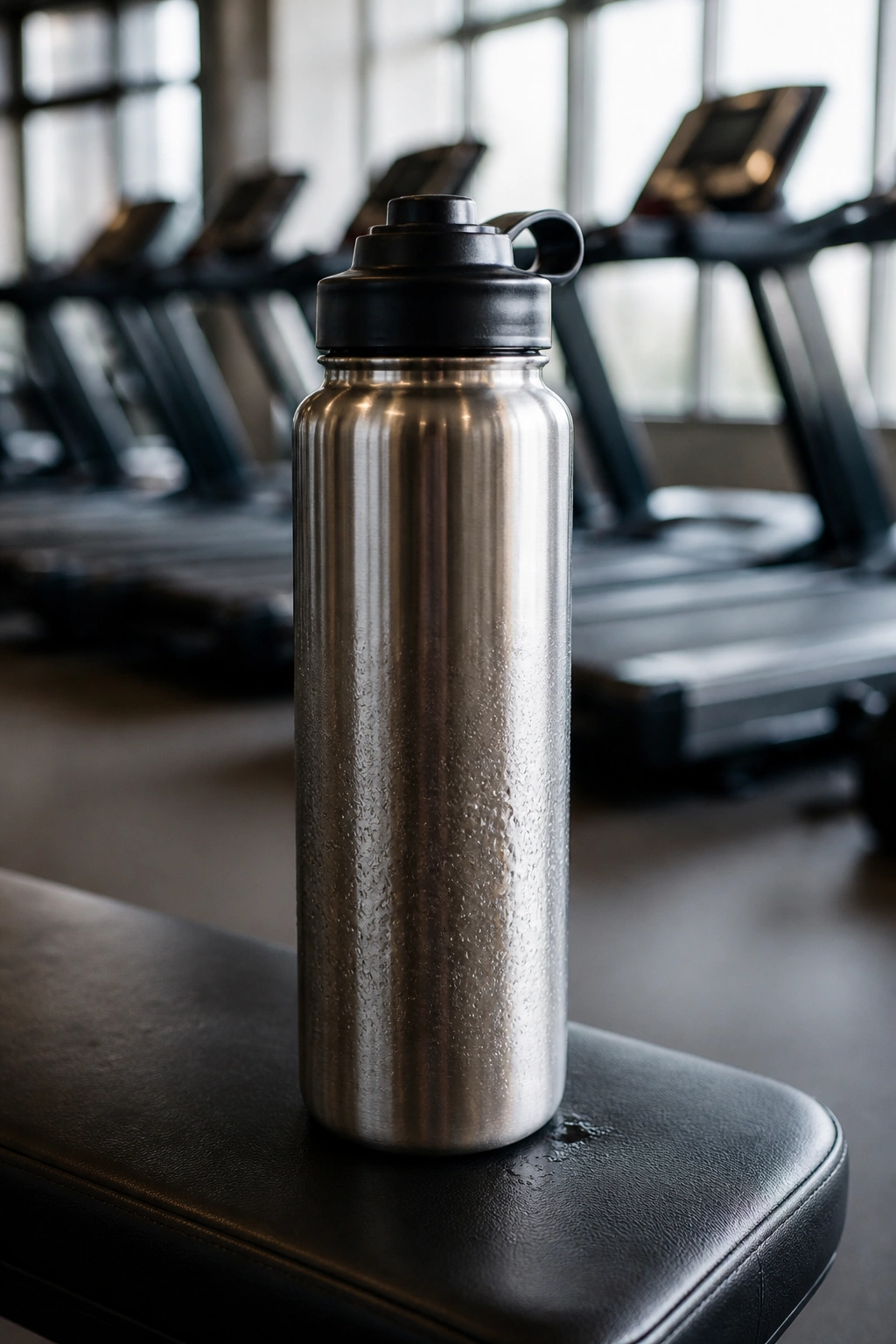
For most beginners, 24 to 32 ounces is the sweet spot. Smaller bottles run dry too fast, and huge jugs are great until you decide they’re a pain to carry. I prefer a bottle with a lid you can open one-handed, a mouth that’s wide enough for ice, and a shape that fits in a car cup holder or gym bag side pocket.
Stainless steel keeps water cold longer. Clear plastic makes it easier to see how much you’ve drunk. Neither is perfect, so pick the one you’ll actually carry.
A good bottle also changes behavior. You start sipping during rest periods, before a run, after a set, while you’re stretching. That sounds tiny, but it helps you avoid the drained, foggy feeling that ruins a session halfway through.
3. Resistance Bands With More Than One Strength
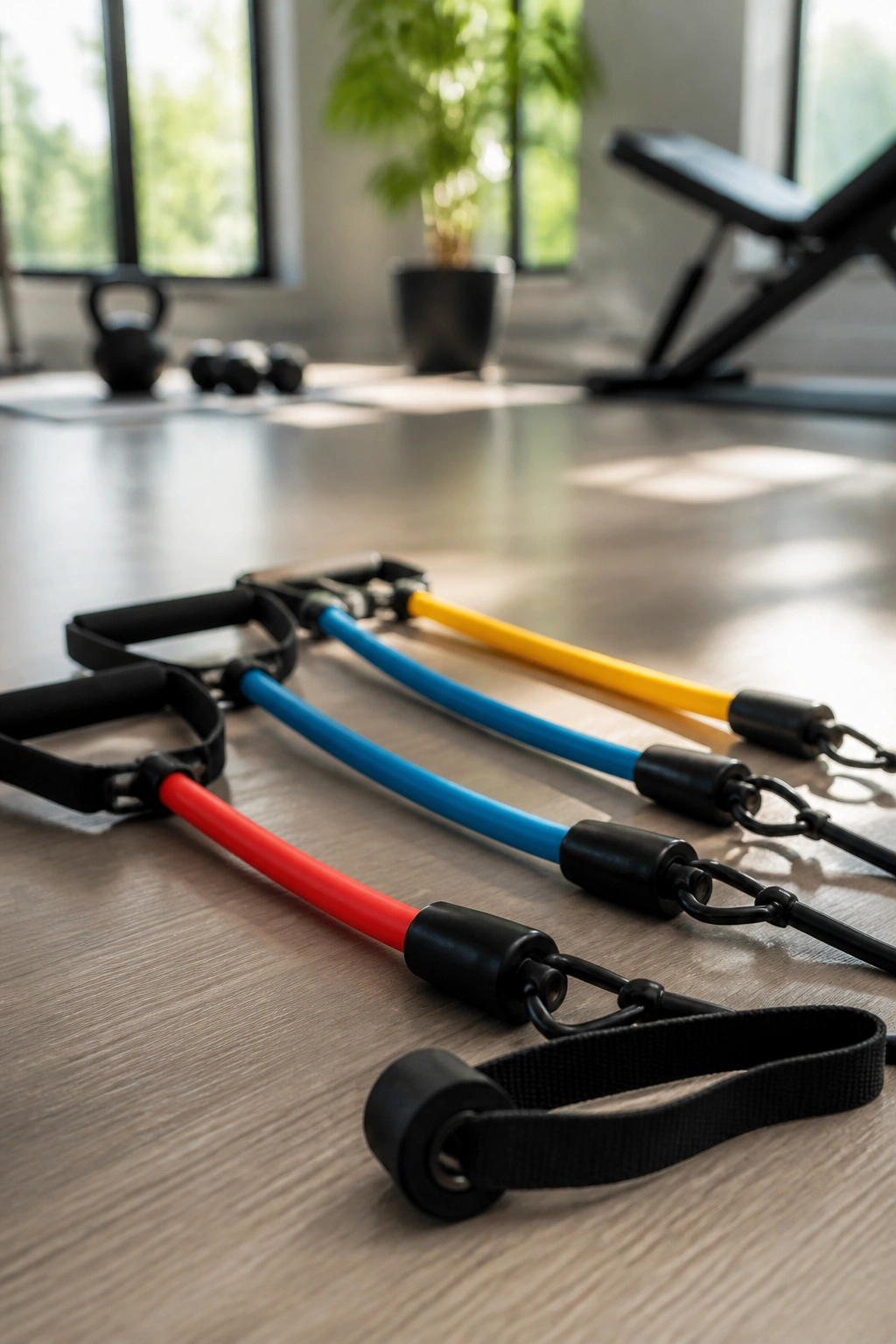
One set of resistance bands can do an absurd amount of work. Seriously. Rows, squats, warm-ups, shoulder drills, assisted pull-ups, glute work — all of it, without taking up much space.
What to Look For
Start with at least three resistance levels so you can move from light warm-ups to harder lower-body work. A long band with handles is useful for pressing and rowing, while loop bands are better for glutes, hips, and assisted movements.
- Check the material. Thick latex bands usually give the smoothest stretch, while fabric loop bands feel less slippery for lower-body work.
- Look for clear resistance labels. “Light,” “medium,” and “heavy” is better than mystery packaging with no real numbers.
- Add a door anchor if you train at home. That turns a simple band into a cable-style setup for rows and presses.
- Inspect the edges. Thin seams and tiny tears are warning signs. A band that fails mid-rep is not a fun surprise.
The real win here is versatility. If your schedule changes, bands still travel well, still fit in a drawer, and still give you a decent workout in a hotel room or living room corner.
4. A Simple Exercise Mat
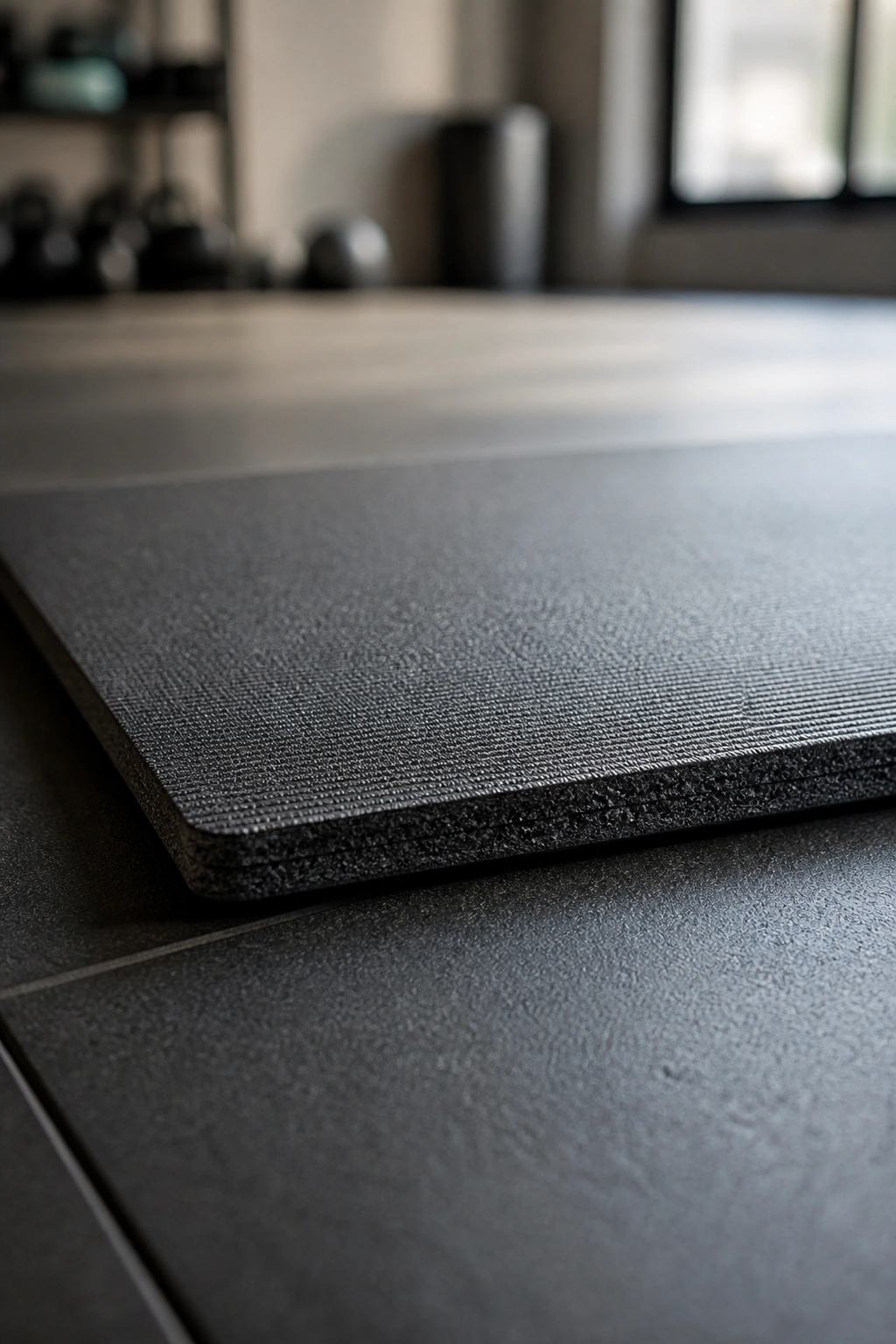
A mat is not just for yoga people.
It gives you a clean surface for stretching, planks, push-ups, dead bugs, glute bridges, and floor work that would otherwise leave your knees sliding on hard tile. That matters more than the aesthetic side of it. You want something that stays put when you move, not a slippery tube that crawls across the floor.
For beginners, 6 to 10 mm thickness is a good place to start. Thinner mats feel firmer for balance work; thicker mats cushion your knees better during floor exercises. If you do a lot of planks or standing balance work, too much cushion can actually feel unstable.
Length matters too. A standard mat around 68 to 72 inches fits most people comfortably. If you’re tall, check the full length before buying. A mat that’s too short becomes annoying fast, especially when your feet or hands keep slipping off the ends.
Look for a wipeable surface and enough texture to stop sliding. If you can’t trust the mat, you won’t trust the workout.
5. Adjustable Dumbbells or a Starter Pair
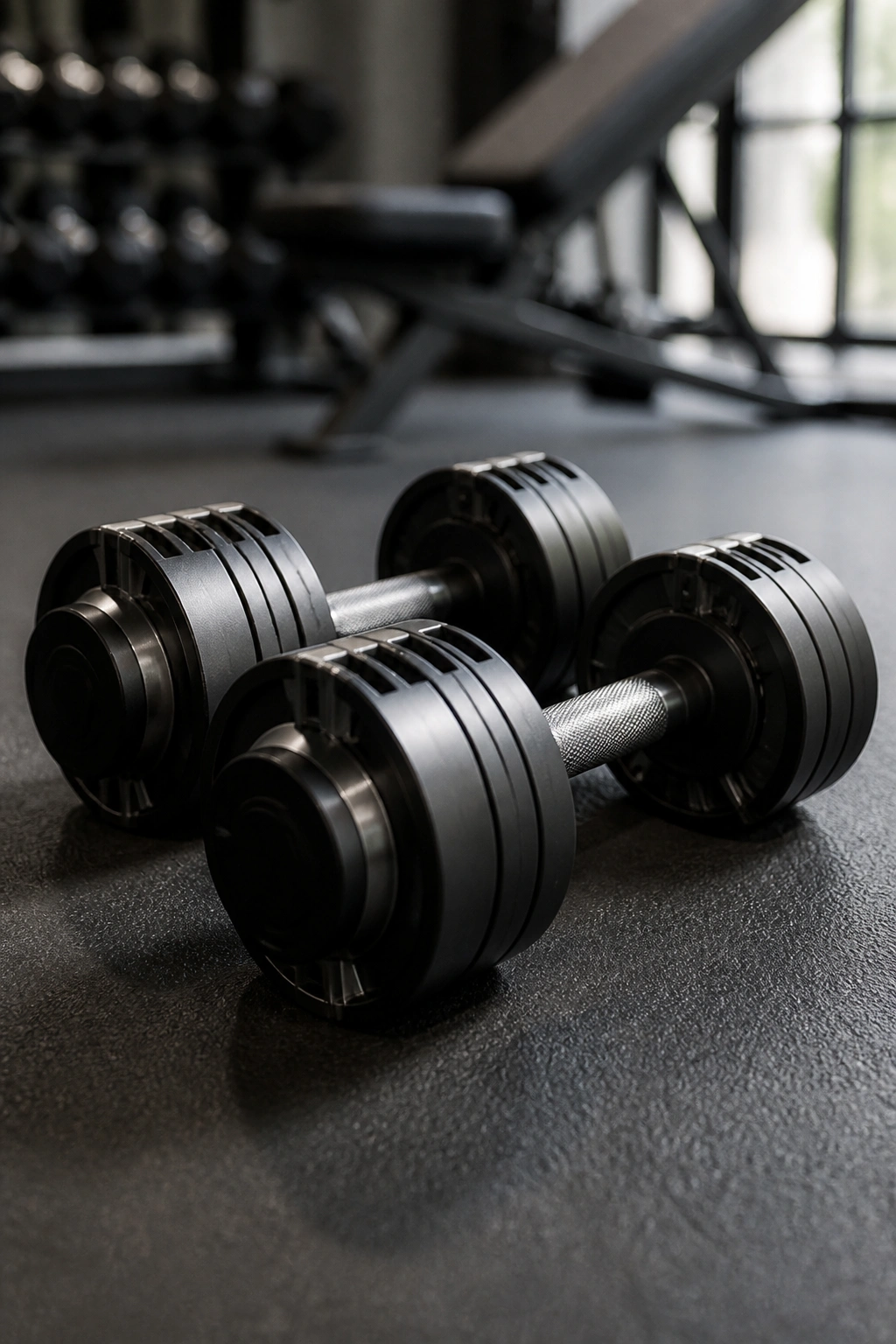
Resistance bands are clever. Dumbbells are direct. And for most beginners, that directness is useful.
A starter pair lets you learn the basic patterns that build strength: goblet squats, rows, presses, lunges, deadlifts, and curls. You don’t need a wall of weights to begin. You need one pair that feels challenging for the last few reps without turning your form into a mess.
Start Small, Then Grow
If you’re buying fixed dumbbells, a common starter range is 5, 8, 10, 12, and 15 pounds for lighter upper-body work, or a single pair that makes your final 2 reps hard with good form. If adjustable dumbbells are in budget, a set that ranges from 5 to 25 pounds covers a lot of ground.
Pick hex-shaped heads if you can. They don’t roll away the second you set them down, which sounds minor until you spend half a workout chasing one across the room.
The best thing about dumbbells is how clearly they teach load. You feel immediately when a weight is too light, too heavy, or right where it should be. That feedback is gold when you’re learning.
6. A Timer for Intervals and Rest
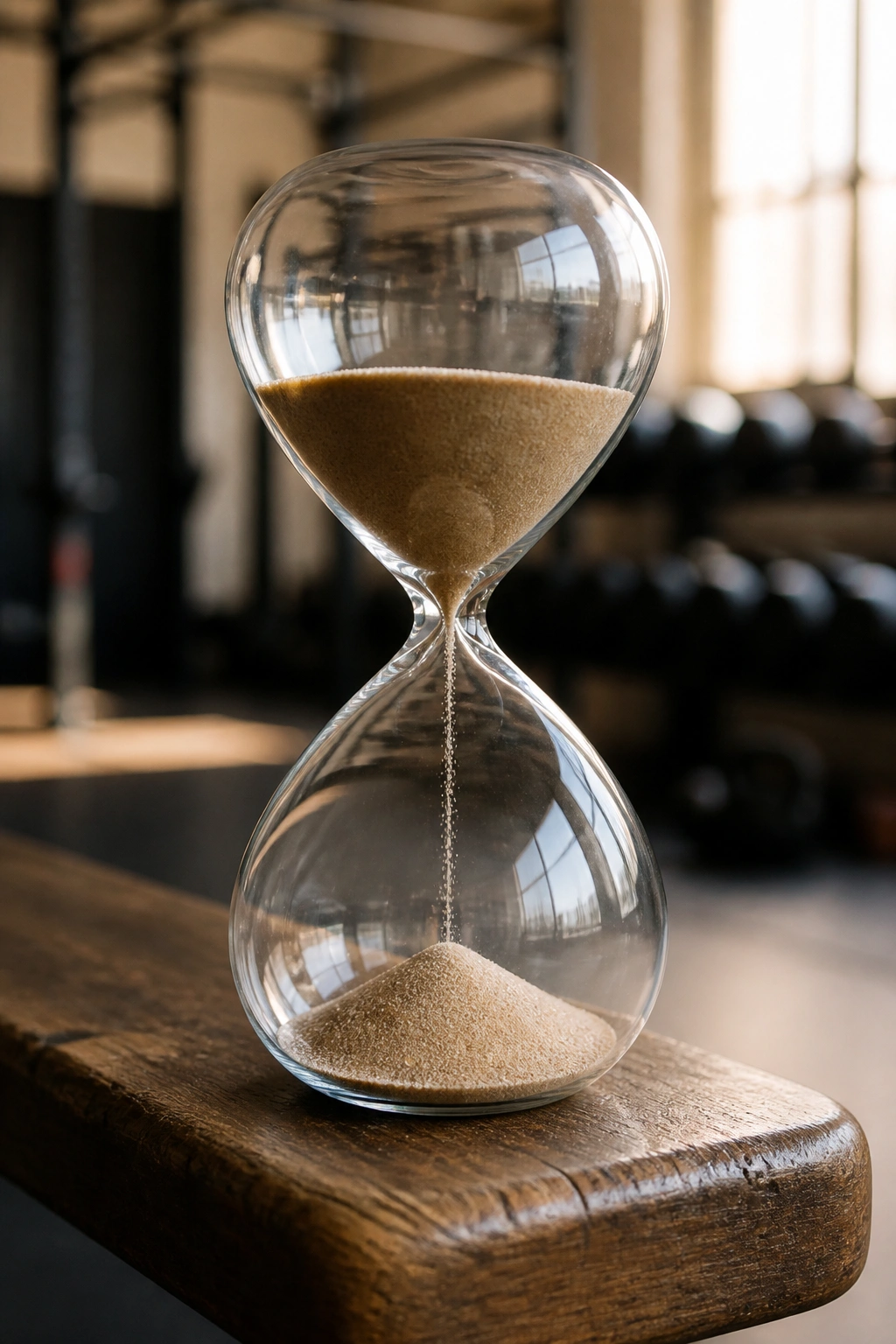
A workout timer sounds dull until you try training without one.
Then rest periods drift. Sets take longer than they should. A quick circuit turns into a half-lost hour of staring at your phone and wondering whether you’ve been “resting” for three minutes or thirteen.
A simple timer can be a phone app, a kitchen timer, or a dedicated interval watch. The point is to keep the structure honest. If you’re doing 40 seconds on, 20 seconds off, or taking 60 to 90 seconds between strength sets, the timer keeps you from guessing.
Useful Settings for Beginners
- 30/30 for short cardio or bodyweight circuits.
- 40/20 for moderate intensity work.
- 60 seconds on / 30 to 60 seconds off for straightforward conditioning.
- 2-minute rest for heavier strength sets when form matters more than speed.
A dedicated interval timer is nice because it doesn’t flood you with notifications, but the phone you already own works fine. Don’t overcomplicate this. The main win is simple: better rhythm, less drift, fewer workouts that feel messy.
7. A Gym Bag That Keeps Things Together
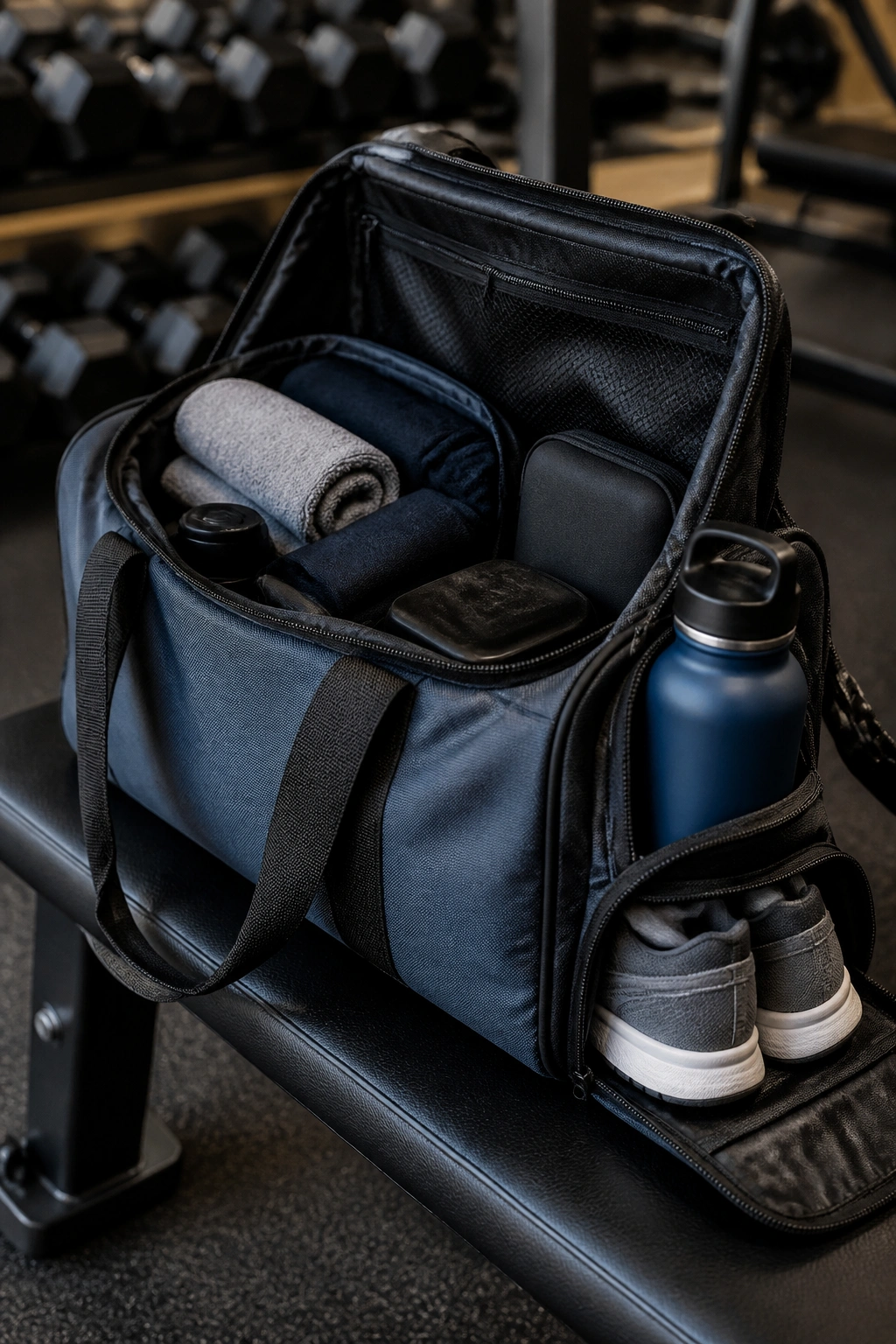
Ever notice how one missing sock can delay a workout by ten minutes?
That’s what a decent gym bag fixes. It keeps your shoes, towel, bottle, headphones, and lock in one place so you’re not hunting around the house or the car before every session. That kind of friction kills consistency more than people admit.
A good beginner bag does not need to be fancy. It needs a separate shoe pocket, at least one zip pocket for keys and cards, a side sleeve for a bottle, and a lining you can wipe out after a sweaty week. A duffel around 20 to 30 liters usually fits the job well.
If you bike or walk to the gym, a backpack might feel better than a duffel. If you drive, a shoulder bag is fine. The shape matters less than the organization.
I’m picky about zippers here. Cheap zippers fail at the worst possible time, usually when the bag is full and you’re already late. Buy once, cry once, as the saying goes — though I’d rather just buy the bag that doesn’t irritate me.
8. Moisture-Wicking Workout Clothes
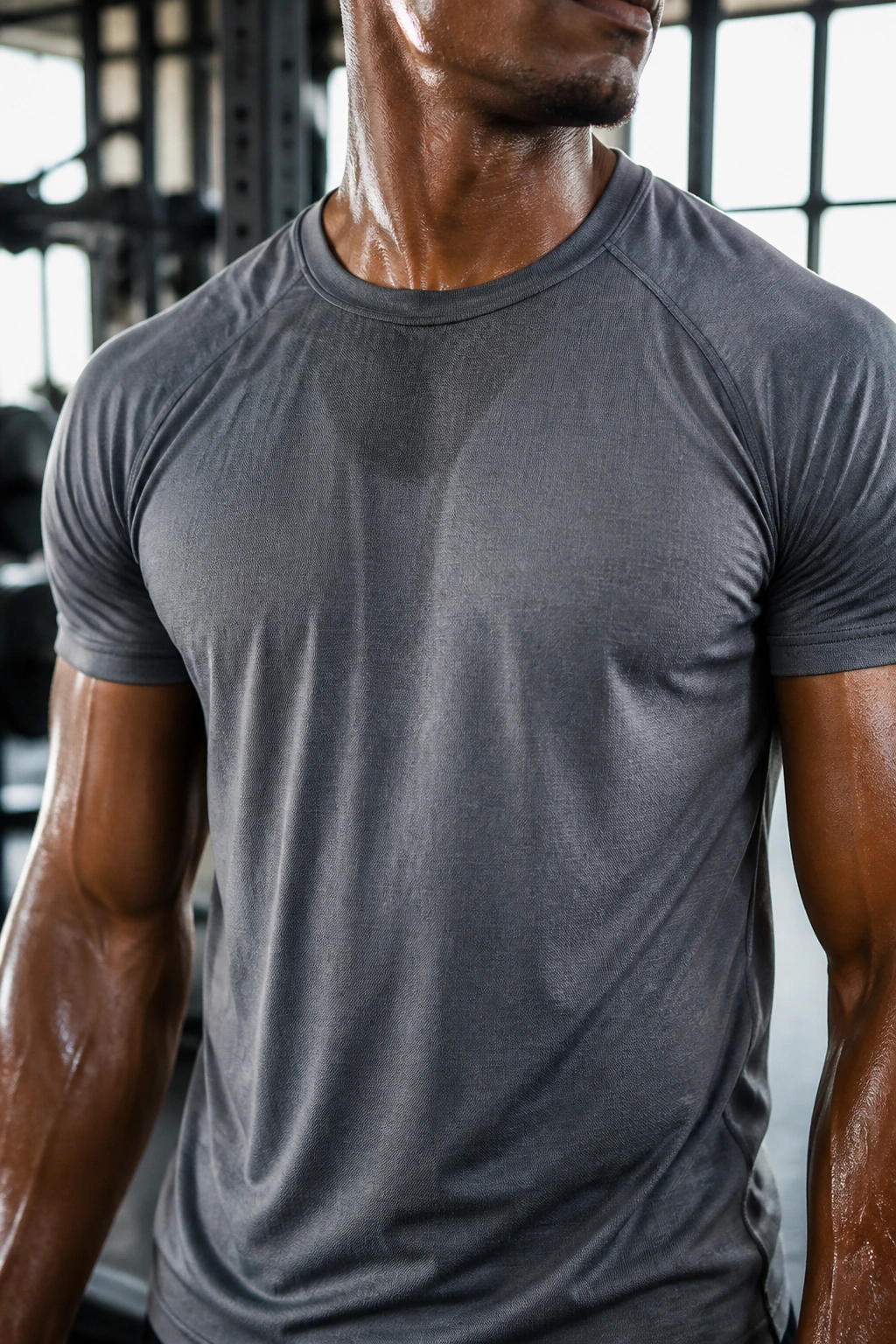
Cotton is fine for lounging. It’s a mediocre choice for sweaty training.
Once you start doing intervals, lifting, or classes that keep your heart rate up, cotton hangs onto sweat and gets heavy. Moisture-wicking fabric dries faster and moves sweat away from your skin so you don’t end up feeling damp and sticky halfway through the session.
You do not need a huge wardrobe. Two tops and two bottoms that you trust is enough to start. What matters is fit and fabric. Look for seams that don’t rub your underarms, waistbands that stay put, and tops that don’t ride up every time you reach overhead.
A good workout shirt should disappear while you’re wearing it. If you’re tugging, adjusting, or sweating through the hem in five minutes, it’s the wrong shirt.
For beginners, this is one of the easiest places to overspend. Don’t buy eight outfits because they look coordinated. Buy two or three pieces that wash well, dry fast, and don’t itch after twenty minutes.
9. A Sweat Towel
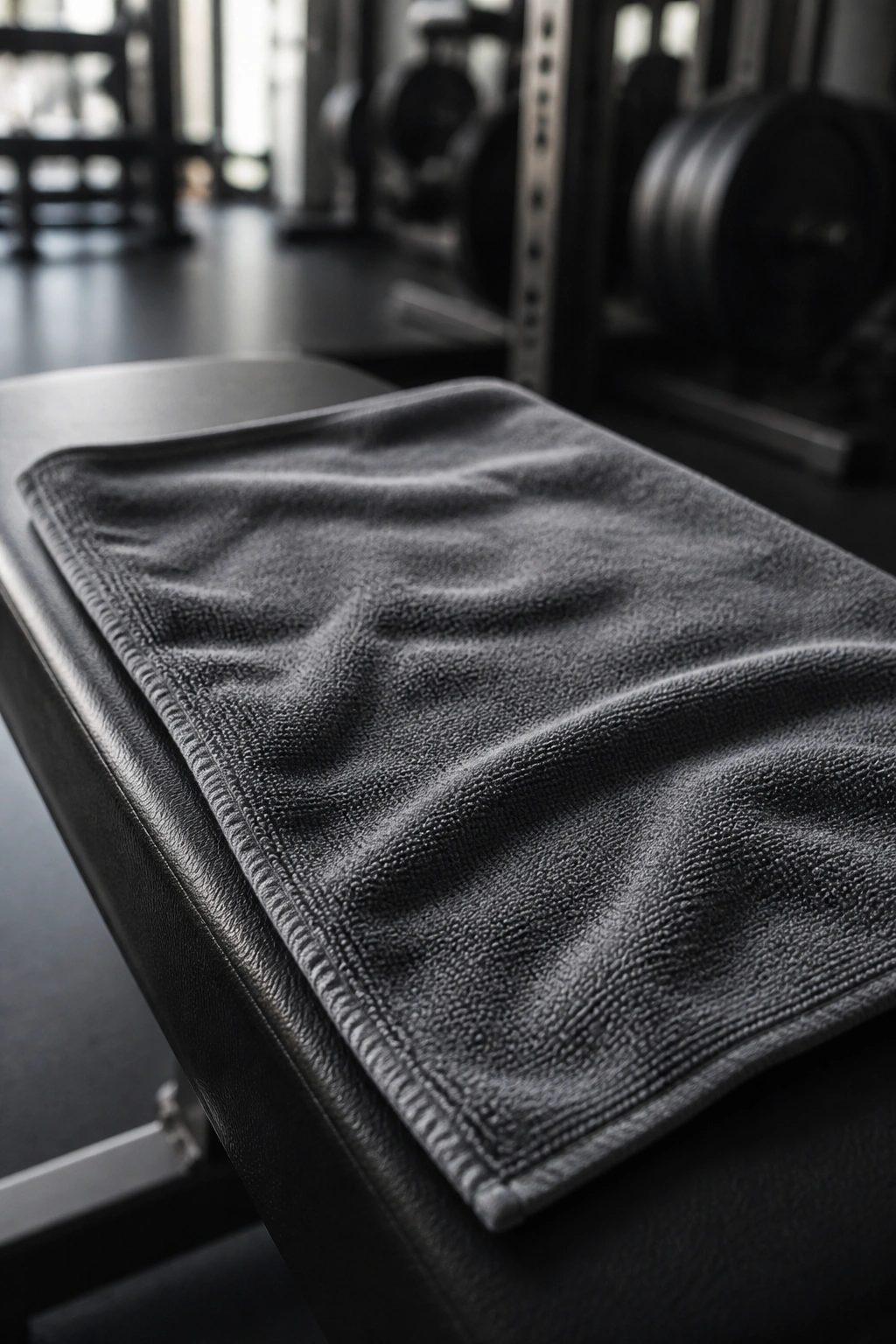
By the ten-minute mark, you’ll want one.
A towel sounds basic because it is basic, and that’s exactly why it belongs on the list. It keeps sweat off your face, your mat, your bench, and your hands. It also makes you a better gym neighbor, which matters more than most people think.
Microfiber towels around 16 x 32 inches are a solid pick because they dry quickly and pack flat. Smaller hand towels work if you mostly do short sessions. If you train in a gym, bring one towel for your face and one for equipment. If you train at home, keep a towel nearby so your mat doesn’t turn slick.
What Makes a Good One
- Dries fast after one wash.
- Doesn’t shed lint everywhere.
- Feels soft enough for face use.
- Fits in a side pocket without bulking up the bag.
The best towel is the one you stop noticing. It just quietly solves a problem every session.
10. A Foam Roller
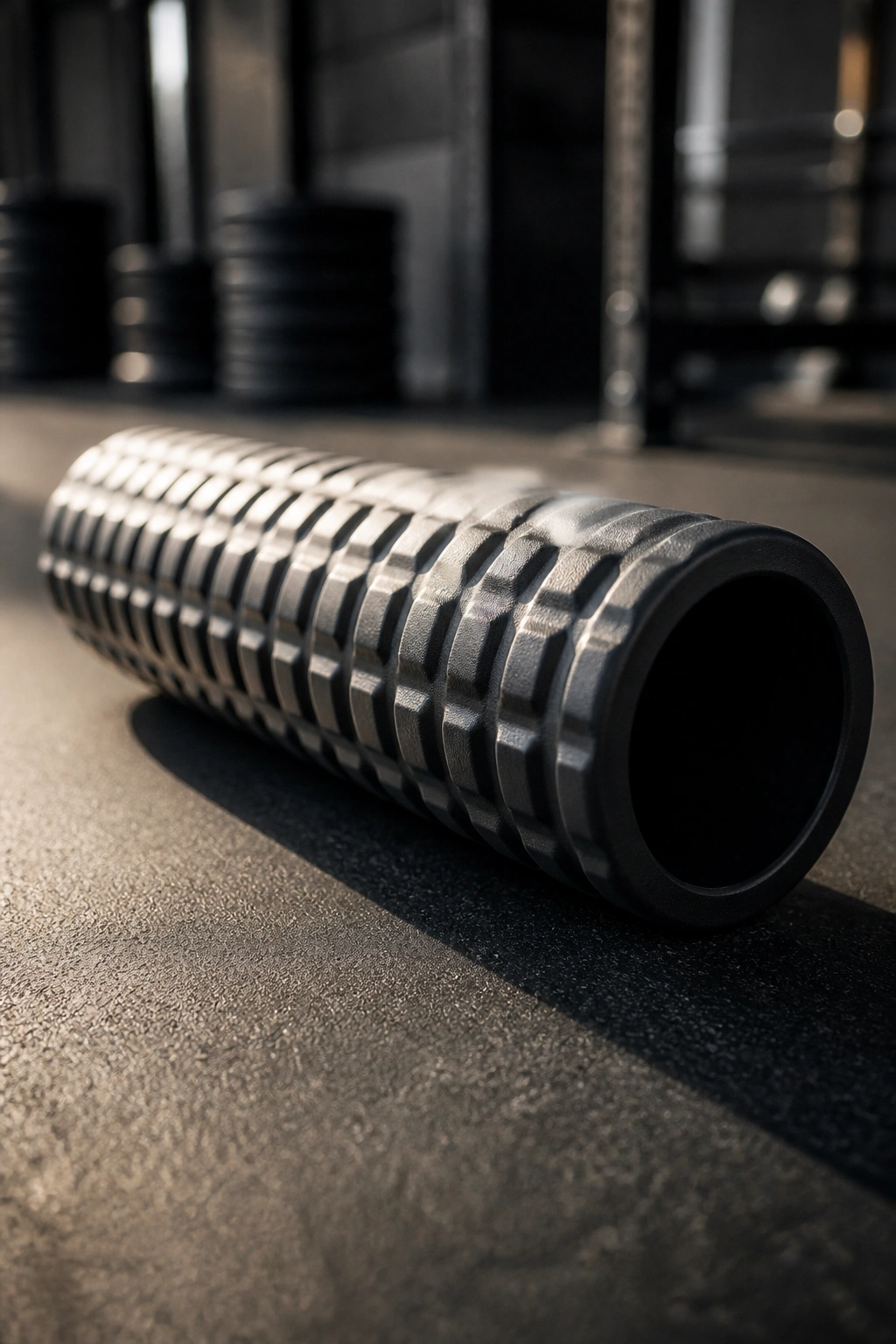
Is foam rolling magic? No.
But it helps, and not in a mystical way. A foam roller gives you controlled pressure on tight muscles after training, during a warm-up, or on days when your legs feel like they’ve been packed with wet sand. Beginners often skip recovery tools until soreness gets annoying enough that they wish they hadn’t.
A standard roller around 36 inches long is useful if you want room to work your upper back and both legs. Shorter rollers take less space. Density matters more than most people think: a medium-density roller is usually easier to live with than a painfully hard one that makes you avoid the whole thing.
Where to Use It — and Where Not To
Use it on quads, calves, glutes, and upper back. Spend 30 to 60 seconds per area, then move on. You’re looking for a little release, not a bruising contest.
Do not roll directly on joints or your lower back. That’s one of those beginner mistakes that sounds harmless and feels terrible. If a spot is tender, slow down. If it hurts sharply, stop.
11. A Jump Rope
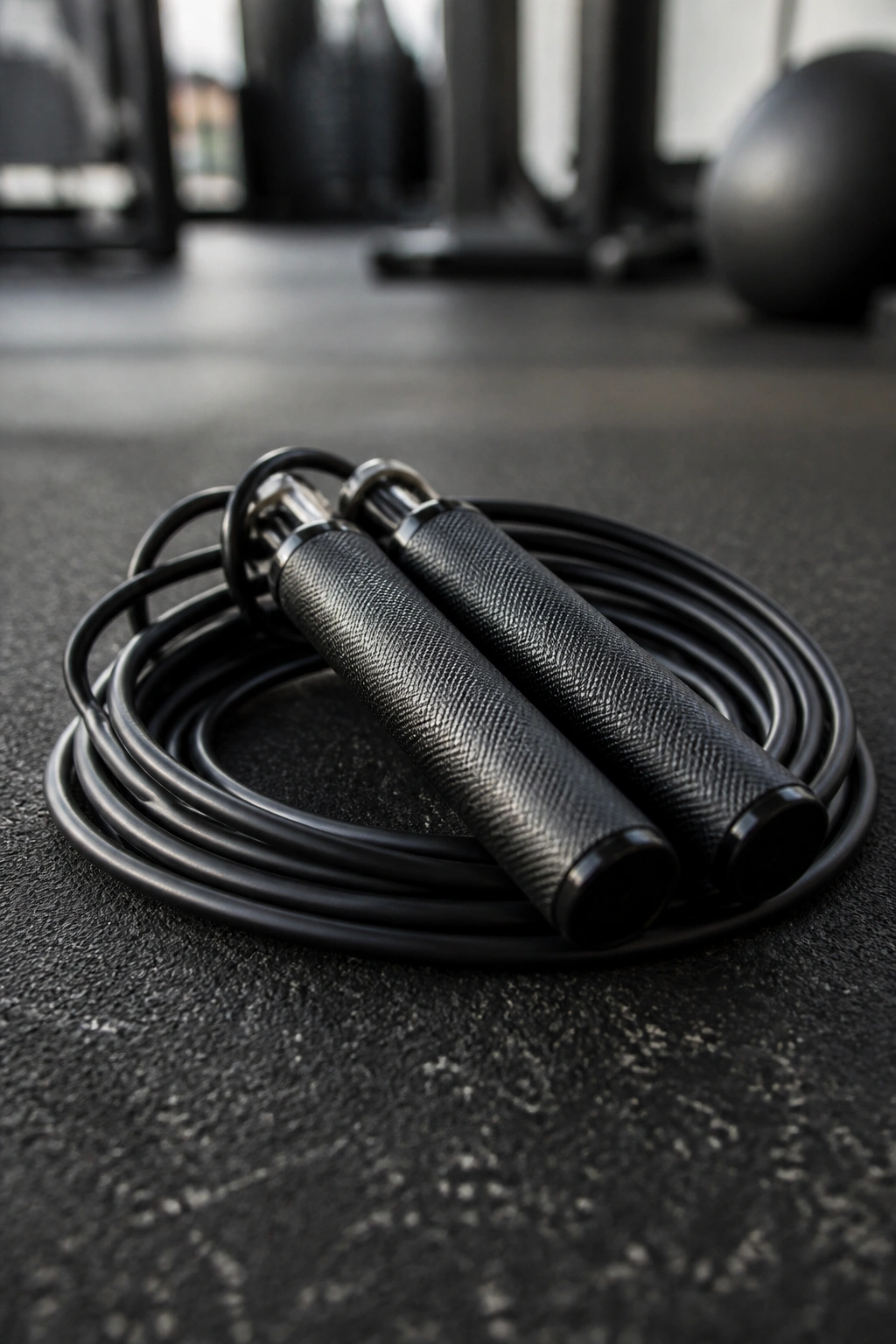
A single jump rope can solve three beginner problems at once: warm-up, cardio, and coordination.
It’s cheap. It takes almost no room. And it can humble you in about 15 seconds if you haven’t jumped in years. That’s part of the charm, honestly. A jump rope gives you a fast way to raise your heart rate without needing a treadmill or a big home setup.
A good rope should be adjustable in length. Stand on the middle of the rope, and the handles should reach about your armpits or slightly below, depending on your style. If the rope is too long, it drags and catches. Too short, and you’ll feel like you’re fighting it the whole time.
A Few Small Details Matter
- Ball bearings in the handles help the rope spin smoothly.
- A thin cable rope is faster and better for cardio.
- A thicker PVC rope is slower but easier for beginners to control.
- Foam handles can feel nicer when your palms get sweaty.
Five minutes of jumping can wake up your feet and calves in a way that walking on a treadmill simply does not. It’s a good piece of gear to own, especially if you like short workouts that get straight to business.
12. A Heart Rate Watch or Chest Strap
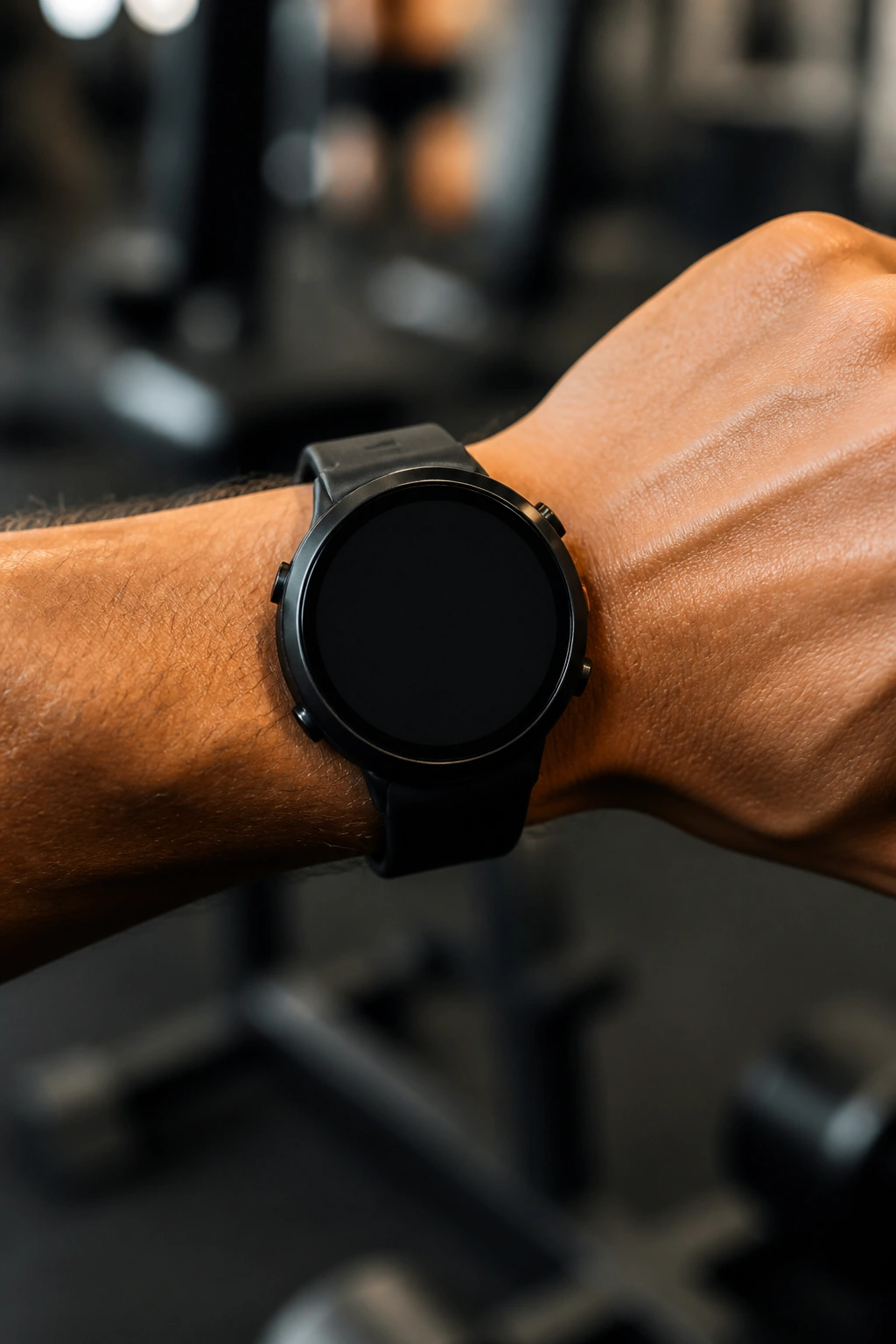
A watch is not required. But guessing effort gets old fast.
A simple heart rate monitor helps you see whether you’re actually working as hard as you think, which is useful on recovery walks, steady cardio, and intervals. It also makes it easier to keep easy days easy — something beginners often miss when every session feels like a test.
Chest straps tend to be more accurate during fast changes in effort because they sit closer to the heart’s electrical signal. Wrist watches are easier to wear all day and usually more comfortable. If you want one device that handles both workouts and daily wear, a watch is the more practical choice. If you care more about accuracy during cardio sessions, the chest strap has the edge.
You can train without either one. Plenty of people do. Still, once you start trying to repeat workouts and track progress, heart rate data gives you a cleaner picture than memory alone.
A simple rule helps: if you can talk in short sentences, you’re probably in moderate territory. If you’re gasping for words, you’ve moved harder. Not fancy. Just useful.
13. A Workout Logbook or App
If you can’t remember your last workout, you’re guessing.
That’s why a logbook belongs in a beginner’s kit. You don’t need a polished app with charts and streaks. A small notebook works. So does a notes app on your phone. The point is to write down what you did, what felt easy, and what felt hard.
What to Record
- Exercise name.
- Weight used or band resistance.
- Sets and reps.
- Rest time.
- A quick note on form or pain.
That’s enough to start. Three lines in a notebook can save you from repeating the same light workout for six weeks because you forgot what you lifted last time.
The best logs are honest, not pretty. If your left knee felt weird on lunges, write it down. If a weight felt too easy, note that too. This is how beginners start making actual progress instead of just “working out” and hoping something changes.
14. A Shaker Bottle
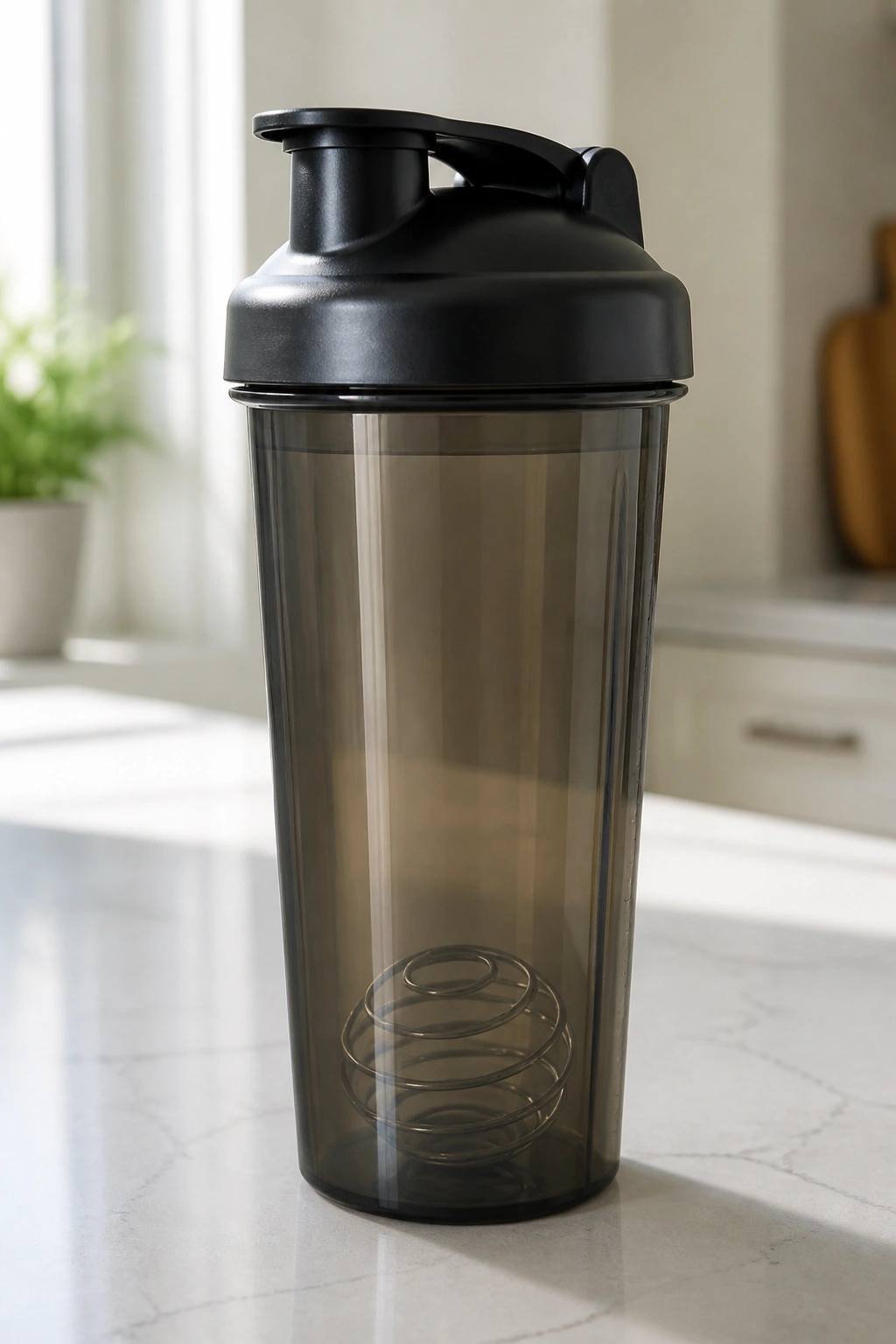
A shaker bottle is more useful than it looks.
Yes, it mixes protein powder. That’s the obvious job. But it also handles electrolyte mixes, pre-workout powders, and quick recovery drinks without clumping into that unpleasant, gritty sludge that ruins the whole thing.
For most people, a 20 to 28 ounce bottle is enough. You want a tight lid, a mixing ball or mesh insert, and a shape that’s easy to clean with a bottle brush. I’d also look for plastic that doesn’t hold onto weird smells after a few washes. Some cheap bottles start tasting like old powder and regret.
If you don’t use powders, this drops lower on the priority list. Fair enough. But if your routine includes a post-workout shake, a shaker bottle becomes a time-saver fast. No blender. No extra dishes. No excuse to skip it because you can’t be bothered.
Small win. Annoyance gone.
15. Meal Prep Containers That Seal Well
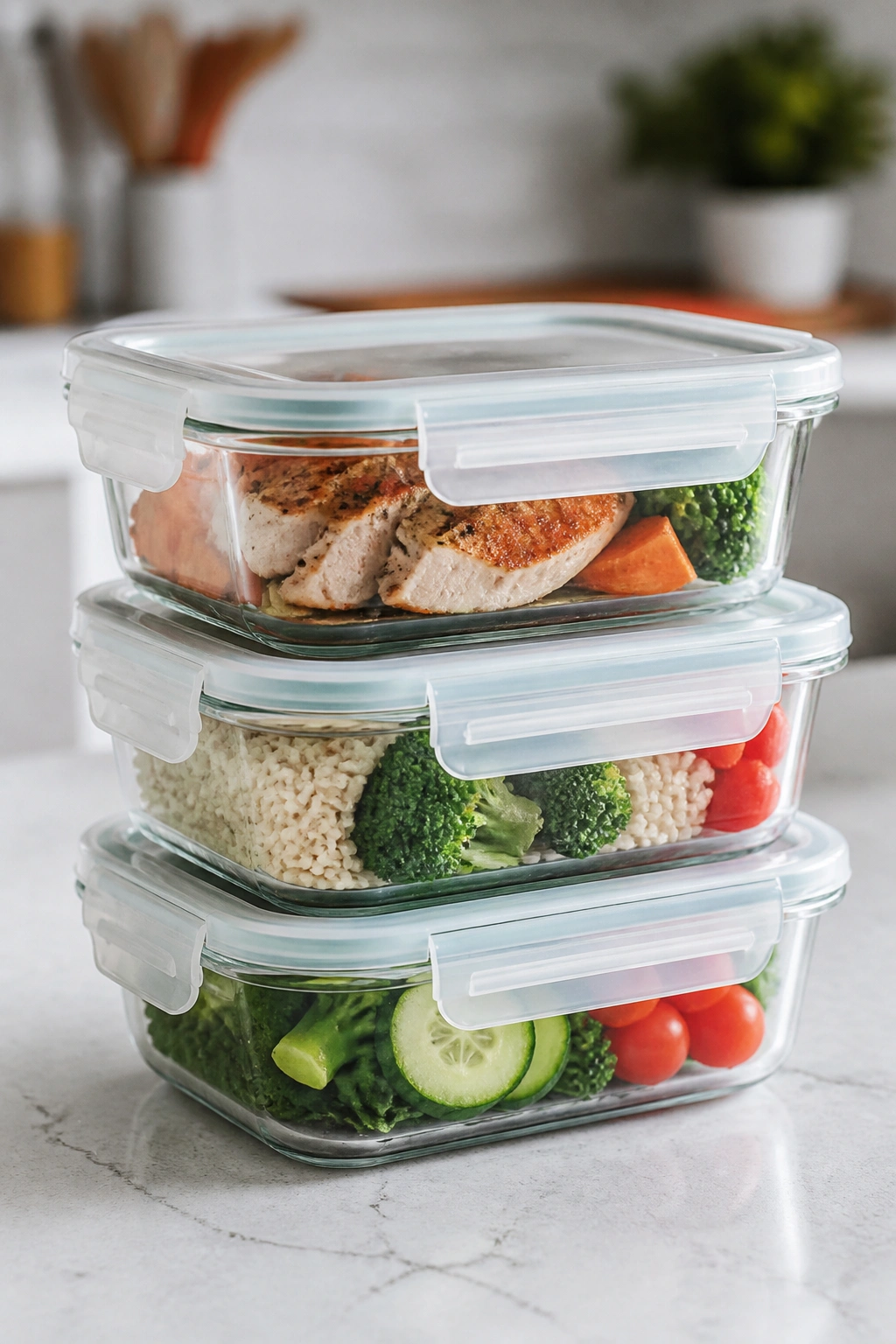
You do not need to become a meal prep person with matching lids and color-coded shelves.
You do need containers that actually seal. Once your workouts get more regular, food timing starts to matter in a practical way. A container set helps you pack lunch, carry post-workout food, and stop leaking soup into your bag like some kind of amateur science experiment.
A smart starter set usually includes 2-cup and 3-cup containers. That size covers a lot: rice bowls, chicken and vegetables, yogurt and fruit, leftovers from dinner. Glass containers are heavier but hold up well in the microwave and don’t stain as easily. BPA-free plastic is lighter and easier to throw in a gym bag.
Look for lids that snap down evenly on all four sides. If one corner pops open too easily, skip it. Stackable shapes help too, because cabinet chaos is real.
The point here isn’t perfection. It’s convenience. A decent container keeps the “I’ll eat later” plan from turning into “I missed my meal and now I’m starving.”
16. A Measuring Tape for Progress
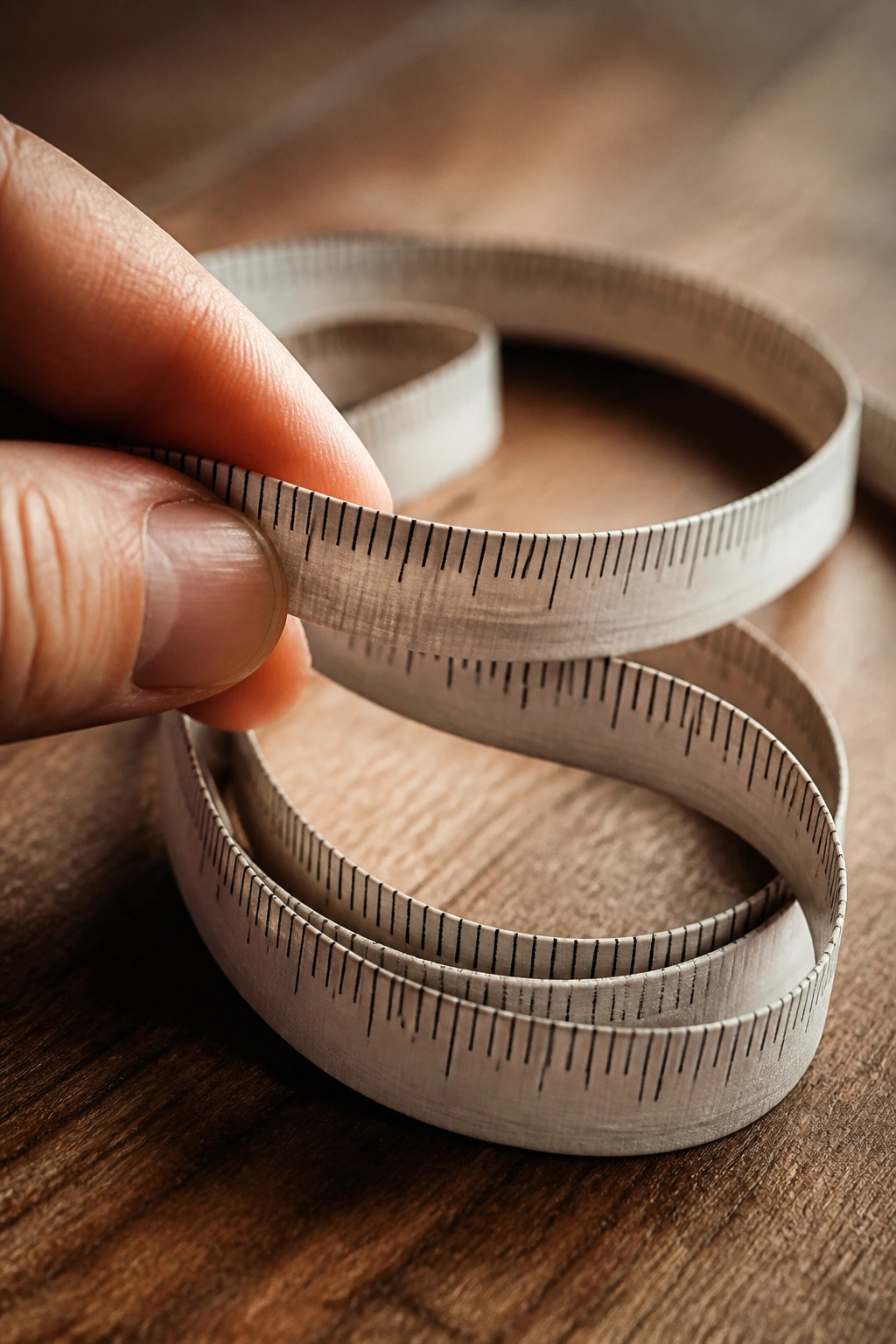
The scale misses changes a tape catches.
That’s the biggest reason a measuring tape belongs in a beginner setup. As you train, your waist, hips, chest, thighs, and arms can change even when body weight stalls for a bit. A soft tailor’s tape gives you a better picture of that than a single number on a scale.
How to Measure Without Messing It Up
- Measure the same areas each time.
- Use the same time of day, ideally before food.
- Keep the tape snug, not tight.
- Don’t suck in your stomach or flex your arm.
- Repeat every 2 to 4 weeks, not every morning.
A cheap tape works fine as long as the numbers are easy to read. I like one that’s flexible, retractable, and long enough to circle larger body areas without fighting the tape’s shape.
This is a low-drama tool. That’s the beauty of it. It tells you whether your program is working in a way your mirror might miss, and it does it without making you obsess over day-to-day noise.
17. A Full-Length Mirror or Wall Setup
Mirrors are not about vanity when you’re learning form.
They help you see where your knees track during squats, whether your shoulders are creeping up on presses, and if your stance has turned into a lopsided mess without you noticing. Beginners often feel a movement before they can repeat it cleanly. A mirror shortens that gap.
A full-length mirror is ideal. If that’s not practical, a clear wall setup or a phone propped at the right angle can do the same job. You just need enough visual feedback to notice whether your hips are shifting, your back is rounding, or your arms are drifting away from the path you wanted.
One caution: don’t stare at yourself like you’re rehearsing for a photoshoot. That’s not the point. Use the mirror to check alignment, then get back to the set.
A single clean reflection can save you from repeating a bad pattern for months. That’s a bargain.
18. A Basic First-Aid and Blister Kit
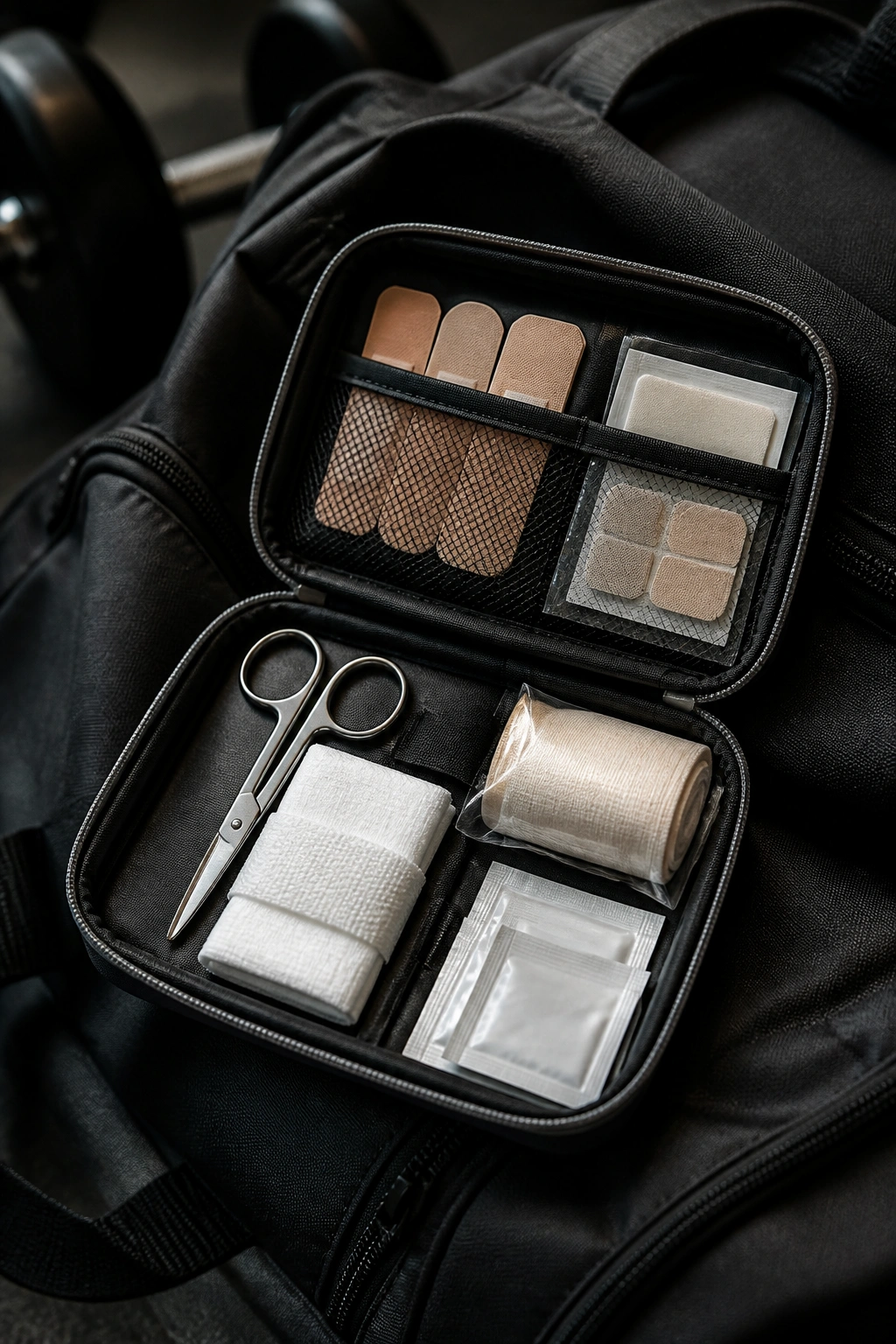
Small problems become workout killers when you ignore them.
A blister, a rubbed heel, a raw finger, or a tiny cut can wreck a session faster than a tough set ever will. That’s why a basic first-aid kit belongs in the beginner pile. It doesn’t need to be huge. It just needs to live in your bag and hold the right stuff.
Pack These First
- Adhesive bandages in a few sizes.
- Blister pads or moleskin.
- Athletic tape.
- Antiseptic wipes.
- A pair of small scissors.
- A couple of gauze pads.
If you run, walk a lot, or wear new shoes, blister care matters. If you lift, calluses and hand tears matter. If you do any kind of outdoor training, scrapes happen. Nothing dramatic. Just annoying enough to stop you if you’re unprepared.
Sharp pain is a different story. Tape is not a fix for that. If something feels wrong in a joint or tendon, stop and sort it out instead of trying to out-stubborn it.
19. A Pull-Up Assist Band and Door Anchor
No pull-up bar? Fine. You can still train your pulling muscles.
A pull-up assist band and a door anchor turn a plain room into a surprisingly useful home setup. You can do assisted pull-downs, rows, face pulls, triceps presses, and shoulder work without needing a full rack of machines. For beginners who train at home, that kind of flexibility matters.
Set It Up Safely
- Use a door anchor only on a door that closes firmly.
- Check that the anchor sits on the hinge side or the side that won’t open toward you.
- Test the setup with light tension before pulling hard.
- Choose bands with clear resistance labels, usually somewhere in the 15 to 50 pound range for beginner use.
The nice part is that this combo grows with you. A light band can help with mobility and warm-ups. A heavier one can support assisted pull-ups or deeper strength work. You’re not buying one trick; you’re buying a small system.
Apartment-friendly gear should pull its weight. This does.
20. A Massage Ball for Tight Spots
A foam roller can’t reach everything. A massage ball can.
This is the tiny tool I see people underestimate most often. A 2.5-inch lacrosse ball or a firm massage ball can get into glutes, feet, chest muscles, and the space around your shoulder blade far better than a big roller can. That makes it useful for the tight, annoying spots that don’t loosen up with broad pressure.
Use it against a wall or on the floor, and work one spot for 30 to 45 seconds at a time. You’re looking for a release, not a wince-fest. Slow pressure beats frantic rubbing. Always.
It’s also cheap, which makes it easy to ignore and easy to buy. That combination is rare. A lot of beginners end up using this more than they expect, especially if they sit at a desk, run, or do a lot of pressing work in the gym.
Small tool. Strange amount of value.
Keep It Simple
The best beginner setup is the one that removes friction. Shoes that fit, a bottle that stays closed, a mat that doesn’t slide, and a timer that keeps rest honest do more for consistency than a cart full of extras.
Start with the pieces that make the next workout easier to begin. That usually means the basics first, then the recovery tools, then the gear that supports whatever style of training you actually enjoy.
And that’s the part people forget: the right gear should fade into the background. If you notice it only because it solves a problem, you bought well.
